
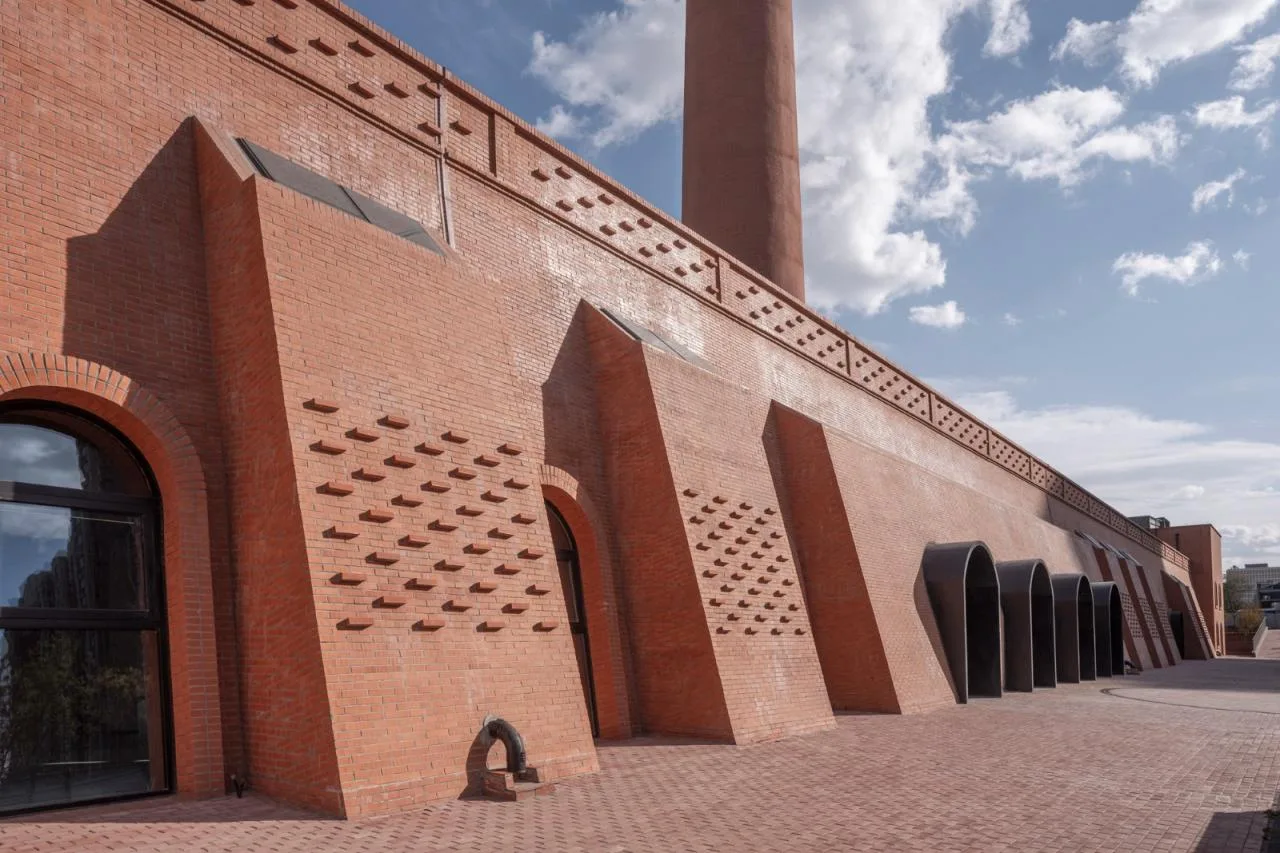
The project began at the Brick Kiln site, located on the south side of Building Materials City West Road in Xisanqi Street, Haidian District, Beijing. This site is a corner of the former Beijing Brick and Tile Factory, which from the 1950s to the 1970s supplied a vast number of blue and clay bricks to the State Council and many of Beijing’s “Top Ten Buildings,” contributing significantly to the capital’s development.
As the city evolved and land uses changed, the brick factory closed in 2012. By then, mature neighborhoods with residential areas, innovative tech parks, and primary and secondary schools had flourished around it, greatly increasing the urban area’s value. However, due to long-term neglect, the brick kiln building was structurally classified as dangerous and on the verge of collapse, urgently requiring comprehensive renovation.
The key challenge of this renovation was to preserve the brick kiln’s external form and historical significance while capitalizing on its advantageous location. The design also needed to adapt the building for modern uses, incorporating cultural, creative, and leisure functions essential for urban life.
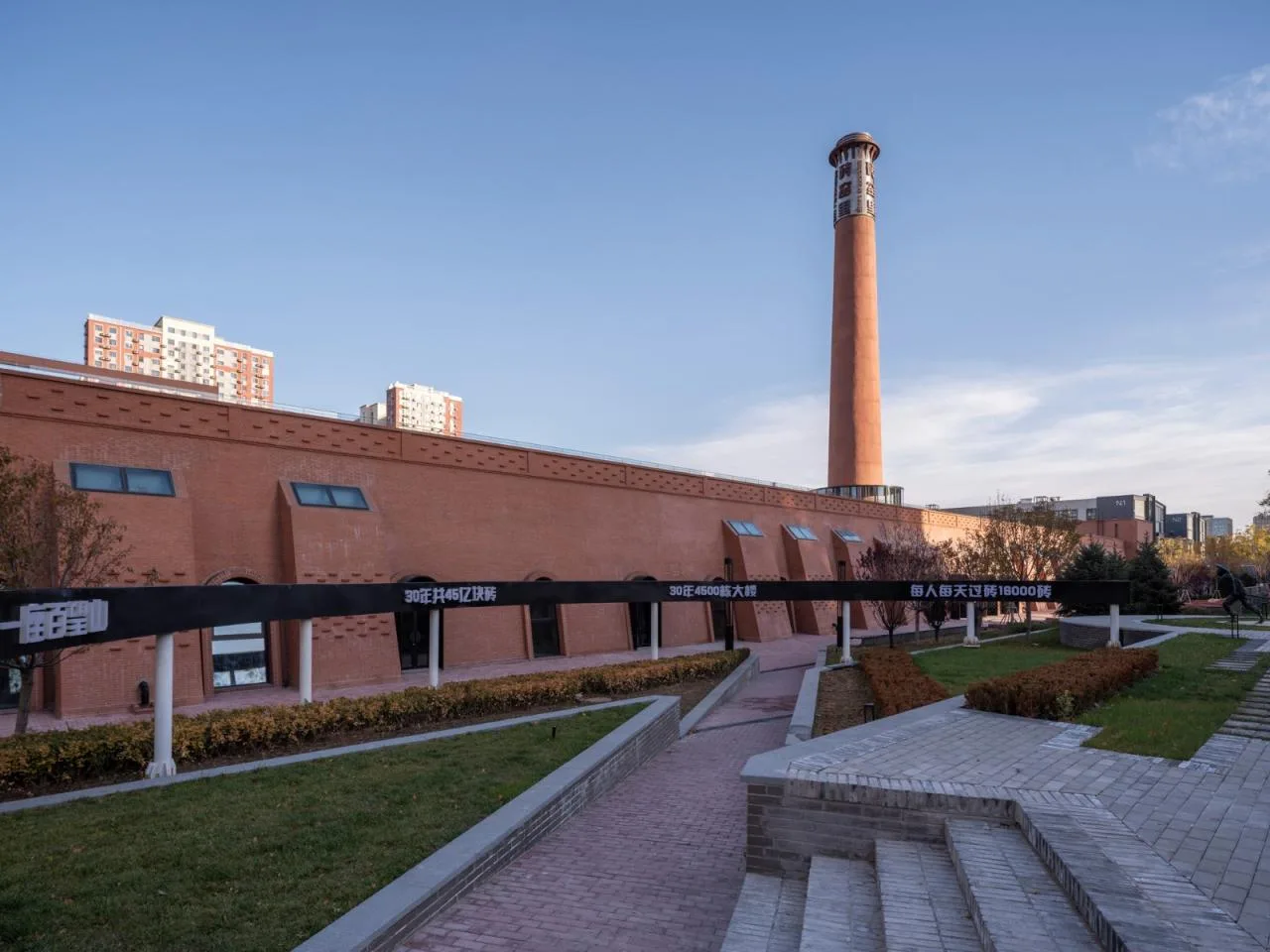
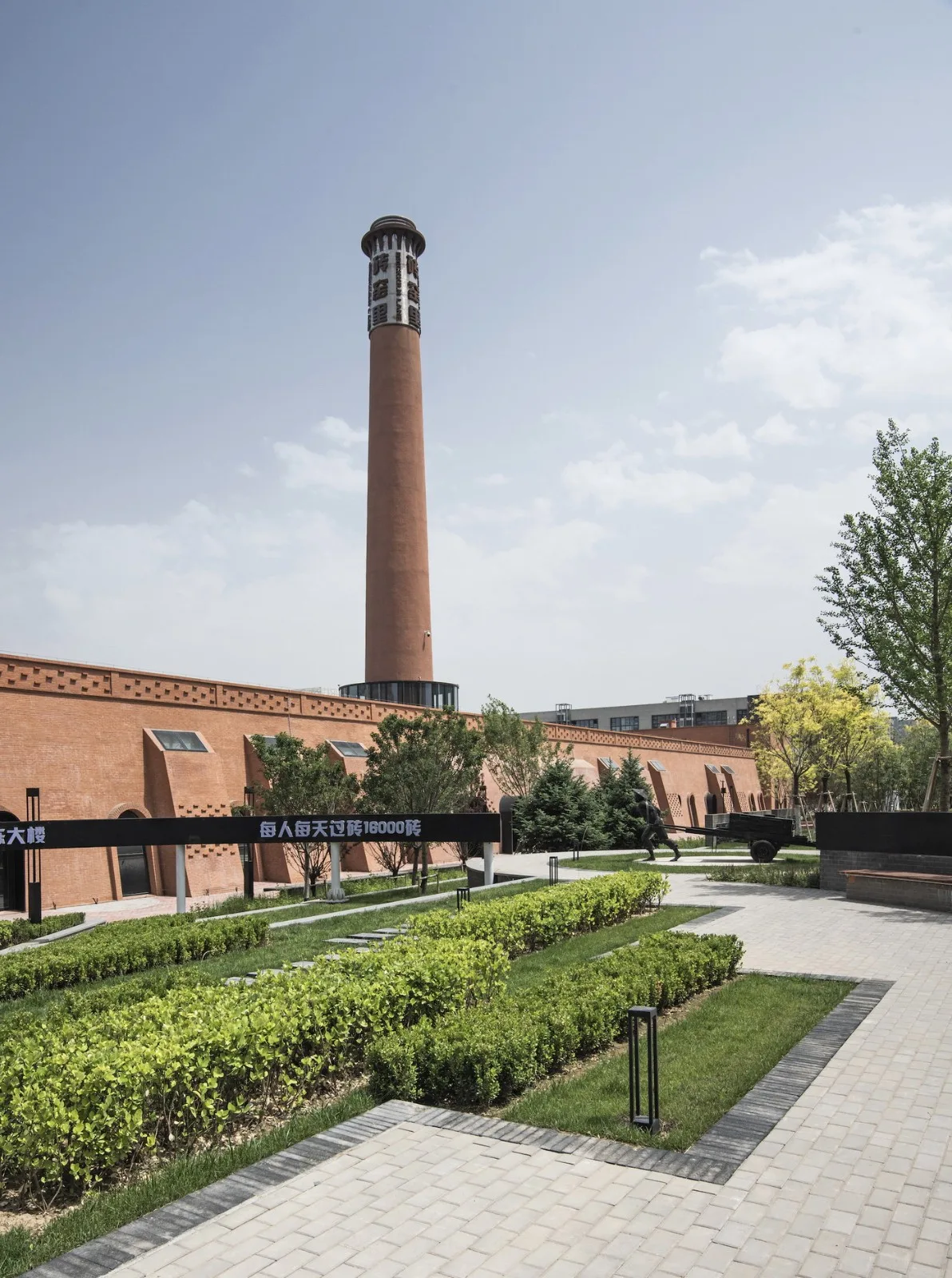
Design Strategy: The circular kiln passage inside the brick kiln site is the primary space used for firing bricks, stretching 150 meters in length. Along both sides of this kiln passage, 54 arched doorways provide access for brick blanks and finished bricks. The main flue runs through the center of the kiln, connecting to the chimney, which vents smoke and excess heat. Brick walls flank the kiln arches, acting as supports for the kiln’s structure.
Two primary design strategies were proposed for the renovation:
- Spatial Potential – Height-Based Profile Strategy: Because the internal arch height is currently low, the design introduces a downward extension to increase spatial volume. The eaves of the kiln body remain at the original visual city height, while the building extends two meters downward, connecting to the city street through a sunken site and landscaped terraces.
- Space Restoration – Structural Logic Strategy: The damaged and collapsed arch crowns inside the kiln tunnel will be removed. Reinforced concrete walls will be installed to support and reinforce the original brick arch exterior walls. These concrete walls will serve as the new interior surfaces of the renovated brick kiln.
Additionally, umbrella-shaped concrete structures are embedded within the new kiln body, connected by steel beams to form the roof. This design replaces the original heavy dome, freeing up vertical space and allowing for potential mezzanine levels. Through structural reinforcement and exterior protection, a detailed study was conducted on the internal spatial organization and the relationship between the umbrella-shaped structures and spatial distribution.
Although technical and budget constraints prevented full implementation of this structural concept, many of the design ideas and results have been retained.
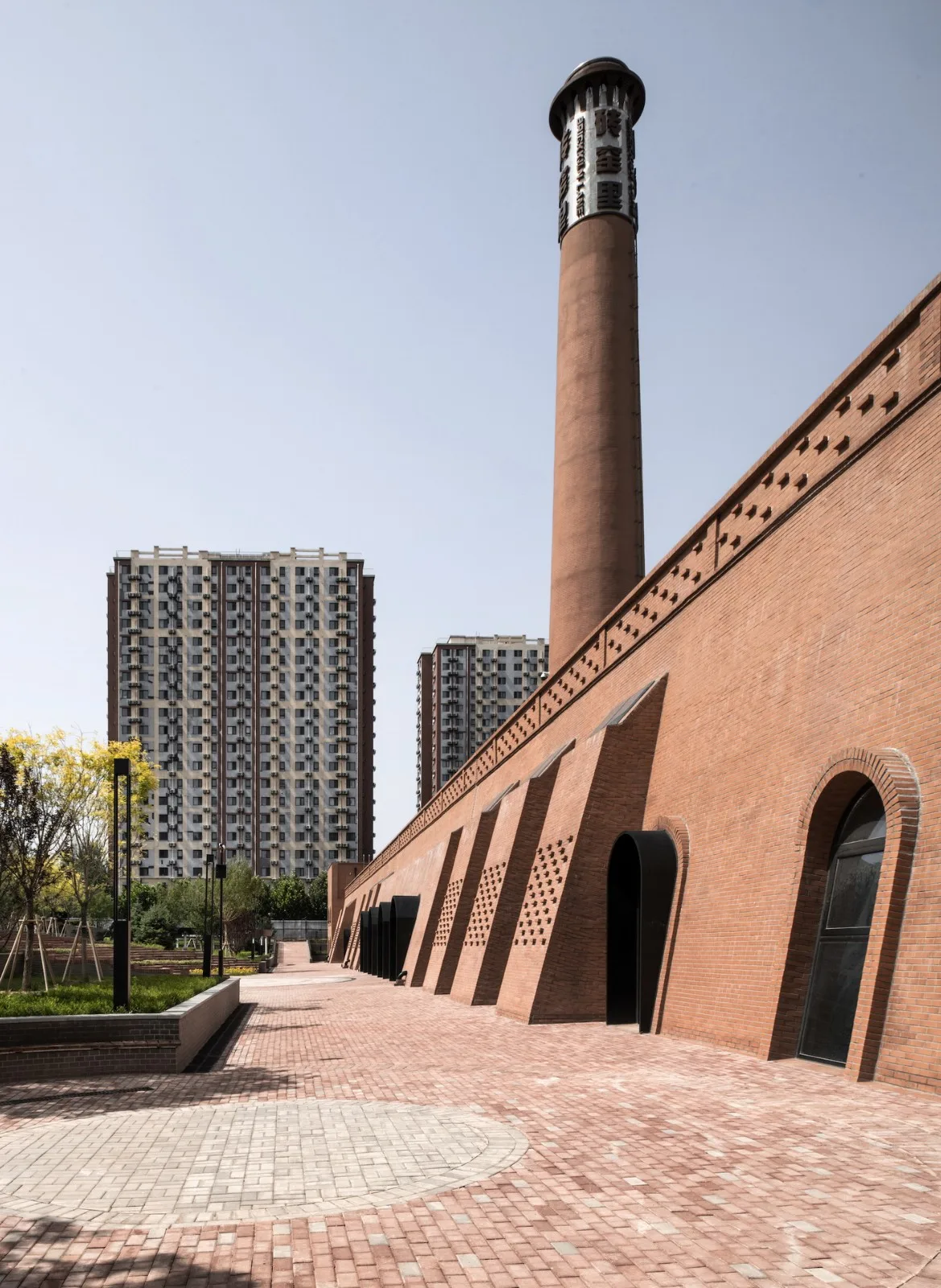
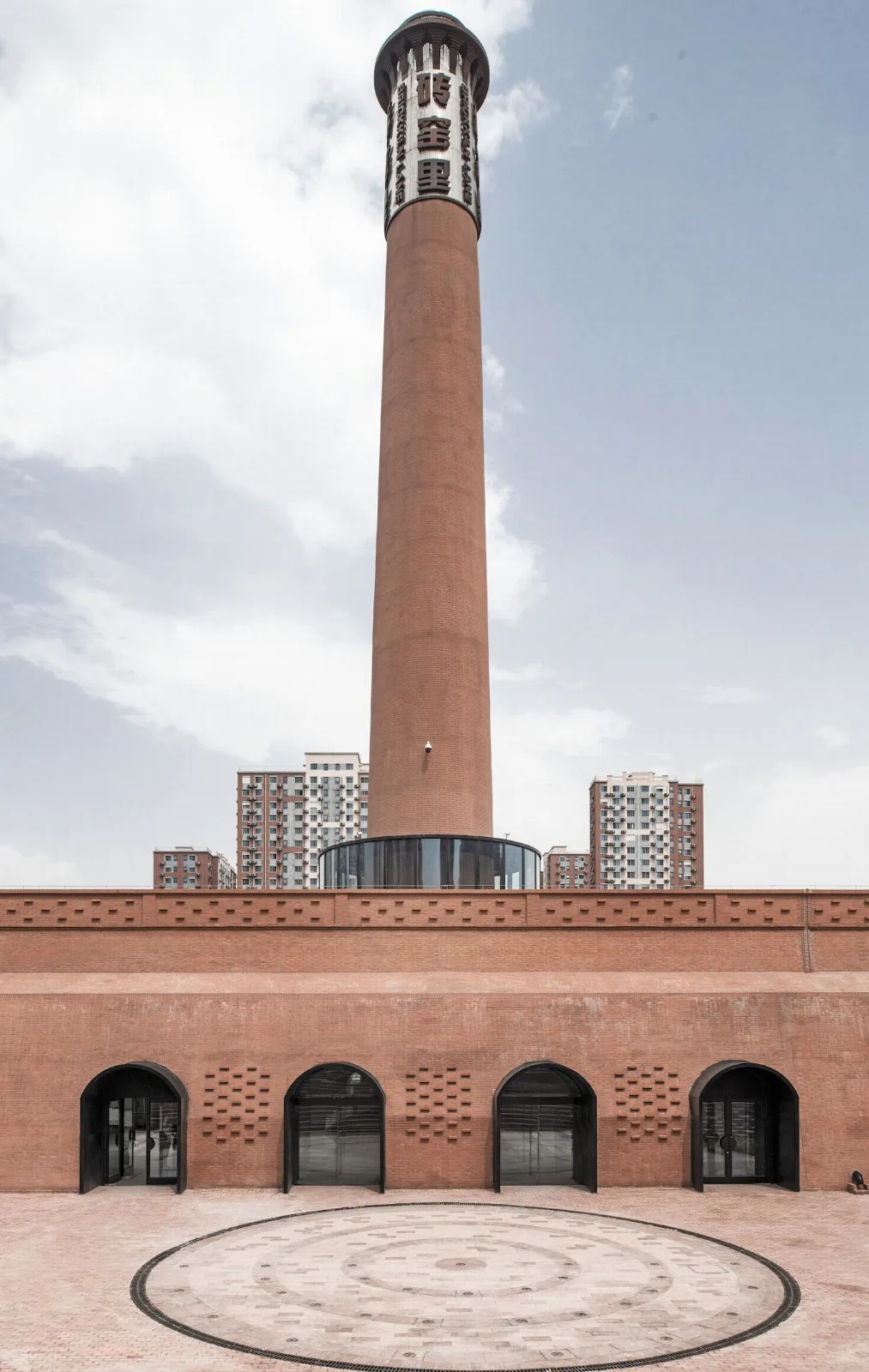
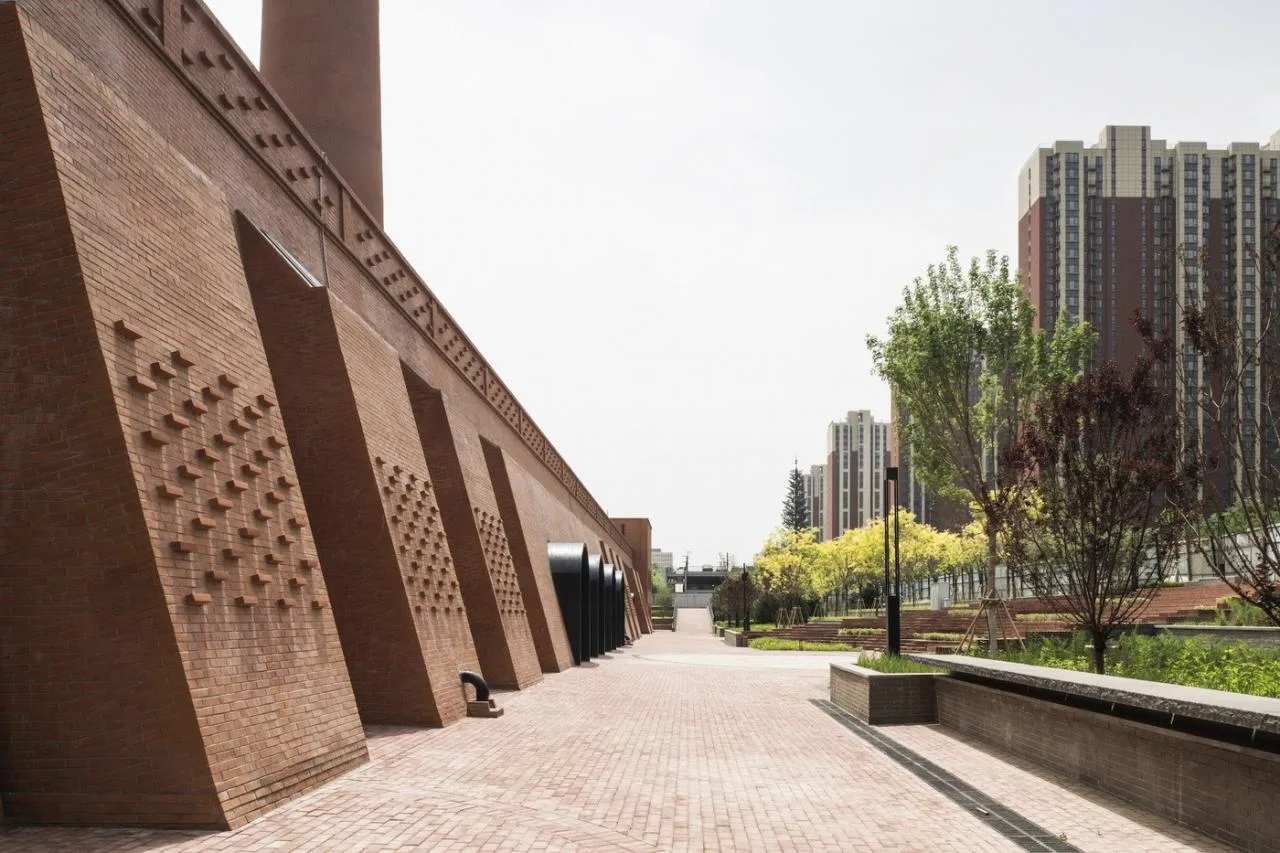
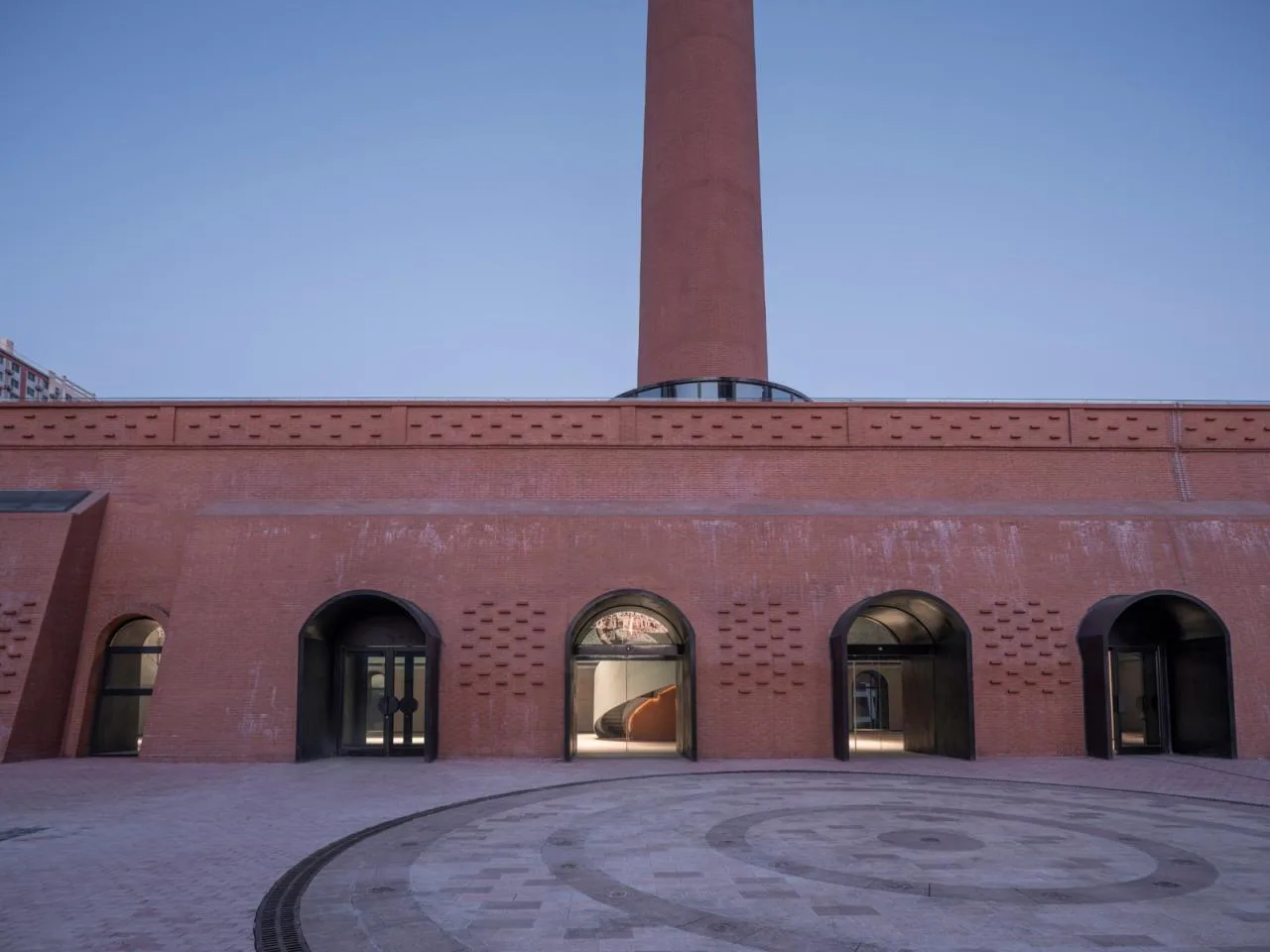
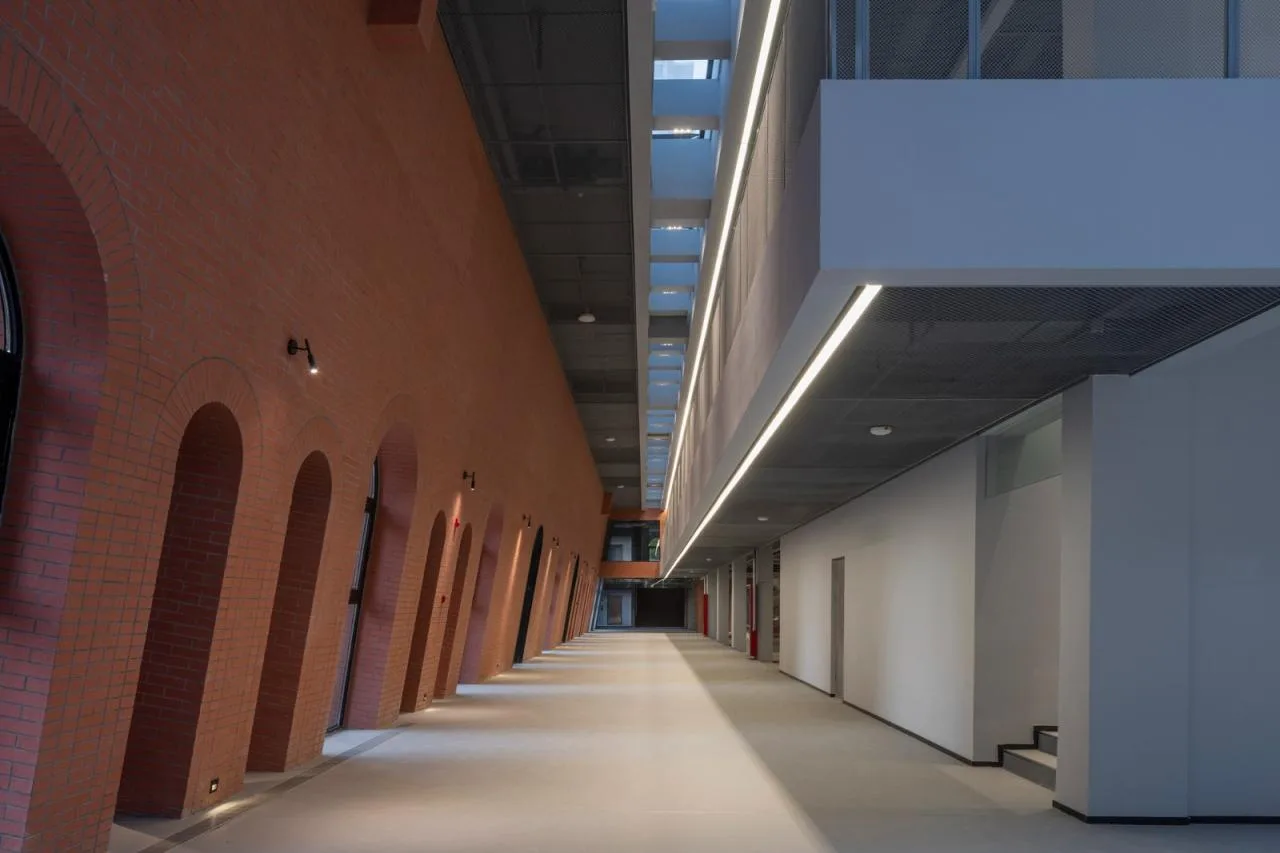
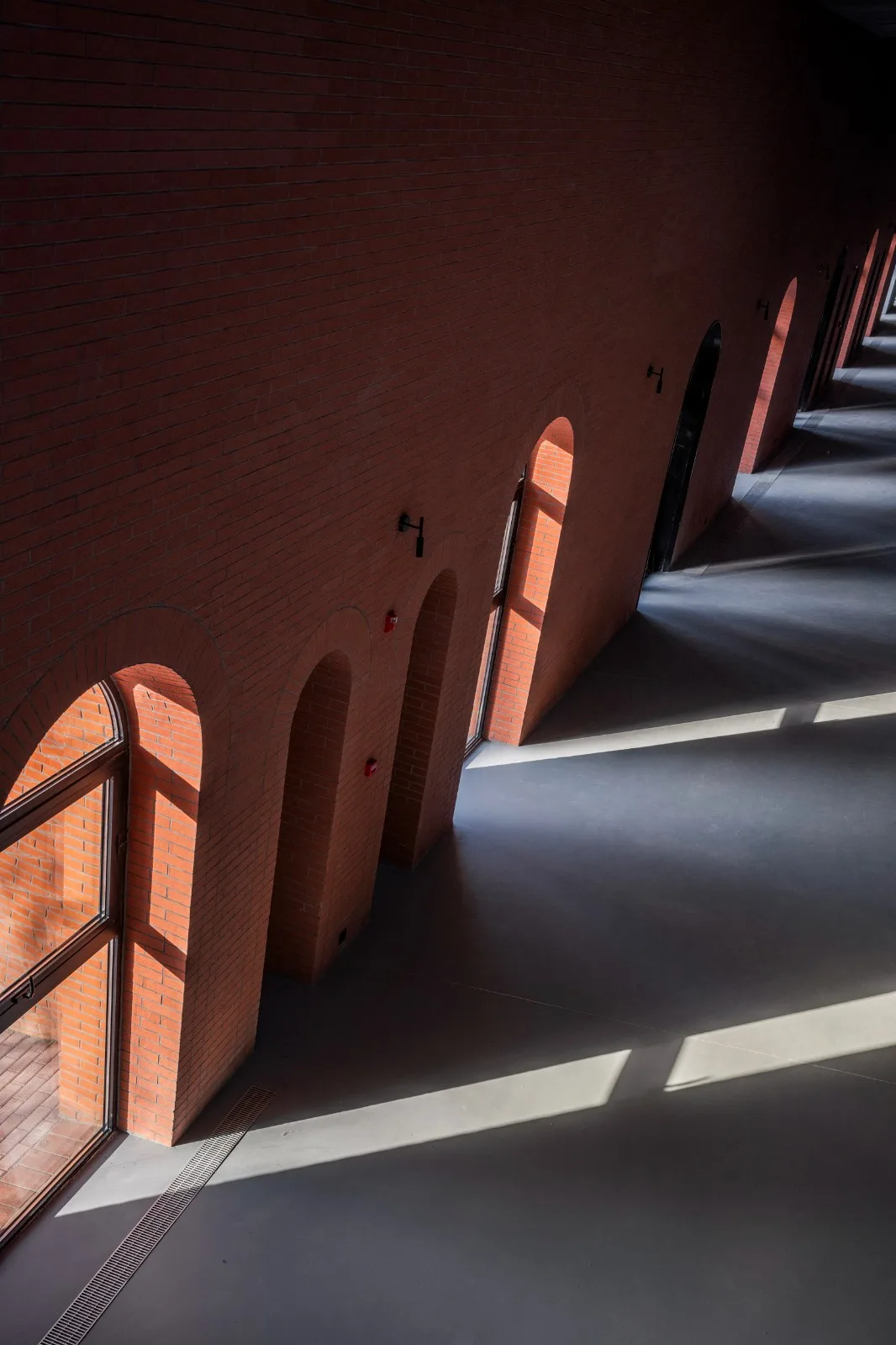
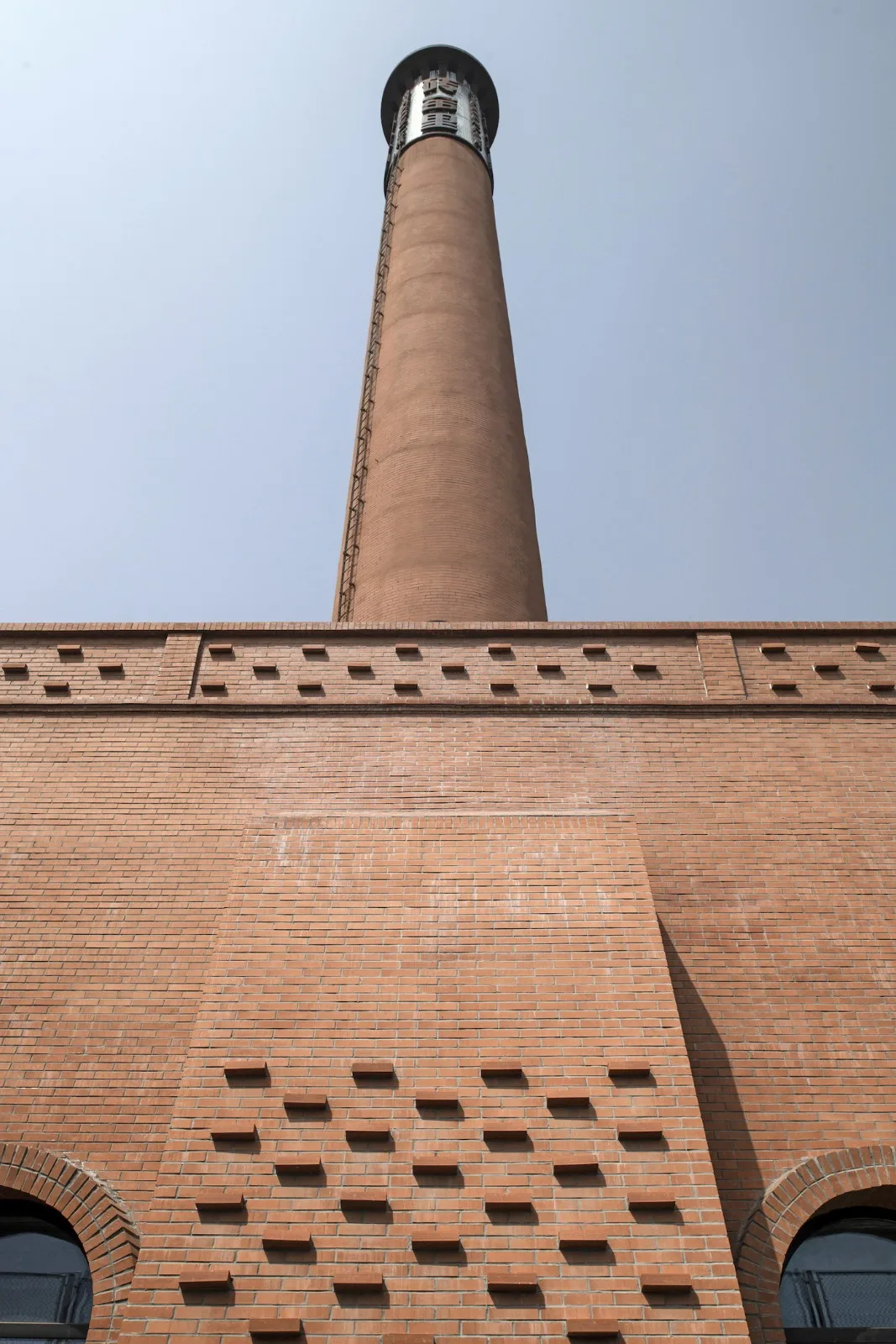
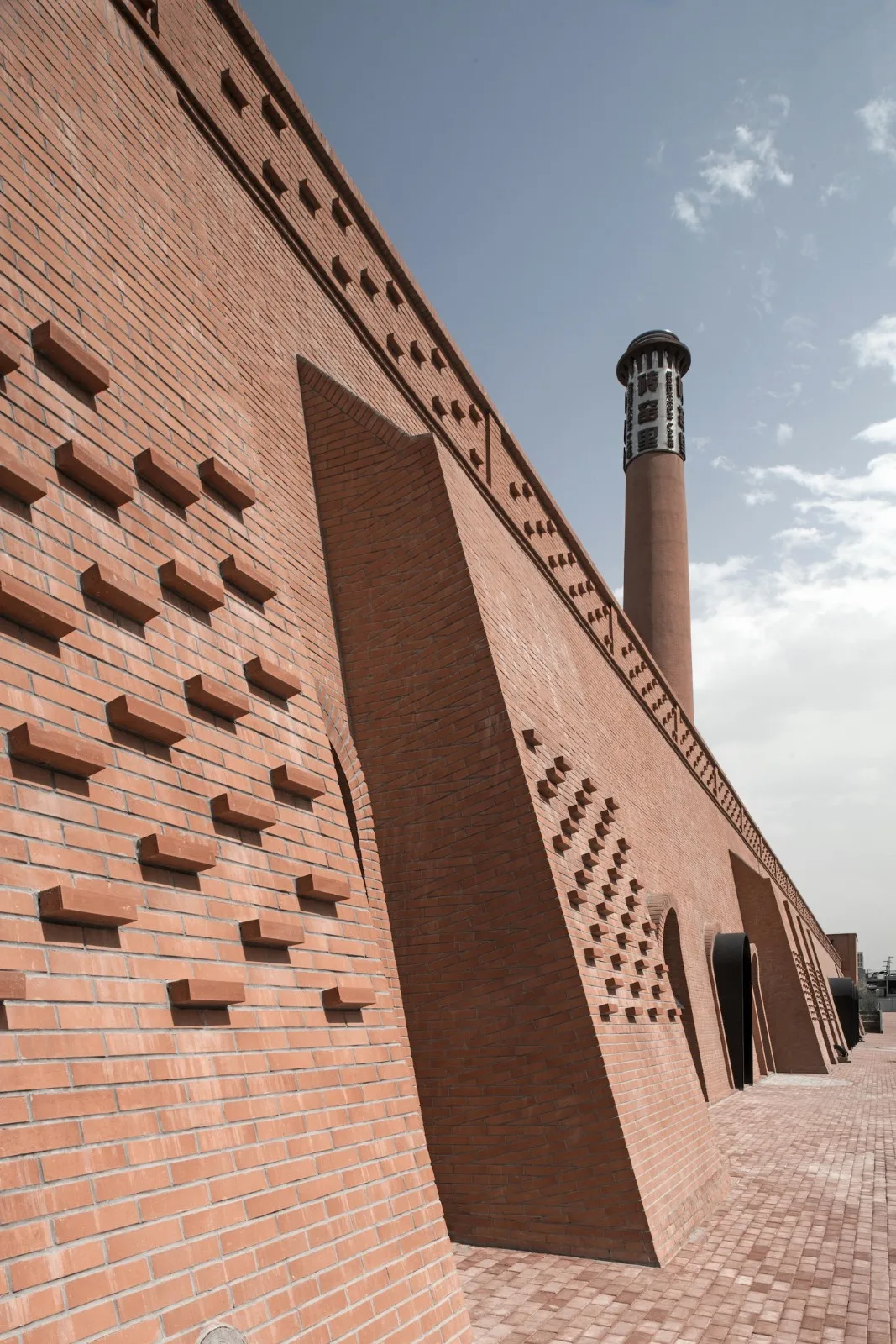
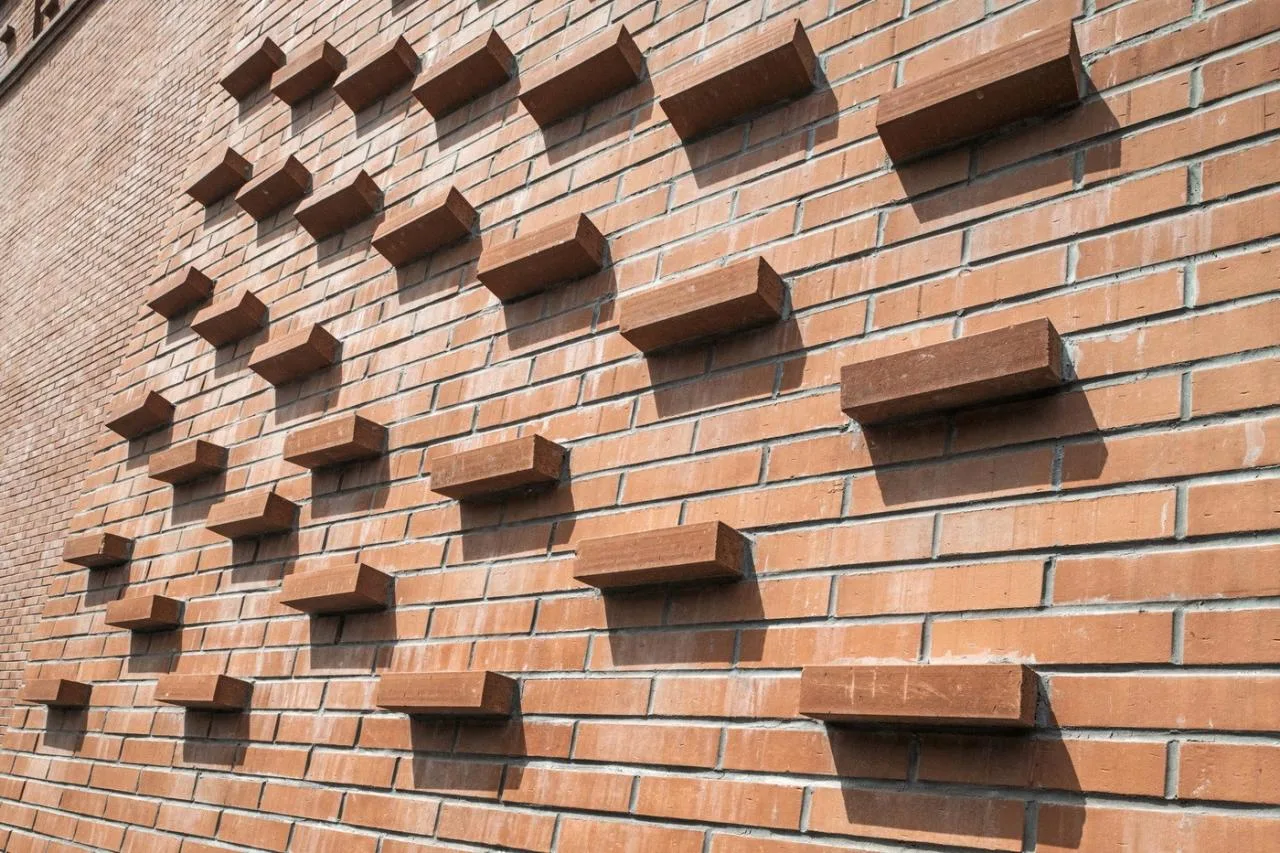
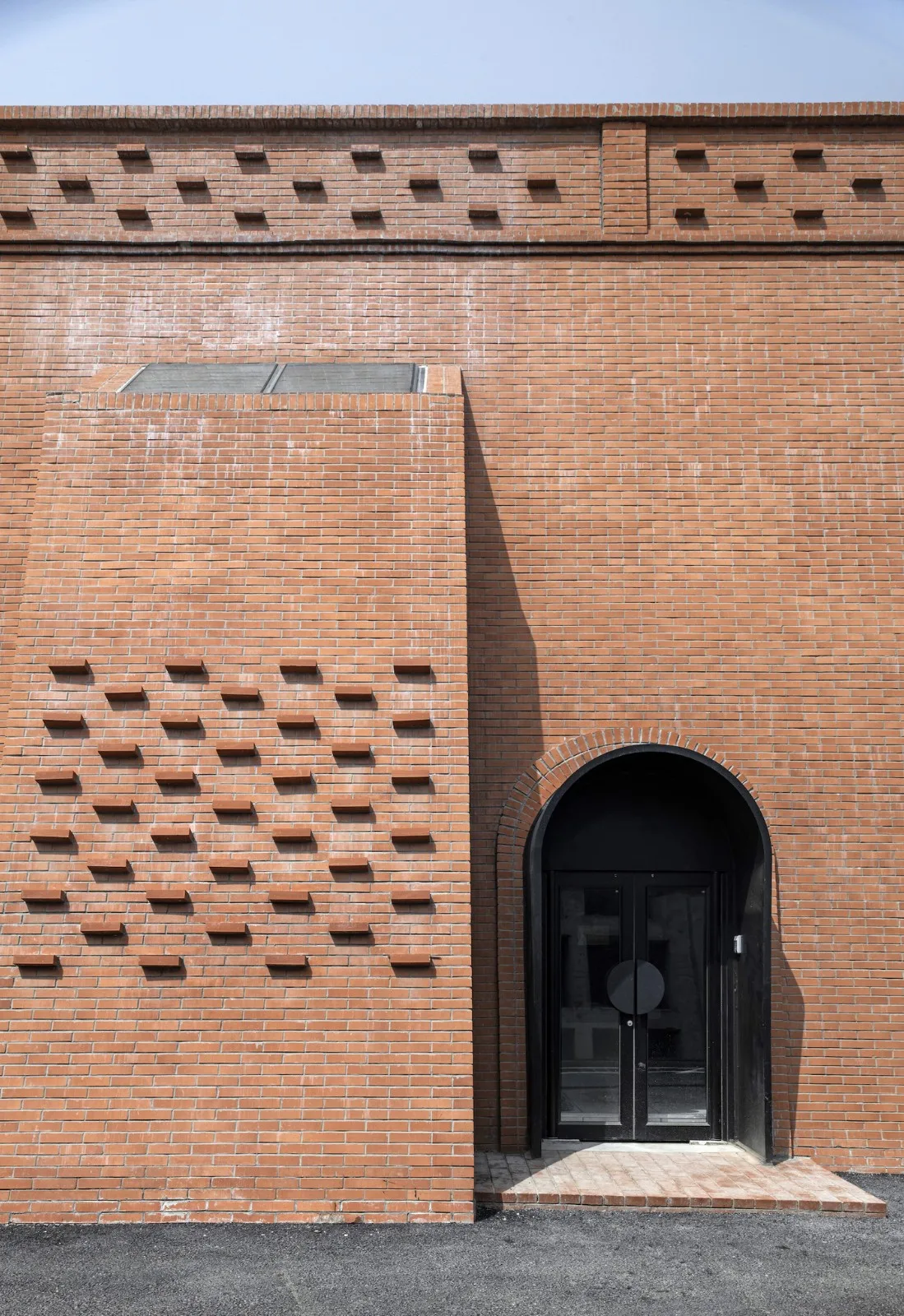
Following reconstruction, the brick kiln’s overall form has been fully preserved. The 54 door openings remain intact and have been converted into exterior doors and windows. The main entrance and exit are highlighted by black curved steel plates, which snugly fit the kiln doors, adding a modern touch while serving as functional canopies. The buttresses around the kiln doors have been transformed into hollow walls, retaining the original bricklaying structural details along their sides.
The renovated roof platform of the brick kiln extends the outdoor activity area, accessible from the center and both ends of the building. The tall chimney remains centered, with the surrounding midsection serving as the entrance hall to an elevated space that functions as both an exhibition hall and a public activity area. A transparent roof floods the hall with natural light.
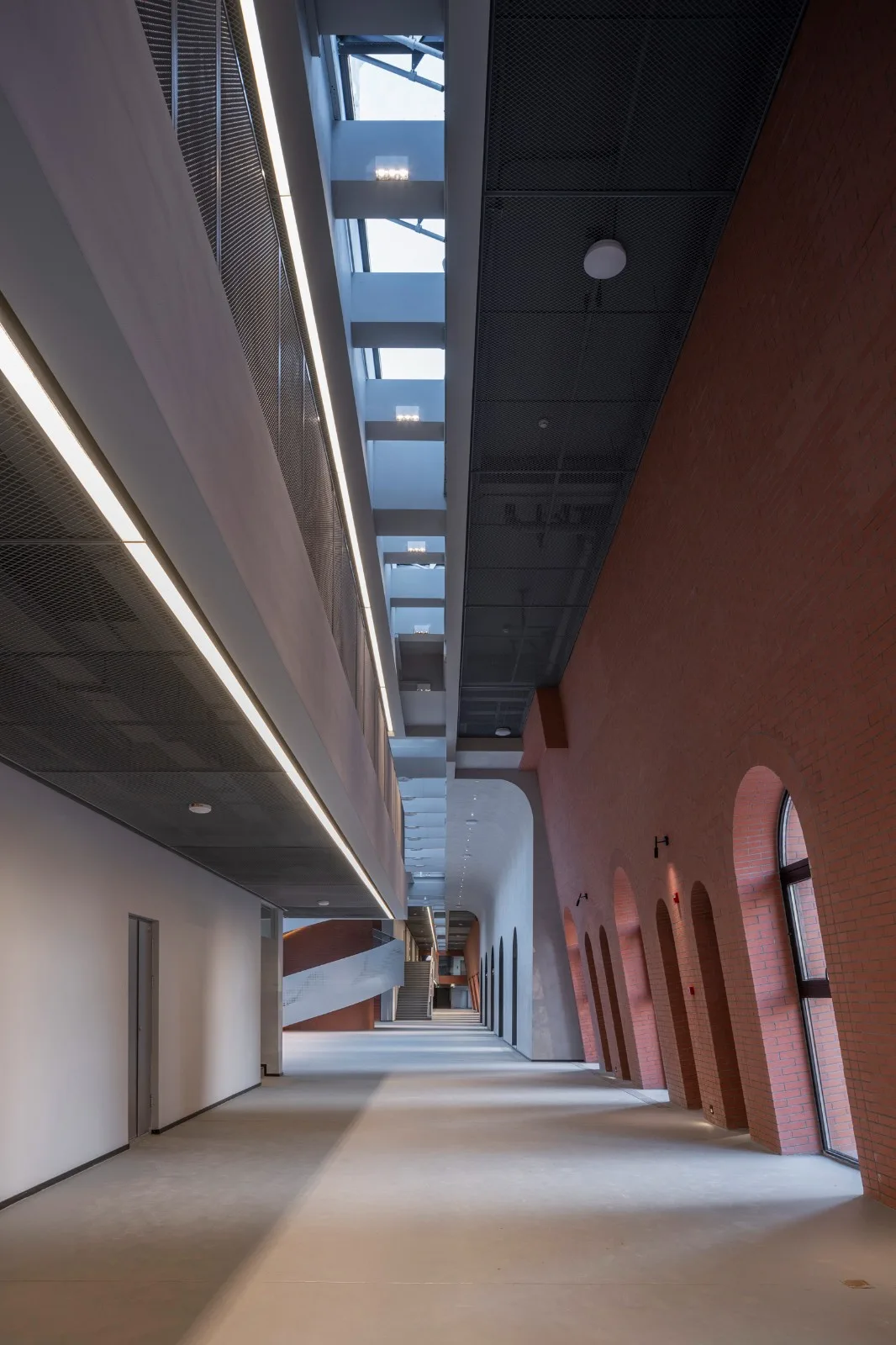
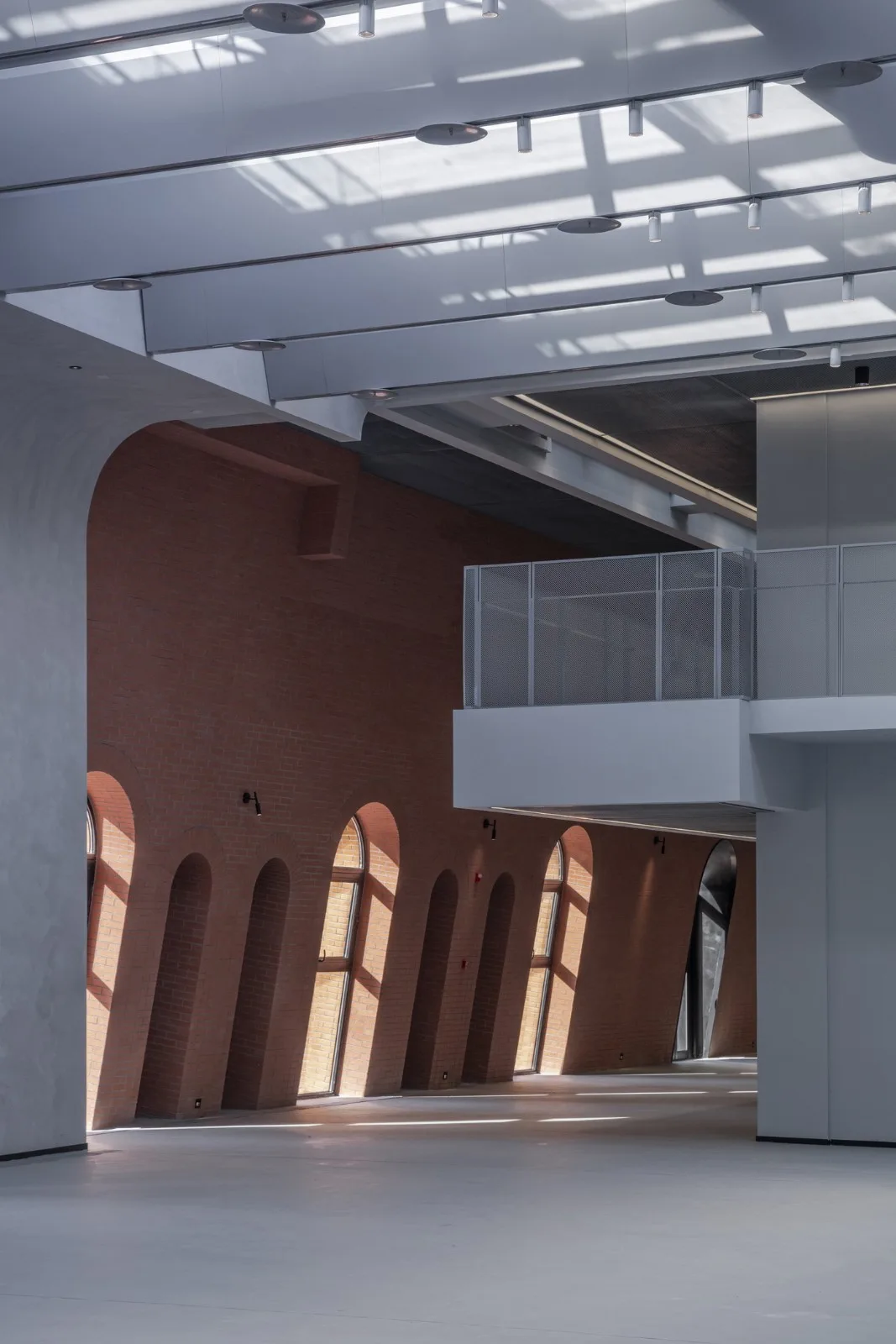
The building’s two wings offer two-story functional spaces connected by a long corridor. Along the sloping brick walls, continuous arches create a rhythmic play of light and shadow. The exterior walls of these wing corridors are separated from the main structure, forming a full-length skylight that illuminates the elevated corridors and doubles as a smoke exhaust window for the building.
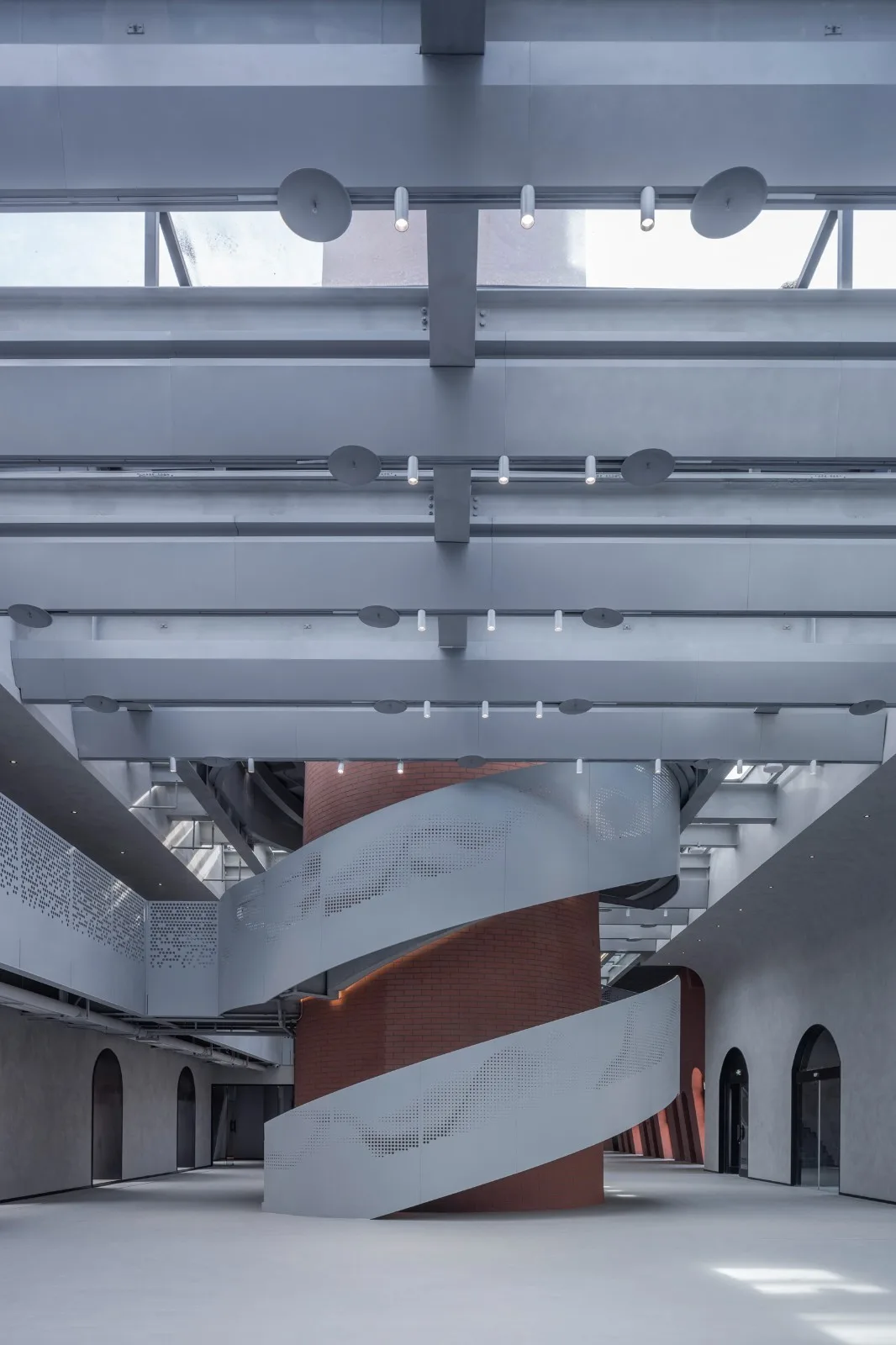
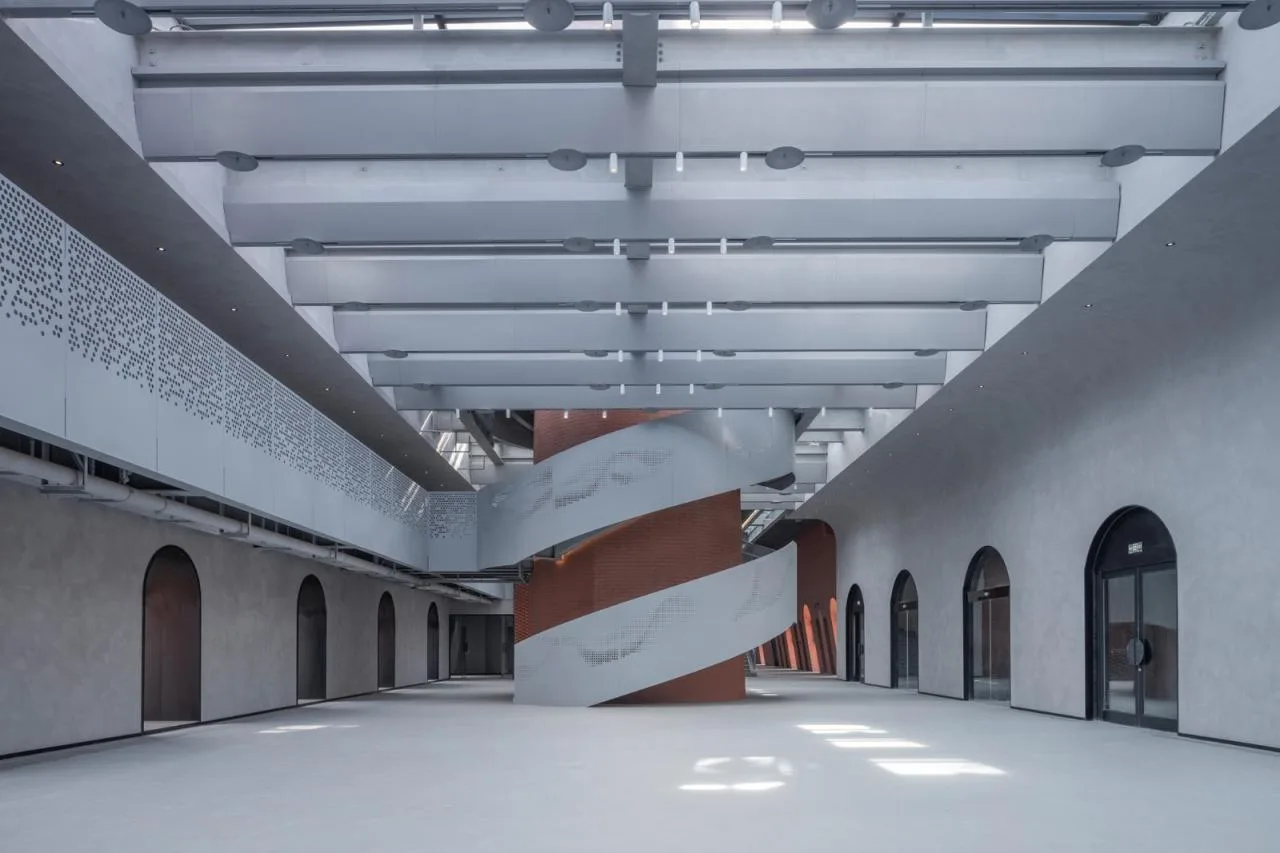
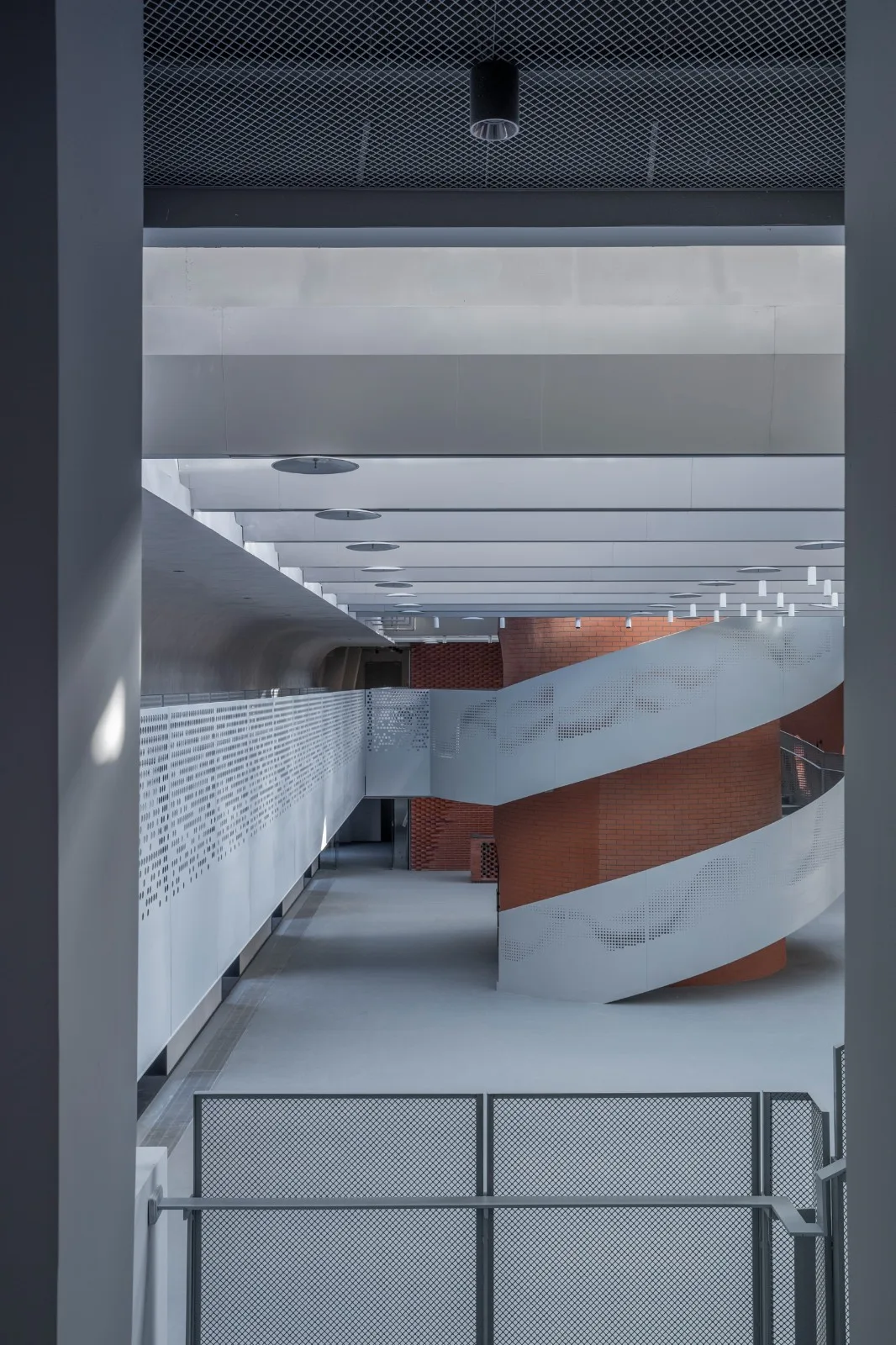
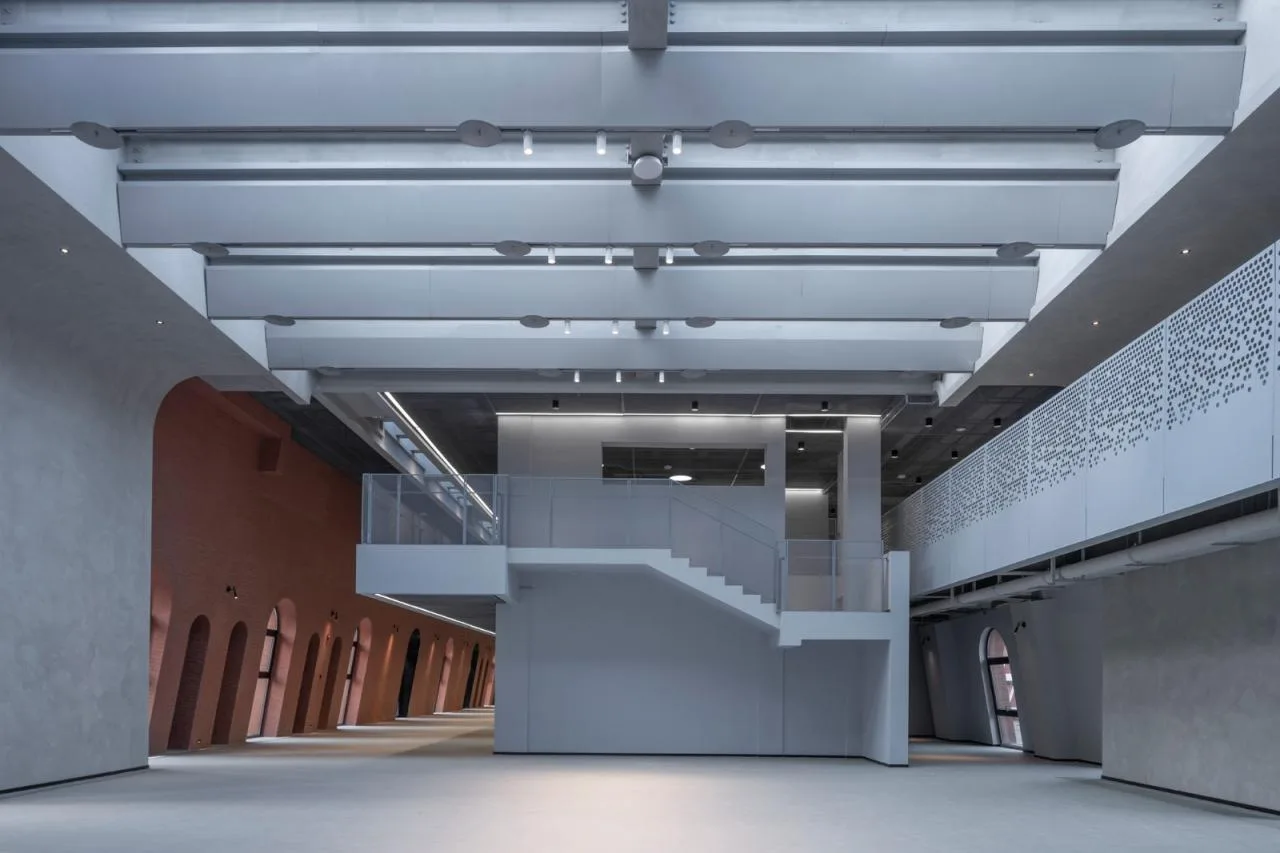
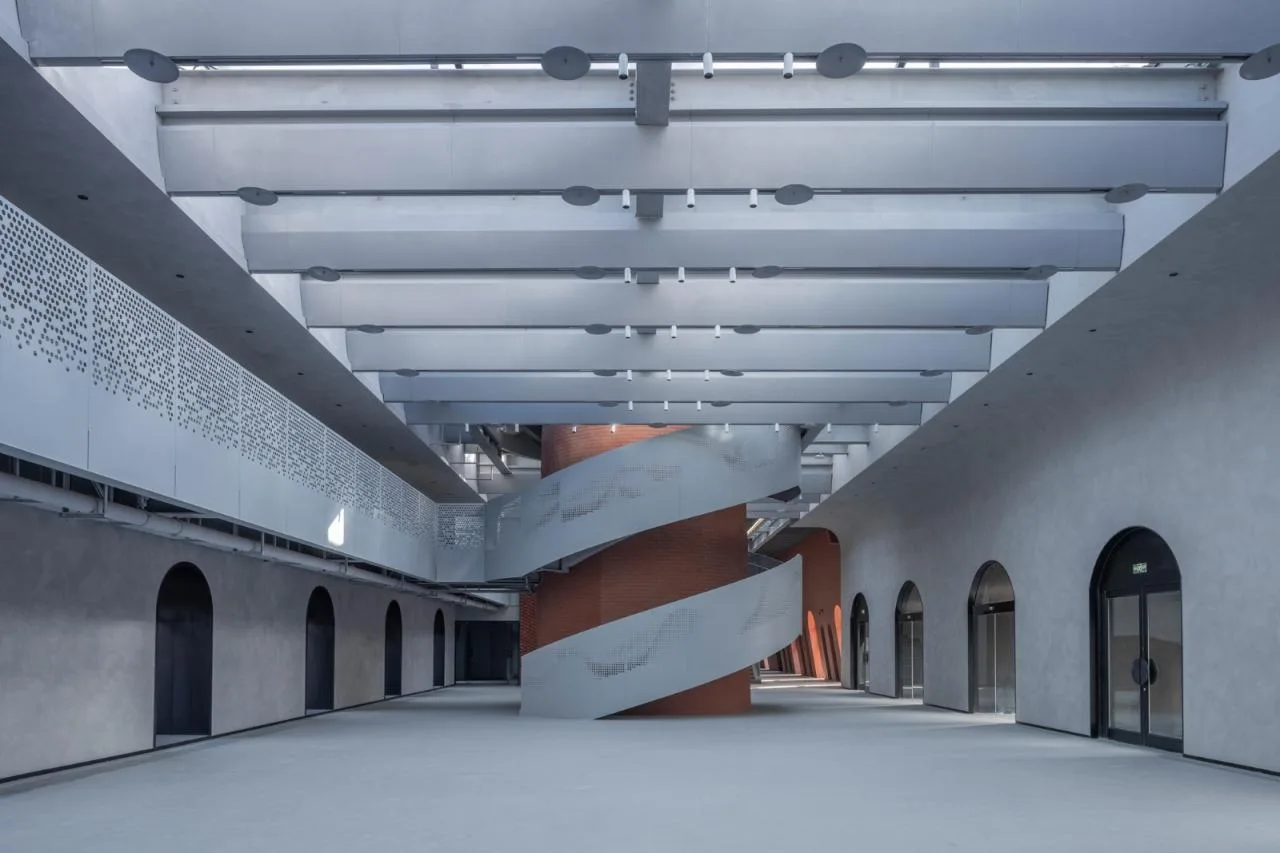
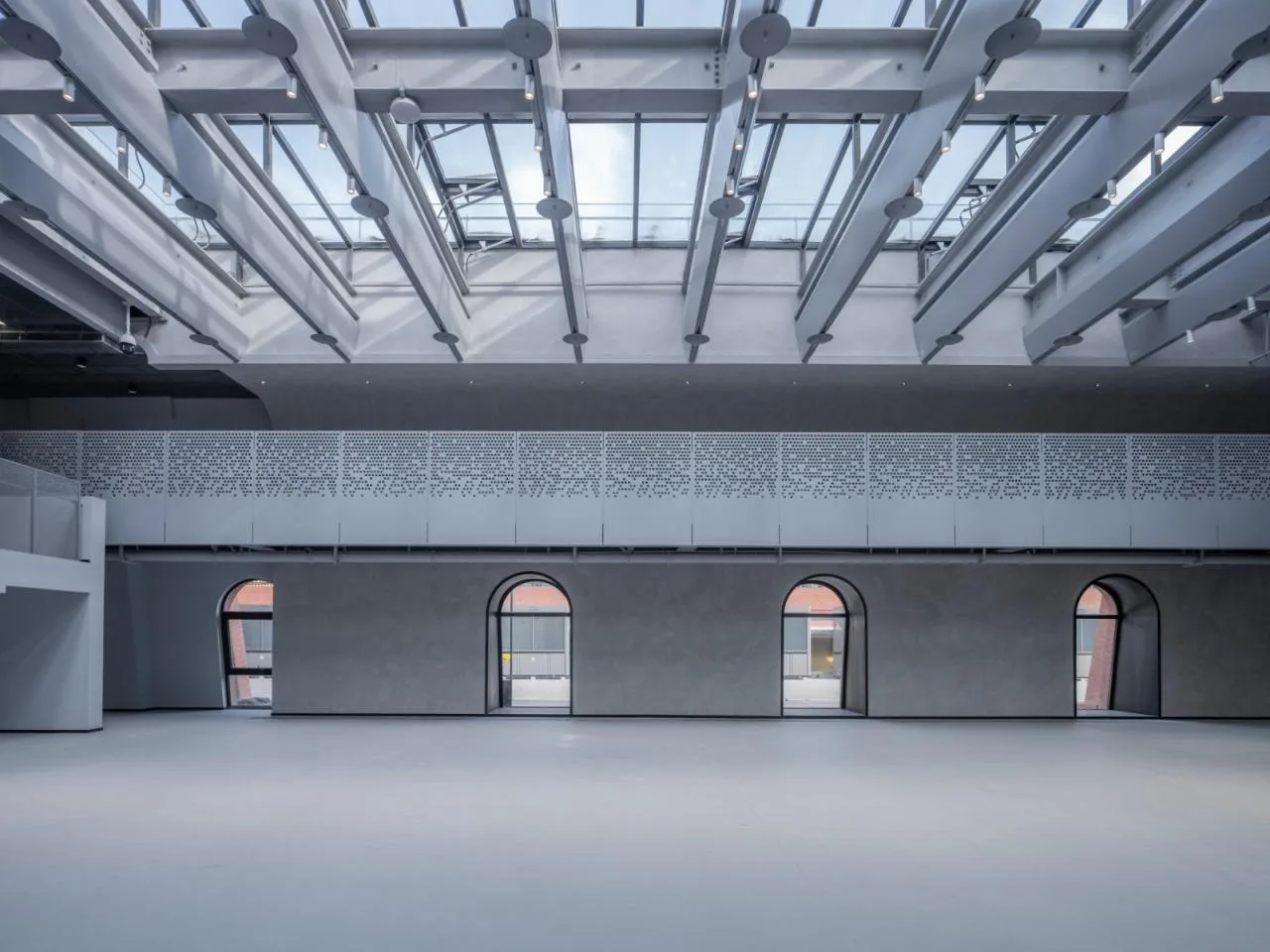
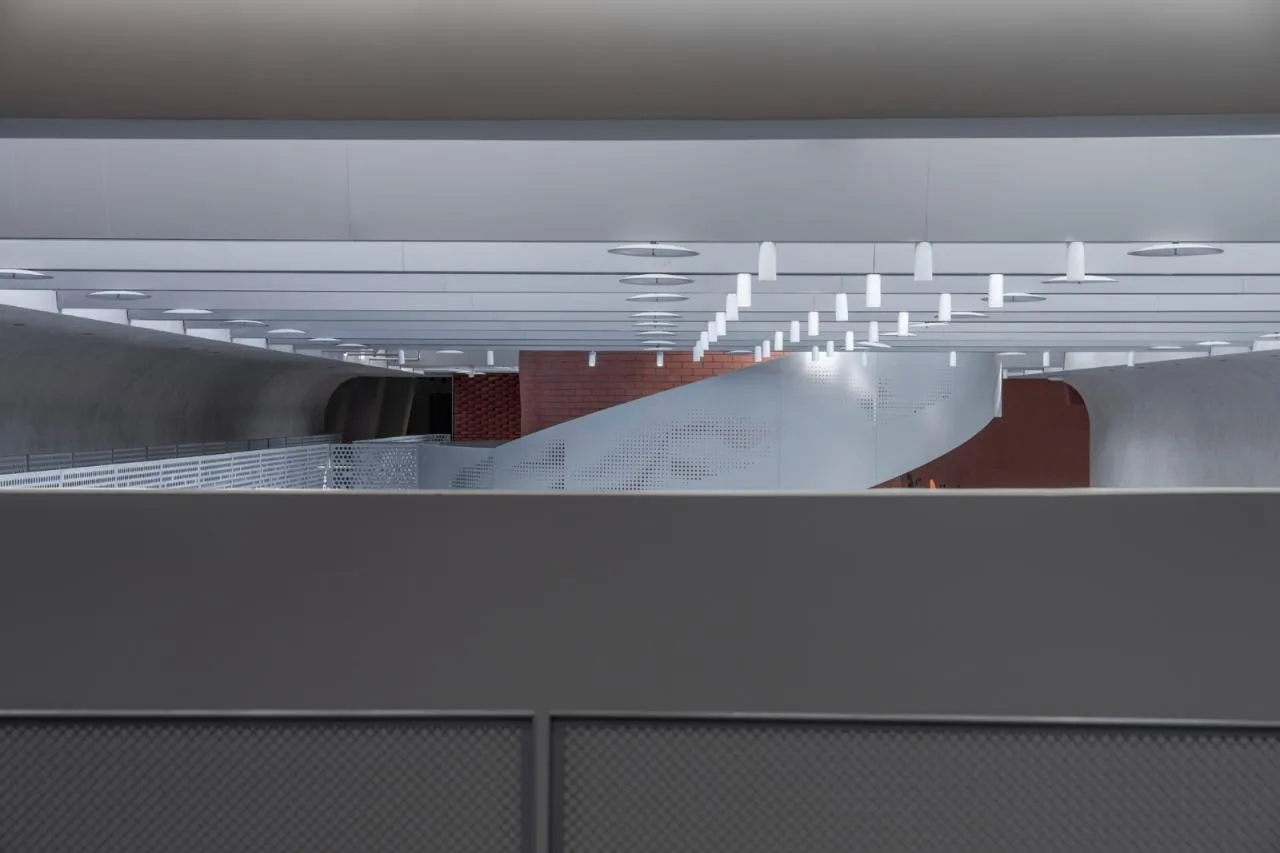
The hall surrounding the central chimney is the most significant interior space in the entire brick kiln. Its roof is made of transparent glass supported by large-span steel beams that connect the brick kiln’s side walls. To enhance natural lighting, a V-shaped aluminum panel ceiling is suspended beneath the steel beams. Sunlight filters softly through this ceiling, creating a museum-quality play of light and shadow across the hall’s various light gray materials.
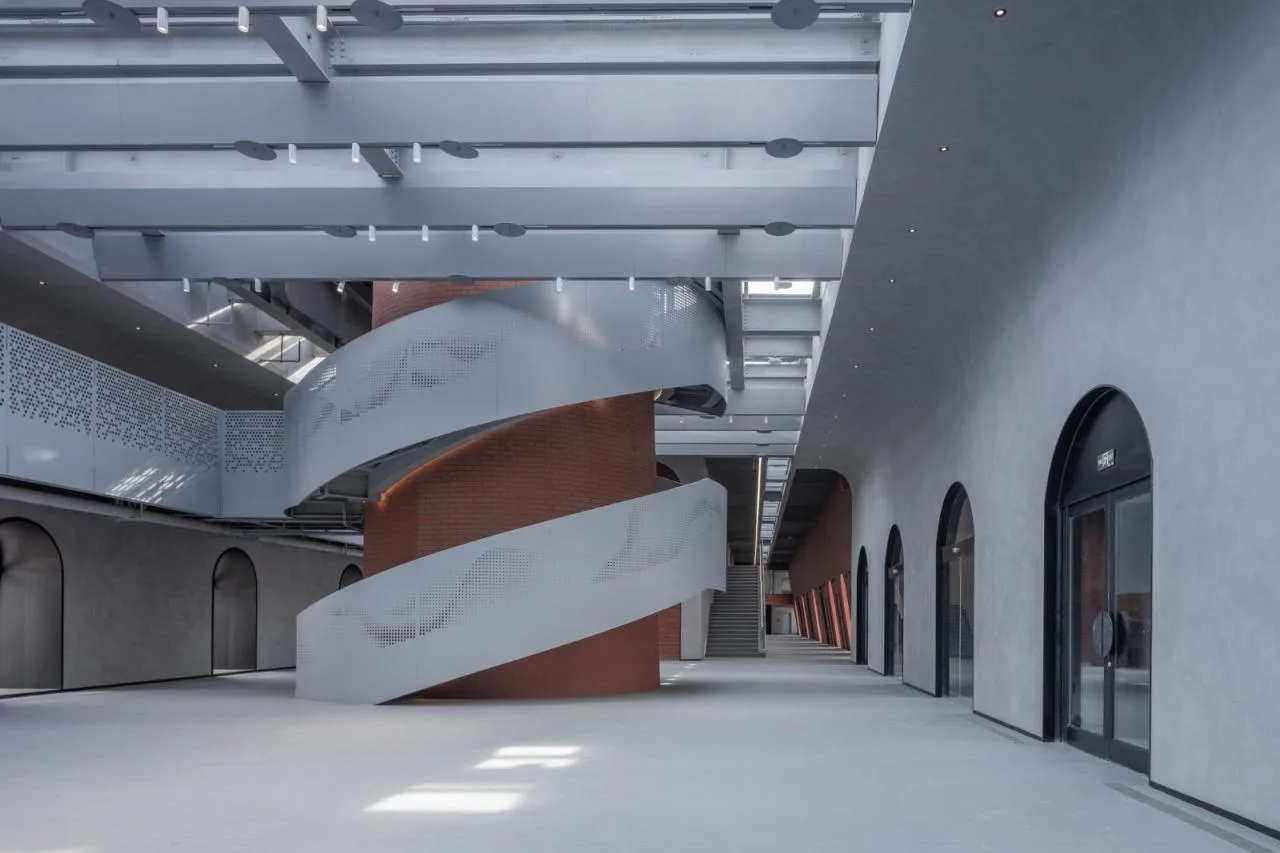
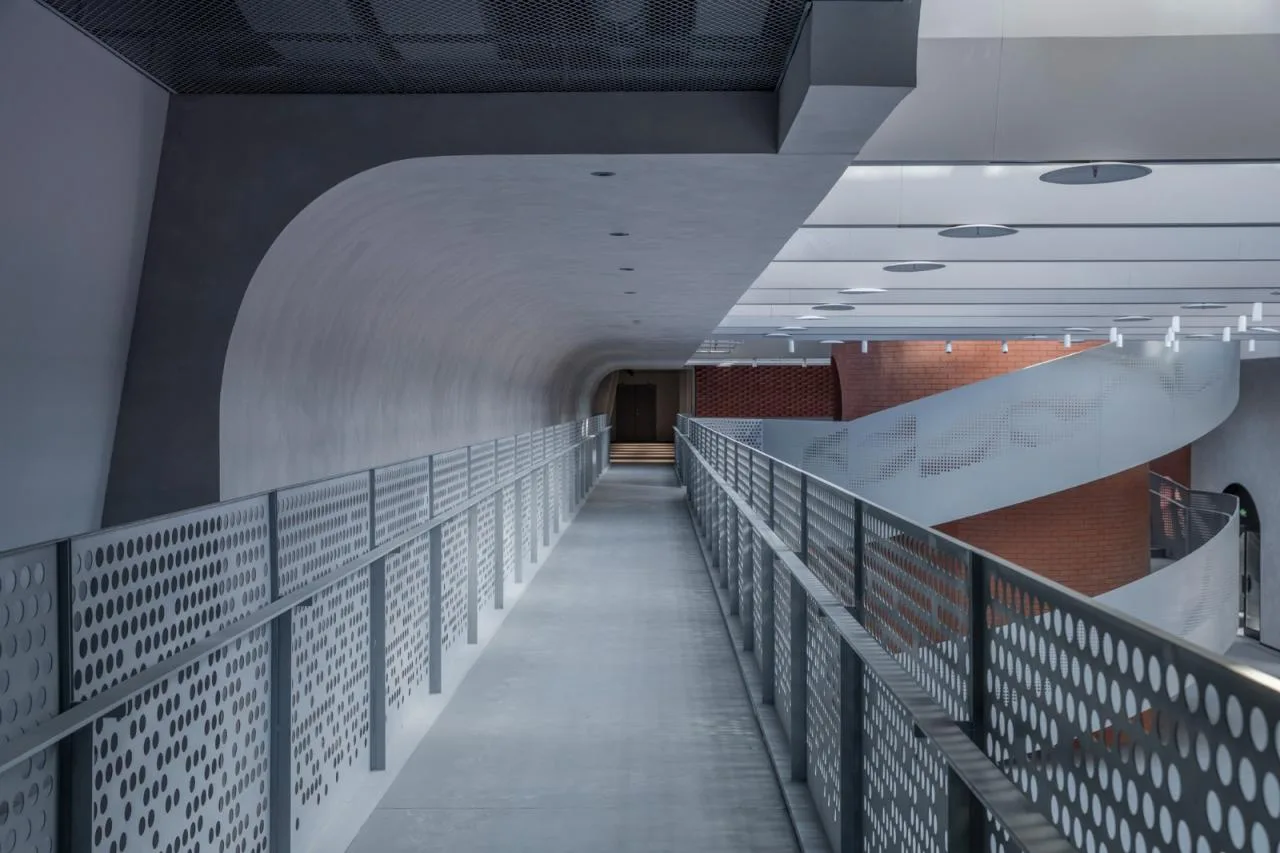
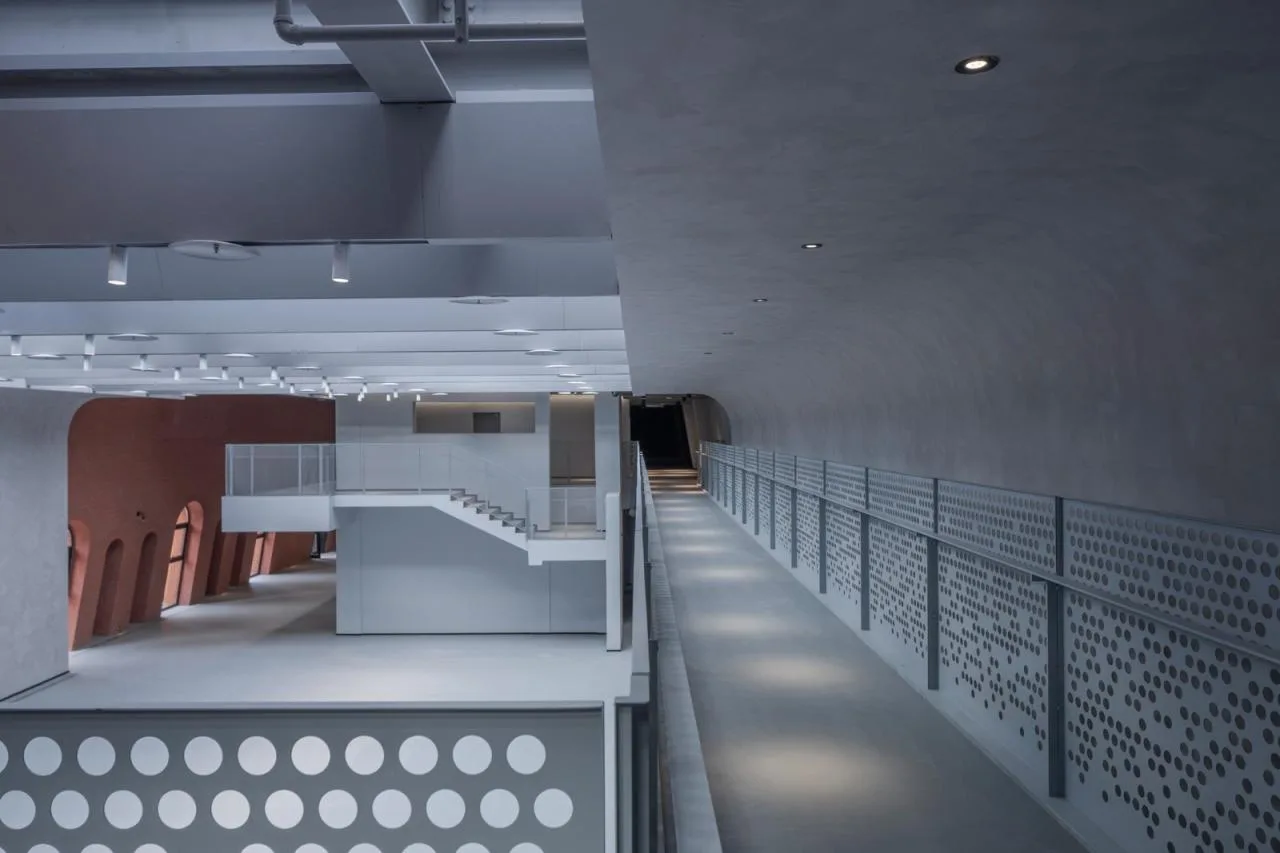
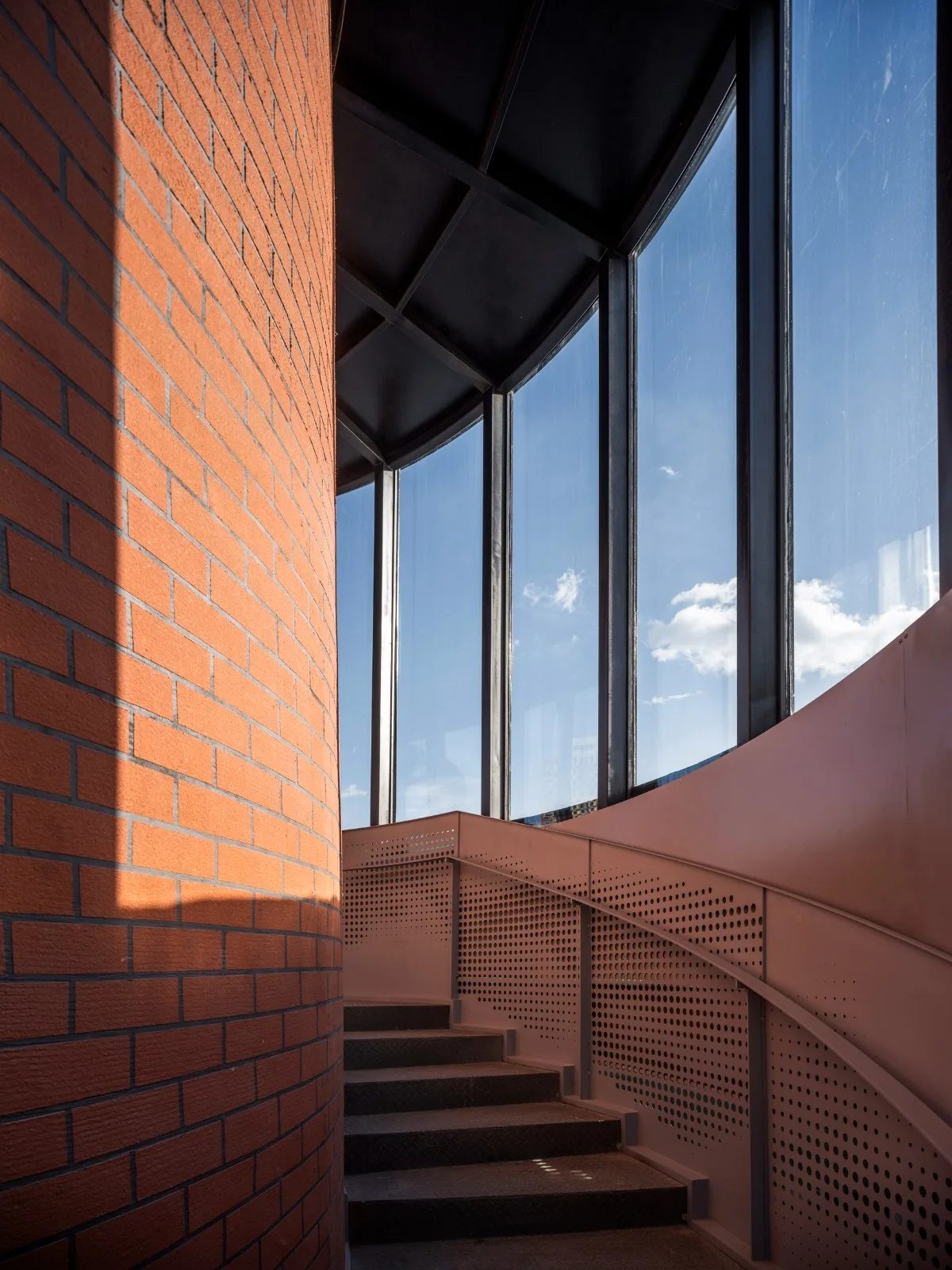
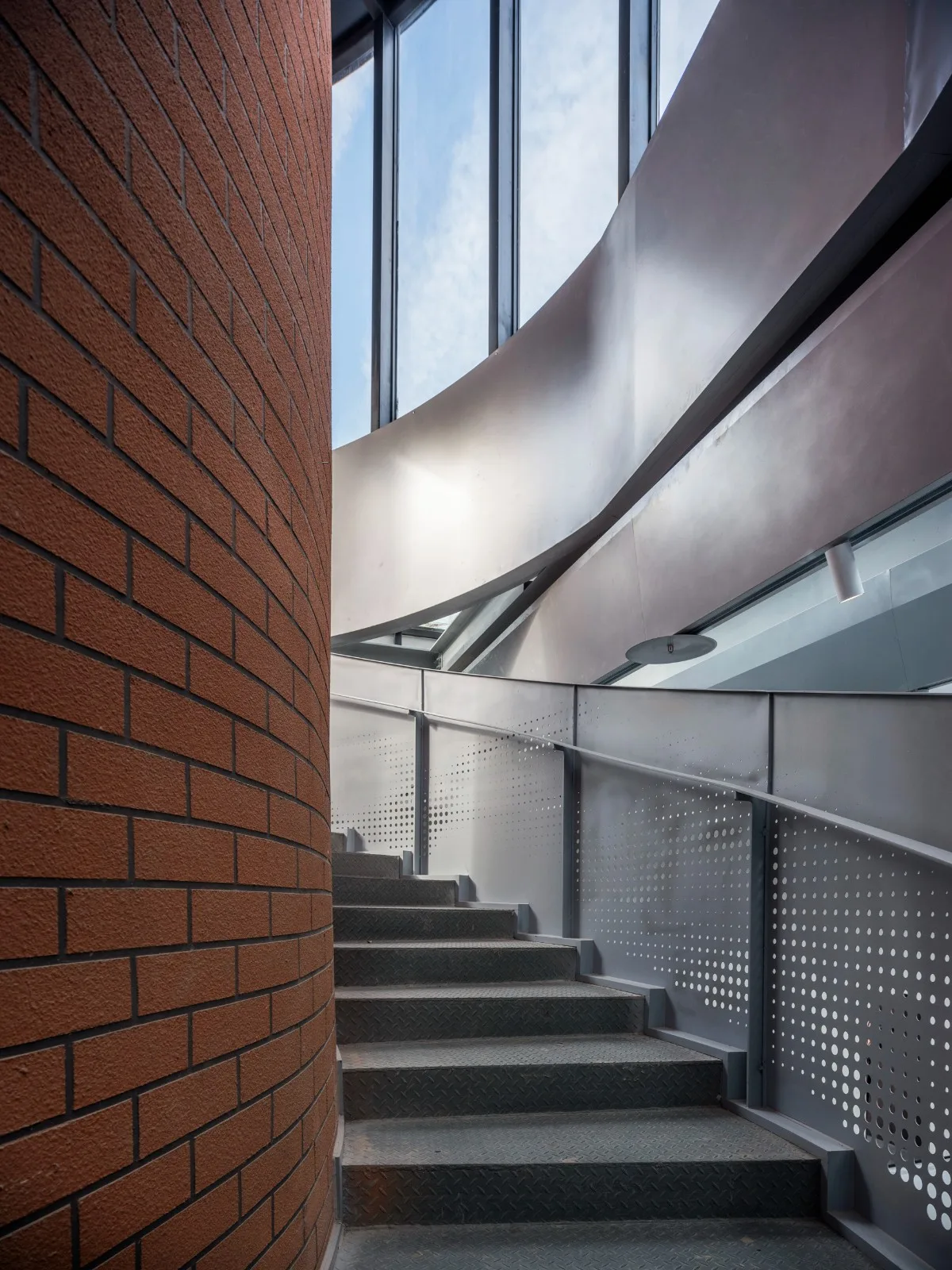
A lightweight spiral staircase wraps around the chimney, offering direct access to the rooftop platform. Several resting platforms are integrated into the chimney structure, adding dynamic spatial interactions. Facing the entrance, a cantilevered steel bridge connects the two wings’ functional spaces. Suspended three meters above the ground, this bridge closely follows the curved exterior brick wall, transforming the arches from visual elements to immersive spatial experiences.
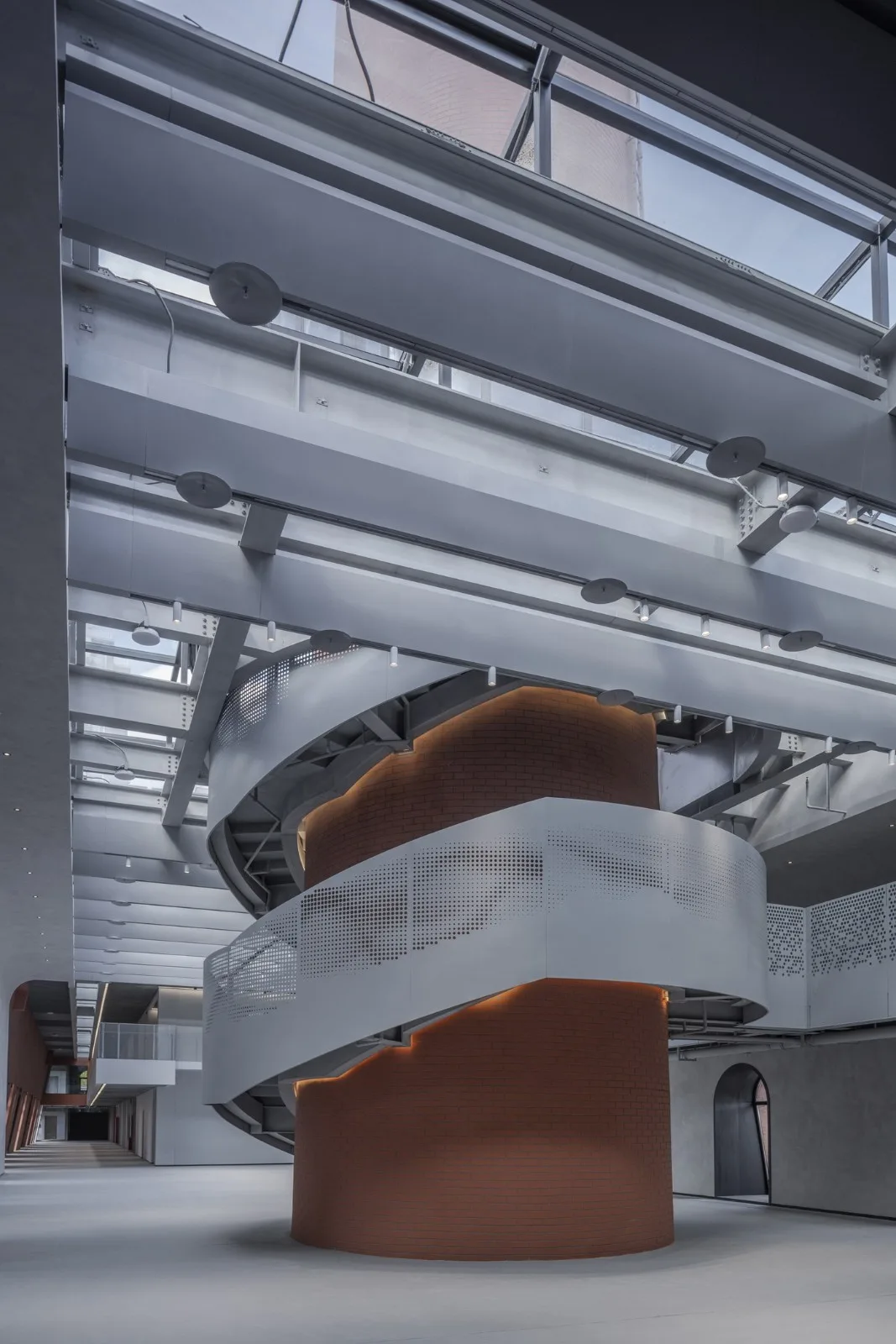
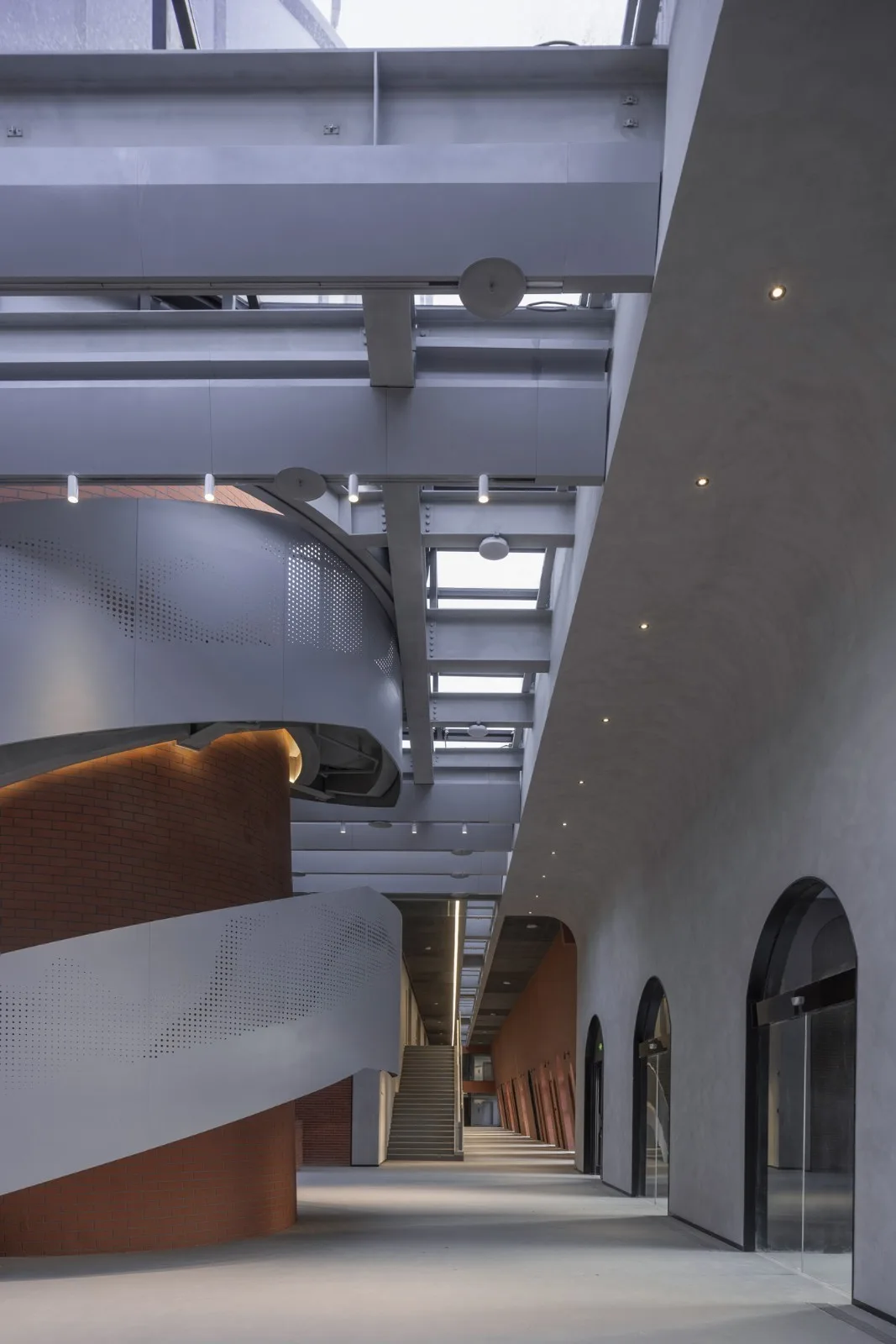
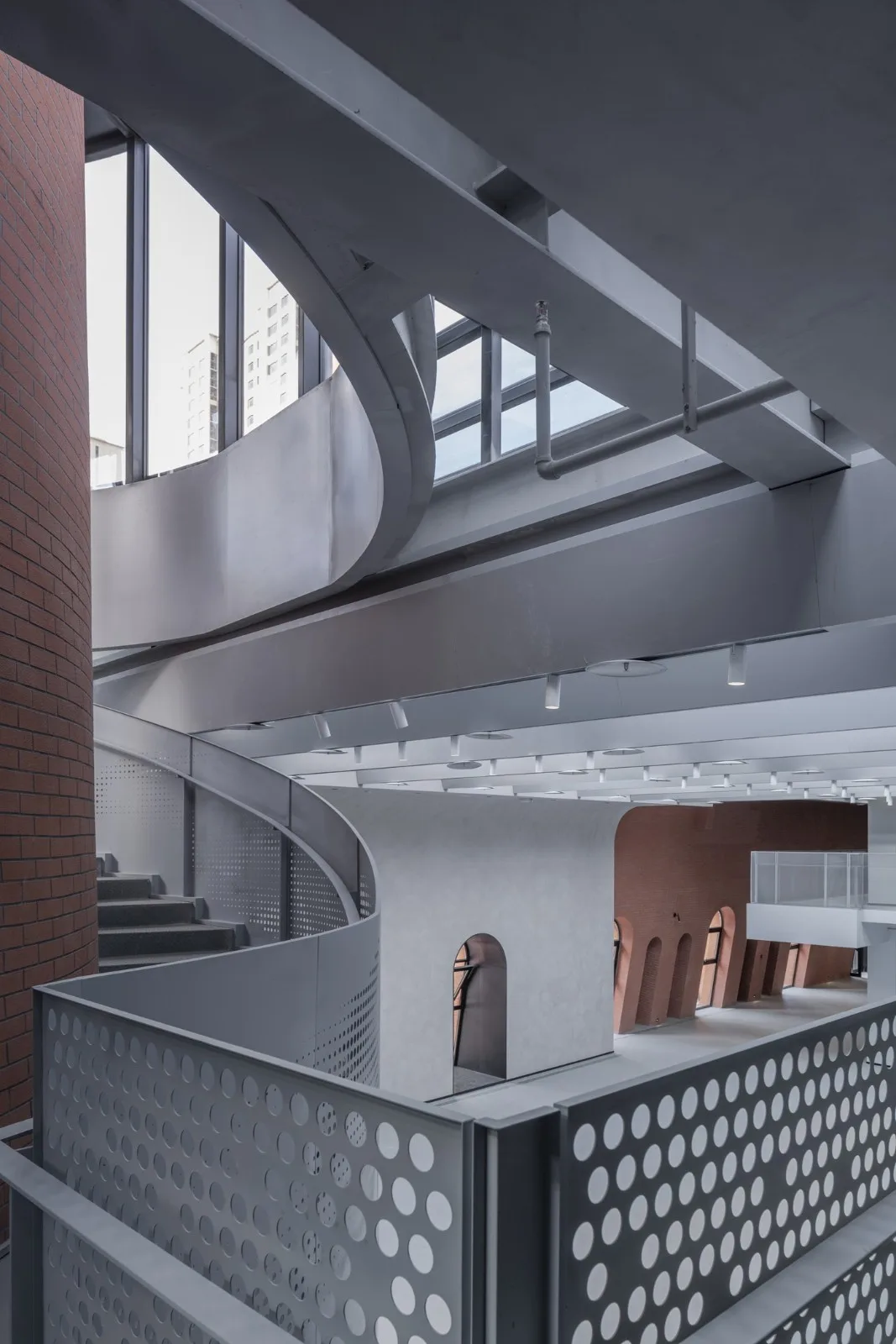
In this urban renewal project, lowering the main body of the brick kiln has reinforced the building’s presence facing the city road and created a tiered setback landscape on the sunken site side. This naturally divides the site into horizontally and vertically layered zones, transforming a flat landscape into a dynamic three-dimensional environment that enriches the city’s public leisure spaces.
The renovation’s goal was to transform this industrial heritage—bearing the history and pride of the Xisanqi region—into a vibrant hub for urban community life and leisure. The renewed brick kiln has been named “Brick Kiln Inside,” blending regional historical memory, landscape design, and public sentiment with the surrounding city. It fully leverages the cultural and social value of this historic industrial heritage and embodies the transformation of Xisanqi Street from “tiles” to “chips.”
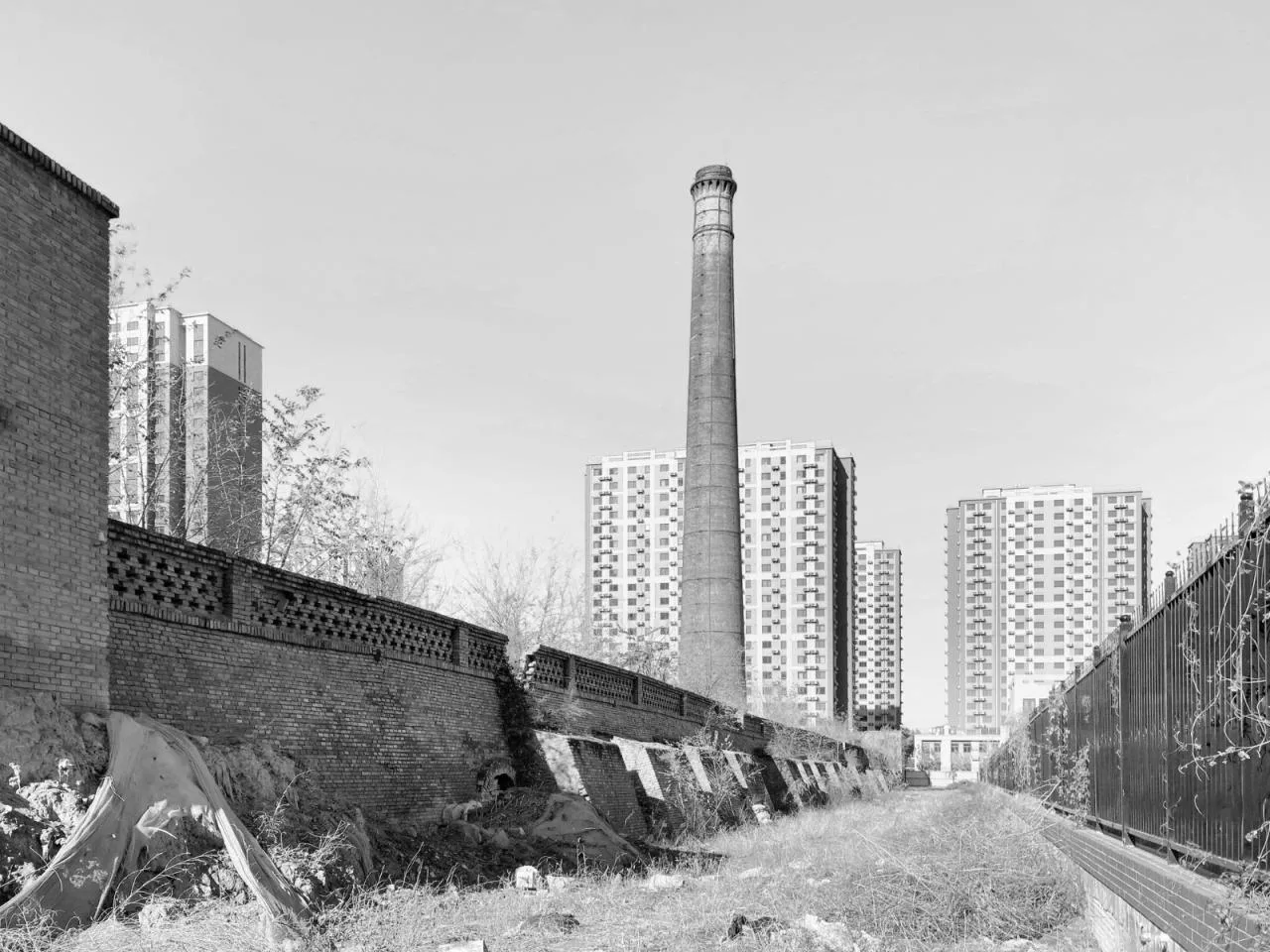
△ Original architecture
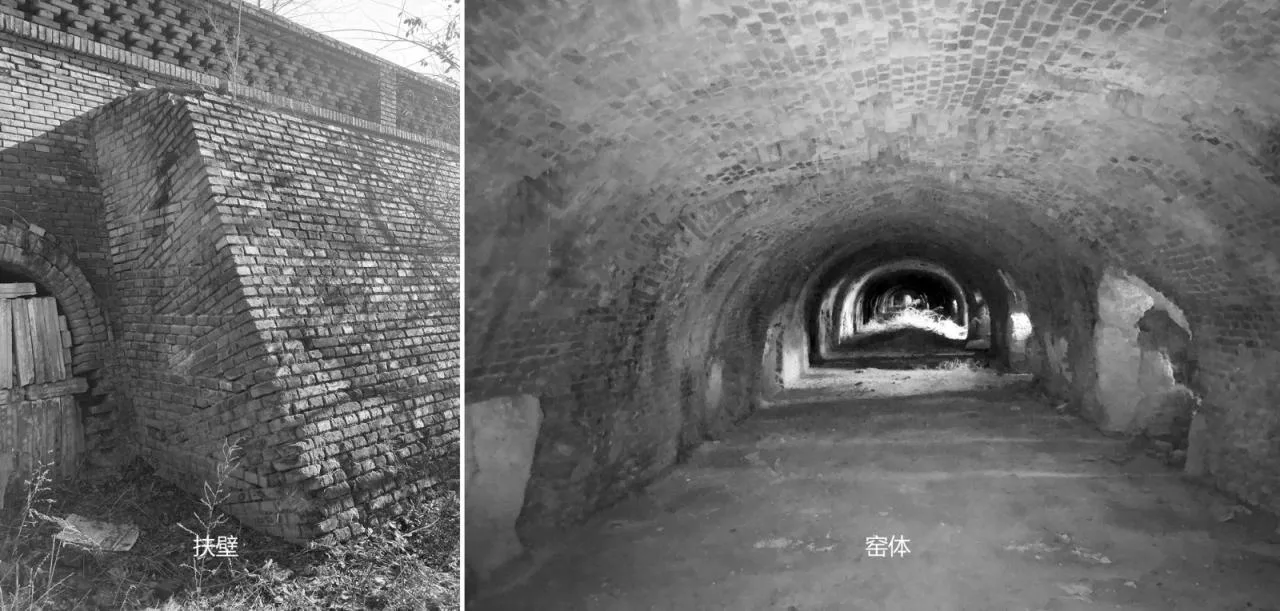
△ Original architecture
Project Drawings
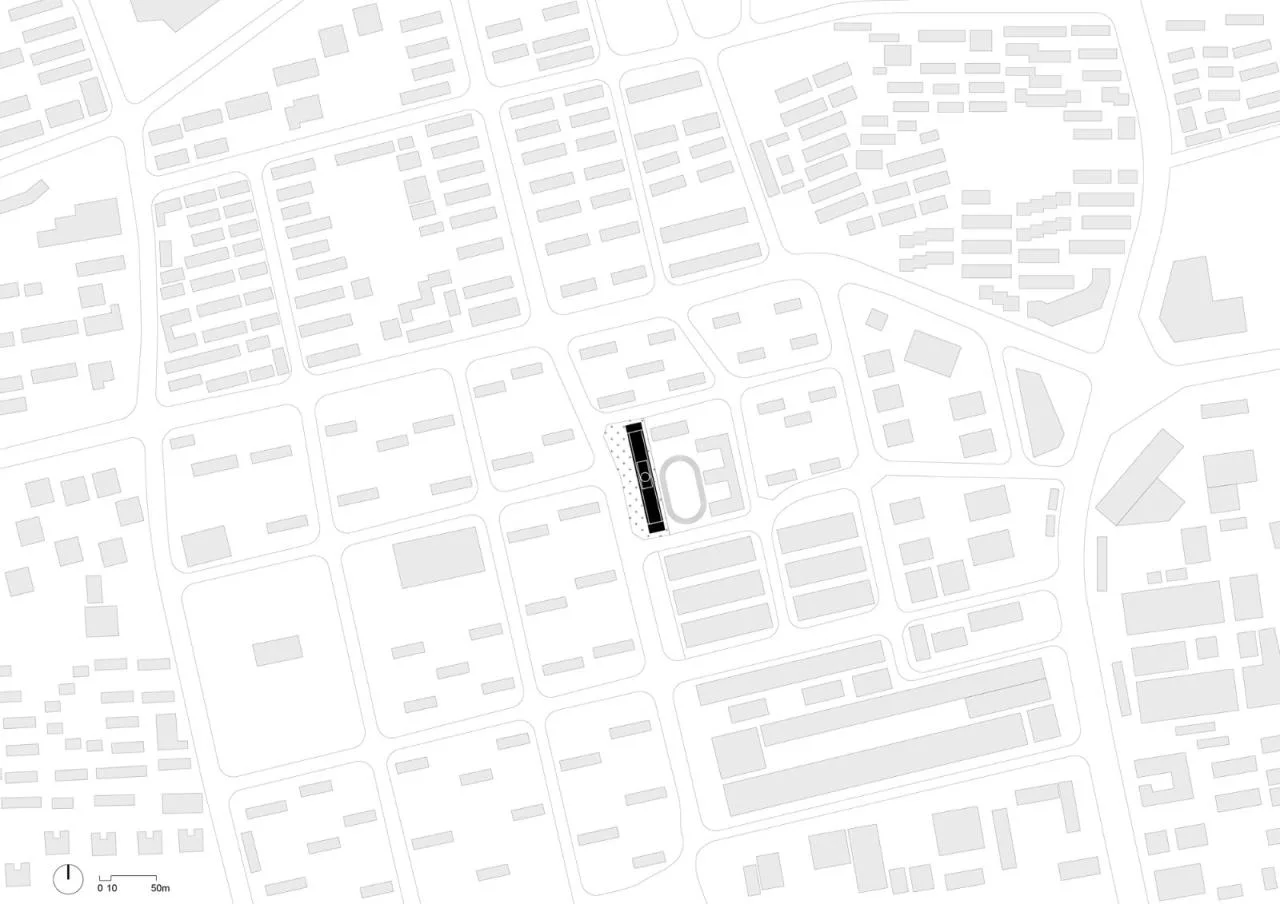
△ General layout plan
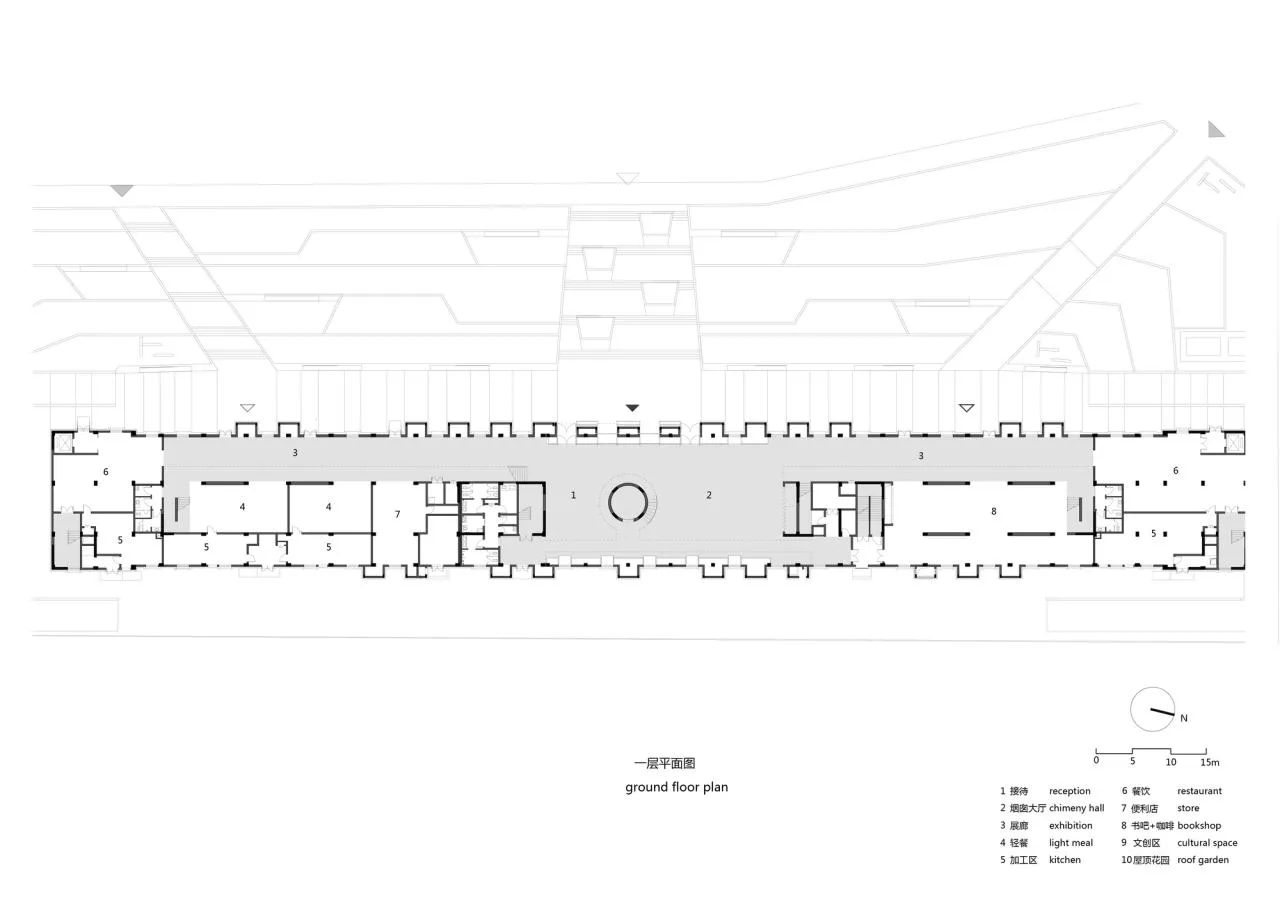
△ First floor plan
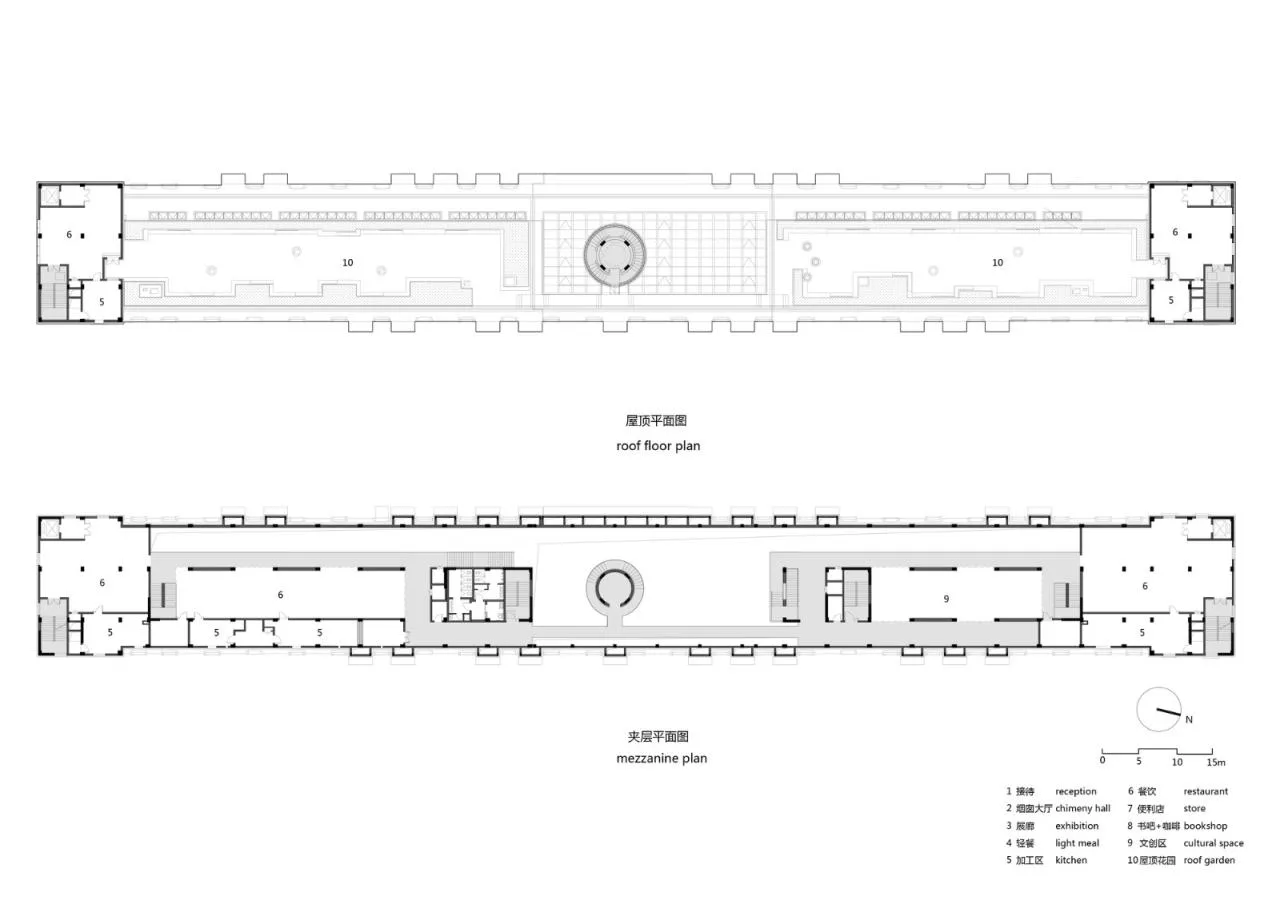
△ Plan view
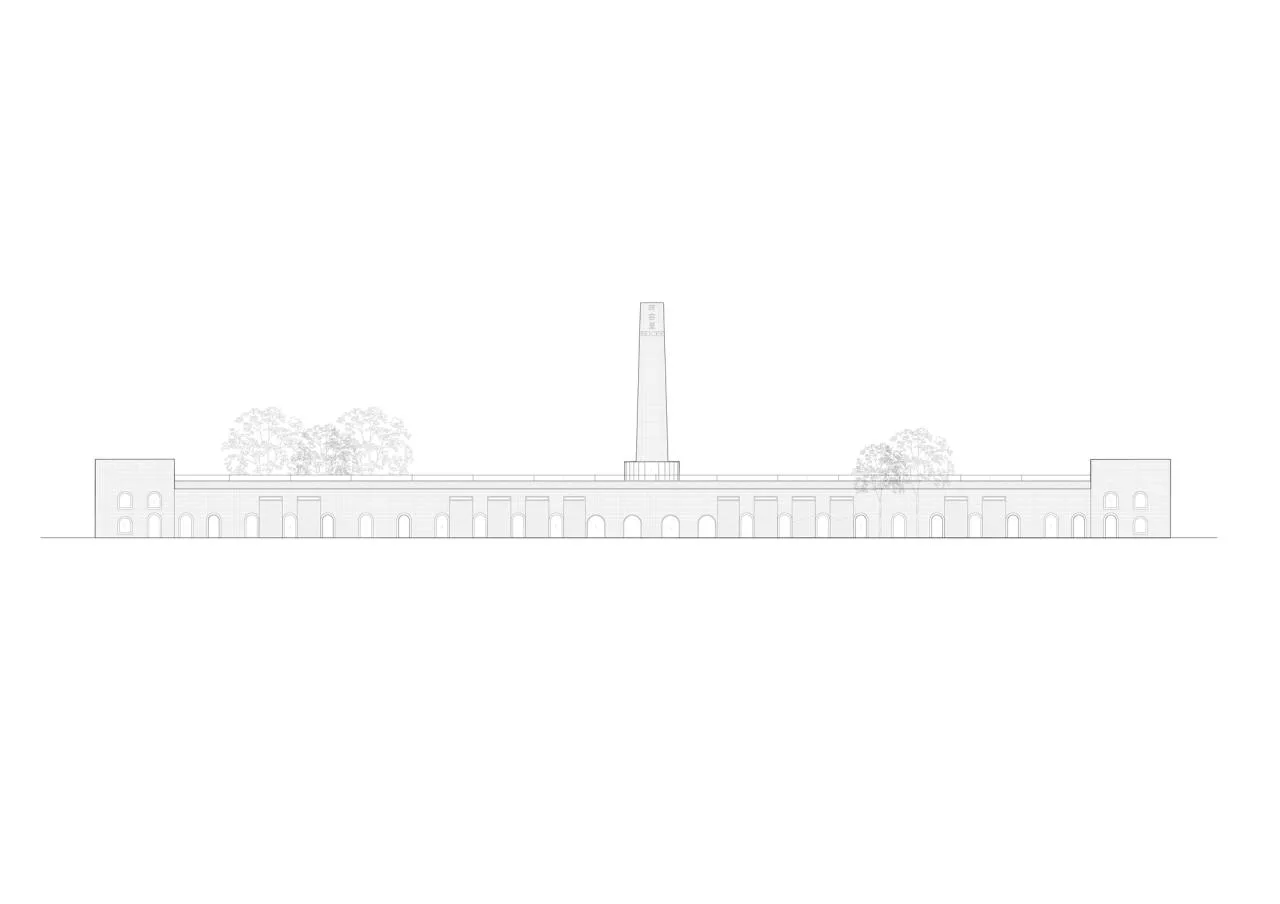
△ Elevation drawing
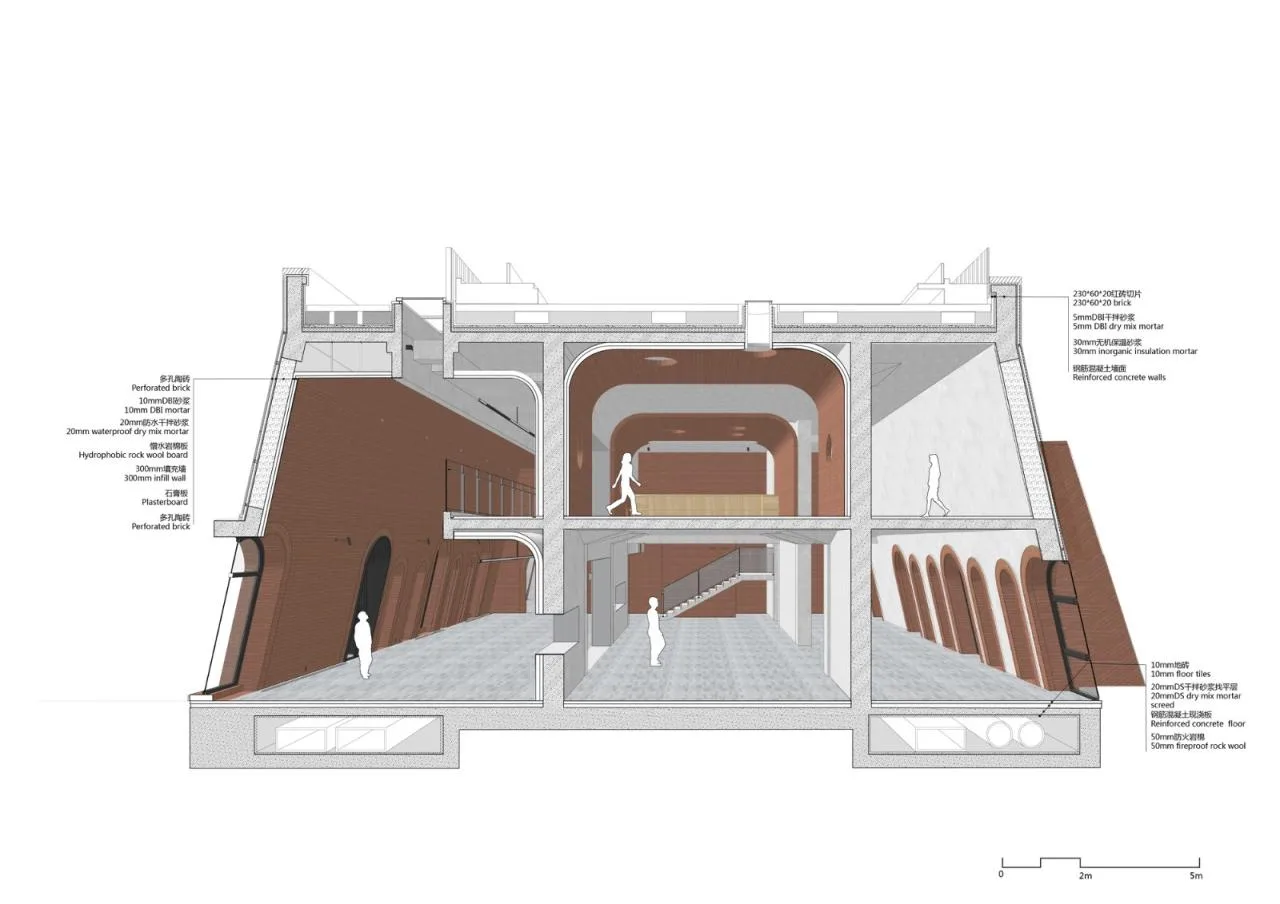
△ Sectional perspective
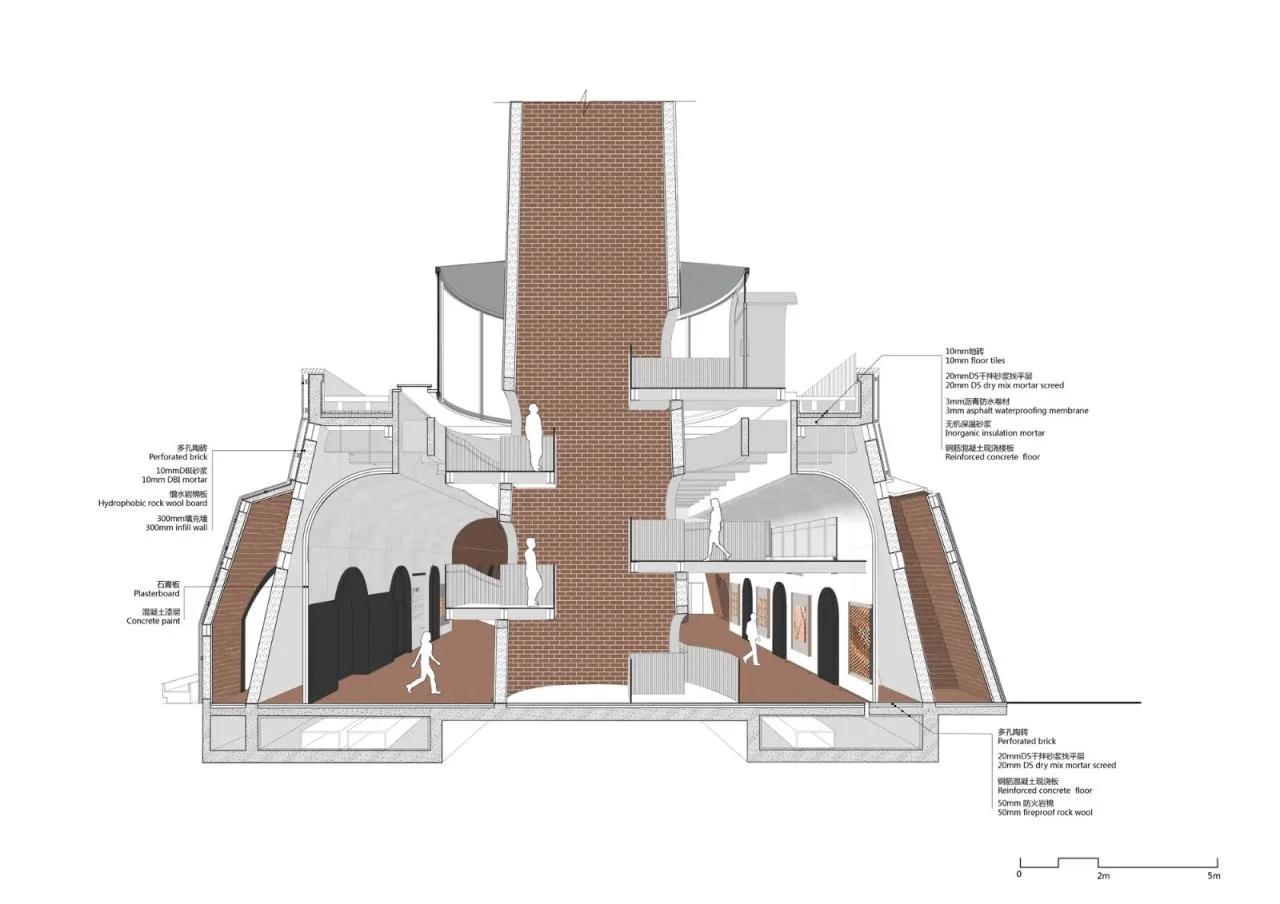
△ Sectional perspective
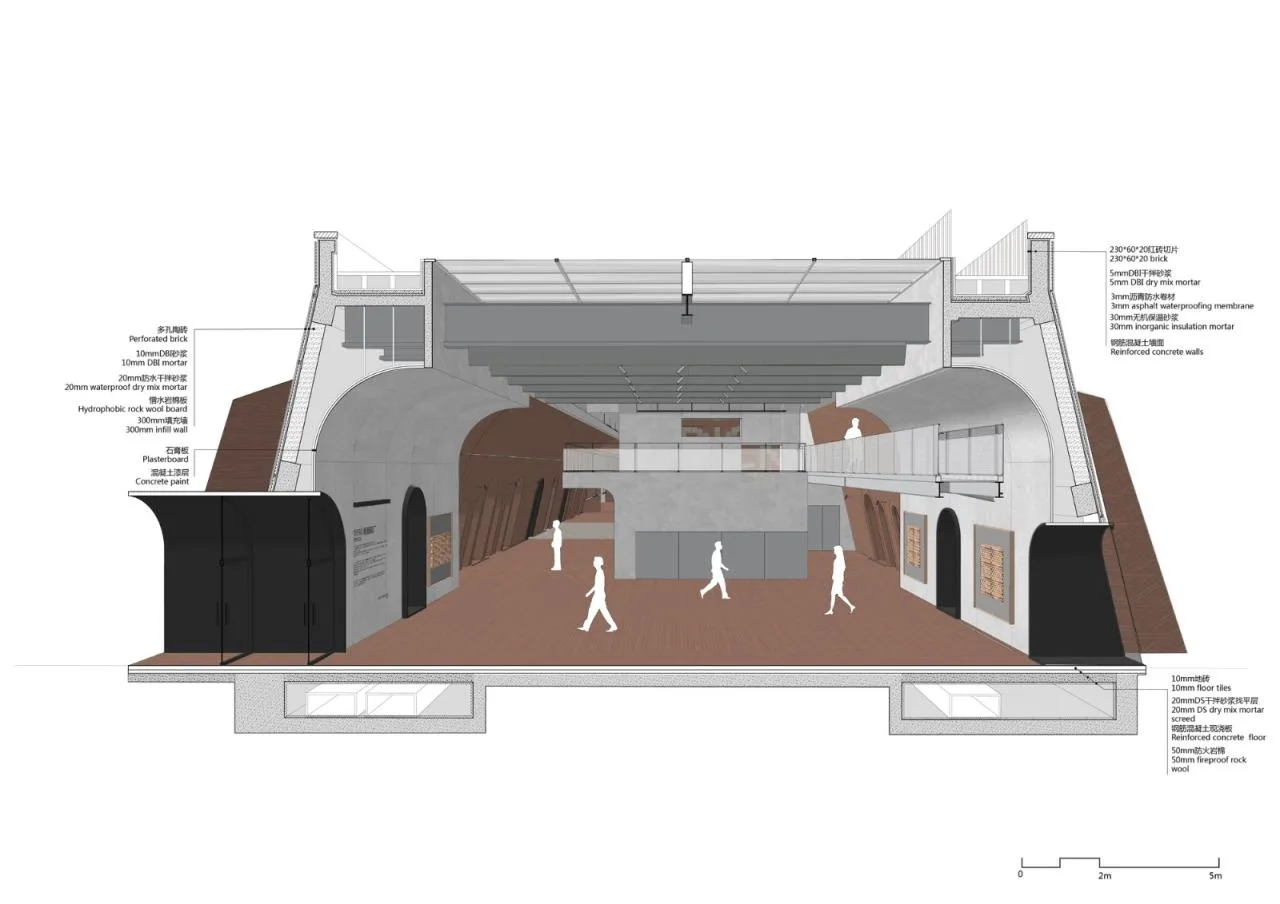
△ Sectional perspective
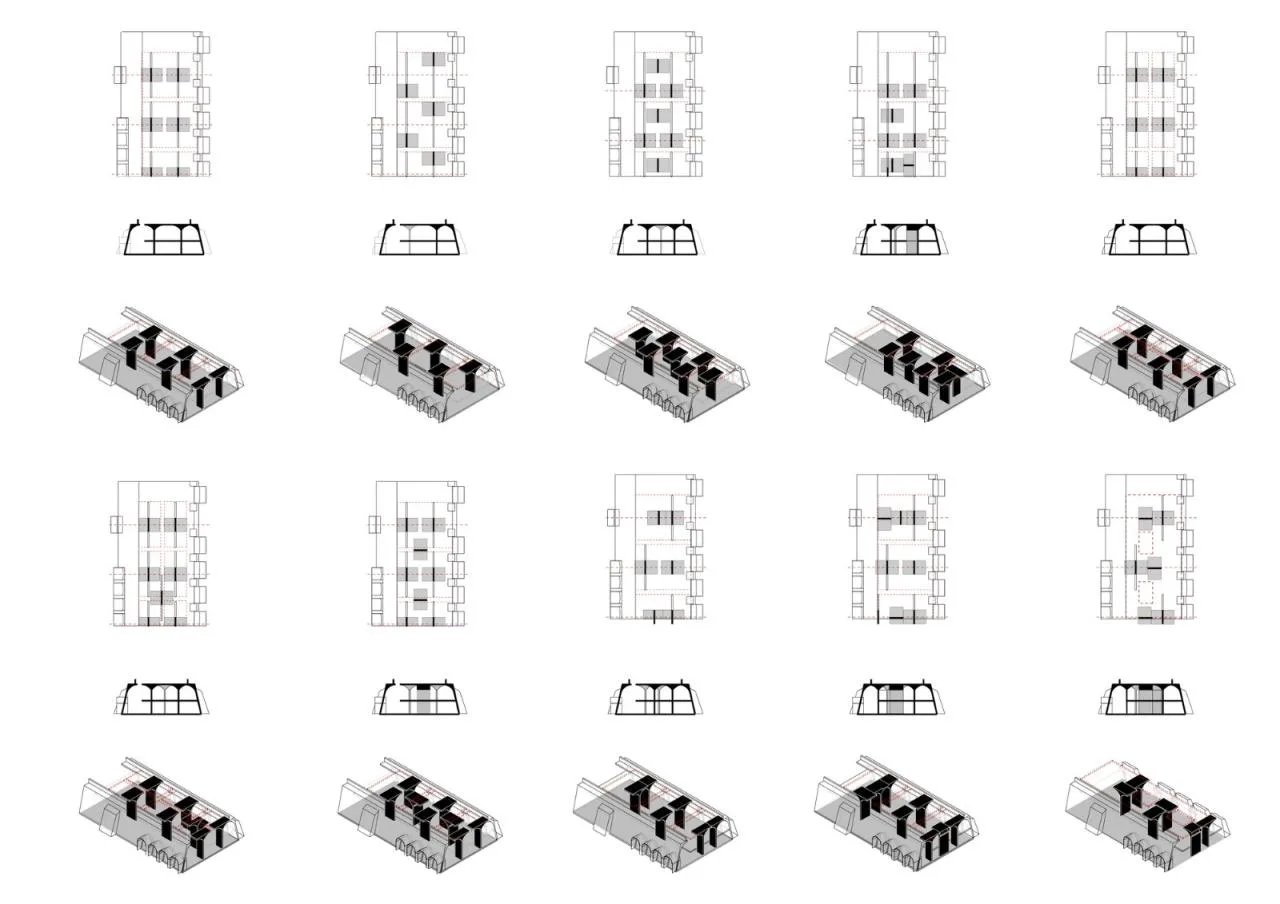
△ Analysis chart
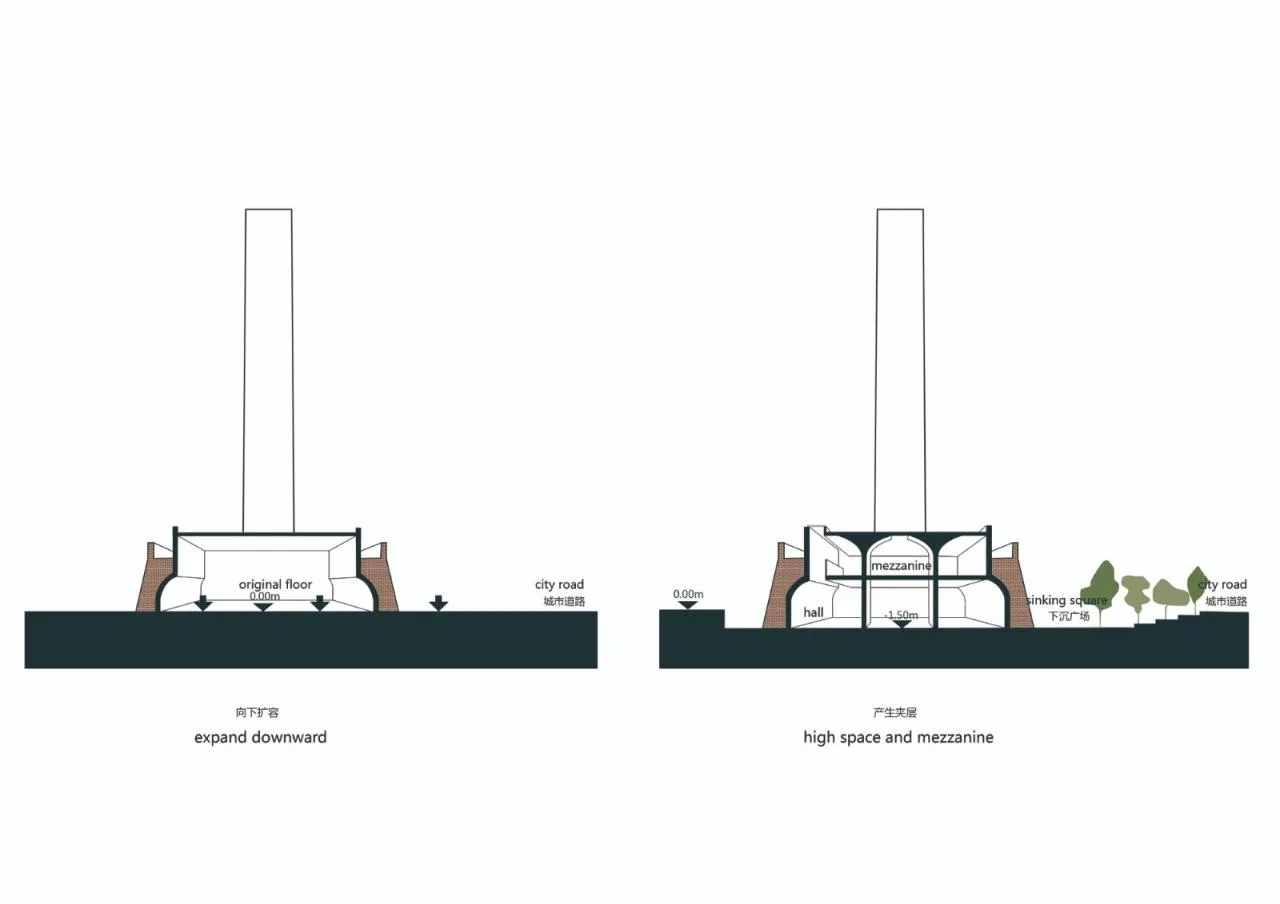
△ Analysis chart
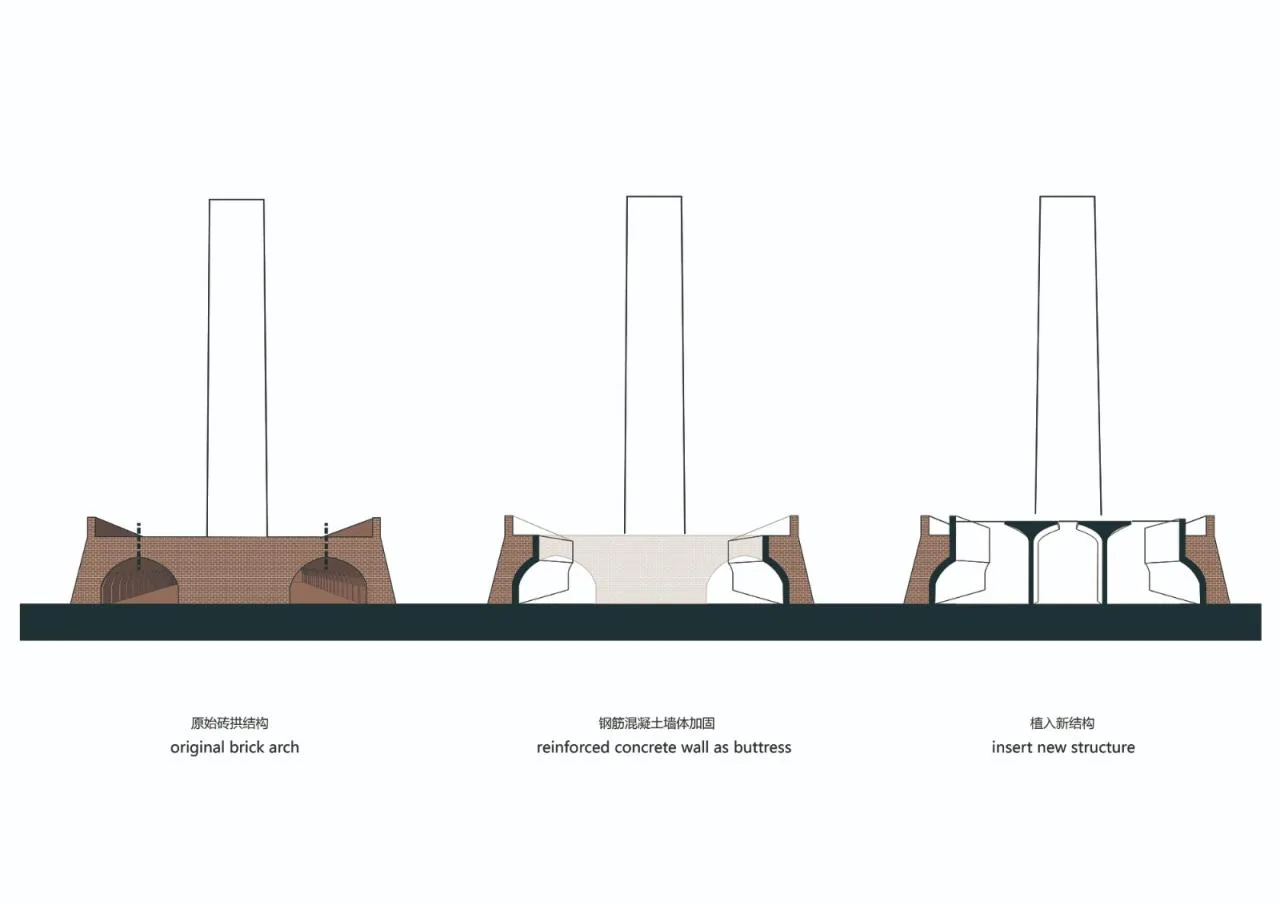
△ Analysis chart
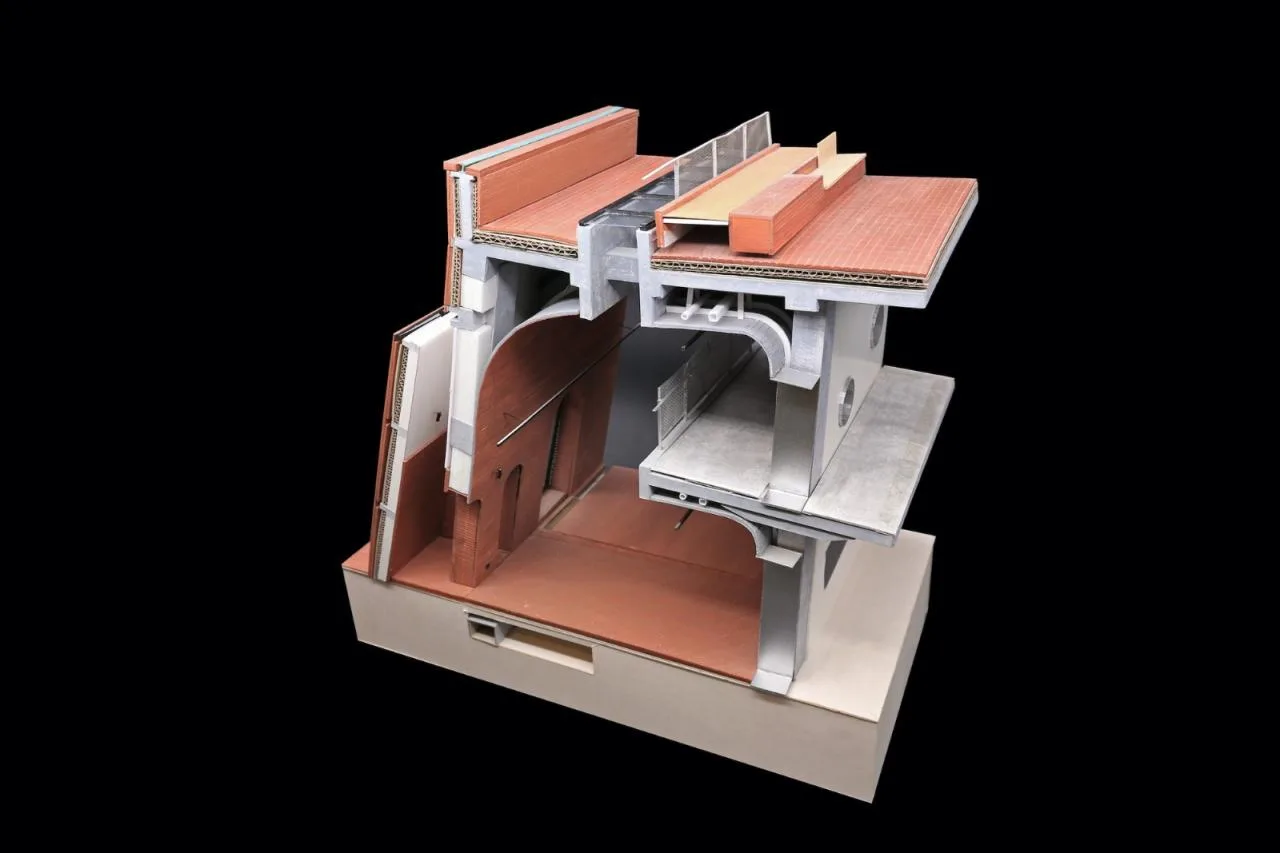
△ Local sectional perspective model
Project Information
Architect: MAT Super Architecture Firm
Area: 5,068 m²
Project Year: 2023
Photographer: Jin Weiqi, UCD
Design Team: Tang Kangshuo, Zhang Miao, Liu Youpeng, He Ningyan, Tan Xiaodan, Chen Tianyi, Qin Yunfei (Design Expression) (MAT Super Architecture Firm); Xu Ning, Yu Dongzhi, Li Dongmei, Ge Guodong (Urban Institute of UCD Beijing Urban Construction Design and Development Group Co., Ltd.)
Deepening Design: UCD Beijing Urban Construction Design and Development Group Co., Ltd. Urban Institute, MAT Super Architecture Firm
Scheme Design: MAT Super Architecture Firm
Location: Beijing












Must log in before commenting!
Sign Up