
△ Project Video
Nanjing, the ancient capital known for the Six Dynasties in Chinese history, stands as a vibrant economic and cultural hub in the Yangtze River Delta region. Steeped in history yet rapidly urbanizing, the city faces growing tensions between its heritage, natural environment, and urban life. In Yuhuatai District, innovation and technology advance hand in hand with cultural and ecological integration, striving to establish a “green ecological livable model area”.
The Banqiao New City central cluster in Yuhuatai District—one of Nanjing’s nine major new urban centers—has been selected as a key site for the National “Good House” Design Competition. The goal is to develop exemplary “good house” designs that leverage technology and innovation to promote high-quality housing development for the new era. This article features the competition entry from Ruizhu Tianyuan.
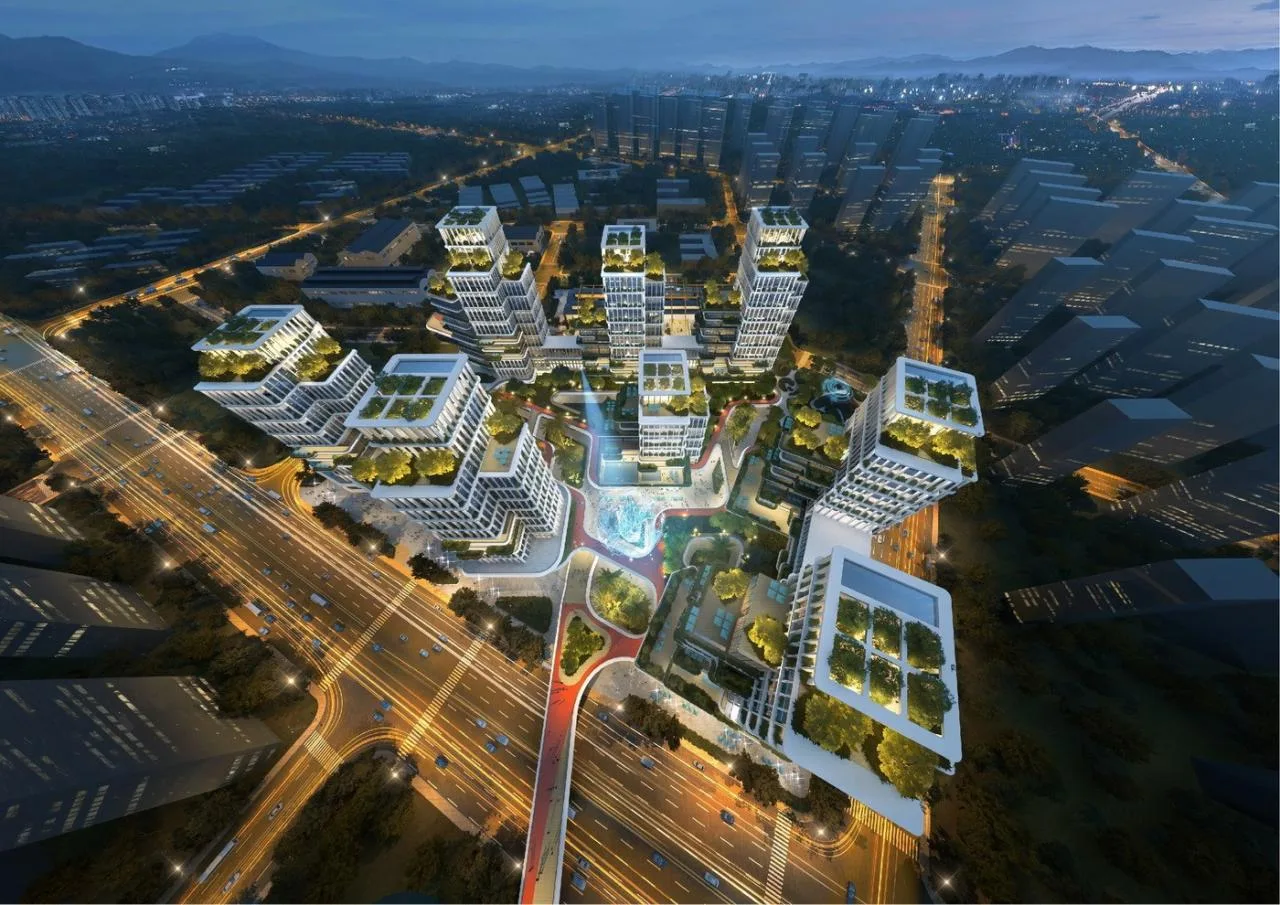
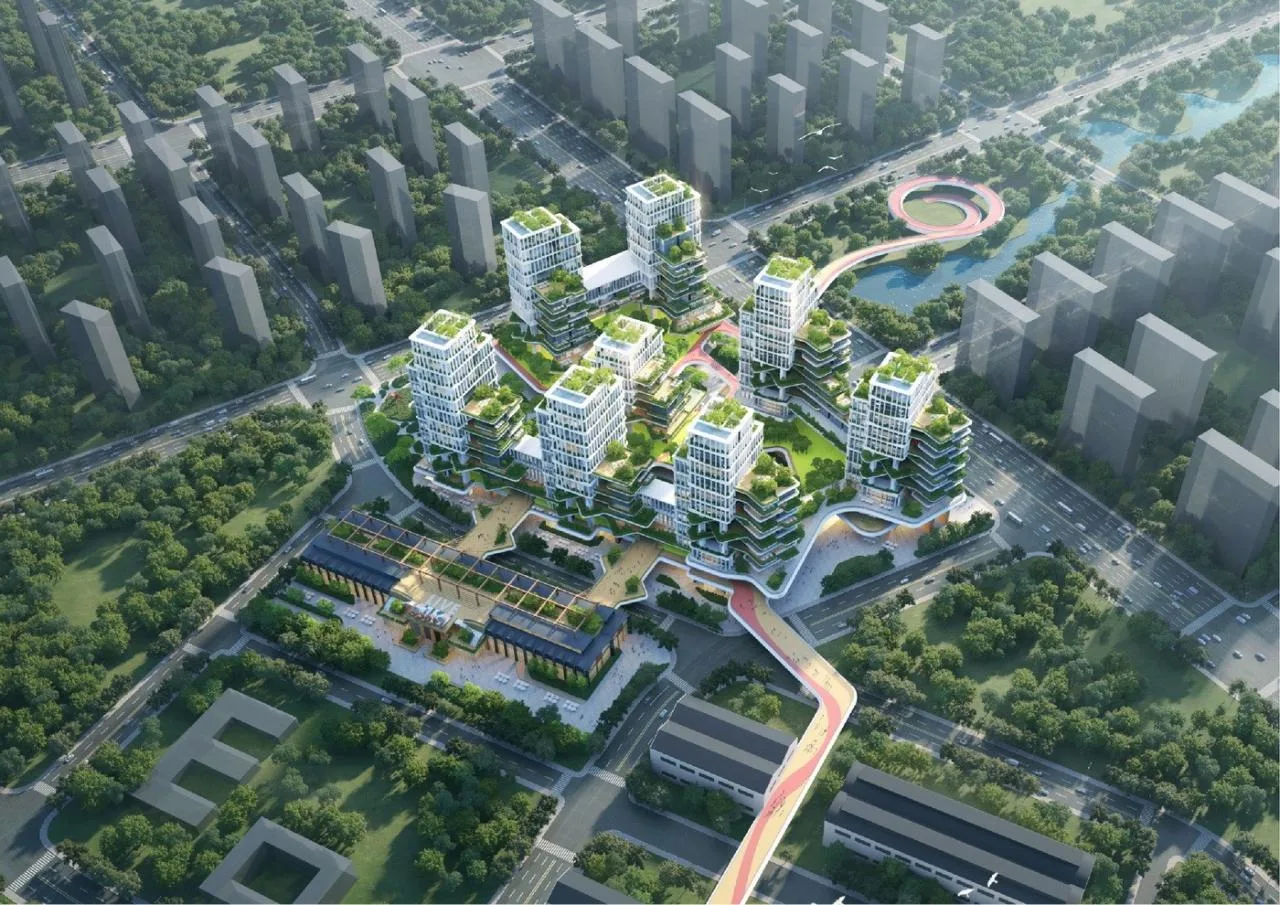
△ Architectural Bird’s-Eye View Rendering © REAMC TY
The central cluster’s planning in Banqiao New City follows a “dual core, two axes, three belts, six areas” structure. Amid this layout, there is a pressing need for a residential community that integrates culture, entertainment, and convenient services to meet citizens’ diverse demands.
This development is positioned within an emerging industrial-city integration zone, located at a strategic ecological, entertainment, and leisure axis. The design aims to cultivate a cultural, ecological, and industry-integrated hub—a livable community embracing natural ecology that attracts and supports a vibrant young population.
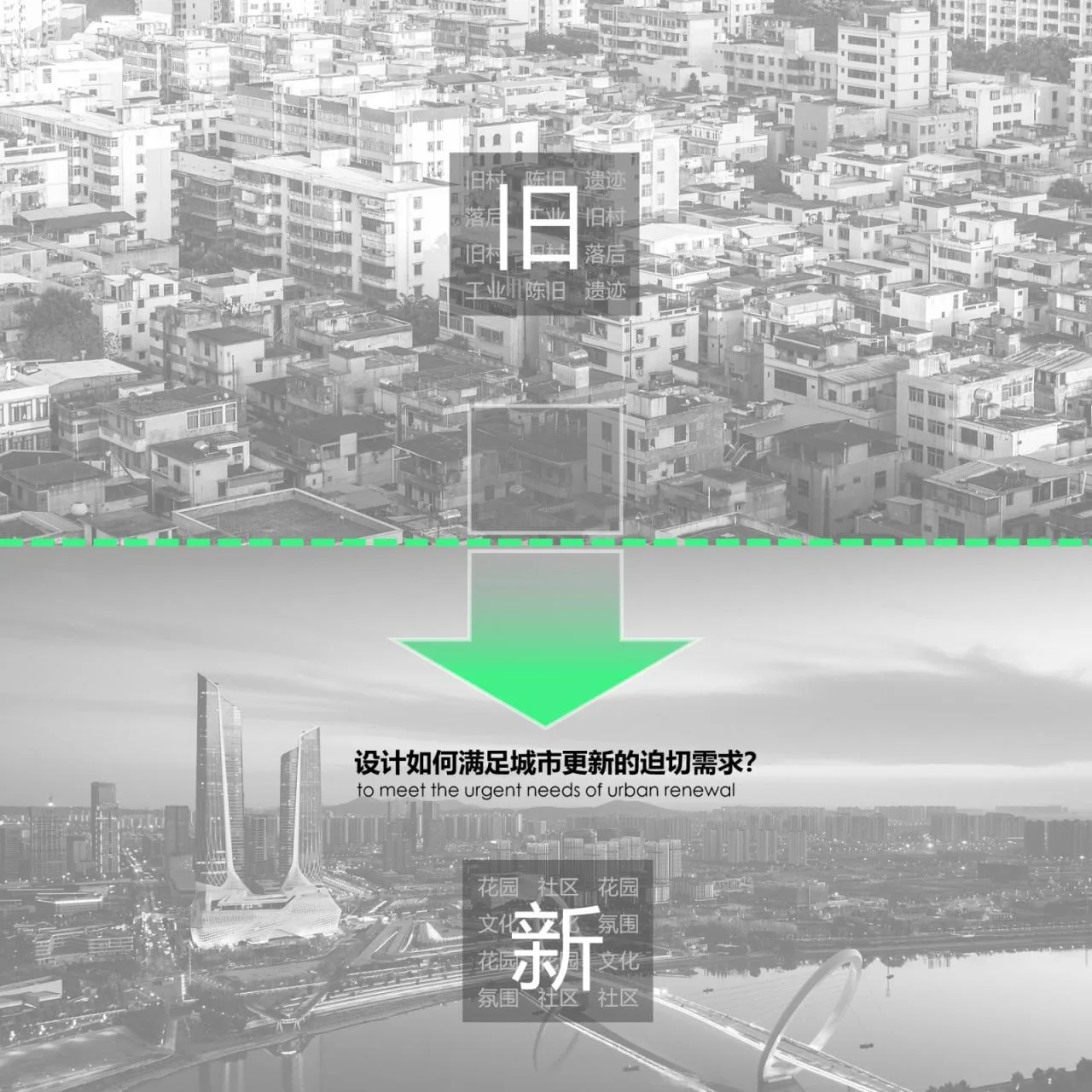
Addressing the urgent urban renewal needs, the design acknowledges the heritage of a shipbuilding industry cluster located between Plot D and surrounding areas, highlighting a clear industrial historical context. The concept fosters a dialogue between old and new by collaboratively developing Plots A and D.
Inspired by the “Vitality Valley, Wave Making Plan,” the project revitalizes the former shipyard space through innovative water diversion and wave-making techniques. An axis grid redefines the site’s connectivity, forming a residential talent valley cluster on Plot A. A multi-dimensional transport network links the two plots, fostering a high-level ecological community on a large platform.
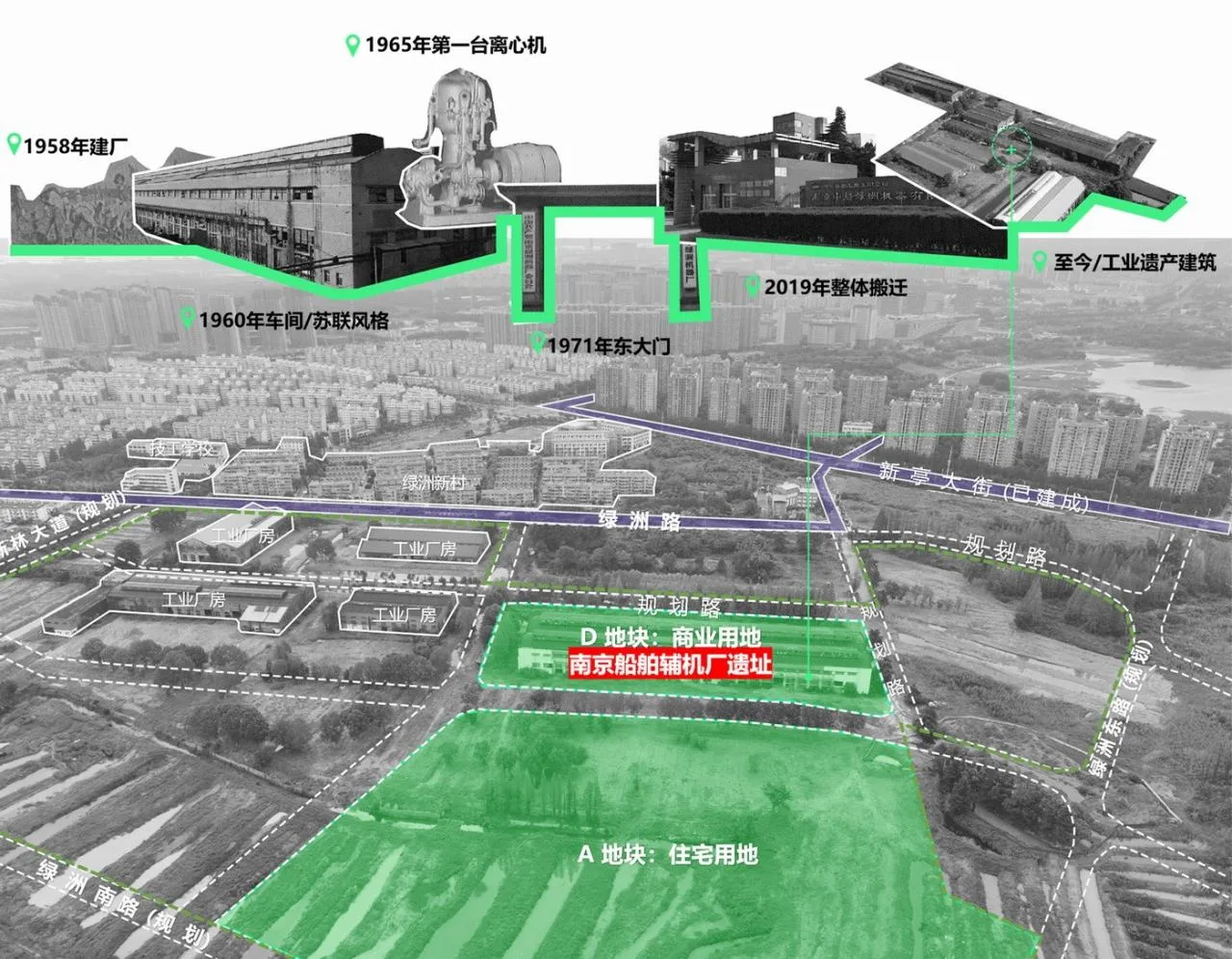
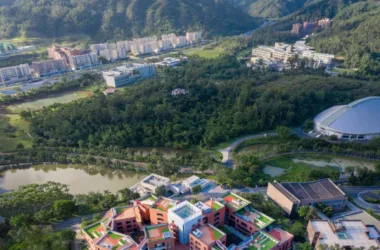
△ Current Surroundings © REAMC TY
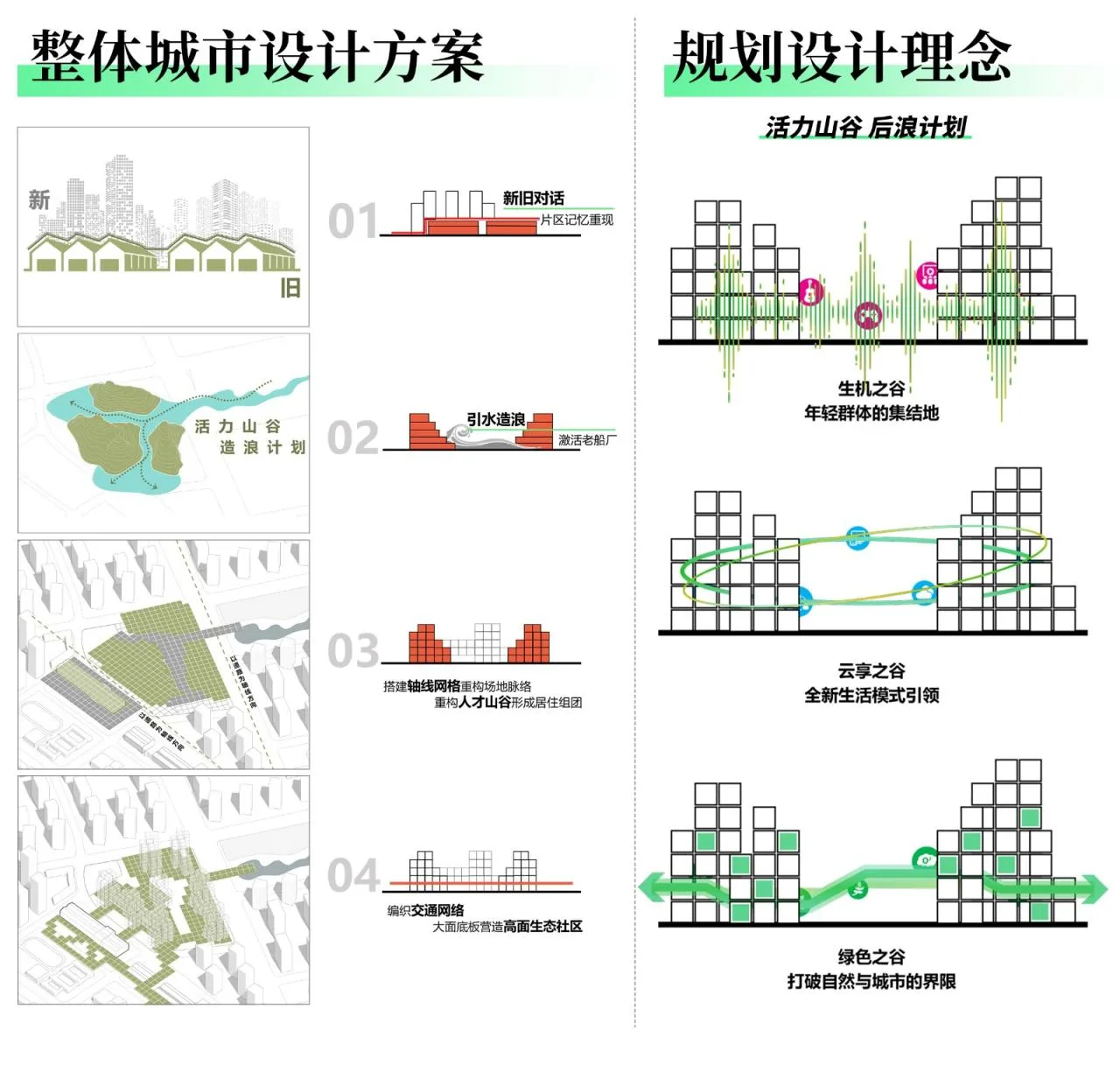
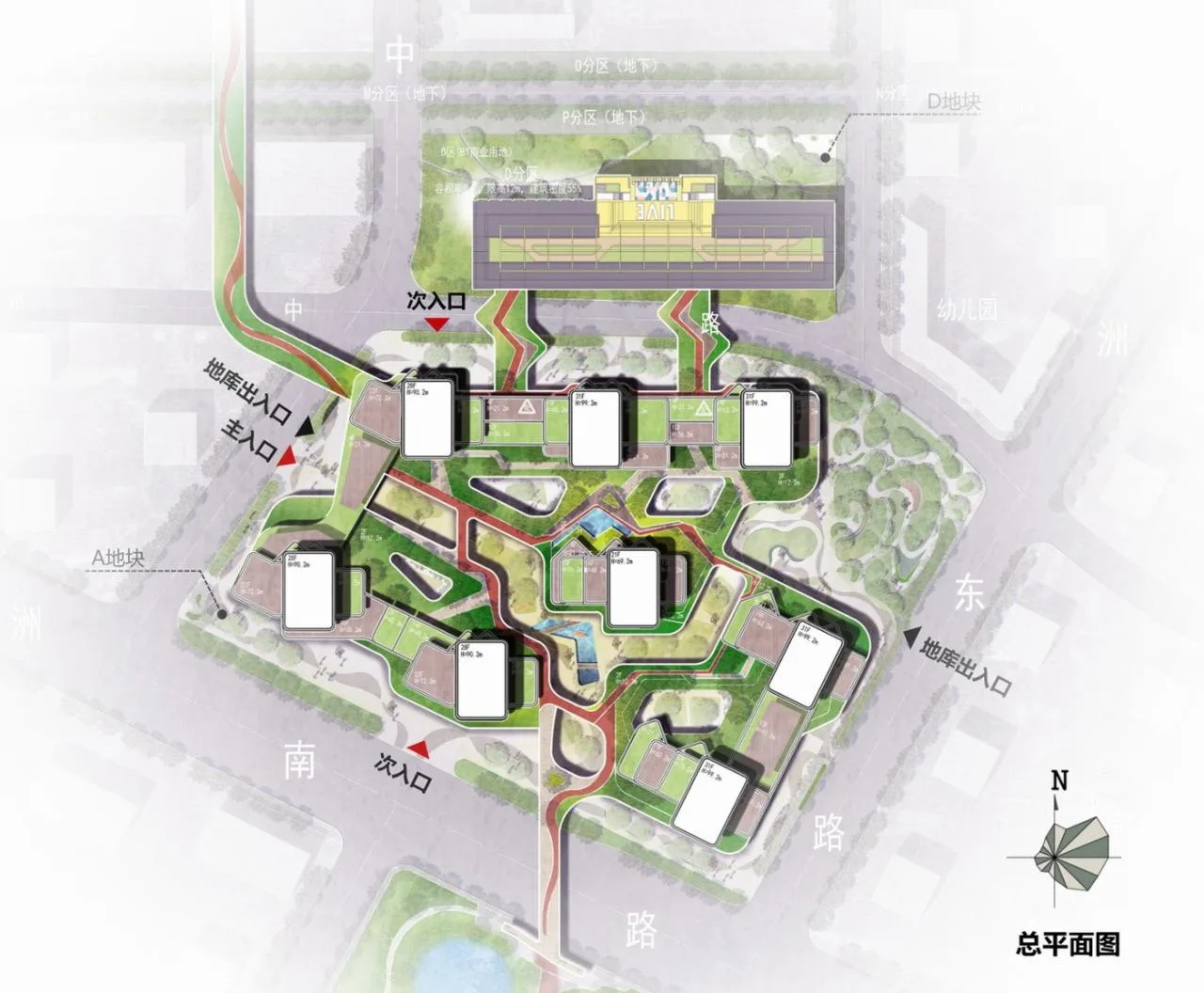
△ General Layout Plan © REAMC TY
How can housing respond to the new era’s demand for quality and satisfy the growing material and emotional needs of residents? This design embraces the concept of “new design, new housing, new life,” focusing on young buyers’ priorities. These include coordinated aesthetics, adaptable functionality, versatile layouts, future-ready intelligence, age-friendly features, commercial amenities, economic comfort, and cultural heritage.
The project theme “Between Cubes, Anticipate Future Life” employs technology, history, and greenery as foundational elements. Through embedding diverse mixed-use functional blocks, blurring the boundaries between nature and urban life with green infiltration, and digitizing smart community infrastructure, it aims to create a composite community. This community integrates industry, cultural heritage, residential upgrades, individuality, and quality, aligning with the architectural principles of usability, economy, sustainability, and beauty for high-quality housing development.
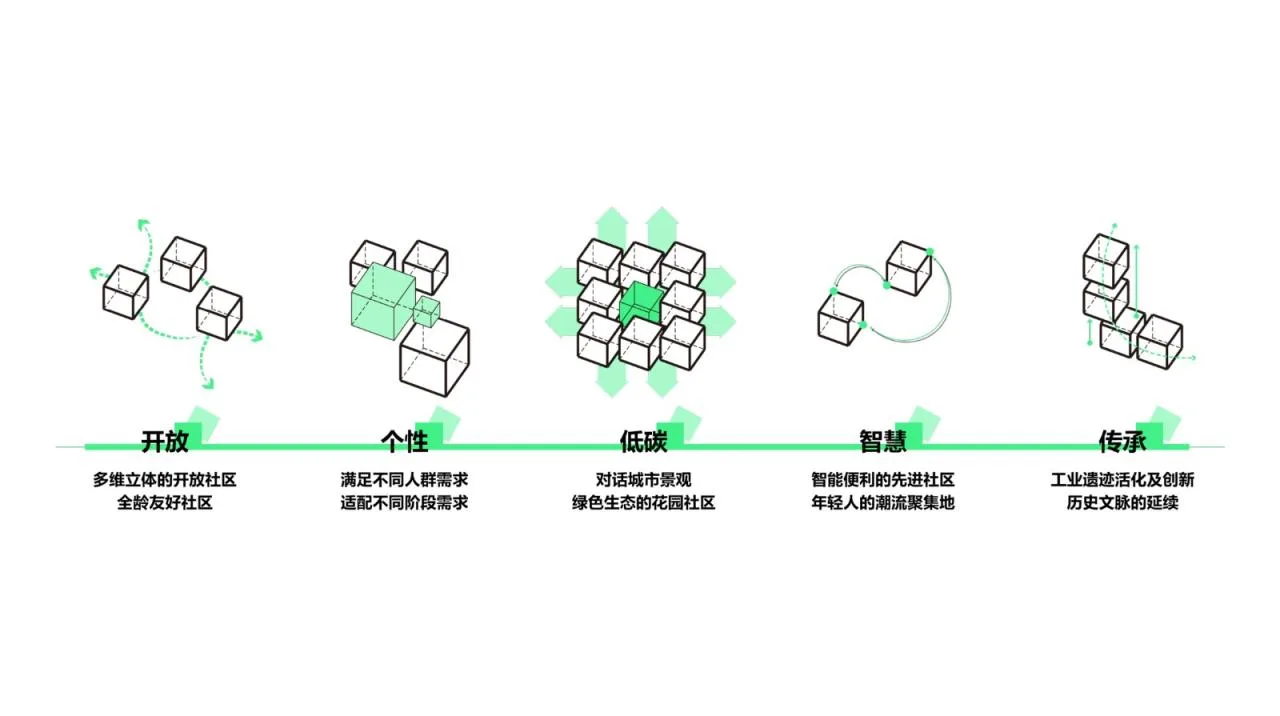
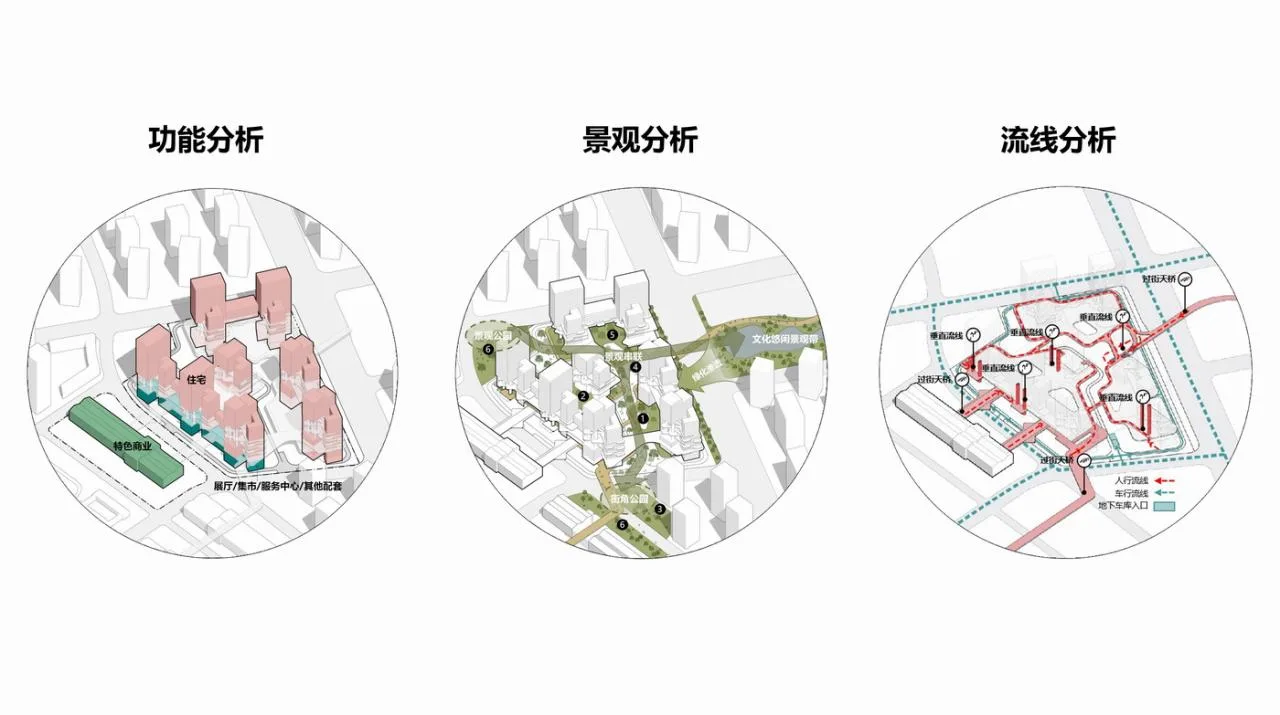
To comprehensively implement the “good house” concept and elevate residential quality, the Ruizhu Tianyuan design team developed the “Good House 137 System.” Centered on the core mission of “providing better housing for people,” it integrates industrialization, digitization, and greening into seven key scenarios that support the construction of high-quality homes.
This system has demonstrated strong feasibility through model simulations and project feedback, effectively addressing systematic residential performance improvements.
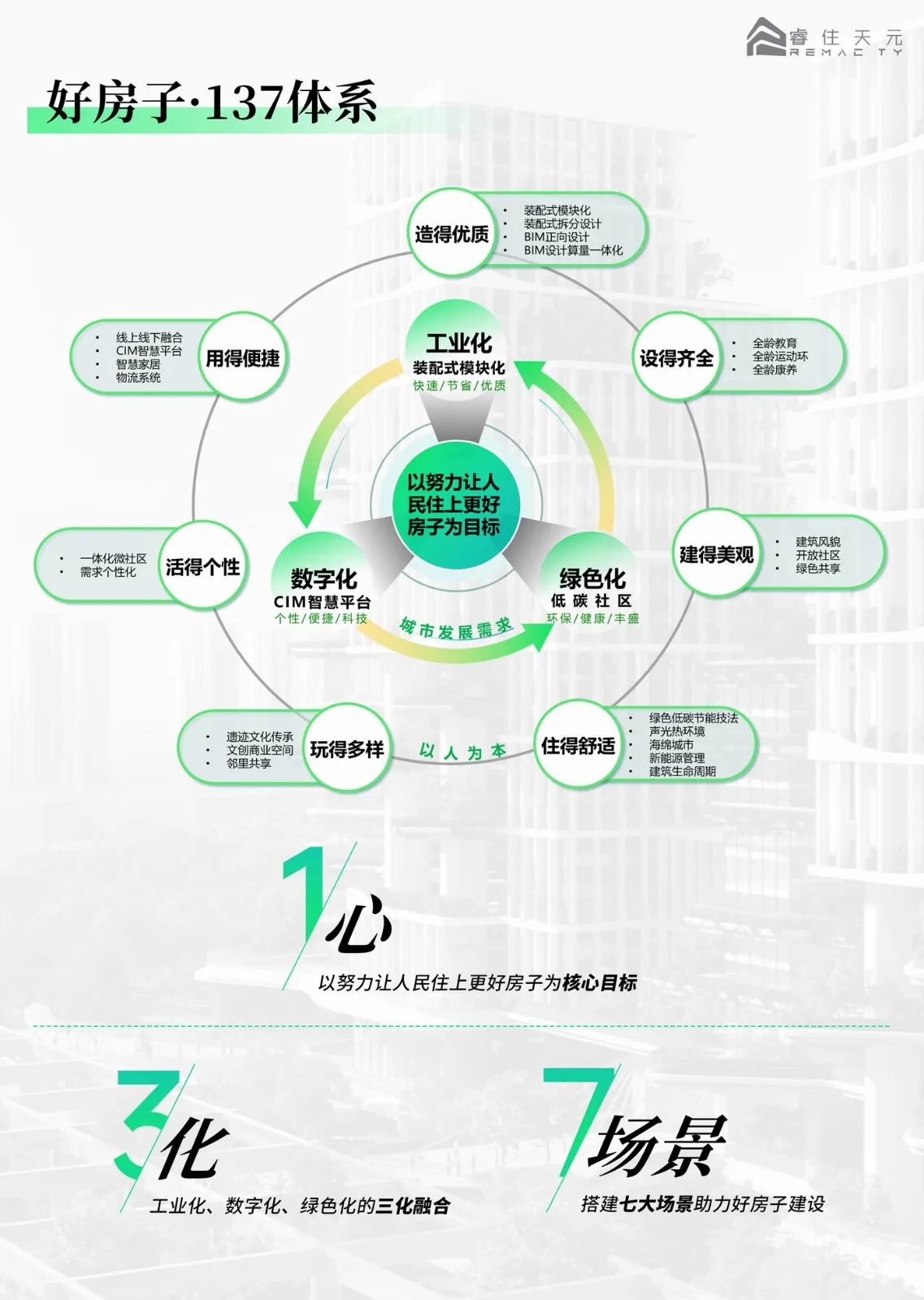
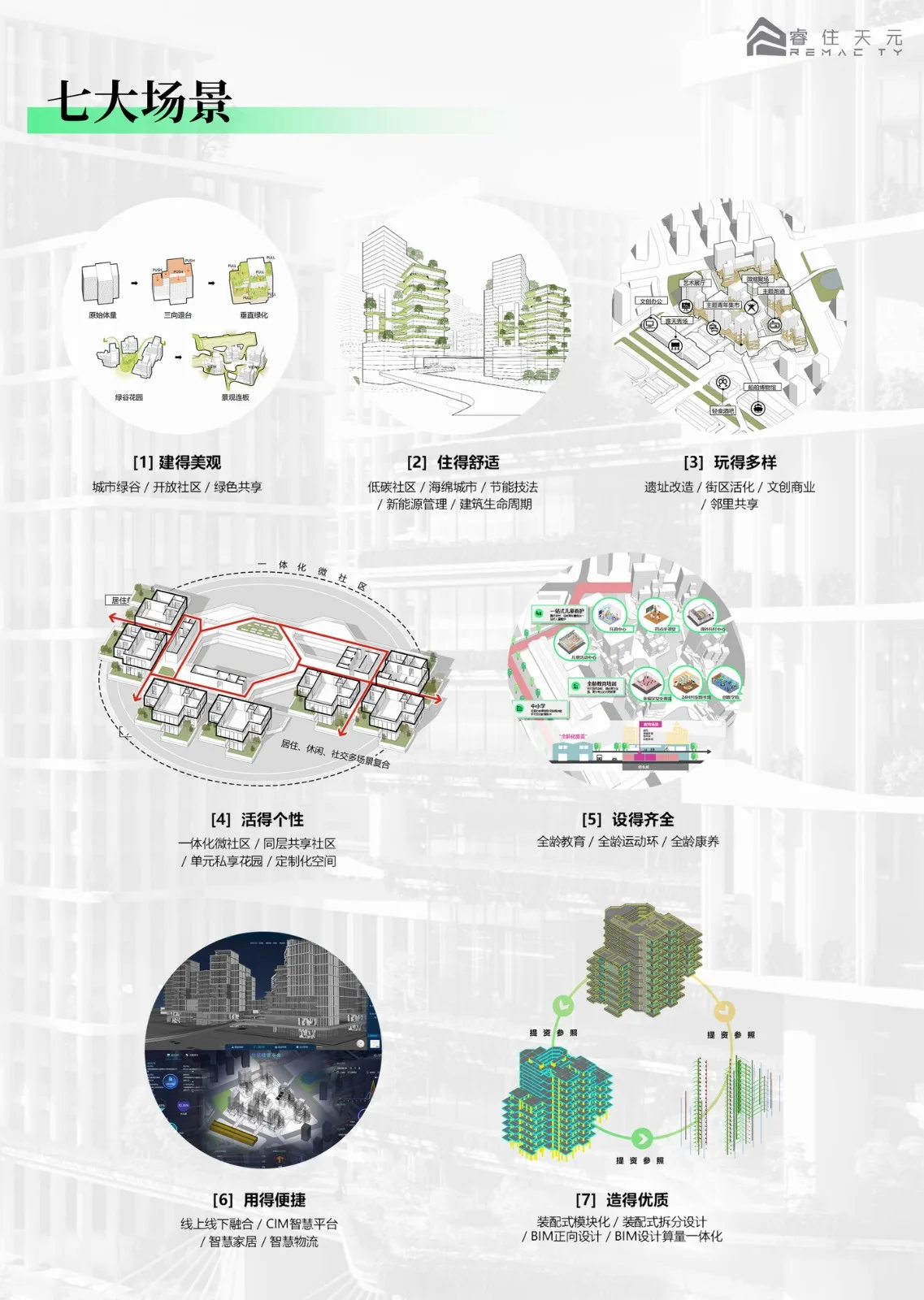
137 System: Construction and Application of Seven Major Scenarios
NO.1 Beautiful Construction
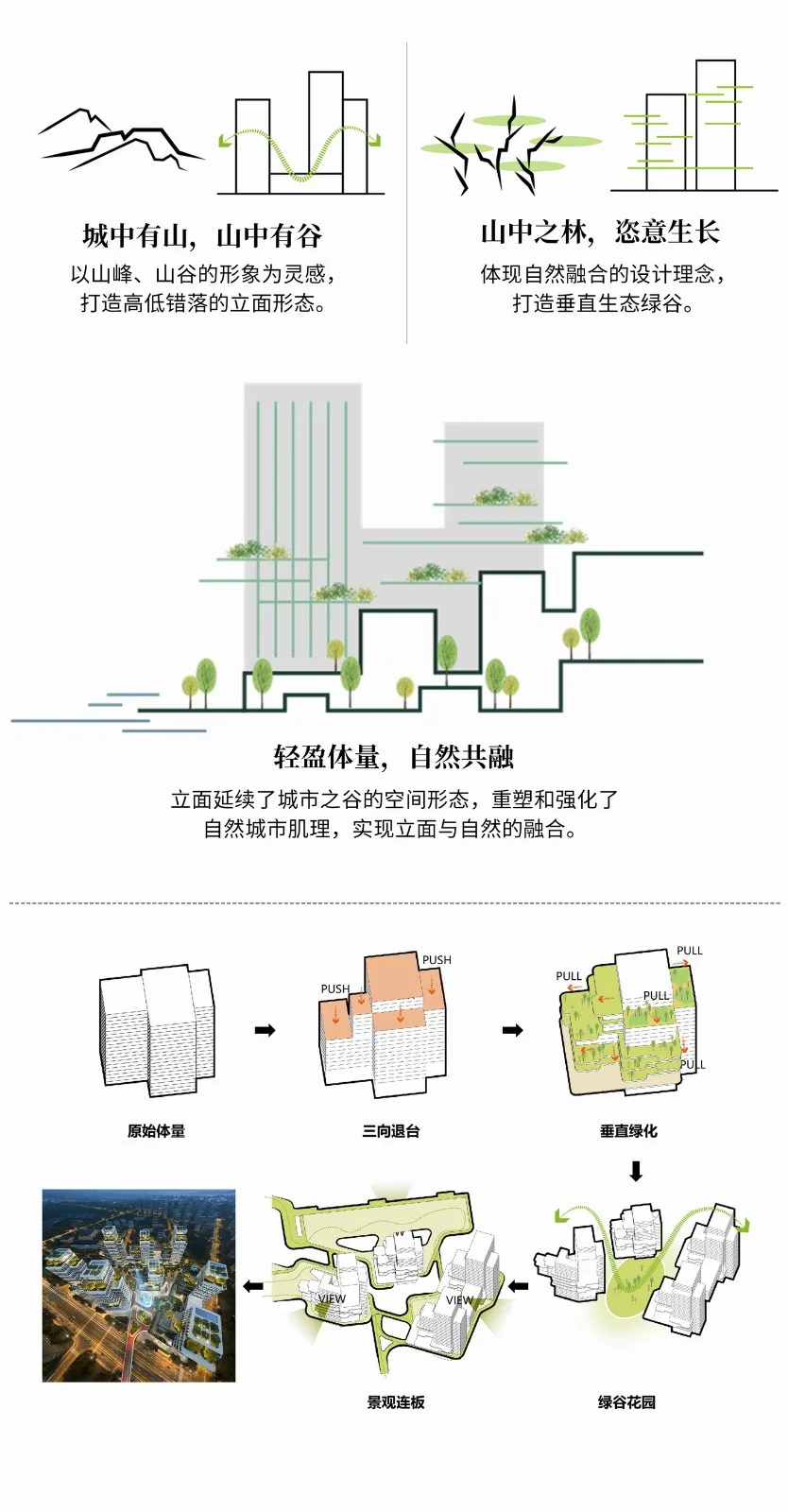
#Architectural style – harmonious natural integration
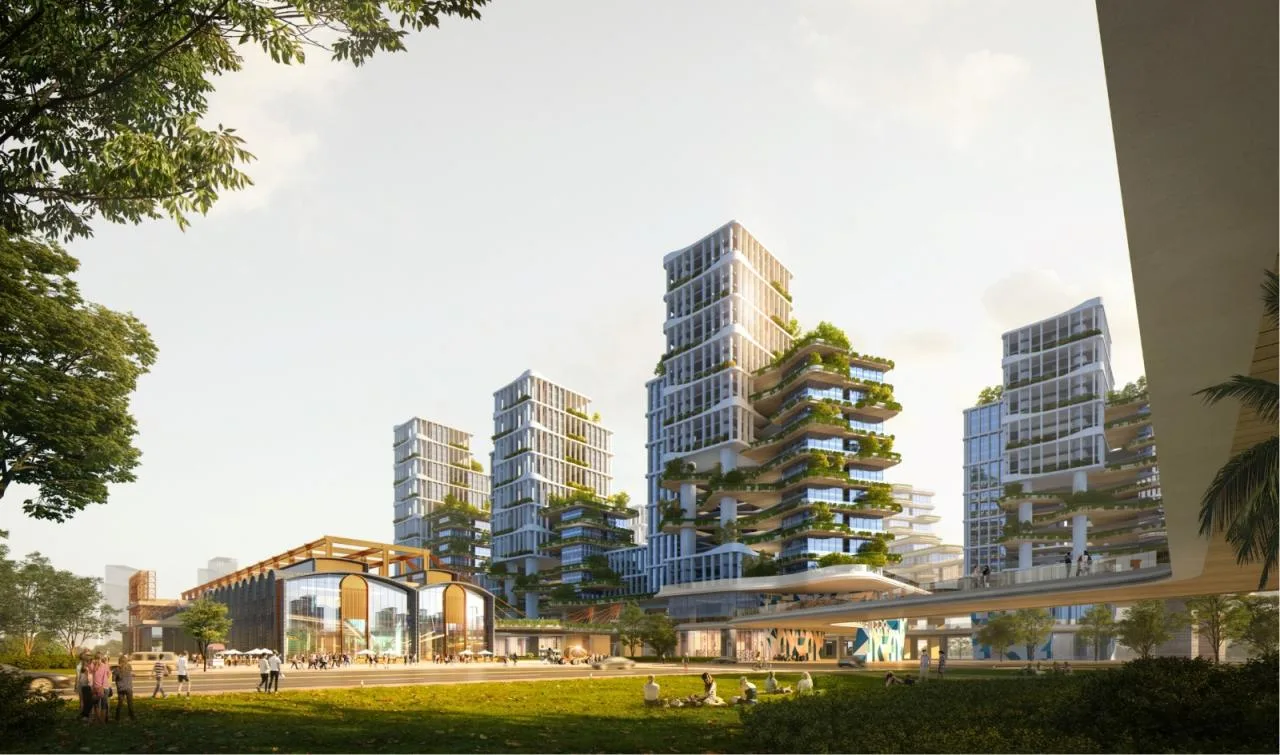
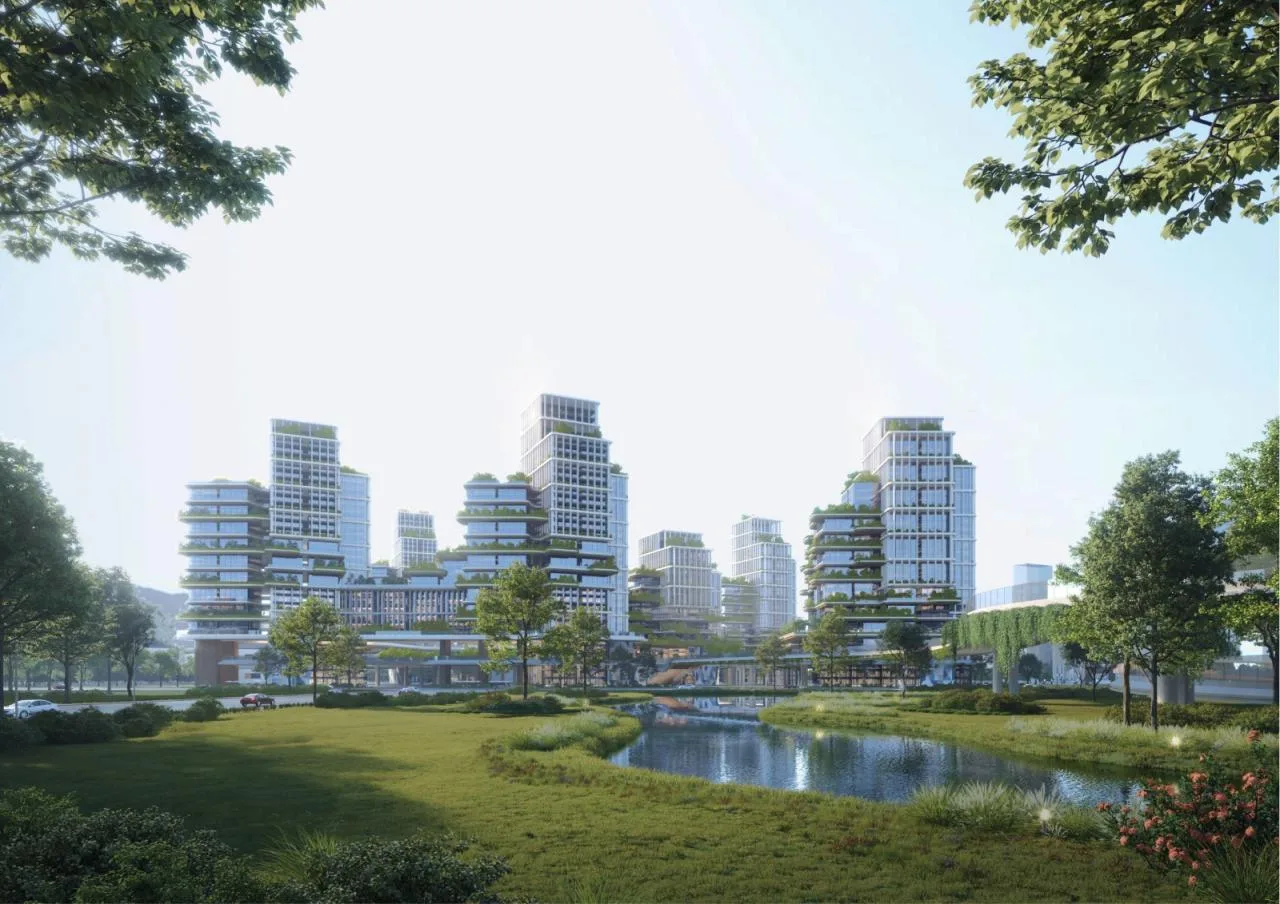
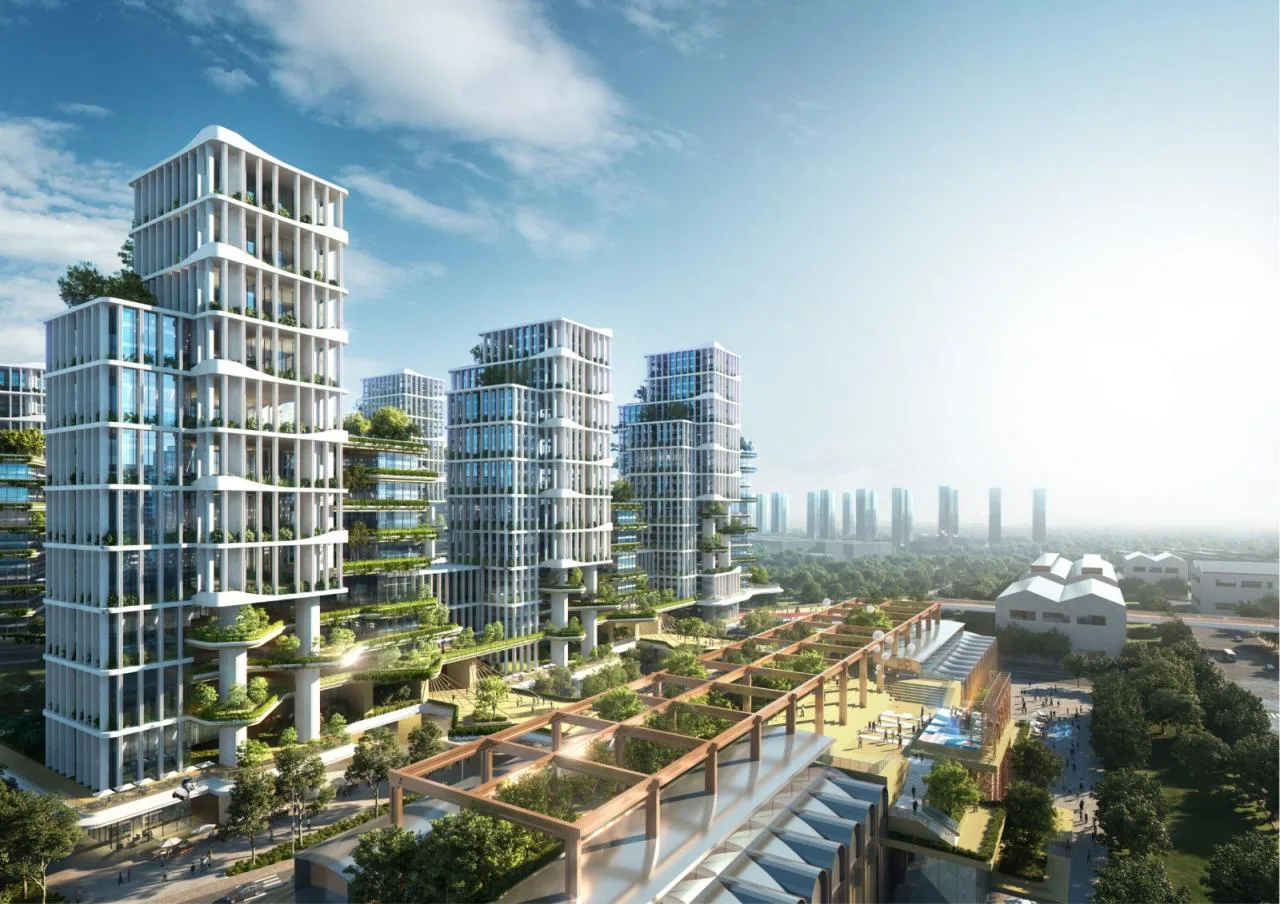
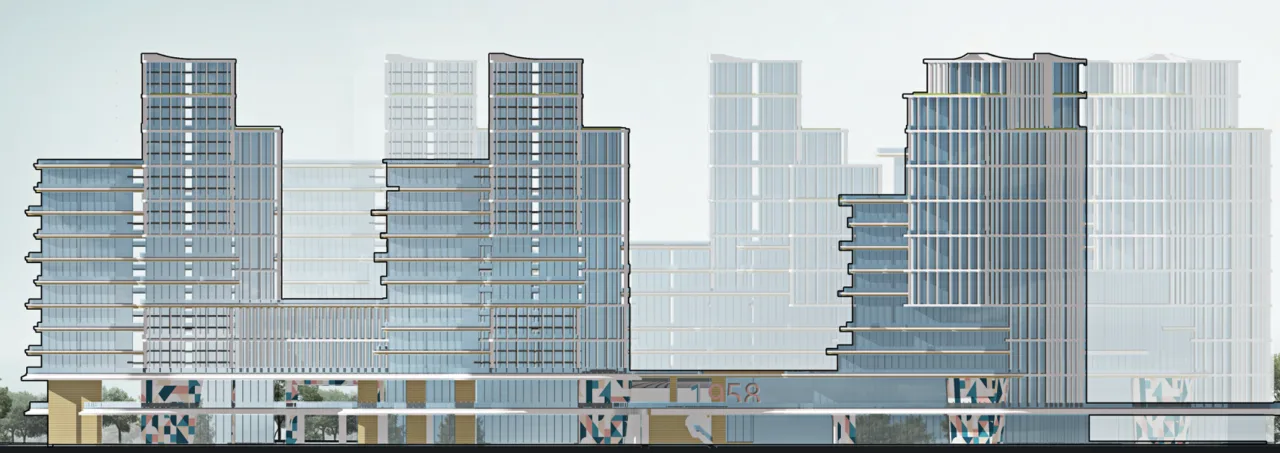
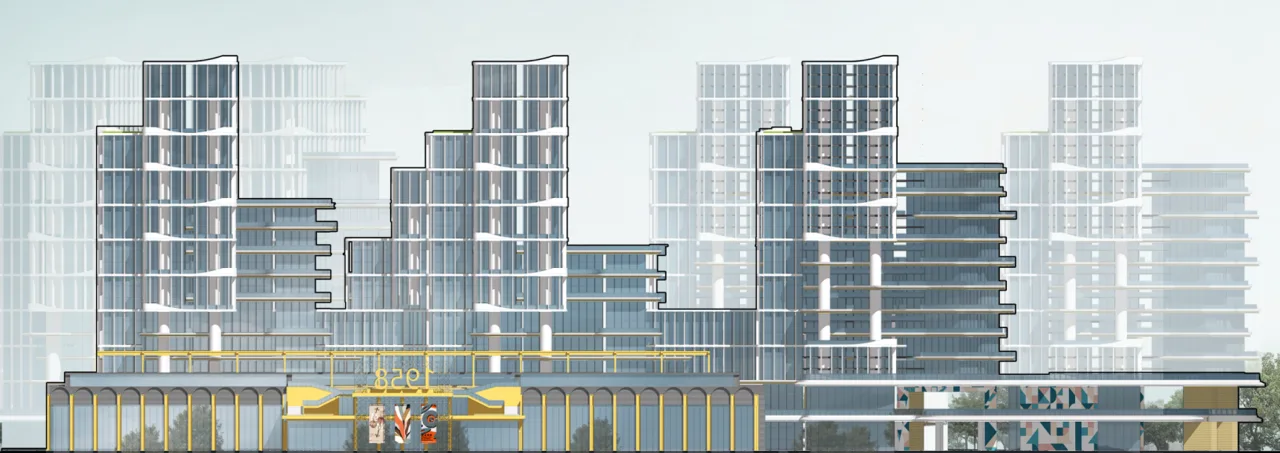
The facade draws inspiration from mountain landscapes, using variations in height and form to create a three-dimensional, multi-layered urban green valley. This effect is enhanced through vertical greening on the ground, terraces, and rooftops.
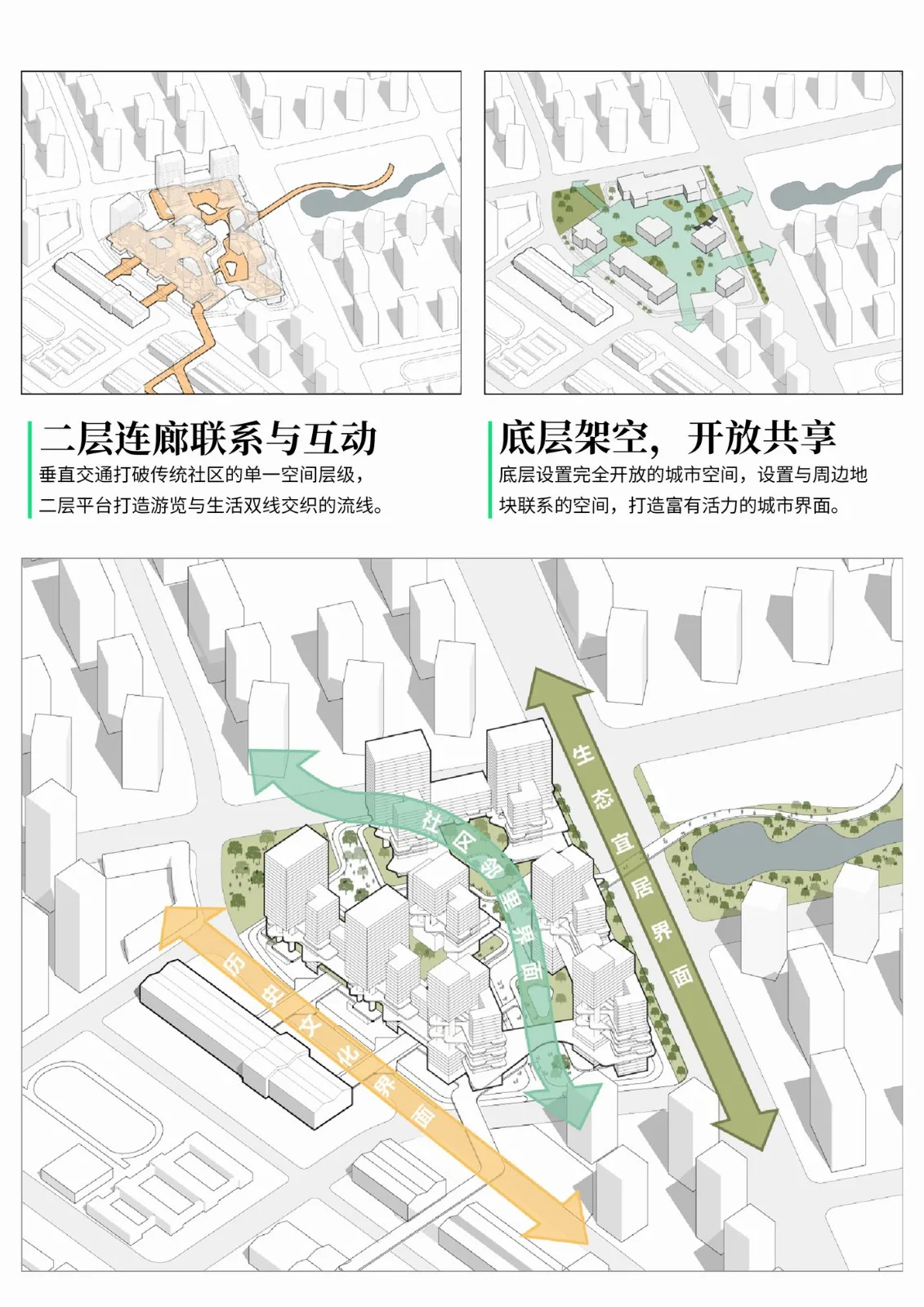
#Open Community – Urban Inclusion
The seamless interweaving of “historical culture, community neighborhood, and ecological livability” creates a vibrant, open community where residents, neighborhoods, and the city coexist harmoniously.
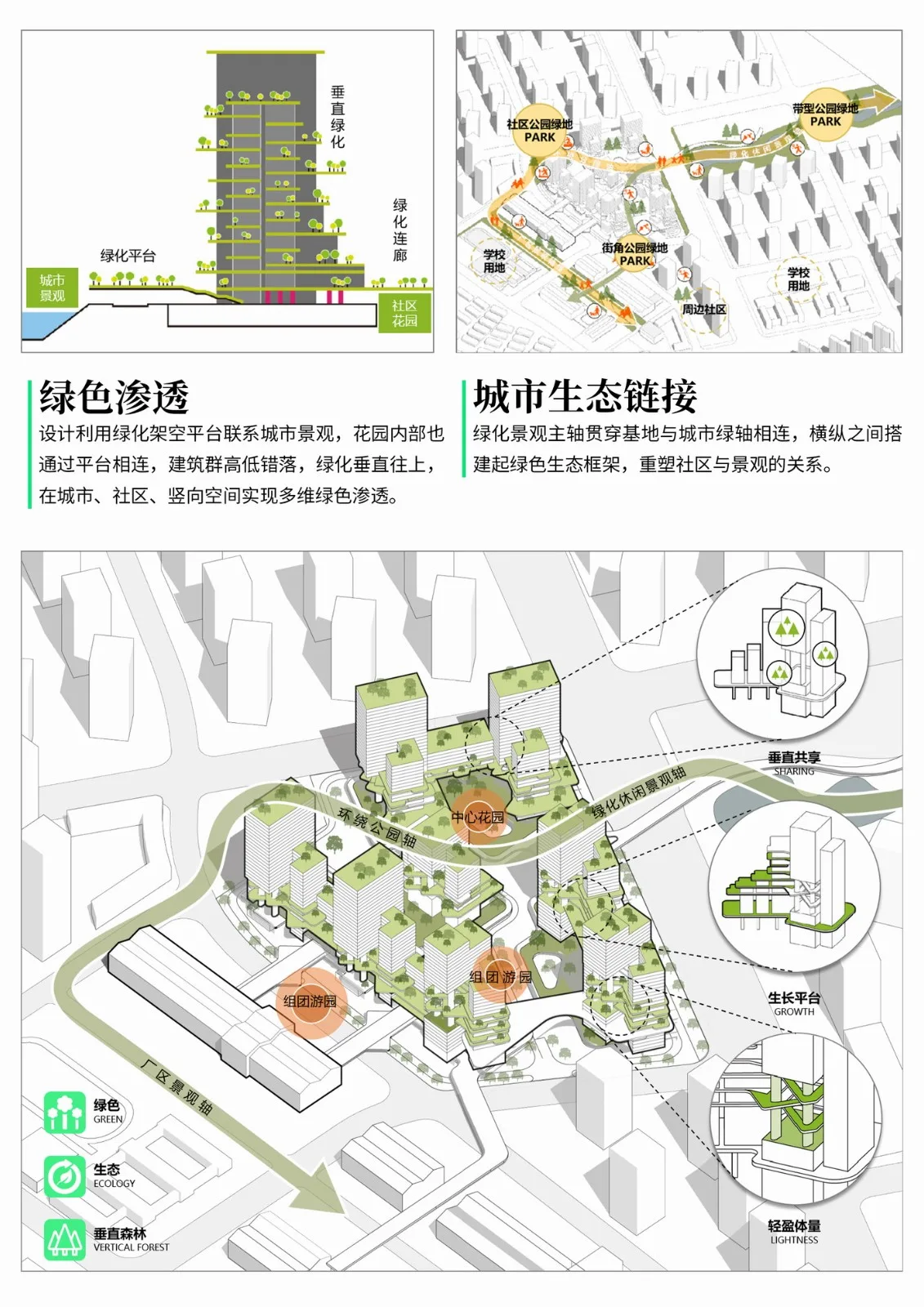
#Green Sharing – Connected Green Veins and Coordinated Environment
A spatial layout centered on a community green corridor connects residential areas to parks and urban green axes, creating a network of friendly, practical, and flexible green spaces that enhance the living environment.
NO.2 Comfortable Living Conditions
#Green, Low-Carbon, and Energy-Saving Technologies
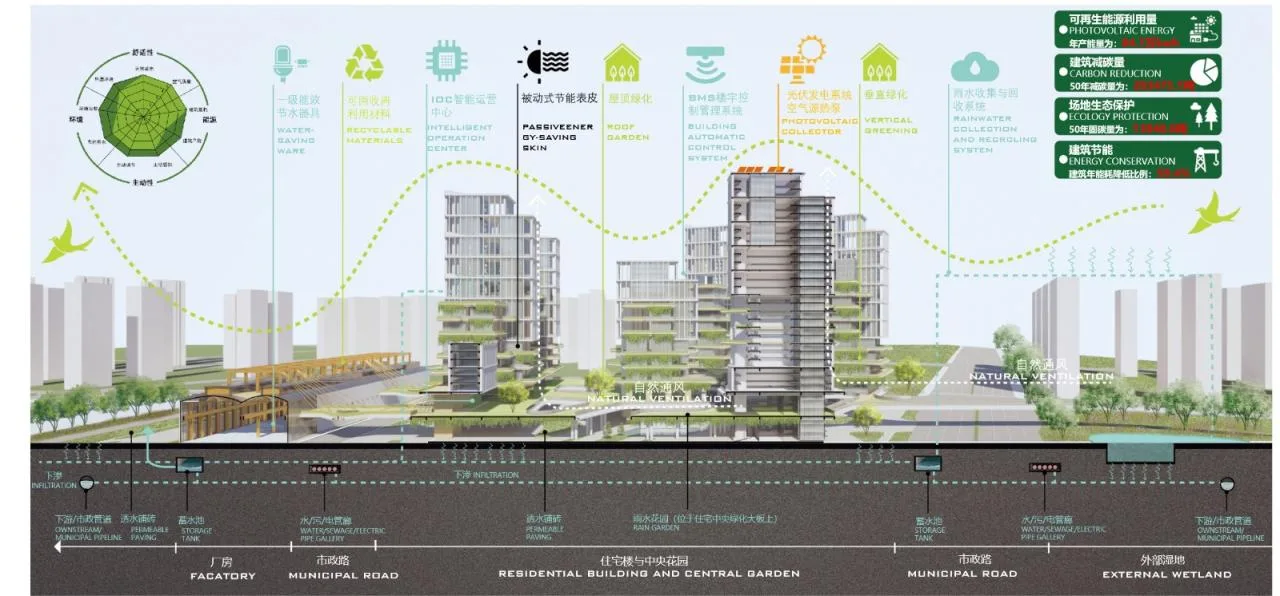
The design adapts to local climate and site conditions to reduce energy consumption for heating, cooling, and lighting, while improving equipment efficiency. Renewable energy is fully utilized to create comfortable indoor environments with minimal energy use. Carbon reduction is prioritized over carbon compensation in the effort to lower emissions.
#Site Microclimate
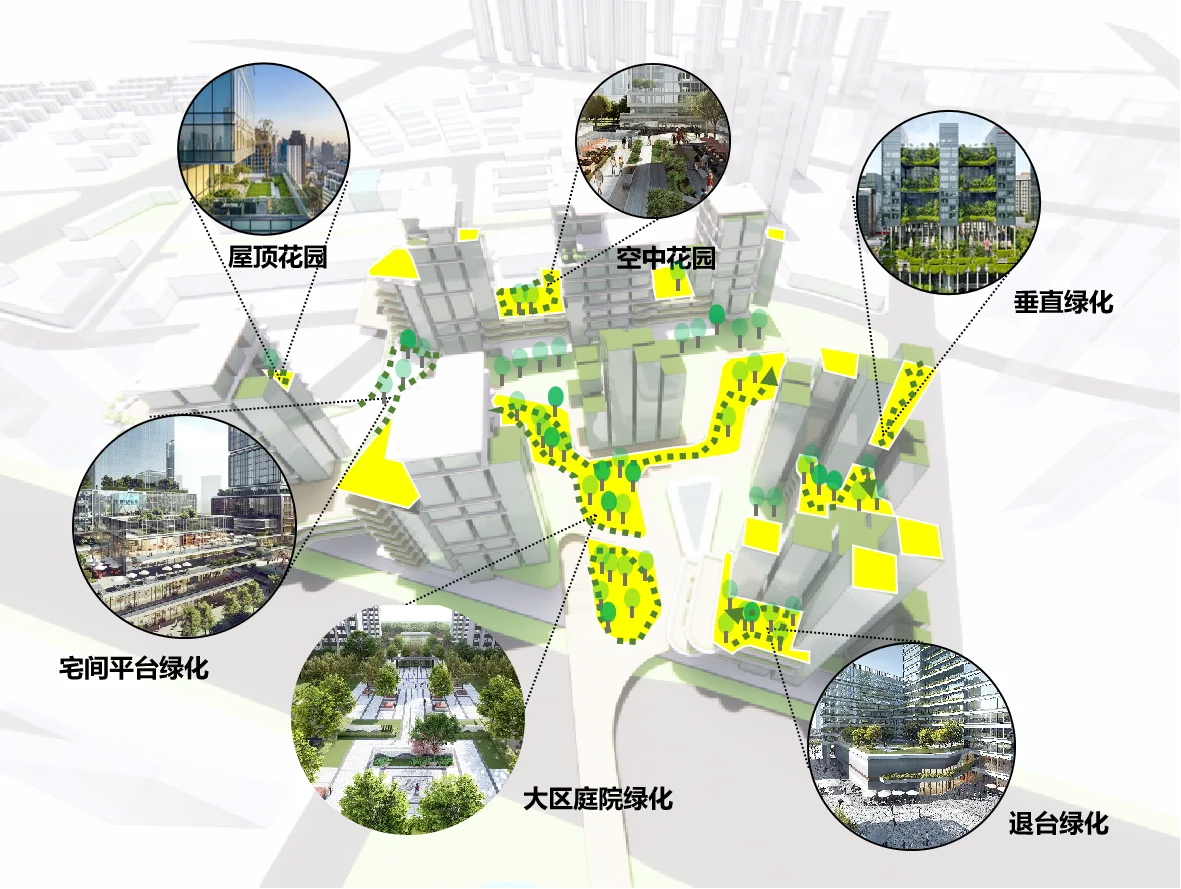
The project integrates diverse green ecologies including courtyard greenery, inter-building terraces, aerial gardens, setbacks, vertical greening, and roof gardens. This multi-layered green space system reduces urban heat island effects, improves microclimate conditions, lowers surface temperatures of building envelopes, and reduces indoor air conditioning loads, contributing to energy conservation and environmental protection.
#Sponge City Design
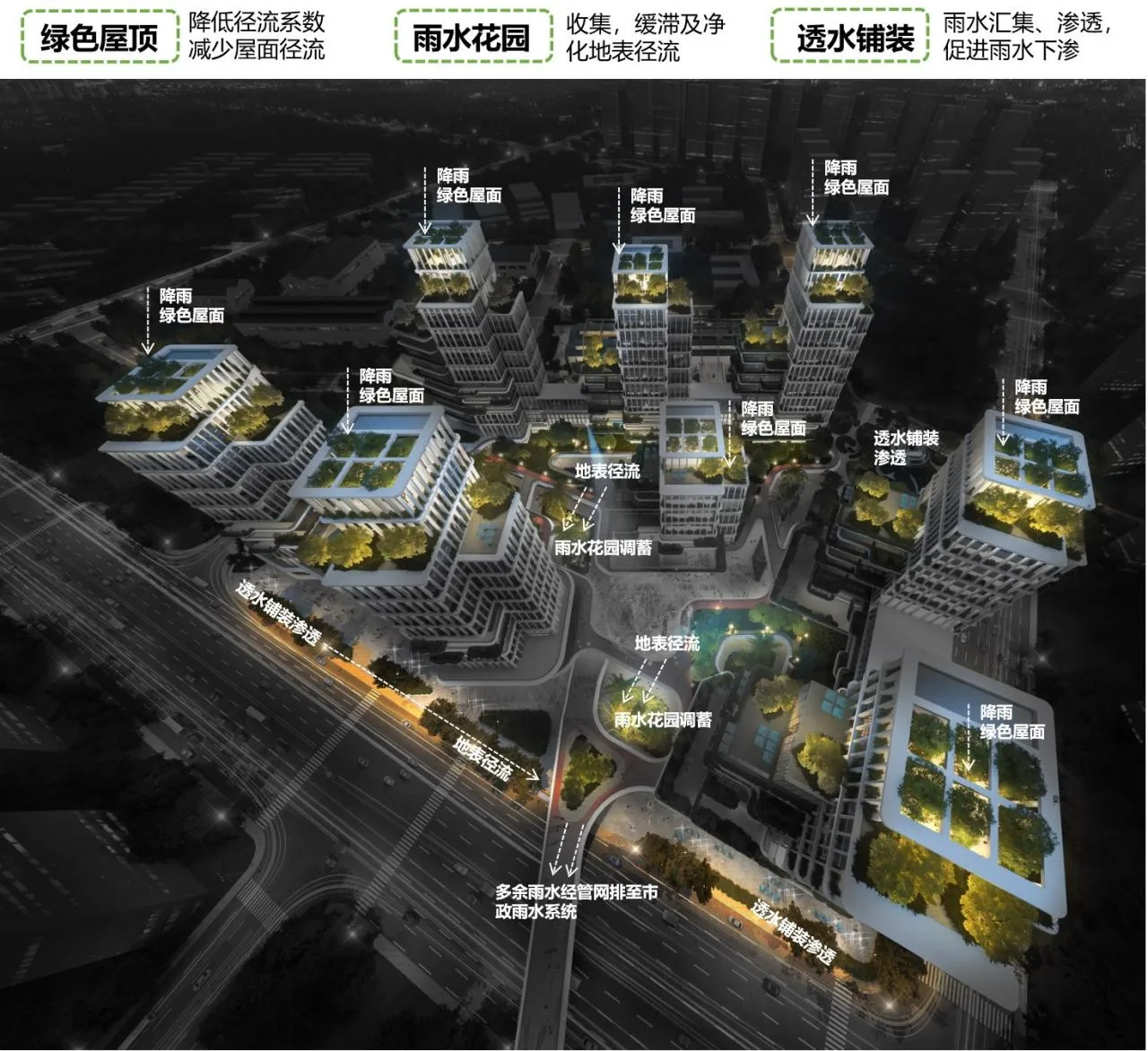
Incorporating sponge city principles, the design features green roofs, rain gardens, permeable pavements, and rainwater collection and recycling systems to manage runoff, conserve water resources, and enhance landscape functionality.
#New Energy Management
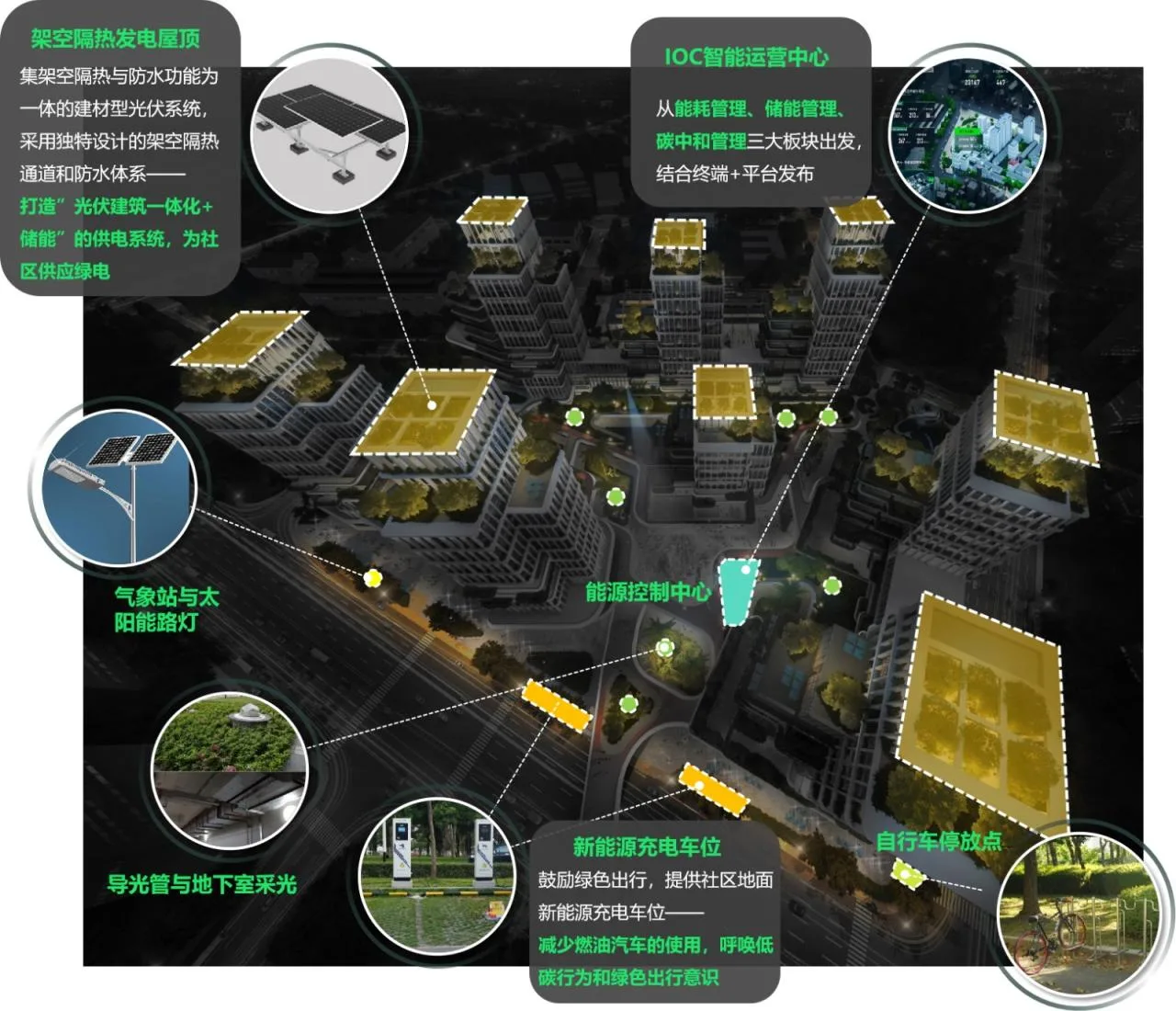
The project integrates an IOC Intelligent Operation Center, building control management system, photovoltaic power generation, air source heat pump auxiliary heating, and new energy vehicle charging stations. Using data analytics on electricity, water, carbon emissions, and system alarms, it achieves comprehensive energy control and green energy optimization. Intelligent energy-saving algorithms are continuously refined to ensure economic and sustainable carbon management.
#Heritage Protection and Architectural Renewal
Industrial heritage renovation preserves the city’s memory while transforming the area from a single factory zone into a lively landmark blending diverse cultural and artistic elements. The industrial style is maintained, old elements are preserved, neighborhood commerce continues, and community services are thoughtfully integrated.
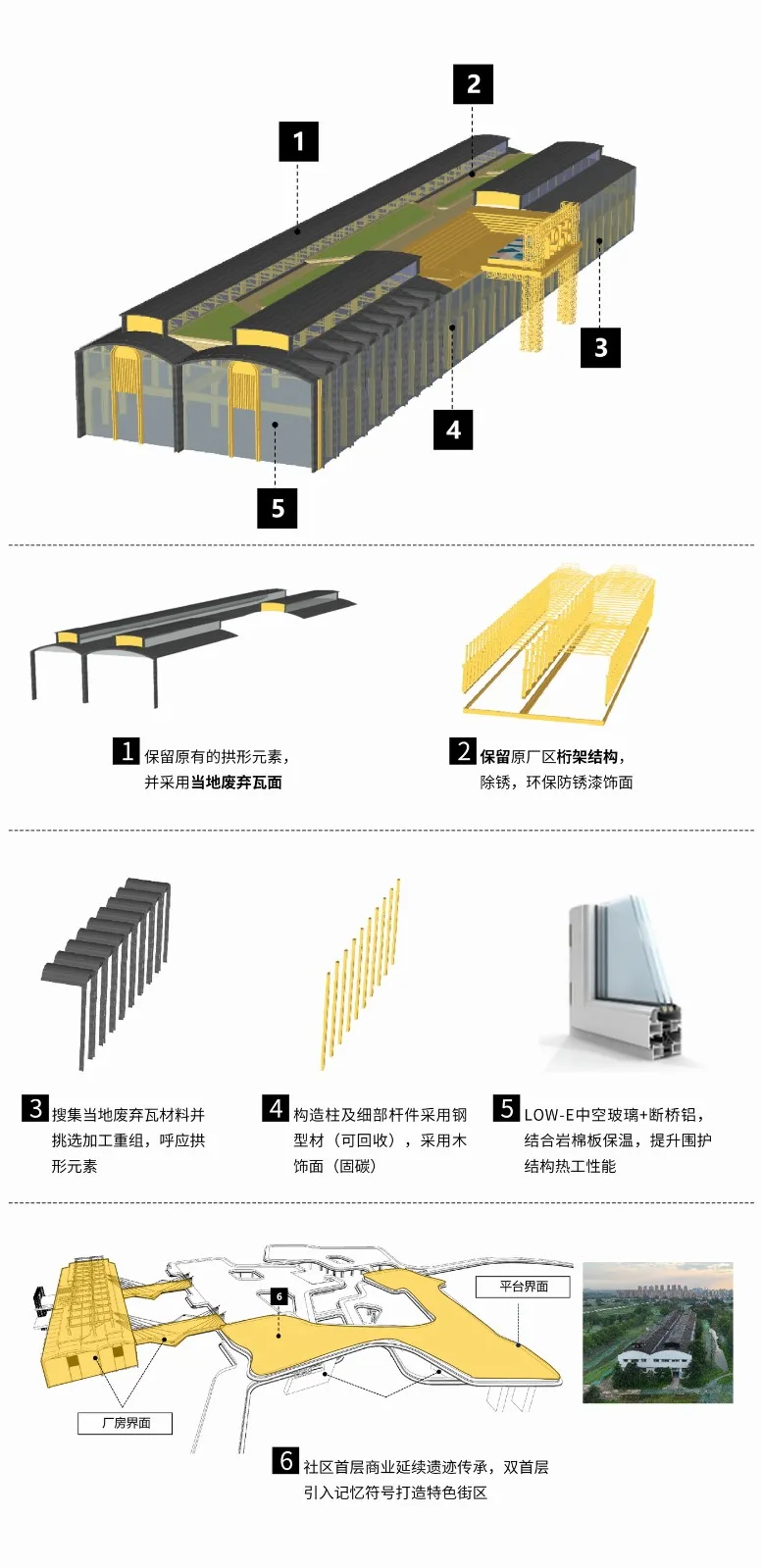
NO.3 Embracing Diversity
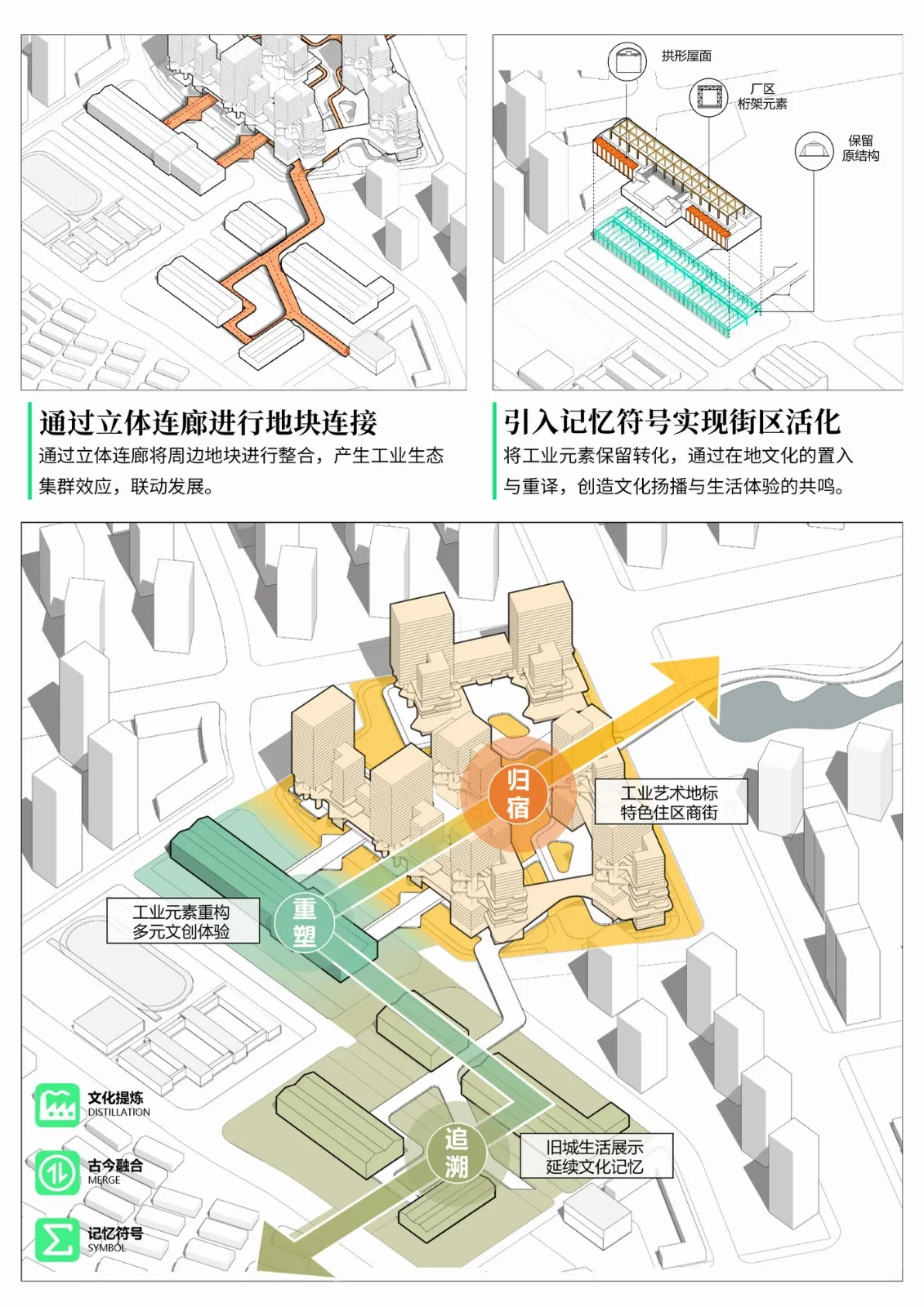
#Industrial Heritage – Architectural Renovation and Block Revitalization
Following the theme “awaken, transform, and implant,” industrial elements are preserved and reimagined through “tracing, reshaping, and destination.” The design connects paths, unites spaces, and interacts with urban history and environment in a welcoming, human-centered way.
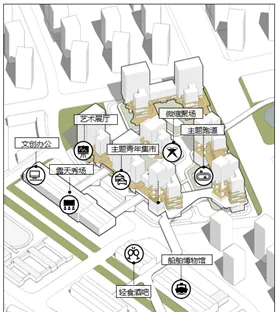
#Cultural and Creative Commercial Spaces – Themed and Multifunctional
Drawing on industrial memory symbols, themed commercial districts are activated to attract visitors. Diverse business formats are combined efficiently to create vibrant urban life hubs across multiple scenarios.
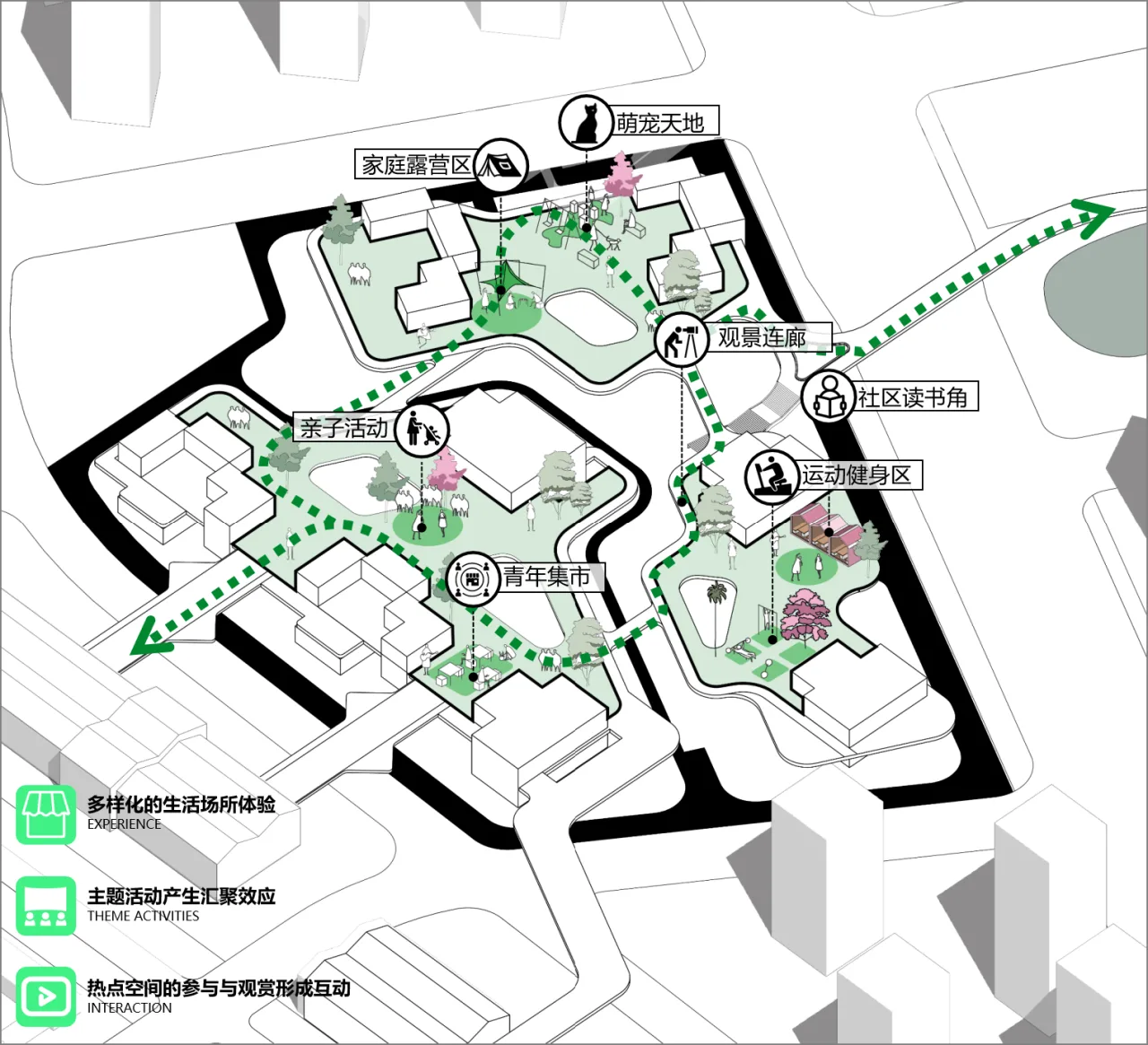
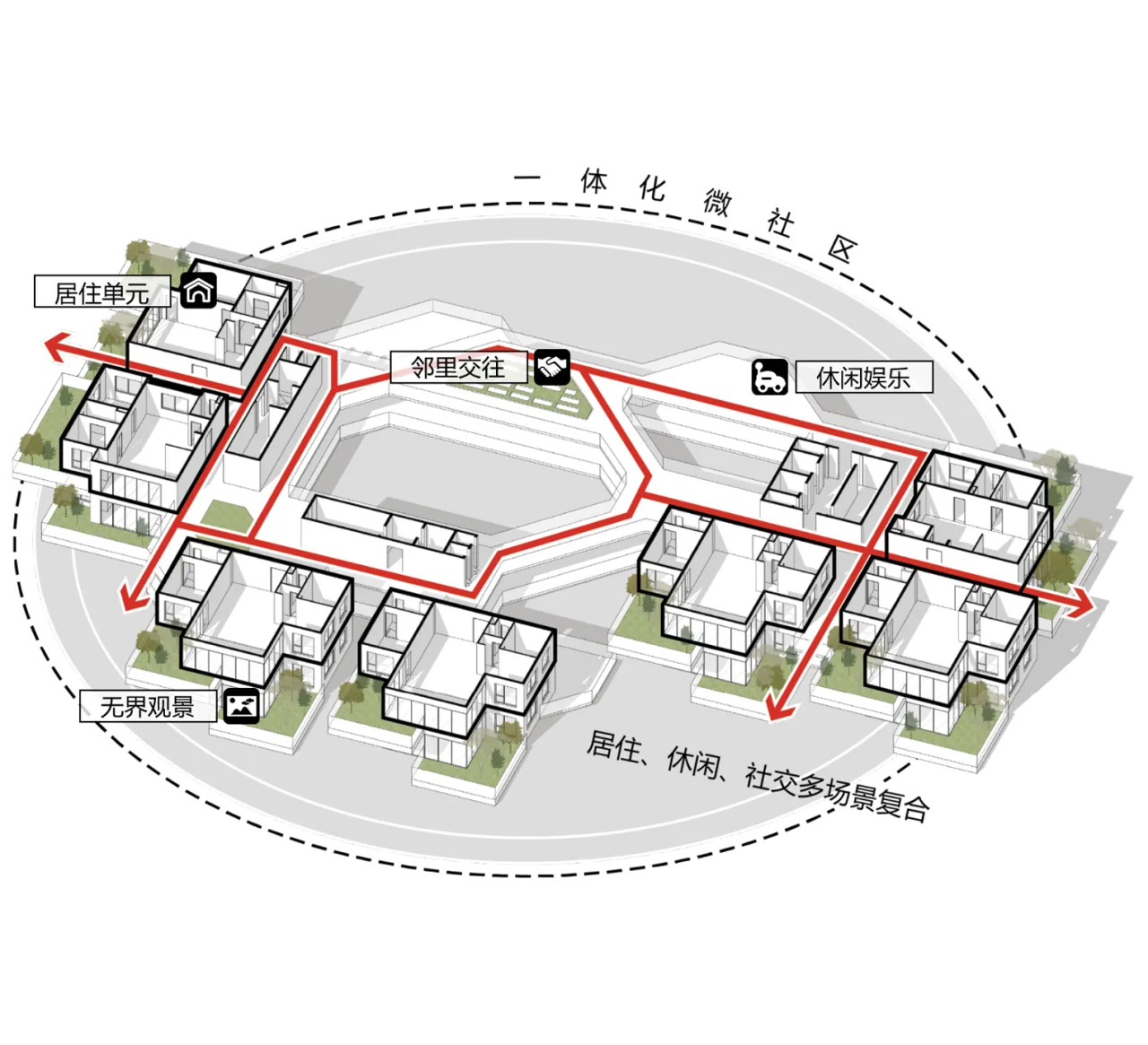
Neighborhood Shared Space – Integrated Micro Community
#Neighborhood Sharing – Integrated Micro Community
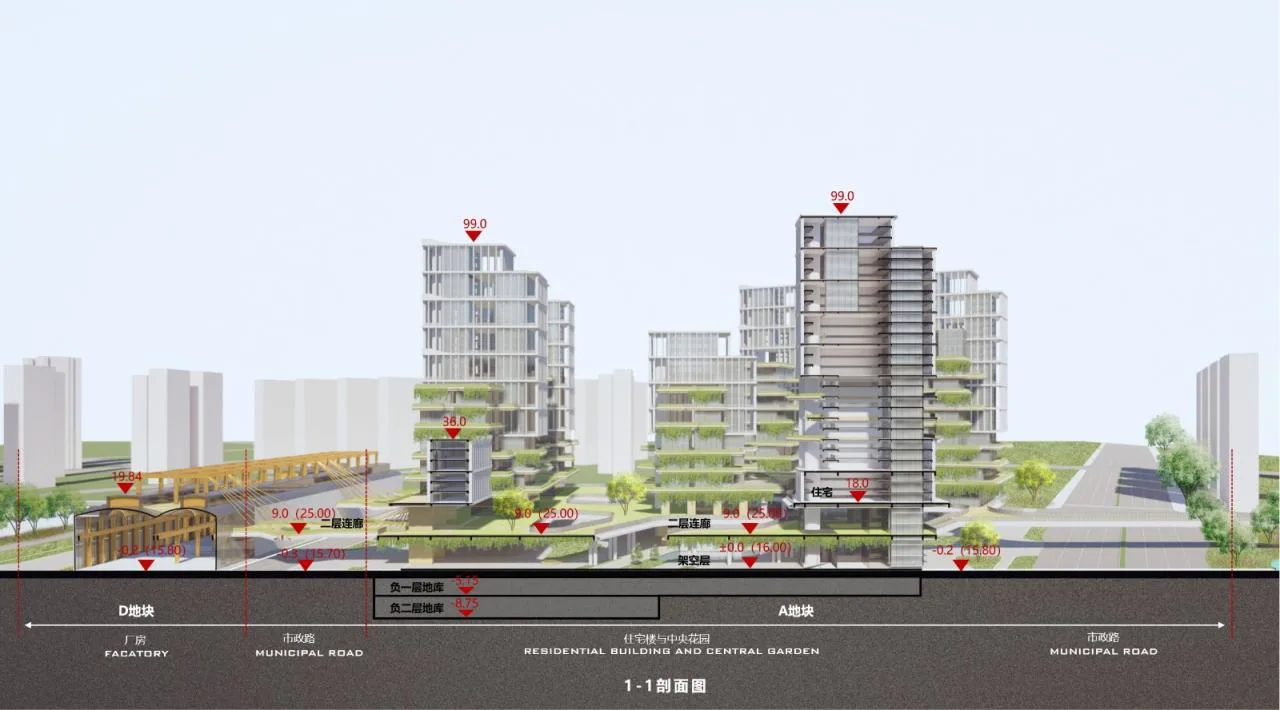
Modular living spaces are freely combined and integrated with community functions, linked by corridors and large platforms spanning two levels. Elevated floors and grey spaces create fresh, intimate, and diverse open areas for activities. This approach breaks traditional living patterns by fostering shared communities on the same floor and vertical public interaction spaces, cultivating a micro-community lifestyle.
NO.4 Living with Individuality
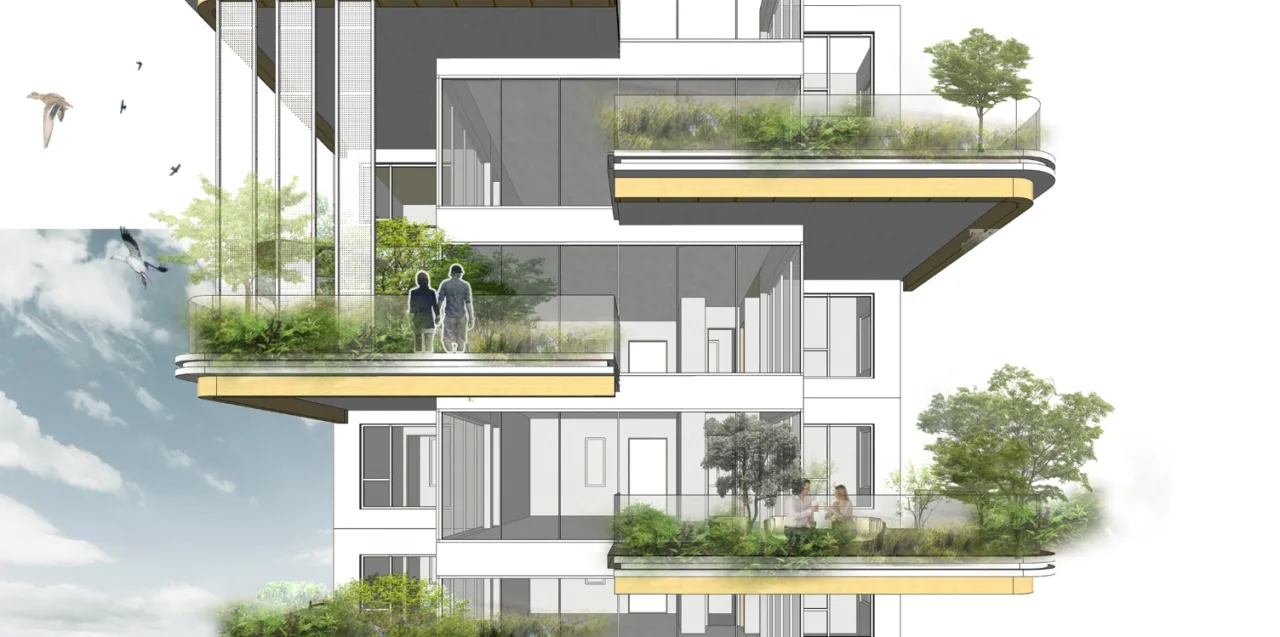
#Private Unit Gardens
Staggered gardens facing each other across landscaped spaces offer expansive views and rich facade details. This semi-open, semi-shaded layout balances urban bustle, fulfills neighbors’ social interaction needs, and provides private spaces for family bonding.
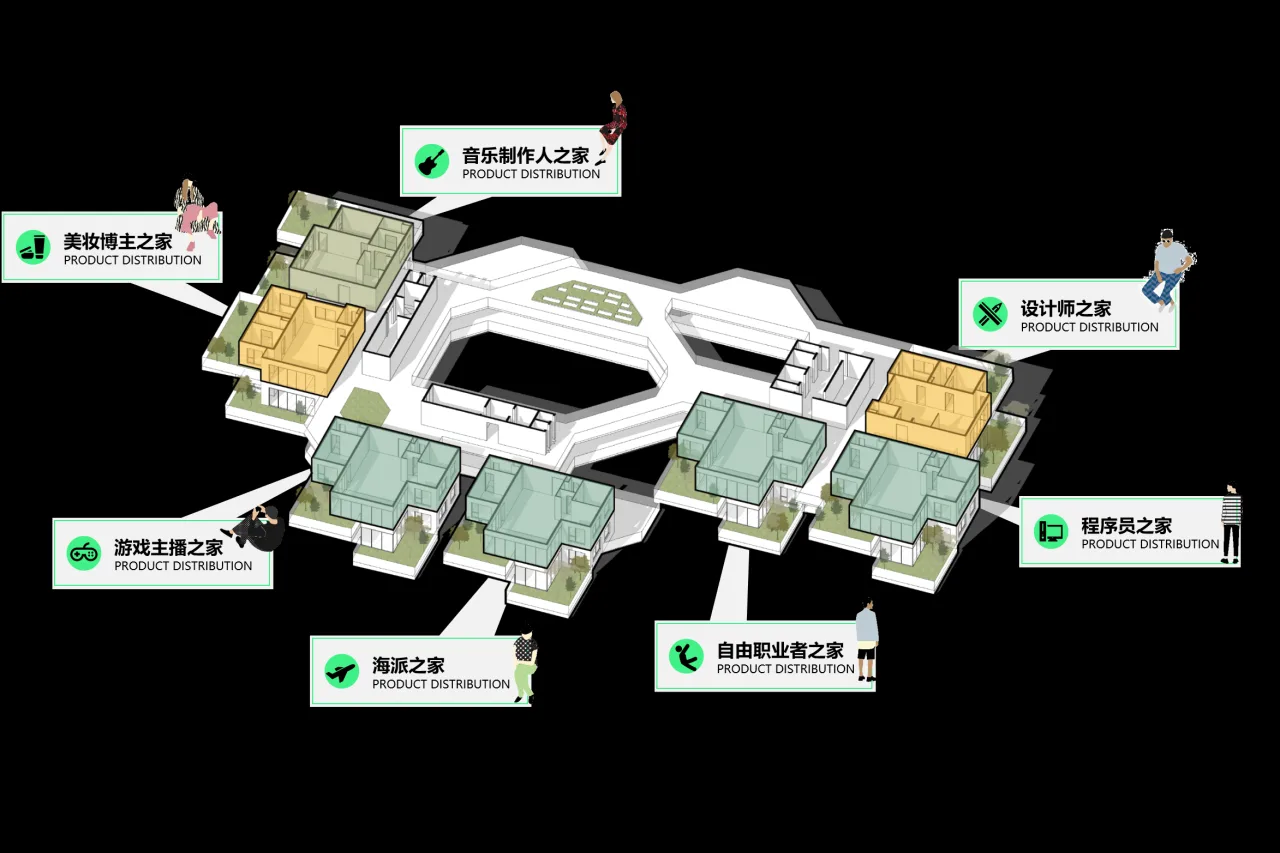
#Customized Family Spaces
The design caters to the daily and emotional needs of diverse modern households, offering customizable and varied living scenarios.
NO.5 Fully Equipped
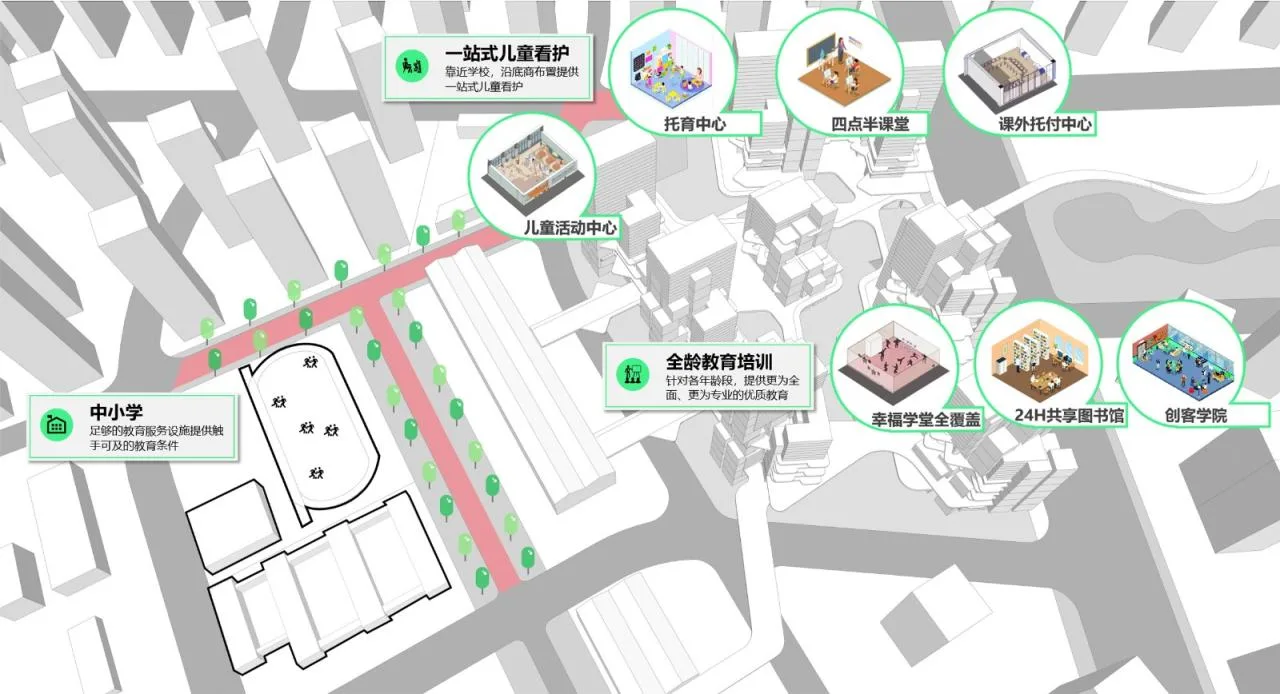
#Age-Friendly Facilities Covering Education, Sports, and Wellness
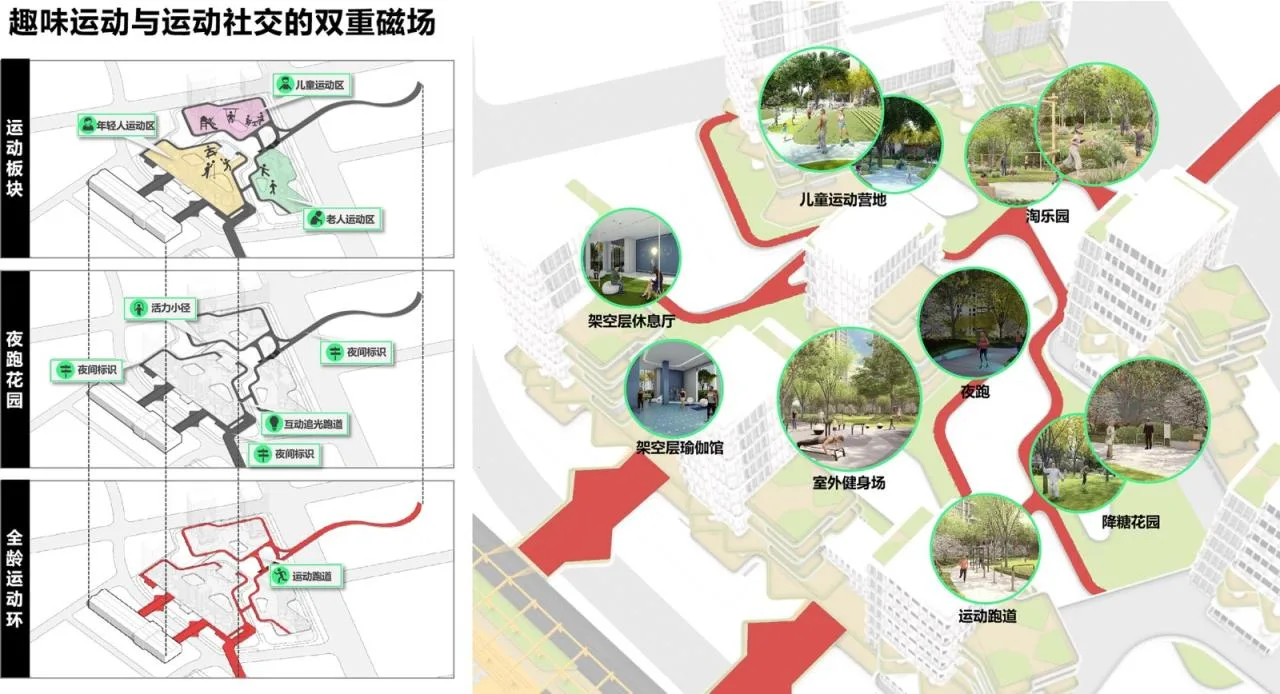
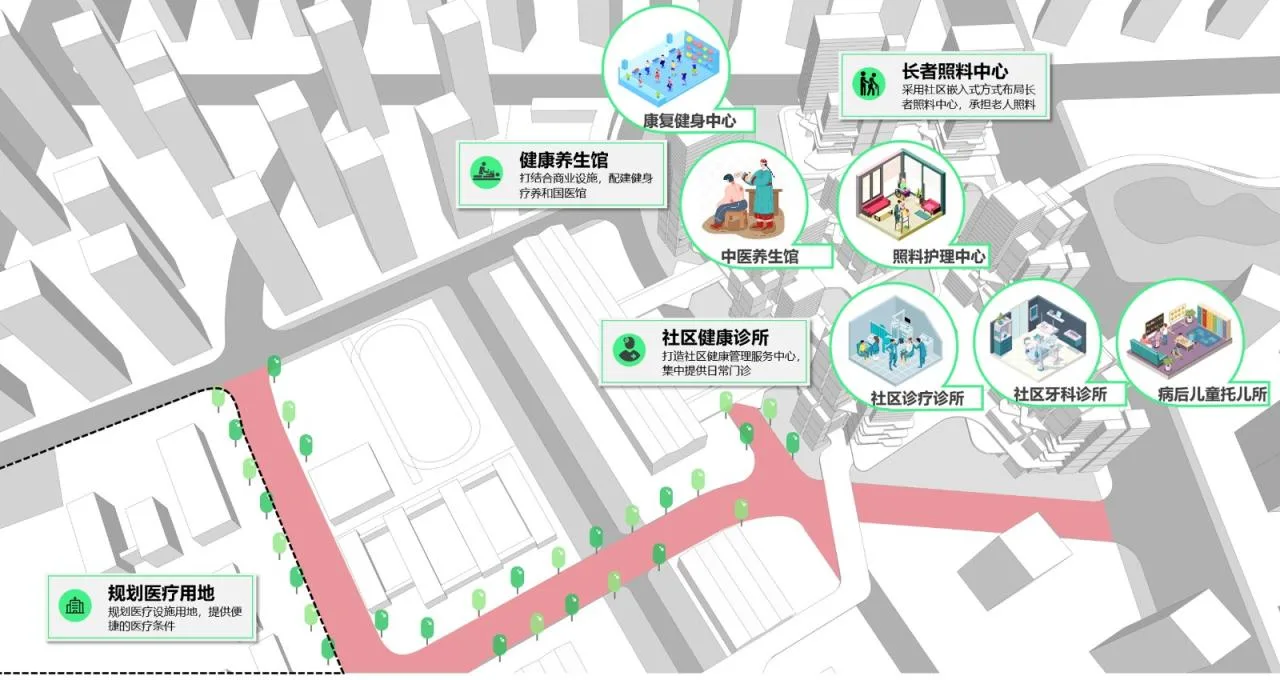
The community integrates educational and cultural resources by establishing new libraries, maker spaces, happy schools, and childcare centers to ensure education across all ages. A comprehensive sports system connects running tracks, sports fields, and recreational spaces, fostering community vitality and enhancing social and physical engagement. Medical resources are also integrated with new elderly care centers, community clinics, and health centers, delivering comprehensive healthcare services for all generations.
NO.6 Convenient to Use
#Online and Offline Integration – Smart Community & CIM Platform
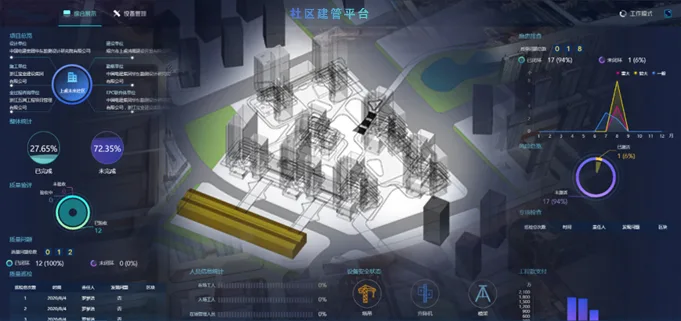
By integrating modern technologies, a smart, comprehensive community is created. The Community Information Modeling (CIM) platform centralizes data exchange from various pilot systems, consolidating key performance indicators alongside BIM and GIS models. This forms a comprehensive data asset base essential for intelligent community operations.
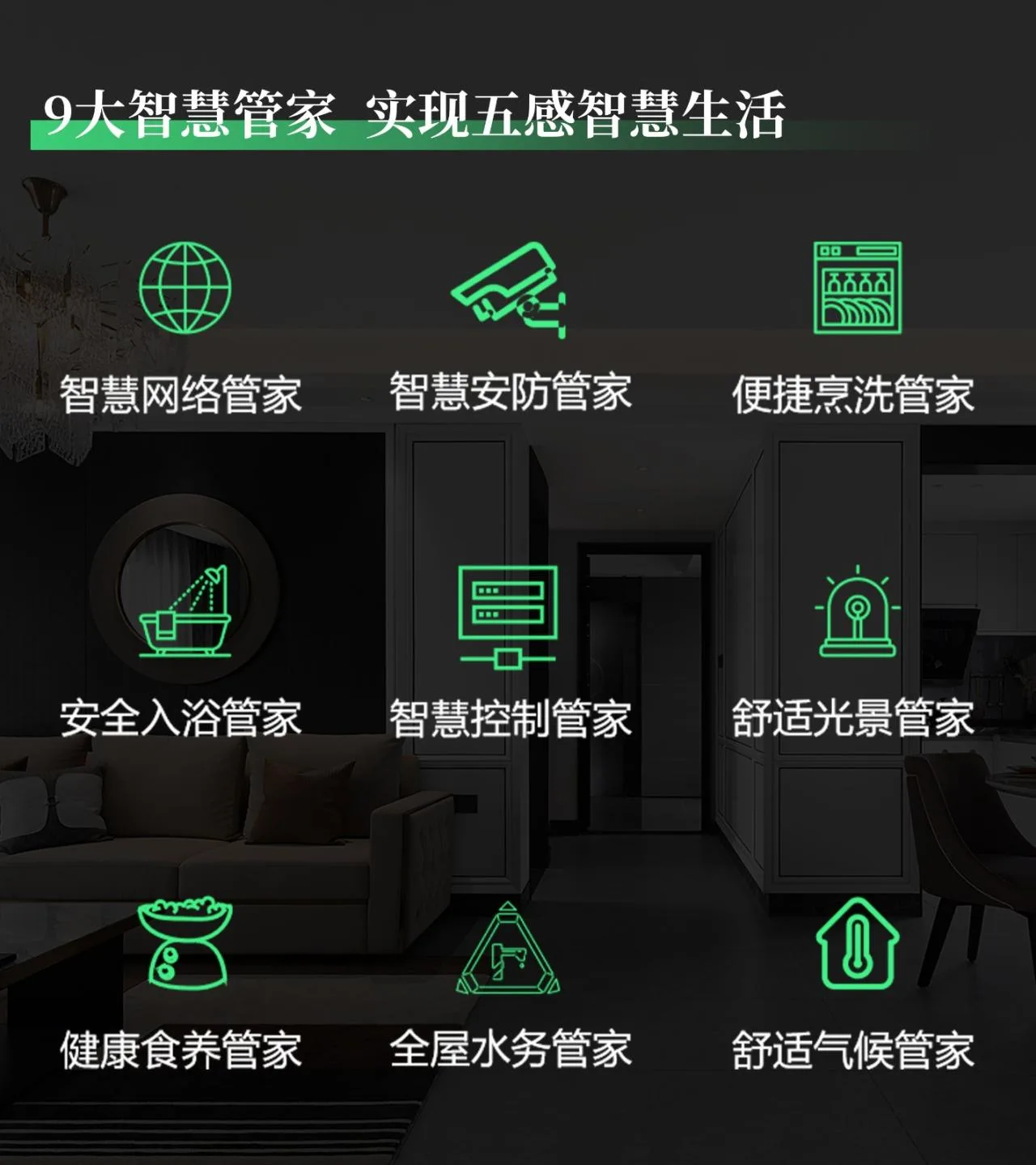
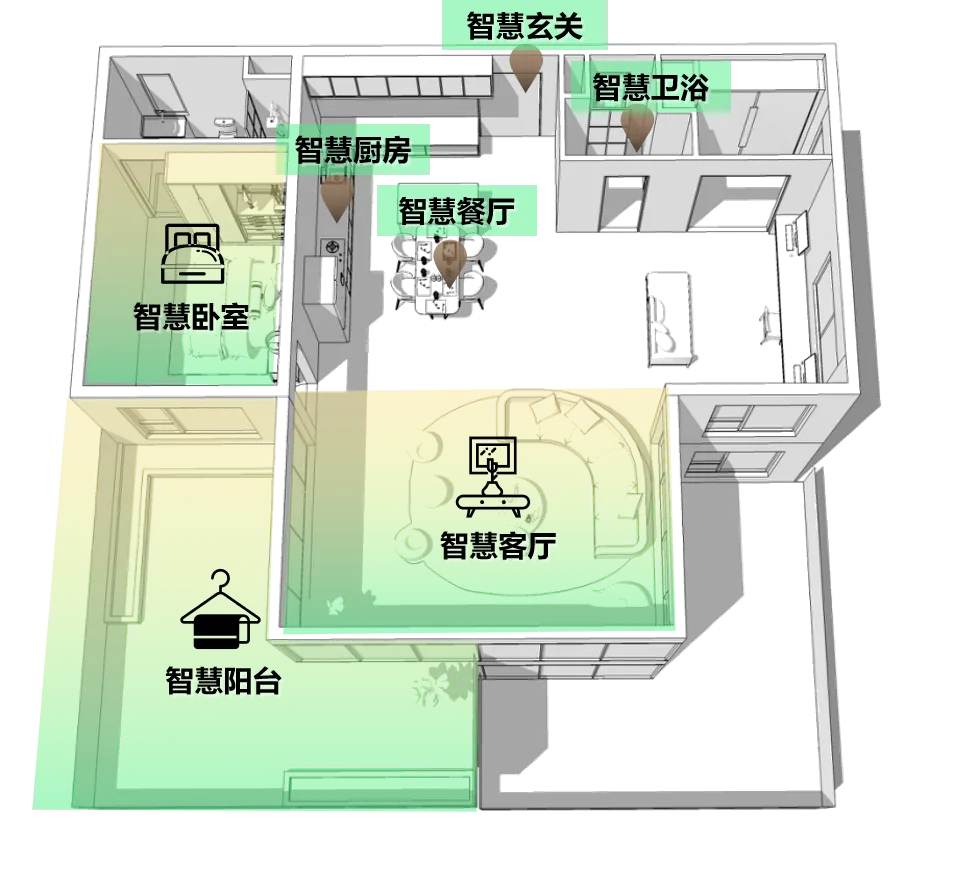
#Smart Home – 7 Smart Scenarios, Exclusive Smart Living
Leveraging AIoT platforms, AI technology, and digital twin models, with spatial intelligence at its core, the design offers residents an enhanced, smarter, and more convenient living experience.
NO.7 High-Quality Construction
#BIM-Driven Design & Computational Integration
Utilizing BIM’s three-dimensional visualization capabilities, complex designs are assessed for accuracy and feasibility in real-time. Throughout the BIM workflow, engineering quantities are extracted instantly, producing quantity reports during design and identifying potential project risks early to prevent budget overruns.
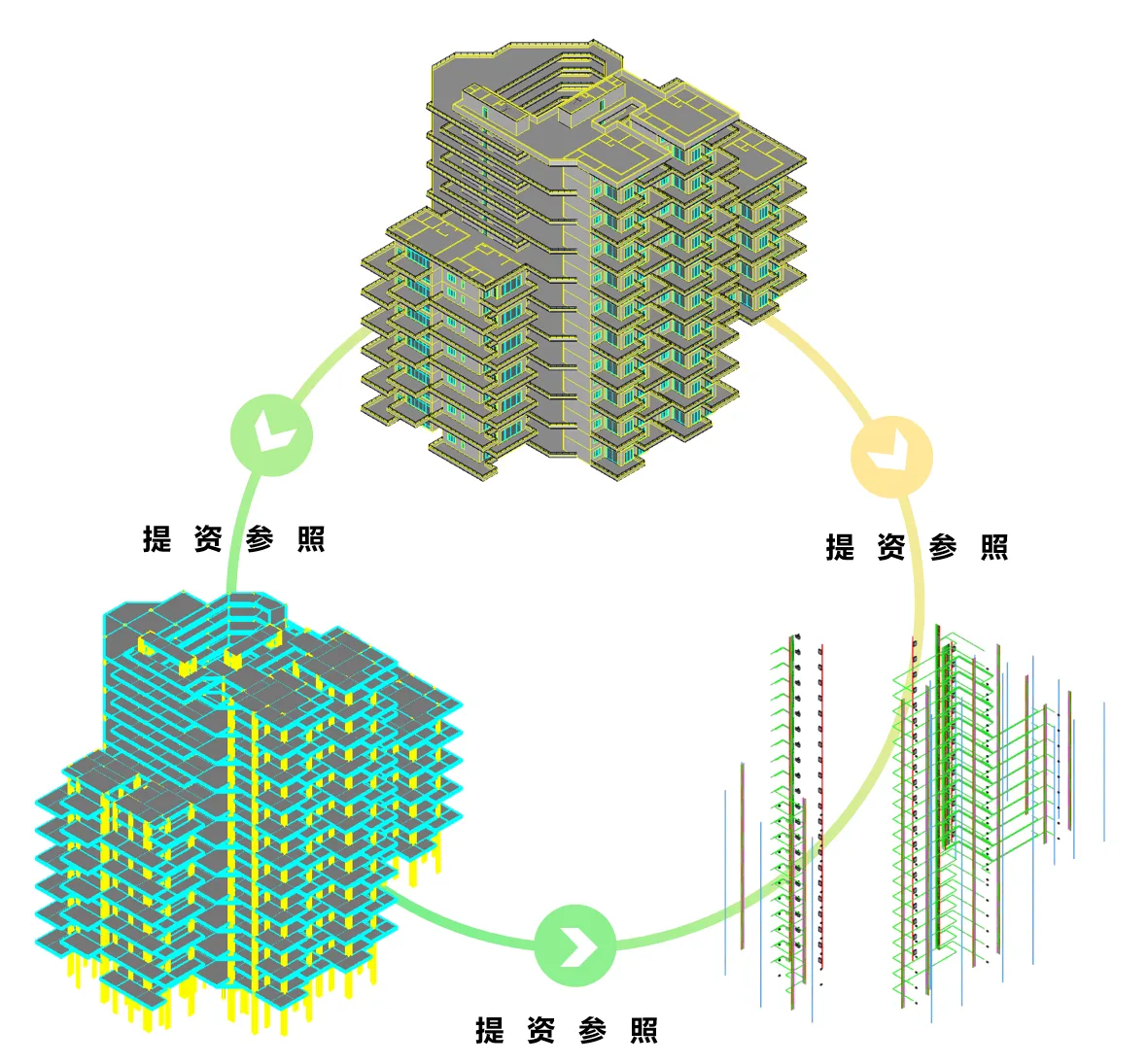
#Product Modularization – Modular Construction and Prefabricated Decoration
Residential buildings are efficiently constructed through factory-made modules covering structure, decoration, plumbing, and bathroom facilities. These modules are quickly assembled onsite using reliable connection technologies. This represents the most industrialized, green construction method currently available, enabling the vision of “building houses like cars.” The design comprehensively integrates assembly and decoration with structural, exterior wall, interior wall, and equipment pipeline systems.
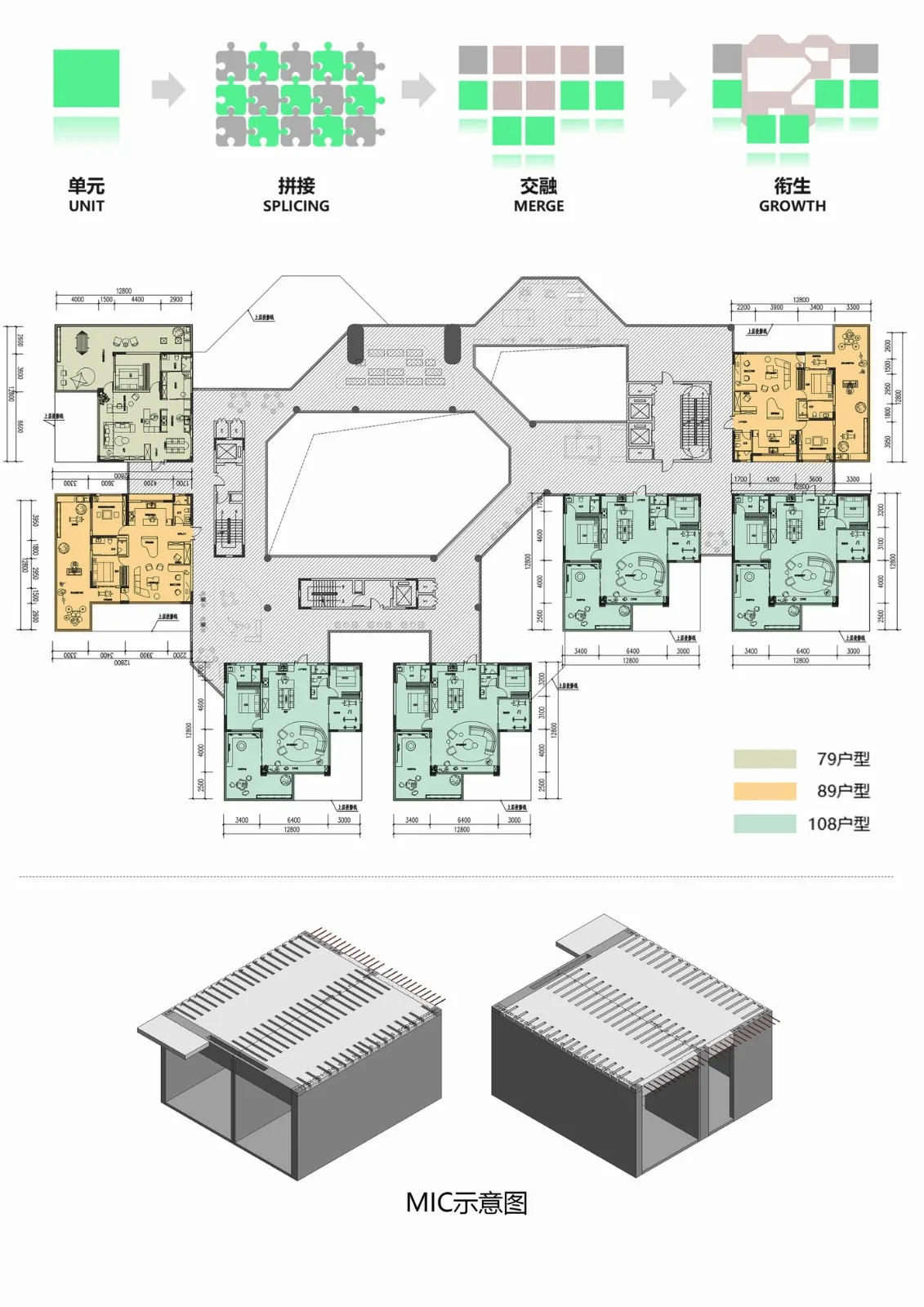
Project Drawings
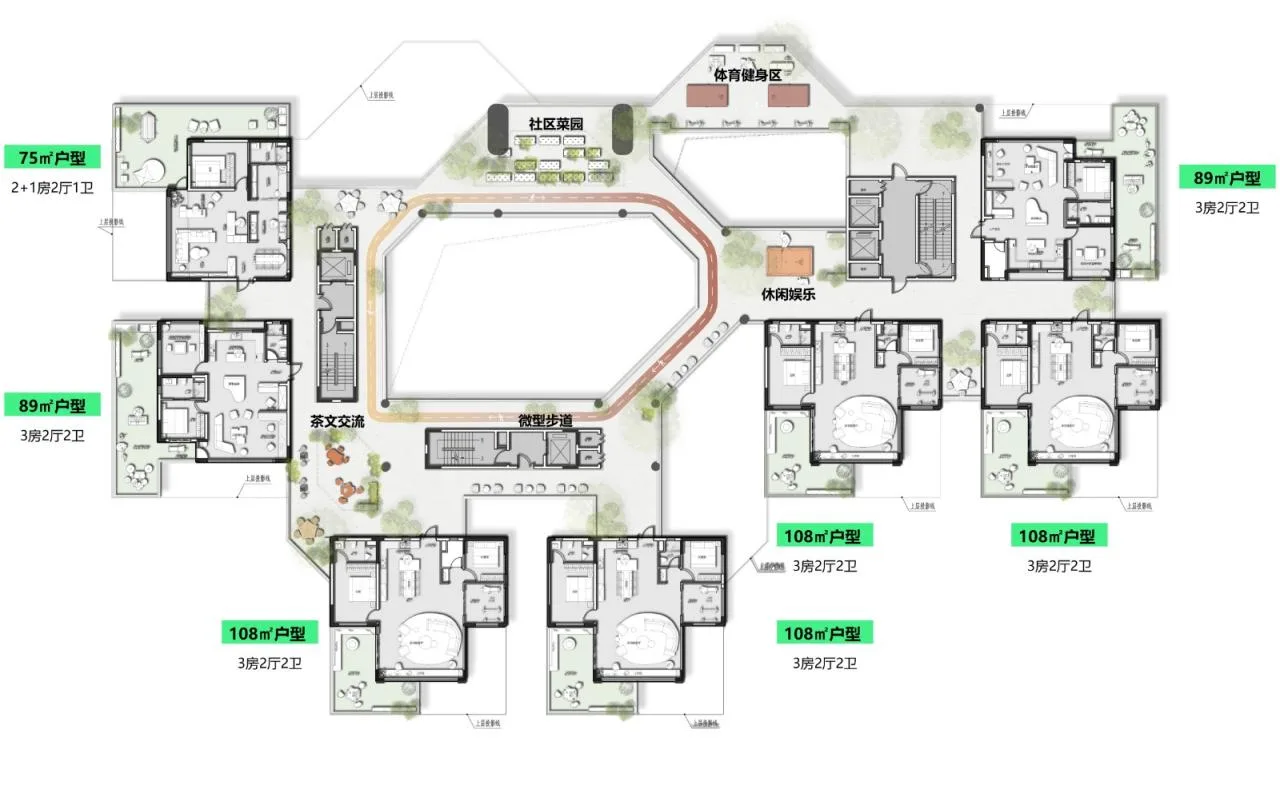
△ Standard Floor Plan © REAMC TY
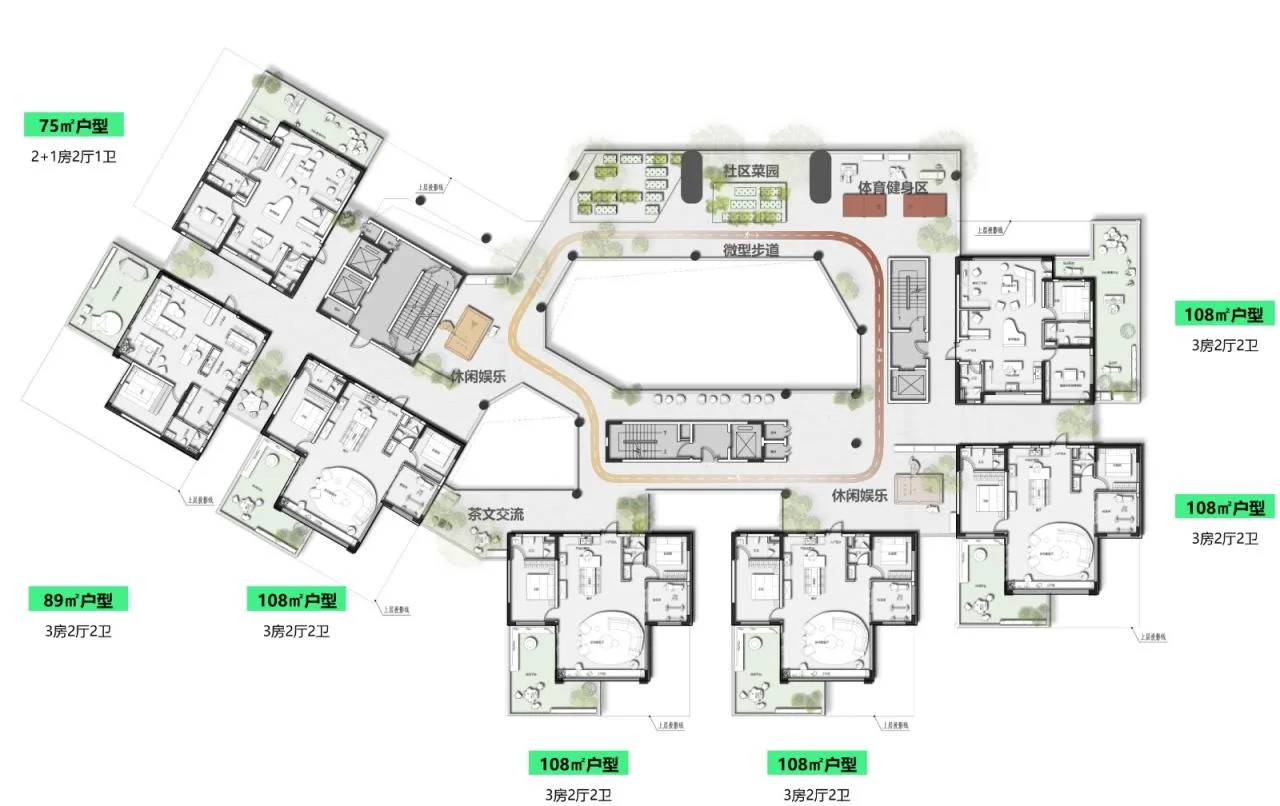
△ Standard Floor Plan © REAMC TY















Must log in before commenting!
Sign Up