
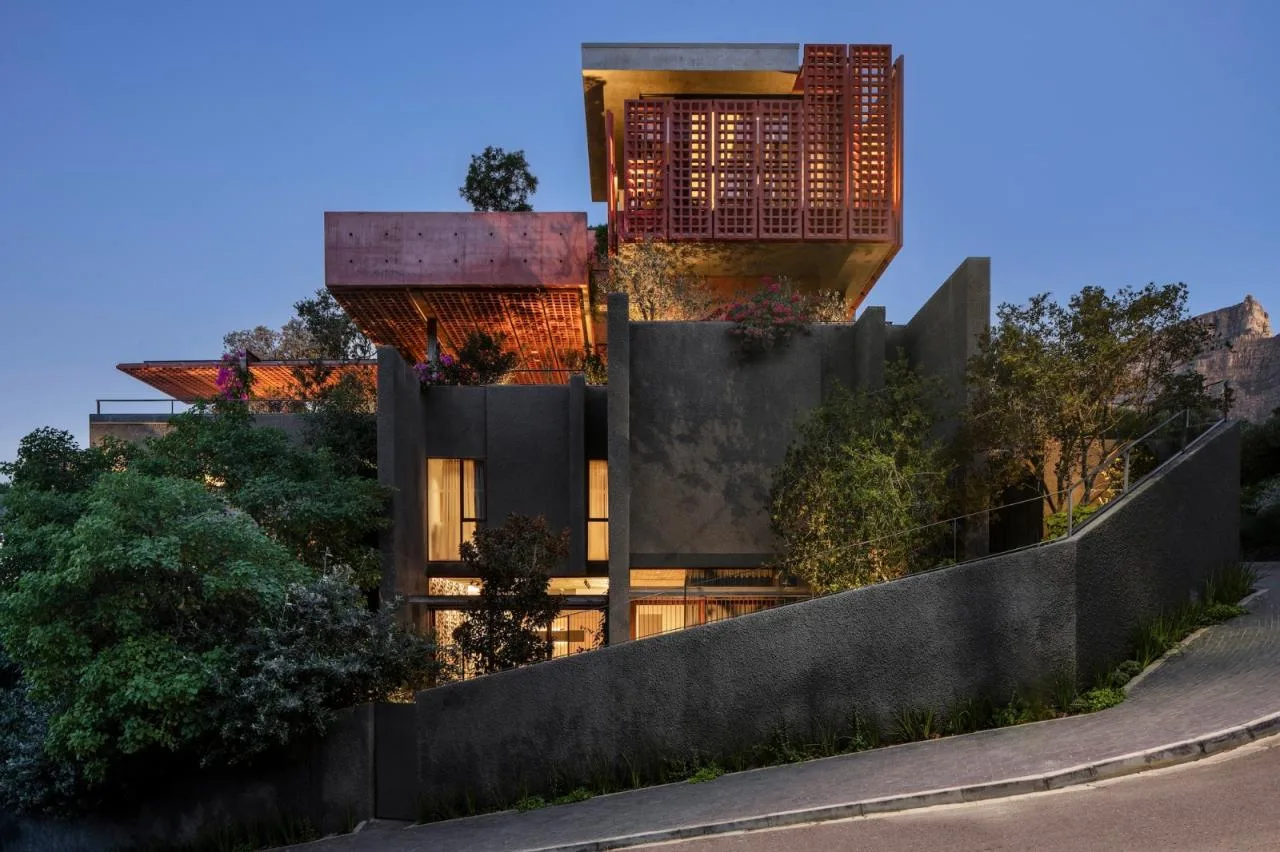
Philip Olmesdahl, head of SAOTA Studio in Cape Town, has lived near this central city site for over 15 years and has long admired it. Eventually, he was able to acquire the property at just the right time. Philip explains, “When children reach adolescence, we need a bigger home. Being our own client allows me to push boundaries—combining the experience gained from years of working with SAOTA to create houses that are more playful and experimental.” Architects often enjoy more creative freedom when designing their own homes, allowing for a bit less restraint. This doesn’t mean his design lacks rigor; rather, it offers Philip a chance to explore architectural ideas without the pressure to deliver definitive statements, incorporating personal preferences and associations.
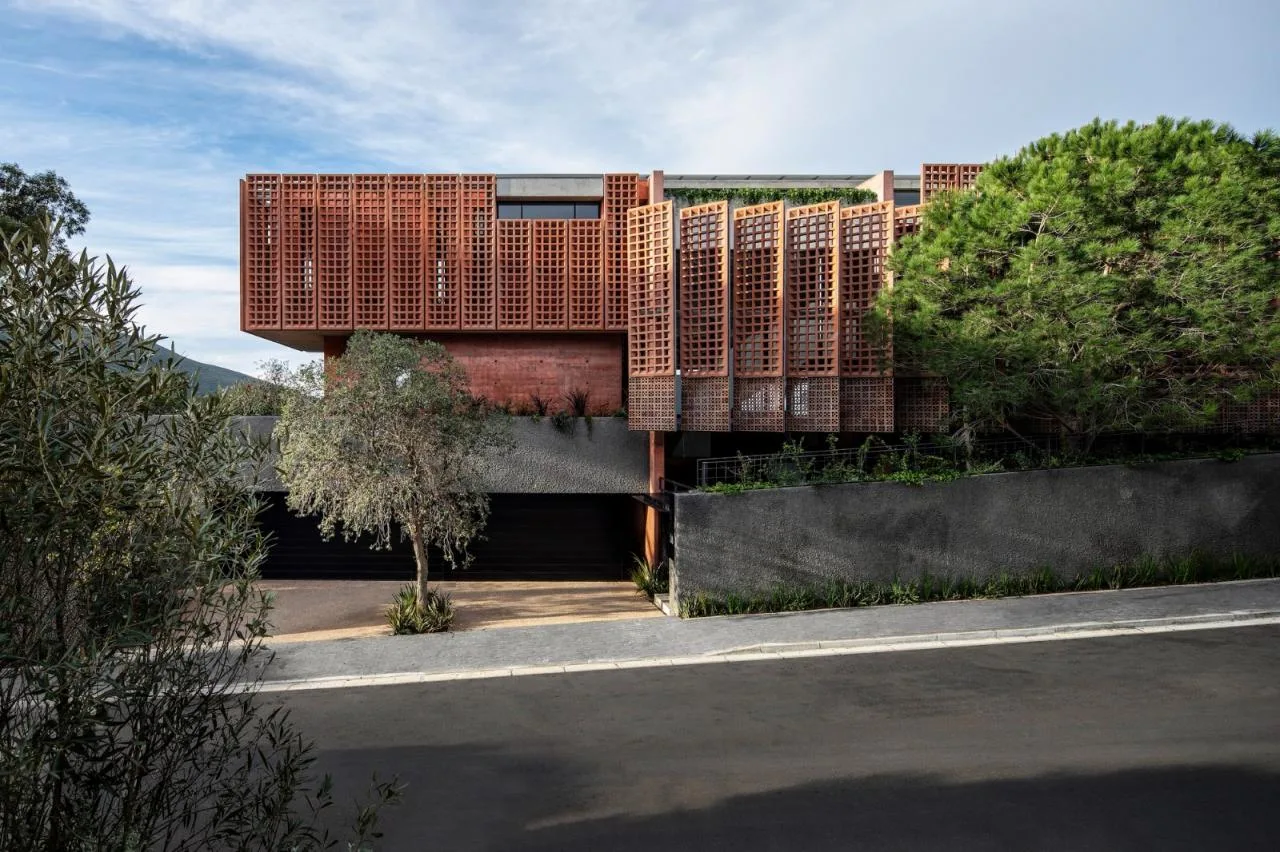
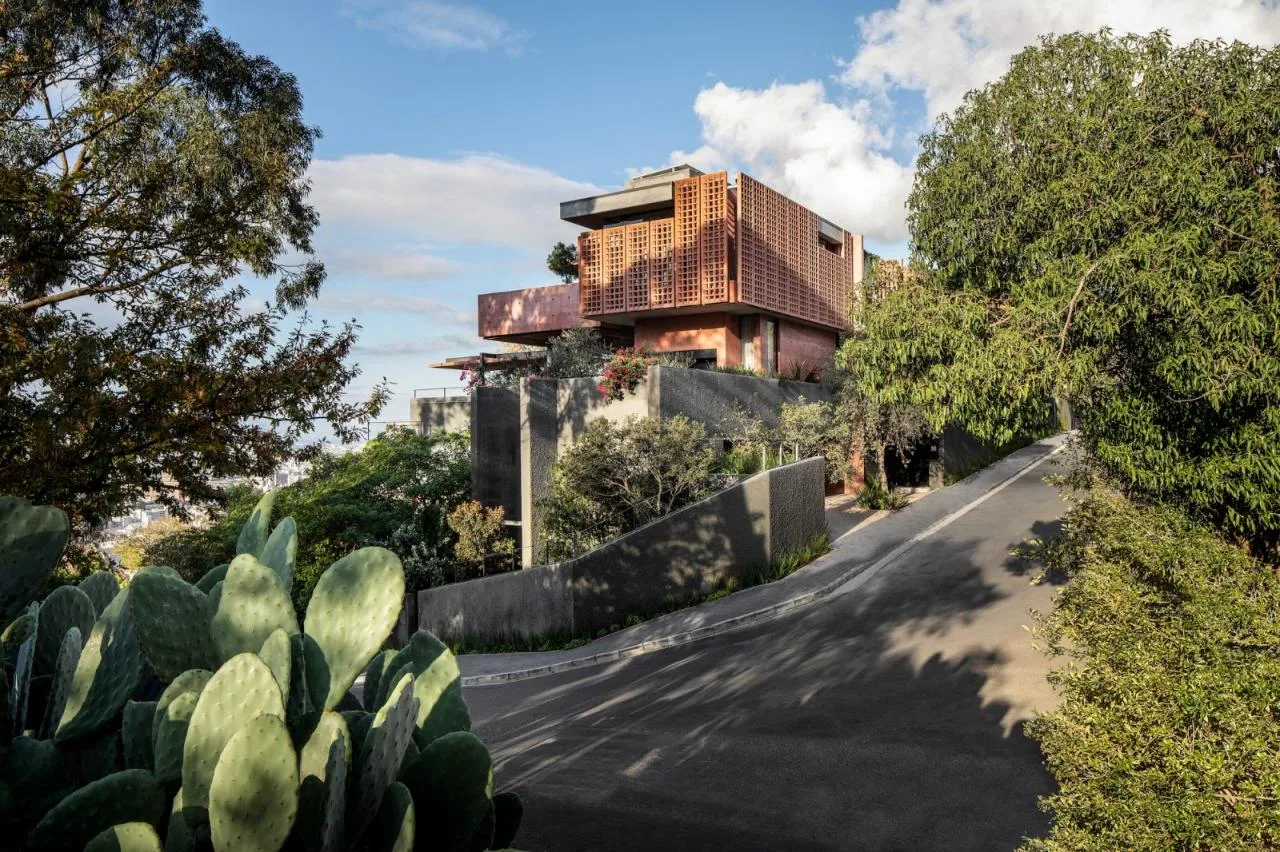
The site is a street corner plot with steep terrain, featuring a 1960s ranch-style house nestled in a large garden—a typical example of garden-style suburbs from that era. Philip noted that Cape Town’s densification strategy in this area opened new opportunities. He subdivided the land along a contour line, redeveloping it into a five-bedroom family home on the upper level and two four-bedroom rental apartments below. “Our goal is to build a detached house while enjoying the city’s lively activities,” Philip said. At the same time, he aims to capture the spirit of garden-suburban detached homes within the evolving urban context.
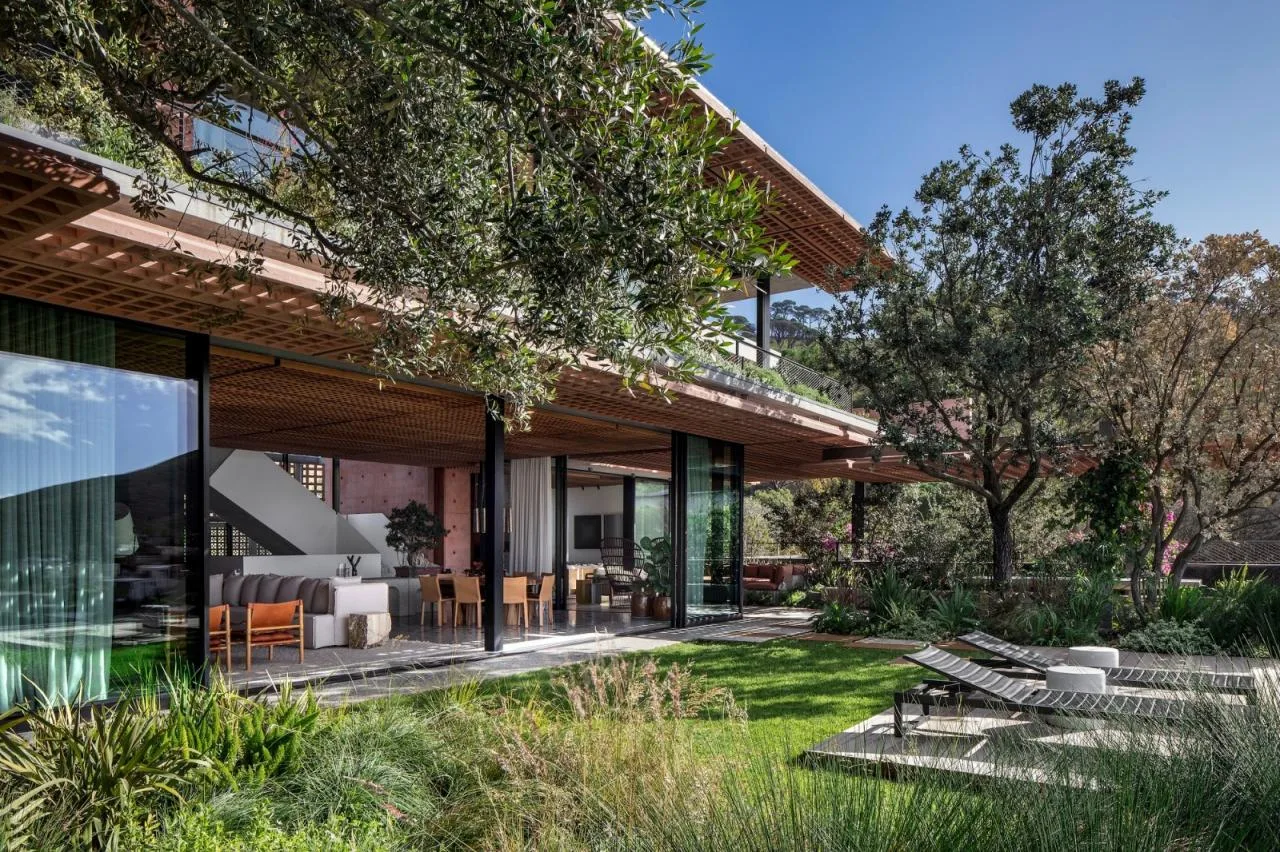
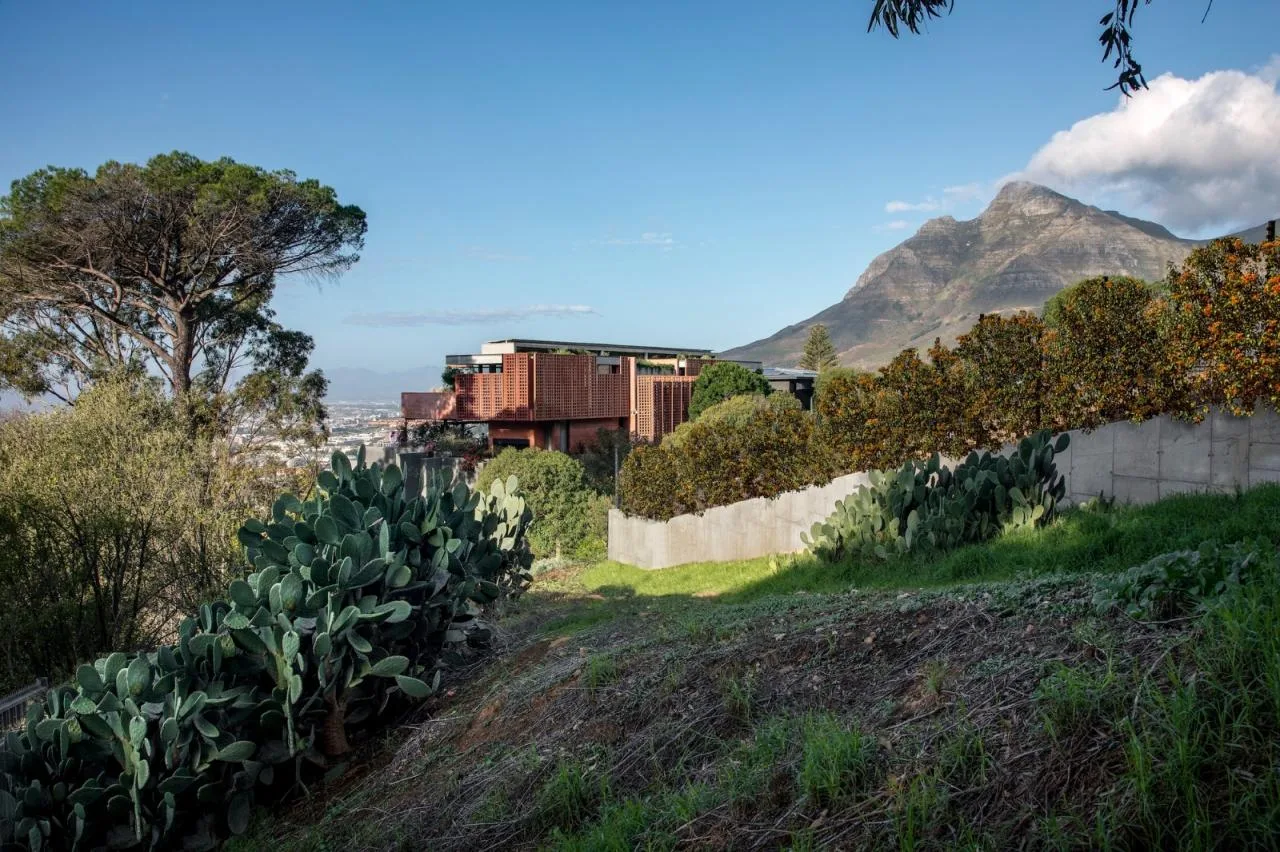
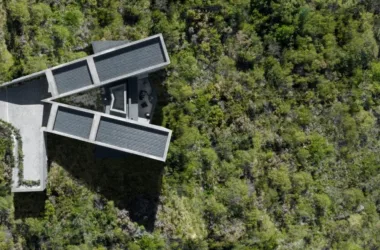
Conceptually, the main house and the lower residential buildings share a wall, referencing the area’s historic row houses. However, instead of building a garden at ground level, Philip extended the house’s footprint to the setback line and created a platform over the two lower floors. “I wanted to build the garden in the air,” he explained. This podium level houses a garage with a gym, guest and staff quarters, and utility rooms. The upper two floors contain living spaces with panoramic city views. The third floor includes a living room and a covered outdoor terrace, while the top floor features four en-suite bedrooms, a small lounge, a study, Philip’s spacious office, and his wife’s yoga studio.
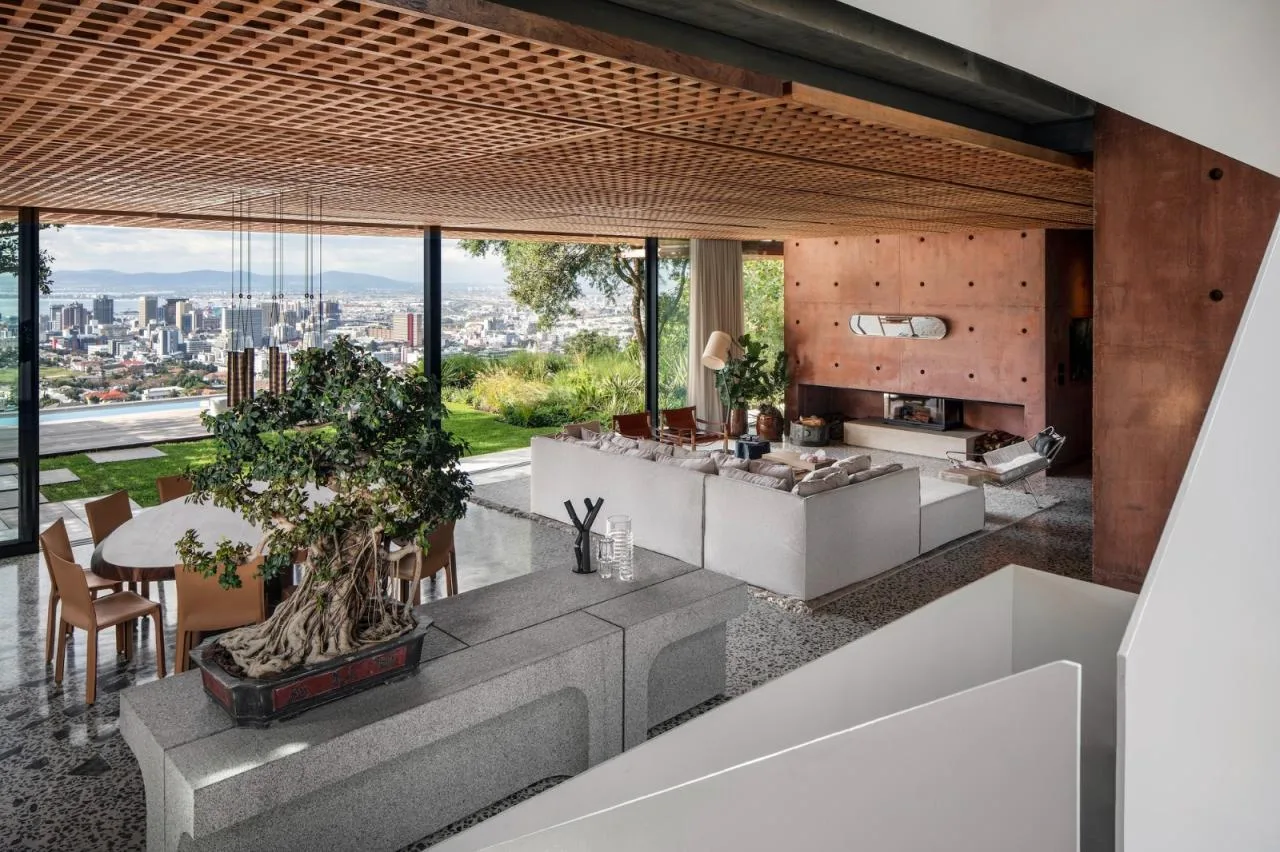
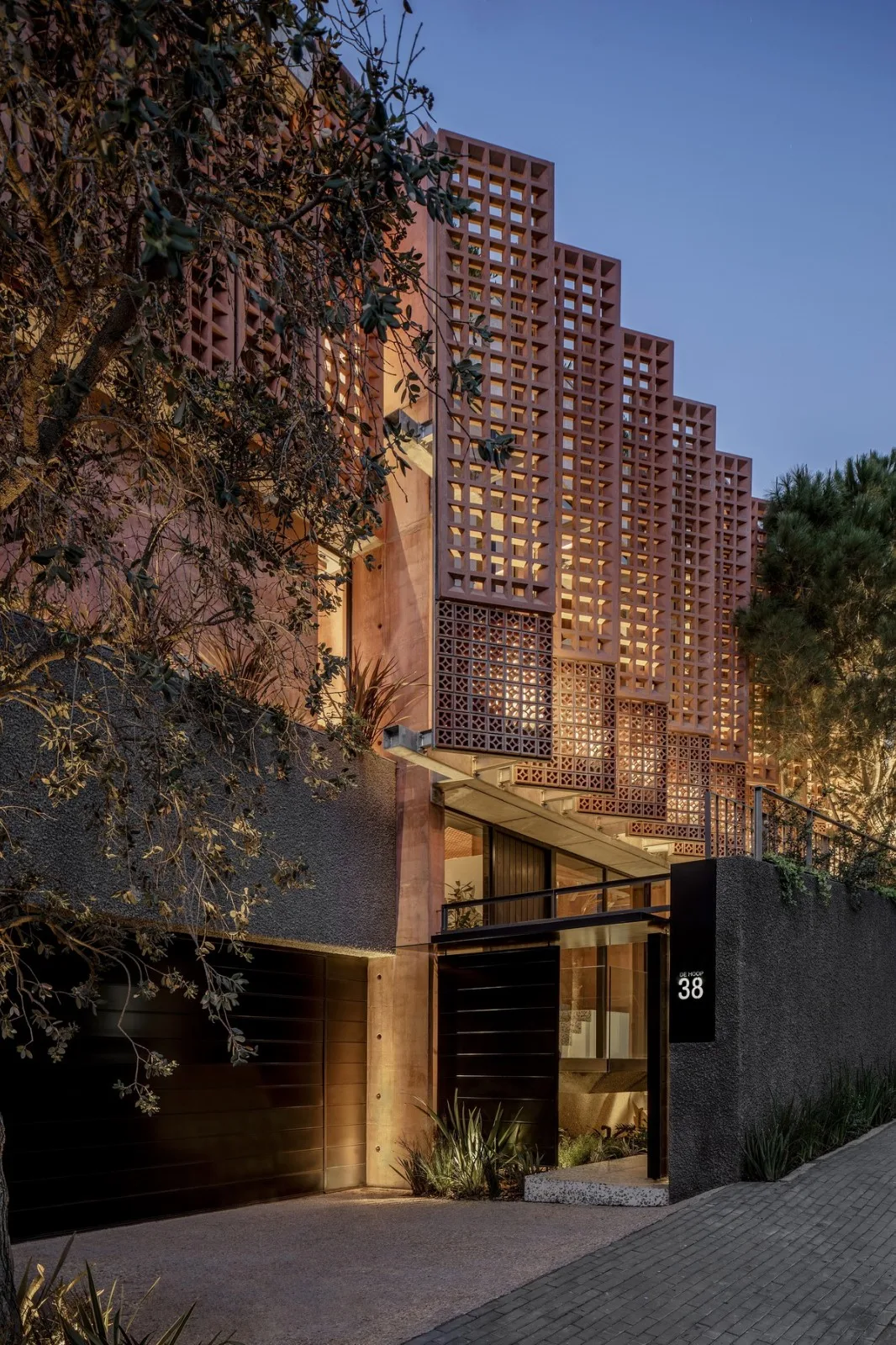
From the street, the walls and podium are finished with gray striped plaster, referencing Cape Town’s medieval residential architecture and the University of Cape Town campus, highlighting the city’s architectural heritage. The building’s standout feature is the unique red-toned concrete sunshade on the upper level, especially the angled precast concrete screens mounted on steel frames. These provide shade and privacy for the expansive glass curtain walls. Philip shared that the color choice was partially inspired by family travels to Mexico. Additionally, he repurposed clay bricks from the original wall, which were removed, stored, sandblasted, transported back, and installed on steel screen structures.
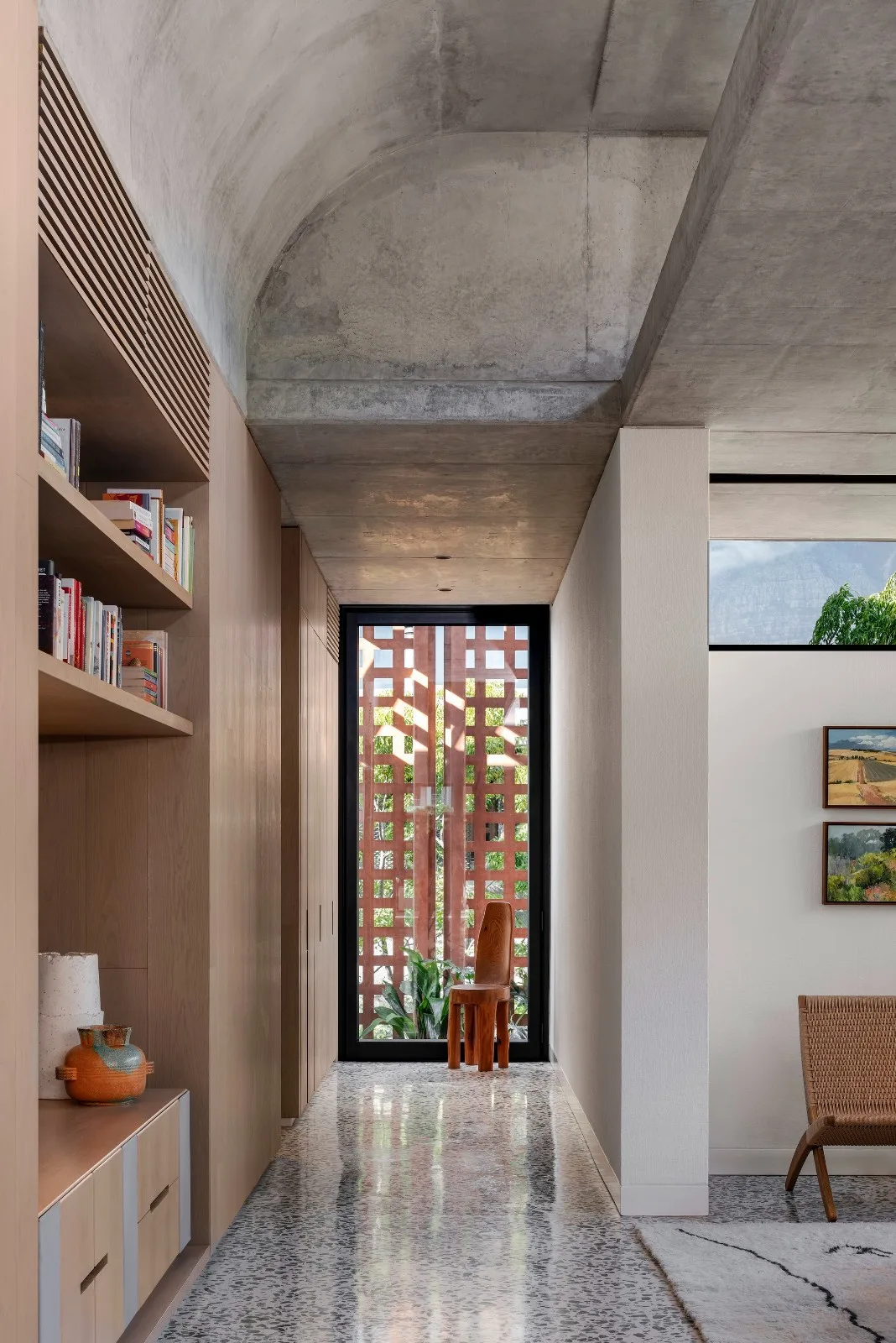
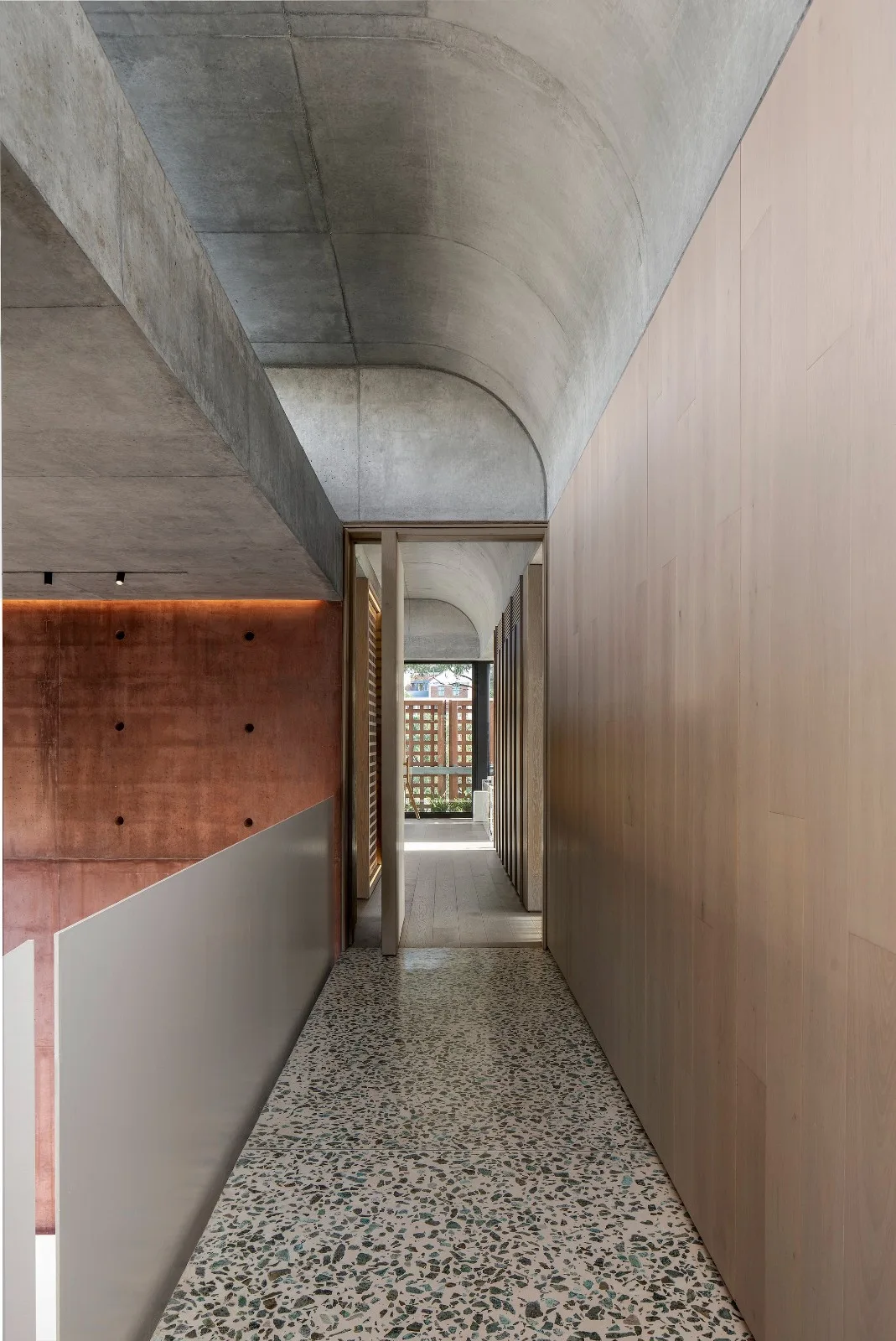
The use of color also highlights the raw material qualities and texture of the concrete. Philip said, “Like many architects, I appreciate the way things are built.” This fascination is reflected in the tactile materials and expressive construction elements of the façade. Inside, the main living area best captures the home’s character, designed as a spacious open plan that combines the living room, kitchen, and dining area. These interconnected spaces create a fluid living platform, a hallmark of SAOTA’s residential designs. Philip noted, “Clean lines, simple geometric forms, and tactile finishes create sharp contrasts,” which lies at the heart of SAOTA’s approach—melding modern design with natural materials to craft avant-garde, yet comfortable, living environments.
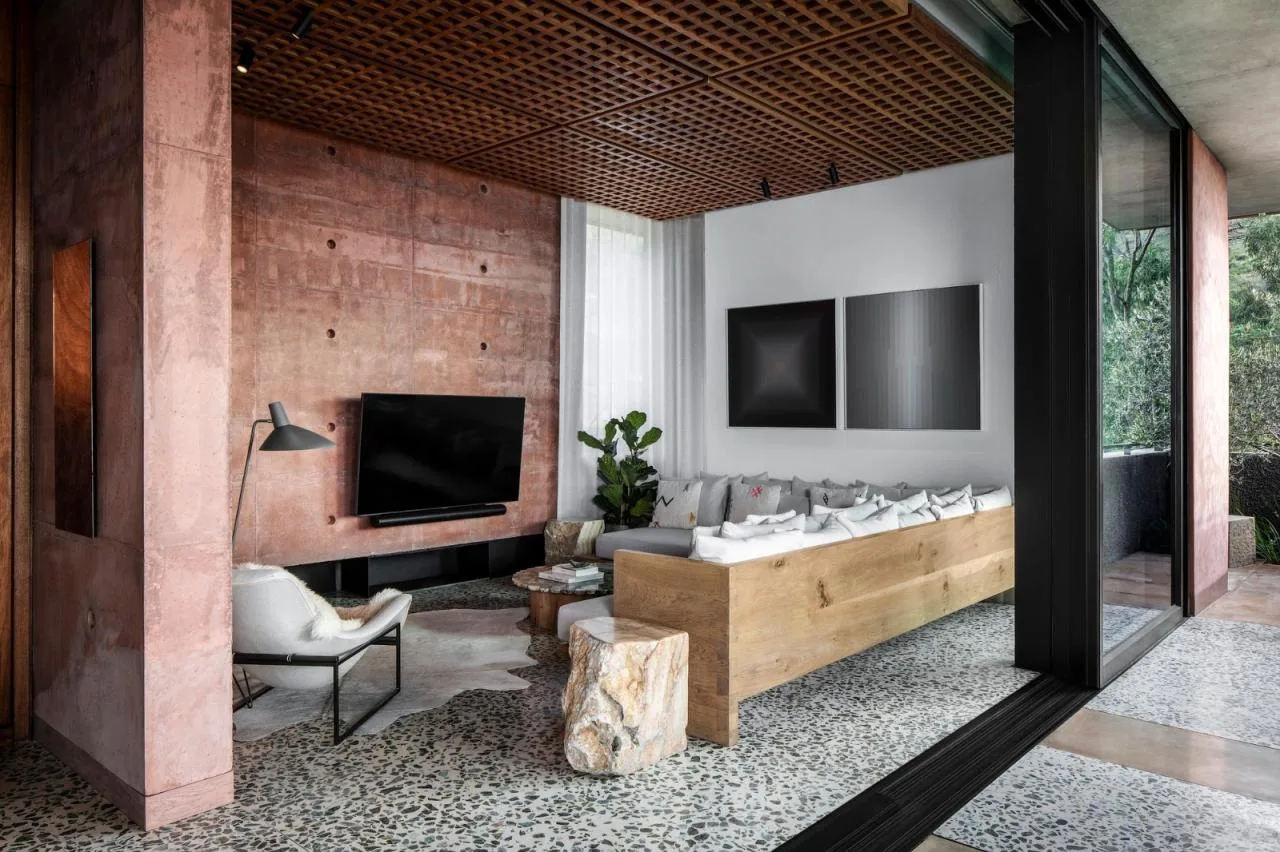
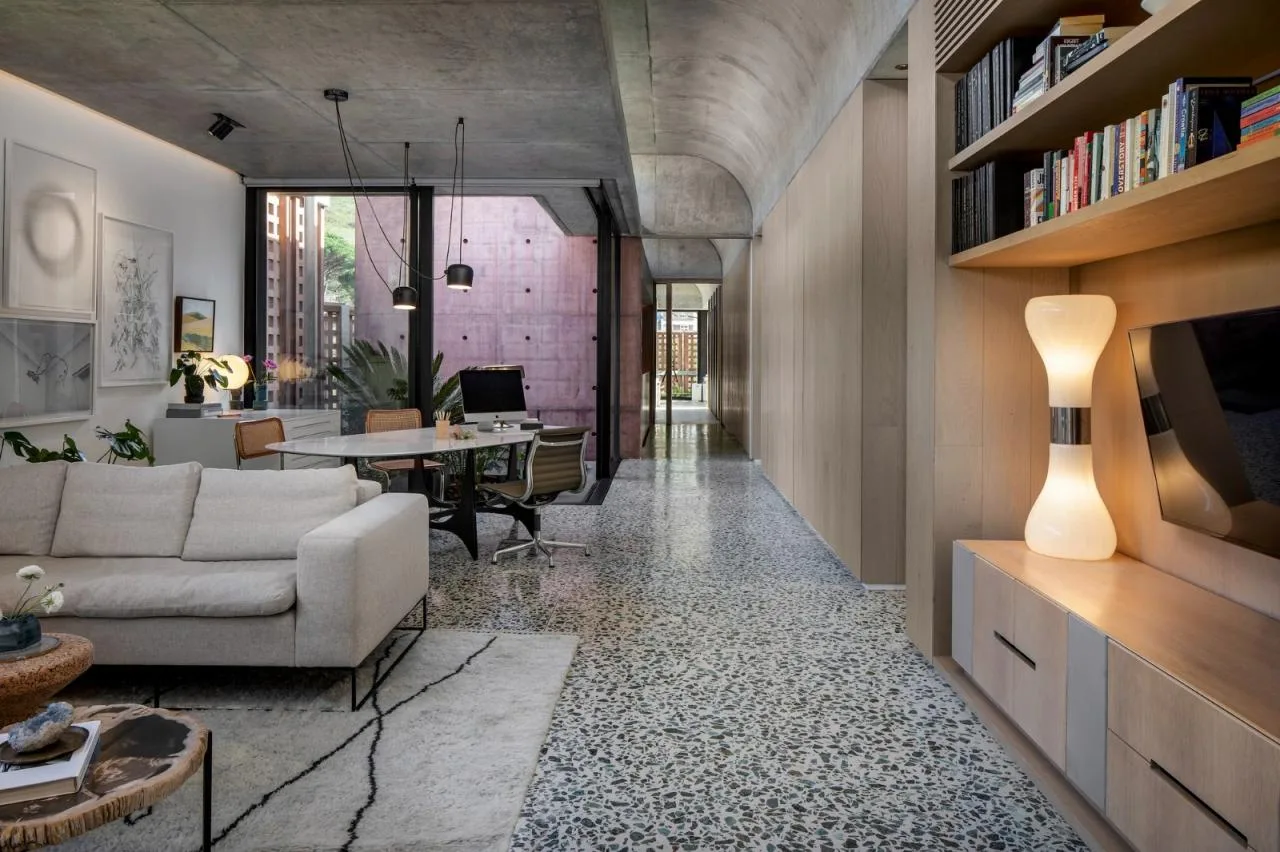
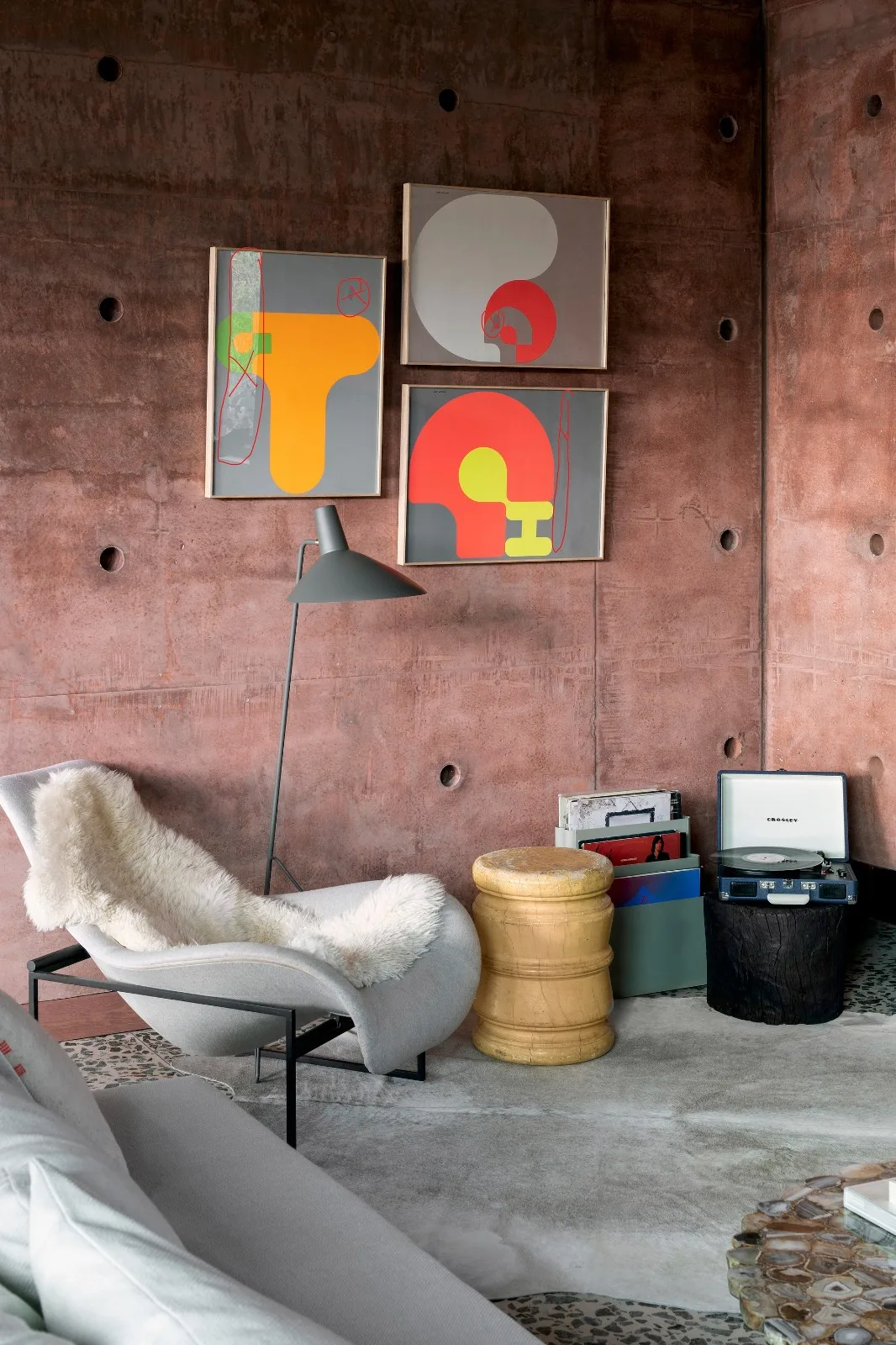
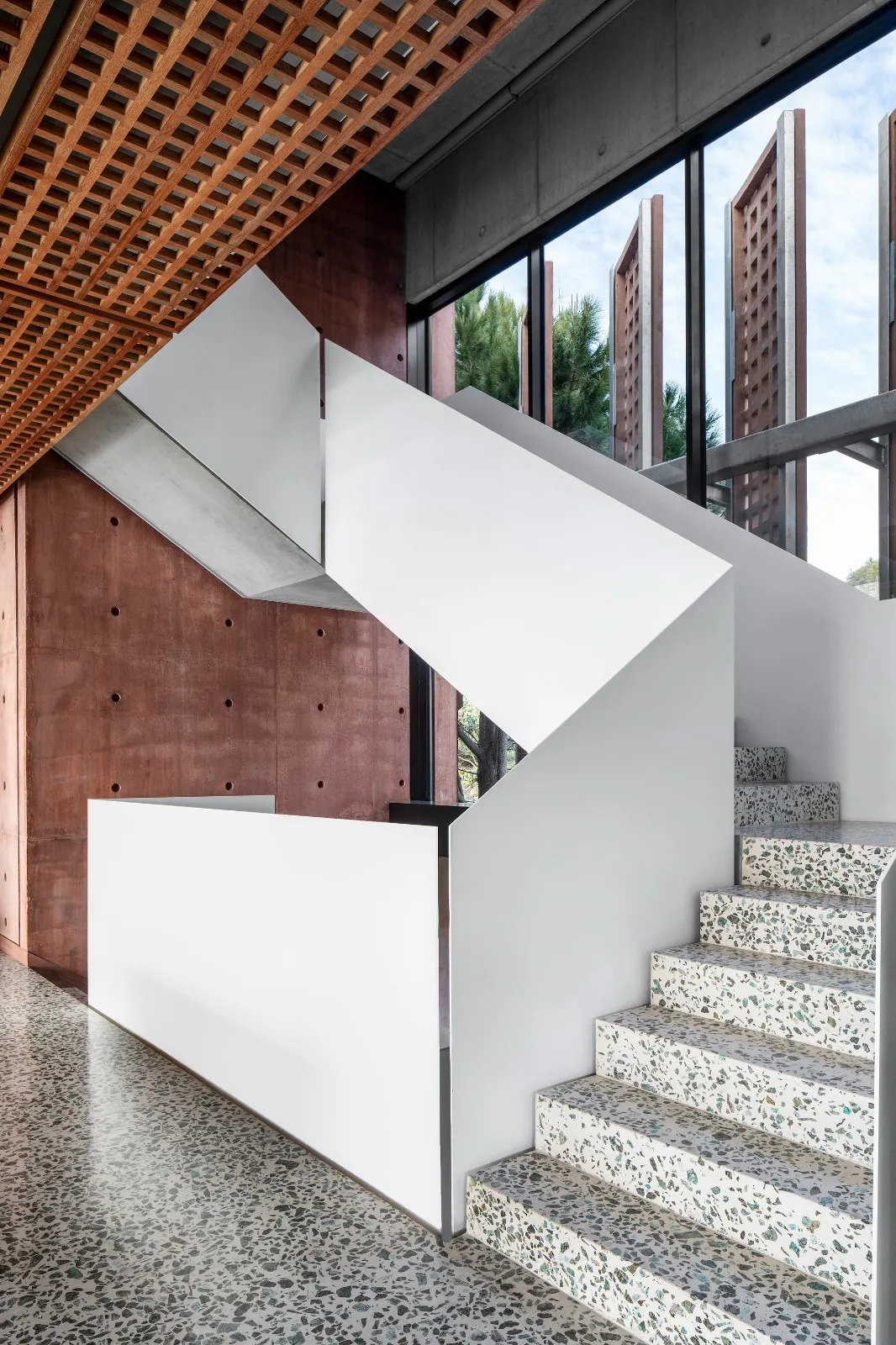
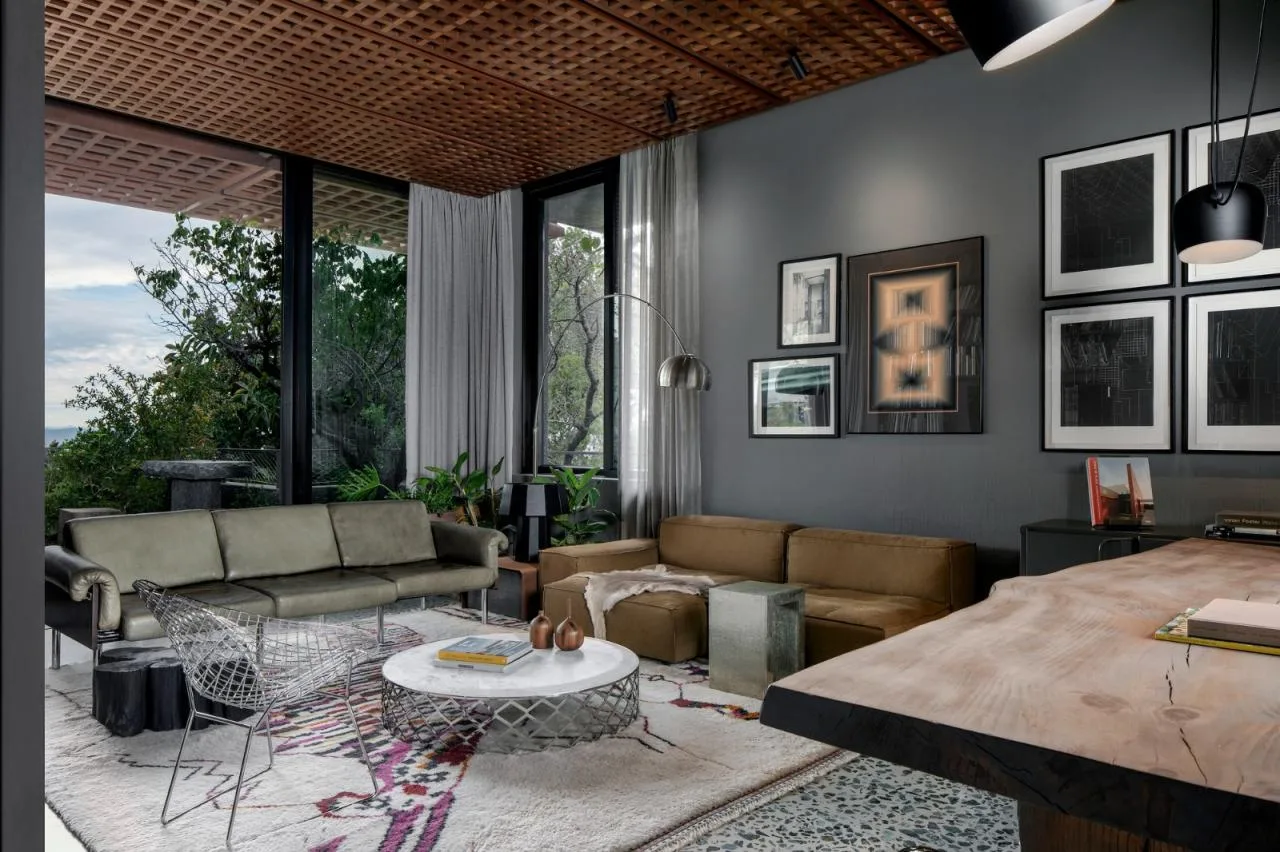
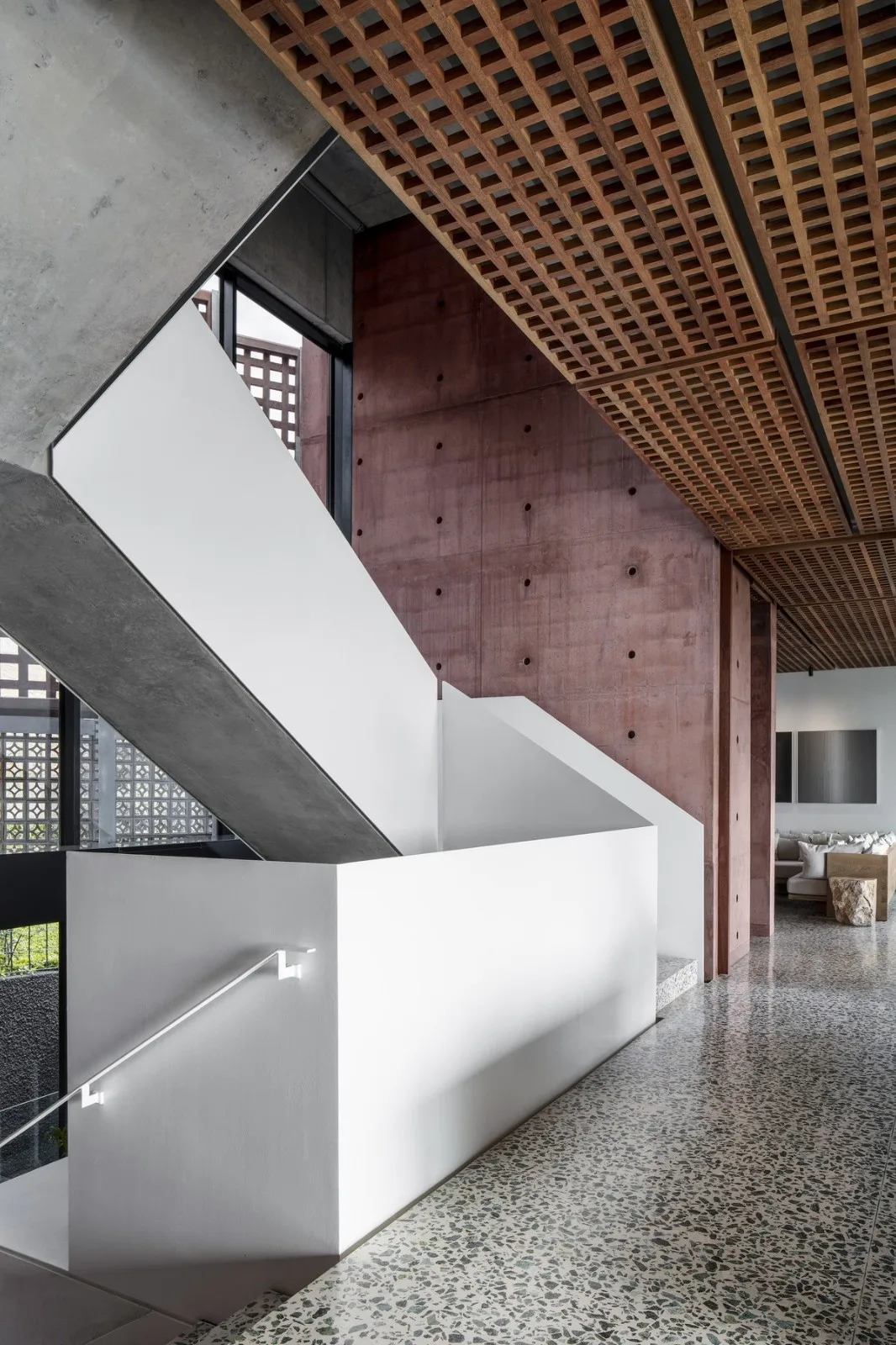
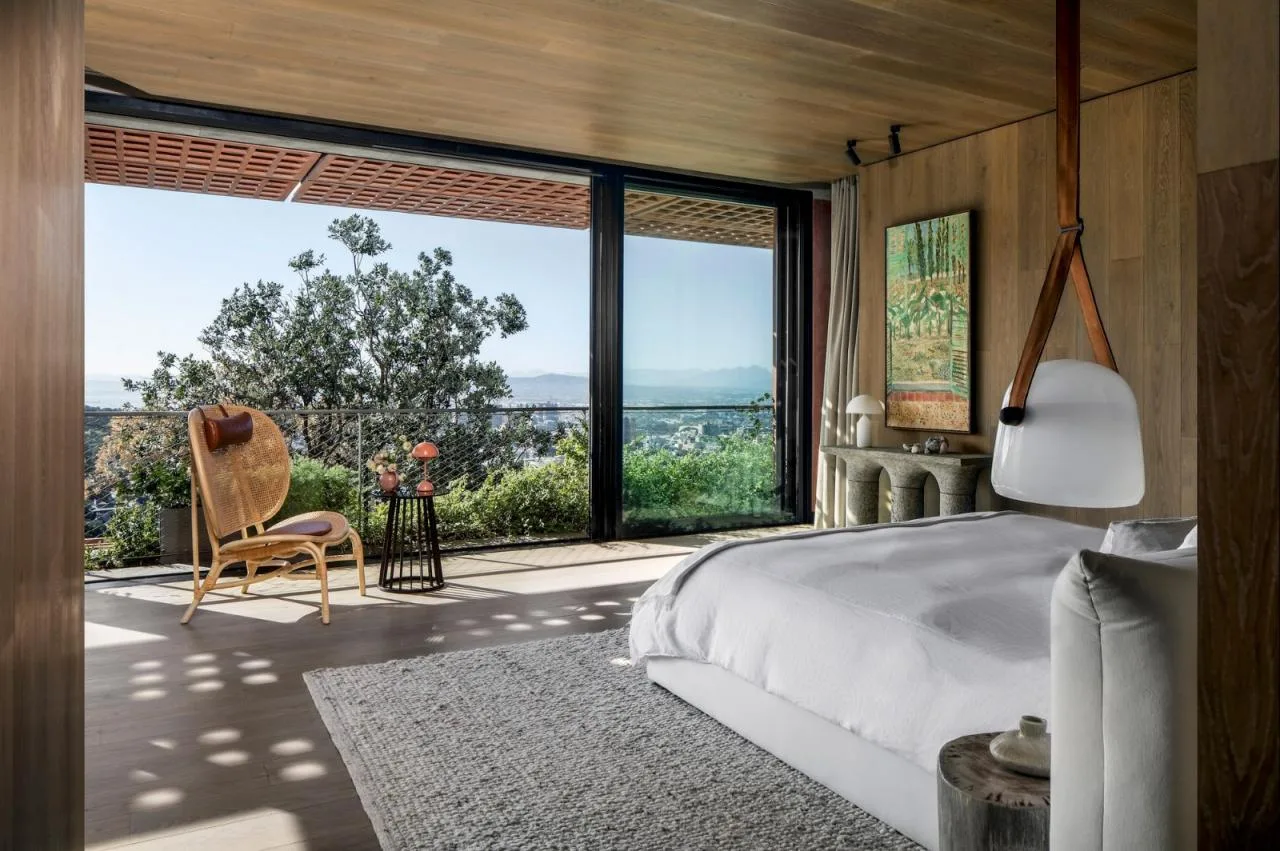
Lighting plays a fundamental role in shaping the living experience. Philip explained, “The entire upper level is bathed in soft, natural light. Screens filter sunlight, while skylights and south-facing windows bring in gentle, beautiful illumination. Even the high windows in the stairwell capture afternoon light—all carefully planned.” Daylight suffices during daytime, but at night, Philip introduces lighting to create ‘warm pockets’ and playful effects, often using independent fixtures. Indoor and outdoor spaces merge effortlessly, separated only by a floor-to-ceiling glass sliding door that completely disappears when opened, creating a seamless connection. Philip emphasized that SAOTA’s most successful living spaces are those where indoor and outdoor areas connect directly and simply.
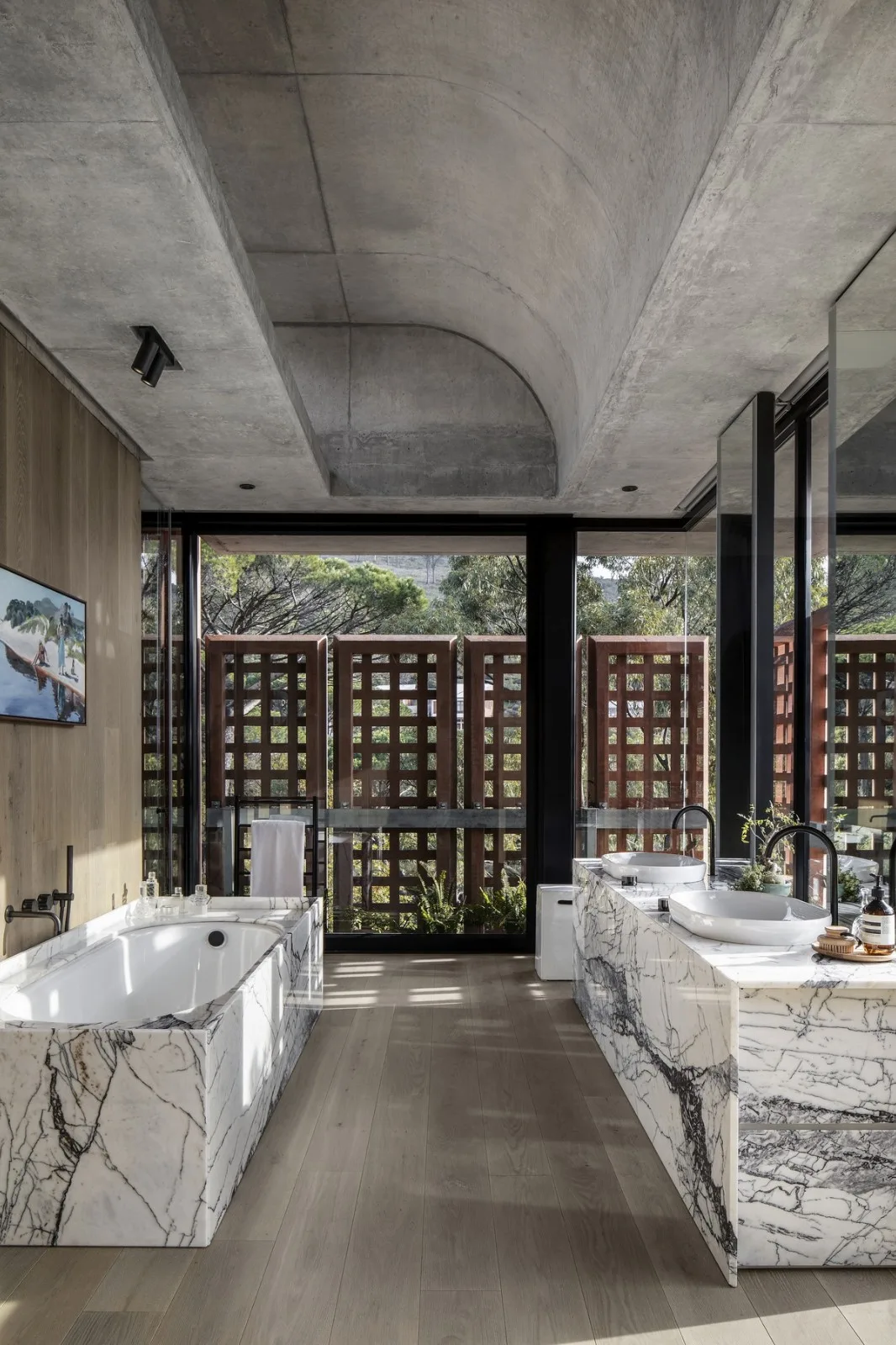
Outside, the garden offers “beautiful small spaces framed by nature.” Philip admires the famous residence renovated by Spanish architect Ricardo Bofill in a cement factory, captivated by its simplicity, elegance, and fluidity, as well as its use of raw materials and the way the landscape seems to embrace the building. His own landscape design embraces wild, overgrown vegetation, envisioning a harmonious coexistence between architecture and nature.
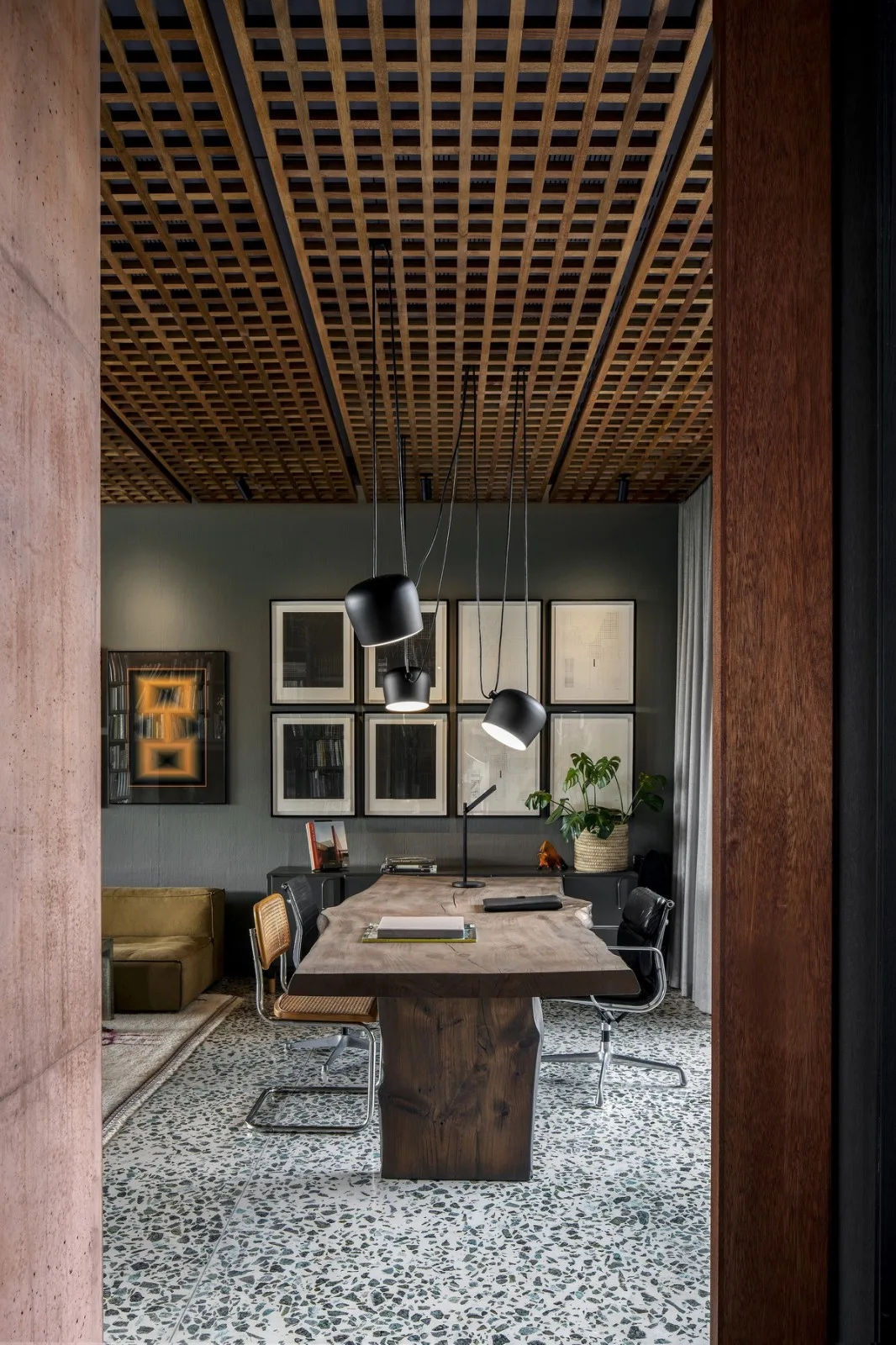
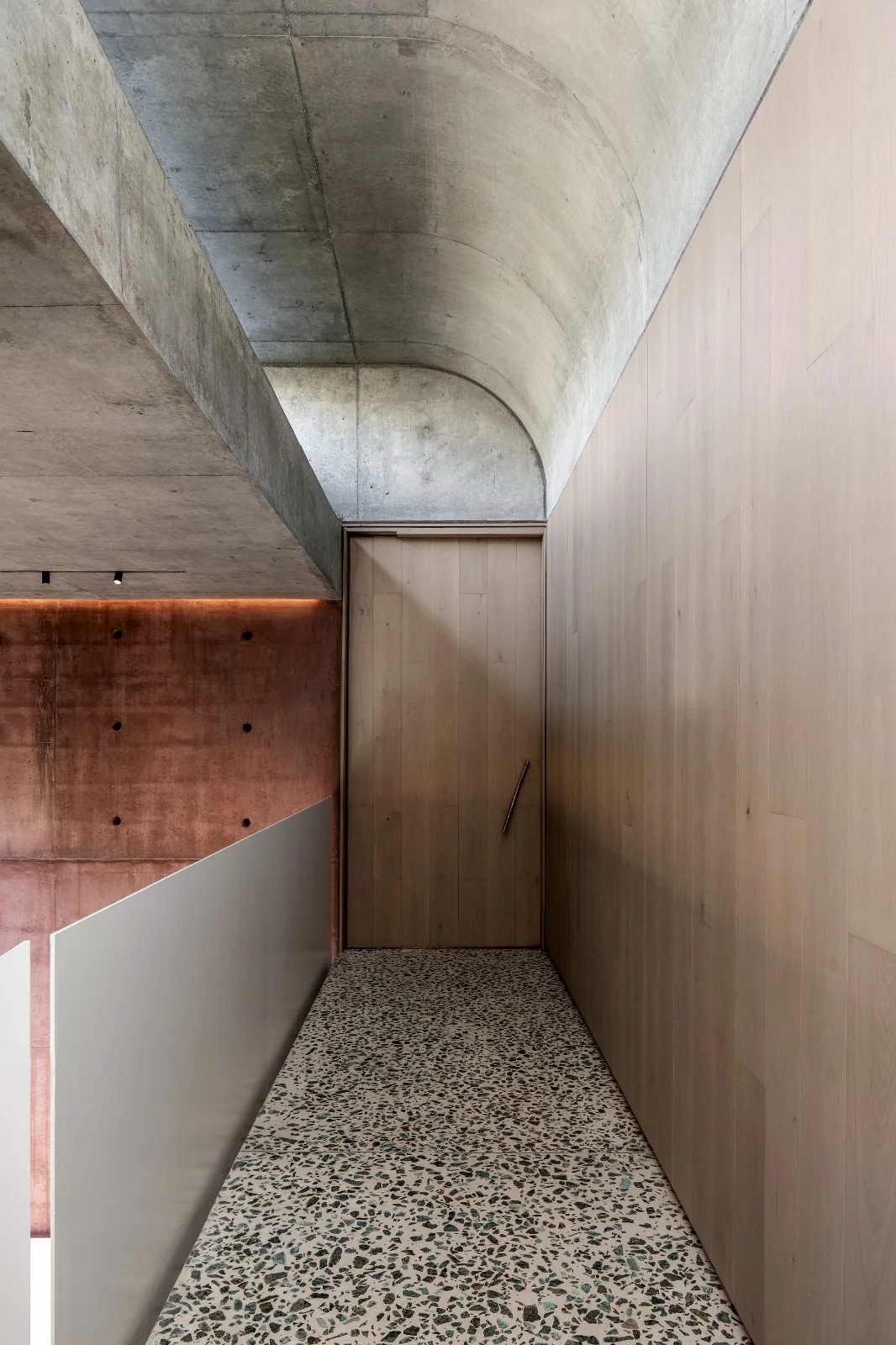
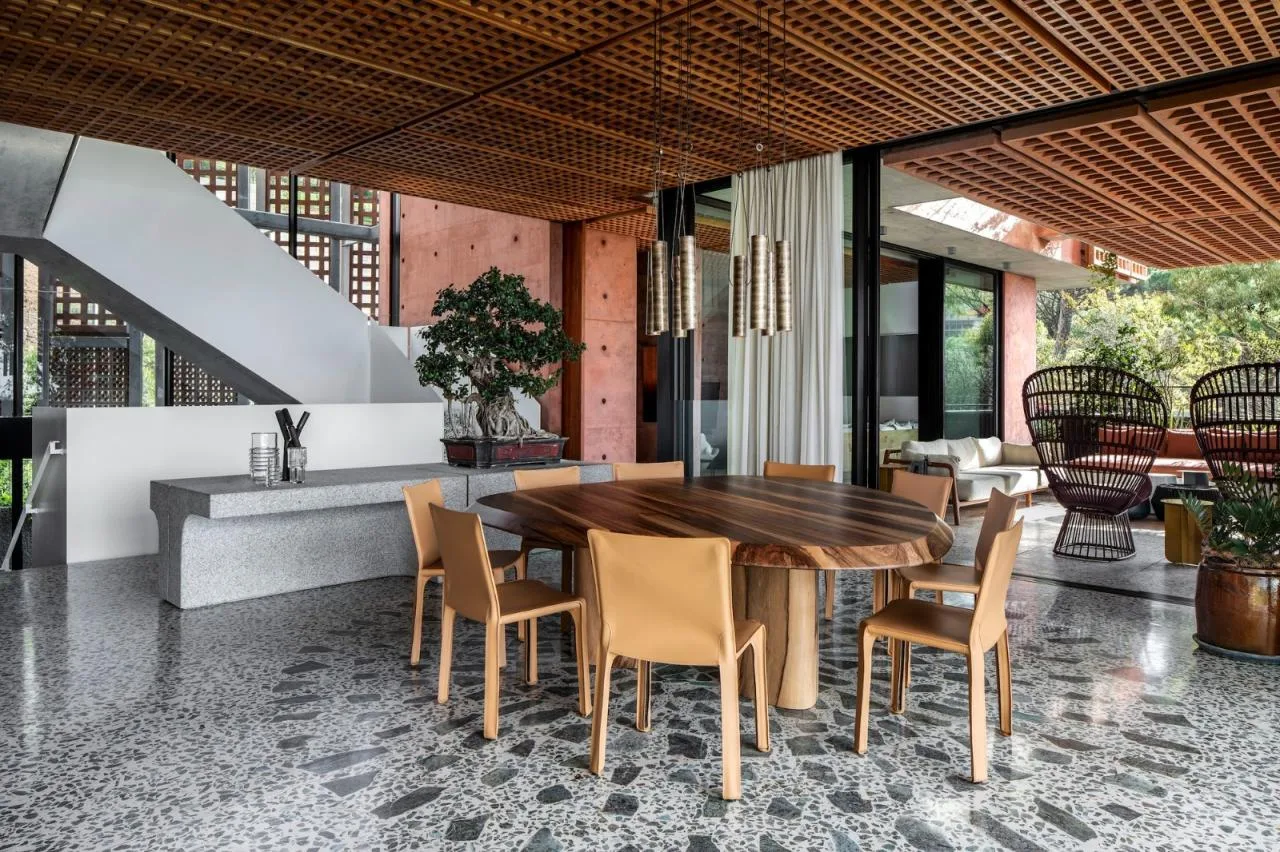
The interior decoration adds complexity and delight to Philip’s engagement with materials, involving extensive research, innovation, and collaboration. He engaged deeply with the living heritage embedded in local craftsmanship when selecting interior materials. Polished polymer concrete flooring, used extensively in the living areas, stairs, and outdoor paving, incorporates green aggregate—a byproduct from a historic copper mine in Namaqualand, Western Cape. Around the pool and outdoor dining area, Rostenburg granite and local sandstone are used.
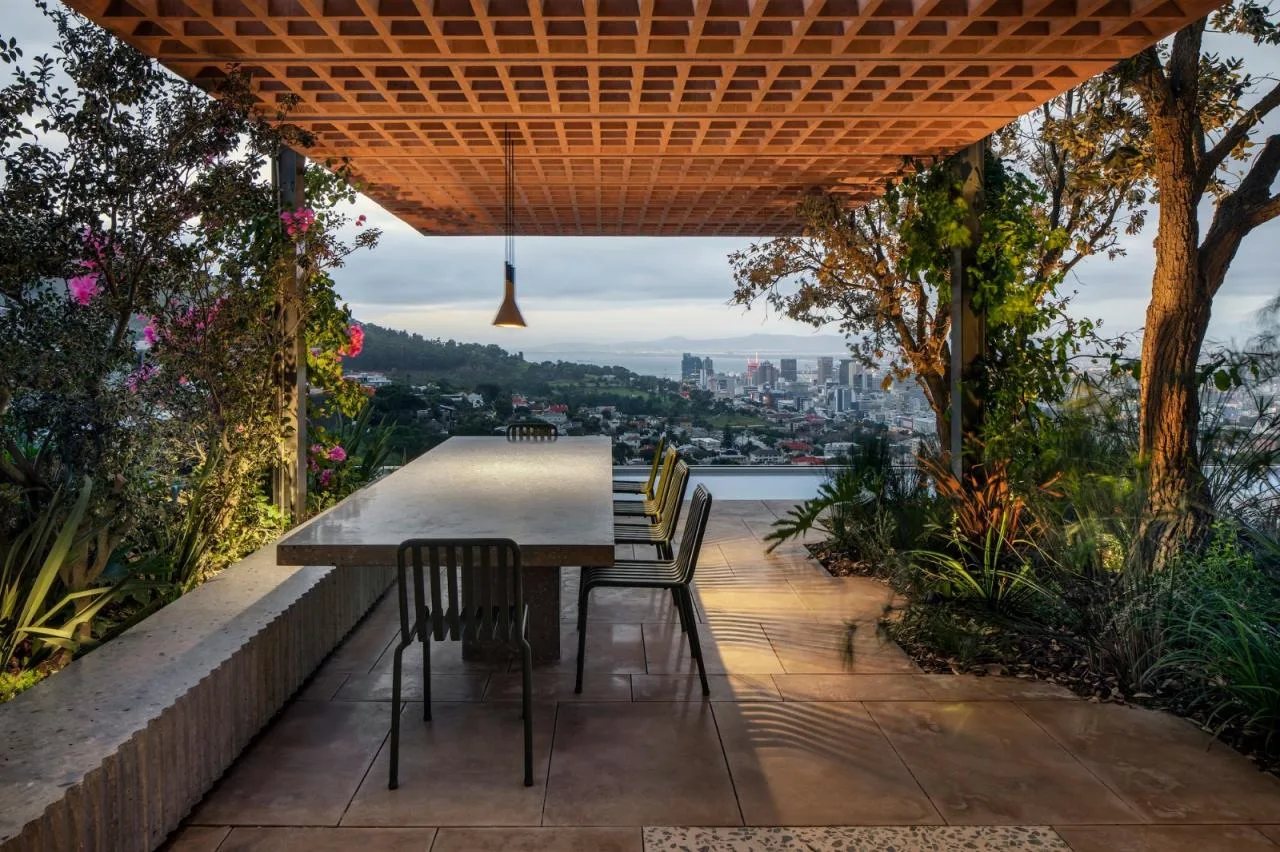
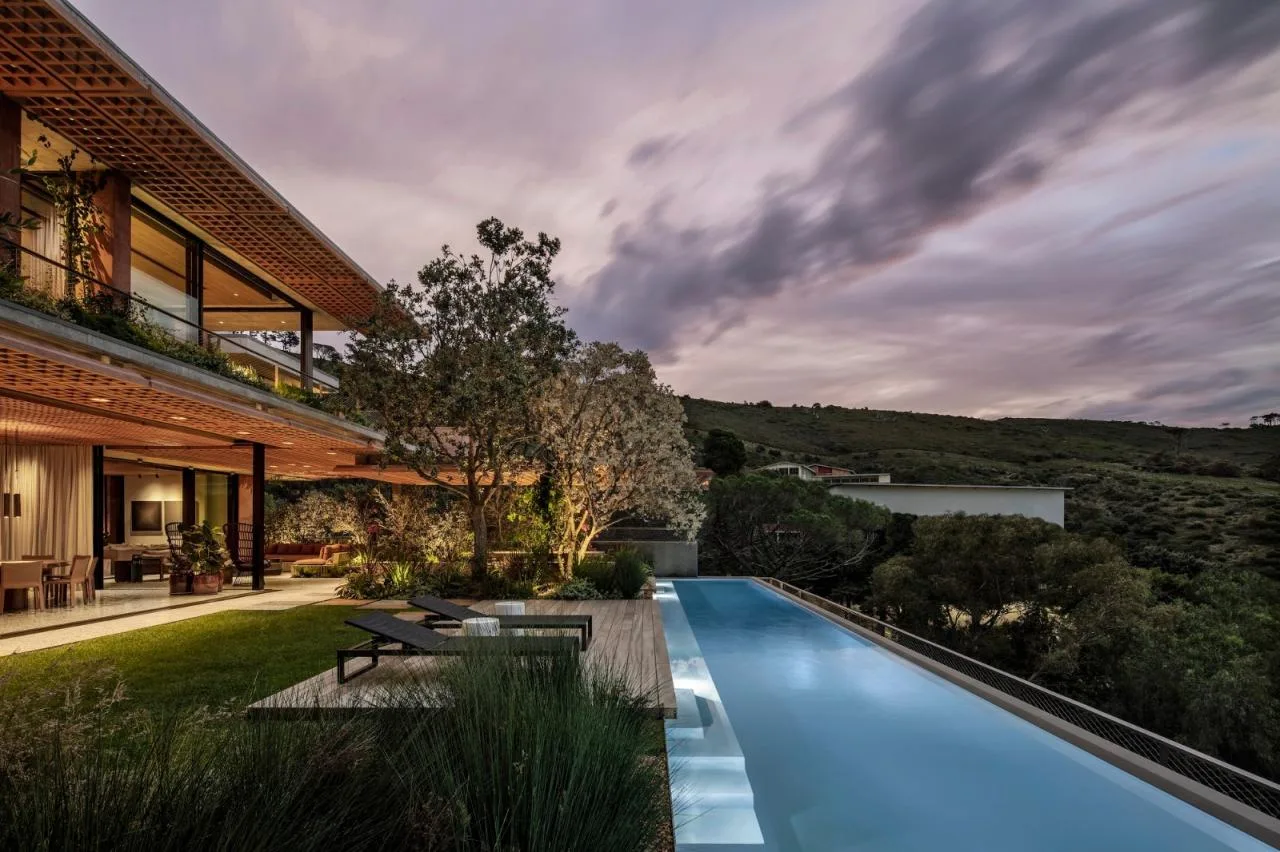
Stone also plays a significant role in the furniture design. For instance, the striking four-piece server in the living room, the console, and the basin in the master bedroom are all crafted from Par granite by third-generation stonemason JA Clift. Traditional touches from the 1950s and 1960s include burlap wall coverings. The wooden grid ceiling, made from lightly dyed local Meranti hardwood, complements the concrete poured barriers and adds warmth and continuity between indoor and outdoor spaces. Other elements bring a personal or quirky touch; Philip shared, “The breakfast table in the kitchen is an old dining table we modified and installed on a stainless steel countertop.” This residence blends material exploration and heritage with bold aesthetics, offering a creative solution to Cape Town’s evolving urban landscape while adding an elegant visual line to the suburban environment.
Project Drawings
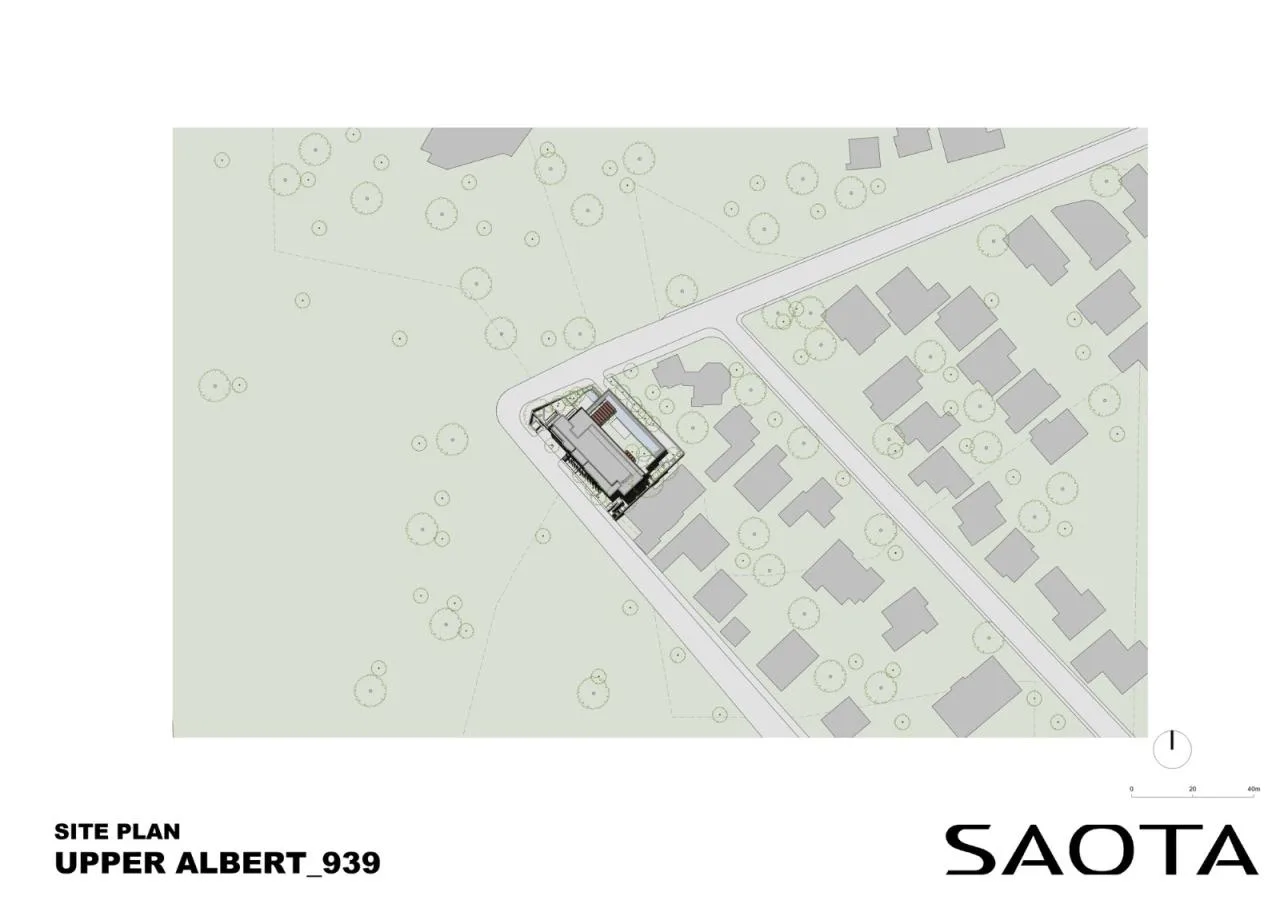
△ General Layout Plan
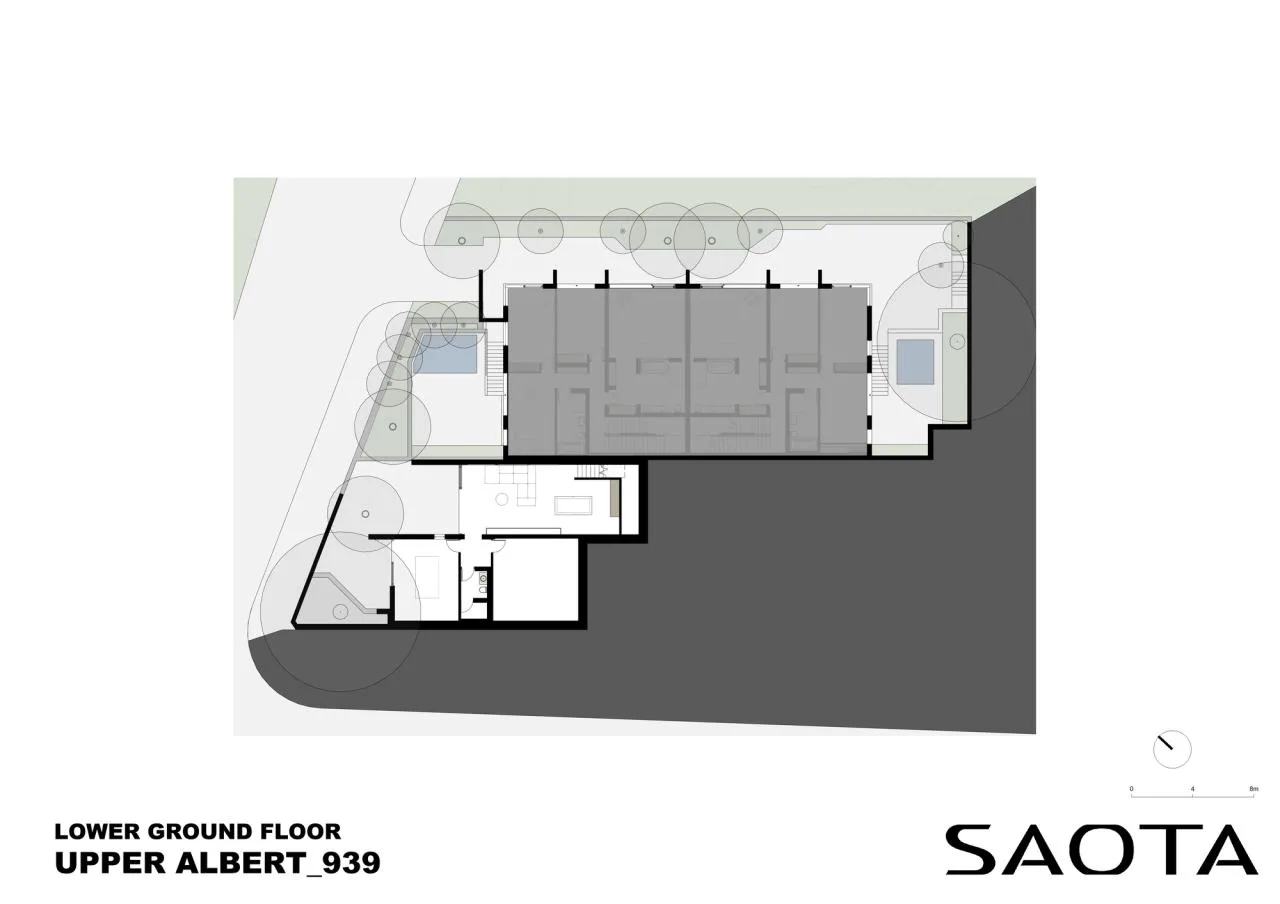
△ Basement Floor Plan
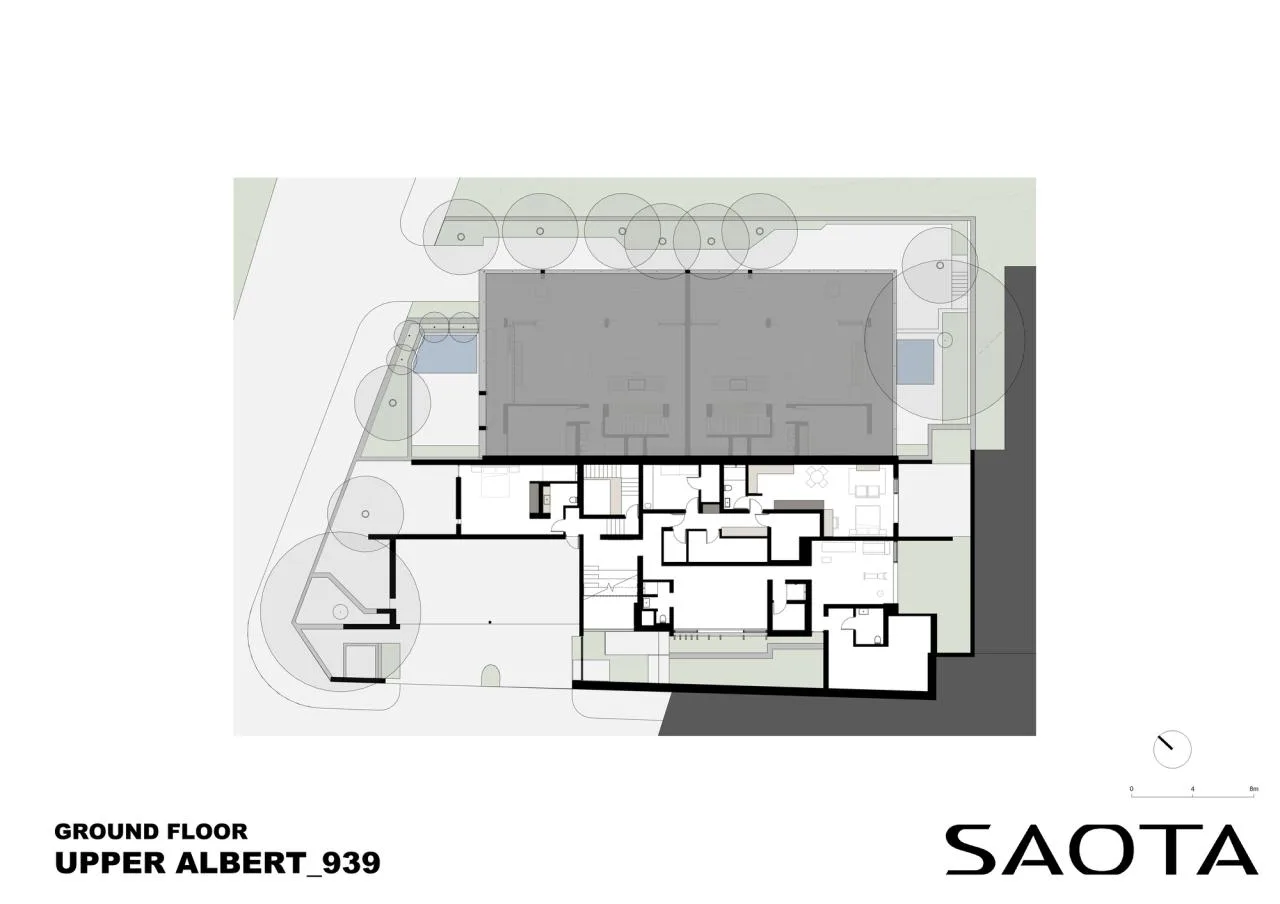
△ First Floor Plan
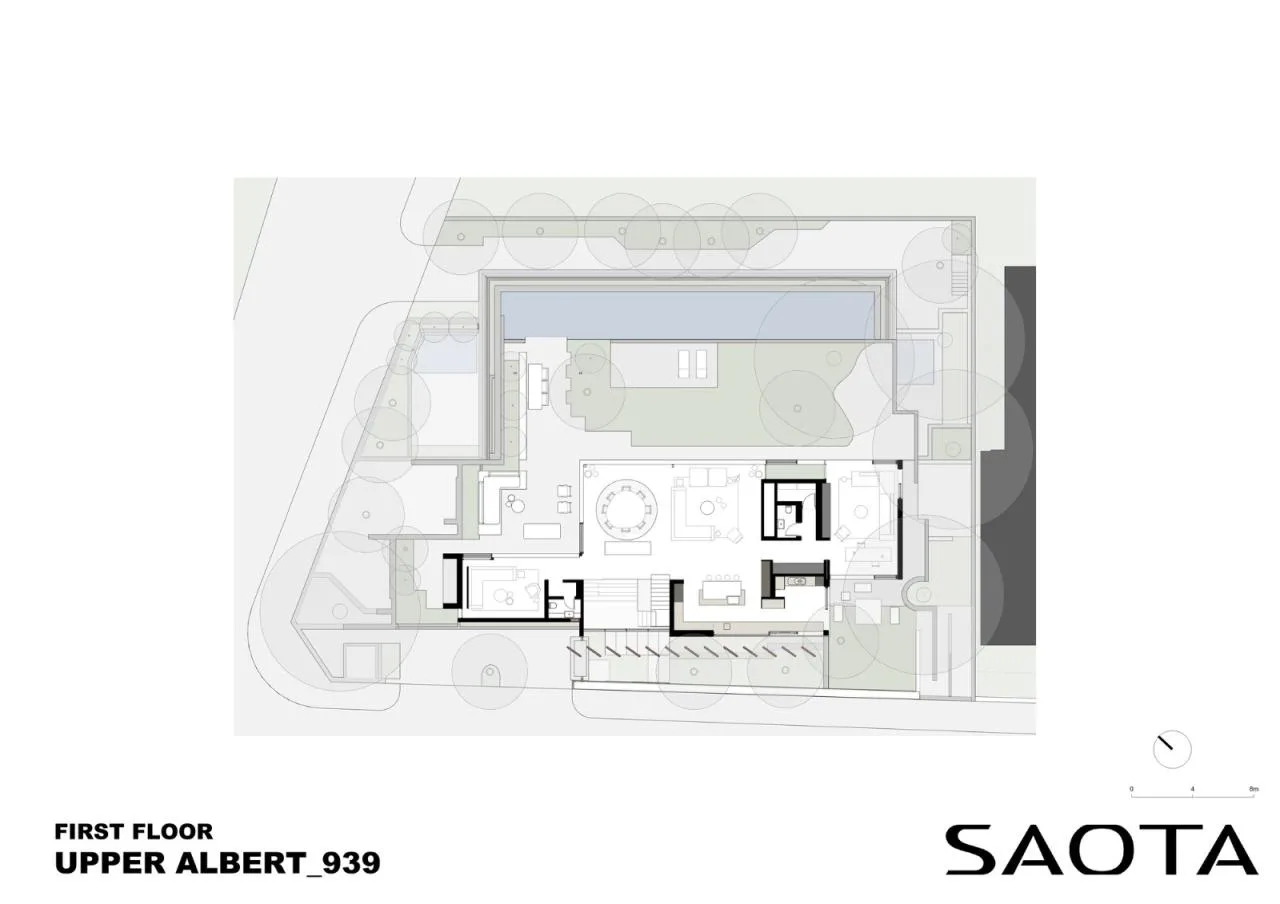
△ Second Floor Plan
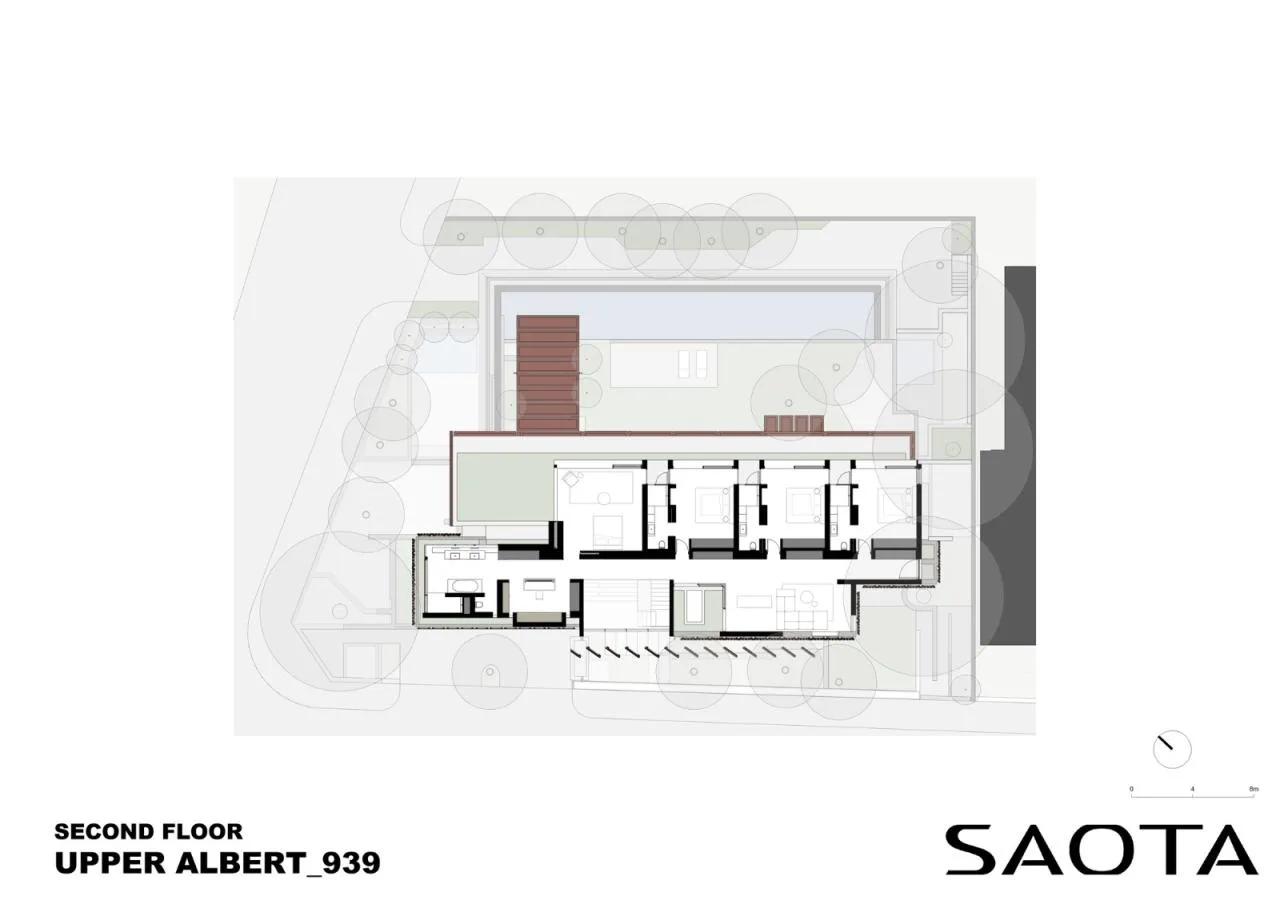
△ Third Floor Plan
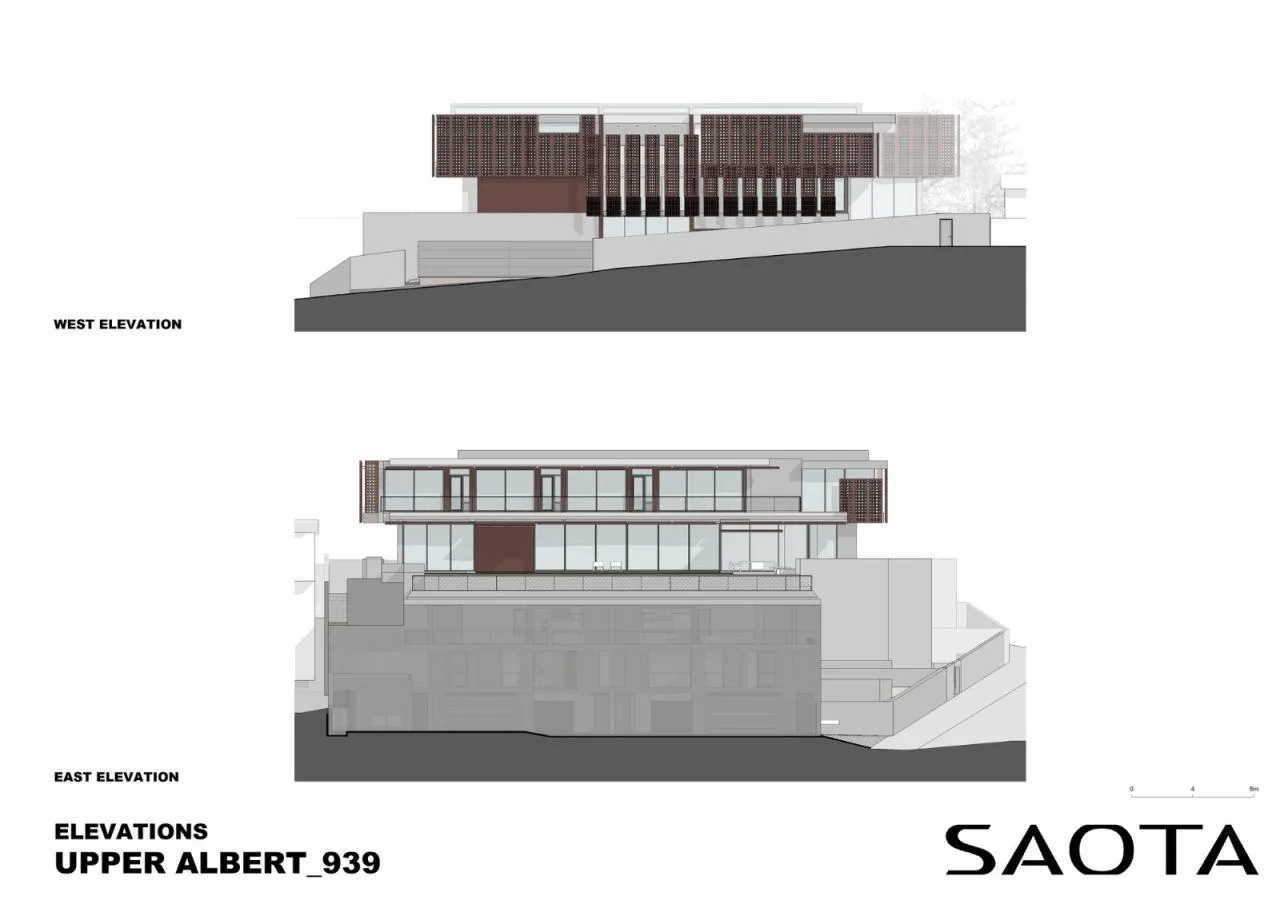
△ Elevation Drawing
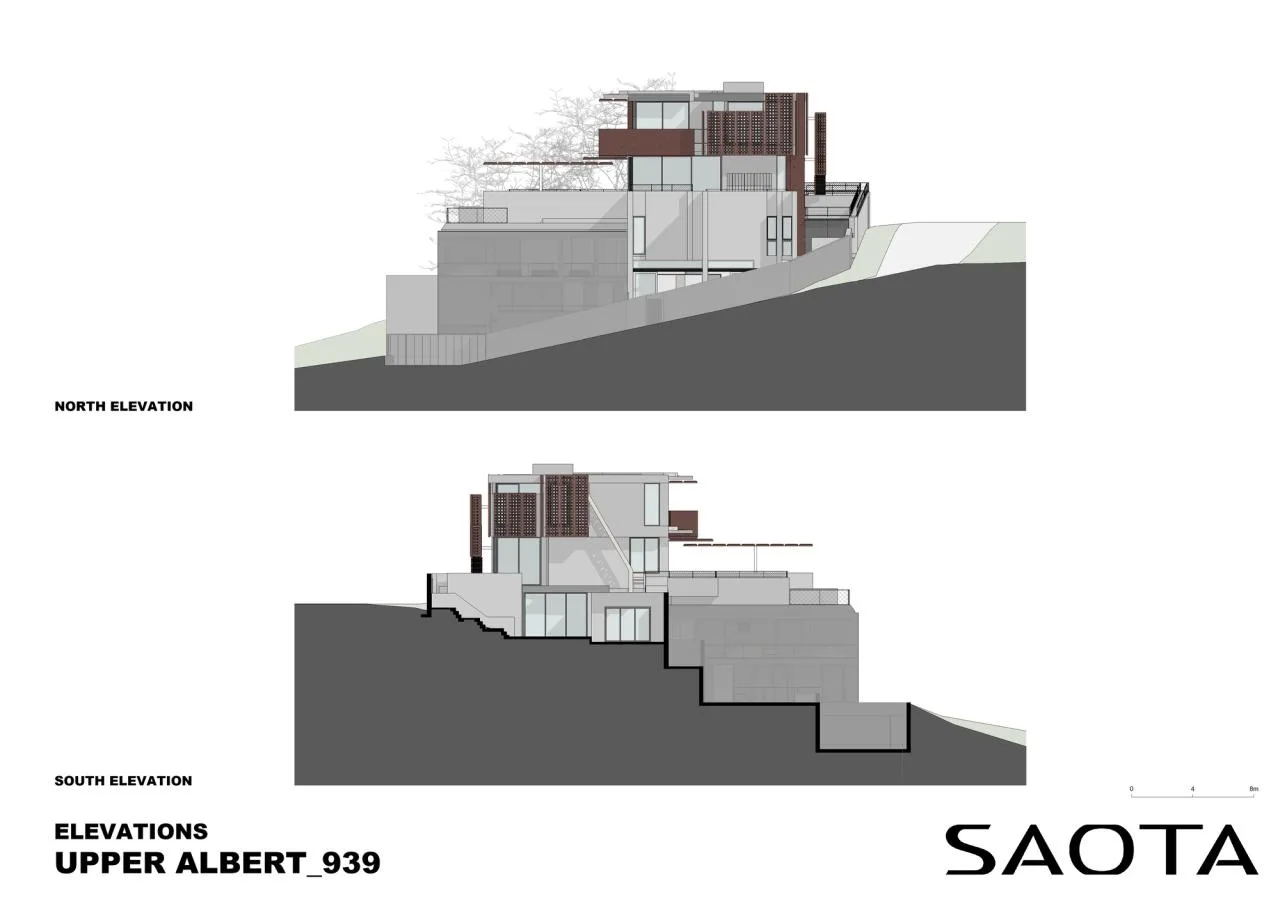
△ Elevation Drawing
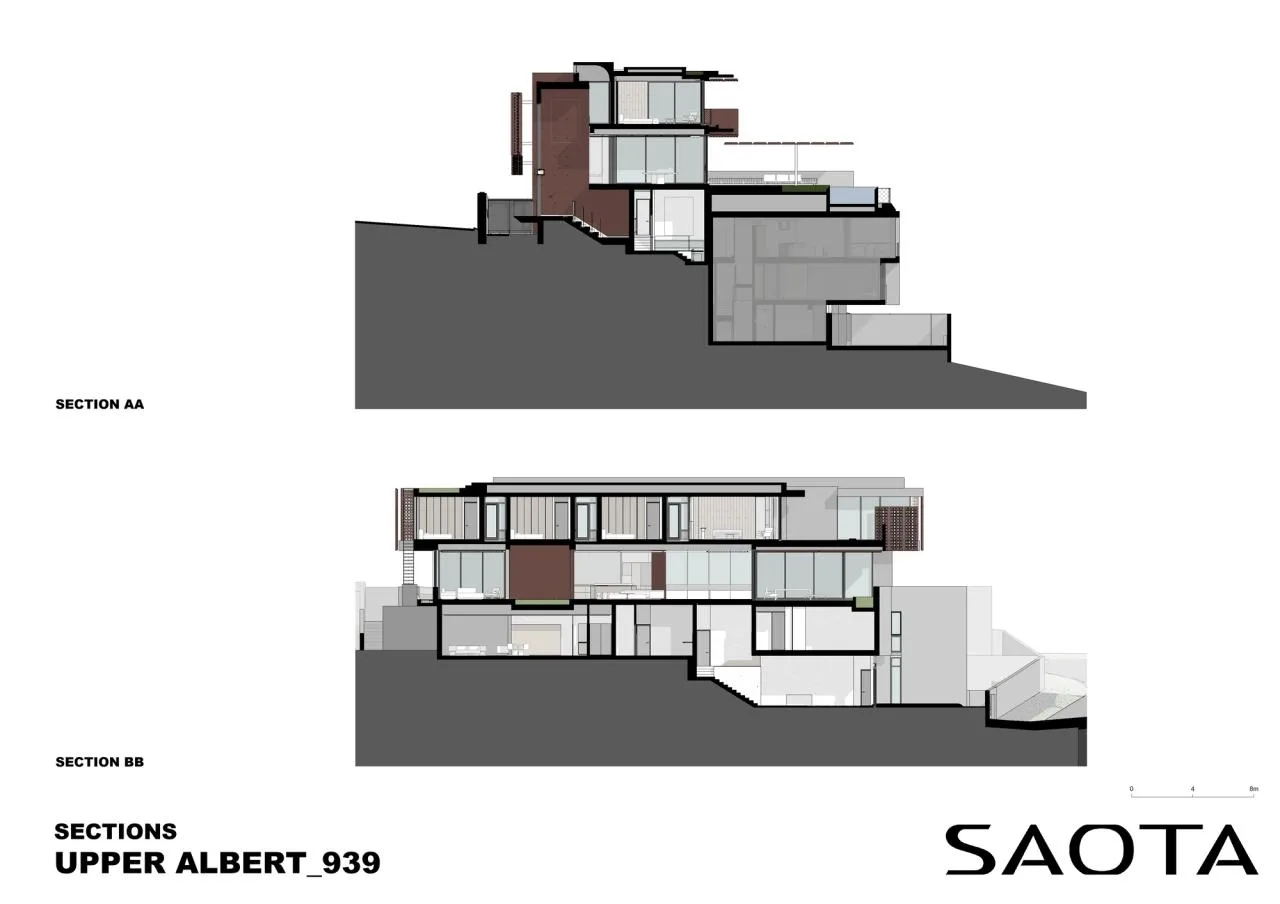
△ Section Diagram
Project Information
Architect: SAOTA
Area: 942 m²
Project Year: 2021
Photographer: Adam Letch
Suppliers: Alchemica, Calore, Coppola, Dix Aluminium, Helvar, OGGIE, PERI, SMA, VLVLK, WOMAG Granite
Lead Architect: SAOTA
SAOTA Project Team: Riaz Ebrahim, Anthony Whitaker, Michelle Mills, Casey Hunter
ARRCC Project Team: Mark Rielly, Nina Sierra Rubia, Anna Katharina Schoenberger, Amy King
Copywriting: Graham Wood
Interior Design: ARRCC
Structural Engineer: Moroff & Khune
Quantity Surveyor: Meyer Summersgill
Main Contractor: Red Sky Projects
Lighting Consultant: Martin Doller Design
Landscape Design: Reto Mani Garden Services
Location: Cape Town, South Africa













Must log in before commenting!
Sign Up