
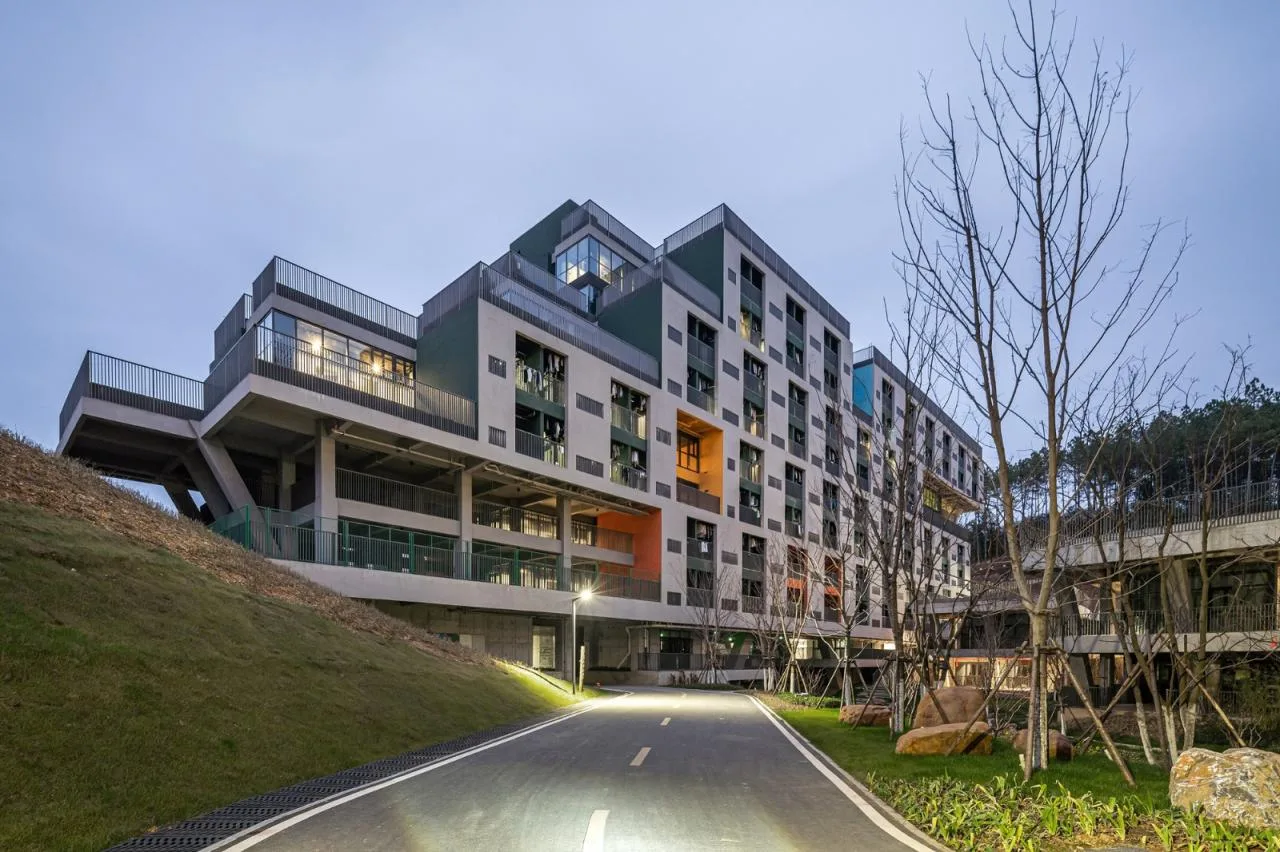
The Valley Student Apartment project at Jingdezhen Vocational University of Arts is designed with a core focus on preserving the site’s natural landscape elements with minimal intervention. This approach fosters a three-dimensional residential art community that encourages student interaction, all within a cost-effective framework.
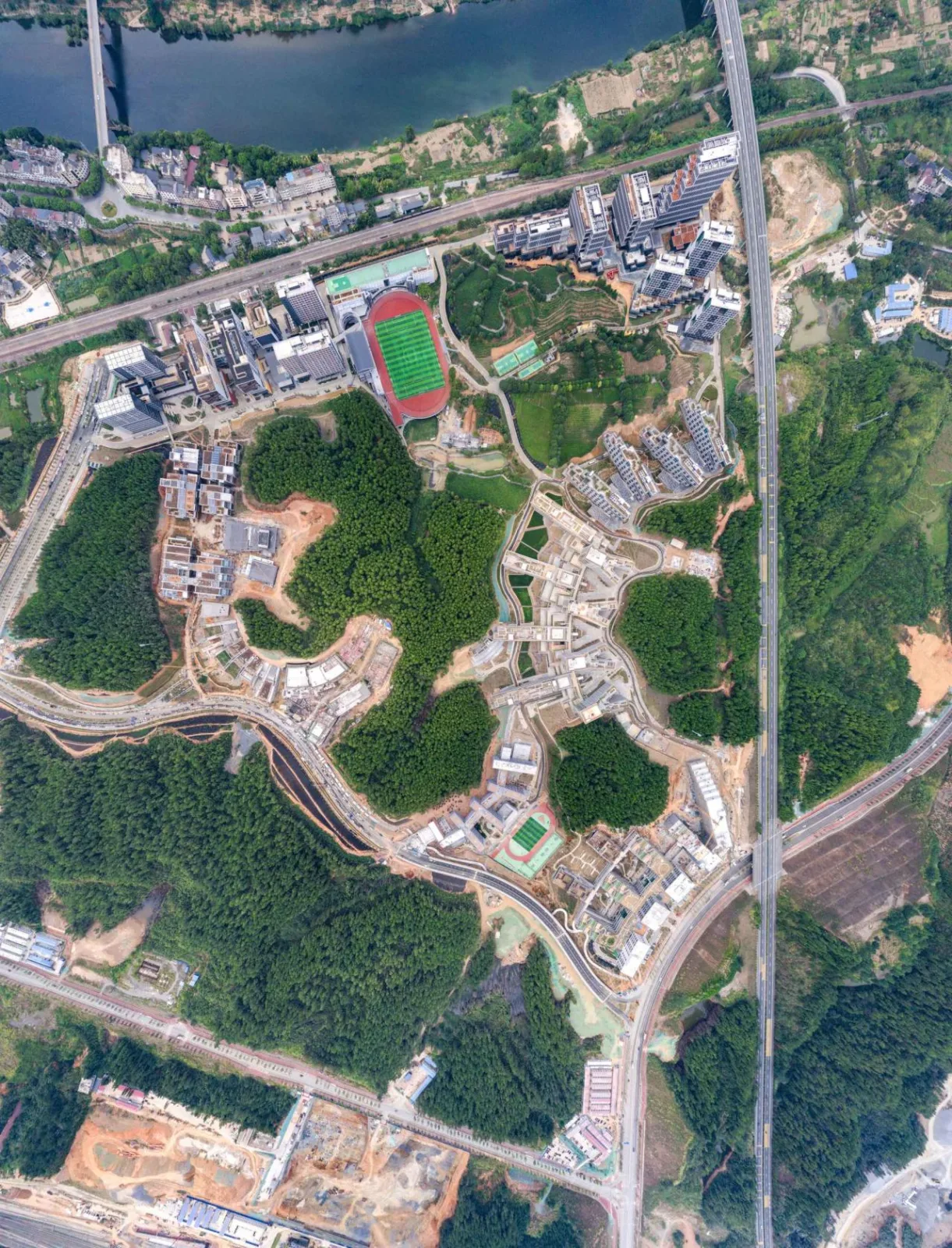
Situated between lush tea gardens and dense pine forests, the project spans valley wetlands and streams on campus. Jingdezhen, known as a millennium-old porcelain capital and tea city, holds a rich cultural heritage as a center for art ceramics and tea production in ancient China. Respecting this historical and regional spirit, the design integrates Jingdezhen’s unique character into the architectural space. Both the vibrant urban atmosphere and the distinctive style of the ancient tea gardens have influenced the project’s design.
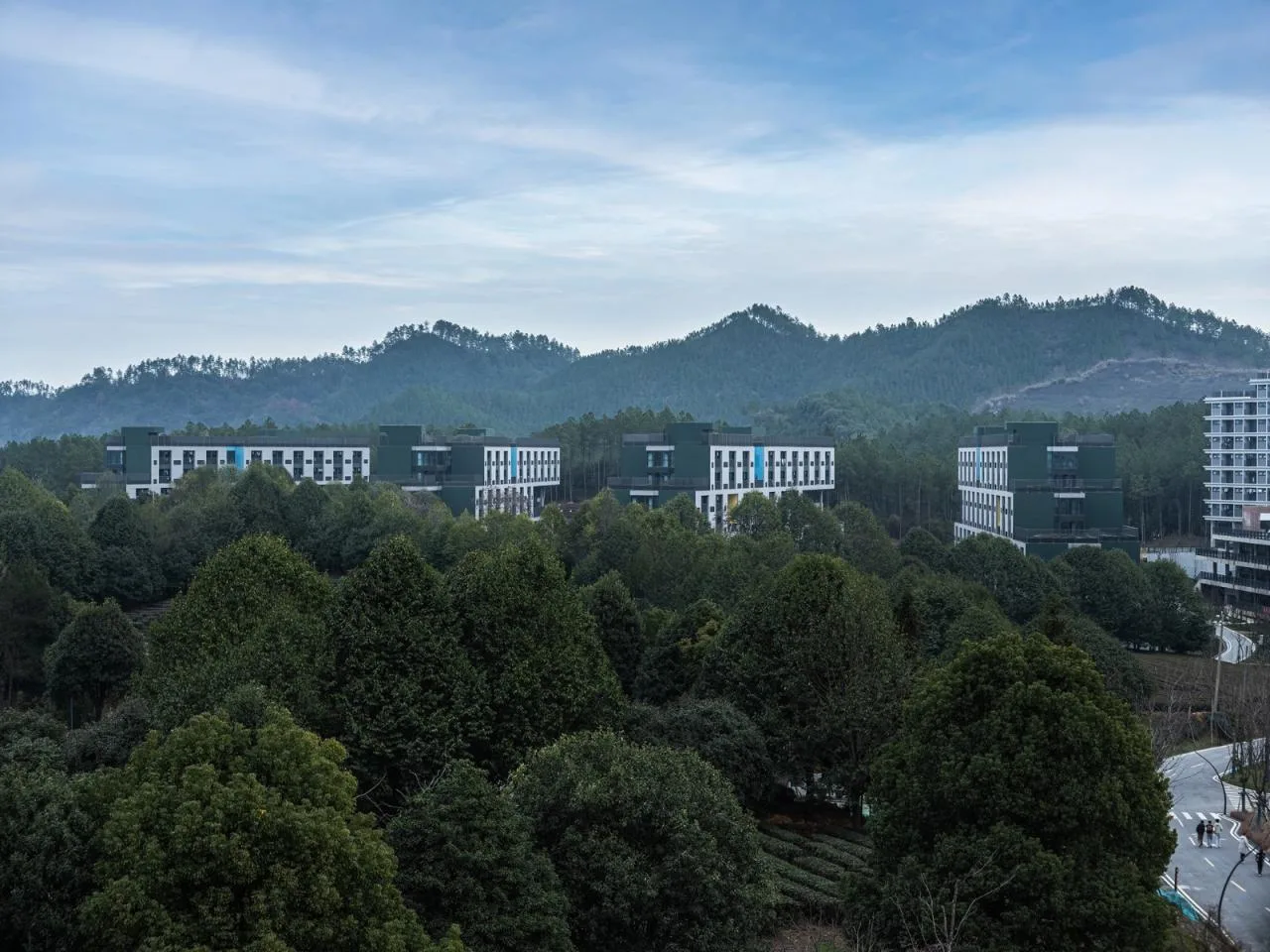
Design Concept 1: Elevated Ground Floor Respecting Natural Terrain
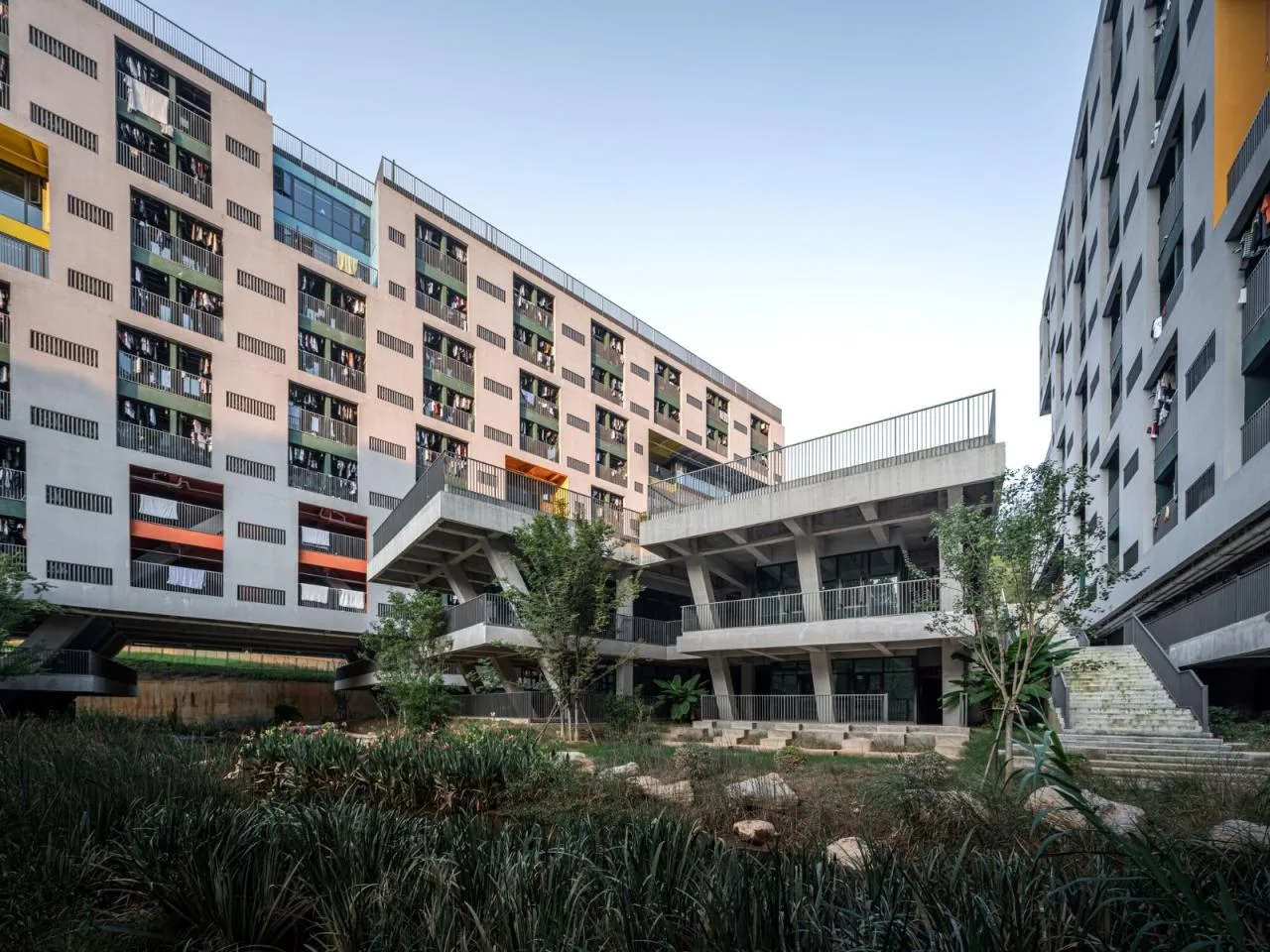
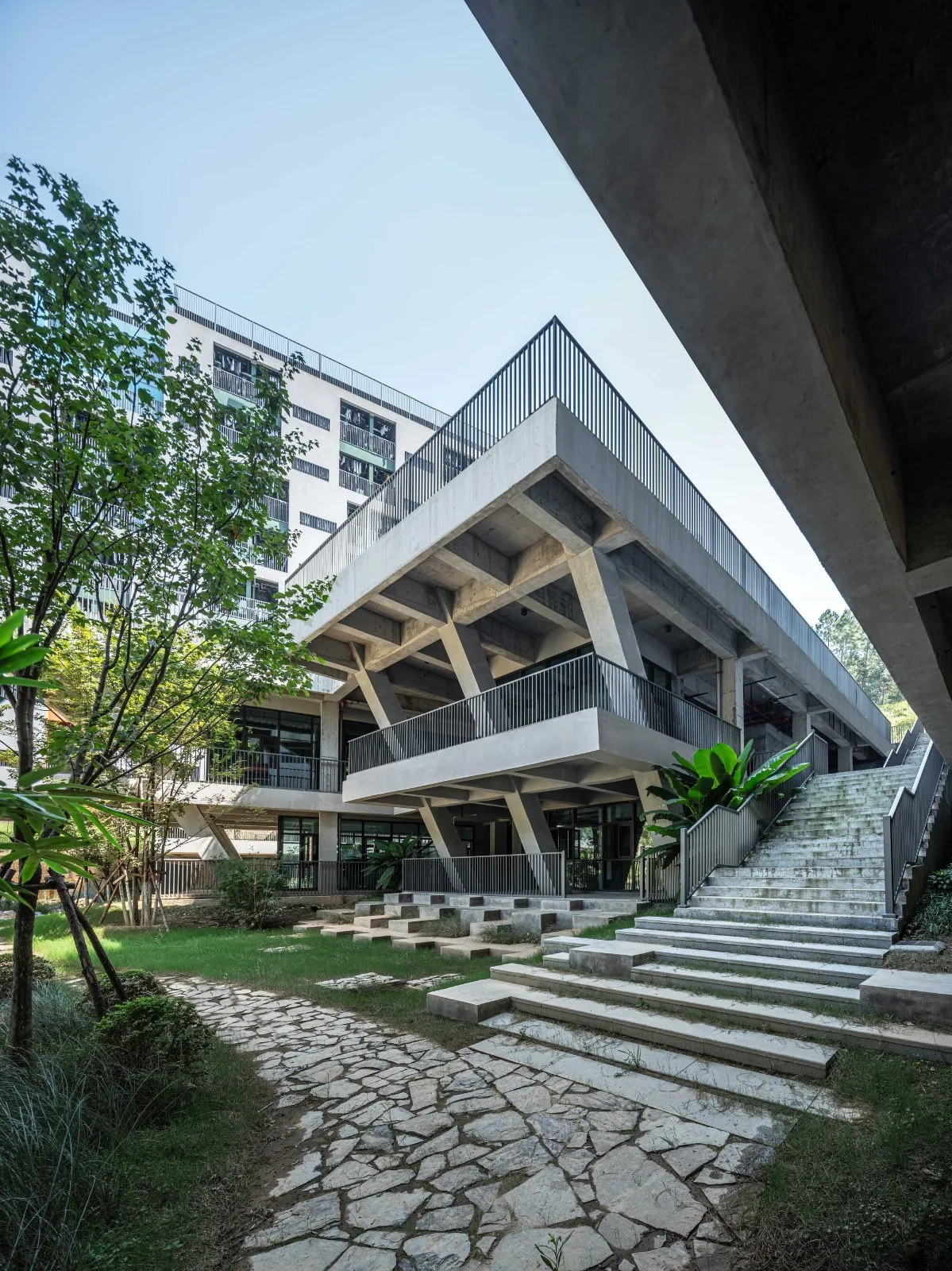
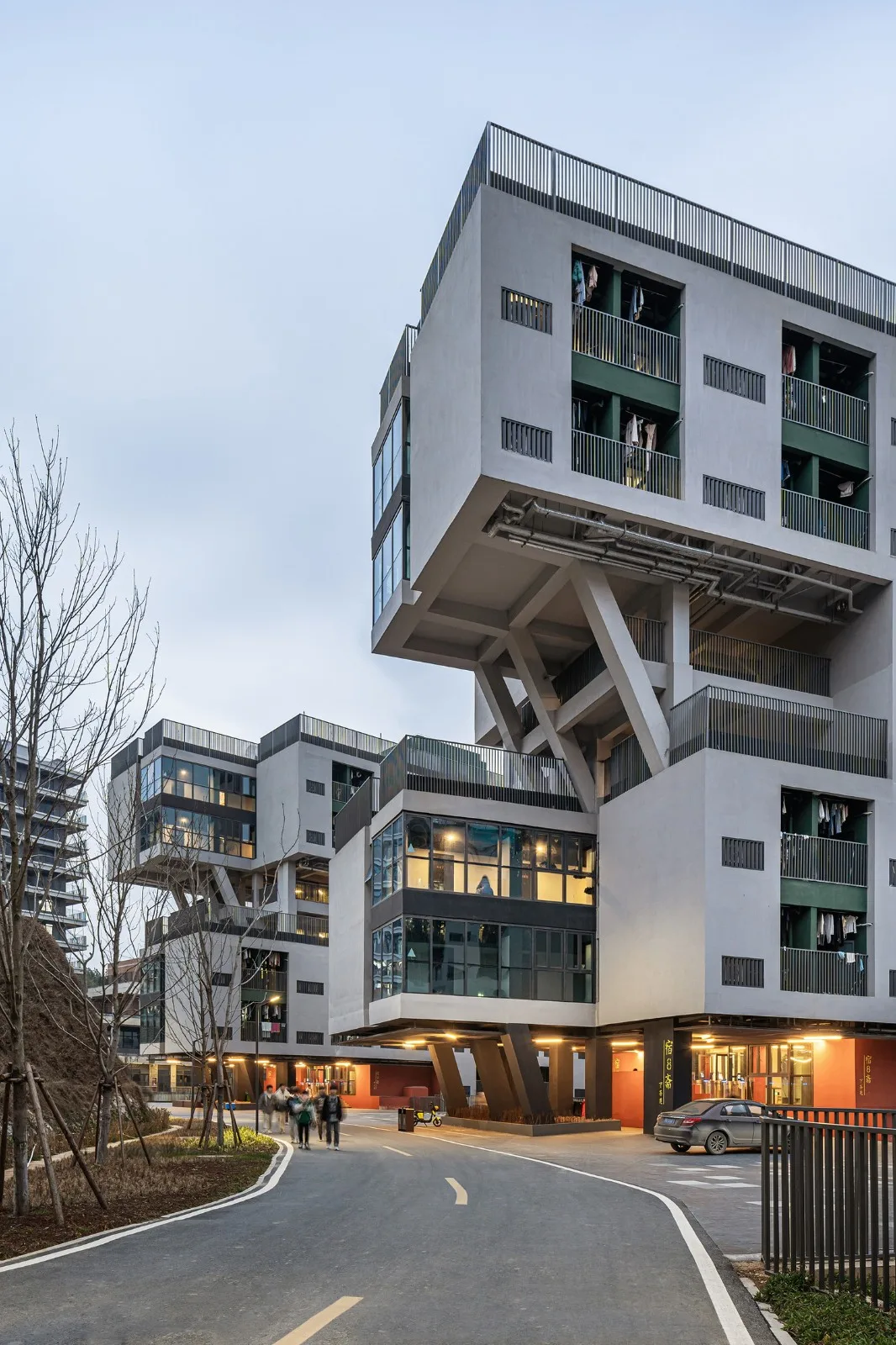
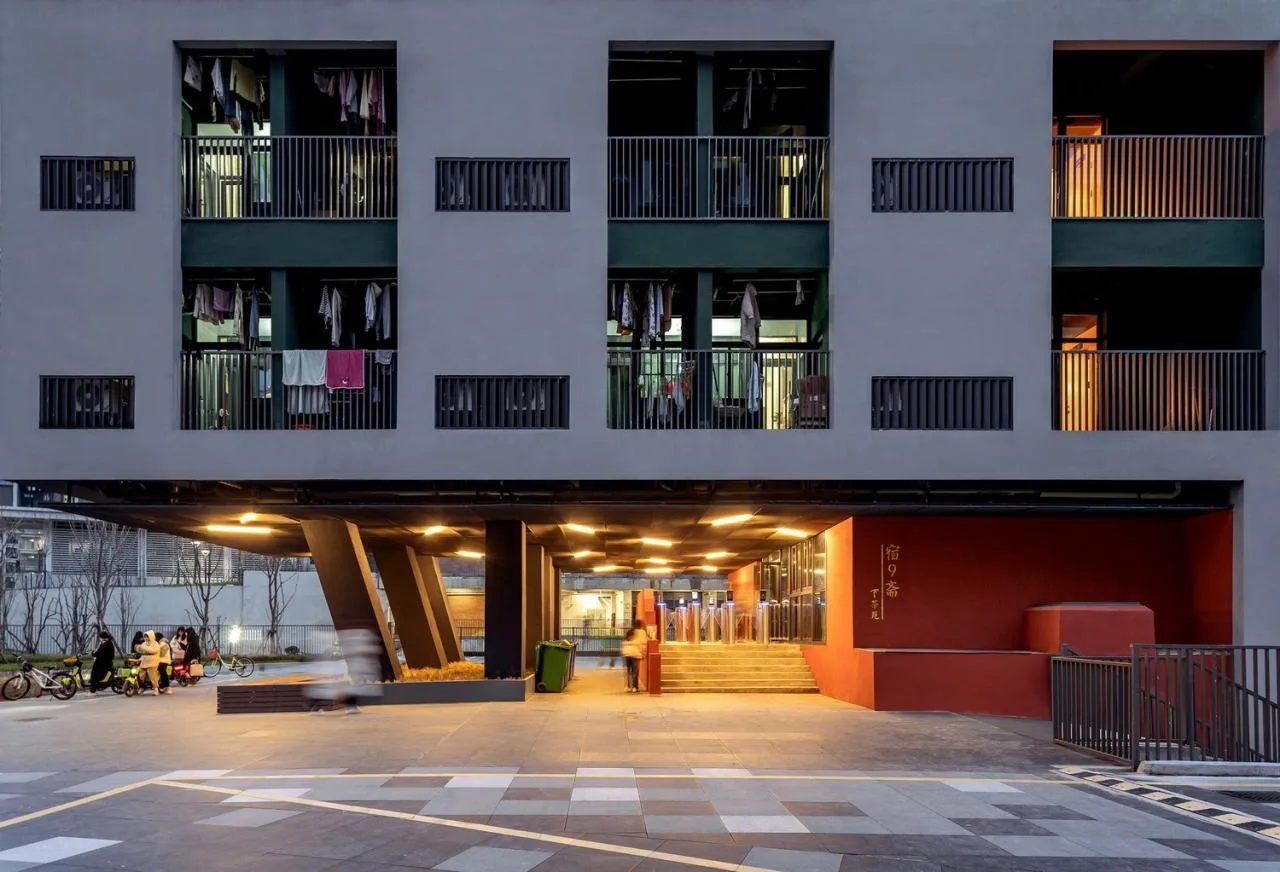
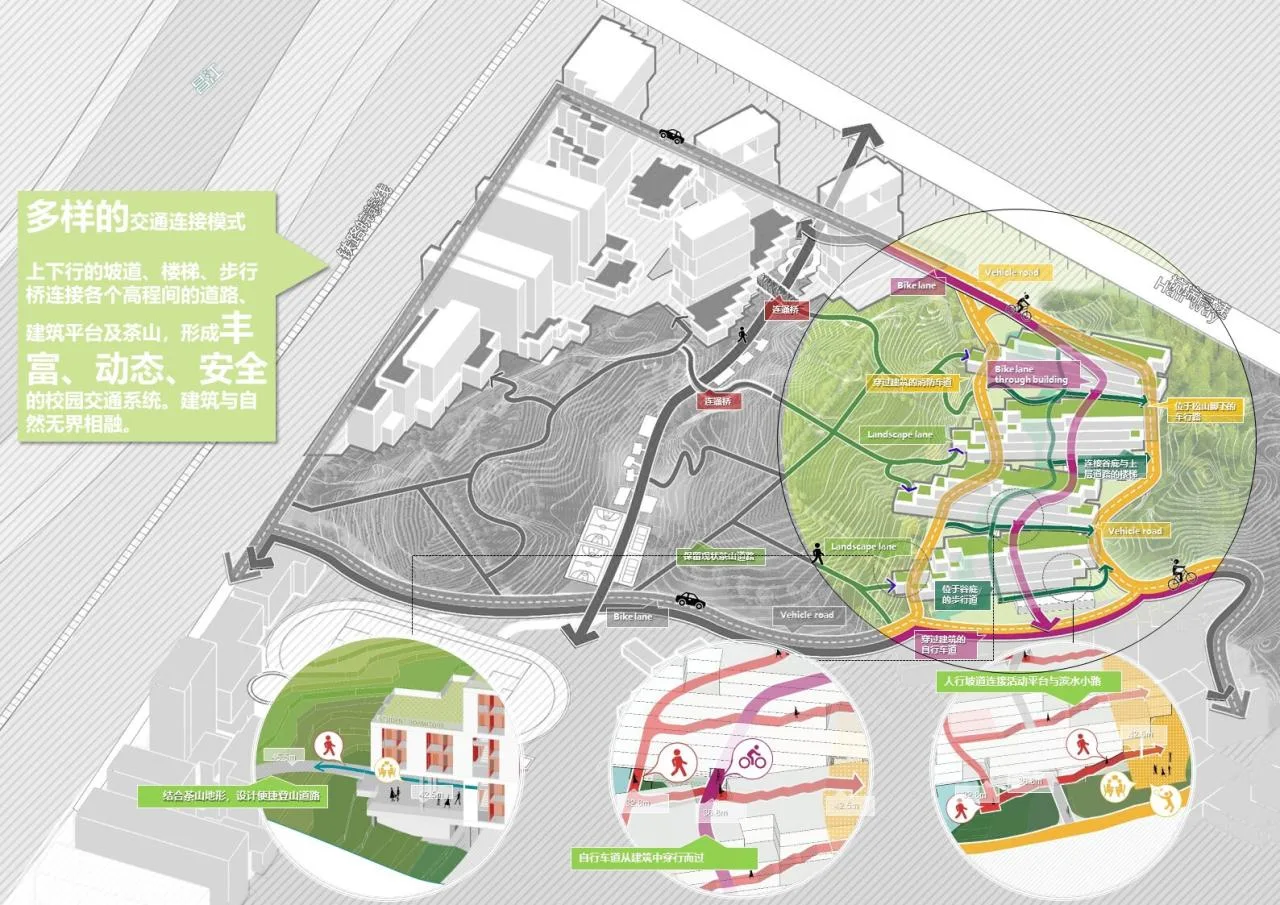
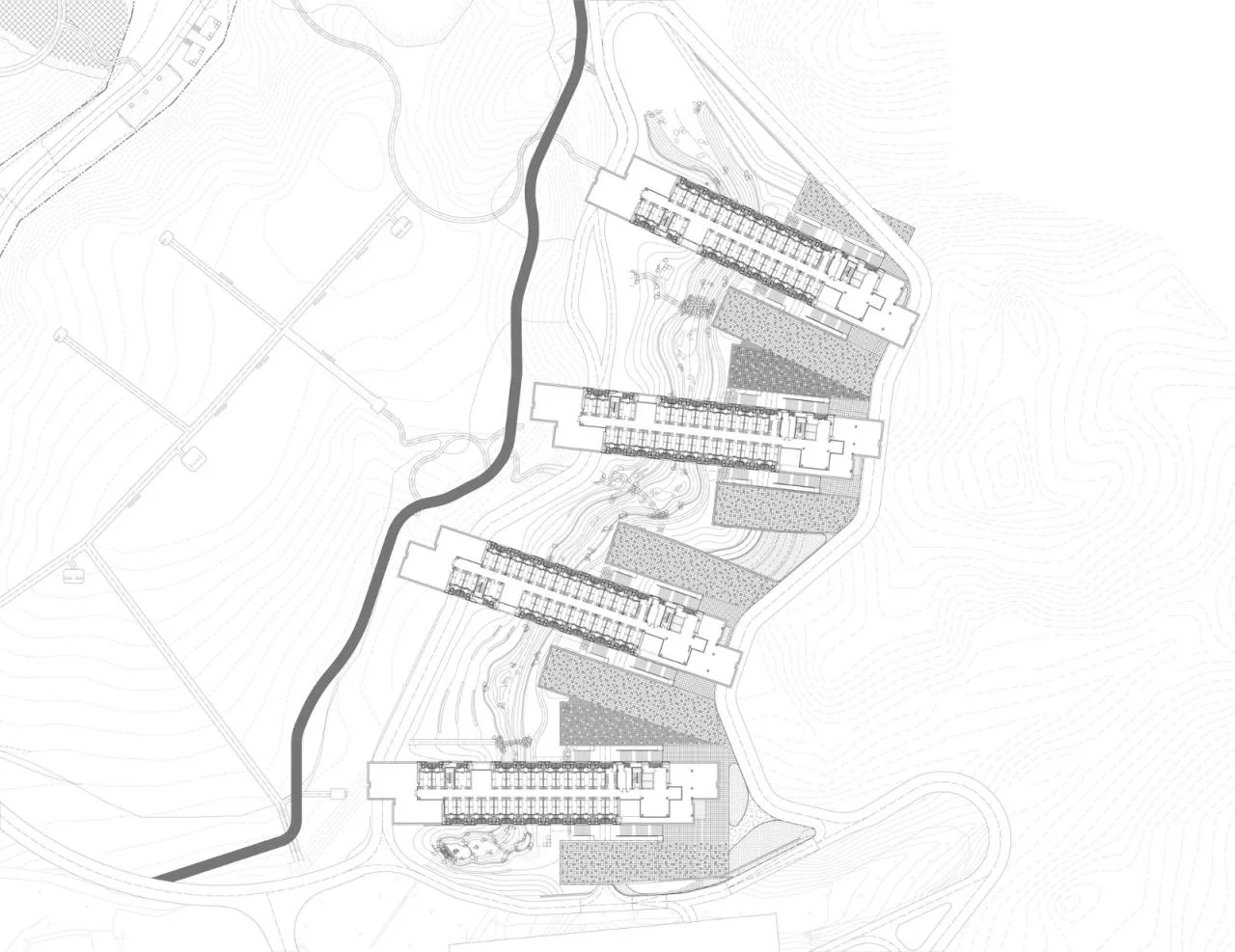
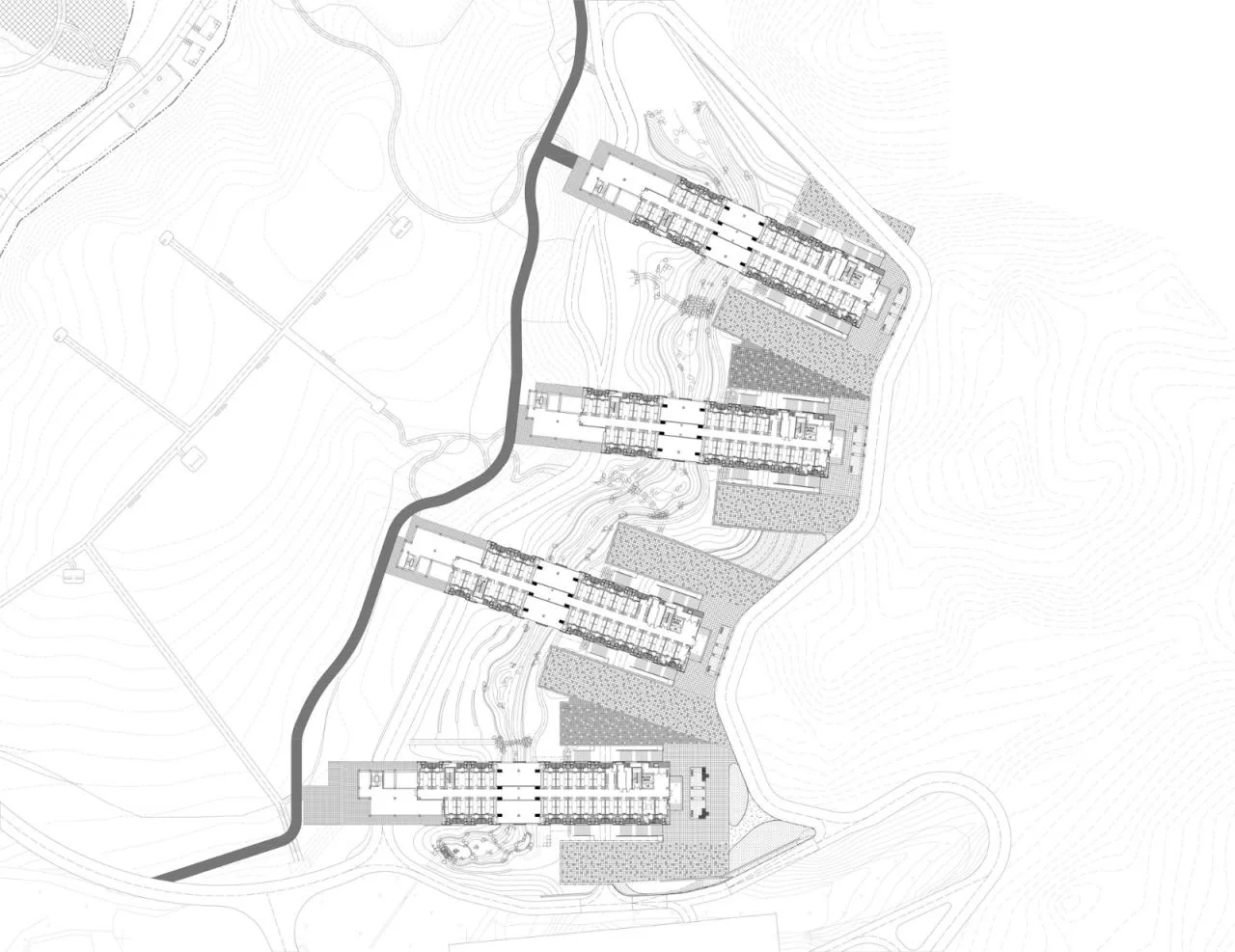
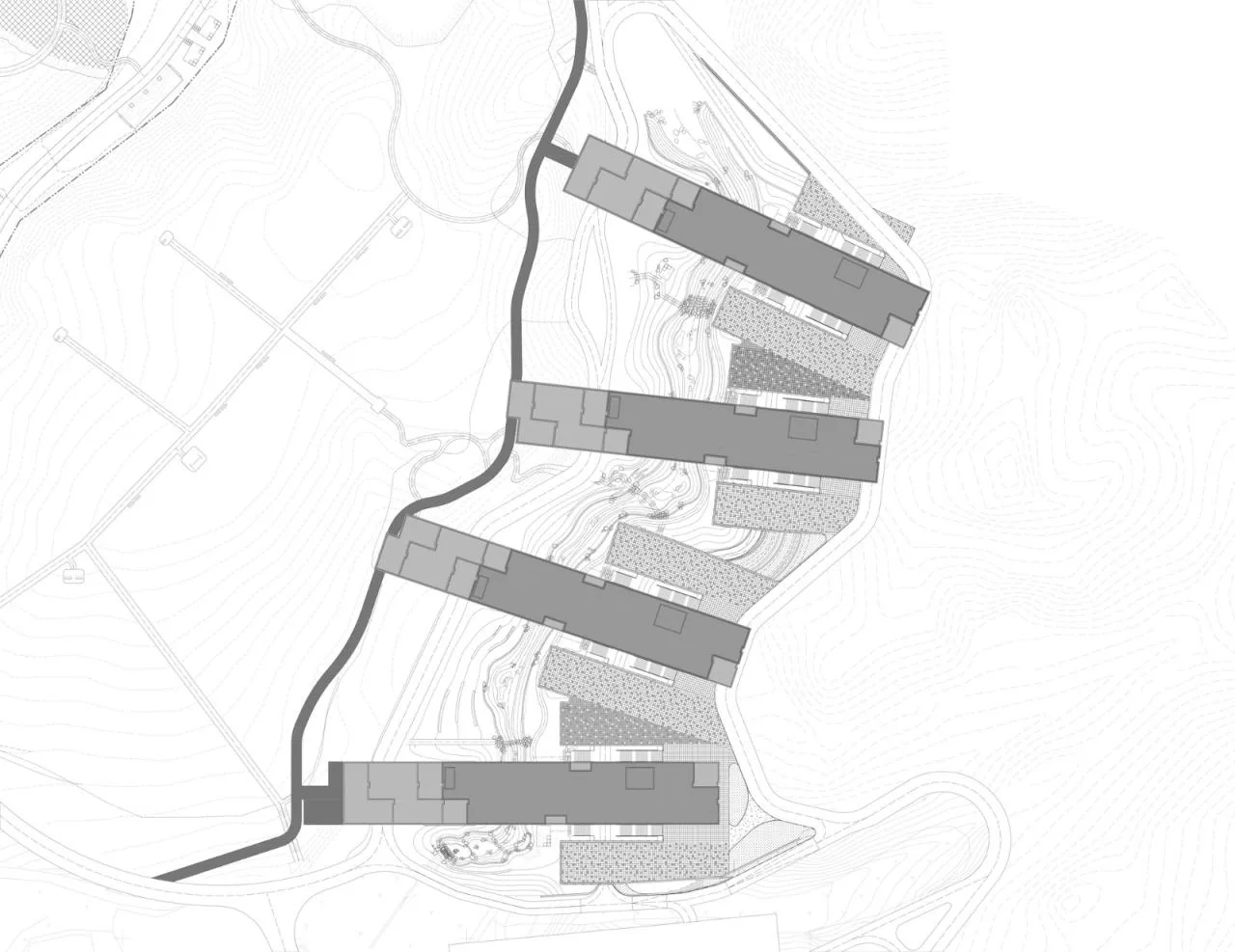
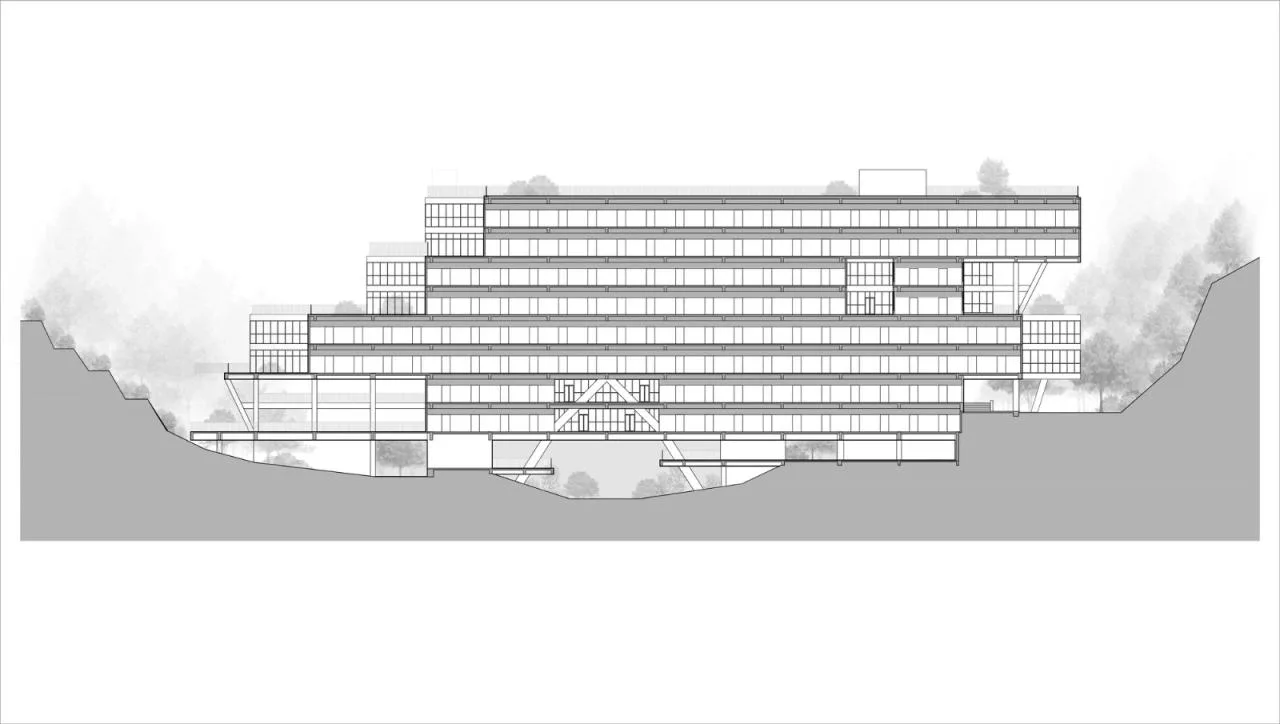
The Valley Student Apartments consist of four dormitory buildings that span freely over streams and wetlands. To accommodate the terrain’s 3 to 5-meter height differences and reduce earthworks, the buildings are elevated above ground level. This “bottom-level overhead” design employs low-impact construction techniques such as overhanging structures, inclined columns, and overhead crossings.
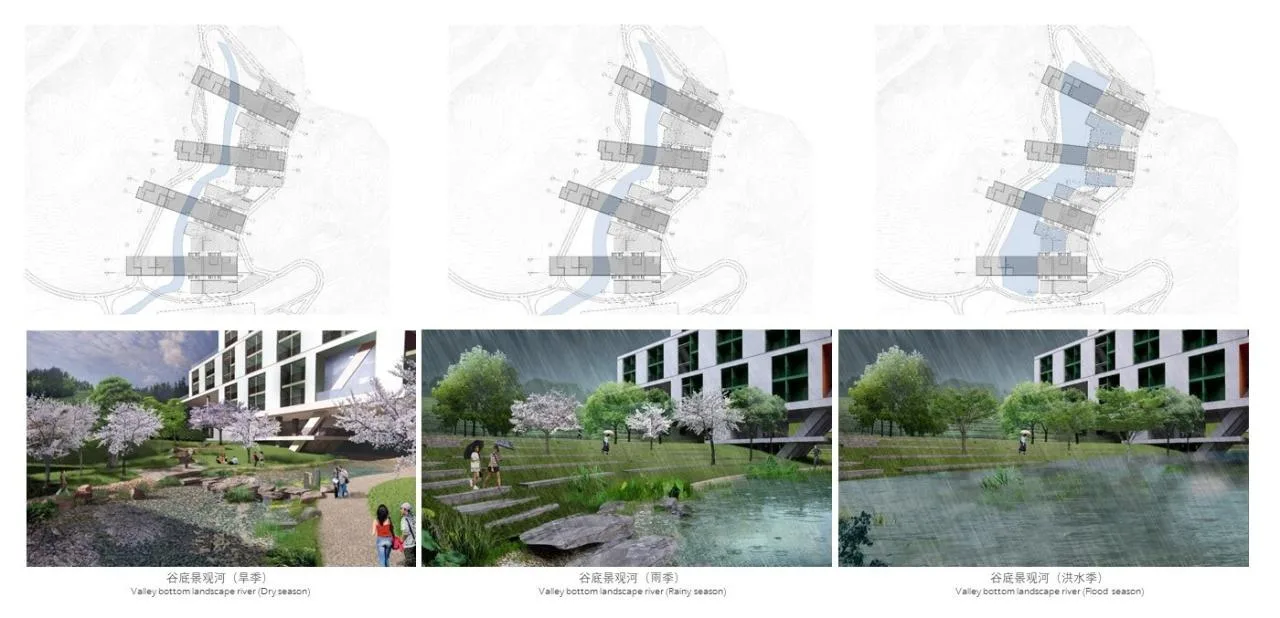
These methods minimize disturbance to the tea mountains and pine forests while preserving low-lying wetlands that serve as natural flood discharge channels. The harmonious integration of architecture and nature maximizes landscape aesthetics and ecological benefits throughout the site.
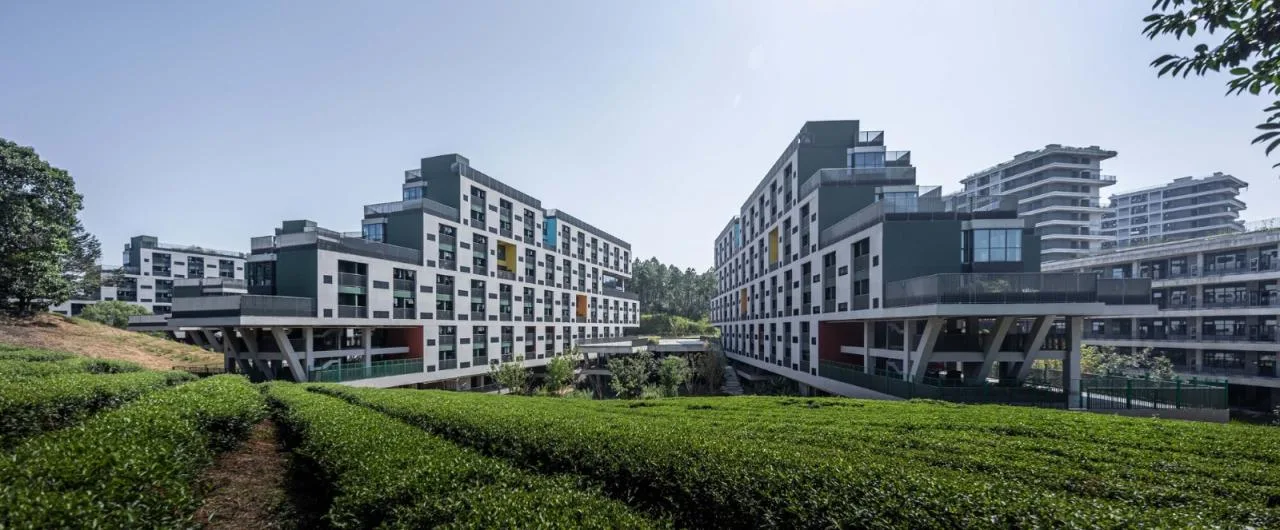
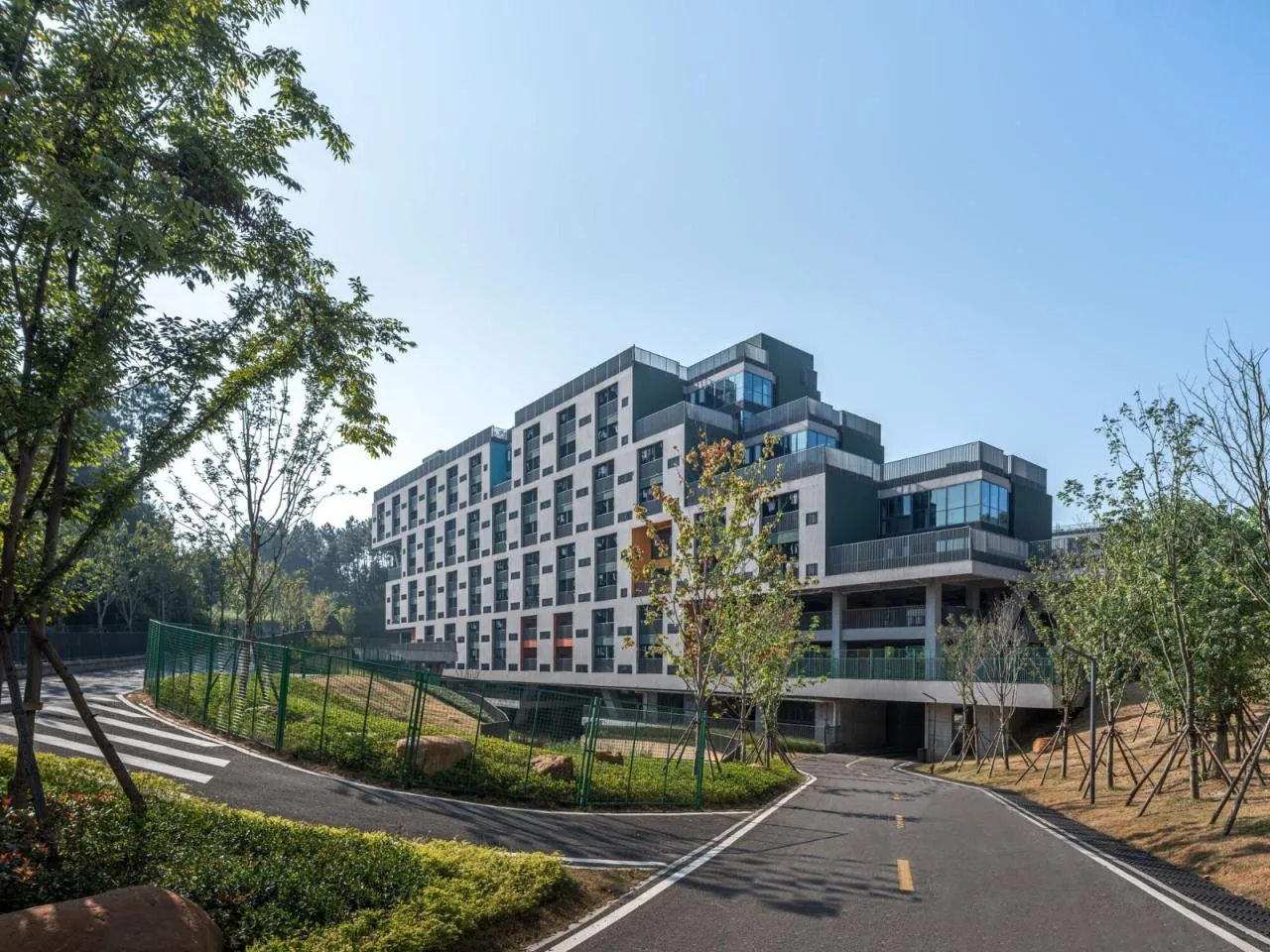
Design Concept 2: Safe, Resilient Campus Addressing Seasonal Flooding
The buildings are gently suspended over the natural terrain, creating a safe and resilient campus environment that coexists with the surrounding tea gardens and pine forests. In collaboration with hydraulic and landscape engineers, flood-prone areas have been designed as wetland art valleys during the rainy season. In the dry season, these spaces transform into open-air theaters and dry creek beds.
Flexible anti-seepage measures protect the structures from erosion and scouring. This seasonal return to nature allows students to experience the powerful natural cycles and plant regeneration firsthand, enriching their campus life and connection to the environment.
Design Concept 3: A Three-Dimensional Residential Art Community
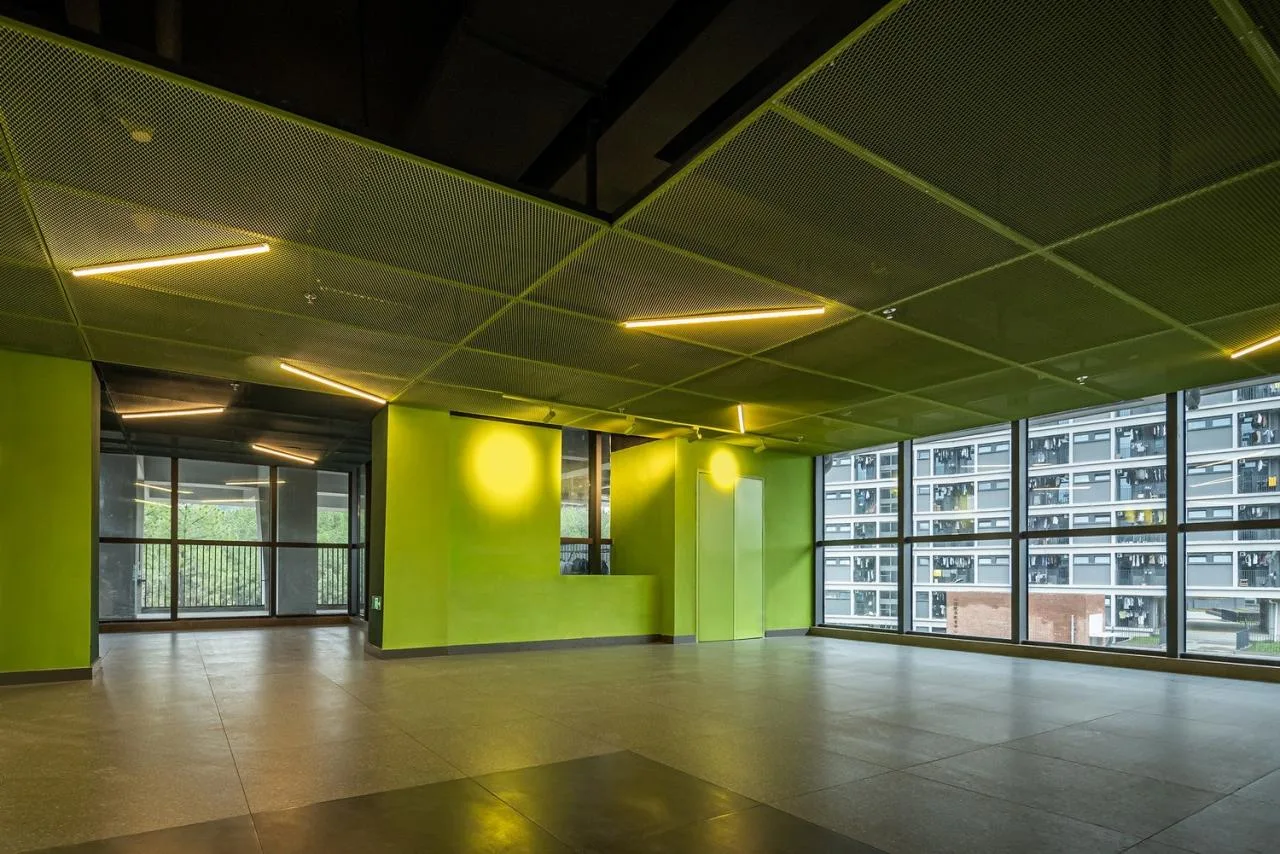
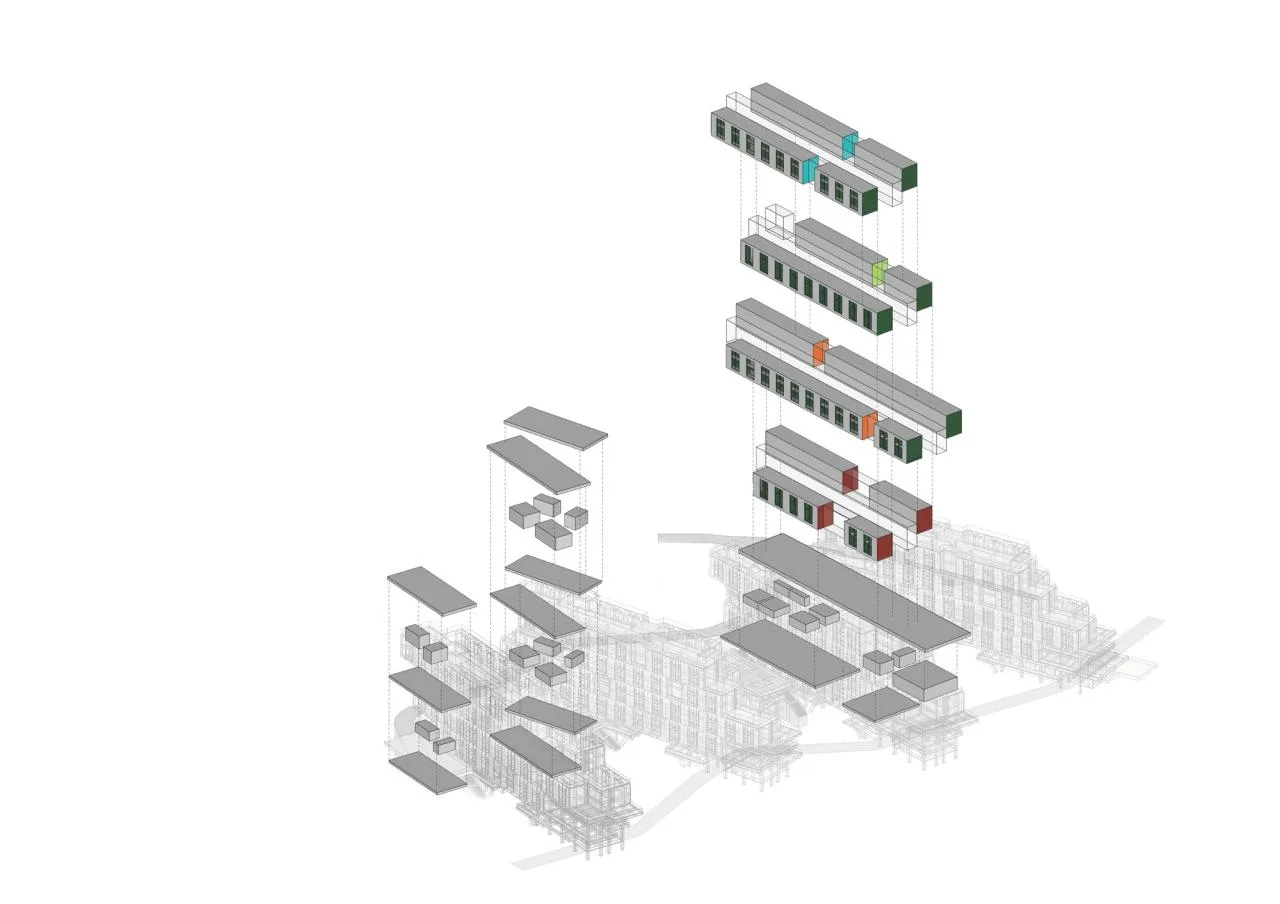
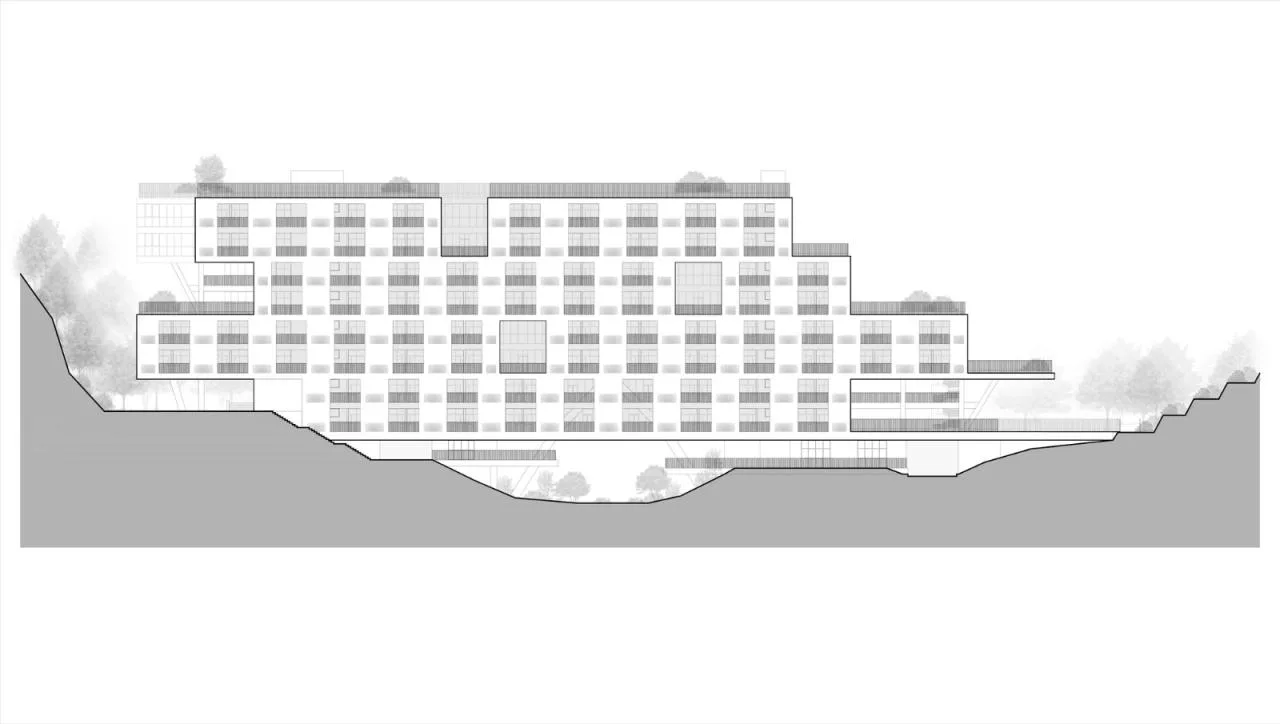
The Valley Student Apartment vertically separates residential and living spaces, creating an efficient, three-dimensional community that maximizes limited land use. Beneath the elevated ground-floor platform, communal spaces such as exhibition halls, study rooms, cafes, gyms, and bicycle garages form an open, flowing art market block—providing vibrant social spaces for students to build friendships.
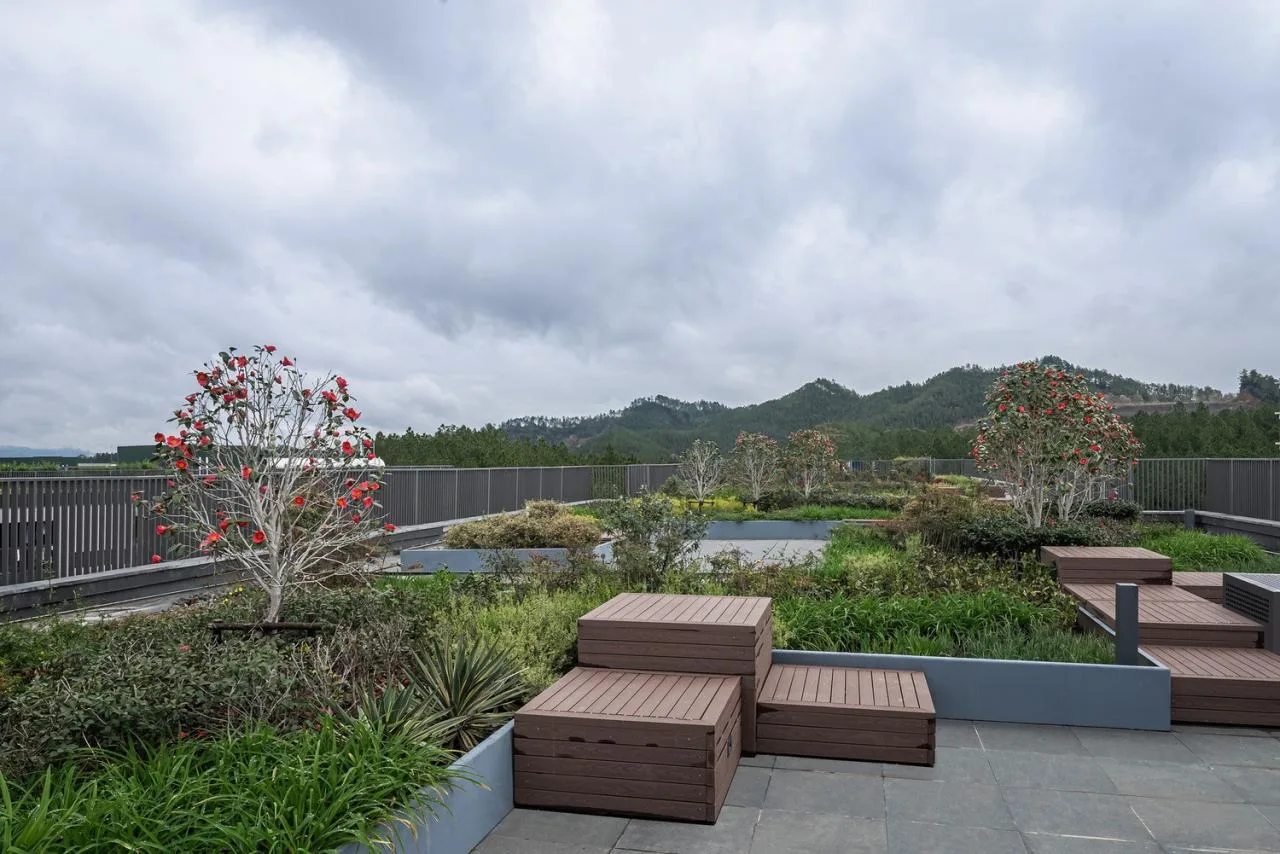
Above, student apartments are arranged on more than ten multi-level open roof terraces facing the Tea Mountain, featuring sky gardens and rooftop green spaces. This design encourages students to engage with the natural surroundings by climbing Songshan Mountain or descending to the creek, expanding communal living and interaction spaces that blend life, learning, and social activities. This approach aligns with the educational philosophy of Jingdezhen Vocational University of Arts.
Design Concept 4: Cost-Effective Construction Honoring Historical Heritage
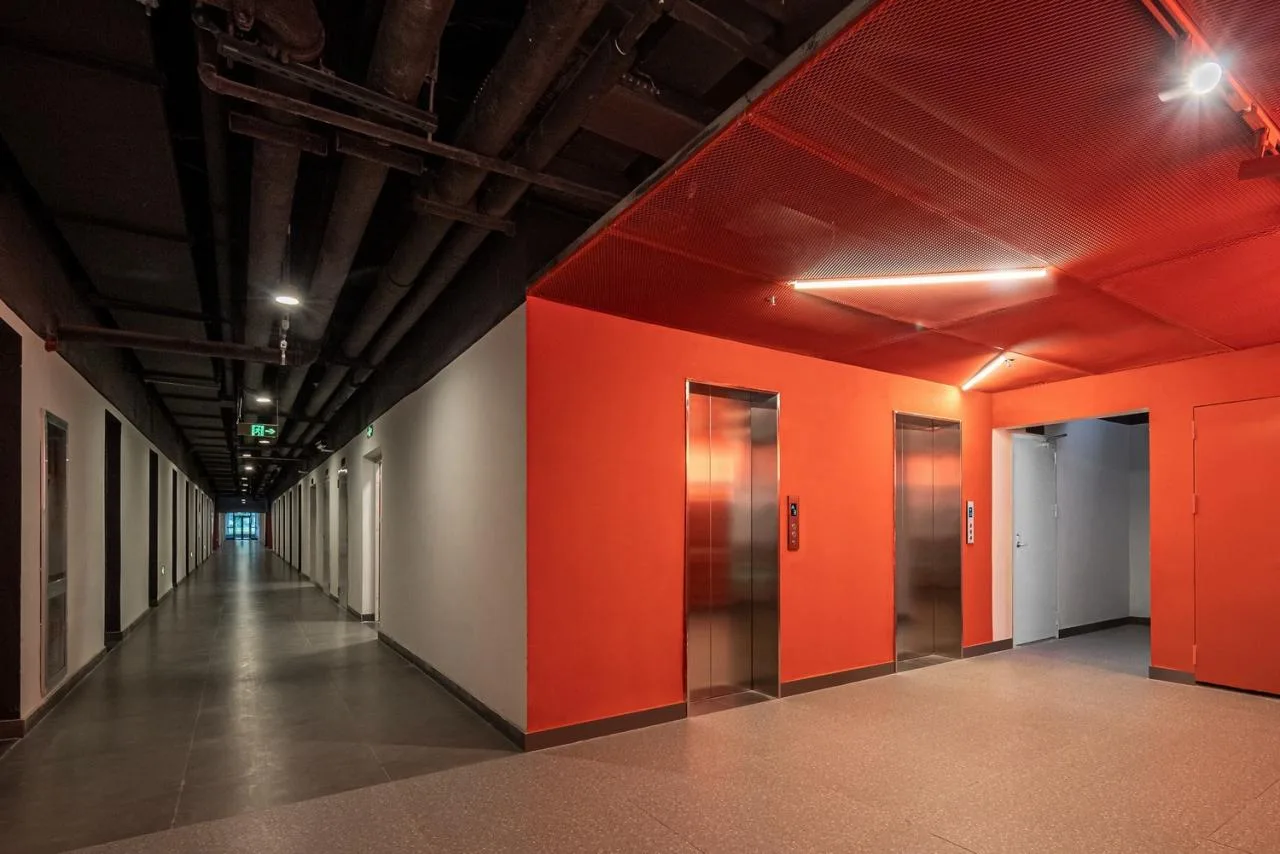
To meet the requirement of less than 10 square meters per capita construction area and a low construction cost of 2300 yuan per square meter, the design incorporates a porous three-dimensional structure. This enhances natural lighting and ventilation, provides outdoor shading and shelter, and addresses Jingdezhen’s hot and rainy climate.
The roof is partially greened with lightweight planting soil to improve insulation. The vertical porous structure features bright interior colors inspired by the traditional monochromatic glazes of Jingdezhen’s porcelain heritage, such as Langhong and Jilan hues. These colors brighten the building’s lightweight facade, concealing its mass and inviting students to explore and discover. This color palette also serves as a backdrop for art students and faculty to create themed works and contribute to the ongoing cultural dialogue on campus.
Project Drawings
△ Base schematic diagram
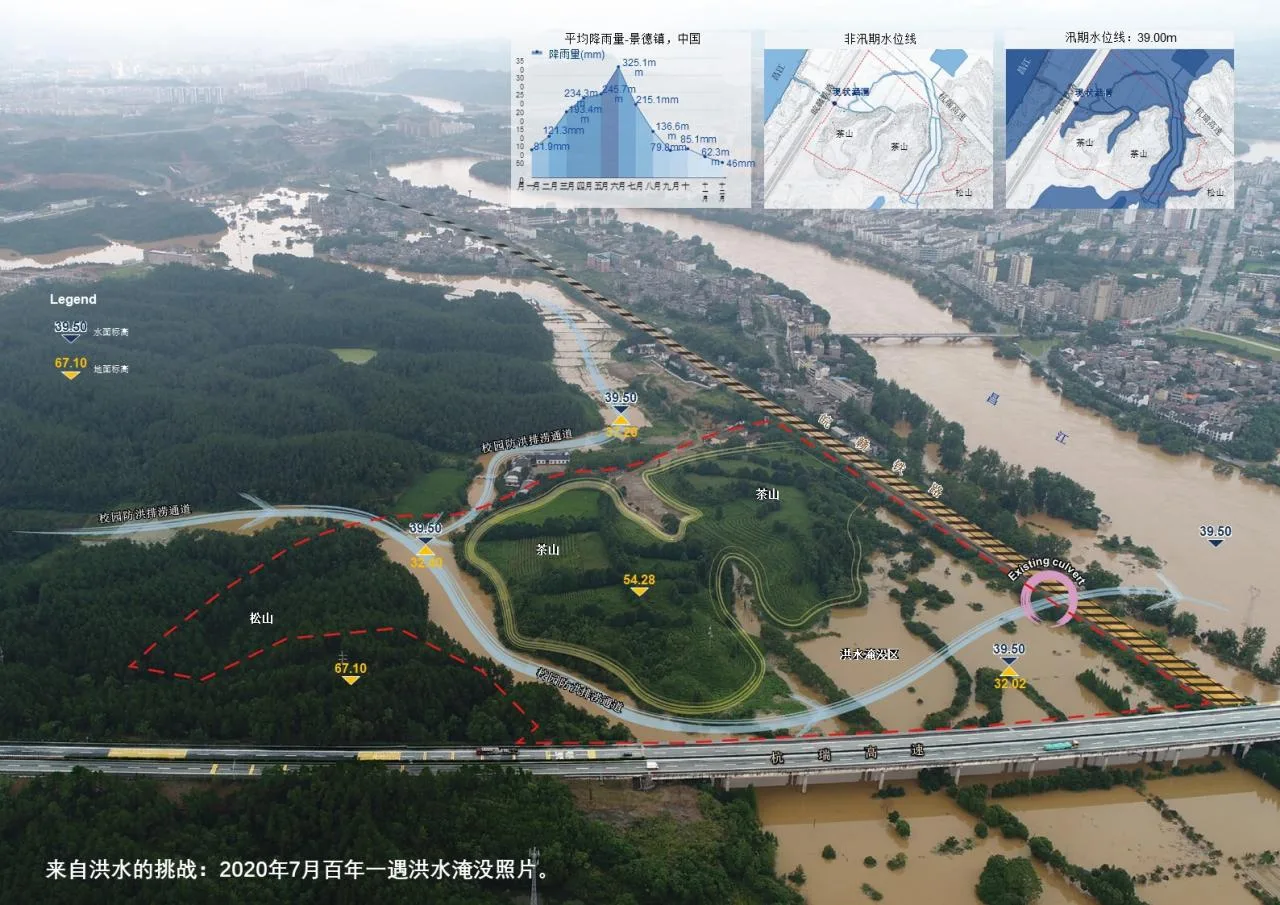
△ Analysis chart
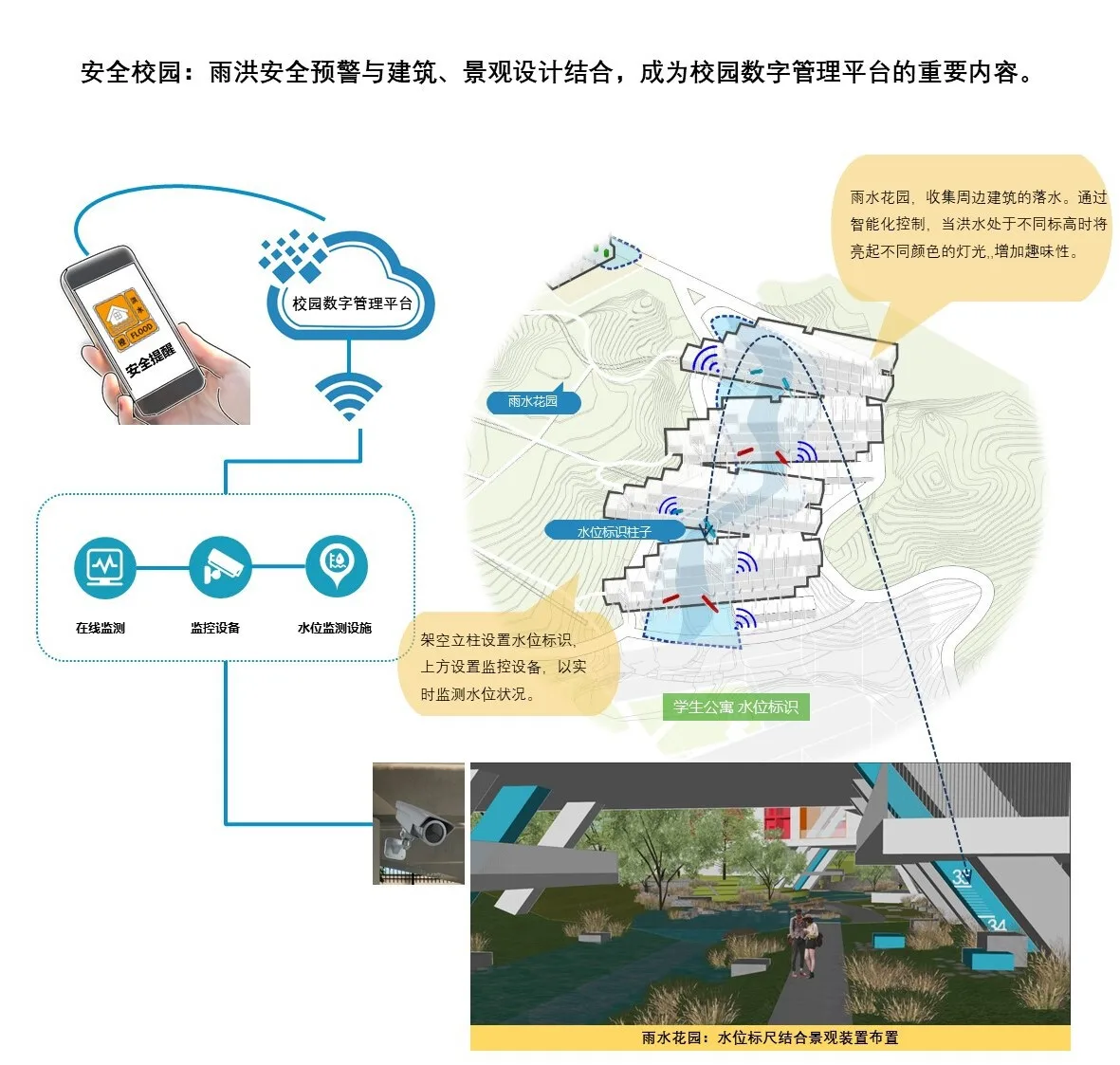
△ Analysis chart
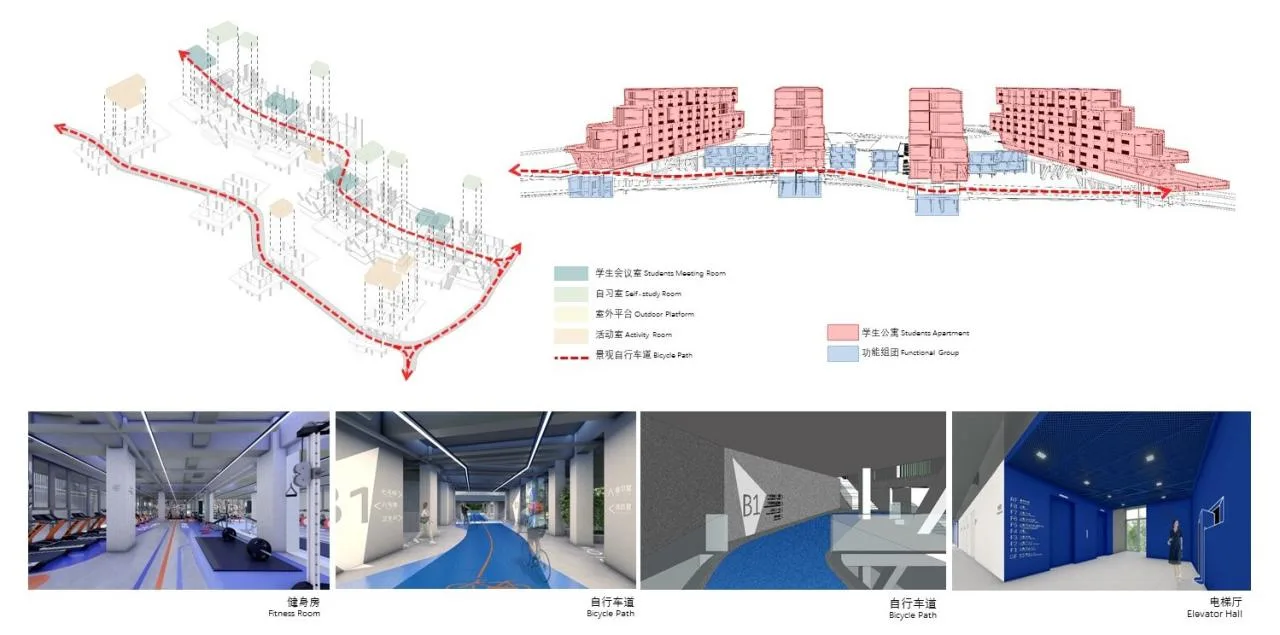
△ Analysis chart
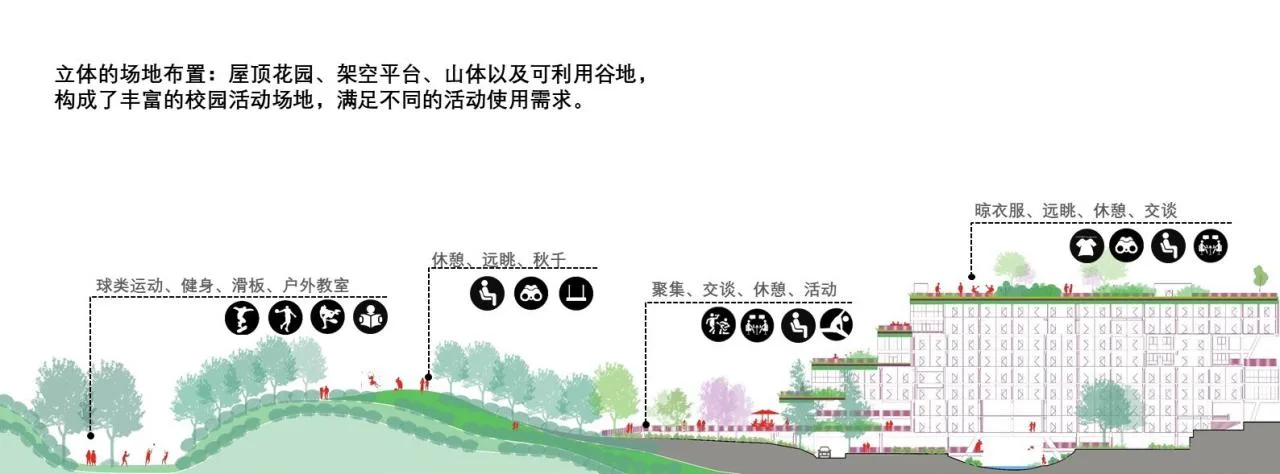
△ Analysis chart
△ Analysis chart
△ Analysis chart
△ Analysis chart
△ Plan view
△ Plan view
△ Plan view
△ Section diagram
△ Section diagram
Project Information
Architect: Tsinghua University Architectural Design and Research Institute
Area: 48,275 m²
Project Year: 2022
Photography: Three Scene Images
Project Leader: Jiang Weiwei
Design Consultant: Zu Dajun
Architectural Design Team: Jiang Weiwei, Zhang Jiabin, Su Jing, Guo Xueyuan, Zhang Hongyu
Structural Engineering: Zhu Tianrui, Xie Li
Water Supply and Drainage: Hao Jinzhu
HVAC Engineering: Han Jiabao, Du Guangwen
Electrical Engineering: Wang Lei
Interior Design: Jiang Weiwei, Zhang Jiabin, Su Jing, Yuan Yuguo
Landscape Design: Beijing Tsinghua Tongheng Planning and Design Institute Co., Ltd.
Construction Contractor: China 22MCC Group Co., Ltd.
Client: Jingdezhen Taoyang Real Estate Co., Ltd.
Location: Jingdezhen, China














Must log in before commenting!
Sign Up