
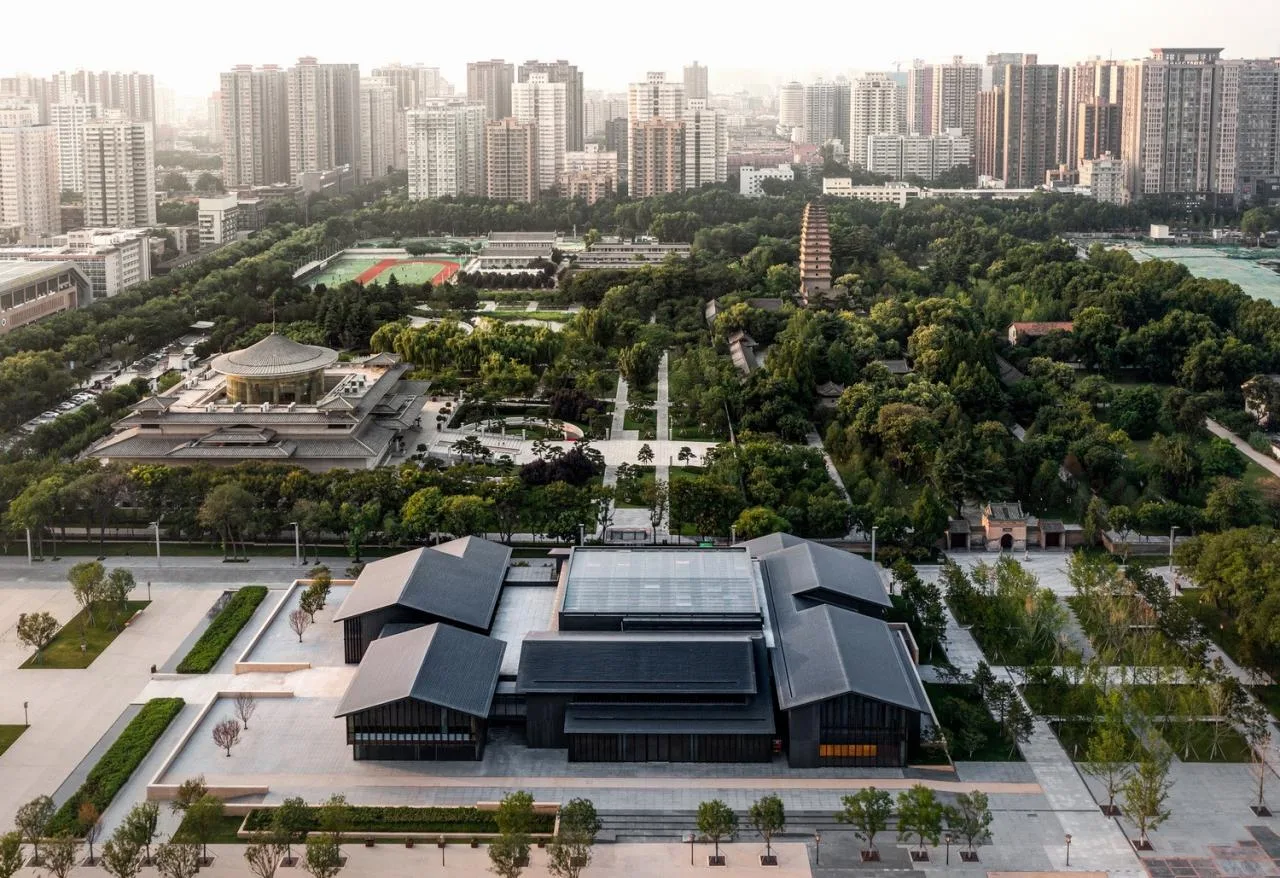
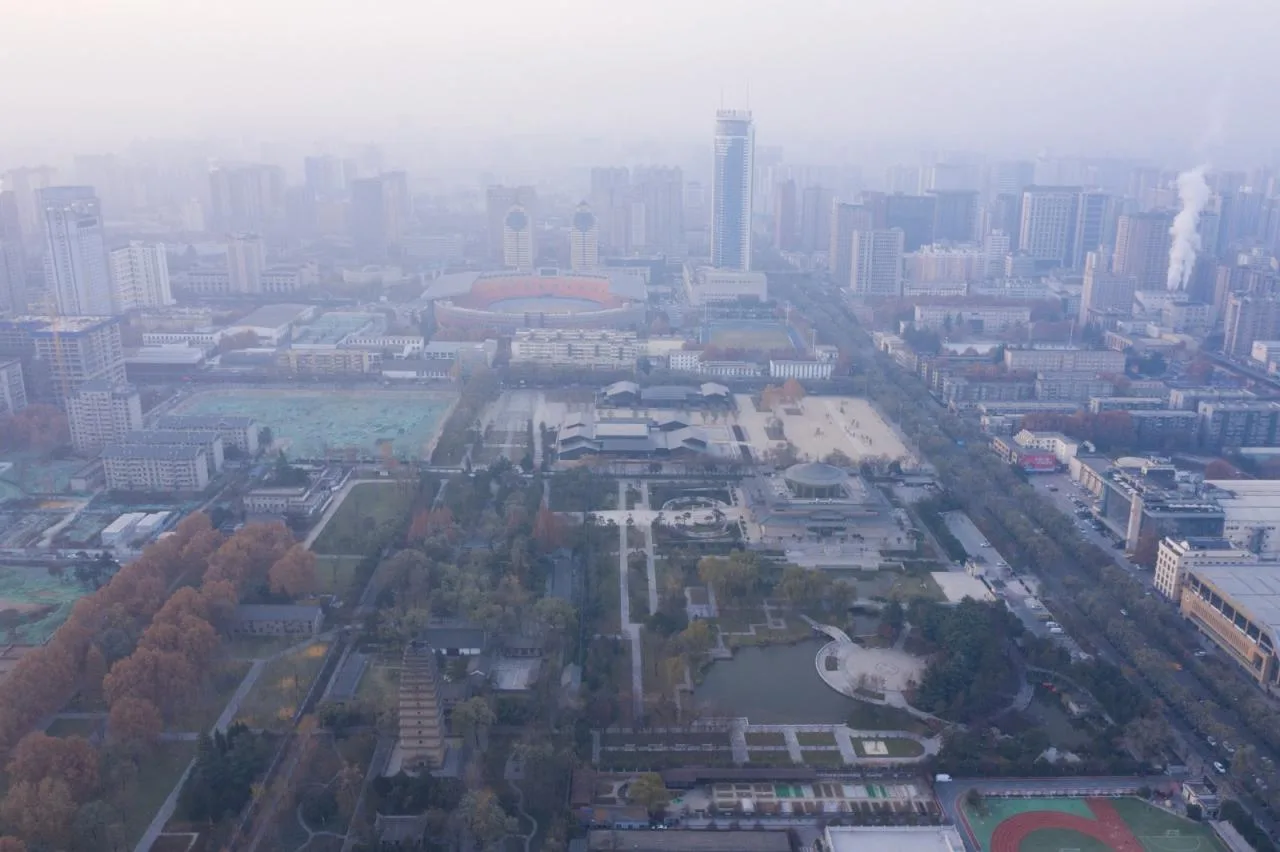
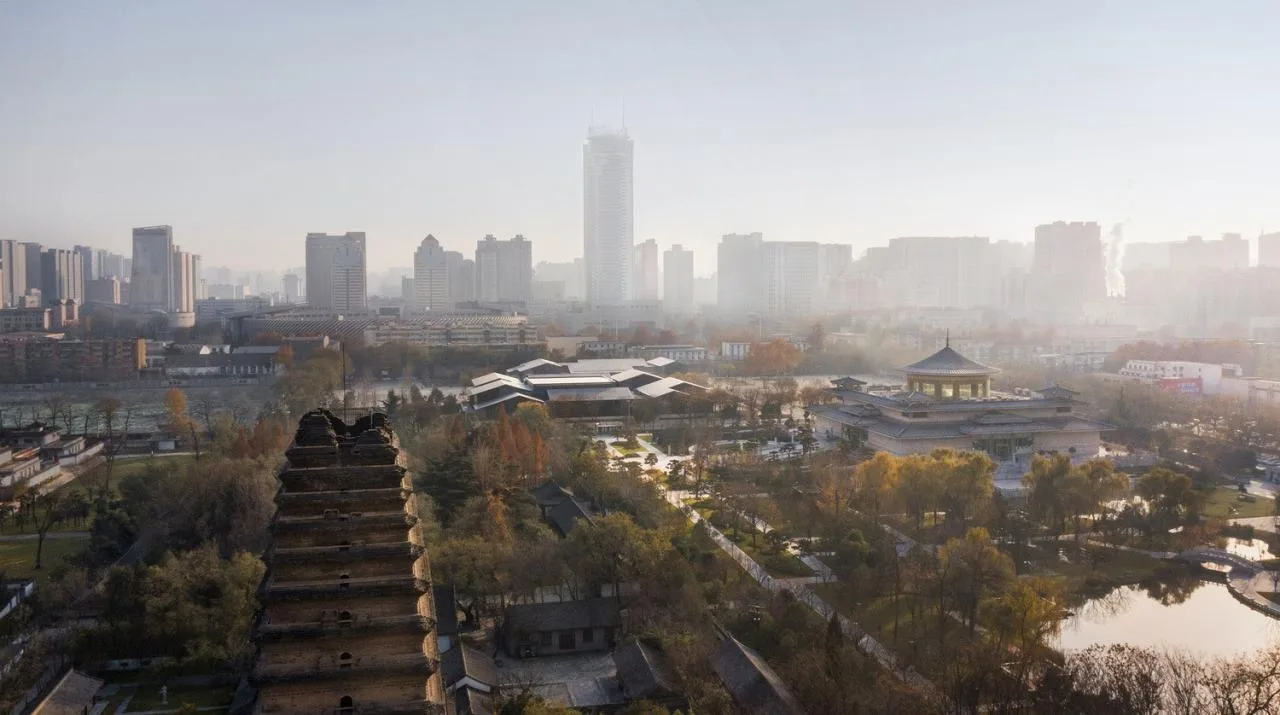
Project Background: Xi’an, known as the historic city of the Thirteen Dynasties, is rich in cultural heritage. The Small Wild Goose Pagoda (Jianfu Temple Pagoda), constructed in Anrenfang, Chang’an City during the early Tang Dynasty, is located within the present-day Xi’an Museum. Due to its unique geographical location and profound cultural significance, this area has been designated as the Small Wild Goose Pagoda Historical and Cultural District, embodying extensive urban history and development.
In December 2018, Xi’an initiated the “Comprehensive Renovation of the Small Wild Goose Pagoda Historical and Cultural Area” project. This involved establishing an exhibition hall and a tourist service center within the Anrenfang site, covering approximately 12,600 square meters. The design approach prioritizes the relationship between architecture, ruins, and the city, aiming to integrate seamlessly with urban life and revive the historical ambiance of the area.
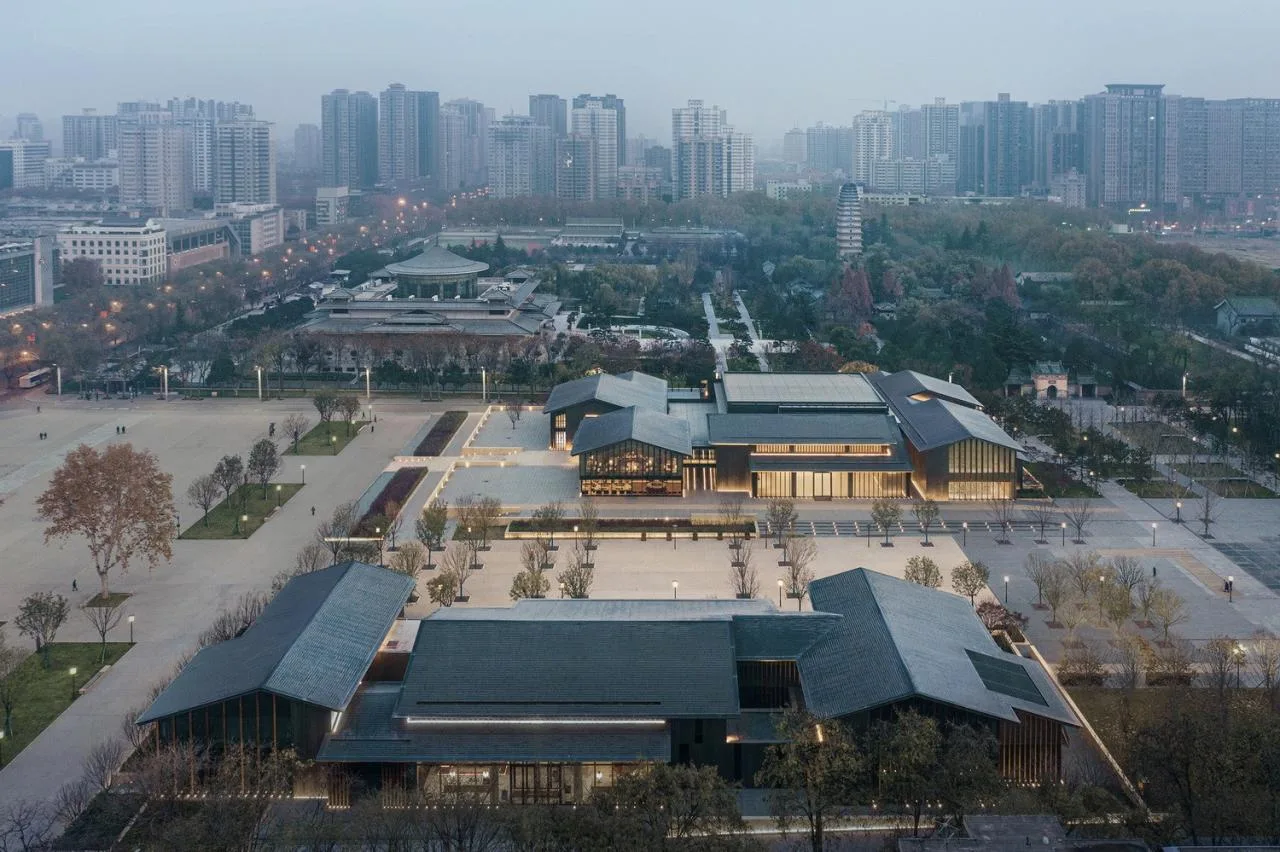
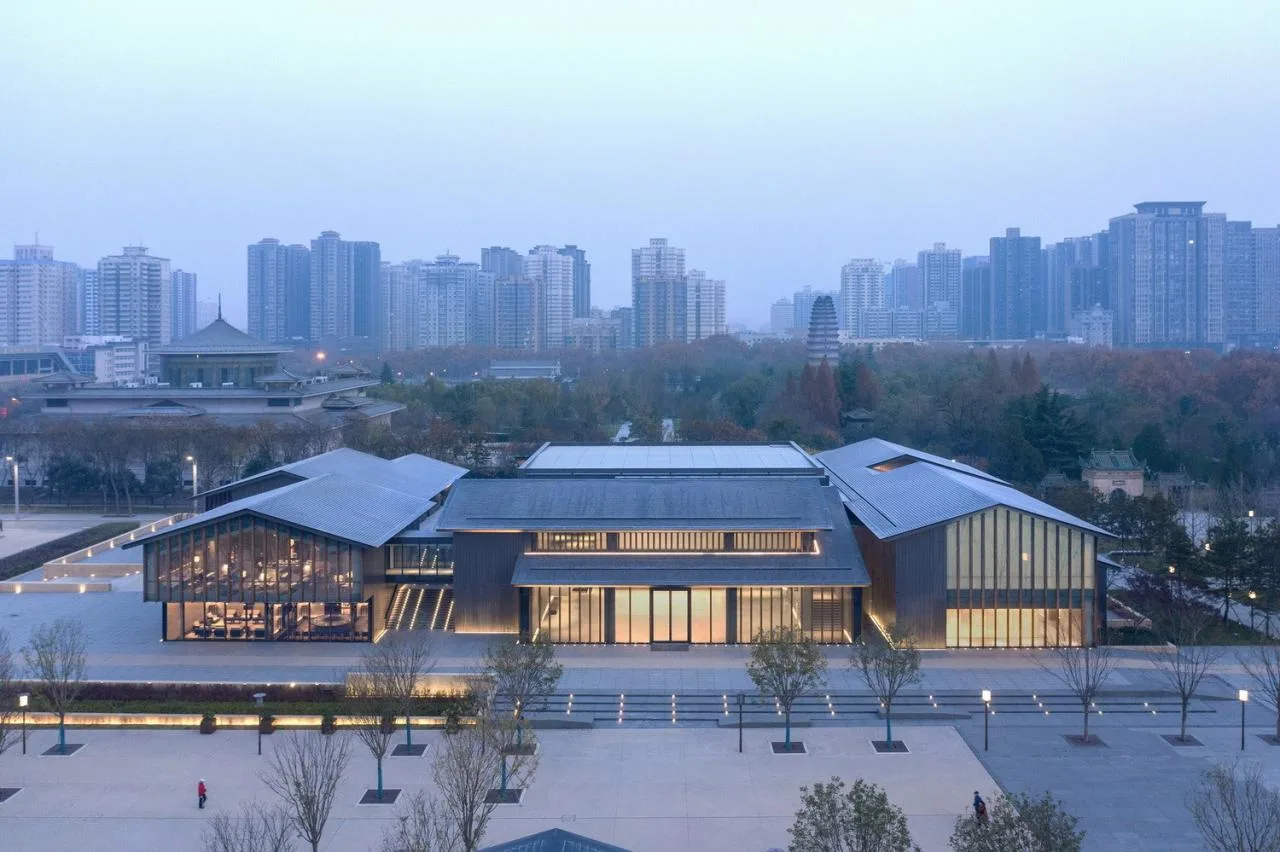
The Small Wild Goose Pagoda, a World Cultural Heritage site, along with Zhuque Avenue, Eighth Horizontal Street in Chang’an City, and the Xi’an Museum, form the key historical and spatial context of the project area. In such a complex urban setting, humility serves as the best tribute to history.
Respecting the local character and urban structure while coordinating with the surrounding landscape of the Small Wild Goose Pagoda, the design strategy centers on the Pagoda and Xi’an Museum. This is complemented by the new exhibition hall and tourist center, which together create a triangular dialogue that responds to the area’s historical and cultural context.
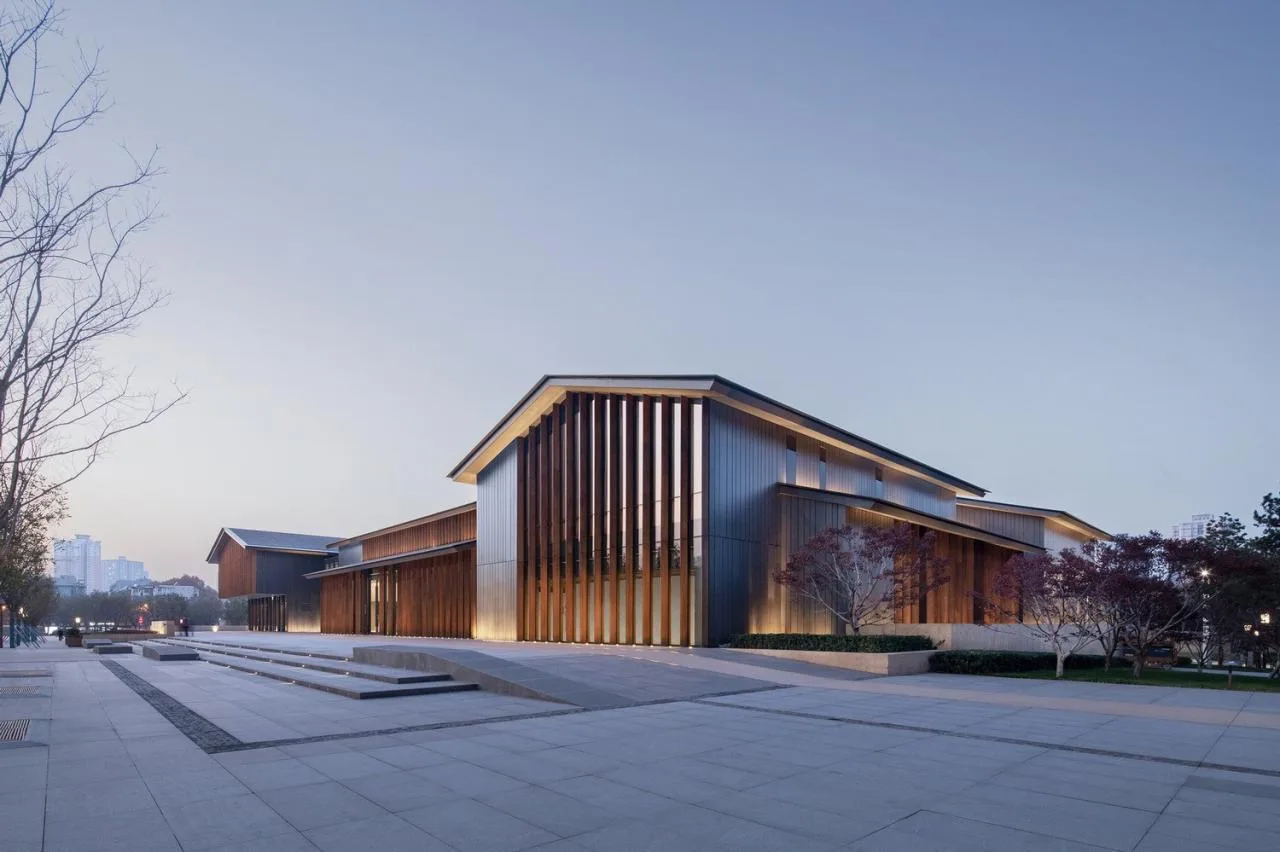
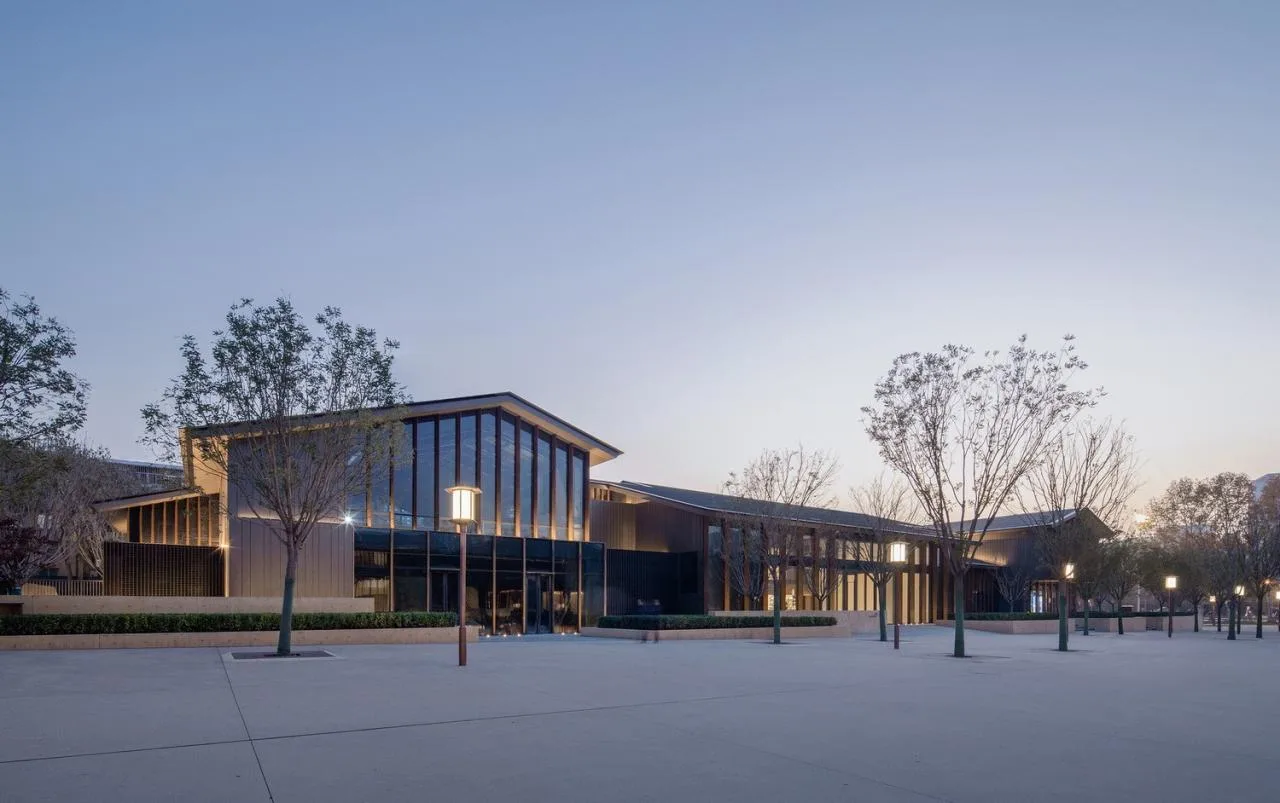
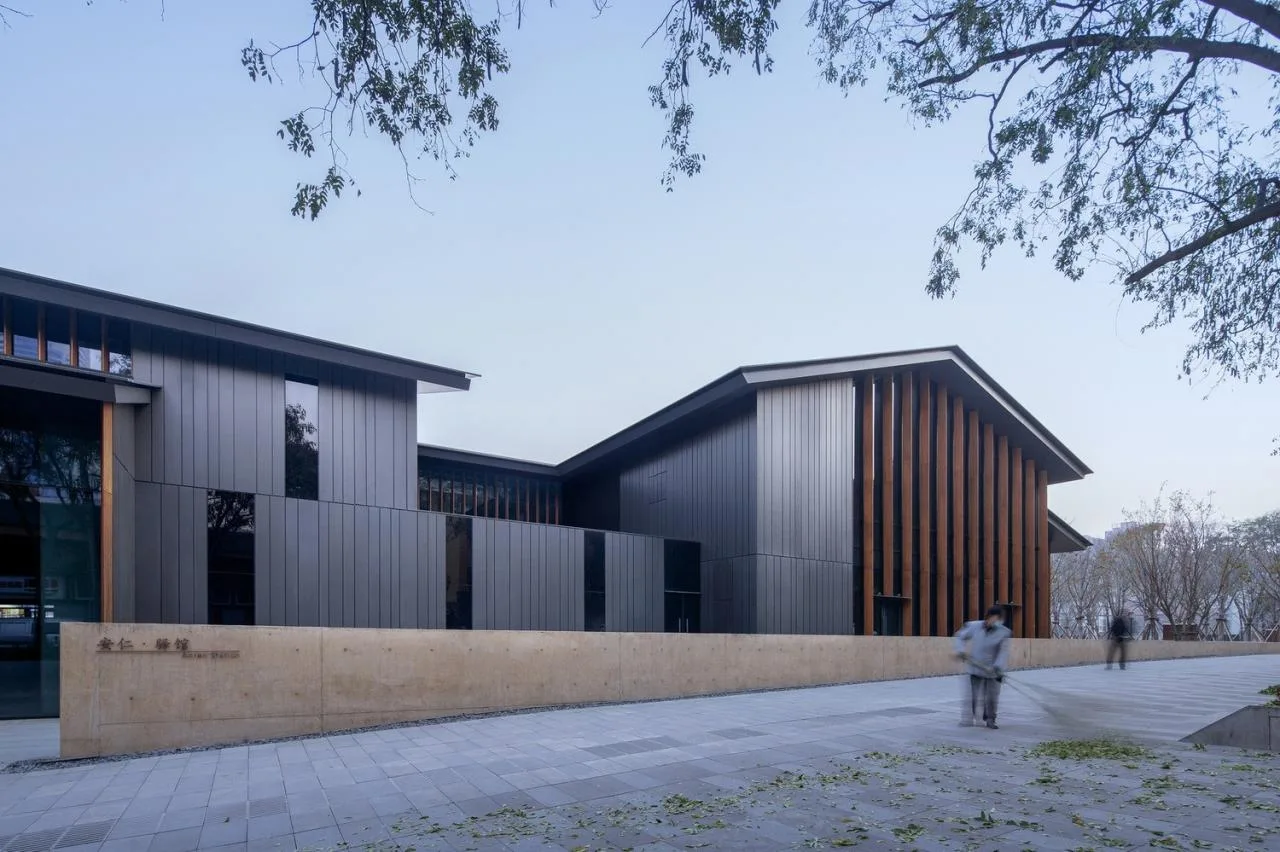
By analyzing the concept of the Chang’an City Camp and the Tang Dynasty residences, the design transforms city, square, and courtyard orders into architectural space. This spatial organization reflects site composition order and integrates landscape design to showcase the remaining square walls.
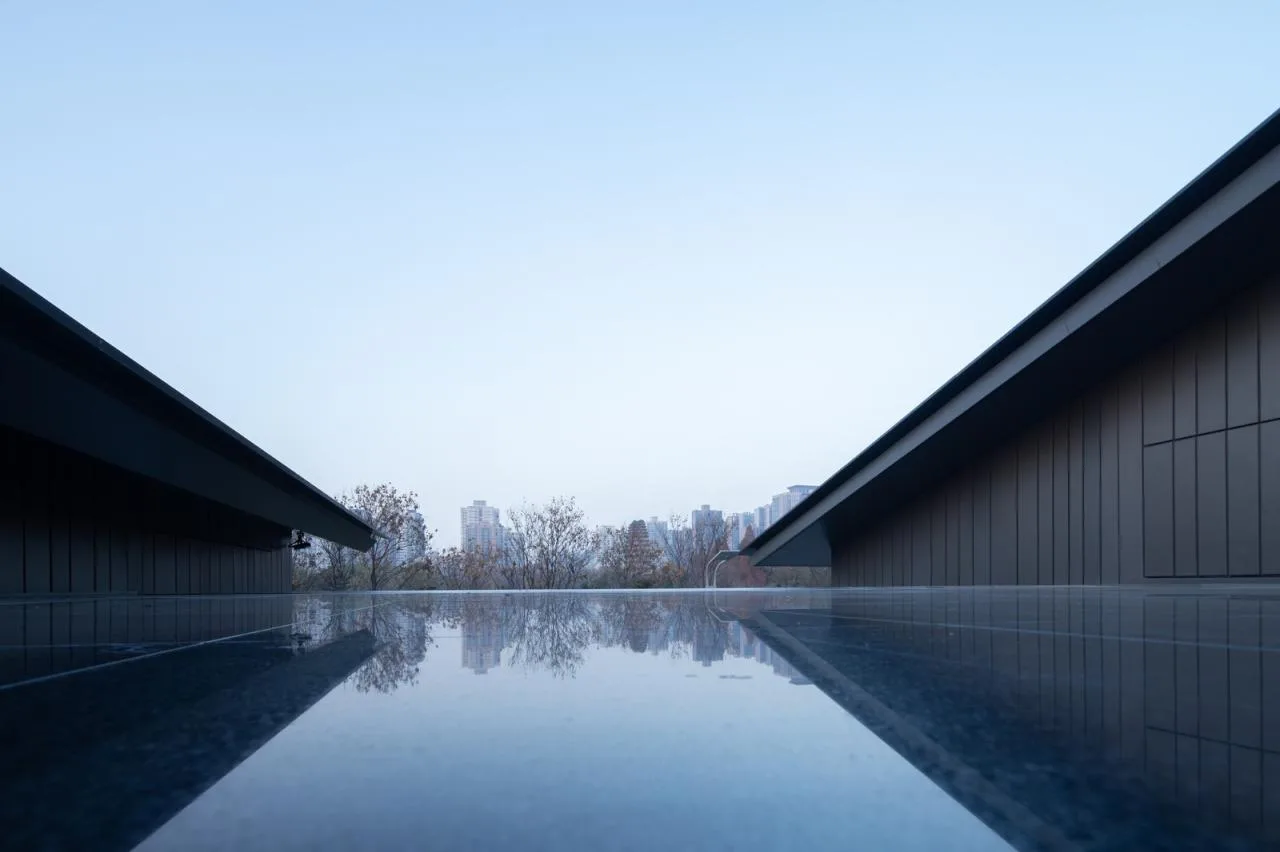
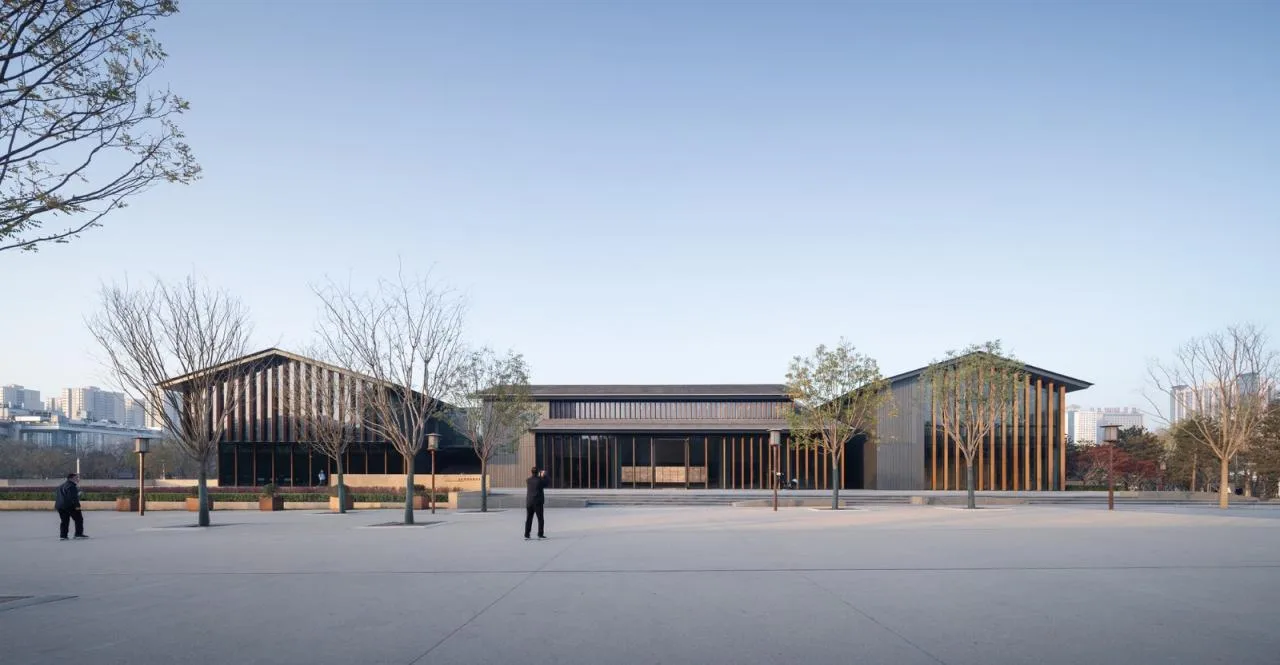
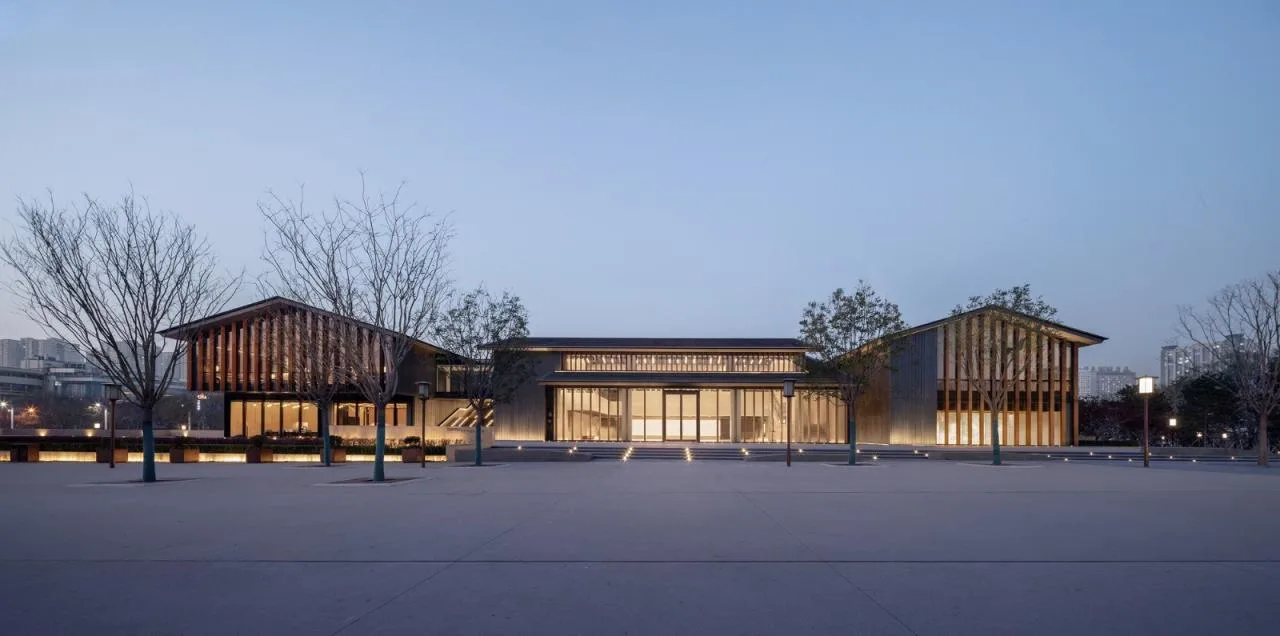
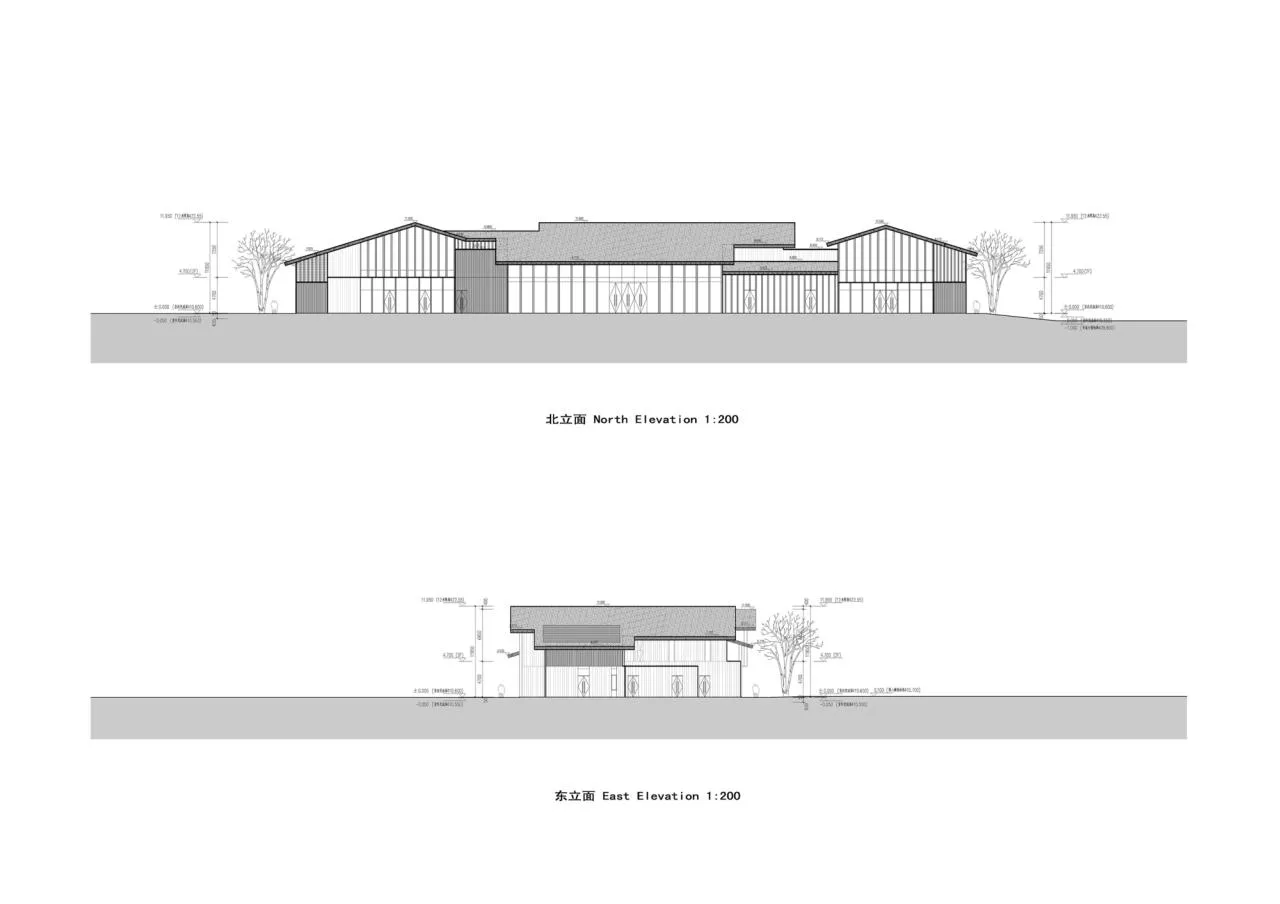
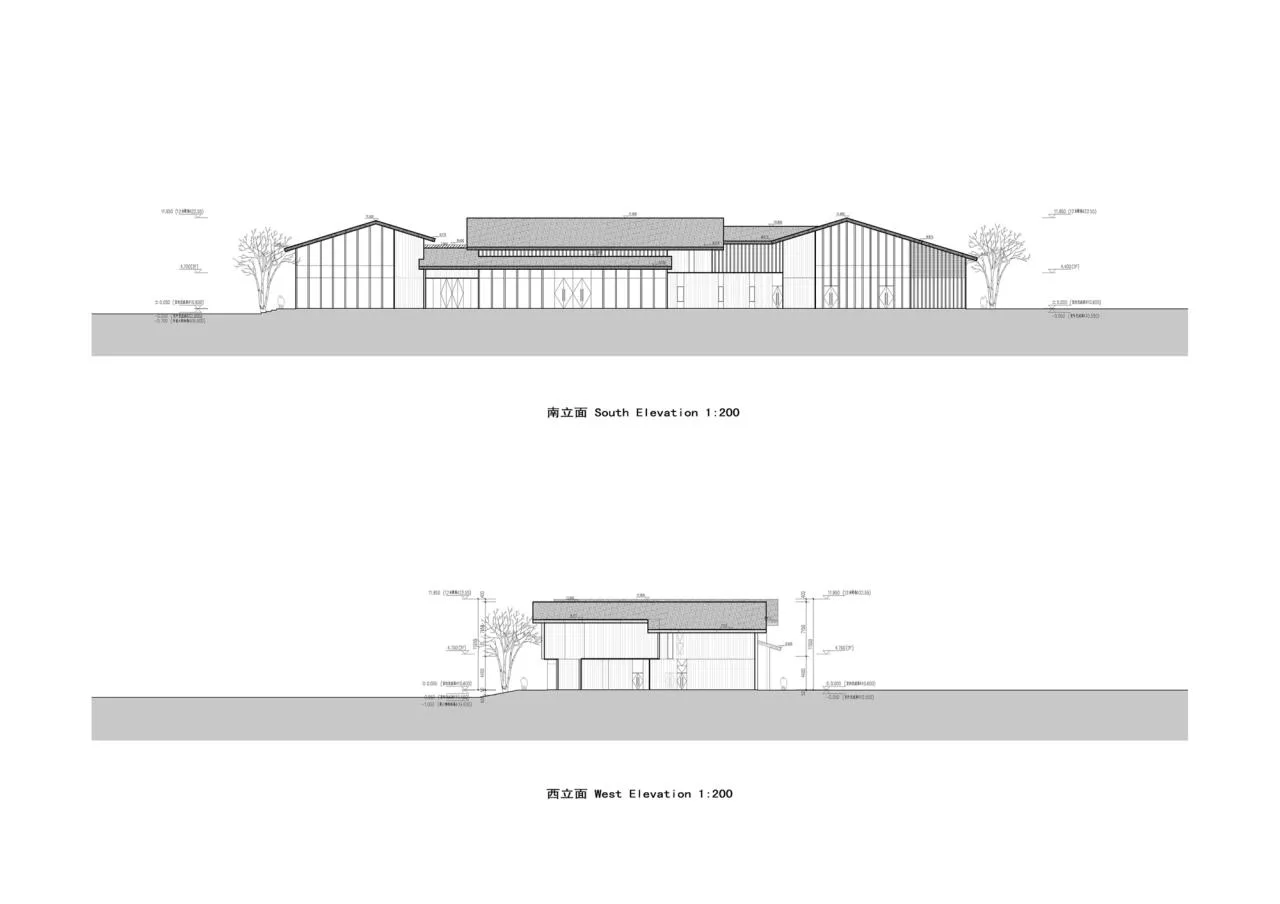
The building maintains a low and concealed profile, with height variations kept under the 12-meter limit. This subtle approach allows the structure to blend harmoniously into the overall urban fabric, effectively “hiding” within the city.
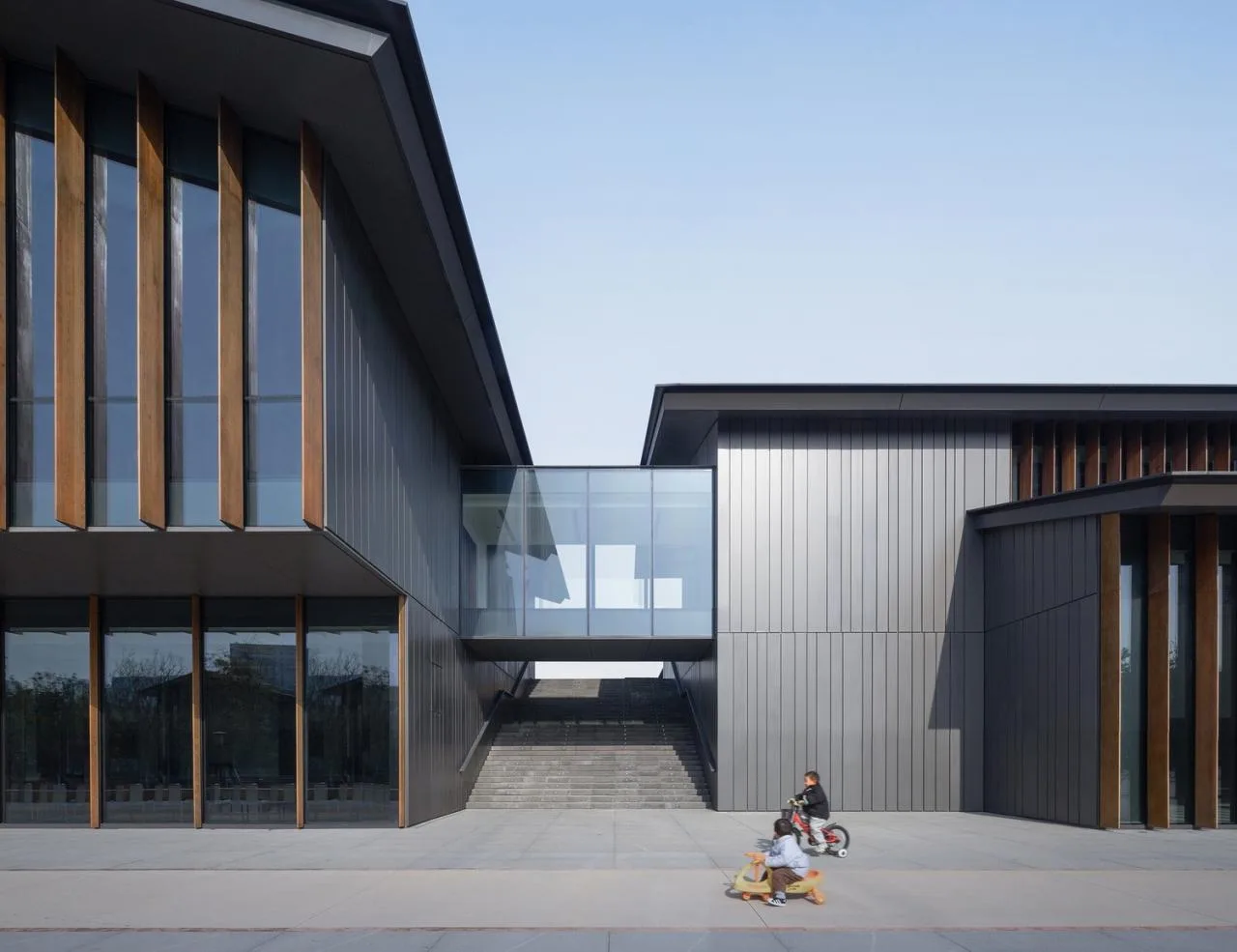
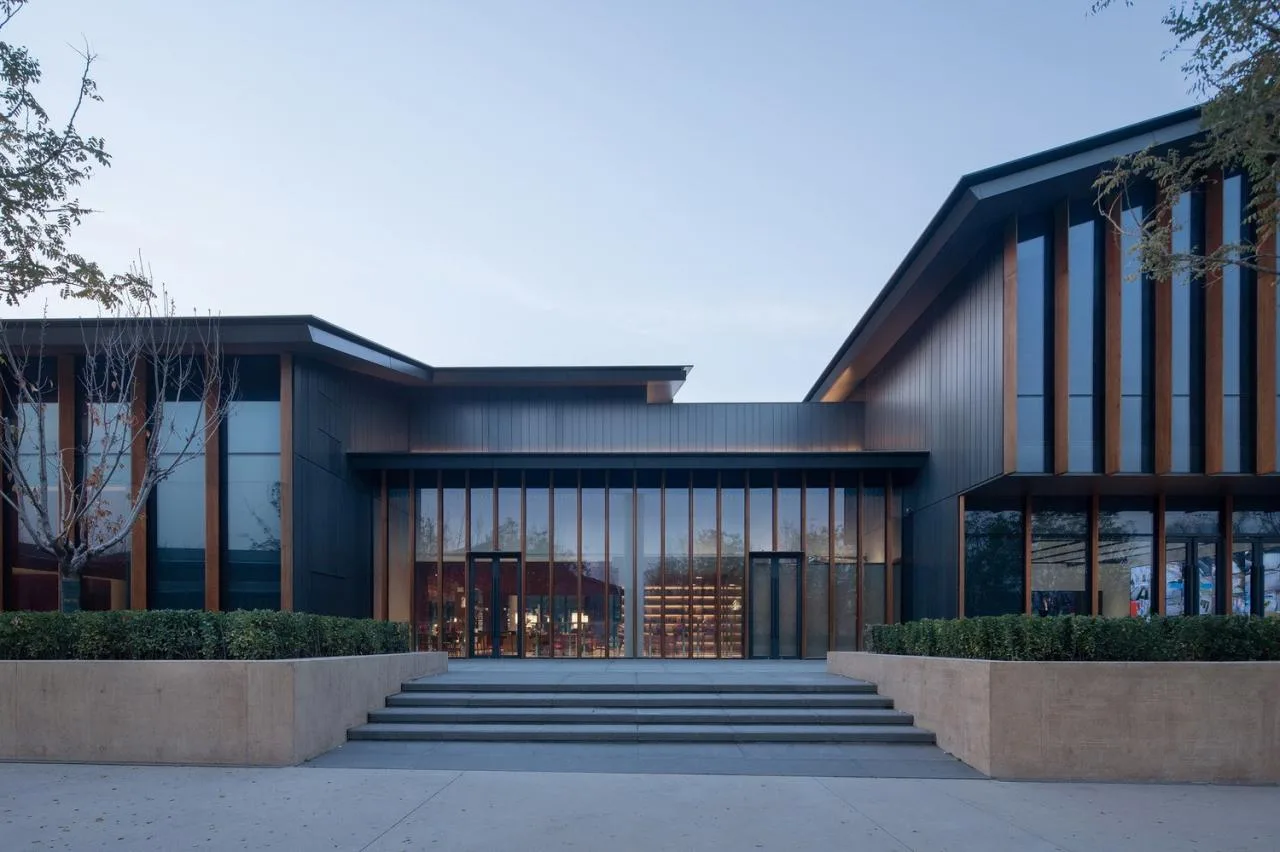
A distinctive feature of this project is the seamless integration of vibrant open spaces with the urban environment, beyond merely displaying and protecting heritage.
Ancient elements such as square walls, ditches, and courtyards are reinterpreted into modern material spaces. The staggered landscape walls narrate the historical role of “square walls,” creating spaces for public events and exhibition activities.
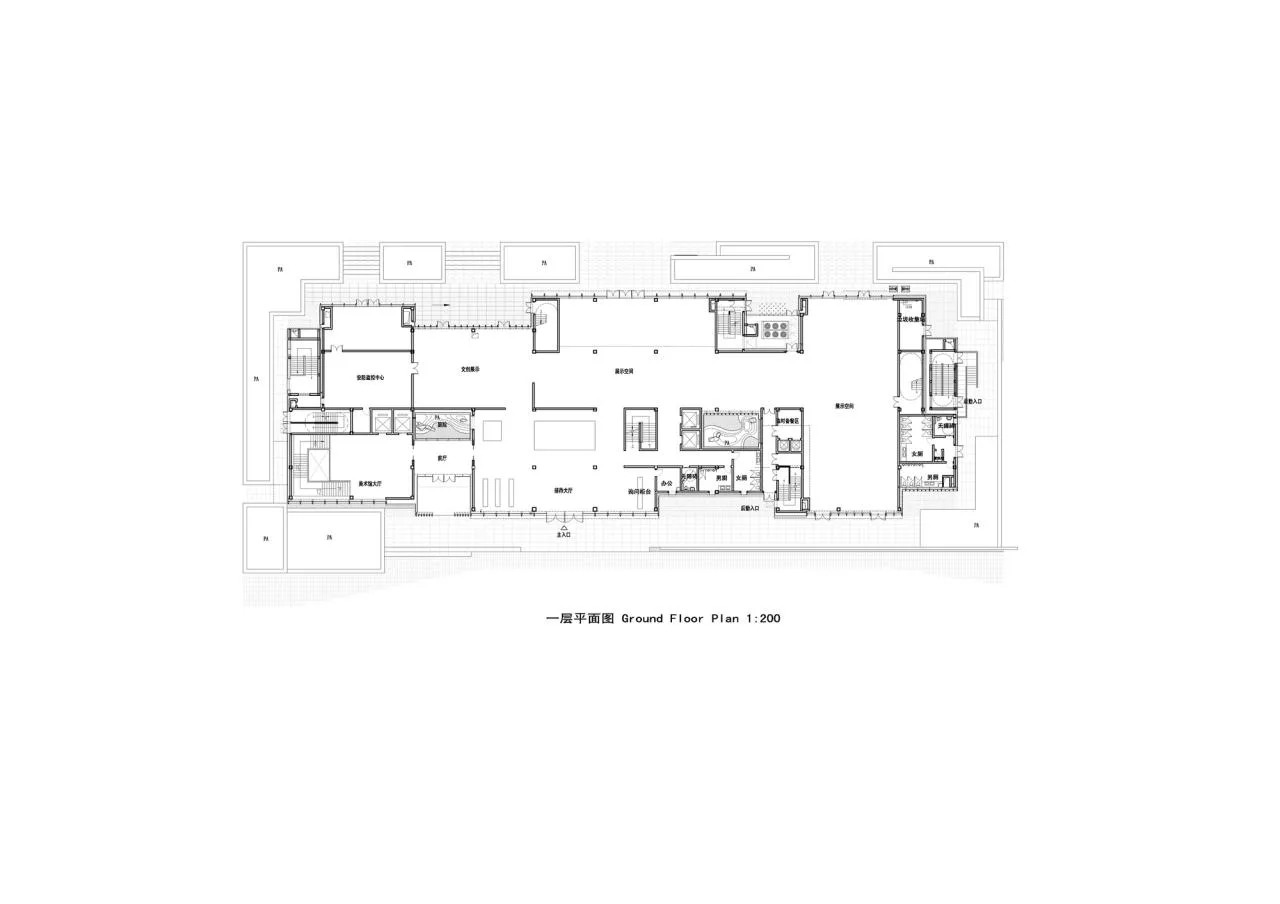
Strategically positioned gaps between volumes serve as entryways. Visitors enter the exhibition hall and can ascend stairs on the left side to reach a second-floor platform, offering views overlooking the Small Wild Goose Pagoda, even when the site is closed.
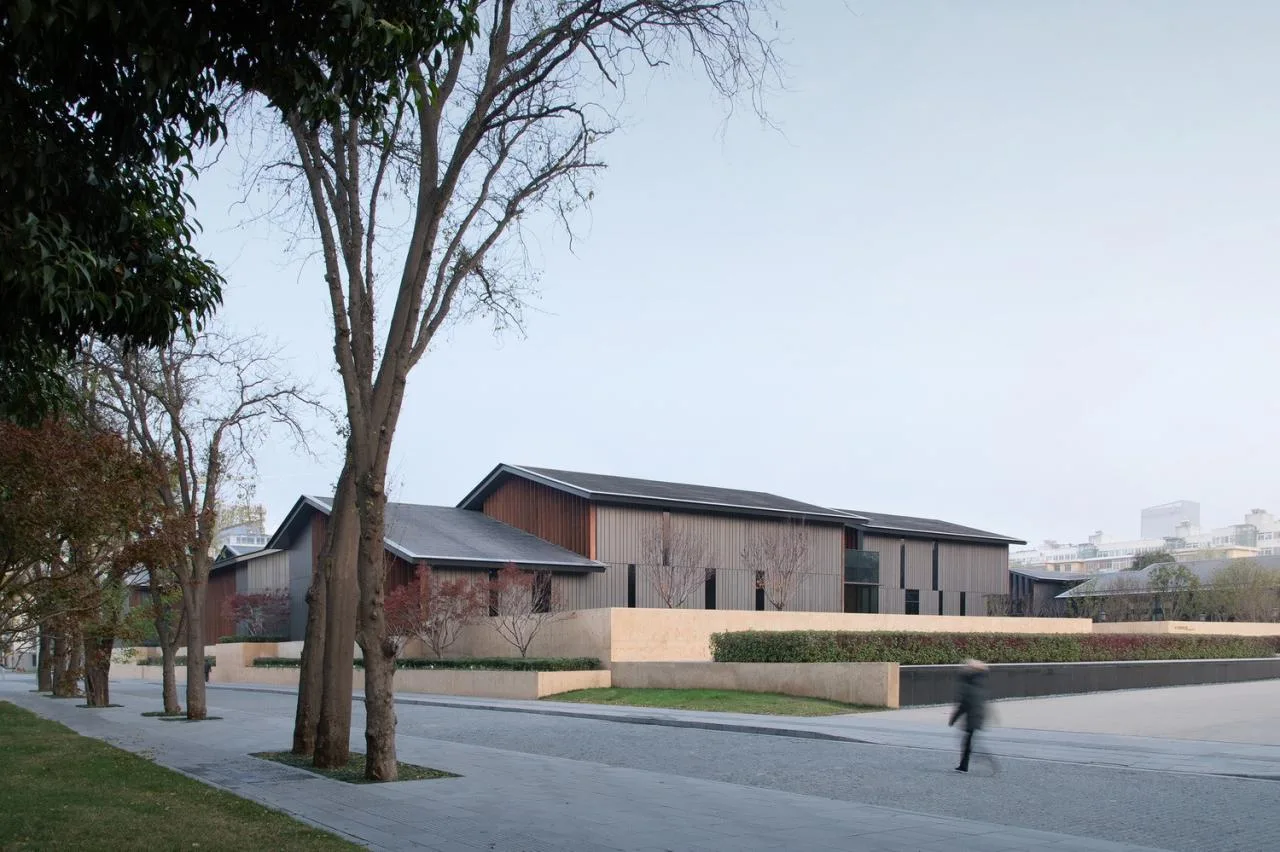
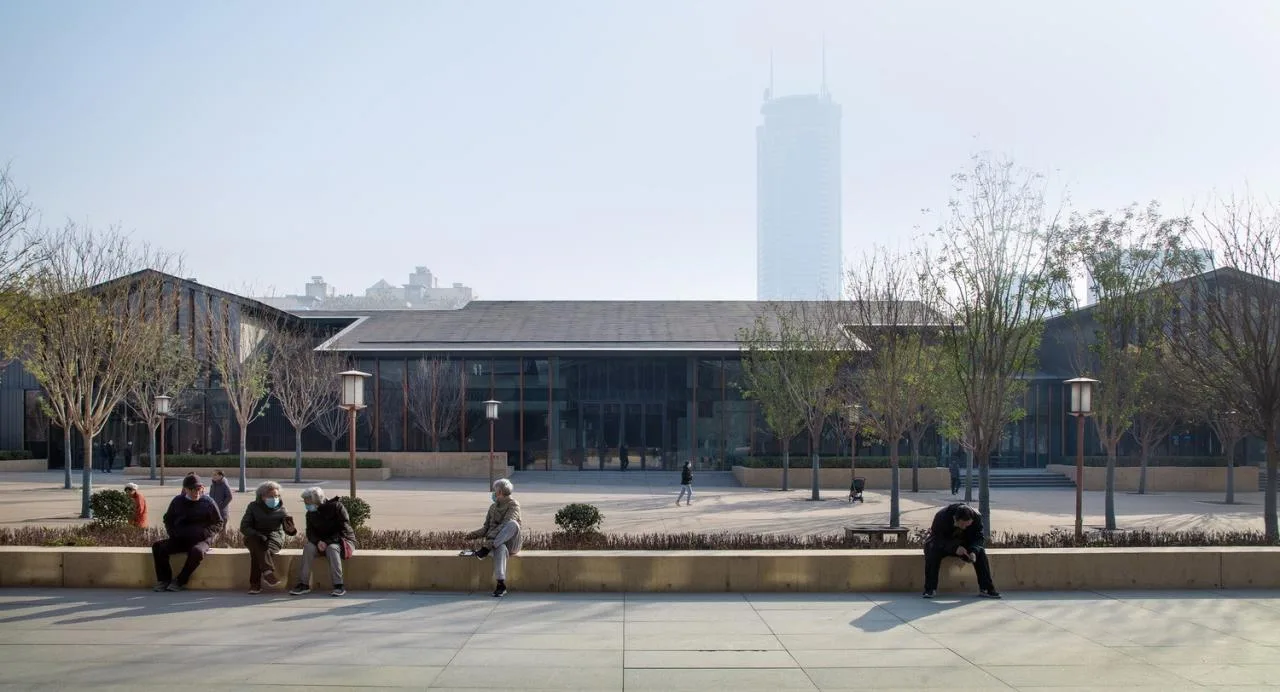
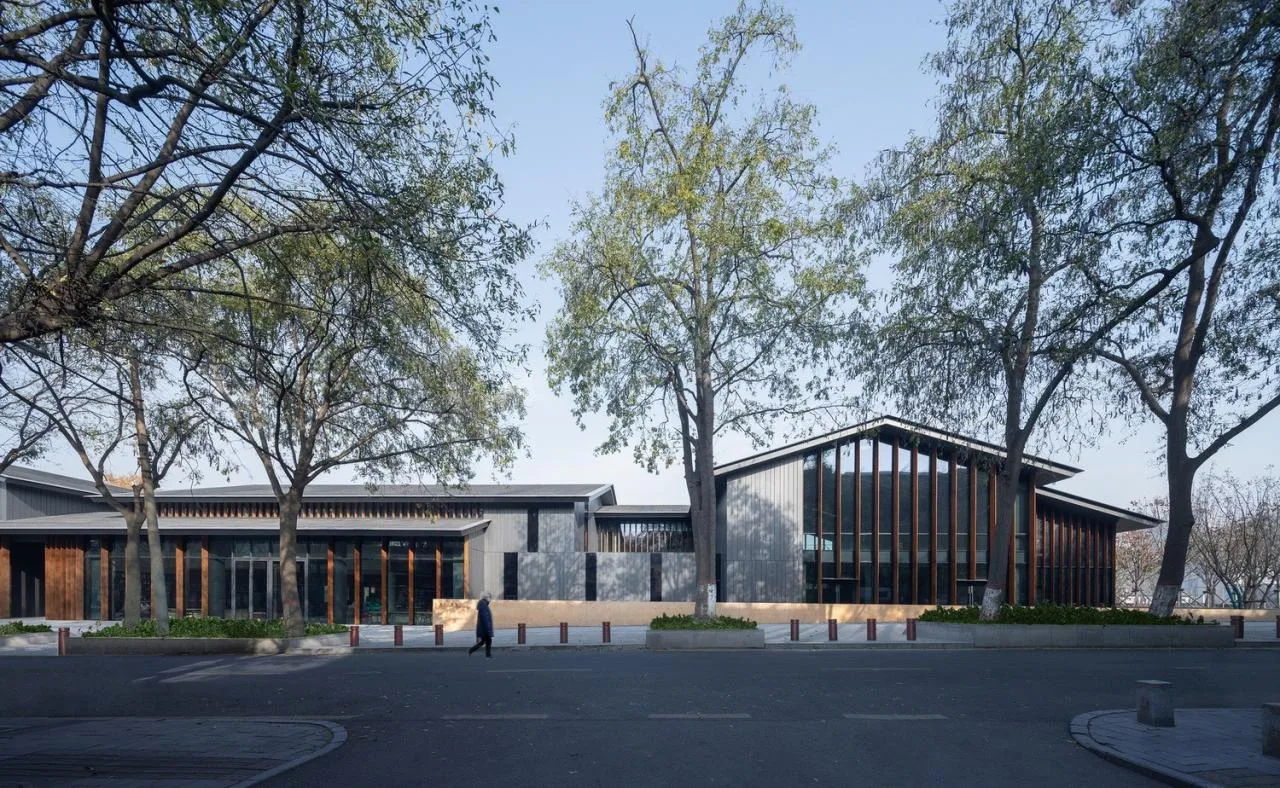
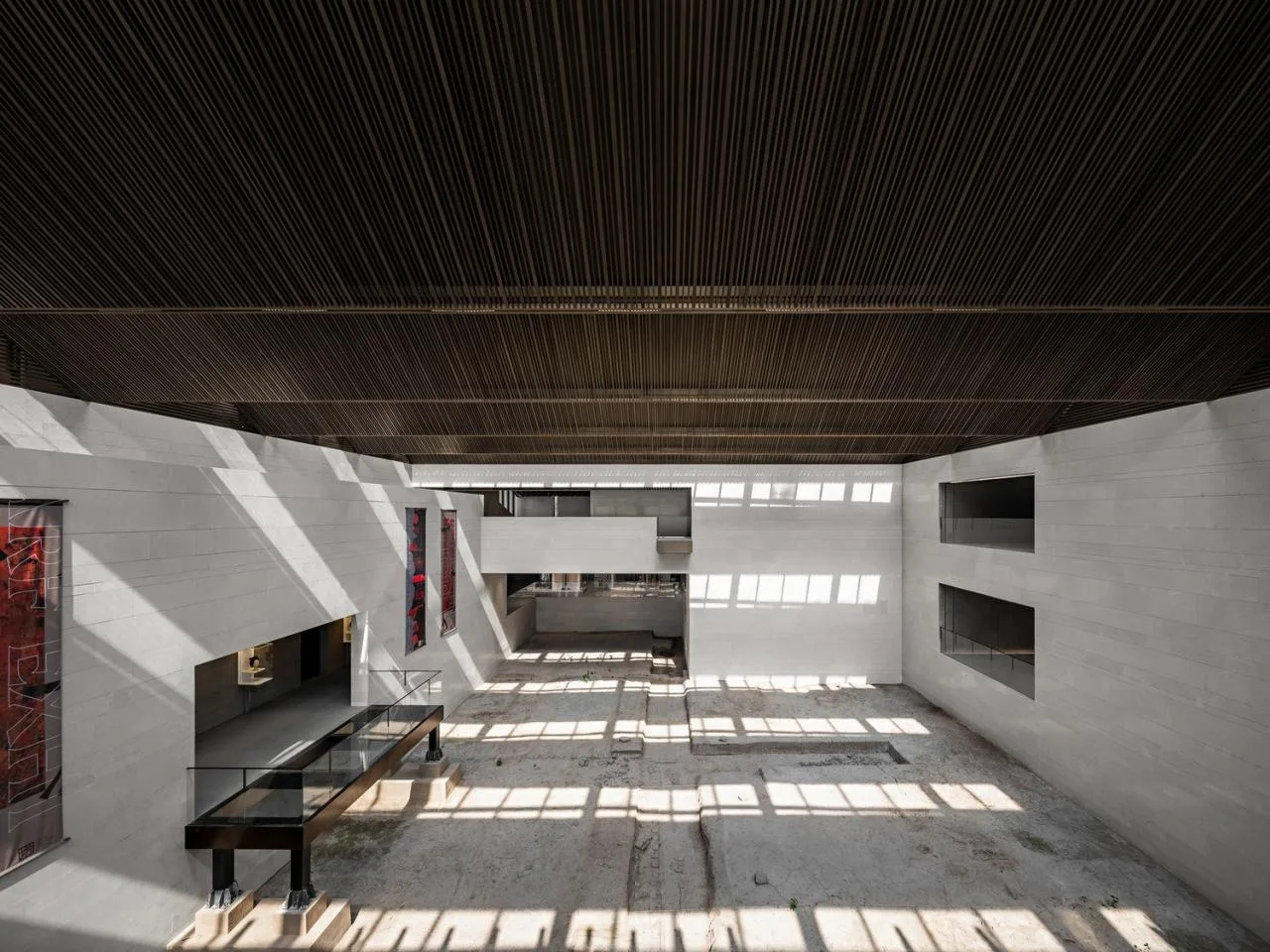
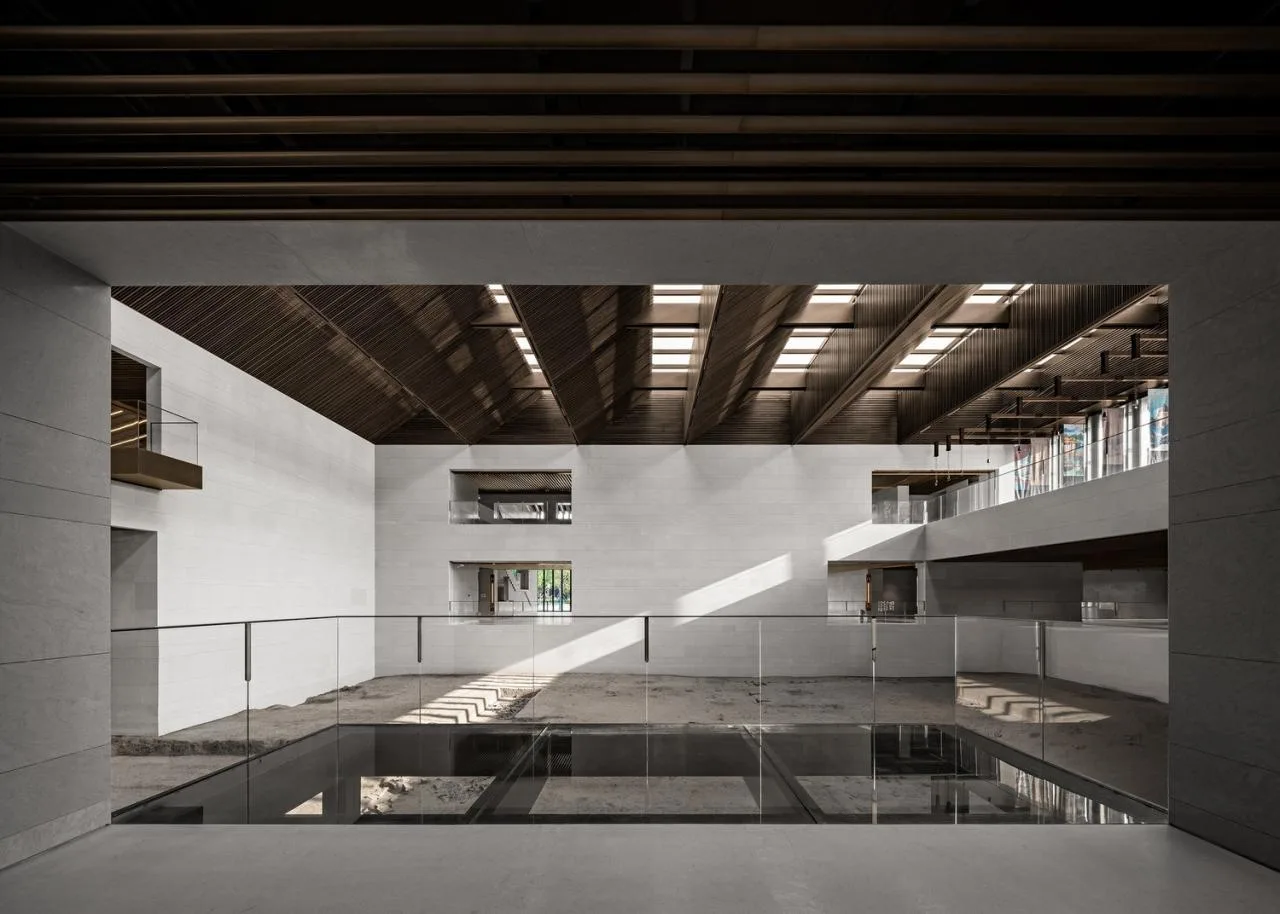
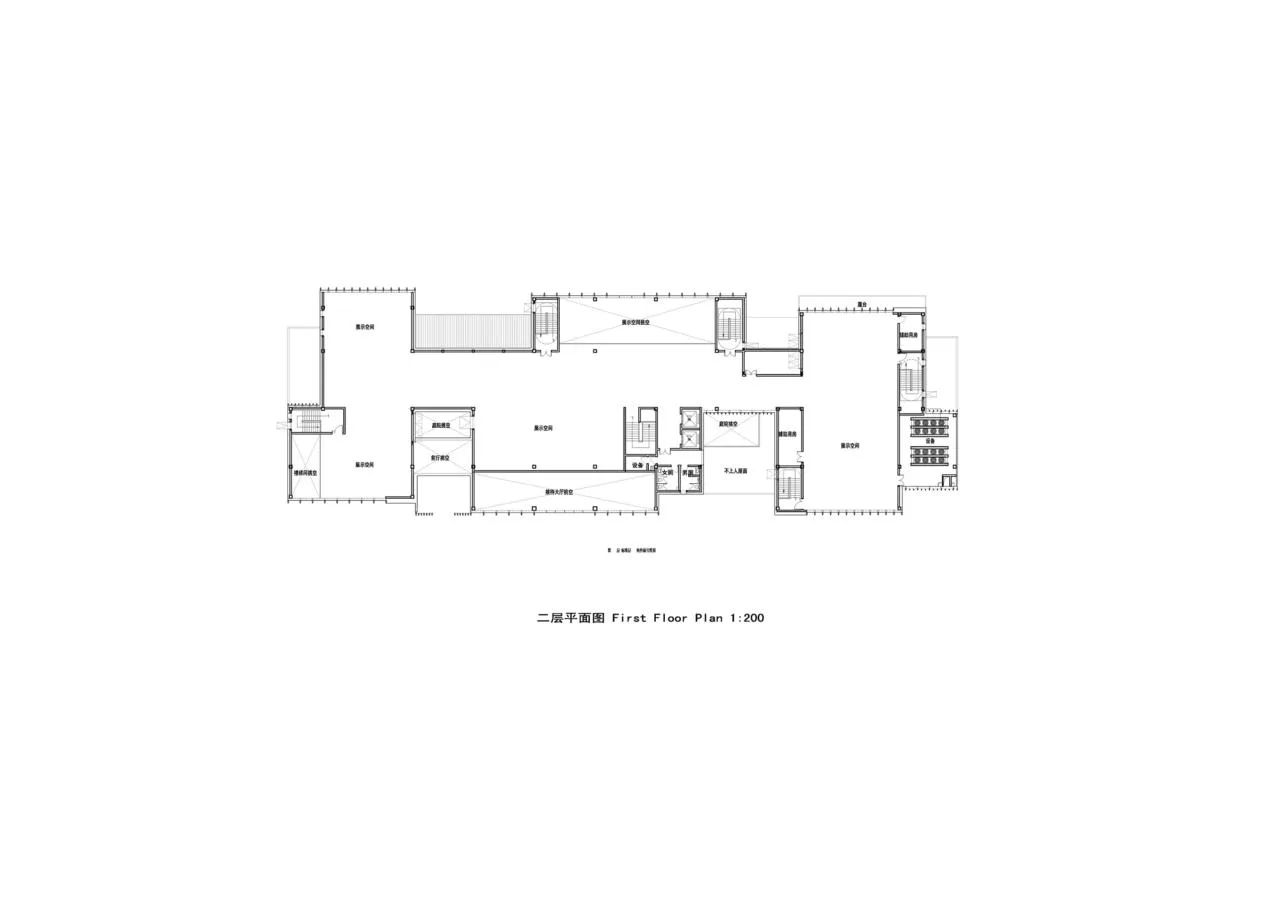
The exhibition hall design considers the site’s spatial information from a human perspective, enclosing the area within a large-span space that forms two “mansion” spaces: the historical site and the exhibition hall.
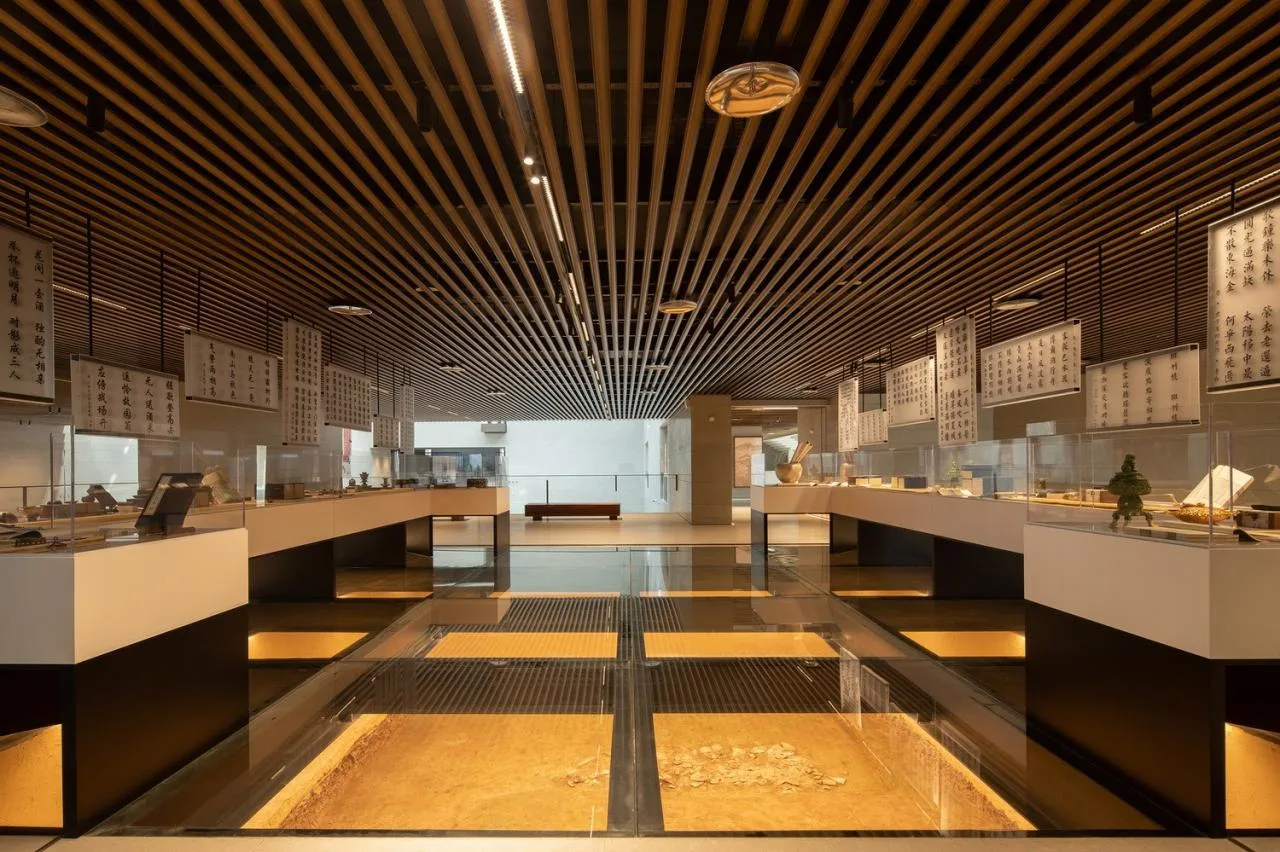
Visual protection of the site is ensured by transparent glass, while gaps between site areas connect seamlessly with the exhibition flow, allowing visitors to traverse history and experience a spatial illusion that shuttles between ancient and modern times.
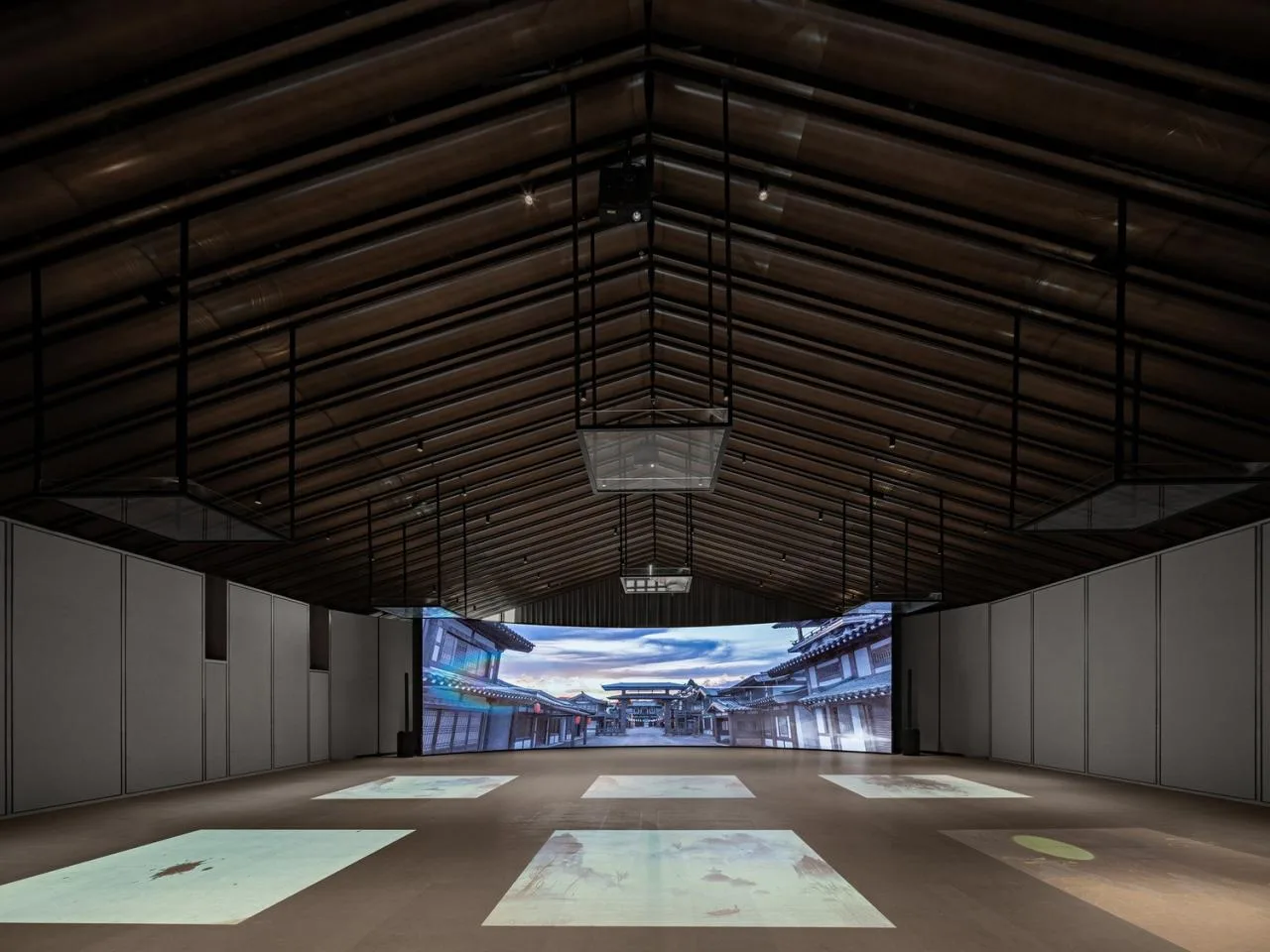
Incorporating advanced exhibition technologies, the design engages visitors’ senses to create an immersive cultural tourism experience.
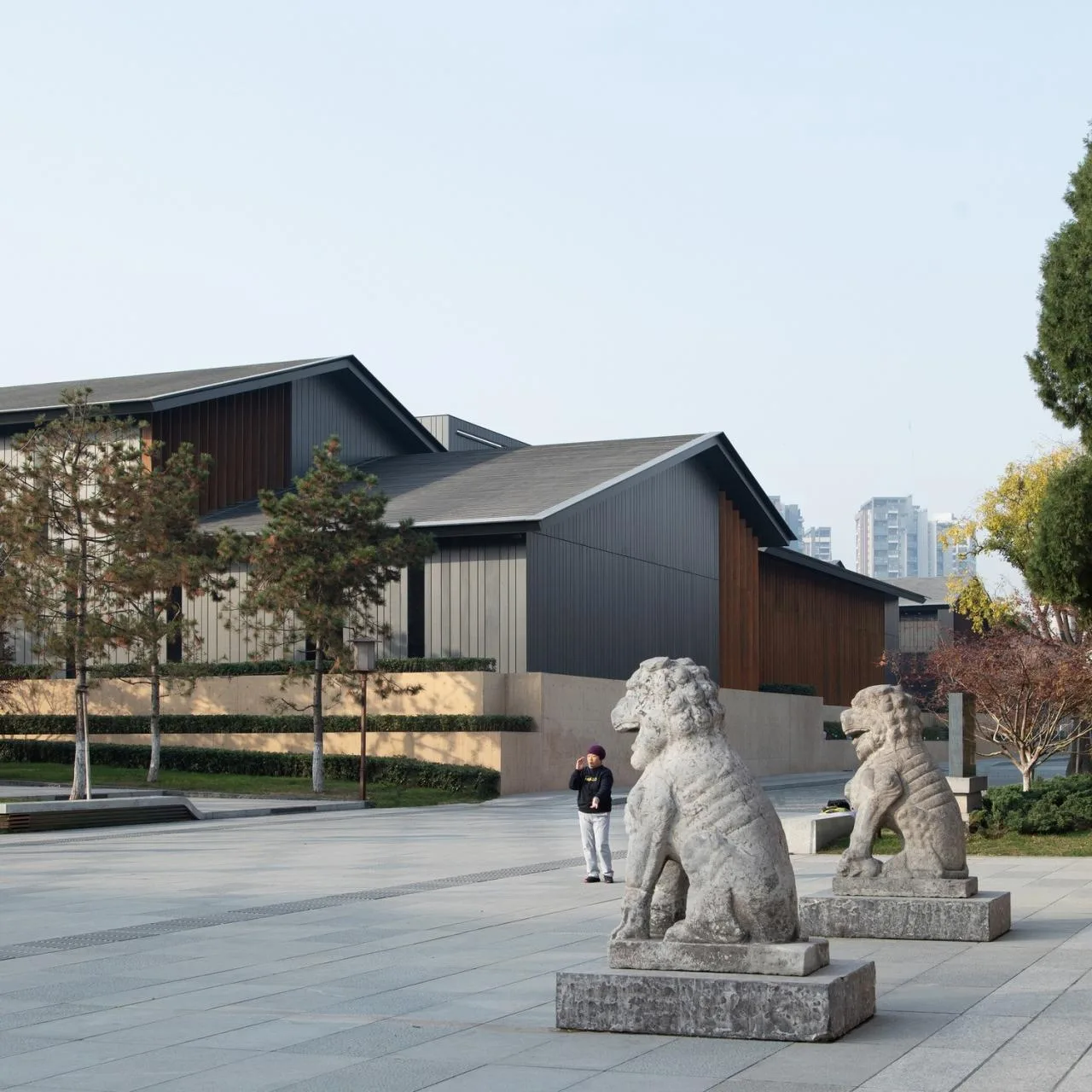
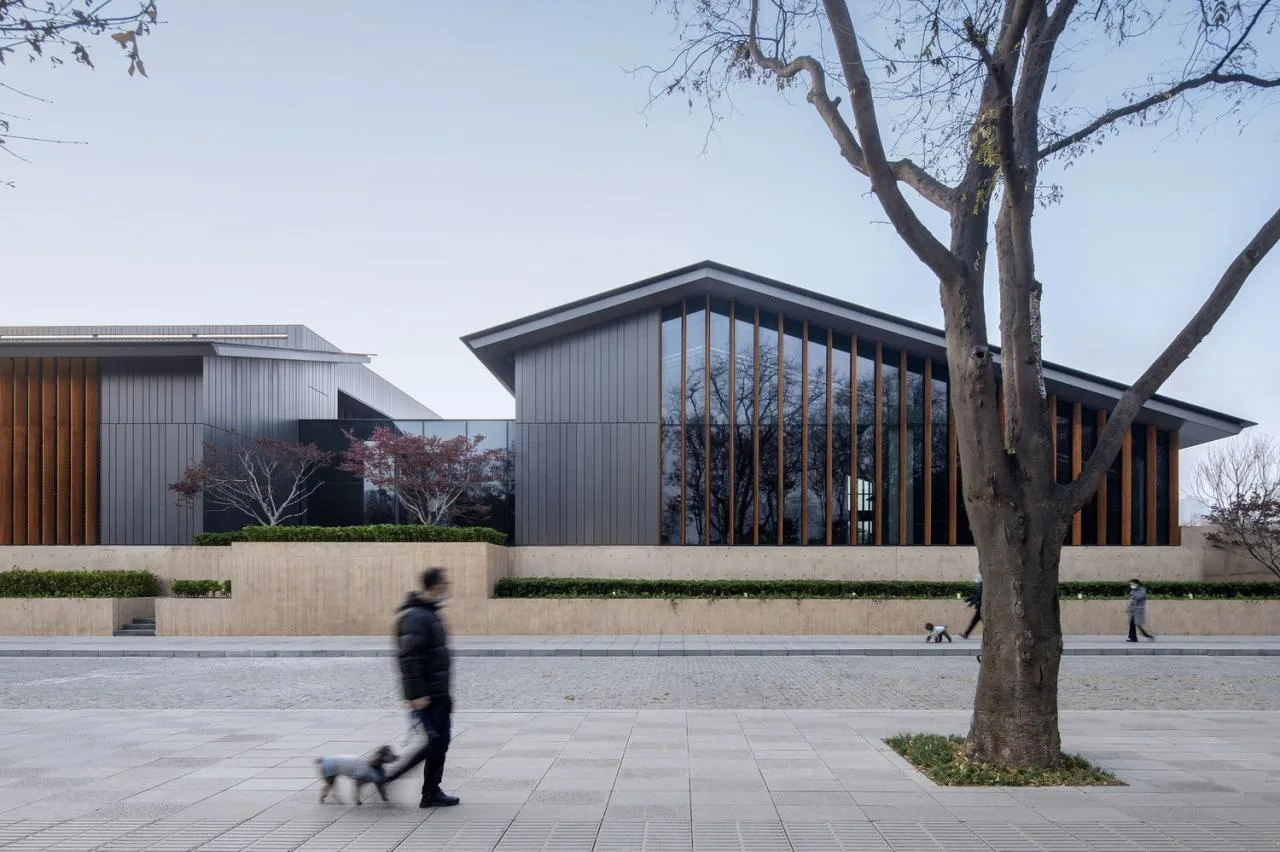
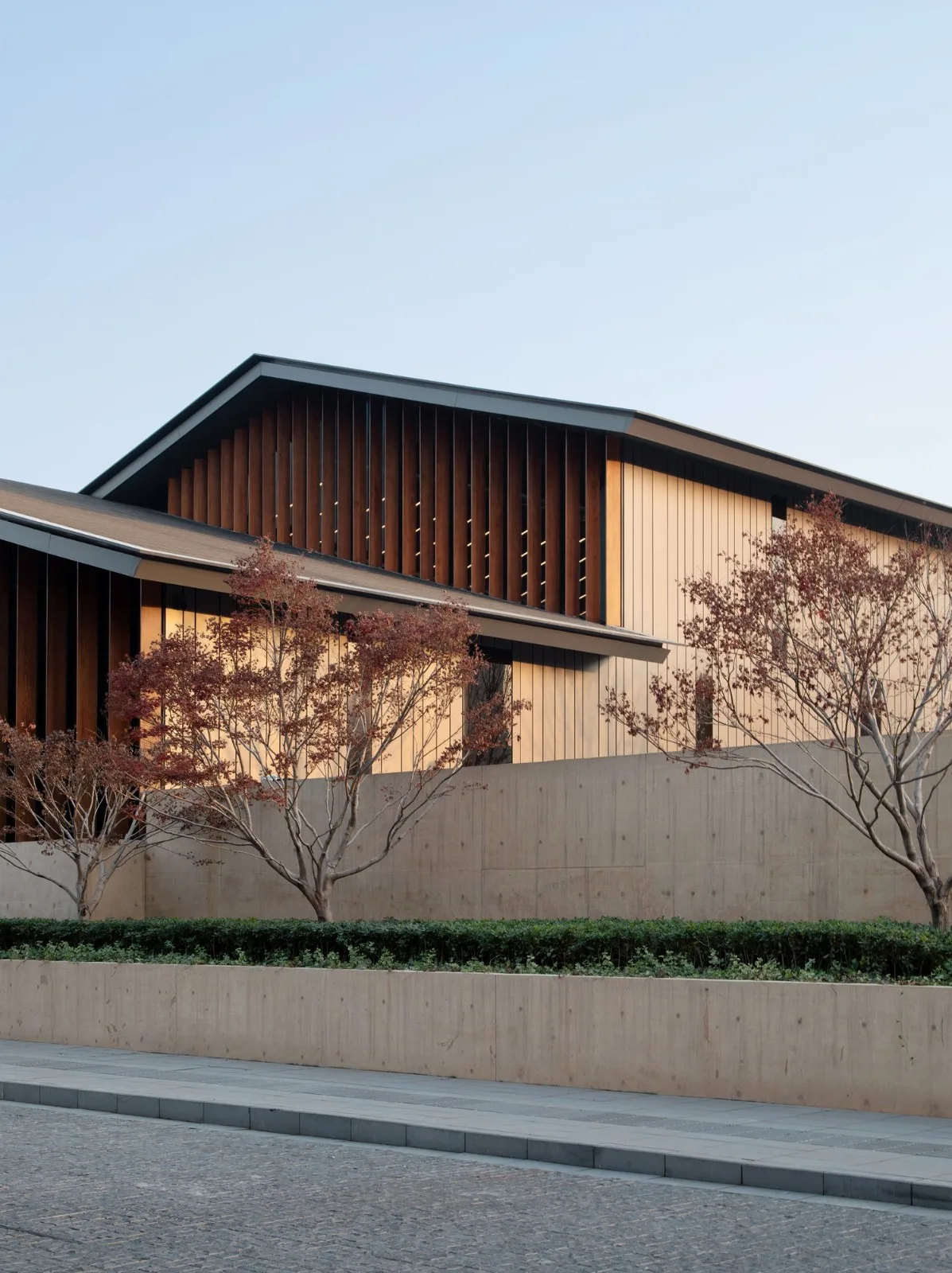
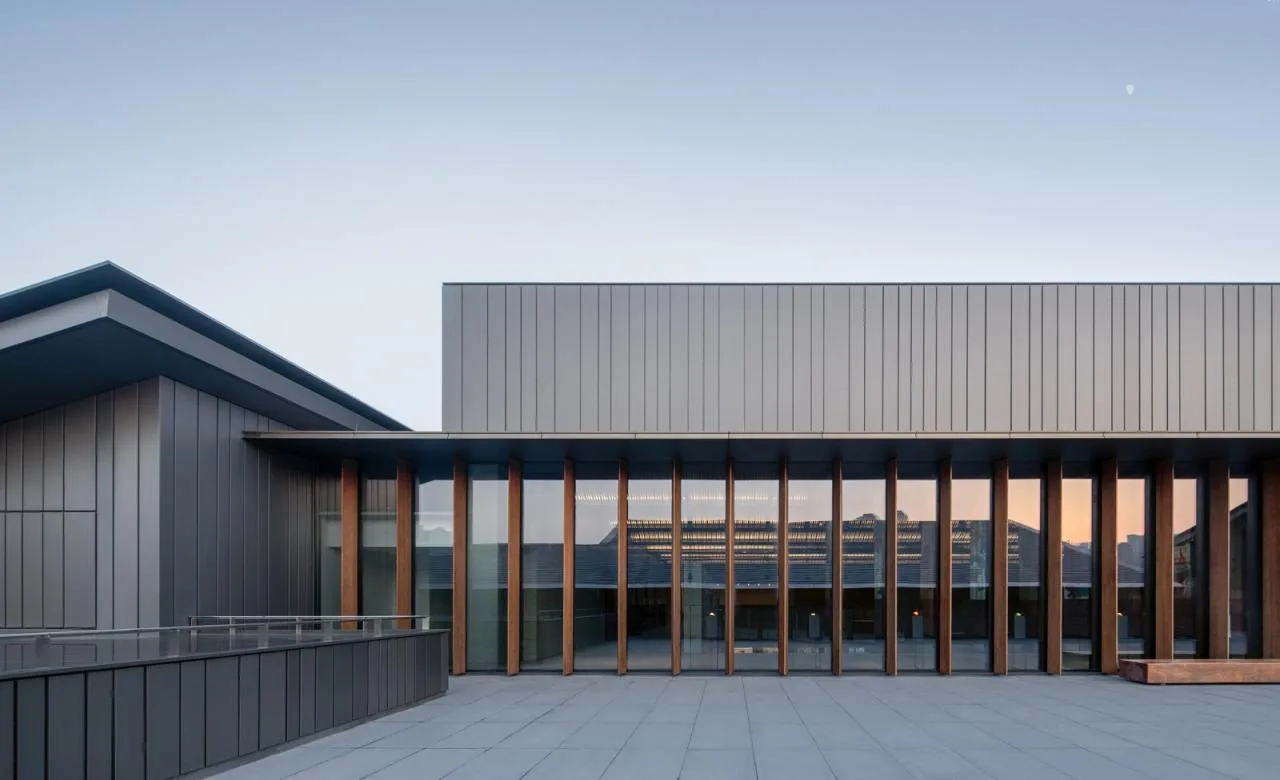
Drawing creative inspiration from history, the architectural language is distilled and refined. Based on the archaeological site layout, building elements derived from the Tang Dynasty are combined with façade designs blending reality and illusion.
Presenting a “contemporary Chinese style,” the design establishes a unique context on site that respects the building’s identity and harmonizes with the surrounding historical environment.
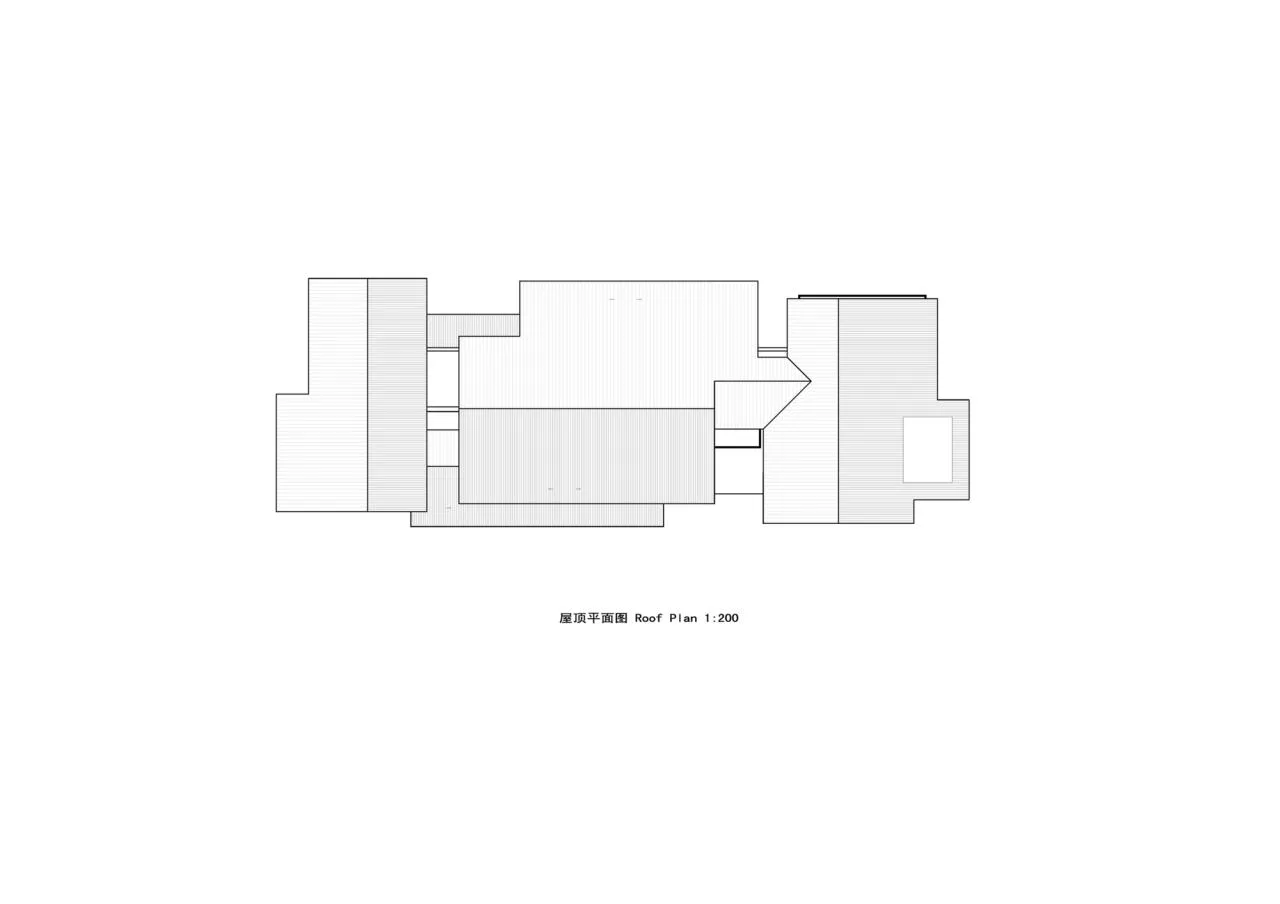
The exhibition hall features a central enclosed design, with a large-span glass roof supported by a string beam structure, fully enclosing the main exhibition area. Multiple staggered roof sections echo the traditional courtyard layout.
The tourist service center consists of organic blocks with staggered roofs, positioned on either side of Eighth Cross Street, together forming a historical narrative of Chang’an City.
To distinguish the new architecture from the historic site, contemporary materials serve as a bridge between modernity and heritage. The project employs titanium zinc metal panels, solid wood grilles, and glass curtain walls for the façades, while the roofs feature stacked ladder-style matte metal surfaces that evoke traditional roof tiles.
The calm and refined material textures echo the cultural relics of the site, creating a humble and elegant cultural atmosphere.
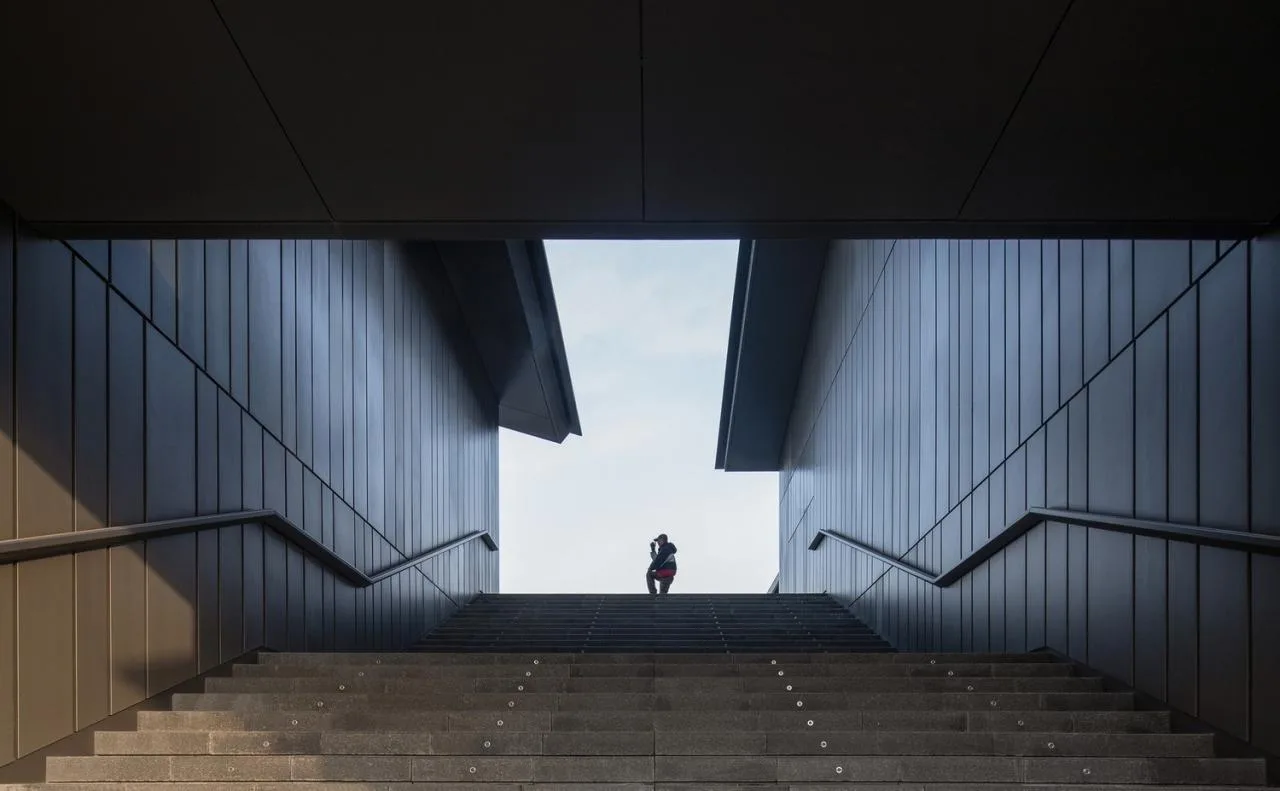
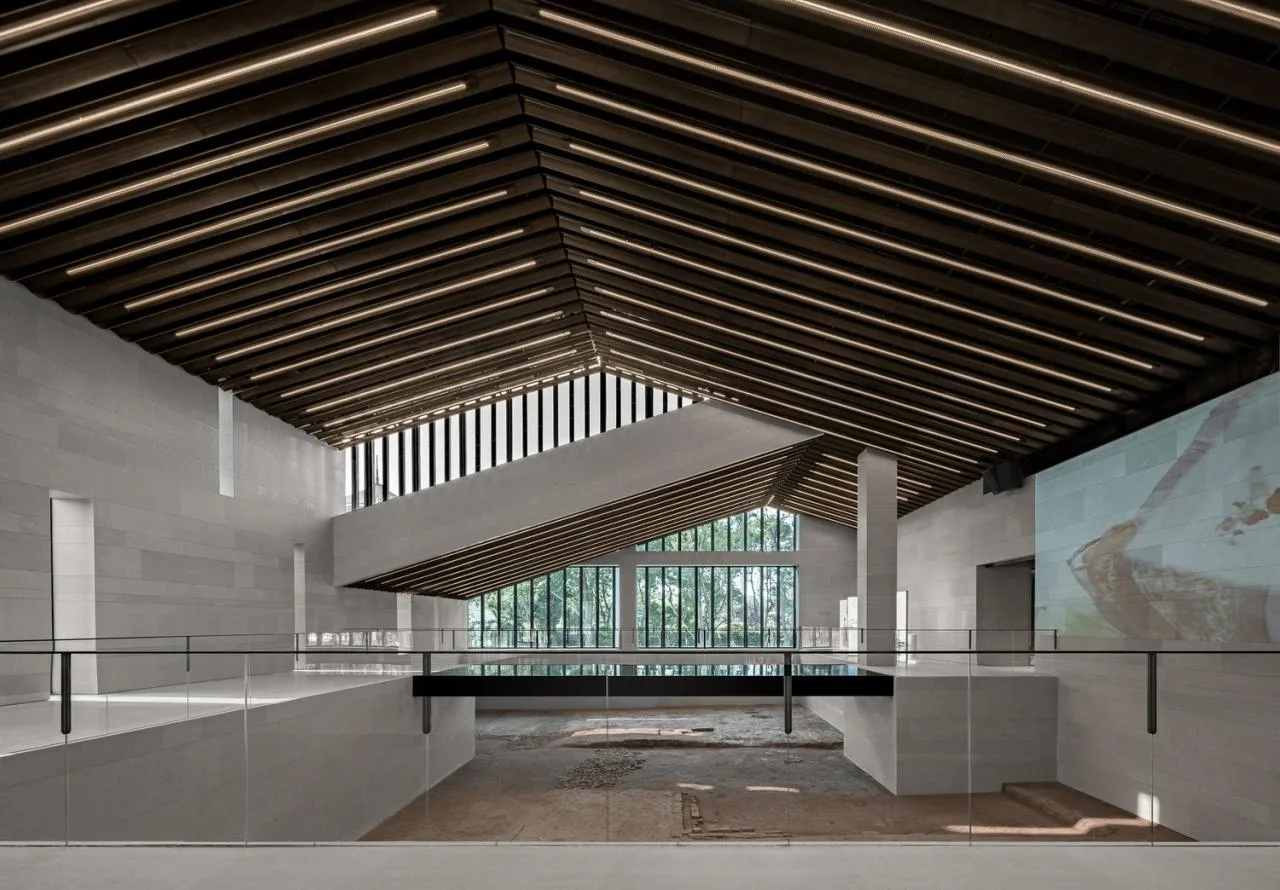
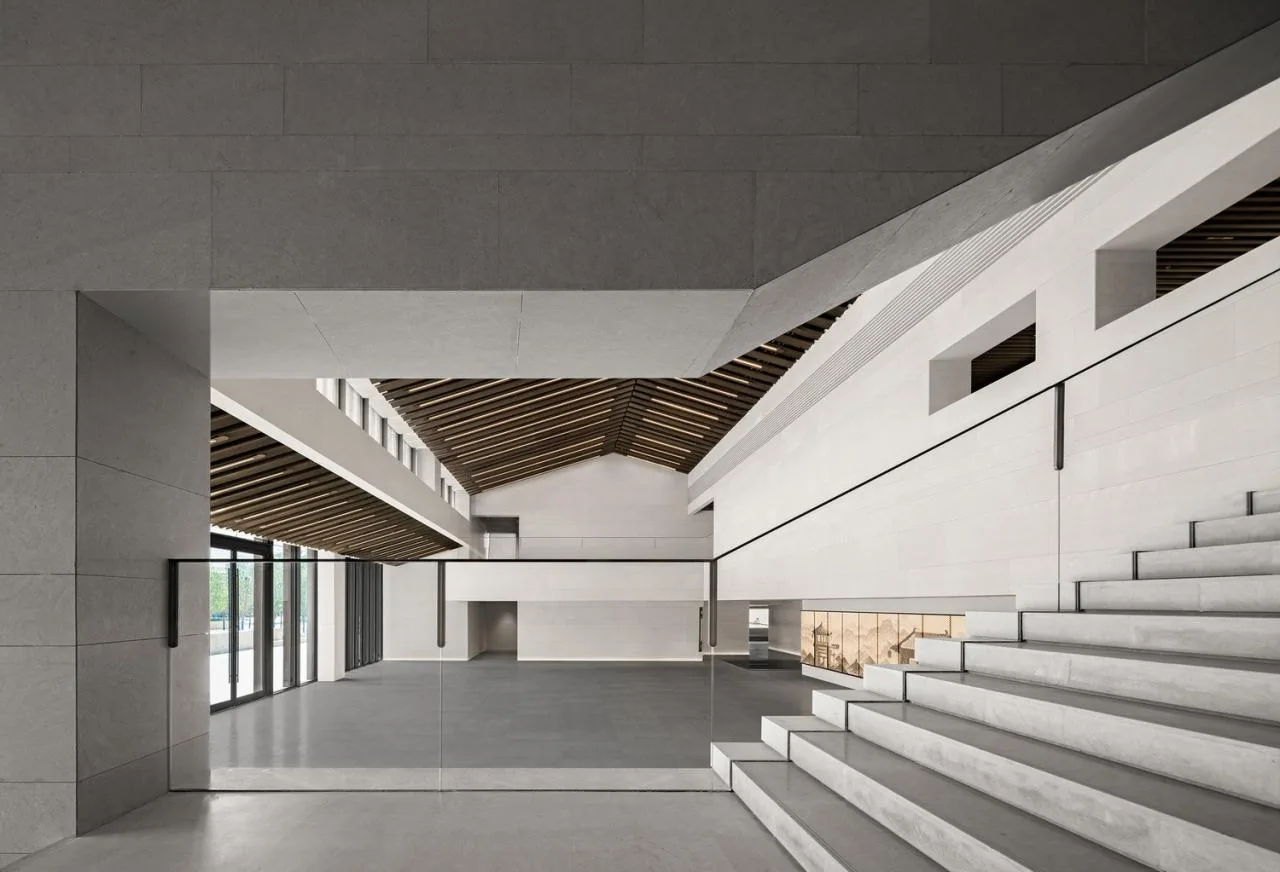
Conclusion: The Anrenfang Site Exhibition Hall and Anren Post House are designed not merely as city monuments but as vibrant parts of public life. The site protection emphasizes deep integration with community activities.
With humility, the project establishes an exhibition hall and tourist center that harmoniously connects with the Small Wild Goose Pagoda Historical and Cultural area, creating a multifaceted platform for exhibition, education, social interaction, and cultural exploration.
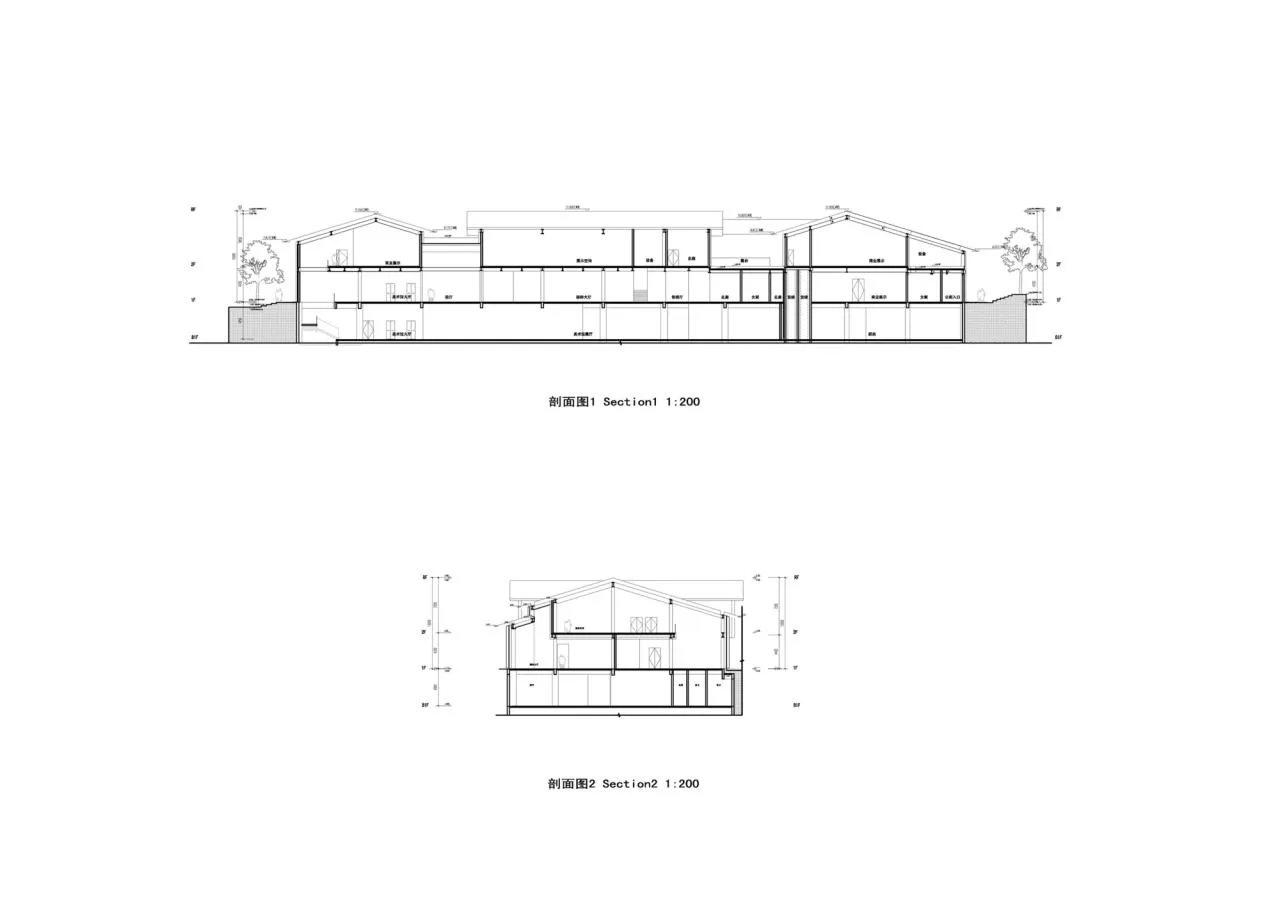
Project Drawings
Project Information
Architect: Shanghai Bingren Architectural Firm
Area: 14,973 m²
Project Year: 2022
Photography: Ziran Architecture Photography, Zheng Yan
Manufacturers: Taiwan Glass Group, Fazi (Shanghai) Trading Co., Ltd., Suzhou Donghong Metal Material Technology Co., Ltd.
Lead Designer: Ma Qingting
Design Team: Teng Luying, Lin Jiahao, Huang Zixuan, Shao Shuai, Xu Rongrong, Shao Peng, Wu Binbin, Chen Jinfeng
Principal: Xi’an Xiaoyan Pagoda Scenic Area Operation and Management Company
Location: Xi’an















Must log in before commenting!
Sign Up