
Integration of Landscape and Culture
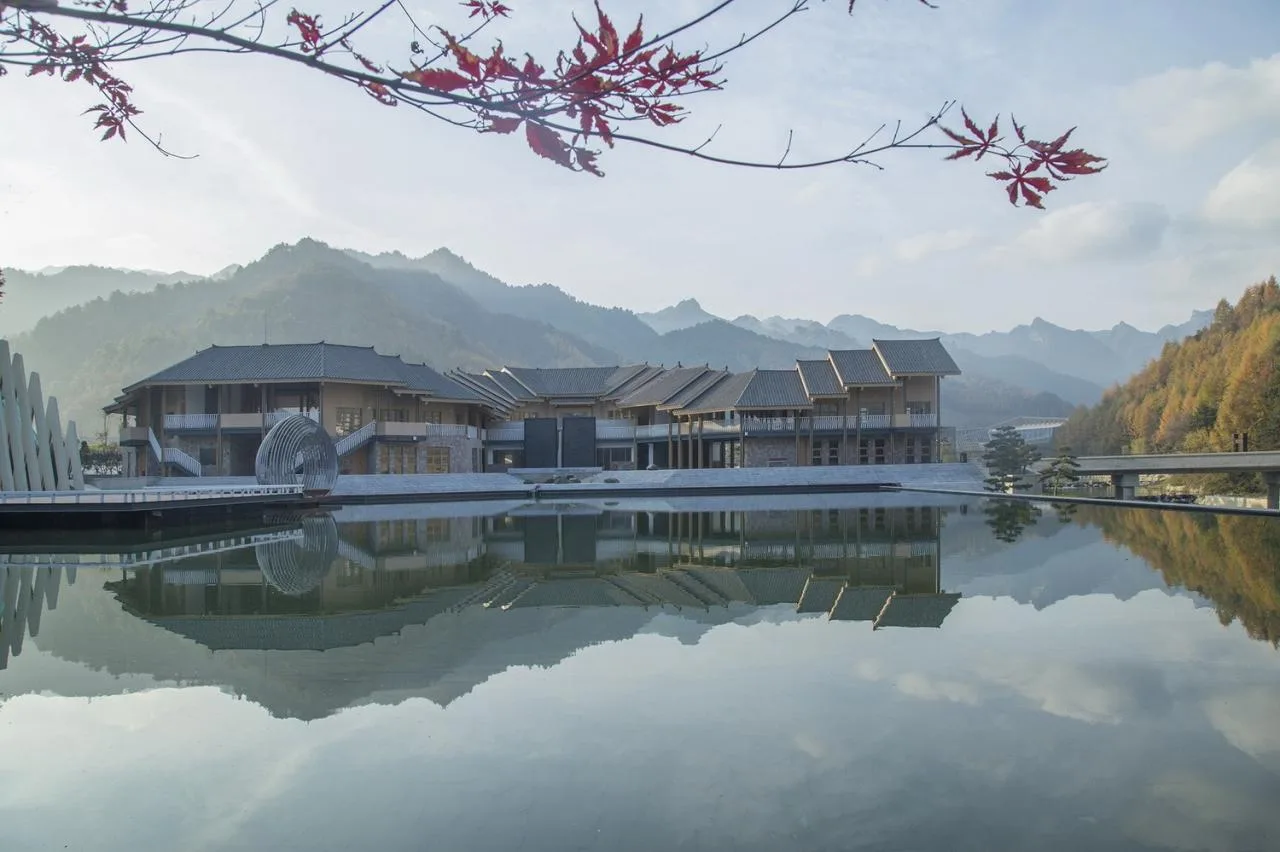
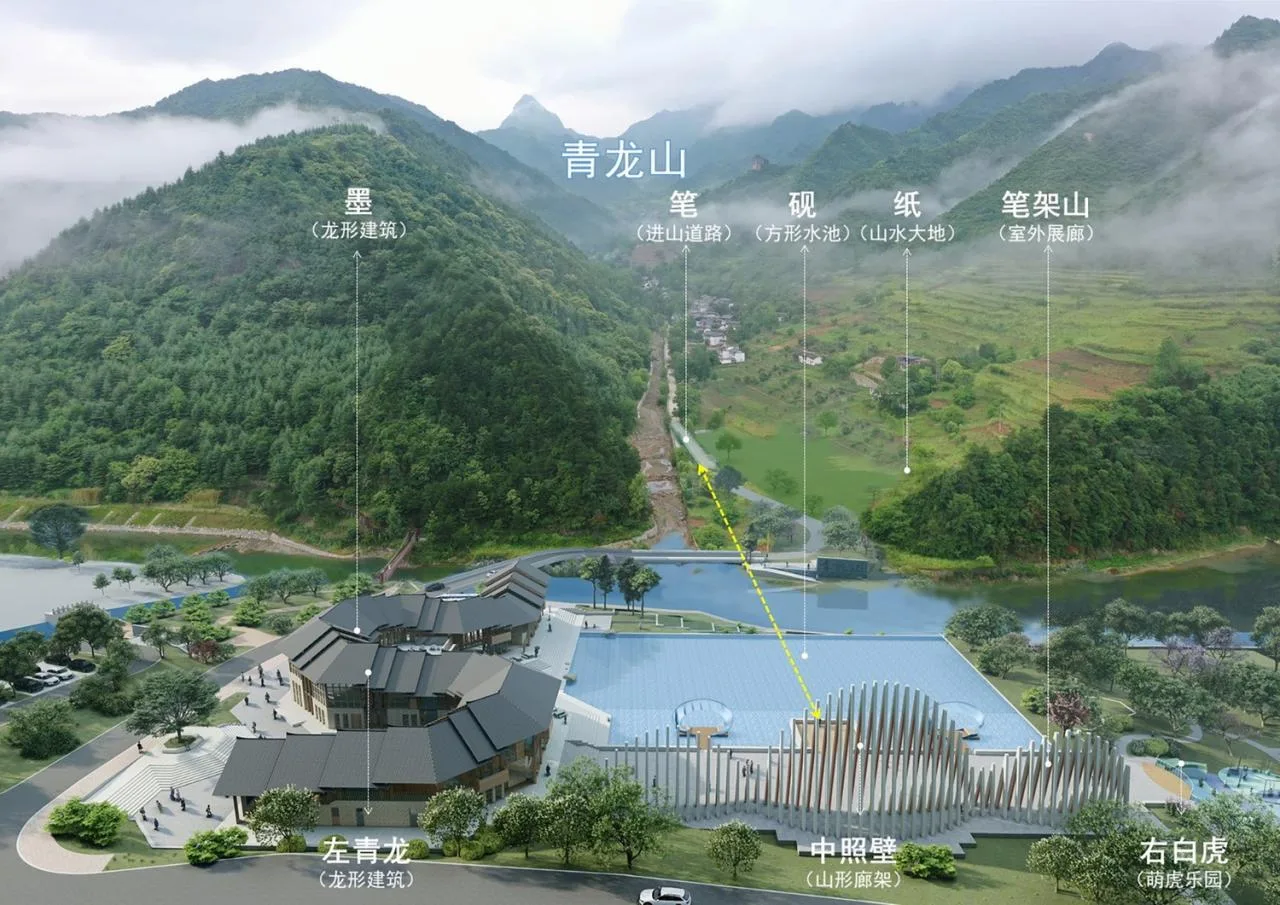
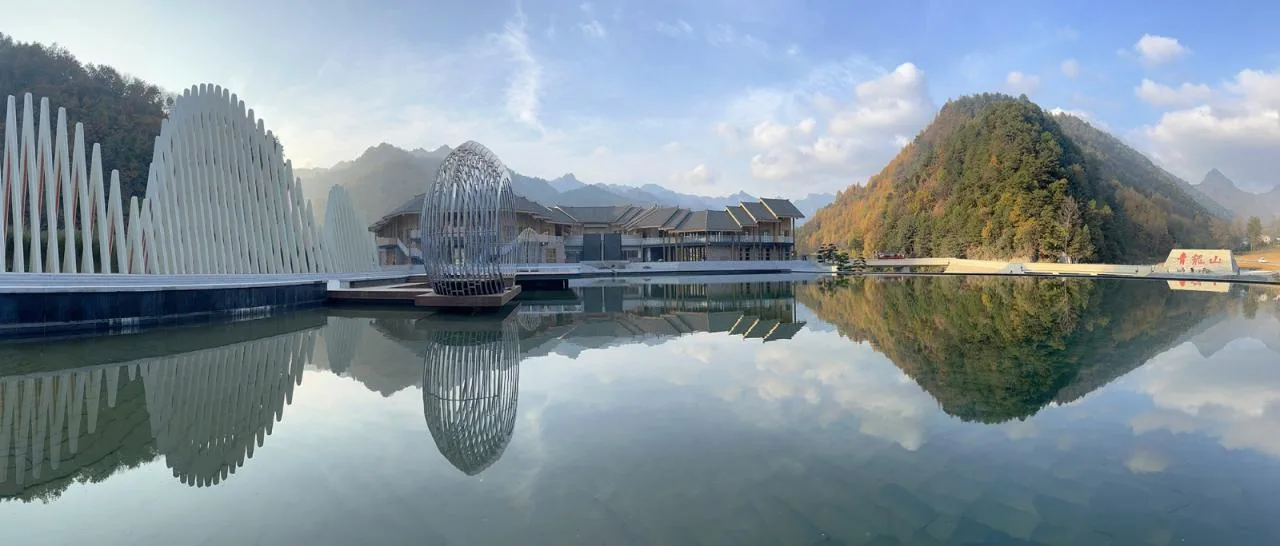
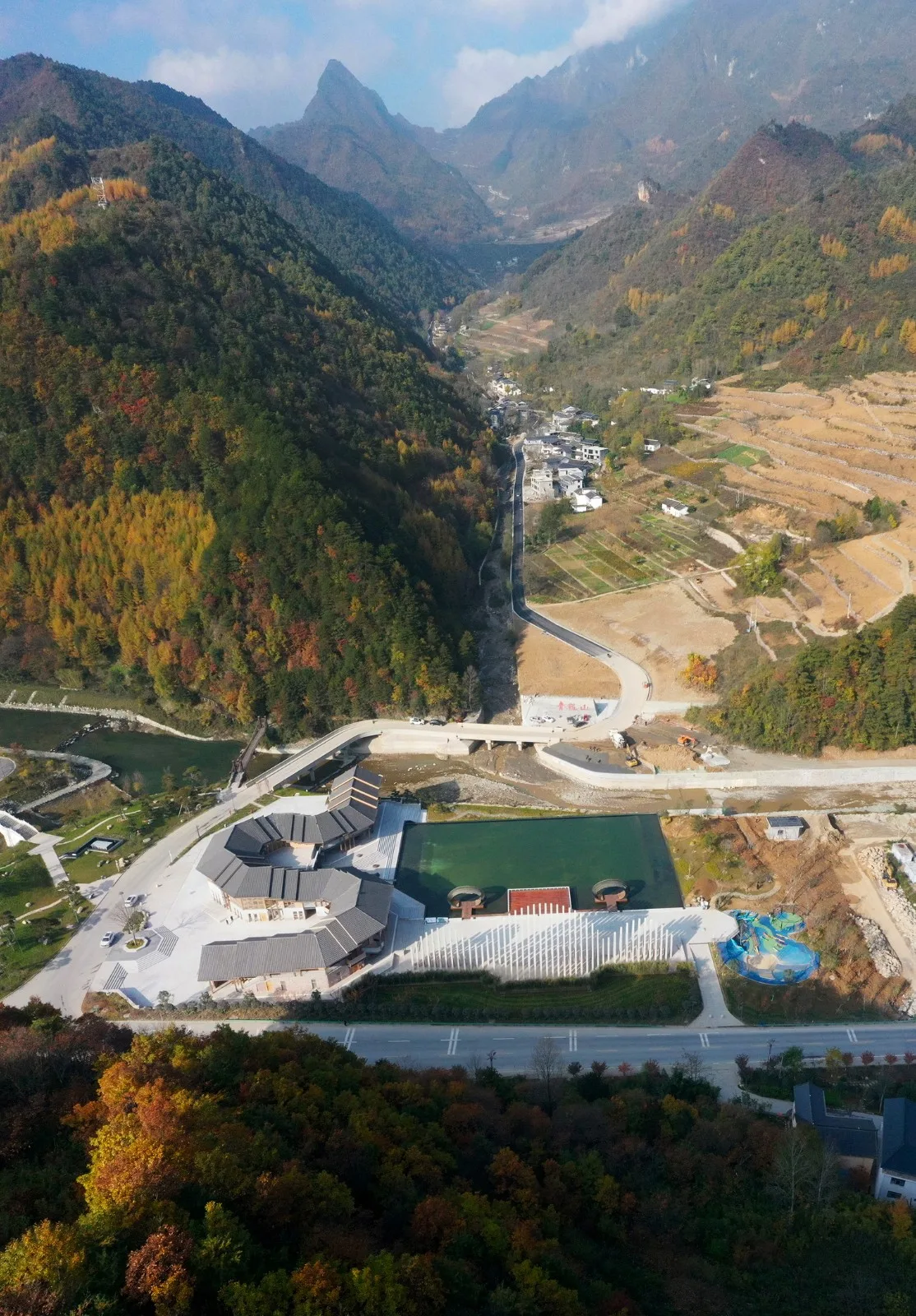
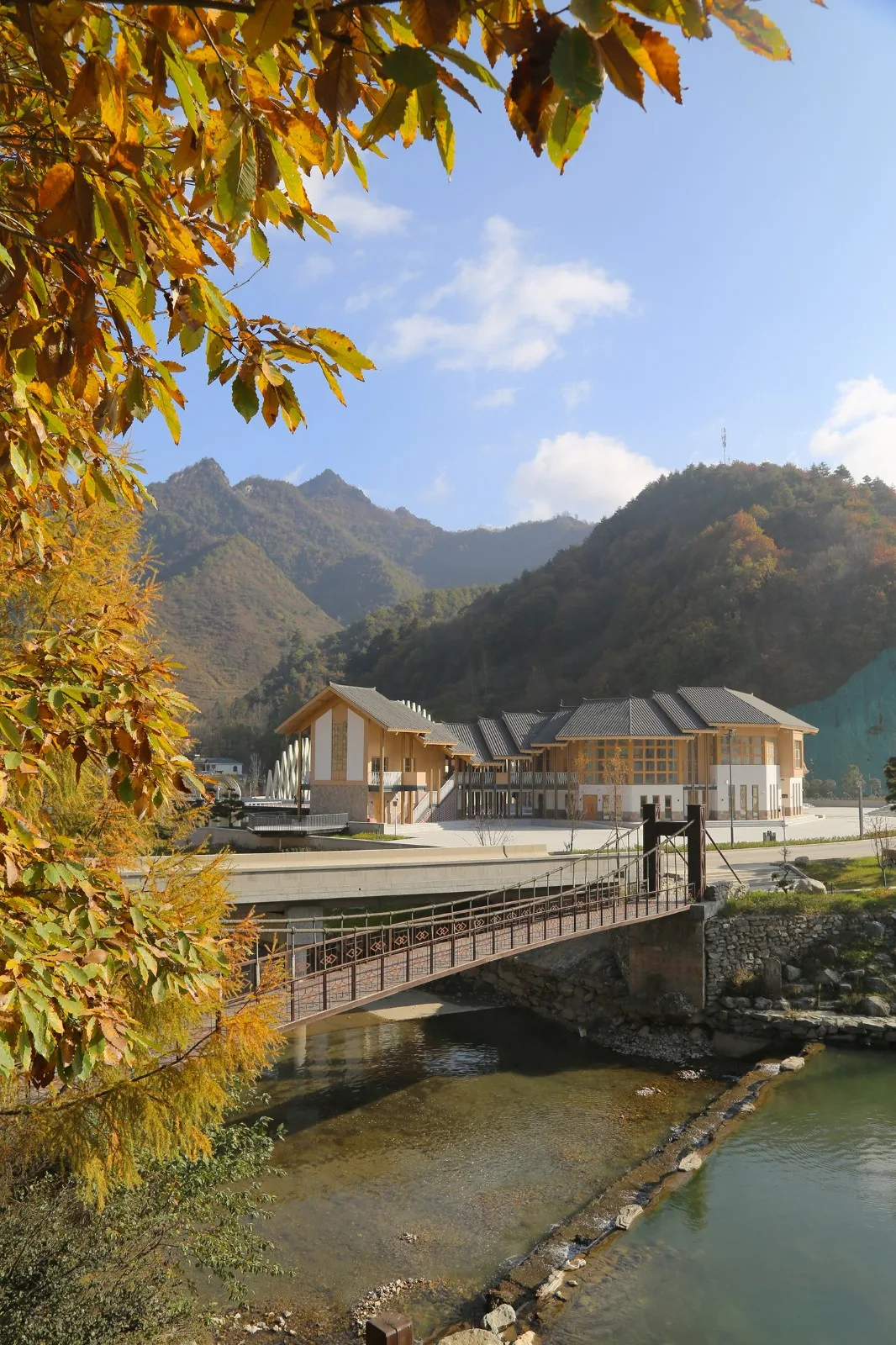
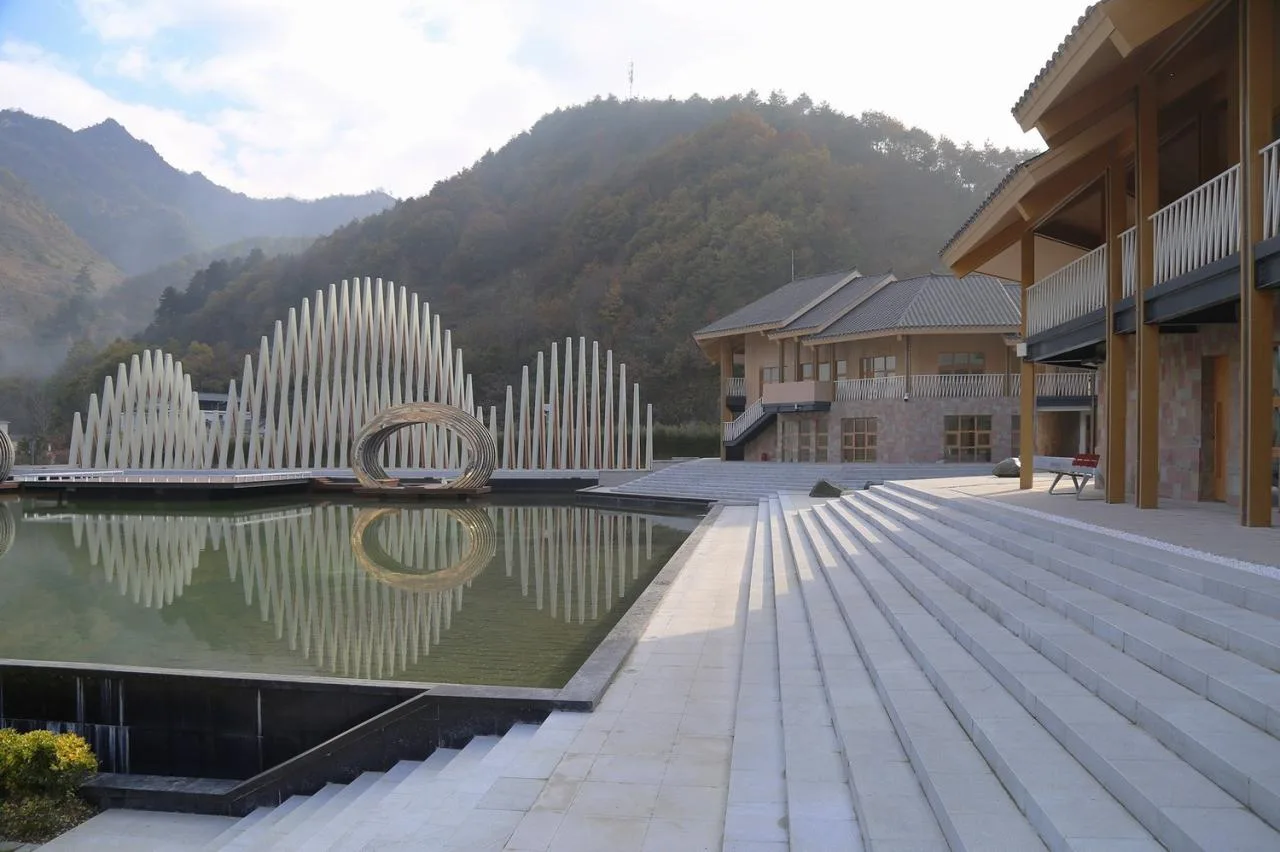
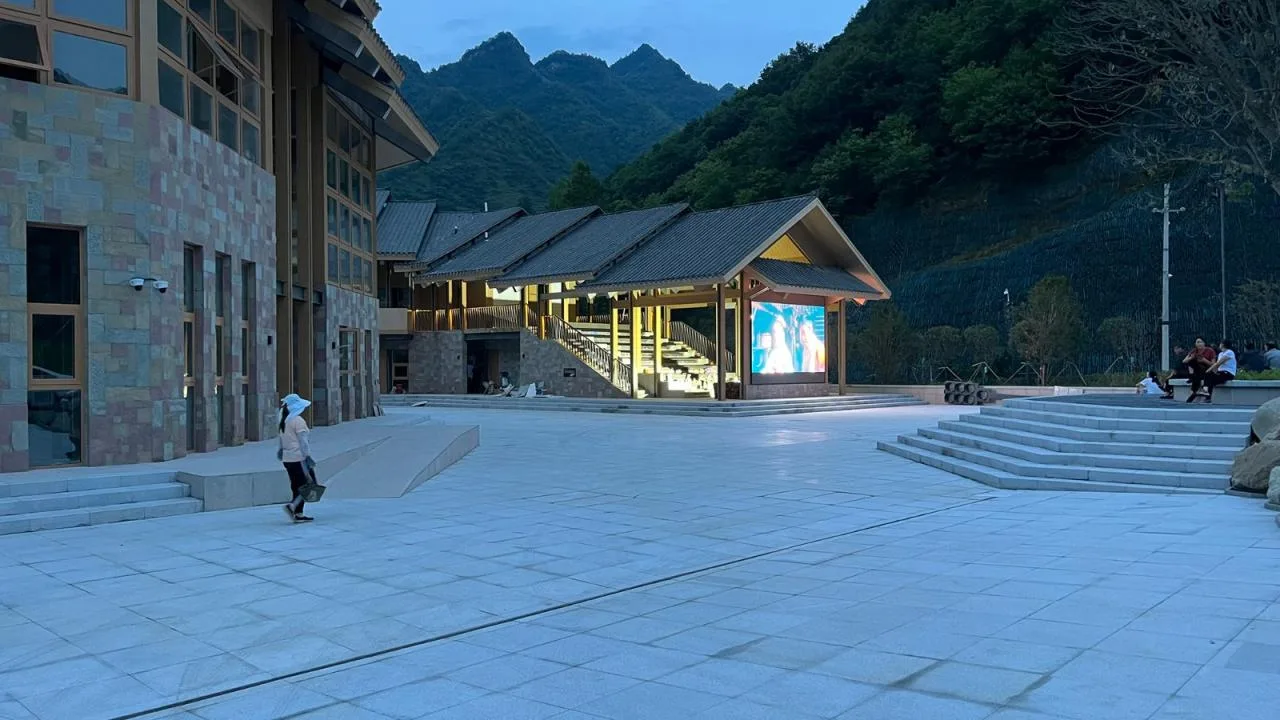
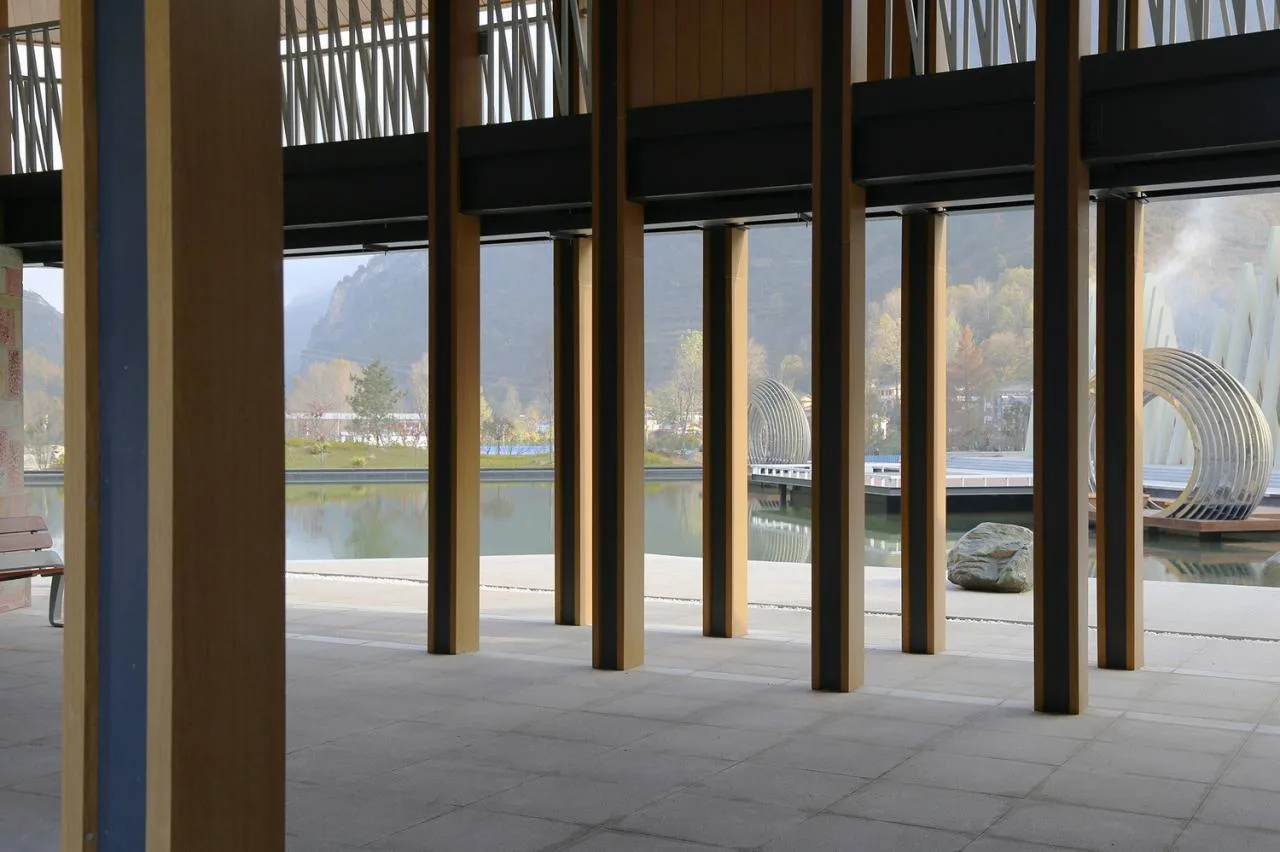
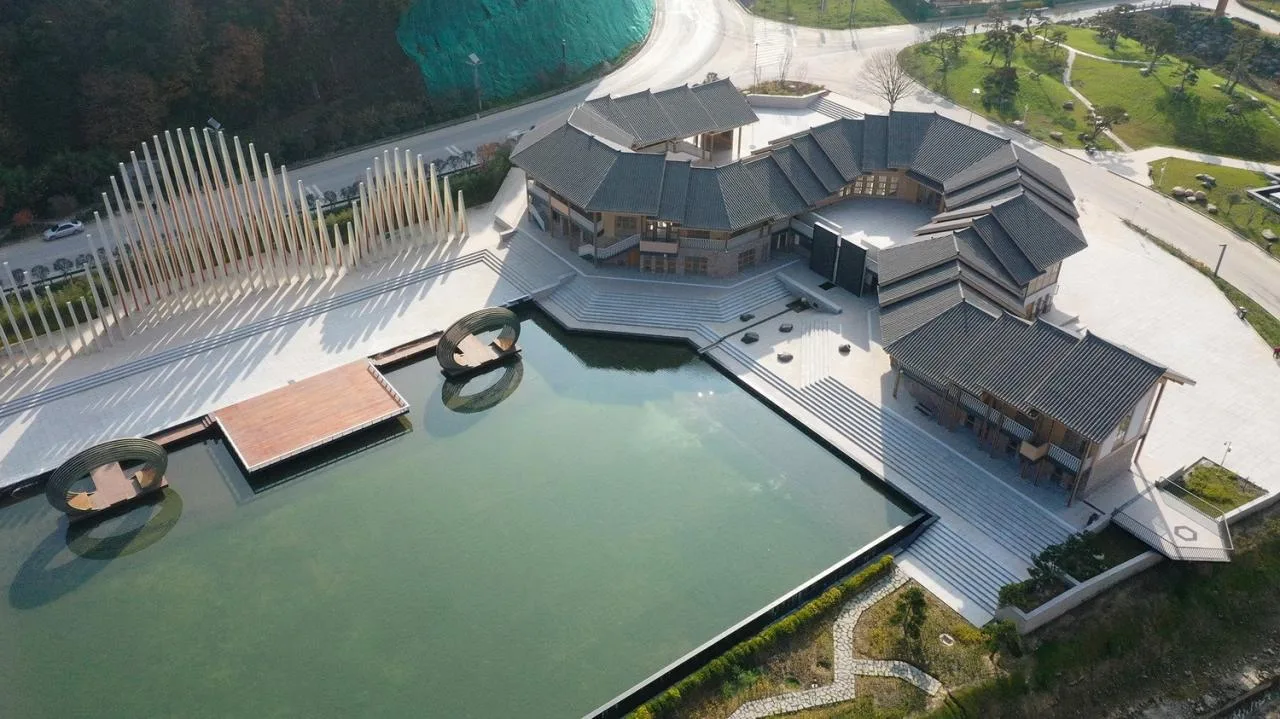
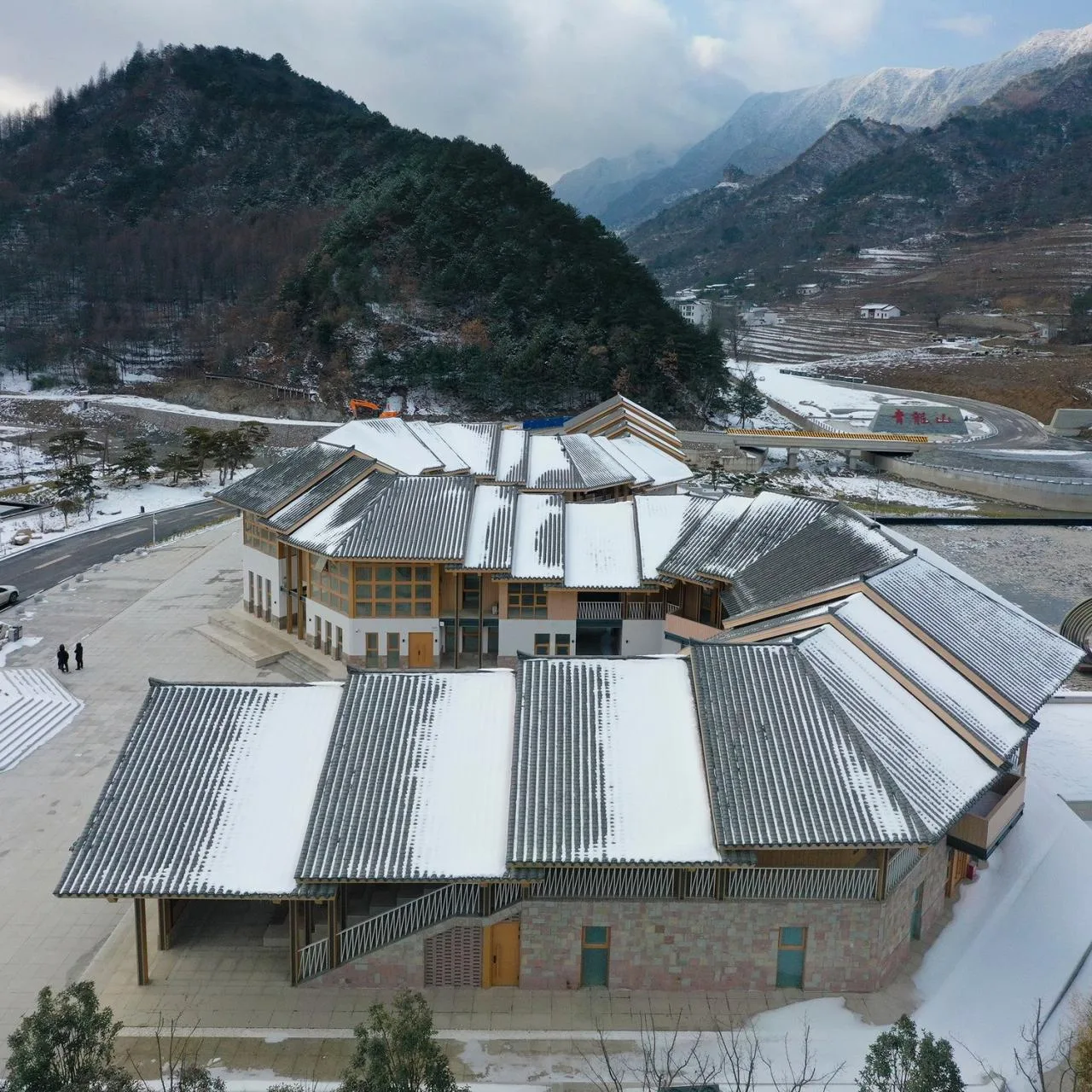
The establishment of a tourist center at the entrance of the under-construction Qinglongshan Tourist Resort represents a harmonious blend of local landscape and cultural heritage. A large water feature is designed to reflect the surrounding mountains and rivers, while a mountain-shaped outdoor exhibition gallery serves as a striking screen wall. Dragon-shaped buildings connect the mountains on both sides, creating a dynamic architectural narrative. Within this space, Bumeng Tiger Park and the stage offer vibrant and popular gathering spots. The symbiotic architecture team draws inspiration from traditional feng shui patterns, poetically incorporating the symbolism of the Four Treasures of the Study, allowing cultural and tourism facilities to coexist seamlessly with the landscape.
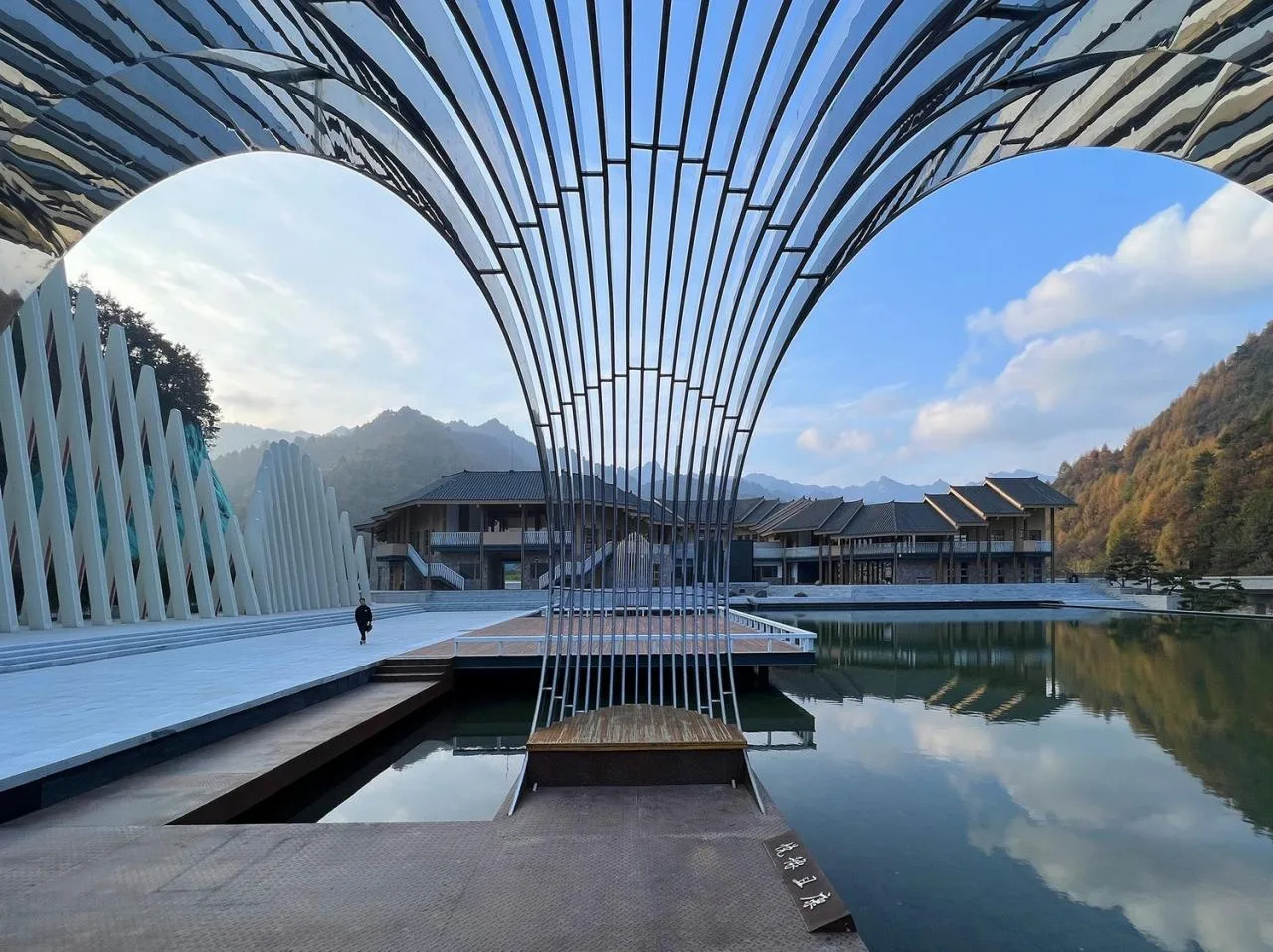
Traditional Interpretation
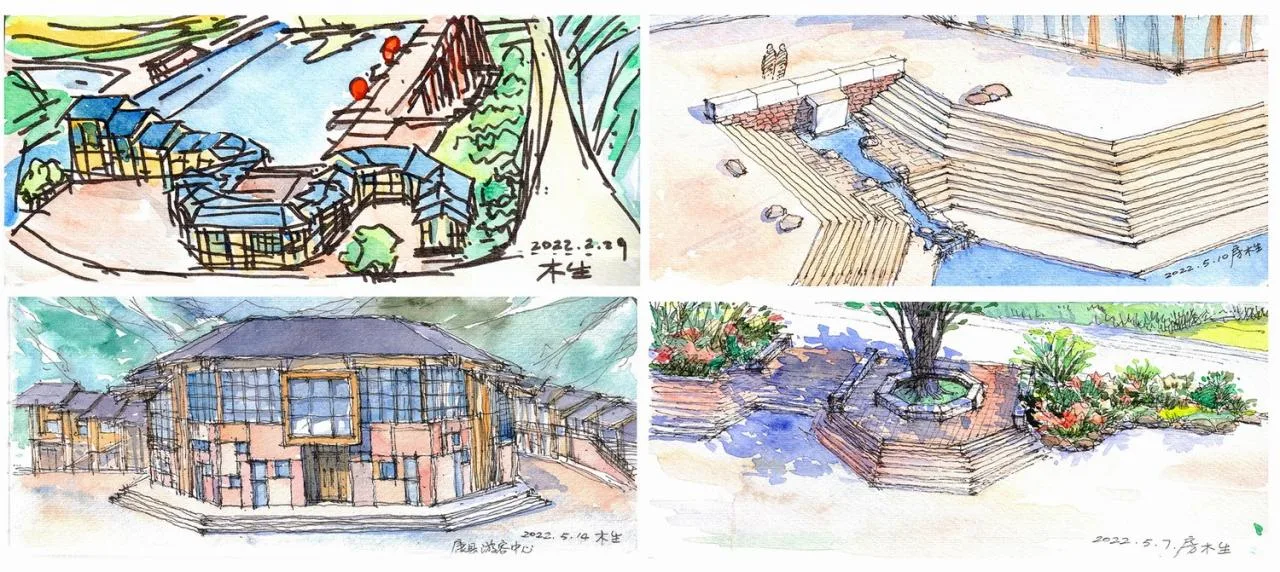
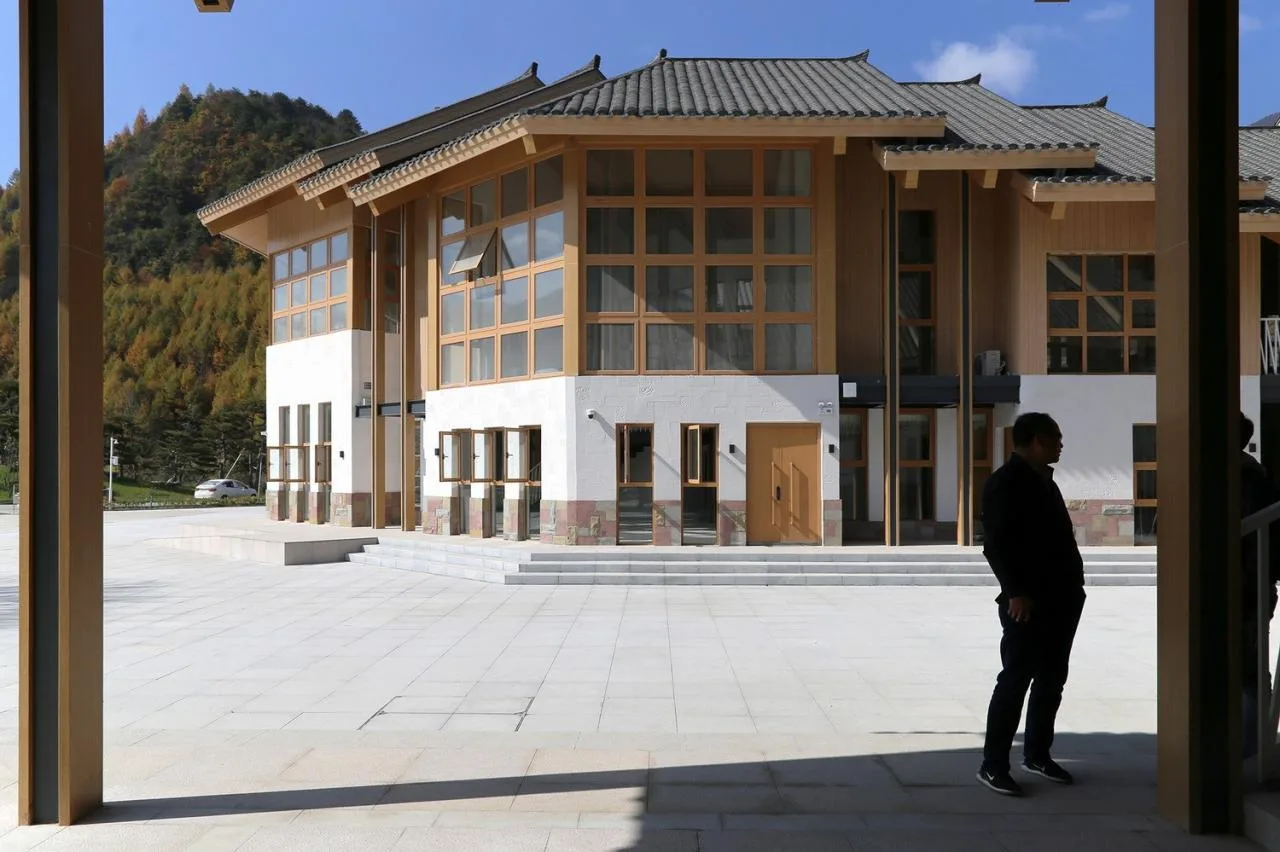
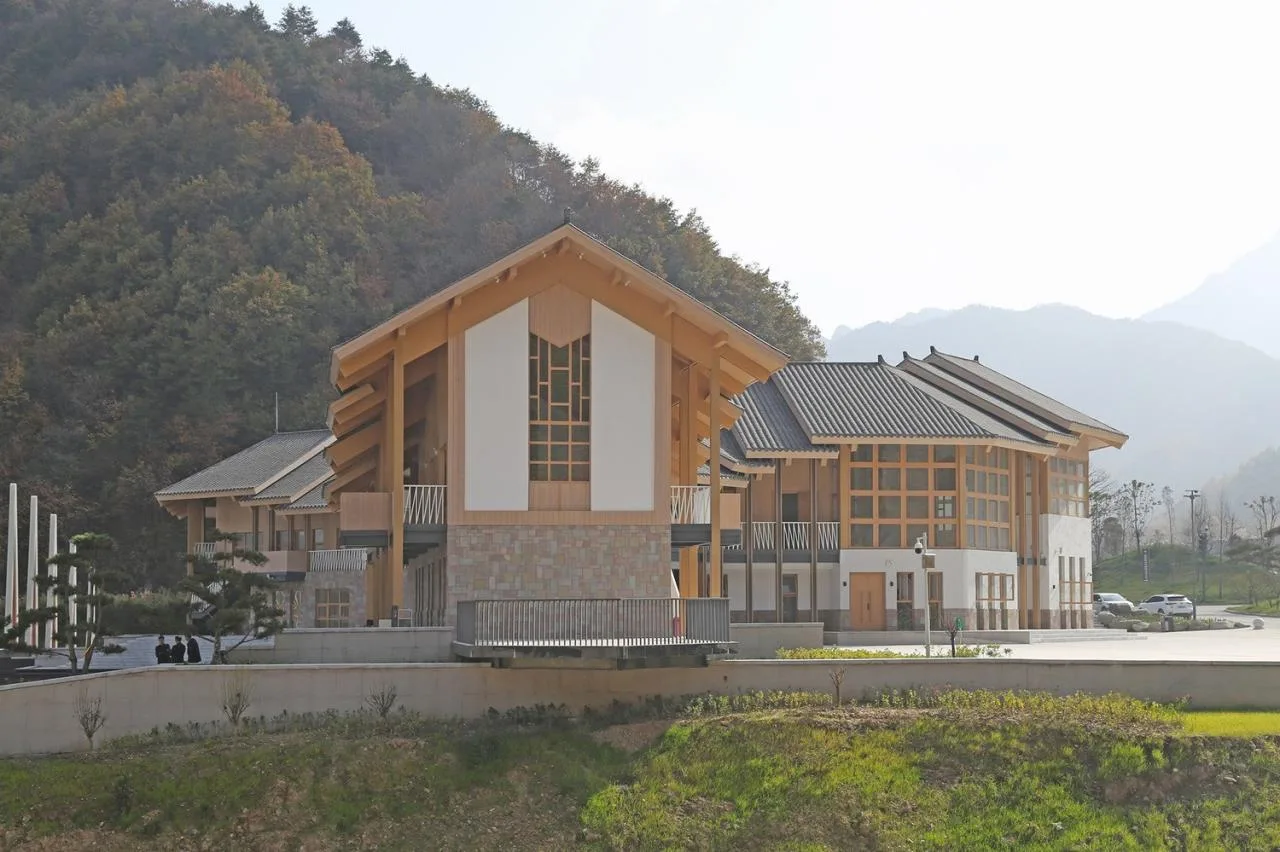
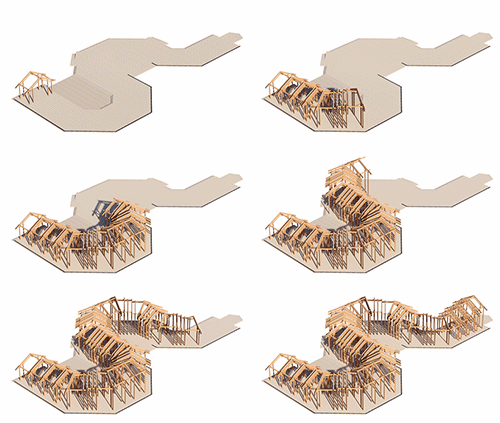
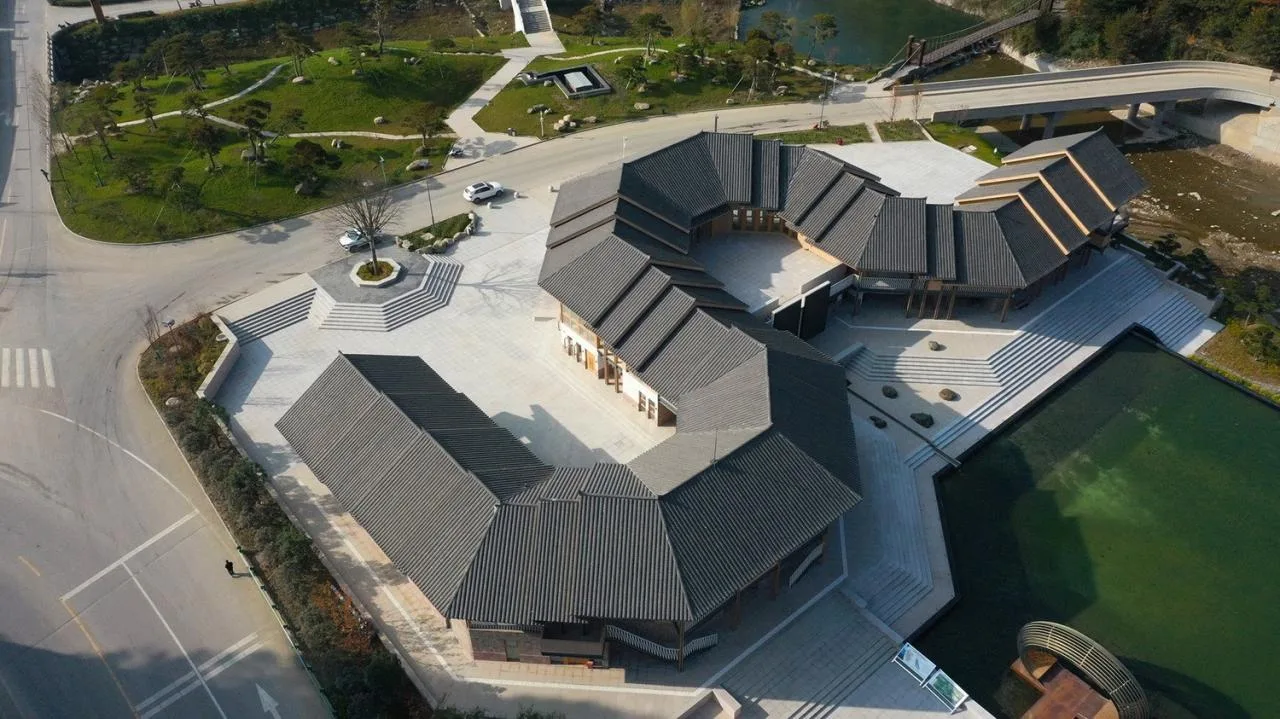
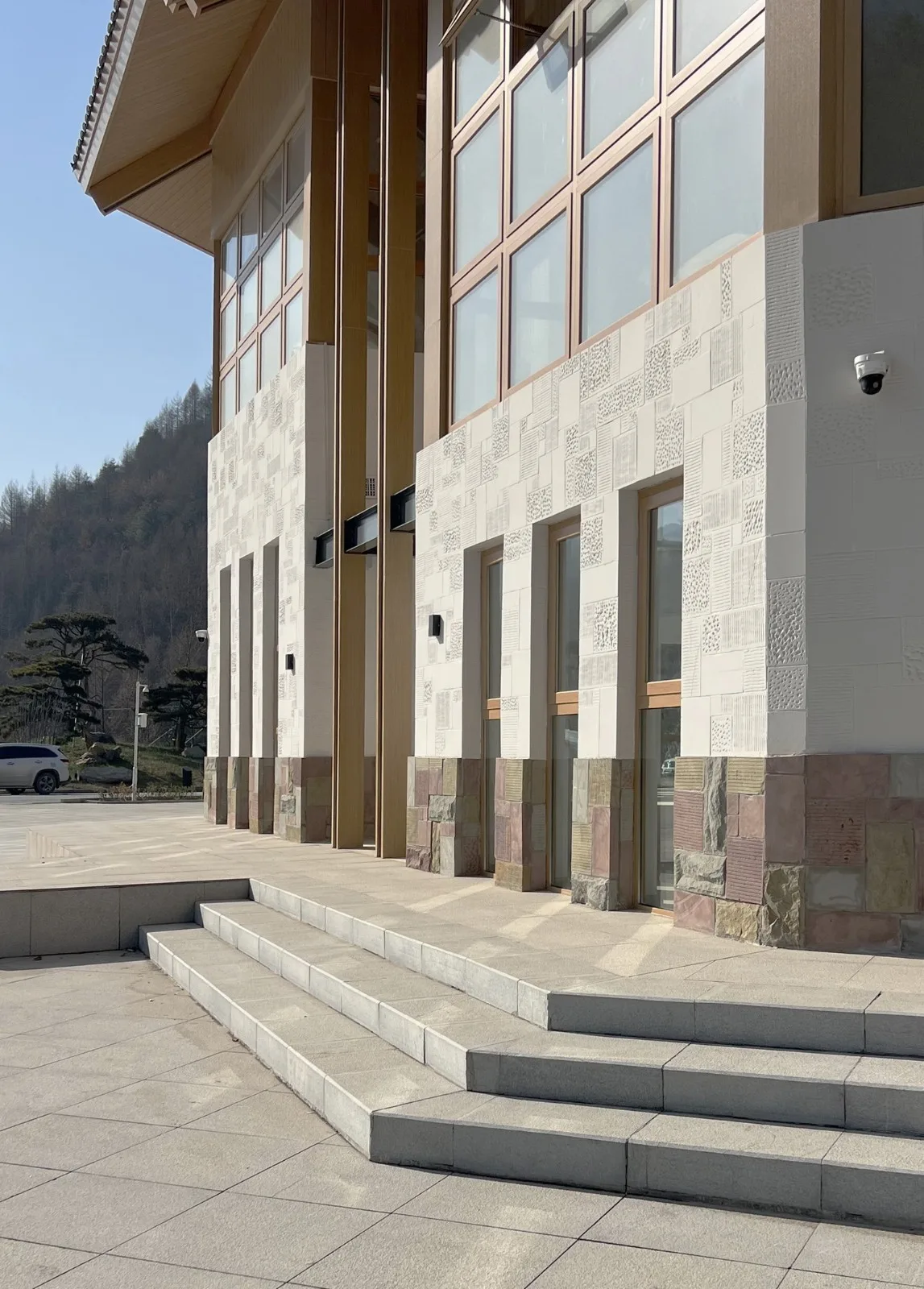
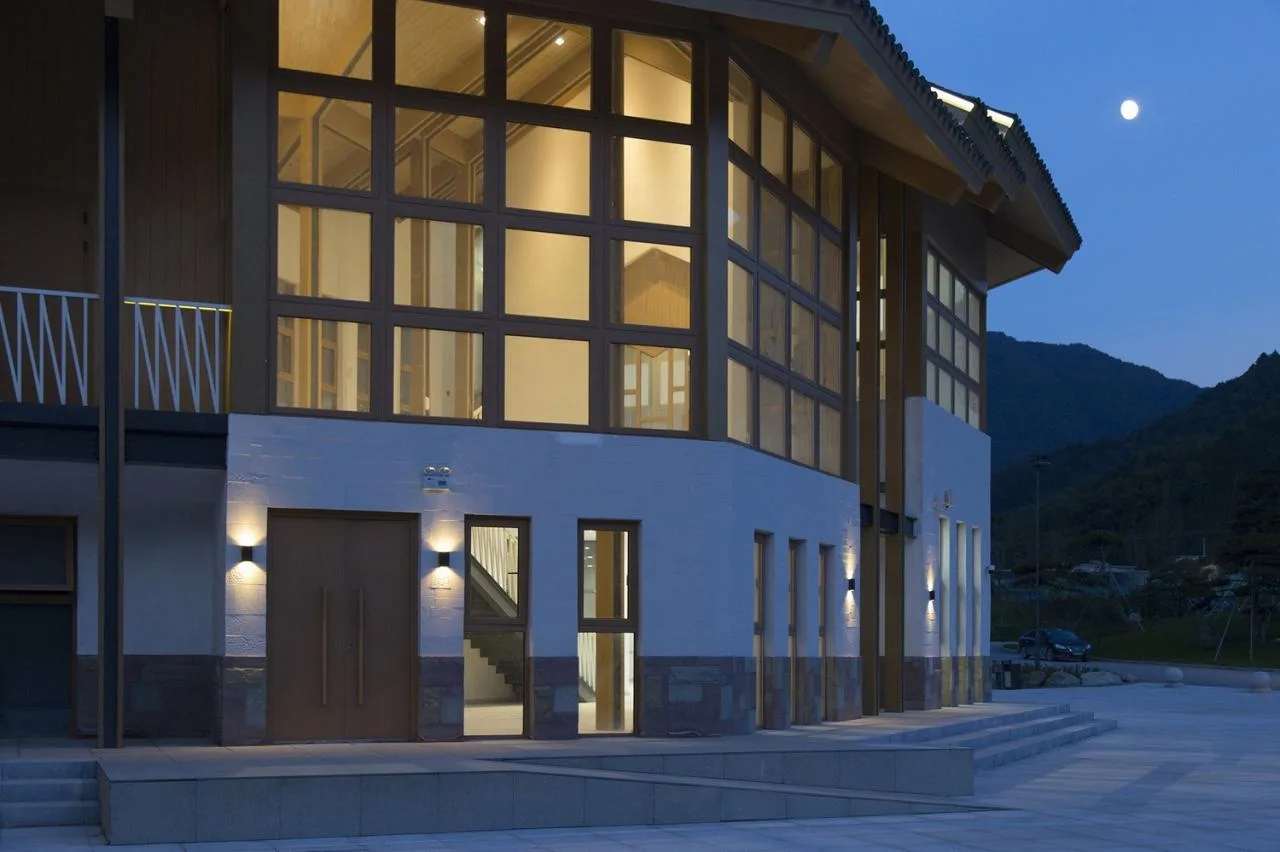
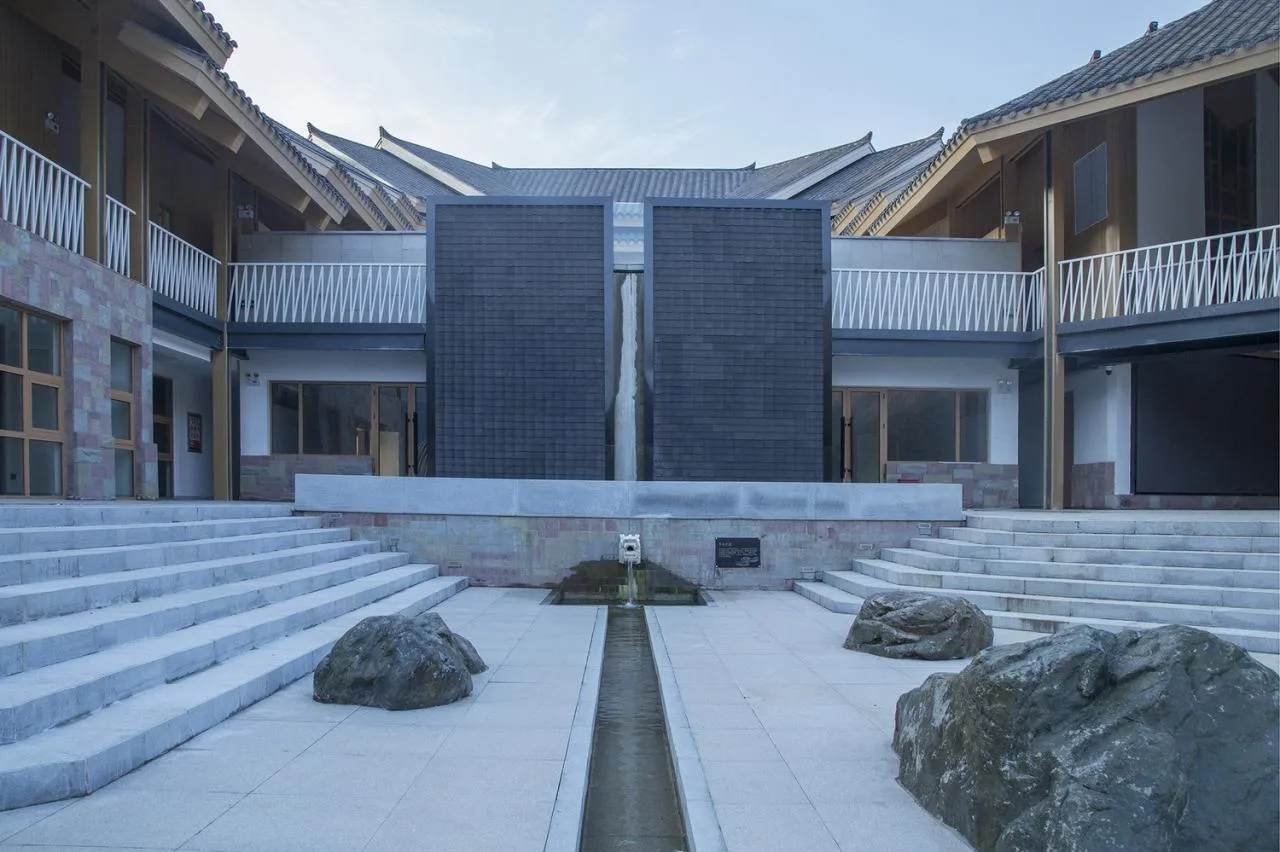
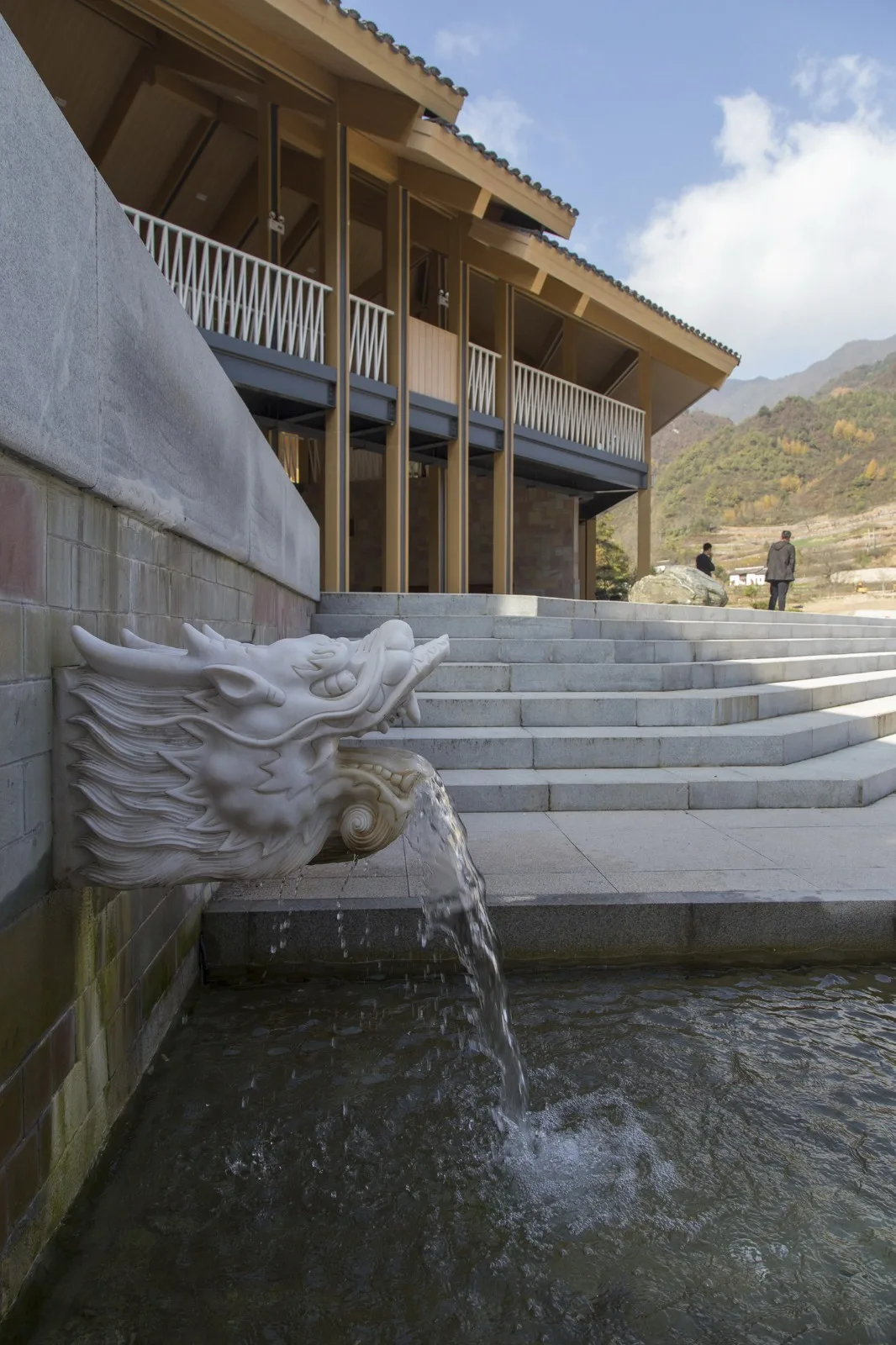
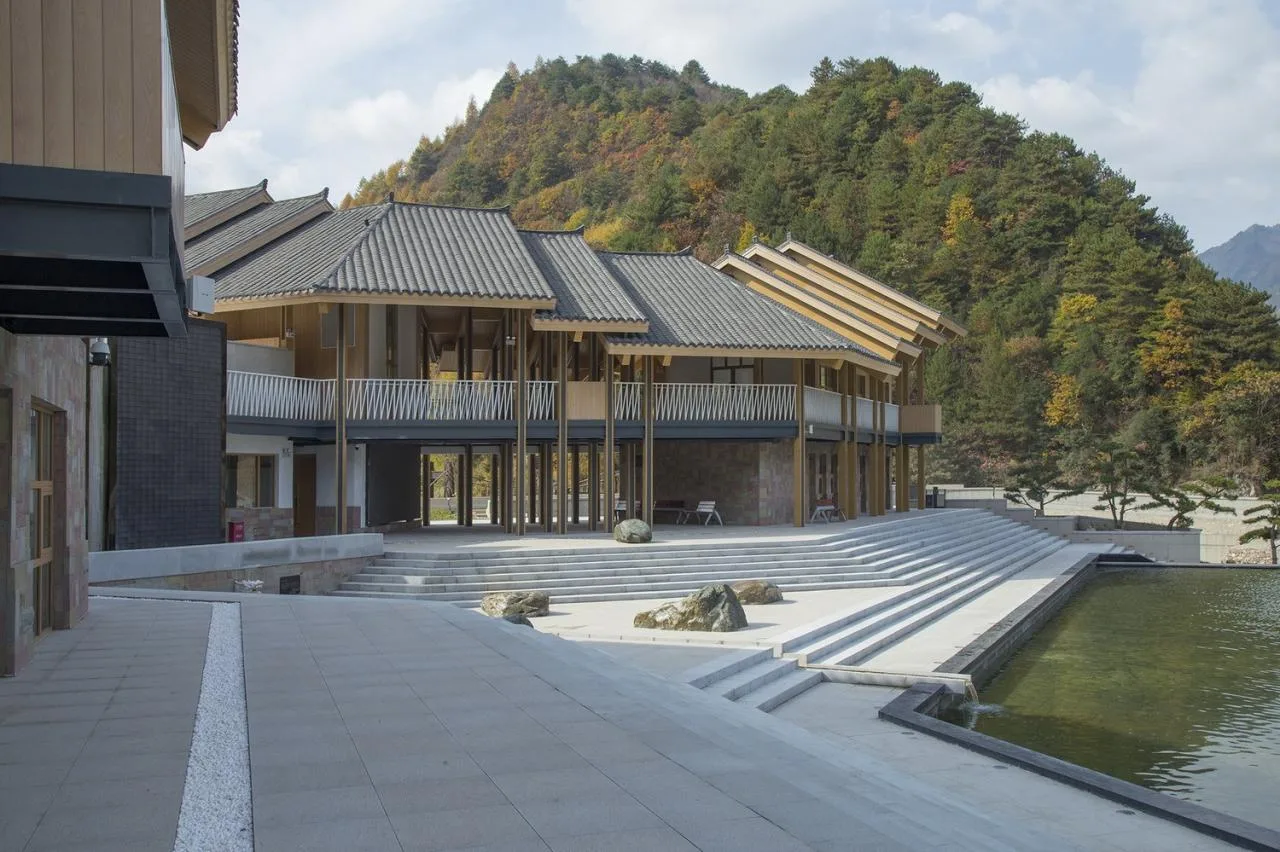
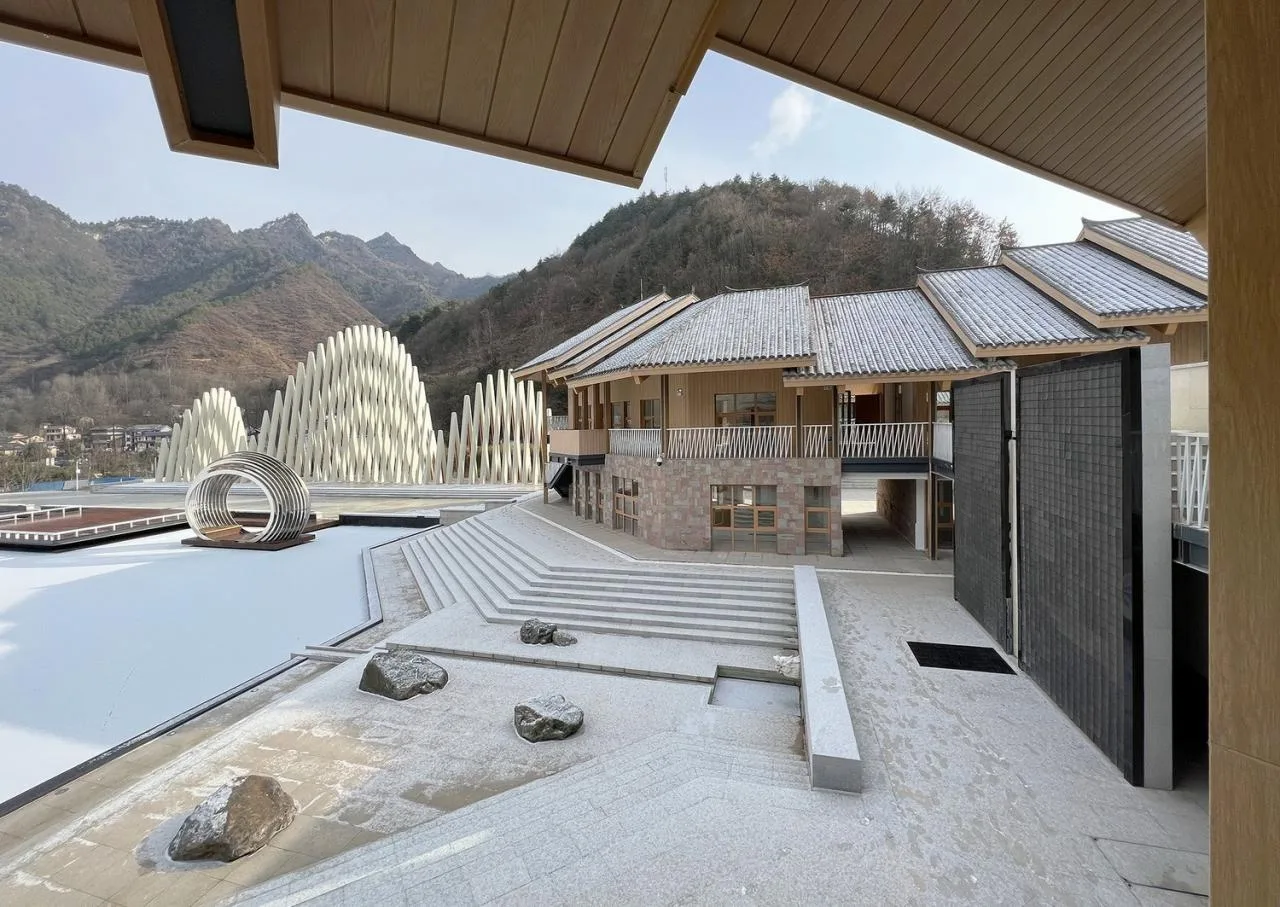
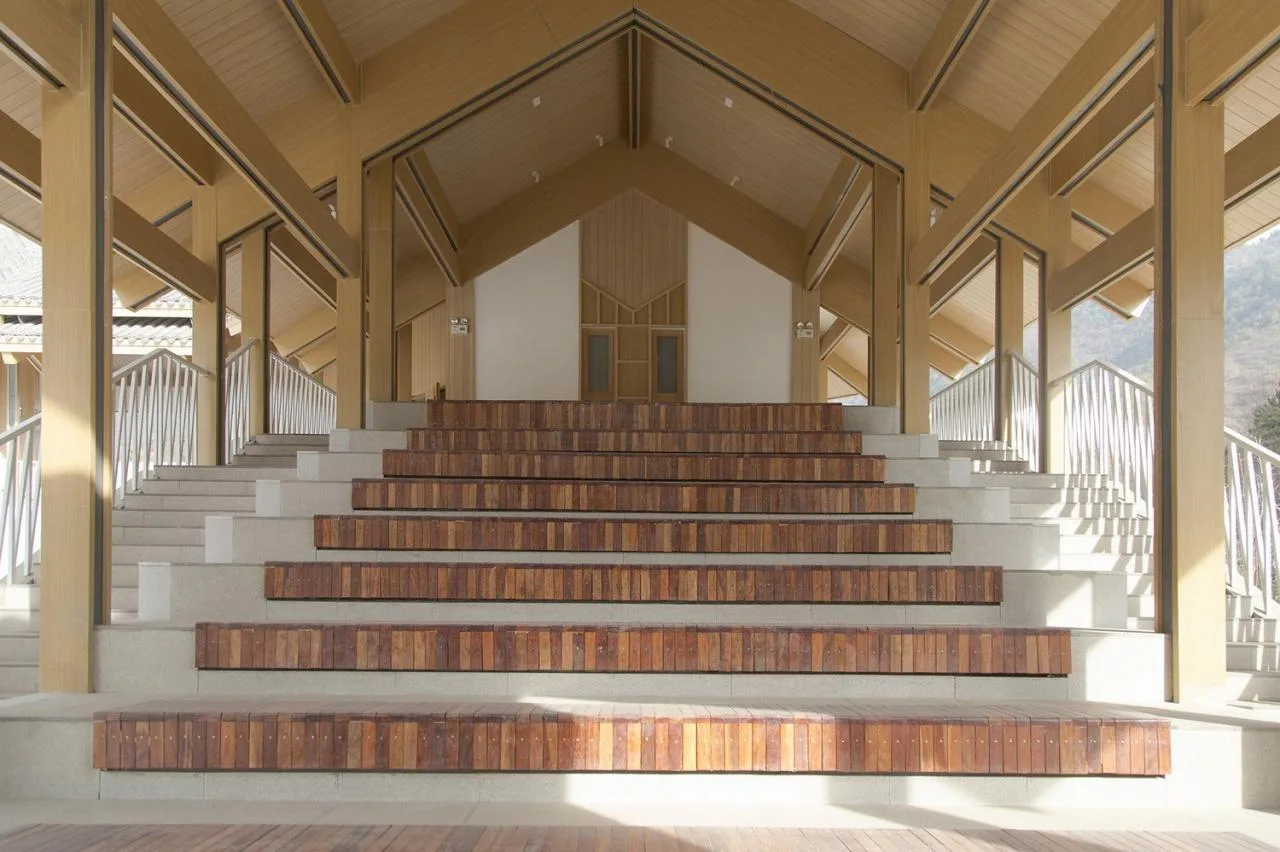
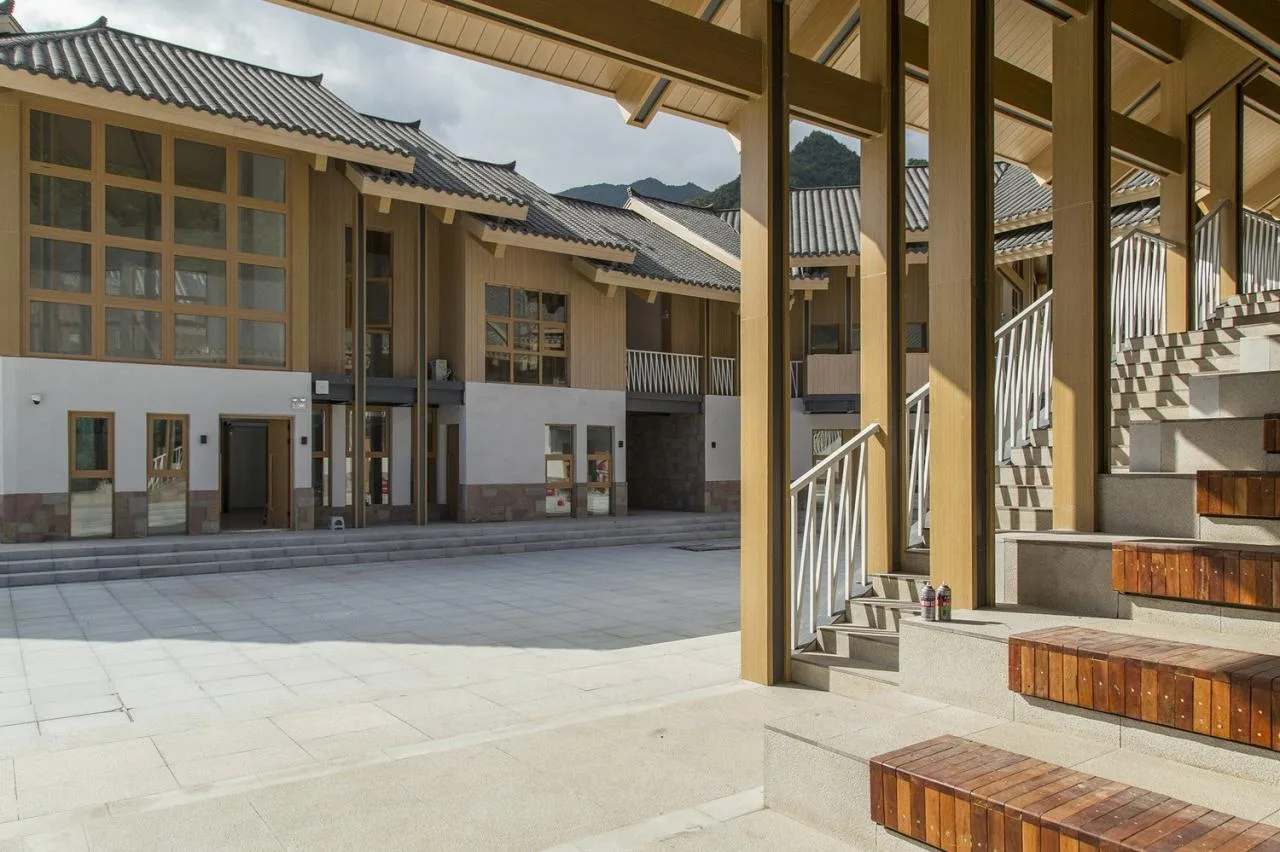
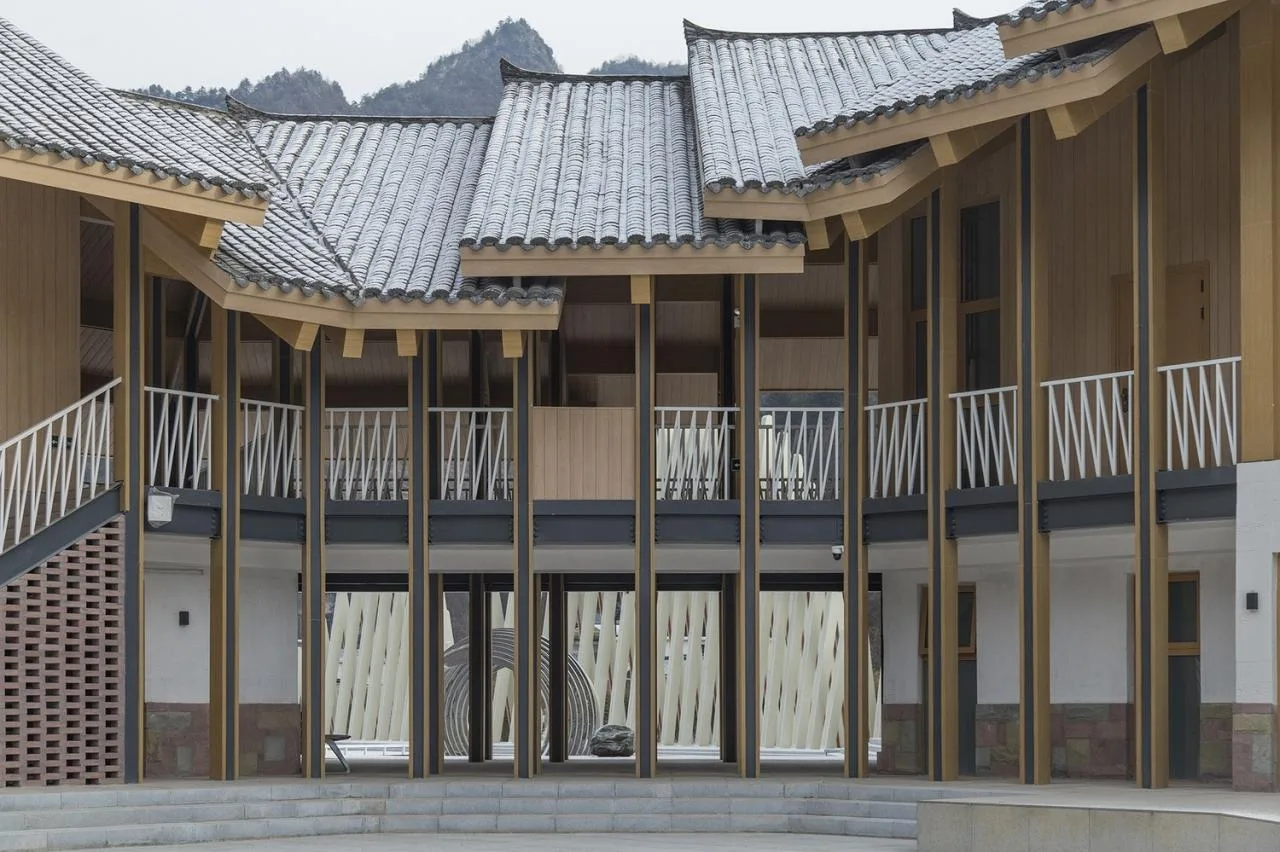
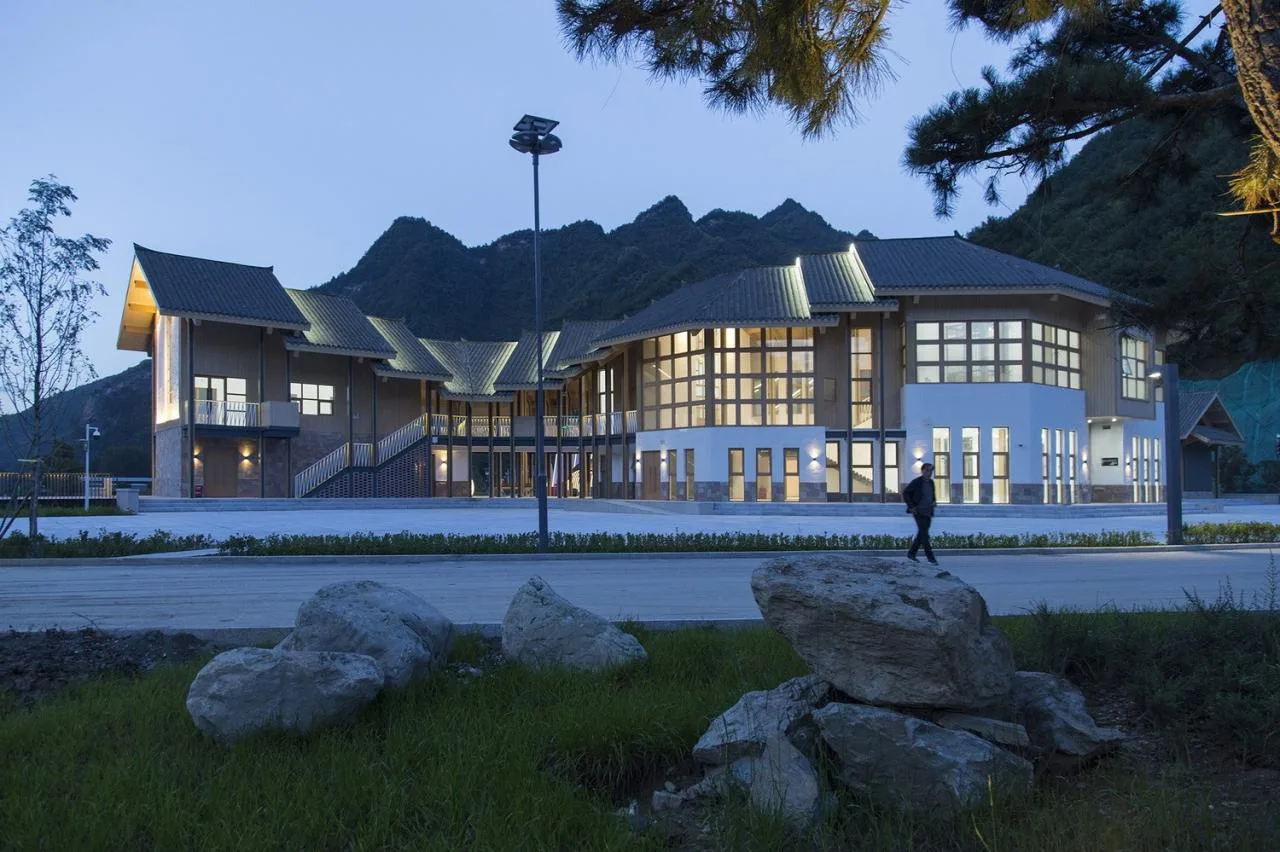
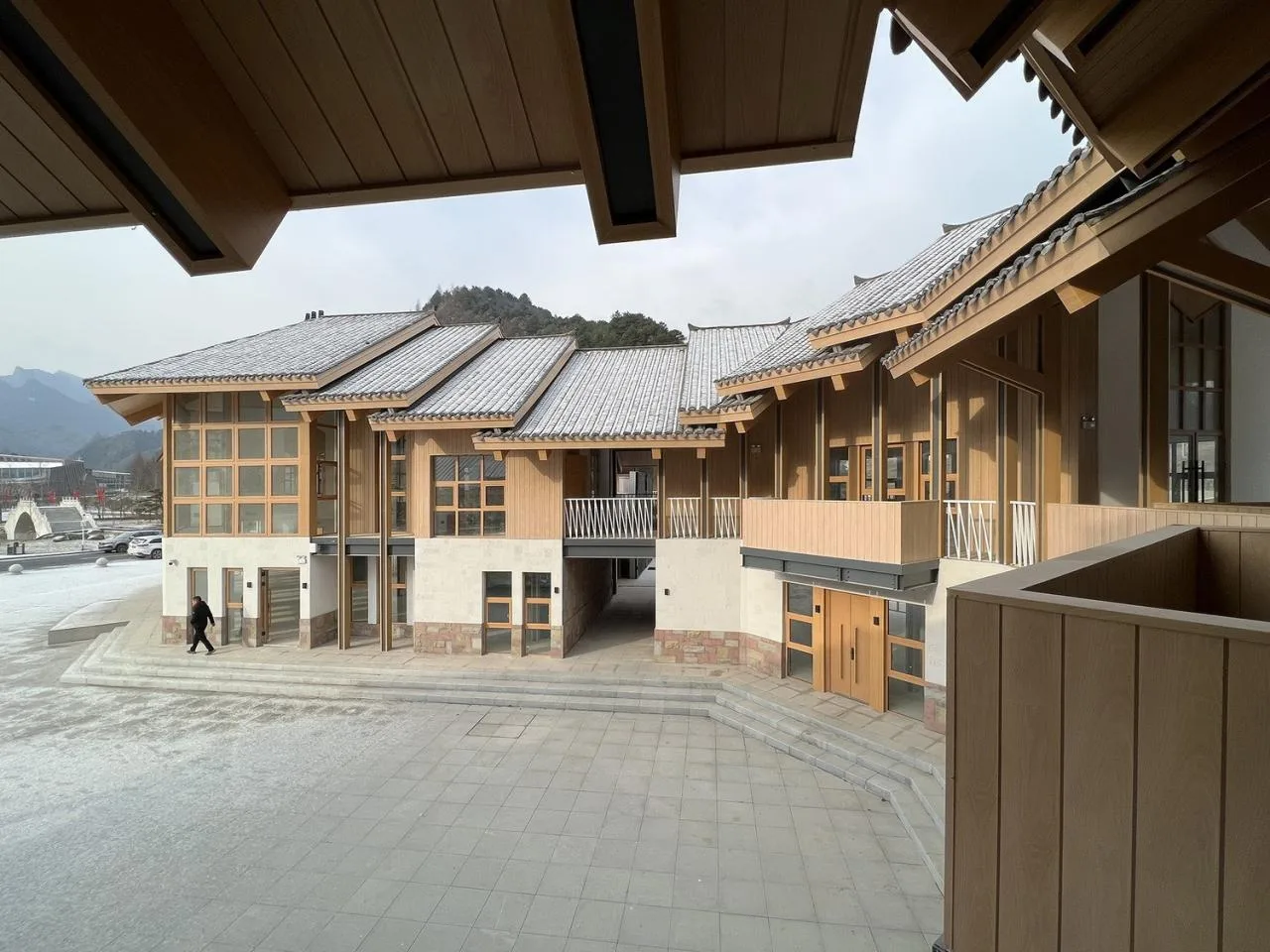
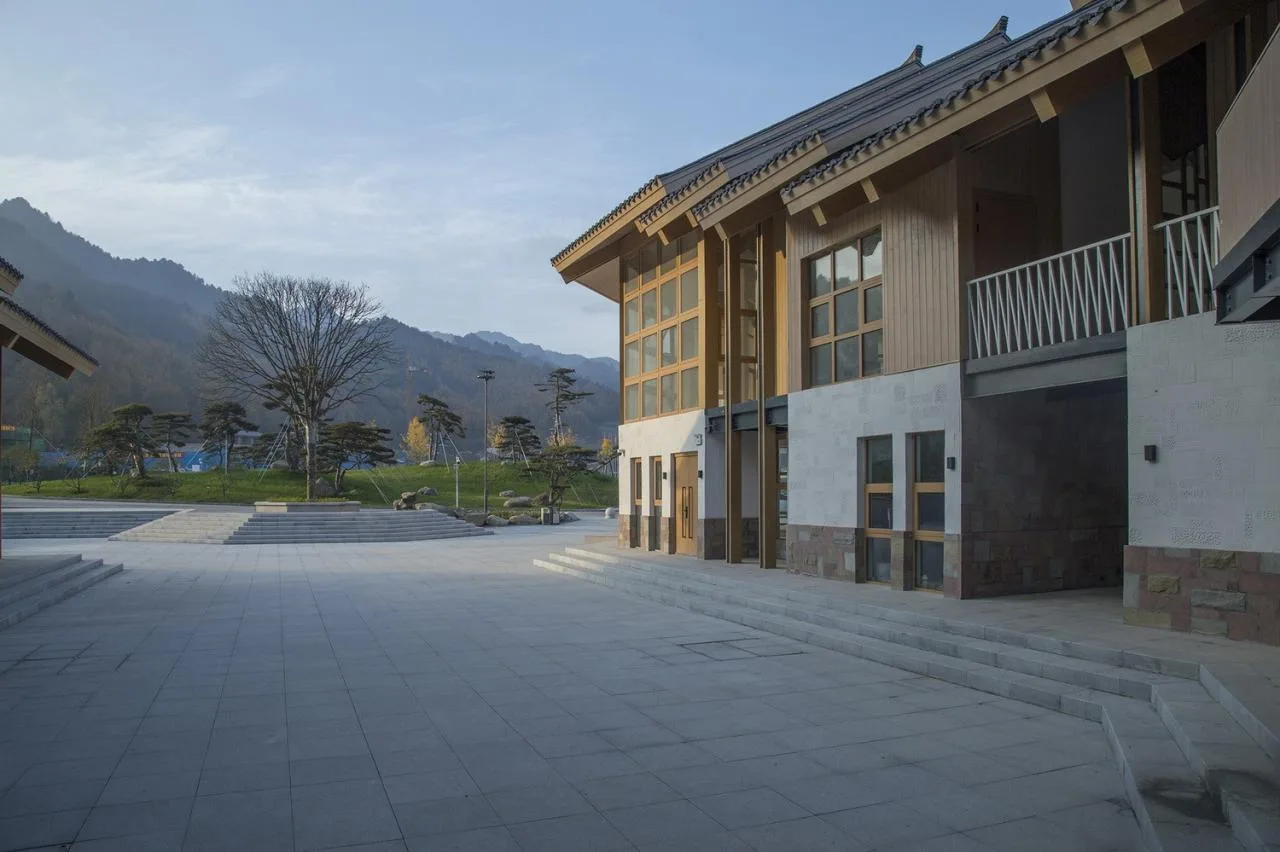
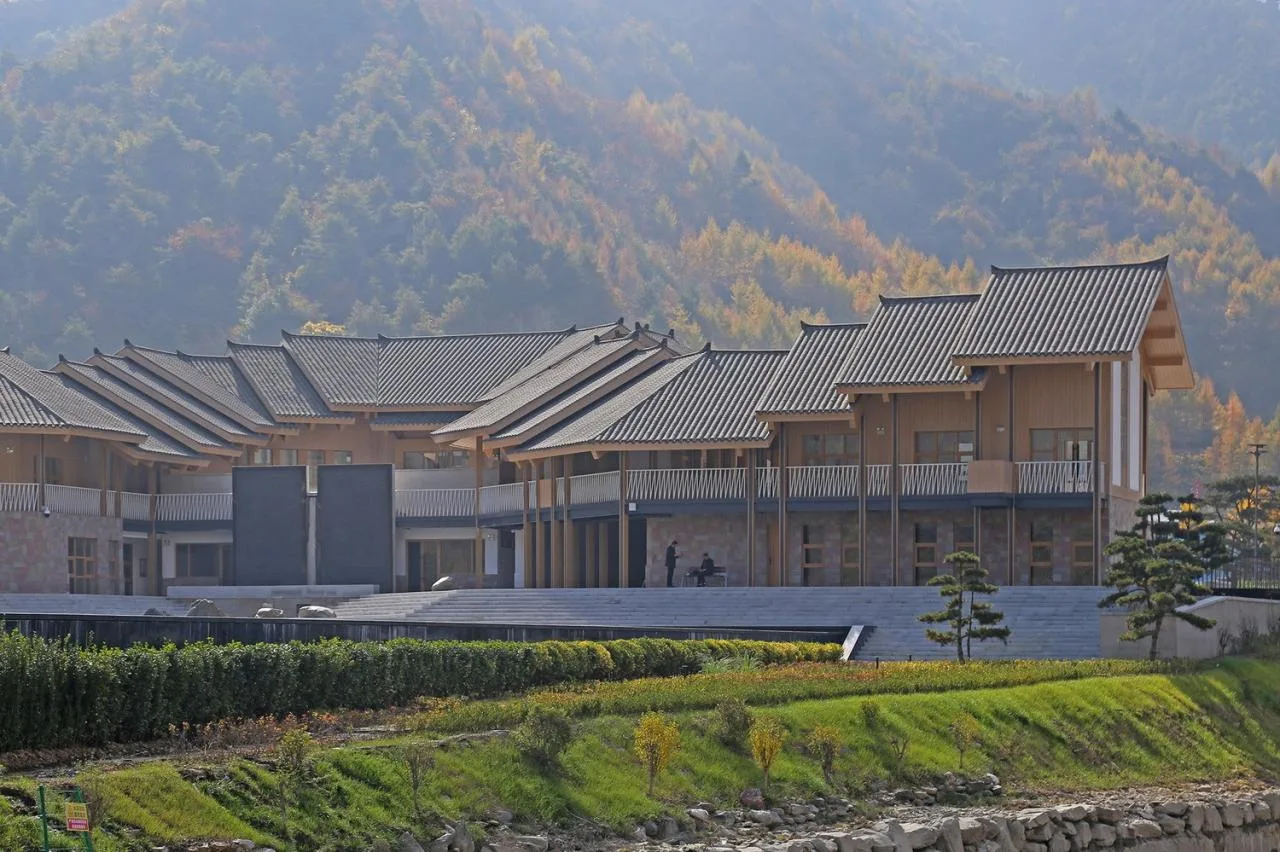
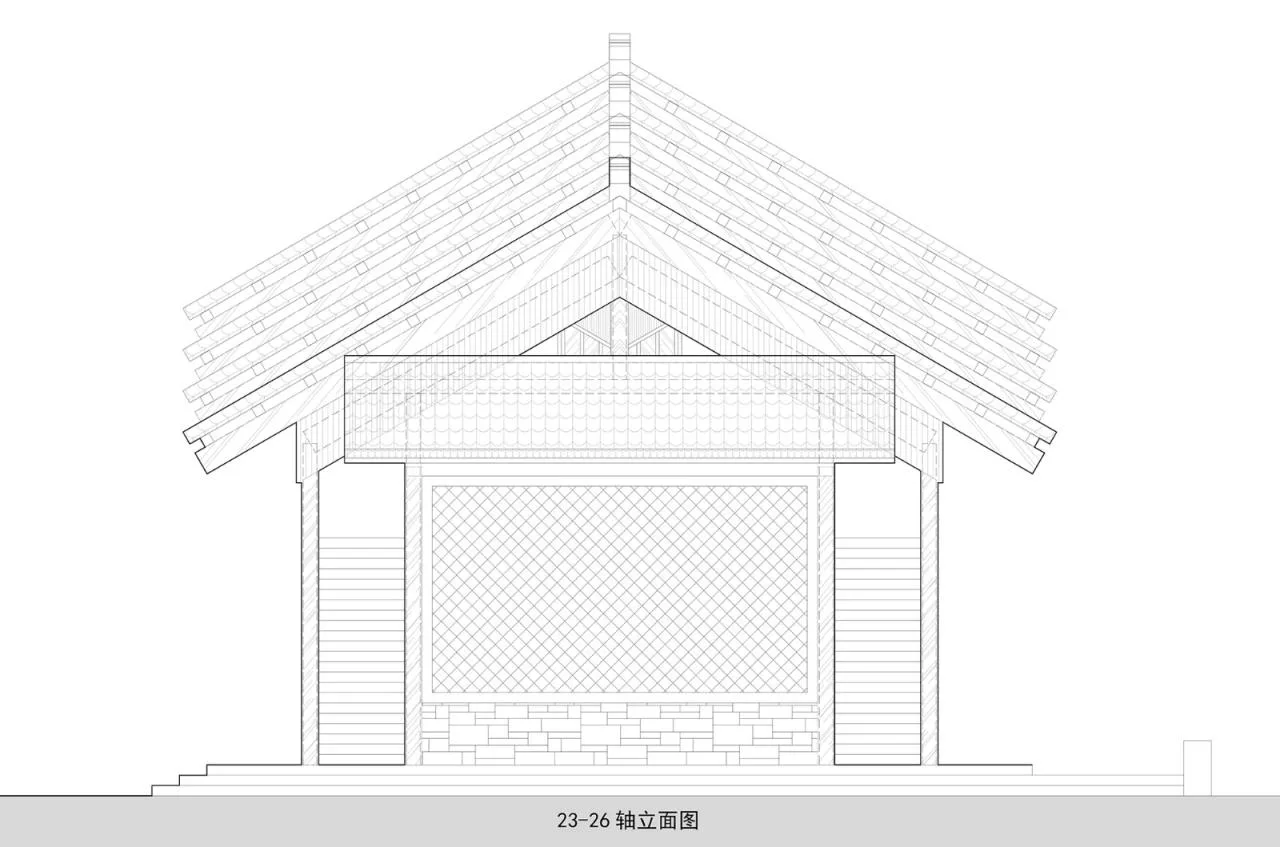
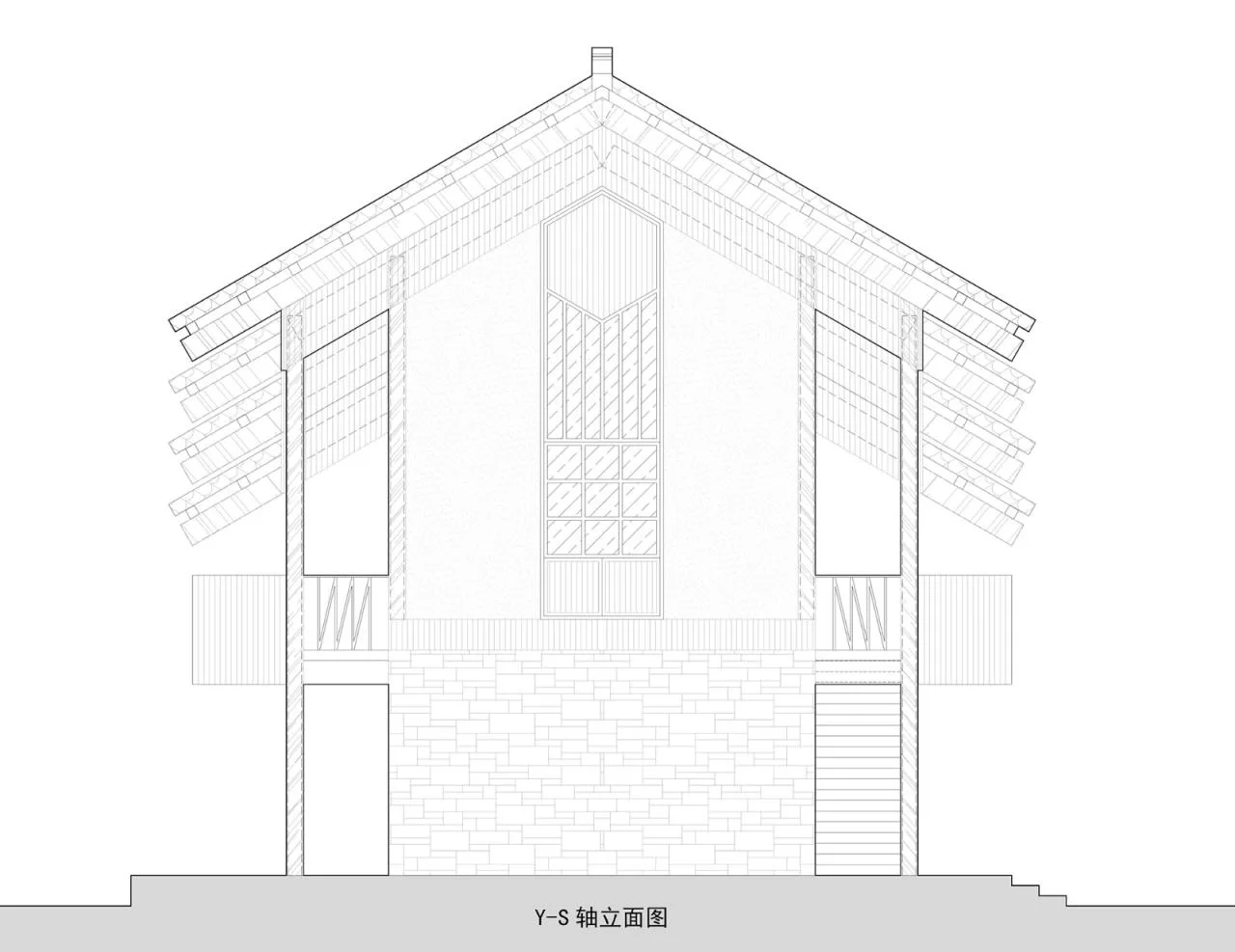
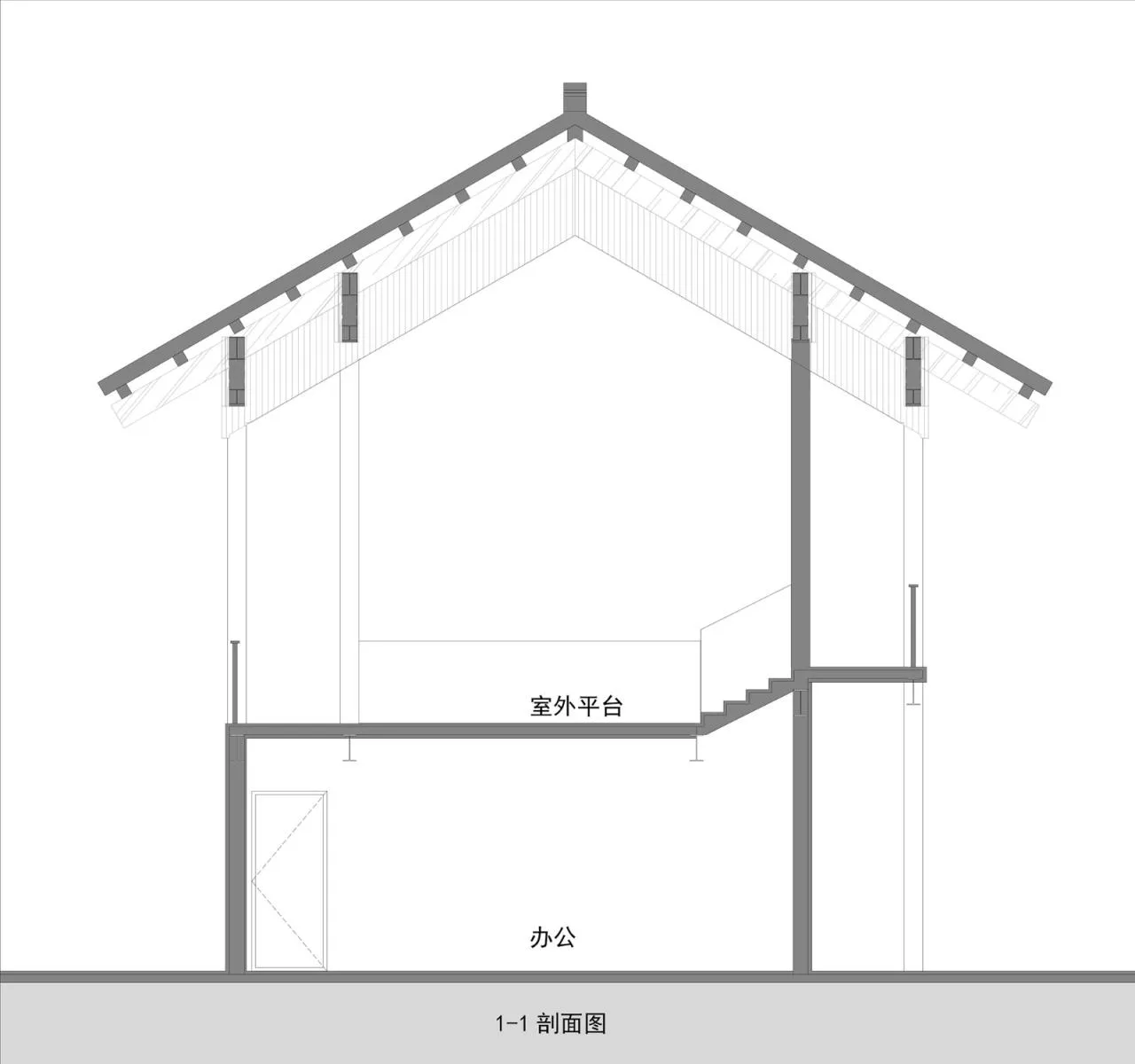
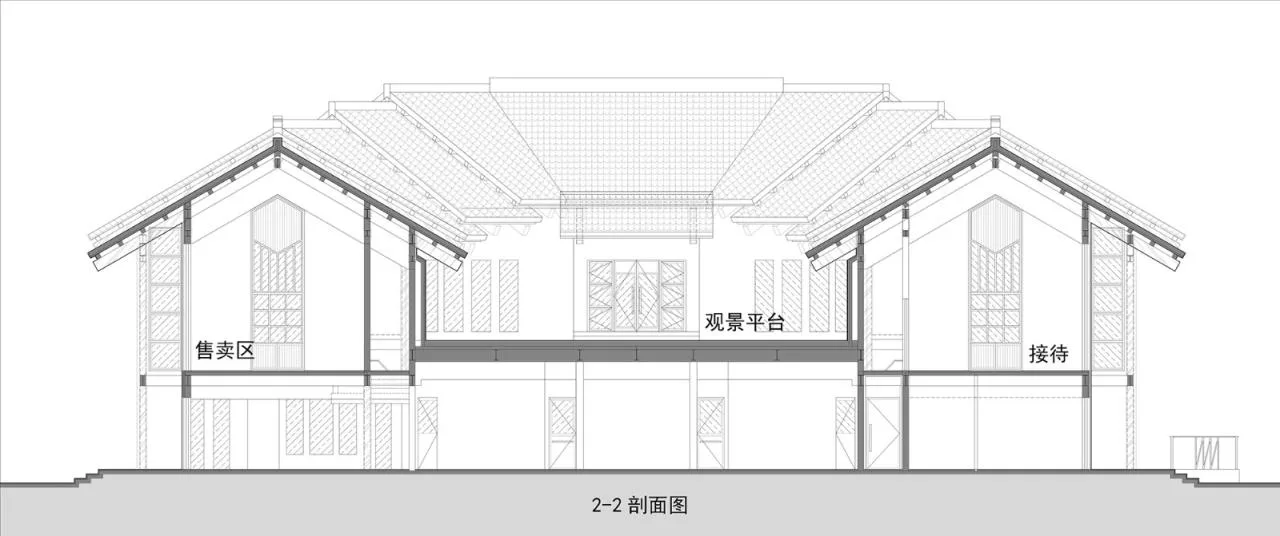
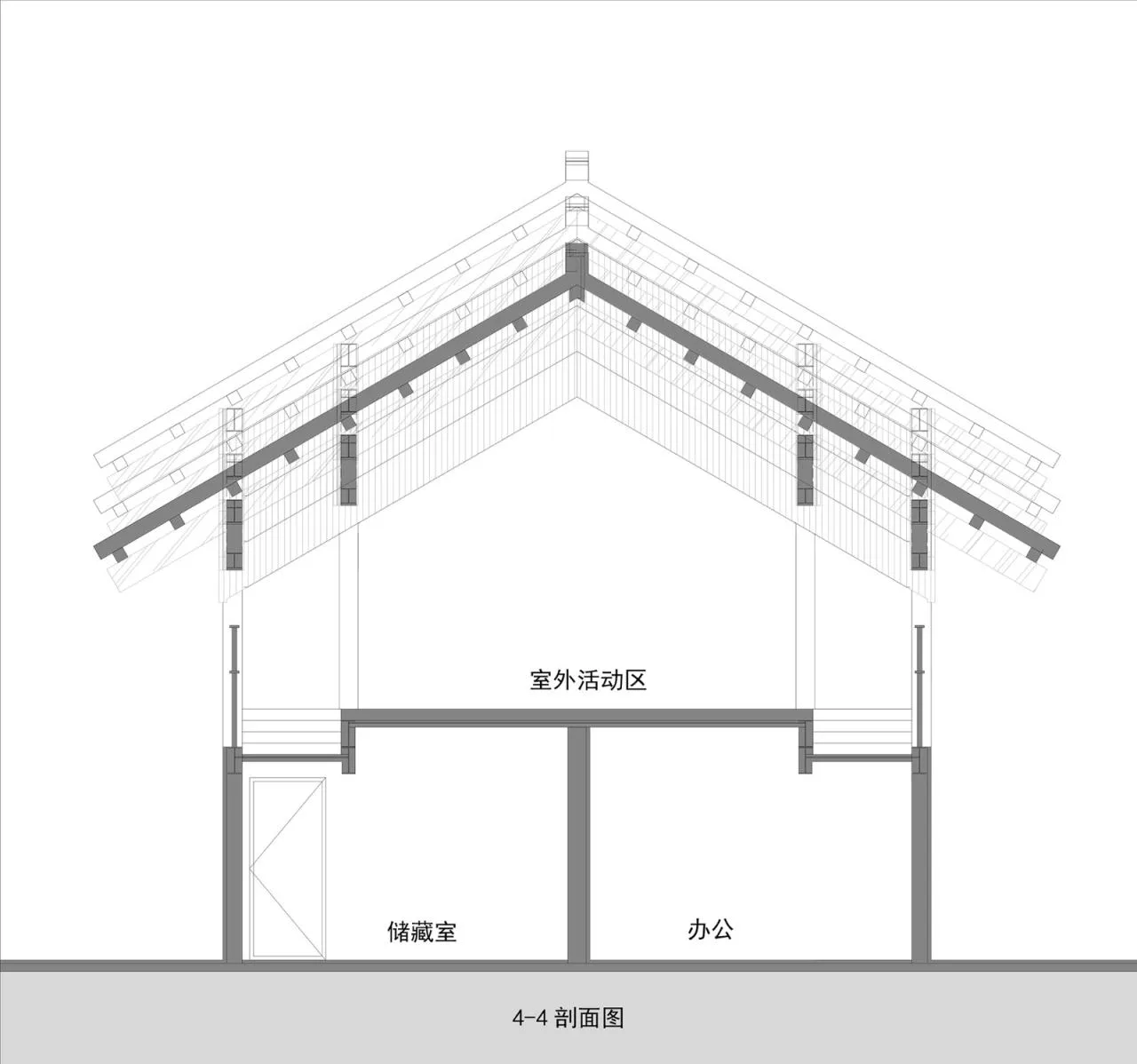
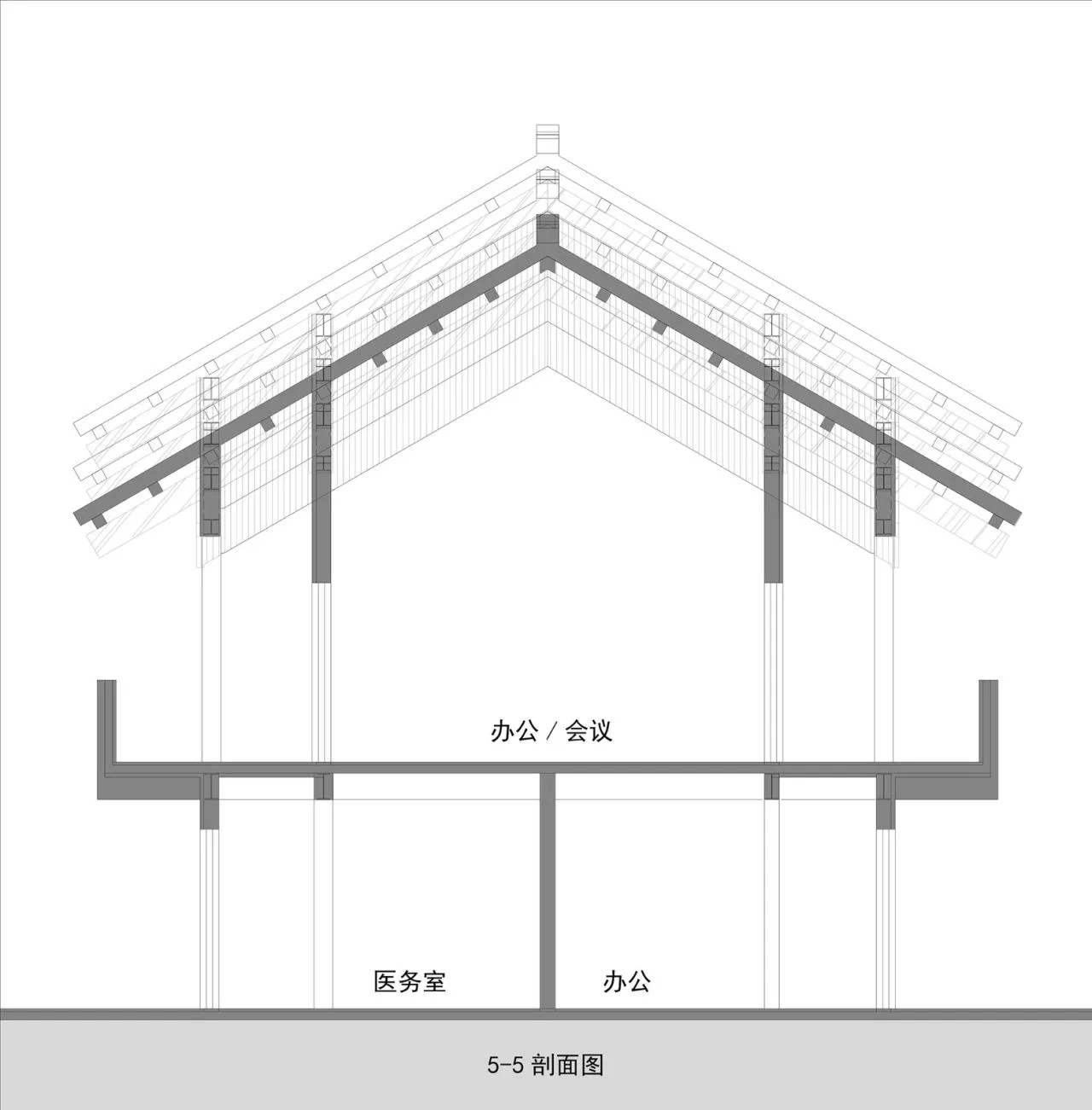
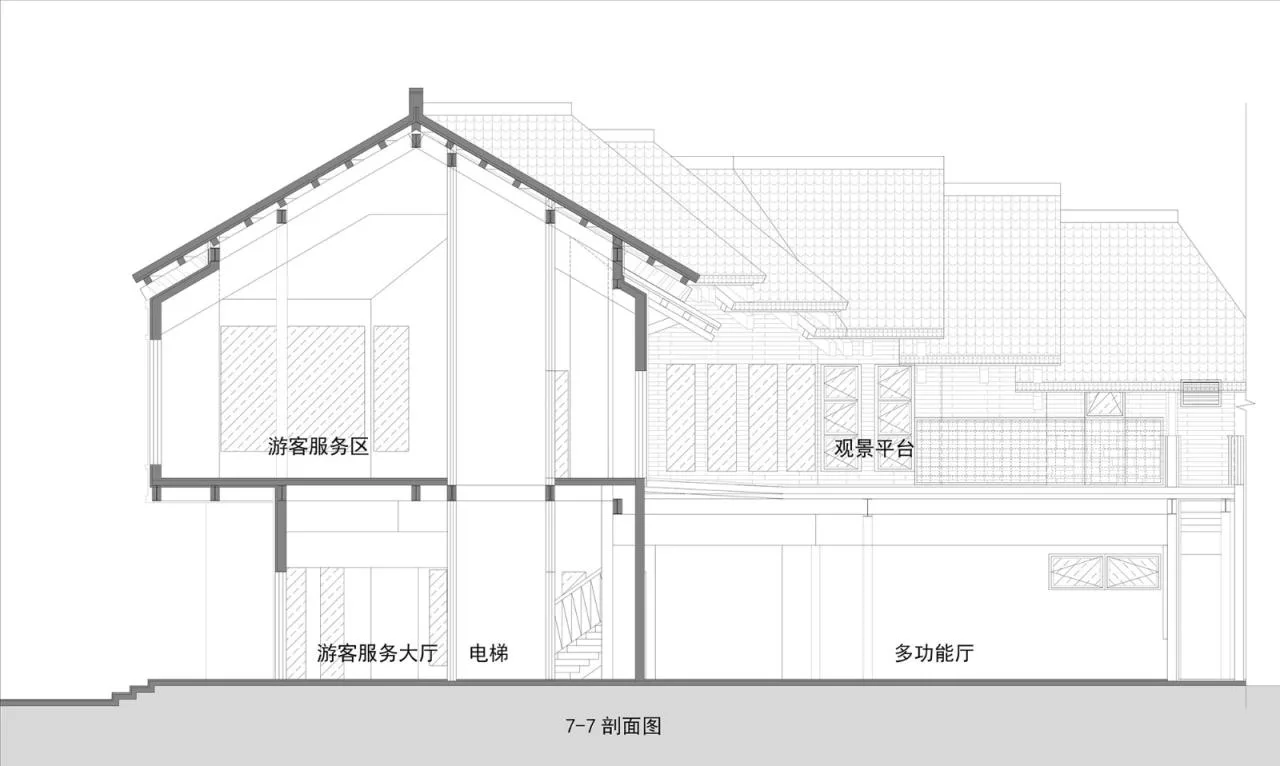
The design features a winding, undulating tiled roof running linearly, naturally forming a north-south courtyard through its bends. The spatial layout and construction methods draw from traditional wooden structures, including elements like corridors, frames, intervals, and trusses. The building’s three-section facade—comprising tiled roofs, stone and wooden walls, and steps—echoes local residential architecture, yet it has been reinterpreted with a contemporary touch. Behind the tourist hall lies a tourism exhibition space, with its roof transformed into an observation platform. Rainwater from the three slopes is collected here and merged with natural river water sourced from the mountains, flowing into a large pool. The design incorporates facade tile walls, water spouts, and scattered stone blocks, creating a “Tianshui Courtyard” that honors traditional spaces such as the “Four Waters Returning Hall,” fostering a harmonious coexistence between architecture and nature.
Juyou Settlement
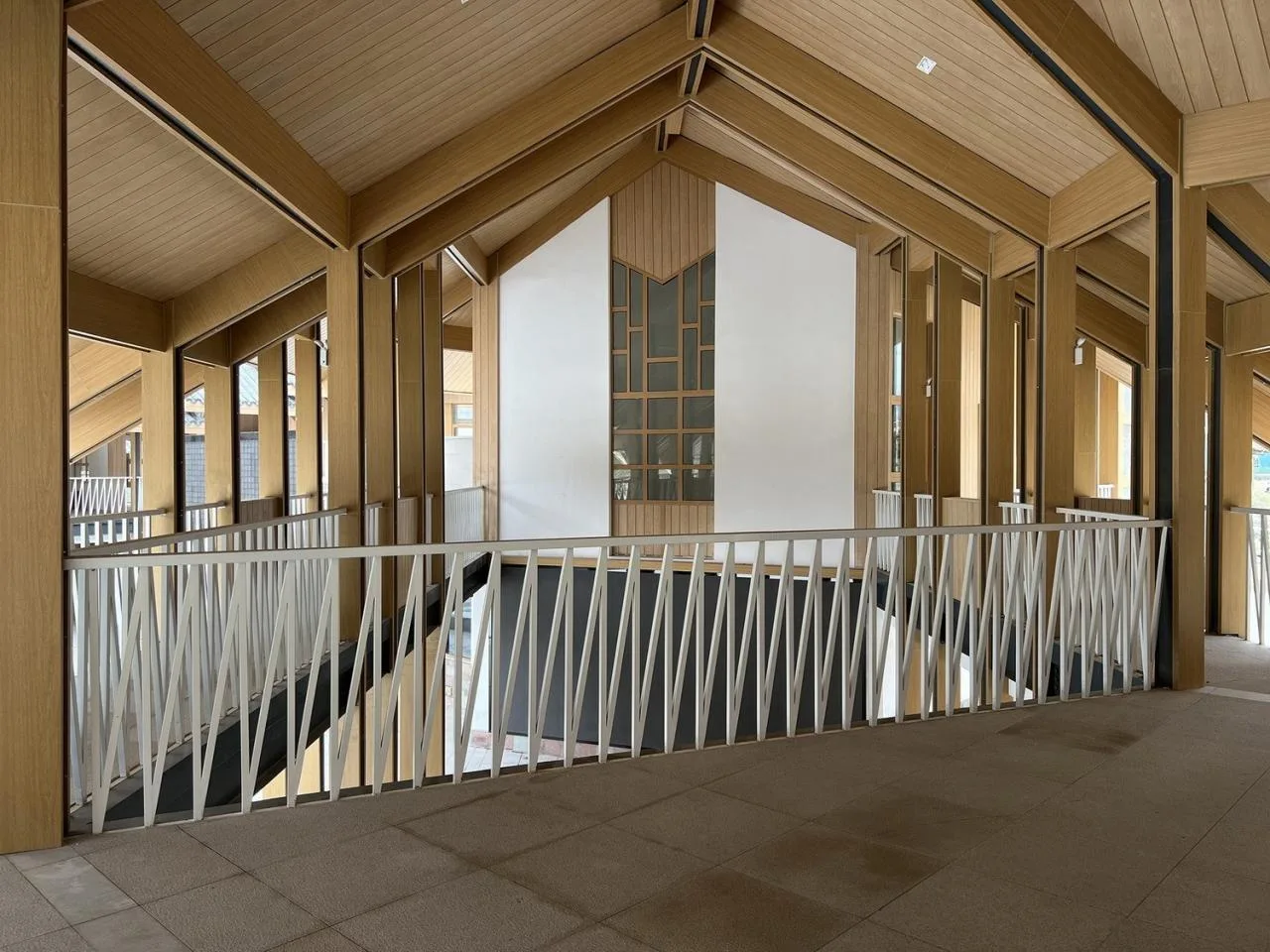
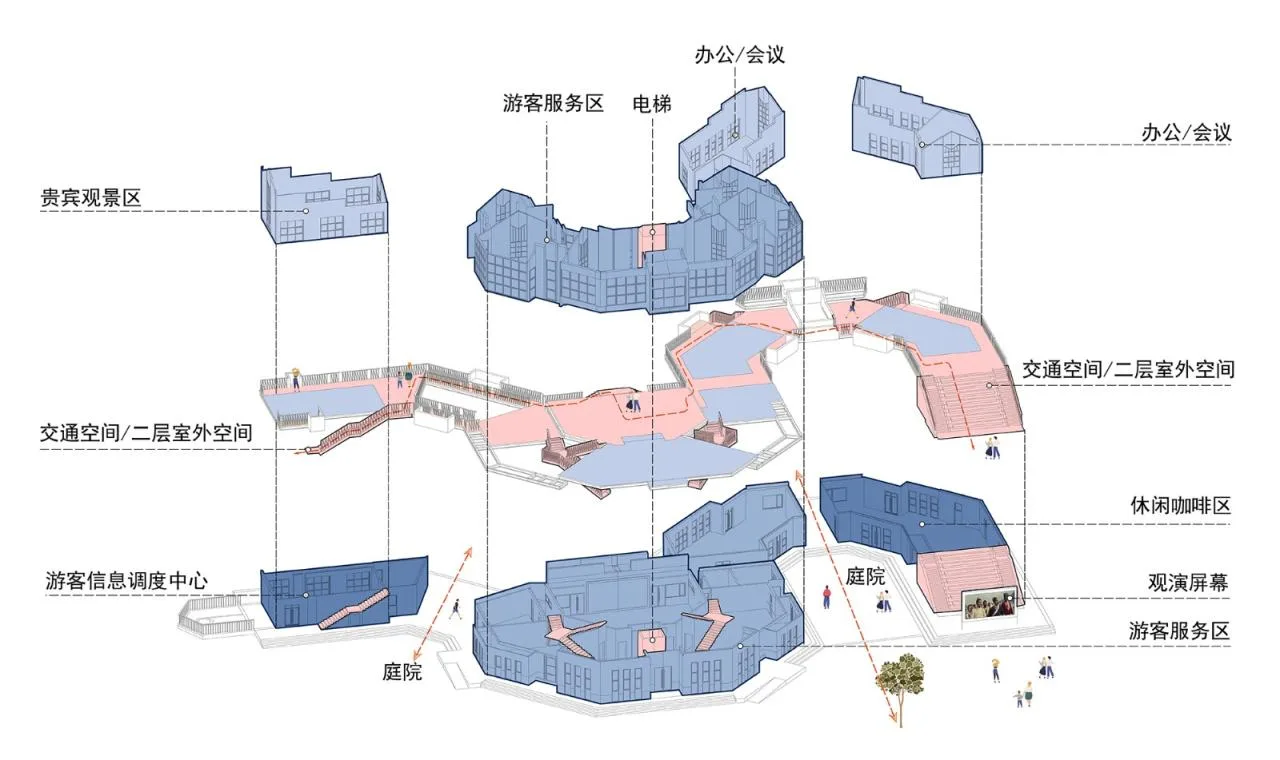
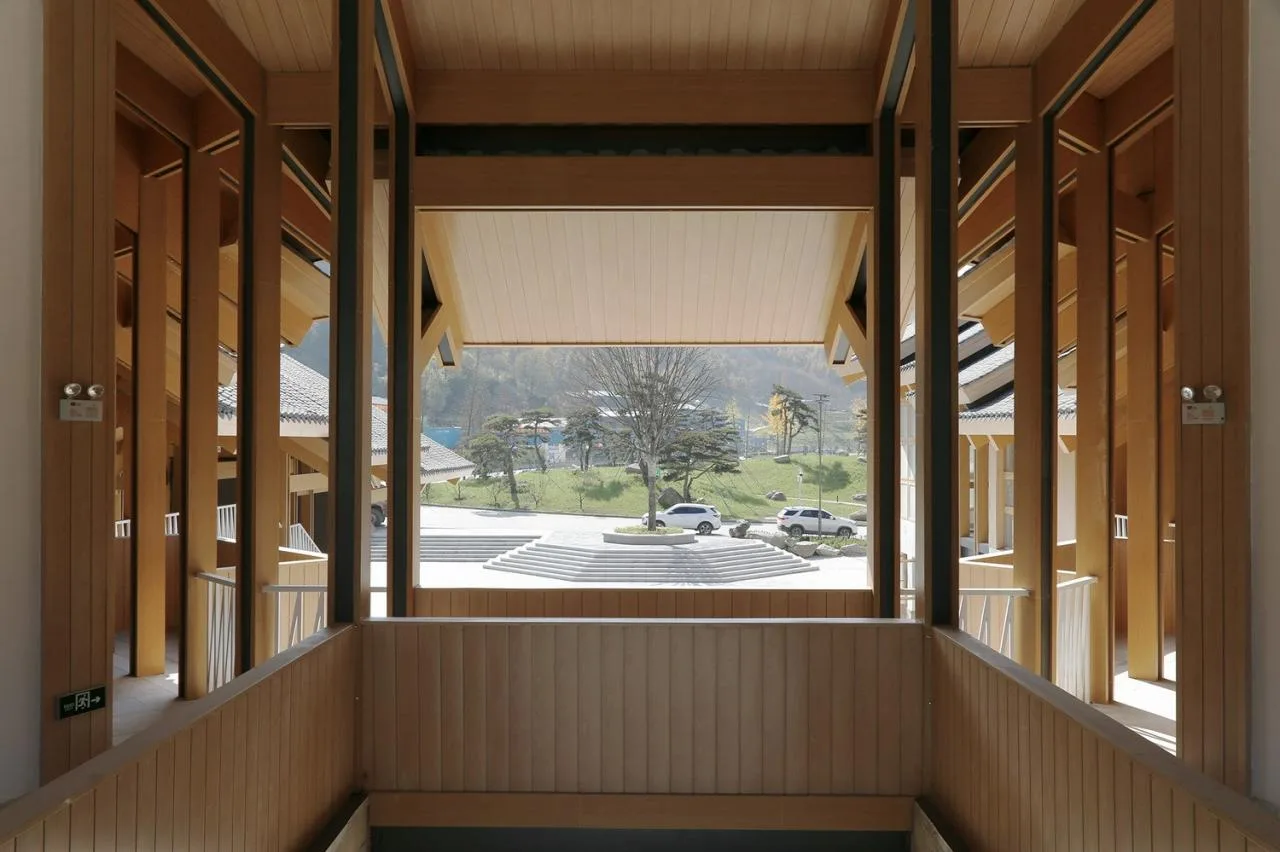
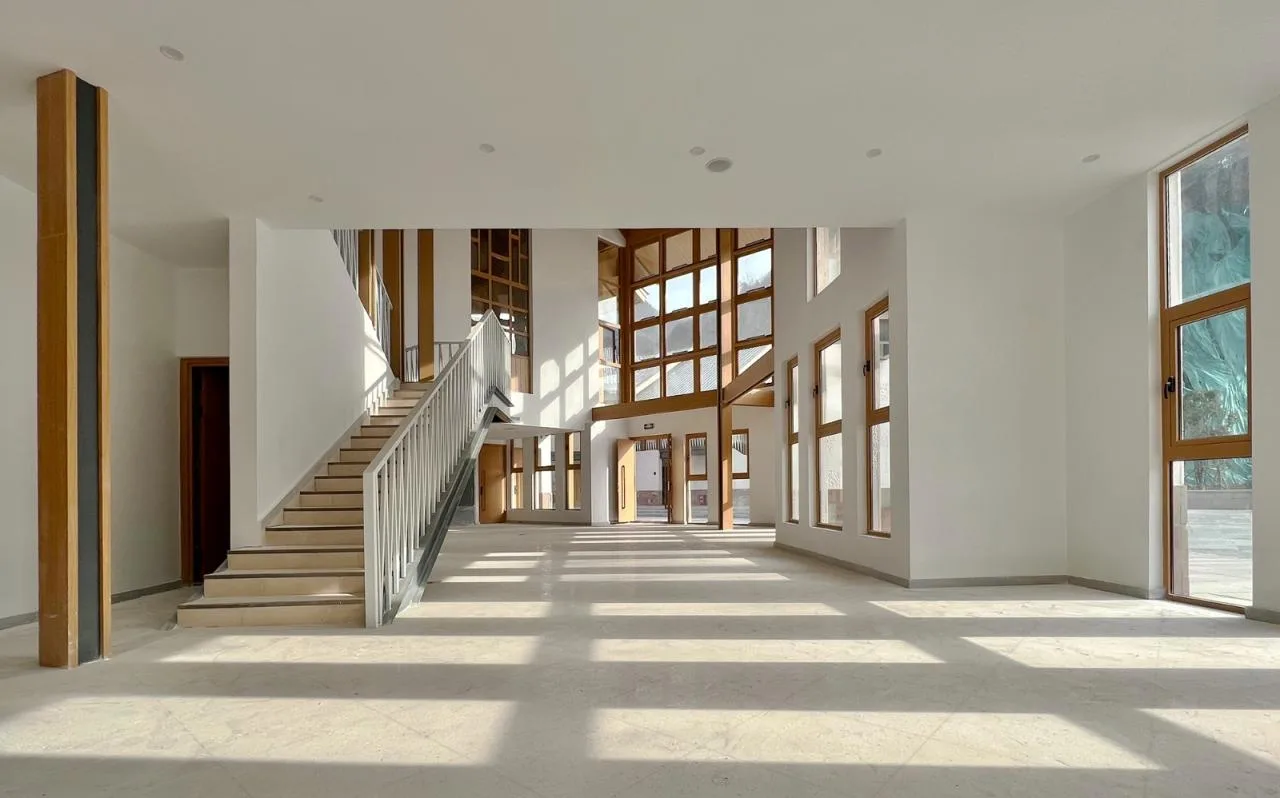
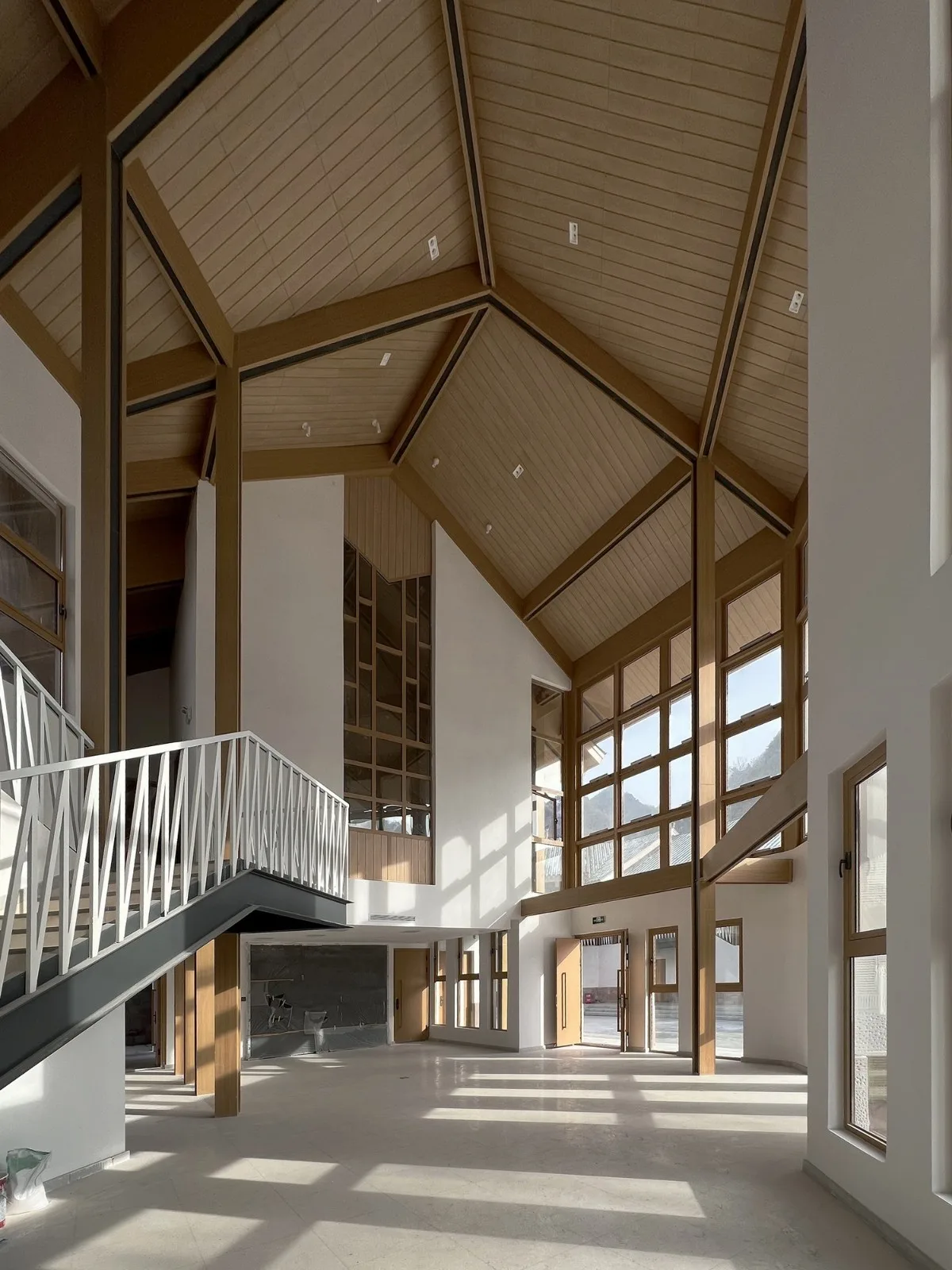
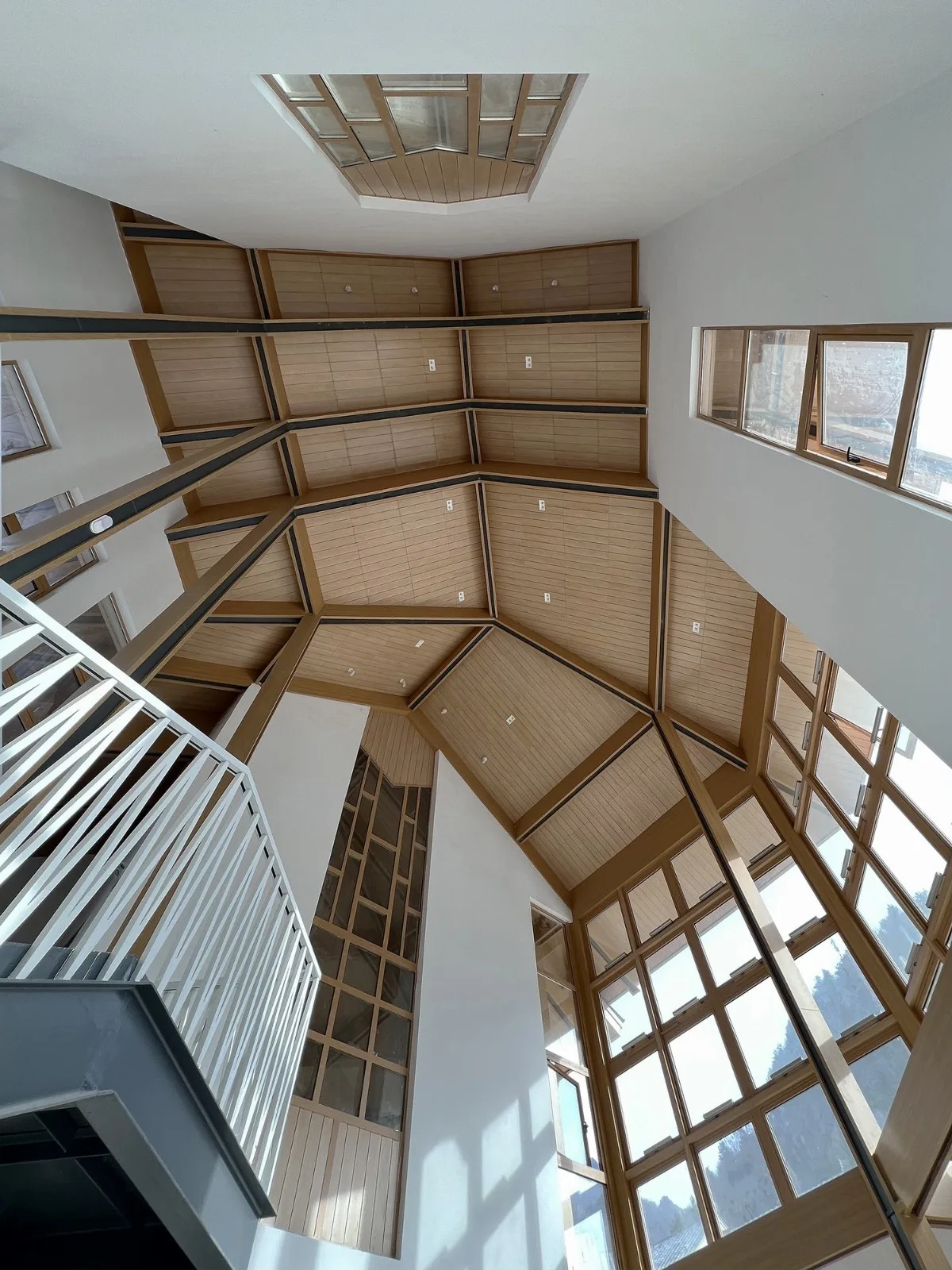
The roof’s undulating heights create dynamic spatial conditions below, resulting in a settlement that balances openness with enclosure. The architectural framework’s corridors act as thoroughfares, comprising stairs and passageways that ascend, descend, and extend laterally, linking various functional rooms and platforms. This network, described by the designers as the “double dragons playing with pearls,” fosters a fluid connection between spaces. The interplay between eaves, corridors, and building blocks—including the open observation staircase at the dragon’s tail—forms a diverse, open system. The entire structure welcomes visitors with a landscape that is distinctive, open, approachable, and multifaceted.
Symbolic Architecture
As a tourist center designed for the general public, the architects embraced the concept of “symbolic architecture,” creating a building form that is both easily recognizable and accessible. Within the upper-level planning of Qinglongshan Tourist Area, the “dragon” culture is expressed through segments such as “dragons in the water,” “dragons in the fields,” and “dragons swimming in the mountains.” At the “Dragon in Water” site, the architect spatially interprets this cultural motif directly. The construction and completion of the project have been widely praised by both leaders and the public, appealing to sophisticated tastes as well as popular appreciation.
Project Drawings
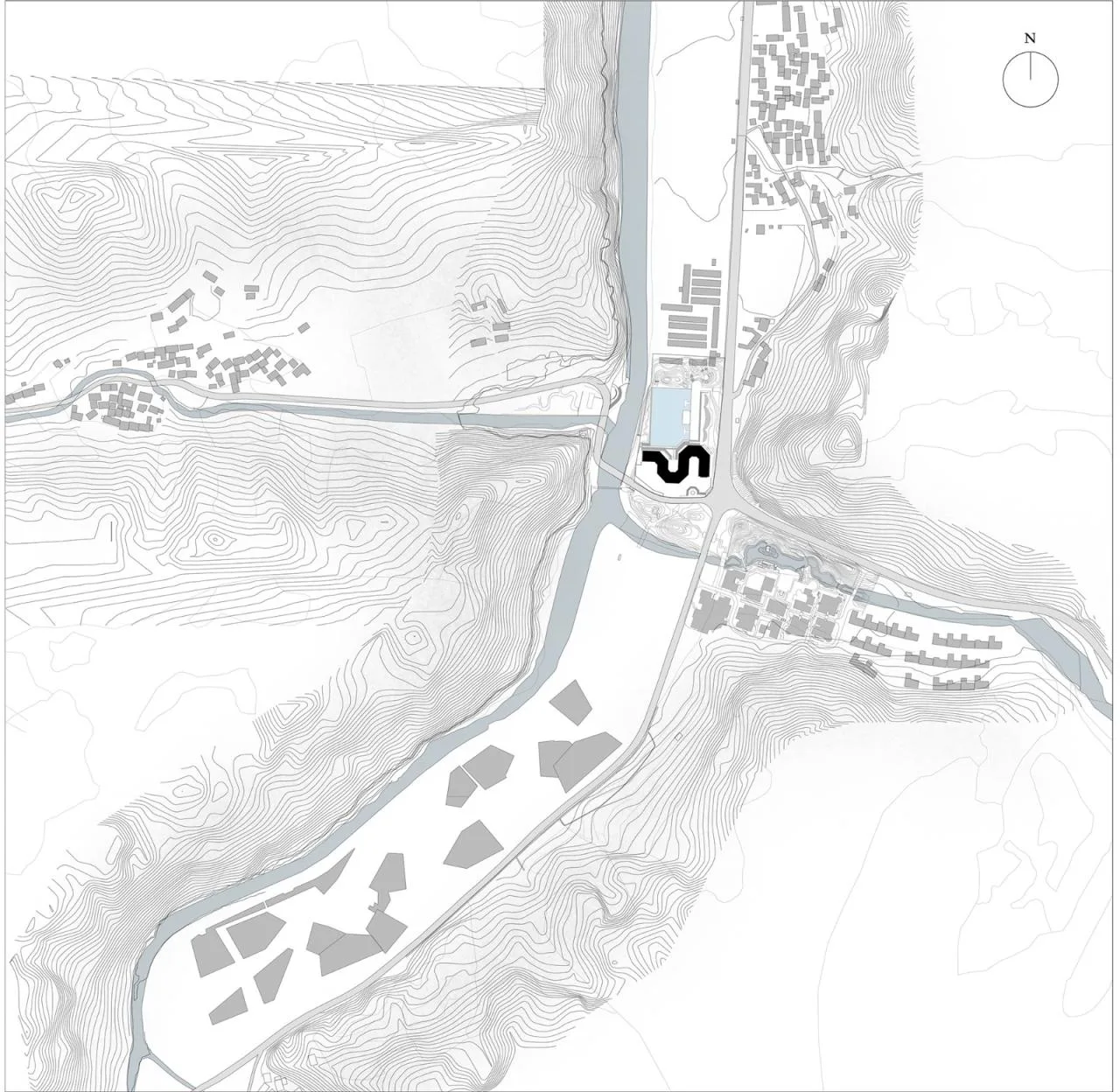
△ Site Location Diagram
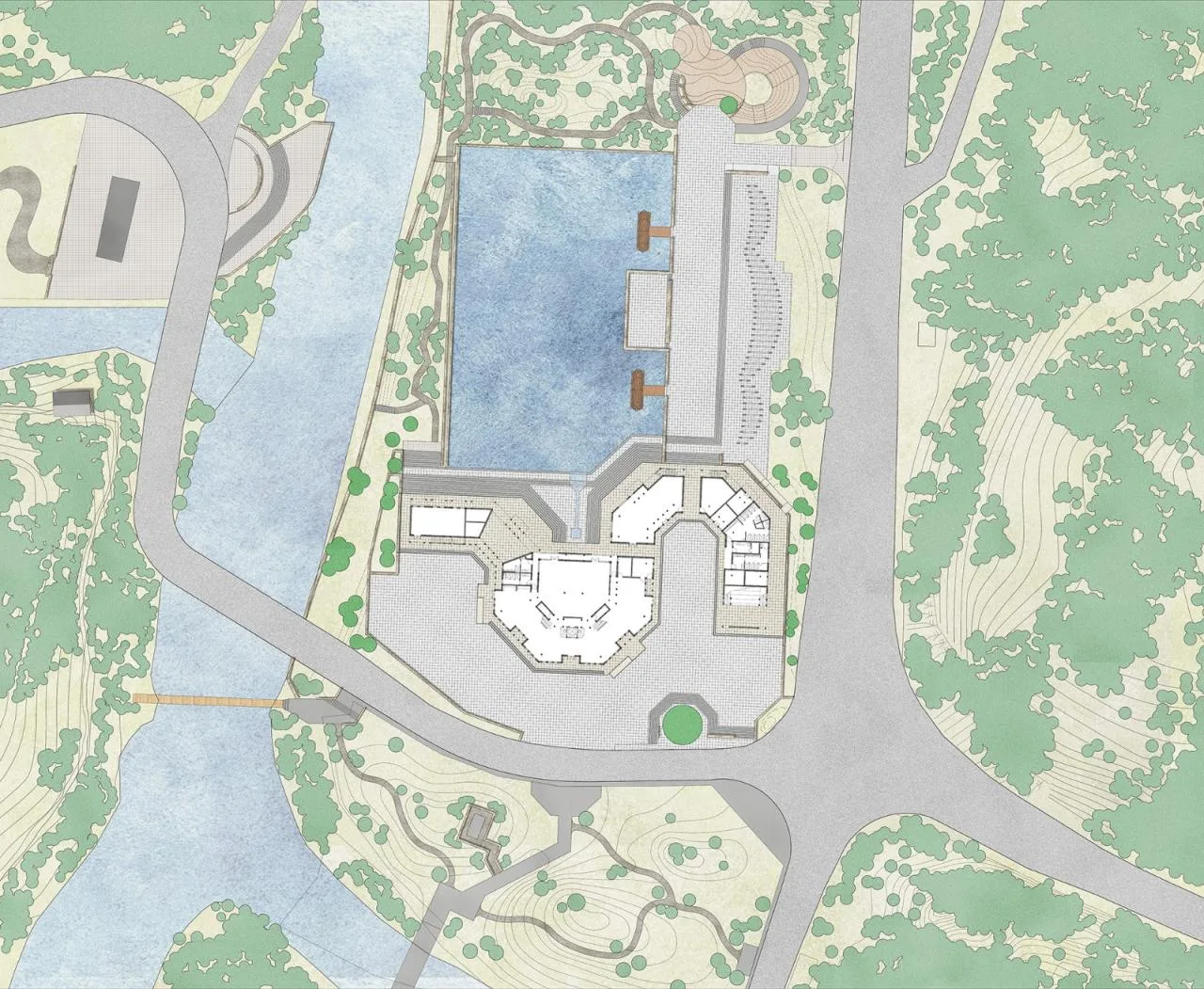
△ Overall Layout Plan
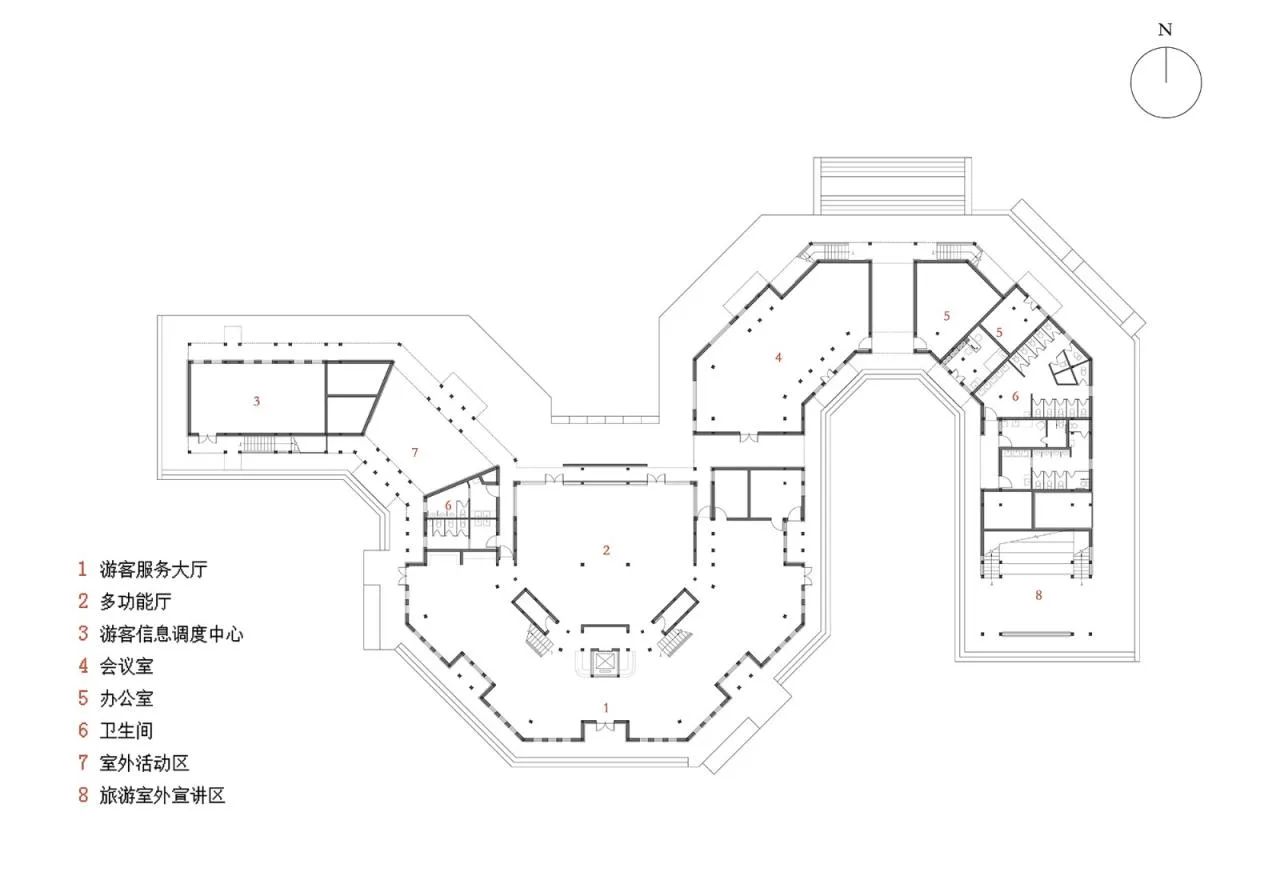
△ First Floor Plan
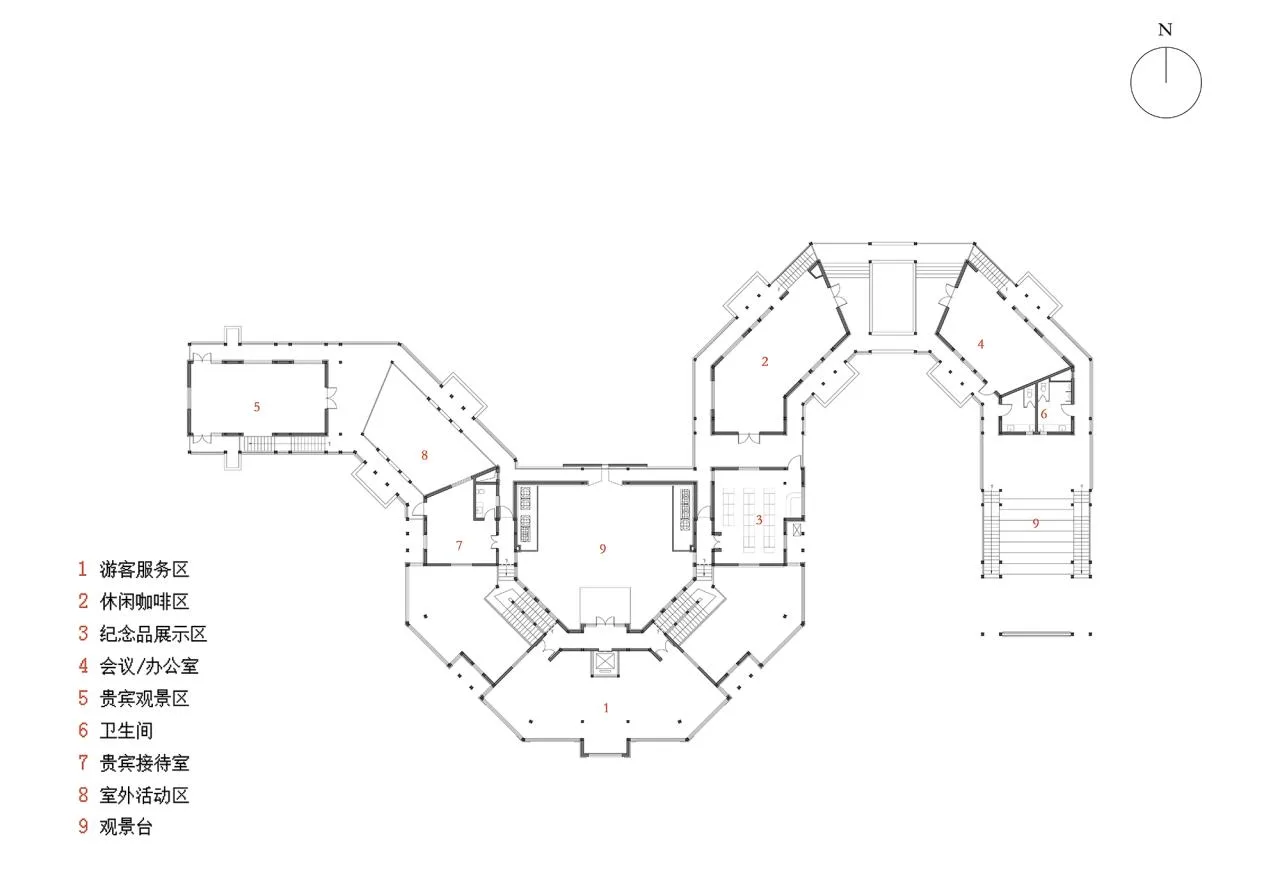
△ Second Floor Plan

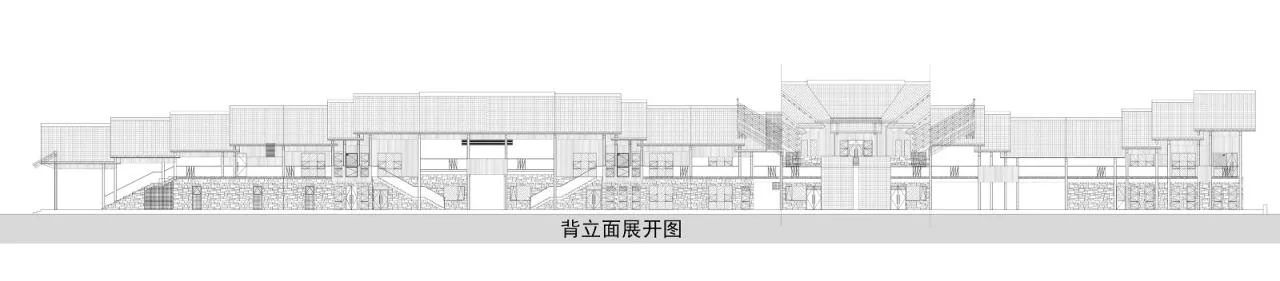

Project Information
Project Name: Kang County Comprehensive Tourist Distribution Center
Project Type: Architecture
Location: Wuba Village, Changba Town, Kang County, Longnan City, Gansu Province
Design Firm: Farmers Architects Symbiotic Architecture Design (Beijing) Co., Ltd
Design Scope: Architecture, Interior, and Signage System
Lead Architect: Mr. Fang Musheng
Design Team: Su Yaling, Huang Hanguo, Wang Kunpeng, Xiulin, Ma Jiale, Yan Jingye, Zhao Yunfei, Bai Xuefeng, Liu Fang, Liu Yumin, Liu Huan
Landscape Design: Fangmusheng Landscape Design (Beijing) Co., Ltd
Construction Drawing Collaboration: Beijing Huaju Architectural Planning and Design Institute Co., Ltd
Construction: Yinguangxia Group Co., Ltd
Owner: Kang County Bureau of Culture, Sports, Radio, Television and Tourism
Design Period: January 2022 – March 2023
Construction Period: May 2022 – October 2023
Status: Completed
Building Area: 2,045 square meters
Materials: Steel, imitation wood aluminum panels, gray-black-blue tiles, glass, sandstone, granite, inorganic grinding stone, exterior wall coatings, and more
Photography: Symbiotic Landscape












Must log in before commenting!
Sign Up