
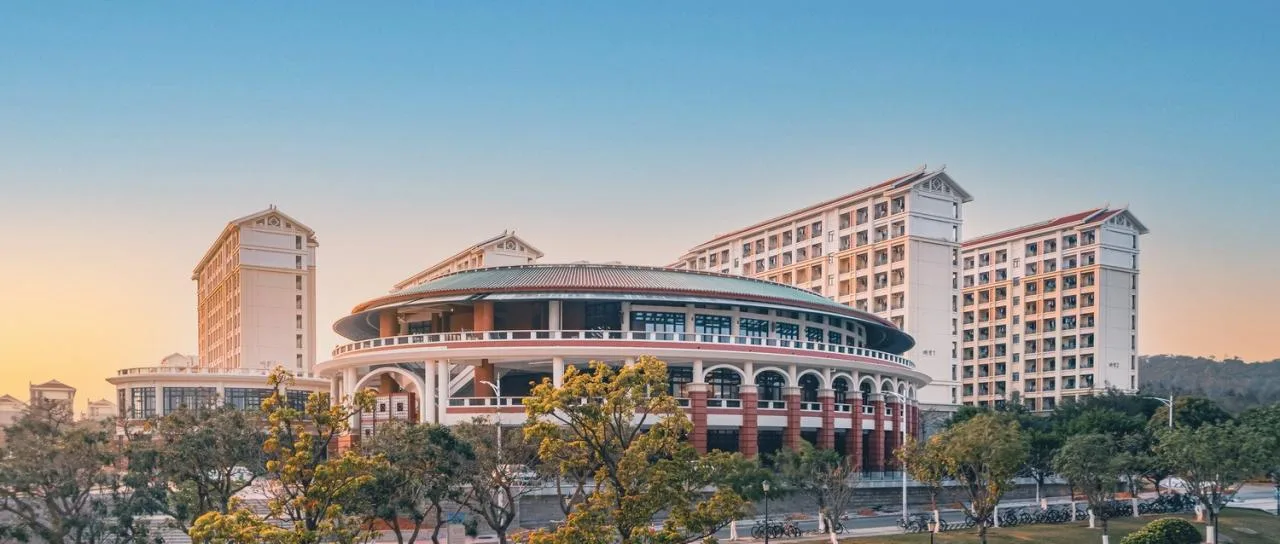
△ Project Appearance
The Central Student Cafeteria, also known as “Siyuan Restaurant,” is situated in the residential area at the central northern part of Xiamen University’s Xiang’an Campus, positioned on the upper right side of the intersection. It borders the fourth phase of student dormitories to the west and north, and faces the comprehensive sports hall across the sectional road to the east. This location forms the core of the campus’s “second functional zone” within the overall master plan.
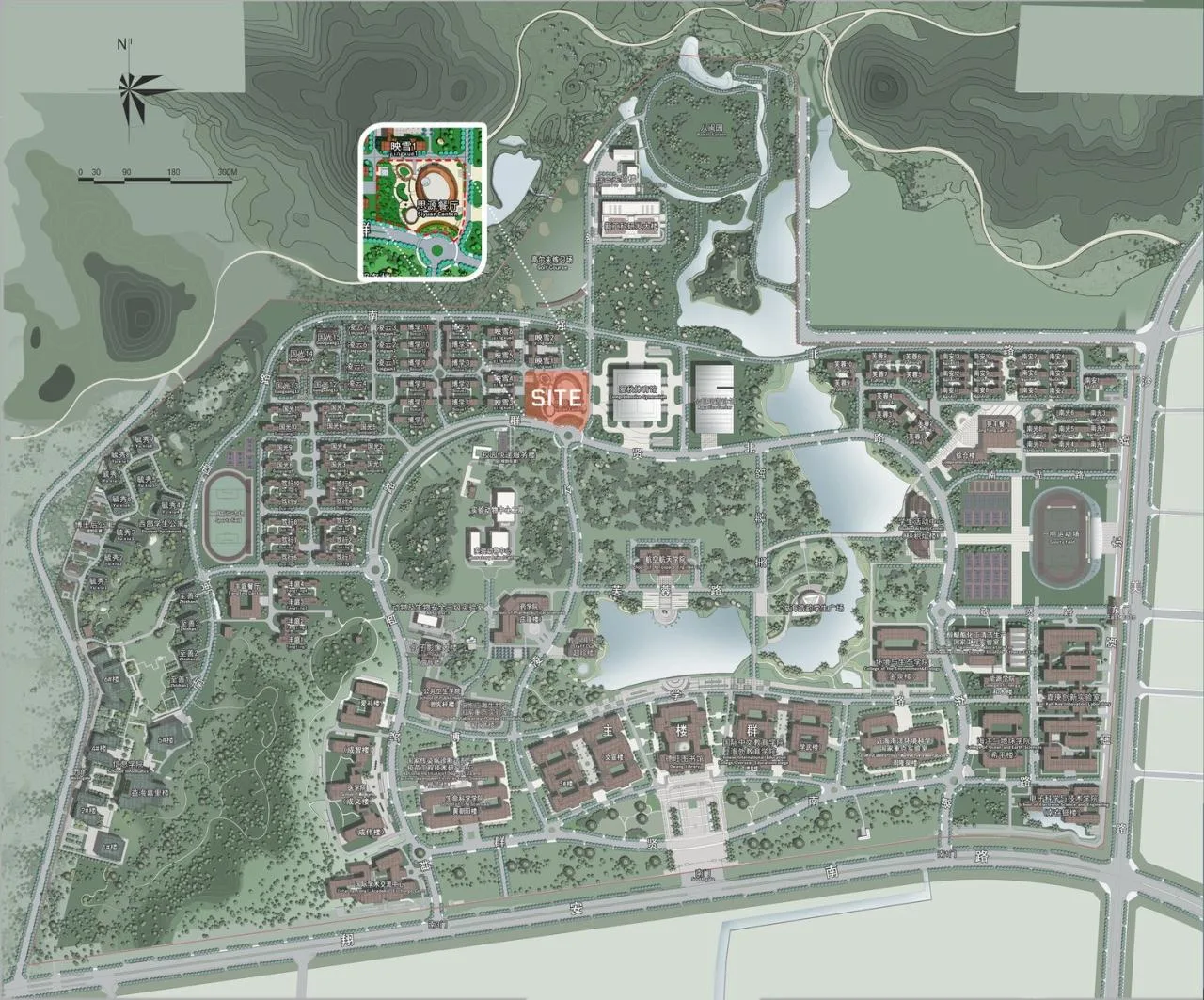
△ Project Location
The Siyuan Restaurant features three above-ground floors plus one basement level, totaling 12,968 square meters of construction. The design reflects Jiageng architectural style combined with Minnan elements, expressed through a composition of one large and two smaller elliptical buildings. With over 2,000 dining seats, it also includes supporting facilities such as supermarkets, beverage shops, and printing services. This campus complex integrates dining, leisure, entertainment, and academic exchange functions.
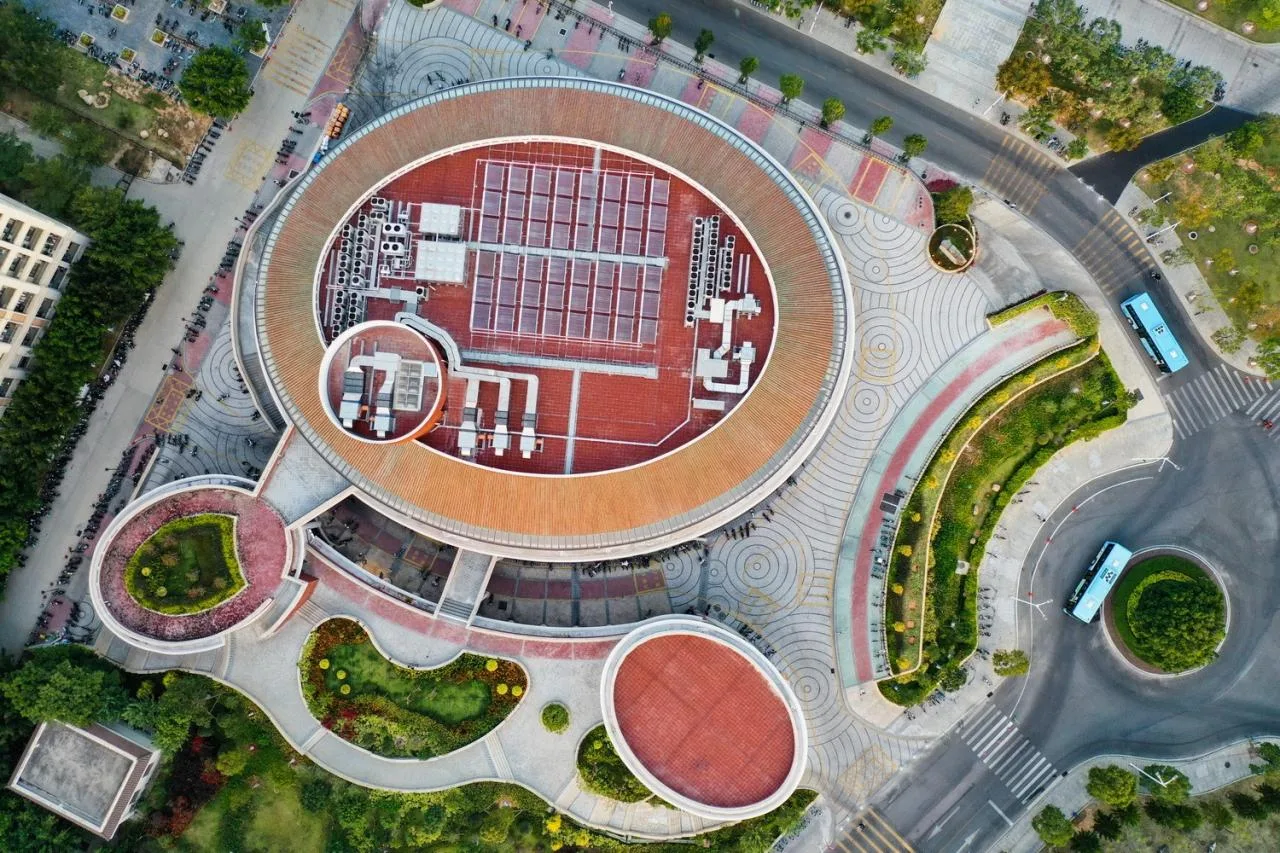
△ Project Overview
01 Campus Memory and Cultural Continuity
The Qinye Restaurant, also called the “Circular Restaurant,” was originally built in the early 1980s next to Furong Dormitory on the Siming Campus. It holds cherished memories for generations of Xiamen University alumni. In the 2015 renovation and expansion, the elliptical architectural form was preserved and innovated. The new building’s exterior continues the Jiageng style, blending red bricks and green tiles harmoniously with the natural landscape and the existing Jiageng architectural complex. This fresh and pleasant dining environment was warmly embraced by faculty and students alike.
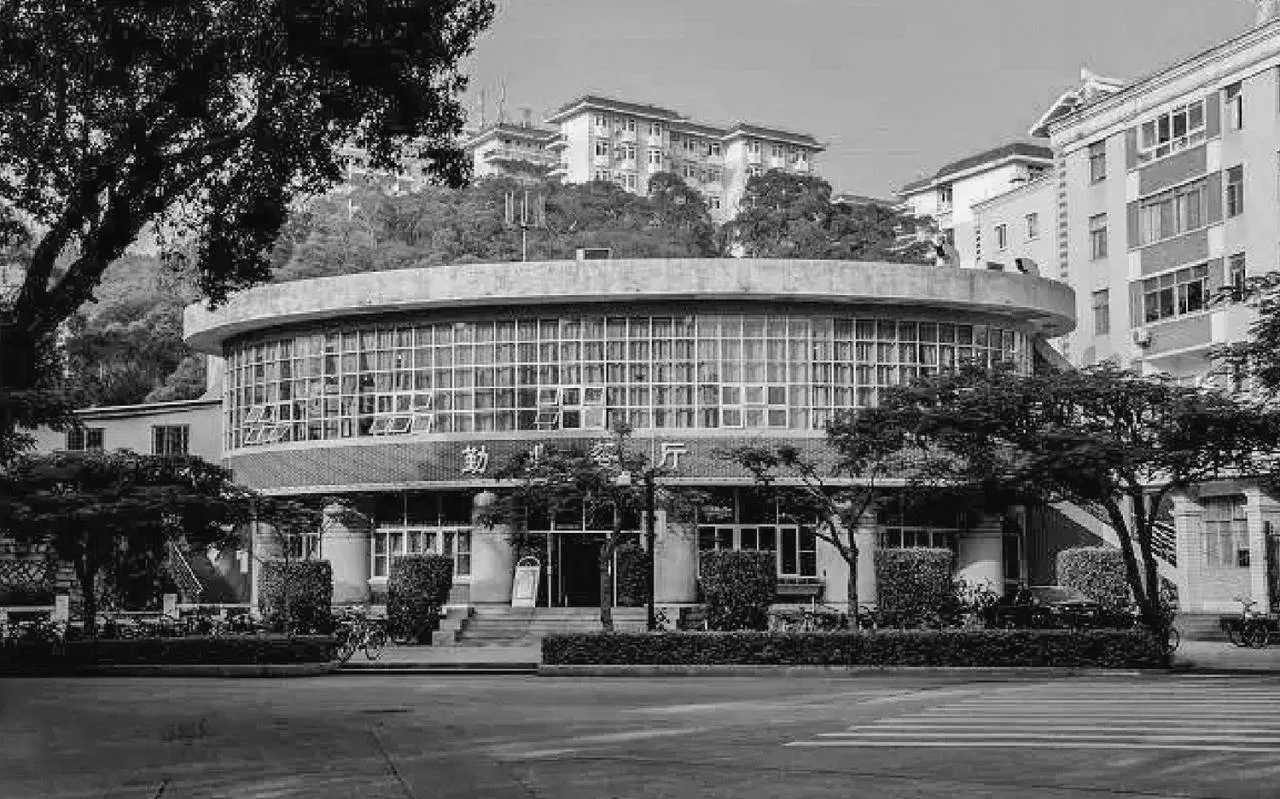
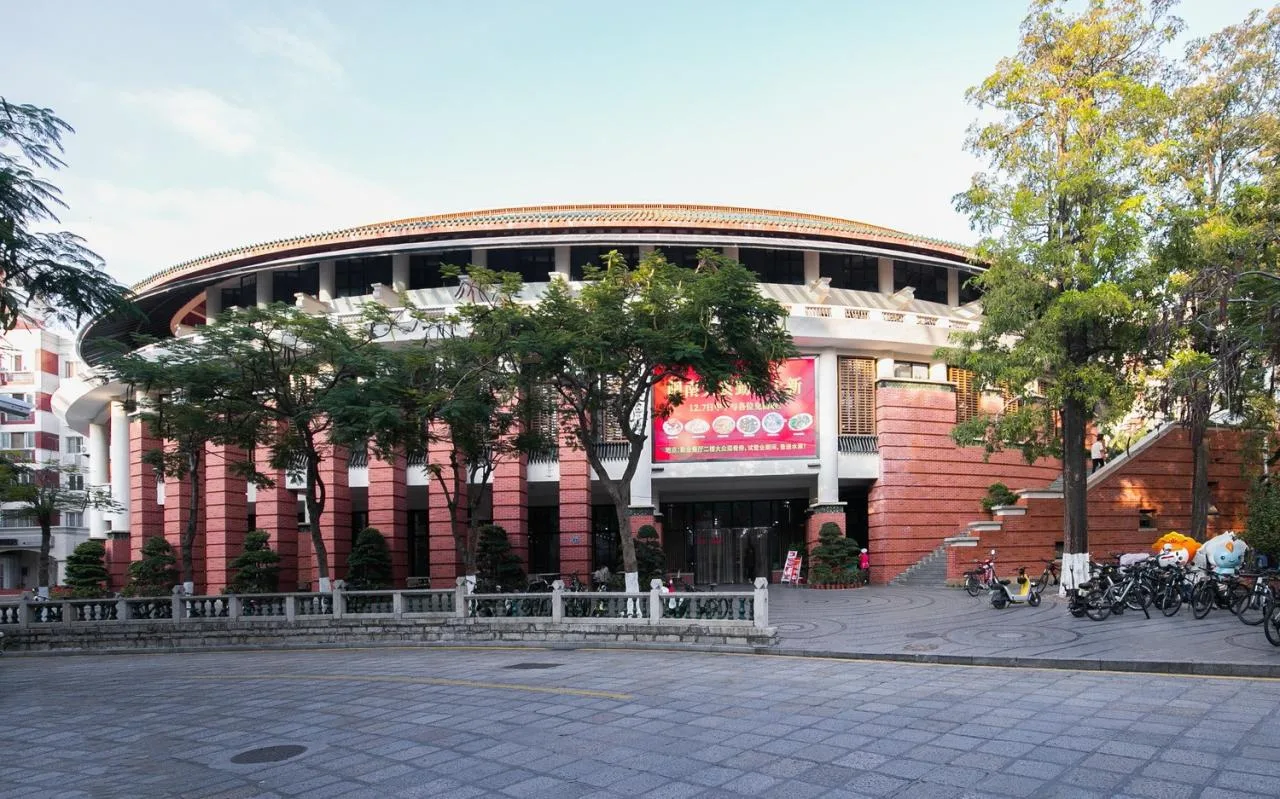
Comparison of Qinye Restaurant Before and After Renovation
As a unique architectural memory of Xiamen University’s cafeteria, the “Circular Restaurant” remains deeply rooted in alumni’s hearts. Within the university’s pursuit of being a “Double First Class” institution, the central Xiang’an Campus’s Siyuan Restaurant serves as a “sister chapter” to Qinye Restaurant. It continues the circular architectural sentiment, tracing and extending Xiamen University’s legacy while presenting a modern building that blends cultural heritage with contemporary atmosphere.
02 Jiageng Style: Inclusive and Diverse
The Jiageng architectural style originates from a fusion of Minnan, Nanyang, and European influences. This “Chinese-Western” hybrid style, often described as “wearing suits and hats,” embodies the innovative spirit of adapting to local conditions and diverse cultural integration, carrying significant artistic and historical value.
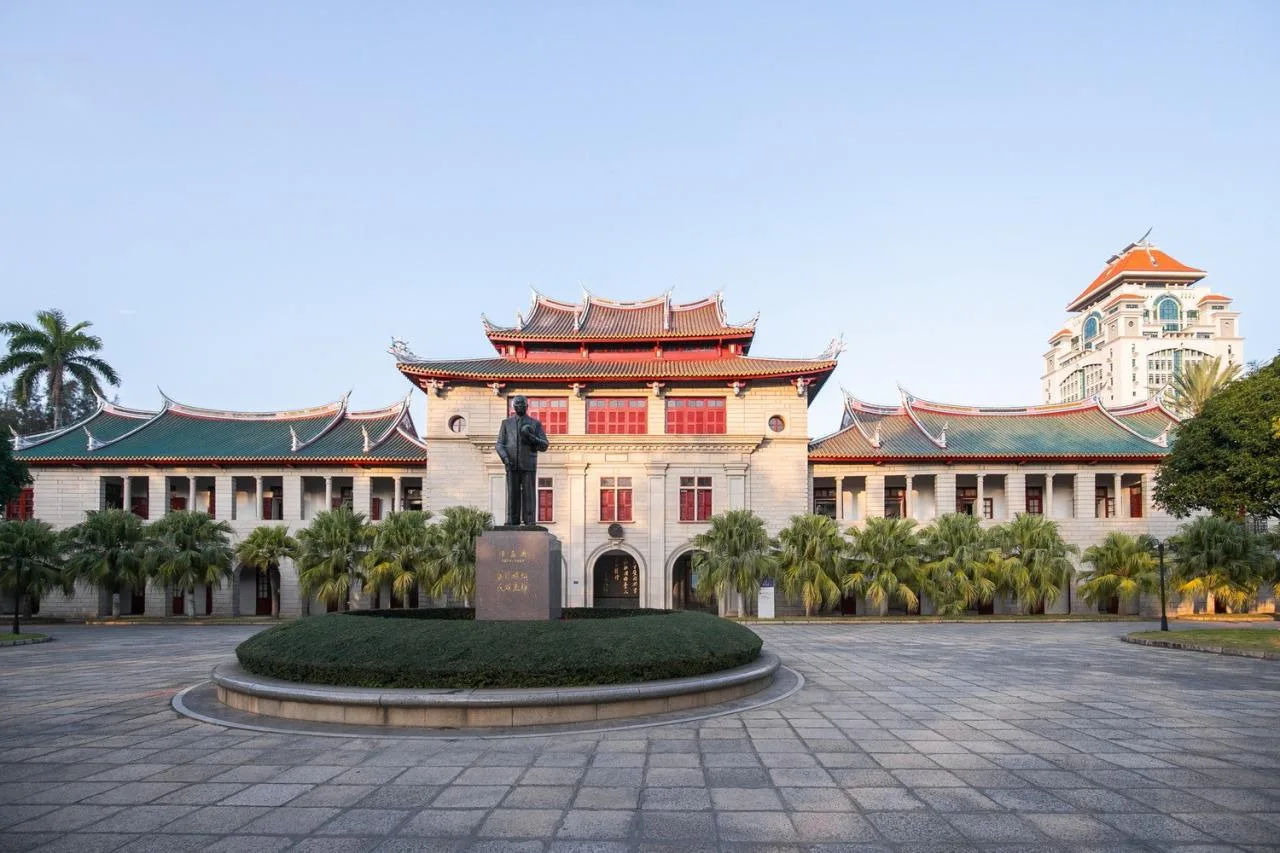
Jiageng Style Architecture – Qunxian Building Complex
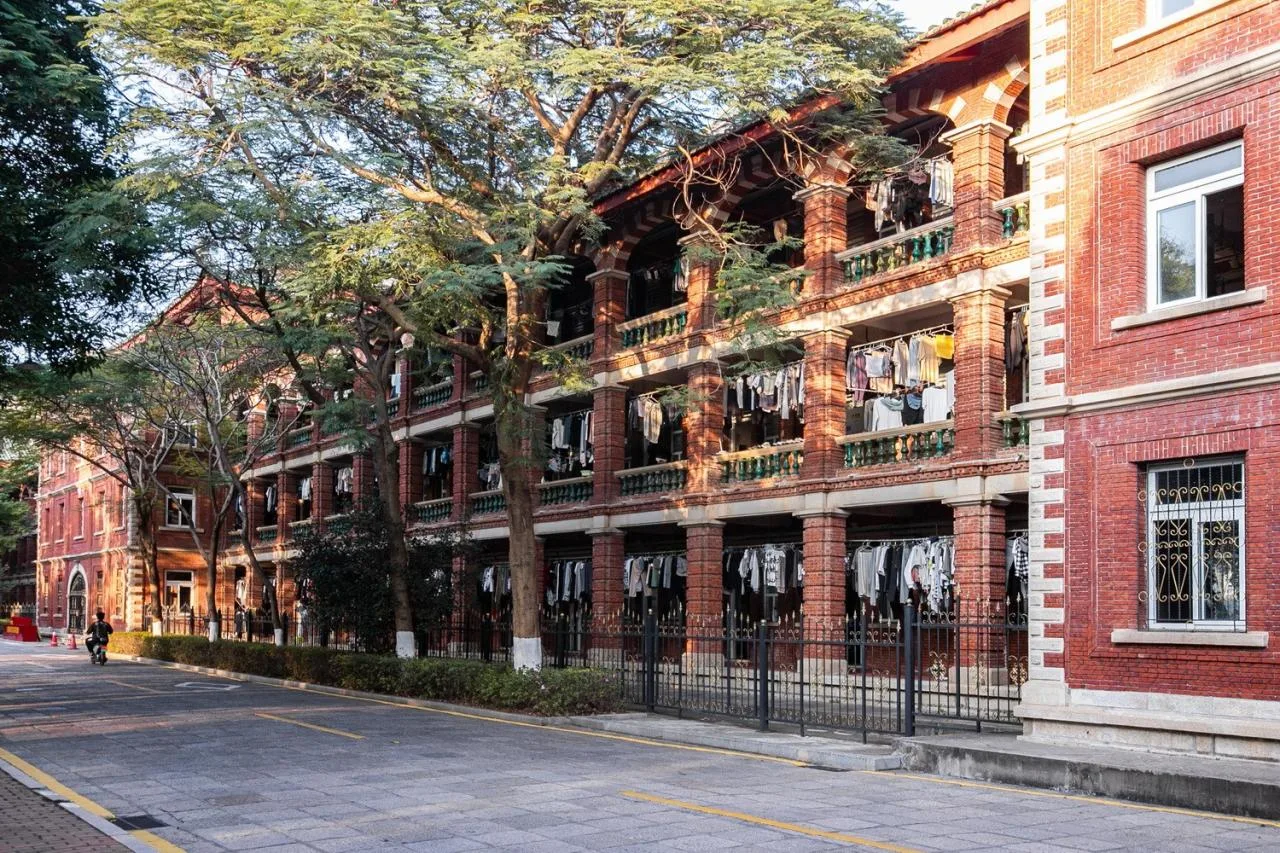
△ Jiageng Style Architecture – Furong Dormitory
Siyuan Restaurant inherits this historic context and Jiageng style. The main building features an elliptical roof with green glazed tiles (red ceramic tiles), complemented by Western-style walls made of brick and stone. The design is elegant, beautiful, and quaint. Its curved form softens building boundaries, while the arcade on the first floor and open verandas on the second and third floors enhance harmony with the surroundings. This creates a smooth, dynamic, and lightweight spatial experience, showcasing refined architectural charm within the solid and rational Xiang’an campus.
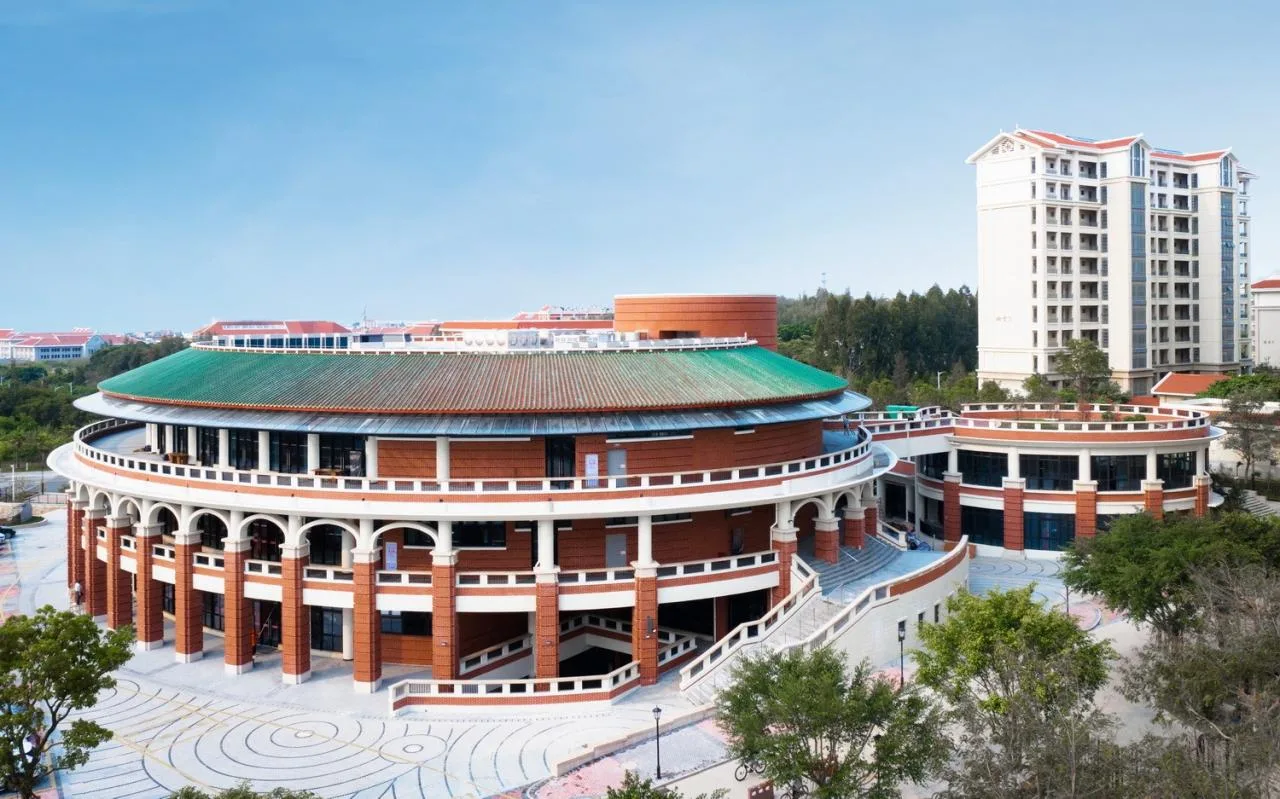
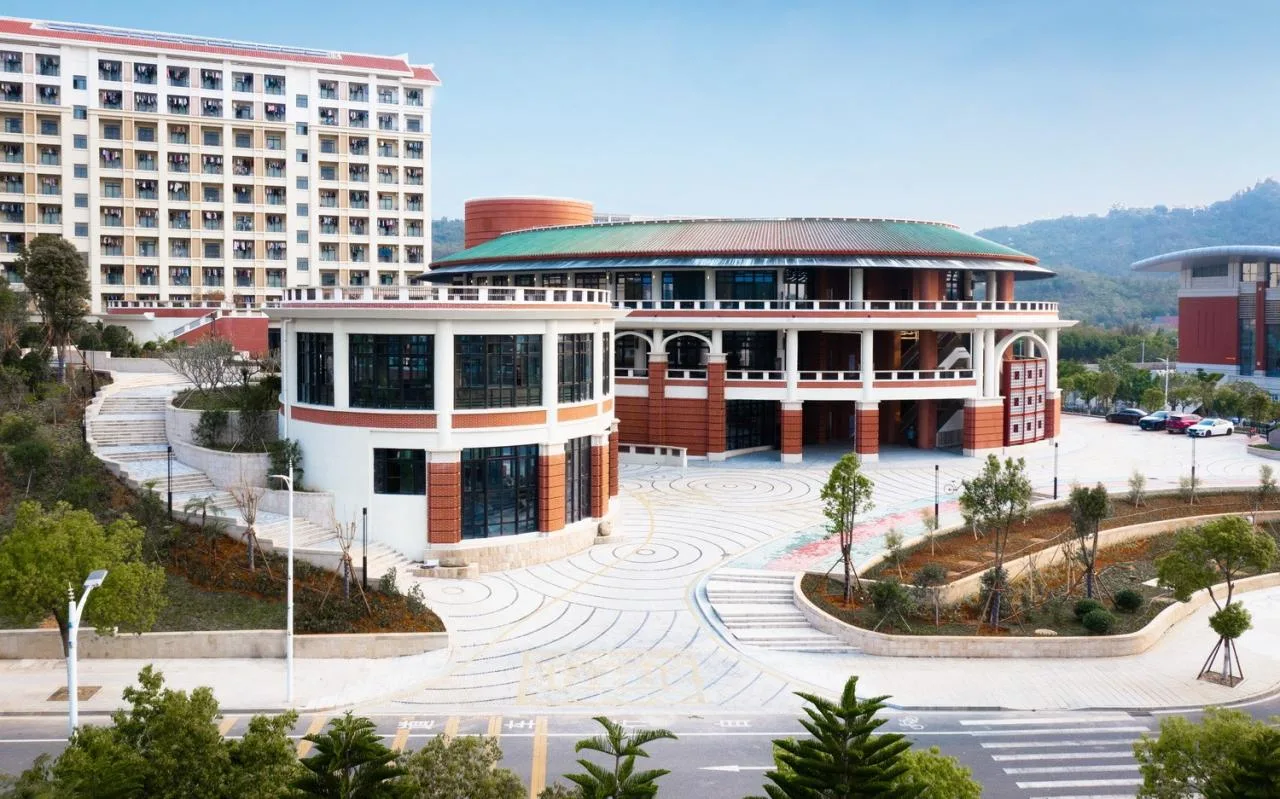
△ Project Appearance
The materials, construction techniques, and colors balance tradition and modernity. The south-facing main entrance features an arcade forming a gate-like image. A nine-grid pattern made from H-shaped steel combined with glass bricks incorporates the unique Minnan “hui” mosaic element. Glass panels extending beneath the sloped eaves increase natural light while reducing the visual heaviness of the large roof. The red brick colonnade echoes the Furong Tower complex from the 1960s with modern craftsmanship, evoking the historic charm of the old campus. The three evenly spaced archways between the outer colonnades include European and Roman arch influences, as well as the “joyful” character reminiscent of Macau’s Old Lisboa Hotel, adding warmth and vibrancy to this intricate architectural lacework.
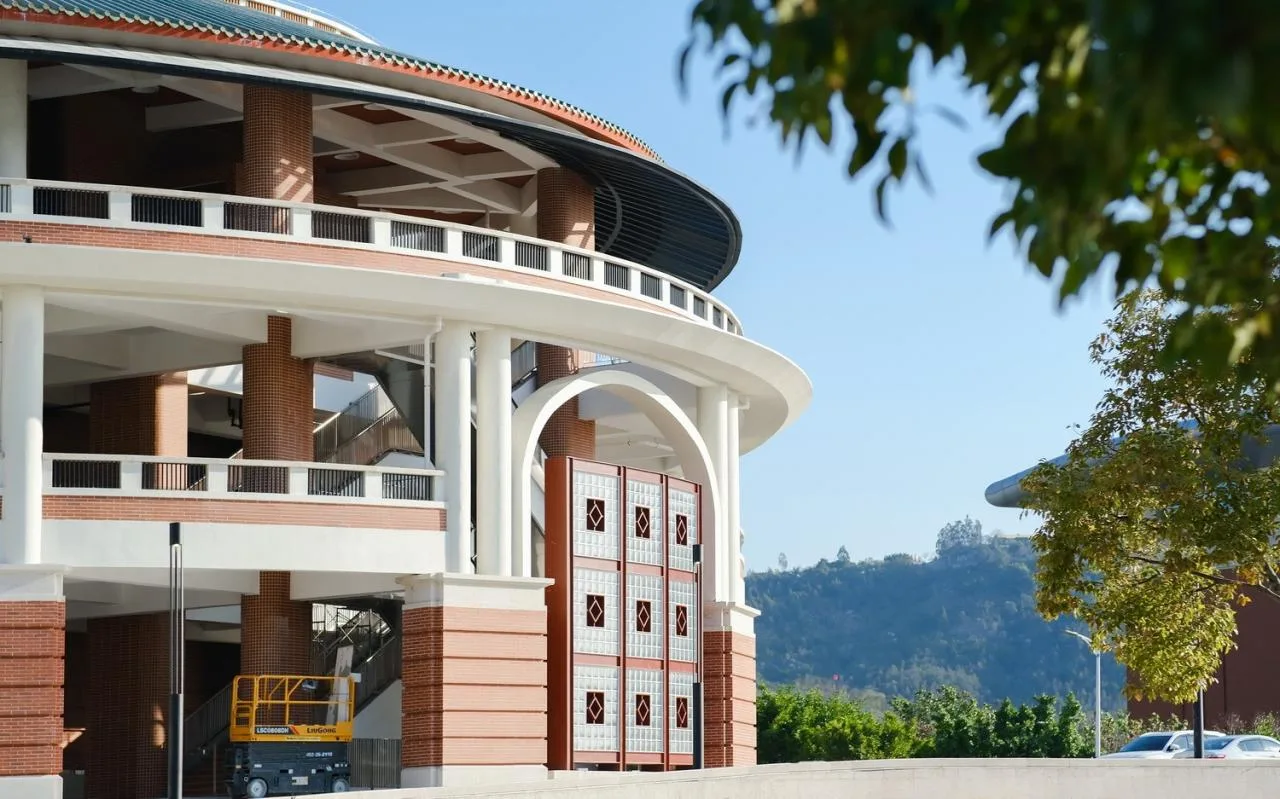
△ Minnan “Hui” Character Mosaic
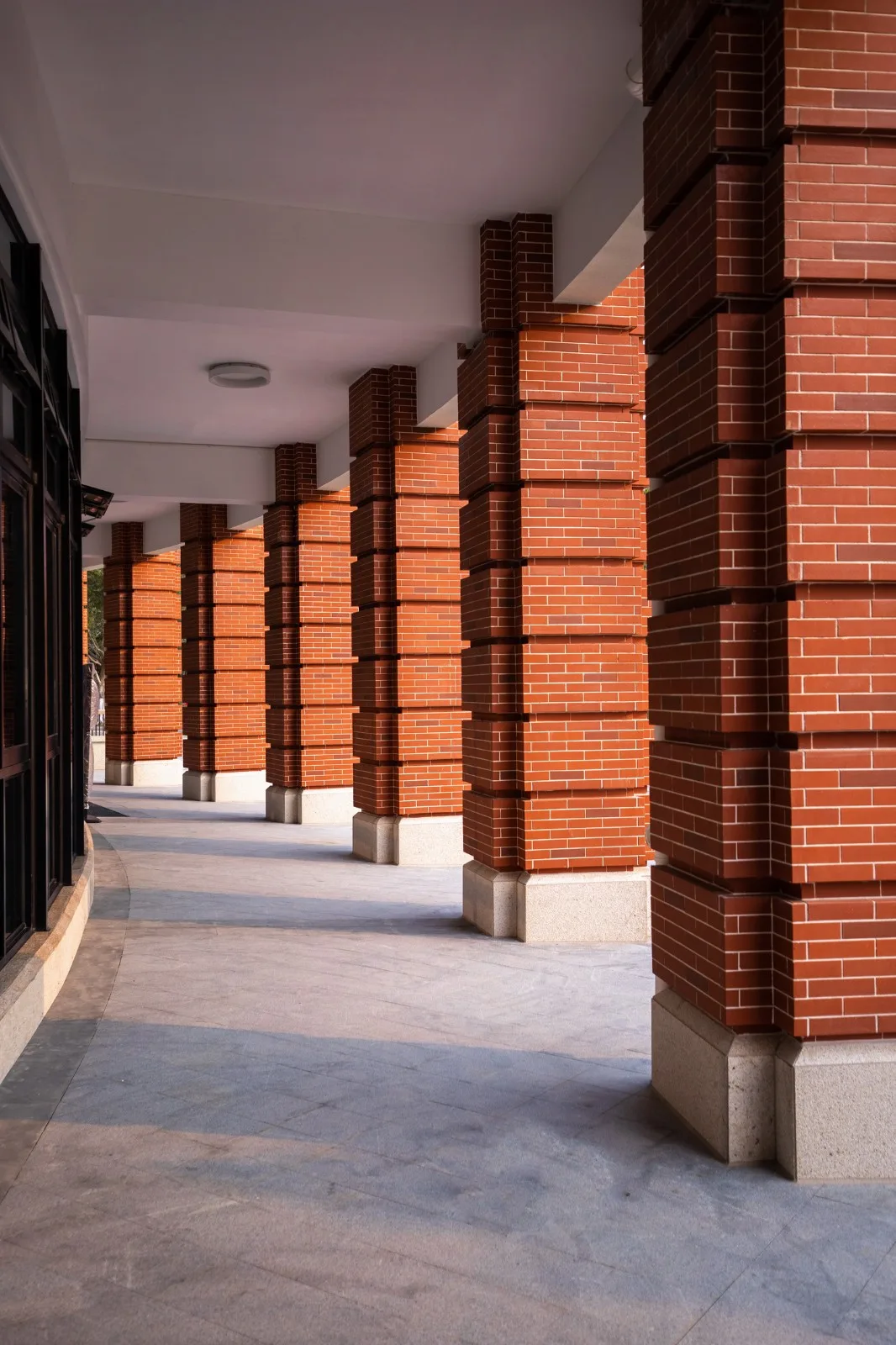
△ First Floor Column Corridor Space
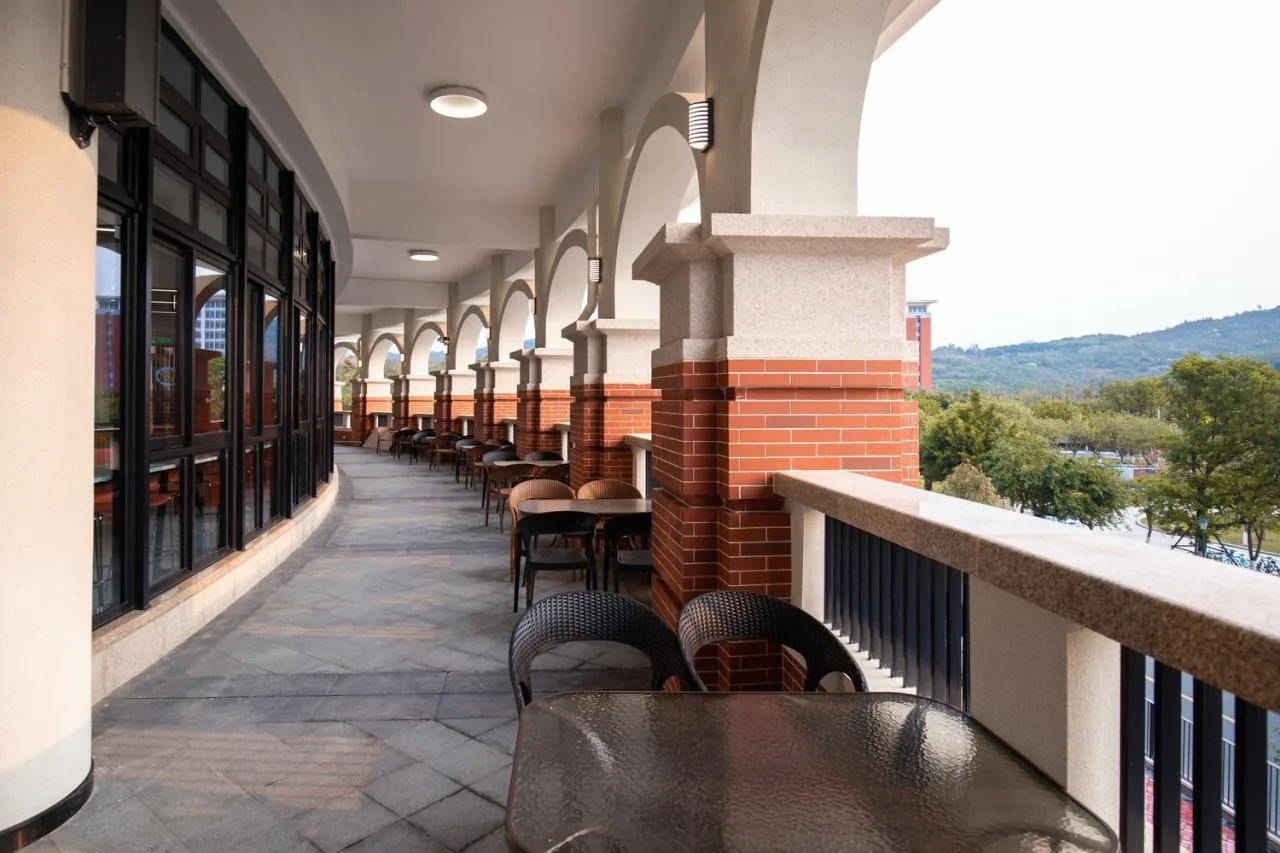
△ Second Floor Corridor Space
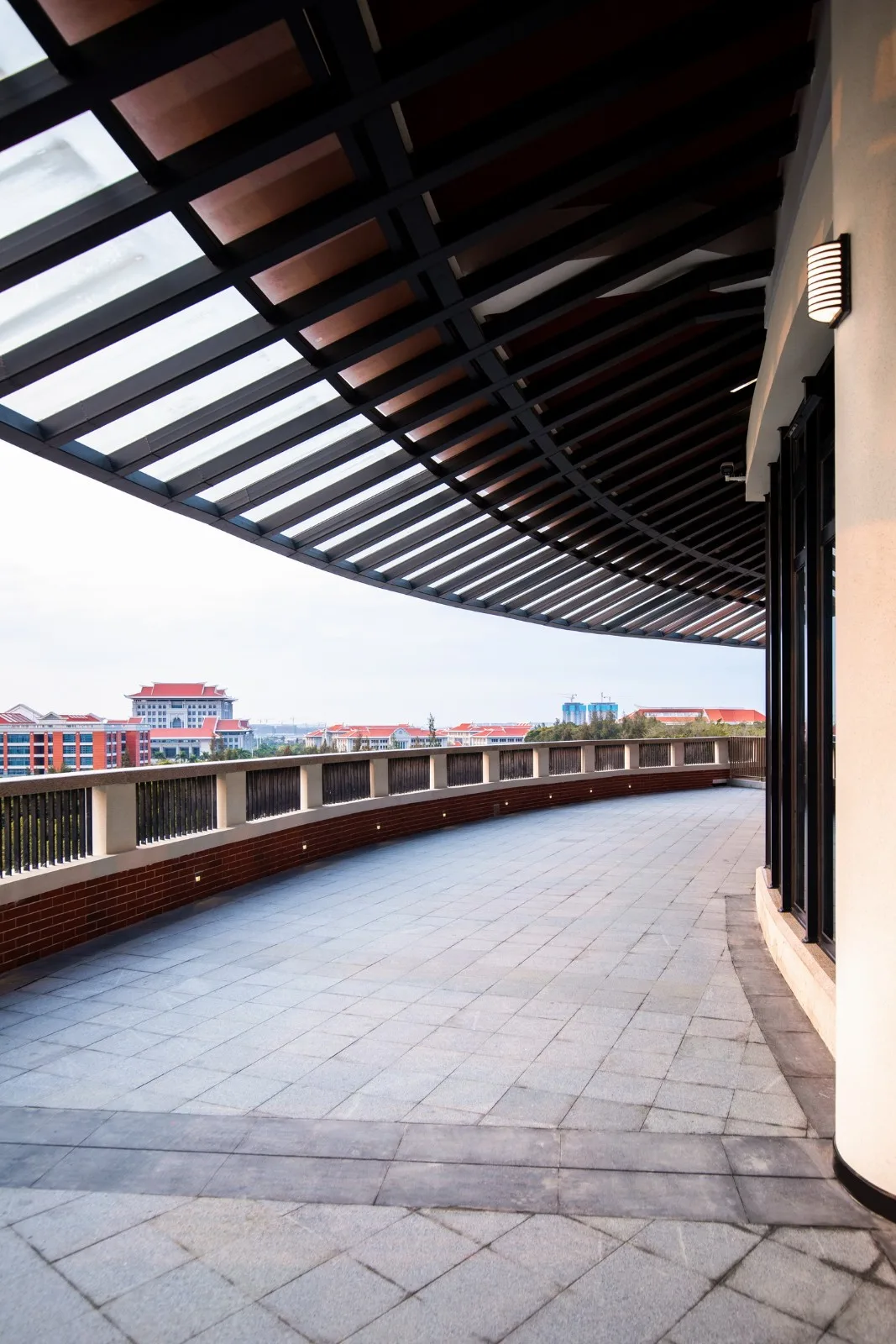
△ Three-Story Eaves Space
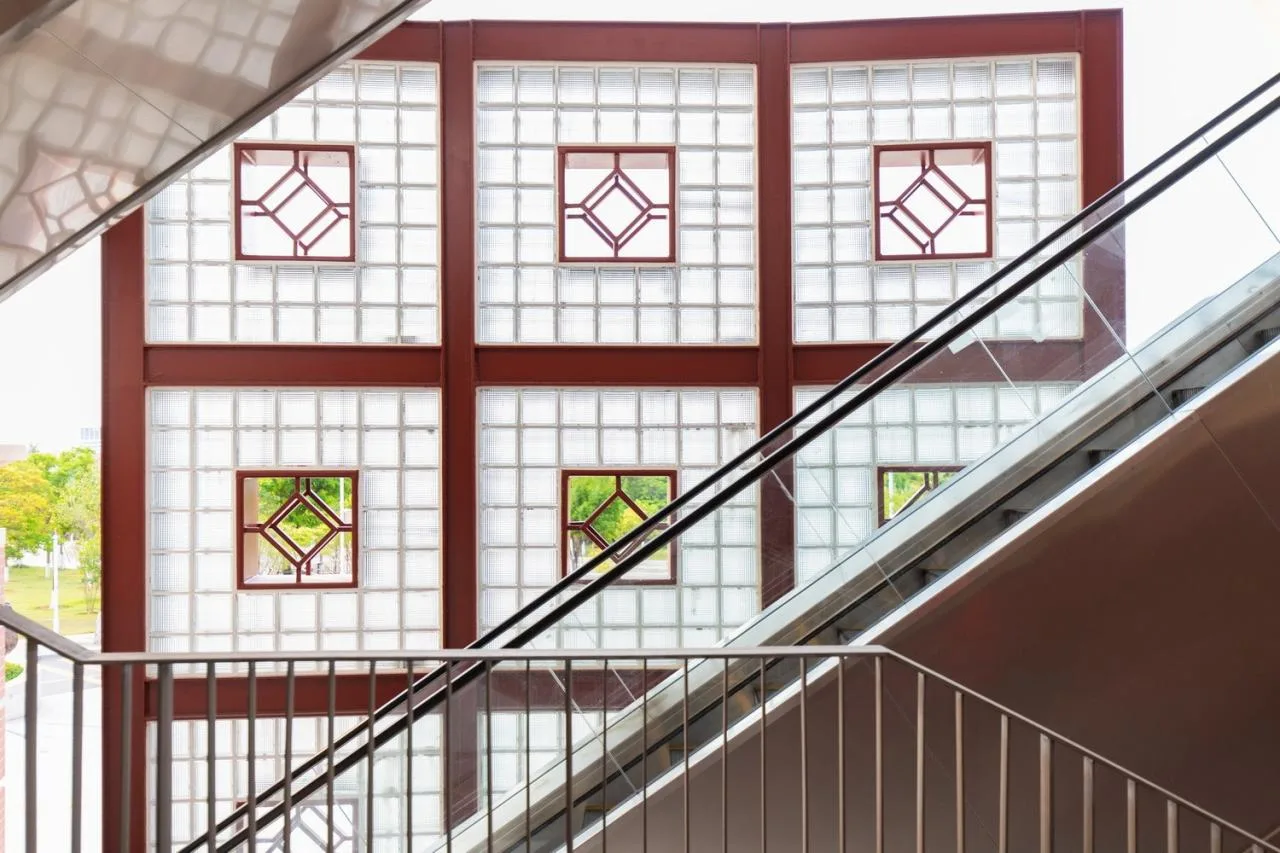
△ Transportation Space
03 Multi-Dimensional Complex: Three-Dimensional Streets and Alleys
Siyuan Restaurant reimagines the traditional campus dining architecture by combining diverse functions such as dining, commerce, learning, communication, and entertainment. It creates a human-centered spatial model that highlights campus characteristics while catering to modern educational and student development needs.
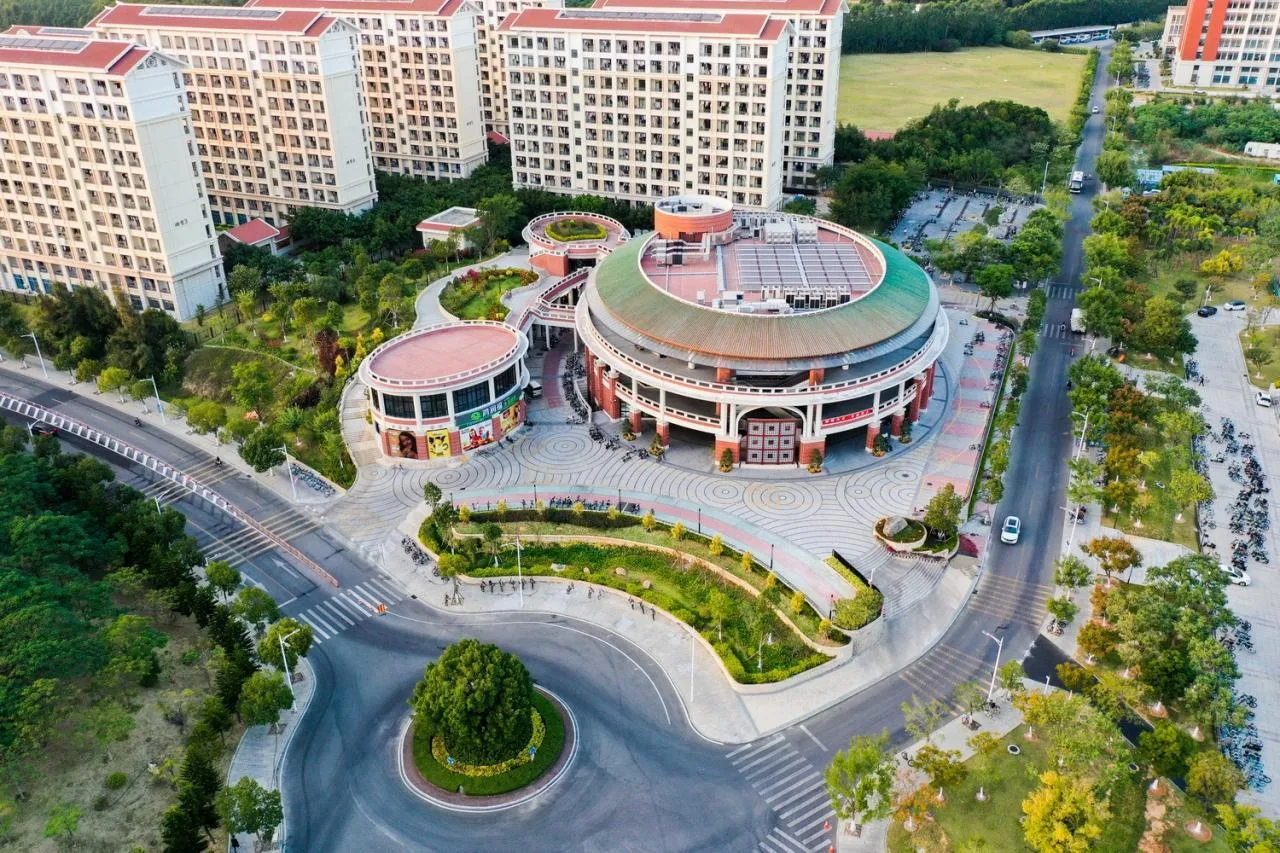
Overall Bird’s-Eye View
The “two smaller, one larger” volume arrangement distributes multiple functions across distinct areas, enabling diverse activities to take place simultaneously. A circular corridor connects to a curved commercial area, forming multi-level, three-dimensional streets that encourage interaction and accessibility. The building integrates seamlessly into the site’s west side, using the terrain’s elevation changes to create rich leisure spaces and layered green landscapes, offering students a more humane and welcoming living environment.
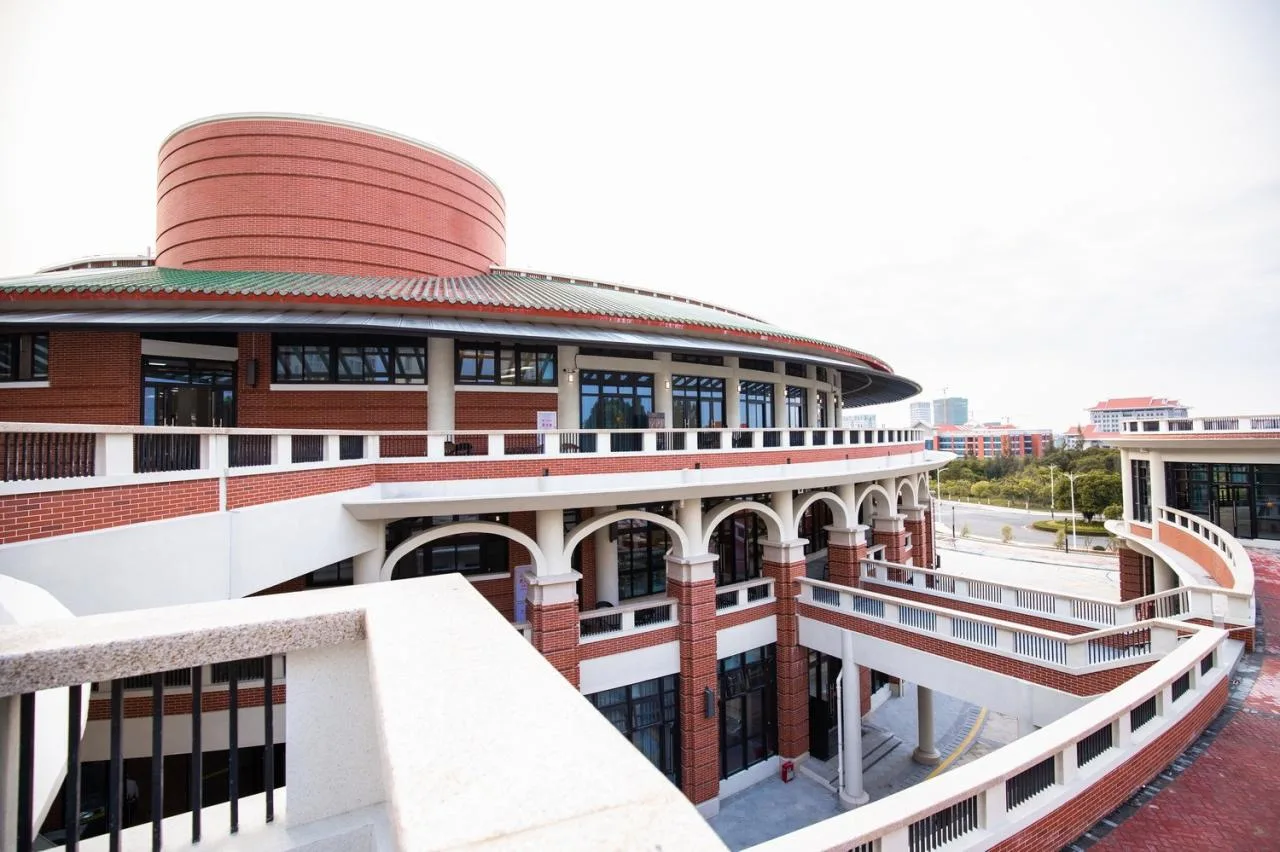
△ Three-Dimensional Streets and Alleys
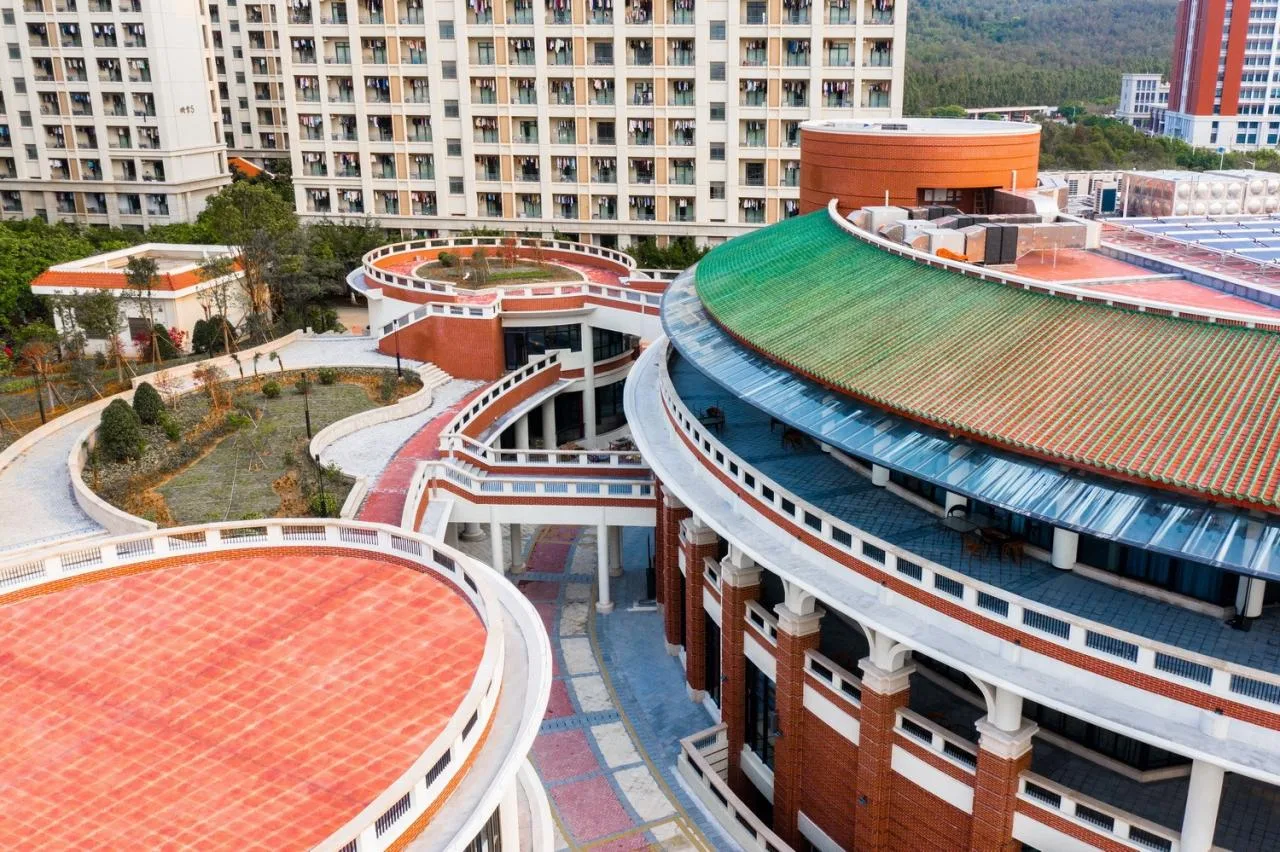
△ Three-Dimensional Streets and Alleys
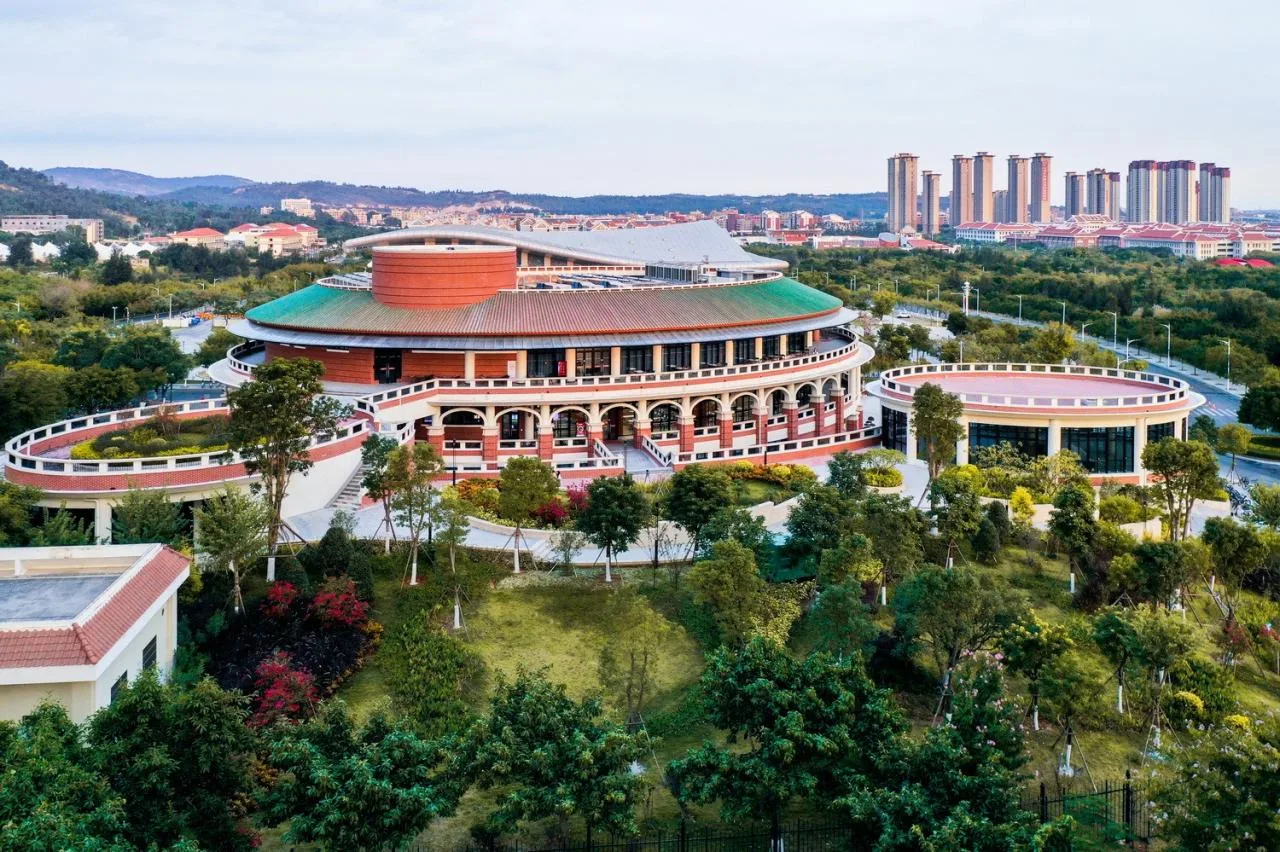
△ Multi-Level Green Landscape
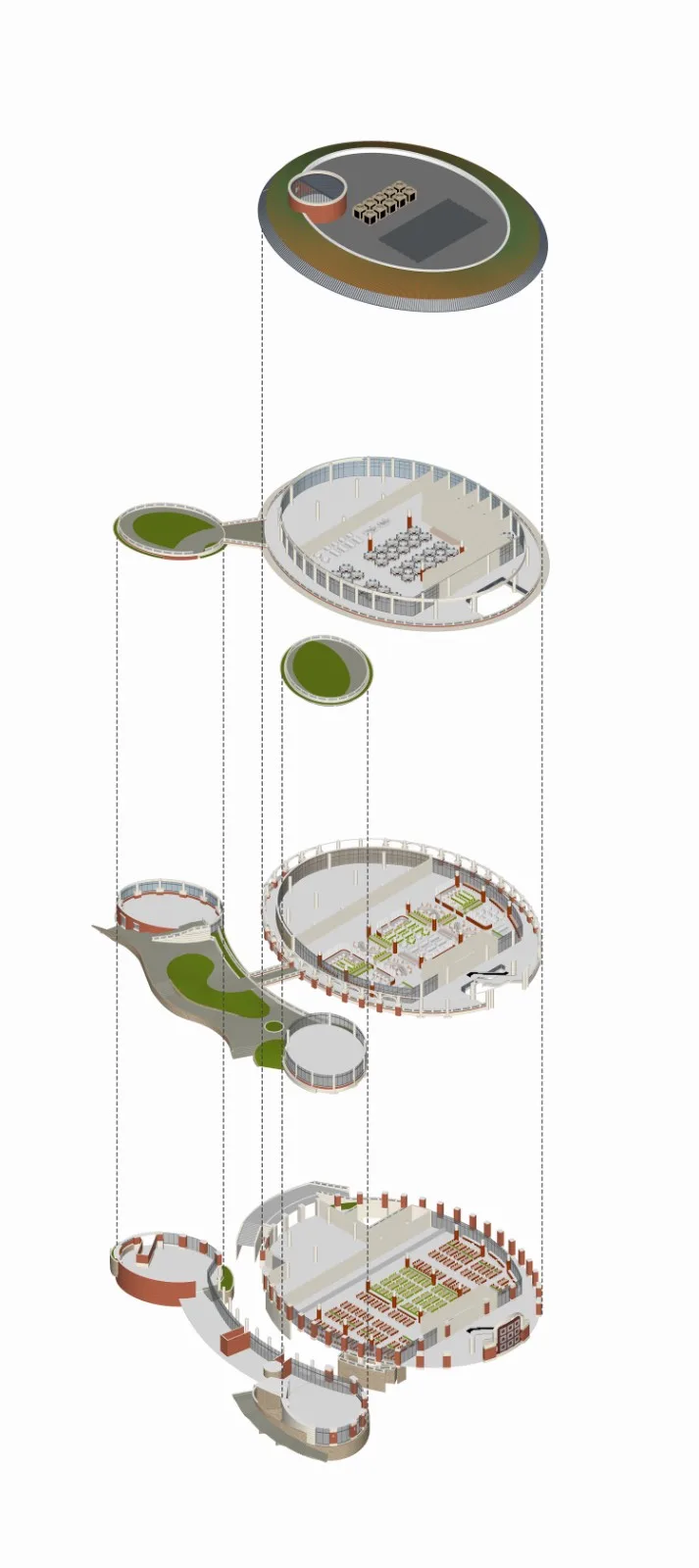
△ Axial Side View
04 Human-Centered Design: Integration of Interior and Exterior
The information age and the ongoing pandemic have led to increased social separation and isolation, creating a stark contrast between people’s social needs and actual social interactions. Alongside the pressures of intense academic life, students and young faculty often face chronic fatigue. In this context, the university cafeteria plays a vital role as a daily retreat and social hub.
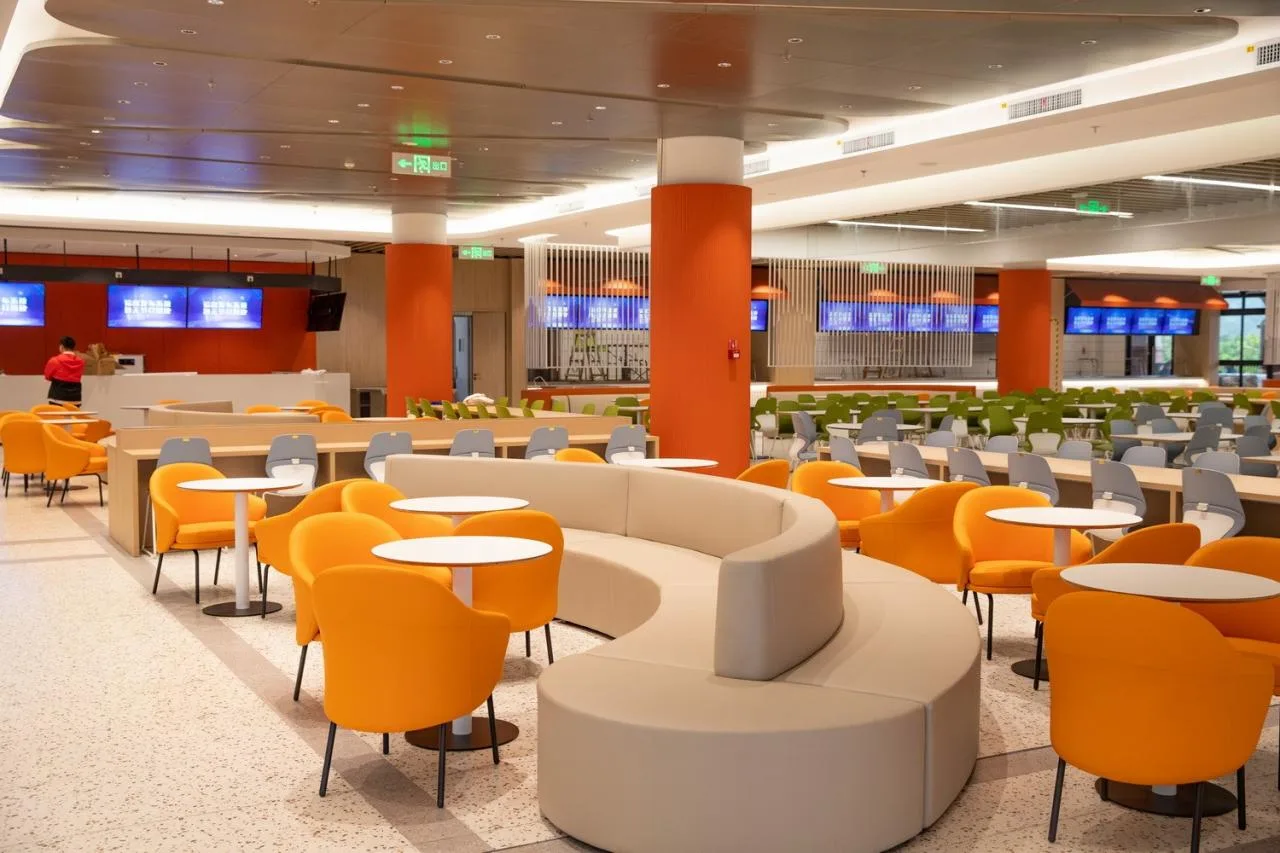
△ Interior Space of Siyuan Restaurant
The design draws inspiration from Jiageng architecture beneath blooming phoenix flowers, infusing color and texture into the interior. The color palette references Xiamen University’s historic campus, featuring the red and white brick and stone effects characteristic of Minnan architecture. Warm white-gray tones echo the Jiageng style’s weathered stone, symbolizing the passage of time. Bright orange-red accents add vibrancy and vitality, while evenly spaced “red pillars” symbolize happiness and stability in a prosperous era. These warm tones foster closeness, blending history and modernity, and combining freedom with romance. The interior floors exhibit unique variations within a cohesive color scheme.
The first floor serves as a general dining area with elevated green plant zones to reduce density. Dining tables are arranged continuously in sets of four to accommodate quick meals typical of campus cafeterias, ensuring a smooth turnover.
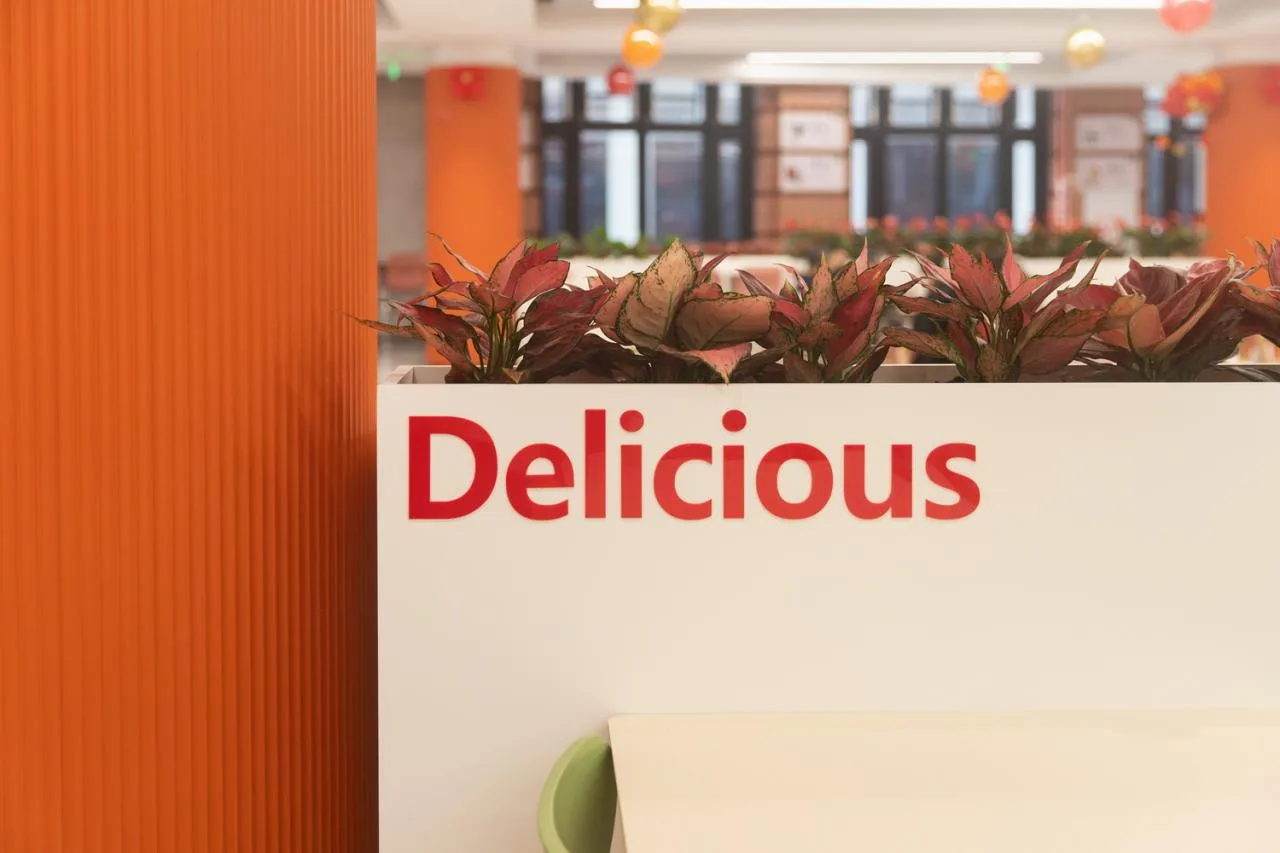
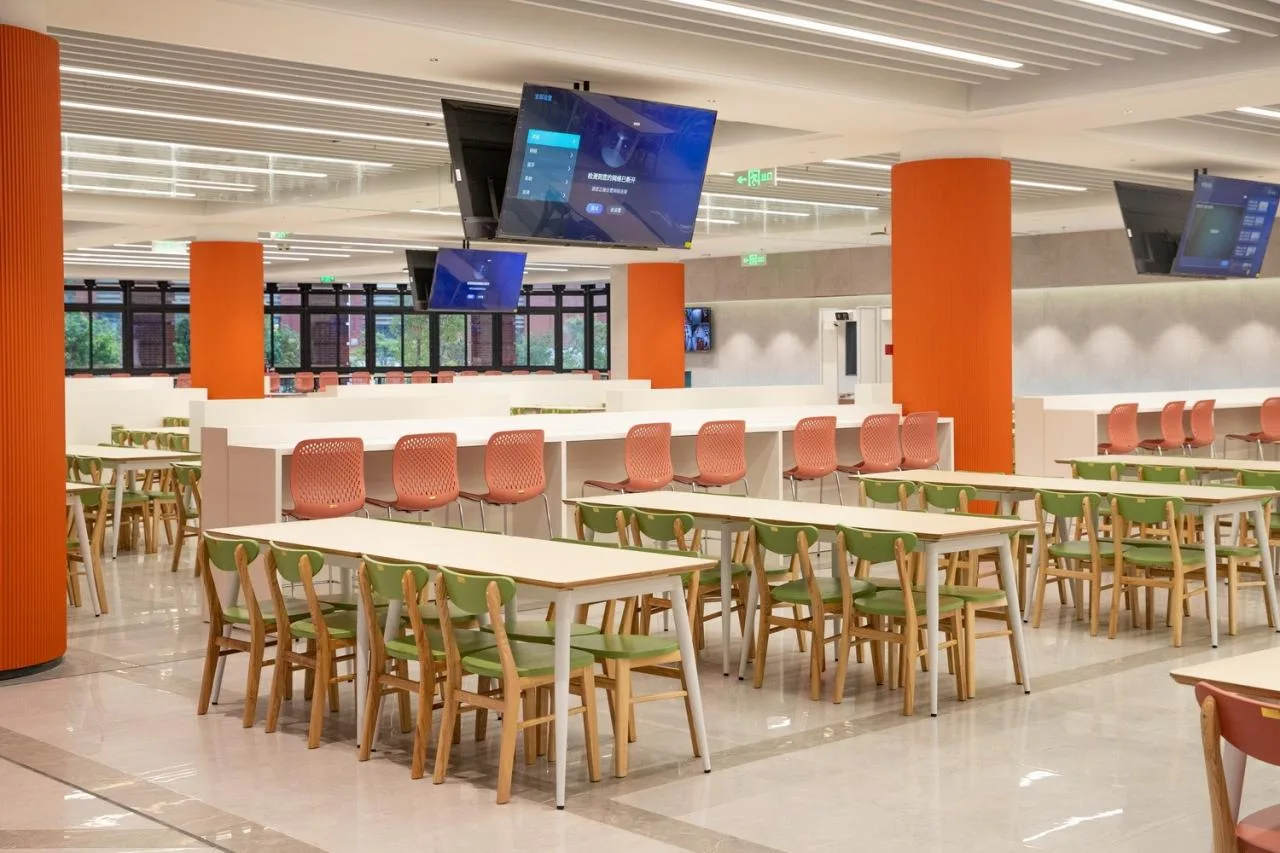
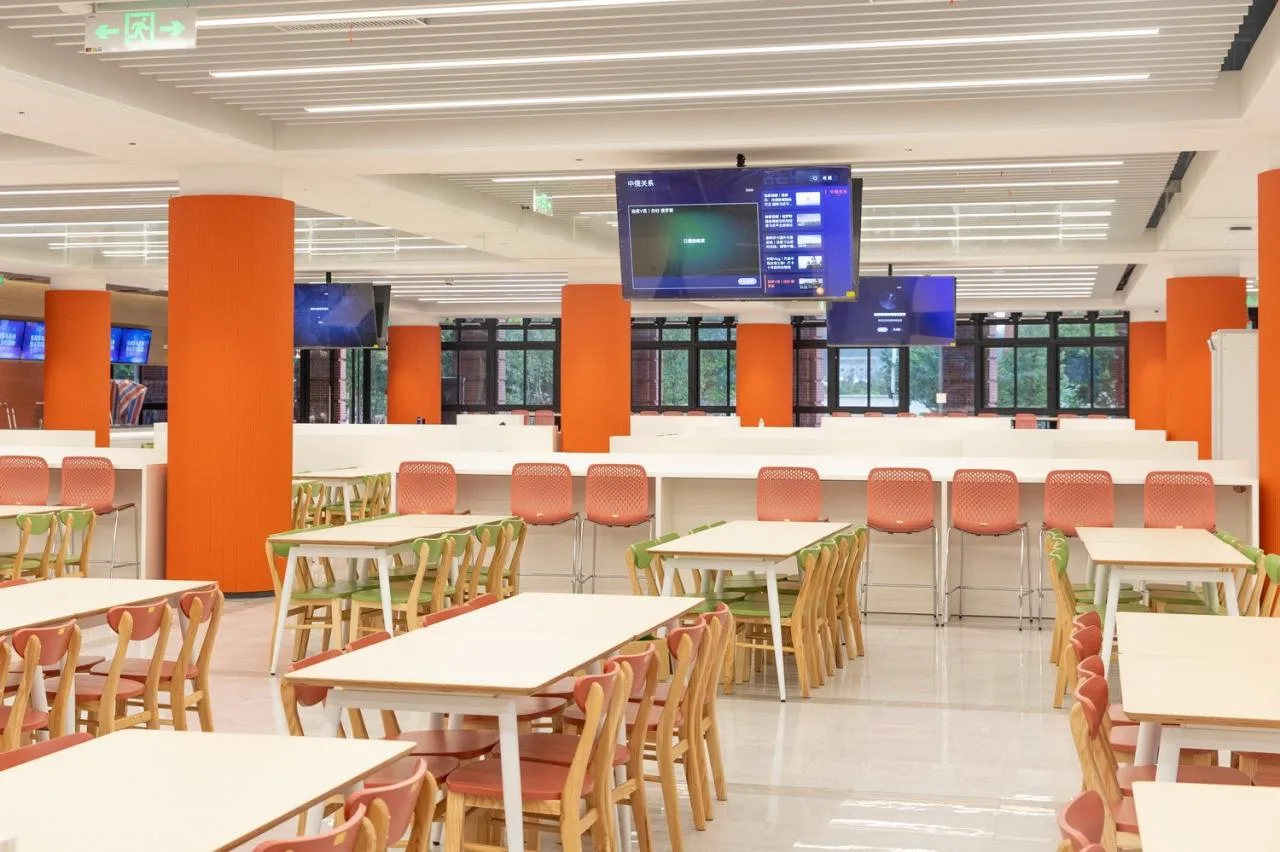
Overview of the First Floor Space
The second floor combines dining, study, and communication areas with clear zoning that maintains relative independence. Vertical rod-shaped partitions suspended from above feature silhouettes of old campus buildings, creating a sense of openness and separation simultaneously. The furniture is brightly colored; dining tables mix rectangular and circular shapes with high stools and surrounding sofas, creating a warm and inviting atmosphere. Each partition includes independent display screens for learning, communication, small meetings, and entertainment.
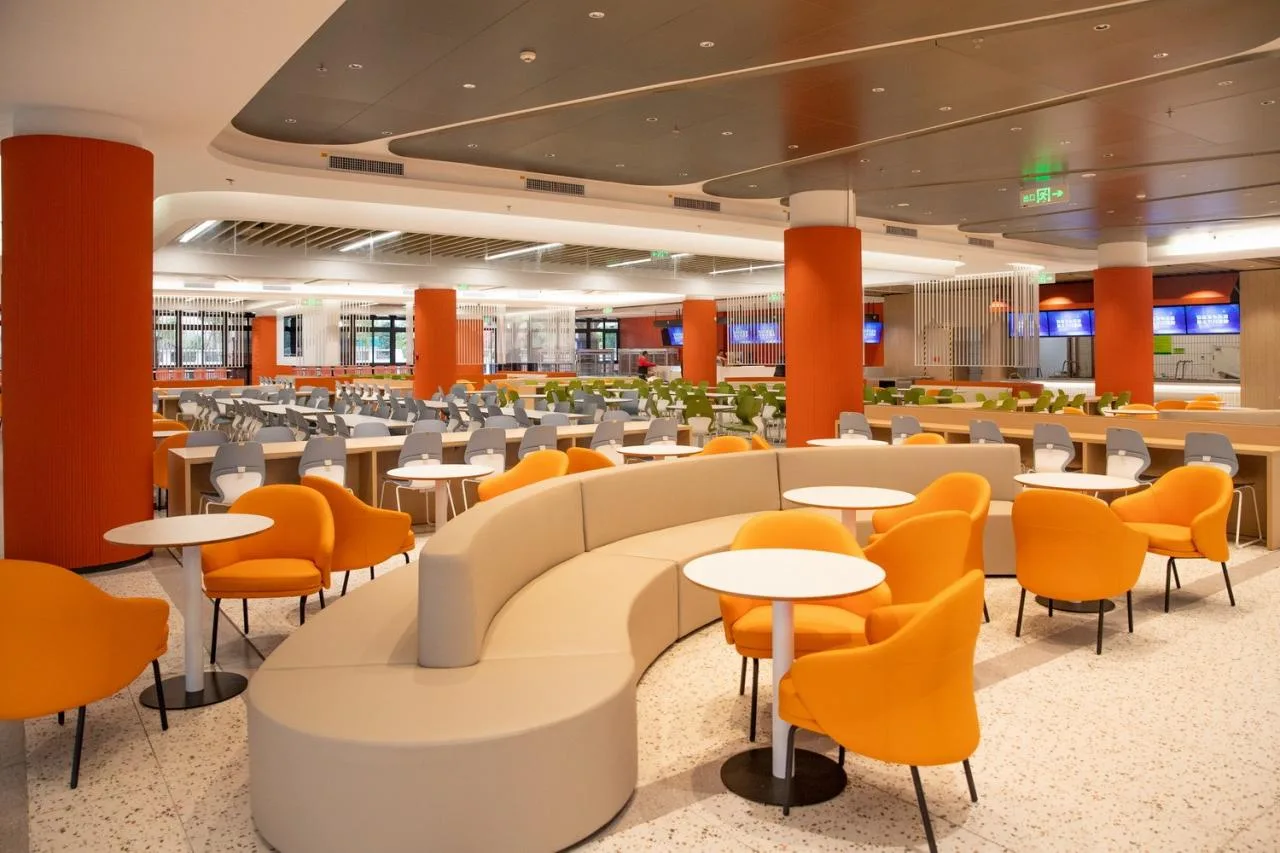
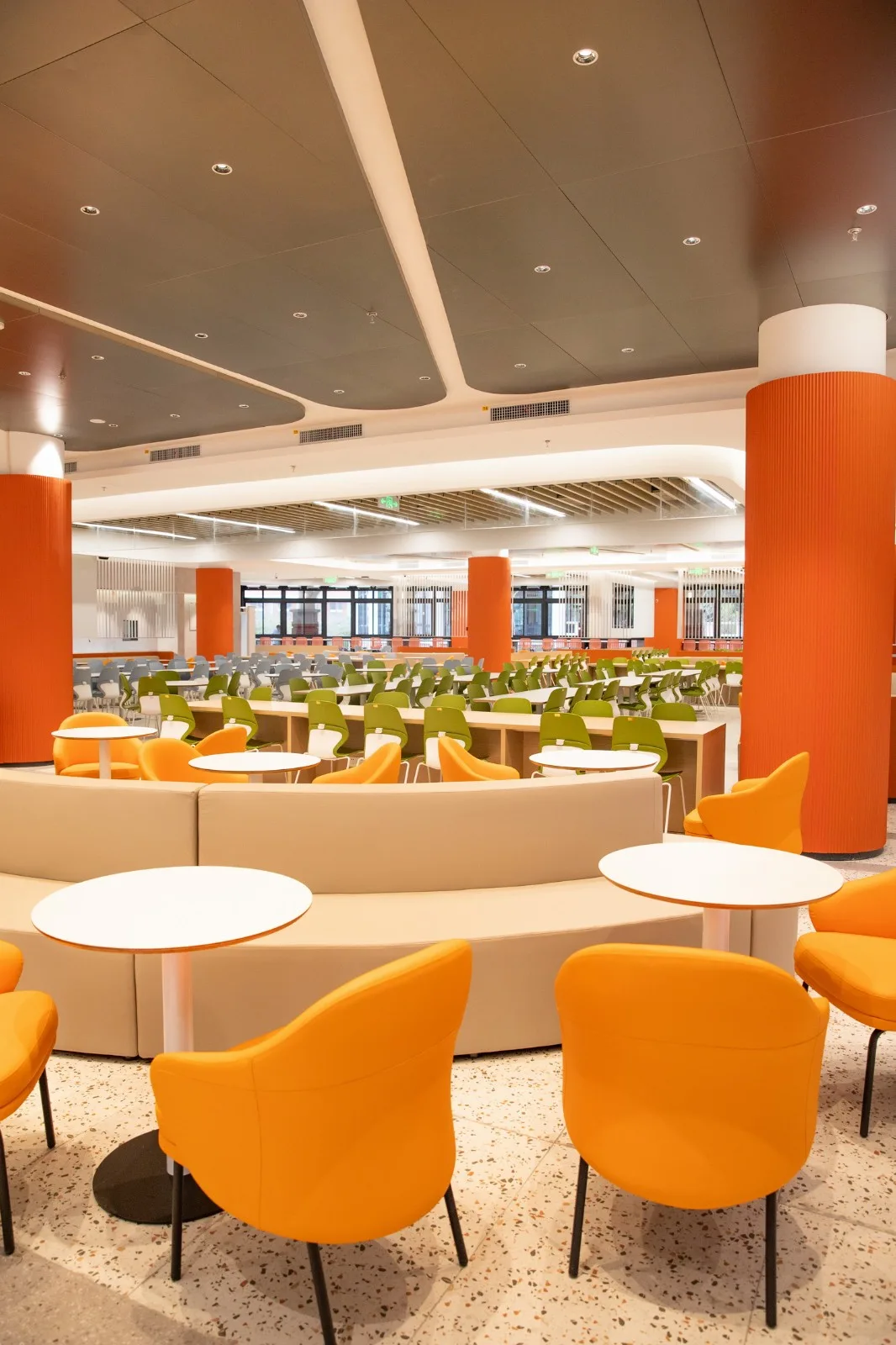
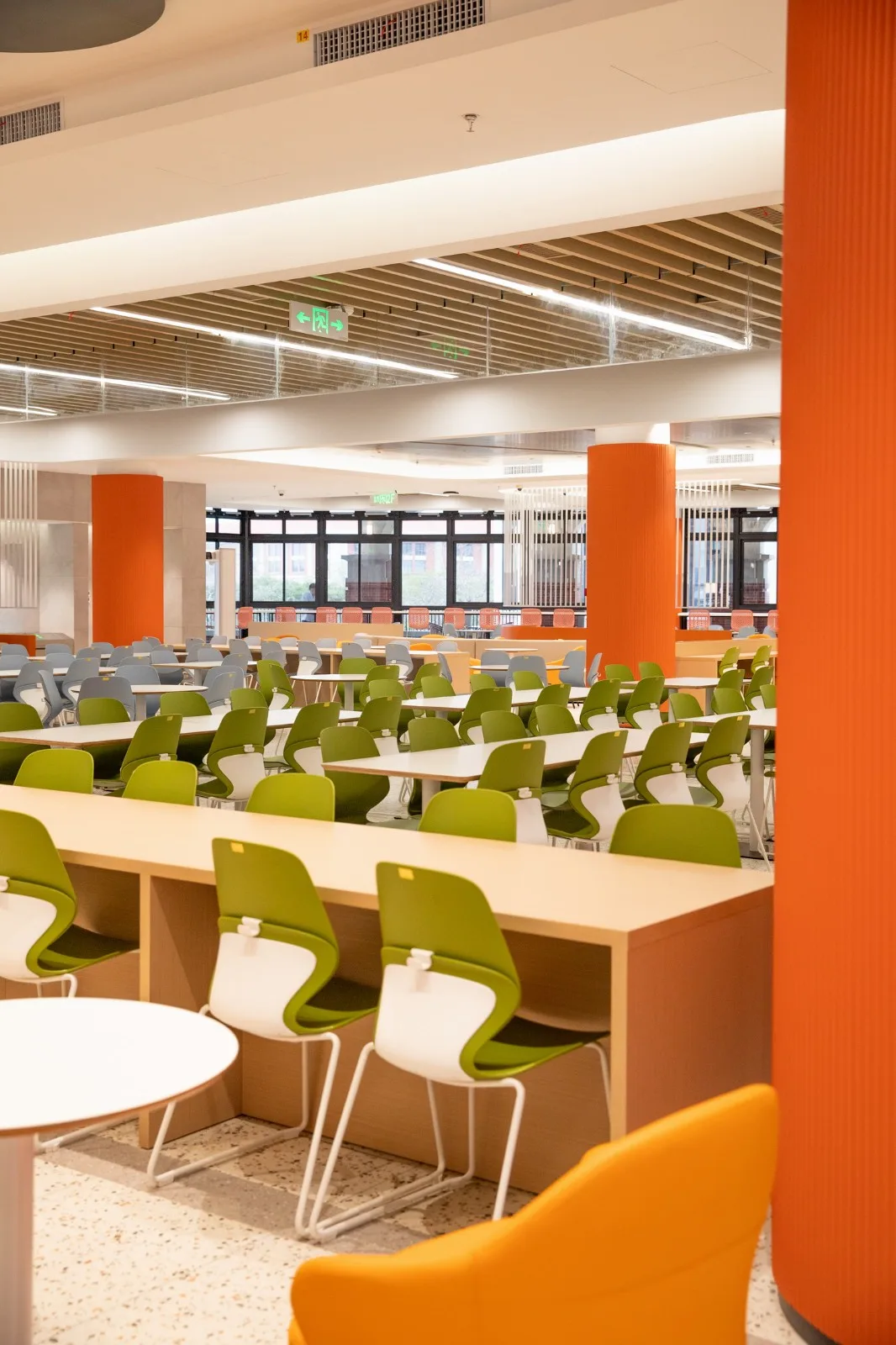
Overview of the Second Floor Space
The third floor serves as a multifunctional banquet hall designed with a column-free layout, spanning 16 meters to create a tall, grand space. The hall’s style is simple and elegant, featuring four red columns and a uniform ceiling with concealed lighting, exuding understated luxury. Movable vertical partitions allow for flexible subdivision, accommodating different group sizes and event types.
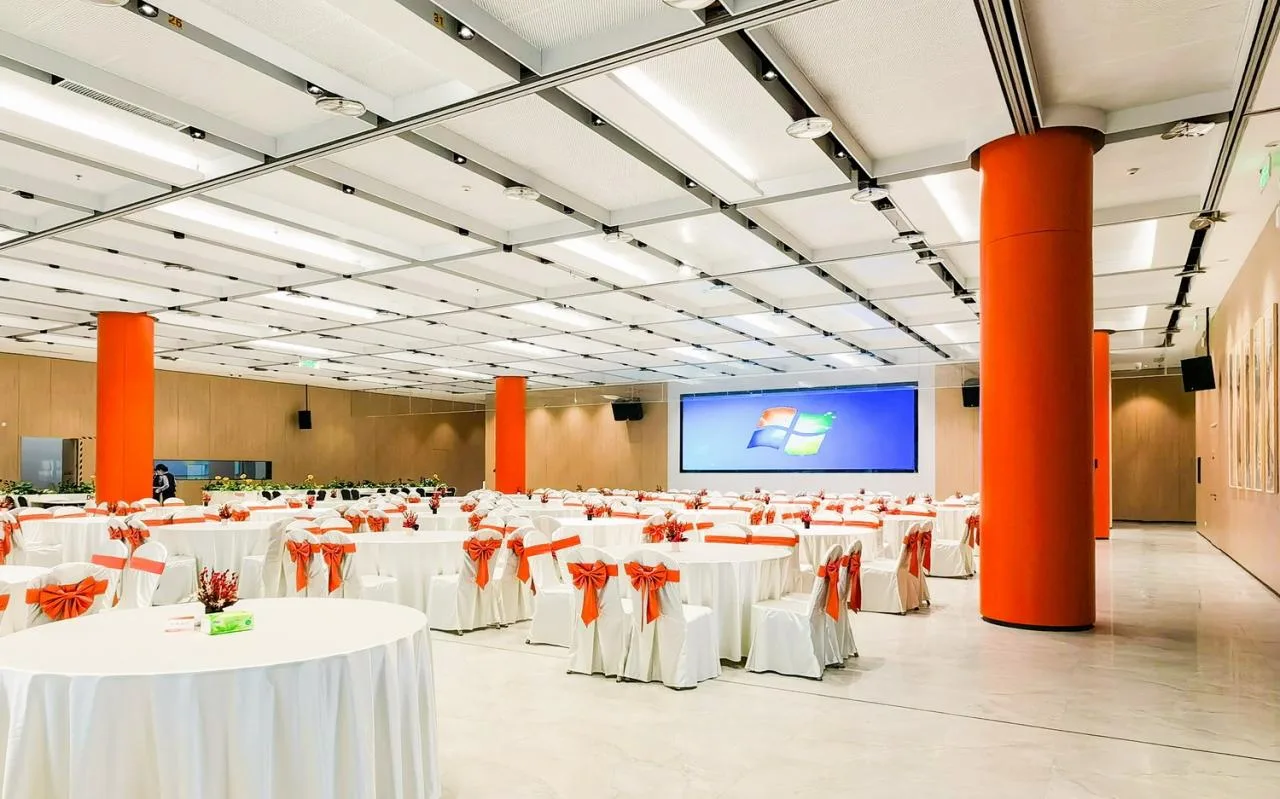
Overview of the Third Floor Space
05 Culinary and Cultural Virtues
The name “Siyuan” represents a cultural emblem of Xiamen University’s century-long history. The new restaurant is named to honor the virtuous deeds of the university’s founders and to promote the enduring spirit of Jiageng and Xiamen University’s culture.
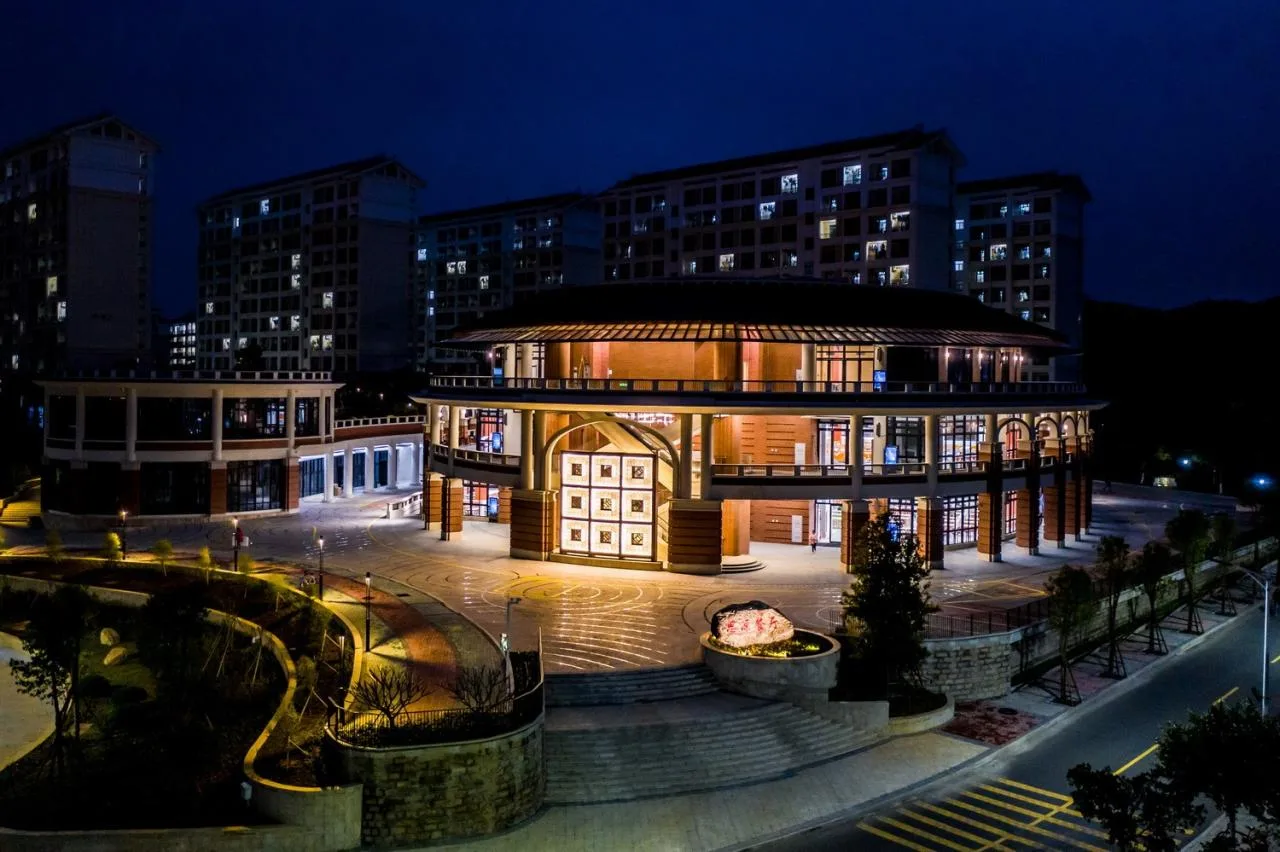
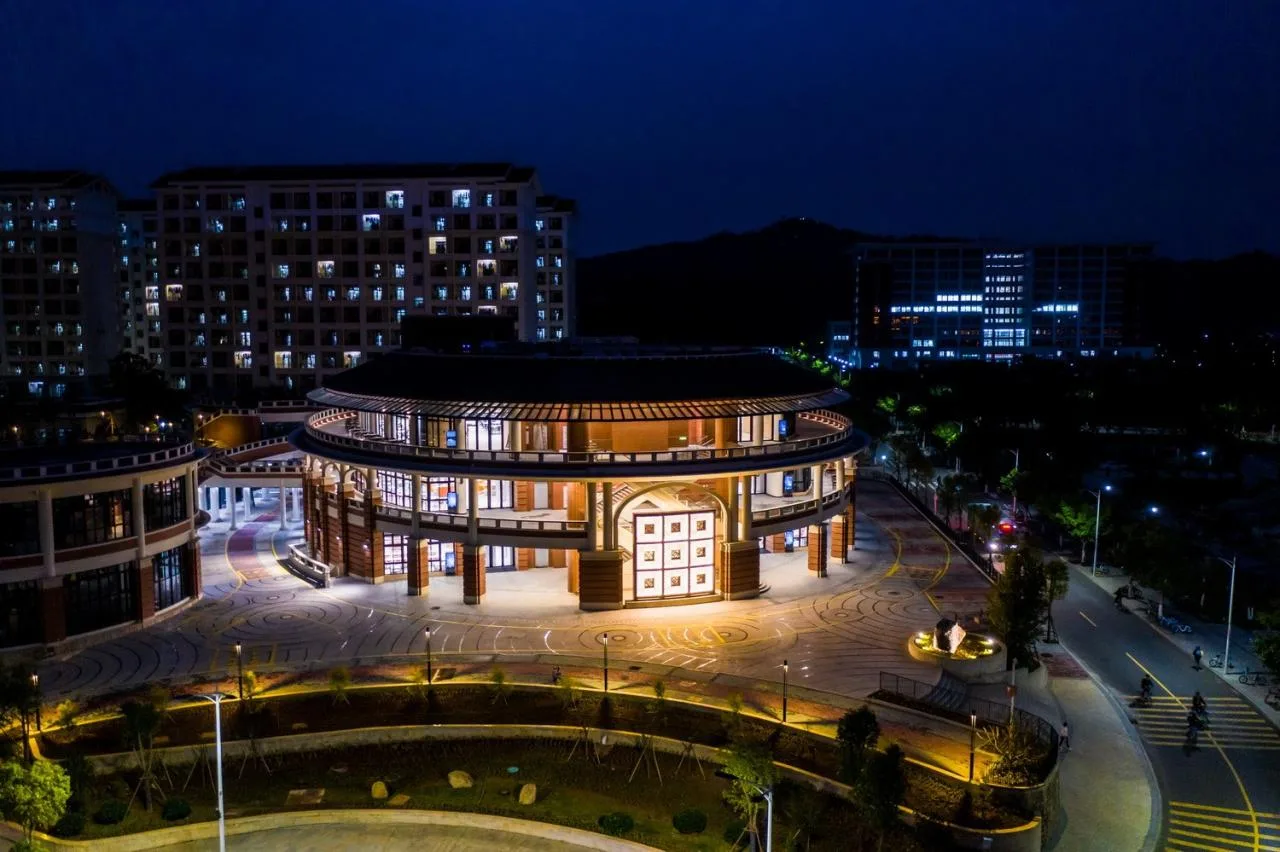
△ Night View of Siyuan Restaurant
As night falls, the combined interior and exterior elements of Siyuan Restaurant shine with particular charm. Its warm and tranquil lighting illuminates the school’s geographic center, where the front entrance and walls resemble a lighthouse guiding students home. Here, people find belonging, warmth, and connection across time and space, enjoying not only a feast of flavors but also a hub for learning and entertainment. The atmosphere transforms from “gathering around the stove” to “reading around the stove,” as the cafeteria becomes a lively, joyful place reminiscent of Charlie’s Chocolate Factory—bringing happiness, growth, and cherished memories to campus. Its design allows continuous operation throughout the day, sustaining energy and community.
Project Drawings
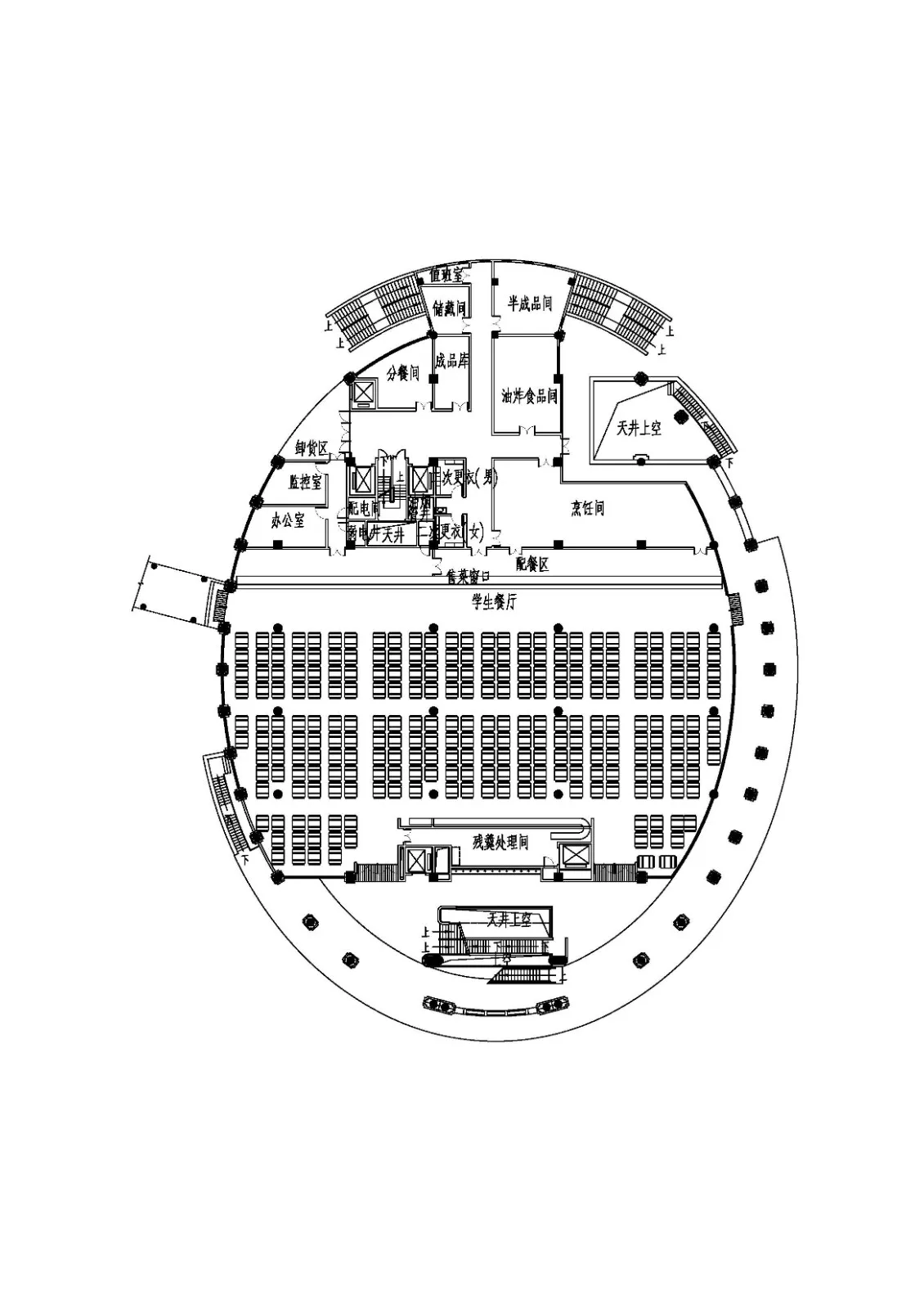
△ First Floor Plan
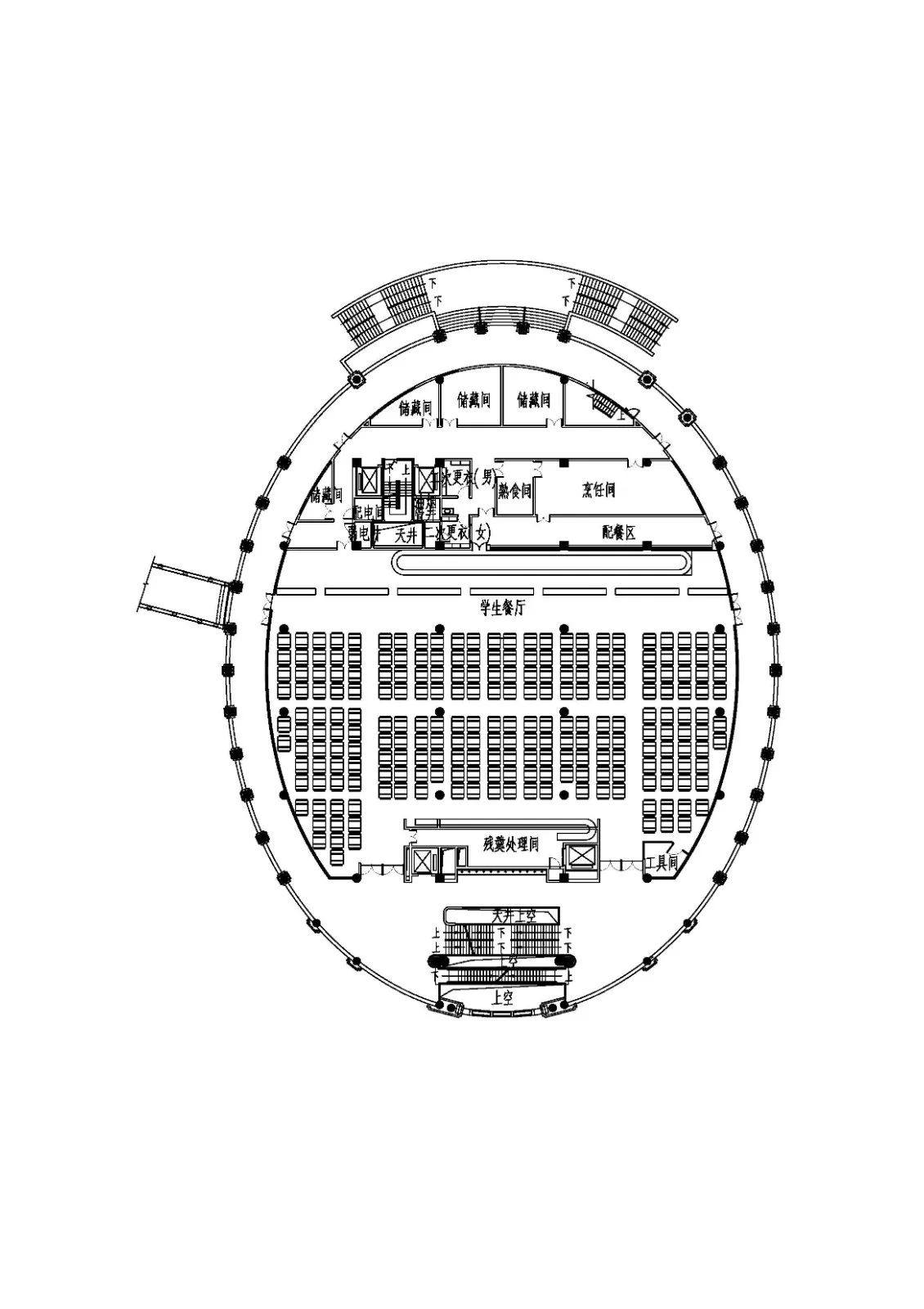
△ Second Floor Plan
△ Third Floor Plan
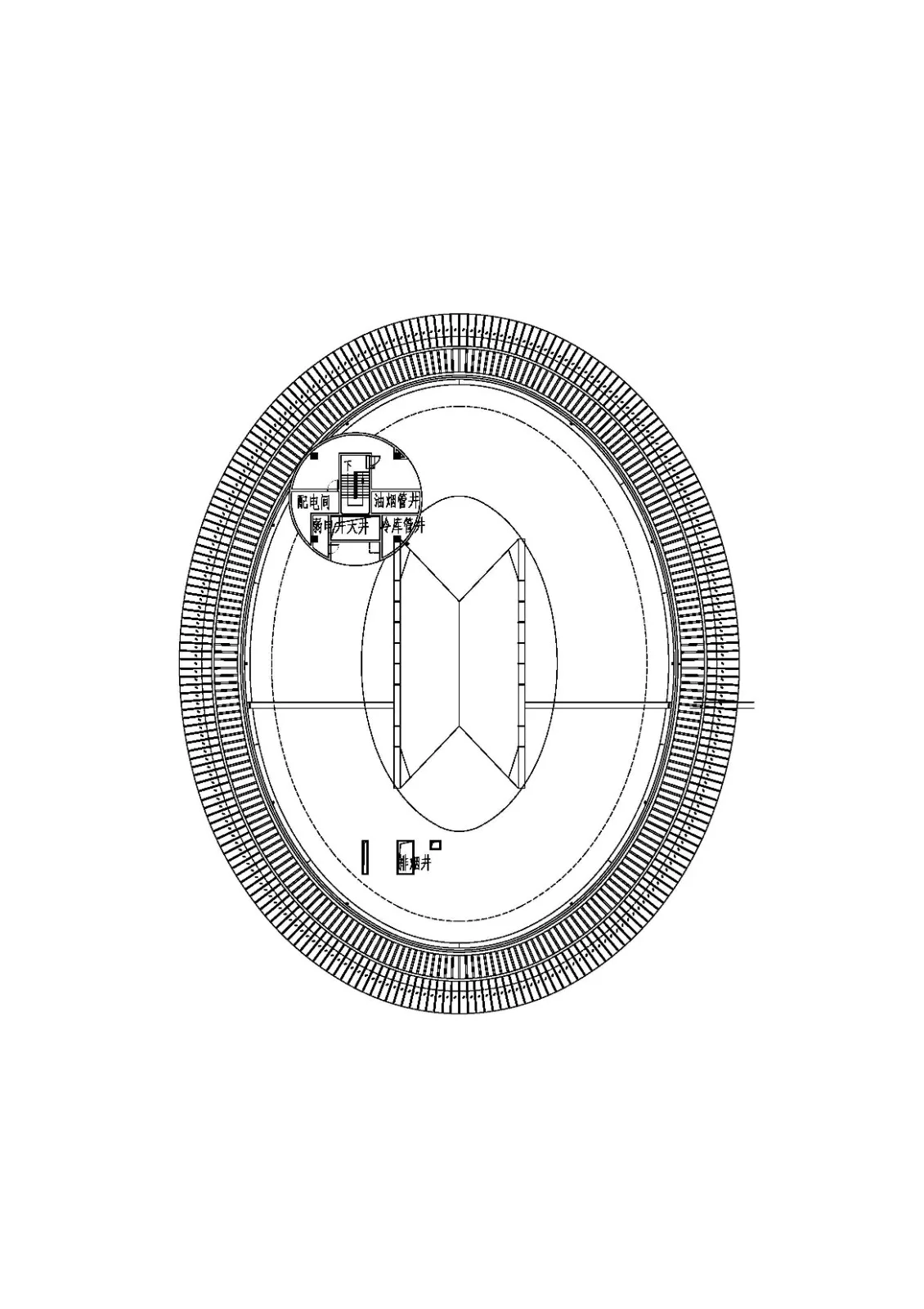
△ Roof Plan
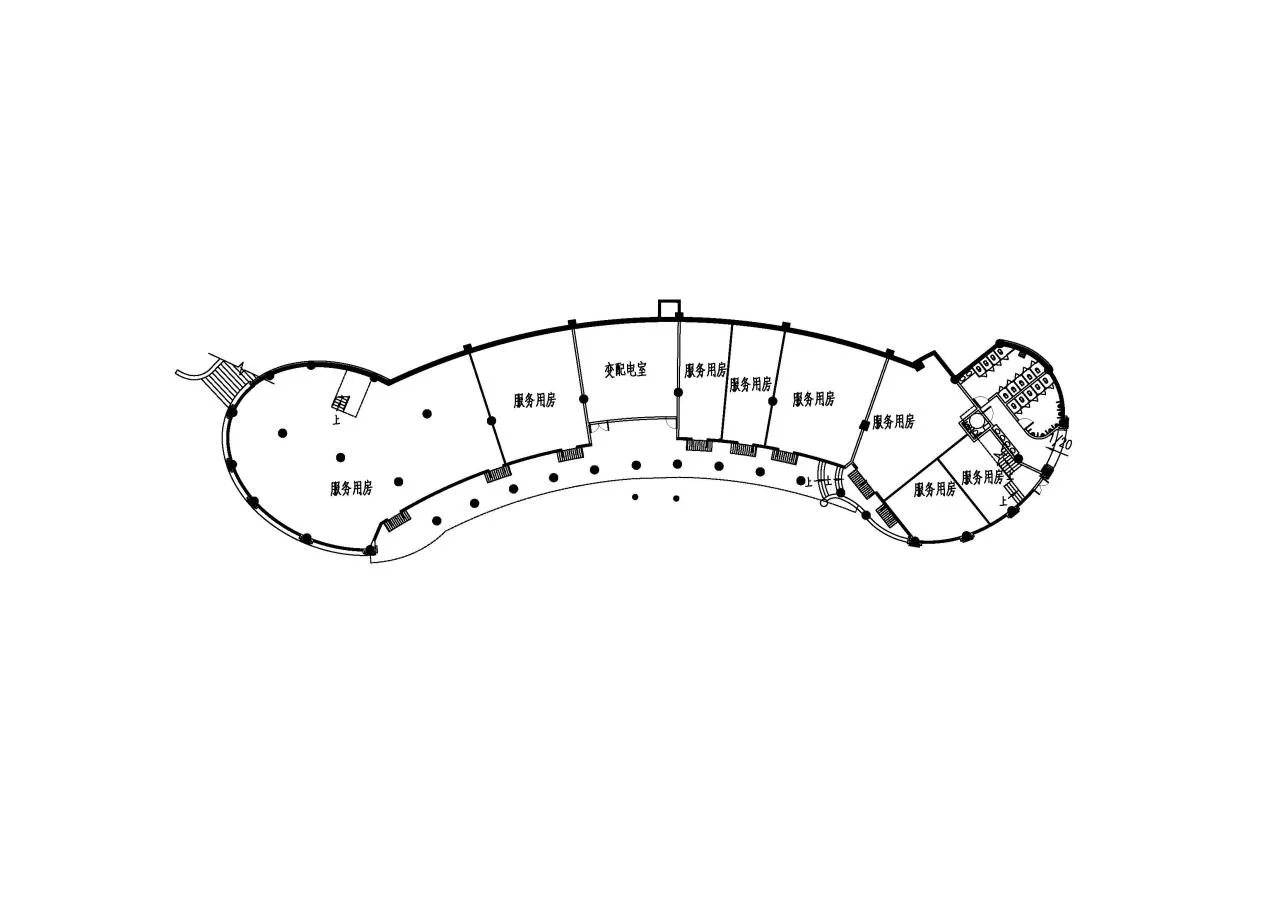
△ Commercial First Floor Plan
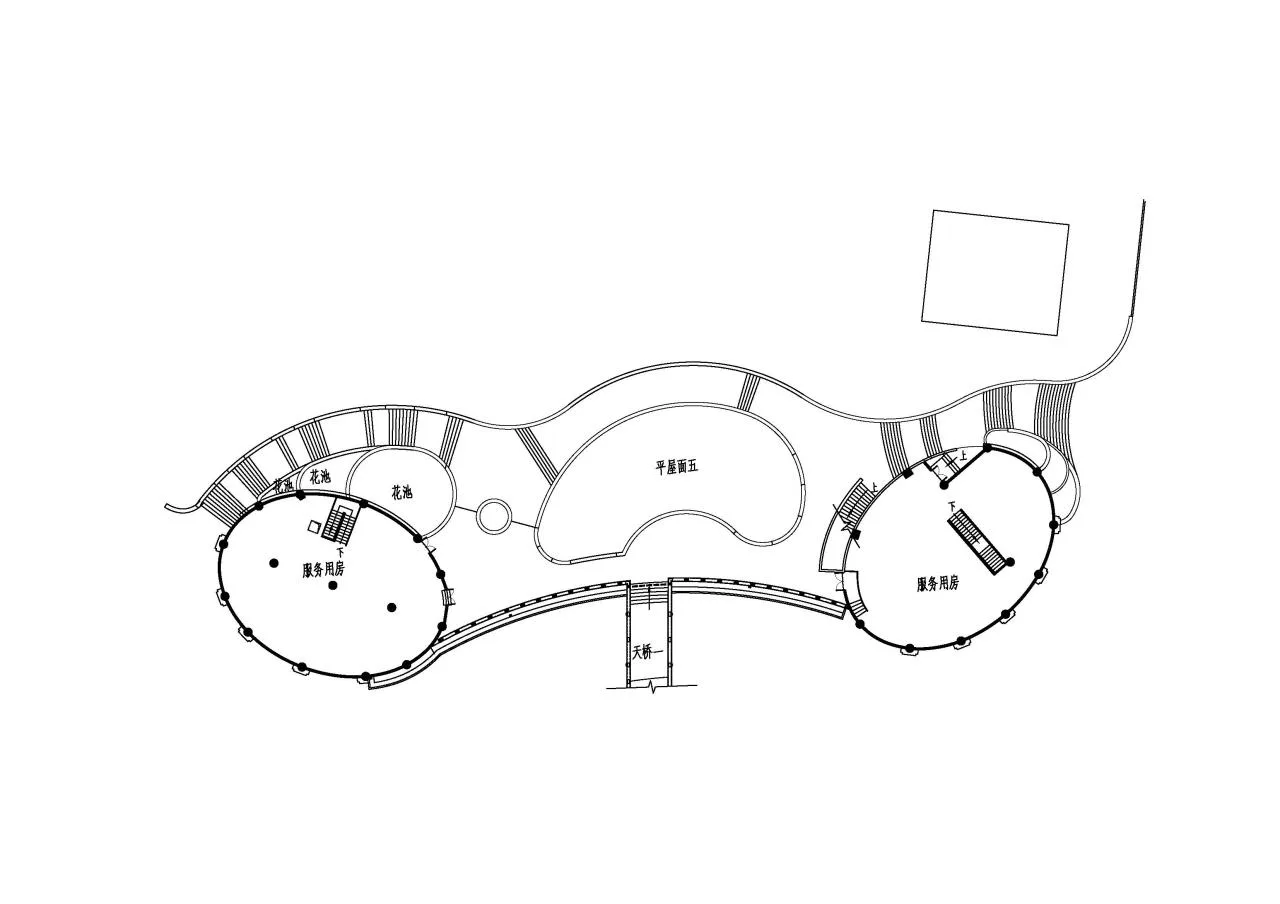
△ Commercial Second Floor Plan
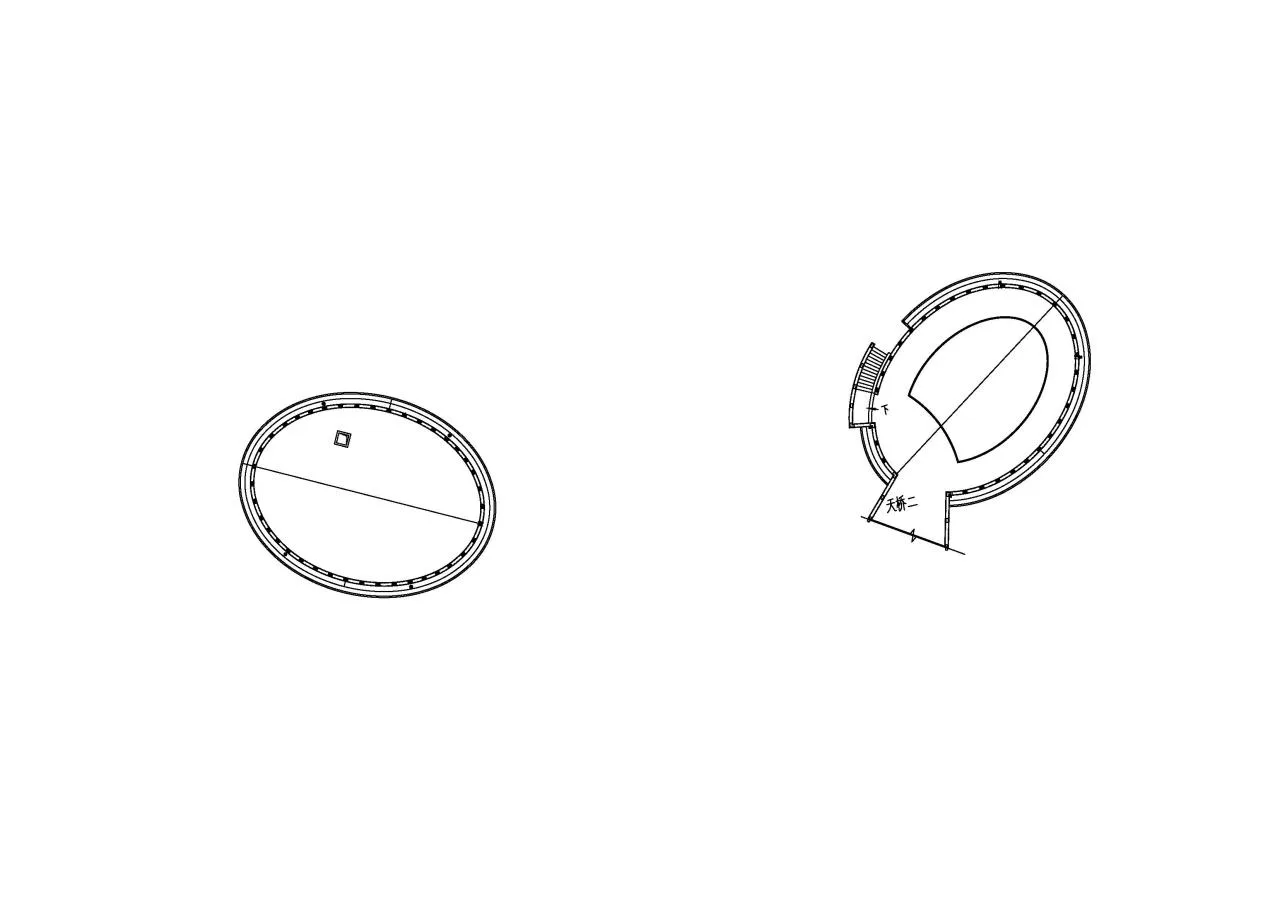
△ Commercial Roof Plan
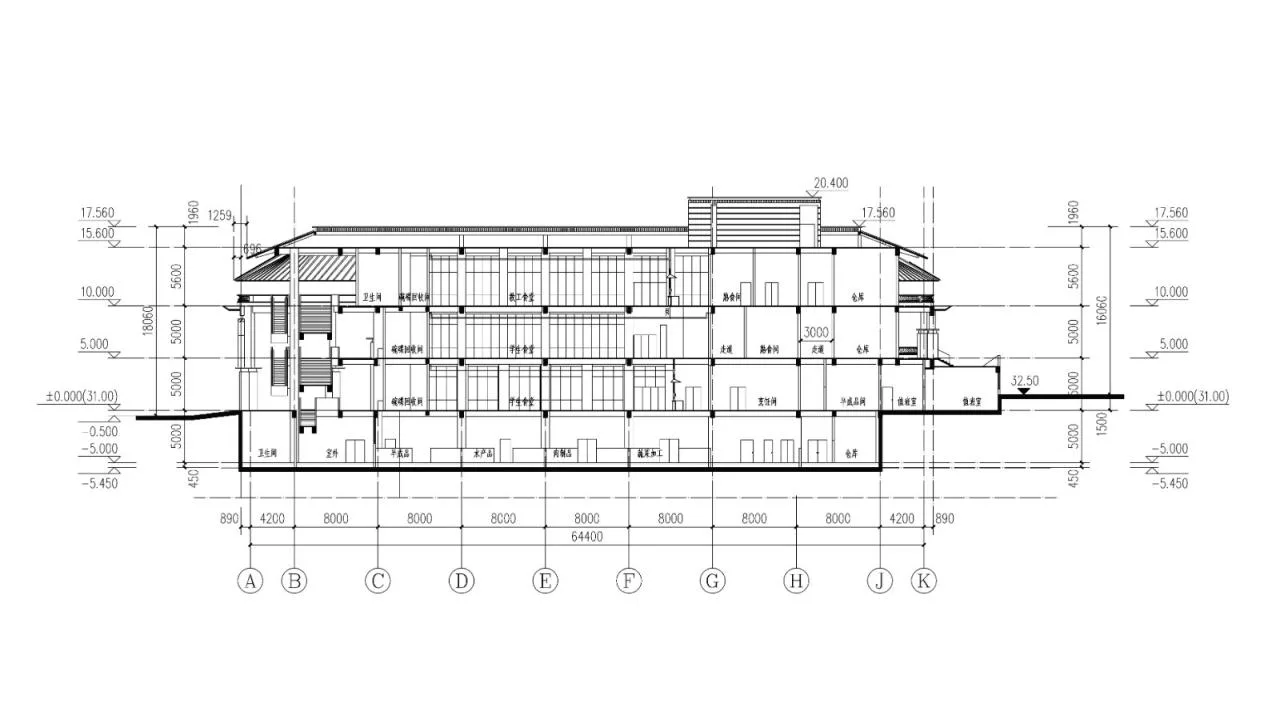
△ Section Diagram
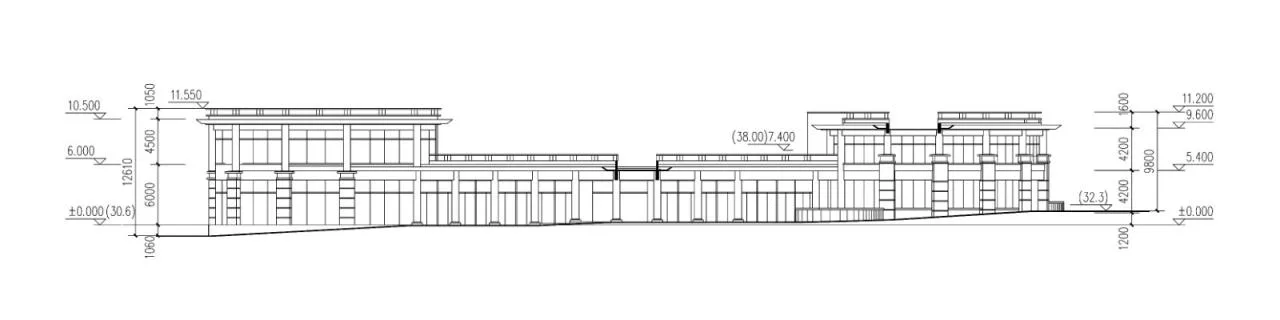
△ Section Diagram
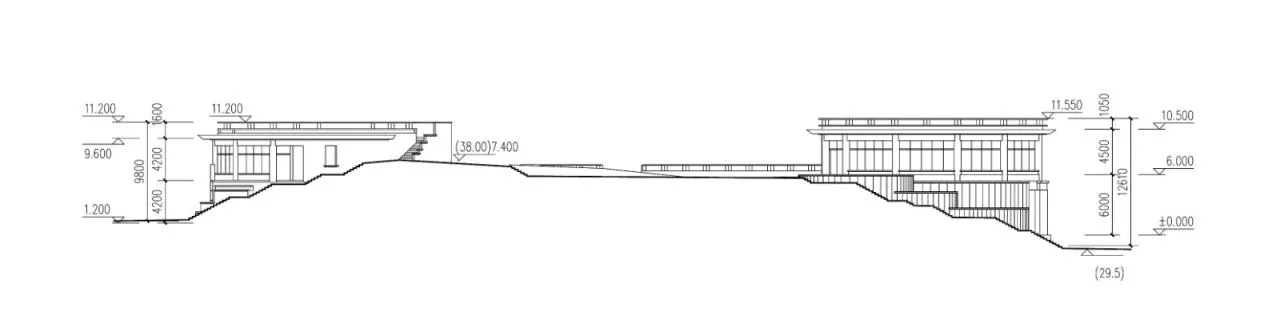
△ Section Diagram
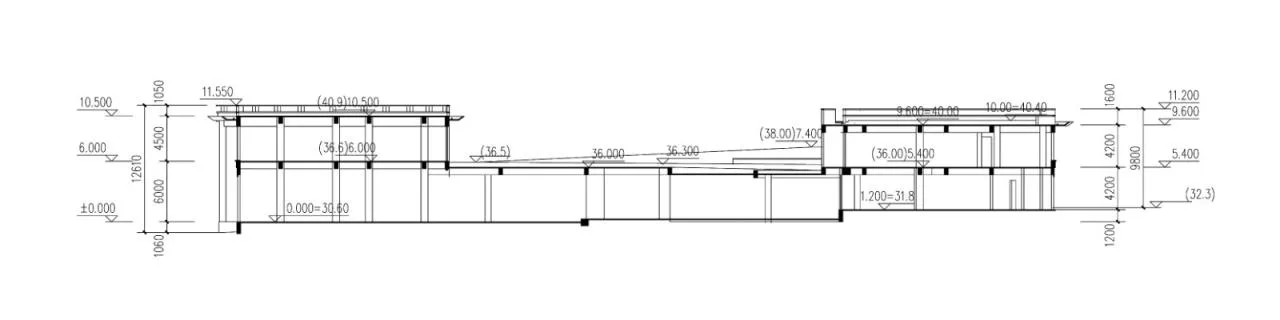
Project Information
Project Year: 2023
Building Area: 12,986 square meters
Architectural Design: Xiamen University Architectural Design and Research Institute Co., Ltd.
Interior Design: Xiamen Meizhu Design Engineering Co., Ltd.
Design Team: Deng Xianyu, Zhou Yi, Li Wenjun, Wu Xiaowen, Lian Bin Ye, Zhu Xiaowei, You Zhimin, Zhang Xiaoshan, Zhan Kelei, Zhou Baicong, Zhang Tianli, Zheng Yinchai
Text Editors: Deng Xianyu, Zhou Baicong, Wang Shitong
Photographers: Zhou Baicong, Wu Yanfeng, Hao Ze
Materials – Building: Steel, Glass, Metal, Stone
Materials – Interior: White paint, small red brick, small white brick, mosaic, aluminum square tube, round steel pipe, metal plate, steel plate, laminated aluminum plate, anti-skid brick, terrazzo prefabricated board, etc.














Must log in before commenting!
Sign Up