
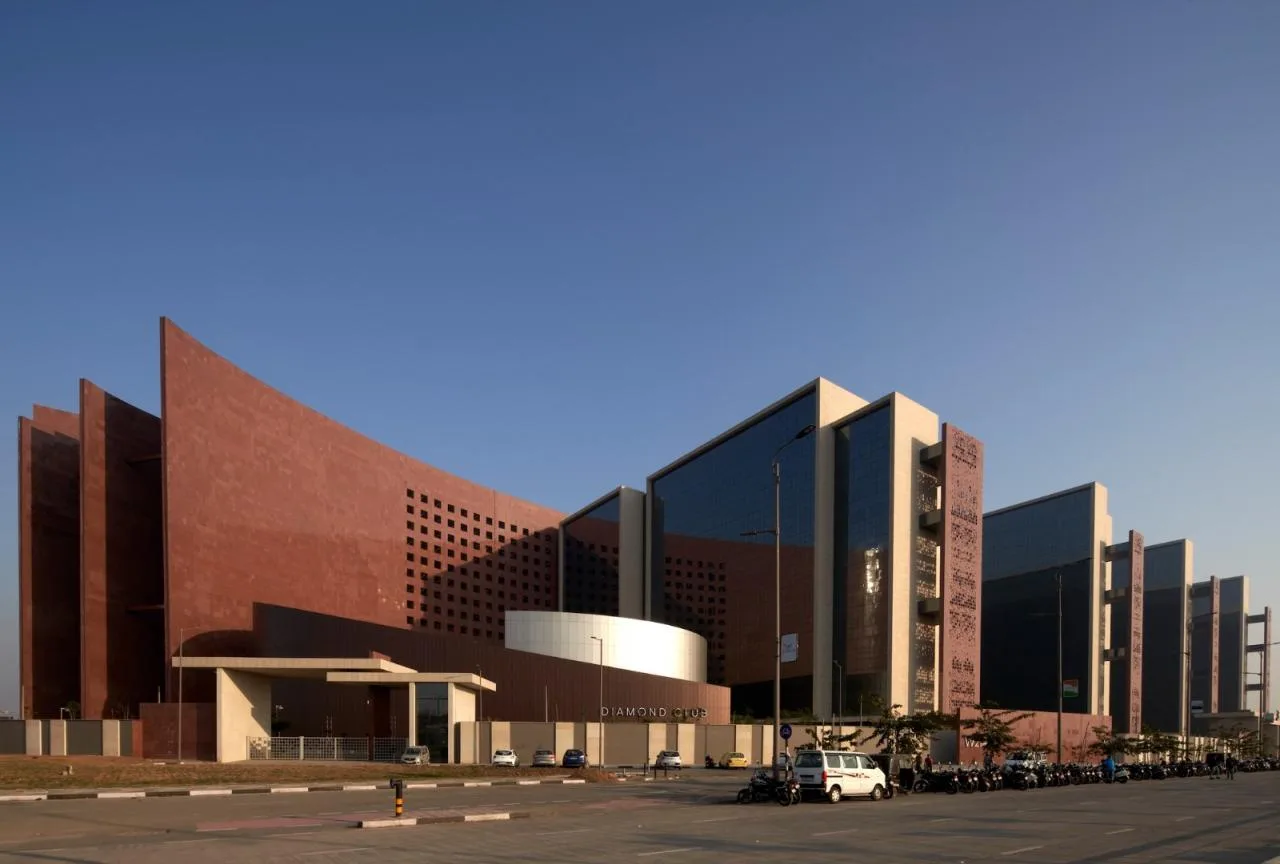
Over 90% of the world’s diamonds are cut in Surat, Gujarat, in western India, home to the largest diamond worker community globally. However, most traders previously had to commute more than 250 kilometers daily by train to Mumbai for business, significantly impacting their living costs, commute, and overall quality of life. The Surat Diamond Exchange consolidates this vast community by centralizing all diamond-related activities—cutting, polishing, and trading—under one roof.
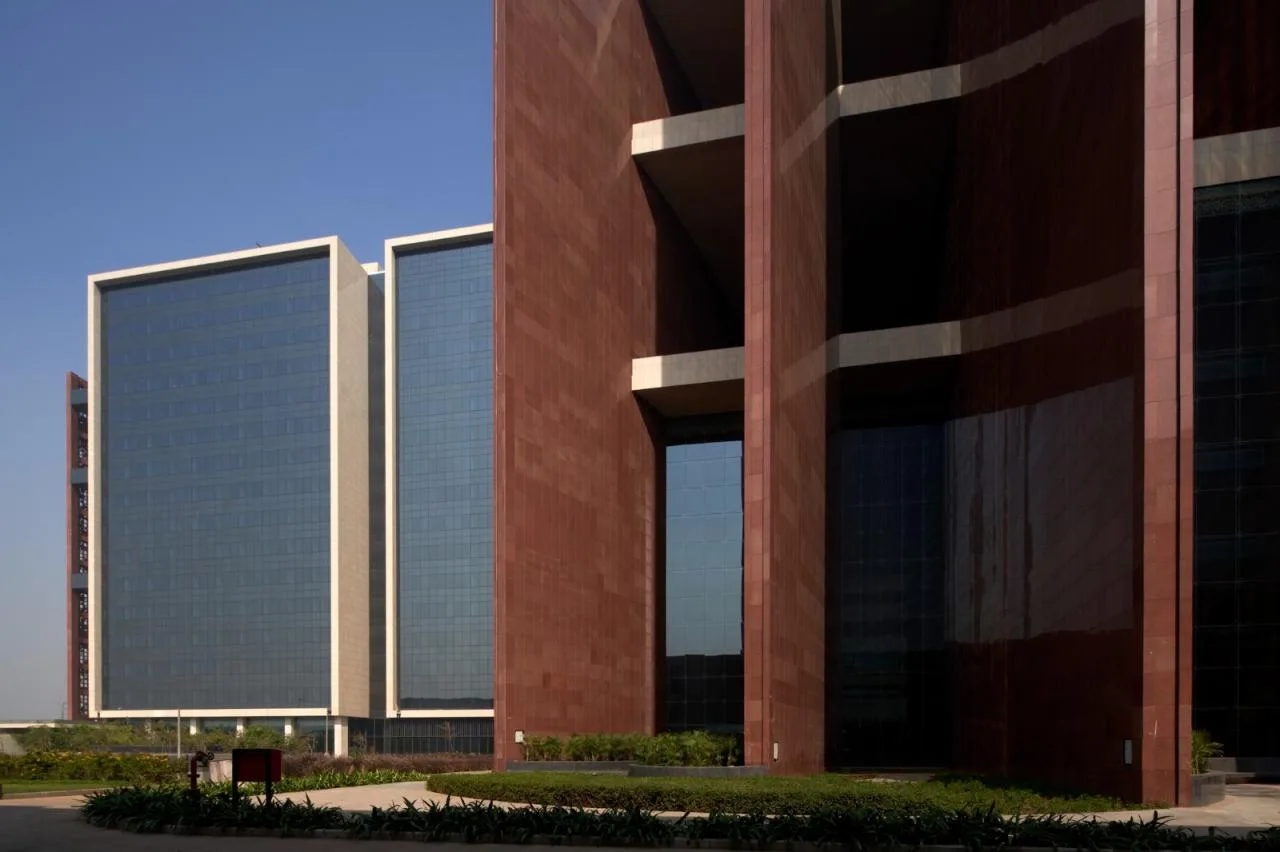
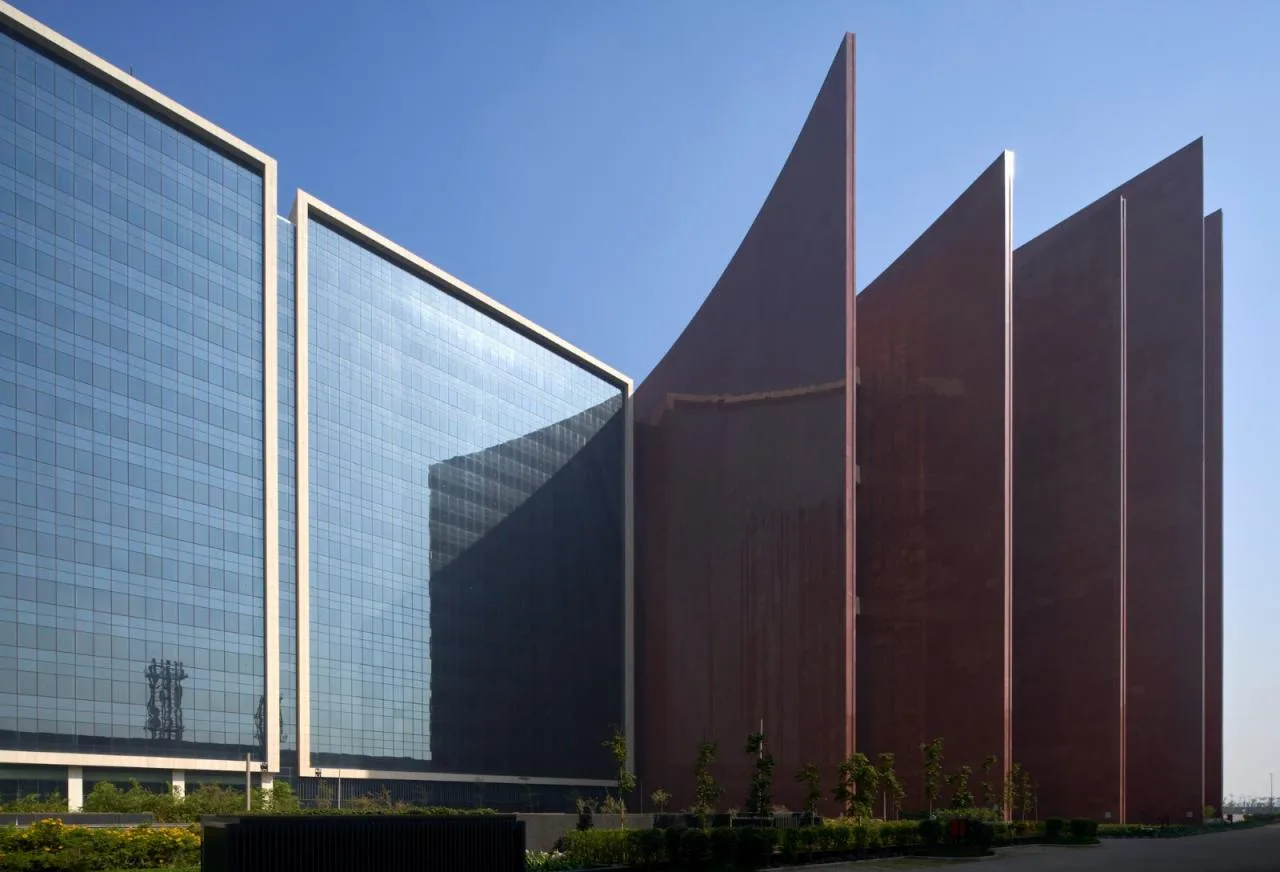
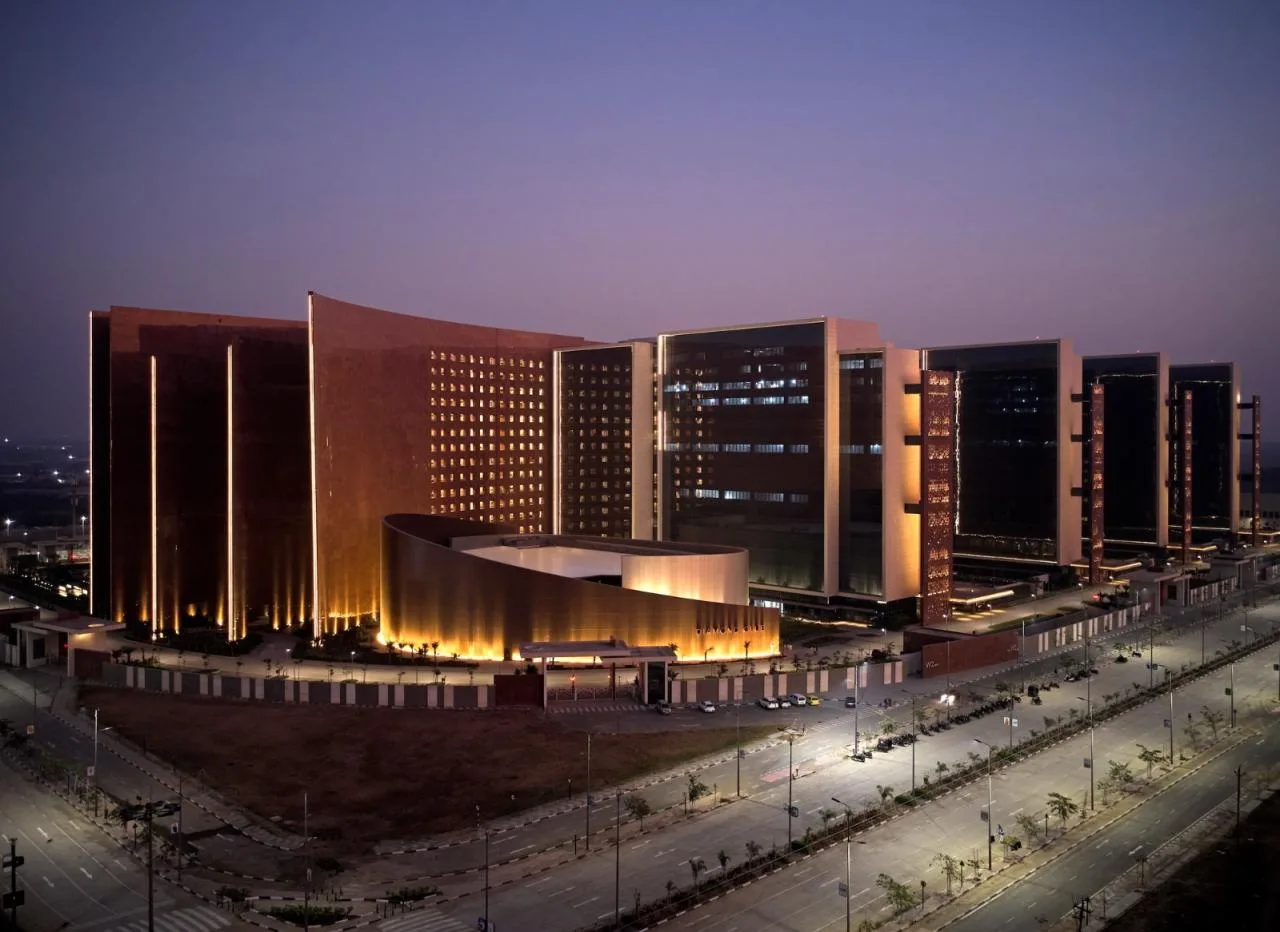
Spanning 35.3 acres with a building area of 7.1 million square feet, its design redefines traditional office building typologies while setting new sustainability standards suited to Surat’s hot and humid climate.
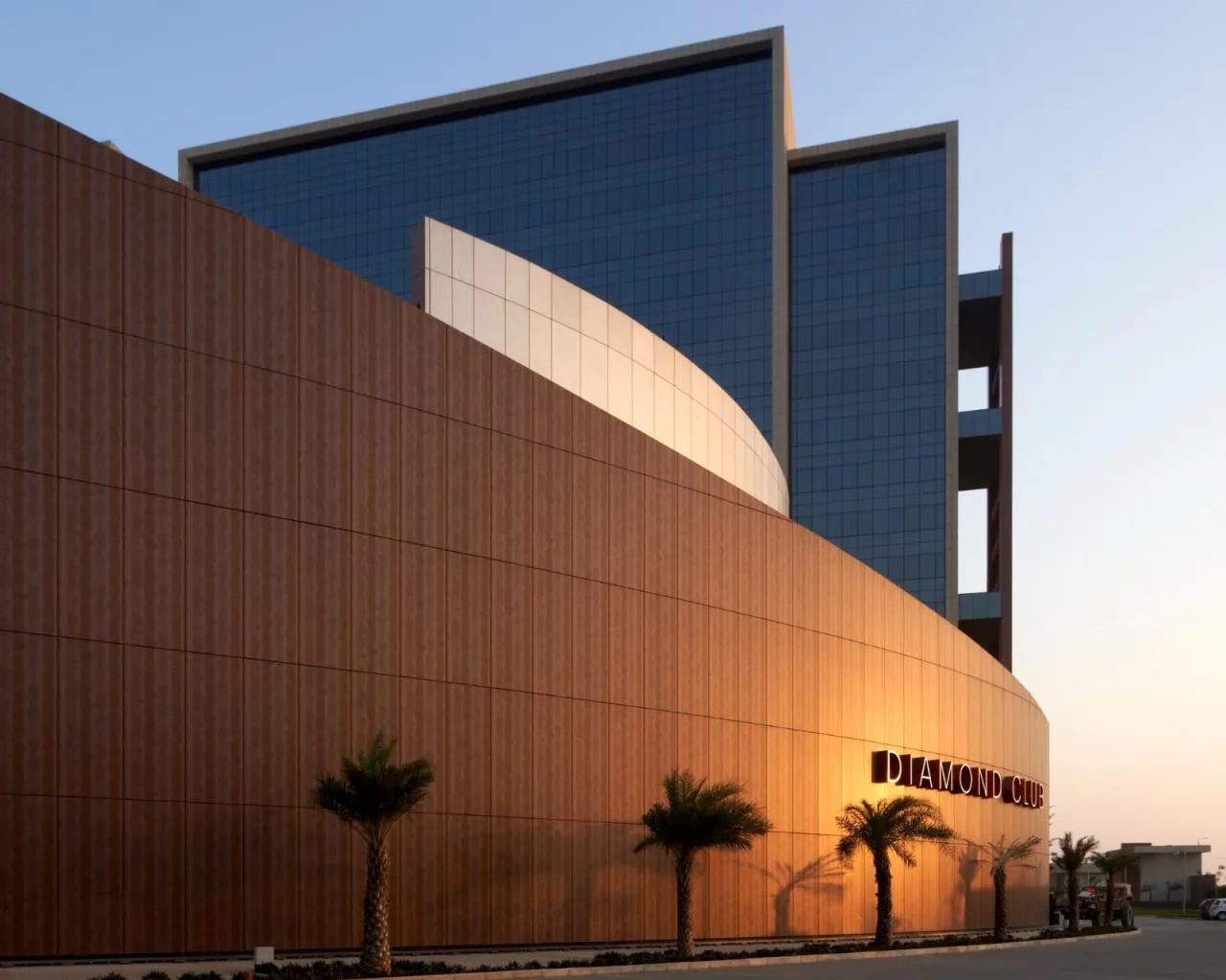
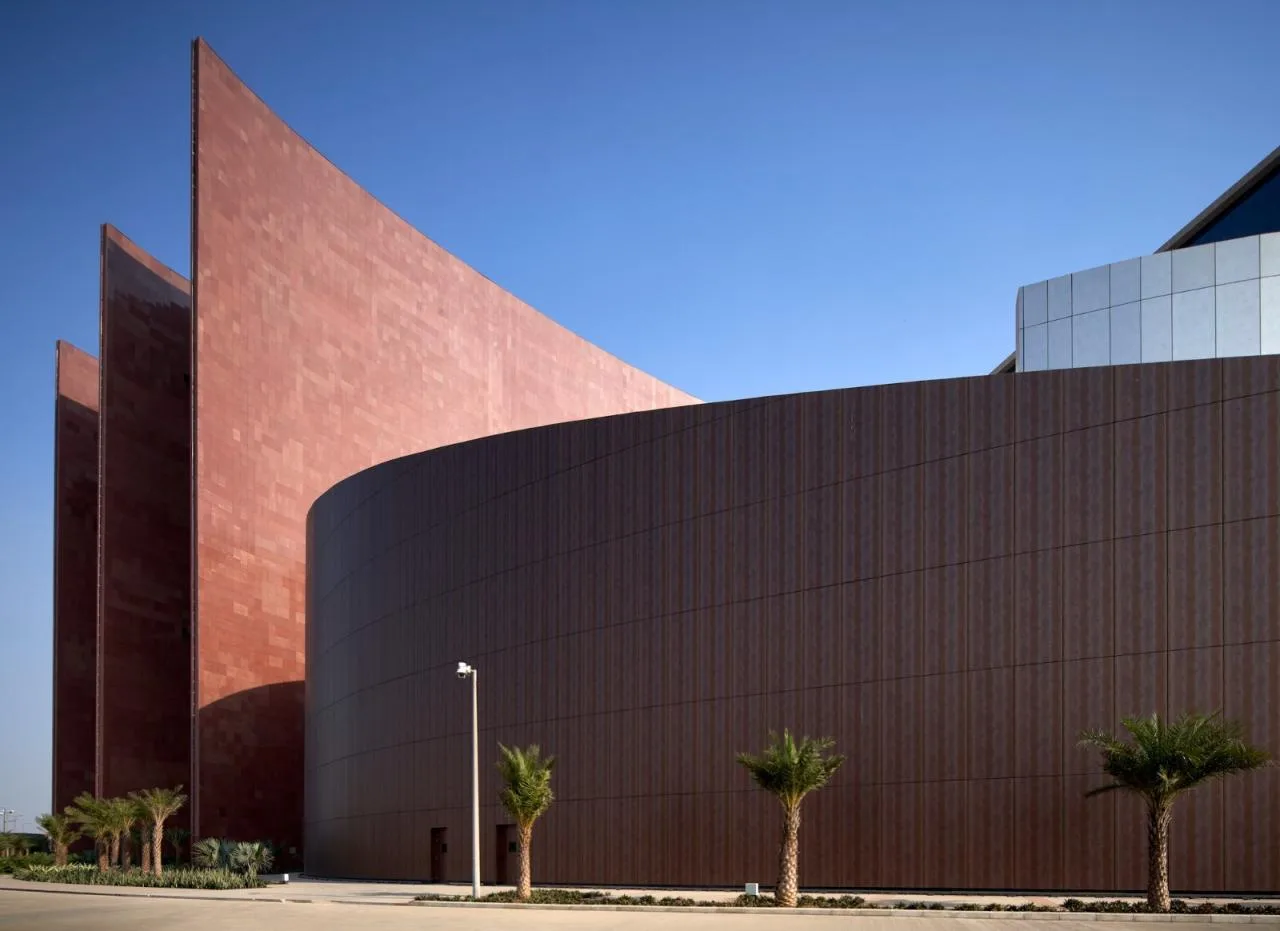
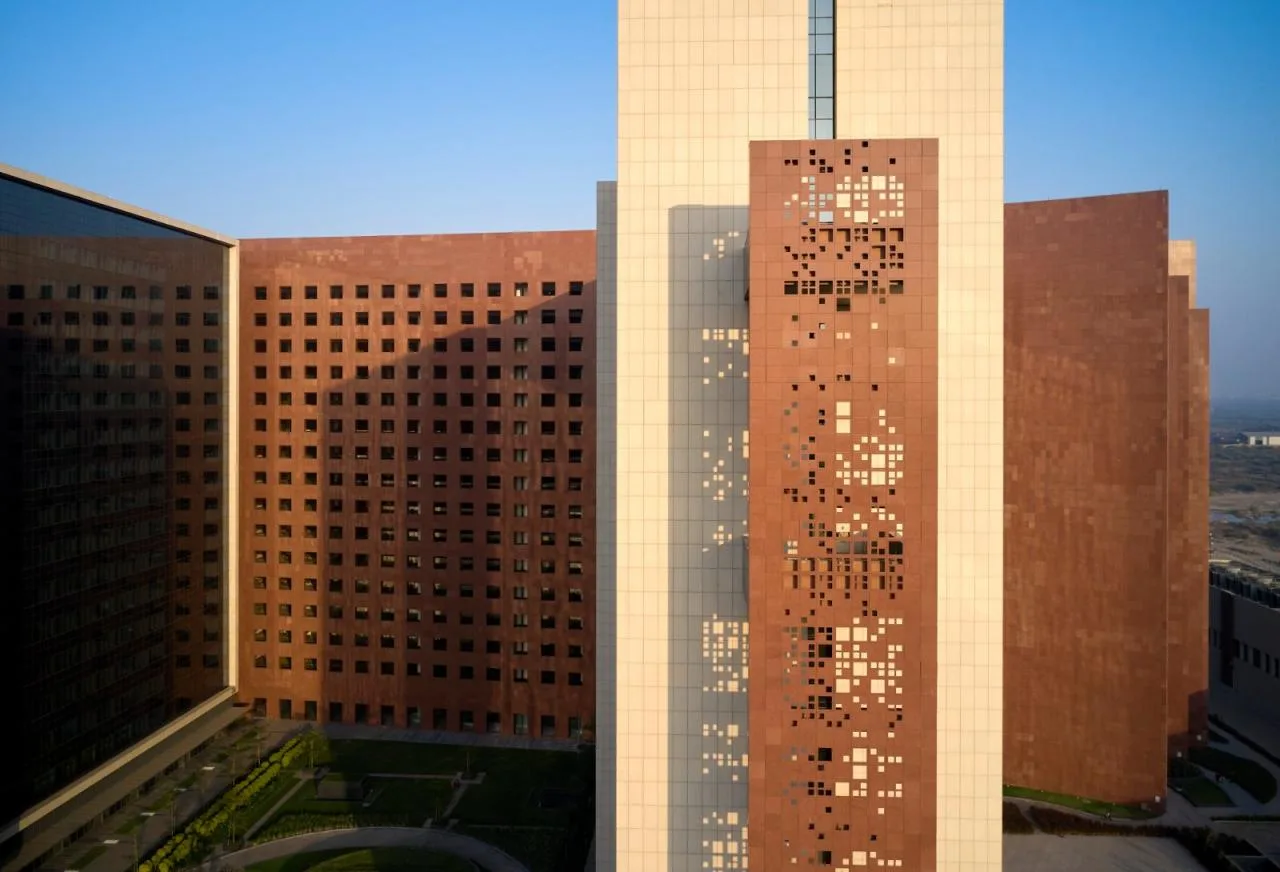
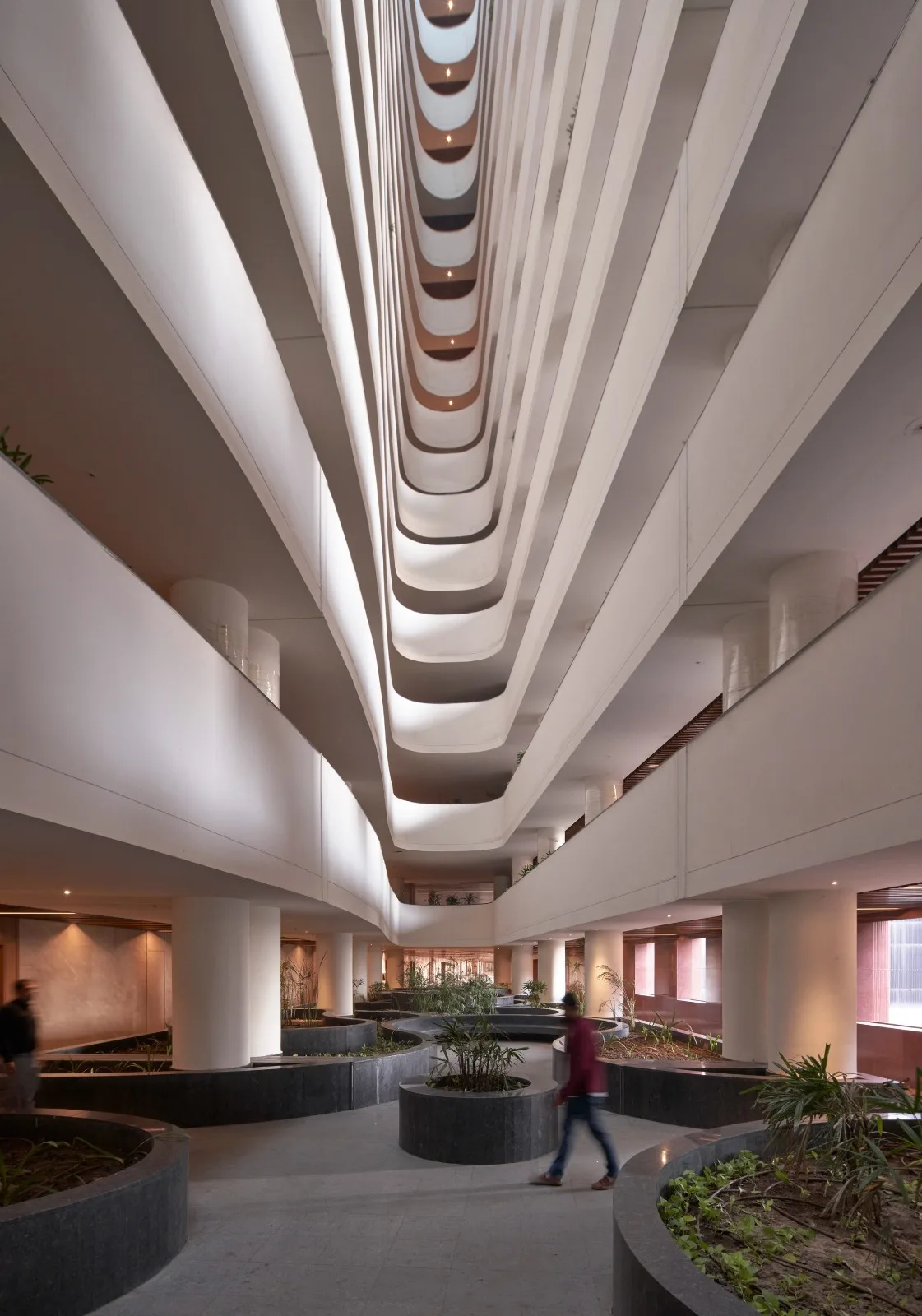
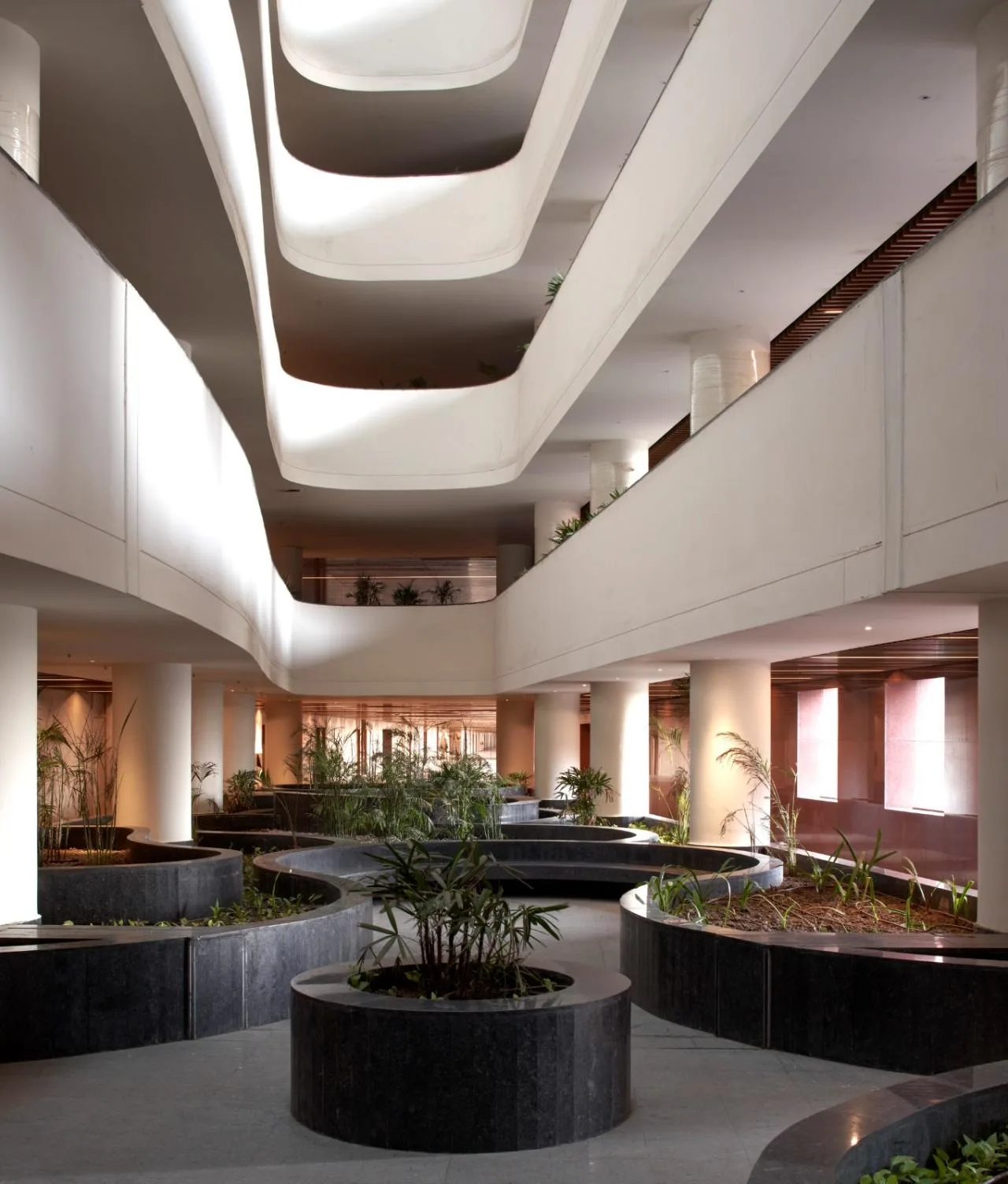
The building’s central axis acts as the core, linking floors both horizontally and vertically. The Diamond Club is positioned in the northwest corner, extending from the flowing walls of the central axis and benefiting from prime visibility. Nine office towers branch off from the central axis, interspersed with tree-lined courtyards that provide year-round spaces for rest and recreation.
The 15-story office towers are oriented north and south, blocking harsh western sunlight while allowing 75% of the workspace to enjoy diffused natural light throughout the day.
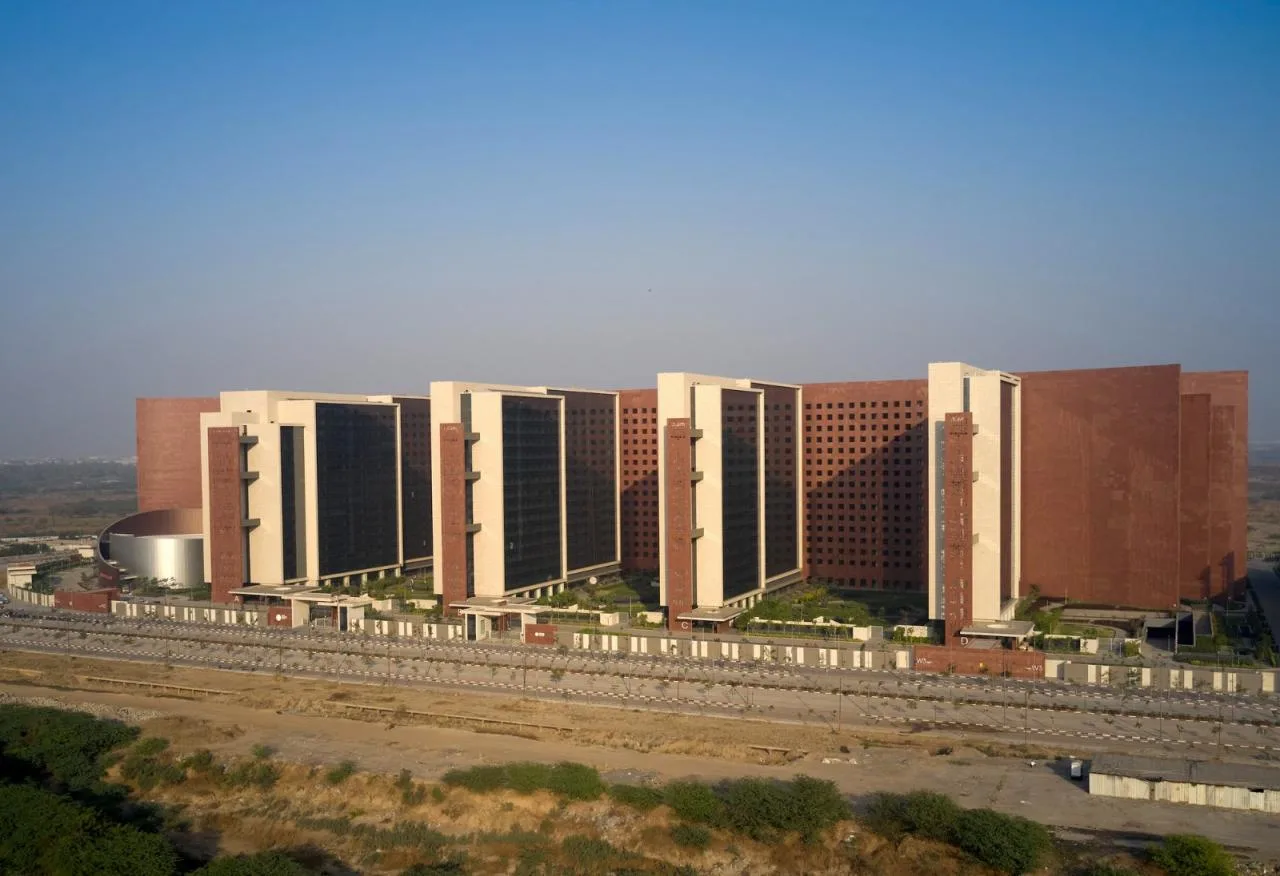
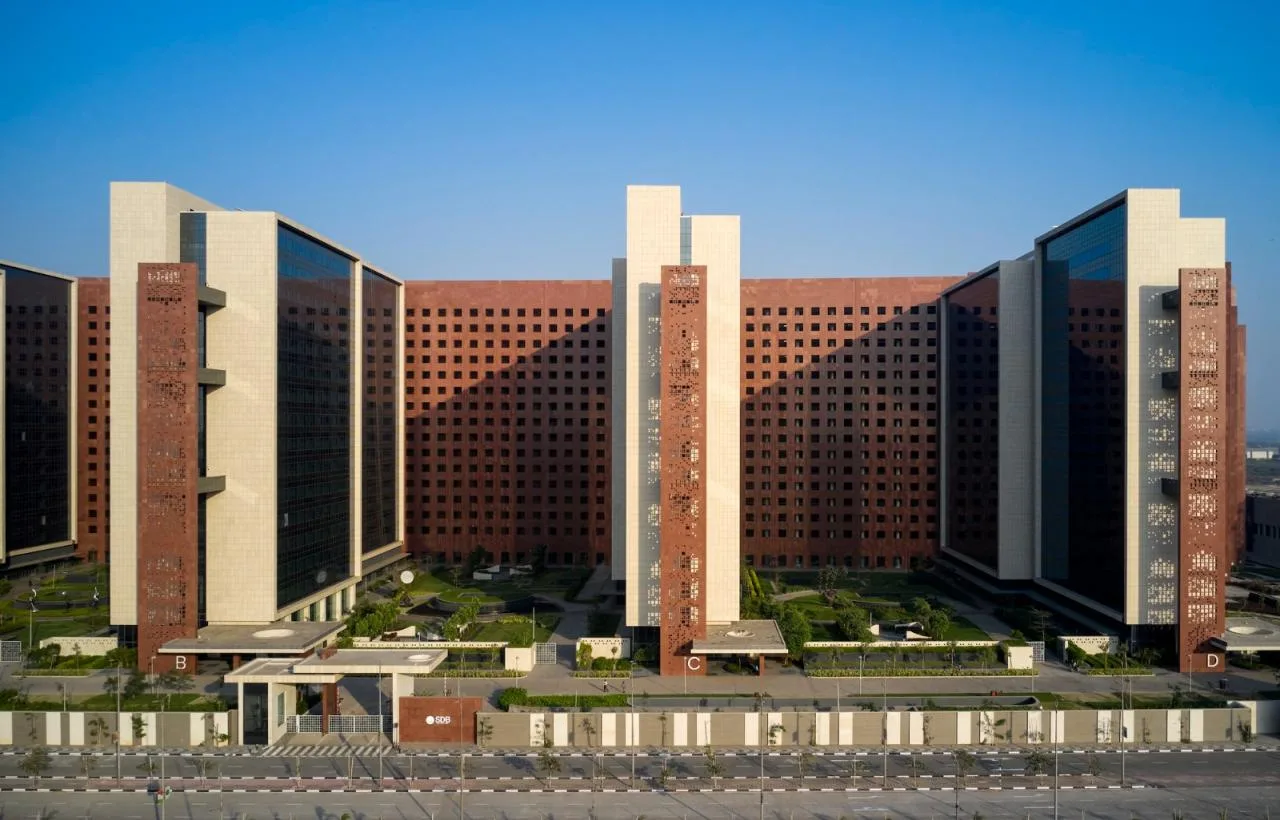
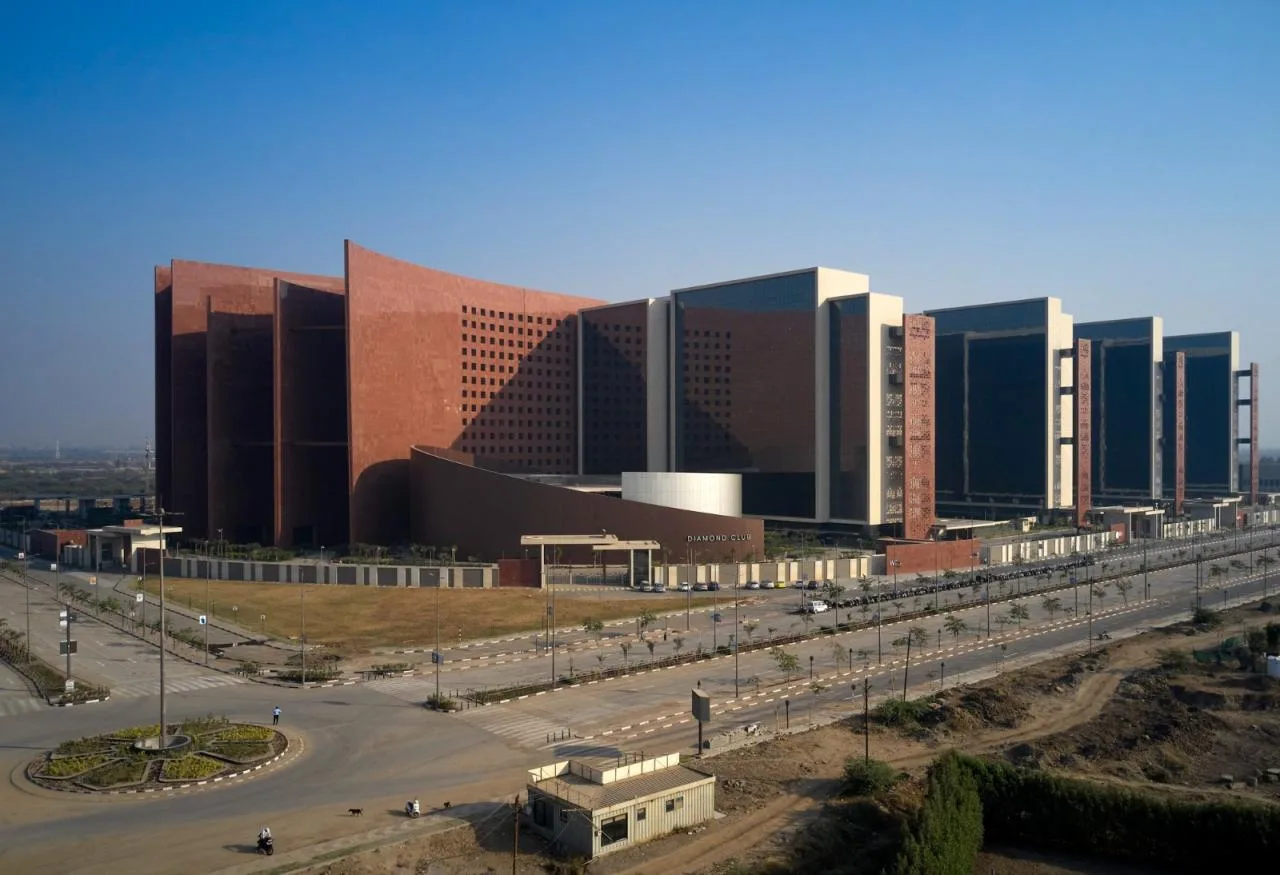
Recognized as the world’s largest office building, the Surat Diamond Exchange has surpassed even the Pentagon in size. It hosts 67,000 professionals and 4,717 offices, ranging from 28 square meters to over 10,500 square meters, effectively creating a city within a city.
Supporting facilities are abundant, including a 10,000-square-meter dining area, a retail plaza, and over 8,000 square meters dedicated to health, conference, and banquet amenities.
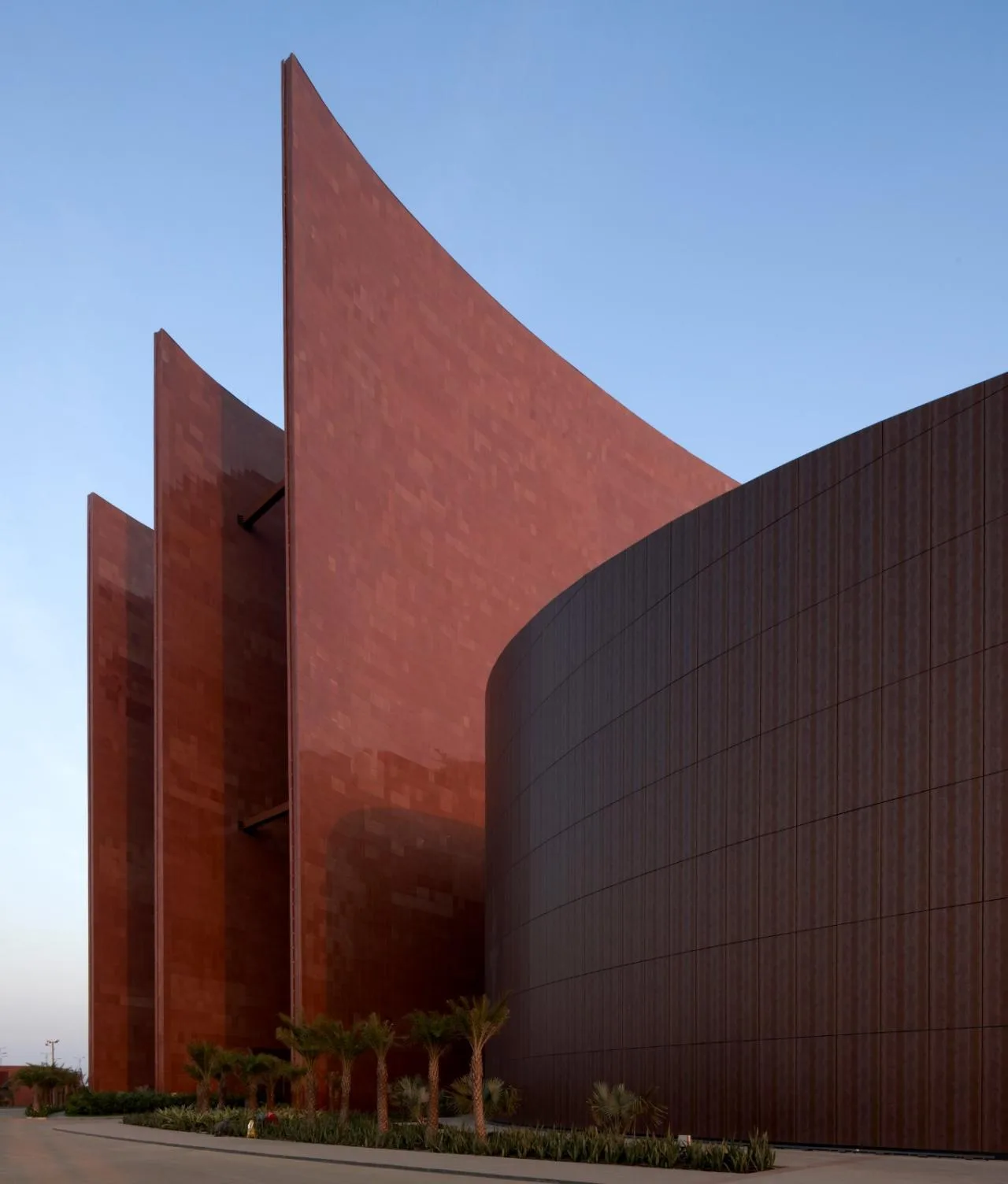
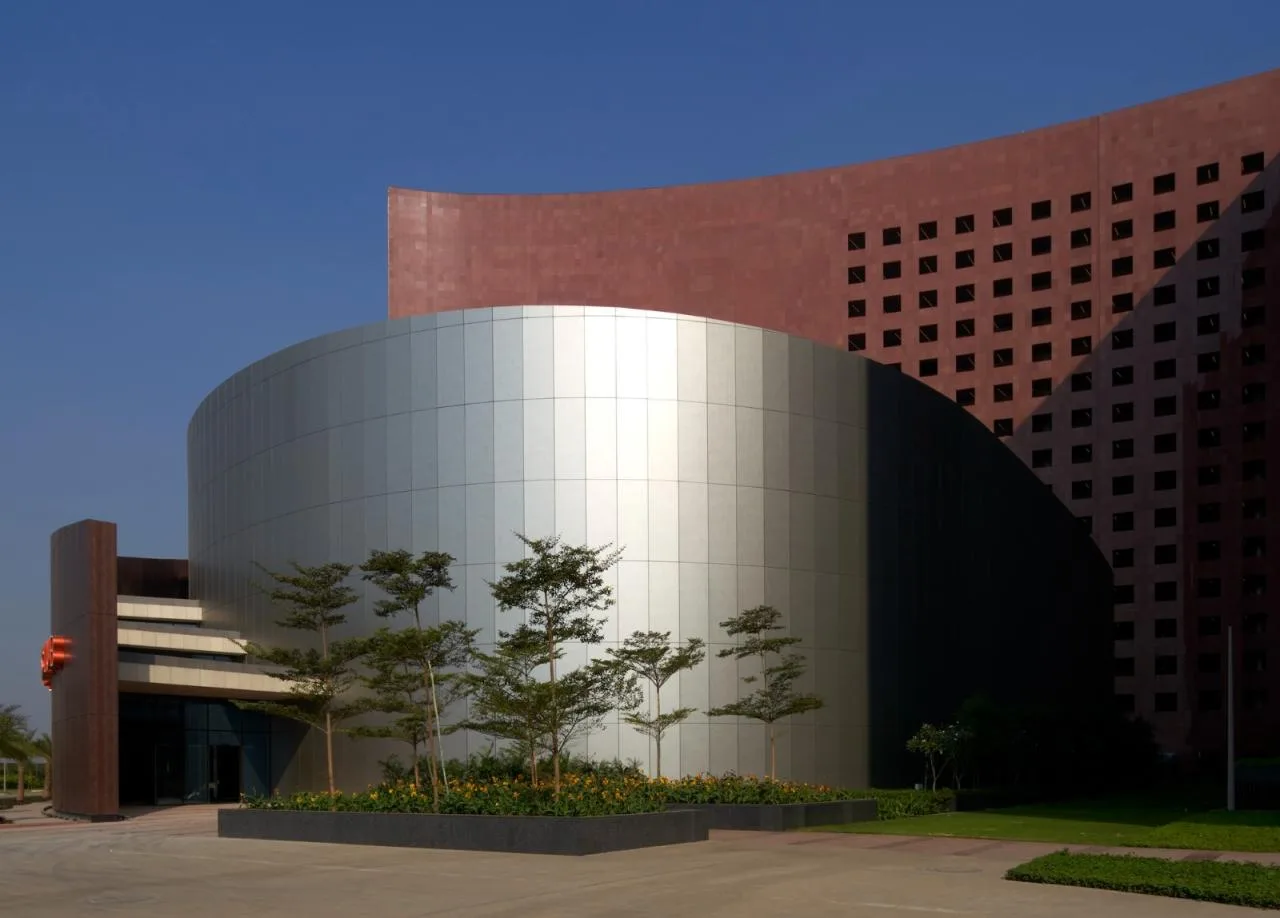
Efficiency is paramount in designing the world’s largest commercial building. Circulation is a critical factor, as the structure must facilitate smooth daily movement for 67,000 people within strict trading hours.
To accommodate this, pedestrian corridors span all floors, resembling airport terminals by integrating both horizontal and vertical pathways. The farthest office is no more than a four-minute walk from the entrance, optimizing functional proximity.
Pedestrian flow is designed to minimize safety hazards, allowing traders to cross the building multiple times daily with ease. The structure is supported by city-scale columns, which also serve as informal seating areas.
The design prioritizes livability, moving beyond traditional glass-enclosed, mechanically cooled office buildings to better suit the diamond trading community’s lifestyle. Traders collaborate intensively, leveraging diverse skill sets collectively.
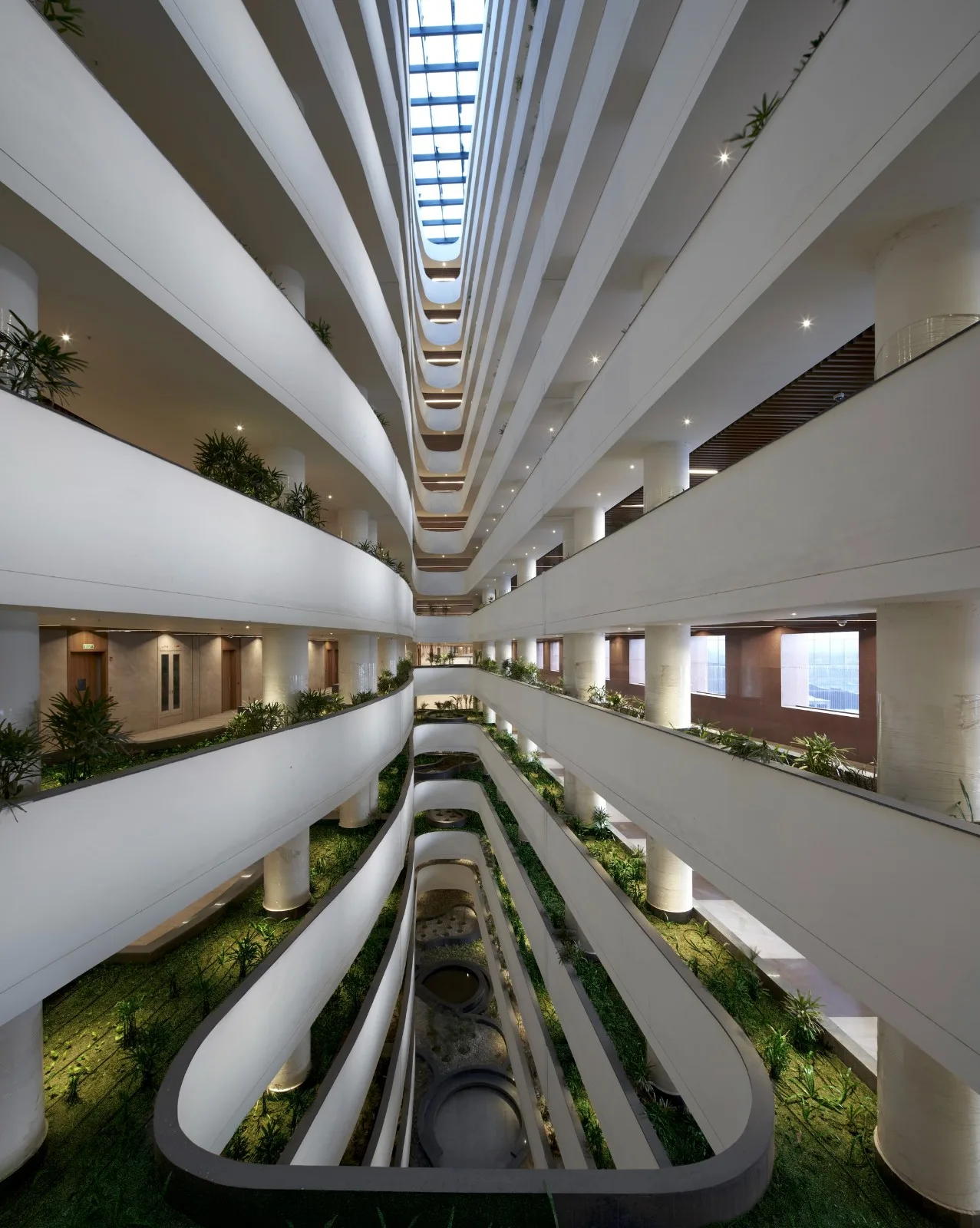
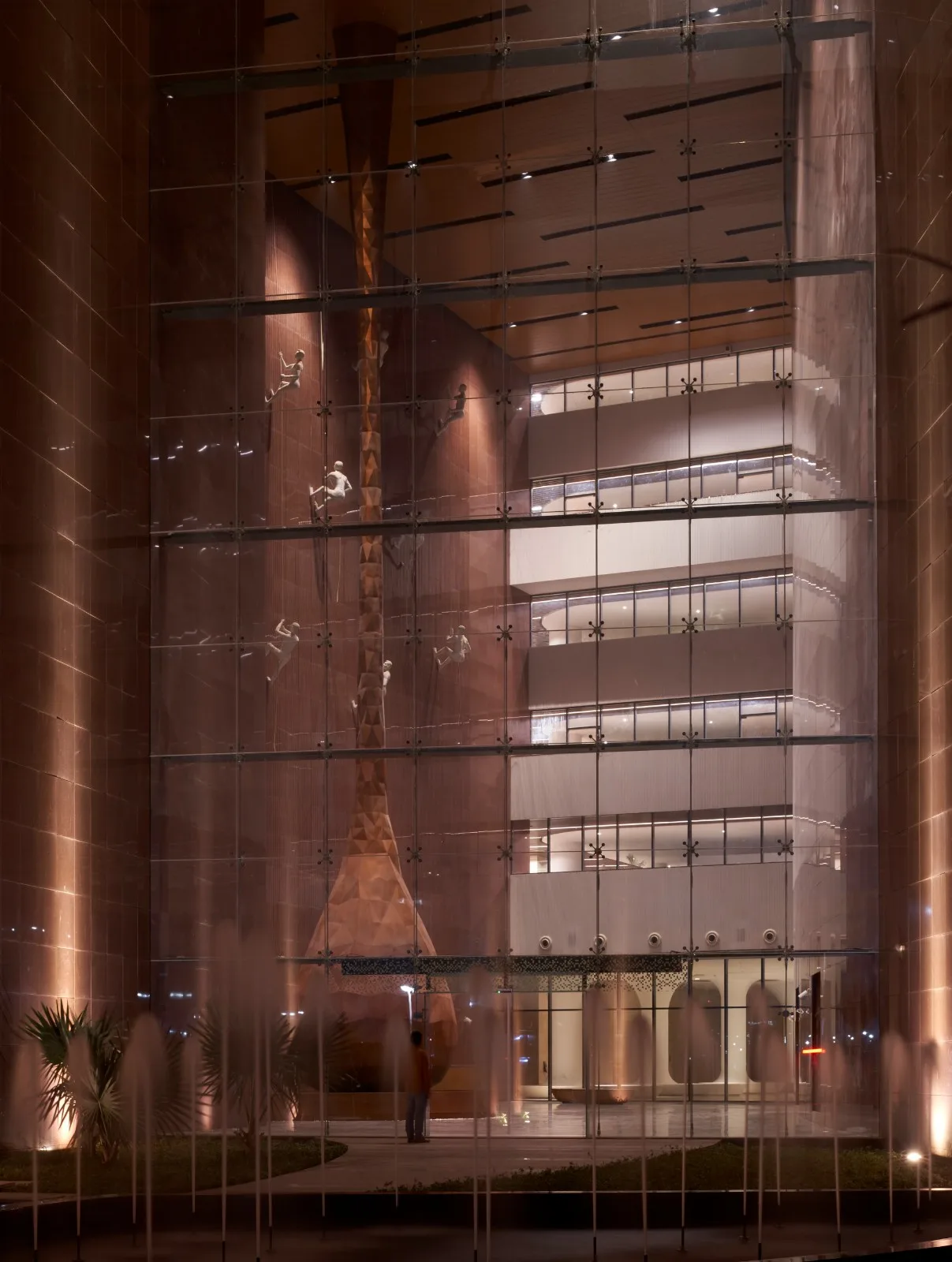
The central axis functions as the building’s backbone, creating an interactive hub with rest areas, green courtyards, and rich visual experiences, encouraging frequent interactions throughout the workday. Informal workstations are supported in designated offices and green public spaces, fostering an outdoor work culture.
Abundant natural light and green corridors enhance the vibrant work environment. The building’s form maximizes mutual shading, supporting the diamond community’s lifestyle, including entertainment and open-air trading reminiscent of traditional markets.
Surpassing traditional sustainability standards, the exchange consumes 50% less energy than typical green buildings. The construction industry is a major contributor to global greenhouse gas emissions, with office buildings representing the largest energy consumers due to high density and HVAC demands.
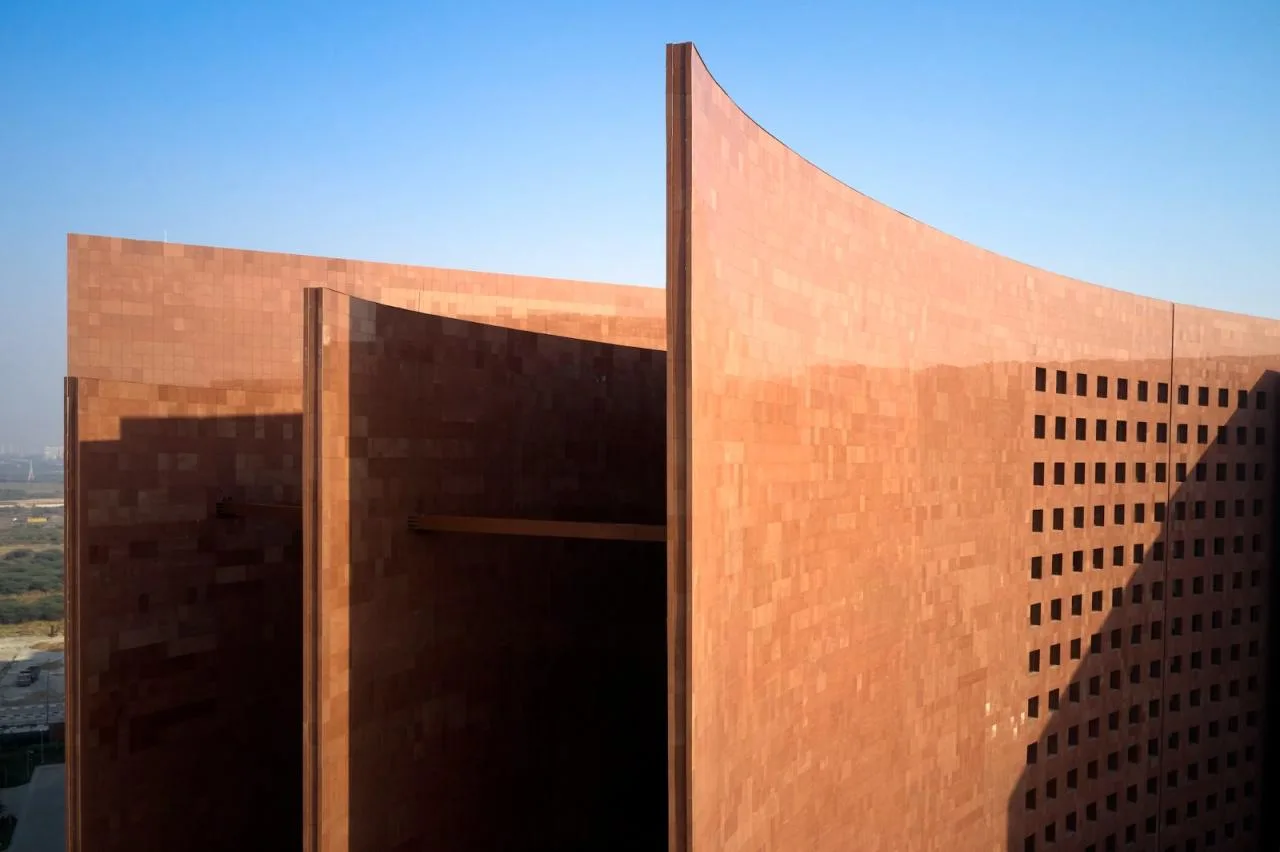
The Surat Diamond Exchange addresses these challenges with low-tech passive strategies combined with modern technology. Its self-shading block orientation blocks western heat and separates the building from a 15-acre garden, helping maintain cooler site temperatures.
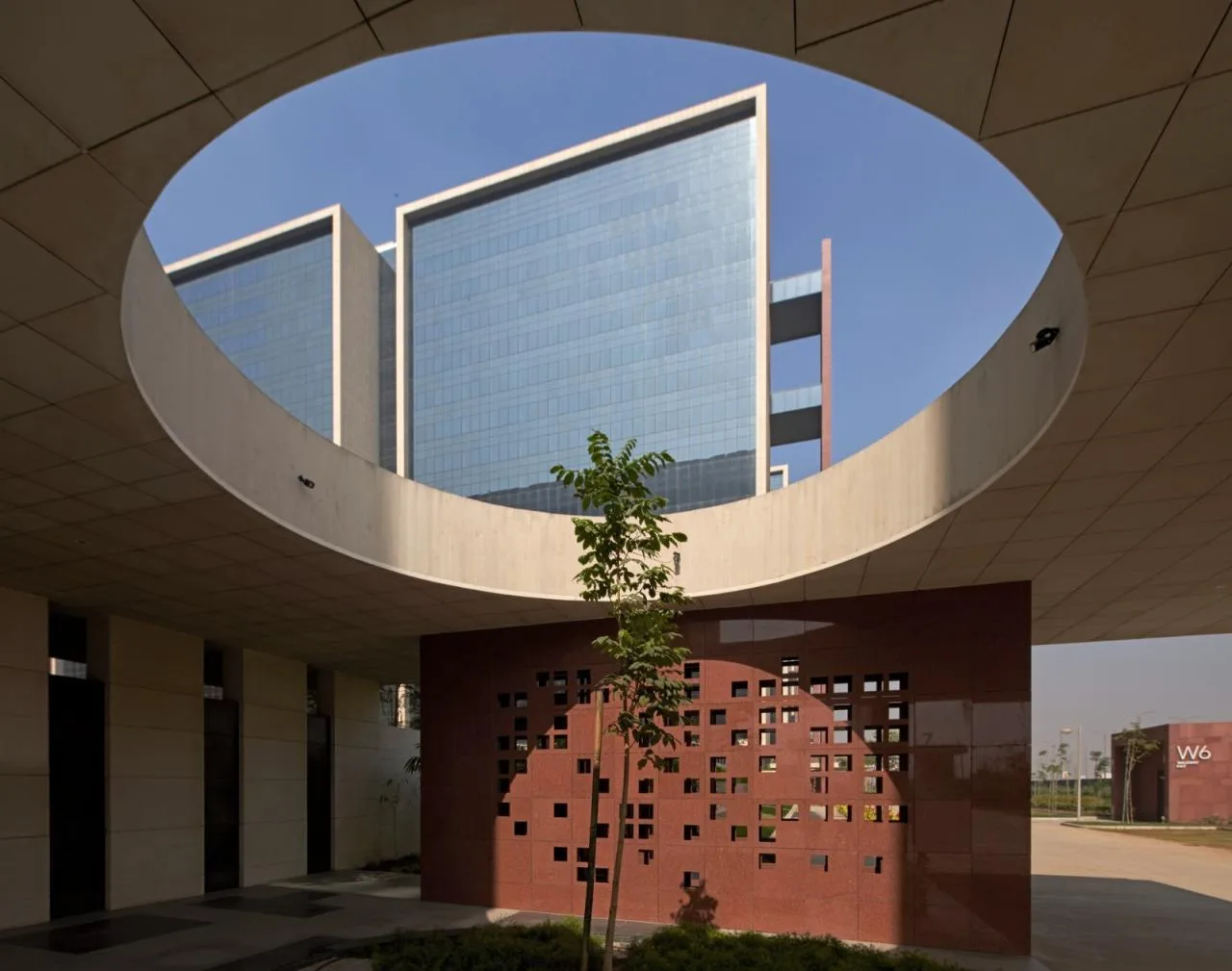
All community and circulation spaces, accounting for 30% of the building’s area, utilize passive cooling and natural ventilation. The design expands outward at both ends, channeling prevailing winds through the Venturi effect. On still days, a staggered atrium allows hot air to escape via a layering effect, maintaining a comfortable internal microclimate.
The gardens along the central axis act as natural air filters, improving indoor air quality. This fully passive cooling approach enhances the building’s sustainability and comfort.
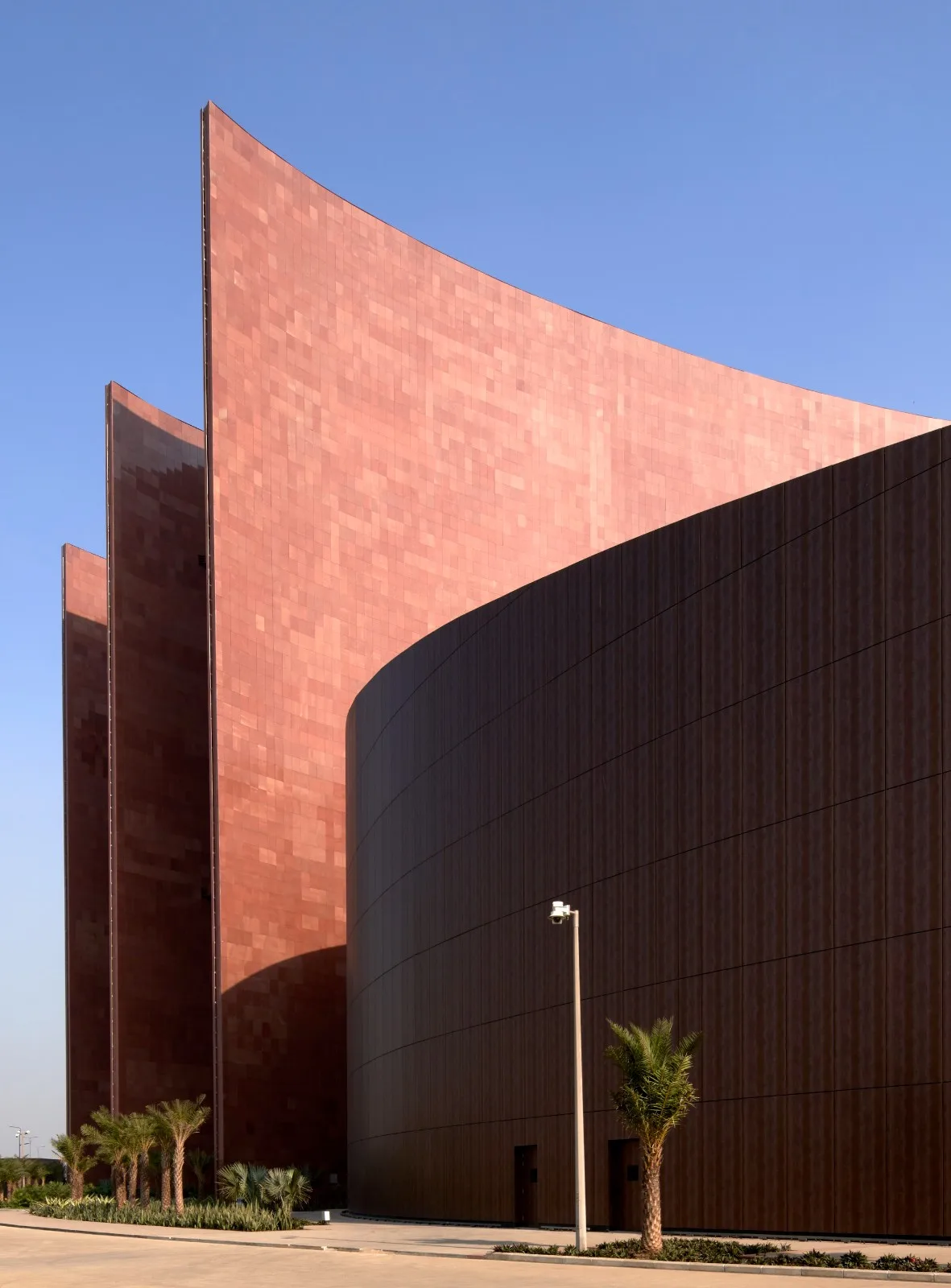
On windless days, the atrium’s intricate design breaks the building’s spine vertically, enabling hot air to escape naturally through stratification. Green “lungs” within the atrium create a pleasant climate without mechanical cooling.
The building also uses the largest-scale radiant cooling system, featuring about 20 kilometers of radiant pipes per floor—totaling approximately 300 kilometers. Forty percent of the building’s volume is cooled via an energy-efficient chilled circulating water system embedded in floors and ceilings.
Office spaces face north and south with narrow floor depths, ensuring over 75% of the interior receives natural sunlight, significantly reducing the need for artificial lighting. Public areas are powered year-round by solar energy.
Thanks to these innovative energy-saving techniques, the building’s energy consumption is reduced by 50%. Compared to industry benchmarks—110 kWh per square meter annually per the Building Energy Efficiency Code—this building consumes roughly 45 kWh per square meter per year. These achievements earned it a platinum certification from the Indian Green Building Council (IGBC).
Built by the community for the community, the exchange was commissioned by the diamond trading community and constructed democratically through a cooperative. The design ensures it meets the diverse needs of traders by allocating large office spaces for major traders and flexible courtyard spaces for smaller traders.
Diamond traders and facility managers are integral to the design team, guaranteeing that all operational requirements are addressed. This building truly represents the collective strength and unity of the community.
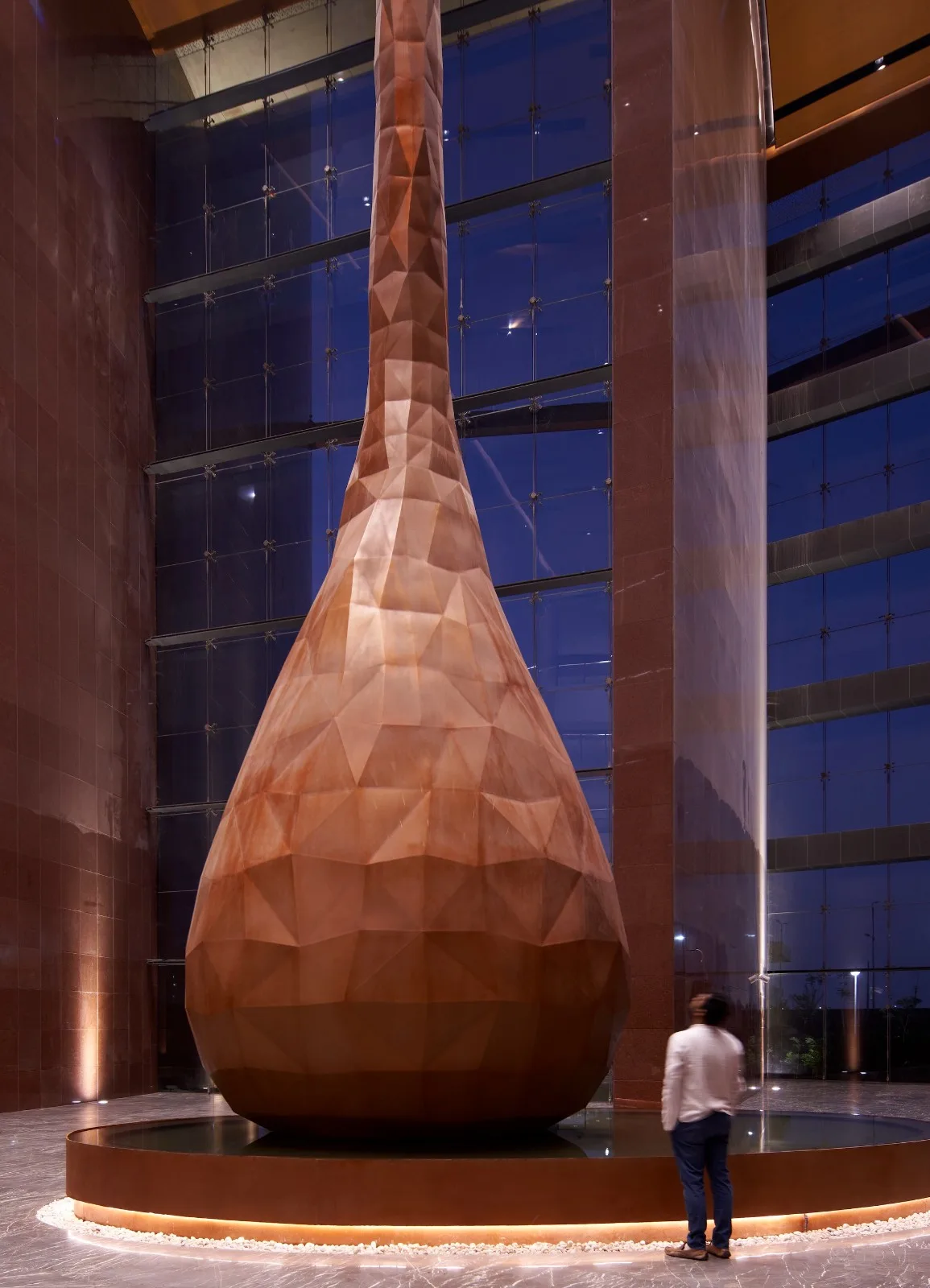
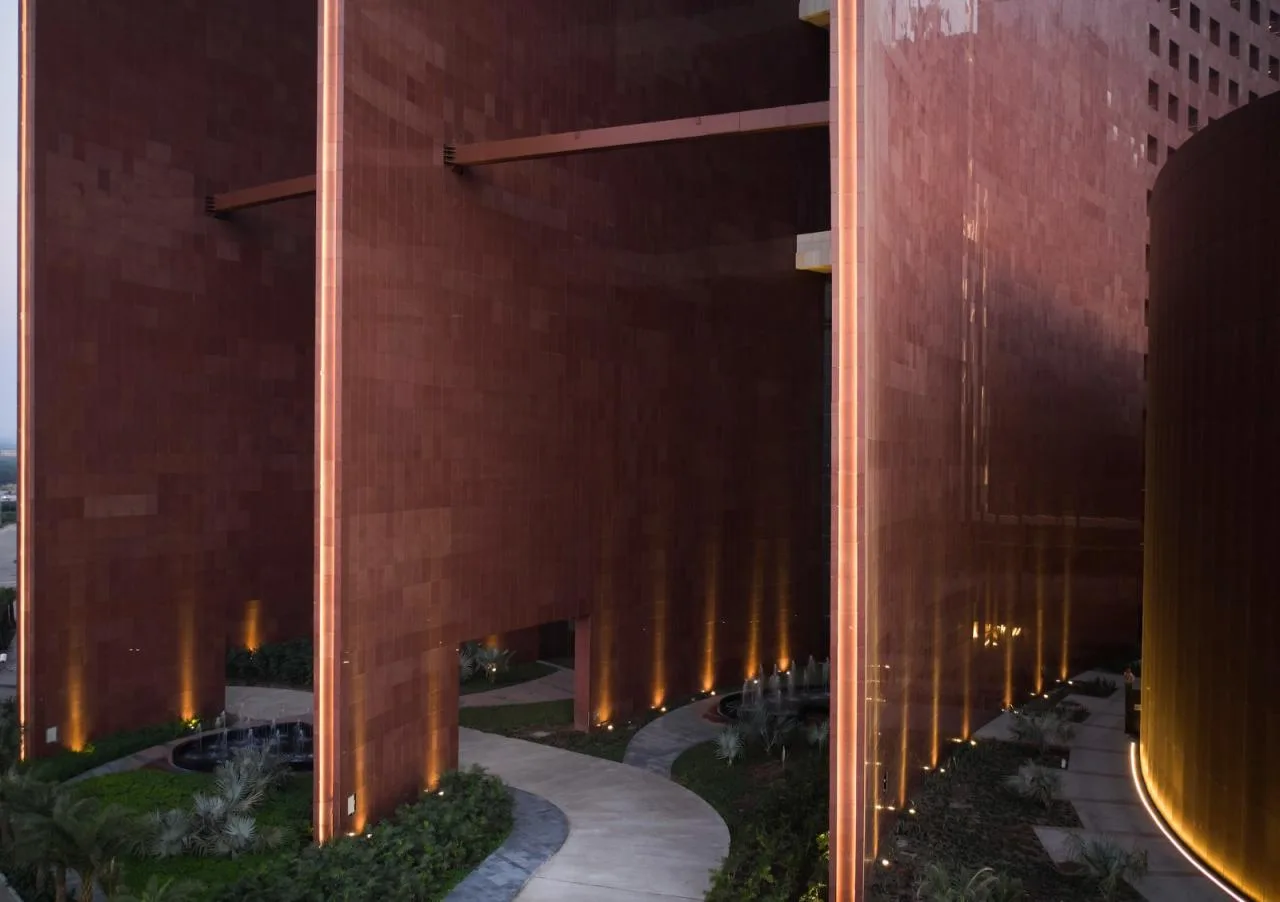
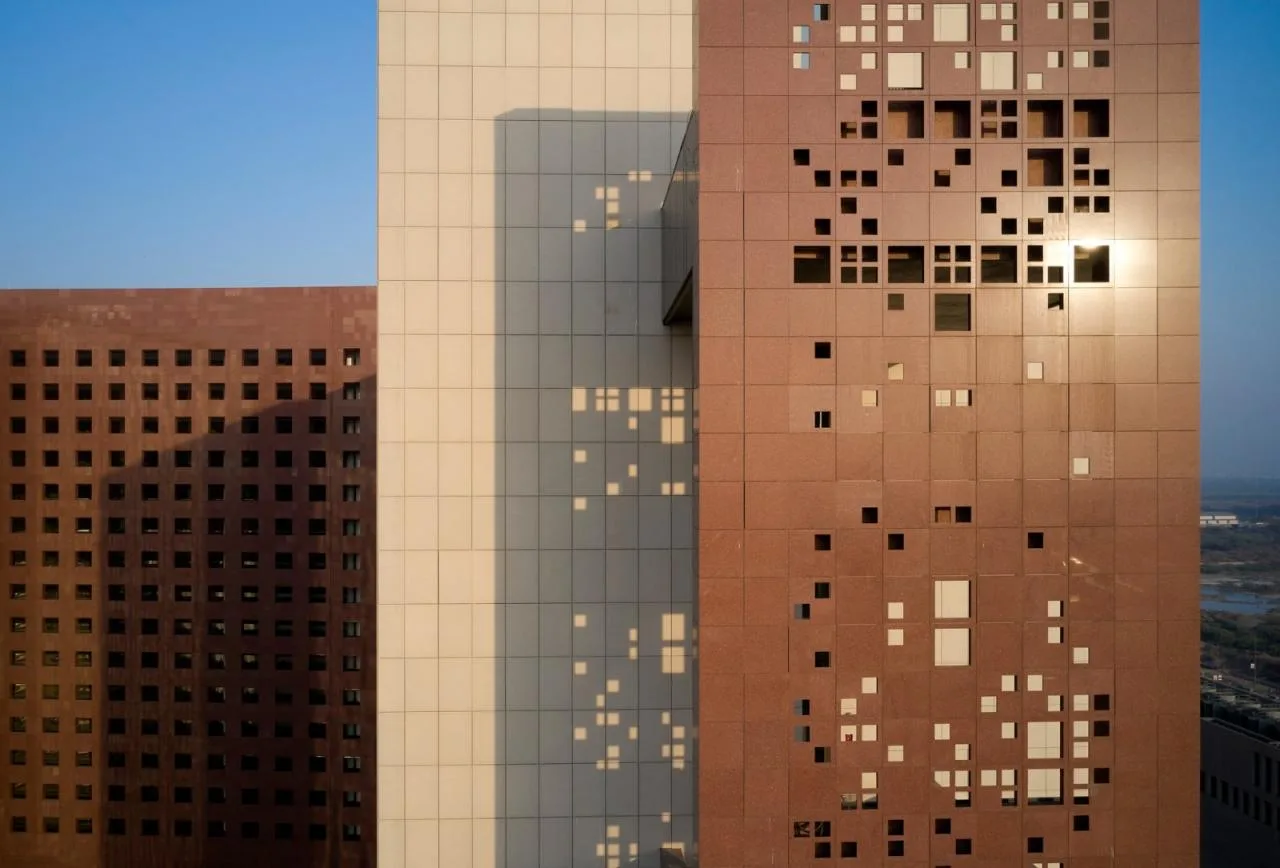
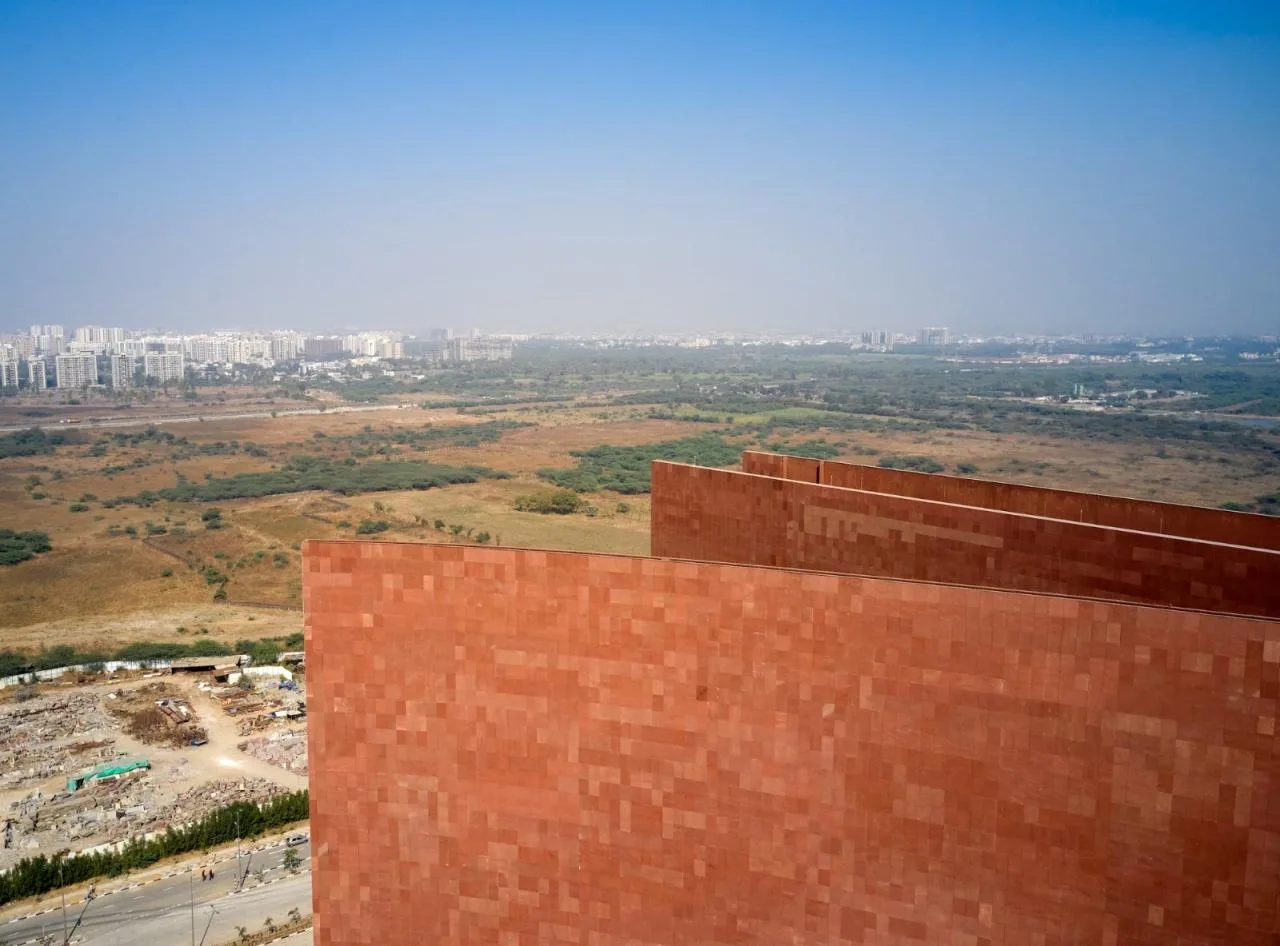
The project also promotes decentralized development by using local materials and minimizing landfill waste. The Laka red granite and Guariol white sandstone were sourced from within 300 kilometers, employing stonemason communities from the Deccan Plateau at every stage—from quarrying to finishing.
This approach symbolizes Surat’s rapid economic growth and progress. Beyond creating jobs through the exchange itself, local manufacturing units support construction efforts, fostering broader regional development.
The project also contributed to establishing new social infrastructure, including schools and hospitals, through community initiatives. This comprehensive approach supports the sustainable growth of second-tier cities while helping alleviate uncontrolled urban migration.
Project Drawings
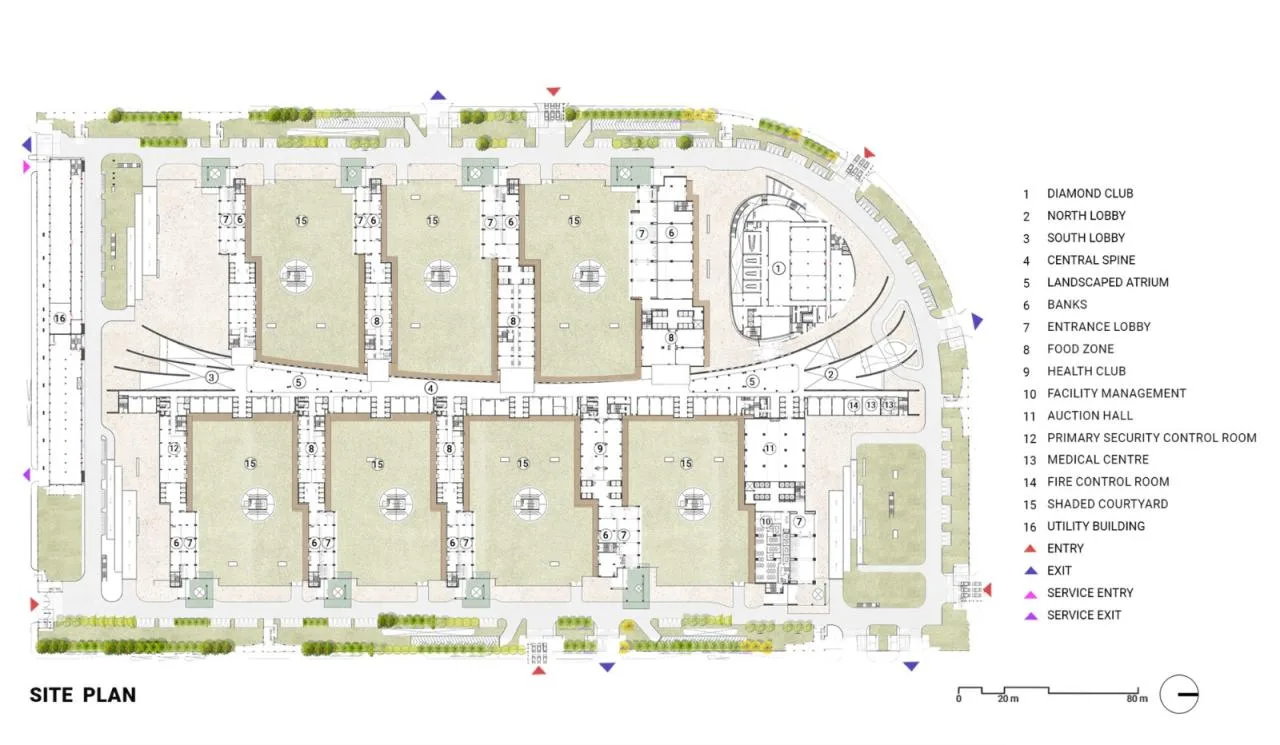
△ General layout plan
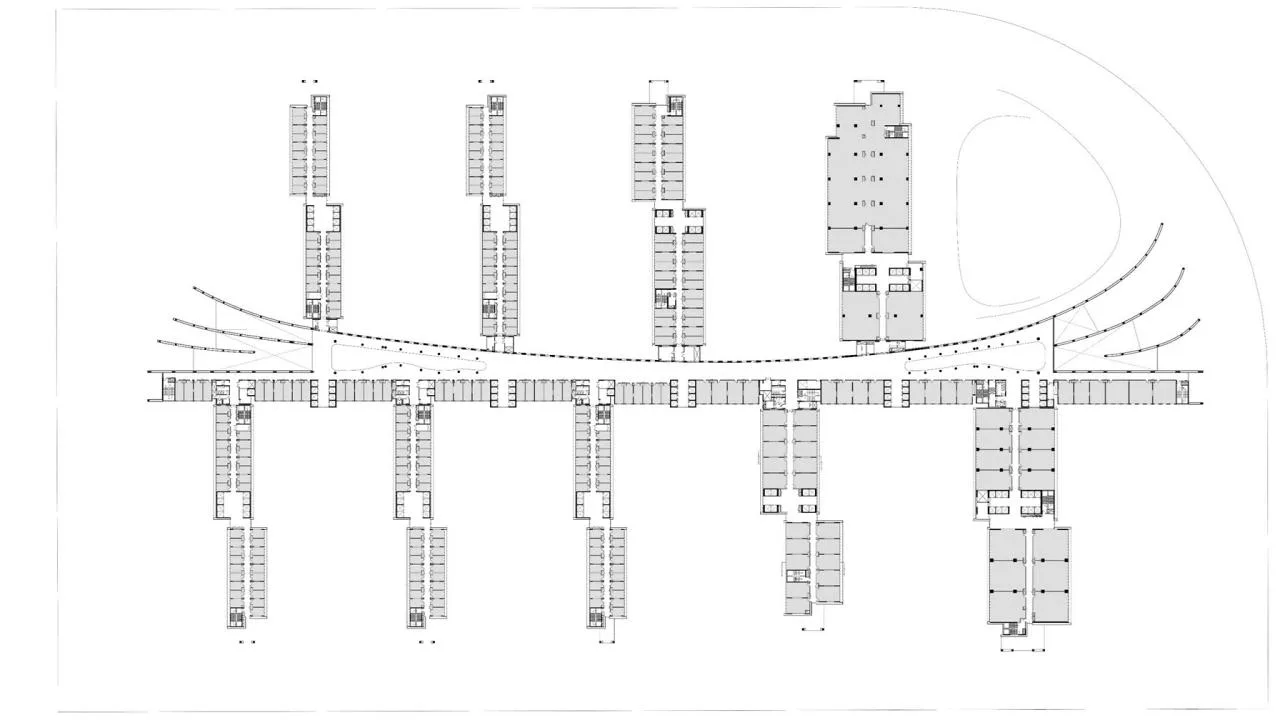
△ Plan view
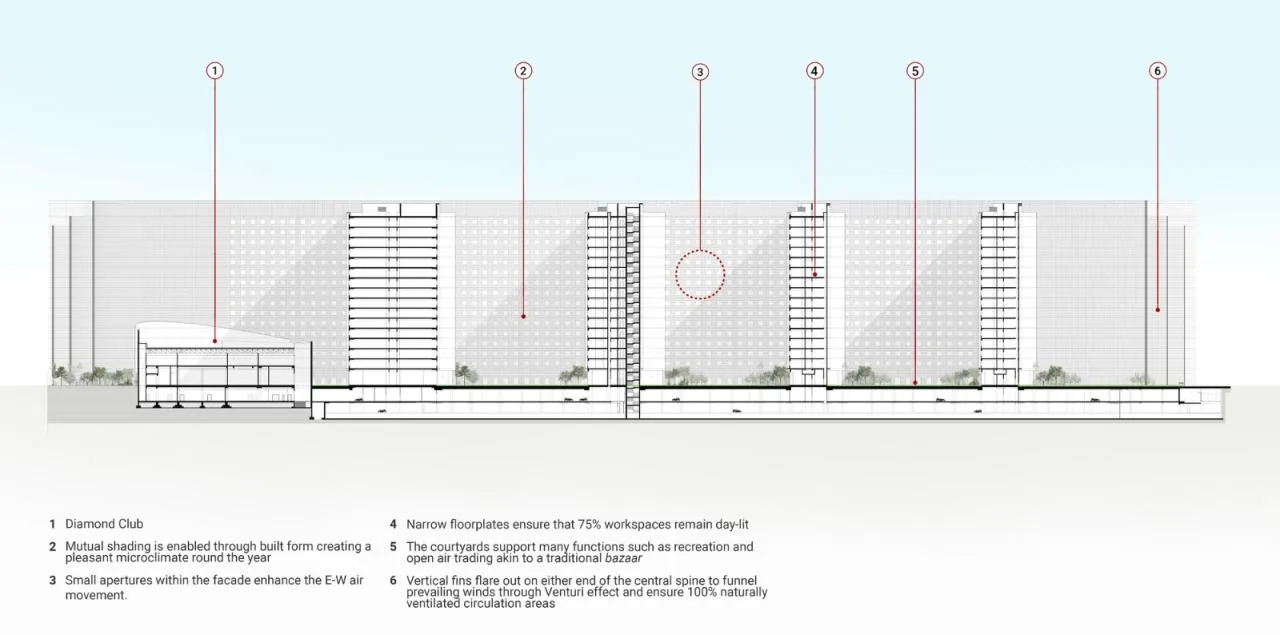
△ Section diagram
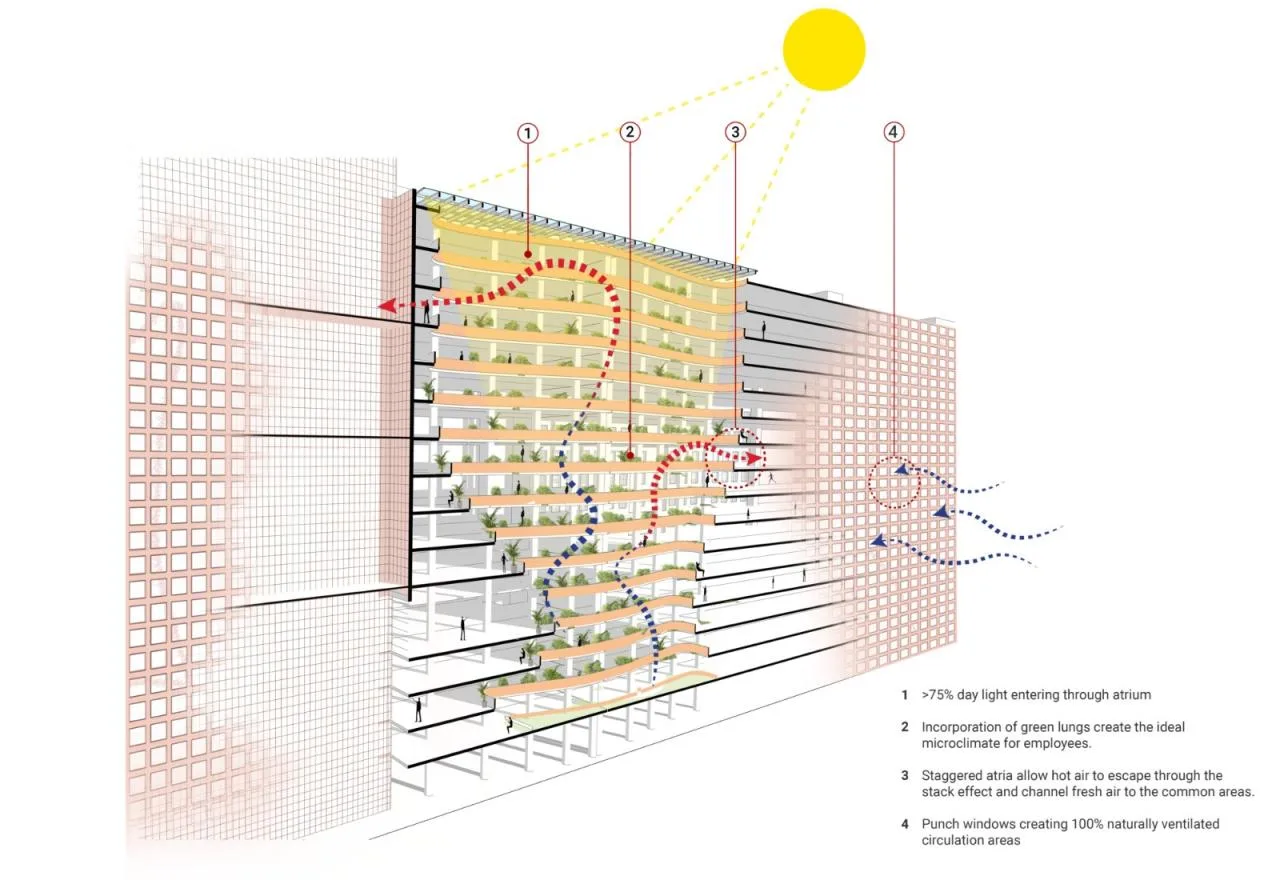
△ Analysis chart
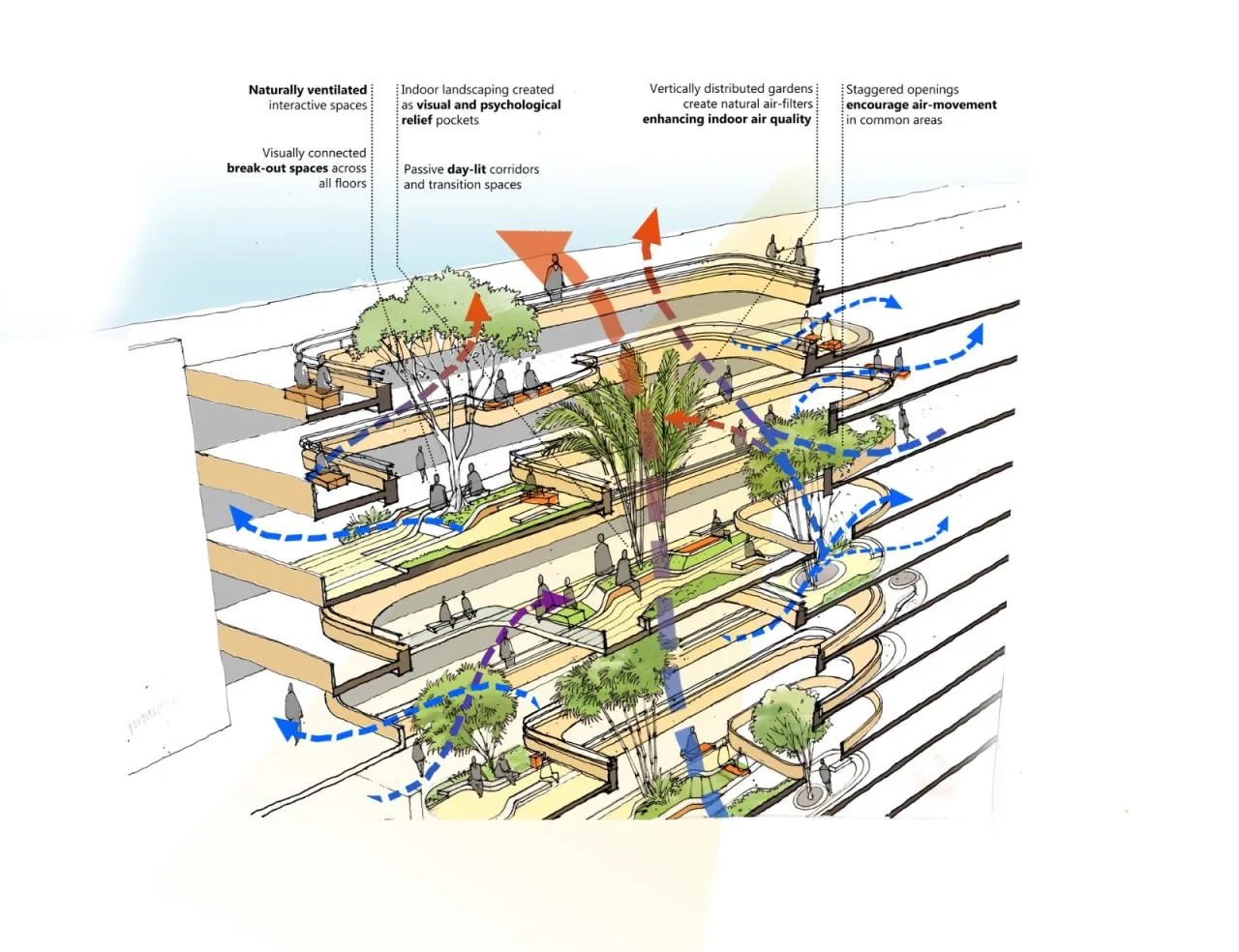
△ Analysis chart
Project Information
Architect: Morphogenesis
Area: 660,451 m²
Project Year: 2023
Photographer: Edmund Sumner
Location: Surat, India












Must log in before commenting!
Sign Up