
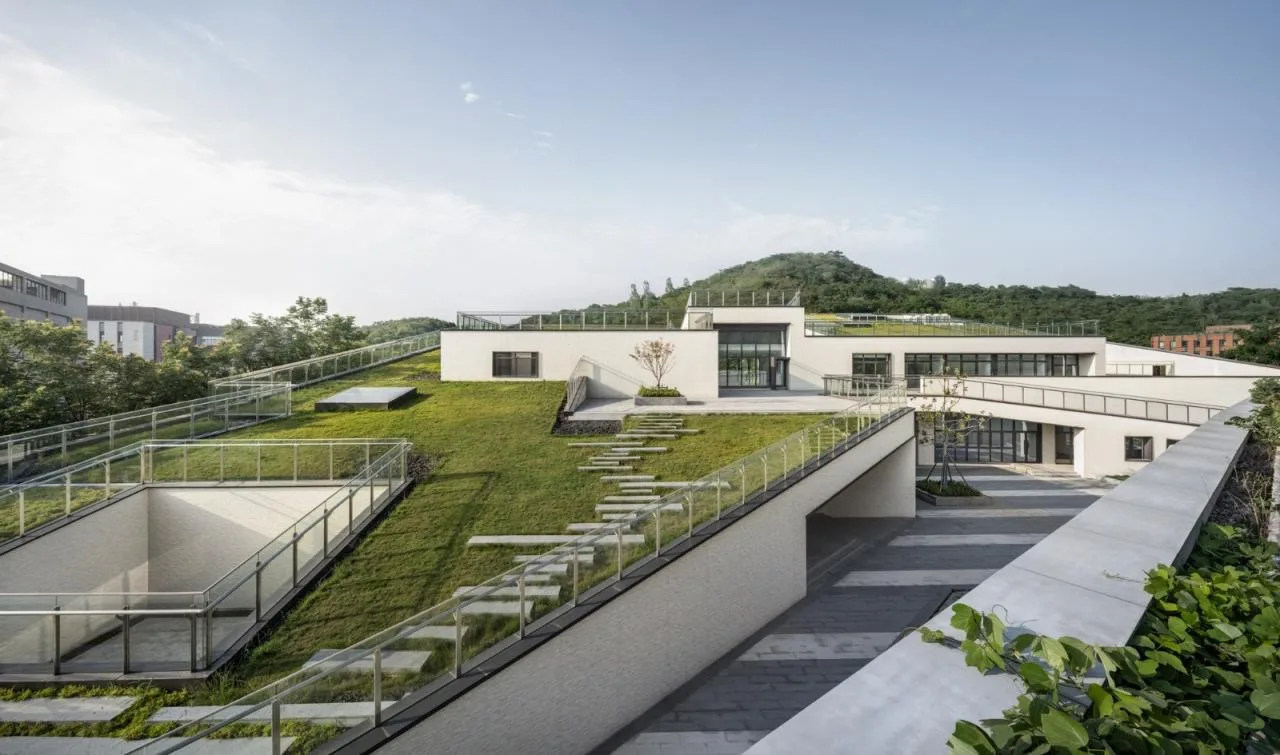
The Xianlin Campus of Nanjing University was completed and opened in September 2009. Over the past 14 years, the campus has undergone continuous development. The design and construction of Yongman Pavilion mark the final stage of the campus’s development, with the main academic buildings now complete. The challenge lies in shaping a new campus building that leaves a lasting impression on students despite limited opportunities for new construction.
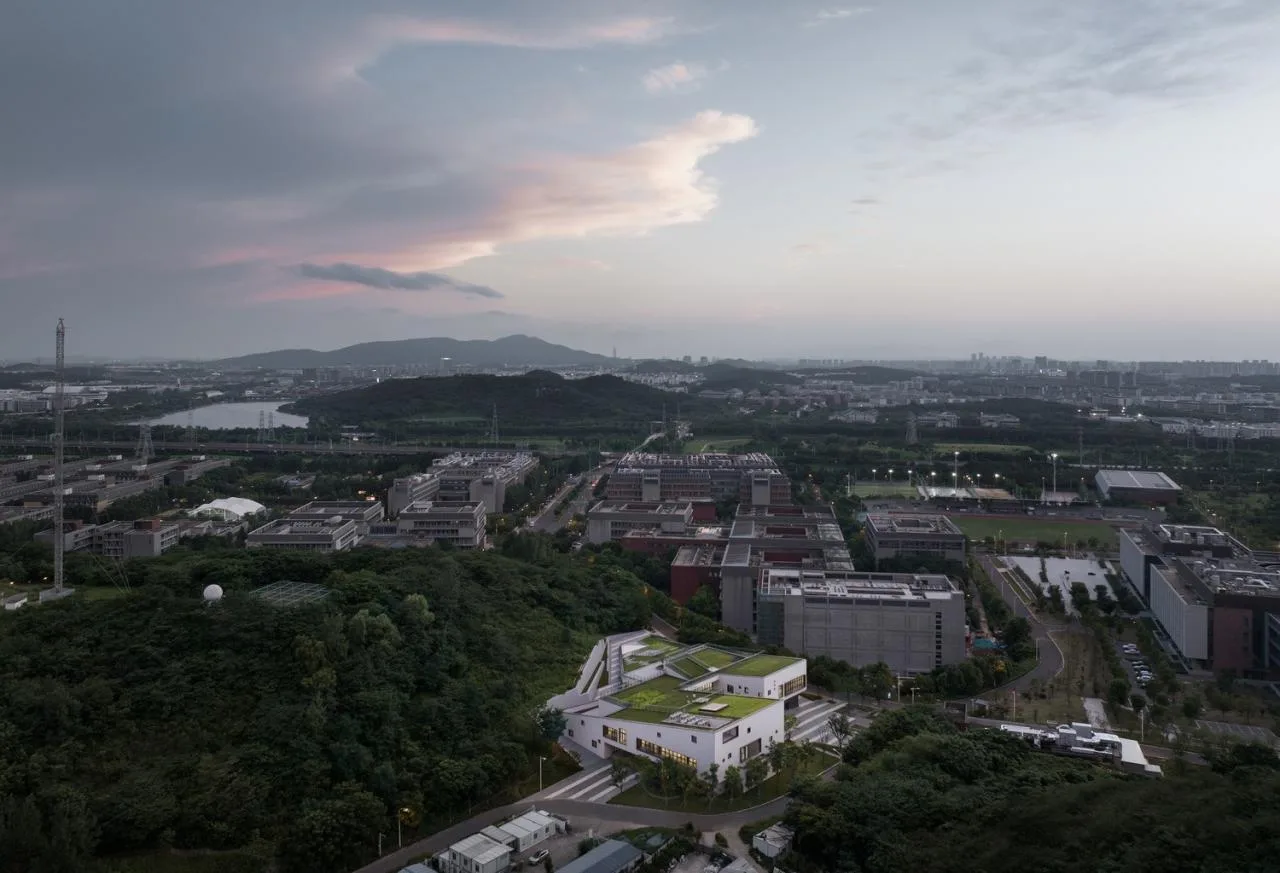
At the start of the design process, the choice of courtyard space and physical form was a primary consideration. A key question was whether to continue the enclosed courtyard style prevalent across the Xianlin campus. While the spatial experience of Jiangnan gardens served as an important inspiration, the traditional wall enclosure was unsuitable for this site. Instead, the staggered white building volumes reminiscent of Greece’s Holy Island suggest a structure that offers diverse walking paths while maintaining openness. This inspired a design that integrates dynamic forms with the Jiangnan garden experience.
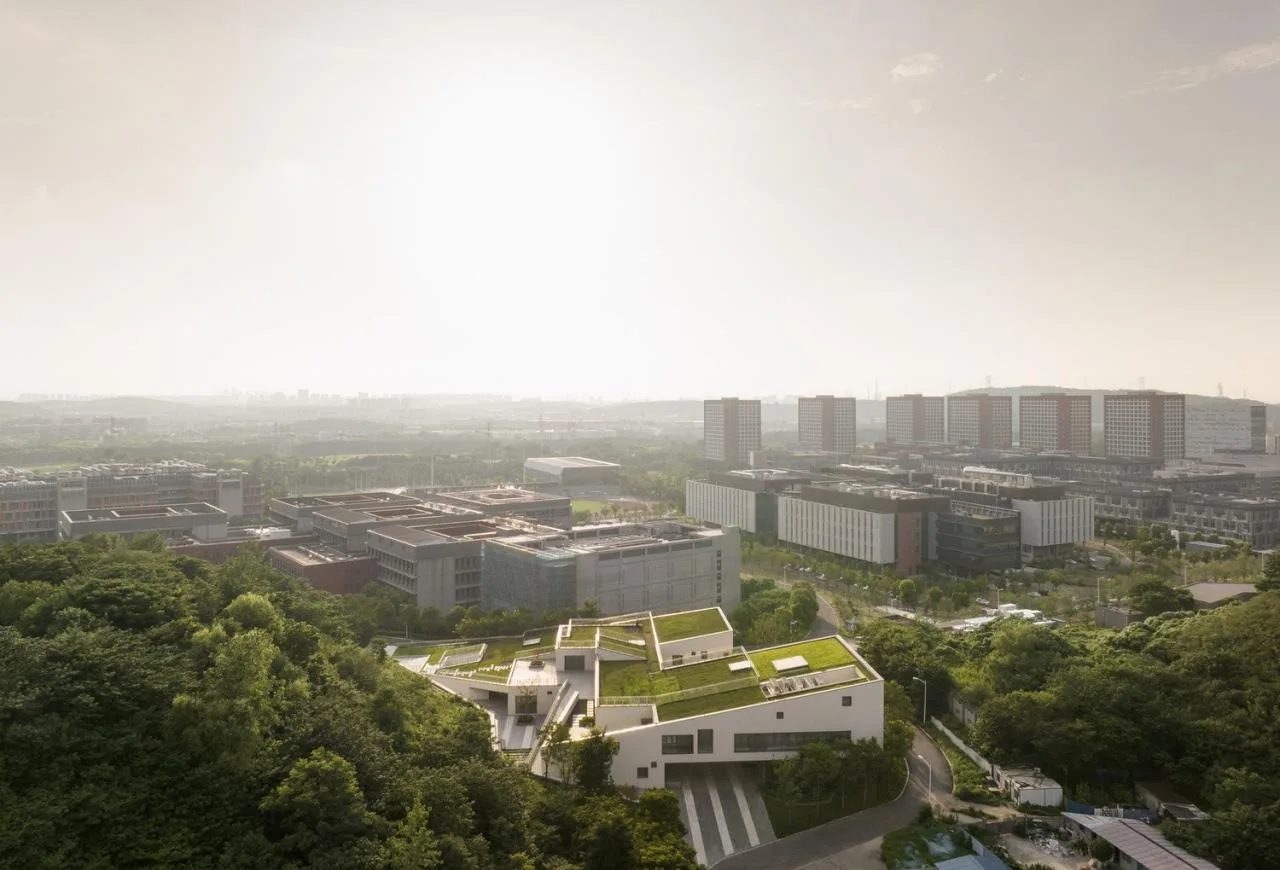
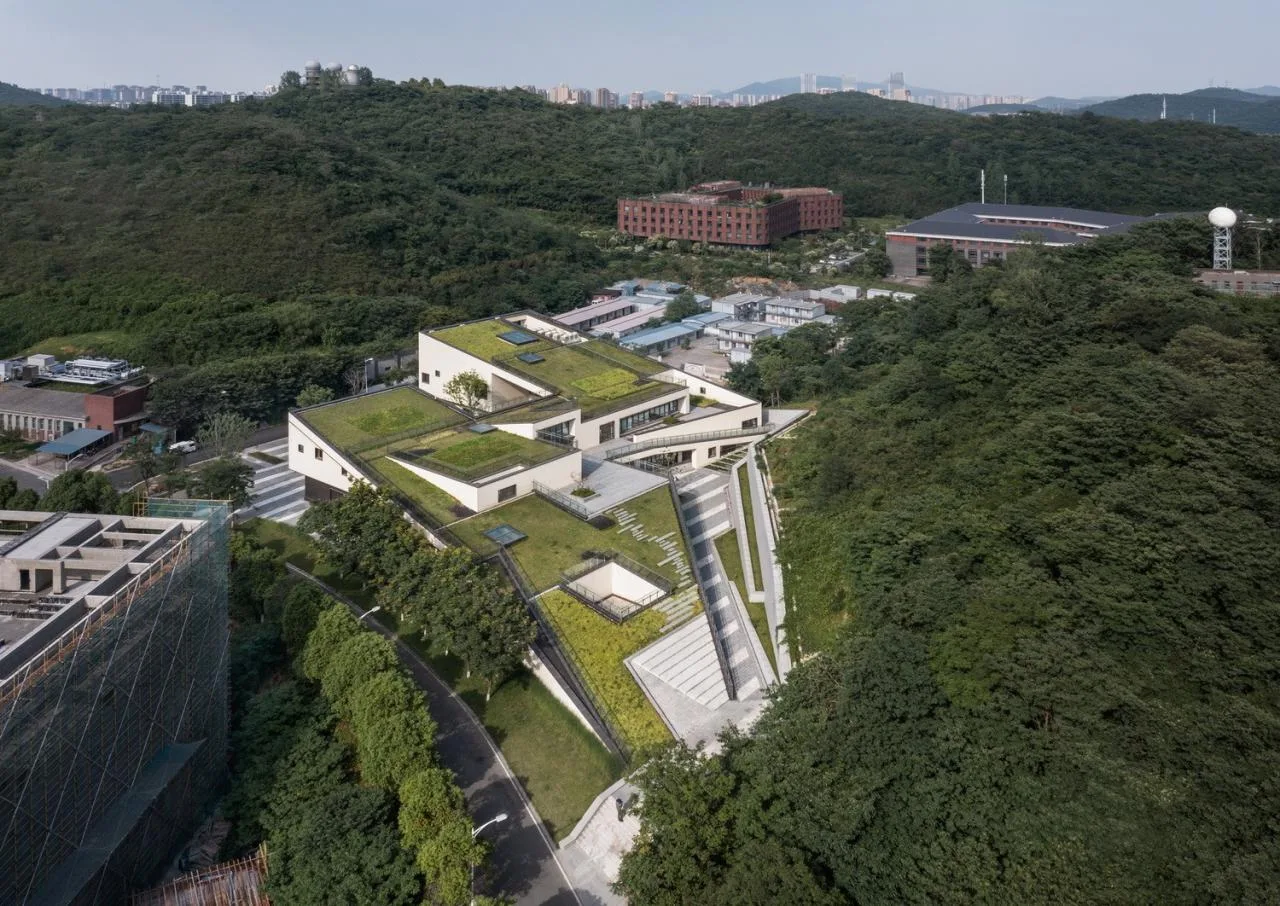
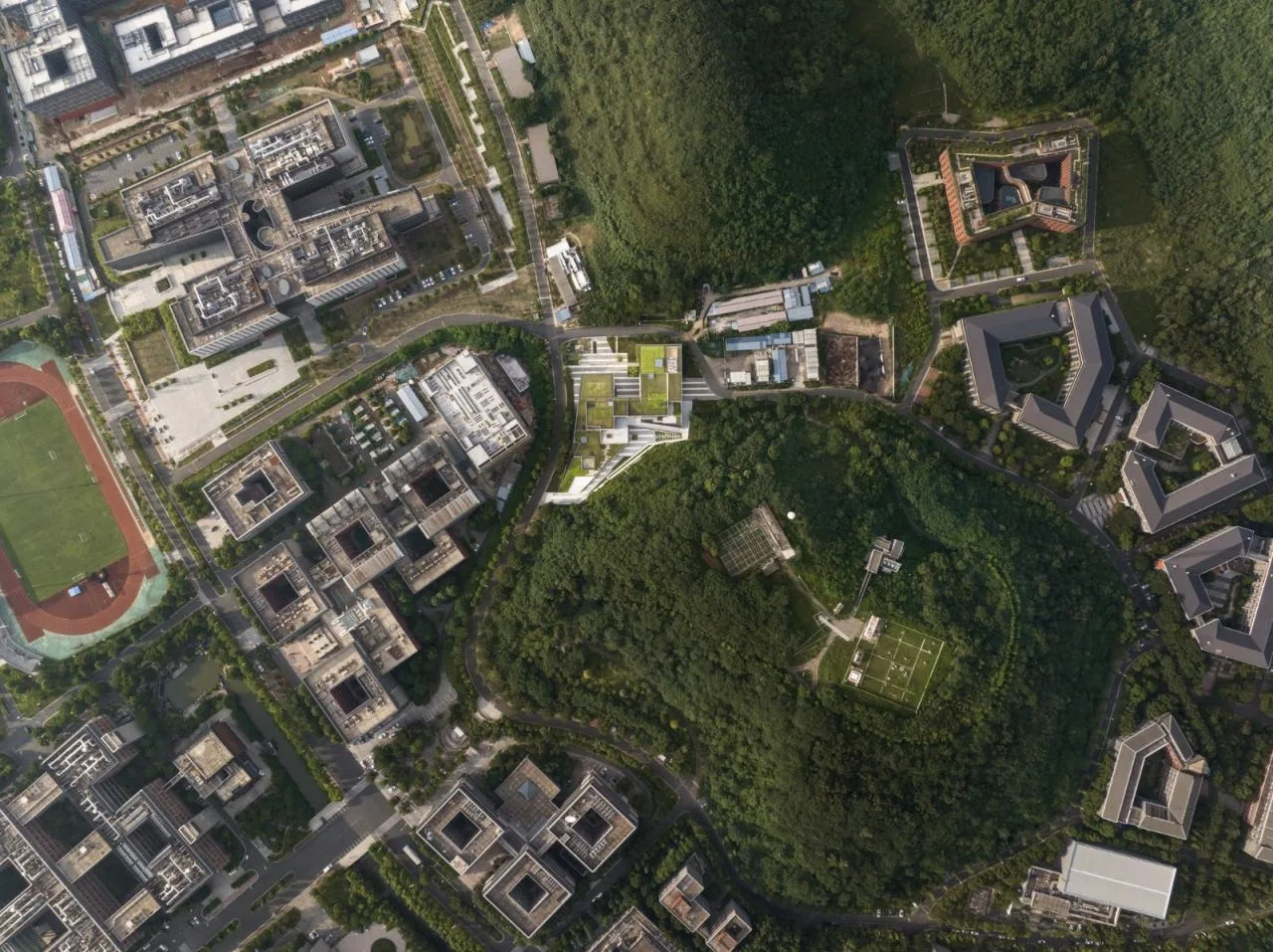
Yongman Pavilion is situated between the humanities and life sciences clusters, positioned at the intersection of a dumbbell-shaped terrain extending east to west. Nestled between two small hills to the north and south, the site’s topography dictates that the building must connect east-west between clusters and integrate with the terrain north-south to extend the greenery. The pavilion departs from the enclosed courtyard style of adjacent buildings, risking the original plan’s unity. By blurring the relationship between physical structures and courtyard spaces, the design strives to bridge and unify the east and west clusters.
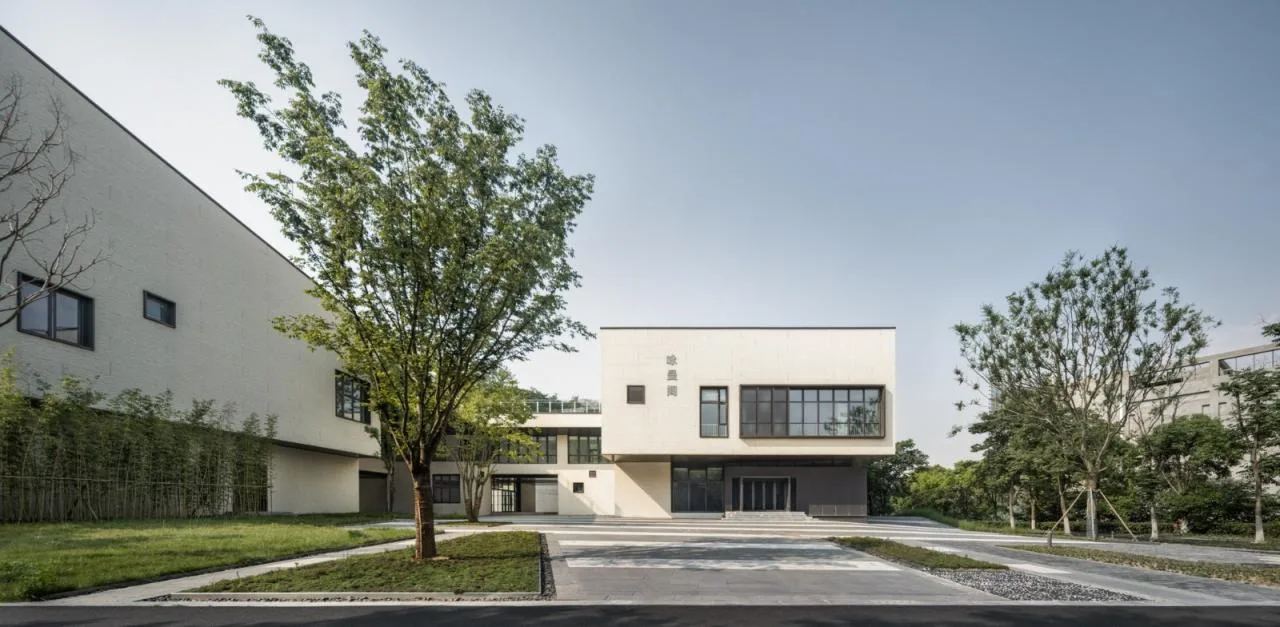
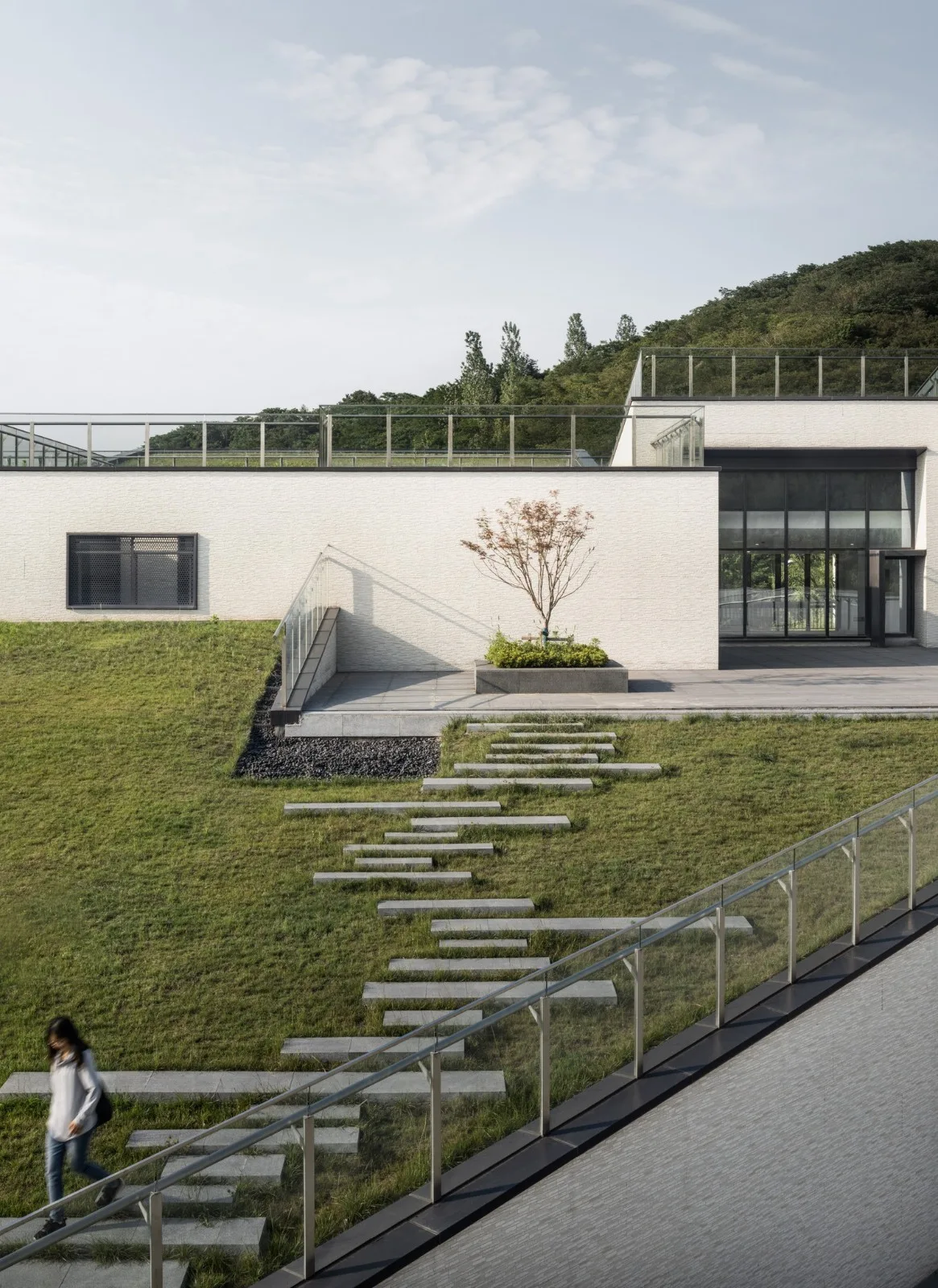
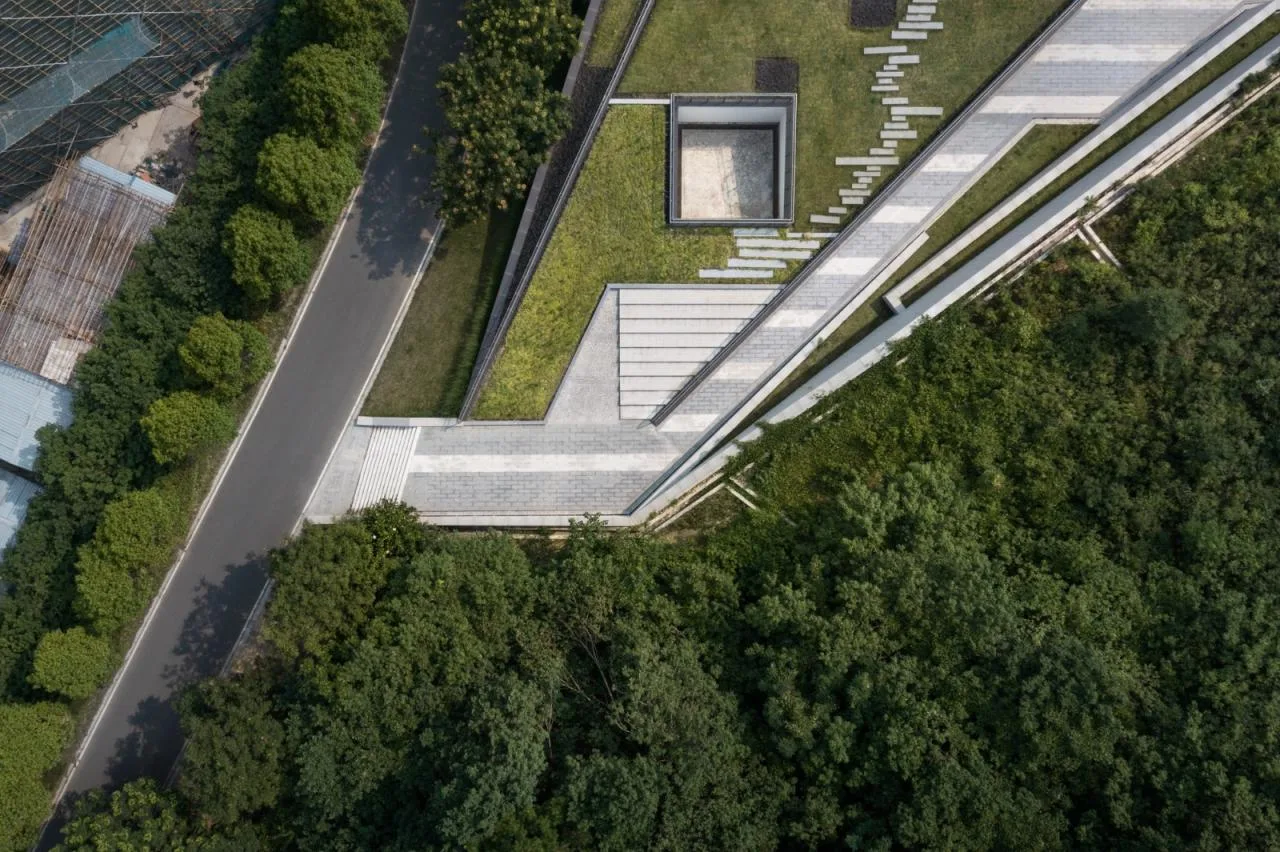
The campus life forms a streamlined loop, moving between residential and academic zones—a rare experience for students. Unlike urban commuting, the campus path is more limited, making the quality of flow and movement within the campus essential. Yongman Pavilion, functioning as a necessary thoroughfare, faces the choice between blockage and openness. This inspired a three-dimensional, layered flow design, featuring three distinct levels: a ground-level elevated path, a sloping roof, and a corridor facing the hillside.
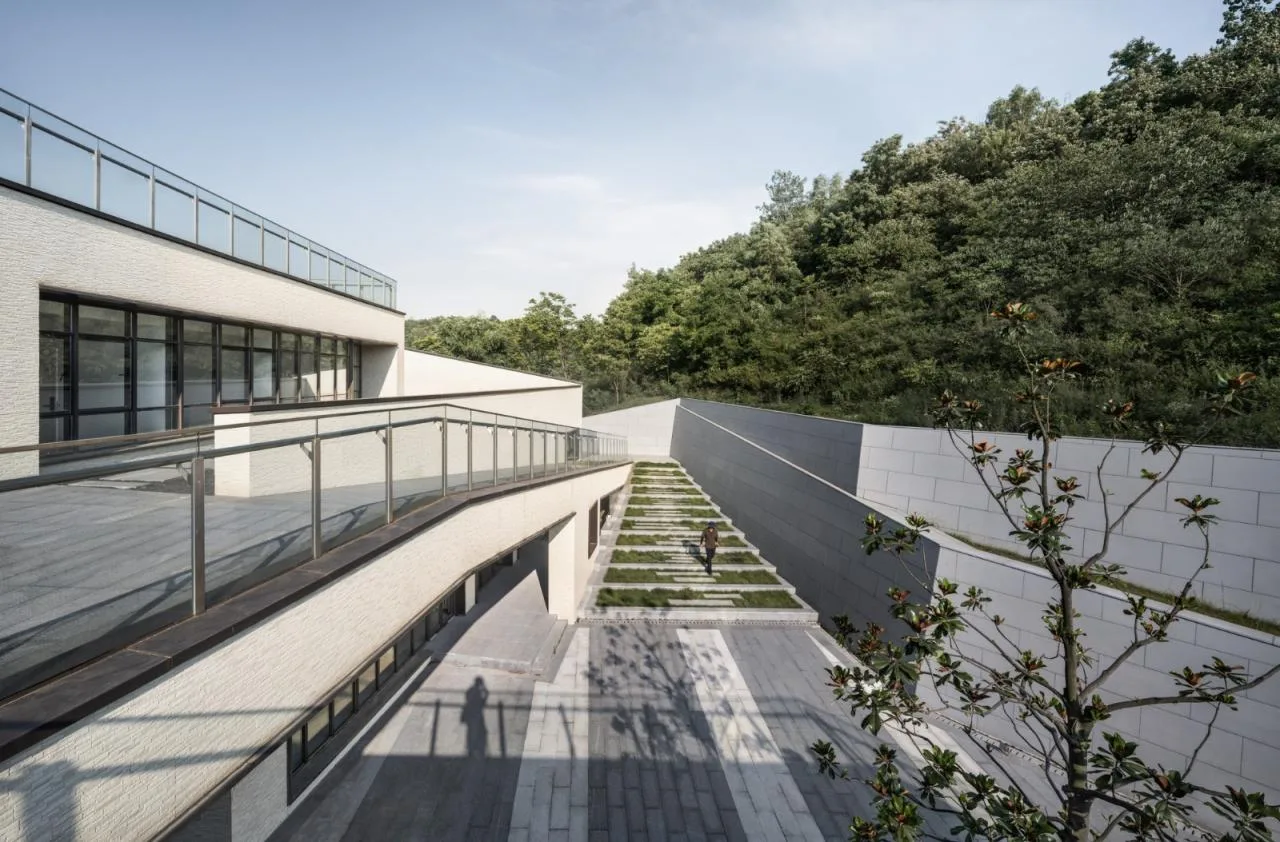
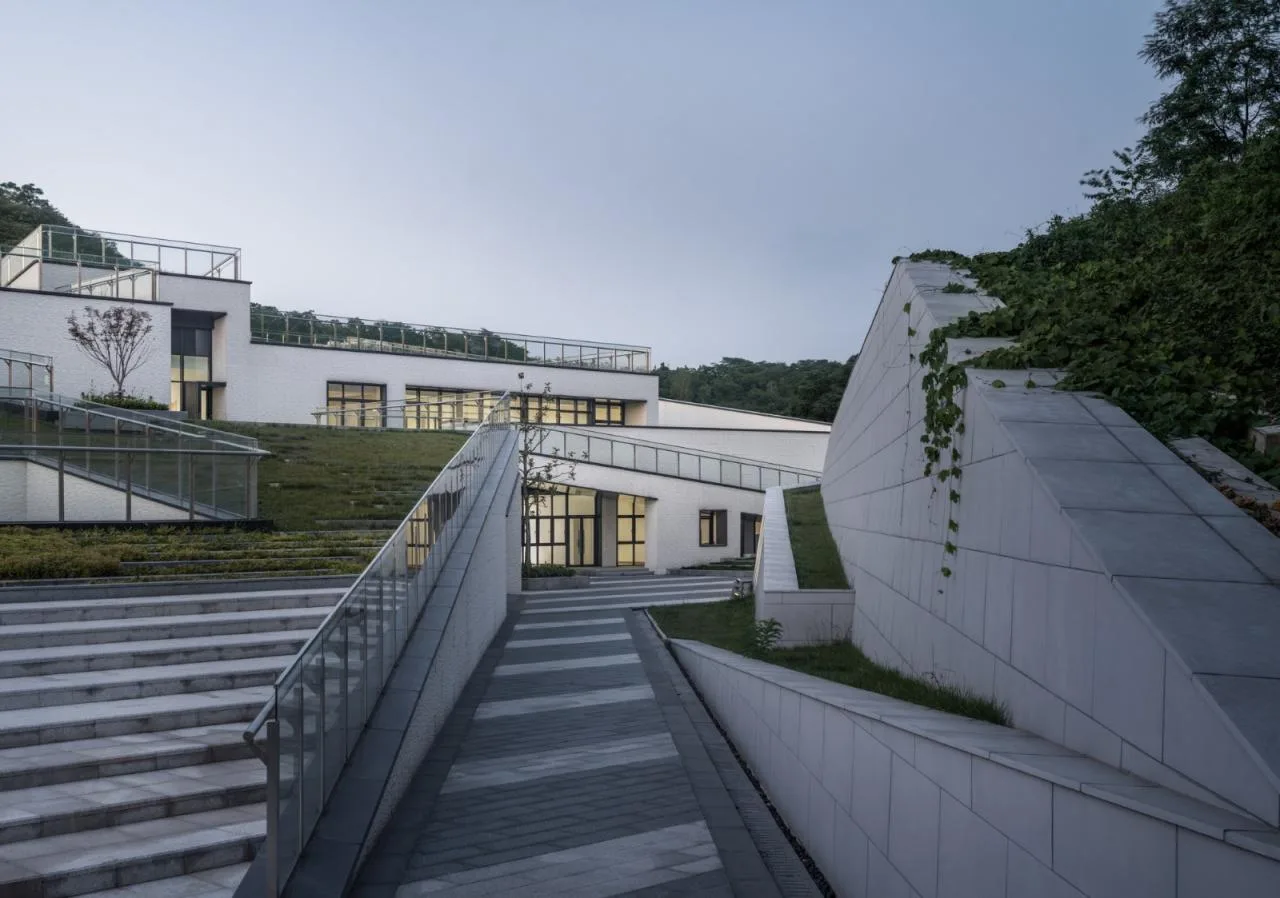
Instead of a traditional upright facade, the building’s spatial experience defines its architectural identity. The flowing form creates winding spaces, evoking both the displaced settlements of Greece’s holy islands and the meandering rockeries of Suzhou gardens. These physical gestures, both deliberate and accidental, shape unique spatial experiences.
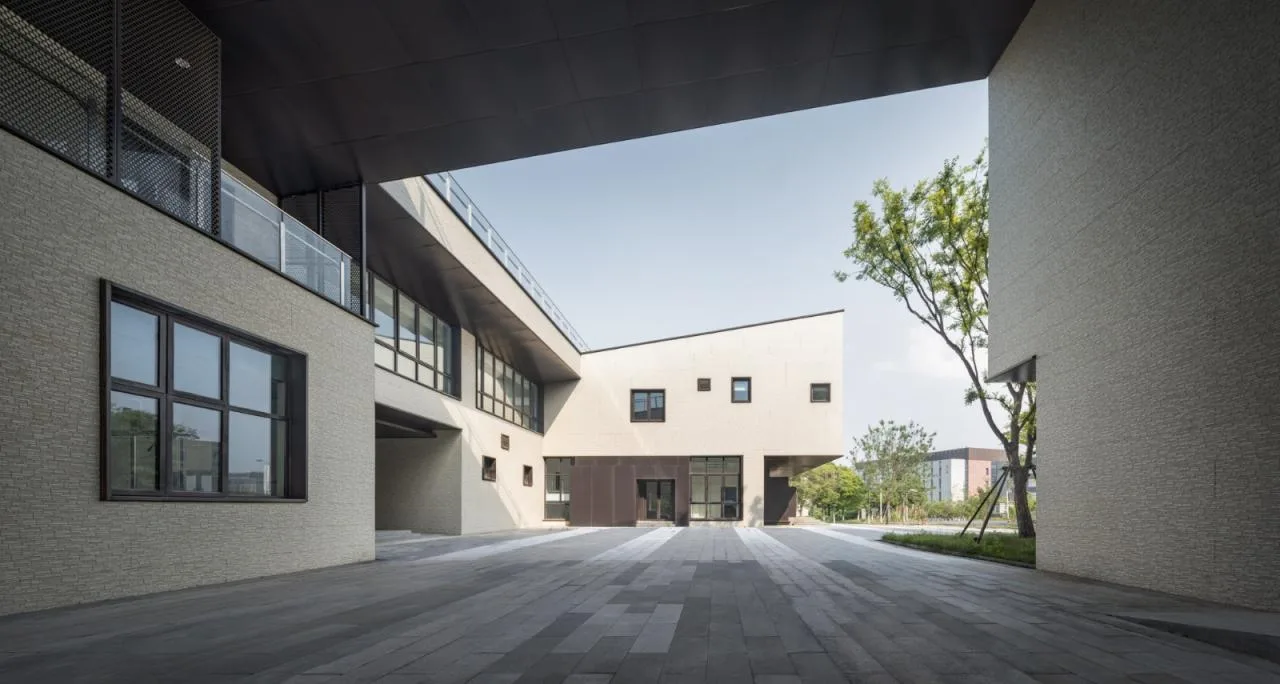
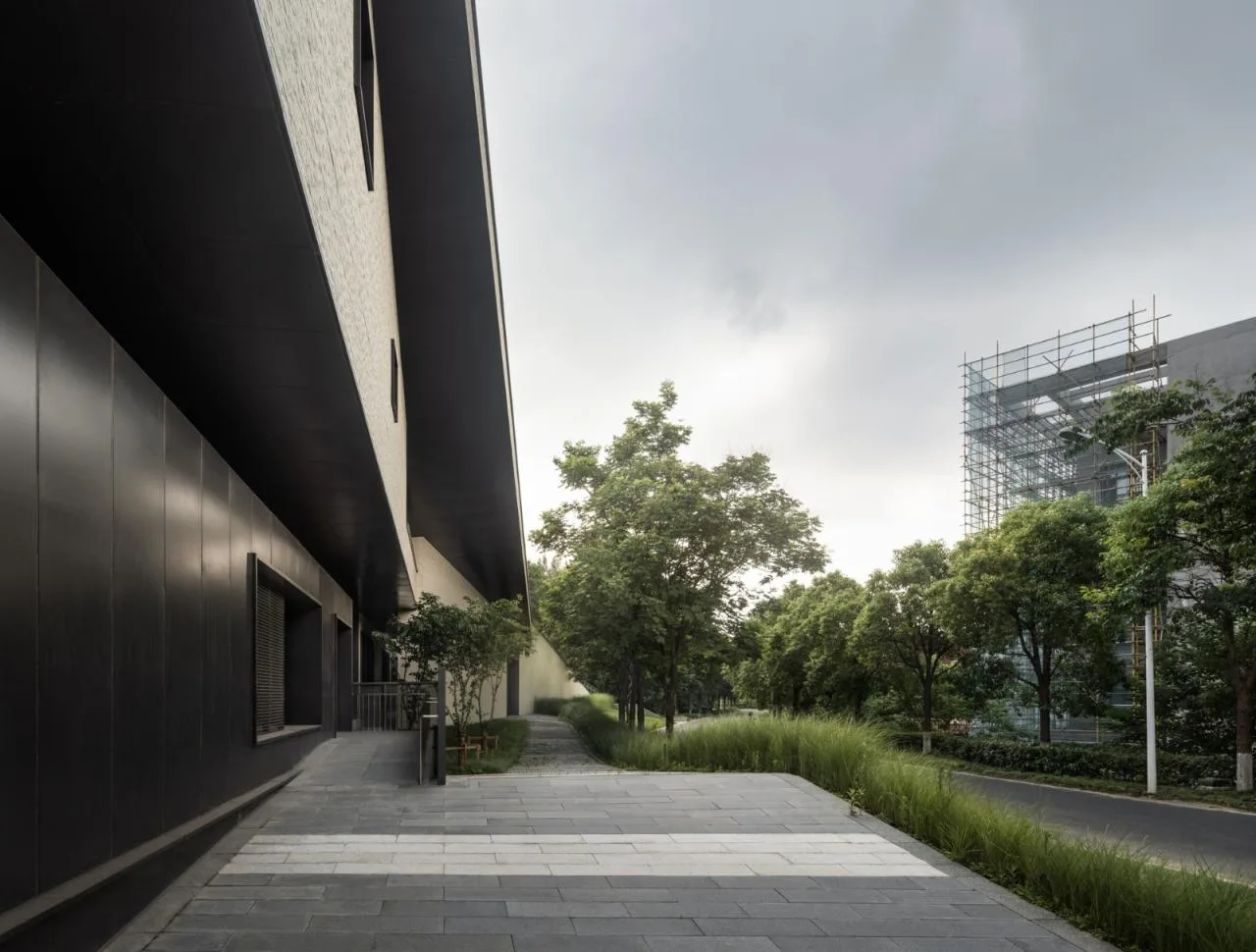
A memorable campus is defined by recognizable places—often a grassy field or a story shared beneath a tree. While the calculated plot ratio serves practical needs, areas such as roofs, side courtyards, and elevated floors provide spaces for memorable moments. Whether lying on the grass lost in thought or solving an academic challenge, learning and life extend beyond the classroom into the campus environment.
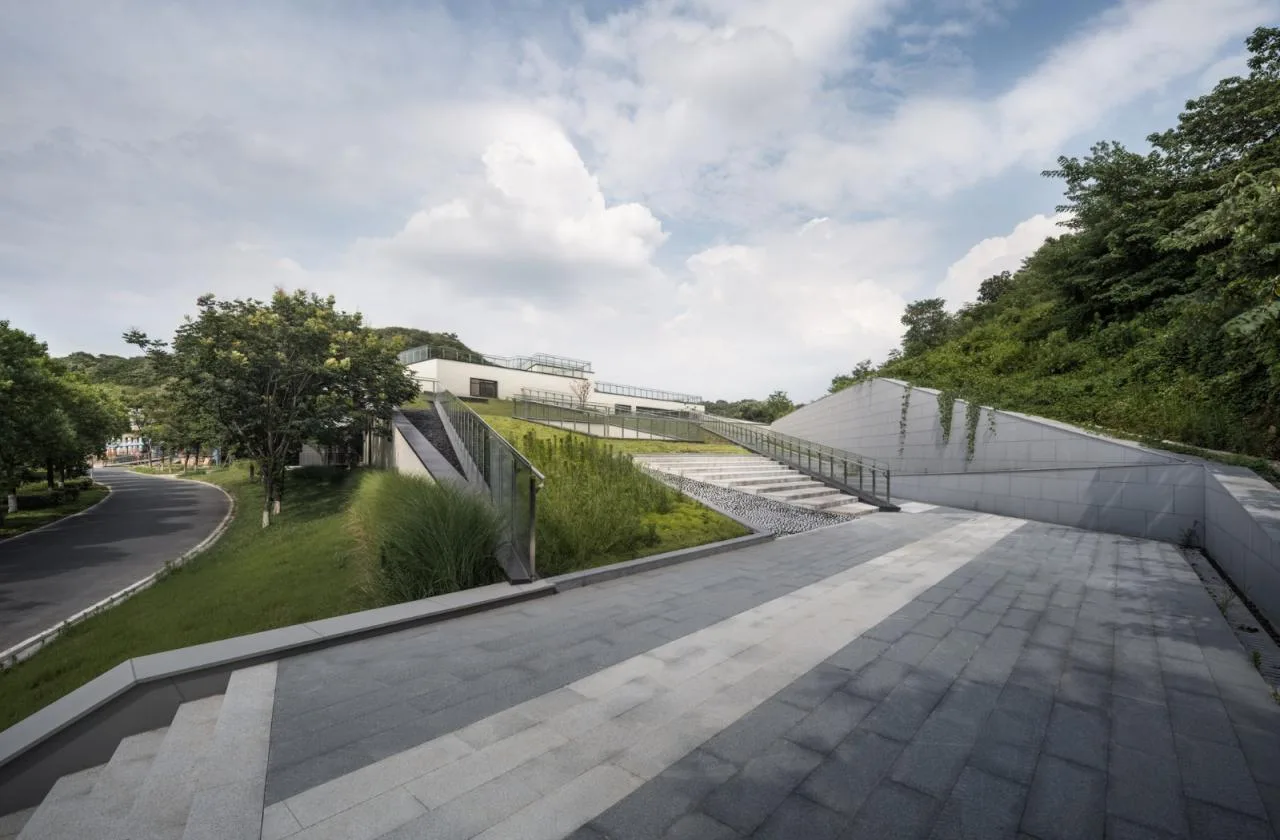
The use of cement fiberboard reflects the concept of the two mountains’ stone while meeting environmental standards. Each board measures 4.6 meters in length, minimizing joints and emphasizing the material’s texture. The curtain wall design pays close attention to construction joints, which subtly change width due to temperature fluctuations and seasonal humidity variations.
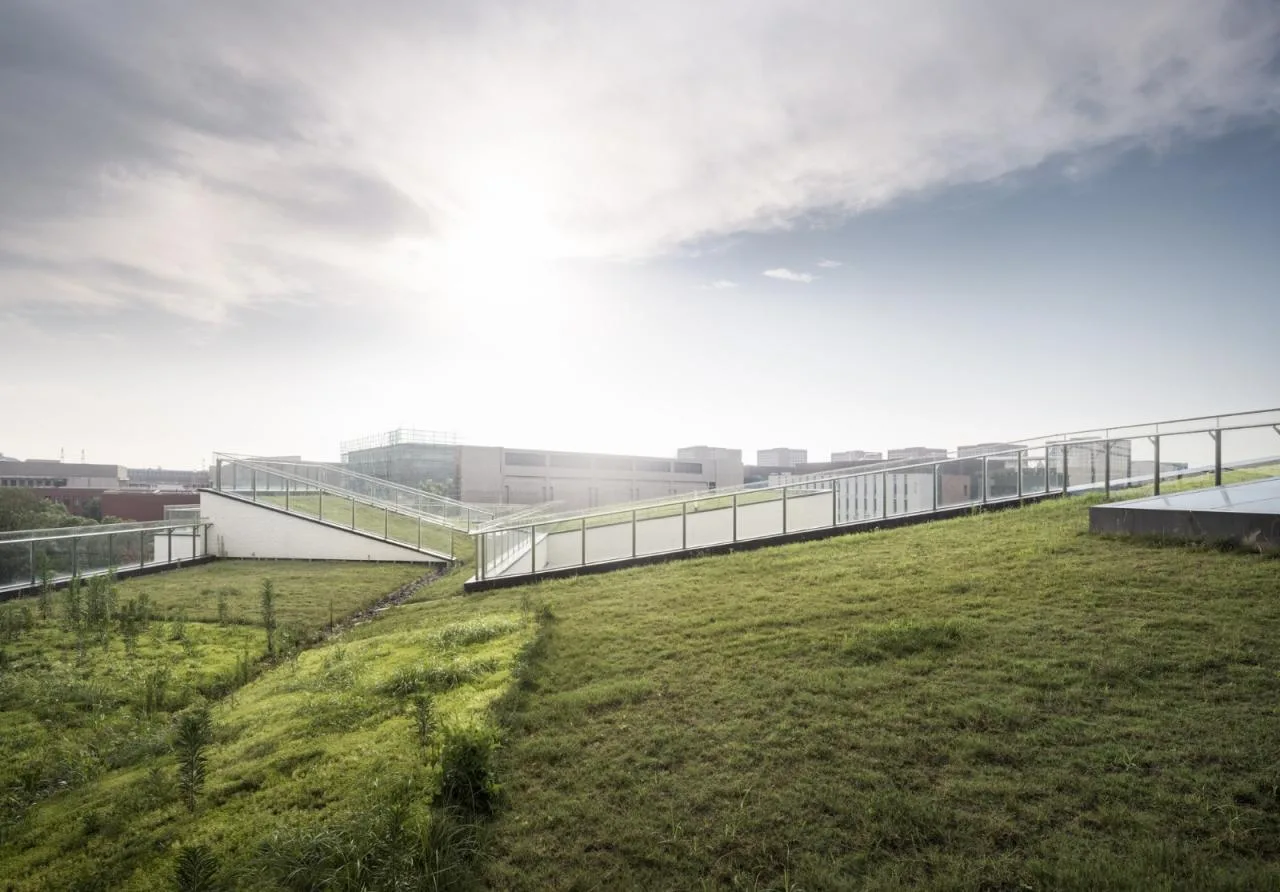
The design of Yongman Pavilion not only revisits fundamental architectural concepts but also reinterprets the campus architecture experience. Unlike the transition from home to school in primary and secondary education, a university campus forms a distinct, self-contained loop of study and life, separate from urban space. Yongman Pavilion aims to offer an experience that feels both unintentional and carefully crafted, becoming a silent memory of youth at Nanjing University—a building that serves as a passing yet unforgettable landmark.
Project Drawings
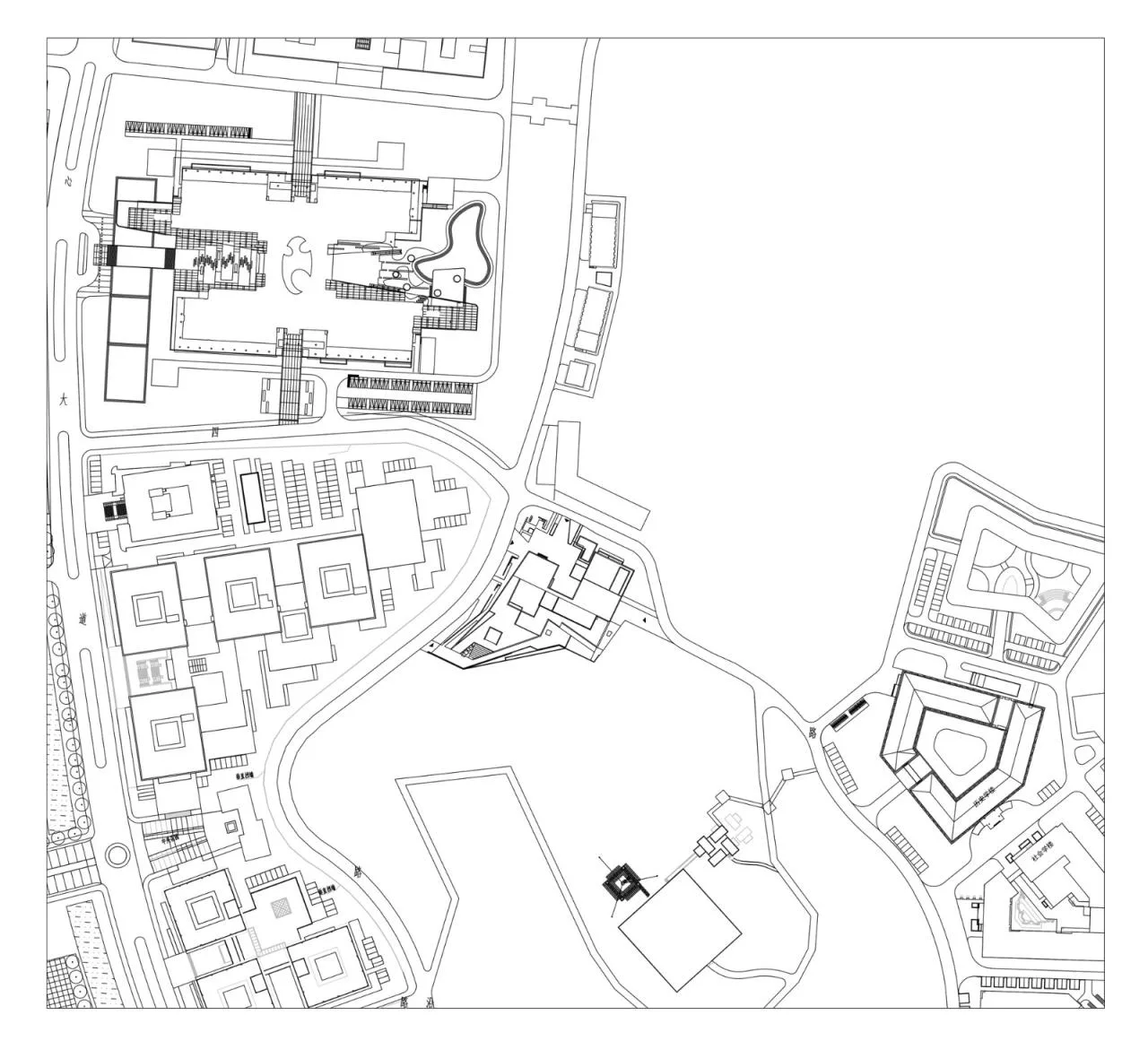
△ General Layout Plan
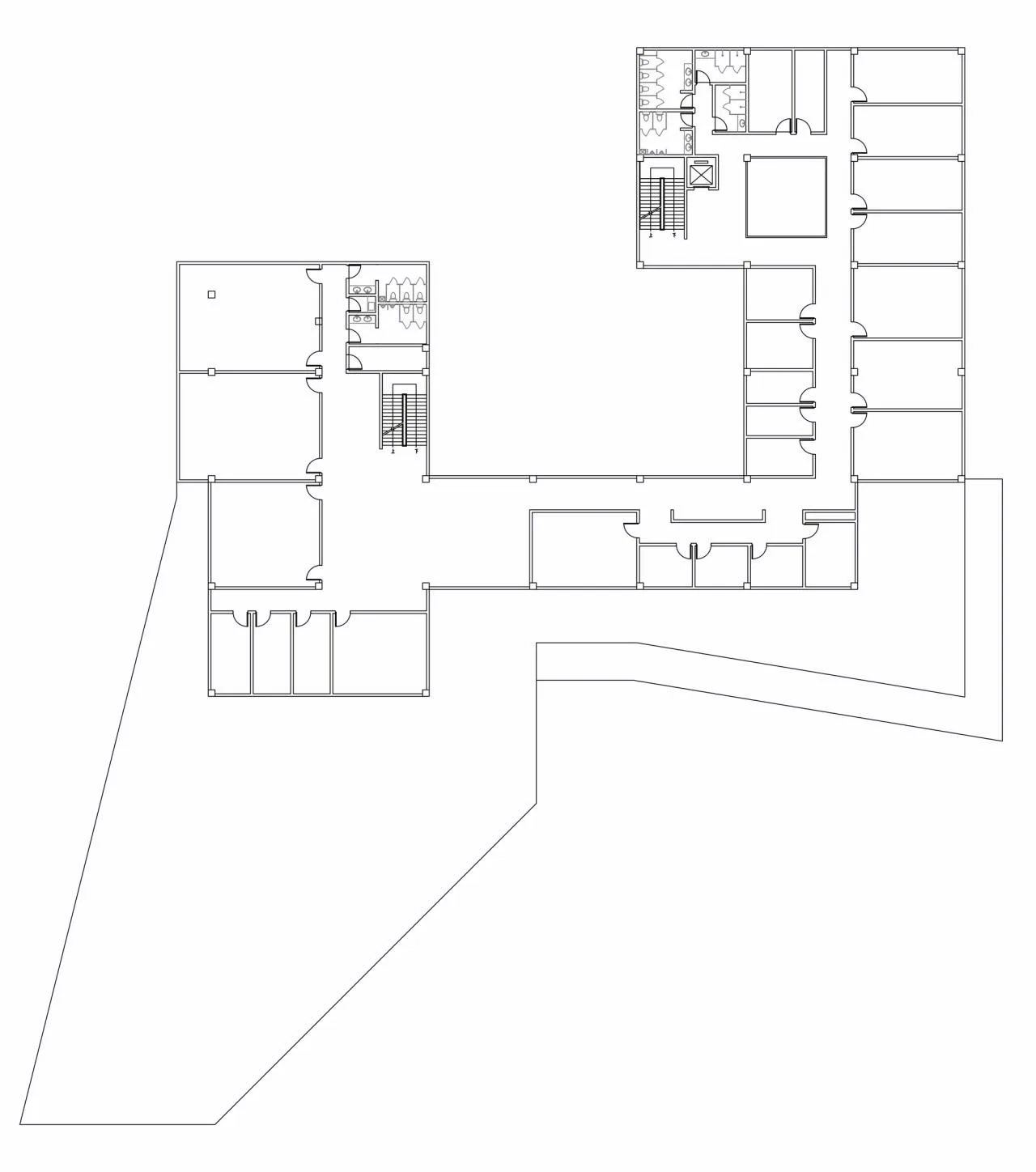
△ First Floor Plan
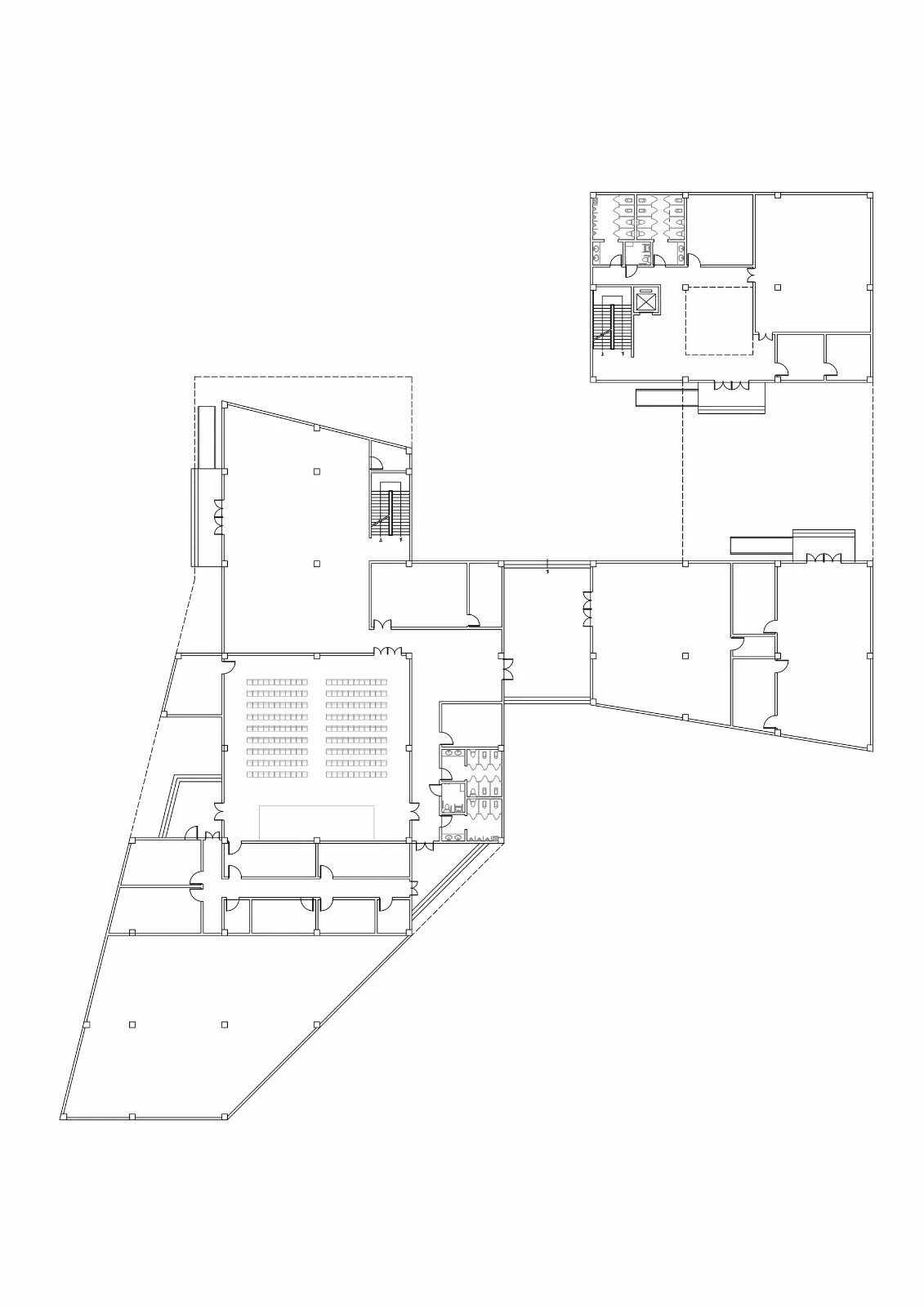
△ Second Floor Plan
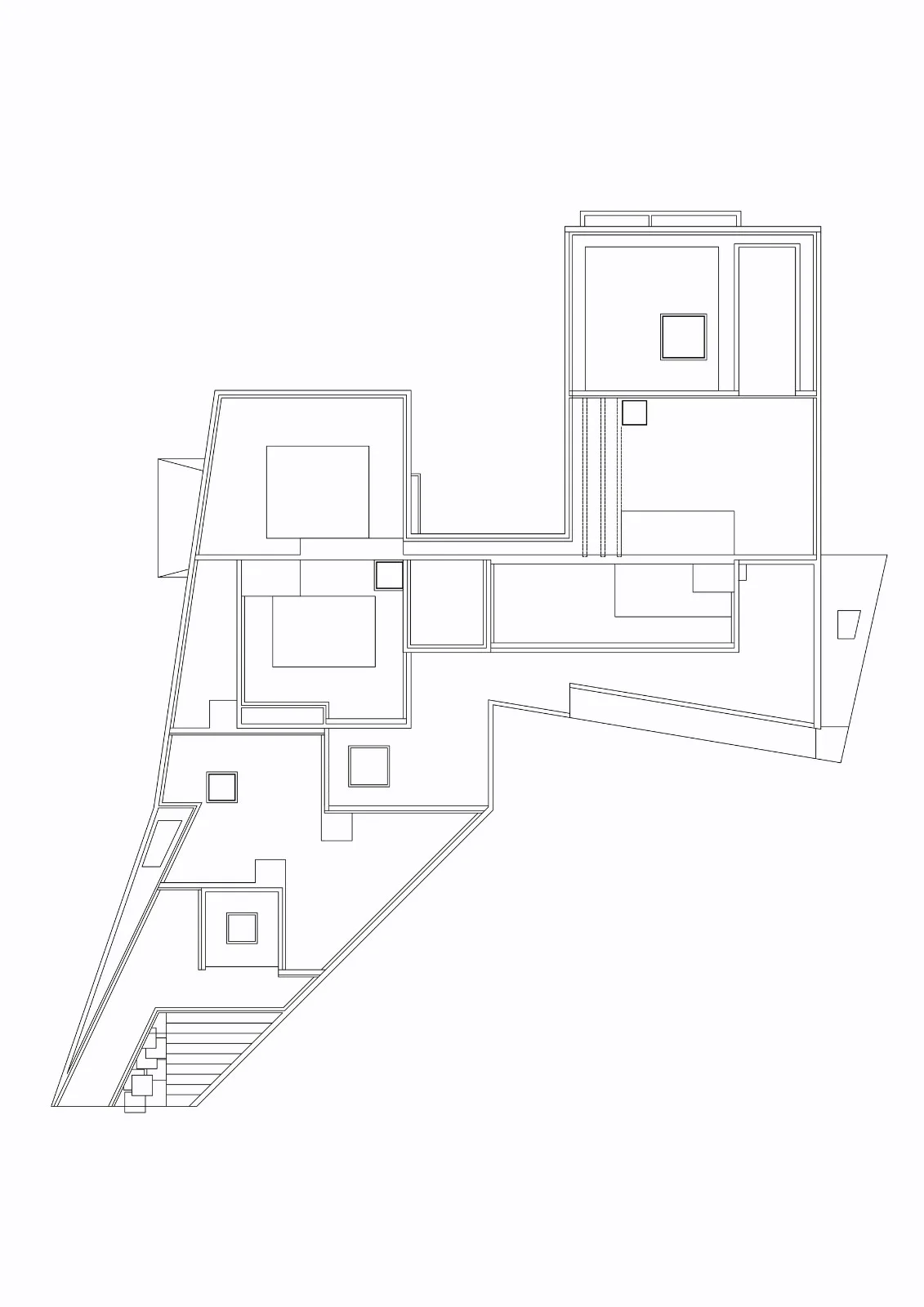
△ Third Floor Plan
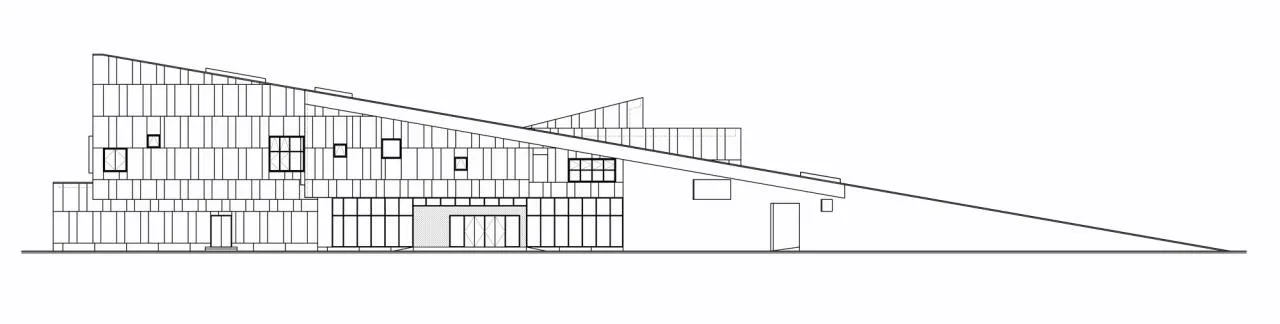
△ Elevation Drawing
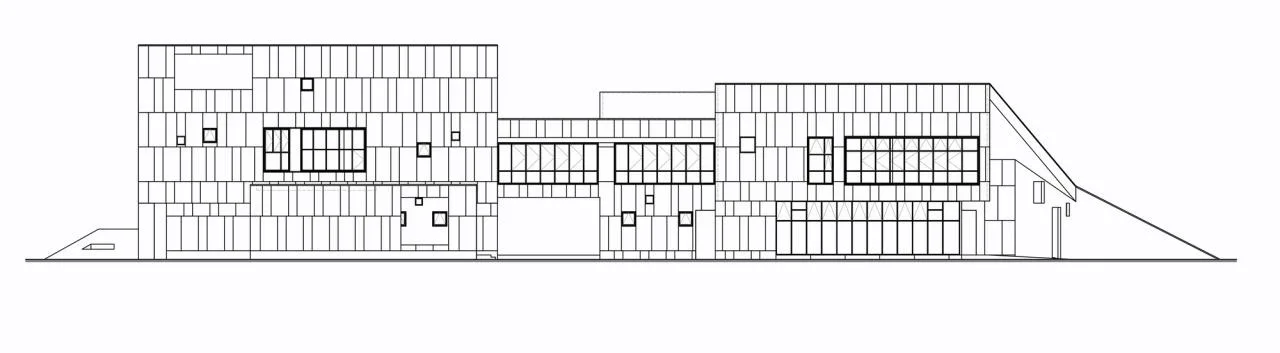
△ Elevation Drawing
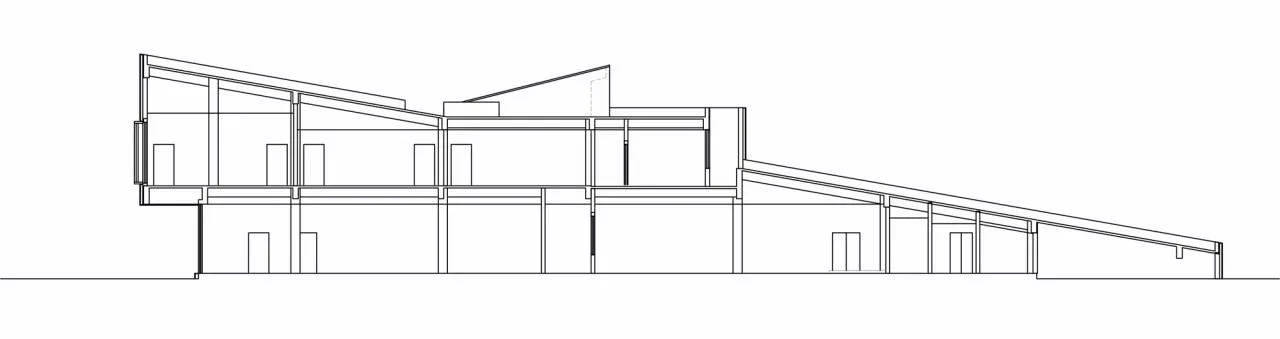
△ Section Diagram
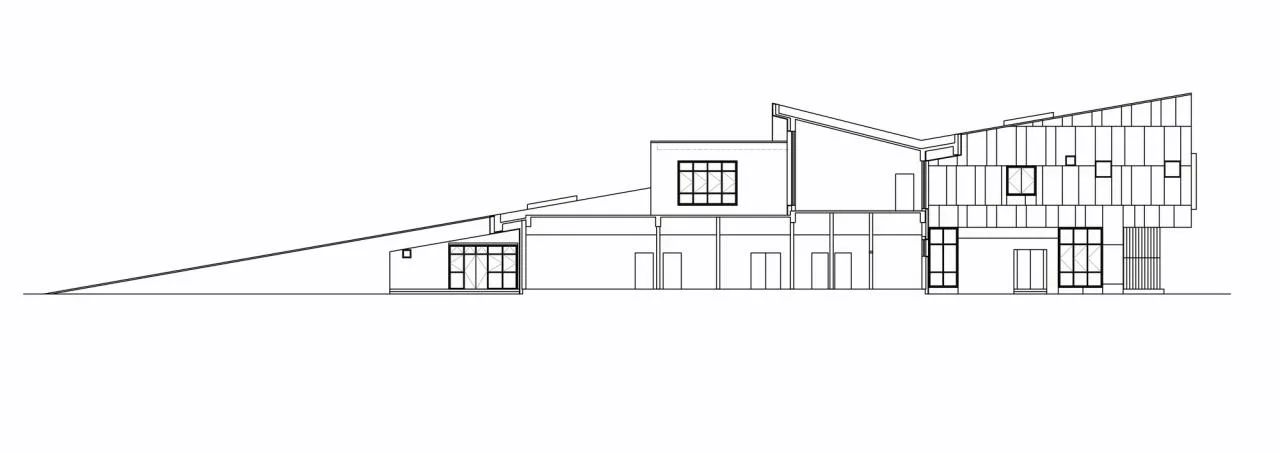
△ Section Diagram
Project Information
Architect: Nanjing University Architecture Zhong Huaying Studio
Area: 3,847 m²
Project Year: 2023
Photographer: Hou Bowen
Manufacturers: Aifuxi Company, Owens Corning, Rong Placement Industry
Lead Designer: Zhong Huaying
Design Team: Zhong Huaying, Xu Mengwei, Dai Qinglai
Construction Drawing Team: Chen Junshi, Liu Fei
Water Supply and Drainage: Chen Dong
HVAC Design: Wang Qian
Intelligence Systems: Wu Cheng
Interior Design: Fan Haijun, Du Meng, Li Tang
Landscape Design: Feng Jia, Yu Tao
Curtain Wall Design: Liu Fanchun, Yang Yuhuan
Structural Design: Xie Hongen
Electrical Engineering: Miu Shuang
Client: Nanjing University
Location: Nanjing, China














Must log in before commenting!
Sign Up