
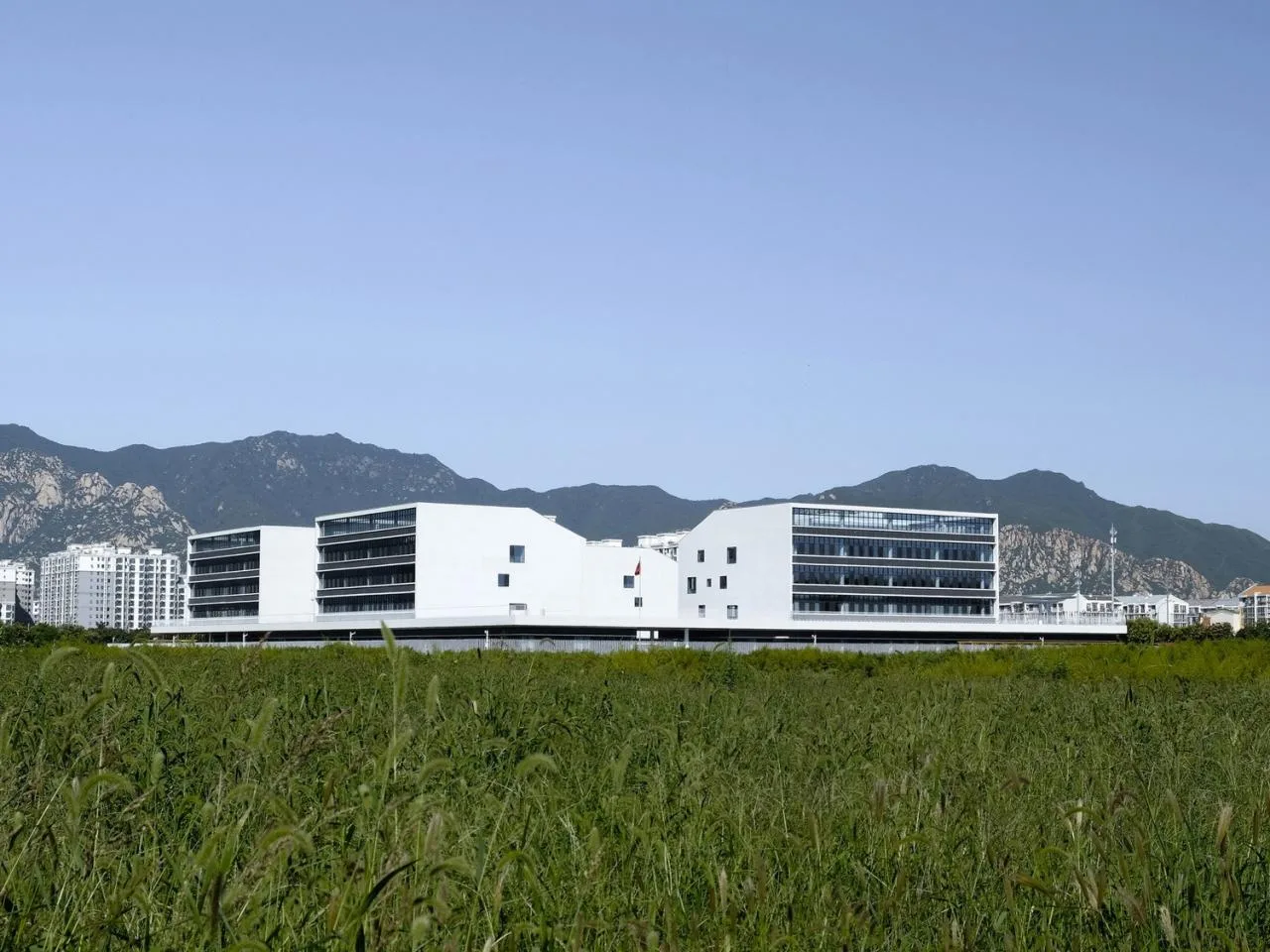
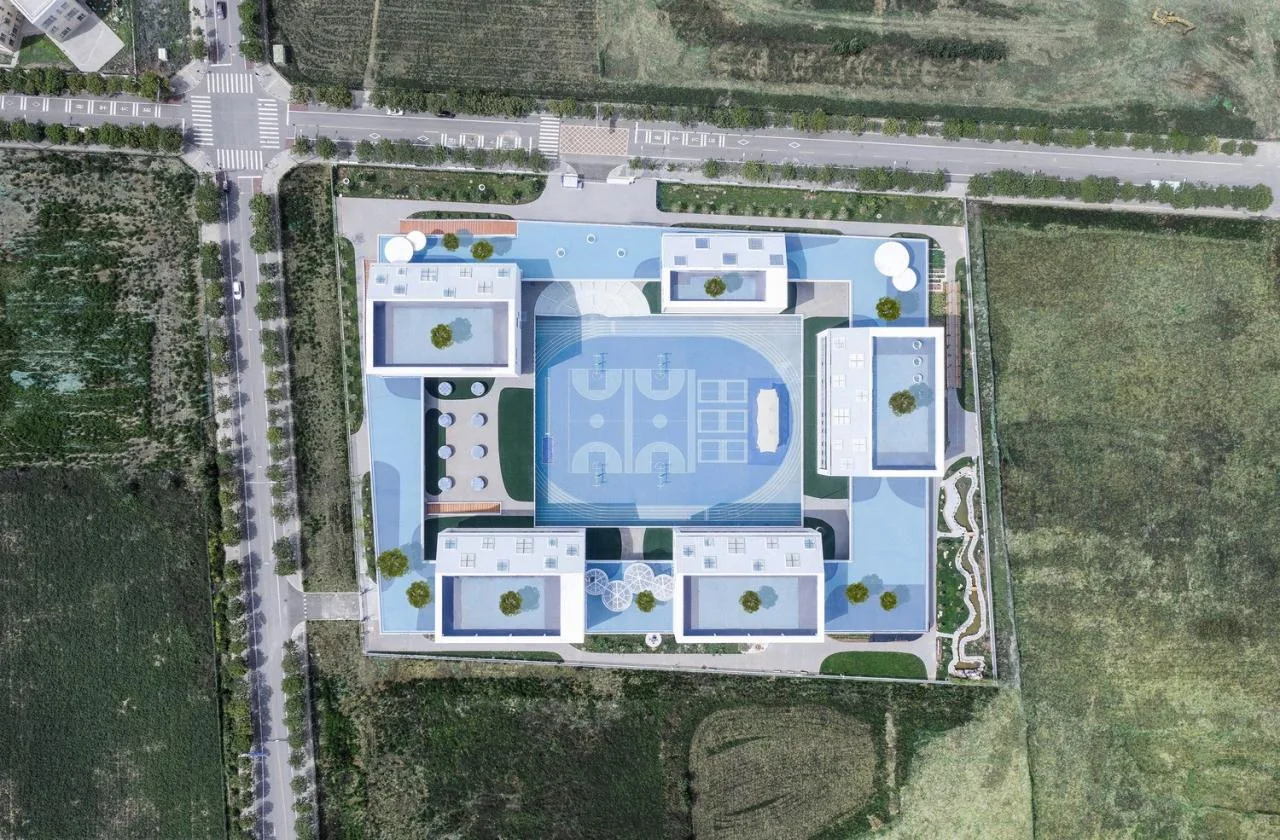
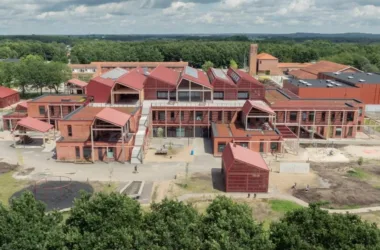
Beijing Yuying School Science City School serves as a cultural hub for the community. Located just outside Beijing’s northwest sixth ring road at the base of Fenghuangling Mountain, the campus comprises five building blocks arranged on platforms surrounding a central courtyard. This project aims to create an innovative educational environment for local residents while providing a cultural gathering space for the broader region.
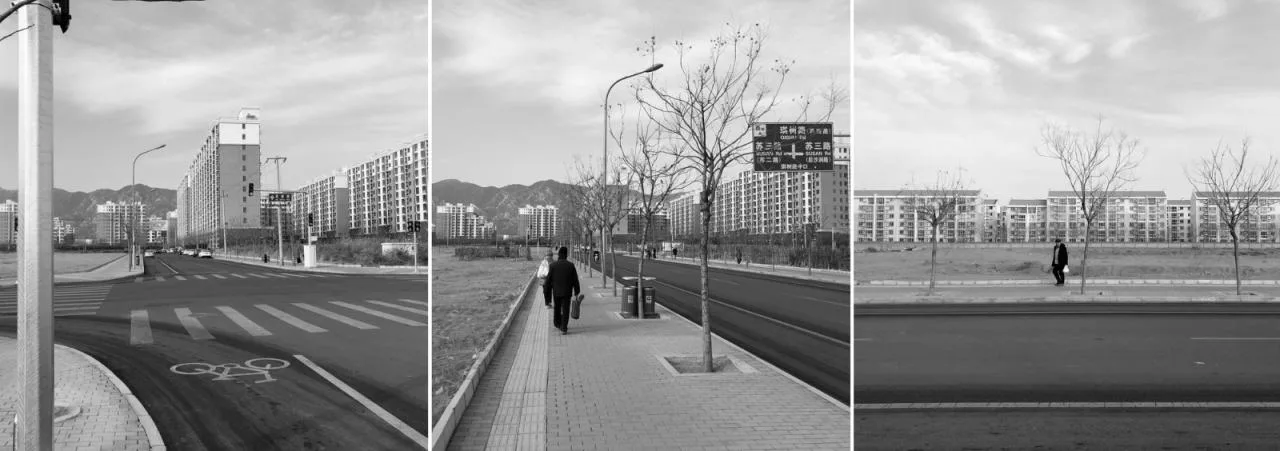
During the site investigation, it became clear that although nearby residential areas had developed significantly, the community lacked adequate supporting facilities, especially in education. The area was missing a cultural atmosphere and a place where residents could come together.
Situated in a high-density urban environment, the school faces challenges including limited land, a large school scale, and demanding functional requirements. To address this, the design maximizes land use with a plot ratio of 1.0 and fully utilizes underground space to create a three-dimensional campus.
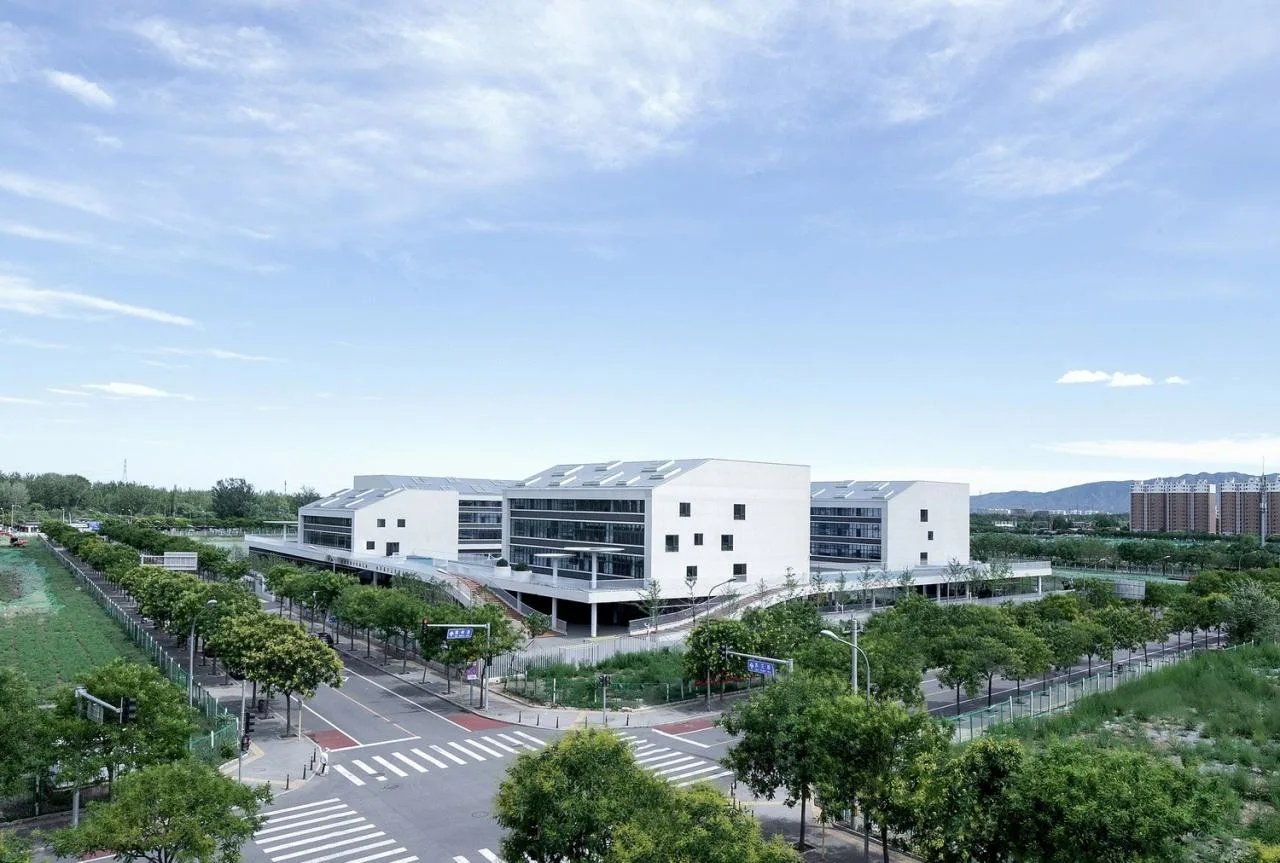
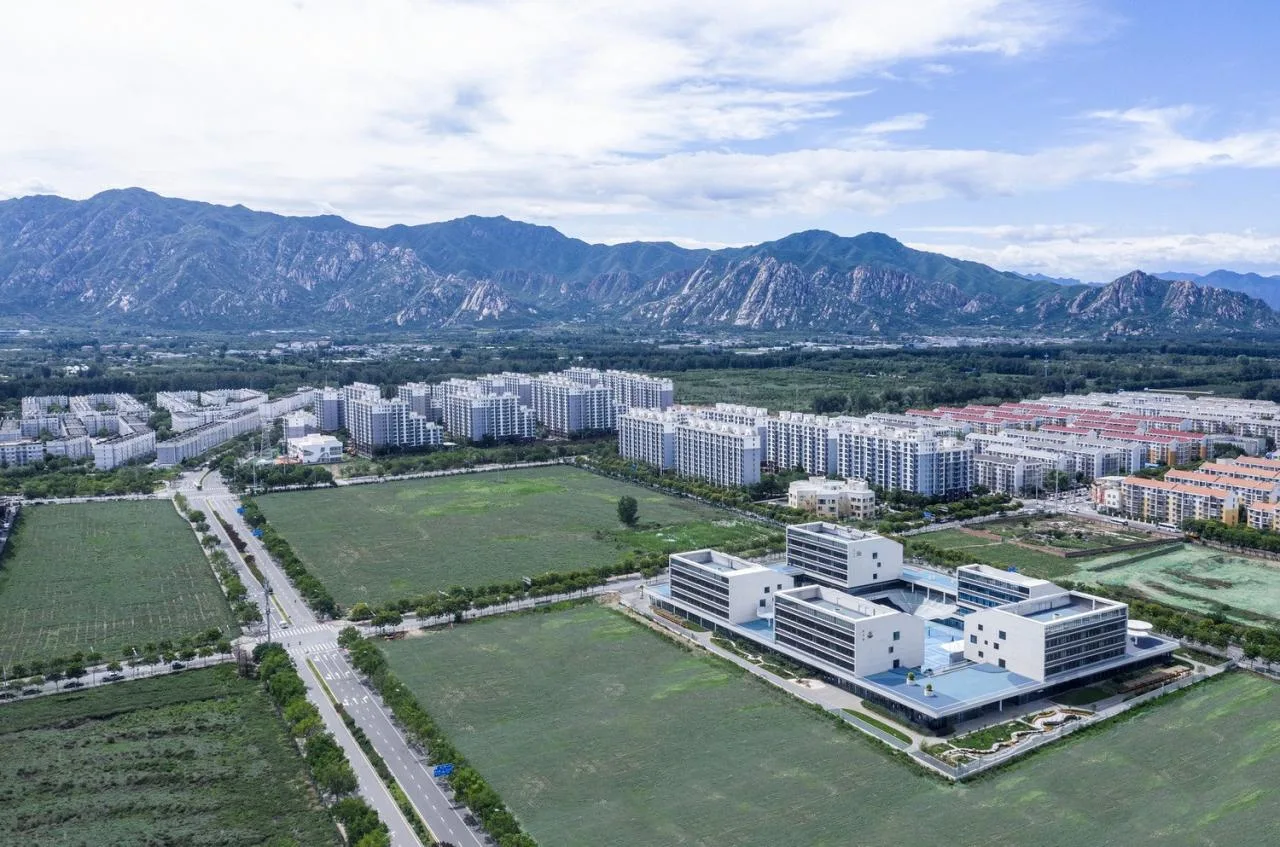
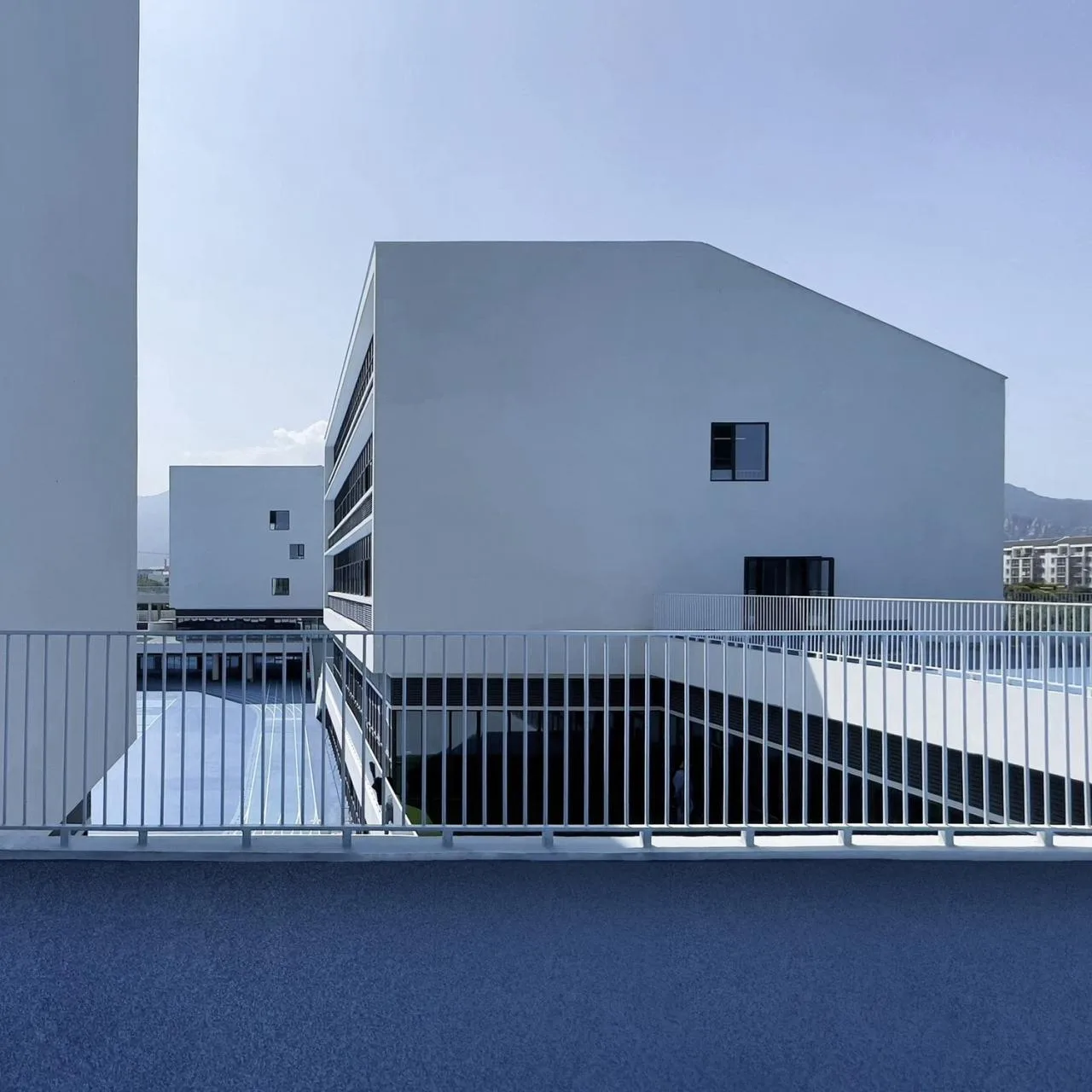
The project actively responds to its surrounding neighborhood and urban landscape. The site benefits from excellent landscape views and relatively low surrounding development intensity. Facing west, the campus offers direct views of the distant Phoenix Ridge, which has been a key inspiration throughout the design process, fostering a connection between the architecture and the natural mountain backdrop.
With most teaching spaces oriented south, a two-story platform has been incorporated to provide extensive outdoor activity areas with views of Phoenix Ridge. This design ensures children enjoy expansive views regardless of which building they occupy.
To minimize the impact on the surrounding environment, the main building is divided into five functional blocks. These blocks are staggered and placed on platforms, creating an organic whole. Greenery and sports landscapes are distributed across the ground floor, second-floor platform, and roof level, establishing a multi-level campus landscape system. This approach forms an open, welcoming garden-style school with visual corridors between blocks and toward the mountains, allowing the buildings to blend naturally into the cityscape.
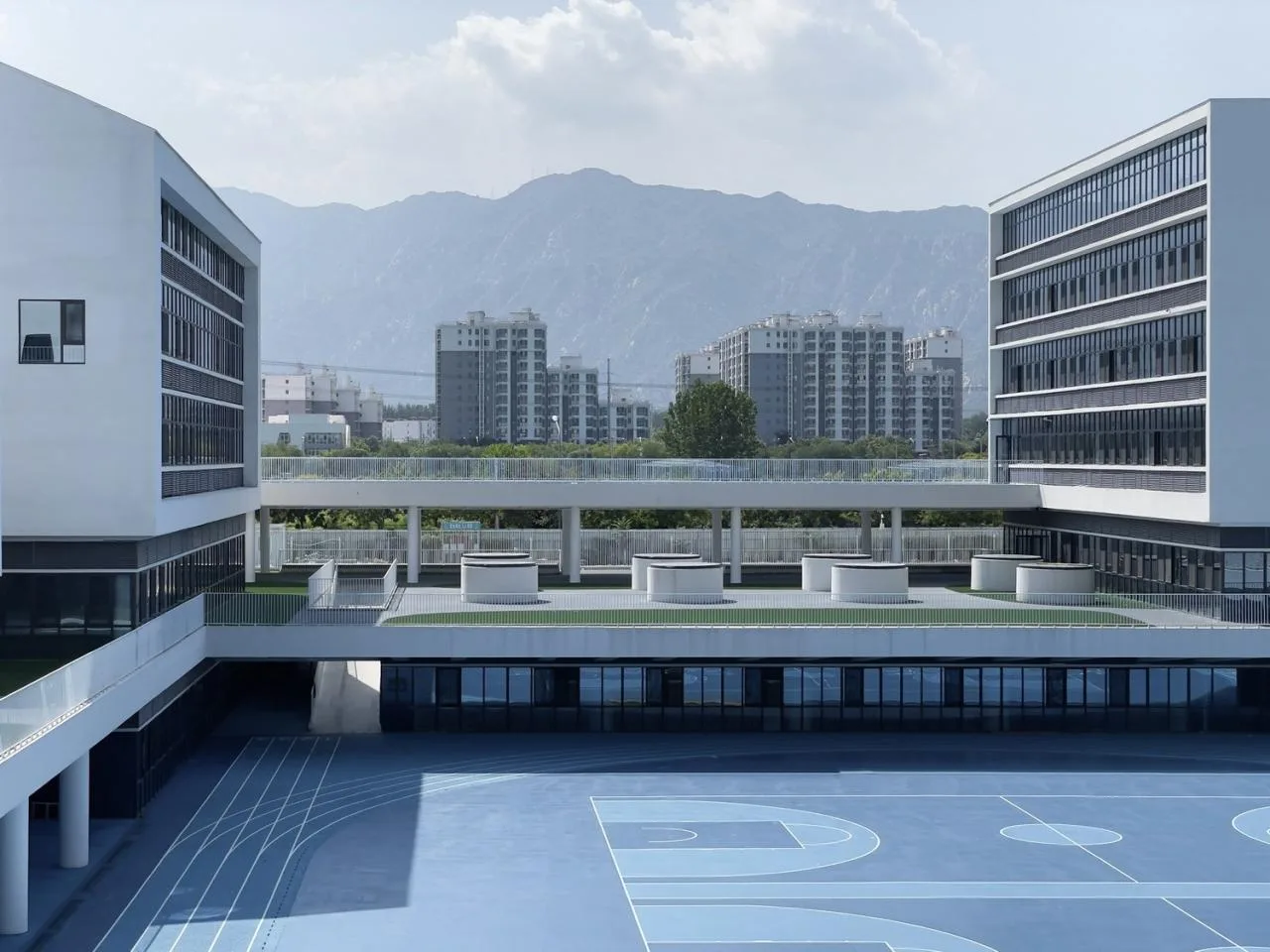
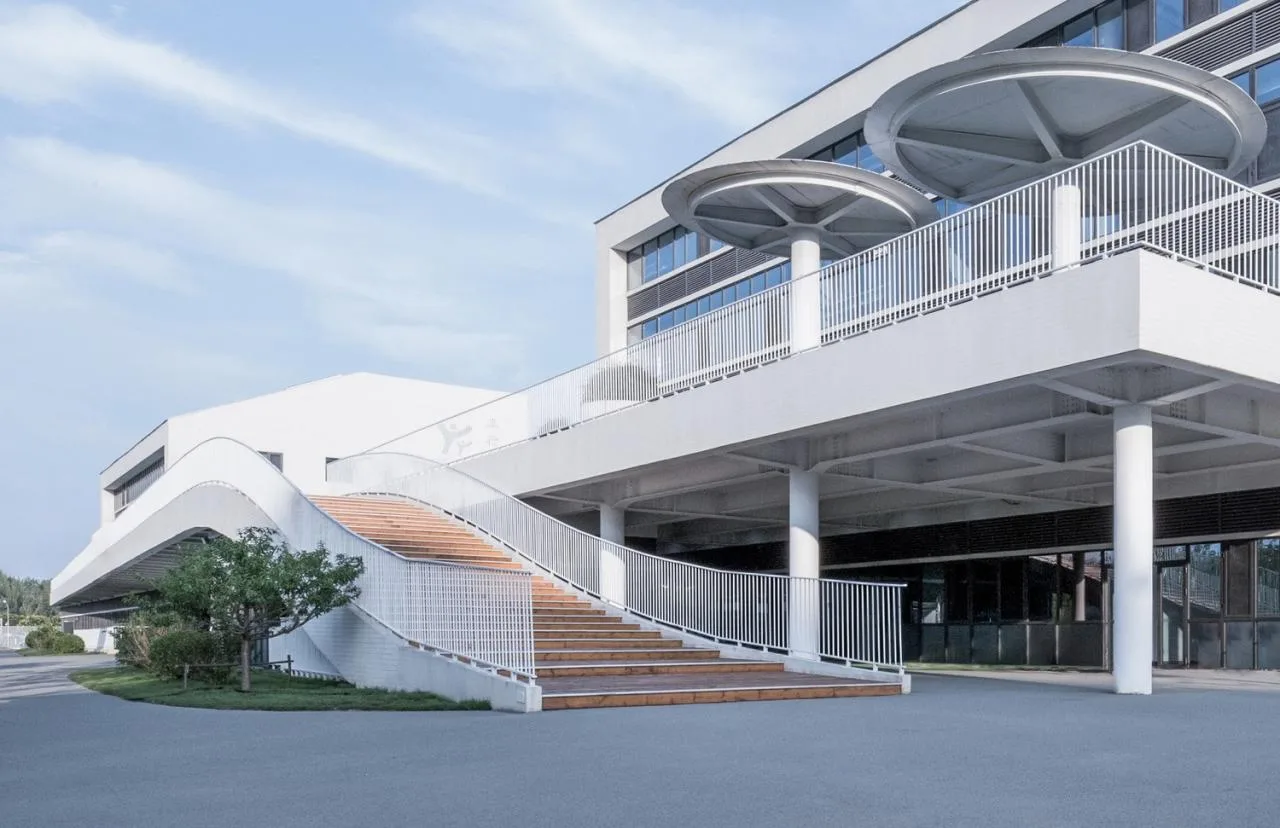
Given the limited site conditions, the design maximizes land use and explores spatial possibilities to provide ample teaching and living spaces for teachers and students. The first floor encloses a courtyard-style area, forming the campus’s core gathering space.
The central courtyard is sunken to enhance natural lighting and ventilation for the underground areas, improving comfort below ground. Connecting above-ground, ground, and underground levels are ramps and stairs that ensure efficient vertical circulation while creating iconic campus spaces.
The campus functions are subdivided into smaller zones, including departments for different grade levels, innovation centers, and administrative offices. Teaching areas are closely linked, while administrative spaces are positioned near entrances for accessibility and separation, resulting in clear functional zones.
Architectural features such as sloping roofs soften the building’s mass, optimize natural sunlight within the campus, and minimize obstruction of views to the surrounding landscape.
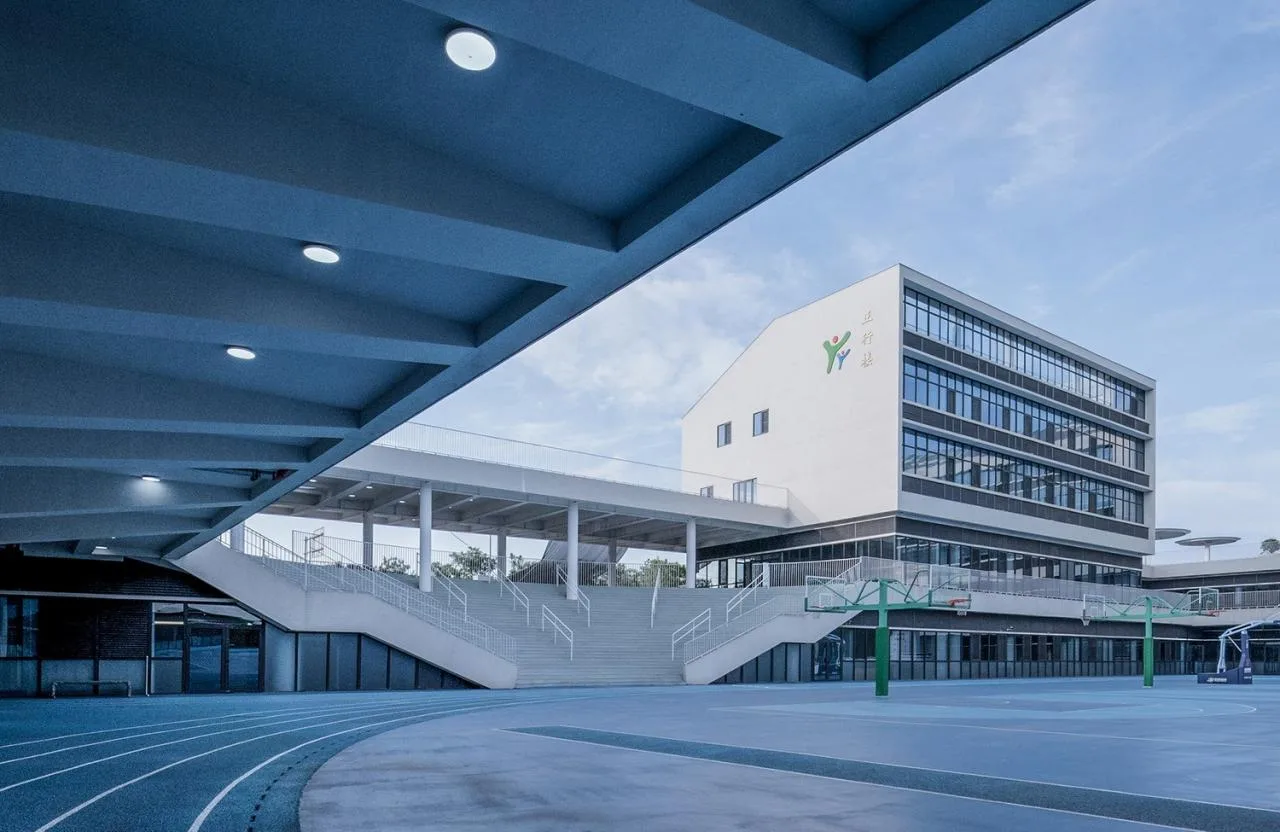
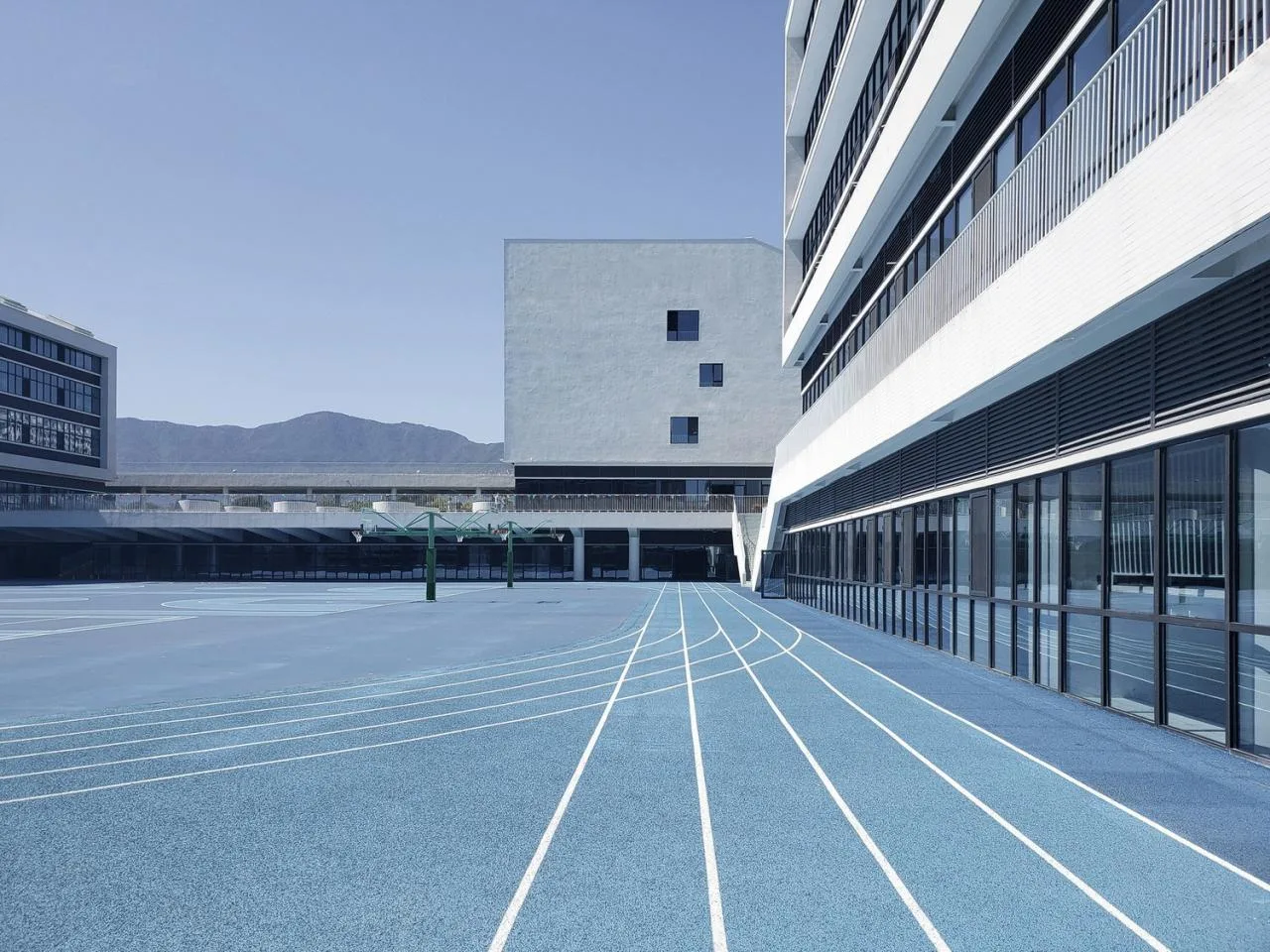
The campus layout encourages a sense of community through a central gathering space that breaks from traditional school designs. This core activity area serves as a vibrant hub where children of all grades interact; younger students can observe older peers, while older students can mentor the younger ones, fostering cross-age communication and collaboration.
From an aerial view, the five building blocks are clearly organized and functionally distinct. However, at ground level, the boundaries between indoor, elevated, and outdoor spaces blur, creating a unified and fluid environment. All areas revolve around the central sports field, which remains visually and physically accessible throughout the campus.
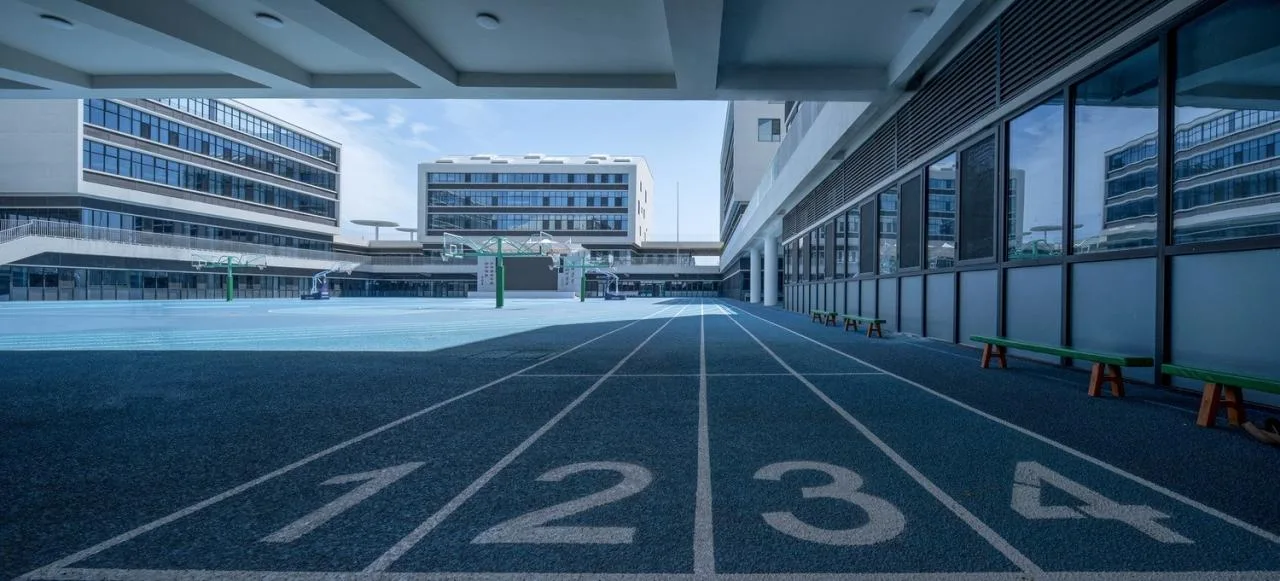
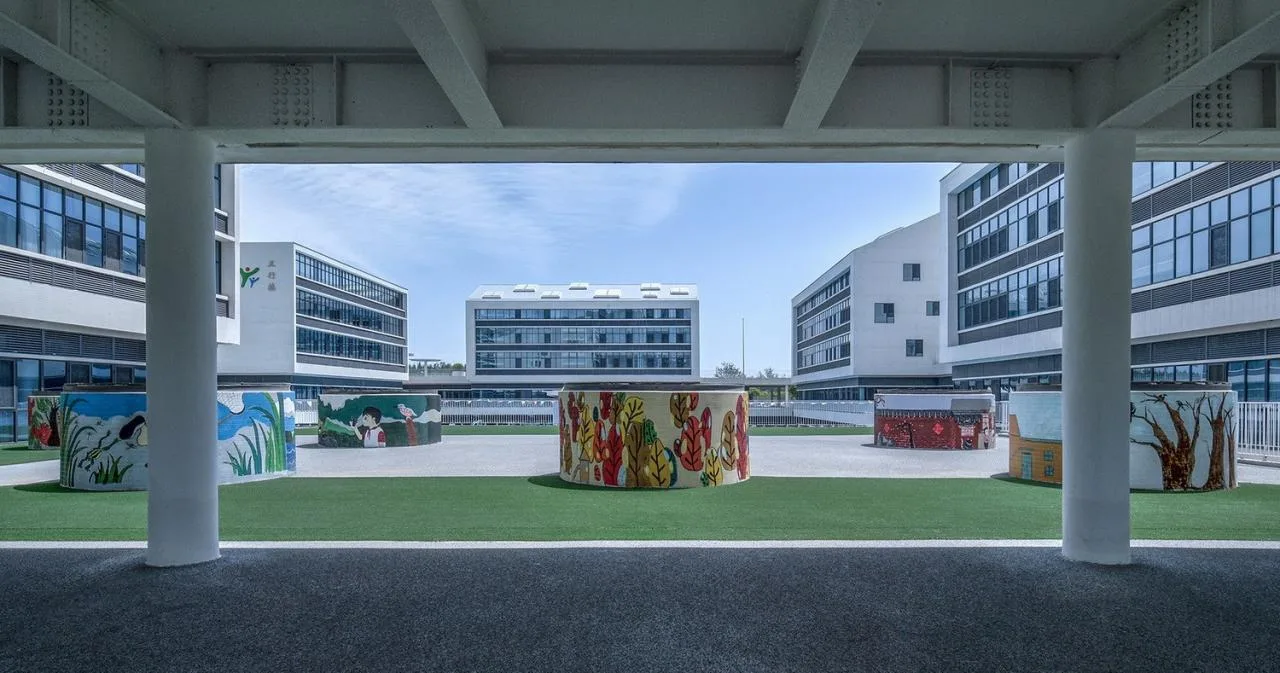
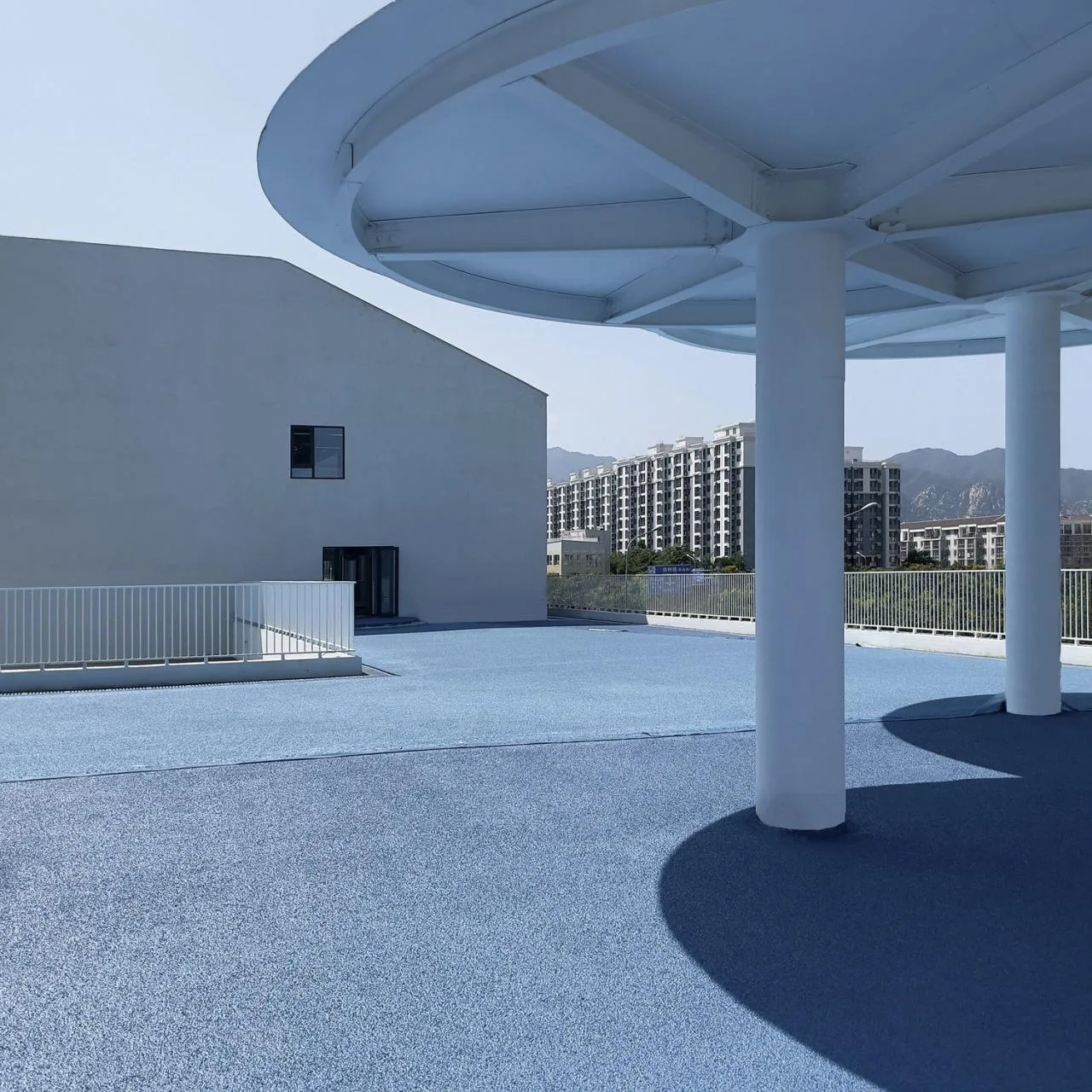
Though multi-level activity spaces require careful planning within tight site constraints, the design prioritizes creating abundant outdoor areas for students. Synthetic play surfaces and artificial greenery are integrated extensively across first and second-floor platforms and rooftops, softening the campus environment and offering immediate access to open activity zones from indoor spaces.
This design transforms the campus into a large, multi-level playground where children can freely explore the natural surroundings. The second-floor platform offers distant views of Phoenix Ridge to the west while merging with green spaces to the east. Rooftop areas further expand outdoor activity options, enhancing the campus’s three-dimensional landscape and providing natural contact as students leave their classrooms.
The first and basement floors serve as shared spaces, accommodating numerous public functions and bustling daily activity. To support all-weather use, circulation routes connect ground and underground levels via indoor corridors and outdoor elevated walkways, ensuring sheltered passage for teachers and students.
Modern teaching demands more versatile spaces. With limited above-ground area, the design extends public functions underground. The central sports field is sunken to enrich spatial experience and enhance ventilation and daylight for below-ground facilities. Additionally, skylights and sunken courtyards along the building perimeter improve natural illumination and ambiance in underground areas.
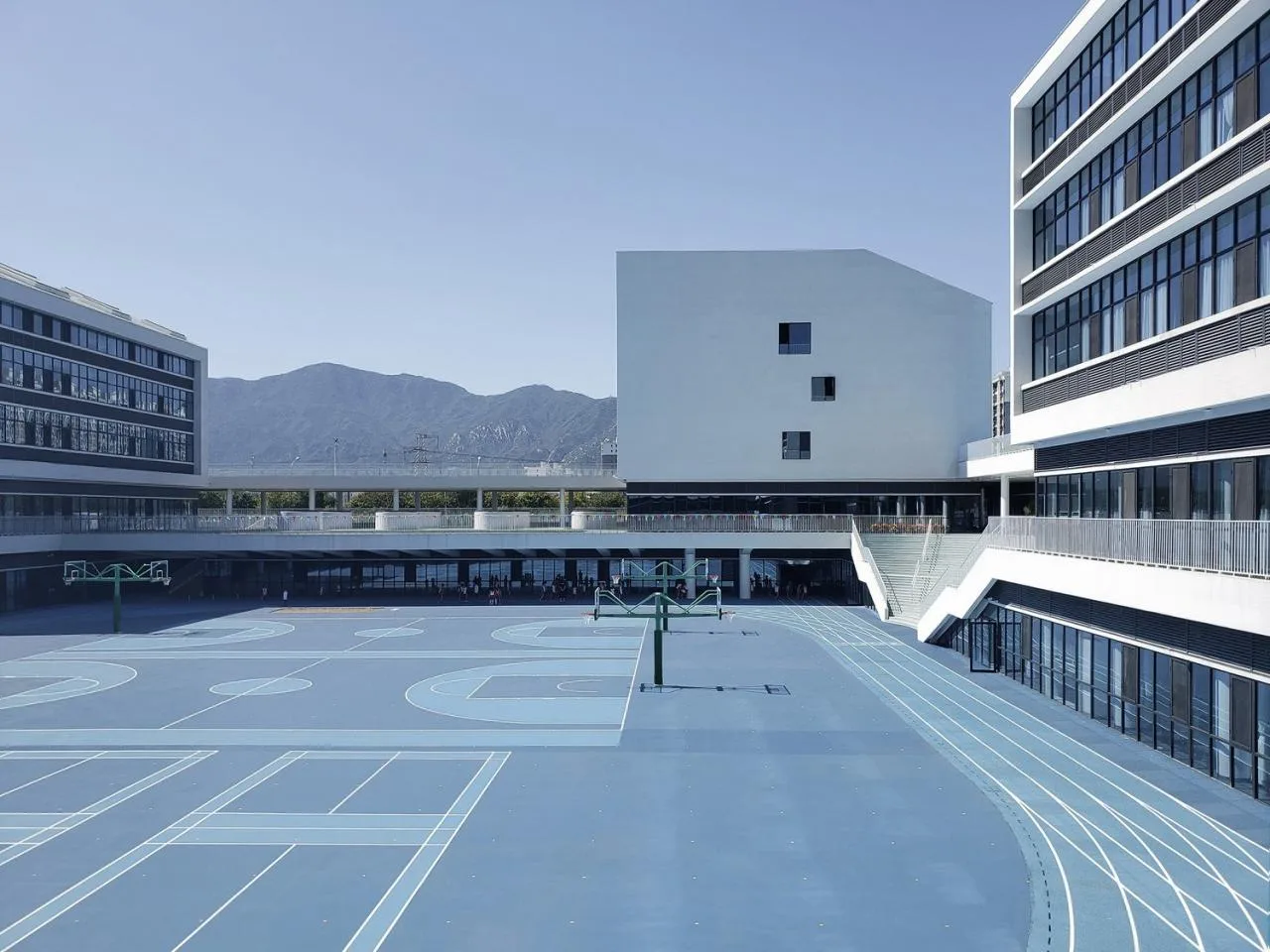
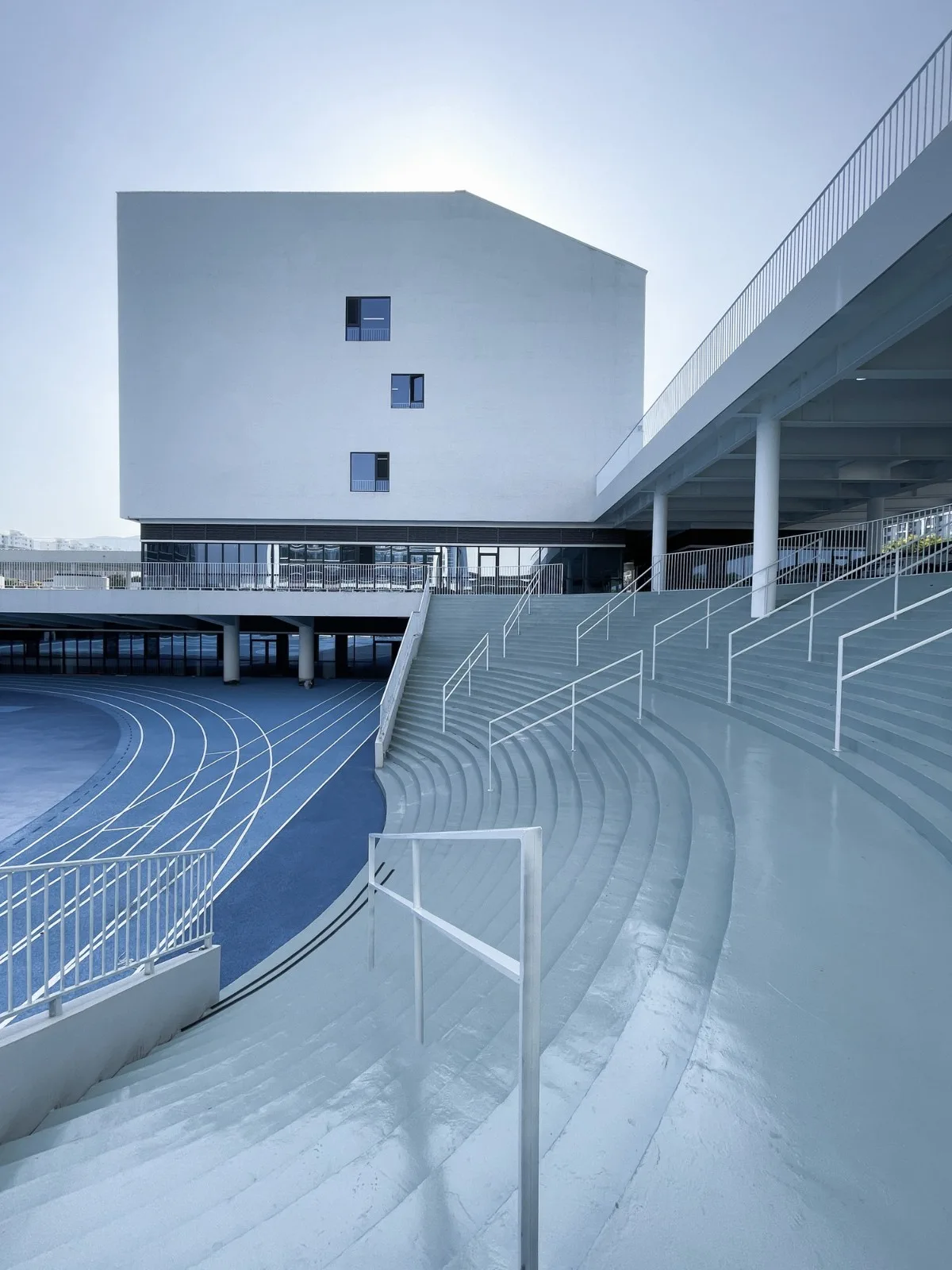
Enhancing the Playful Campus Experience
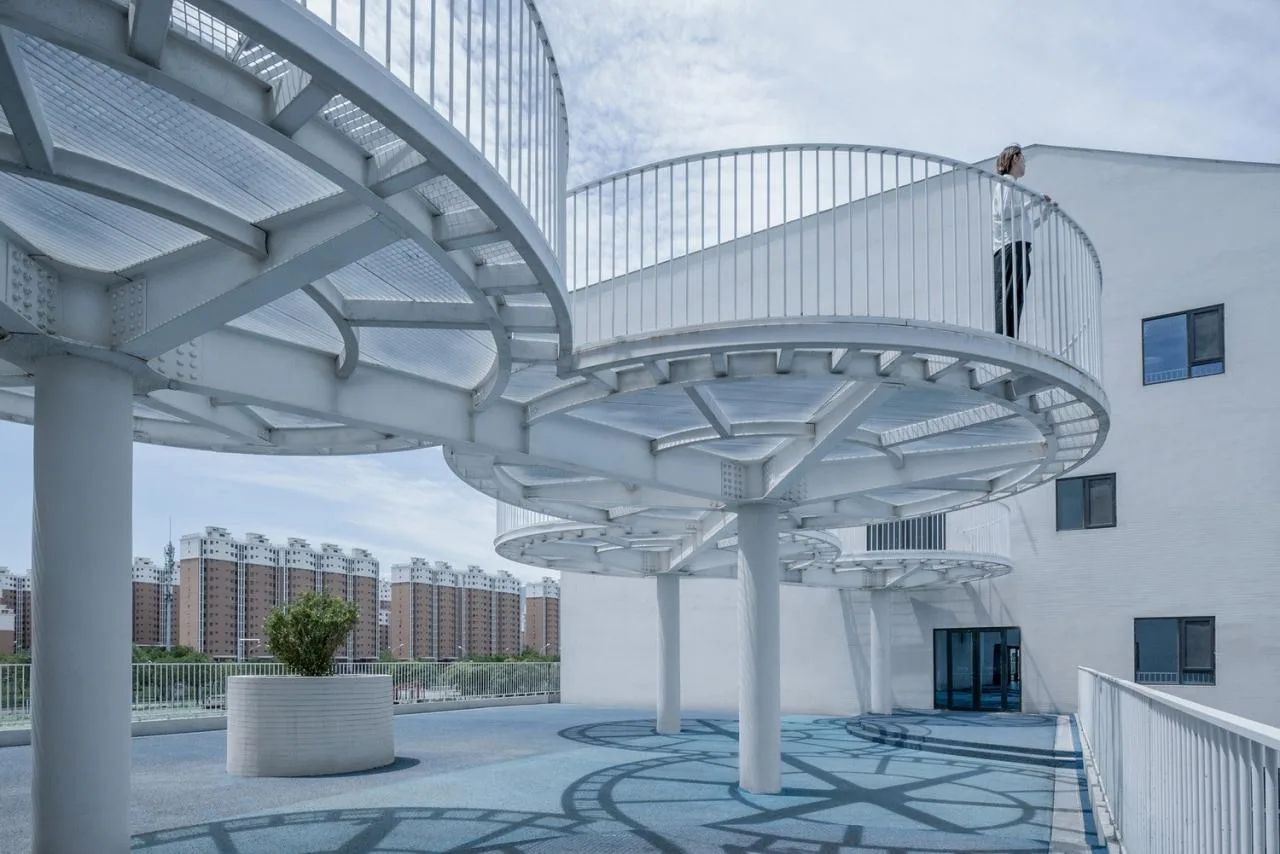
To improve connectivity between teaching buildings and facilitate convenient movement, a “cloud corridor” links two southern teaching blocks. This corridor consists of four umbrella-shaped platforms, offering students a unique spatial experience. The floor is made of hollow metal mesh, designed to inspire curiosity and encourage children to explore boldly.
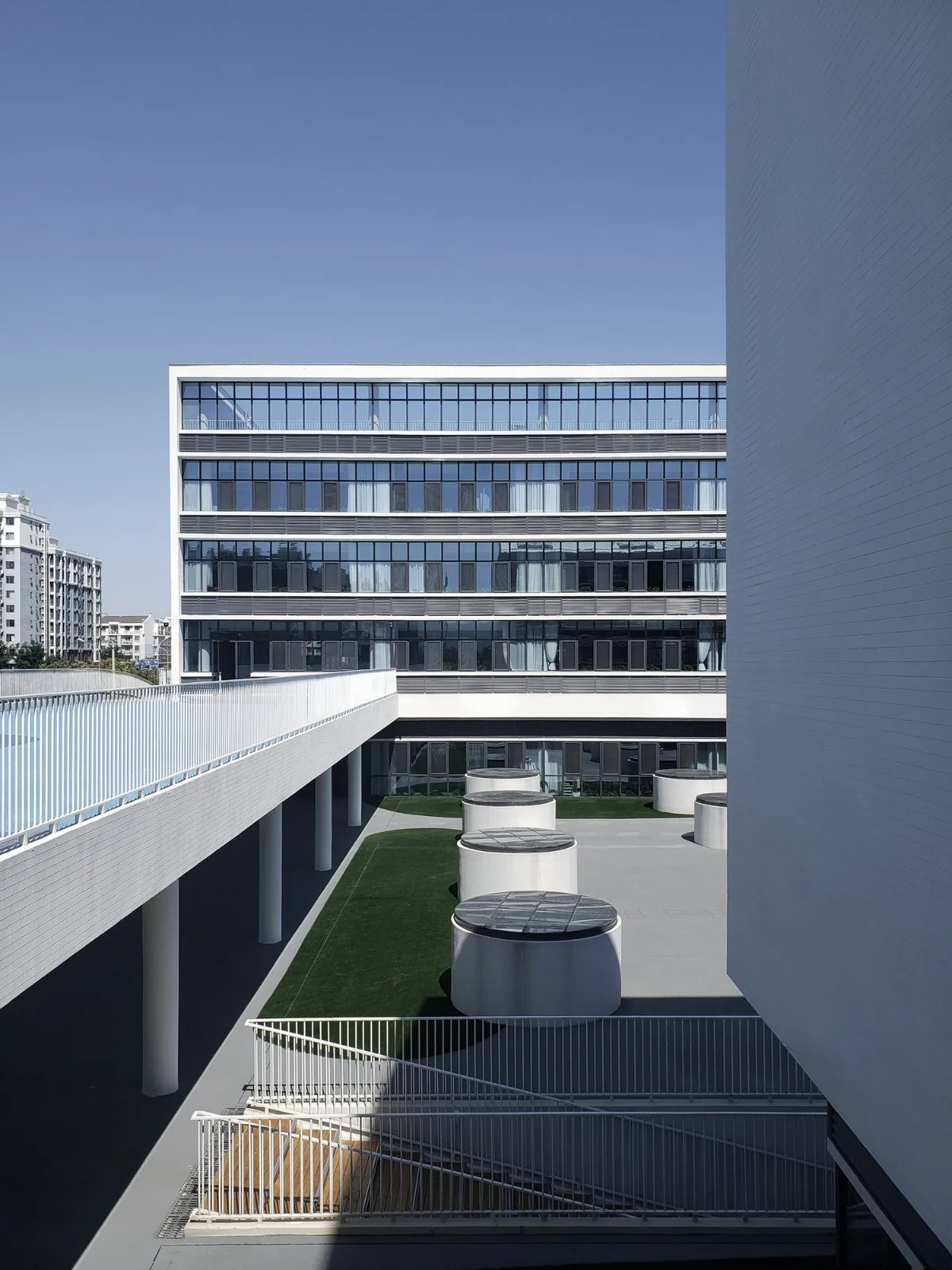
To create more comfortable outdoor spaces, the Round Pavilion on the second-floor platform features multiple circular structures providing shade. These lightweight white steel frames range from 2.5 to 4.5 meters in radius and are complemented by outdoor seating, crafting lively areas for students to relax and socialize during breaks.
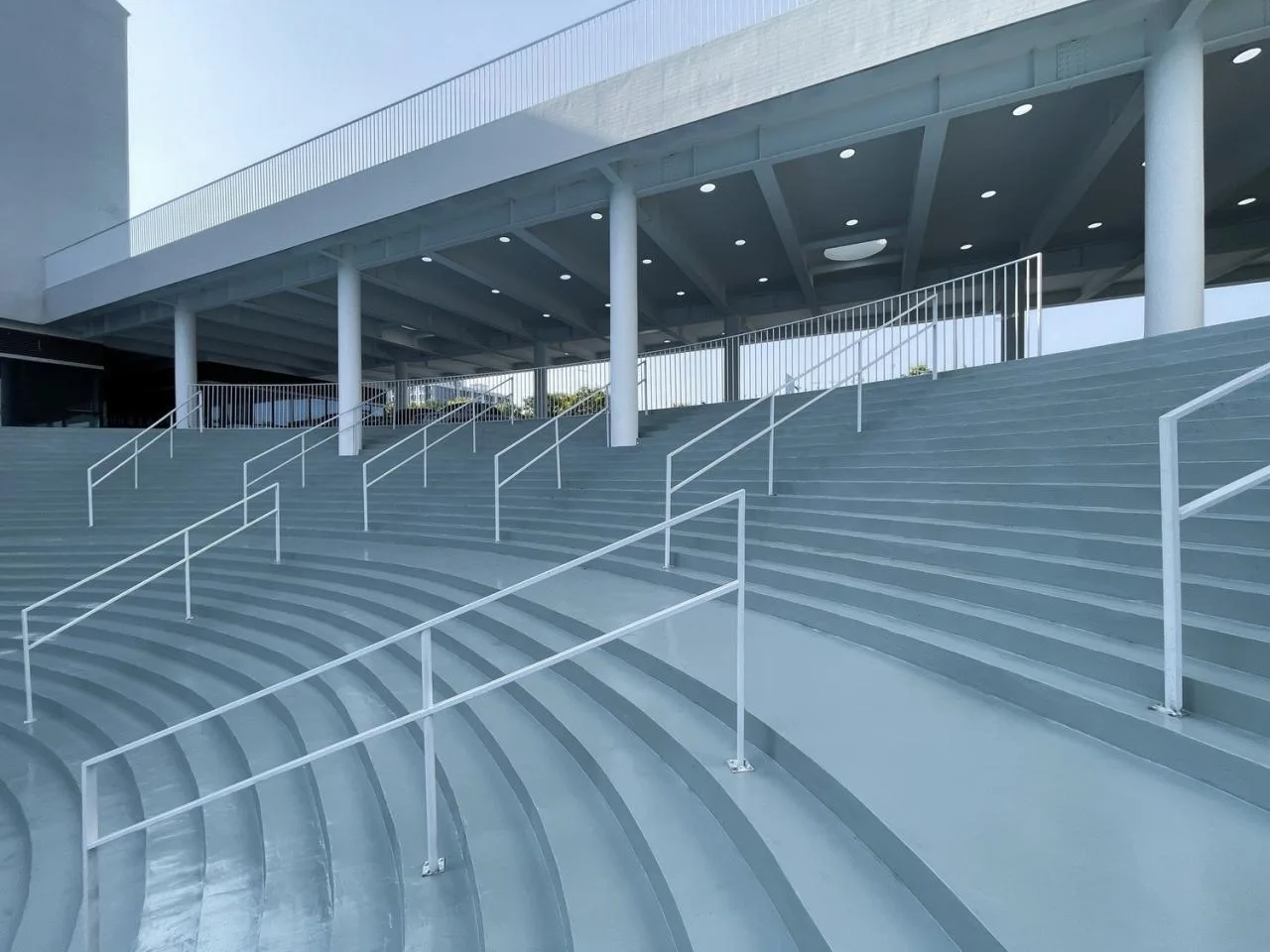
Outdoor steps encourage free movement for teachers and students across campus. Ramps and public stairways connect the ground, elevated platforms, and sunken sports field, providing efficient and accessible routes.
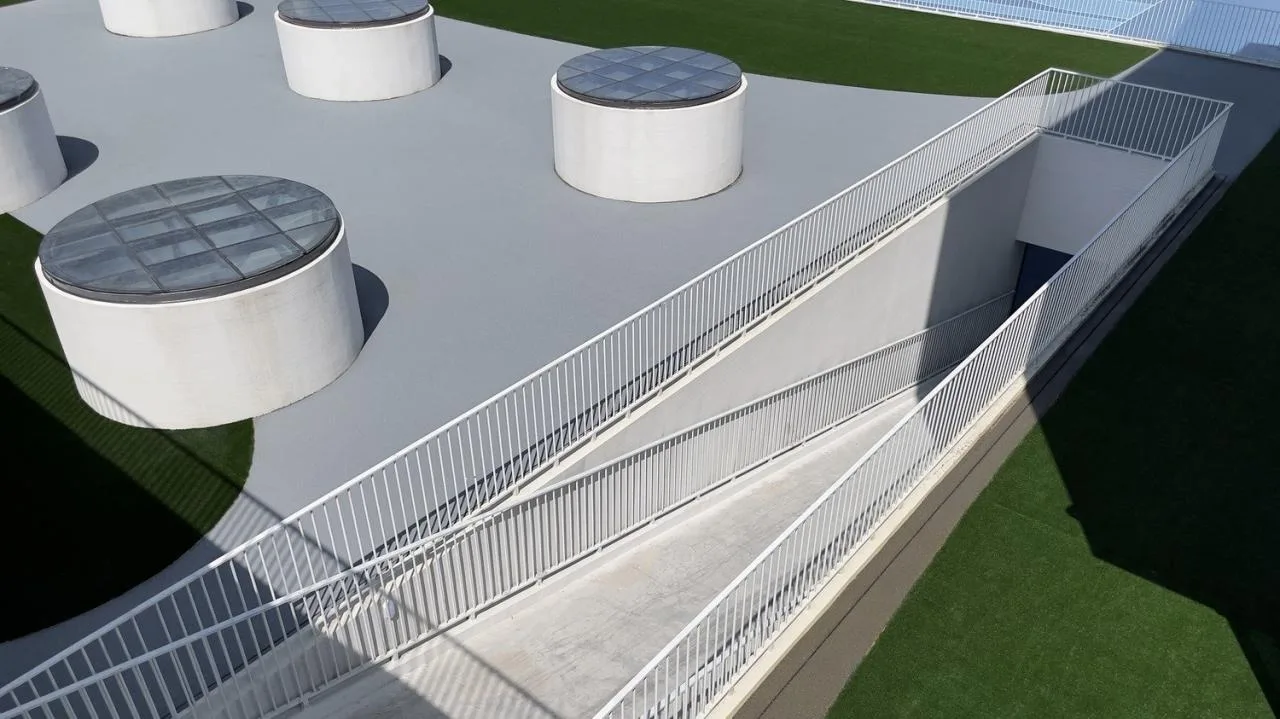
A smooth ramp at the campus’s northwest corner links the second-floor platform to the ground level, highlighting the building’s dynamic integration with the city. Upon entering through the main square, visitors reach the sunken activity area via a semi-circular staircase that serves as the primary outdoor vertical circulation, a resting spot, and a grandstand for events. This staircase also acts as a memorable gathering and photo spot on campus.
Additionally, a straight staircase on the gymnasium’s south side connects the ground to the sunken area, allowing students near the teaching buildings quick access to the playground.
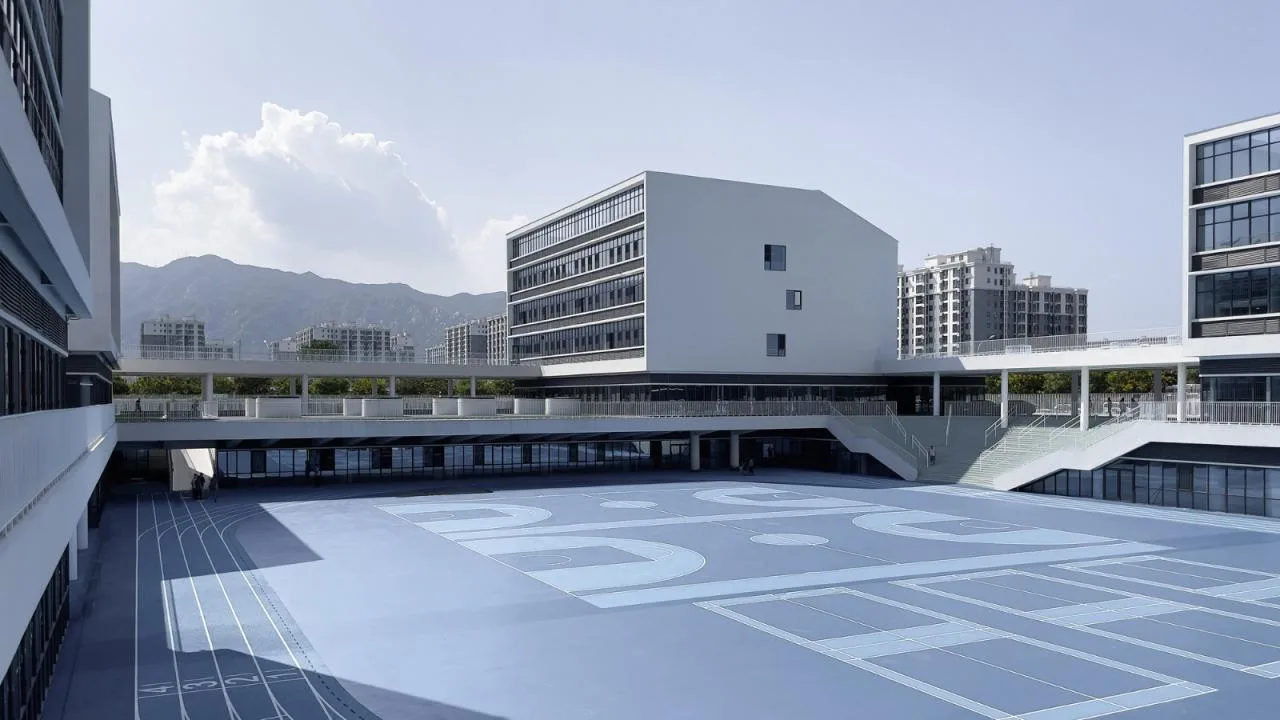
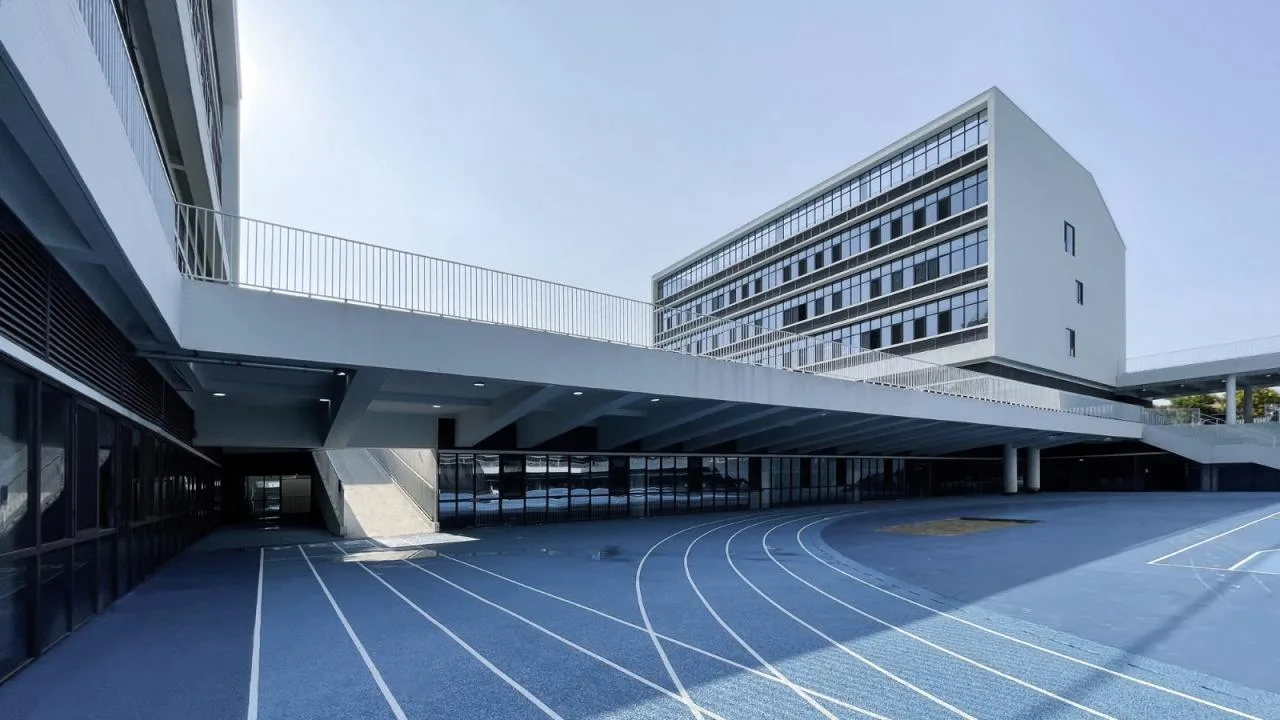
Due to limited land space, the design extensively incorporates underground areas to meet the growing need for teaching spaces. Besides the sunken central sports field providing natural light and ventilation below ground, key rooms feature individual skylights.
The underground sports hall roof includes eight electrically adjustable circular skylights that ensure ample daylight. Collaborative efforts by teachers and students have transformed the cylindrical skylights into artistic showcases, with their side walls adorned by themed graffiti, celebrating campus culture.
Diverse Teaching Spaces
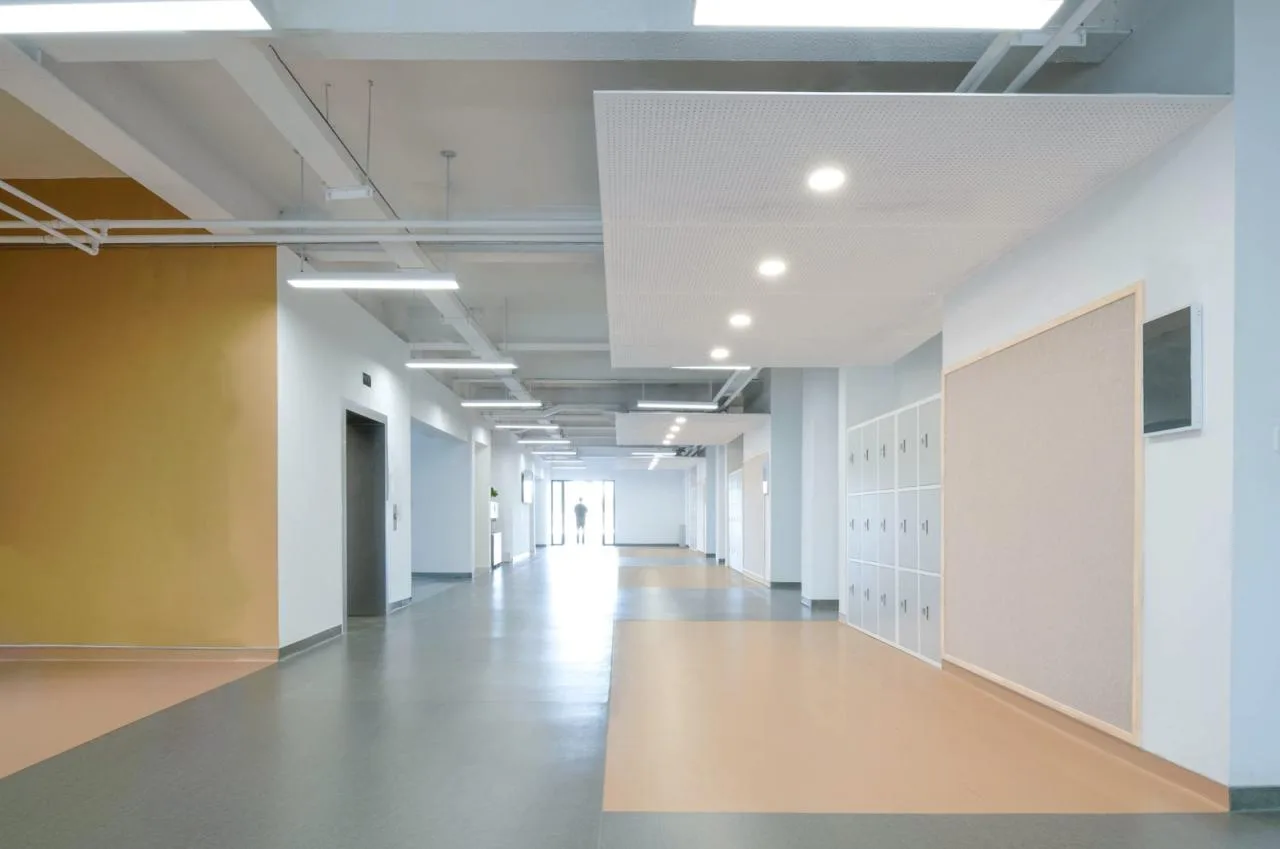
Designing teaching spaces is central to the architecture of primary and secondary schools. Classrooms, as fundamental learning and living areas, have evolved beyond traditional single-function rooms to accommodate diverse activities and modern teaching methods.
Flexible furniture arrangements enable interactive teaching, allowing teachers to move among students and fostering engagement. Classrooms also extend outward into public spaces, making learning environments more adaptable and stimulating.
The boundaries between functional areas are intentionally blurred. Within the same space, students can engage in informal learning, after-school conversations, and cultural performances. Corridors are expanded and furnished to support leisure discussions, reading, games, and small presentations during breaks. Alongside classrooms, open learning zones and private thinking pods create a dynamic, informal educational atmosphere throughout the school.
Conclusion: The Beijing Yuying School Science City School represents a fresh approach to campus design within constrained site and regulatory conditions. By extending and connecting indoor and outdoor spaces, the project fosters creative teaching and social interactions, delivering high-quality educational and cultural environments for children and the community.
Project Drawings
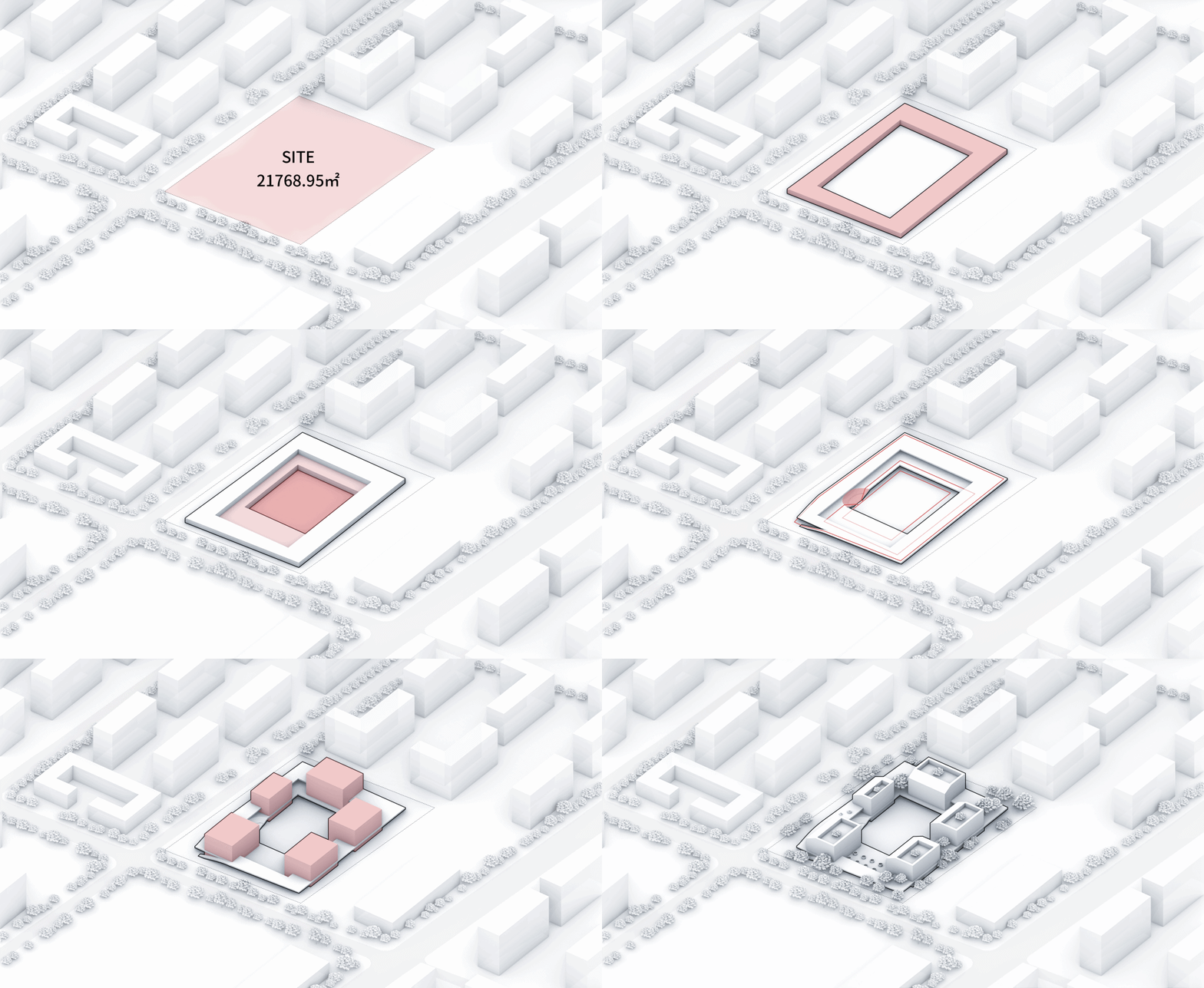
△ Block Generation Diagram
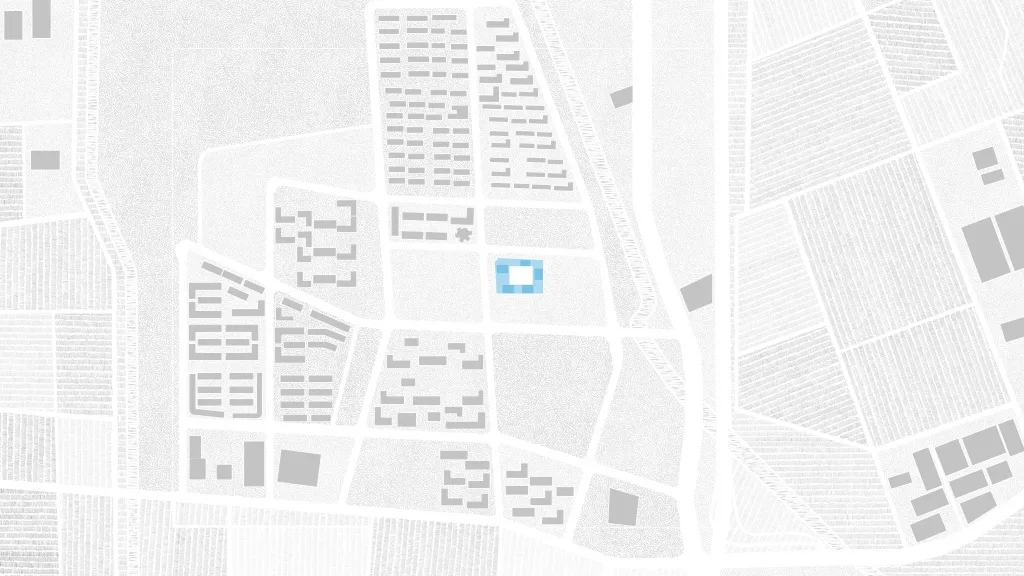
△ Base Schematic Diagram
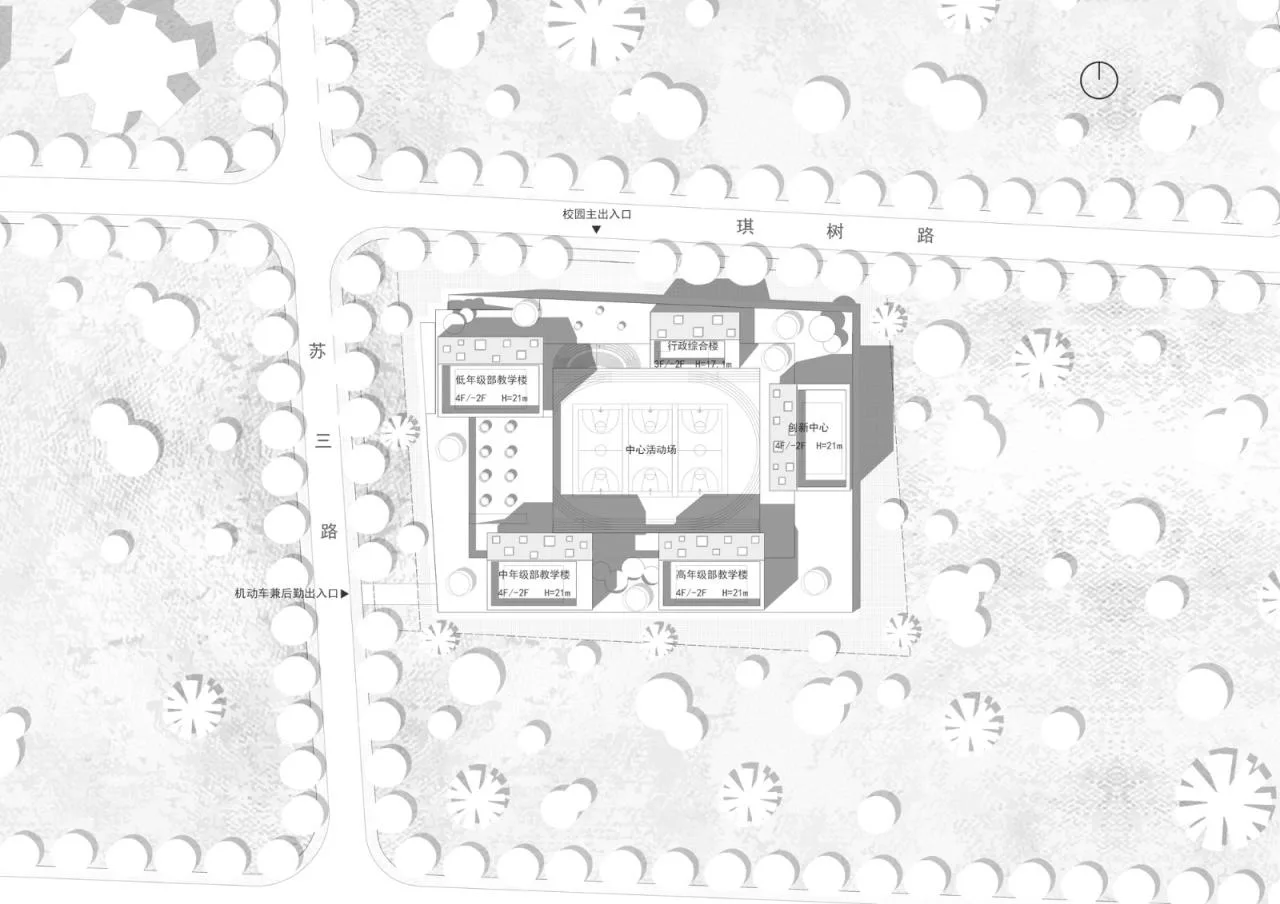
△ General Layout Plan
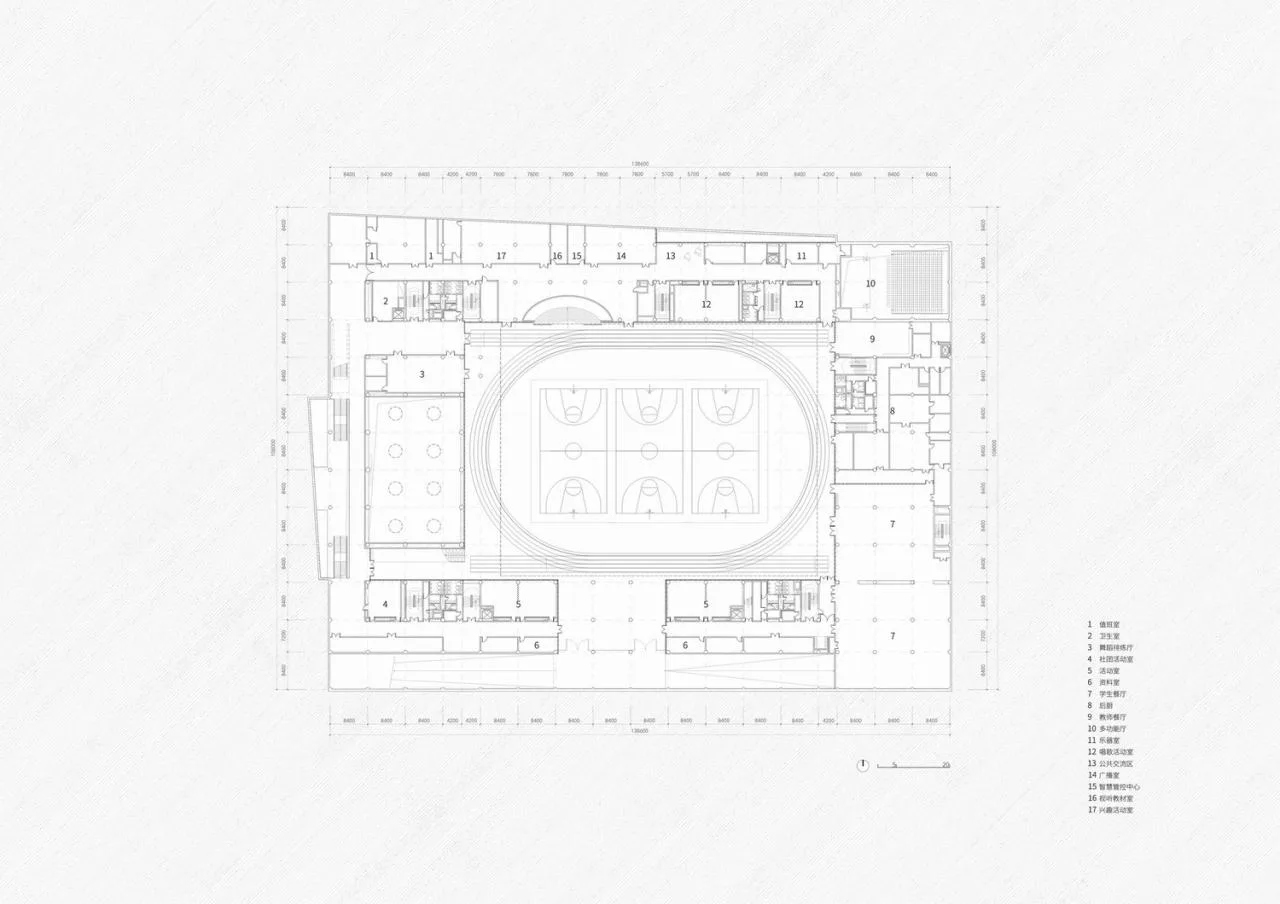
△ Underground Floor Plan
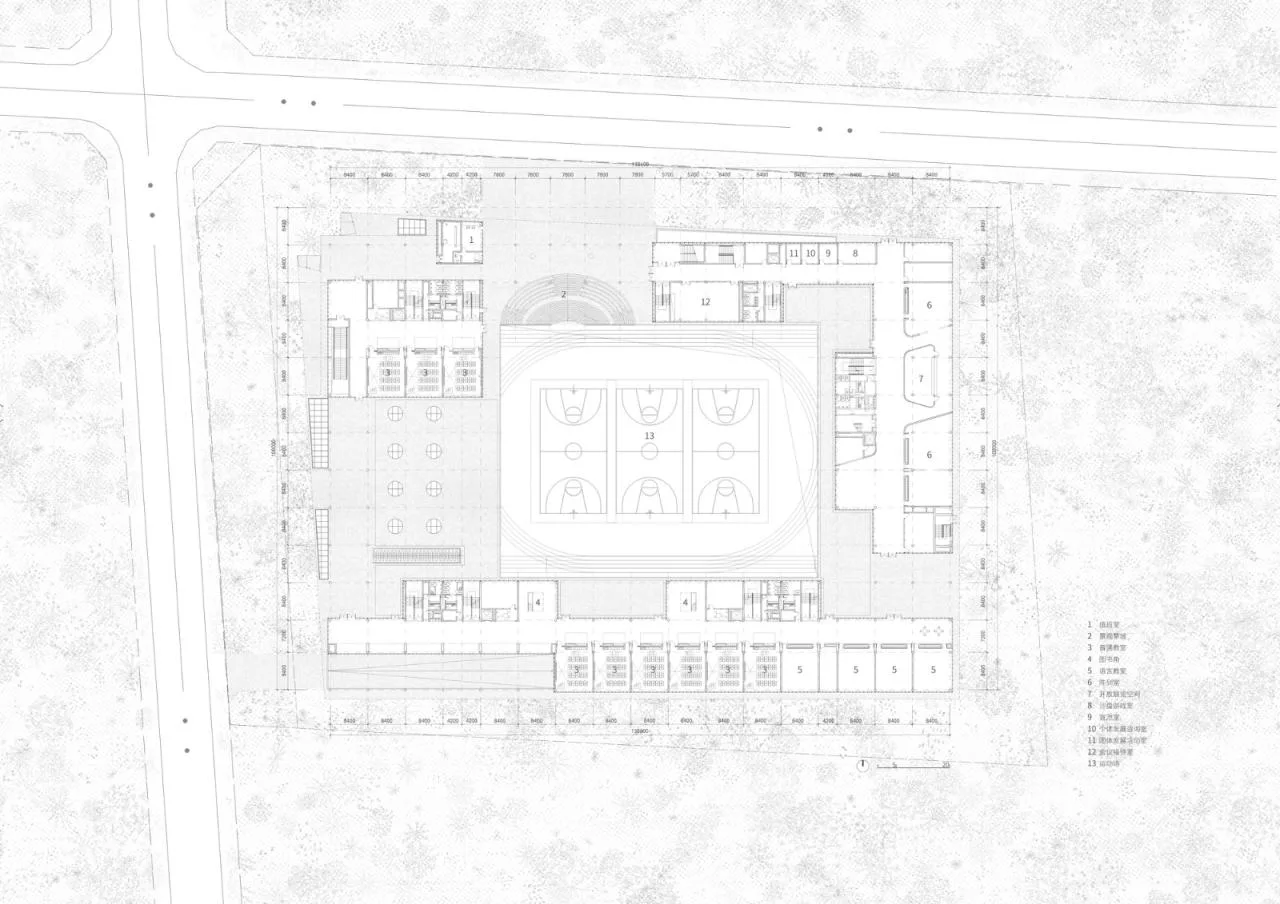
△ First Floor Plan
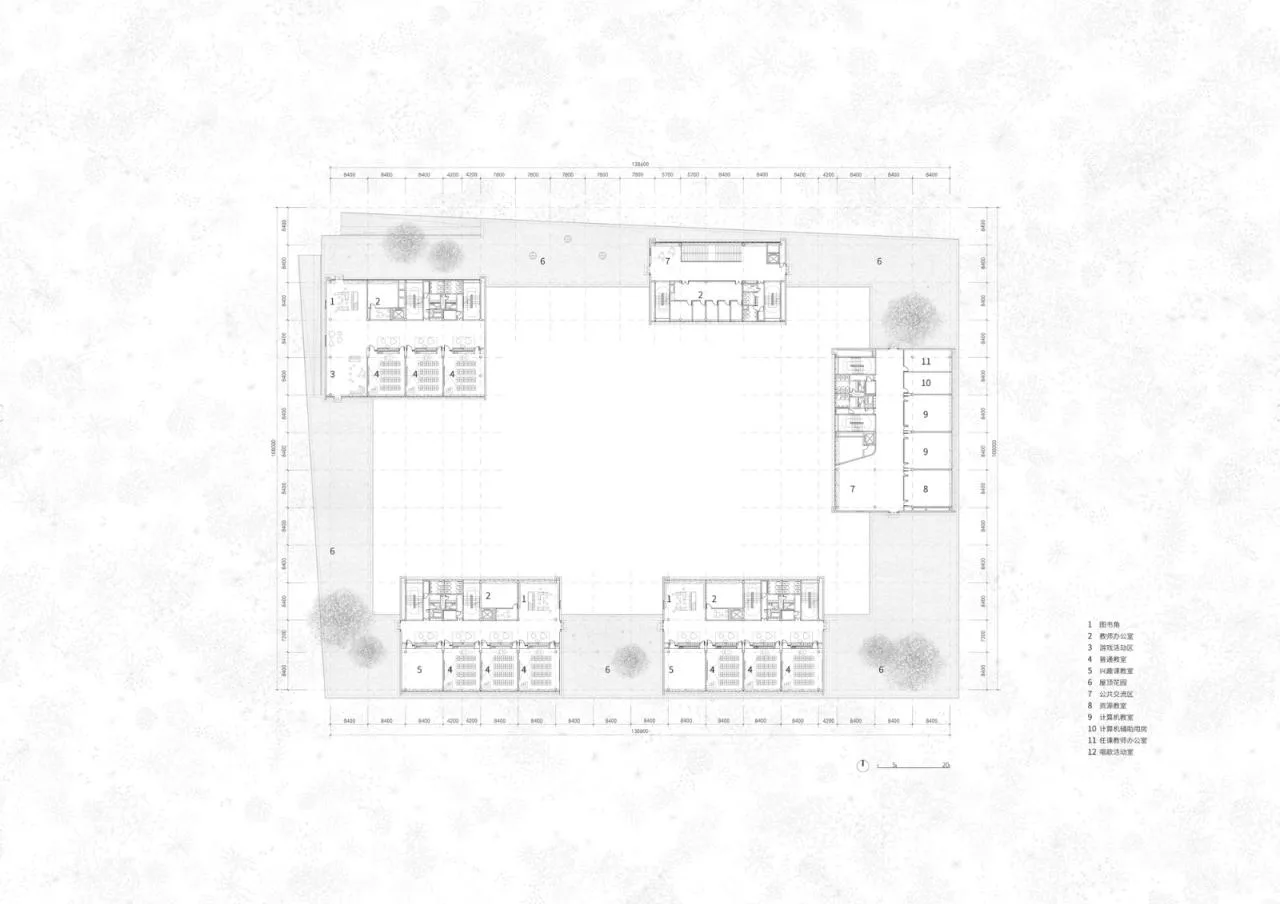
△ Second Floor Plan
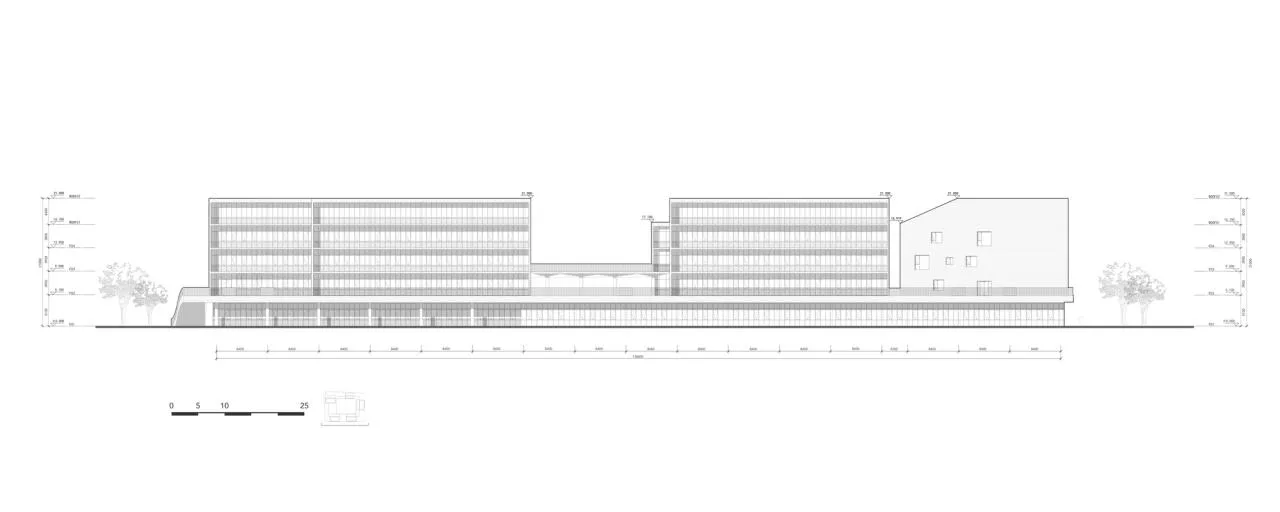
△ Elevation Drawing
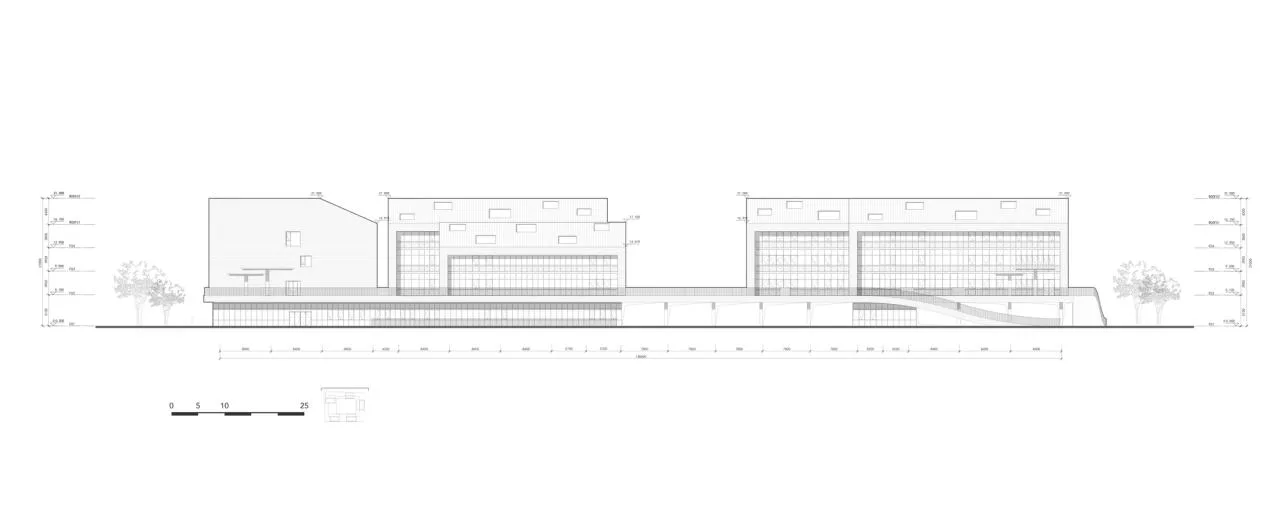
△ Elevation Drawing
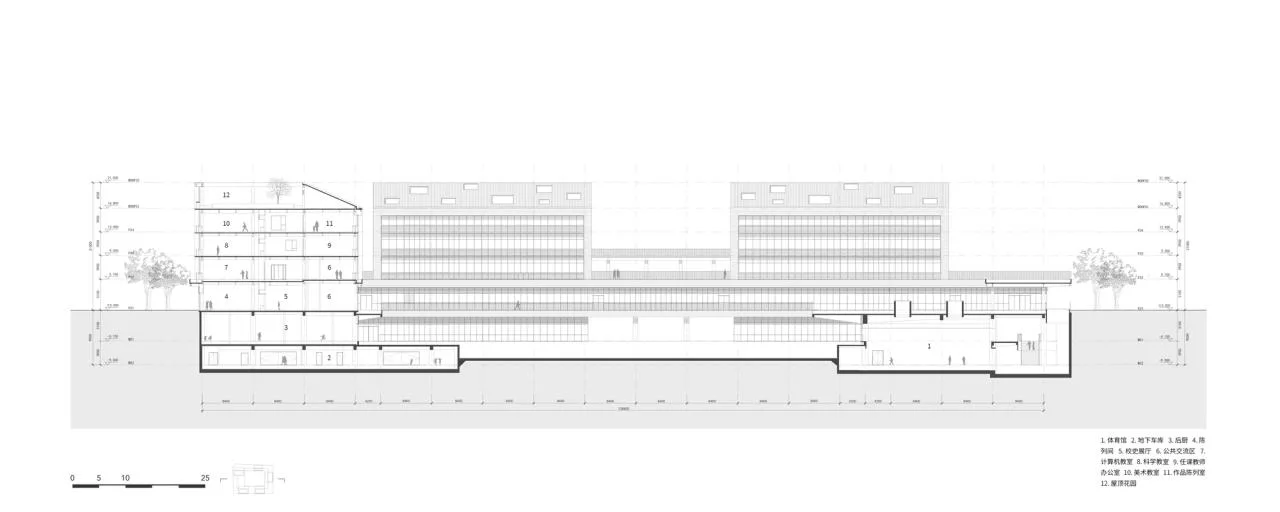
△ Section Diagram
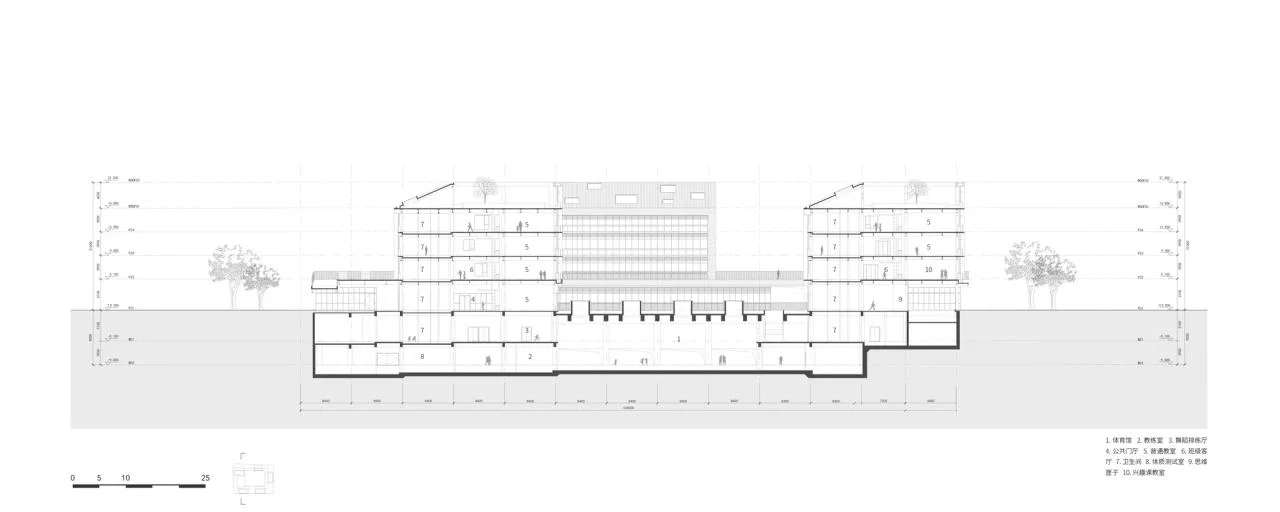
△ Section Diagram
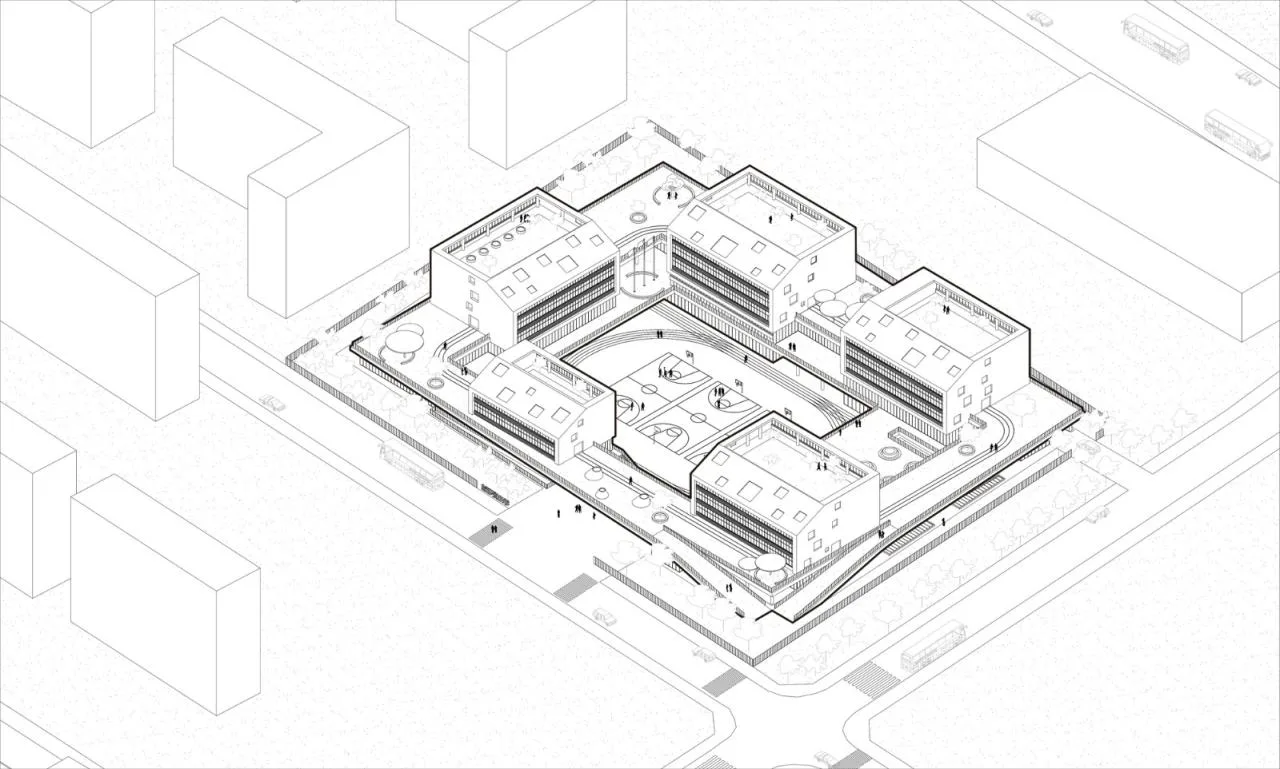
△ Axonometric Diagram
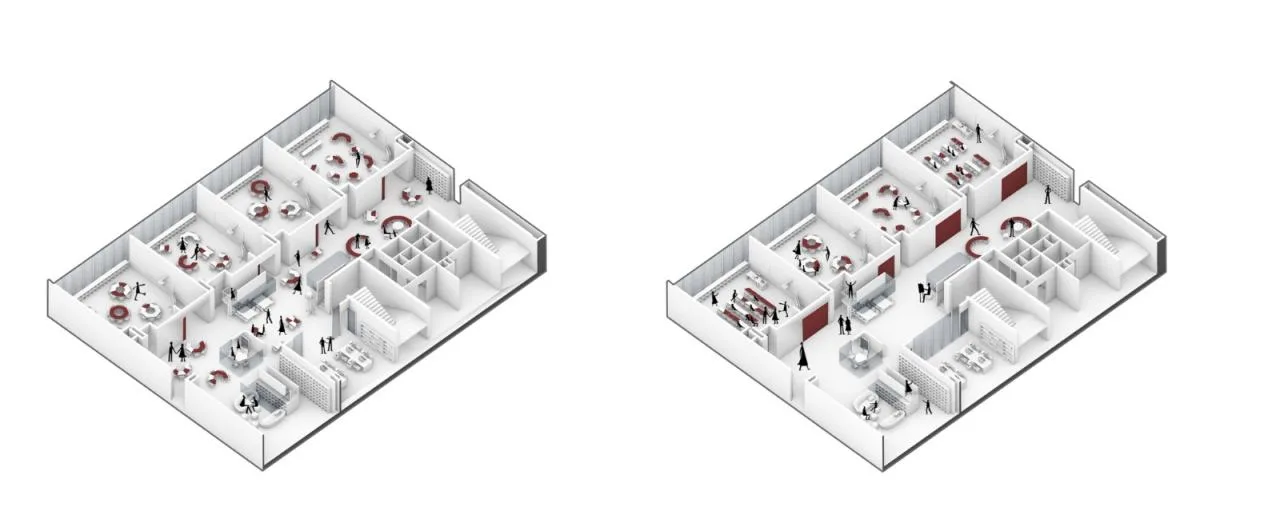
△ Analysis Chart
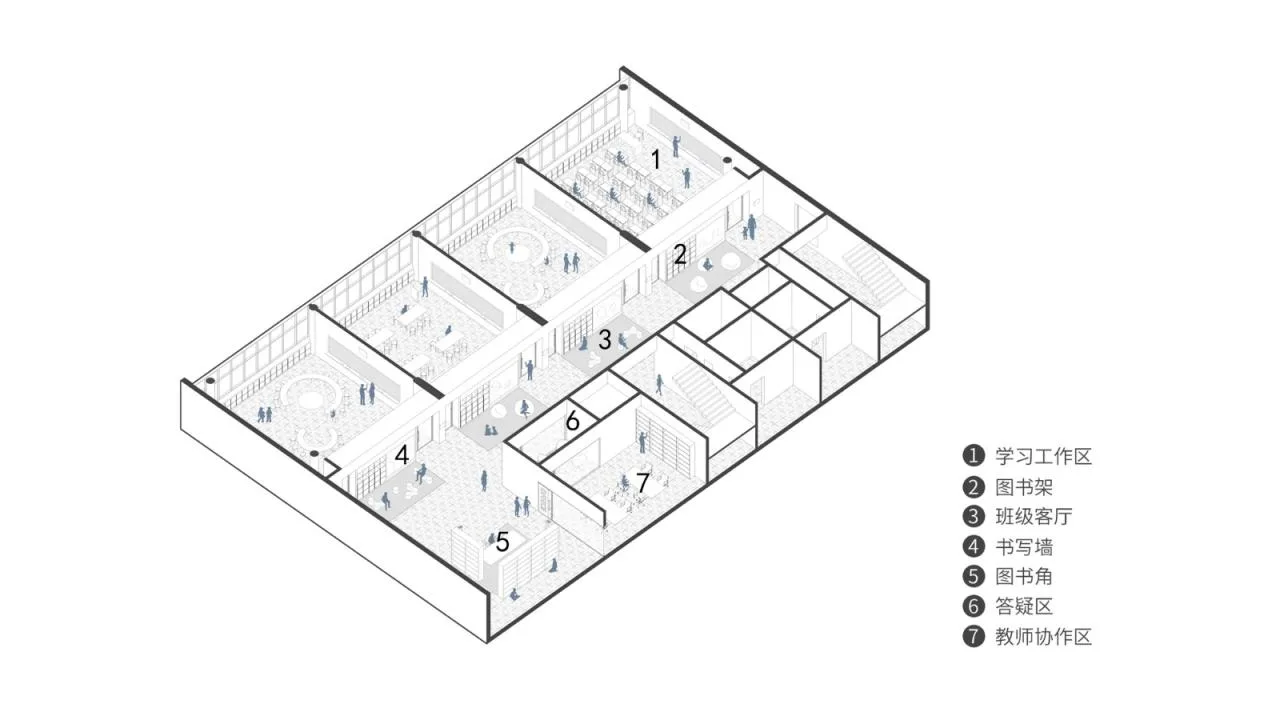
△ Analysis Chart
Project Information
Architect: Beijing Institute of Architectural Design and Research
Area: 37,307 m²
Project Year: 2022
Photographers: Wang Yingtong, Zhou Meng, Sheng Chenglei, BIAD
Manufacturers: BNBM, Mount Taishan Gypsum, PASSTON
Project Leaders: Wang Xiaogong, Wang Yingtong
Architectural Design Team: Sheng Chenglei, Zhang Yuehua, Li Yifan, Ding Yuqi, Zhao Chenyong
Water Supply and Drainage Design: Wang Panlv, Zhou Yanqing
HVAC Design: Lu Dongyang, Song Peilin
Electrical Design: Pei Lei, Wang Qichao, Jia Zhe, Shi Minghao, Zhang Ruoyao
Structural Design: Lu Qinggang, Wang Junliang, Liu Hua, Huyan Chenzhao
Construction: Beijing Urban Construction Far East Construction Investment Group Co., Ltd.
Client: Haidian District Education Commission, Beijing
Location: Beijing














Must log in before commenting!
Sign Up