
This project is nestled on a tea mountain in Mingshan District, Ya’an City, Sichuan Province. Surrounded by a pristine natural environment, the site offers expansive views of lush tea gardens. Visitors can admire the majestic Gongga Snow Mountain and immerse themselves in the unique landscape of the tea garden’s sea of clouds. Our design aims to harmonize with the environment in terms of functionality, spatial layout, and form, crafting an architectural style that is both integrated and distinctive.
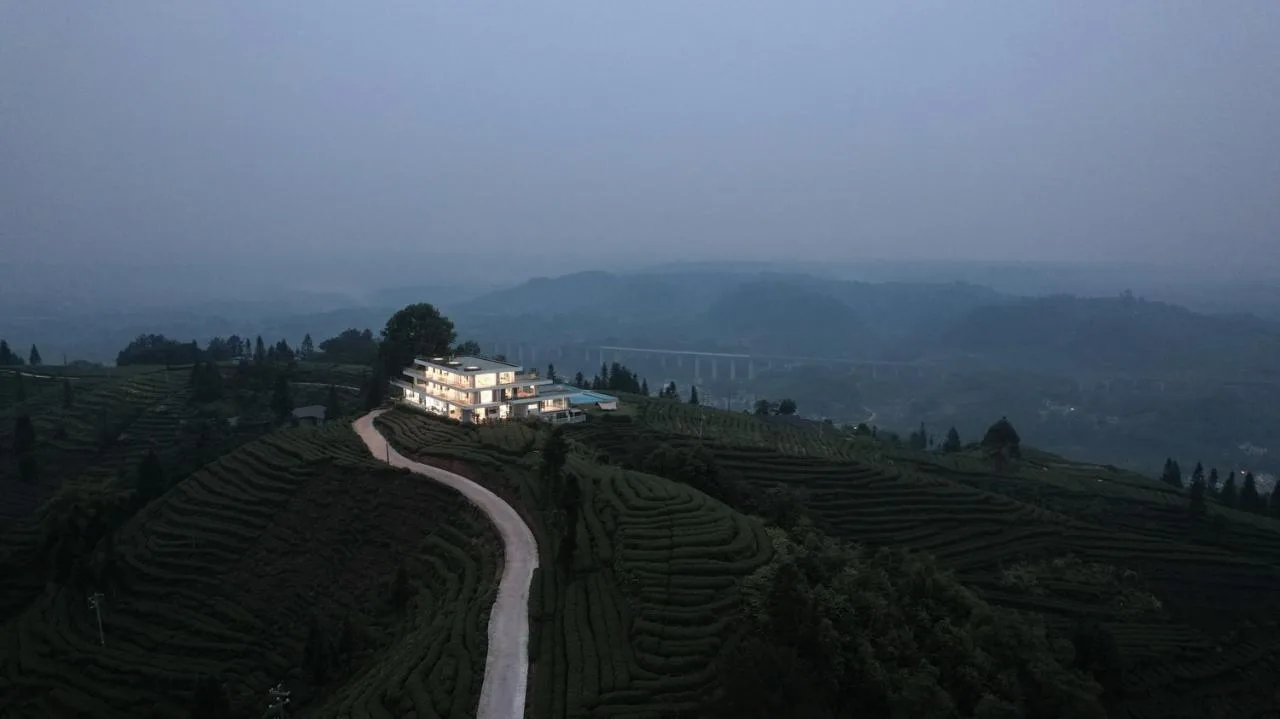
Project Overview
01. Integration with the Surrounding Environment
Situated within a tea garden, the building is designed to be as transparent as possible to meet functional requirements. The first floor features expansive, floor-to-ceiling doors that open fully, seamlessly connecting the public area with the outdoor tea garden. On the second and third floors, guest rooms are complemented by layered balconies directly accessible from the rooms, enhancing the connection with the environment and offering improved views.
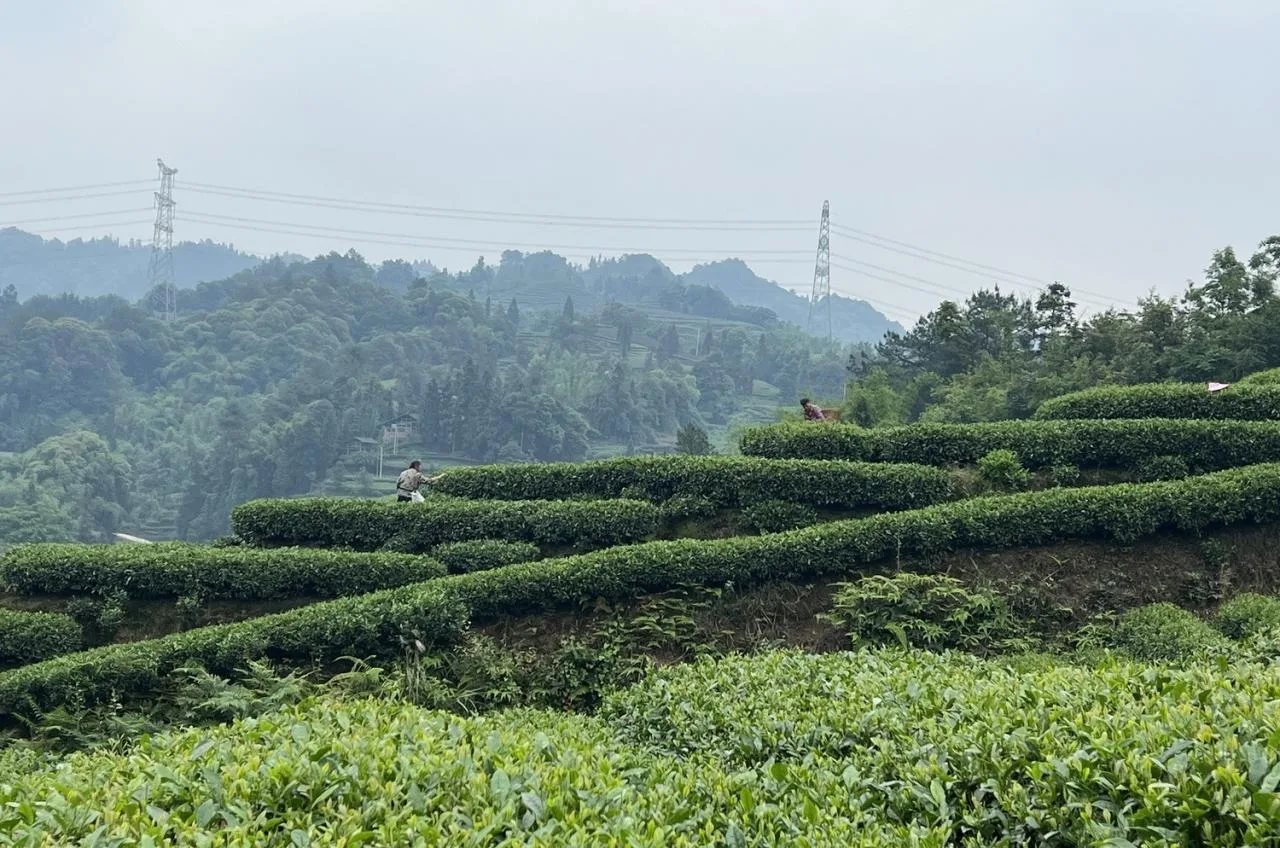
Surrounding tea gardens
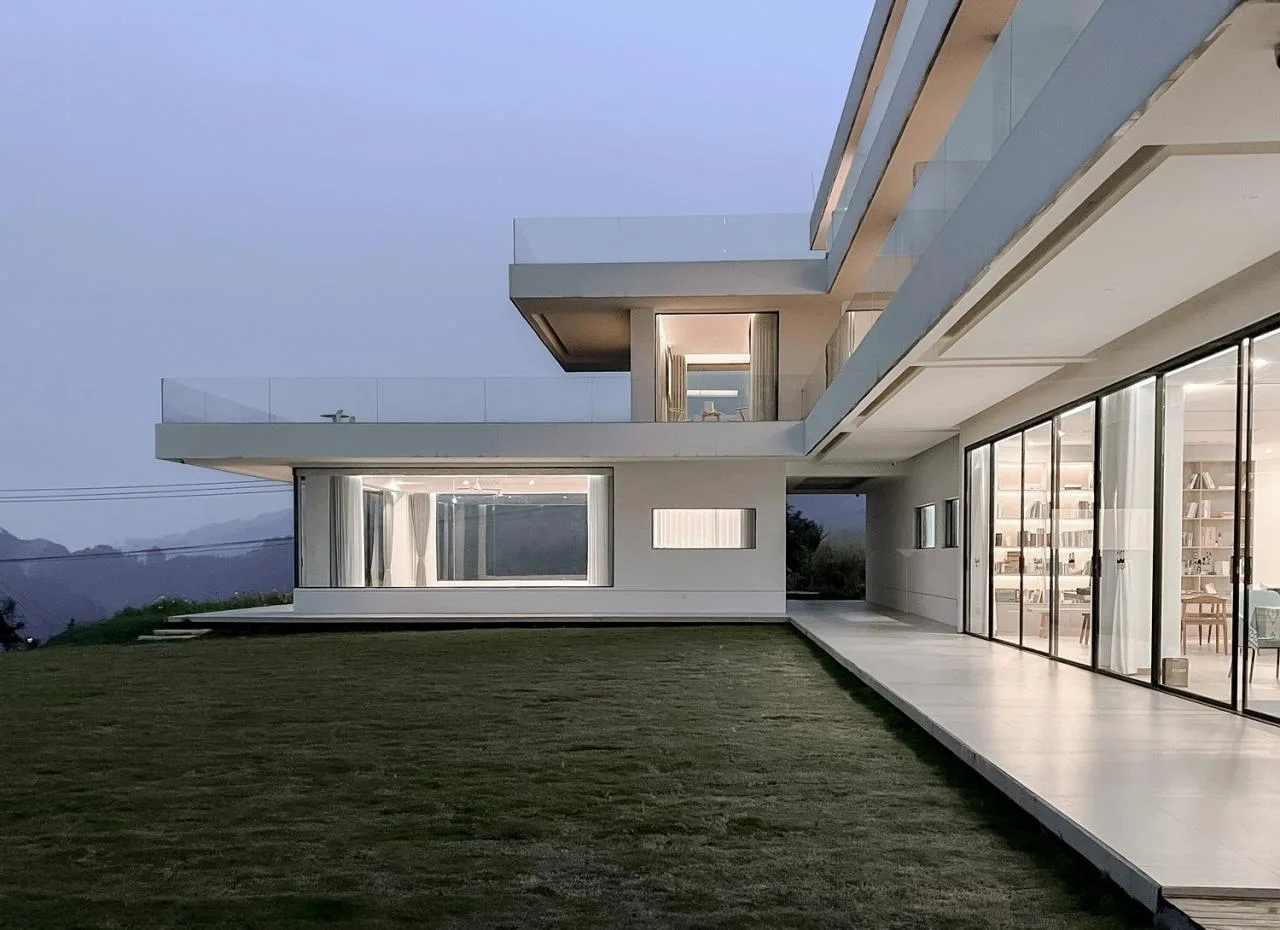
Open public space
A towering wutong tree over 20 meters tall stands on one side of the site. To harmonize the building with this natural feature, we designed a multi-level platform that steps back and forth around the tree. This platform incorporates the tree itself, fostering a unique relationship between architecture and nature.
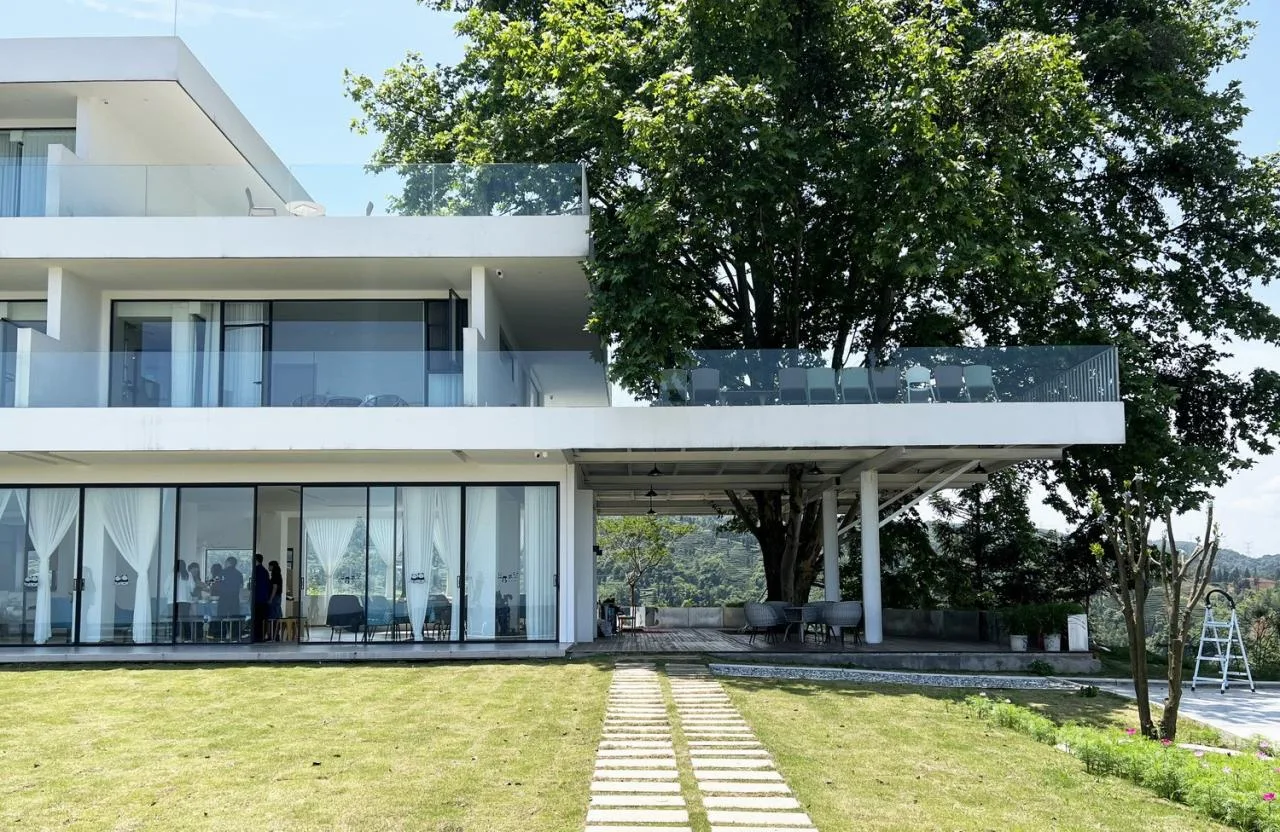
Relationship between architecture and trees
02. Seamless Integration of Interior and Exterior Spaces
Our architectural approach aims to blur the boundaries between indoor and outdoor spaces, breaking down the traditional separation between them.
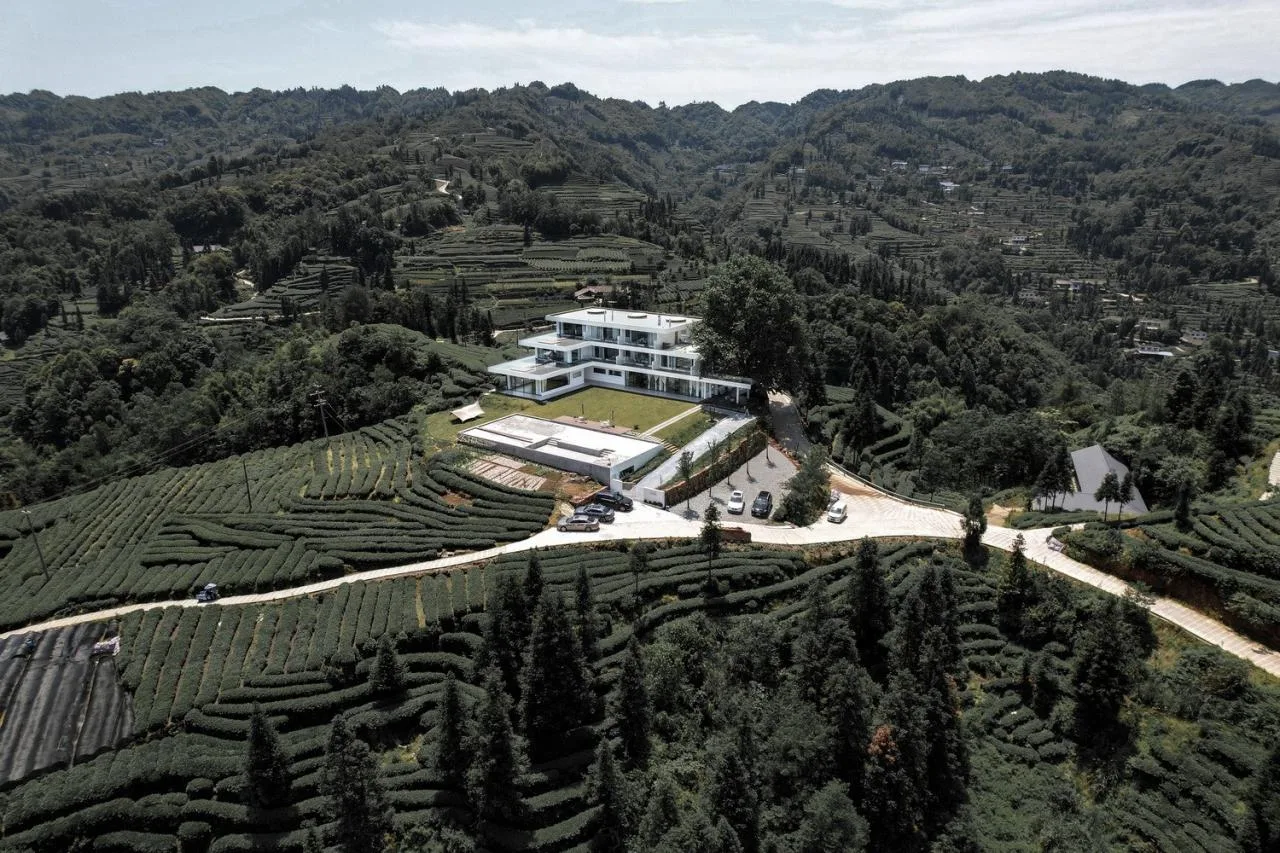
Architecture and environment connection
Upon entering the lobby, visitors are greeted by a spacious two-story open area. Large glass panels compose the outer walls and roof, allowing direct views of the outdoors and the full canopy of the wutong tree above. This design invites natural light and shadow inside, creating a seamless connection between indoor and outdoor spaces.
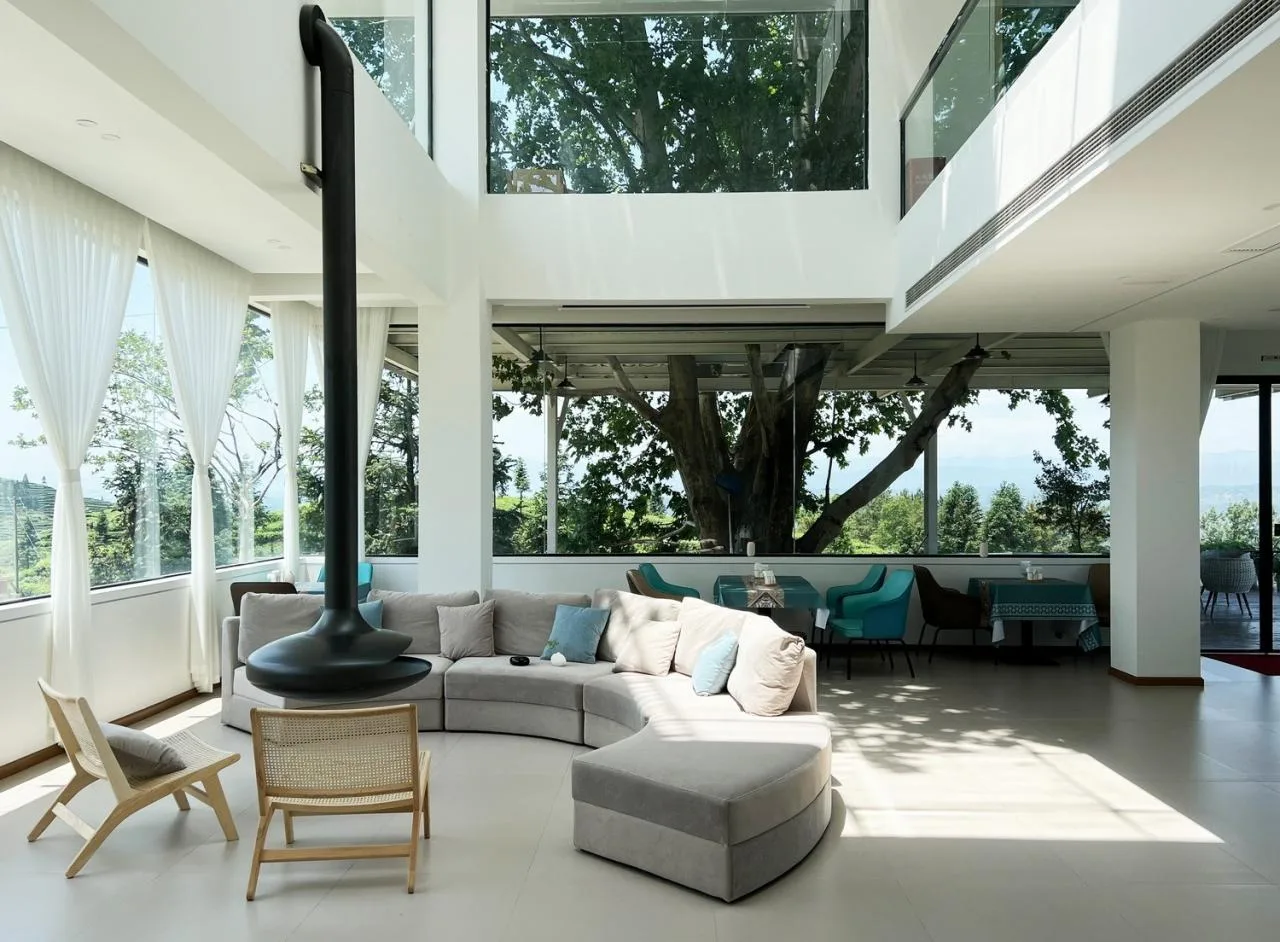
Tree shadows in the courtyard
A spiral staircase is situated beside the lobby, offering an ascent to enjoy panoramic views of the surrounding natural landscape. A circular skylight above enhances the experience, creating a sense of moving through nature.
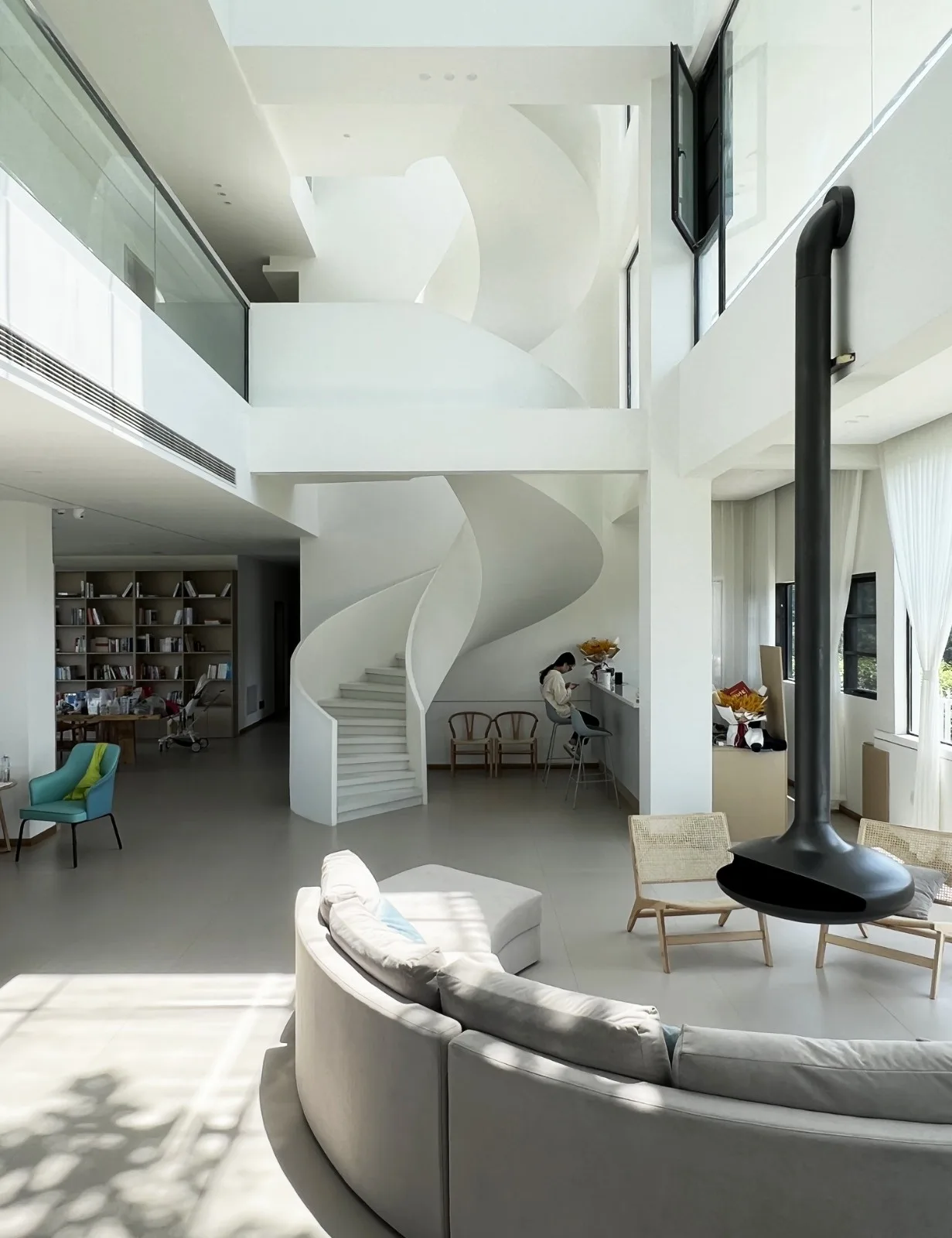
Spiral staircase
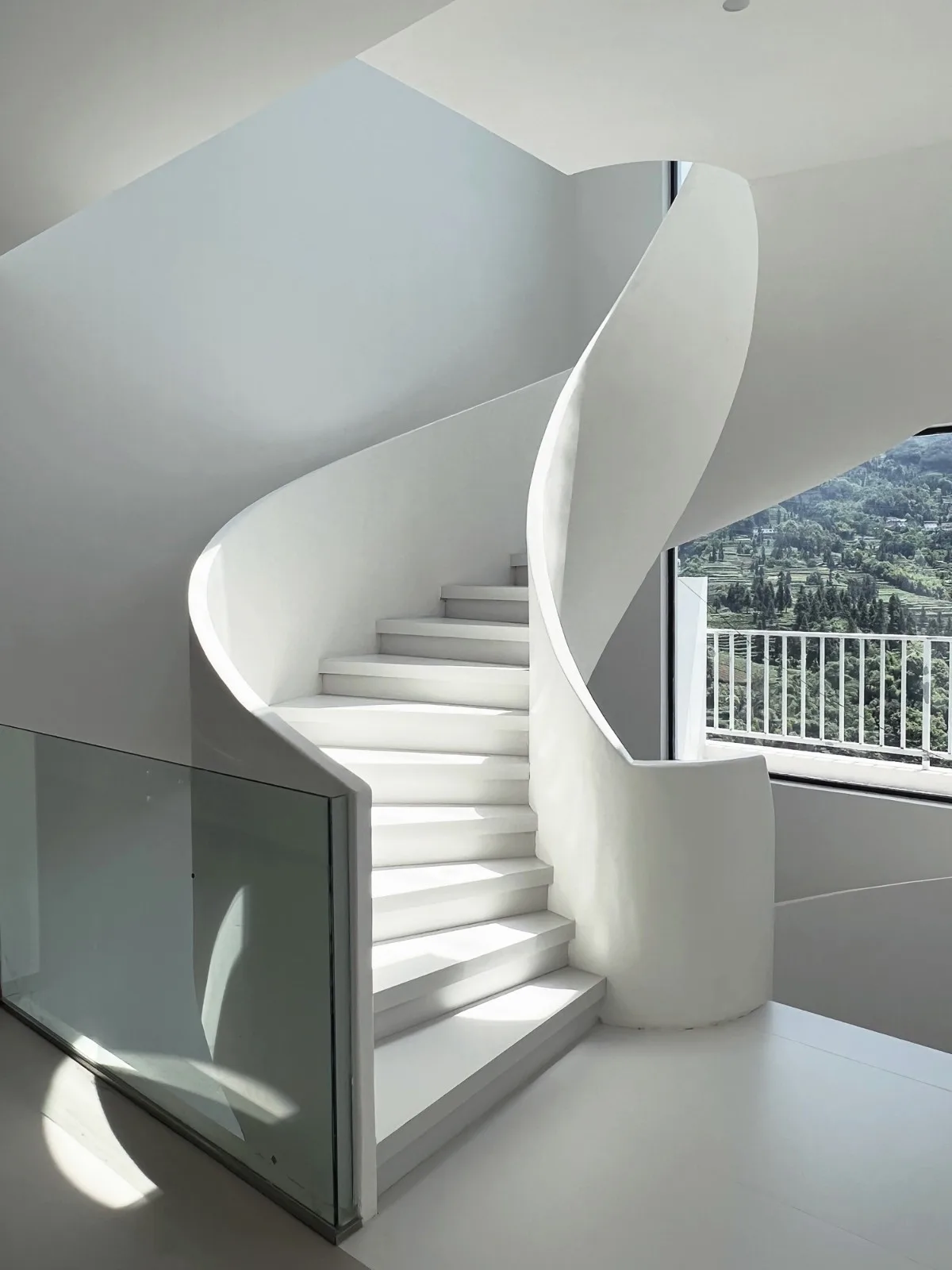
Light and shadow on the staircase
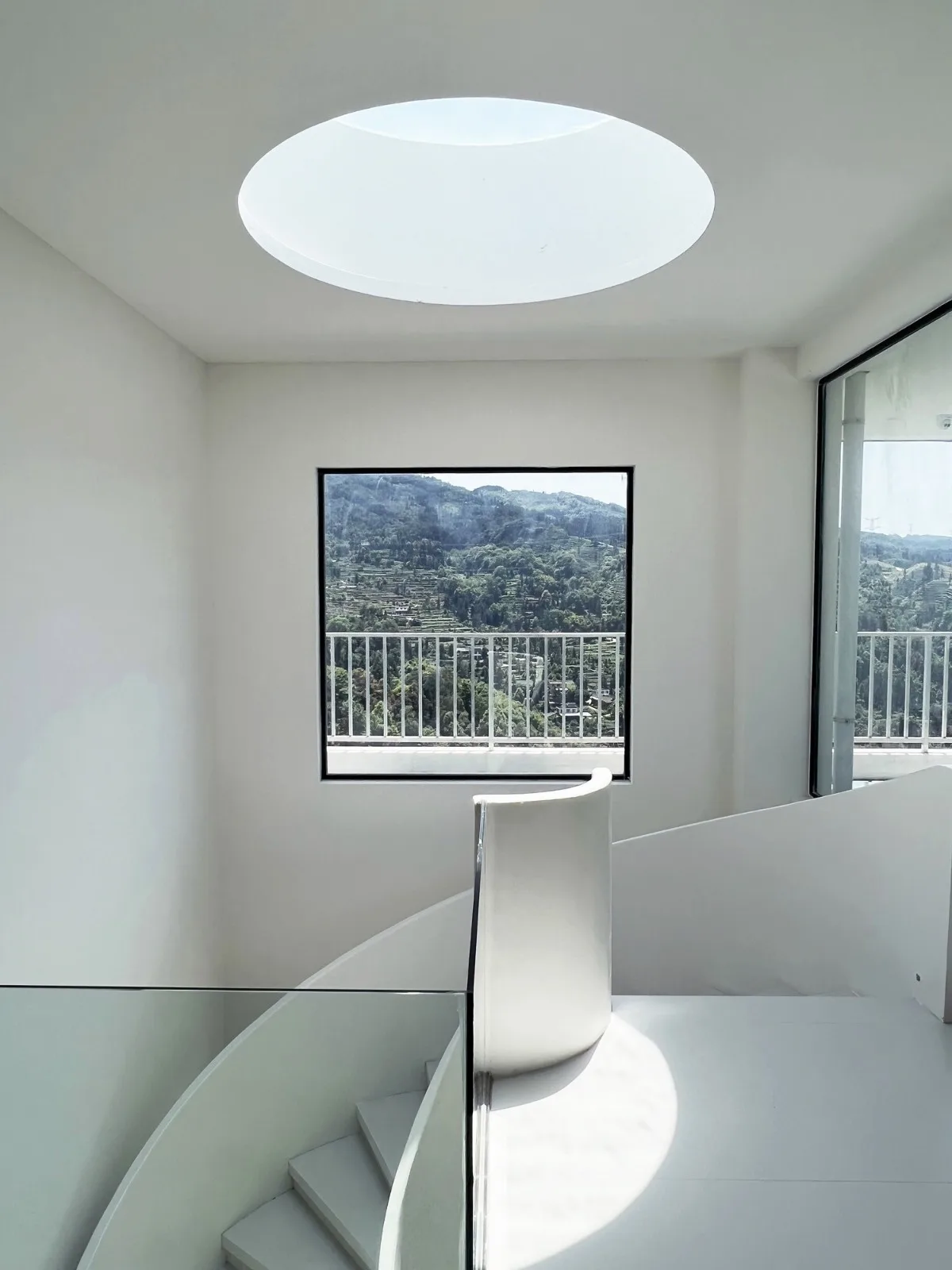
Staircase and outdoor landscape
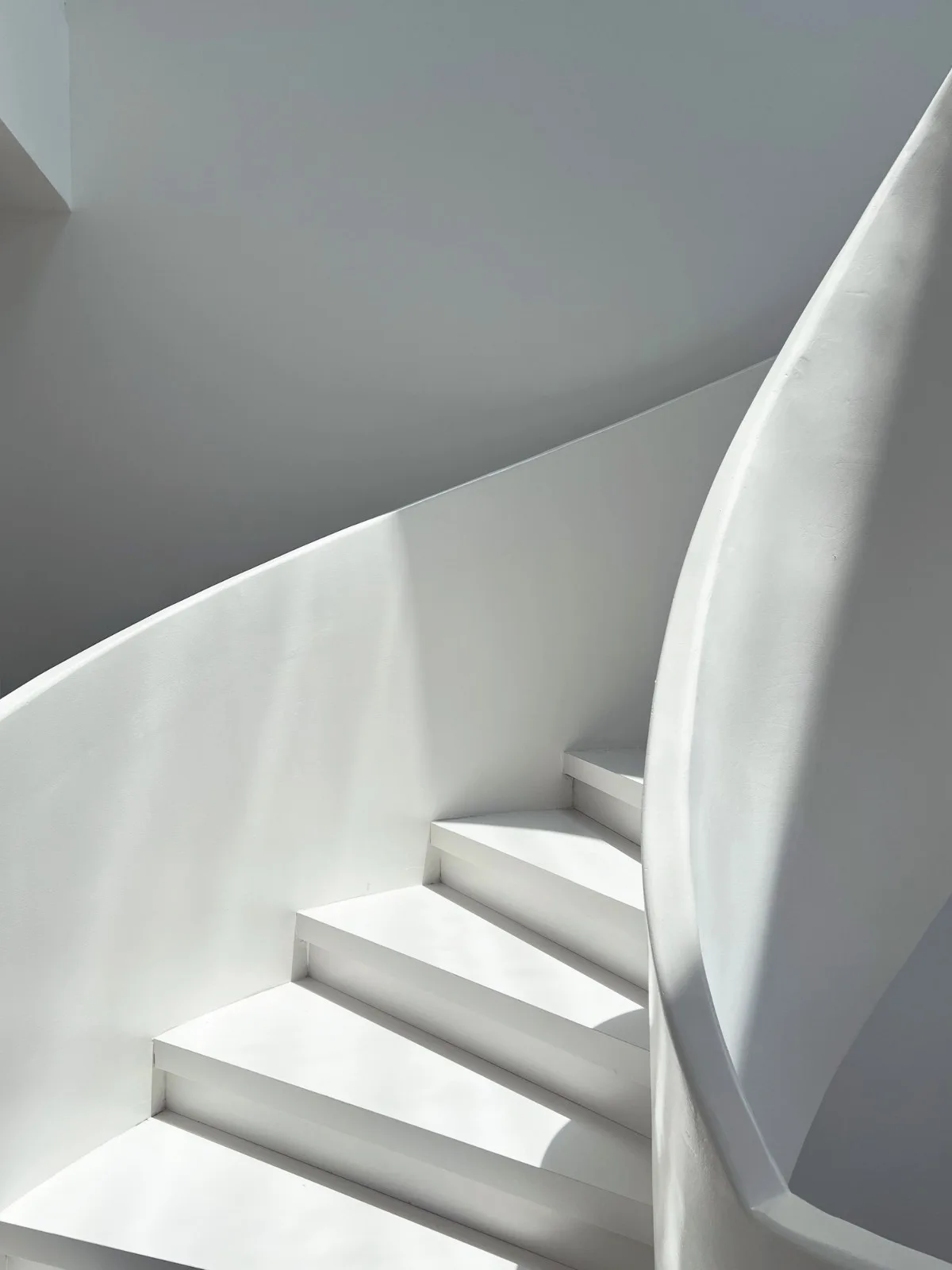
Light and shadow on the staircase
The outdoor platform allows guests to engage closely with the surrounding environment and the wutong tree, creating a harmonious spatial relationship between the building and nature.
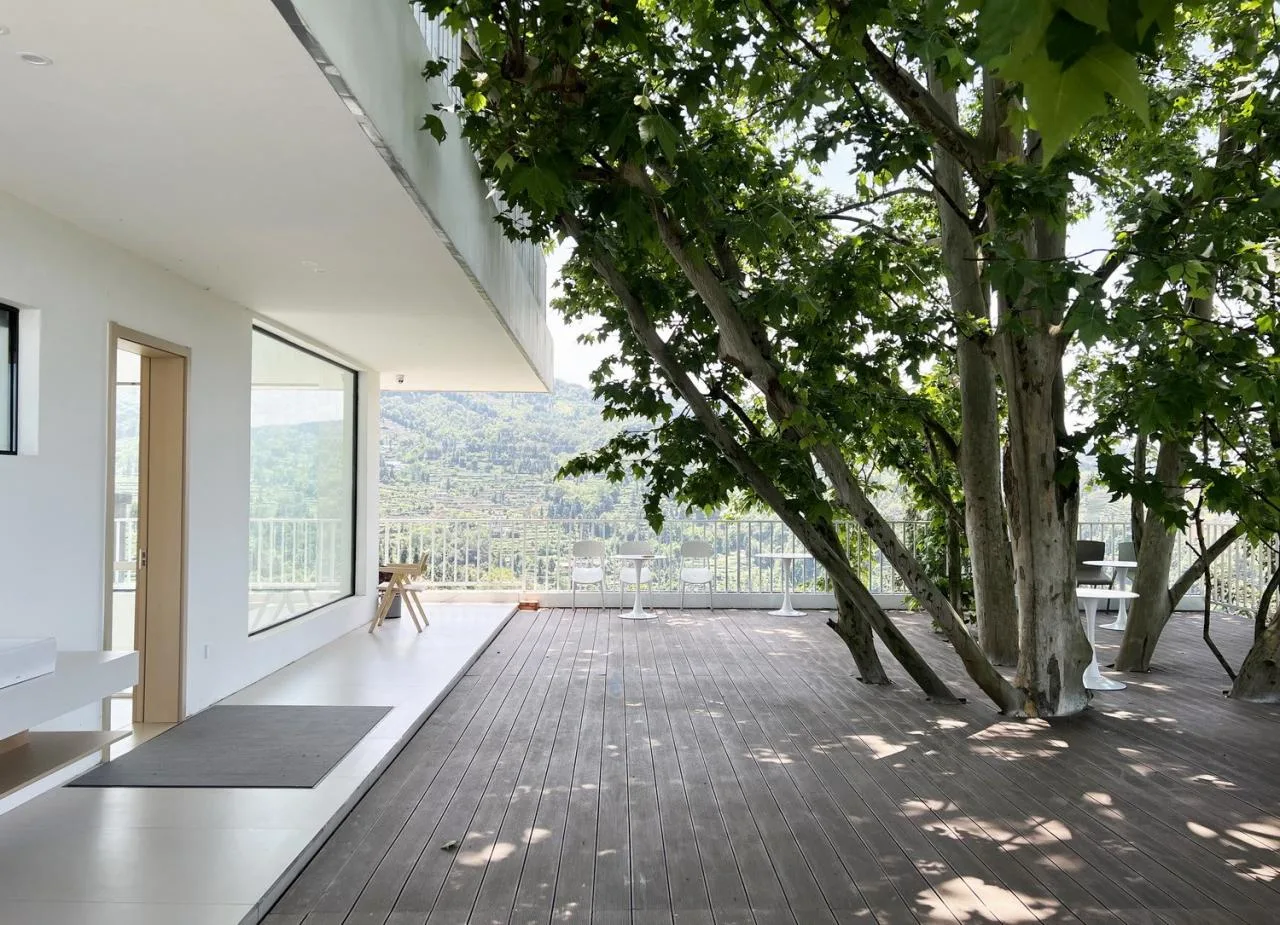
Outdoor platform and tree
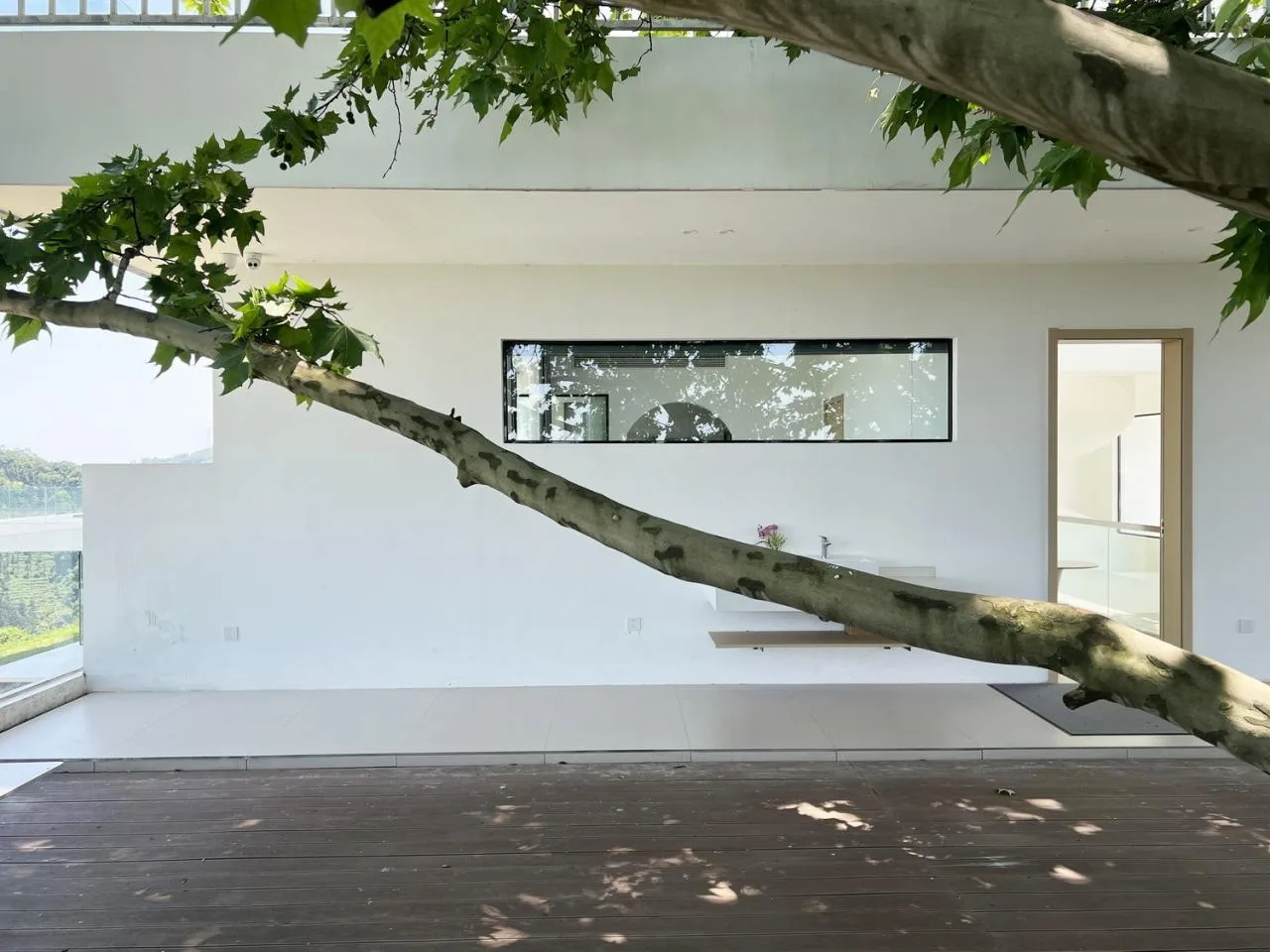
Outdoor platform
03. Architectural Form and Construction
Perched atop the tea garden, the building’s form mirrors the layered terraces of the landscape. Simple yet thoughtful architectural relationships respond to the site’s conditions, embodying the concept of a structure floating above the tea garden.
We aimed for a clean and understated aesthetic. To emphasize the floating effect, the first-floor exterior walls and French windows are recessed, while the balconies extend outward significantly. These overhanging eaves become the building’s defining features. The use of white paint on the exterior walls accentuates the horizontal floating volumes.
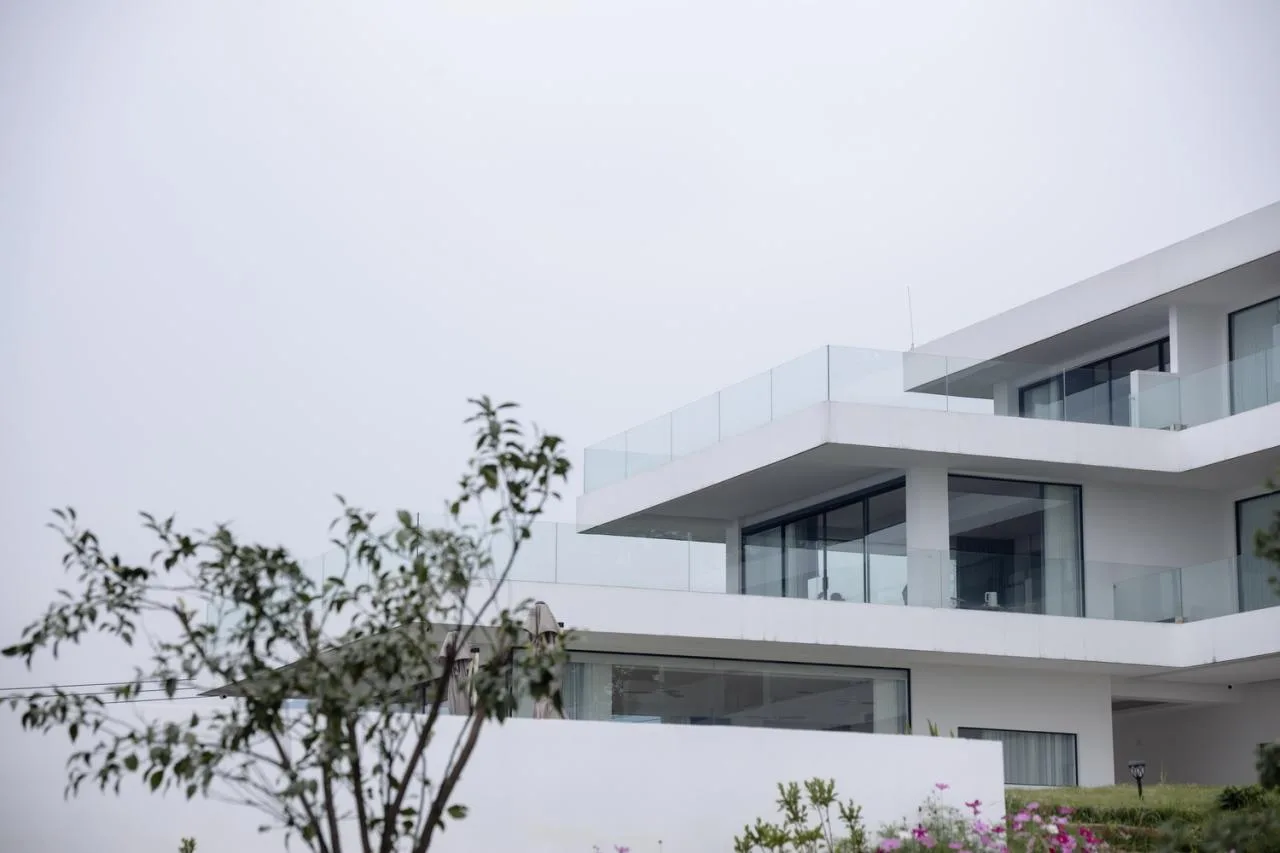
Terraced layers of advance and retreat
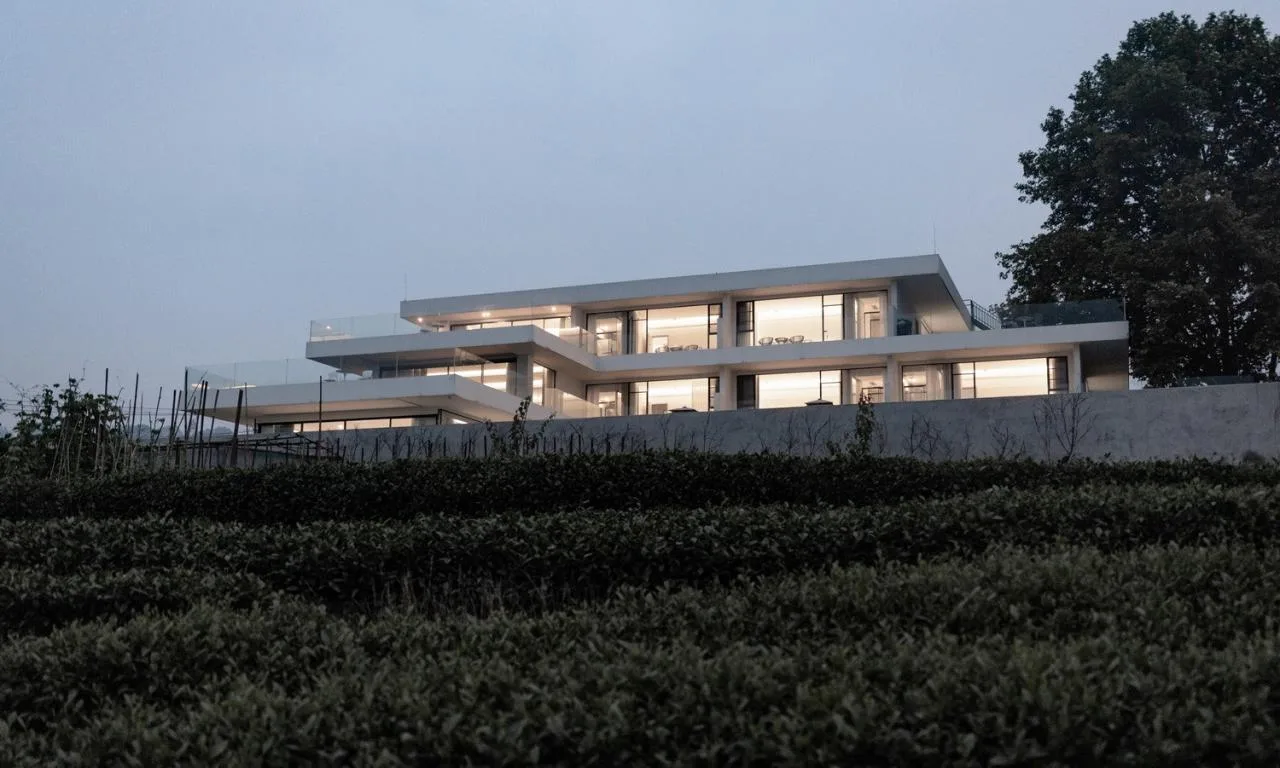
Floating above the tea garden
Conclusion
This project centers on environmental integration, aligning with the site and surroundings through spatial relationships, levels, and architectural form. The simplicity of the horizontal eaves embodies the building’s pure and understated character, achieving a harmonious balance between structure and nature.
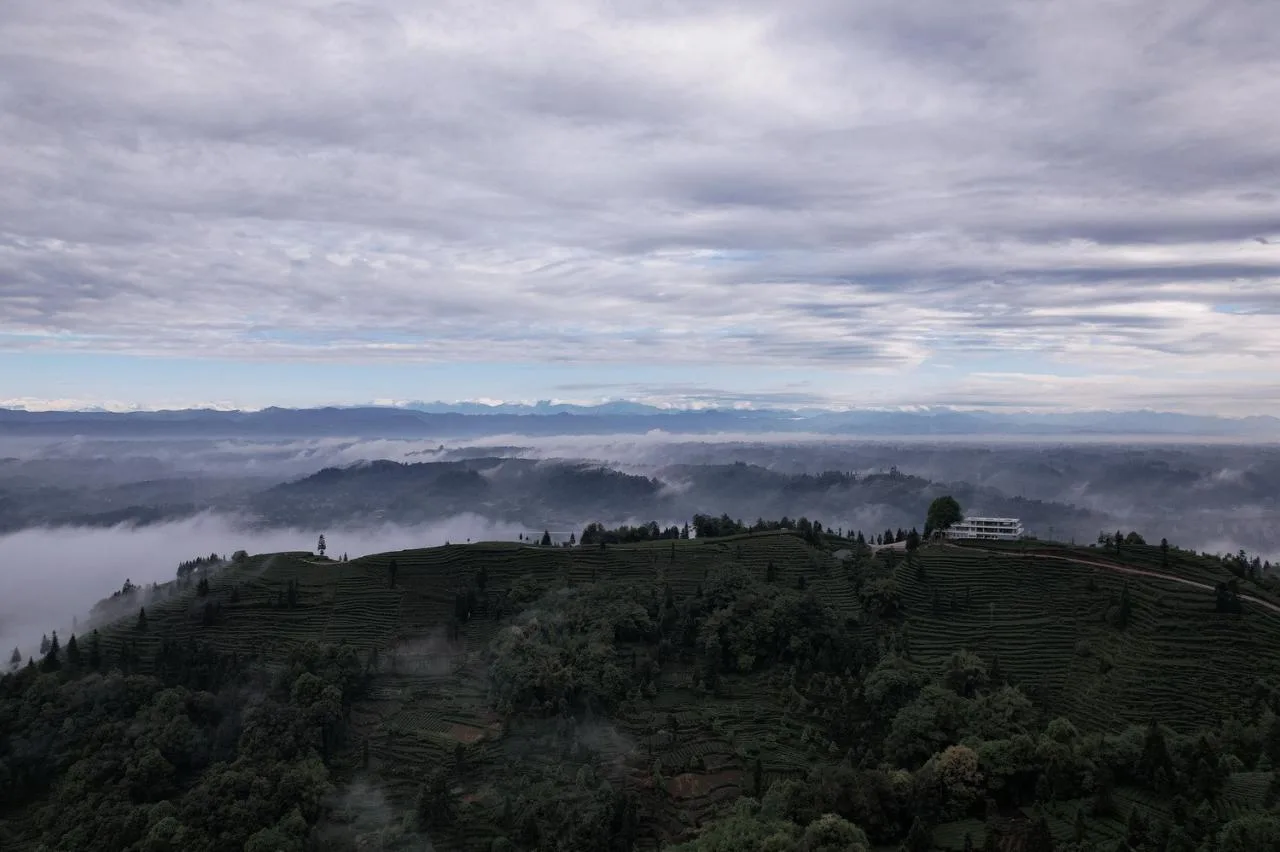
Views of the sea of clouds and snow-capped mountains in the distance
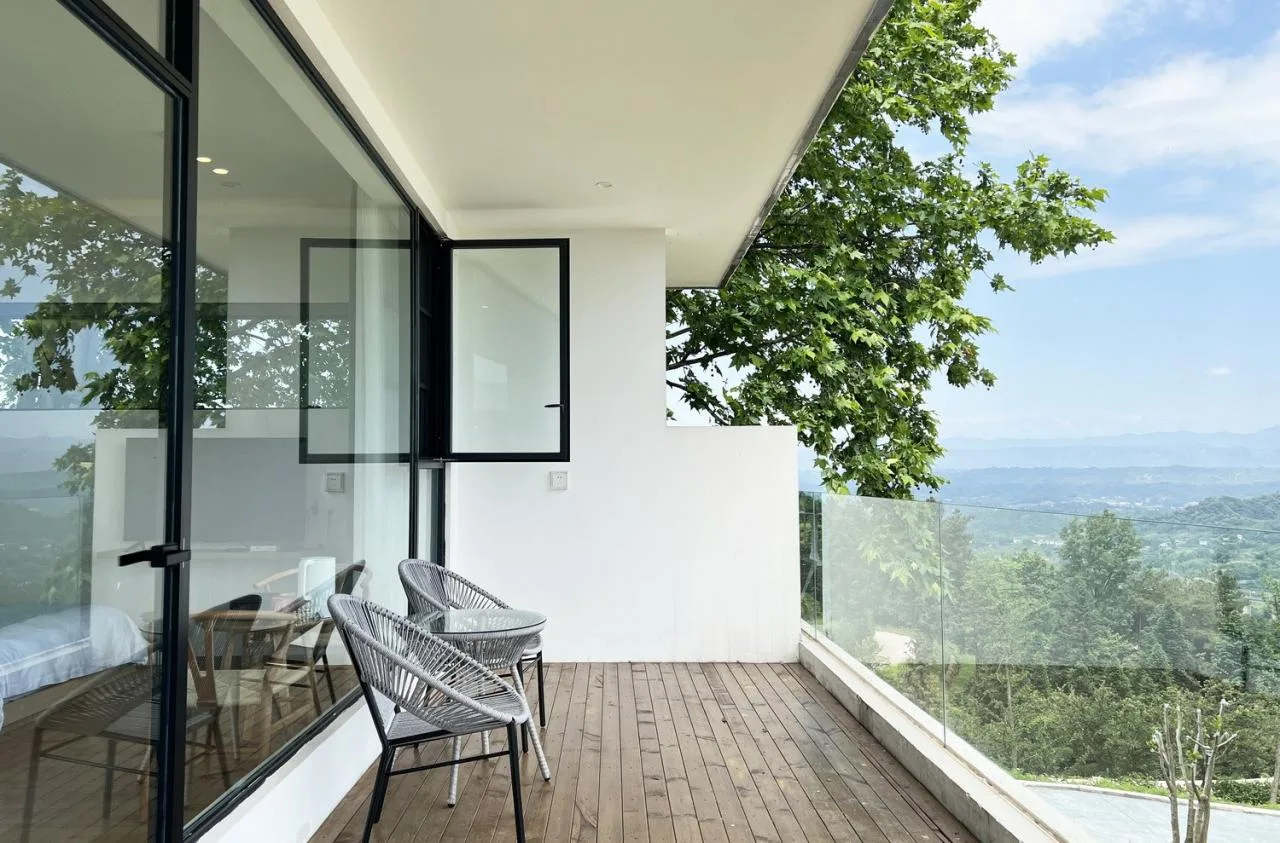
Viewing balcony
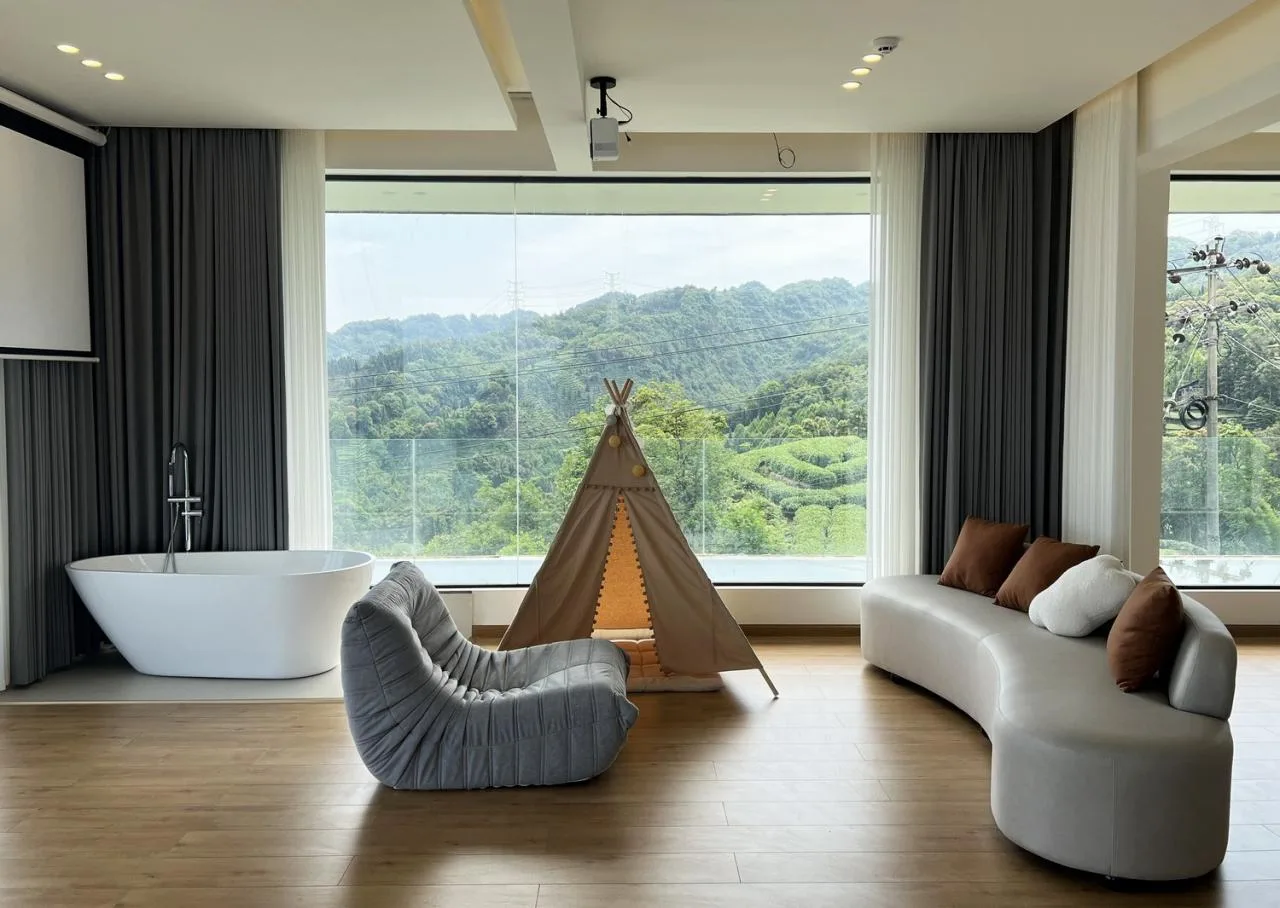
Living room
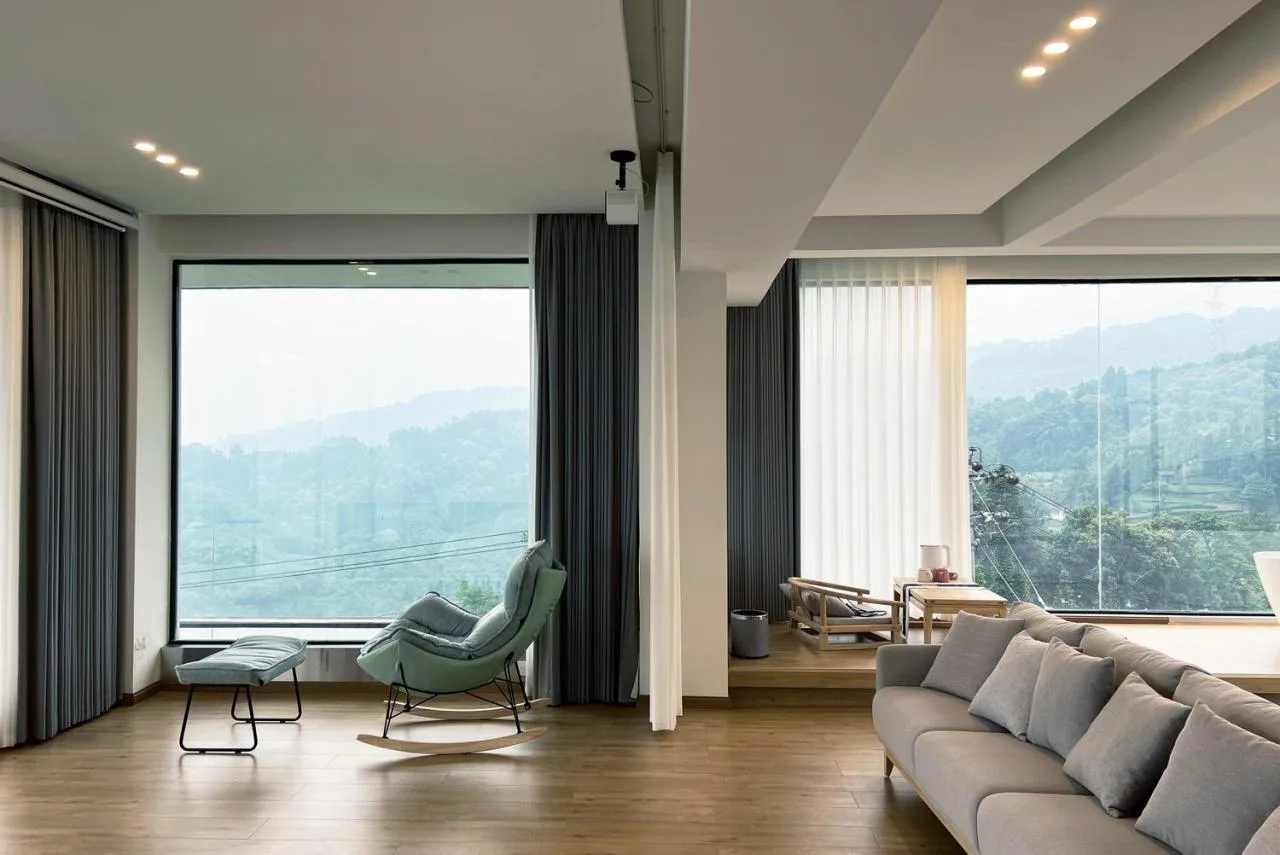
Living Room 2
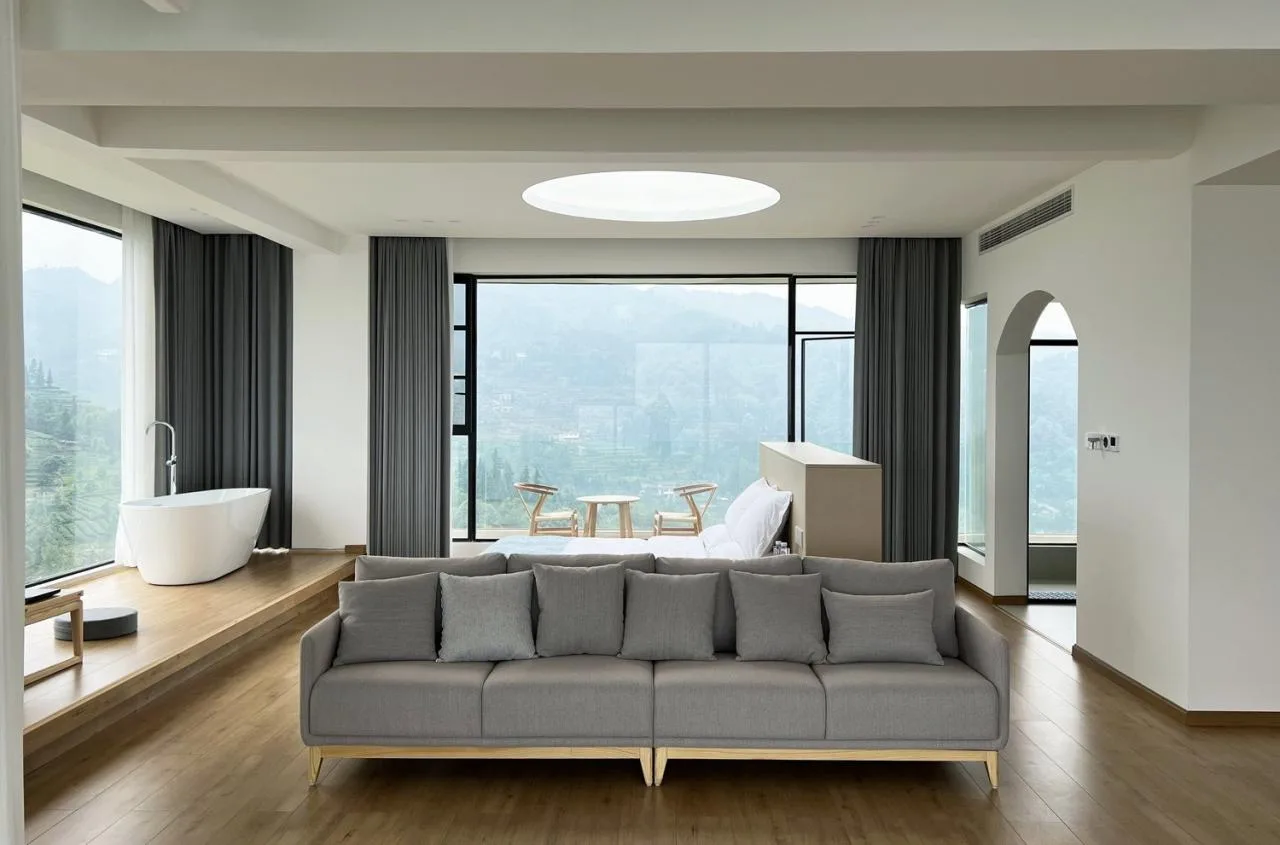
Bedroom 1
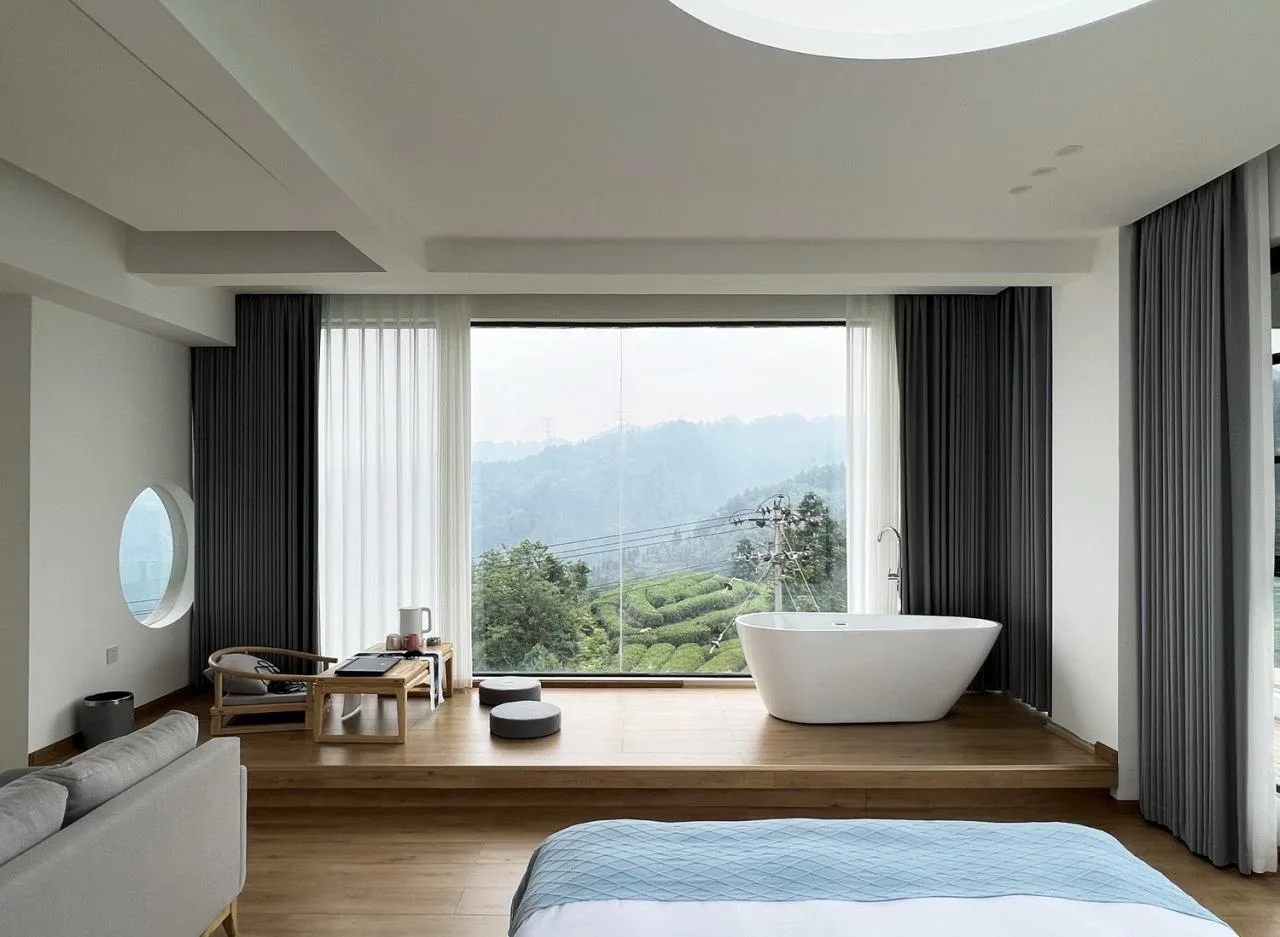
Bedroom 2
Project Drawings
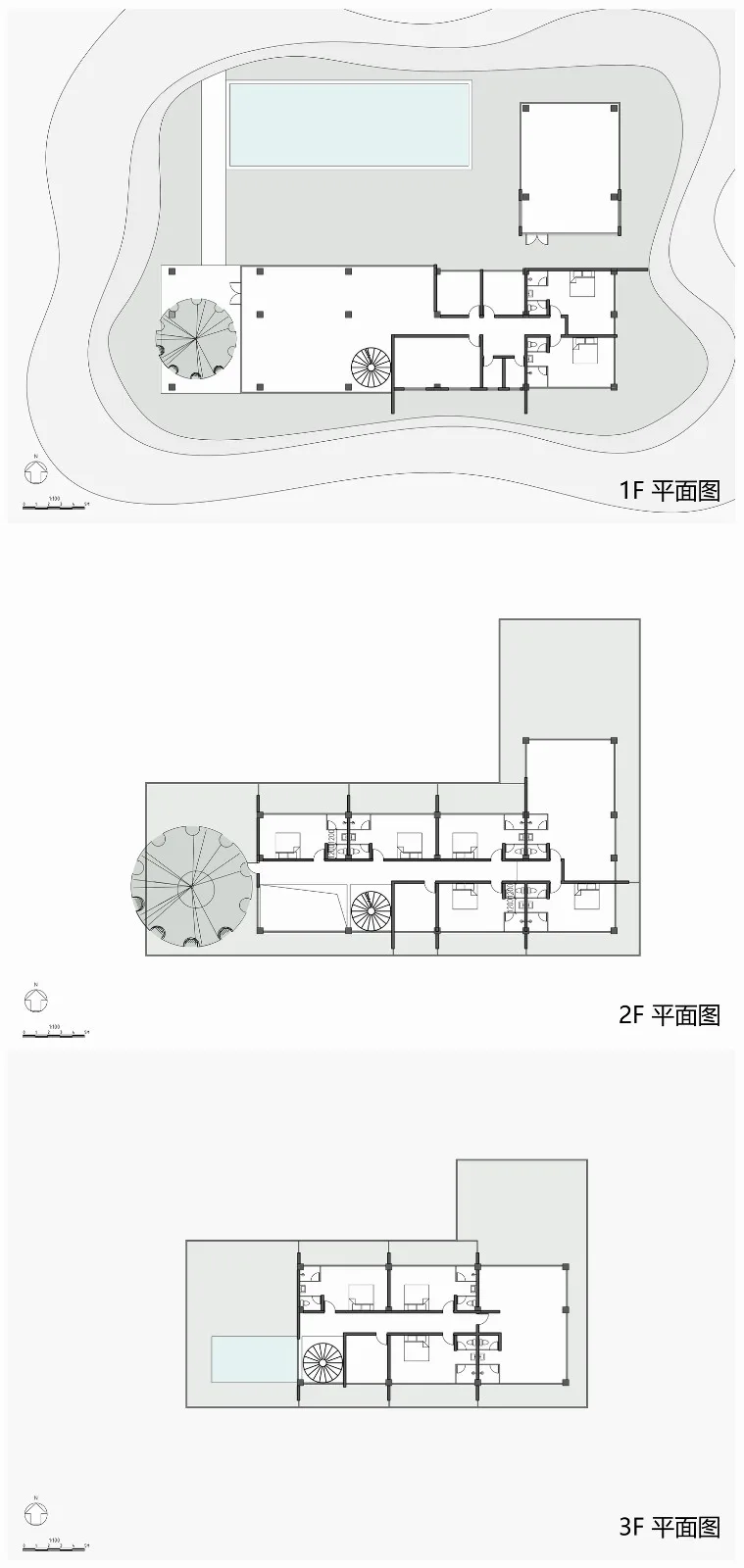
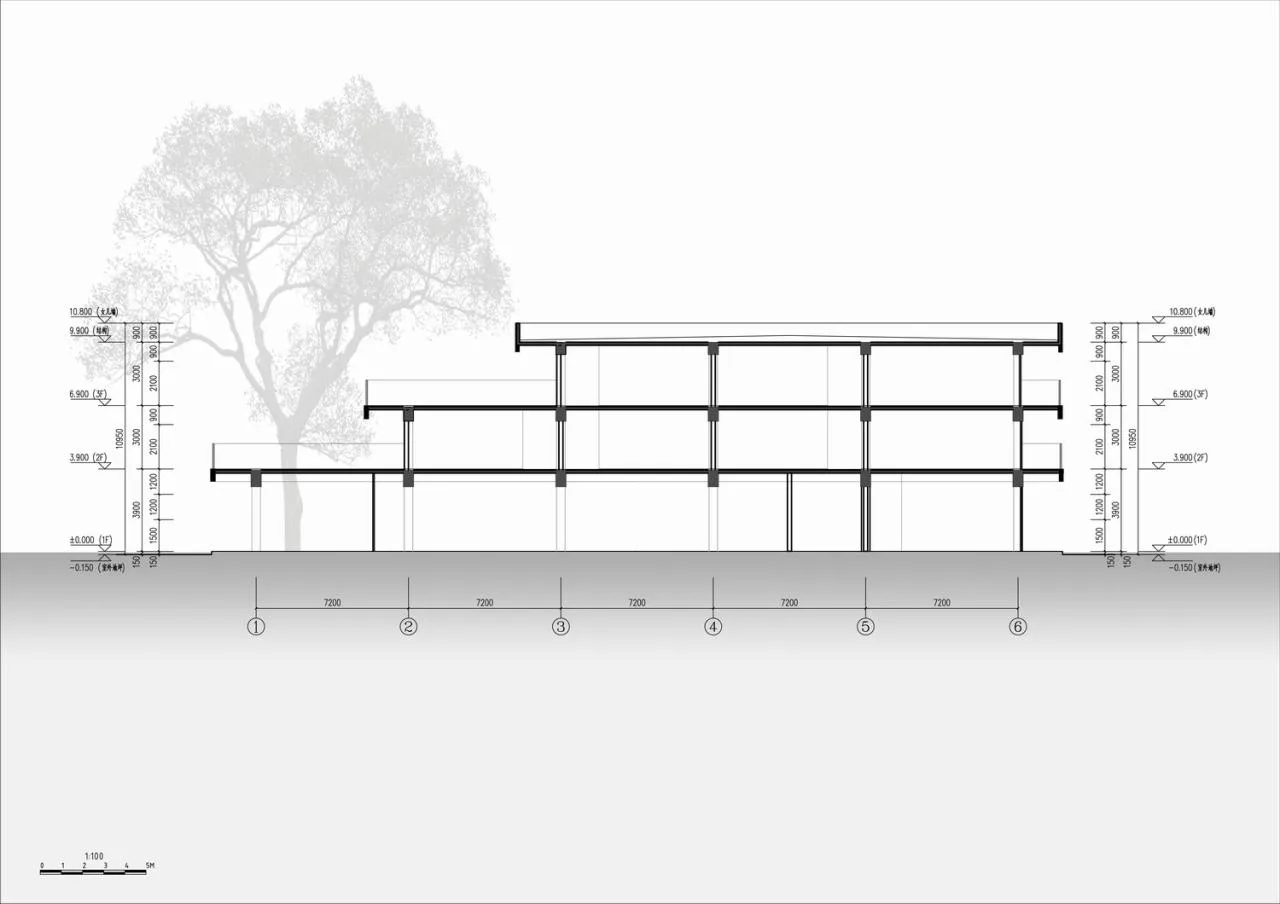
Section diagram
Project Information
Project Name: Yuntai Yueye Homestay
Location: Ya’an, Sichuan, China
Building Area: 1100 square meters
Project Duration: February 2021 to April 2023
Design Firm: Iwakawa Architecture
Lead Architect: Sun Yan
Team Members: Sun Yan, Wang Yilin, Deng Tuo, Xie Tong, Qin Wanyi, He Yun
Architectural Photography: Liu Yi, Liu Xinwei, Yanchuan Architecture














Must log in before commenting!
Sign Up