
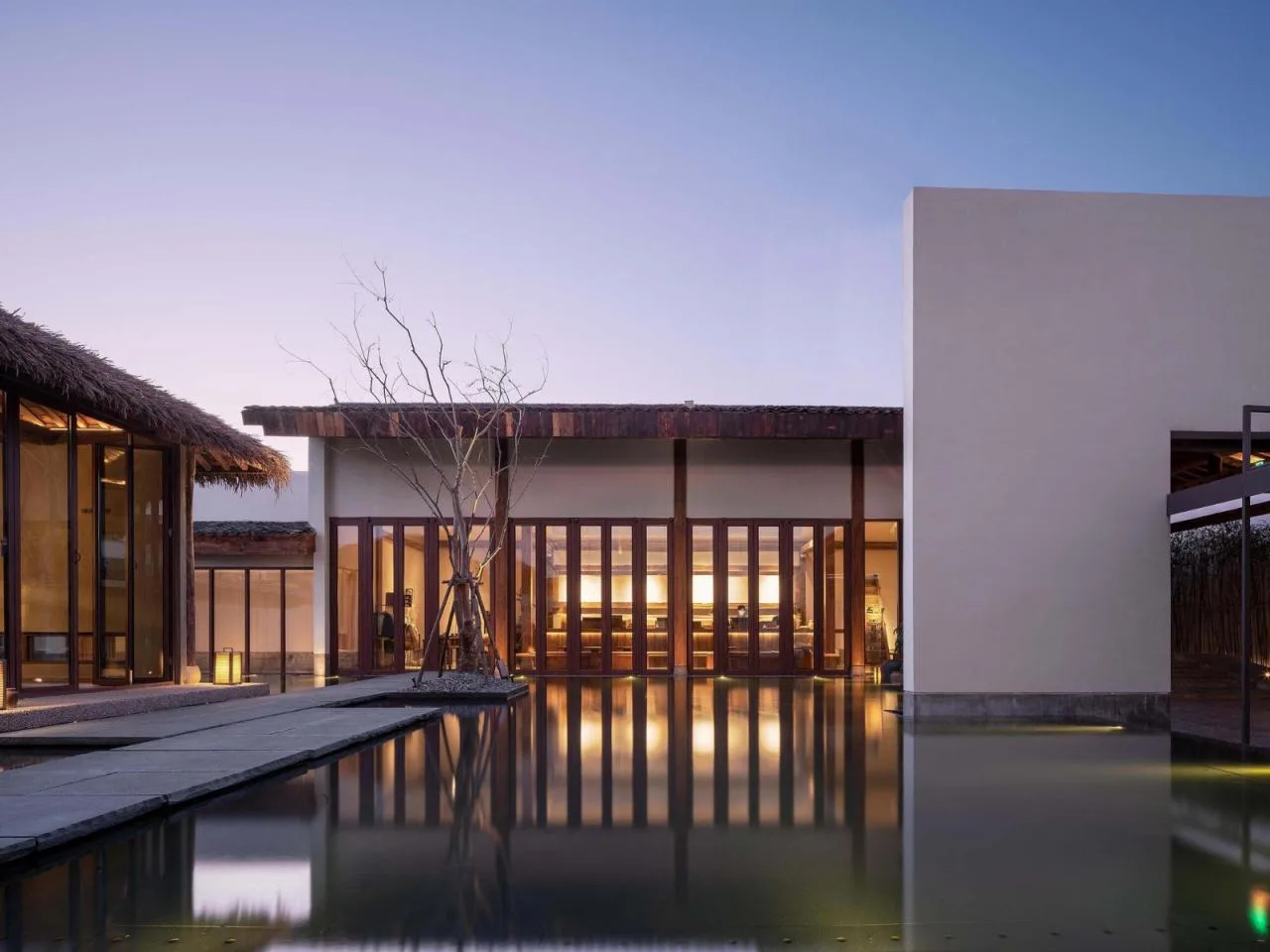
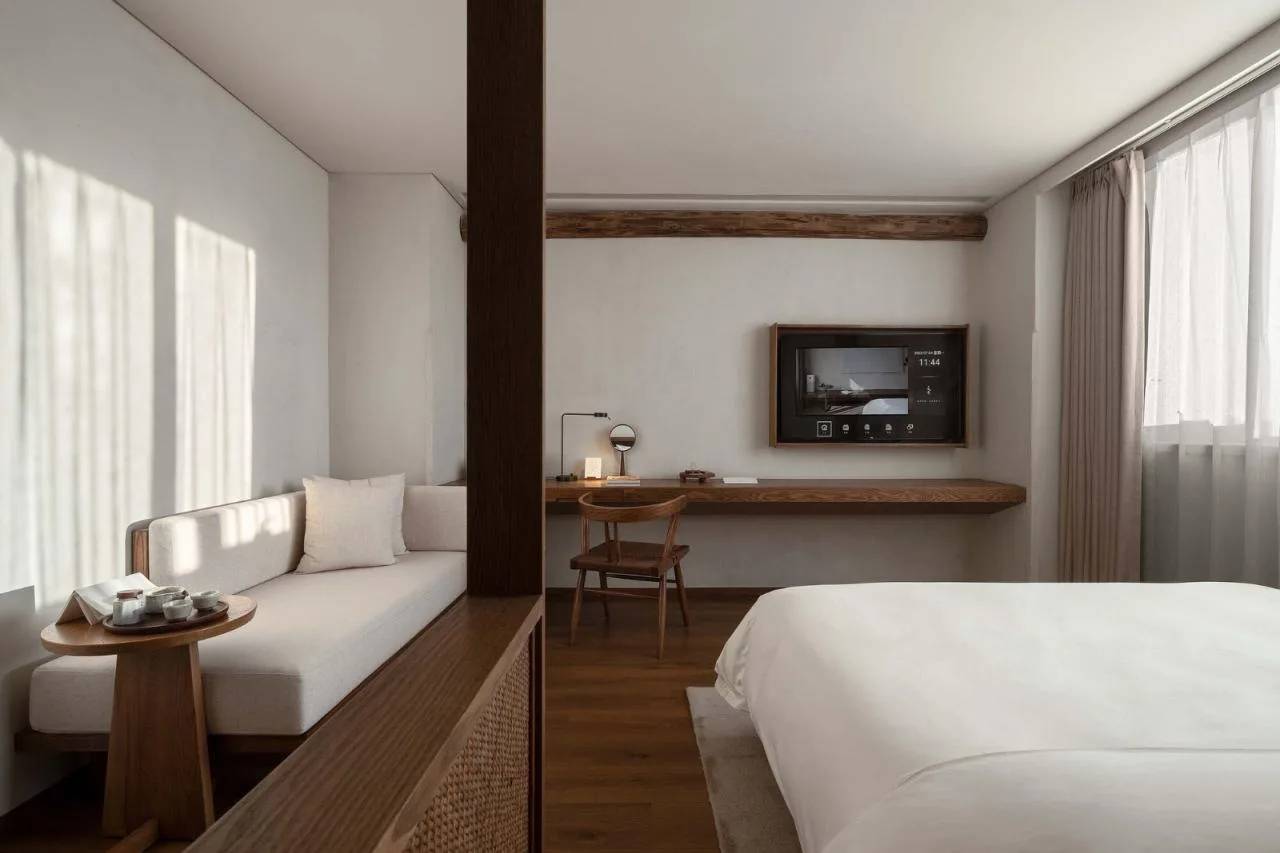
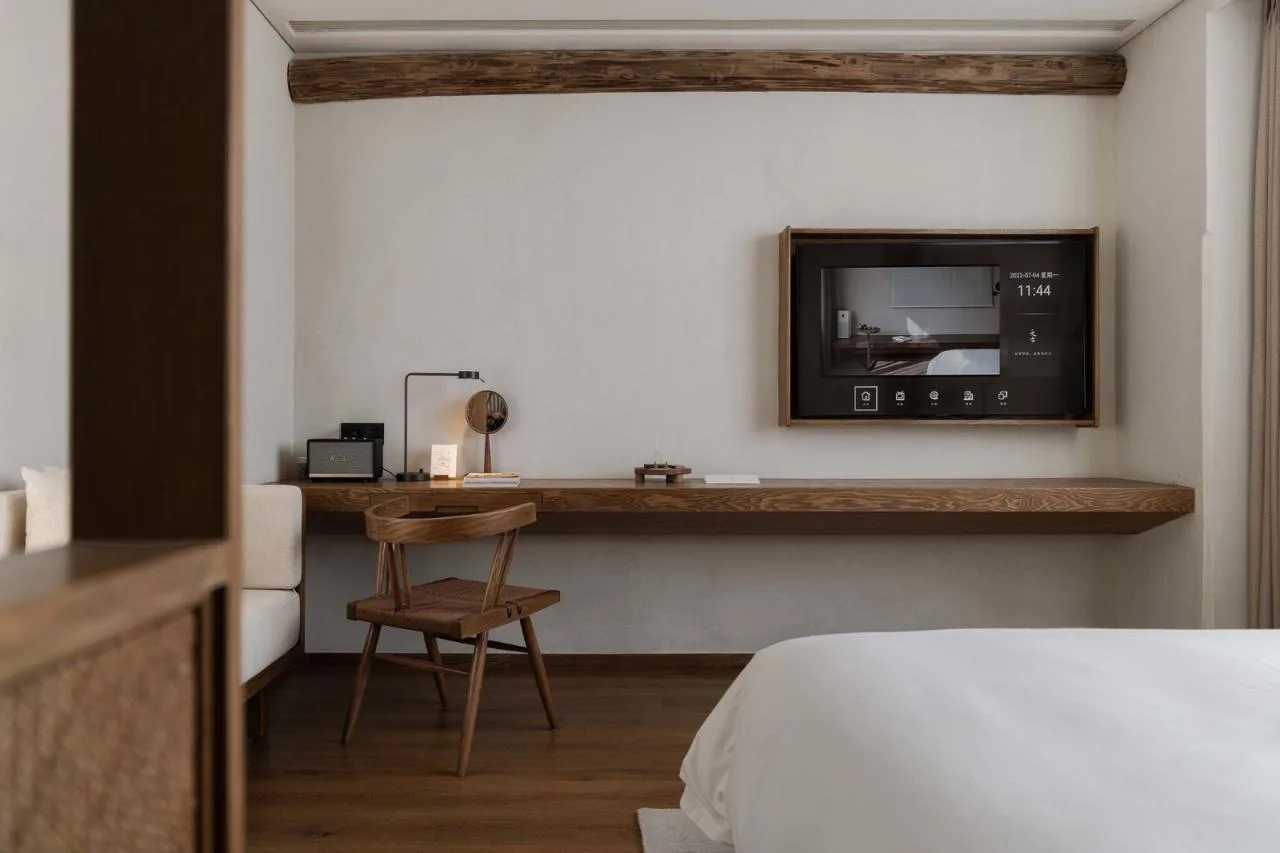
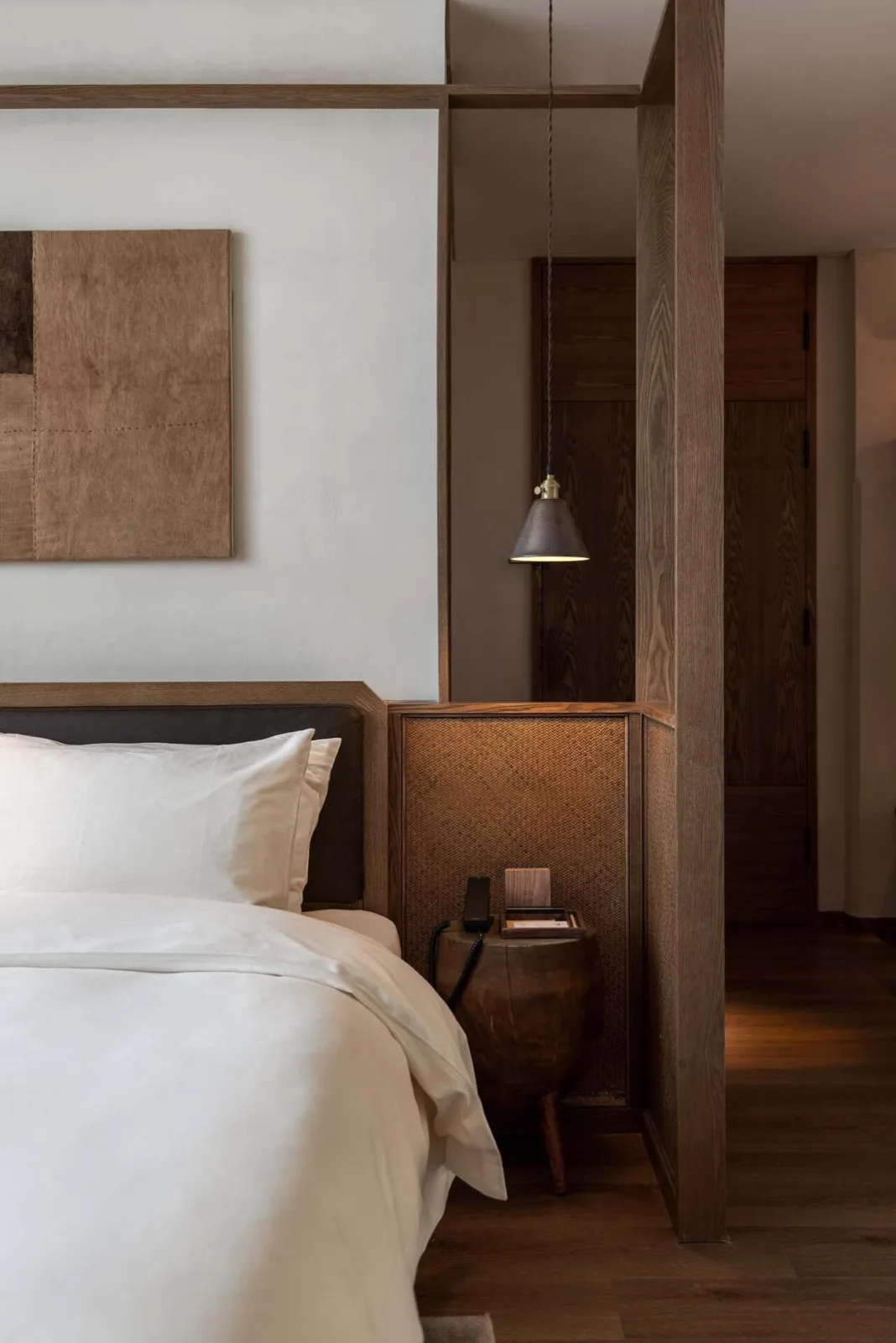
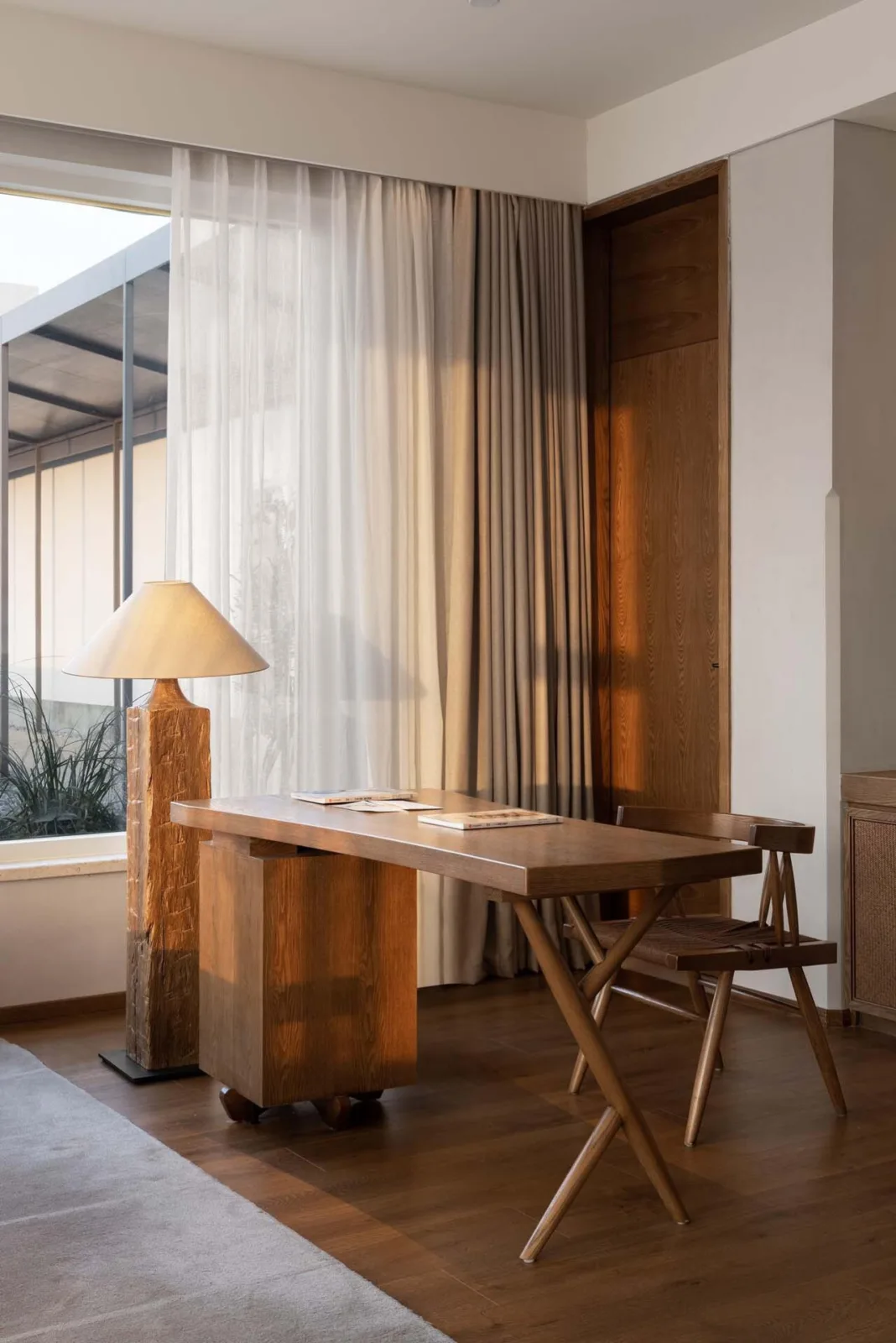
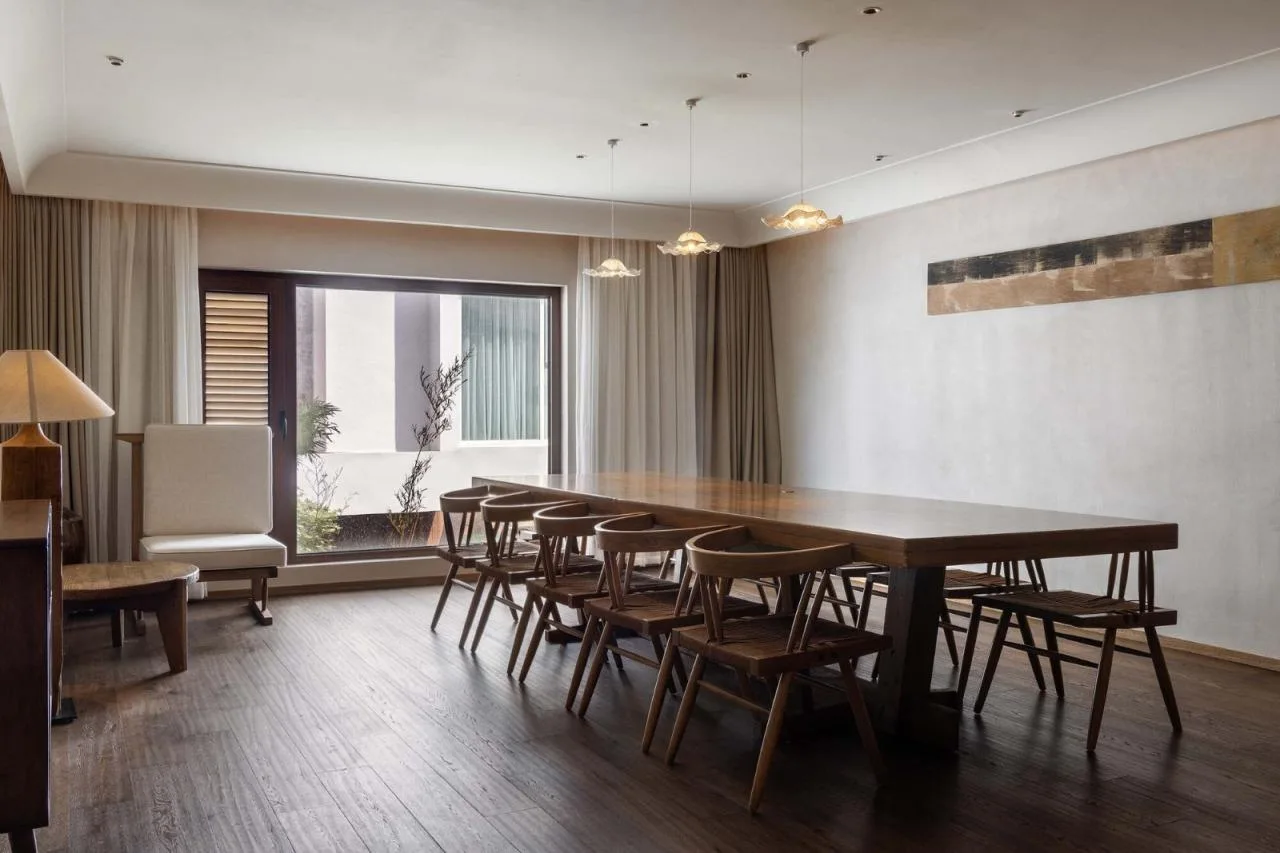
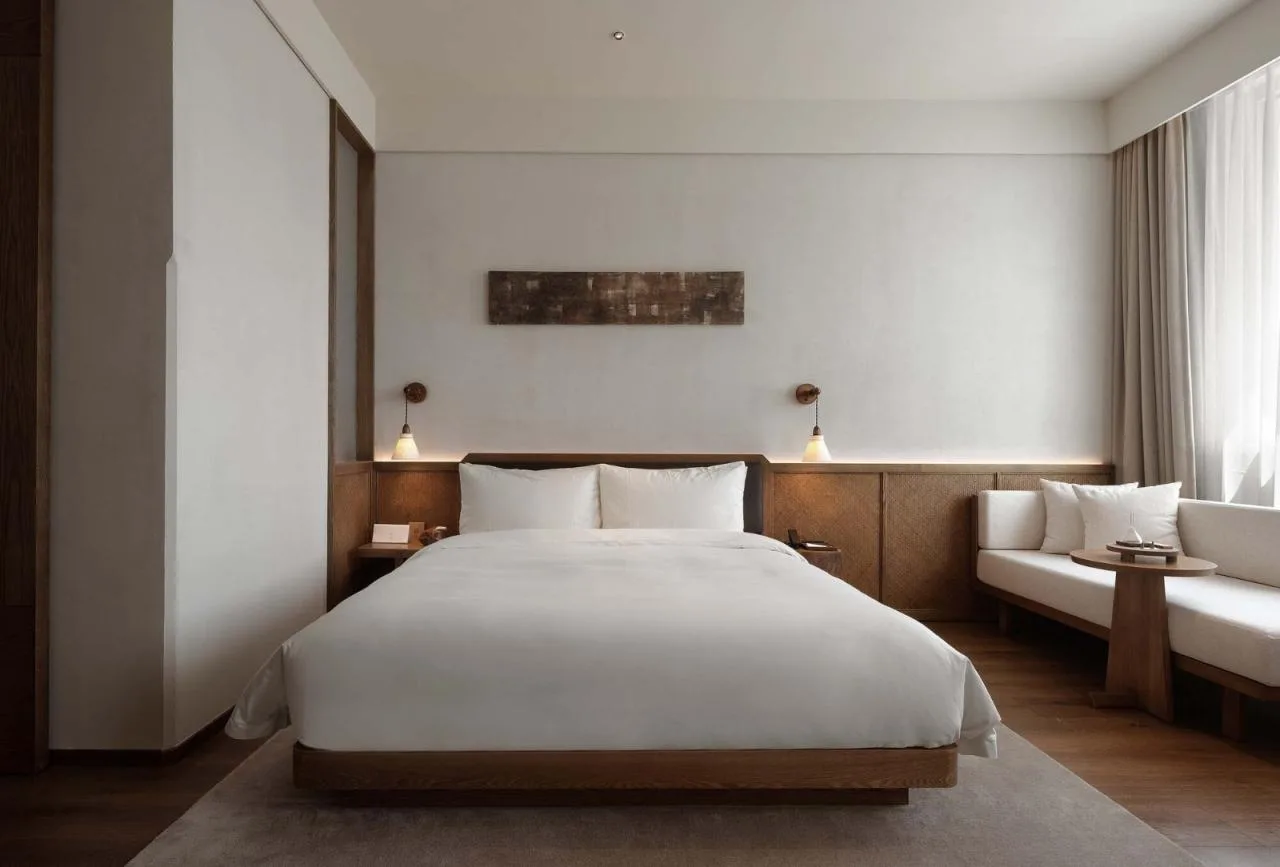
This hotel, located in Shanghai World Expo Park, is designed for urban vacations. Although it is branded as a “vacation” destination, its core concept is actually a business model. As an economic hub, Shanghai’s cultural environment and natural conditions make traditional resort hotels a less suitable choice. However, with improving economic standards, young people increasingly demand a higher quality living environment, especially on a spiritual level. The Yuangu Hotel aims to fulfill these expectations.
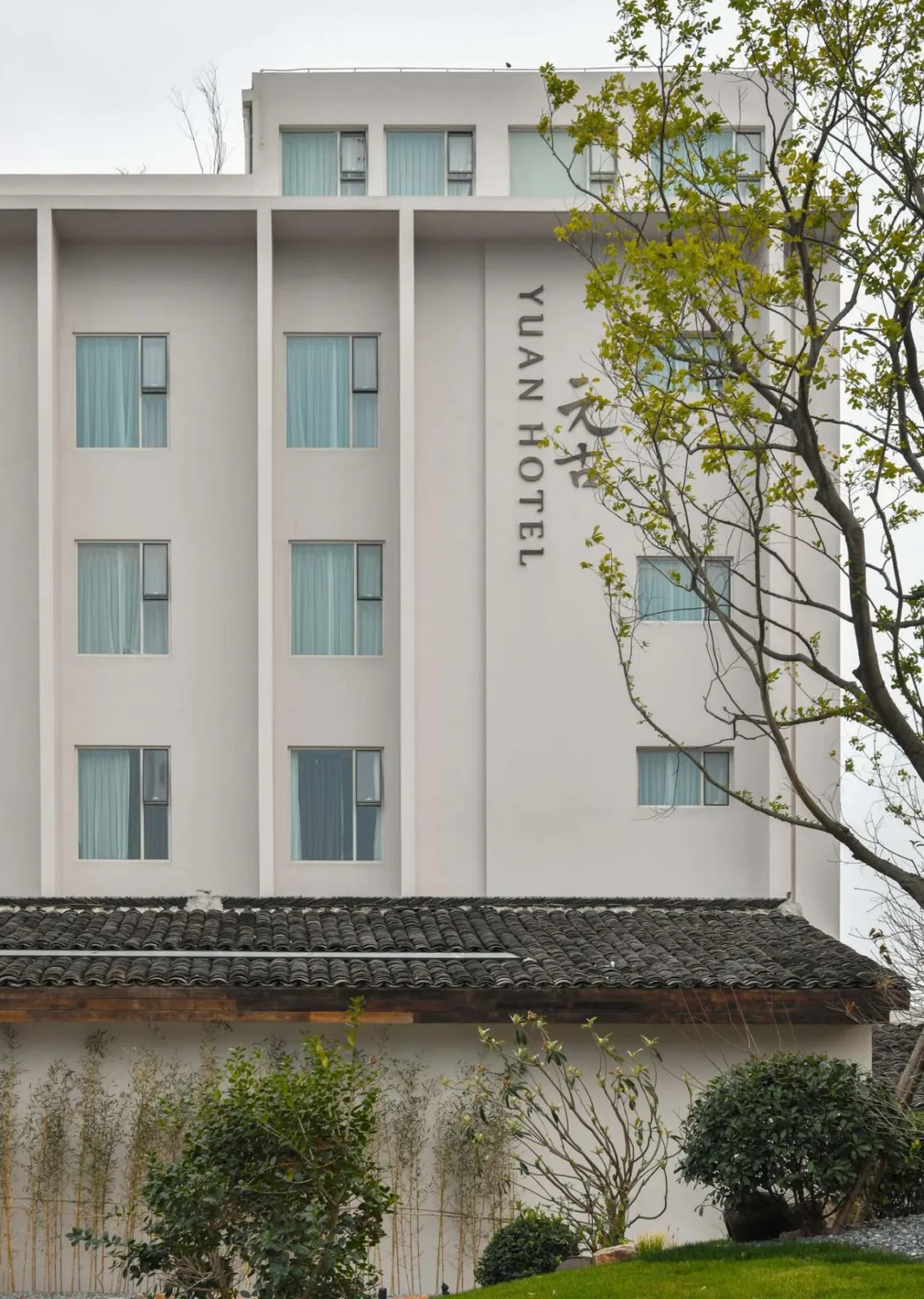
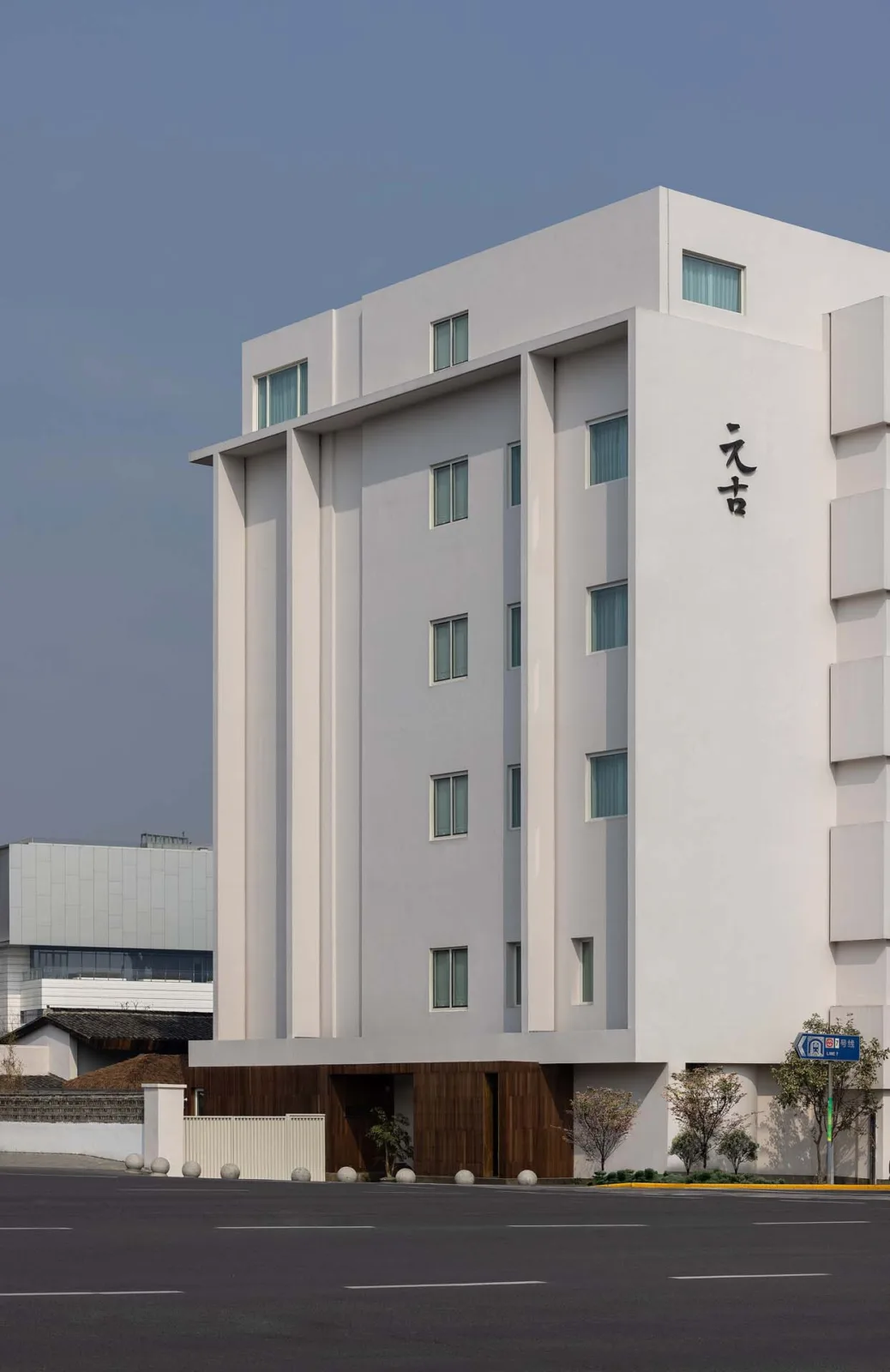
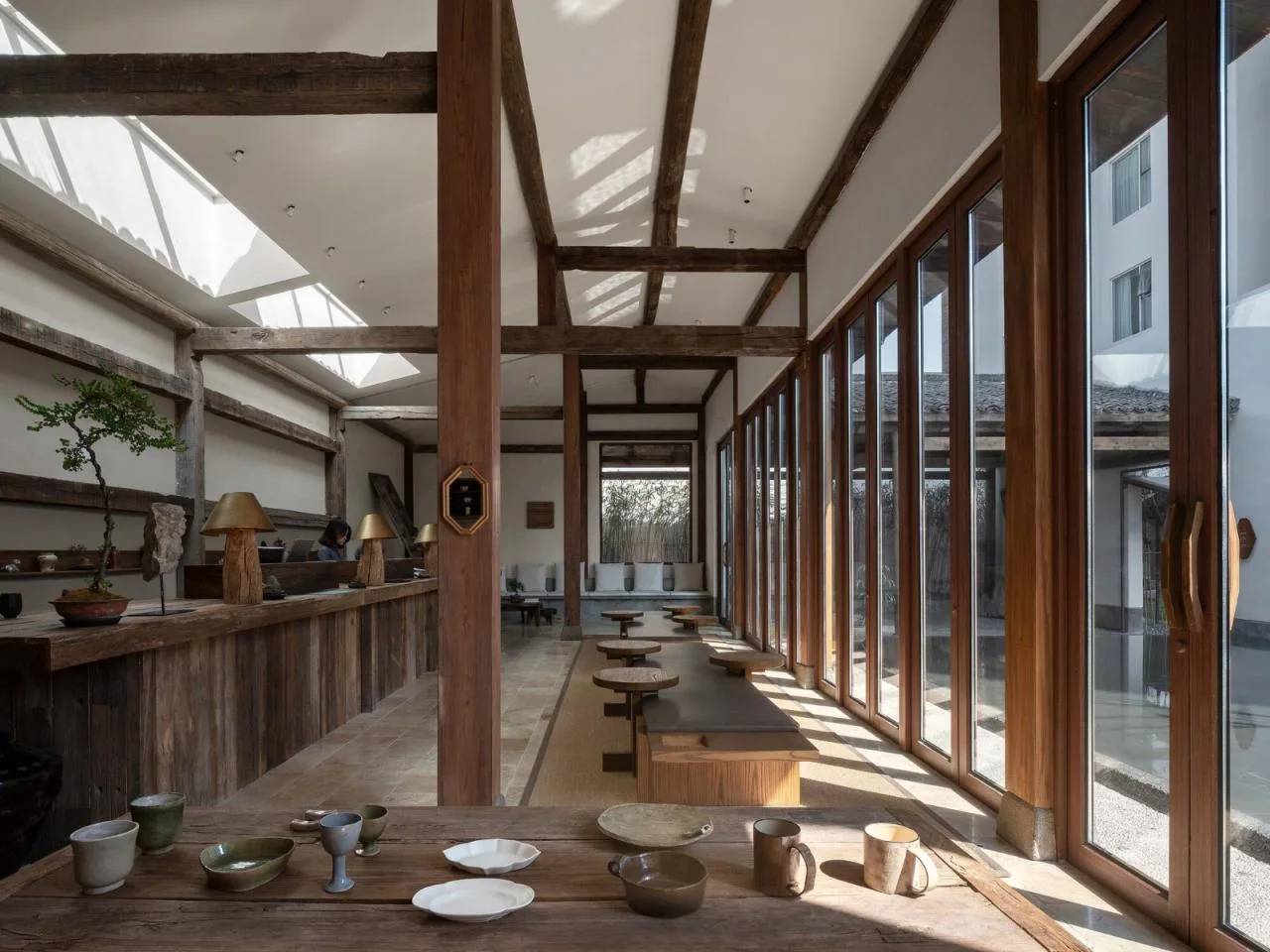
Yuangu is a brand that celebrates a traditional Chinese lifestyle. The hotel serves as a spiritual embodiment of the Yuangu brand, conveying its essence through accommodation, dining, refreshments, and retail offerings at the Yuangu stores. This multi-dimensional approach fully expresses the brand’s spirit.
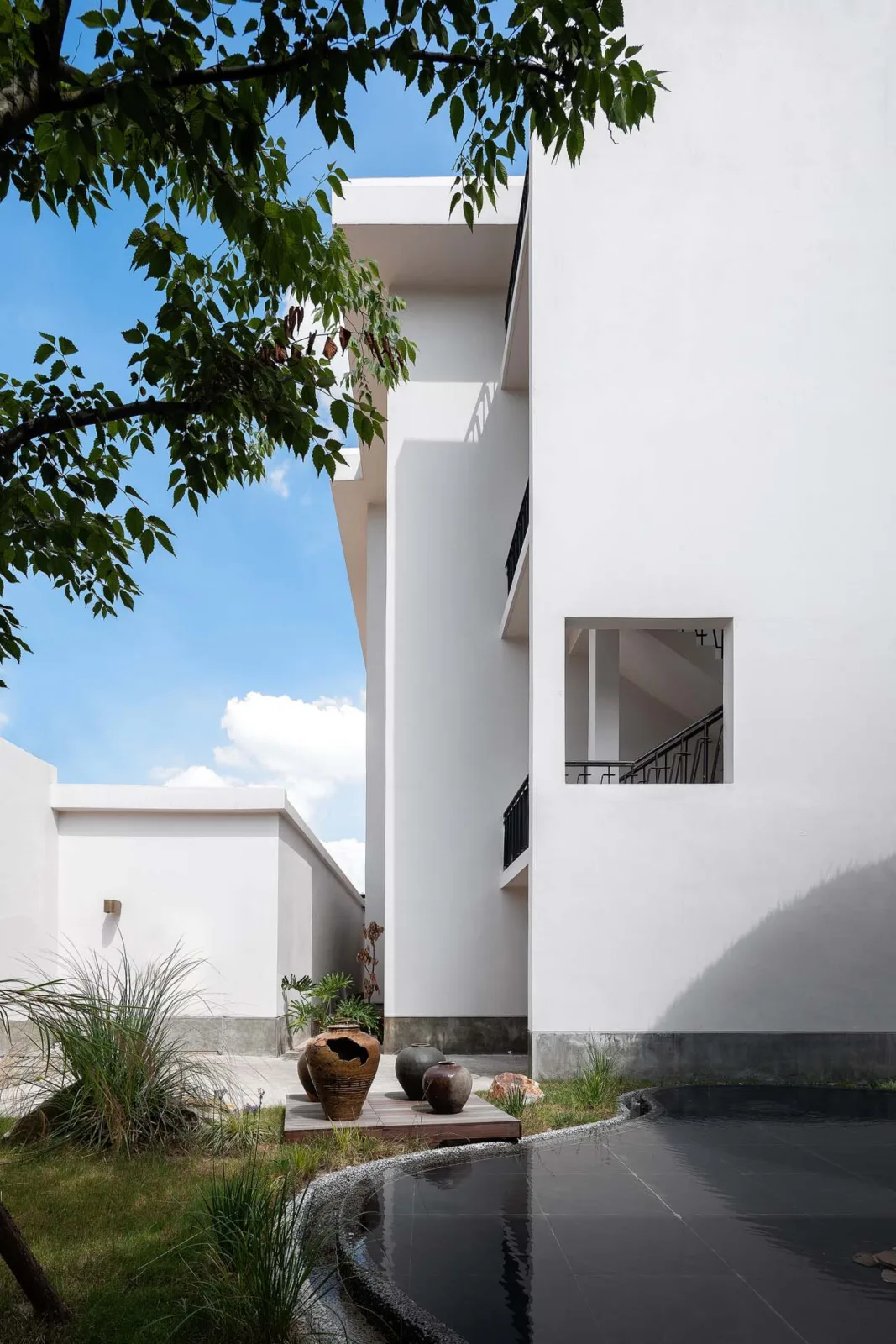
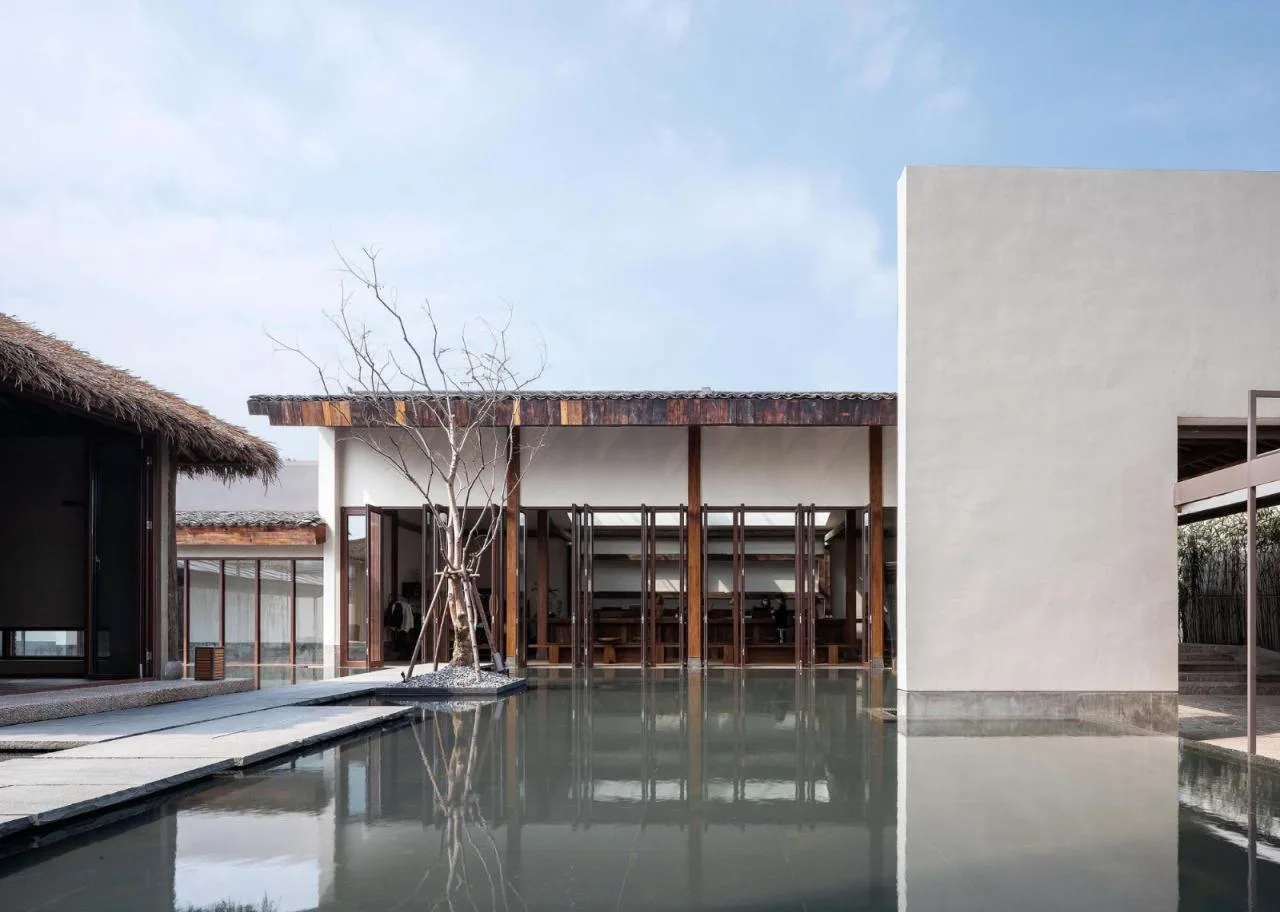
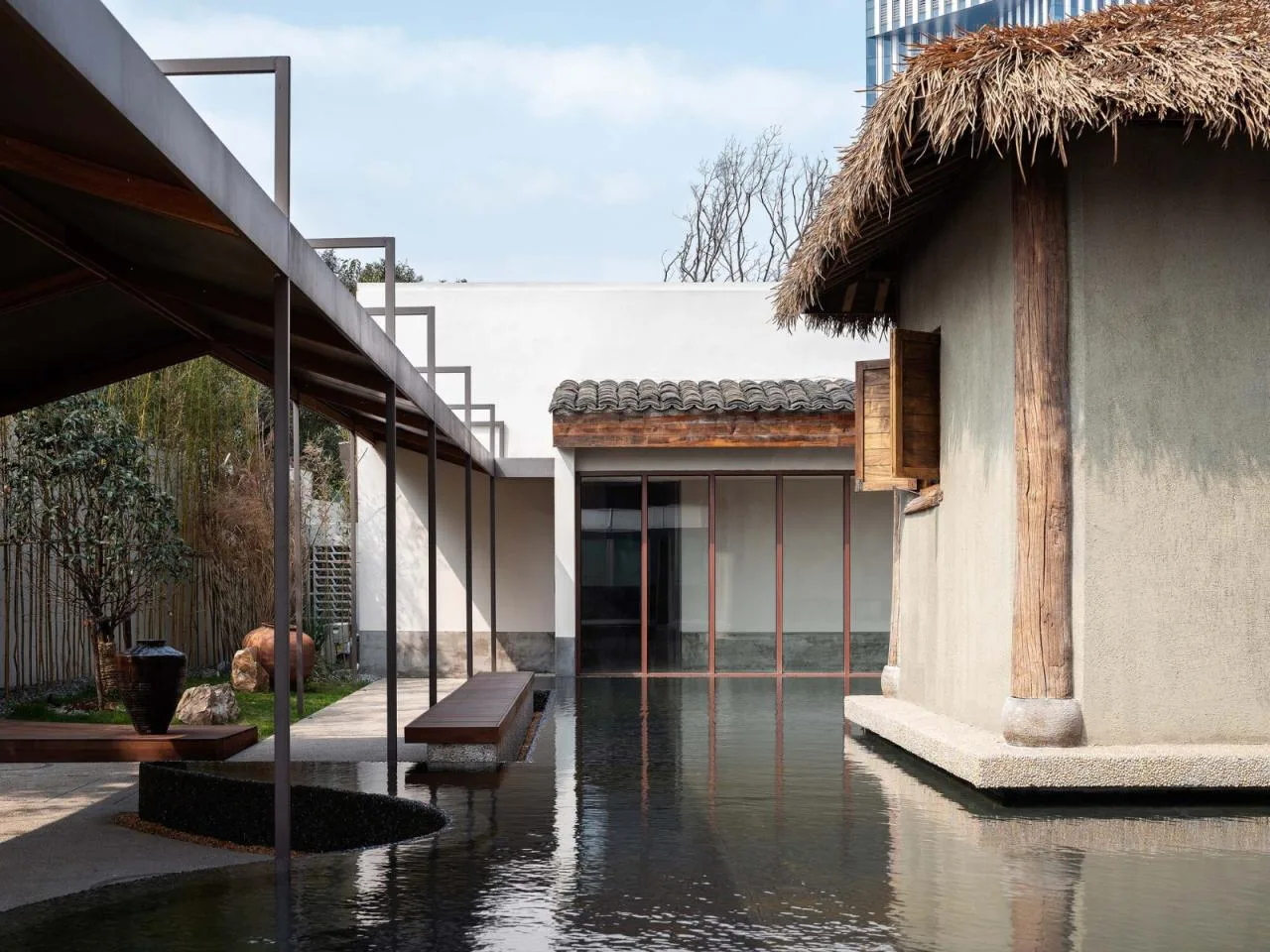
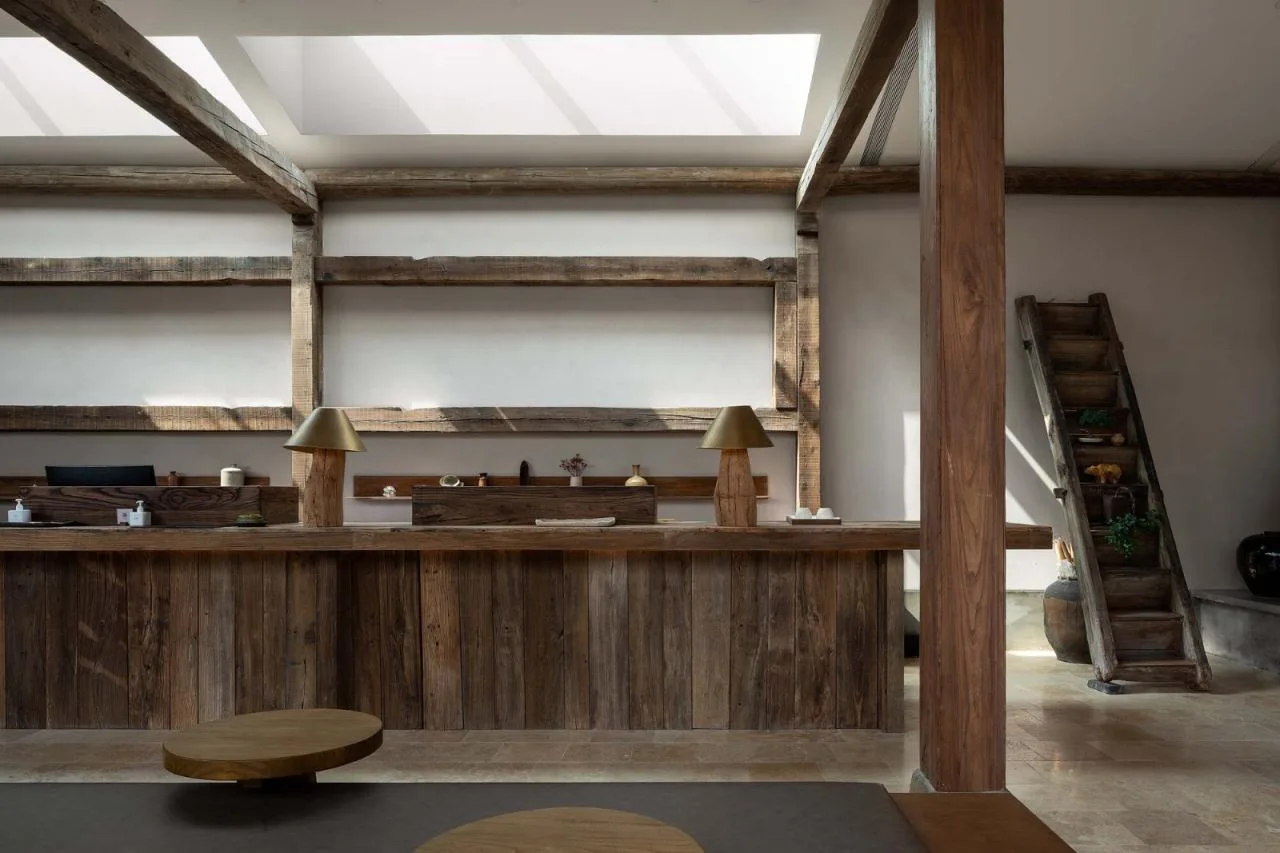
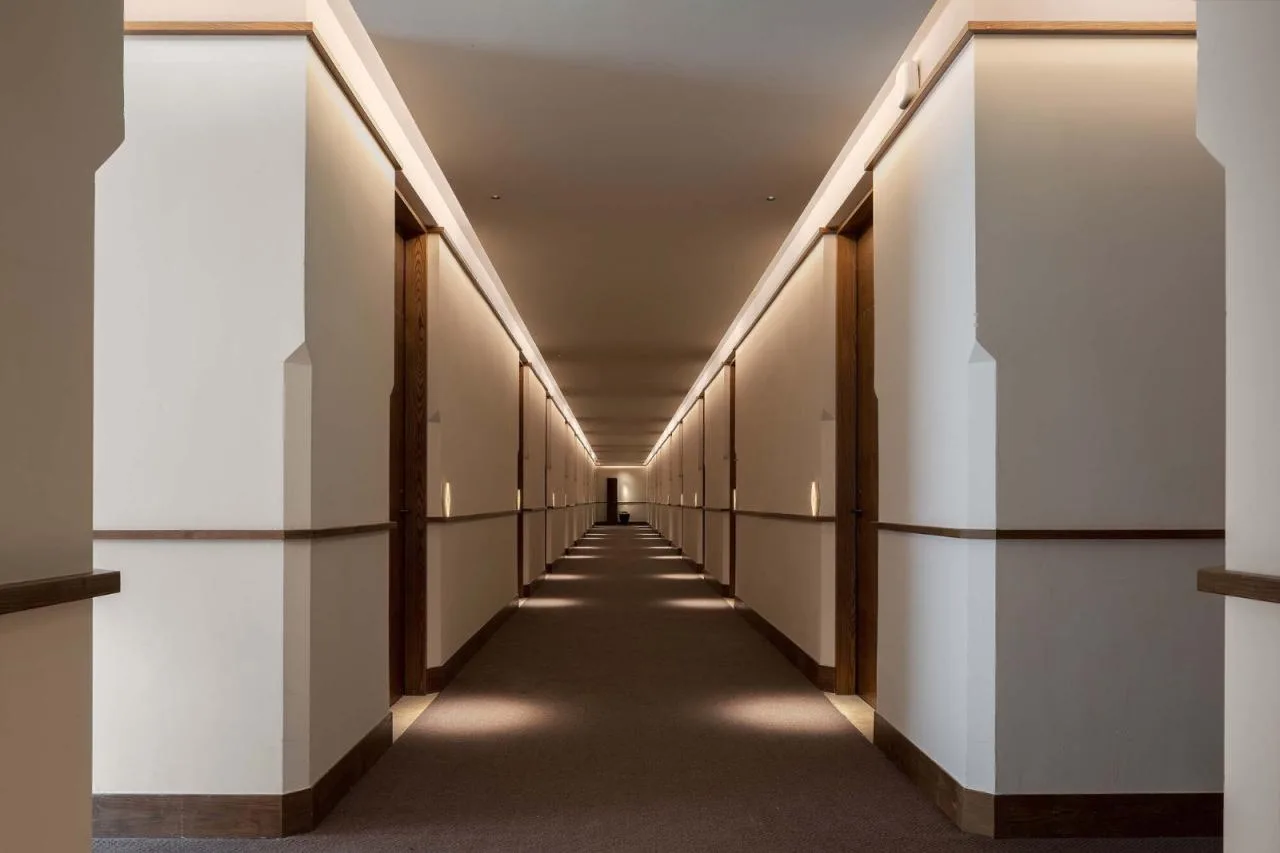
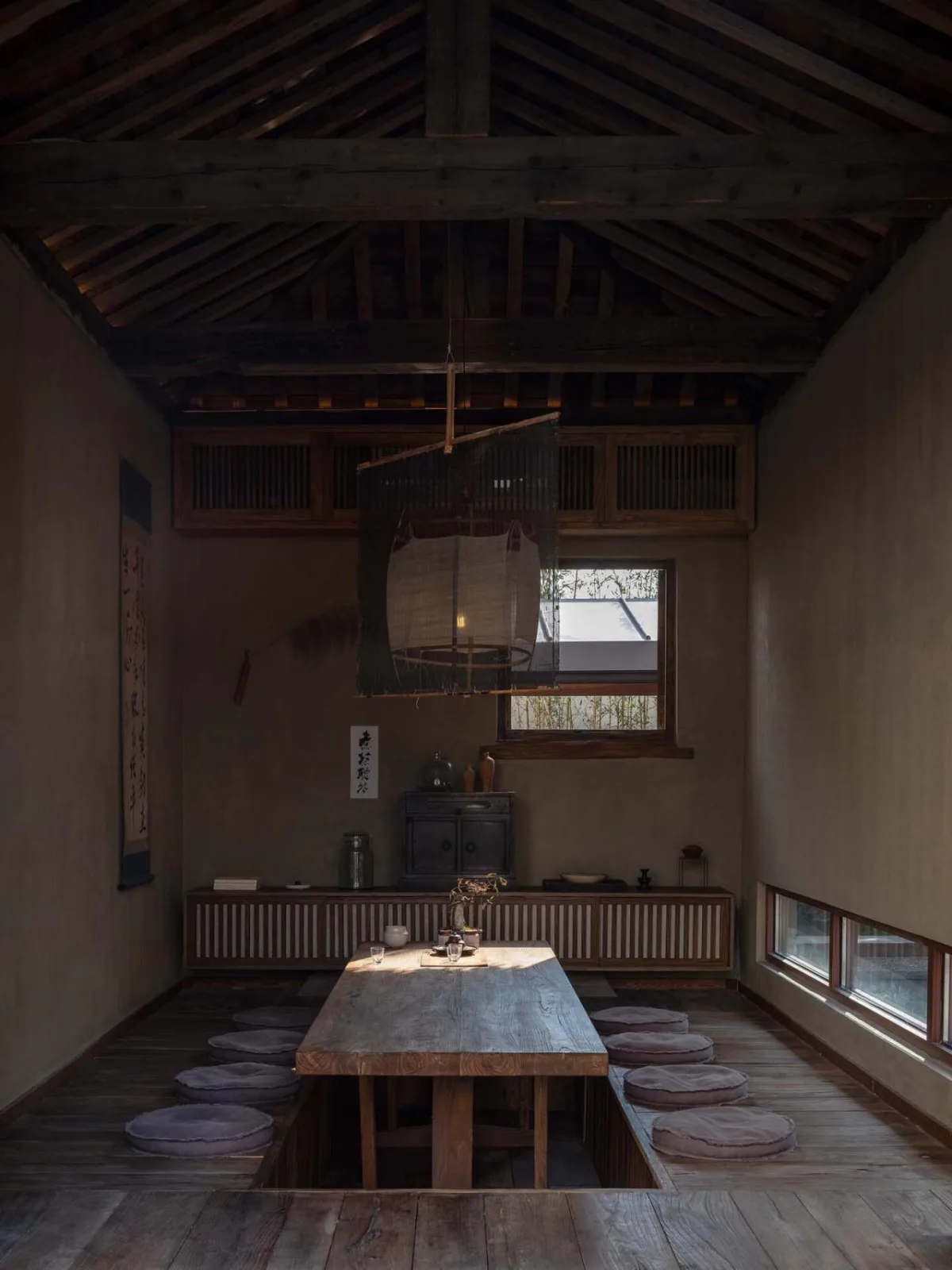
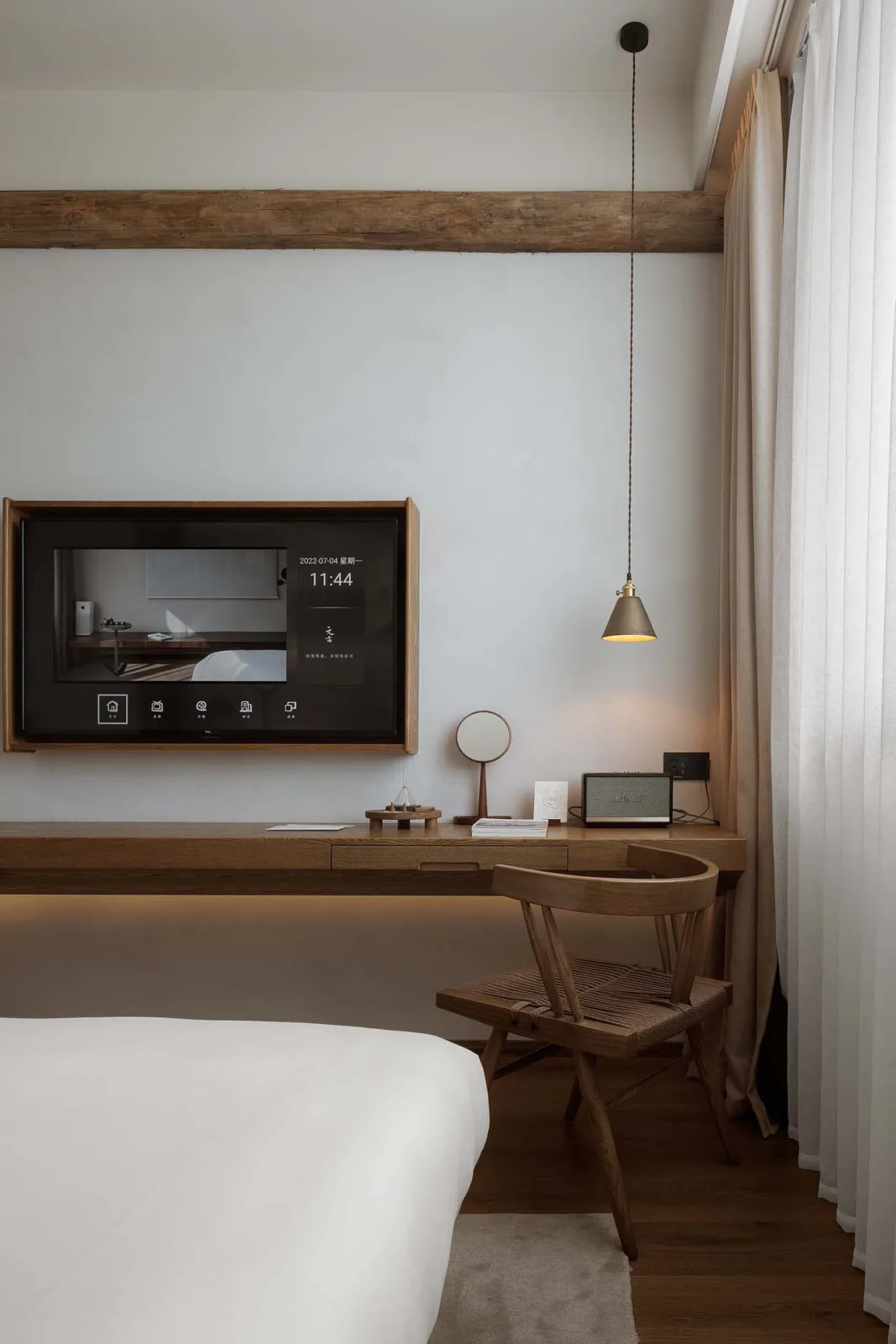
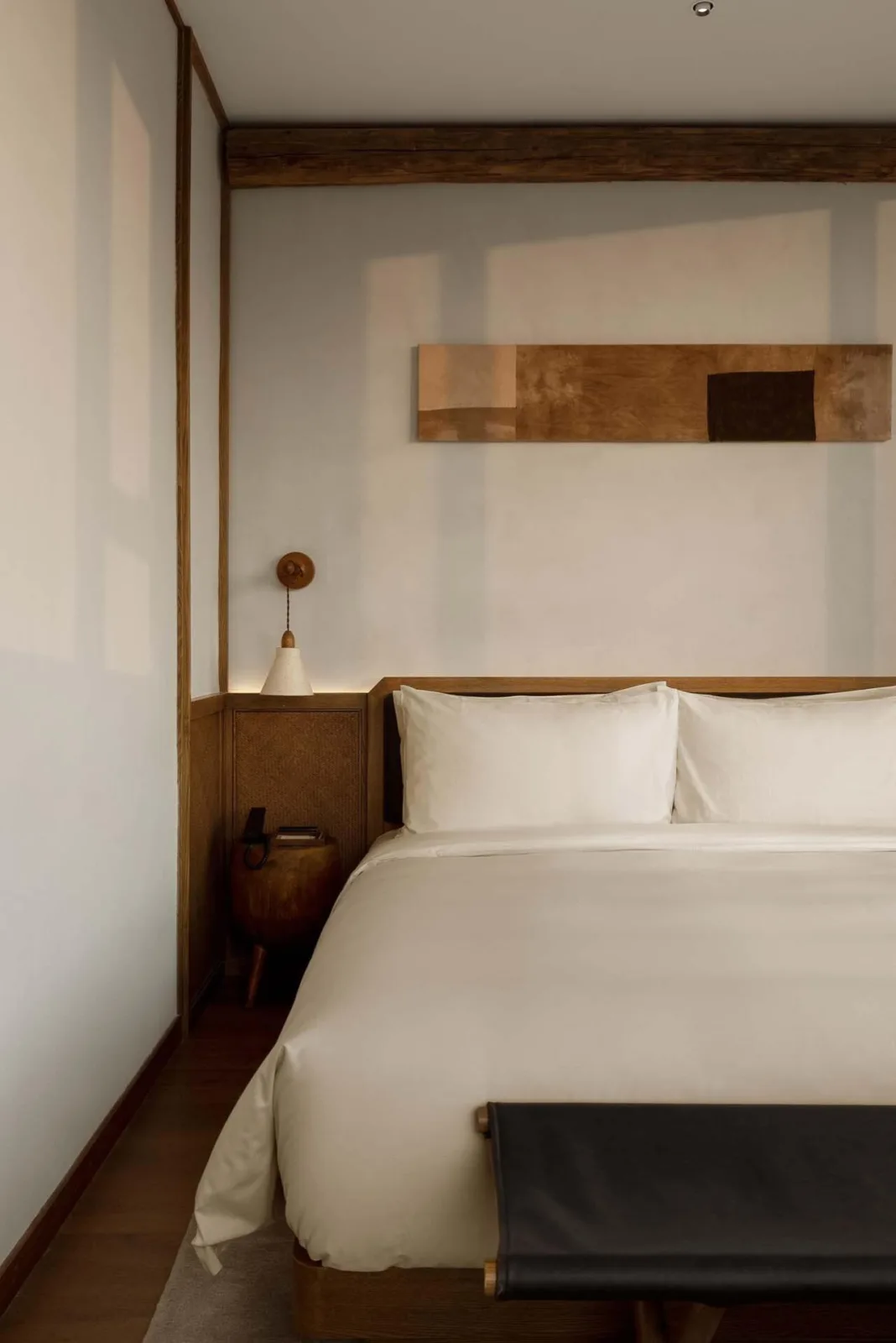
The design plan includes a five-story main building with 100 guest rooms set around a courtyard, complemented by a three-story annex containing 20 additional rooms. Other functional areas such as the reception hall, tea room, dining room, kitchen, and various service rooms have been redesigned. Initially, the design team underestimated the complexity of this project. As work progressed, they navigated multiple disciplines including small-scale planning, architectural design, renovation, interior design, landscape architecture, and even public relations.
After extensive adjustments, two main design approaches emerged: rational design and emotional design.
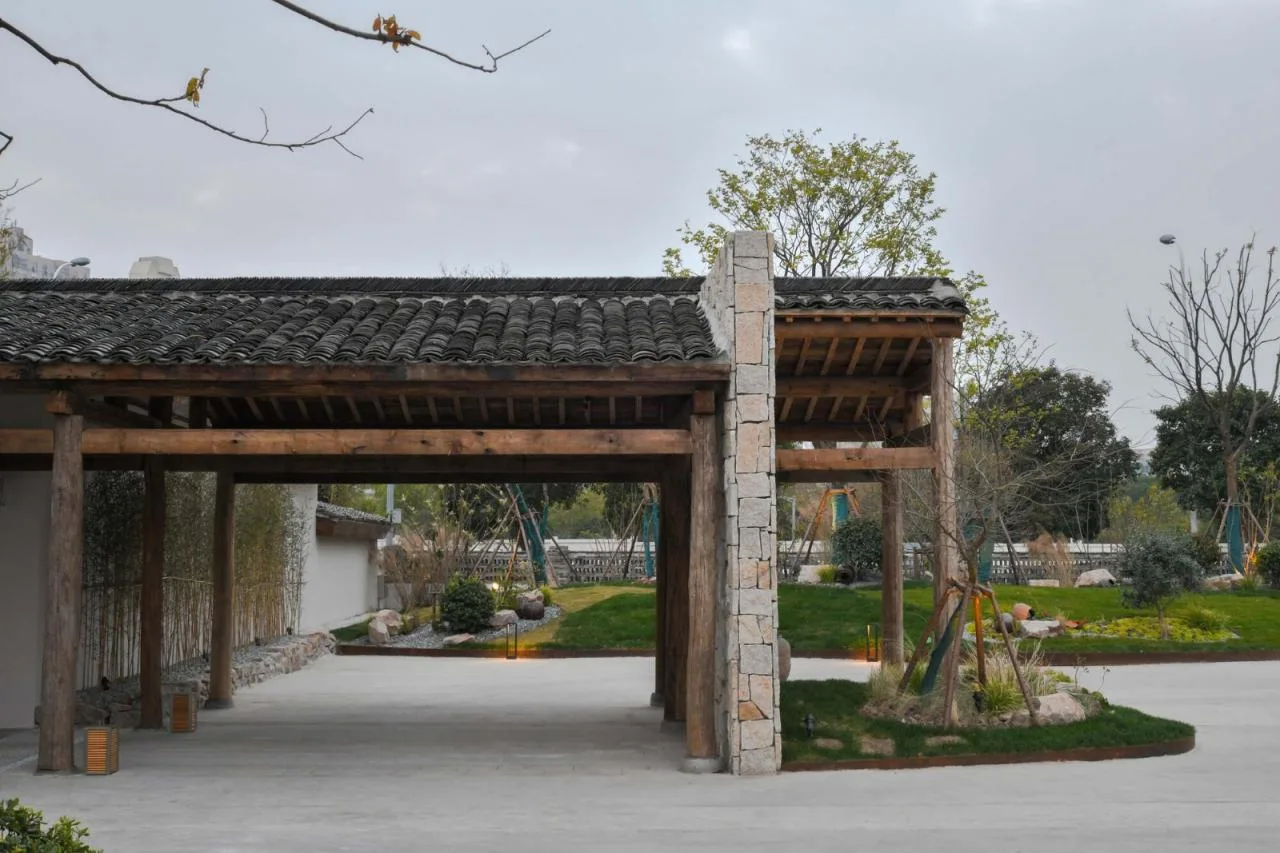
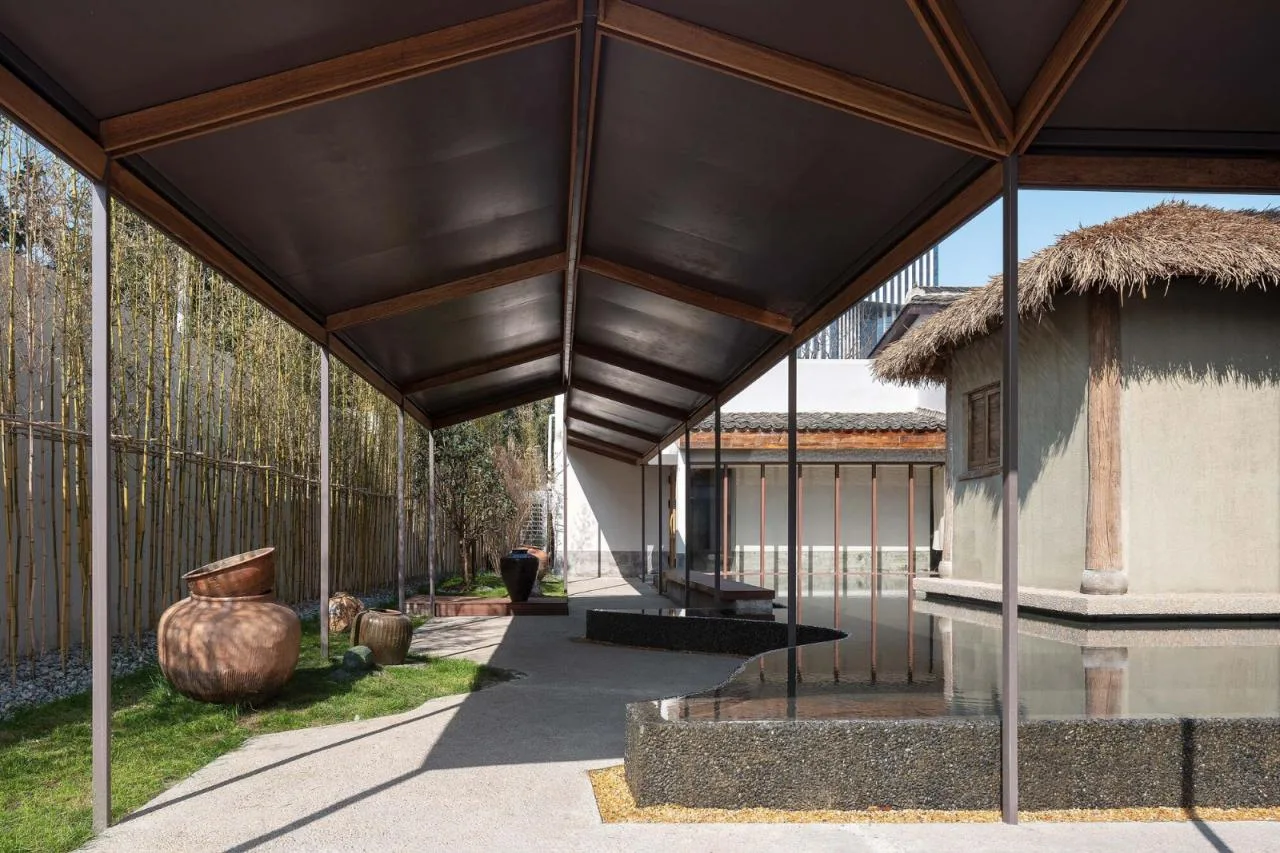
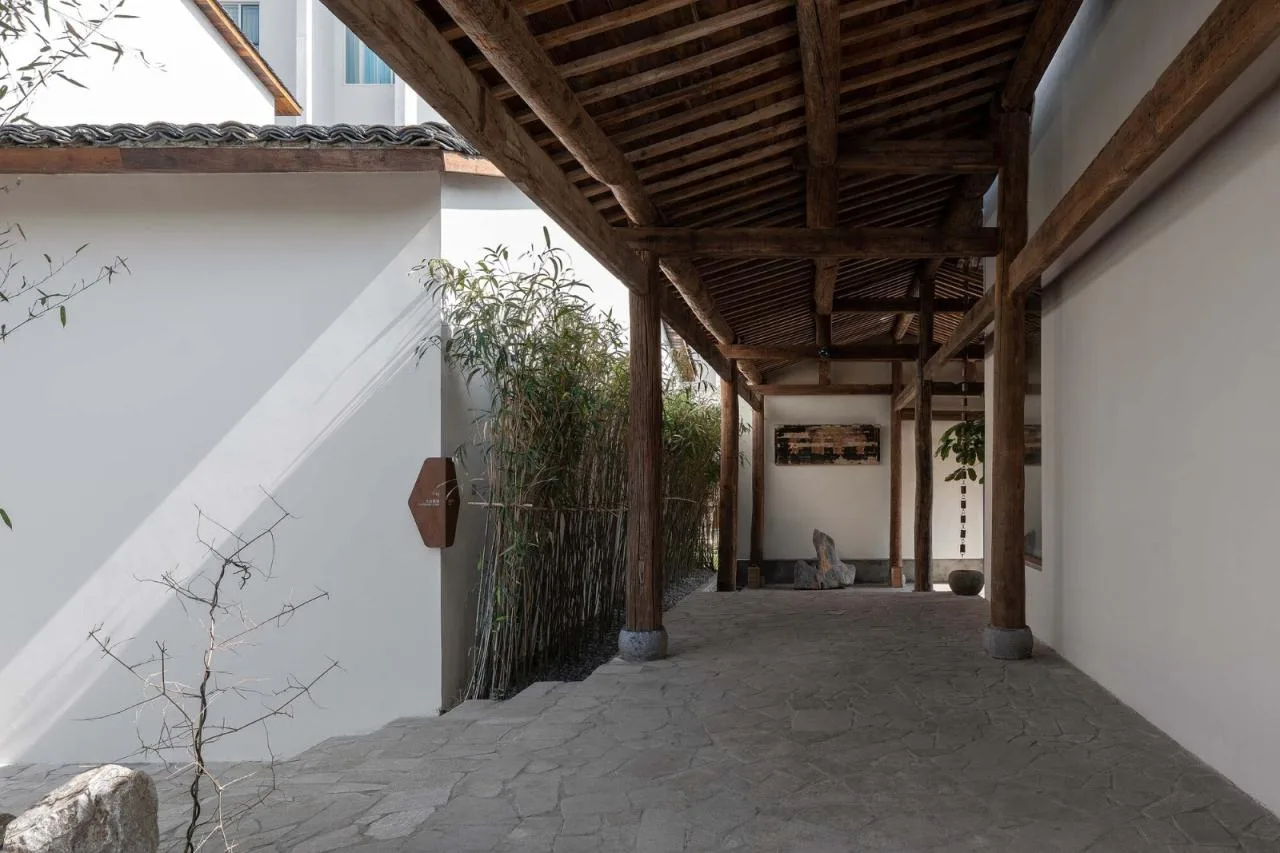
Reflecting on the ancient Roman architect Vitruvius’s three principles—utility, durability, and beauty—it’s clear that none were fully present at the start. However, all design must begin with rationality. Essential tasks such as door and window replacement, structural reinforcement, roof waterproofing, and hardware installation are complex and unavoidable. Simply put, the design must be practical and durable.
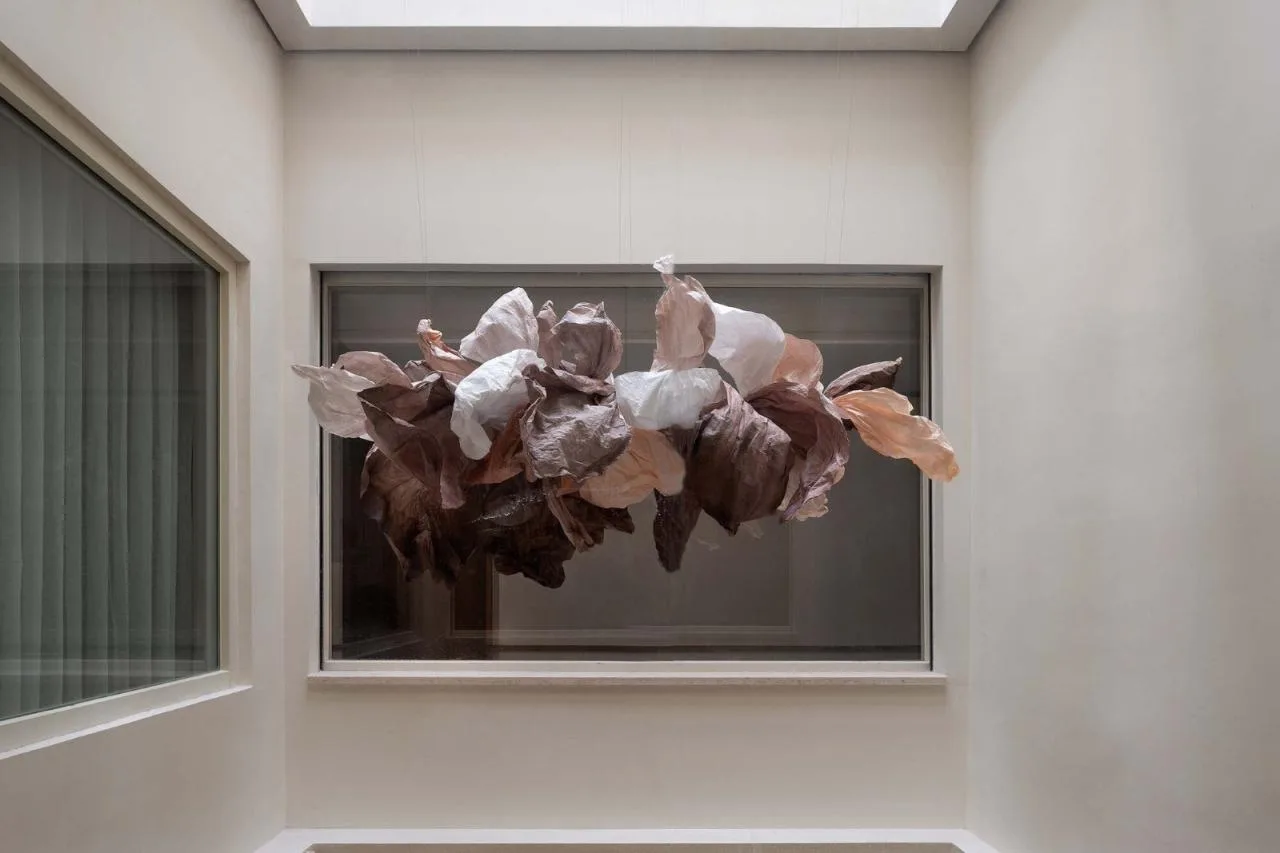
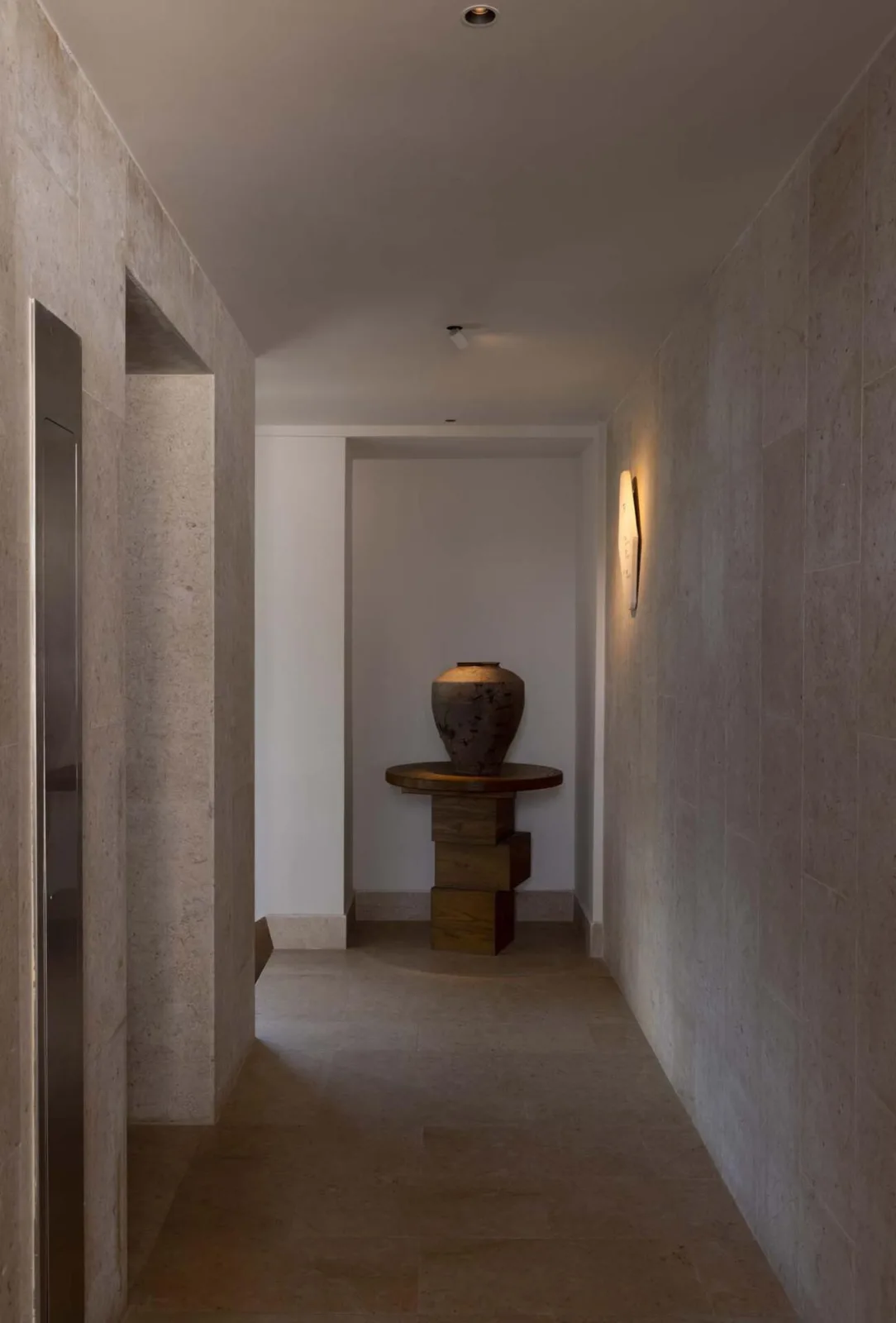
Addressing the emotional dimension is even more challenging. Design alone holds no meaning; a purely technical approach lacks soul. The true challenge lies in giving the hotel its spirit and character.
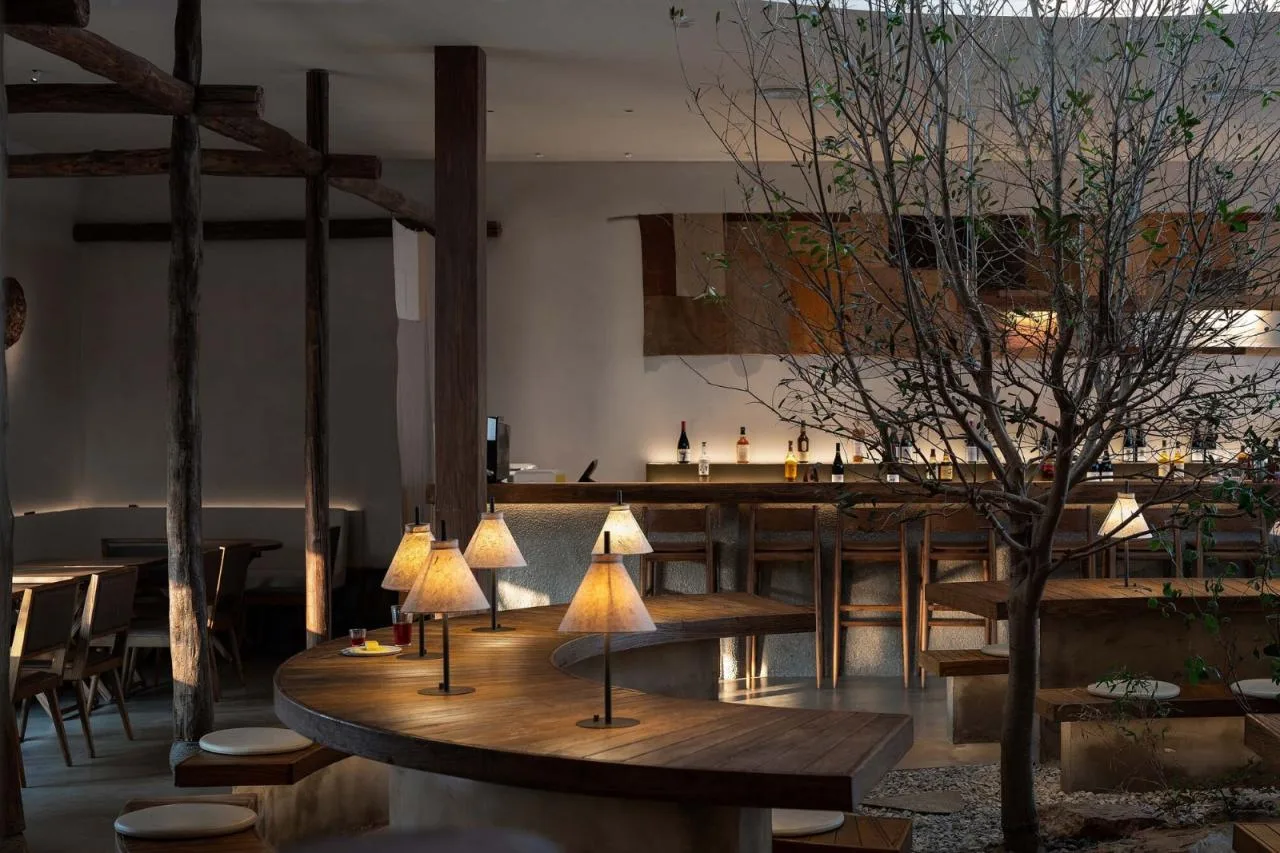
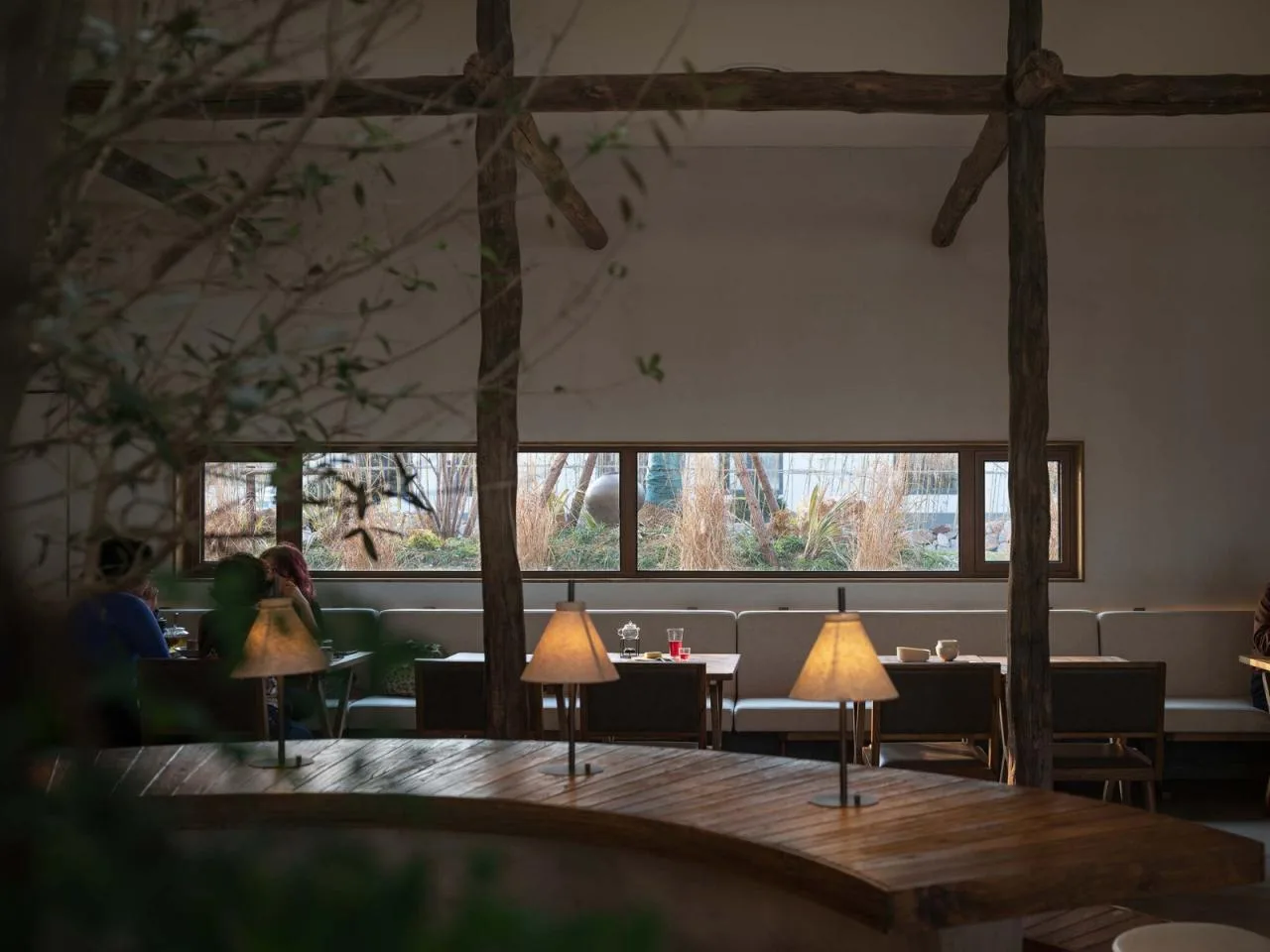
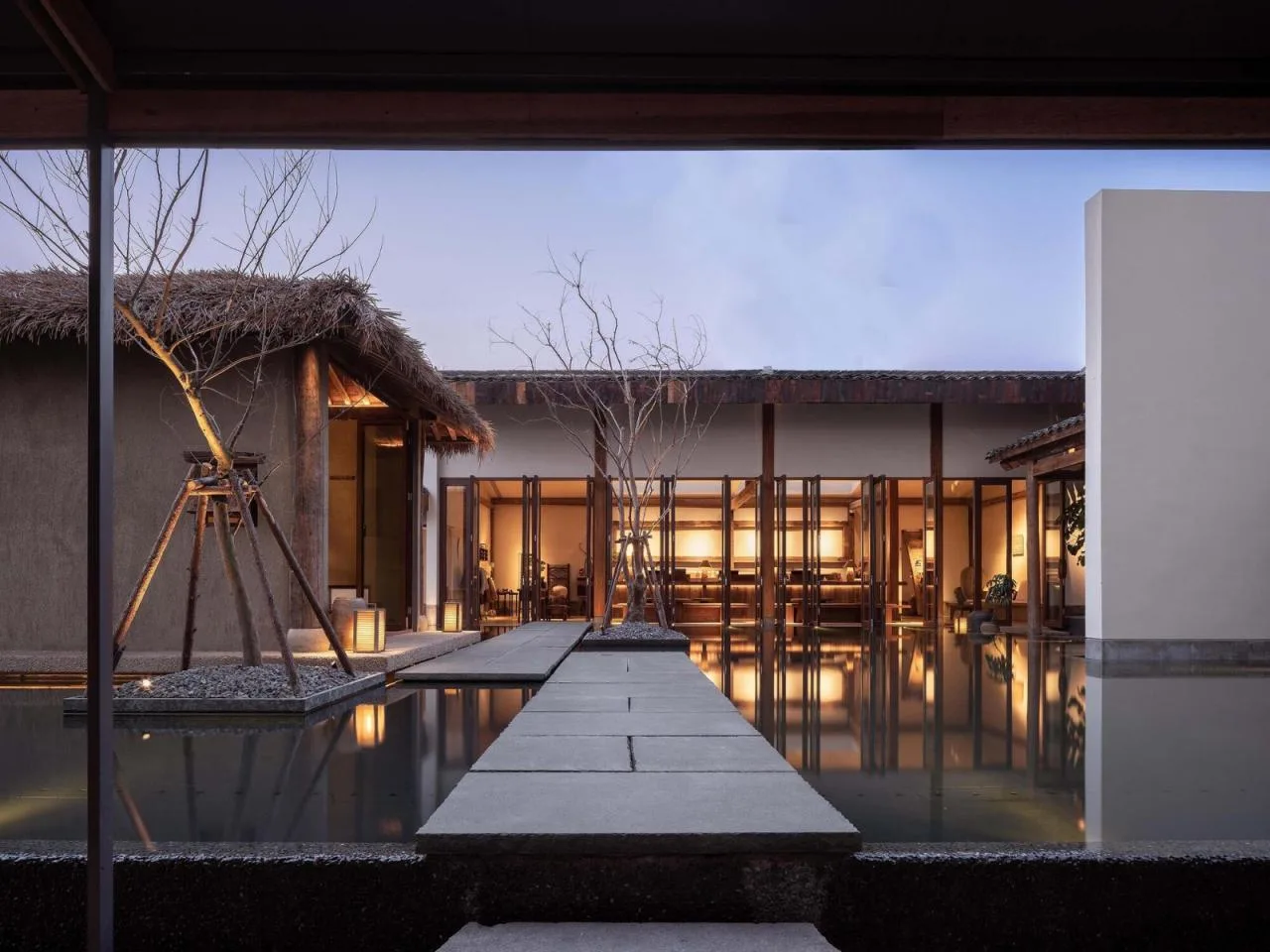
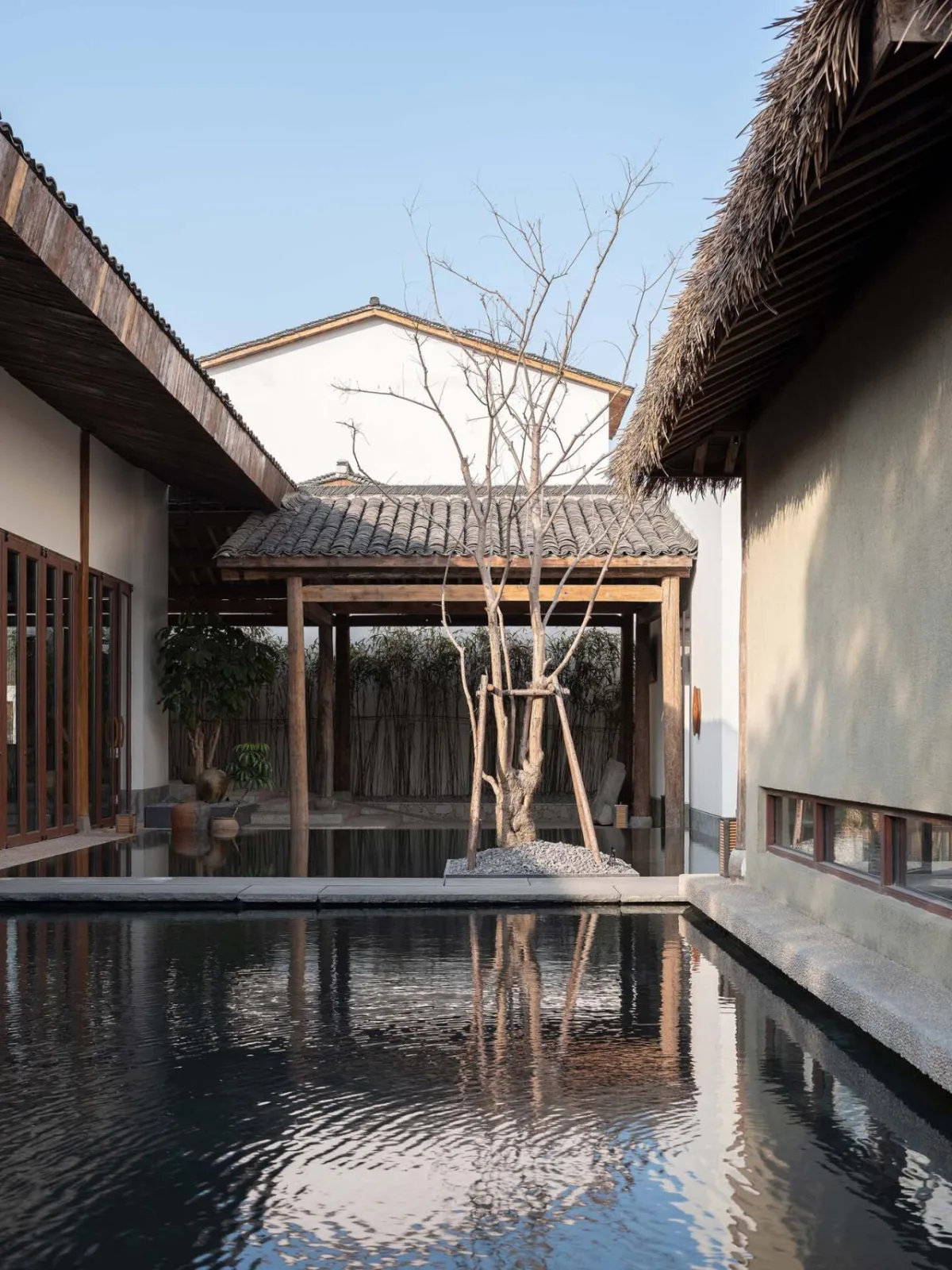
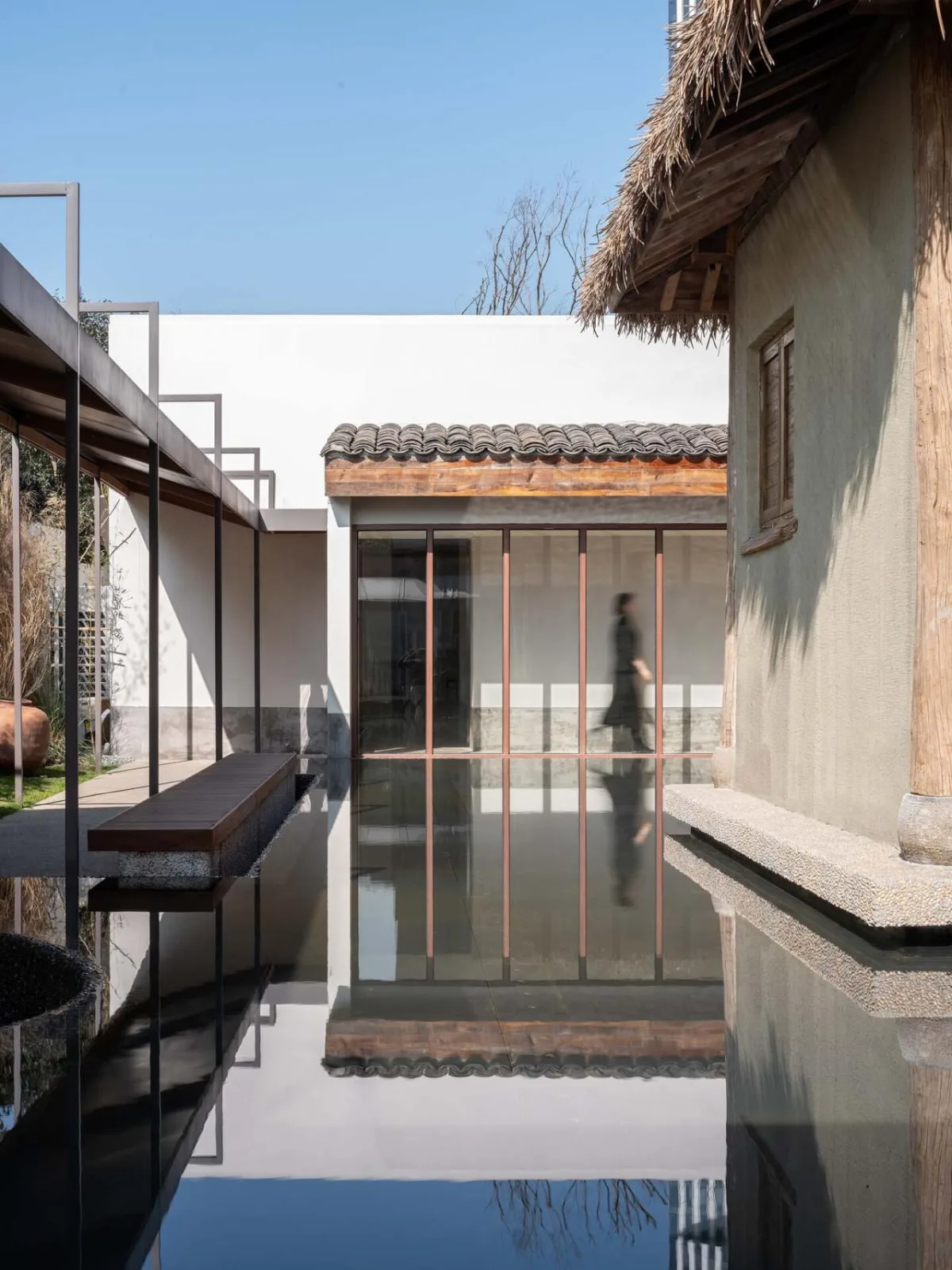
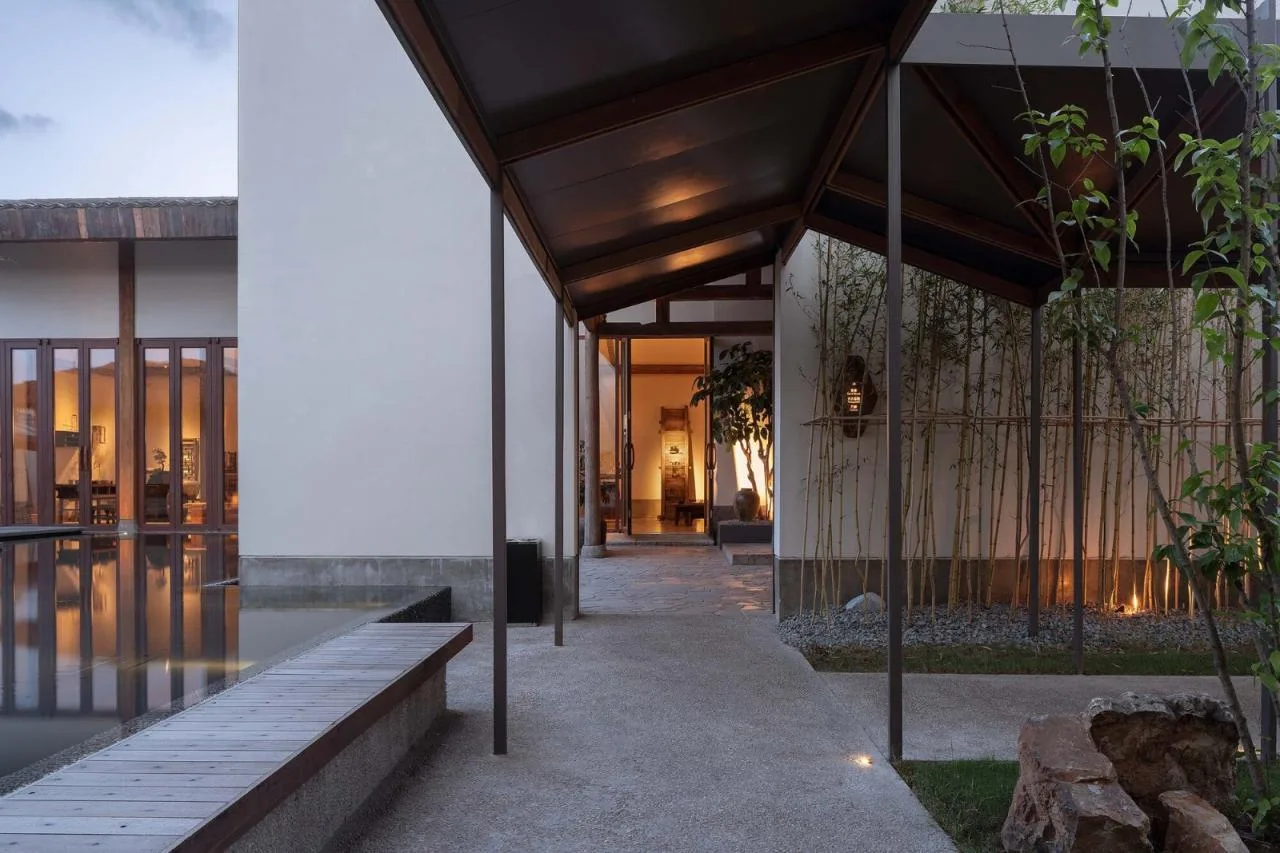
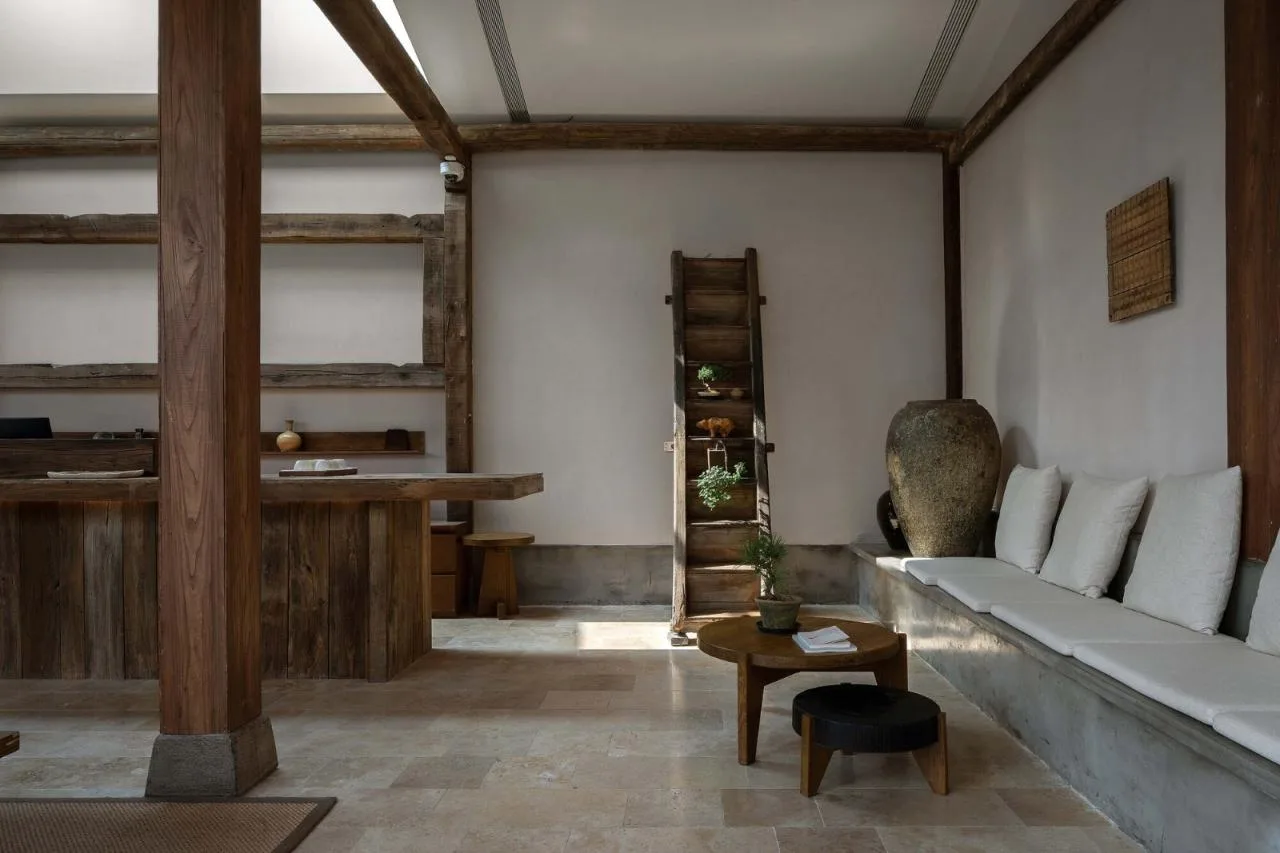
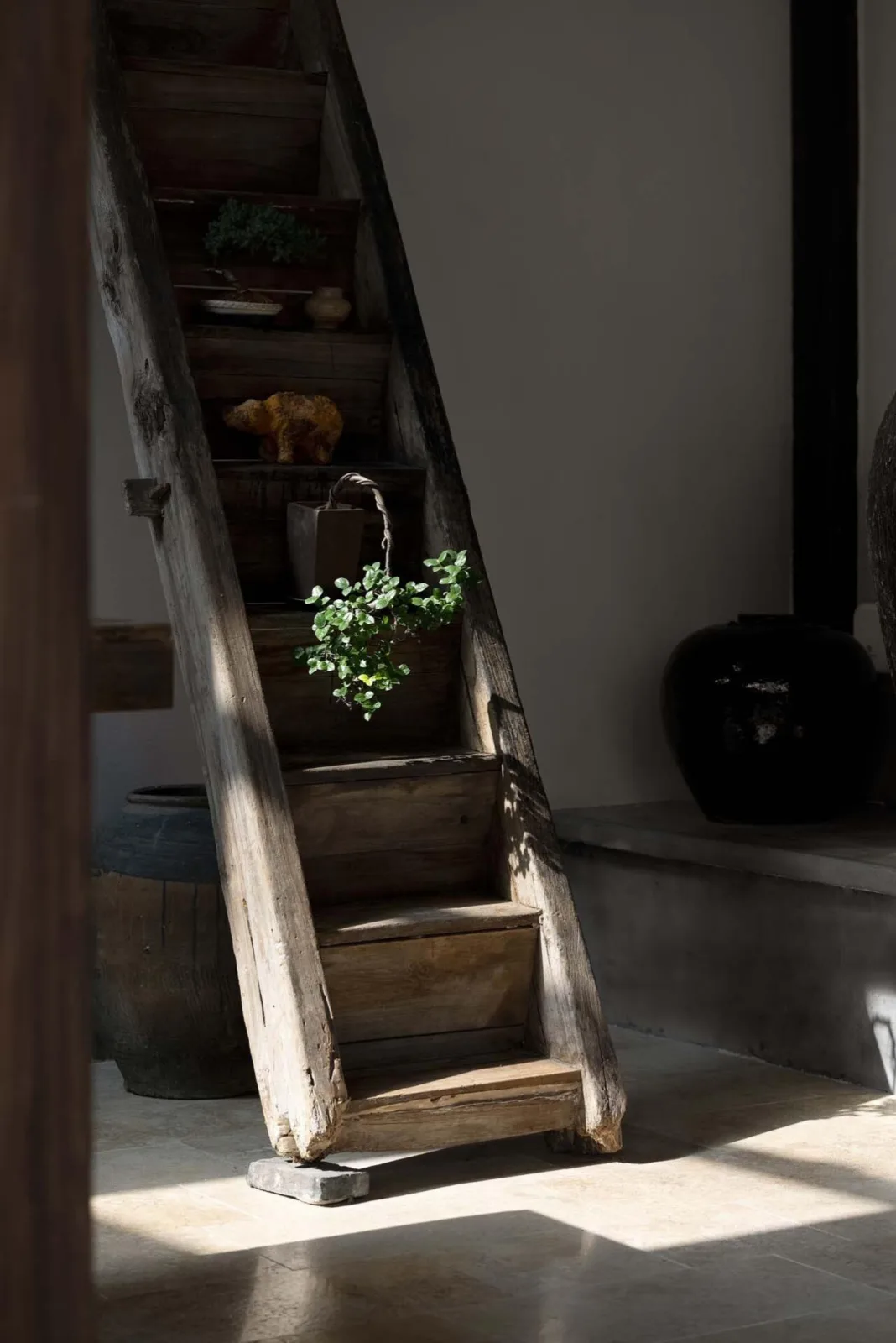
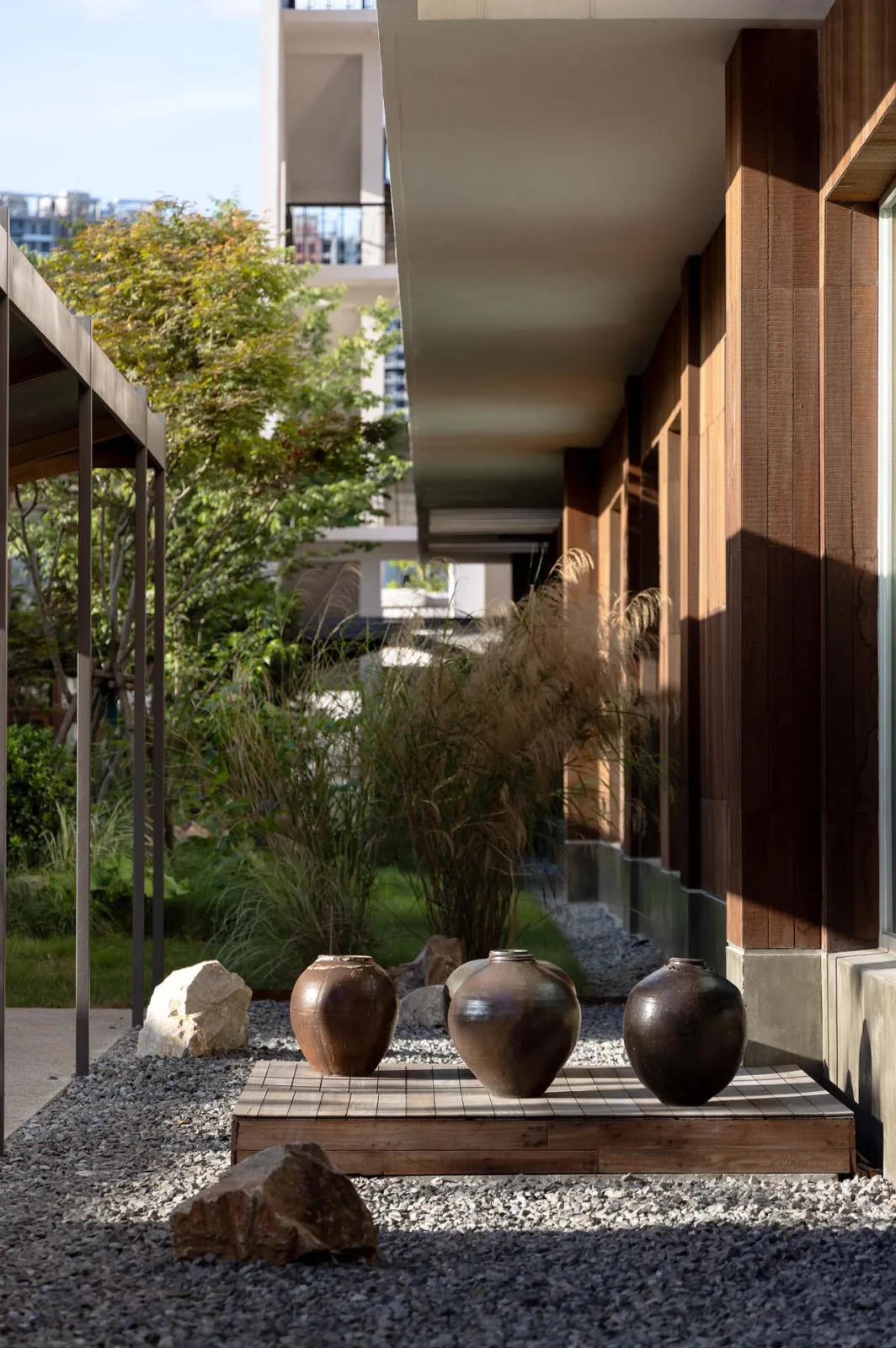
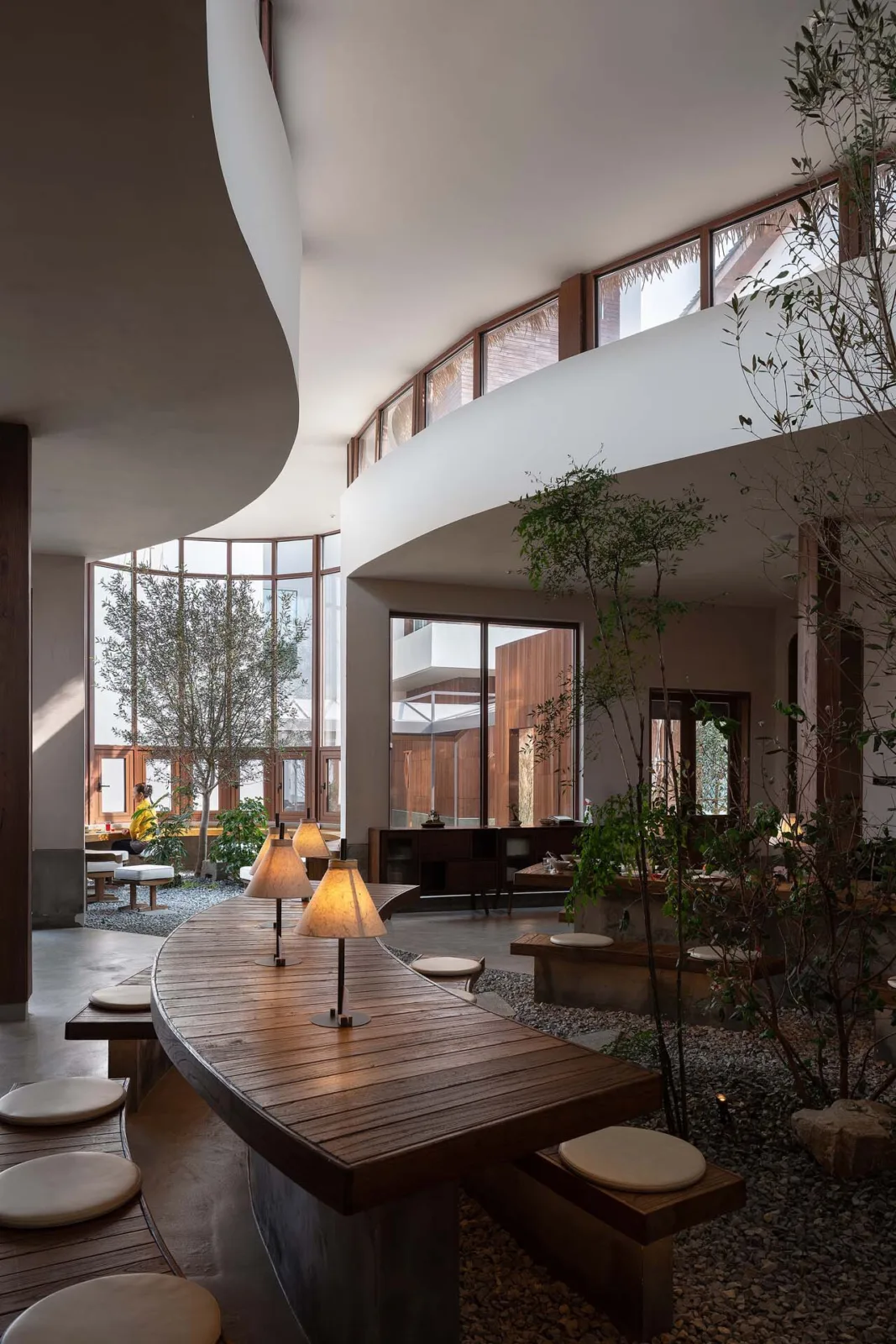
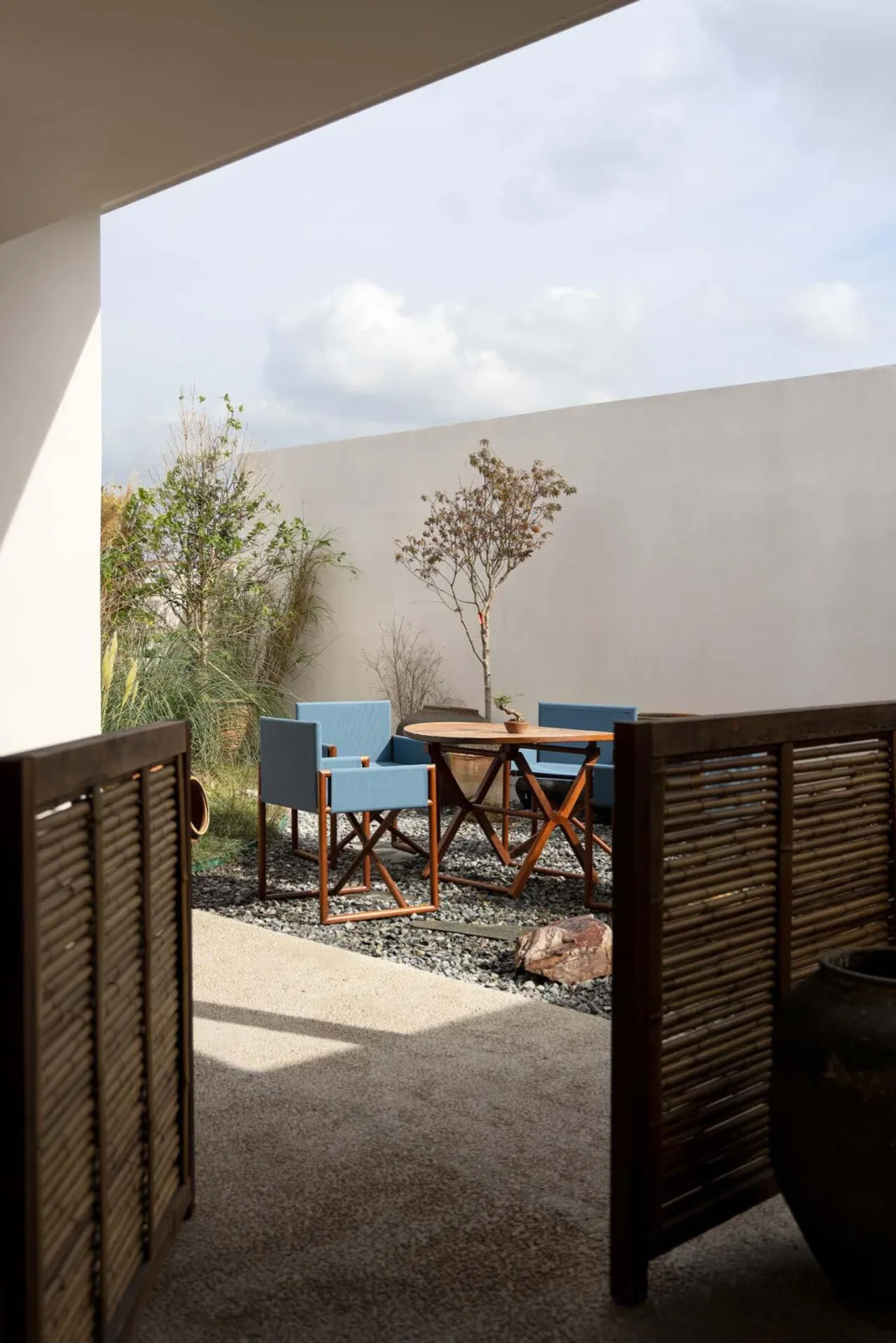
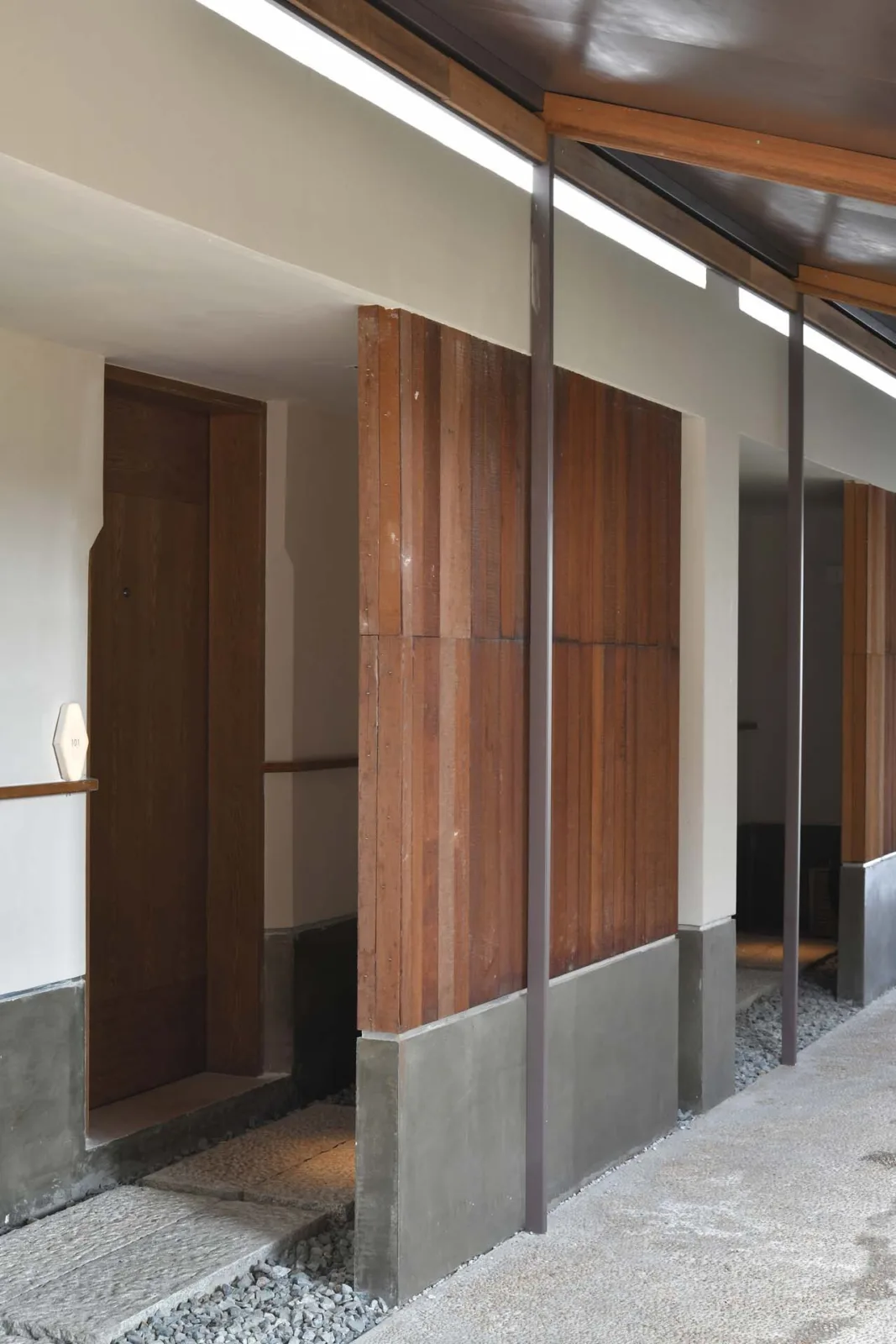
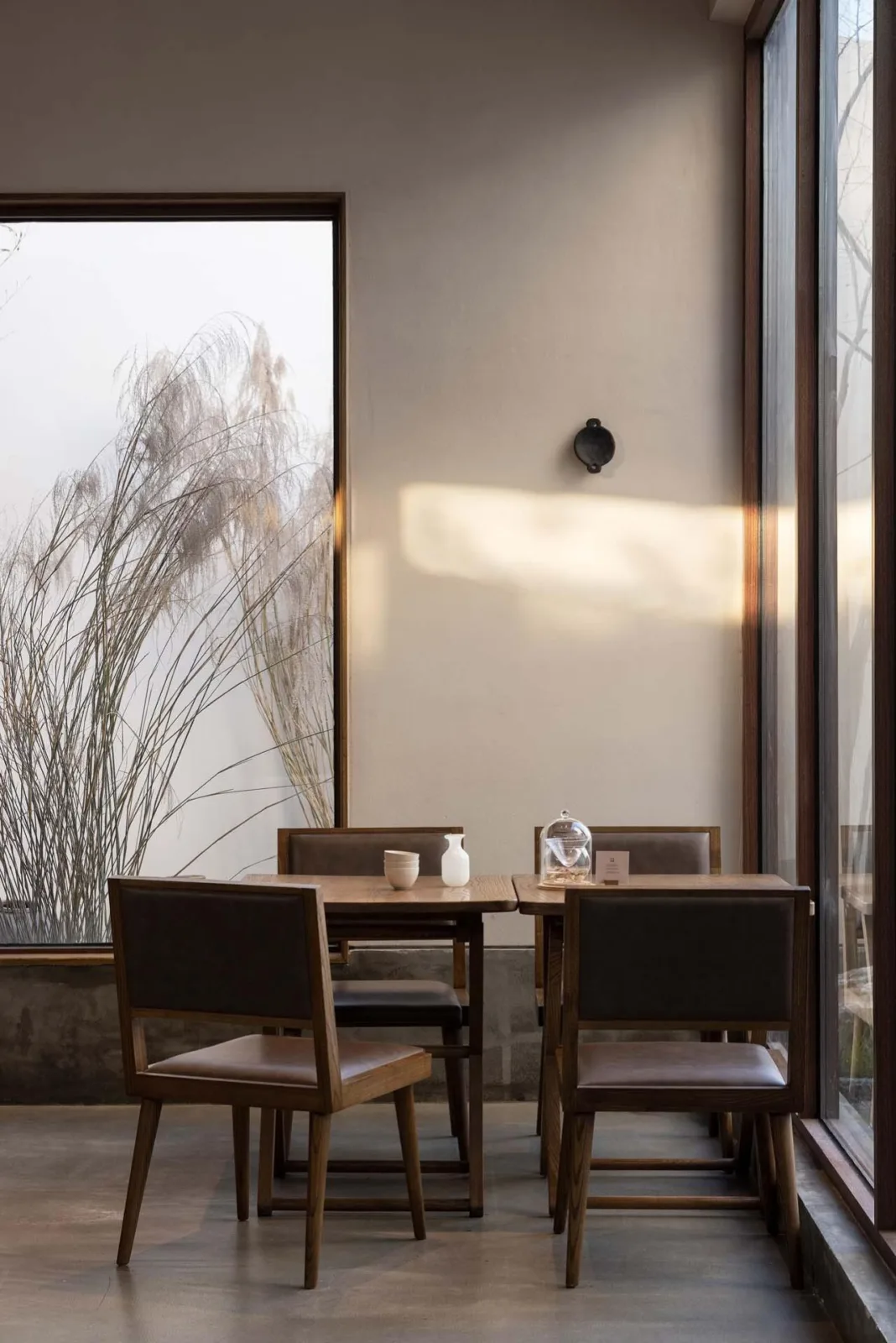
Two years ago, I was deeply inspired by Mr. Tong Jun’s Jiangnan Garden Chronicles. Perhaps it was just an intuitive feeling from a designer, but the layout of this project closely resembles the characteristics of traditional Chinese gardens. Pavilions, terraces, and buildings are reinterpreted as reception halls, tea rooms, guest rooms, and restaurants arranged on a flat plane.
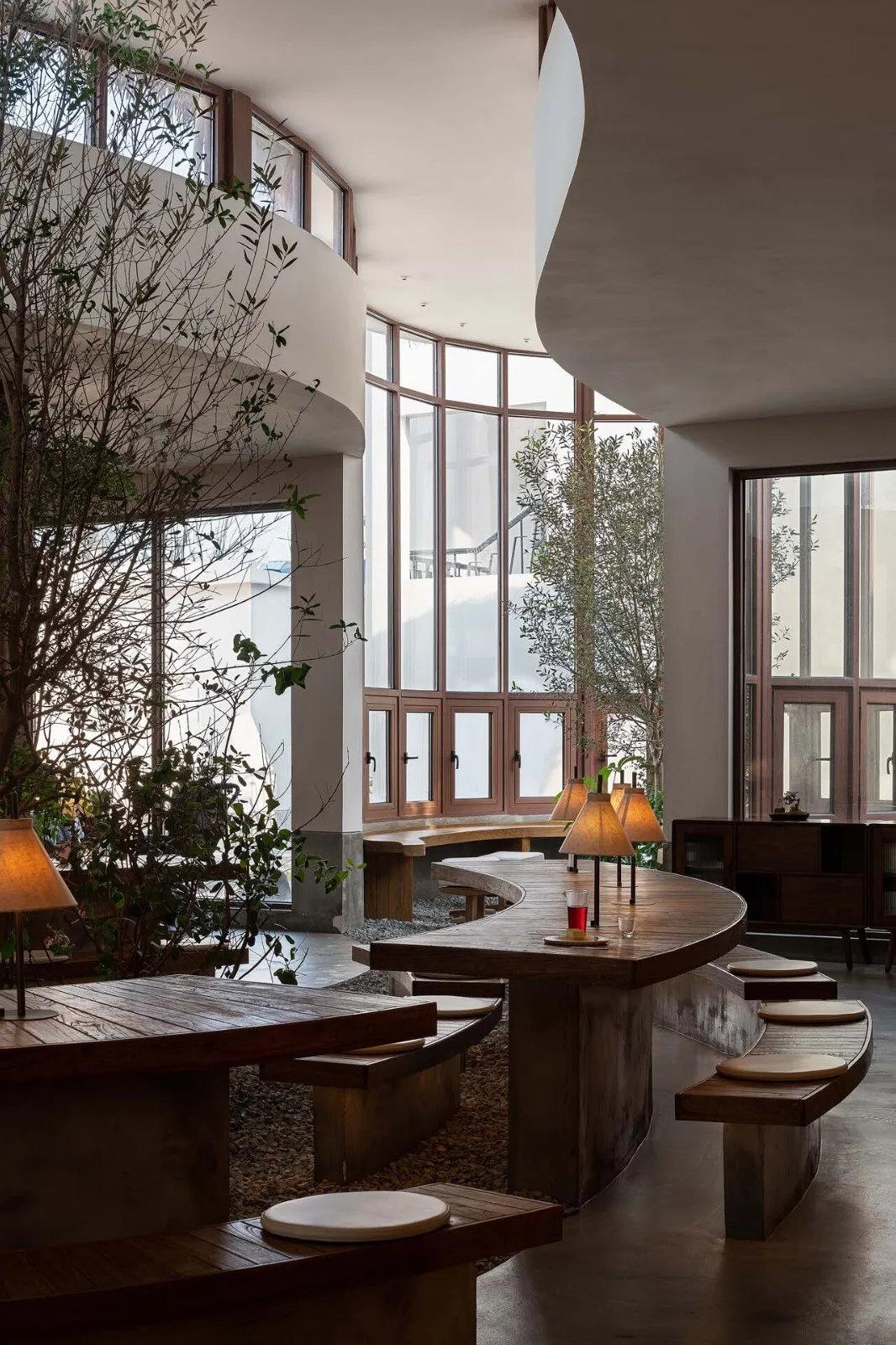
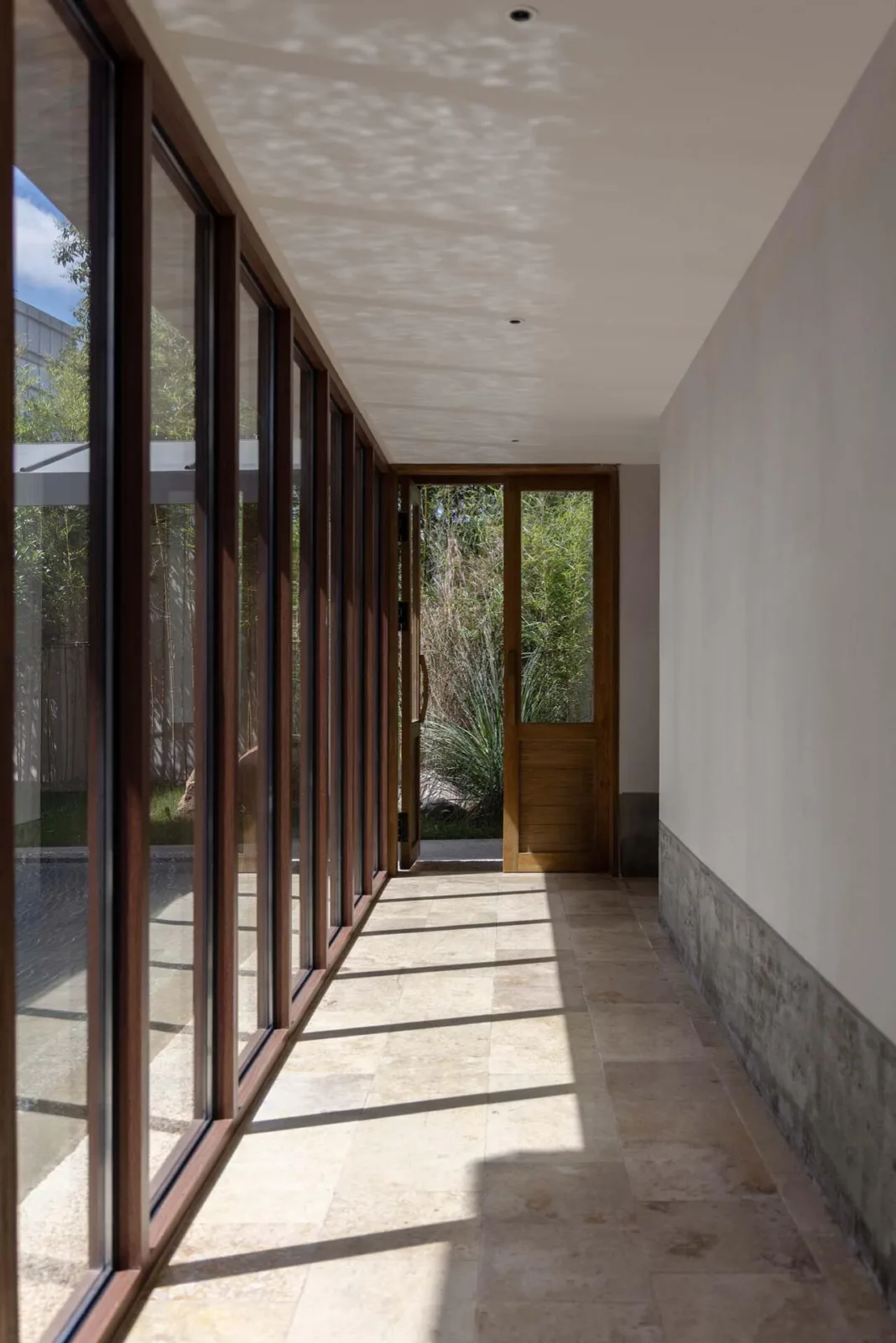
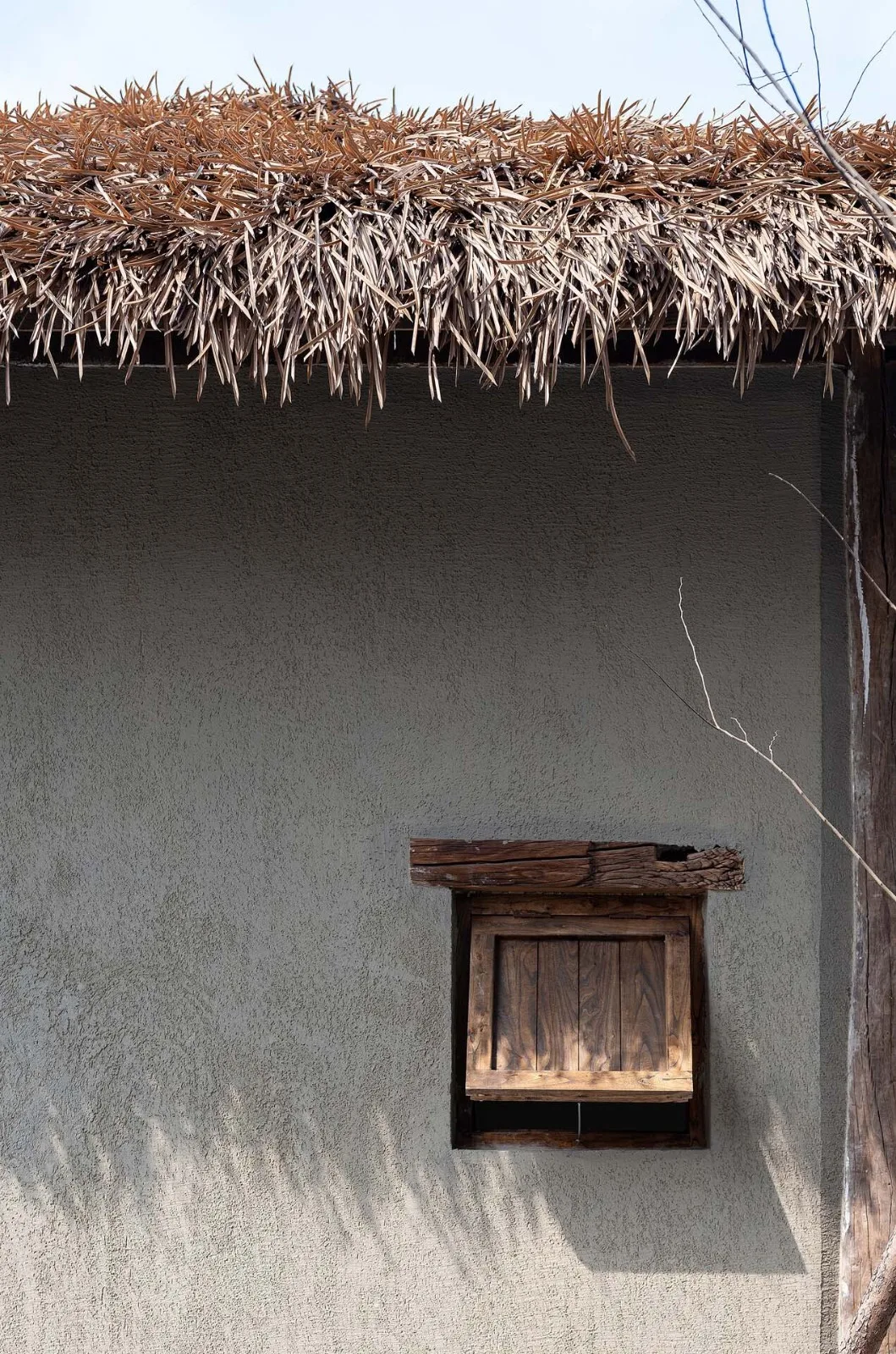
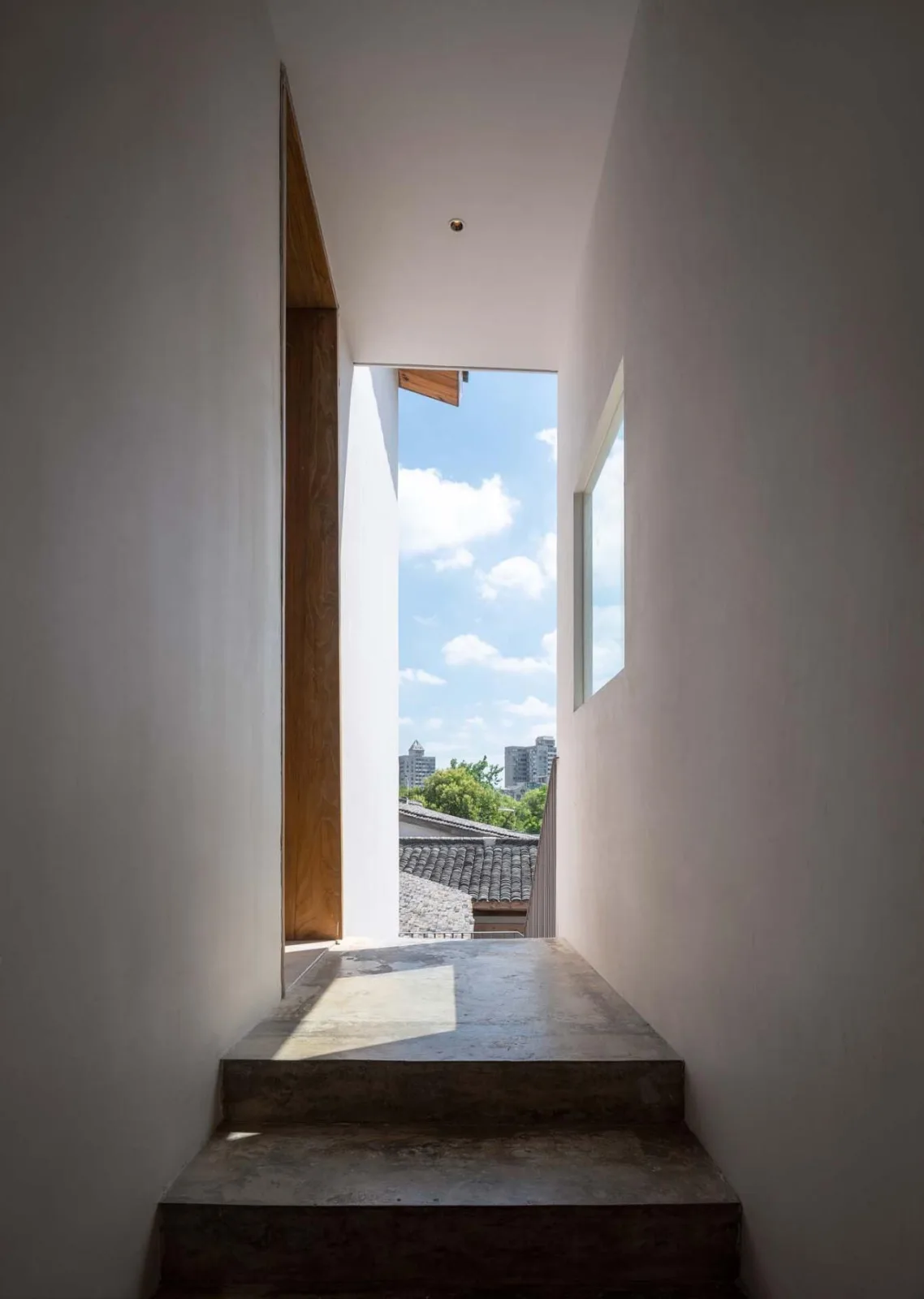
Connected by corridors, winding paths lead to secluded areas, with an initially restrained entrance that gradually rises. Water, wood, mountains, and stones accentuate the design, creating a contemporary interpretation of Jiangnan gardens.
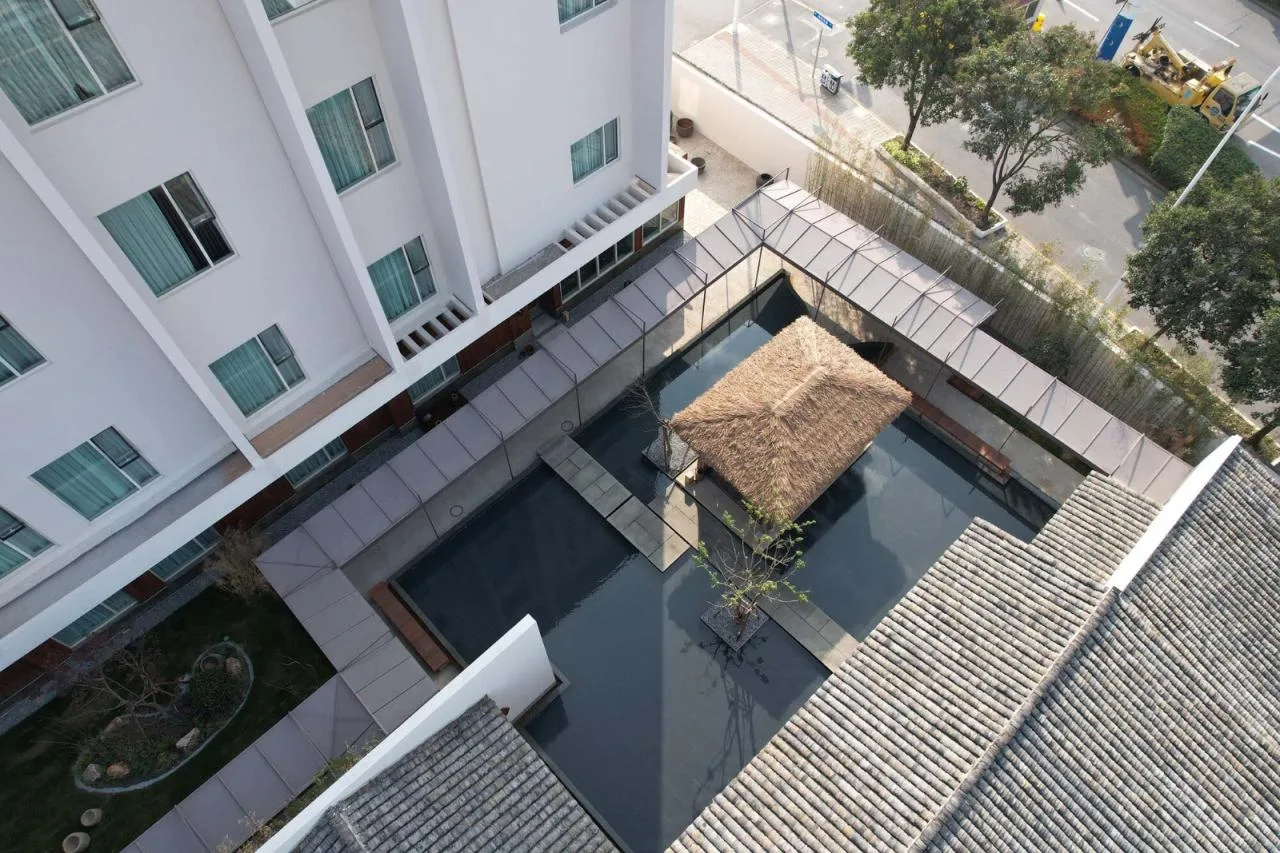
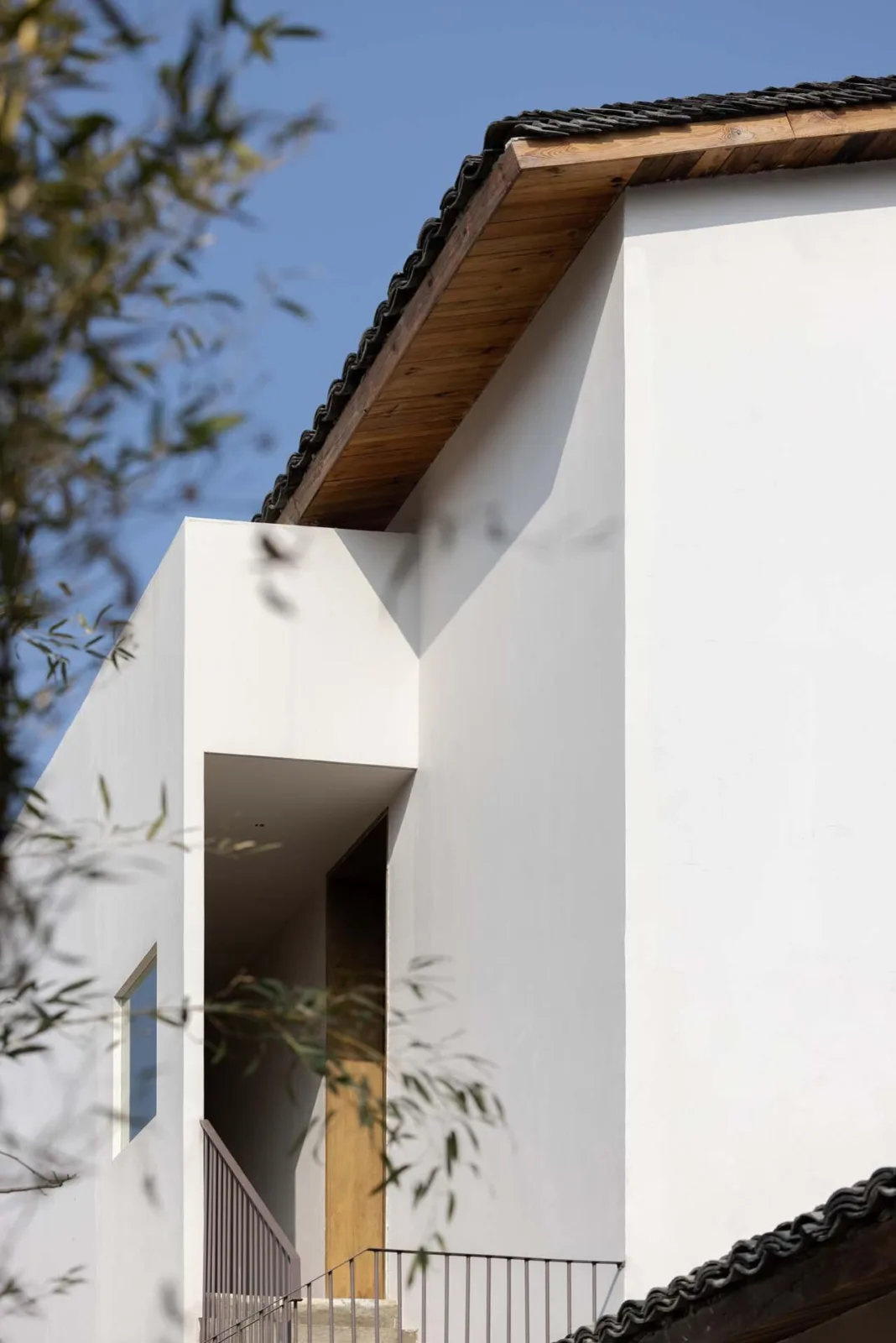
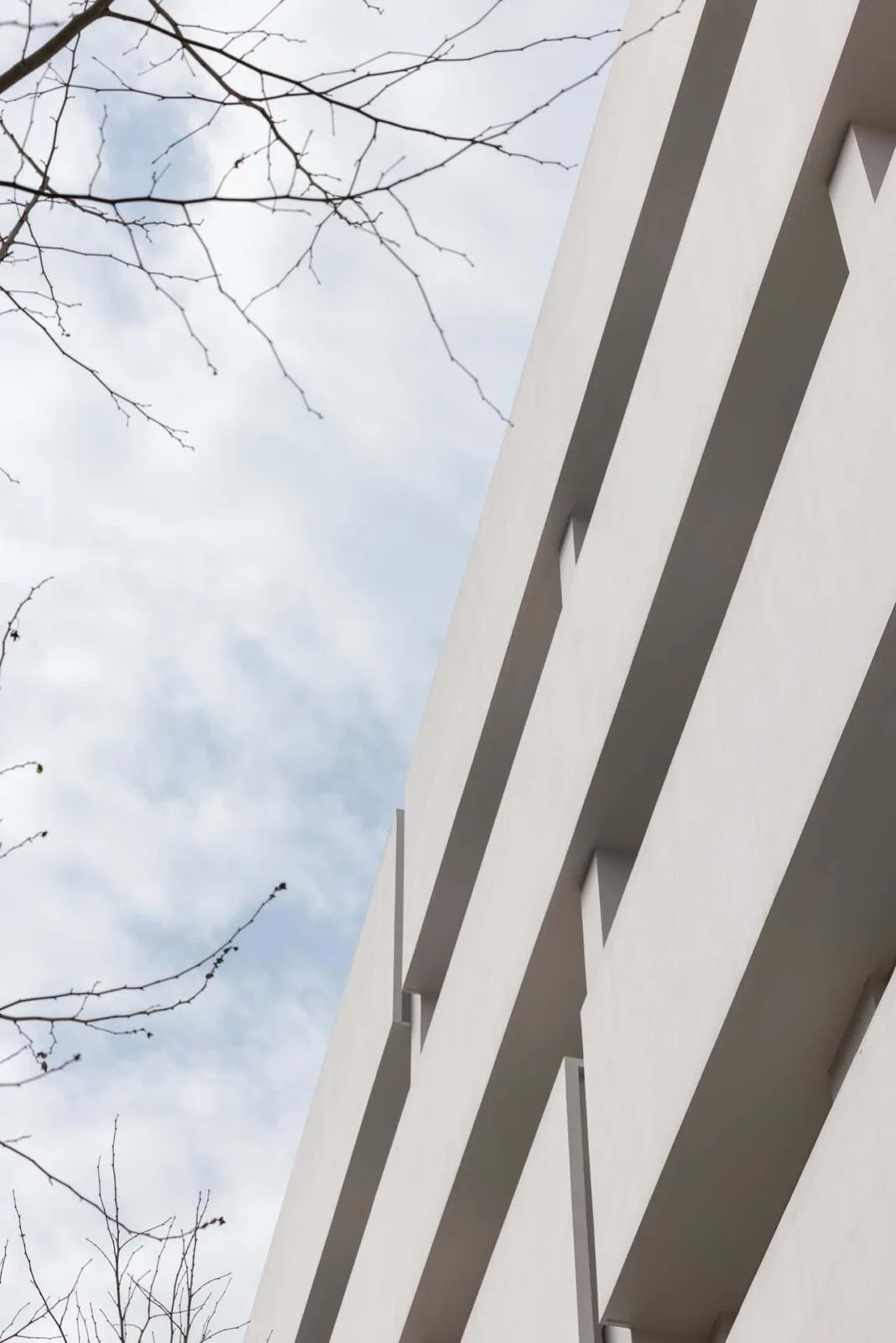
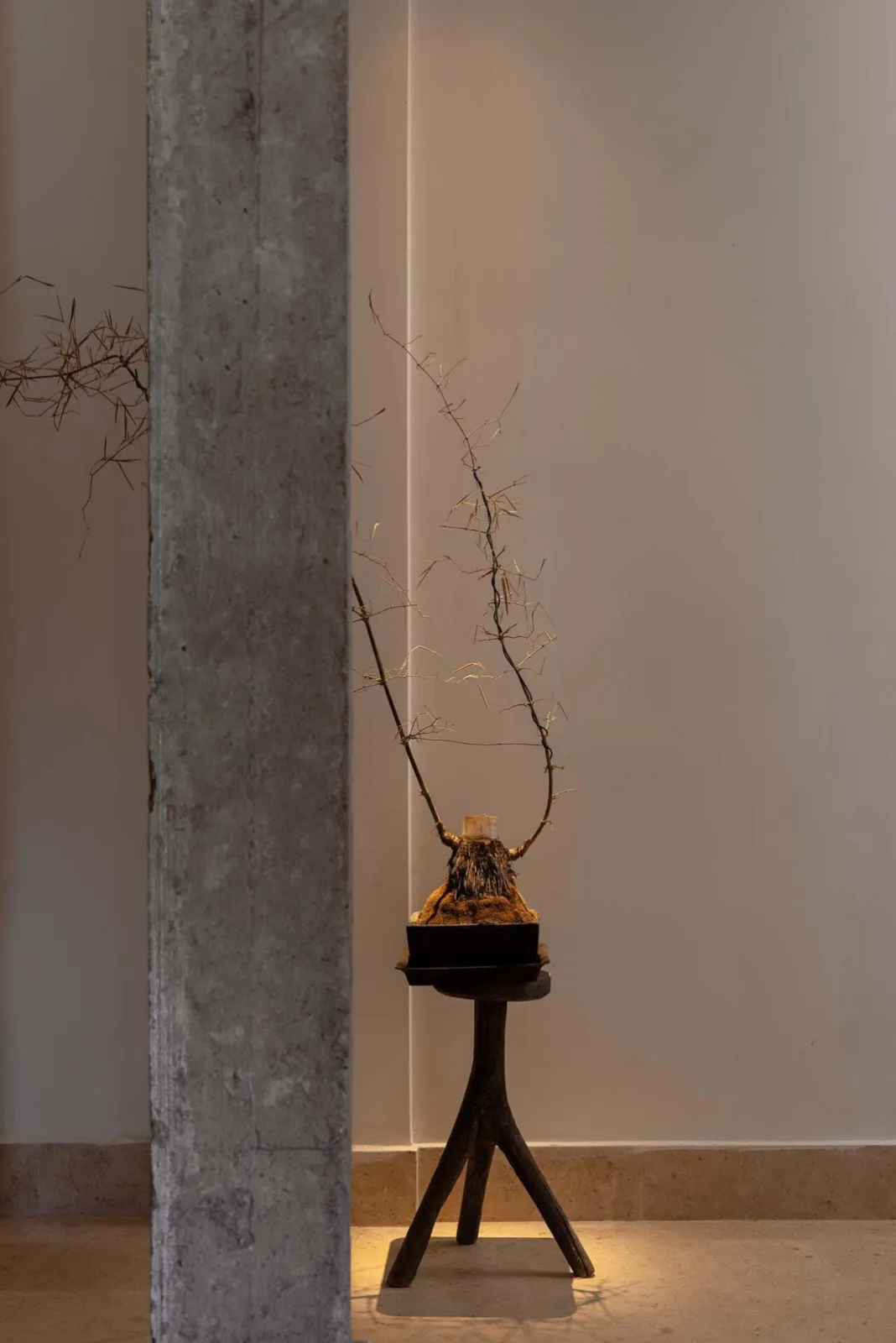
The garden unexpectedly became the central element of the design. The entire hotel revolves around this garden, maximizing the potential of landscaping within technological constraints. It balances tradition and modernity, weaving sensibility and rationality together.
While the design process involved successes and failures, the most important outcome was a renewed confidence in revitalizing traditional culture. This achievement extends beyond hotel design and inspires future projects.
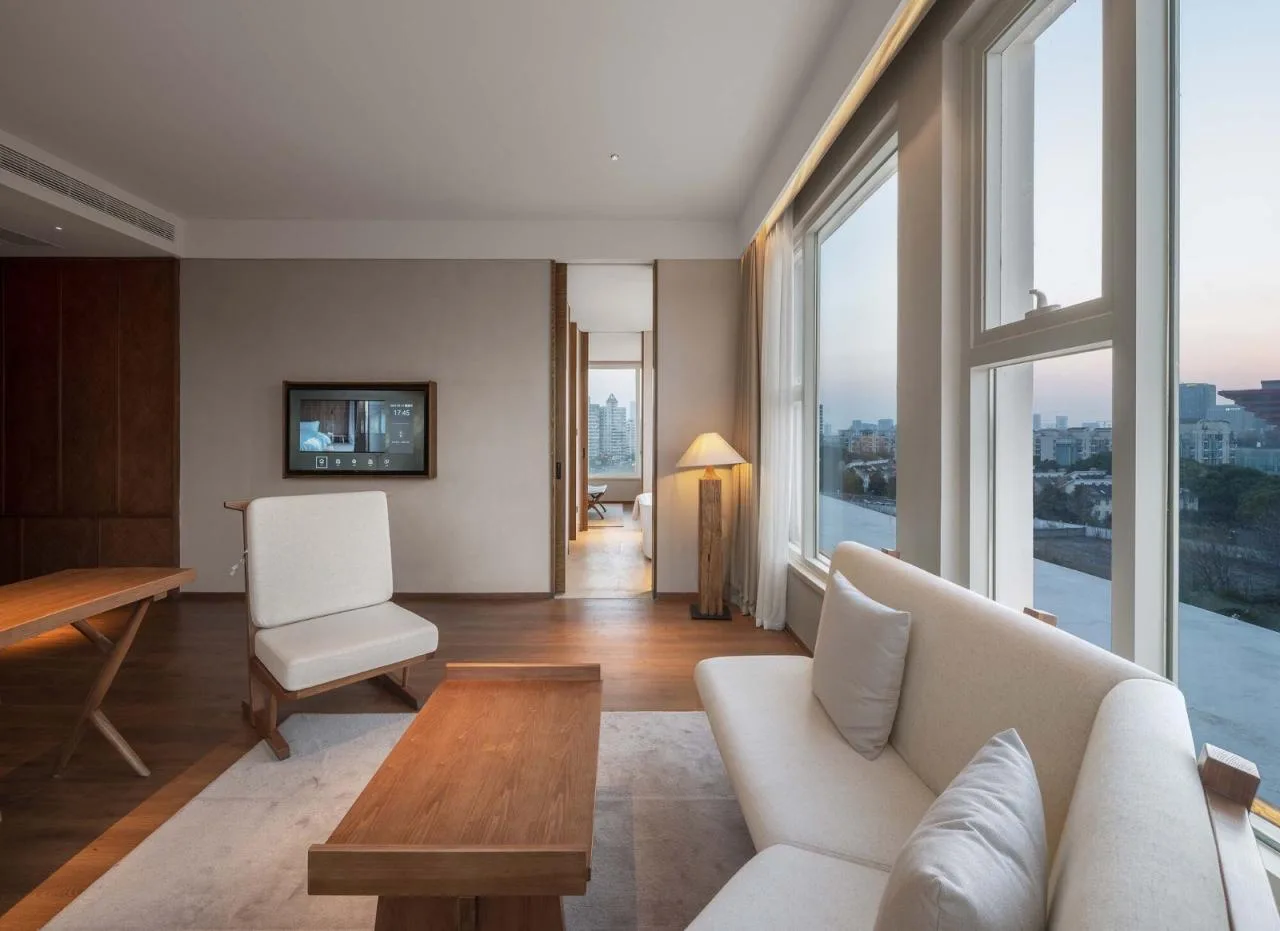
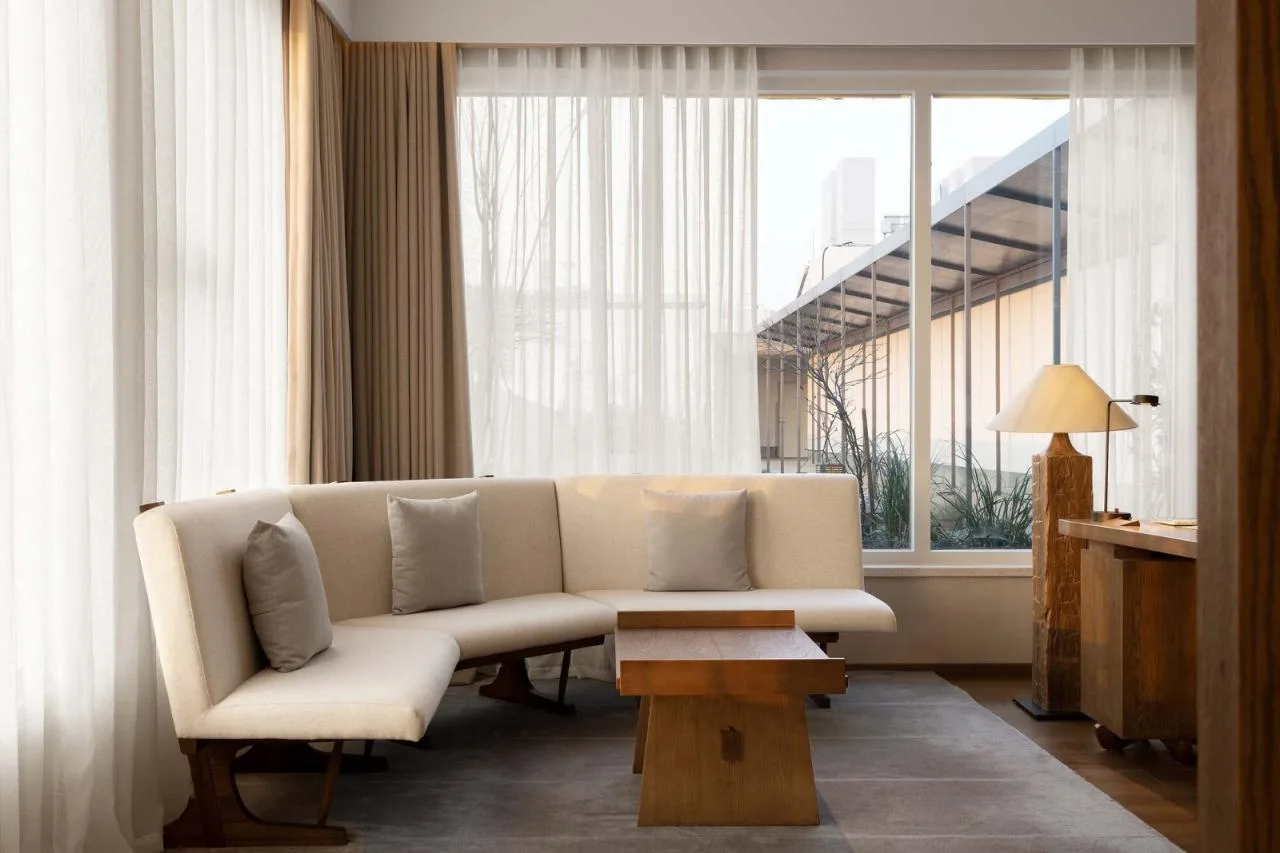
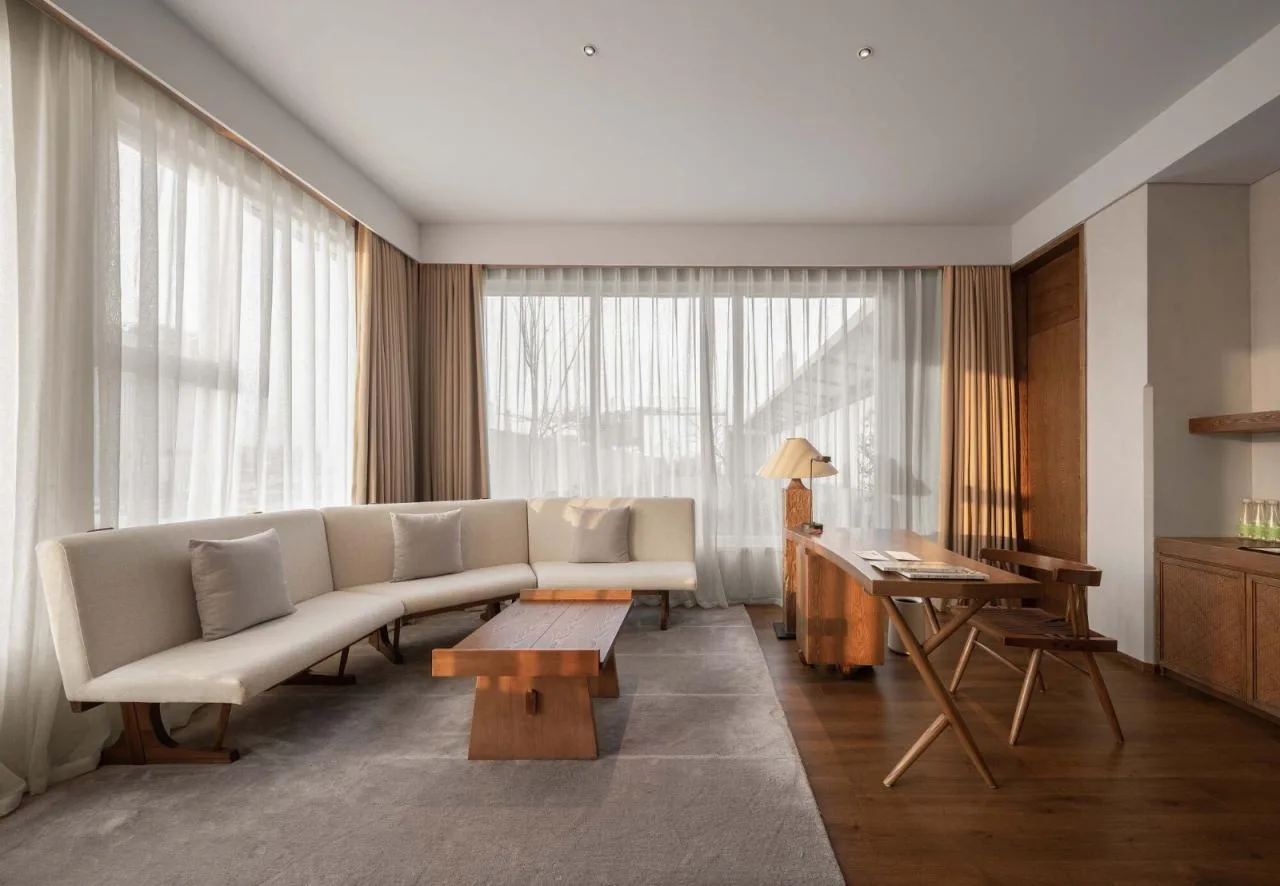
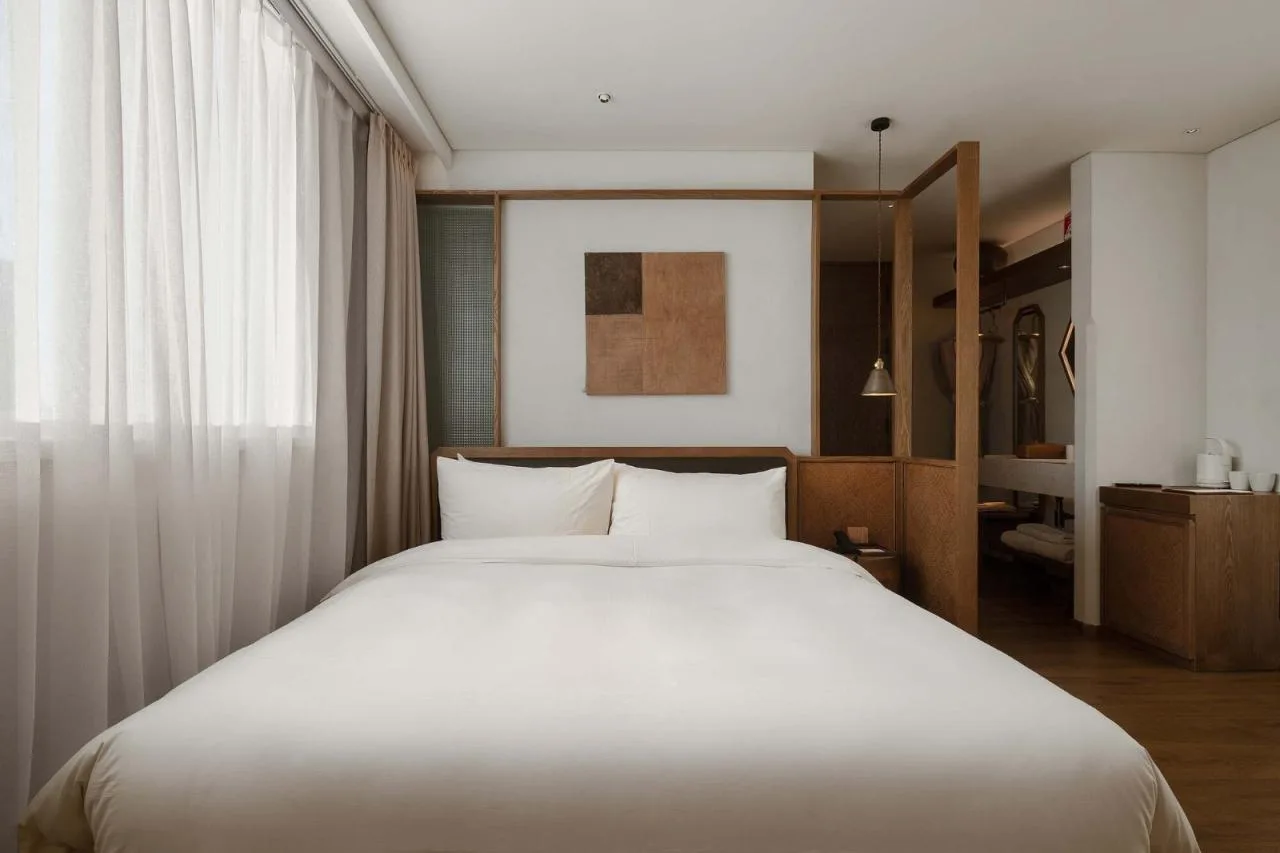
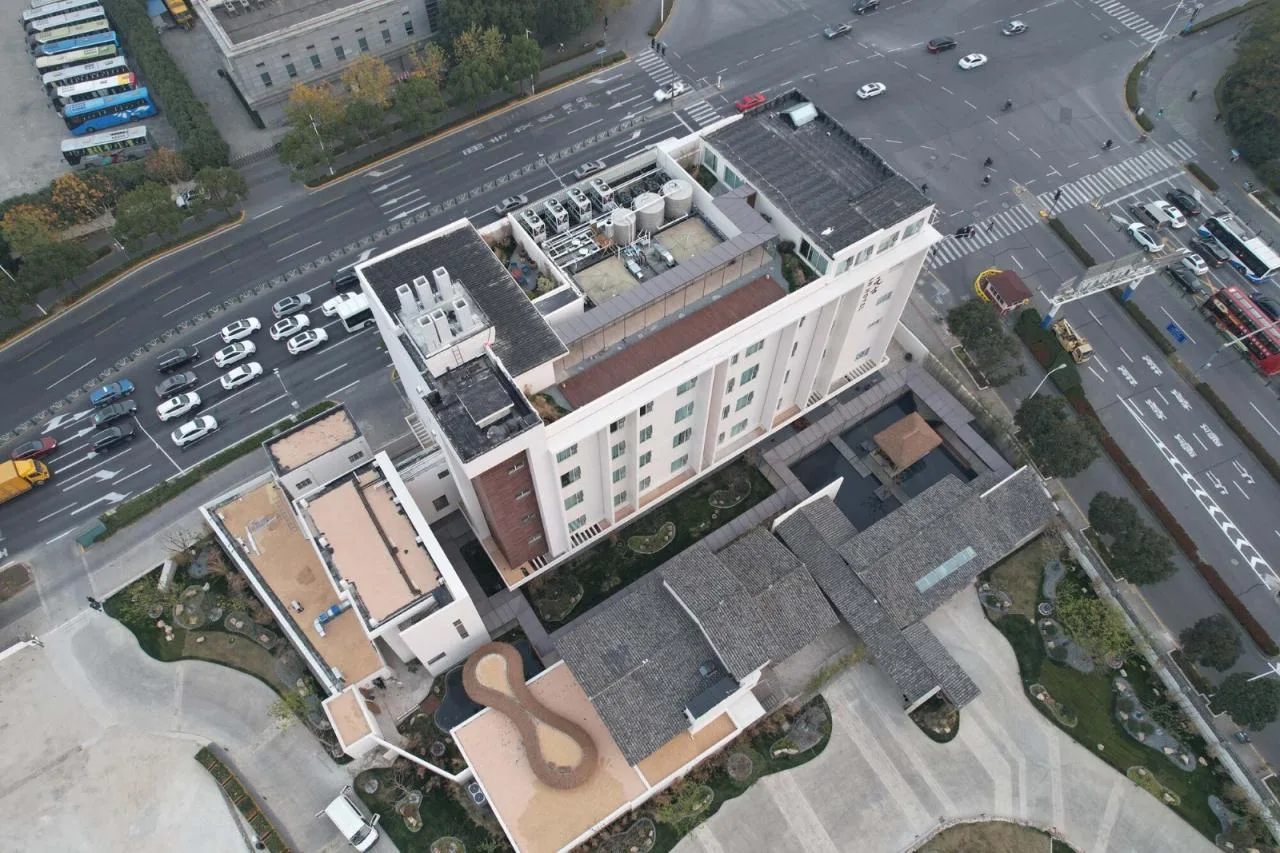
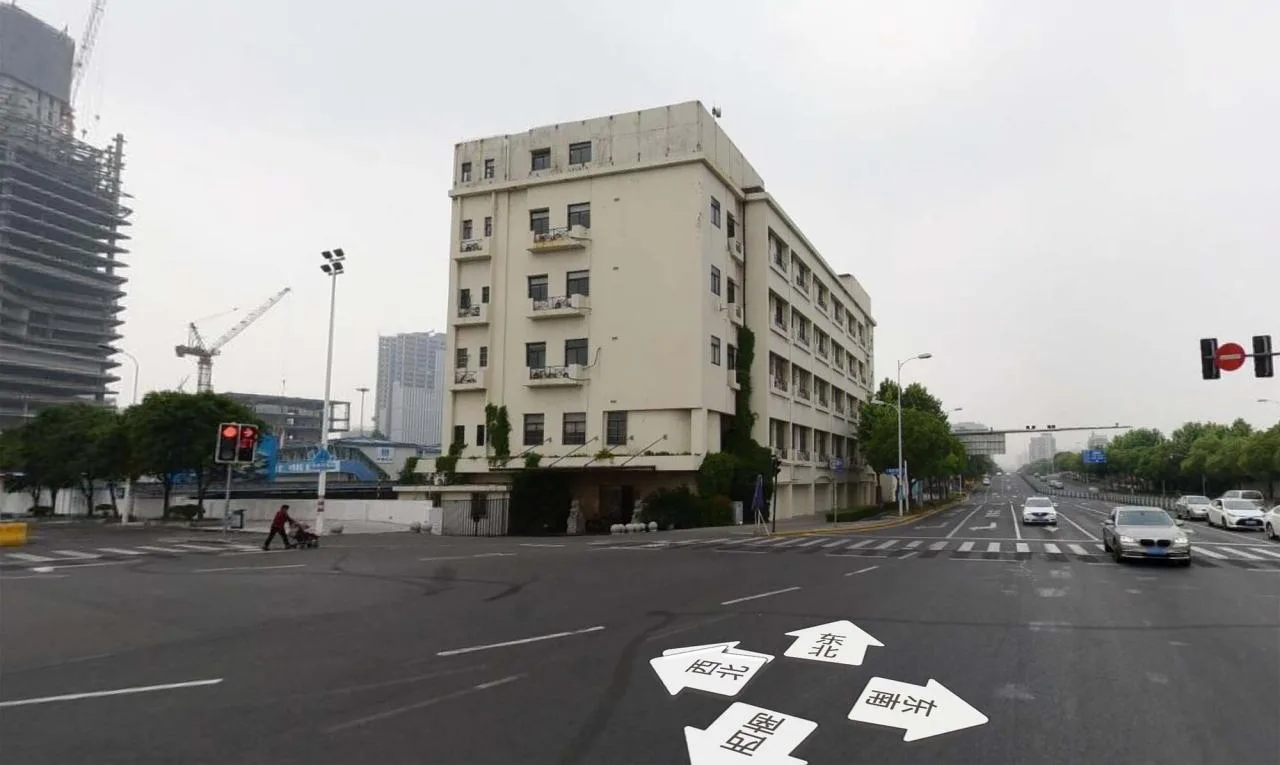
△ Original building
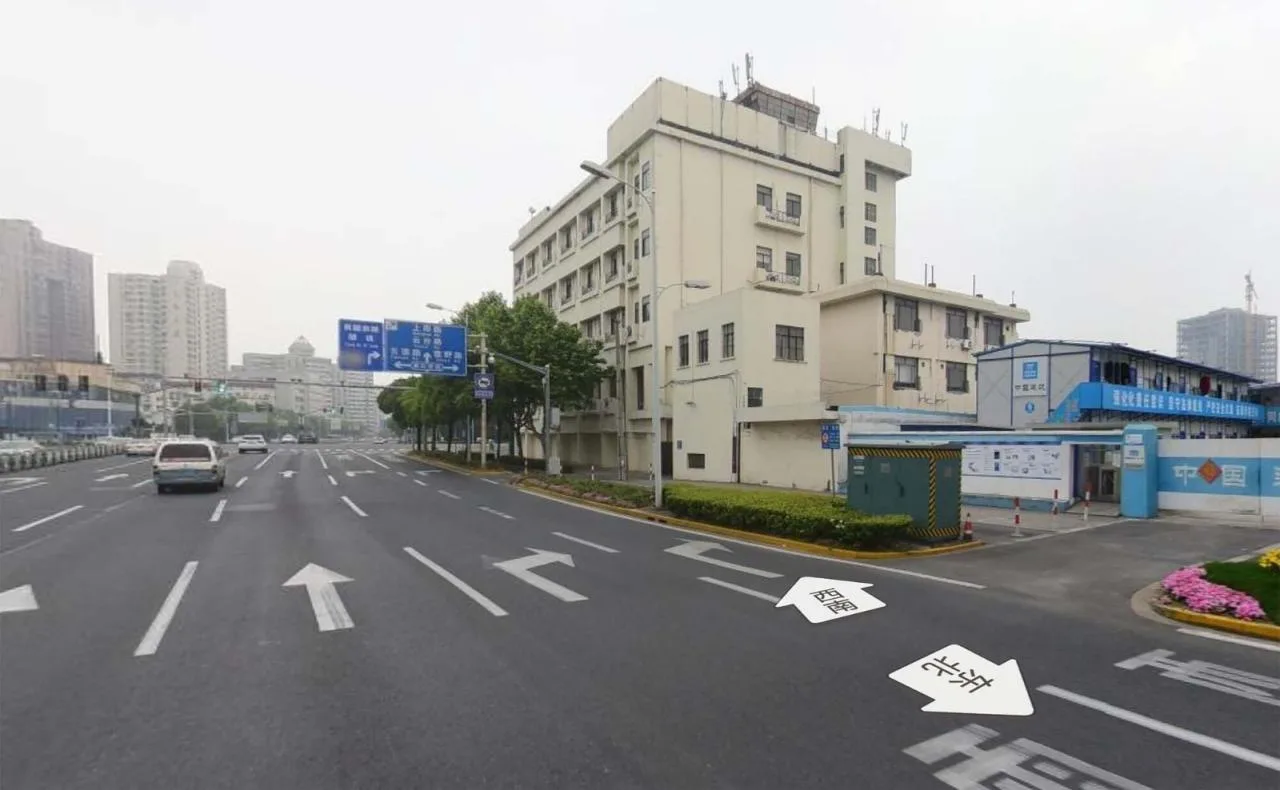
△ Original building
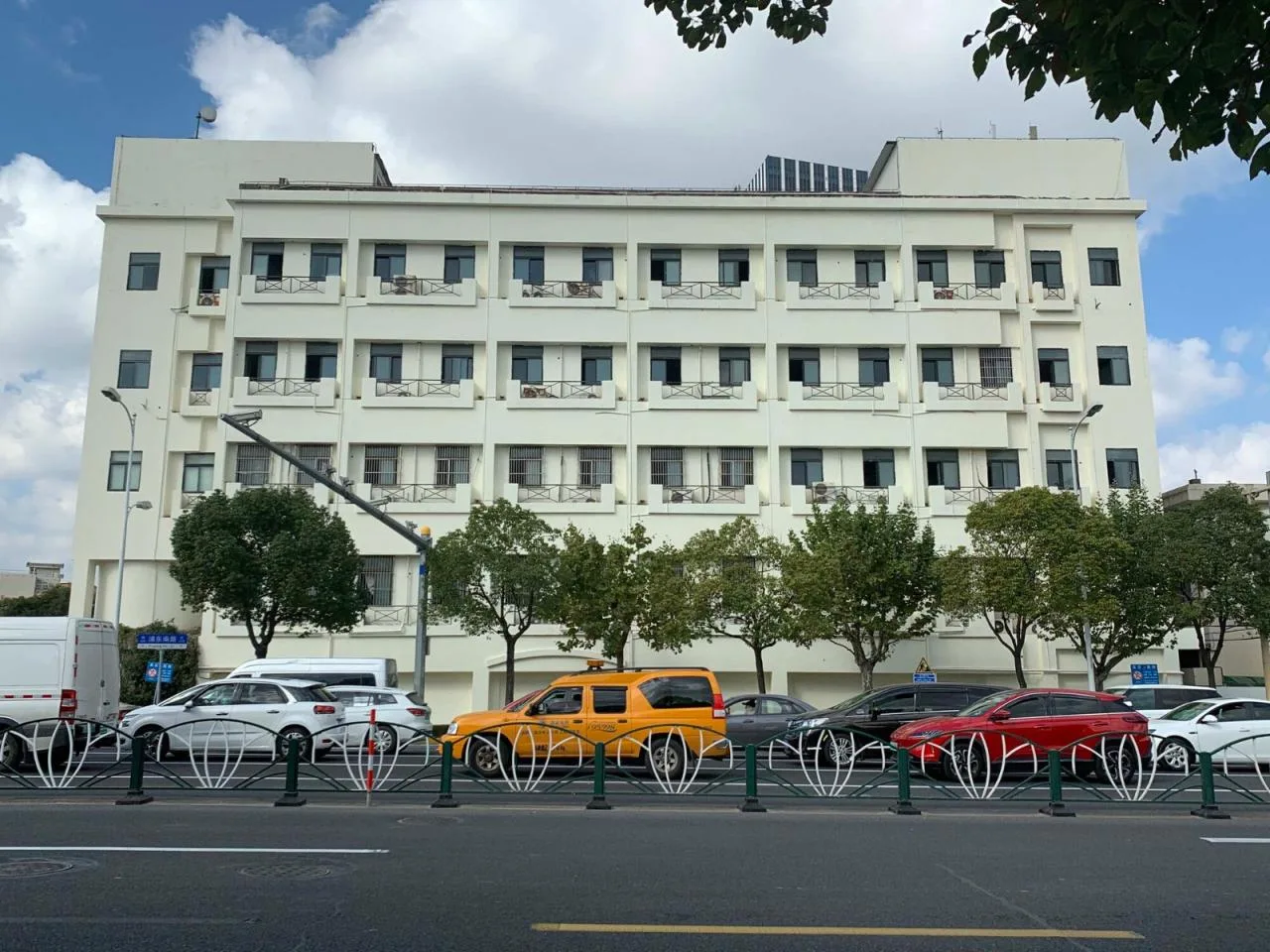
△ Original building
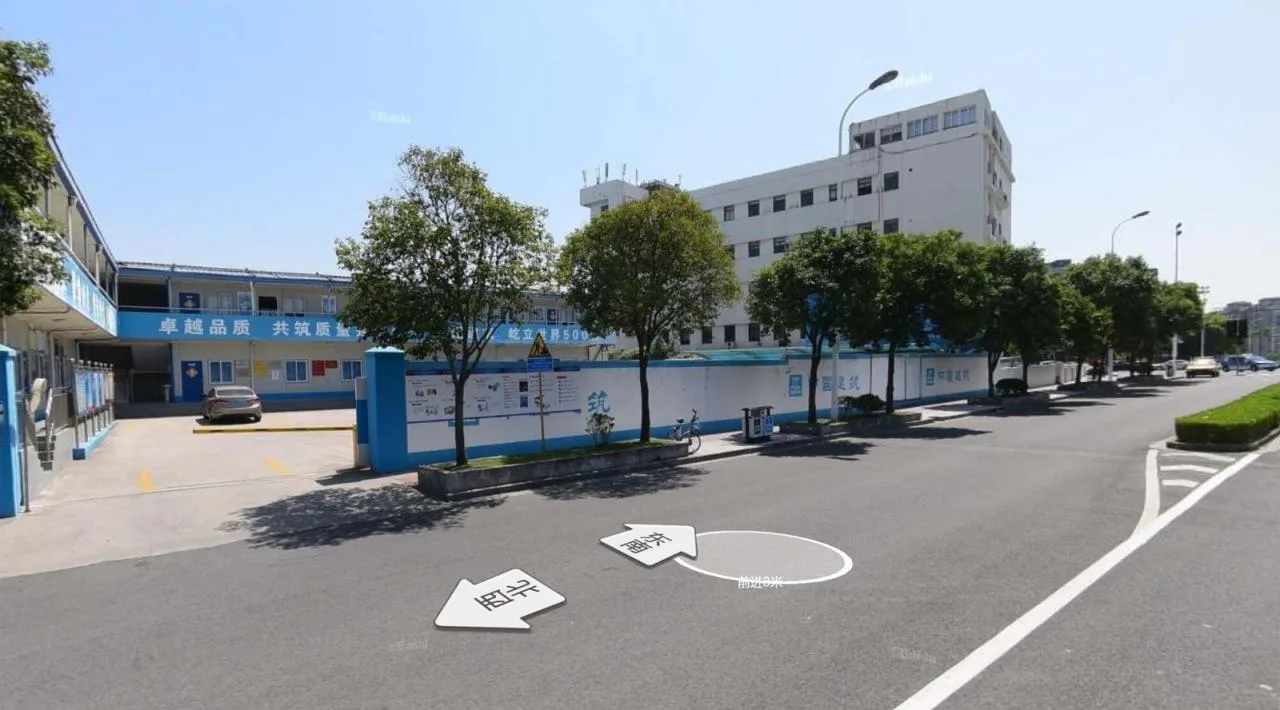
△ Original building
Project Drawings
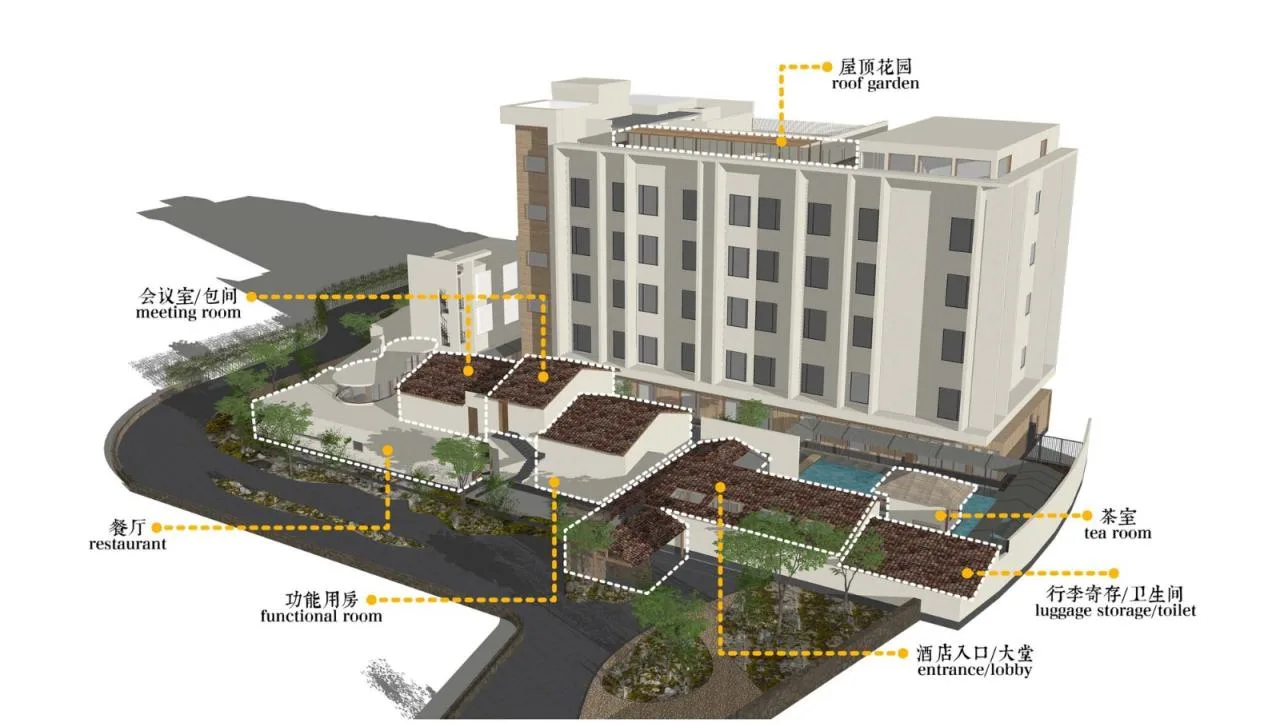
△ Functional Diagram
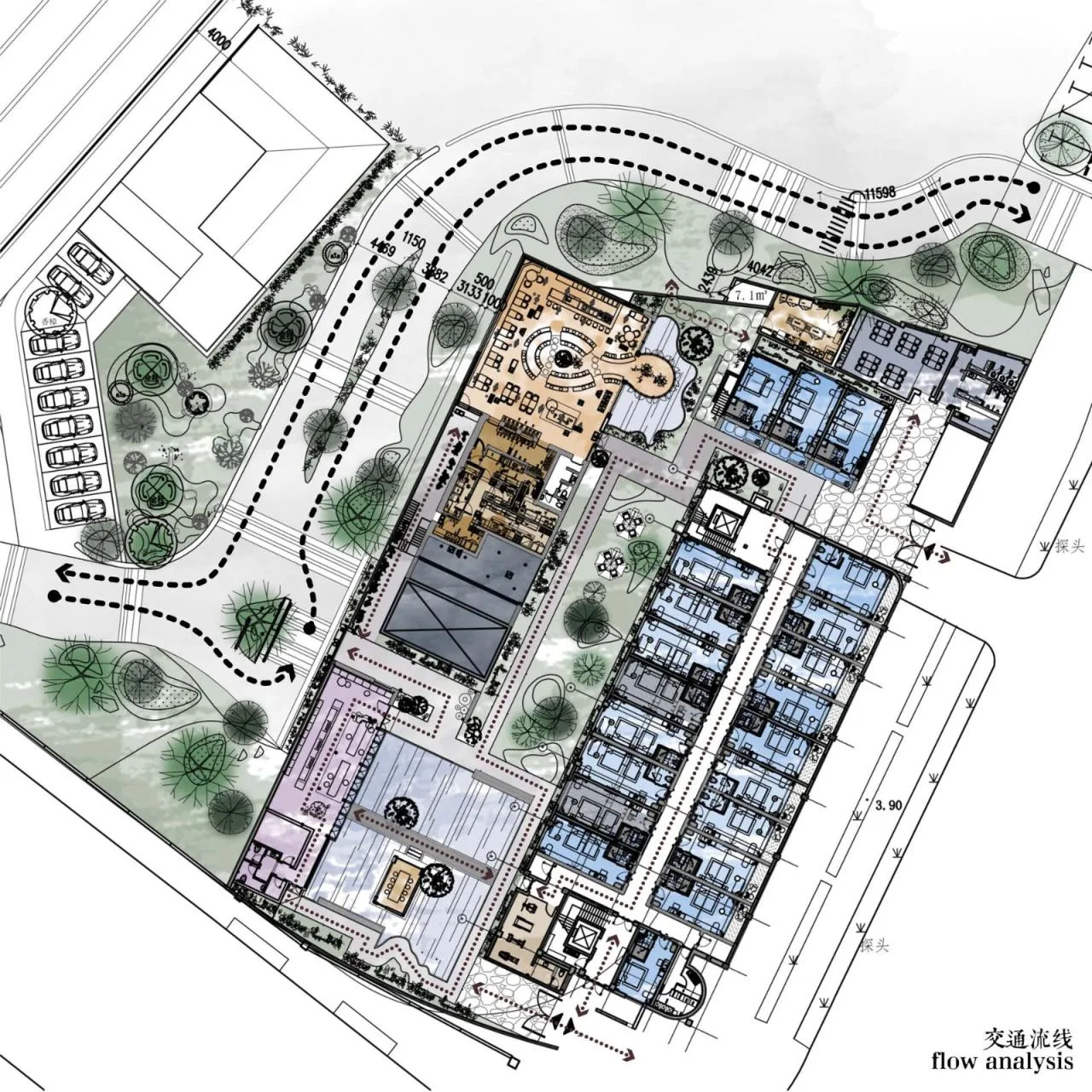
△ First Floor Plan
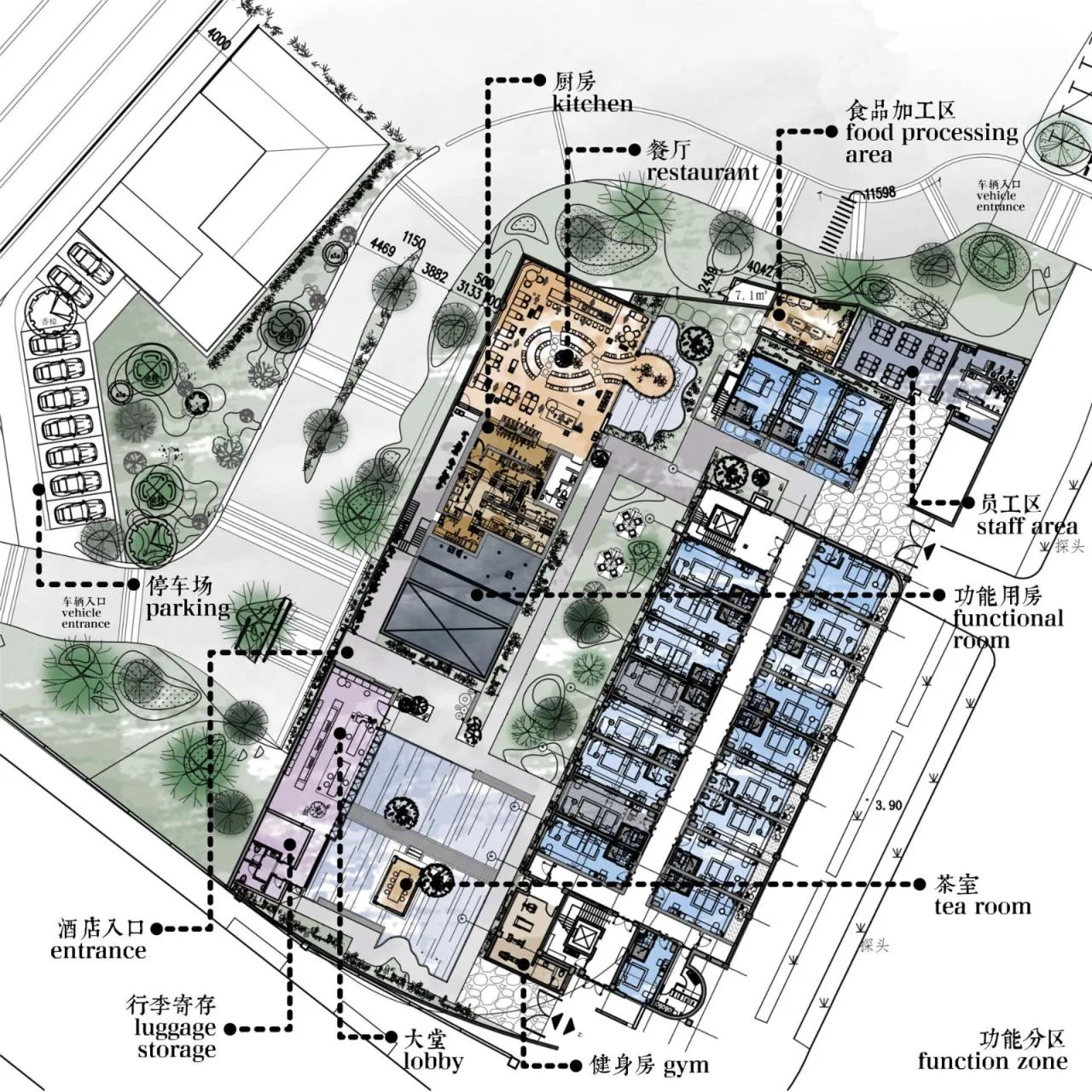
△ Plan Partition Map
Project Information
Architect: Wu Zhi Design
Area: 7,827 m²
Project Year: 2021
Photographer: Lulusi
Manufacturers: Langchu Lighting, Baiyue Furniture, Shike Lighting, Zhenmu Workshop
Principal Architects: Zhao Shuang, Ma Dongjie, Fu Jinlai, Zheng Yanan, Li Minjian, Yang Yuxuan
Client: Yuangu Group
Construction Party: Huazhuang Brothers (Beijing) Decoration Engineering Co., Ltd
Landscape Design: Beijing Wuzhi Design Consulting Co., Ltd
Location: Shanghai













Must log in before commenting!
Sign Up