
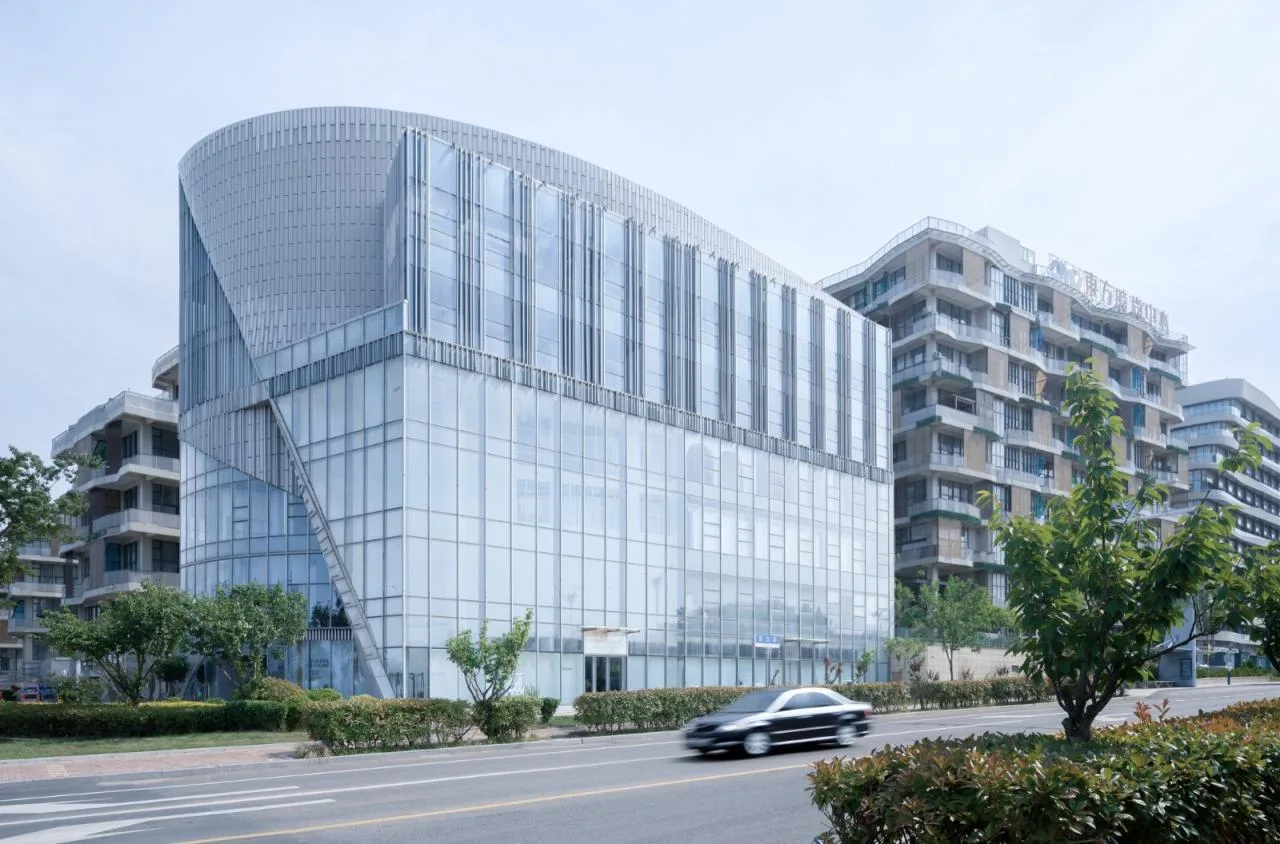
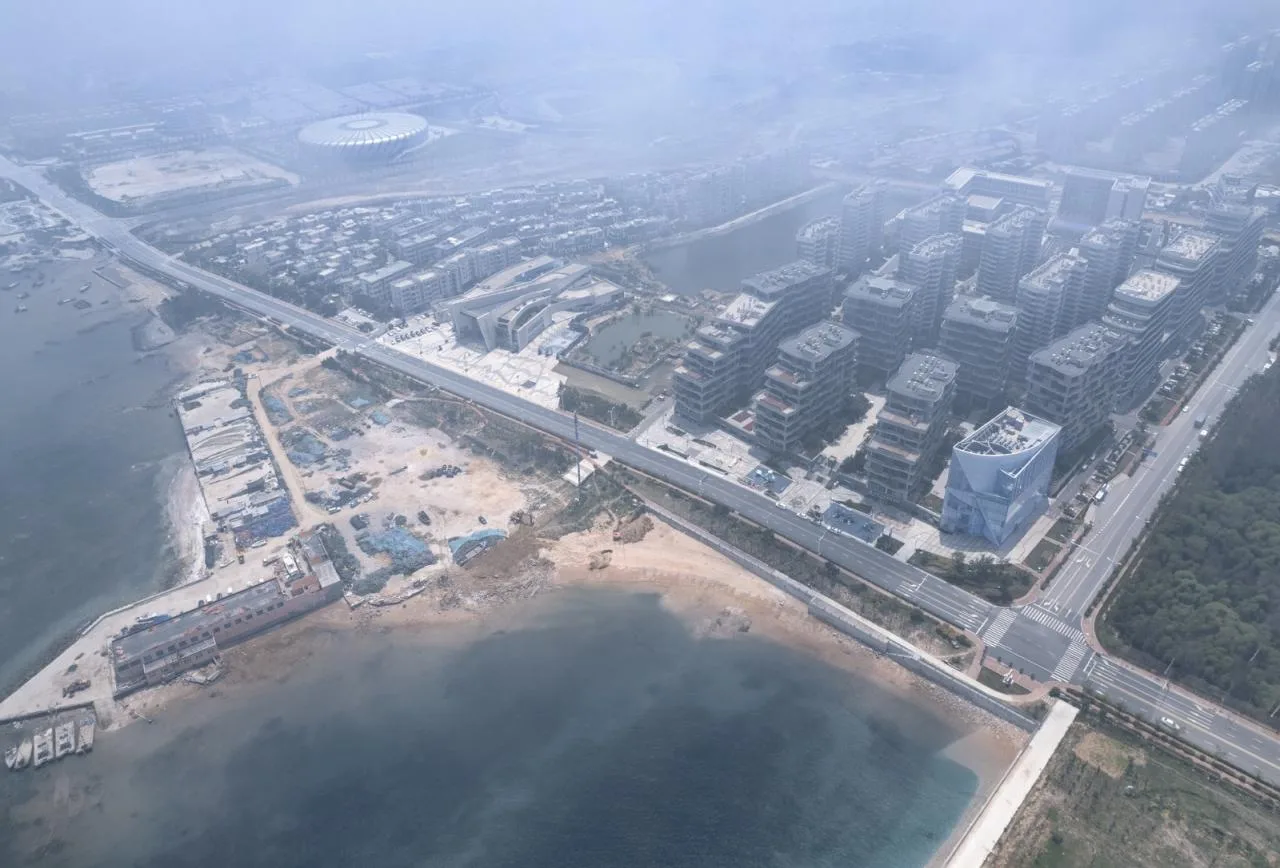
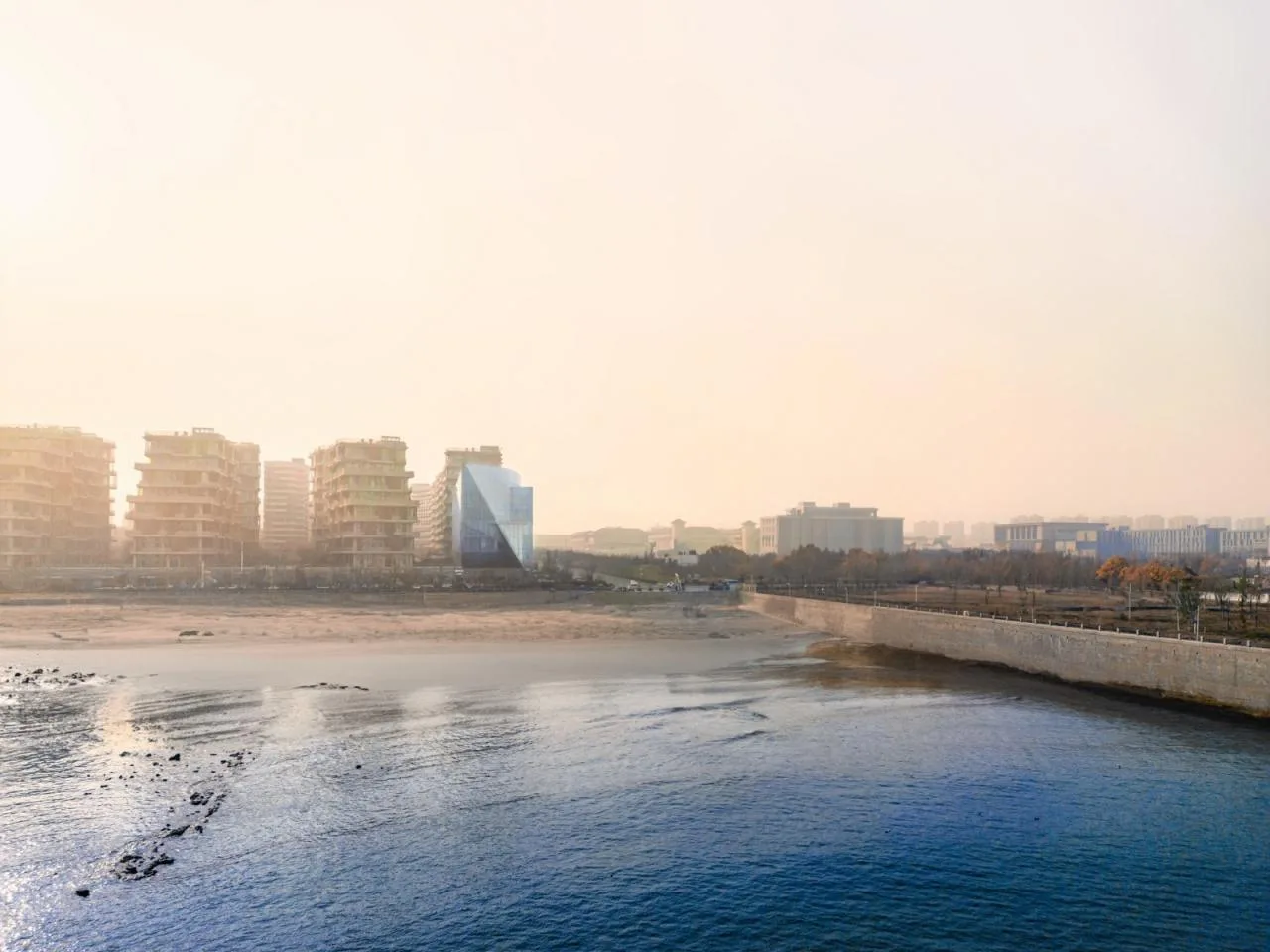
The project is situated at the corner of an apartment complex in Huangdao Fashion Industry Park, Shandong, overlooking the tidal sea. It serves as an extension of the “Vertical Tidal” project by Contemporary Architecture. Covering 5,300 square meters, the six-story building features a ground floor connected to external transportation and dedicated to fashion releases and exhibitions. The second floor links to the apartment complex, while the four upper floors are designed as co-working spaces for designers.
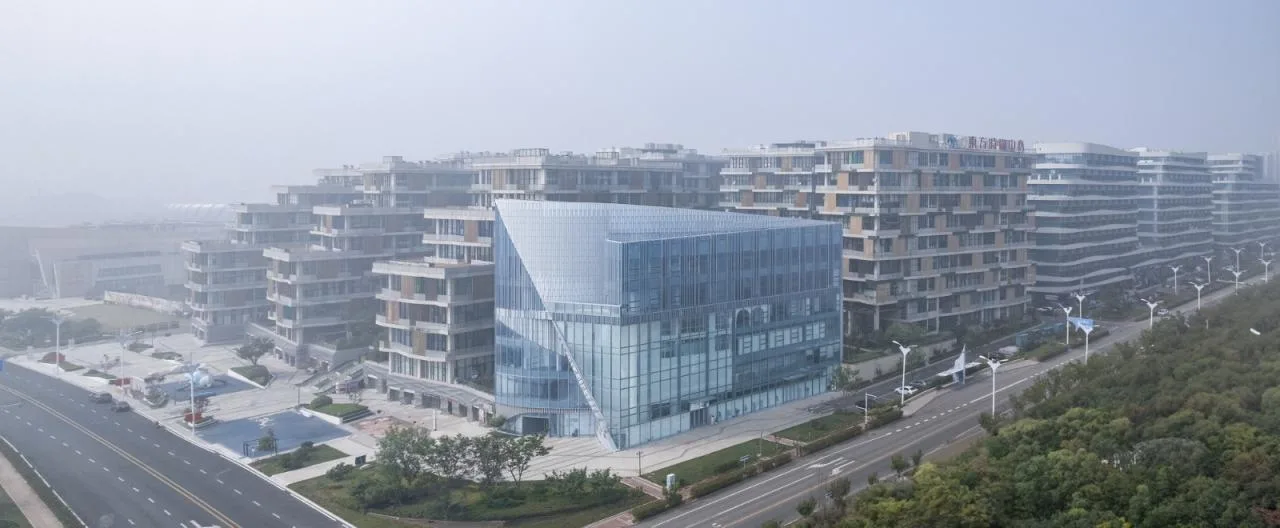
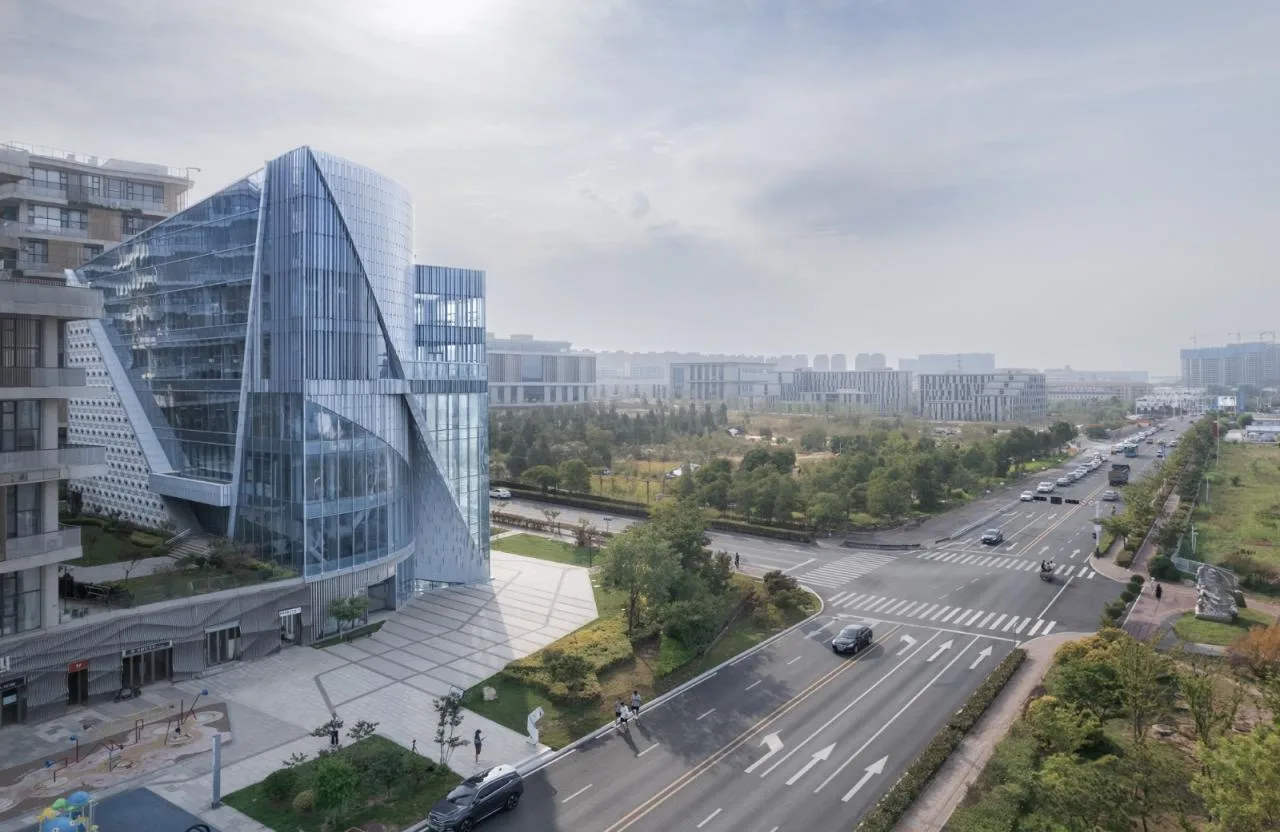
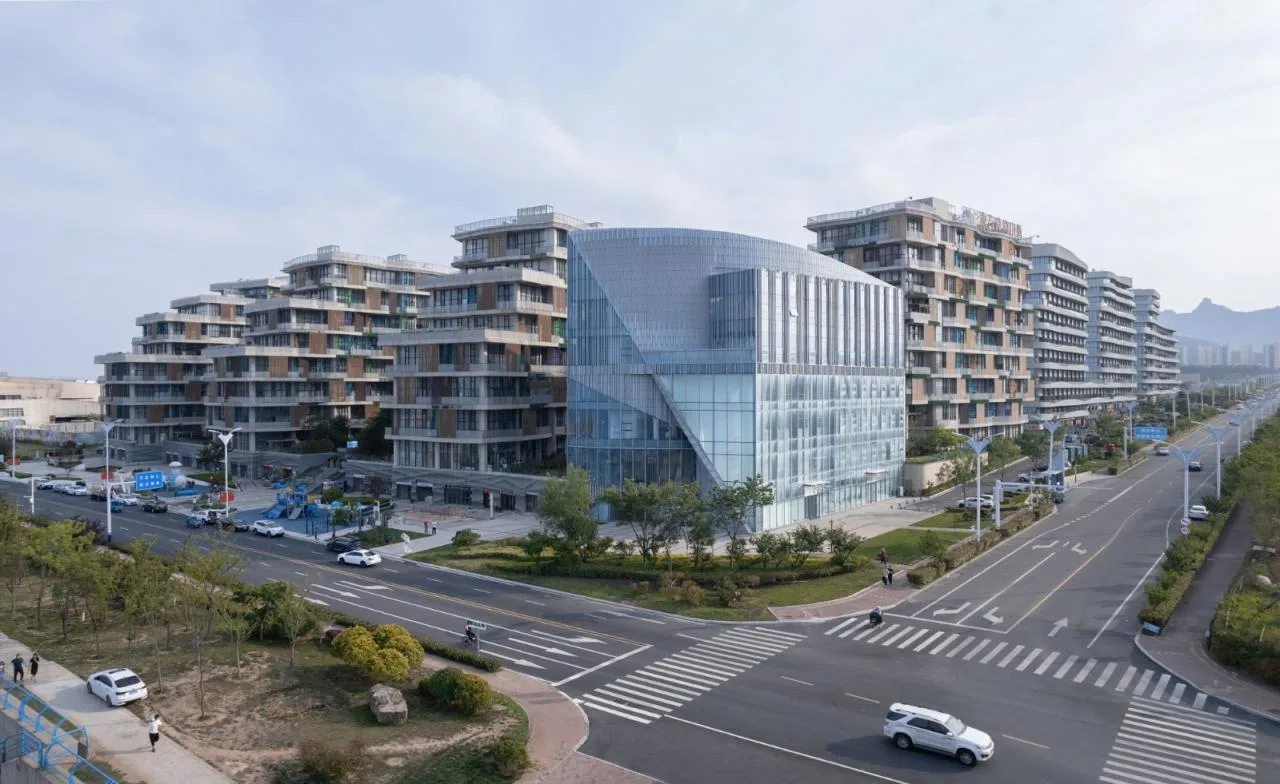
Reimagining Spatial Patterns: Faced with the unique seaside location, the design avoids a conventional urban office building typology. Instead, it introduces a freer atmosphere to break predictable patterns. Drawing inspiration from Cobb’s homogeneous domino beam-column spatial arrangement, the concept begins with fashion’s core theme—“exploring the relationship between fabric and body,” rich with spatial imagination.
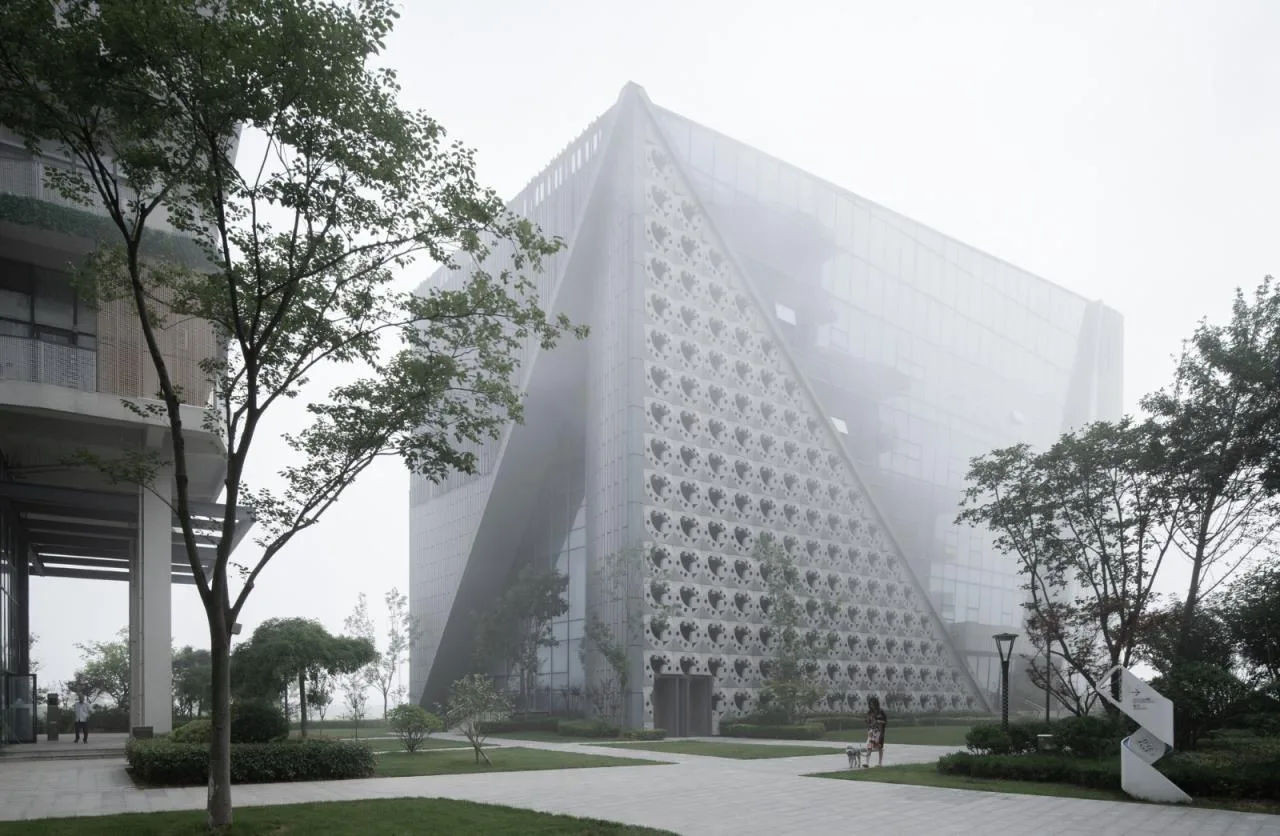
This approach introduces a series of tangential and disjointed spatial surfaces, forming the primary architectural elements. Massive geometric volumes intervene in the otherwise uniform space, creating dynamic interactions.
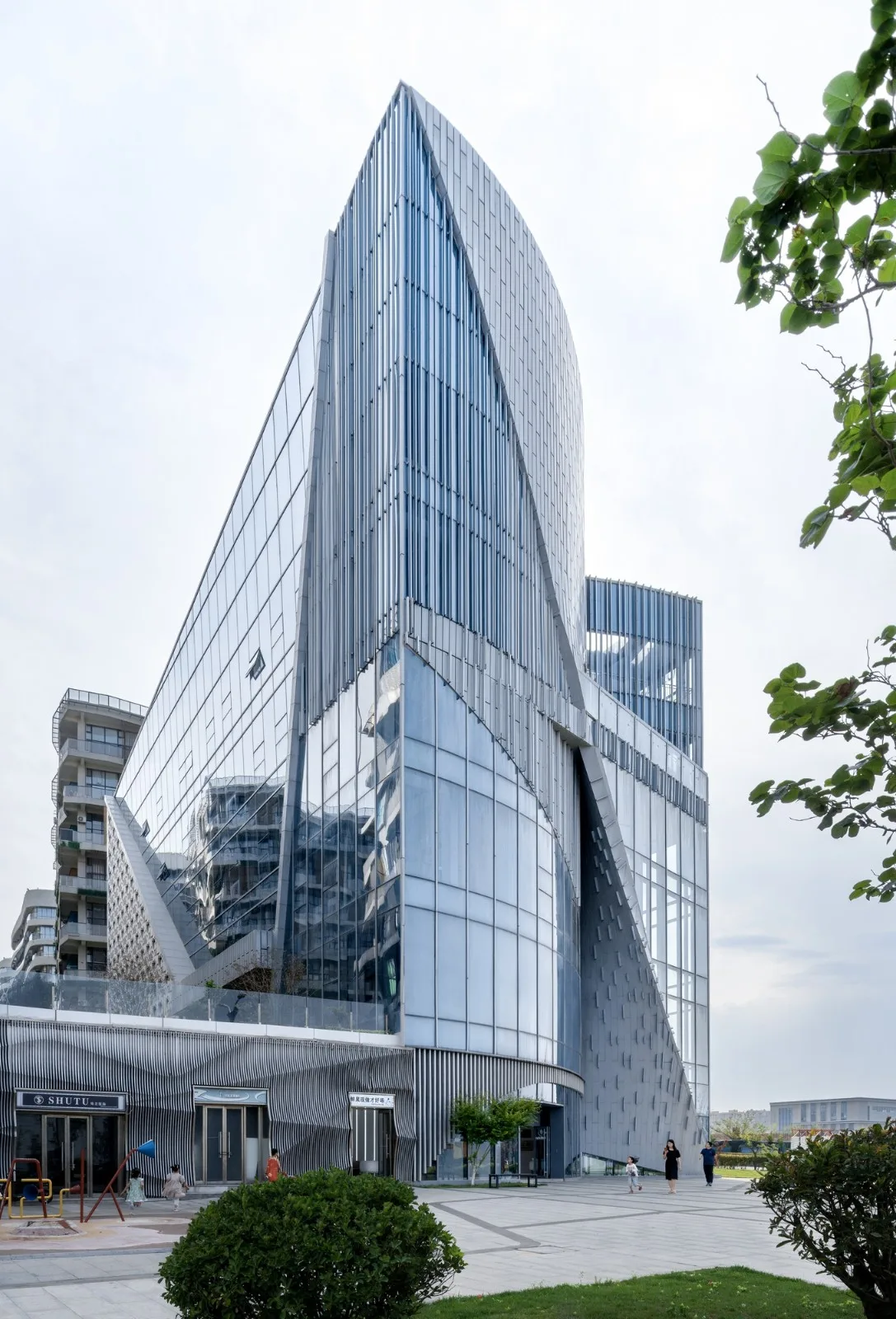
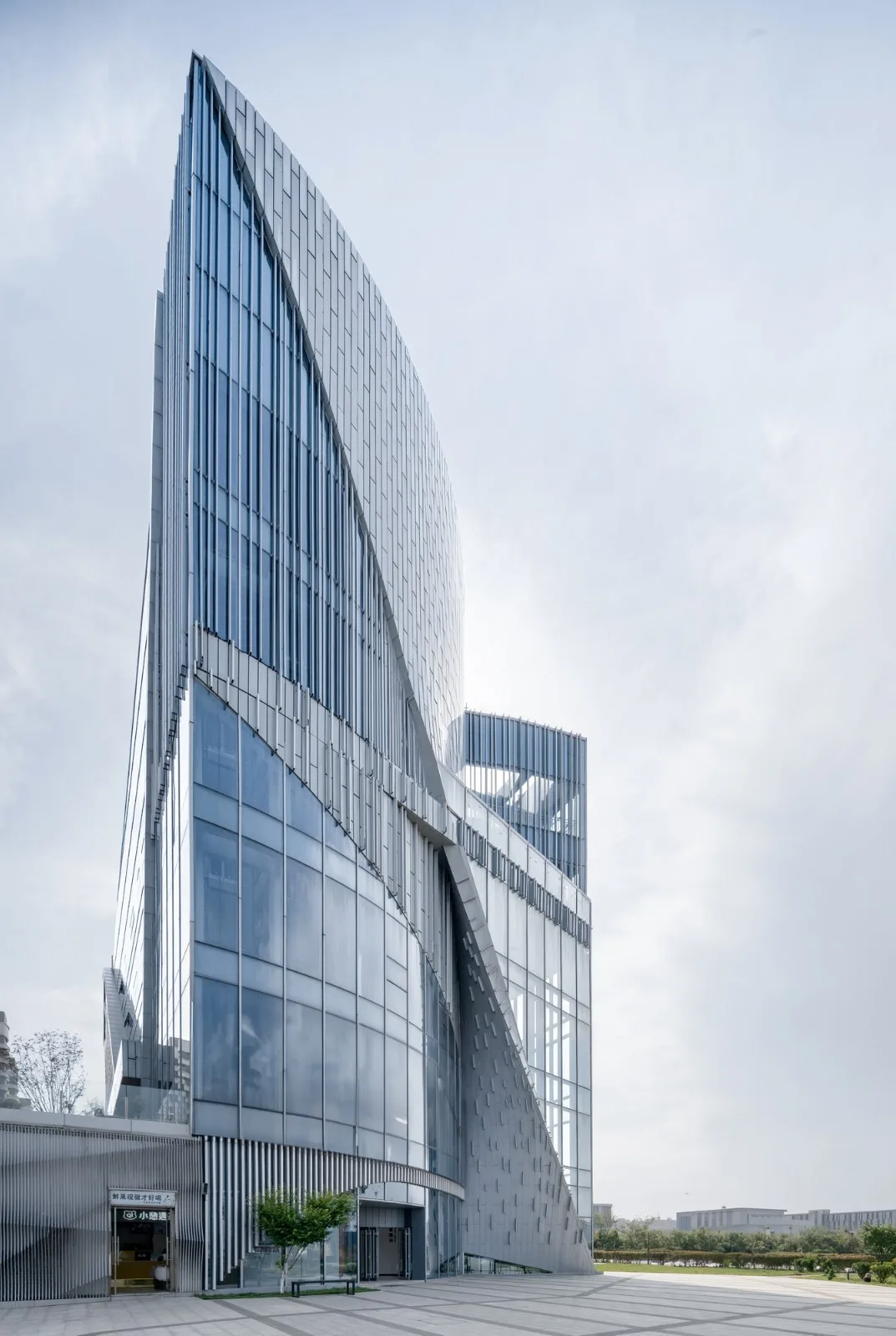
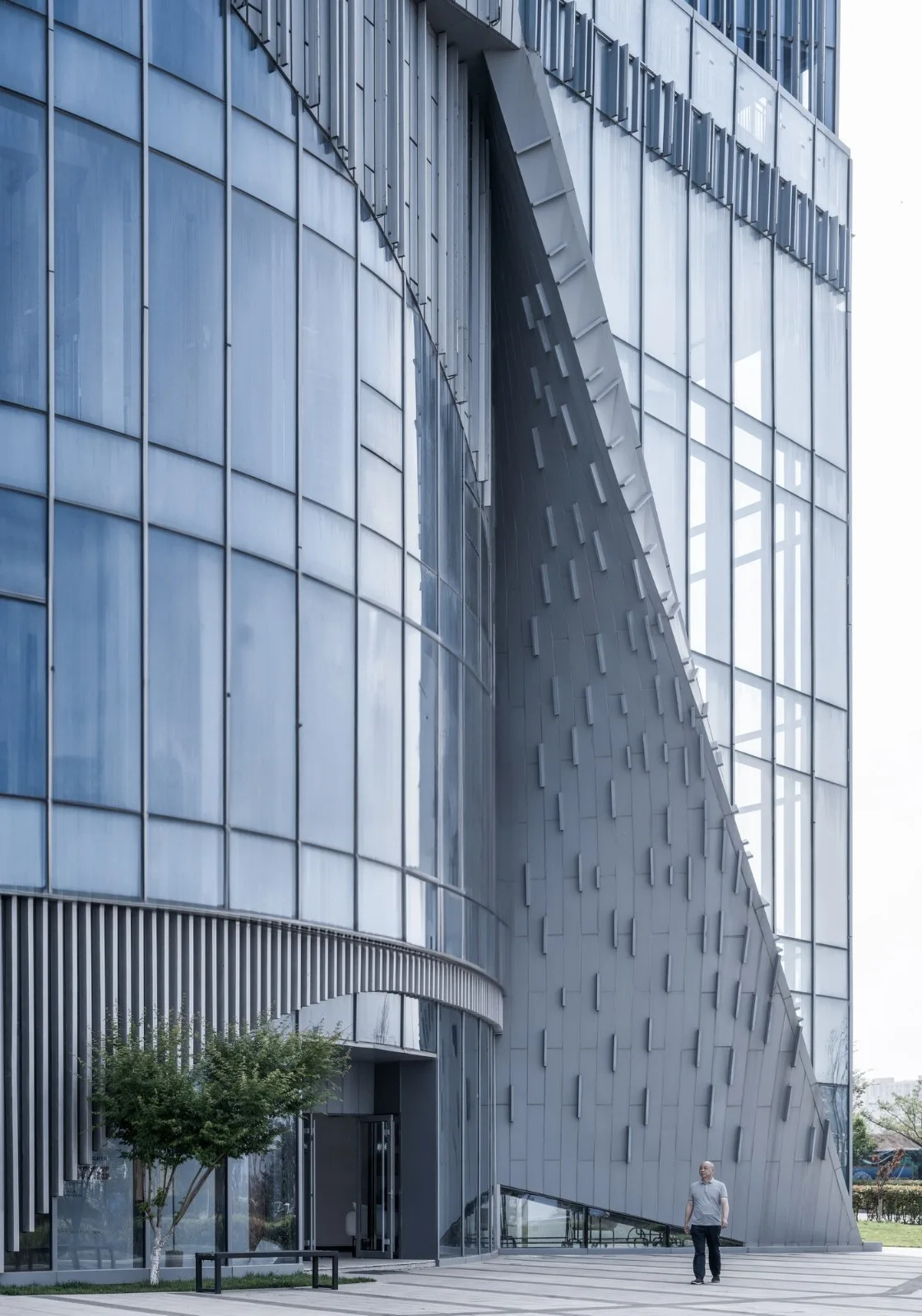
The building’s primary functions are twofold: to showcase fashion releases and to provide co-working spaces for various designer brands. The interaction between the geometric volumes and the original uniform office layout reflects the complexity of modern fashion industry offices.
This design moves beyond traditional stacked office forms, blending open public exhibition areas with collaborative designer workspaces that encourage interactive communication.
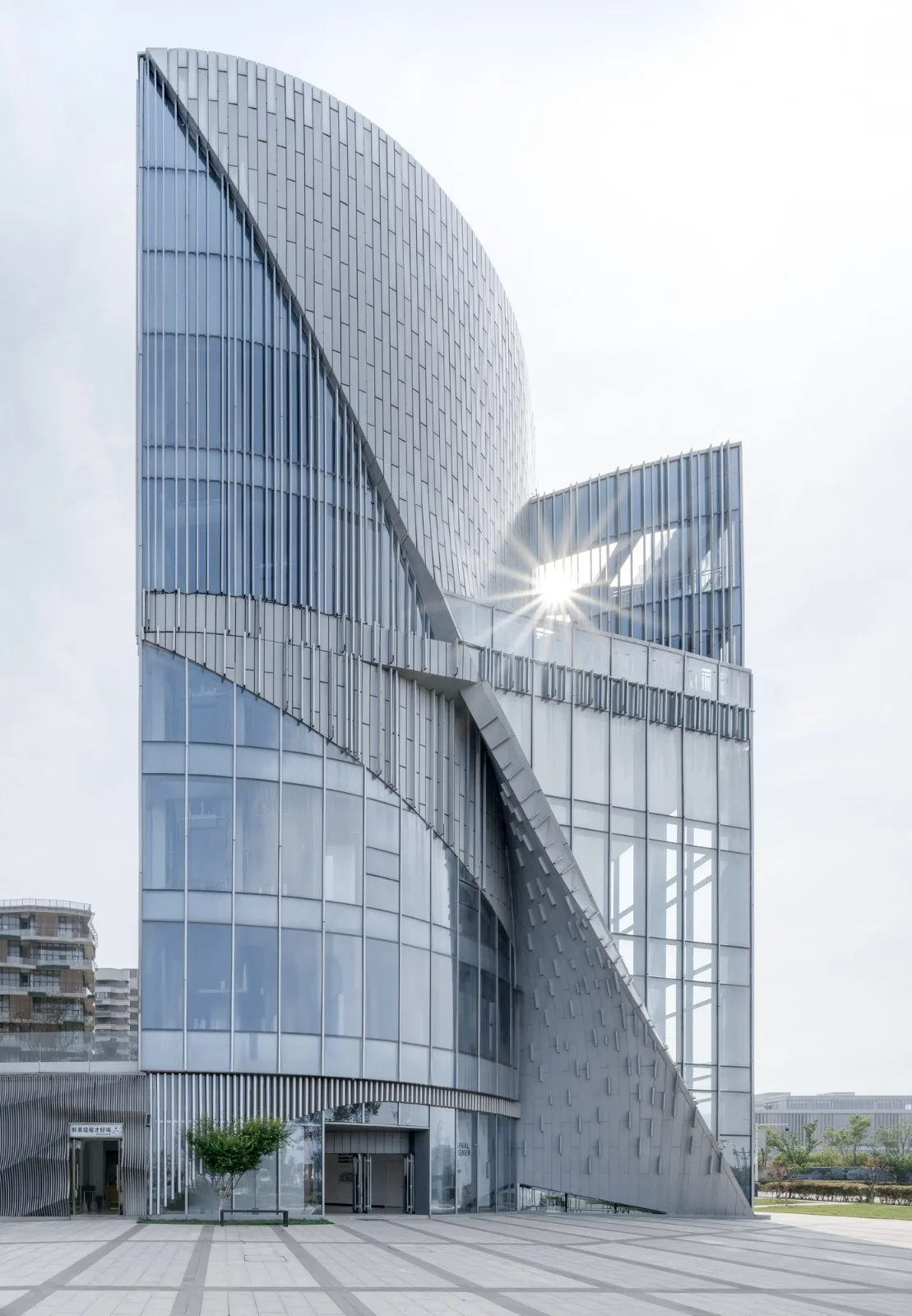
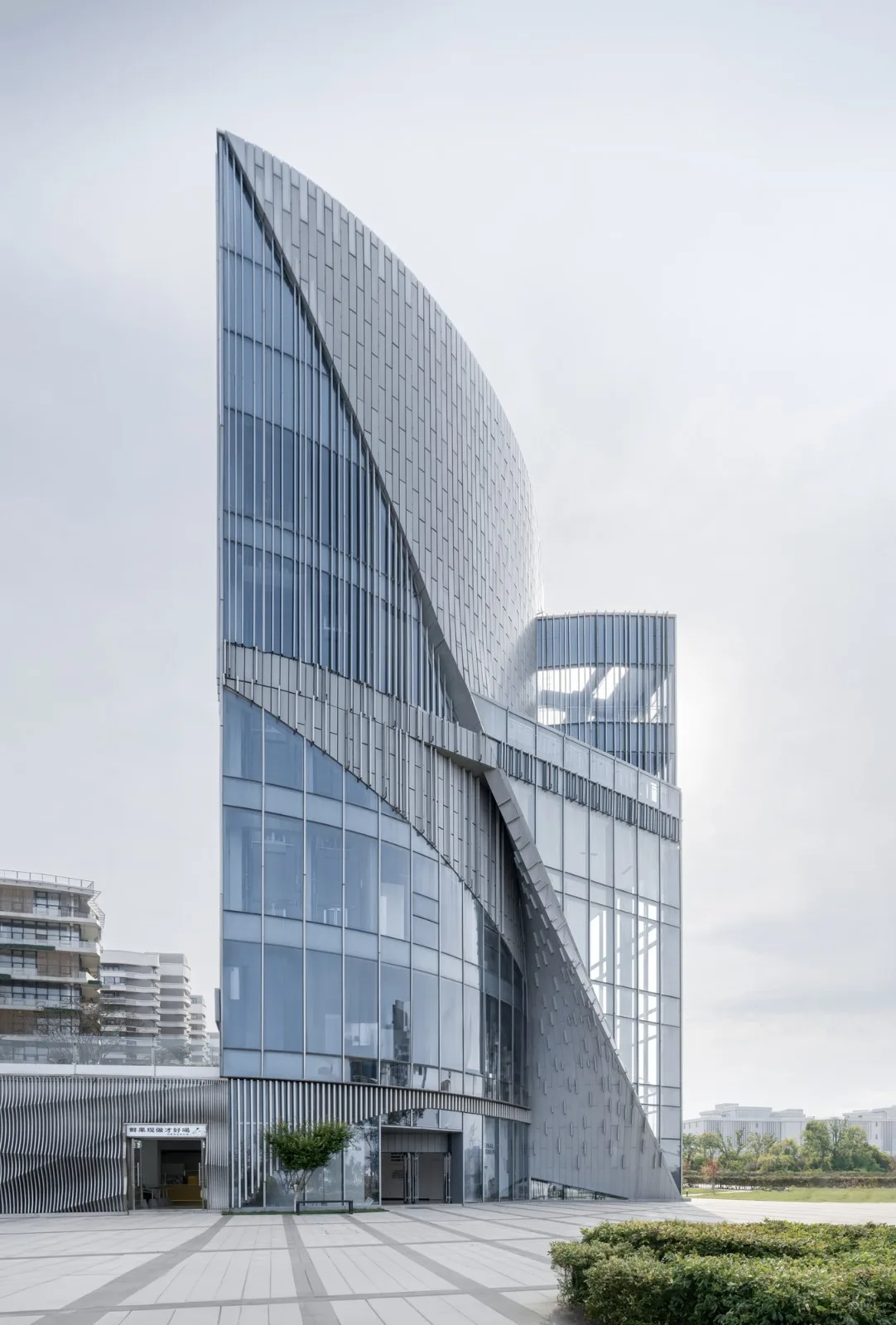
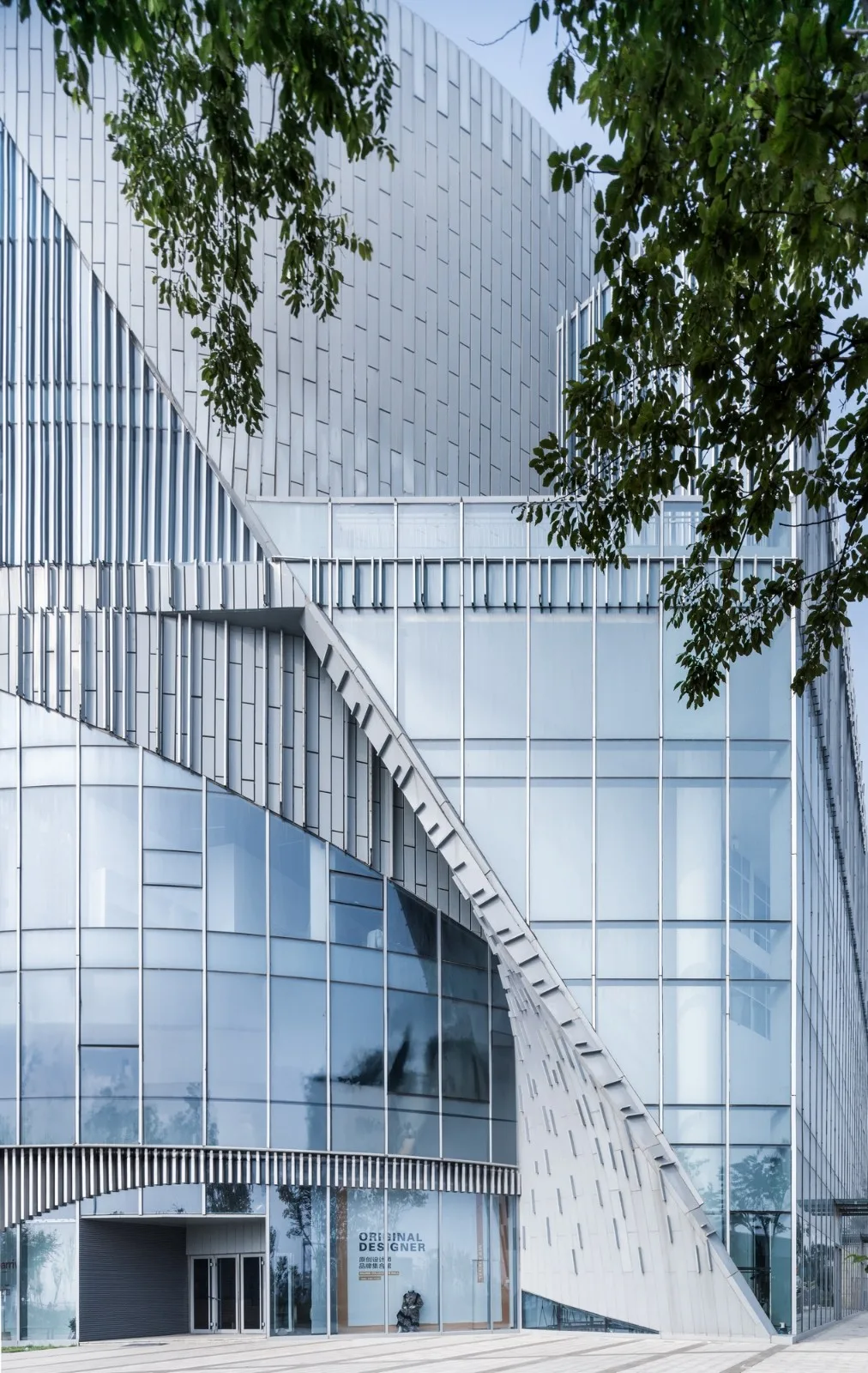
On the first floor, where these geometric forms meet the ground, there is a large open space ideal for runway shows and press conferences, featuring a towering four-story shared hall. As you move upward, open office areas intertwine with various display booths and communication zones attached to the spatial surfaces.
This constantly evolving layout offers greater flexibility for brand presentations and interaction among designers. The interplay between these functions and the space results from the differing spatial relationships between the sculptural geometric shapes and conventional floor slabs.
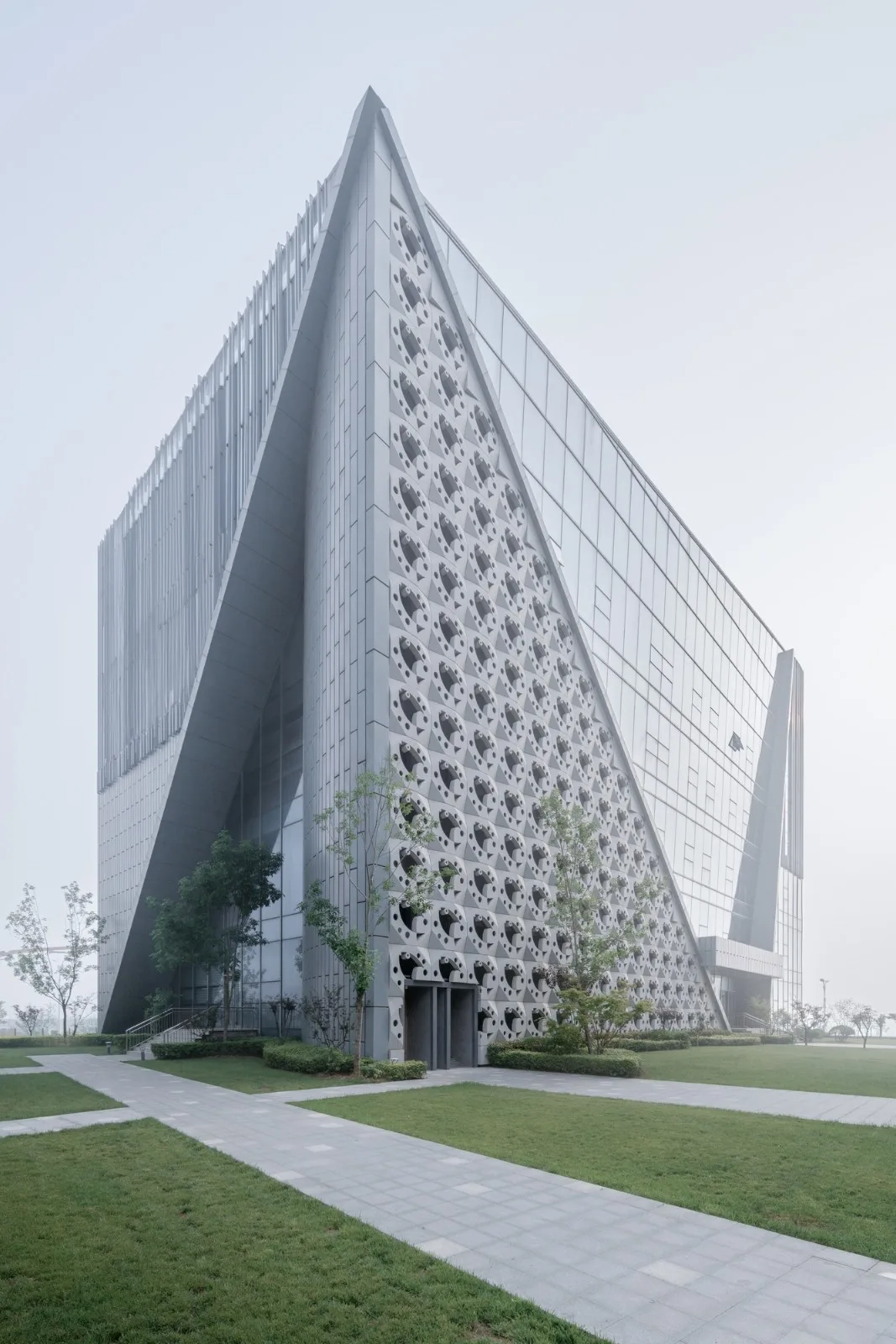
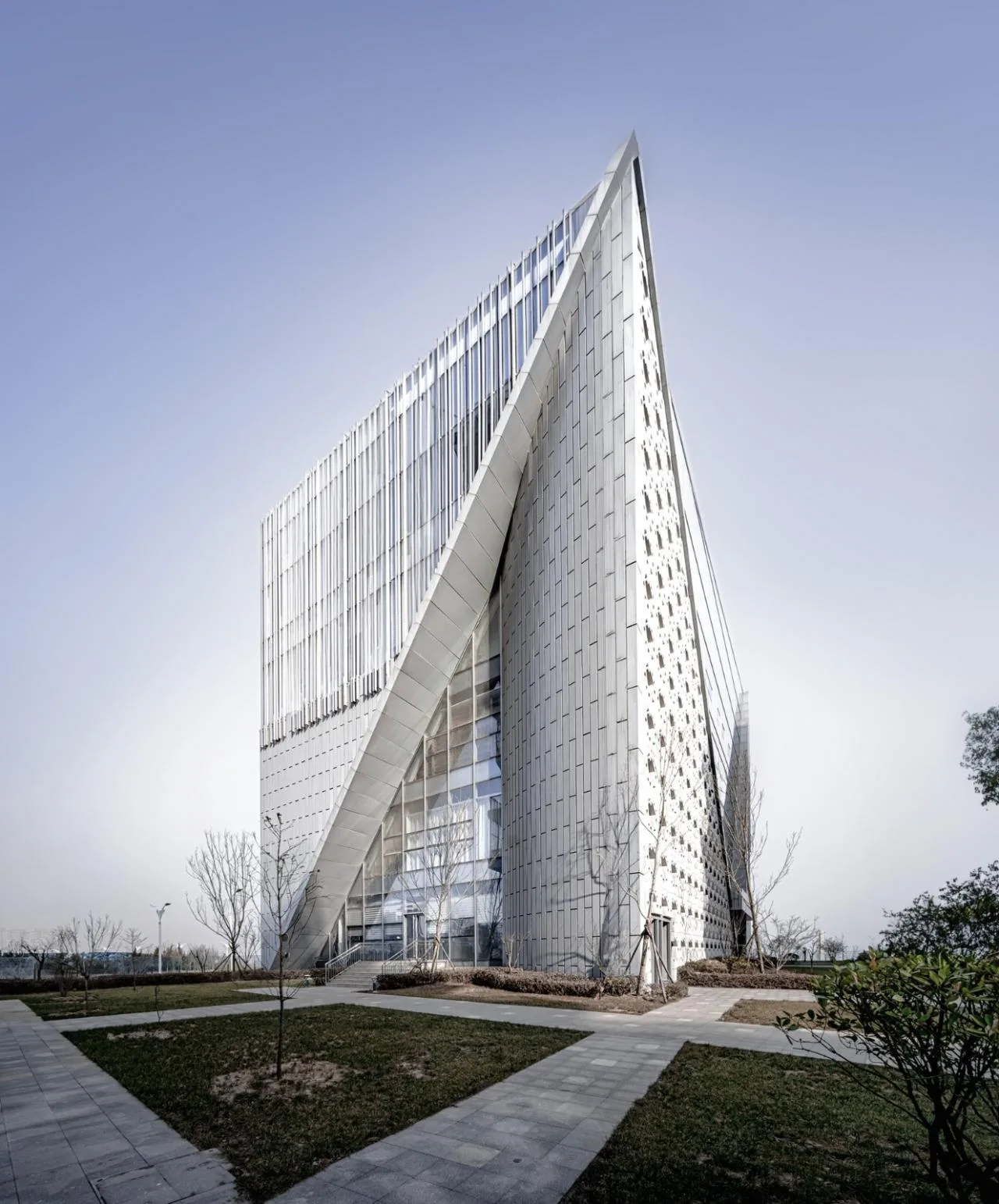
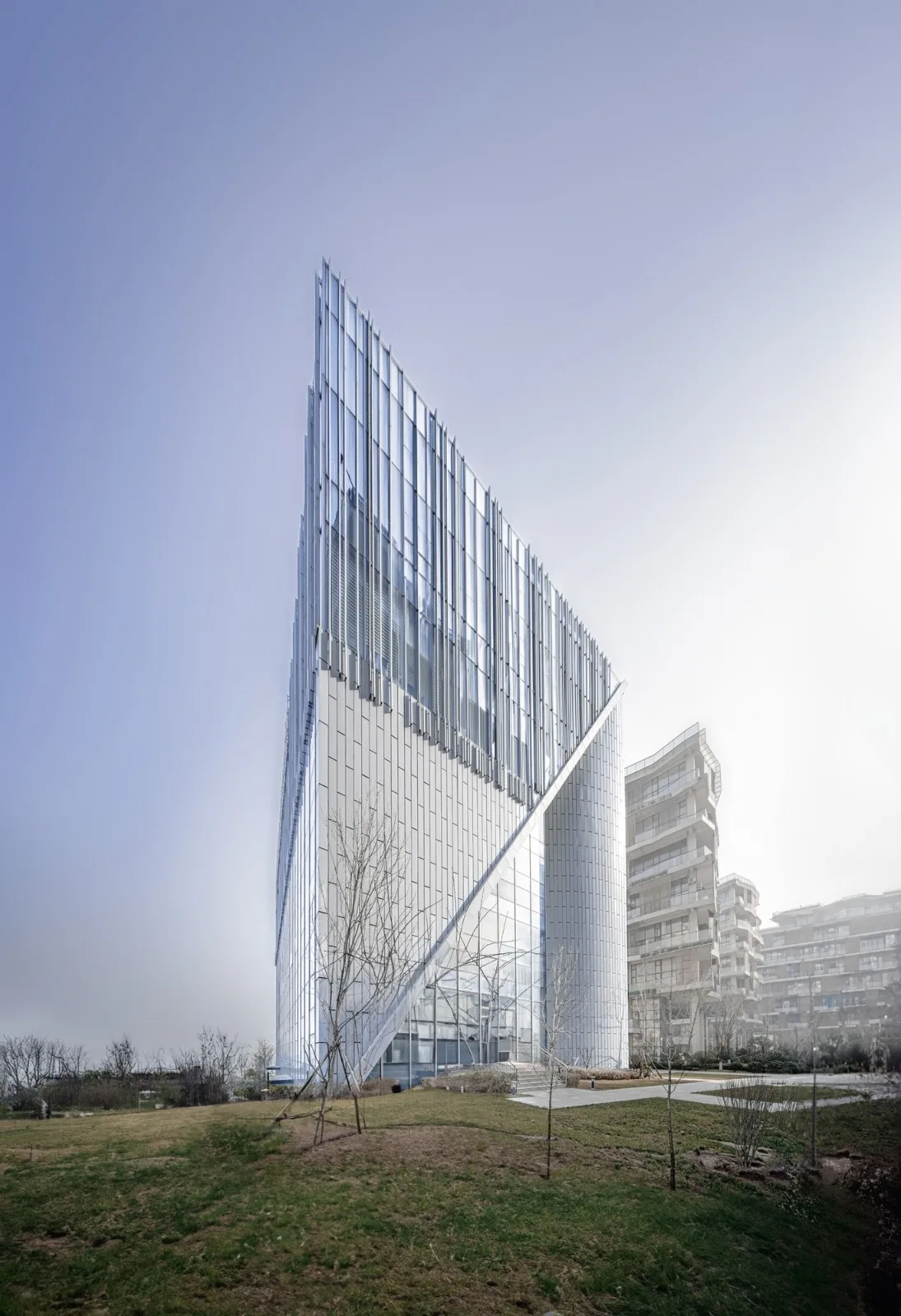
The multi-dimensional spatial design results in a detachment between the horizontal and vertical directions of the floor slabs and the glass curtain wall, which alternates between proximity and distance. The façade shifts from expansive areas to narrow, sharp gaps, twisting from vertical walls to horizontal floors.
This dynamic spatial movement evolves over time, beginning with the exterior form, flowing into the interior, and transforming across vertical and horizontal planes. The outcome is a highly sculptural building that complements its seaside setting.
Project Drawings
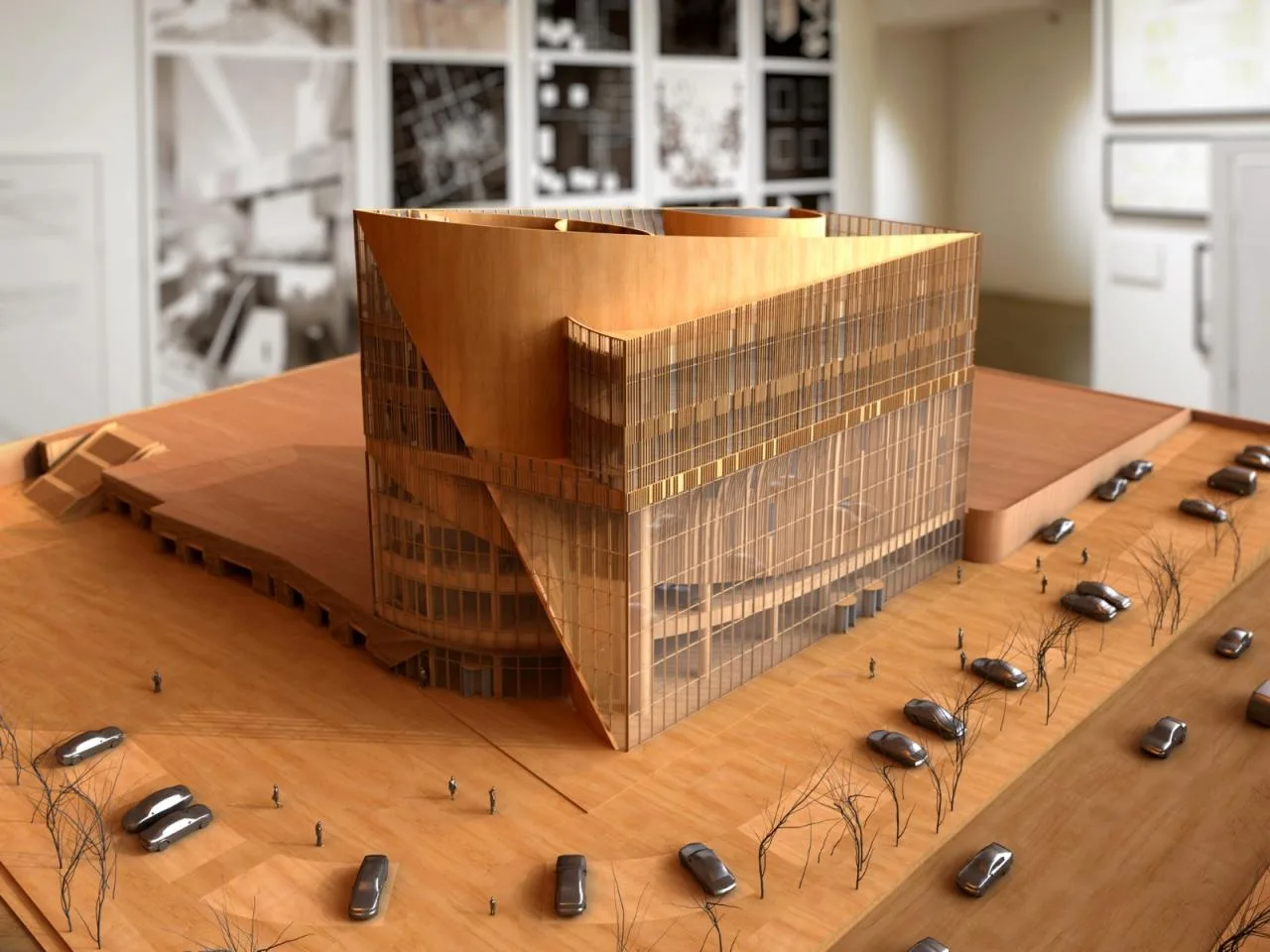
△ Model diagram
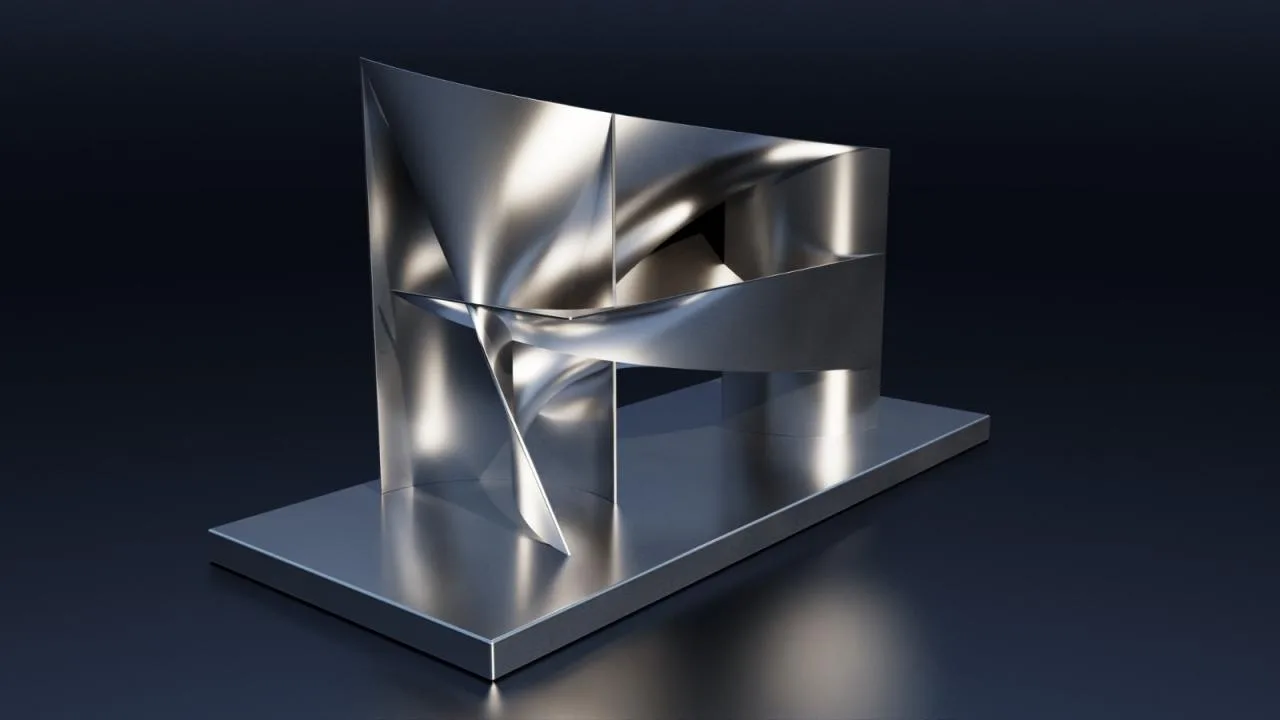
△ Model diagram
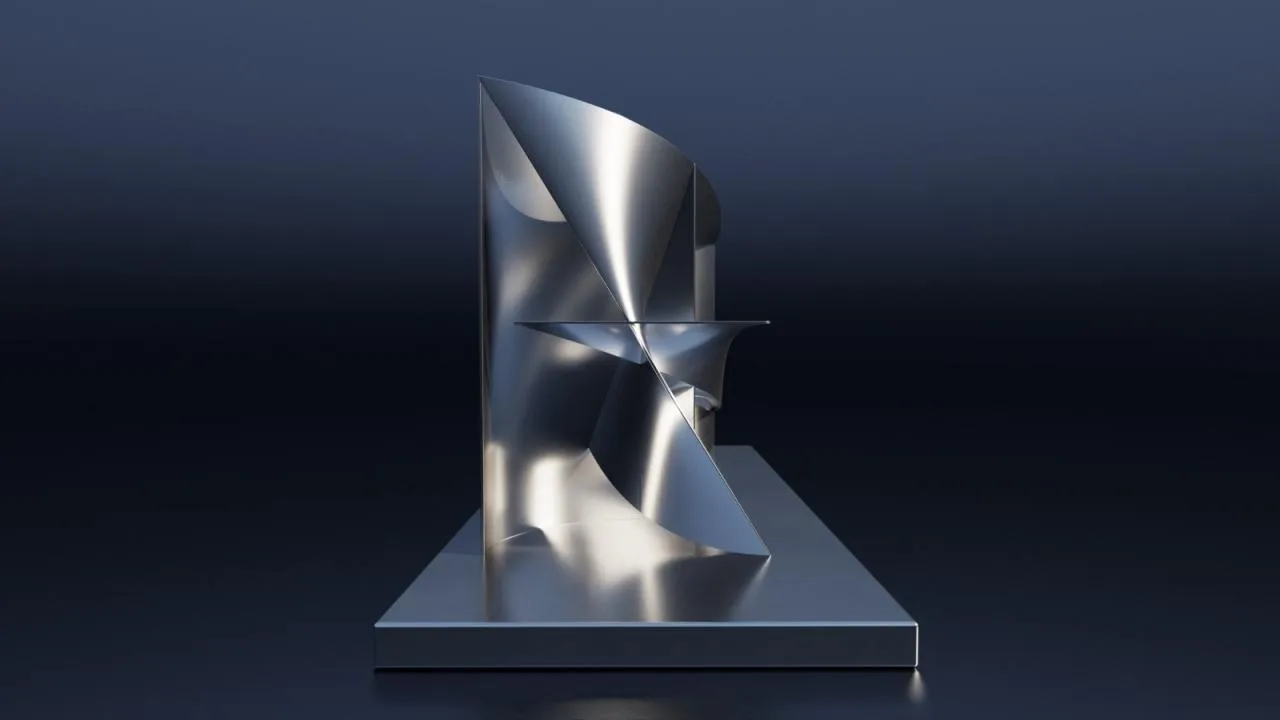
△ Model diagram
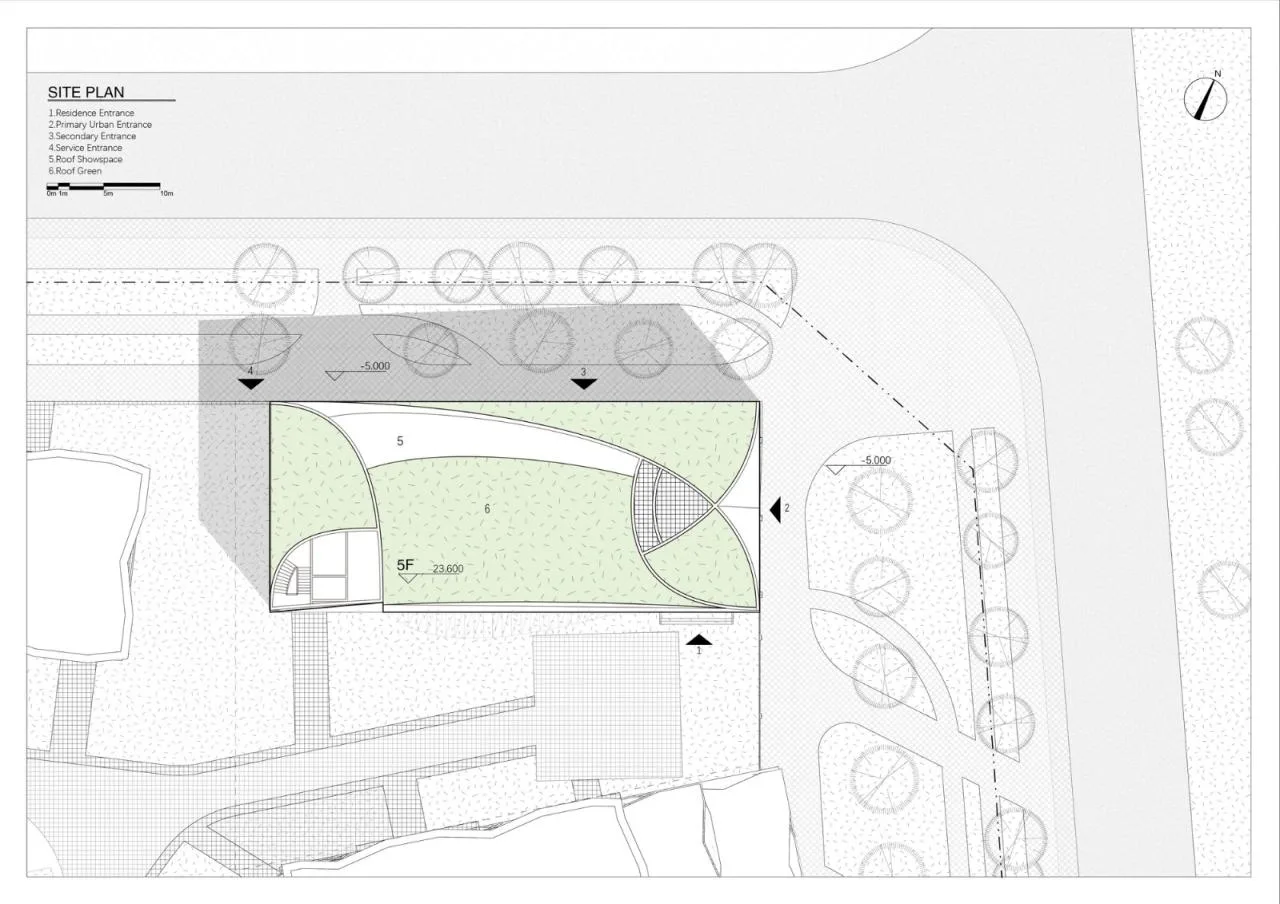
△ General layout plan
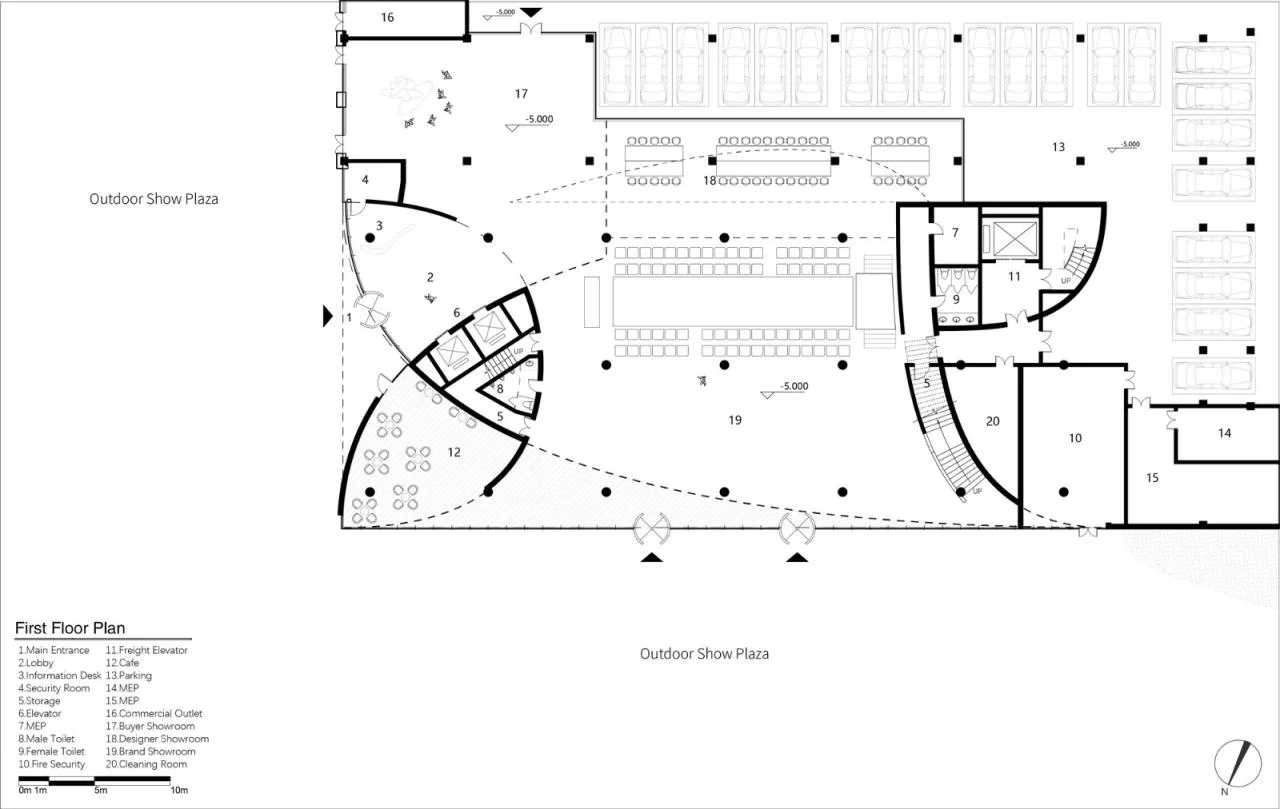
△ First floor plan
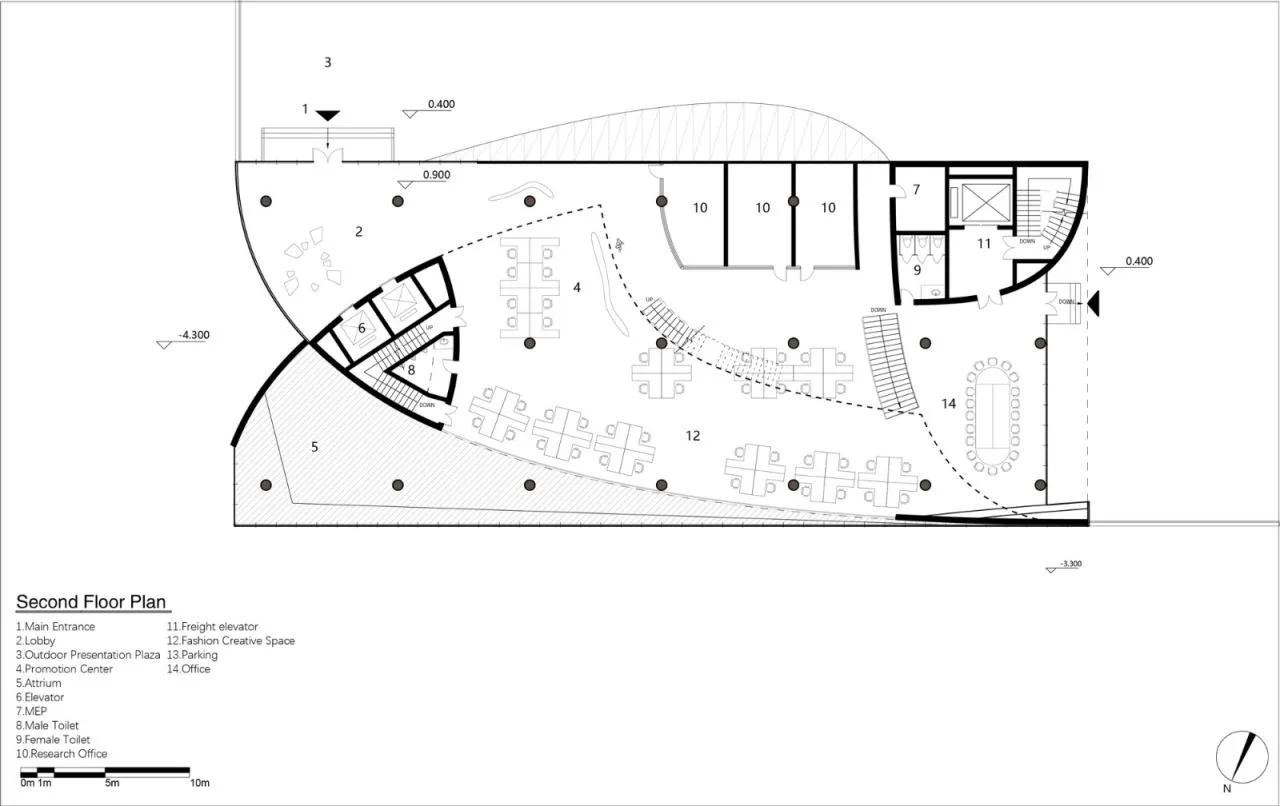
△ Second floor plan
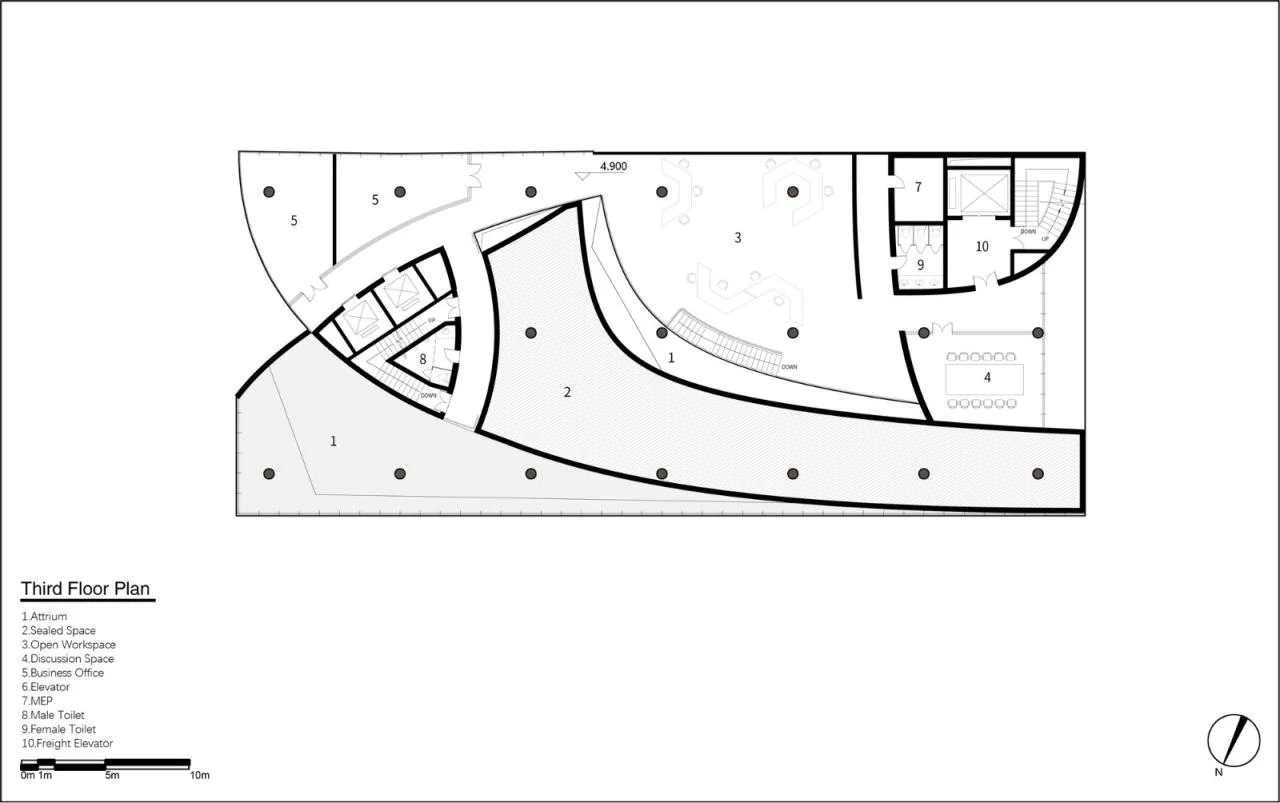
△ Third floor plan
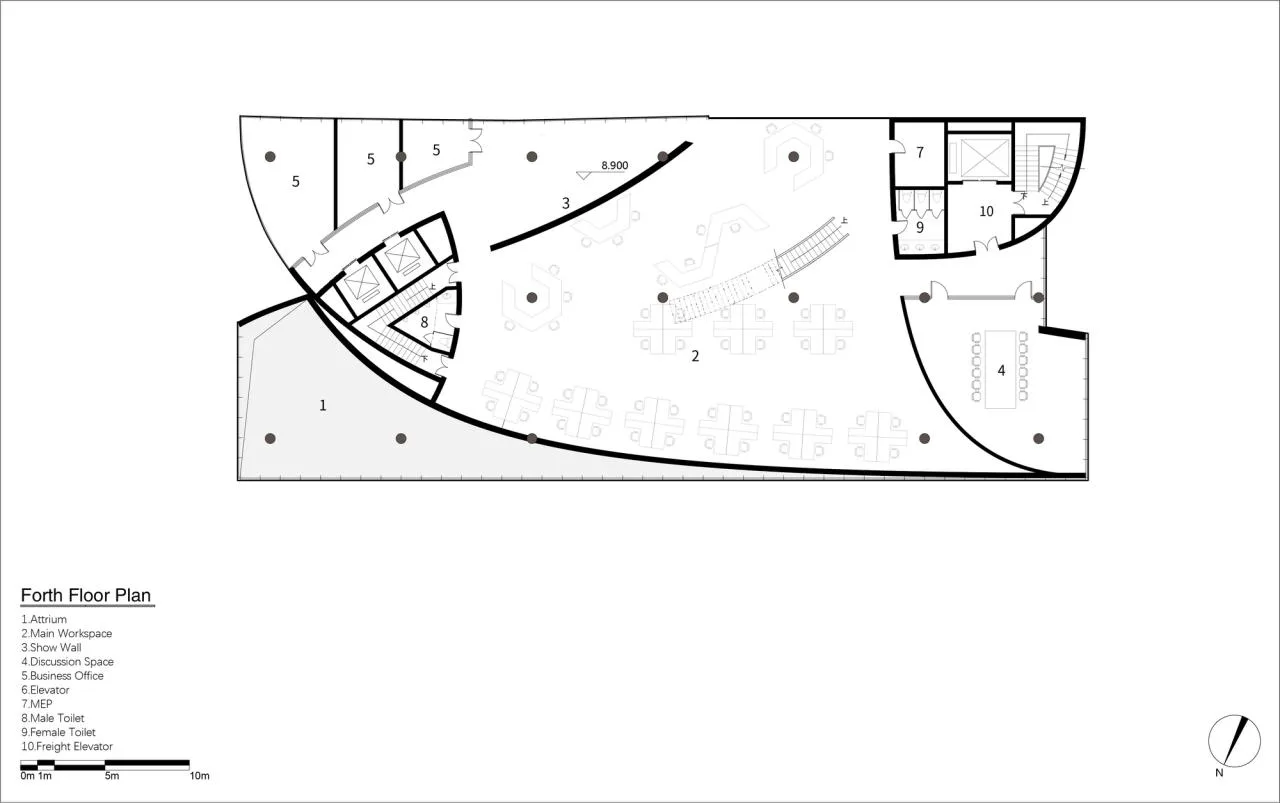
△ Fourth floor plan
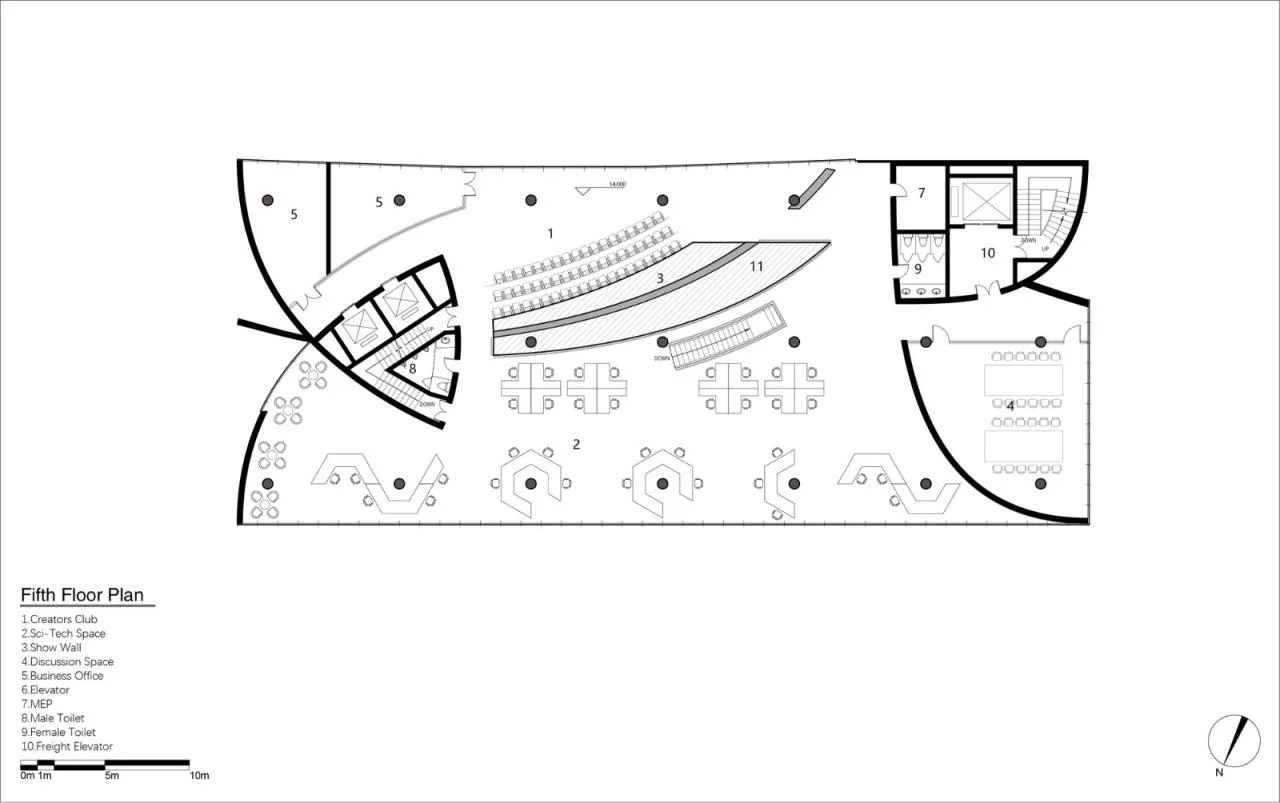
△ Fifth floor plan
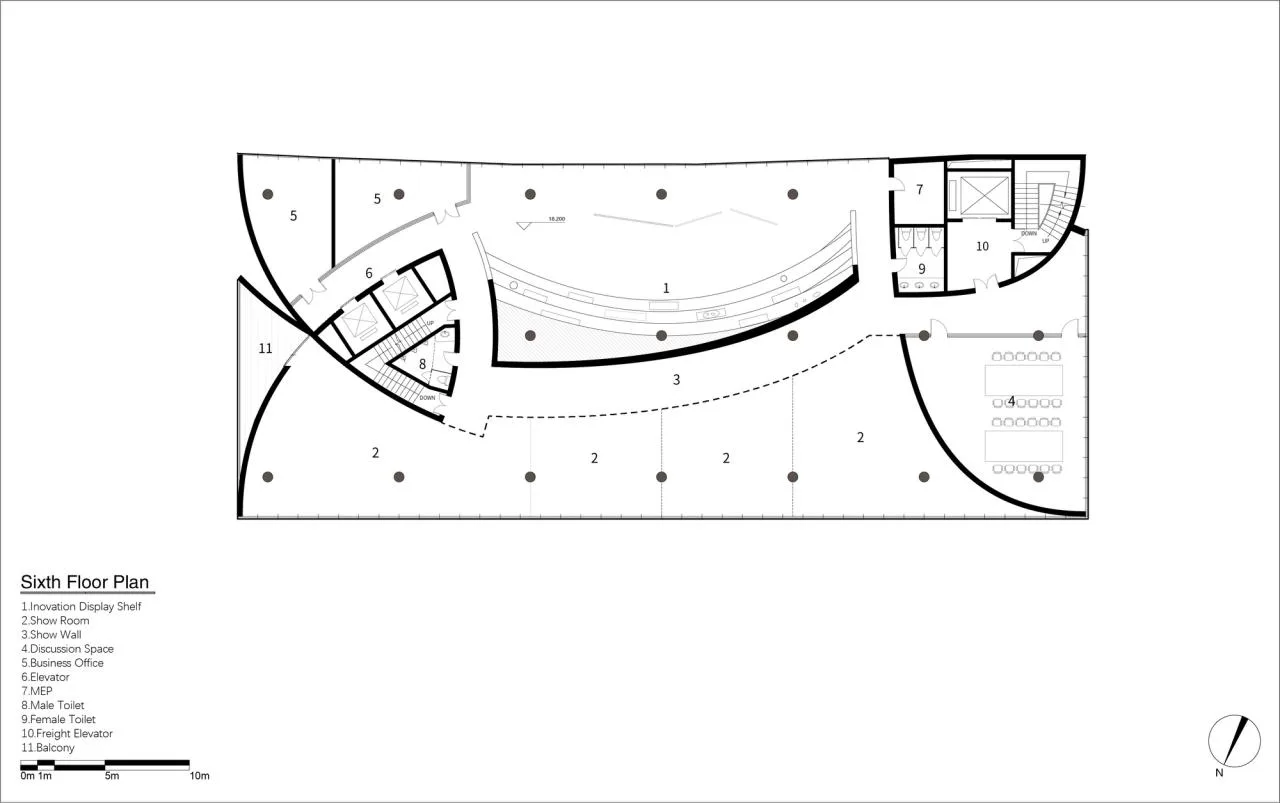
△ Sixth floor plan
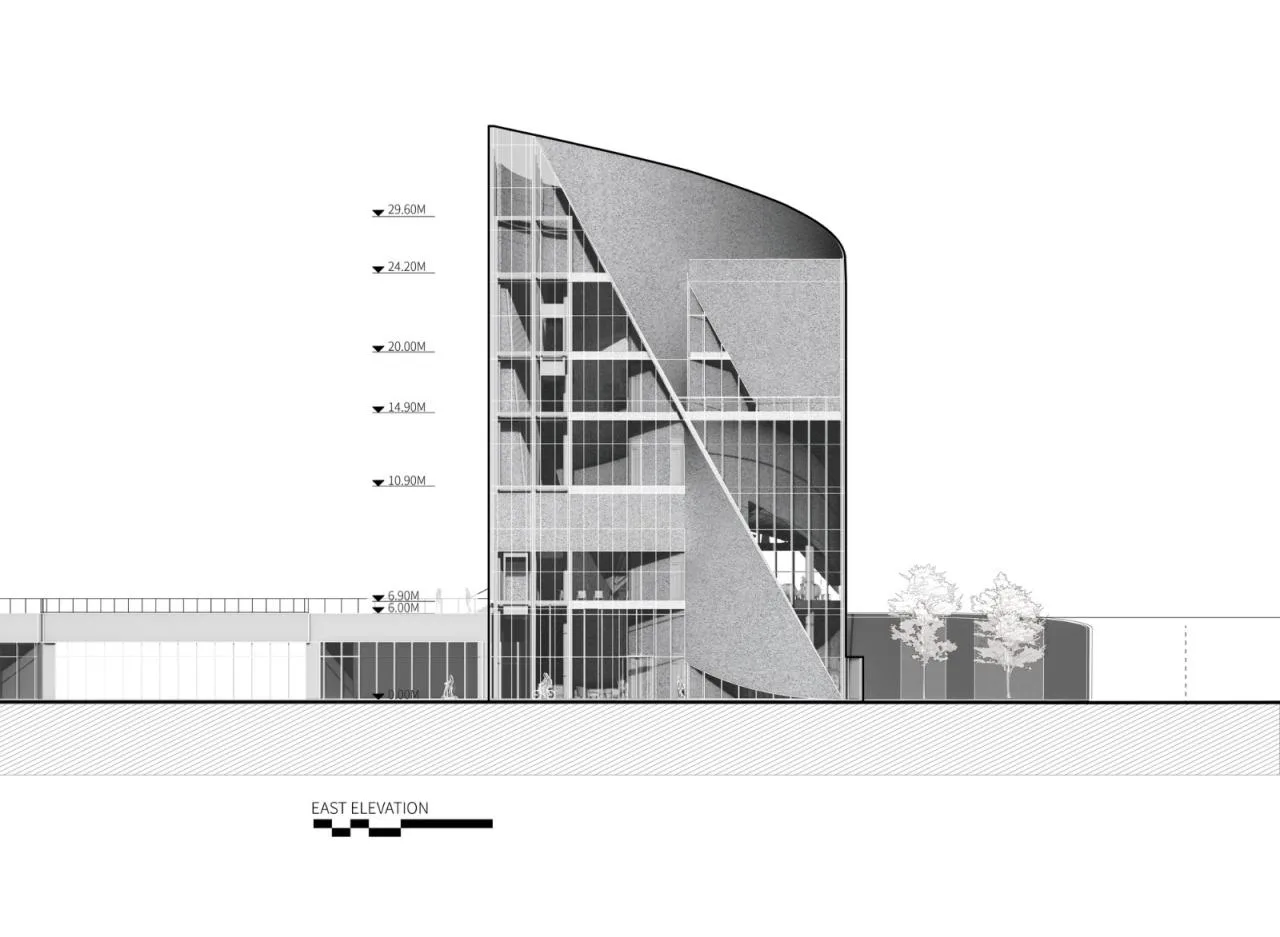
△ Elevation drawing
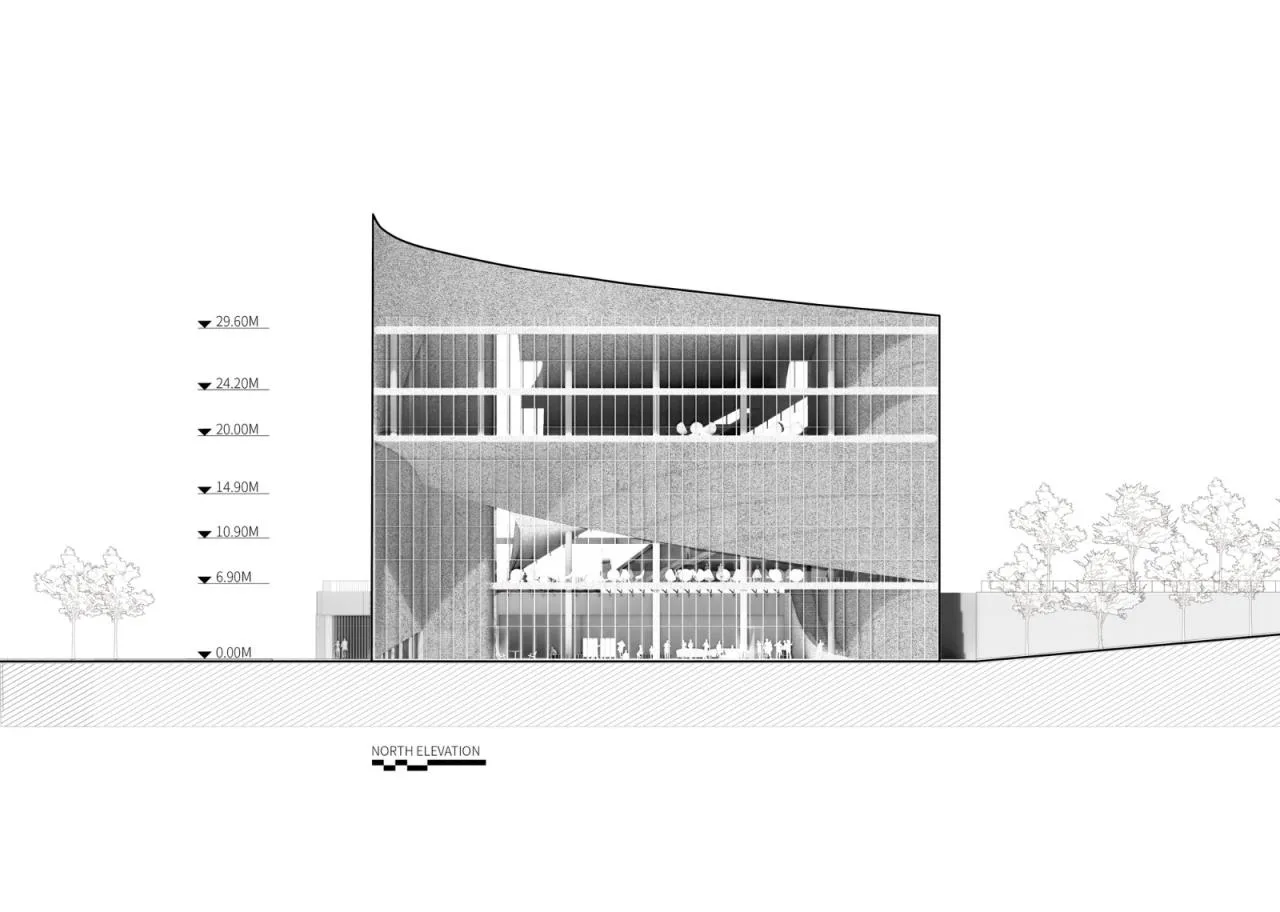
△ Elevation drawing
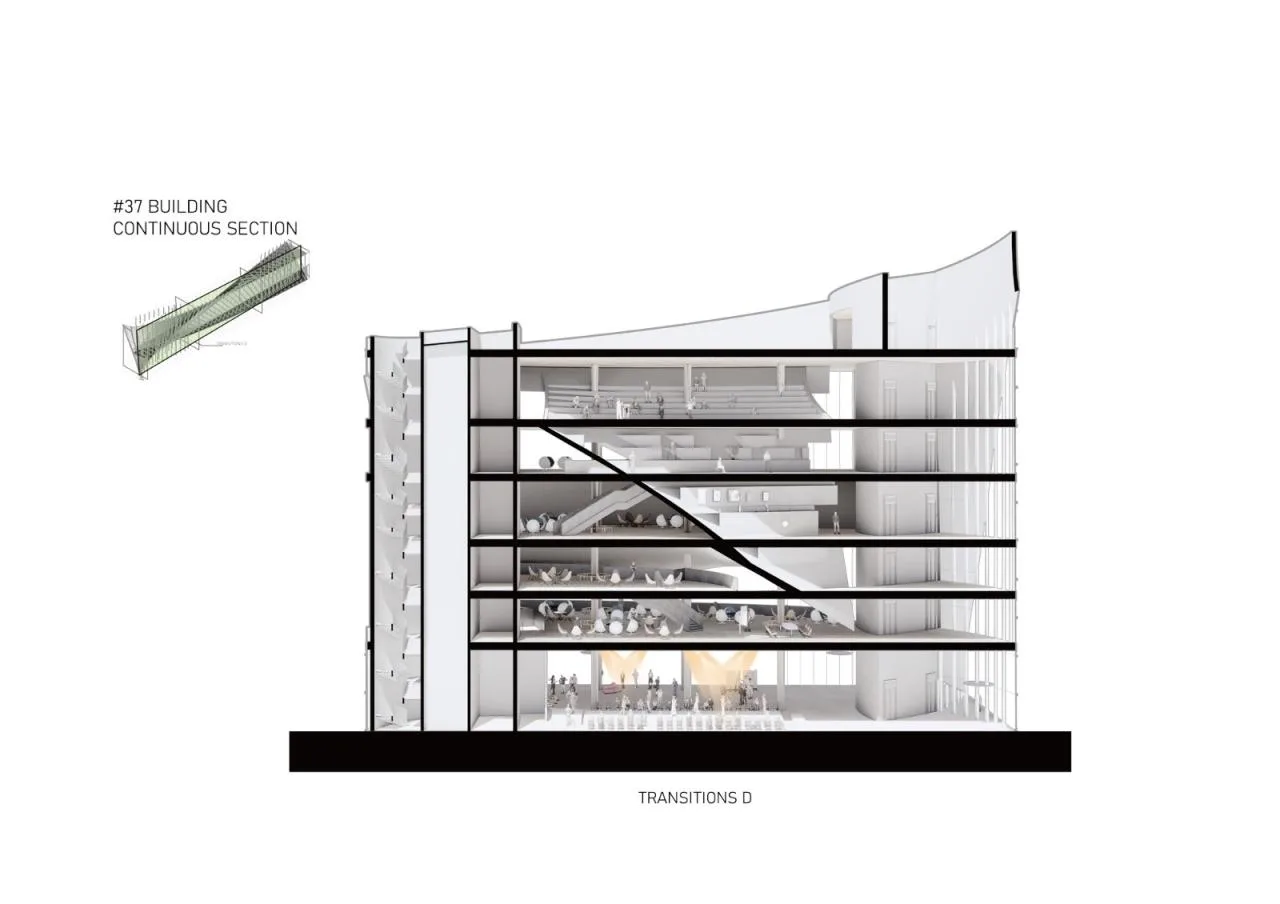
△ Section diagram
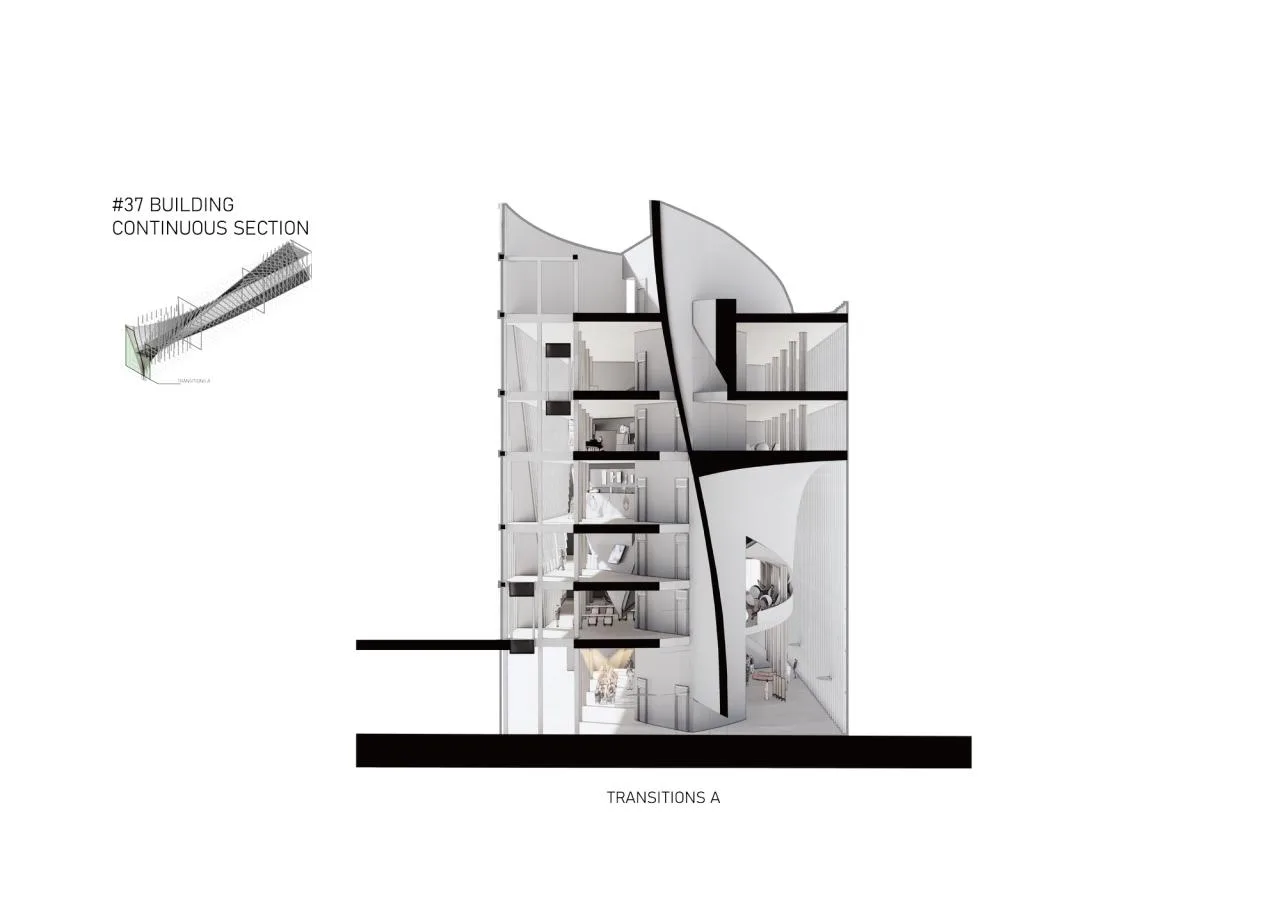
△ Section diagram
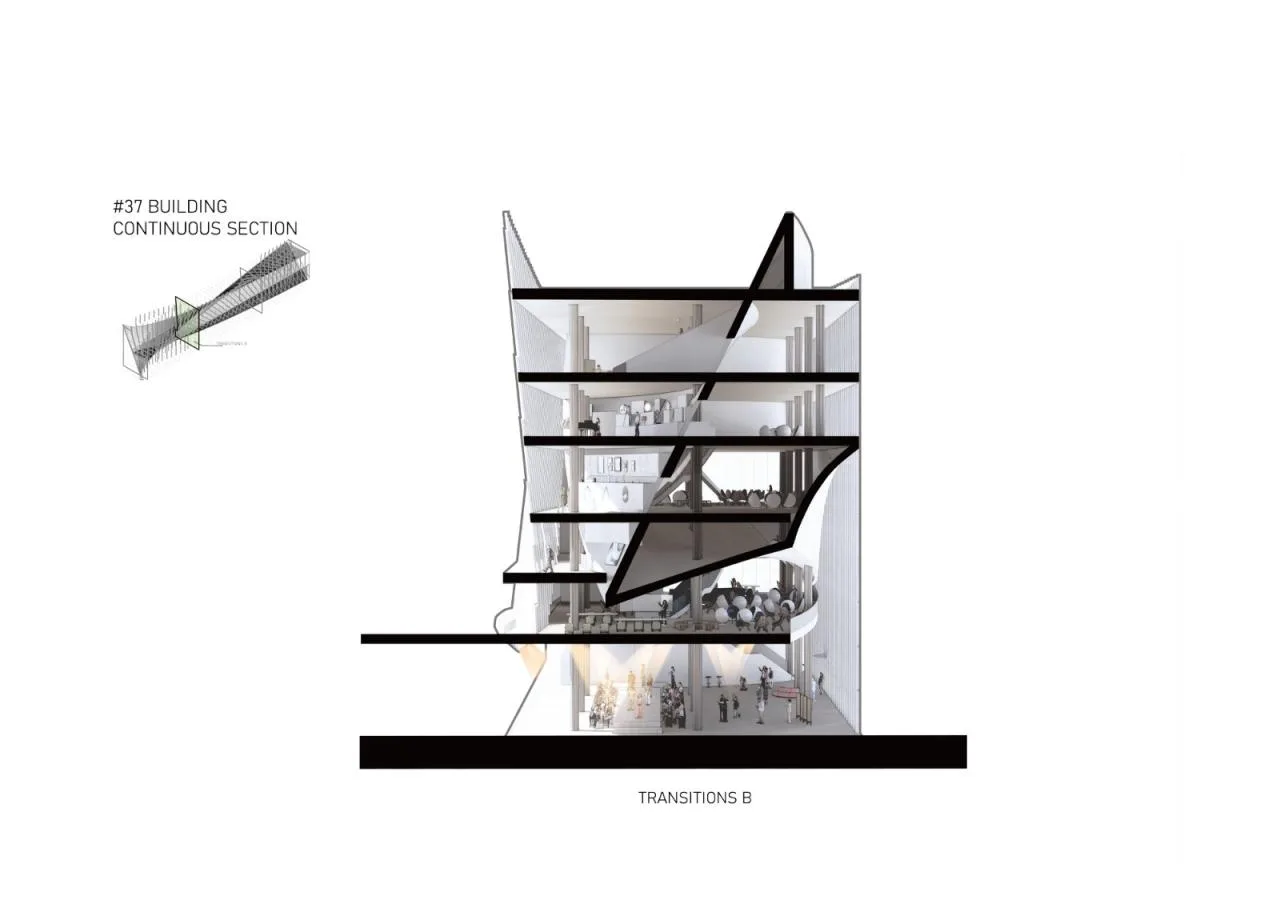
△ Section diagram
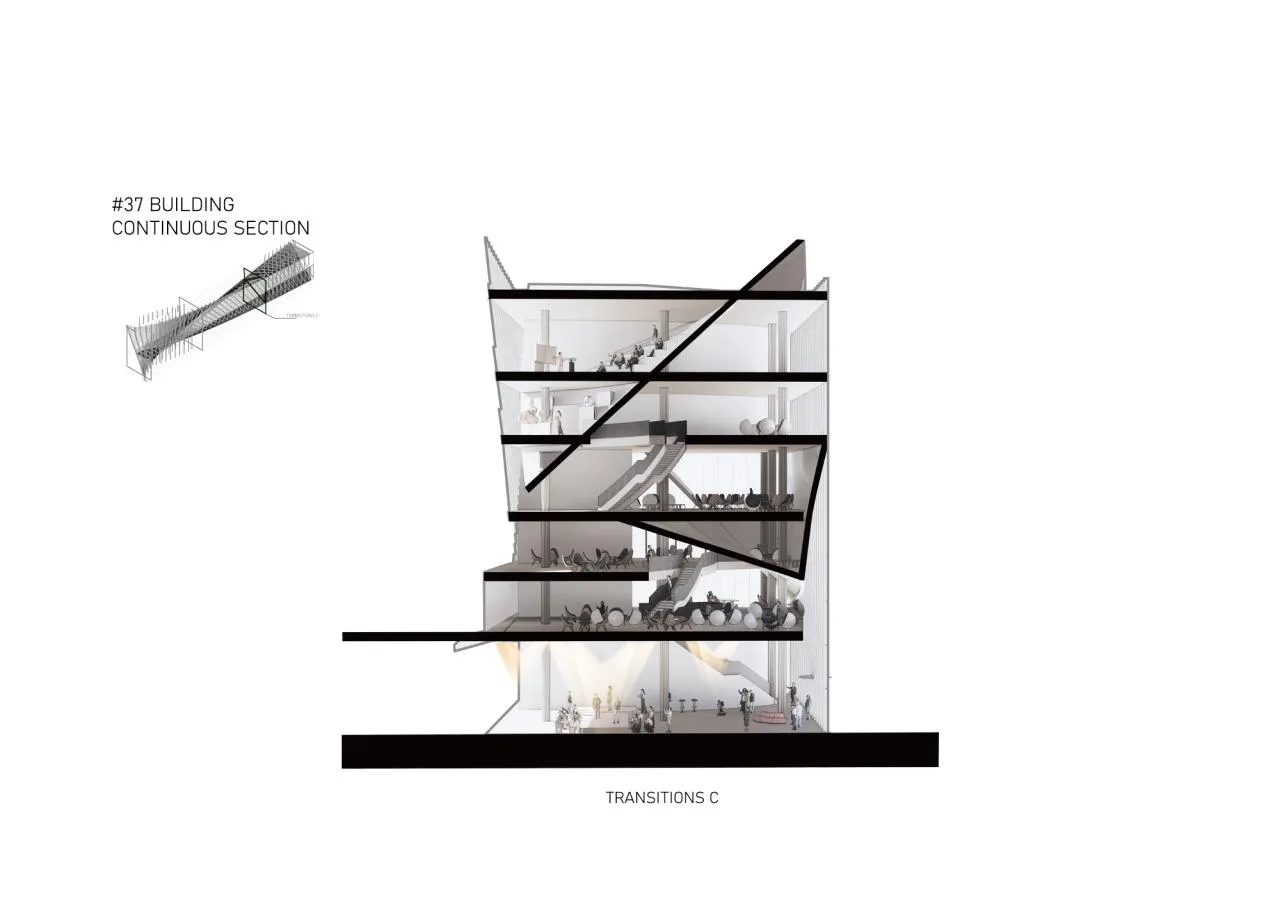
△ Section diagram
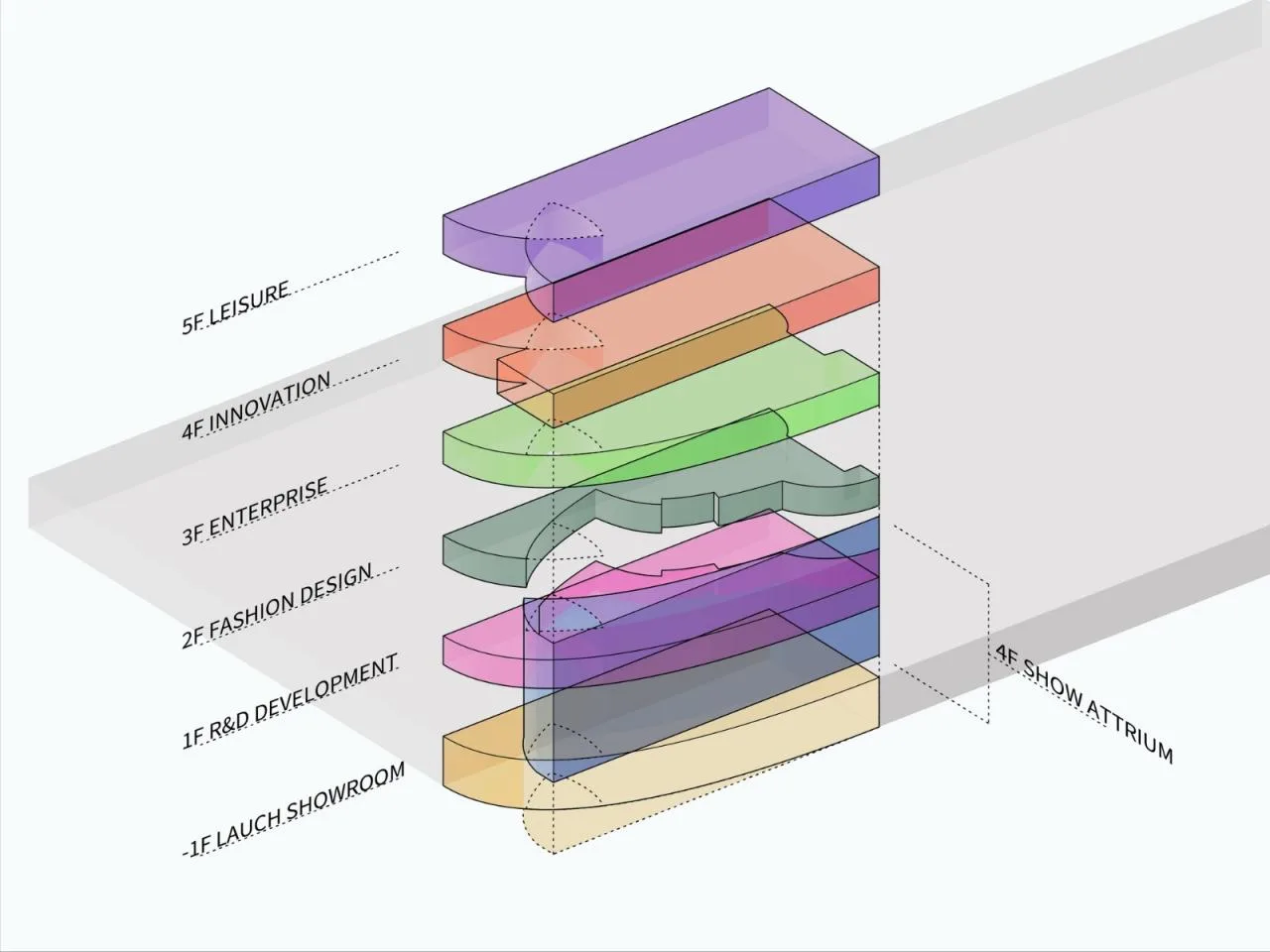
△ Analysis chart
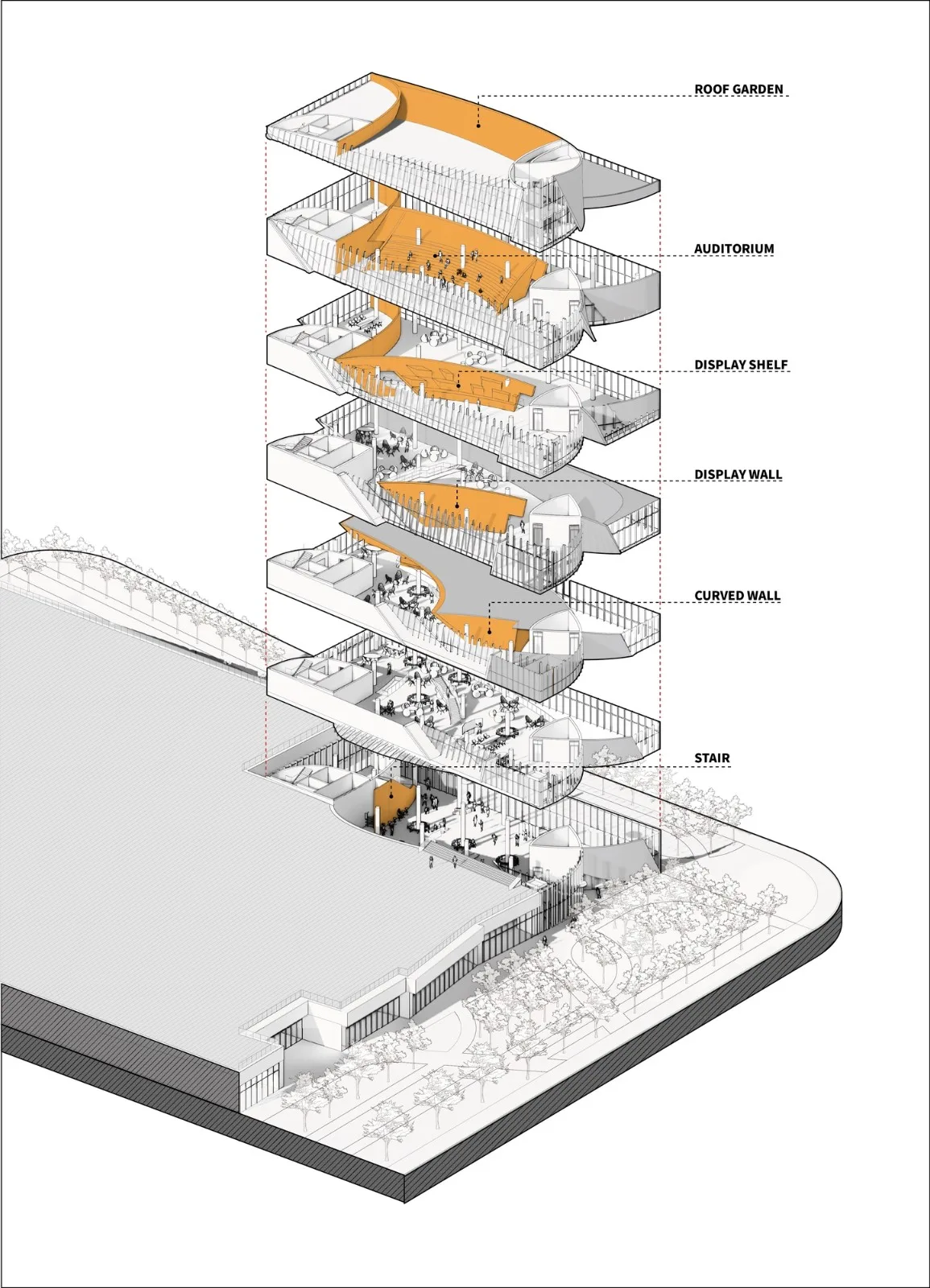
△ Analysis chart
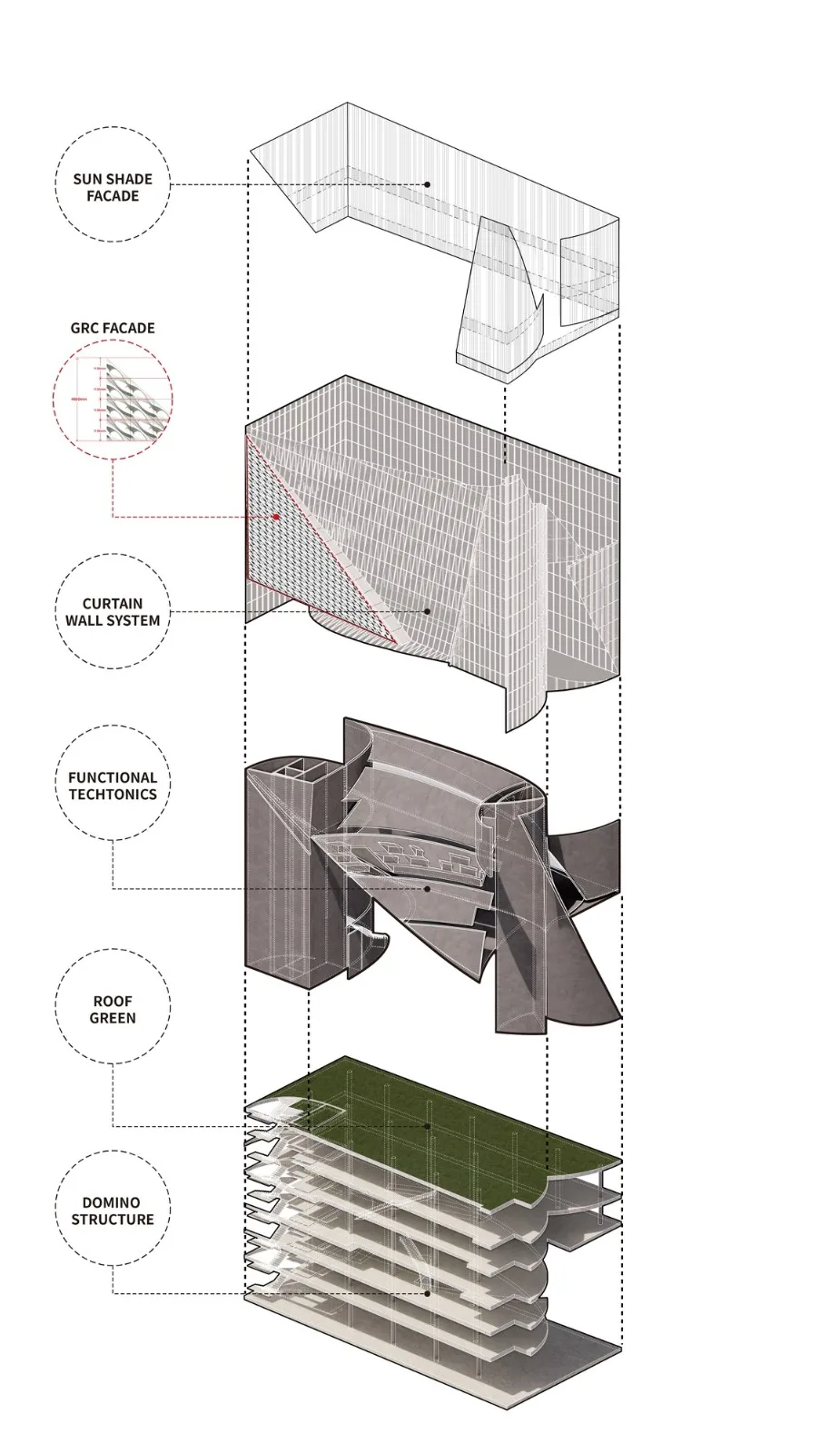
△ Analysis chart
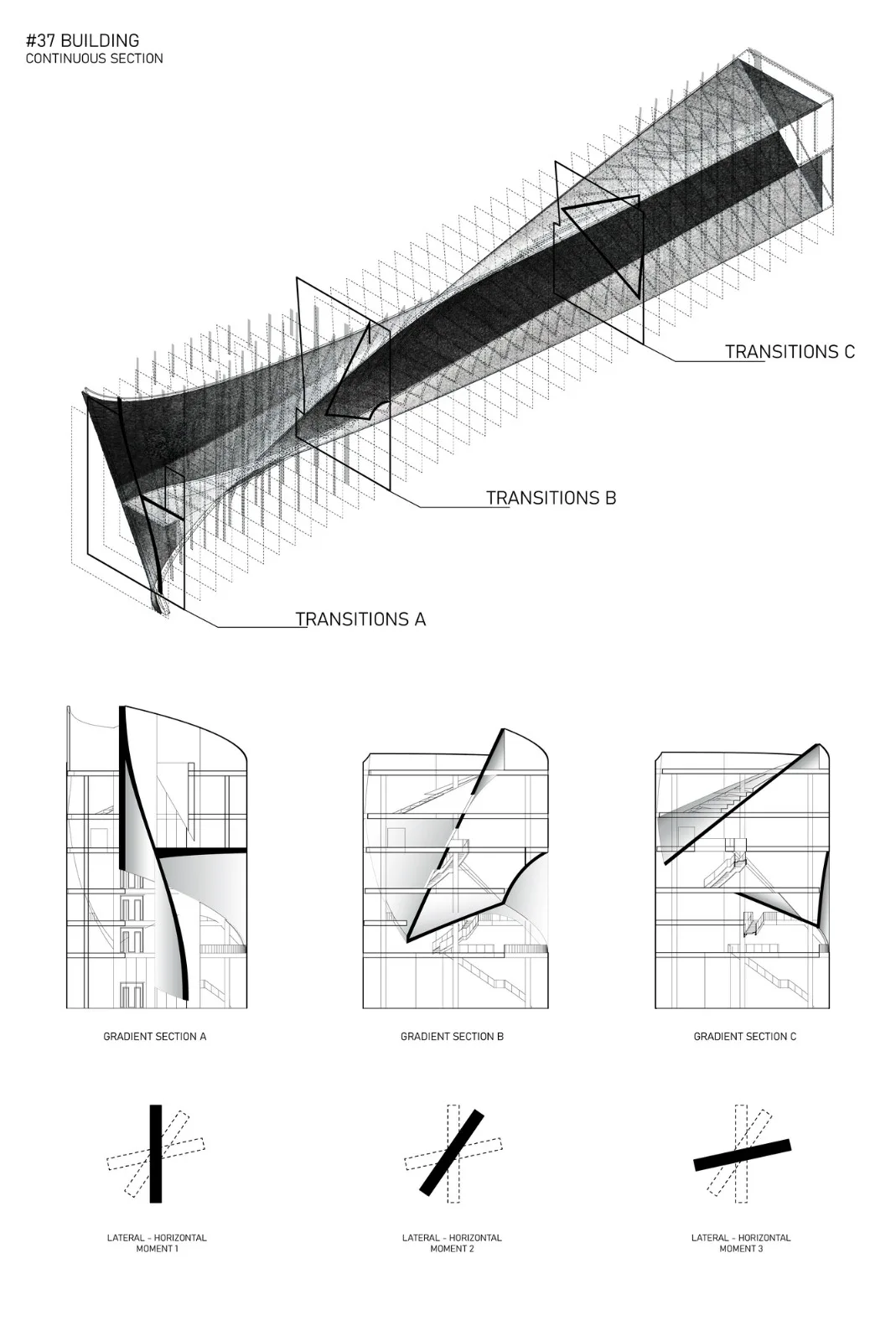
△ Analysis chart
Project Information
Architect: Contemporary Architecture
Area: 5,300 m²
Project Year: 2022
Photographer: Highlight Images
Manufacturers: Tianjin Beibo, Guangdong Xinshang, Anuba
Lead Designers: Bu Xiaojun, Zhang Jiyuan
Collaborative Designer: Qingdao Zhihai Engineering Design Consulting Co., Ltd.
Curtain Wall Design: Yan Youfu
Principal: Qingdao Zhongfang Yilian Development Investment Co., Ltd.
Location: Qingdao












Must log in before commenting!
Sign Up