
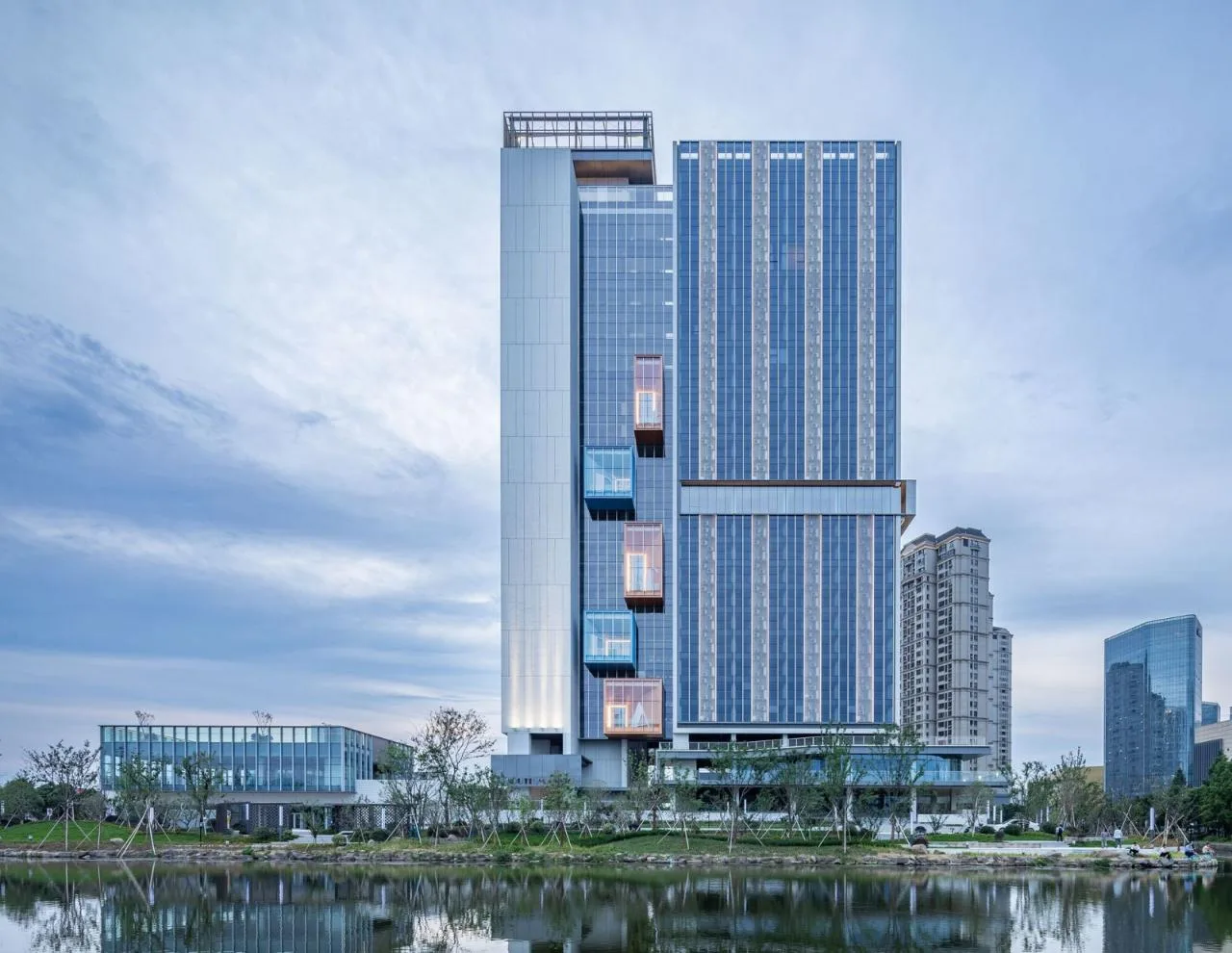
Beilun District, located in Ningbo City, Zhejiang Province, is renowned for its port import-export business and manufacturing industry. However, compared to the central urban area, it struggles to attract high-end young talent. Responding to this challenge and supported by local government policies, the developer aimed to create an apartment complex tailored to young people, encouraging them to settle and grow in the area.
Given the increasingly diverse and complex needs of today’s youth, the project goes beyond traditional residential functions. It explores how apartments can foster talent growth, promote communication and collaboration, and ultimately become a vibrant space reflecting the spirit of the times. After four years of integrated teamwork across architecture, interior design, landscape, curtain wall, structural, and MEP engineering, the Ningbo Beilun Qingchuang Building has been successfully completed.
Understanding Our Target Audience: From Zero to One
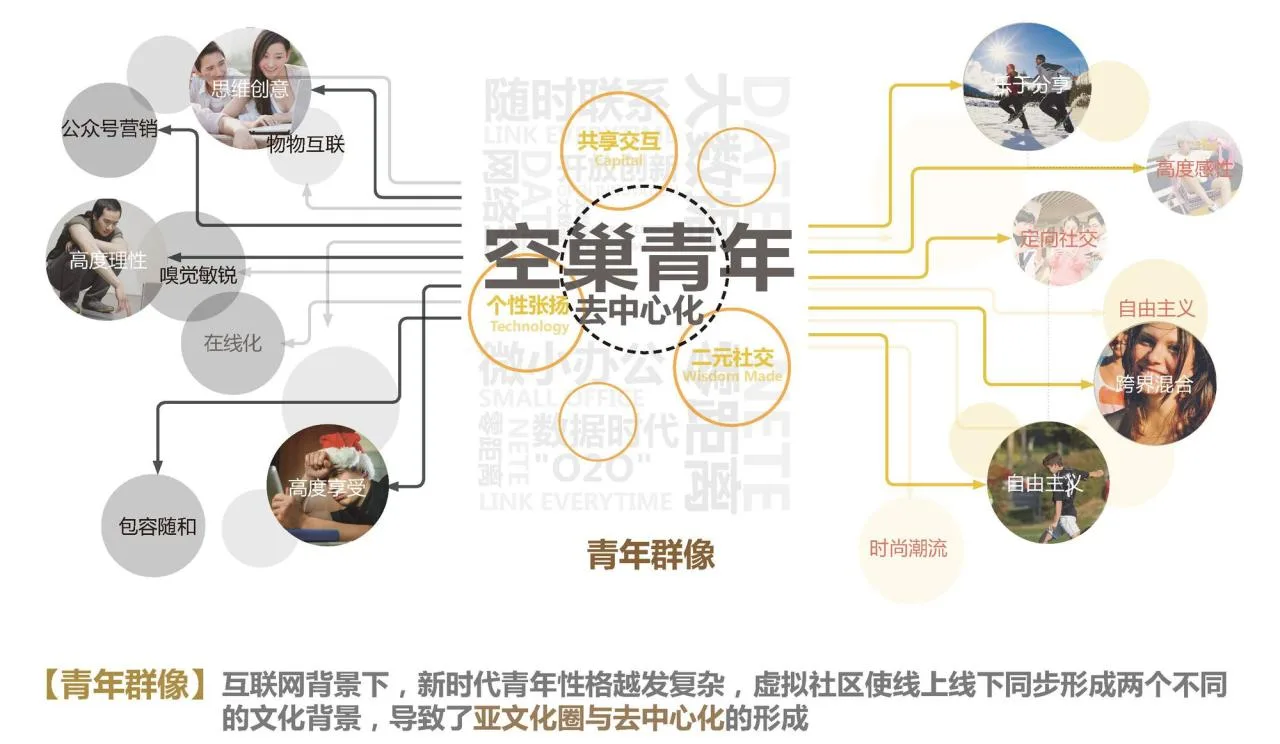
Through research into subcultural groups and decentralization, we identified young people aged 18-35—primarily college graduates, supplemented by technical school graduates—as the main users of this project. Growing up in an Internet-driven environment, their interests are diverse and highly individualized. Socially, they prefer connecting with communities that share their passions.
In light of these traits, architectural design must incorporate spatial qualities that meet young people’s inner needs, foster community cohesion, and strengthen their sense of belonging. By doing so, Beilun can enhance its appeal and retention of young talent.
Strategic Business Layout: Emphasizing Differentiation
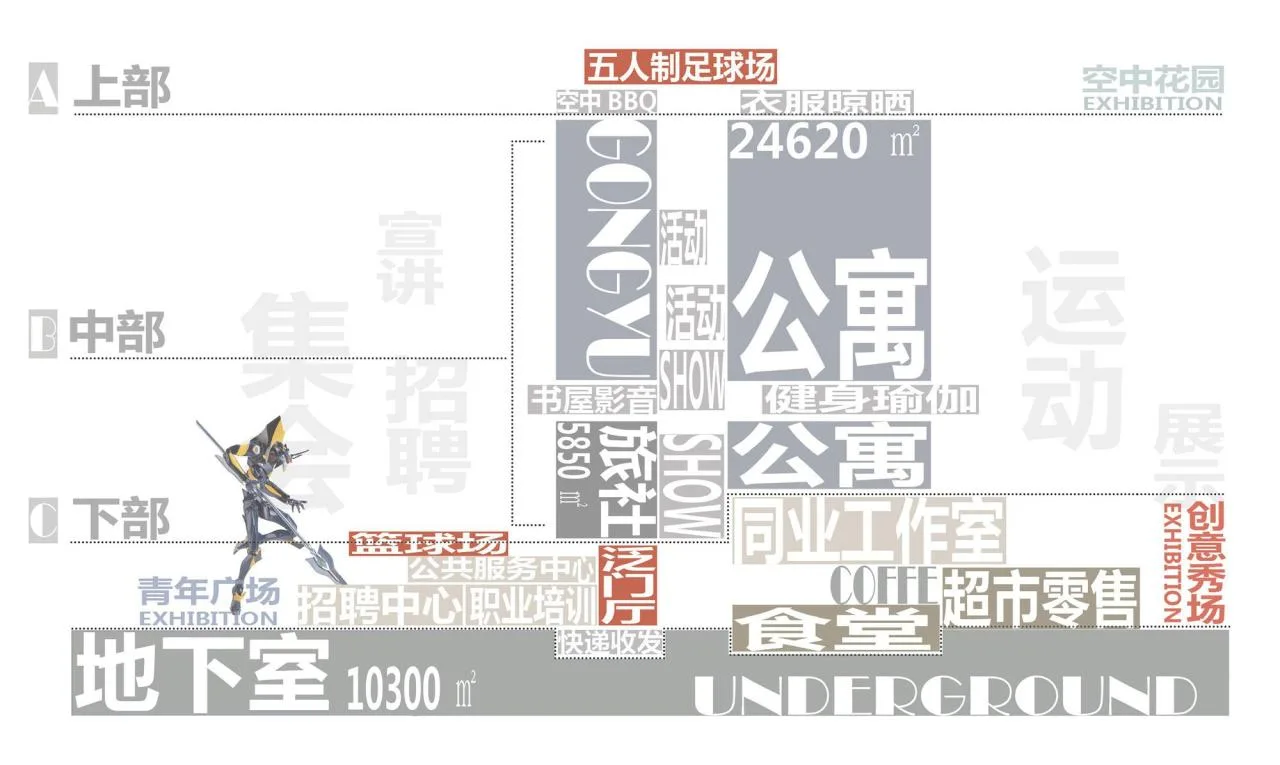
Our initial research led to the design concept centered on “subculture circles and decentralization.” We focused on creating a differentiated business layout that stands apart from existing local offerings in commerce and entertainment. Prioritizing the real functional needs of young residents, we tailored the spatial arrangement to their daily life scenarios, crafting a business model that resonates with them.
Design Approach: Balancing Openness and Privacy
Combining layered design with research insights, we envisioned an apartment complex that blends urban openness with residential privacy. Aligned with Beilun’s talent attraction goals, the project offers a “Youth Square” integrating residential, leisure, entertainment, self-improvement, and light office spaces. This creates a vibrant, three-dimensional lifestyle hub where young people live, work, socialize, and play daily.
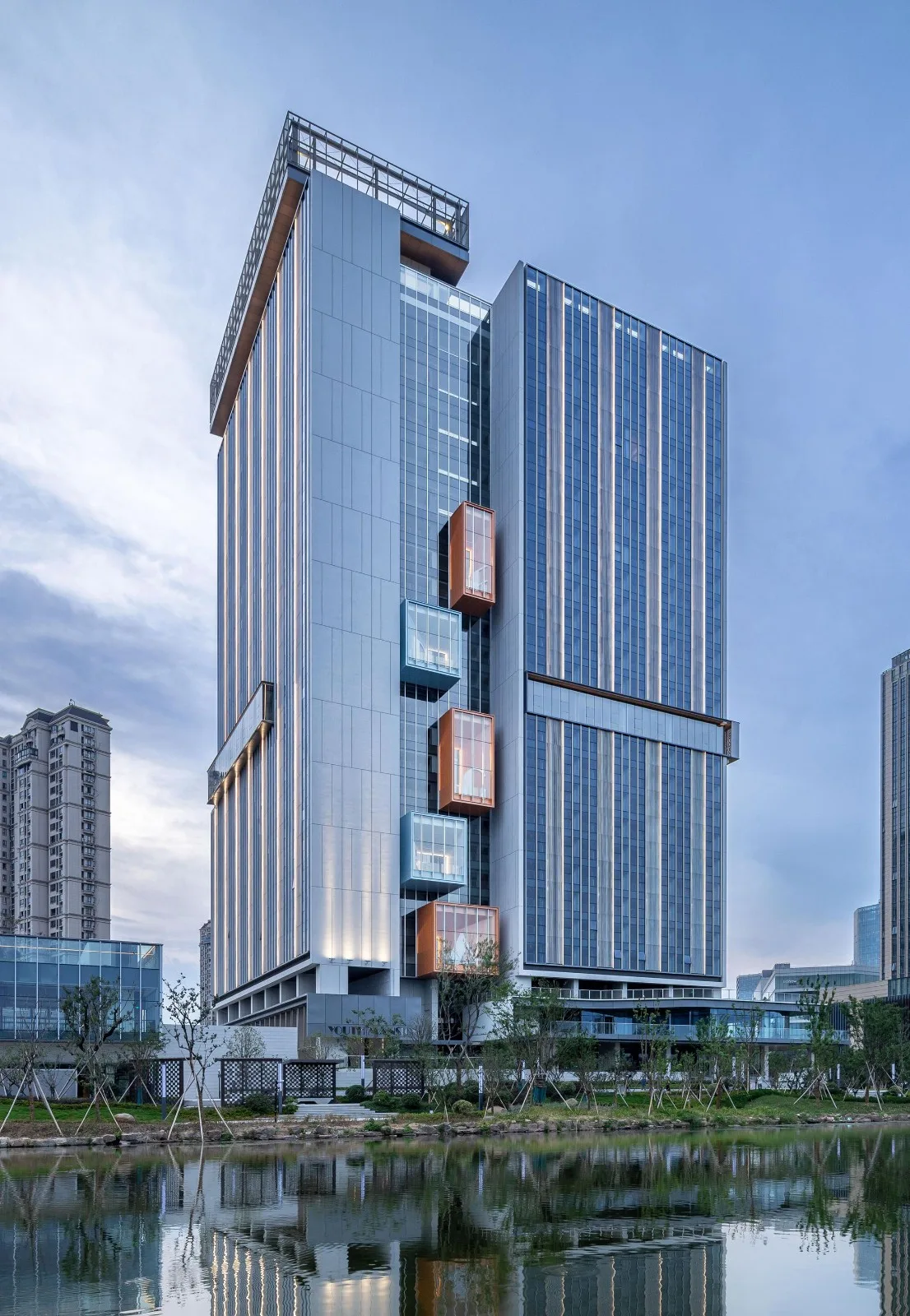
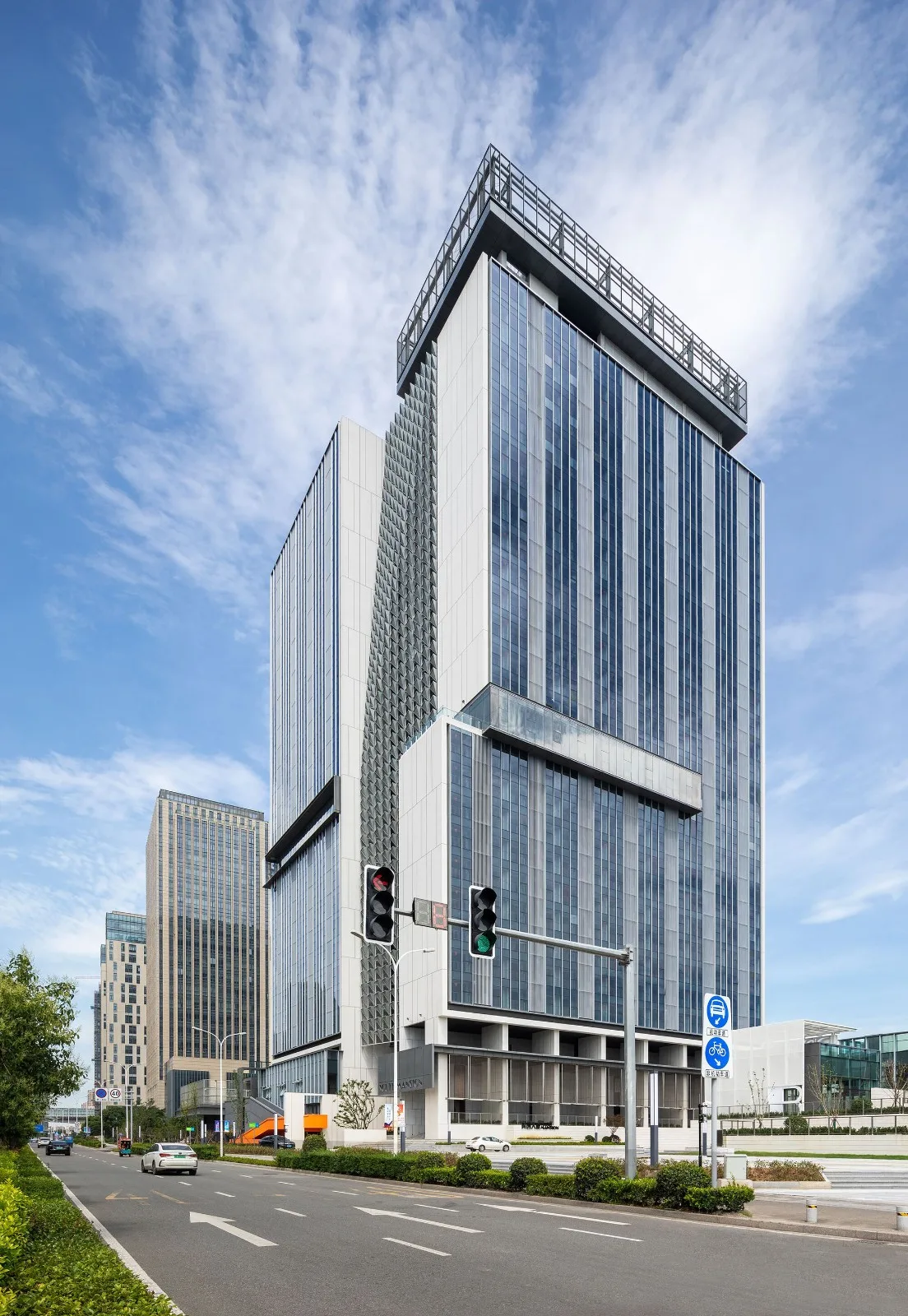
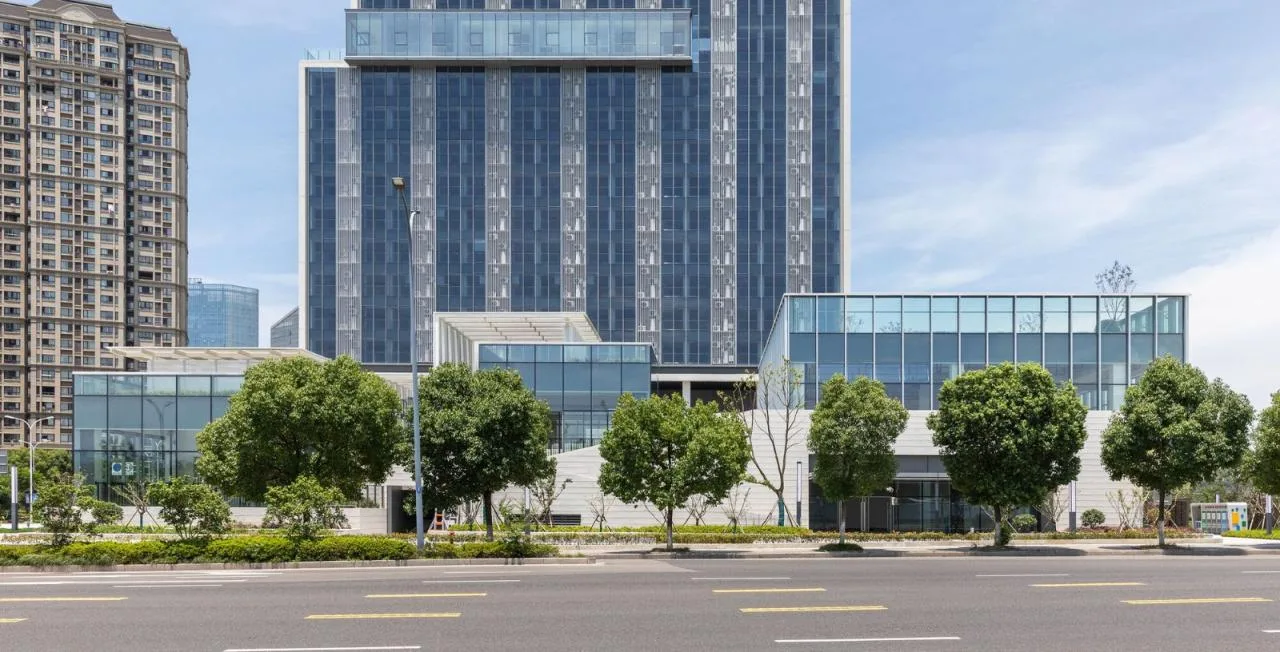
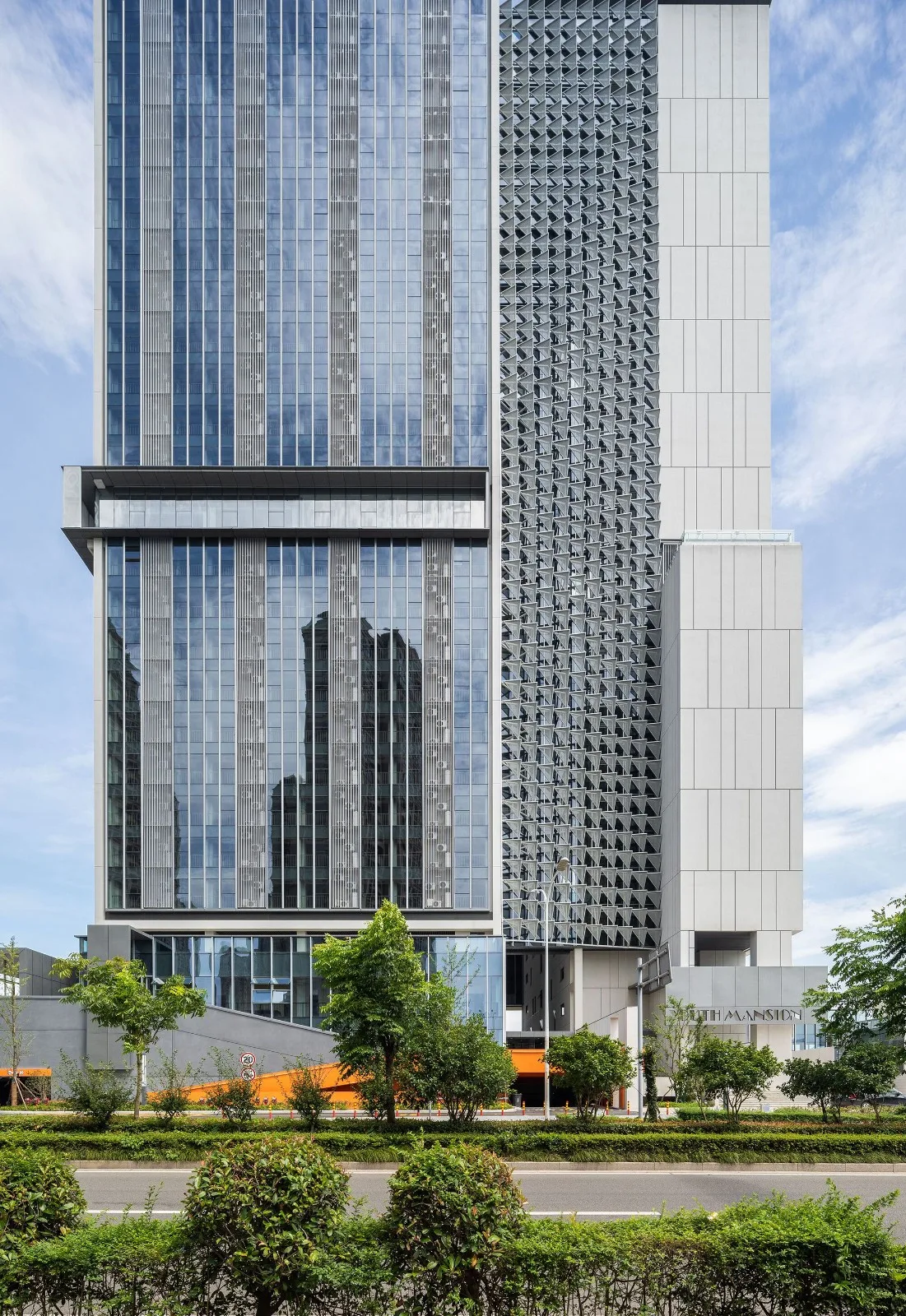
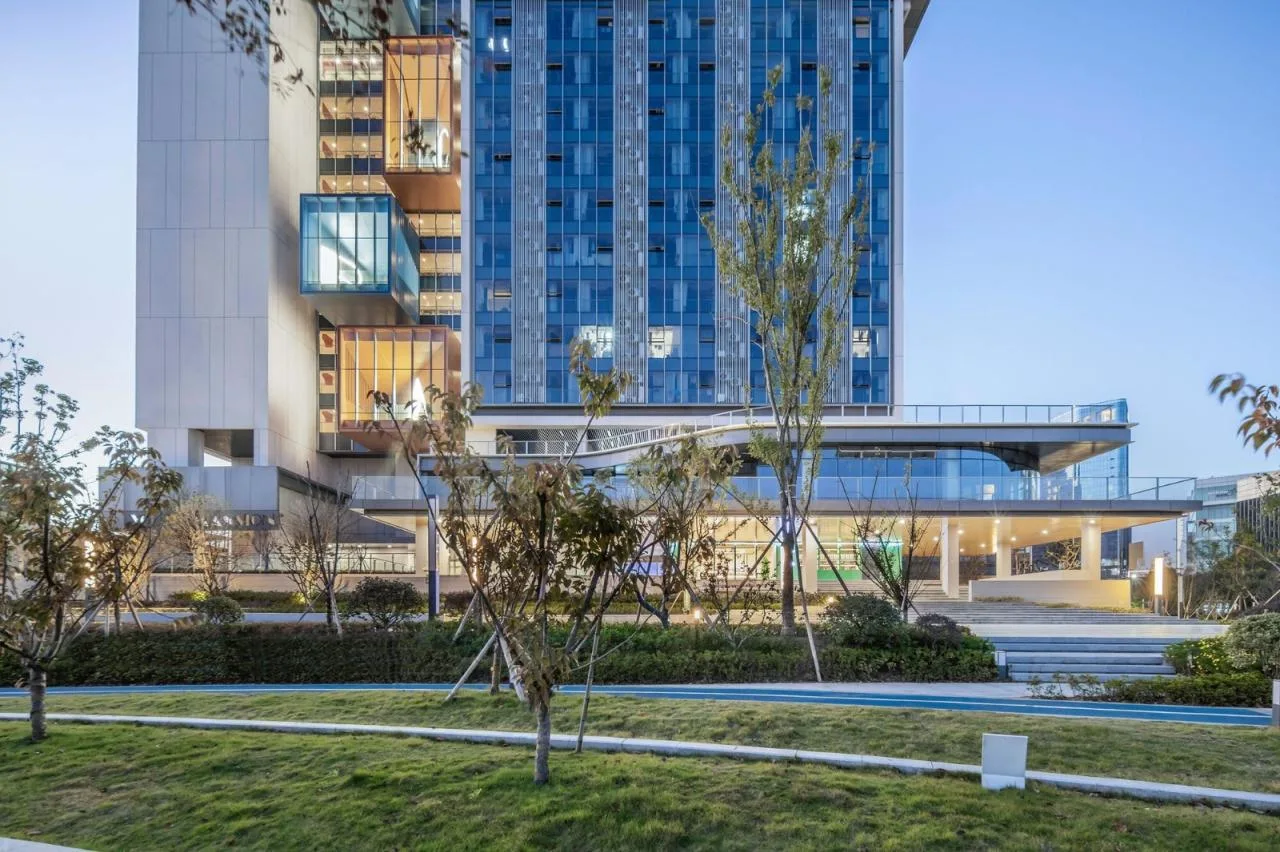
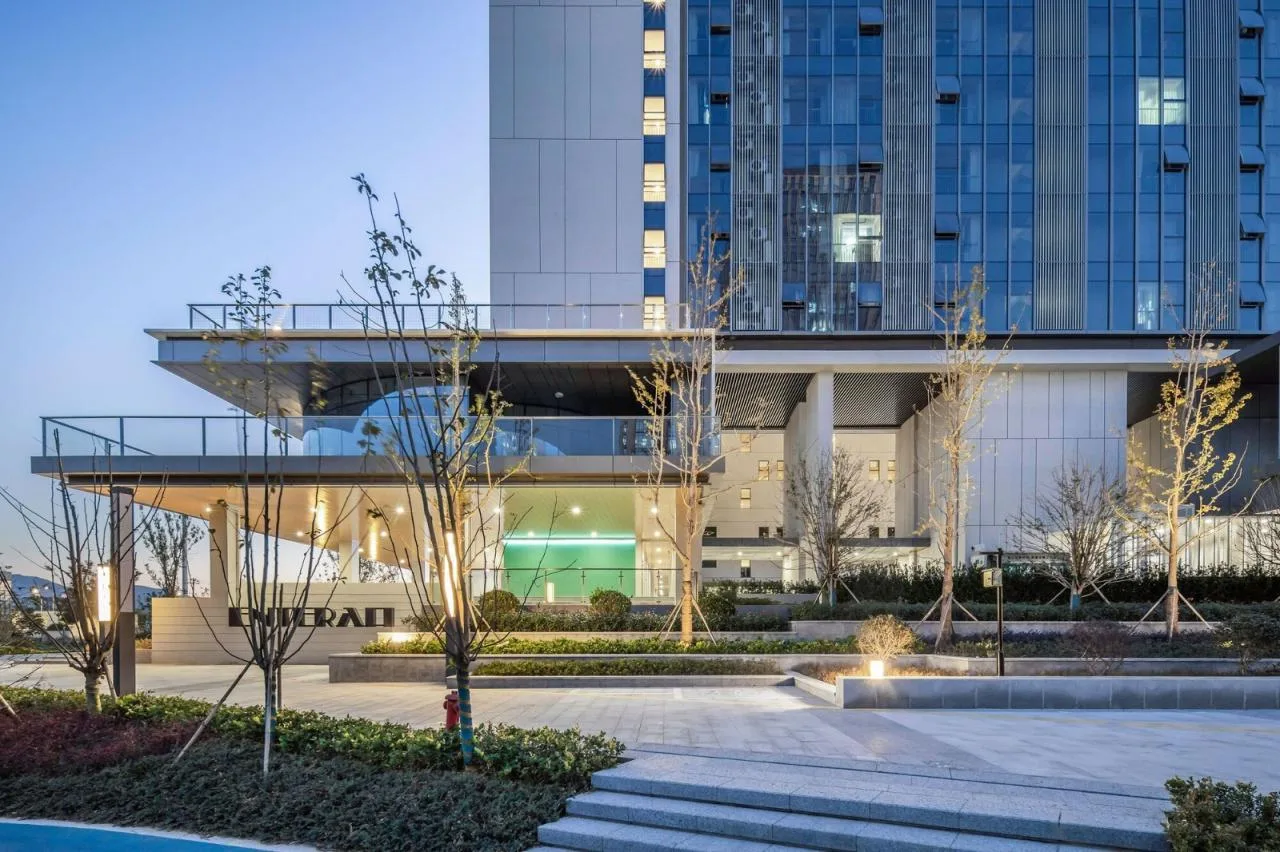
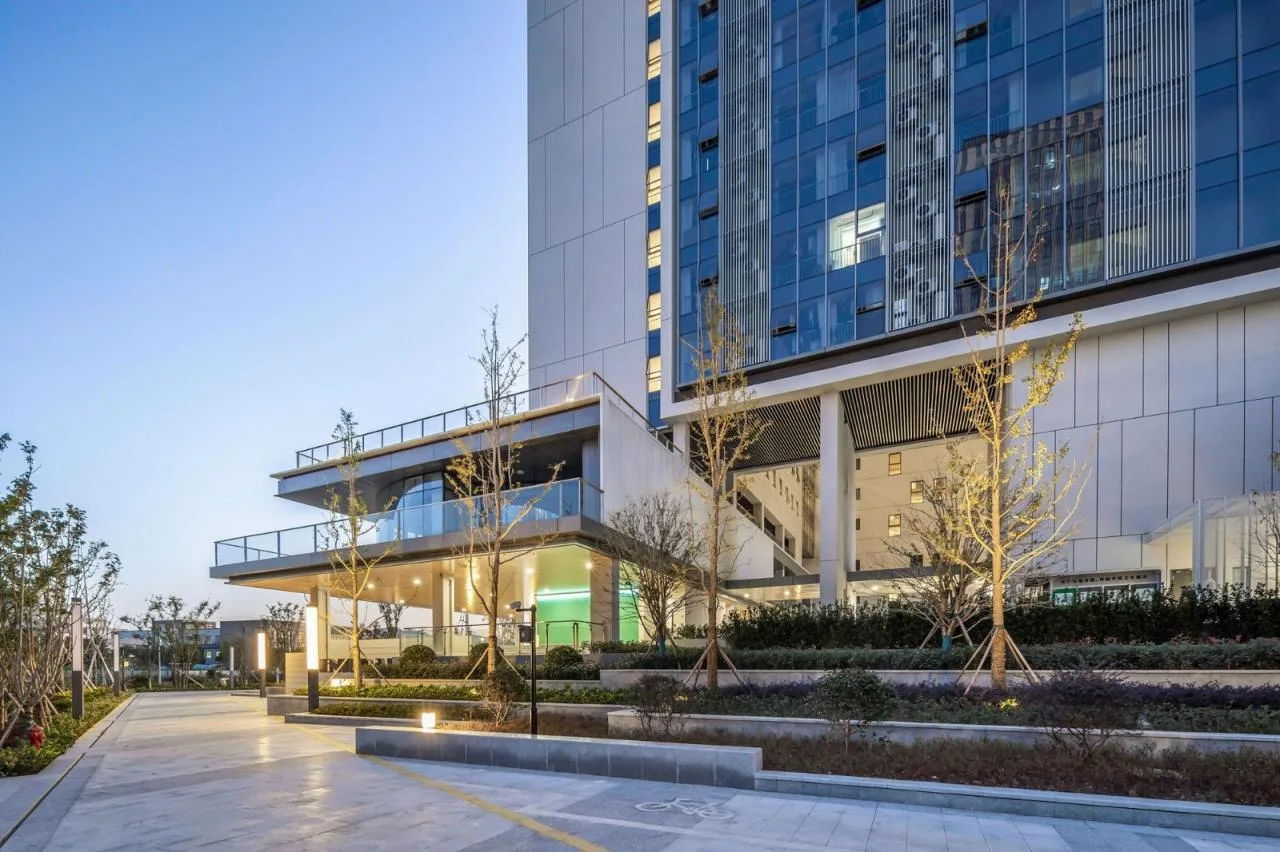
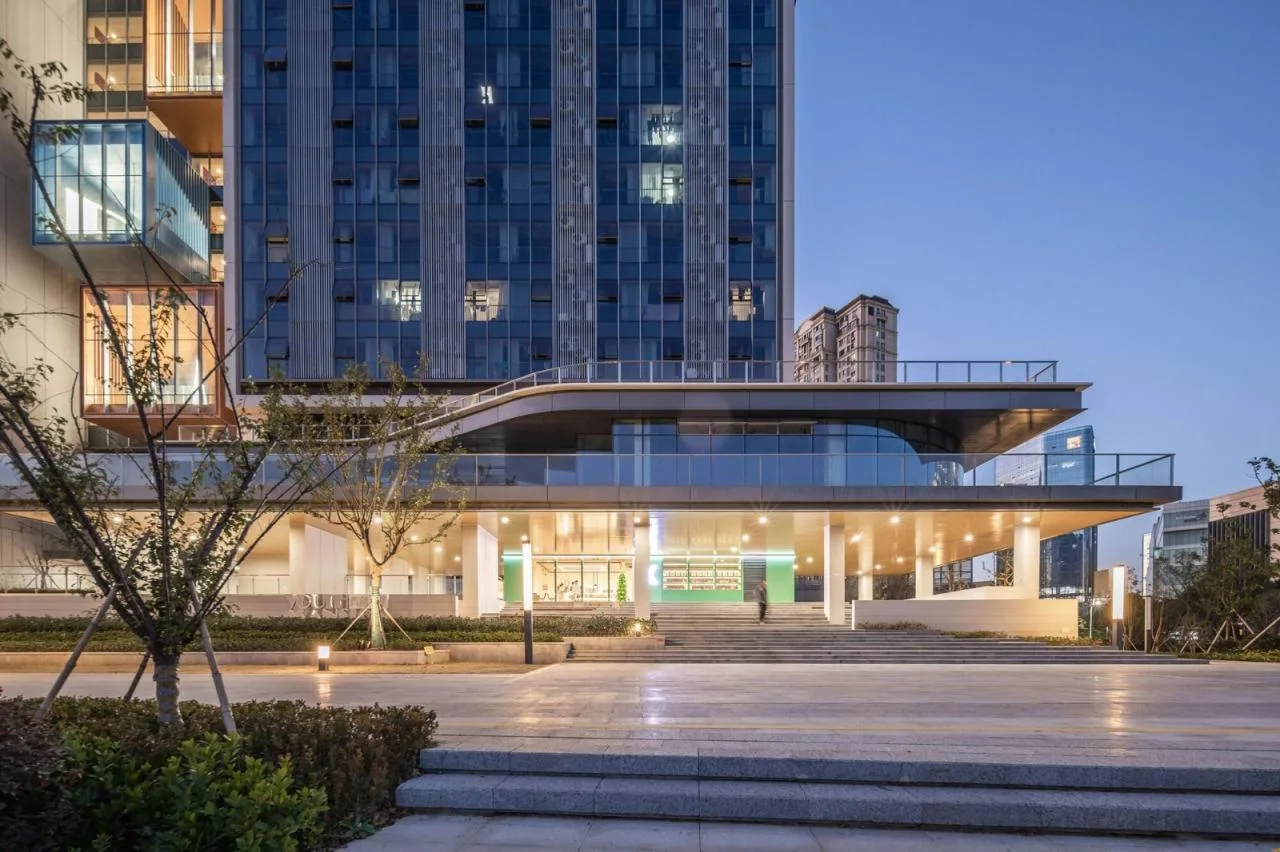
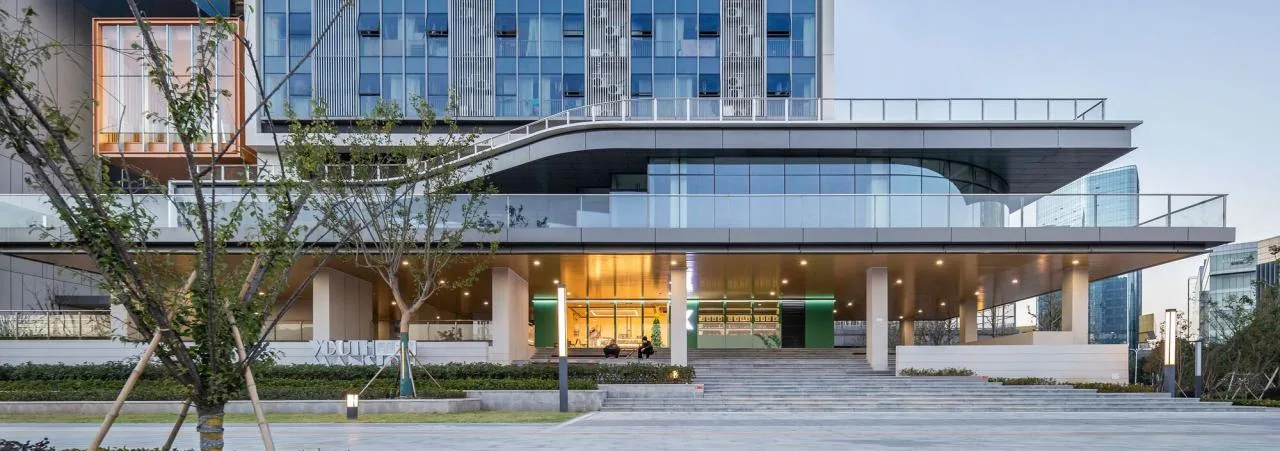
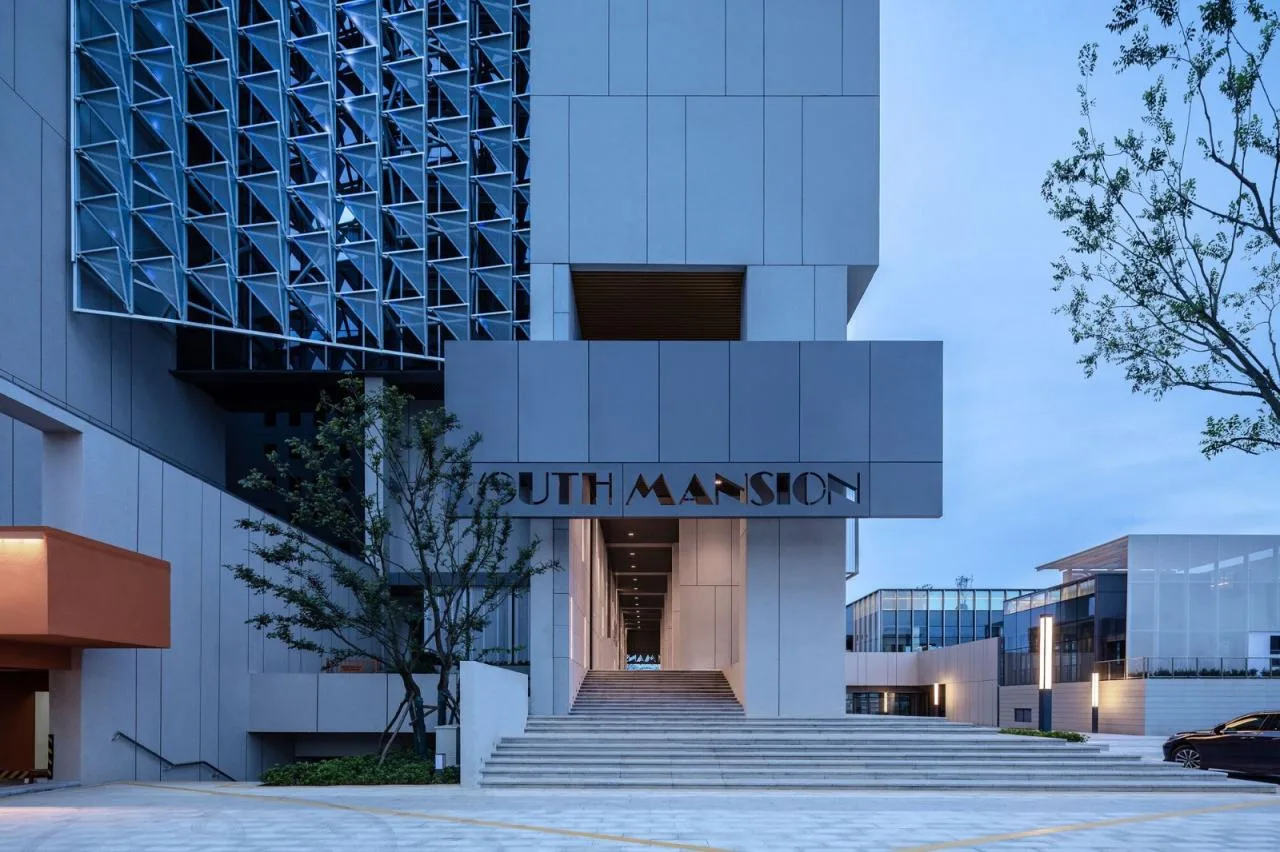
As a public urban landmark and open landscape area, the design emphasizes humanistic spirit and place-making. The architecture expresses its connection to the site and highlights the Youth Square’s unique role in Beilun’s urban culture. The main entrance faces the city, leading users through a two-story elevated corridor into the apartment lobby and key functional spaces—combining ceremony with functionality.
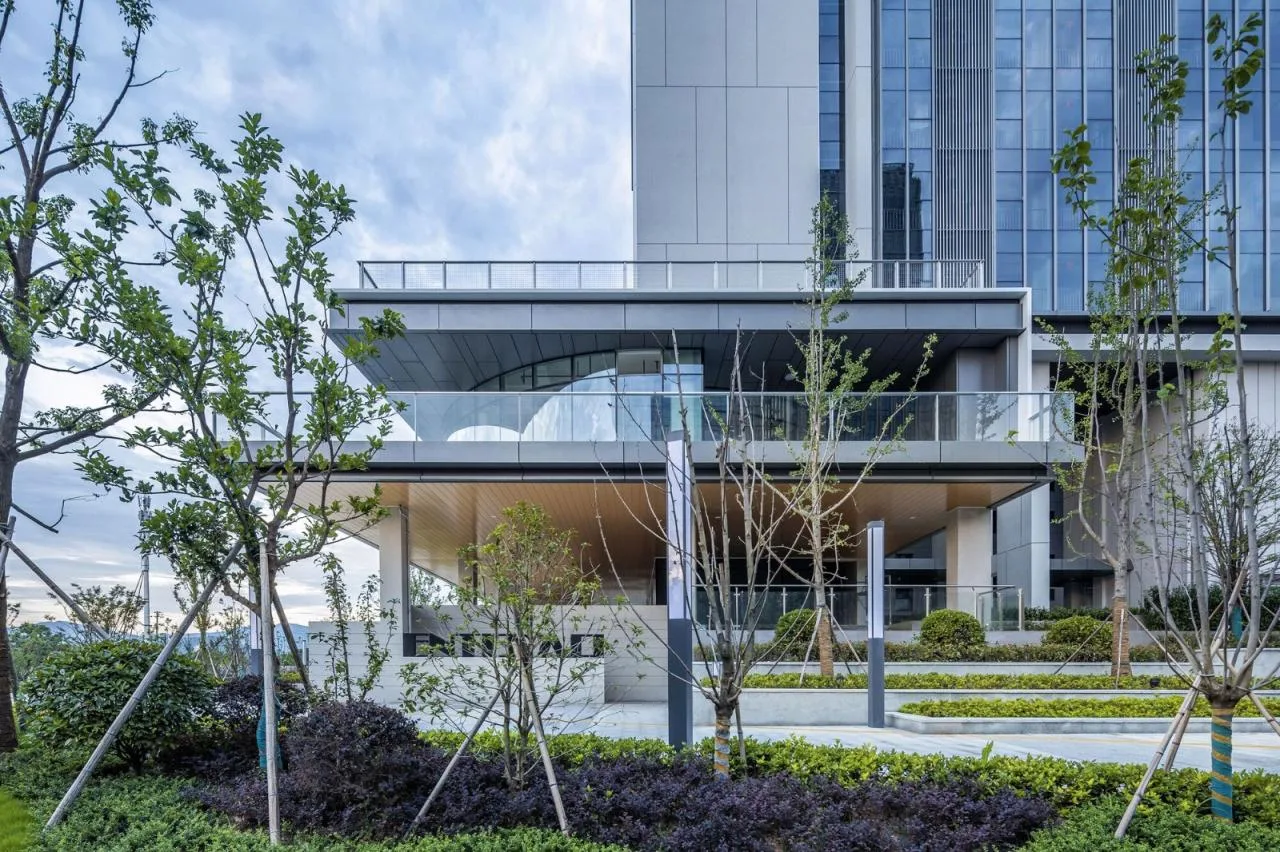
The building’s base is elevated, forming a terraced landscape with grassy slopes and steps descending naturally toward the southeast river and northwest city views. This creates an engaging, accessible public space that offers residents panoramic views while enriching the cityscape.
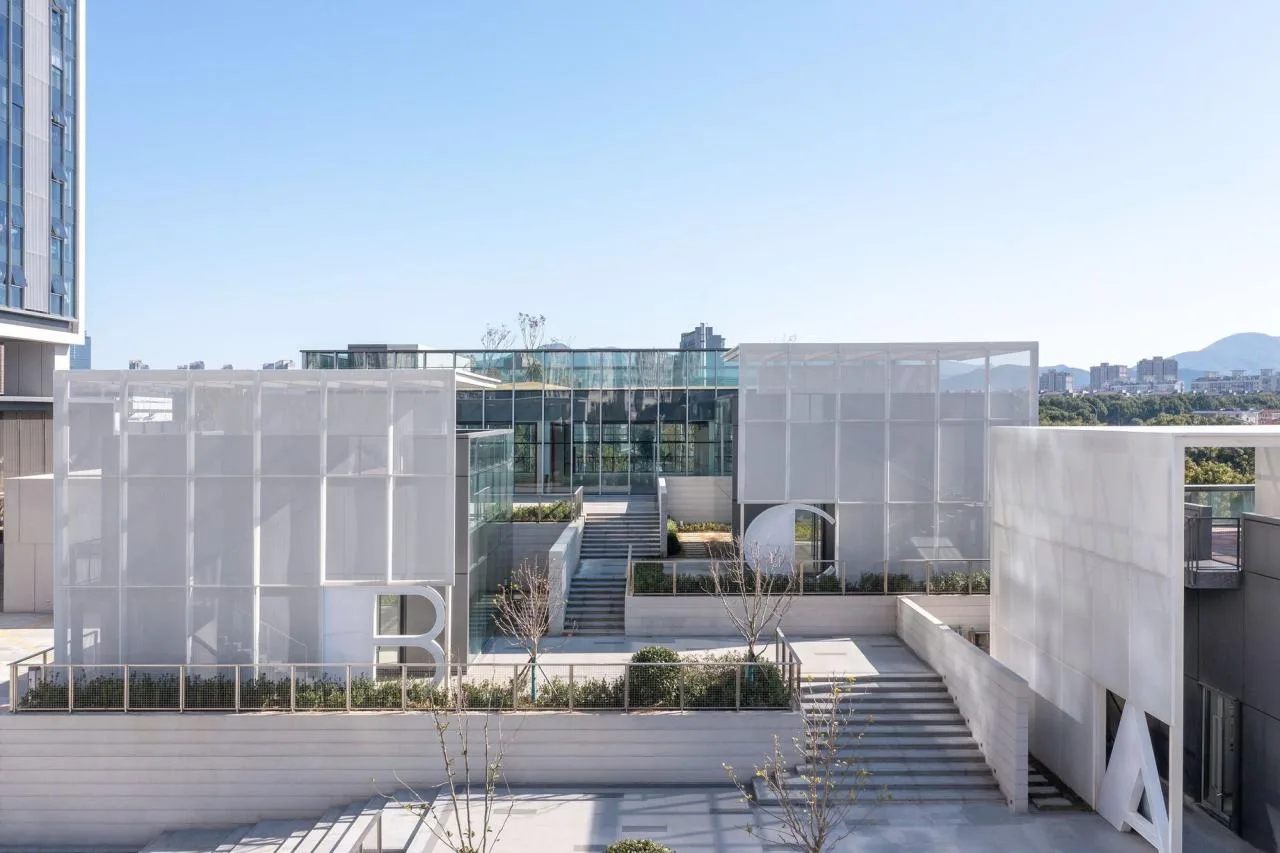
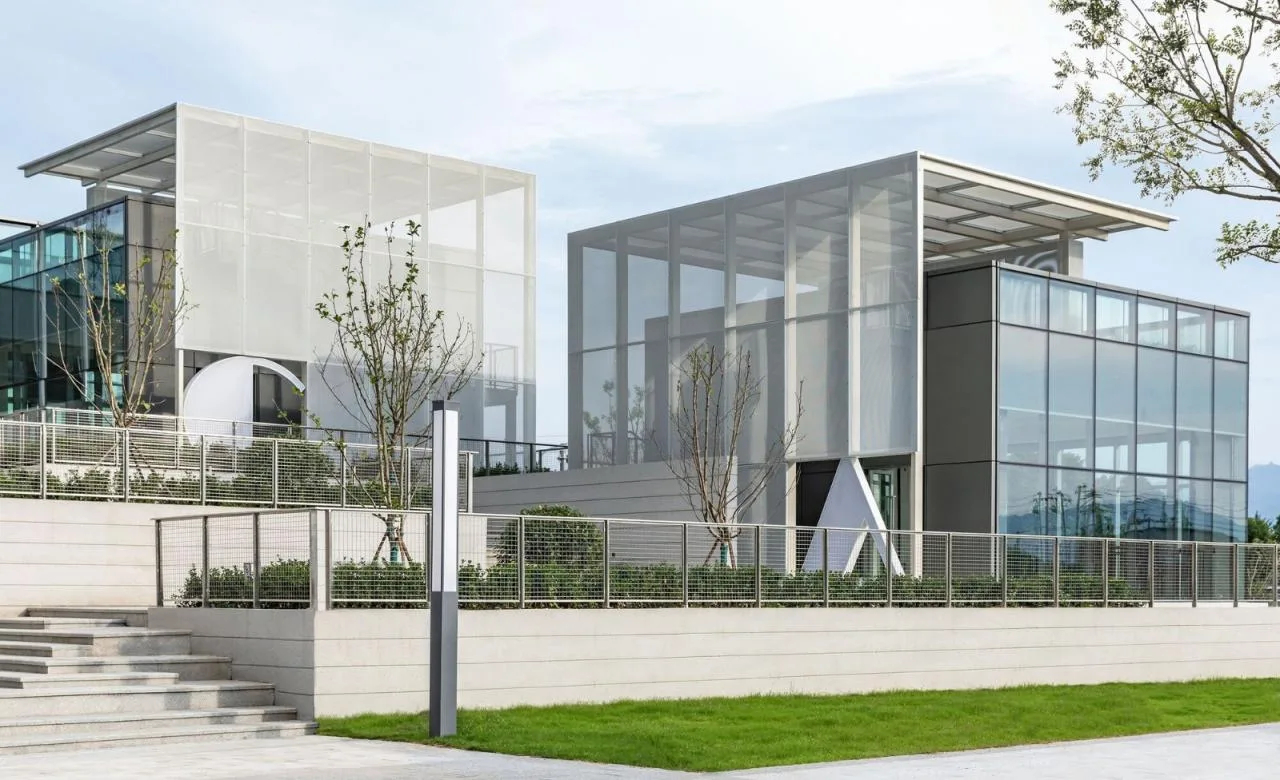
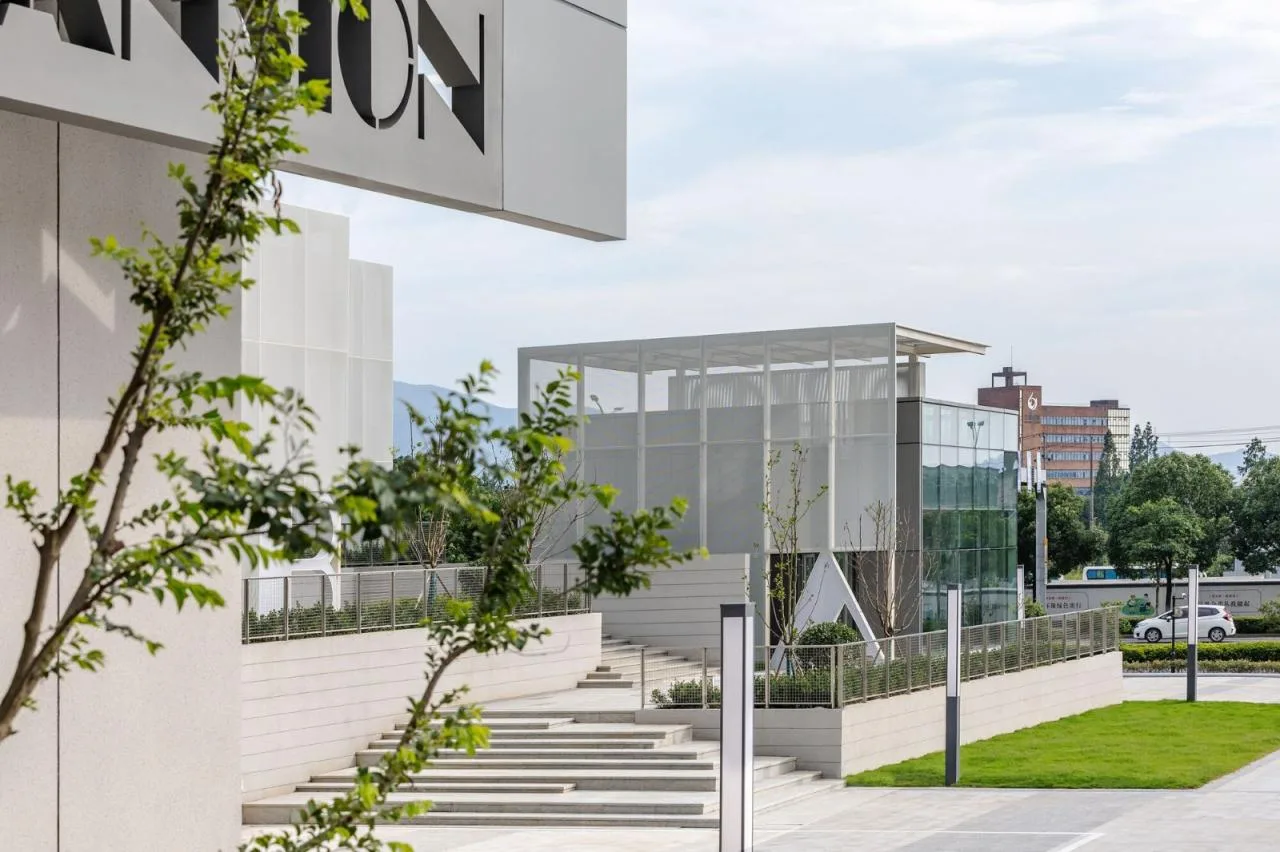
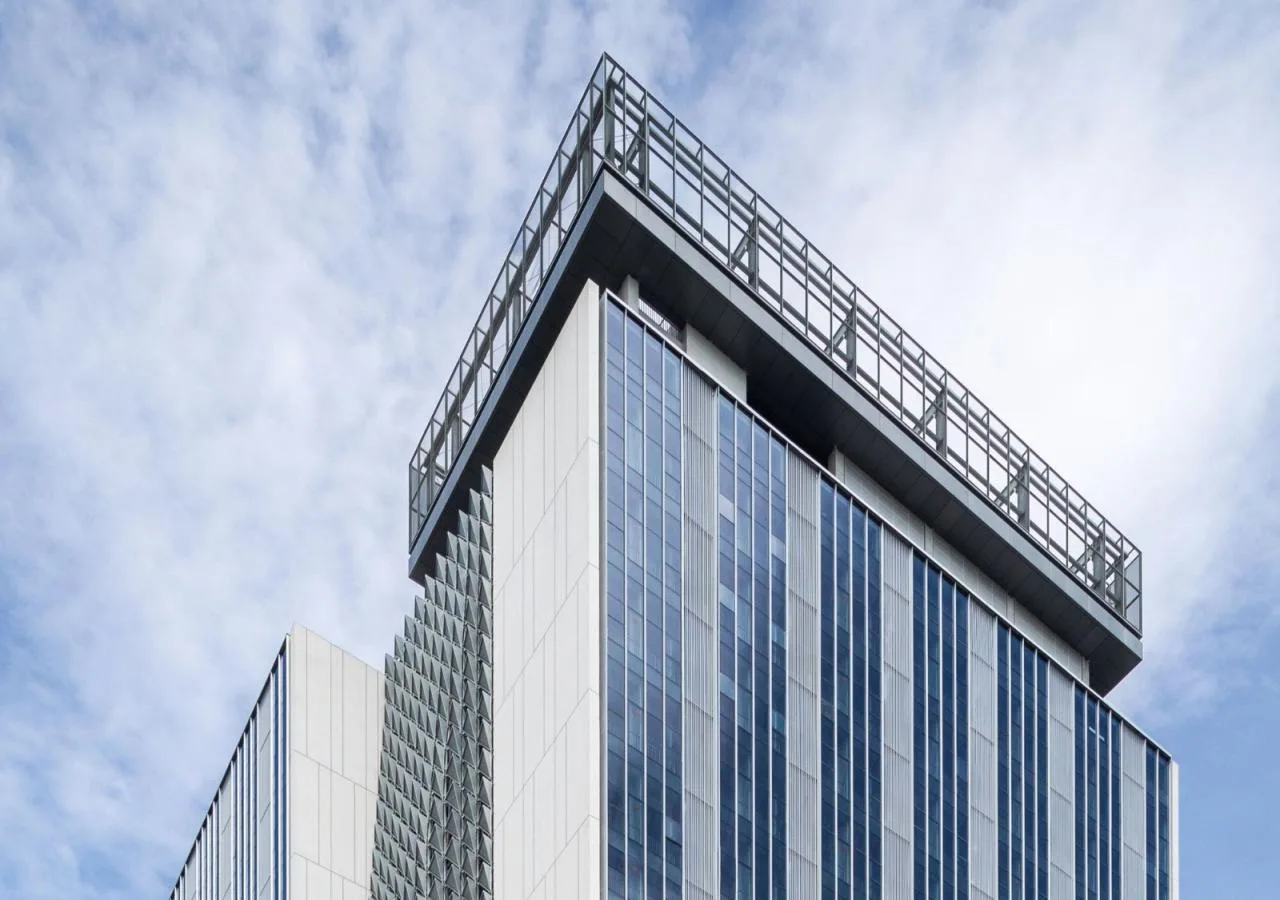
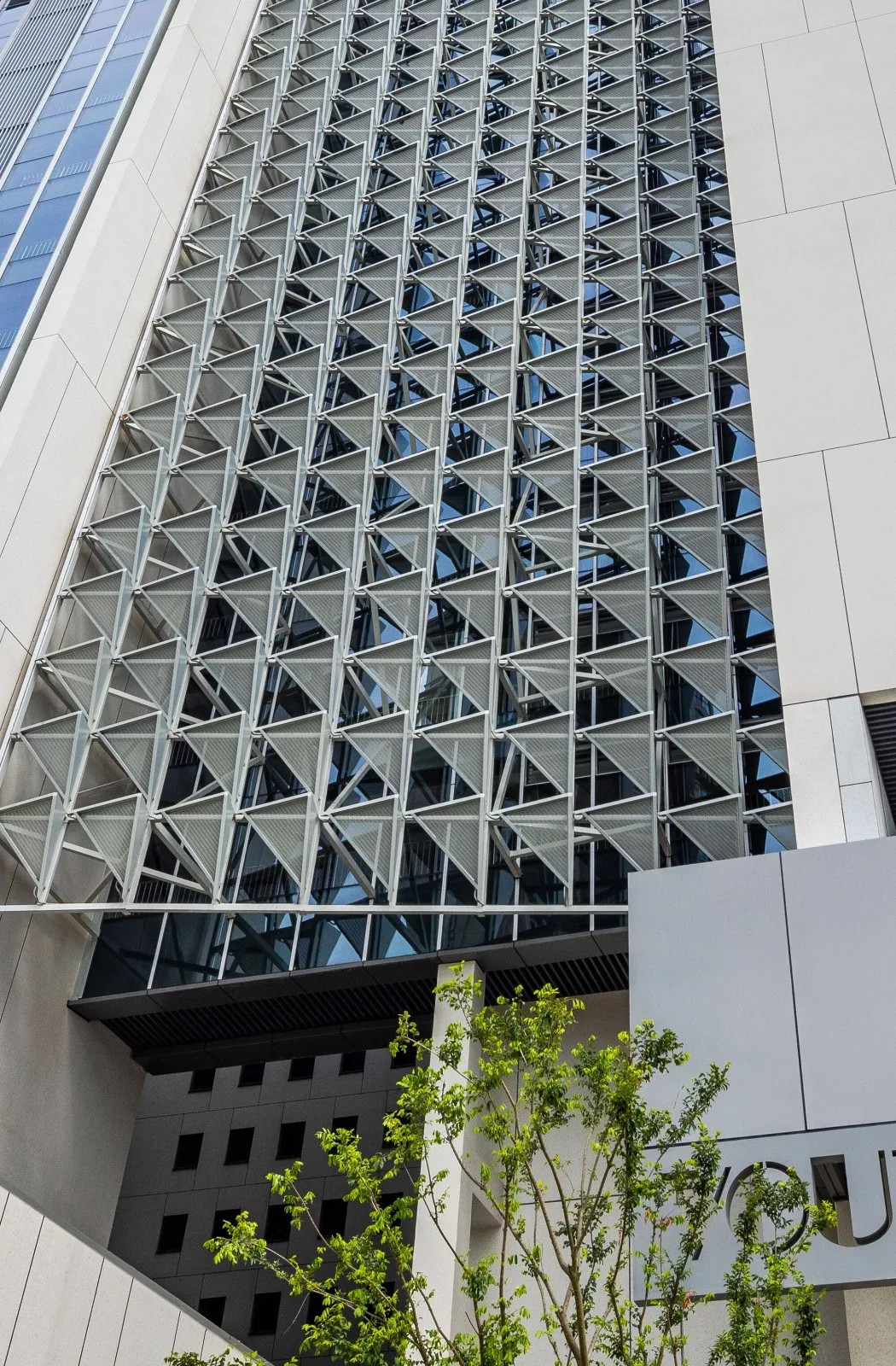
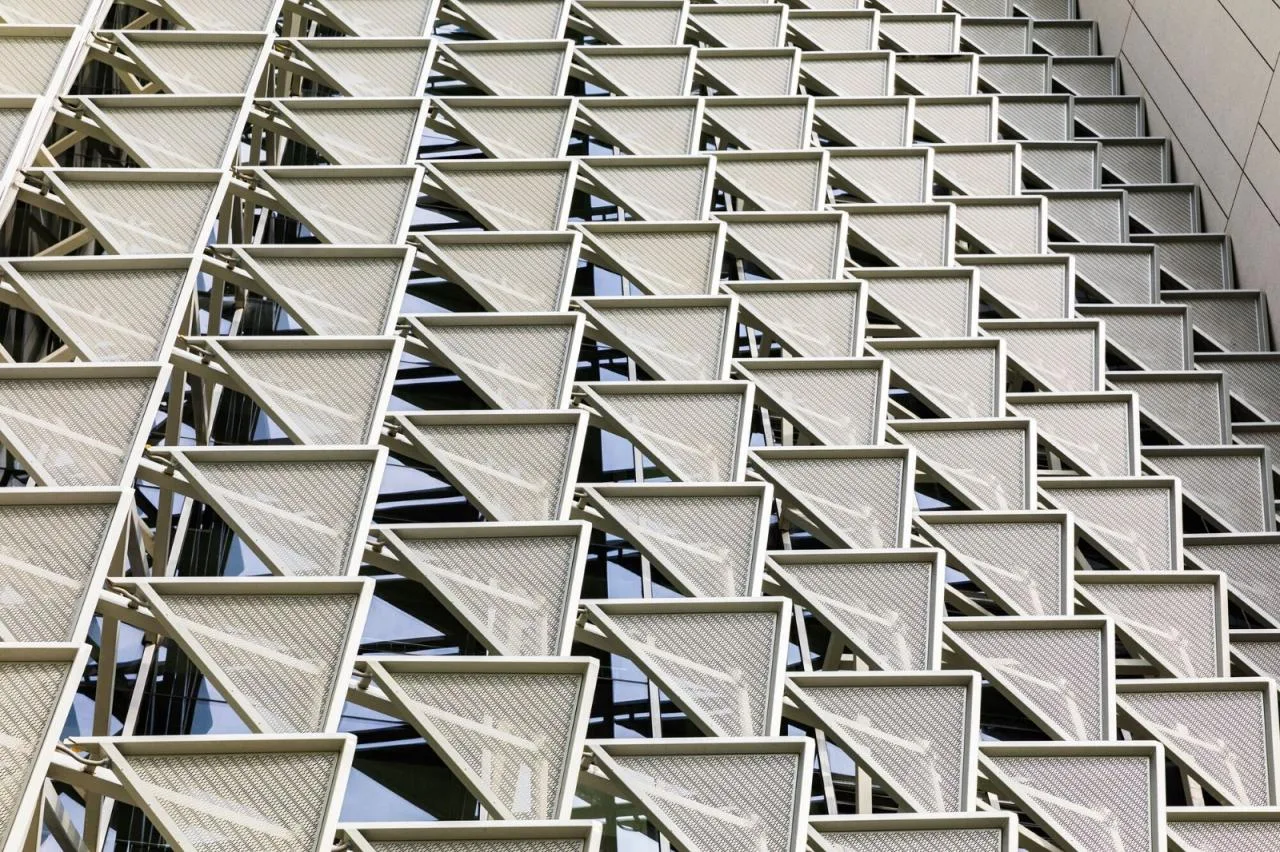
The building’s urban-facing façade is dynamic and engaging. Its intricate, staggered forms resemble dancing musical notes, conveying passion and vitality akin to Beilun’s youthful energy. Drawing inspiration from local context, marine, and harbor culture, the design merges cultural heritage with contemporary elements to create a distinctive presence.
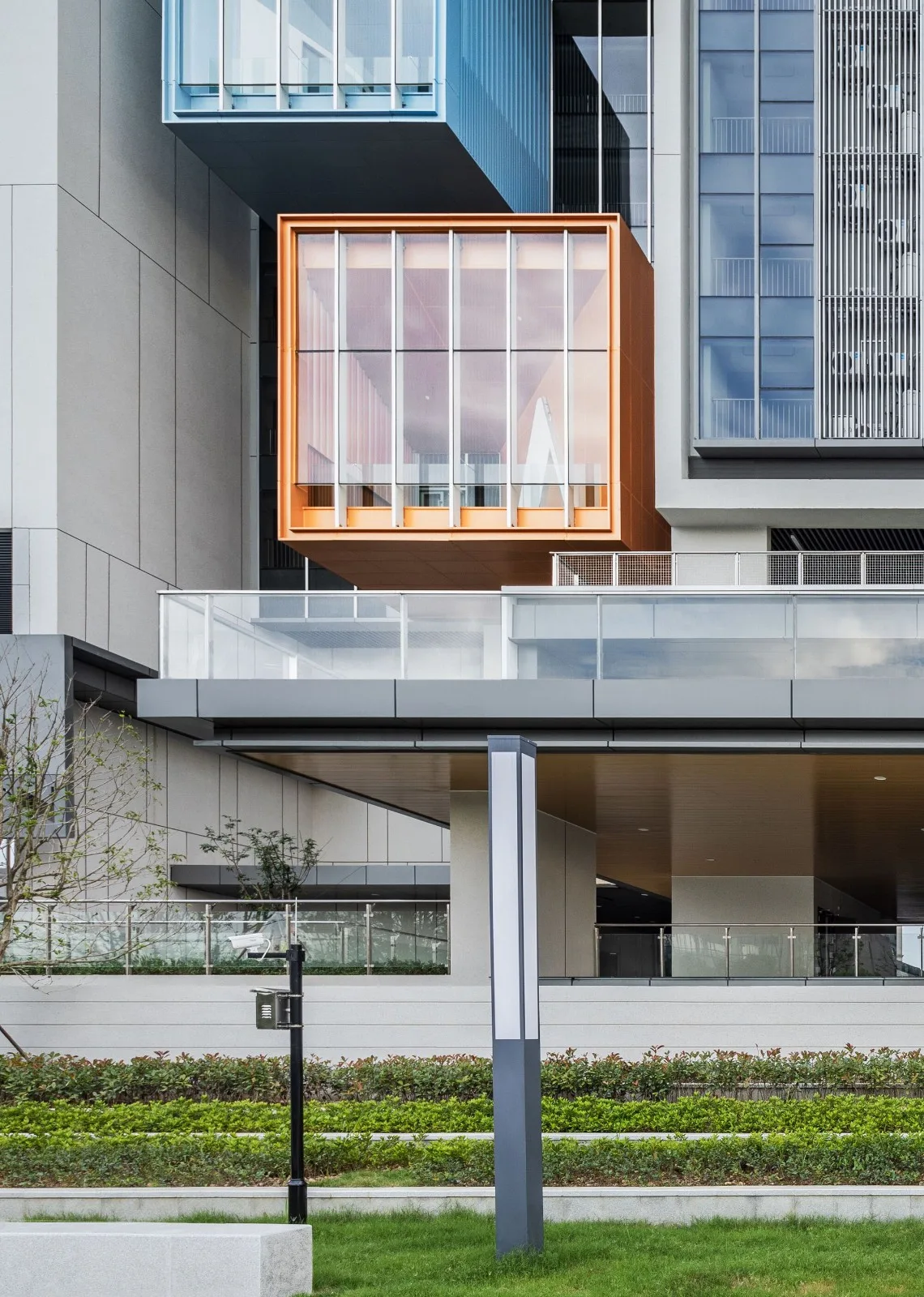
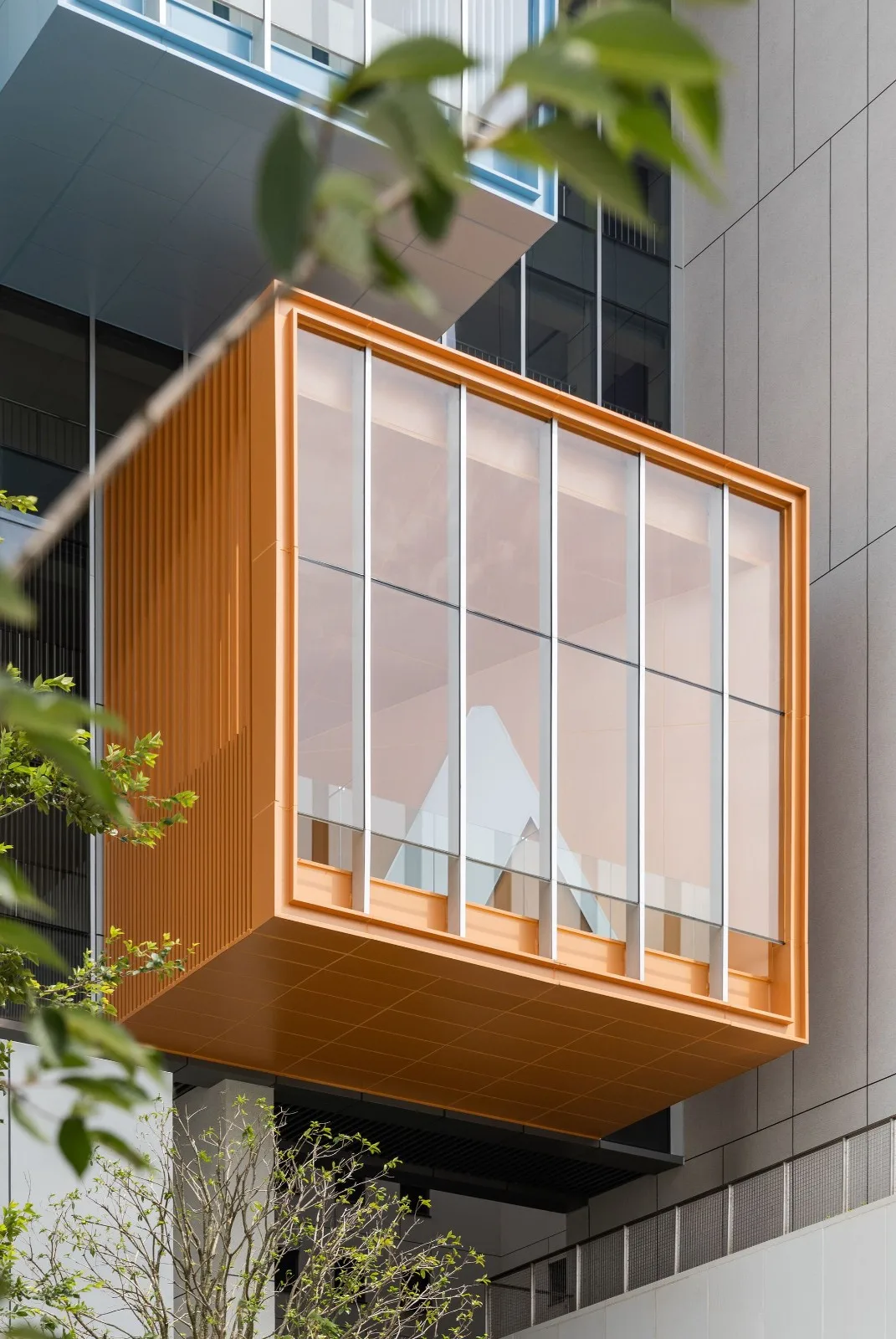
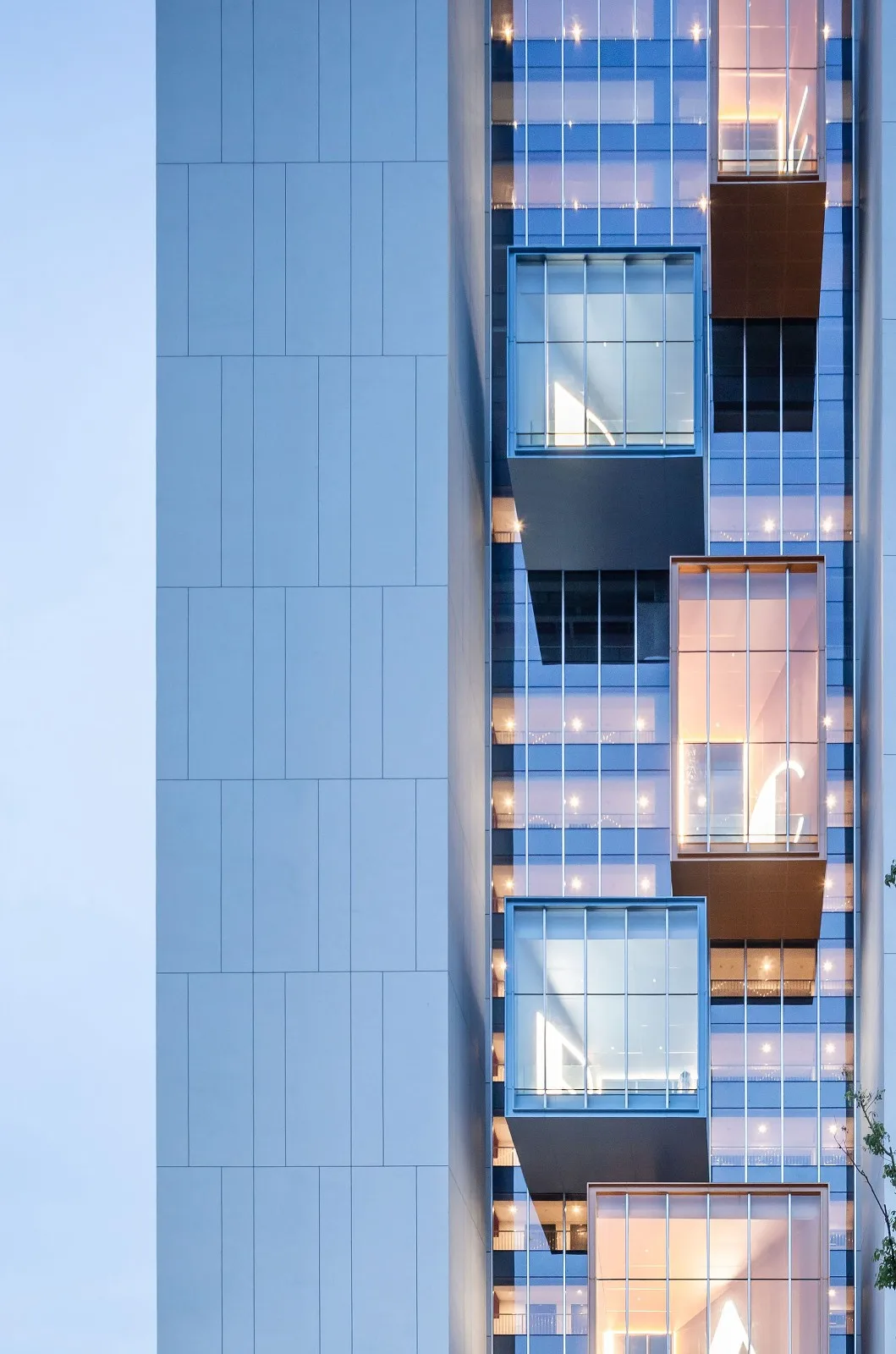
The undulating façade echoes Beilun’s coastal waves, symbolizing the journey of its youth. The container-shaped “shared boxes” decrease in density from bottom to top, representing the expanding horizons of young residents. Vibrant colors and diverse spaces celebrate the energy and diversity of Beilun’s youth.
Shared Public Spaces Tailored to User Needs
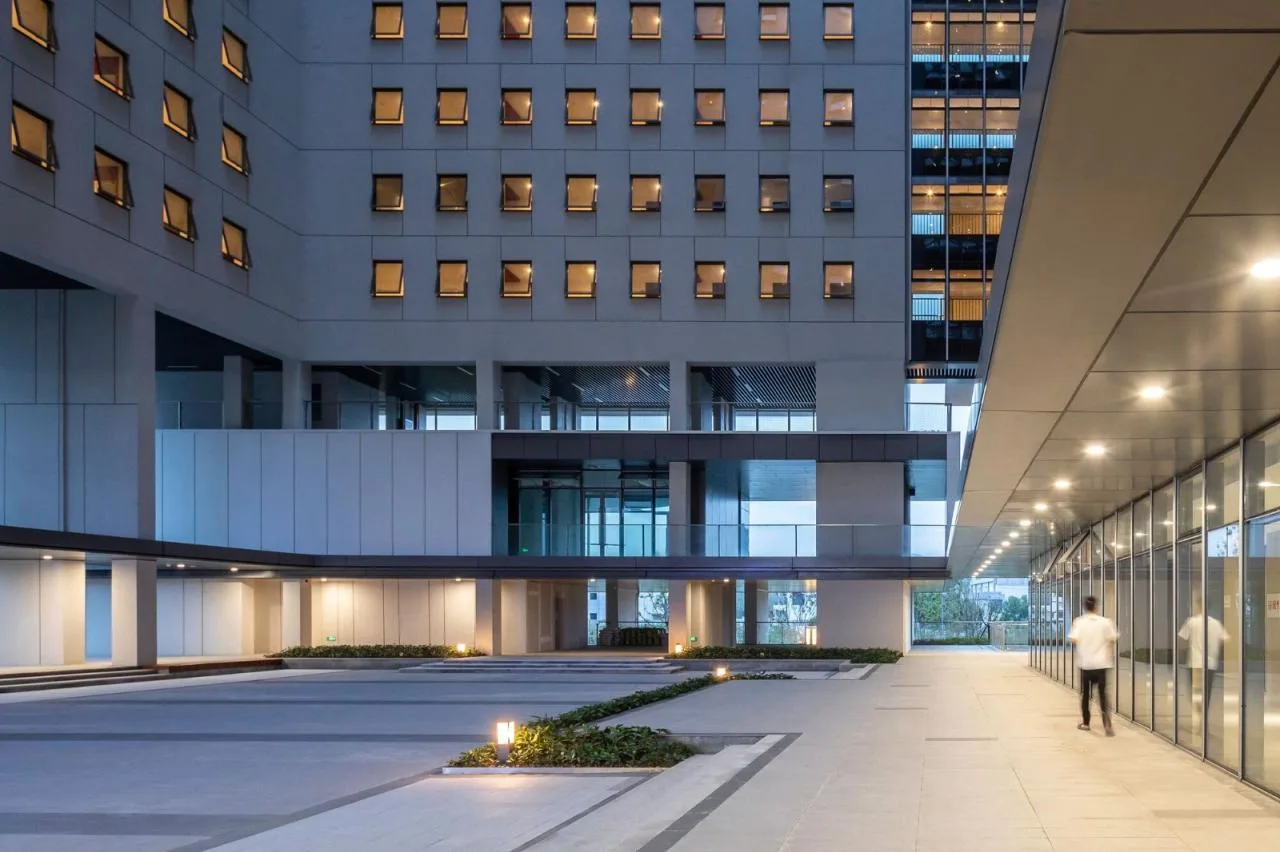
The Youth Square serves as a communal living room, with each functional area catering to specific needs—living, socializing, and entertainment. The first and second floors mainly house living and public service spaces, addressing young people’s essentials such as clothing, food, housing, and transportation.
At Beilun Qingchuang Building, residents can access “one-stop” services for procurement, registration, and certification on the ground floor. Customized workplace services like recruitment and training are also available, optimizing resource allocation and creating a micro-market where talent meets opportunity.
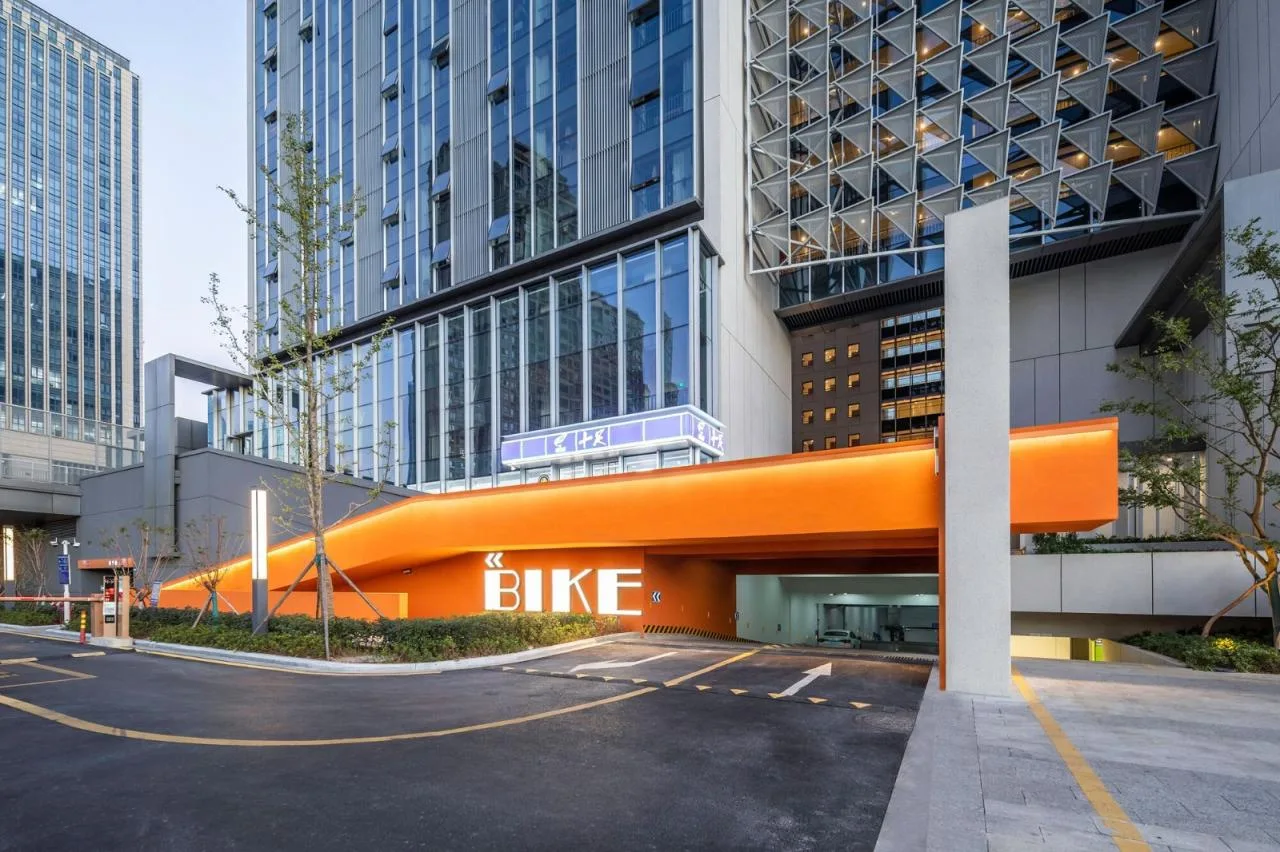
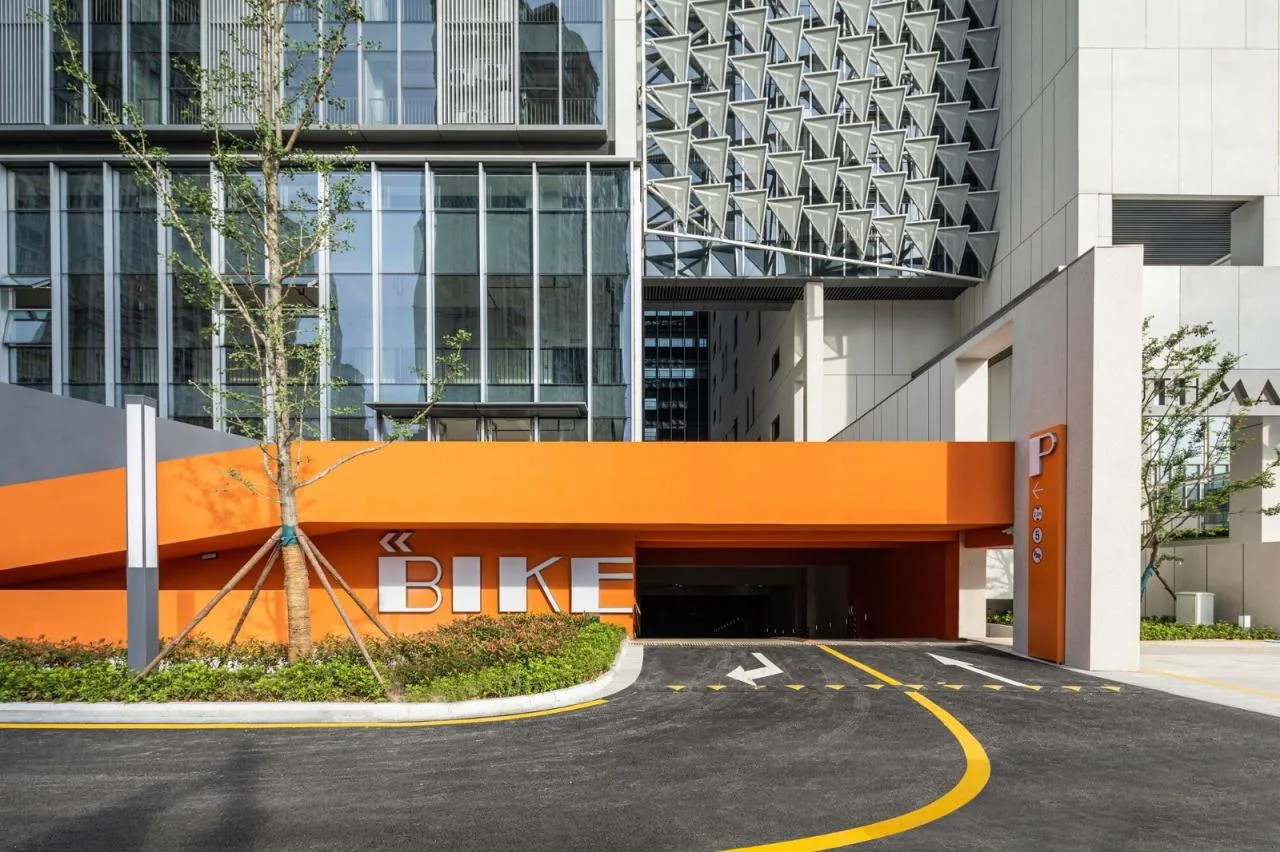
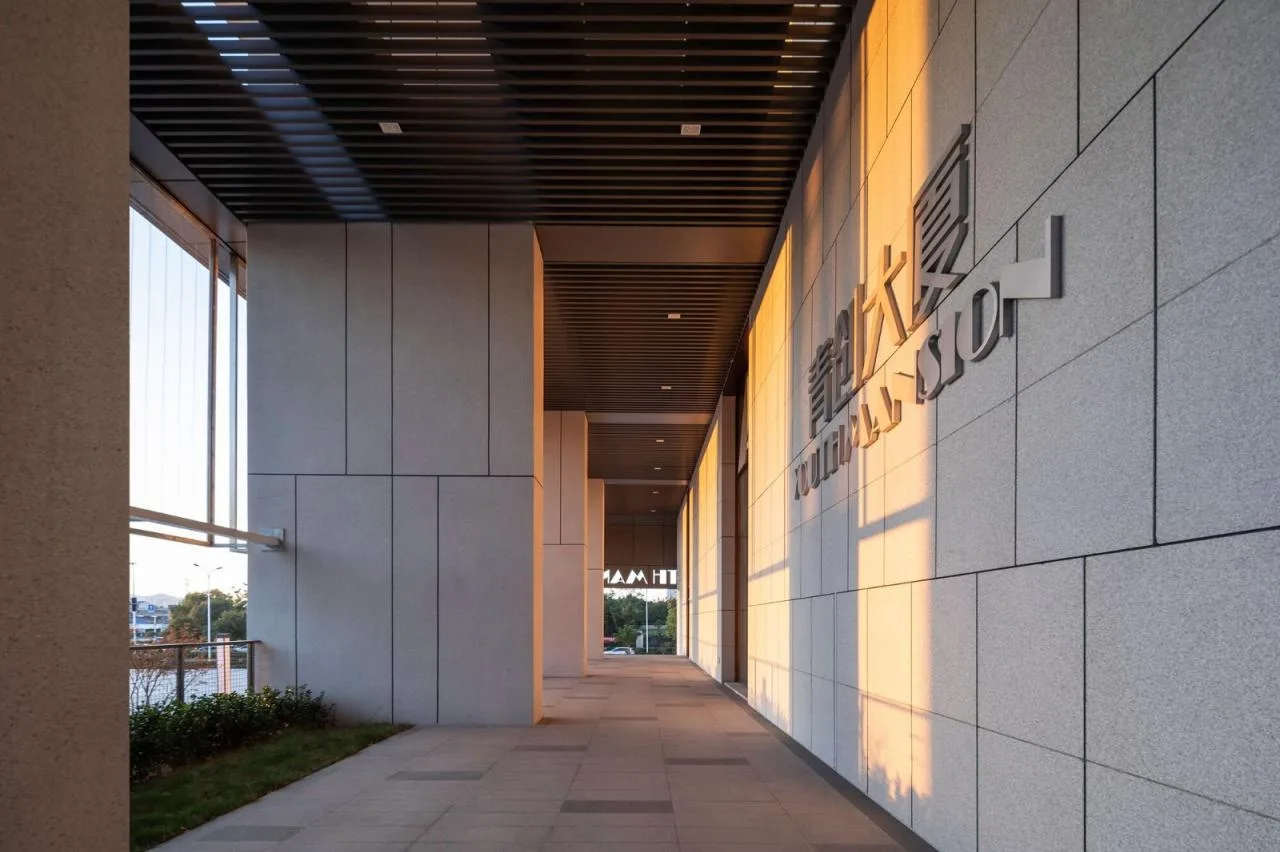
The central section focuses on social and learning spaces, fulfilling young residents’ needs for interaction and self-development after work. Shared “container boxes” provide venues for enthusiasts from diverse interest groups to explore their passions and exchange ideas.
The apartment design also carefully considers subtle daily needs such as air conditioning unit placement and clothing drying areas. Interior and exterior spaces, along with pedestrian flow, were optimized to enhance user experience.
Conclusion
Every day, this space will vividly showcase the lives of contemporary Beilun youth. Through thoughtful spatial design, the architecture guides and supports their lifestyles, offering environments that align with their habits and aspirations. The carefully curated spaces and moments foster a positive outlook on life, nurturing emotional connections among young residents and forging a deep bond between them and the city of Beilun.
Project Drawings
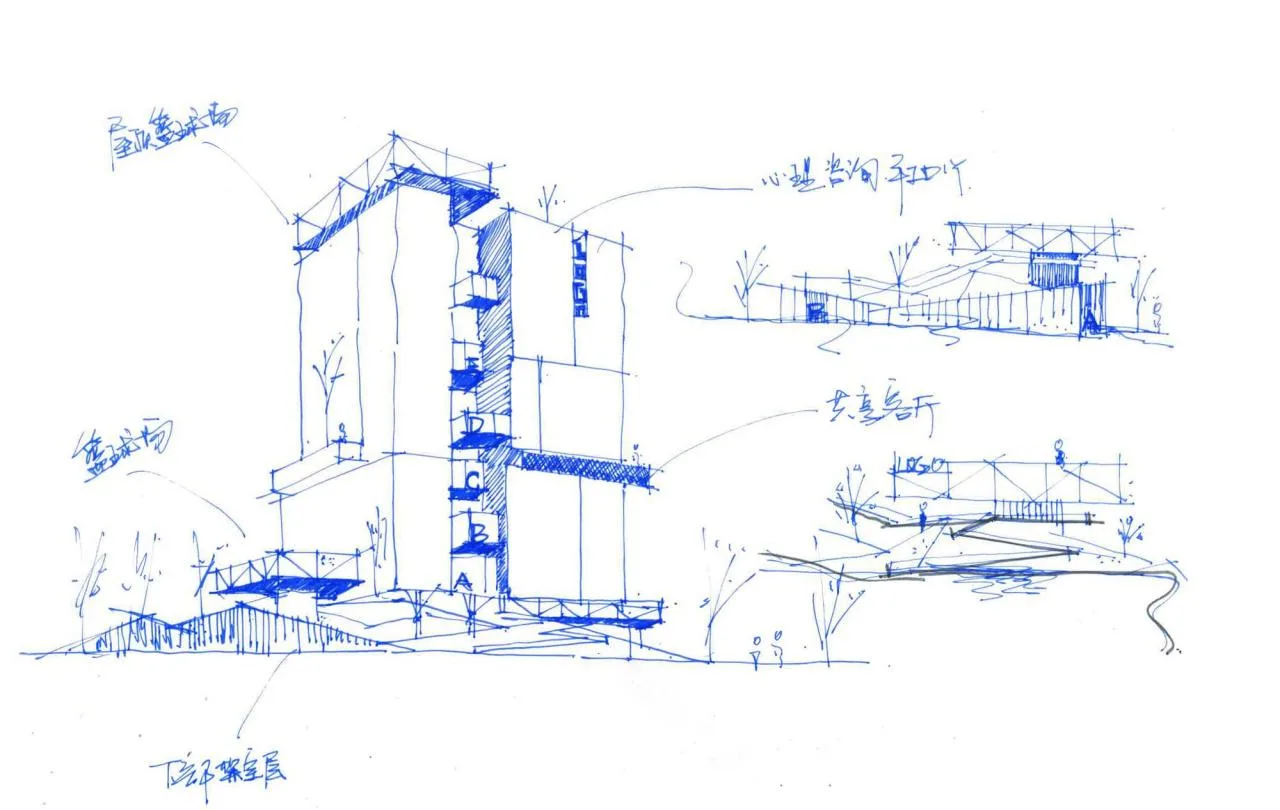
△ Hand-drawn Sketch
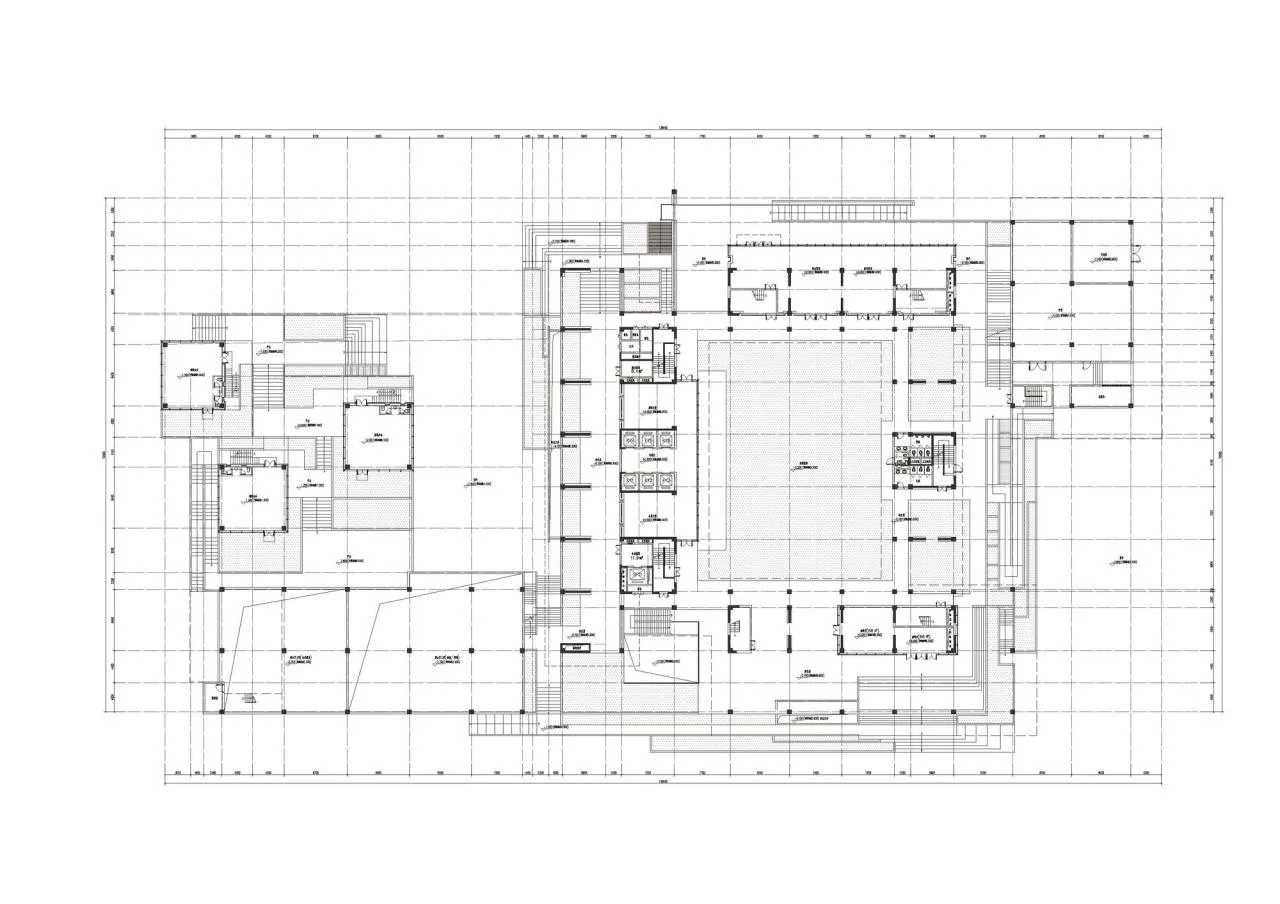
△ First Floor Plan
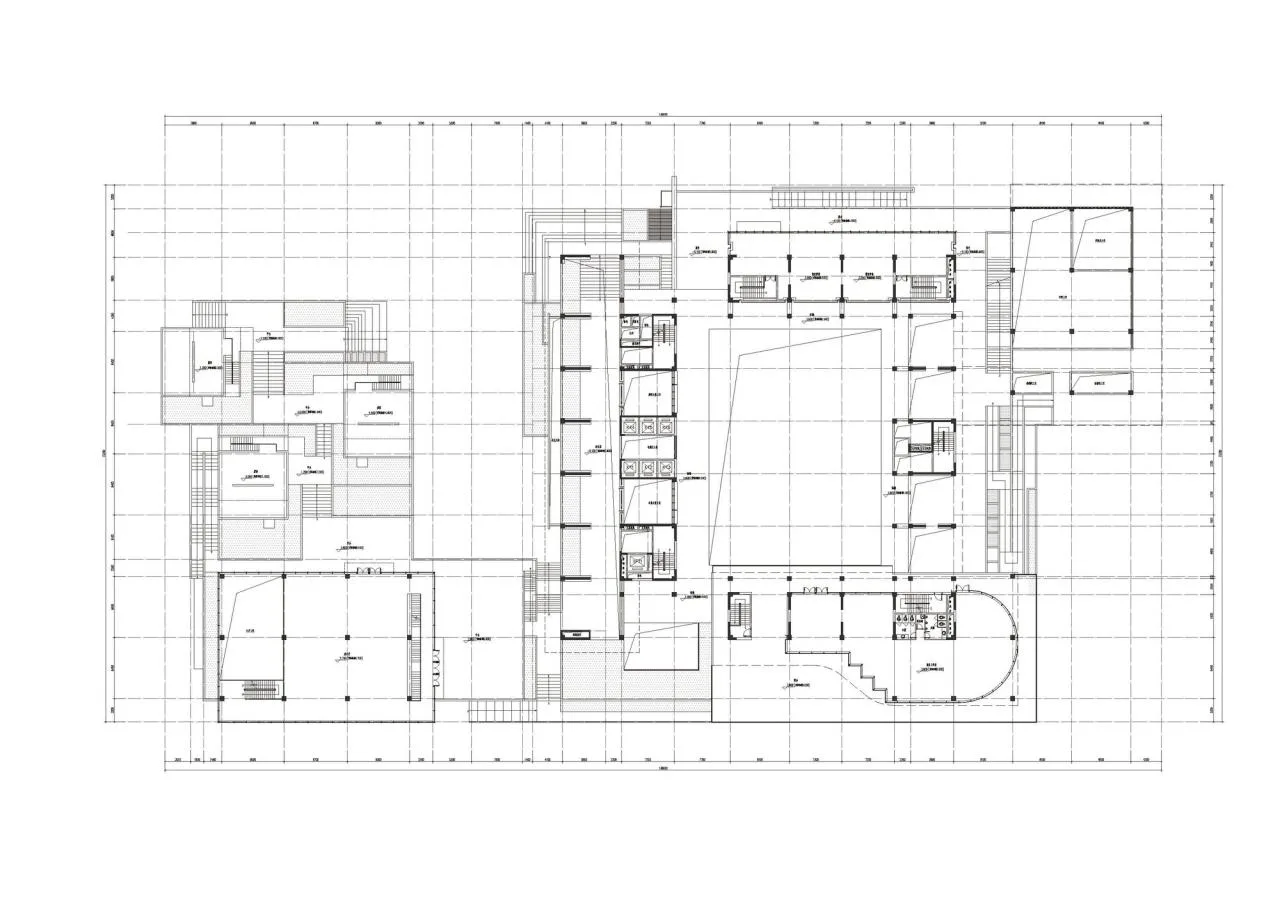
△ Second Floor Plan
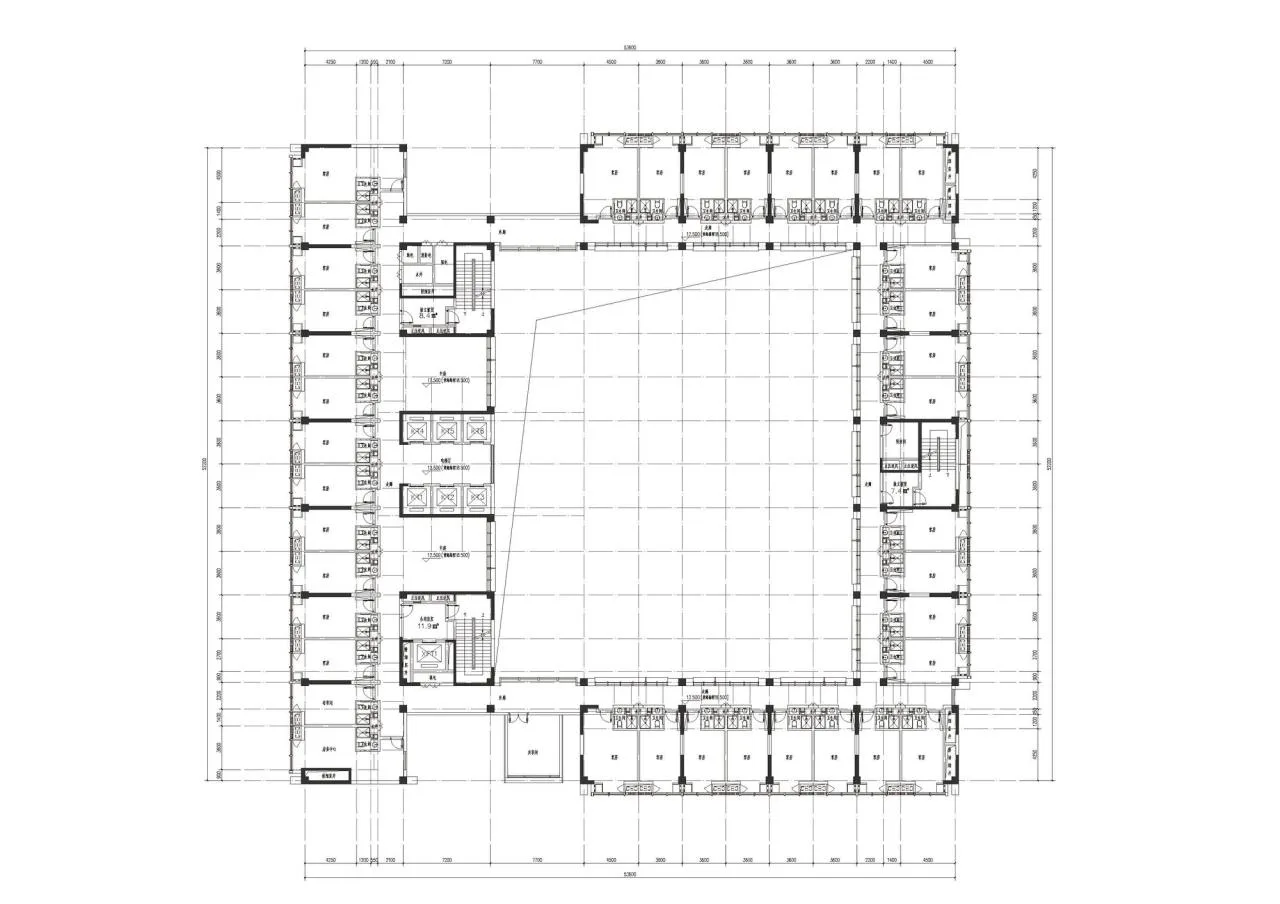
△ Standard Measurement Plan
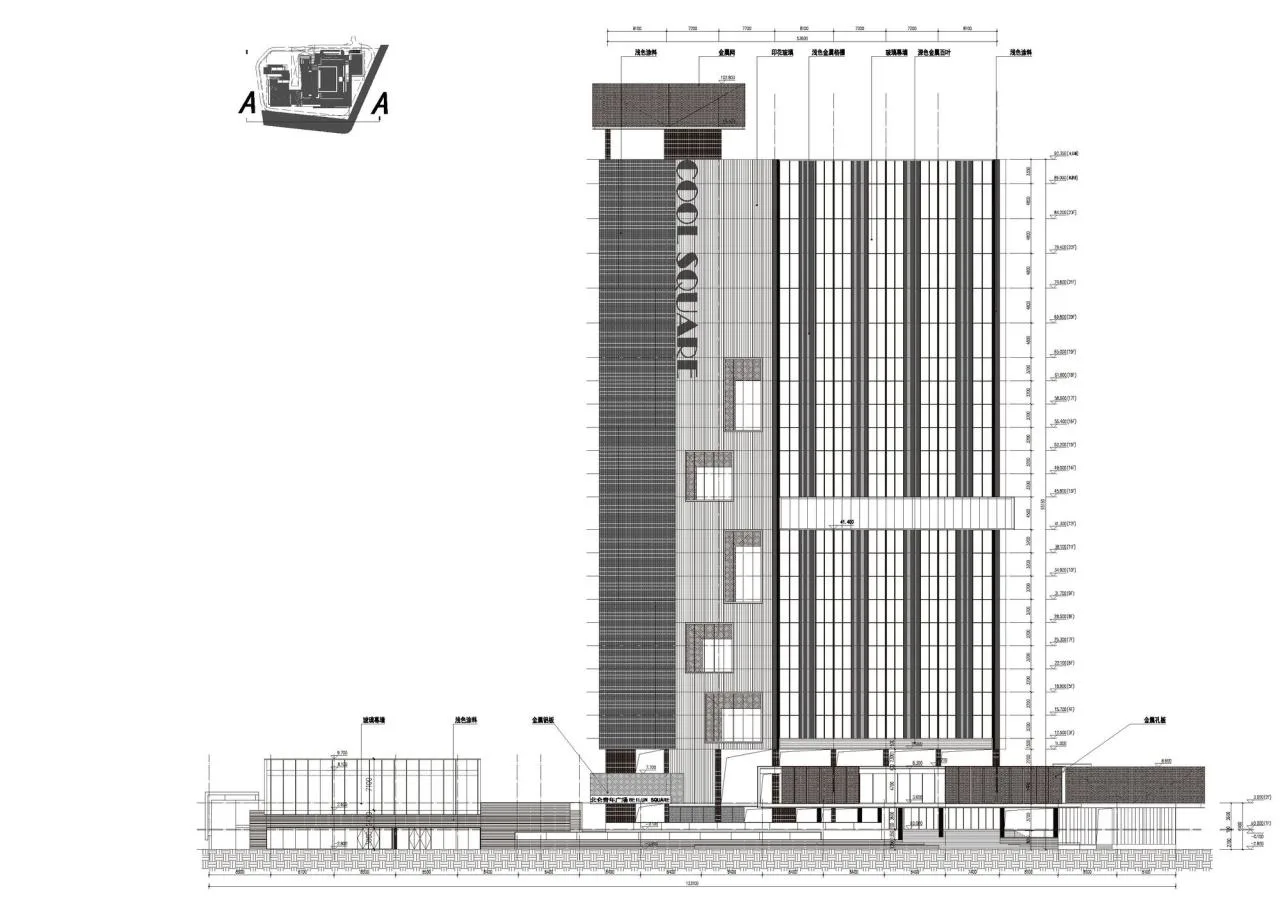
△ Elevation Drawing
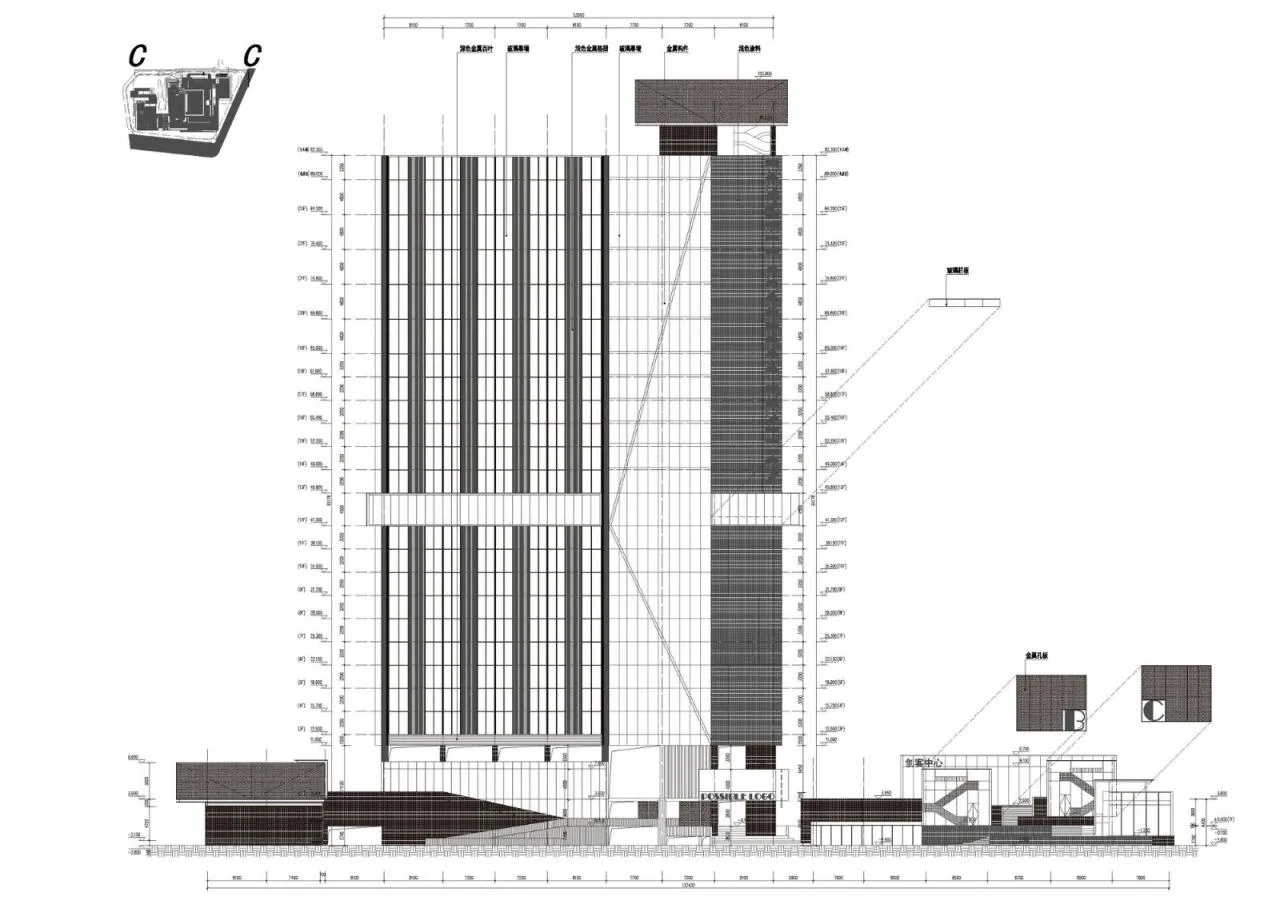
△ Elevation Drawing
Project Information
Architect: DC Alliance
Area: 58,600 m²
Completion Year: 2023
Lead Architect: Cui Zhe
Design Team: Jing Boya, Shi Yichao, Yin Zhibo, Xu Yichen, Zhang Qu, Zhang Yanshou, Meng Fanhao
Project Owner: Ningbo Economic and Technological Development Zone Dagang Development Co., Ltd
Location: Ningbo, China















Must log in before commenting!
Sign Up