
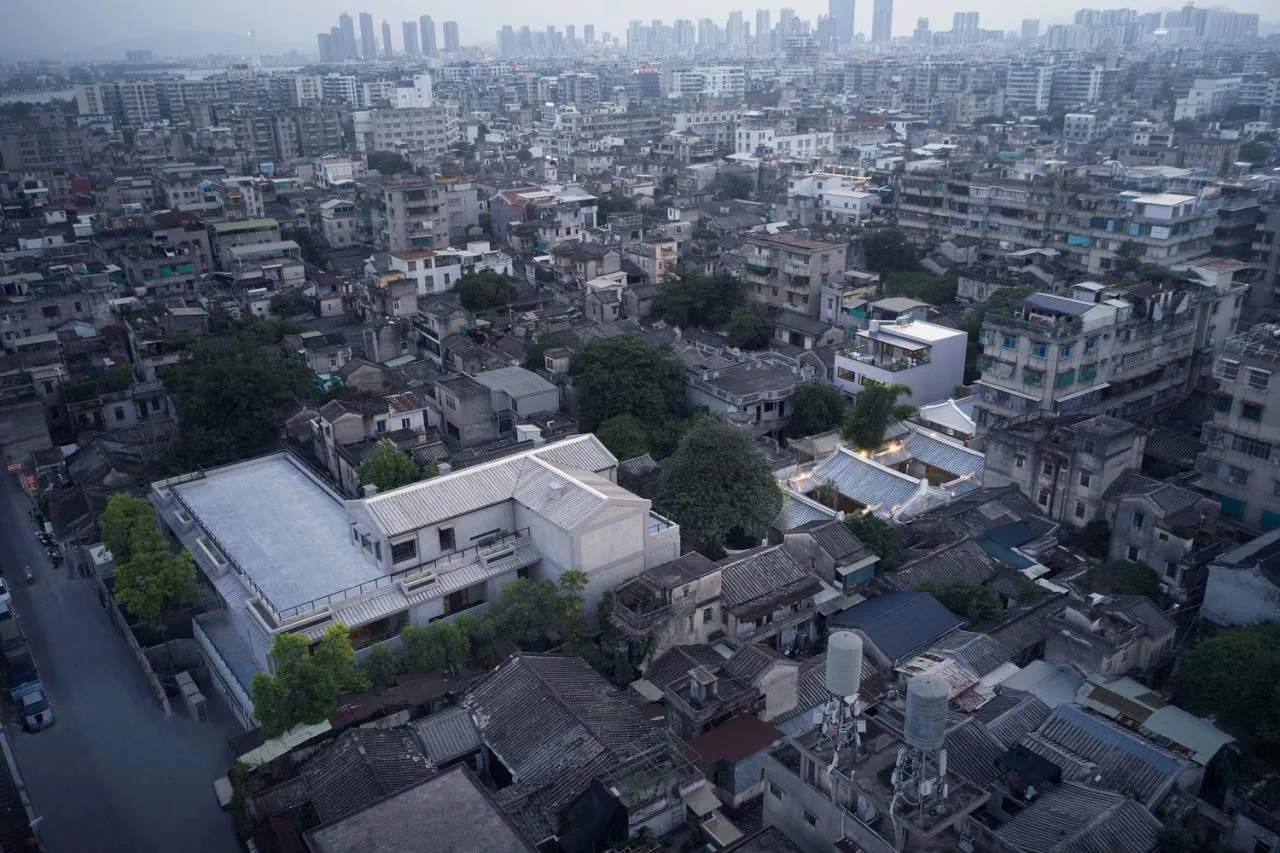
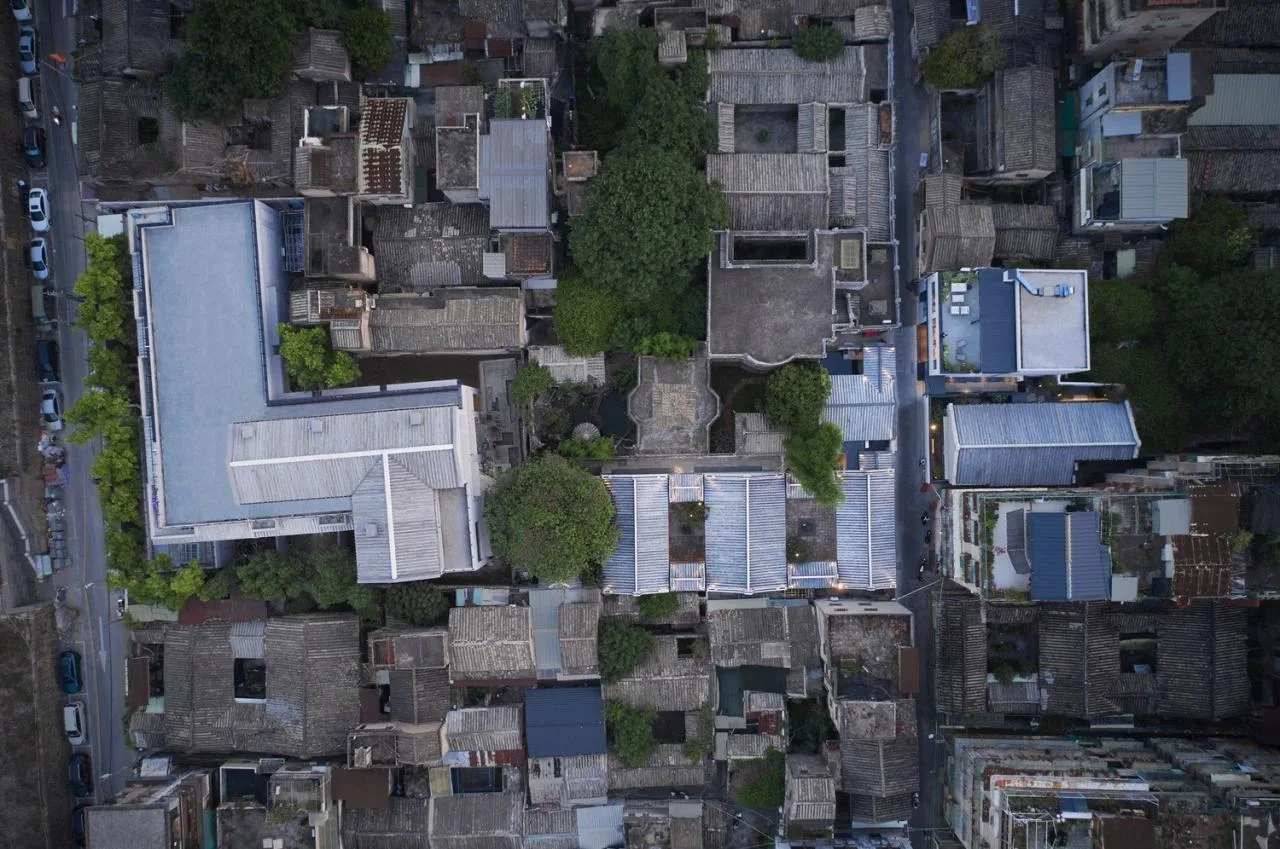
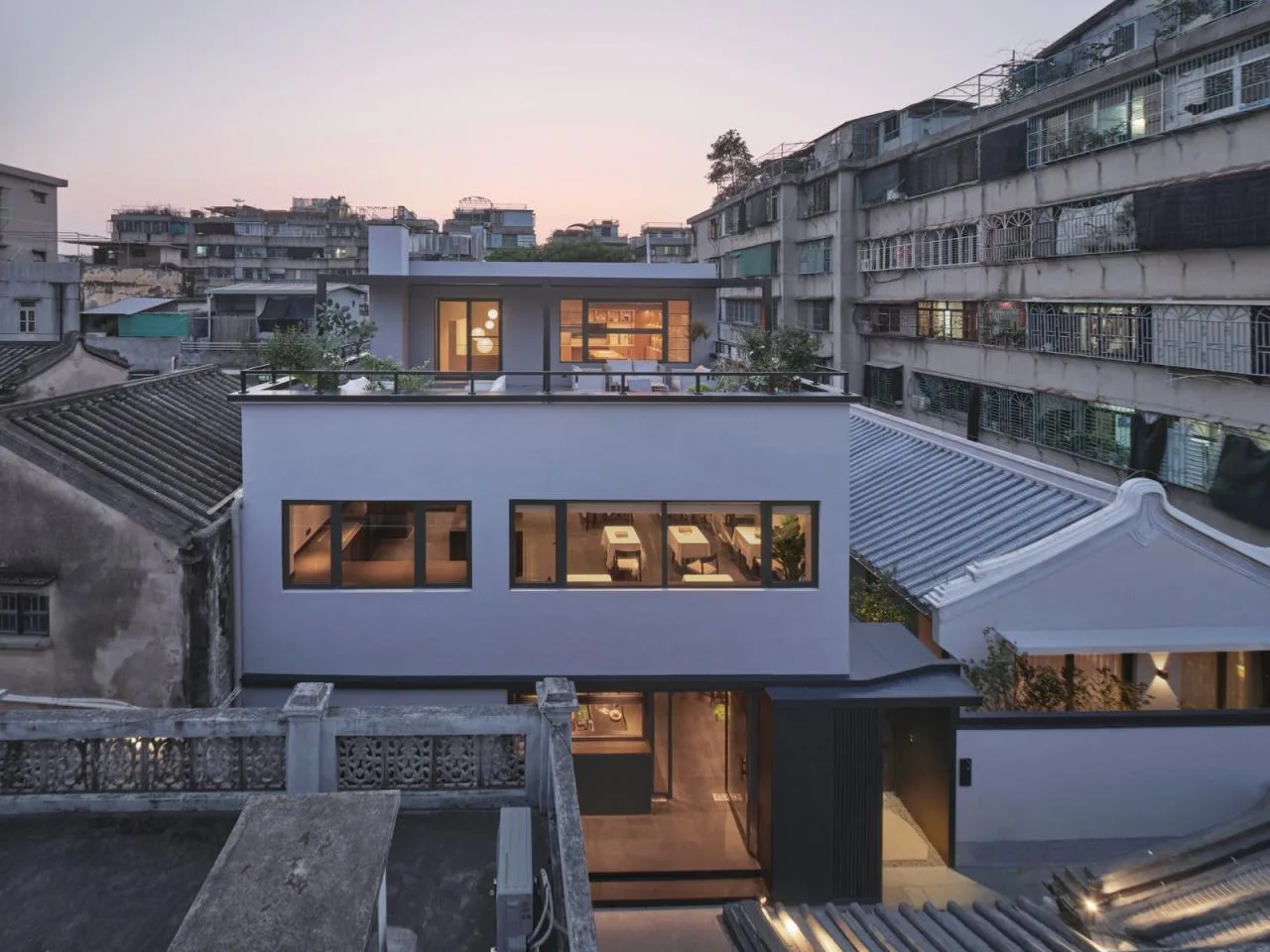
The unifying element between the amusement park, the historic Chaozhou Ancient City, Chun Garden in Raozhai, and the Youxiong Hotel is the garden. Adjacent to Chunyuan, Chaozhou Youxiong Hotel inherits the garden’s legacy. It comprises a central guest room building called Zirou (a name referencing a hazardous house from the 1980s), two courtyard-style rooms with 301 entrances that balance modesty and openness (restored in a contemporary building), the 303 Tonghua Bookstore (check-in area, also updated in a modern building), two 278 courtyard-style rooms named Huanruo and Huoru, and a three-story building serving as a restaurant, bar, and tea room.
These five structures vary in age, size, and style, creating intimate spaces bordered by Raozhai, Chunyuan walls, and the surrounding old buildings of the ancient city. The design preserves the original 301 room’s fire lane and moon cave gate, as well as a more than 200-year-old Pingpo tree. Together, these elements compose a liveable, inviting, and touristic garden.
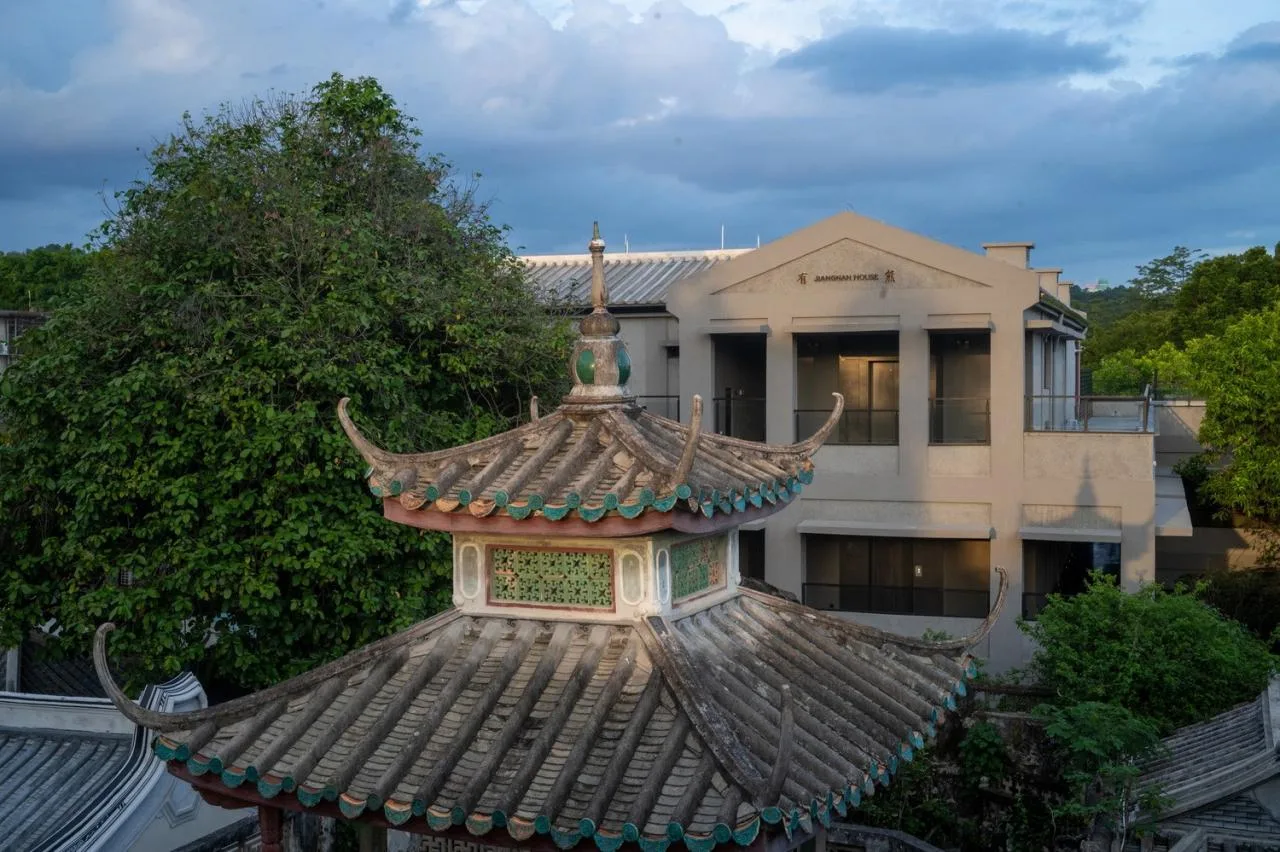
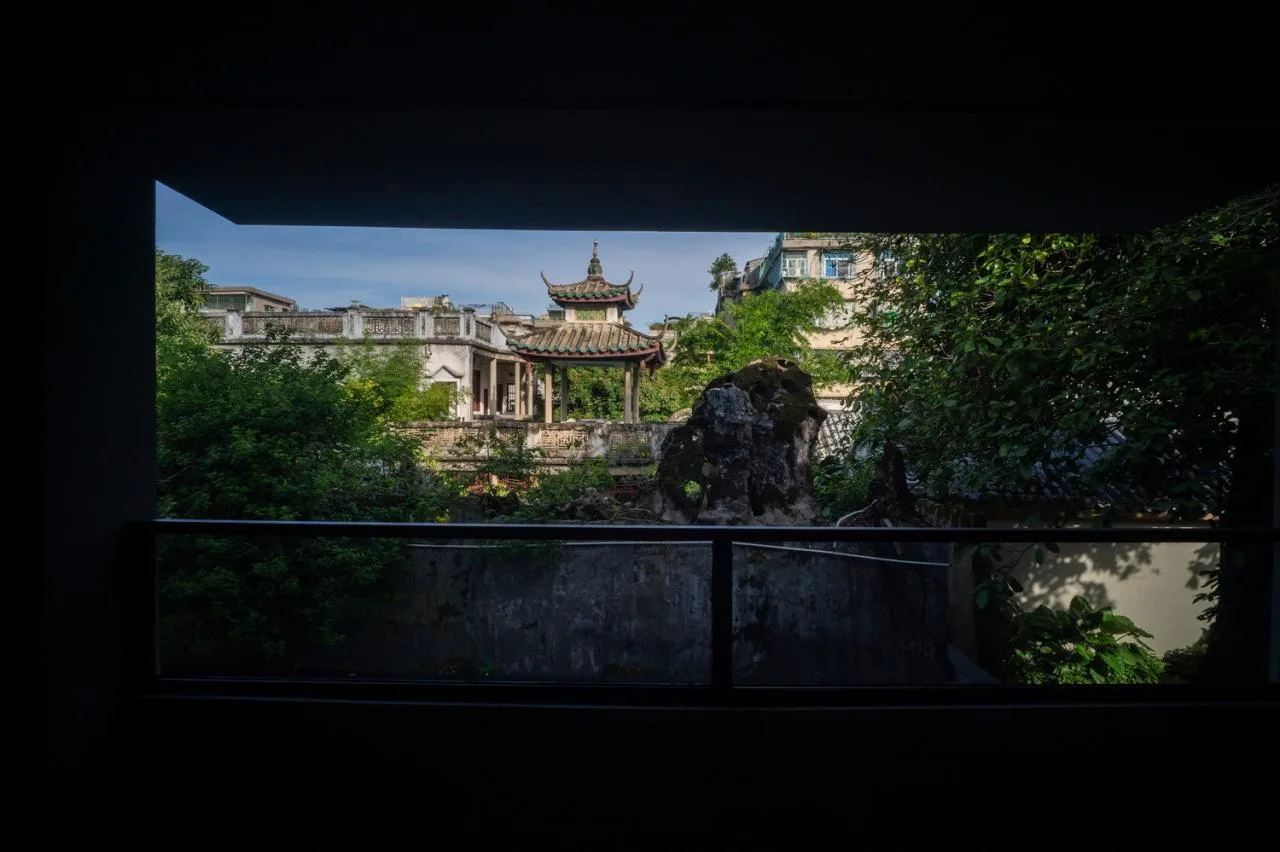
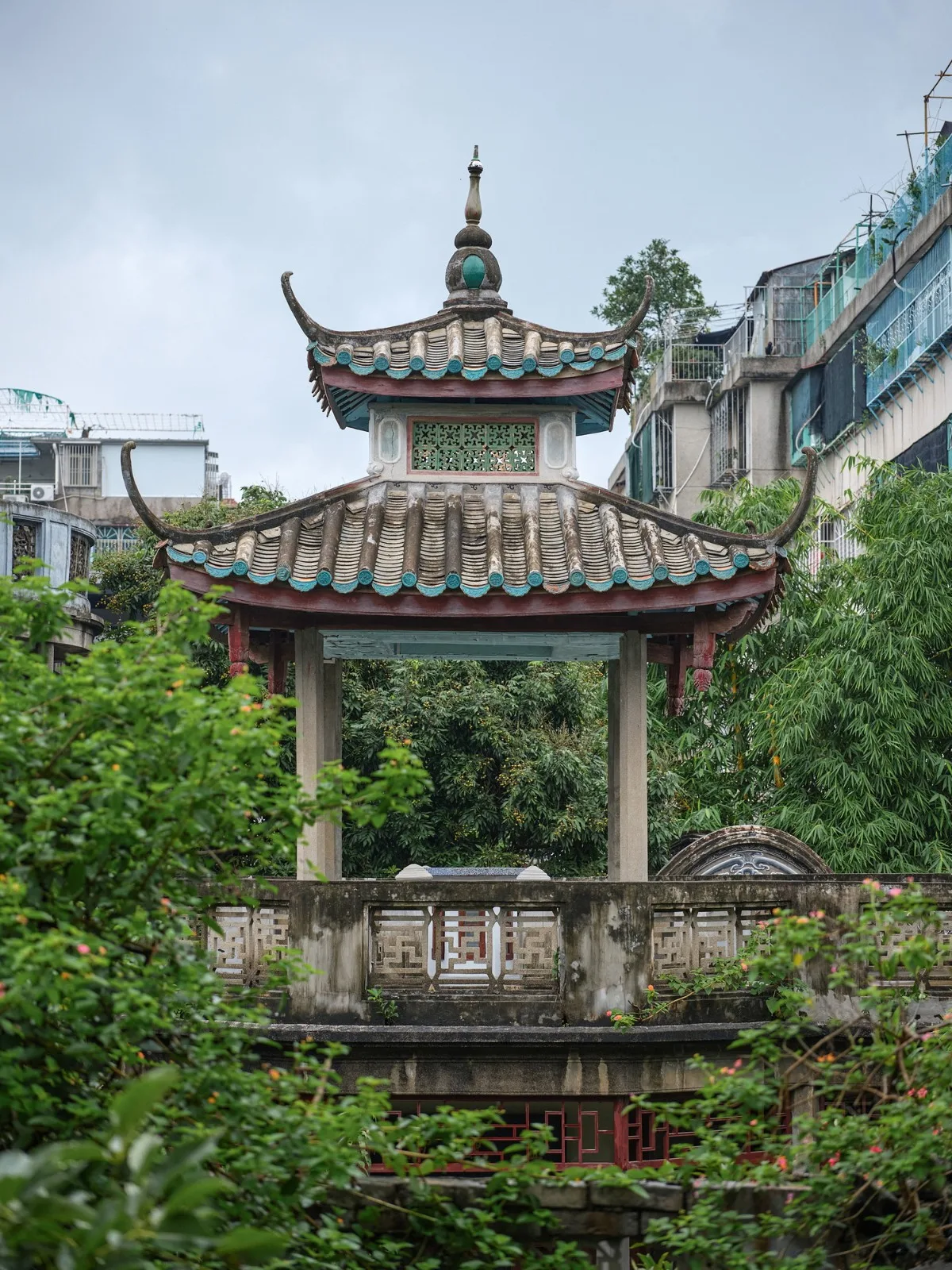
The neighboring Raozhai (Songlu) and Chunyuan are historically and culturally protected structures. The Fangting pavilion is a landmark of Chunyuan, and from the Youxiong Hotel, guests can enjoy multiple views of the Fangting as they walk and explore. Viewing the Fangting evokes the image of Rao Zongyi, a diligent young scholar who studied beneath it years ago.
Though the Fangting is outside the hotel grounds, it forms a poetic focal point for the hotel experience, reminiscent of the small pavilion depicted in the Song Dynasty painting “Autumn Creek Waiting for Crossing,” where scenic views gradually unfold as visitors wander.
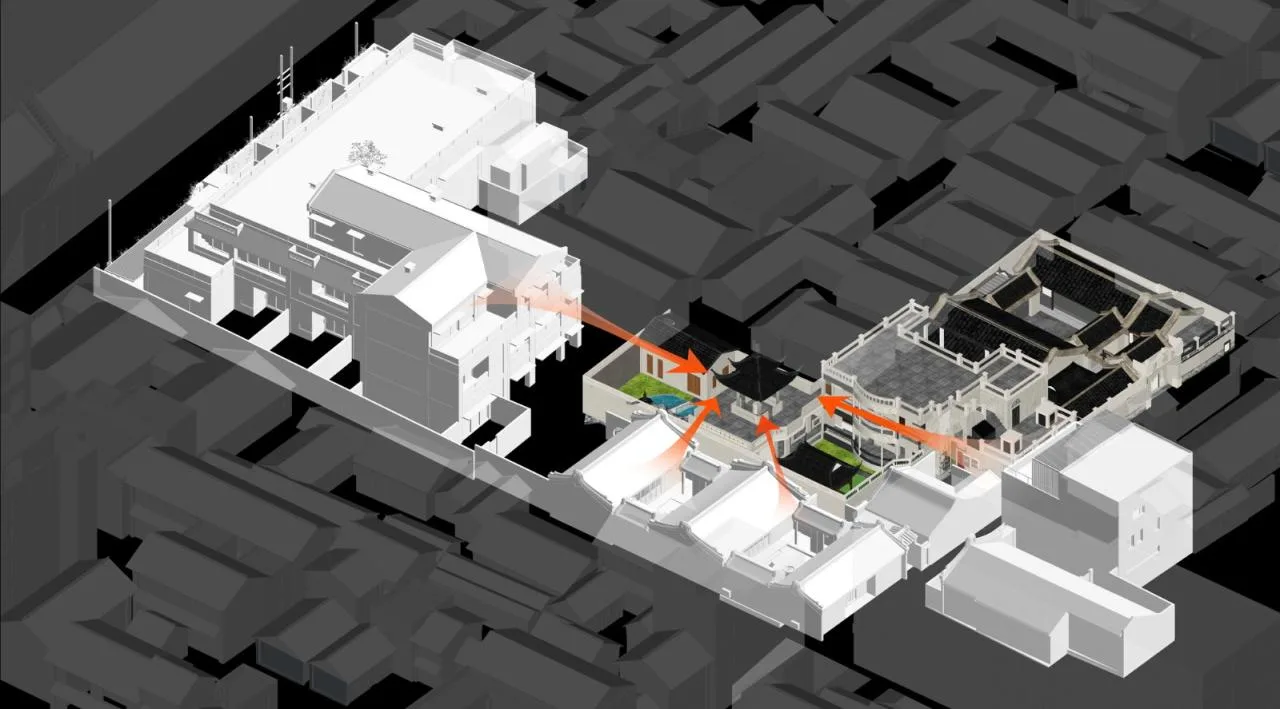
The hotel’s main entrance is at 301 Xiadongping Road, Xiangqiao District. Upon entering the 301 courtyard, guests first encounter the hotel lobby with a direct view of the Fang Pavilion. From there, guests proceed through Huoxiang to check in at the Tonghua Bookstore (303). As the automatic doors open, Raozhai (Songlu) comes into view, reflected elegantly in the courtyard’s mirror-like water, alongside its green wooden door and red iron gate.
Seated comfortably, guests are offered a cup of Chaozhou Phoenix Dancong tea, deepening their connection with Raozhai. They can browse exquisite books while savoring this local tea, enriching their cultural experience.
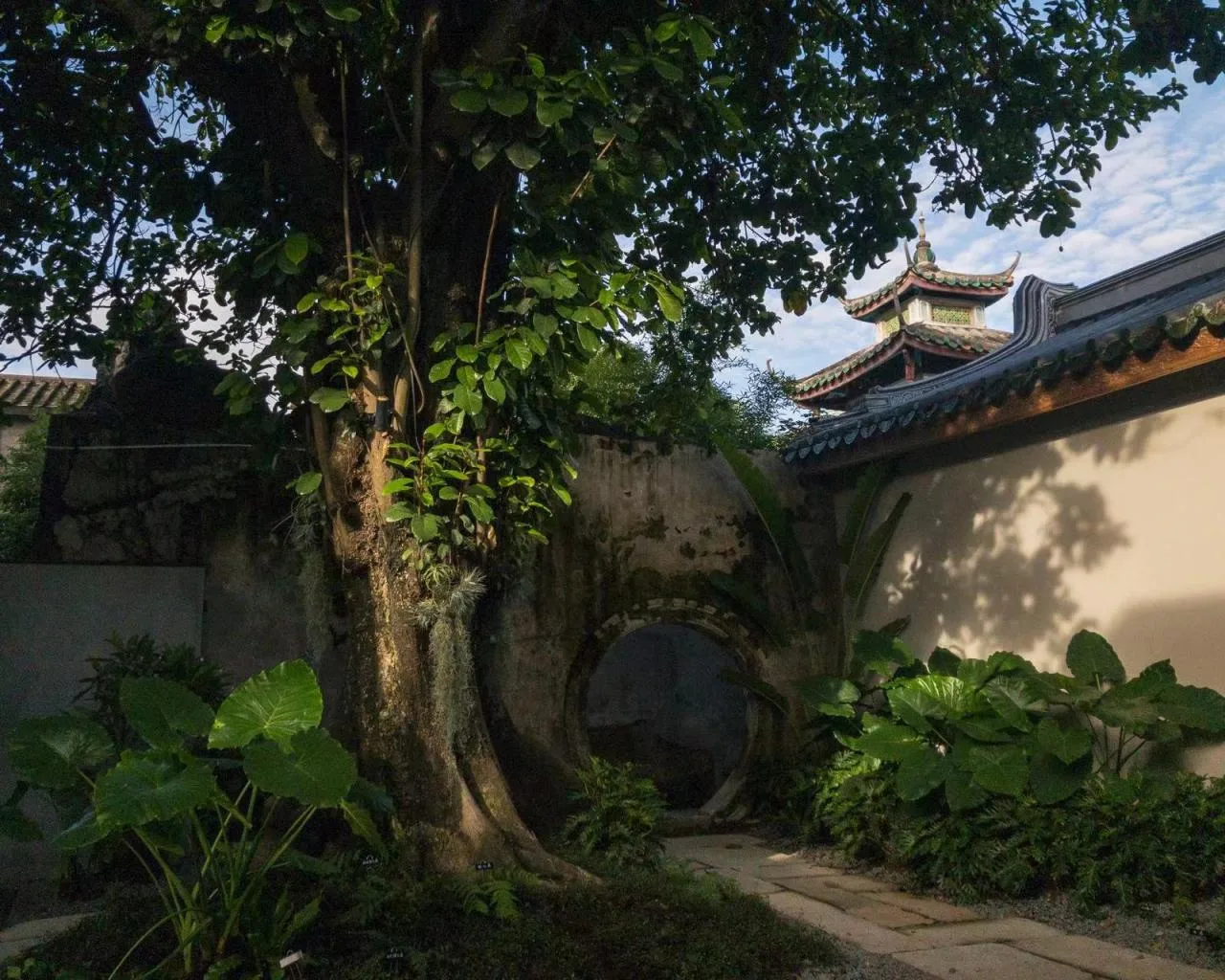
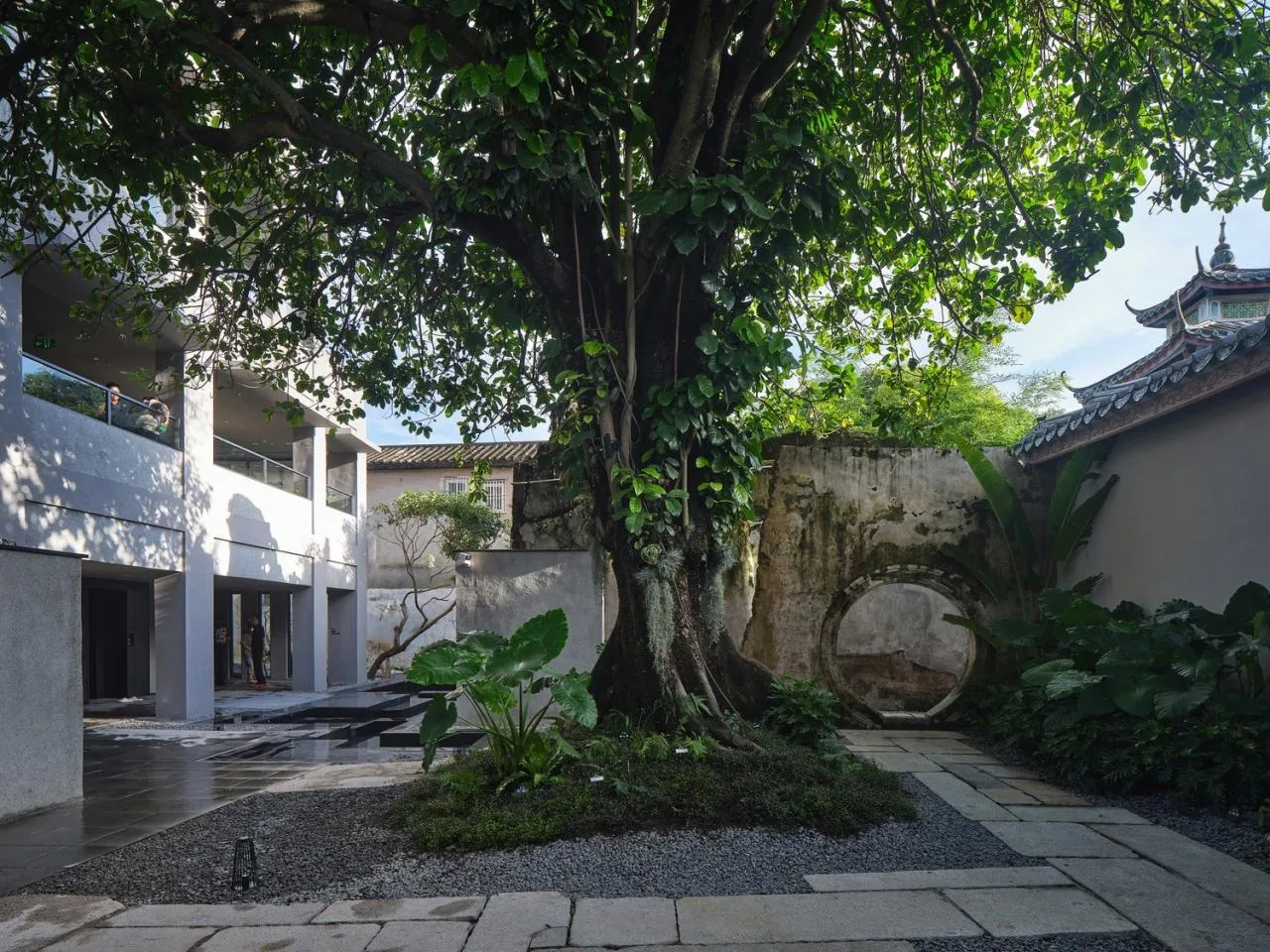
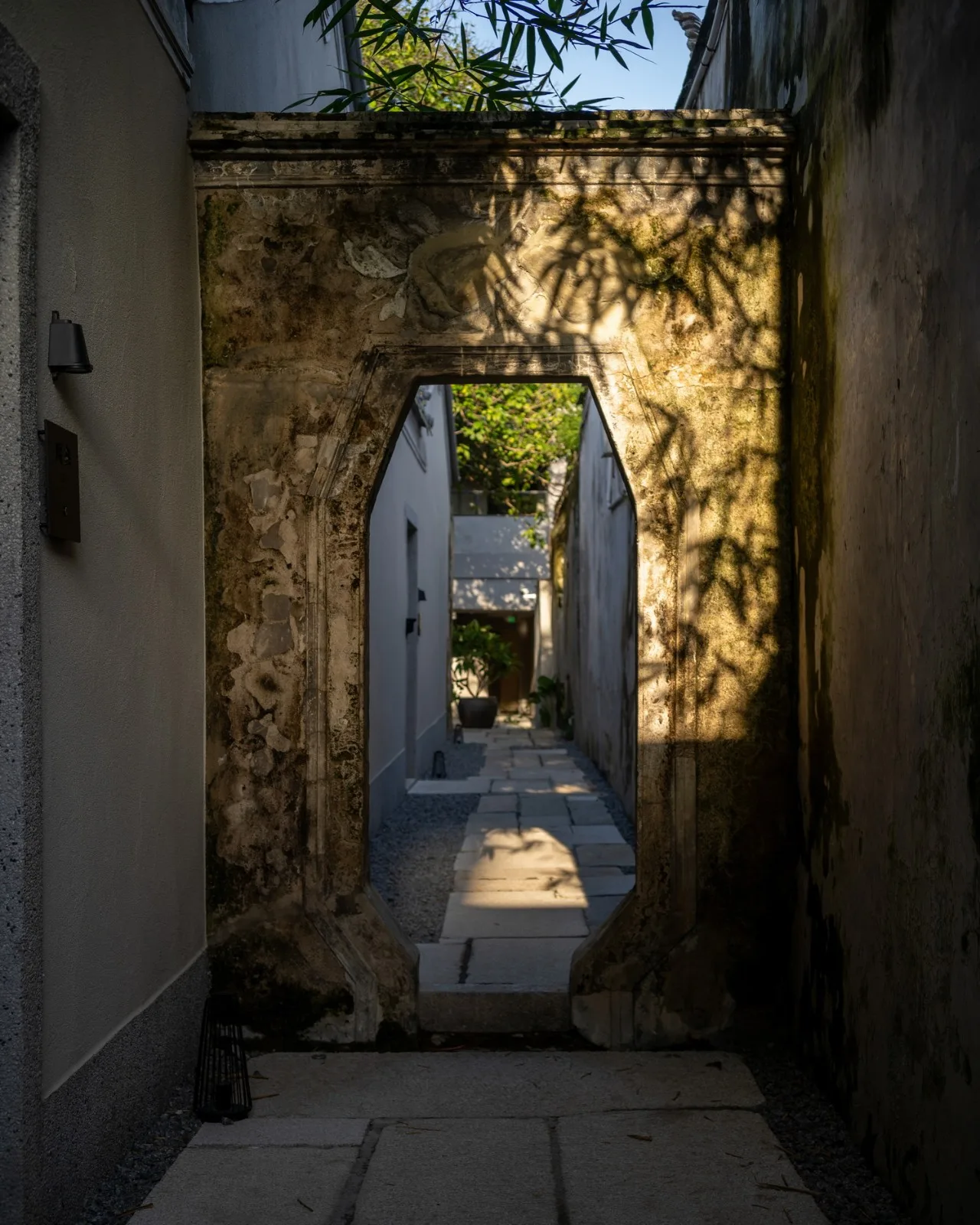
After checking in, guests stroll along Huohuo Lane to the modest 301 courtyard-style guest rooms. From these rooms, visitors can glimpse the square pavilion within the tea pavilion courtyard. A staff member then guides guests along the fire alley to the Moon Cave Gate, the entrance to the Fun Garden.
The Fun Garden features a preserved water well and a newly built half pavilion, replacing the original, now collapsed, pavilion. Nearby stands a towering Dapingpo tree over 200 years old, requiring two or three people to embrace. This tree blossoms every April or May, adding seasonal beauty to the garden.
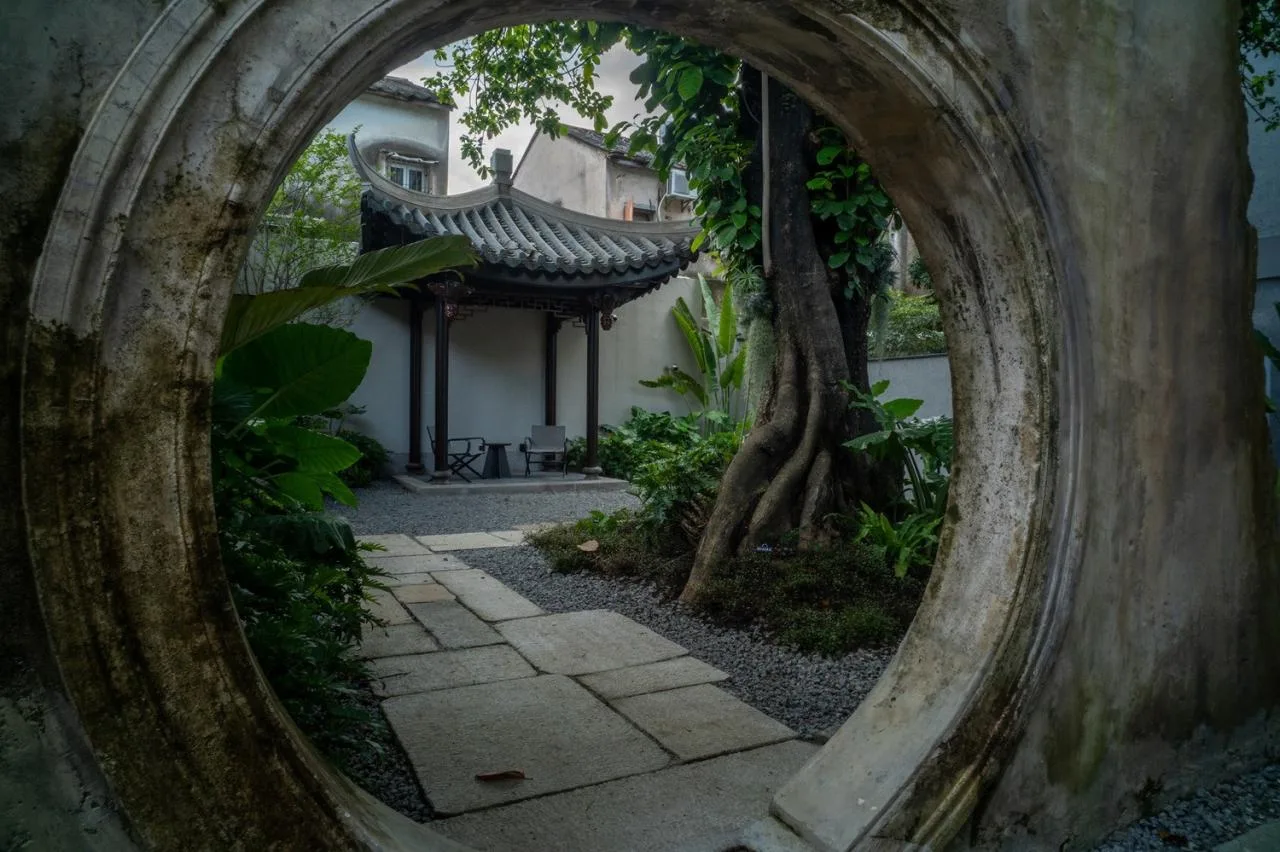
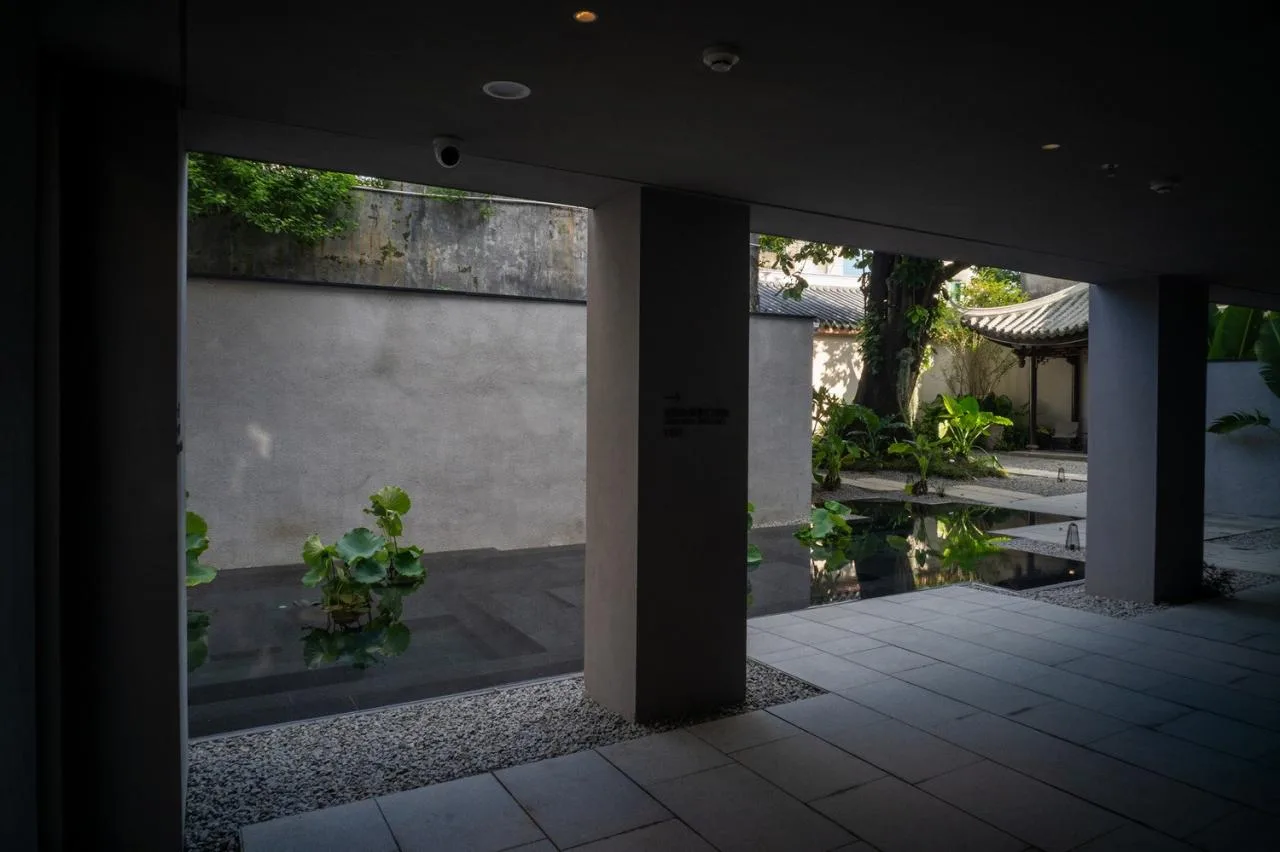
Guests staying in the semi pavilion can look upward at the square pavilion once again. After passing through the Fun Garden, they arrive at the centralized guest rooms. The lotus pond in front of the elevator lobby on the first floor aligns visually with the wall separating Chunyuan, symbolically connecting the two spaces despite lack of direct access.
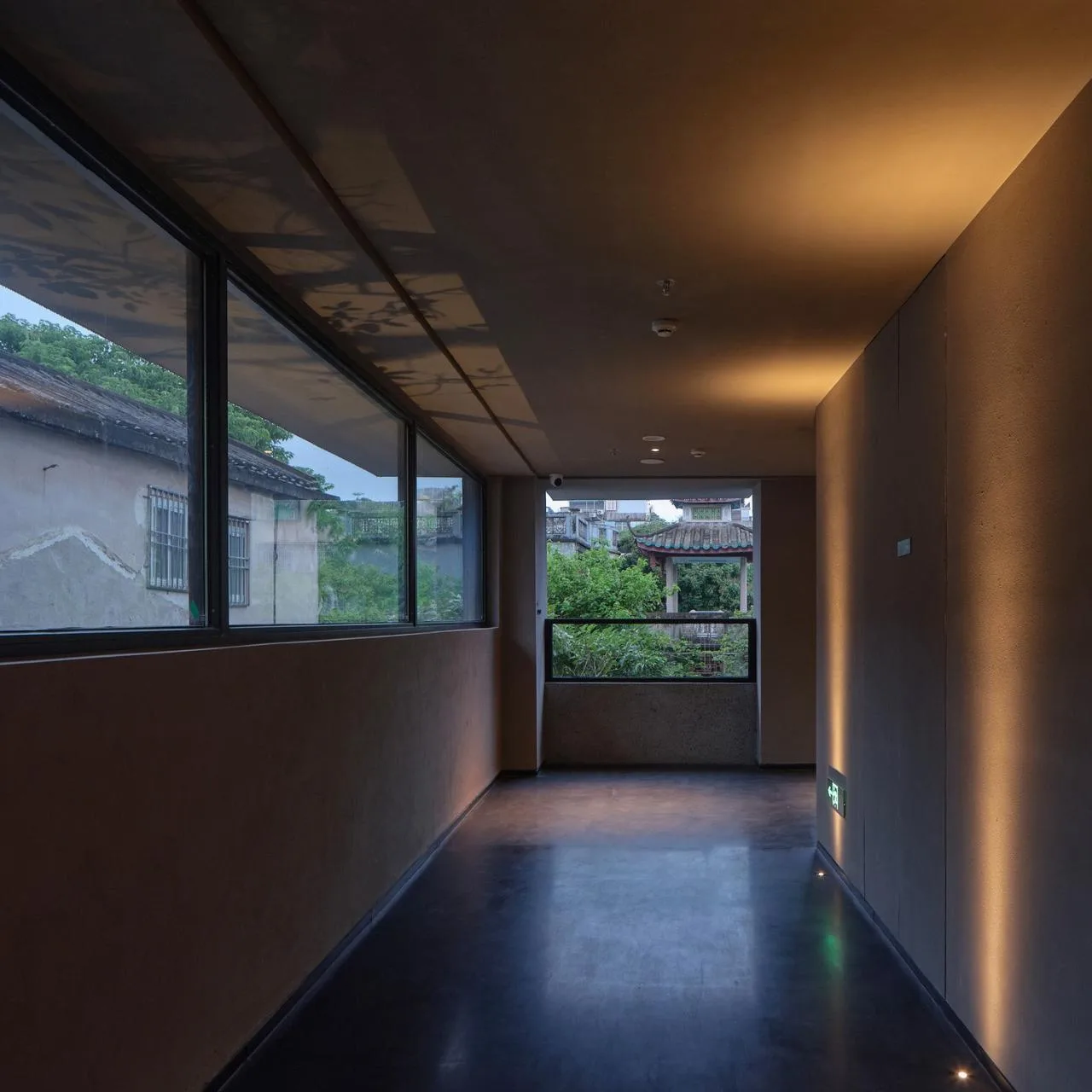
Upon reaching the second and third floors via elevator, guests encounter views of Chunyuan’s square pavilion, evoking the atmosphere of “waiting for the autumn stream to cross” as in the classic painting, enriching their spatial experience.
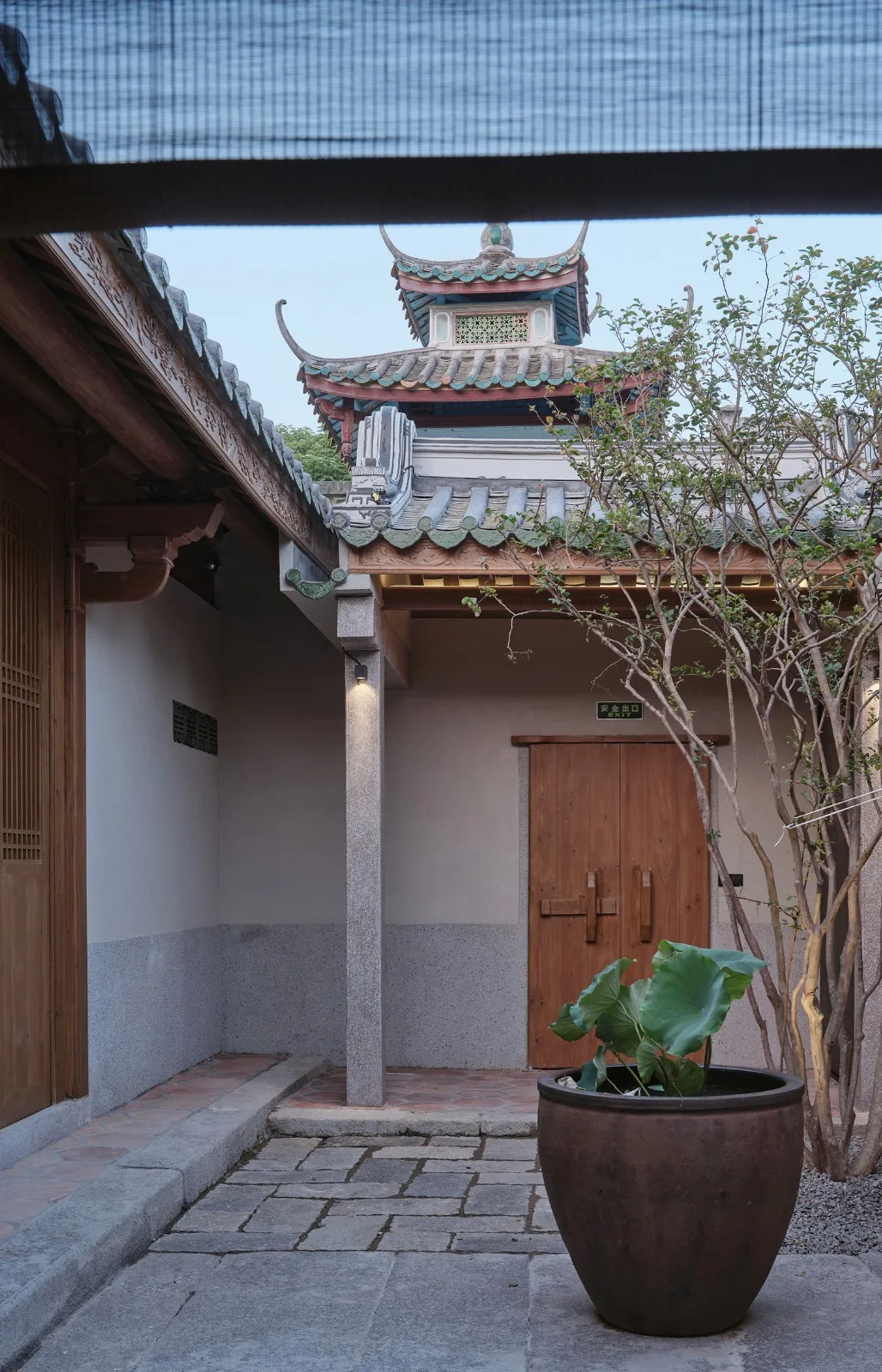
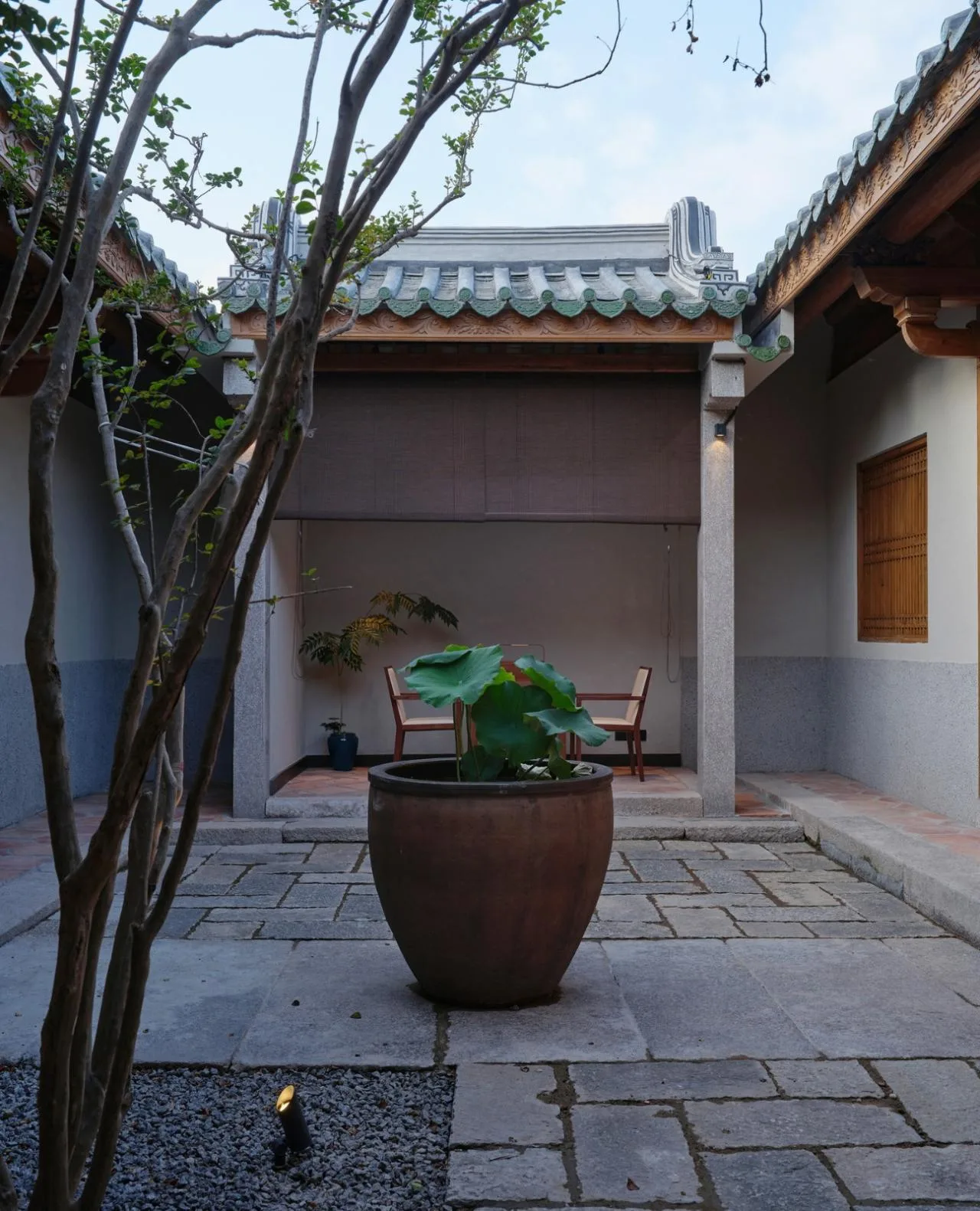
Borrowed scenery is a defining feature of Chaozhou Youxiong Hotel. Views of Chunyuan’s square pavilion are framed from different vantage points, including the corridors, terraces, and guest room balconies of the Zirou Building. The ancient city walls of Chaozhou also serve as scenic backdrops.
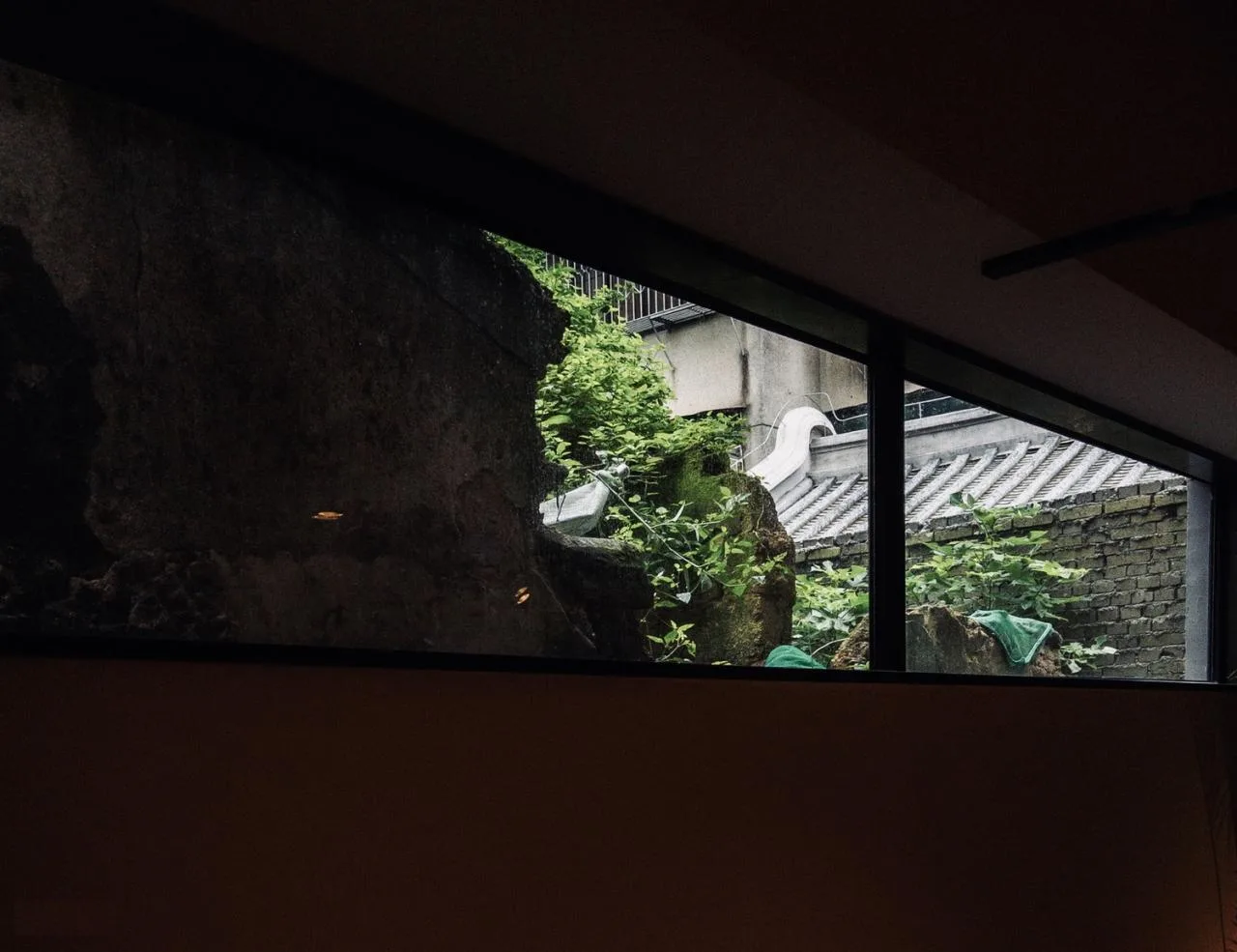
From the tea room terrace (Zhuowo), guests enjoy panoramic vistas of the Rao Mansion and parts of the ancient city. A long, tall window between the bar and restaurant highlights ruins and broken walls next door, partially blanketed by wild vines.
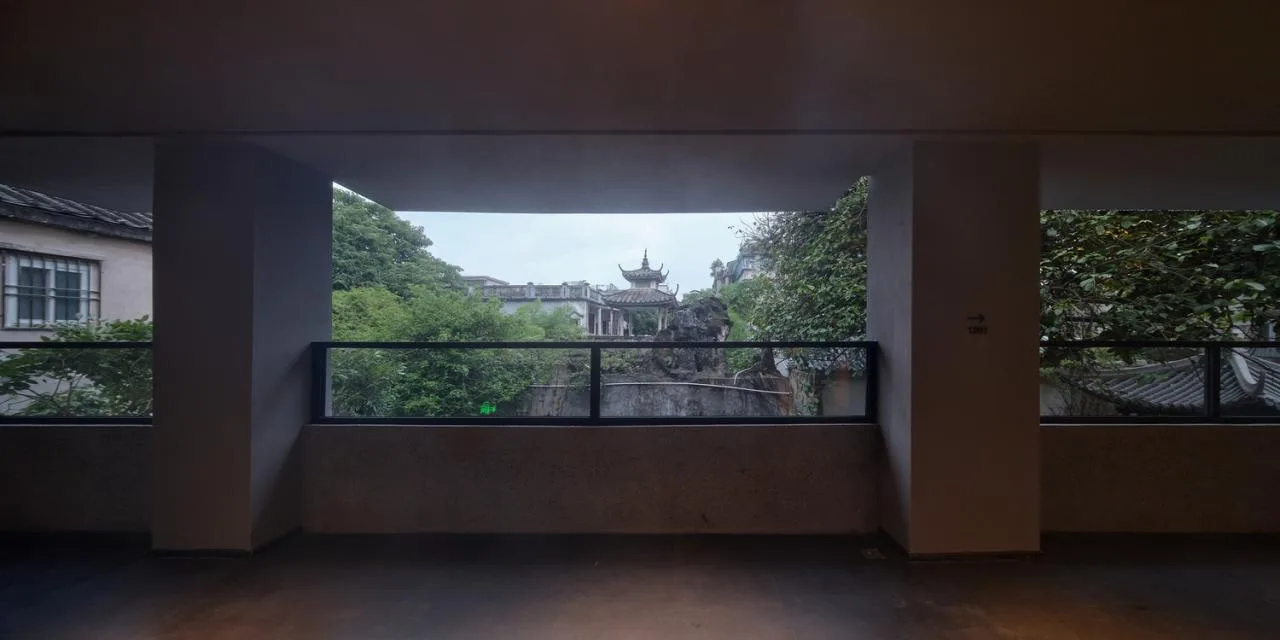
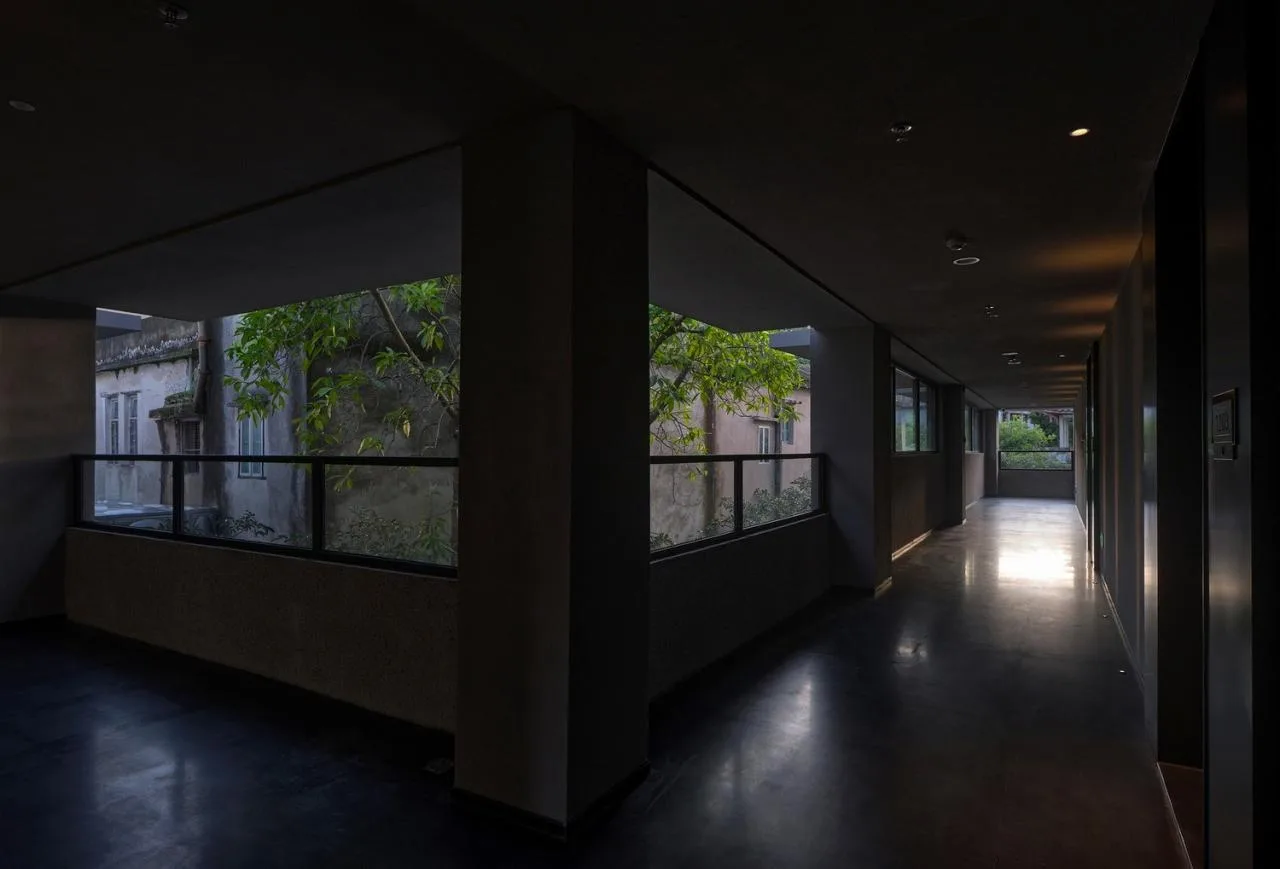
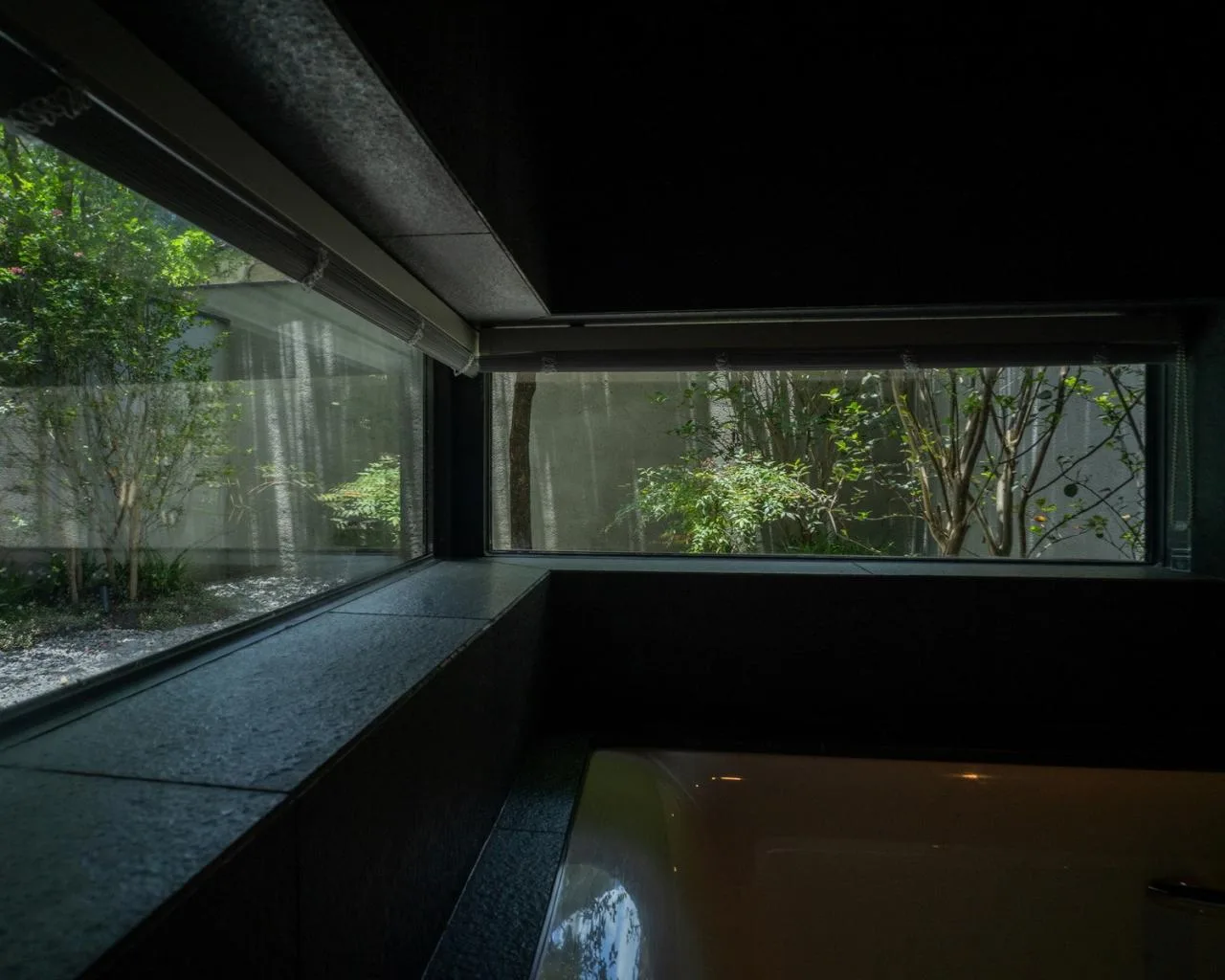
Even from the bathtub, guests can enjoy views of the courtyard through an L-shaped long window. The garden’s design encourages exploration in three dimensions, not just horizontal wandering. From the first floor up to the third, different views of pavilions, courtyards, alleys, and the ancient city unfold step by step.
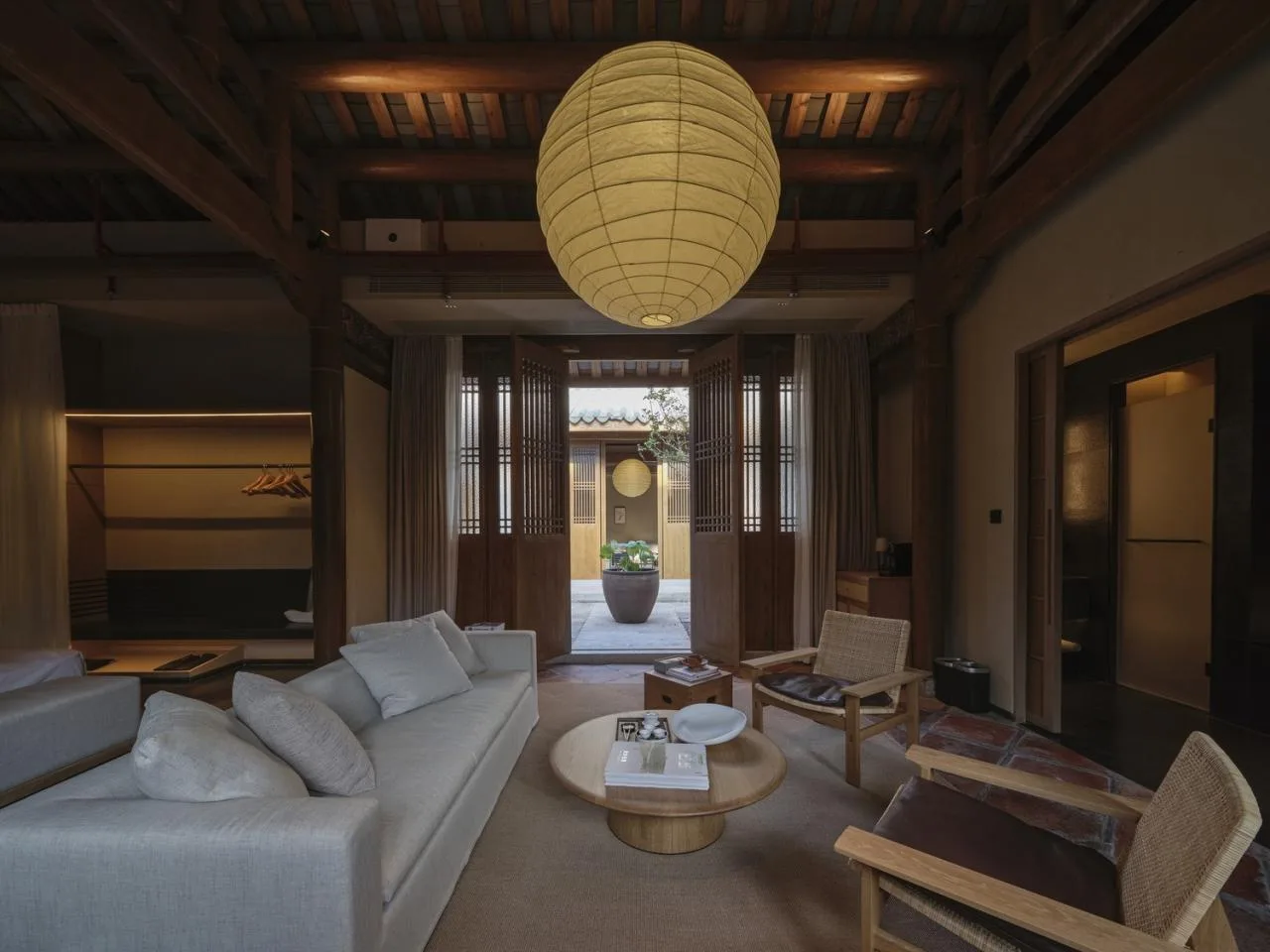
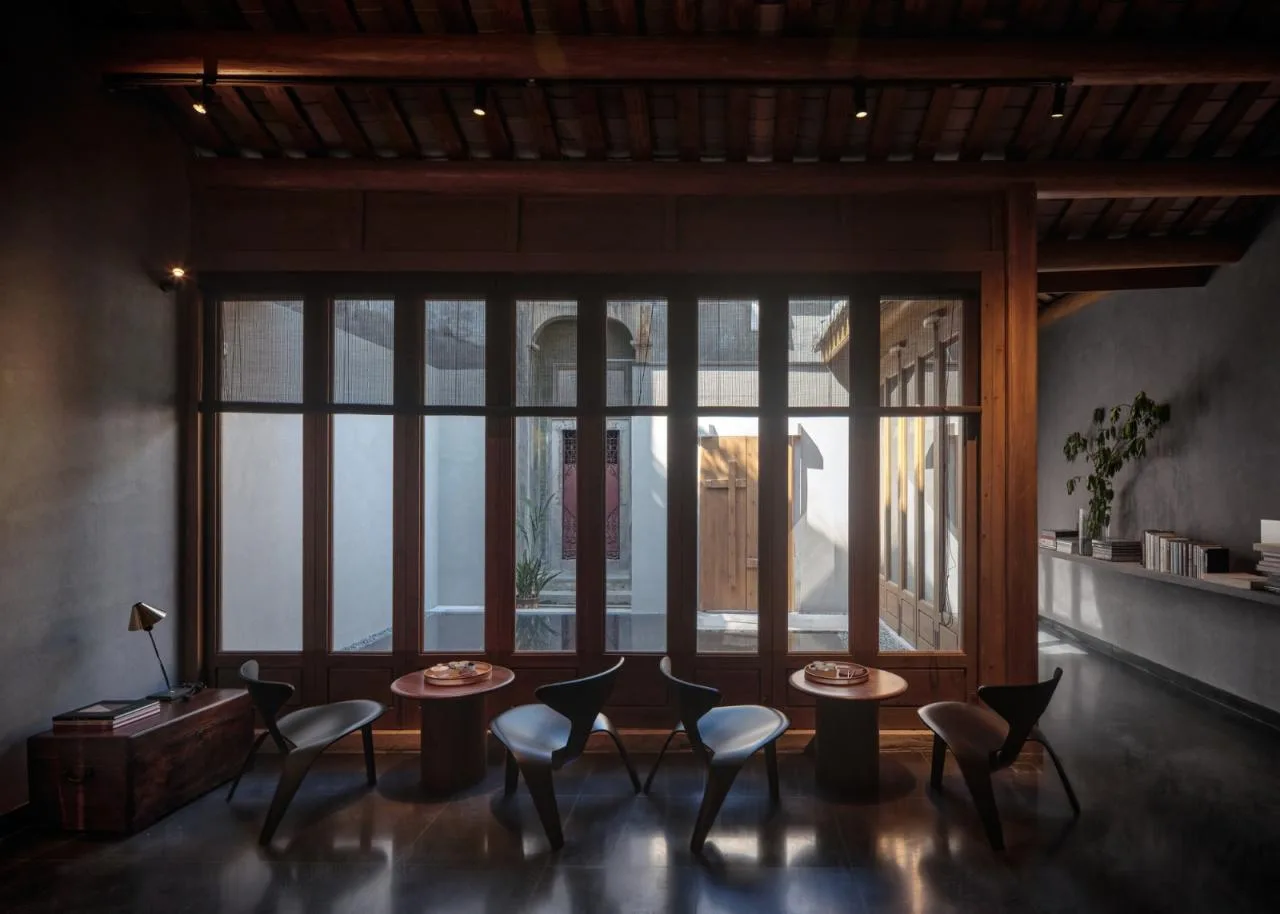
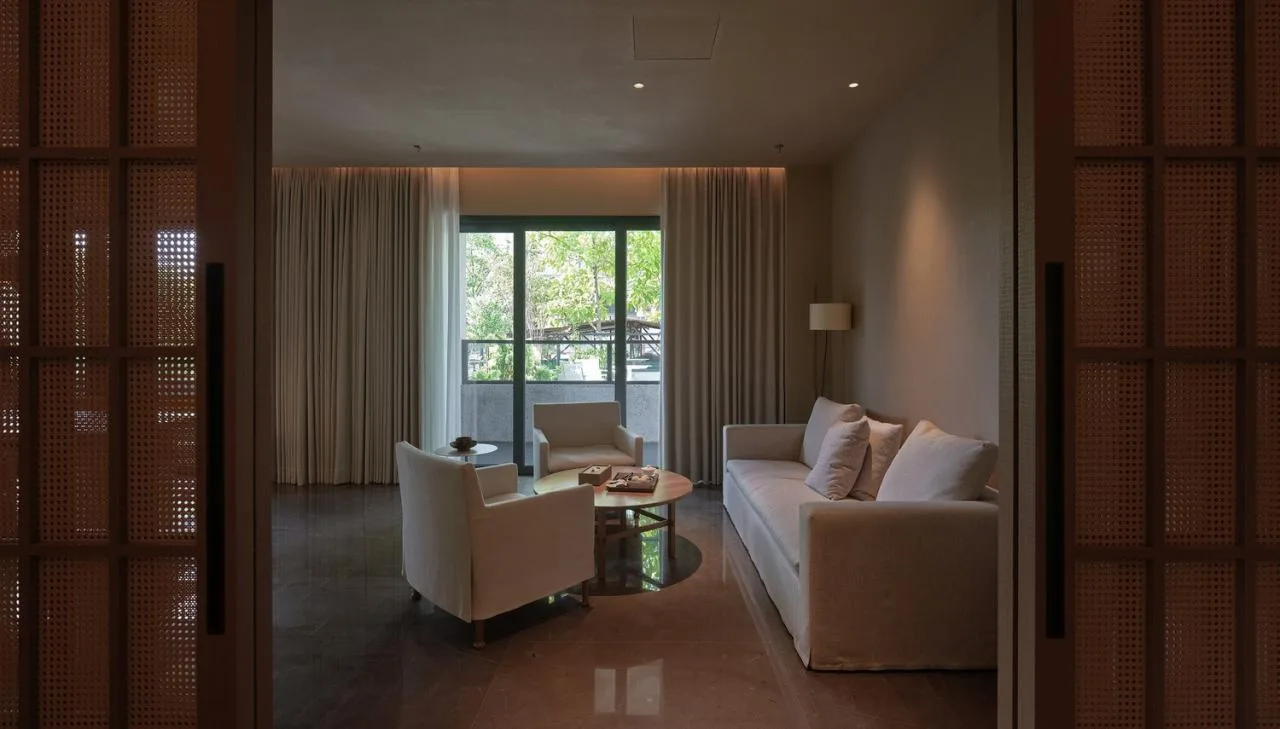
Our research on modernizing Chaozhou Ancient City revealed that while traditional preservation is commendable, it often lacks contemporary vitality. The design of Youxiong Hotel aims to blend modernity with tradition, revitalizing the ancient city without overshadowing its character.
First, the architectural renovation of the centralized guest rooms and restaurants respects the textures and context of the ancient city while adopting modern forms. Structural frameworks, infill walls, windows, and other basic elements use clearly defined materials with elegant tones. The simple, understated architecture serves as a backdrop, highlighting the ancient city, pavilions, courtyards, and hotel guests. Dark metal accents are boldly introduced as transitional spaces where appropriate.
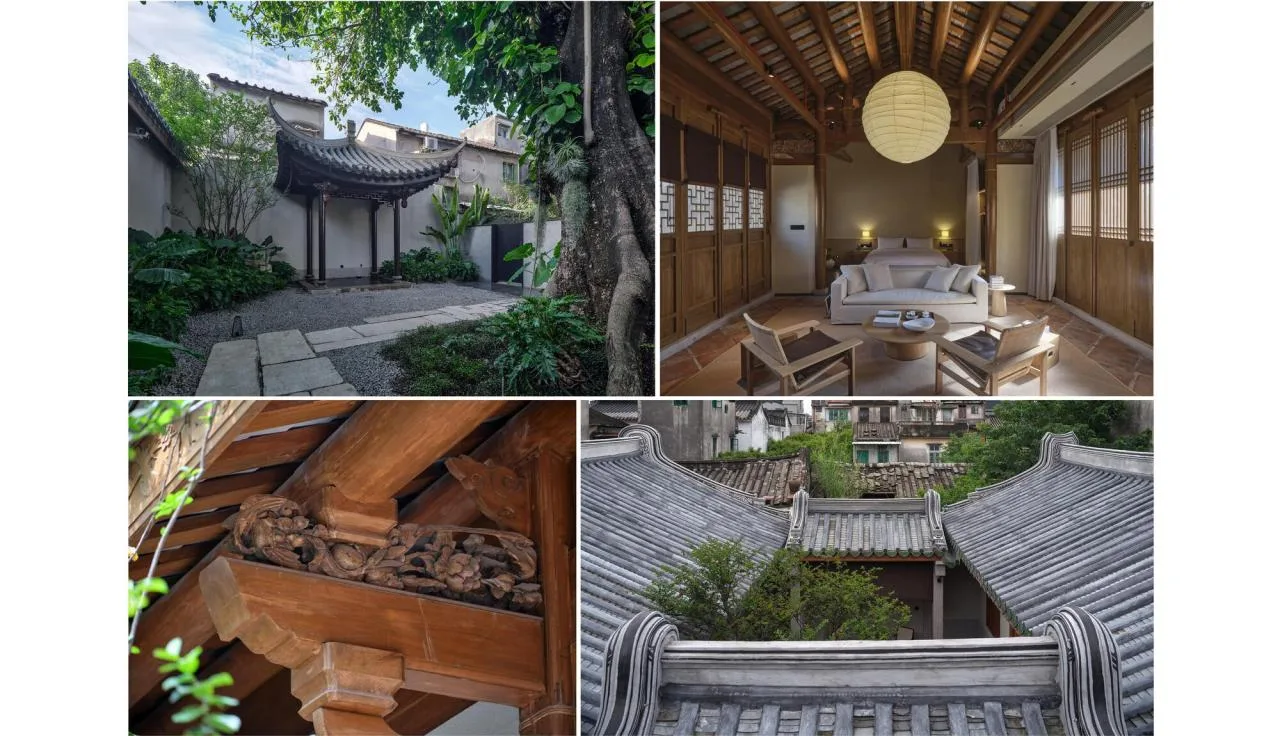
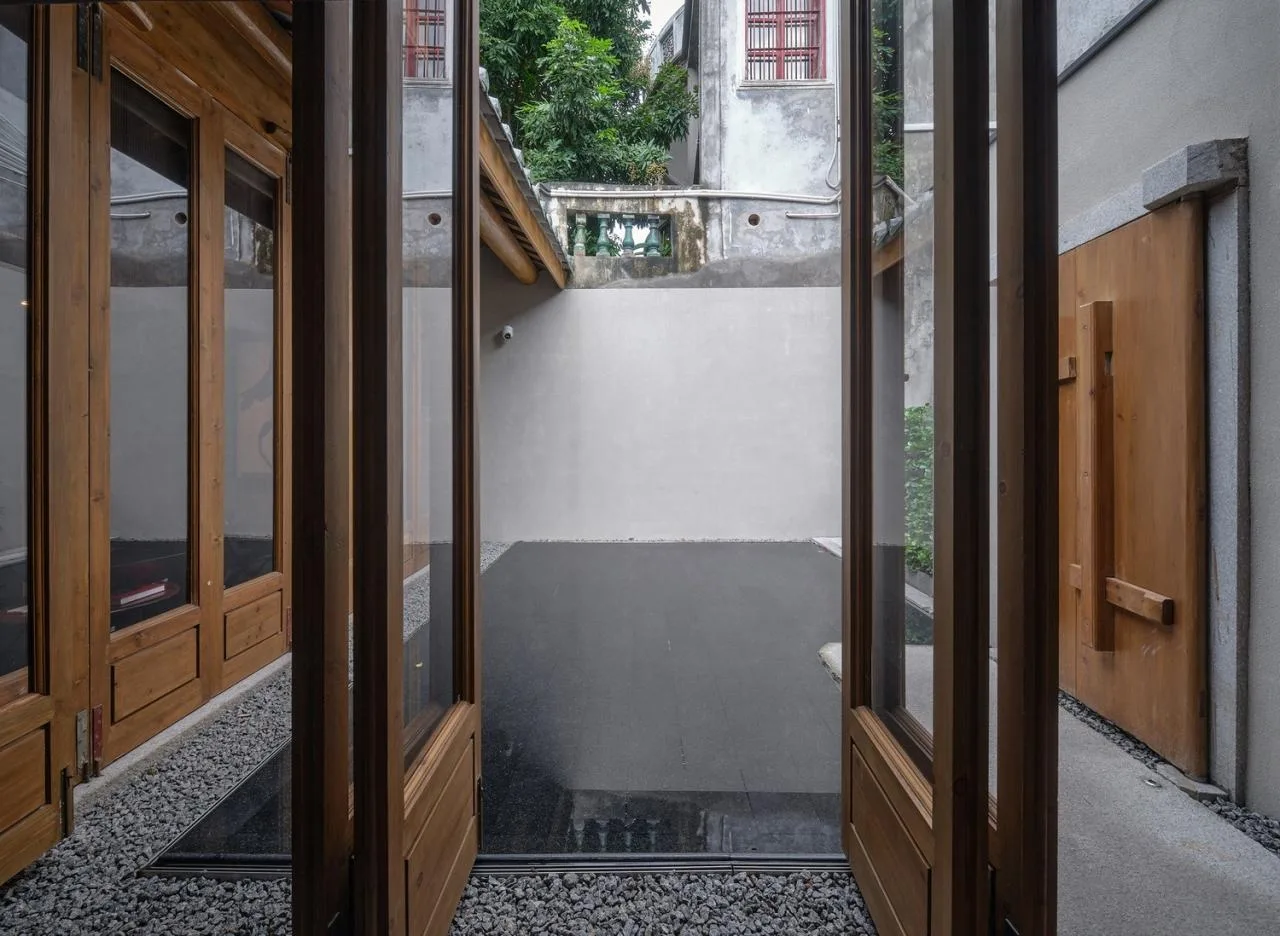
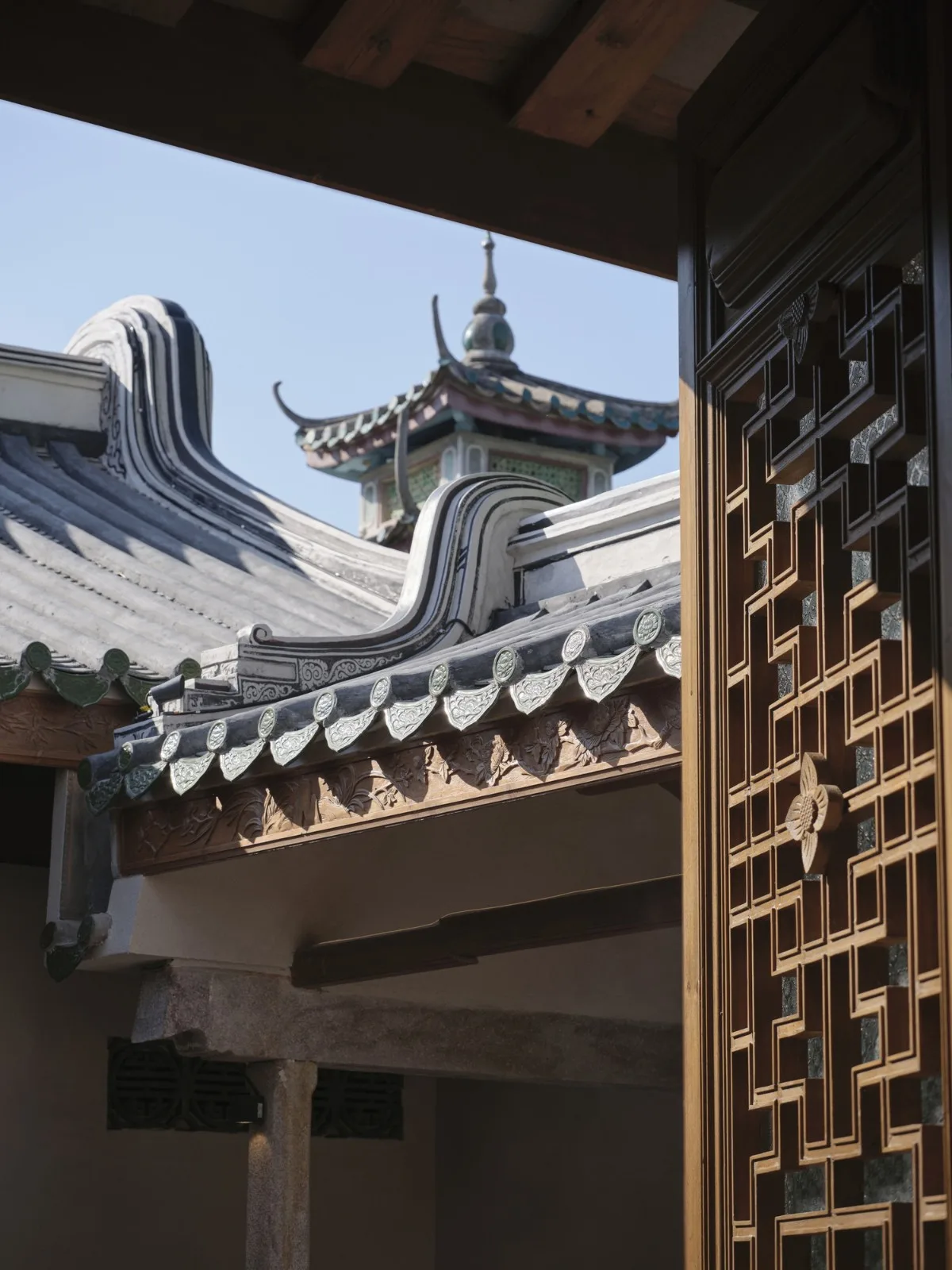
Second, for the 301 courtyard-style wooden guest rooms and 303 Tonghua Bookstore, we introduced calming, light wood tones. Although the construction style is traditional for Chaozhou, the light wood paint creates a relaxed, vacation-like atmosphere. This contrasts with the dark stains typical of Chaozhou’s old houses, and post-completion feedback shows guests prefer the natural wood aesthetic.
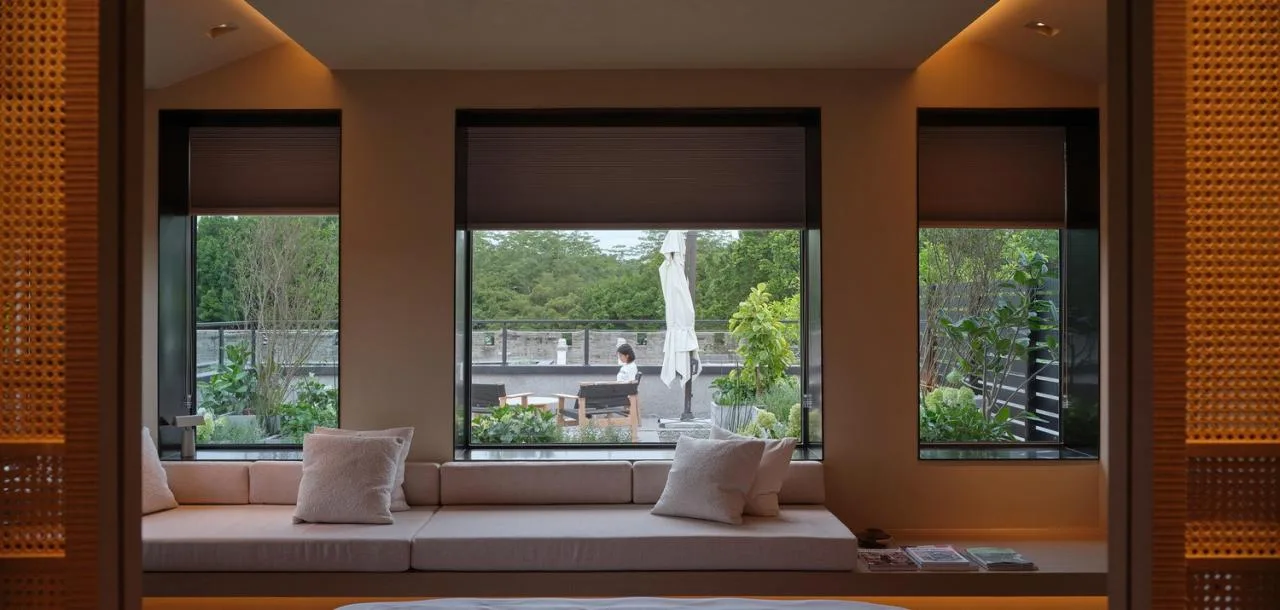
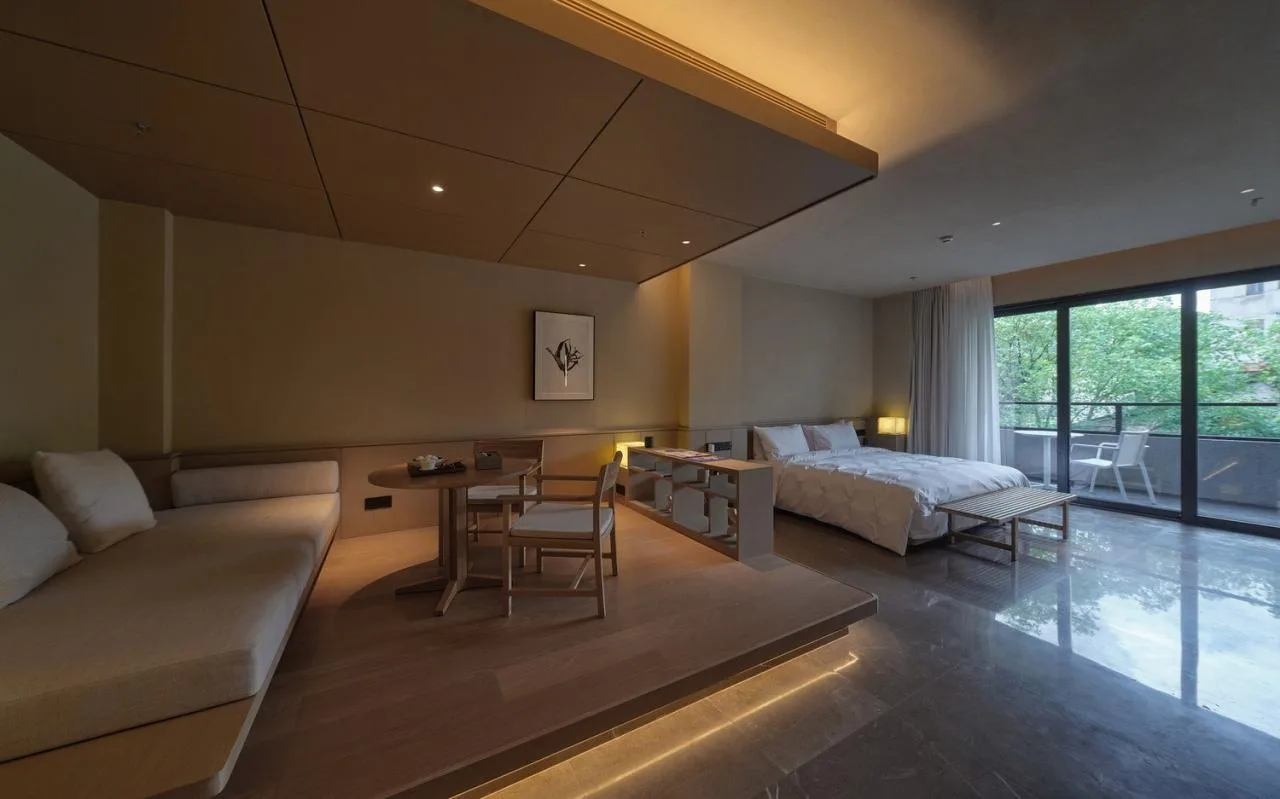
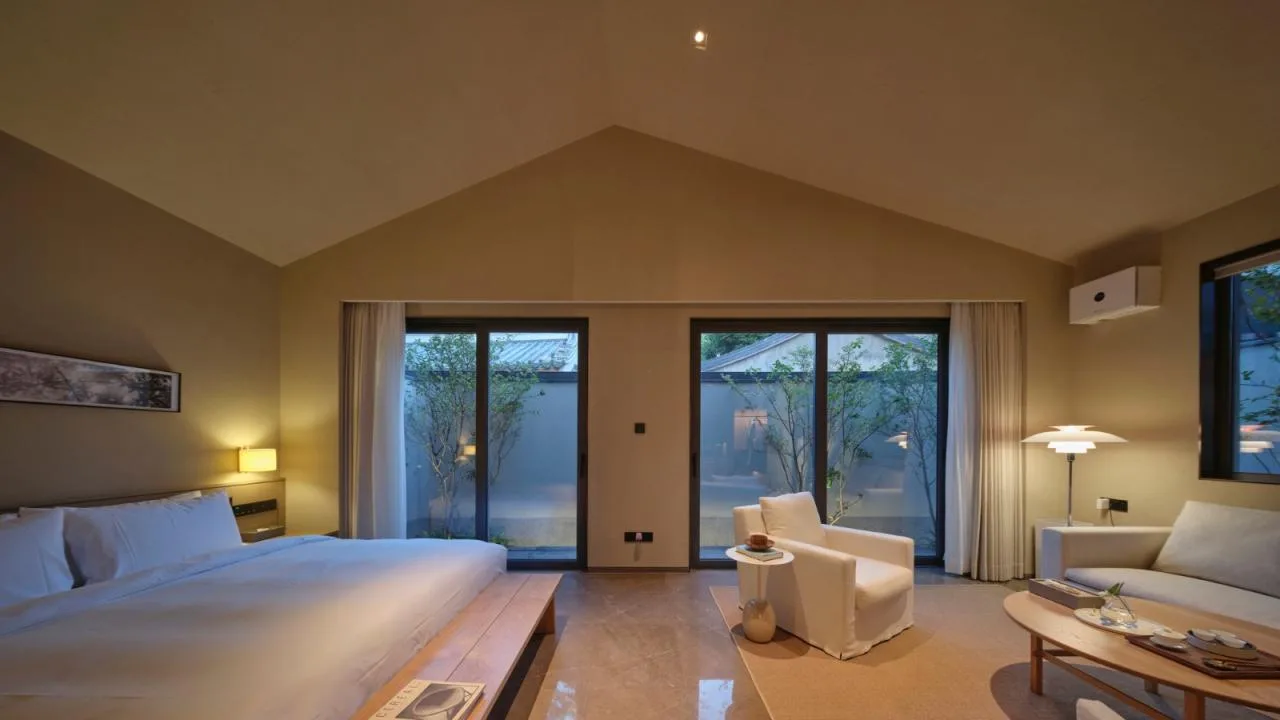
Third, we incorporated contemporary furniture, lighting, artwork, and books. We collaborated with Calendar, known for high-quality, independently handcrafted Chinese contemporary designs, whose style suits the ambience of Chaozhou Youxiong Hotel.
Among the artworks, my favorite is Mr. Chen Fuli’s black-and-white photography piece “Struggle.” It captures fishermen battling the sea in Vietnam, dynamic clouds in Hong Kong, and uses darkroom techniques to overlay two 120-film images on one print, creating a powerful scene.
We intentionally removed televisions from all guest rooms and asked Mr. Linghu Lei to provide Tonghua Bookstore and each room with books on contemporary architecture, art, and life aesthetics, encouraging guests to spend more time reading and enjoying tea during their stay.
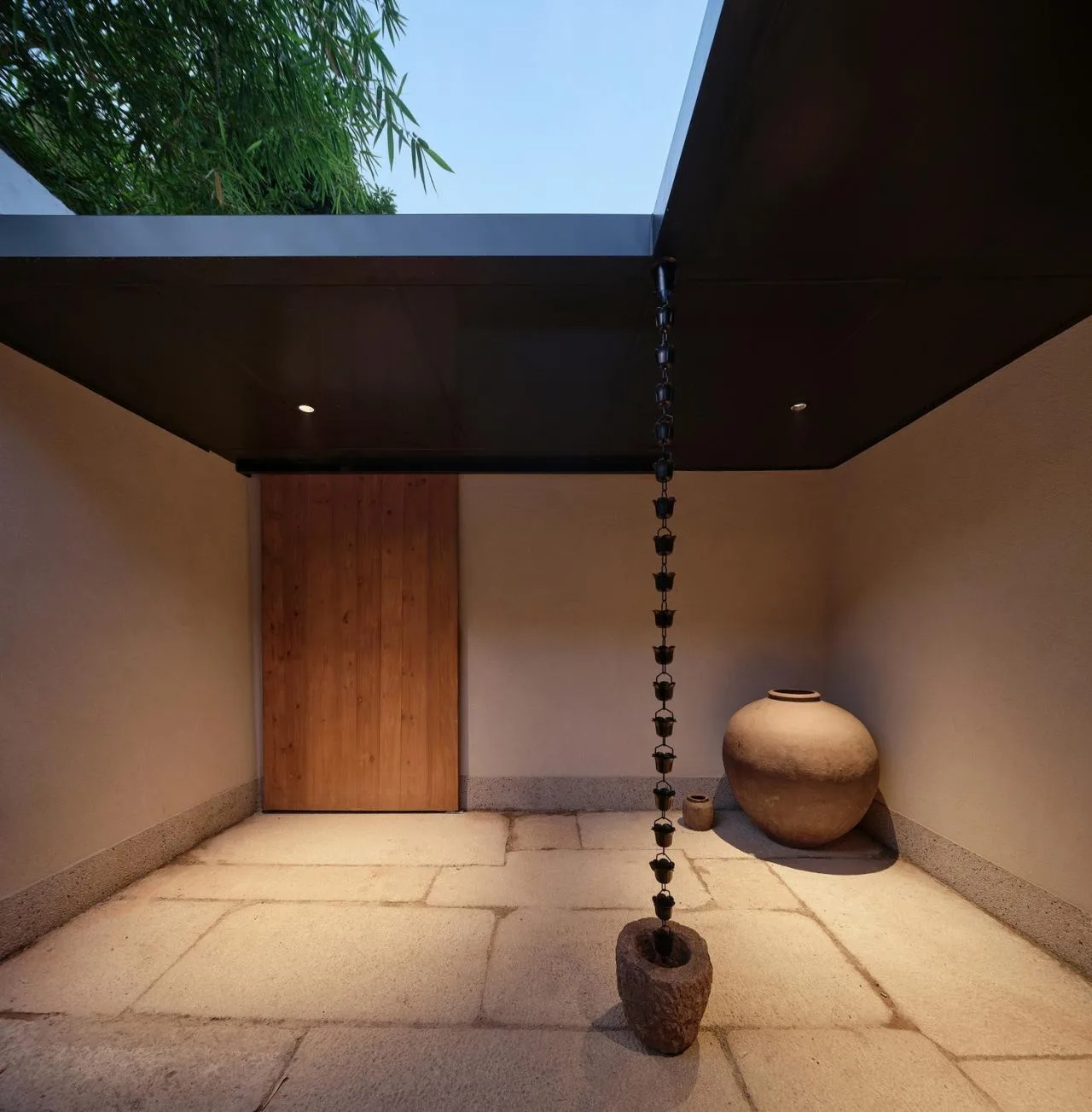
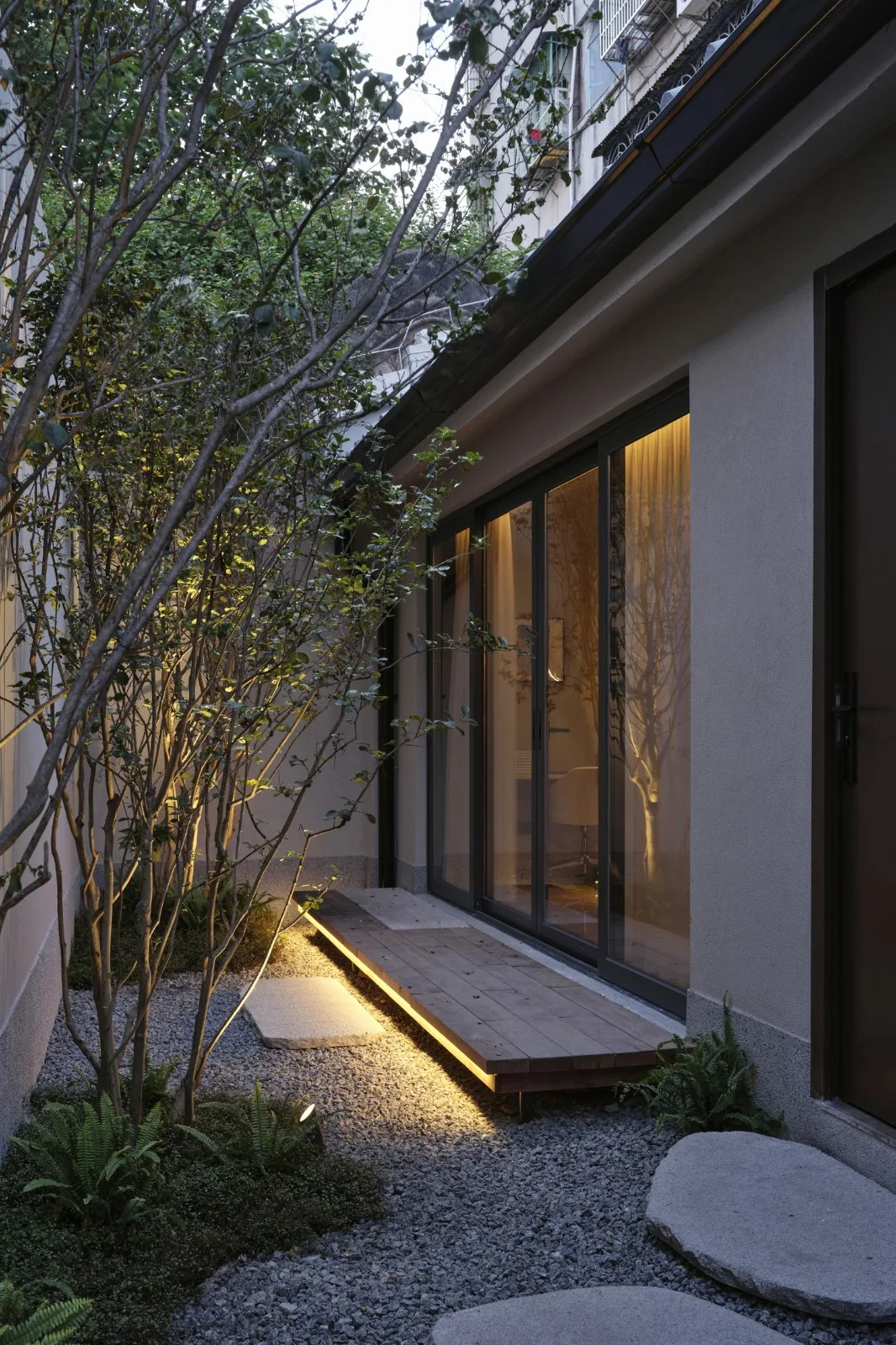
Respecting traditional craftsmanship was vital in the hotel’s construction. We invited Master Xiao Chuming, inheritor of Chaozhou’s ancient architecture and intangible cultural heritage, along with his son Xiao Chun, to work on 301, 303, and the half pavilion wooden structure in Quyuan.
Renowned antique restoration master Ding restored the 301 exterior wall, Huoxiang entrance, and Moon Cave Gate in Quyuan. Additionally, Master Huang Qiuquan, eleventh-generation inheritor of the “Chaozhou Lantern” tradition, crafted the lantern for the hotel’s main entrance.
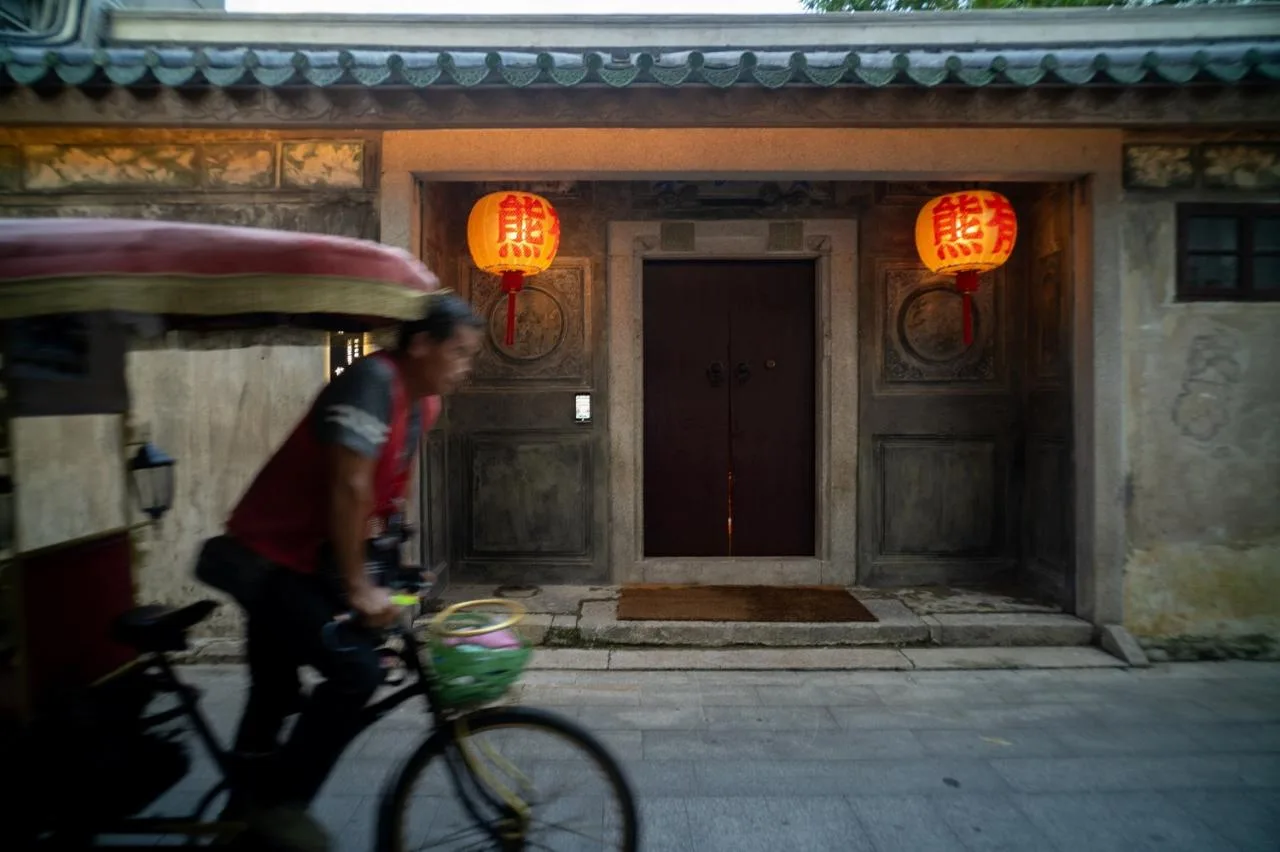
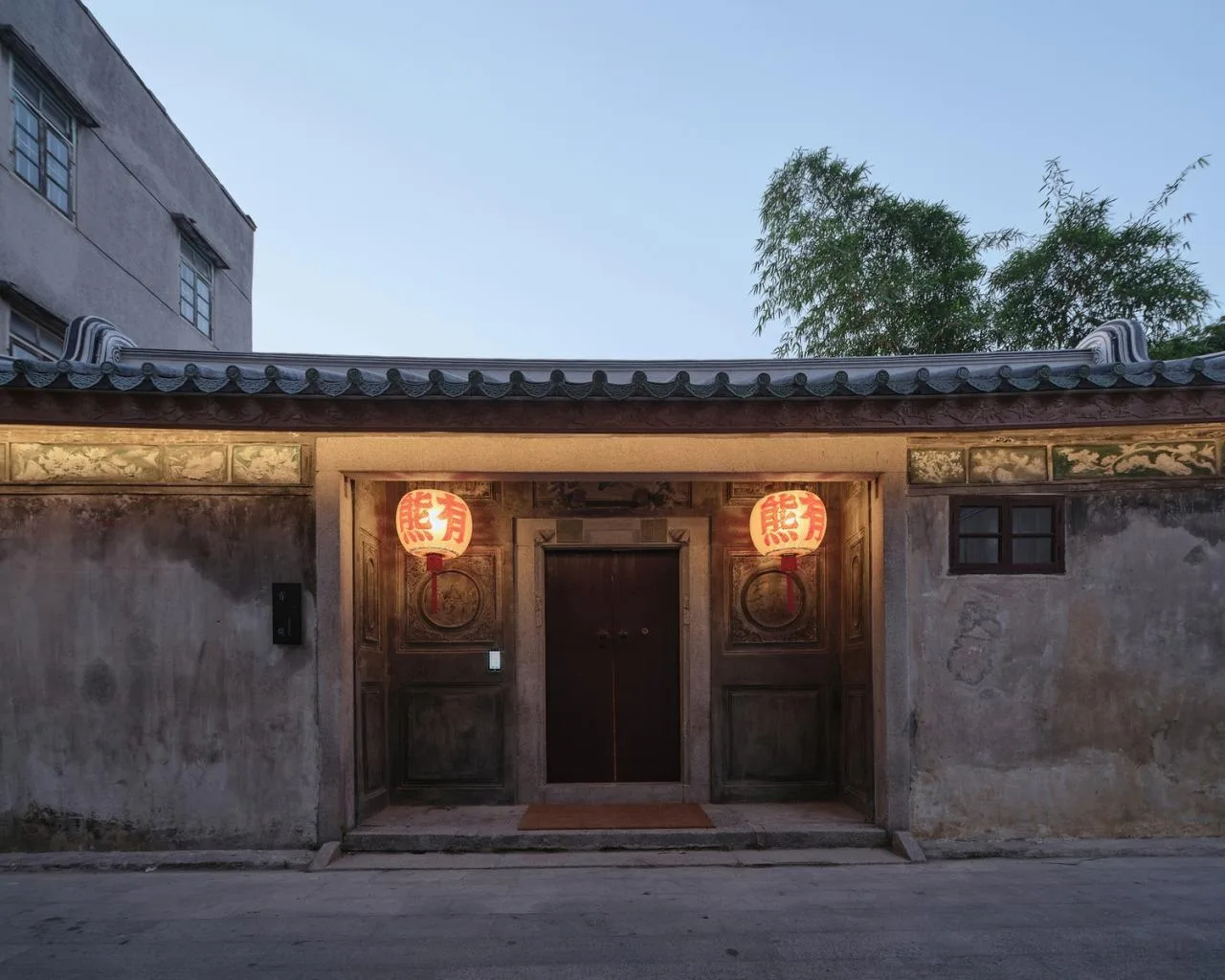
Although the renovation covers less than 3000 square meters, the complexity surpassed expectations. Structural types ranged from reinforced concrete frames, traditional wood, brick and concrete, to partially reinforced steel structures.
Strict adherence to modern fire safety regulations within a densely built ancient city posed significant challenges. Fortunately, we balanced regulatory compliance with design integrity.
The narrow construction site limited worker mobility, slowing progress. The design process demanded constant adjustments. Often, after finalizing drawings, plans had to be revised on-site when results didn’t meet expectations, causing inconvenience for the owner and builders.
Unlike new buildings on open land, ancient city renovations face unpredictable site conditions and incomplete drawings. To address this, architects and interior designers were on-site 24/7 during construction and interior fit-out. I visited every two to three weeks, increasing to weekly visits in the last six months. One month before completion, I realized I could no longer interfere and had to step back.
The completed Chaozhou Youxiong Hotel complex integrates seamlessly into the ancient city, with the hotel garden and Chunyuan becoming part of the broader Chaozhou ancient city garden. Without intentional enhancement by photographers, the boundary between the ancient city and hotel is nearly indistinguishable in aerial views.
Despite the significant efforts from the owner, design, and construction teams, our hope is that guests feel no trace of these efforts, but instead experience genuine, unexpected delight and heartfelt emotion. If achieved, the time and care invested in perfecting the design will be worthwhile.
Witnessing the evolution of Chaozhou Youxiong Hotel—from initial on-site photos to the finished project—was deeply moving. The entire design and construction process felt like nurturing a child, a journey of life. To conclude this article, I share before-and-after photos of the hotel’s transformation.
Project Drawings
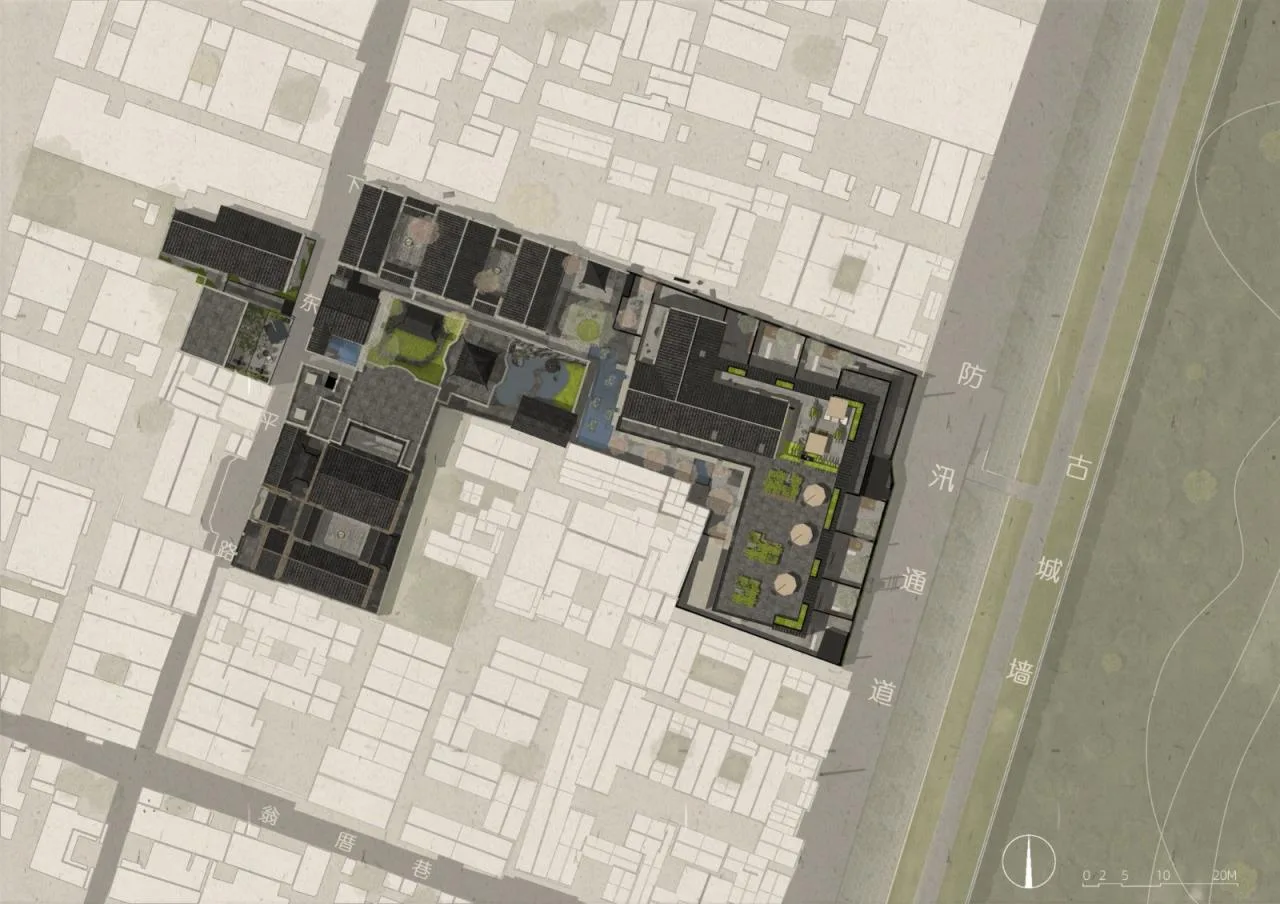
△ General Layout Plan
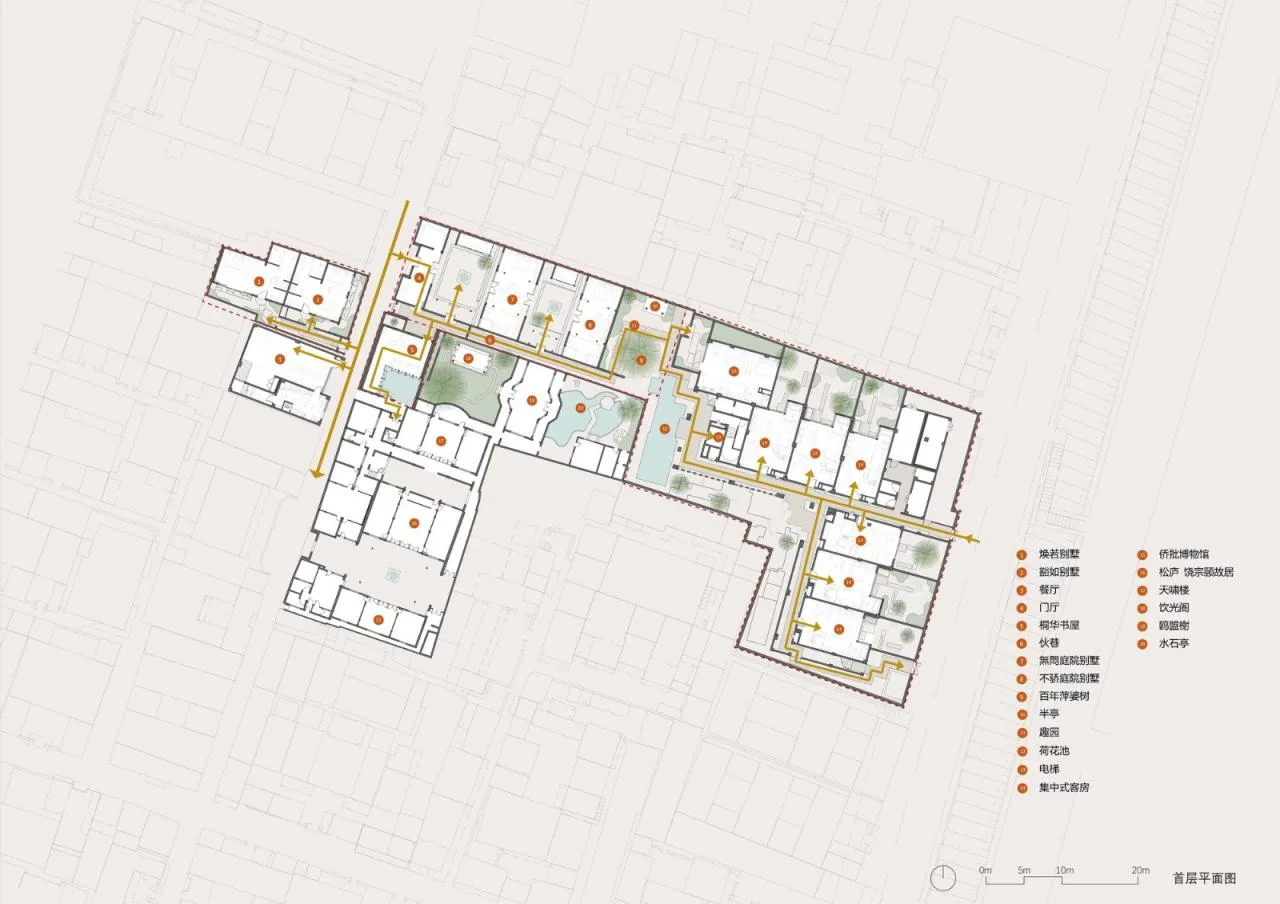
△ First Floor Plan
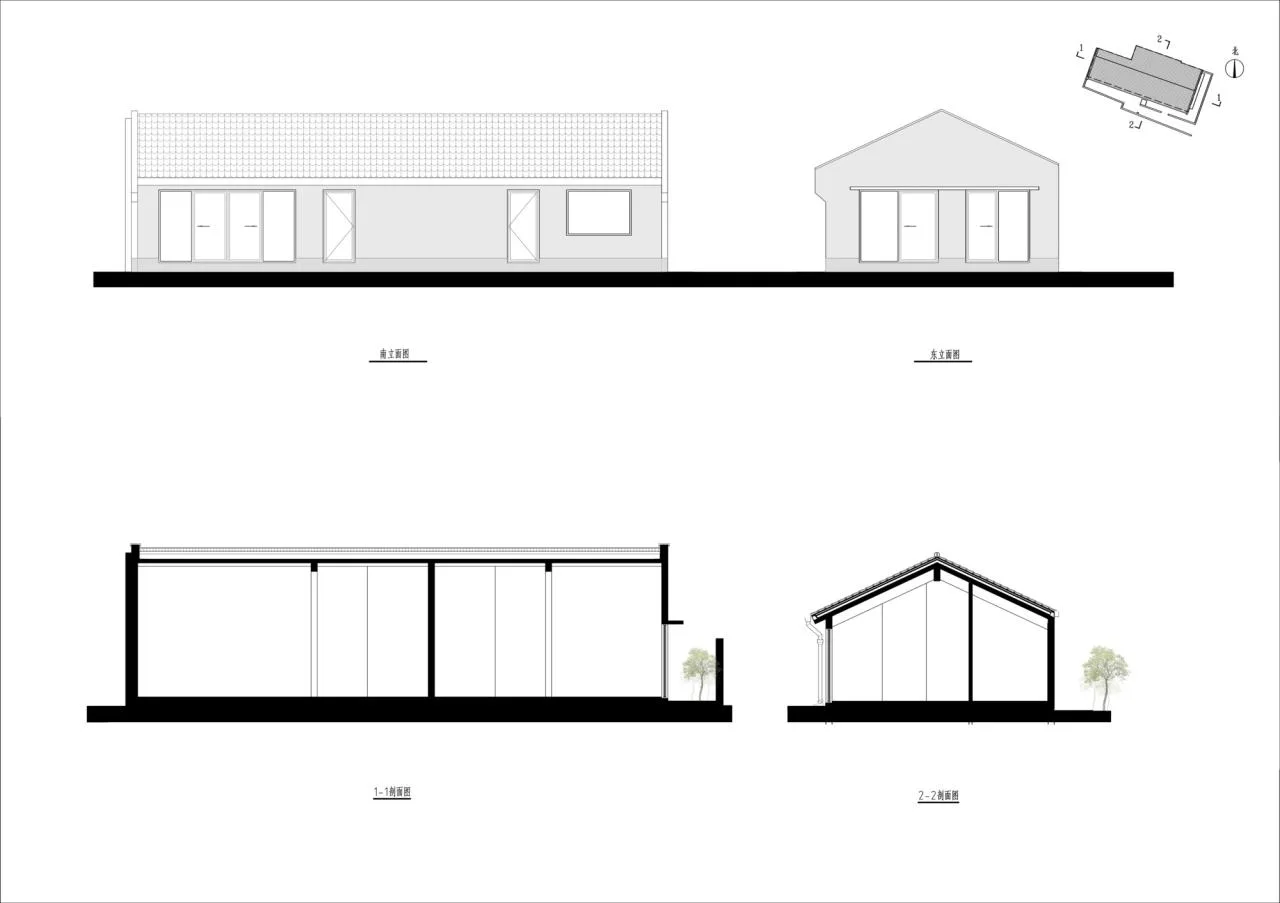
△ Elevation and Section Views
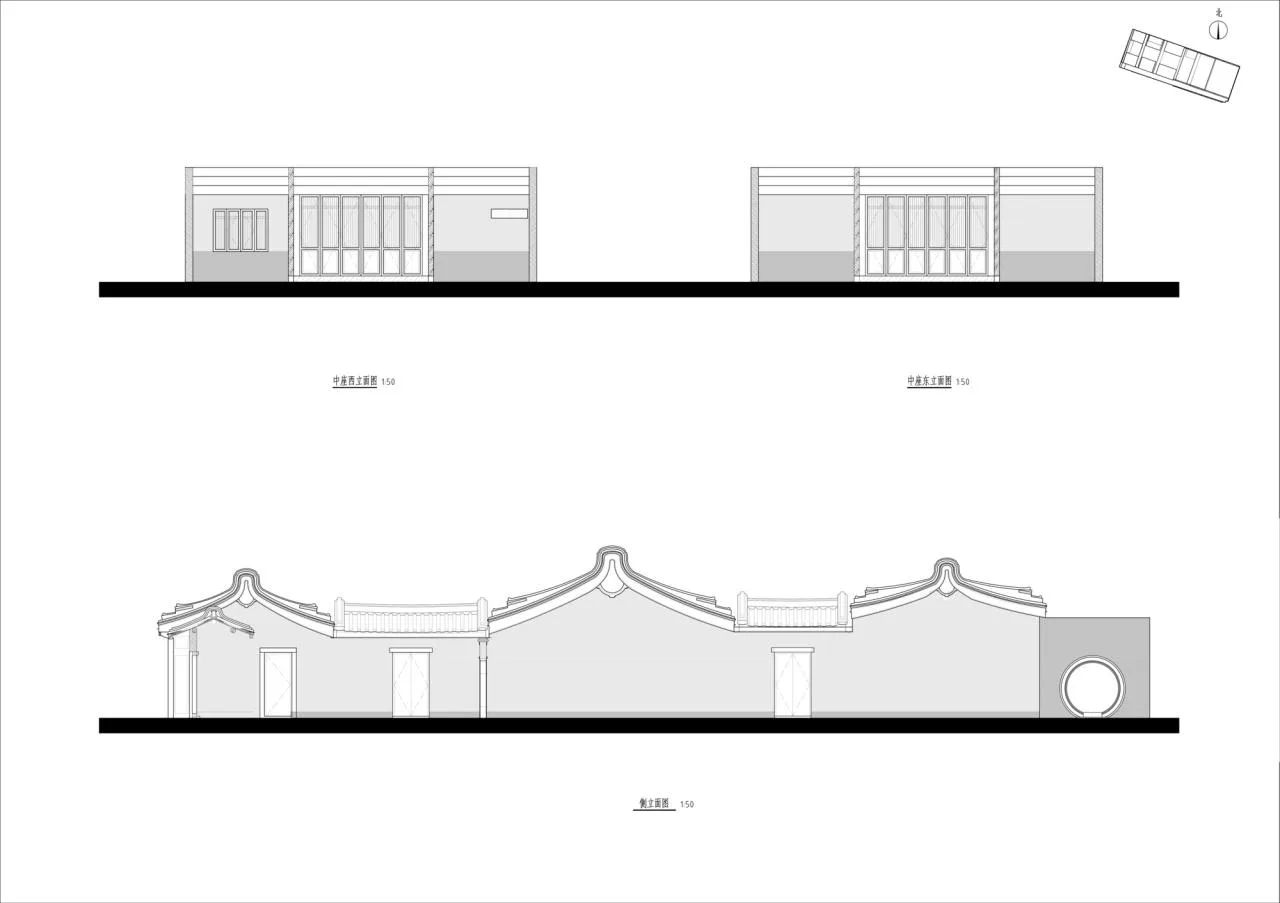
△ Elevation Drawing
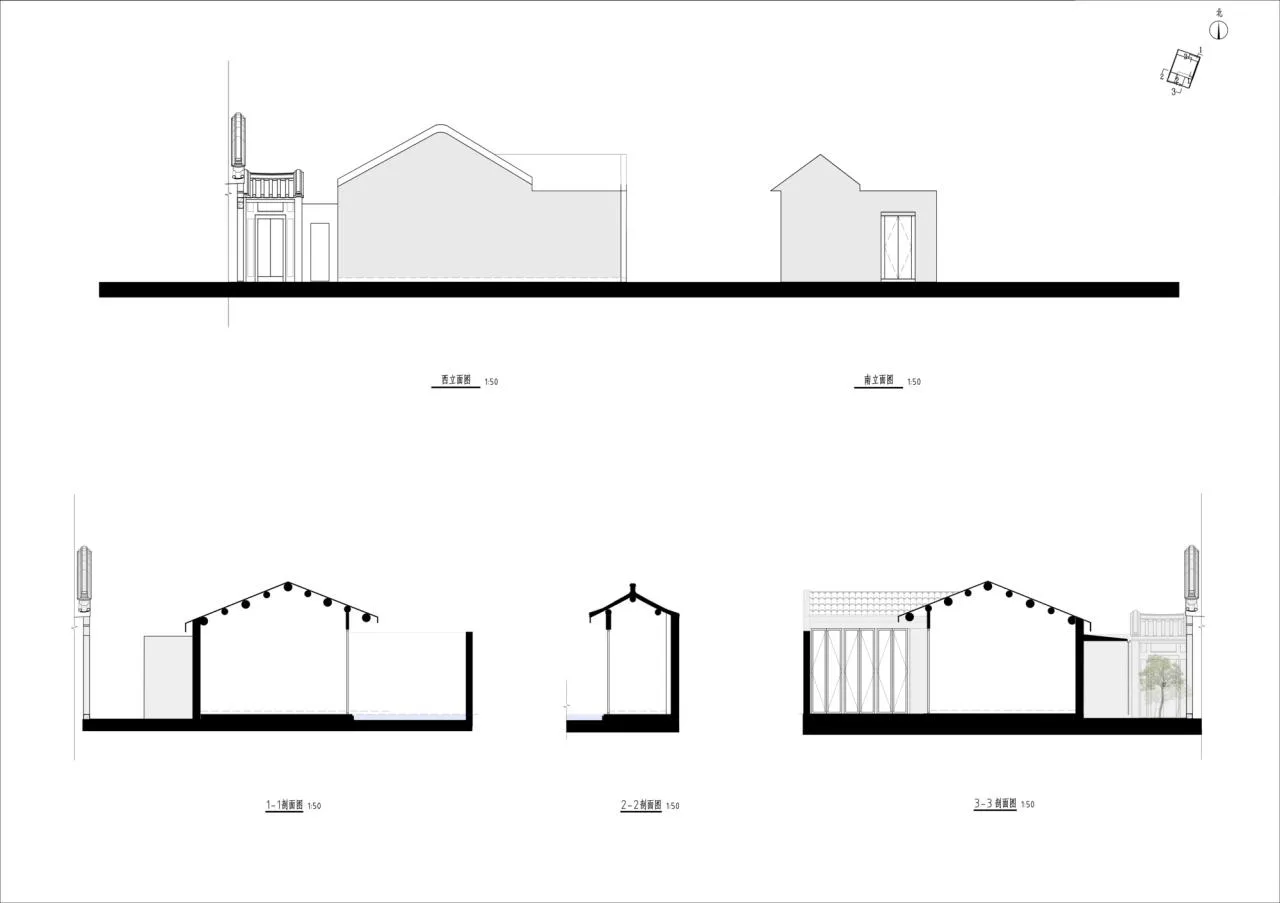
△ Elevation and Section Views
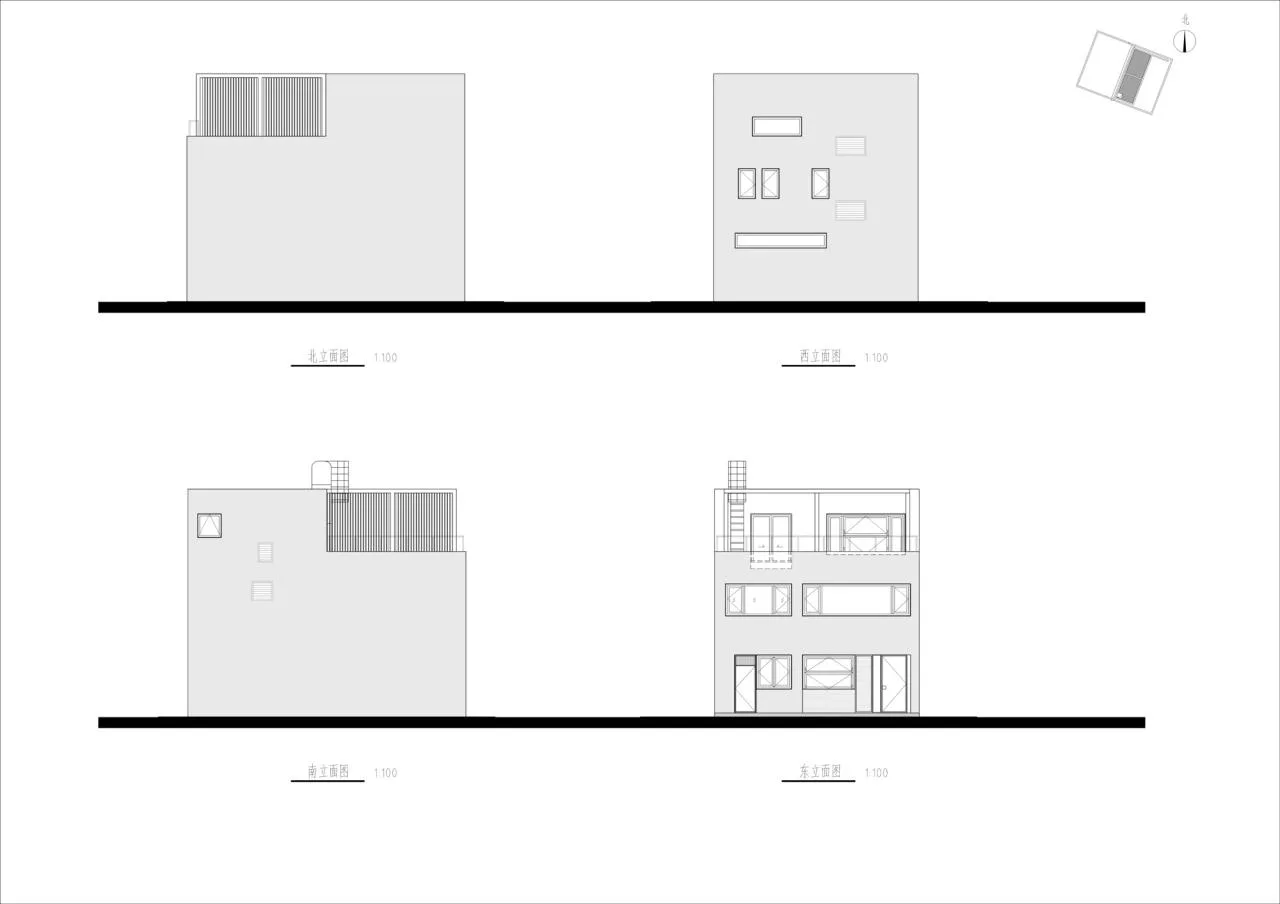
△ Elevation Drawing
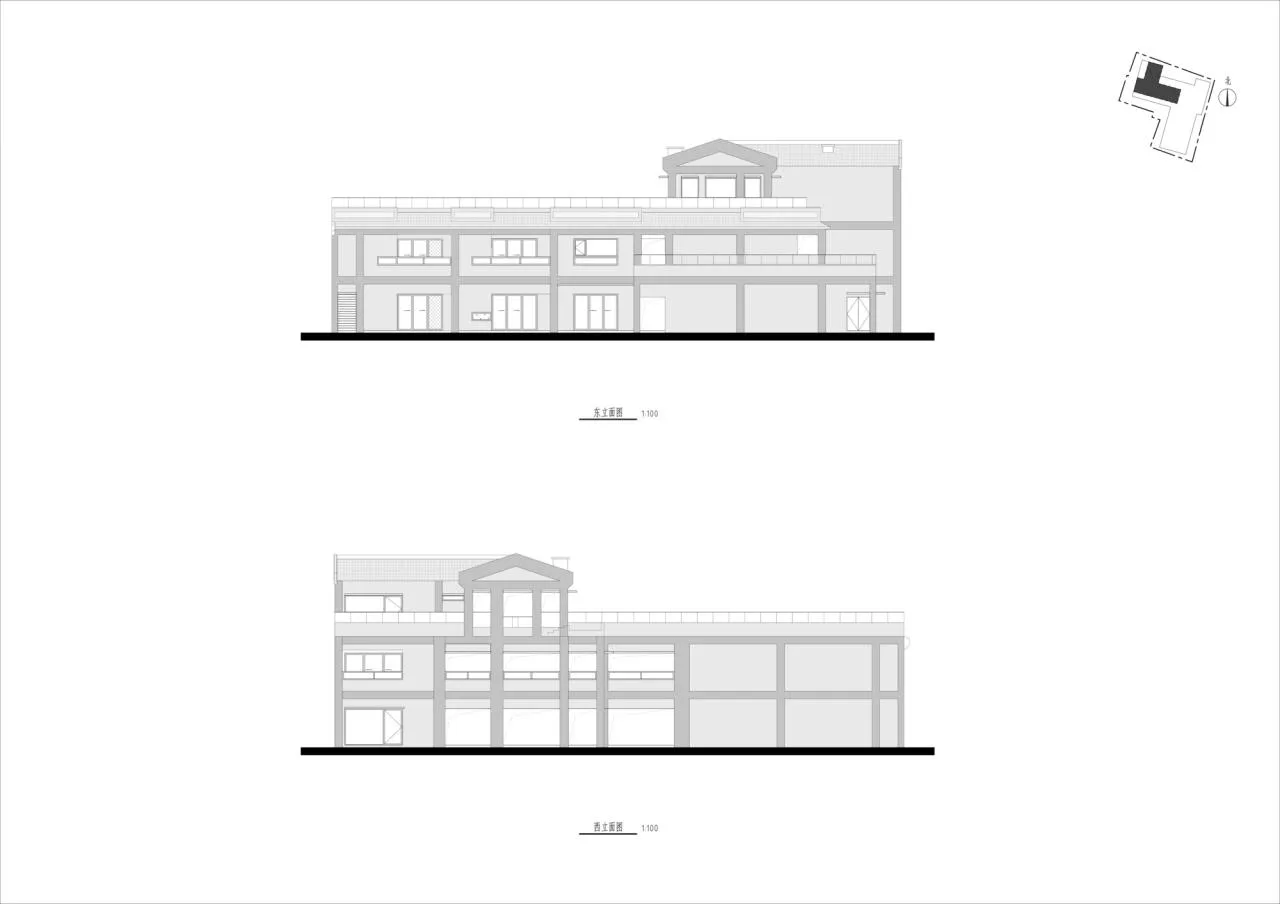
△ Elevation Drawing
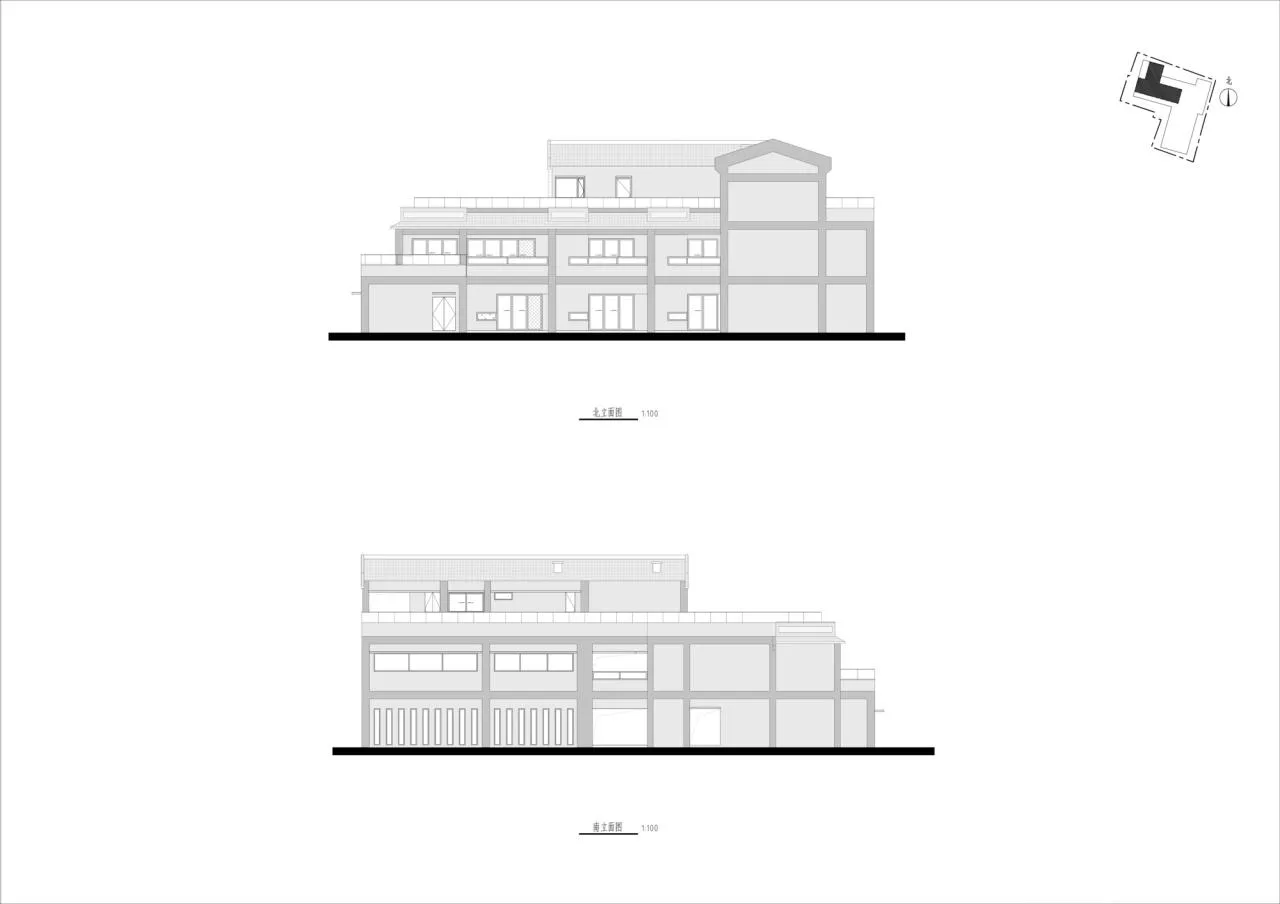
△ Elevation Drawing
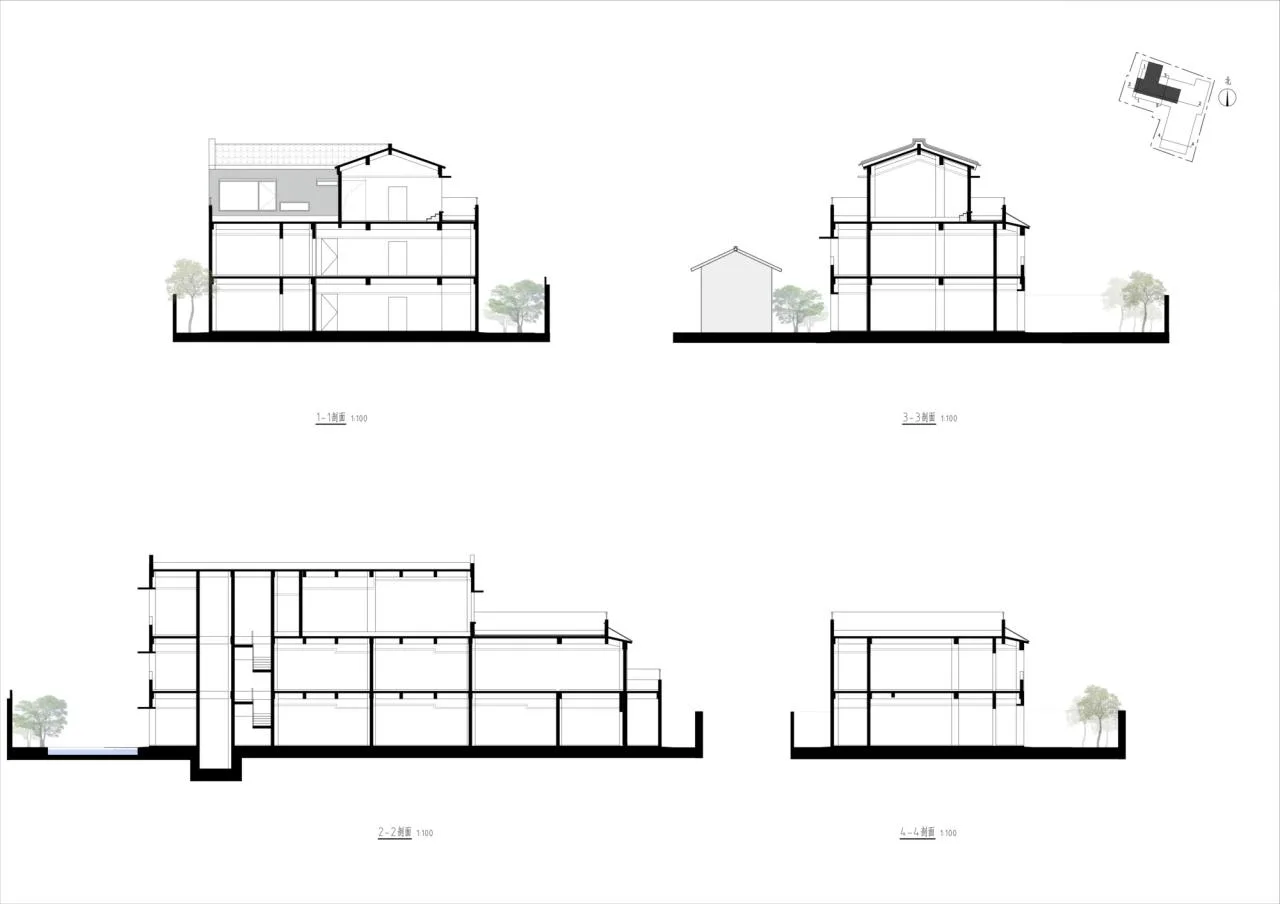
△ Section Diagram
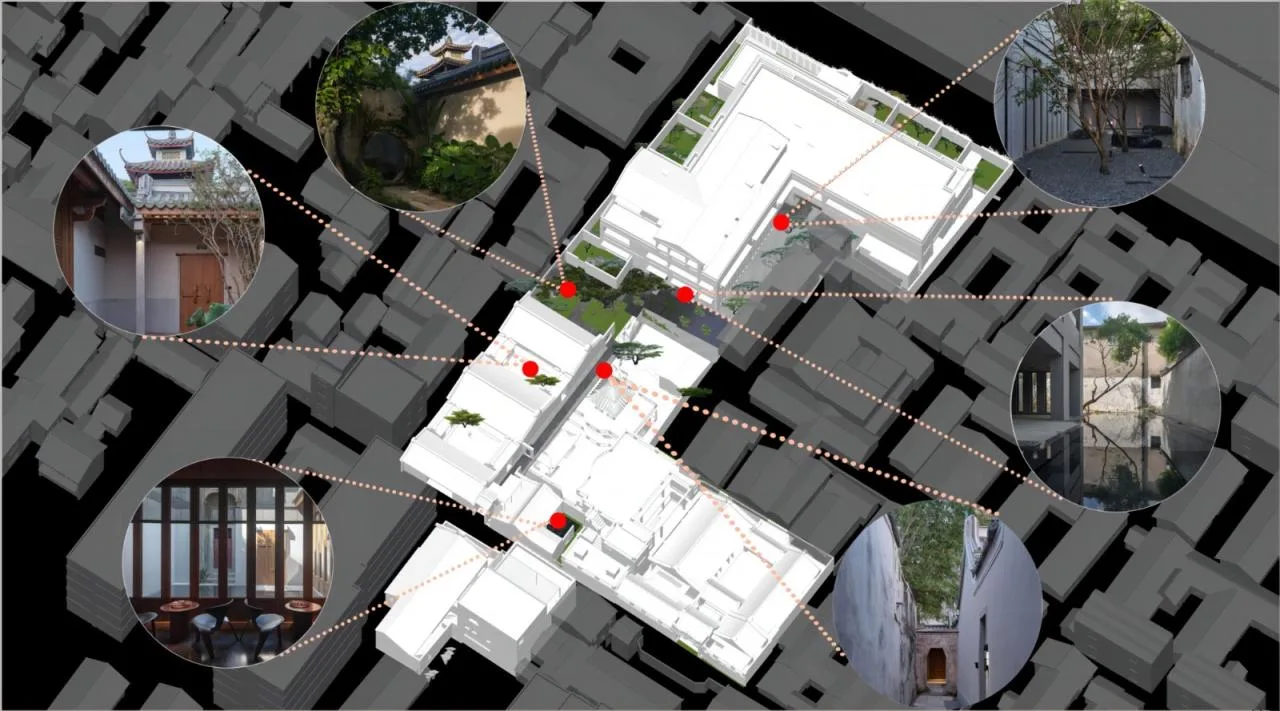
△ Analysis Chart
Project Information
Architect: Relying on Architecture
Area: 2479 m²
Project Year: 2023
Photographers: Zhang Yong, Jin Hai, Li Yikao
Lead Architect: Li Yikang / Yikang Architecture
Interior Chief Designer: Li Yikang / Yikang Architecture
Landscape Chief Designer: Zhuang Zhenguang / Taipu Design
Soft Furnishing Designers: Luo Kai, Qin Xiqiao / Li Mu
Furniture and Product Design: Han Bin, Ye Peng / Li Mu
Lighting Consultant: Zhang Wei, Yan Jiaqi / Chen Yi Design
Architectural Design Team: Gao Xueying, Liu Jieqiu, Wang Yangyang, Li Wenhan, Pan Haojia, Wang Bo, Tong Enlai, Su Yuqian, Yang Binrui, Chen Jia / Relying on Architecture
Interior Design Team: Ge Danni, Chen Yunzhu, Wang Rui, Chen Jia, Li Wenhan, Su Yuqian, Yang Binrui, Lin Jinchao, Liu Jieqiu, Wu Wenjun, Zhao Yang / Yi Kuai Architecture
Landscape Design Team: Qiao Zhun, Ren Zhenyuan / Taipu Design
Landscape Construction Drawing Consultant Team: Zhang Zhuo, He Huajian / Shanghai Validity Architectural Landscape Design Co., Ltd
Construction Drawing Team: Li Xiao, Wang Wenwu, Fu Yue, Zhao Chenlong, Liu Ran, Hao Linjie, Sun Keya, Pan Yue, Shi Chang, Wan Huajun, Li Jing, Ding Yinya, Zhang Liang / Shanghai Survey and Design Institute (Group) Co., Ltd
Project Management Design Team: Li Wenhan, Gao Xueying, Wang Rui / Relying on Architecture
Architectural Resident Designers: Gao Xueying, Li Wenhan / Relying on Architecture
Indoor Resident Designers: Chen Jia, Wang Rui / Relying on Architecture
Soft Decoration Design: Calendar
Landscape Design: Taipu Architectural Environment Consulting (Shanghai) Co., Ltd
Interior Design: Relying on Architecture
Lighting Consultant: Chen Yi Design
Construction Agency: Vanke Hotel Management Co., Ltd
Construction Party: Guangdong Xinji Construction Group Co., Ltd
Interior Construction: Shenzhen Chuangbao Decoration Engineering Co., Ltd
Landscape Construction: Guangzhou Pubang Garden Co., Ltd
Location: Chaozhou















Must log in before commenting!
Sign Up