
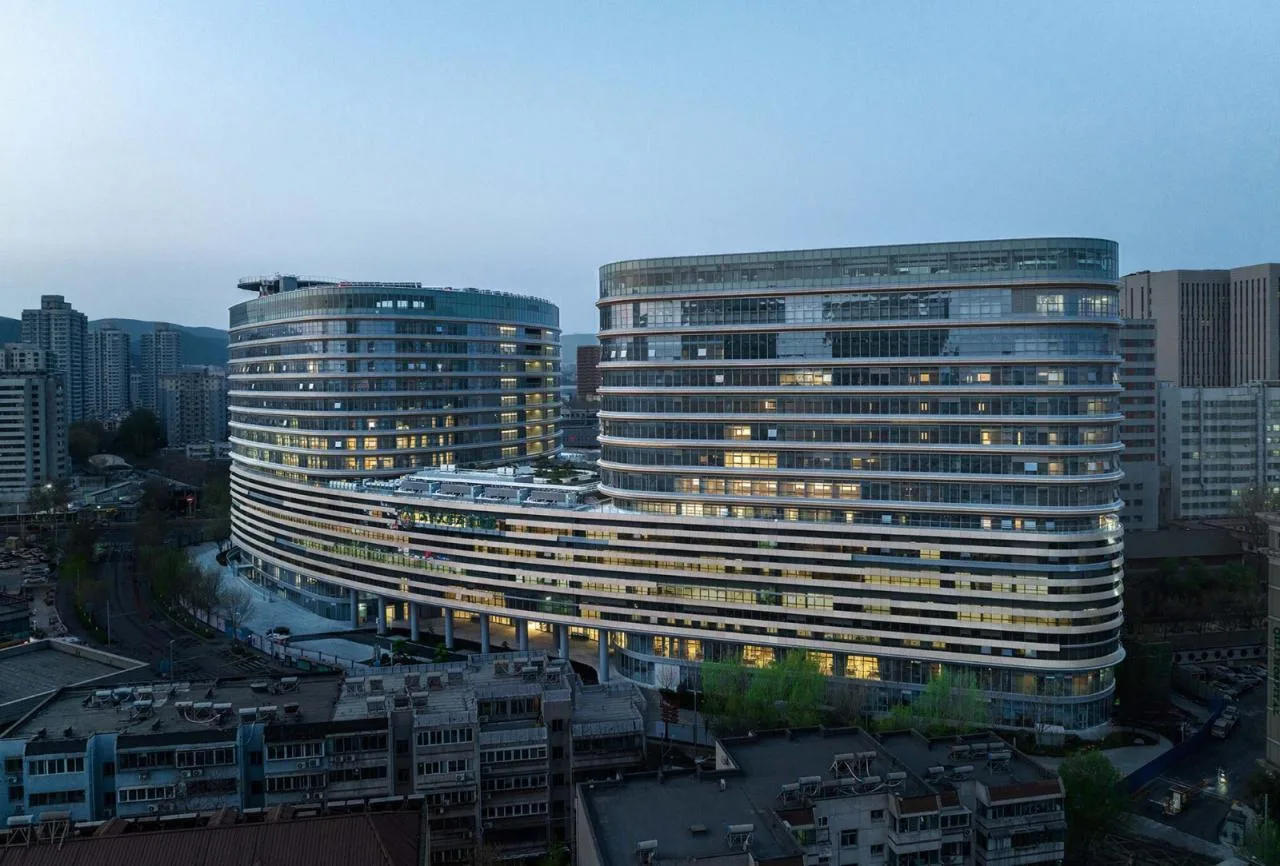
Shandong University Qilu Hospital is a tertiary Grade A comprehensive hospital governed by the National Health Commission. It serves as the leading construction unit for the first batch of national regional medical centers, jointly developed by the commission and the province. Founded in 1890, it is located within the Lixia Ancient City Protection Zone in Jinan City.
As both an affiliated and teaching hospital of Shandong University, its original design and layout no longer meet the diverse demands of modern medical care, education, and research. In response, the Emergency Comprehensive Building project began design in 2020. This facility integrates emergency care, internal medicine diagnostics, an imaging center, research and teaching spaces, and medical laboratories, forming a medical complex that combines medicine, education, and research with a total capacity of 800 beds.
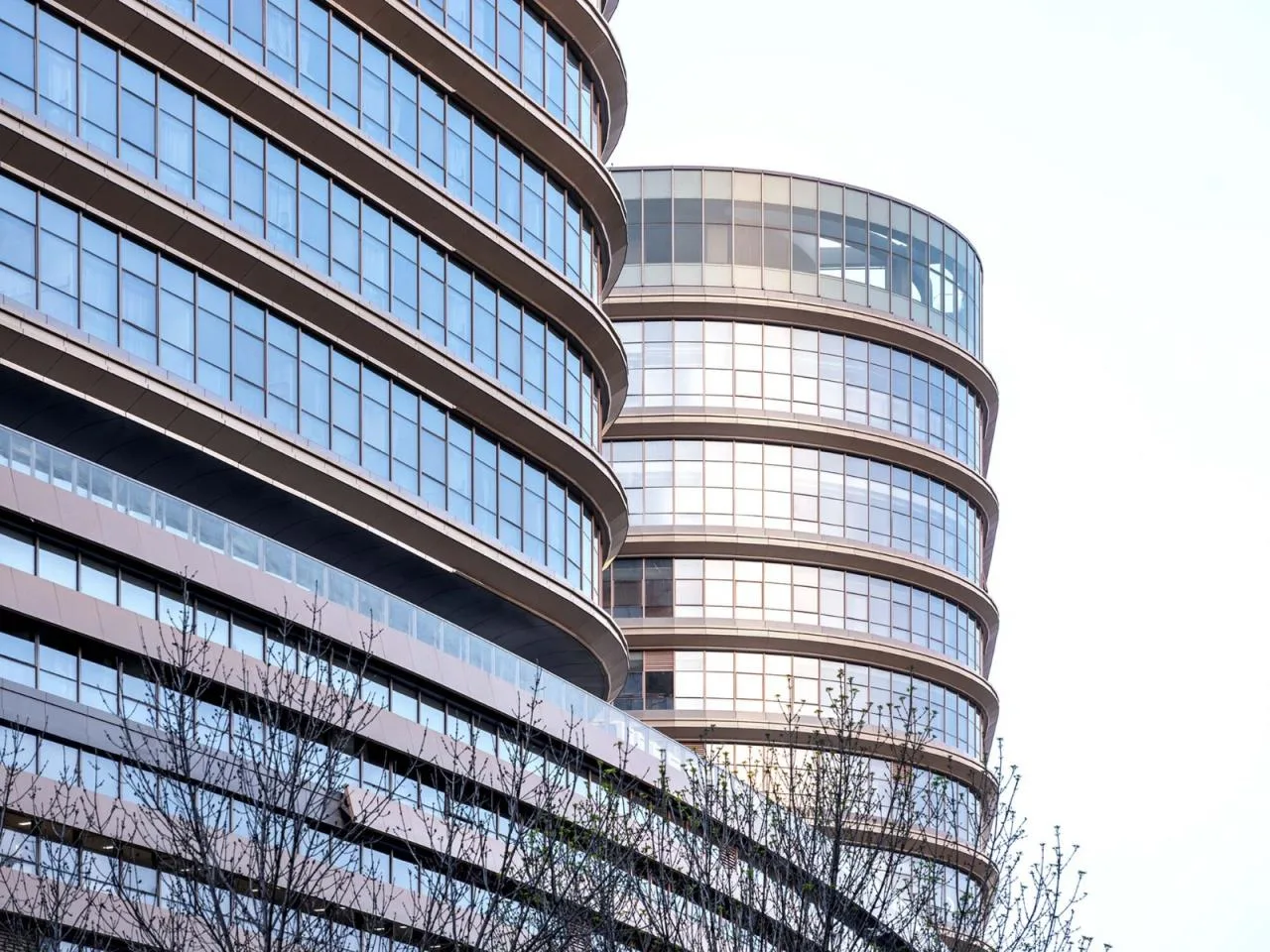
The building features a twin tower design: the north tower houses administrative and research areas, while the south tower contains treatment wards. The podium accommodates demonstration teaching, a cafeteria, emergency first aid, imaging, intensive care units (ICU), and operating rooms. The basement serves as parking and support facilities.
Upon completion, this project will advance the integrated development of medicine, education, and research at Shandong University Qilu Hospital, setting a model for national regional medical centers. The site presents challenges including limited land, complex terrain, high plot ratio, and dense construction. Additionally, hospital renovation and expansion add layers of complexity. The design aims to harmonize this large medical complex with the urban environment, creating a friendly, open interface that integrates the hospital into city life. The team’s guiding principle is to build a hospital that coexists with the city—open, efficient, and centered on humanistic care.
Site Concept: Symbiosis and Balance
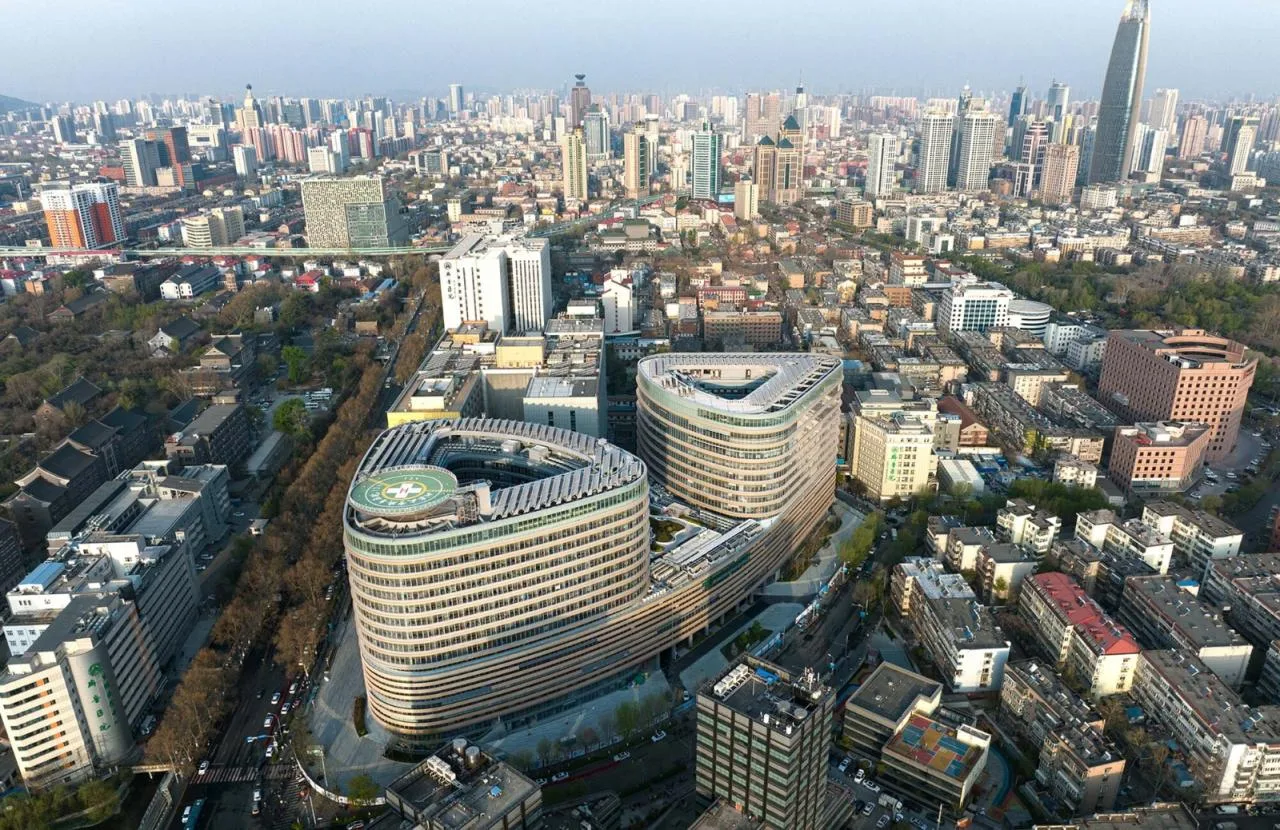
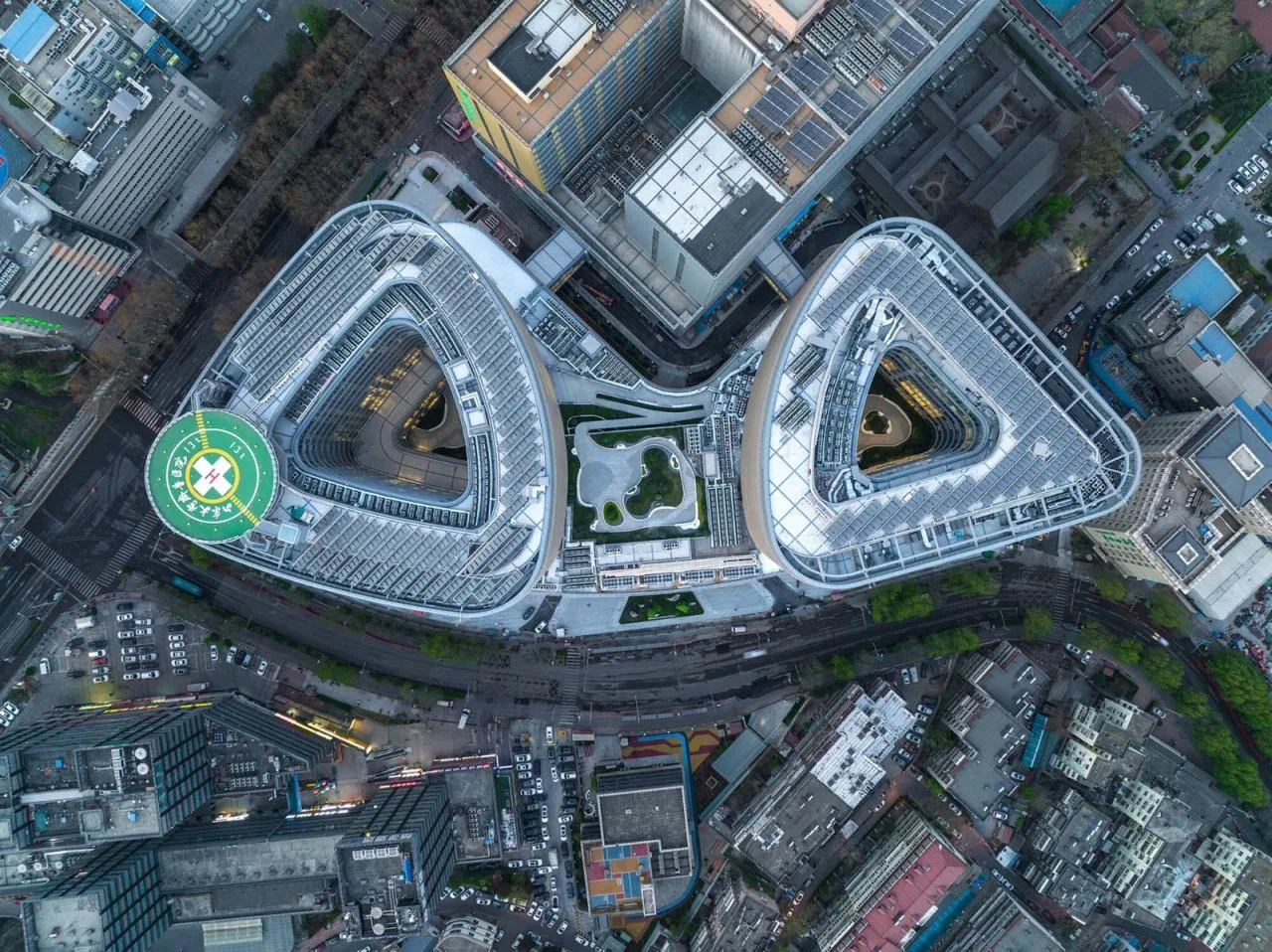
The site is a triangular plot adjacent to Shandong University’s Baotu Spring Campus to the south and Baotu Spring Park and Quancheng Square to the north. This historic and cultural node in Jinan covers approximately 23,800 square meters, with a 6-meter elevation difference between its south and north edges and a building height limit of 60 meters. Located near Baotu Spring, the underground excavation depth is restricted.
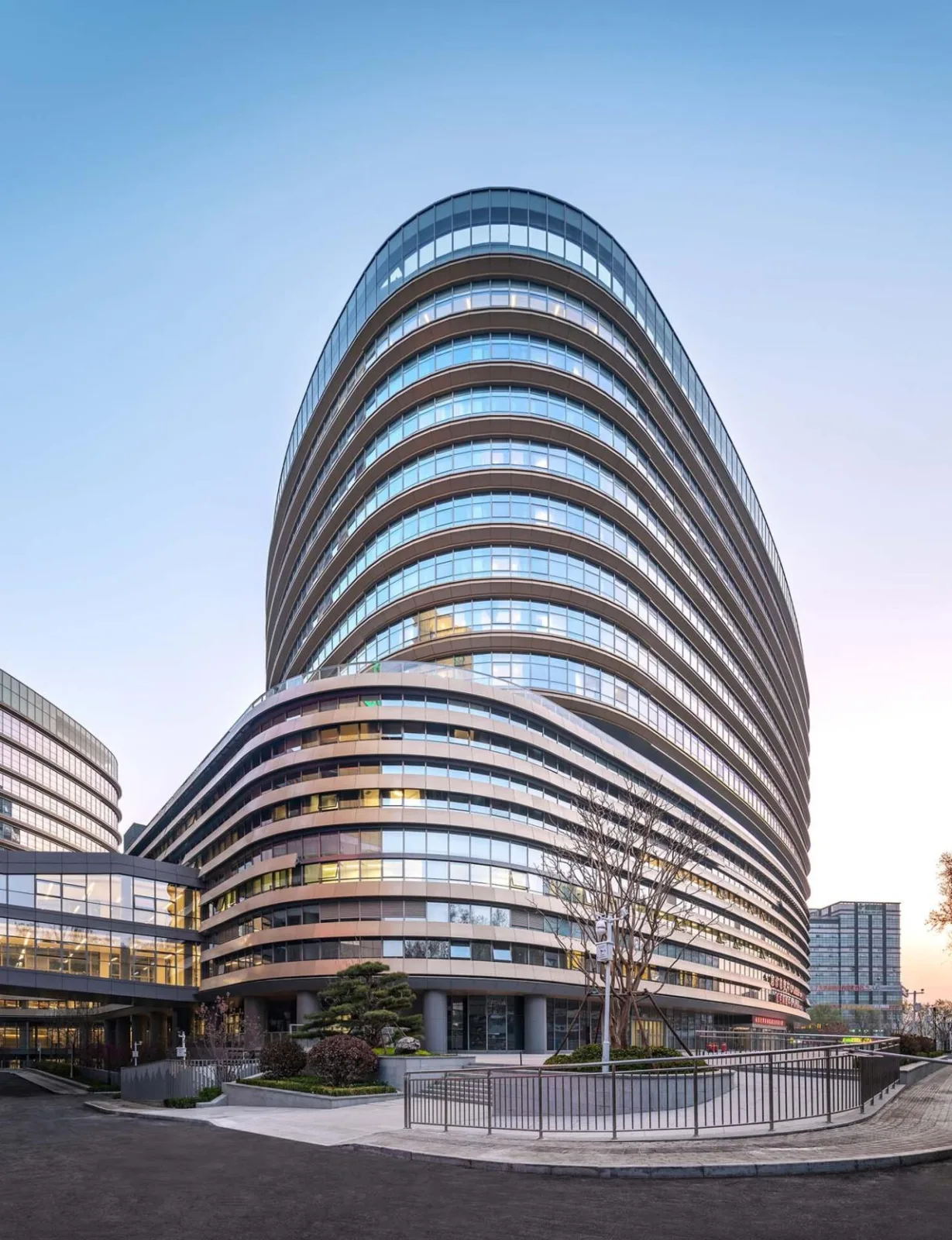
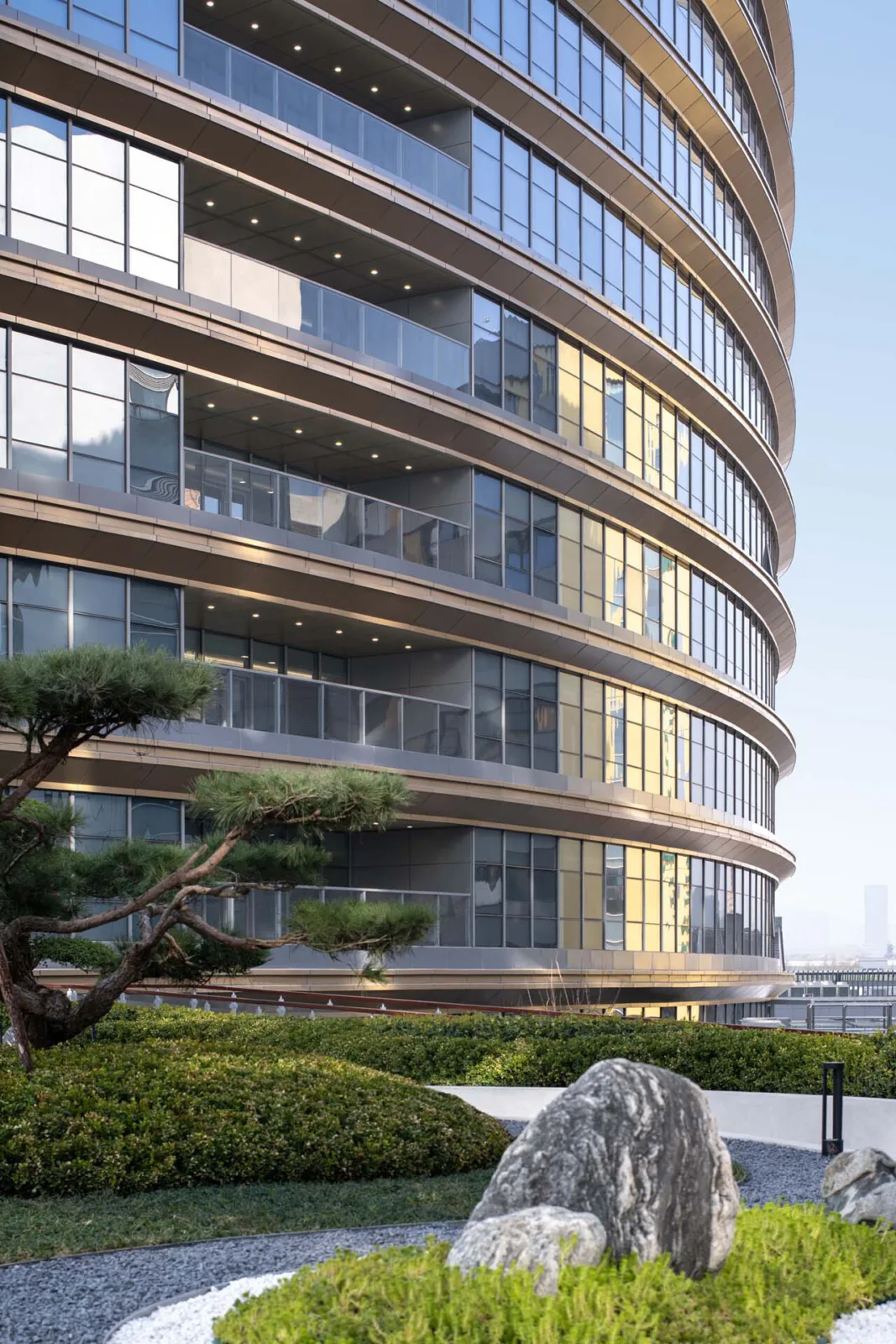
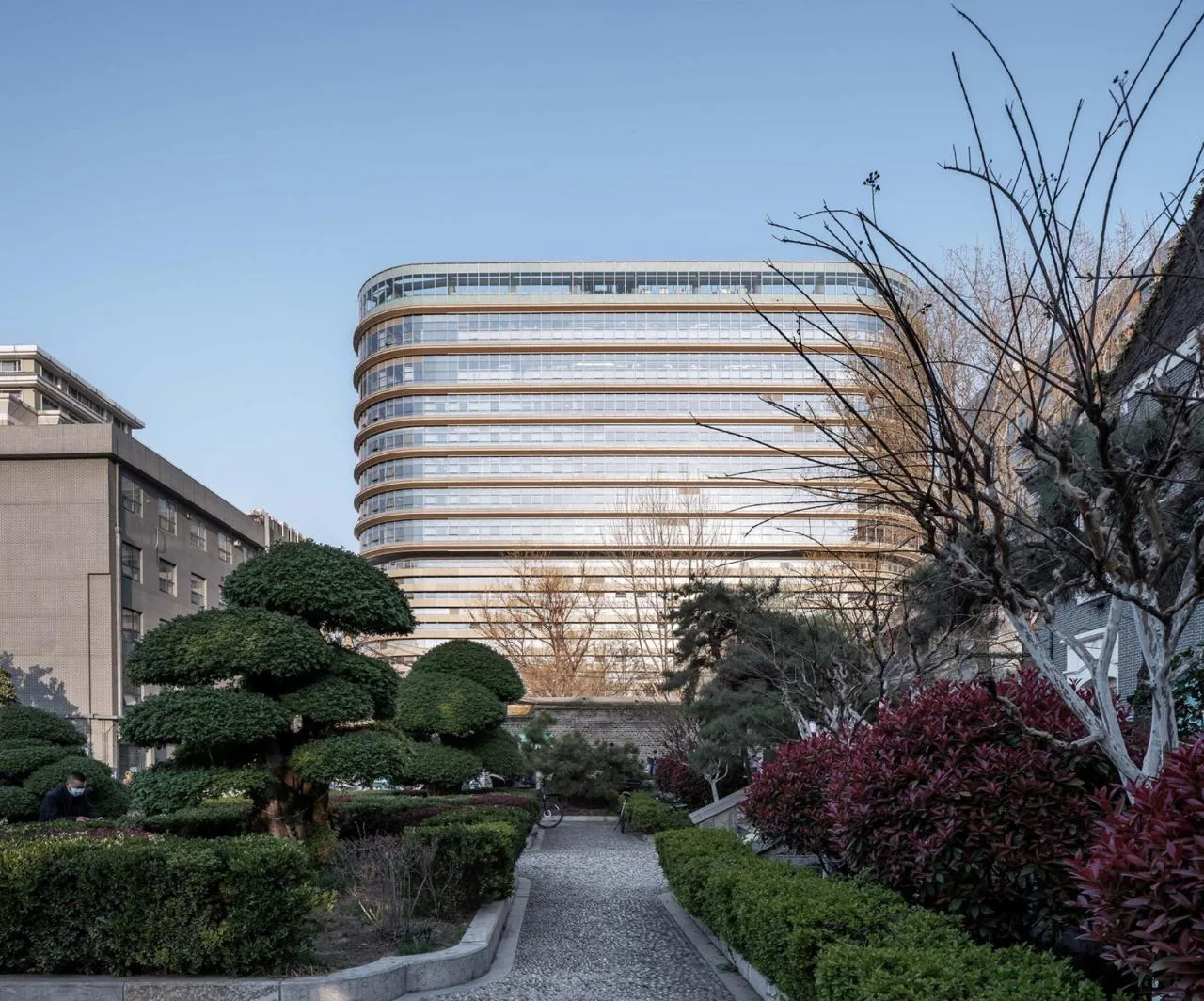
Given the high plot ratio, height restrictions, and limited excavation depth, the project adopts a sleek, triangular twin tower layout tailored to local conditions. This design creates a visual corridor between the towers, minimizing visual impact on the existing inpatient building. The flowing, streamlined podium is agile and concise, with strong horizontal lines that form a distinctive urban street corner. The partially elevated first floor establishes a welcoming, natural spatial progression, enhancing the relationship between surrounding blocks and alleviating the sense of confinement at the nearby scale.
This design successfully balances the hospital’s medical functions with its urban context.
Functions
The Emergency Comprehensive Building serves as a regional emergency center, integrating pre-hospital first aid, in-hospital rescue, emergency surgery, and intensive care units. Located adjacent to Wenhua West Road, ambulances can quickly access the emergency entrance.
The roof features a helicopter landing pad, vertically connecting emergency, rescue, surgical, and ICU departments to ensure seamless integration of land and air rescue operations. This creates a fast, efficient, and comprehensive emergency and critical care system.
Departing from the traditional “shared interventional diagnosis and treatment center,” the interventional center includes a centralized control room flanked by digital subtraction angiography (DSA) operating rooms. This setup allows medical staff to monitor all catheterization procedures in real-time, enabling collaborative support and ensuring patient safety. This design significantly reduces labor and time costs, enhancing efficiency and resource sharing.
The inpatient wards are located above the medical technology podium, directly connected by a medical elevator to nursing units, medical technology departments, and emergency areas. This layout shortens distances, increases efficiency, and strengthens functional integration. Two nursing units allow wards to operate independently while sharing resources, accommodating specialized ward groupings. Centrally placed medical elevators optimize space utilization.
Circulation
The project optimizes site elevation differences to create a dual first-floor entry system. The Emergency and First Aid Plaza faces Wenhua West Road, a main urban artery, providing high visibility and easy access.
On the lower side along Baotu Spring South Road, the design incorporates a sheltered taxi drop-off and transfer area, organizing traffic flow efficiently. This space offers protection from weather for staff, patients, and visitors, while providing buffer zones for vehicles, reducing traffic congestion in surrounding areas.
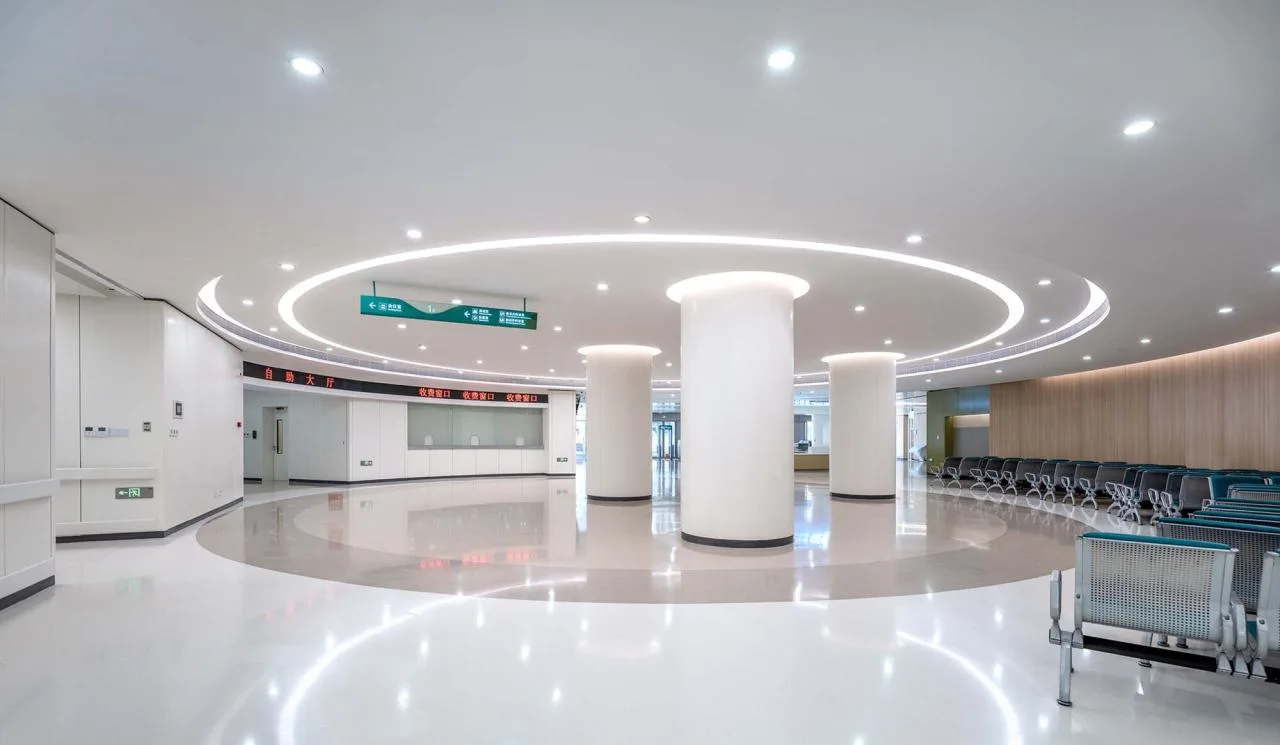
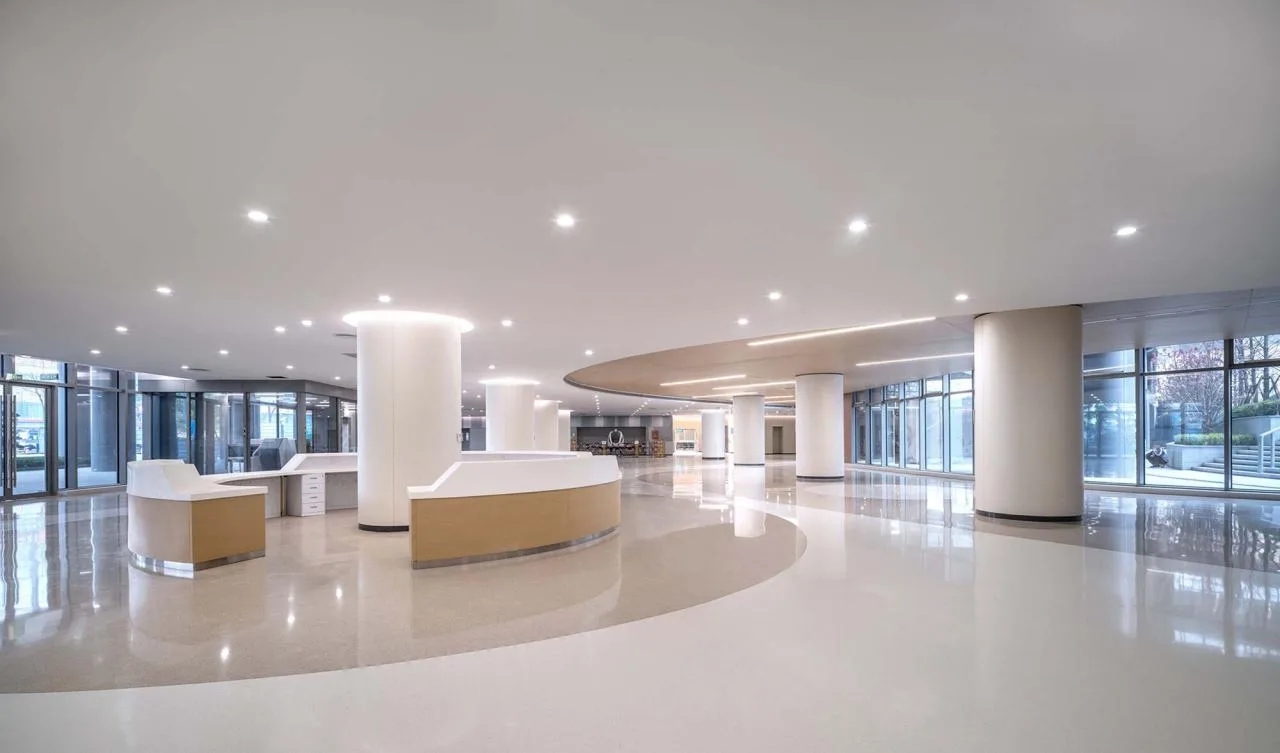
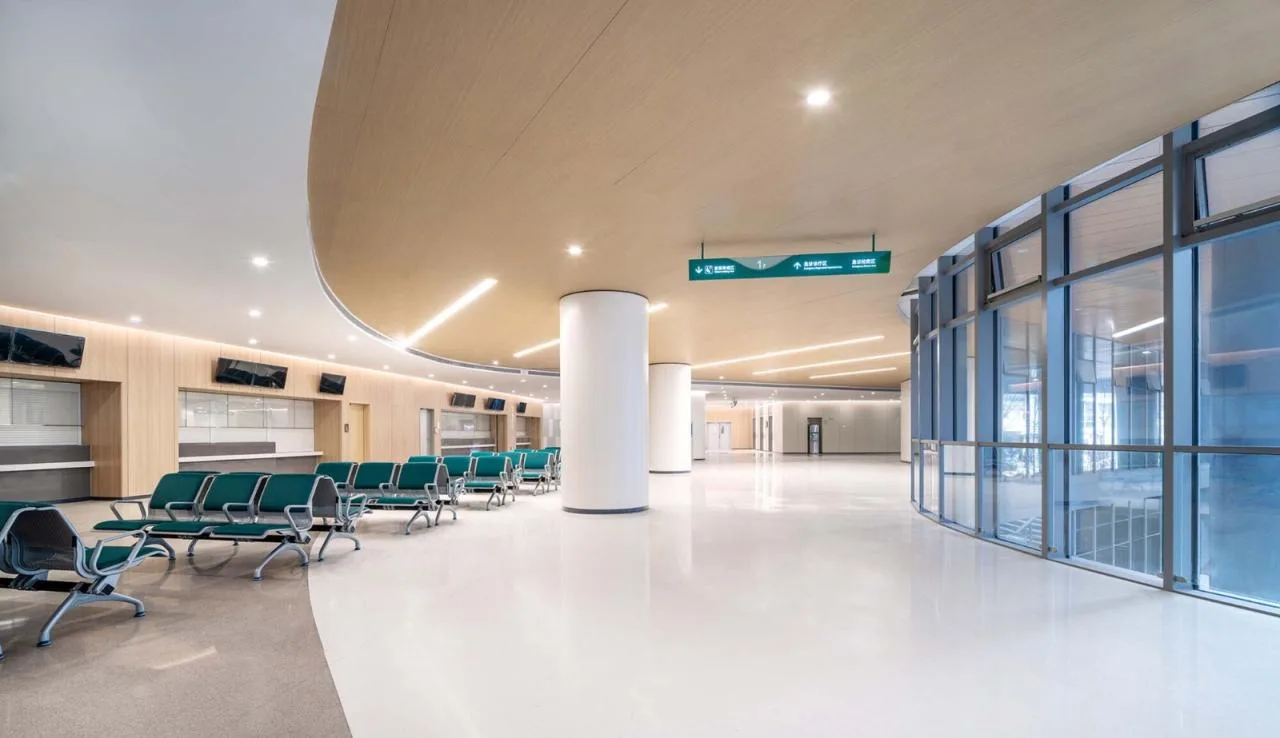
The design concept of the “urban living room” serves as a central circulation hub, connecting multiple functional zones along flat levels. Elevated walkways extend seamlessly to the outpatient comprehensive building, women’s and children’s hospital, tumor center, and other facilities within the old and new hospital campuses. This ensures close integration of medical services across the campus.
Nearby cultural and recreational spaces, such as Guangzhi Hospital complex, Nanguan Church, and the library, provide relaxing environments for staff and patients. The elevated corridors help revitalize the campus’s cultural spaces.
Healing Environment
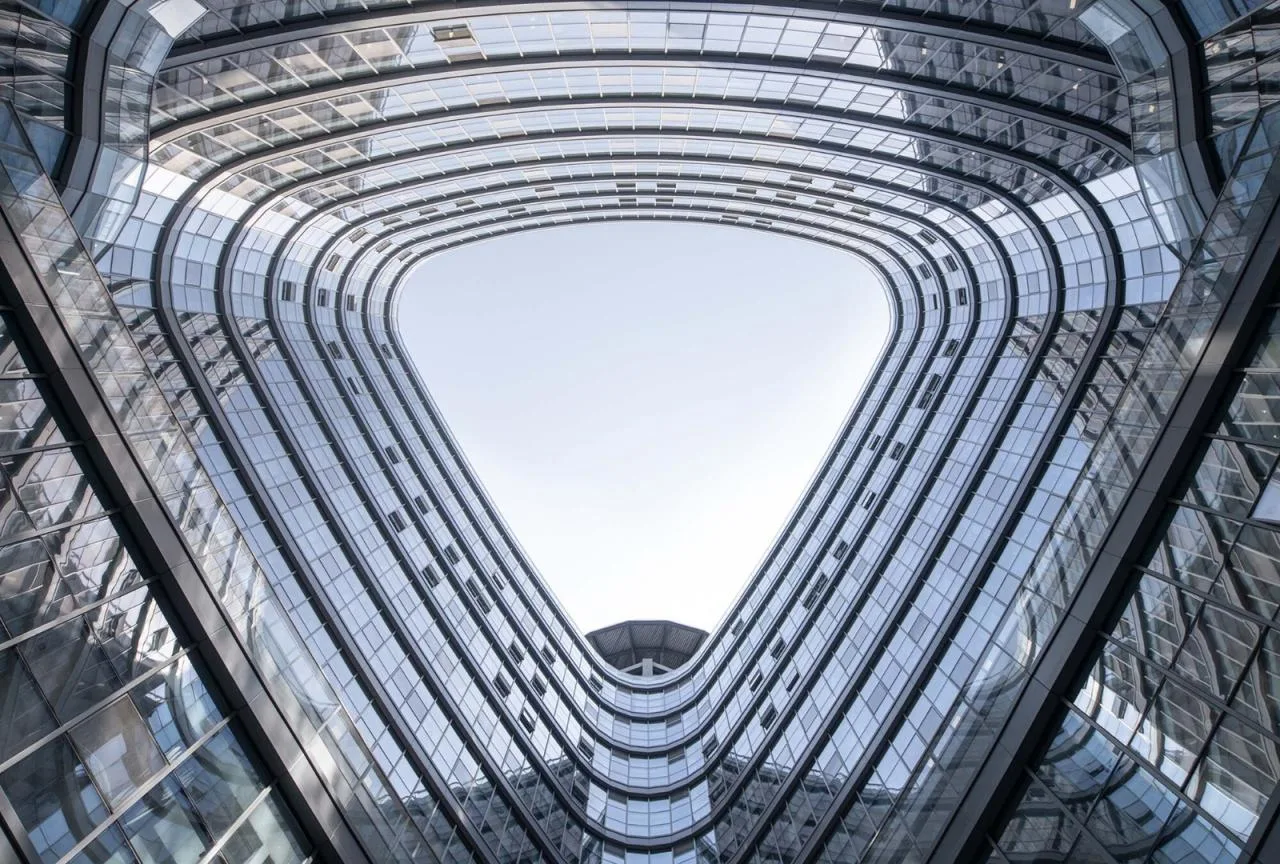
The “Air and Sun” program establishes a vertical ecosystem, creating multi-dimensional healing spaces for both patients and medical staff. The Sunshine Garden, located between the twin towers, and two interior landscaped courtyards enhance green visibility, helping reduce stress and promote recovery.
These features improve the hospital’s spatial quality and demonstrate a strong commitment to humanistic care. The streamlined triangular floor plan optimizes orientation: the south tower wards face south and northeast, maximizing natural light and views, while staff offices line the courtyard side for a positive working environment.
Each floor in the north tower’s science and education zone includes a shared lounge, fostering relaxation and collaboration among researchers, which supports the advancement of hospital research and technology.
Conclusion
The Emergency Comprehensive Building of Shandong University Qilu Hospital embodies a healing garden concept with a modest, valley-like profile. As urban renewal and demographic shifts evolve, the hospital will continue adapting flexibly within its medical complex. The new building will integrate openly and harmoniously into city life, while meeting advanced medical demands.
Project Drawings
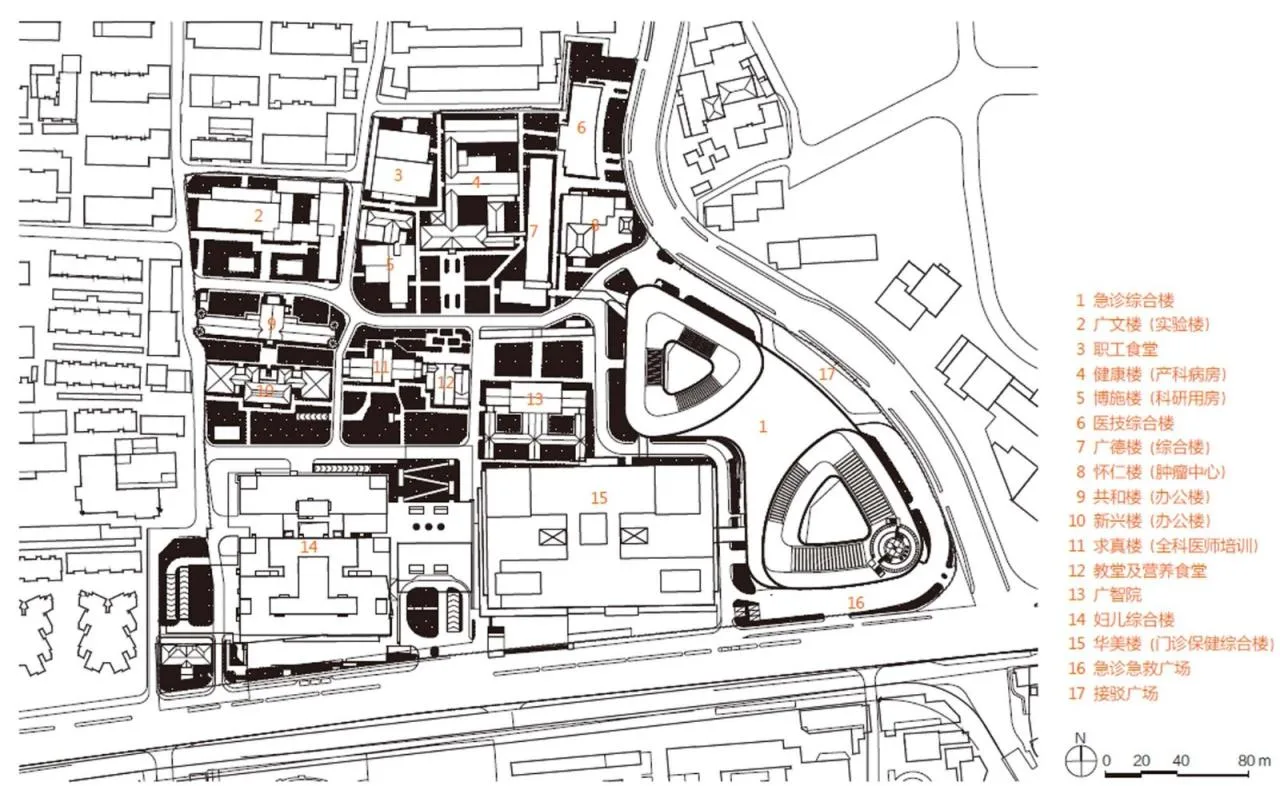
△ General layout plan
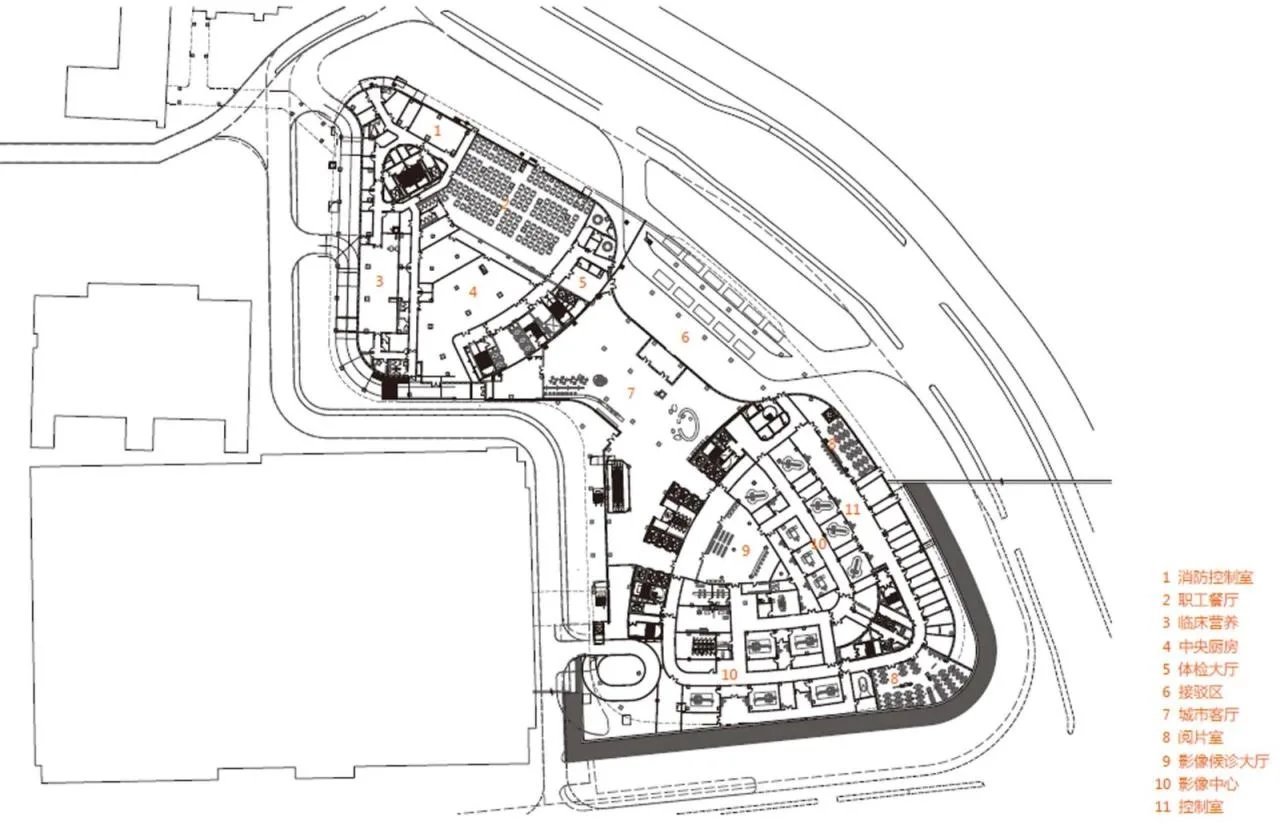
△ Basement floor plan
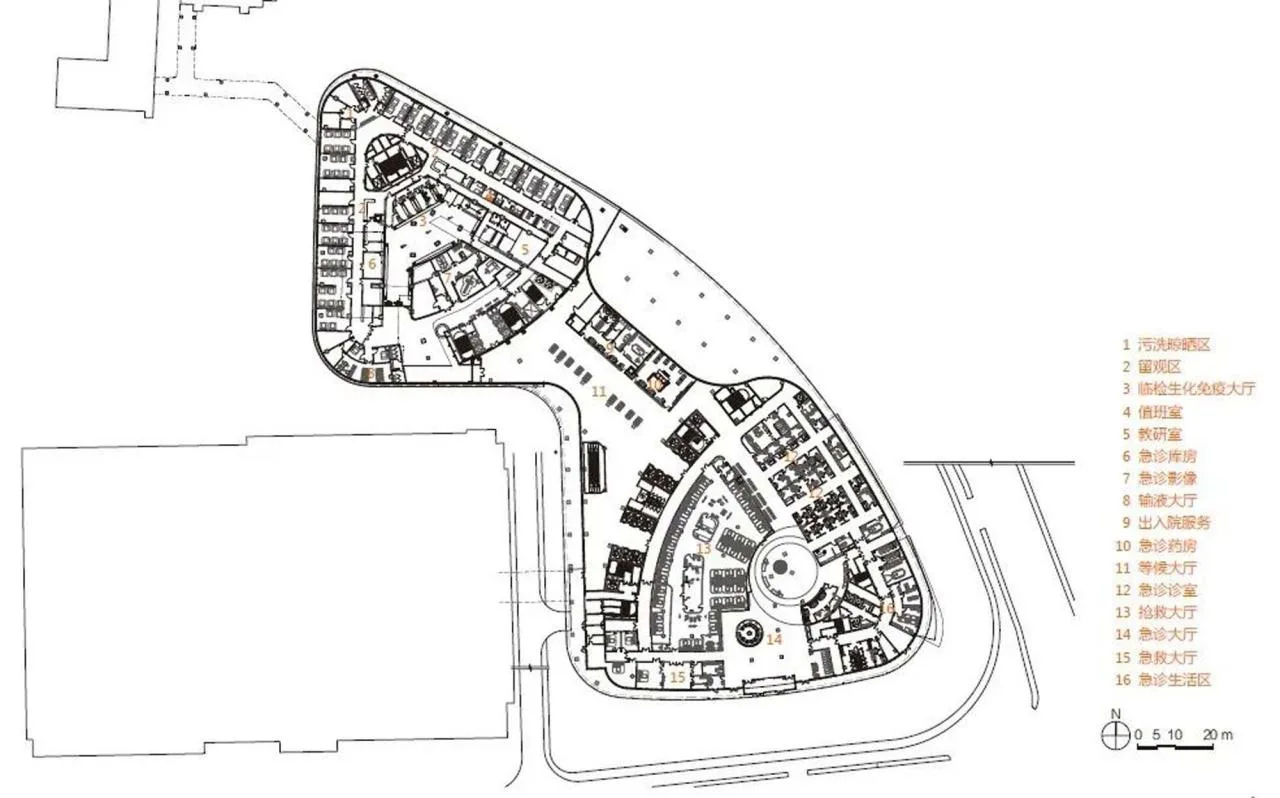
△ First floor plan
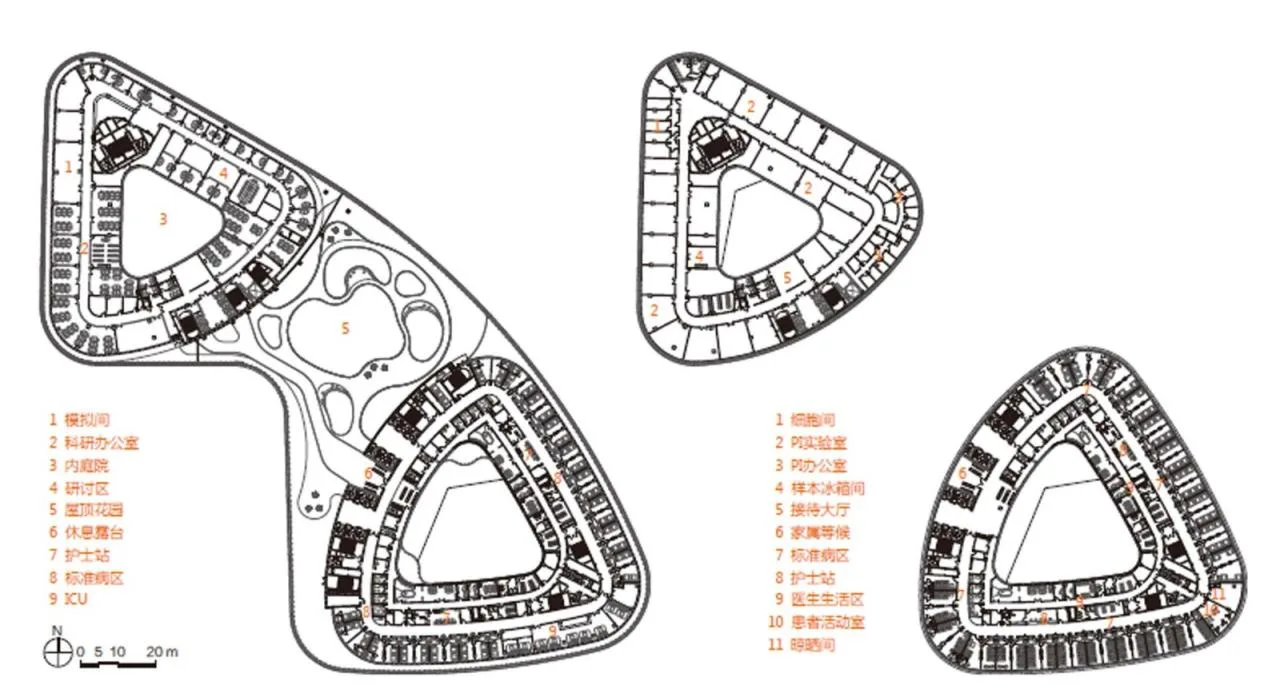
△ 6th and 11th floor plans
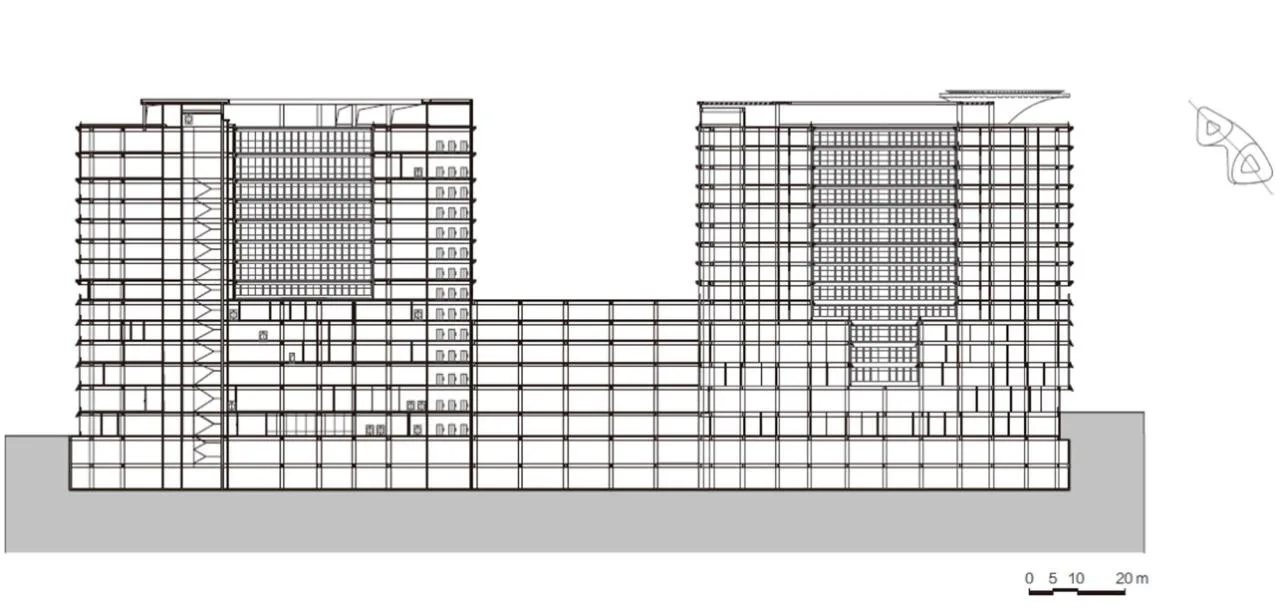
△ Section diagram
Project Information
Architect: MENG Architectural Creation Institute
Area: 187,002 m²
Project Year: 2023
Photographer: Tian Fang
Lead Architects: Meng Jianmin, Xing Lihua
Design Team: Fu Yongxian, Yu Miaoling, Liu Ruiping, Tang Jinshun, Li Jing, Huang Zhangen, Zheng Xiaohui, Chen Yinghang, Gao Wen’an, Su Weidong, Xu Qianyao, Li Fangshun, Shu Shi
Project Coordination: Wei Guixiang, Fu Jing, Han Yinhua
Collaborators: Third Design Branch of Shandong Architectural Design and Research Institute Co., Ltd
Interior Design: Beijing Zhicheng Weisen Architectural Decoration Design Co., Ltd
Landscape Design: Self Organized Space (Shenzhen) Landscape Design Co., Ltd
Floodlight Design: Shenzhen Jintian Lighting Technology Co., Ltd
Client: Qilu Hospital, Shandong University
Location: Jinan













Must log in before commenting!
Sign Up