
In urban environments, many structures are often overlooked due to their functional design or location. These utilitarian designs, ranging from overpasses to bus stops, shape the city’s character and enrich our everyday experiences.
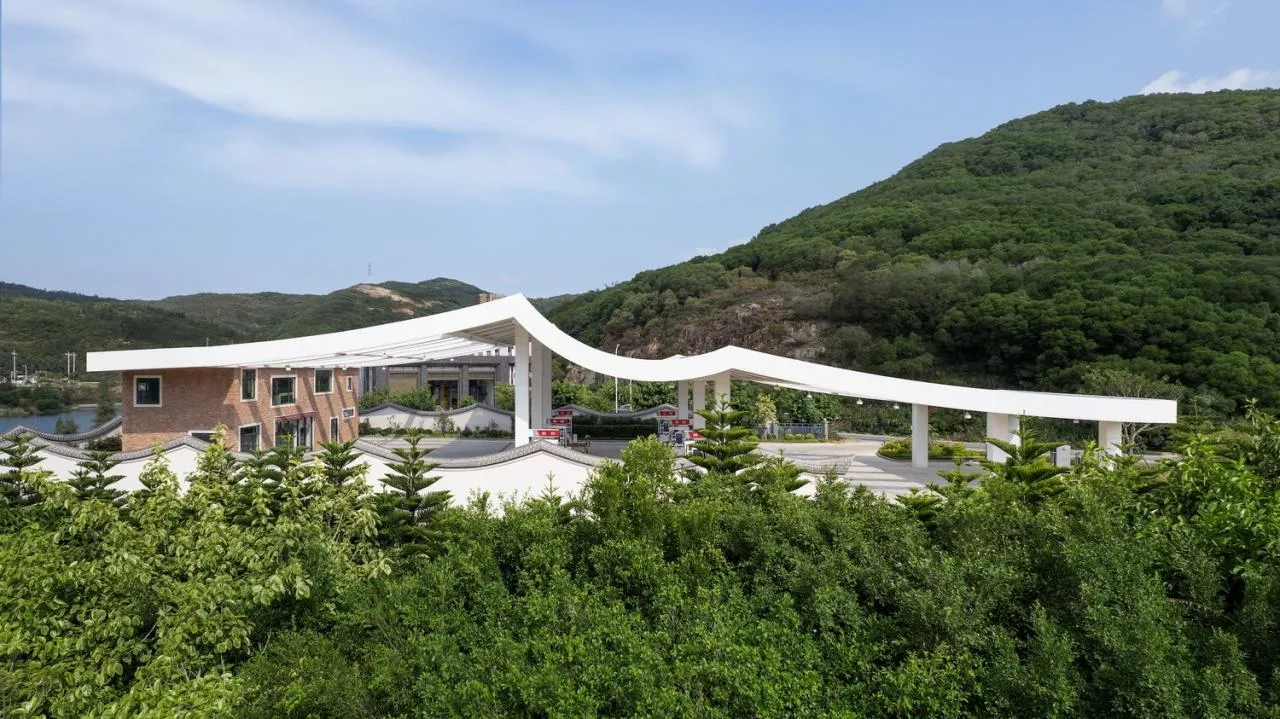
Budget constraints often limit innovation in these commonplace buildings. When we accepted this project, we asked ourselves: what kind of gas station could we design? The client wanted a modern work that reflects local culture and history. Could we, as architects, introduce new architectural forms while maintaining full functionality? How could we create a unique spatial experience at a gas station?
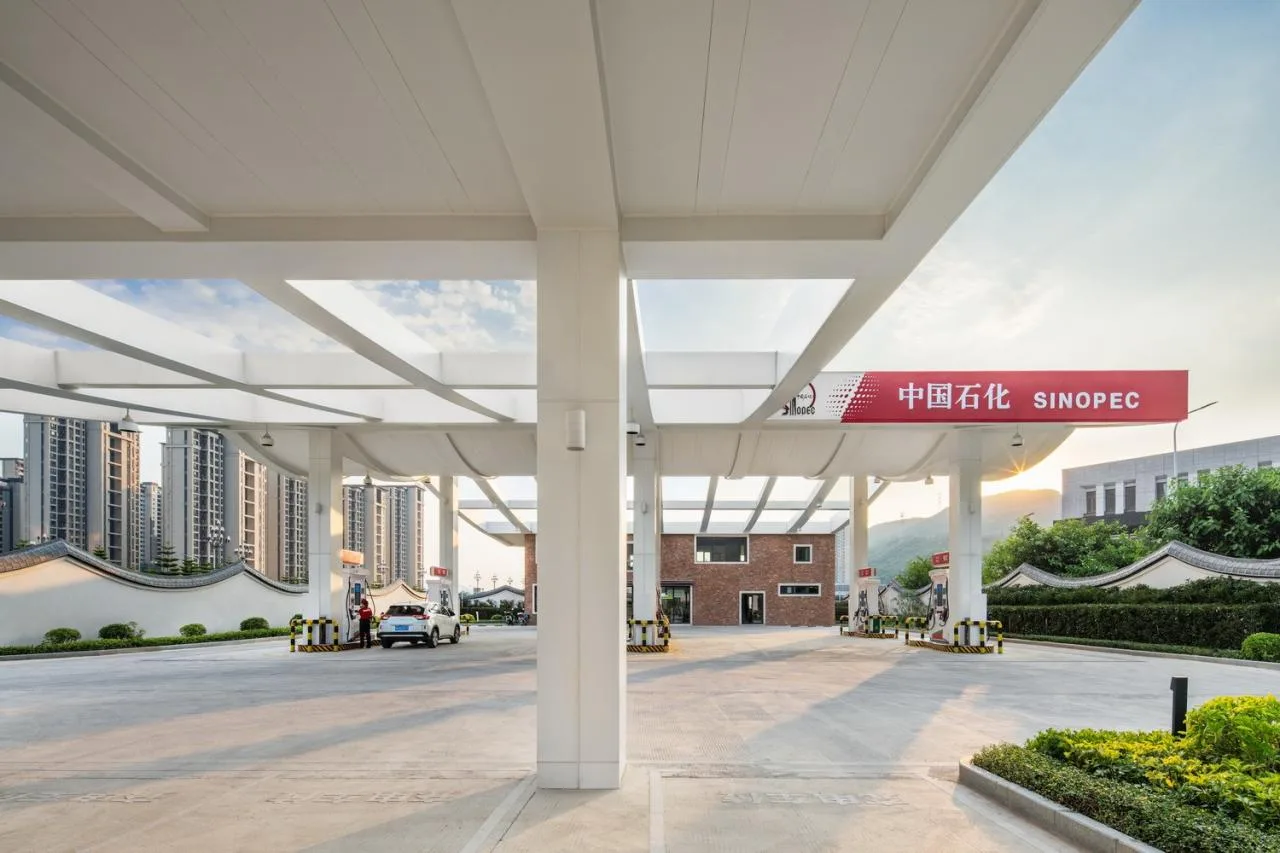
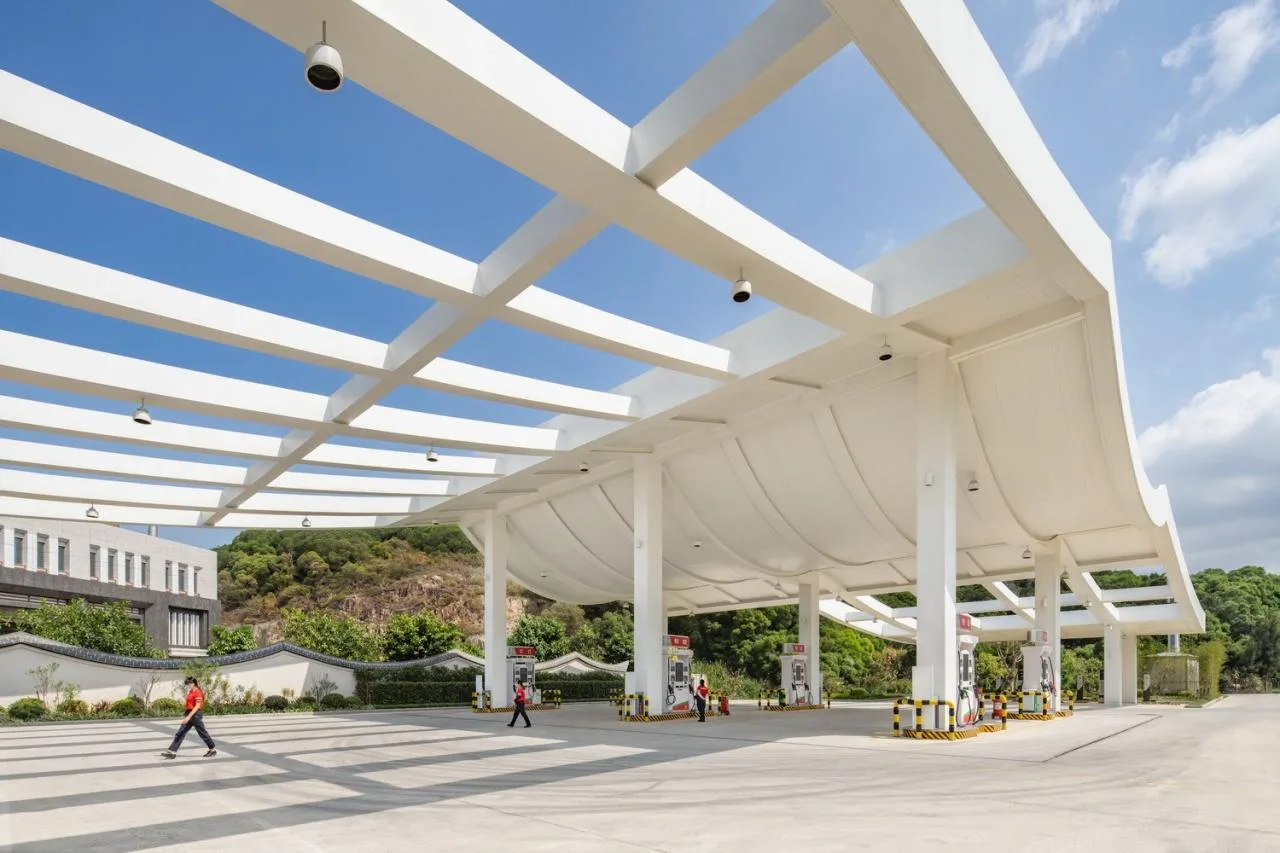
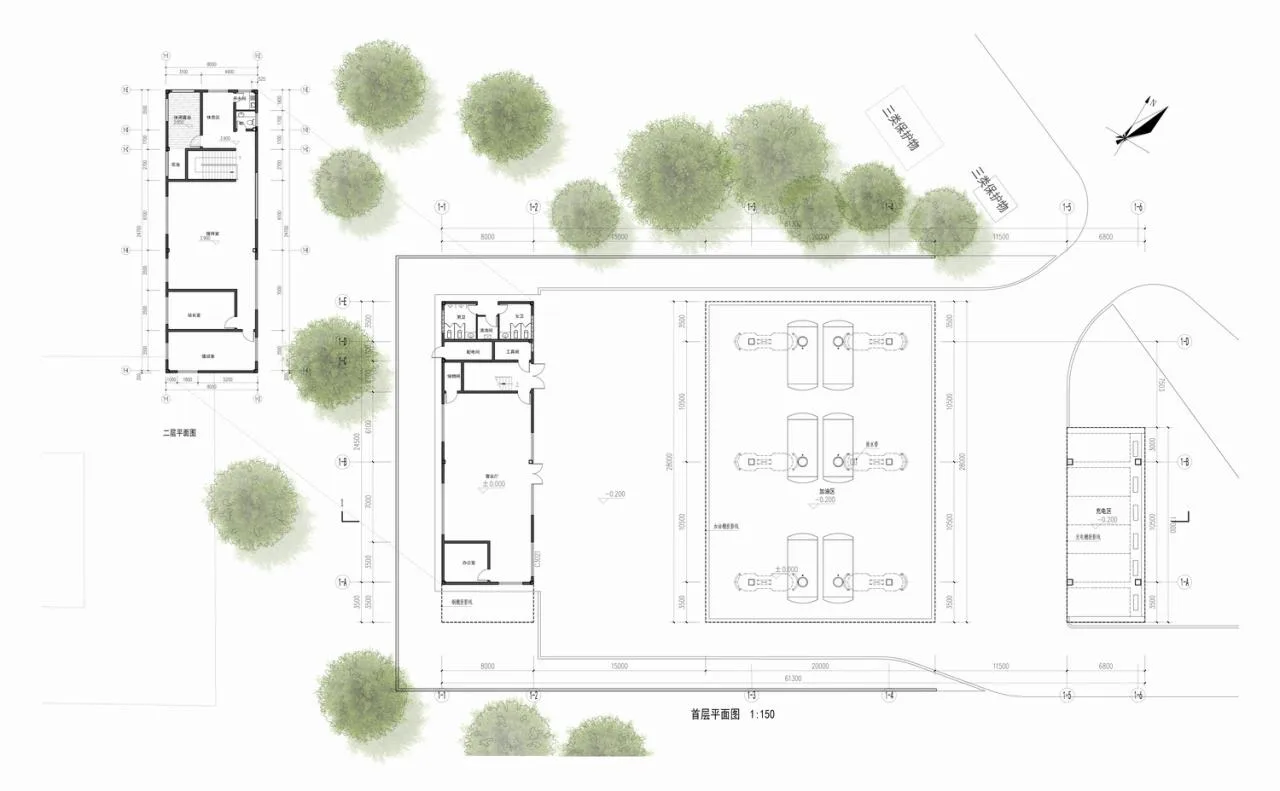
The project is situated on Pingtan Island in Fujian Province, China, the country’s fourth-largest natural island. Surrounded by the sea, Pingtan experiences a humid climate and frequent typhoons. The site, located at the intersection of Jinjingwan Avenue and Jigongshan Road, covers 3,017 square meters, with a total building area of 713 square meters. Gas stations face strict regulations regarding spatial layout, including vehicle entry and exit routes, fuel tank storage, and building height restrictions.
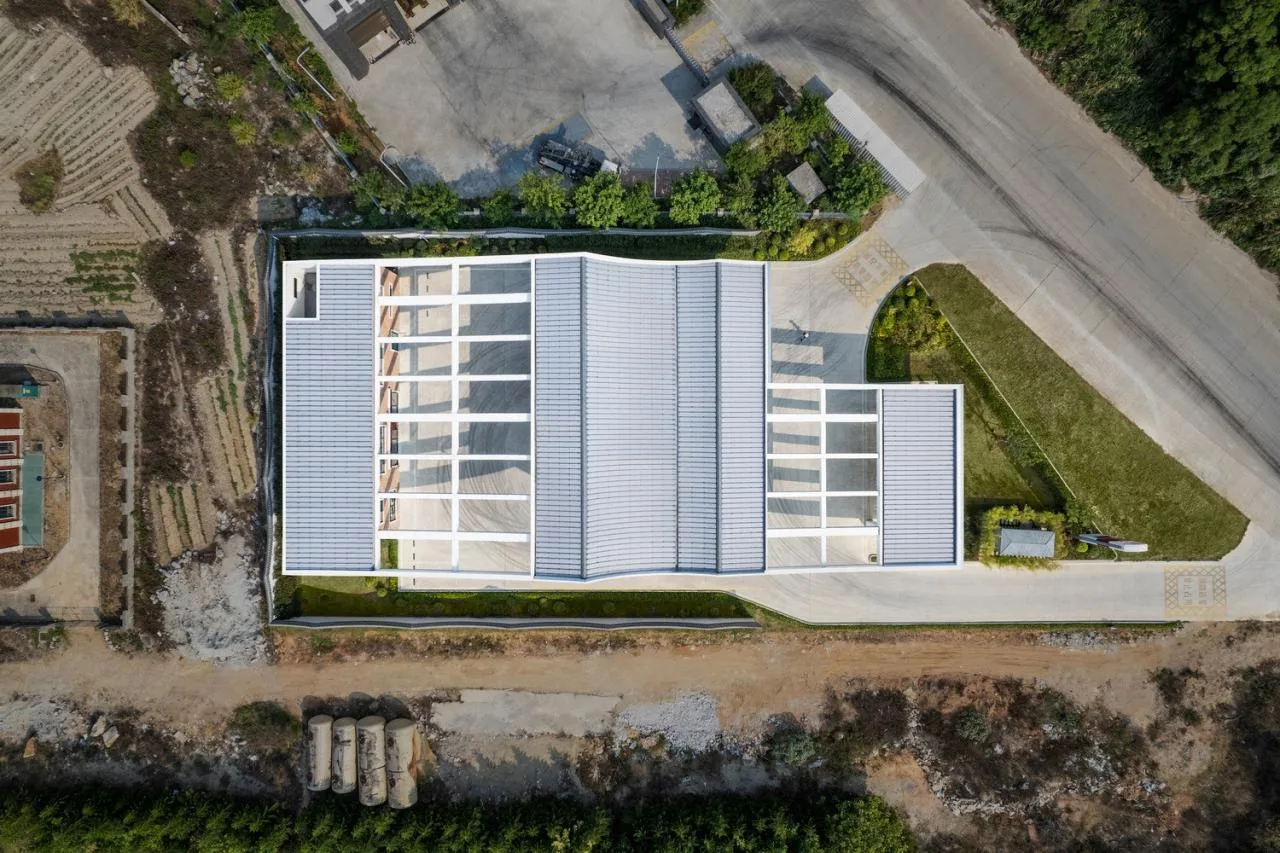
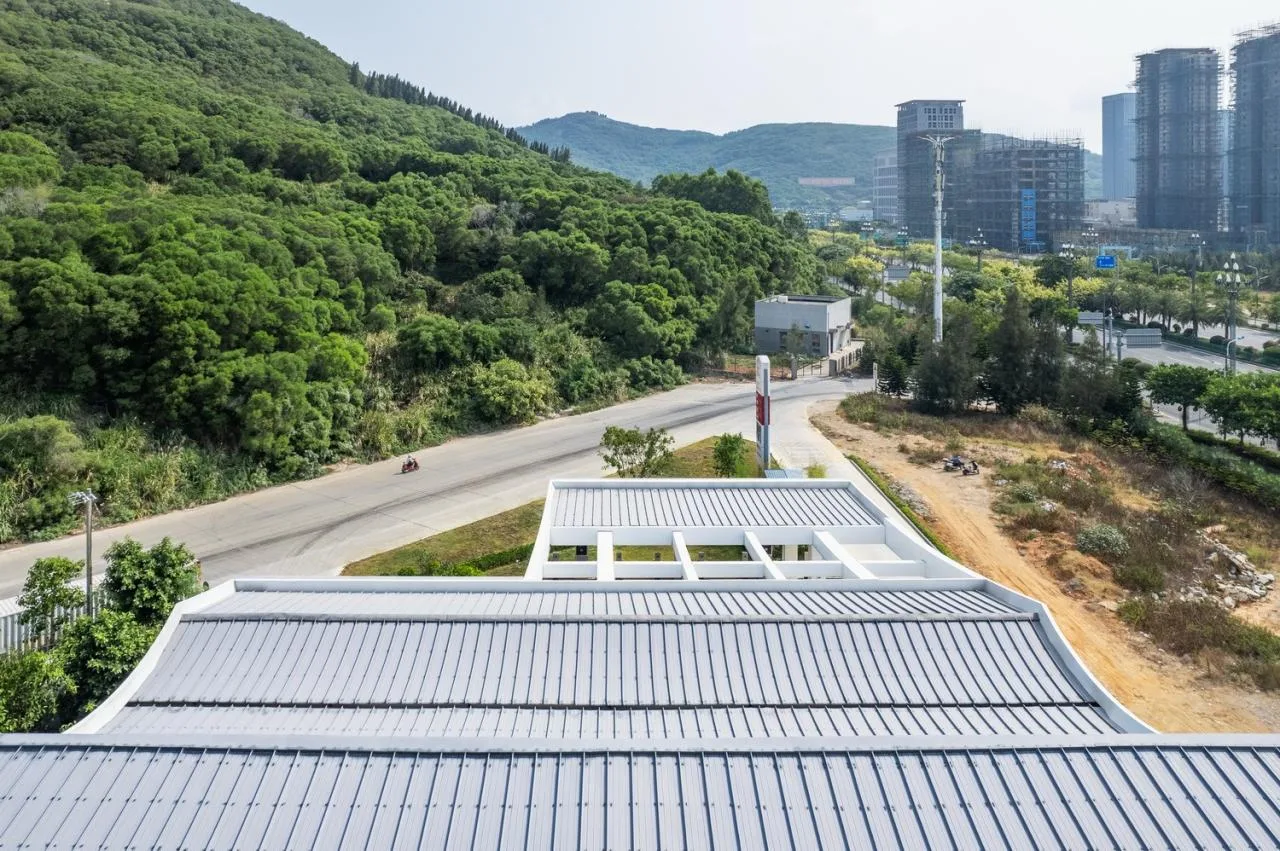
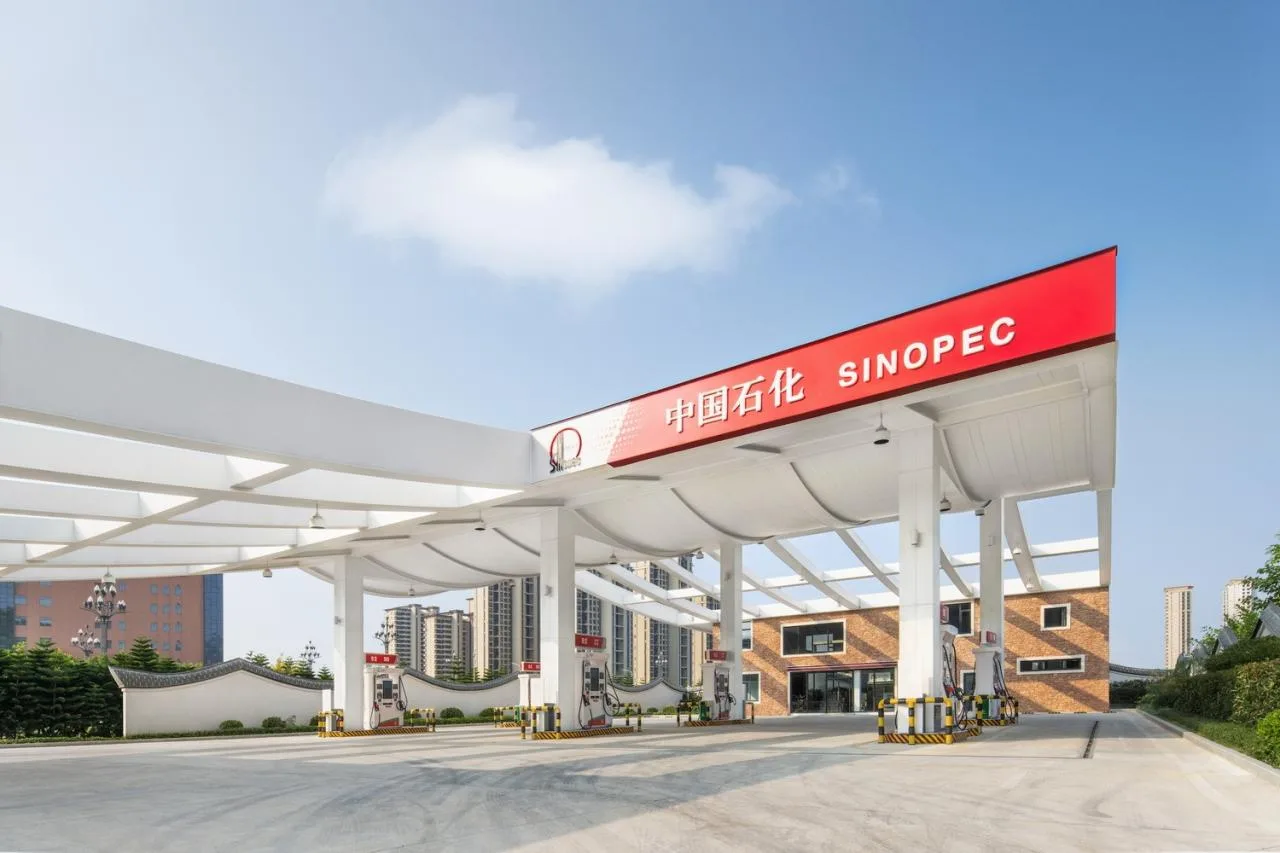
Before starting the design, we researched numerous gas station models. Most modern stations feature large flat roofs and box-like structures focused on functionality. However, during the modernist era, many stations used concrete to create thin canopy or umbrella-shaped forms, reflecting the bold architectural ambitions of their time. Why, then, do so many contemporary designs feel uniform and disconnected from local culture?
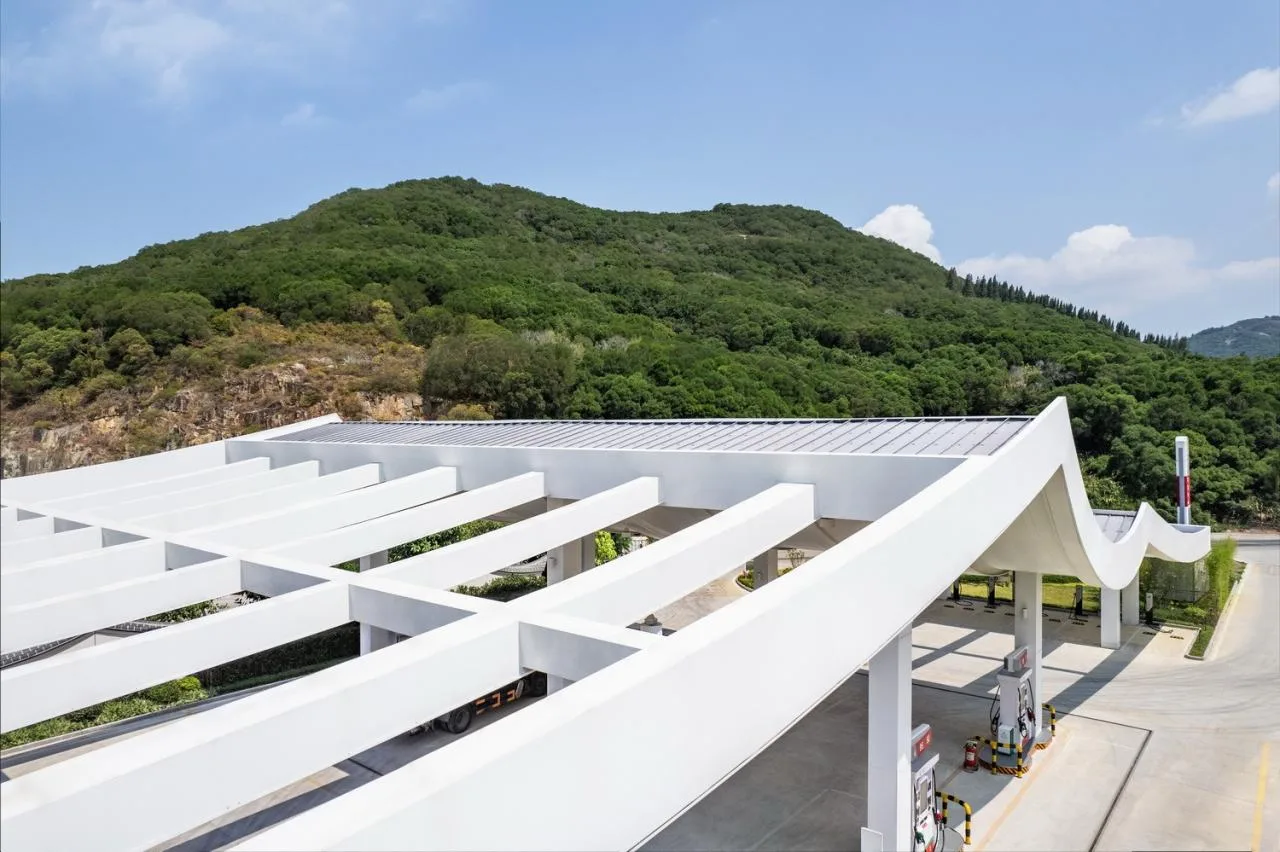
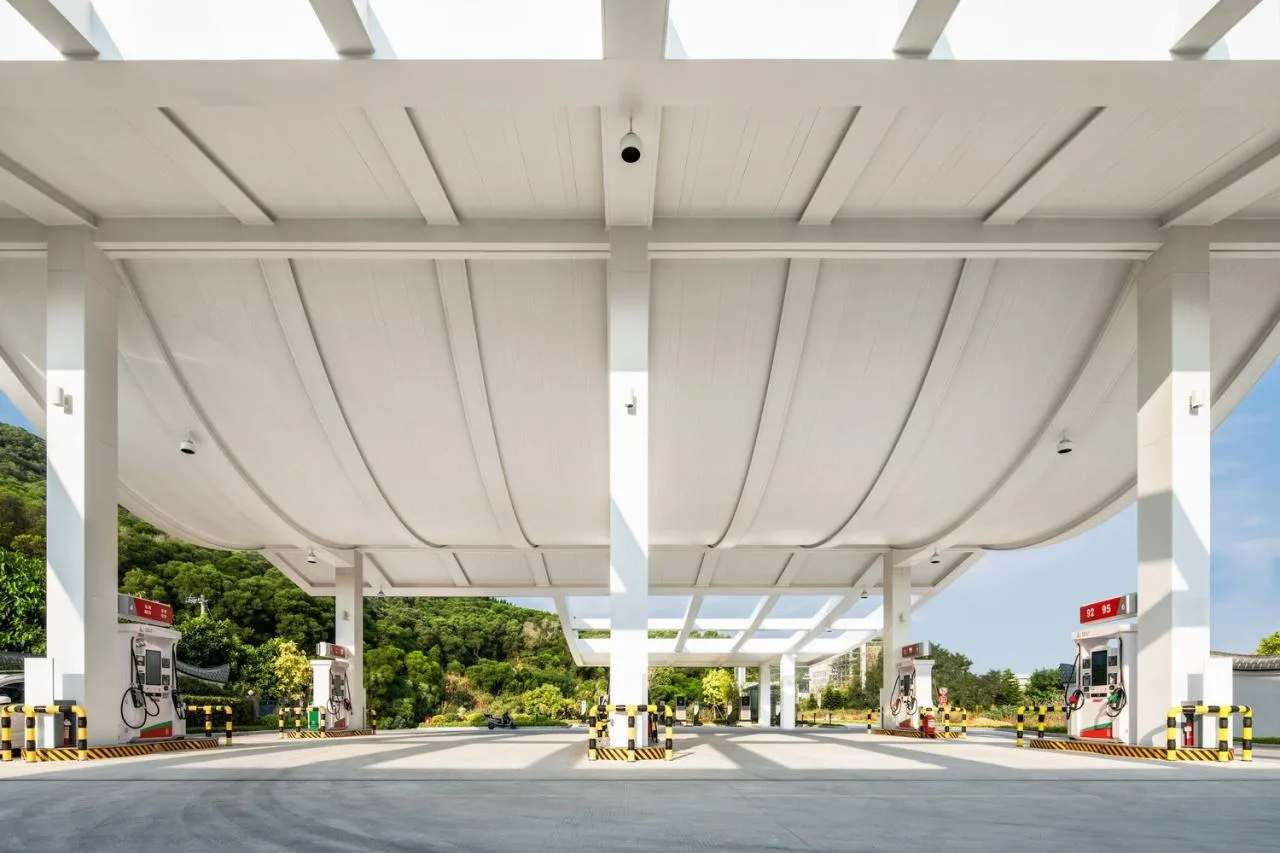
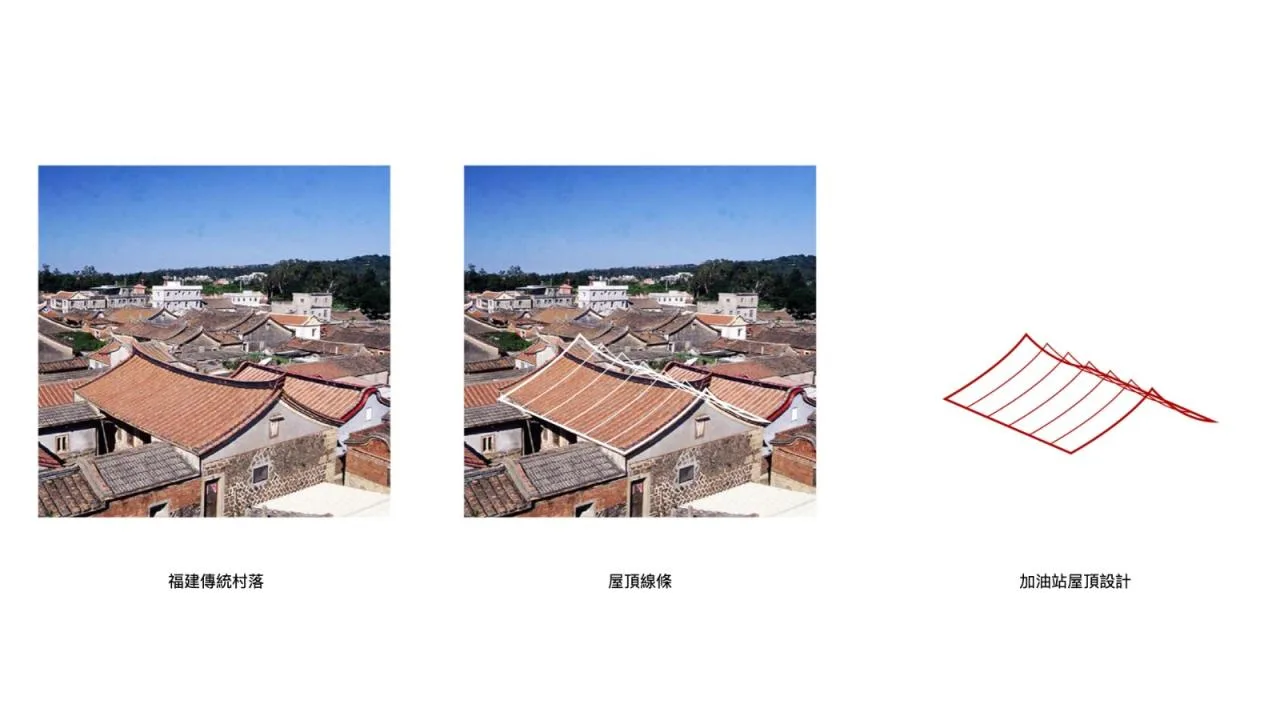
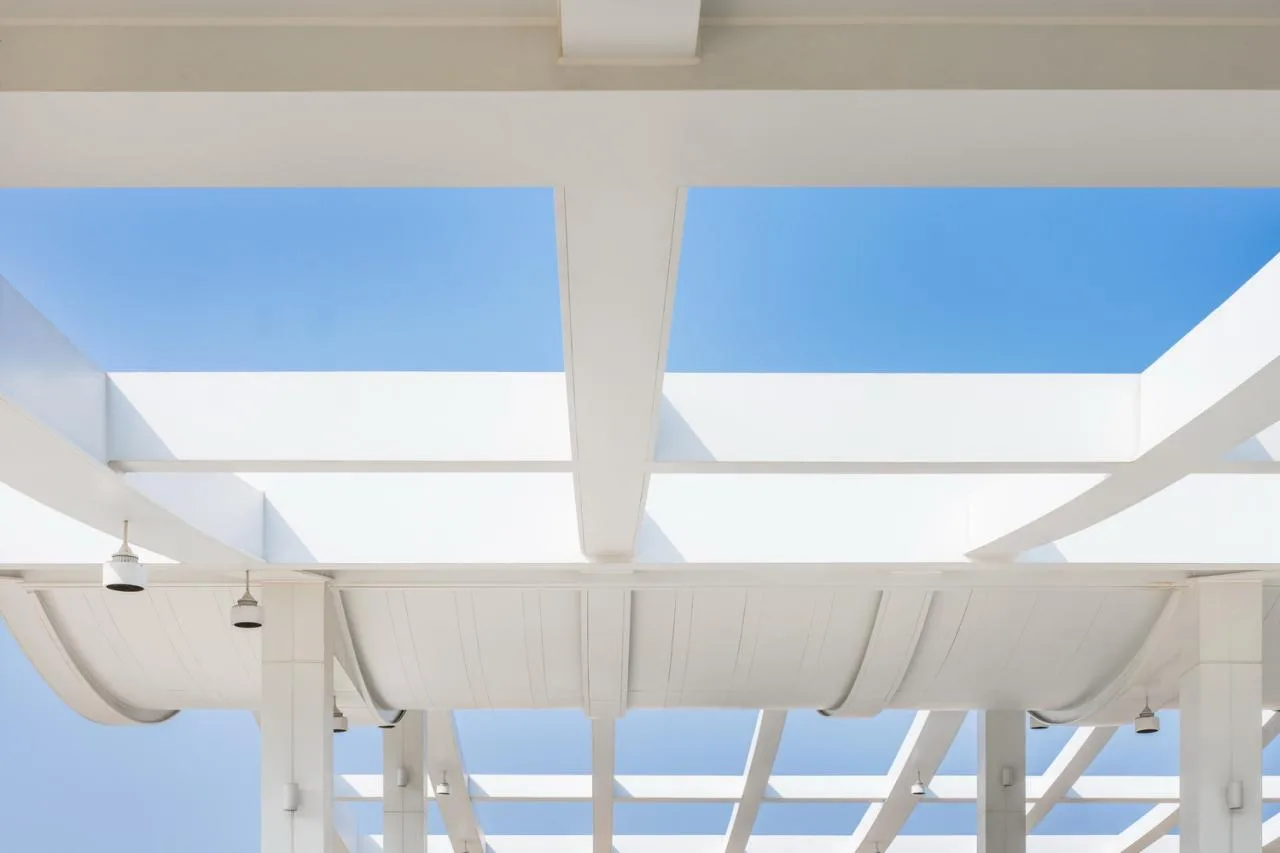
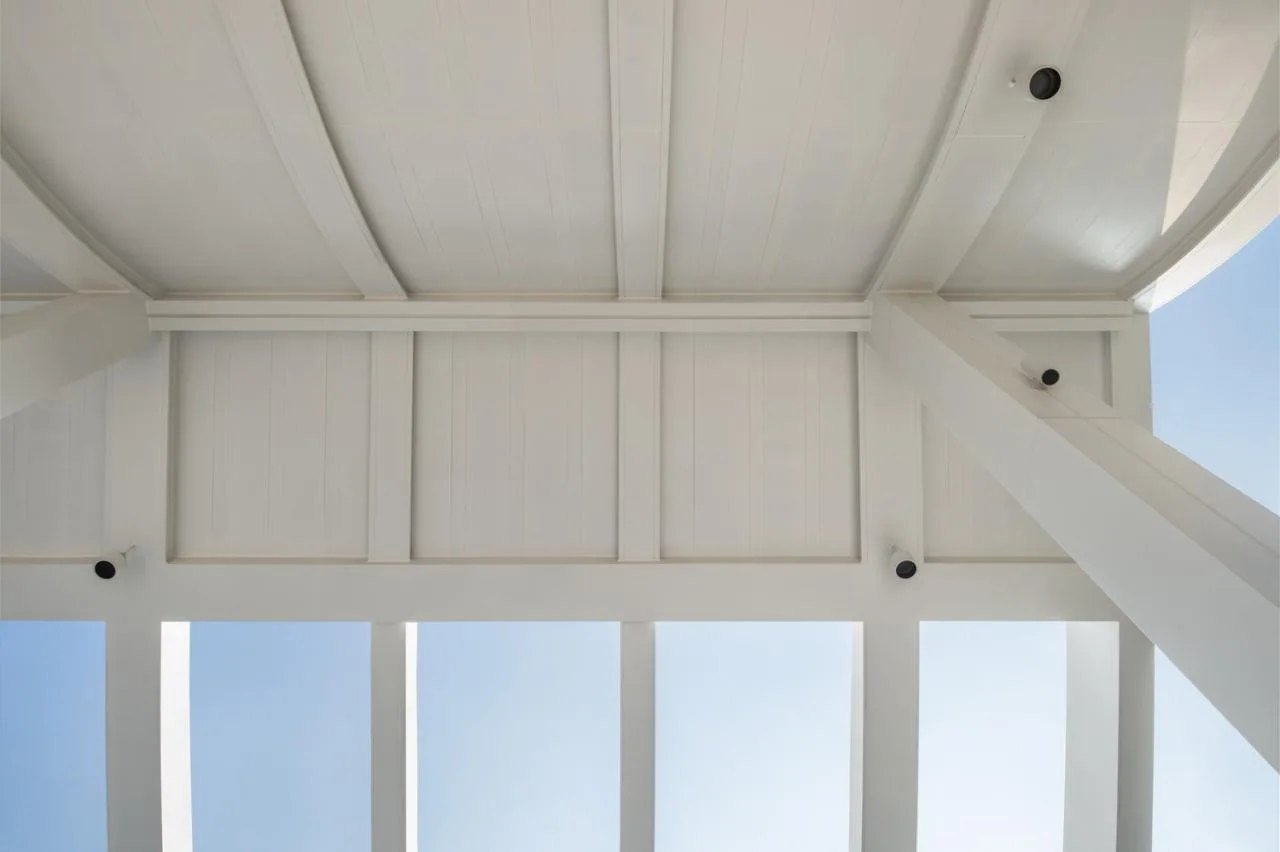
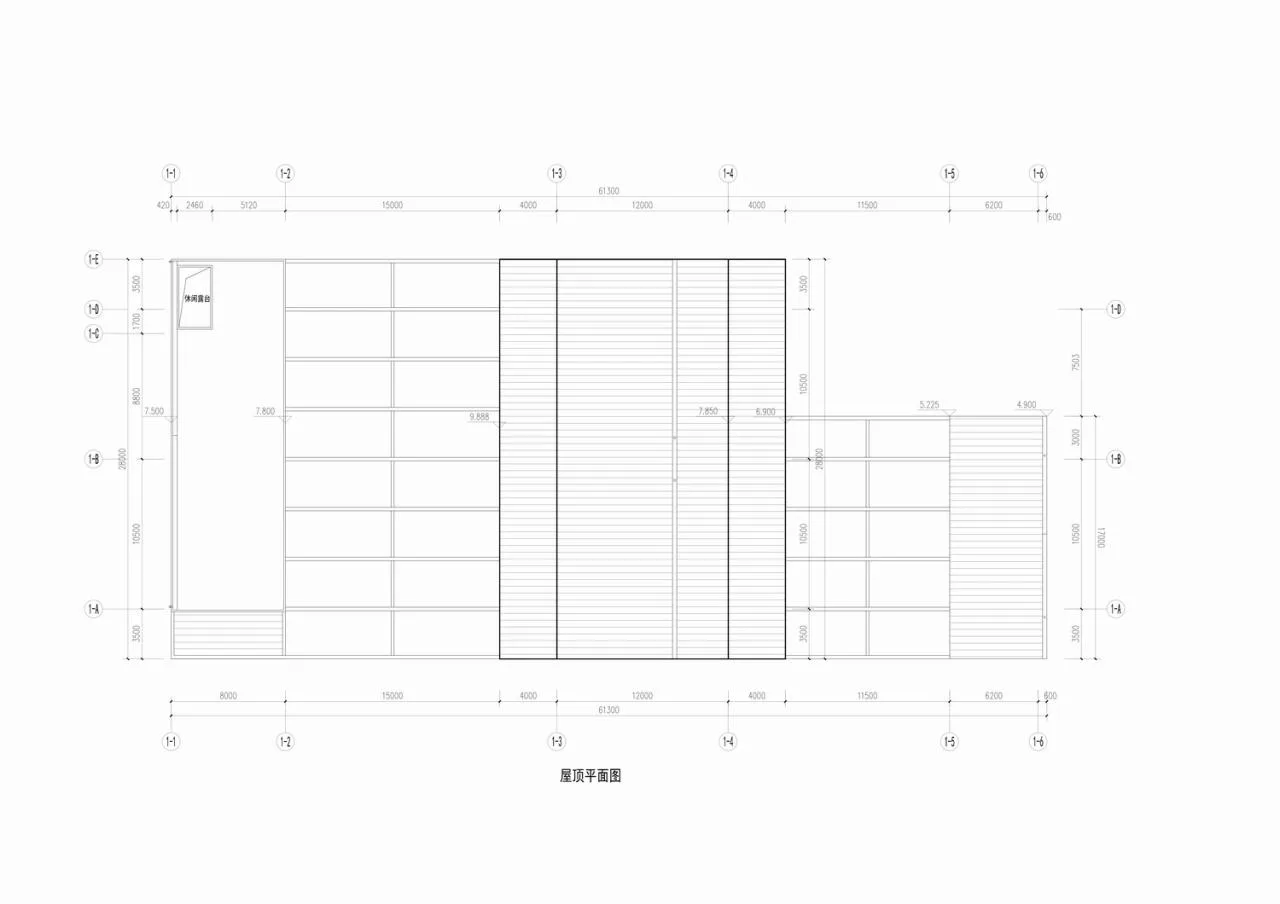
Considering the gas station’s functional requirements, the design task was to include a large canopy and an ancillary building housing a supermarket, staff offices, restrooms, and other facilities. Our proposal features a continuous curved roof inspired by traditional village architecture in Fujian. This design creates spatial layers of varying heights while integrating all gas station functions into a cohesive architectural composition, rather than separate buildings.
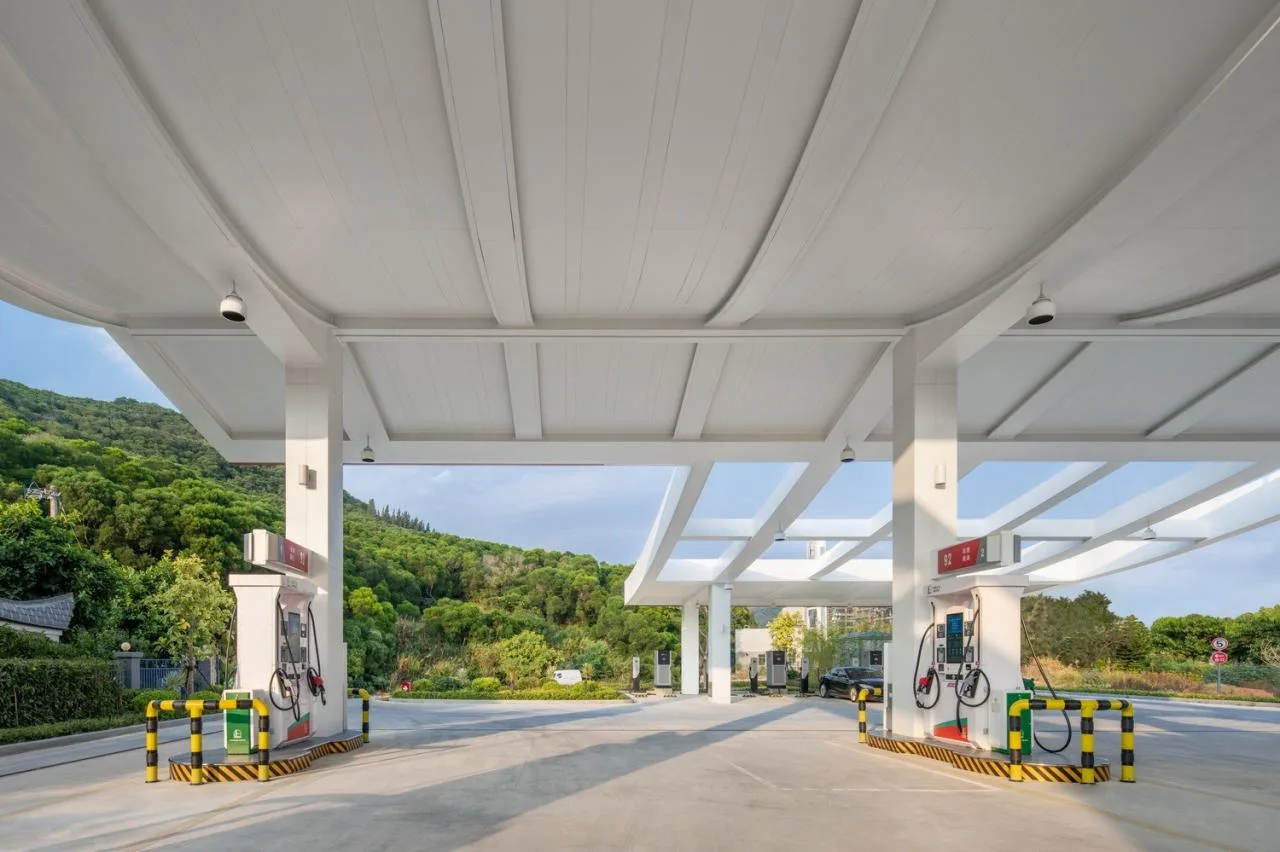
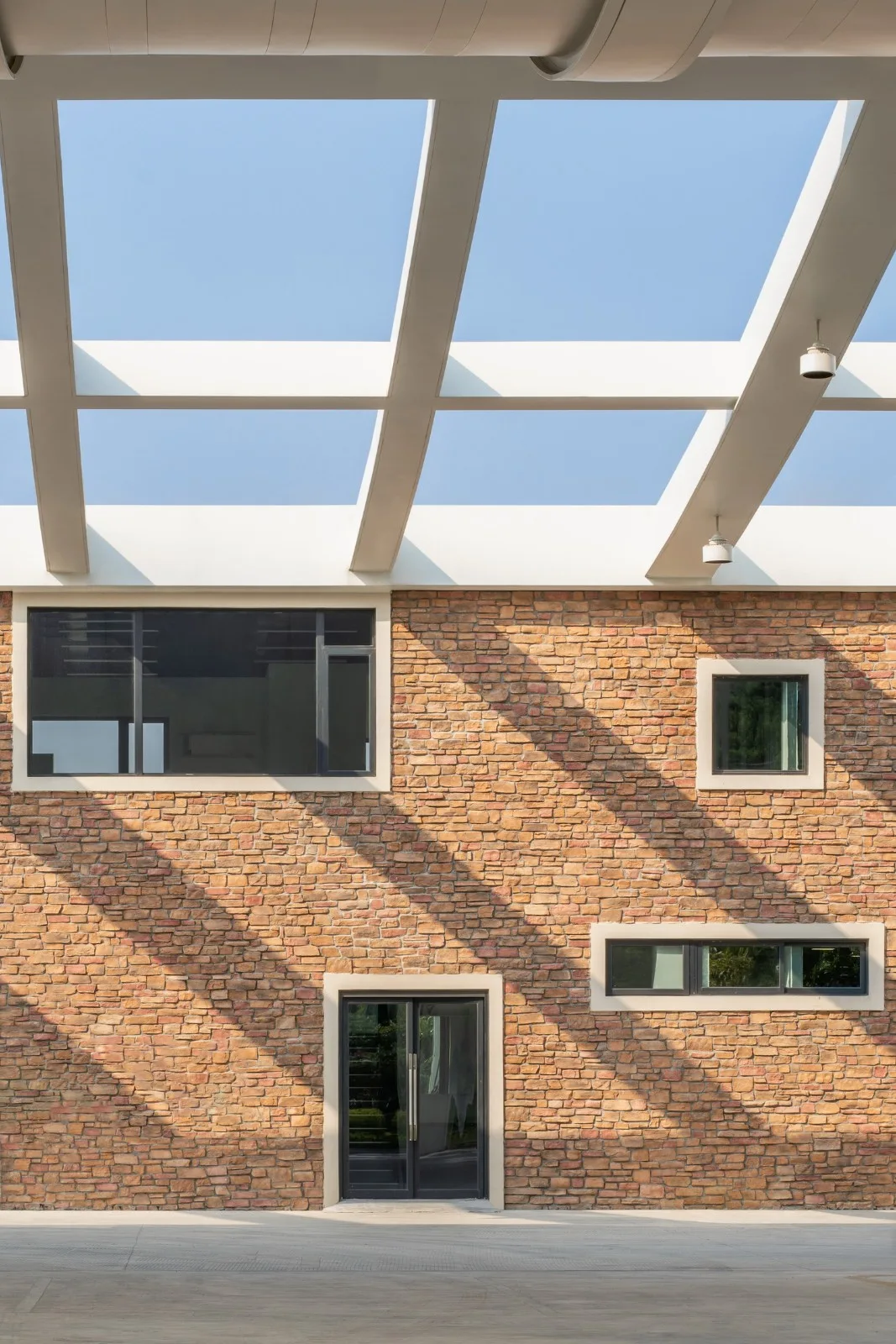
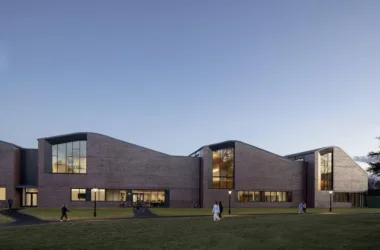
The roof is a long-span steel structure with skylights, resembling an art museum space that changes with shifting daylight and shadows. The supermarket’s exterior walls use local red bricks, drawing inspiration from Fujian’s rural villages. Additionally, the canopy incorporates rainwater harvesting systems and solar panels, with its curved form elegantly accommodating these complex technologies.
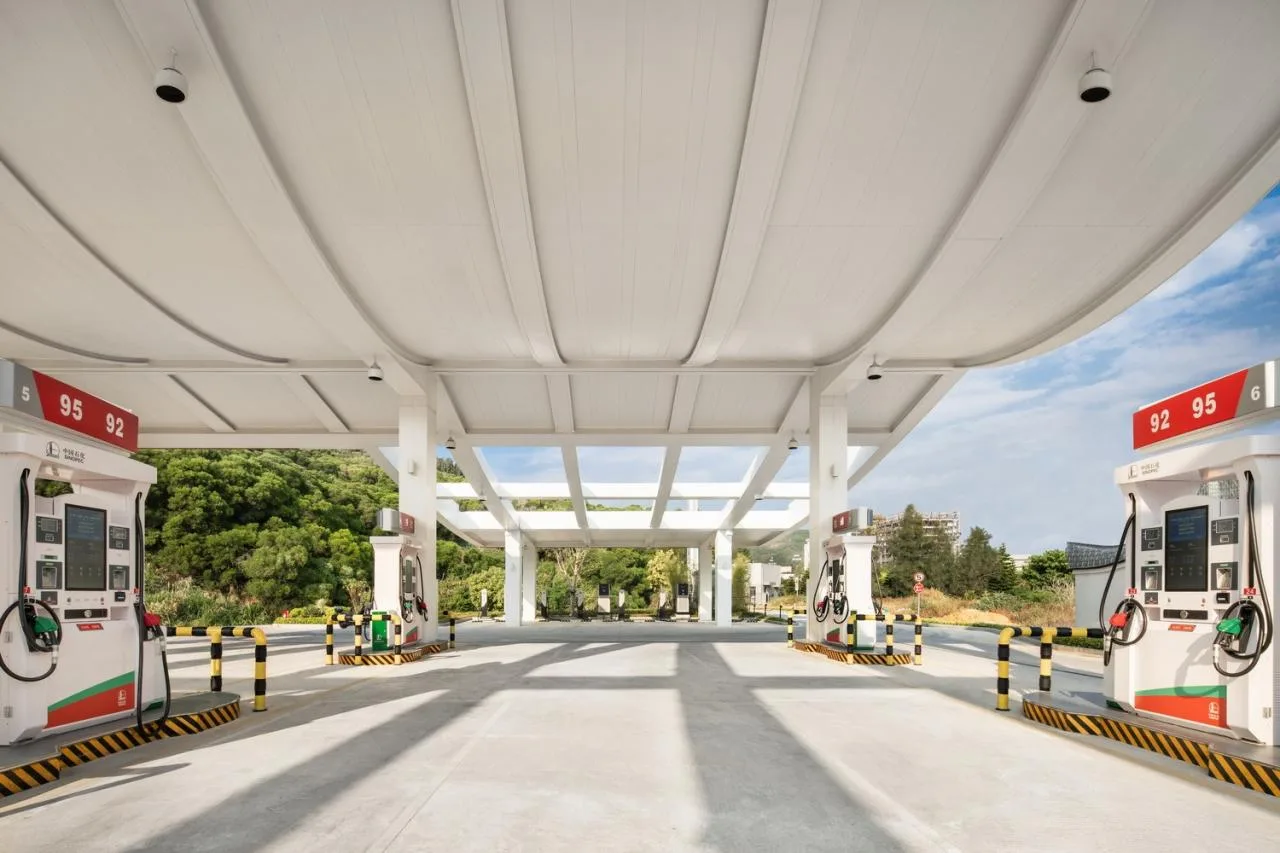
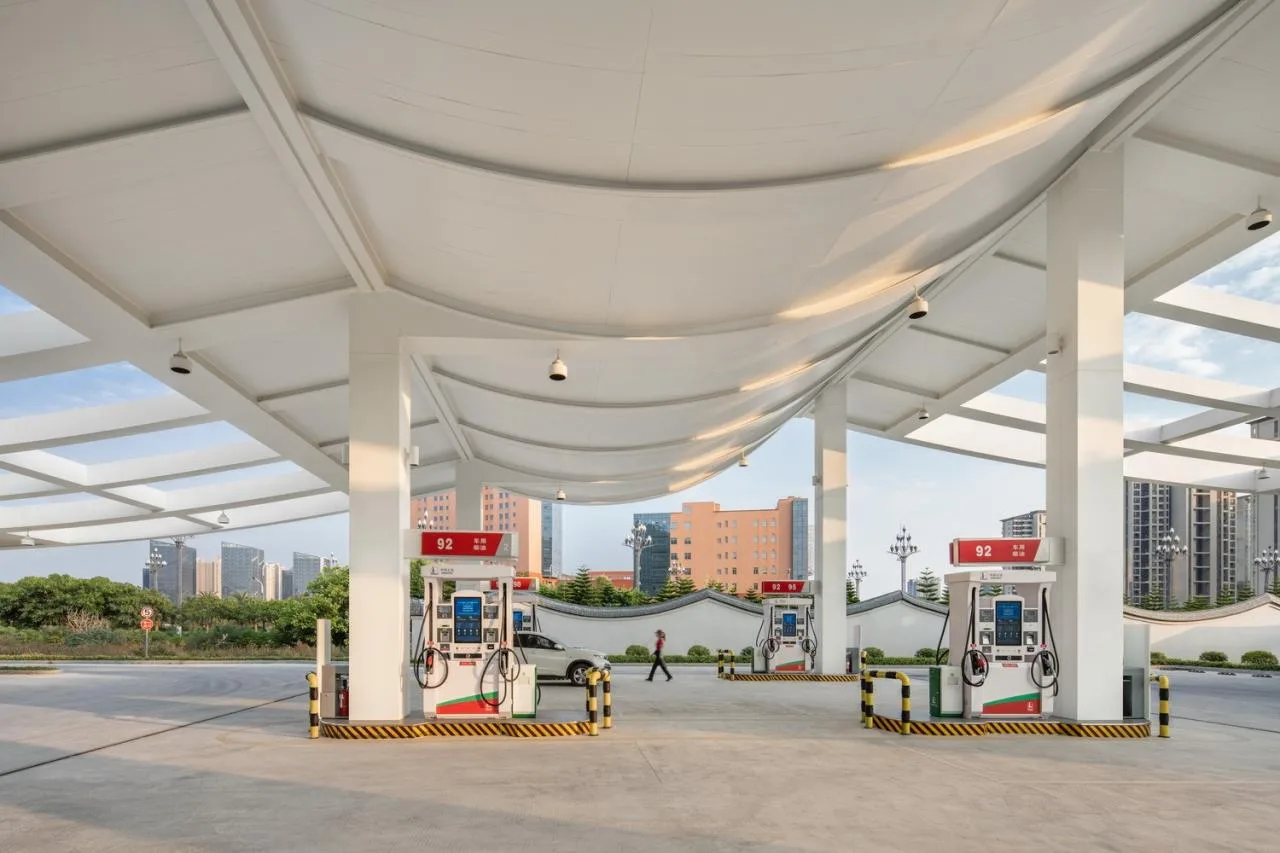
We believe that functional architecture does not have to be conservative or standardized. This gas station aims to offer every traveler a distinct and memorable spatial experience.
Project Drawings
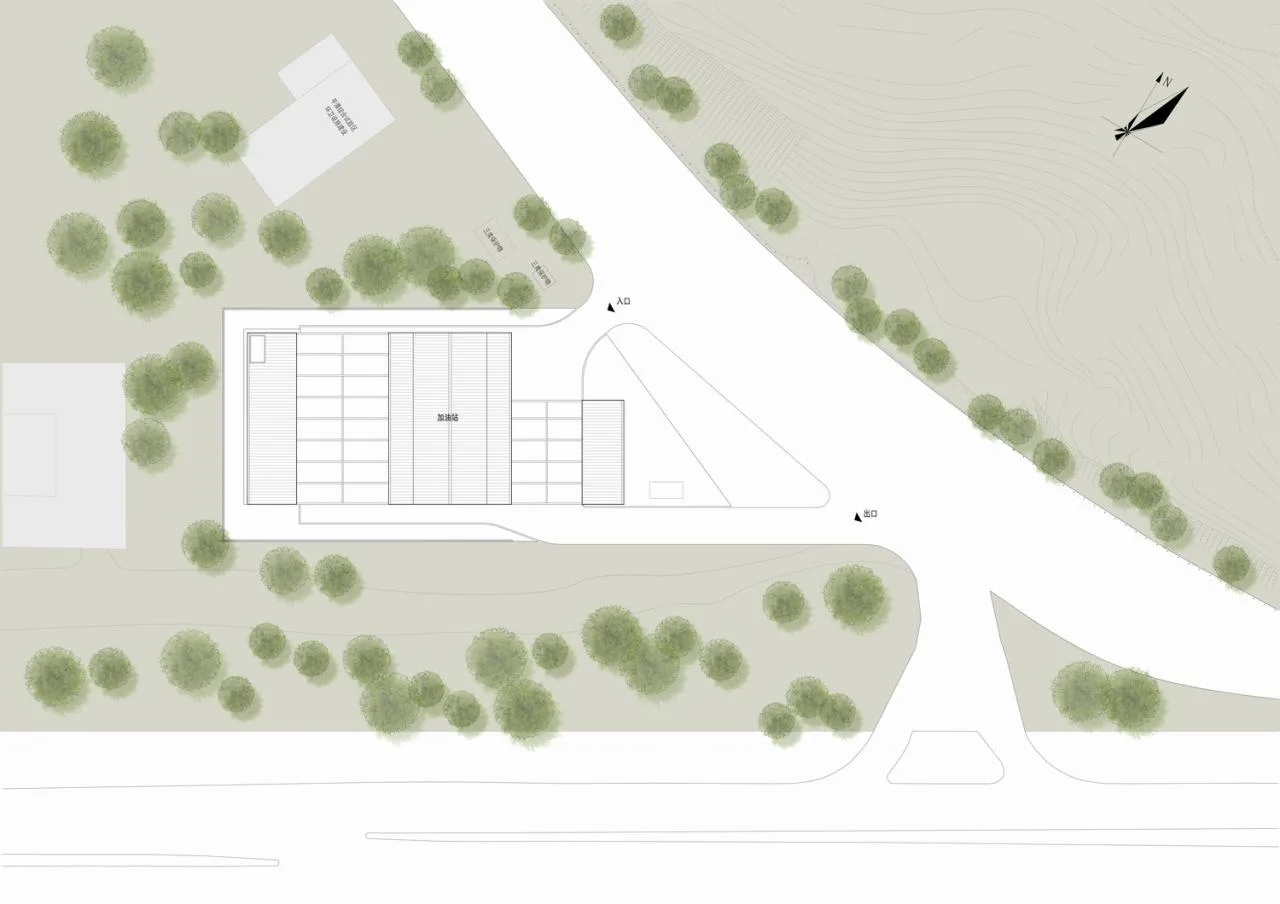
△ General Layout Plan
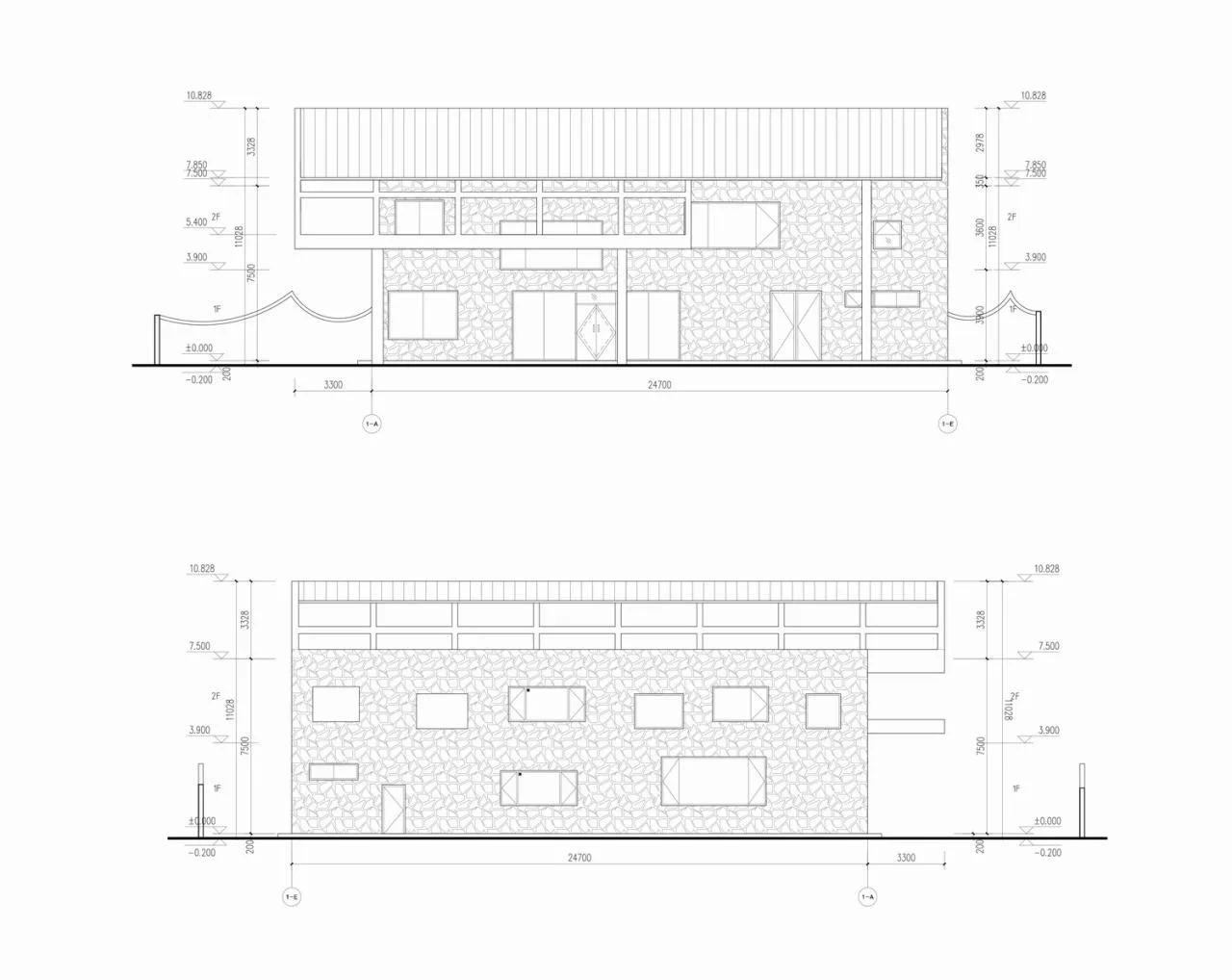
△ Elevation Drawing
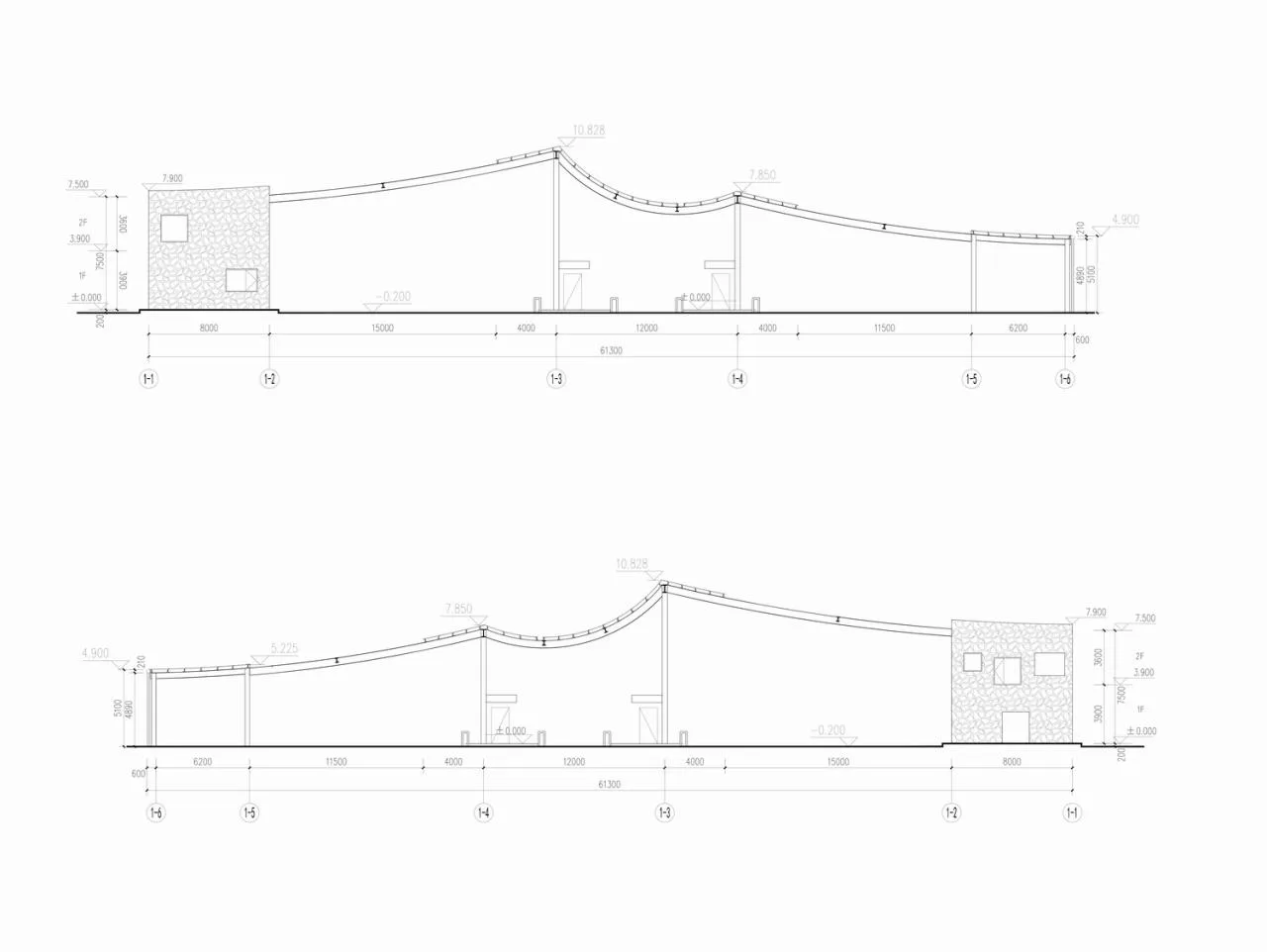
△ Section Diagram
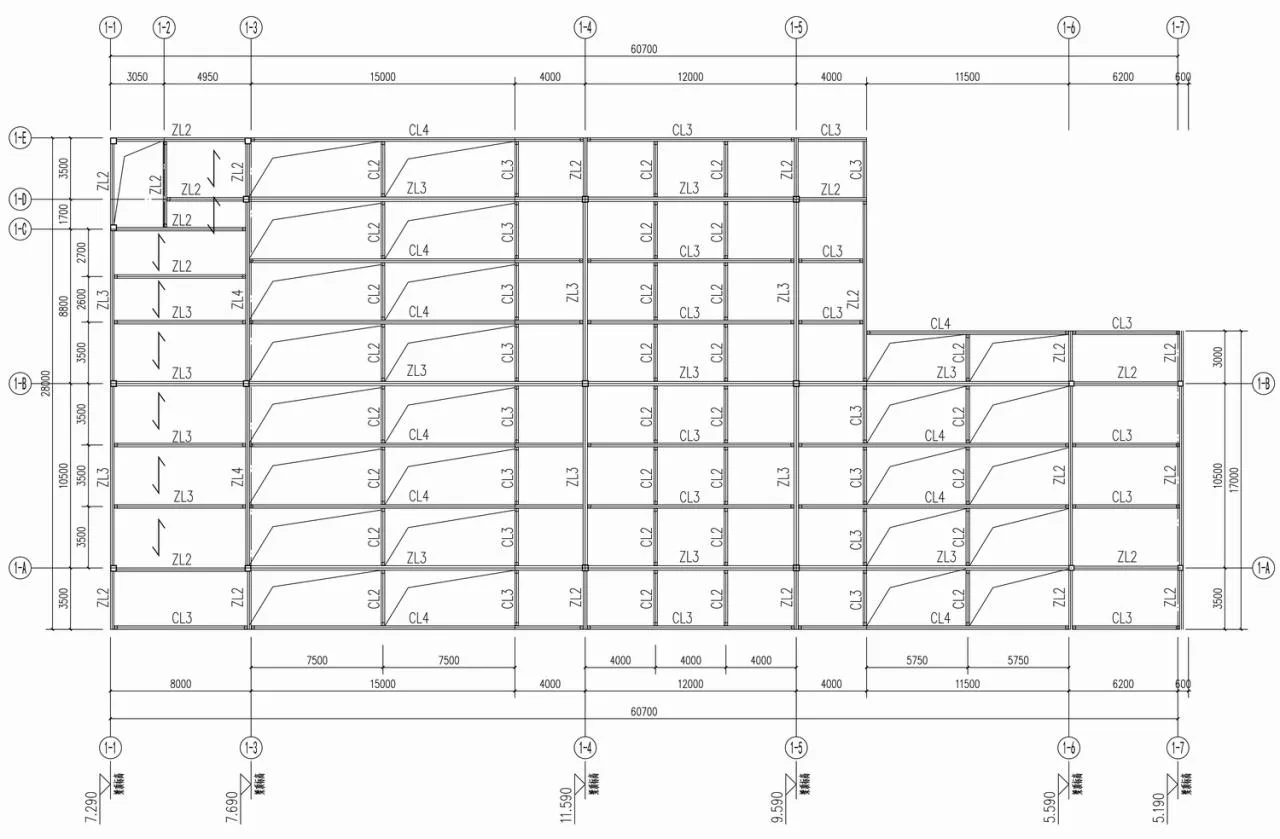
△ Steel Structure Plan
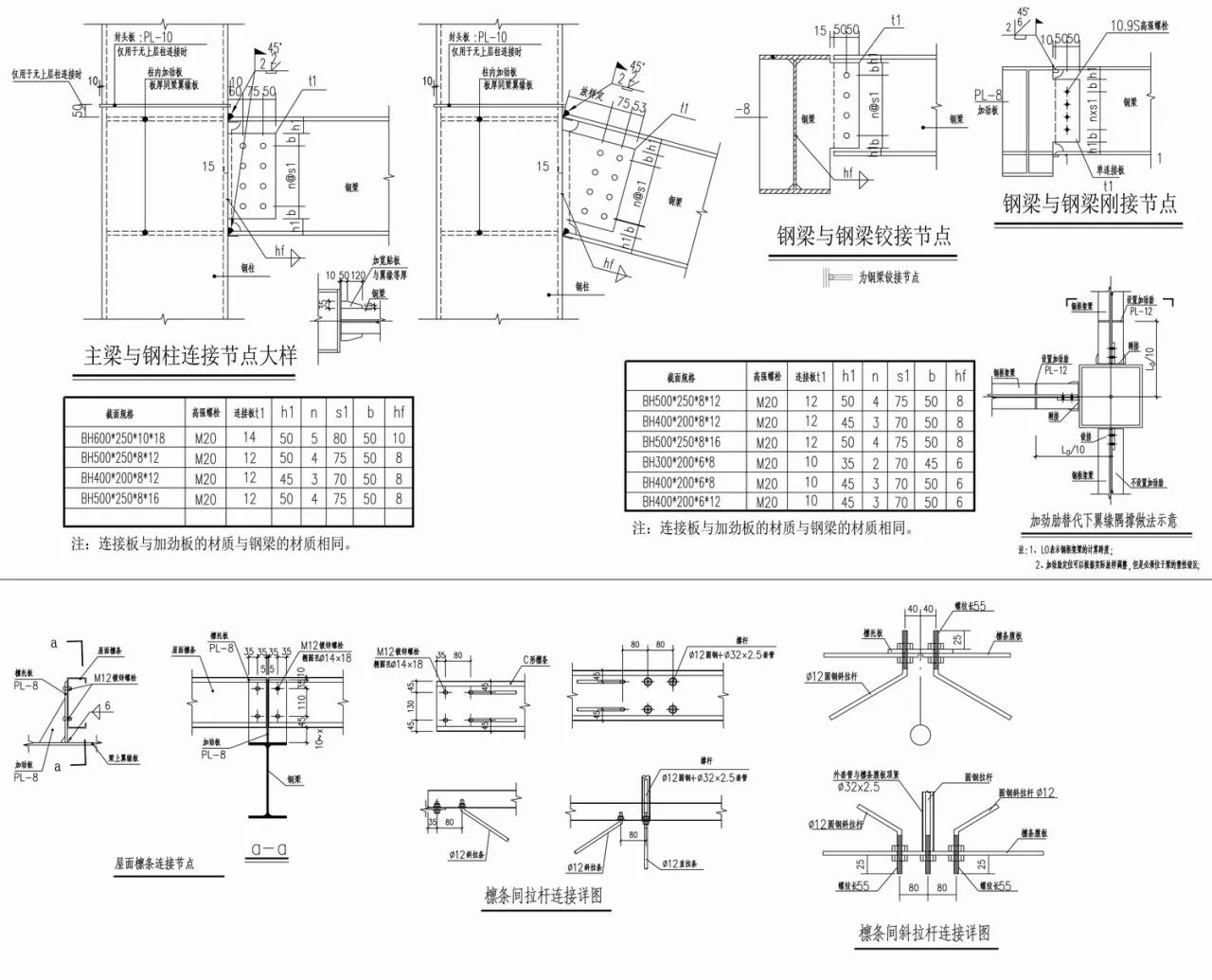
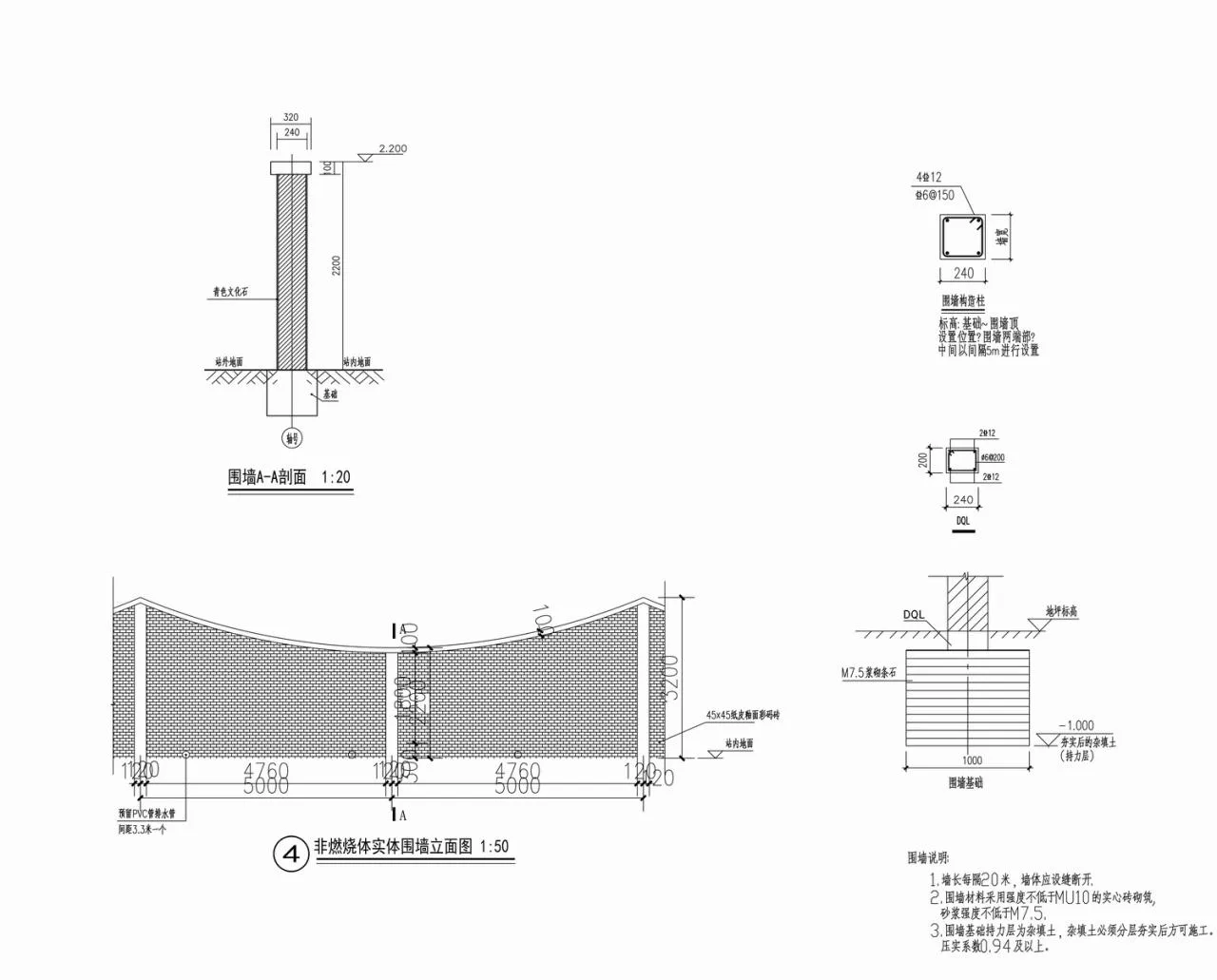
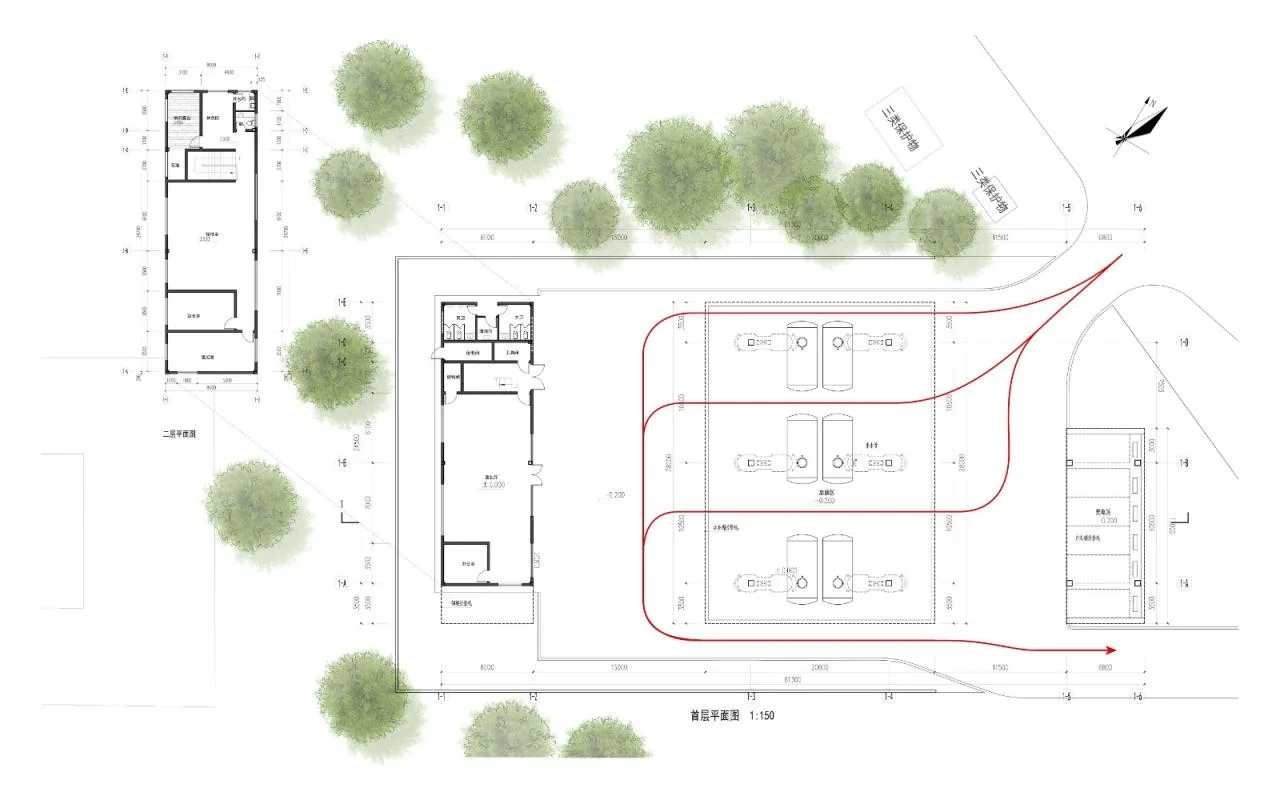
△ Streamline Analysis Diagram
Project Information
Project Name: Pingtan Liqun Youlian Gas Station
Project Owner: Pingtan Liqun Youlian Gas Station Co., Ltd
Location: Pingtan Island, Fujian Province, China
Site Area: 3,017 square meters
Building Area: 713 square meters
Floors: 1st floor for gas station, 2nd floor for auxiliary building
Design Firm: Jianwai Architecture Studio
Lead Architects: Feng Guoan, Wang Suyu
Collaborating Design Institute: Hunan Chemical Design Institute Co., Ltd
Design Period: September 2019 – August 2020
Construction Period: August 2020 – September 2022
Project Photography: Bai Yu















Must log in before commenting!
Sign Up