
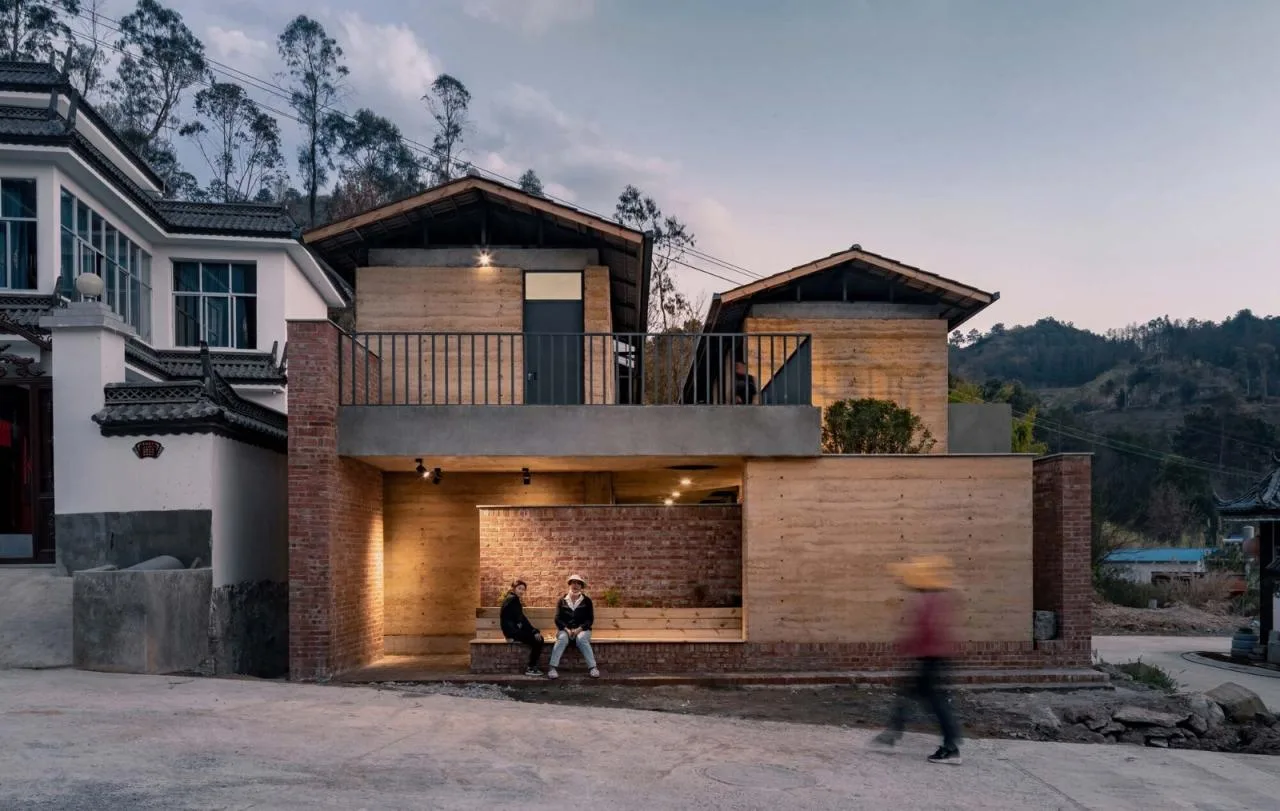
Laibao Village, located in Wama Township, Longyang District, Baoshan City, Yunnan Province, falls under local government jurisdiction. The government aims to construct a collective housing building to address the housing needs of elderly villagers living alone. Surplus rooms will be rented at affordable rates to families with children attending distant schools, easing their daily commute. Rental income will support the building’s maintenance and operational costs. The project demands a low-cost structure with 22 functional residential rooms.
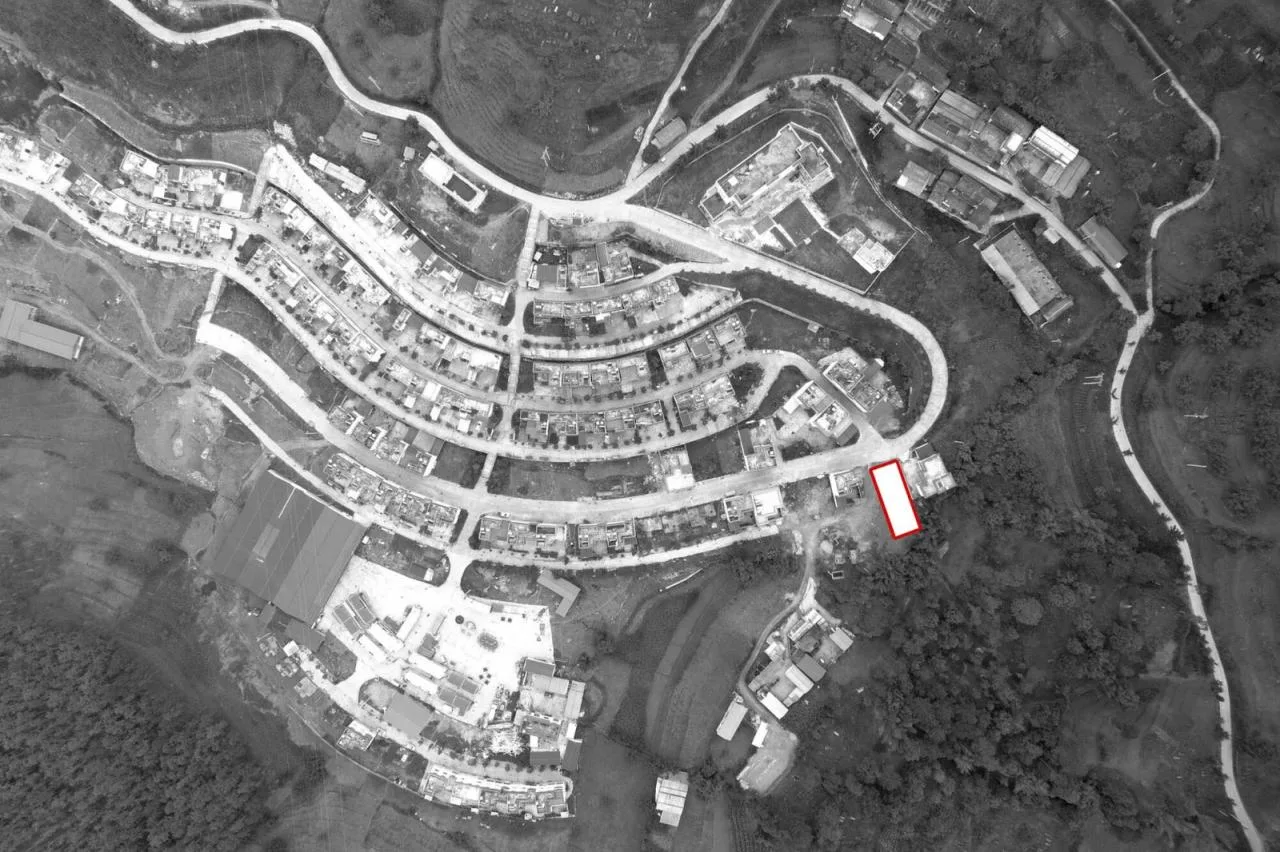
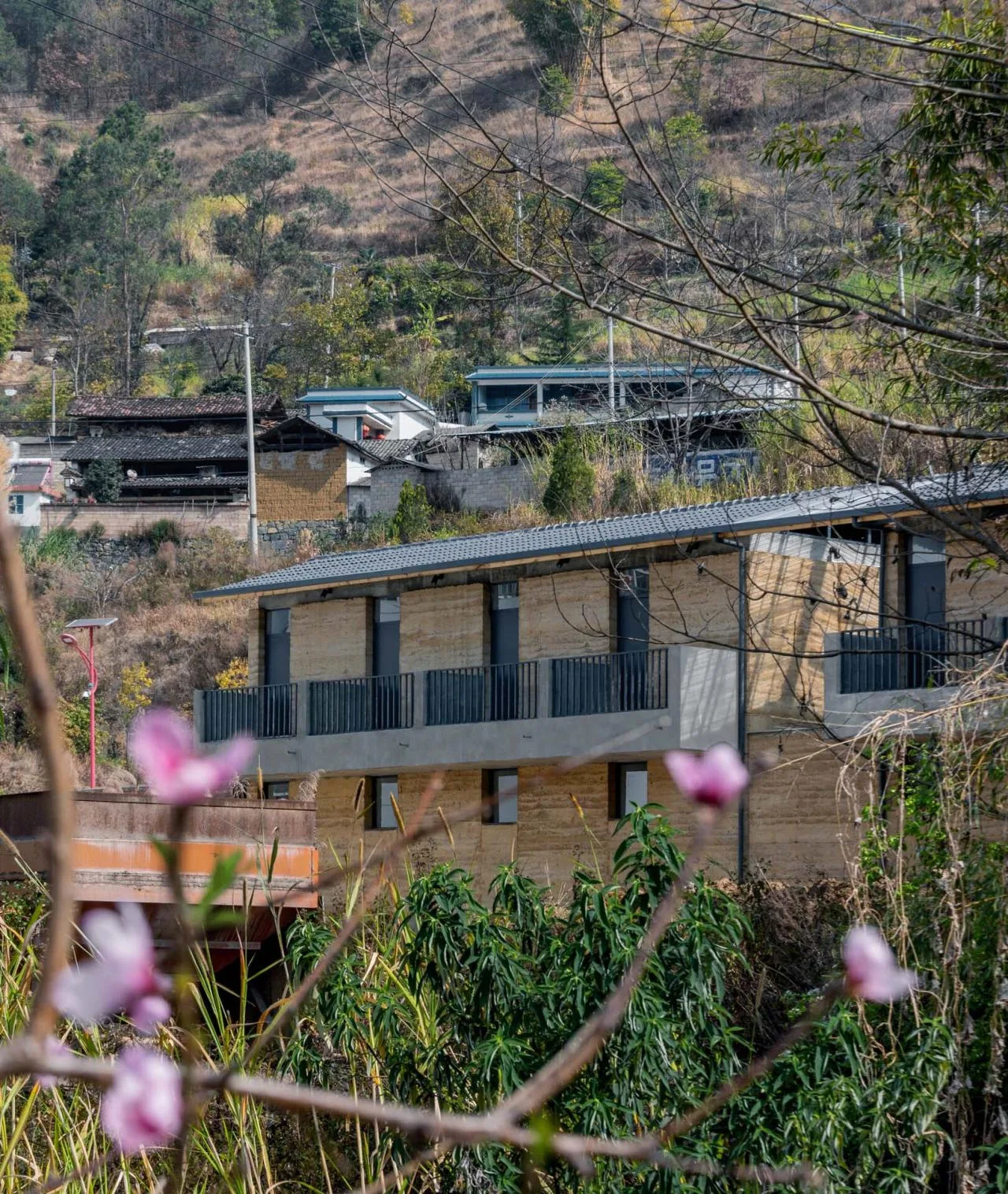
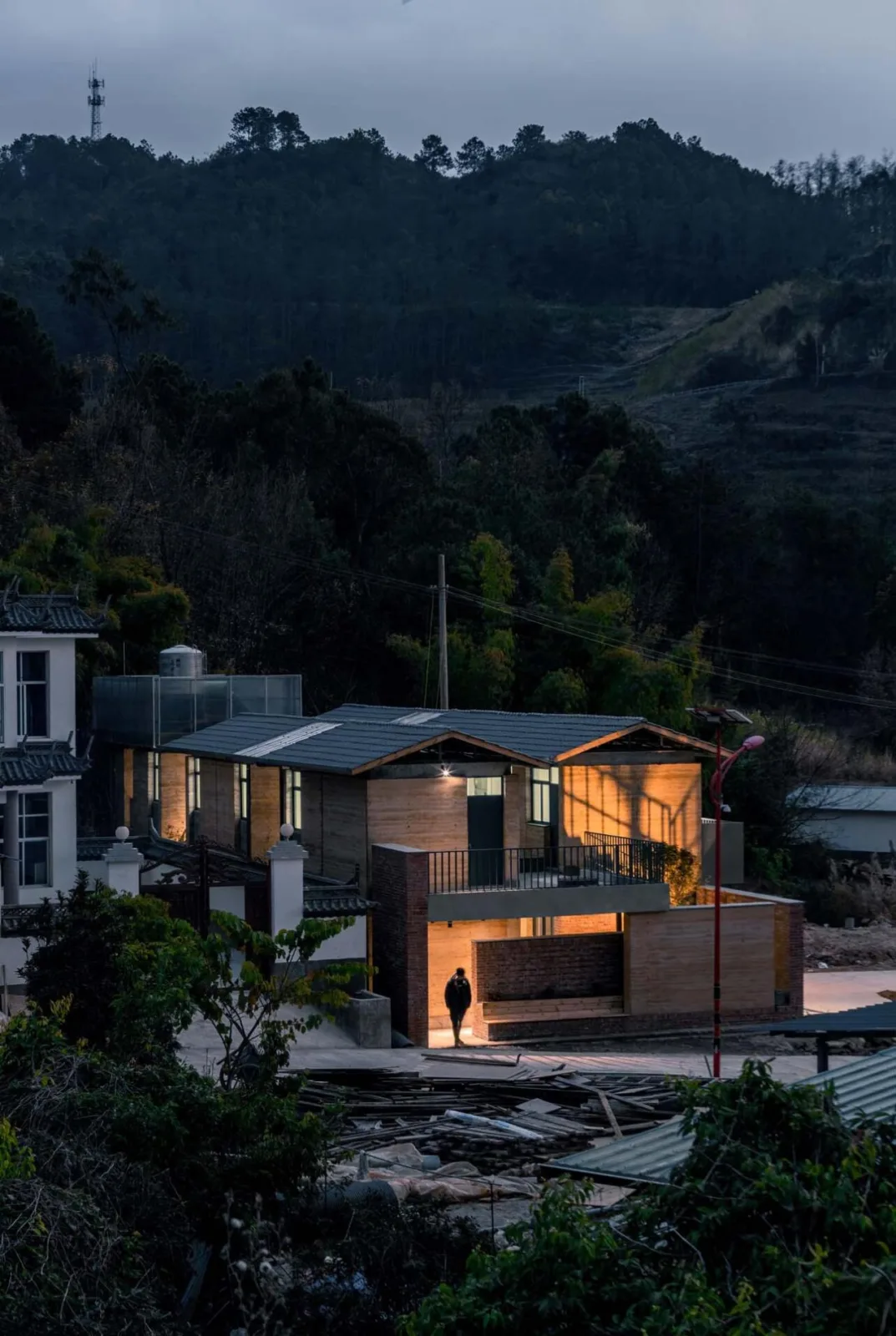
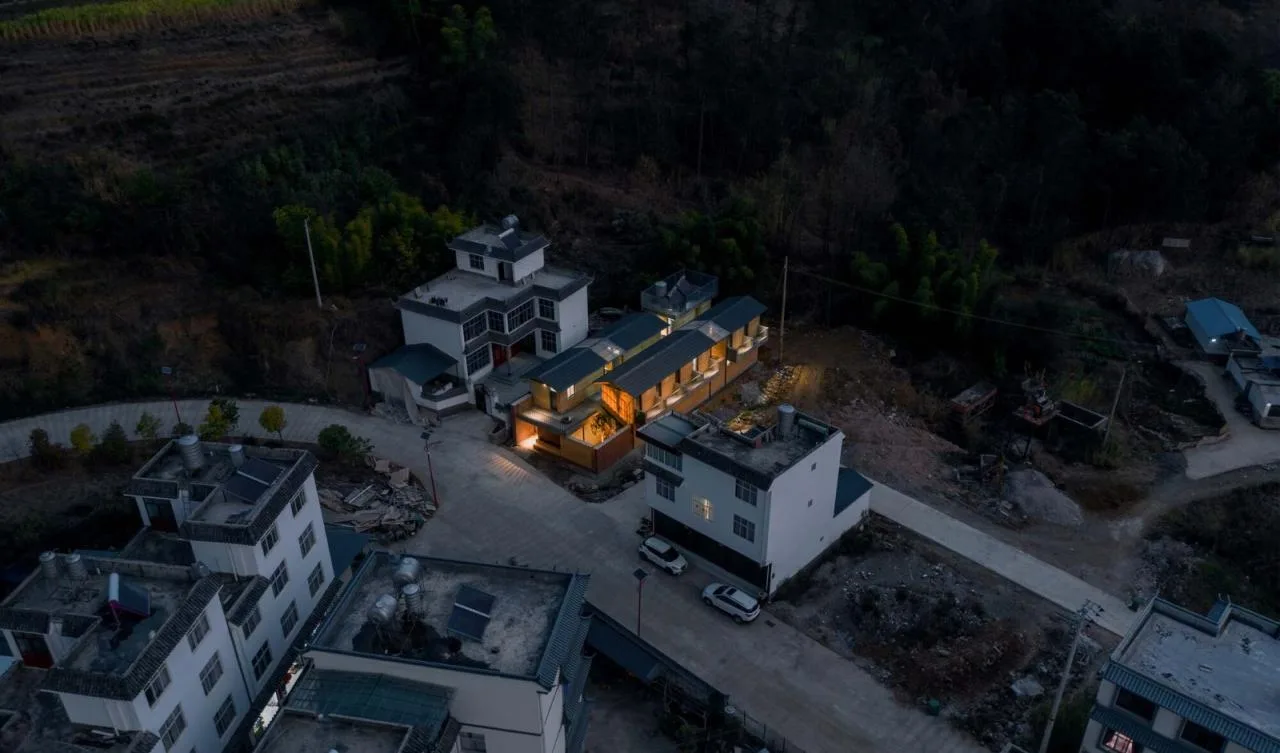
Following the national poverty alleviation relocation policy of 2018, Laibao Village was redesigned from scattered dwellings into a planned, fan-shaped layout. Traditional earthen houses have been replaced by modern frame commercial-residential buildings, reflecting a standardized rural style. The collective housing is situated at the east corner of the new village, surrounded by white walls and black tiles typical of the countryside. The design incorporates local materials and traditional architectural styles to create an “earthen” house that preserves the villagers’ collective memory. A dedicated village team has been engaged as a design partner for this project.
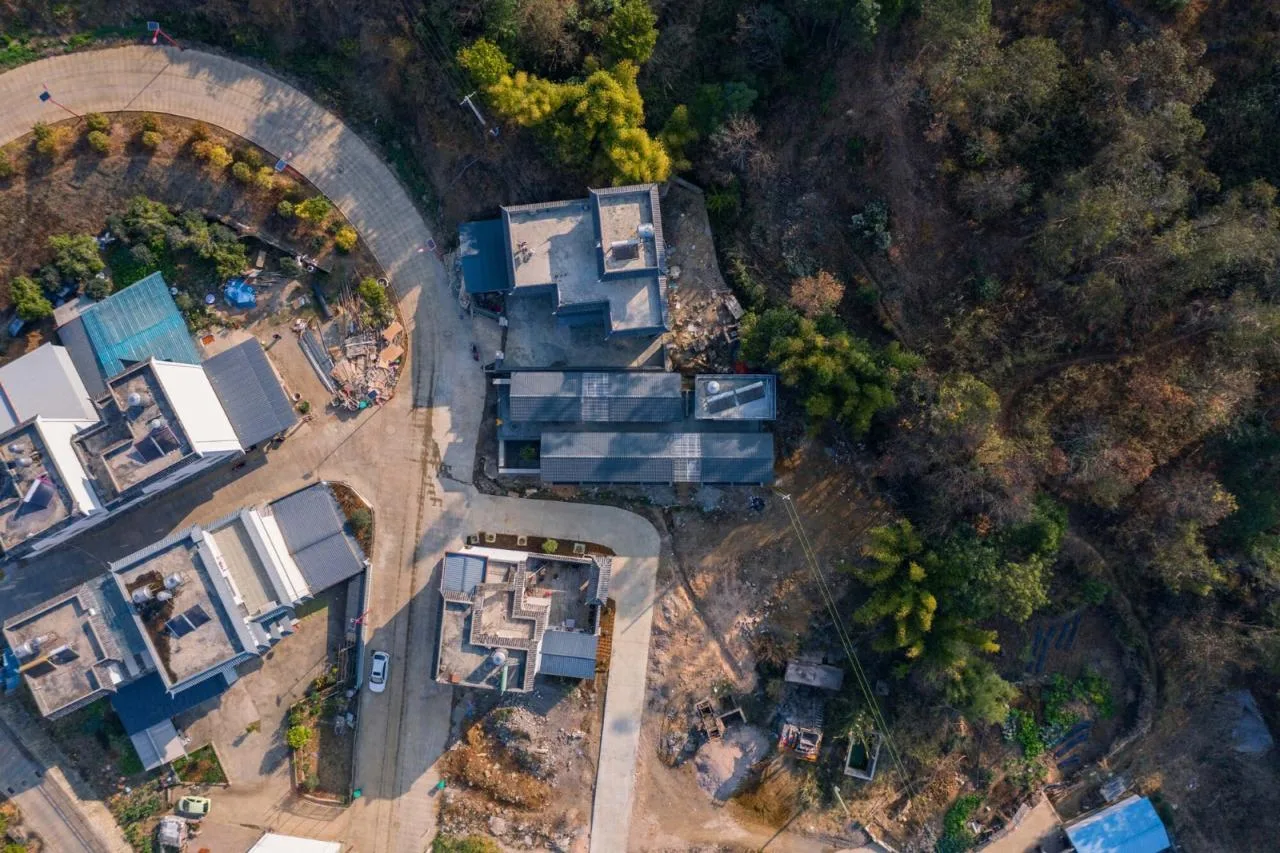
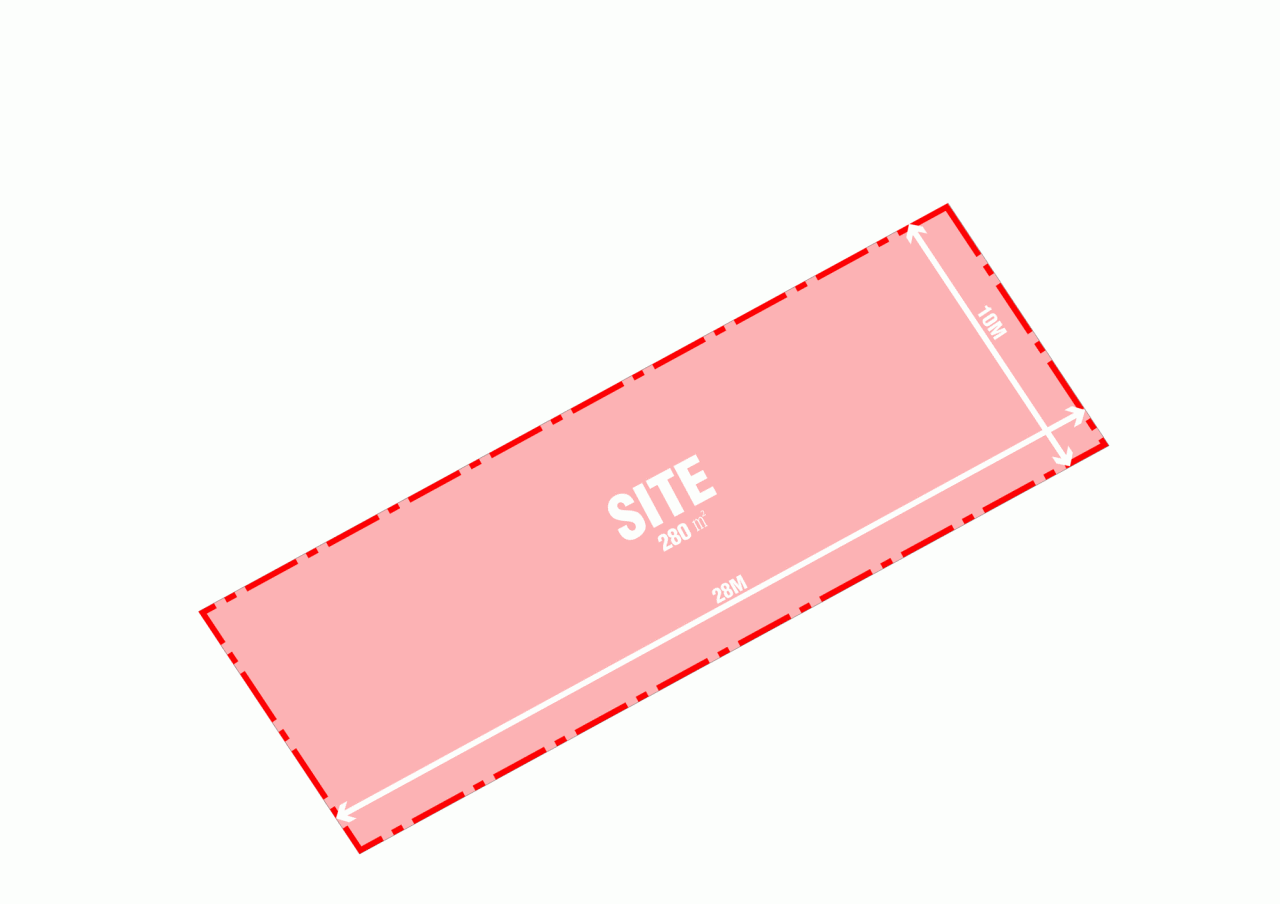
The construction site is nearly rectangular, covering 280 square meters with dimensions of 10 meters wide by 28 meters deep. To efficiently accommodate 22 rooms, an internal corridor layout was chosen. A single-floor design would limit usable space given a room width of 2.3 meters, while three floors would exceed the budget and challenge the earth wall’s load capacity. Therefore, a two-story building with 11 rooms per floor strikes the best balance in scale and functionality.
This project marks our first transition from urban to rural architecture. While the target audience shifted from affluent or middle-class groups to low-income and impoverished villagers, our design philosophy remains unchanged: the residents are the heart of the design. We aim to enrich the lives of 22 villagers by creating living spaces closely aligned with their daily routines, while fulfilling their basic needs.
To maximize space utilization, we departed from the conventional residential model of “minimal shared space plus maximum private interior.” Instead, we reduced the size of individual rooms to retain only essential accommodations, and expanded shared spaces as much as possible. This encourages multipurpose use of common areas and enhances residents’ living experiences.
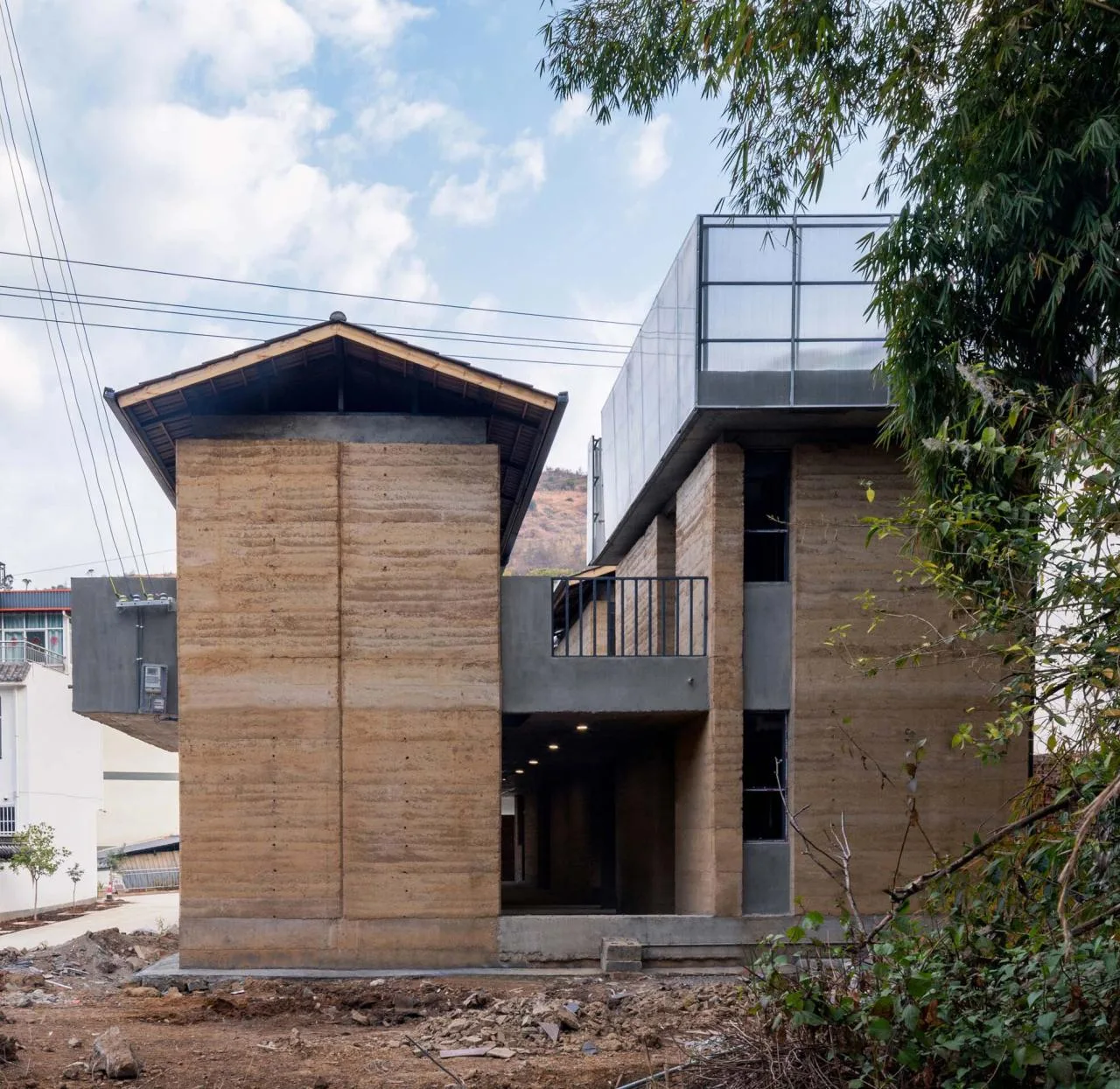
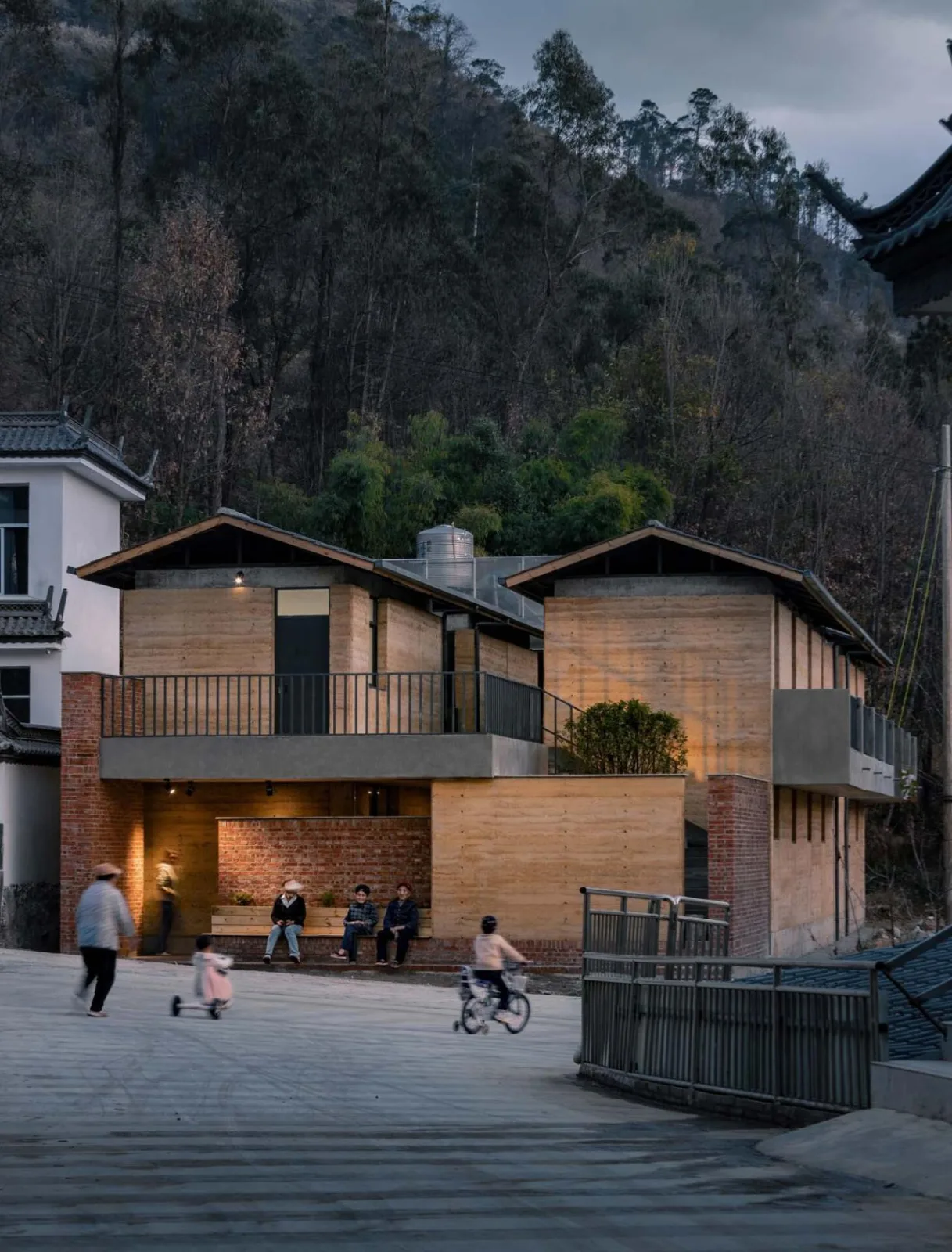
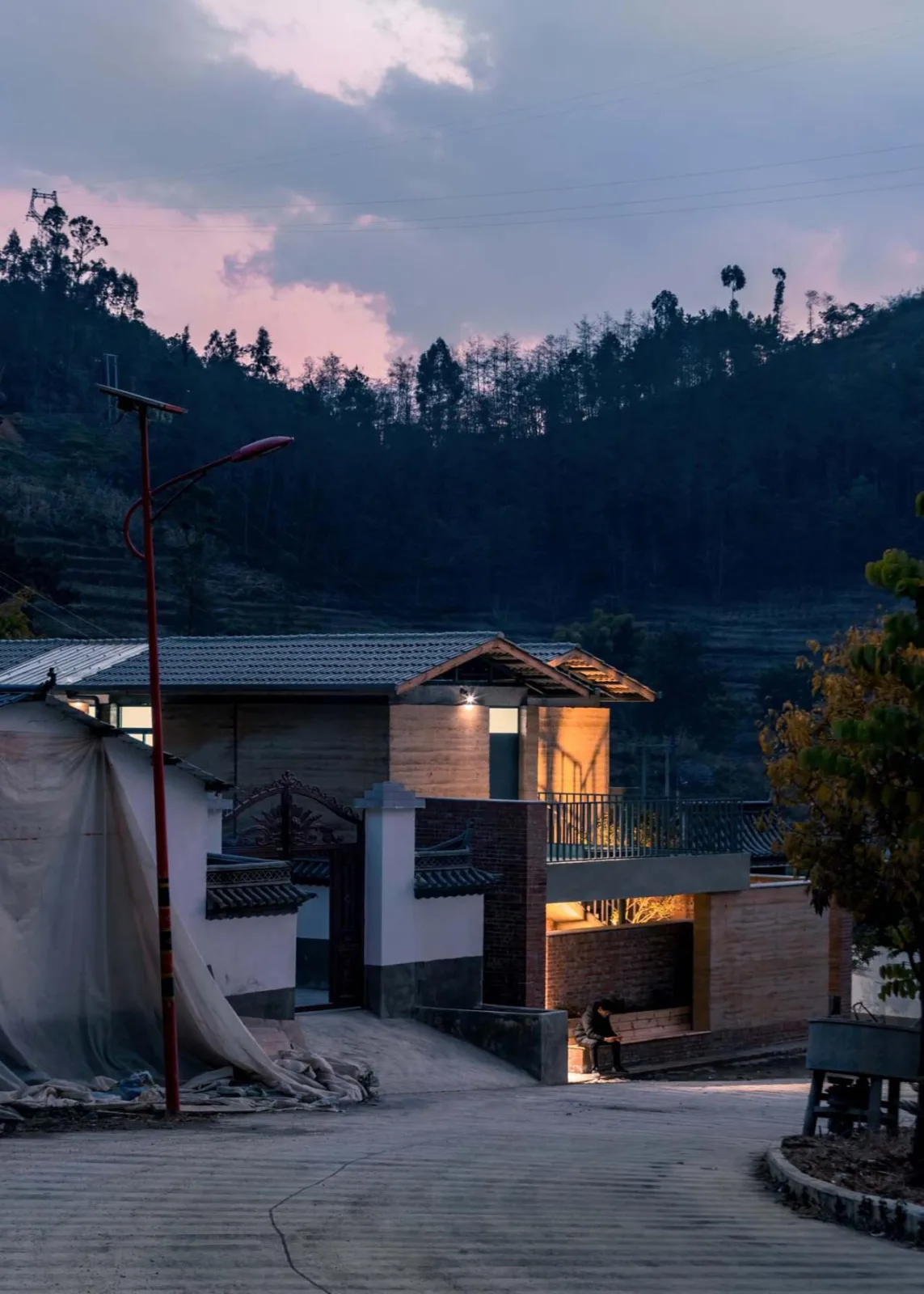
Traditionally, each village entrance features a courtyard with a large tree where villagers gather to chat and share stories—a space rich with communal spirit spanning generations. Inspired by this, our design aims to recreate this lost collective memory within the housing complex. We set the building back three meters from the street and constructed a mid-height red brick wall to separate inside from outside. This wall both screens views and forms a backdrop for the internal corridor.
Located 100 meters north is a rural kindergarten attended by children living in the collective housing. On the outside of the brick wall, a brick bench offers a place for elders to sit and watch for their grandchildren’s return. On the west side, a small courtyard surrounded on three sides and connected to a corridor includes hanging stairs and a tree, forming a “village entrance” space that nurtures a sense of community and spiritual connection for residents.
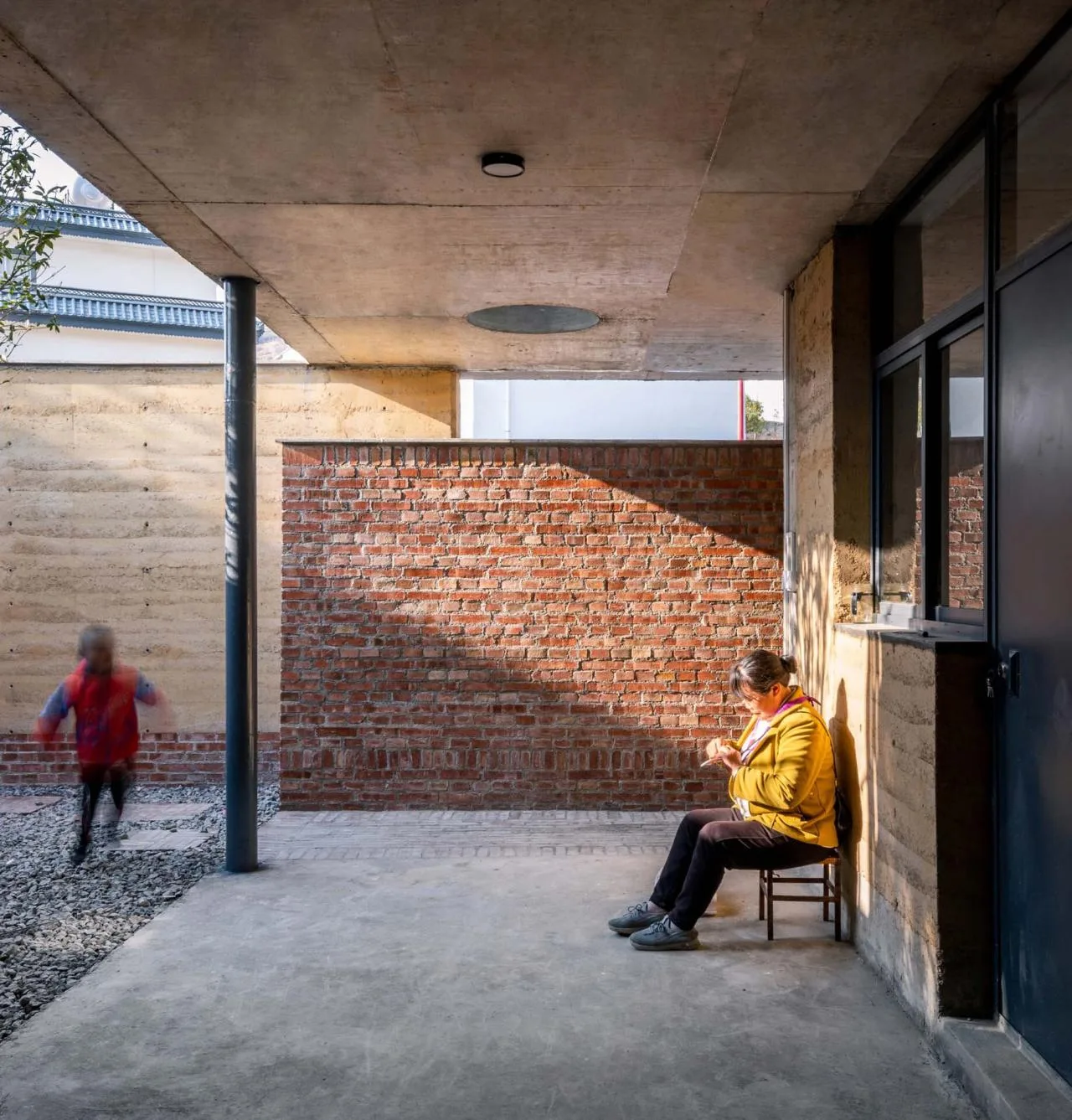
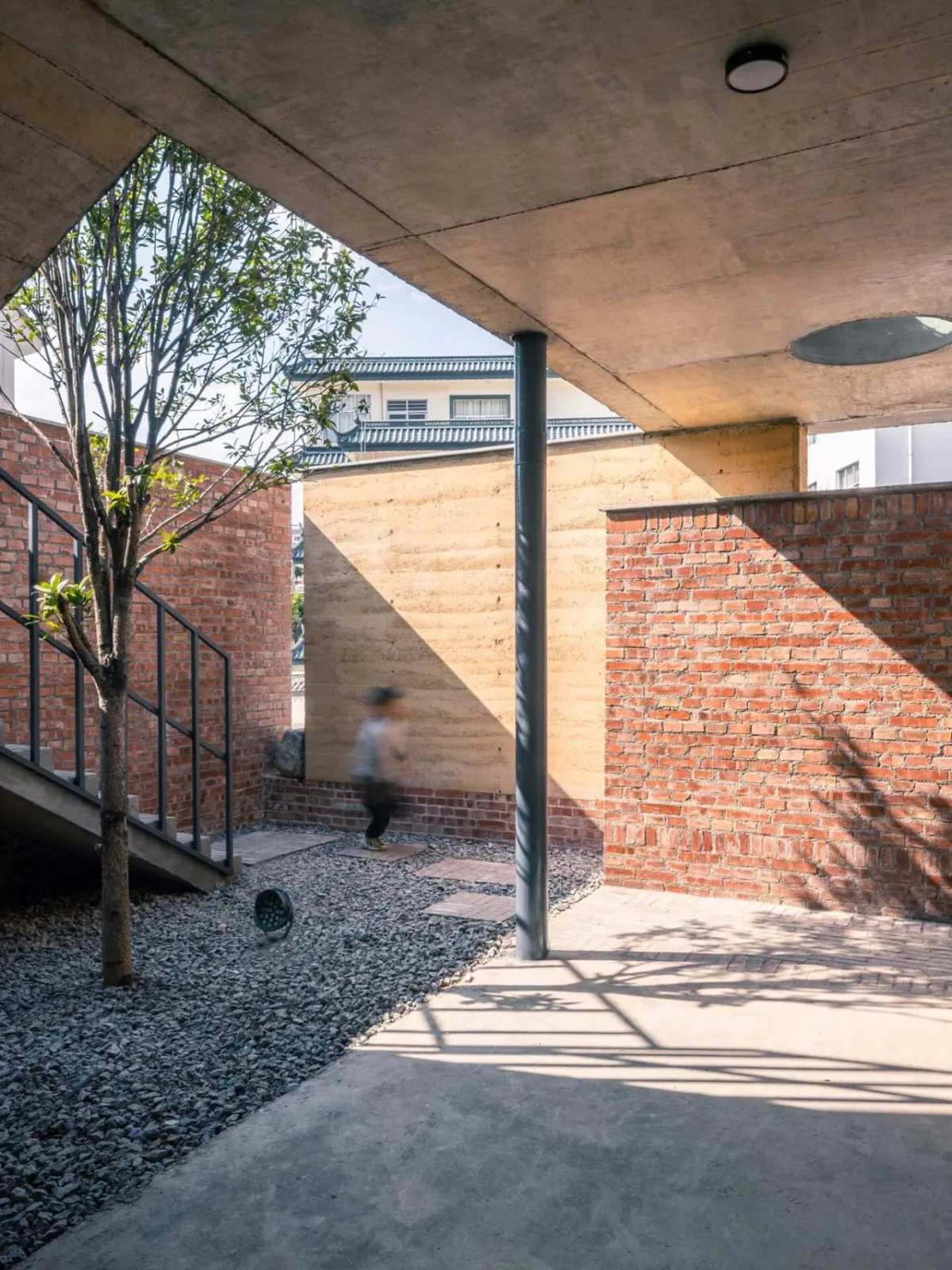
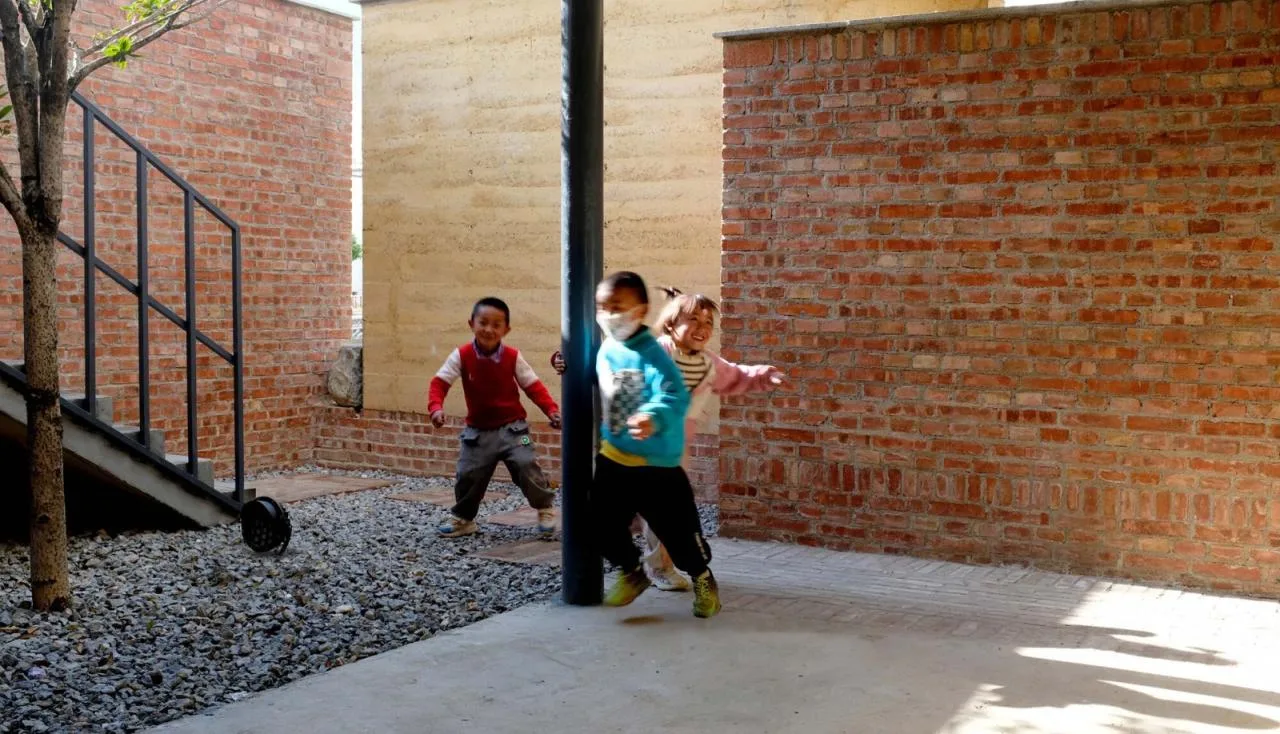
The corridor and balcony design expands the corridor width from the minimum required 1.2 meters to 2.4 meters, more than doubling the space. This wider corridor transforms from a simple passageway into a versatile area where villagers can dine, celebrate holidays with long banquet tables, or where children can safely play. This shared space fosters neighborly interaction and contributes to a harmonious community atmosphere.
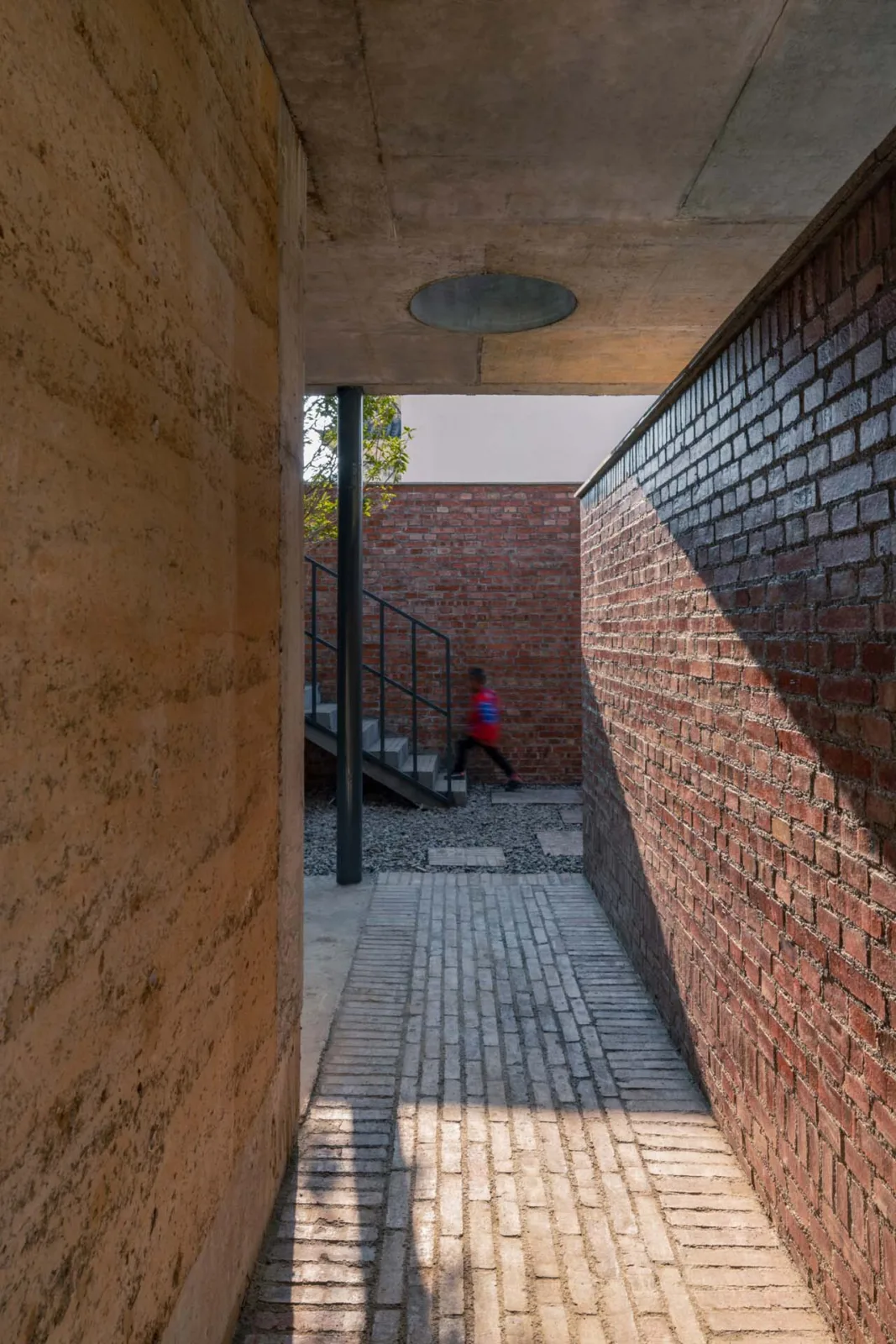
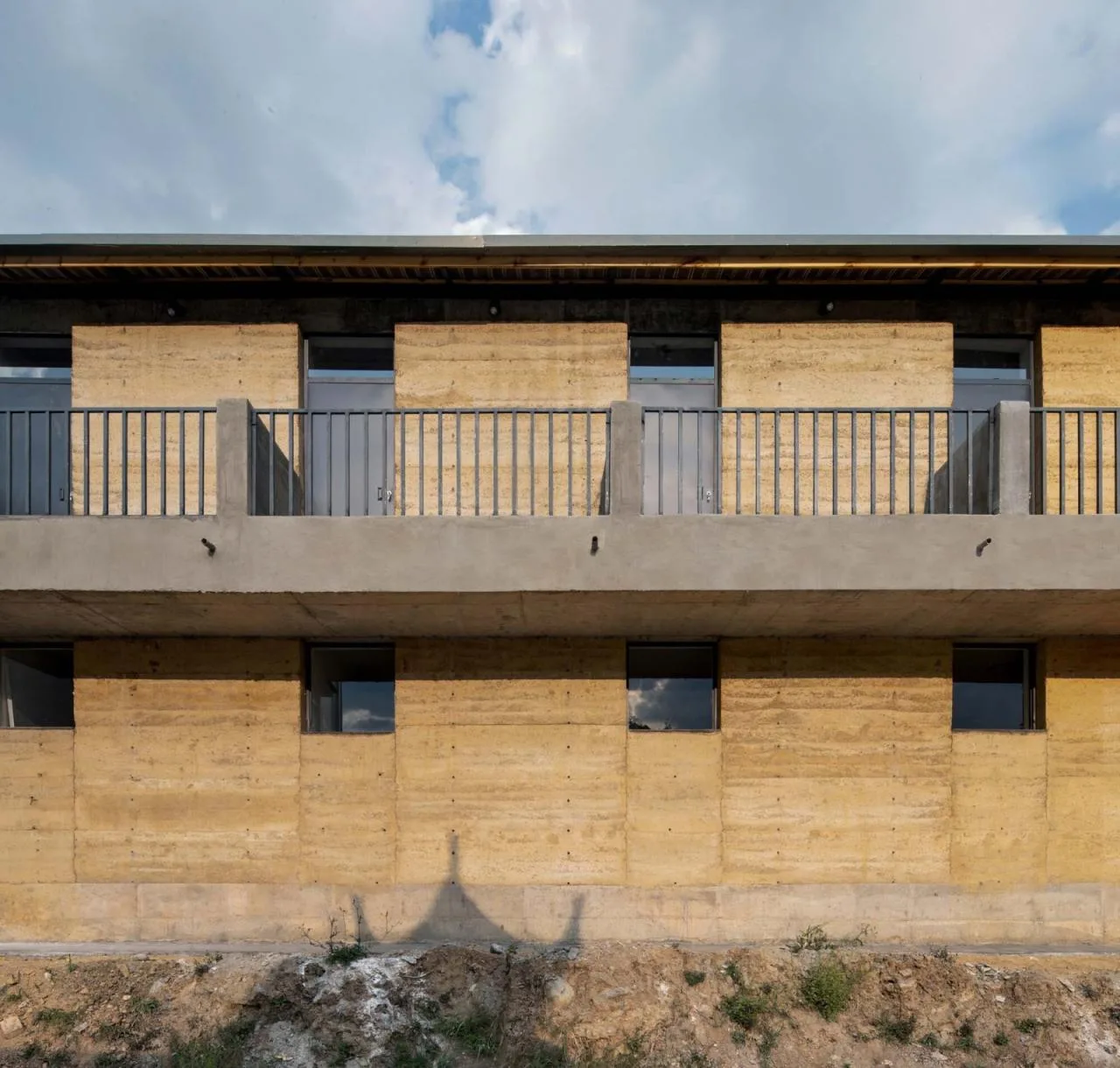
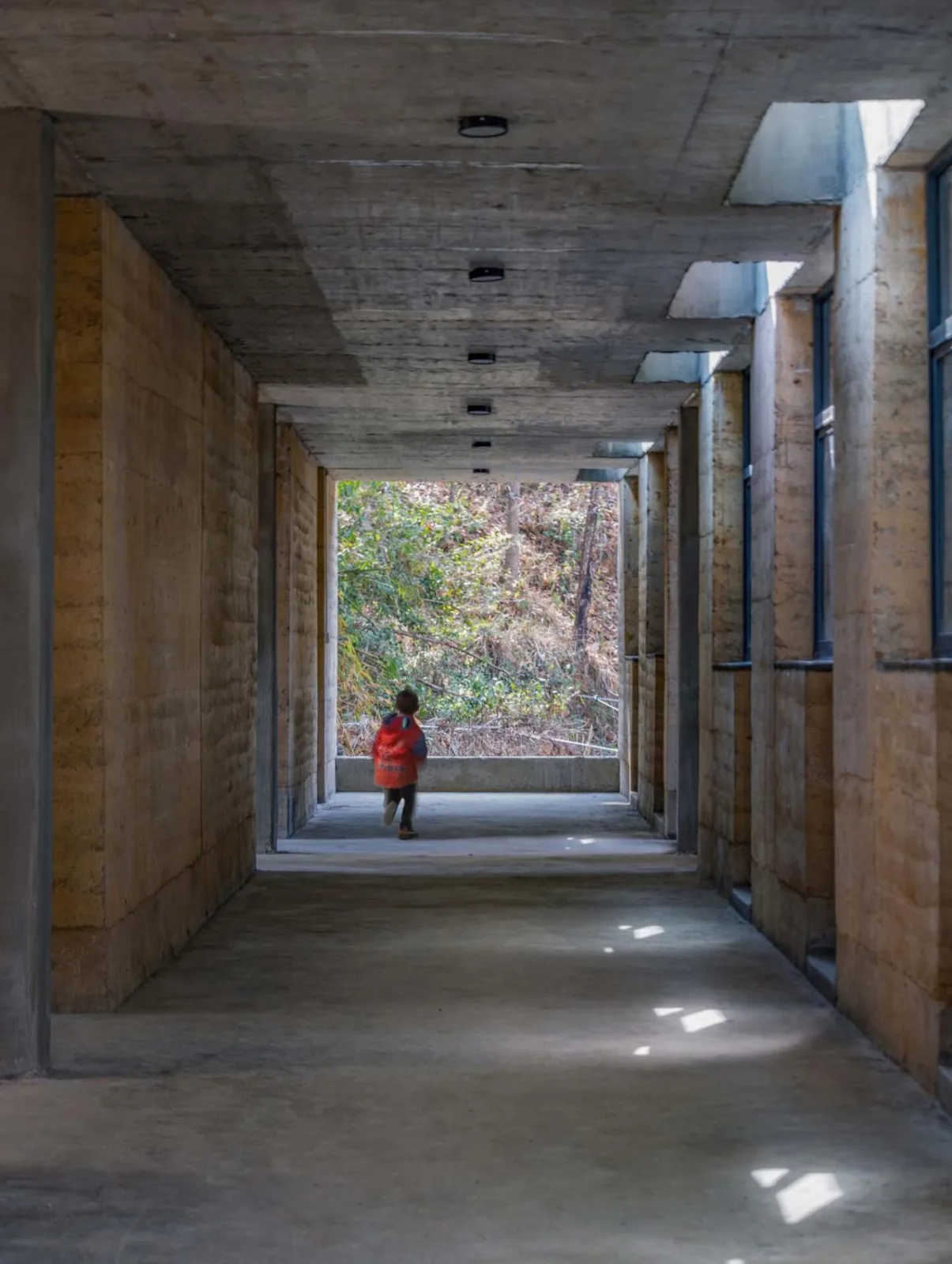
A row of lighting wells is integrated into the west side of the second-floor slab, enhancing natural light in the corridor and improving daylight for six rooms on the first-floor west side. Each resident requires a basic cooking space, but gas supply is unavailable in the countryside, and firewood cooking is limited by space. Induction cookers offer a practical alternative; however, oil fumes must be properly vented.
To address this, each unit is provided with a semi-outdoor area for cooking and smoke exhaust. East-facing rooms access their balconies through adjusted entrances, while second-floor west rooms have extended balconies. First-floor west rooms utilize the spacious corridor for this purpose. The lighting wells above the corridor also function as smoke exhaust shafts and allow for glass cleaning.
These semi-outdoor spaces serve as both cooking areas and independent resting spots when not in use, effectively solving smoke ventilation challenges for each household.
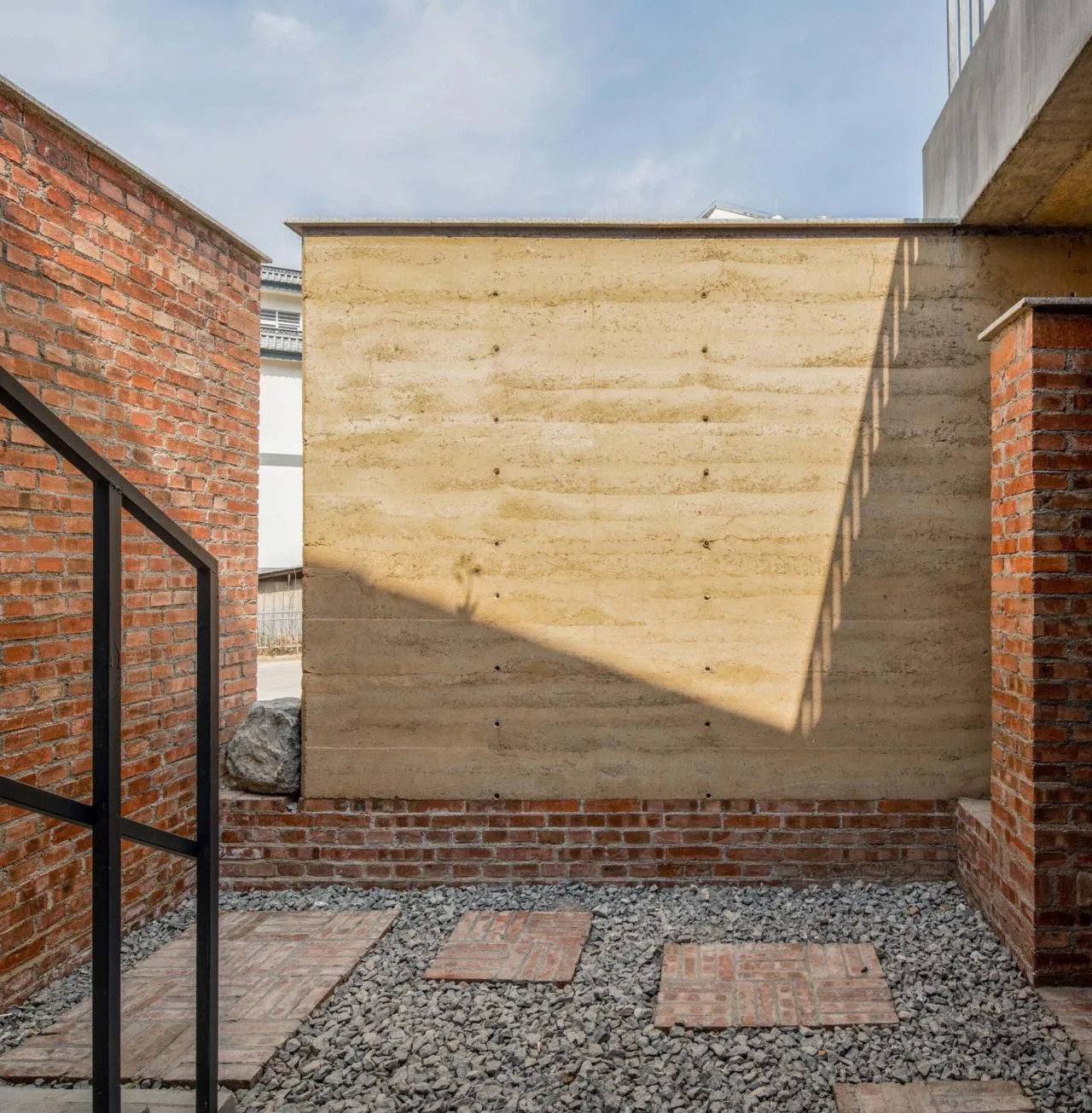
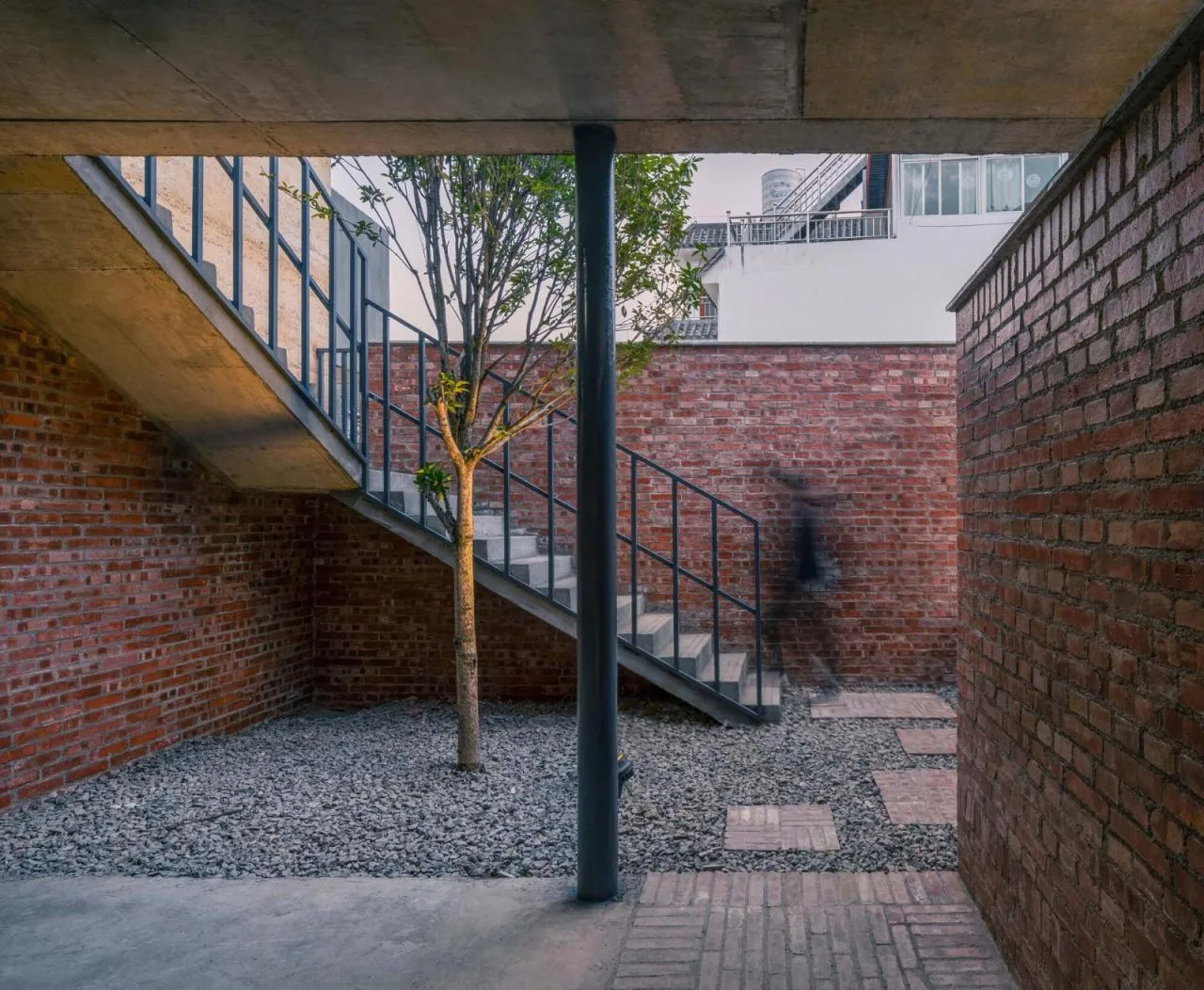
Laibao Village experiences a subtropical monsoon climate characterized by mild temperatures and significant variations between day and night due to mountainous terrain. Annual solar radiation is high. To ensure indoor thermal comfort, the design takes into account the local microclimate, aiming to minimize daytime heat gain and retain warmth at night.
The more than 20-meter-long ground floor corridor incorporates semi-elevated features such as courtyards, balconies, and stairs, providing shade and ventilation to create a cool, shaded summer environment. Exterior walls utilize rammed earth’s heat storage capacity, buffering indoor spaces from outdoor temperature fluctuations. During hot days, these walls absorb excess heat, maintaining stable indoor conditions and enhancing thermal comfort.
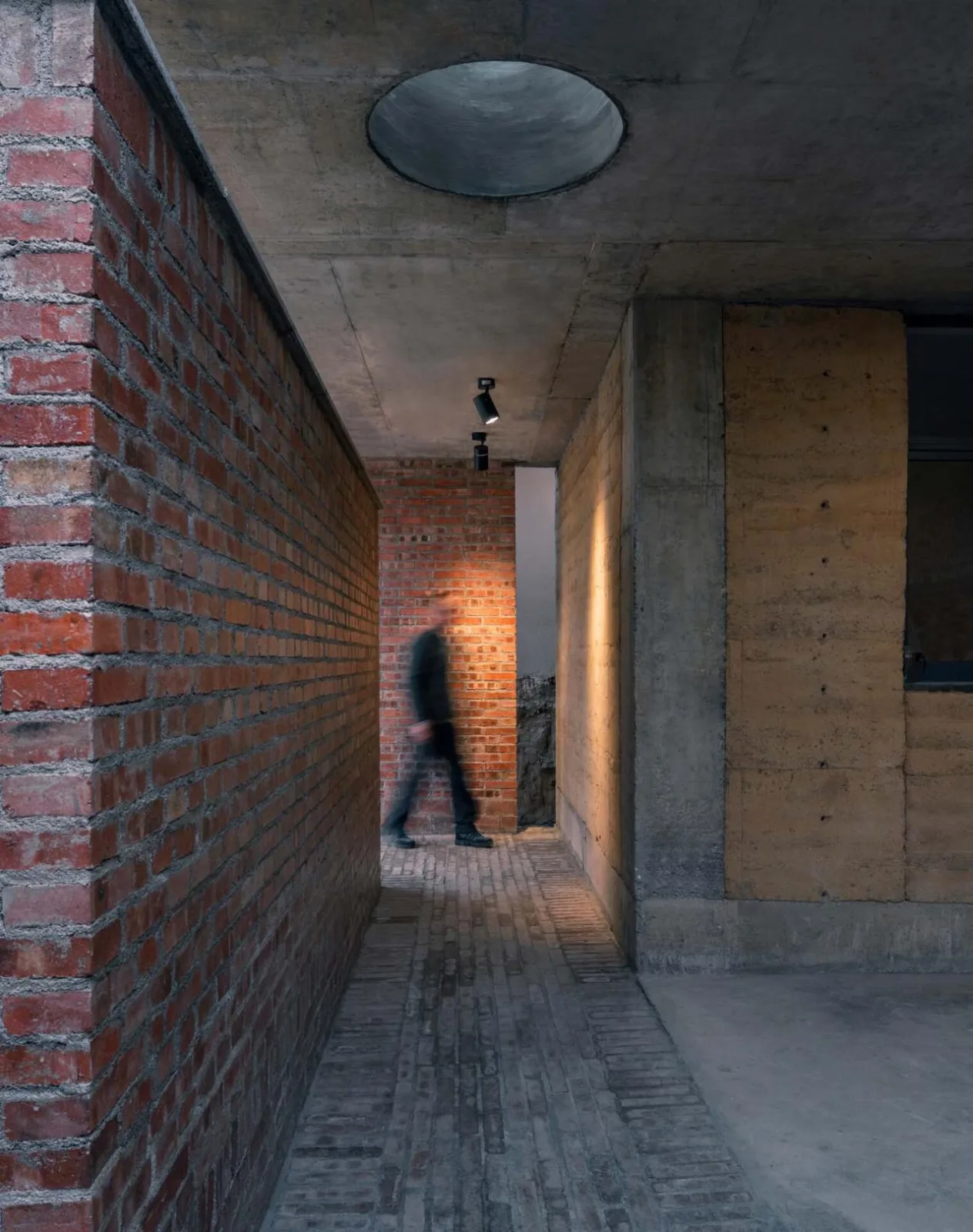


We carefully controlled the west-facing window-to-wall ratio. First-floor west walls feature small high windows, while second-floor west-facing balcony doors combine solid panels with small glass sections. This balances natural lighting needs while minimizing heat gain from afternoon sun.
Annual rainfall in Laibao Village averages about 1100 millimeters, above the subtropical average. Traditional earthen homes here use two-story sloped roofs, with living spaces below and storage plus climate buffer zones above to reduce heat gain. Our roof design follows this logic with a double-layered structure: a steel-frame glazed tile sloped roof above a concrete flat roof. This layered roof improves waterproofing and creates a ventilated cavity to dissipate excess heat, offering a modern interpretation of the traditional roof form.
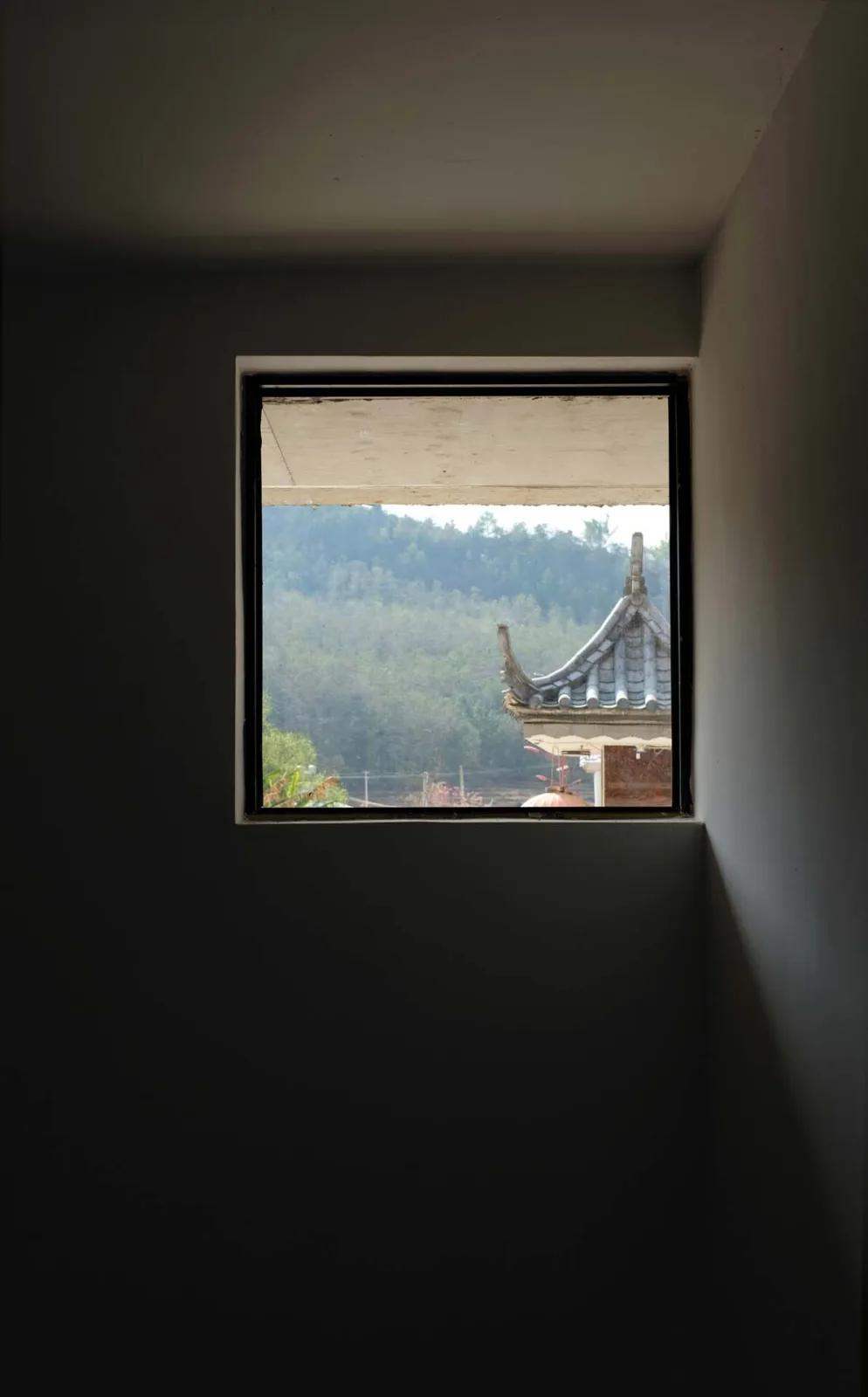
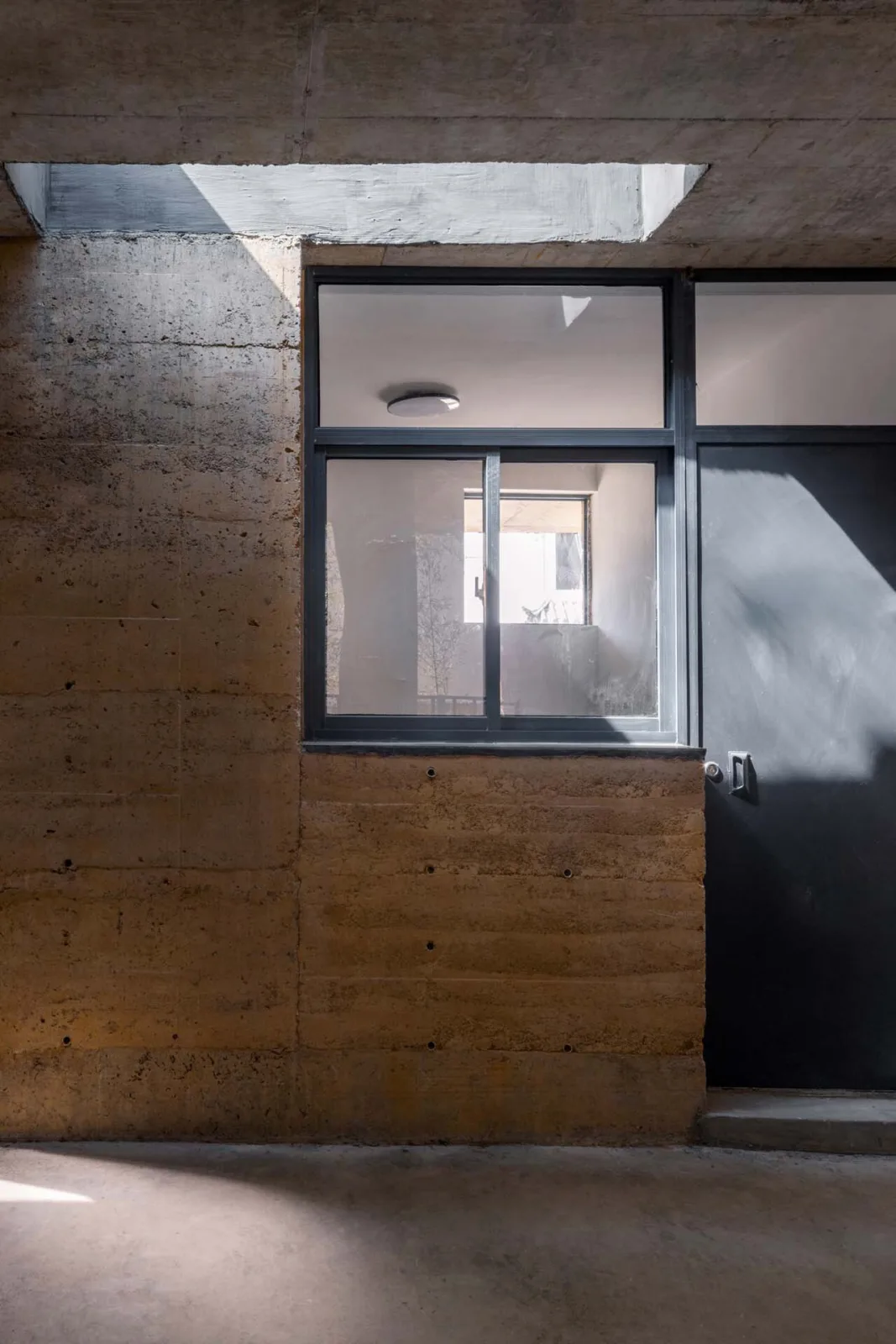
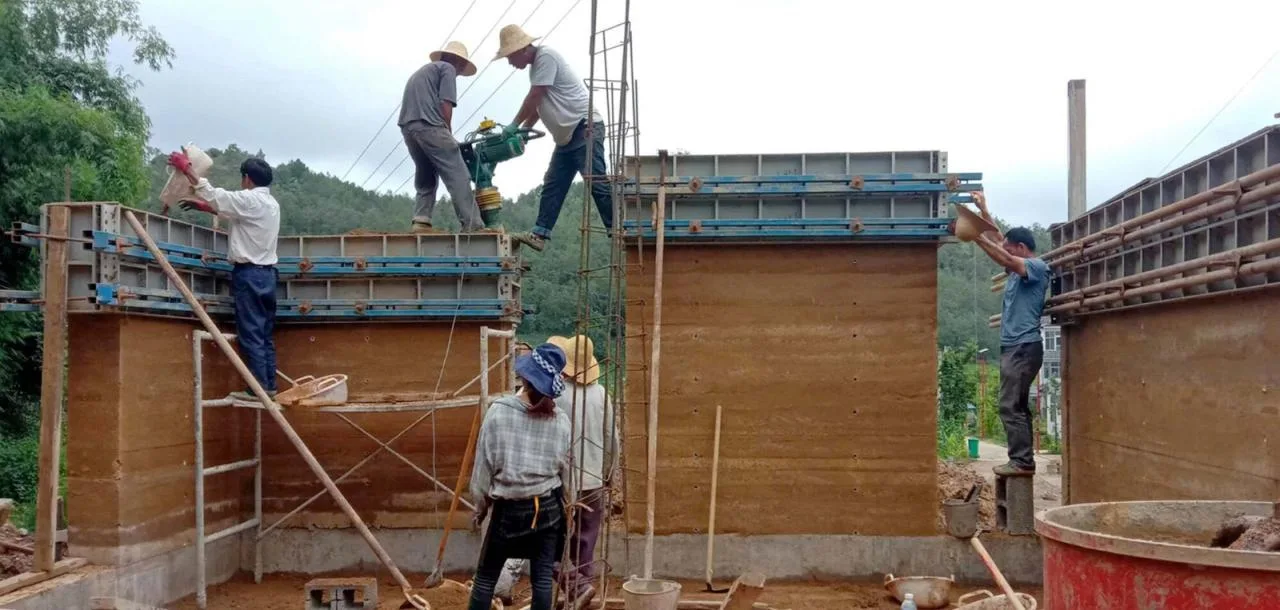
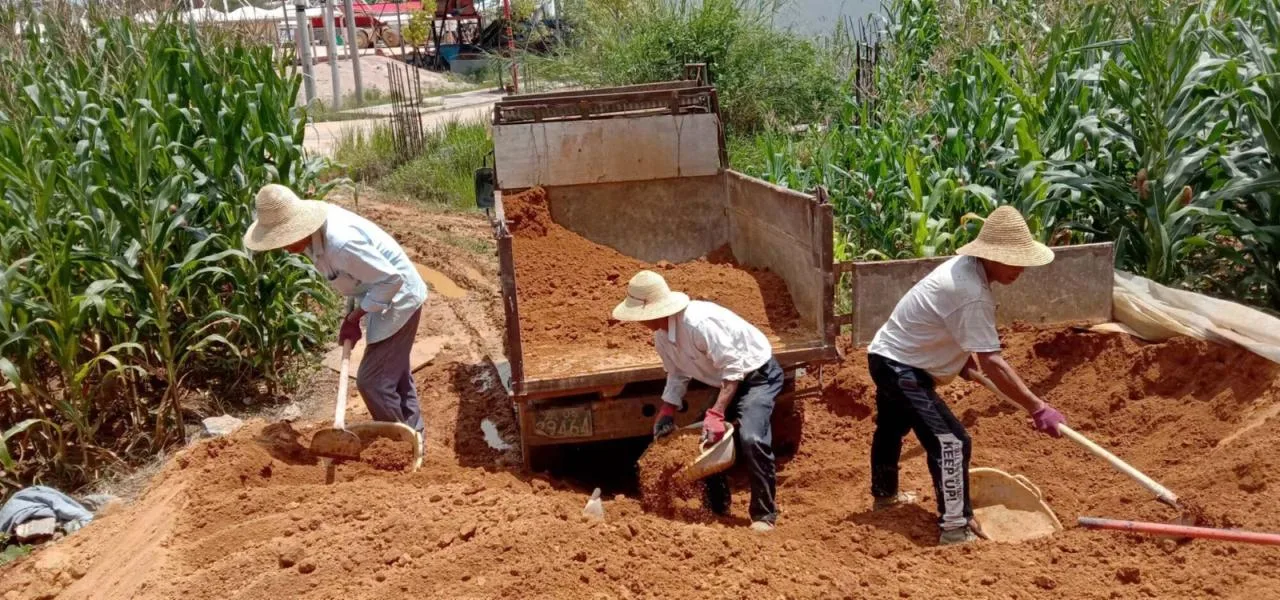
This project’s construction emphasizes local materials, craftsmanship, and techniques. To meet low-cost requirements while ensuring the “earthen” house’s appearance and comfort, rammed earth walls are designed as load-bearing structures rather than decorative elements. We optimized traditional rammed earth technology by adapting local soil ratios to enhance wall strength.
Reinforced concrete ring beams and structural columns were incorporated to strengthen the overall structure and improve seismic resistance. The rammed earth walls were constructed using aluminum alloy formwork and mechanical compaction to improve flatness and density. Additionally, we introduced modern rammed earth training for local craftsmen, enhancing their skills and employment opportunities while promoting sustainable local development.
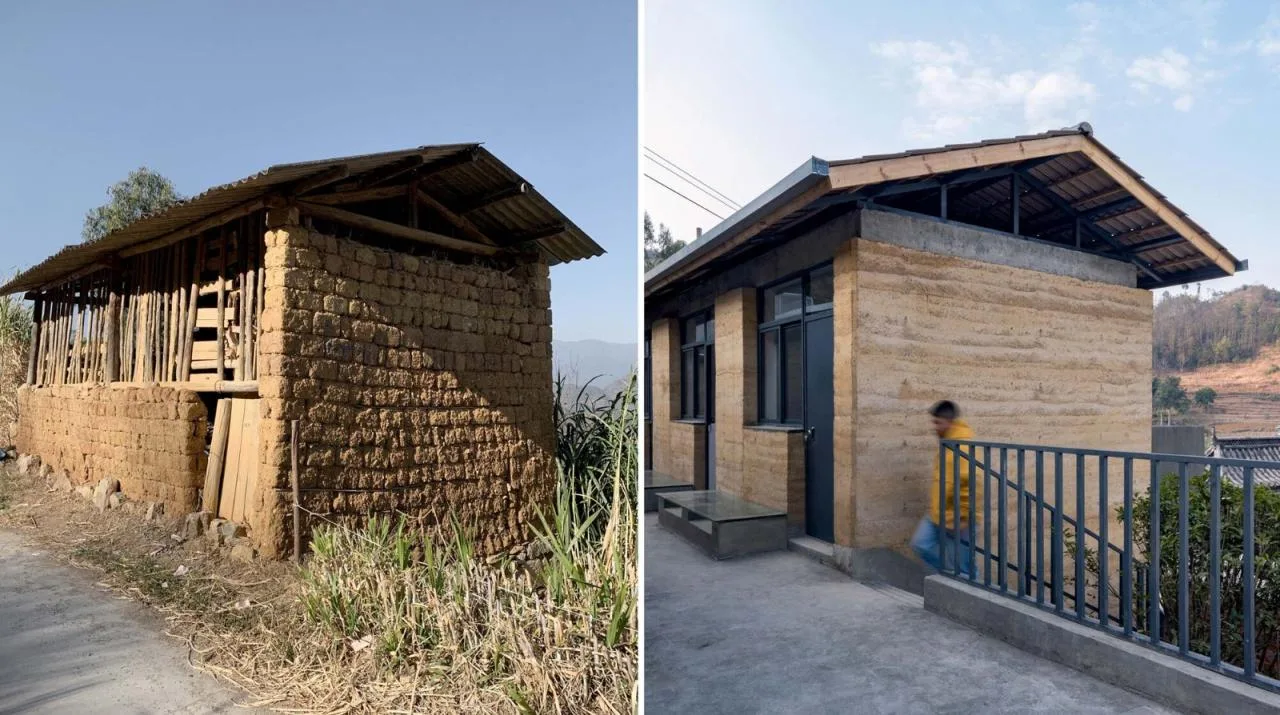
Recently, we revisited Laibao Village for project follow-up and filming. Six households have already moved in, with others preparing to do so soon. Hearing the unanimous praise from the elderly and children for their new homes is the greatest reward for us as architects.
Project Drawings
△ Project Generation Diagram
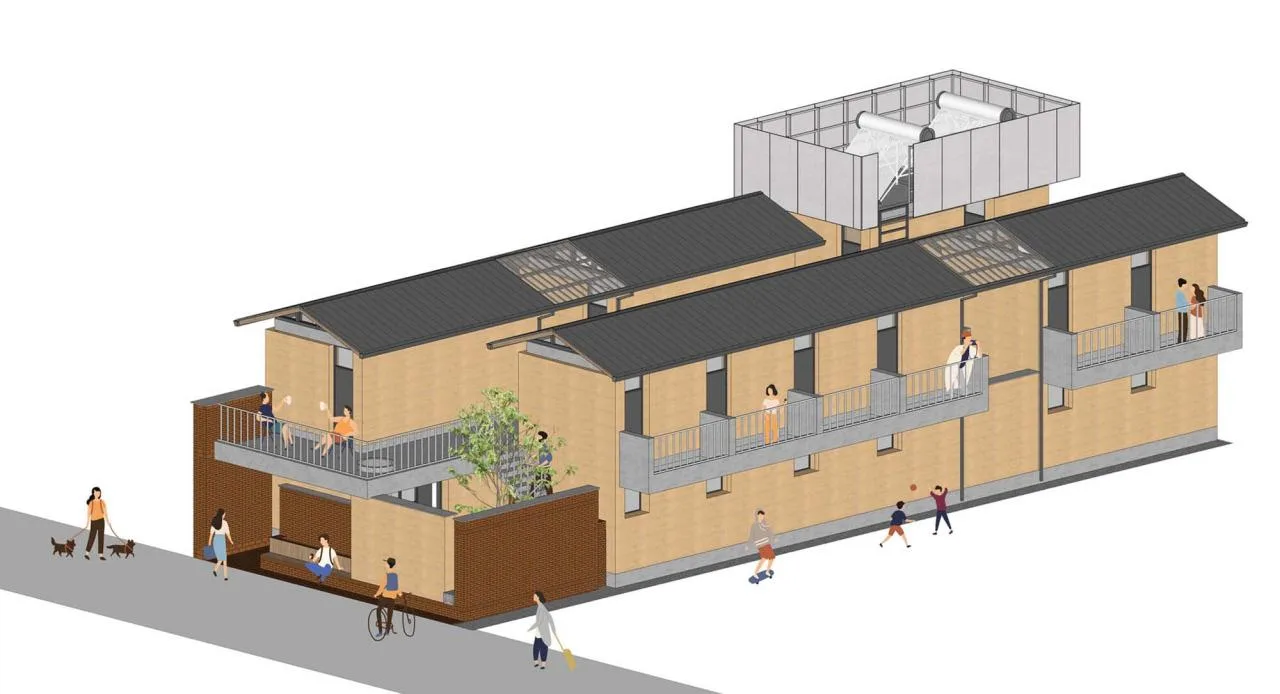
△ Axonometric Diagram
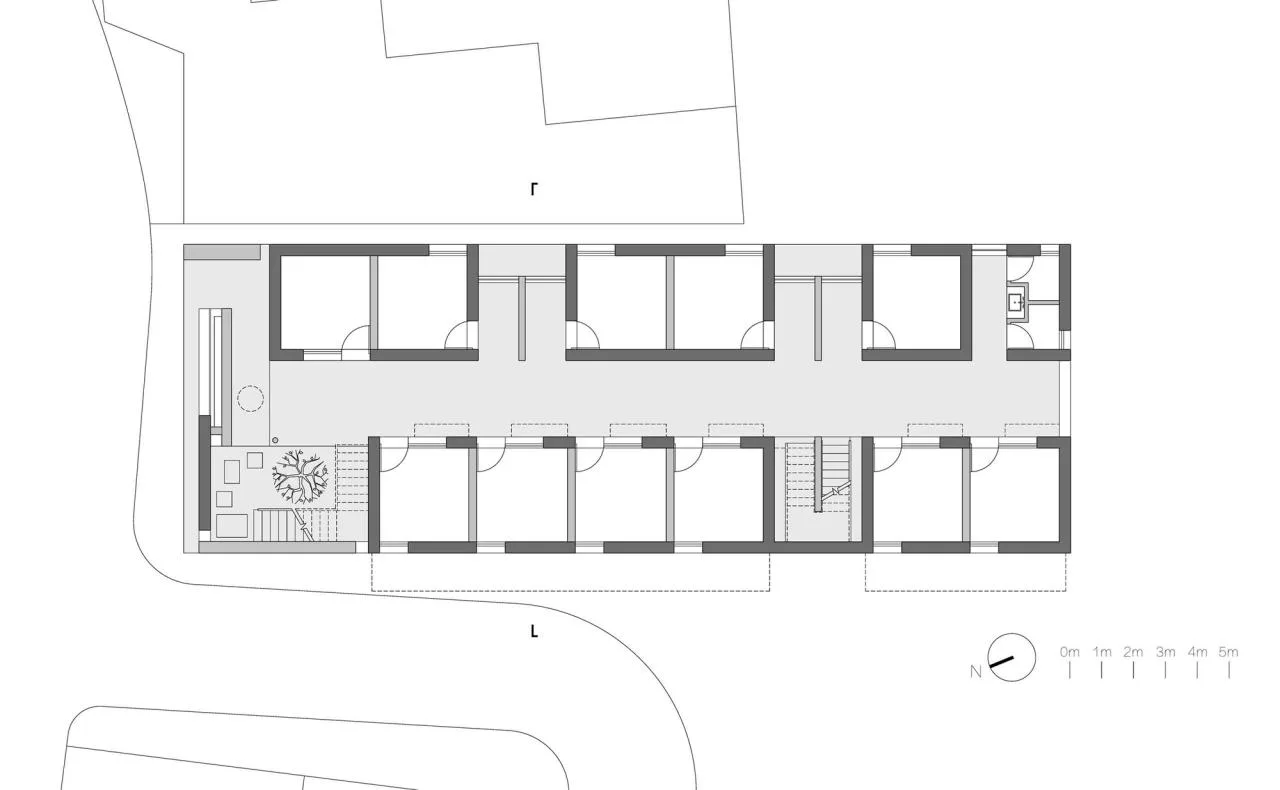
△ First Floor Plan
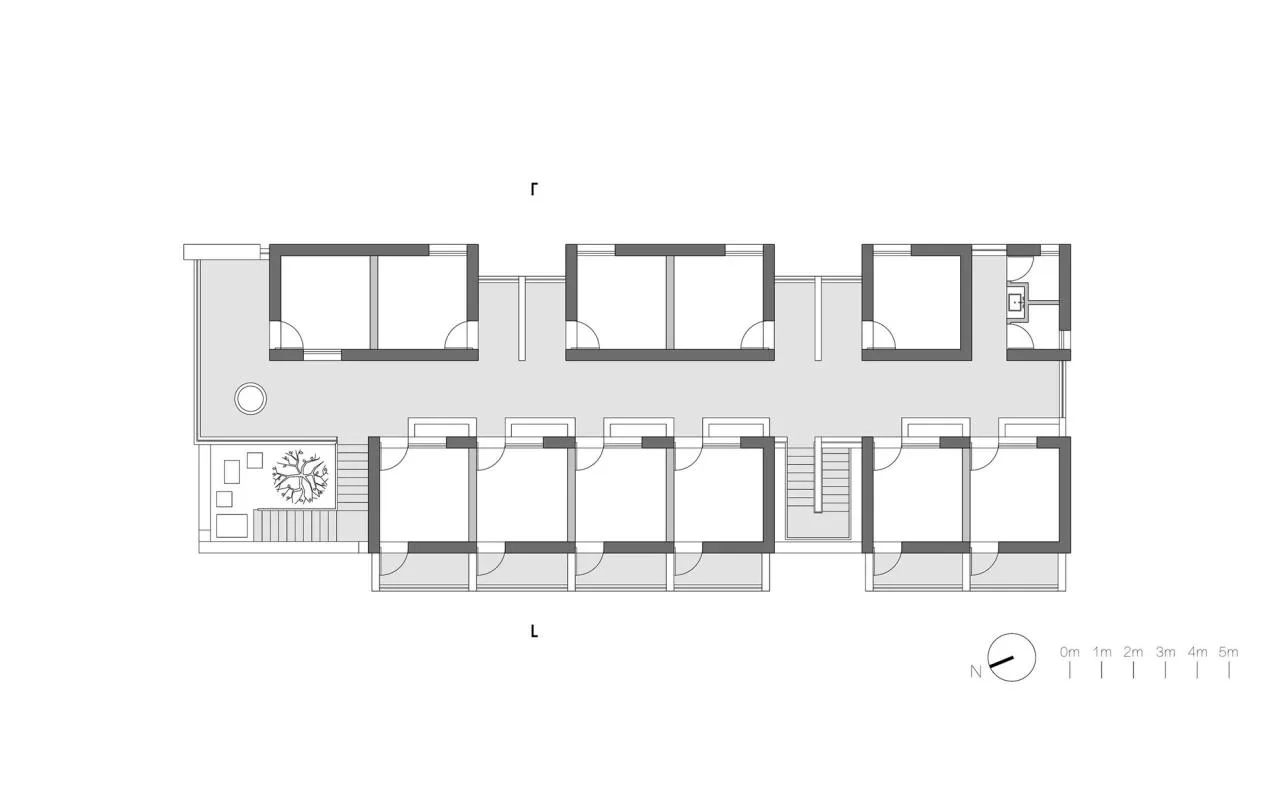
△ Second Floor Plan
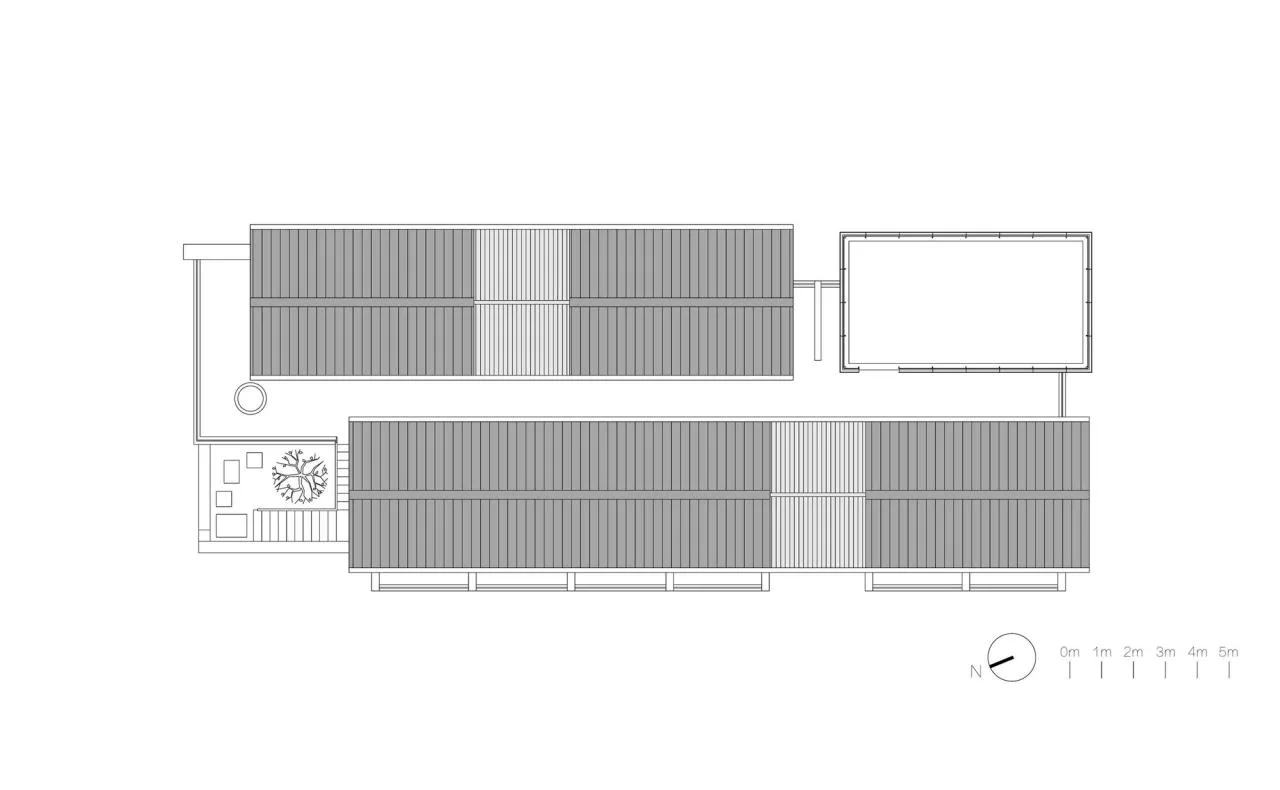
△ Roof Plan
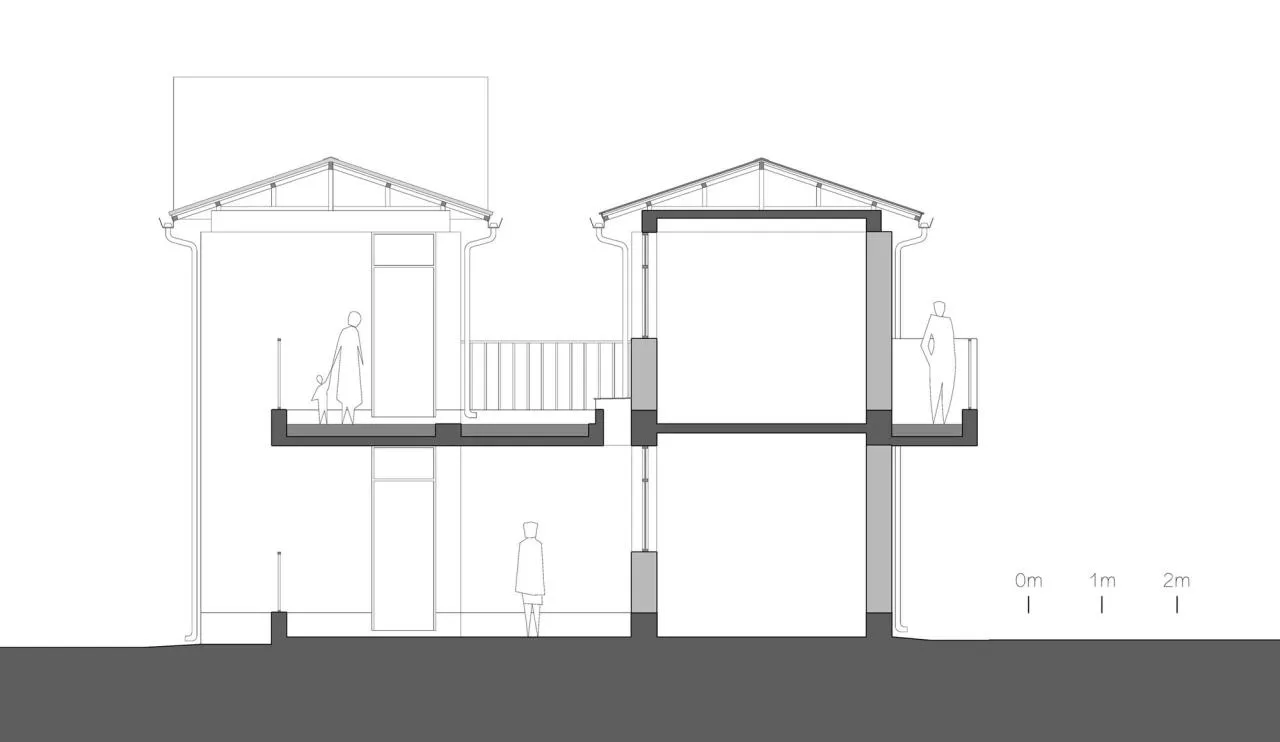
△ Section Diagram
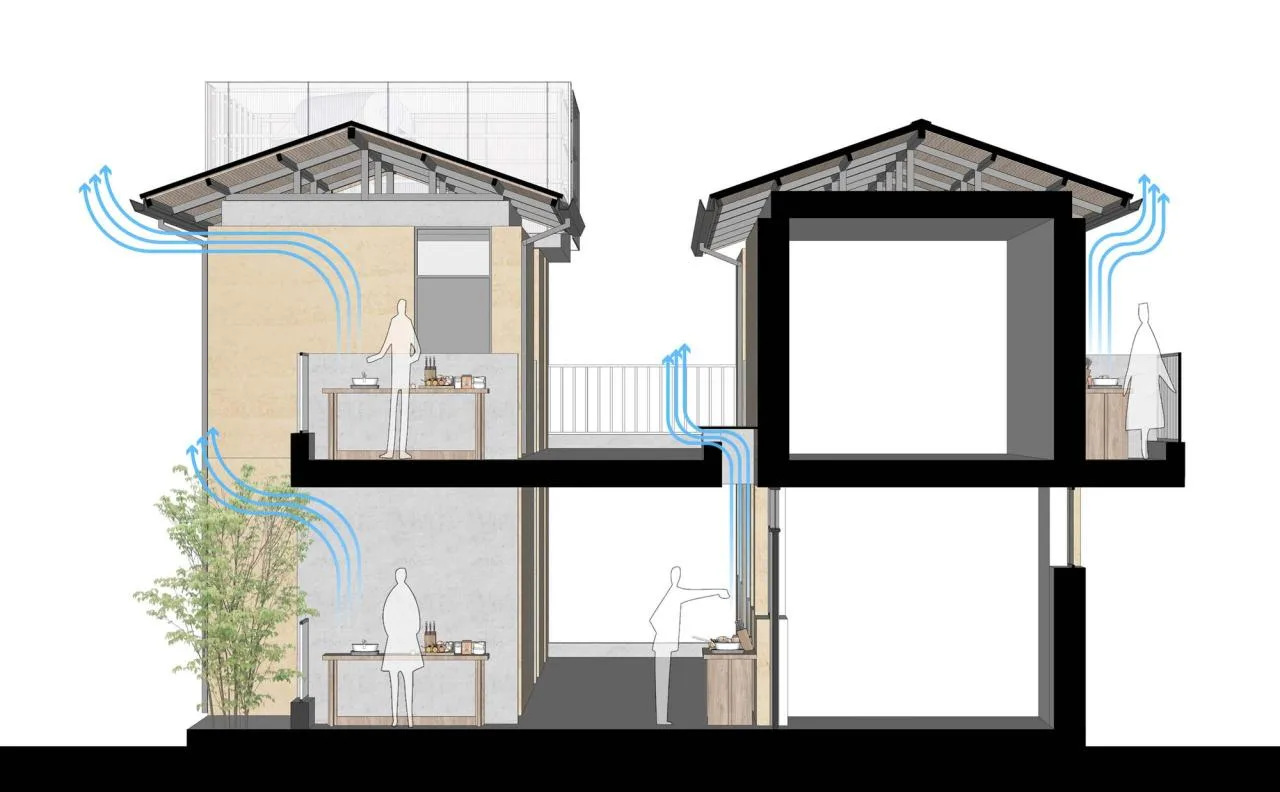
△ Analysis Chart
Project Information
Architect: Building No. 10
Area: 440 m²
Year: 2023
Photographers: Huang Xianzhi, Wu Yutong
Design Team: Zhou Shihao, Wu Yutong, Li Jinhang
Rammed Earth Technical Consultant: A Dedicated Village
Project Funding: Mrs. Chen Zhangmin Cong Charitable Foundation Co., Ltd
Construction Team: Zhu Jianguo Construction Team
Special Thanks: Dong Yixiang, Lin Yougang
Location: Baoshan City















Must log in before commenting!
Sign Up