
Project Introduction
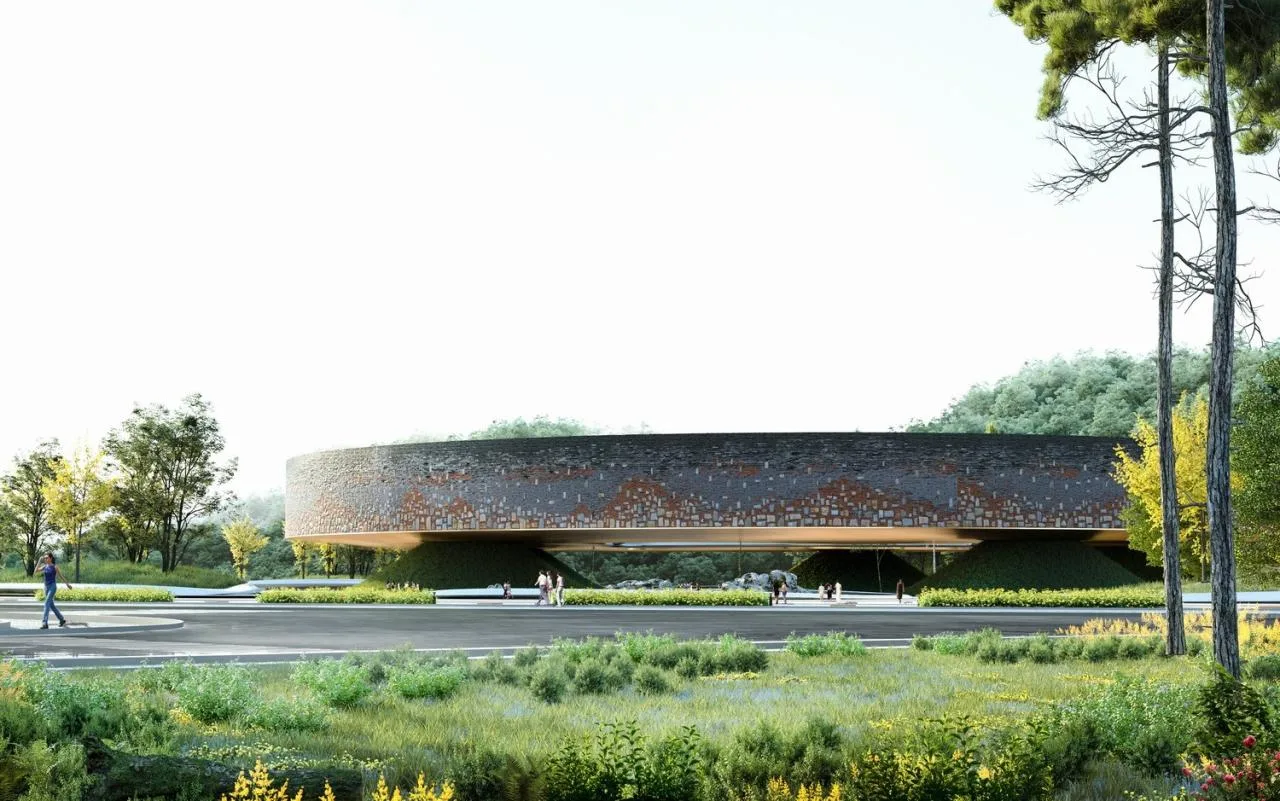
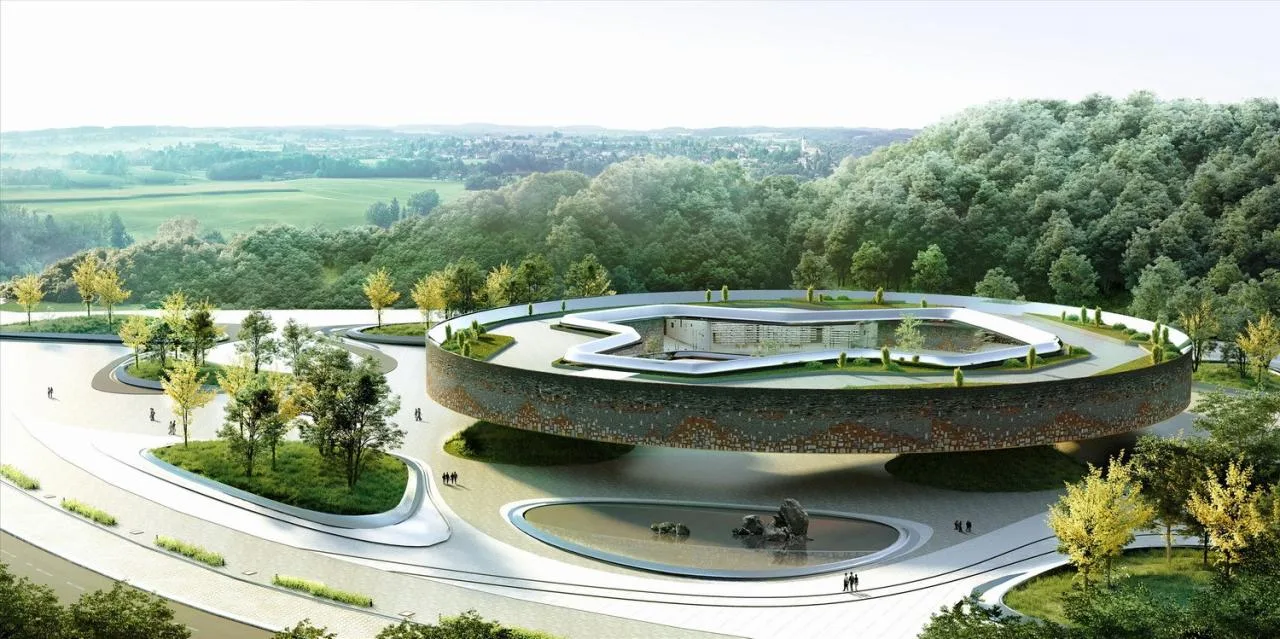
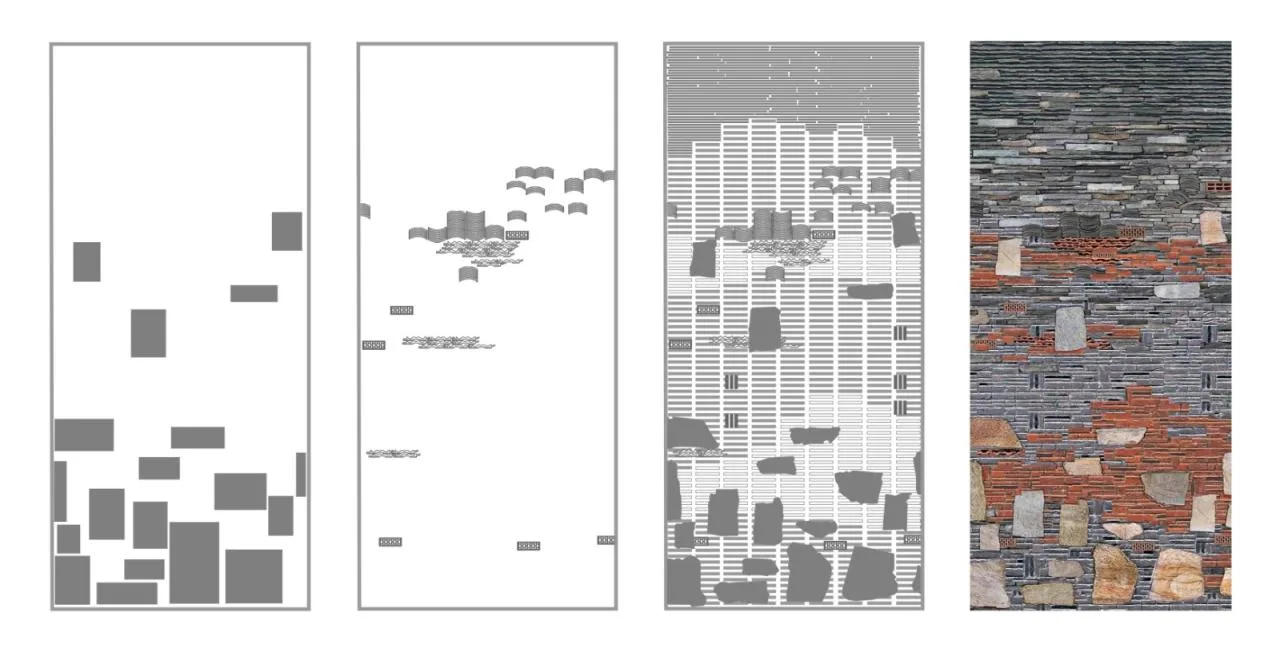
This project is located in Chongwu Ancient Town, Huian County, Quanzhou City, Fujian Province, an area known for its preservation of traditional “brick and stone” buildings. The unique Minnan architectural technique known as “putting bricks into stones” involves stacking various shapes of stones, red bricks, and debris to construct walls. The architectural design respects both nature and regional culture by blending this traditional masonry technique with modern spatial concepts. This deliberate contrast between old and new materials preserves and revitalizes the long-standing craftsmanship of brick-in-stone construction in a contemporary context.
Site Analysis and Regional Culture
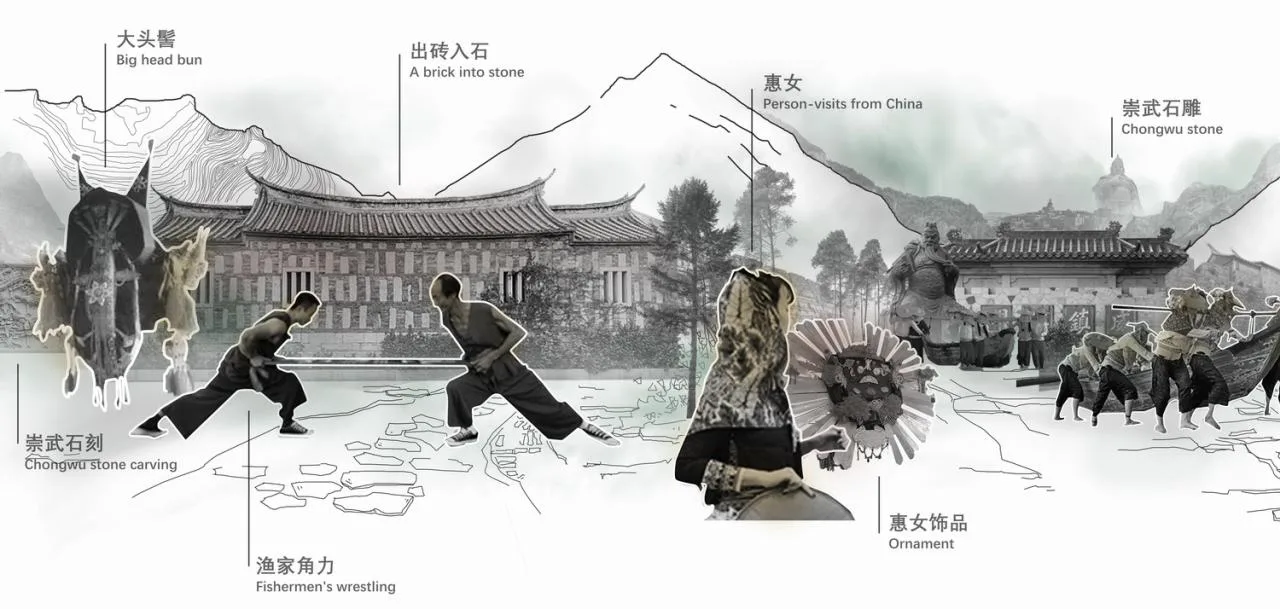
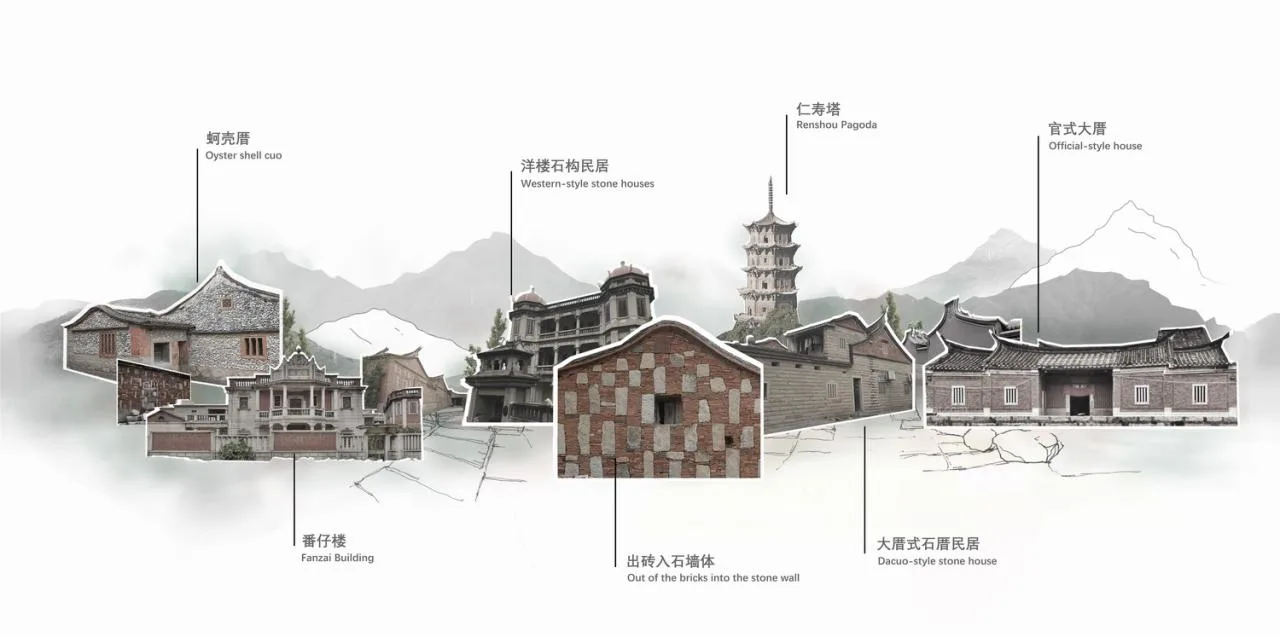
Venue Information
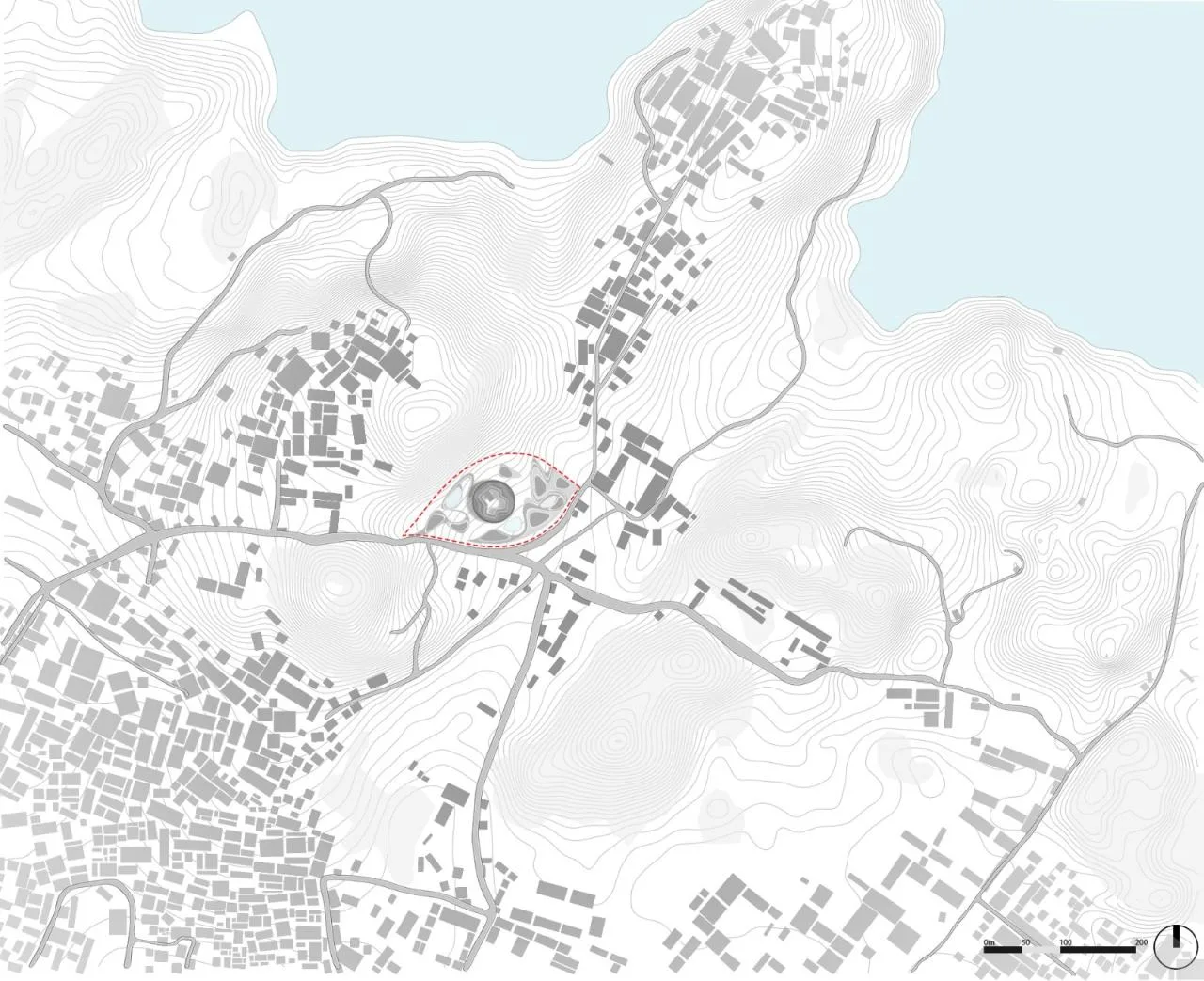
The site is nestled in the hills, bordered by a village residential area to the east and a road connecting a homestay with the cultural park to the north. To preserve the rich historical atmosphere and surrounding ecology of the ancient town, the complex is situated at the crossroads of two villages. The cultural complex spans approximately 28,000 square meters, with a building footprint of about 5,500 square meters.
Architectural Design
The building’s exterior showcases traditional local stone craftsmanship, featuring large blocks of white granite interspersed with strips of red brick. This combination creates a dynamic material palette of red brick and bluestone that extends into the interior, harmonizing with the local cultural heritage.
The base of the building is accented with copper plates, while the atrium incorporates geometric openings and planted trees to seamlessly bring the natural environment inside.
This design aims to reinterpret traditional culture and the spirit of the place by blending time-honored techniques with modern materials, offering visitors a sense of belonging and identity as they explore the space.
Spatial Distribution
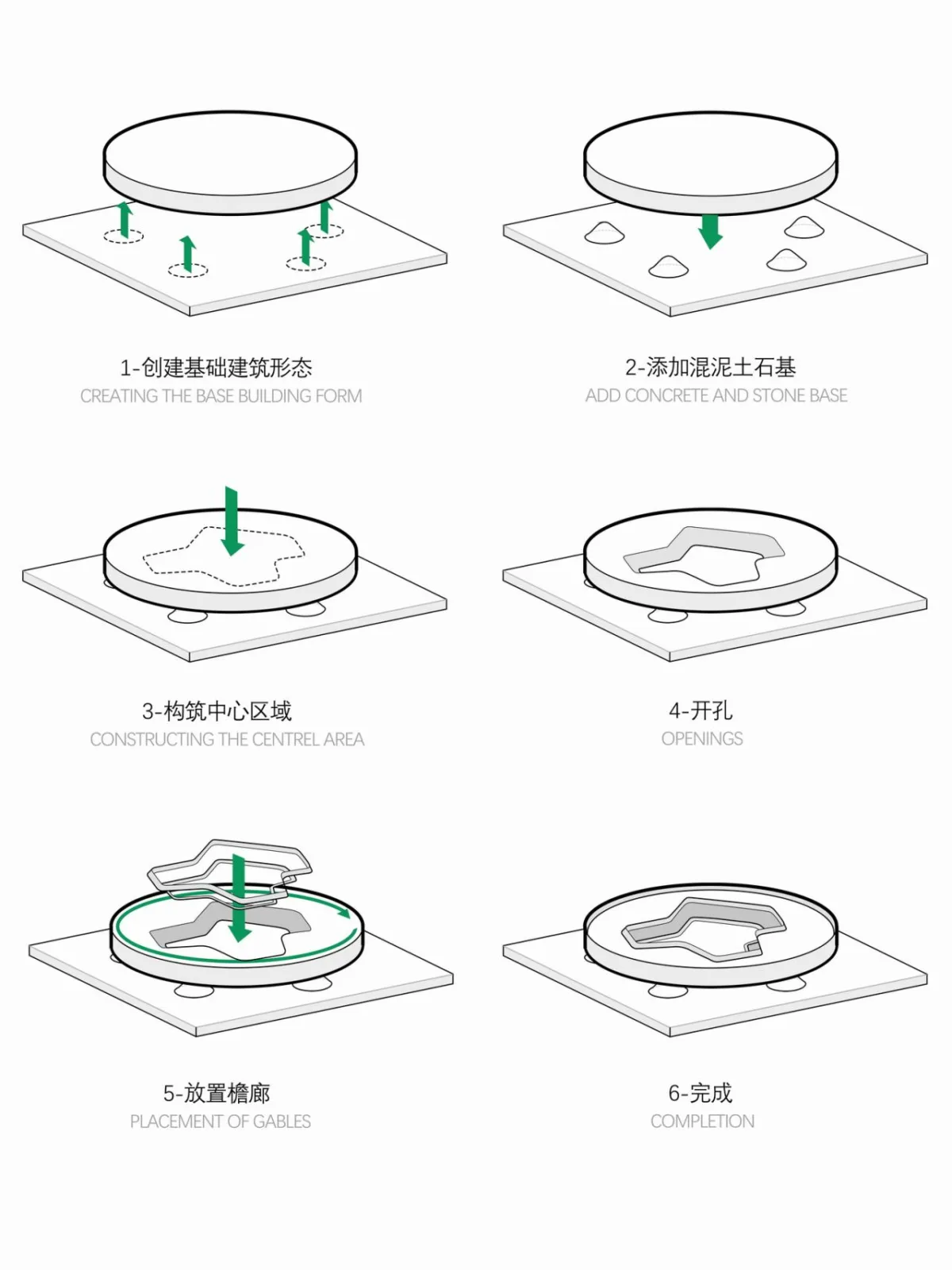
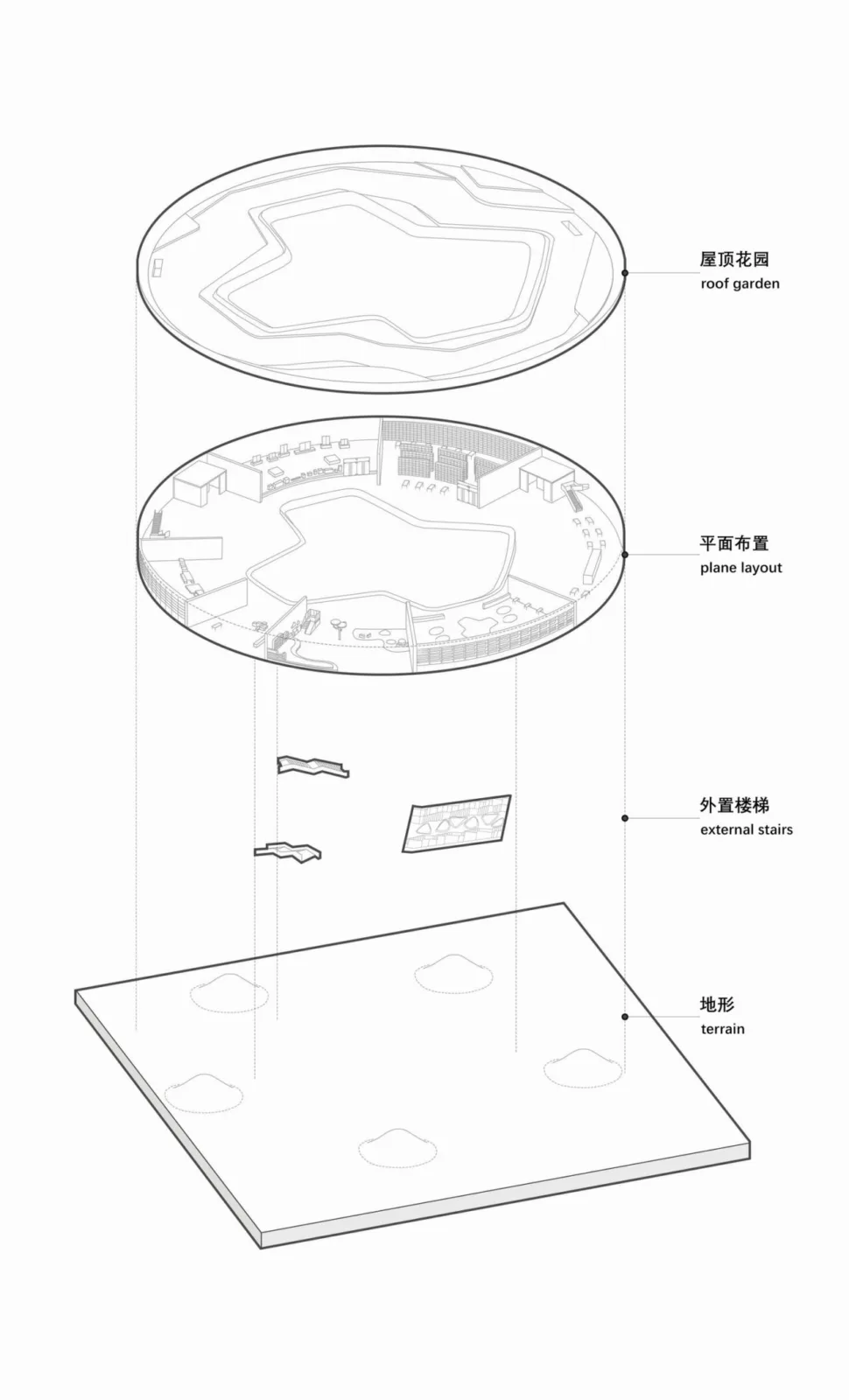
The structure features a cylindrical form divided into three sections: upper, middle, and lower. The rooftop garden at the top provides a relaxing space with panoramic views. The middle section houses the building’s functional zones, while the base is elevated on a steel structure supported by a concrete stone foundation, forming a courtyard square below.
Connections between the eaves gallery and the atrium are achieved through stairs and steps arranged across different levels, and the surrounding natural landscape is carefully reconfigured to complement the building.
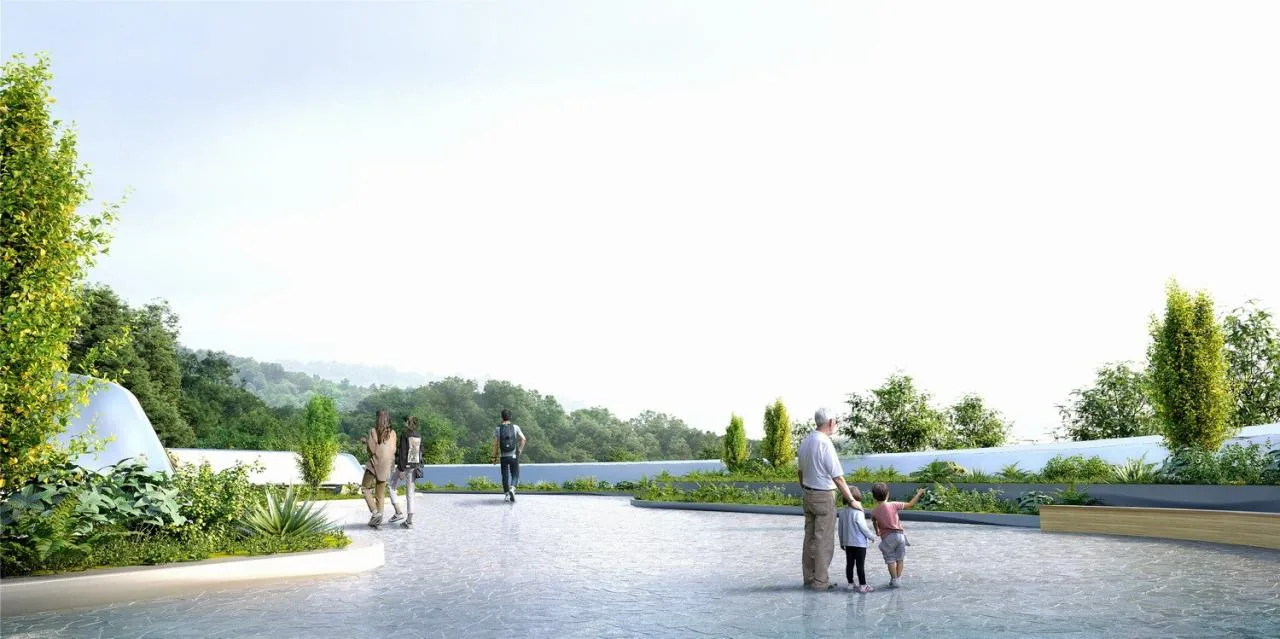
Building Facade
The interior layout is arranged as a circular ring, connecting various corridors. The sequence of spaces includes an entrance platform, tea room, children’s activity room, study center, medical room, exhibition hall, and library. This configuration not only satisfies the needs of local residents and tourists but also provides comprehensive cultural services to the surrounding community.
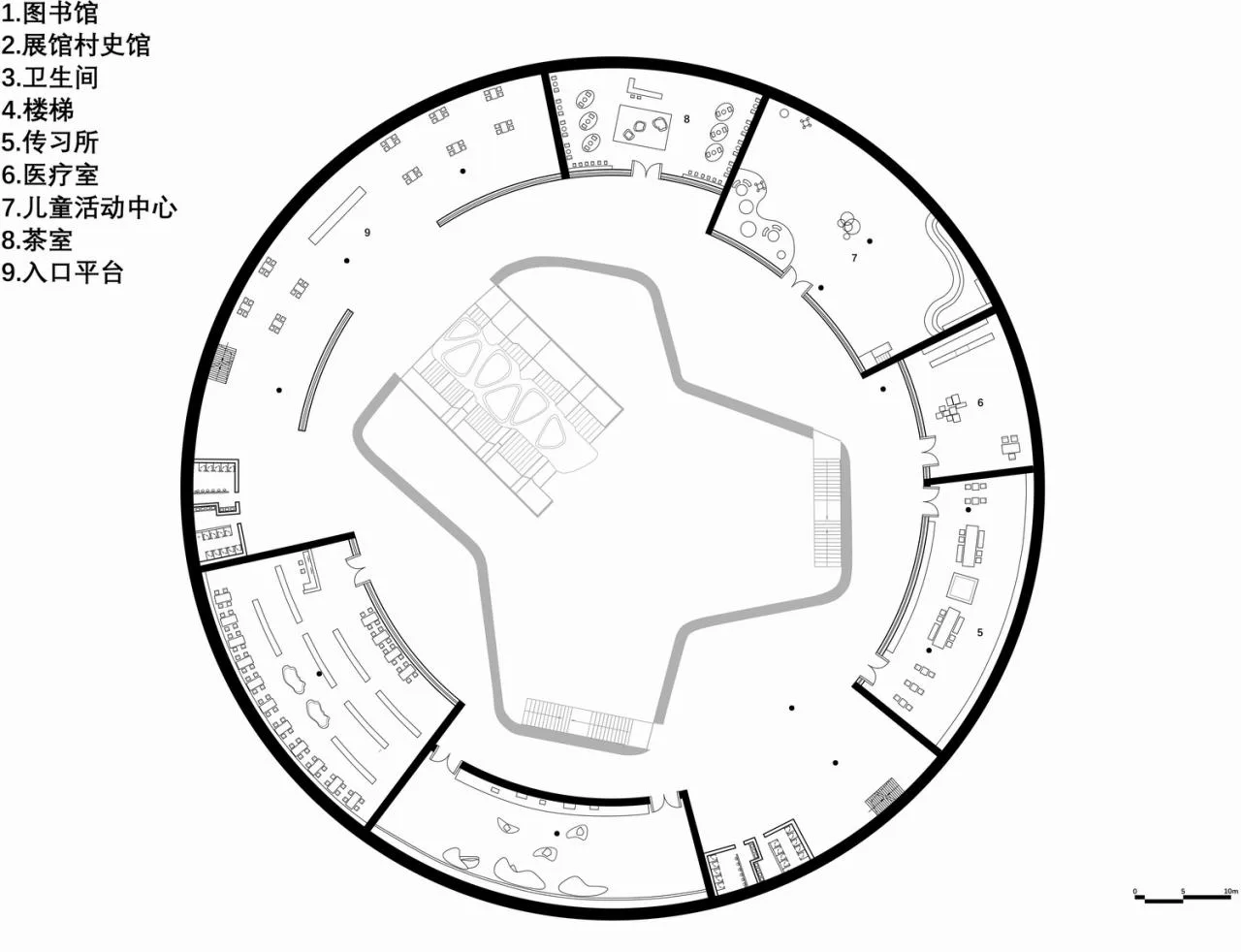
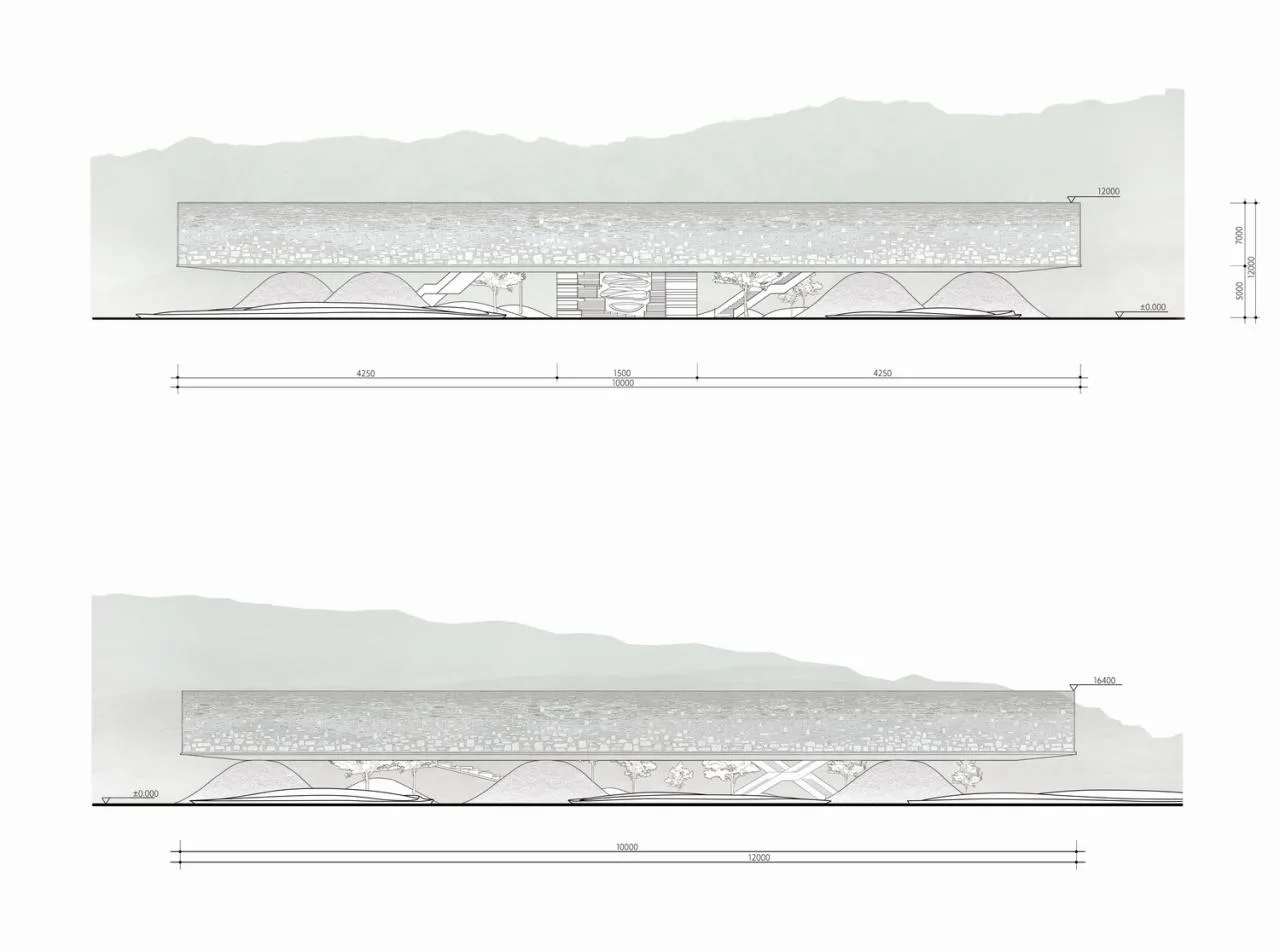
Related Drawings
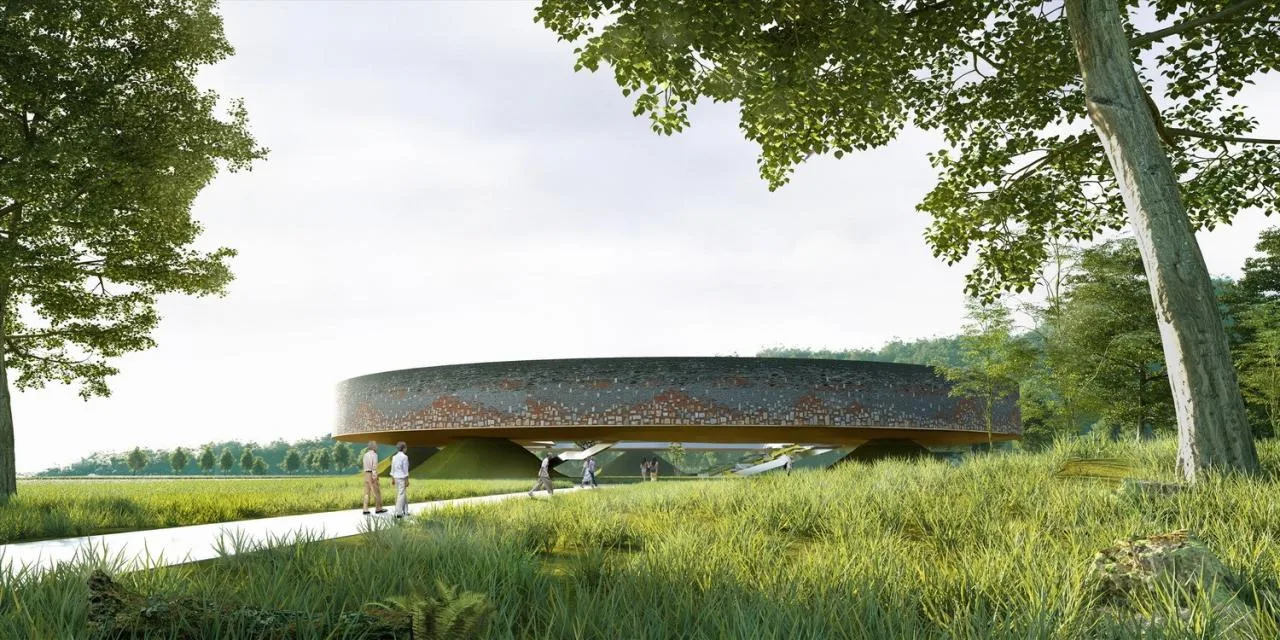
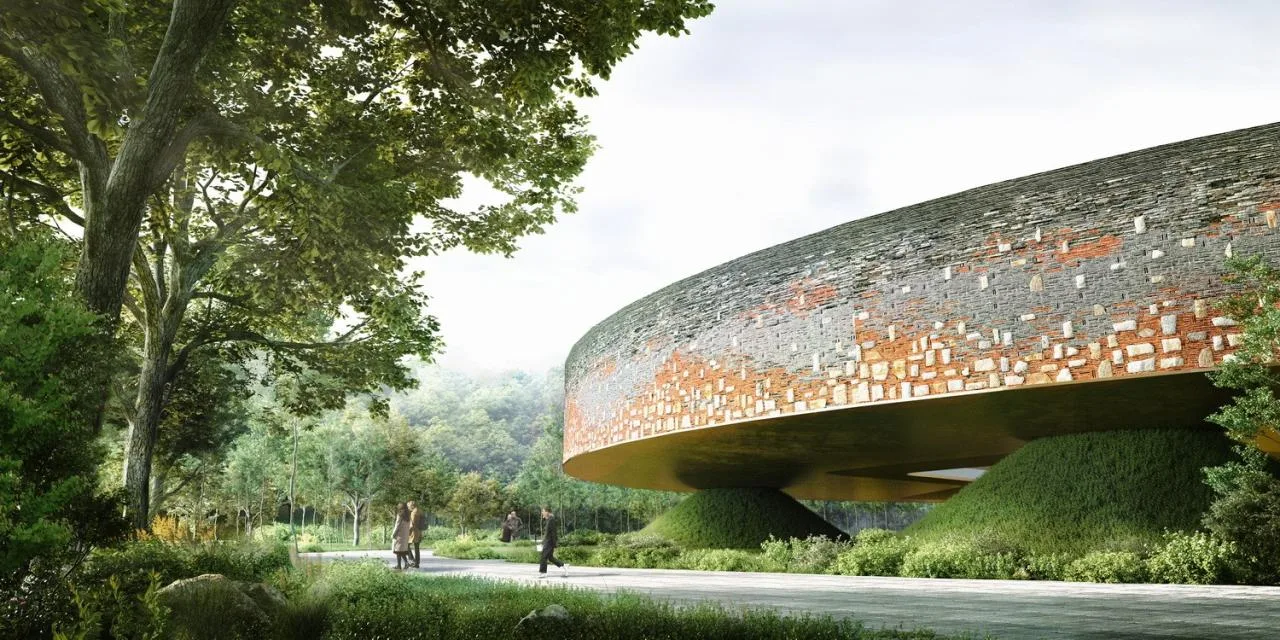
The treatment of the building’s gable walls continues the traditional wall paving style, featuring a red and gray color palette. The structural hierarchy and detailed skin textures enrich the facade. A concrete stone foundation elevates the building, with grass planted on its surface to provide natural shading.
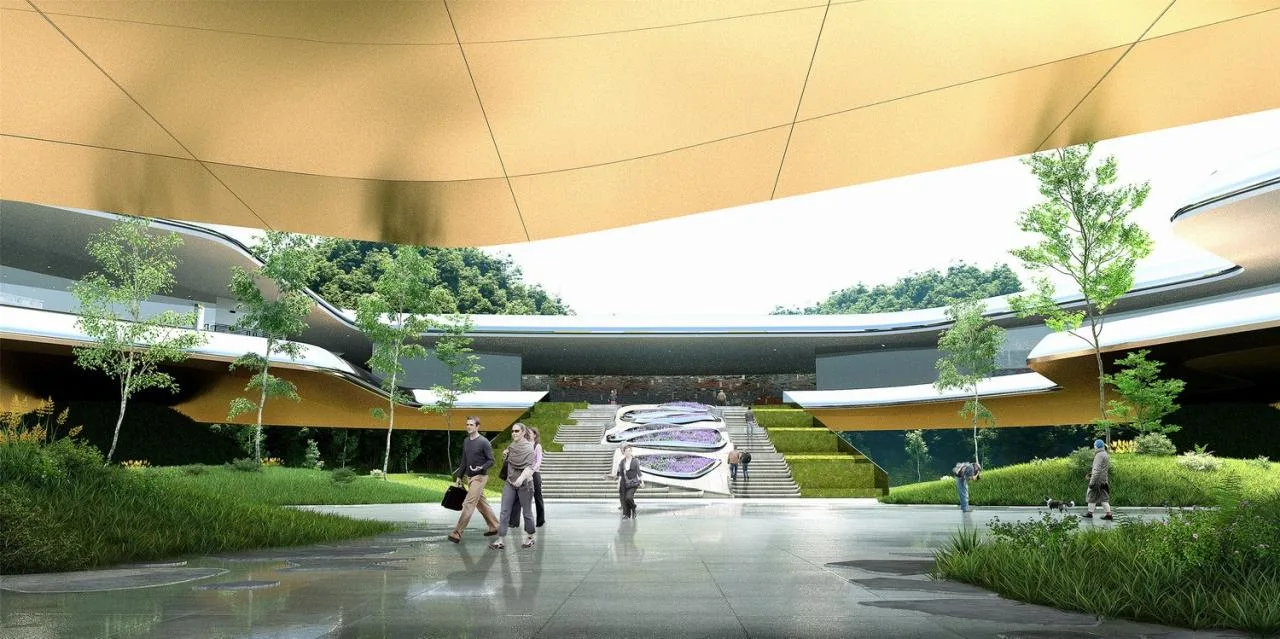
The building’s base is decorated with copper plates and features trees planted centrally to create a harmonious blend between interior and exterior environments. The atrium below offers a unique rhythm, integrating seamlessly with the building’s eaves and corridors.
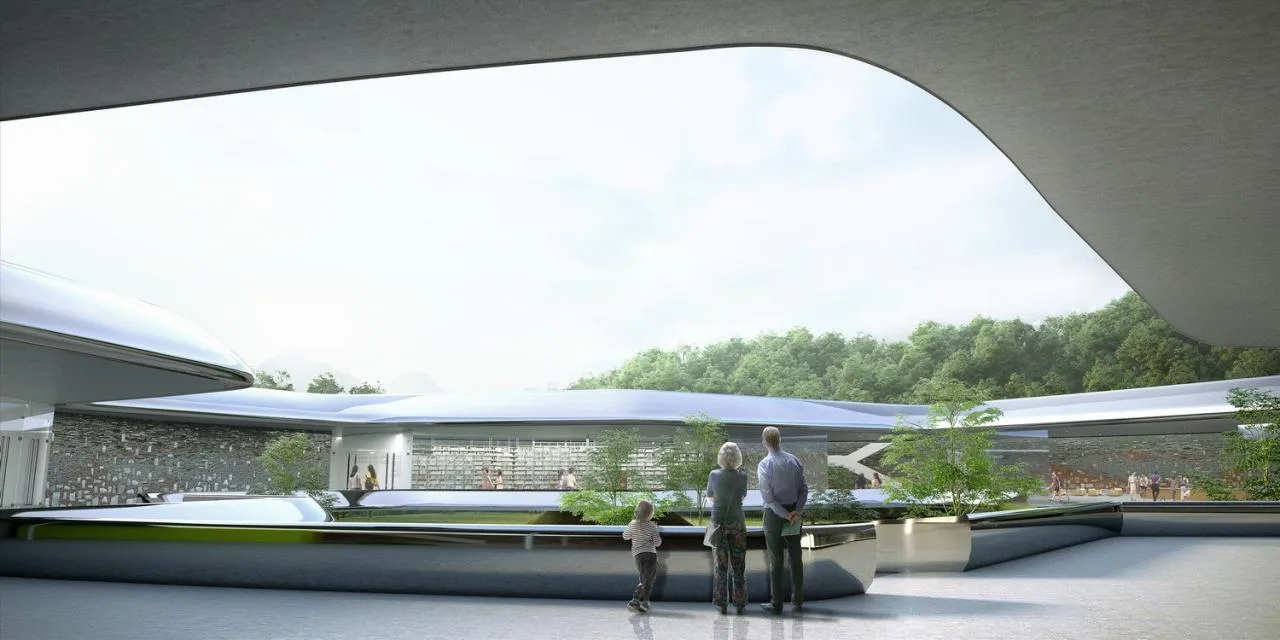
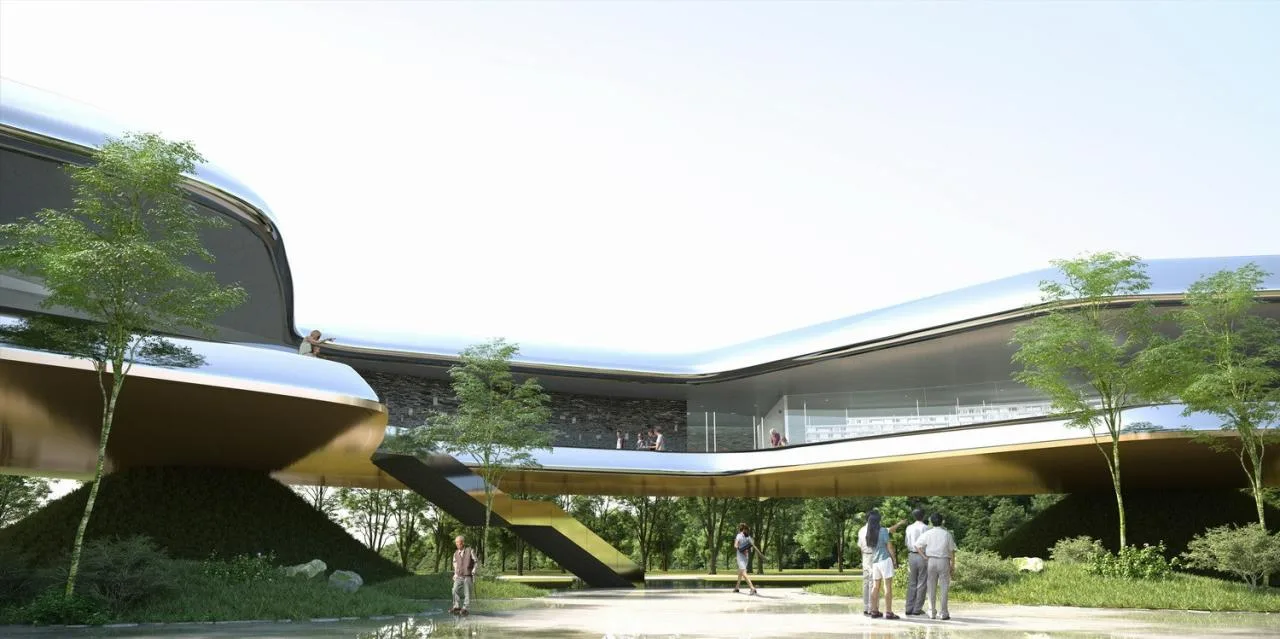
Eaves and staircases serve as prominent architectural features, with stairs facilitating vertical circulation. These elements create shaded zones through variations in building volume, effectively adapting the design to the region’s hot and rainy climate.
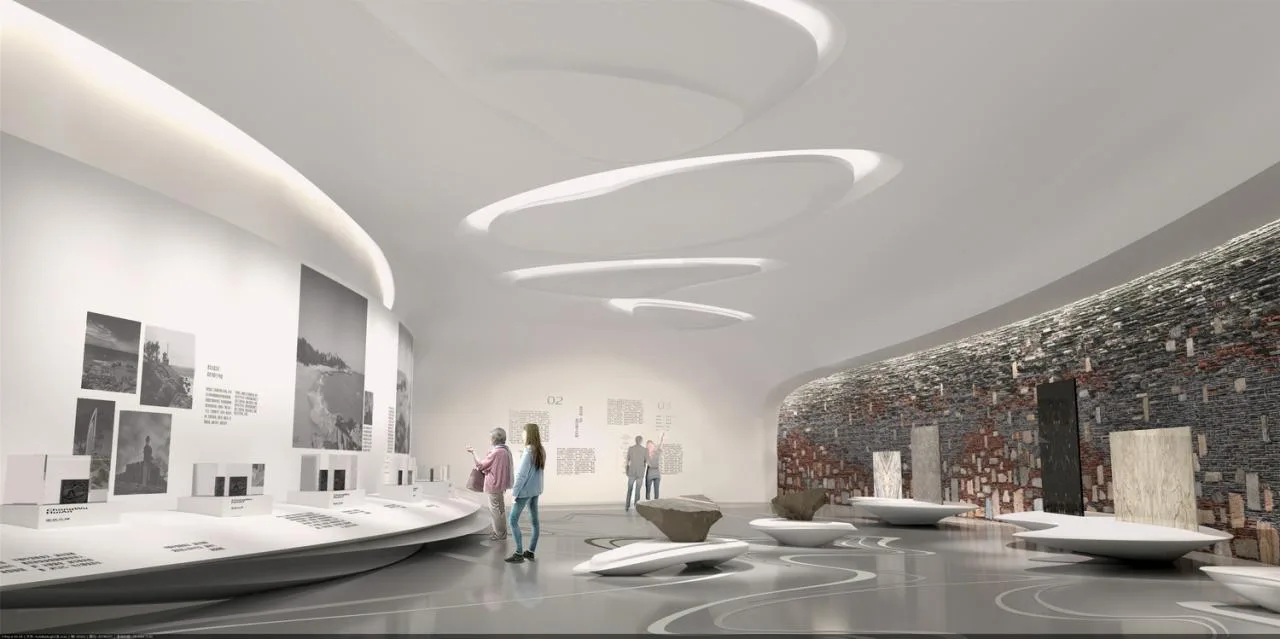
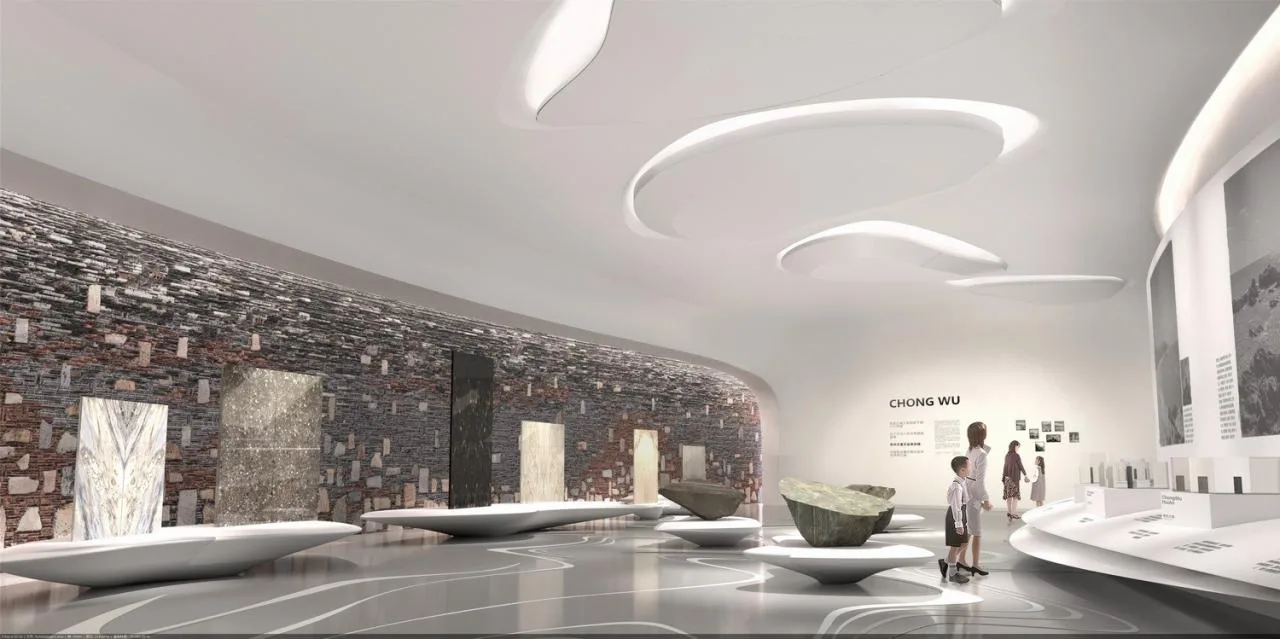
Serving as the building’s core, the exhibition hall showcases local intangible cultural heritage, including Huian’s traditional architectural techniques, stone carvings, and women’s clothing. The hall’s curved design unifies the display cabinets, ceiling openings, and floor patterns, creating a natural and dynamic space.
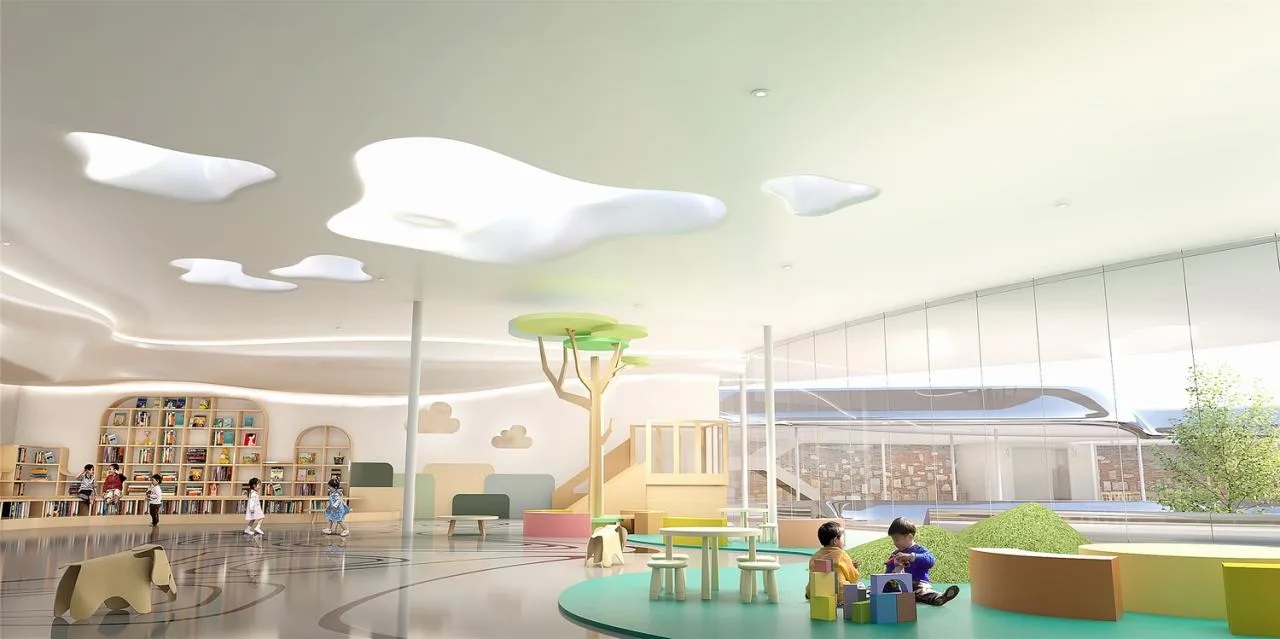
The children’s activity room is divided into two zones: one for activities and another for reading. Bright, lively colors and diverse shapes enrich the space, creating an engaging environment that offers children a vibrant psychological and play experience.
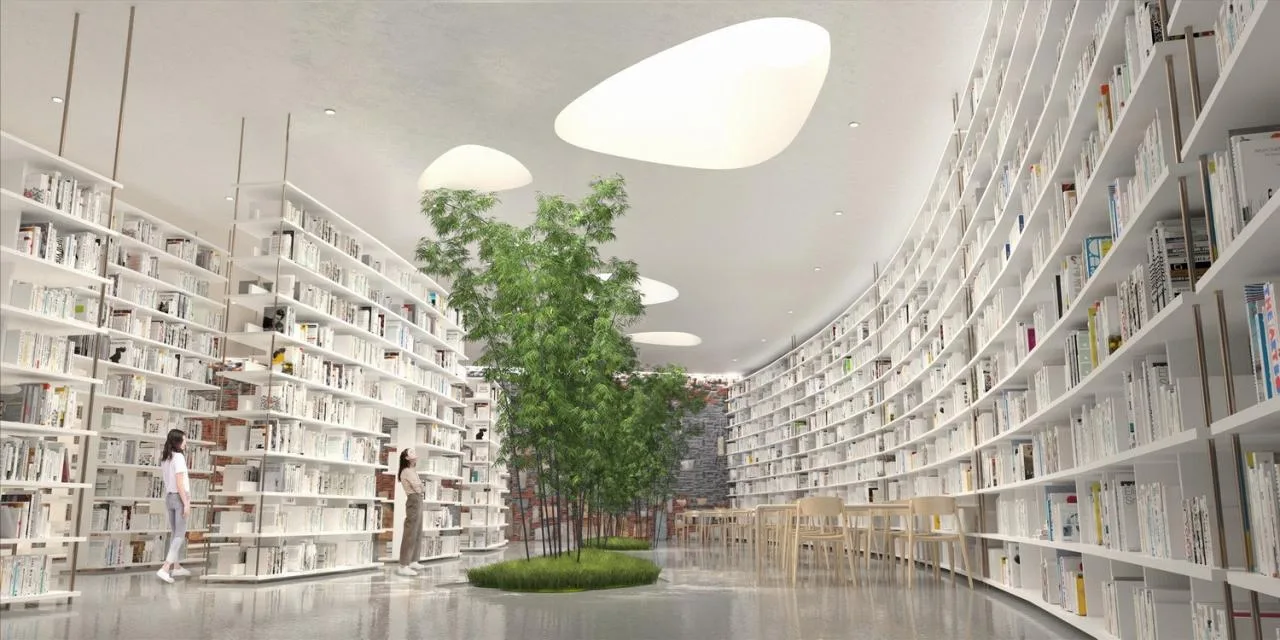
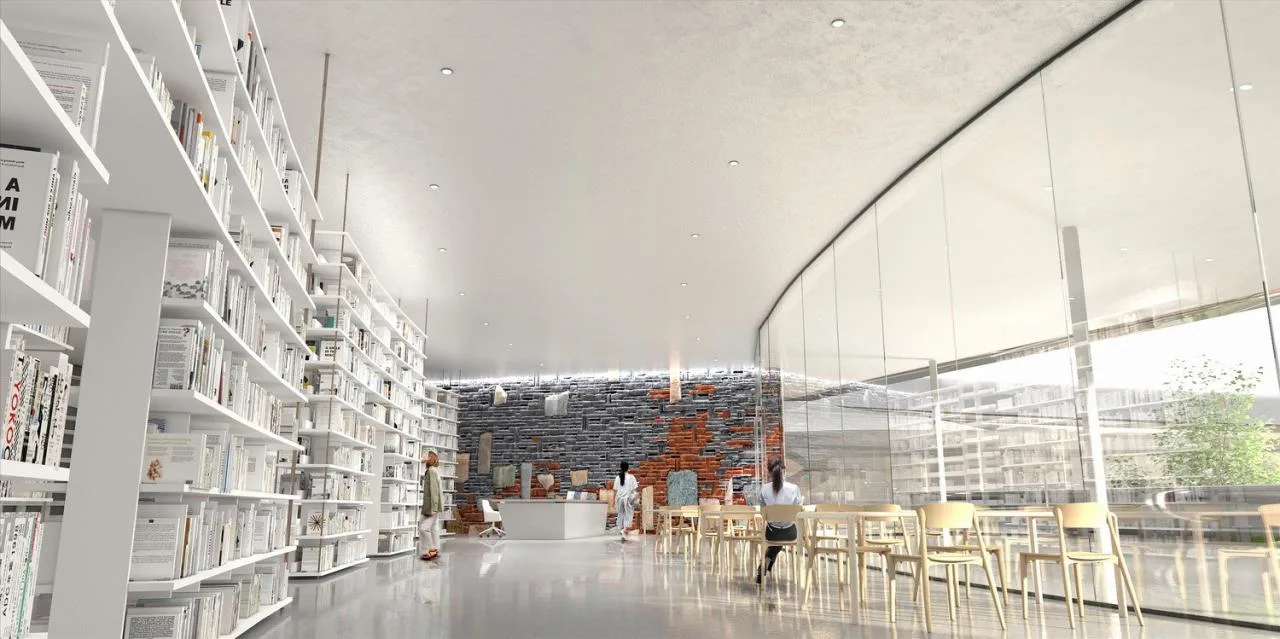
The library space is thoughtfully divided, with a self-study area near the French windows and a separate reading zone distinguished by plant landscaping. White bookshelves of varying heights and curved forms envelop readers, creating an immersive and comfortable environment.
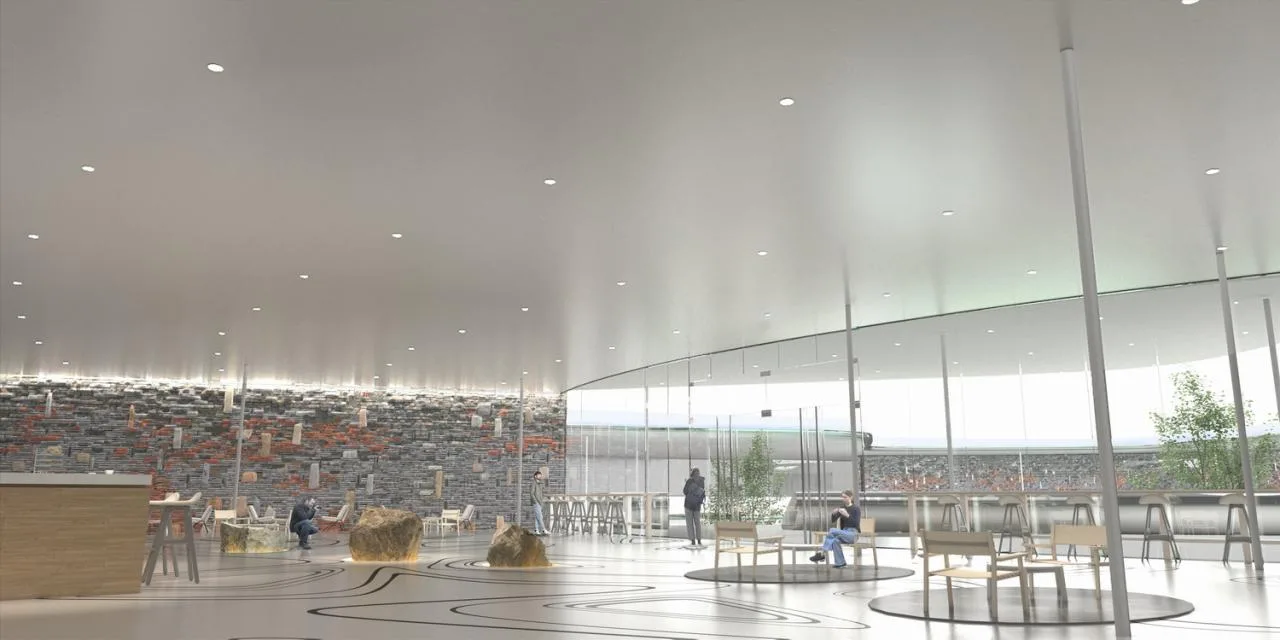
In our design, we emphasize the connection between interior and exterior environments. The tea room carries cultural significance and spiritual meaning, aiming to provide visitors with a relaxing and meaningful spatial experience.
Conclusion
The technique of “putting bricks into stones” embodies the resilient spirit of the Minnan people, who thrived in challenging environments while harmonizing with nature. By considering the current context of the site, exploring its poetic qualities, and giving these qualities spatial form, the design respects the natural environment, adapts to local conditions, and pays homage to traditional culture and materials. This approach reinterprets the balance between tradition and modernity, ensuring that the architecture relates to the existing ancient town context, preserves cultural heritage, and breathes new life into traditional construction techniques for the modern era.
Project Information
Location: Fujian, China
Design Studio: Novice Architect
Principal Designer: Ding Xianglei
Design Team: Yin Yue Tangmata, Shen Yue, Wang Zirui















Must log in before commenting!
Sign Up