
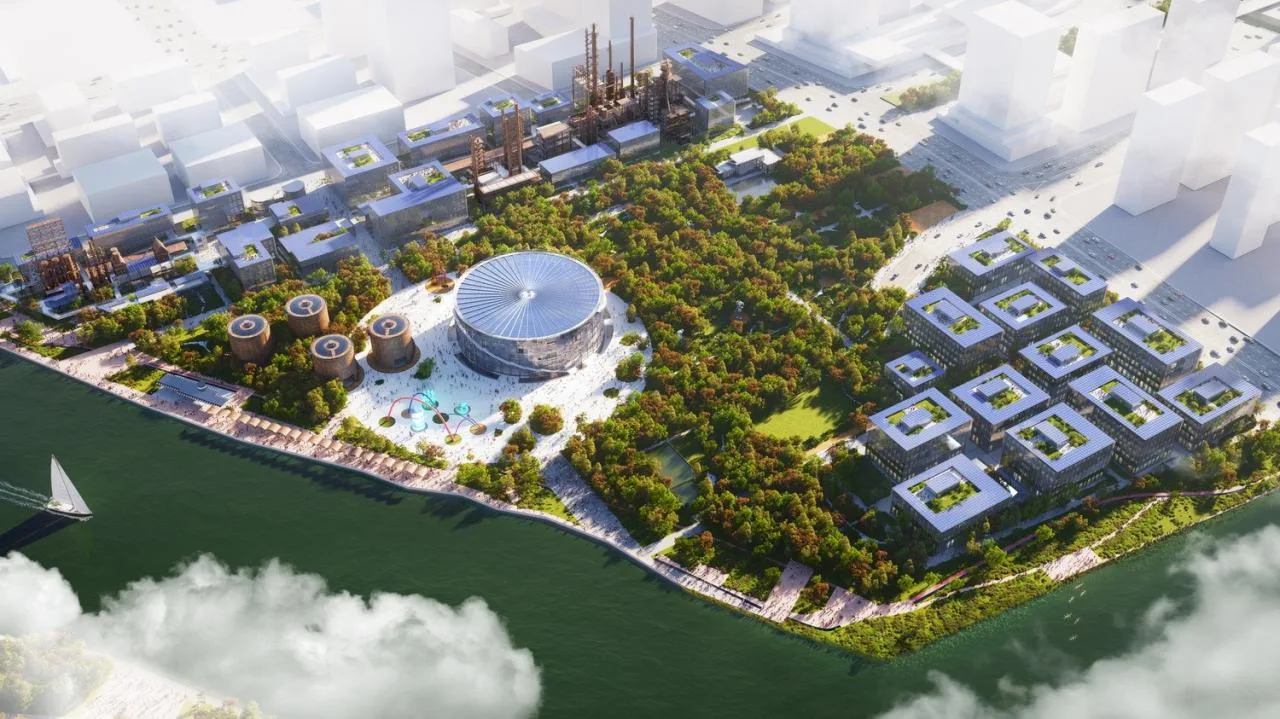
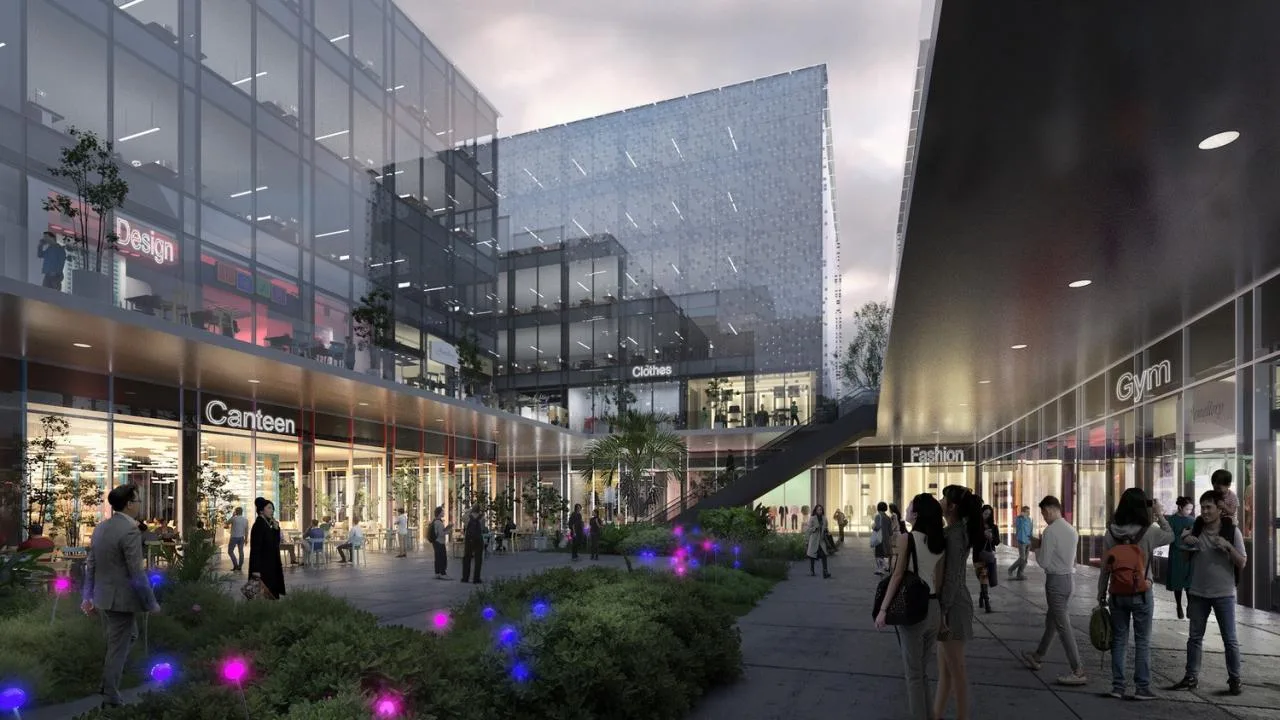
MVRDV has won the renovation design competition for the Hangzhou Refinery, transforming this former industrial site at the southern end of the Grand Canal into the “Grand Canal Future Art and Technology Center.” The design integrates office, retail, and cultural experience spaces within a green environment while preserving industrial relics. The Beijing-Hangzhou Grand Canal is the world’s longest artificial canal and one of the oldest, originally constructed to strengthen economic ties between northern and southern China.
Currently, the entire Grand Canal is undergoing extensive renovations to repurpose it from industrial infrastructure into vibrant living service facilities, creating a livable waterfront environment for millions along its 1,700-kilometer stretch.
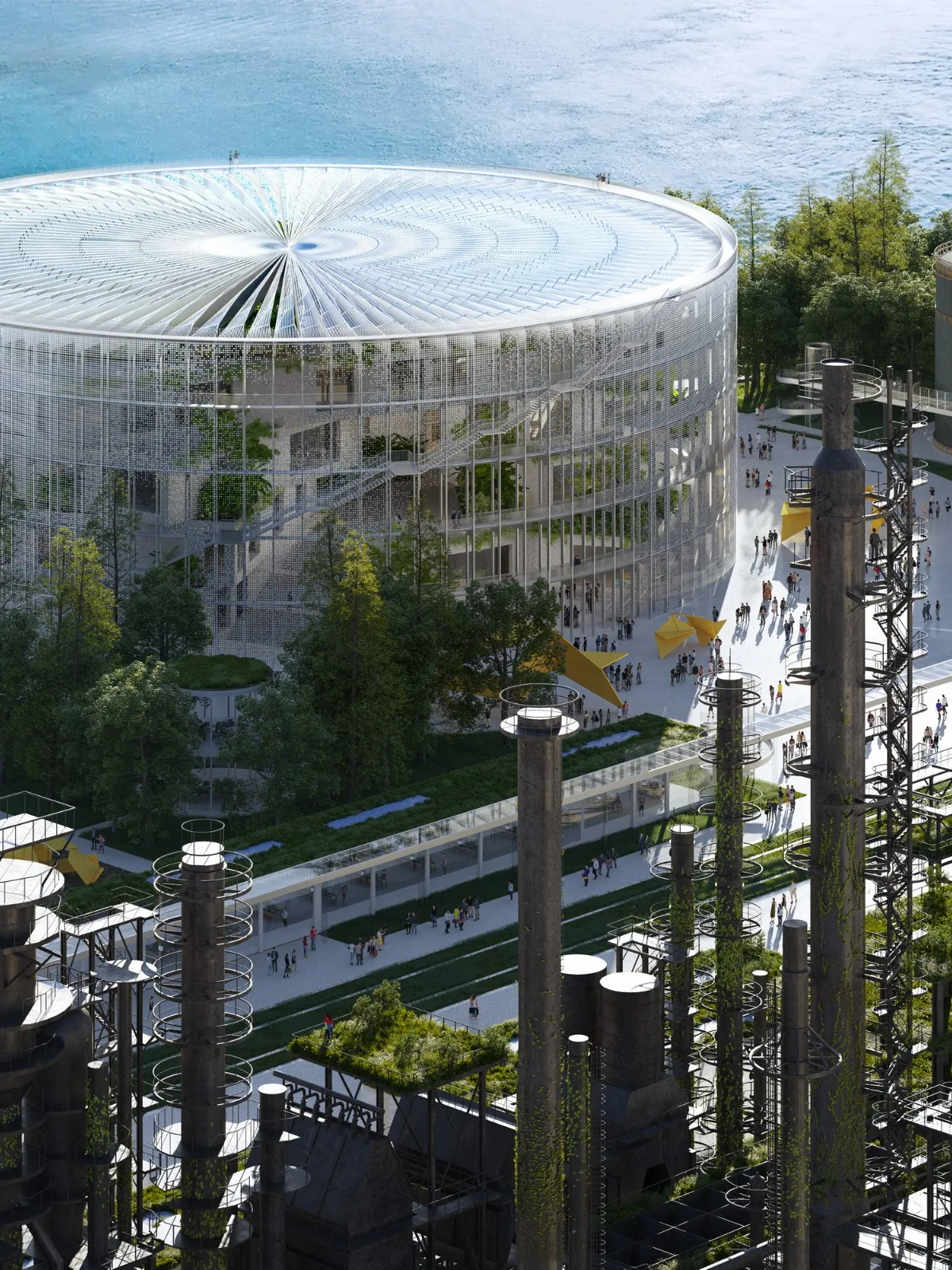
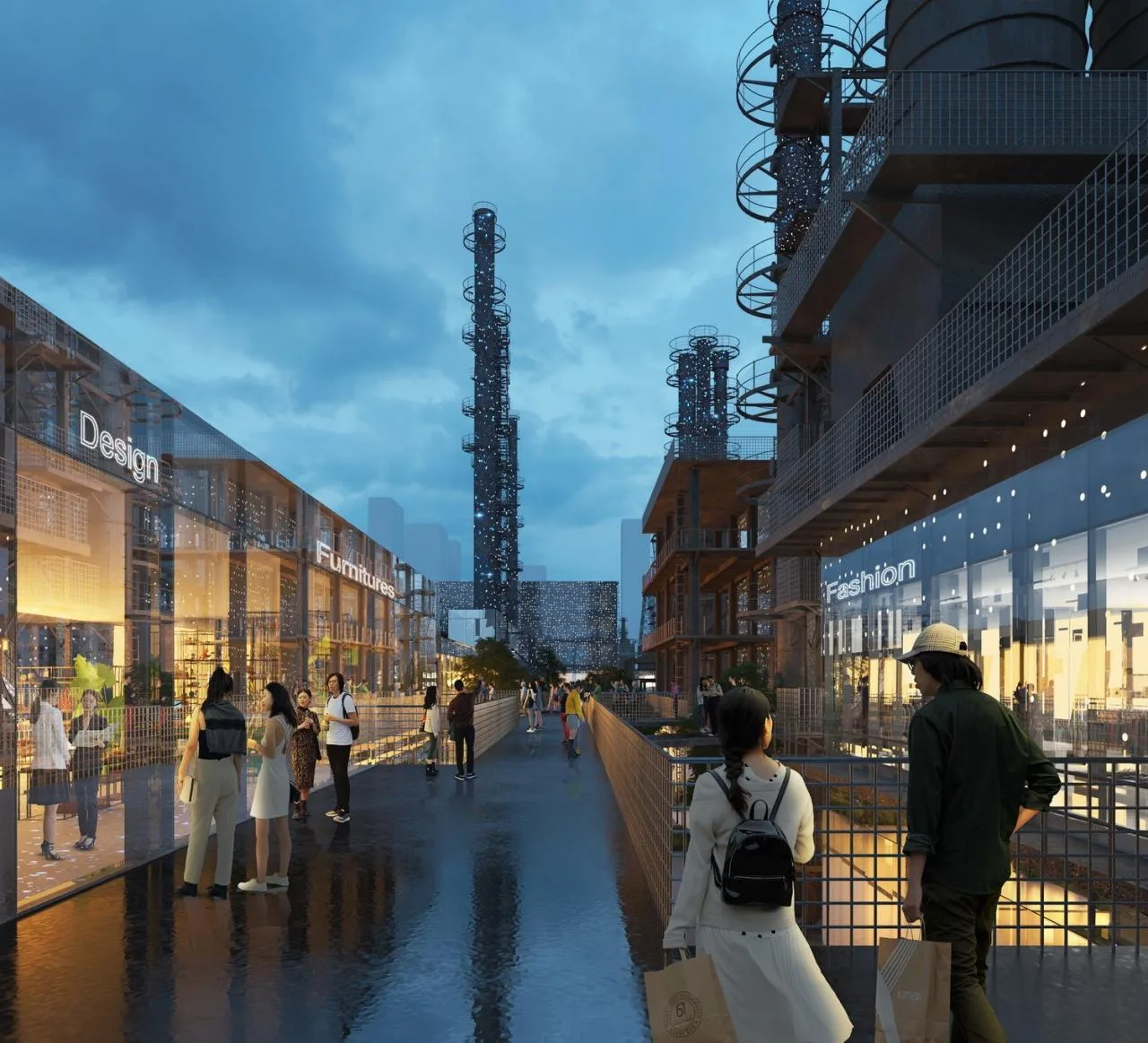
Located at the southern tip of the Grand Canal, Hangzhou’s 18-hectare factory area once housed an oil refinery, marking its industrial legacy. Although the refinery has closed and many buildings were demolished, several large factory structures and oil storage tanks remain.
MVRDV, in collaboration with Openfabric, envisions the future of the Grand Canal by showcasing the potential of transforming industrial sites into cultural hubs. The design also emphasizes renewable energy integration, positioning the former refinery as a model for transitioning from fossil fuels to sustainable energy sources.
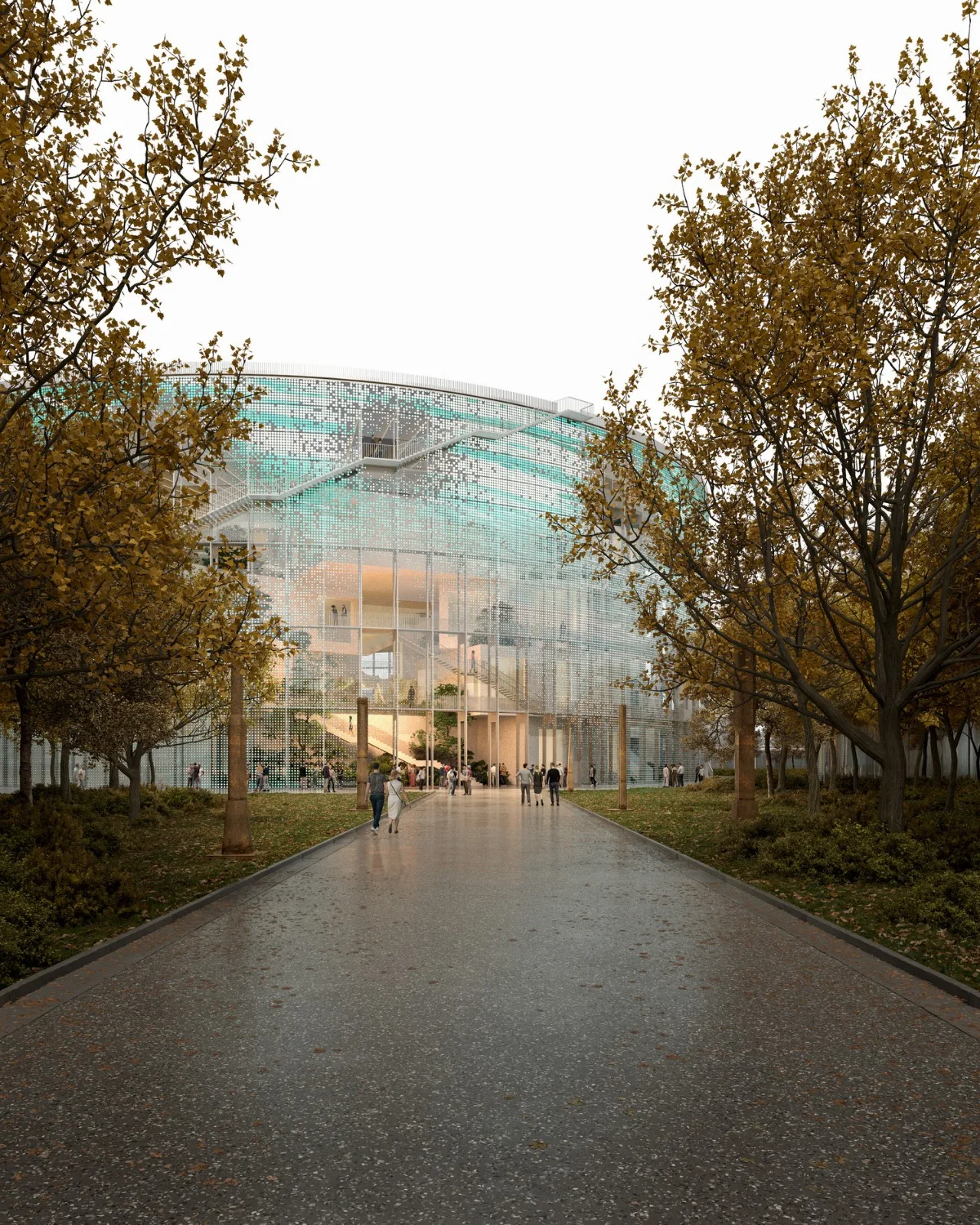
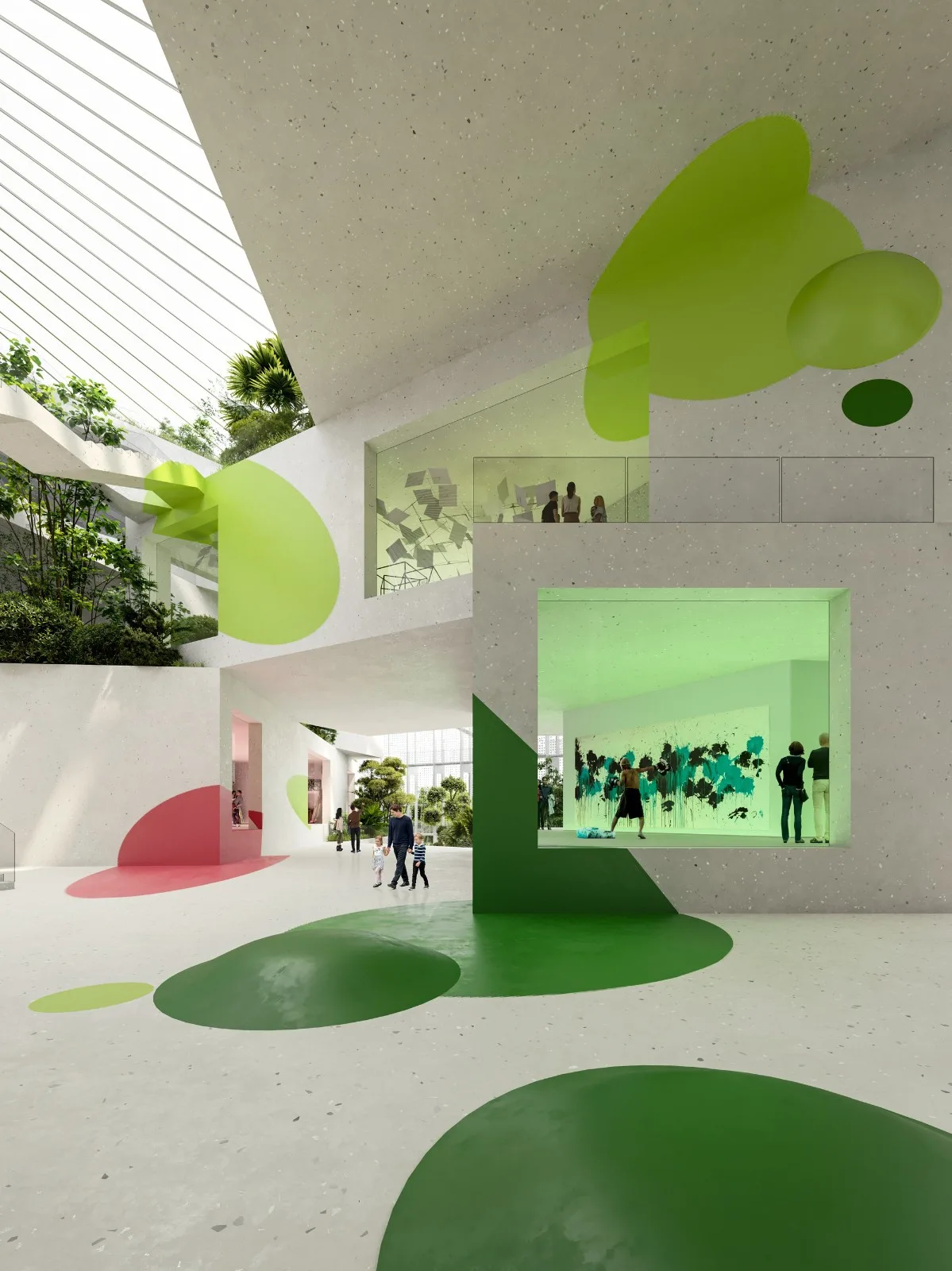
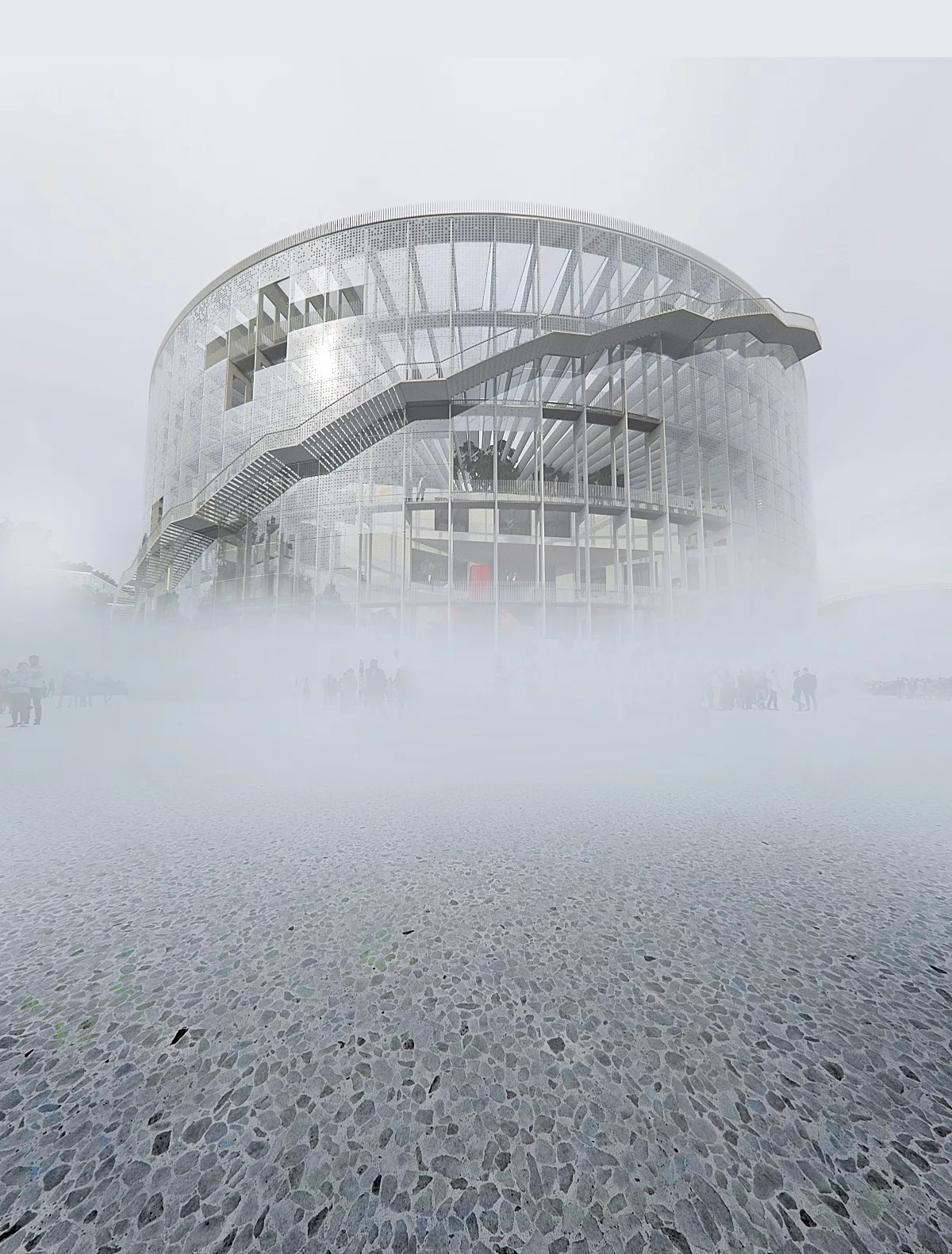
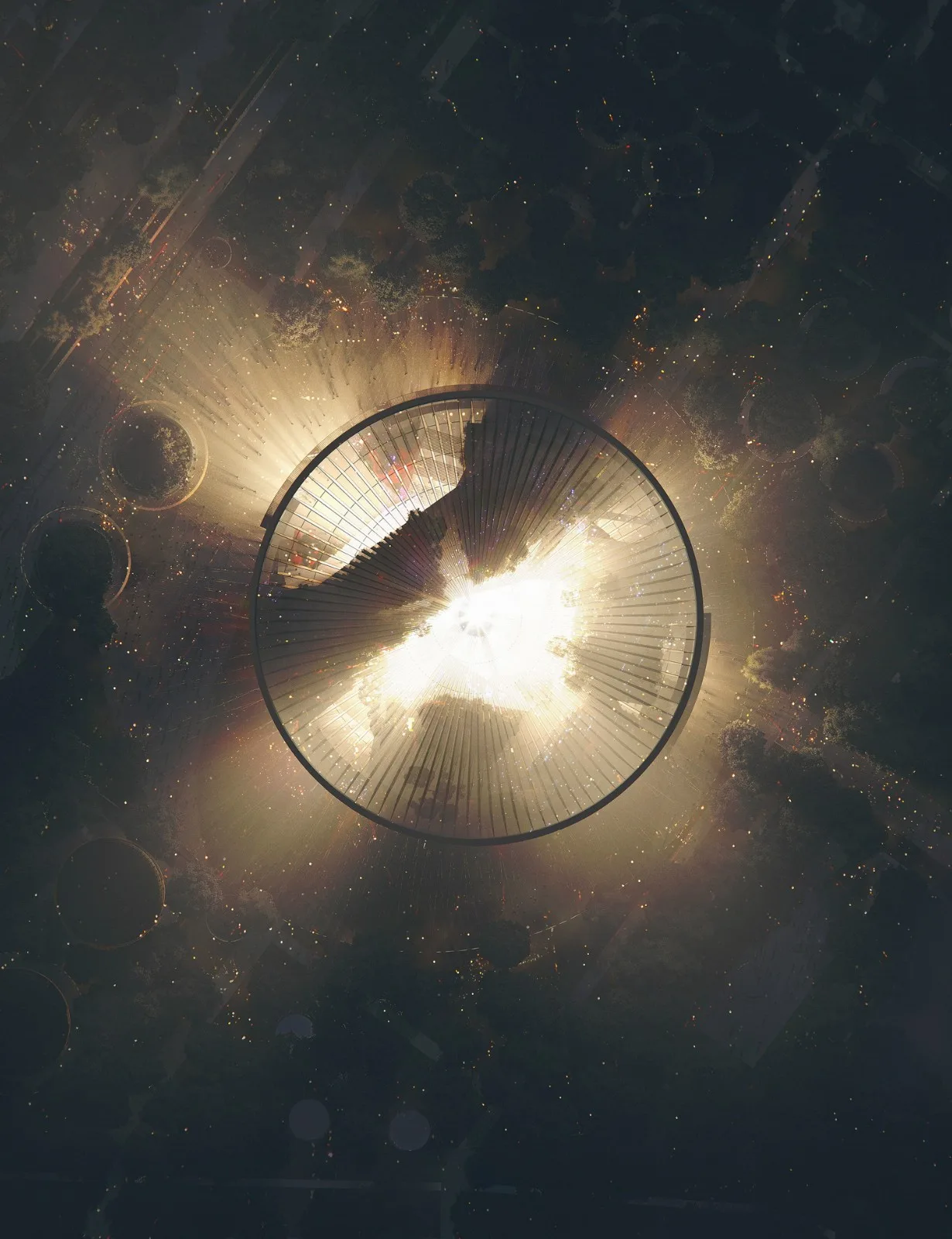
The centerpiece of the site is the “Art and Technology Center,” a cylindrical building that echoes the former oil tanks scattered across the factory grounds. Its simple exterior conceals a complex interior: a circular exhibition hall occupies the basement, offering flexible exhibition layouts across two levels.
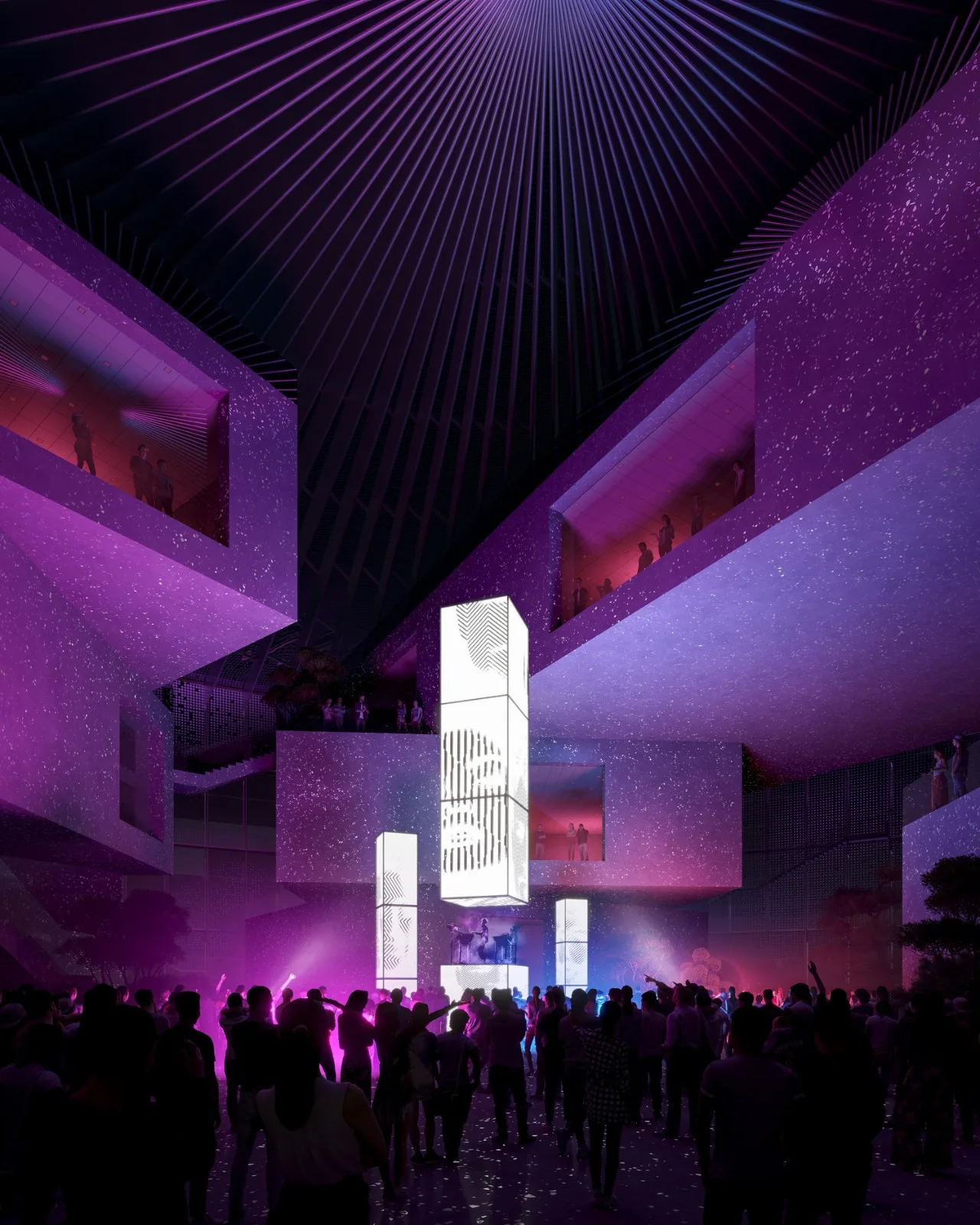
Above ground, irregularly stacked rectangular volumes house artist studios, offices, and commercial spaces. The rooftops of these volumes form interconnected terraces with stairs and bridges, activating public spaces for large installations, performances, and events.
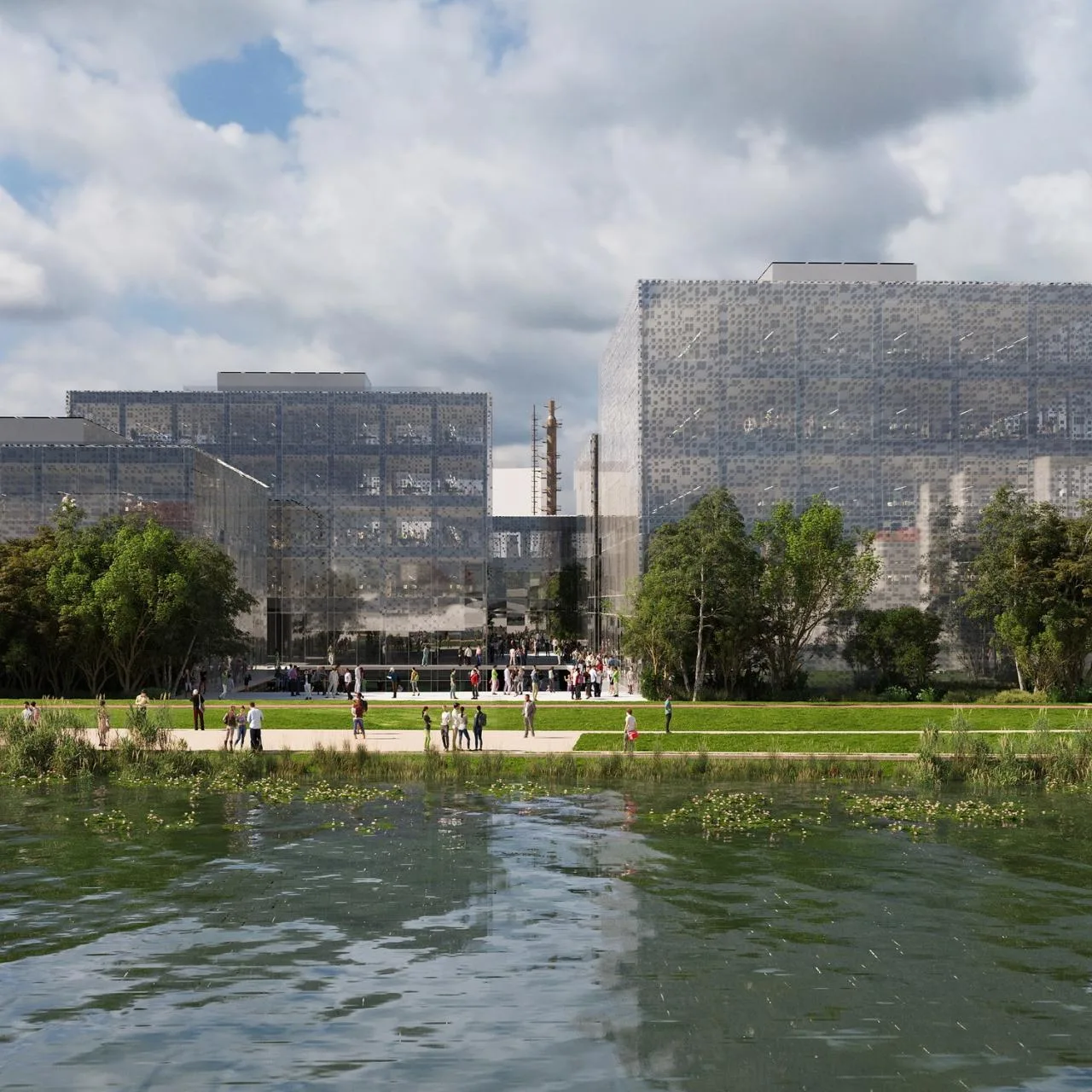
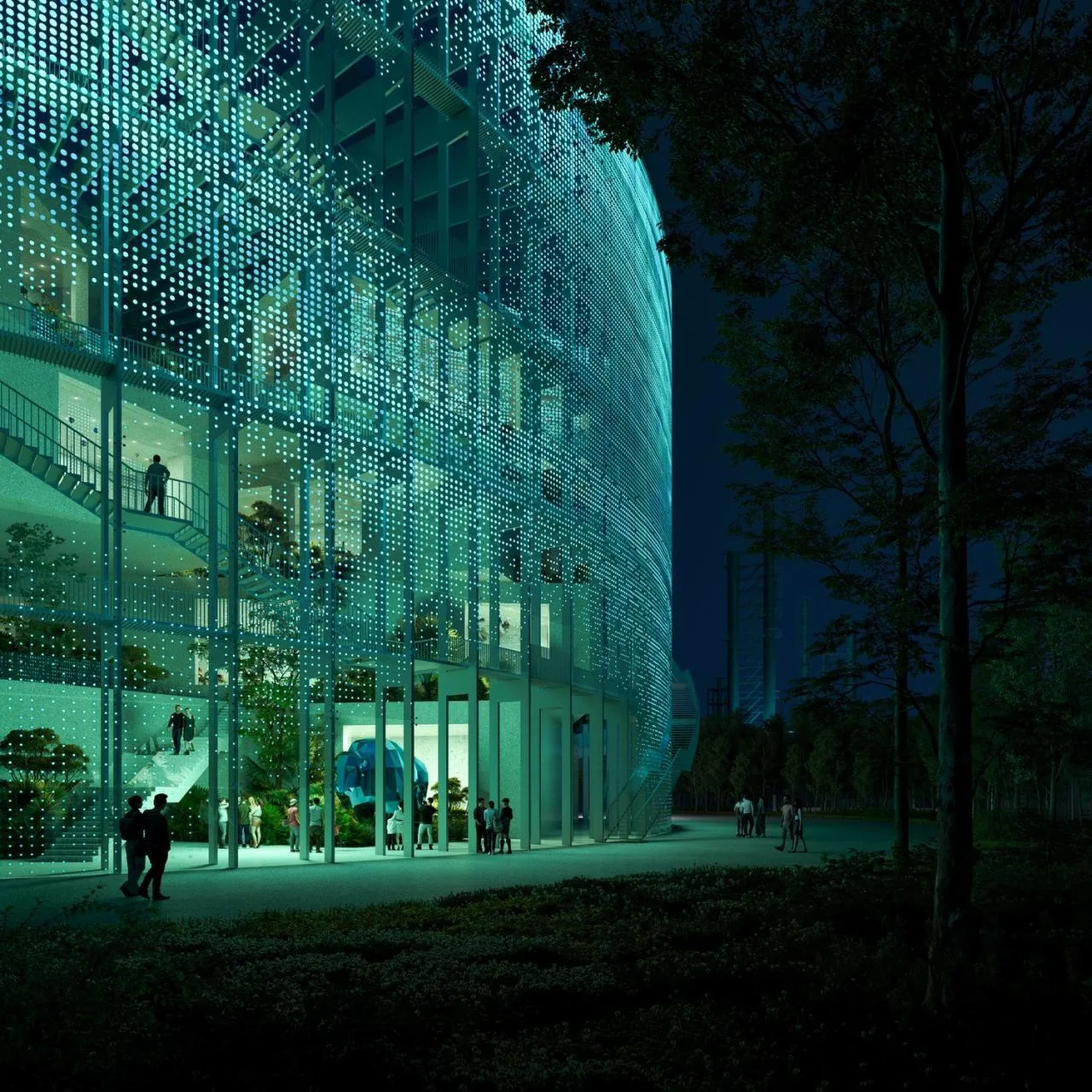
The exterior features an open curtain wall design, allowing gentle breezes to flow through, causing slight fluctuations in temperature that naturally buffer indoor climate changes. This significantly reduces energy consumption for temperature control within the building.
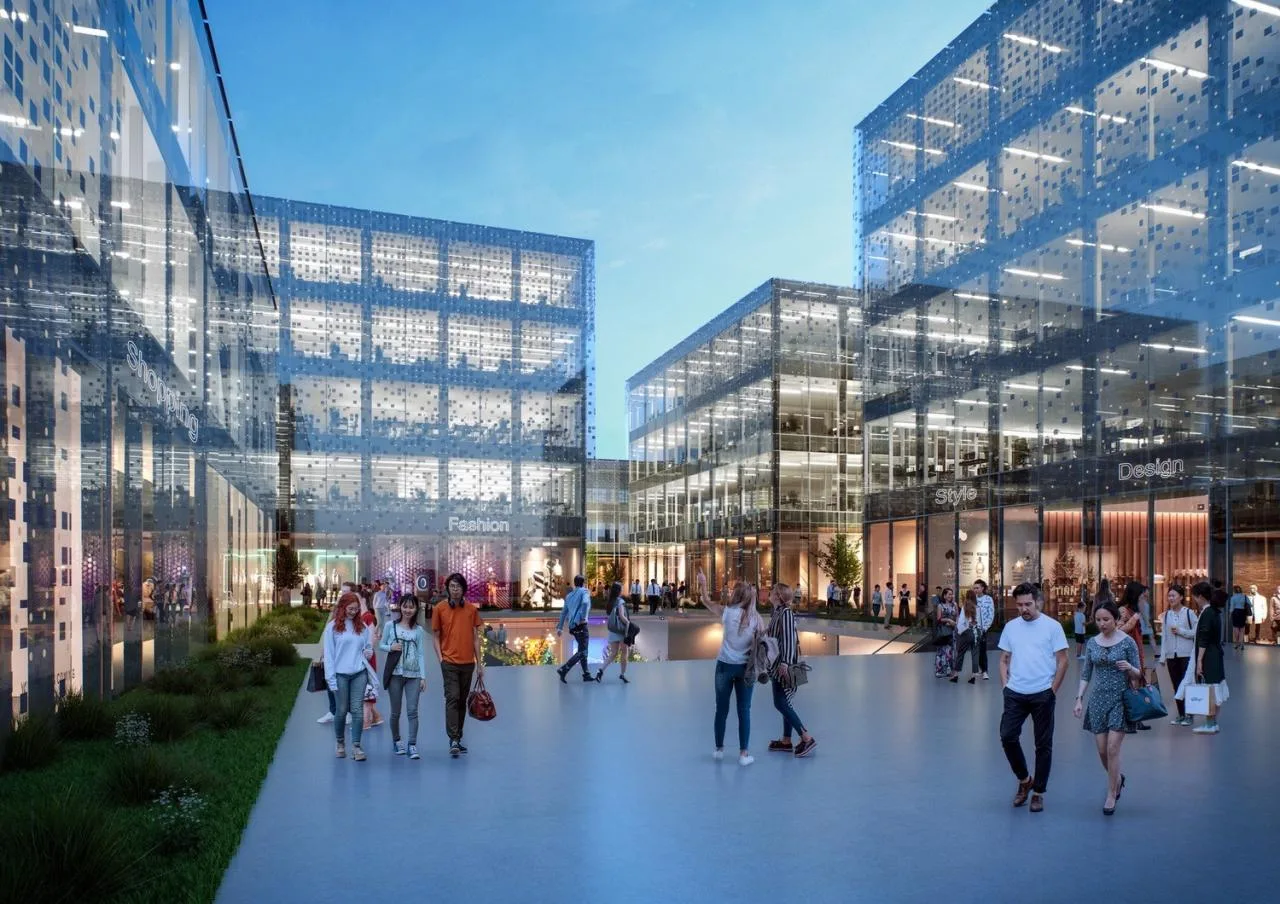
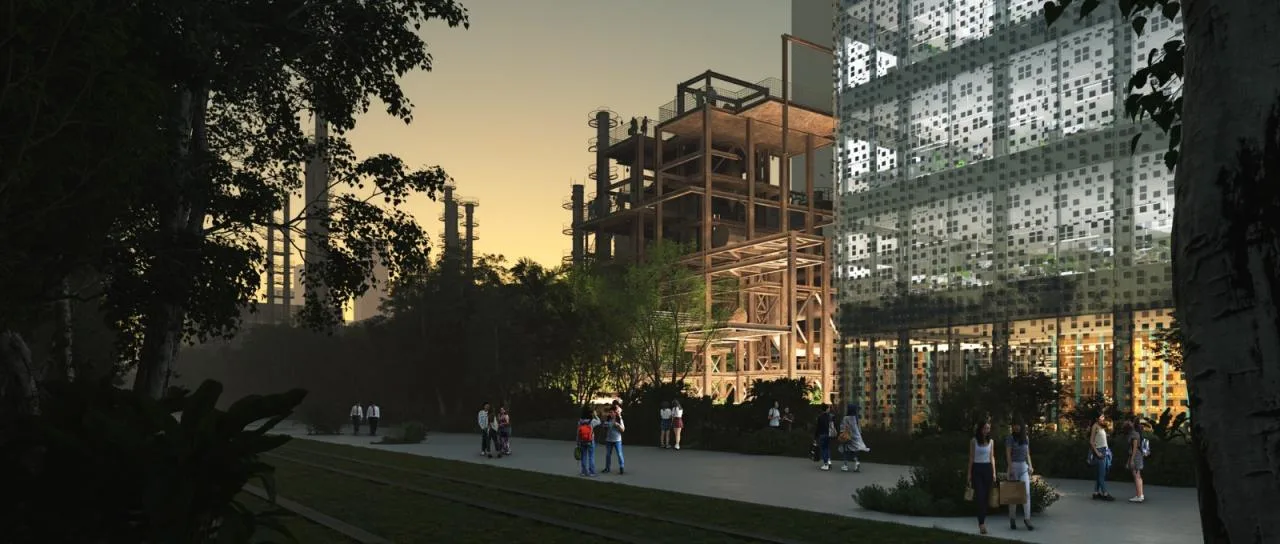
Other remaining industrial structures have been preserved and repurposed as office or cultural-commercial spaces. Many demolished buildings will be rebuilt using modern construction techniques, maintaining the original scale, incorporating glass facades, and featuring photovoltaic panels similar to those on the “Art and Technology Center.” An office cluster is planned in the southeast portion of the site.
Each new facade will generate energy, enabling the park to achieve net-negative operational energy consumption by feeding surplus power back into the grid.
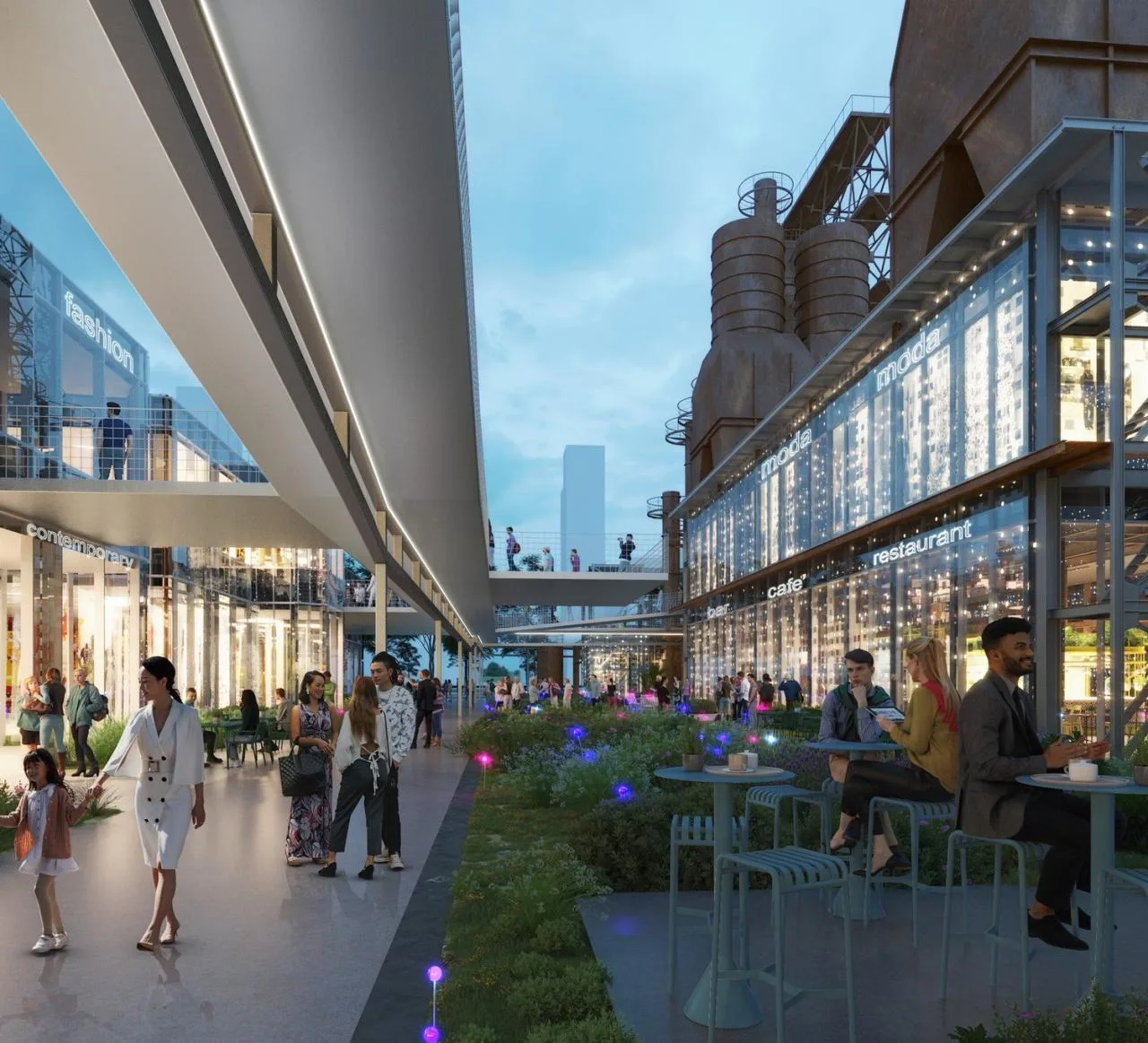
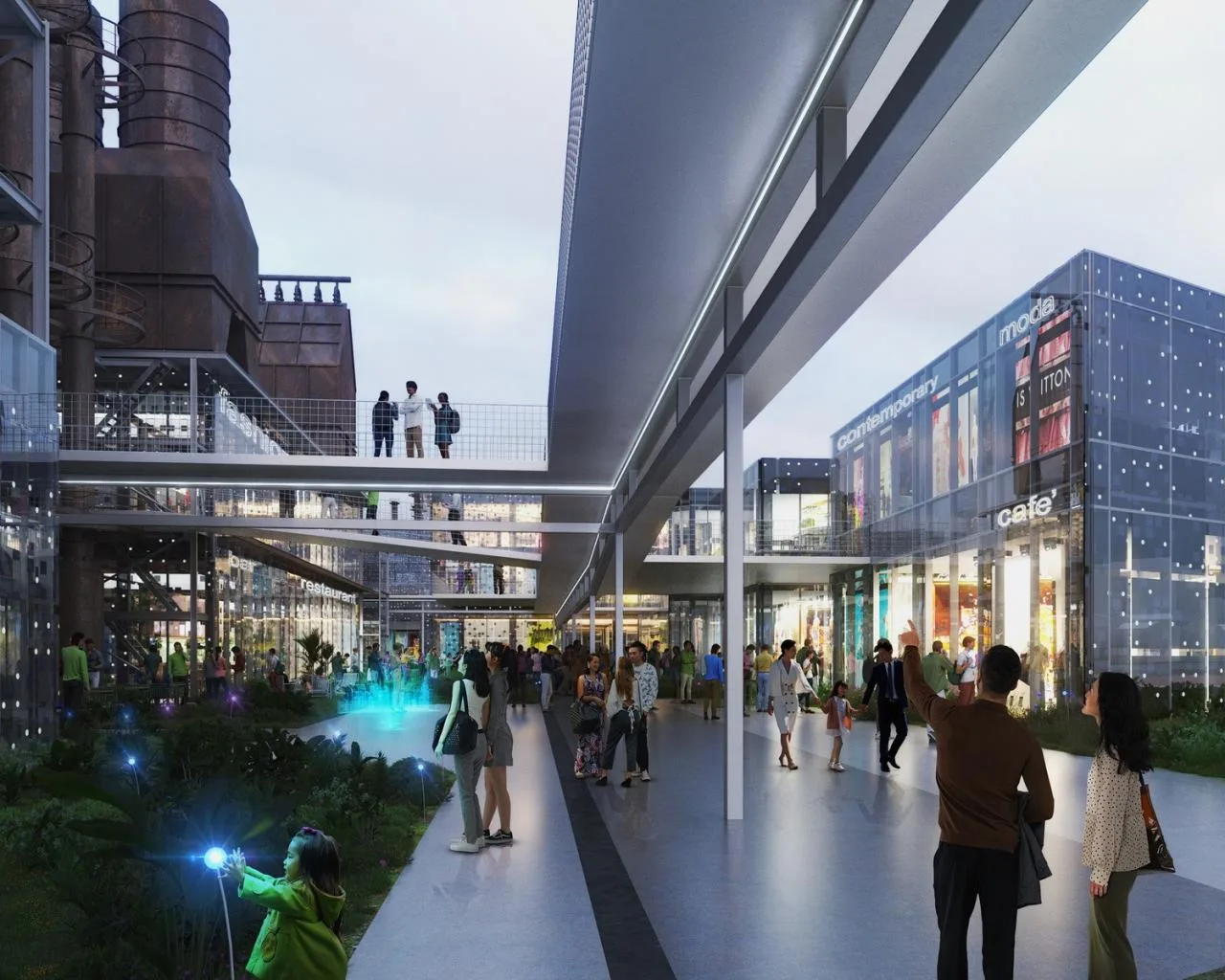
“For the sake of the Earth, we must quickly break free from our dependence on crude oil. But this raises the question: what do we do with all the existing infrastructure? To some extent, separating ourselves from history allows greater freedom, and imagining the future on the ruins of the past is both challenging and romantic. In this project, we considered both aspects: transforming and reusing industrial heritage while introducing new elements to showcase a more sustainable future, revitalizing this place with renewed energy.” — Winy Maas, Founding Partner of MVRDV
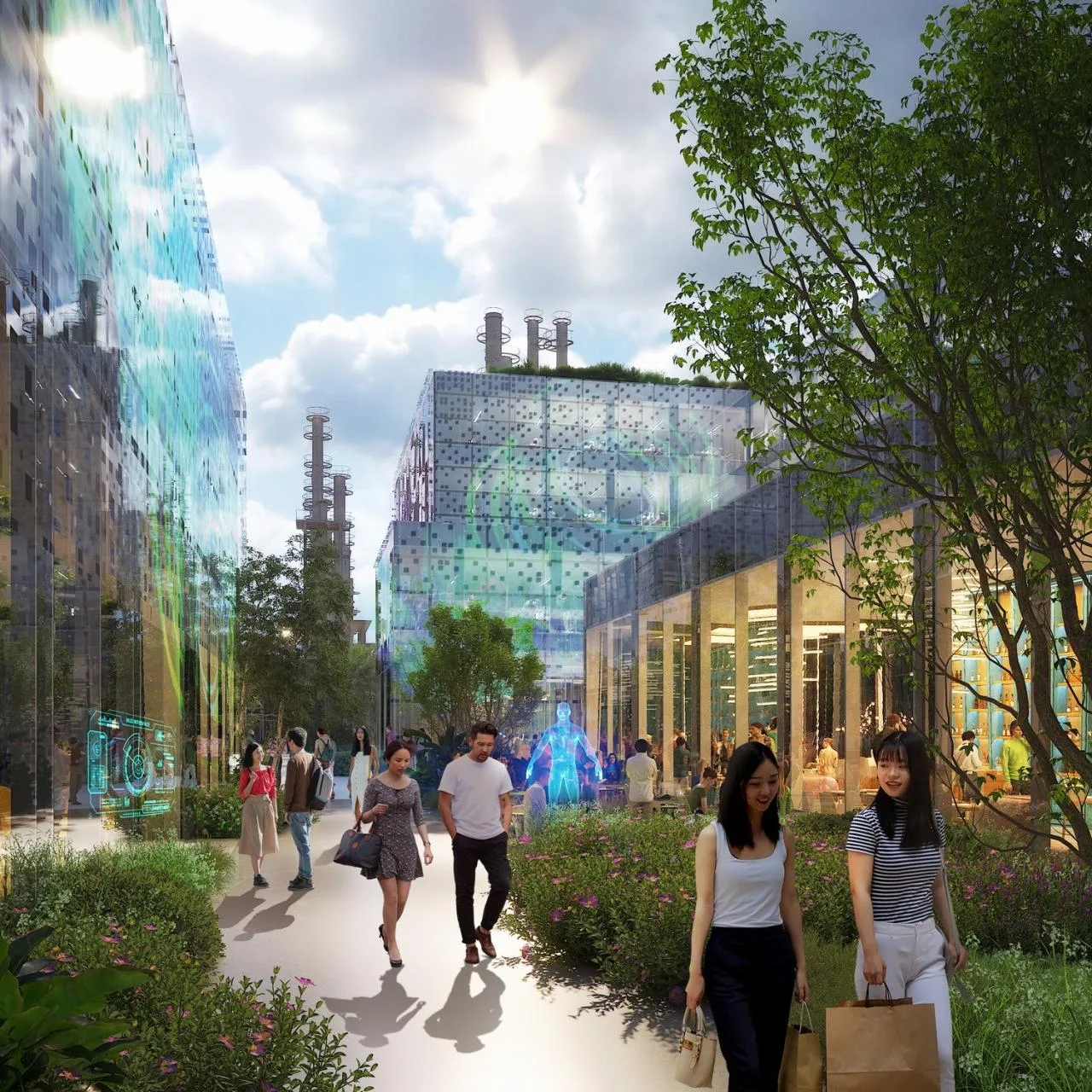
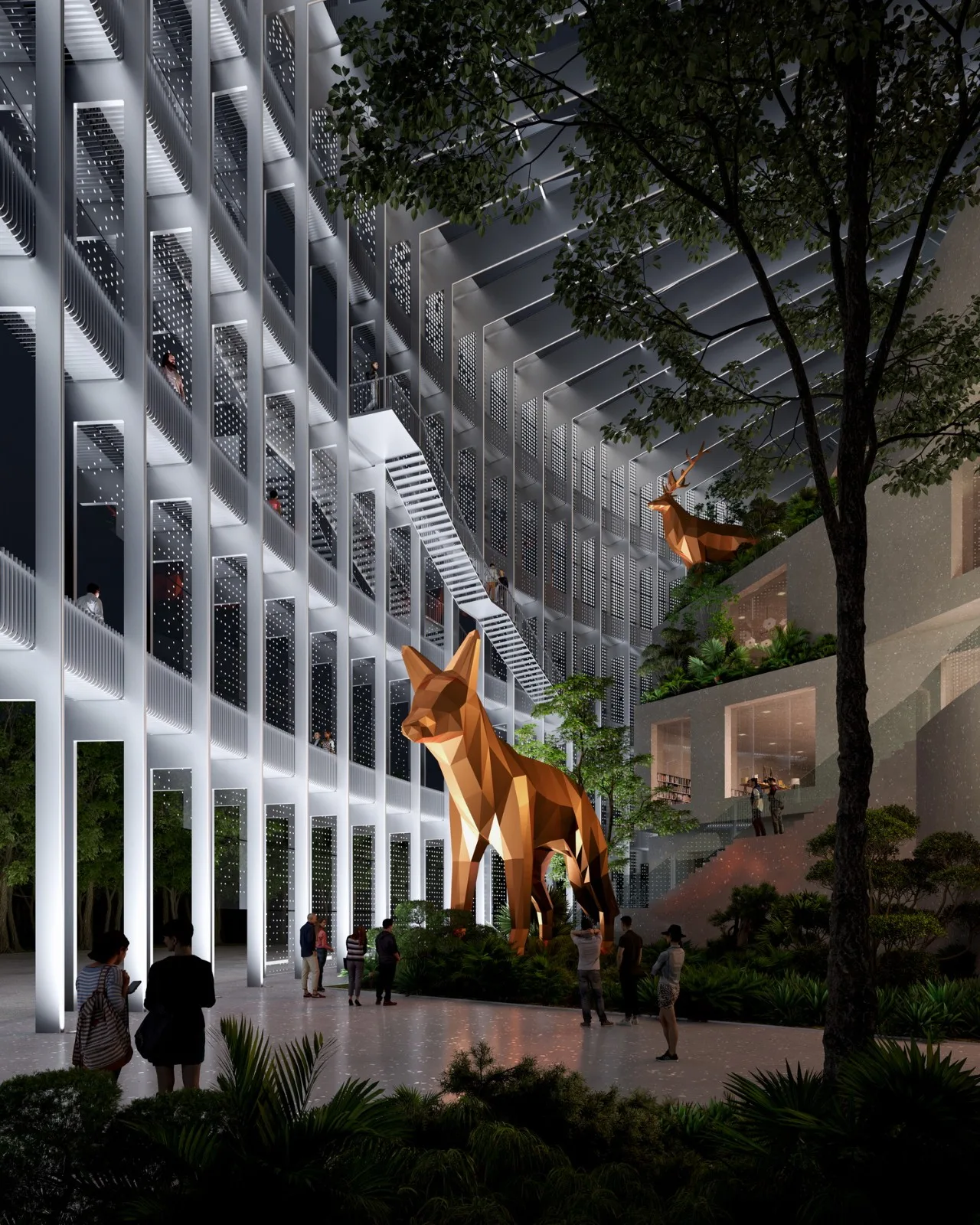
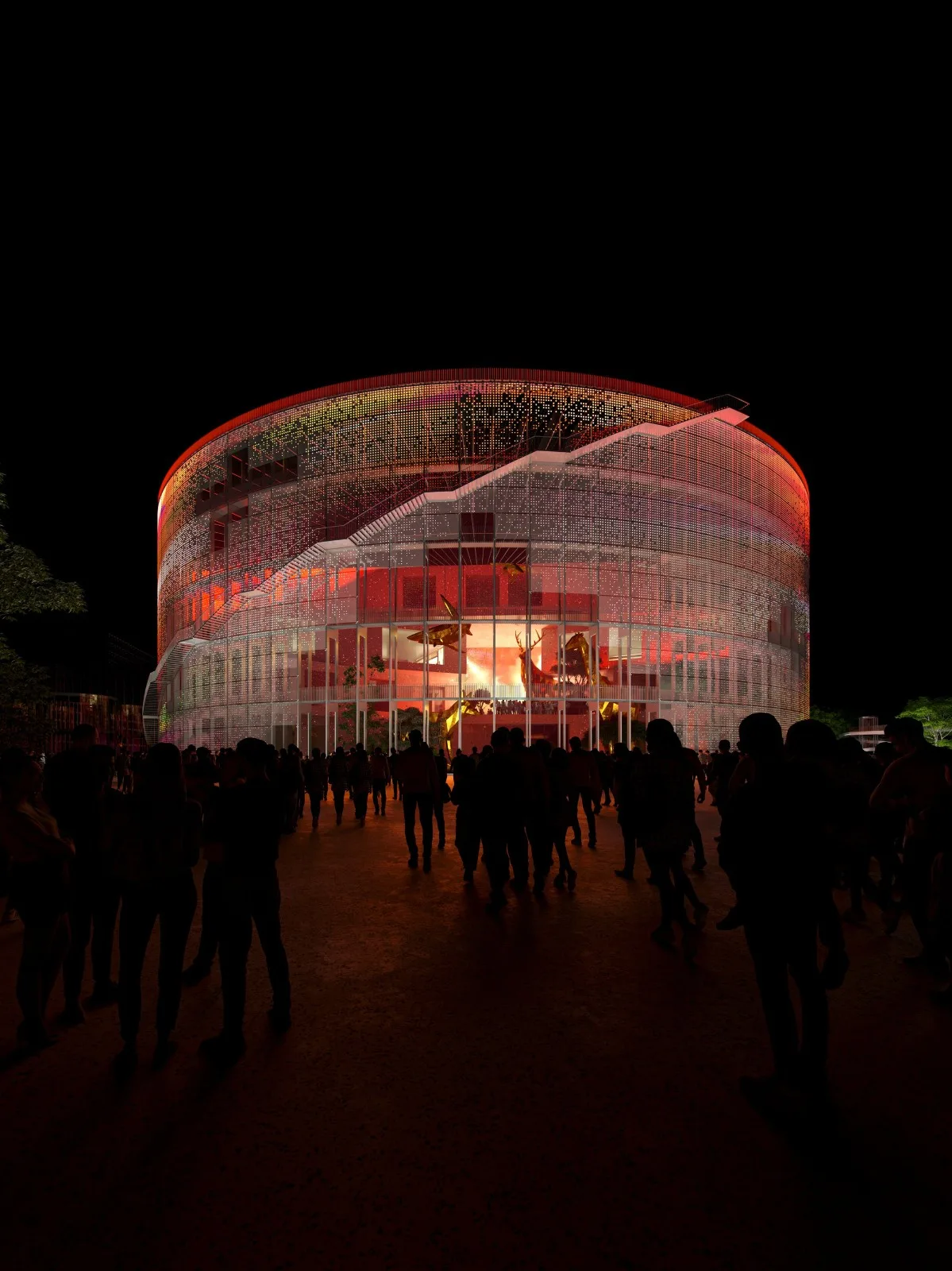
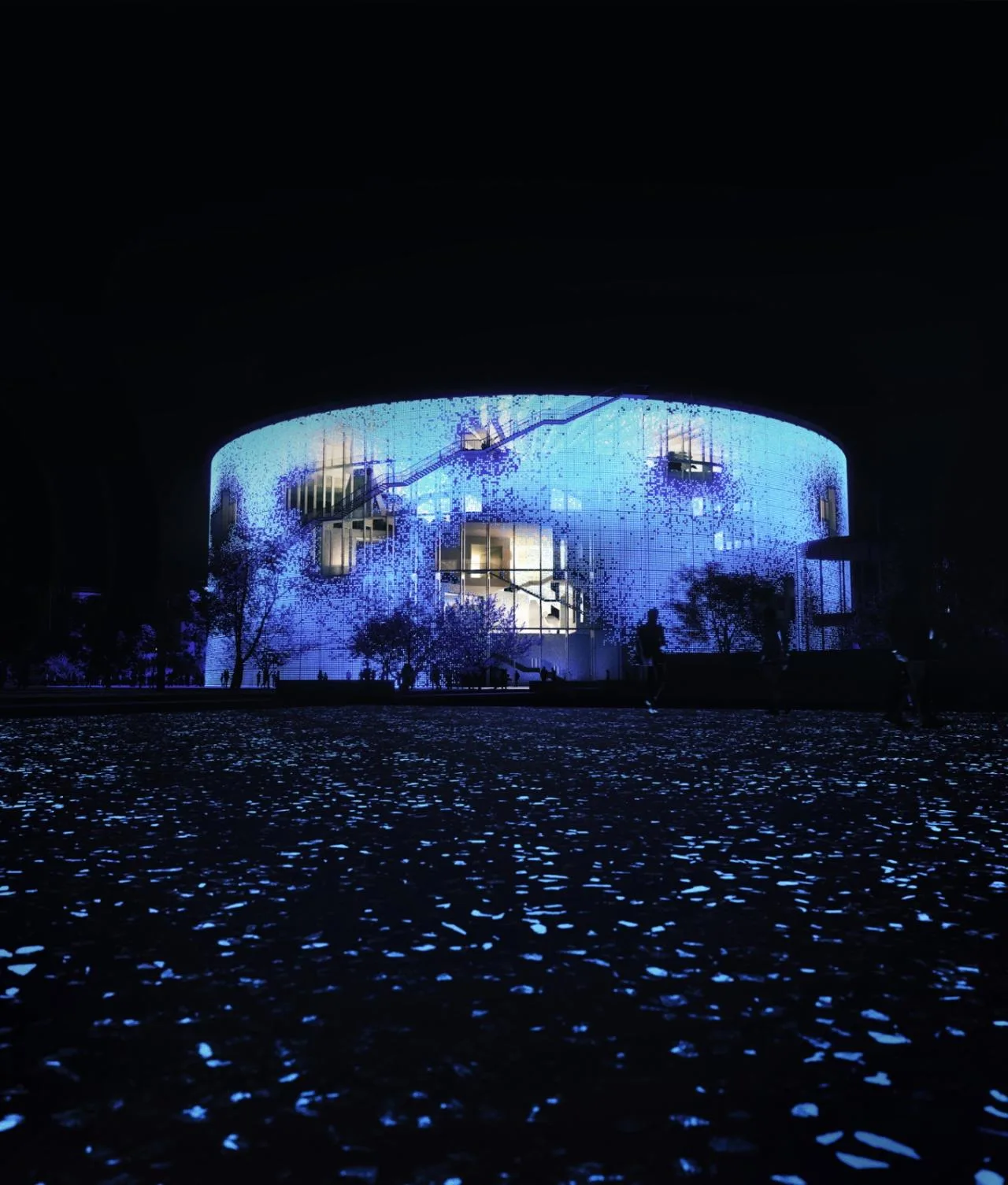
The drum-shaped “Art and Technology Center” stands as the park’s focal point. At night, its exterior walls light up with a grid of LED lights, creating a media facade that draws visitors and promotes events within. Alongside the LEDs, thousands of small photovoltaic cells cover the facade, absorbing sunlight to generate energy.
These photovoltaic panels form a dynamic “solar energy picture” designed parametrically to concentrate higher-density panels in optimal locations based on sunlight, prevailing winds, and sightlines.
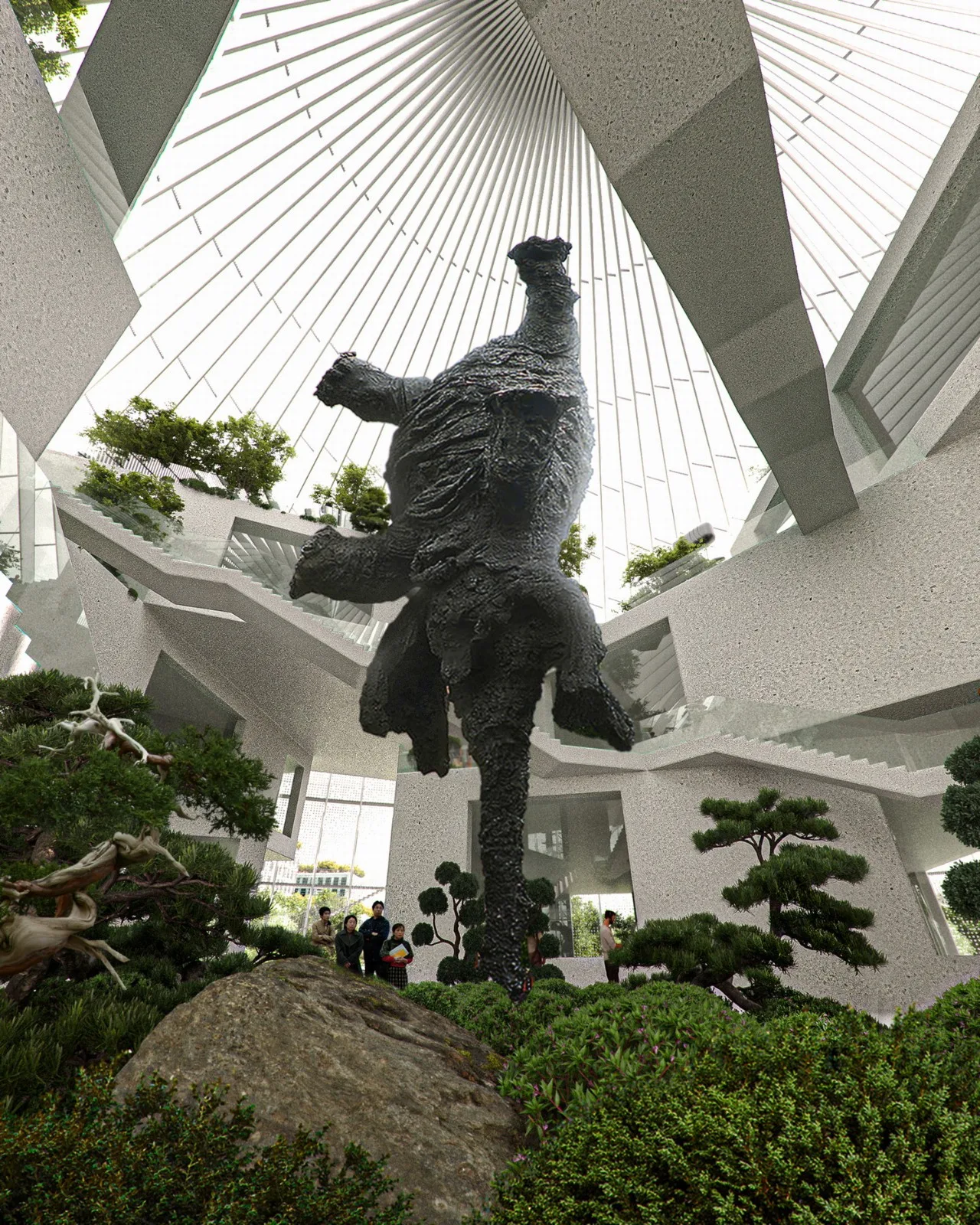
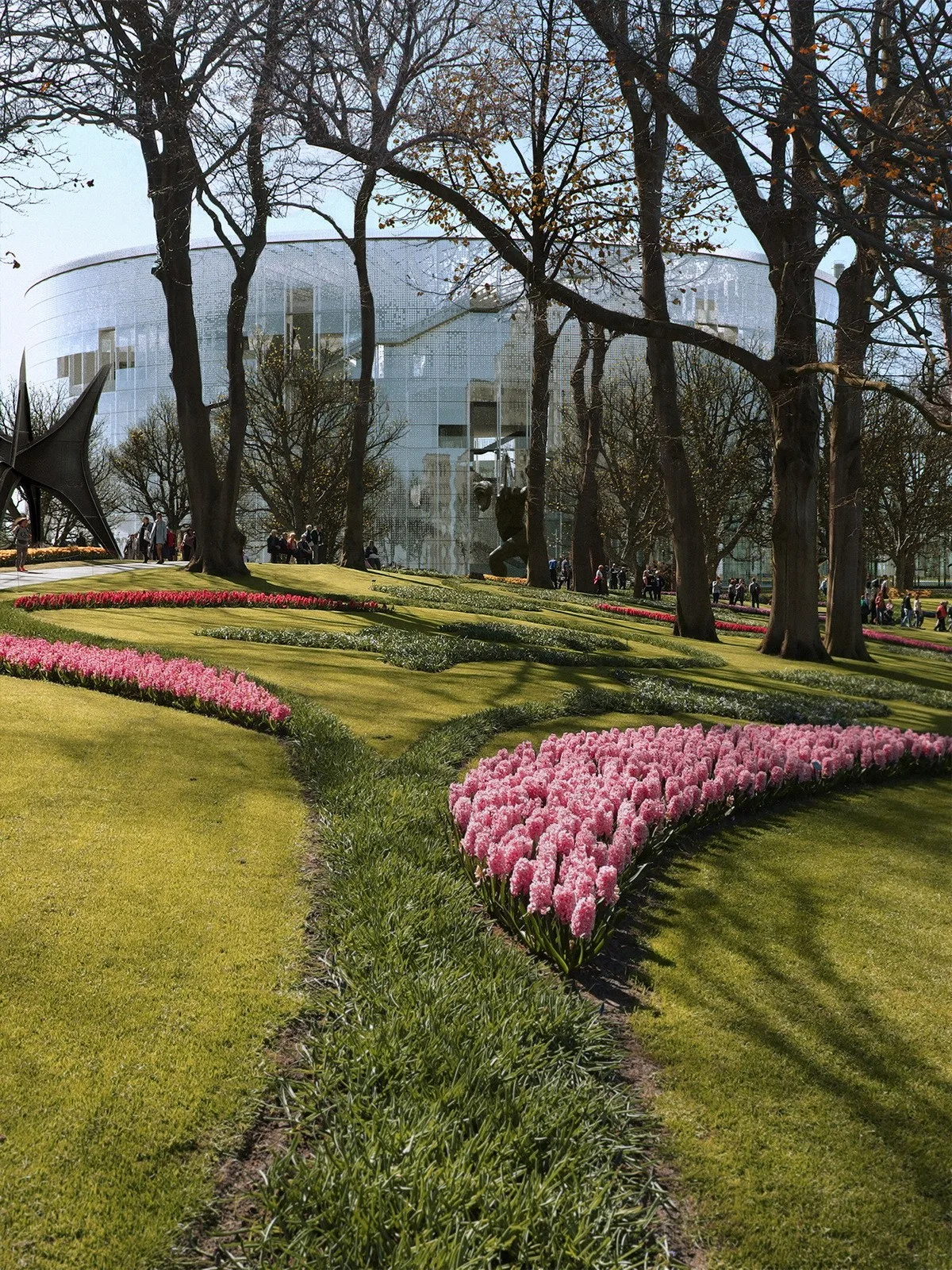
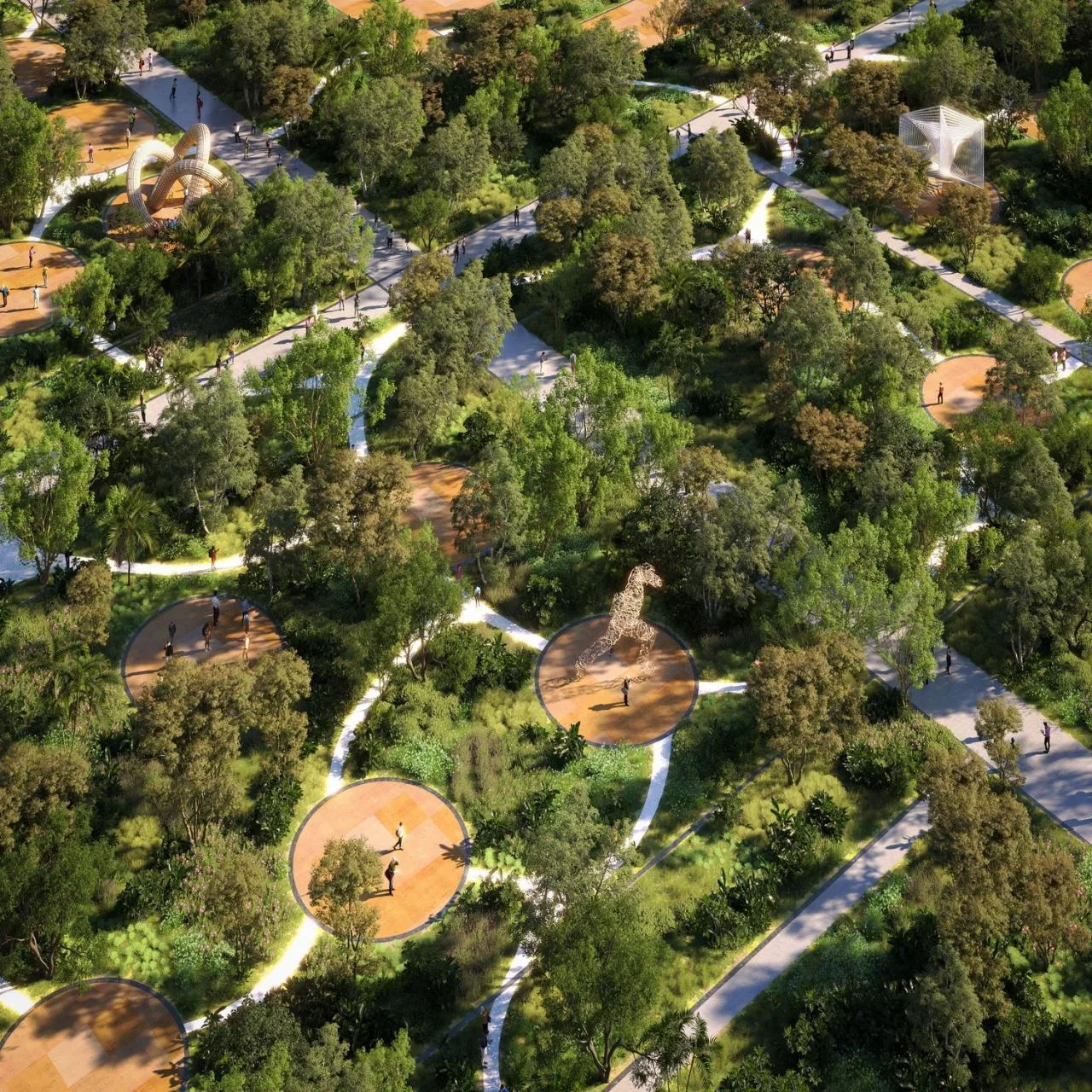
“Using algorithms, we arrange various types of vegetation based on criteria such as shading, fruit production, and biodiversity. This transforms the park’s natural elements into parametric forests, fostering a new symbiotic relationship.” — Winy Maas
In addition to the Grand Canal project, MVRDV recently won the design competition for the Artificial Intelligence Park (IPAI) at the Innovation Park in Heilbronn, Germany, aiming to establish a world-leading research hub for AI technology development.
In Nijmegen, Netherlands, MVRDV led the master planning and design of Novitech Park, focusing on minimizing carbon impact by integrating existing buildings. The Rotterdam-based firm has also gained planning approval for its first project in Uruguay—a 15-story residential building in Montevideo.















Must log in before commenting!
Sign Up