
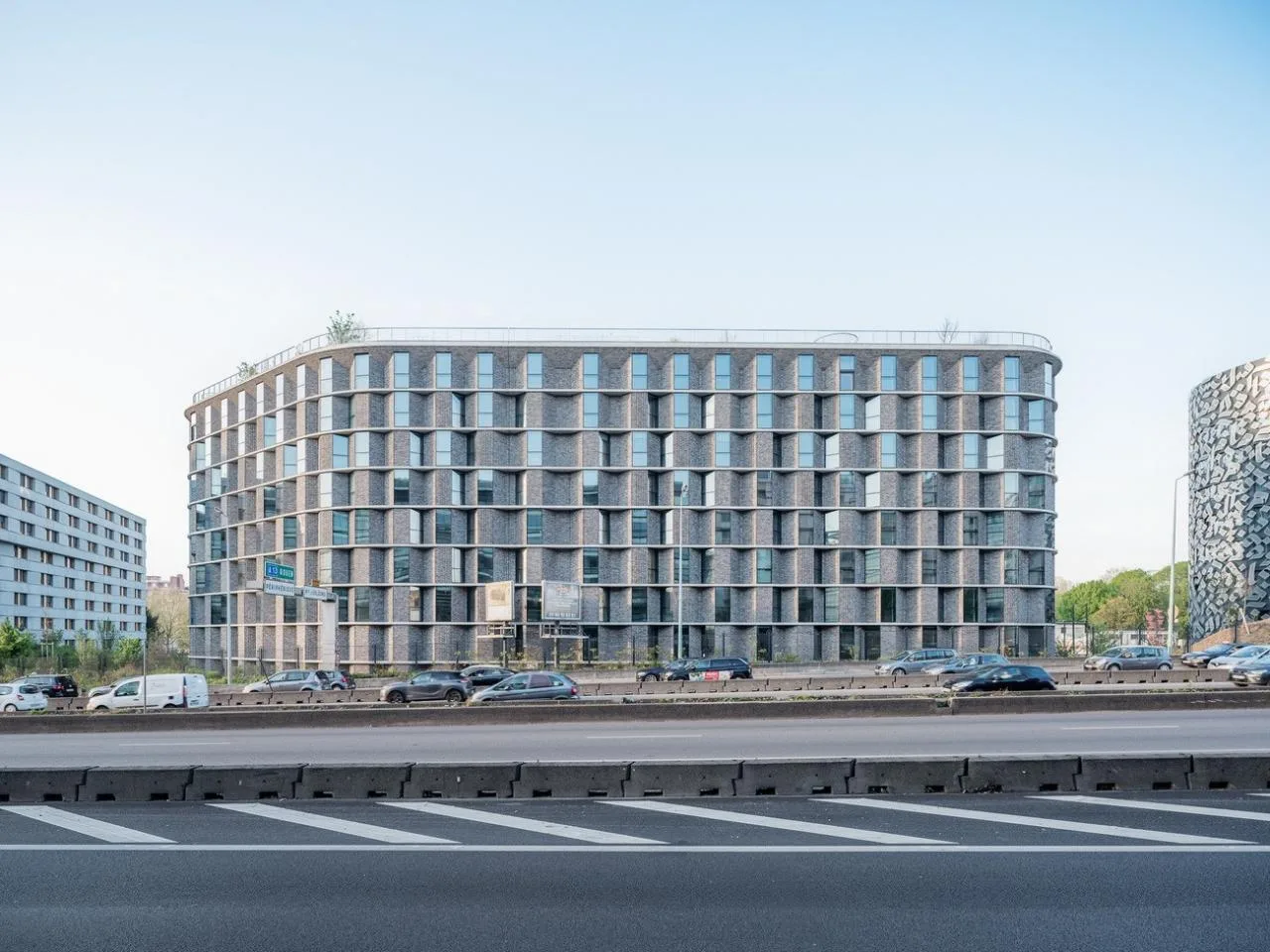
The permanent architecture exhibition of the China Academy is situated within the International University City in Paris’ 14th arrondissement. Established by the city of Paris in 1925, the University City was designed to provide housing for international students. Today, over 40 dormitory buildings, each named after different countries, are located here.
This university town is celebrated for its outstanding architecture, featuring notable structures such as the Dutch Academy by Willem M. Dudok, the Swiss Pavilion by Le Corbusier, the Brazil House co-designed by Lucio Costa and Le Corbusier, and the Iran Pavilion by Claude Parent, among others.
The much-anticipated China House has a rich history. In 1930, the University City of Paris granted China a plot of land free of charge. Yu Binglie, a Chinese architecture student, chose the China Study House as his graduation project. Previously, Chinese students from multiple Parisian universities had formed the Paris University City Chinese Study House Promotion Association, advocating for the construction of Chinese study houses. However, due to circumstances at the time, the project did not progress.
Yu Binglie’s original design drawings are now preserved in the archives of Southeast University in Nanjing. In 2017, China and France jointly organized a design competition for the China Academy (officially named the China Foundation). The team from Very Architecture and the French CAAU won among five groups in the Sino-French Architects Alliance.
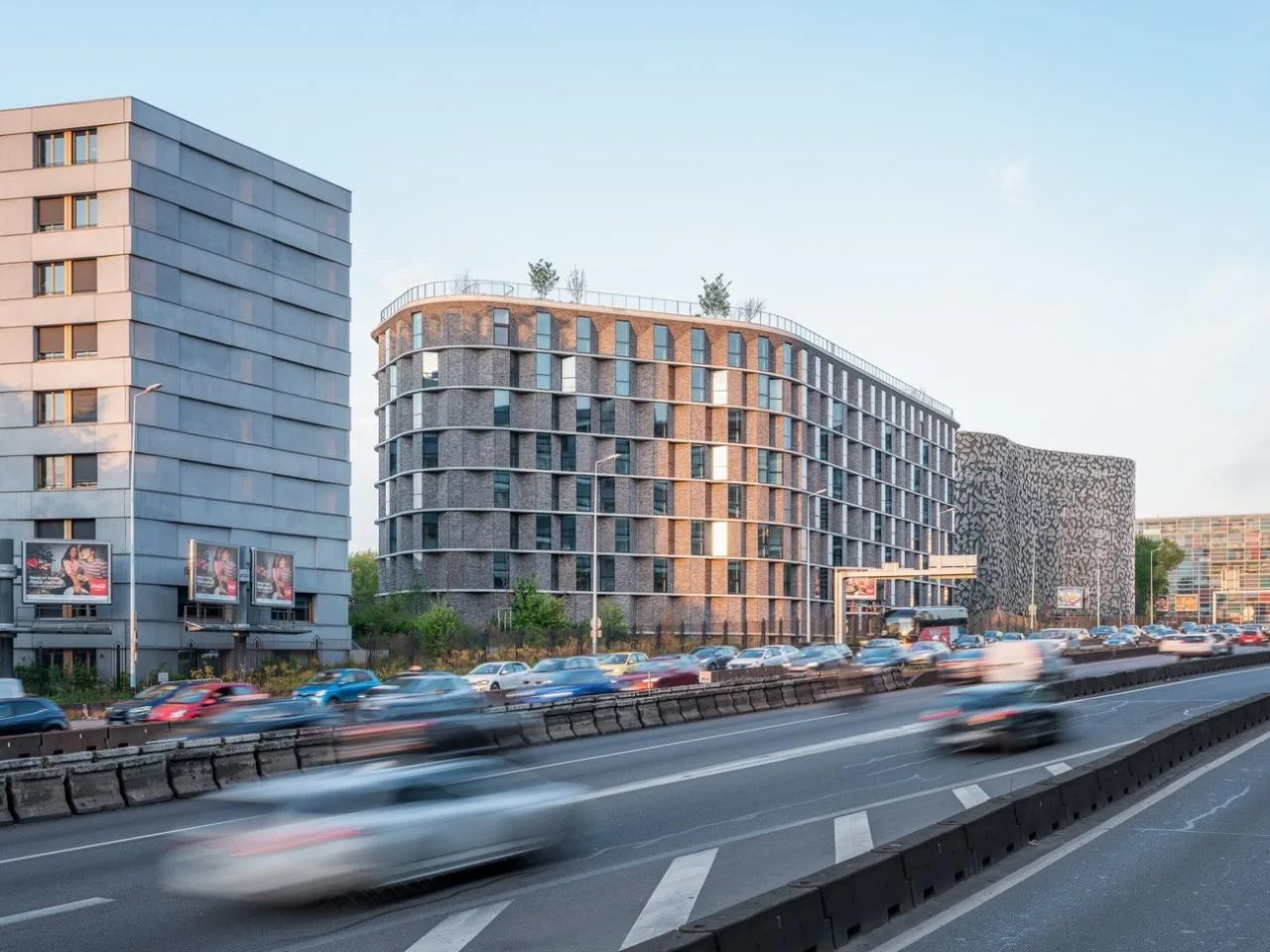
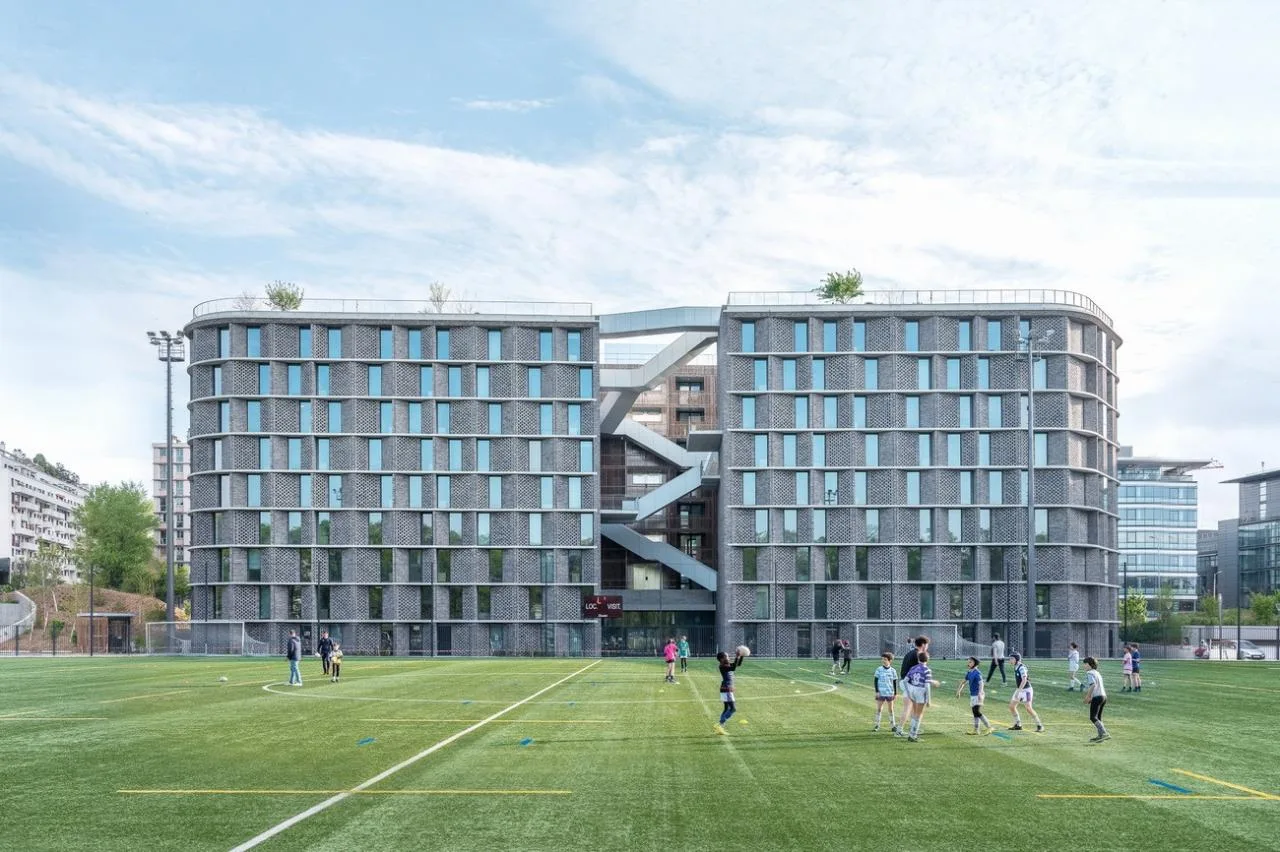
The Chinese Academy of Sciences’ campus, titled “Dancing with Nature,” is located on the southwest edge of Paris University City. It borders one of the university city’s two sports fields to the north and is adjacent to the Paris Ring Road outside the park to the south.
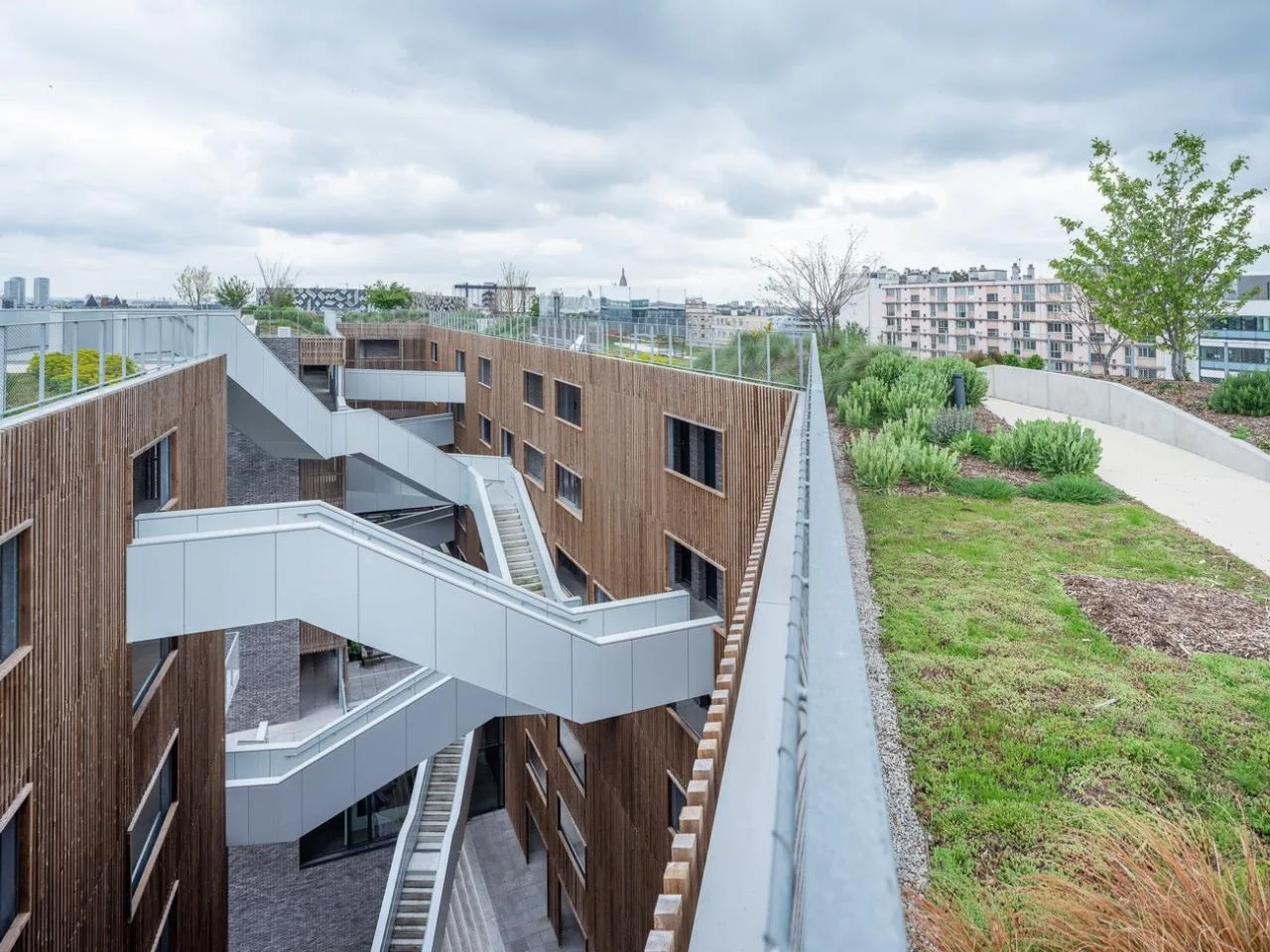
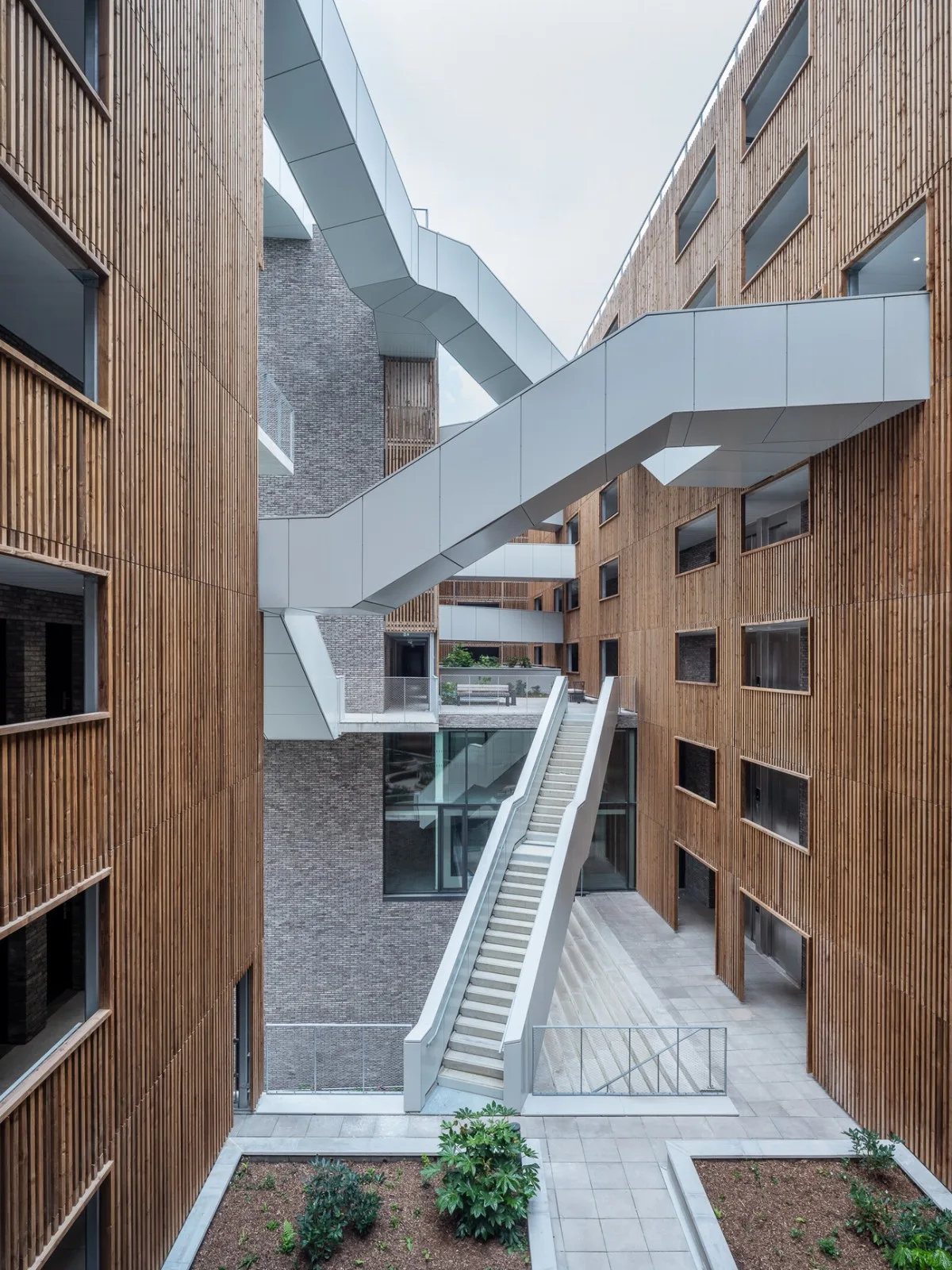
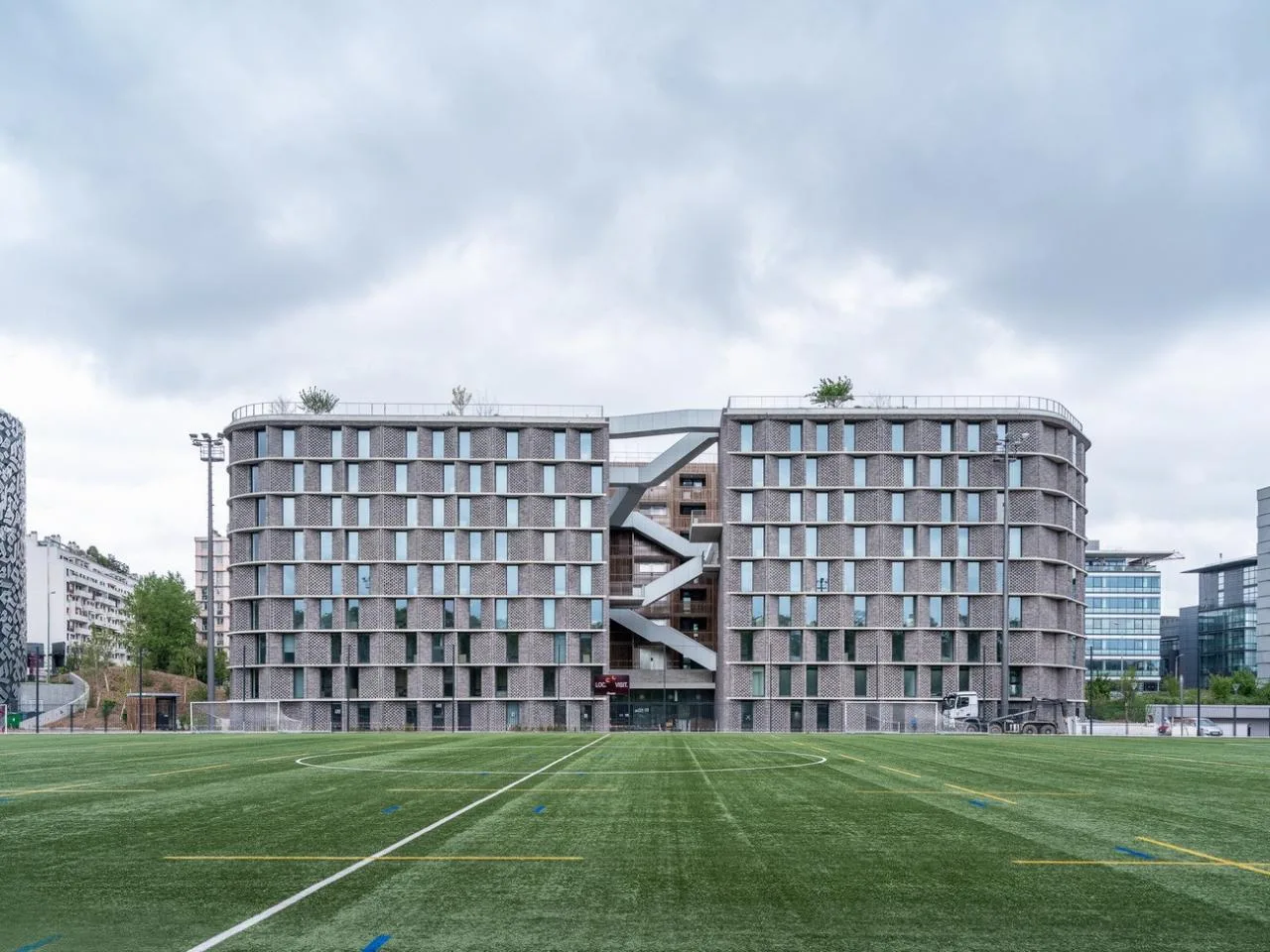
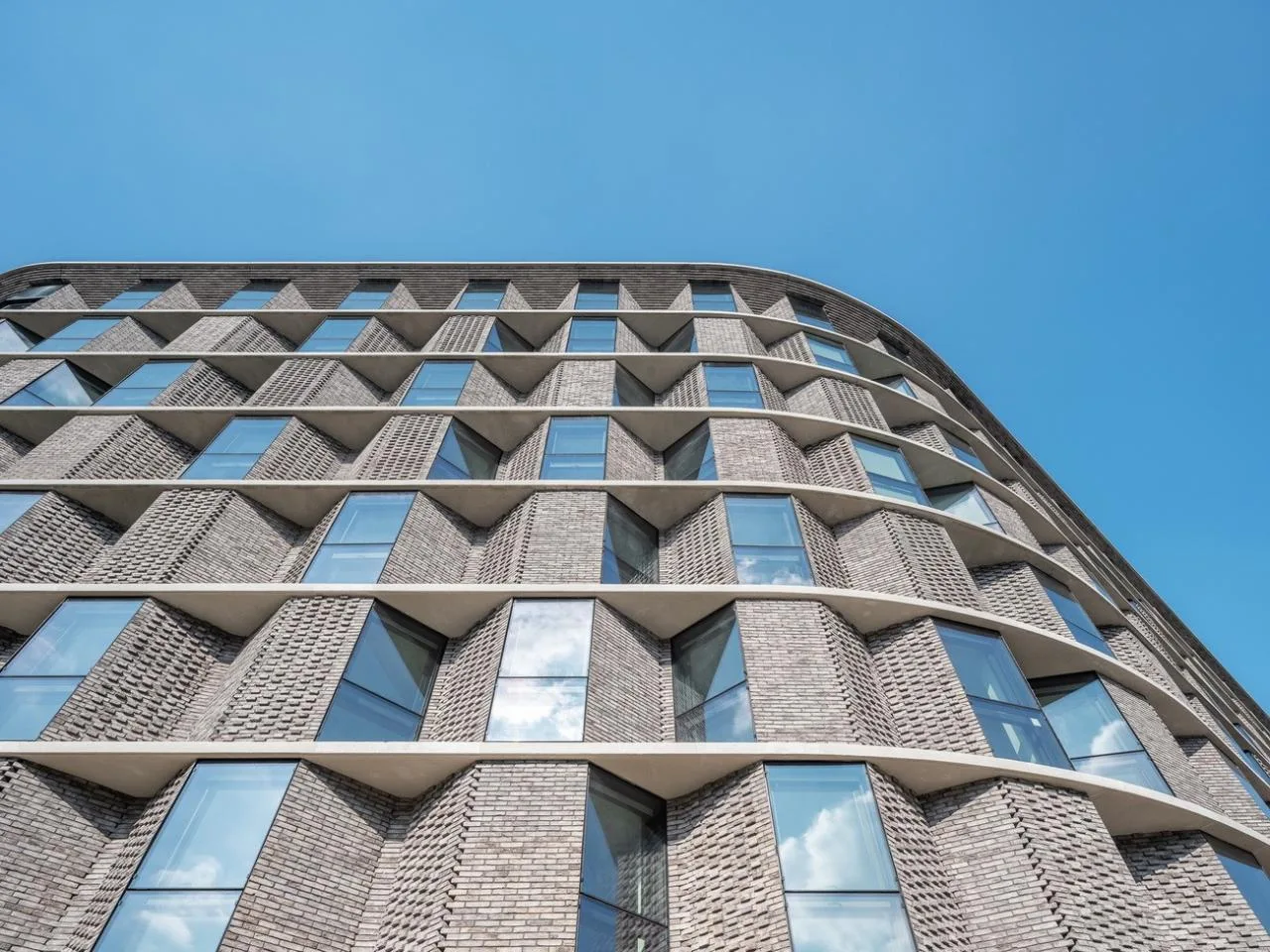
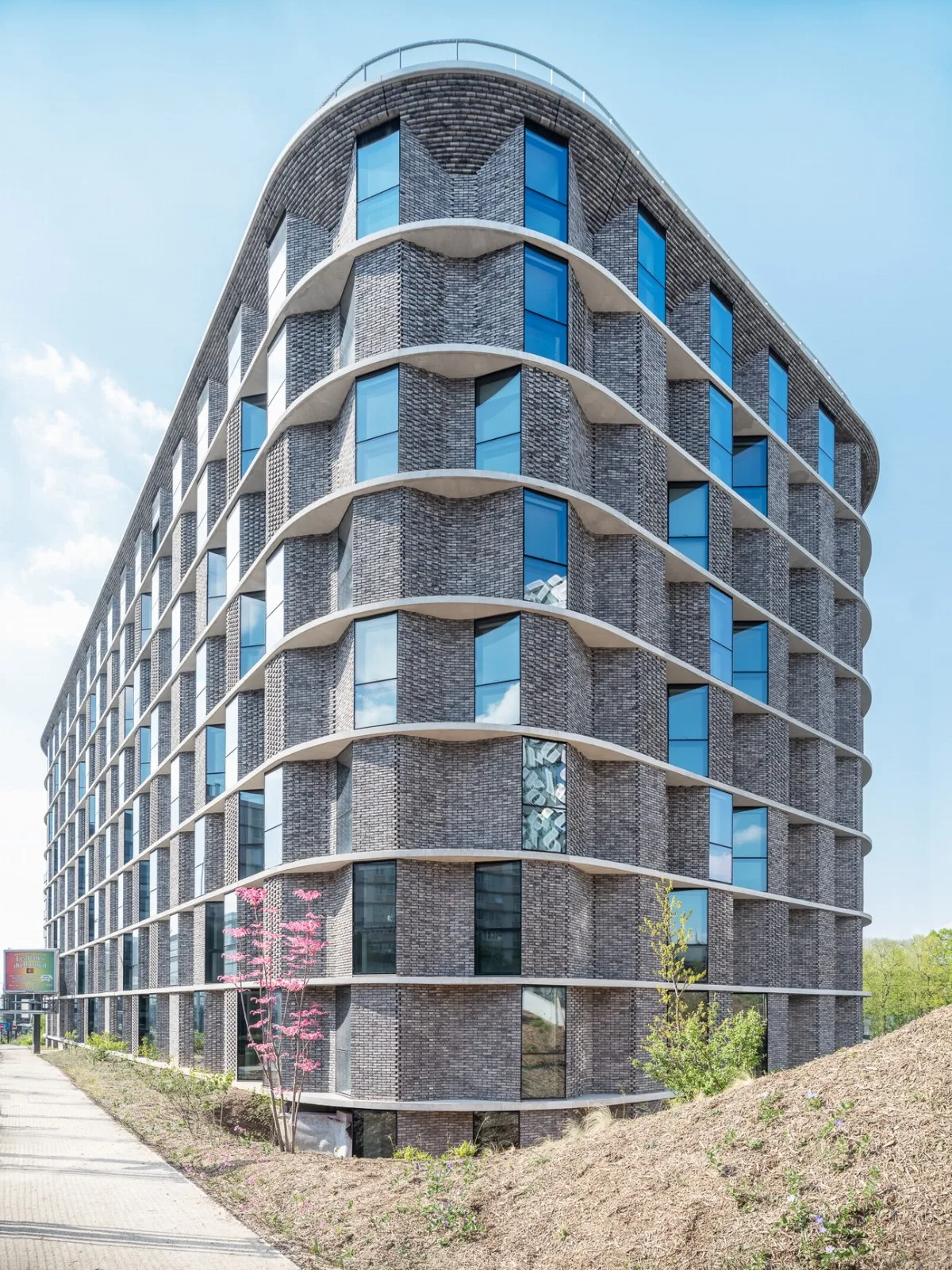
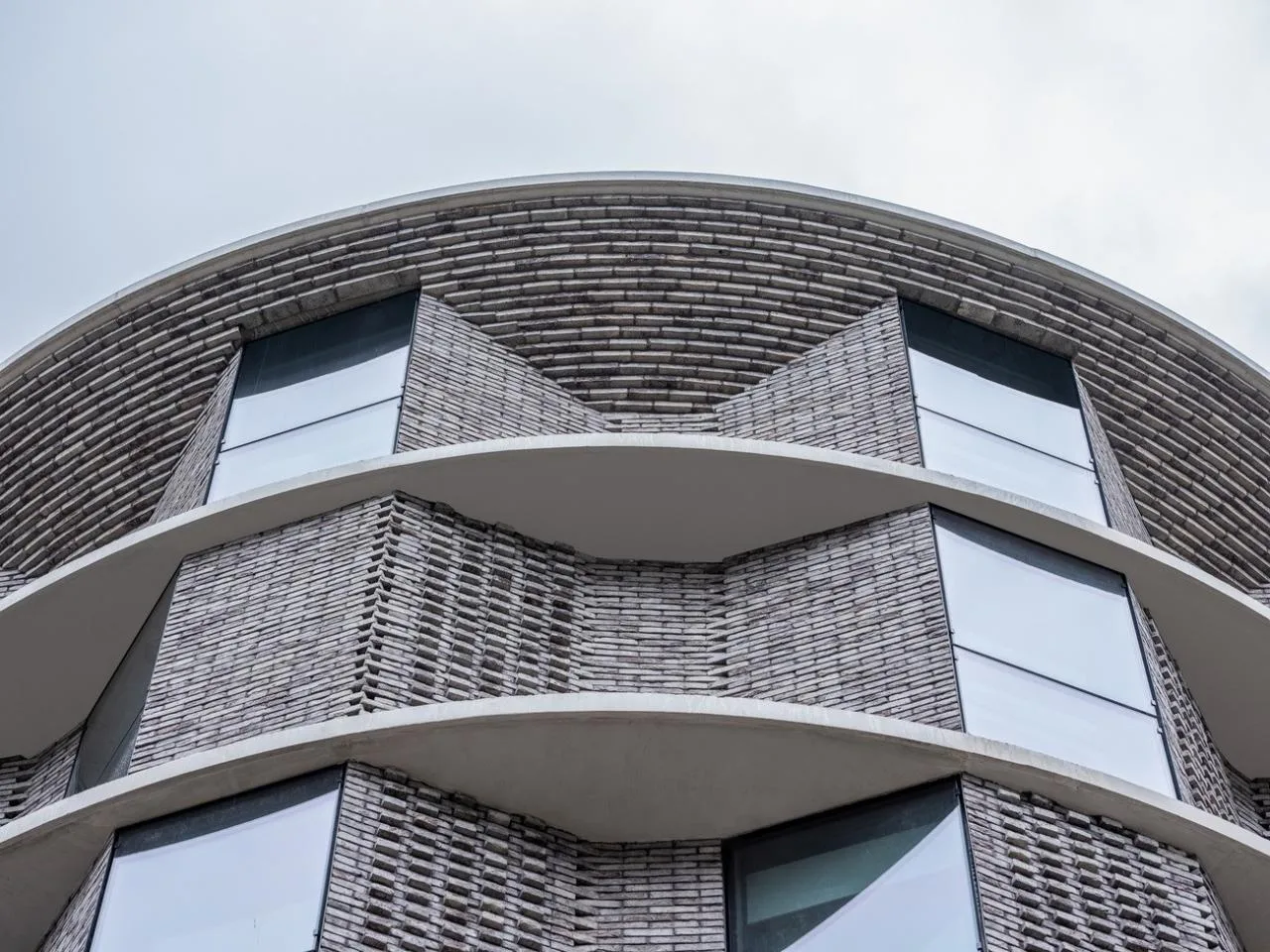
From the outset, our design envisioned the building as a village consisting of 300 single dormitory rooms and 500 cultural activity halls. To better adapt to the narrow site, we drew inspiration from the traditional collective residences of southern China, known as Tulou or “Big Round Buildings.” This led to an 8-story, irregularly shaped circular building concept evolving from the village idea.
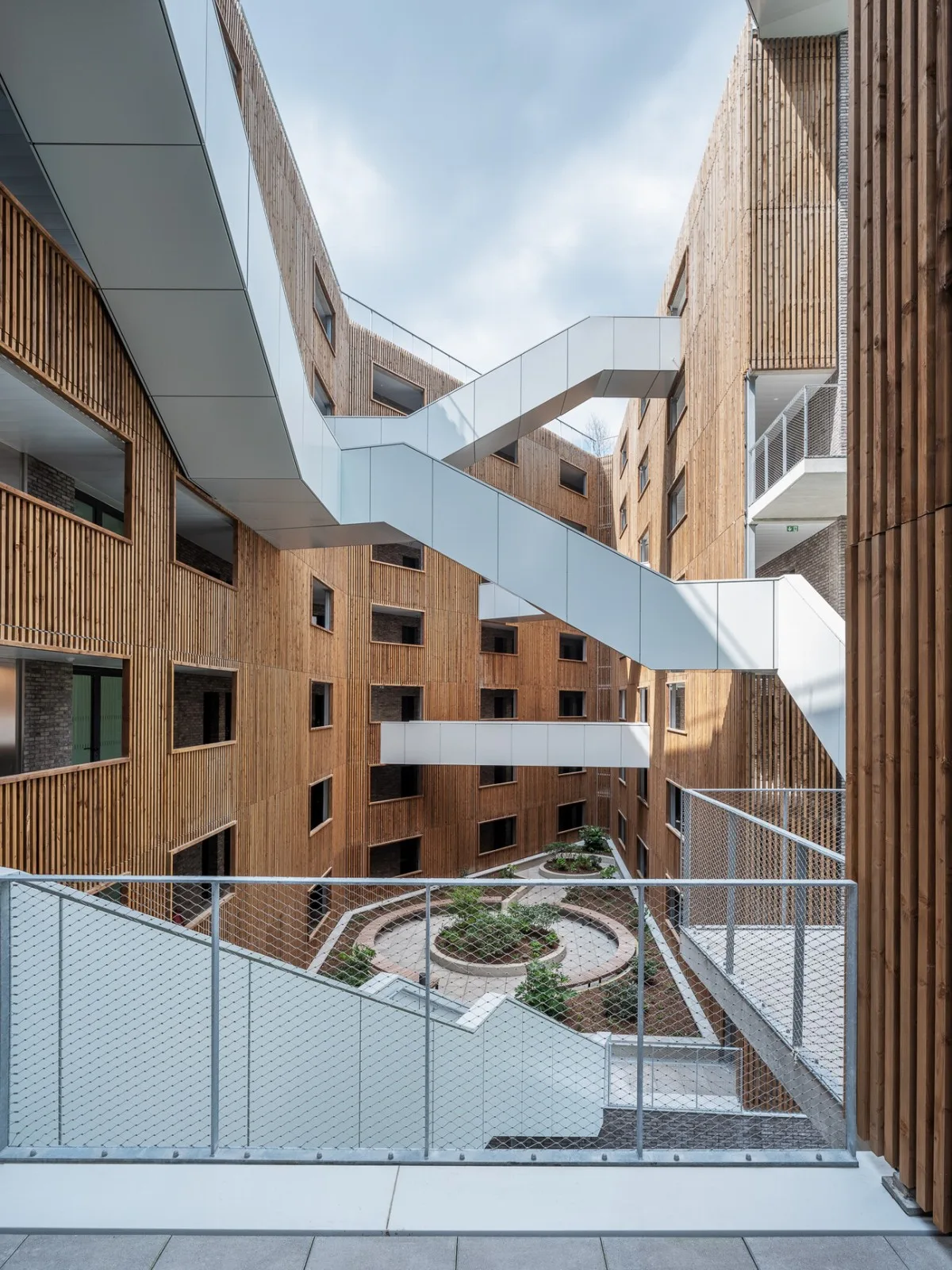
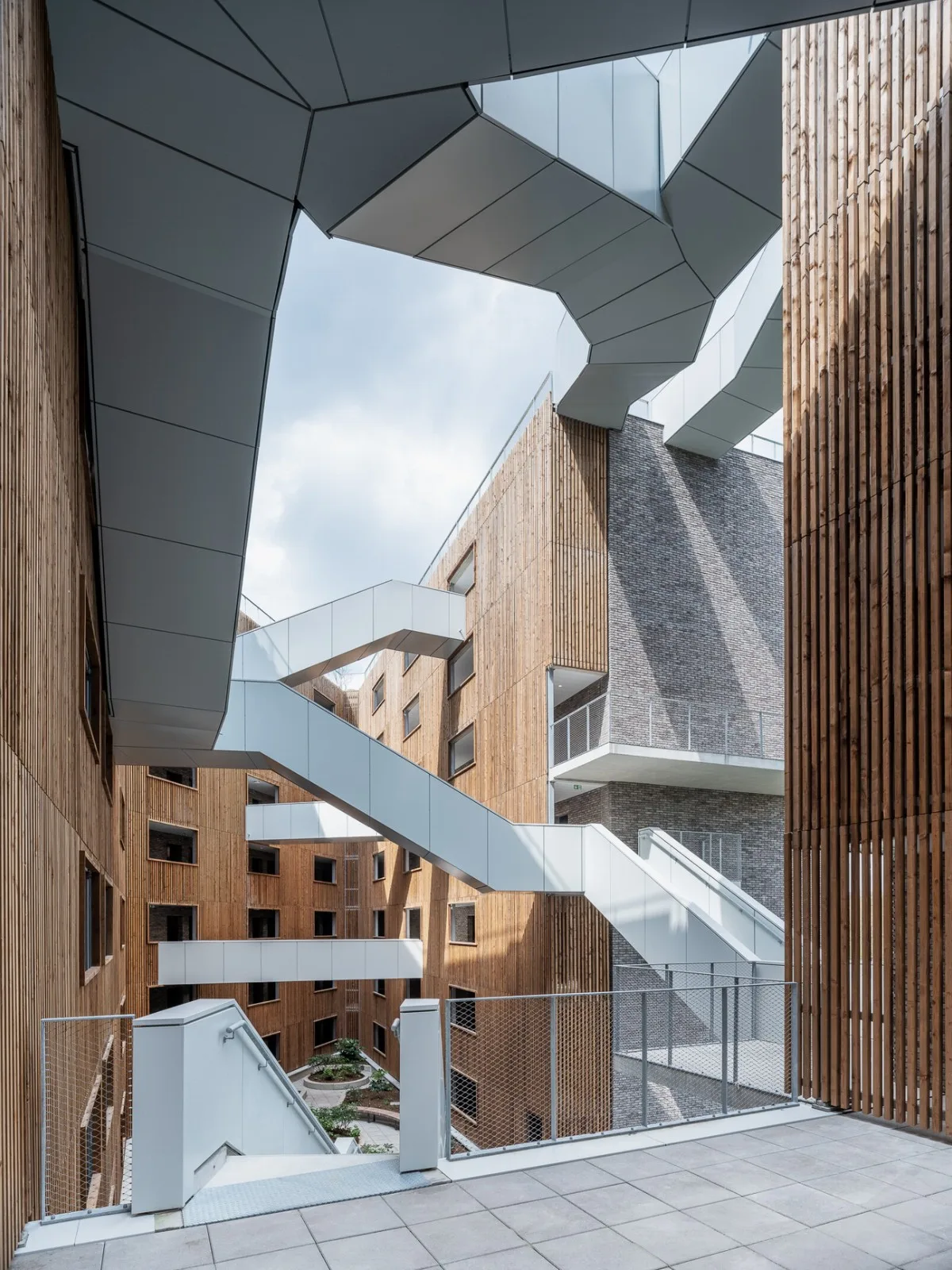
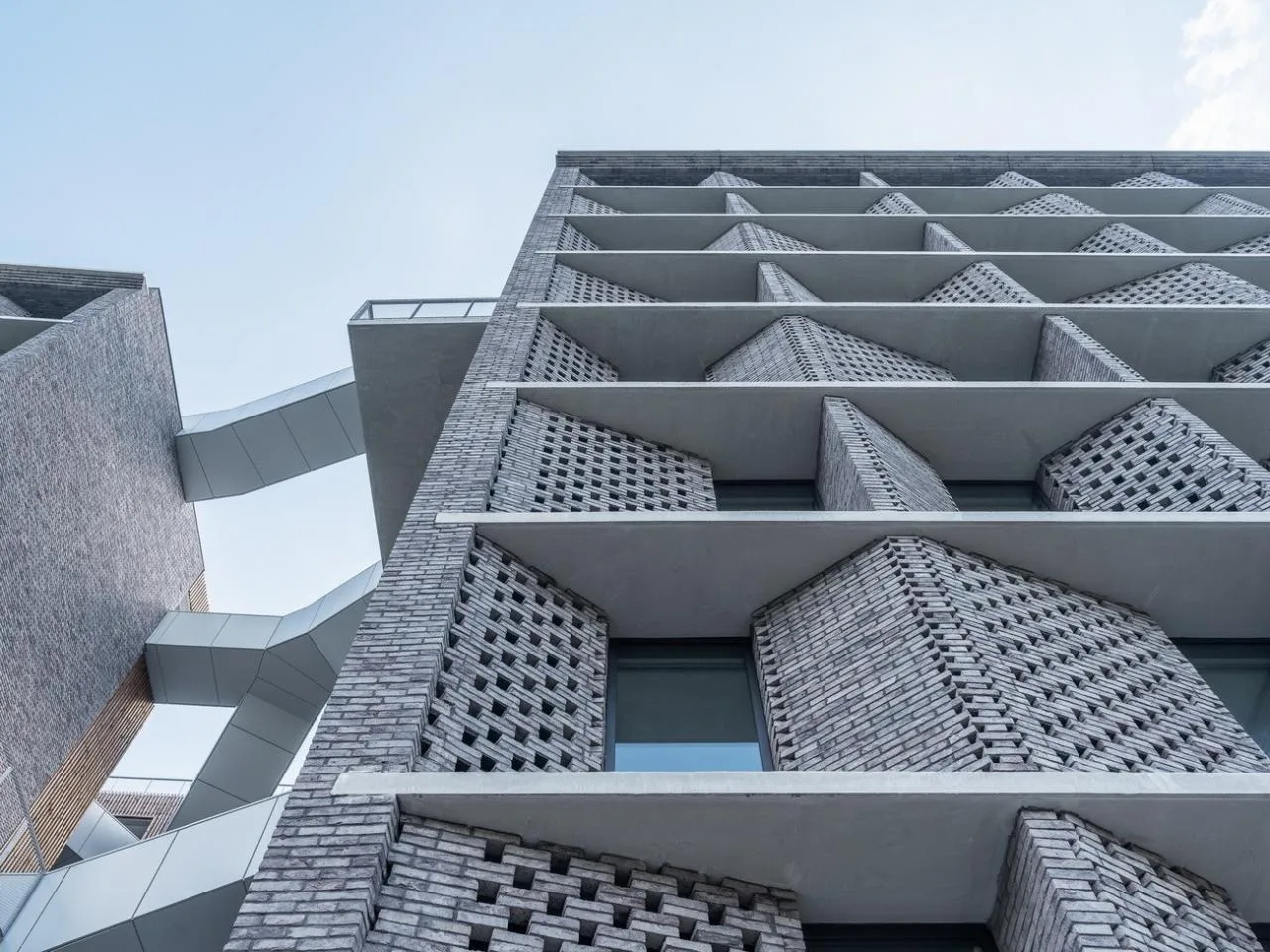
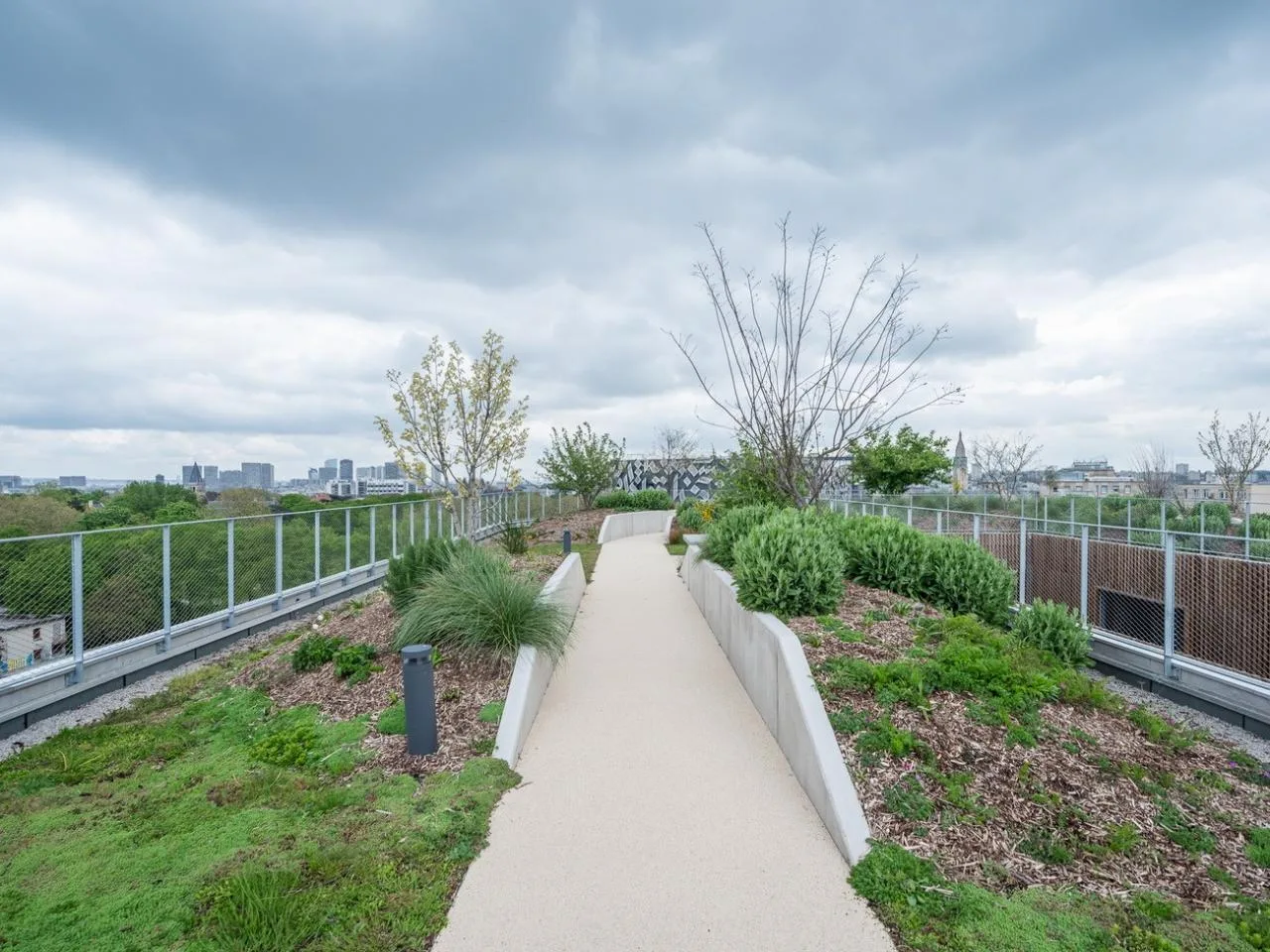
One of the core principles behind Le Corbusier’s Swiss Pavilion is promoting healthy living—a value we deeply share. We organized the dormitory rooms around a central courtyard and garden, inspired by earth buildings, encouraging students to spend as much time outdoors and connect with nature as possible. The building’s roof is designed as a vertical landscape, accessible via stairs and platforms in the central courtyard, offering students views of Paris from a Chinese-style rooftop garden. This feature has earned the China Academy the nickname “Heyuan.”
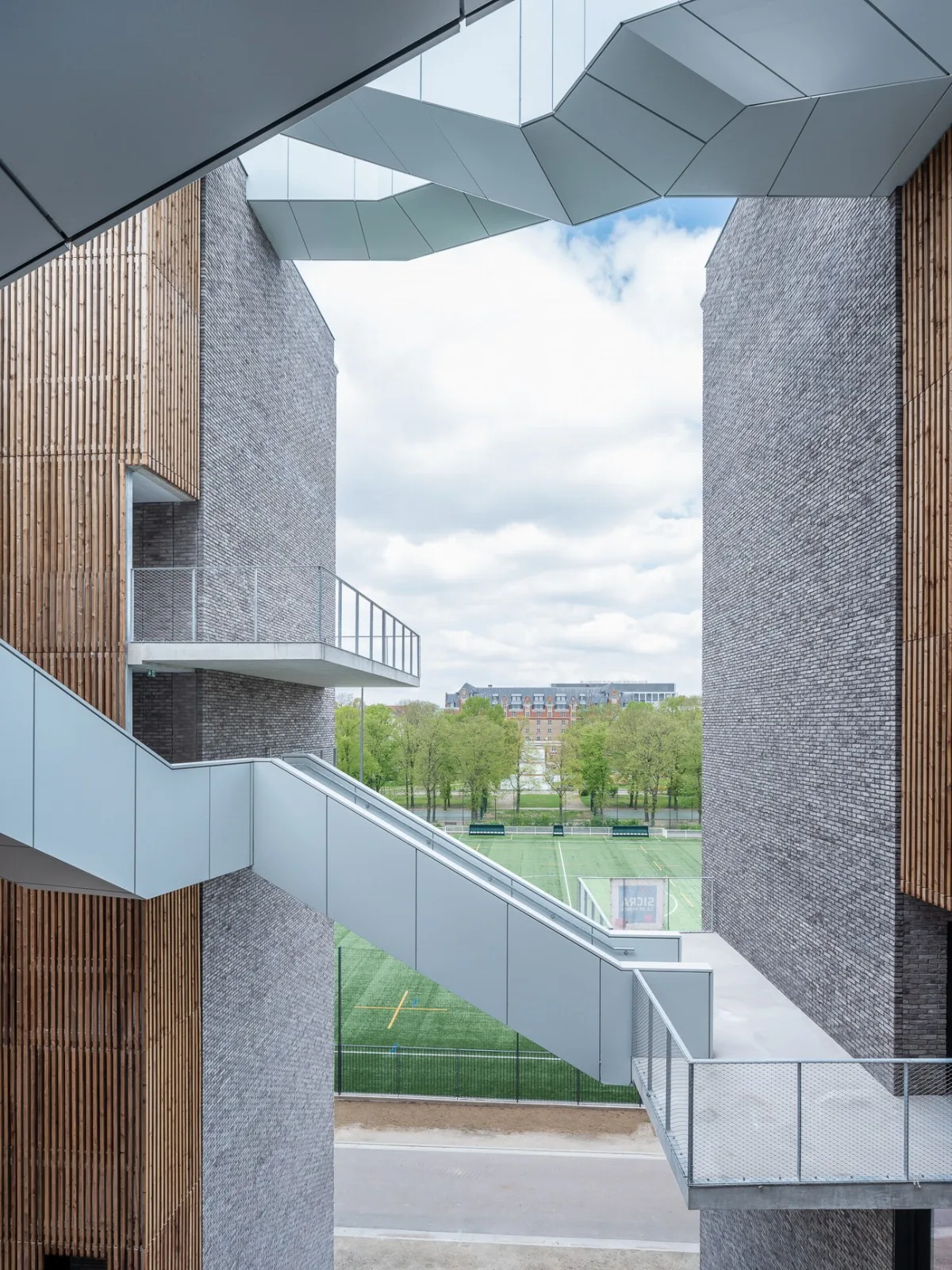
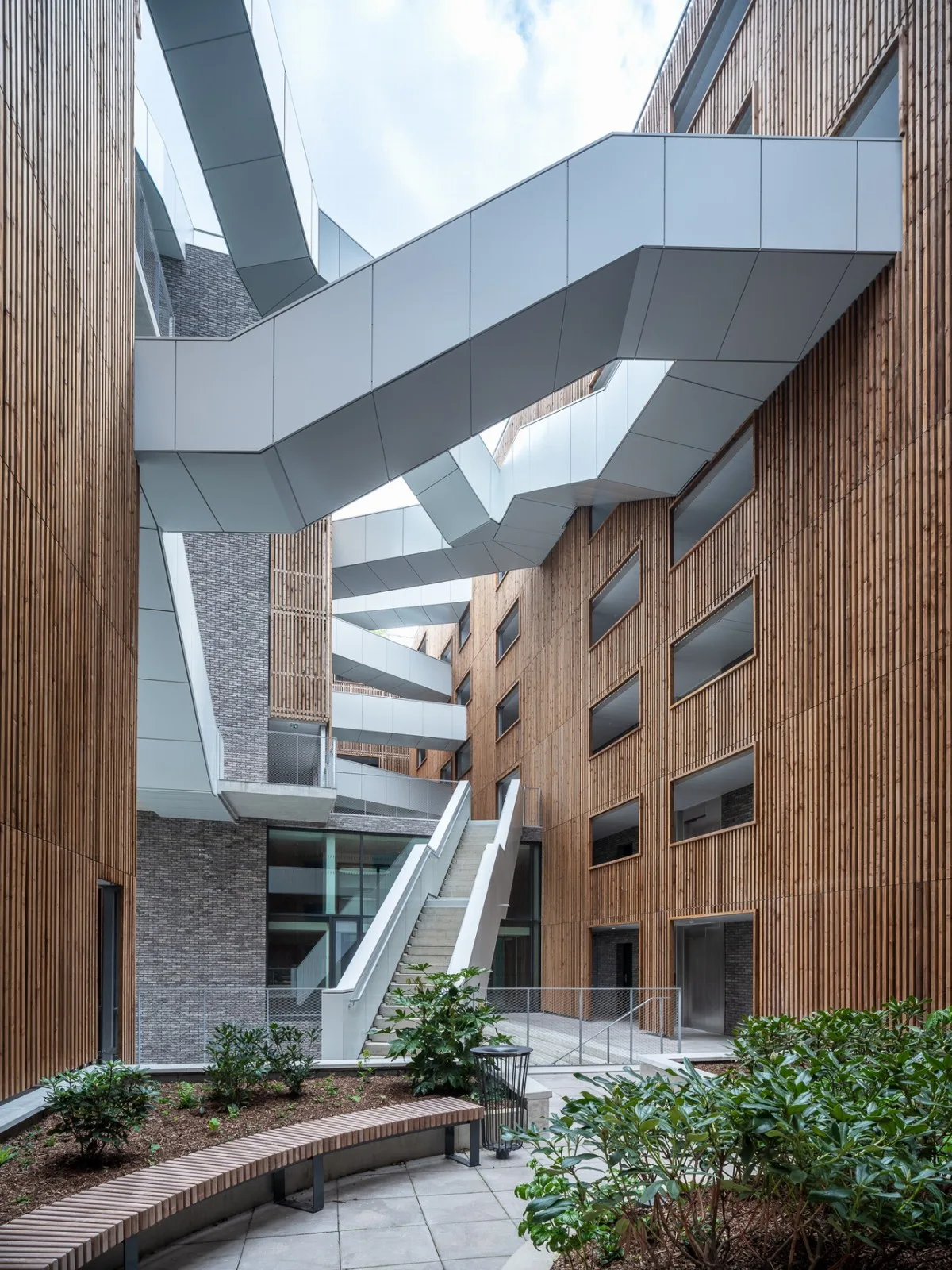
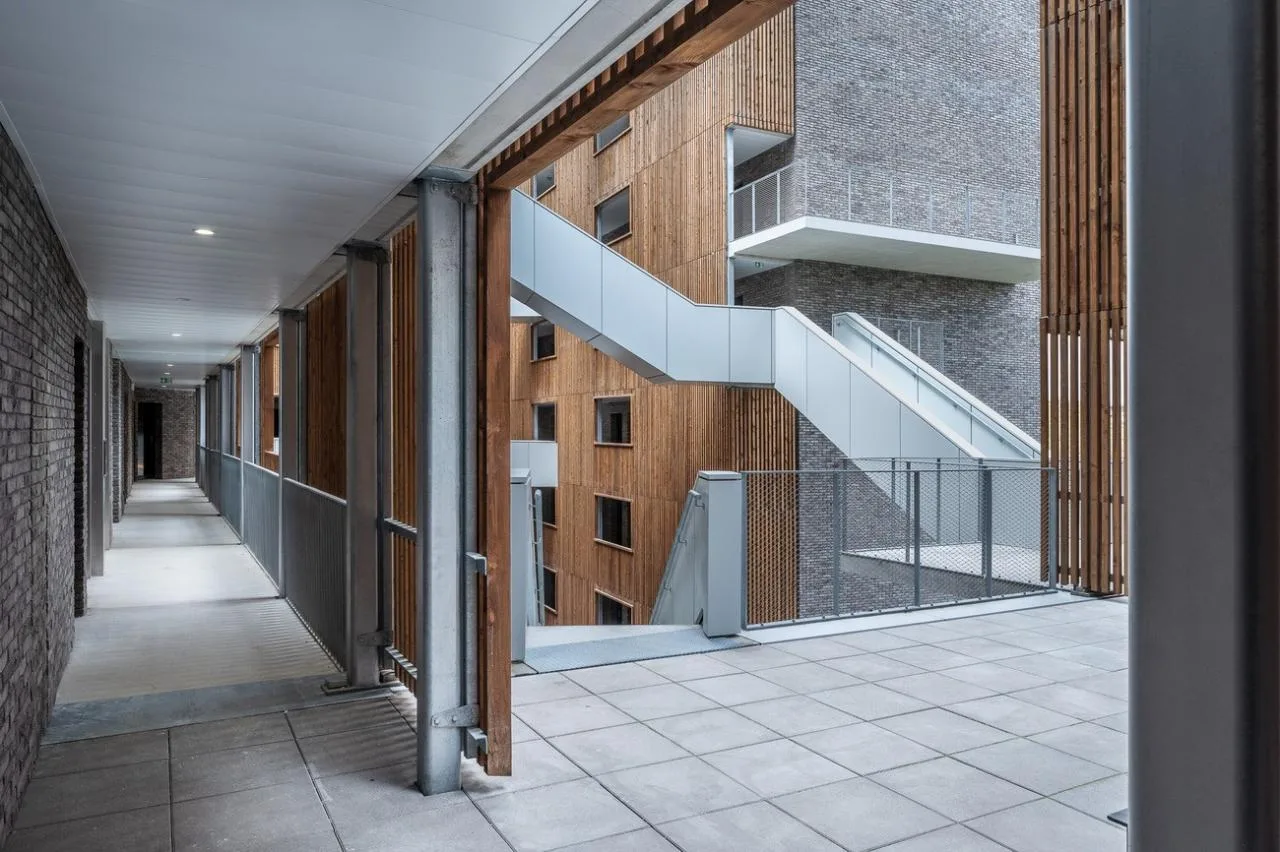
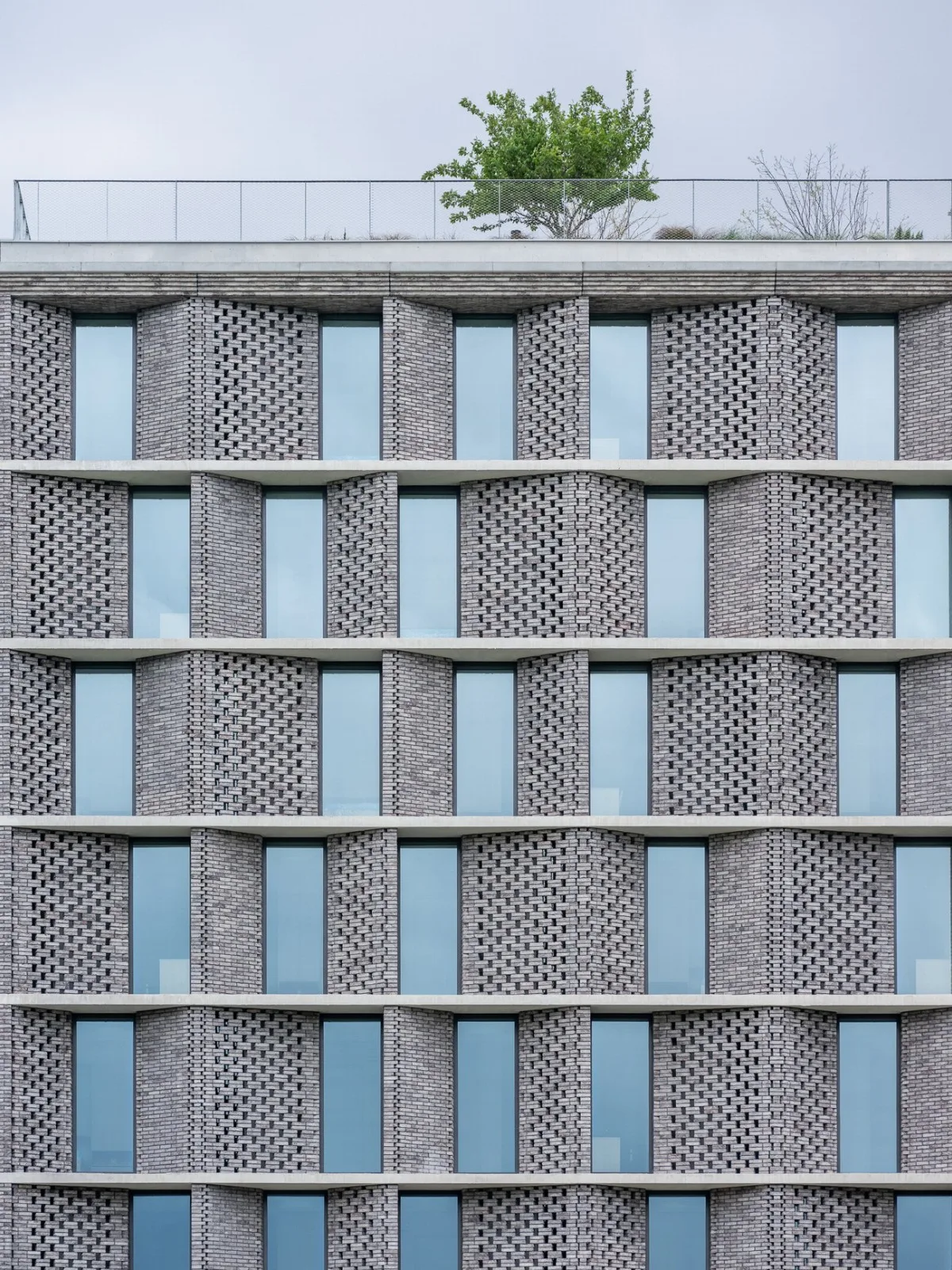
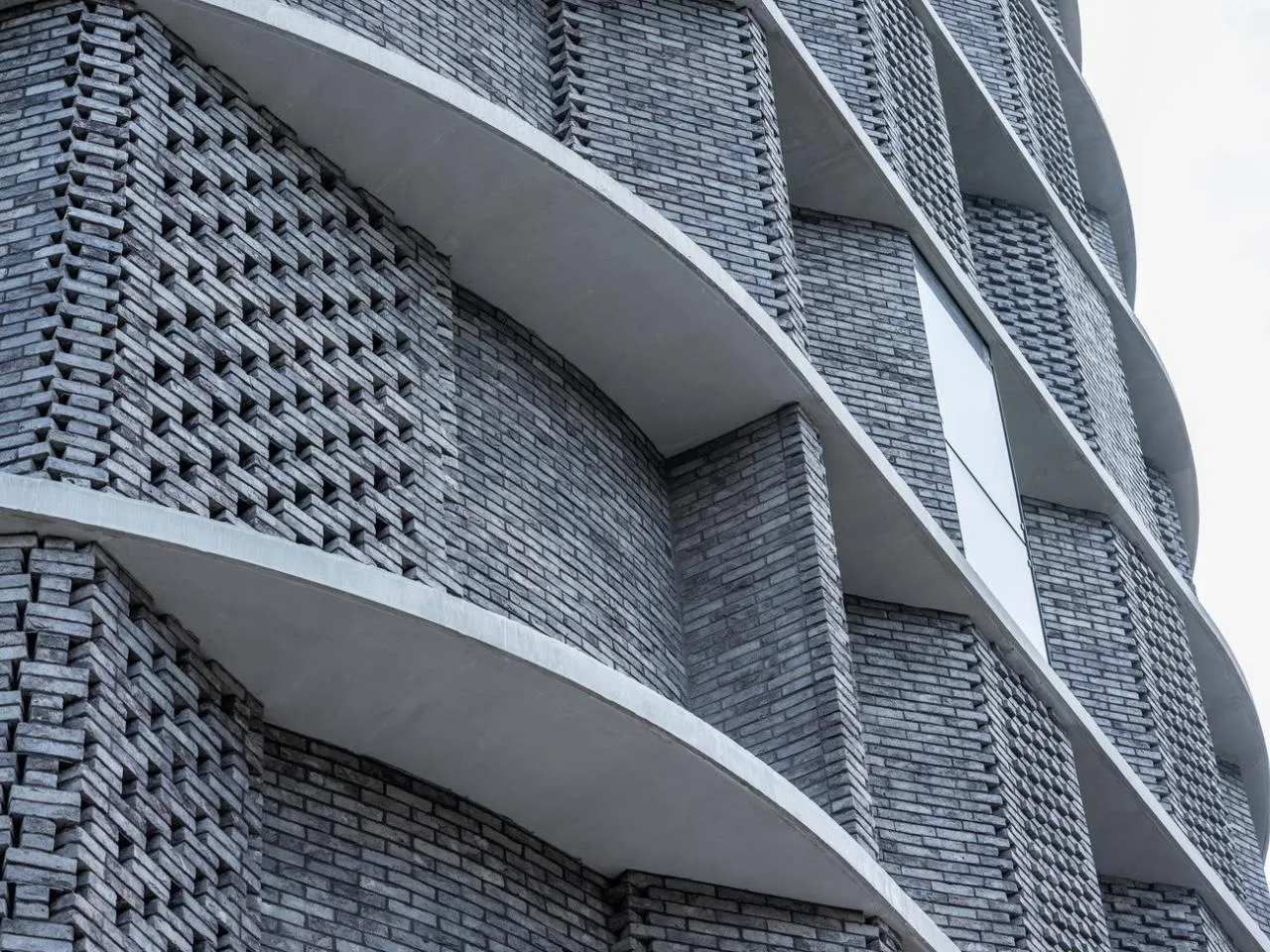
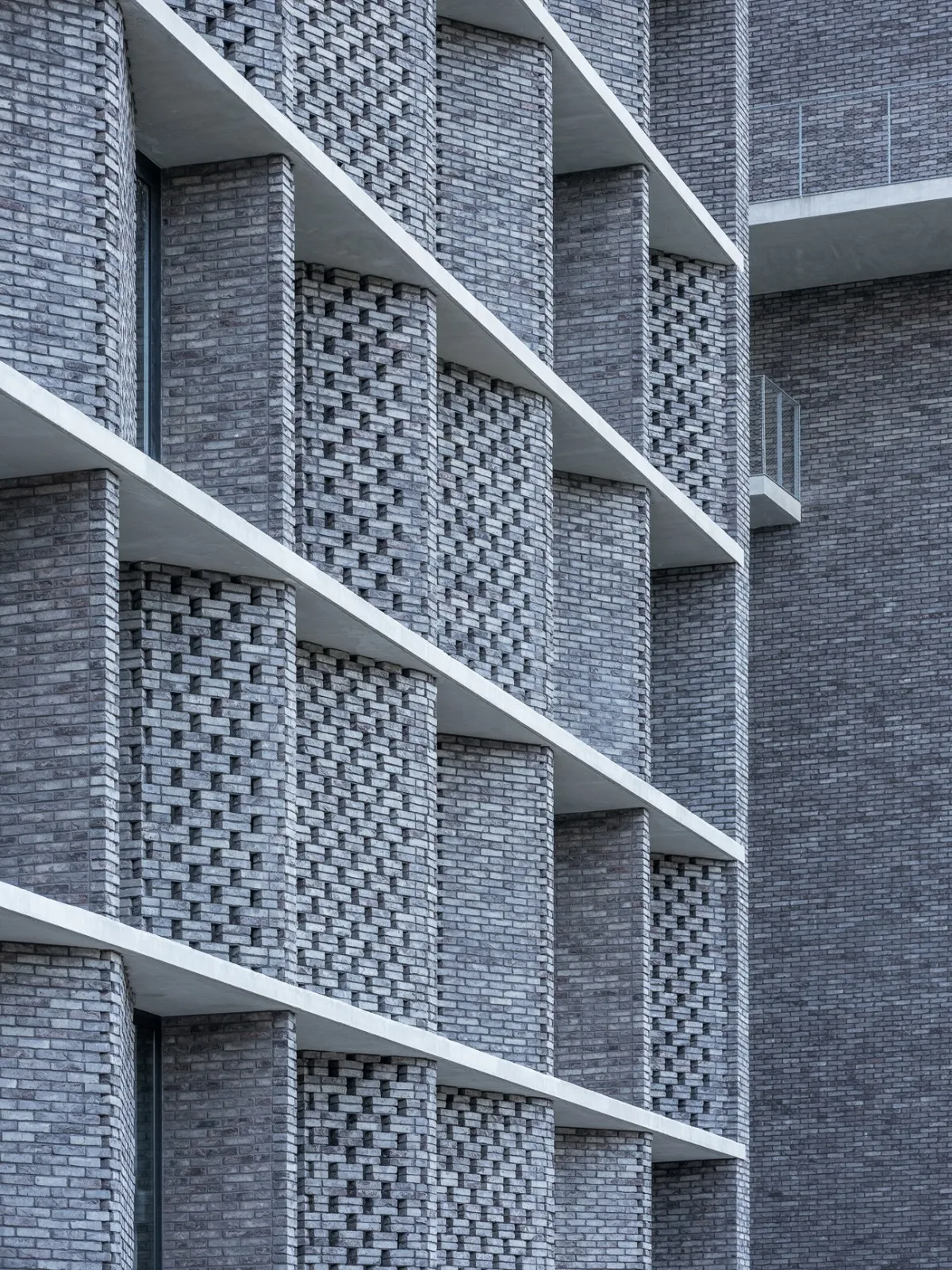
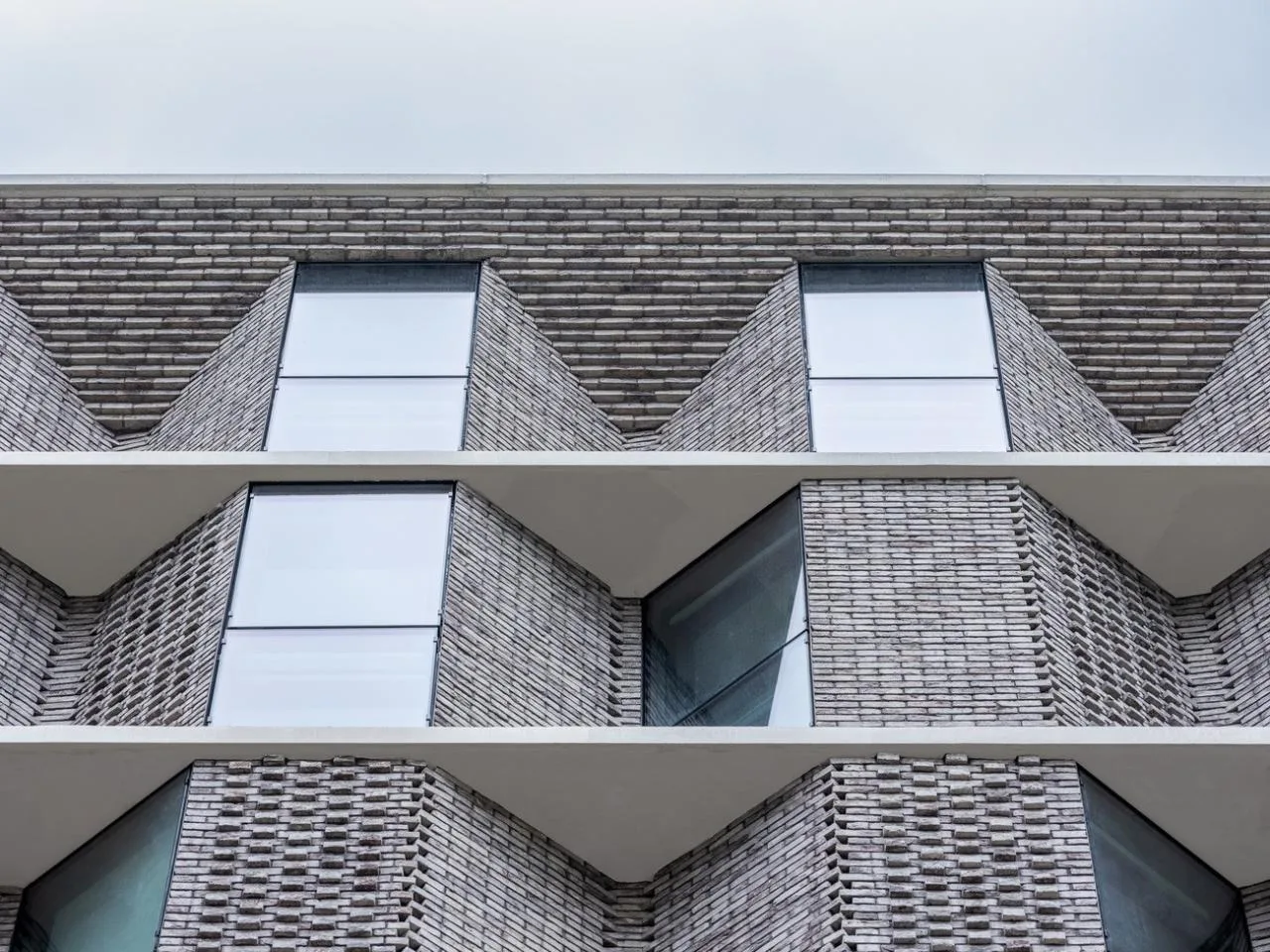
Our approach to materials embraces cultural heritage rather than relying on the formal imagery common during Yu Binglie’s era. We express the essence of Chinese architectural culture through spatial design and craftsmanship. The exterior walls of the Chinese dormitory are clad in handmade blue-gray clay bricks. By adapting traditional Chinese masonry techniques, we created contemporary bricklaying patterns such as voids, floral motifs, and overlapping layers, making the materials and methods an integral part of the architectural language that embodies the Chinese spirit.
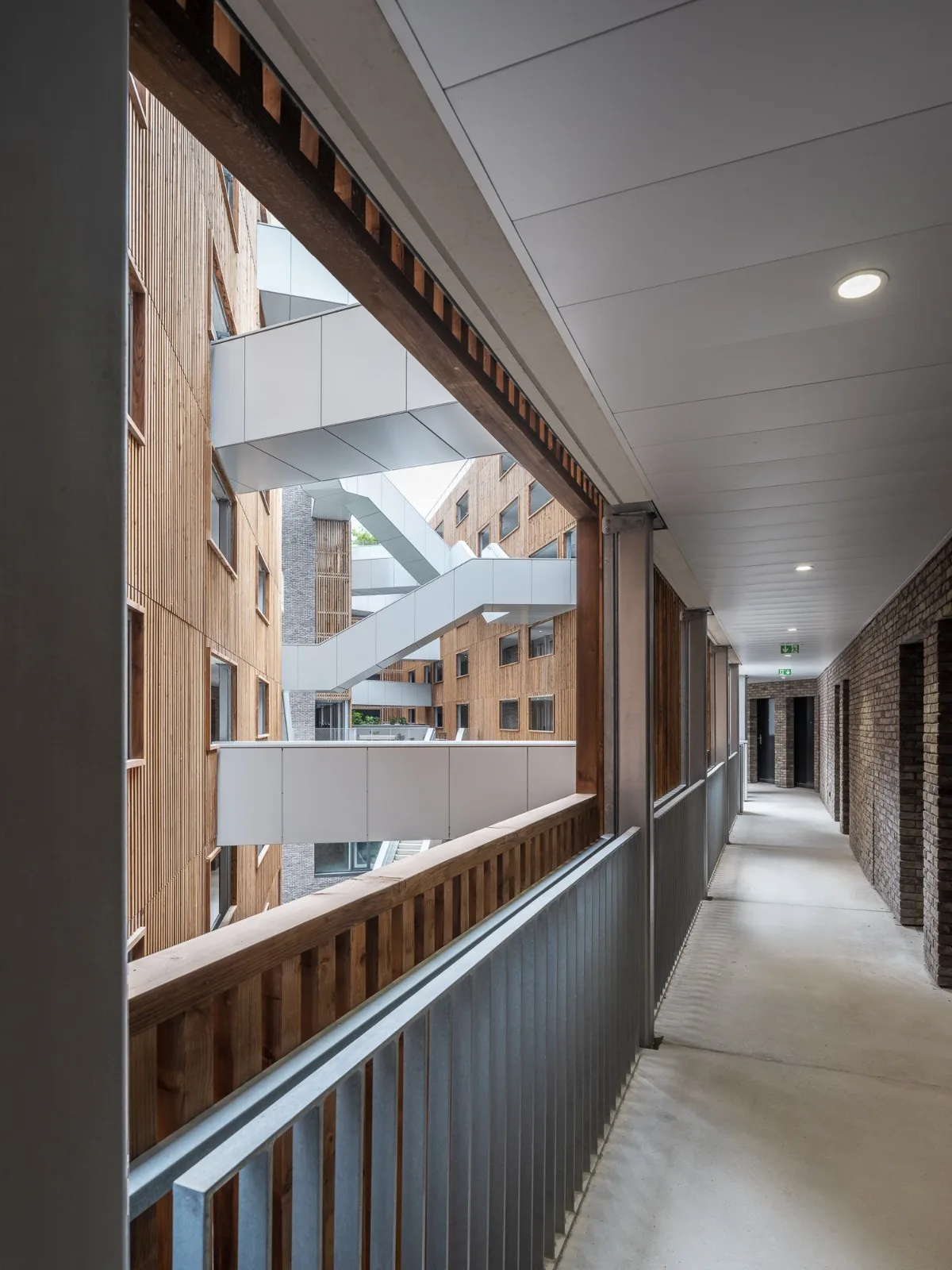
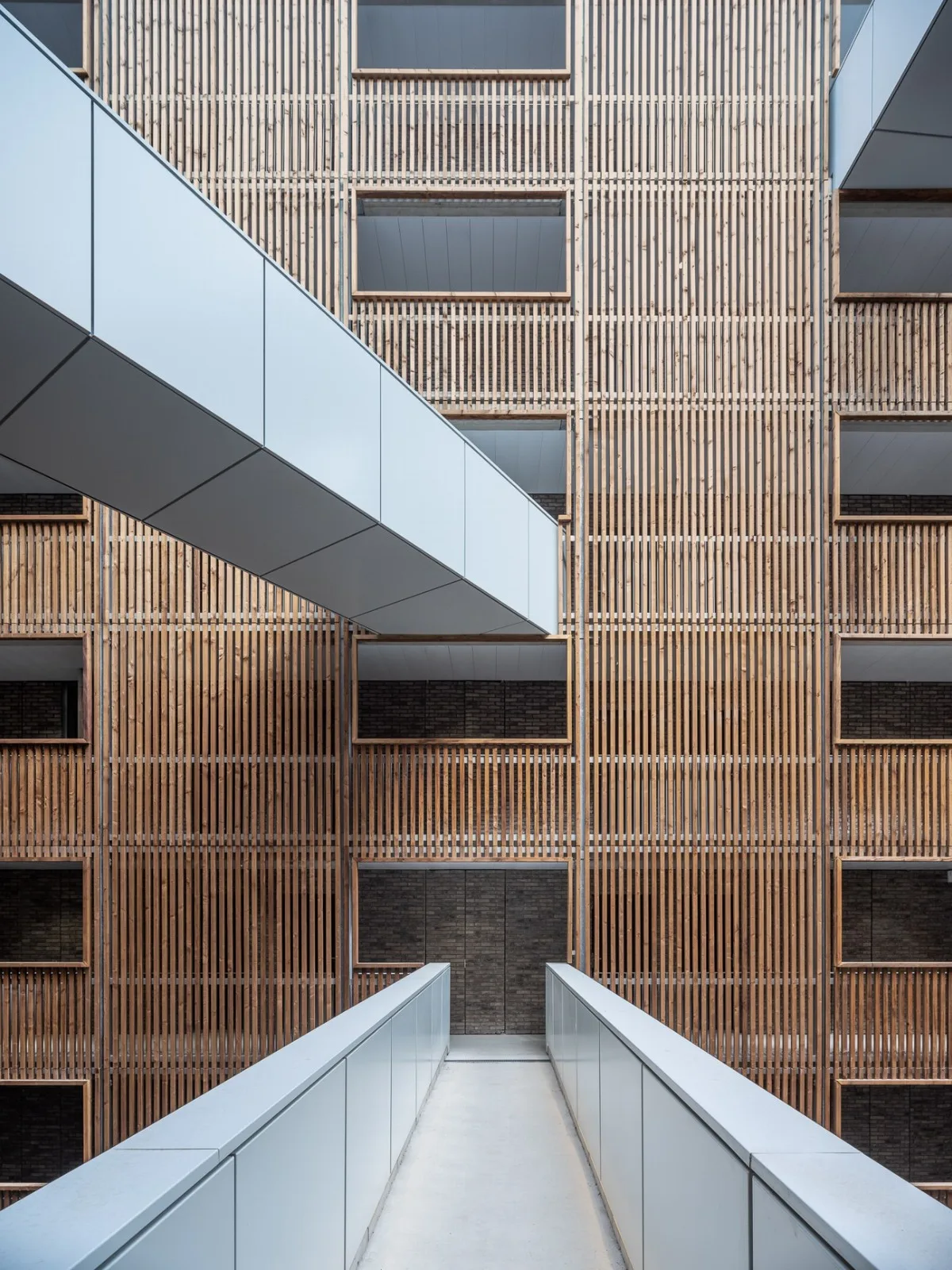
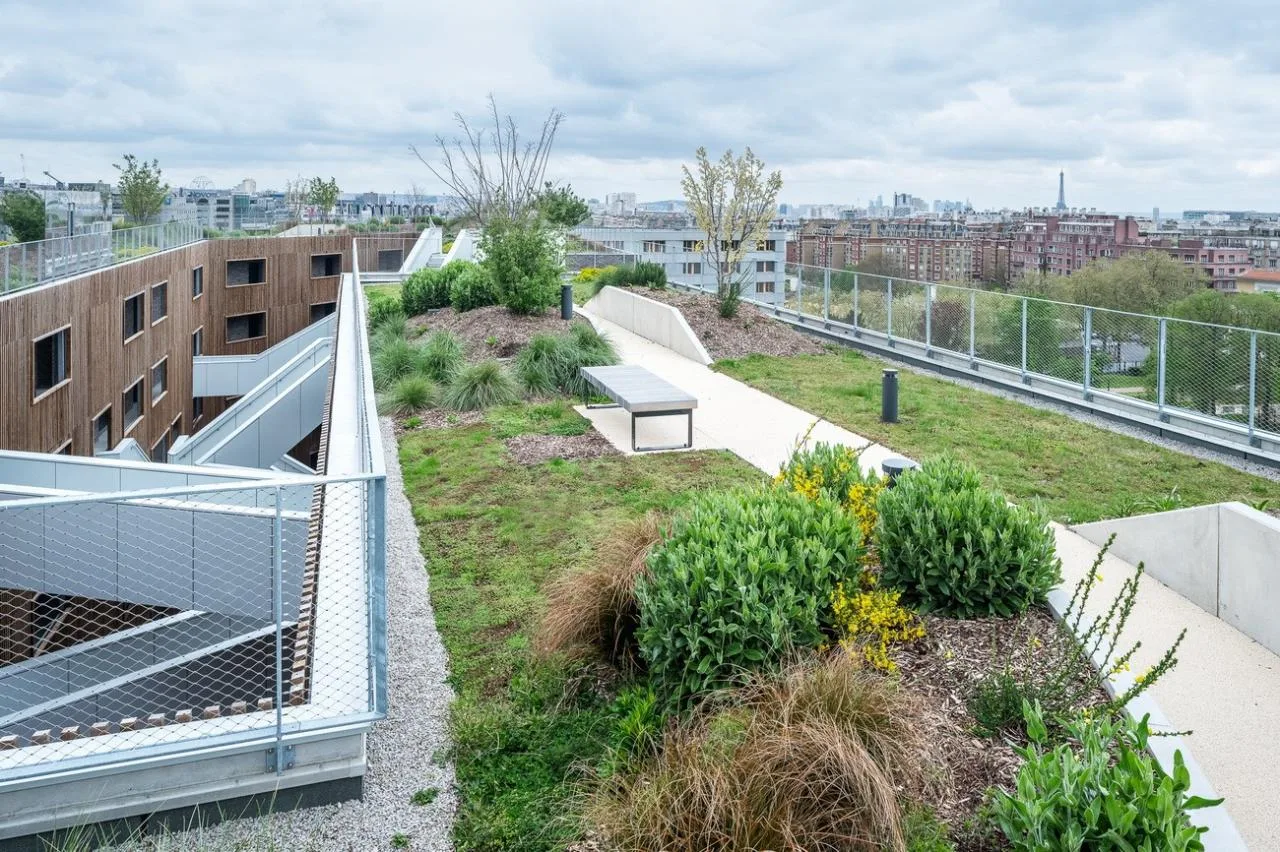
The undulating facade serves multiple purposes: it breaks the repetitive monotony of the dormitory rooms, strengthens the individuality of each unit, and reduces noise pollution from the adjacent ring road. Wooden lattices frame the architectural interface around the central courtyard. The combination of wood and green bricks reflects ancient Chinese architectural principles, treating architecture as civil engineering. Yet, this building also belongs to Paris, symbolized by the handmade blue bricks produced in Europe, highlighting the interconnectedness of human building cultures.
Project Drawings
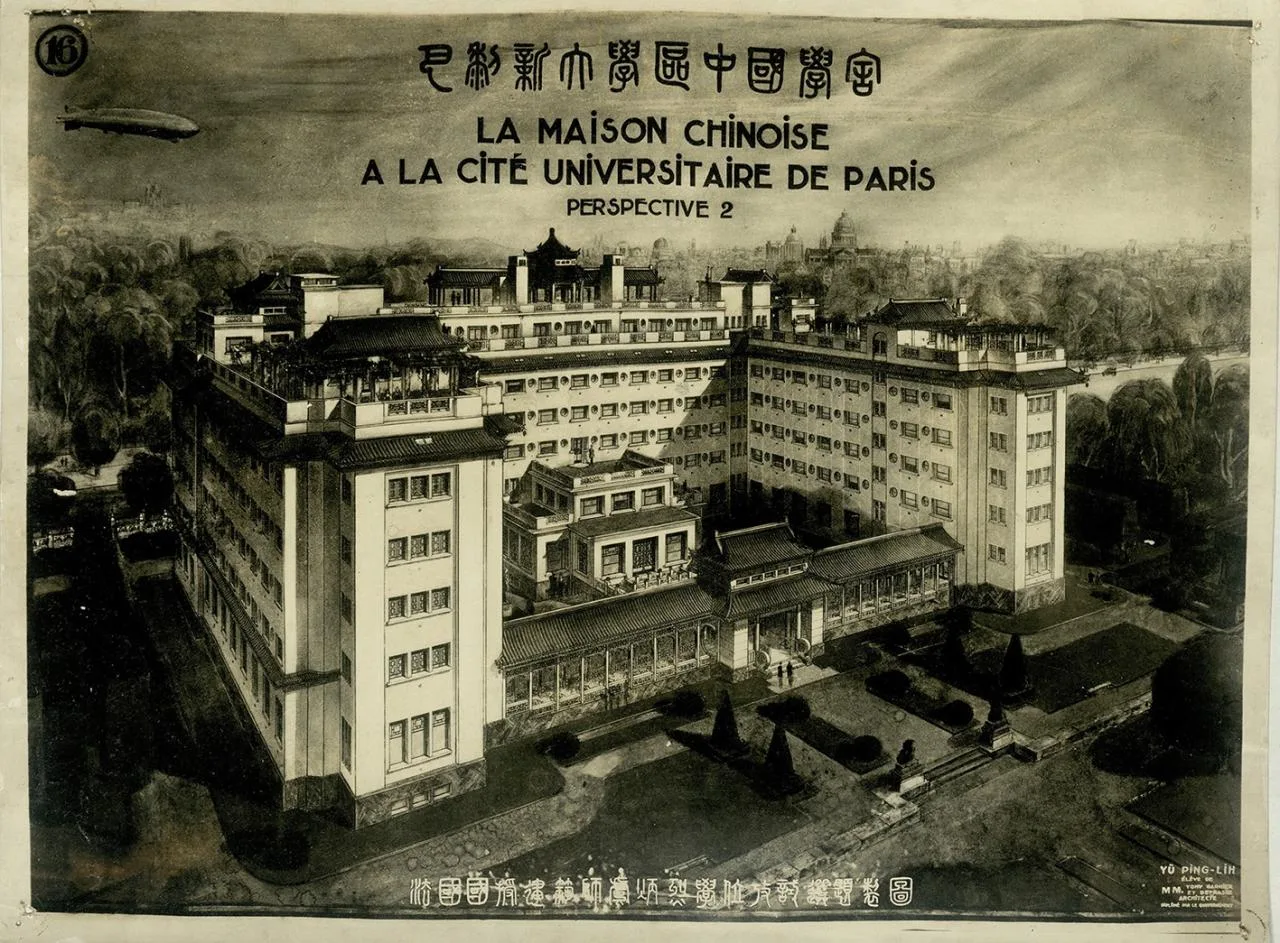
△ Design drawings of the Chinese academic buildings by Yu Binglie
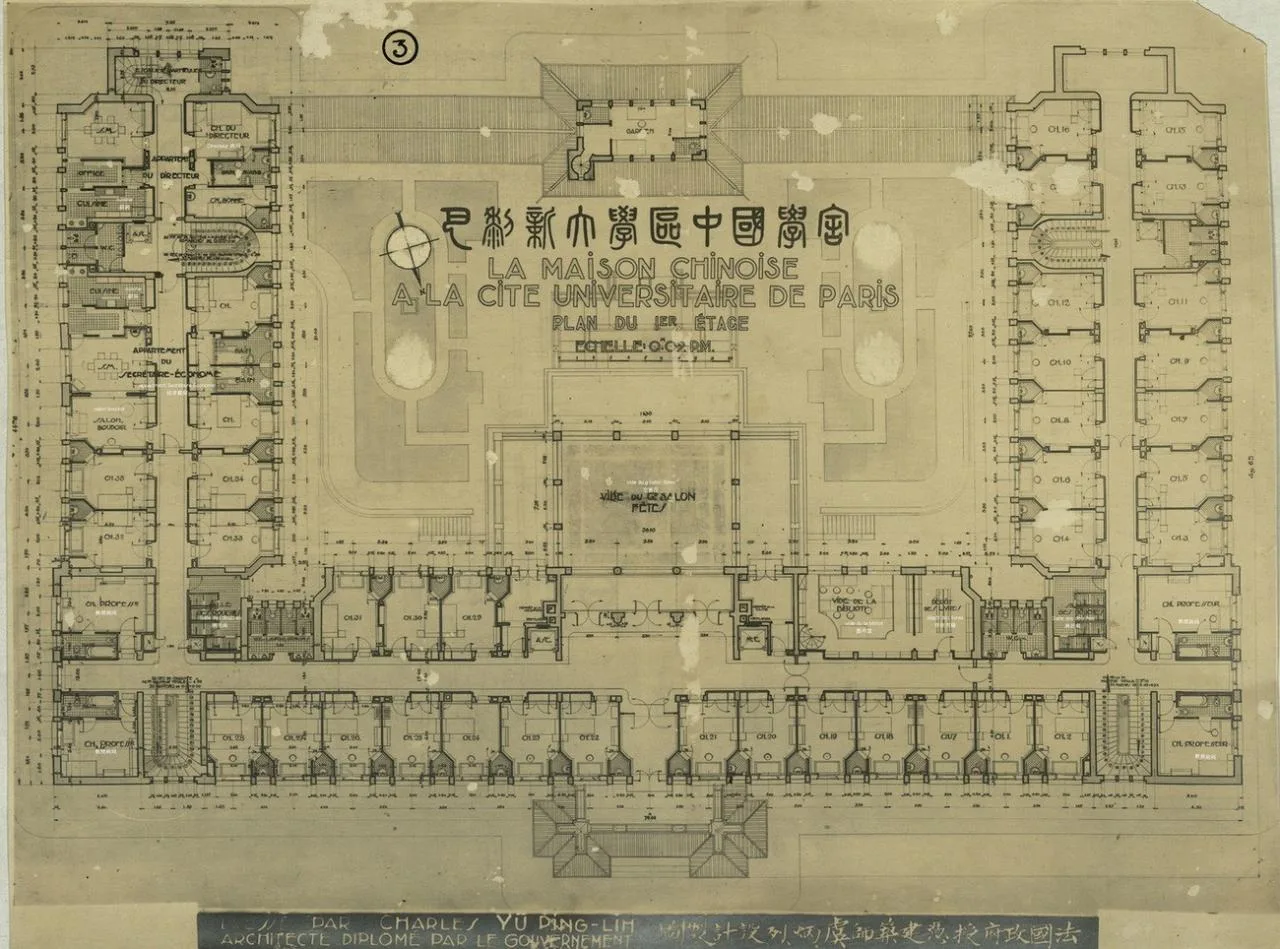
△ Design drawings of the Chinese academic buildings by Yu Binglie
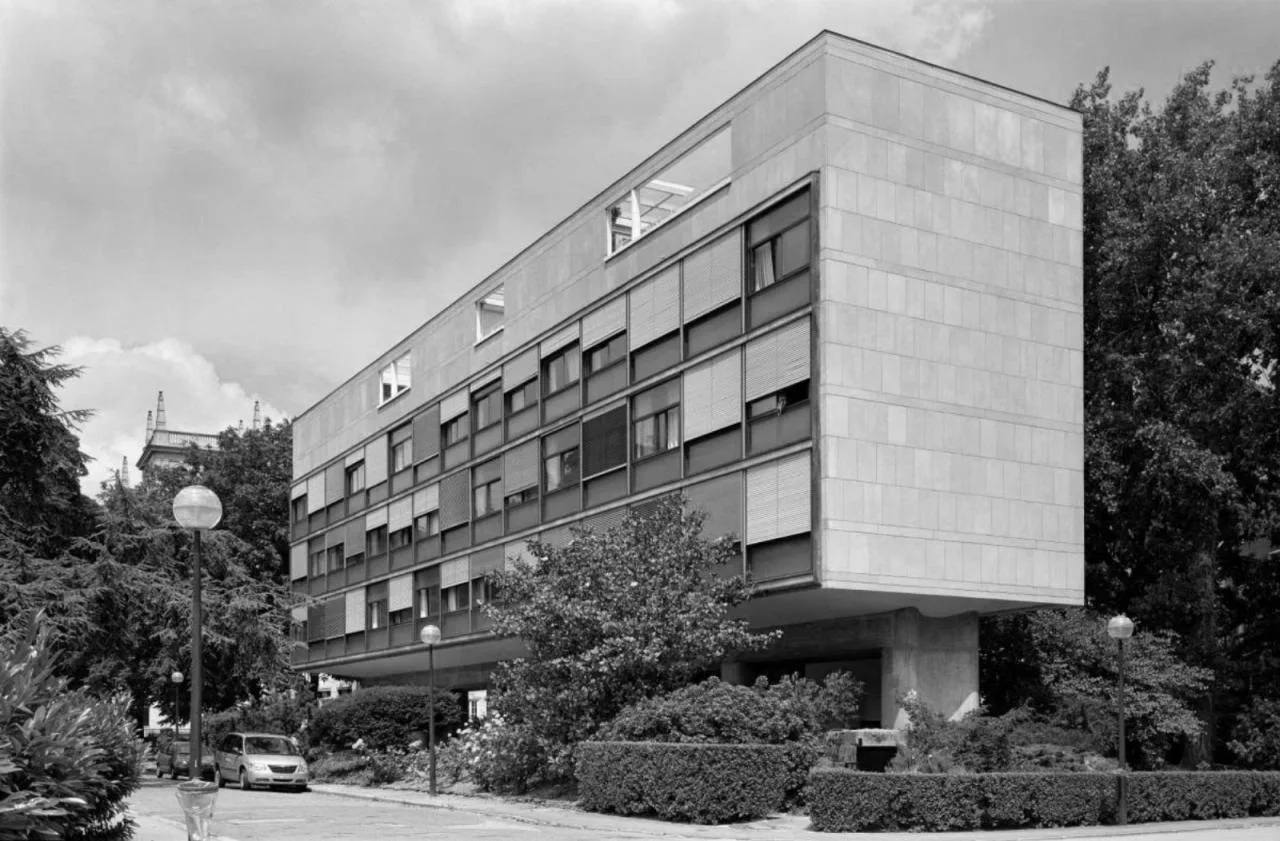
The Swiss Pavilion designed by Le Corbusier
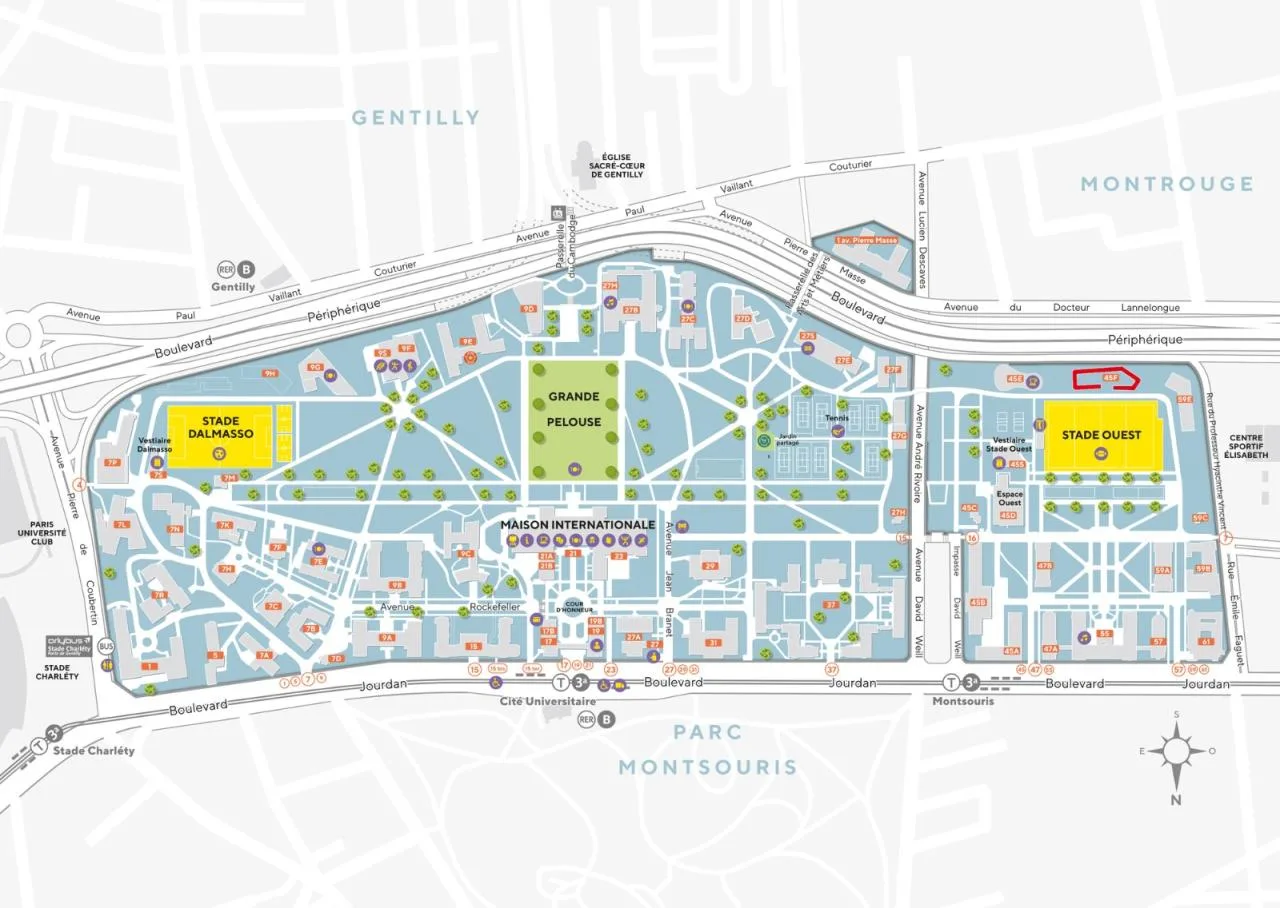
△ Topographic map
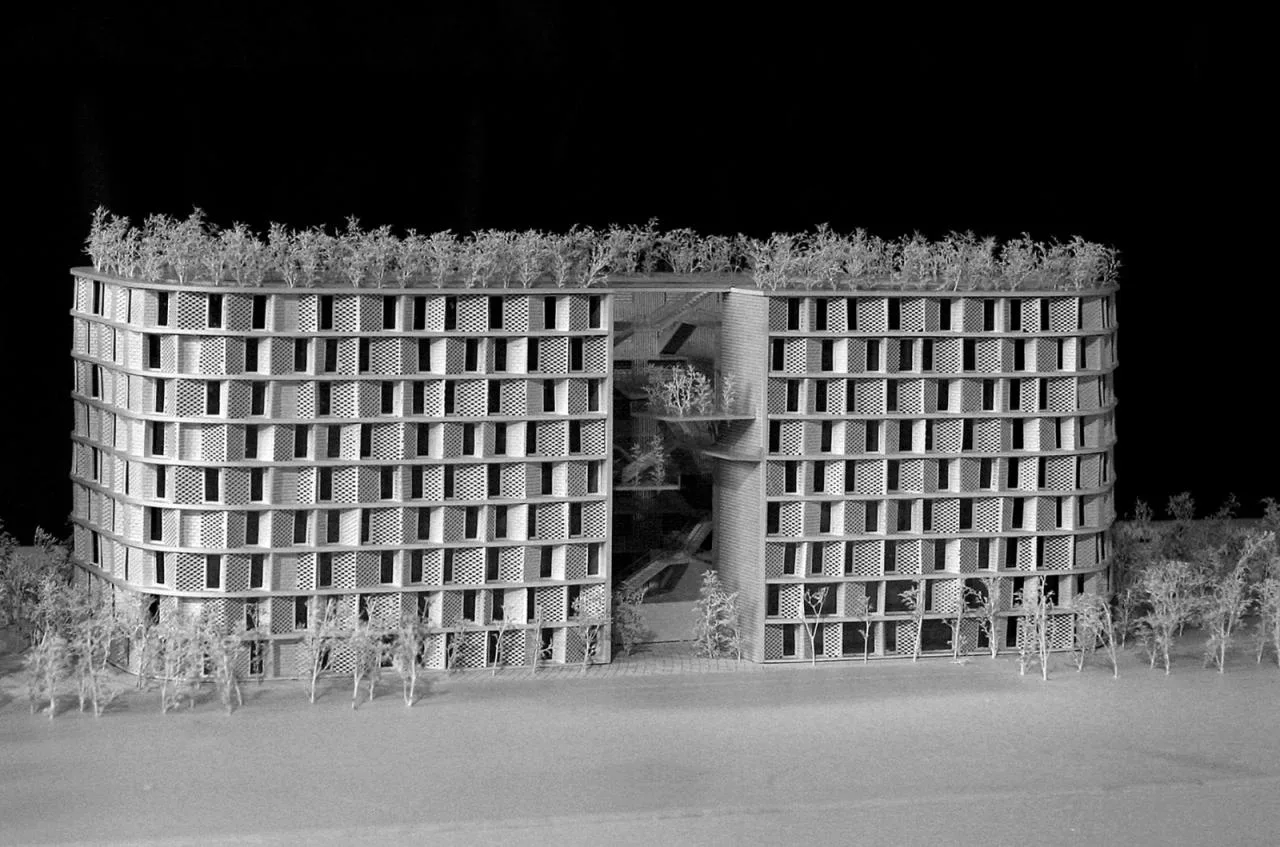
△ Model diagram
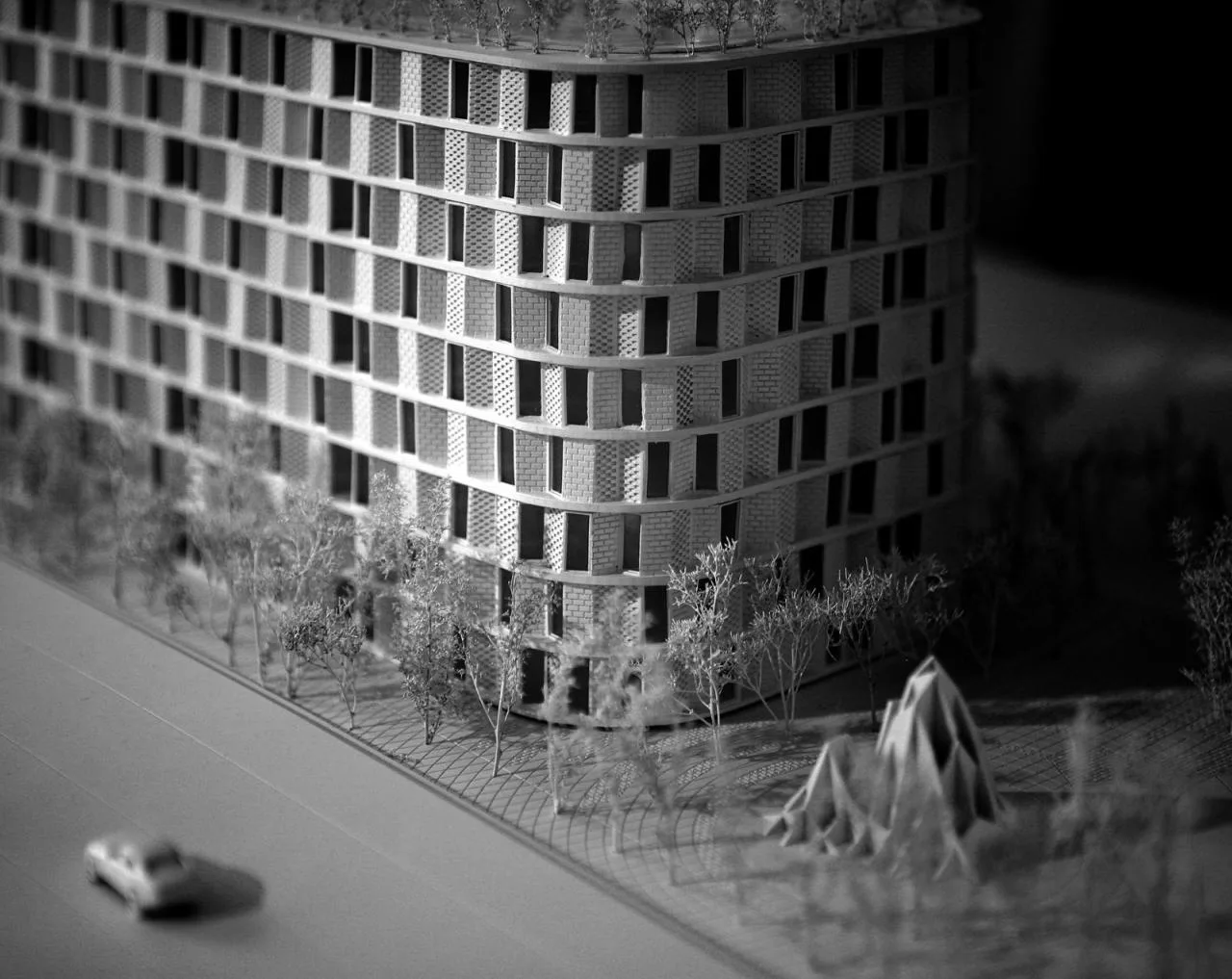
△ Model diagram
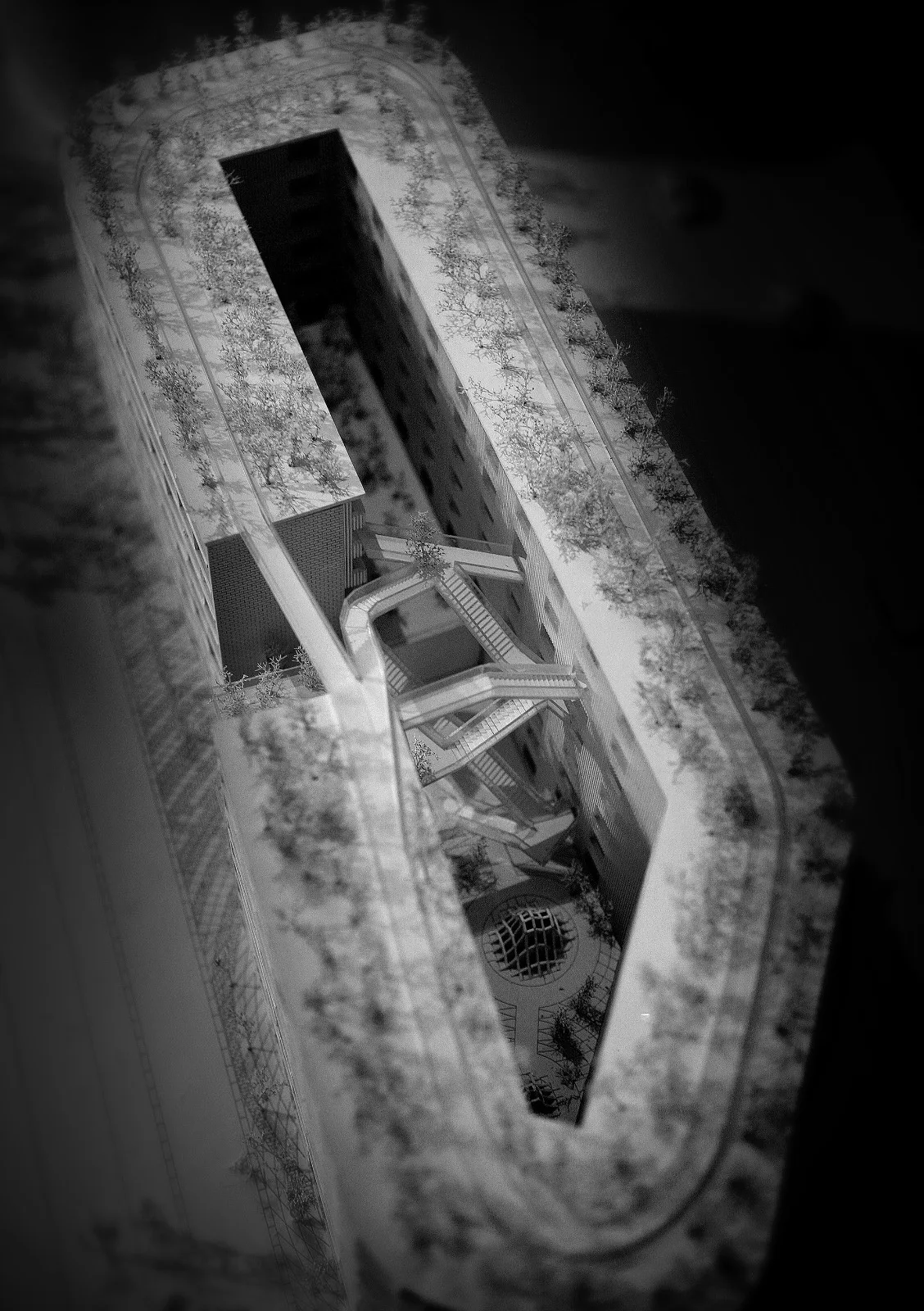
△ Model diagram
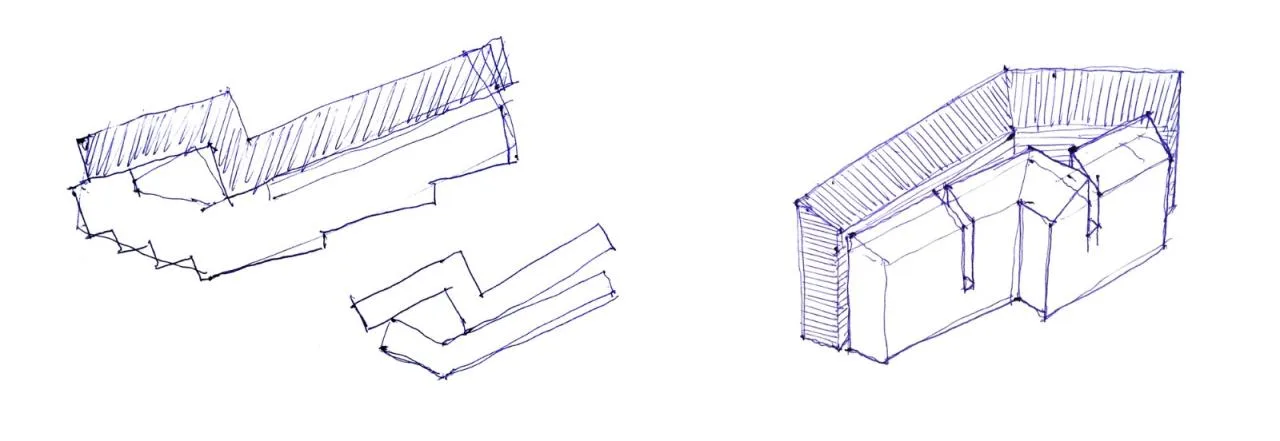
△ Hand-drawn sketch
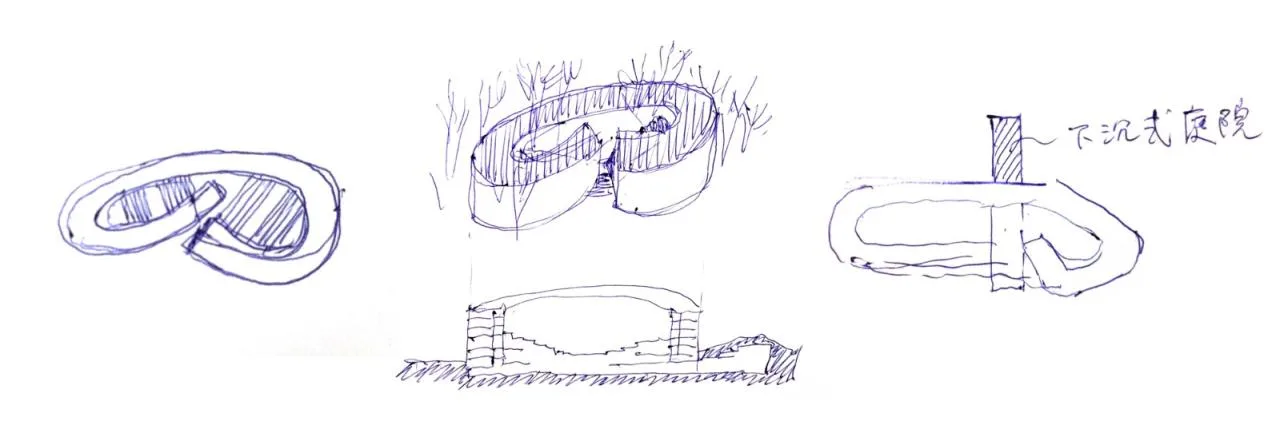
△ Hand-drawn sketch
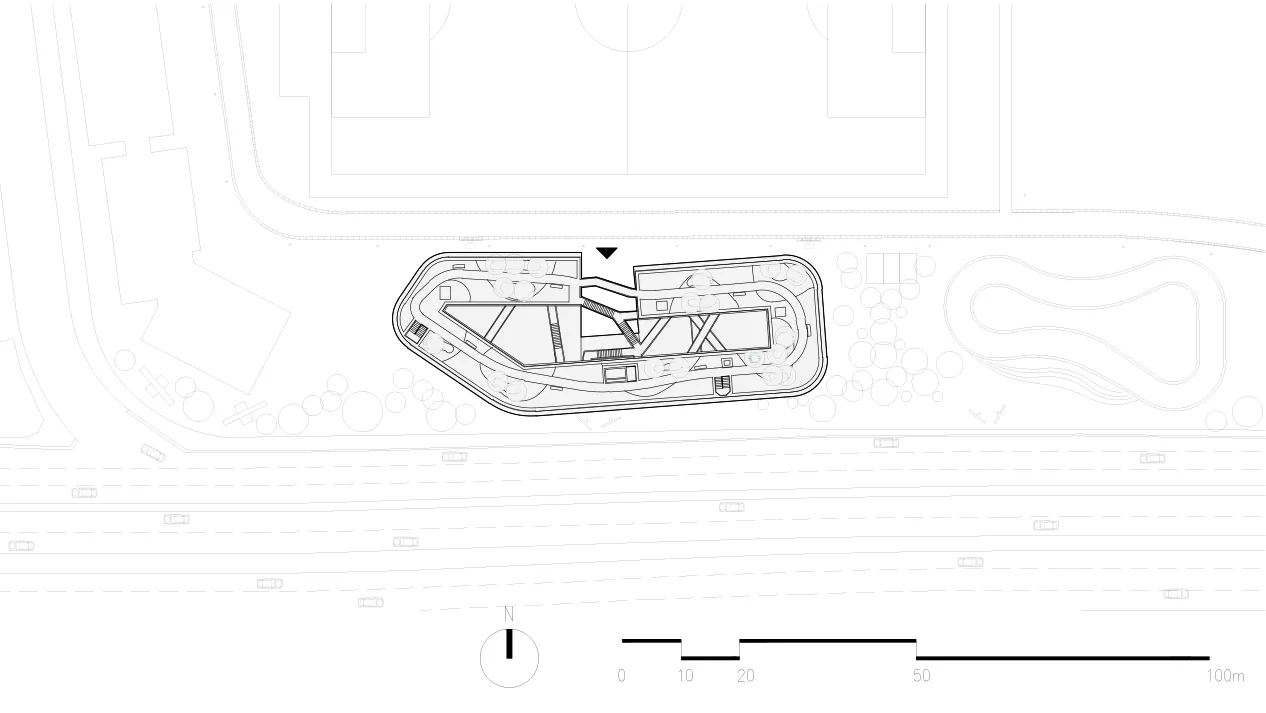
△ General layout plan
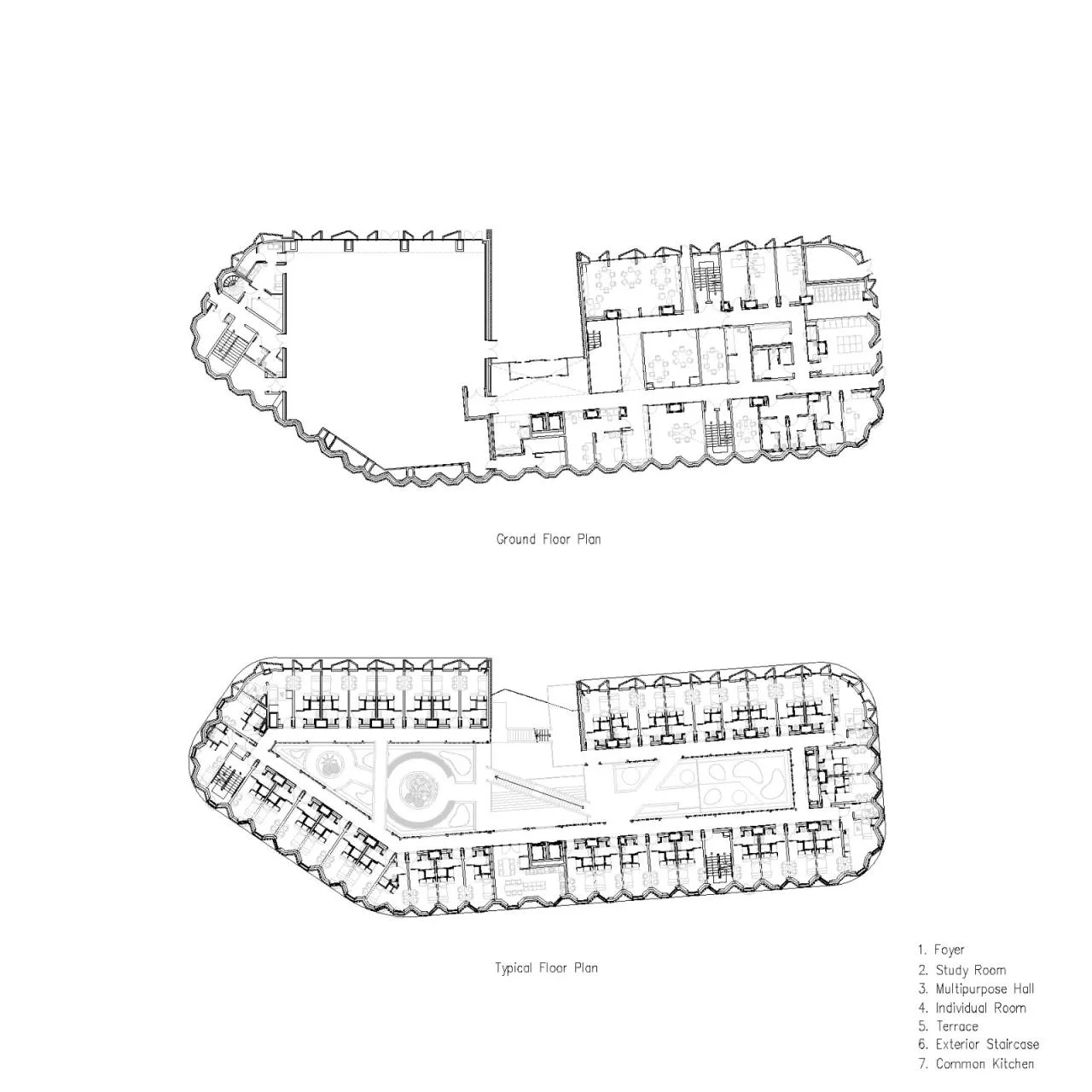
△ Plan view
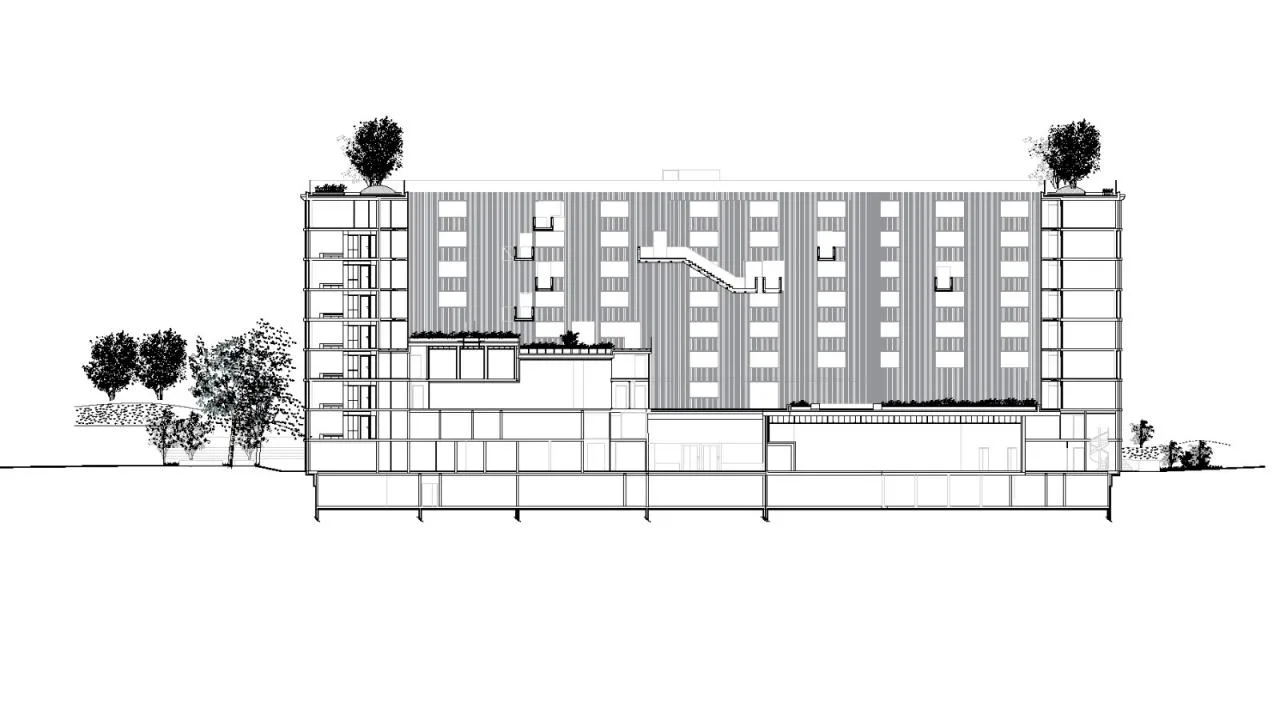
△ Section diagram
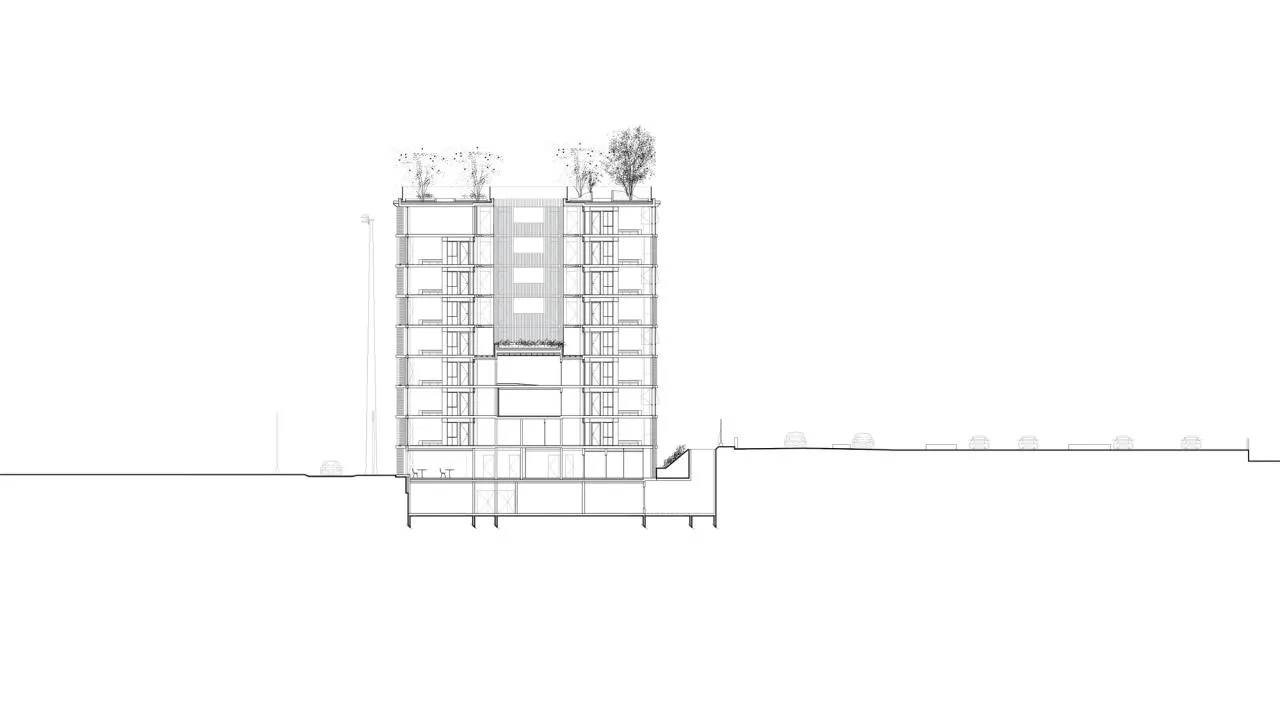
△ Section diagram
Project Information
Architects: Very Architectural, CAAU
Area: 8,287 m²
Project Year: 2023
Photographer: Tian Fangfang
Lead Designers: Zhang Yonghe, Lu Lijia
Design Team: Cheng Yishi, Simon Lee, Meng Yao
Owner: Paris International University City / Beijing Capital Entrepreneurship Group Co., Ltd
Location: Paris, France












Must log in before commenting!
Sign Up