
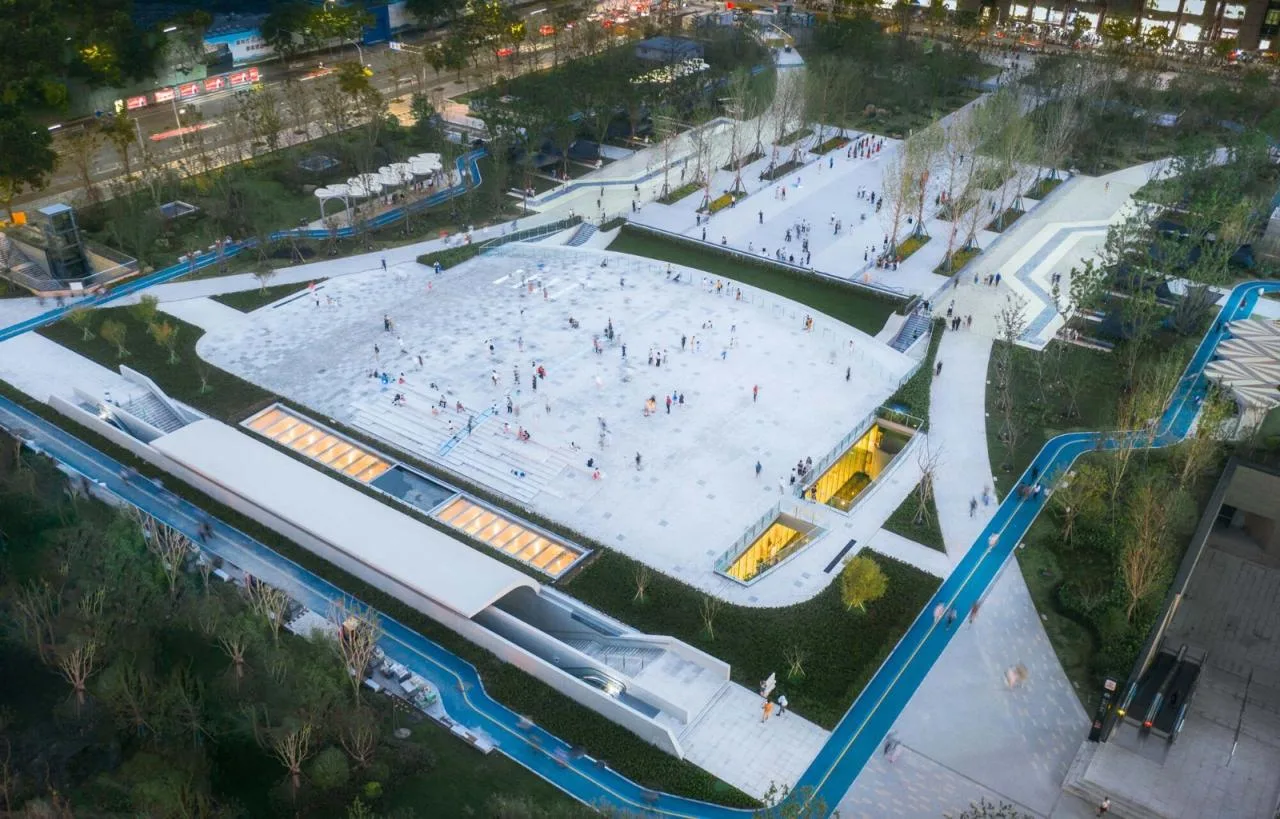
Xuzhou, formerly known as Pengcheng, was designated as one of the second batch of national historical and cultural cities in 1986. According to local records, its unique geographical location has resulted in the city site remaining largely unchanged, preserving overlapping original sites. The overall plan for protecting Xuzhou’s historical context identifies the Under City Museum as a key and distinctive urban node, following the City Wall Museum project.
Design work for the museum began in early 2020, ahead of the excavation of the discovery site. The primary focus was how to harmonize the relationship between architecture, the site, and the city to faithfully represent the layered urban history.
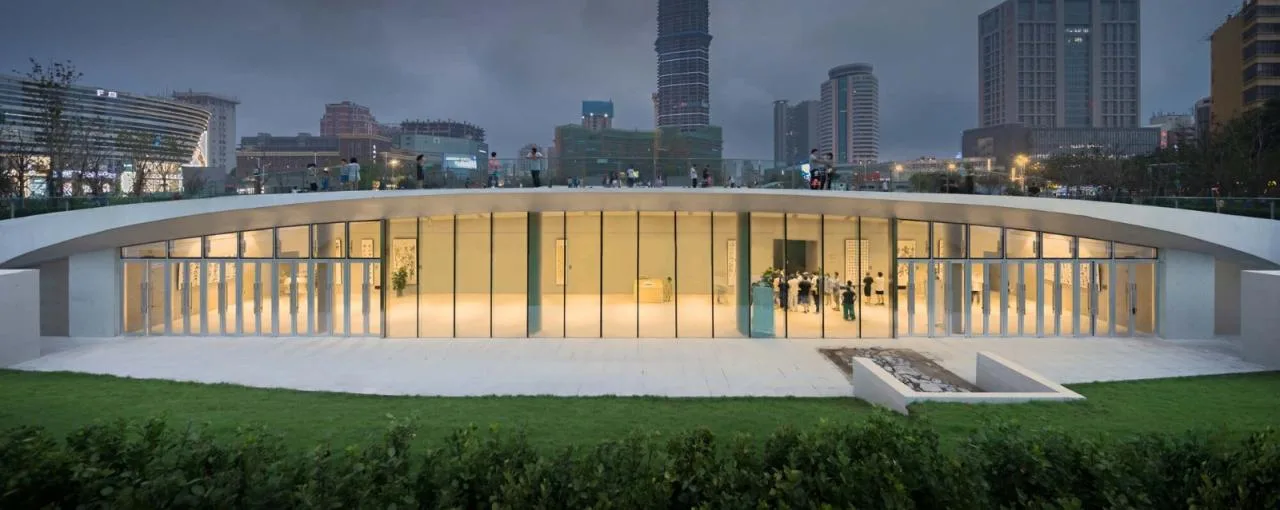
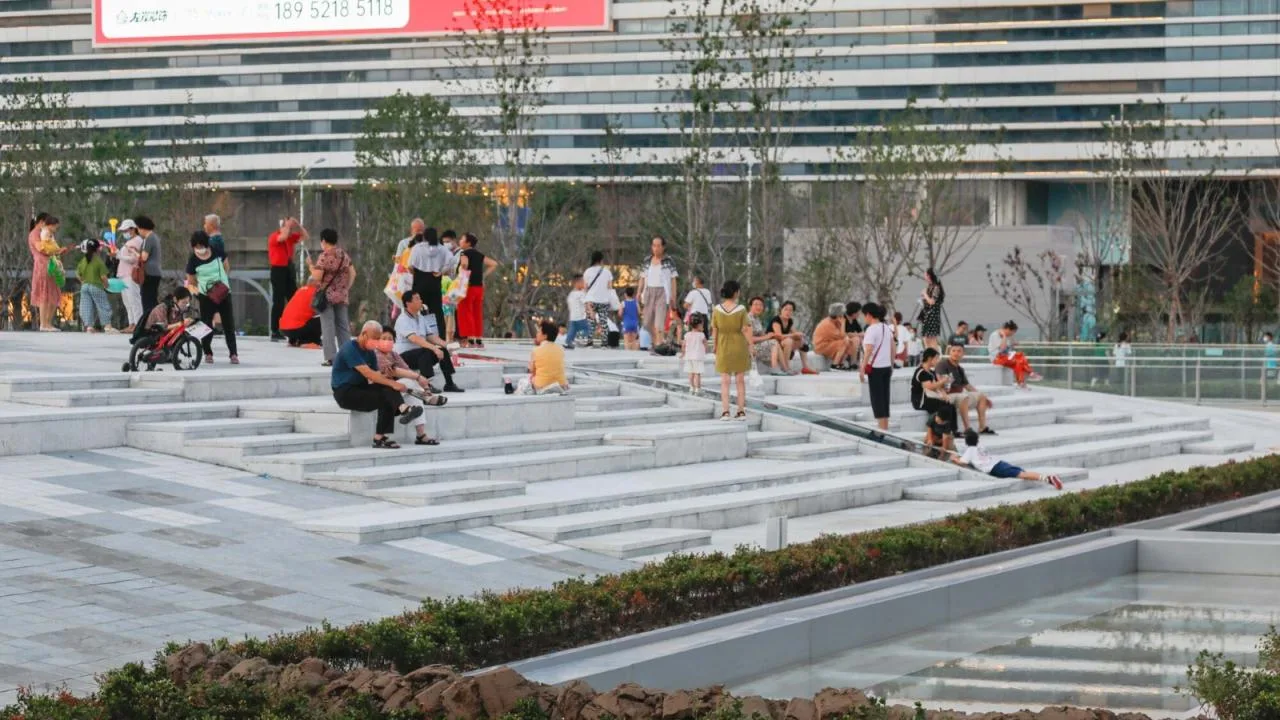
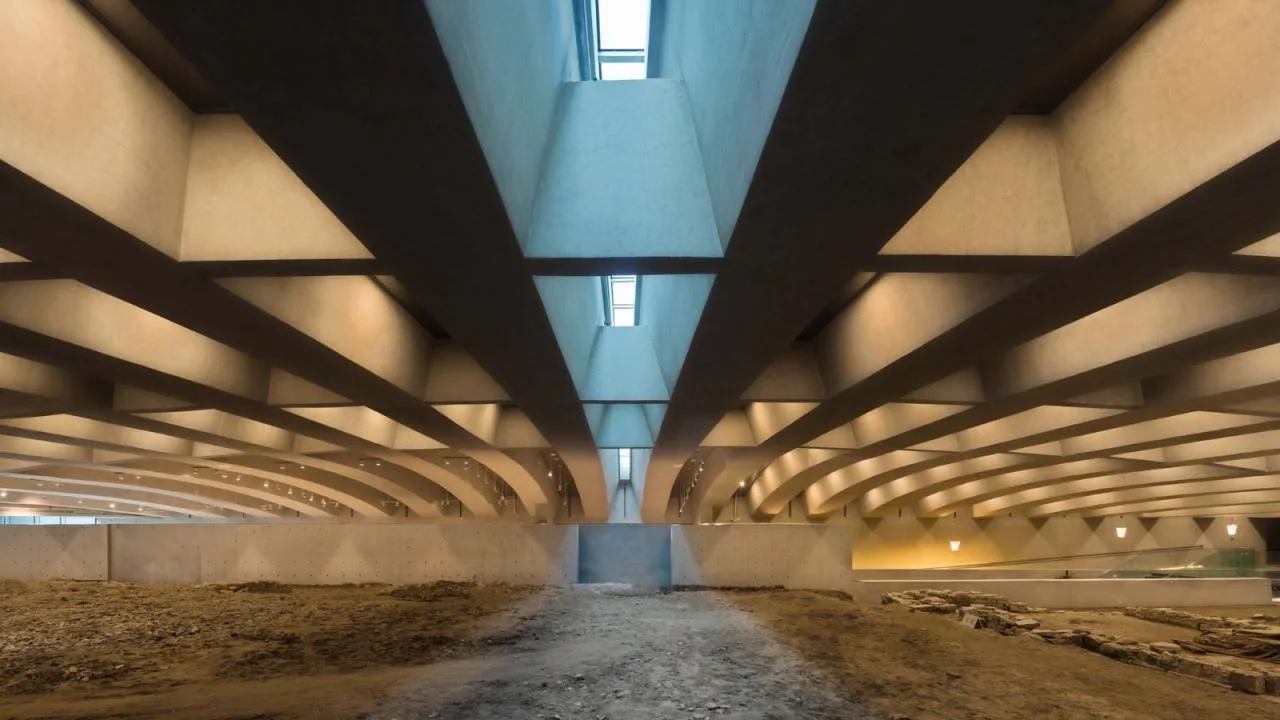
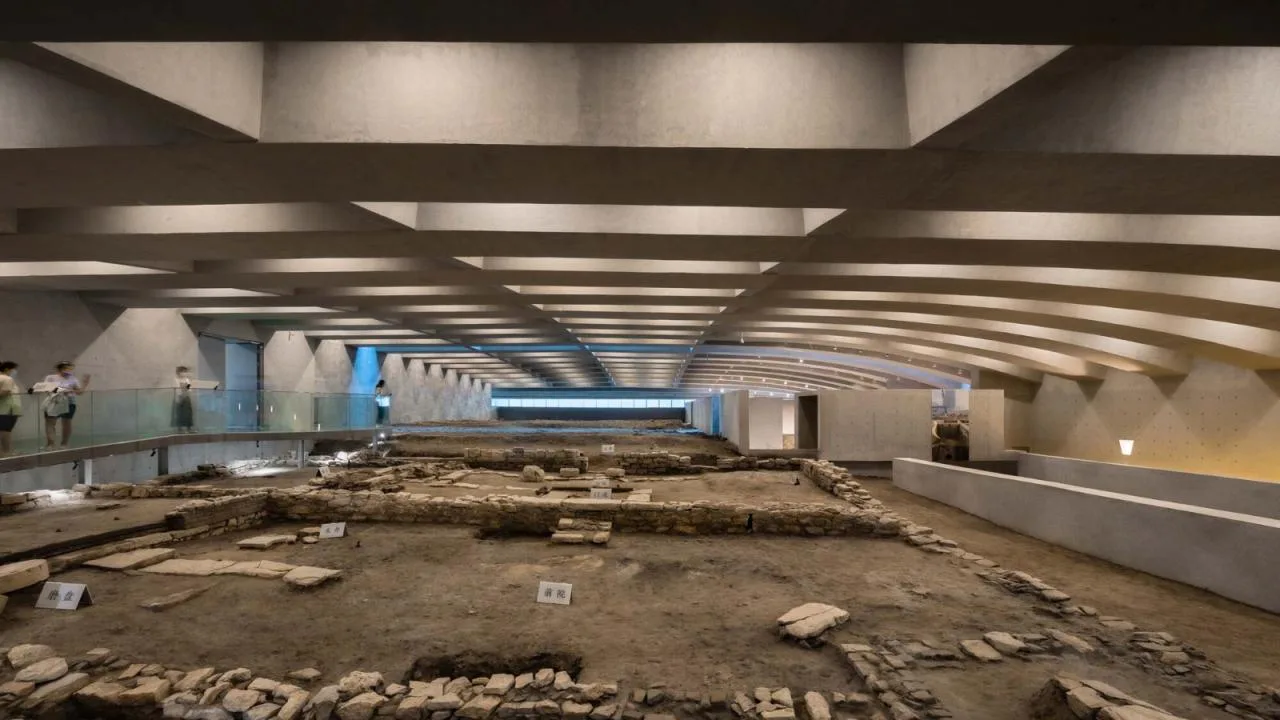
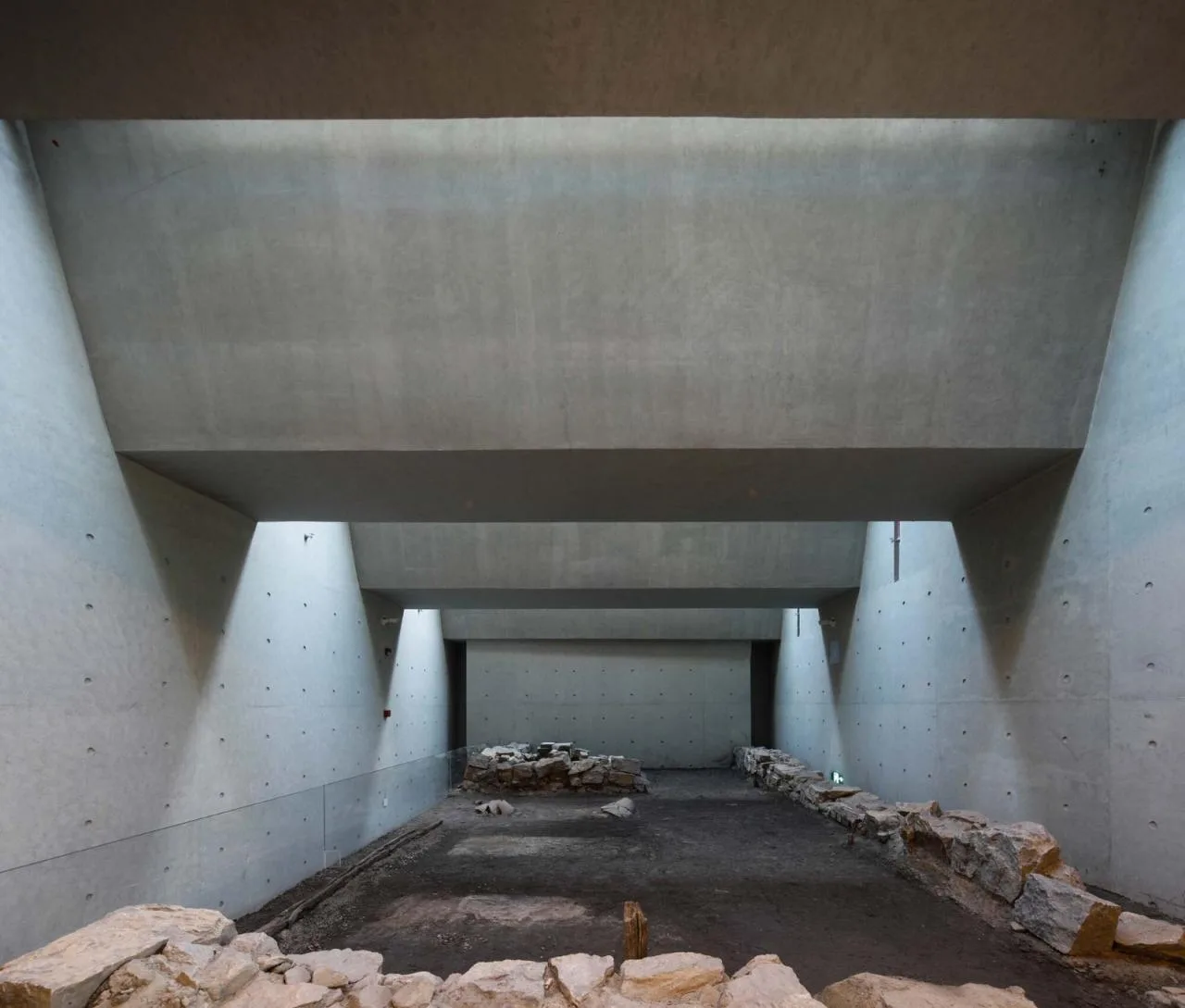
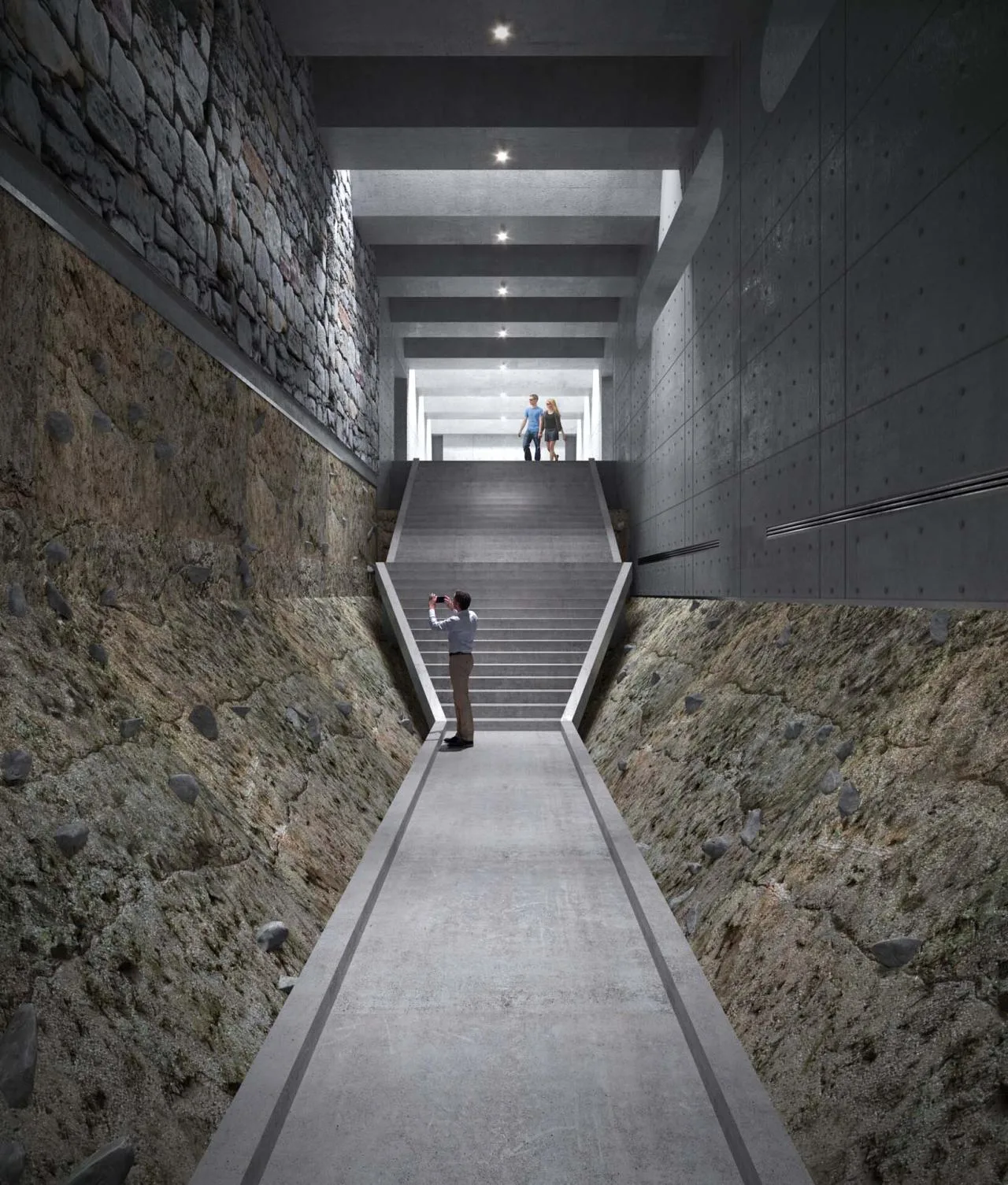
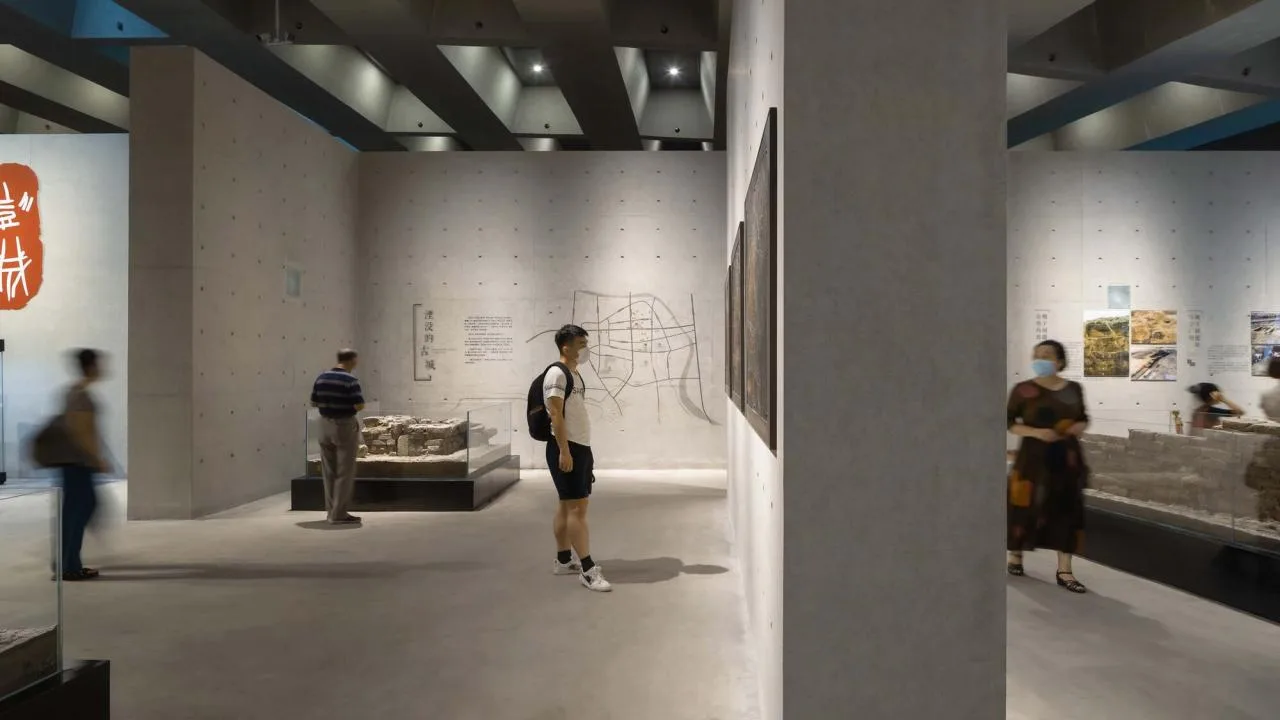
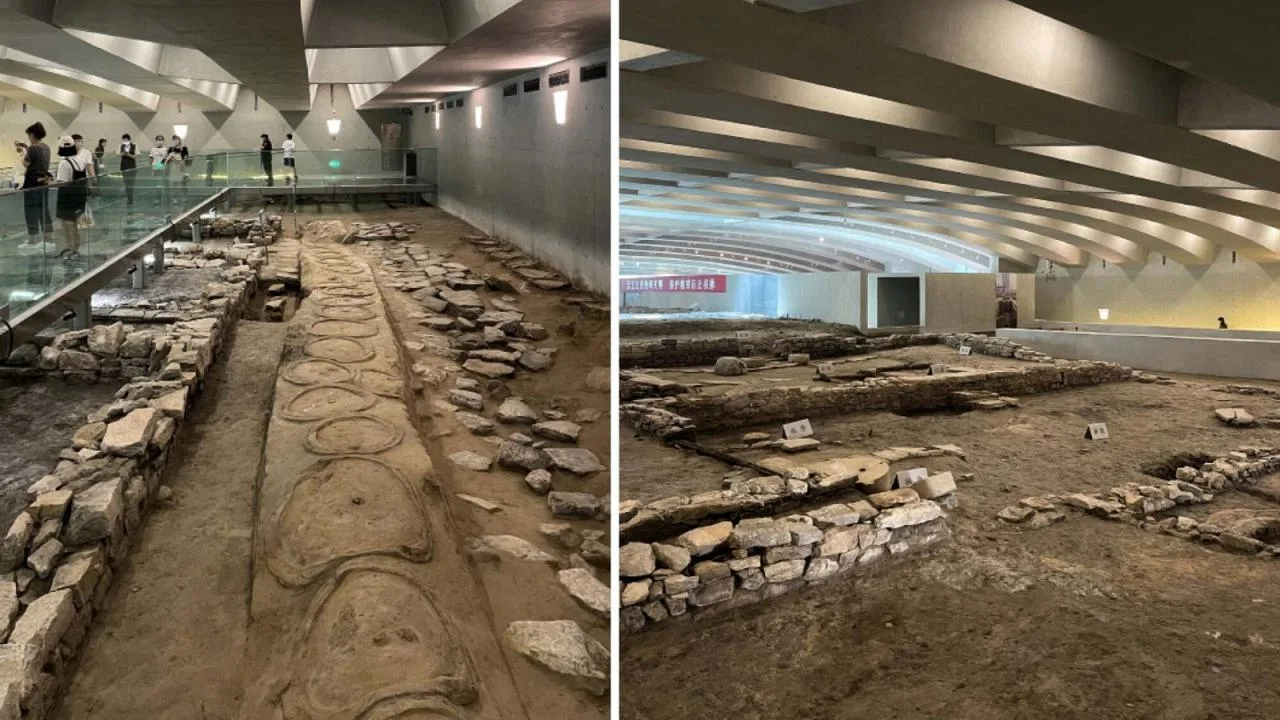
An immersive journey through intertwined time and space: Museums, ancient and modern cities, as well as ancient city ruins protected on original sites and nearby excavated cultural relics, form the core exhibits. However, modern cities themselves are also significant exhibits within this “stacked city.” The layered urban context combines both ancient and modern Xuzhou.
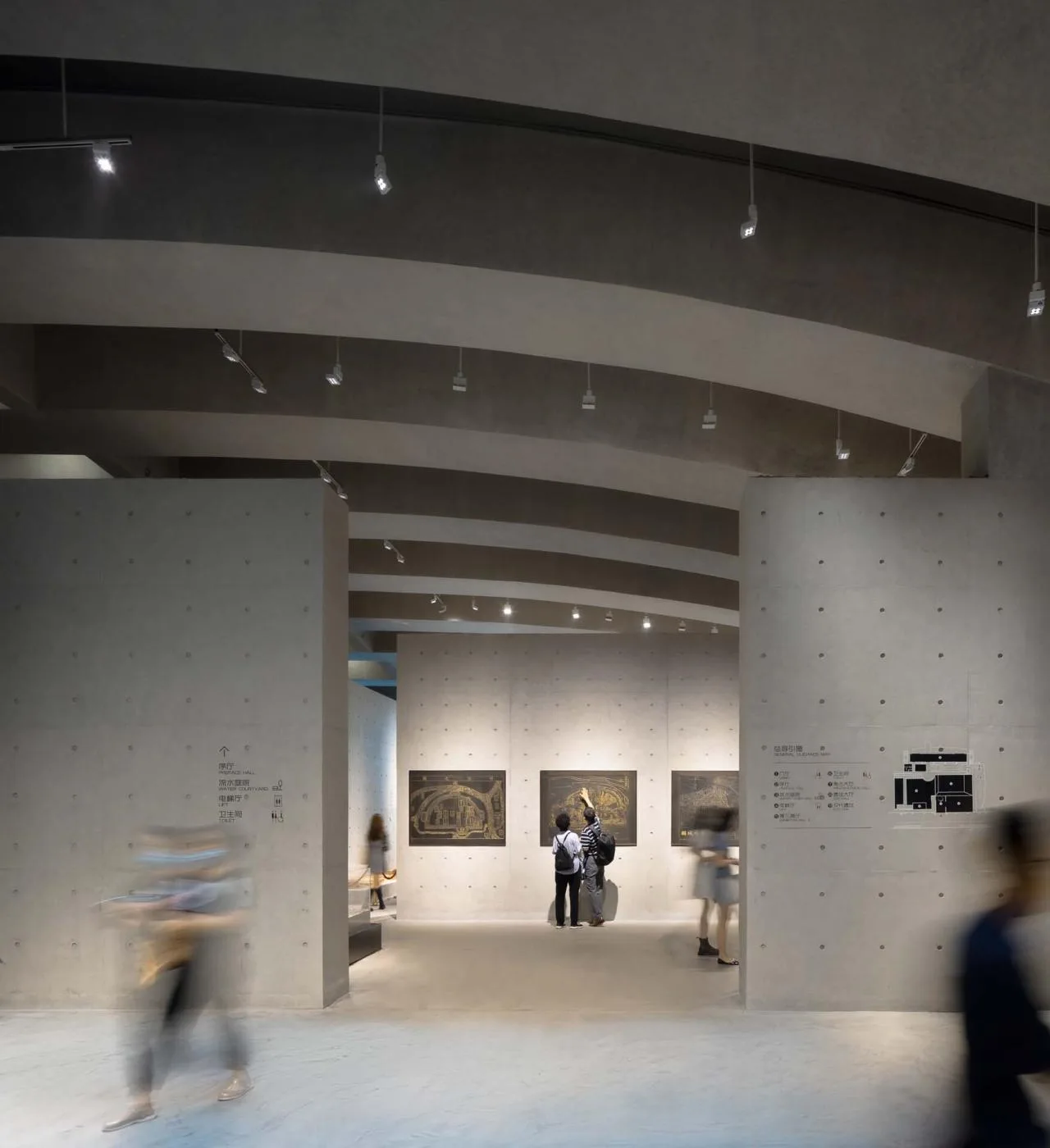
Instead of using traditional linear, upward or downward spiral pathways to narrate the historical process of “overlapping cities,” the museum creates a spatial illusion that allows visitors to shift seamlessly between past and present. This is achieved through the interplay of time and space.
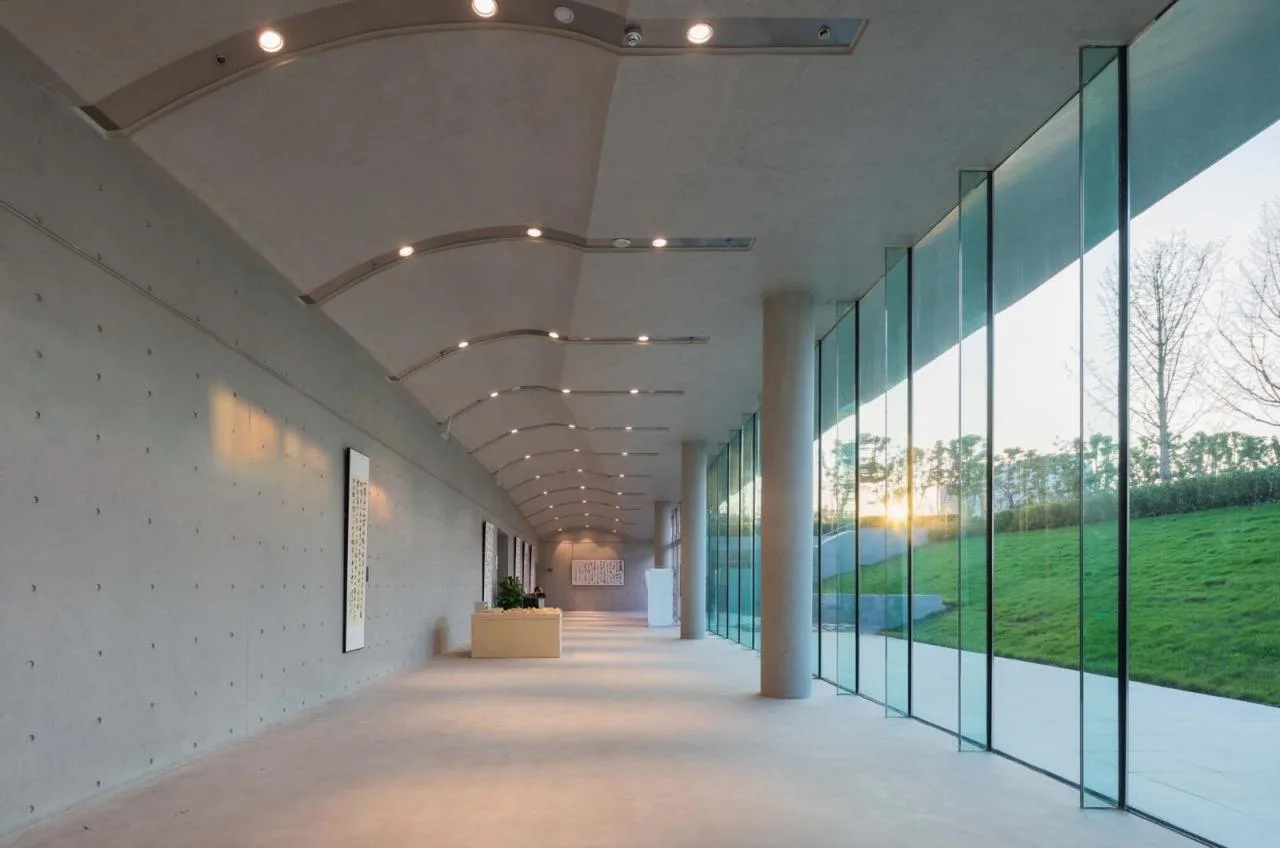
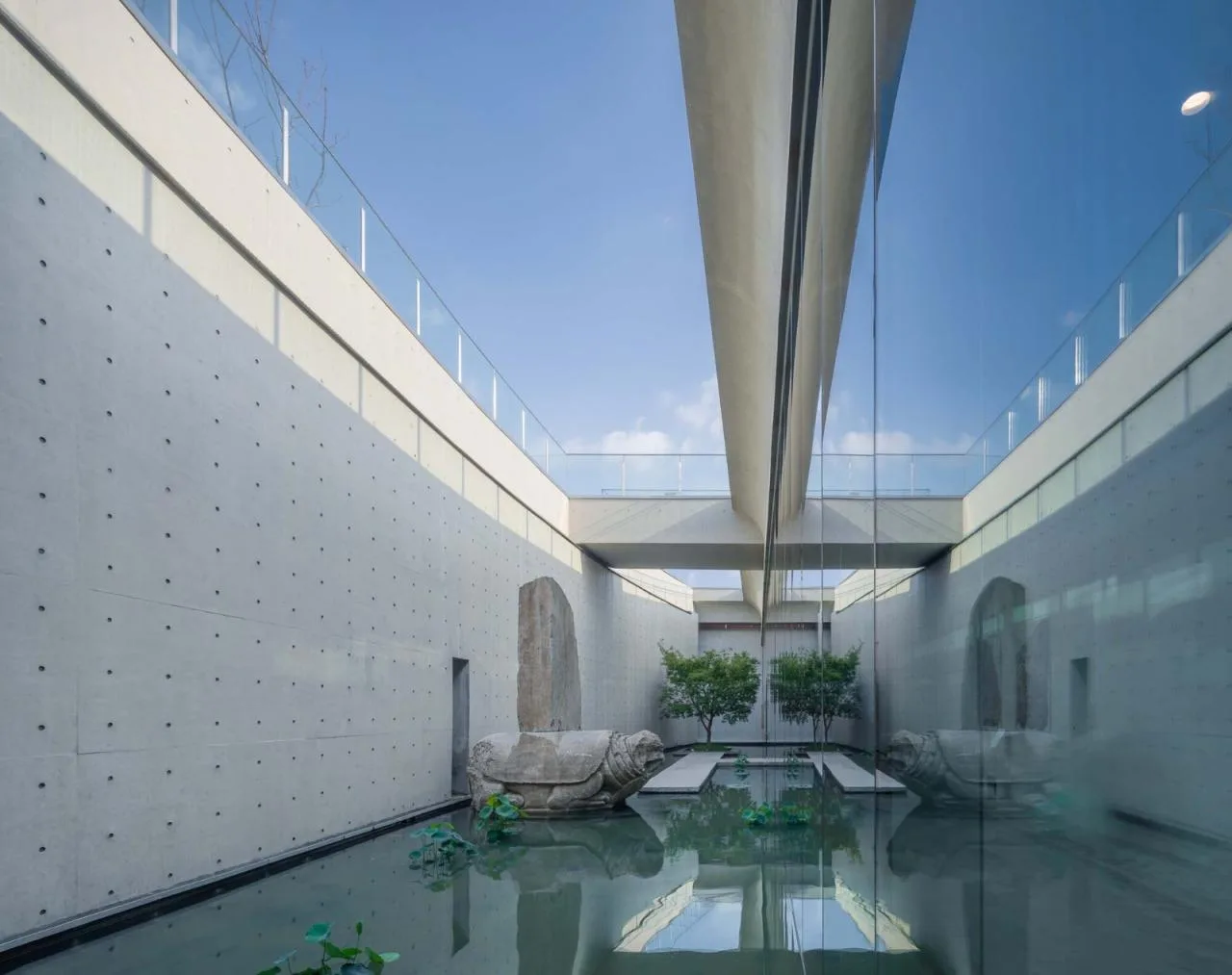
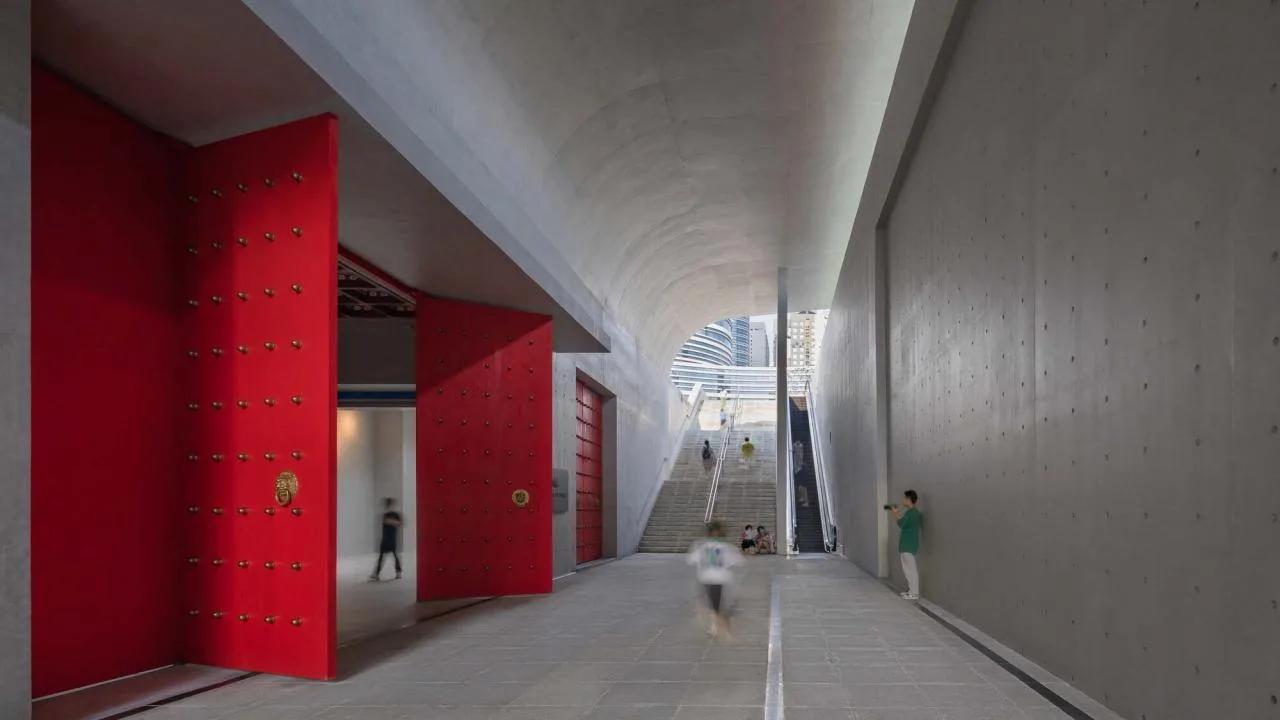
Firstly, the museum uses the spatial infiltration effect of courtyards to connect the underground urban ruins with the surrounding cityscape. Secondly, it controls the lighting along the paths to strengthen spatial organization by contrasting light and shadow. This enhances the perception of spatial and temporal transformation between ancient ruins and the modern urban environment, engaging visitors’ senses and immersing them in the spectacle of “city stacking city.”
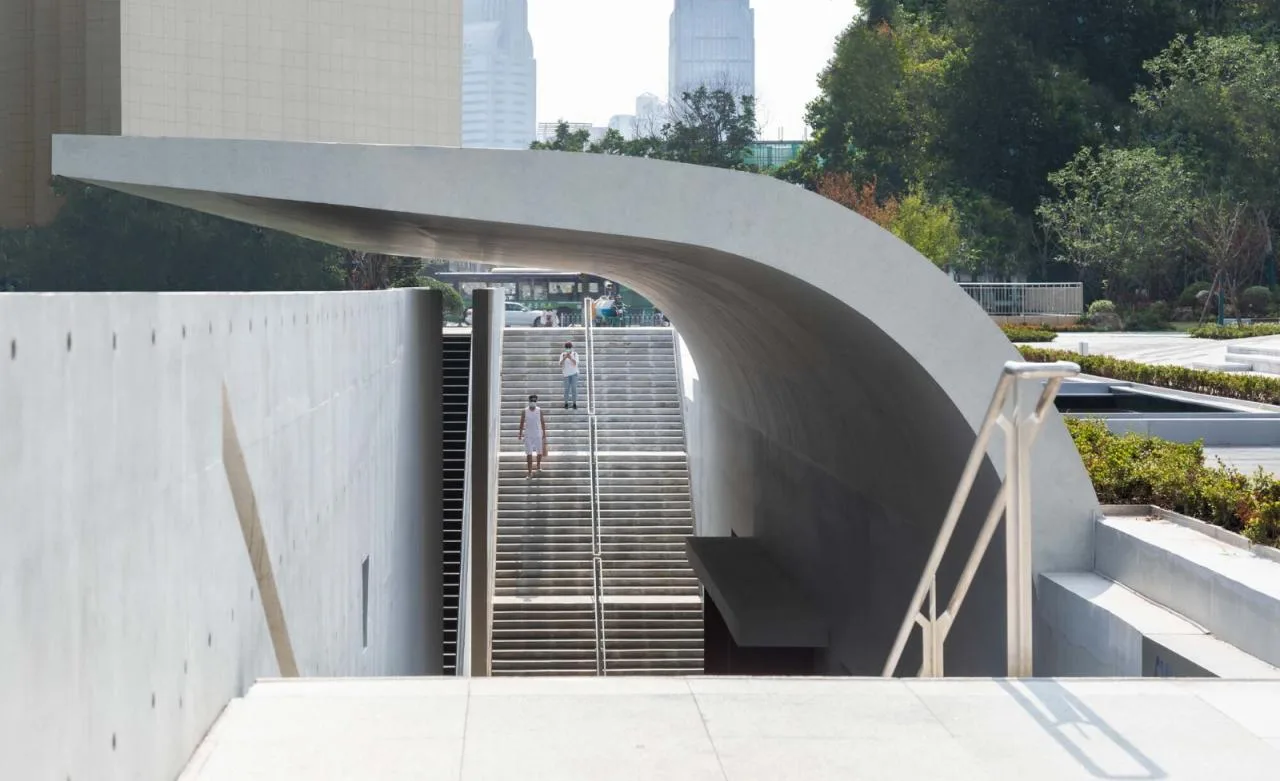
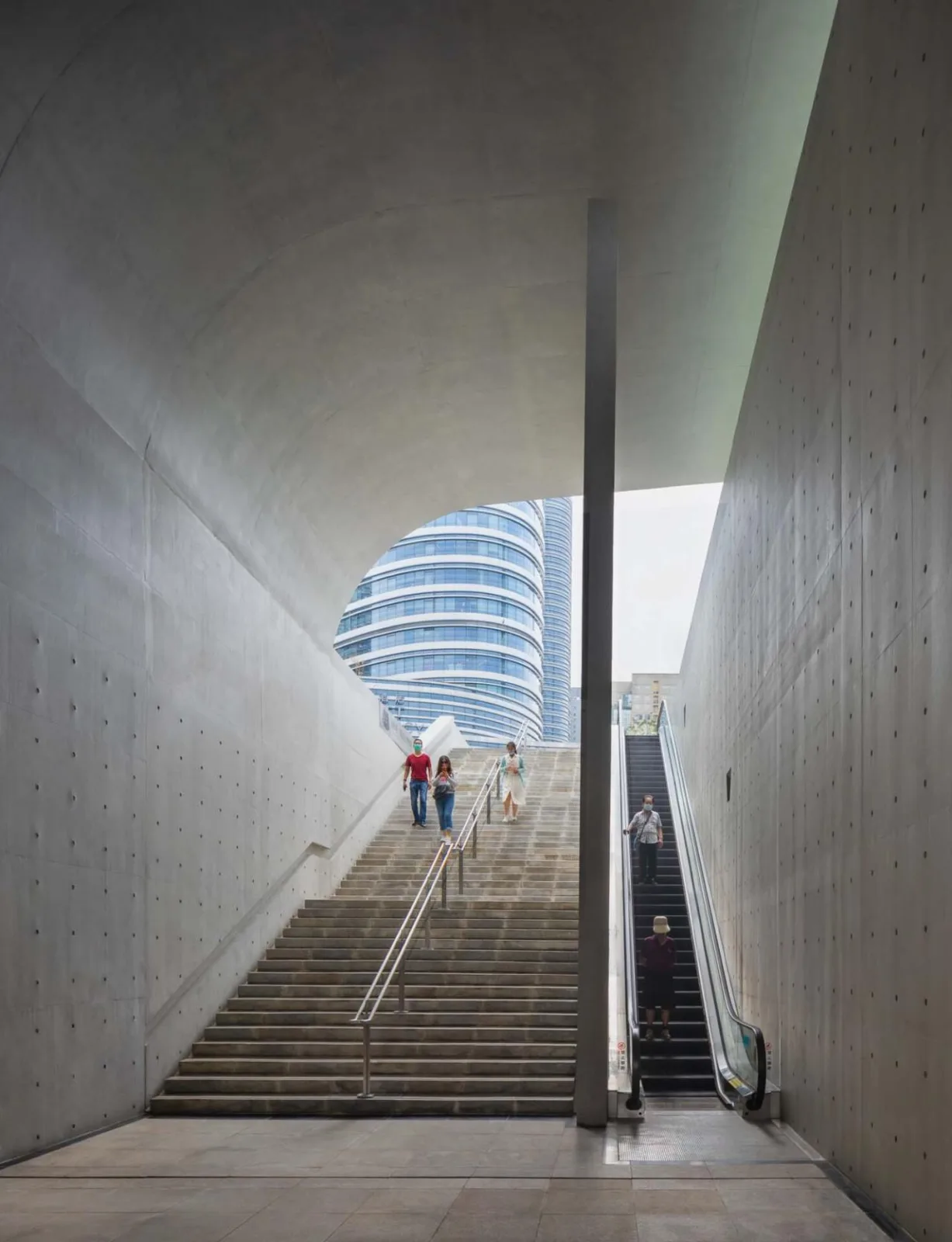
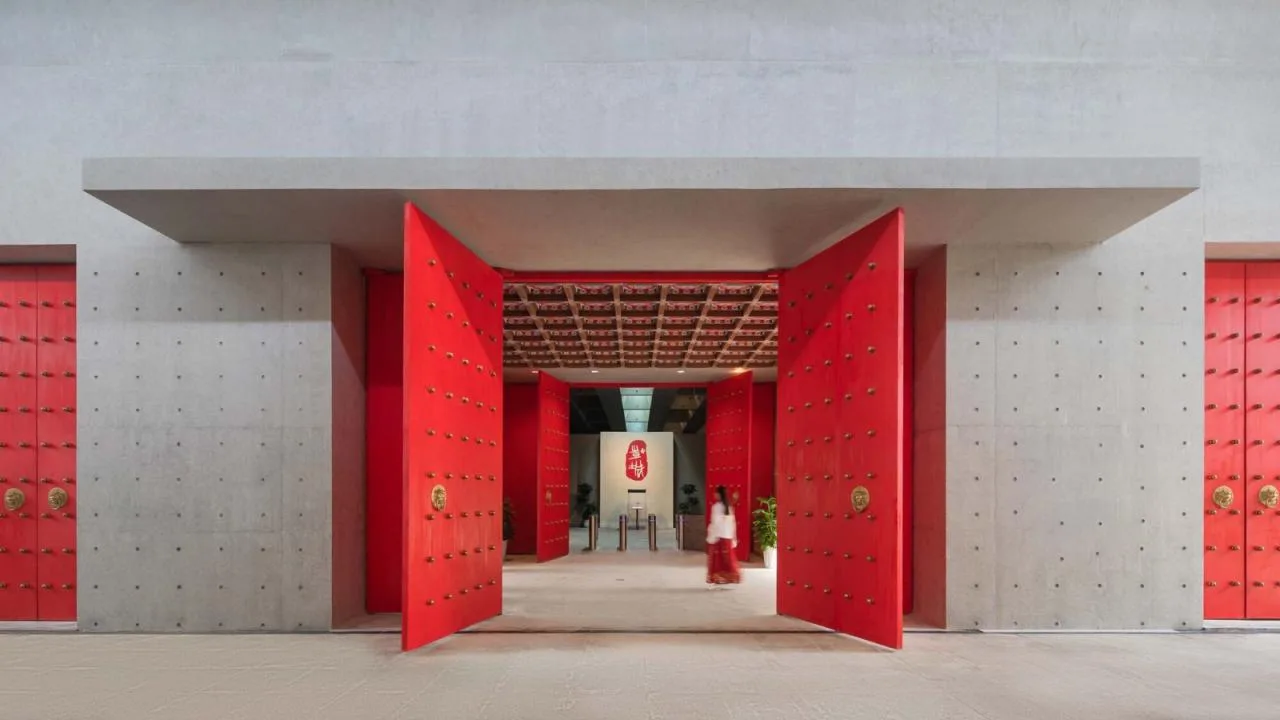
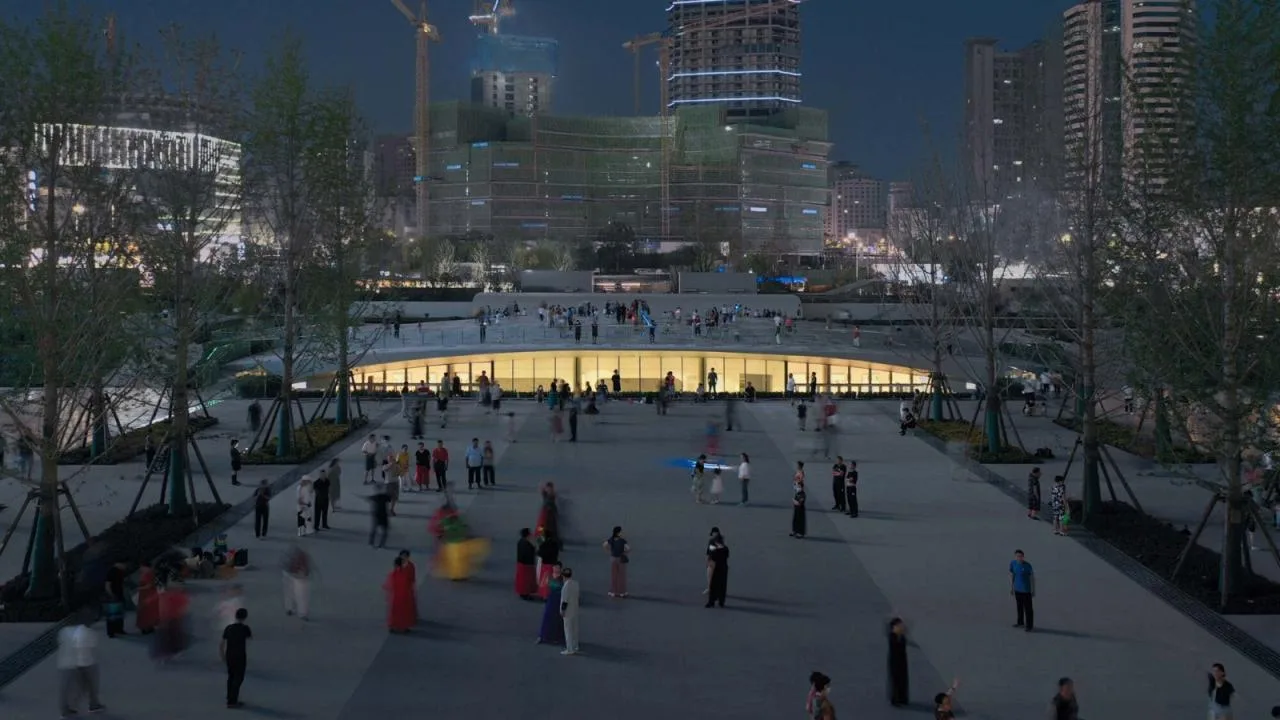
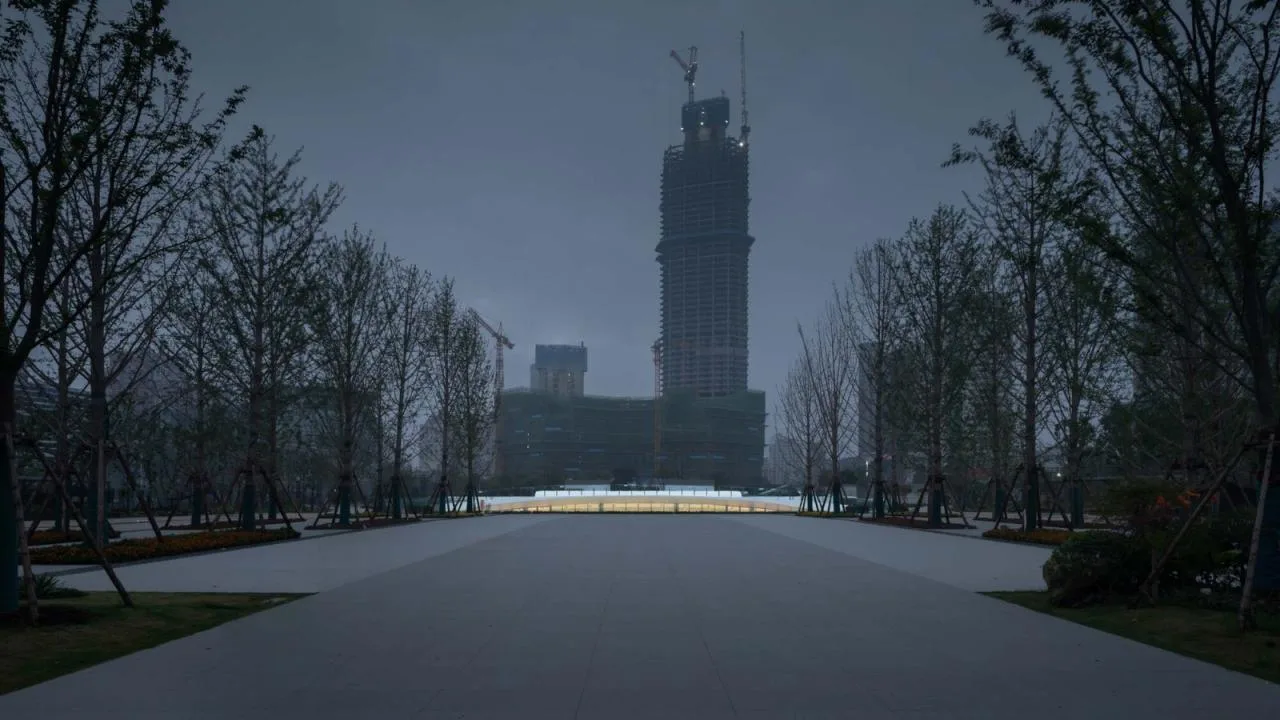
Venue strategy: The museum and its adjacent square form a continuous space, closely integrated with the city square, underground commercial areas, and subway transportation. Besides displaying and preserving the site, this integration is a unique feature of this downtown museum.
Therefore, the project approaches the relationship between the museum, the site, and the city as a seamless continuum.
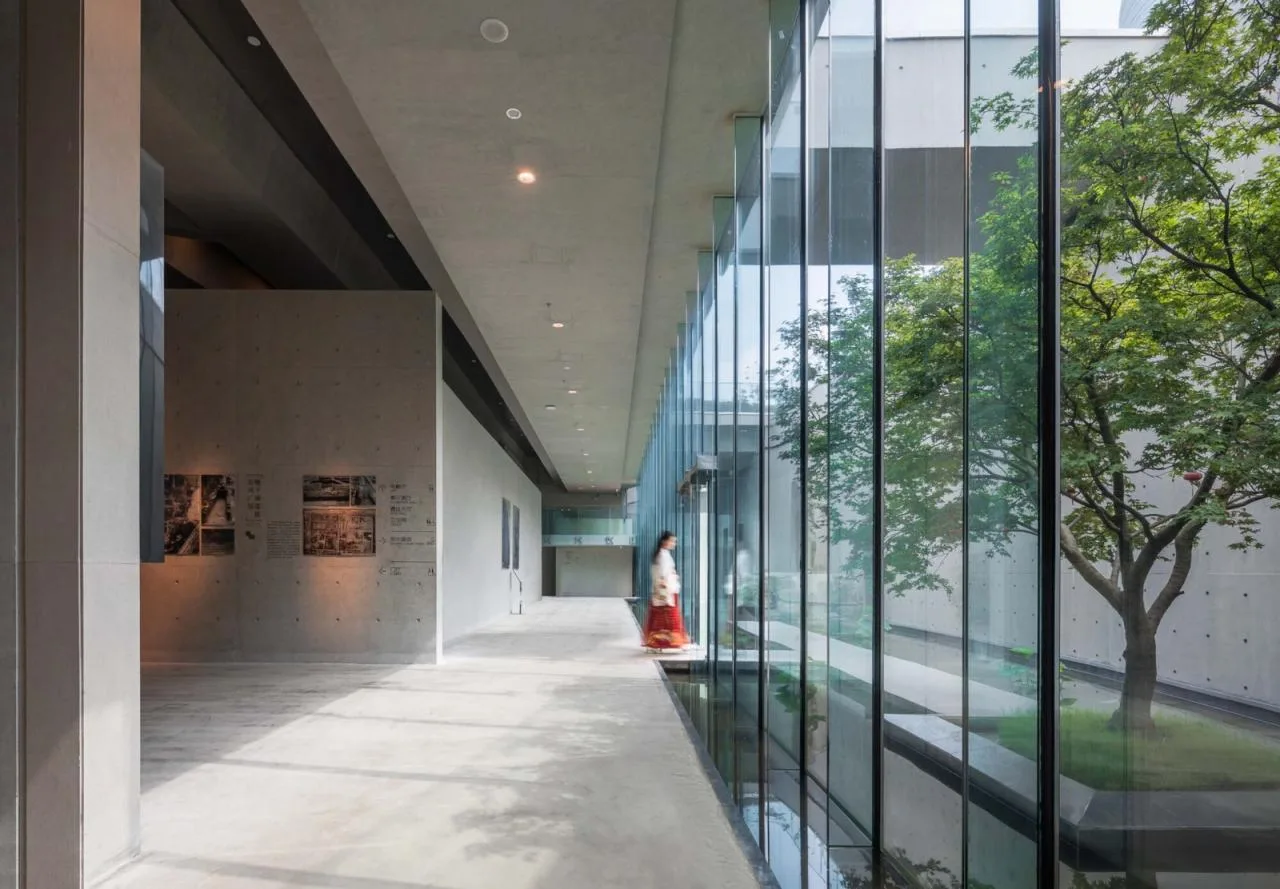
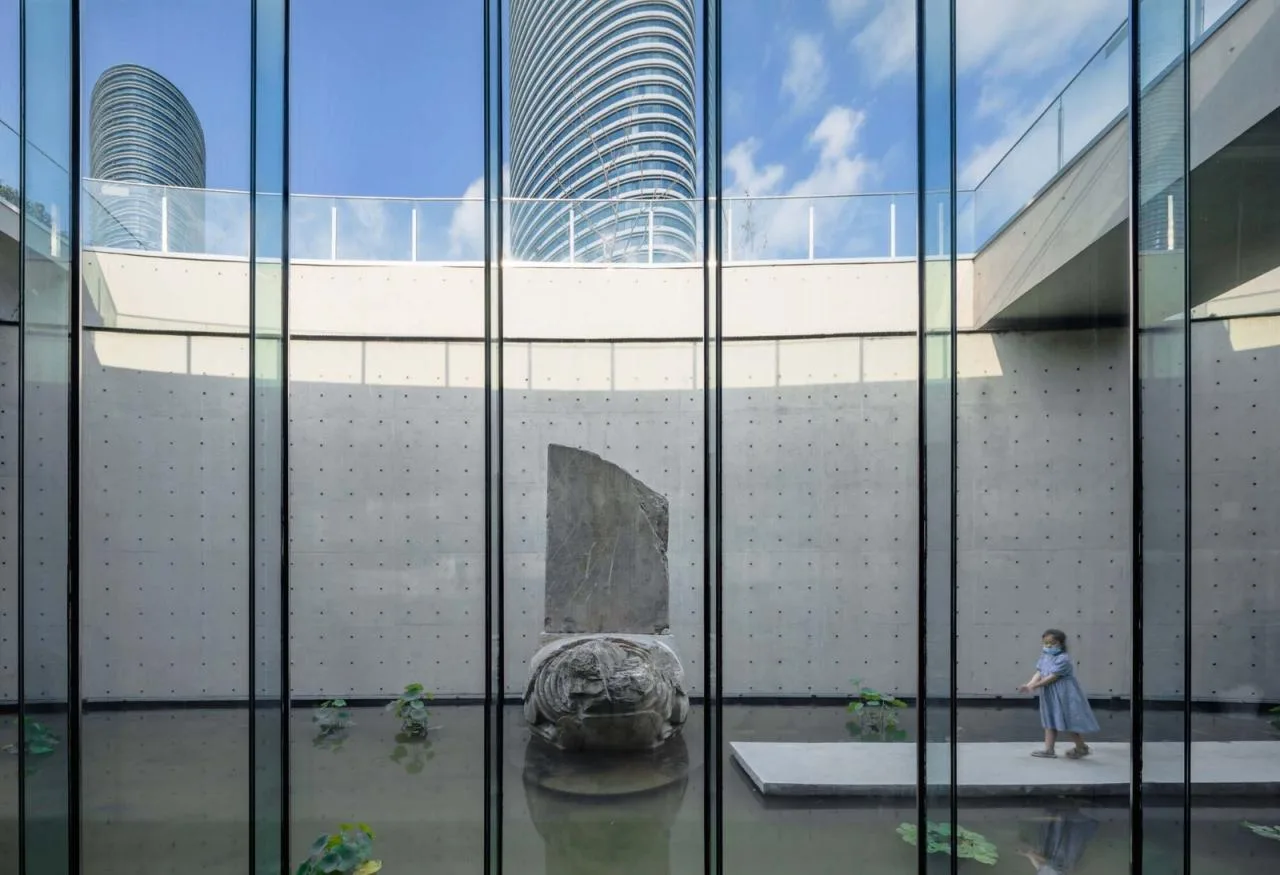
Site strategy: The museum employs a “lifting” approach in two directions. The arched structure on the south side extends outward, creating a semi-open space that frames the city’s main entrance. On the north side, the arched structure covers the main museum space and forms an entrance facing the square at the end.
This design not only opens up the square but also evokes the layered history of “stacked cities.” The museum returns the city square’s activity space to the public and, more importantly, encourages reflection on the past, present, and future of this ancient city.
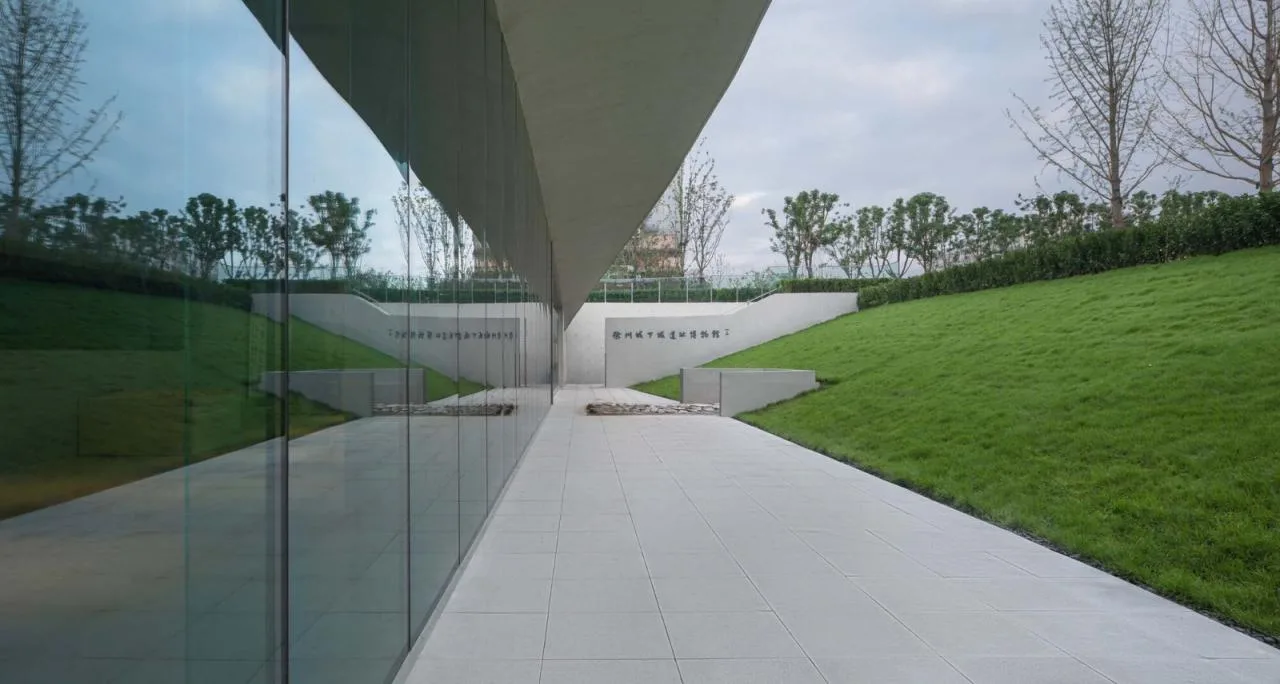
Reinforcing Pengcheng: ruins, urban context, and architecture
Since 2010, in various urban renewal projects in Xuzhou, efforts have been made to uncover historical heritage hidden in the city’s corners and systematically connect the ancient city context with the organic renewal concept inspired by urban acupuncture and moxibustion.
Protecting and renewing historical cities is not about creating an “ideal blueprint.” For many cities that have undergone significant transformation, carefully sorting out their historical context, persistently adjusting design plans, and rebuilding urban structure from points to surfaces may represent the most practical path to revitalizing ancient cities.
Project Drawings
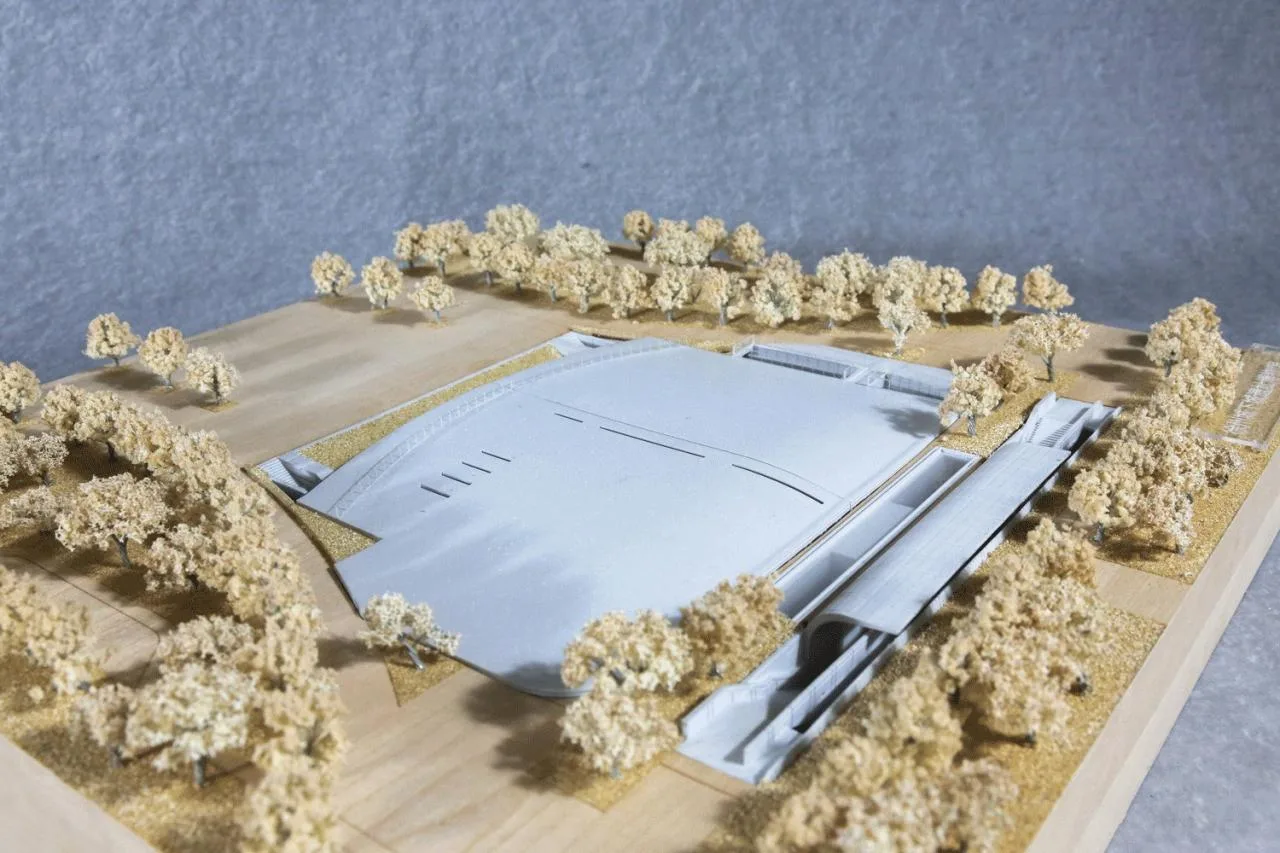
△ Model Diagram
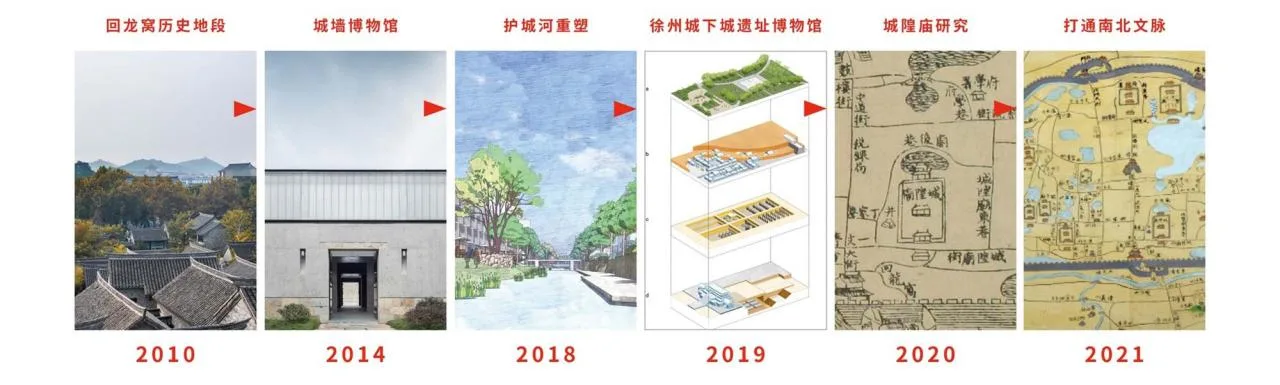
△ Development Process Diagram
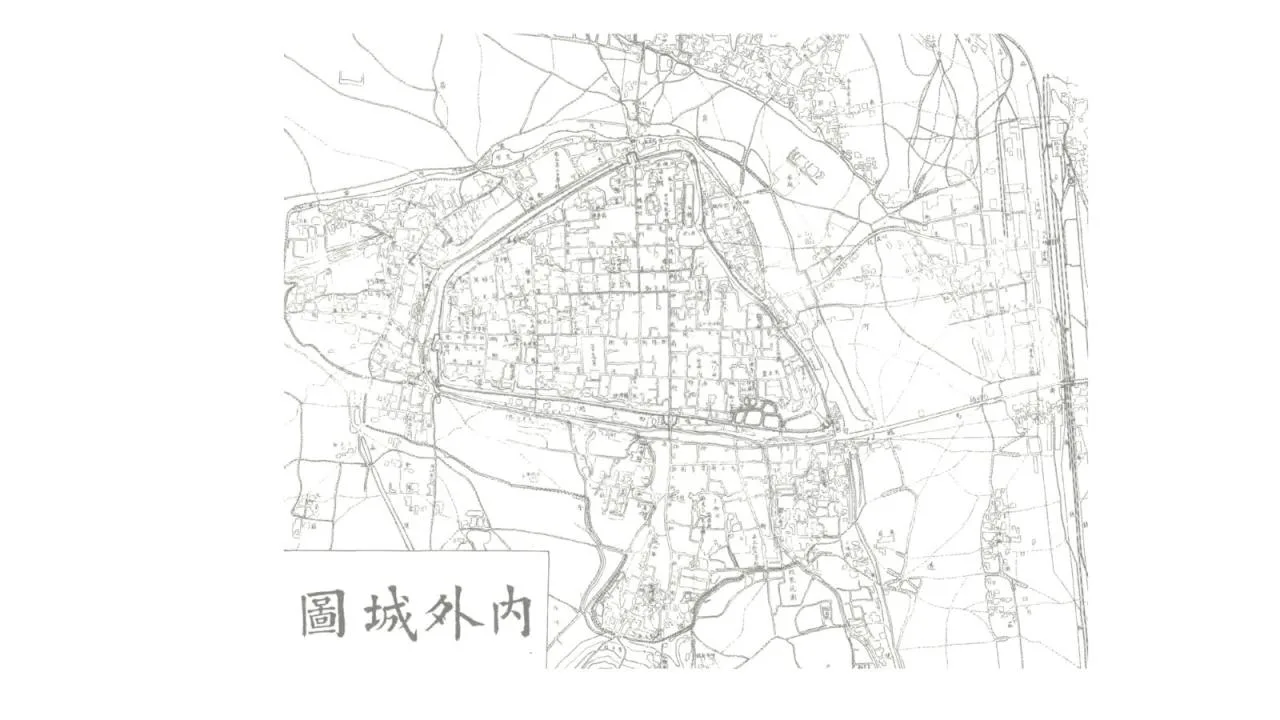
△ Ancient Topographic Map
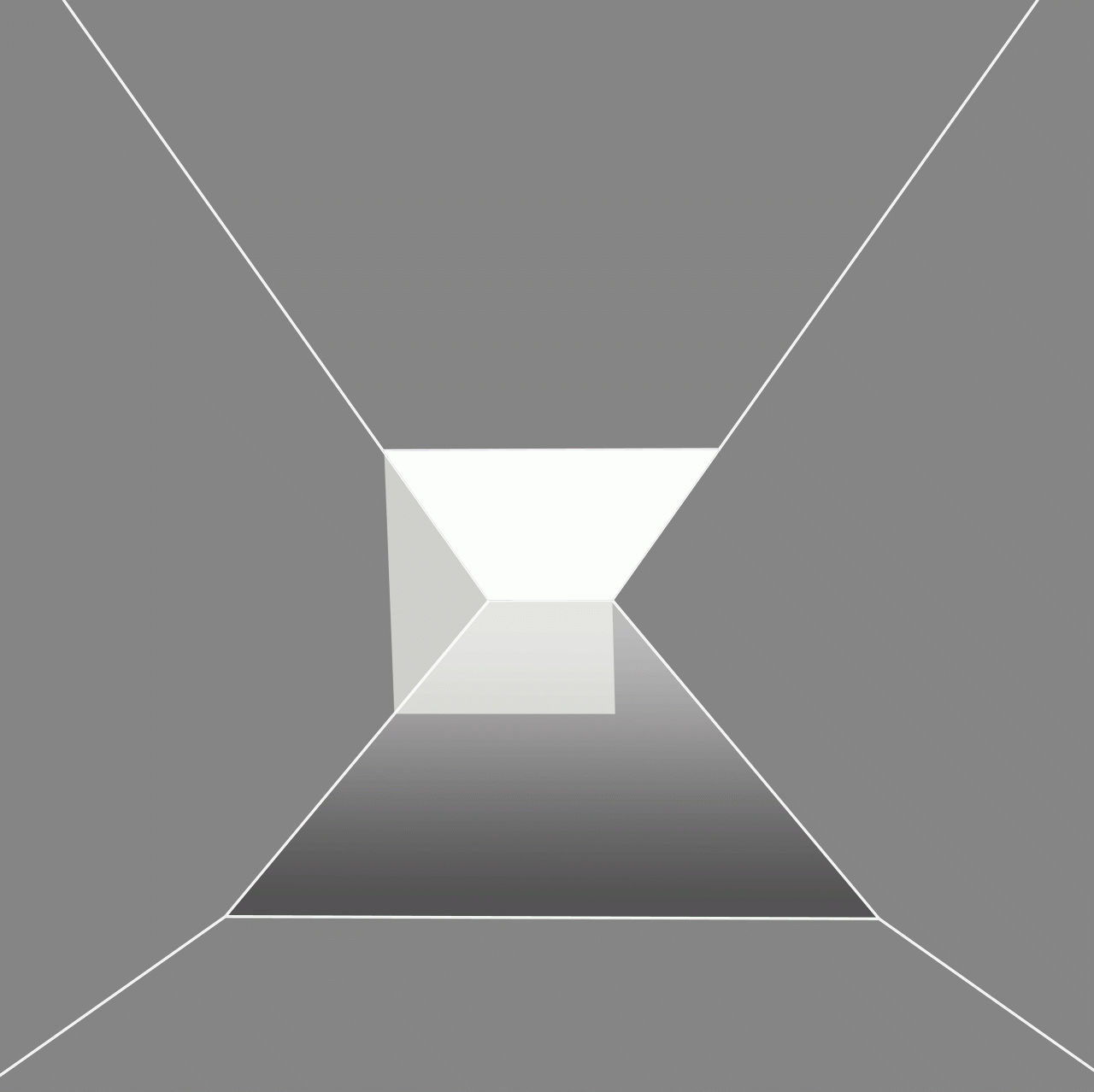
△ Analysis Chart
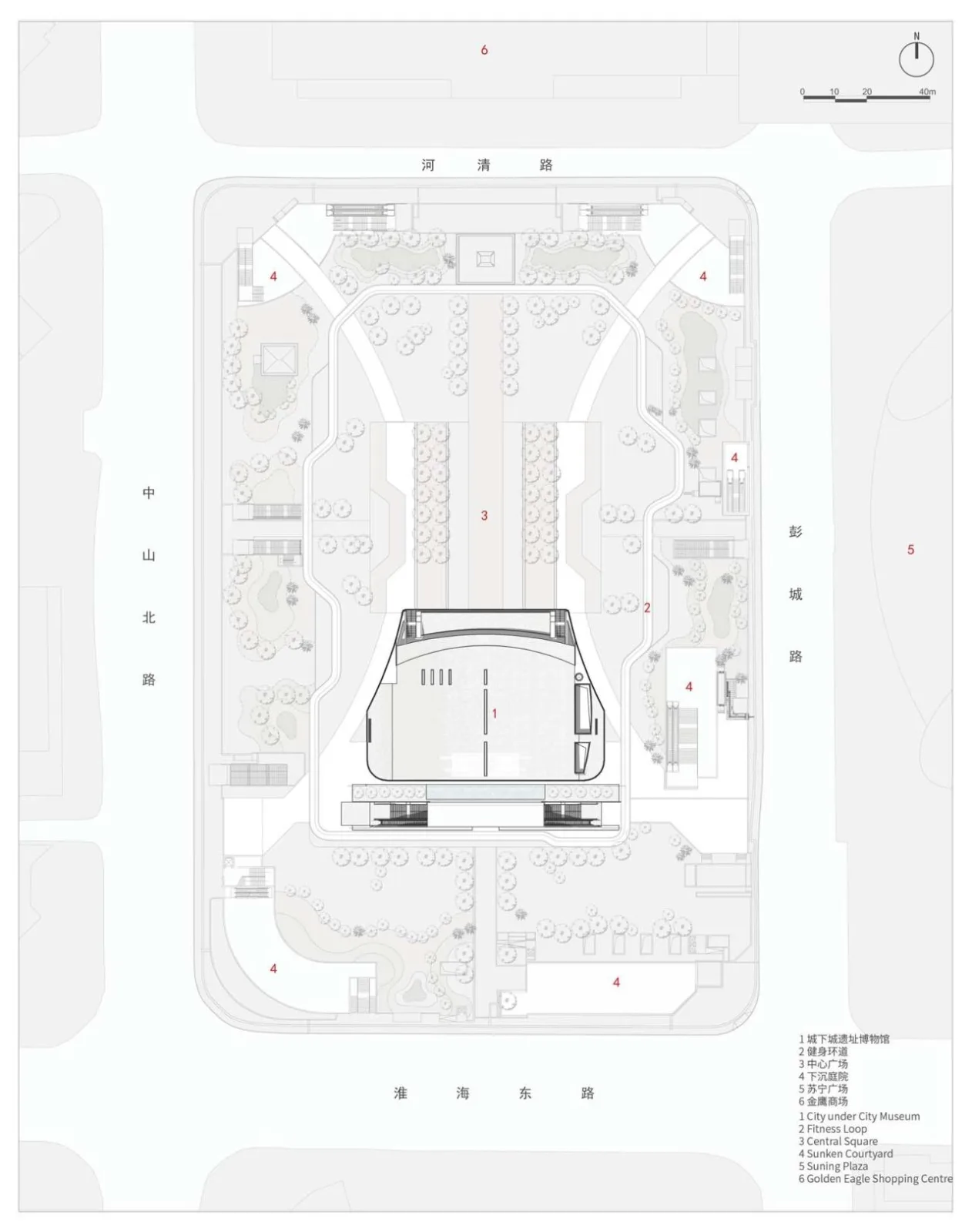
△ General Layout Plan
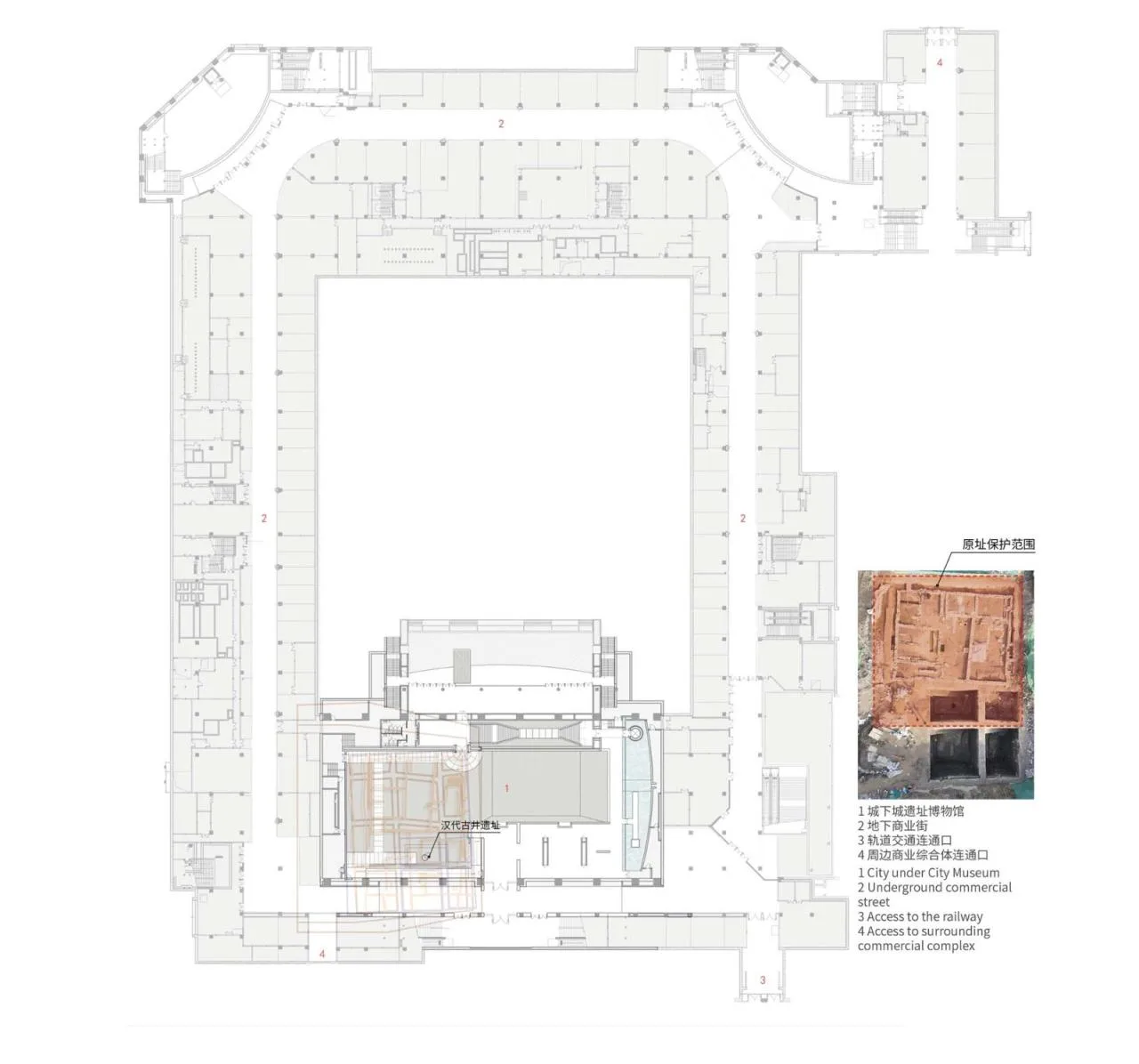
△ Plan View
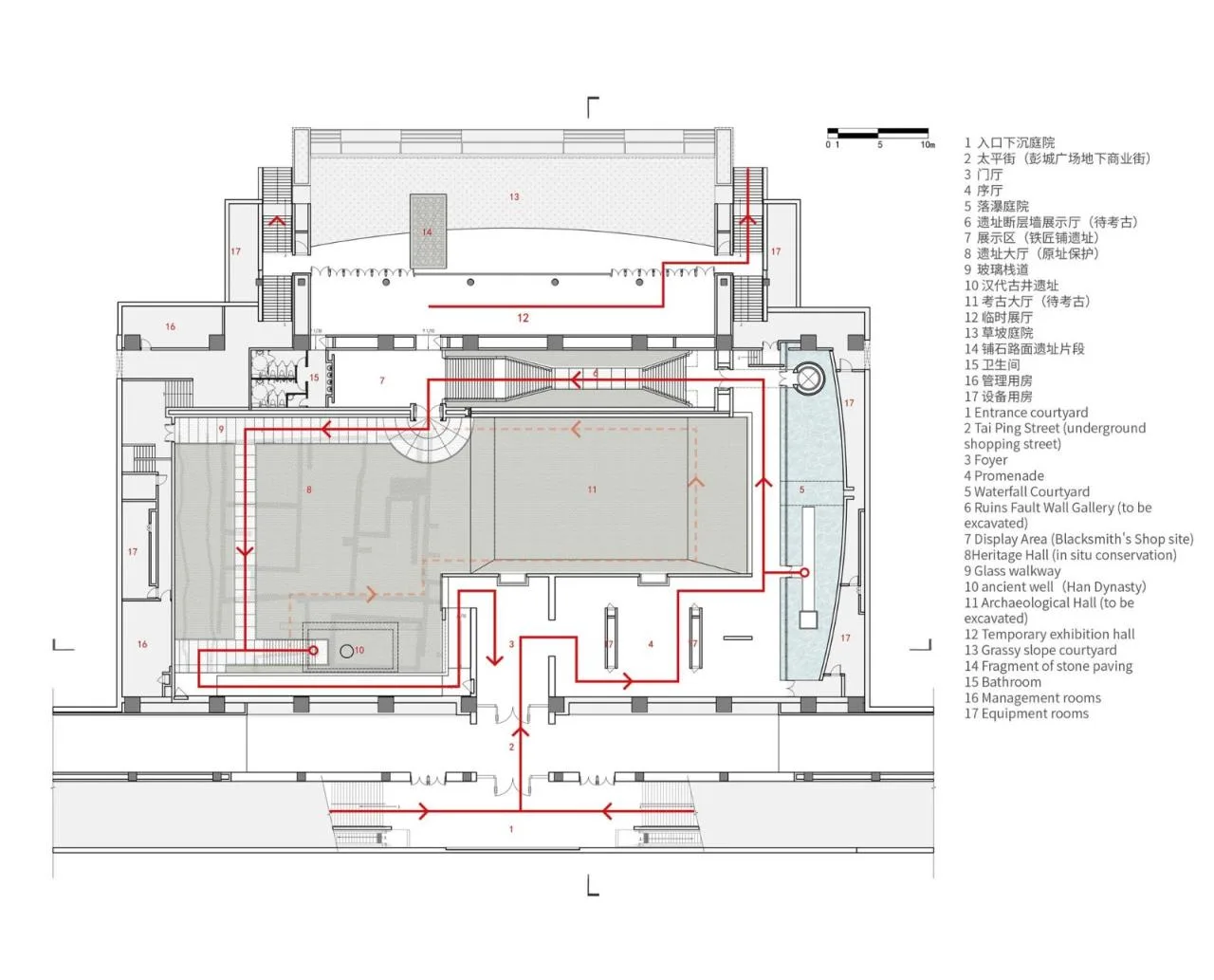
△ Streamline Analysis Diagram
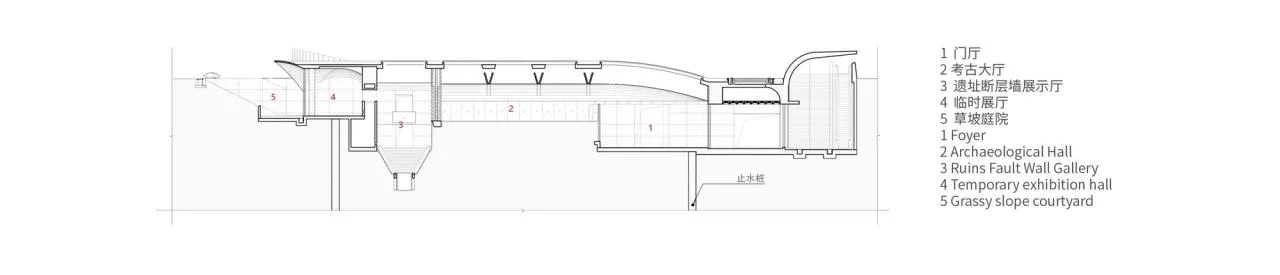
△ Section Diagram
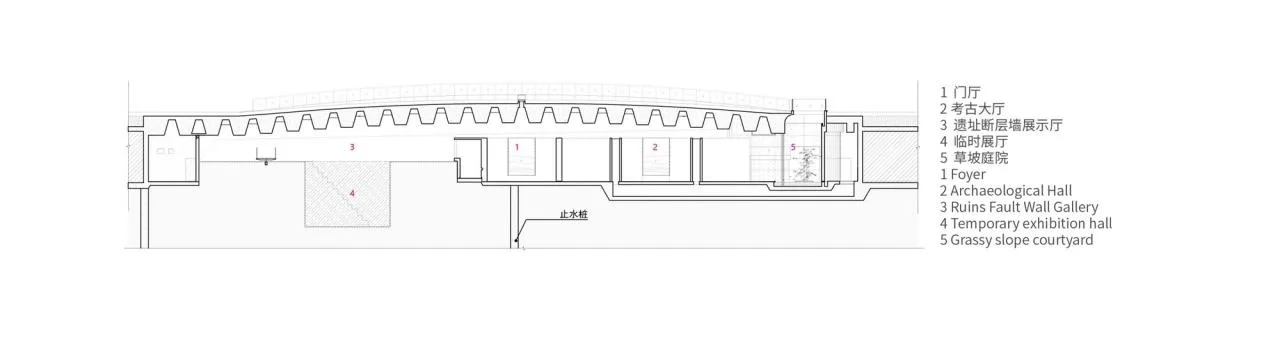
△ Section Diagram
Project Information
Architect: Zhongheng Design
Area: 3735 m²
Project Year: 2022
Photographer: Qin Wei
Manufacturer: Haier
Lead Architects: Feng Zhenggong, Wang Xu
Design Team: Feng Zhenggong, Wang Zhihong, Wang Xu, Lu Jieming, Qian Xiaowei, Wang Jiawei
Electrical Design: Zhang Yuan, Wei Tianmeng
HVAC Design: Zhu Yongjun, He Guangying, Gao Shang, Zhao Yuntian, Sun Botao
Water Supply and Drainage Design: Chen Shaojun, Xue Xuebin, Tang Yitao
Weak Current Design: Wang Zhixiang, Li Yeqin, Wang Xiao, Qian Yinan
Curtain Wall Design: Shen Yun, Lv Guilin, Lu Gymnastics, Liu Shu
Landscape Design: Junteng Zhang, Defeng Yu, Geyan Chen, Mingyan Zhu, Xiangjun Meng, Zirui Wang
Interior Design: Zhang Hao, Ma Qinqin, Cao Xianlin
Logo Design: Wang Dengkun, Wei Guohong
Construction Party: China Railway Tenth Bureau Group Co., Ltd
Client: Xuzhou Metro Group Co., Ltd
Location: Xuzhou














Must log in before commenting!
Sign Up