
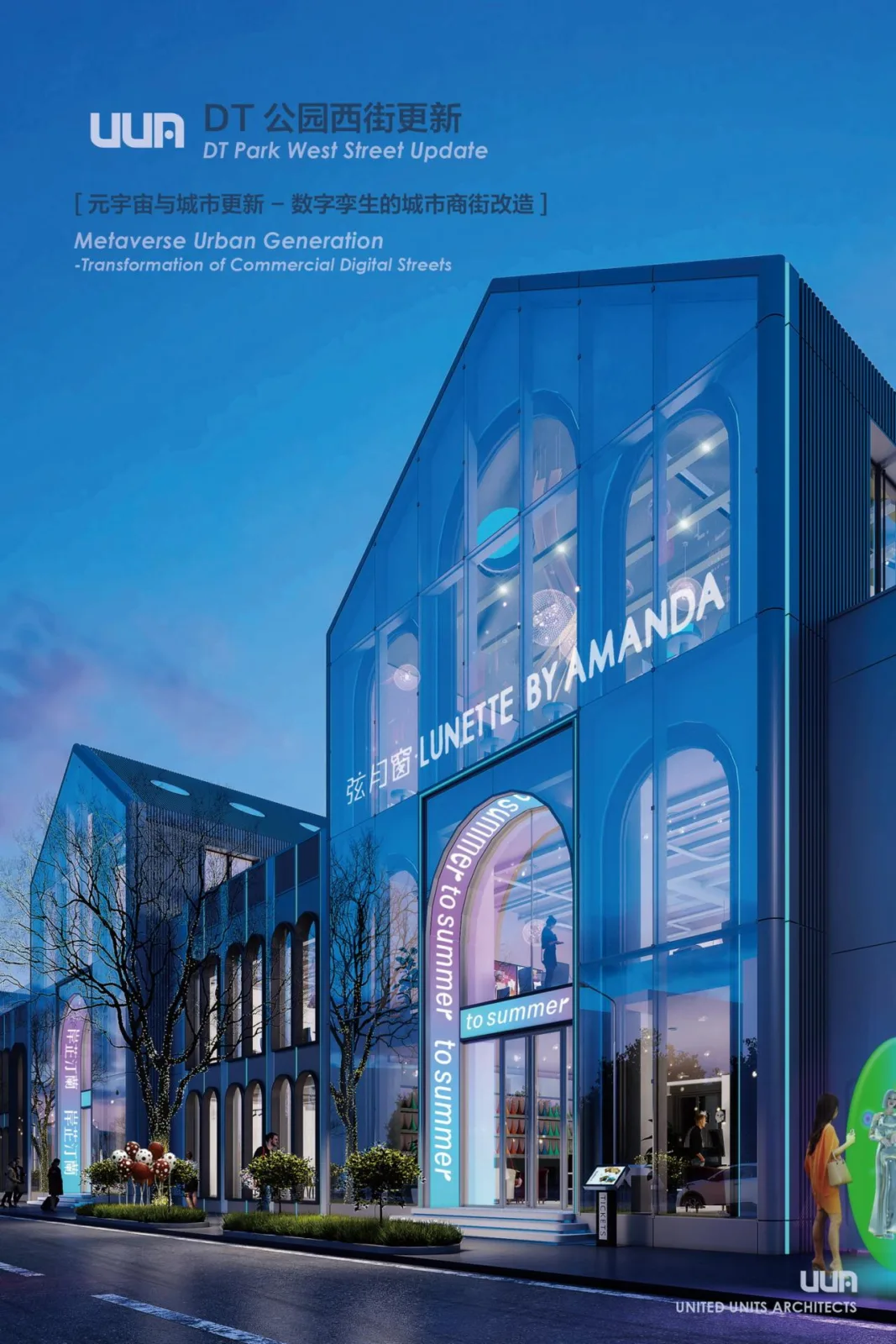
Urban renewal and revitalization of aging commercial districts is a current focal point. By integrating both online and offline elements along with innovative commercial experiences such as digital twins, the DT Park West Street renewal project stands as a significant example in the realms of urban renewal, digital twin technology, and emerging consumer trends.
1. Project Background: A Core Location, Mature Business, New Opportunities
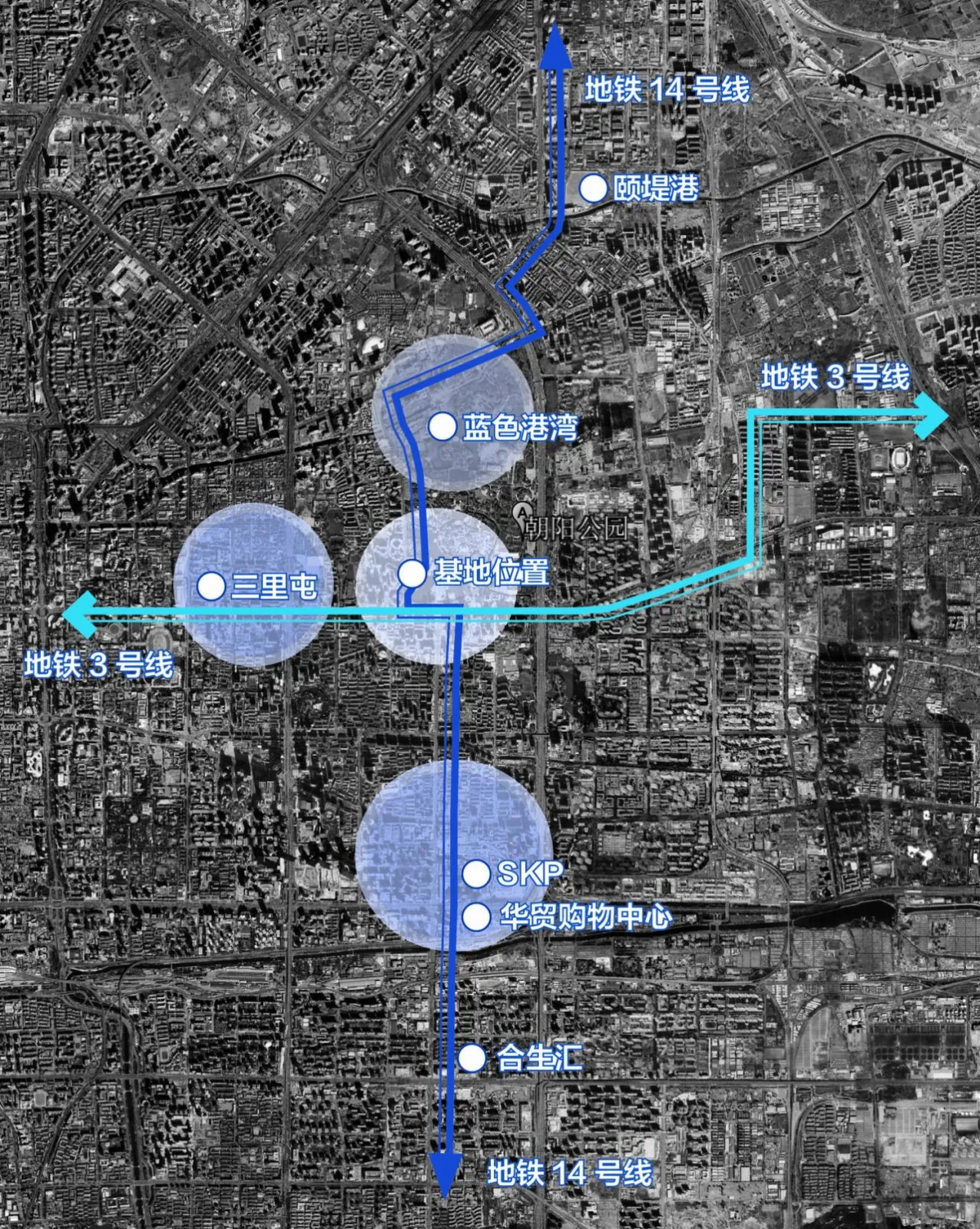
△ Urban texture commercial district analysis map © UUA
The project is situated on the east side of Chaoyang Park Road South Section in Beijing’s Chaoyang District, adjacent to the west gate of Chaoyang Park. It connects southward to Phoenix Center and northward to Blue Harbor and Good Luck Street. The site is surrounded by the CBD commercial district, Sanlitun commercial district, and Blue Harbor district, forming part of Chaoyang District’s “One Core, Two Belts, and Five Zones.” This prime location benefits from a strong consumer base and the unique natural environment of Chaoyang Park.
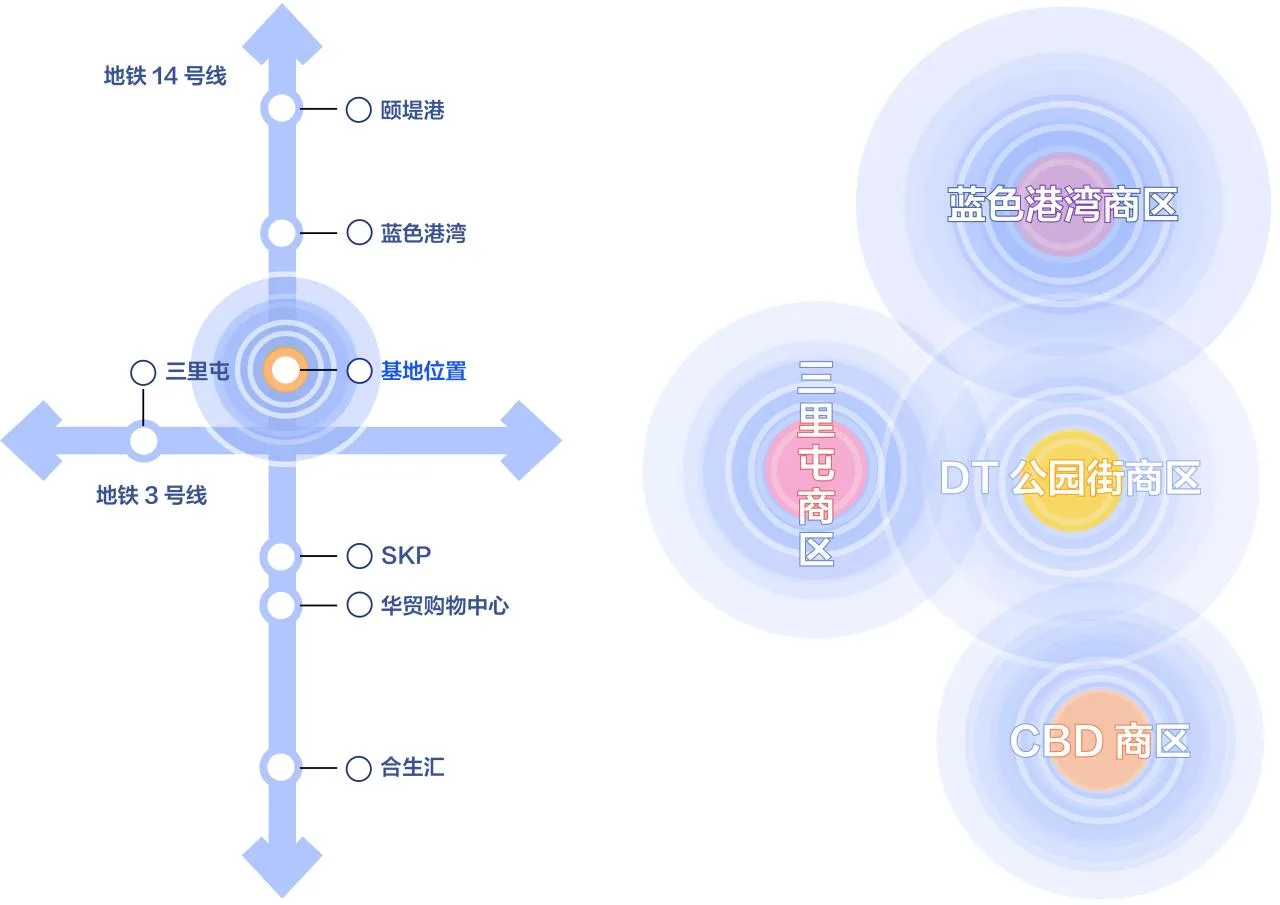
△ Commercial district surrounding the site analysis © UUA
The project area and its surroundings form a gradient from west to east, transitioning through urban arterial roads, street-side businesses, inner street commerce, parking lots, park green spaces, waterfronts, and park lakes. This progression moves from urban noise toward tranquility, and from artificial environments toward natural landscapes.
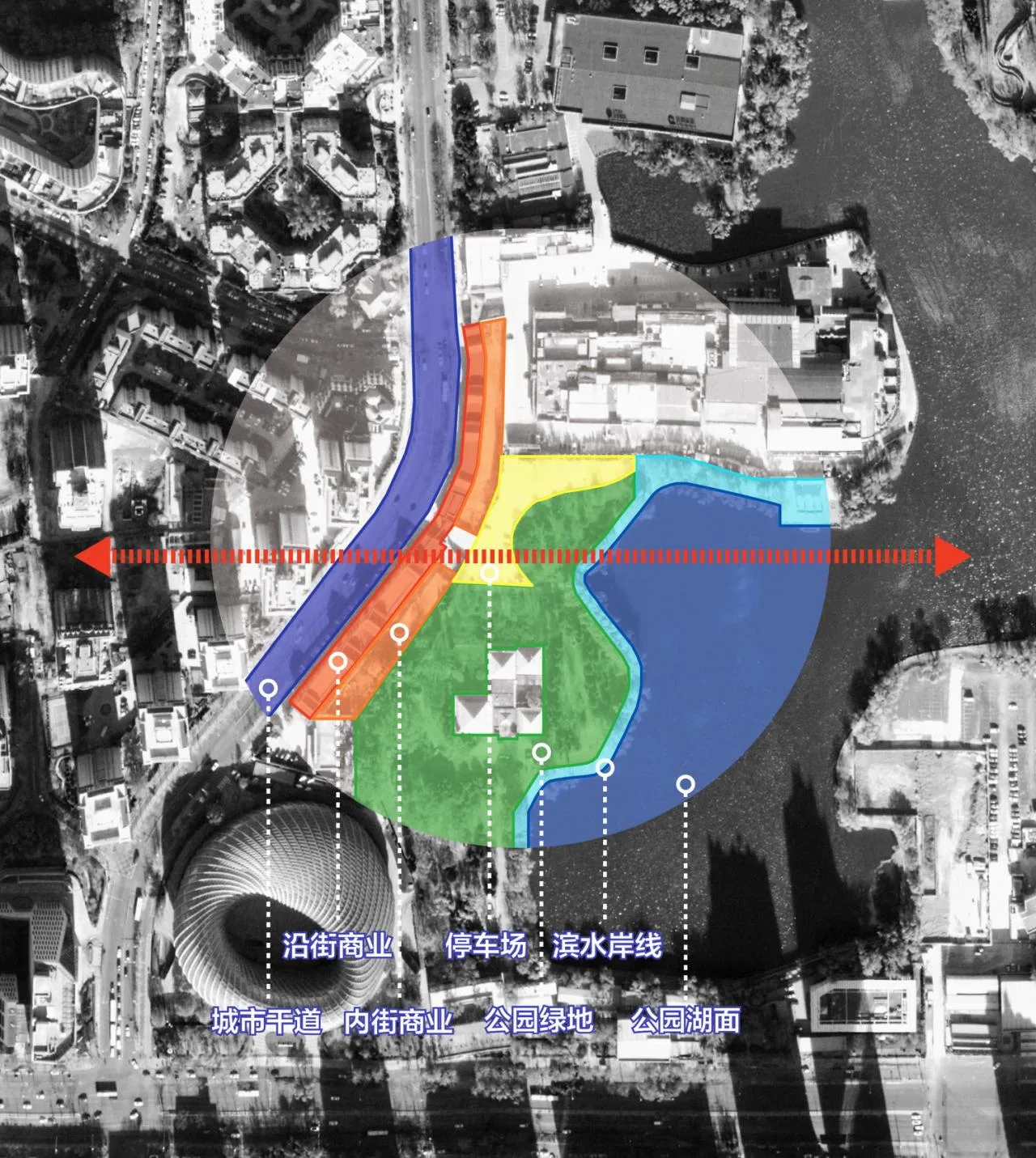
Urban texture hierarchy analysis © UUA
2. Building Renovation
This project undertakes a comprehensive renovation of the existing buildings’ exterior facades, interior spaces, and surrounding landscapes, while preserving the original structural framework. The site comprises two independent frame structures—southern and northern sections—with beige-painted exterior walls featuring European-style decorative columns, arched windows, and eight distinctive towers. The current appearance is outdated, stylistically inconsistent, and visually abrupt. Of particular importance is the original building’s 250-meter-long display frontage facing the main street, which requires enhancement to improve both building quality and commercial atmosphere.
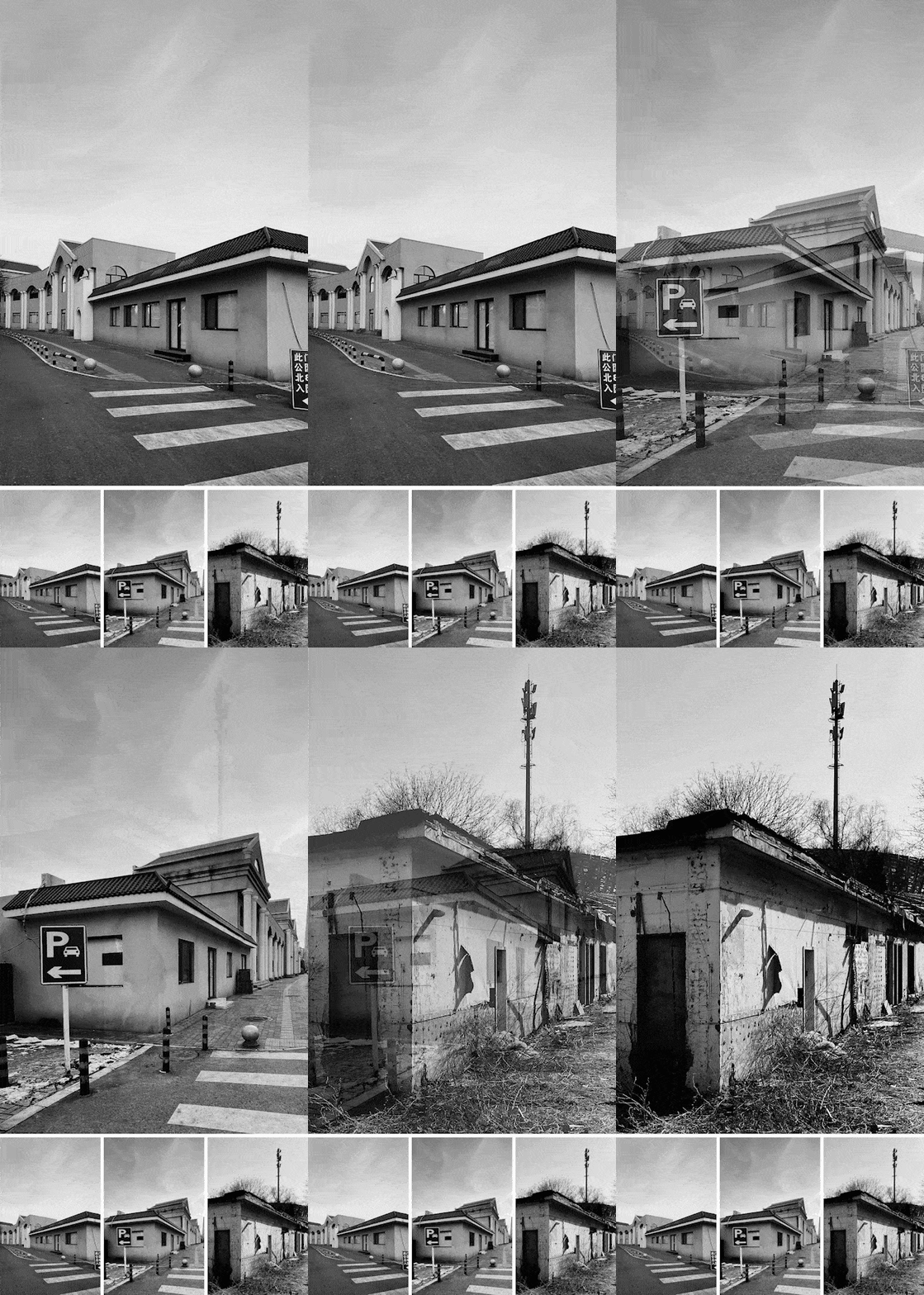
△ Current black and white photos of the building © UUA
The renovation respects the original volume and structure, following the principle of no additional construction or large-scale demolition. The goal is to revitalize the area by reshaping the building exteriors and creating an internal micro-commercial street, refreshing the old facades to reflect an international commercial quality befitting the core district. This will also establish an attractive and iconic small consumer commercial street.
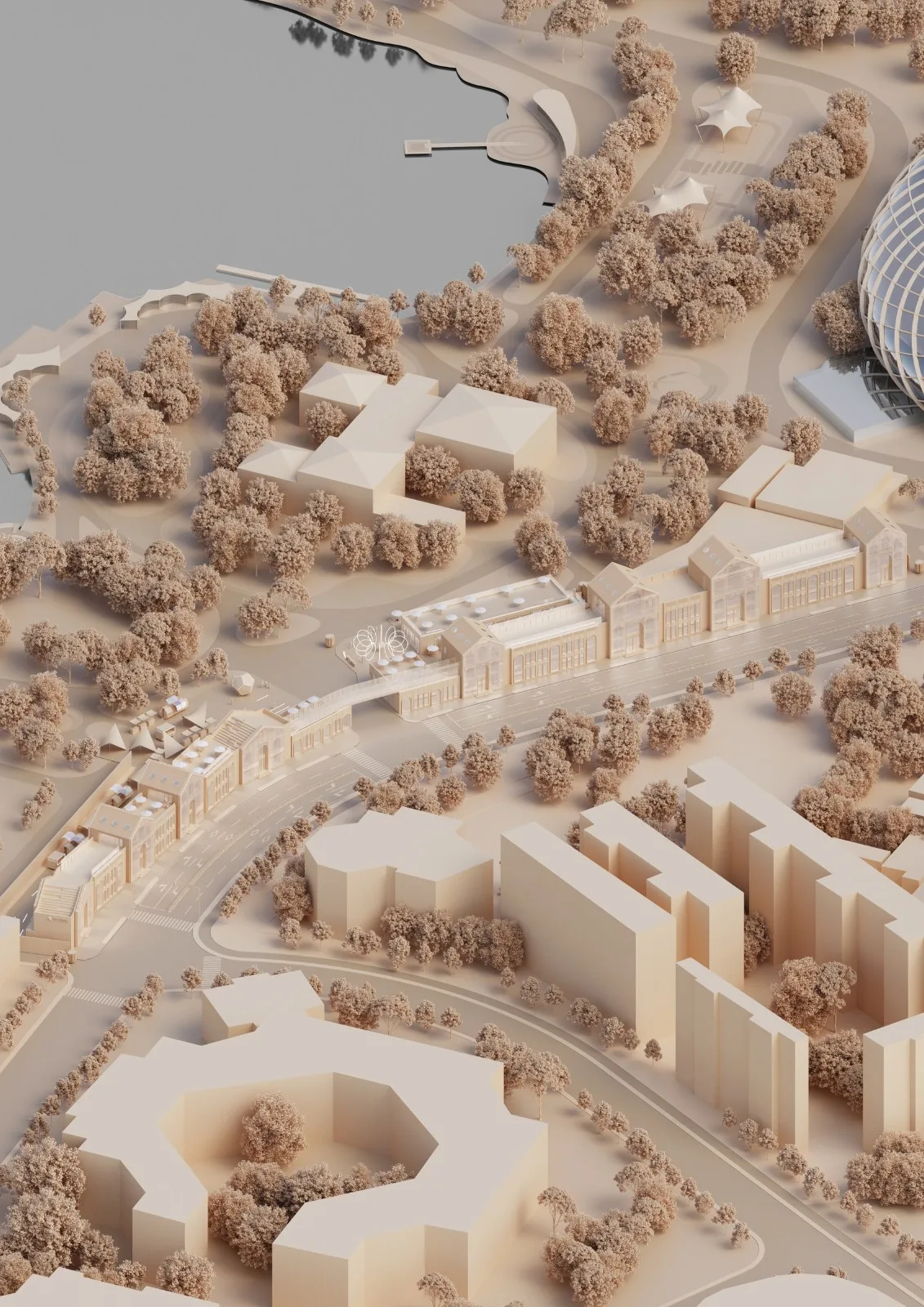
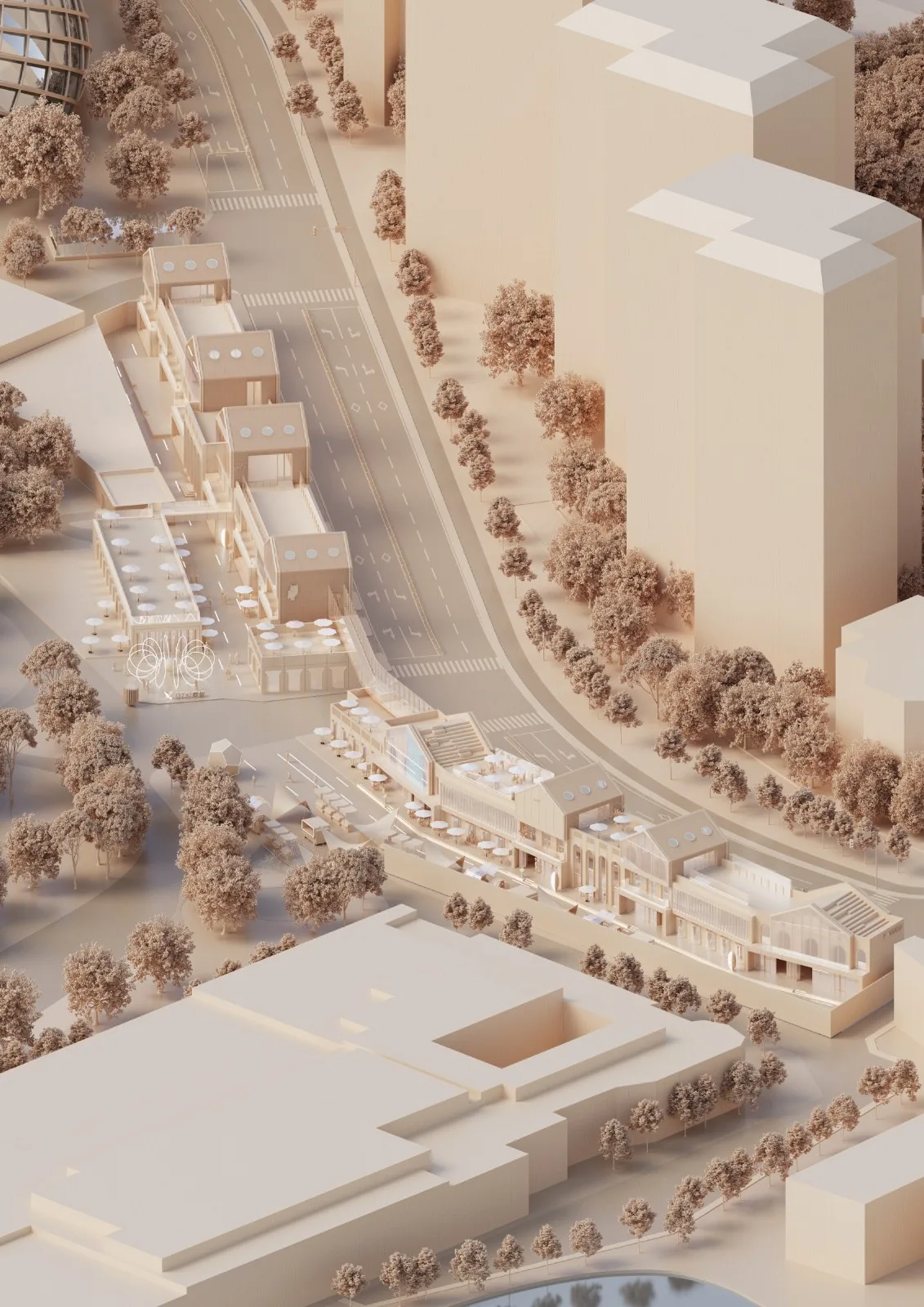
△ Architectural concept model renderings © UUA
(1) Principles of Street Facade Renovation
Digital Integration: The facade update incorporates digital media, carefully integrating LED displays with the building’s curtain wall system from the early design stage. This approach ensures the facade’s integrity and prevents damage from retrofitted digital devices.
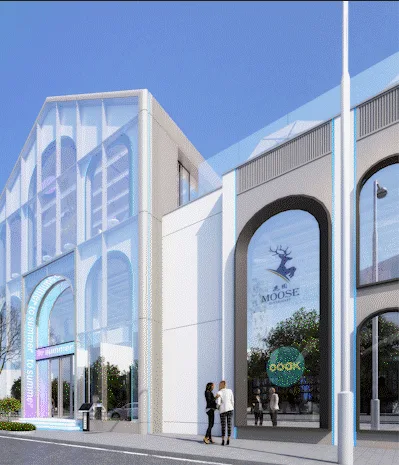
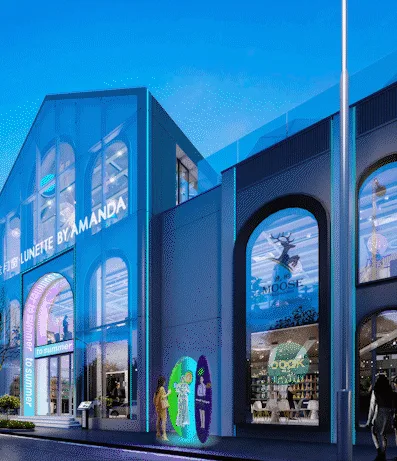
△ Digital facade renovation effects along the street © UUA
Facade Integrity: The commercial street frontage facing major urban roads emphasizes cohesive building facades, aligning with pedestrian and vehicular views. The facade primarily uses glass and antique bronze aluminum panels, creating a sophisticated color palette and streamlined aesthetics.
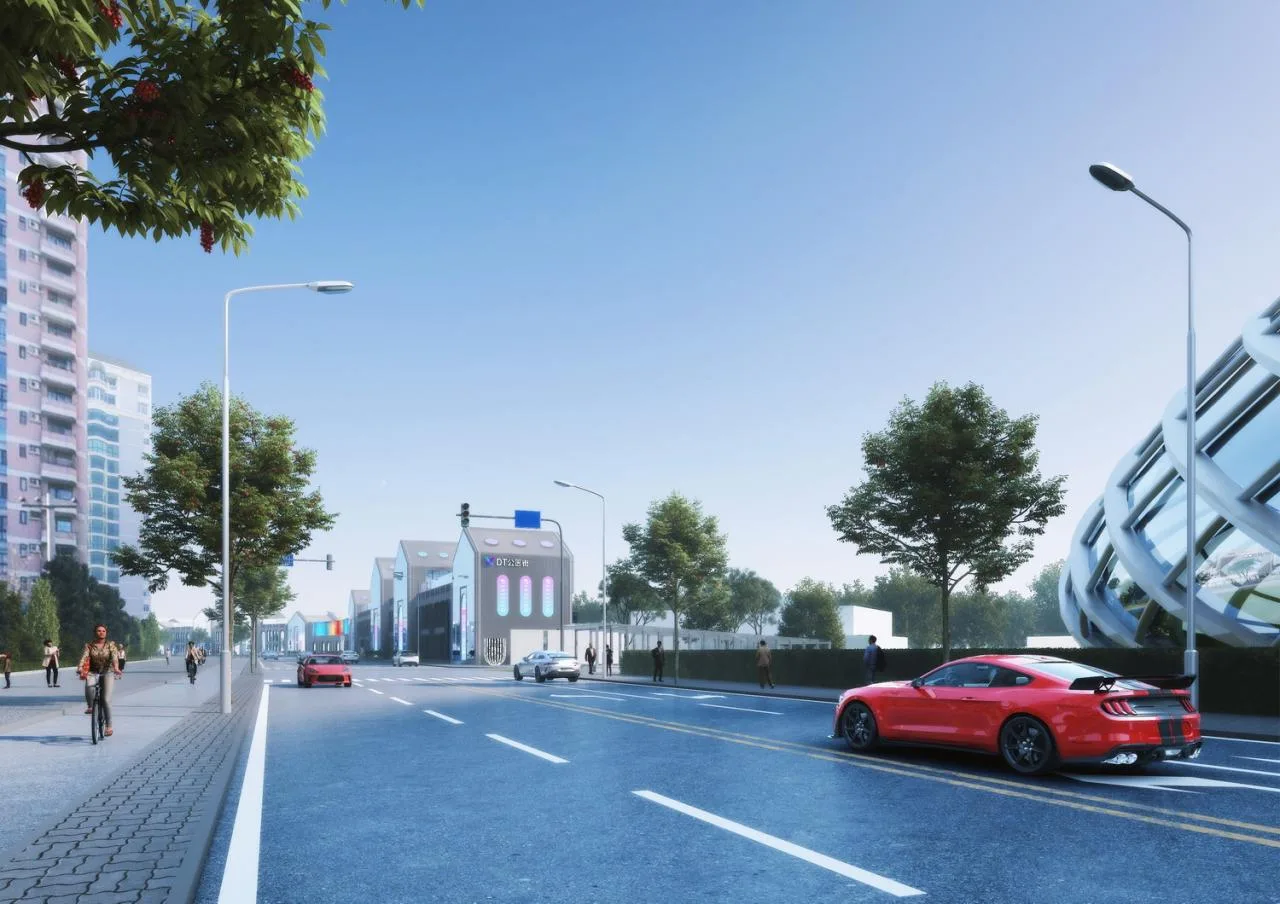
△ Overall facade renovation effect along the street © UUA
Rhythm and Variation: Given the building’s extensive frontage, breaking visual monotony while maintaining overall integrity is essential. Eight spires feature full-point glass curtain walls, with metal arched windows in between. Varying the sizes of these arched windows adds richness and rhythm to the facade.
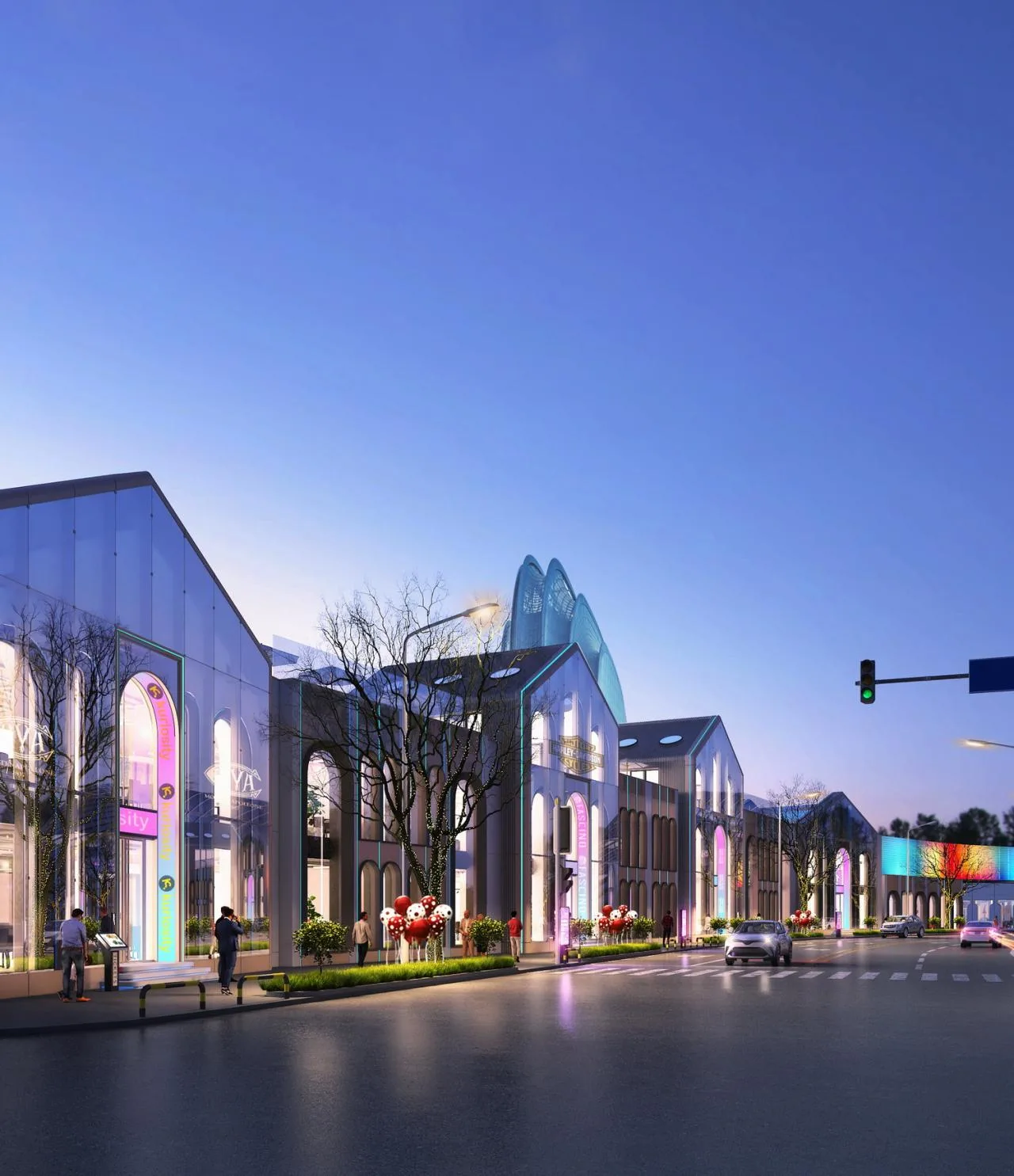
△ Rhythmic facade renovation effect along the street © UUA
Transparency: The narrow sidewalks challenge commercial activity, so transparent glass curtain walls and metal arched windows on the ground floor visually blur the boundary between interior and exterior, fostering a lively commercial atmosphere.
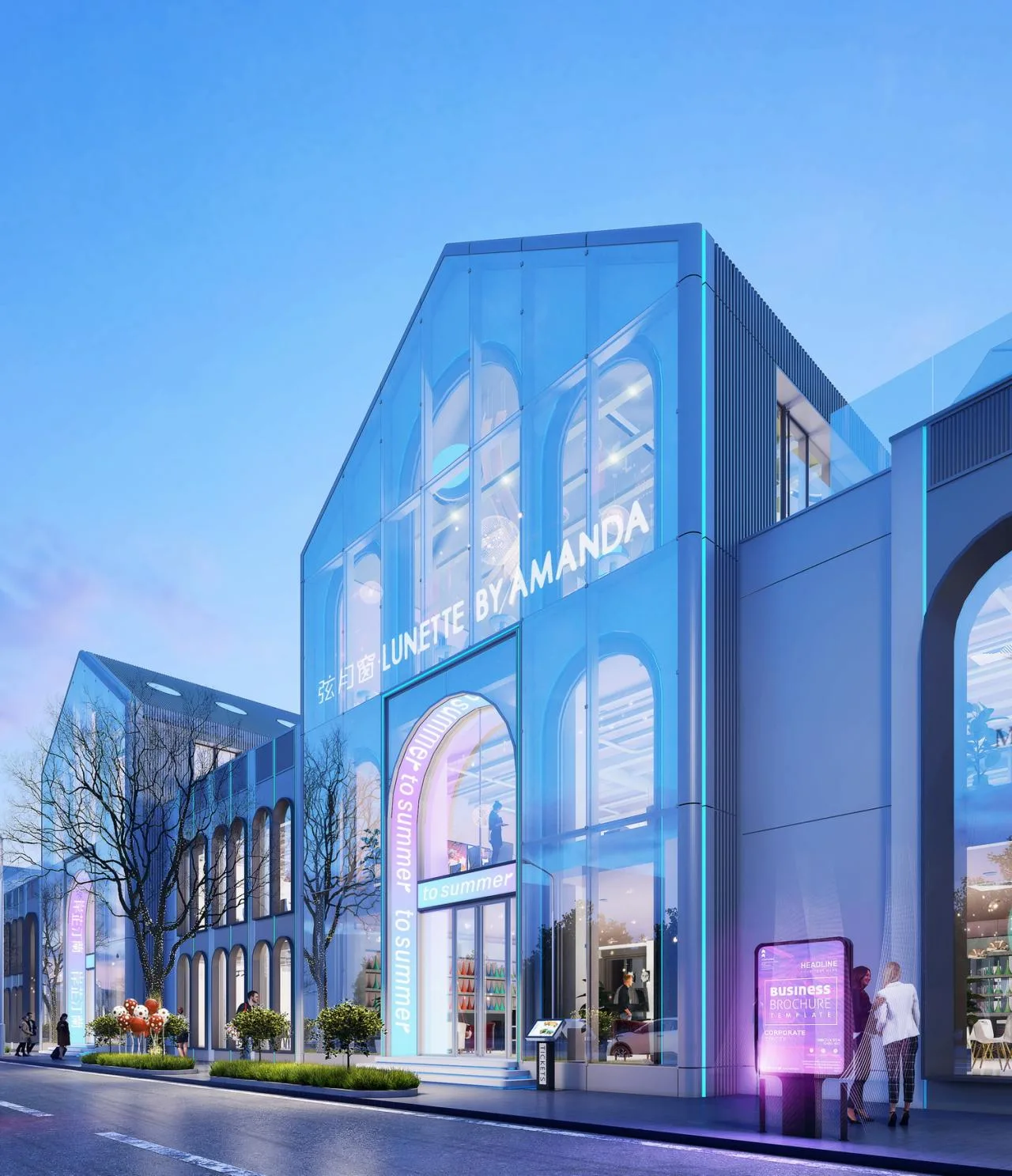
△ Transparency effect of facade renovation © UUA
Accessibility: The main building is divided into southern and northern sections. To maintain commercial continuity and flow, a pedestrian bridge connects the two structures both functionally and visually. Digital lighting along the bridge enhances the street-level experience, becoming a notable feature.
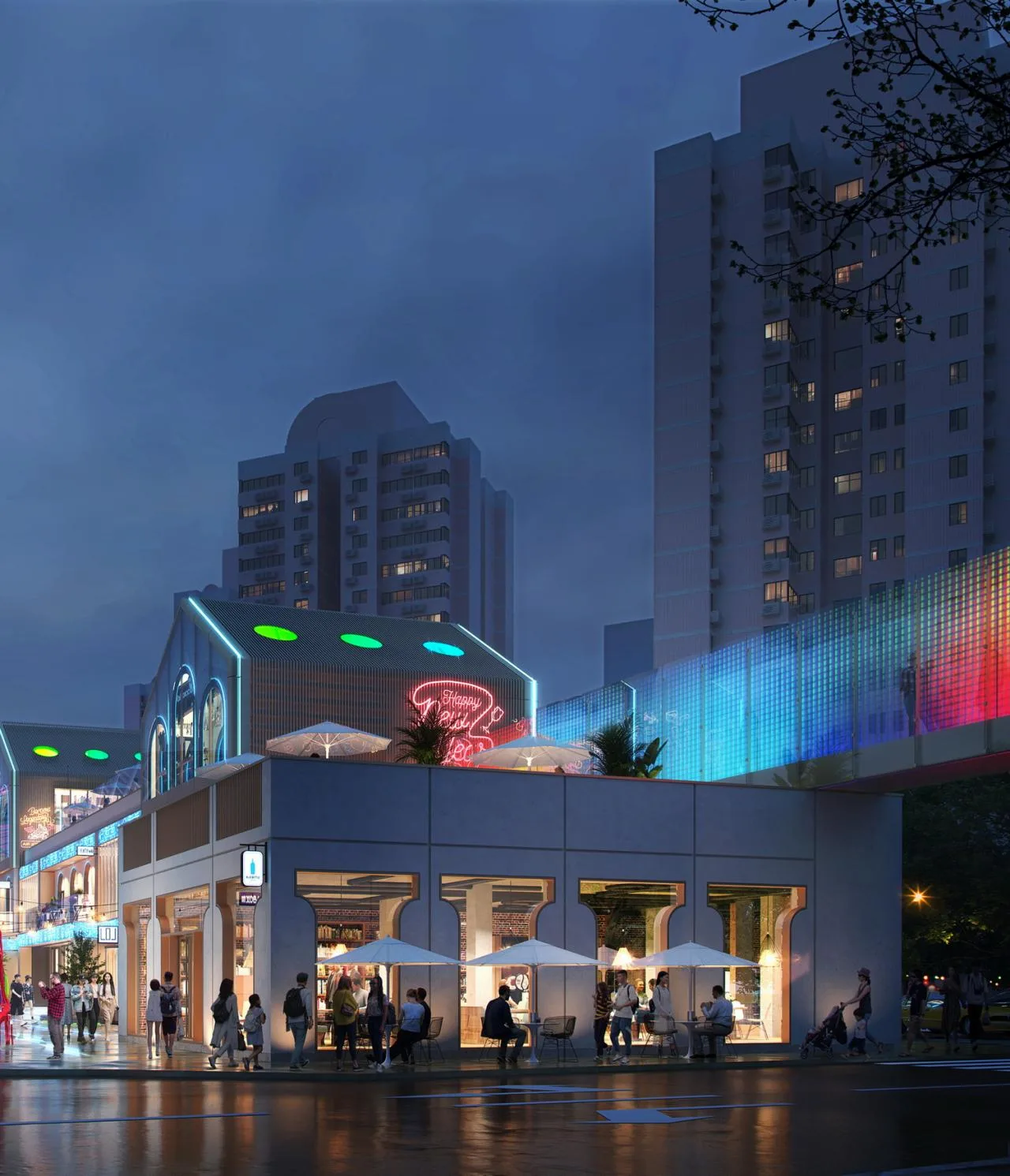
△ Accessibility improvements in street facade © UUA
(2) Principles of Interior Street Facade Renovation
Facade Richness: The inner street near Chaoyang Park serves as a transition from artificial urban fabric to natural landscape. The facade renovation emphasizes small-scale variation and texture, breaking down the facade into a series of staggered and overlapping volumes with concave and convex elements. This creates a dynamic visual experience reminiscent of a quaint commercial town.
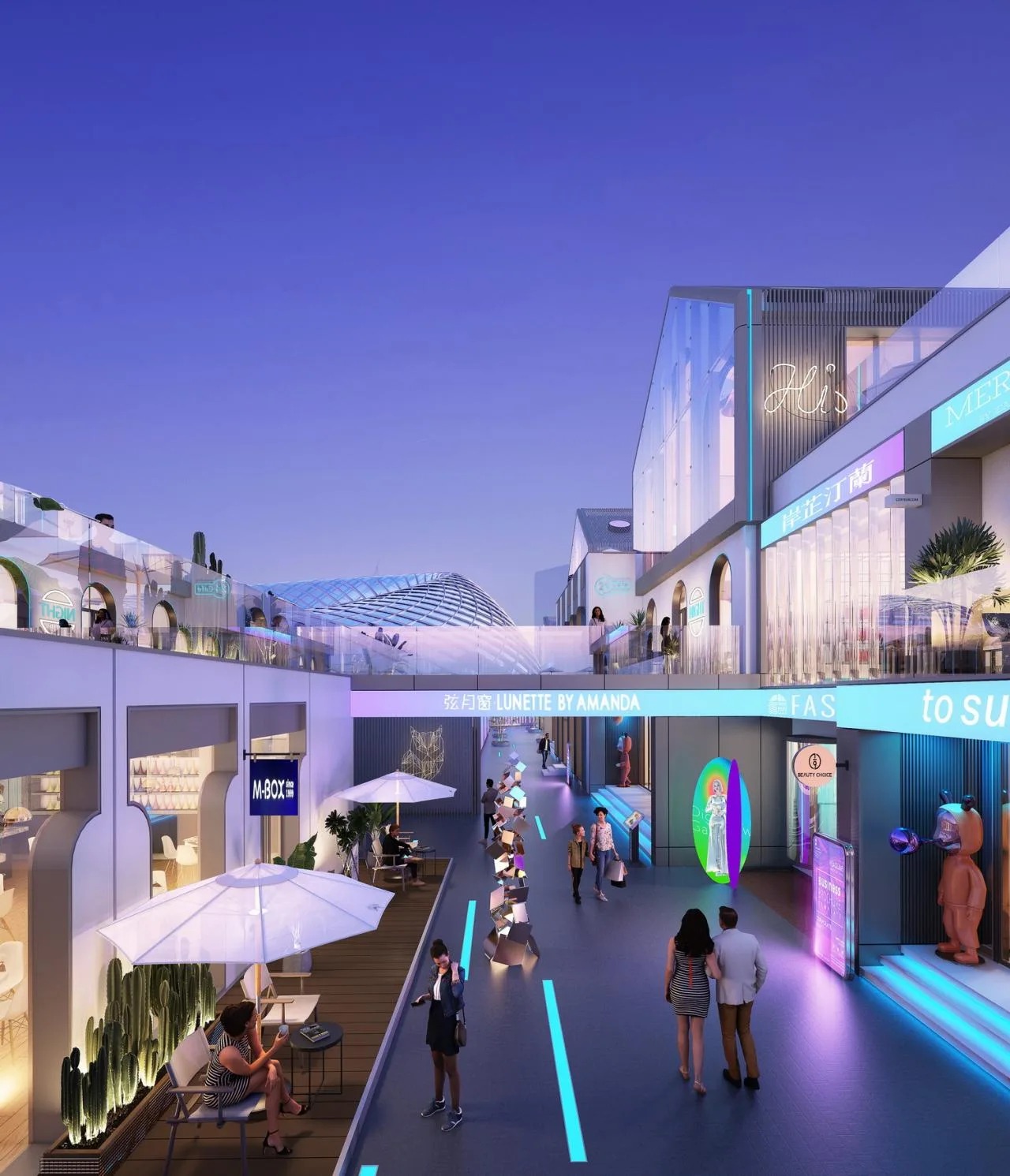
Inner street facade richness © UUA
Indoor-Outdoor Connectivity: The facade’s protruding forms create outdoor balconies on the second floor, suitable for hanging spaces or leisure areas. The three-level rooftop terraces offer excellent views and serve as outdoor spaces for the main restaurant and bar.
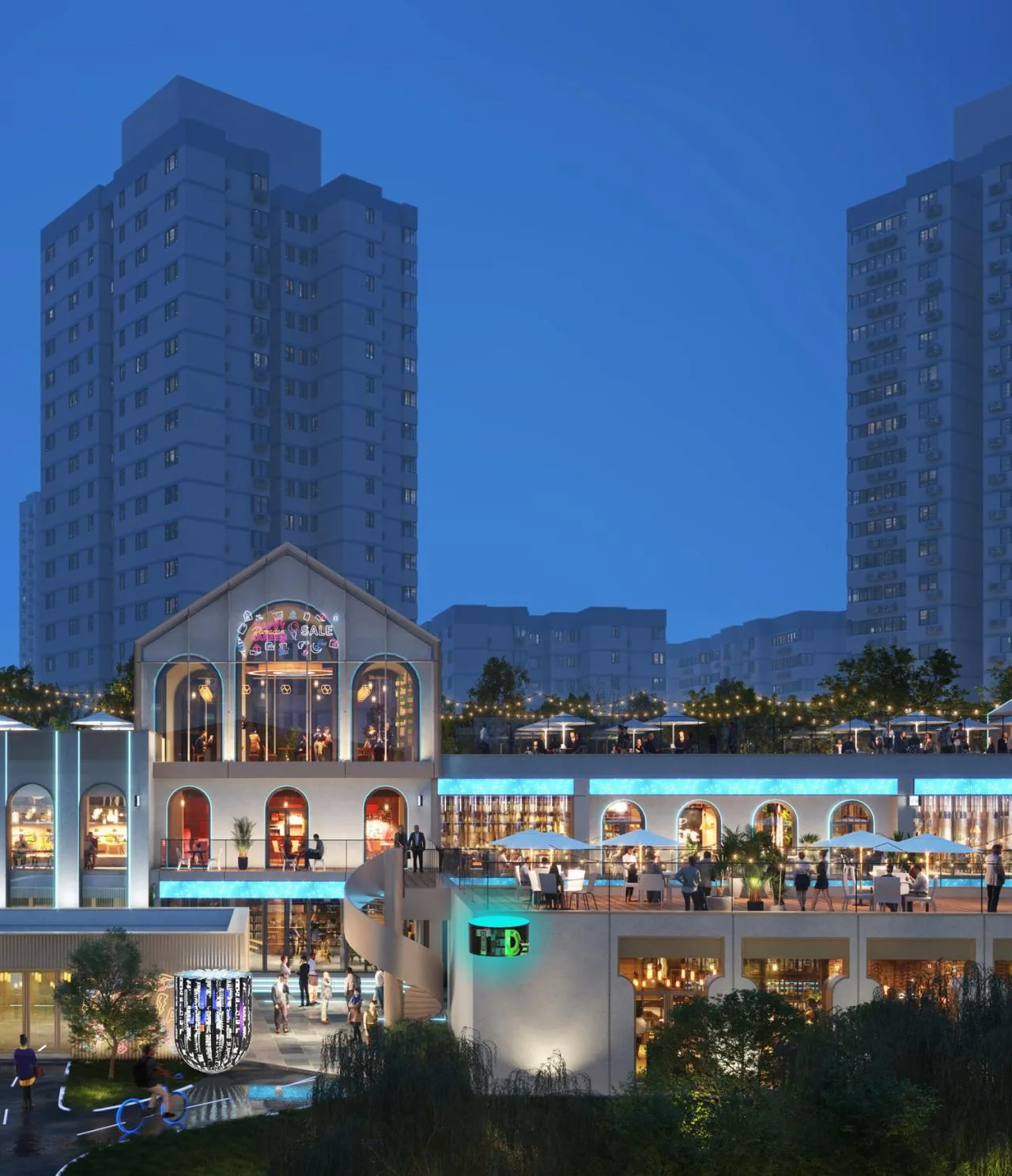
Indoor and outdoor space connectivity © UUA
(3) Principles of Interior Space Renovation
Mixing formats is a key strategy to boost commercial value. The ground floor focuses on retail, bars, cafes, and bakeries. Renovation transforms retail into an open, unbounded space that connects West Street with the inner commercial street, enhancing flow and spatial experience. The second and third floors of the towers house various restaurants, utilizing extended balconies and rooftop terraces as outdoor dining areas.
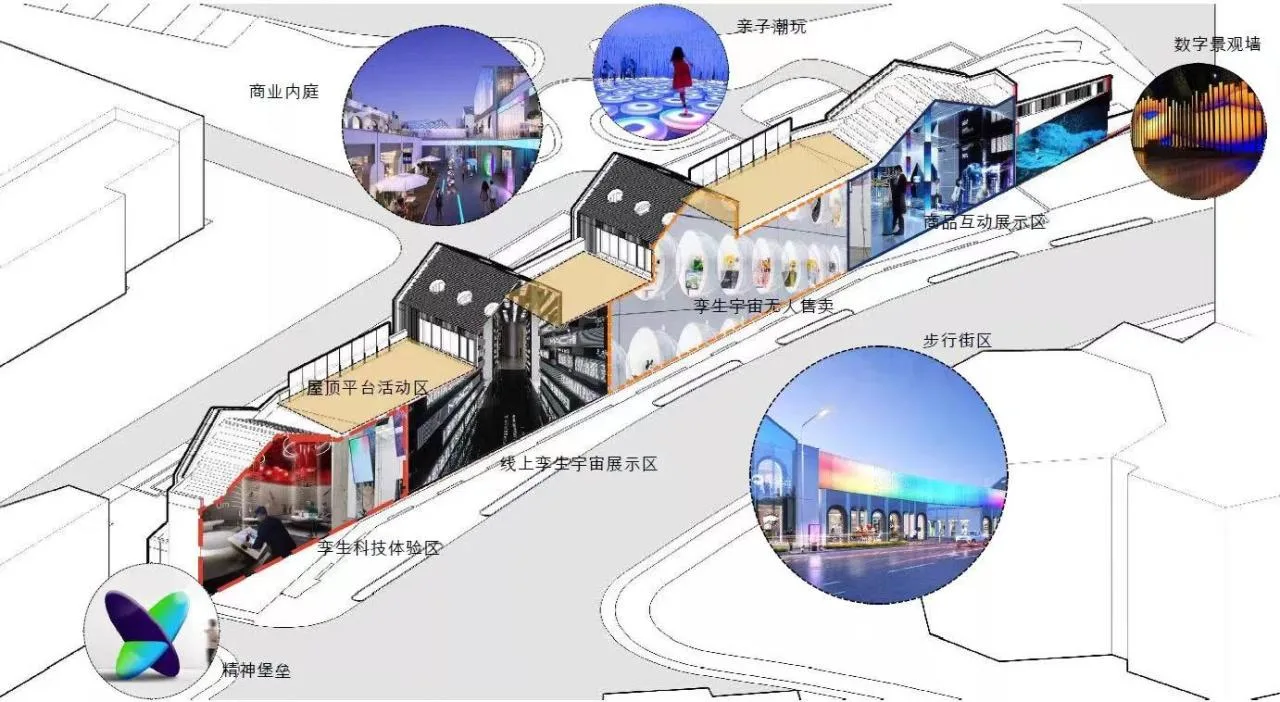
△ Business transformation schematic © UUA
3. Construction and Completion Control
To minimize impact on the original building structure, facade renovations primarily use curtain wall systems. A modular system based on 1.3-meter units integrates spatial planning, curtain walls, and lighting, enabling prefabricated construction. This approach significantly reduces construction time and costs.
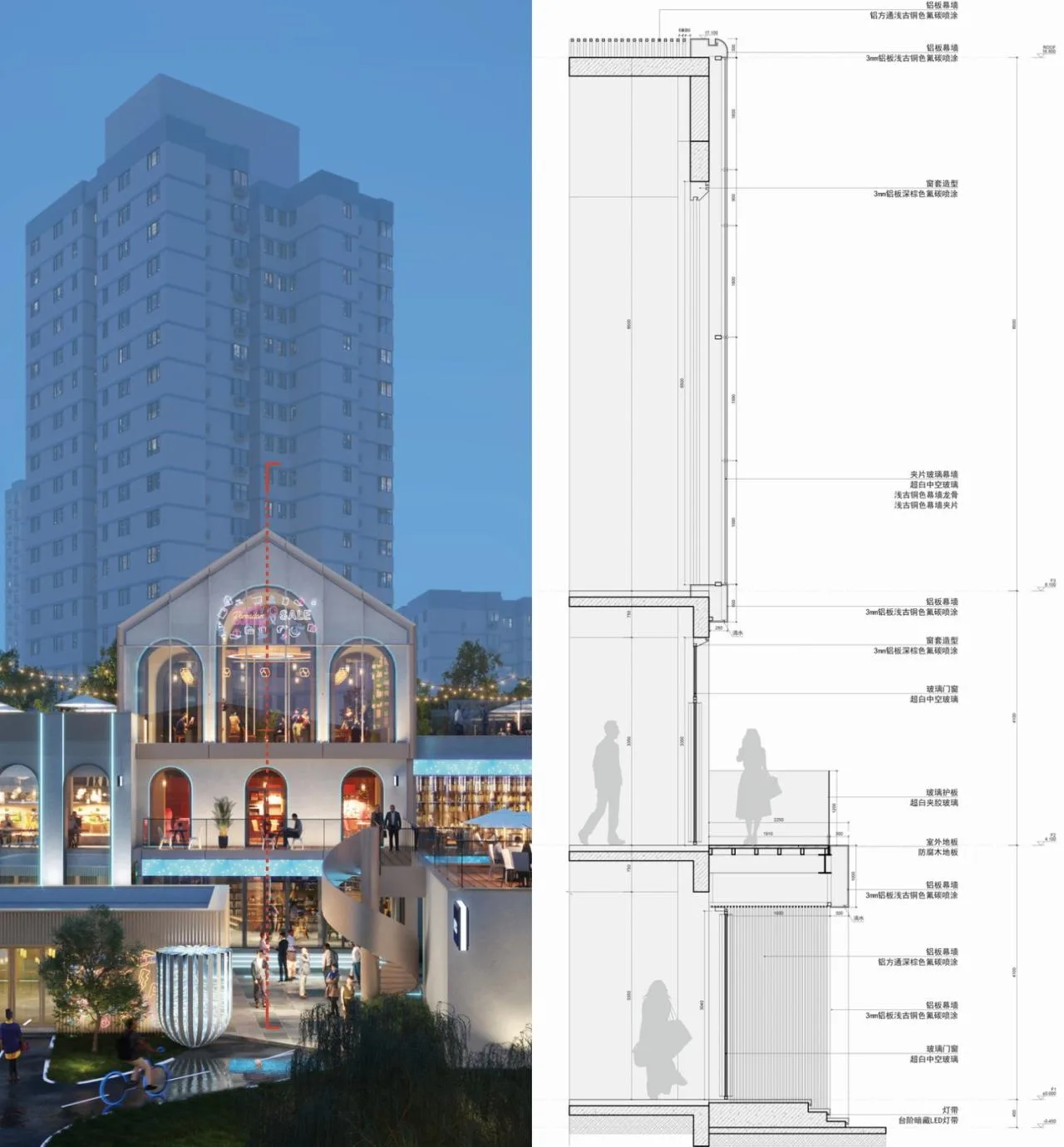
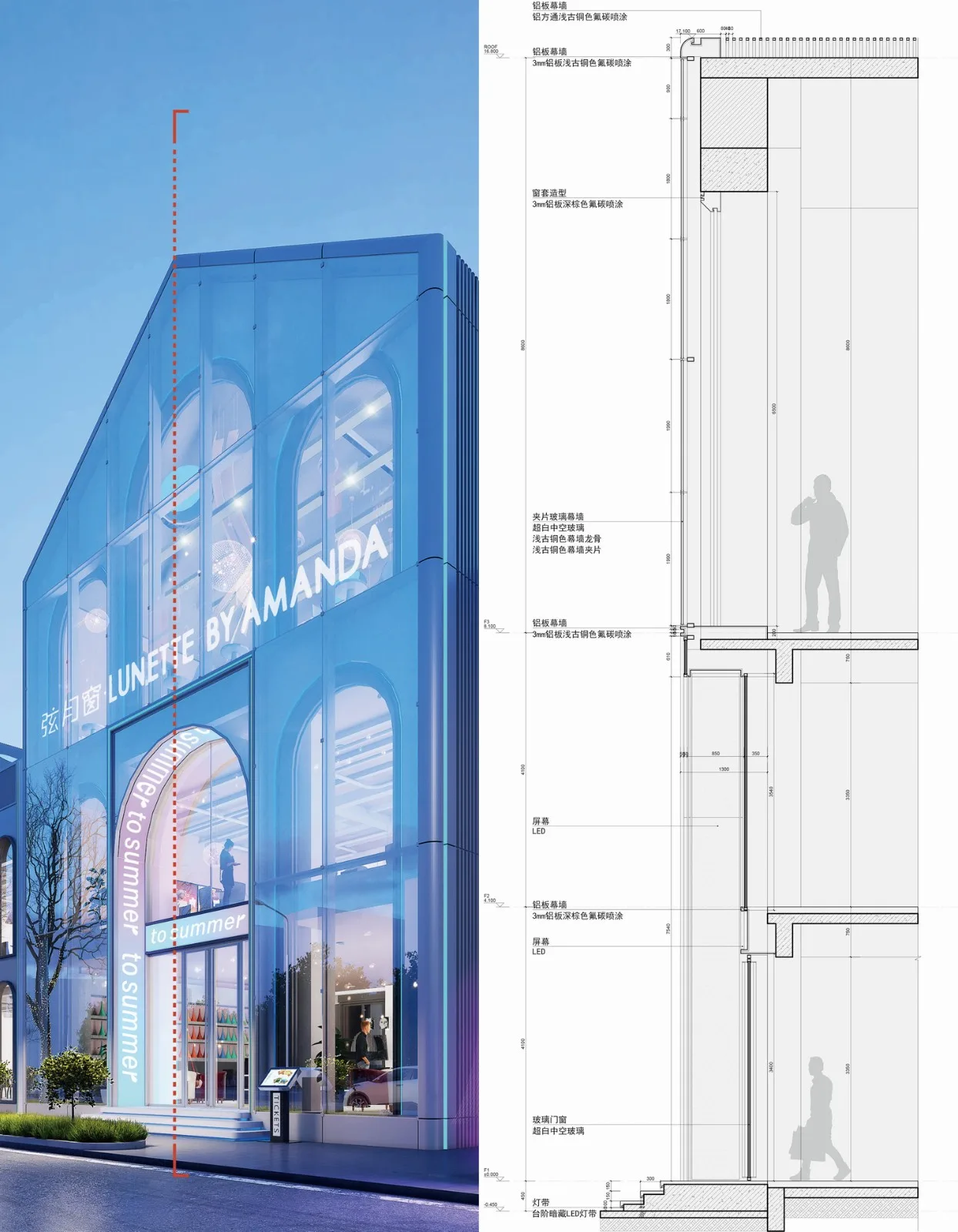
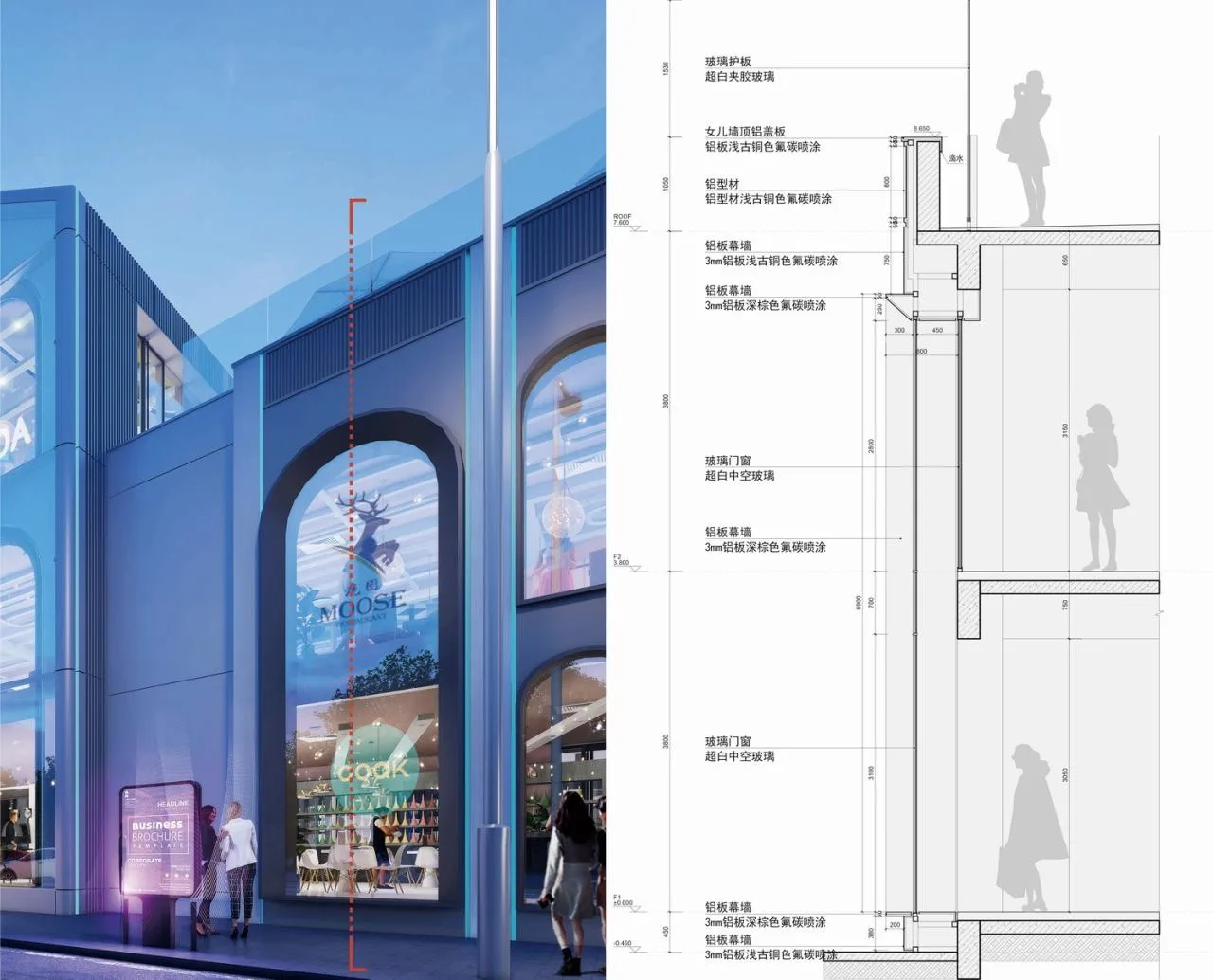
△ Detailed control of building facade © UUA
4. Digital Twin and Digital Media Integration
The concept of Digital Twin (DT) here involves integrating digital media technologies like VR, AR, NFTs, and the metaverse into the building and commercial operations of the renewed street. This enhances interactivity and entertainment through advanced digital technologies. “Twin” reflects both the combination of digital and physical elements in the renovated buildings, and the connection between the southern and northern sections as twin structures.
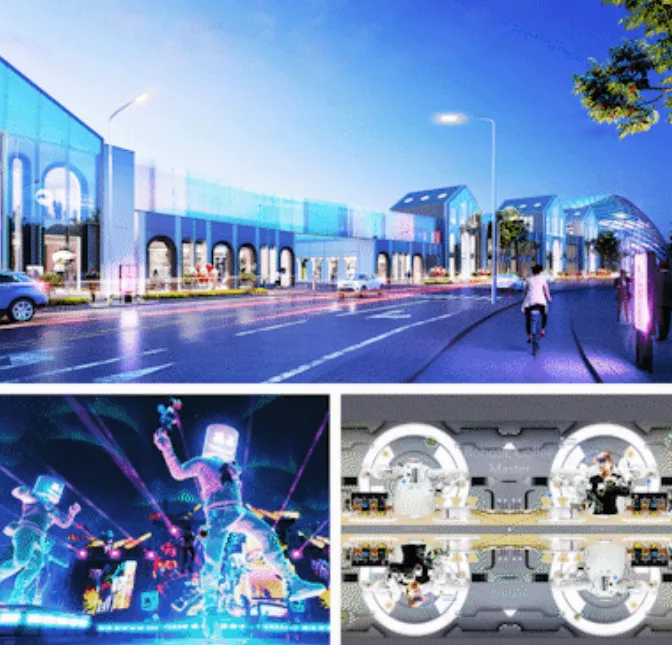
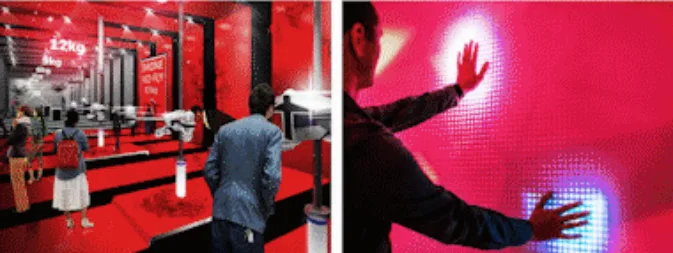
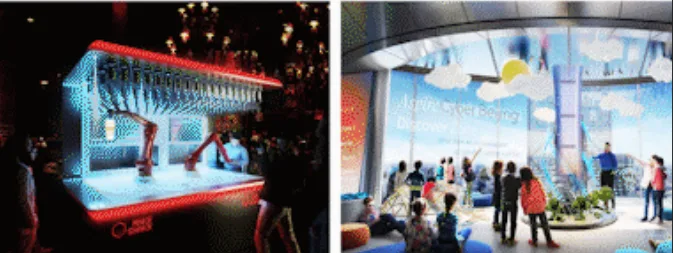
Digital media integrated into business © UUA
5. Overall Renovation Effects
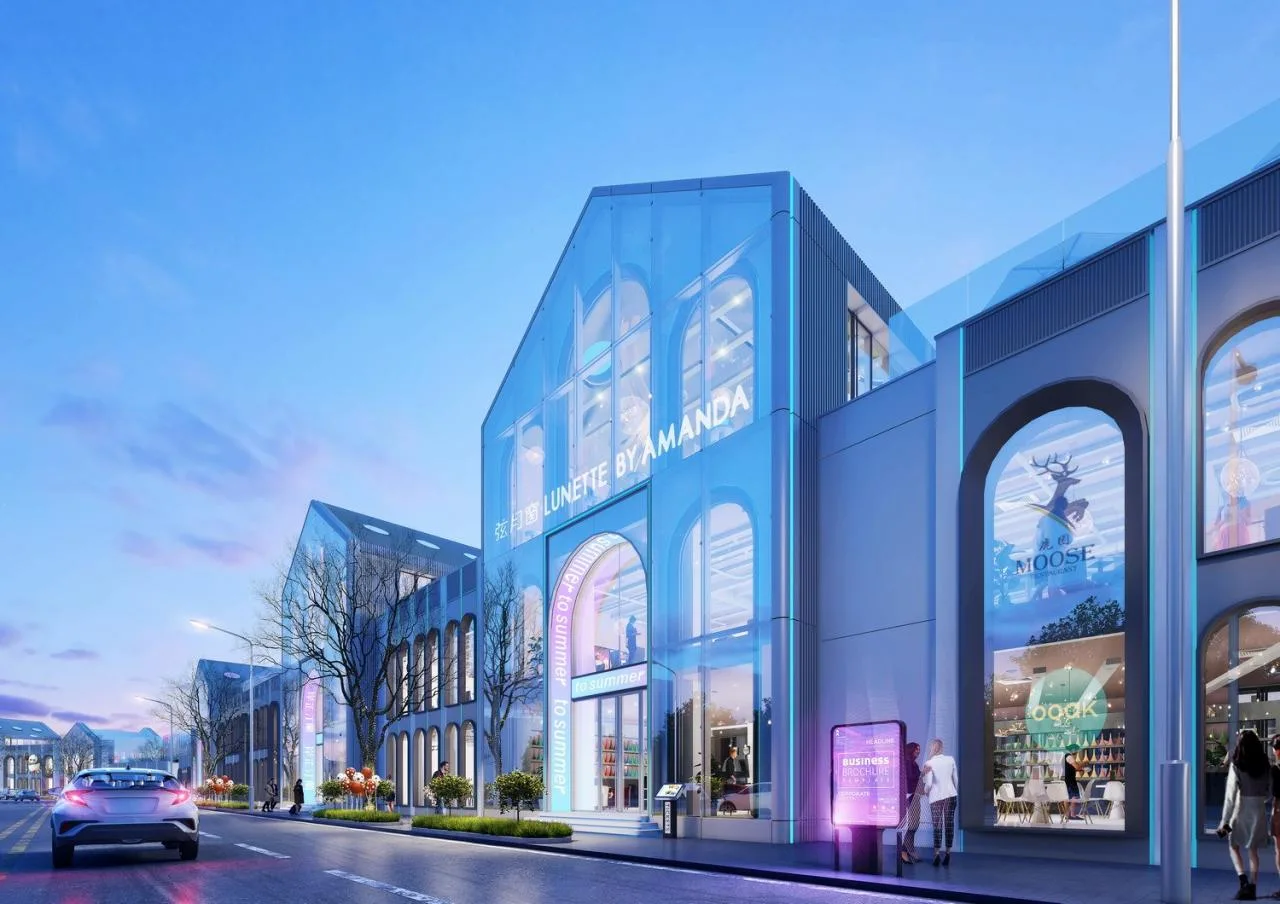
△ Overall street view © UUA
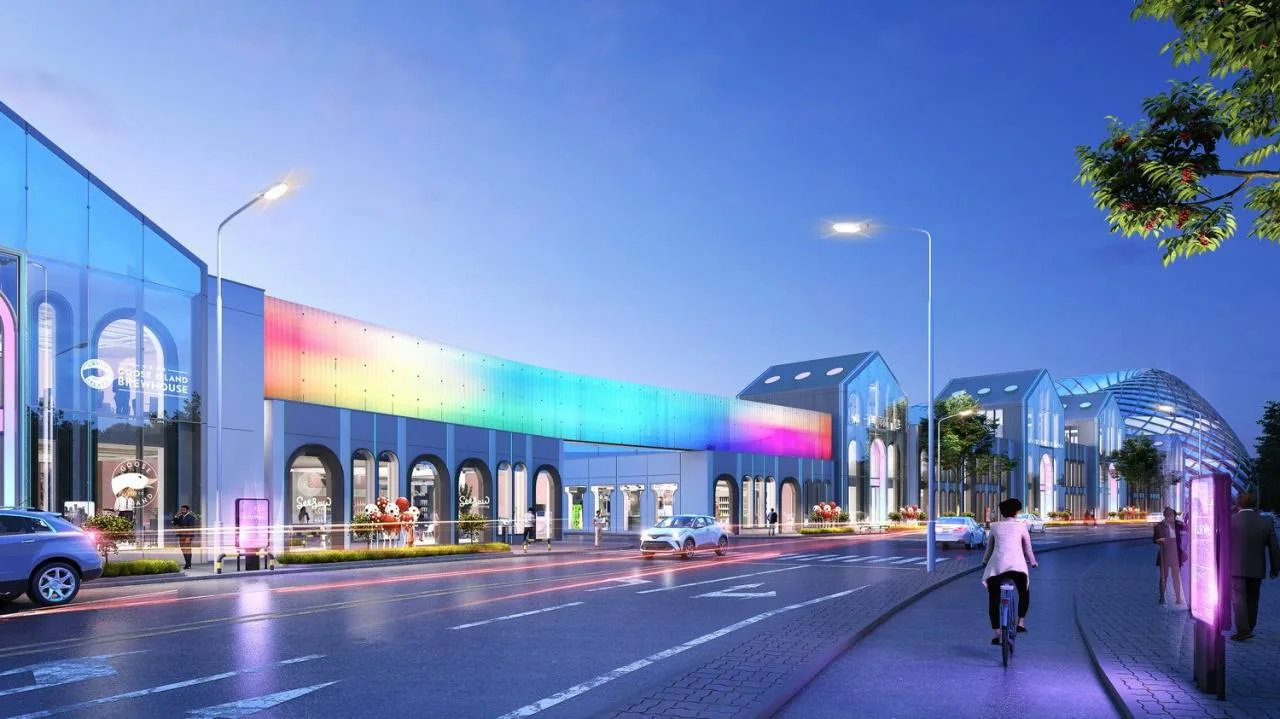
△ Overall street view © UUA
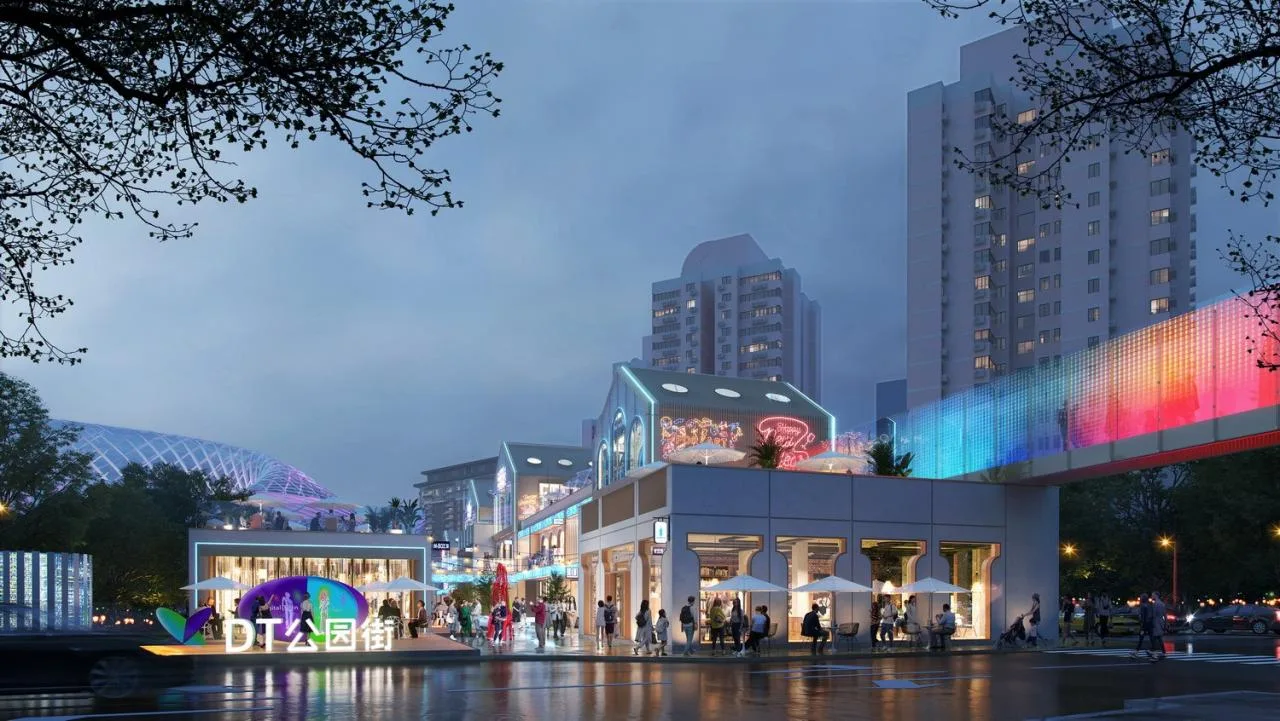
△ Inner street overall effect © UUA
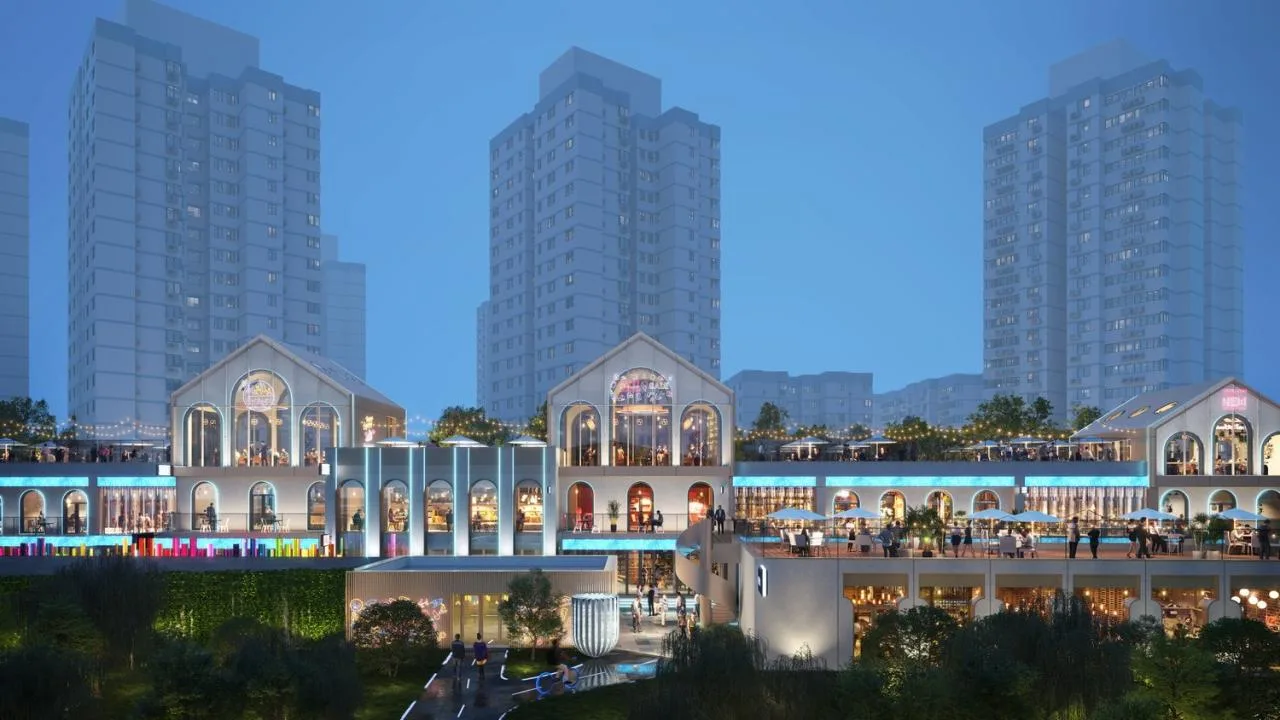
△ Inner street overall effect © UUA
6. Before and After Renovation: Comparison and Vision
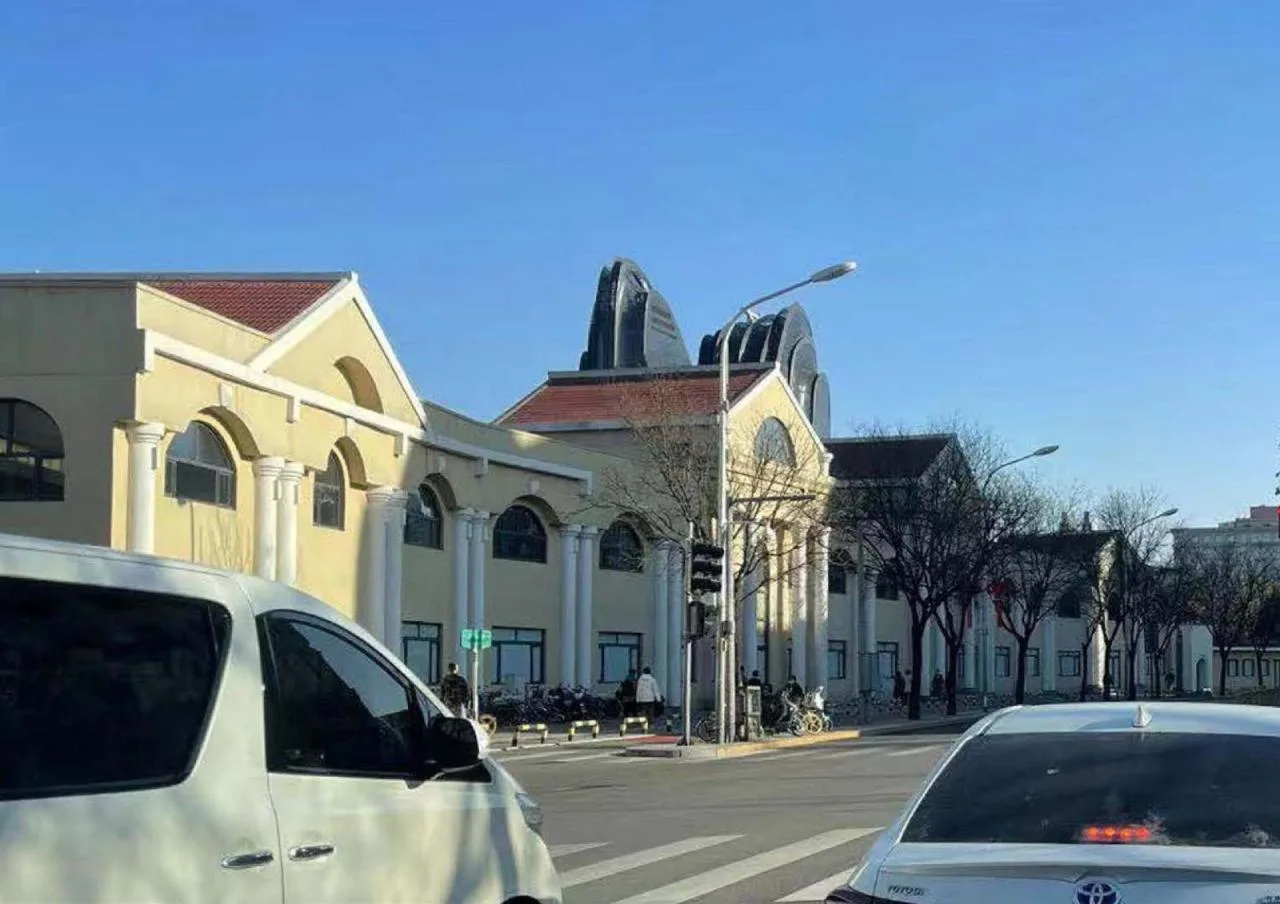
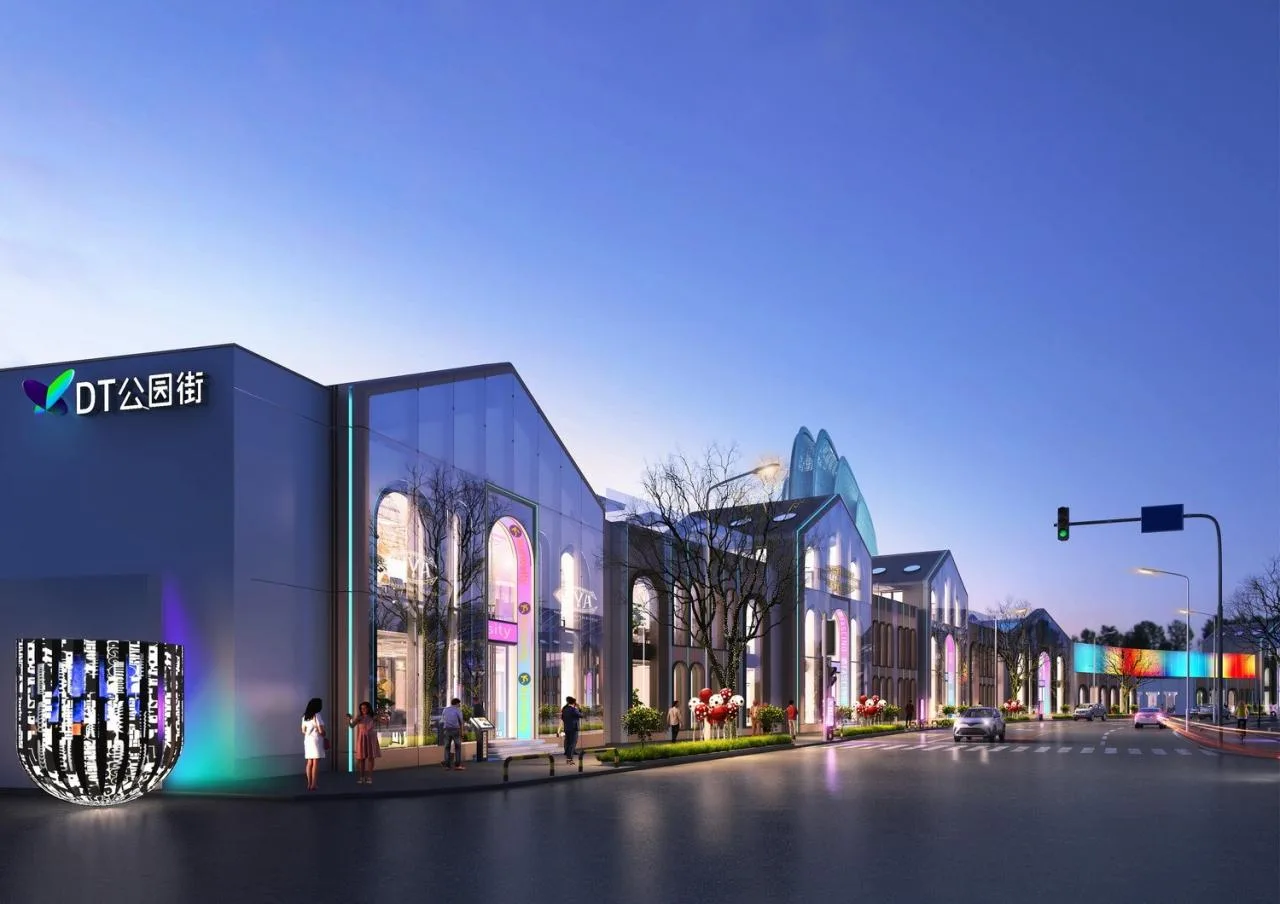
Comparison of pedestrian perspectives on north and south roads between existing scenes and renderings © UUA
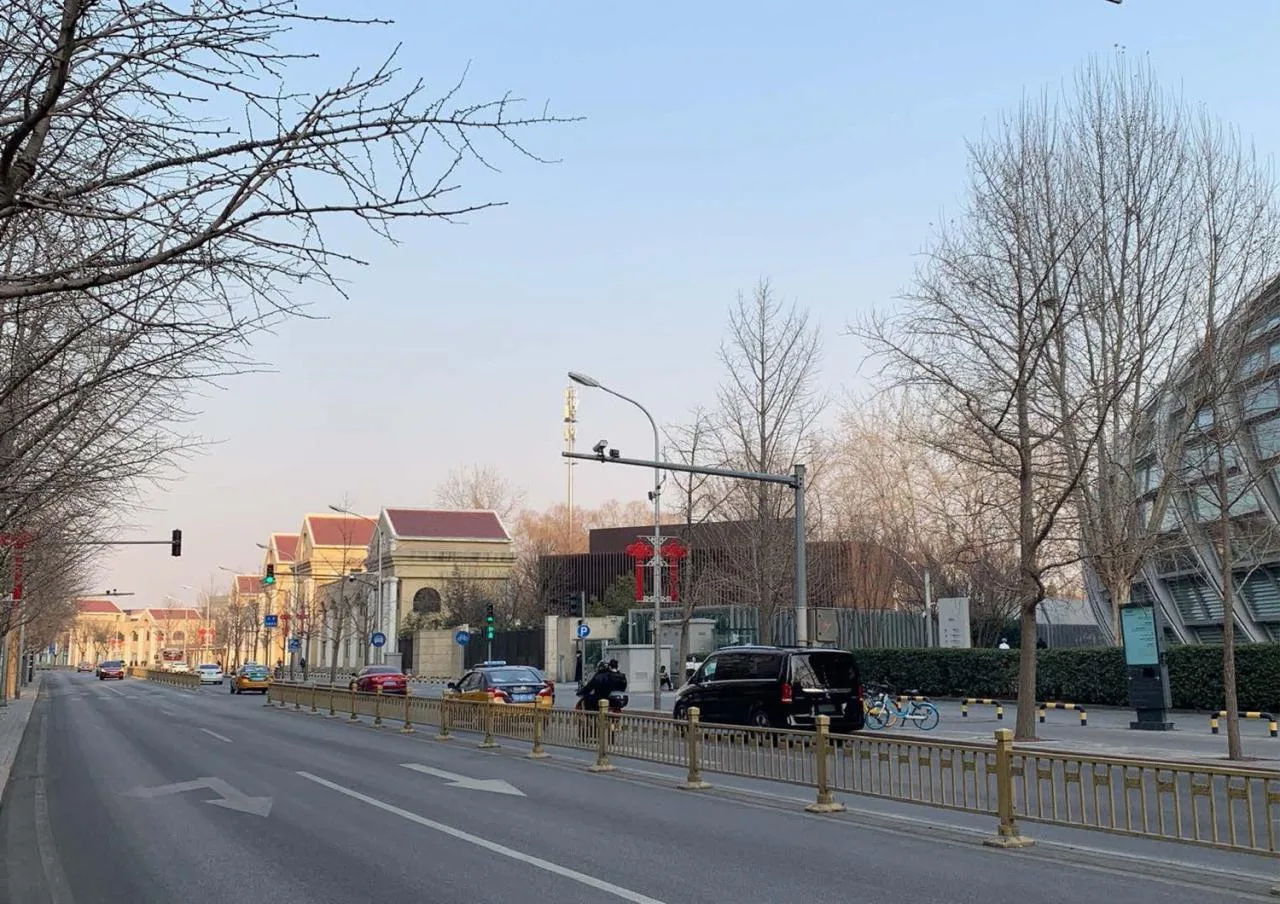
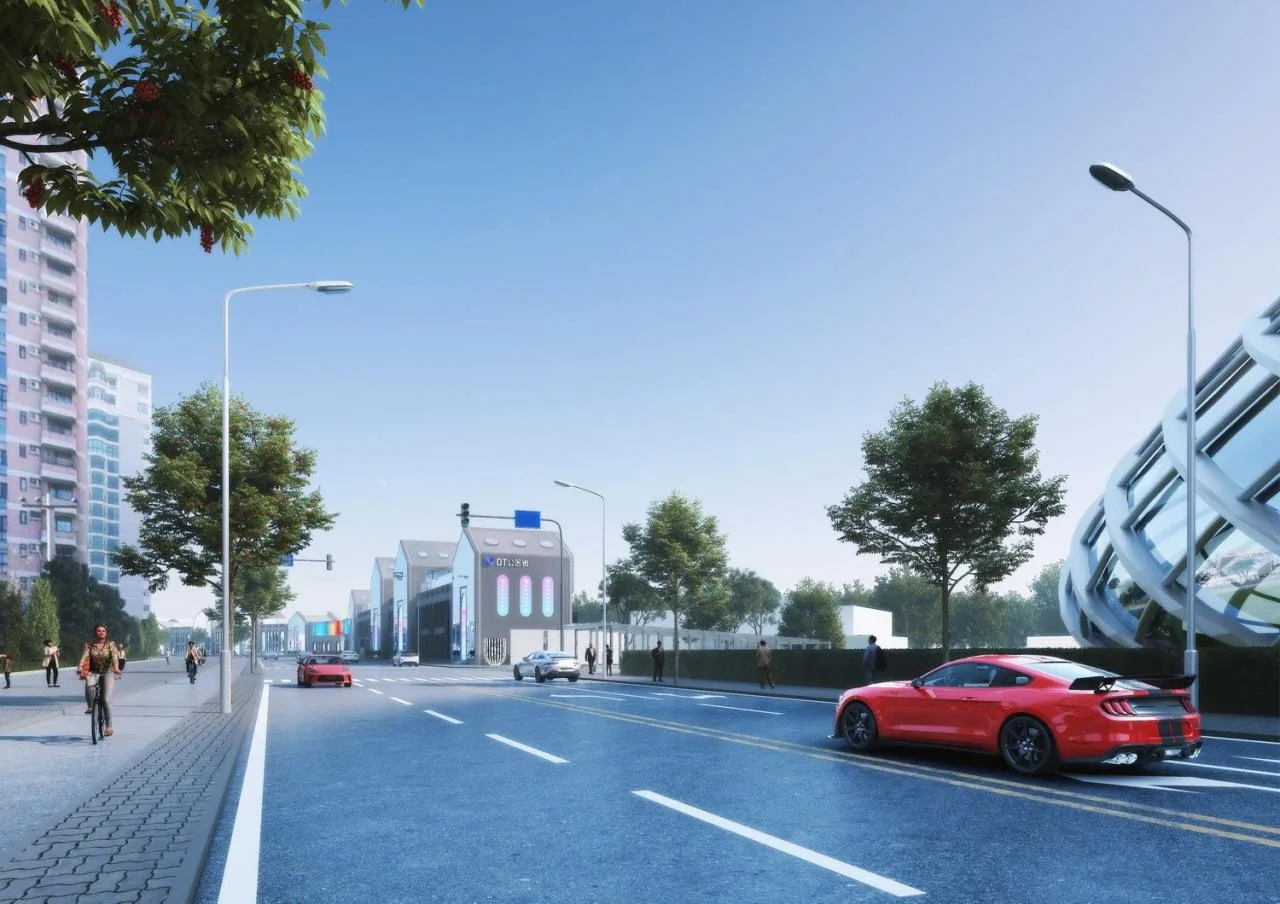
Comparison of pedestrian perspectives on north and south roads between existing scenes and renderings © UUA
7. Summary
The DT Park West Street Digital Twin Commercial Street Renewal Plan represents an evolution of traditional urban renewal. Beyond conventional architectural methods, this project integrates media equipment on facades and curtain walls, signage systems, digital twin technologies, and combines online and offline platforms with virtual and augmented reality. This comprehensive approach delivers a new urban renewal vision aligned with contemporary demands and contexts.
Project Information
- Project Name: DT Digital Park West Street Renovation and Renewal Plan
- Location: Beijing, China
- Design Period: February 2022 – November 2022
- Project Scale: 5000 sqm
- Architectural Renovation: UUA Architects
- Project Planning & Operation: Yourong Cultural Investment
- Digital Scene Design Solution: Da Wei Luo Bo Design Consulting
- Lead Partners: Li Yongzheng, Li Qizhi
- Design Team: Zhang Yihao, Deng Liang, Liu Boyu, He Wenbo, Ma Xinghua, Fang Hongbo, Lv Yanfeng, Zhao Bing
- Project Chief Planner: Yu Zhen
- Digital Scene Host Design: Su Dawei














Must log in before commenting!
Sign Up