
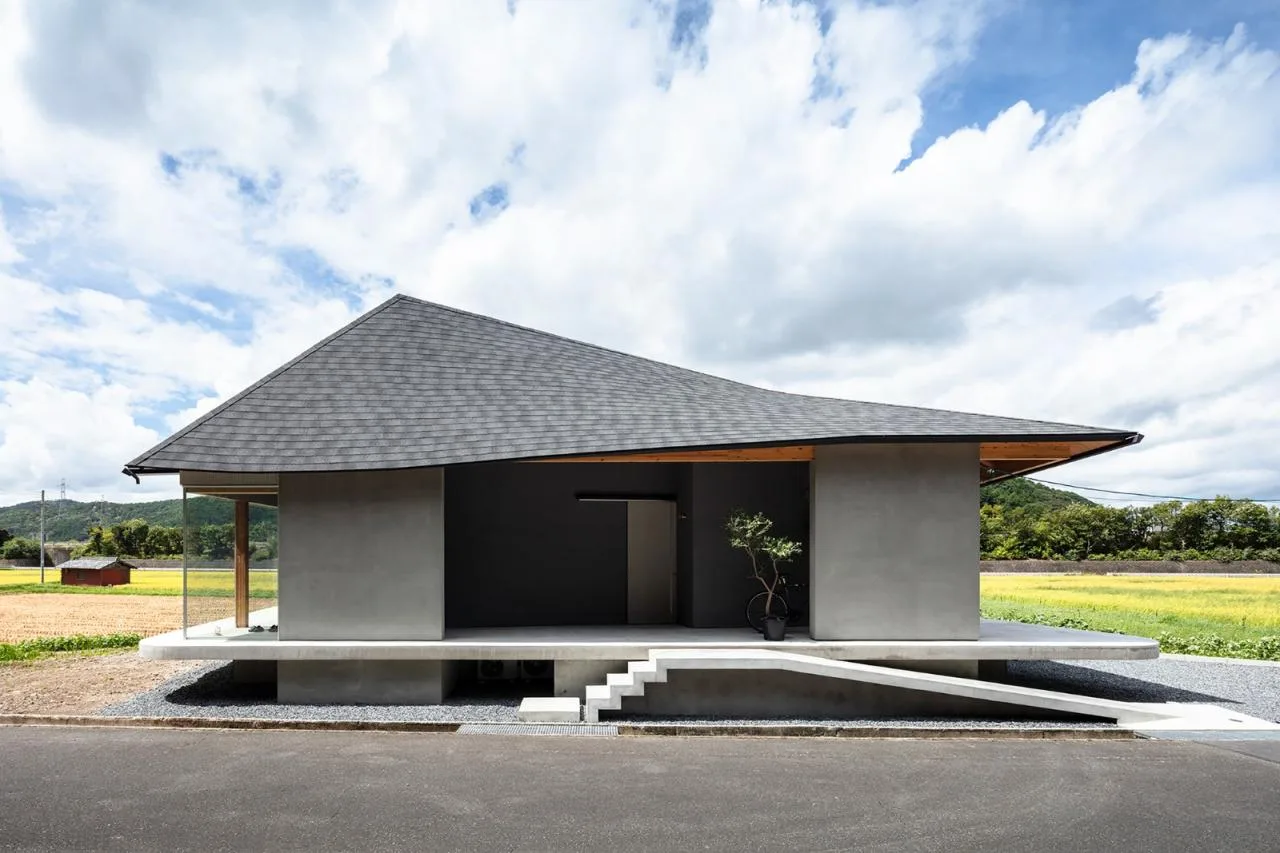
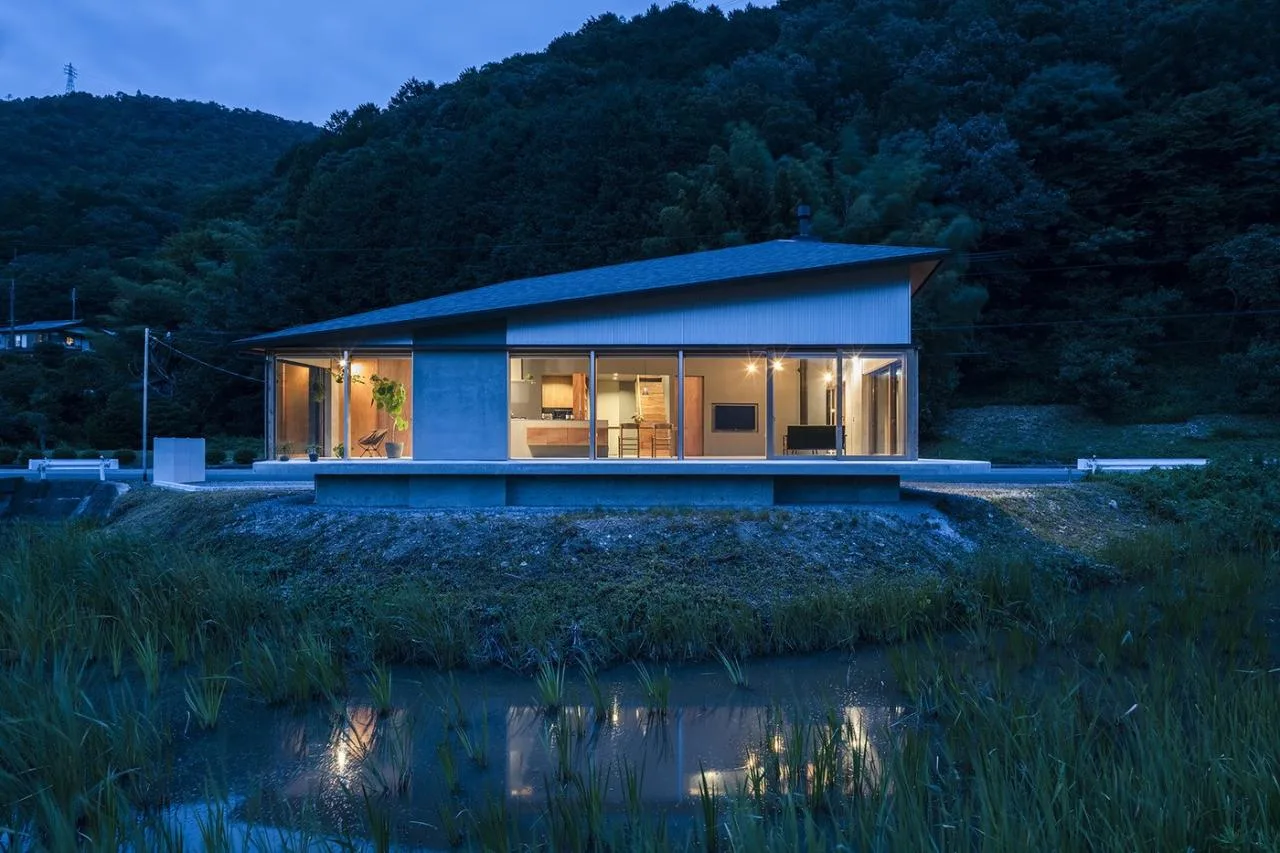
This venue is situated in a lush, rural environment rich in ecology. Scattered around are ruins such as Daze Castle, and the local villagers share a common surname. A waterway flows between the valleys in front of the residence, with legend saying this was once the birthplace of a lake. This unique and satisfying landscape inspired the project’s vision: to create a building that marks a new era for this place, which has developed satoyama through its struggle and harmony with nature.
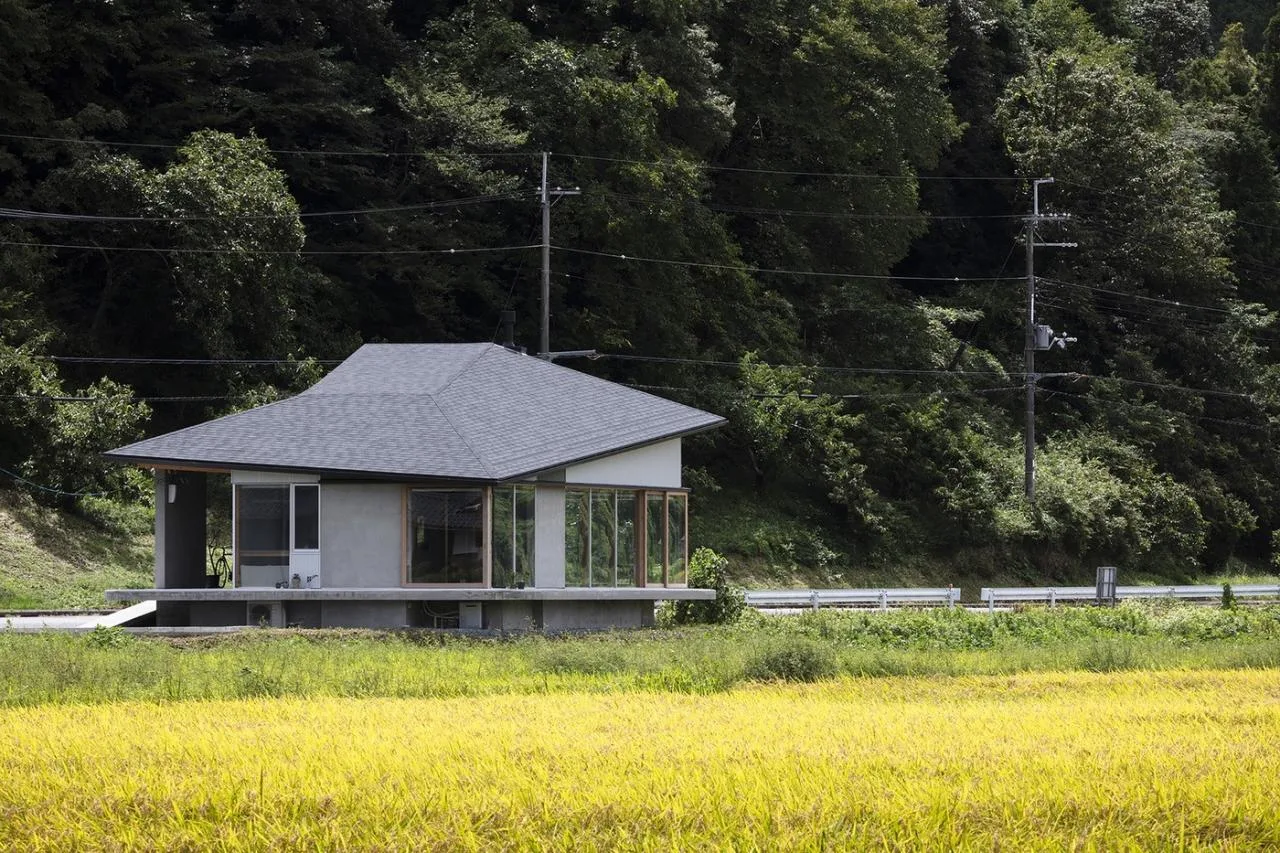
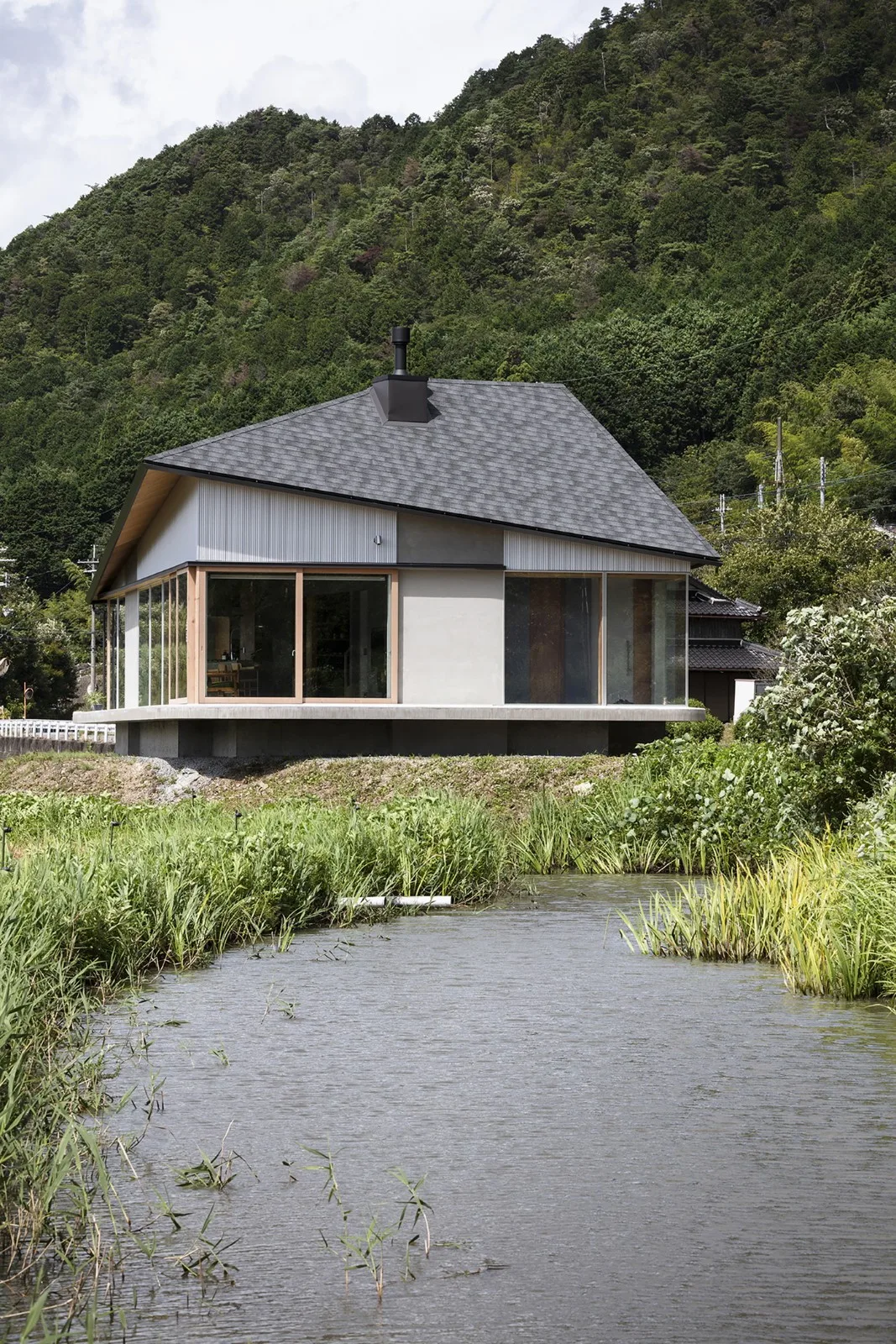
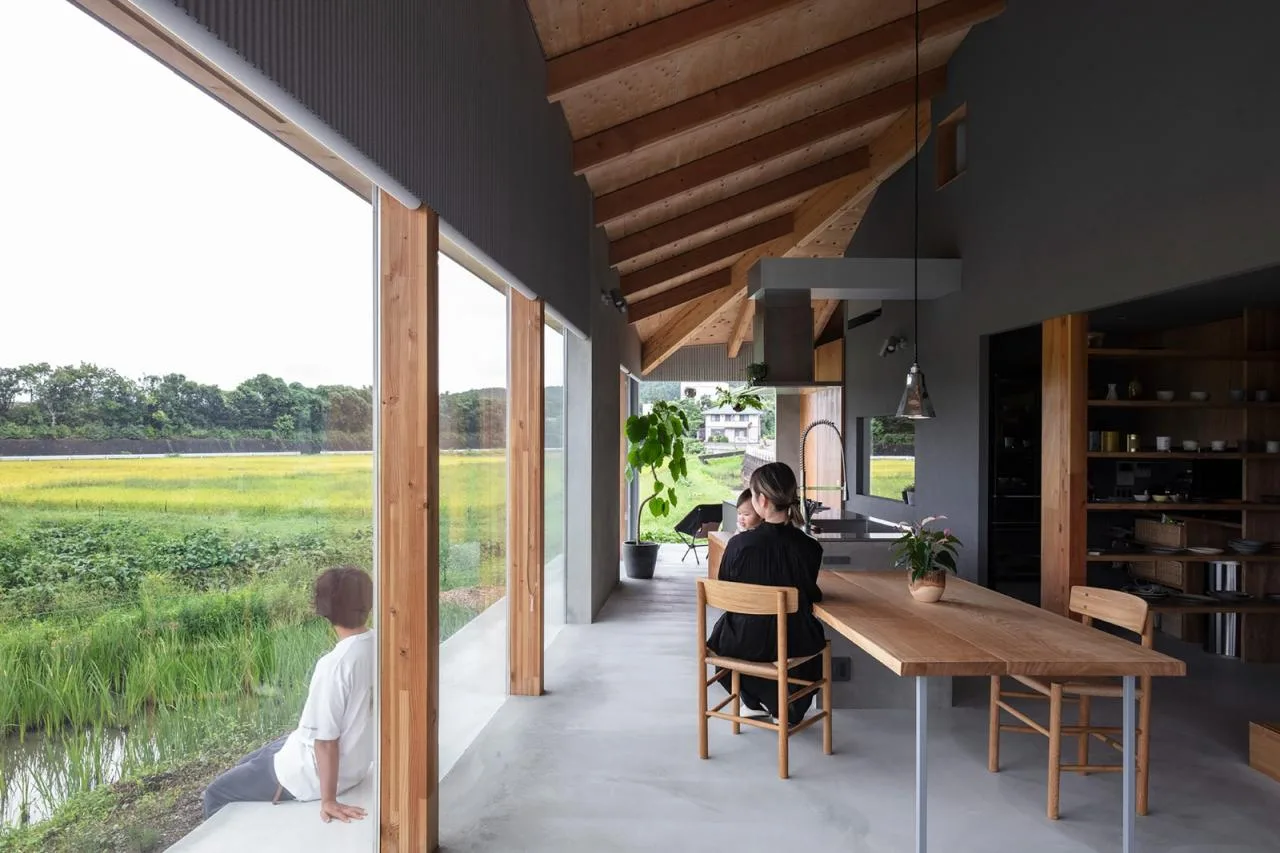
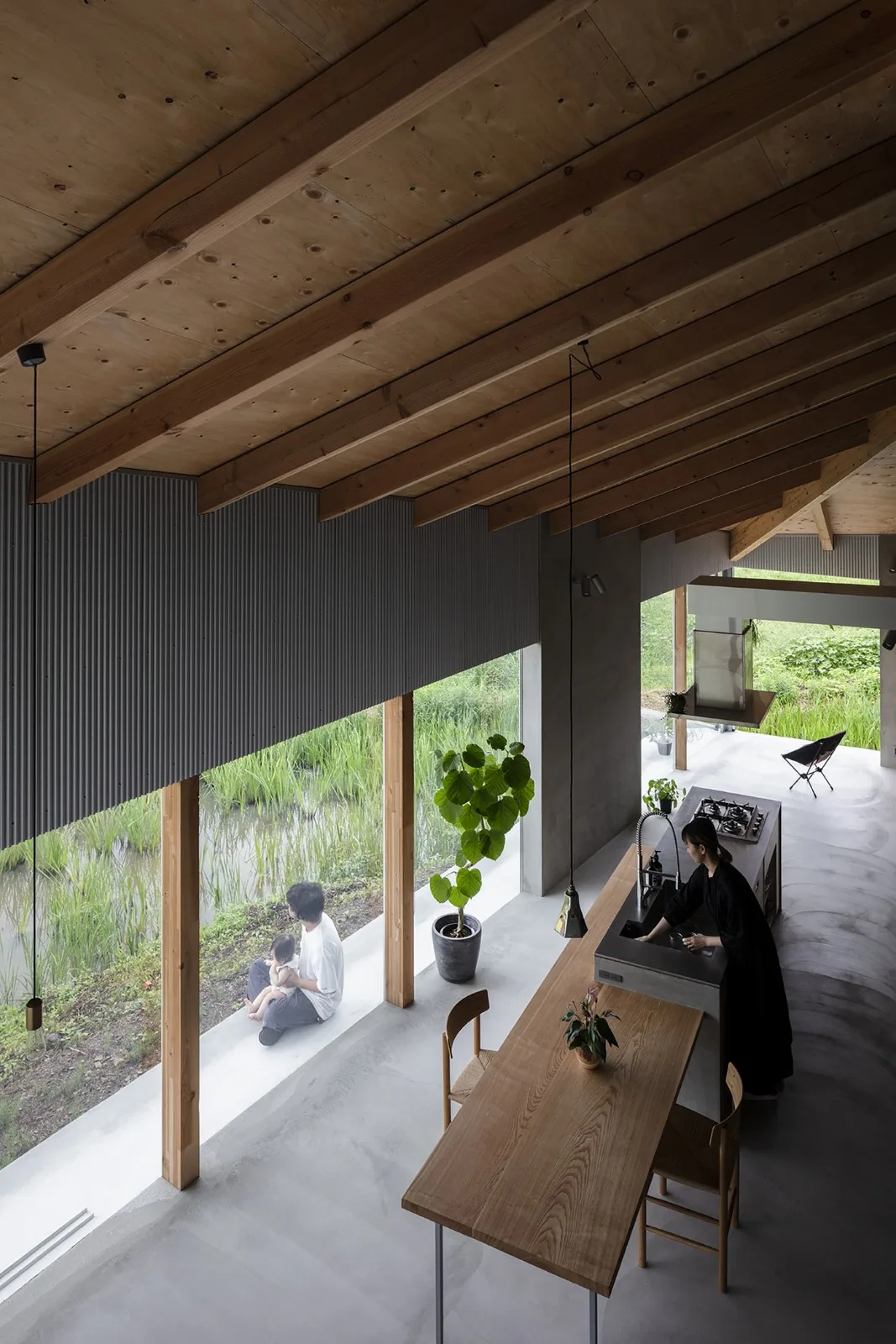
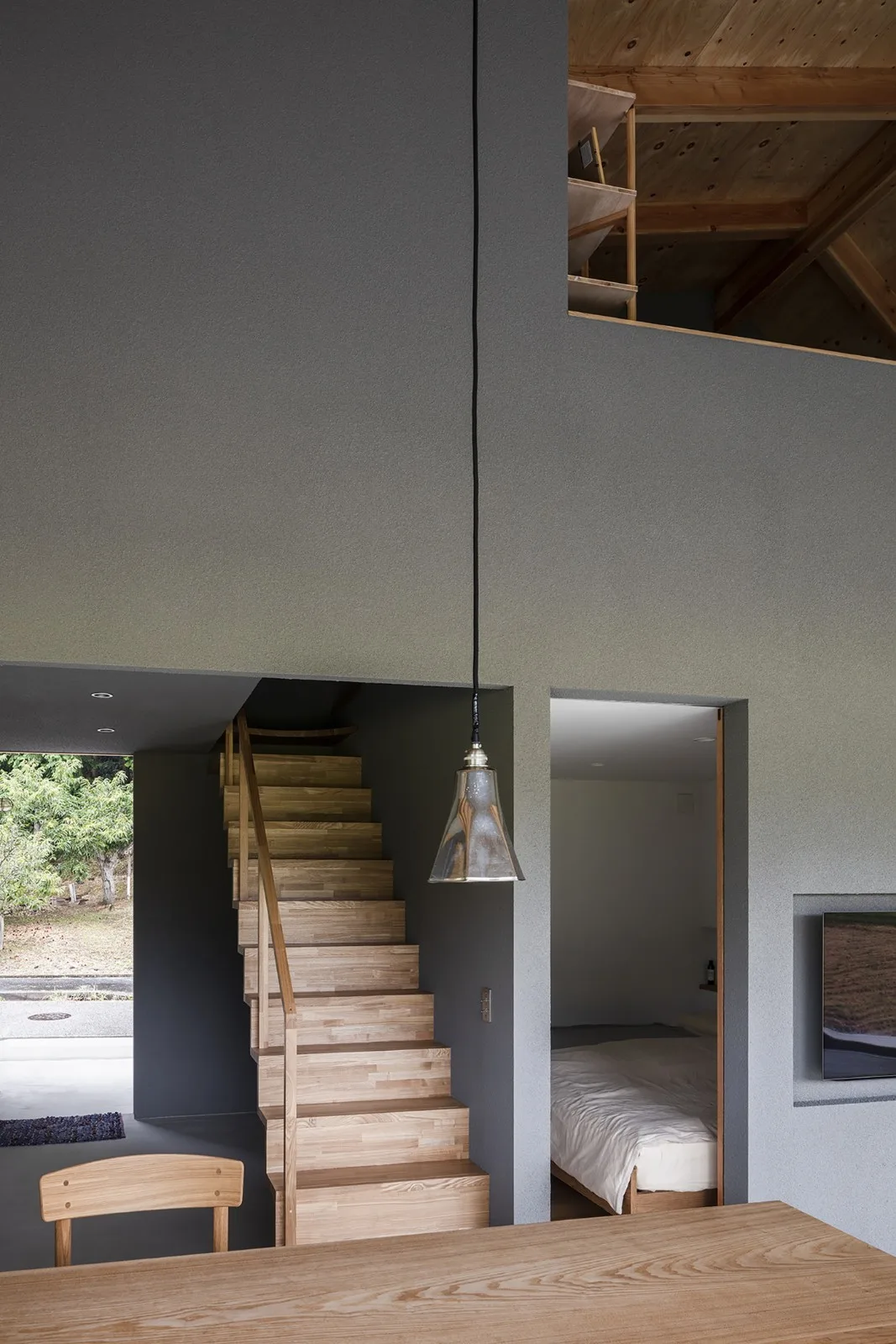
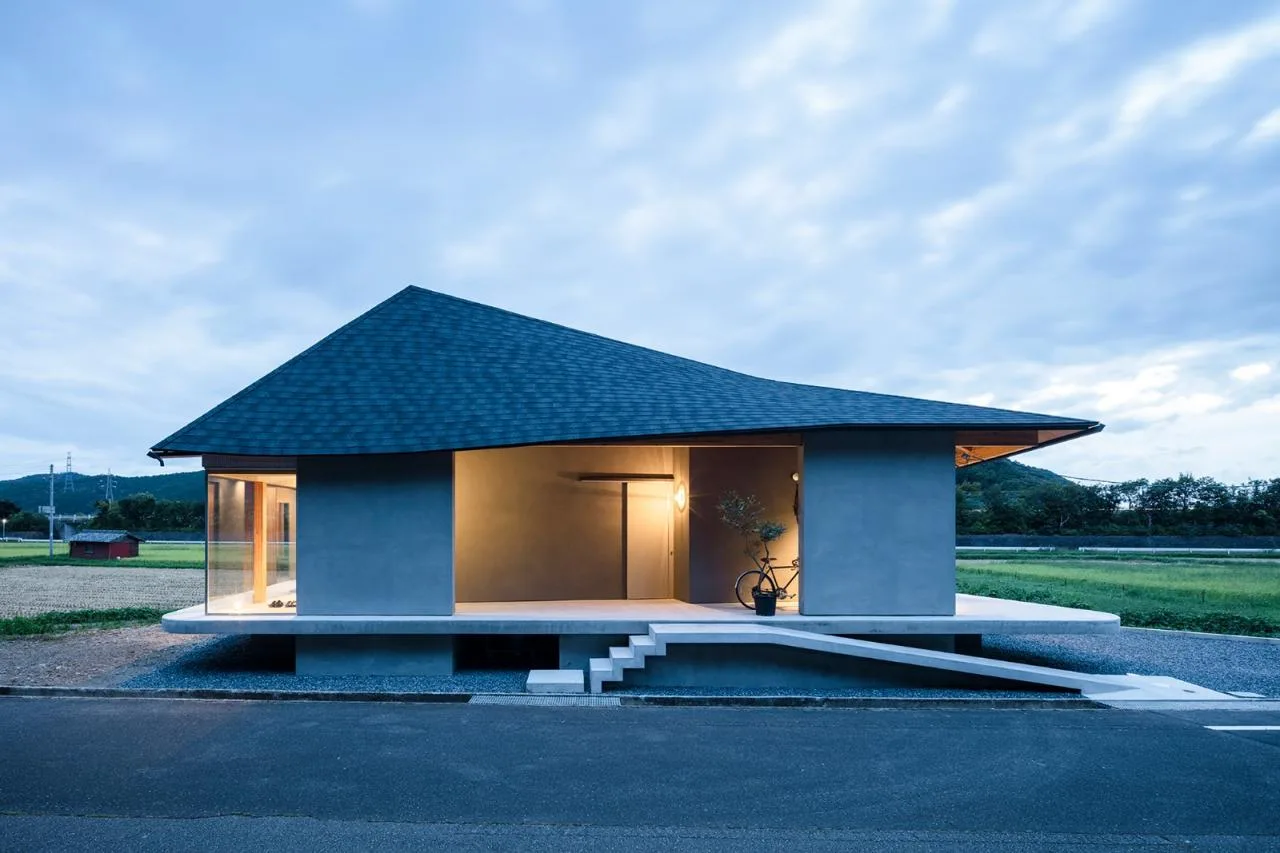
The residence is designed on an artificial foundation that appears as if it has long rested over water. A lightweight soil board covers a large base, seamlessly integrating indoor and outdoor spaces. The design meets the modern needs of a minimalist couple and their children, including swings on the artificial platforms. The layout carefully considers volume and ceiling heights for different functions, with open living areas and lower-ceilinged spaces like bathrooms. The remaining open areas accommodate living rooms, entrances, and bathrooms, with the living room envisioned as an open, airy space.
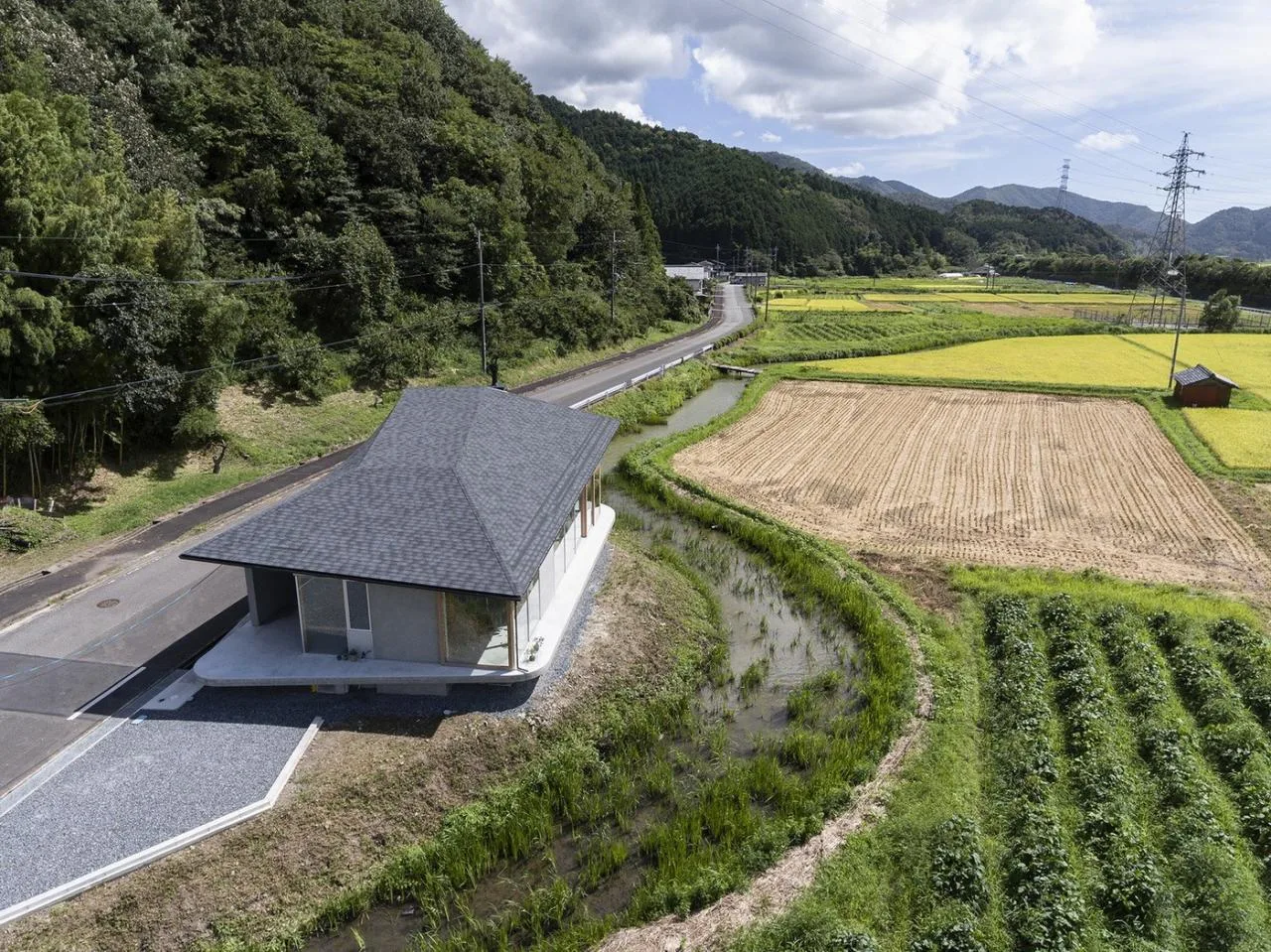
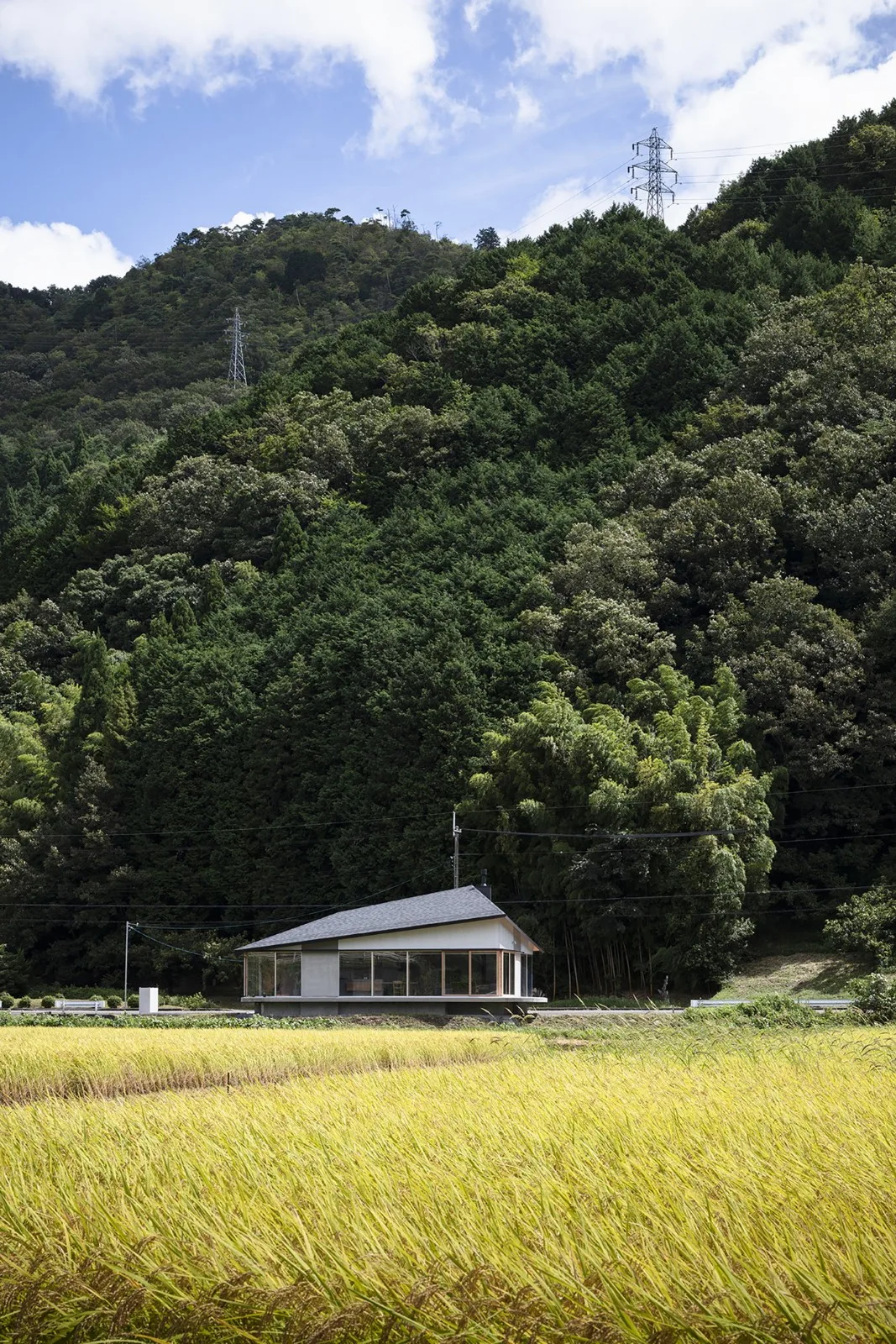
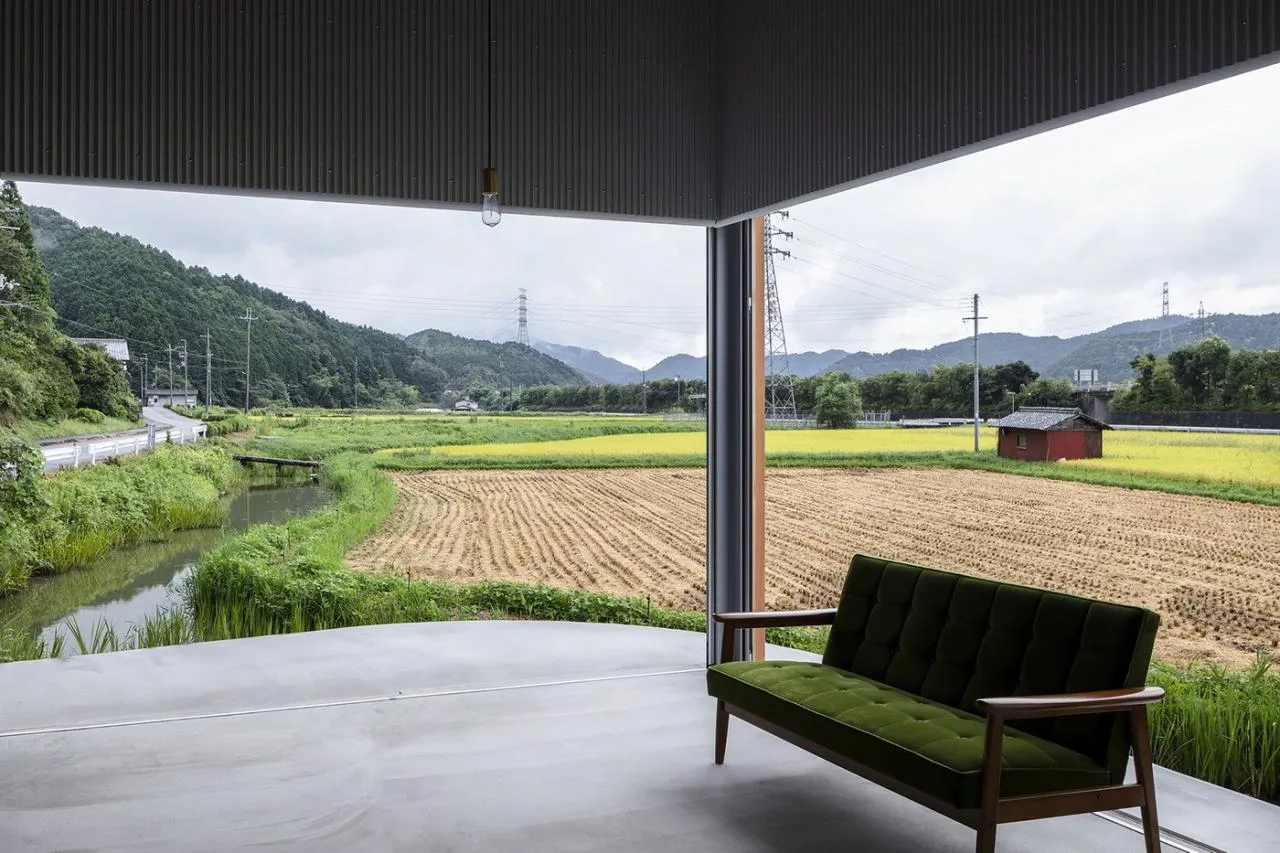
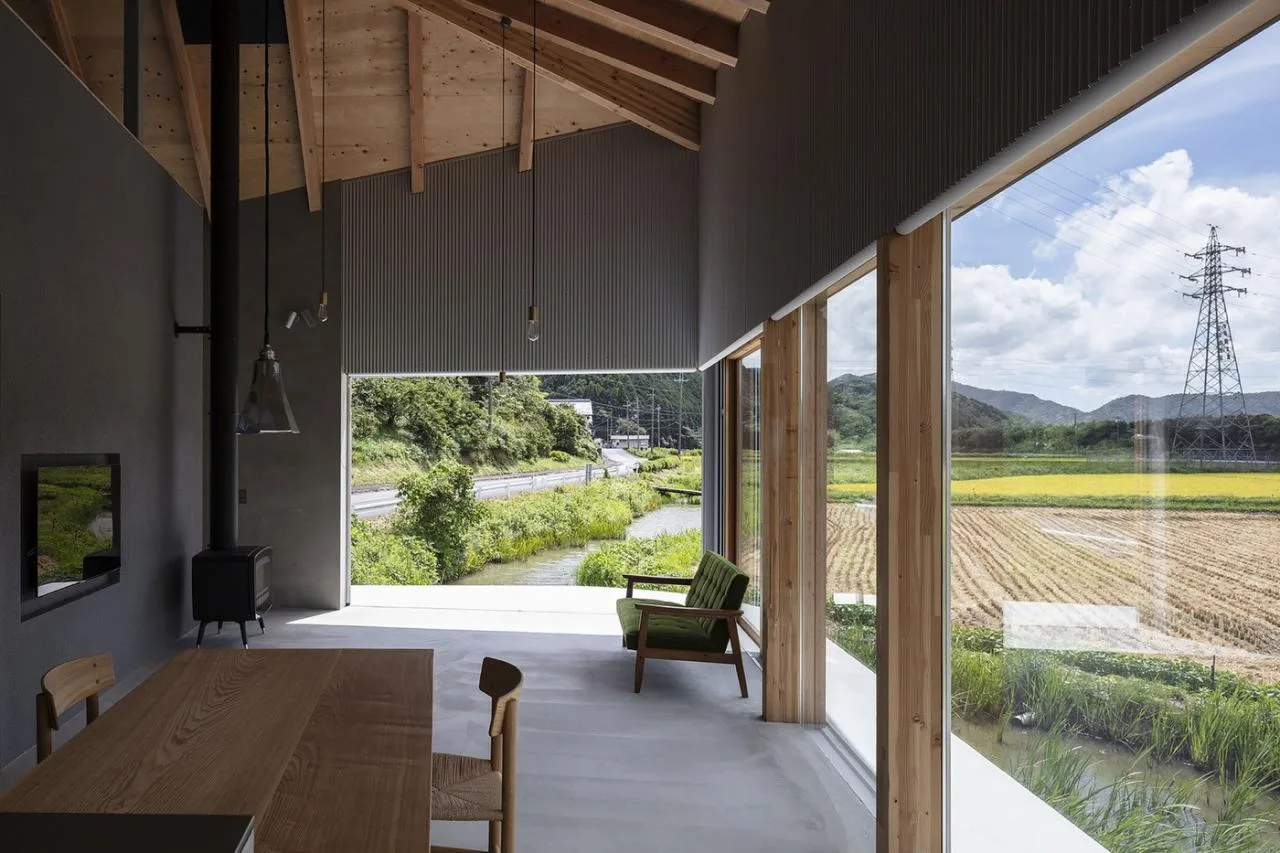
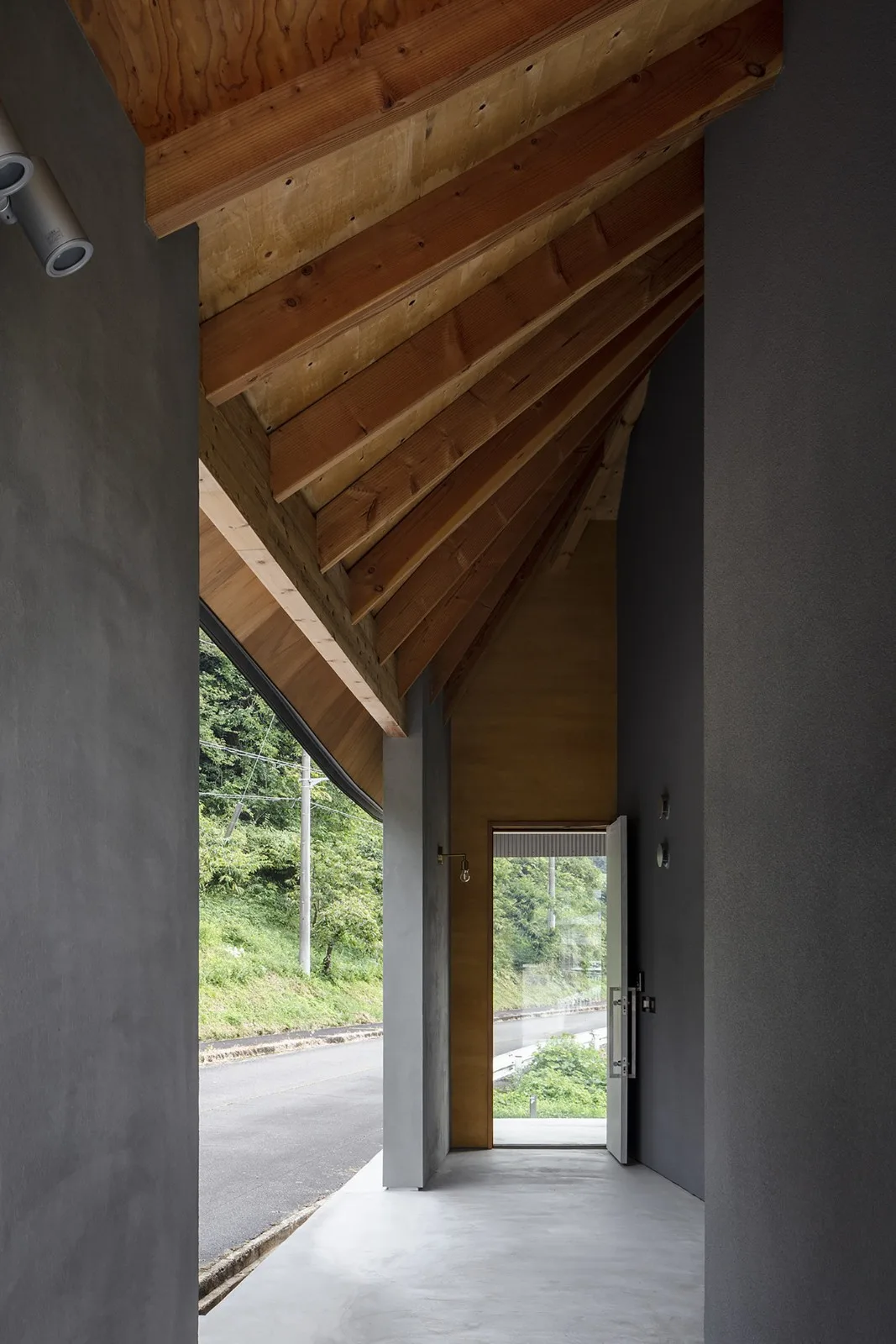
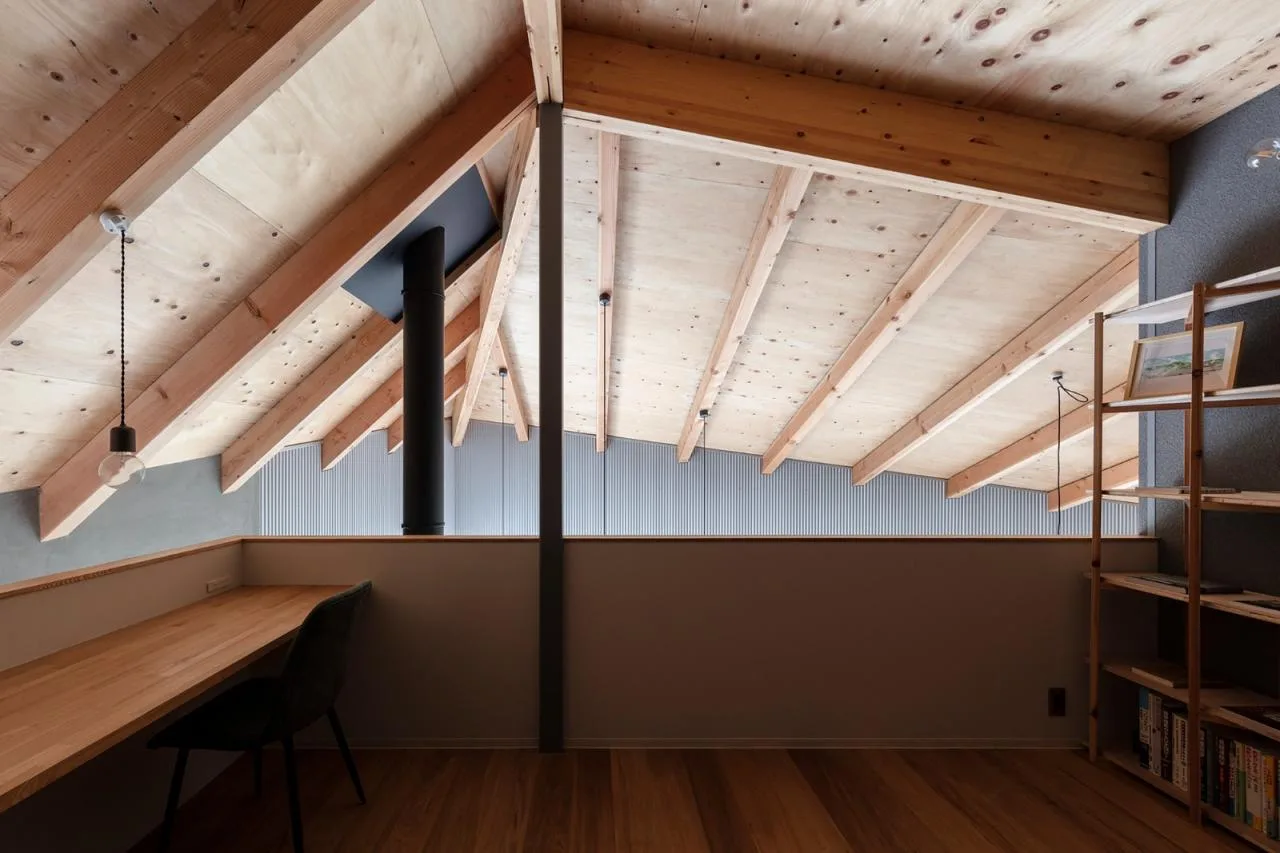
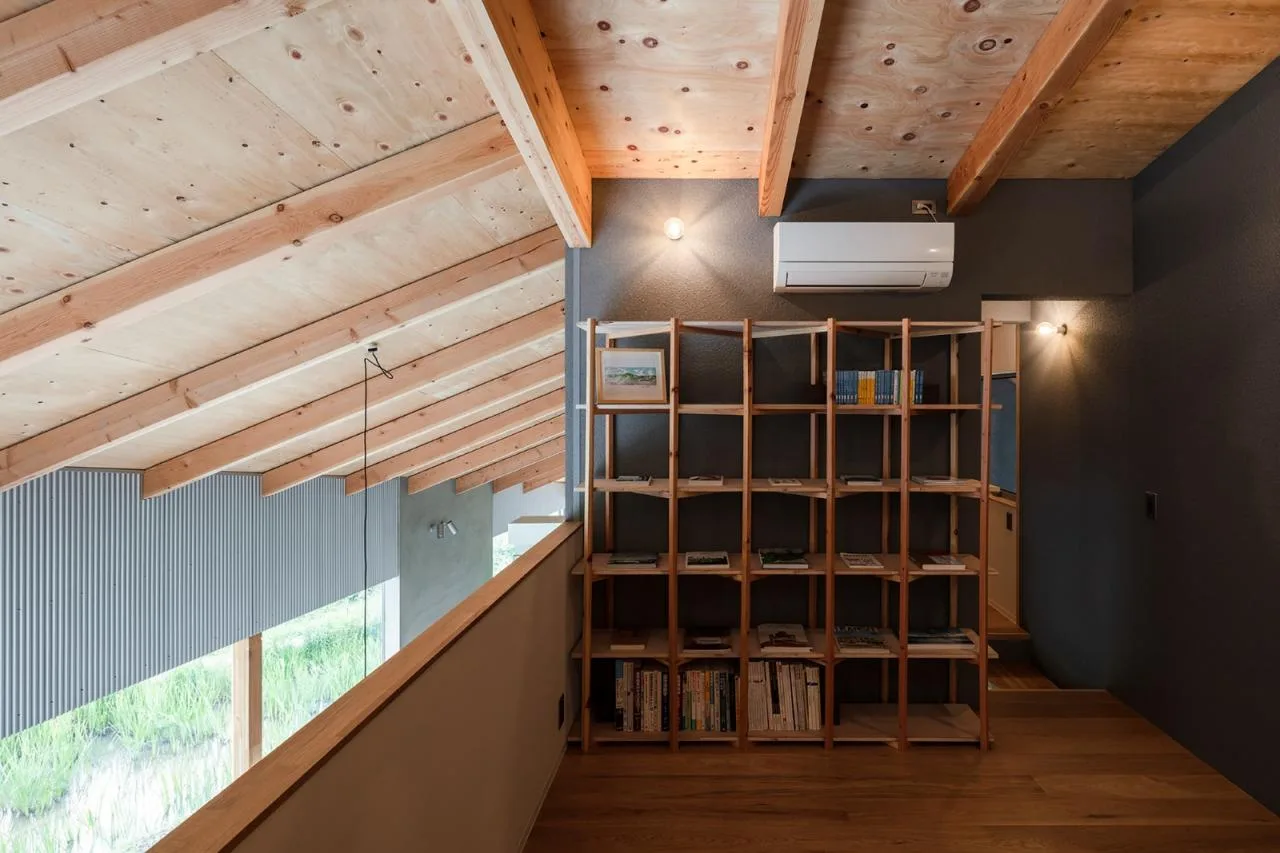
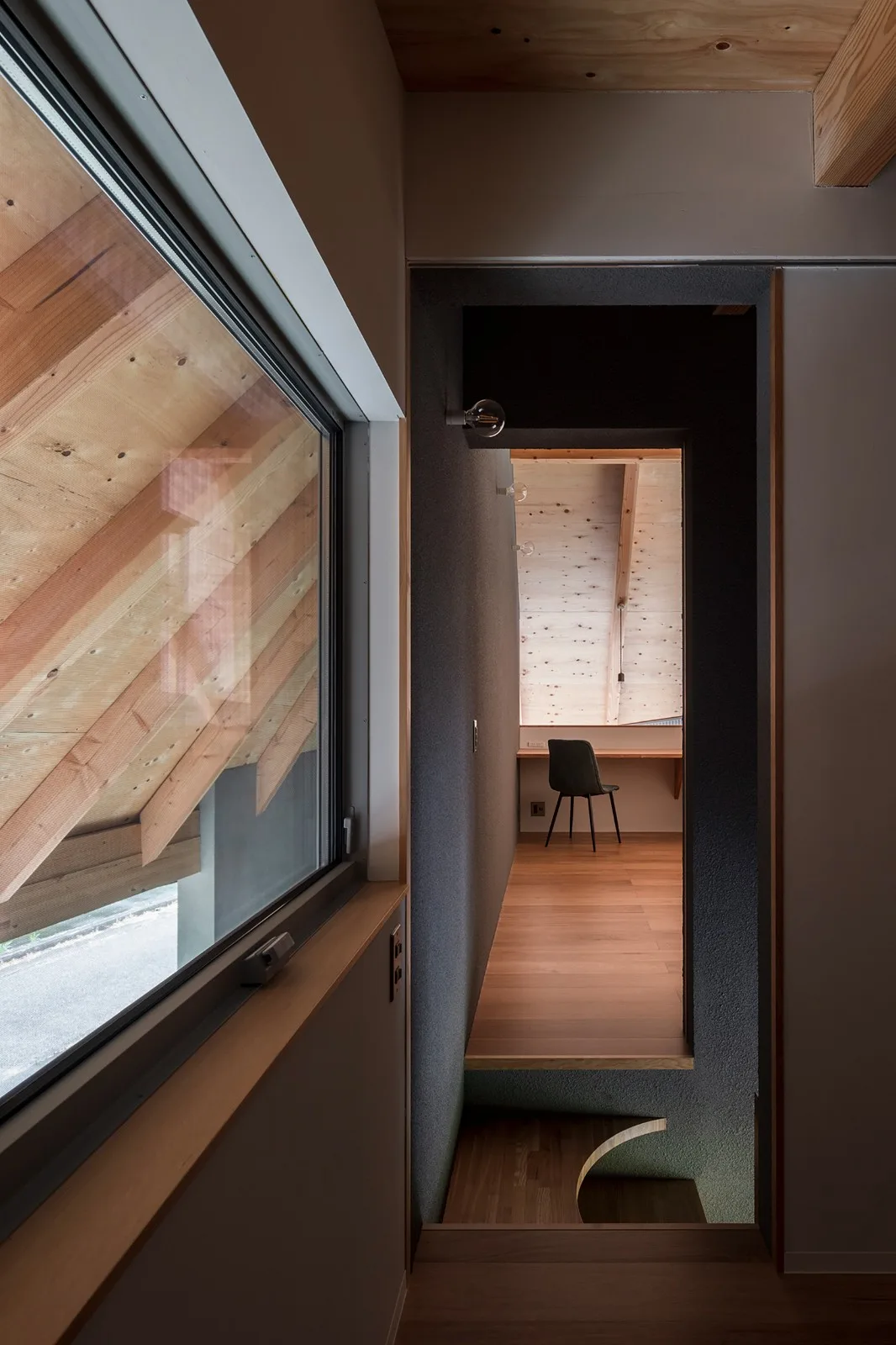
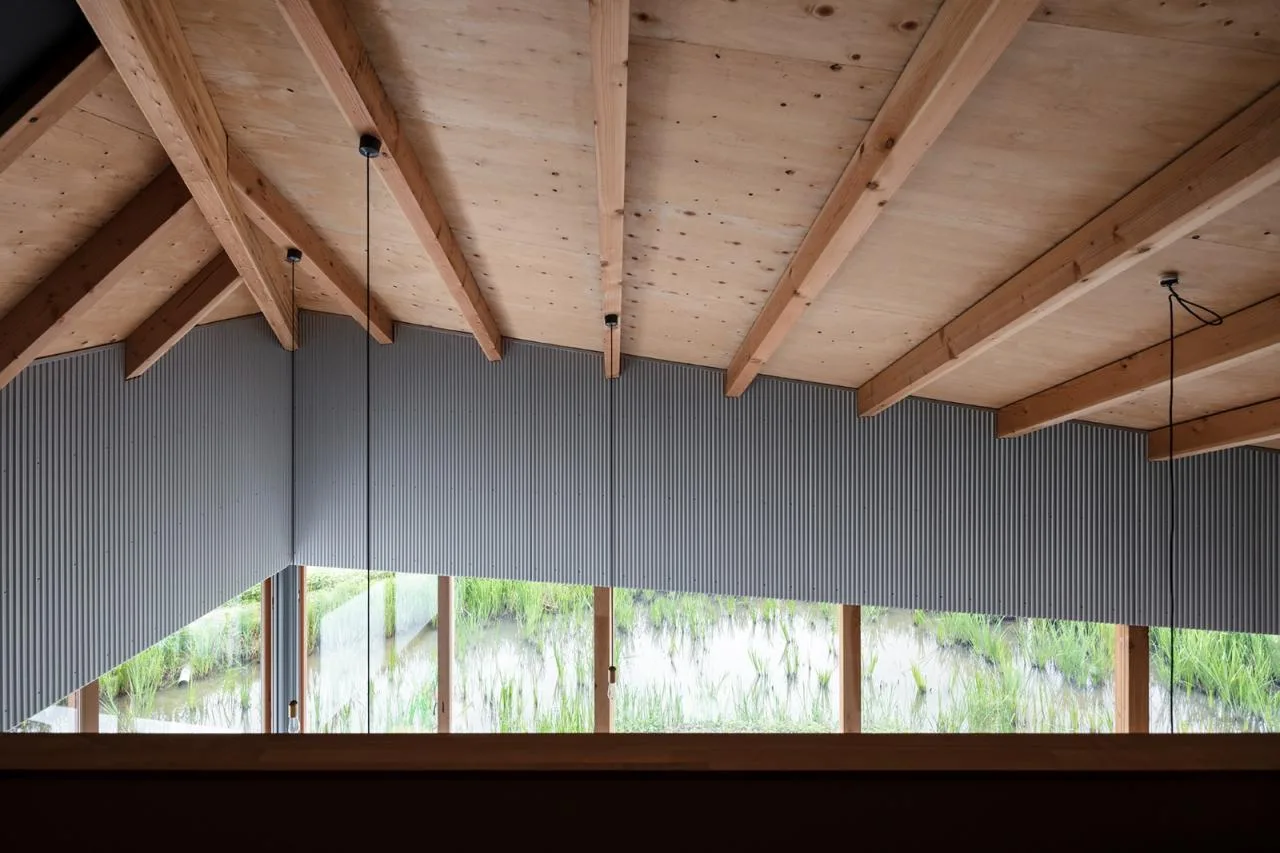
The resulting architectural form features a roof composed of a north-south sloping section and an east-west twisted section. This single-story volume and its prominent twisted roof harmonize with the surrounding buildings and nearby mountains. Seismic-resistant walls are evenly positioned along the building’s perimeter, supporting the expansive space beneath the overhanging eaves. Large open areas between these walls allow the natural environment to flow into the interior, blending light, breeze, water sounds, seasonal changes, and scenic views. This integration enriches daily life by connecting occupants with the rhythm of the four seasons. Looking ahead, plans for renovation and reconstruction will continue to evolve over the coming decades.
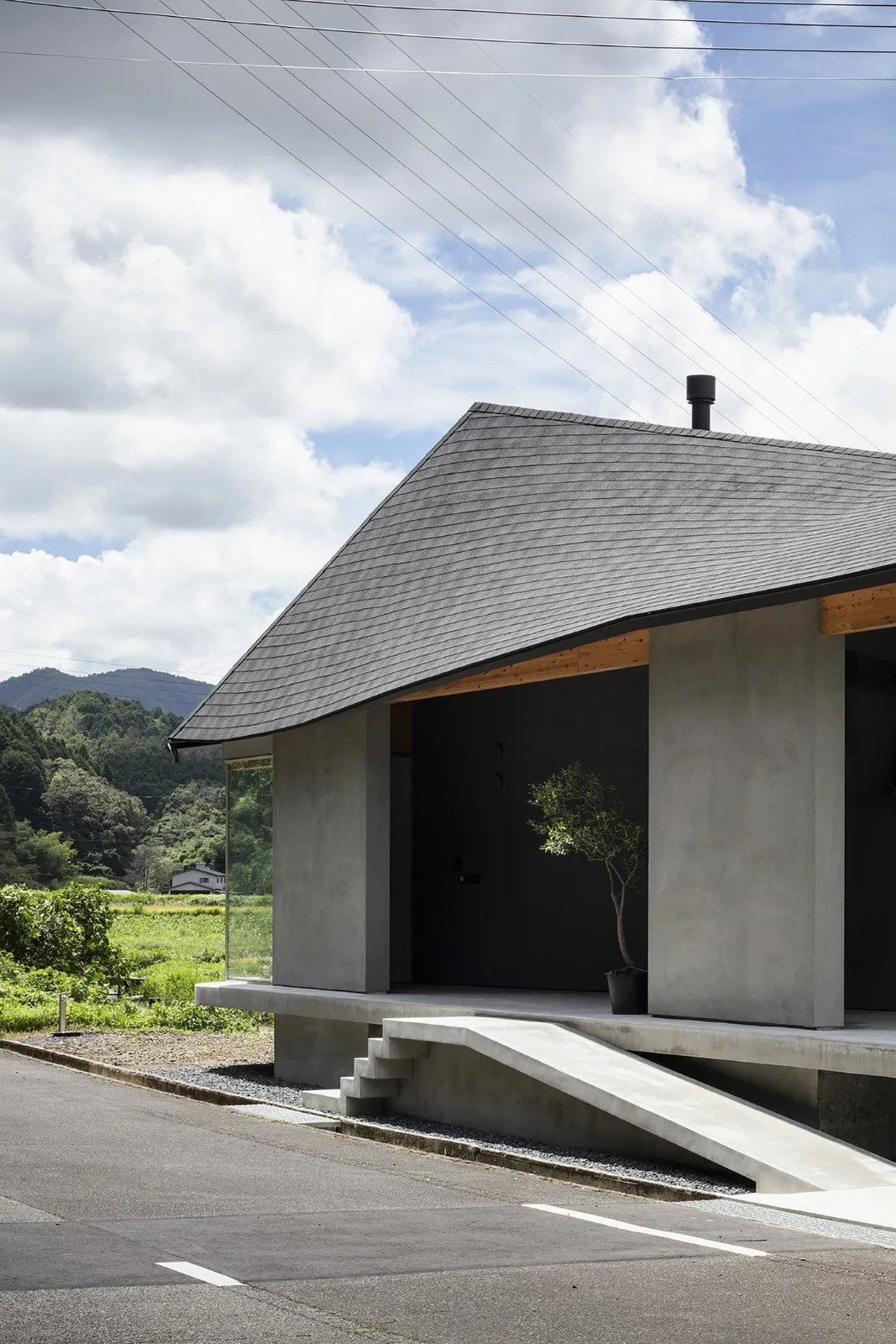
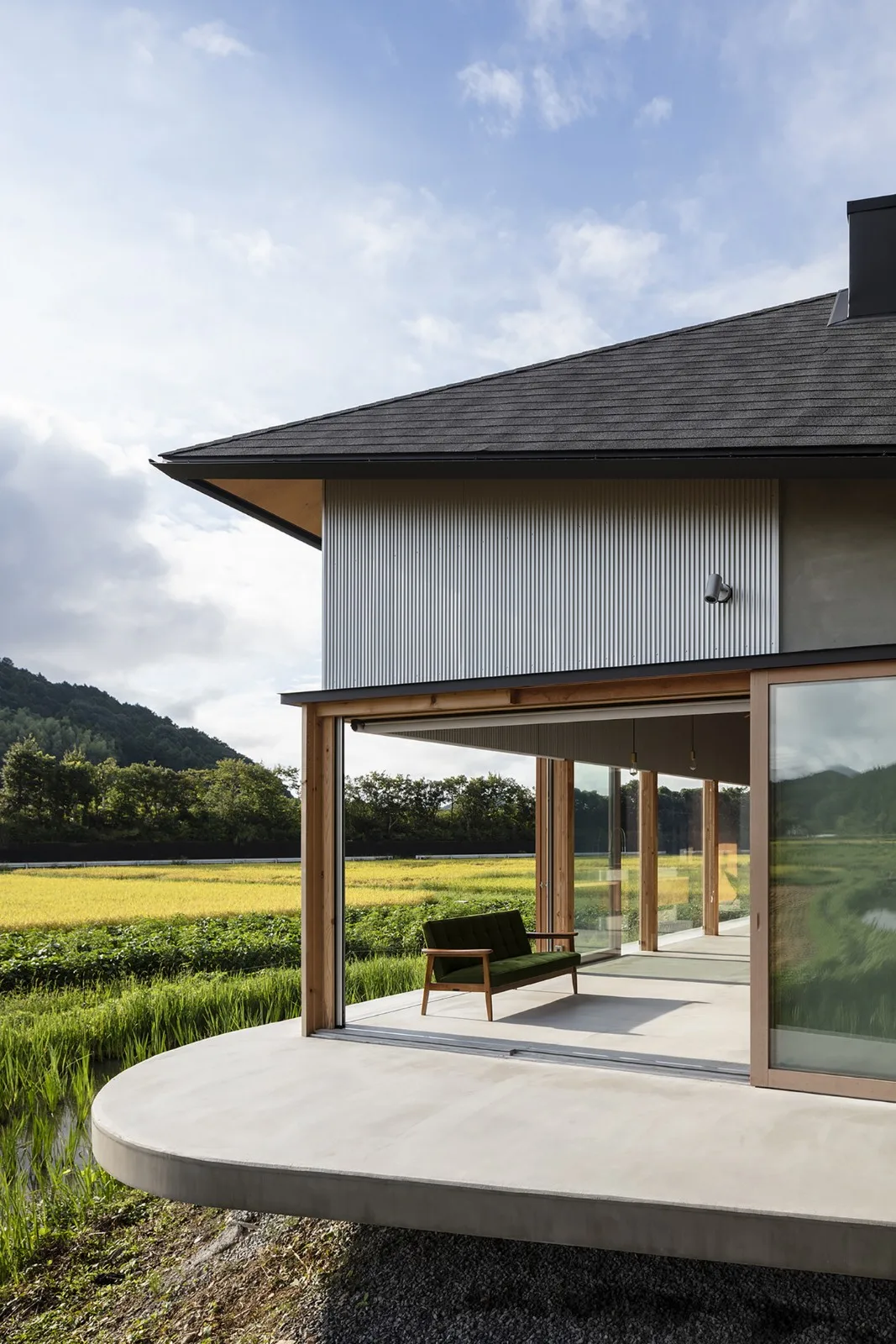
In the future, this artificial foundation will stand as a significant contextual base, alongside the environment around it. Future designers will build upon the site’s history, considering the relationship between the mountains, rural lands, and the former waterways that once formed lakes. The new constructions will transcend time, honoring history and reflecting the past. We believe this building will powerfully express both the history and future of Lishan.
Project Drawings
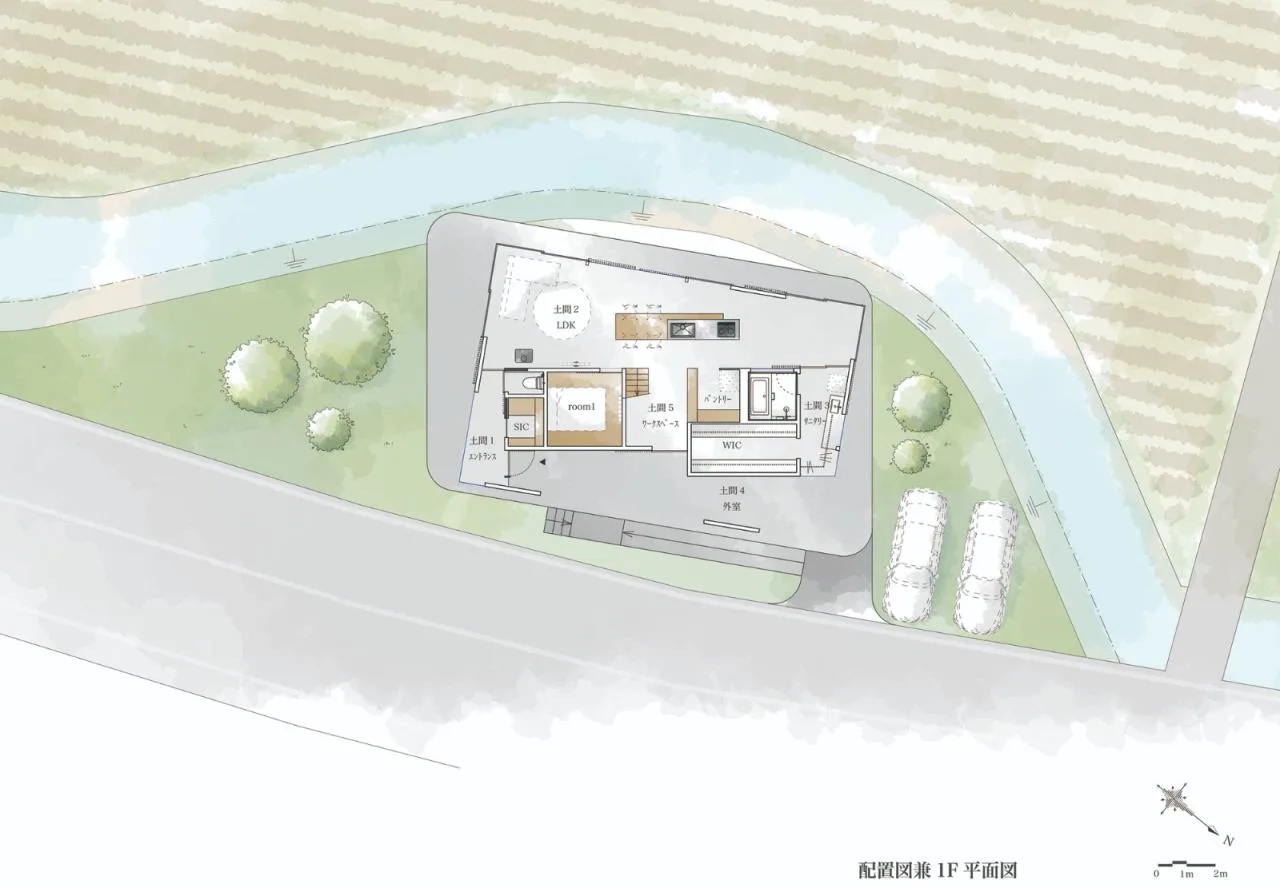
△ First Floor Plan
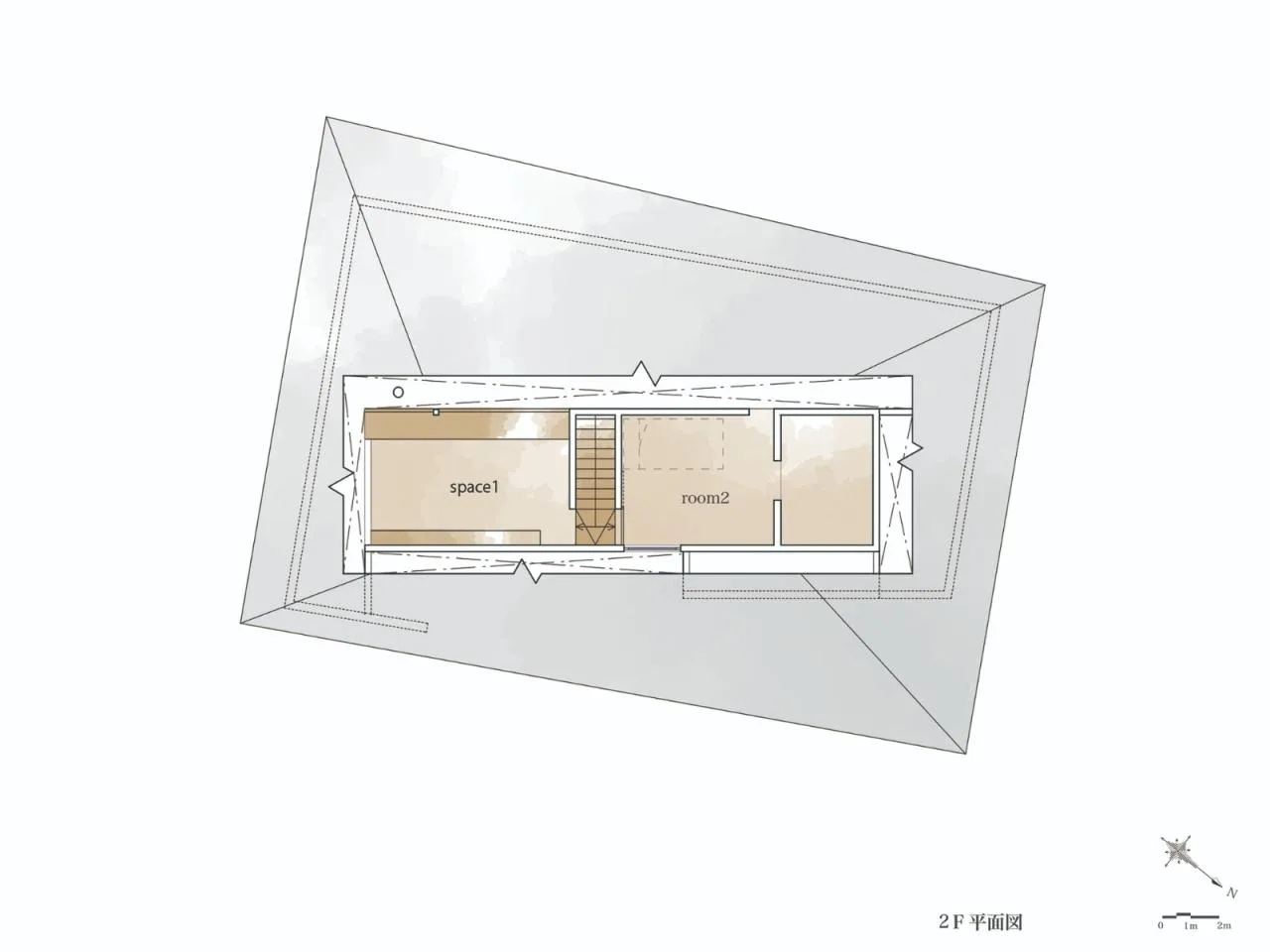
△ Second Floor Plan
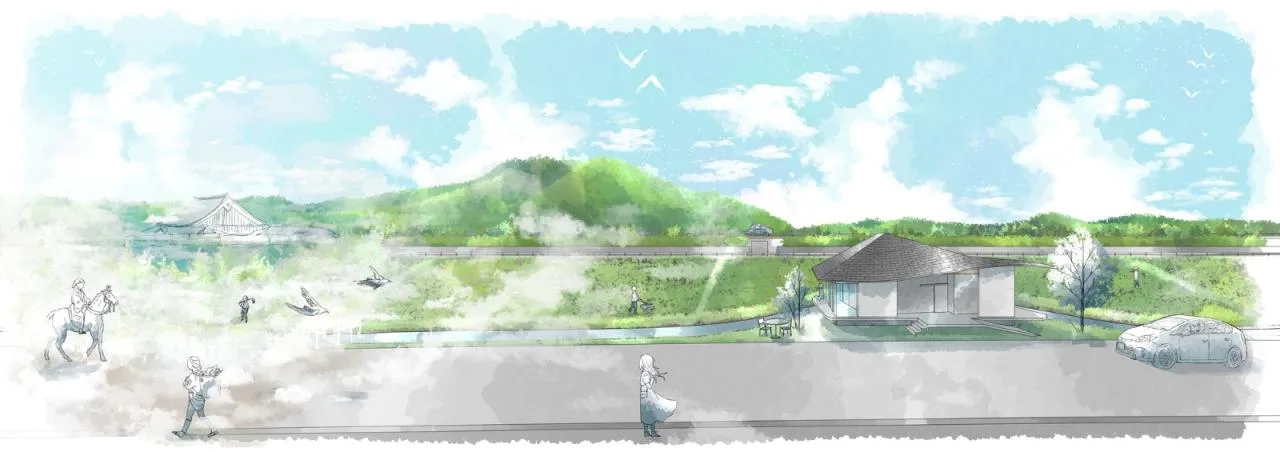
△ Perspective View
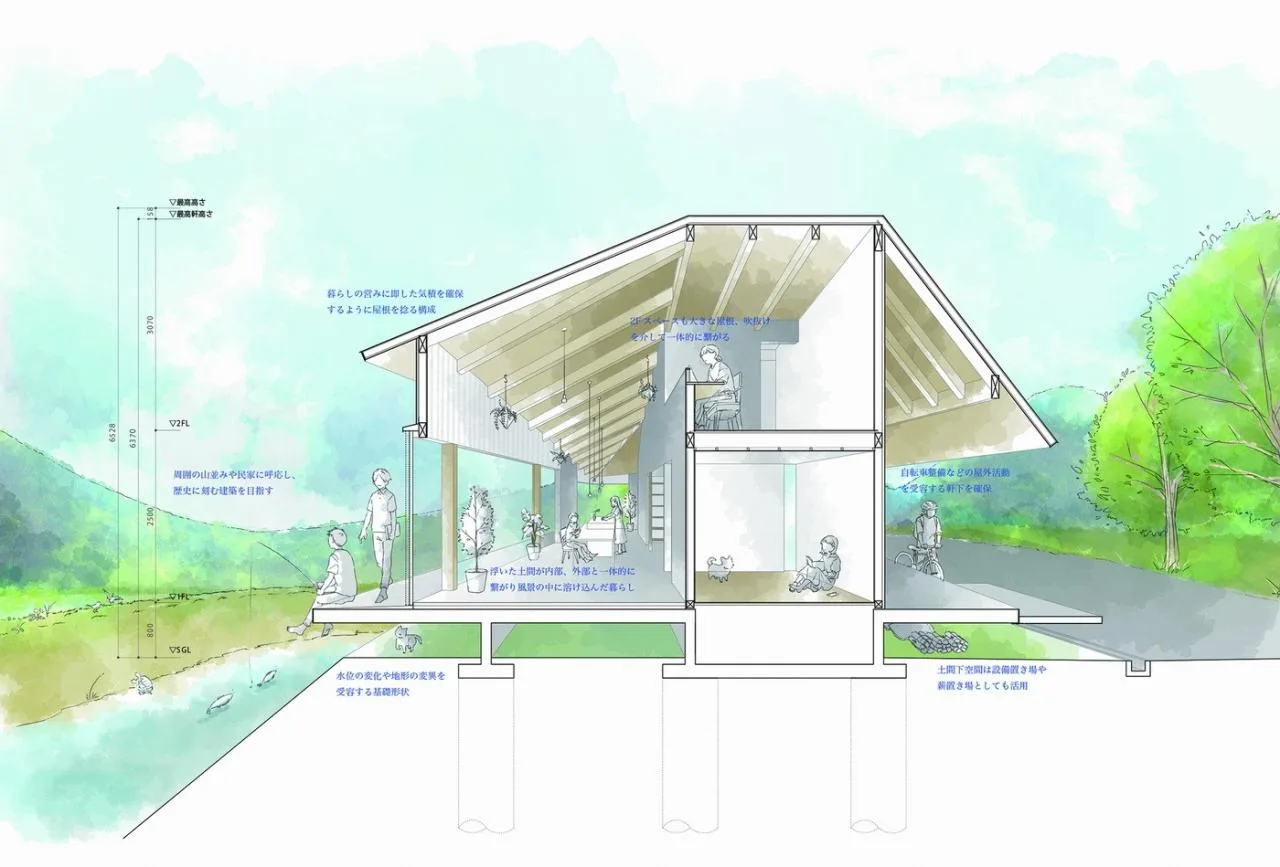
△ Sectional Perspective
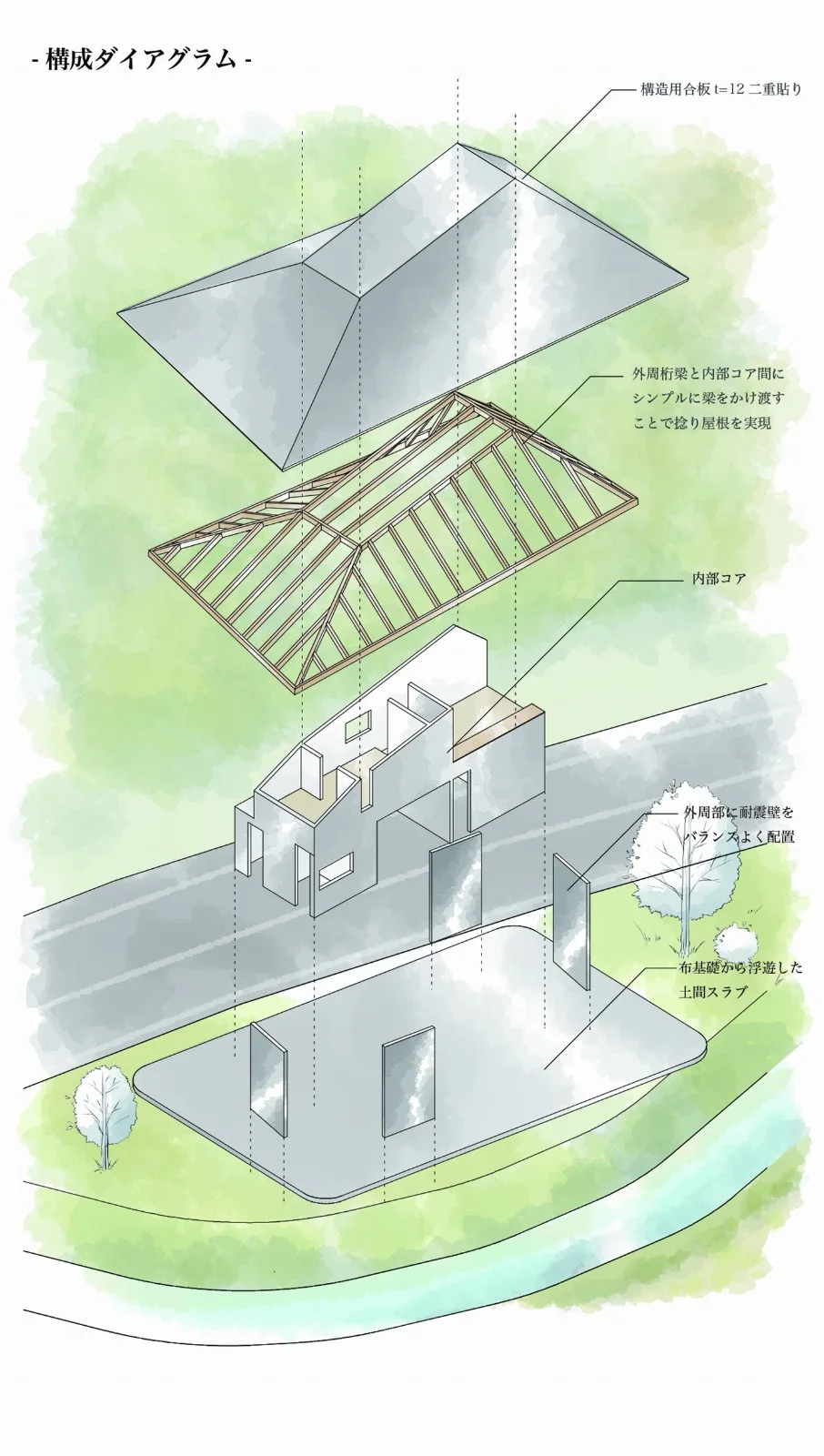
△ Exploded Diagram
Project Information
Architect: SAI Architectural Design Office
Area: 285 m²
Year: 2022
Photographer: Norihito Yamauchi
Lead Architect: Satoshi Saito
Structural Design: Takuya Tsuji
Location: Japan













Must log in before commenting!
Sign Up