
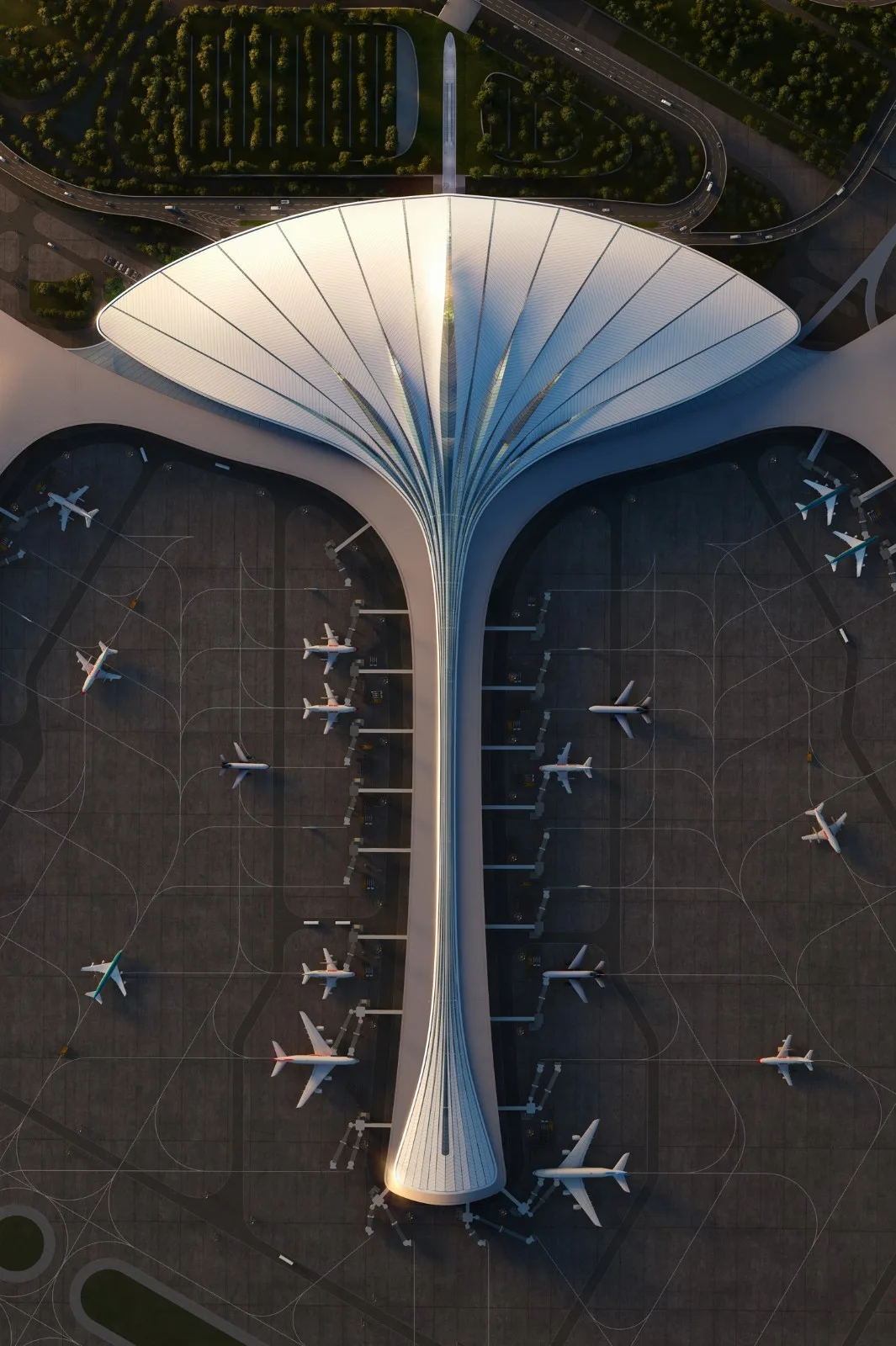
The consortium consisting of MAD Architectural Firm, Civil Aviation Airport Planning and Design Research Institute Co., Ltd., and Beijing Architectural Design and Research Institute Co., Ltd. has won the international competition for the architectural scheme and terminal area planning of Changchun Longjia International Airport’s T3 Terminal.
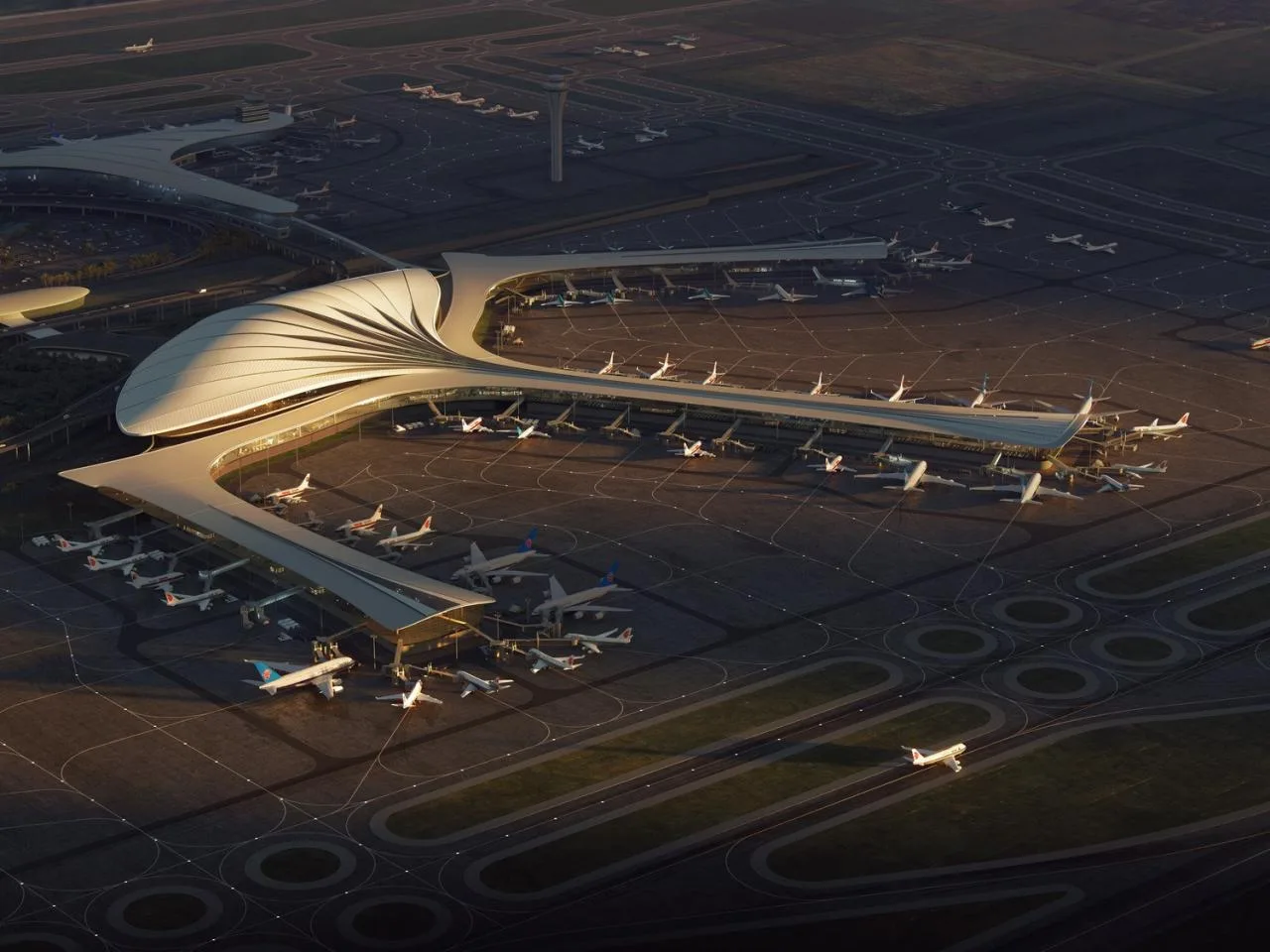
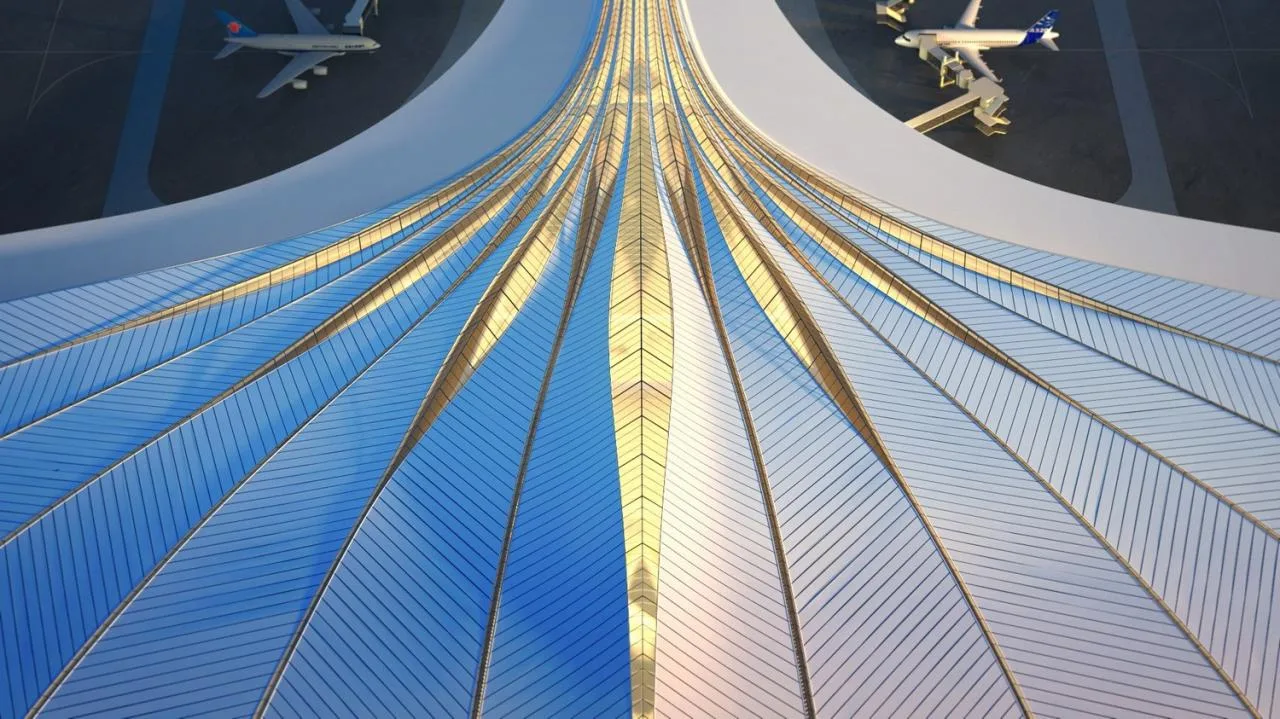
The terminal design evokes the image of floating feathers—light, flowing, and elegant. It features a unique fan-shaped layout combined with the concept of a “large flat level,” creating an artistic, human-centered, and convenient garden airport. The roof’s long, sweeping curves reflect the dynamic flow and spaciousness inside the terminal, embodying simplicity with movement. This design is affectionately dubbed the “Crane Dance Changchun.”
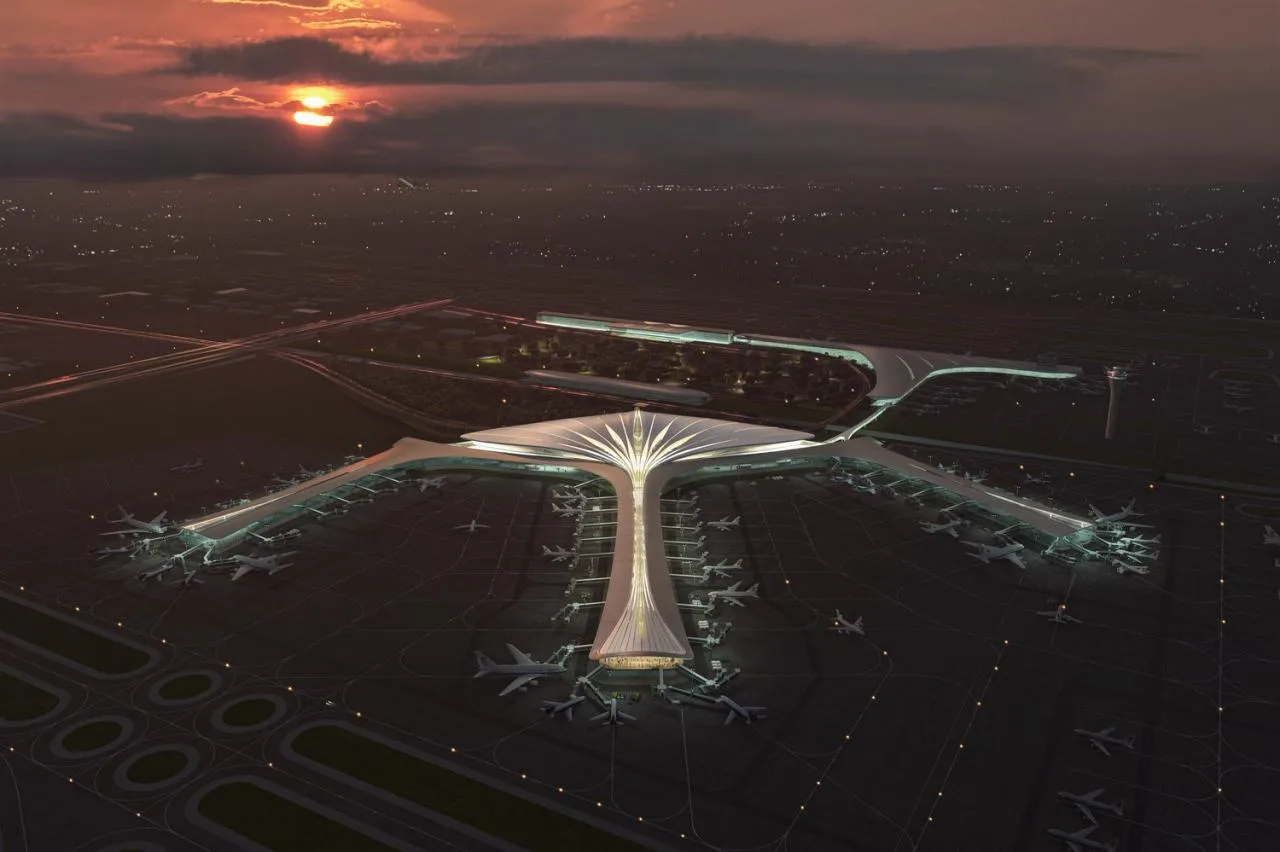
Ma Yansong stated, “A future large-scale transportation hub is above all an essential public space within the city. Art, integration, diversity, and humanity are key priorities.”
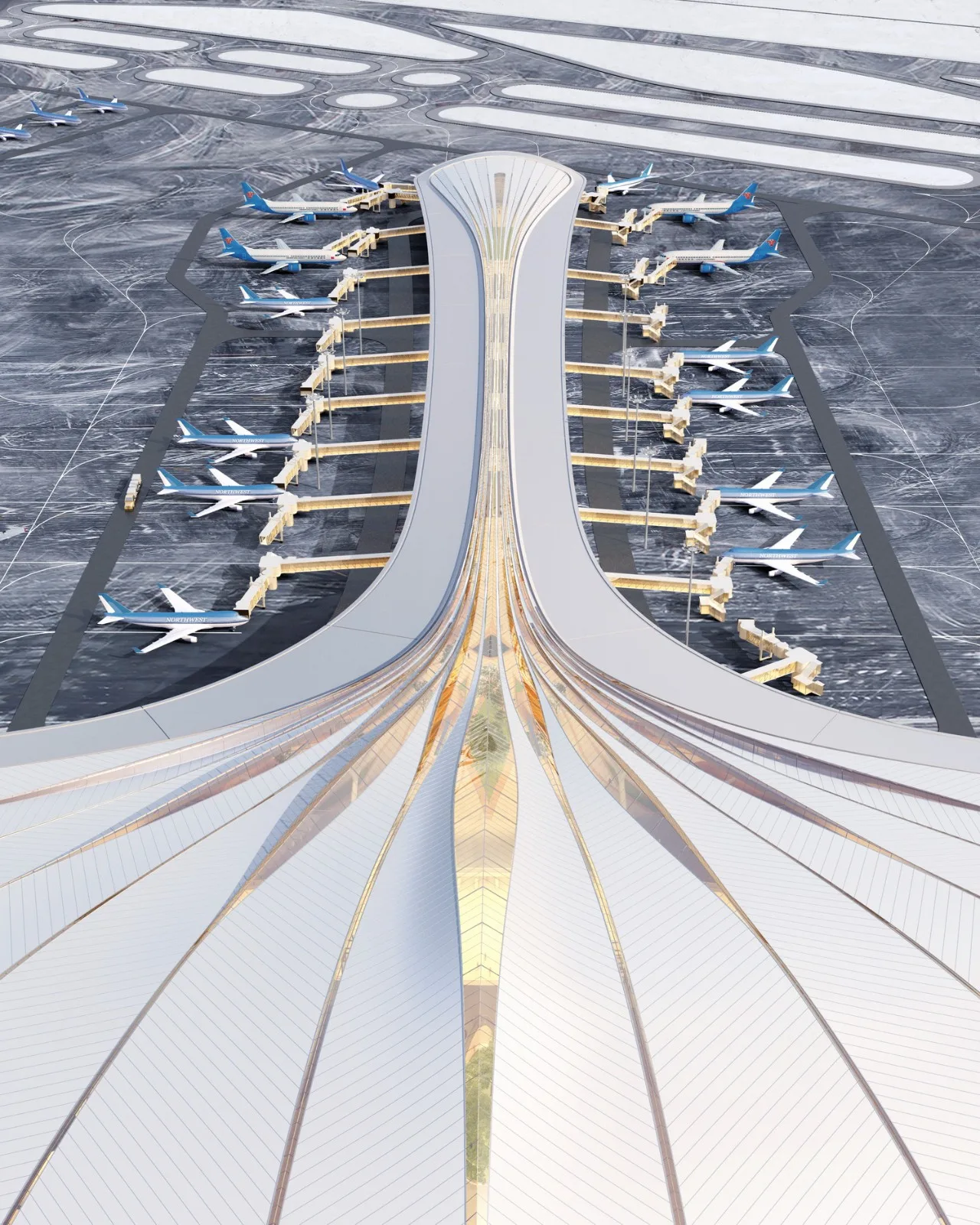
Currently, Changchun Airport operates two terminals, T1 and T2, handling an annual passenger throughput of 16 million. The upcoming T3A terminal, soon to enter construction, will feature 54 nearby aircraft stands and is designed to accommodate 22 million passengers annually. Additionally, the T3A plan reserves ample space for future expansion with the T3B terminal.
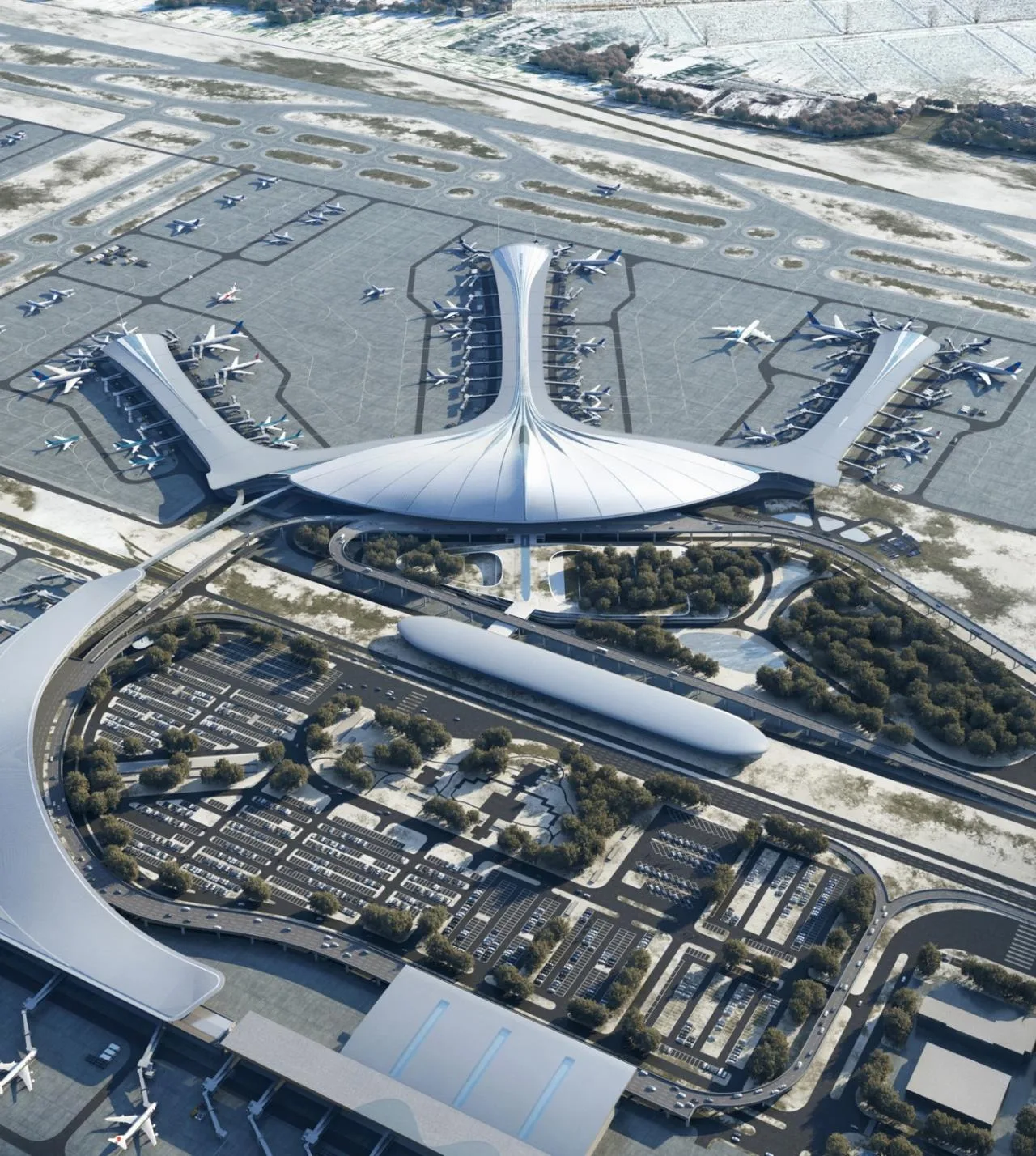
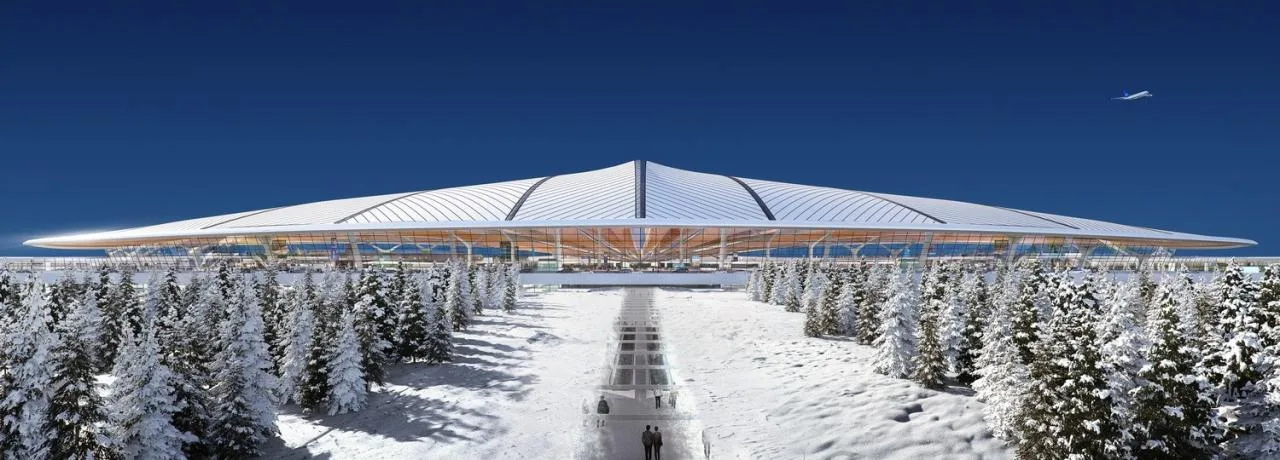
Design Adapted to Site Conditions
The T3 terminal area is located south of the high-speed rail Longjia Station, on generally low-lying terrain. The design respects this topography by designating the original ground floor as the terminal’s first floor (arrival level). A three-dimensional layout with multiple levels connects the terminal to various transportation modes, including high-speed rail, subway, and road networks.
This approach not only conserves land and minimizes earthworks but also cleverly uses elevation differences to enable seamless transfers between transportation modes.
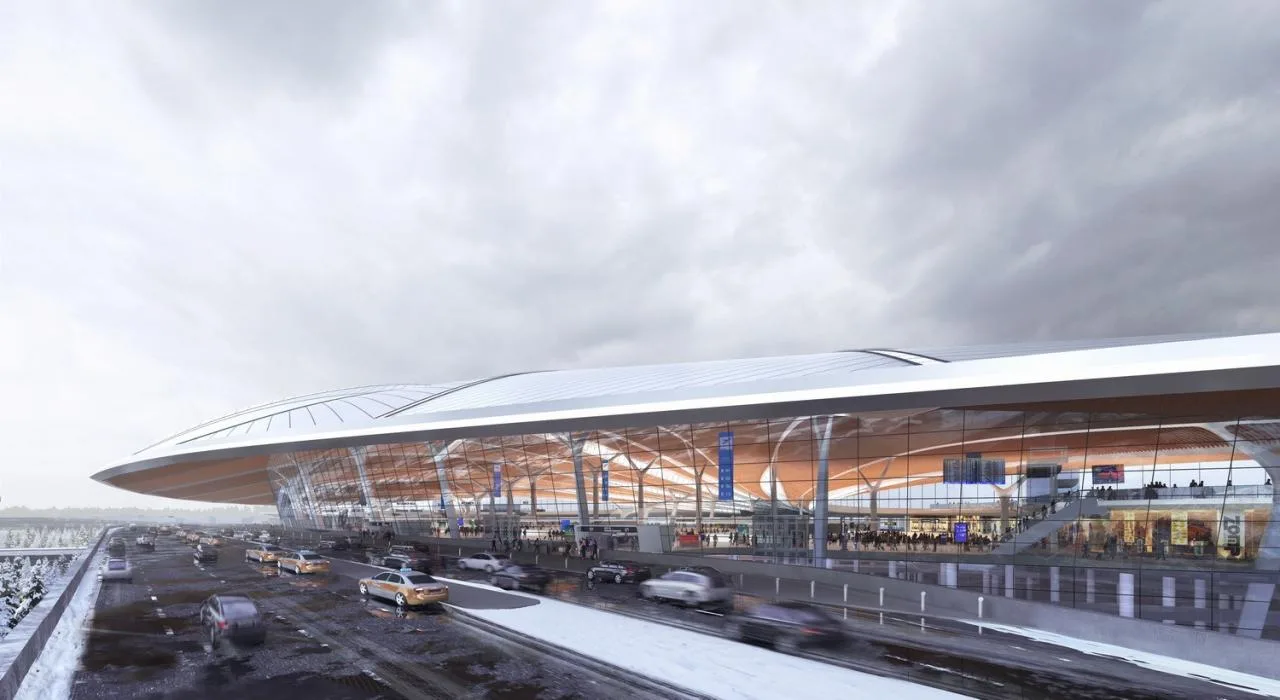
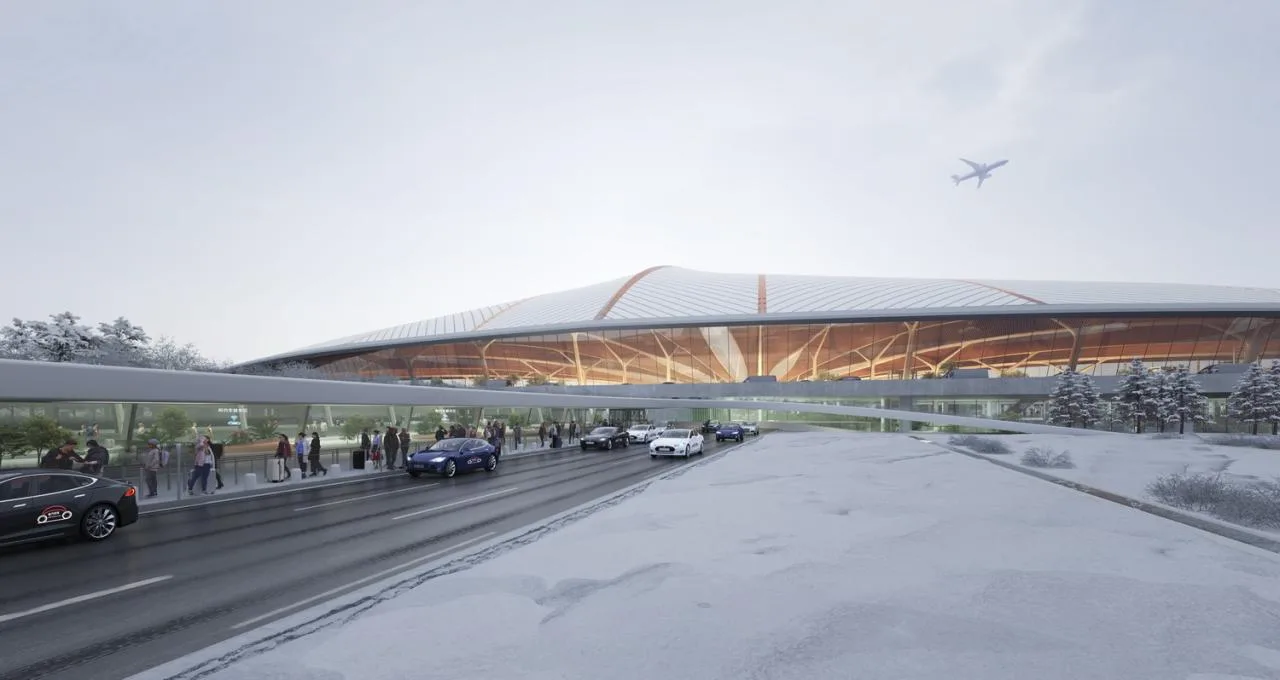
The terminal serves as the crucial link between ground transportation and air services. Its design follows a simple, straightforward main axis focused on integrating multiple transport modes, facilitating smooth passenger flow, and ensuring a safe, efficient aircraft operation zone.
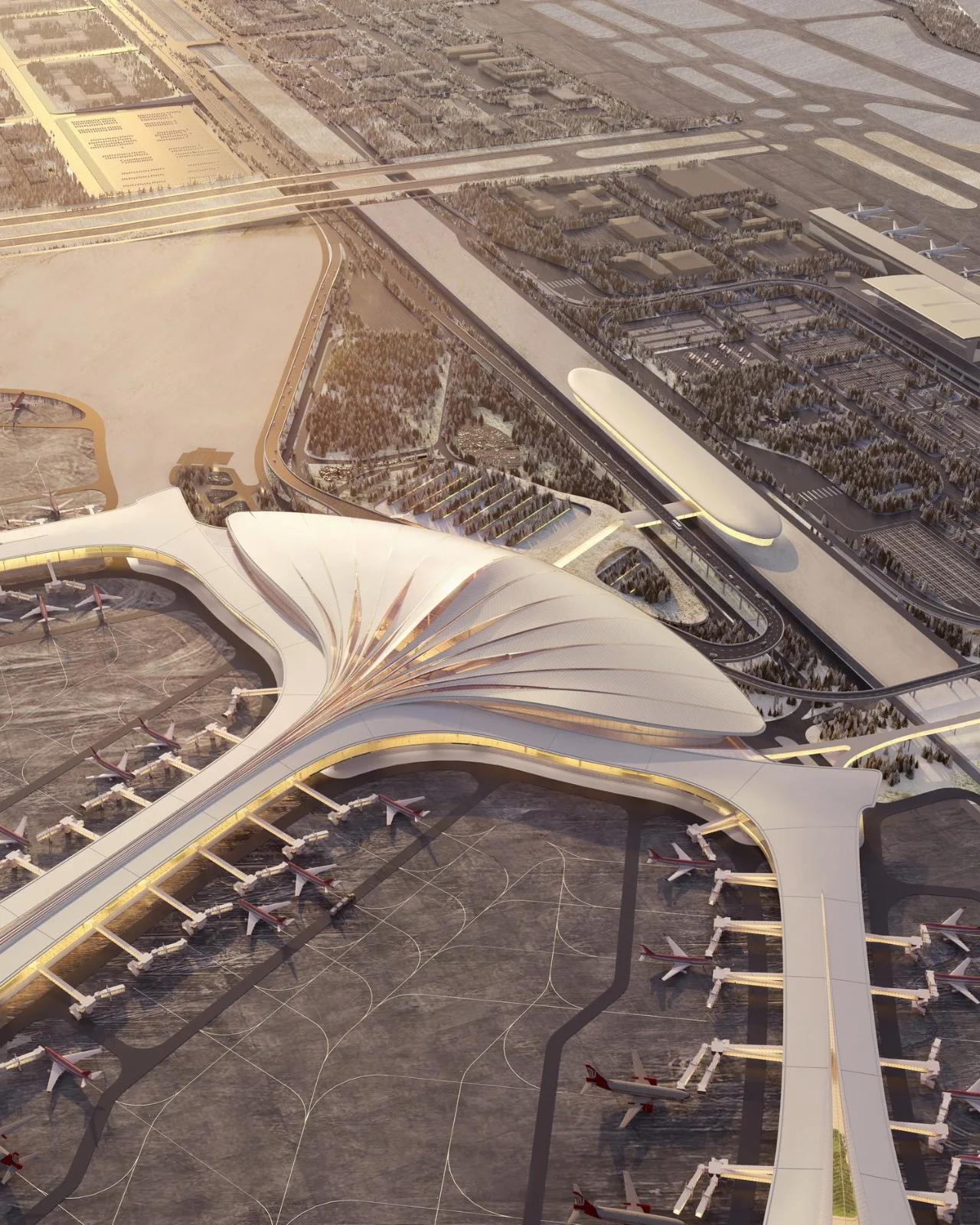
Seamless Air-Rail Integration
Longjia Station on the Changji Intercity Railway, located between Changchun and Jilin, already plays a significant role in airport access. In 2018, nearly one-third of airport passengers used high-speed rail. As rail transit usage grows, intercity rail will become the primary mode of transport to and from Changchun Airport.
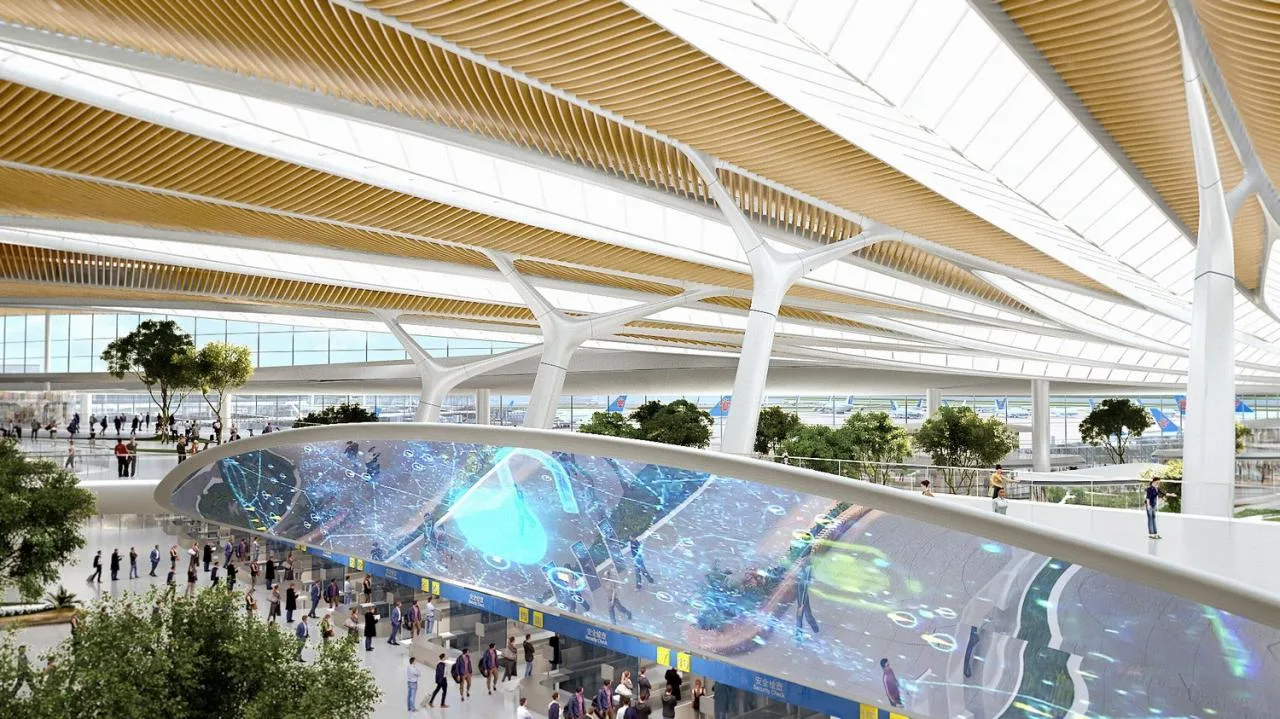
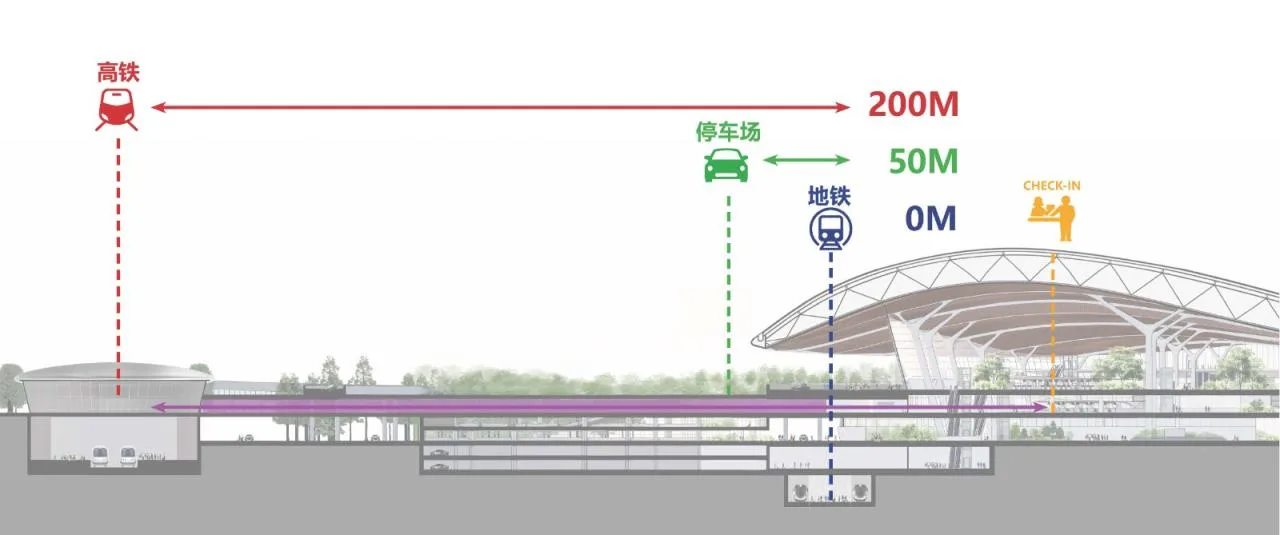
The T3A terminal is designed to bring the main building as close as possible to the high-speed railway station. The main entrance is just a 200-meter walk from the east-facing concourse of Longjia Station. A parking building is positioned between the terminal and the railway station, connected by a fully enclosed glass corridor, allowing passengers to access the terminal within a 50-meter walk.
The subway station lies beneath the elevated bridge in front of Terminal T3A, fully integrated with the terminal’s central space, enabling effortless, zero-transfer access between subway and airport.
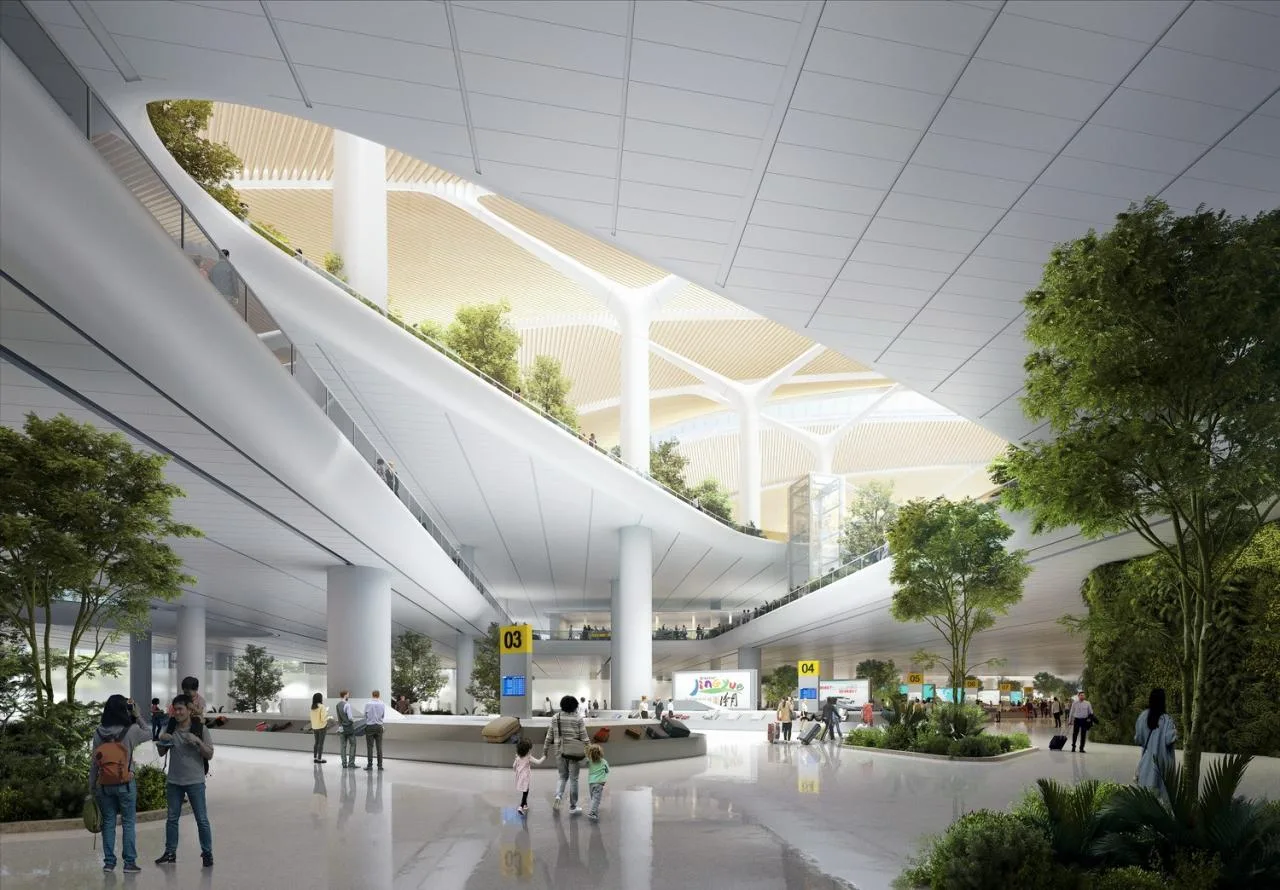
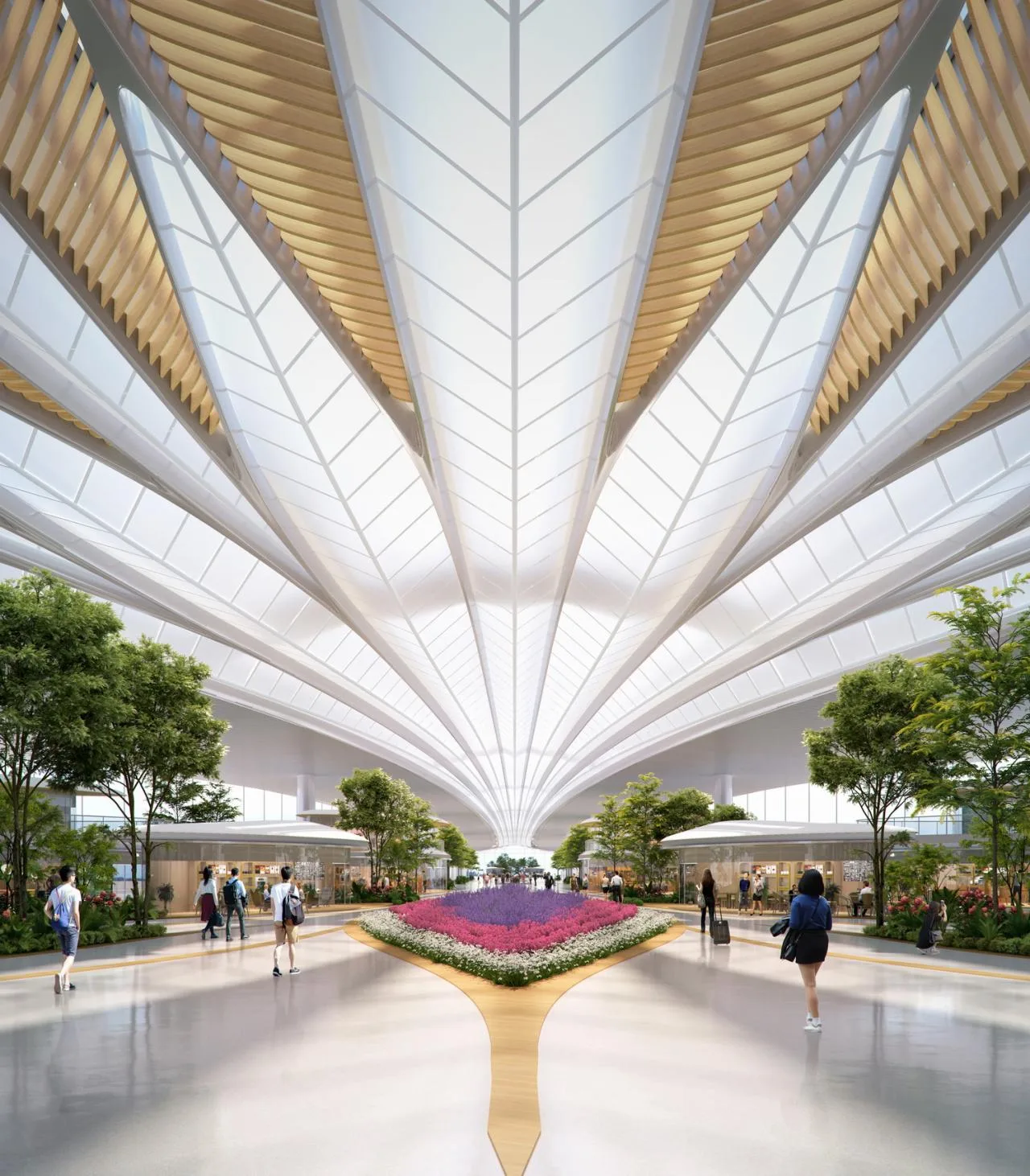
Li Shaokun, Deputy Chief Architect at Beijing Institute of Architectural Design and Research Co., Ltd., commented, “Our design integrates process management, commercial facilities, regional culture, cultural experiences, and green landscapes. We have created an aviation hub that seamlessly blends rail transit and air travel, where functional processes and spatial experiences complement each other. Our human-centered approach significantly enhances passenger transfer and flight experiences.”
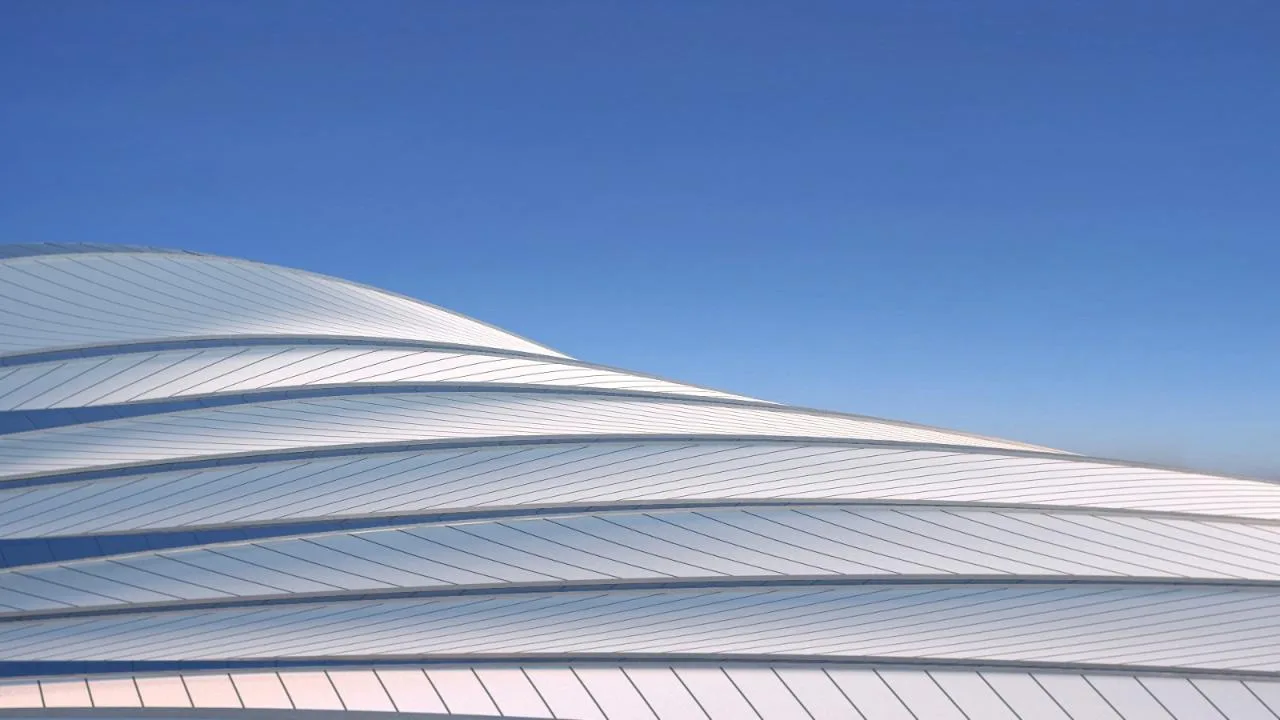
Efficient “Large Flat Layer” Design
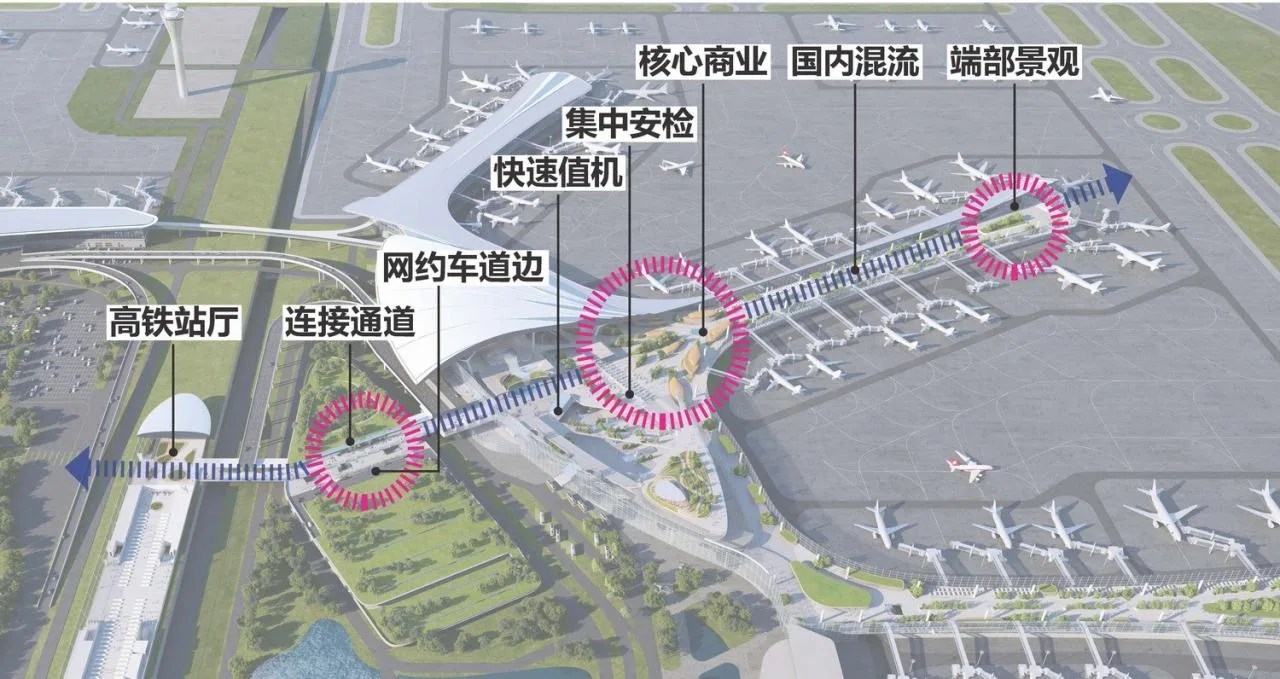
The new terminal adopts a curved, enclosed three-finger concourse layout, harmoniously integrating with the existing T1 and T2 terminal areas. The center of the terminal building points toward the high-speed railway Longjia Station, with radial concourses extending orderly. This scientifically optimized configuration maximizes the number of nearby aircraft stands while maintaining high operational efficiency.
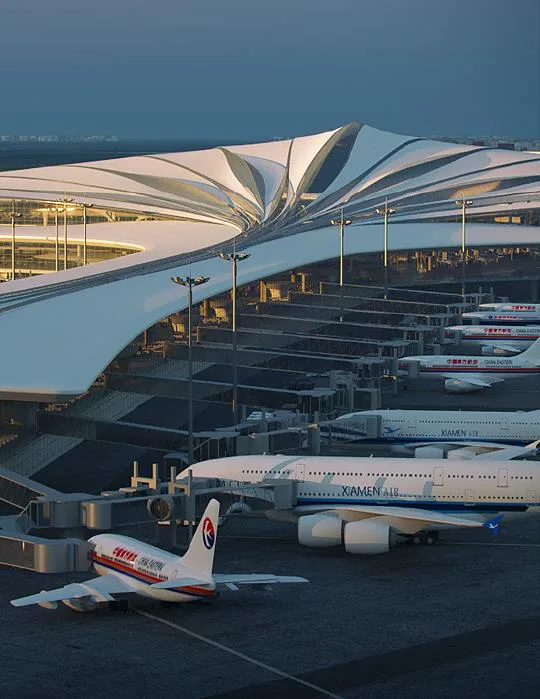
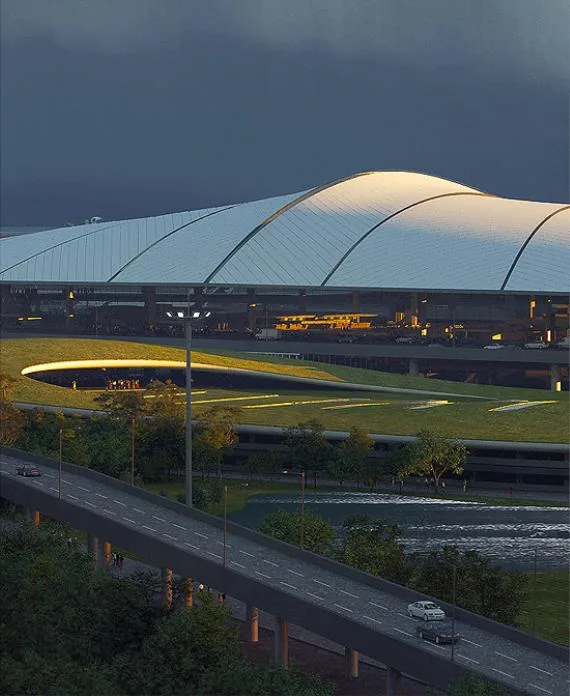
The terminal interior employs various streamlined layouts, including mixed domestic flows and international separations. The innovative “large flat floor” concept connects pedestrian flows from Longjia Station while providing easy access to subways, roads, and parking facilities.
Passengers without checked baggage can use smart airport services such as self-service check-in and automated security to proceed directly to boarding gates on this level. Arriving passengers can seamlessly connect to different transportation modes from the main floor. Transfers to the high-speed railway and parking are made effortless, with direct access to the station entrance and drop-off zones, eliminating the need for additional level changes.
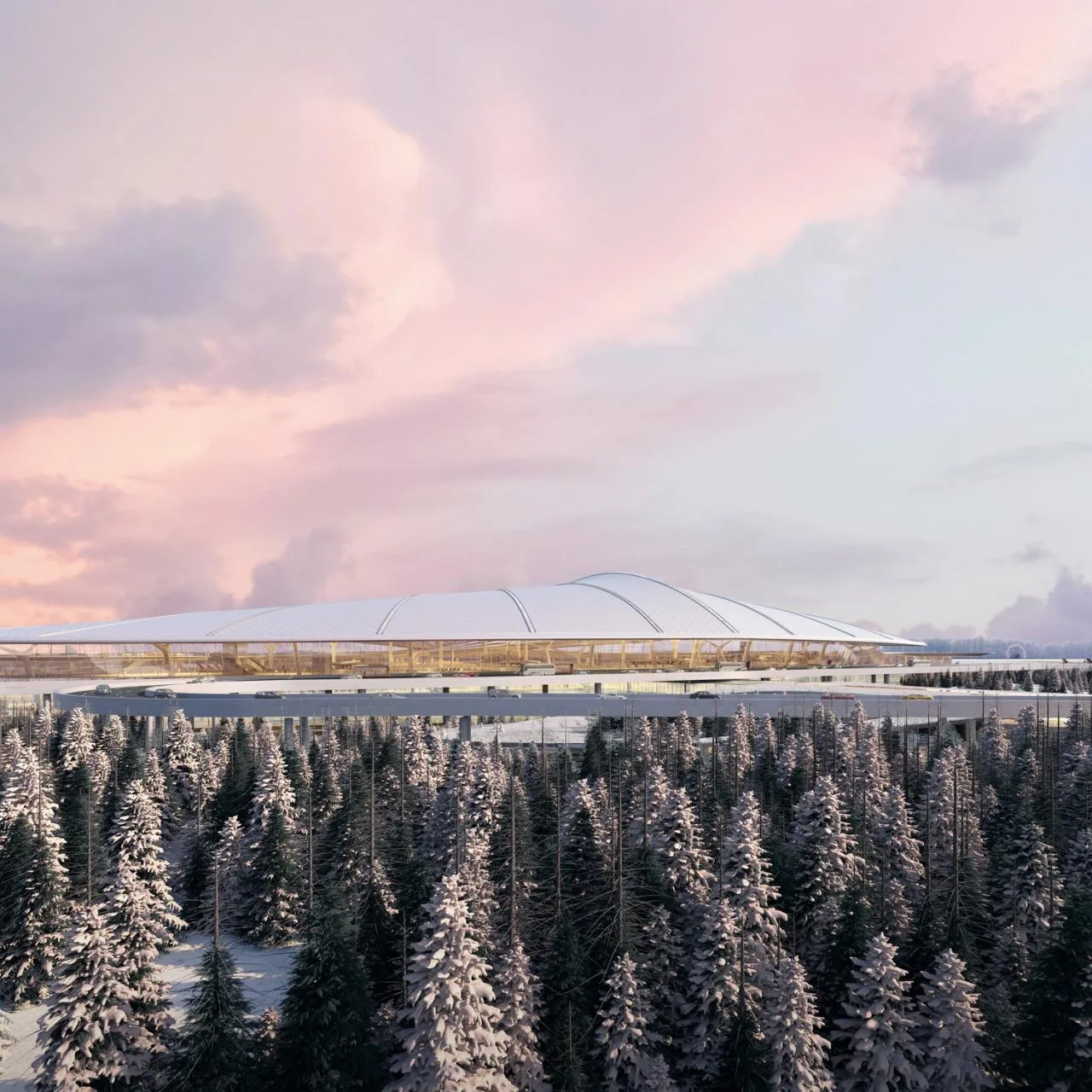
Garden City, Green Airport
The new terminal design emphasizes harmony between nature and innovative technology, creating a comfortable, natural “garden airport.”
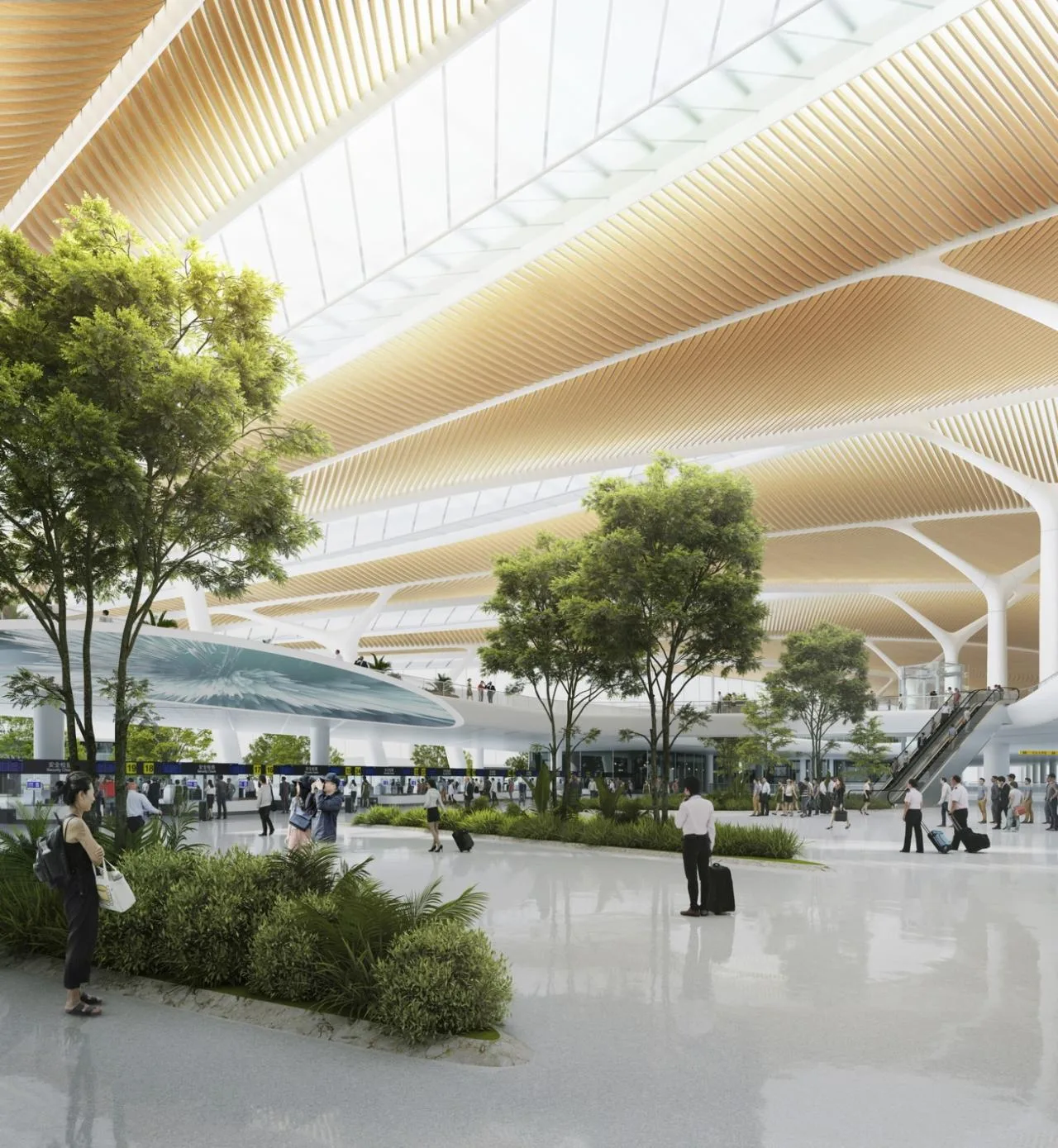
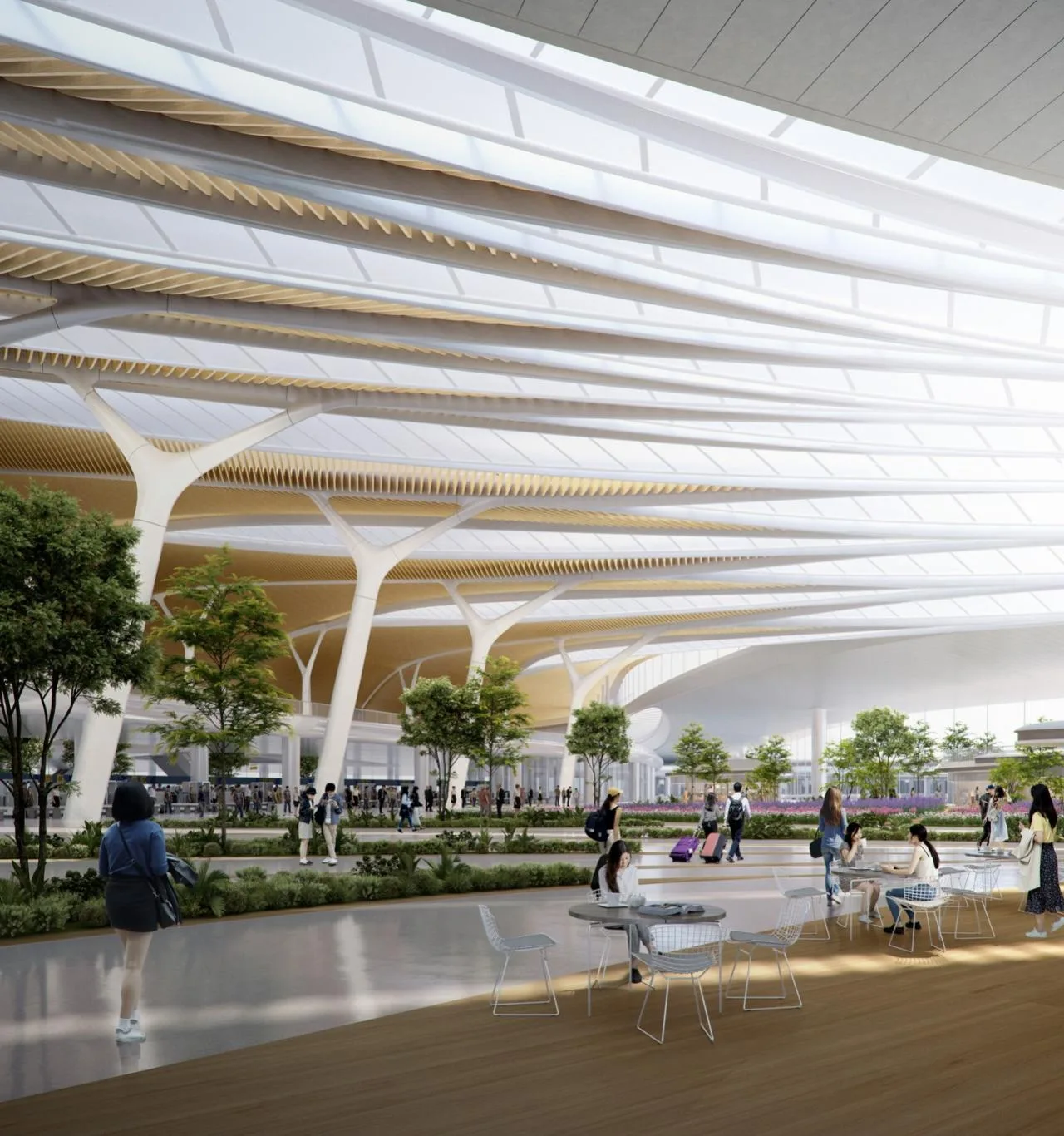
A feather-shaped skylight roof bathes the departure hall in natural light, producing a bright and welcoming indoor environment. The structural system echoes the building’s exterior rhythm, clearly expressing its load-bearing logic and converging towards the skylight at the center, naturally guiding passenger flow.
The combination of wooden ceilings, skylights, structural elements, and natural light creates a vibrant and dynamic interior atmosphere.
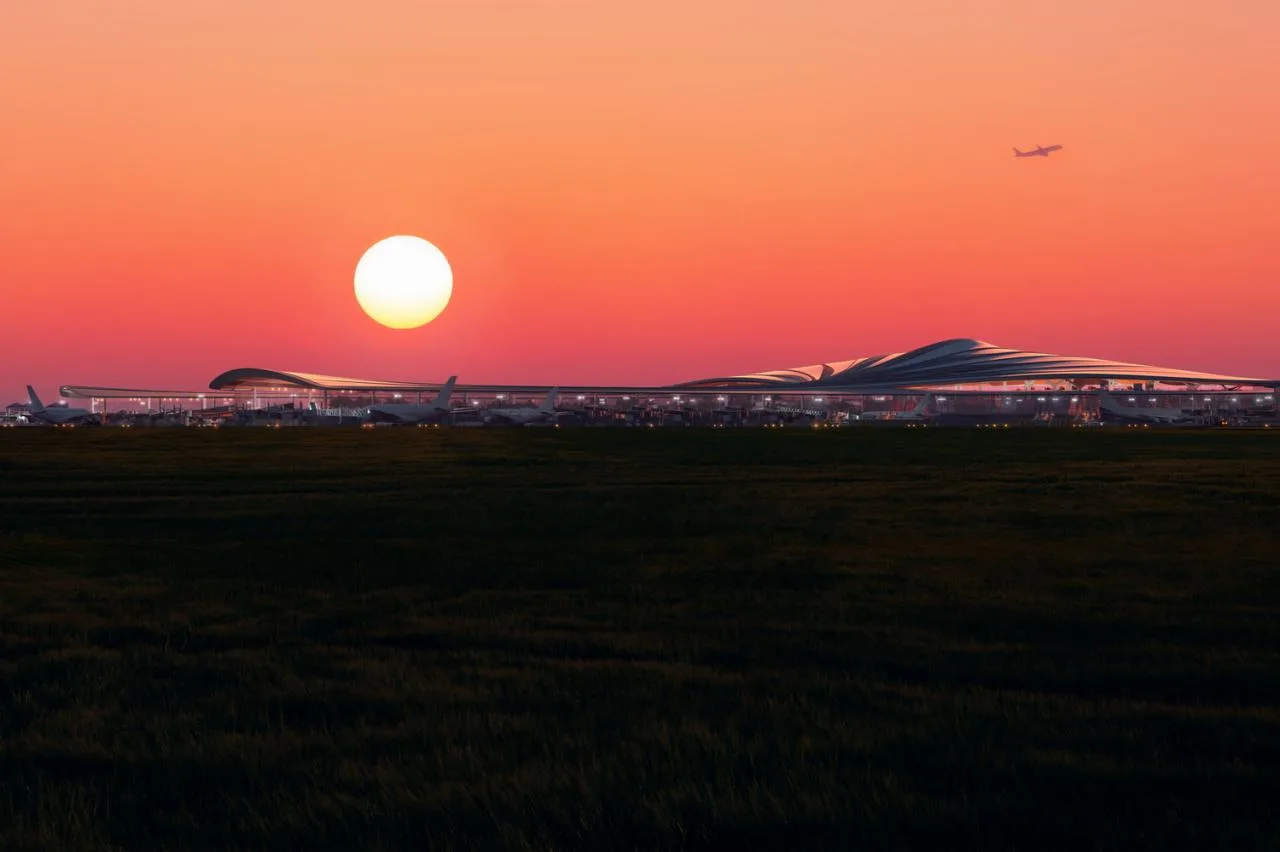
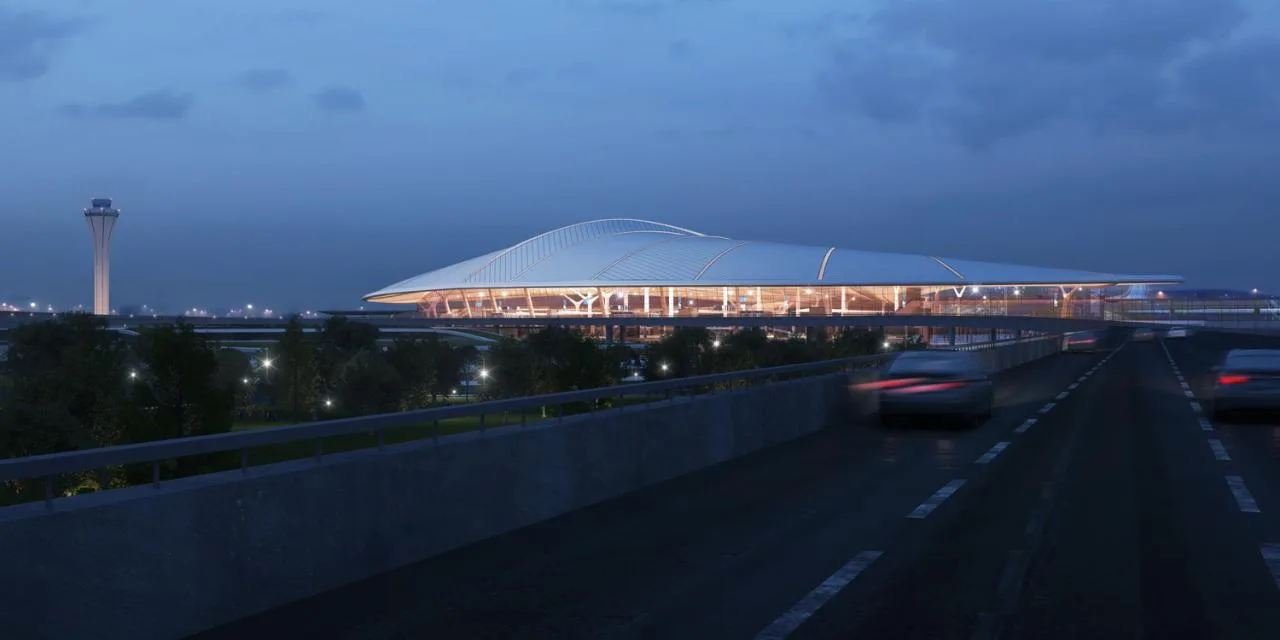
Landscape planning highlights Changchun’s identity as a “garden city.” The outdoor areas feature forests, lakes, meadows, and gently rolling terrain. Indoors, a garden system combining trees, ground cover, and water elements creates a “cold zone garden” that complements the local urban character.
The terminal also prioritizes sustainability through green technologies such as radiant floor heating in public spaces, multi-layer insulation of metal roofs, high-performance glass curtain walls, electrically dimmable glass skylights, shading systems, and natural lighting and ventilation strategies.
△ Analysis chart
△ Analysis chart
Project Information
Location: Changchun, China
Terminal Land Area: 177.6 hectares
Building Area: Approximately 270,000 square meters
Project Client: Jilin Civil Aviation Airport Group Co., Ltd.
Project Consortium: Civil Aviation Airport Planning and Design Research Institute Co., Ltd., Beijing Architectural Design and Research Institute Co., Ltd., MAD Team
MAD Team Members: Ma Yansong, Party Masses, Zaoye Yangjie, Liu Huiying, Li Jian, Sun Shouquan, Sun Mingze, Song Minzhe, Wang Fei, Lu Zihao, Xiao Yuhan, Chen Wei, Cao Xi, Yoshio Fukumori
Civil Aviation Institute Team Members: Mu Tong, Yao Huilai, Feng Xiangling, Sun Yongxue, Yao Yuan, Xu Junjie, Zhang Bao, Zhang Yan, Shen Xin, Qi Junjie, Hao Wenjia, Liu Zihao, Xu Quan, Li Zhennan, Feng Mengyao, Li Xiong, Zheng Guangshun, Shan Yi, Lu Xin, Li Henghui
Beijing Jianyuan Team Members: Wang Xiaoqun, Shu Weinong, Wang Yizhi, Li Shaokun, Su Yao, Wu Di, Wang Yisu, Wang Bin, Ren Jie, Zhang Zhongqi, Zhang Linyi, Chen Lin, Gu Xianliang, Mu Yang, Fan Shixing, Wang Hanmo, Zhang Shizhong, Yu Xinqiao, Zhang Shirui, Pan Ming















Must log in before commenting!
Sign Up