
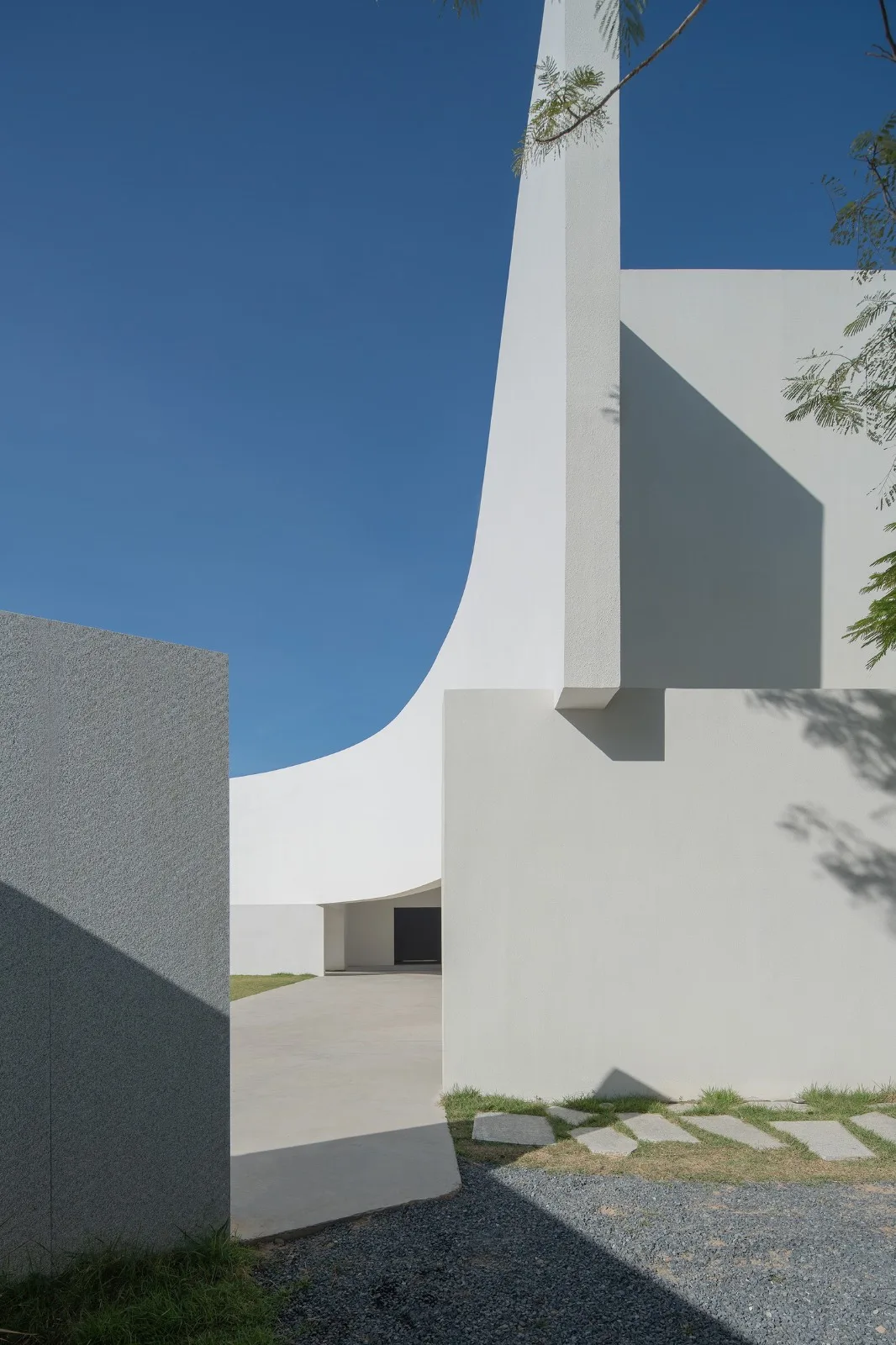
© Zhang Chao Architectural Photography Studio
The Hui Art Center, founded by Future Vision, is the newest commercial art institution and management consulting team in Shantou. Situated on the main road of Shiyihe Art Village, this previously quiet village was traditionally home to fishermen and farmers who relied on the weather for their livelihood.
As living standards have improved, villagers have gradually moved from their old homes into newly allocated land where they have constructed multi-story block-shaped buildings. This transition marks the passage of time, blending old and new architecture and adding an artistic vibrancy to the village’s character.
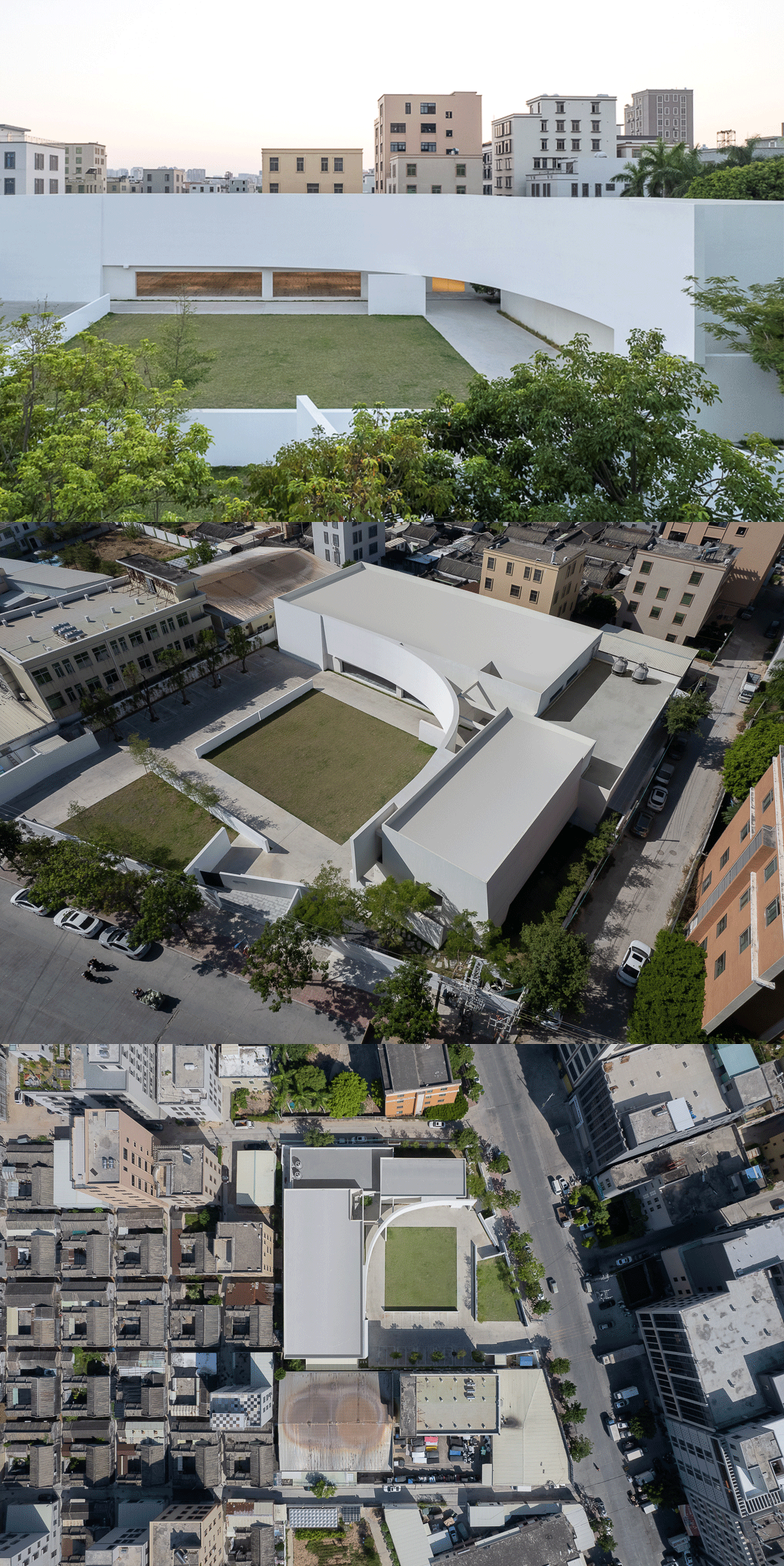
© Zhang Chao Architectural Photography Studio
01 Boundary of Design
In this project, we explore the boundaries beyond architecture itself. The design extends into the city and society, reflecting a posture of self-examination. Moving away from traditional architectural definitions, we approach the project from urban and social perspectives, integrating with the end consumer market and engaging with the artistic spaces of public life.
This approach imbues the design with both value and warmth, reflecting what design should truly represent.
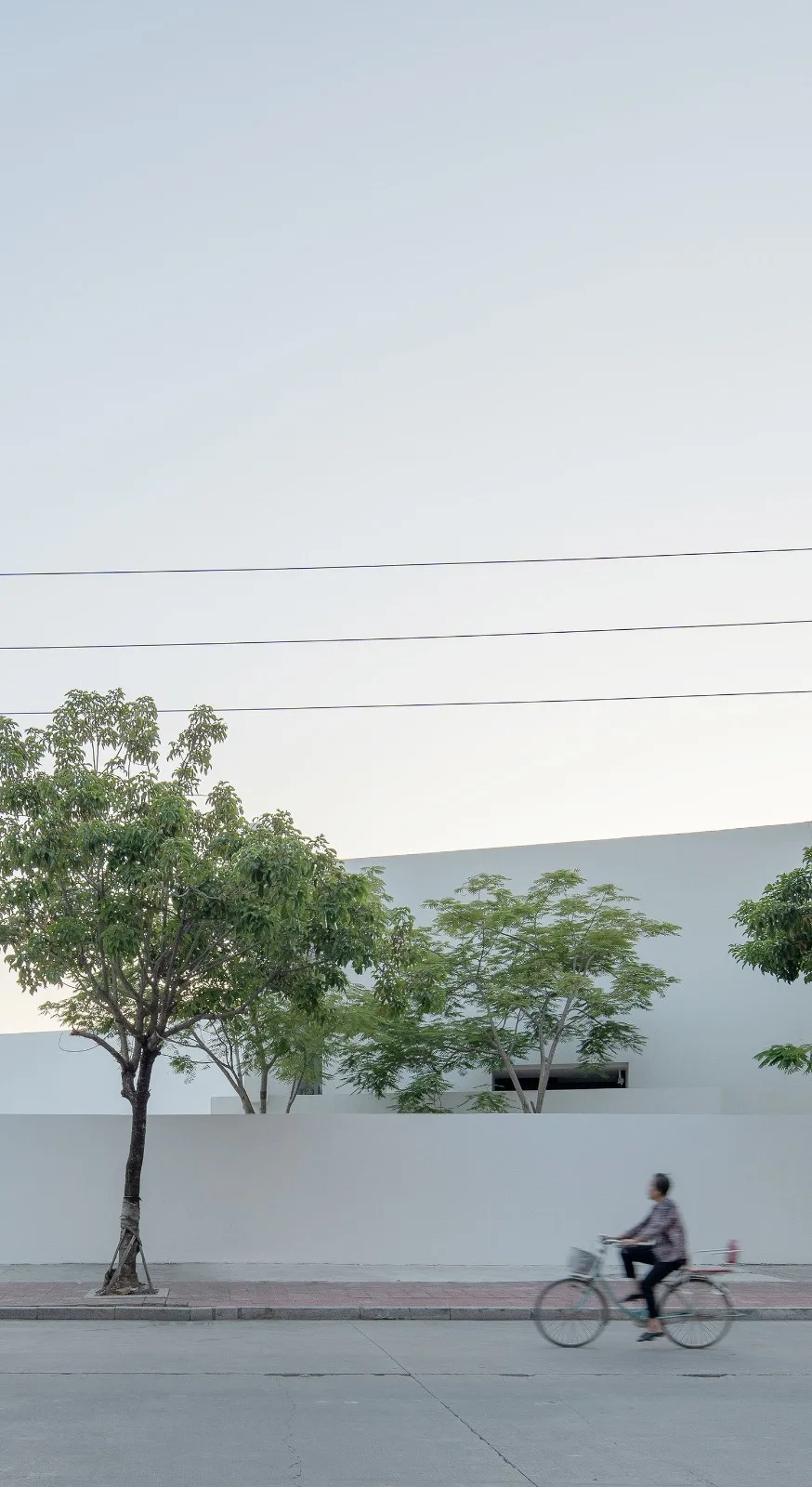
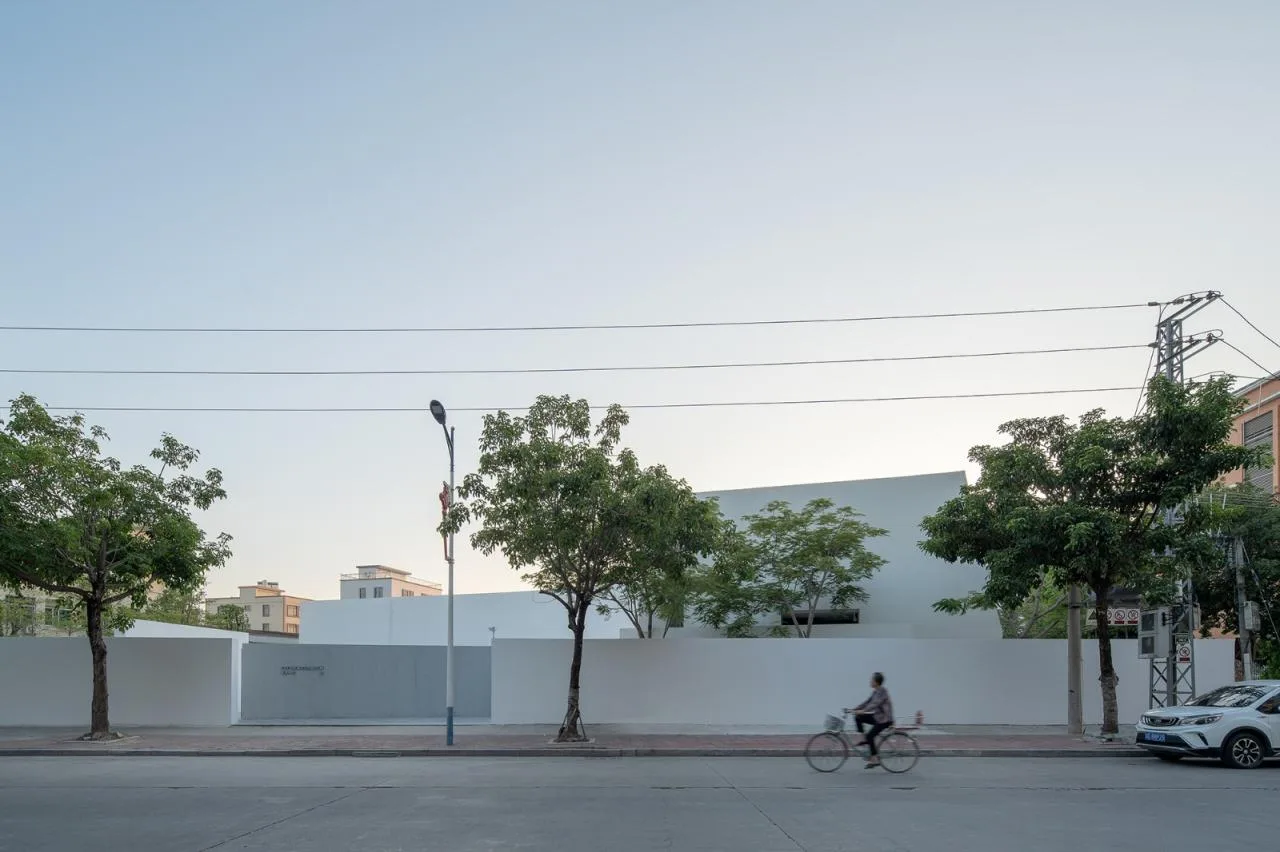
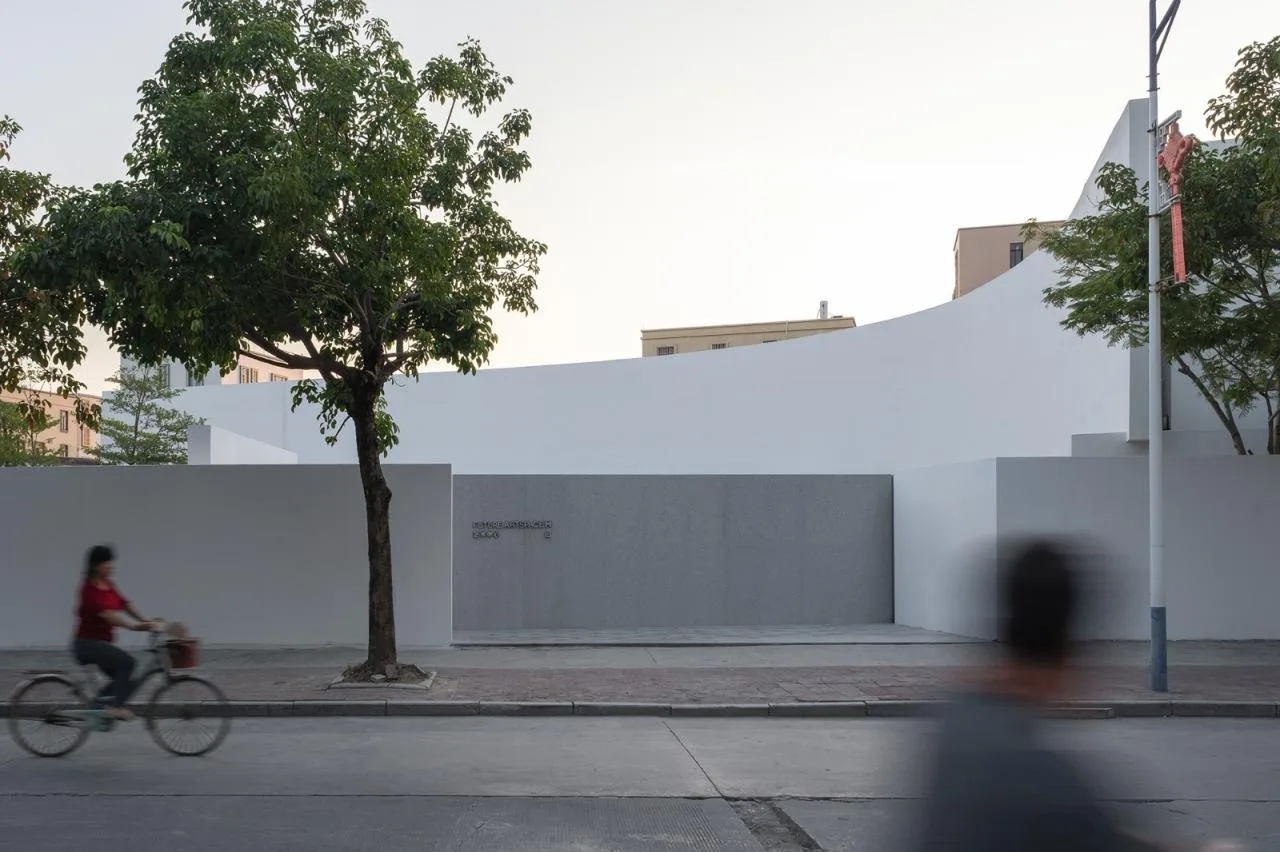
© Zhang Chao Architectural Photography Studio
△ Project video © Aike Architecture
Village construction has often evolved without standardized guidelines. Designer Xie Peihe, who grew up in Xinxi Town, witnessed this village develop into a distorted harmony amidst discord. Traditional Chaoshan dwellings have been consumed by independent box-like structures, resulting in a mutated architectural order.
As a designer, Xie feels compelled to address this mutation by revitalizing and redefining these fading lands. The transformation process itself embodies the essence of design—establishing new order and commercial purpose while reconstructing the community’s architectural fabric.
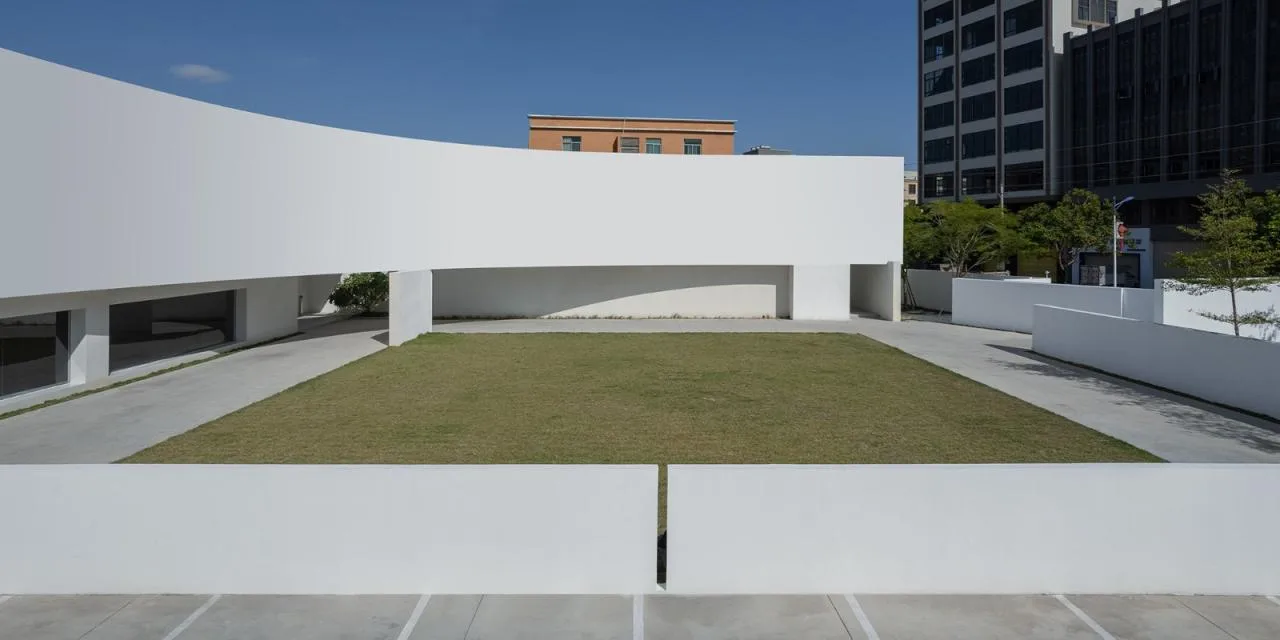
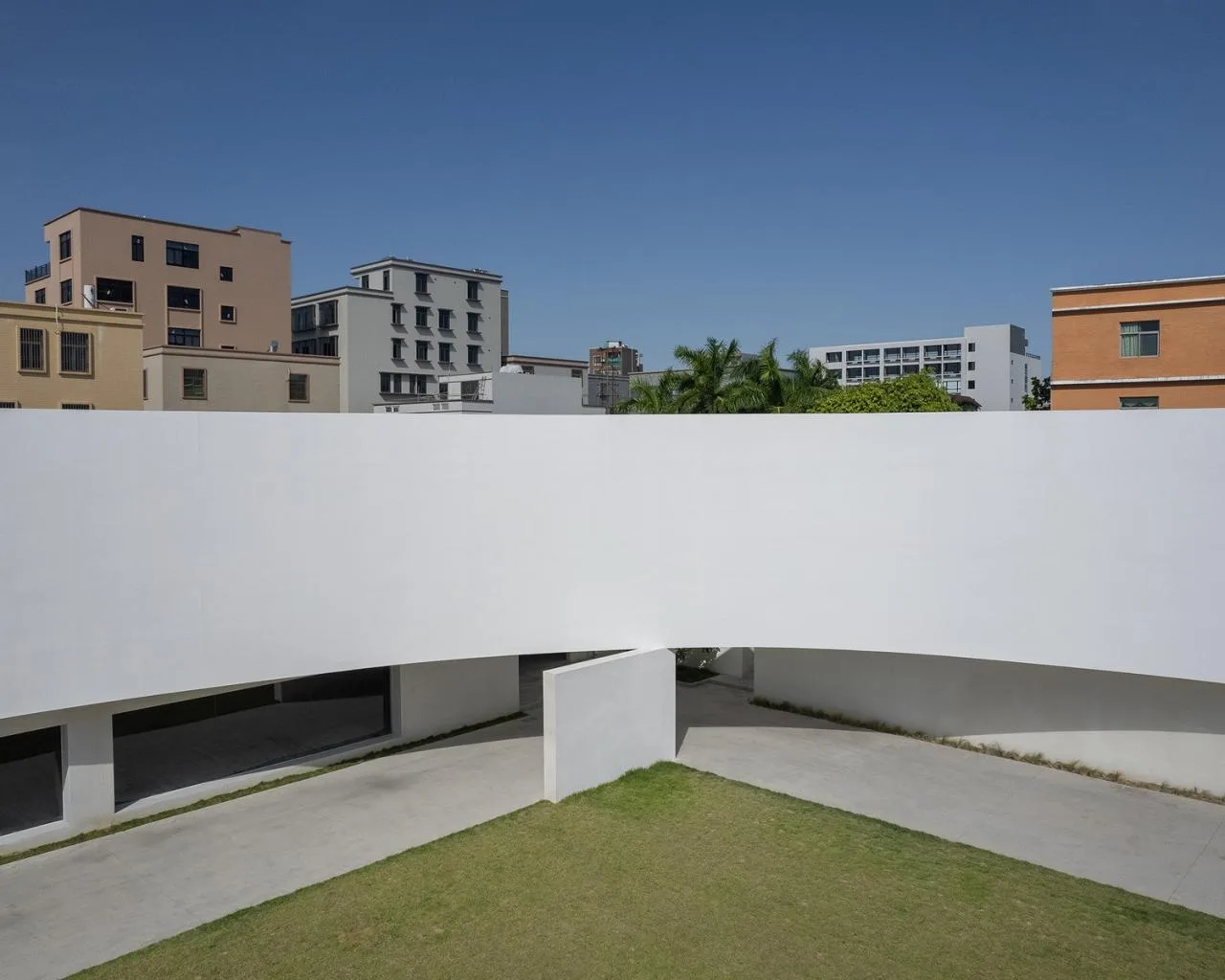
© Zhang Chao Architectural Photography Studio
02 No Blank Space Left
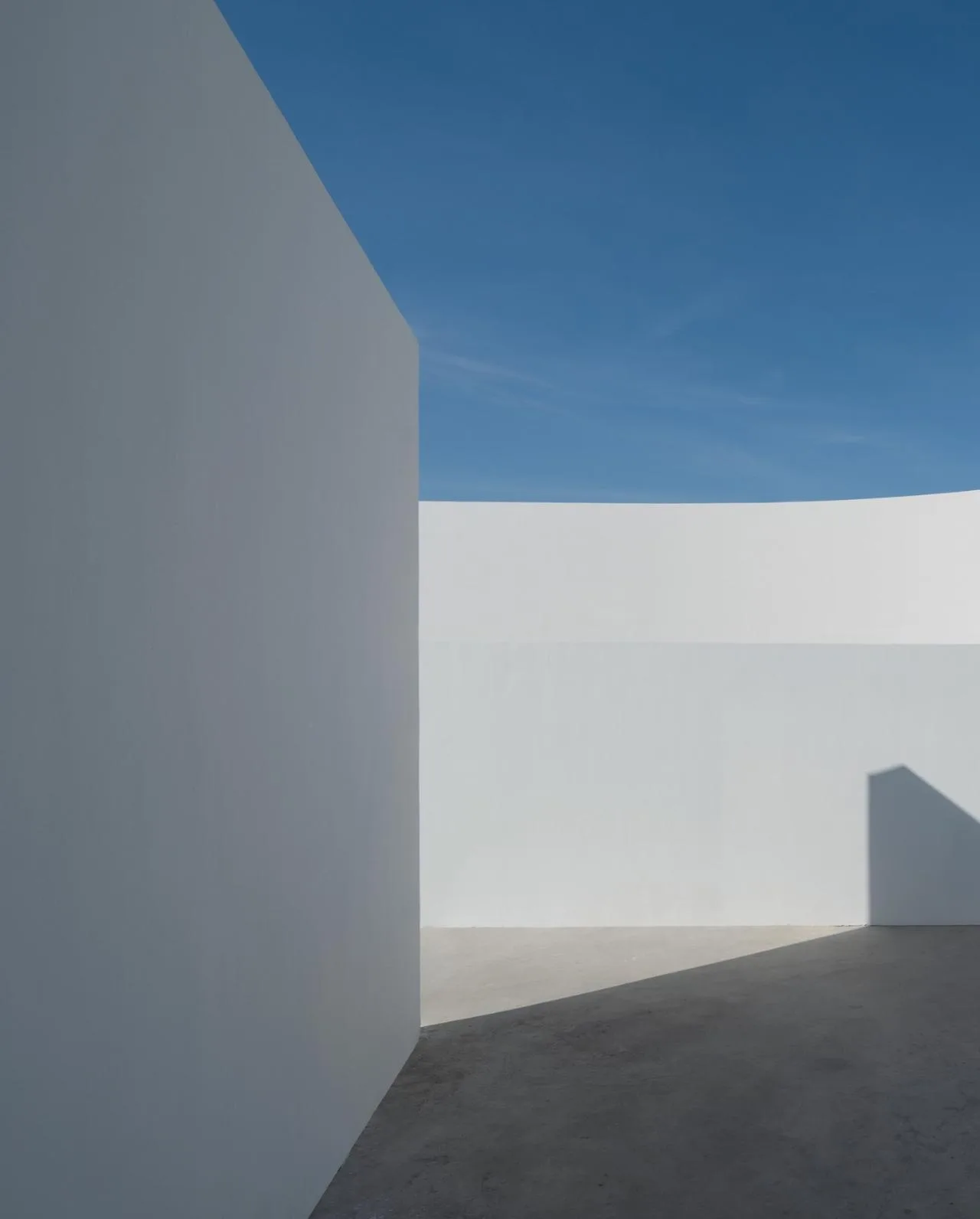
In spatial design, leaving blank space can be seen as a form of inaction, altruism, and spirit. However, the “blank space” here refers to an invisible, commercial strategy rather than physical emptiness.
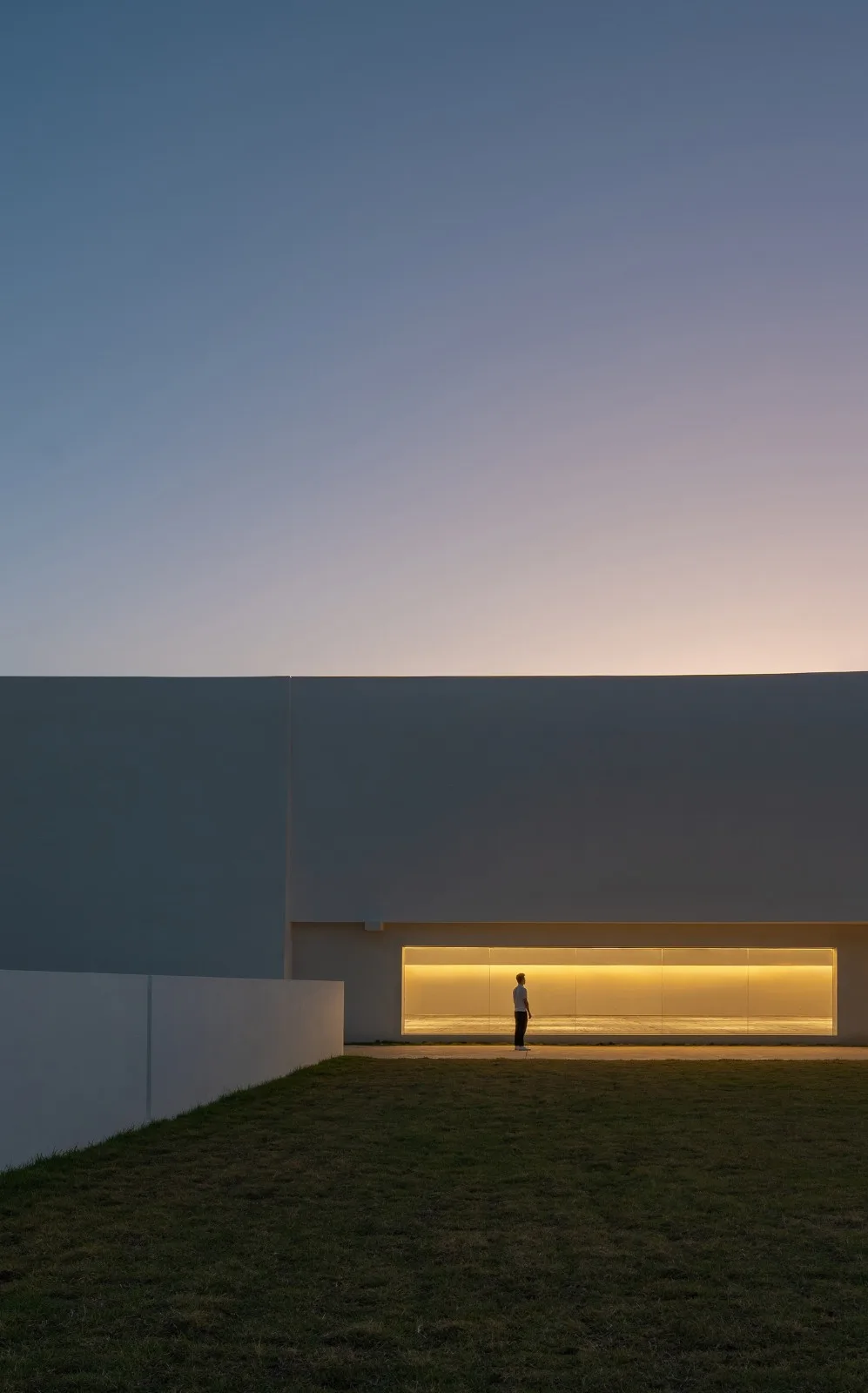
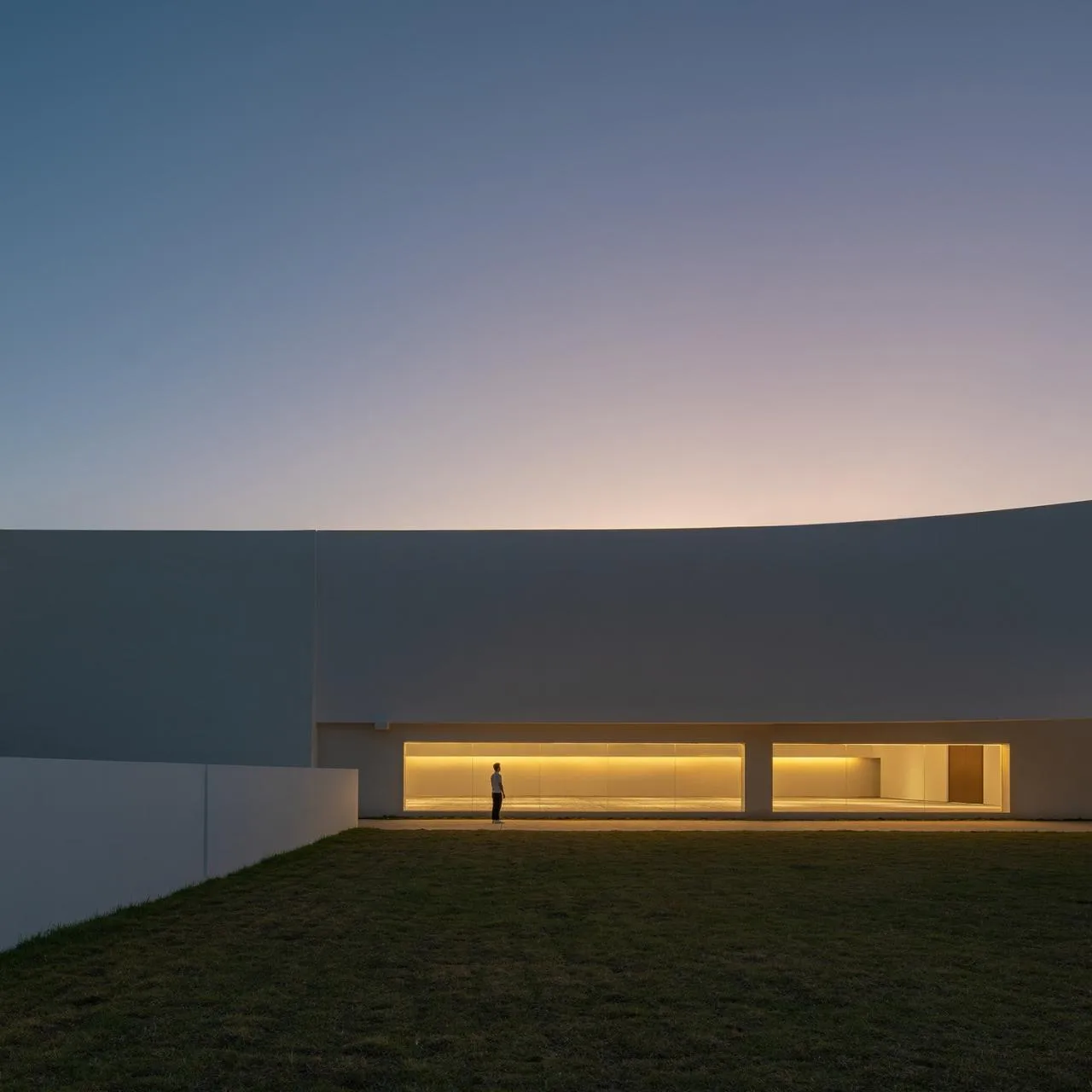
Designed primarily for wedding banquets, the venue naturally experiences idle periods between events. These “blank spaces” enable diverse uses, blending commerce with art to create a dynamic cultural scene.
© Zhang Chao Architectural Photography Studio
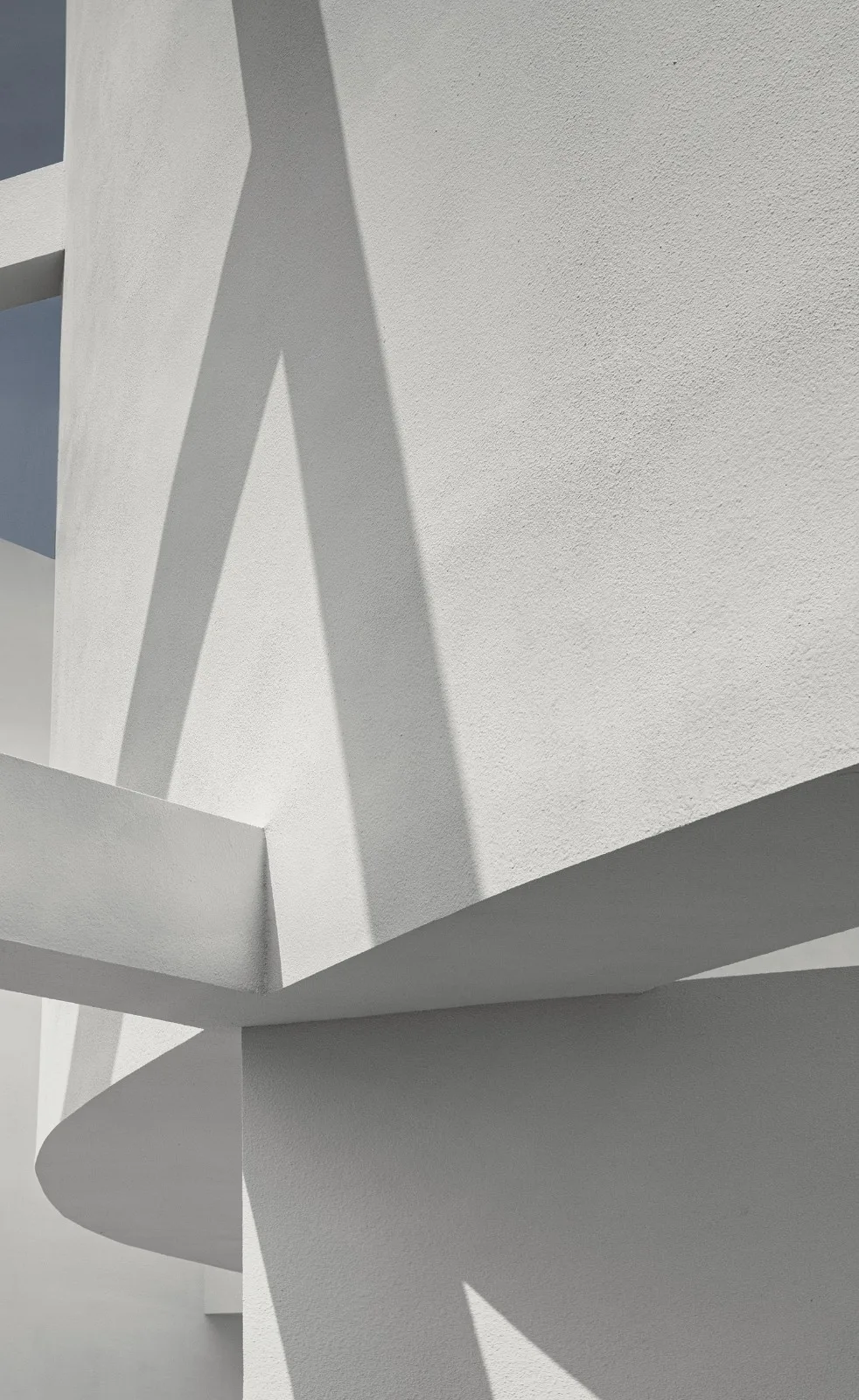
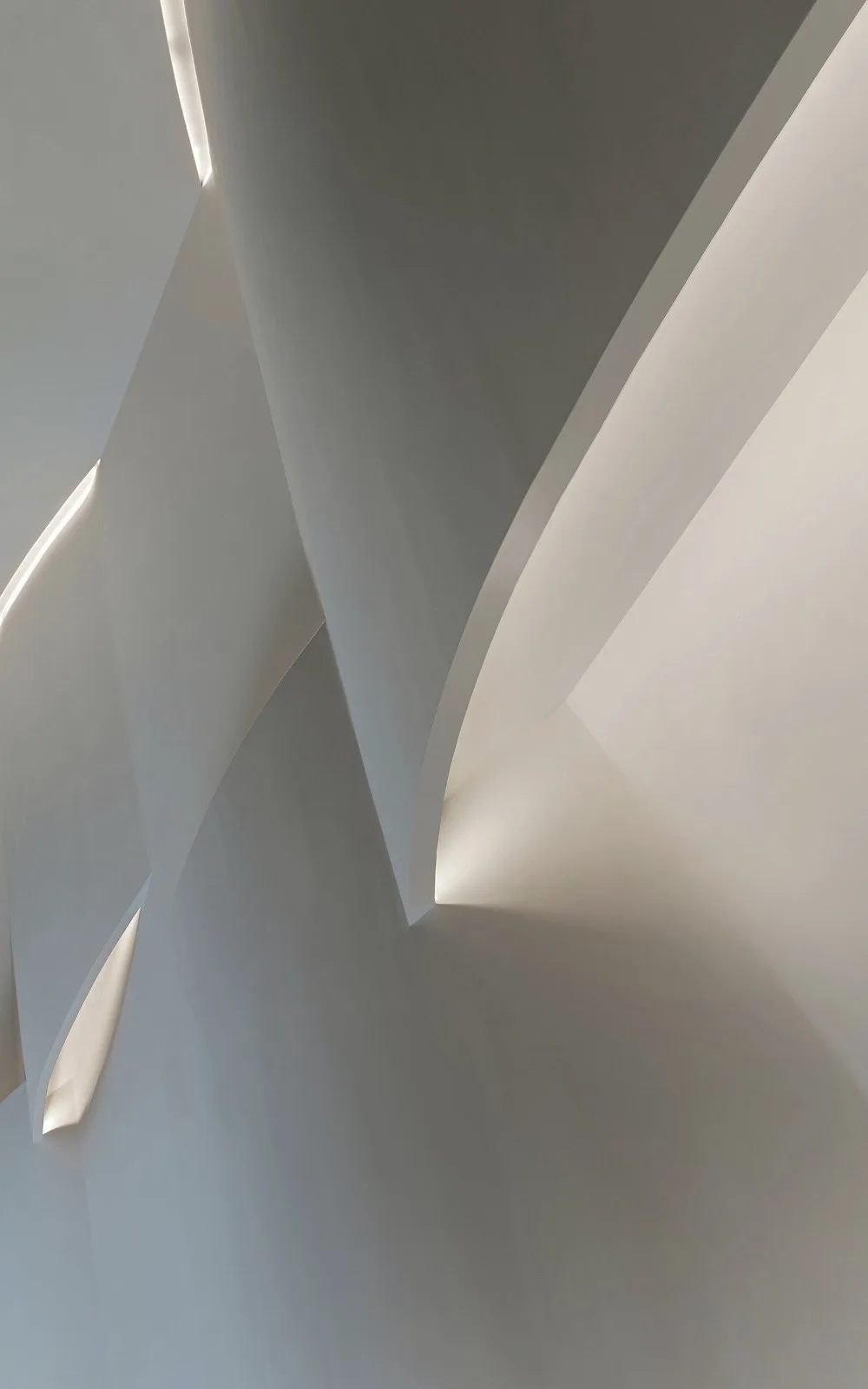
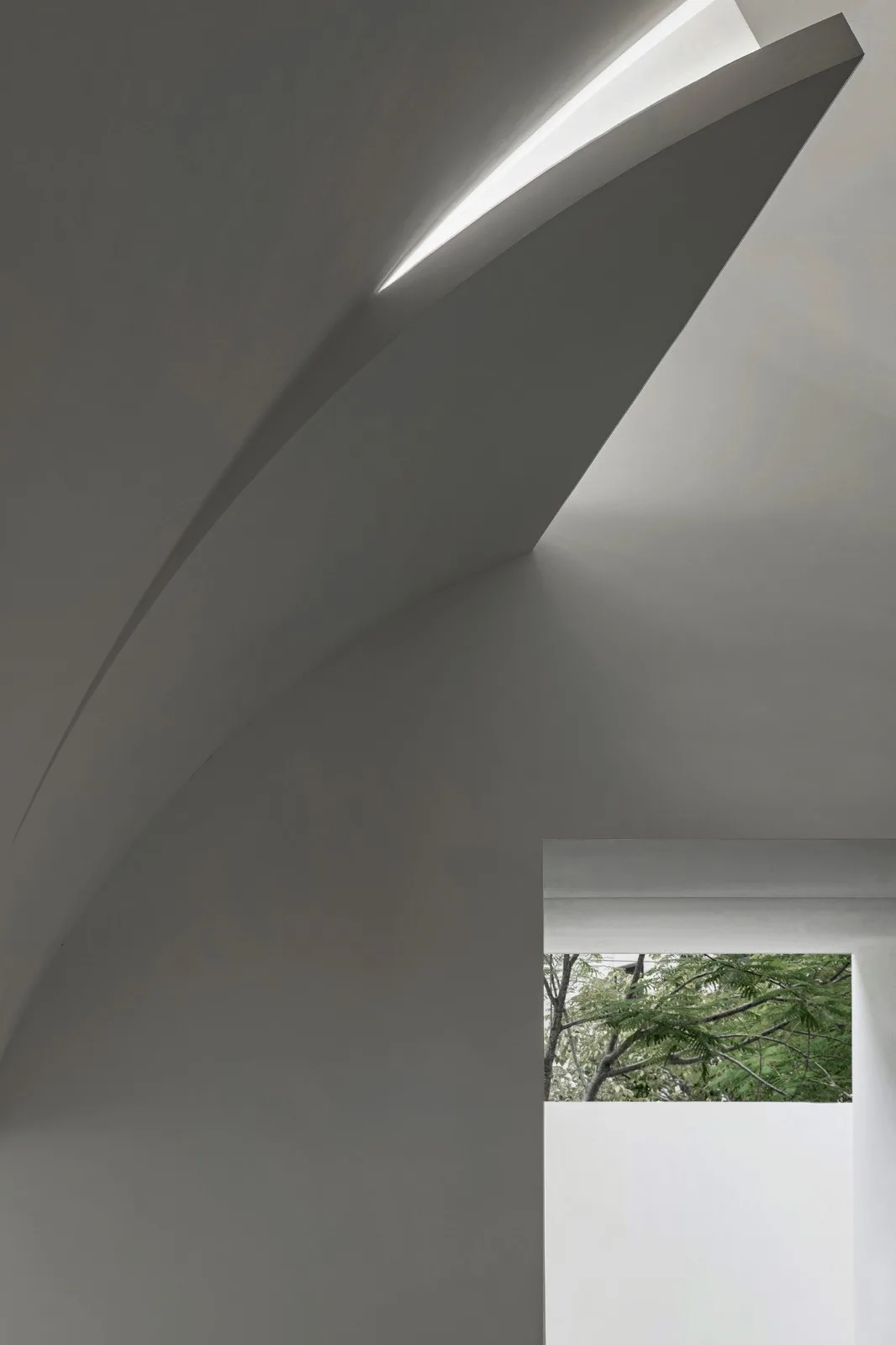
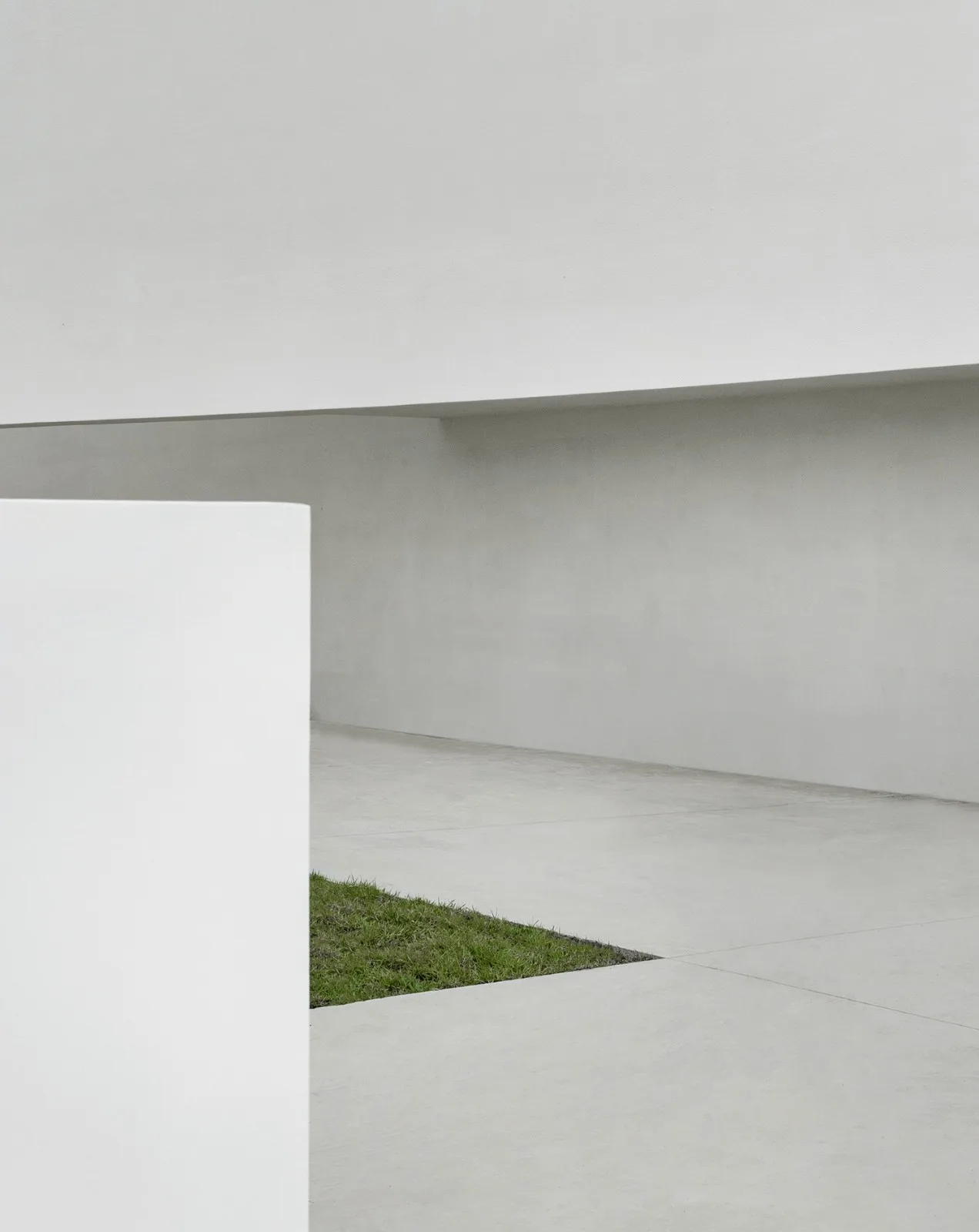
© Flying Picture
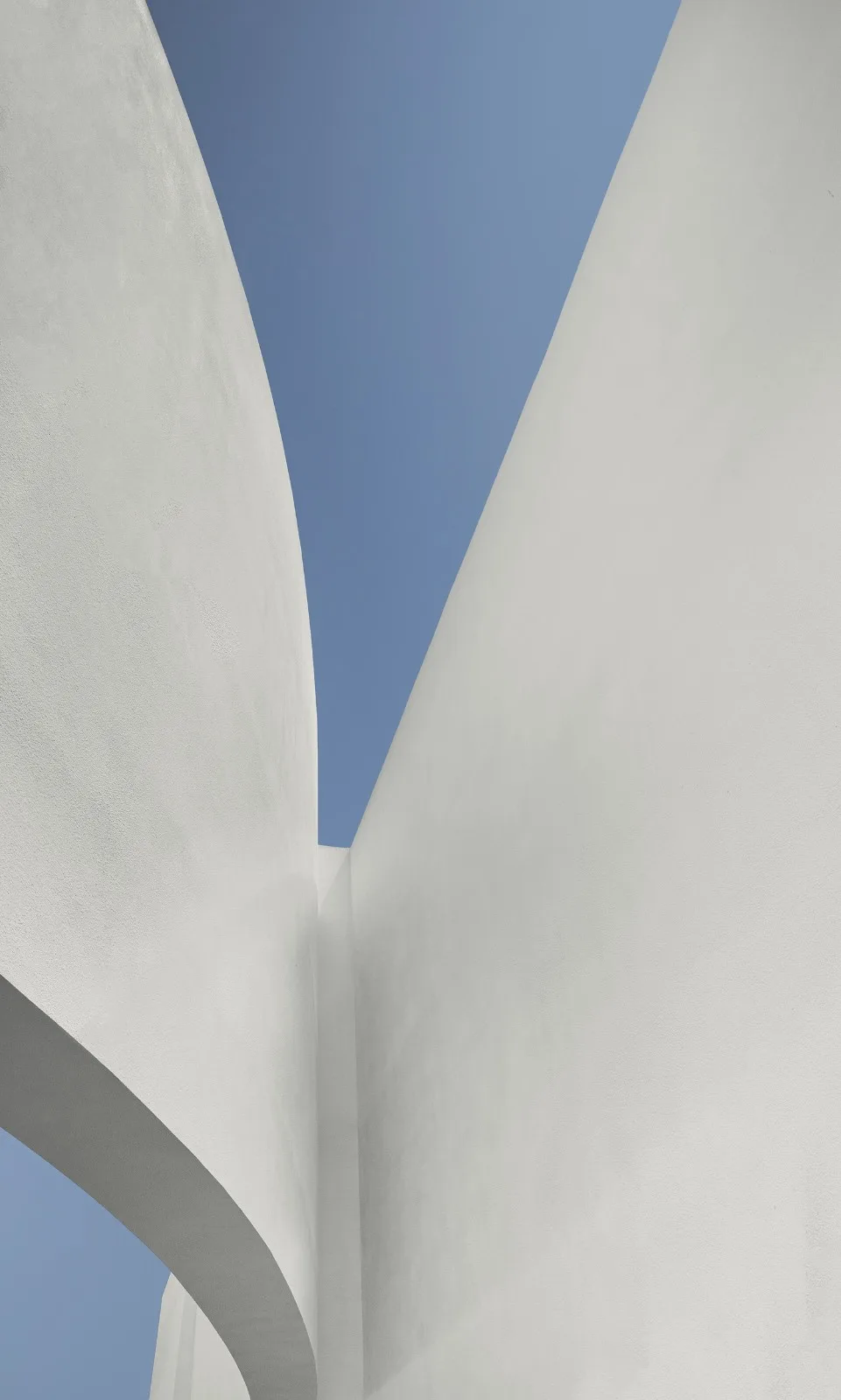
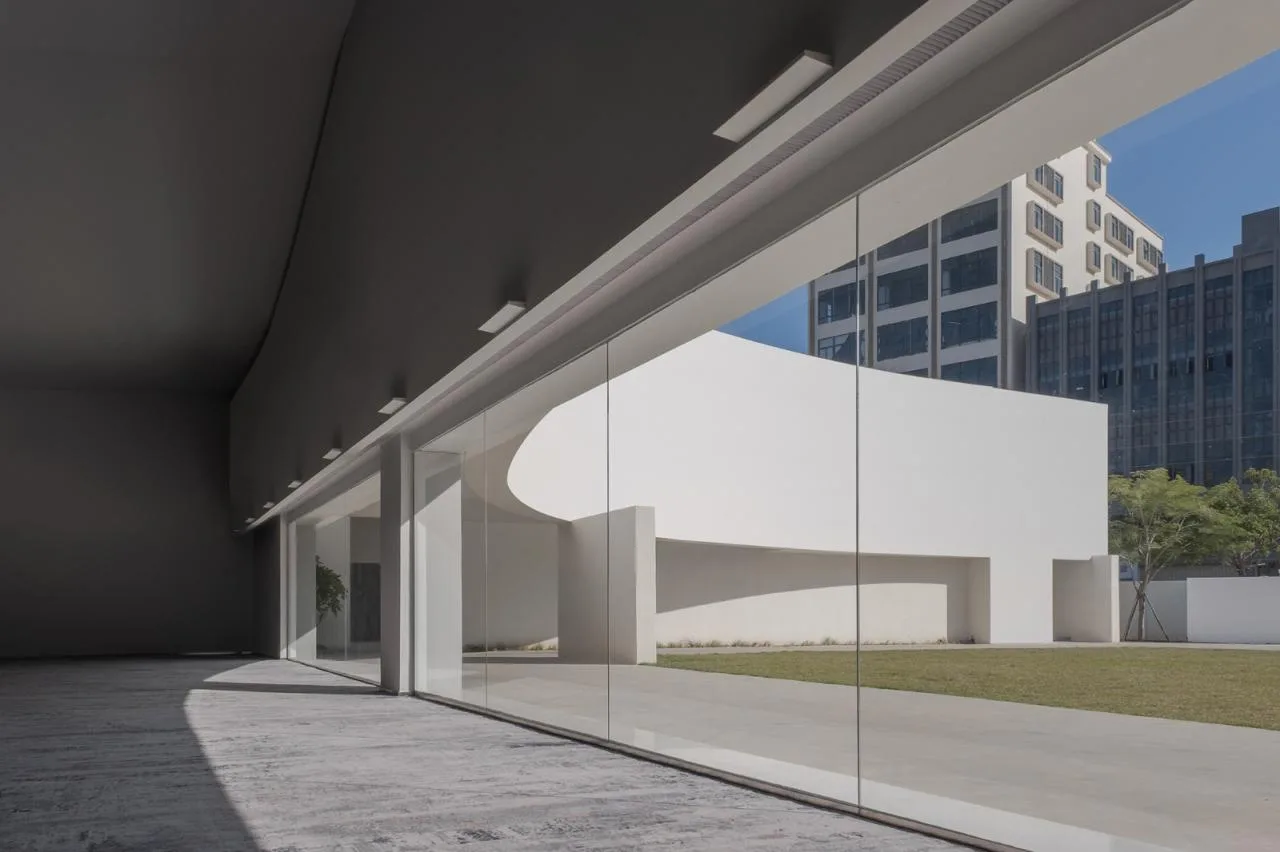
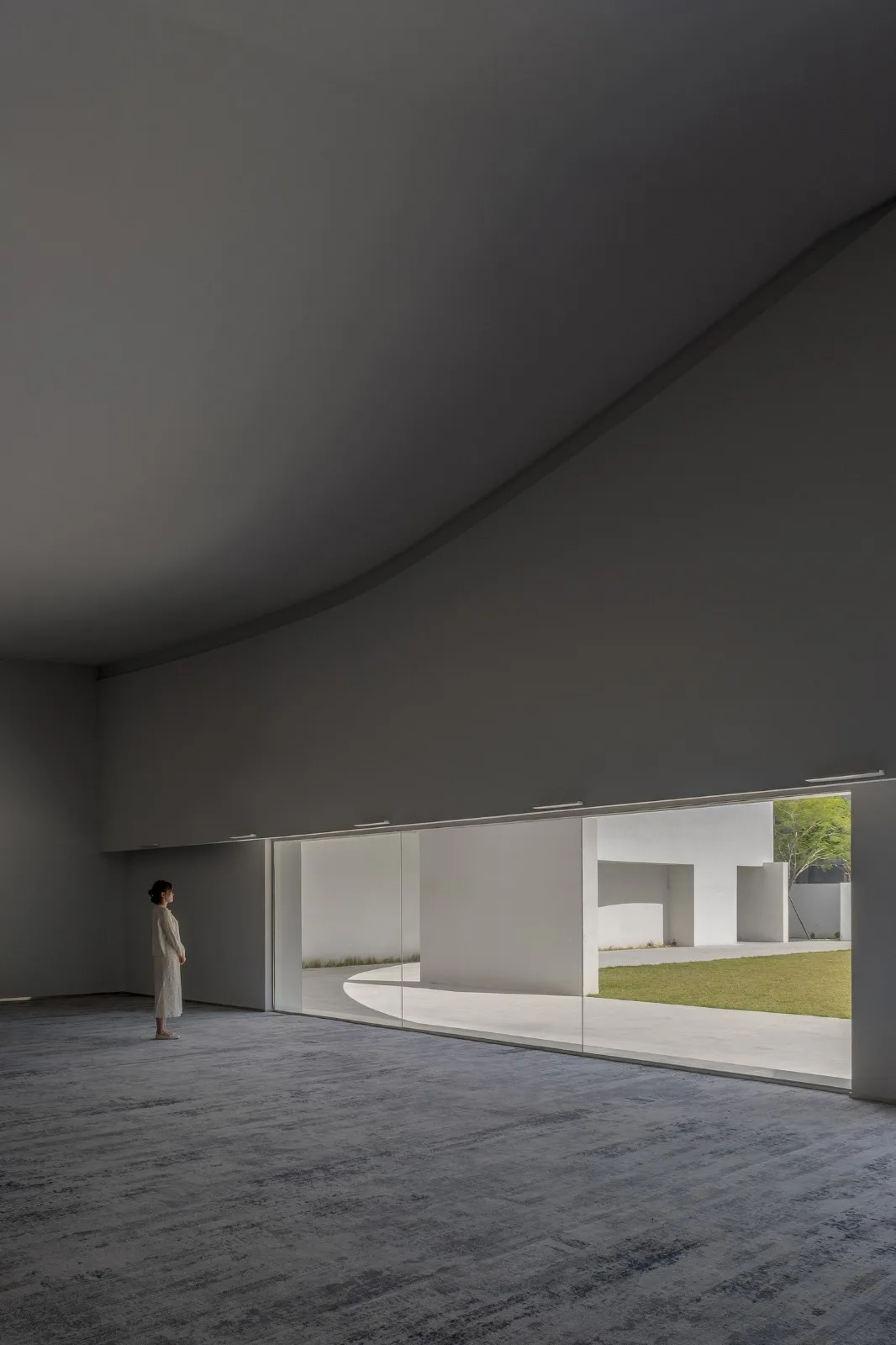
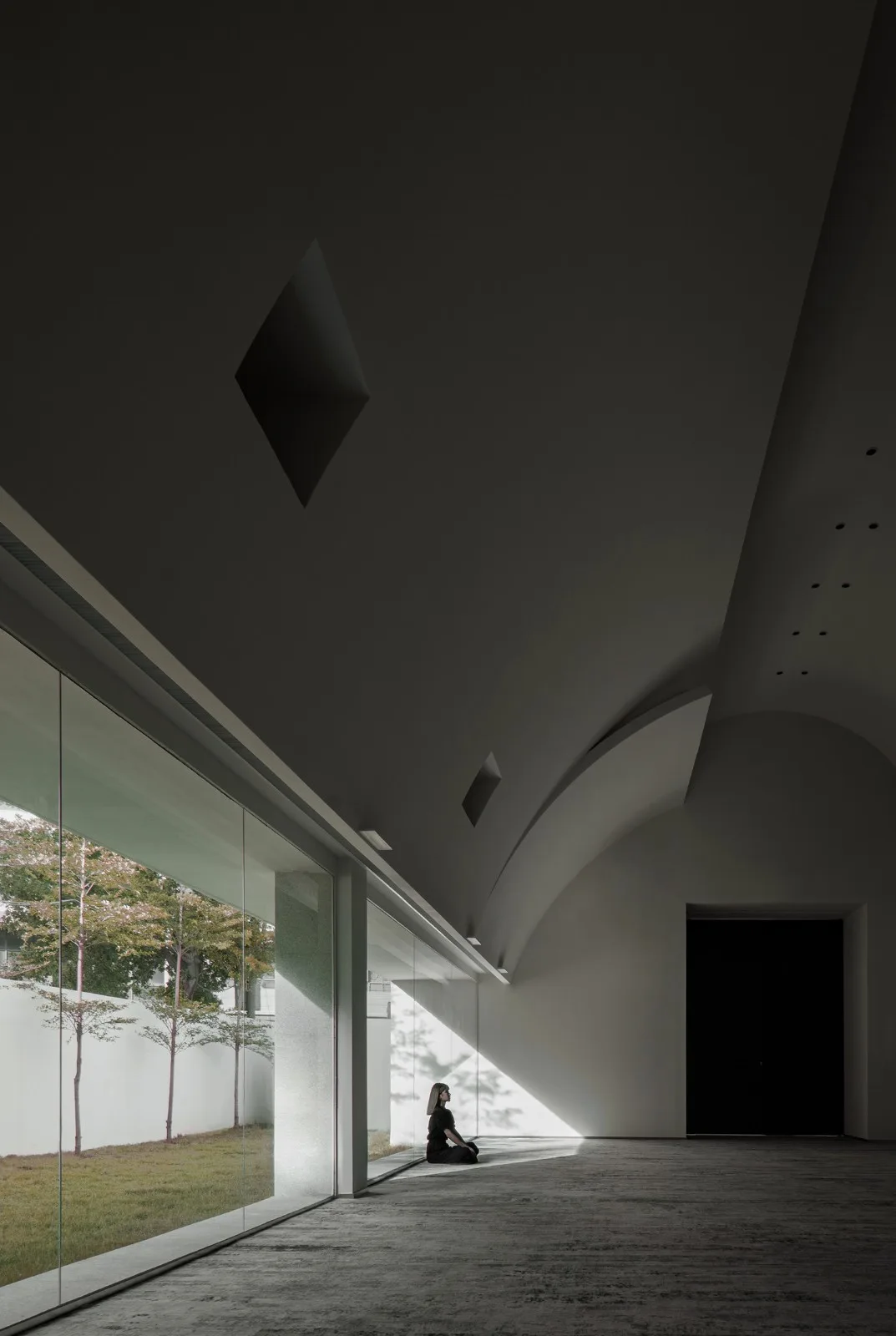
Building functions are assumptions. Our design does not aim to create fixed spatial structures tied to specific functions or behaviors, but rather to imagine multiple possibilities that foster meaningful connections through human interaction.
This design embraces purity within the commercial plan—an unrestrained rationality.
© Zhang Chao Architectural Photography Studio
© Flying Picture
03 Position of Architecture
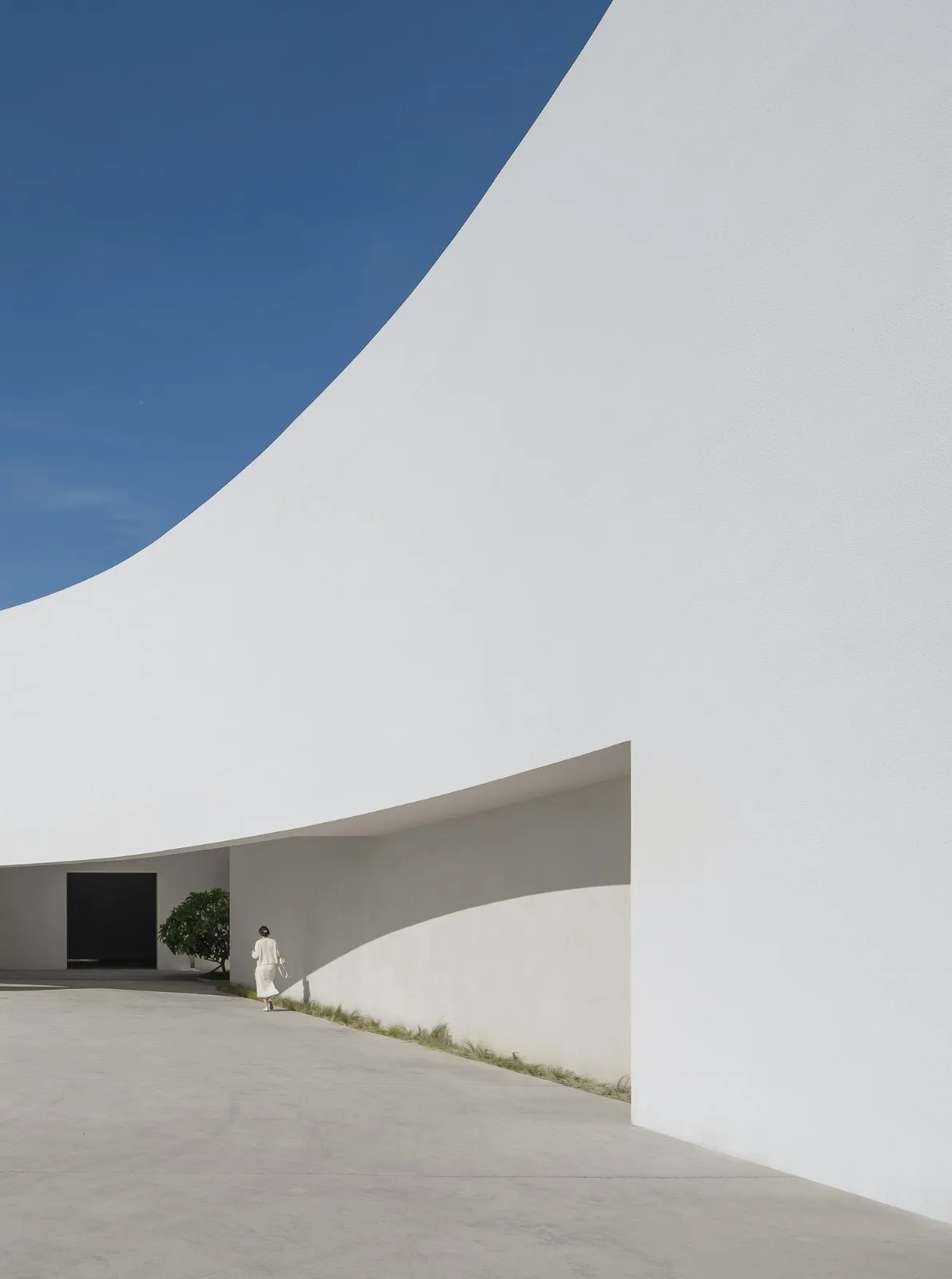
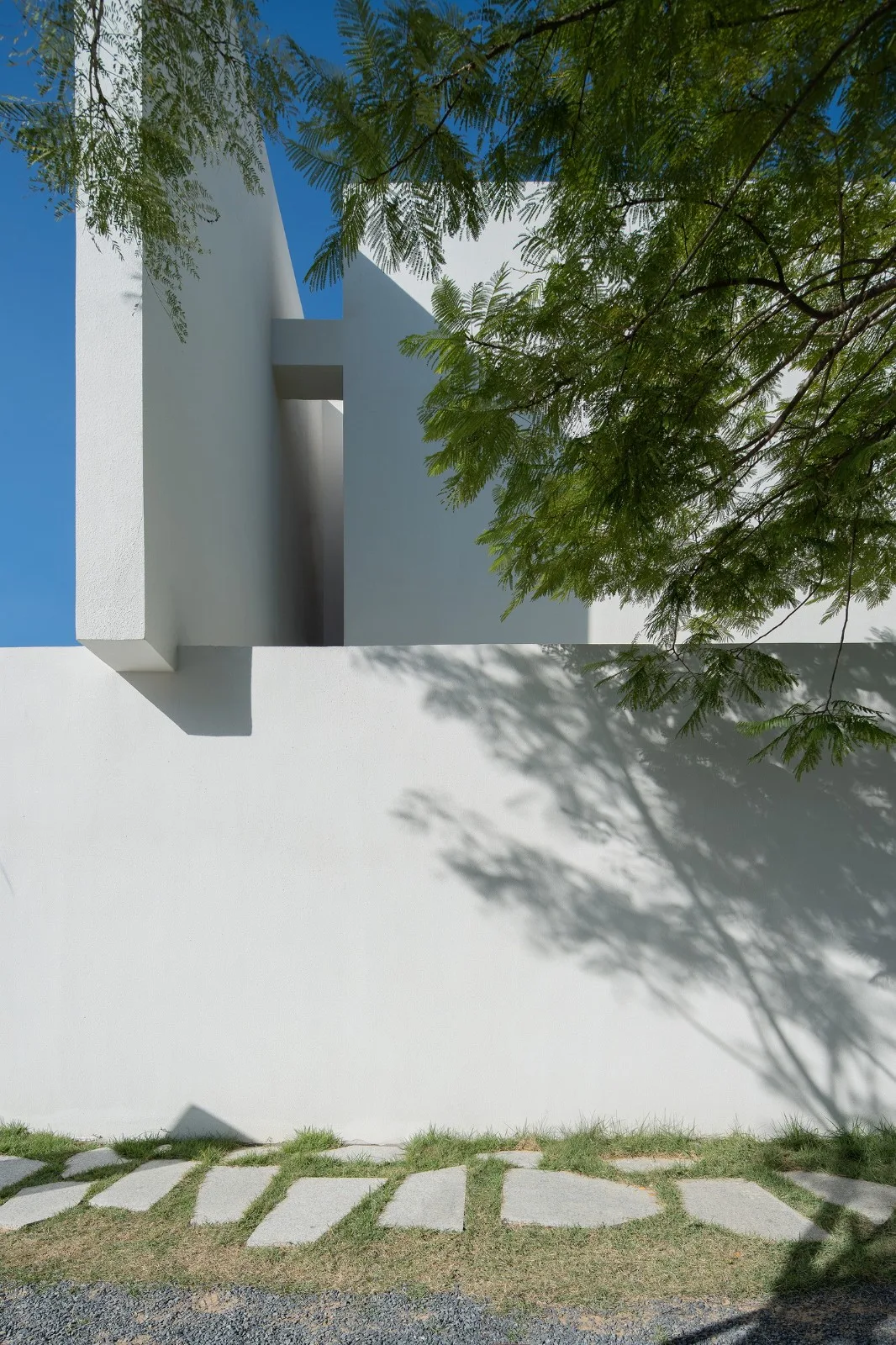
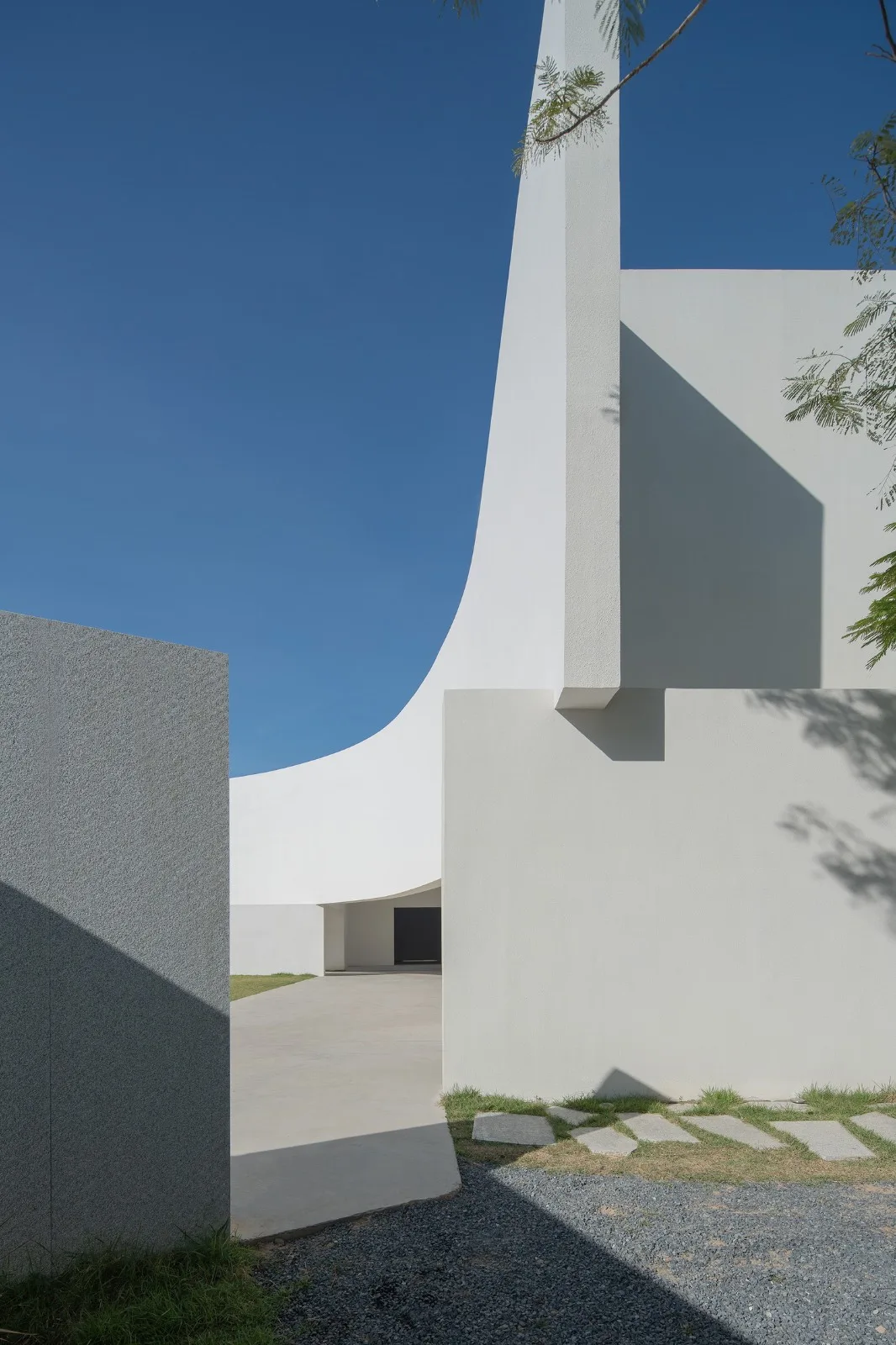
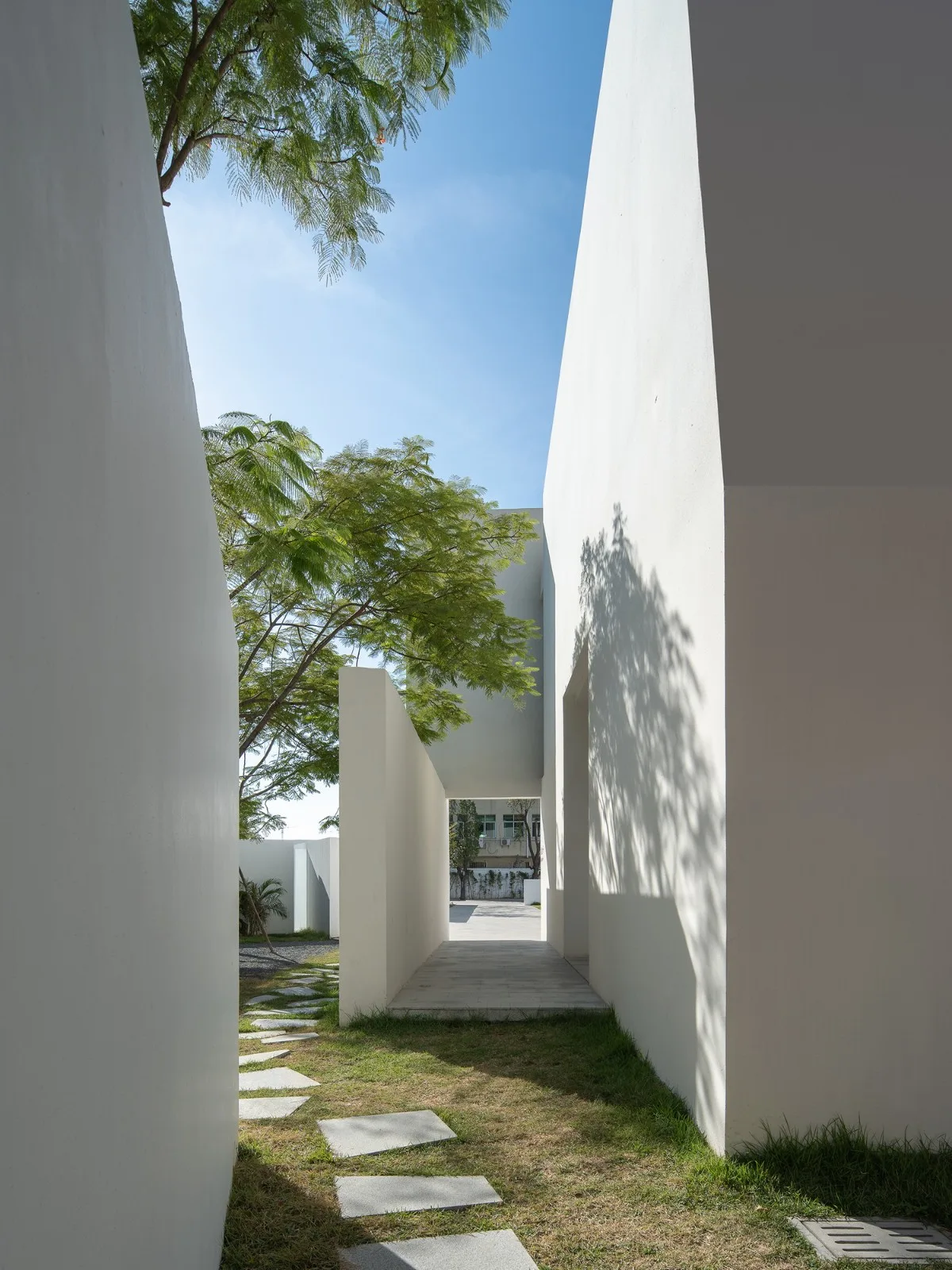
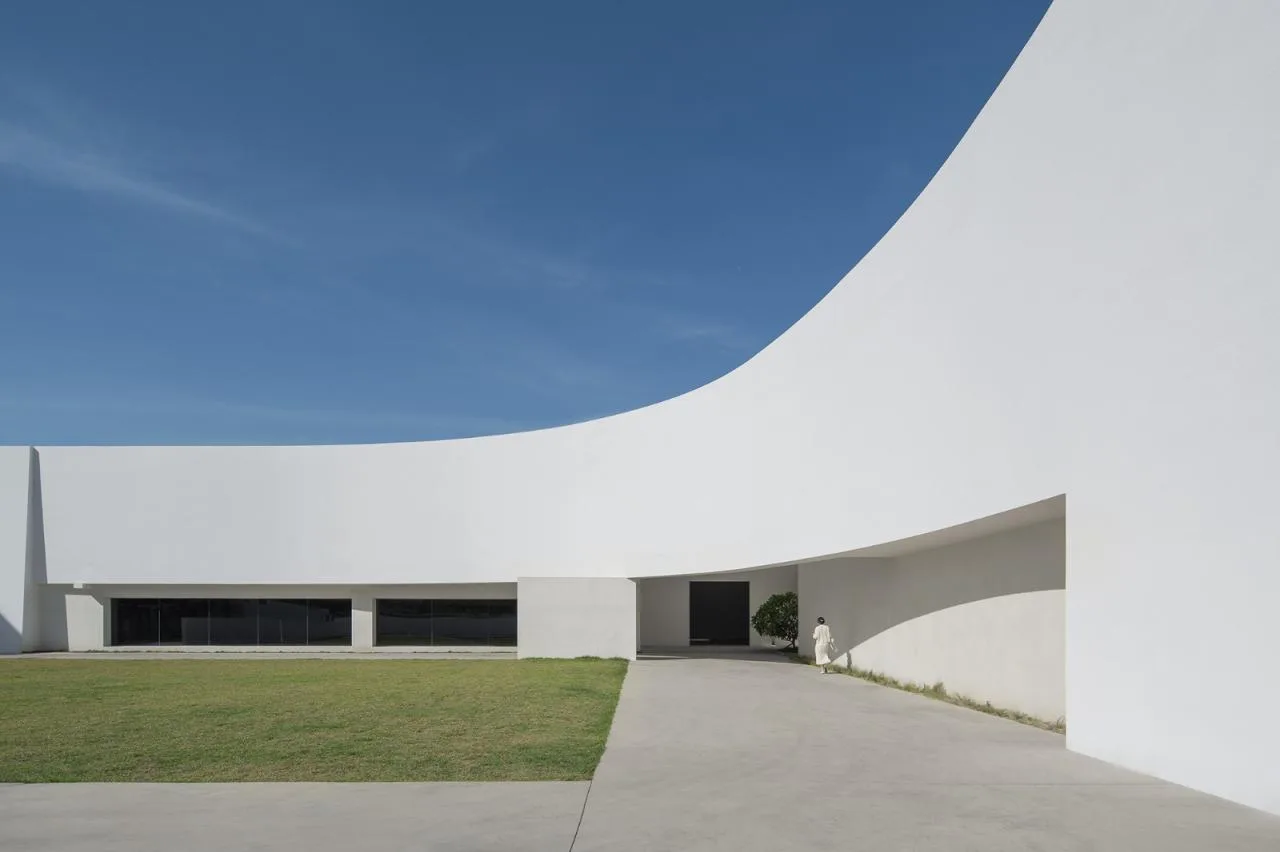
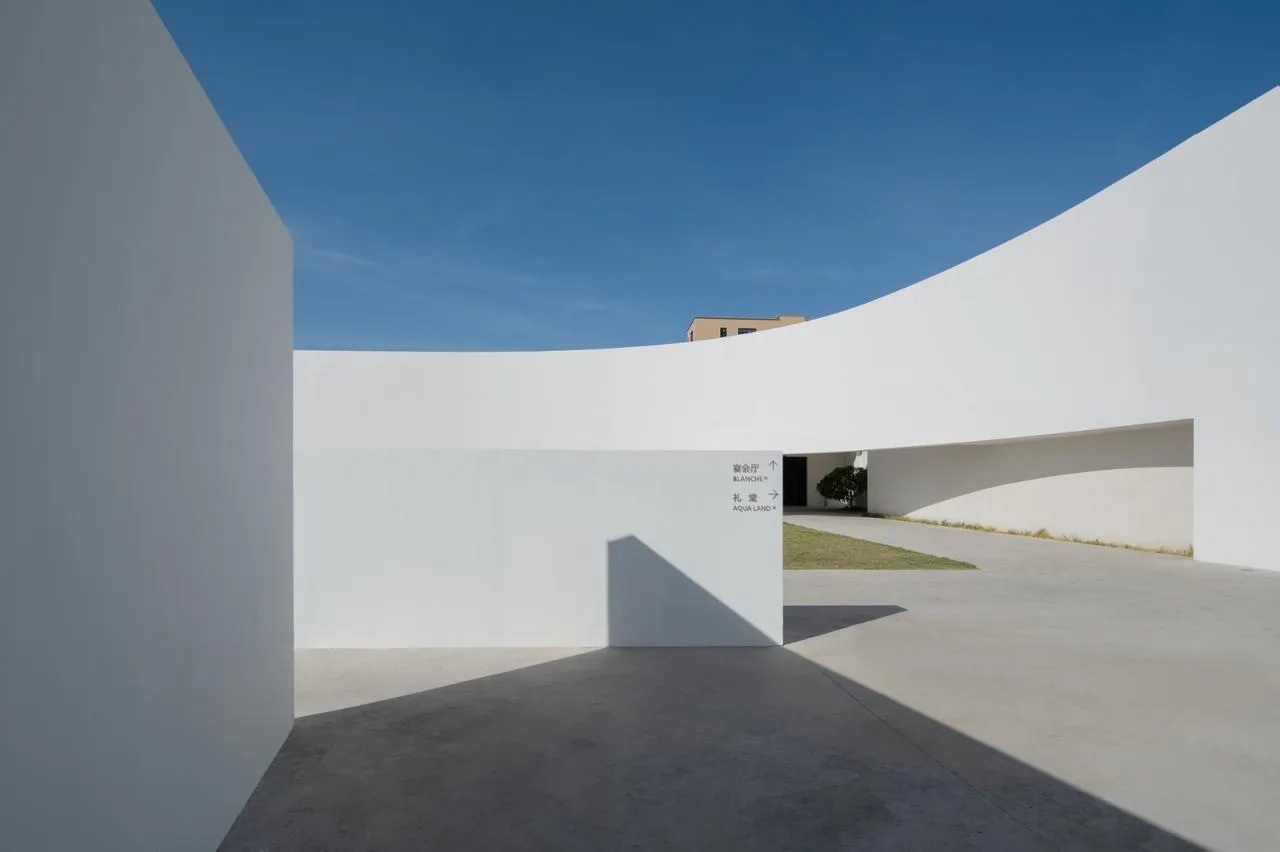
Through abstract geometry, Aike Architecture expresses a minimalist artistic design language that naturally invites people to wander and explore. The inner and outer courtyards encourage lingering and social gatherings.
Traditional courtyard concepts are reinterpreted in contemporary form, creating a dynamic interaction between space and environment, architecture and people, ultimately crafting a human-centered artistic space.
© Zhang Chao Architectural Photography Studio
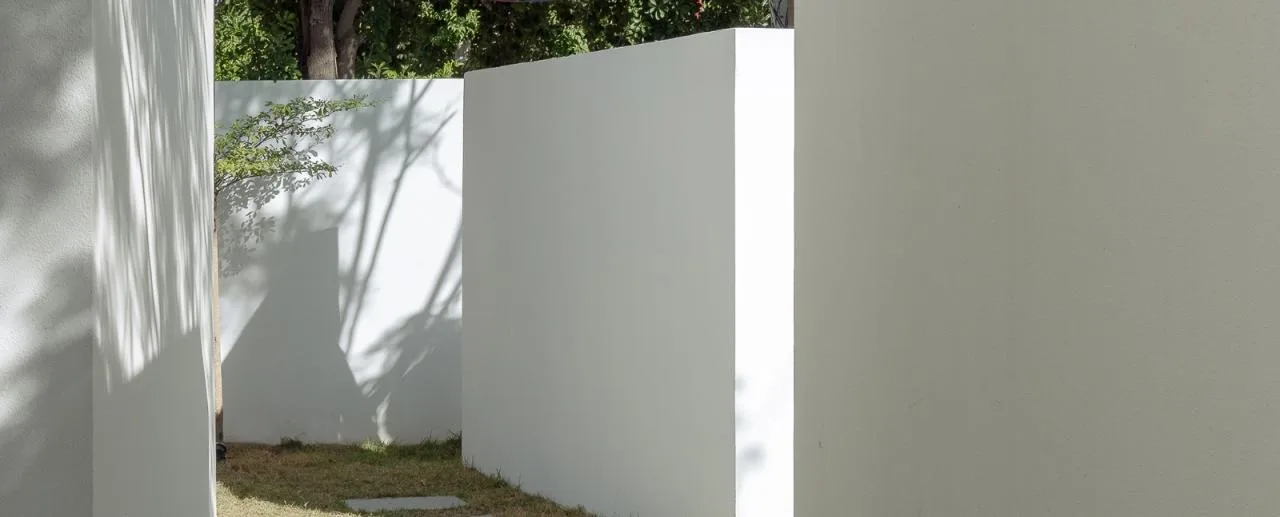
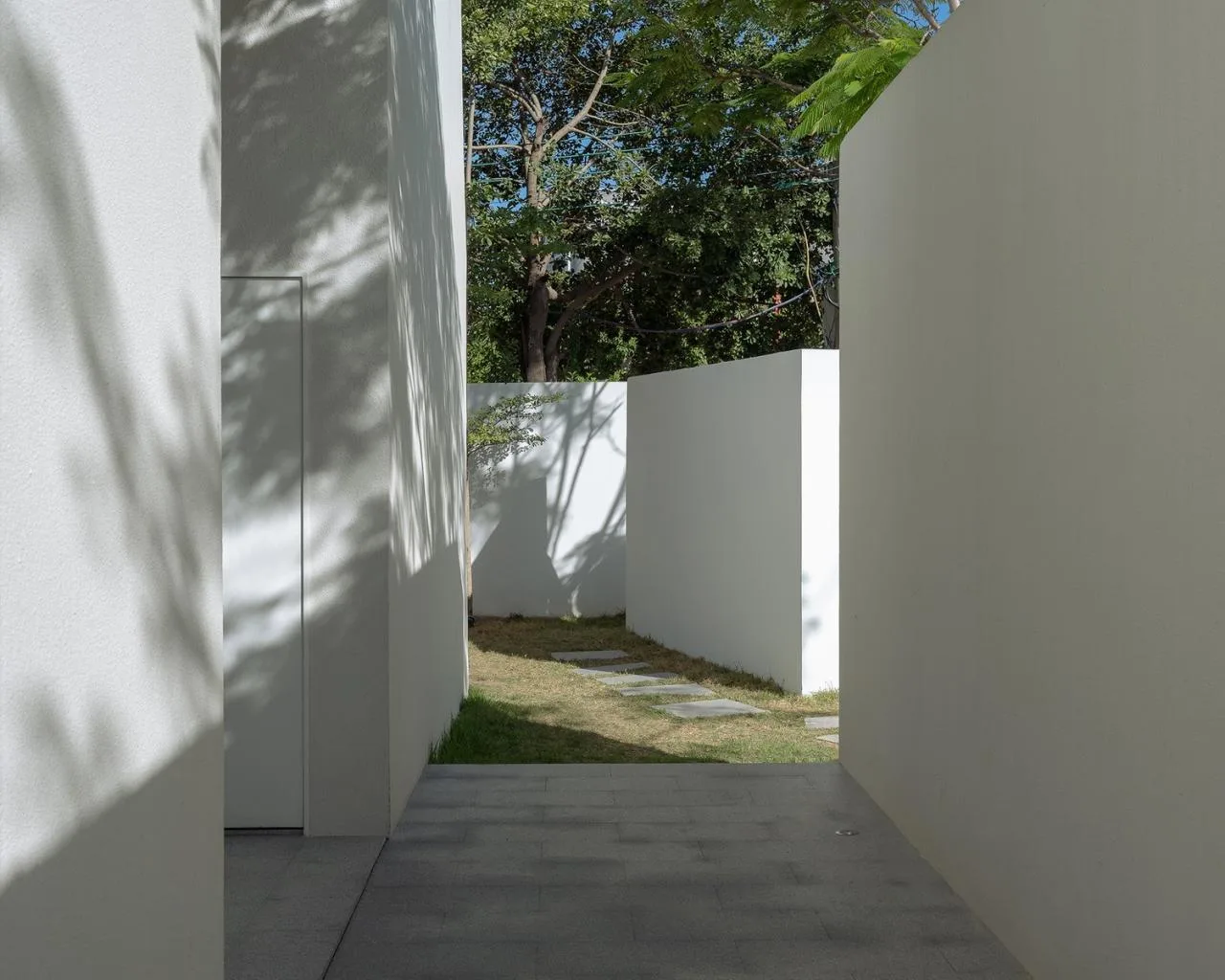
Our hope is to purify the complexity of the world. Designer Xie Peihe aims to transcend architecture itself, focusing instead on the subtle yet profound influence of people and place on surrounding space.
© Zhang Chao Architectural Photography Studio
04 Extraversion
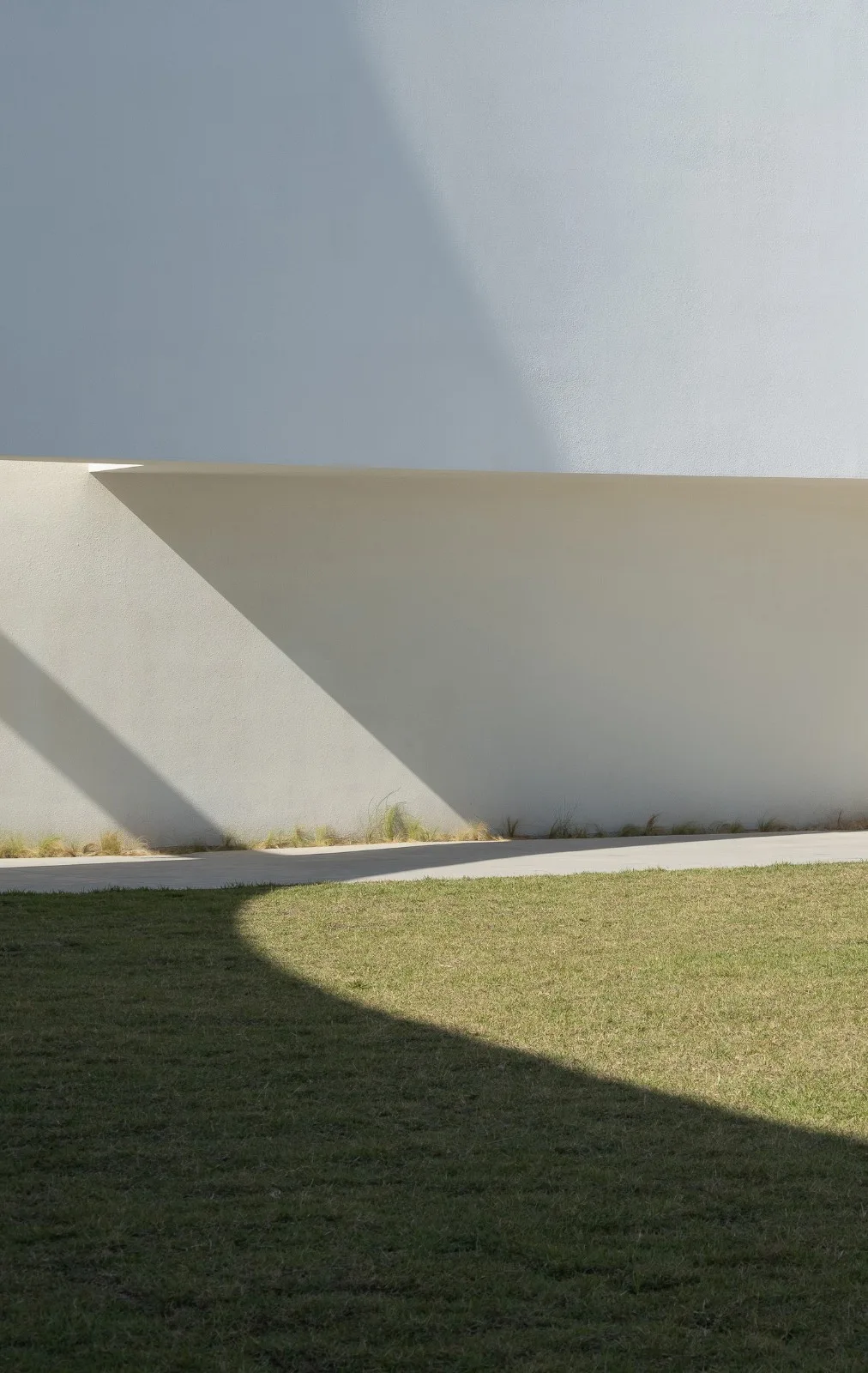
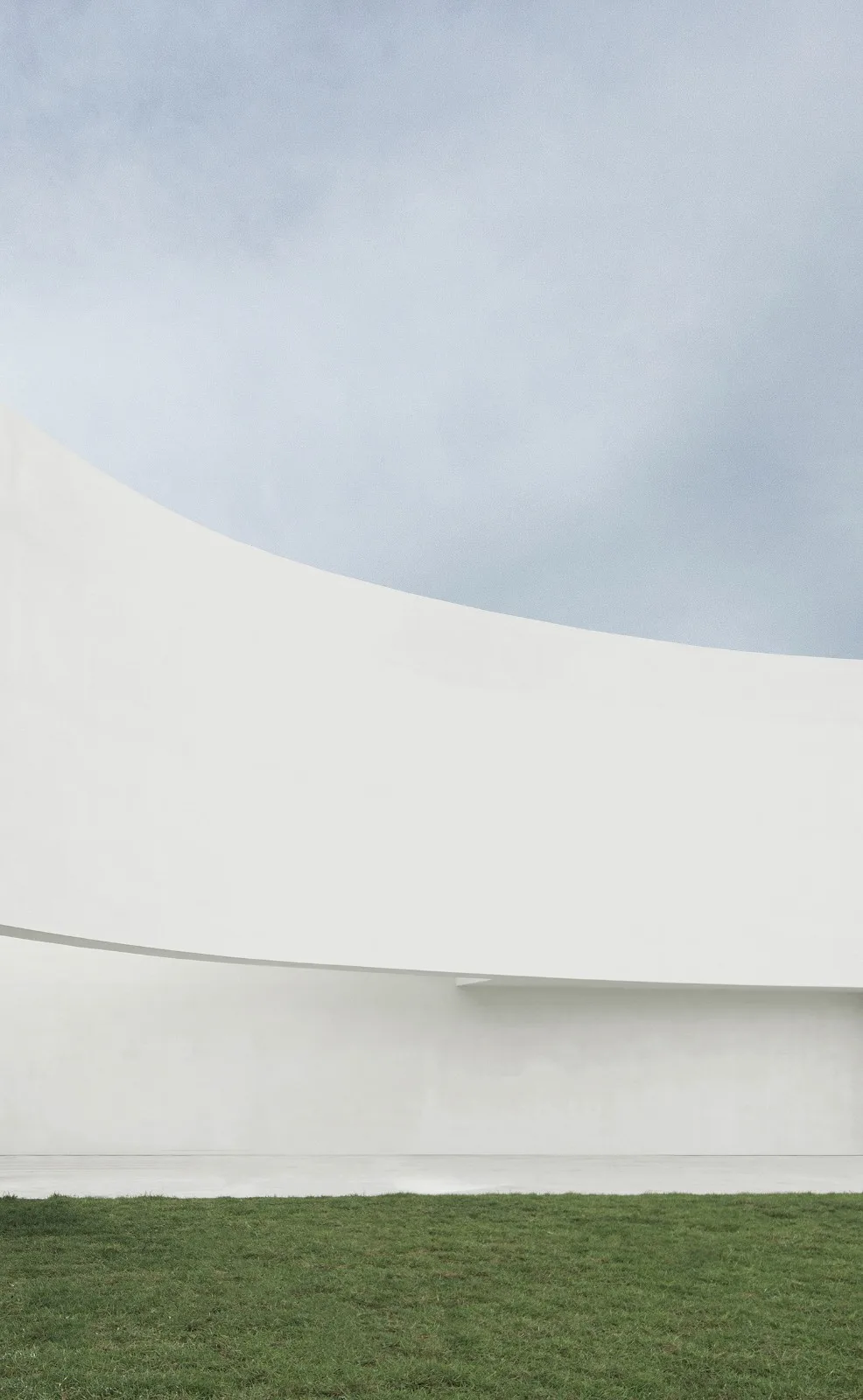
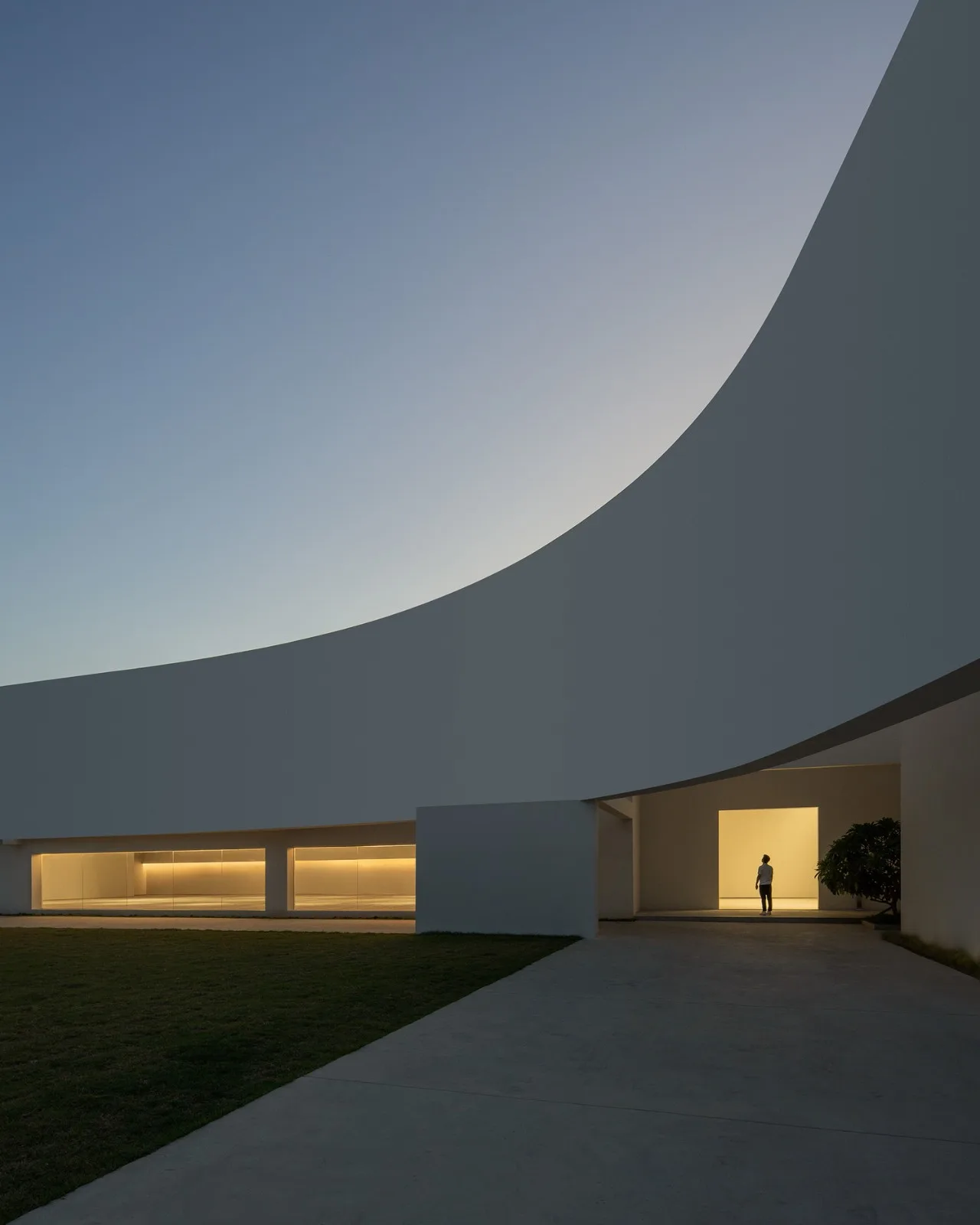
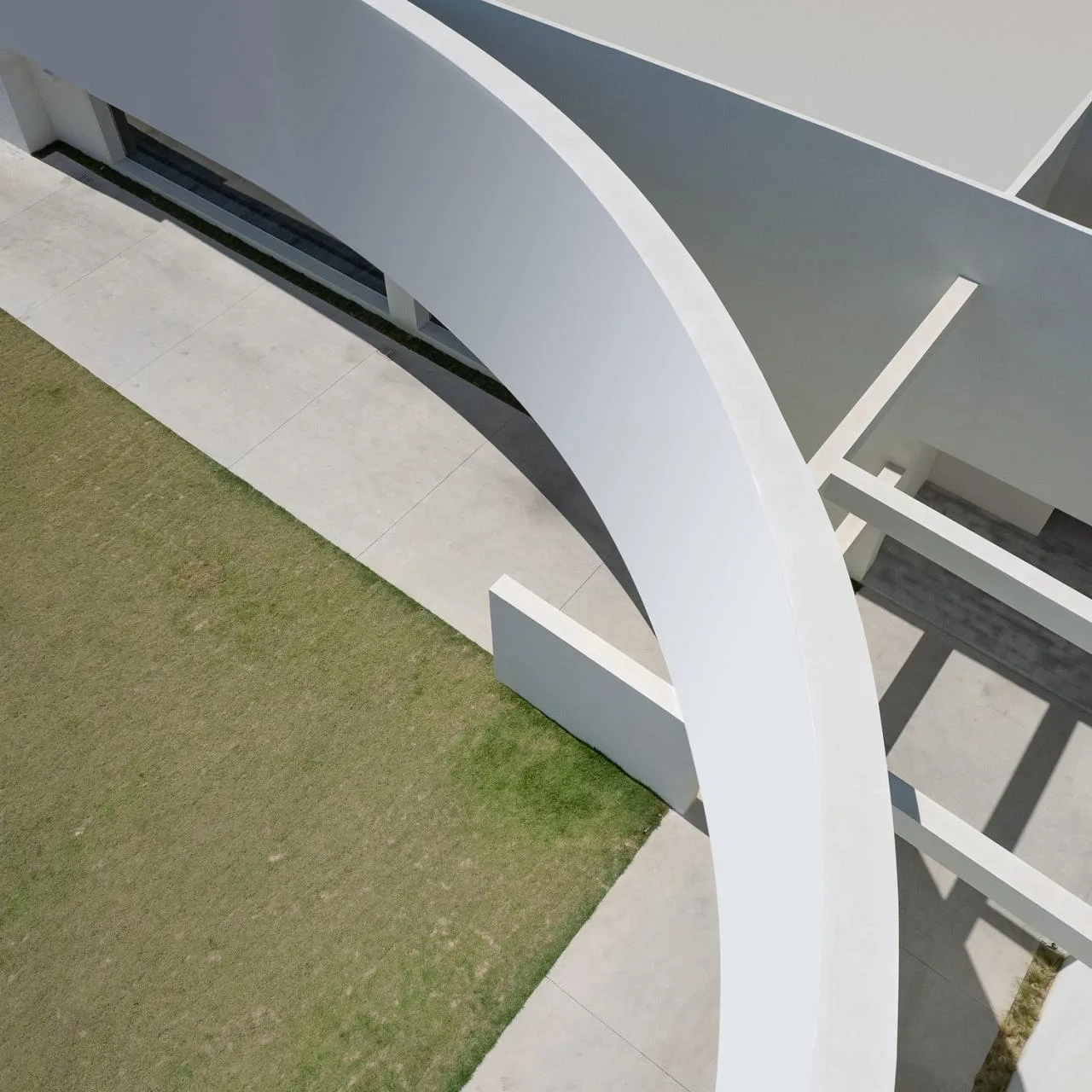
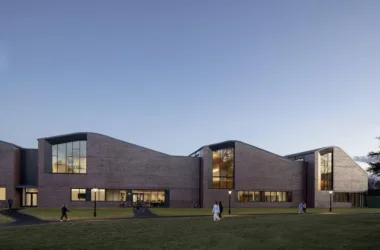
Beyond the object itself, its impact on the surrounding environment is a key consideration in the design process. The design’s deliberate yet subtle skyline breakthrough manifests as an arc that slices through the calm sky, capturing attention and transforming an ordinary village into a beautiful, artistic place.
© Zhang Chao Architectural Photography Studio
© Flying Picture
© Zhang Chao Architectural Photography Studio
05 Freedom and Norms
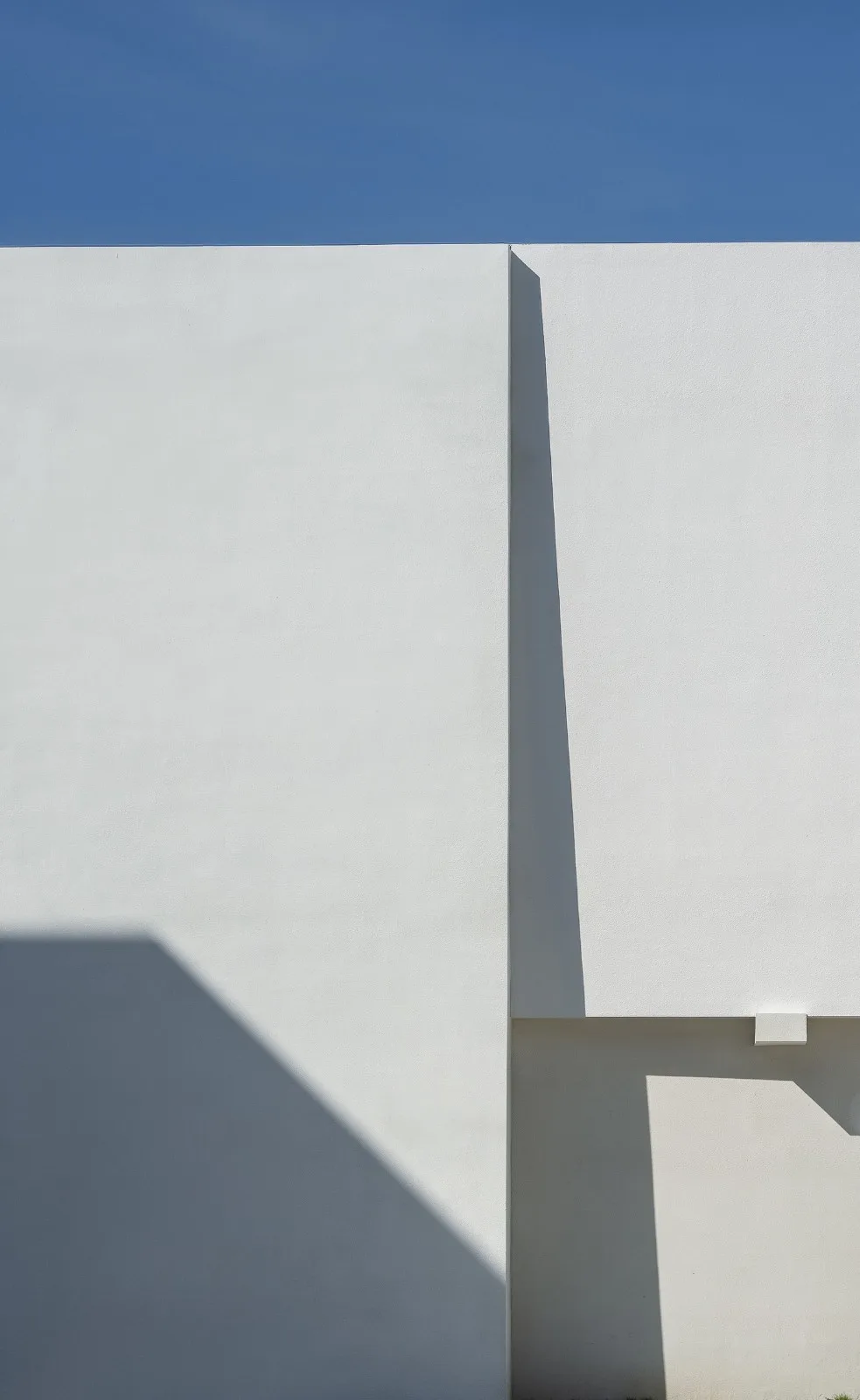
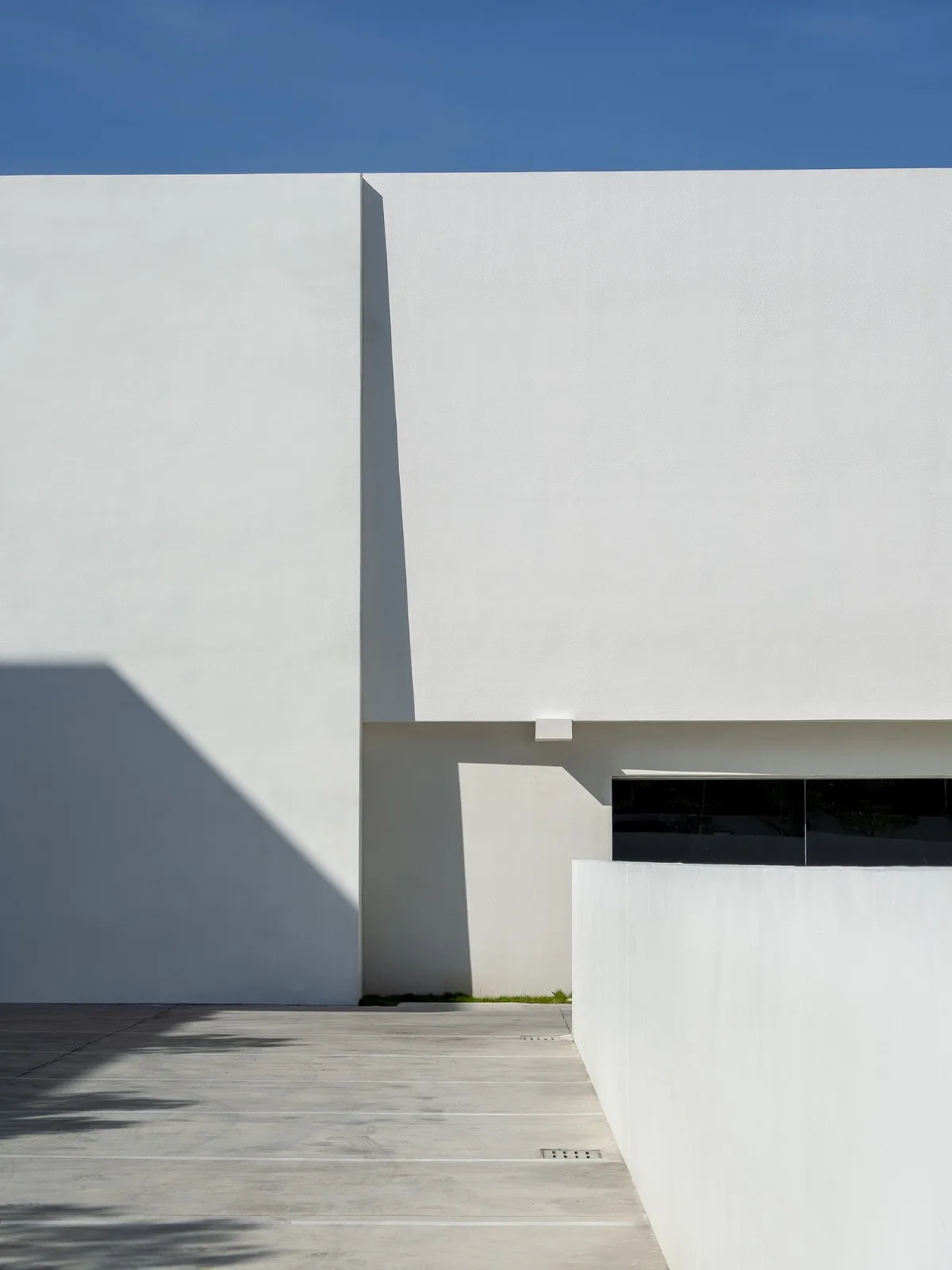
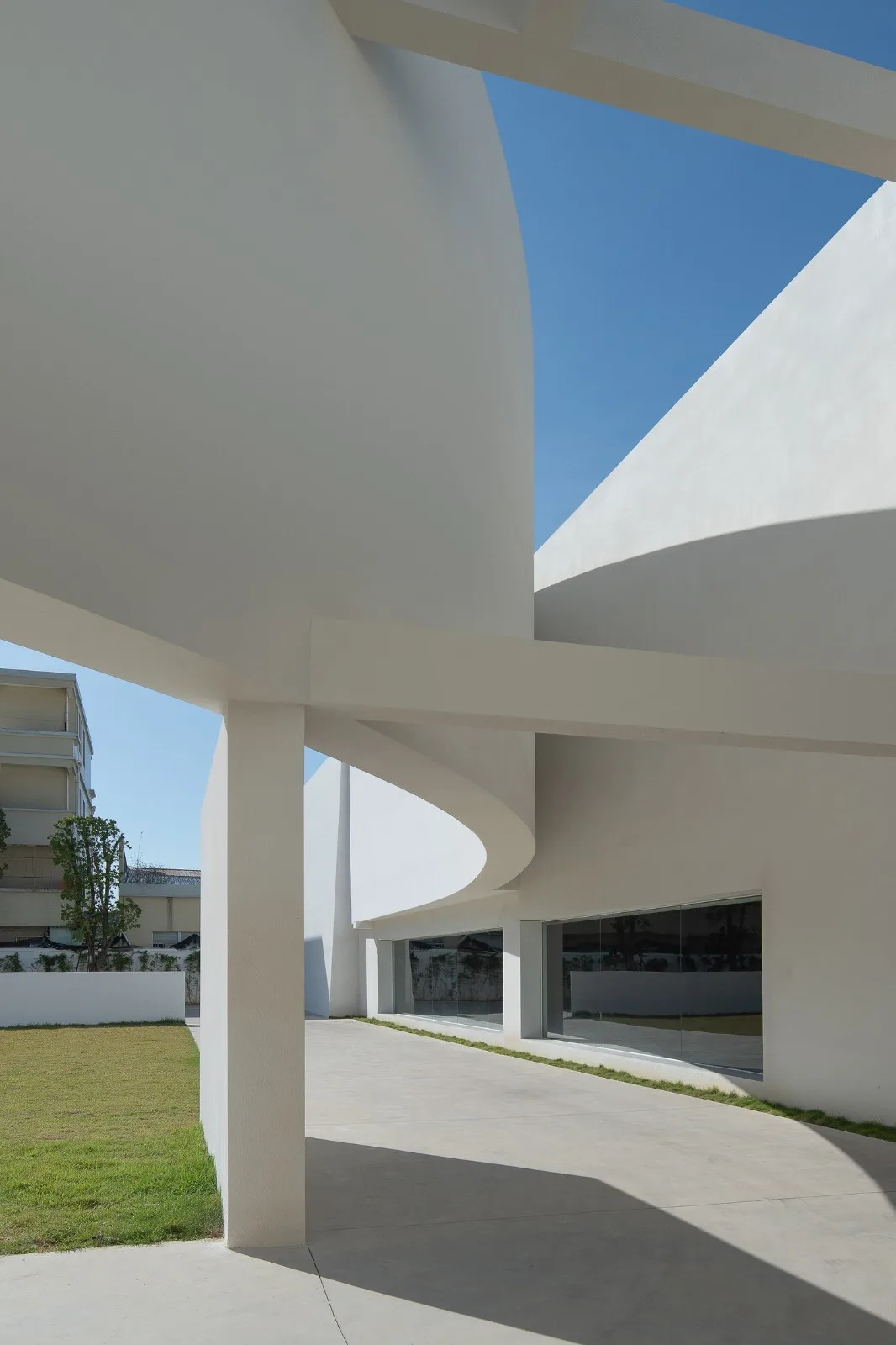
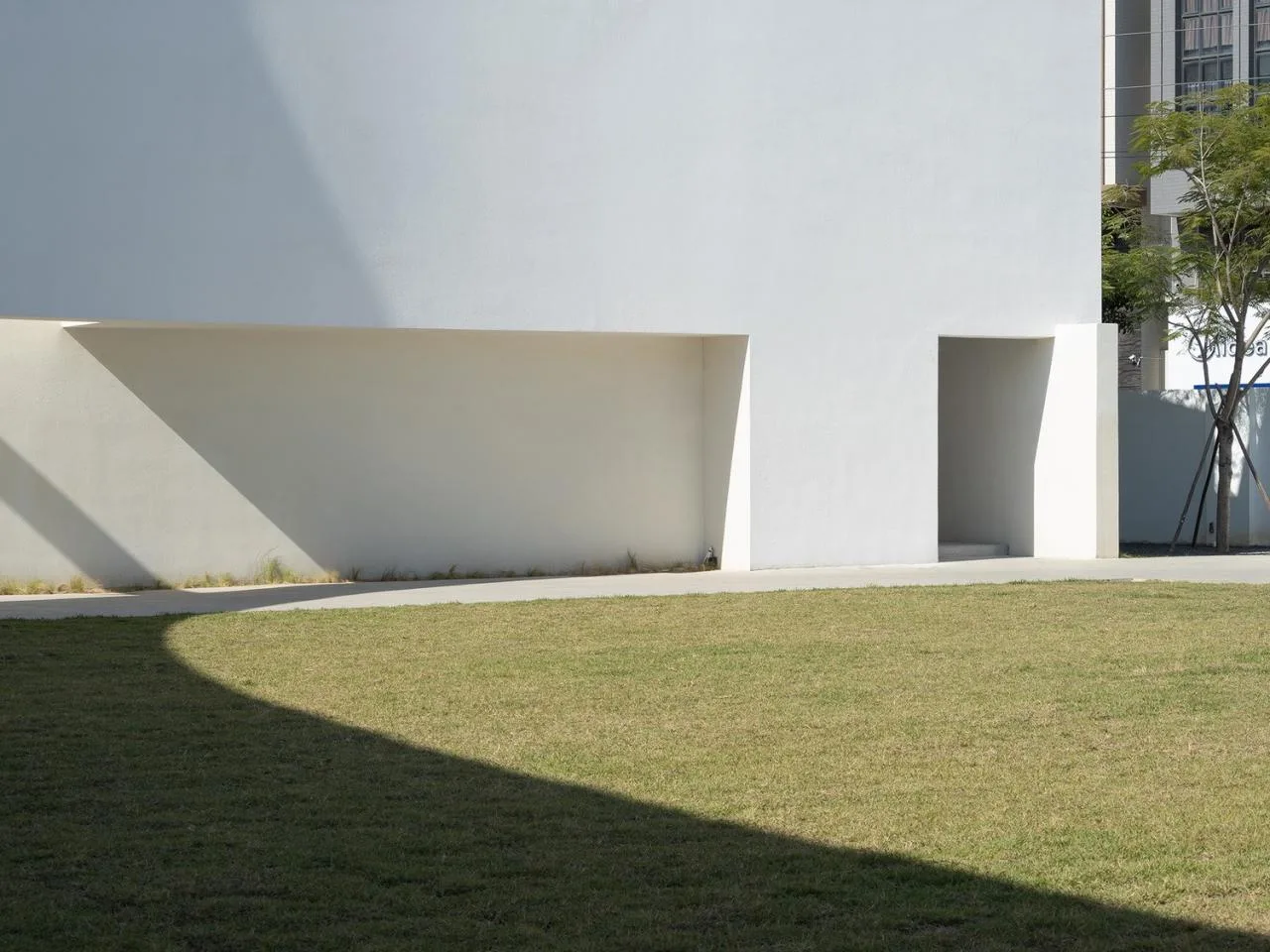
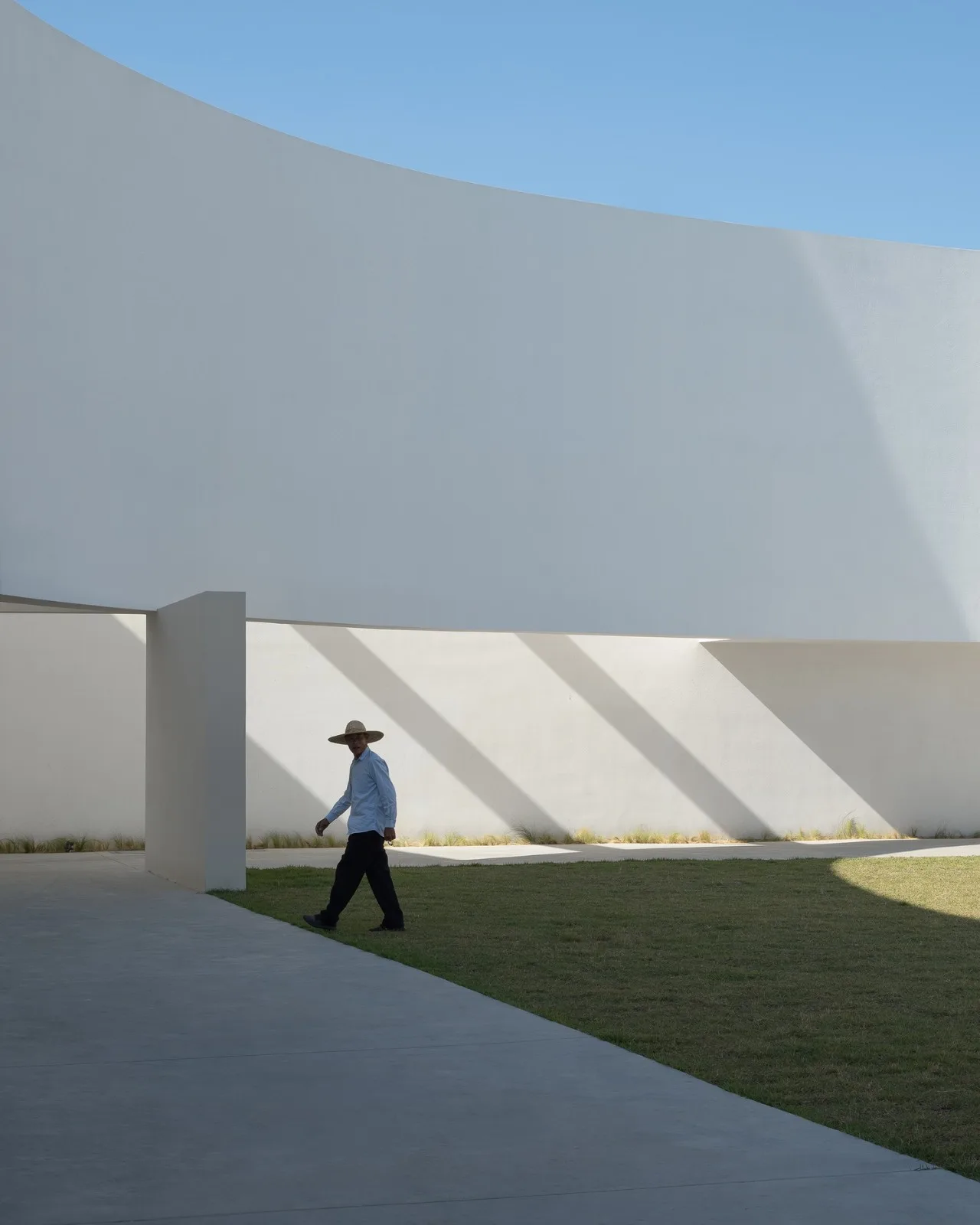
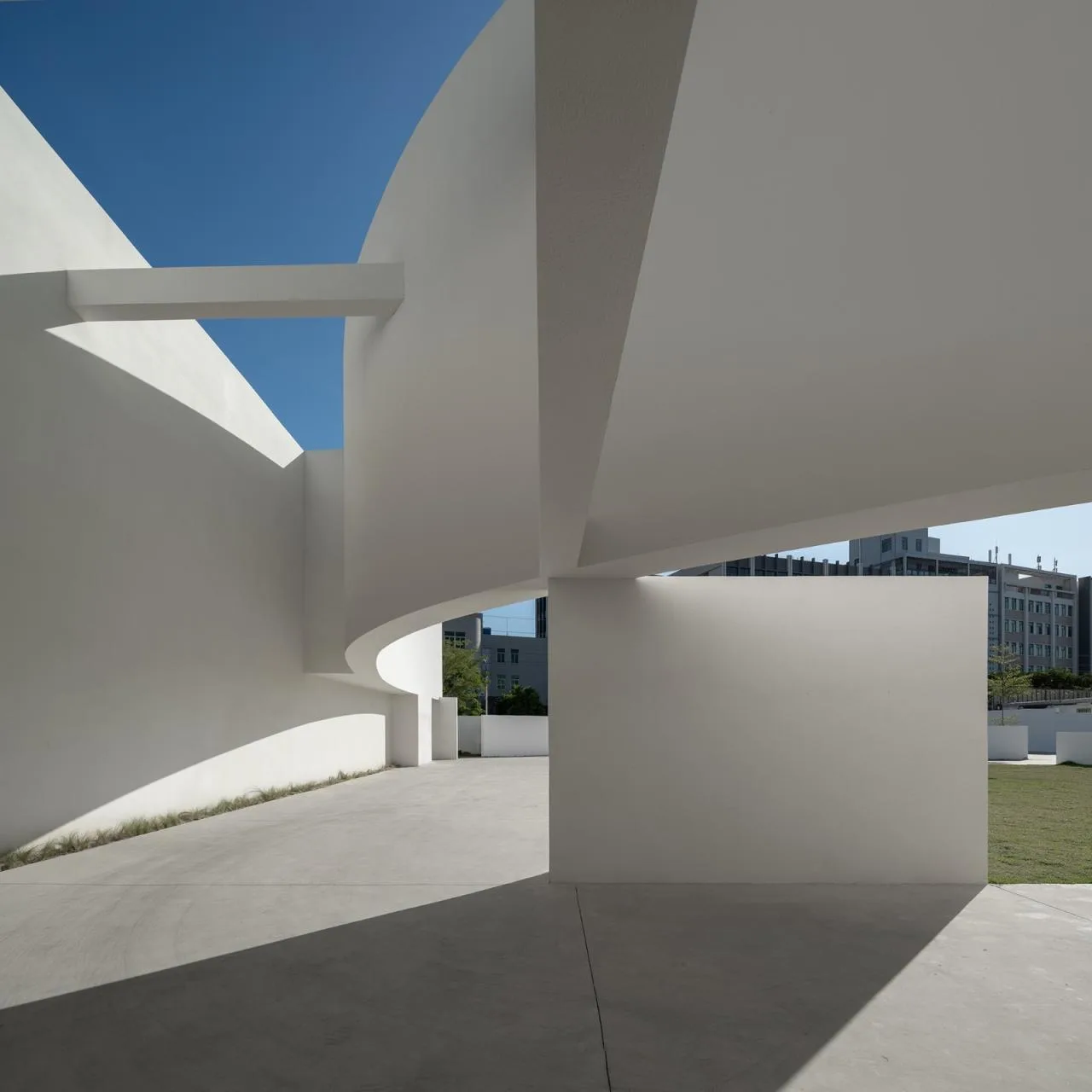
Everyday spatial forms create a variety of freedoms for light and shadow, revealing a beauty in change. Freedom here is the light that makes space more inviting and anticipated.
However, these freedoms are premeditated, a form of regulated liberty. The interplay of light and shadow accentuates the power of objects, with natural light shaping the space through shifting shadows rather than divine illumination.
© Zhang Chao Architectural Photography Studio
06 People-Friendly Aesthetics
The design process, from concept to execution, remains a central discussion in our industry. Our goal is to present a design that stays true to its initial vision.
We adopted a simple steel structure with large white walls, emphasizing minimalist aesthetics that feel approachable and free of distance. The richness that emerges from tolerance is subtle but abundant.
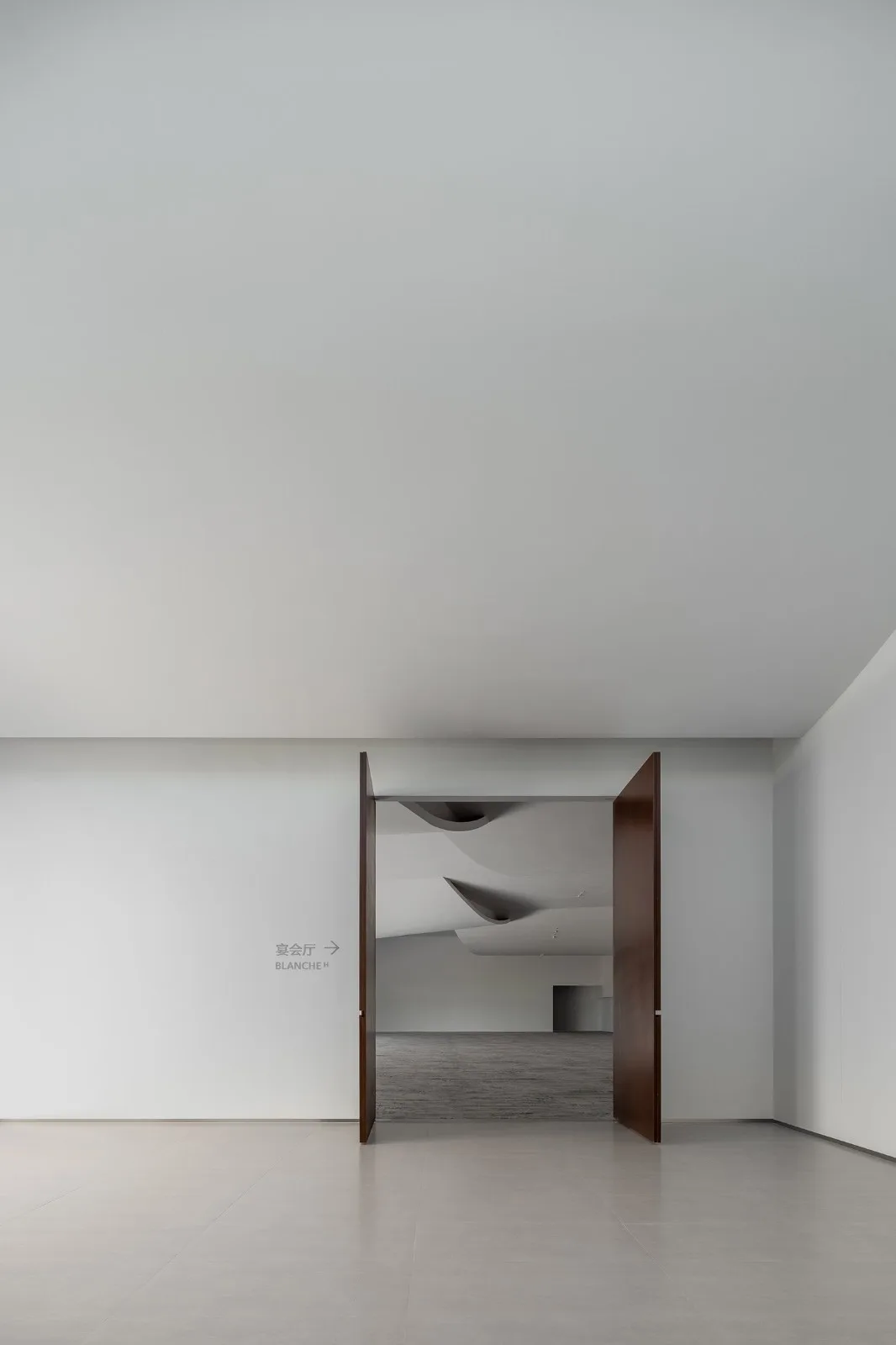
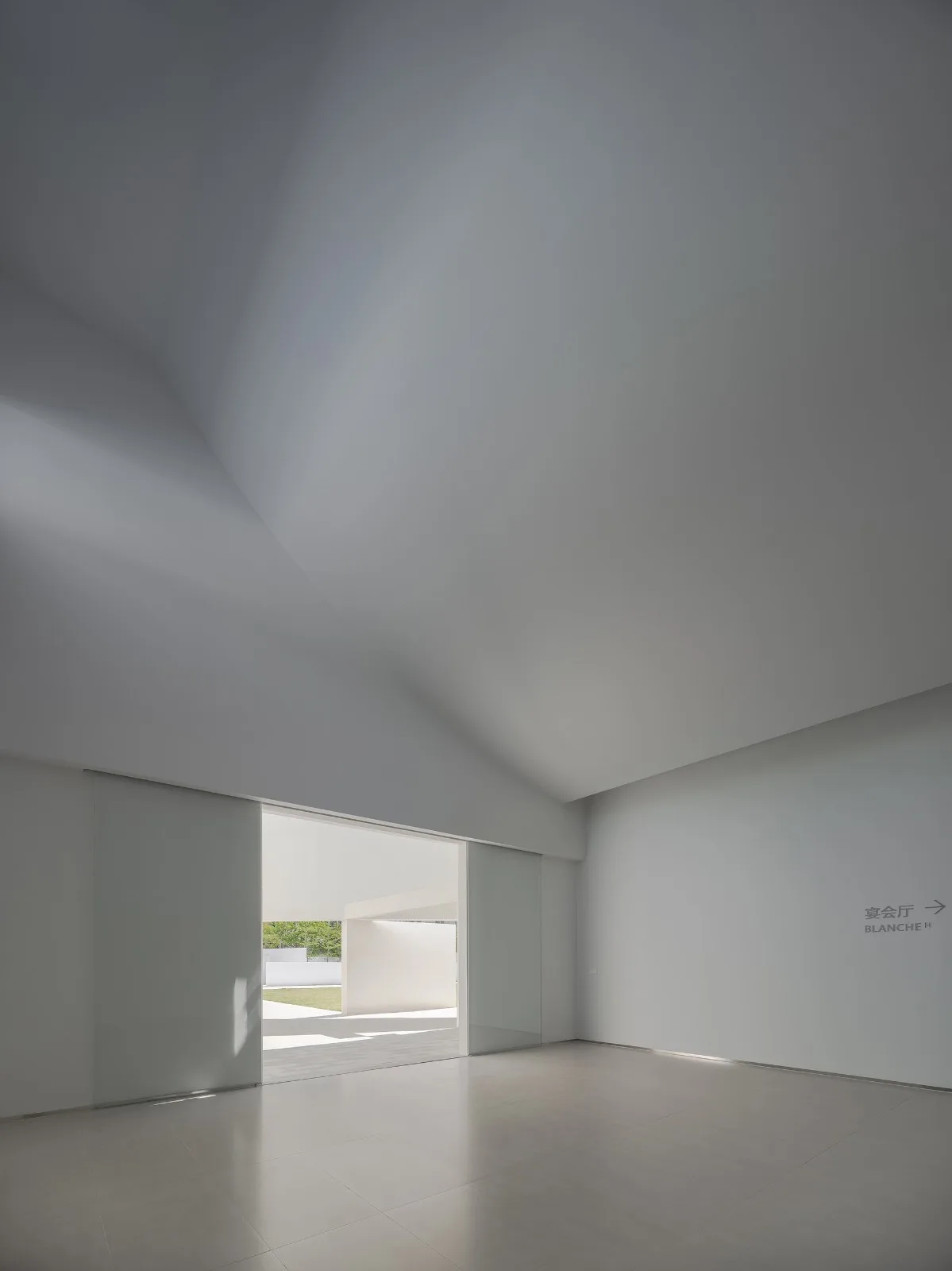
© Zhang Chao Architectural Photography Studio
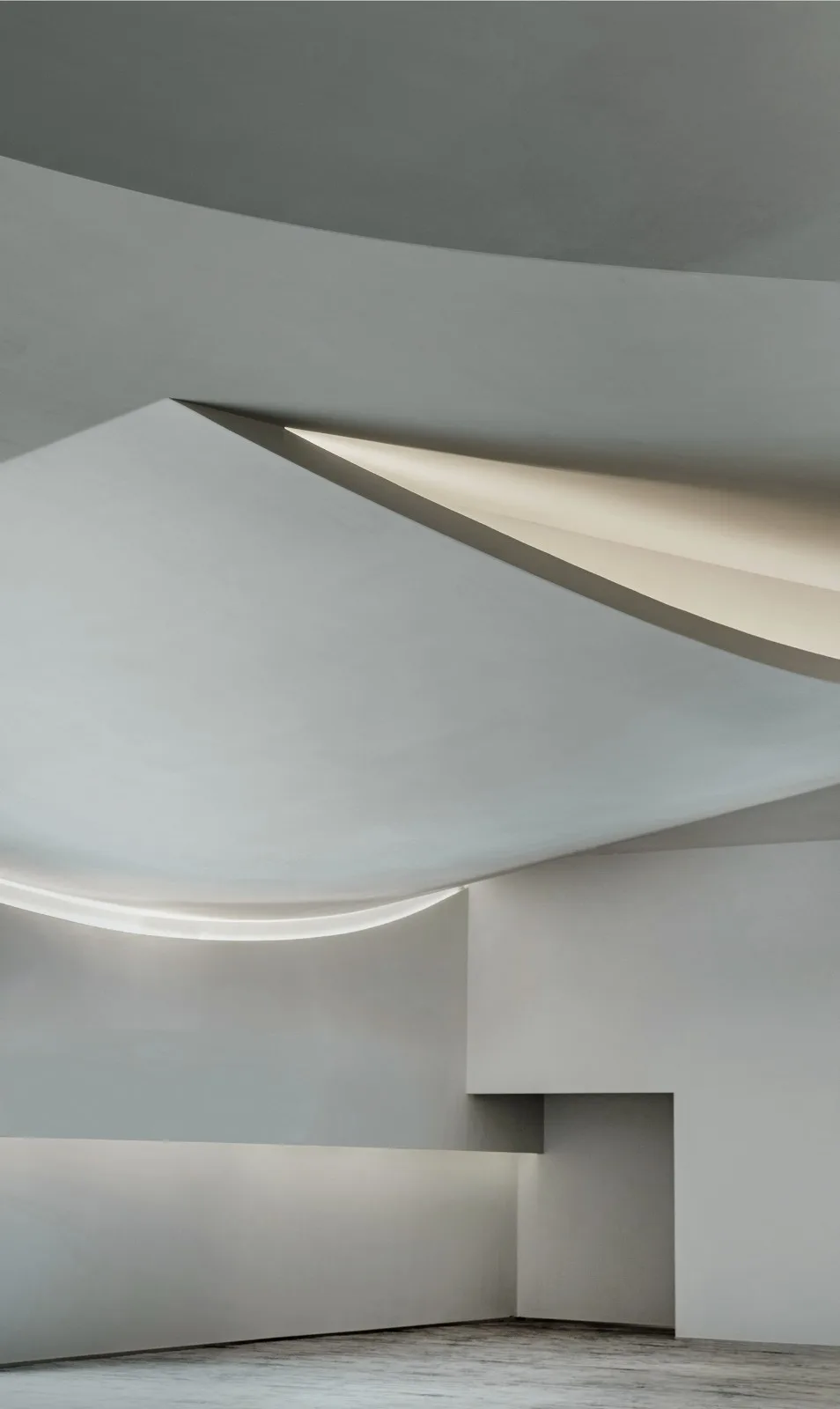
© Flying Picture
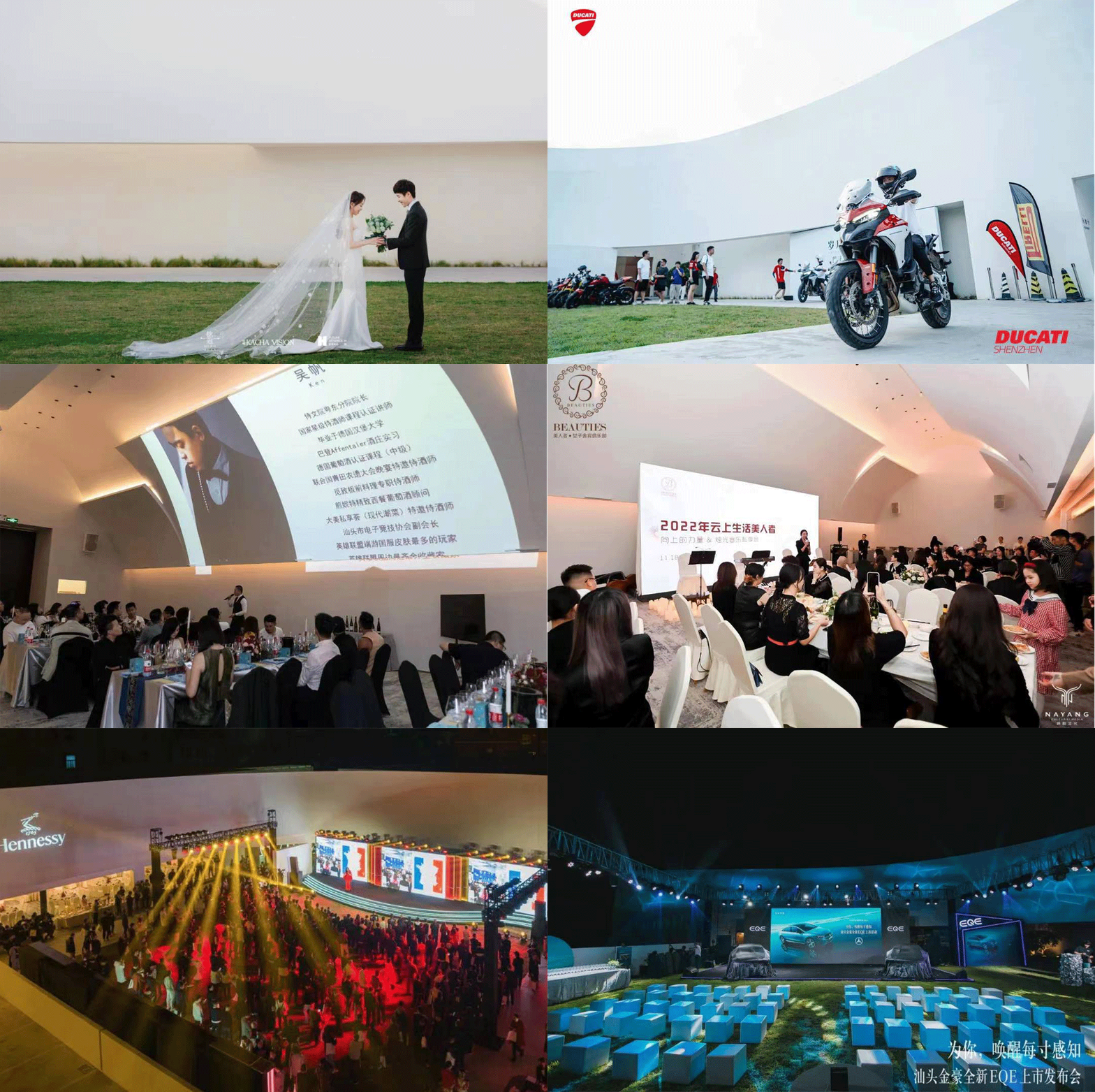
△ Activity Scene © Future Vision
Project Drawings
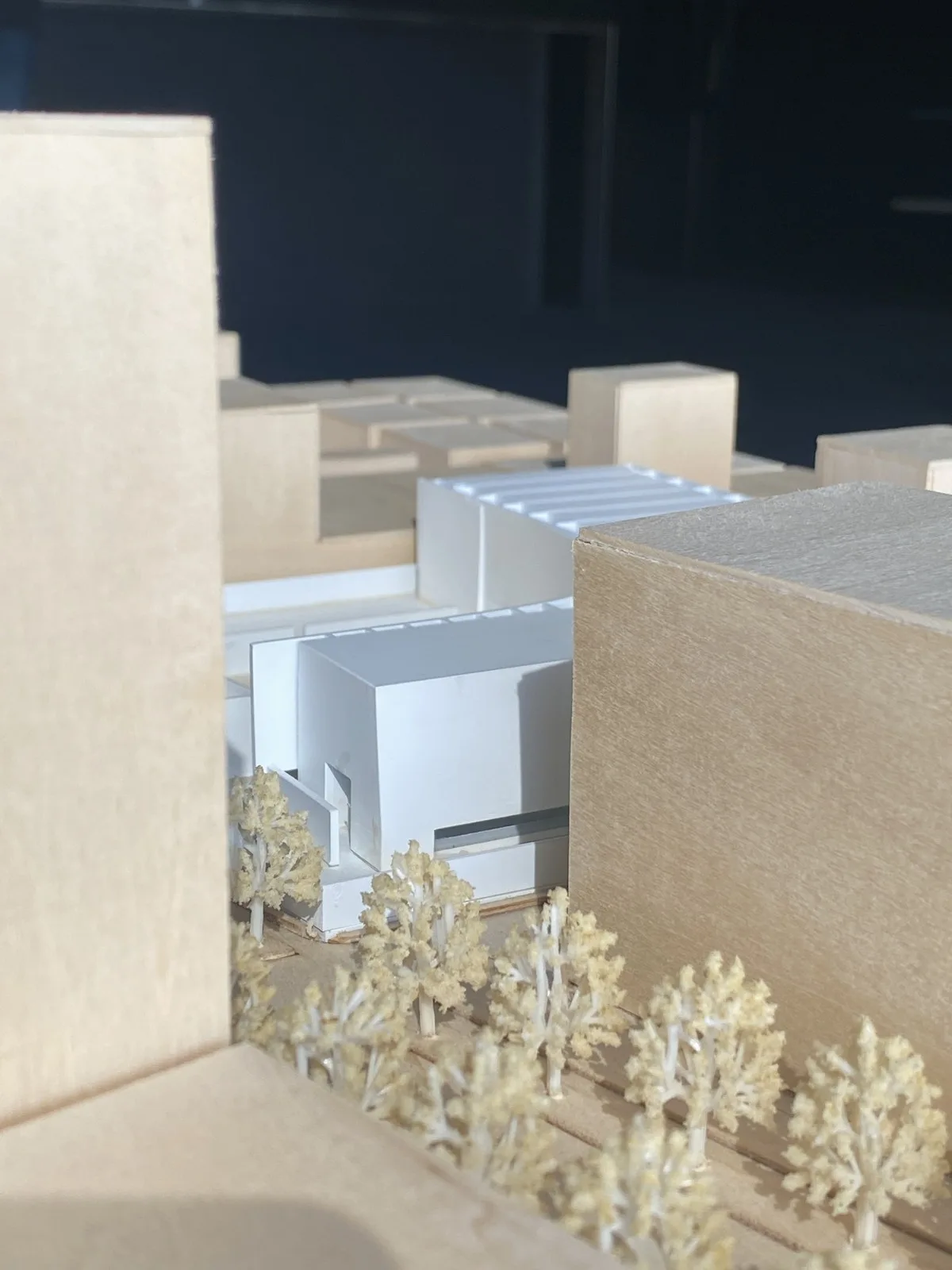
△ Model Display © Aike Architecture
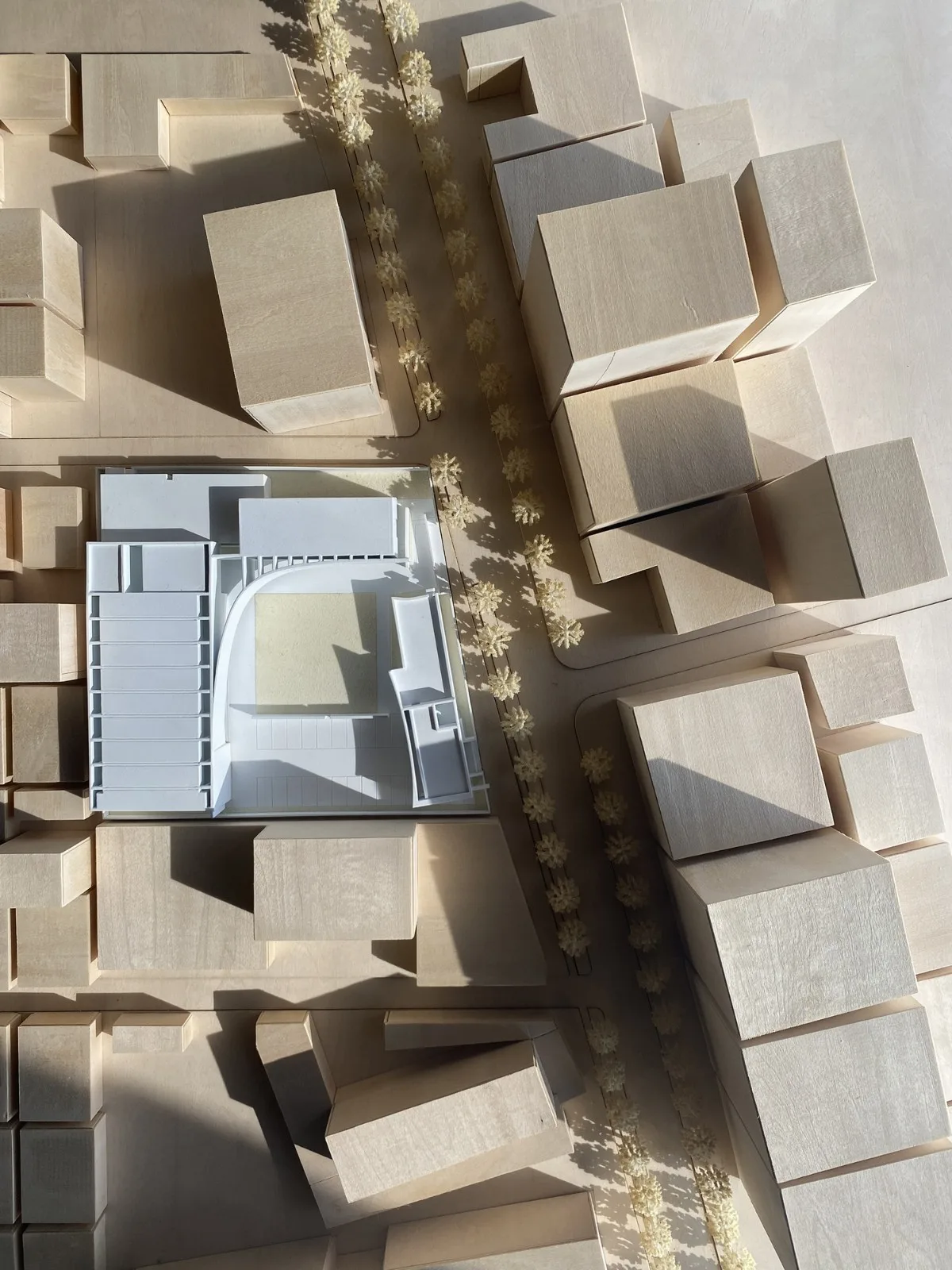
△ Model Display © Aike Architecture
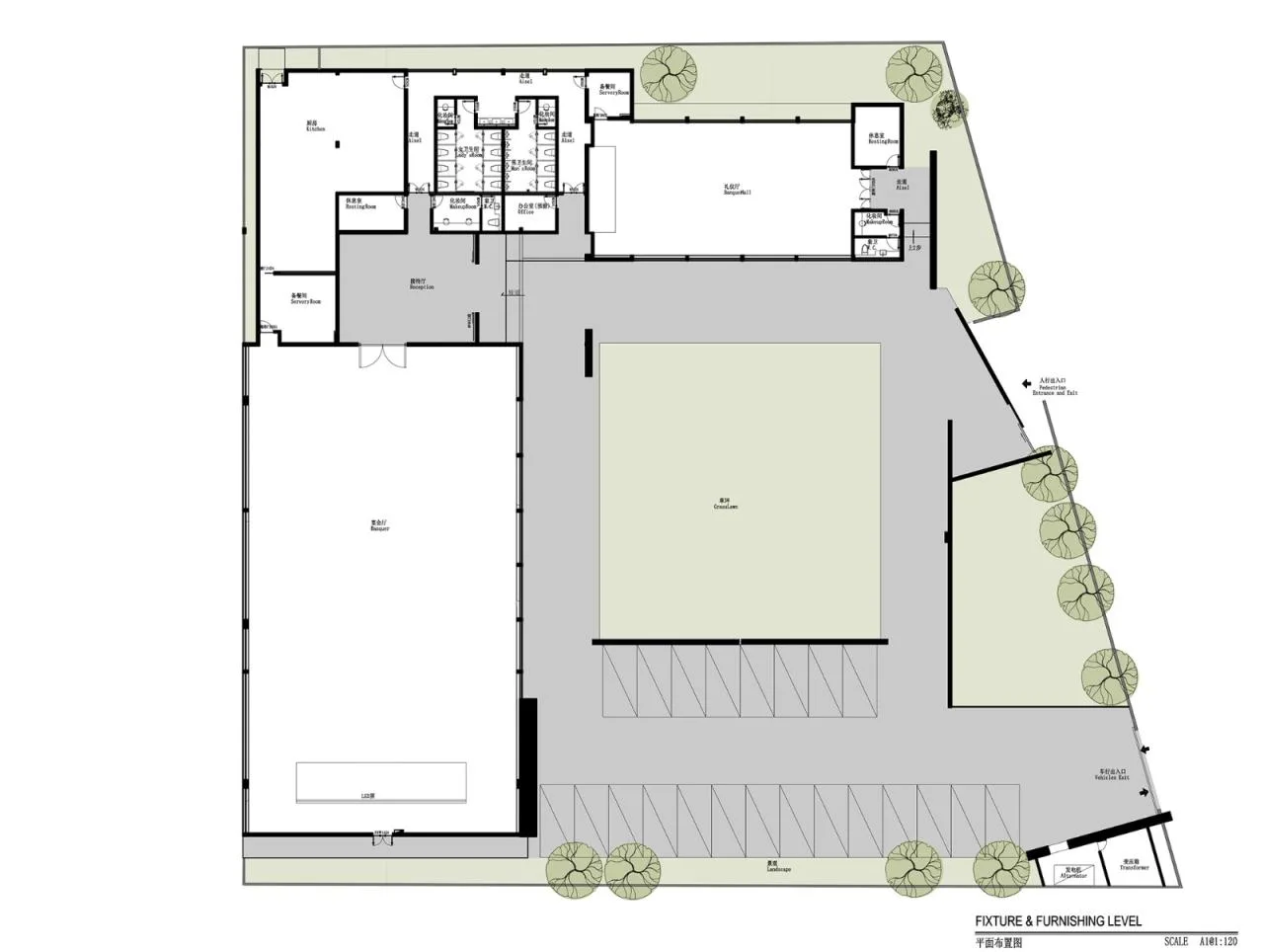
△ Plan View © Aike Architecture
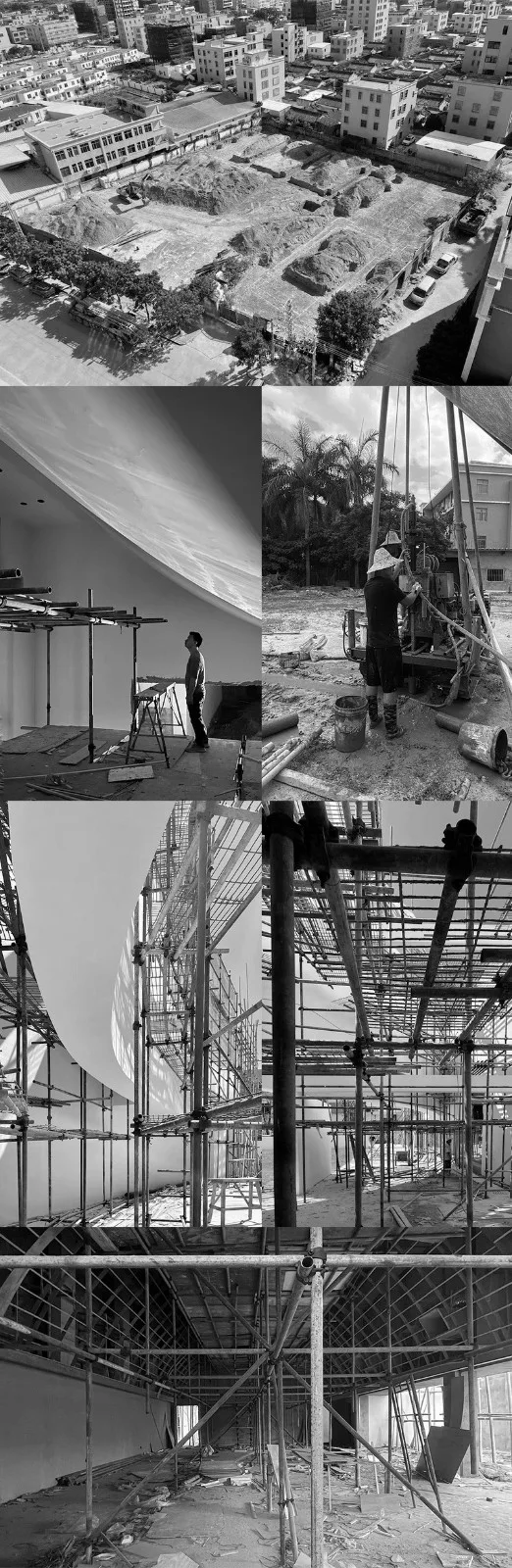
△ Construction Site © Aike Architecture
Project Information
Project Name: Hui Art Center
Design Agency: AD Architecture ∣ Aike Architectural Design (www.arch-ad.com)
Official Email: office@arch-ad.com
Chief Designer: Xie Peihe
Design Team: Aike Architecture
Location: Shantou, Guangdong
Floor Area: 4000 square meters
Building Area: 1600 square meters
Main Materials: exterior wall paint, granite, carpet, ceramic tiles
Design Period: August 2021
Completion Date: December 2022
Project Photography: Zhang Chao Architectural Photography Studio, Flying Pictures















Must log in before commenting!
Sign Up