
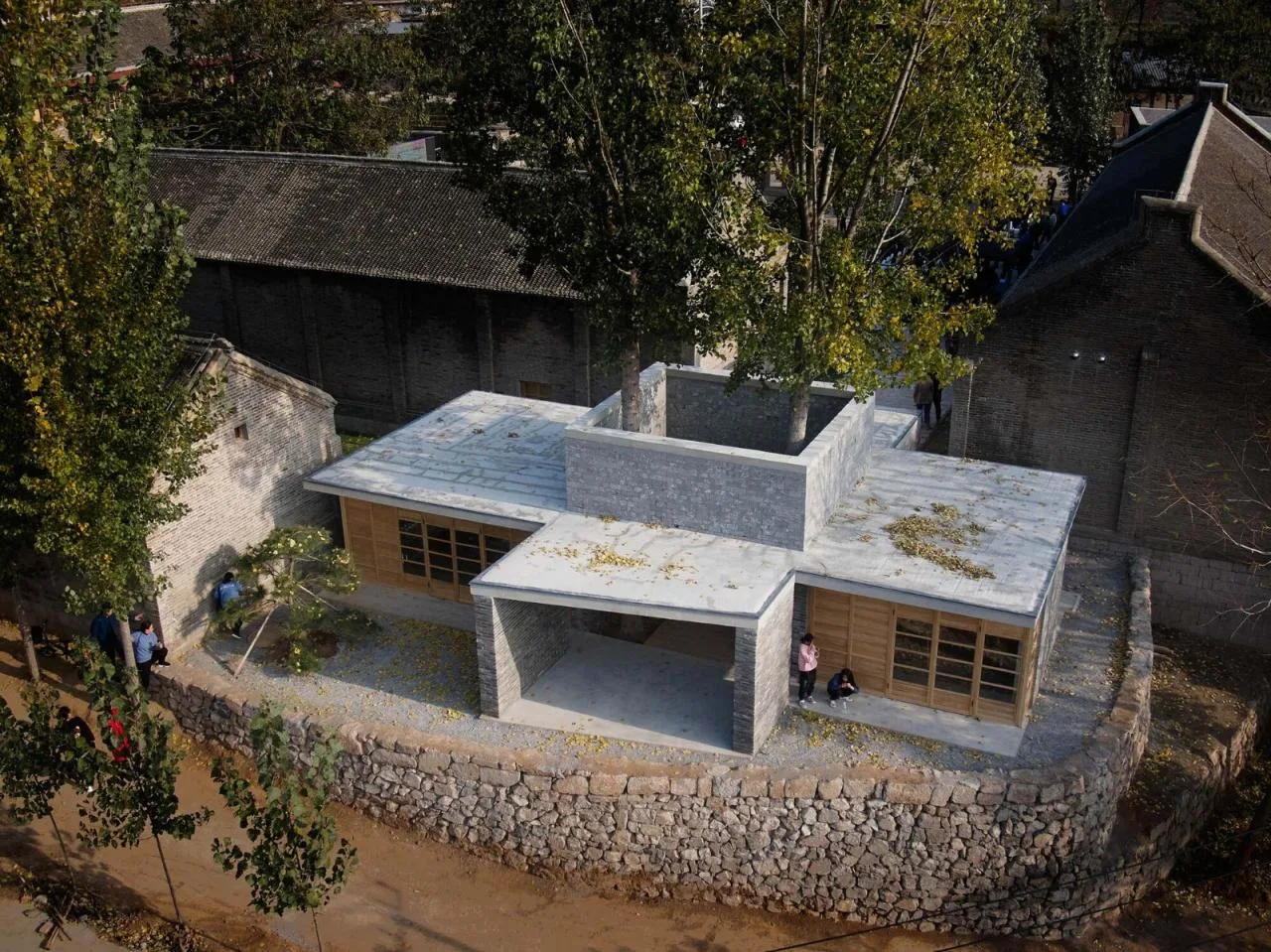
Dananpo Village is located in Xicun Township, Xiuwu County, Jiaozuo City, Henan Province, approximately 50 kilometers from Jiaozuo’s city center. Nestled in the scenic shallow mountains of the Yuntai Mountain area, this region attracts millions of visitors annually due to its stunning landscapes and growing tourism industry. Despite its proximity to the scenic area, the village’s economy largely depends on agriculture and migrant labor.
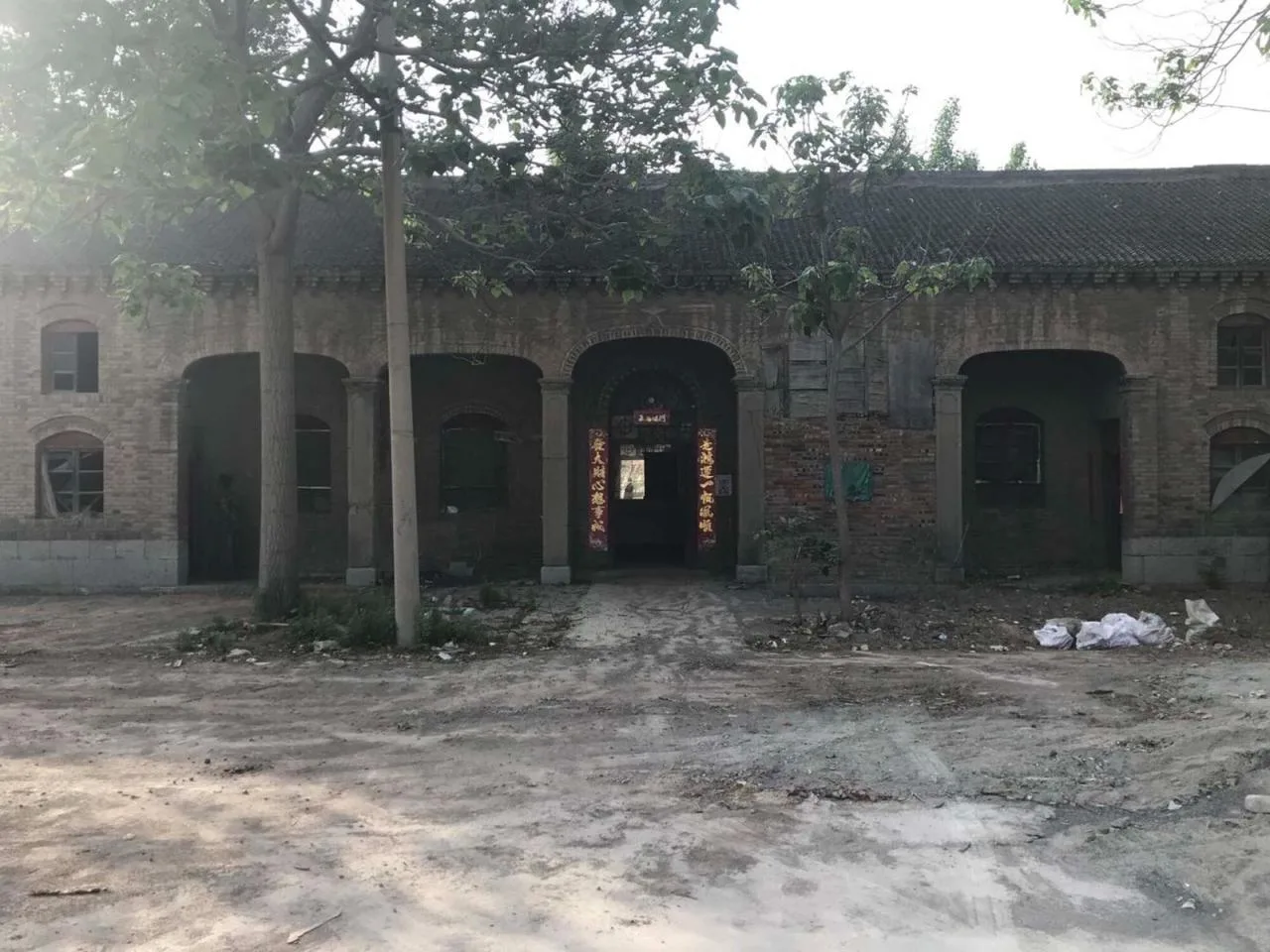
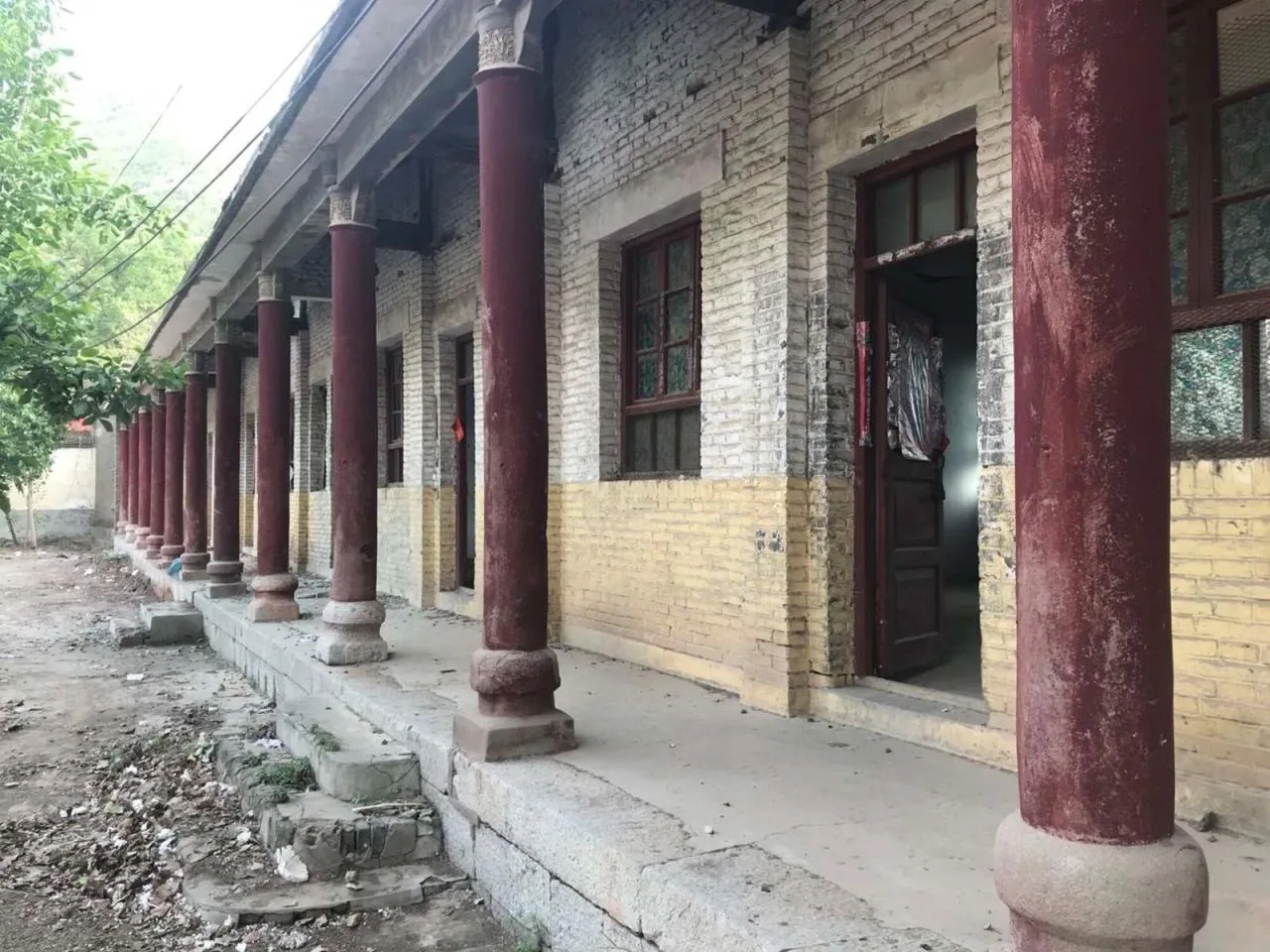
During the 1970s and 1980s, several public buildings were constructed in Dananpo Village to support the coal mining industry, though most are now unused. Site Architecture was commissioned to renovate a preserved group of brick and wood structures from the 1980s, originally serving as the brigade headquarters.
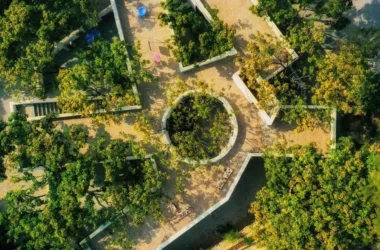
The original brigade complex features three courtyard groups positioned at varying terrain levels. The central courtyard serves as the main space, with an adjacent sunken courtyard slightly lower and a high platform courtyard approximately one meter above the main courtyard floor.
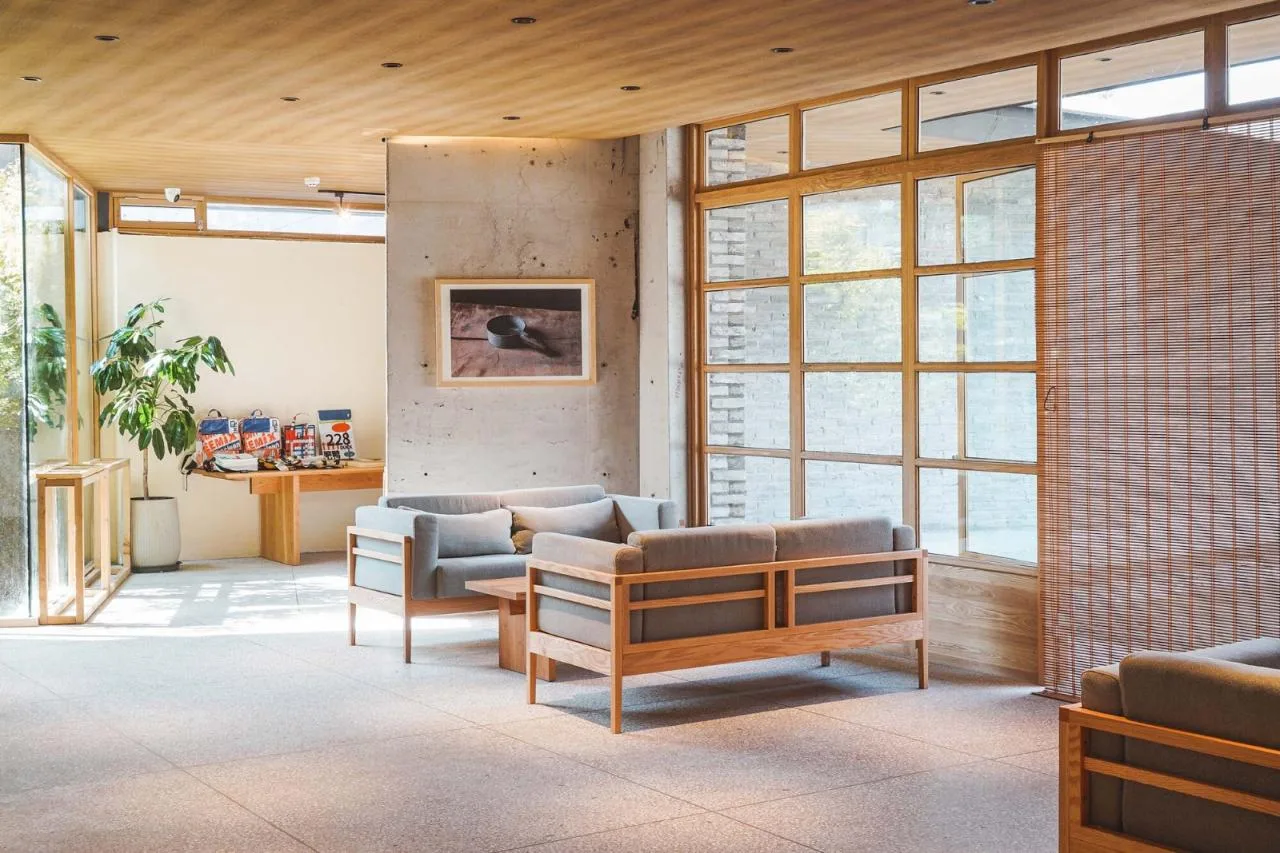
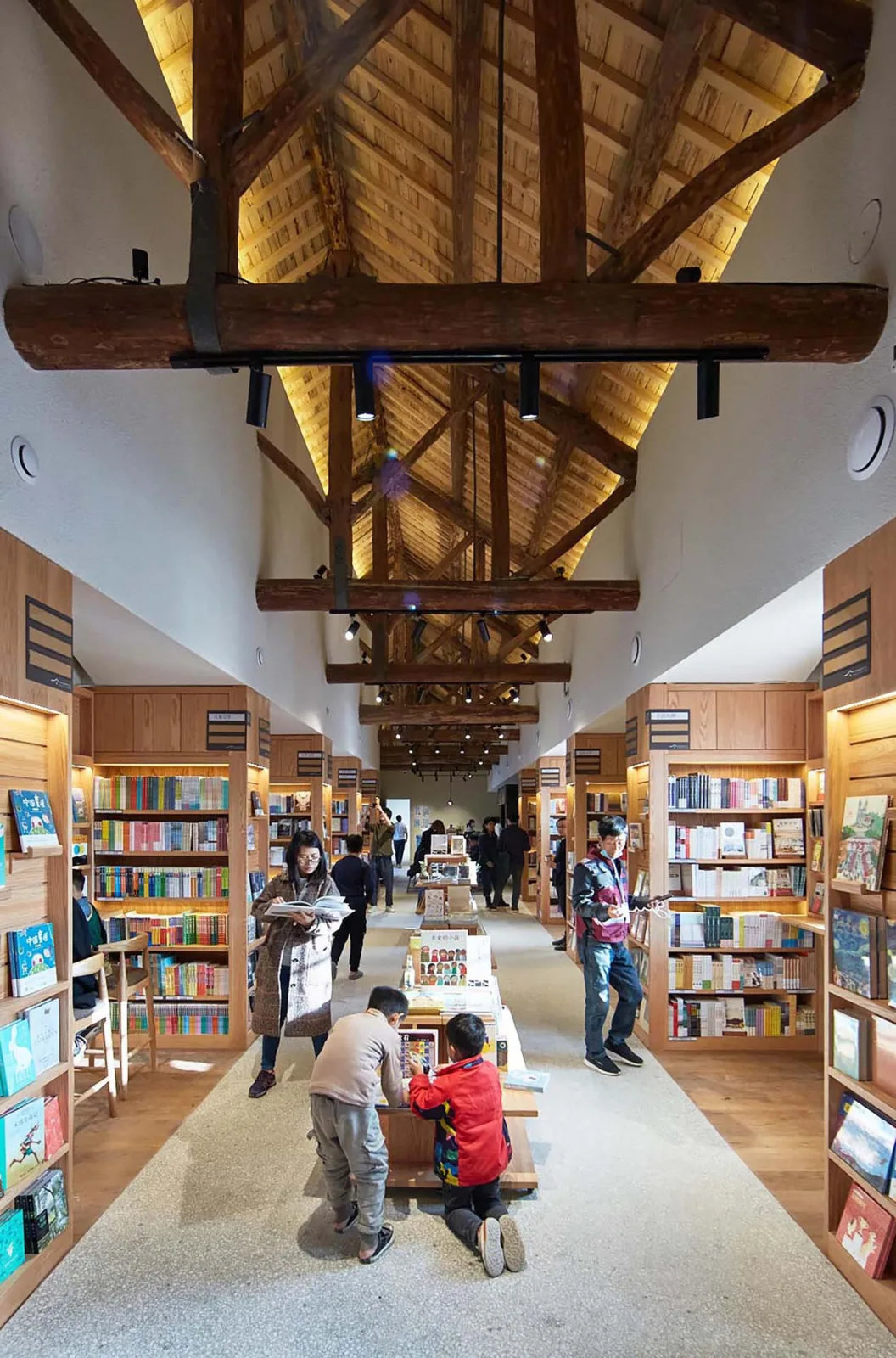
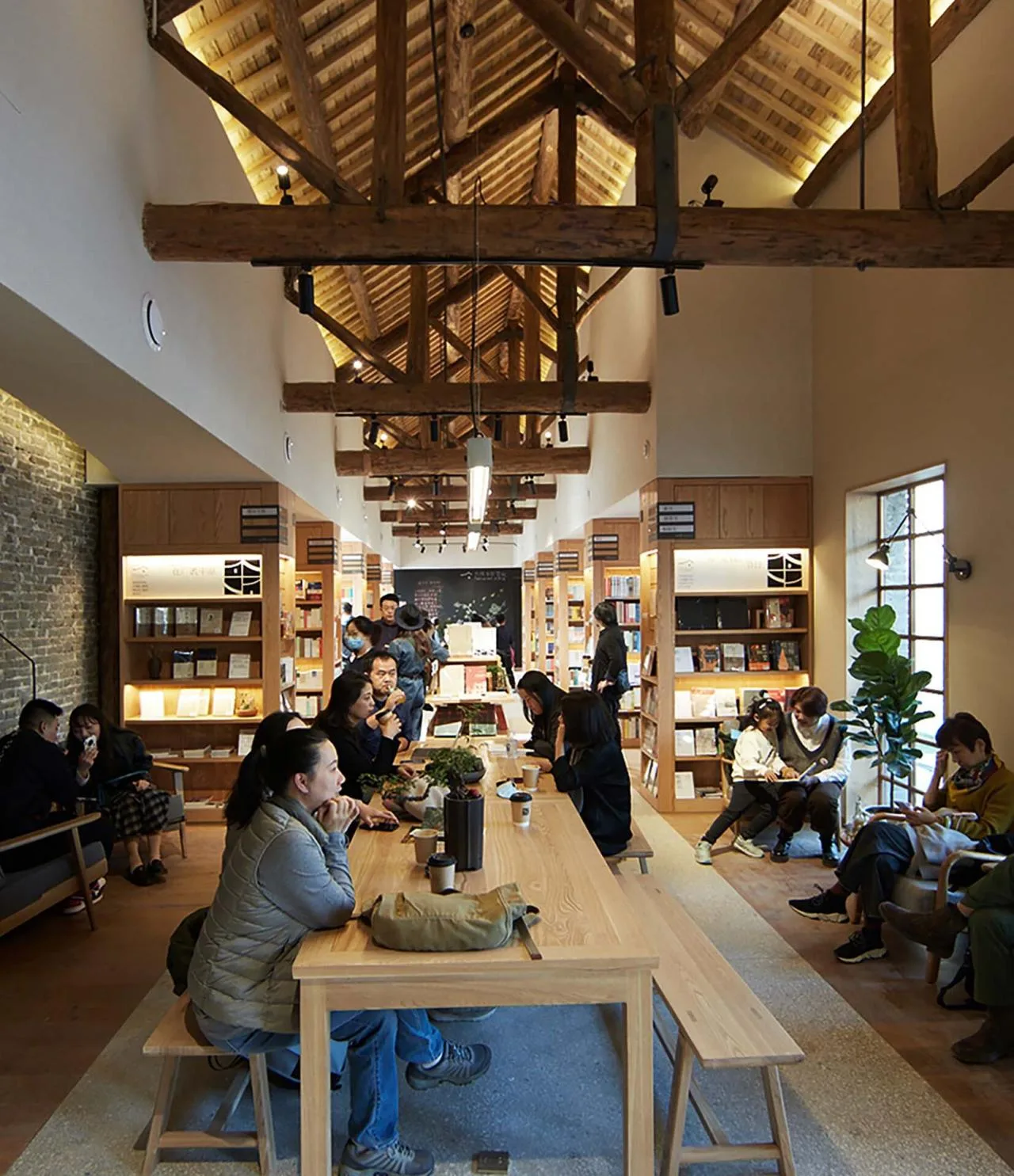
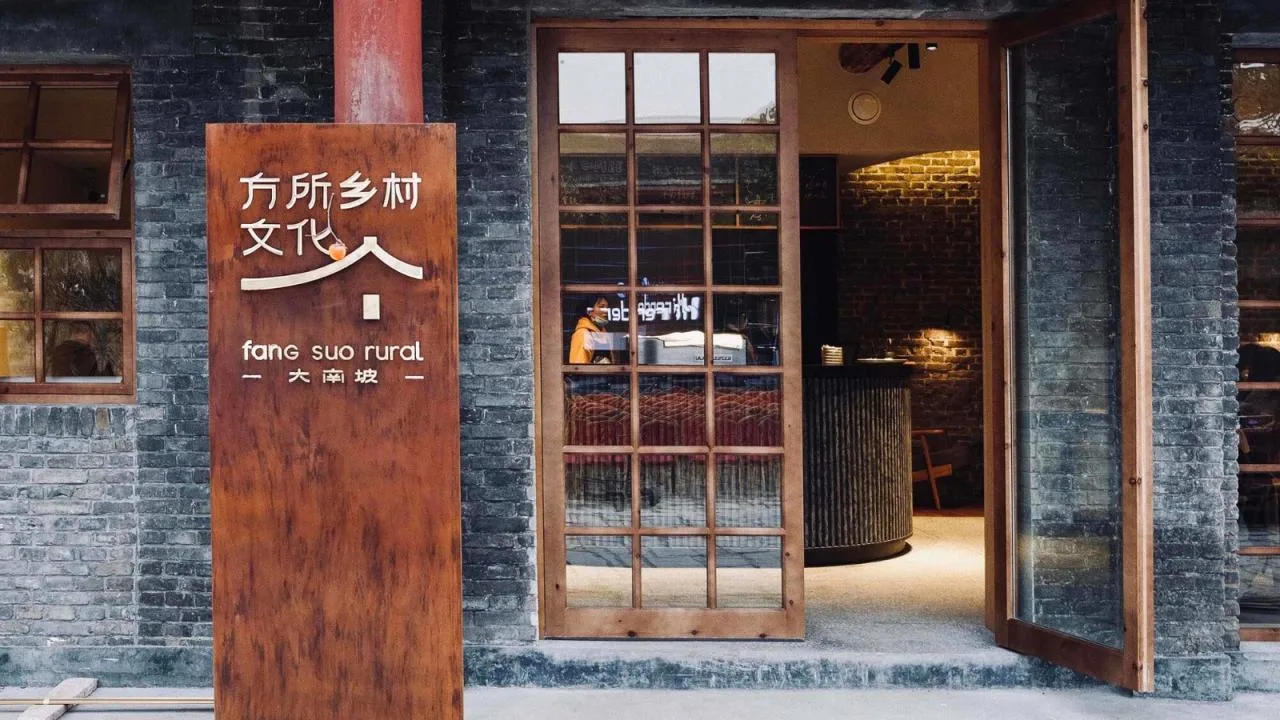
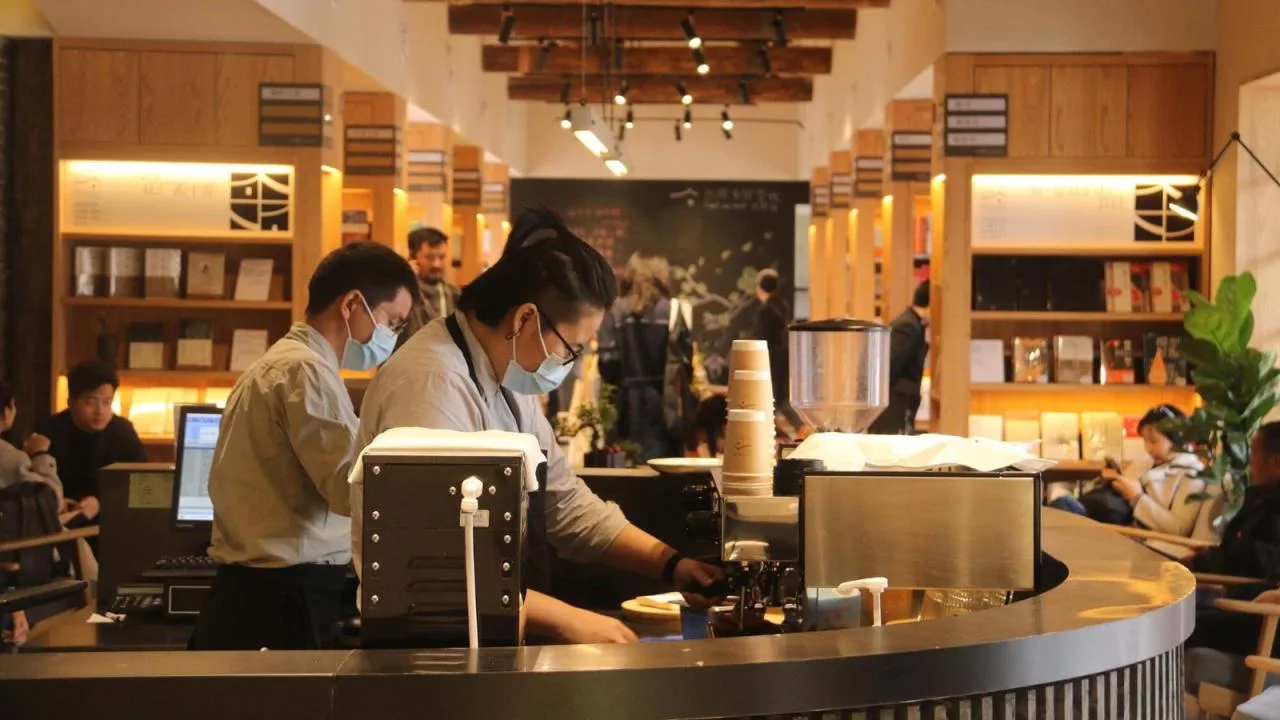
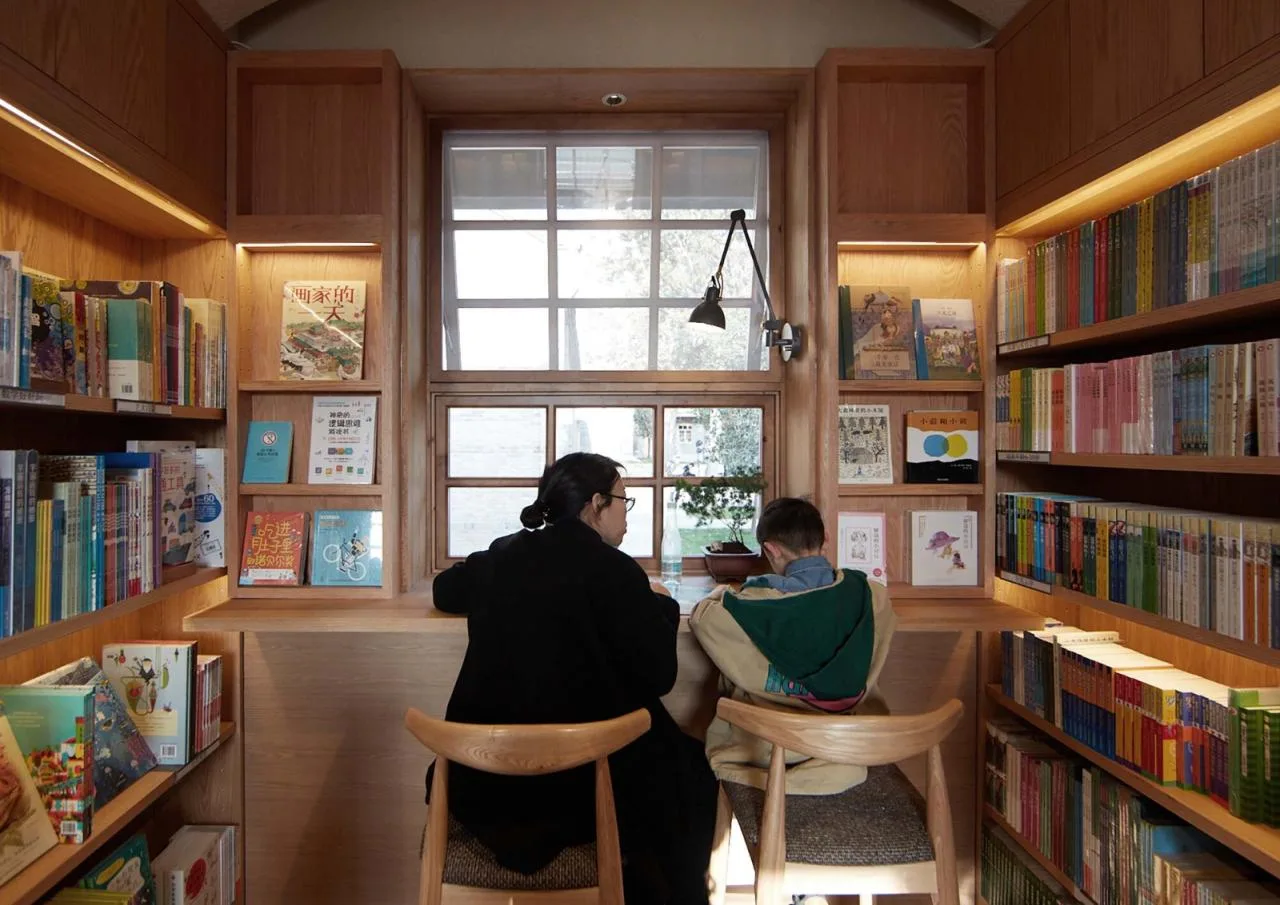
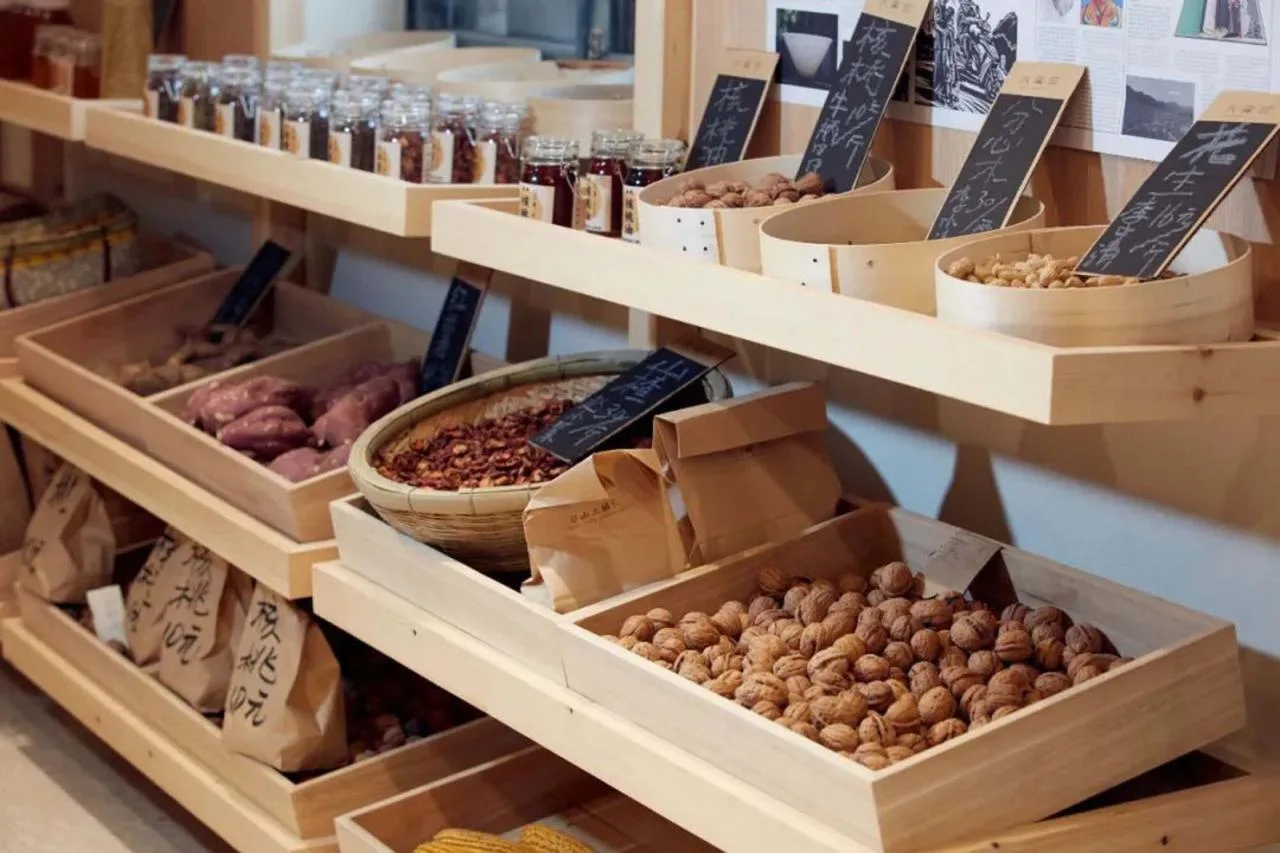
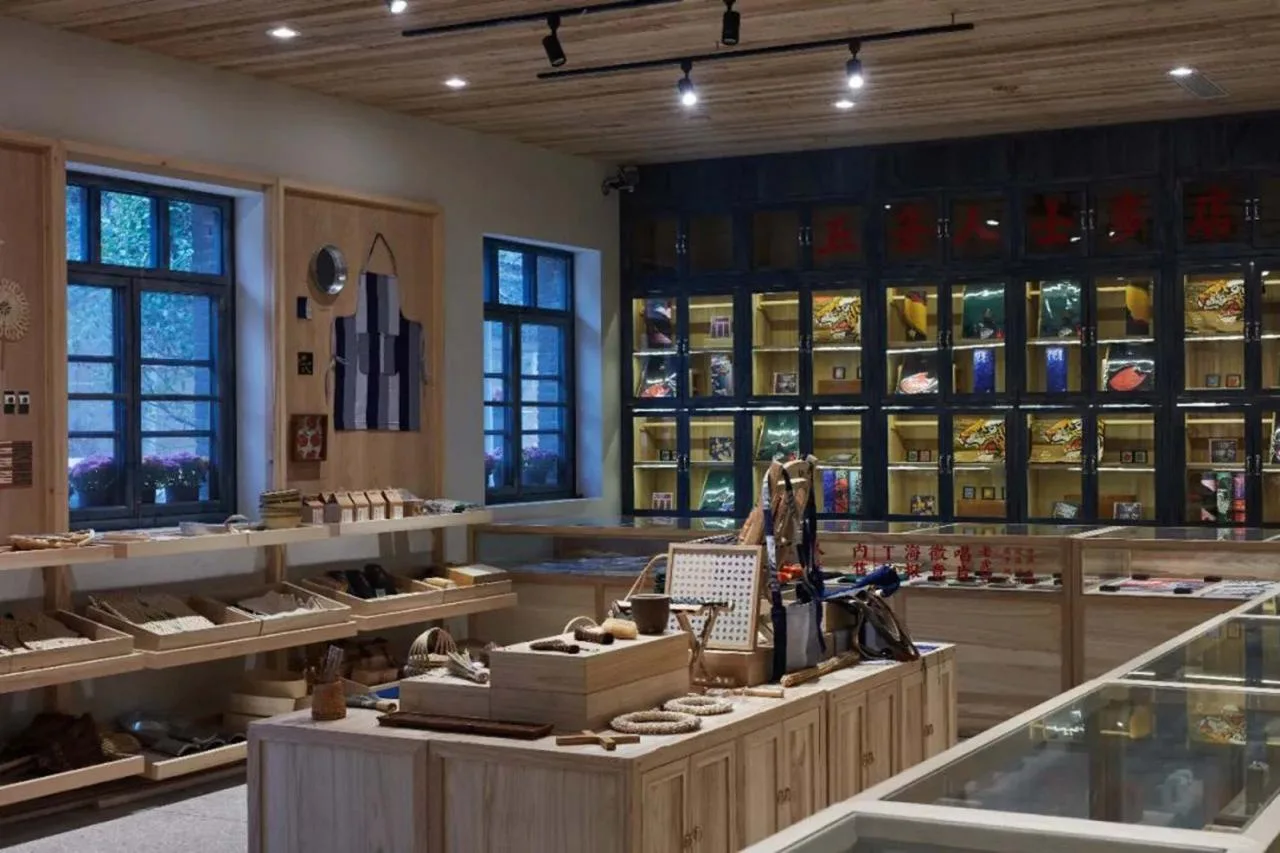
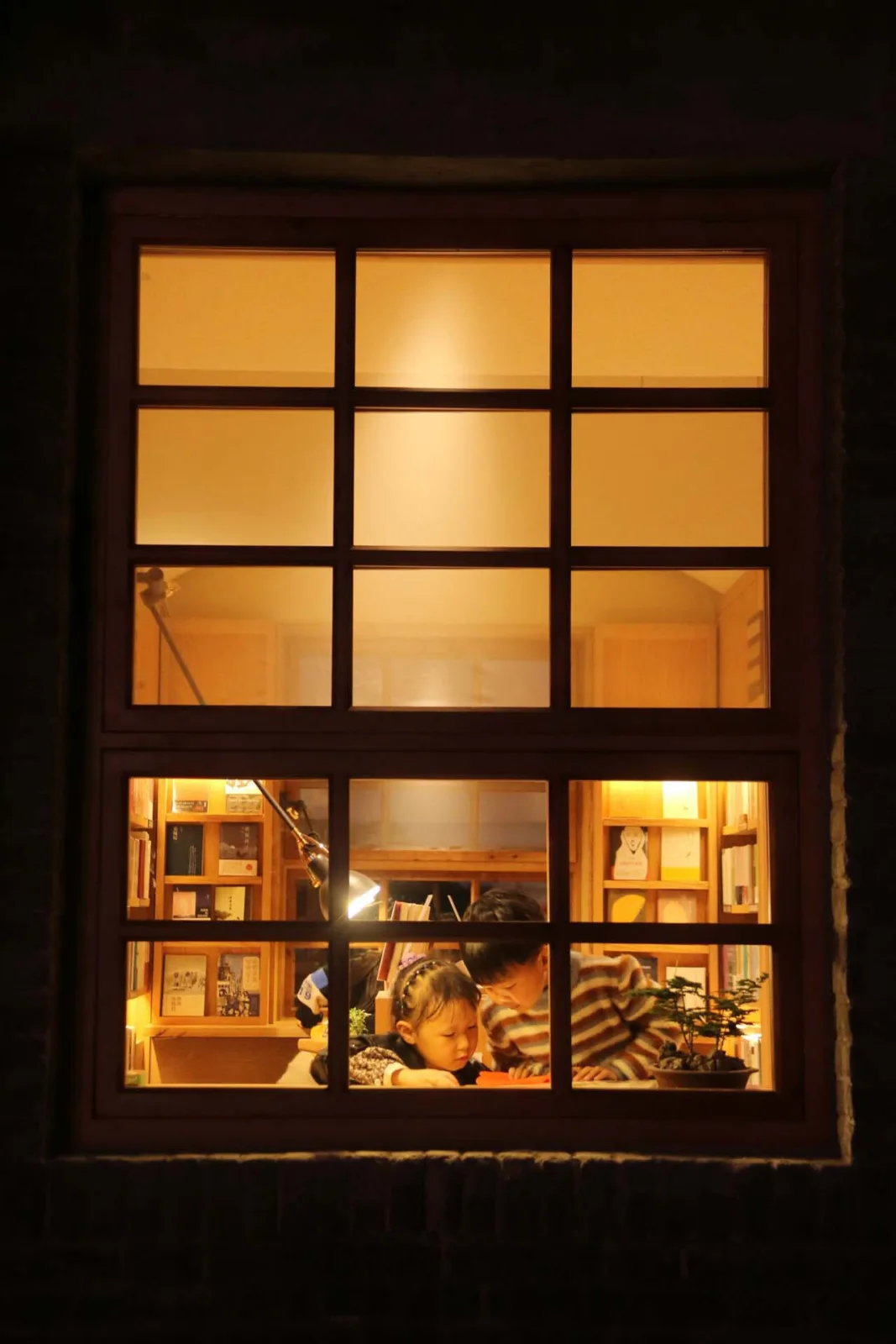
The renovated complex offers diverse functional areas designed to attract both locals and visitors. Highlights include the Dananpo Art Center showcasing local culture, the Bishan Industrial and Commercial Society selling regional specialties and art products, a Family Banquet Restaurant catering to tourists, and a community building space dedicated to local residents. This includes rehearsal rooms and stages for the “Huai Bang Opera” troupe, alongside Fangsuo Rural Culture — a welcoming space for reading, learning, and socializing.
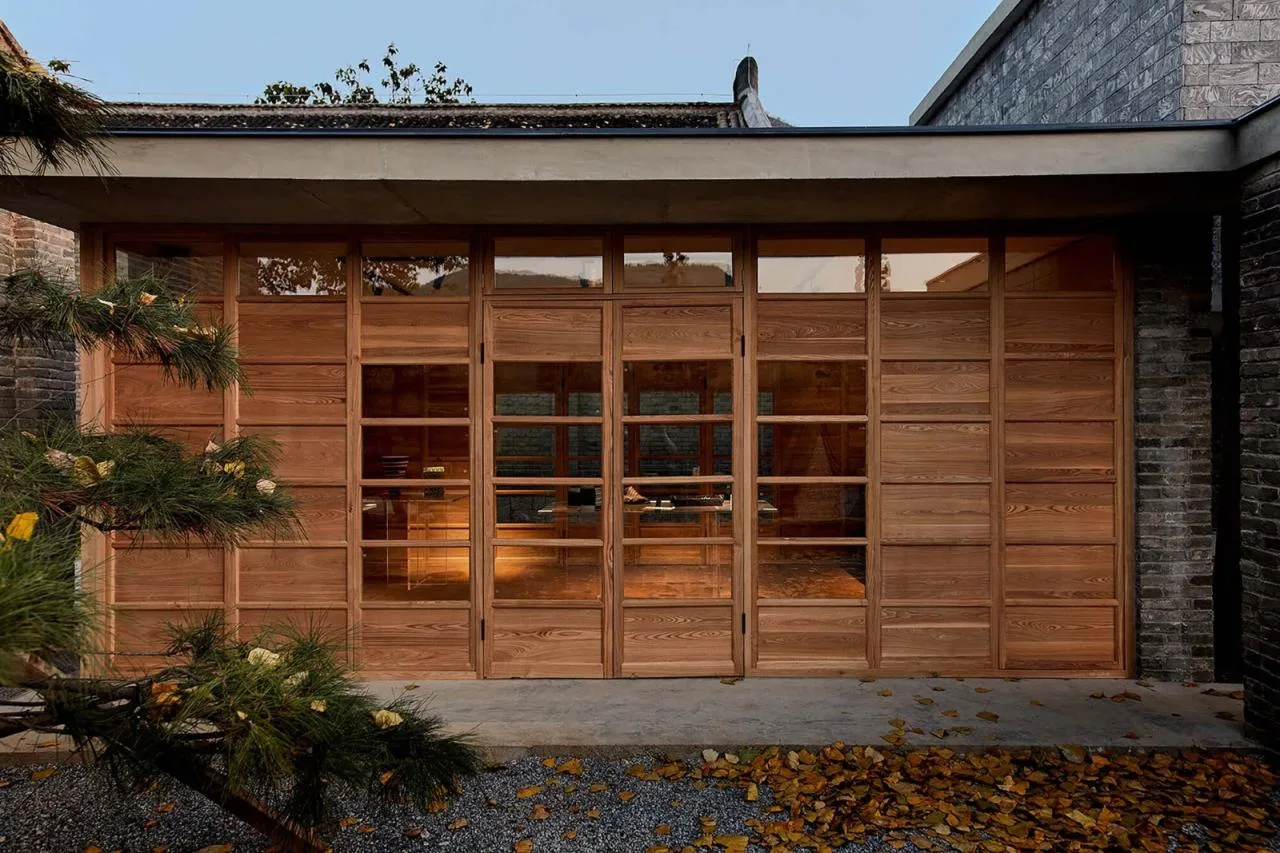
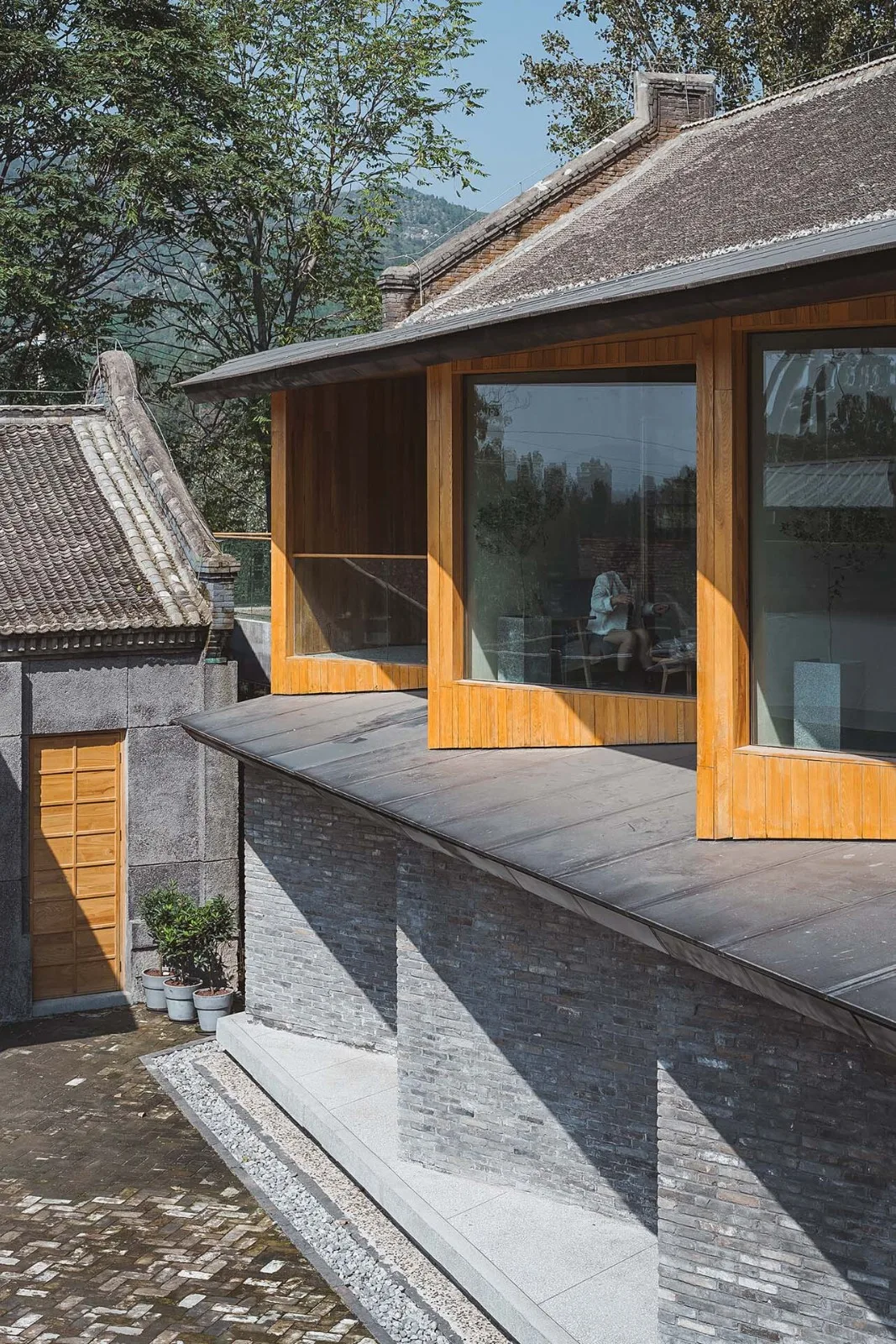
Before renovation, the brigade headquarters complex had been abandoned and deteriorating for years. The goal was to preserve and restore the original architectural character and maintain the courtyard layout, which presented challenges in integrating new functions within the existing design. Additionally, the project faced increased construction costs and skepticism over the expense and time compared to demolishing and rebuilding.
It is hoped that the collaborative efforts behind this renovation demonstrate that urban aesthetics are diverse. Buildings from different periods and regions can all possess beauty. Proper preservation of old structures, instead of demolition and reconstruction, plays a vital role in resource conservation and the continuation of rural architectural heritage.
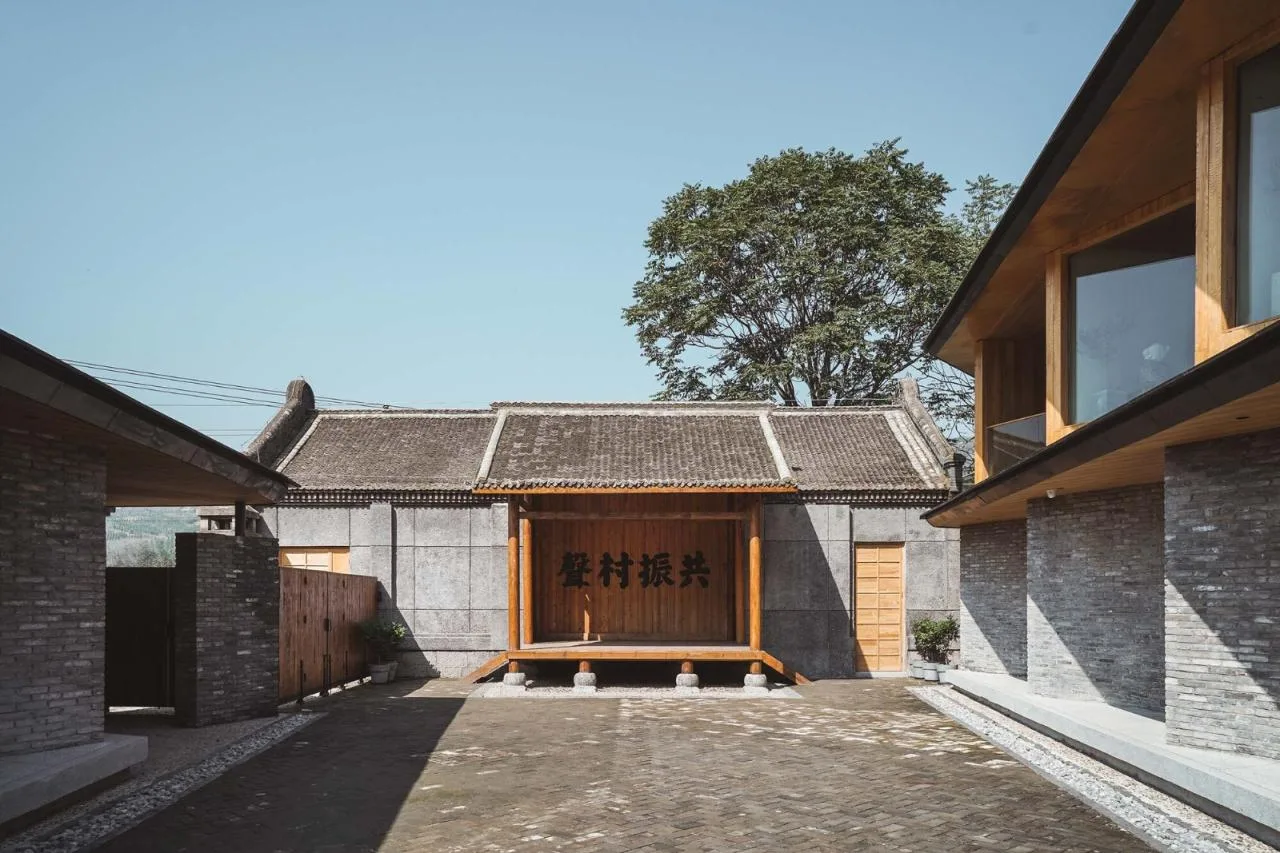
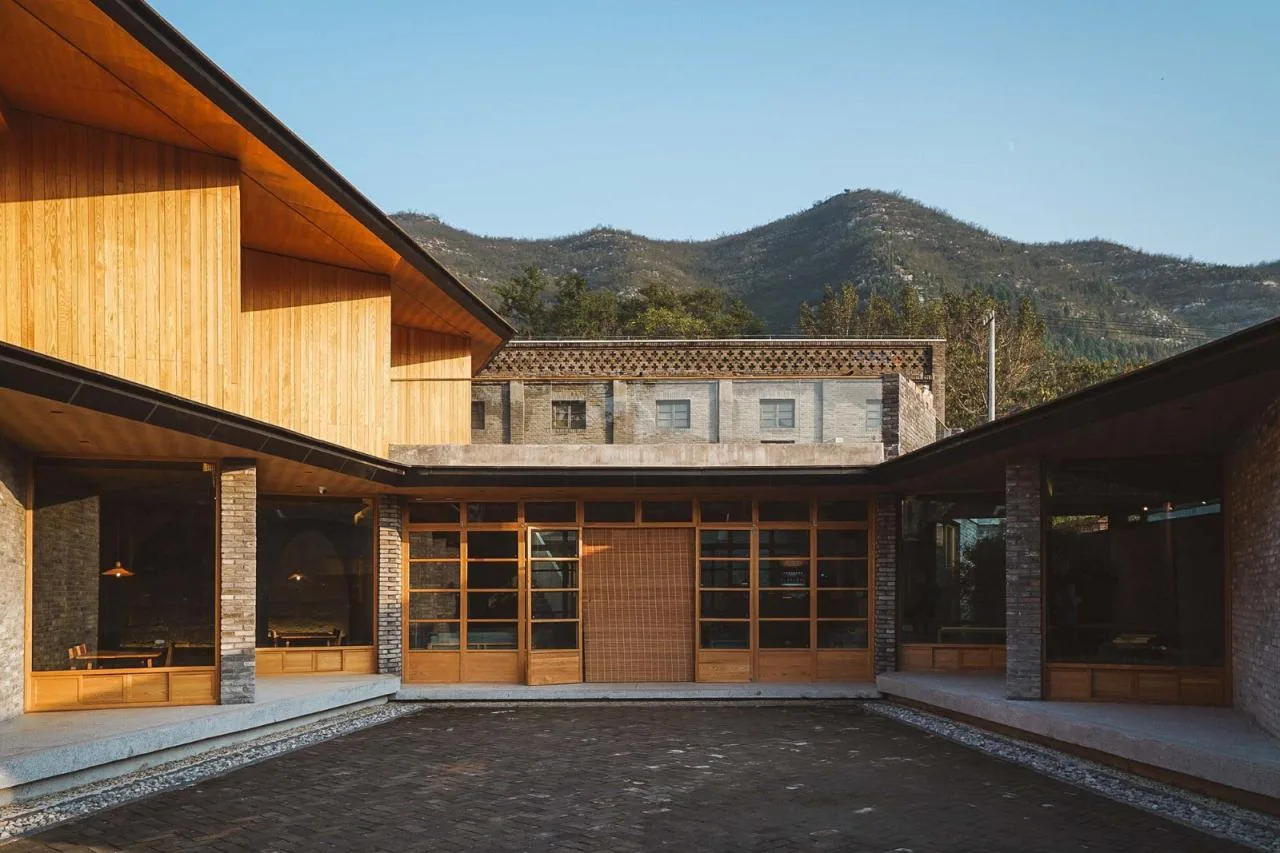
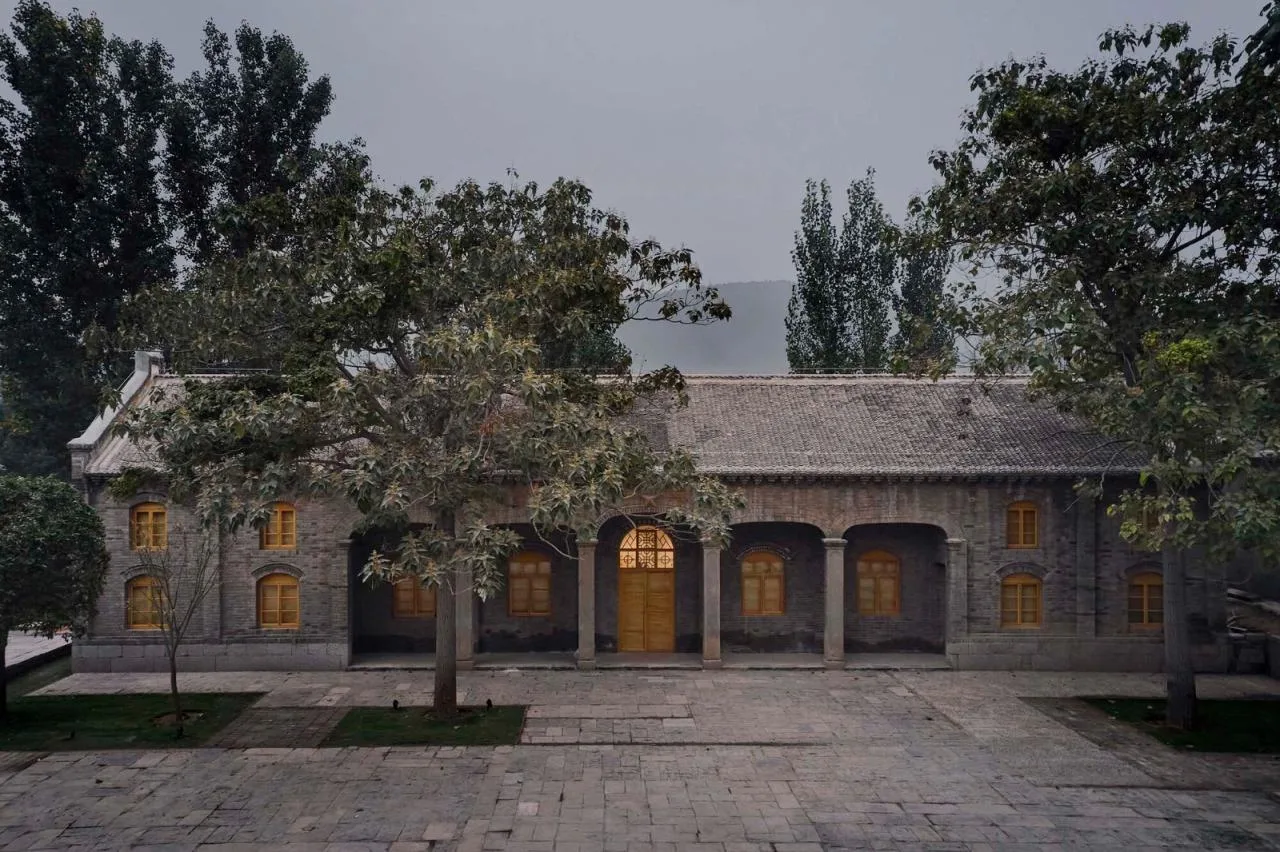
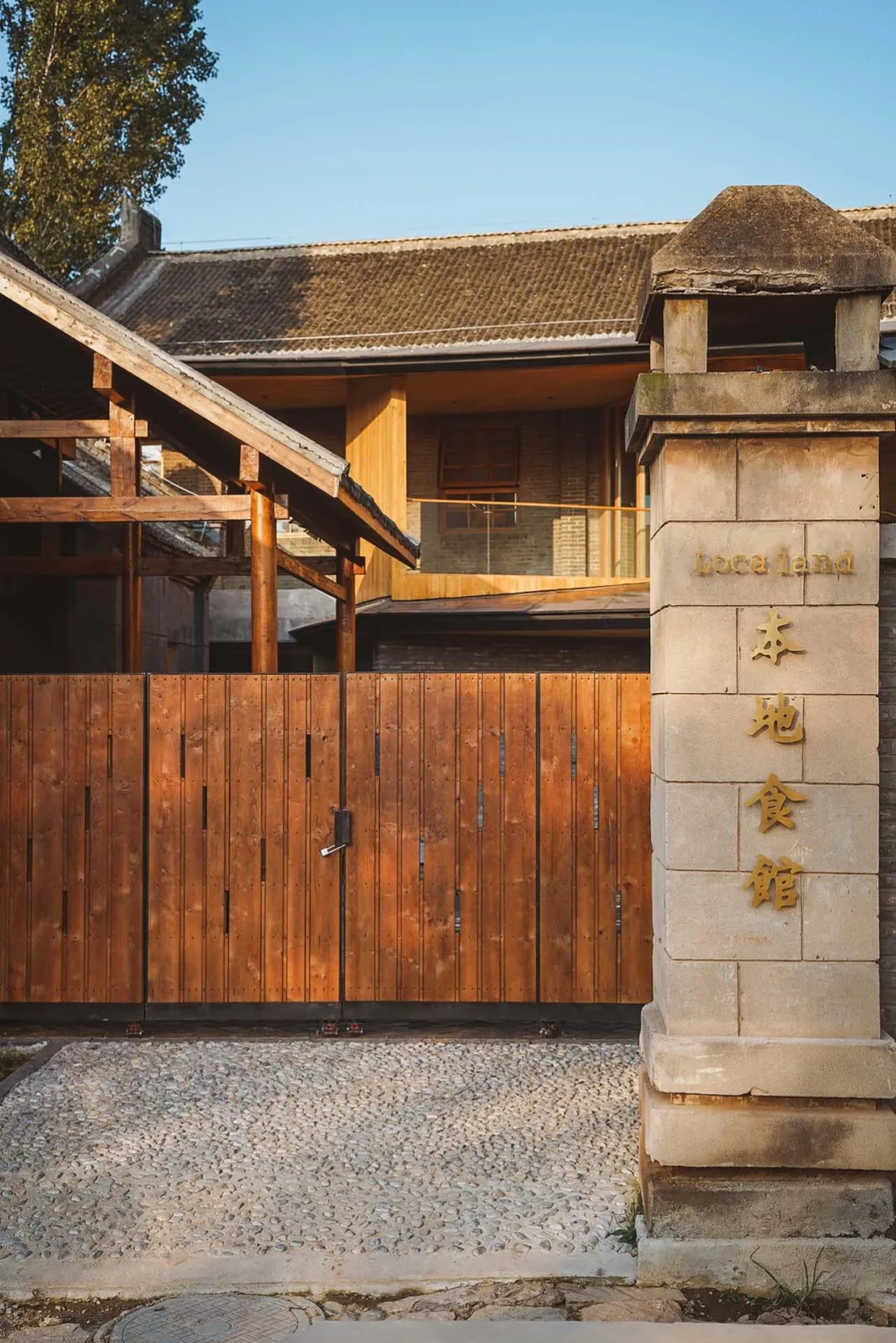
The original “1970s-80s government unit style” layout of the brigade headquarters has been adapted into an open public space accessible to all. Minor adjustments, such as removing courtyard walls and opening the courtyards toward the streets, enhance accessibility. The landscape design incorporates existing trees and building entrances, refines public space details and outdoor furniture, and improves the transition areas between the square and buildings.
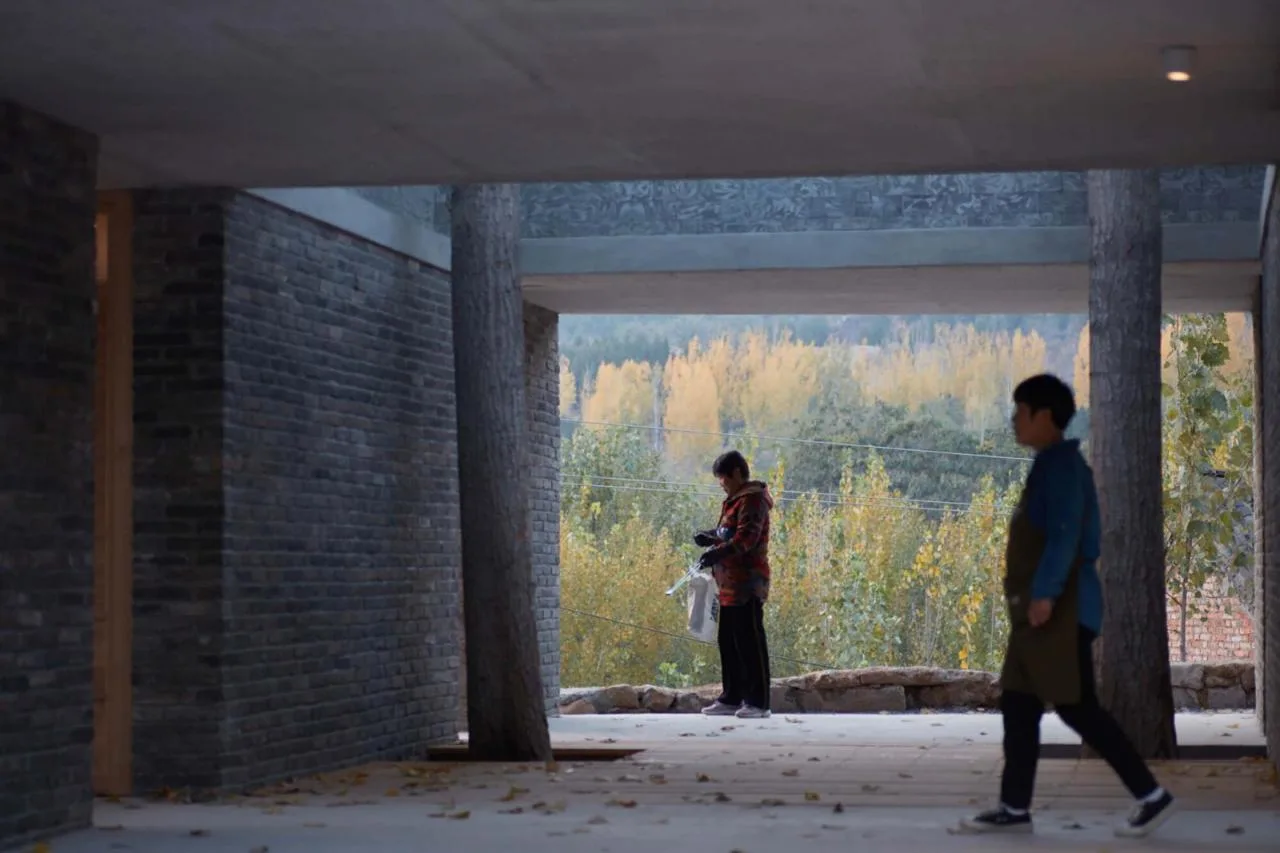
This enhanced transitional space plays a key role in managing the distribution of diverse functions and organizing traffic flow throughout the site. For instance, from the streets and squares, the most accessible destination is the Fangsuo rural cultural space. Positioned centrally, it serves as a hub linking multiple buildings. Originally, only one outdoor staircase connected vertically to the main courtyard. Now, a new restaurant platform and corridor effectively link bookstores, cafes, cooperatives, restaurants, and art exhibition halls, improving overall accessibility.
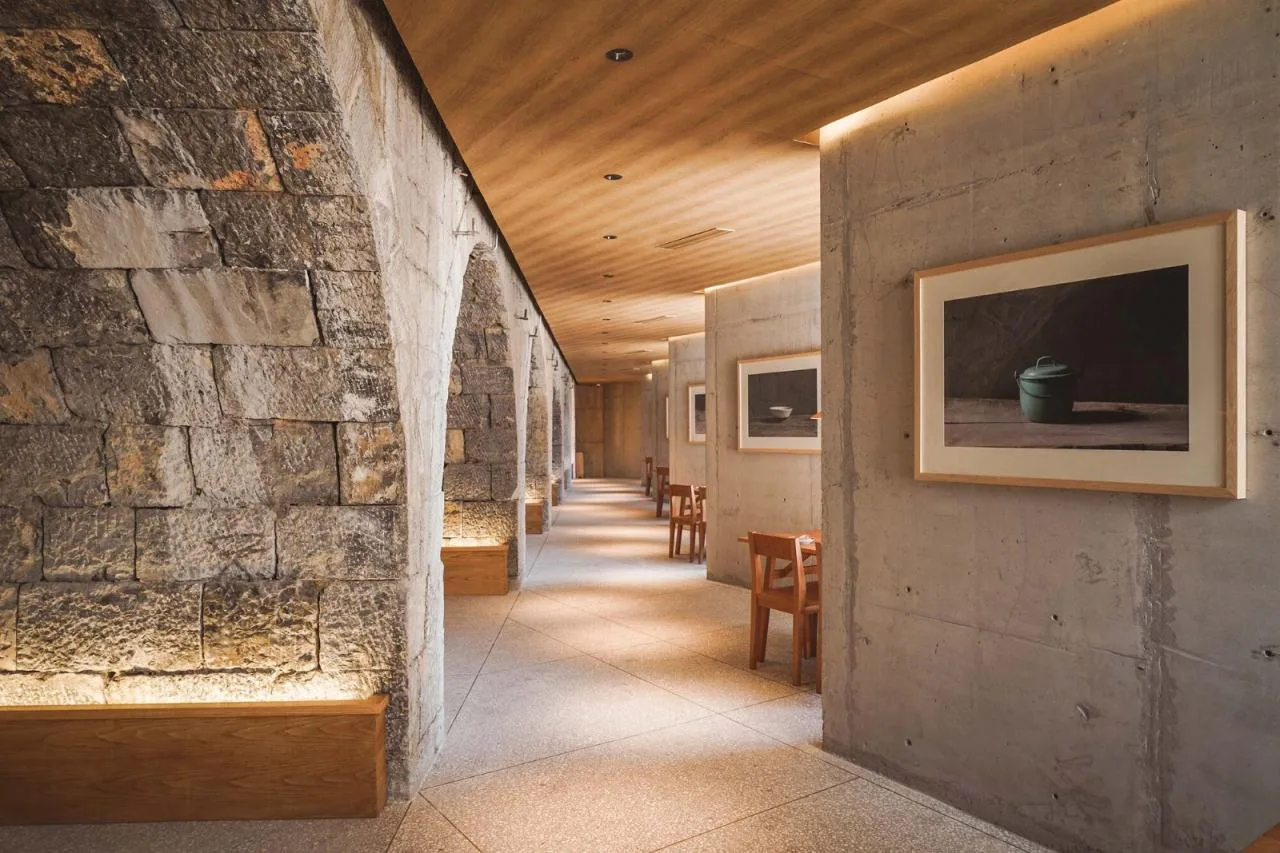
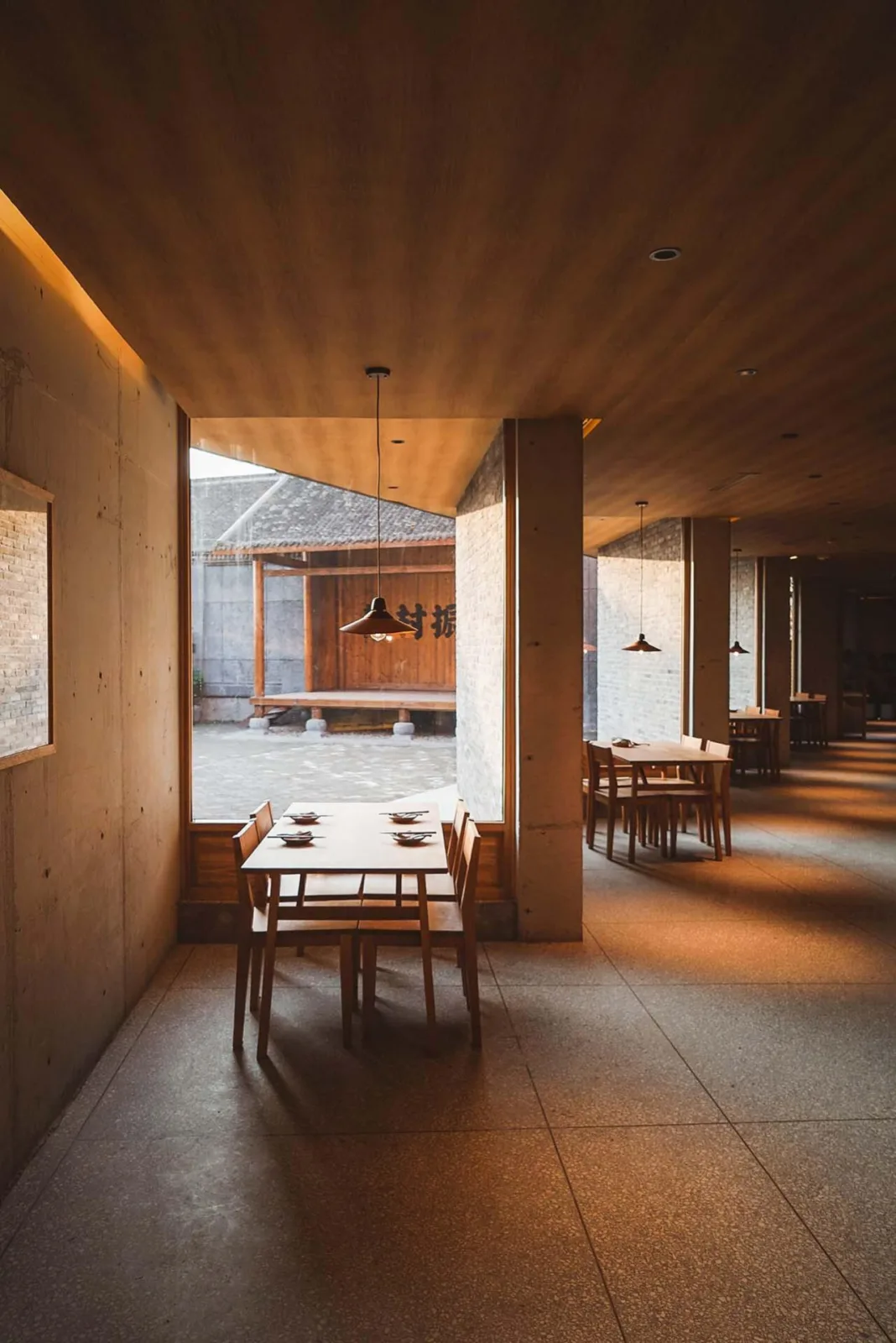
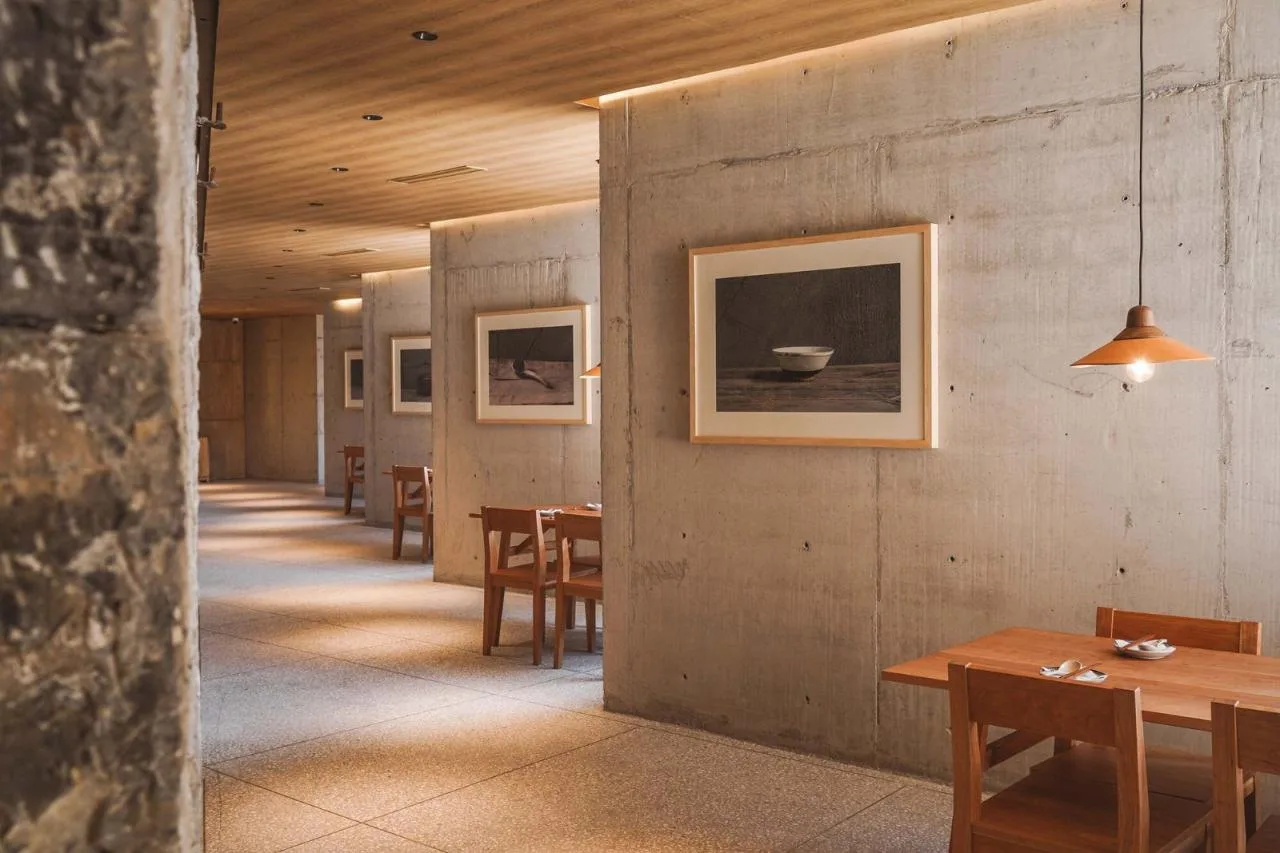
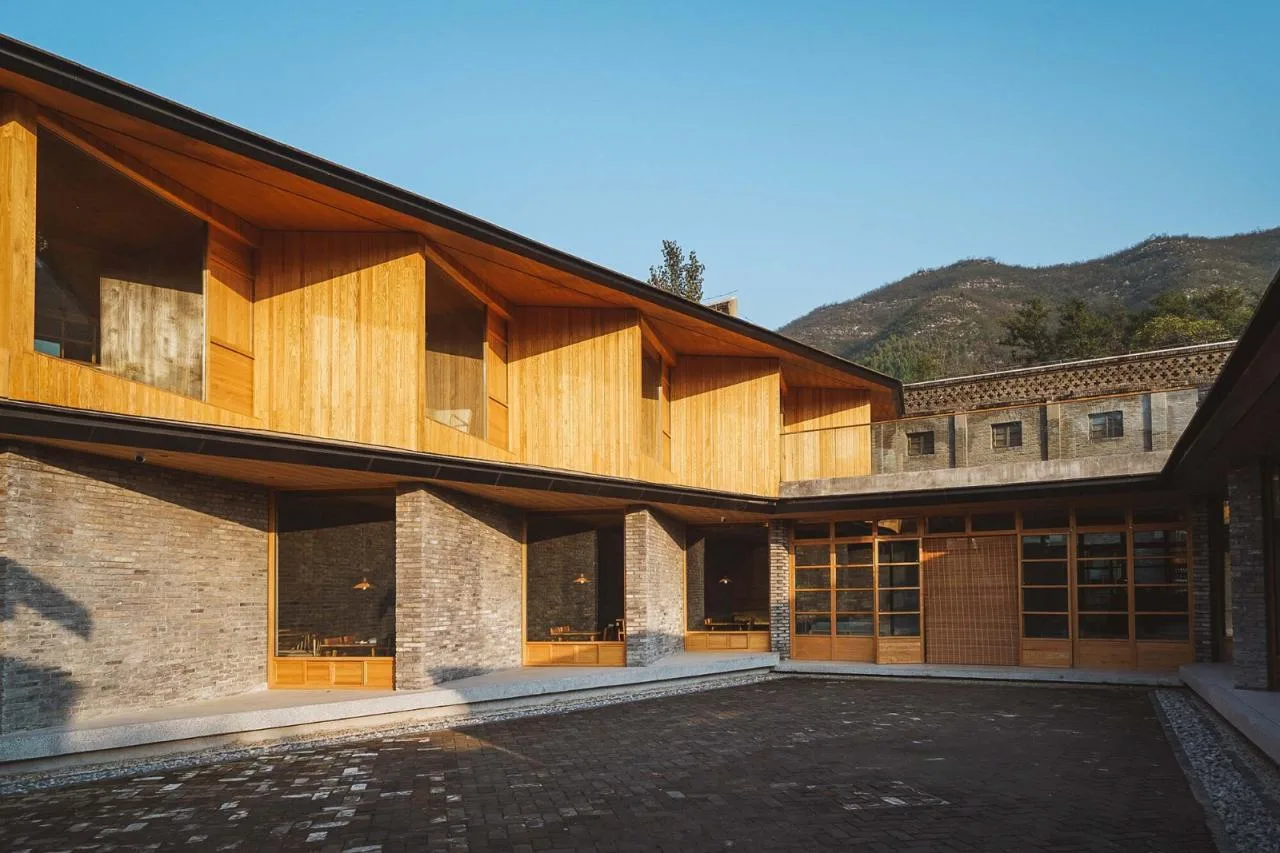
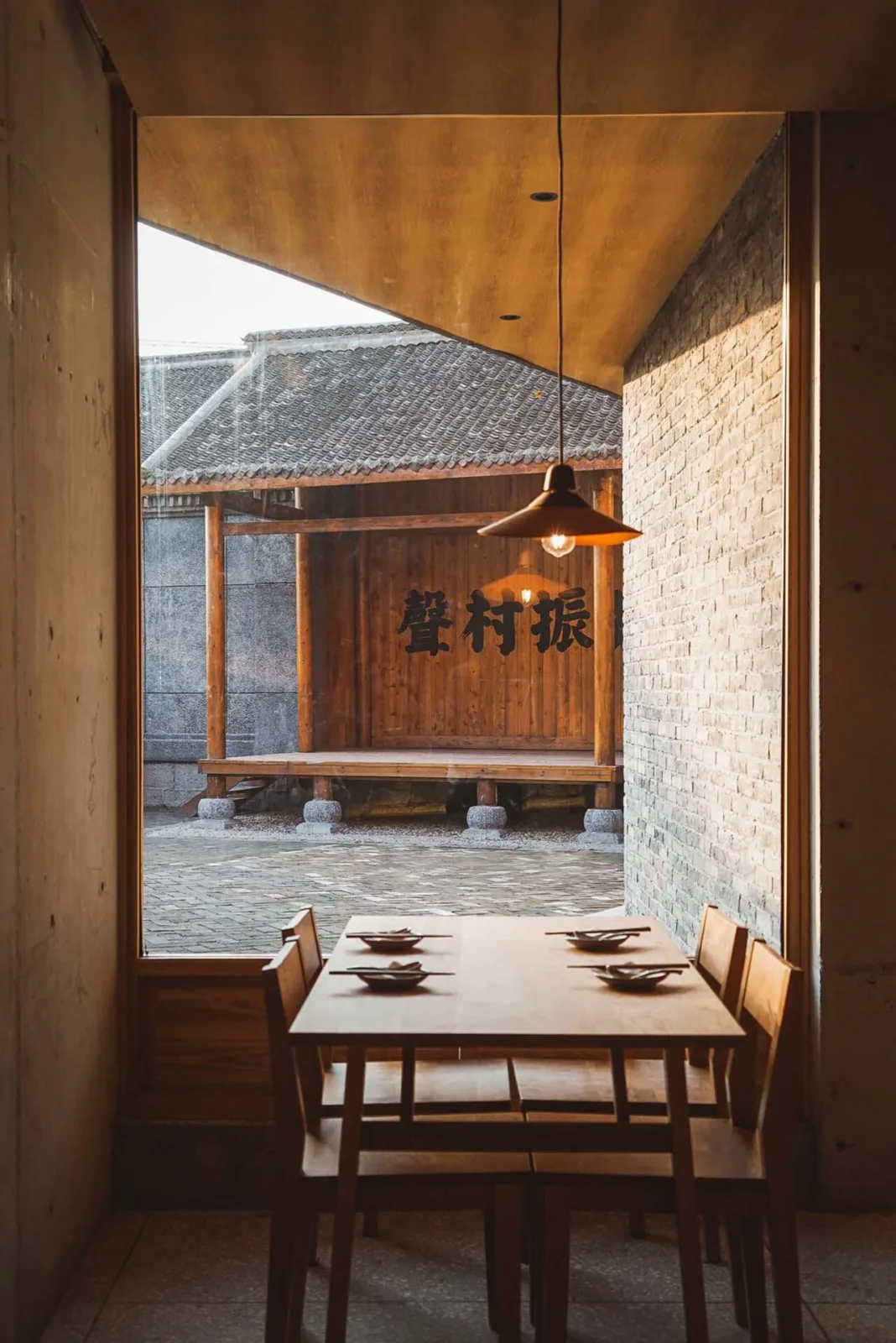
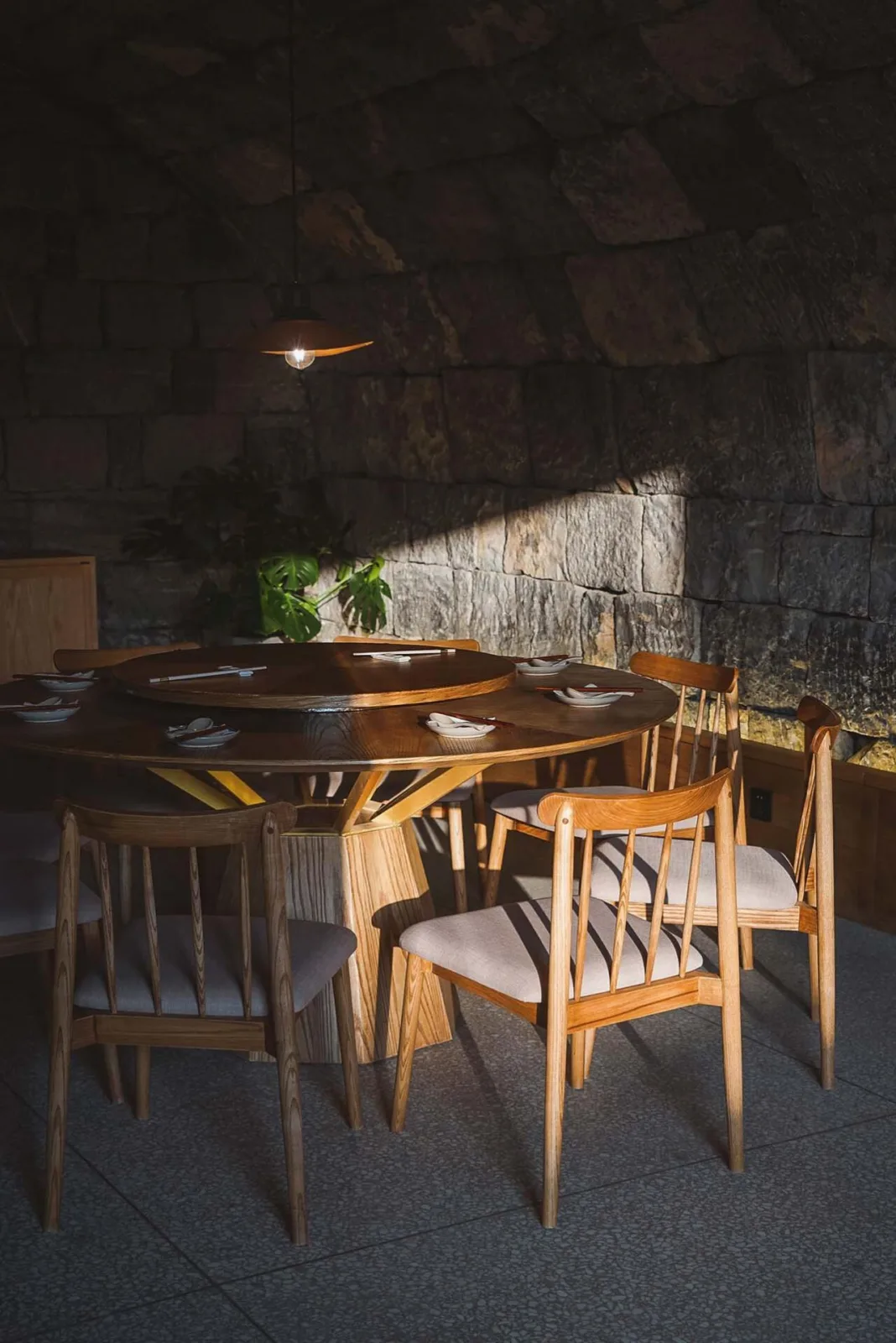
The sunken courtyard houses the main restaurant, nestled within a narrow courtyard surrounded by a stone arch garage, village clinic, and an old courtyard wall. The new restaurant divides the original courtyard into two harmonious, independent courtyards: one for vertical circulation and logistics, and the other as a central public activity space.
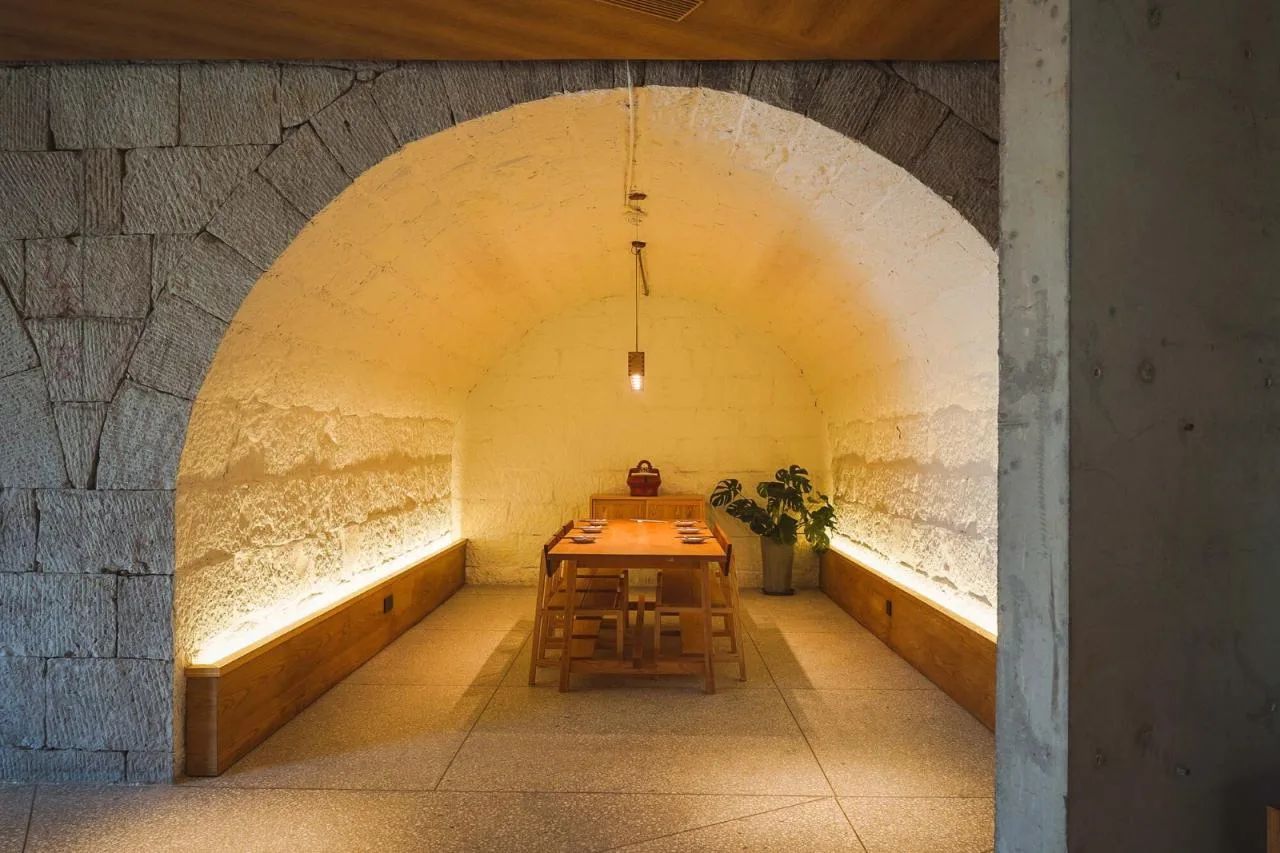
Seven original stone arches have been transformed into private dining rooms, each featuring French windows that face the central courtyard. The folding wall design ensures that every table has a direct view of the courtyard stage while maintaining privacy. The new stage serves as the performance venue for the Huaibang Opera Art Troupe, with the former village health center converted into a rehearsal and cultural exhibition space.
The restaurant’s rooftop terrace functions as a connecting platform, linking the second-floor rural culture space with an extended reading and resting area, effectively integrating multiple functions.
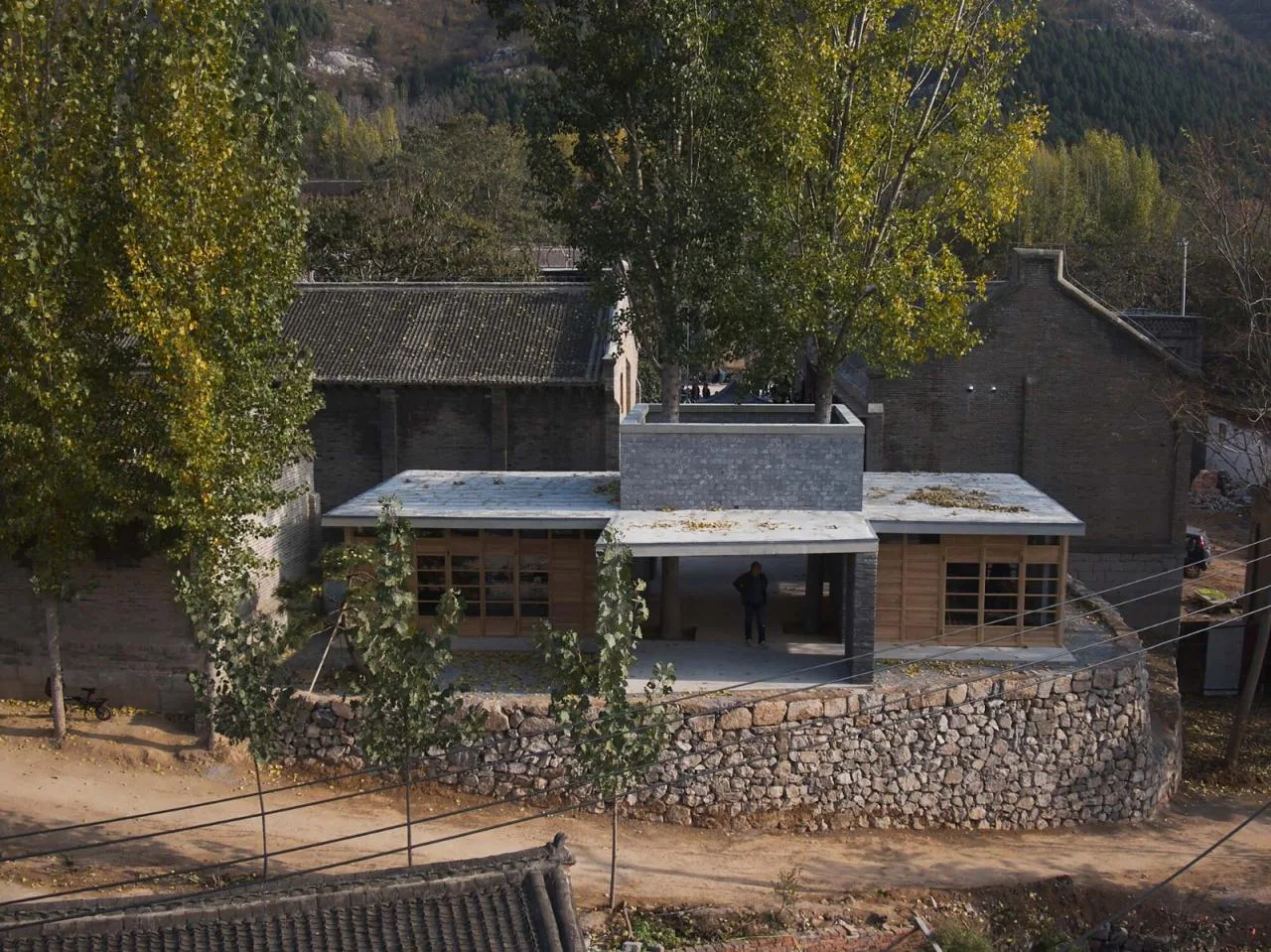
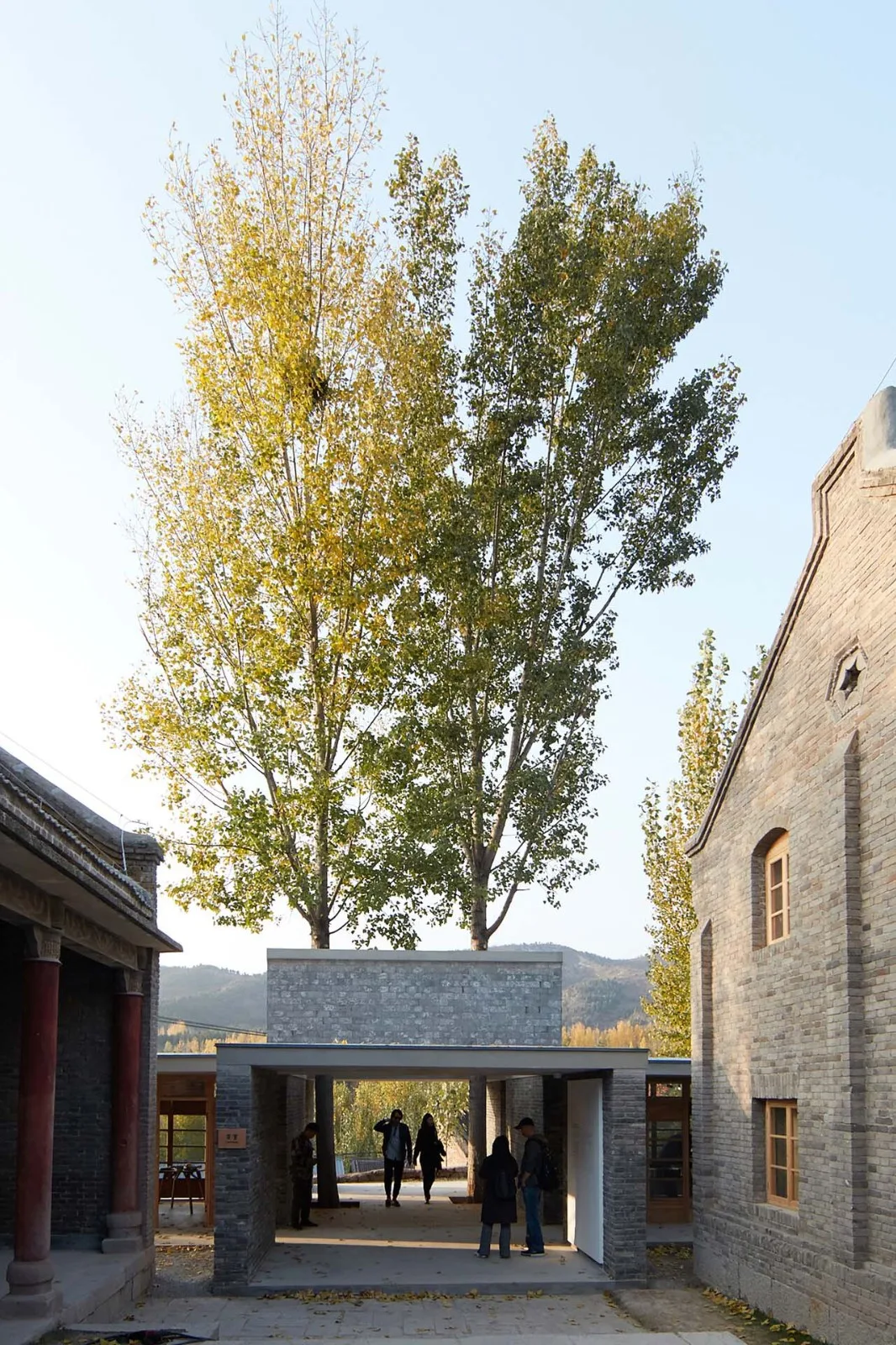
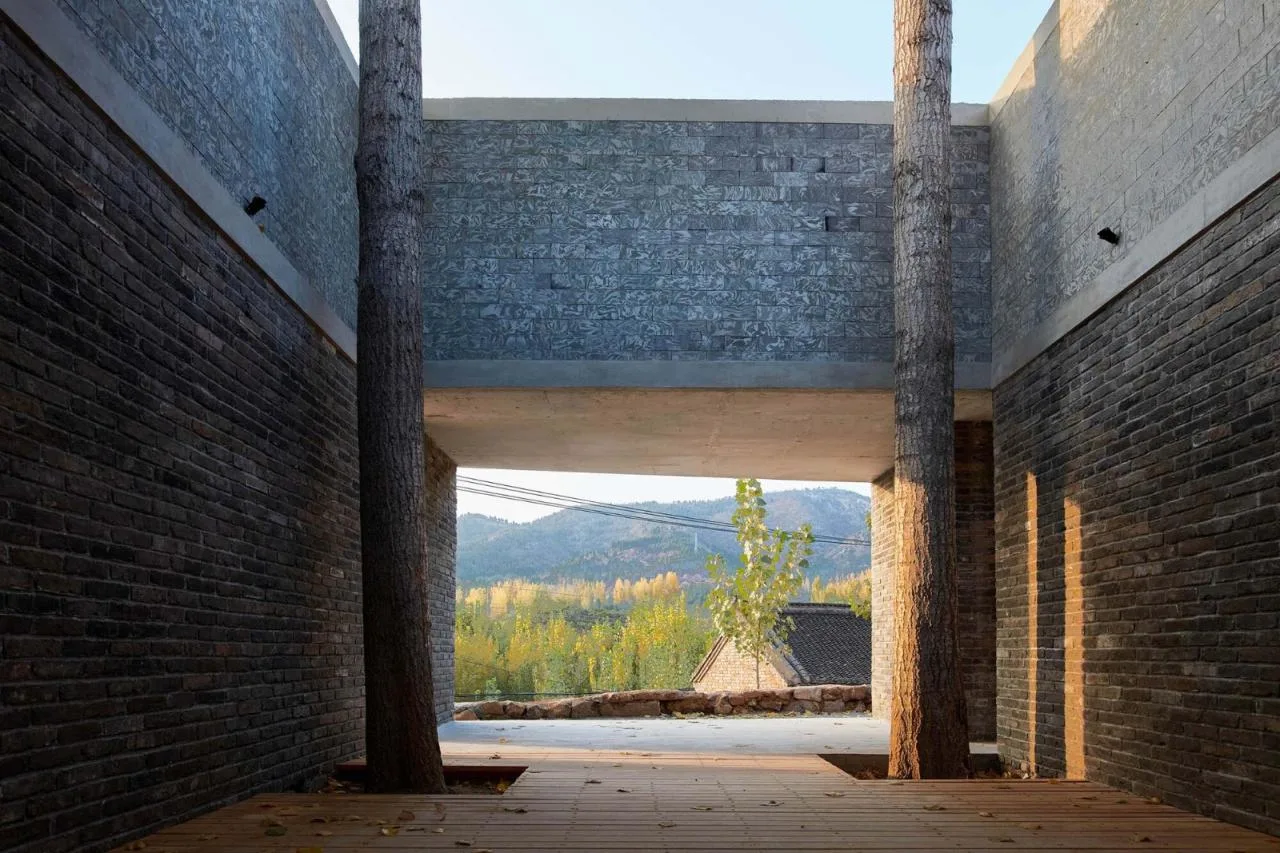
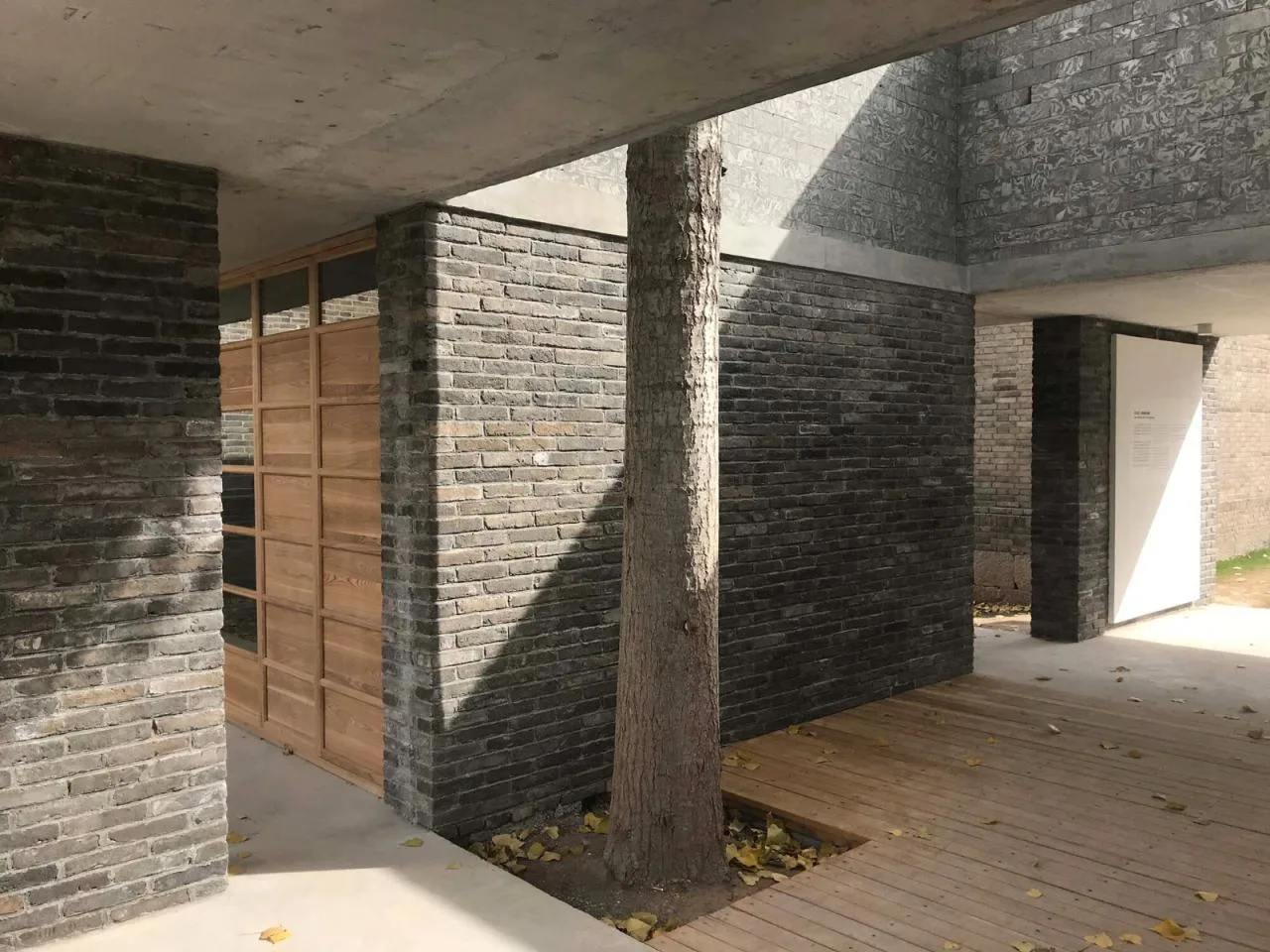
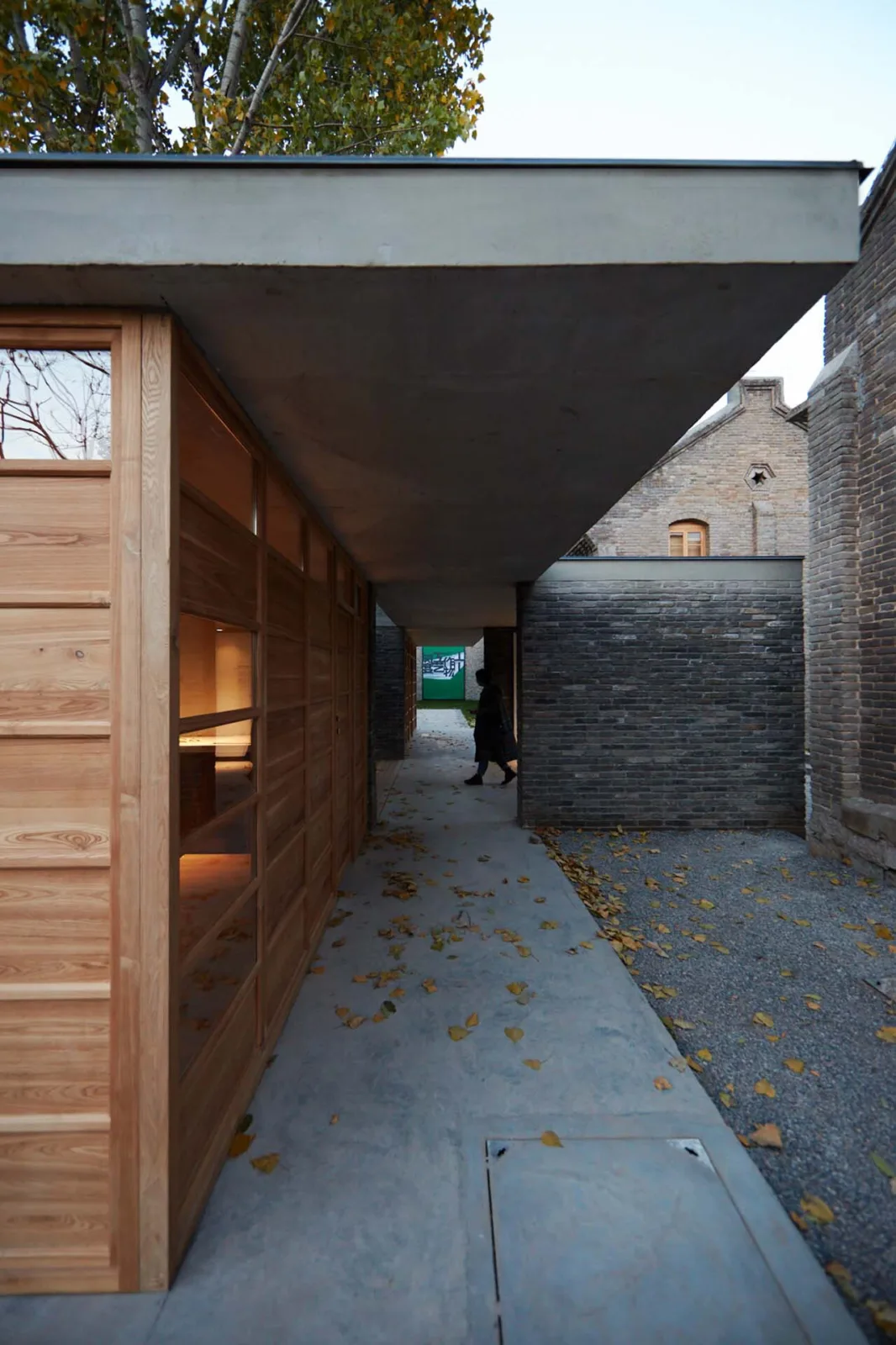
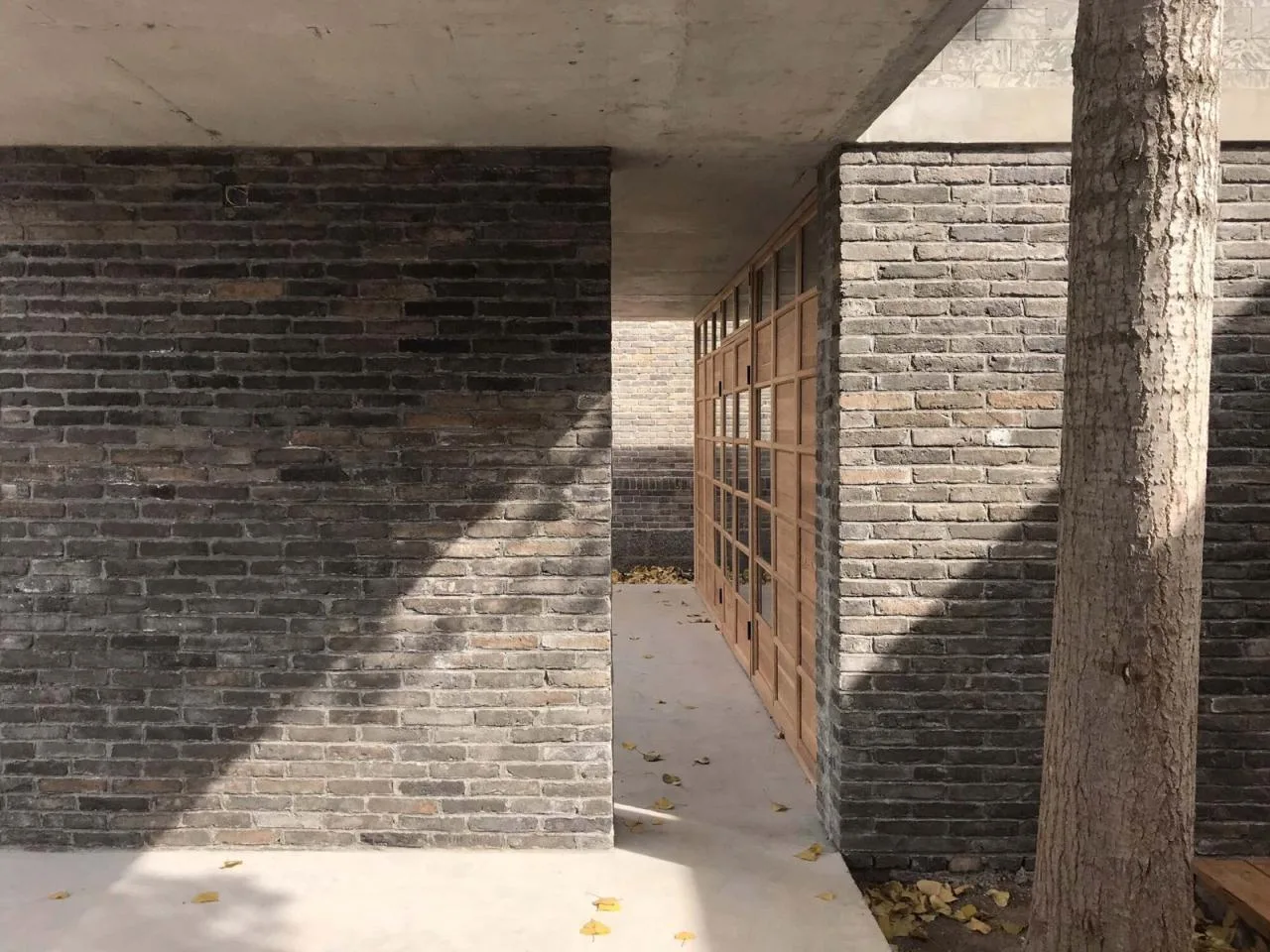
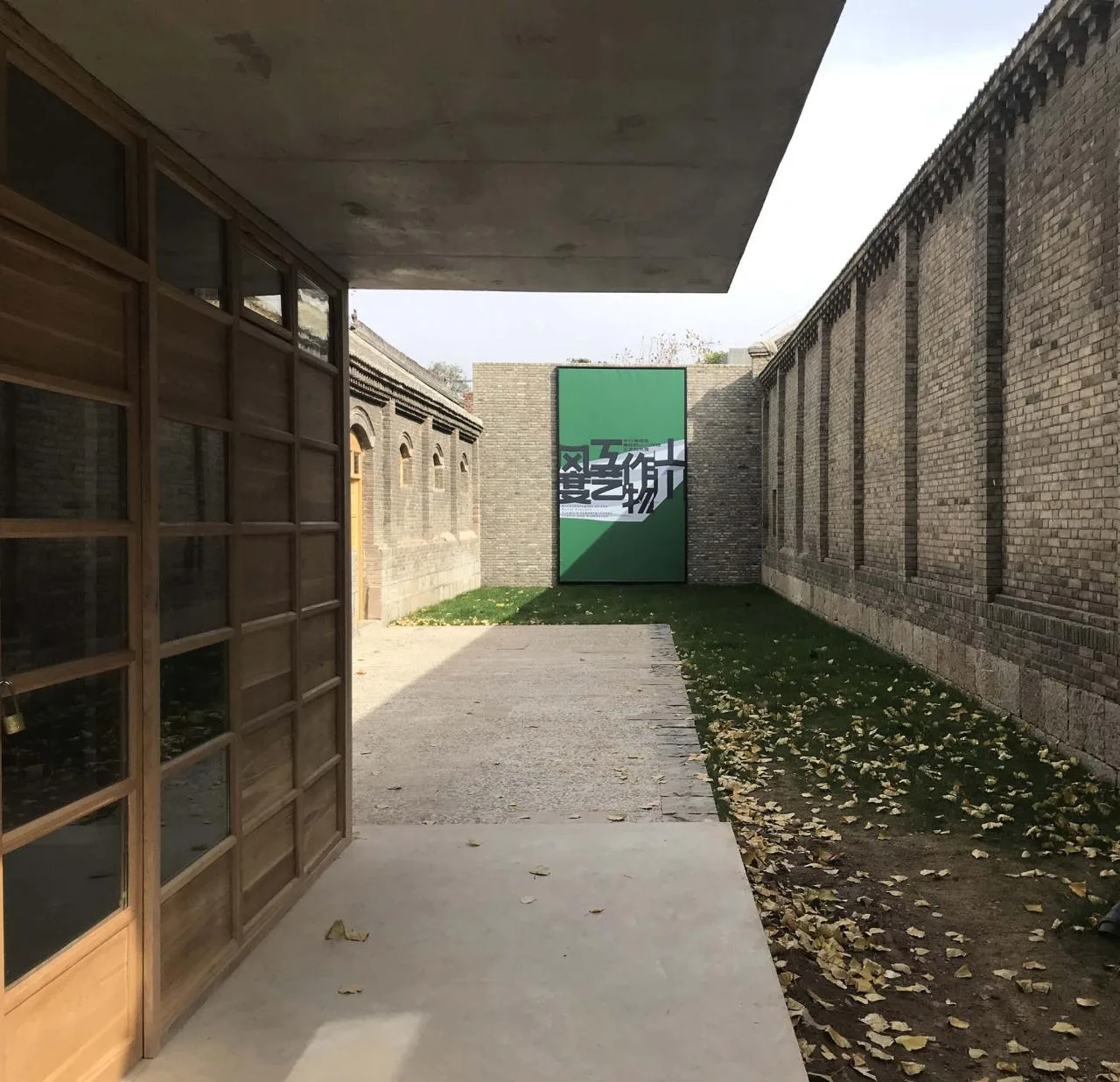
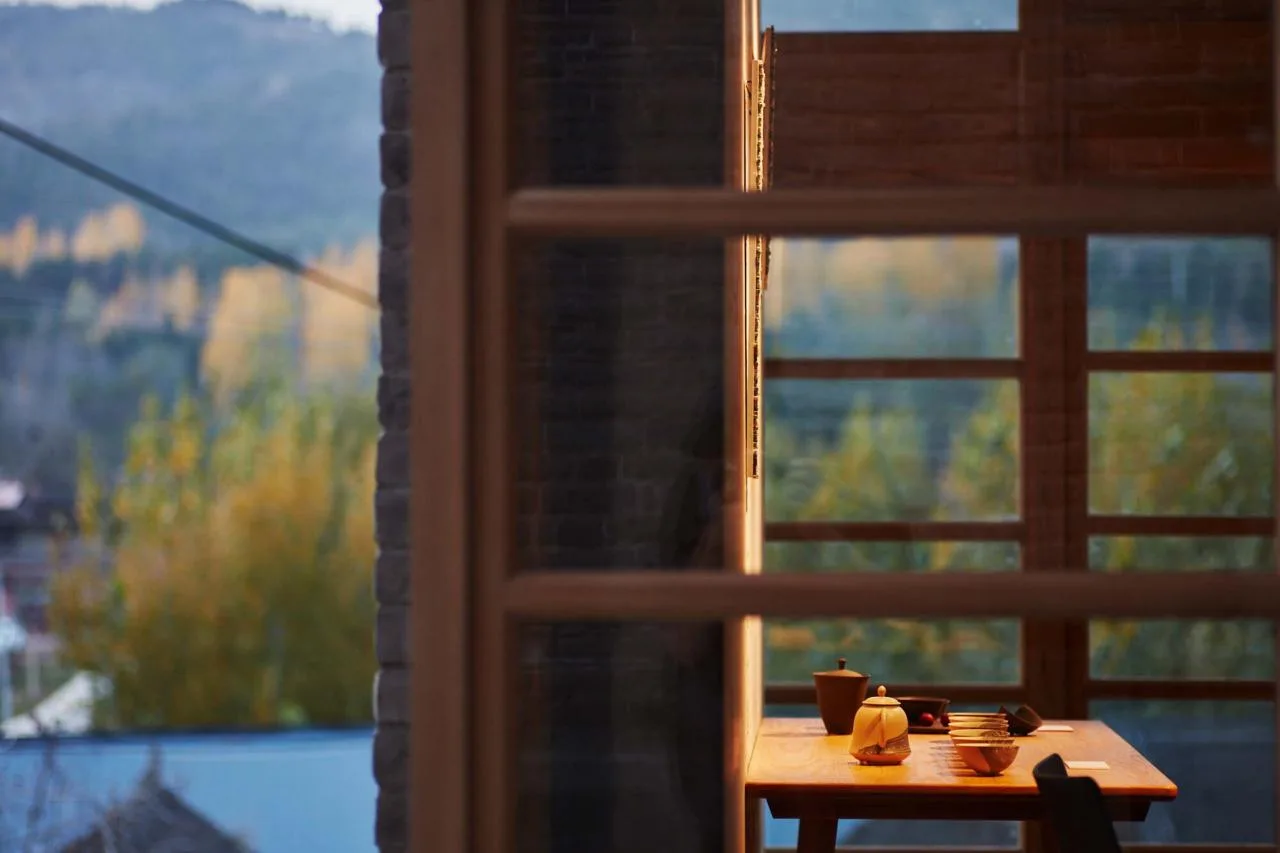
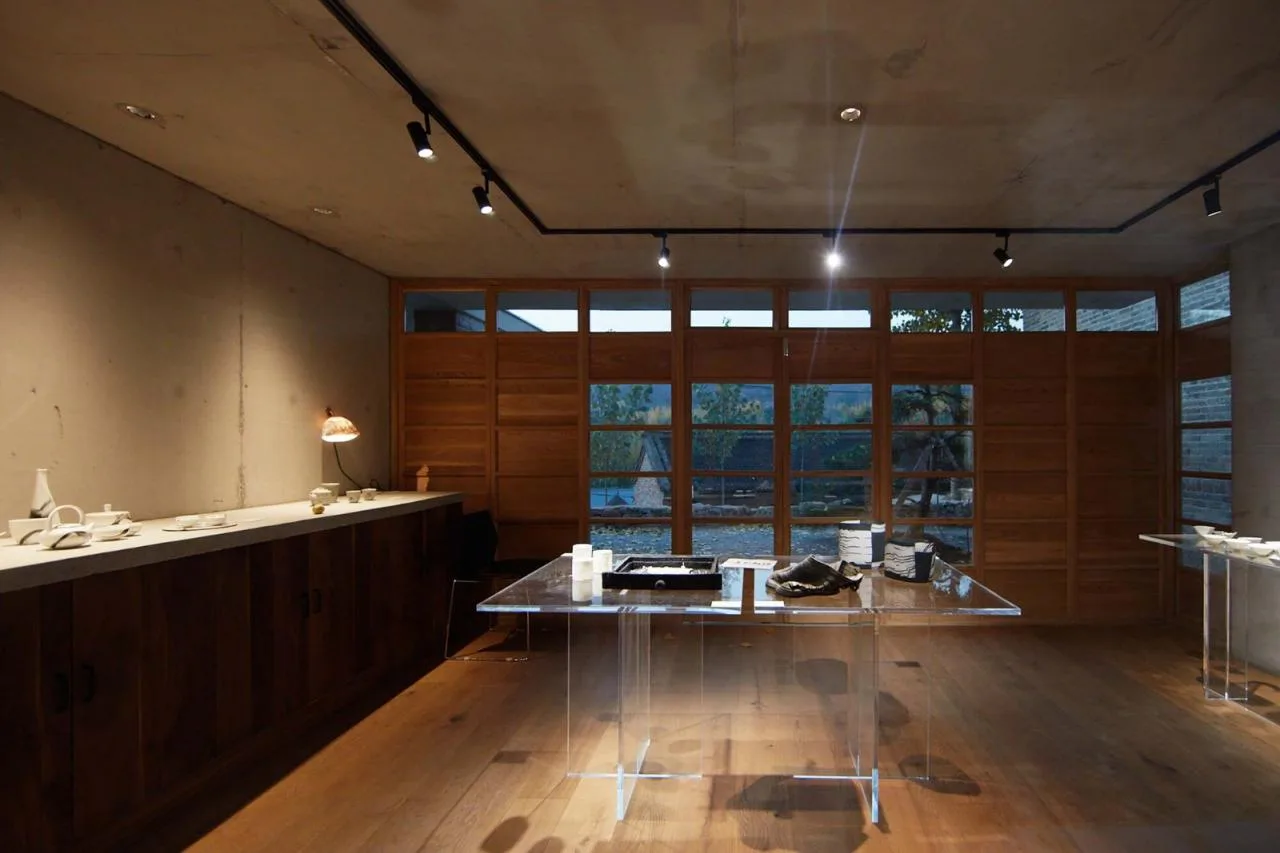
Another newly added space is a tea room located in the passage connecting the two rows of exhibition halls flanking the art center. This tea room acts as a subtle yet inviting “visible entrance” tucked behind the second exhibition hall, which is otherwise hidden from view.
The tea room functions both as a transitional rest area and an extension of the exhibition space. Its indoor and outdoor areas accommodate various temporary exhibitions. The architecture divides the site into several outdoor courtyards, centered around two existing tall poplar trees. These are flanked by a vertical courtyard between two tea rooms of differing sizes, creating a continuous visual corridor that frames distant mountain views.
The project is now complete and is gradually opening to the public. This redevelopment aims to invigorate Dananpo’s rural culture, creating a lively public complex shared by local residents and visitors alike.
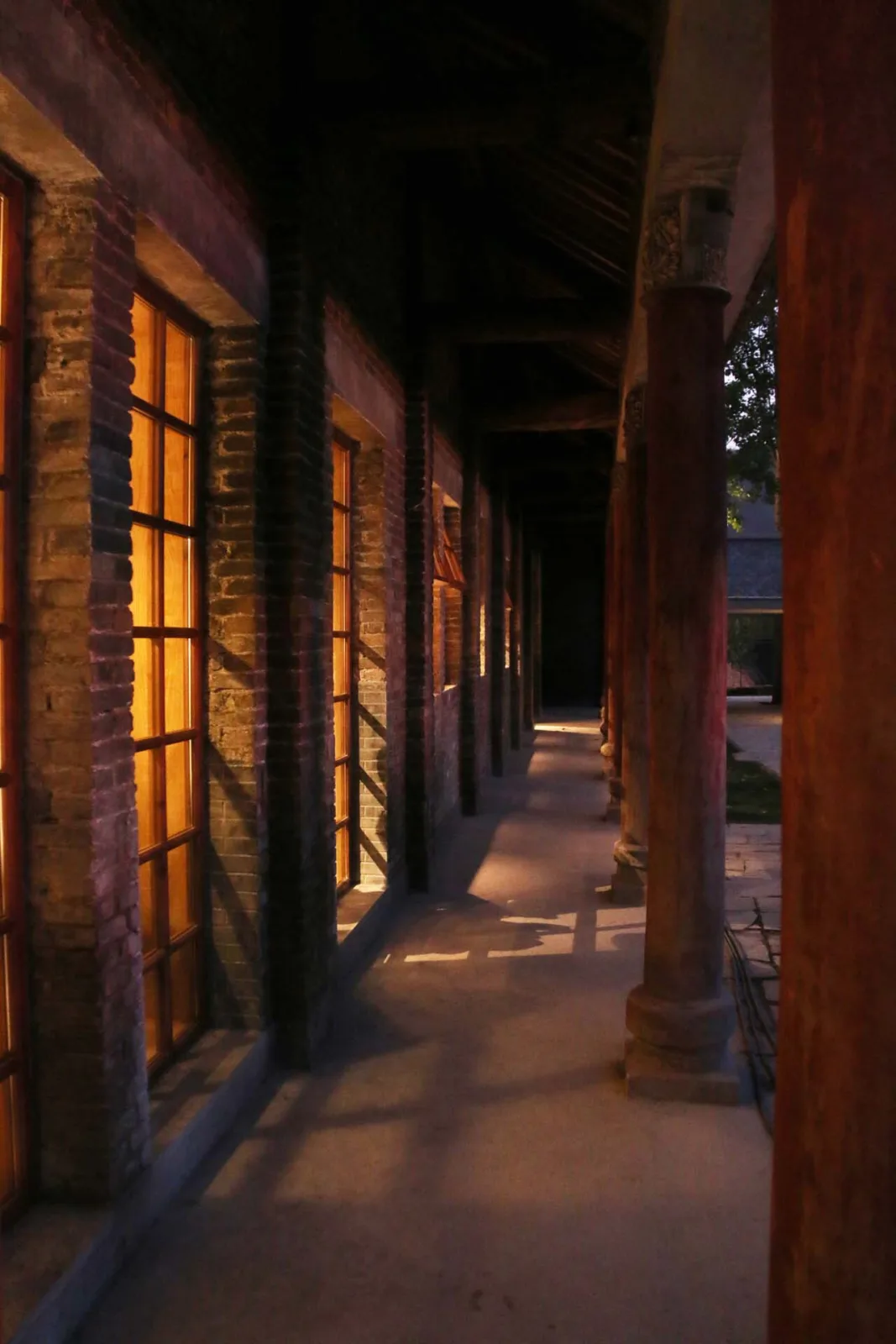
Original Architecture
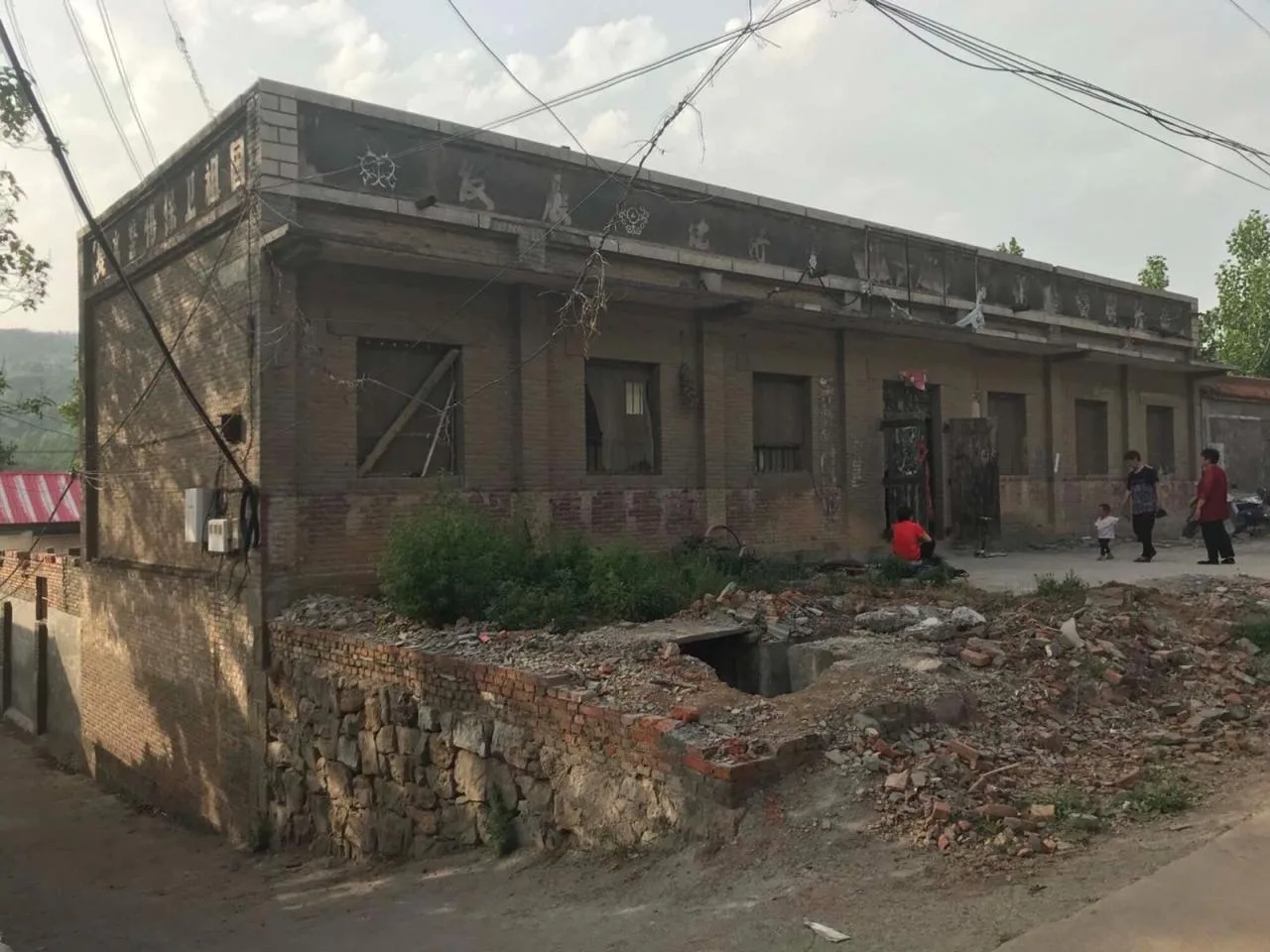
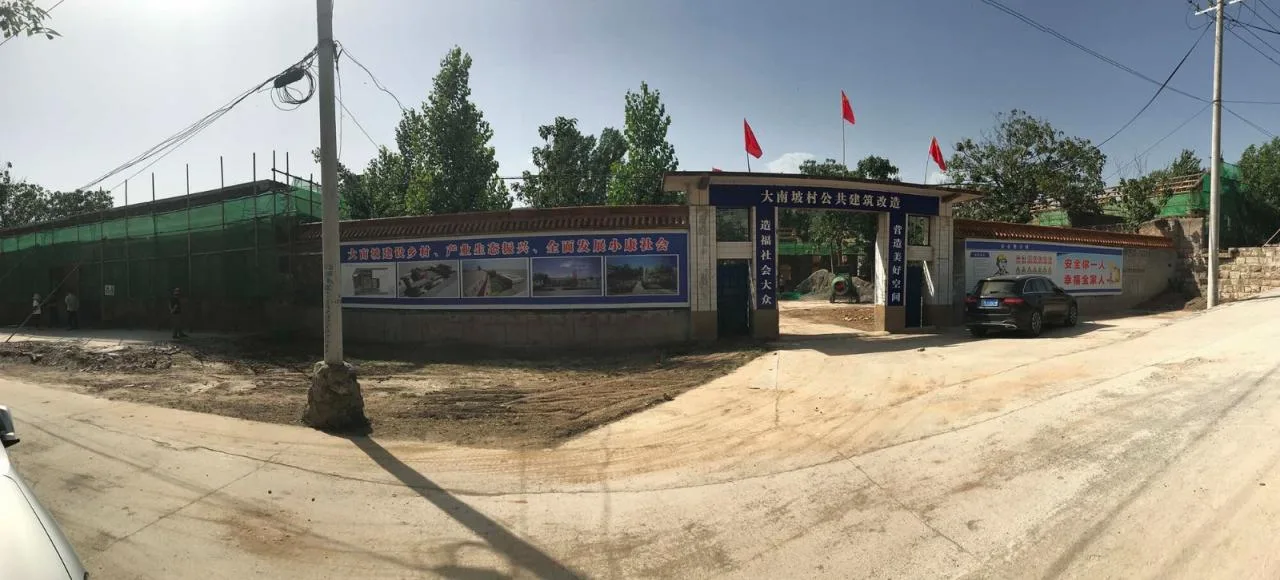
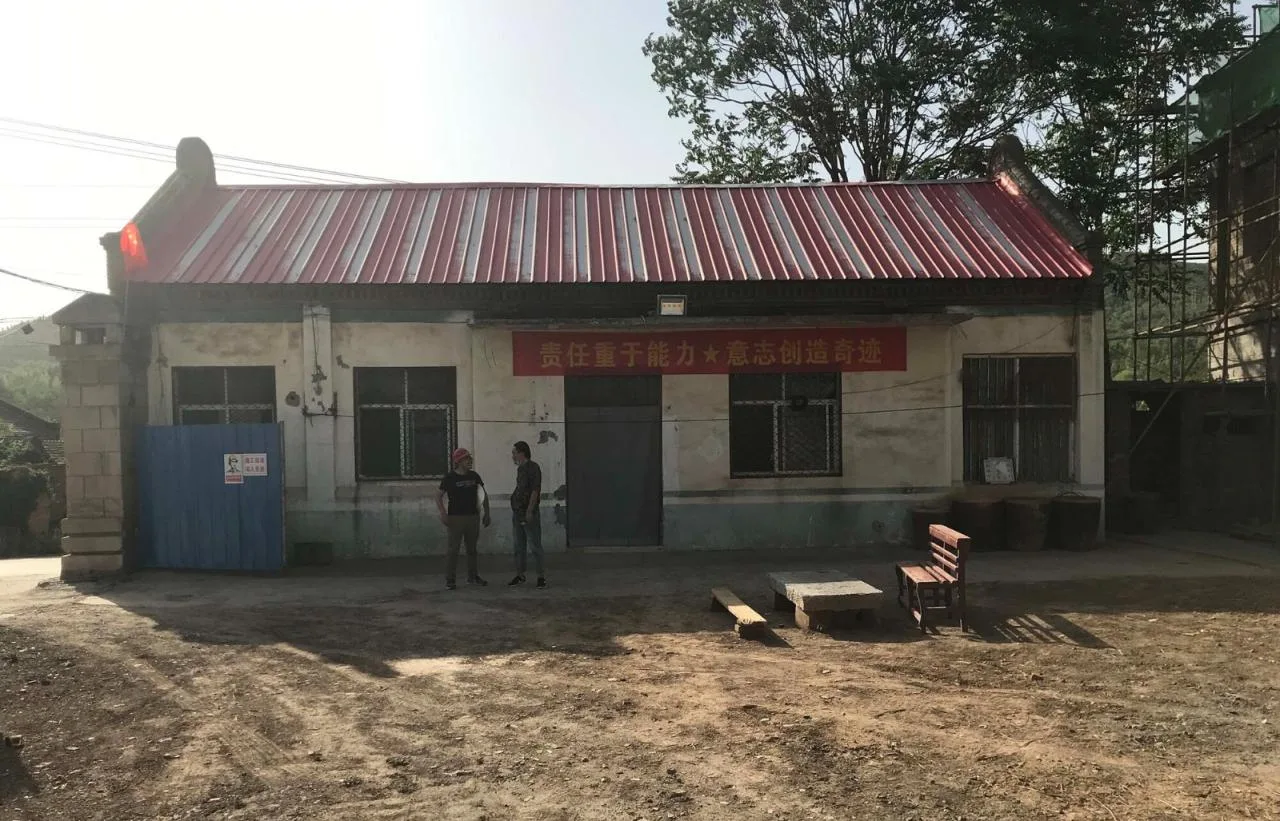
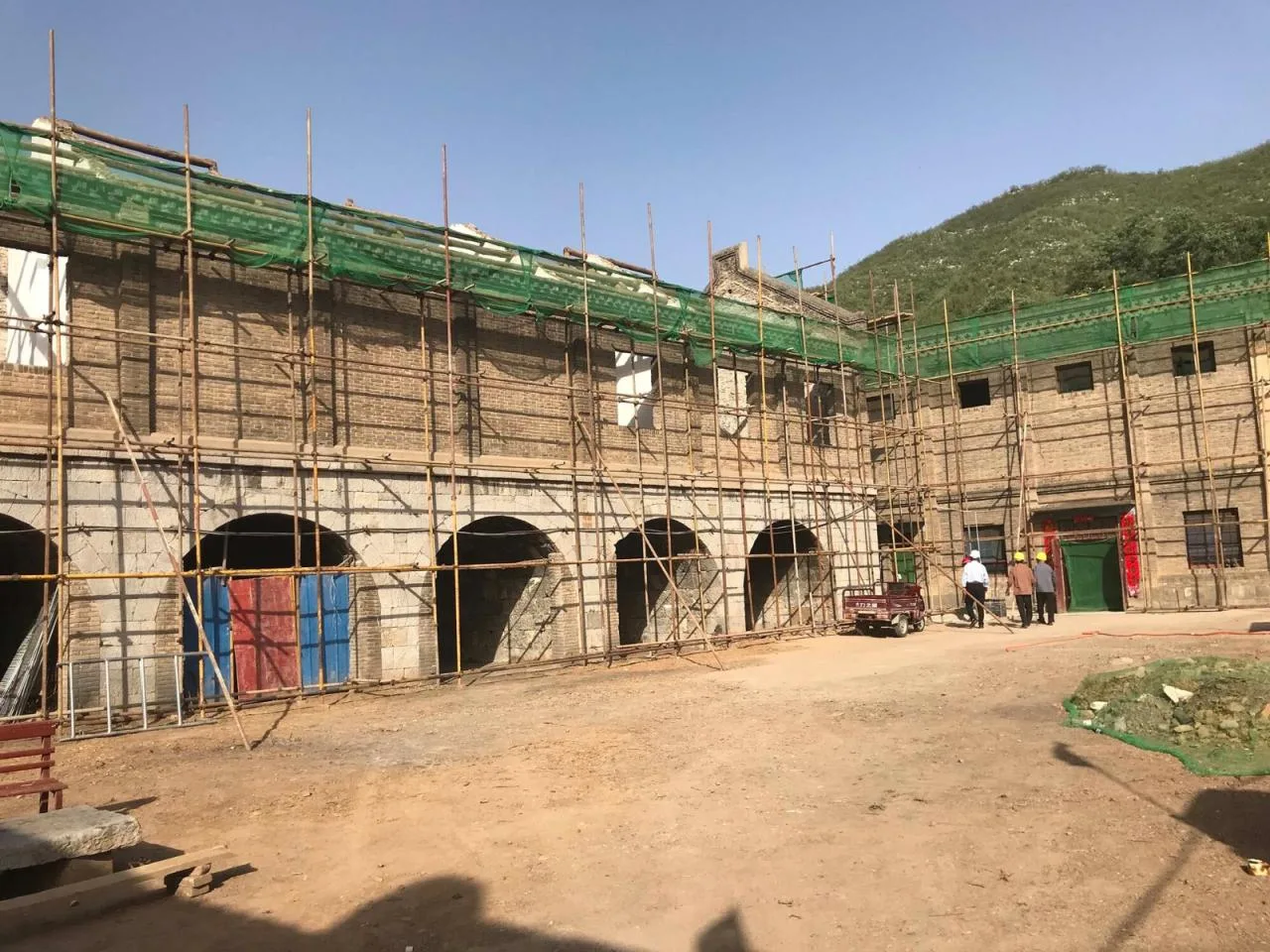
Project Drawings
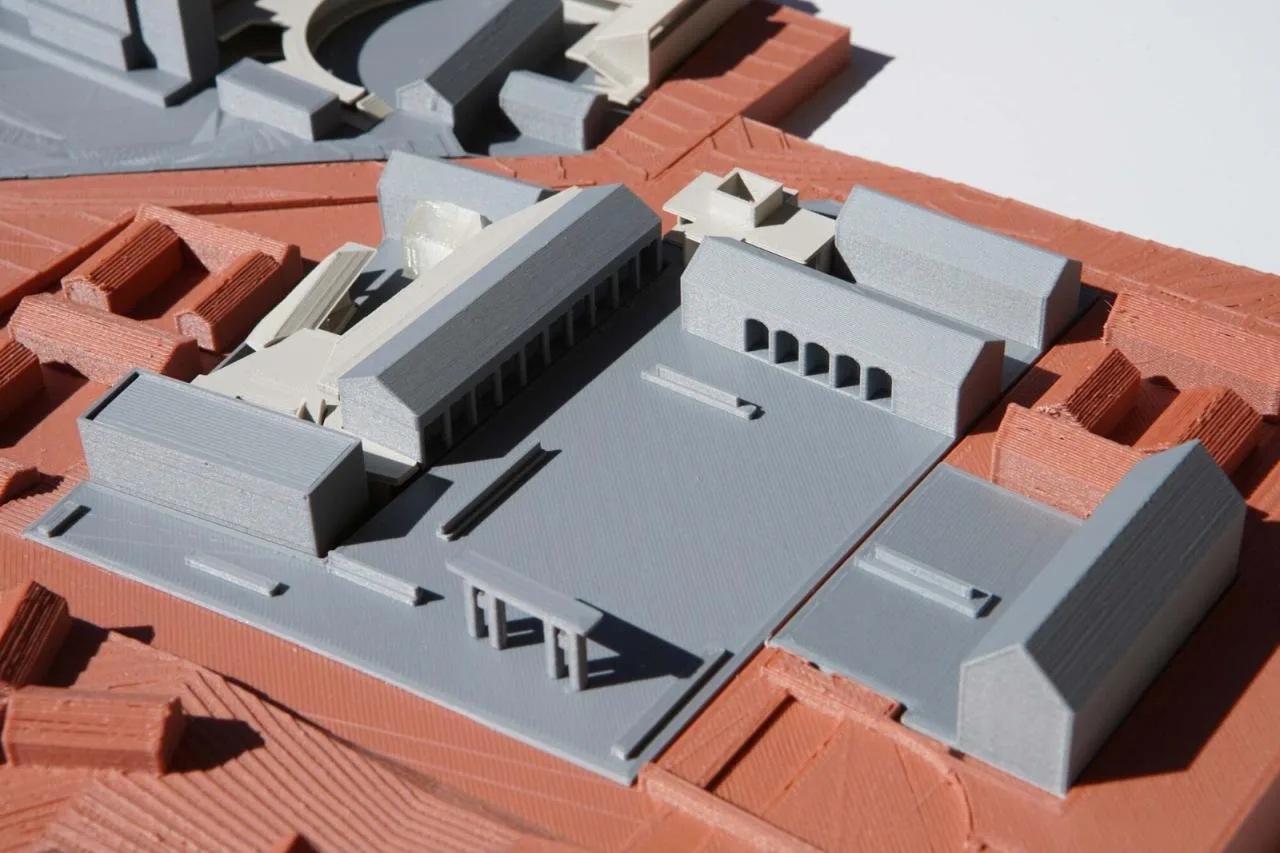
△ Model Diagram
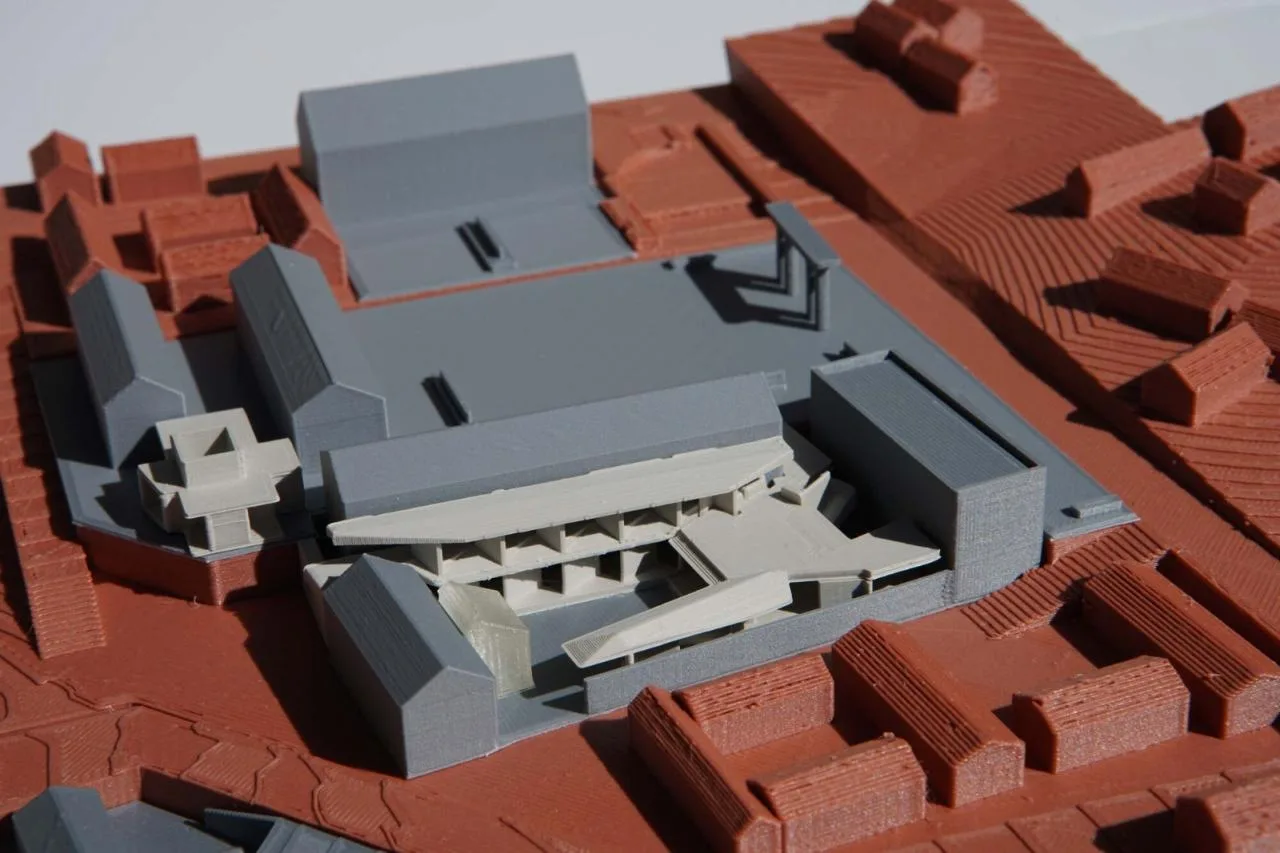
△ Model Diagram
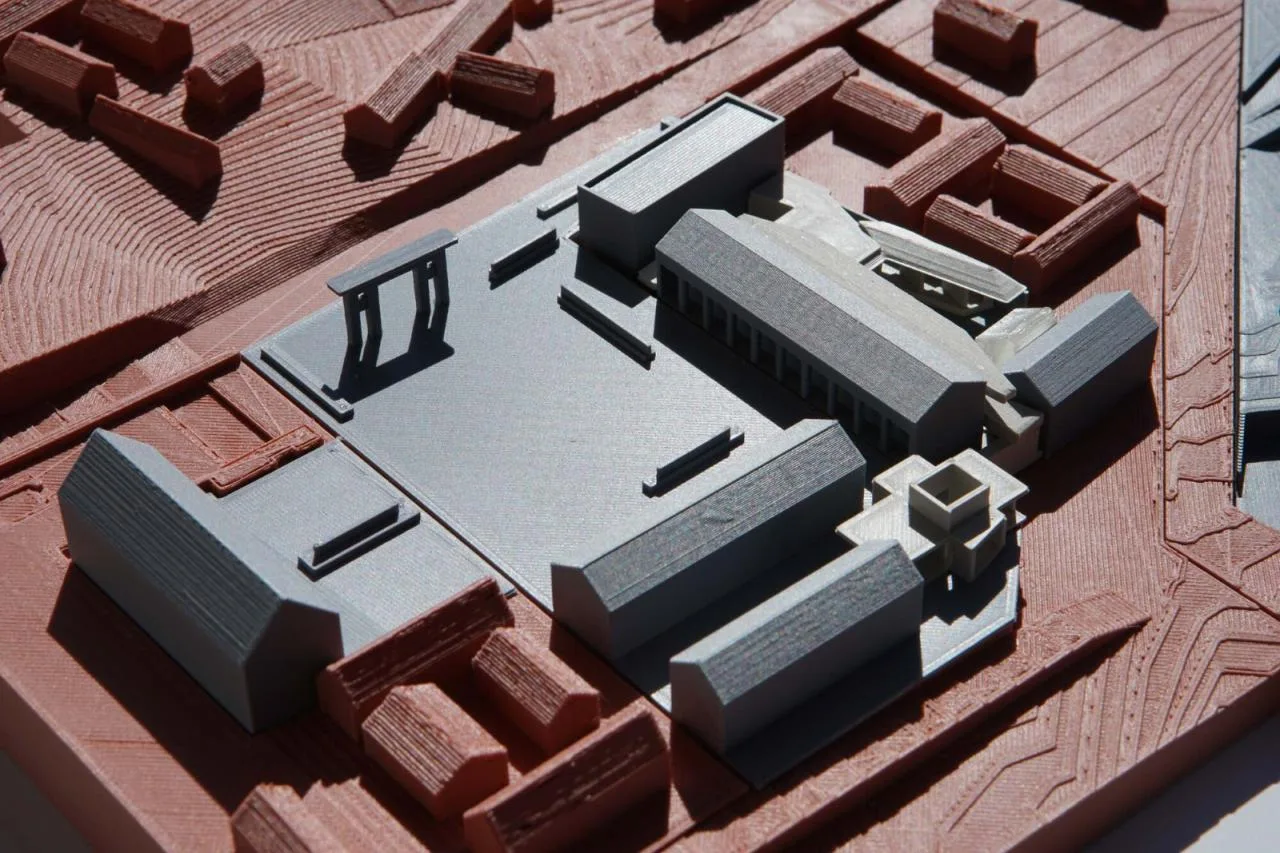
△ Model Diagram
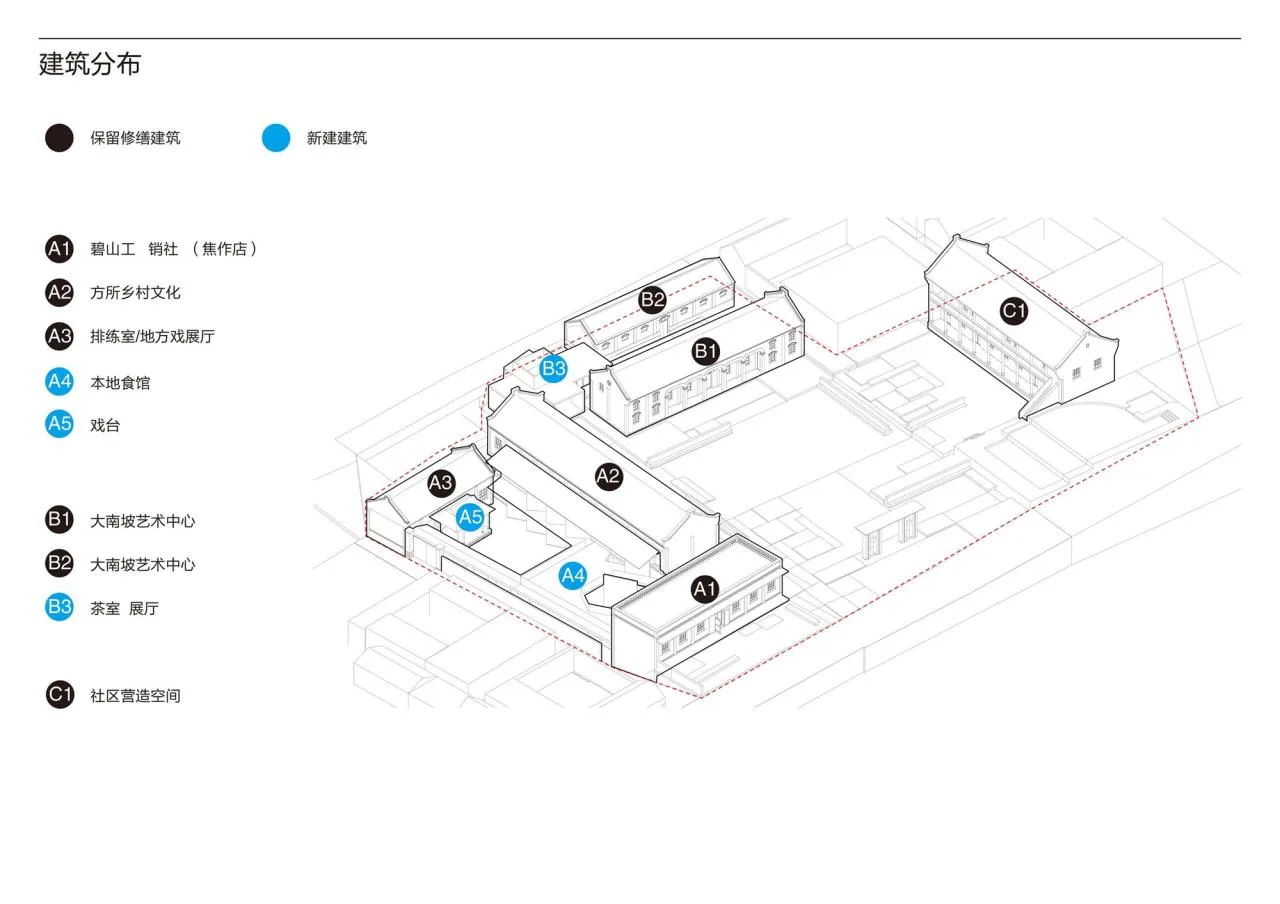
△ Axial Side View
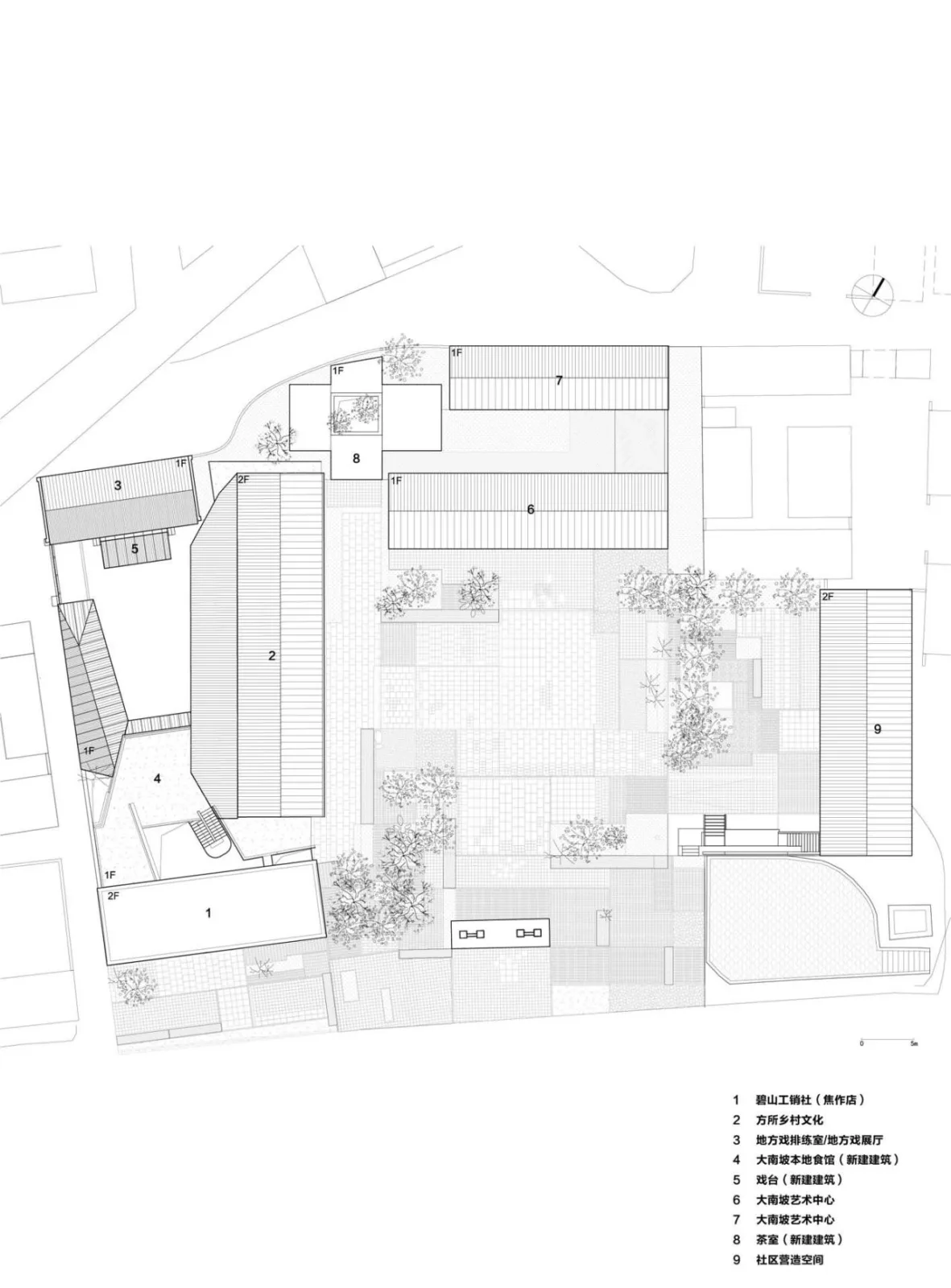
△ General Layout Plan
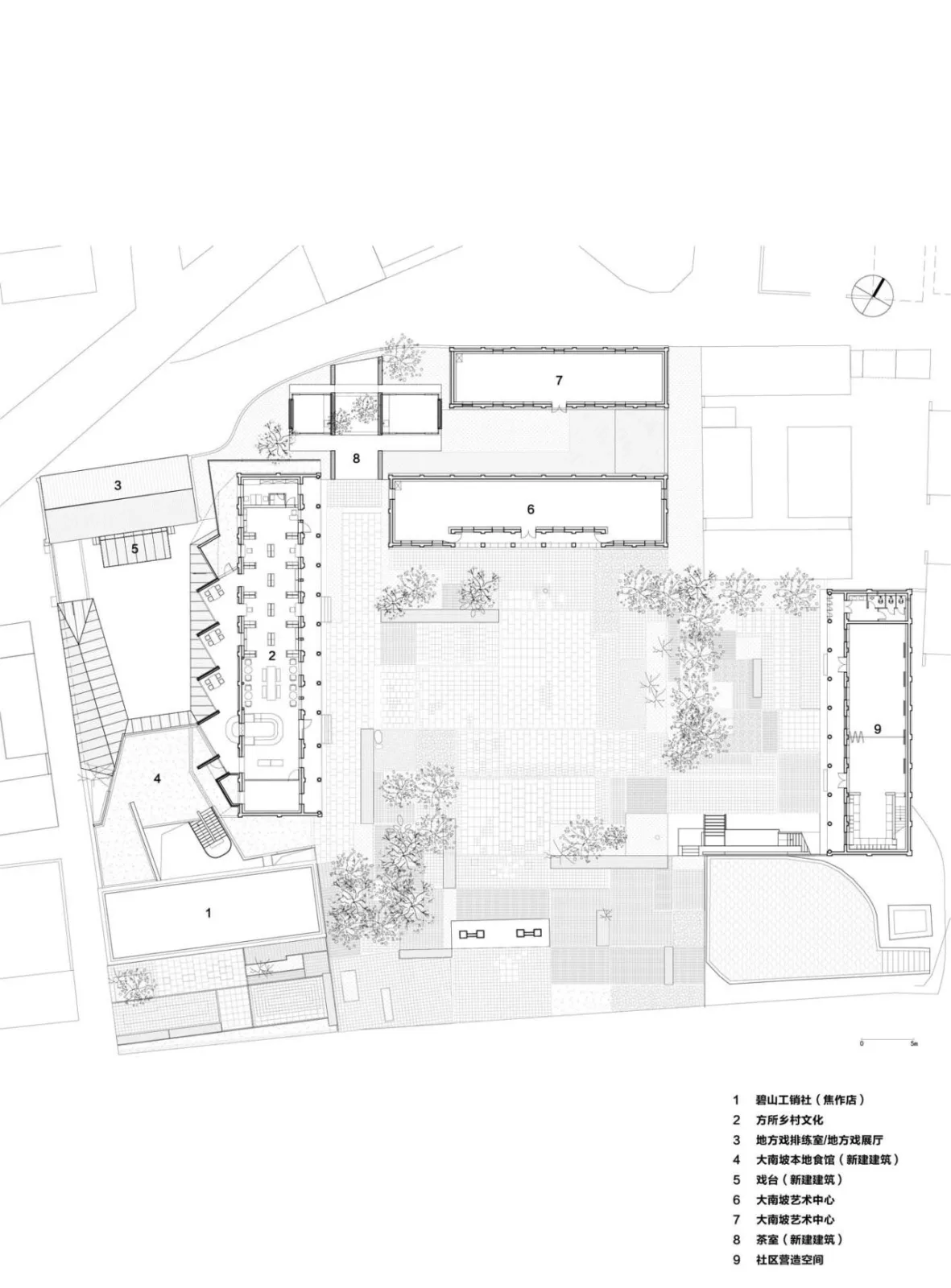
△ First Floor Plan
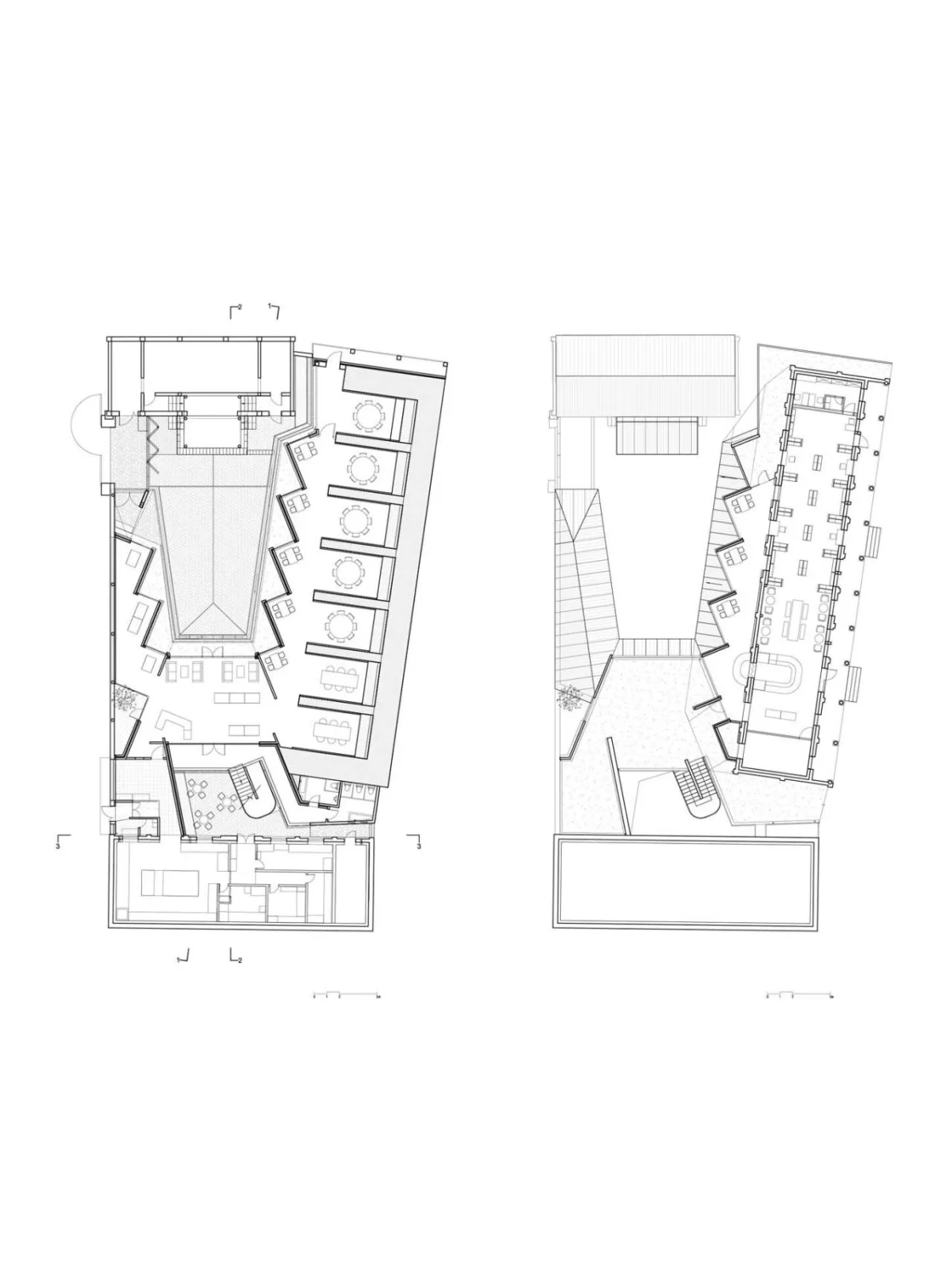
△ Second and Third Floor Plans
Project Information
Architect: Site Architecture
Area: 2,038 m²
Project Year: 2021
Photographer: Rui Zhu
Lead Architects: Liang Jingyu, Ye Siyu, Zhou Yuan
Design Team: Liang Jingyu, Ye Siyu, Zhou Yuan, Wu Xuanxuan, Yan Mingyong
Chief Planner: Zuo Jing Studio
Client: Xiuwu Meishang Cultural Tourism Investment Co., Ltd.
Location: Jiaozuo City














Must log in before commenting!
Sign Up