
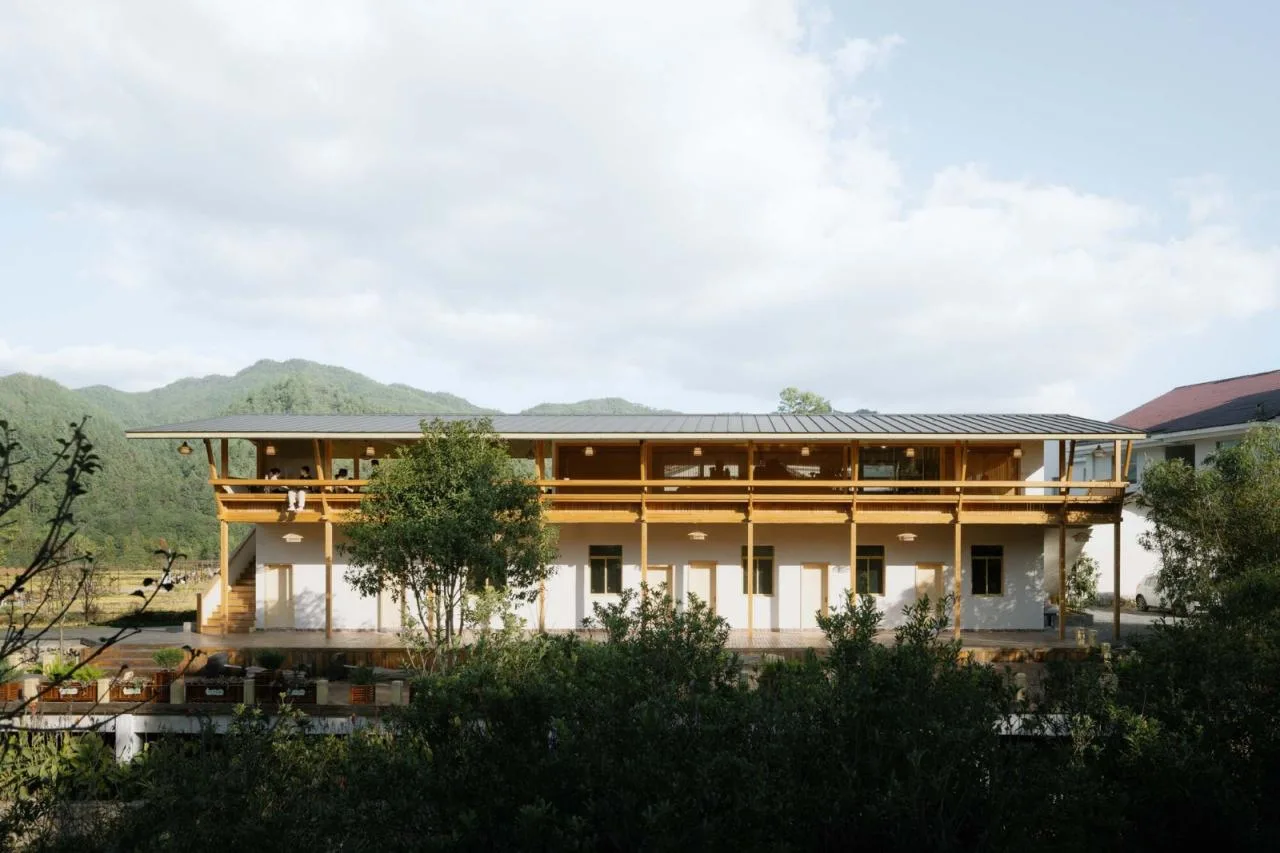
The buildings that were once slated for demolition have been revitalized through careful renovation, transforming them into the village’s sole attraction for visitors. This project exemplifies rural revitalization and reconstruction, offering villagers a fresh perspective on architecture—demonstrating how a single place can breathe new life into an entire community.
Yaoli Tianyuan Station is situated in Longdou Village, Shuibei Town, Shaowu City, Nanping, Fujian Province. Remarkably, the entire process from design assignment to construction completion took only three months, utilizing a renovation model that combined design and construction simultaneously.
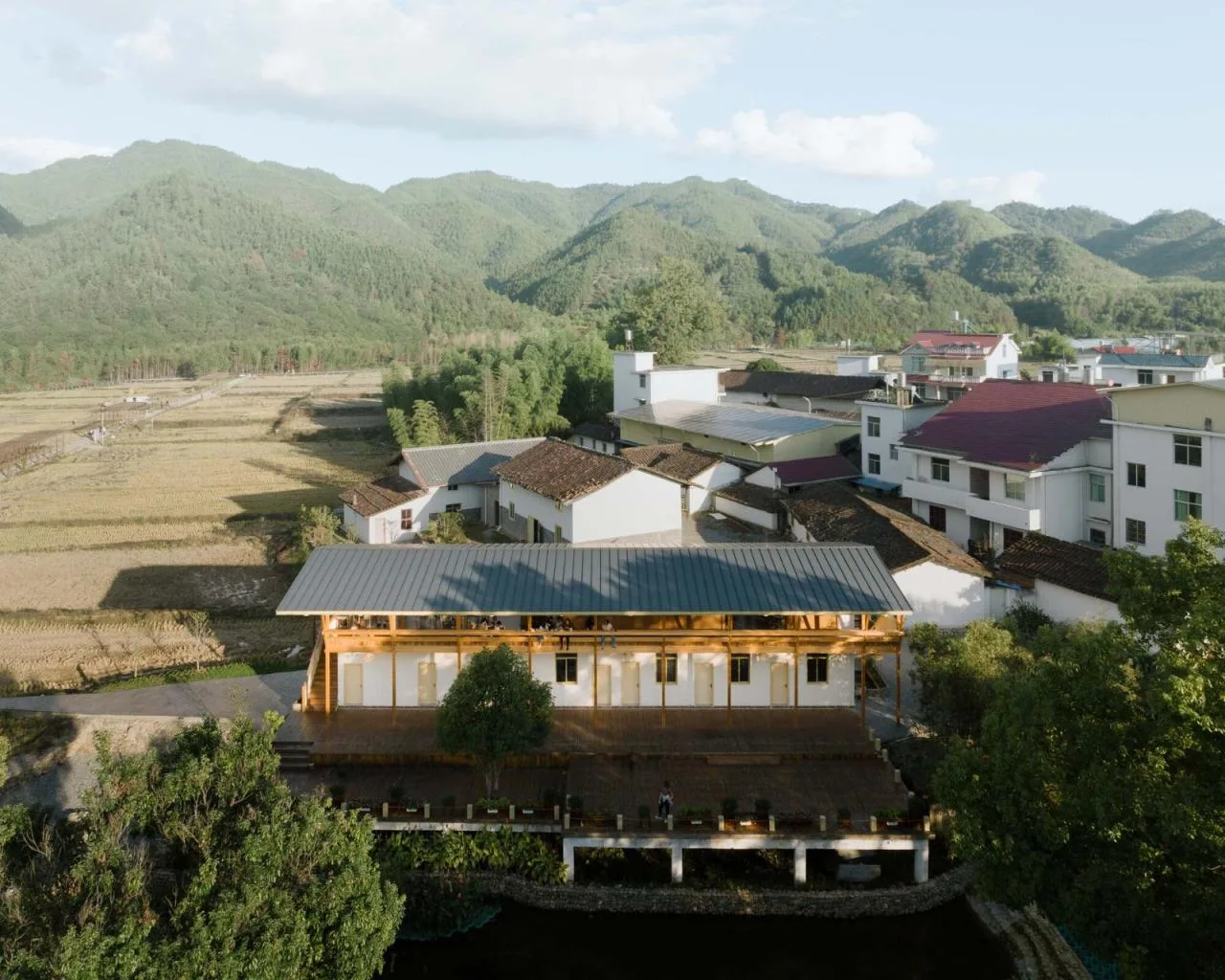
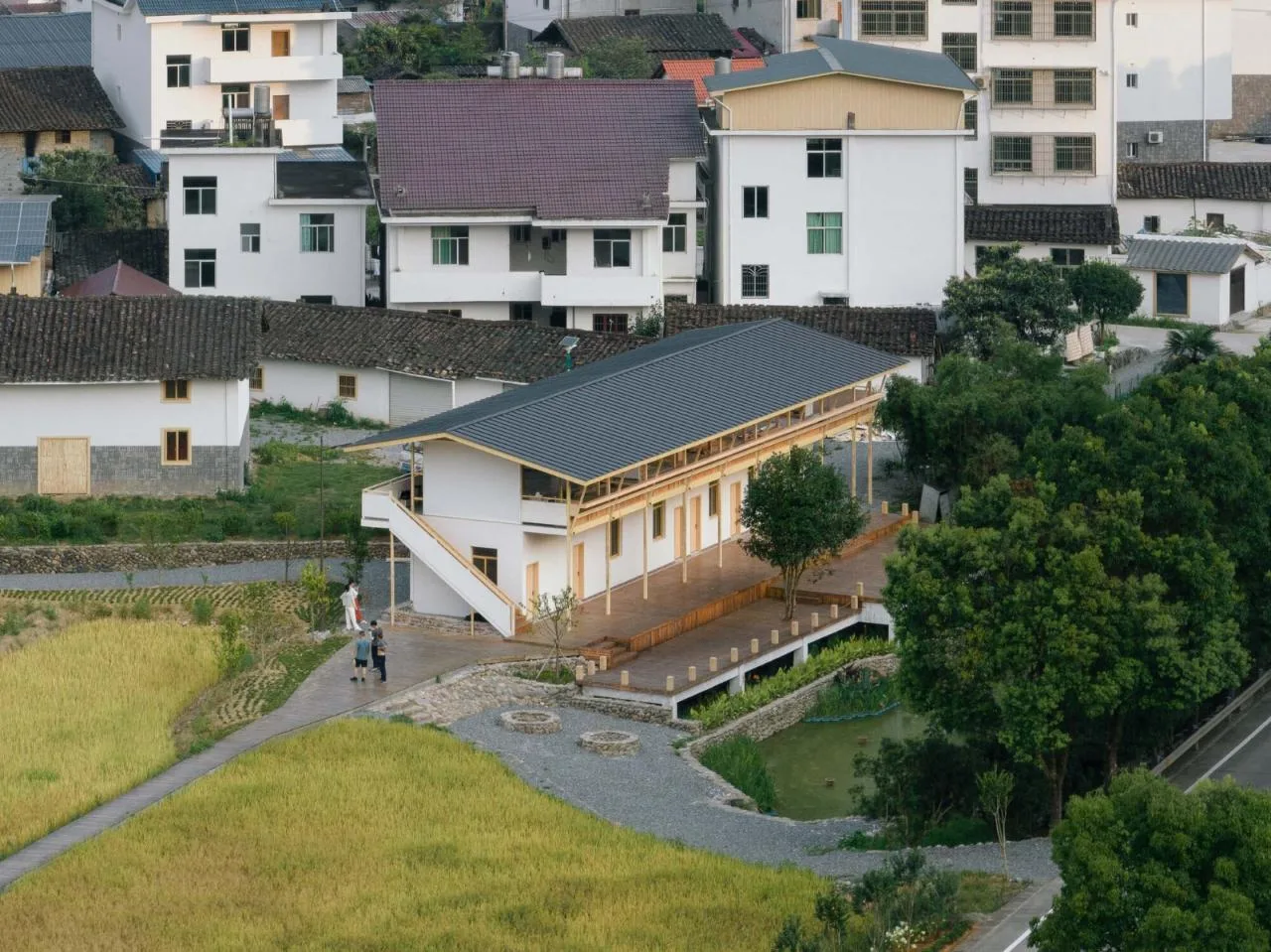
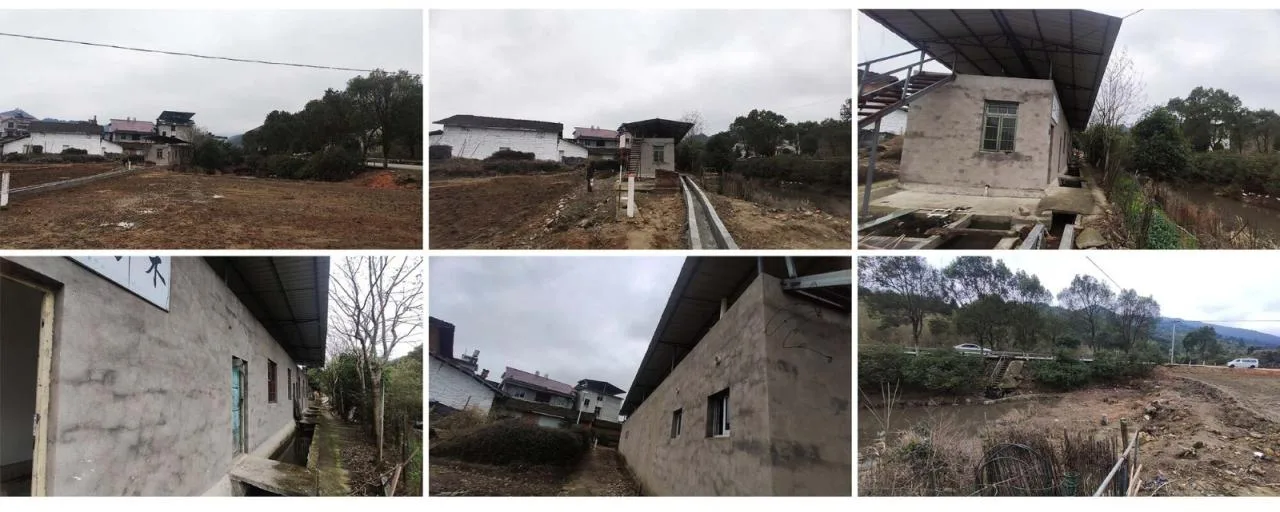
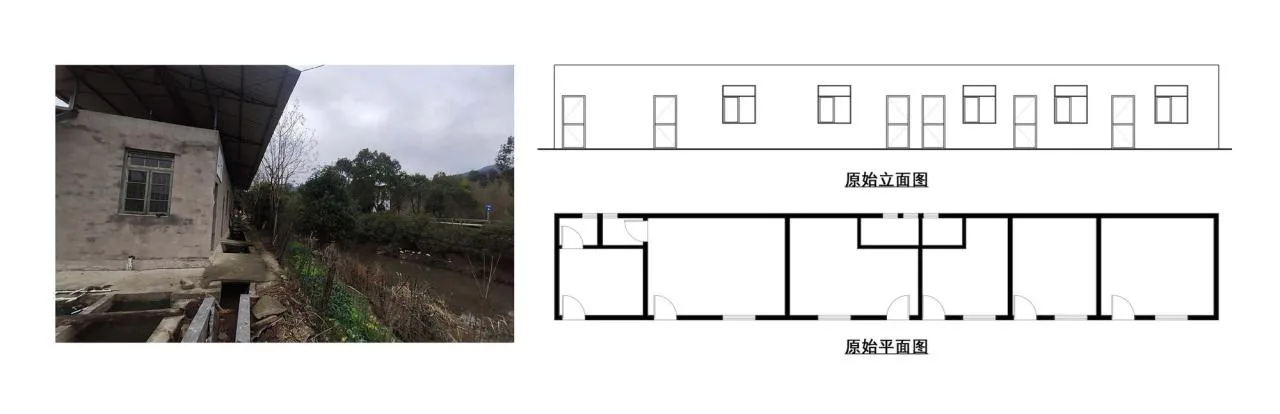
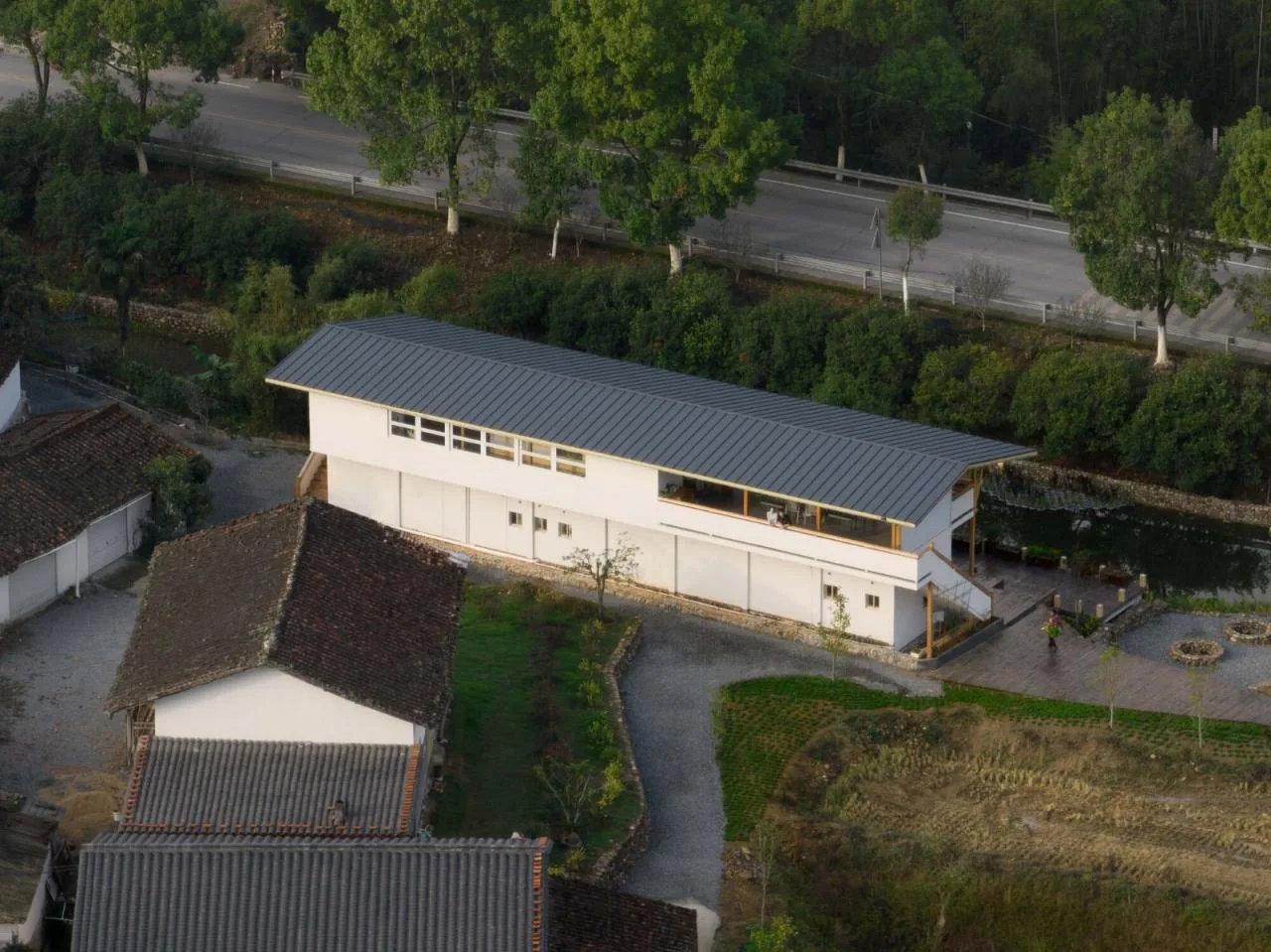
The approach focused on minimal intervention, reconstructing the original one-story bungalow made of brick and concrete located at the village entrance. Previously abandoned and used only as a storage warehouse, the building had a weak foundation and lacked original structural data. Hence, the renovation strategy involved carefully rebuilding the structural system with low intervention.
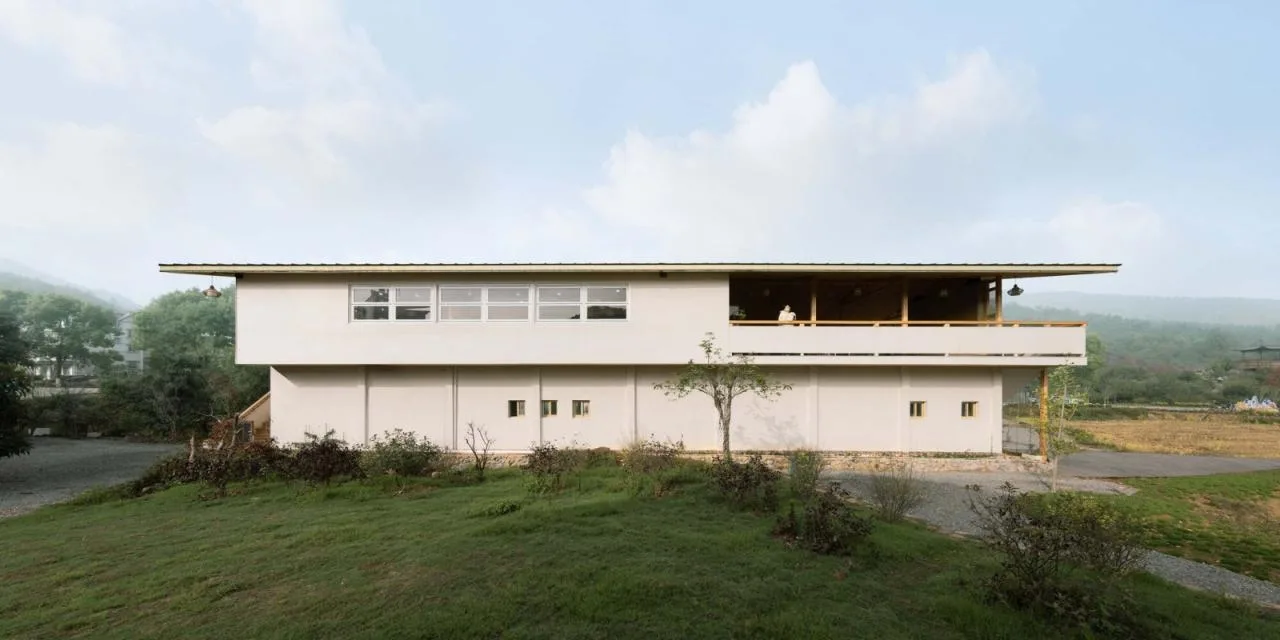
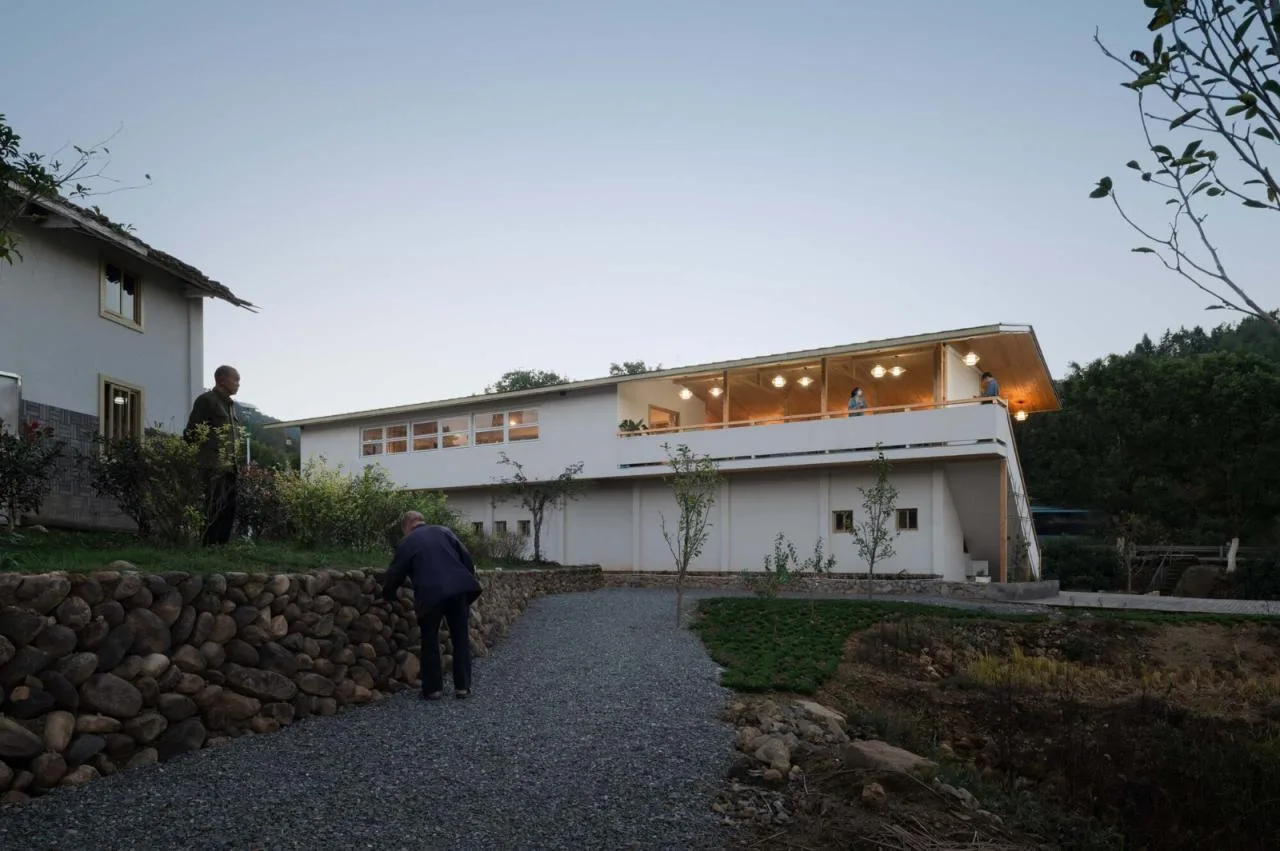
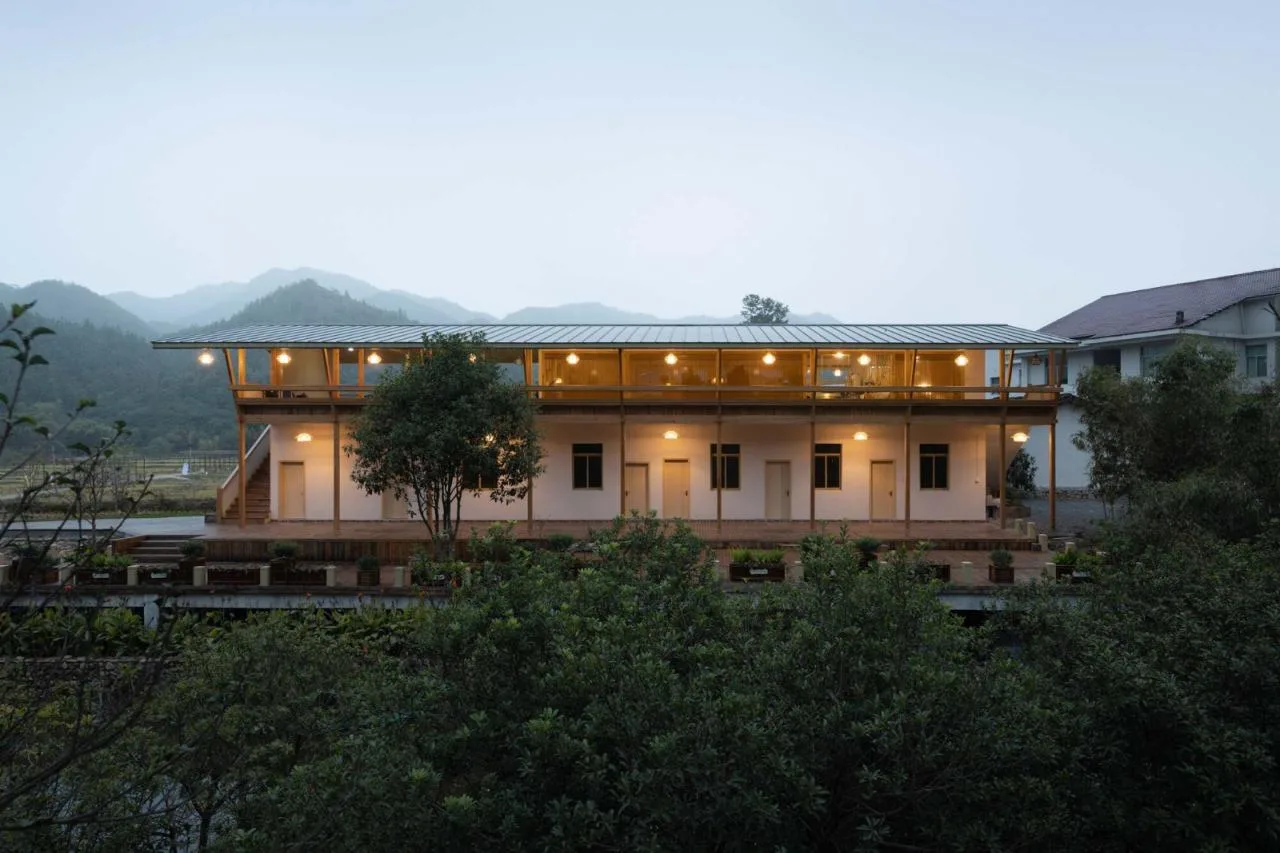
After initial design work, the original structure was preserved with minimal alterations on the first floor, retaining all wall segments while upgrading doors and windows. A new second floor was added, constructed as an independent lightweight steel structure with sheet walls and roofing, creating the illusion of a two-story building composed of two separate structural systems.
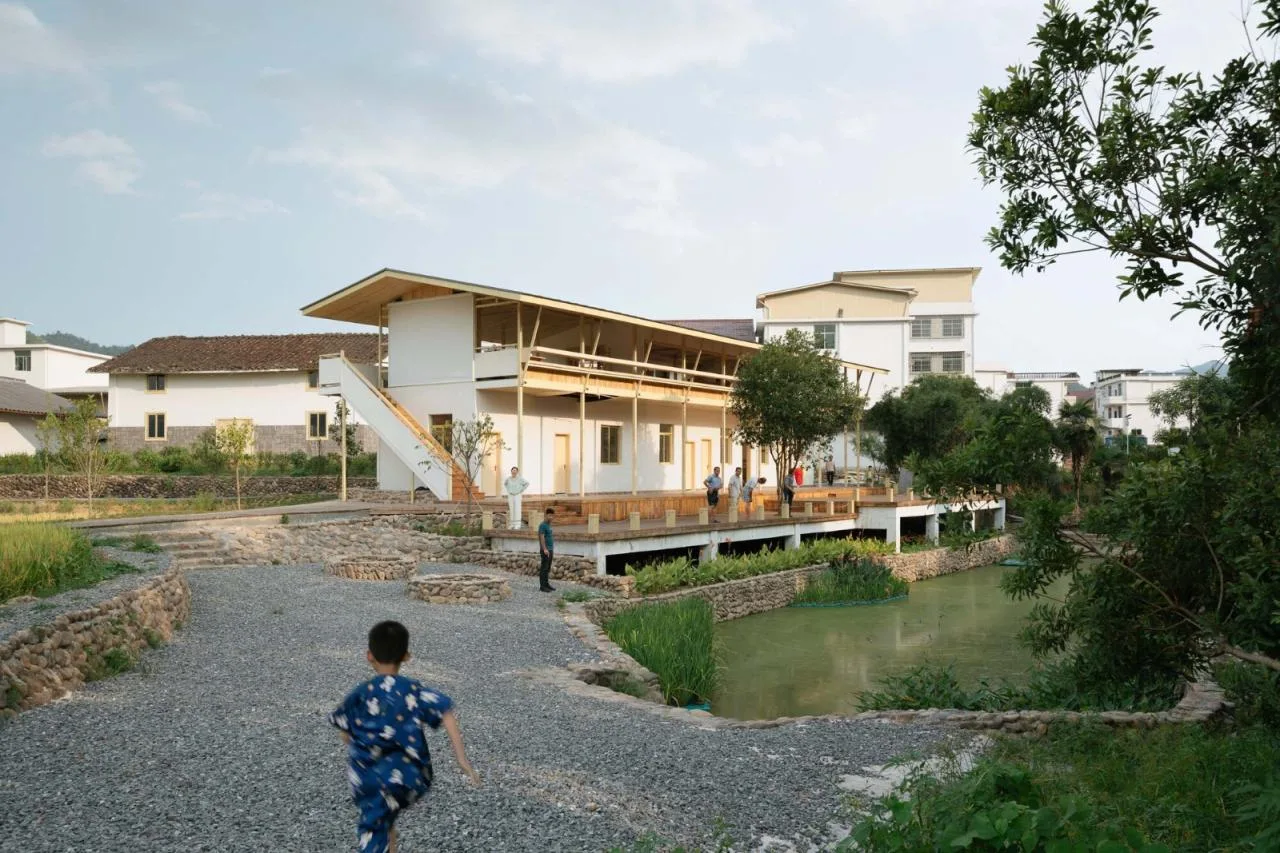
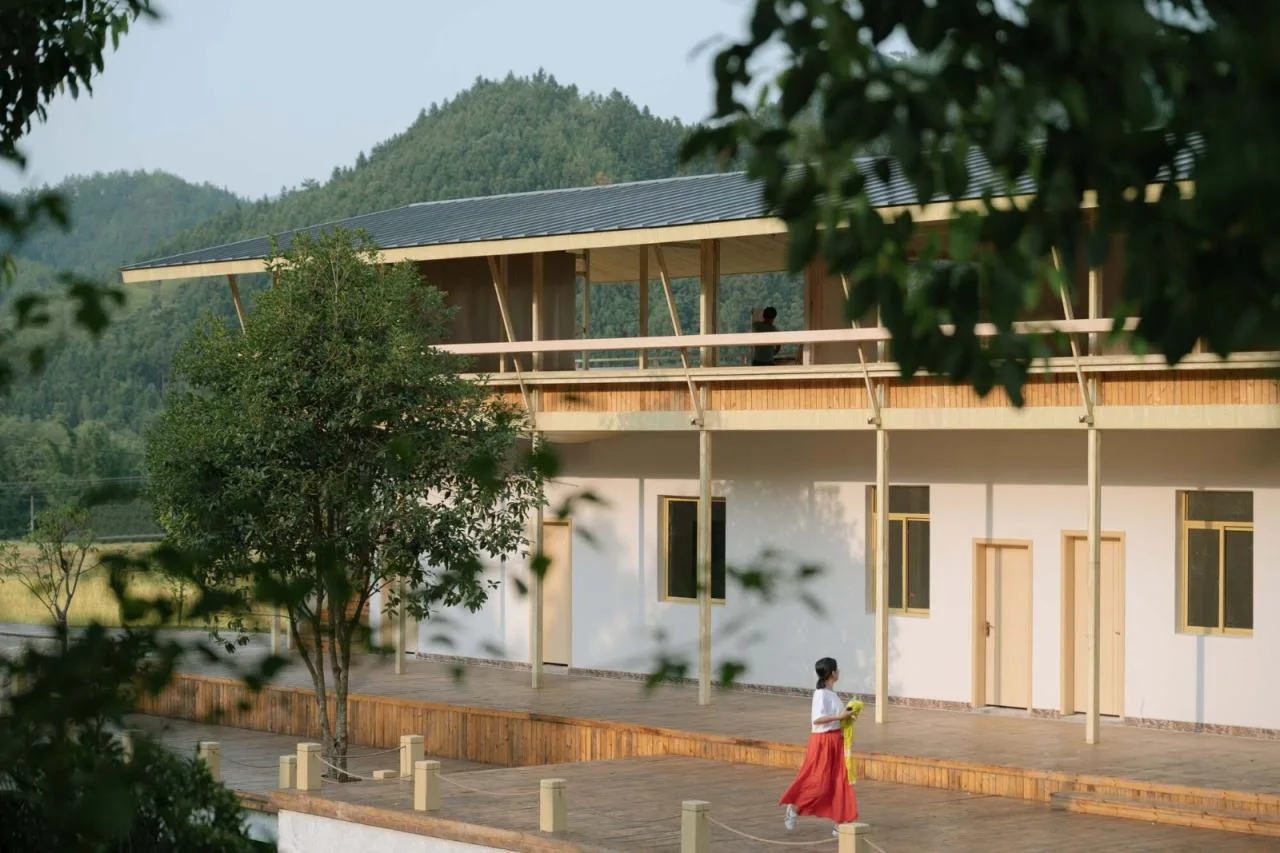
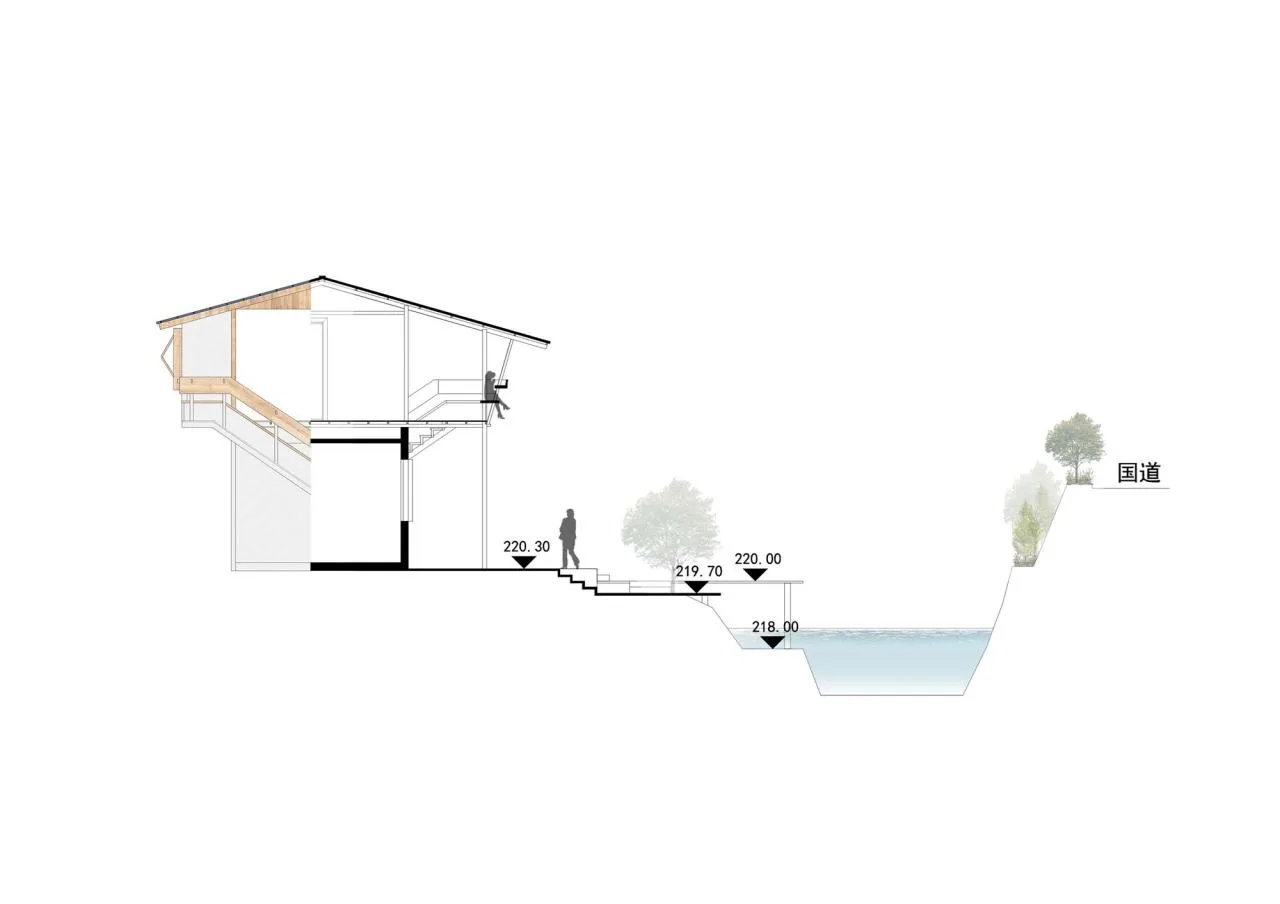
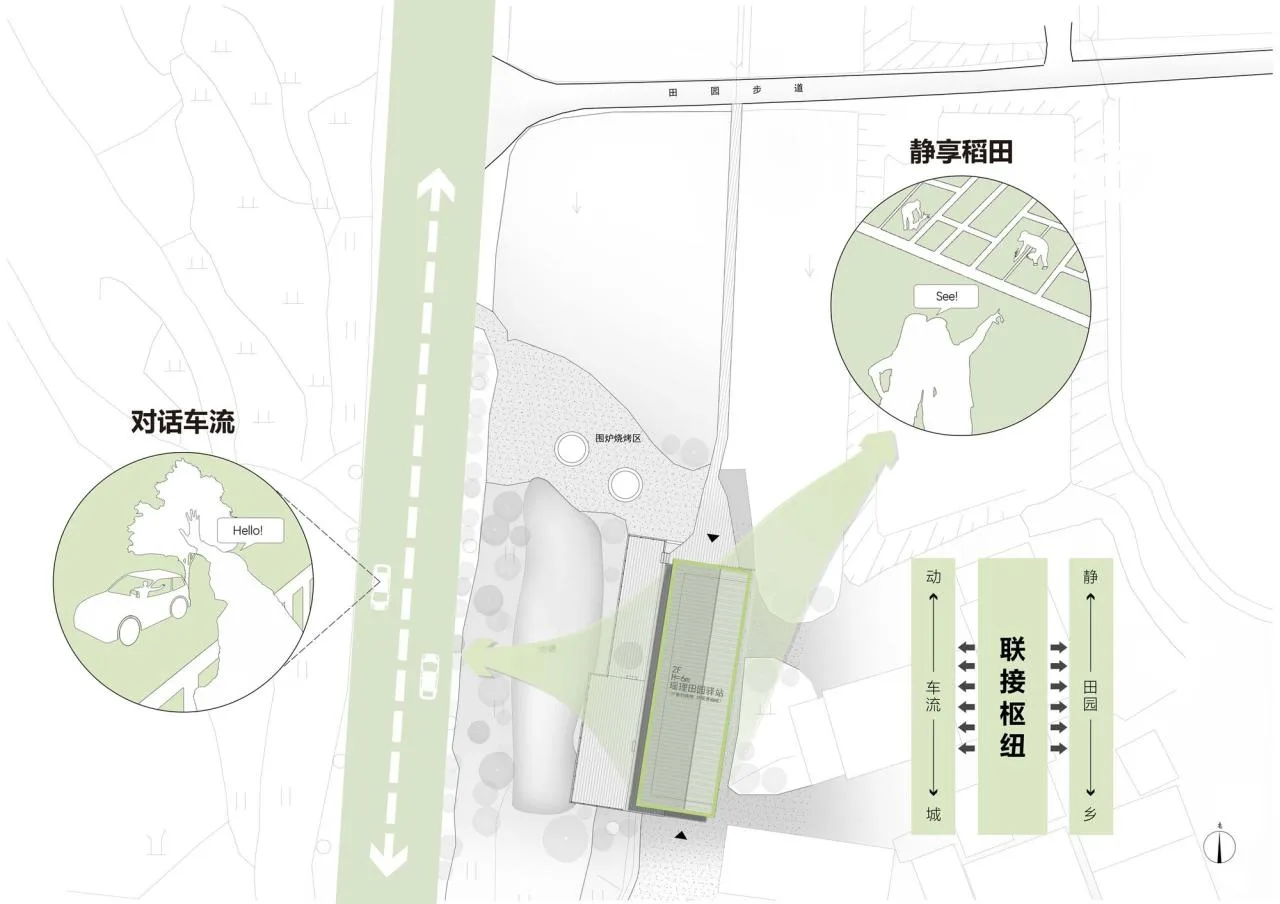
Understanding the site and building orientation was essential for maintaining the continuity of the village’s character. The station borders the national highway Fulan Line, with the original main building running parallel to the road. To soften this relationship, the design introduced landscaping elements between the road and building.
A pond area was expanded while preserving all surrounding trees, complemented by a wooden platform that invites leisure and play. This lively zone acts as a buffer, absorbing noise from the highway. Conversely, the building’s rear faces the countryside, rice fields, and mountains, where the design emphasizes seamless integration without barriers, extending the village’s fabric into the station.
The choice of local materials results in a light and somewhat delicate volumetric expression. This was an intentional design decision. Functionally, it preserves the original building’s essence and echoes the vernacular architecture of northern Fujian’s rural roof canopies, known for their lightness, flatness, and clear construction logic.
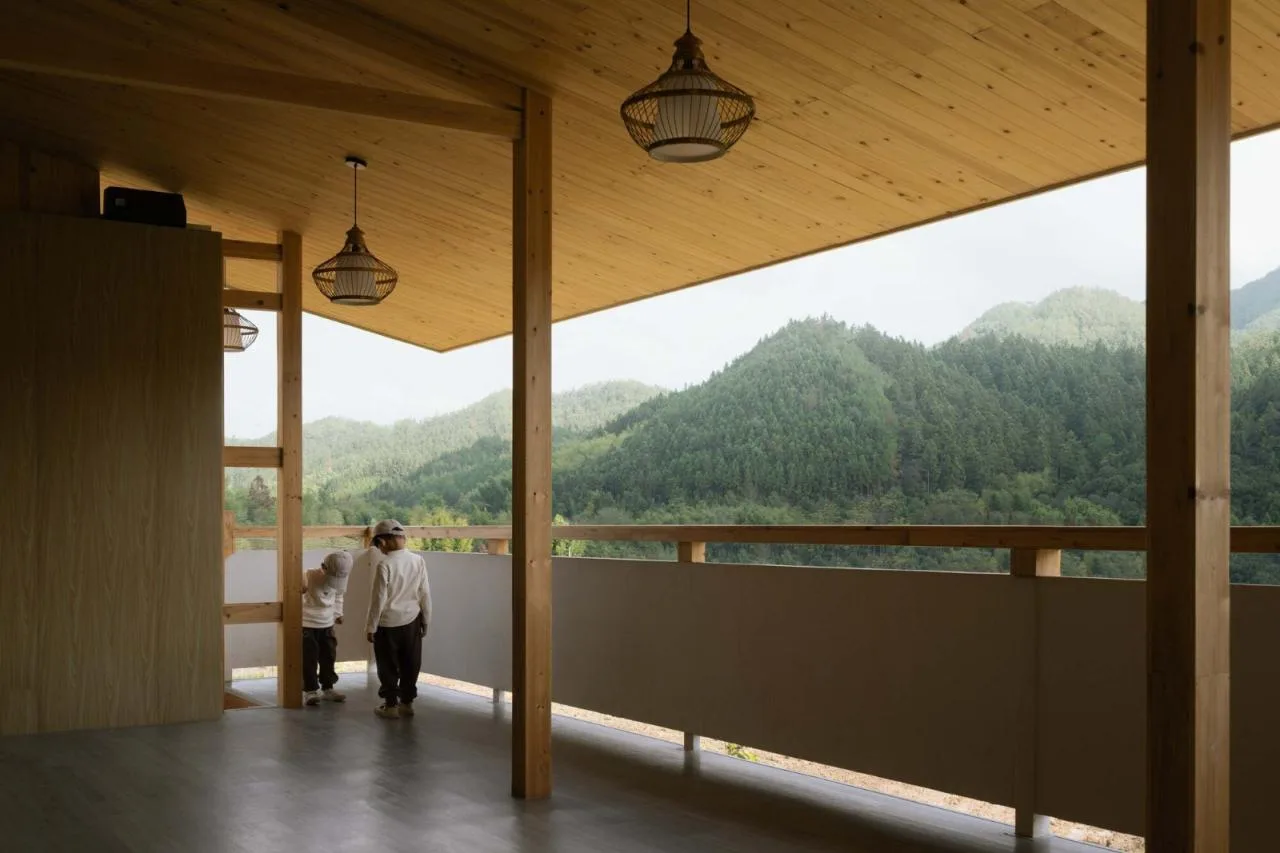
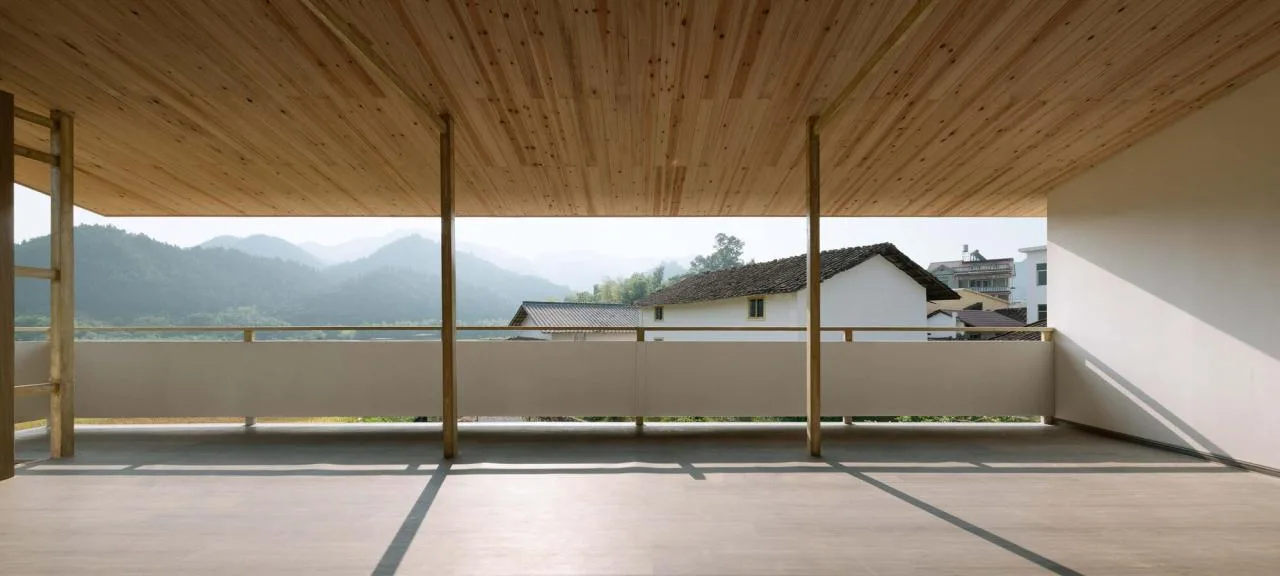
Villagers traditionally used these materials as affordable, common, and easy-to-operate solutions for renovations and expansions. The design reinterprets this lightweight aesthetic as the transformation strategy for the rural post station, featuring a flat roof that conceals most of the underlying structure and creates slender, elegant eaves. The building thus resembles a large pergola, supported by thin poles set in the fields at the village entrance.
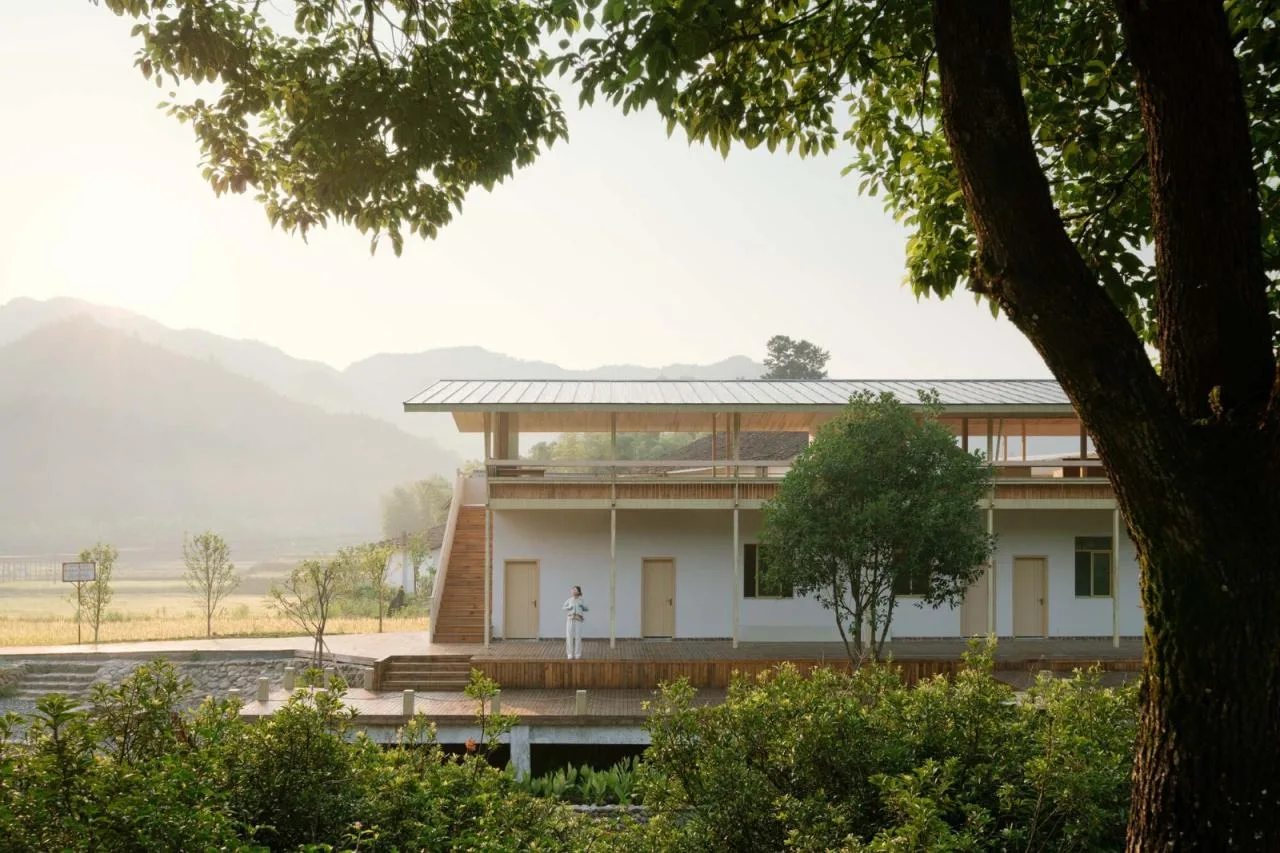
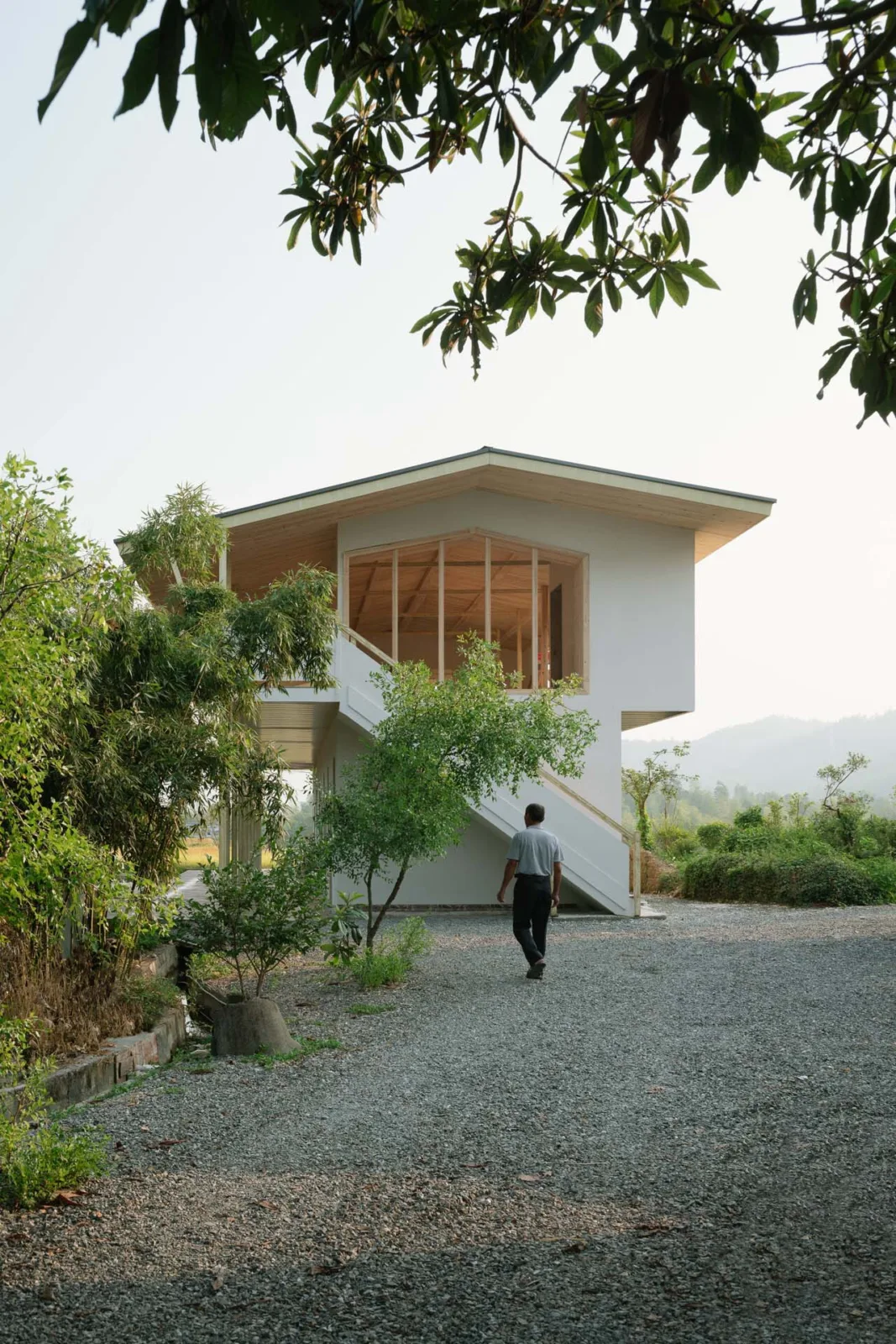
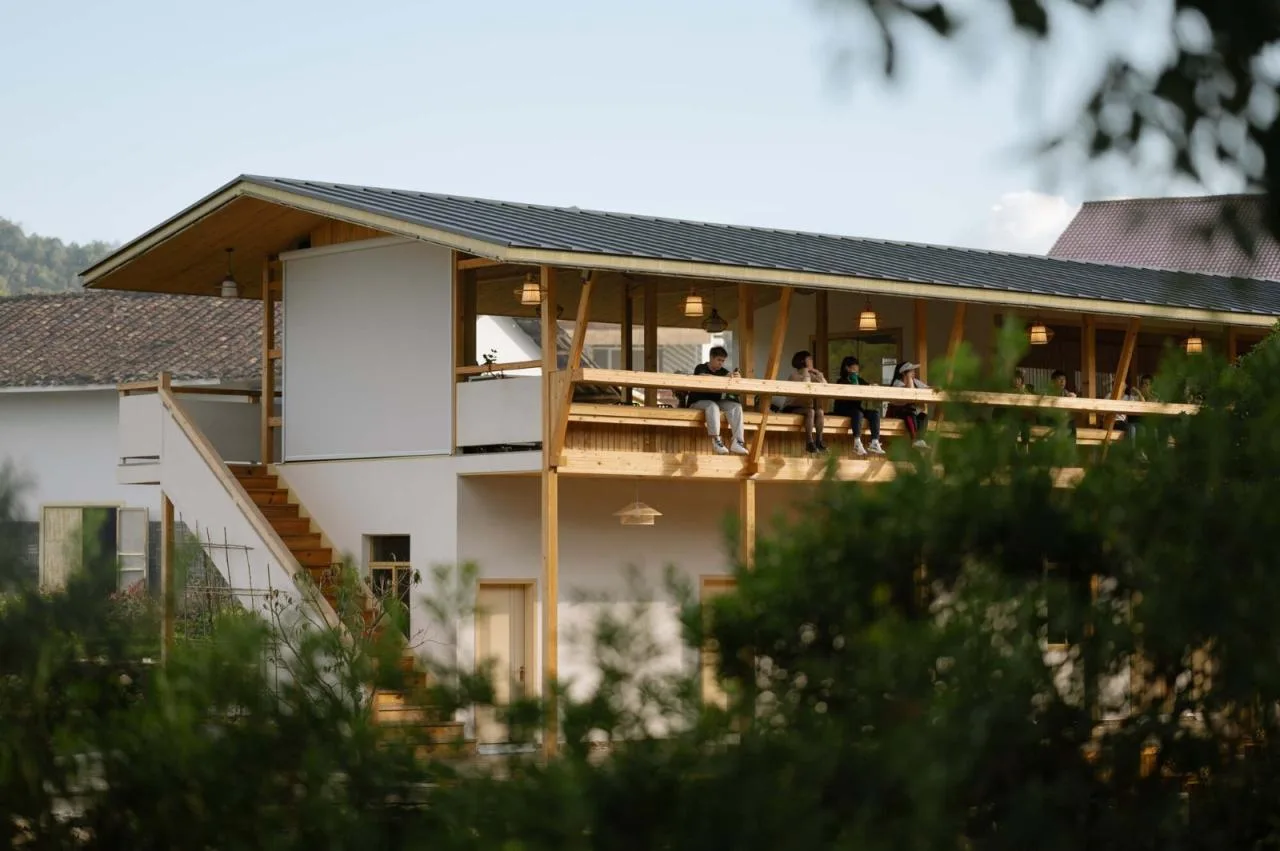
Surrounded by fields and neighboring villages, and conveniently accessible, the renovated Yaoli Station has become a favored escape for city dwellers seeking tranquility and a taste of rural life. The design emphasizes the building’s horizontal lines on the second floor, connecting outdoor grey spaces via two staircases, creating a welcoming and fluid spatial experience.
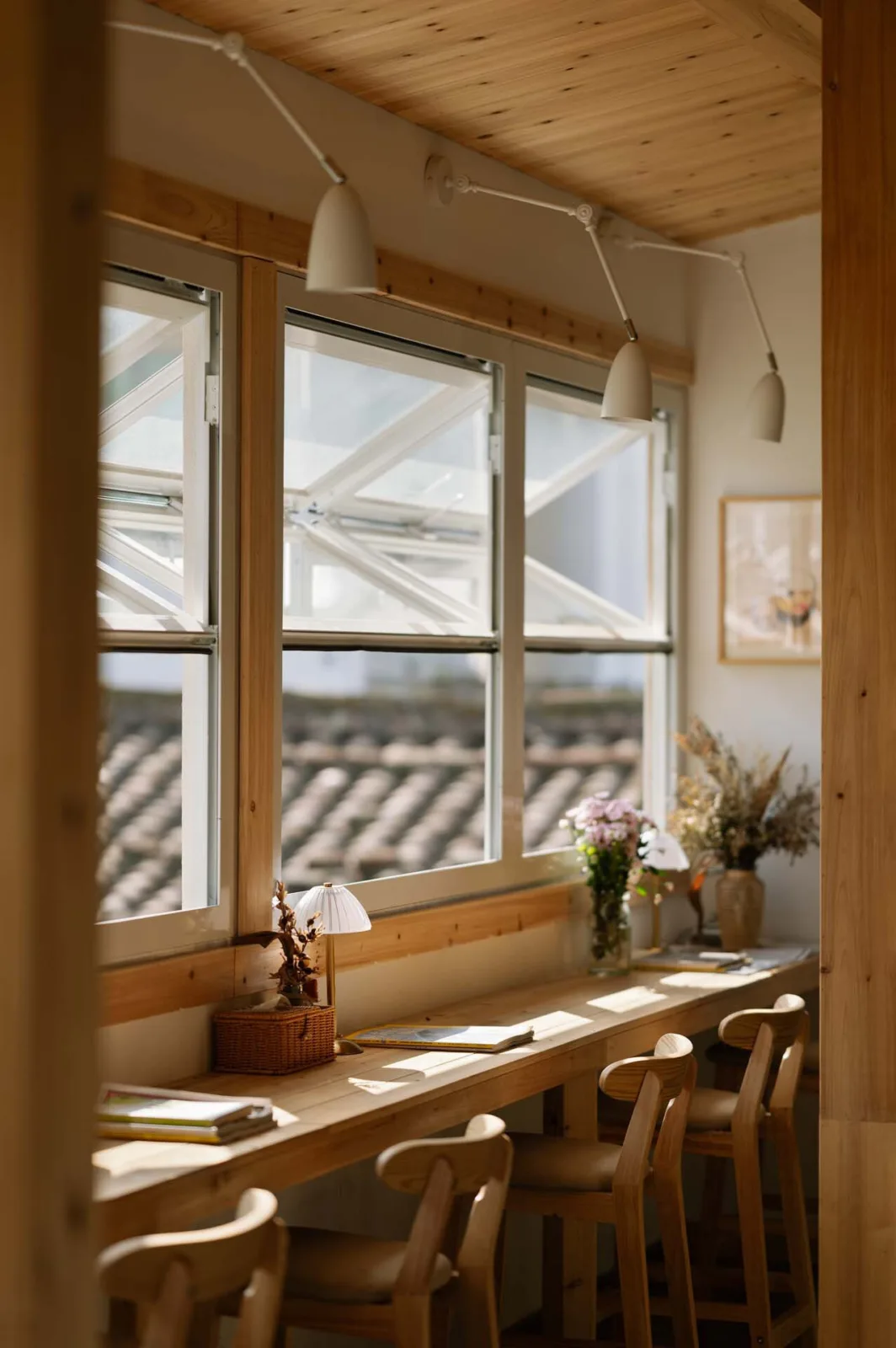
Long horizontal windows and deliberately extended eaves maintain a wide, flat profile for the building. This visual effect frames the village landscape as a horizontal axis reminiscent of a traditional Chinese landscape painting—rich in narrative and flowing movement.
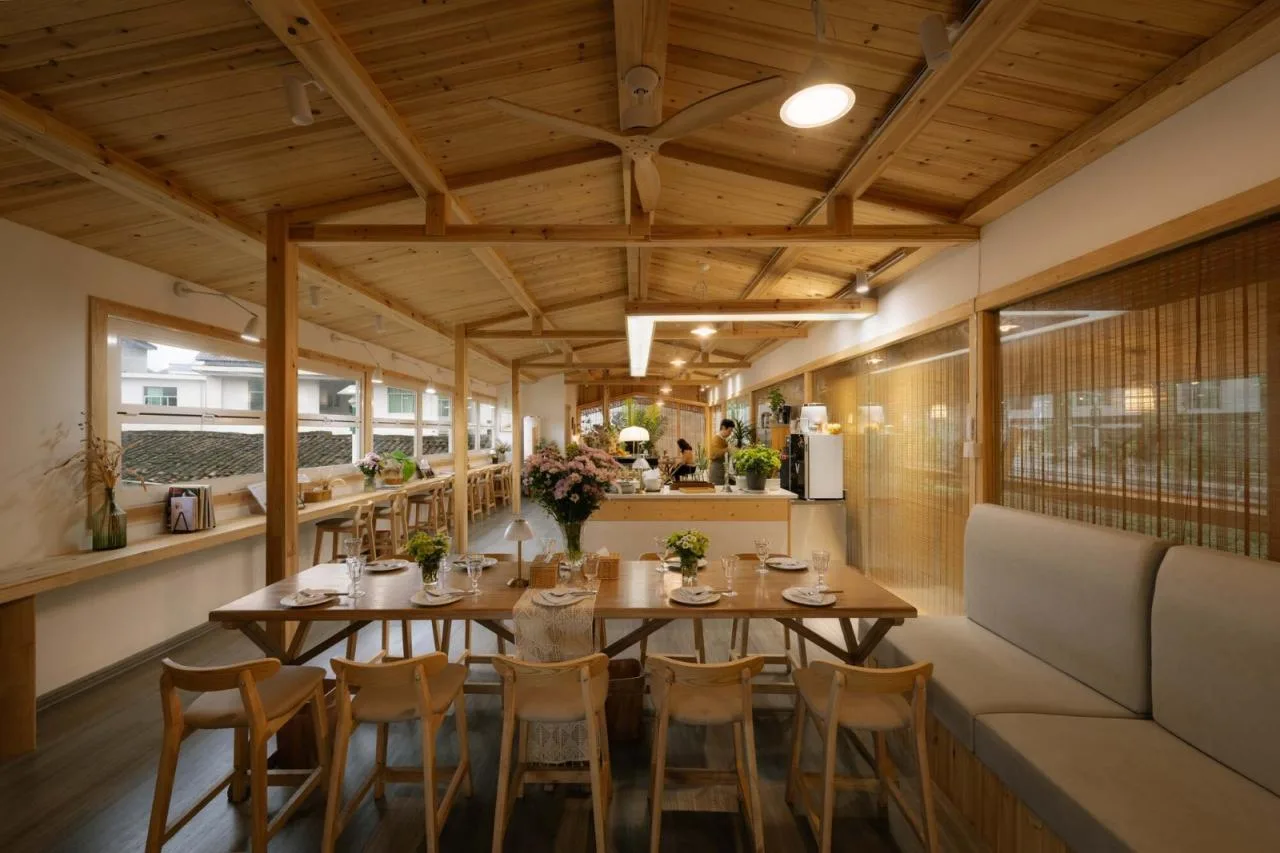
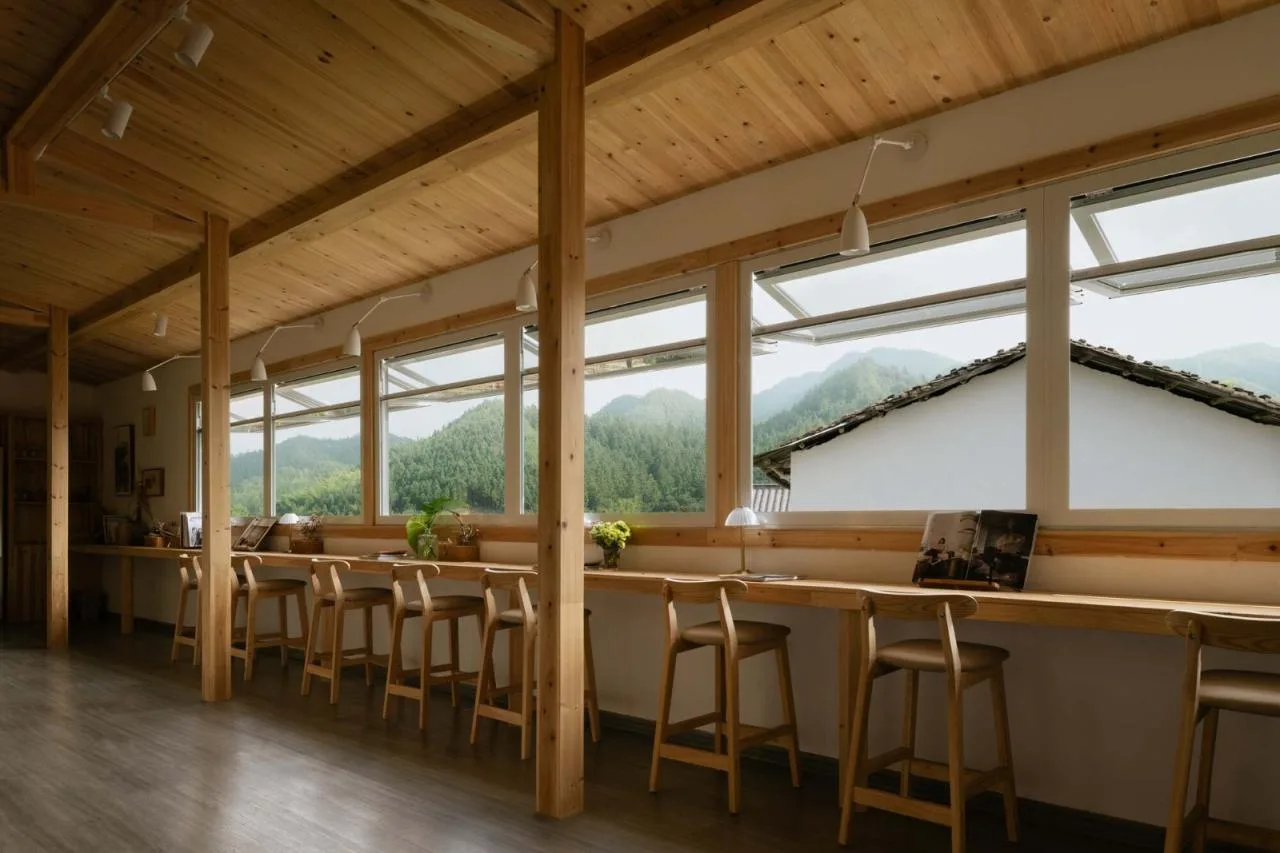
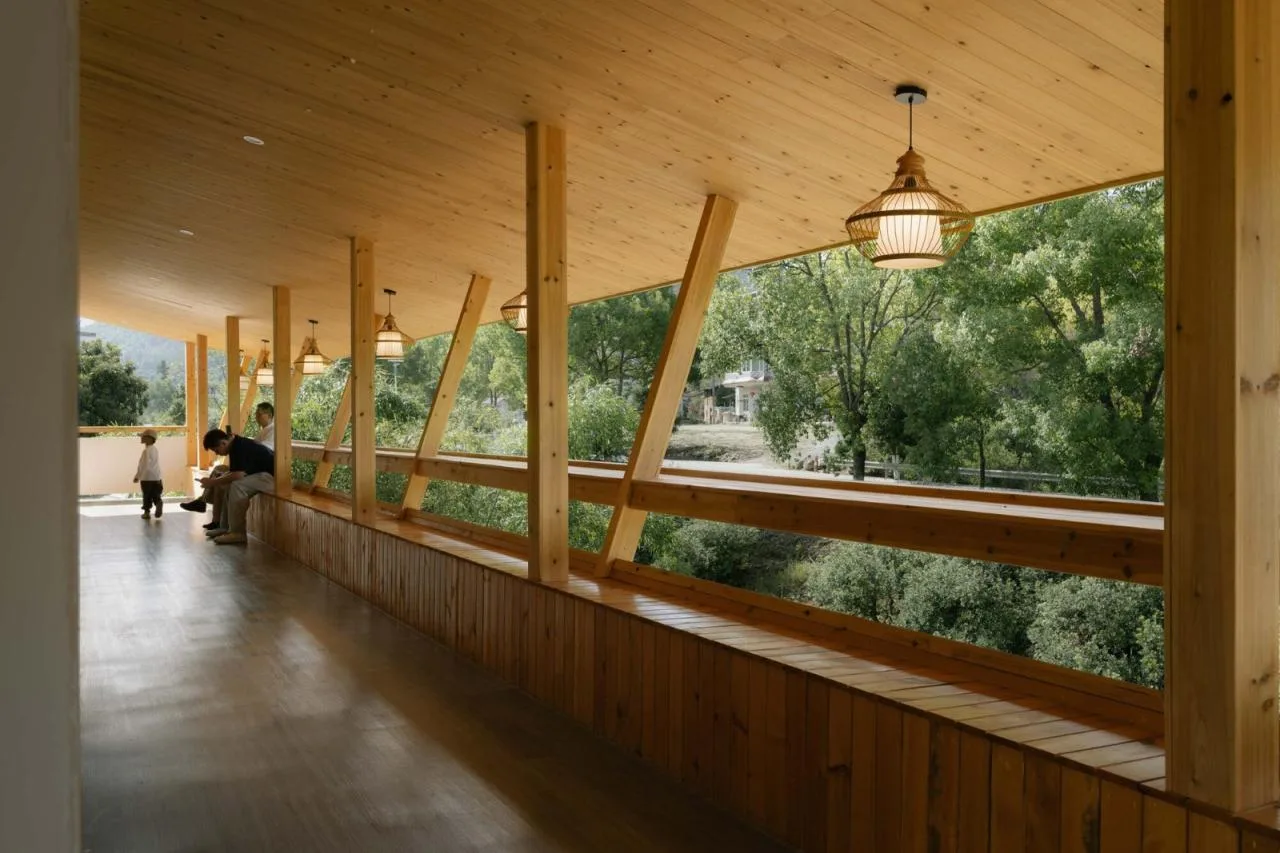
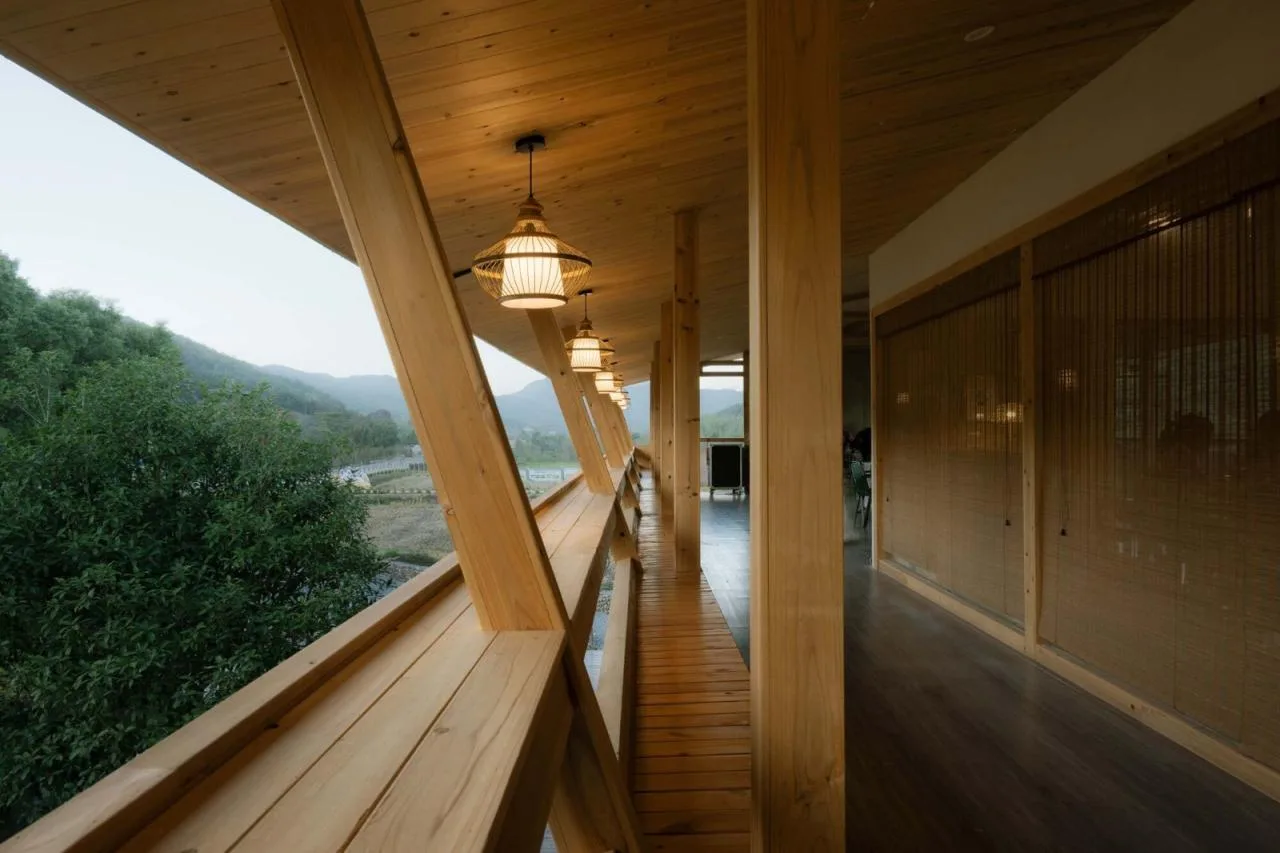
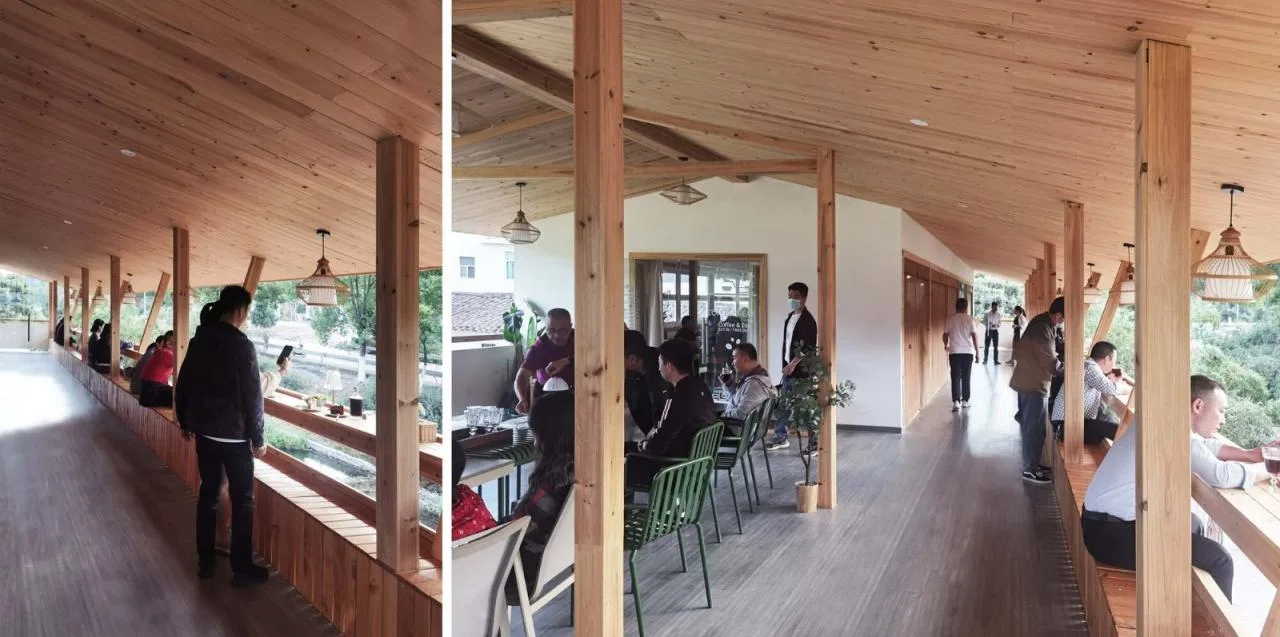
Located along a busy national highway, the station features long rows of elegant seating extending outward toward the road. This design fosters a dynamic interaction between movement and stillness: visitors observe the flow of traffic, while travelers notice the station’s occupants. This architectural form actively shapes human behavior, encouraging locals and tourists alike to gather, rest, and engage with the road.
Yaoli Rural Post Station’s successful transformation stands as a strong example of rural revitalization and reconstruction. Once quiet and deserted, Yaoli Village has become a top destination for city residents seeking countryside outings. The station’s renovation has sparked significant internal momentum, creating a unique attraction that embodies the spirit of the village. It serves as a rural gift to Yaoli and the greater Shaowu area in Nanping, Fujian, and offers a welcoming window for more people to experience rural life.
Project Drawings
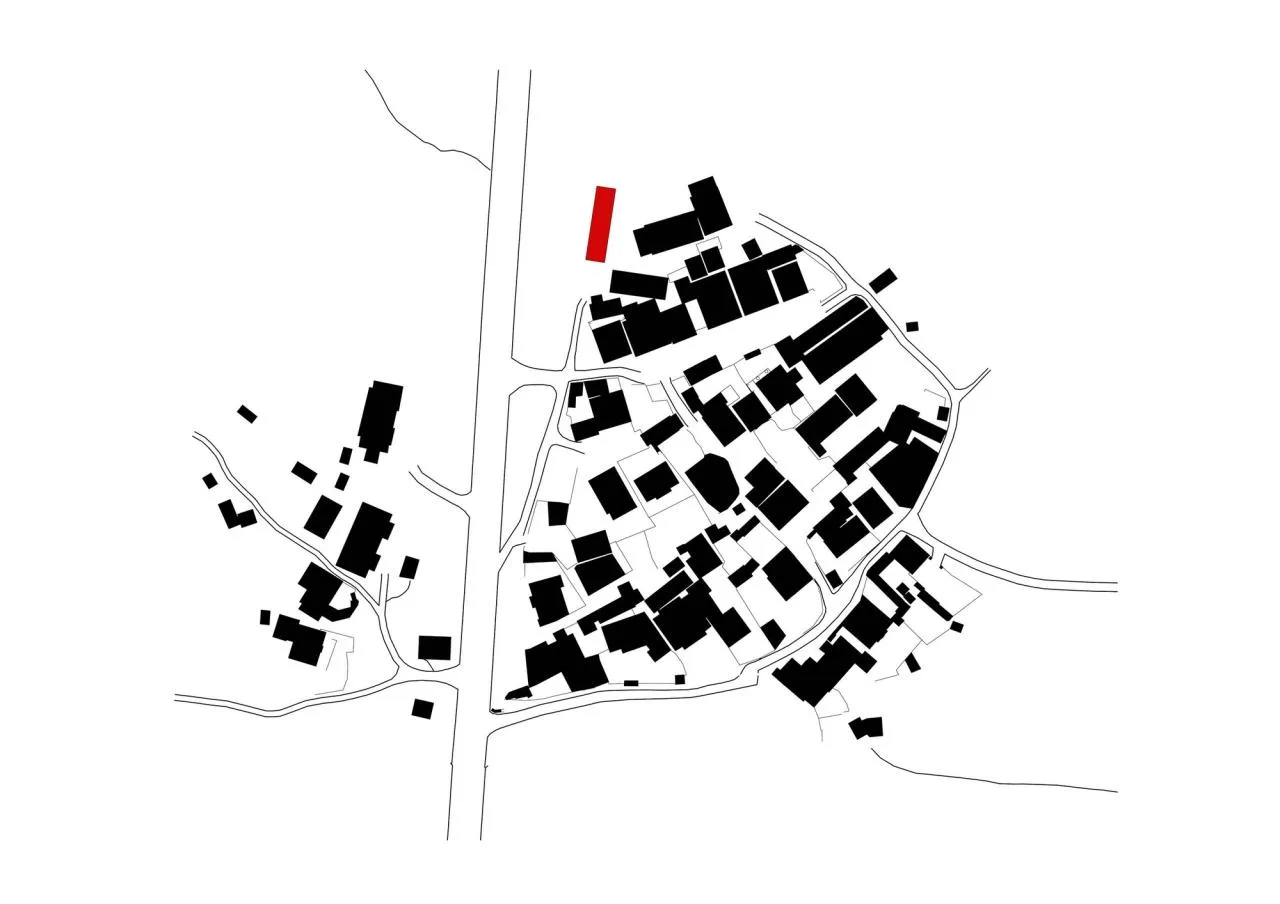
△ Base Location Diagram
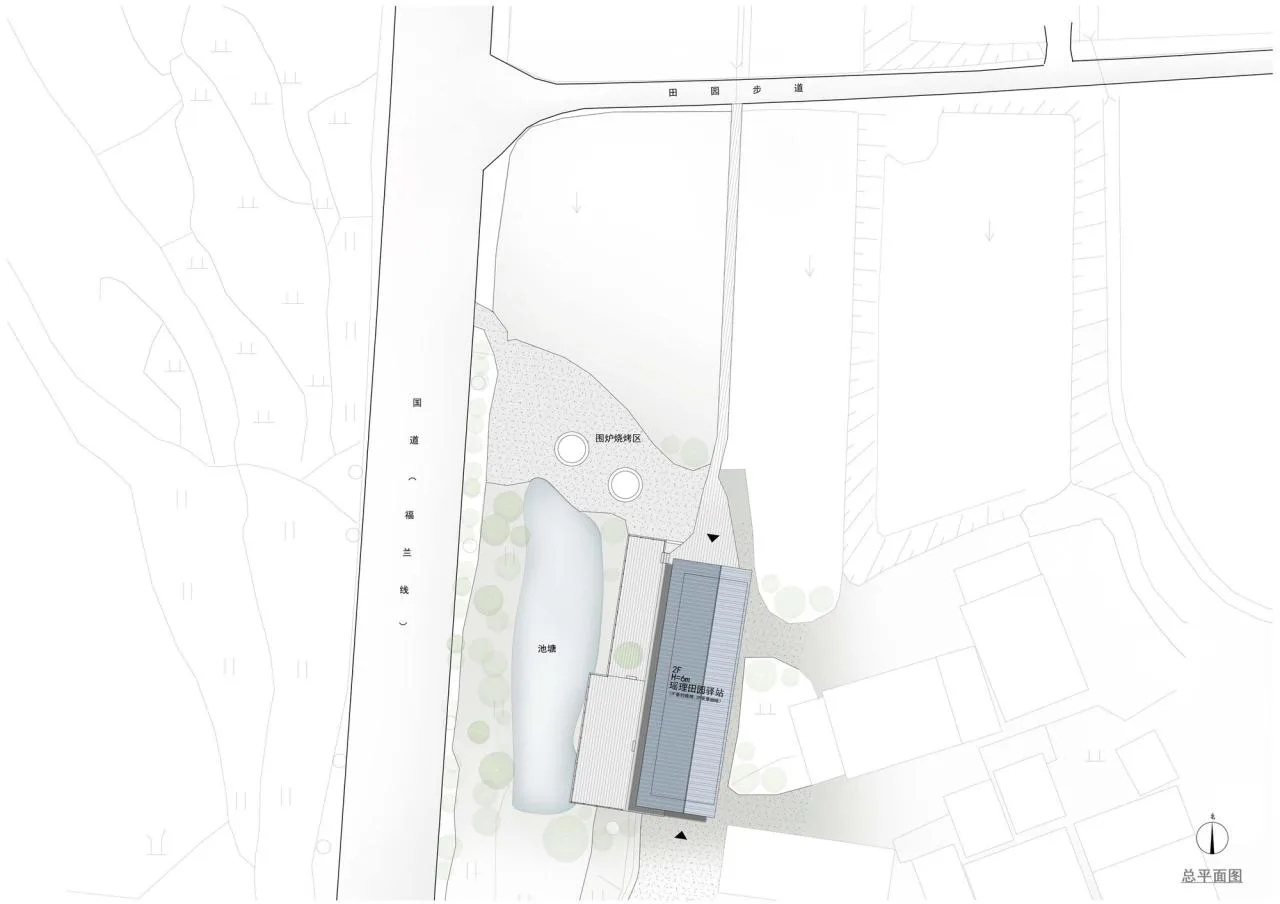
△ General Layout Plan
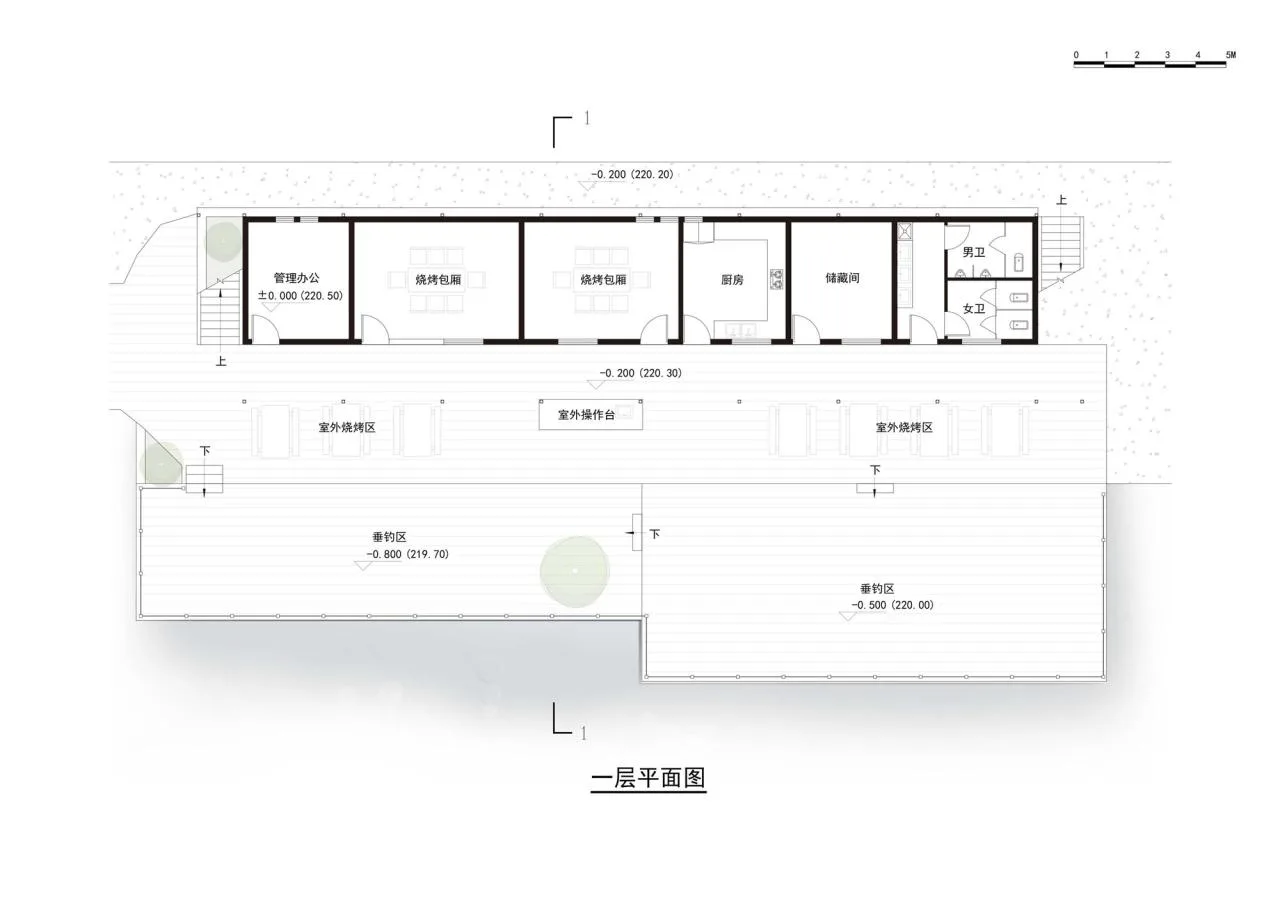
△ First Floor Plan
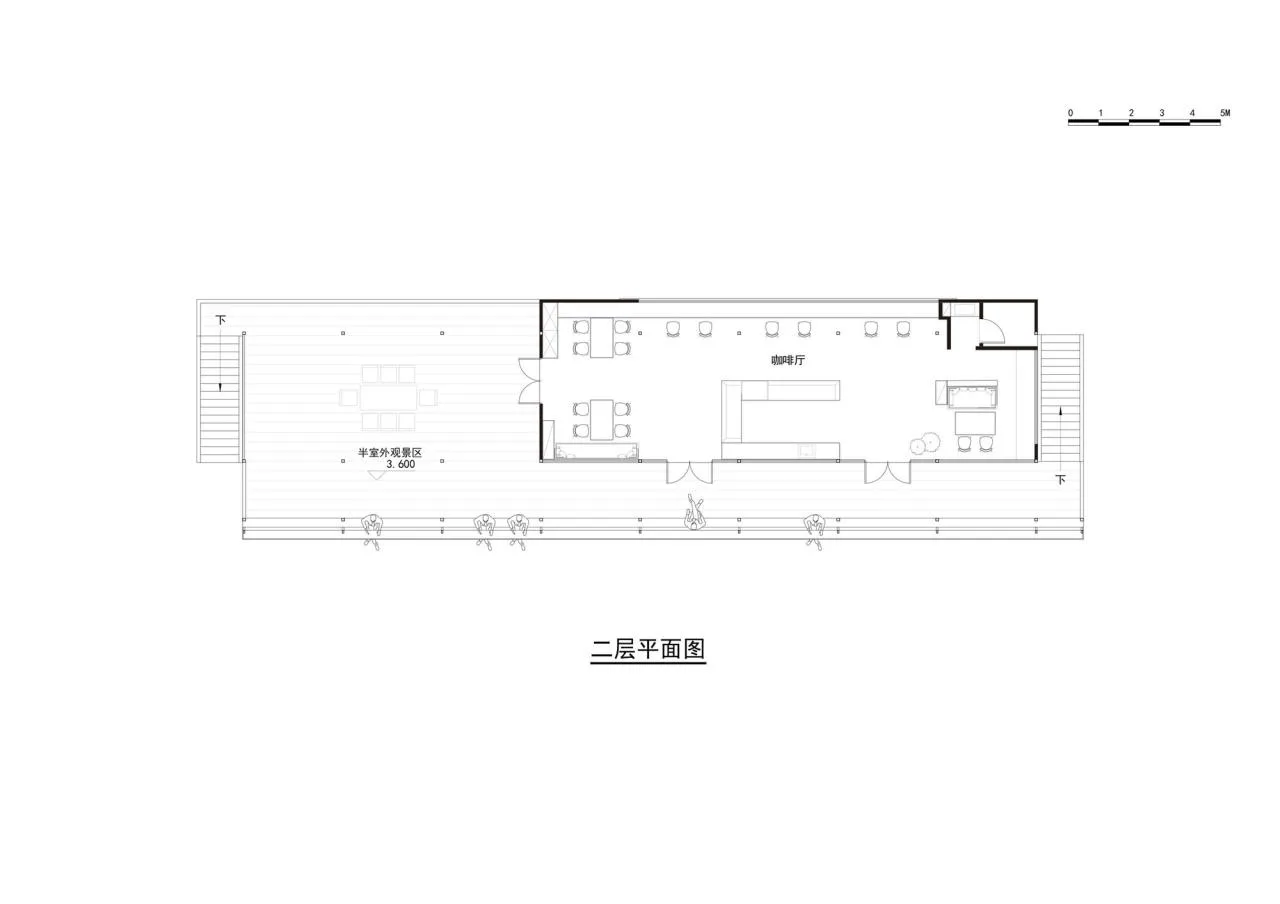
△ Second Floor Plan
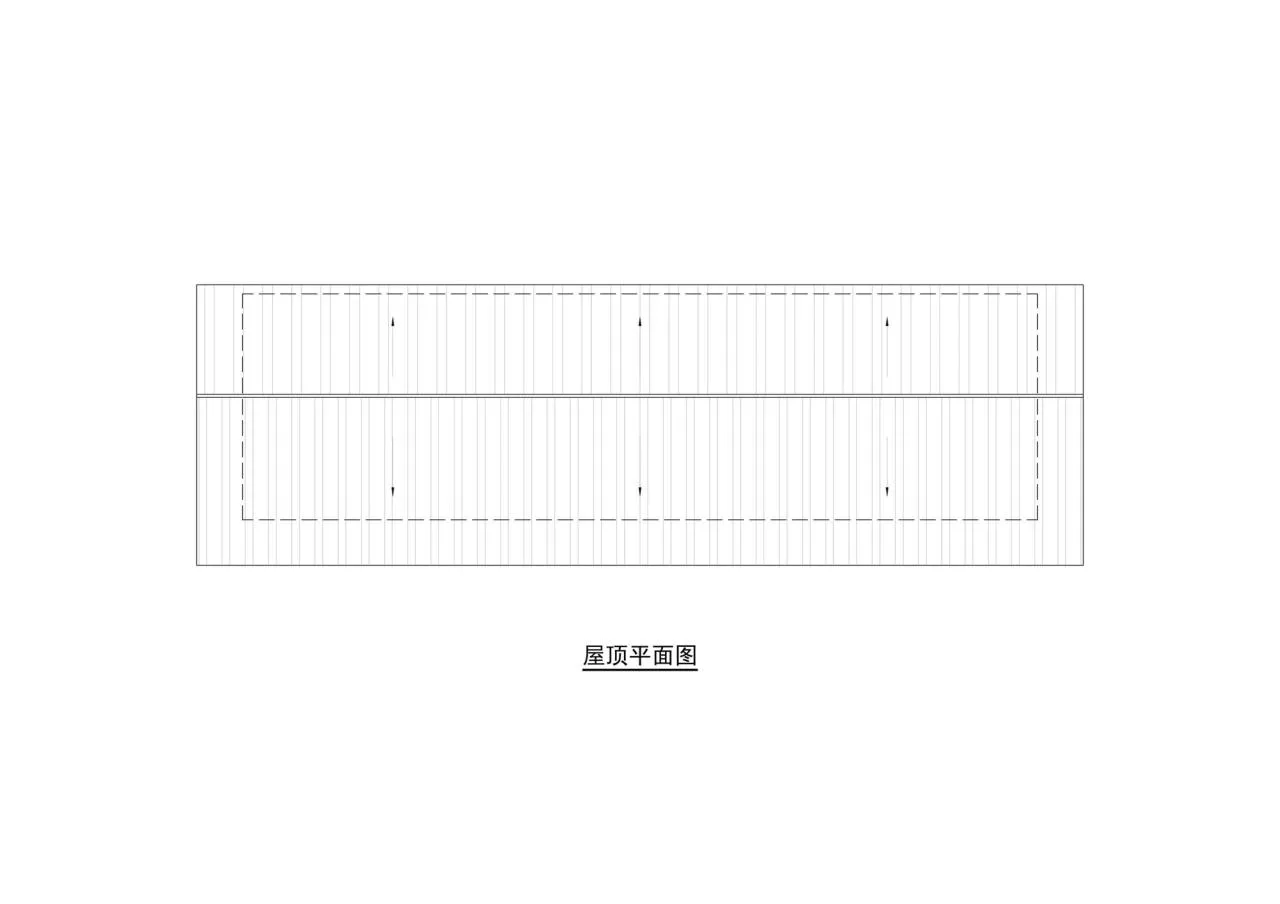
△ Roof Plan
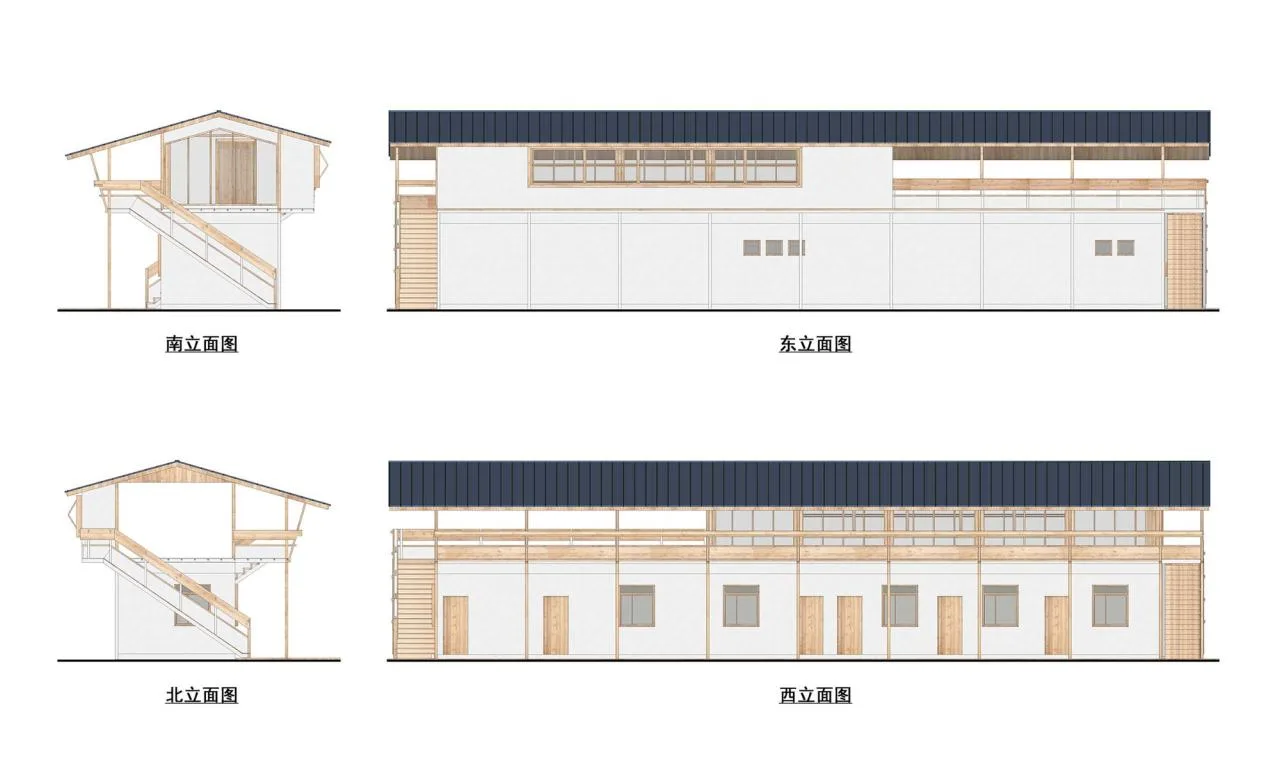
△ Elevation Drawing
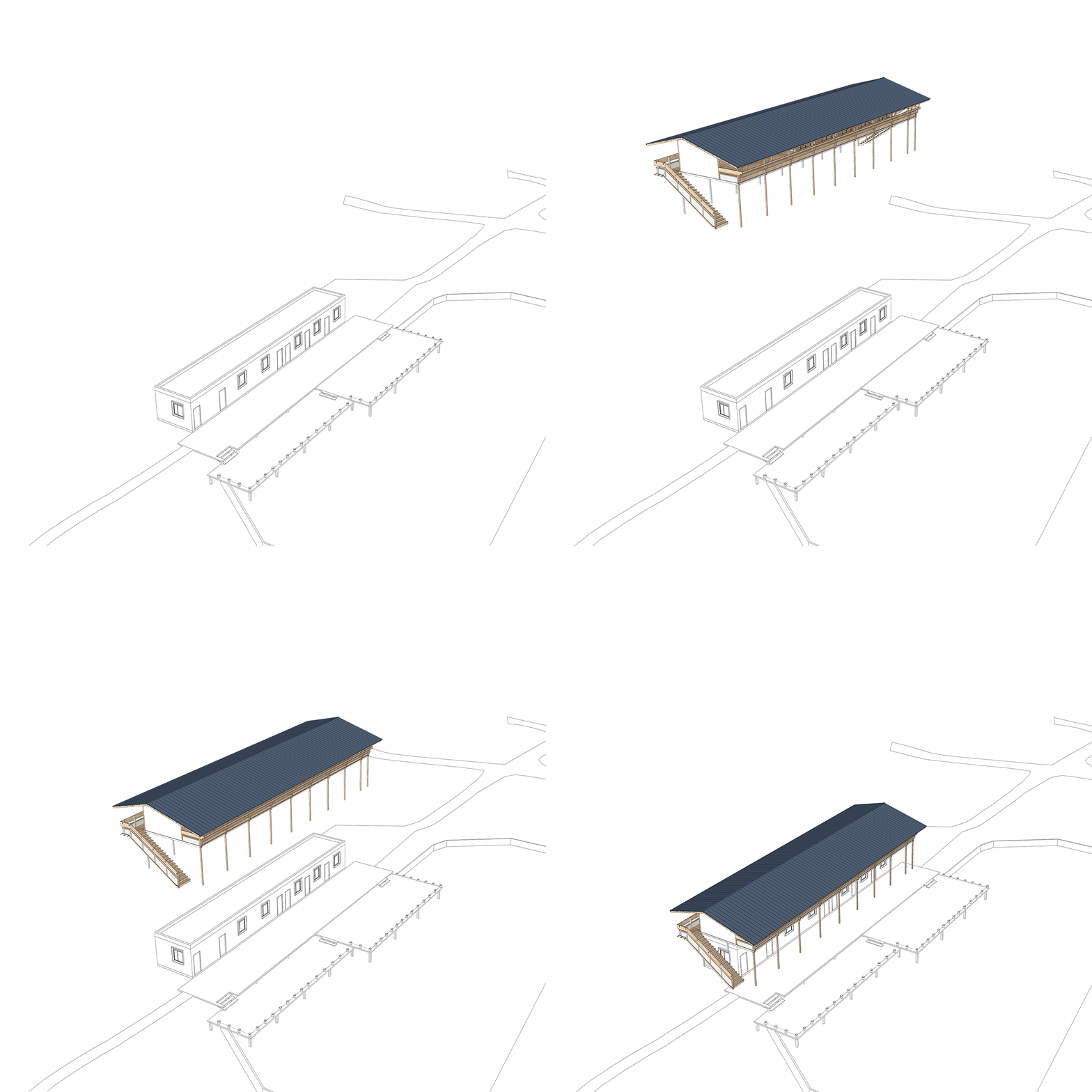
△ Analysis Chart
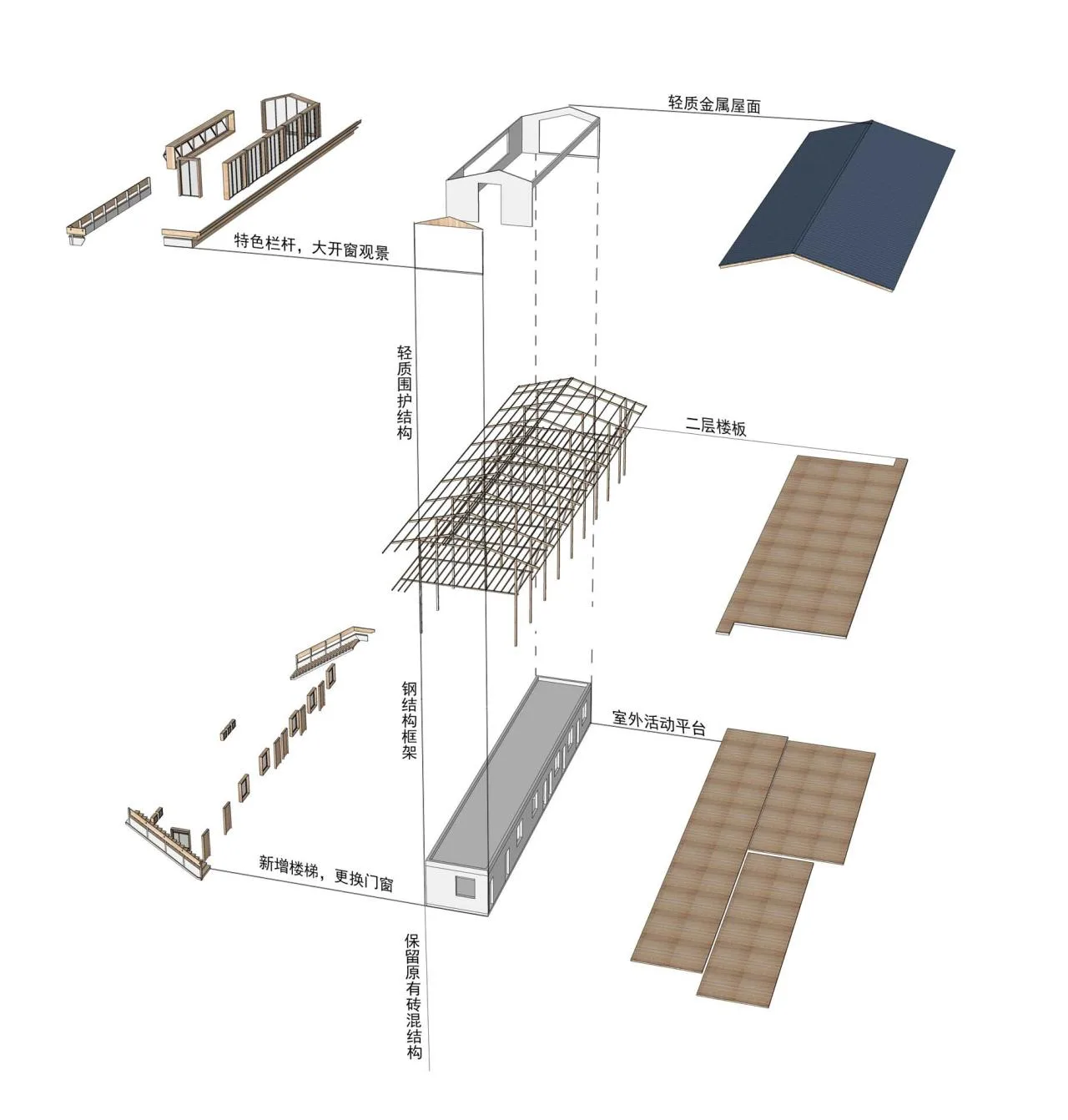
△ Analysis Chart
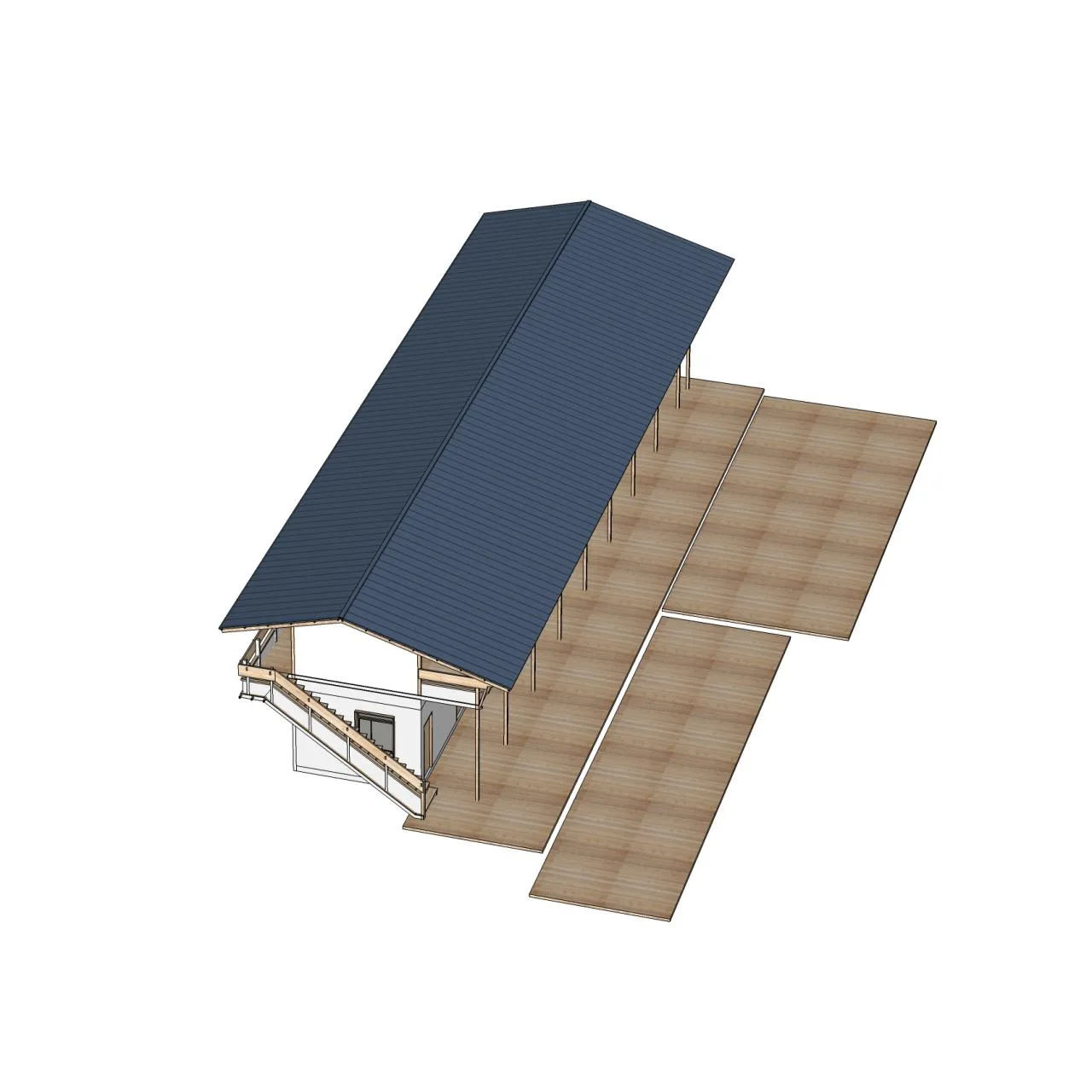
△ Axonometric Diagram
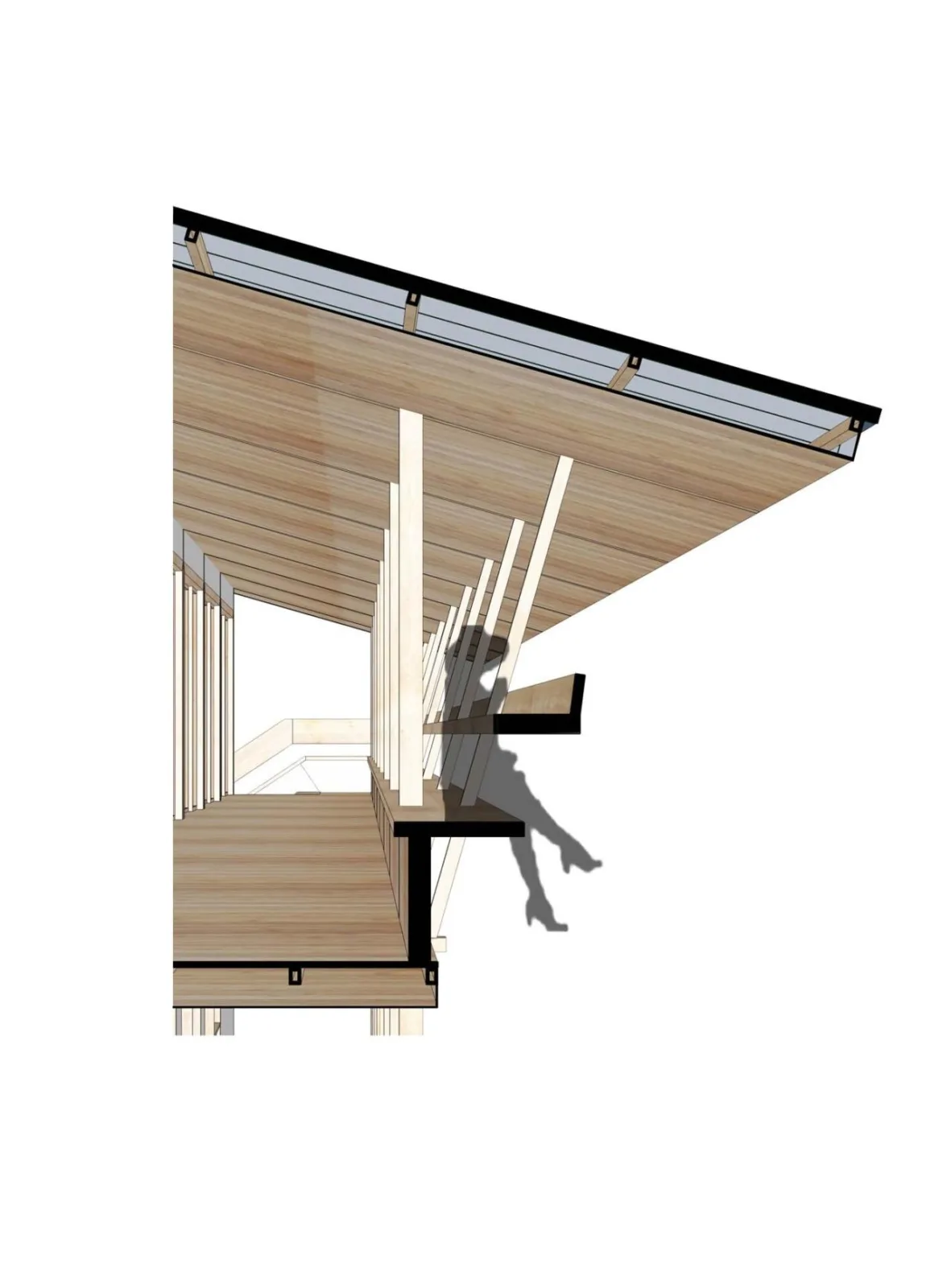
△ Local Sectional Perspective
Project Information
Architect: Suiping Yili
Area: 425 square meters
Project Year: 2022
Photographer: Essential Image
Manufacturers: Sankeshu Coatings Co., Ltd., Conch Aluminum Alloy Doors and Windows, Suzhou Donghong Metal Materials Technology Co., Ltd.
Design Team: Deng Zhilu, Chen Yu, Qiu Binping, Shen Youyou, Zhu Xingjia
Construction Drawing Team: Luo Yangjun (Architecture), Li Dehui (Structure), Huang Ling (Water Supply and Drainage), Yan Fengting (Electrical), Huang Zhixiang (Project Manager)
Construction Drawings and Structural Design: Zheha Design Co., Ltd.
Landscape Design: Suiping Yili
Interior Design: FDD Design
Construction Contractor: Fujian Xinshengshi Construction Engineering Co., Ltd.
Structural Design: Zheha Design Co., Ltd.
Client: Longdou Village Committee, Shuibei Town, Shaowu City
Location: Shaowu, Fujian Province















Must log in before commenting!
Sign Up