
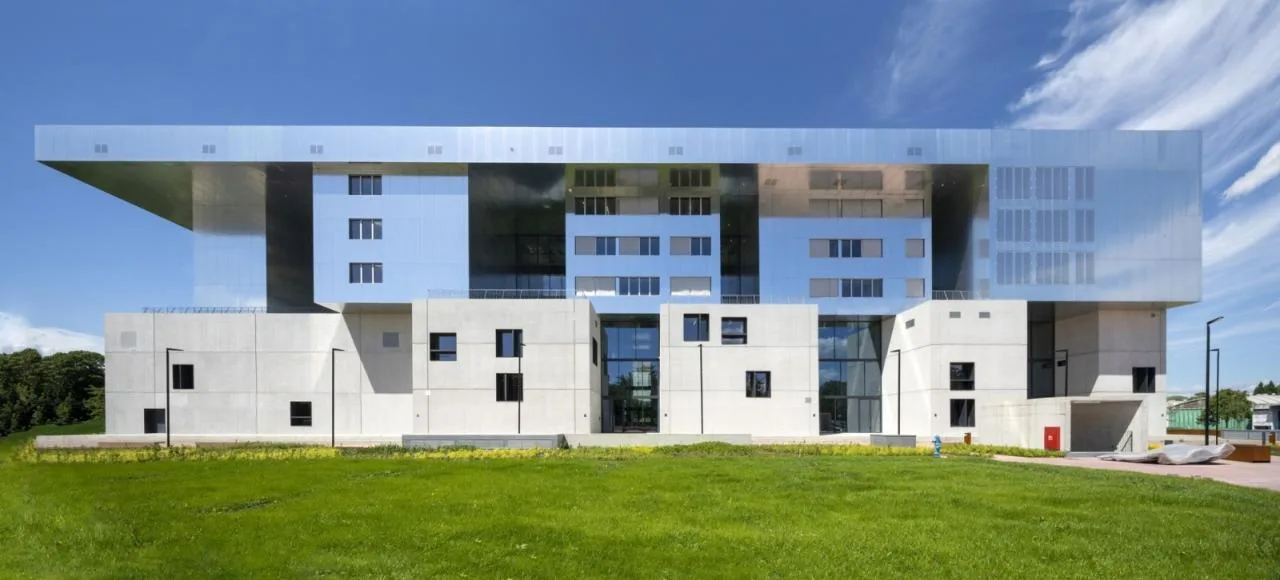
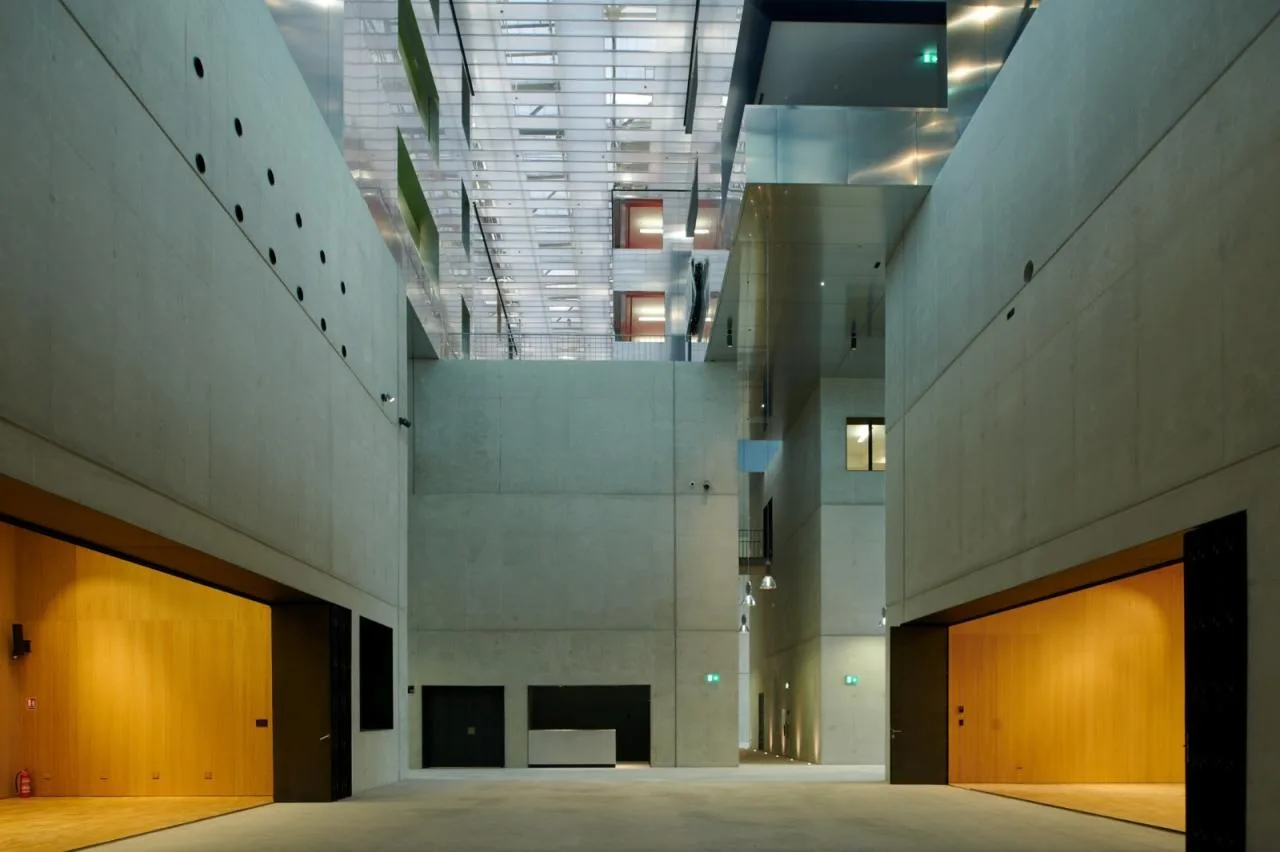
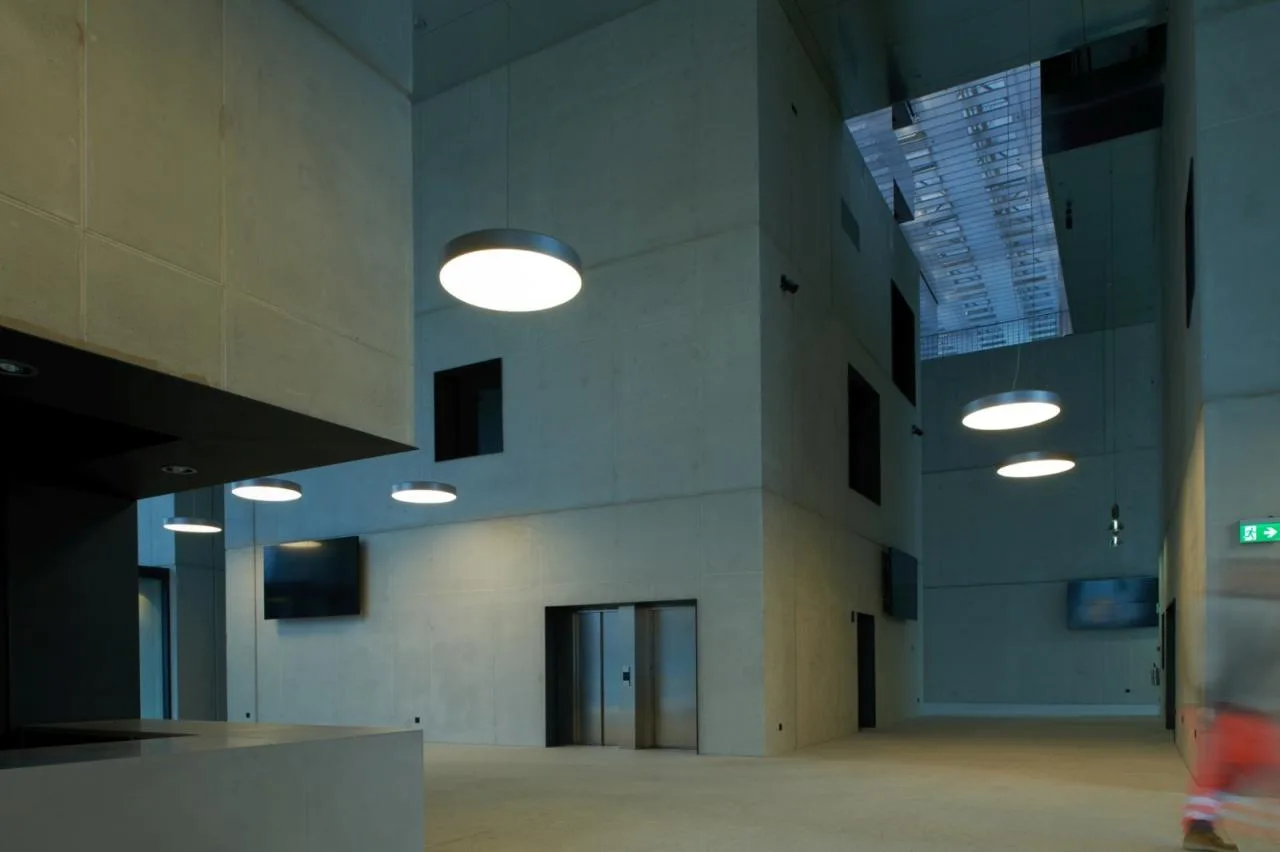
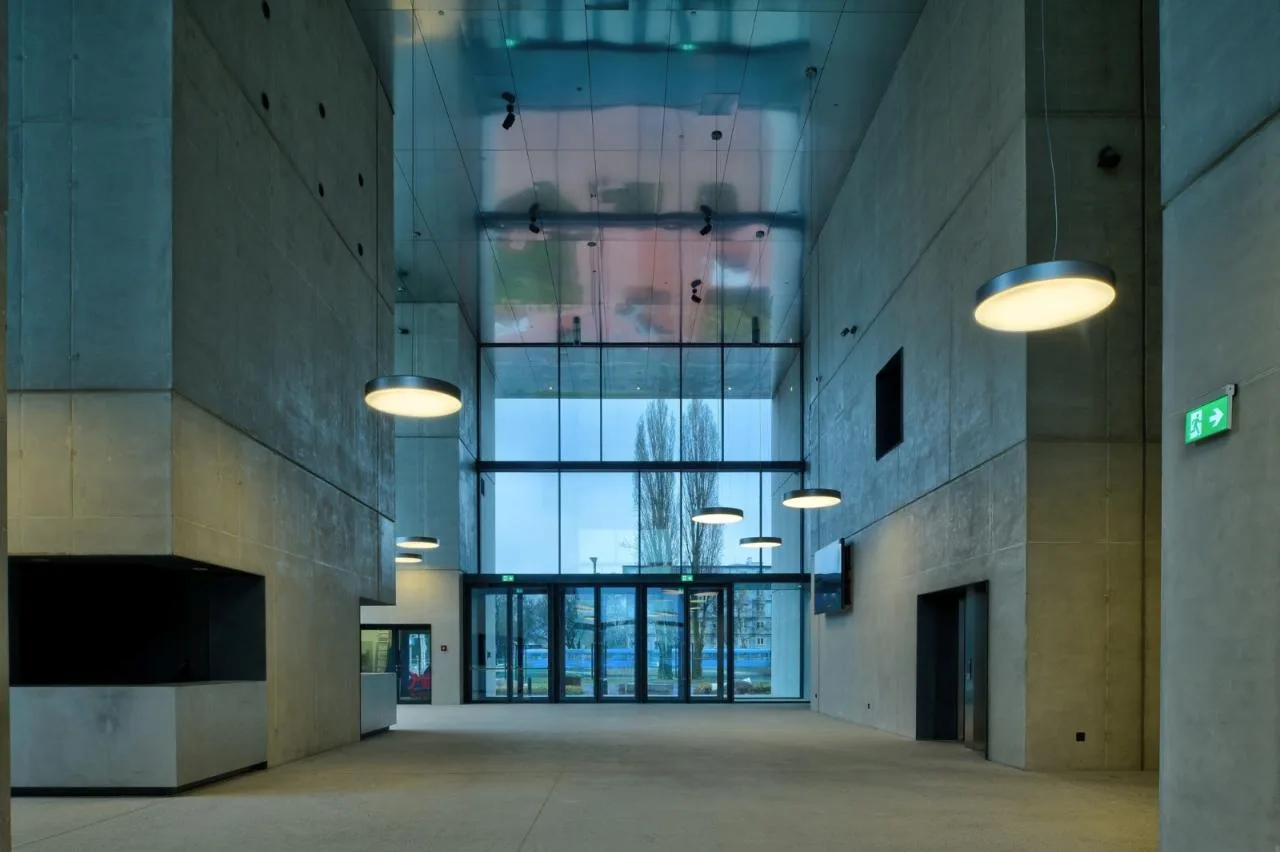
The central balance creates a complex structure, forming a unique world of its own where equality and self-sufficiency prevail. The building’s interior is both unexpected and paradoxical—closed yet open, belonging simultaneously to the street and the building itself. The dense arrangement accommodates a variety of activities and functions that evolve throughout the day, reflecting the dynamic rhythms of everyday life.
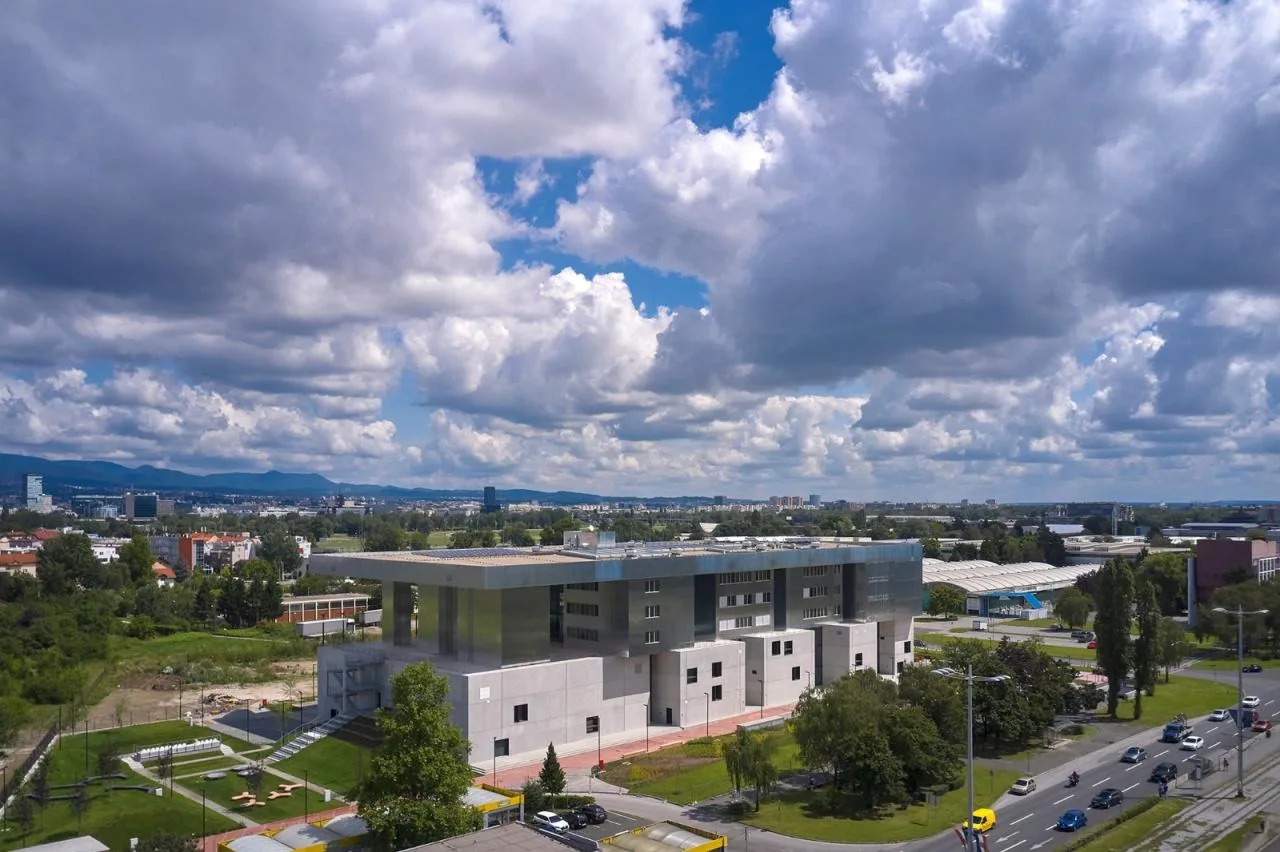
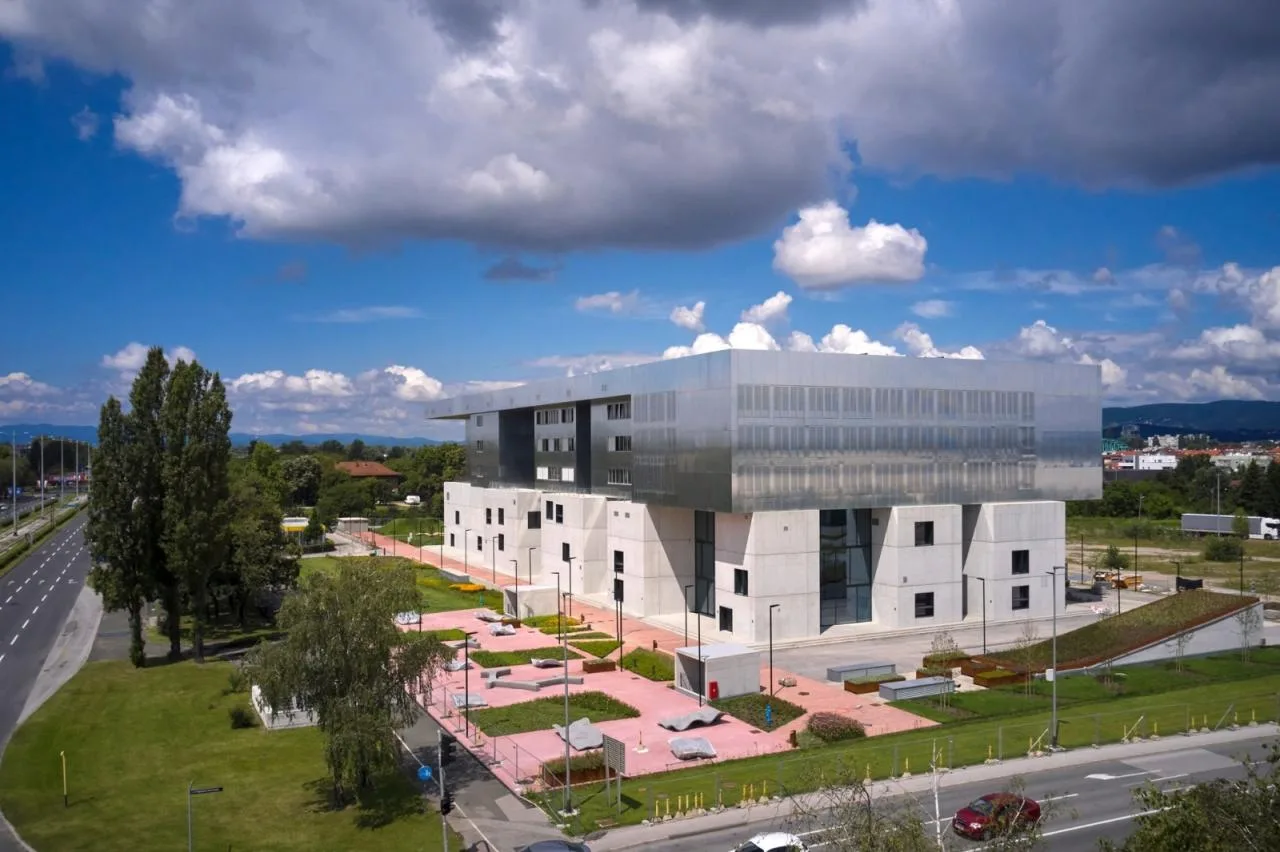
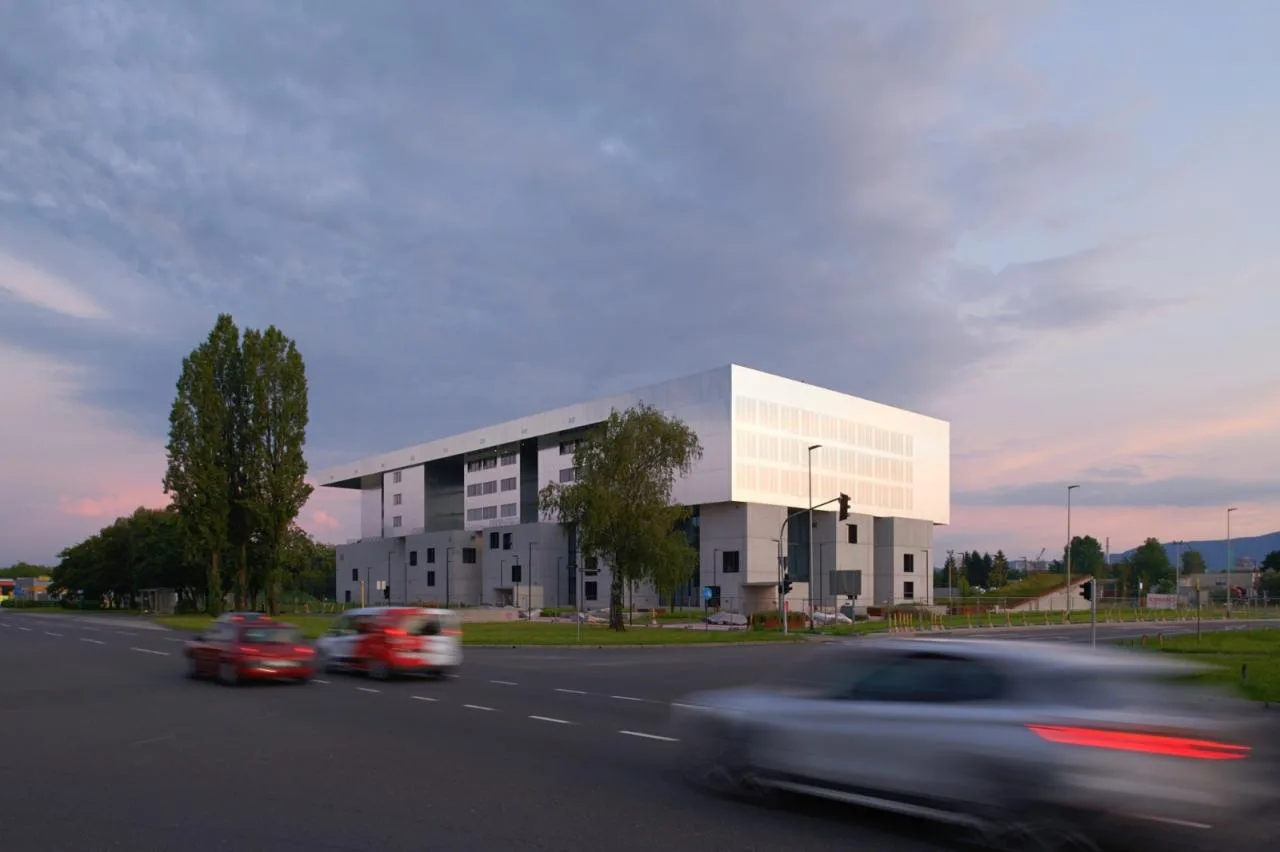
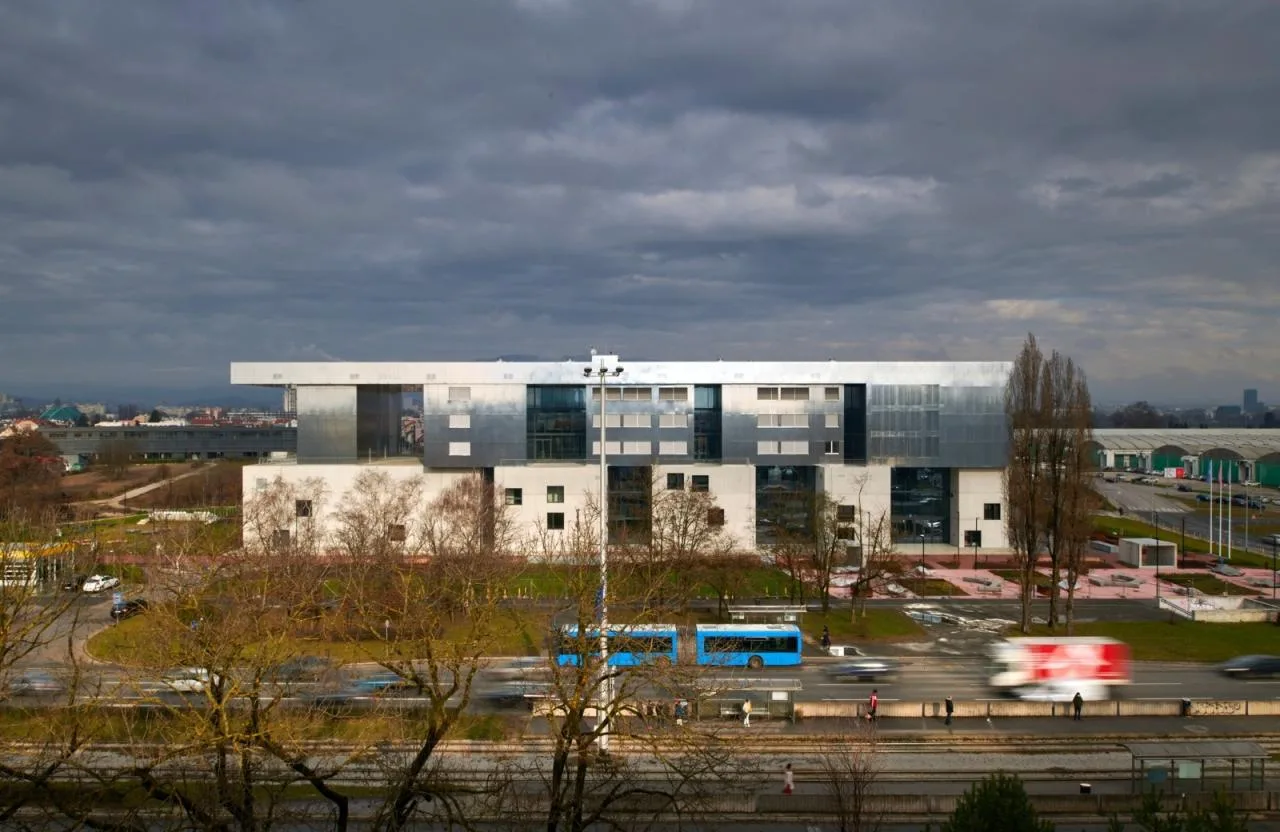
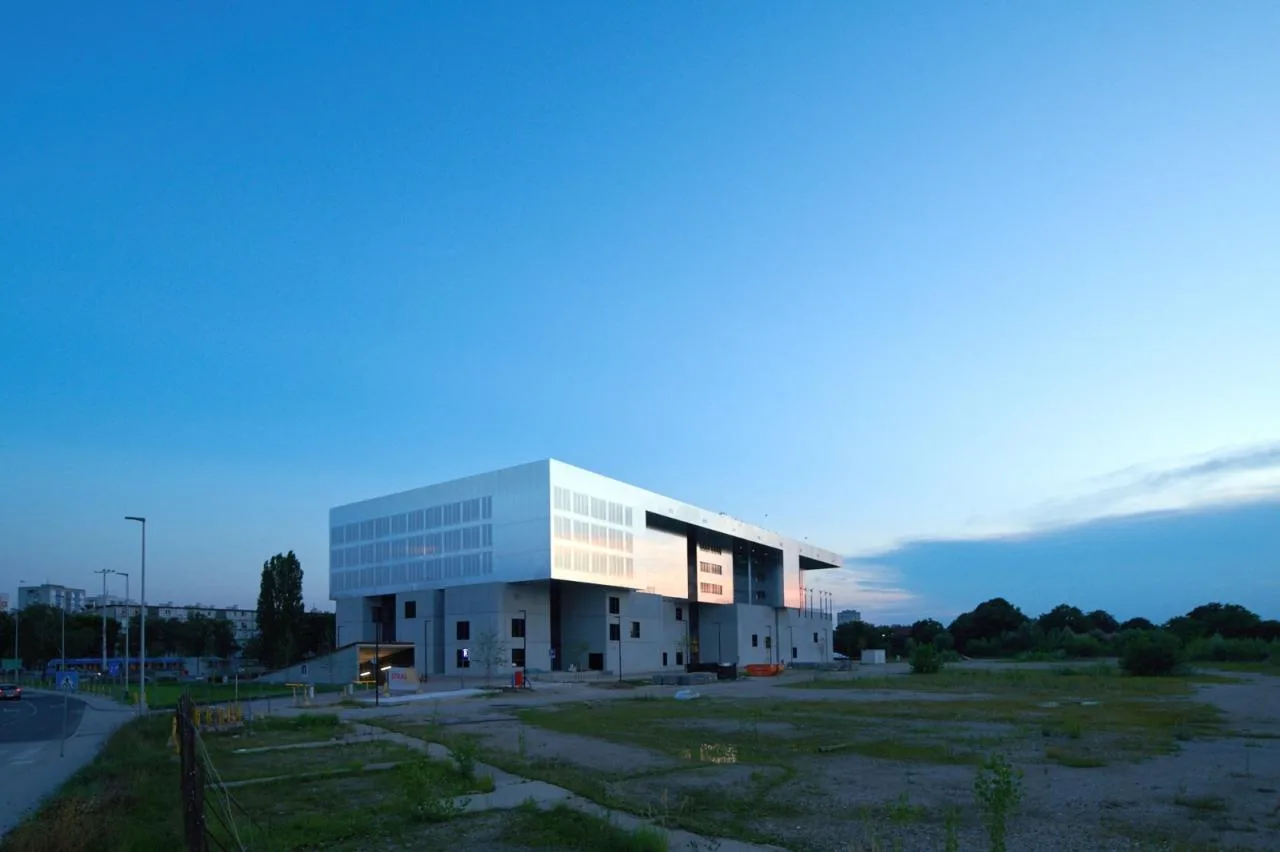
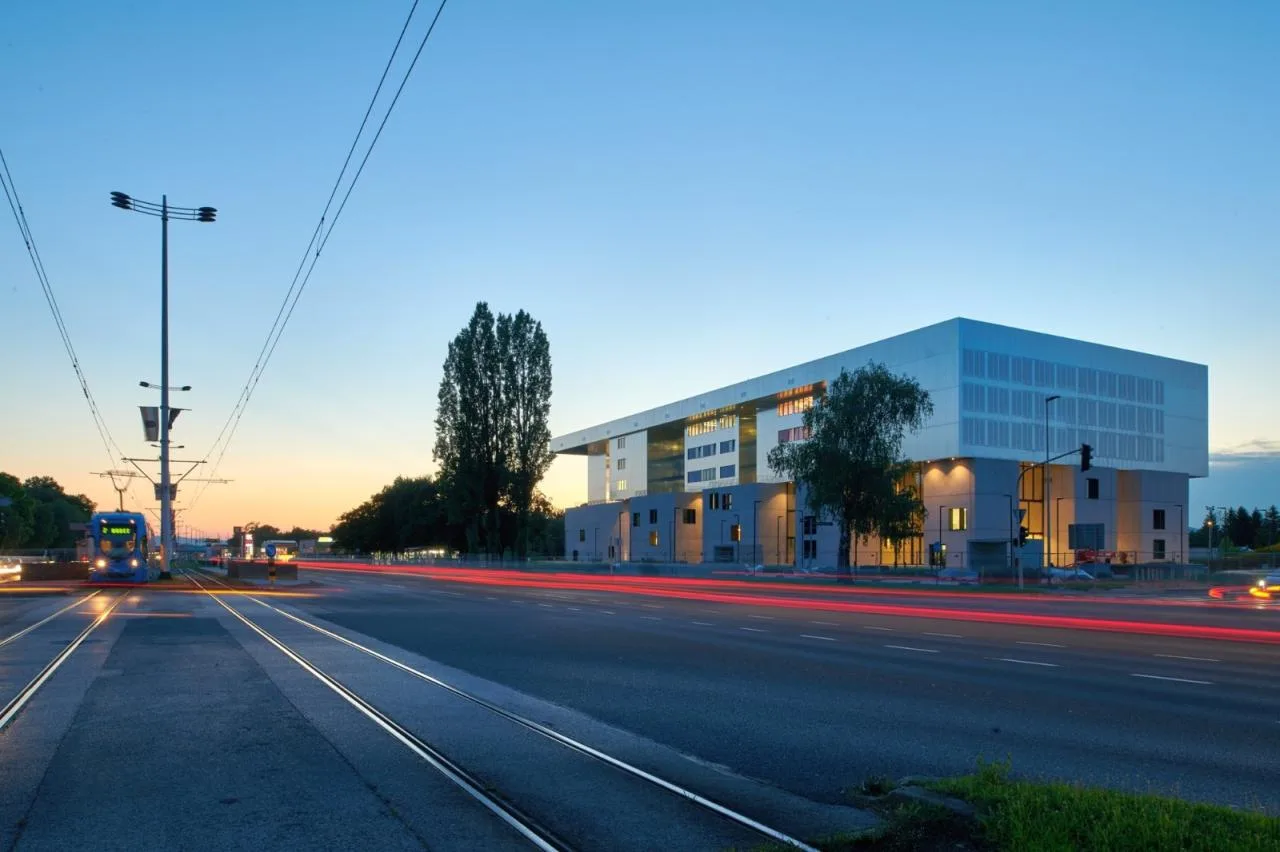
The vibrant main road of the new city in this parallel universe, the Zagreb market area, and the eco-friendly, comfortable modern residential district together establish the city’s core parameters and define its spatial standards. The SEECEL building stands prominently on Novi Zagreb’s main thoroughfare. The city’s modern form, characterized by scattered cubic structures interspersed with green spaces, showcases its scale and rapid development.
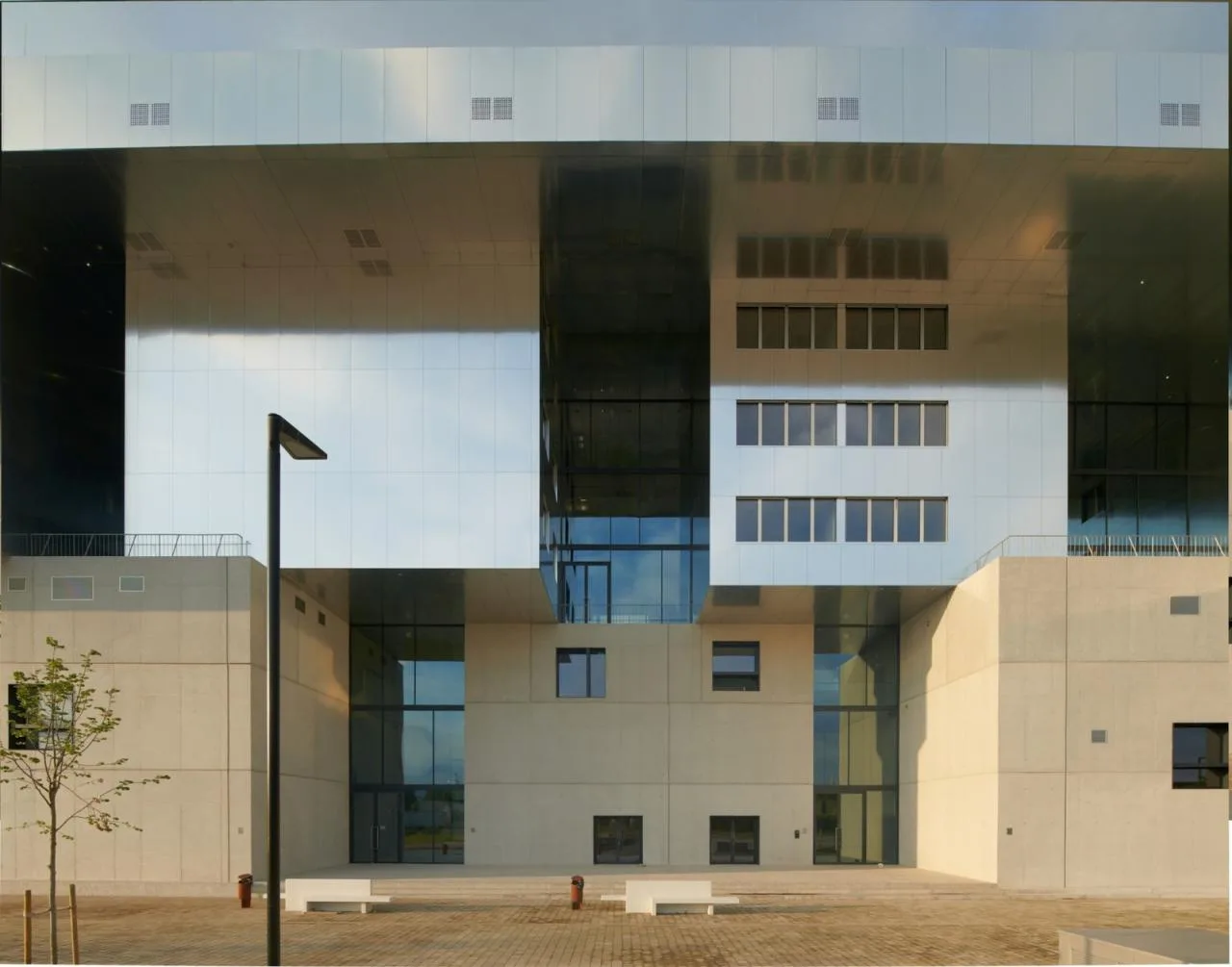
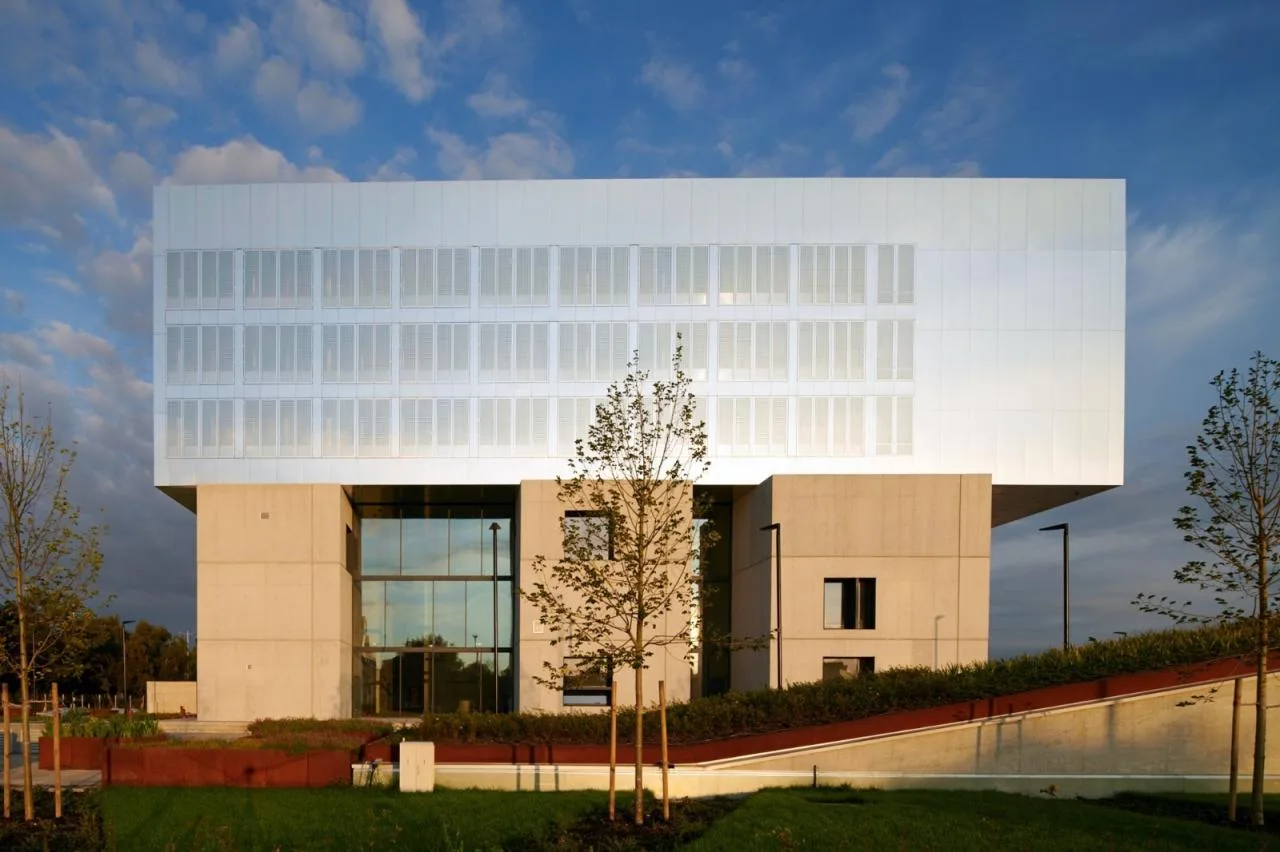
The future SEECEL building is designed as a highly dynamic commercial complex, incorporating three interconnected functional zones: office spaces, an education center, and hotel facilities. This integration creates a vibrant structure capable of supporting diverse activities throughout the day.
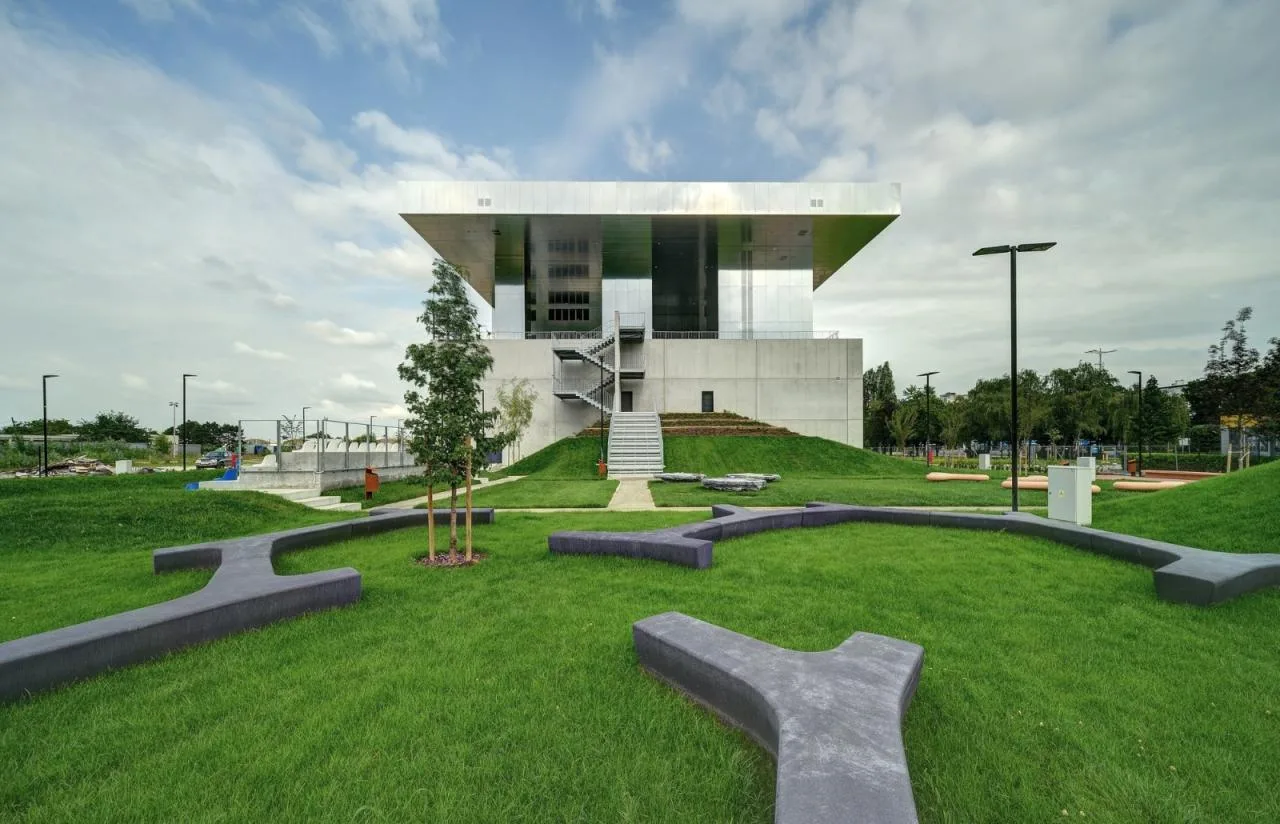

The new dynamic structure complements the existing urban scale while blurring the boundaries between interior and exterior spaces. This dense arrangement unites all functions under a single design principle, creating a distinctive spatial experience. The spatial order transforms functional diversity into a collective unity, seemingly establishing two parallel universes. Regardless of the stability of surrounding elements, this design maintains a clear beginning and end.
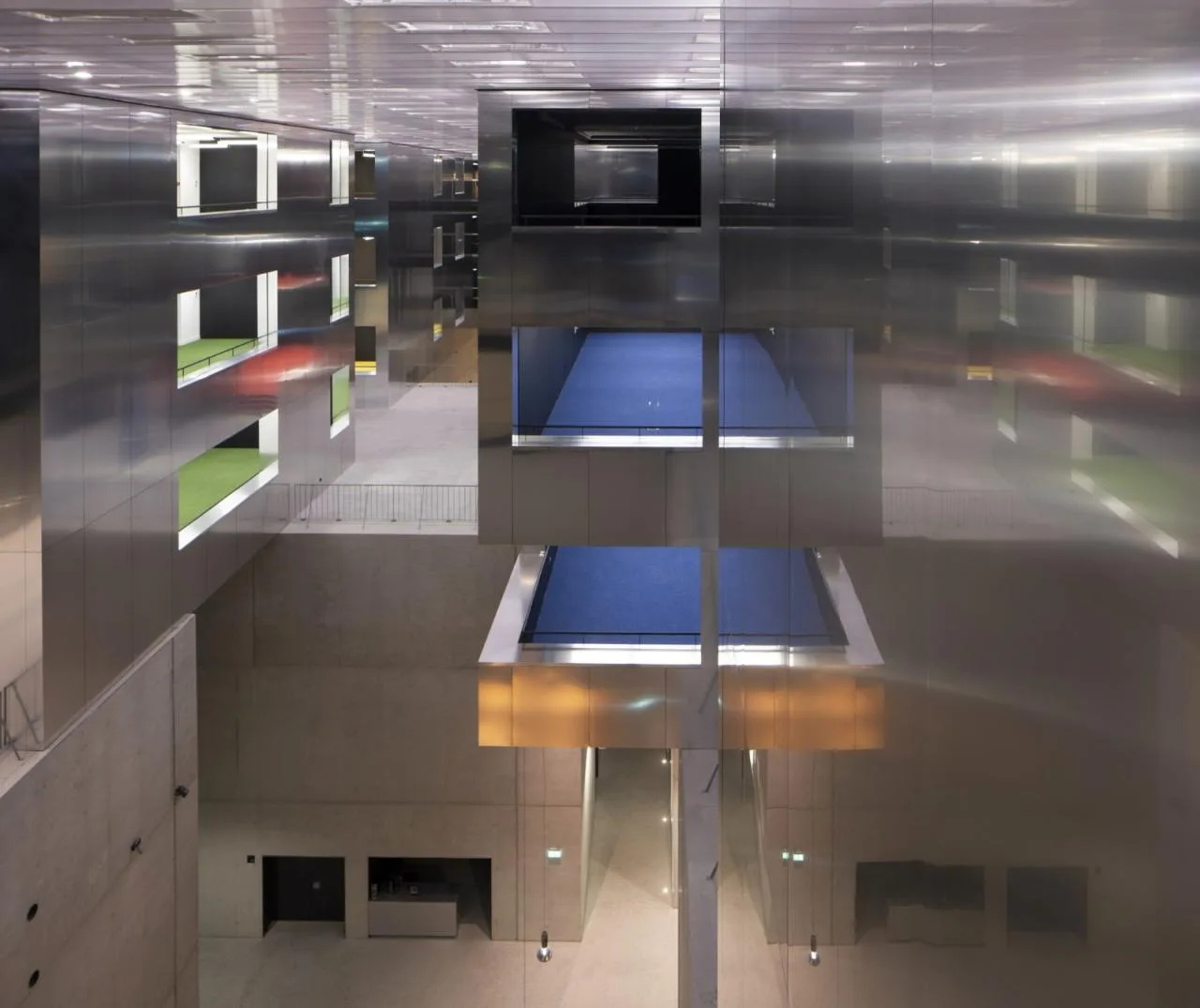
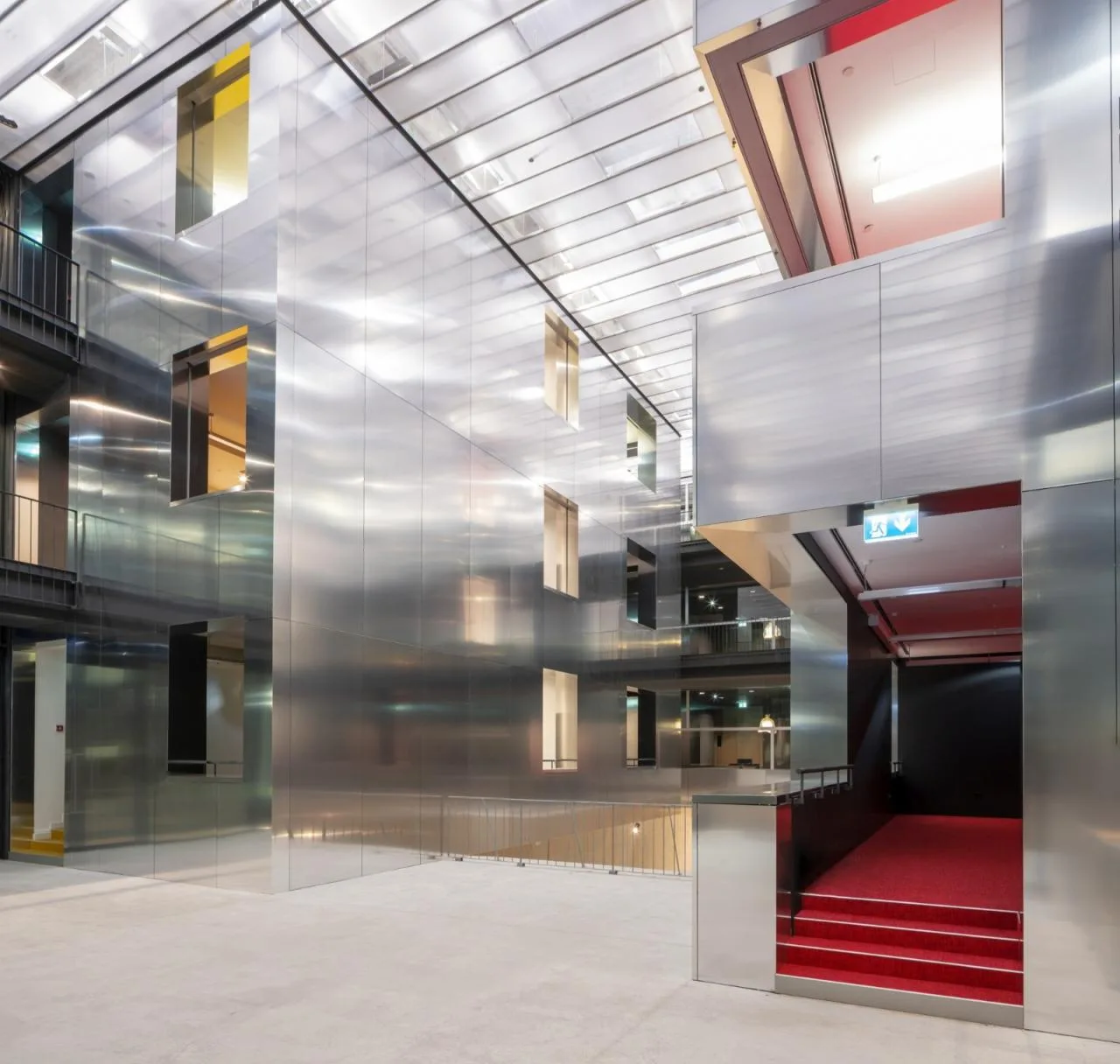
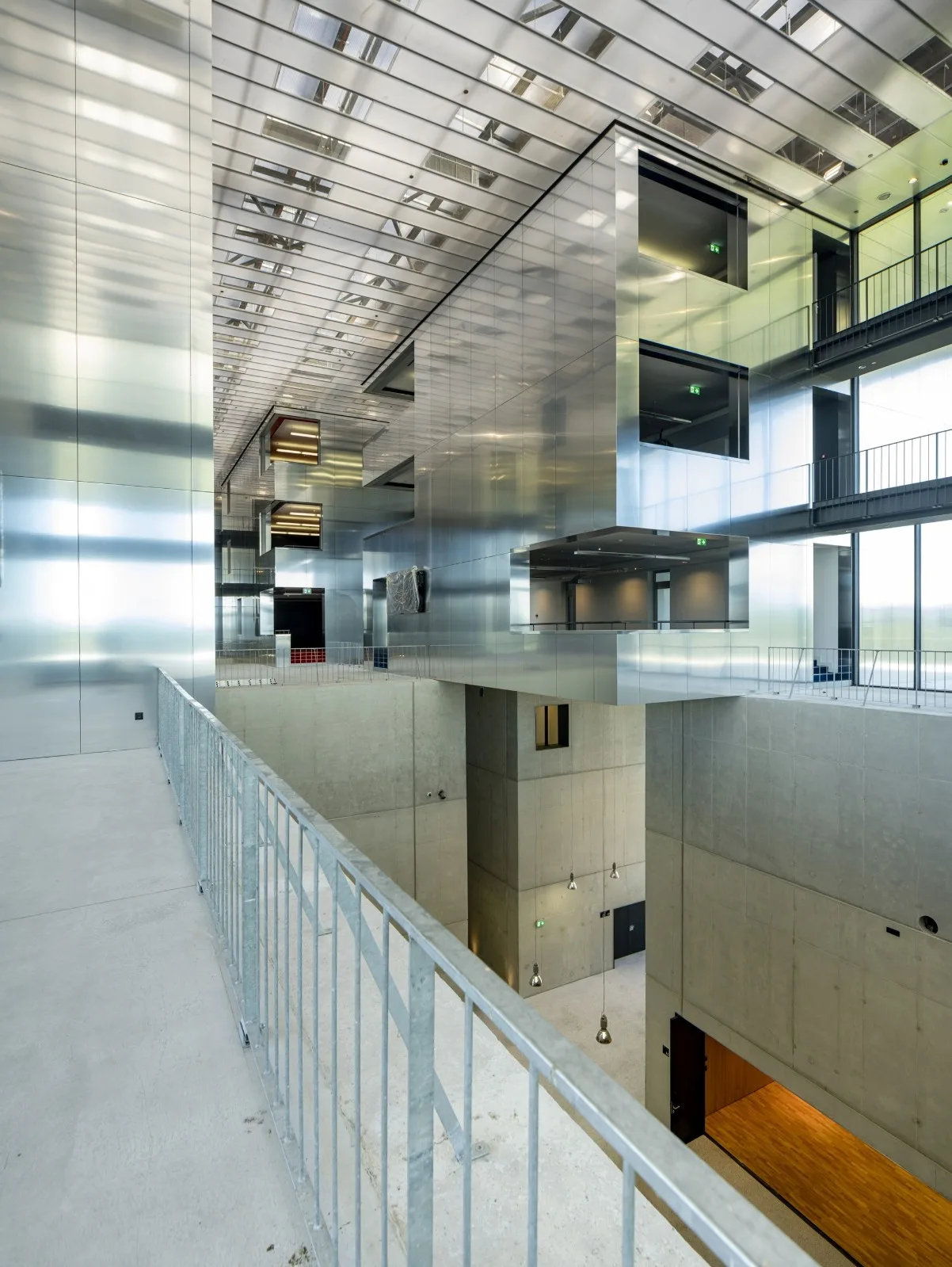
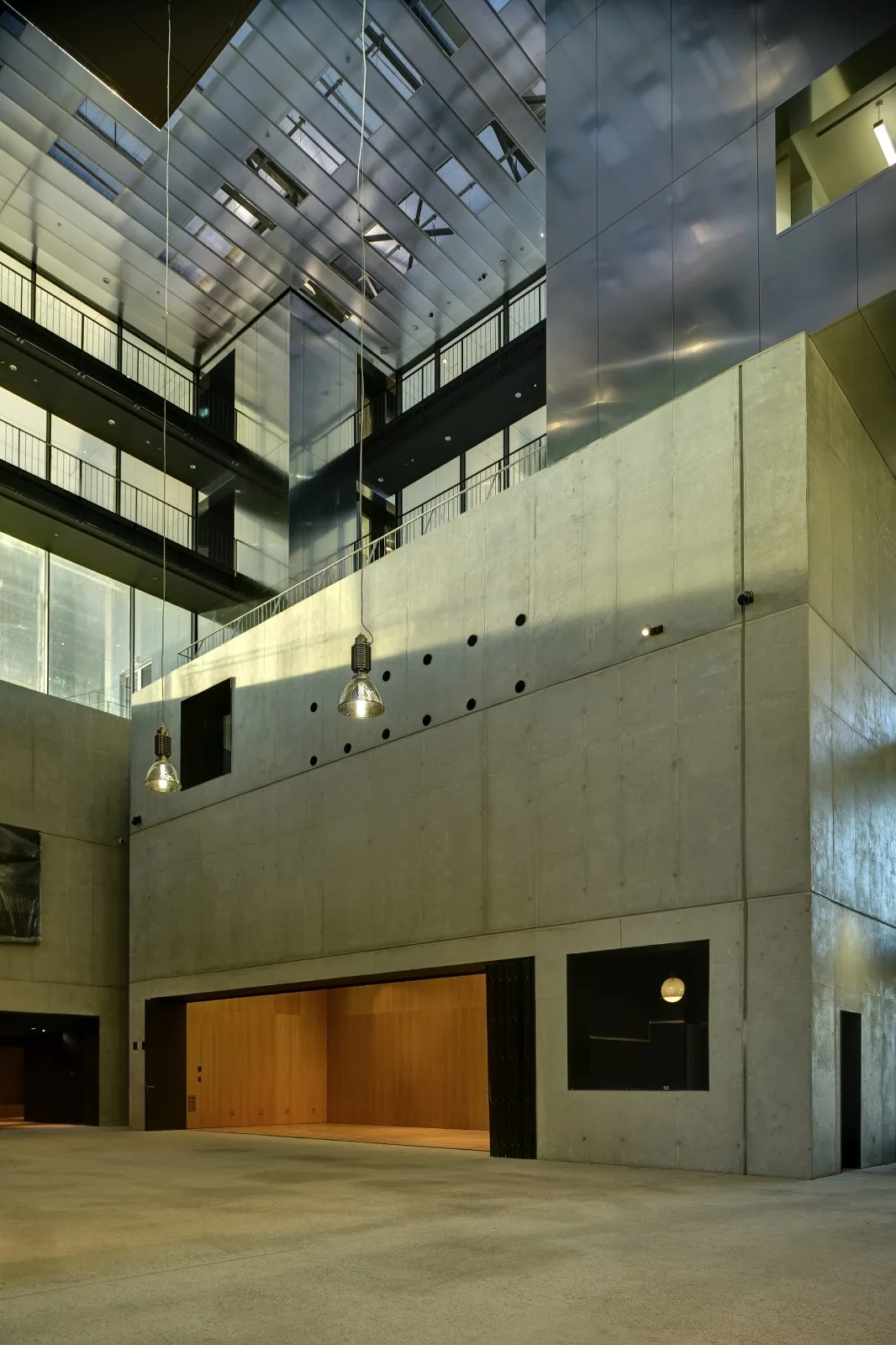
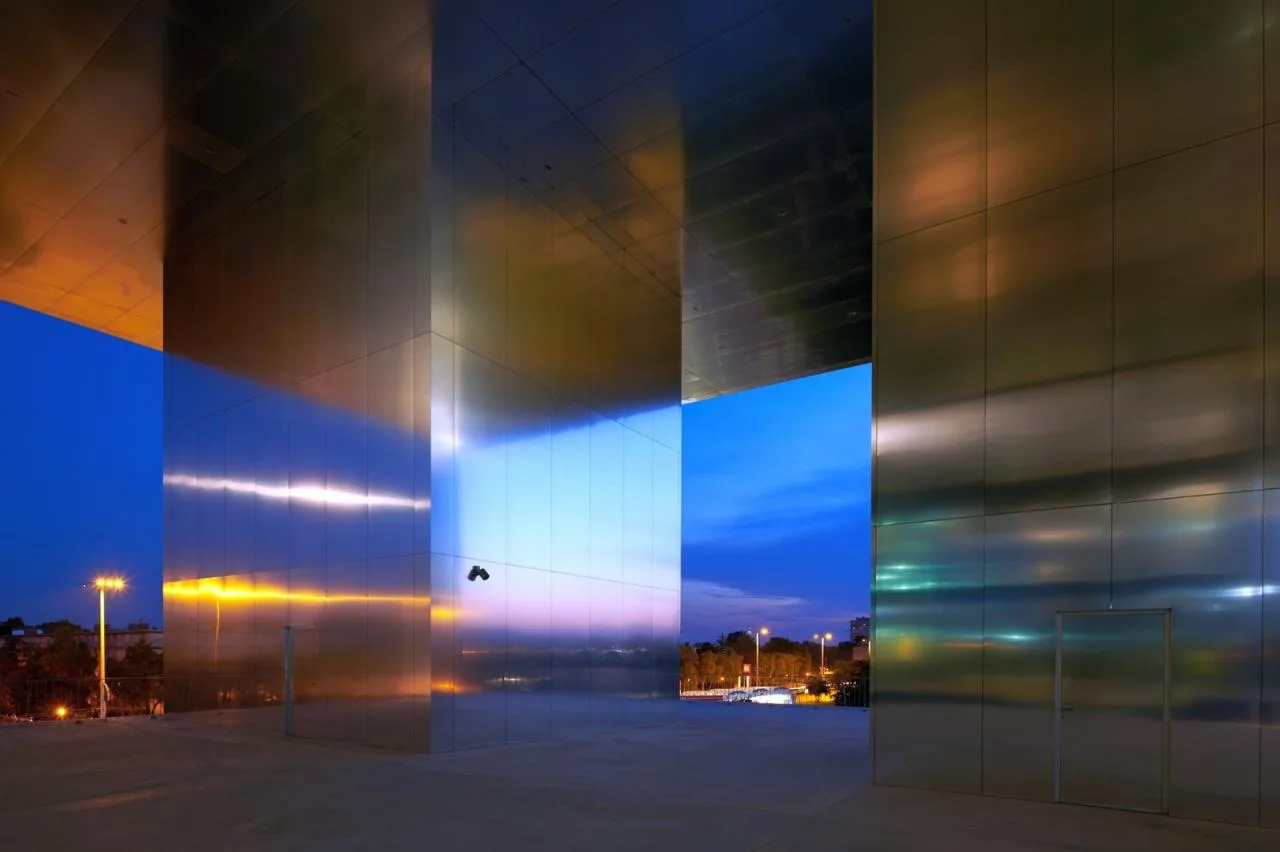
The spatial concept for the future center of light and shadow transformation involves a continuously expanding layout. The entrance connects to other areas through a diagonally expanding enclosed system. This arrangement creates an impression of a denser organization within the entrance’s open space. The design establishes a dynamic balance between empty and full, open and closed. Vertically layered, the building’s upper office and hotel floors contrast with the more open lower floors. The middle layer acts as a mirror, reversing the spatial relationships. The interplay of light and shadow merges all internal functions into a cohesive spatial system. By overlaying two identical but reversed layouts, the design forms upper and lower worlds aligned vertically but serving different purposes: the lower floors accommodate the entrance, dining, and education centers, while the upper floors house interconnected office spaces.
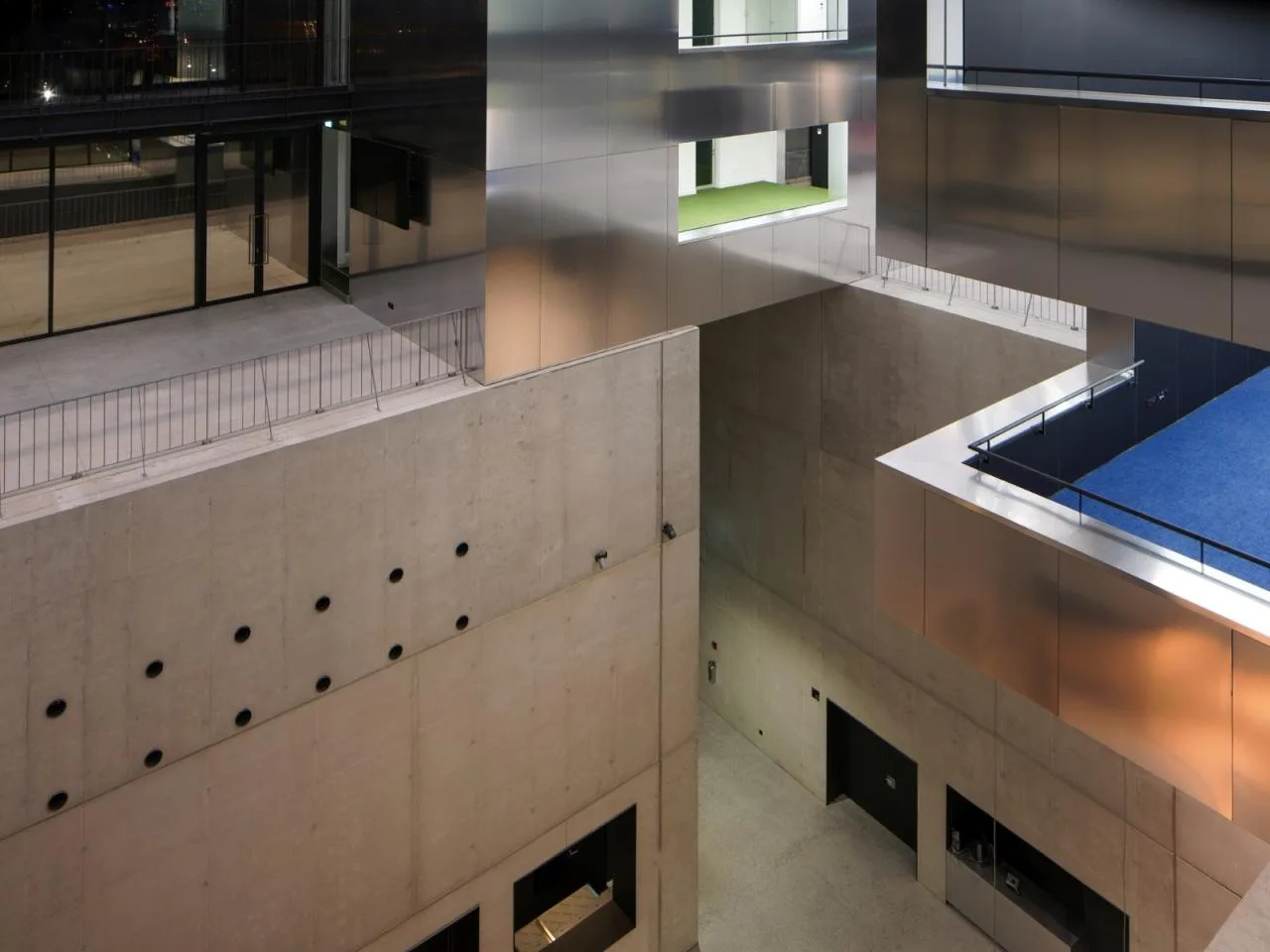
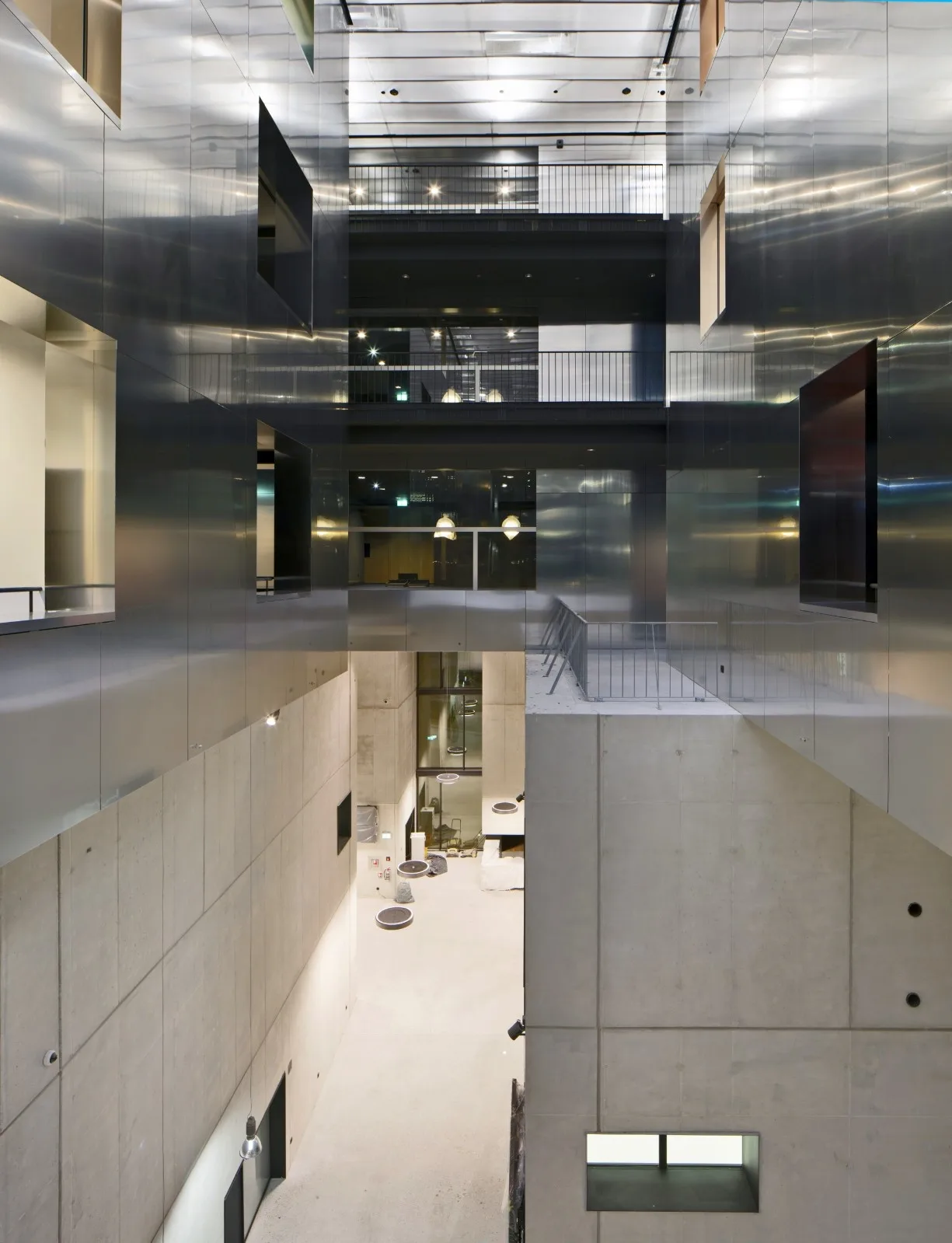
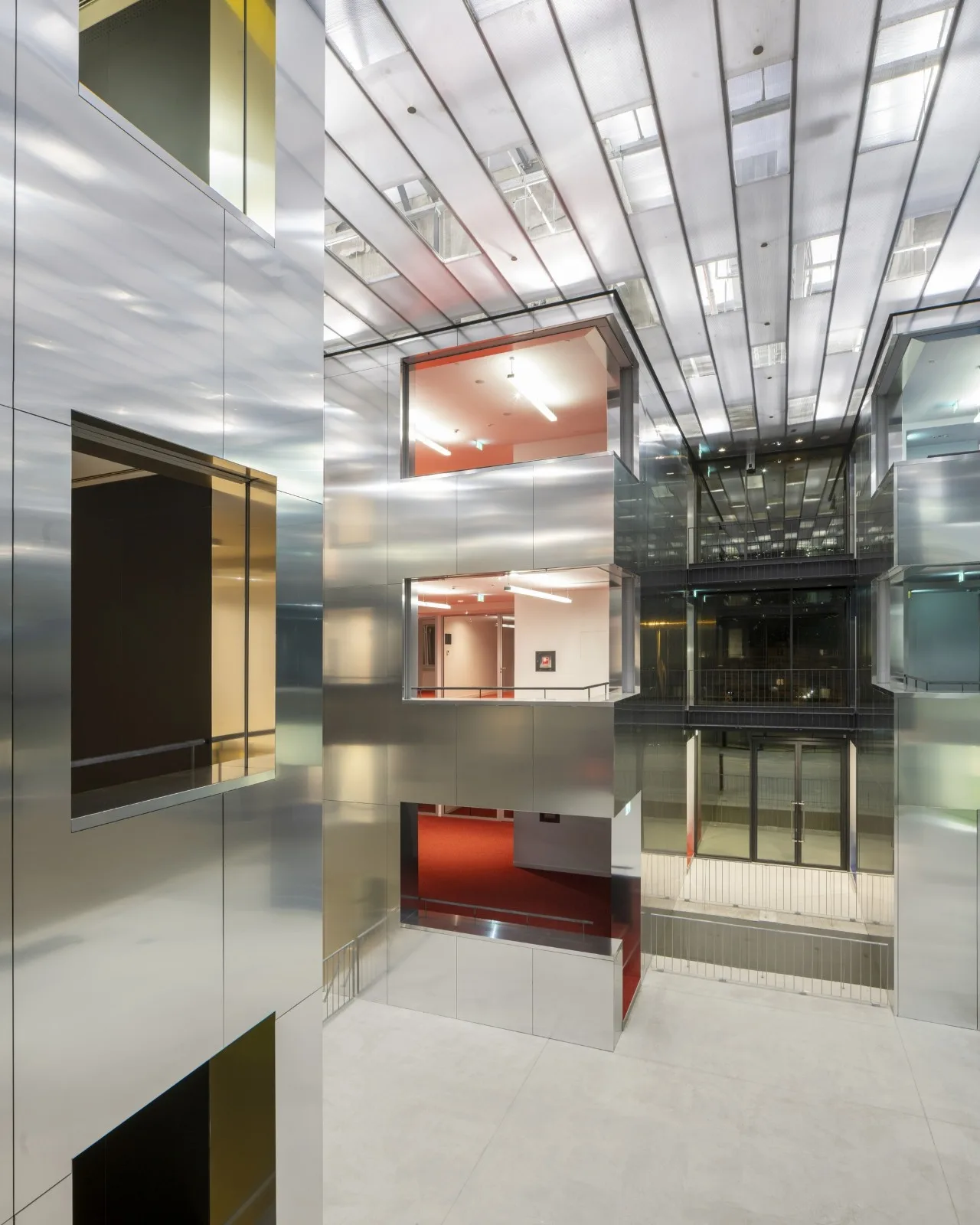
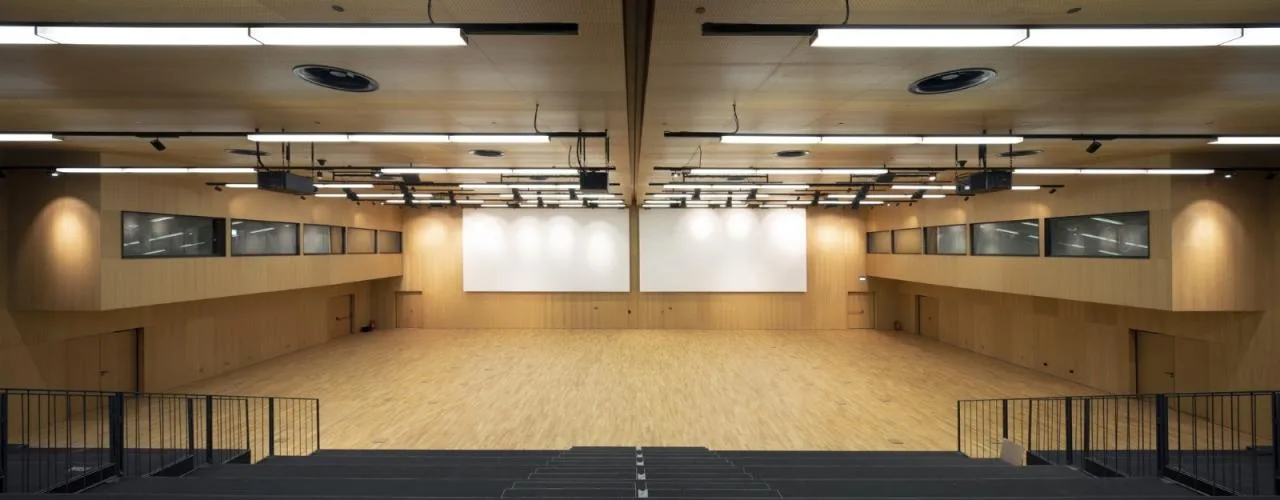
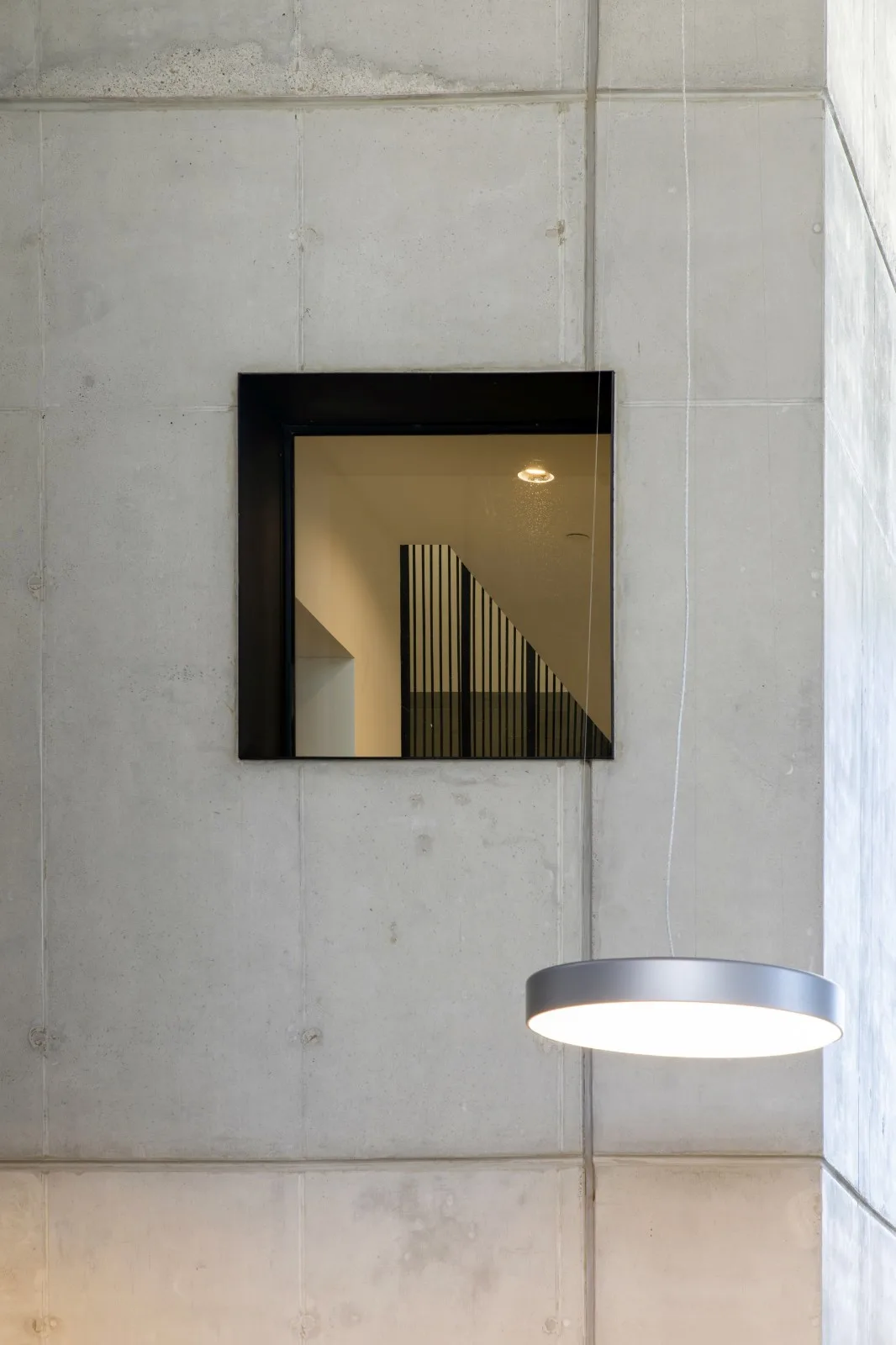
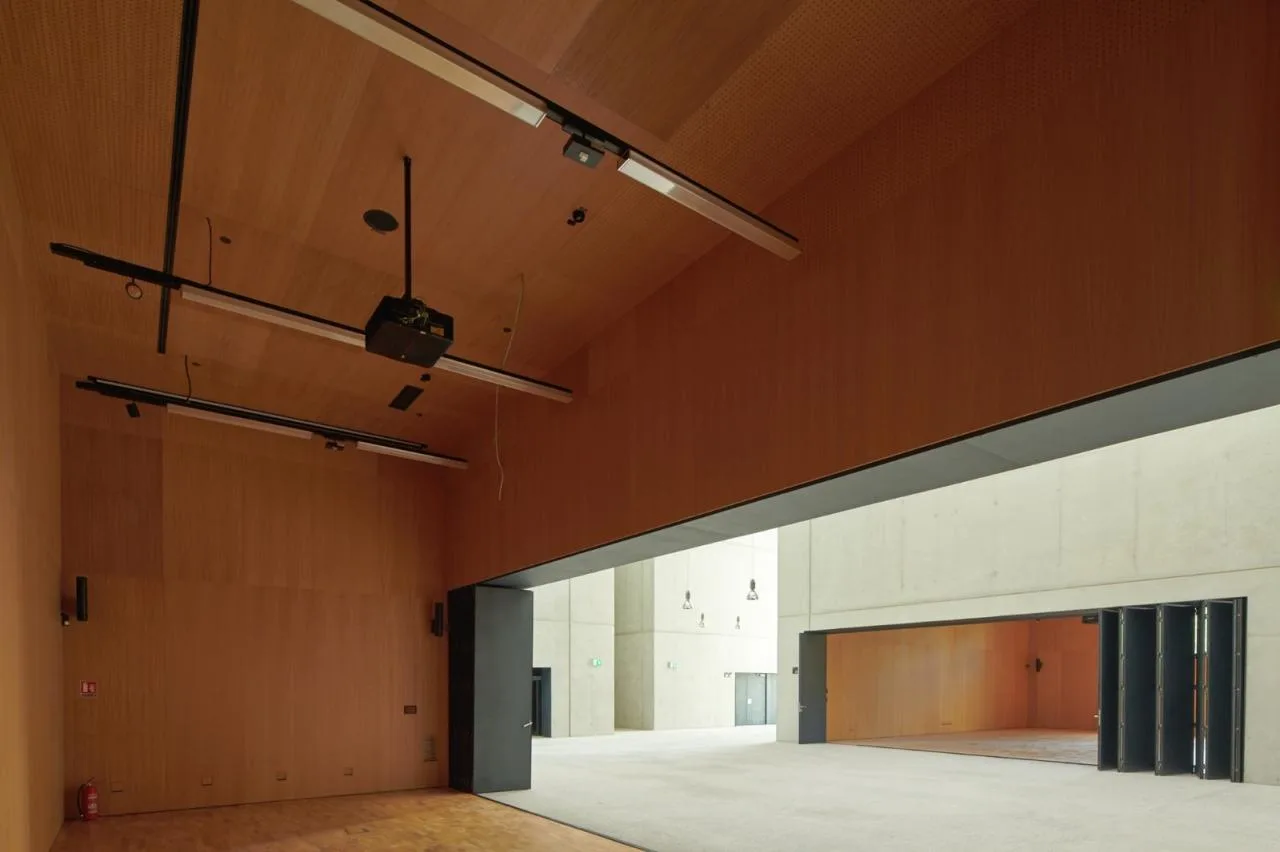
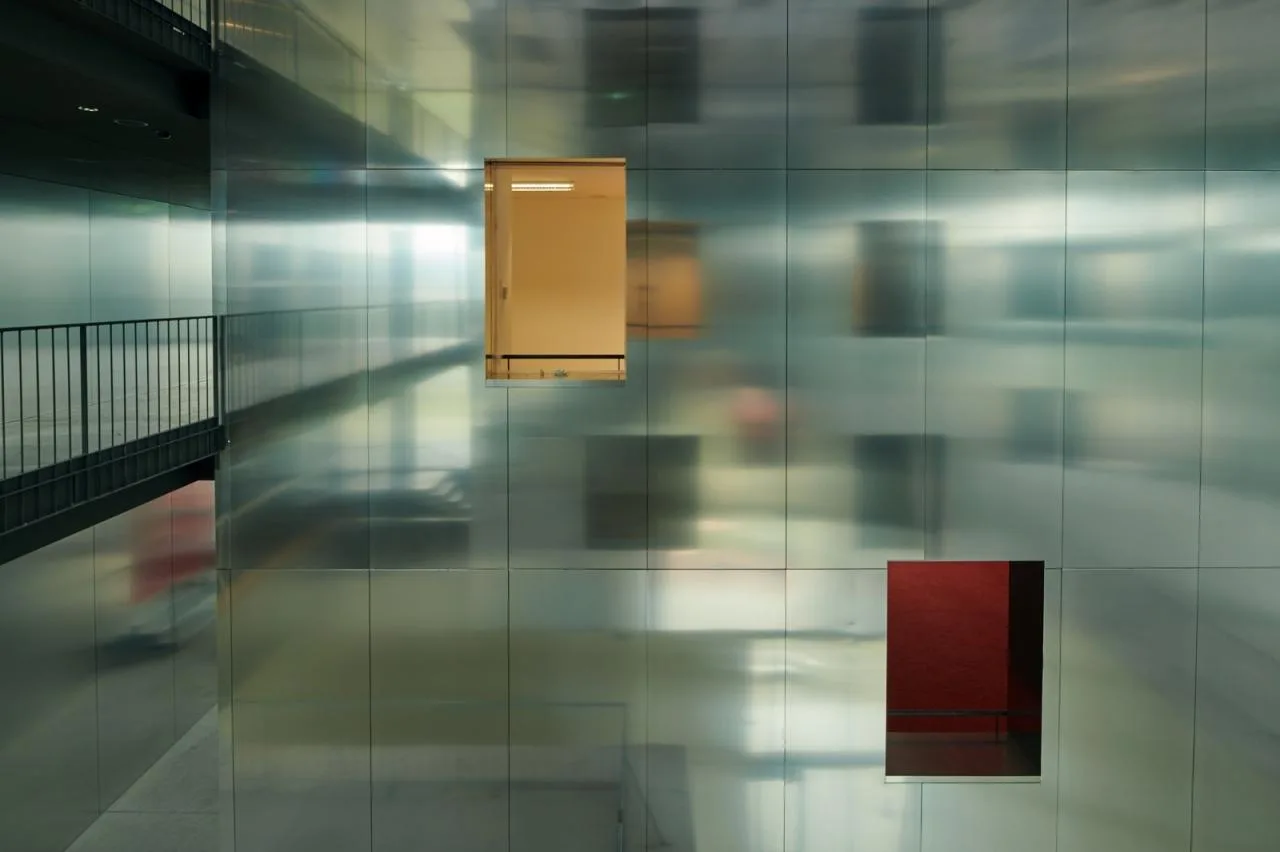
The internal structure of New Horizon, shaped by work, study, socializing, and travel, offers insight into the architectural complex’s core characteristics. It explores the relationship between interior and exterior within a small city context, consisting of houses and streets. The main structural system maintains consistent spatial relationships—lower floors are built with concrete walls, slabs, and beams, while the upper floors are lighter, featuring concrete and aluminum cladding. These two construction systems overlap at certain points, ensuring structural unity. The roof system is straightforward, supported by beams atop the upper floors. All concrete elements have wooden interiors.
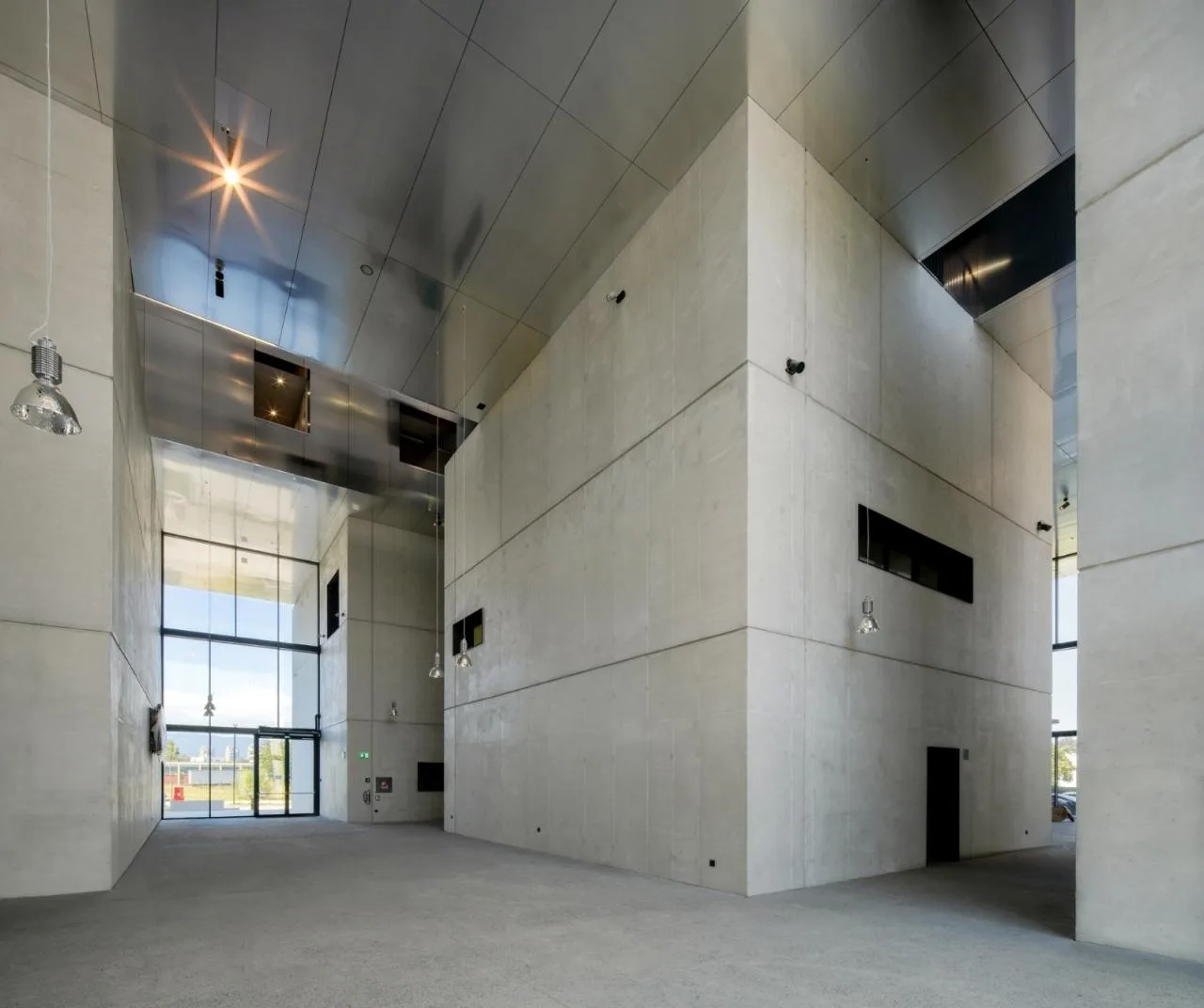
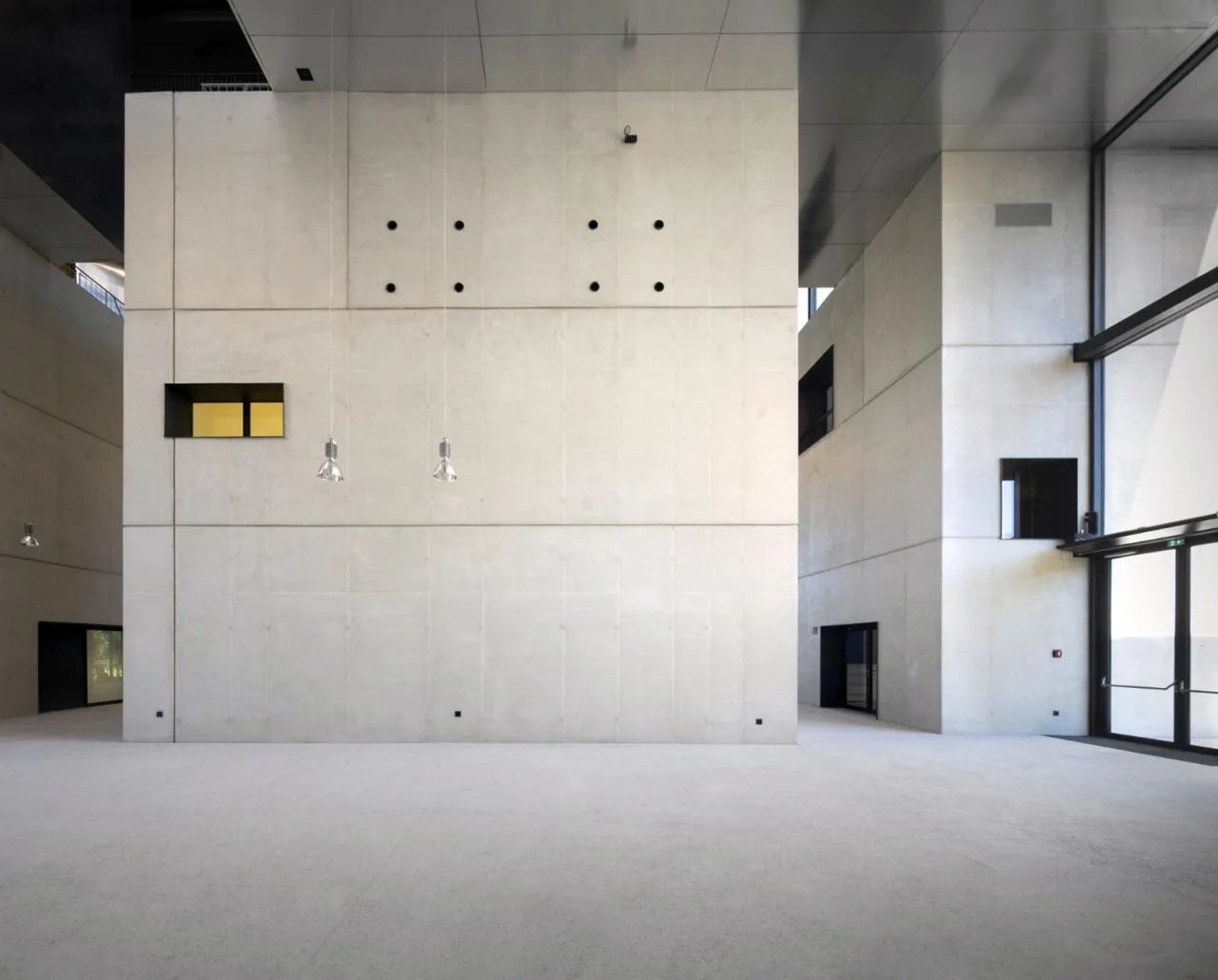
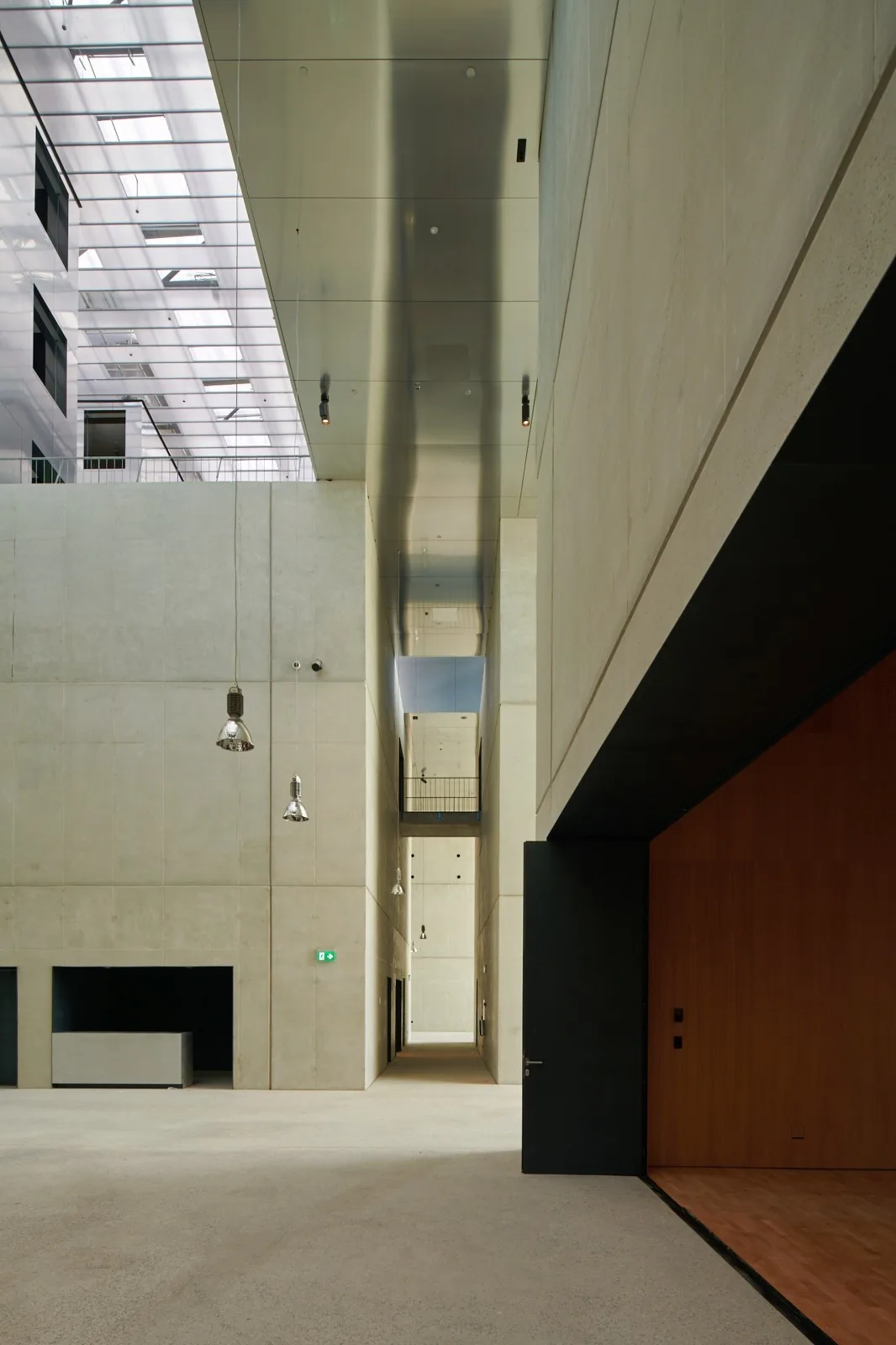
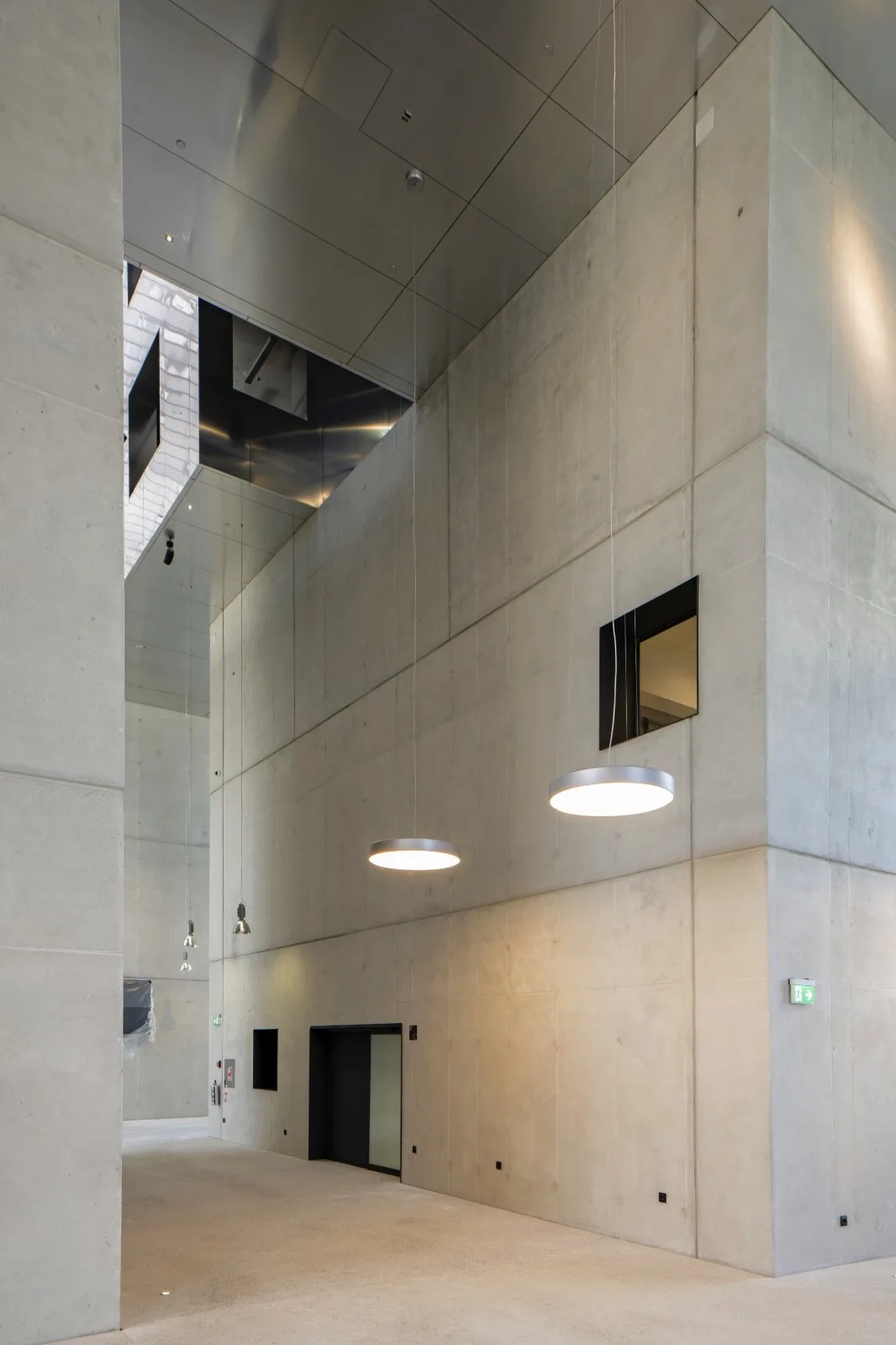
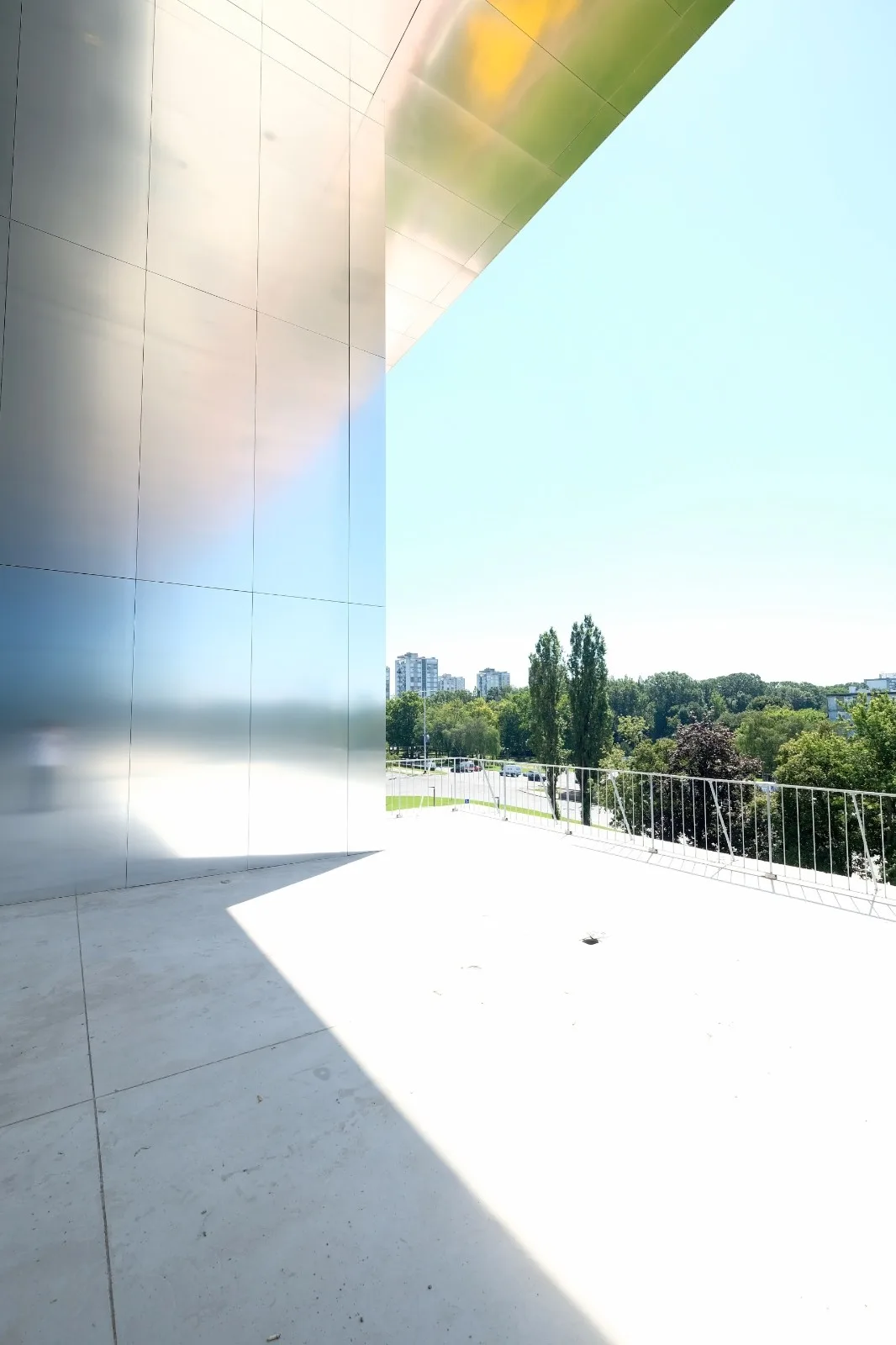
According to the architect, the lower structure is made of solid concrete, while the upper layer is lightweight, reflective, and partially open. The roof is almost movable in all directions, providing shade and reducing exposure to external facades. This design enhances natural sunlight penetration, conserves energy, and improves the quality of the interior environment. The boundary between the overlapping structures creates a perspective alignment, while the dynamic arrangement of enclosed building blocks weaves a distinctive baseline through the space.
Project Drawings
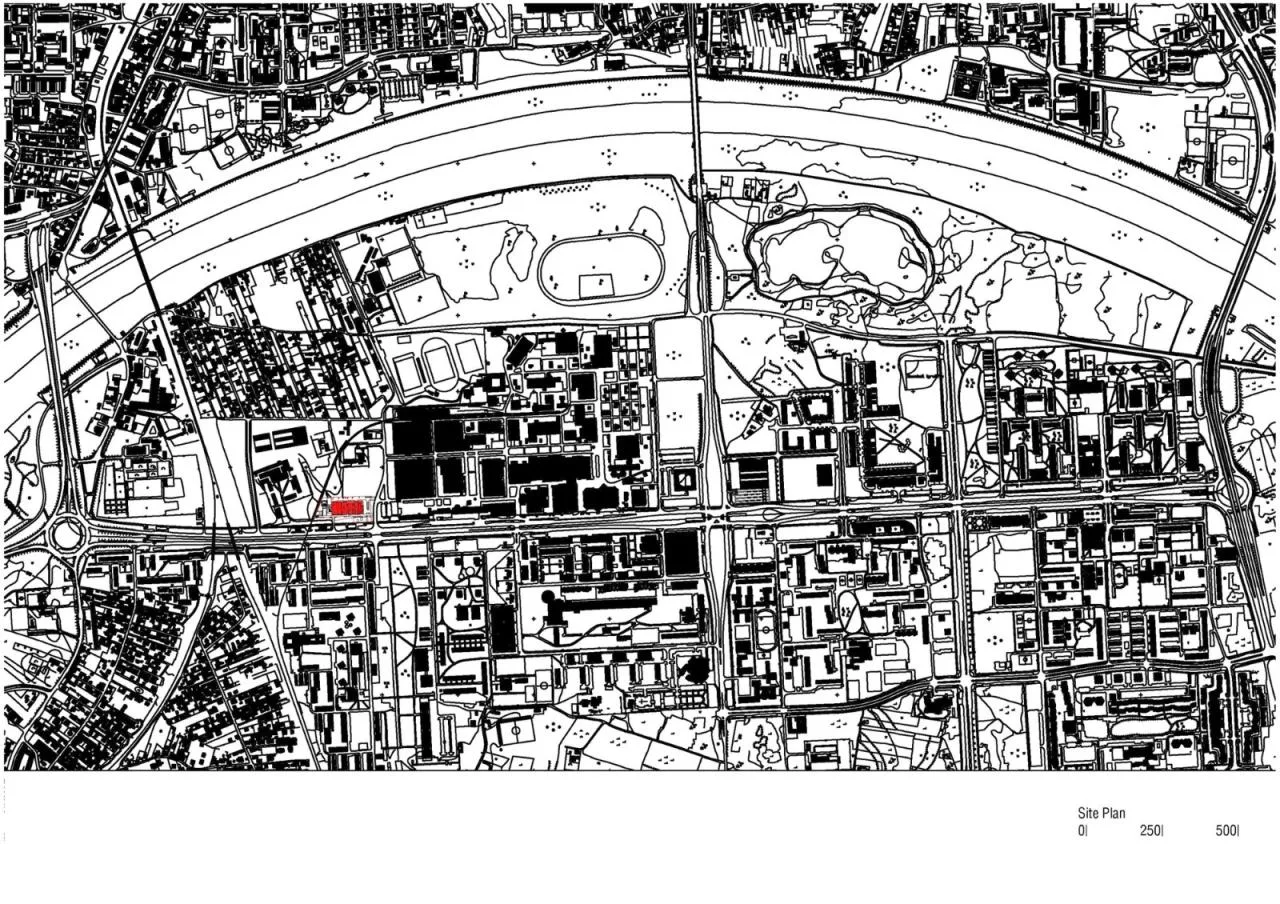
△ Project Base Diagram
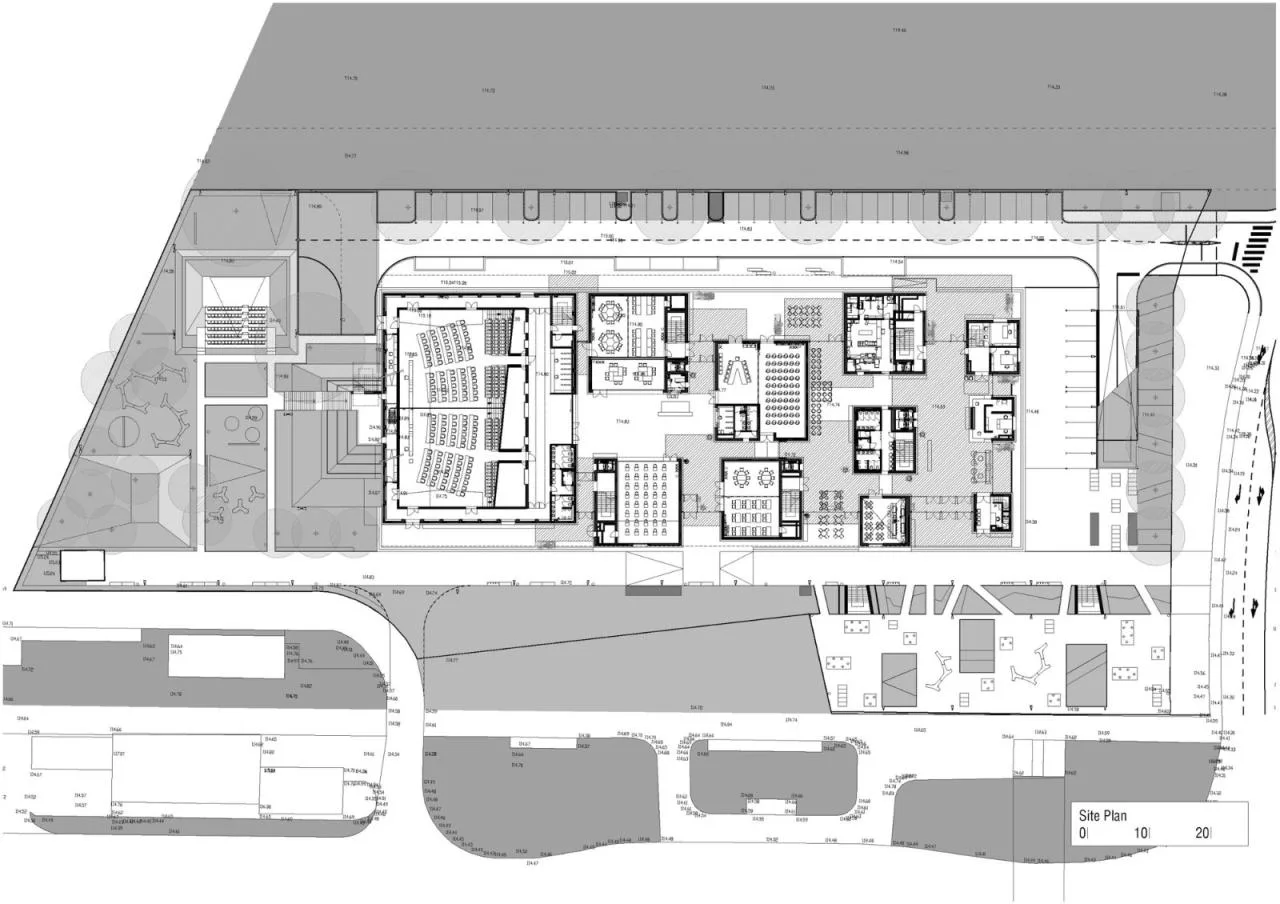
△ General Layout Plan
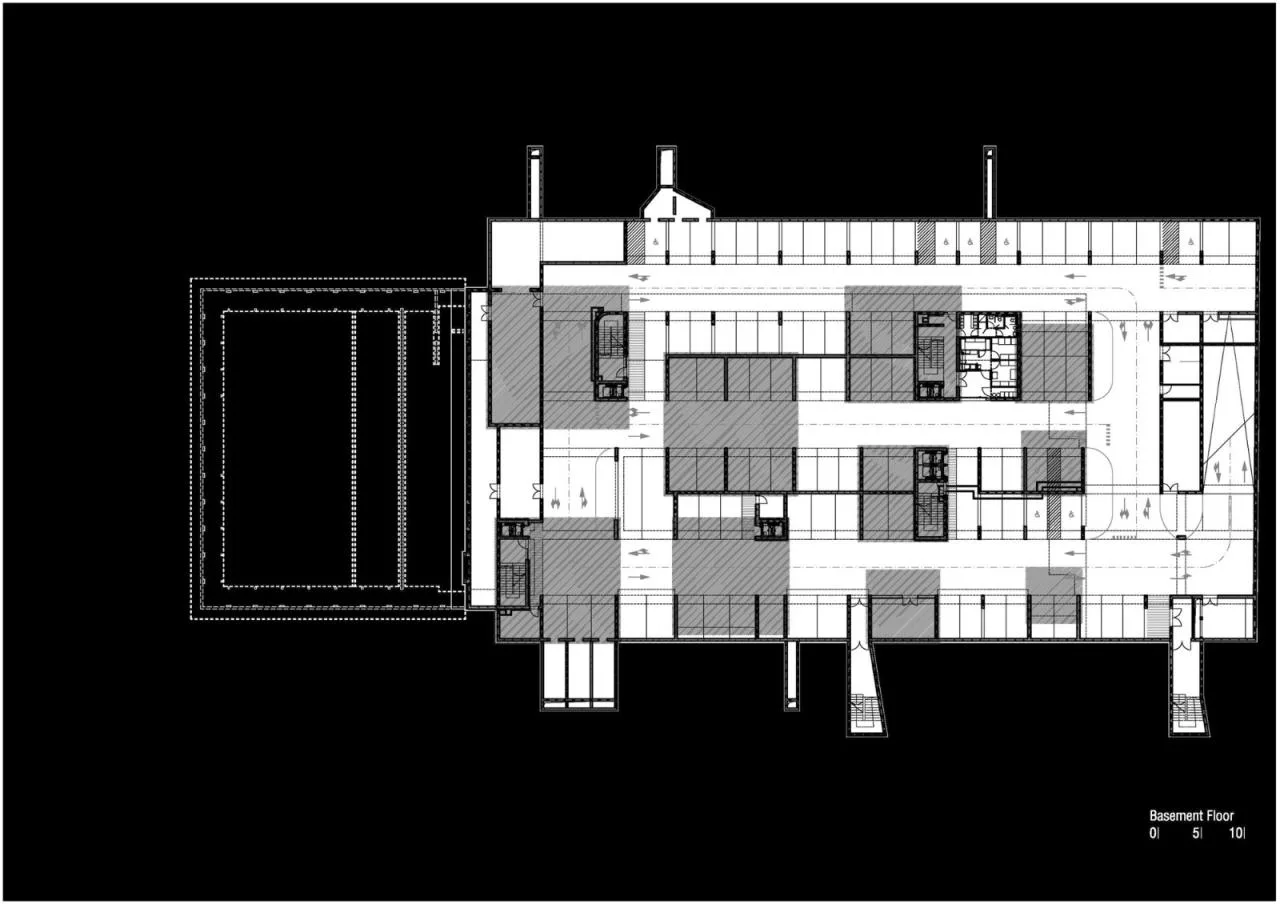
△ Underground Floor Plan
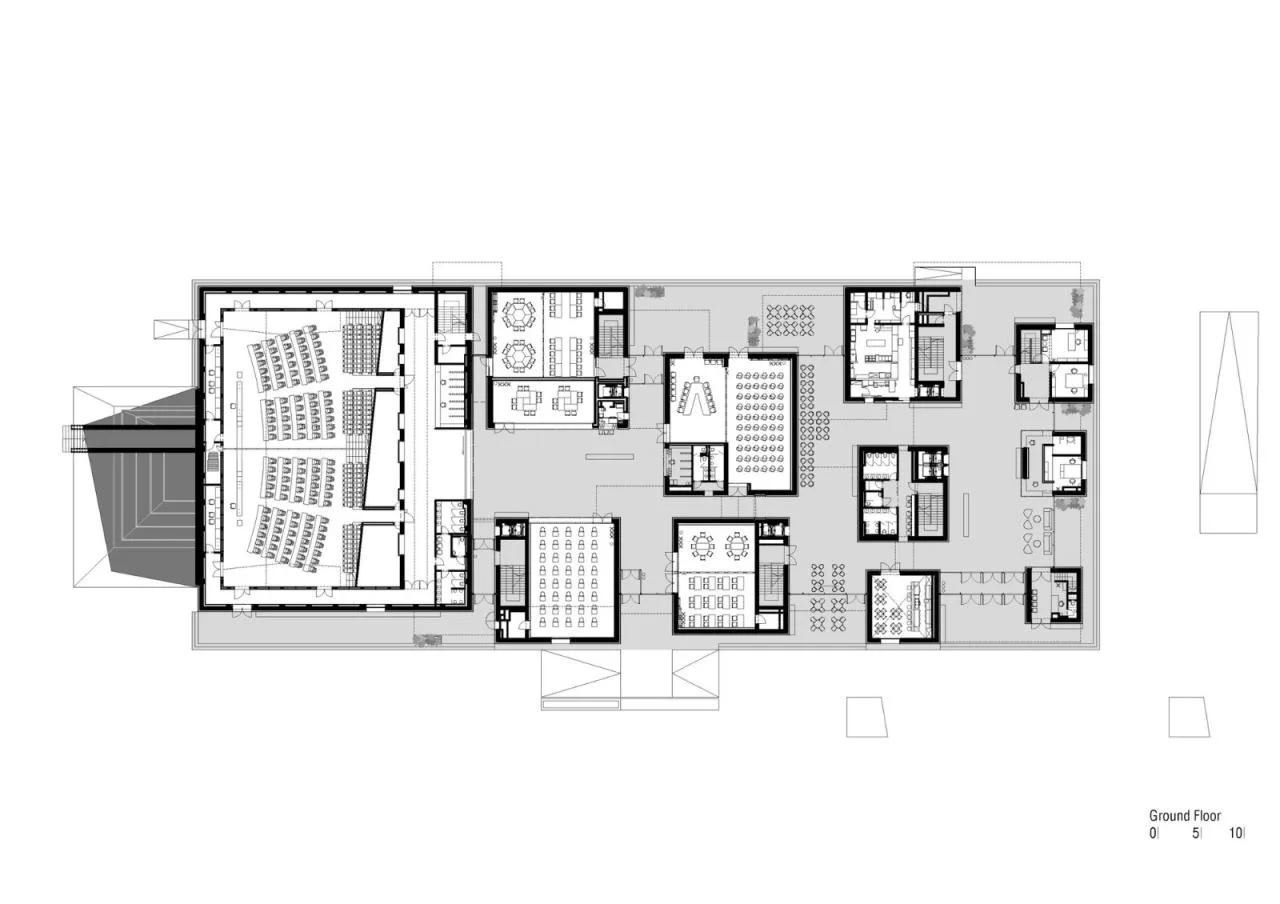
△ First Floor Plan
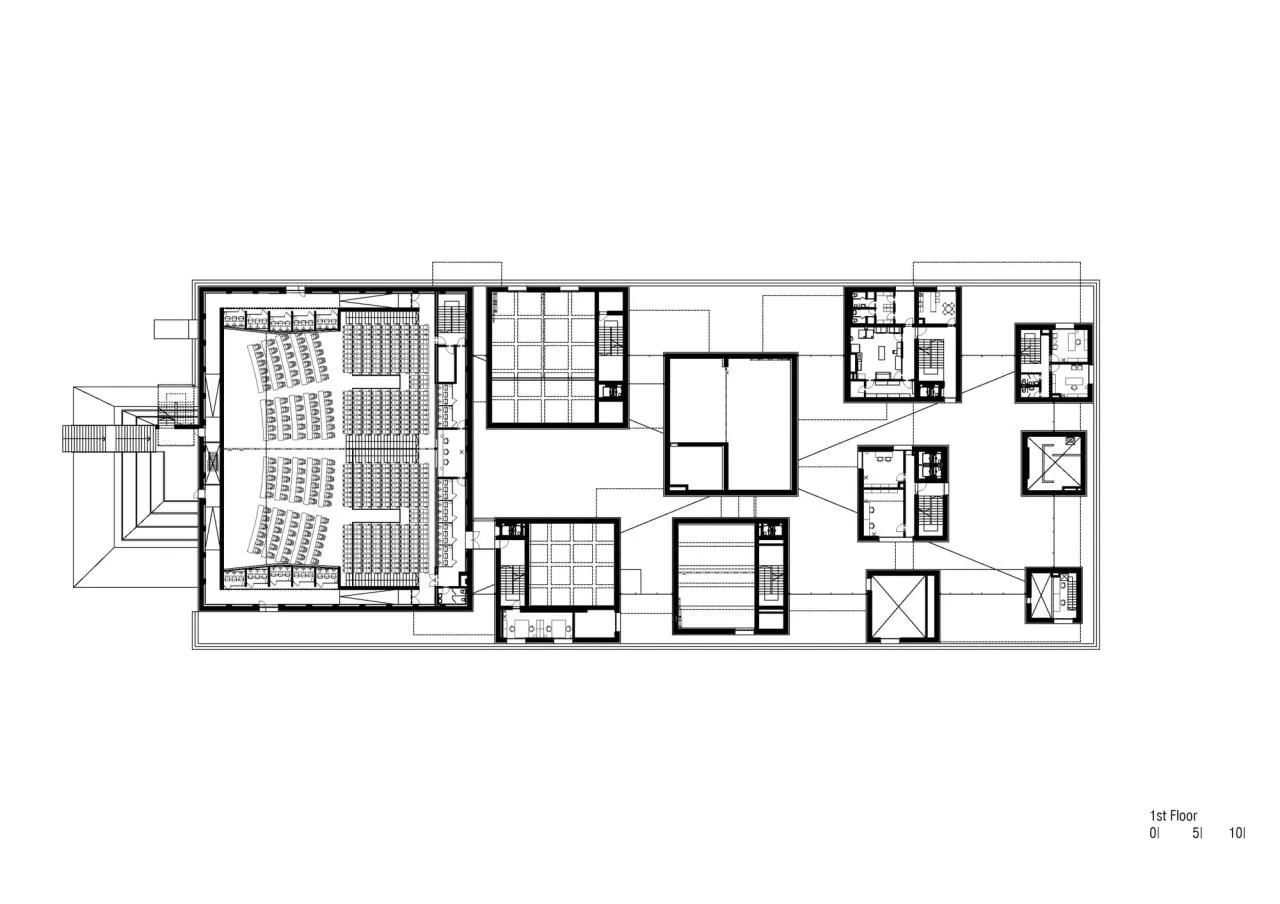
△ Second Floor Plan
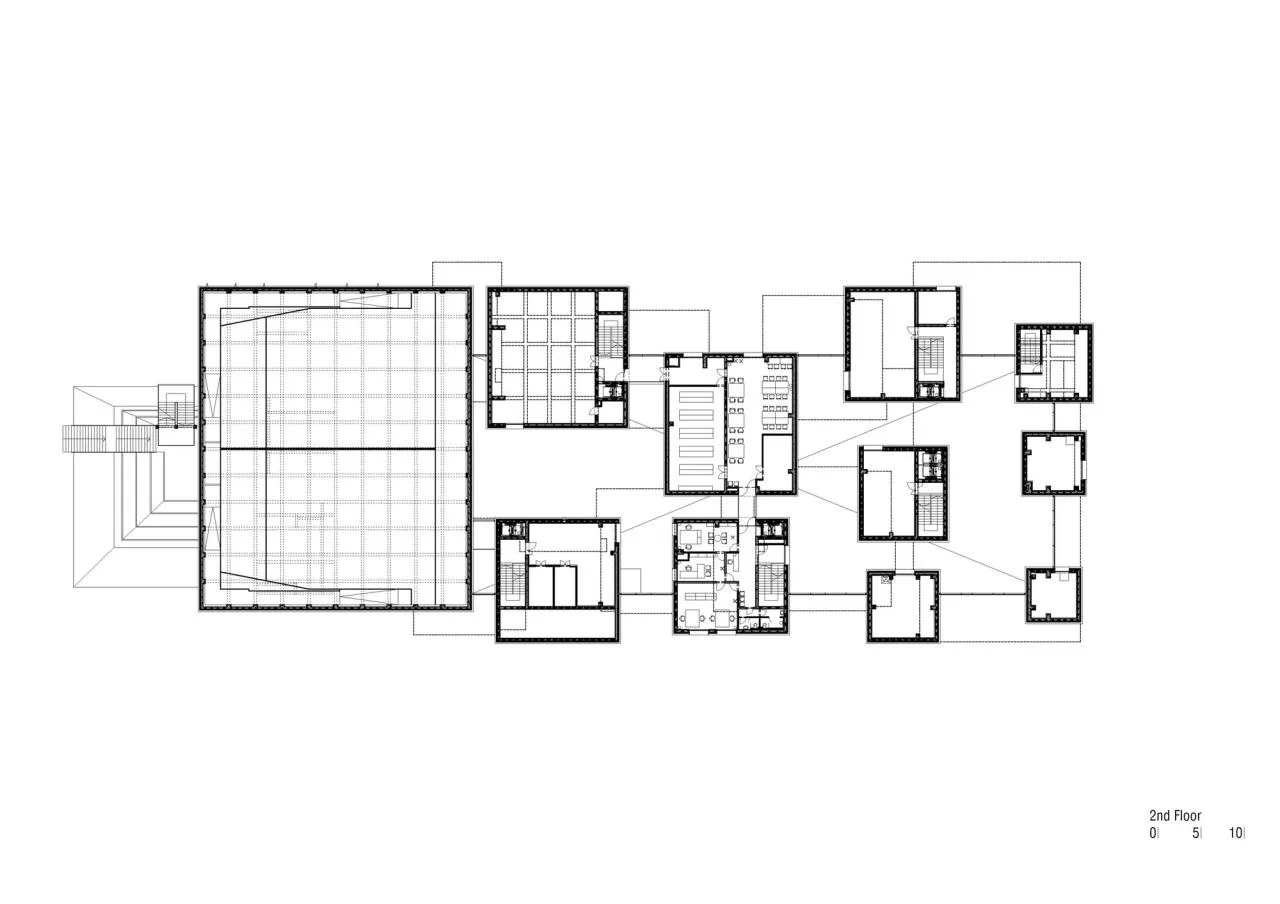
△ Third Floor Plan
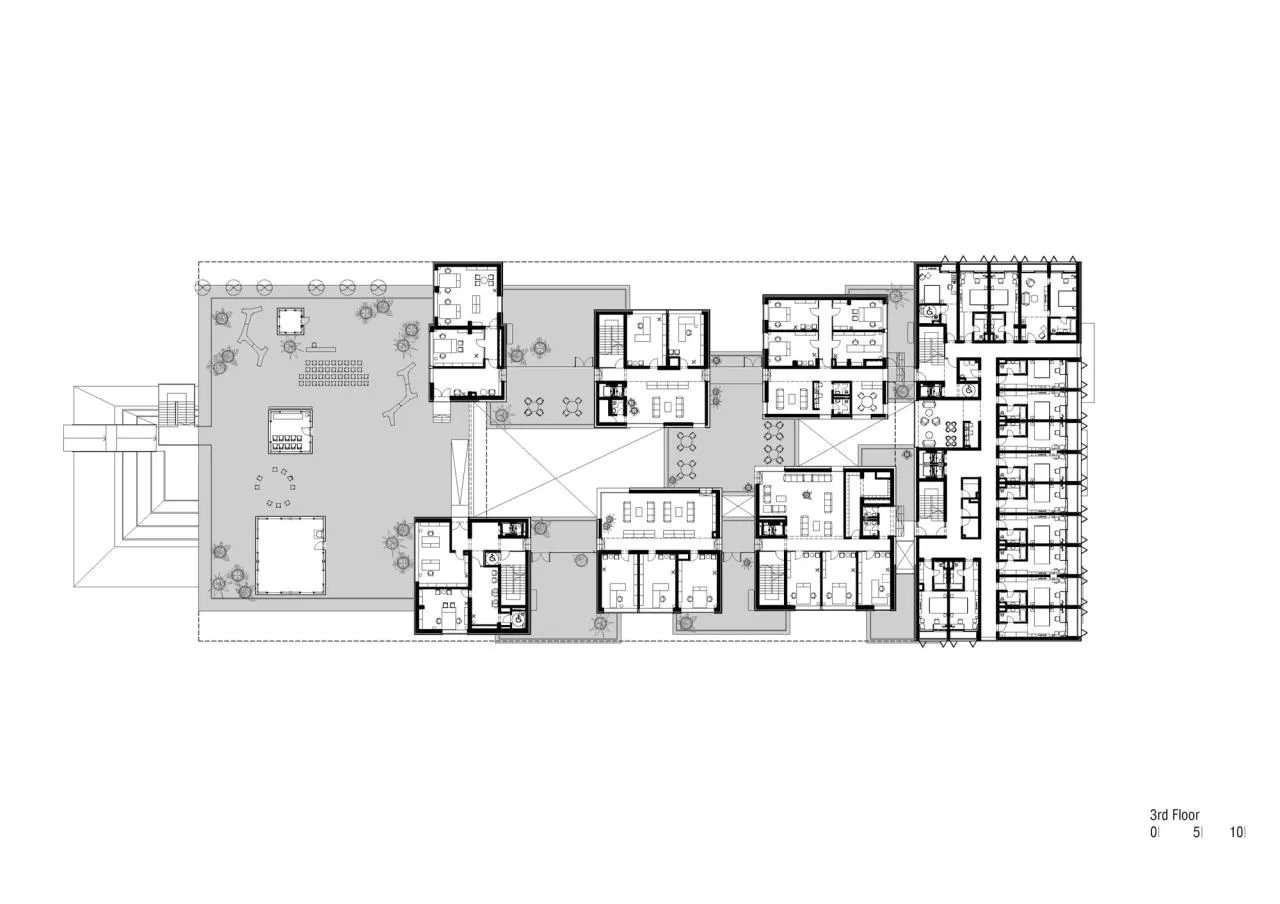
△ Fourth Floor Plan
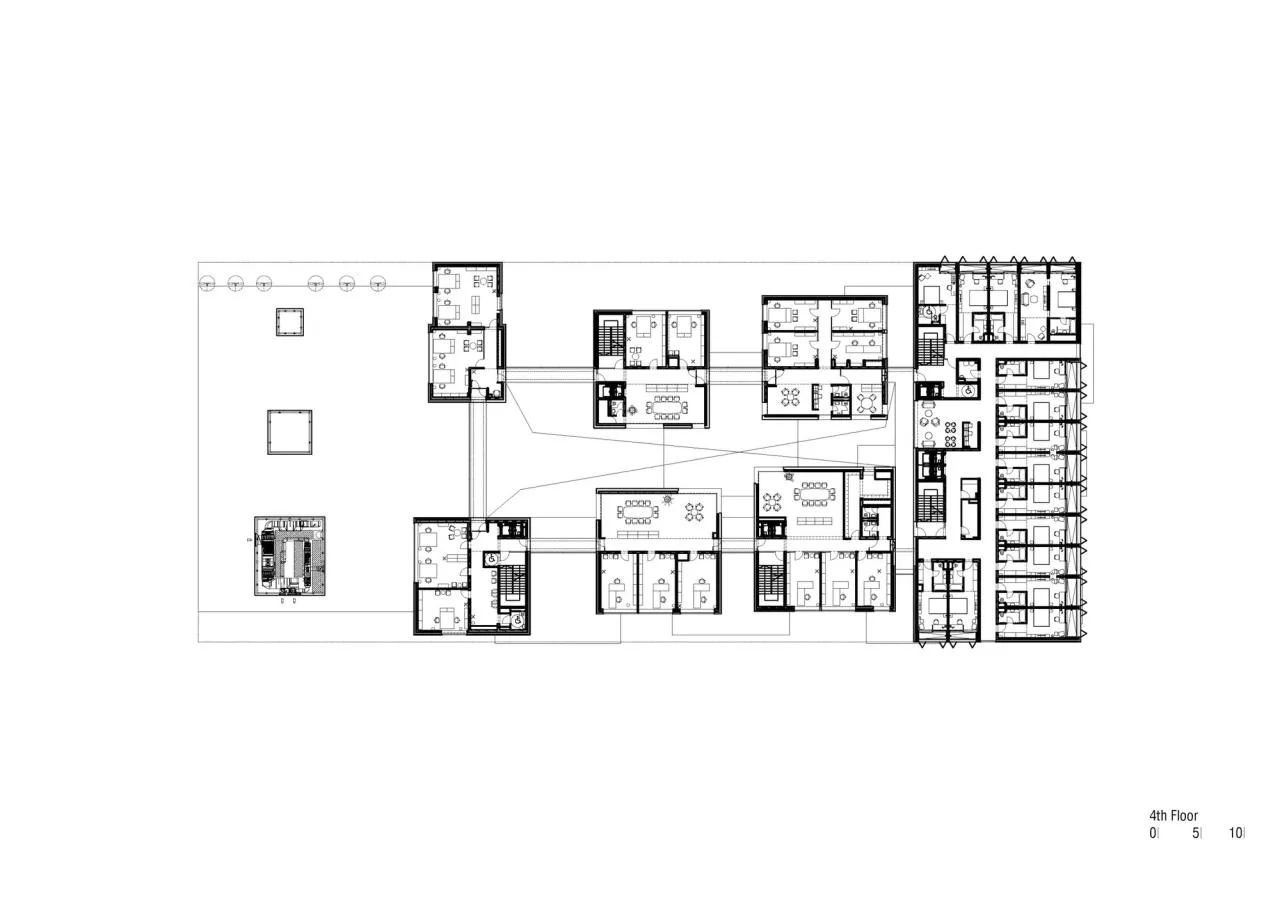
△ Fifth Floor Plan
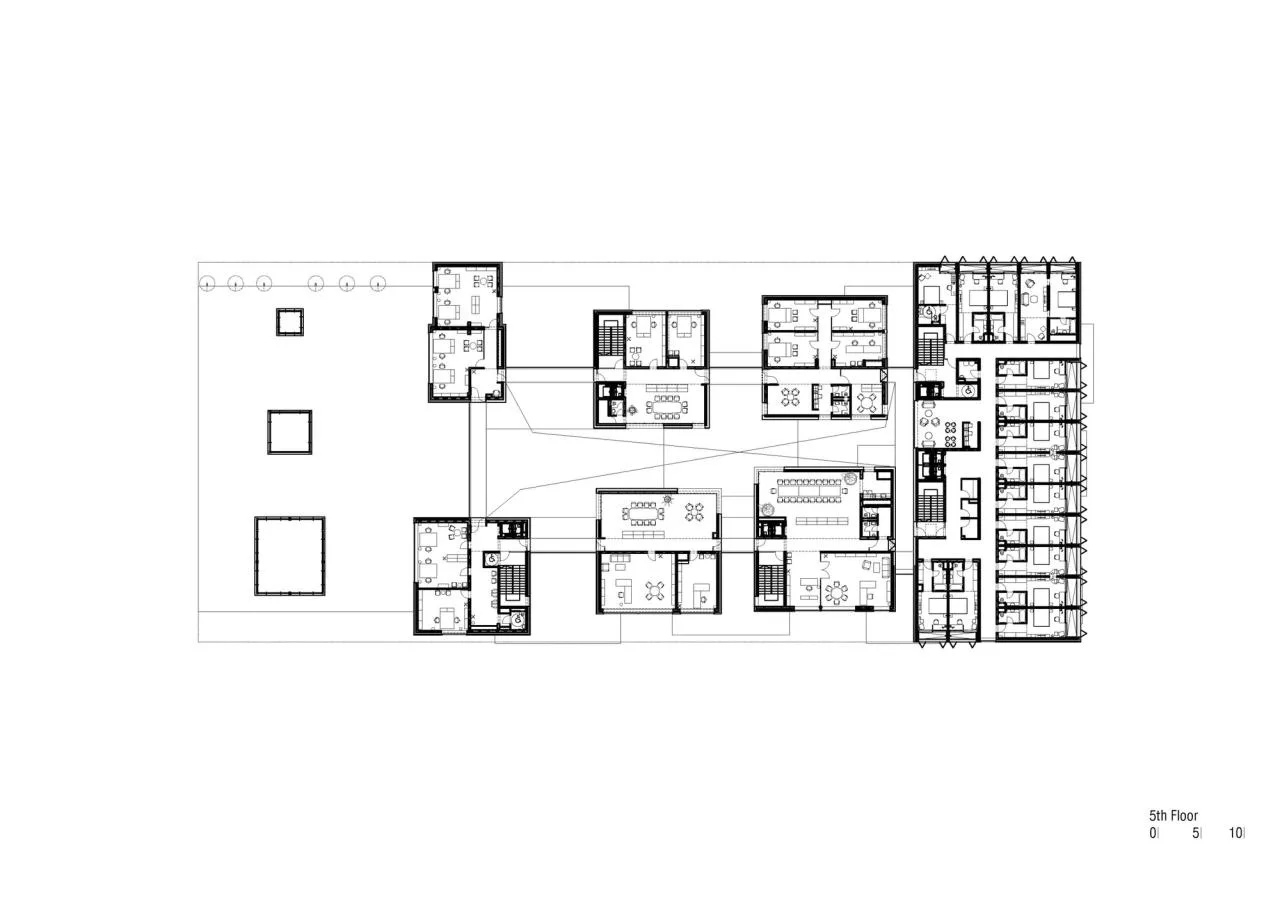
△ Sixth Floor Plan
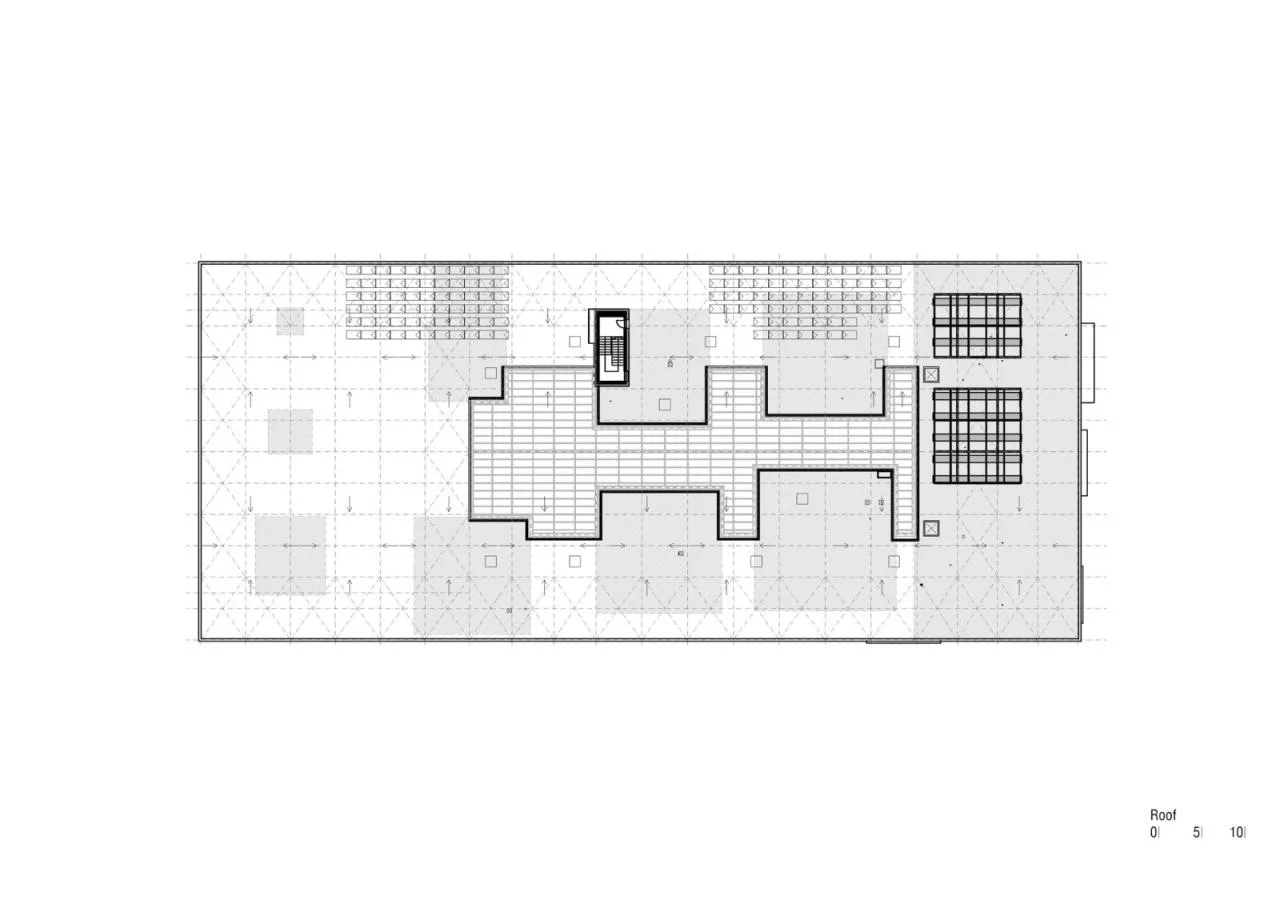
△ Roof Plan
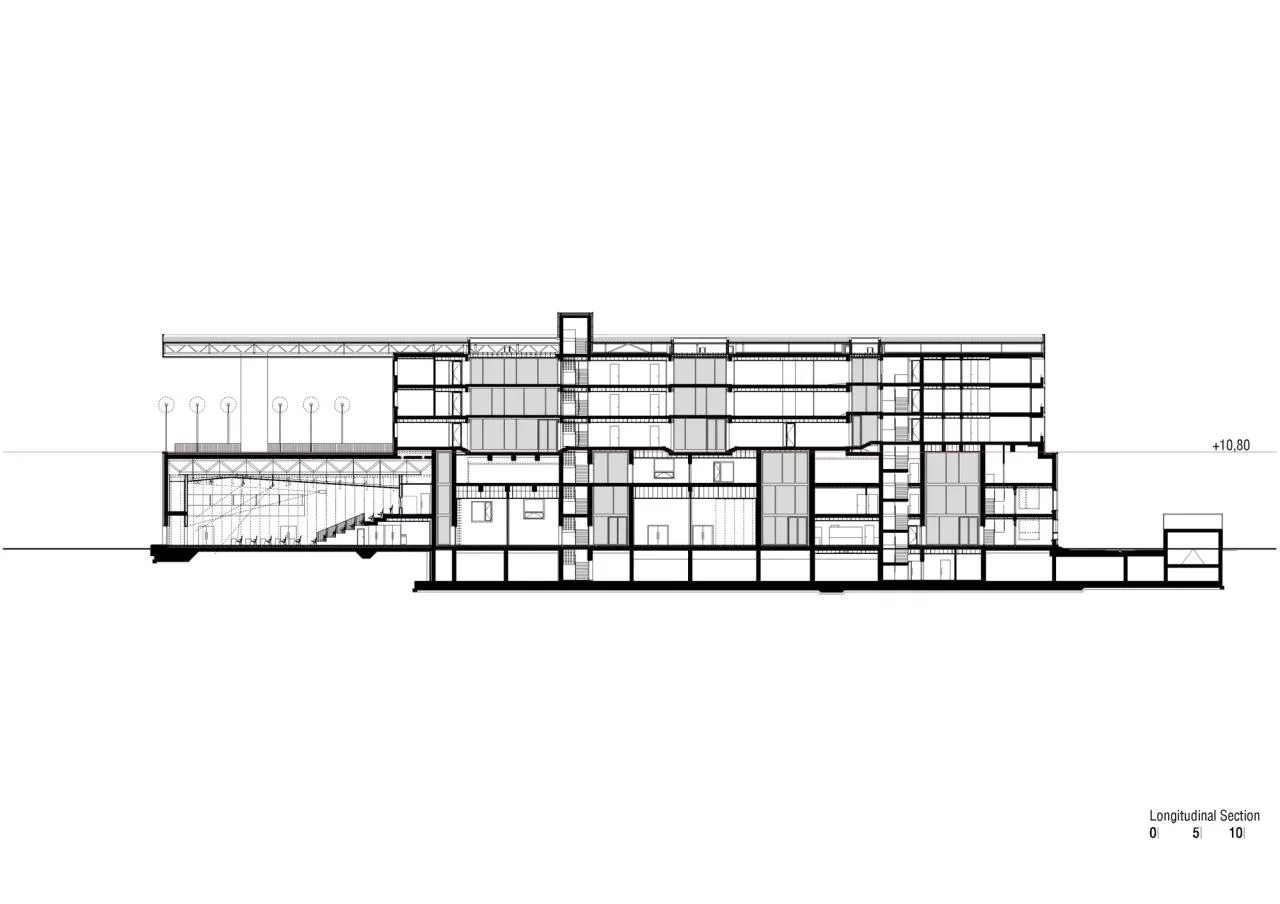
△ Section Diagram
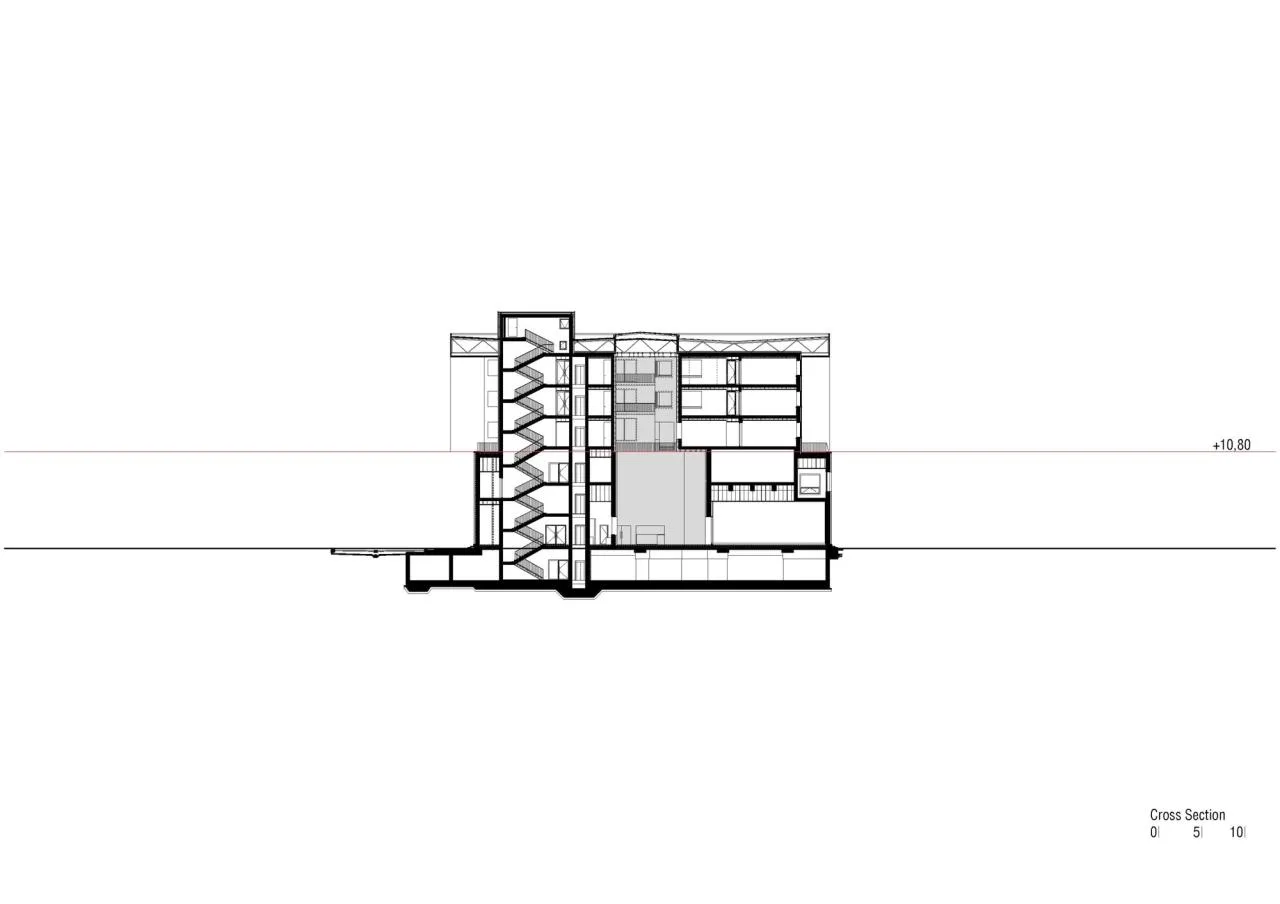
△ Section Diagram
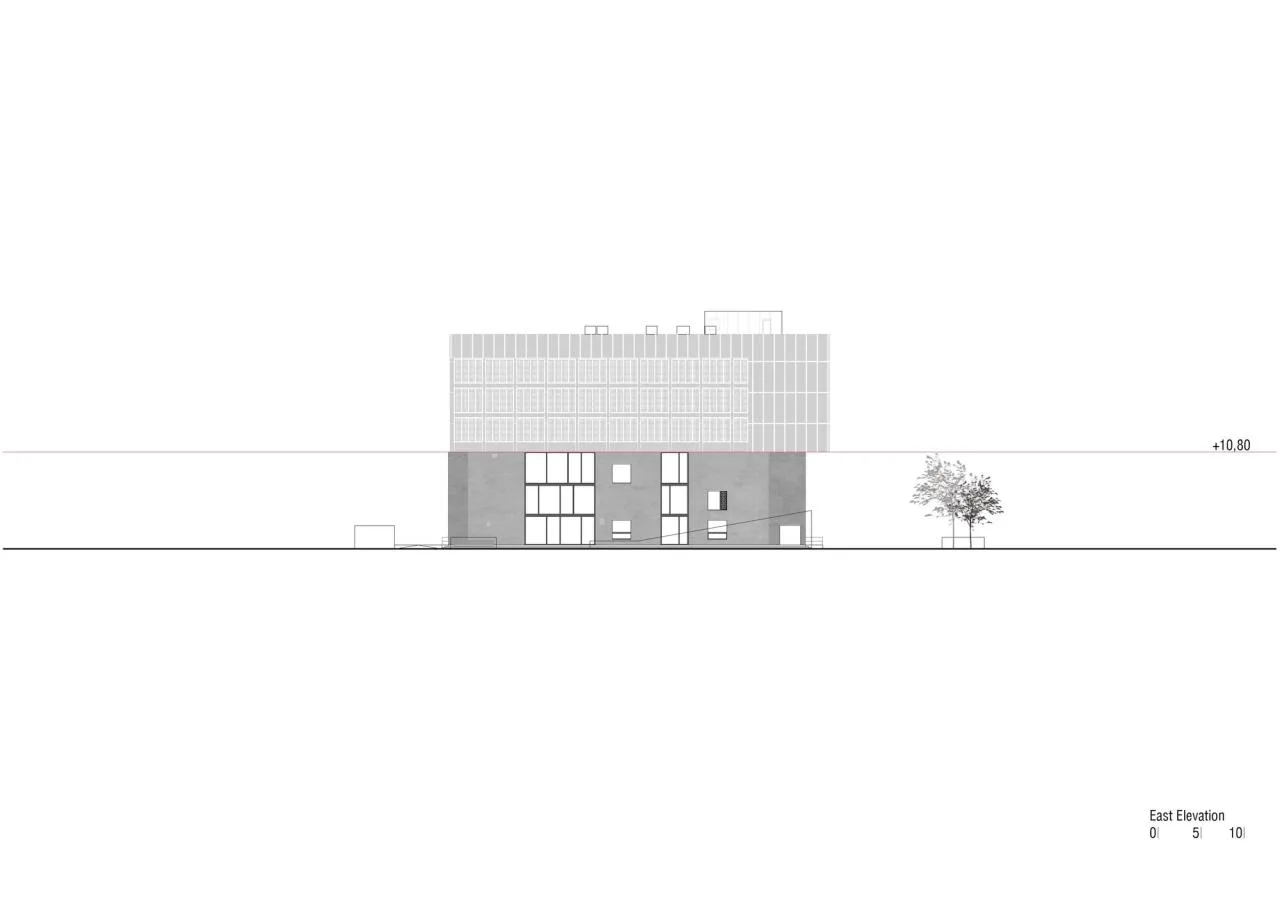
△ Elevation Drawing
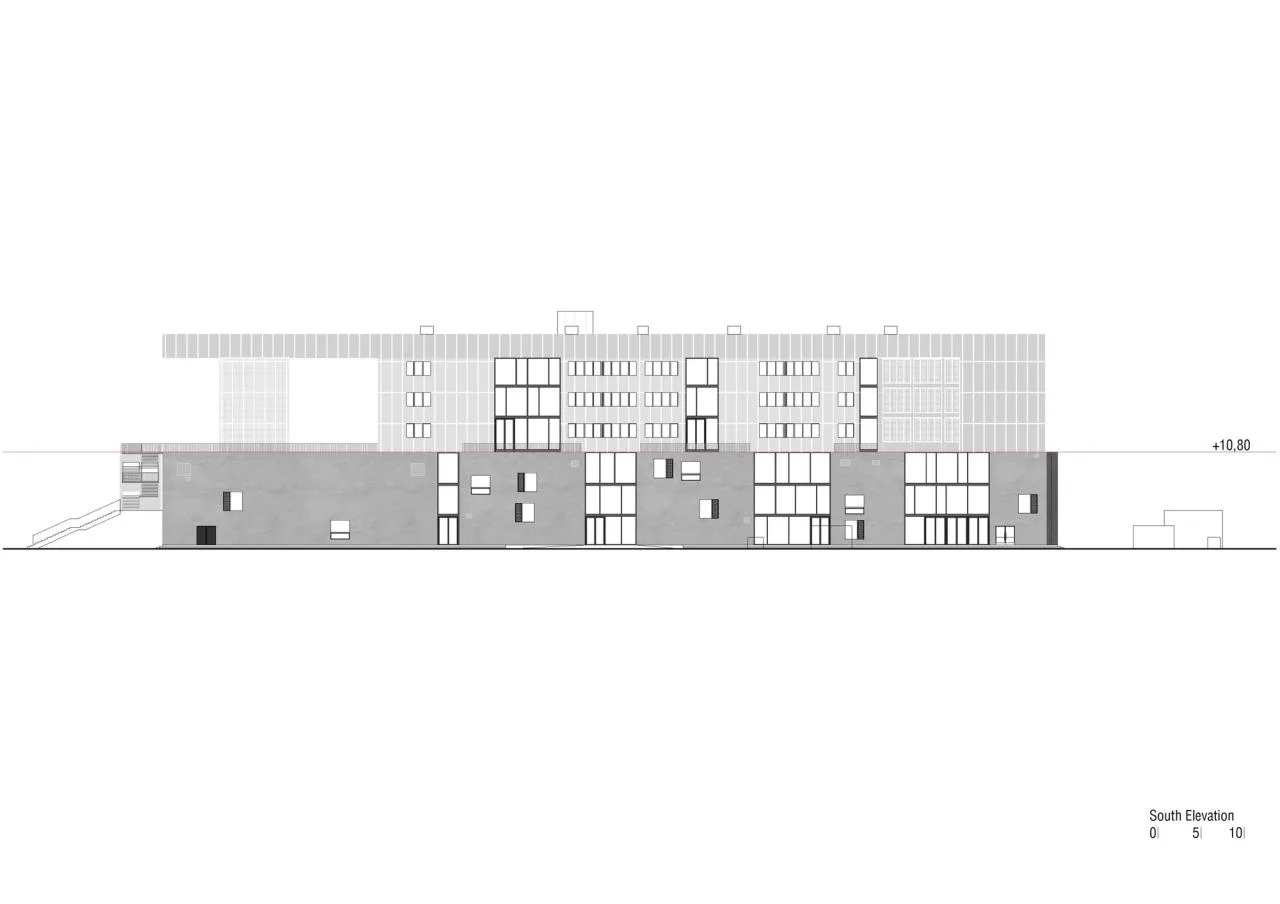
△ Elevation Drawing
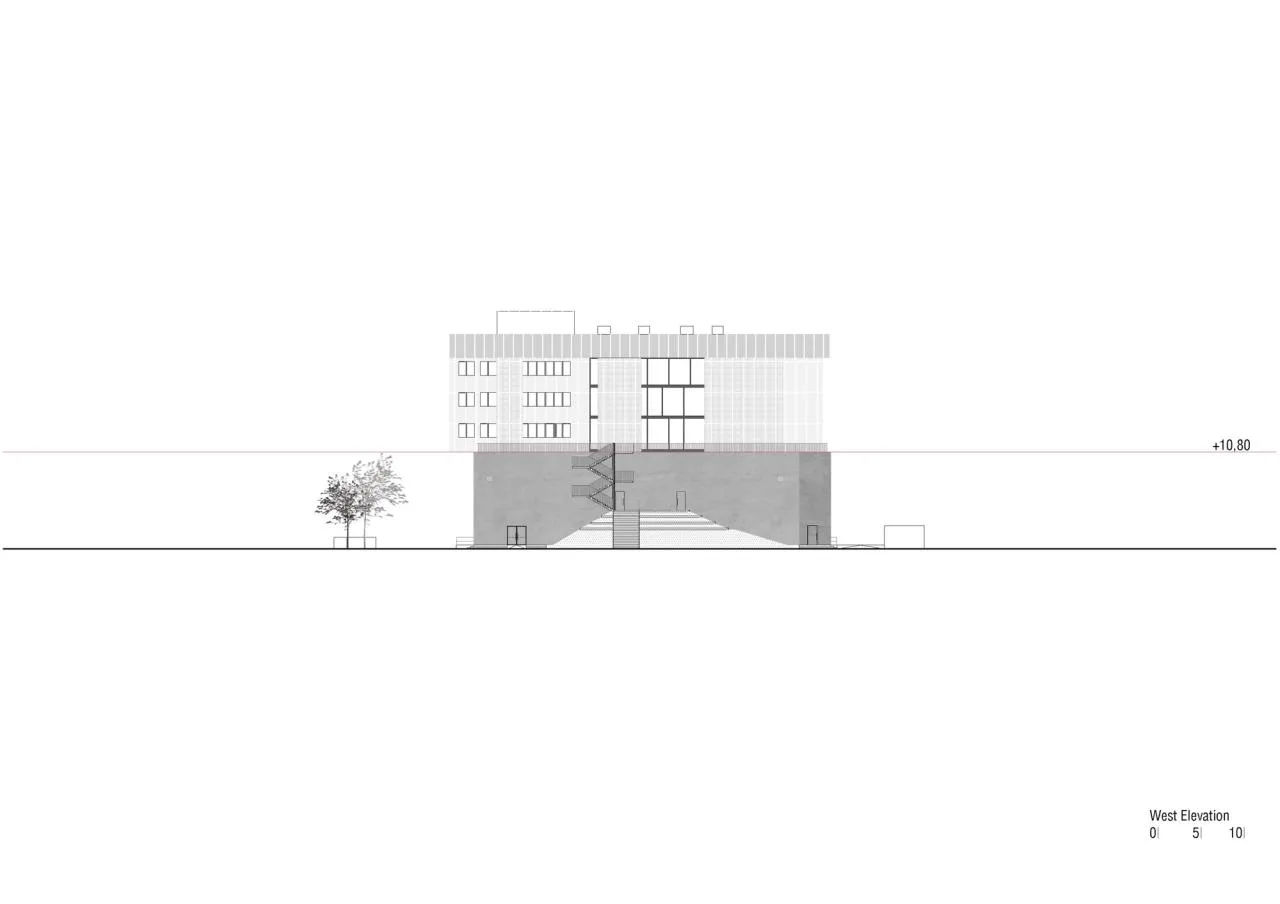
△ Elevation Drawing
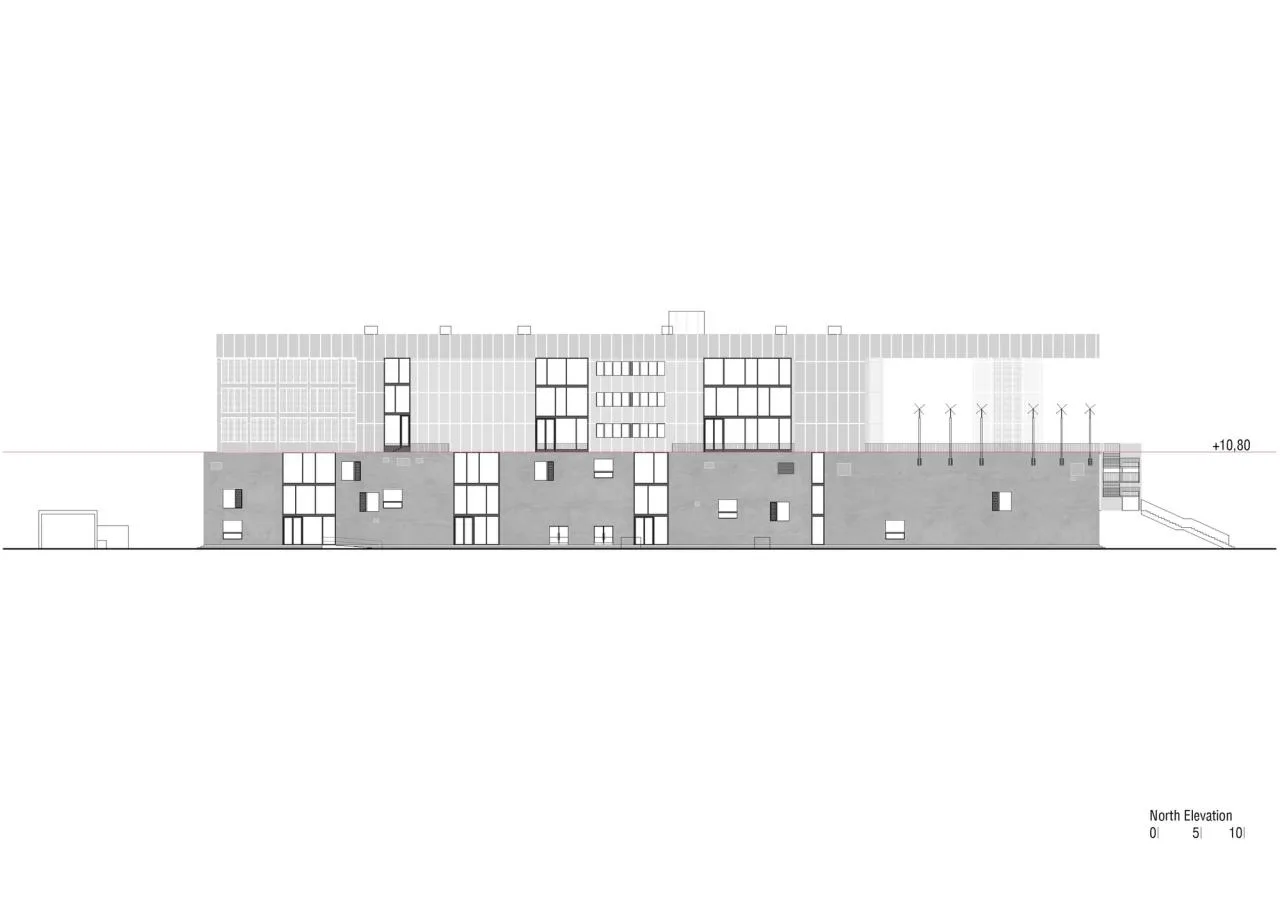
△ Elevation Drawing
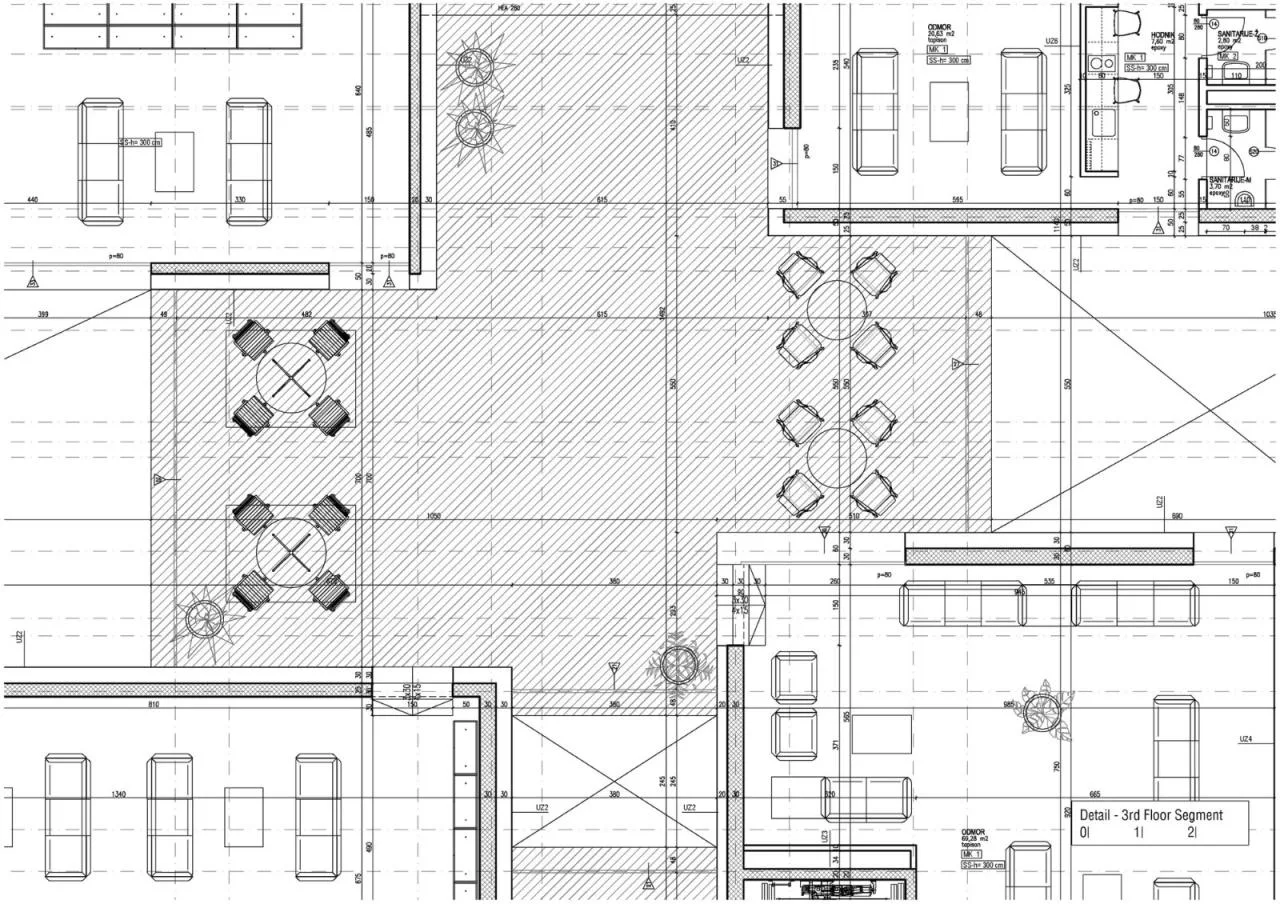
△ Detailed Drawing
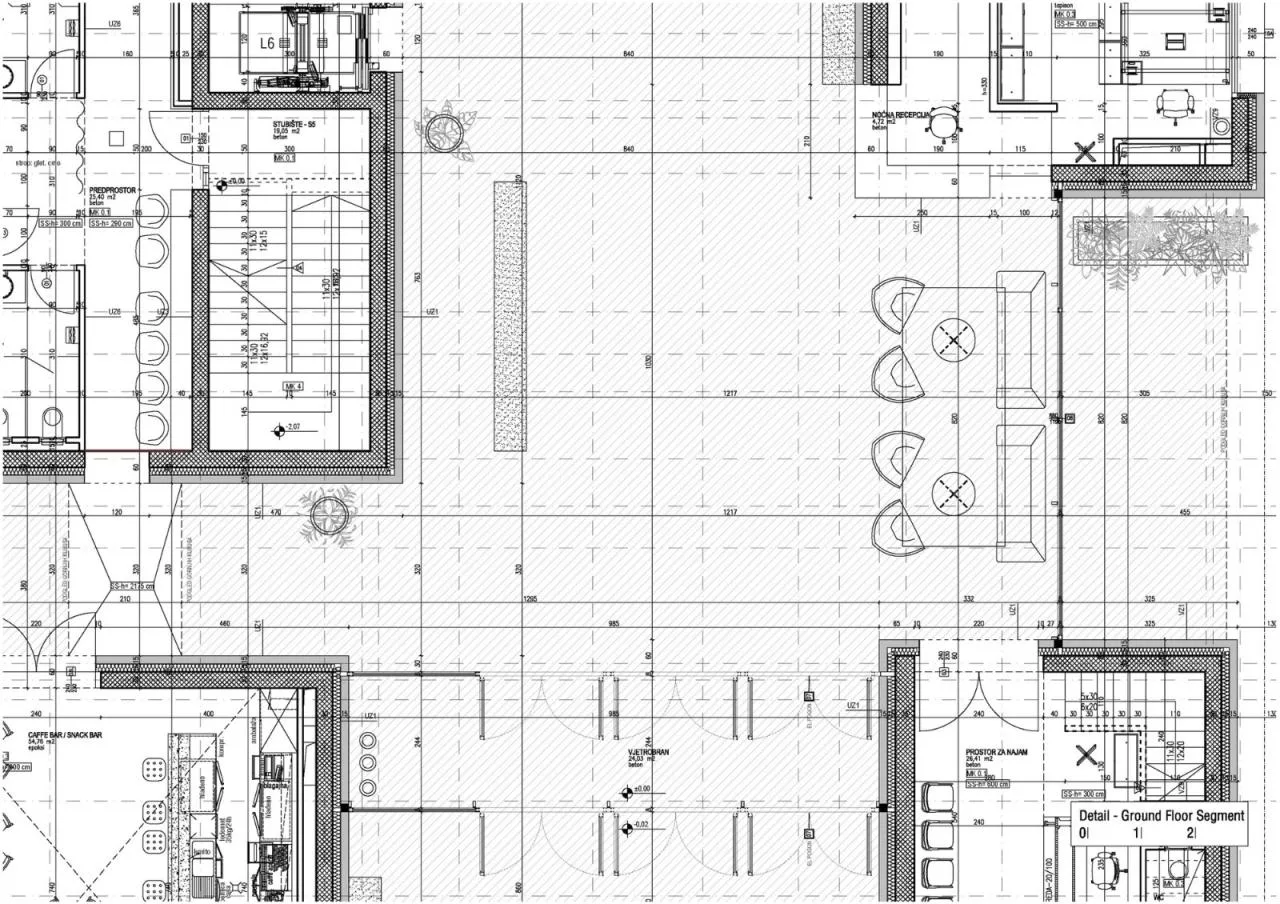
△ Detailed Drawing
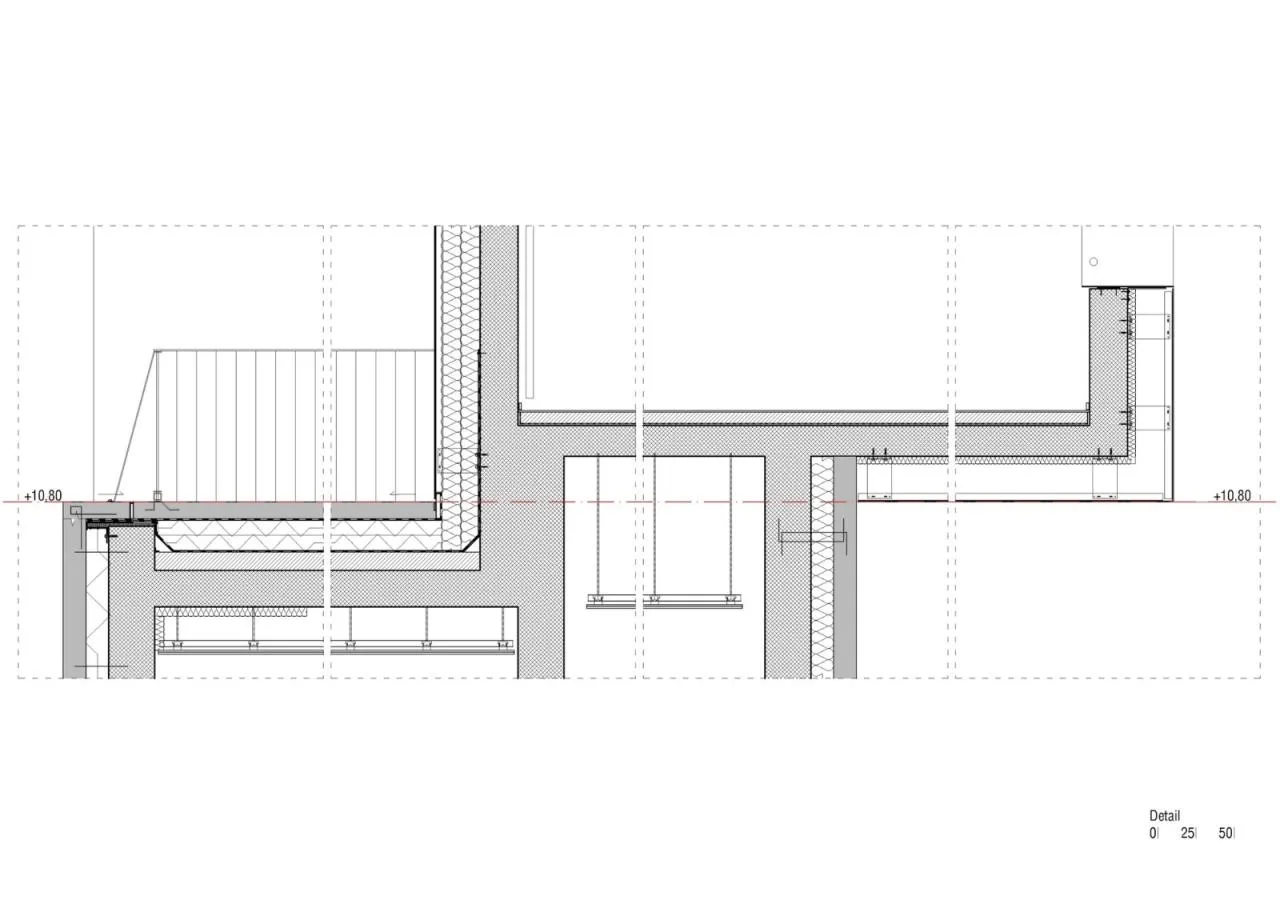
△ Detailed Drawing
Project Information
Architectural Design: SZA d.o.o
Area: 14,034 m²
Project Year: 2020
Photographer: Filip Beusan
Manufacturers: Schüco, ALPOLIC, Dorma, Gutta, HUECK, Jansen, Stöbich, Warema, Zumtobel, dormakaba
Lead Architect: Igor Franić
Partner: Simona Sović Štos
Location: Zagreb, Croatia














Must log in before commenting!
Sign Up