
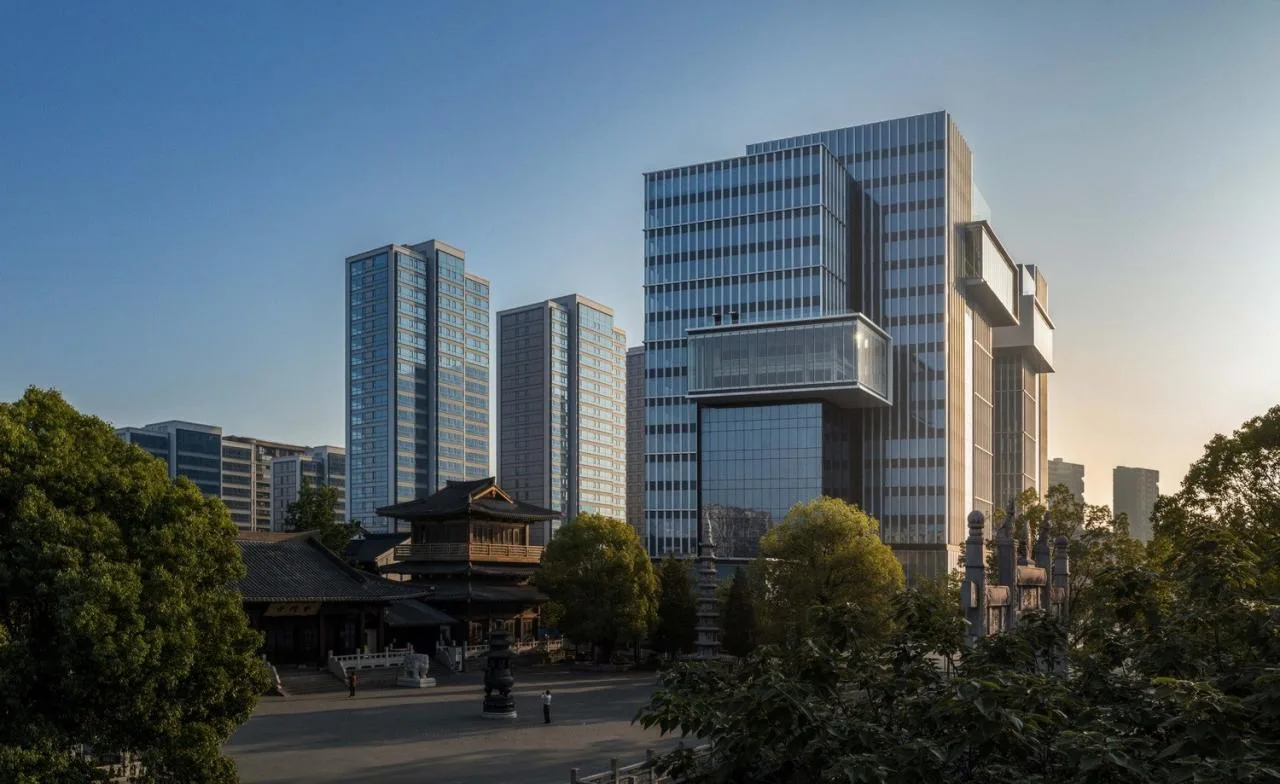
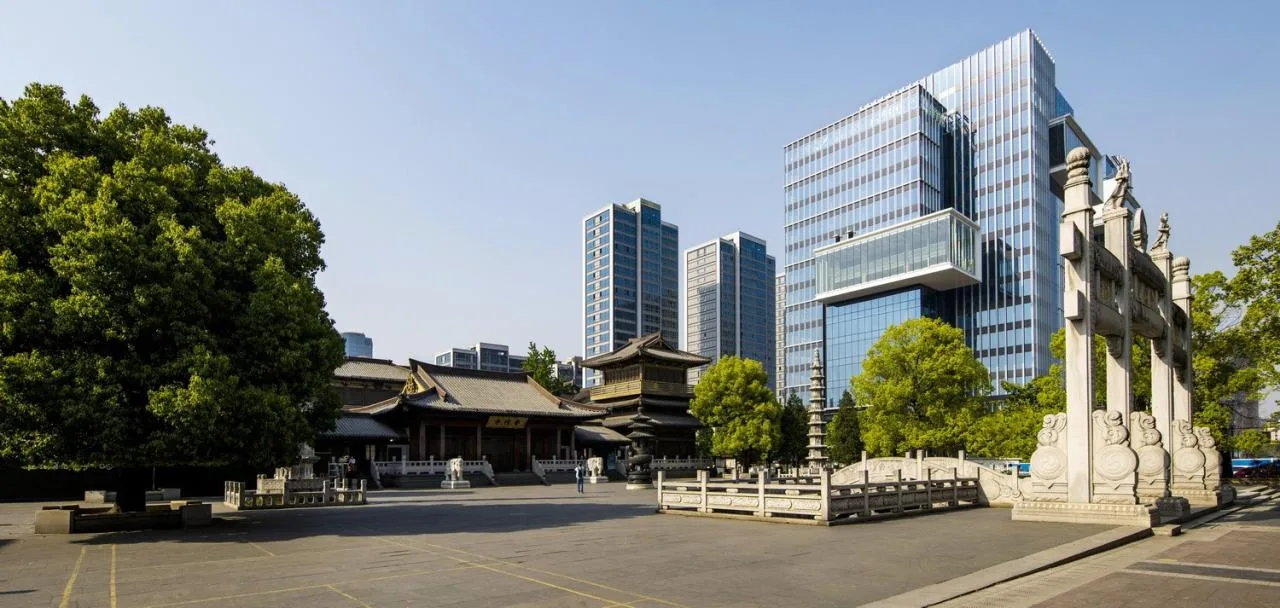
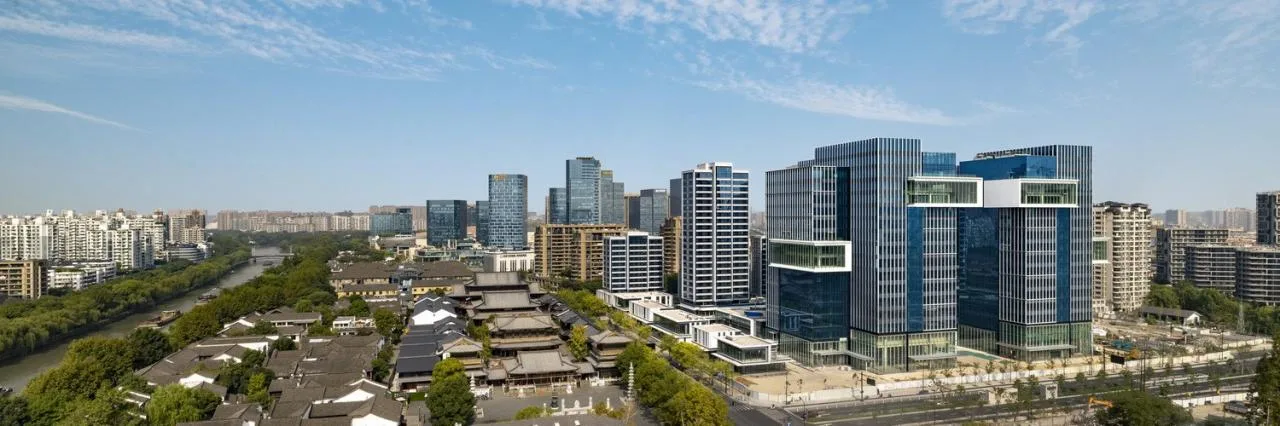
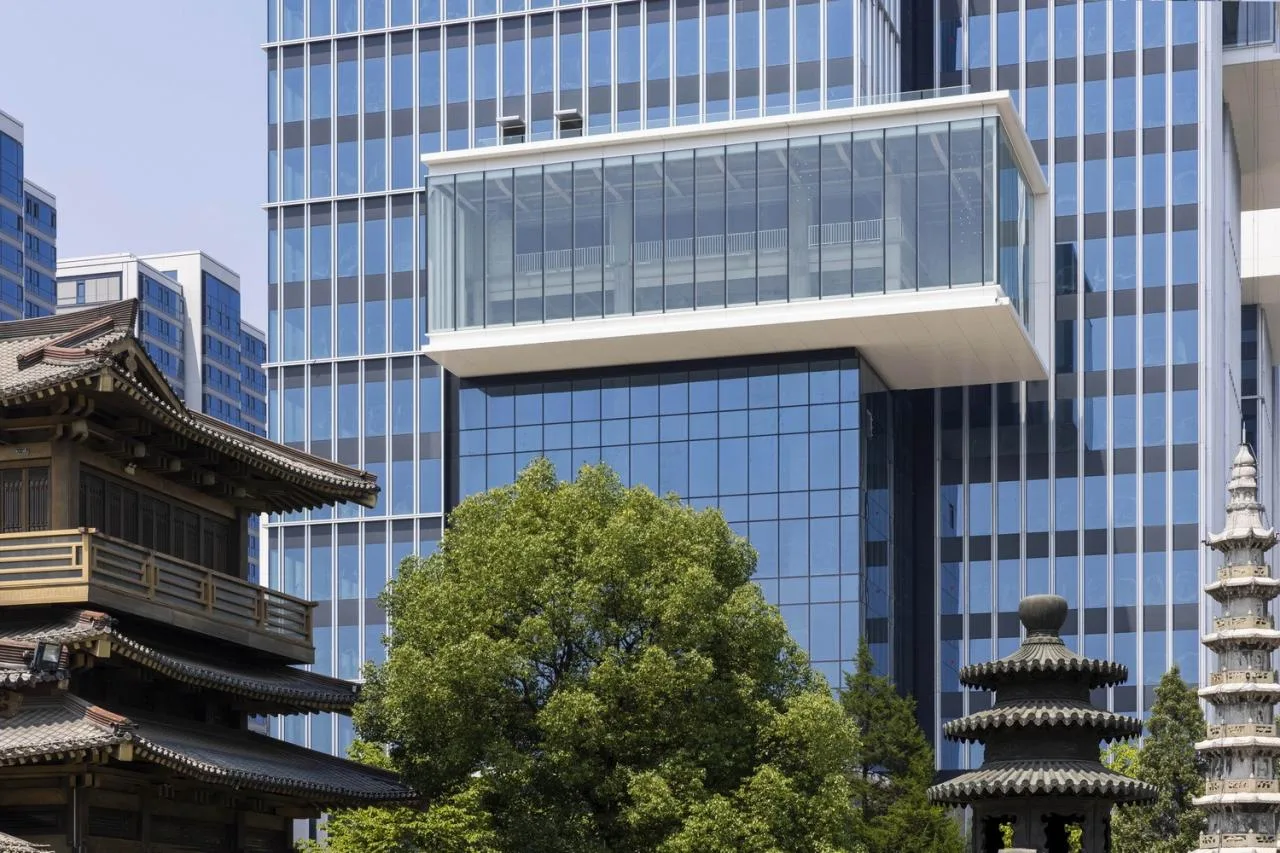
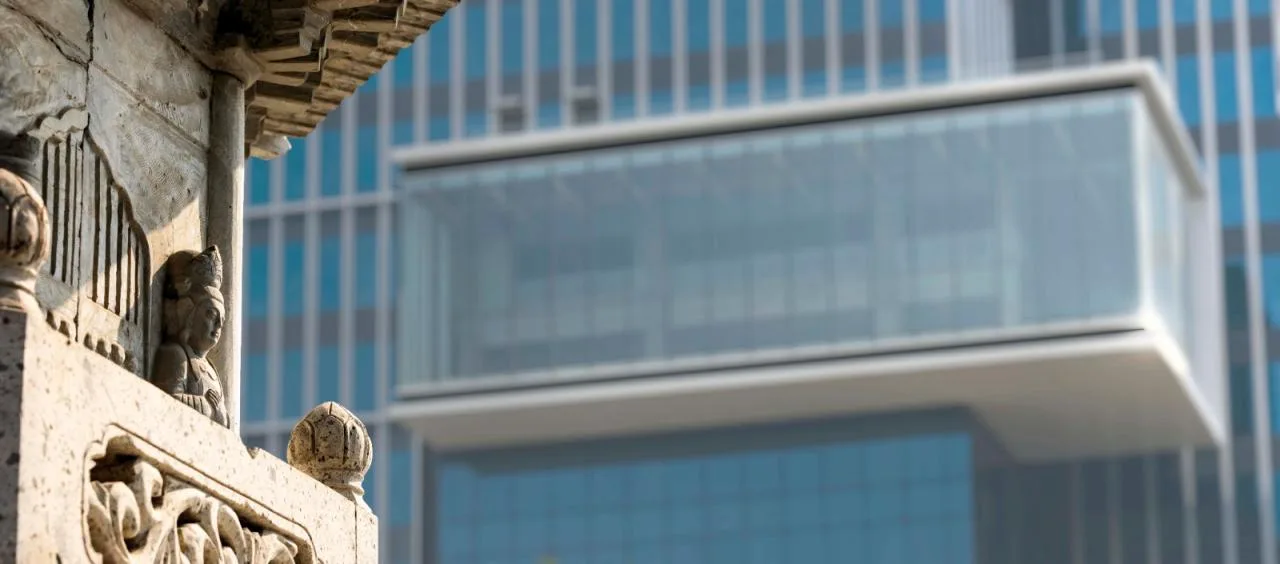
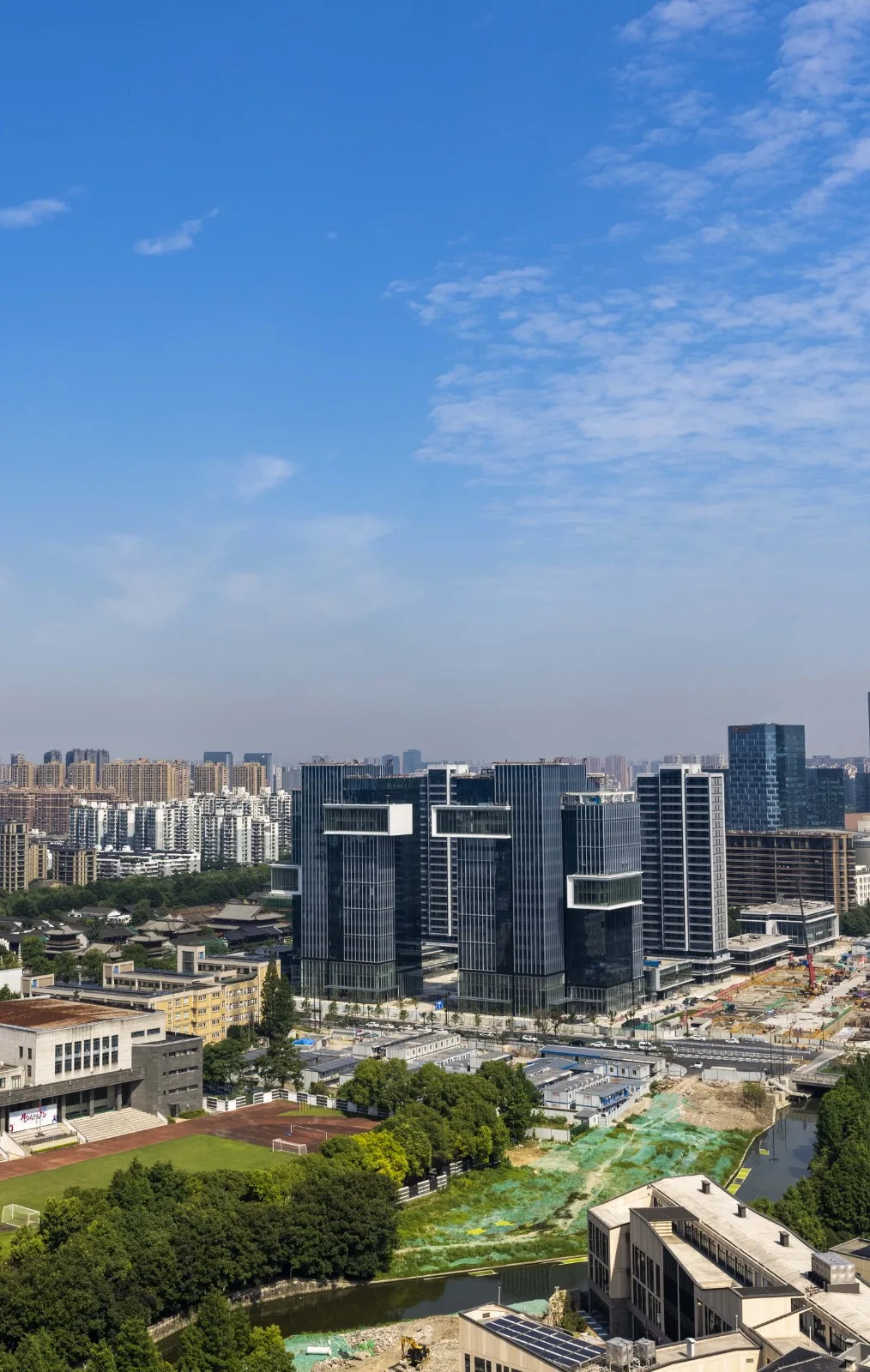
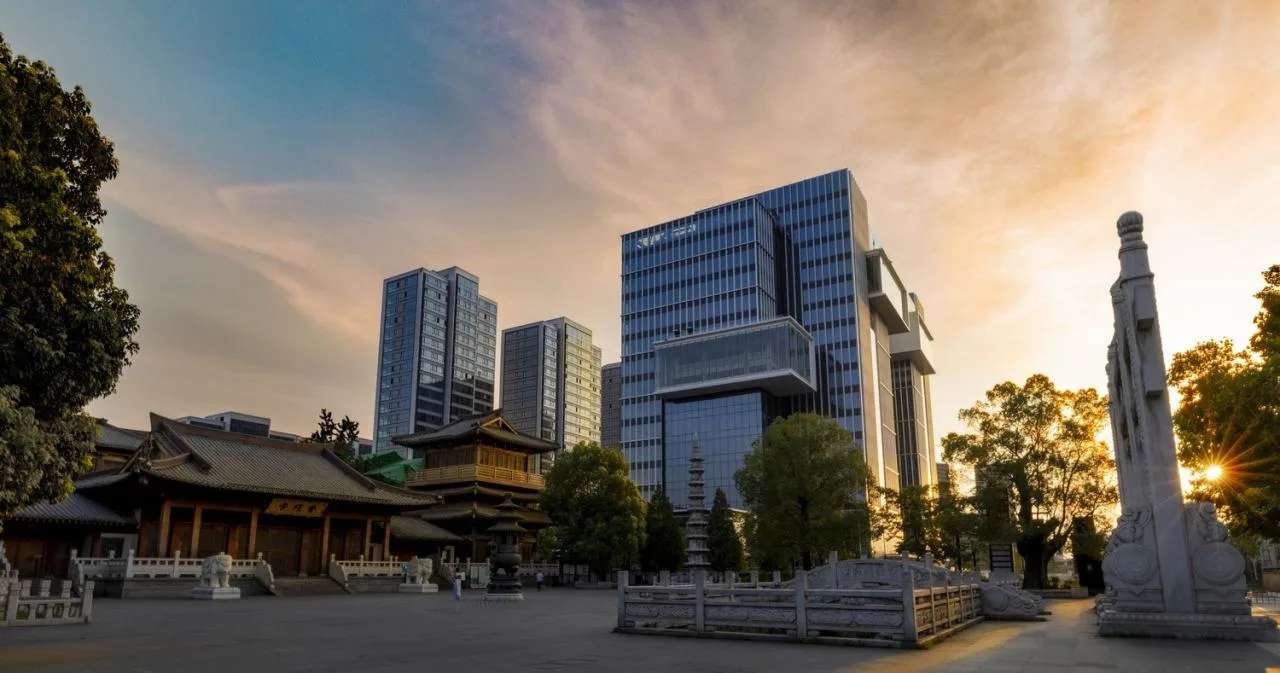
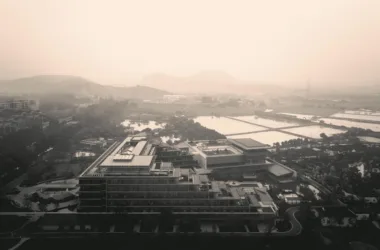
The Hangzhou Yinglan Center is situated along the banks of the Grand Canal, a UNESCO World Heritage Site, directly across from the millennium-old Xiangji Temple.
Inspired by the concept of “Achieving Temples,” ARQ Architecture Firm uses Gongrang Temple as the design foundation. They reinterpret the spatial layout of traditional Chinese architecture through modern techniques, seamlessly integrating a contemporary architectural complex into the rich historical, cultural, and natural surroundings, complementing the ancient temples.
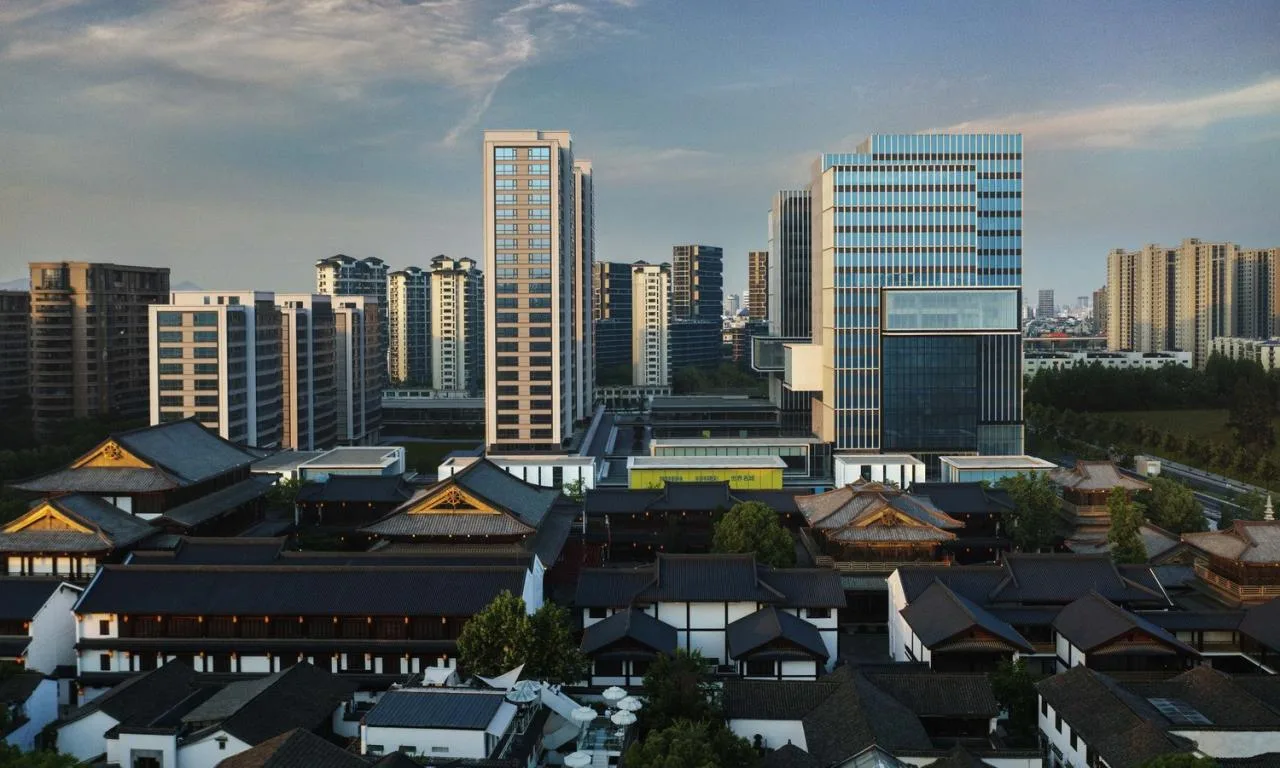
Building upon the principles of “respect and courtesy” and “honoring the past while embracing the new,” ARQ Architectural Affairs crafted a unified and coherent design language. The result is a series of pure, minimalist, and visually striking buildings that give the Yinglan Center a modern, fashionable urban identity, fostering a vibrant and dynamic internal community, and creating a powerful modern urban complex.
This project is both a preservation effort and an exploration of how new architectural developments can coexist harmoniously with historic urban environments. It protects the region’s cultural heritage and natural ecology, while fostering a meaningful dialogue between tradition and the future.
1. Respect and Yield: Proactively Conceding 30 Meters
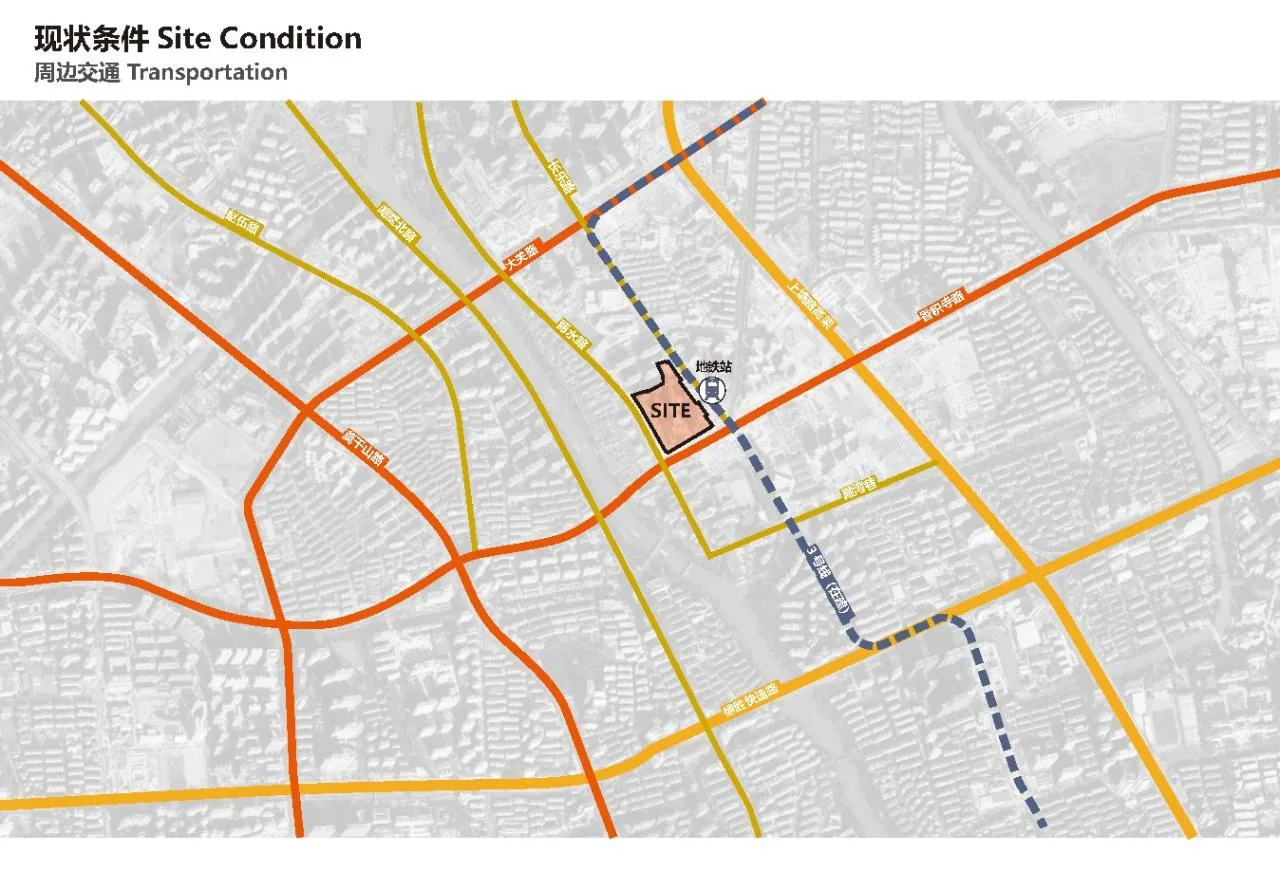
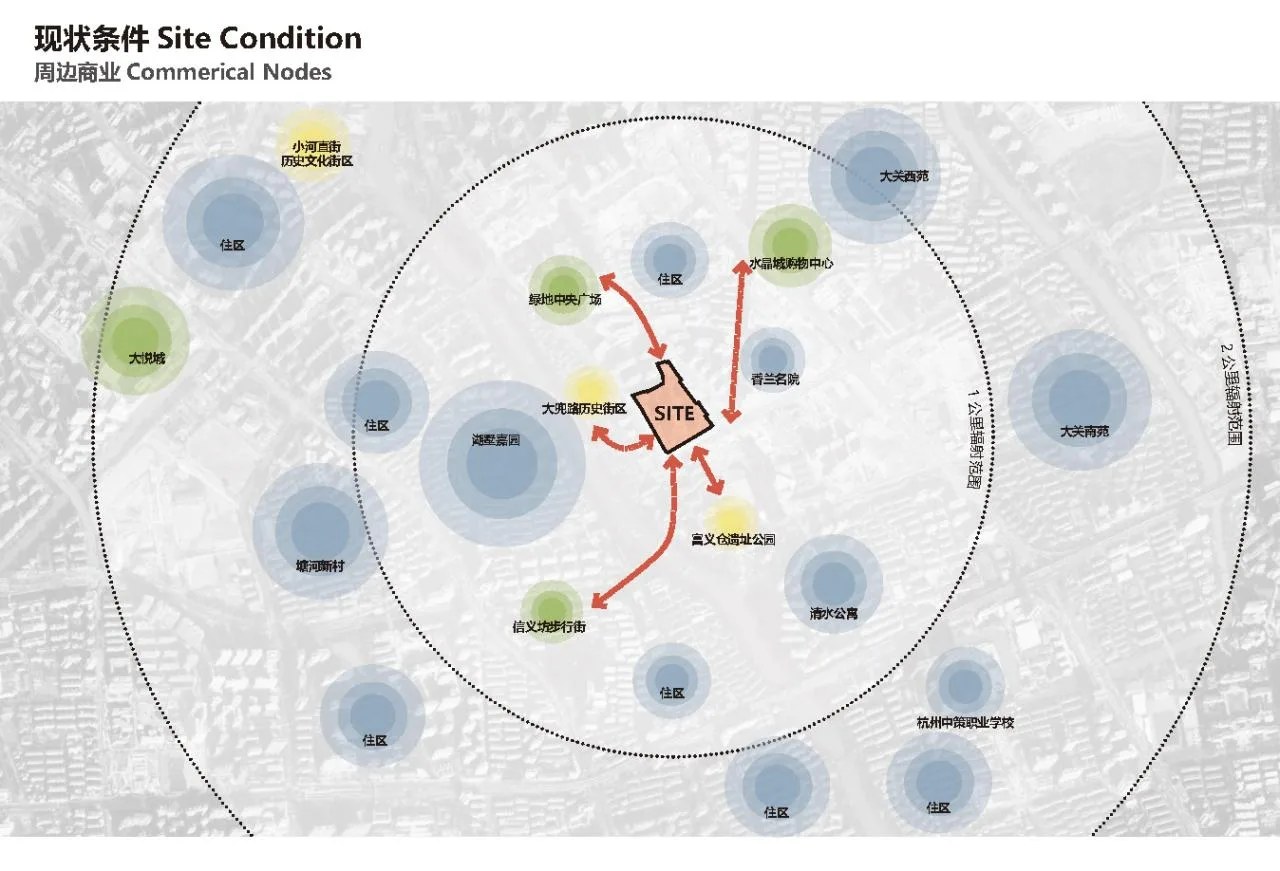
The Yinglan Center sits not only beside the Dayun River and near Xiangji Temple but is also surrounded by historical landmarks such as Fuyi Warehouse, Jiangzhang Bridge, Qianlong Square, and the Dadou Road Historical and Cultural Block.
The project is separated from Xiangji Temple by just a 24-meter-wide Lishui Road.
While the historic temple stands at only 14.69 meters, the new complex was initially planned to reach 80 meters. Building such a tall complex adjacent to the temple would have caused irreversible pressure on Xiangji Temple and its surroundings. Therefore, the British Blue Group chose to “achieve the temple” by voluntarily retreating the building footprint by 30 meters.
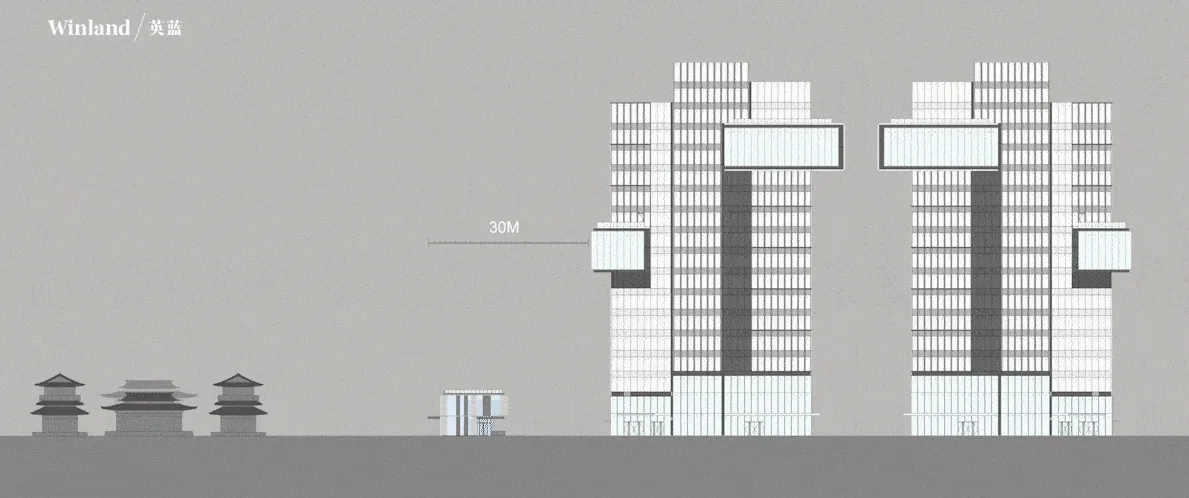
△ Proactive 30-meter setback © Yinglan Group
To fully respect the historical context and natural environment, the design retreats the high-rise volume 30 meters from the land boundary, respectfully yielding to Xiangji Temple. This minimizes the visual and physical impact of the new buildings, preserving the temple’s skyline and maintaining harmony with the historic cultural block along the canal.
Key design considerations include:
- Providing breathing space between the temple, the project, and the urban environment by creating a 9-meter-high building complex similar in scale to the temple’s wing rooms along Lishui Road. This human-scale contrast fosters a harmonious neighborhood relationship between ancient and modern architecture.
- Addressing the challenge of retreating 30 meters, which reduces available space and limits building height to 9 meters in the originally planned 80-meter zone. This calls for careful planning of building density, scale, circulation, and spatial relationships to maximize efficiency without sacrificing plot ratio.
- Designing the transition from high-rise clusters to low-rise buildings and temple structures, gradually stepping down in scale towards the street. A 9-meter-high cluster forms the Gallery Street, introducing art, culture, and contemporary trends, creating a dialogue between traditional and modern cultures on either side of the street.
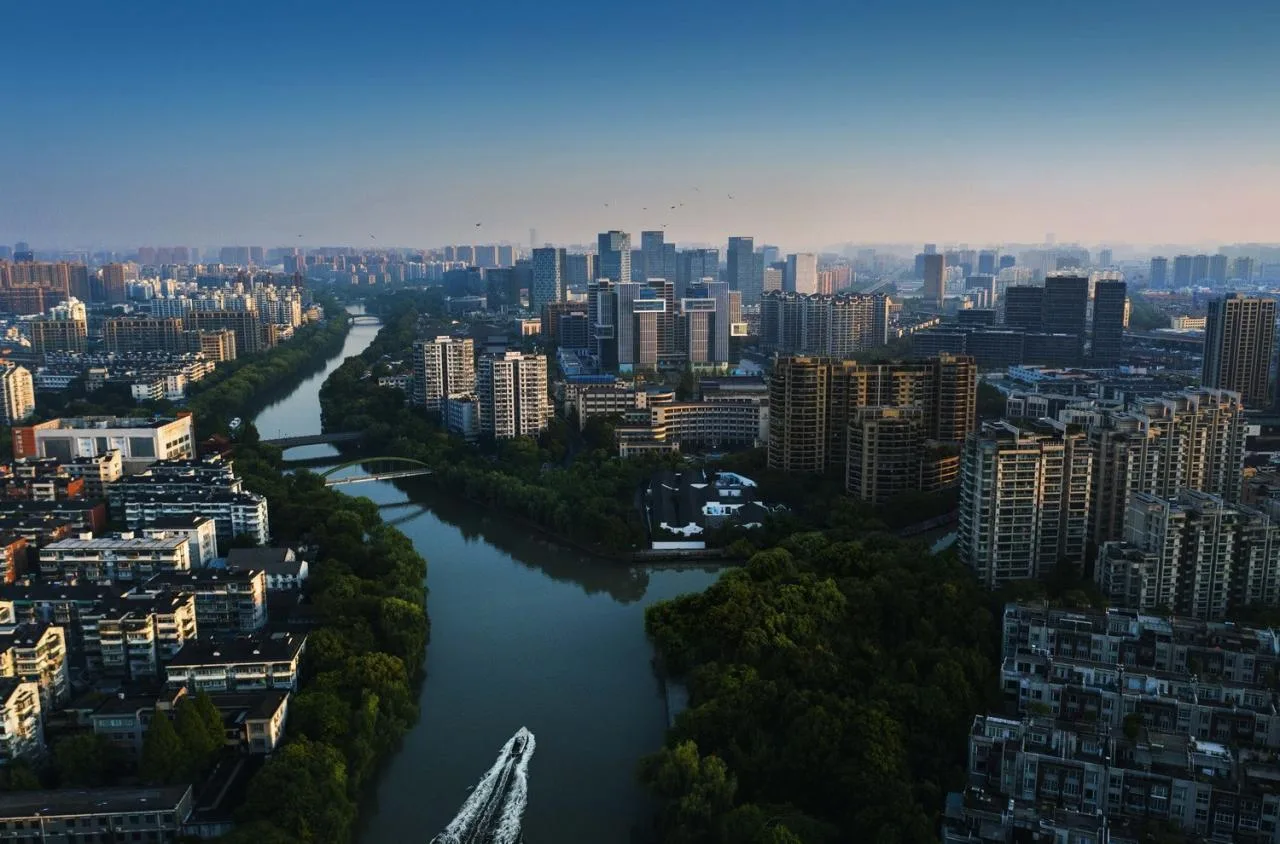
The English Blue Center along the Grand Canal © Yinglan Group
2. Modern Interpretation of Traditional Spaces: Honoring the Past, Embracing the New
Building on the 30-meter setback, ARQ Architecture Firm drew inspiration from the traditional Chinese three-courtyard spatial layout. They incorporated the symmetrical arrangement of Xiangji Temple and the fabric of the Dadou Road historic district, establishing an axis that connects past and present while anchoring the site with public space.
From Beijing to Hangzhou, iconic buildings along the canal, such as the Forbidden City’s three main halls and Xiangji Temple’s three courtyards, share this spatial organization—a clear symbol of traditional Chinese architectural culture.
This concept was integrated into the Yinglan Center’s overall plan.
ARQ set five axes (“two vertical and three horizontal”) as the main circulation routes through the site, and created “three courtyards” along the north-south main axis, setting a cultural backdrop for the entire project.
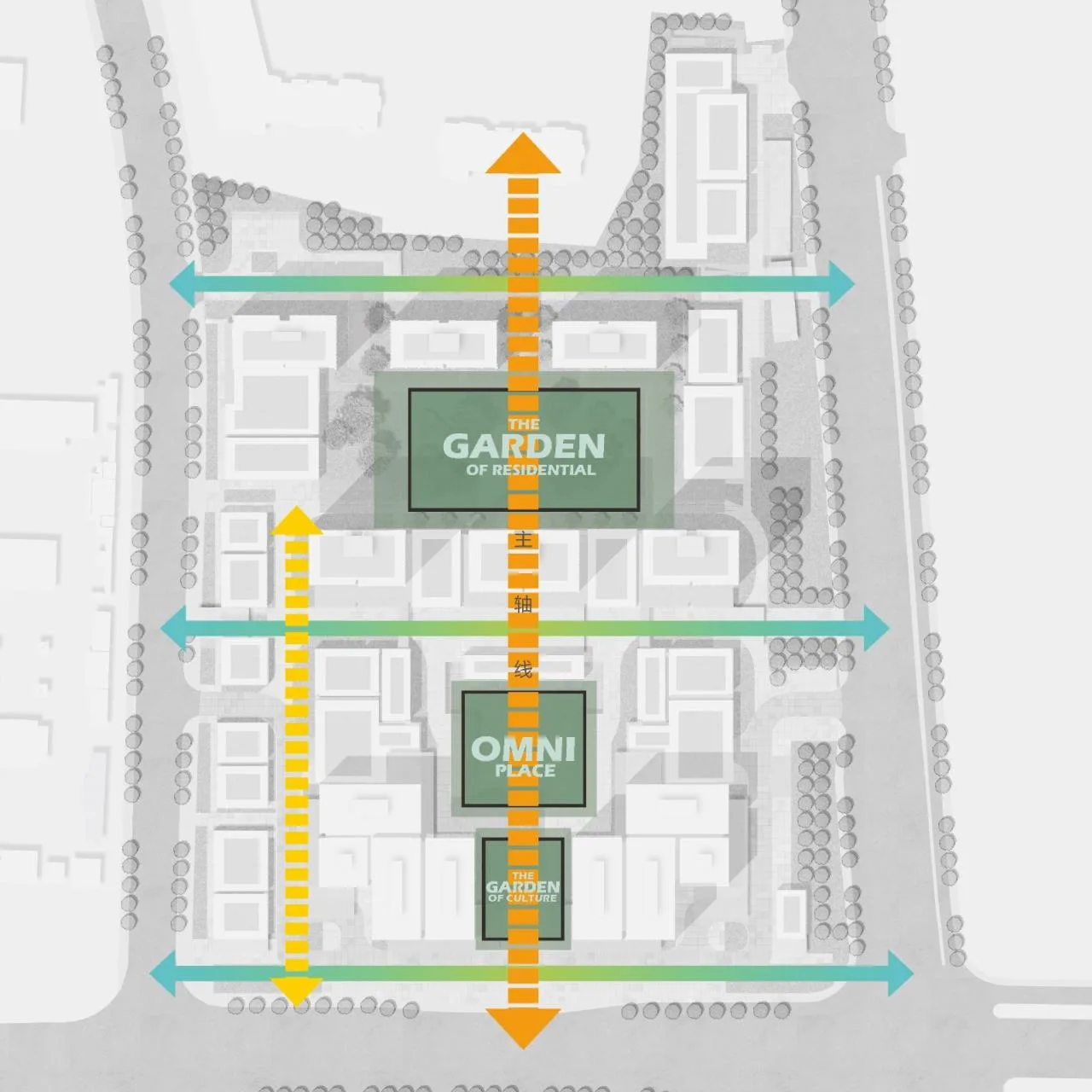
△ Project Analysis Diagram © ARQ Architecture Firm
The main north-south axis transitions from public urban space to outward-facing cultural and commercial areas, then inward to residential spaces, creating a layered spatial experience.
Adjacent to Gallery Street, the north-south axis connects the main building complex to smaller gallery buildings near Xiangji Temple.
The three east-west axes connect different functional zones, efficiently guiding pedestrian flow.
The southern flow line serves as the main pedestrian route toward the crowd at Xiangji Temple. The central flow line facilitates commercial foot traffic, connecting the commercial square, sunken plaza, basement, and subway. The northern flow line leads into the residential area, linking subway and bus stations to the east, passing through the Dadou Road cultural district to the west, and ultimately reaching the Beijing-Hangzhou Grand Canal.
Along the primary site axis, three themed squares progress from south to north, forming vertically connected spaces. Surrounding buildings of varying heights create a modern interpretation of traditional courtyard relationships.
Each courtyard serves distinct functions—cultural offices, leisure businesses, and upscale residential living from south to north—mirroring the transition from public to private spaces typical in traditional Chinese architecture. These courtyards act as vital gathering points, bringing life and energy to the neighborhood.
The design also reserves additional land for cultural and artistic uses, creating multidimensional public open spaces that benefit both citizens and the wider community. The block is envisioned as an open urban hub and a gathering place for contemporary art and lifestyle.
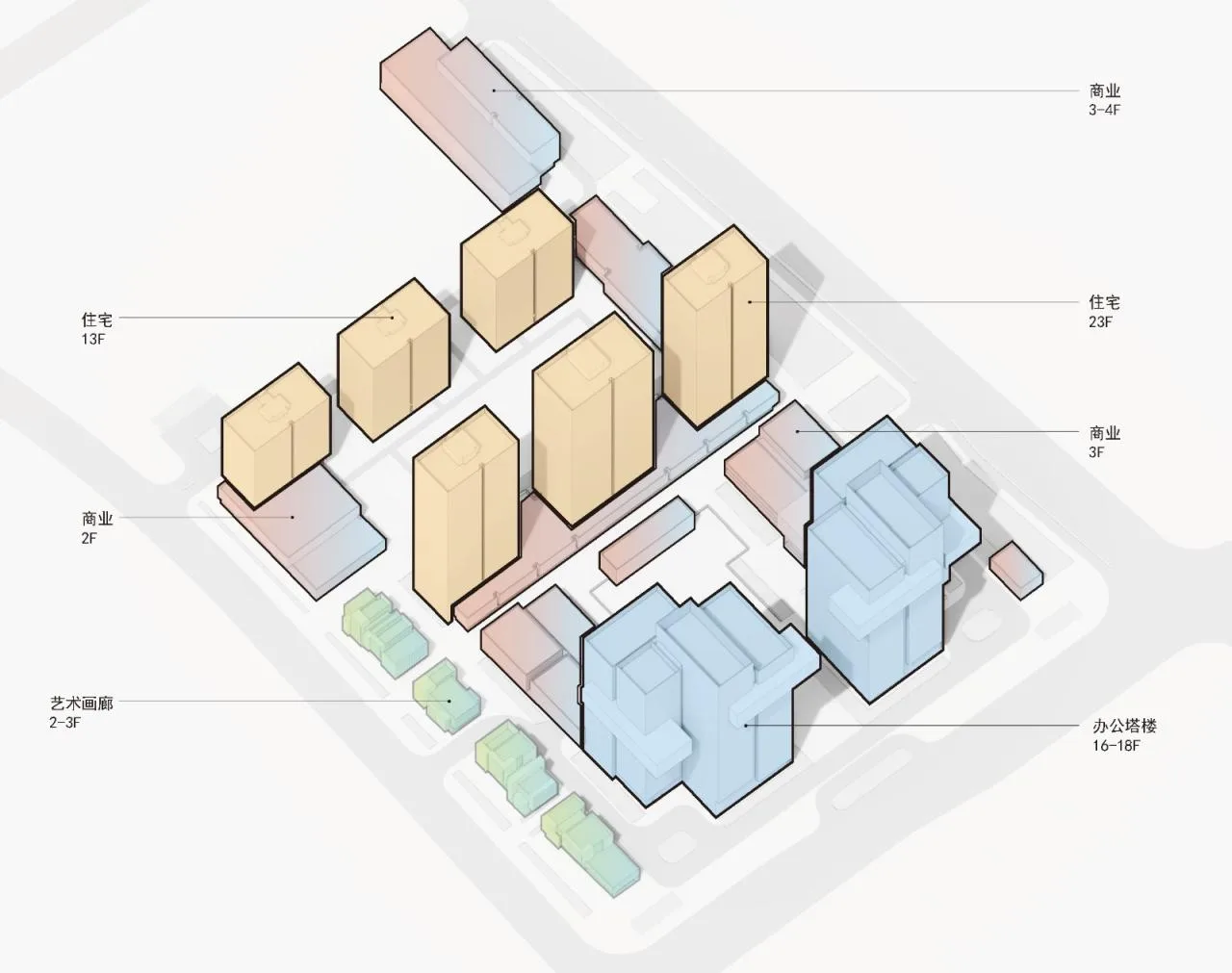
△ Functional distribution of the Yinglan Center © ARQ Architecture Firm
3. Architectural Design: Fostering Urban Vitality
The master plan establishes the Yinglan Center as both a vibrant internal community and a modern urban complex radiating energy into the city.
ARQ Architecture Firm developed a unified design language, creating a series of clean, minimalist buildings with dynamic light and shadow interplay, endowing the center with a modern and stylish urban vitality.
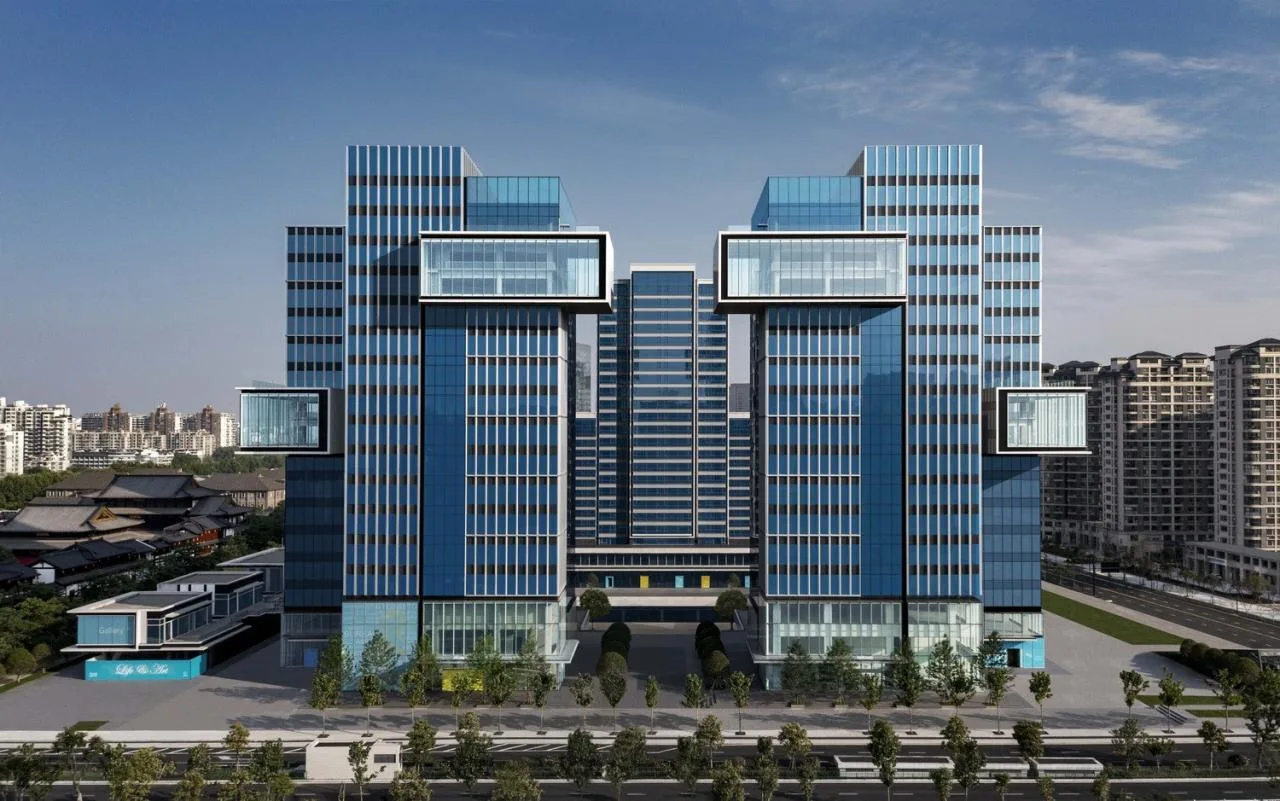
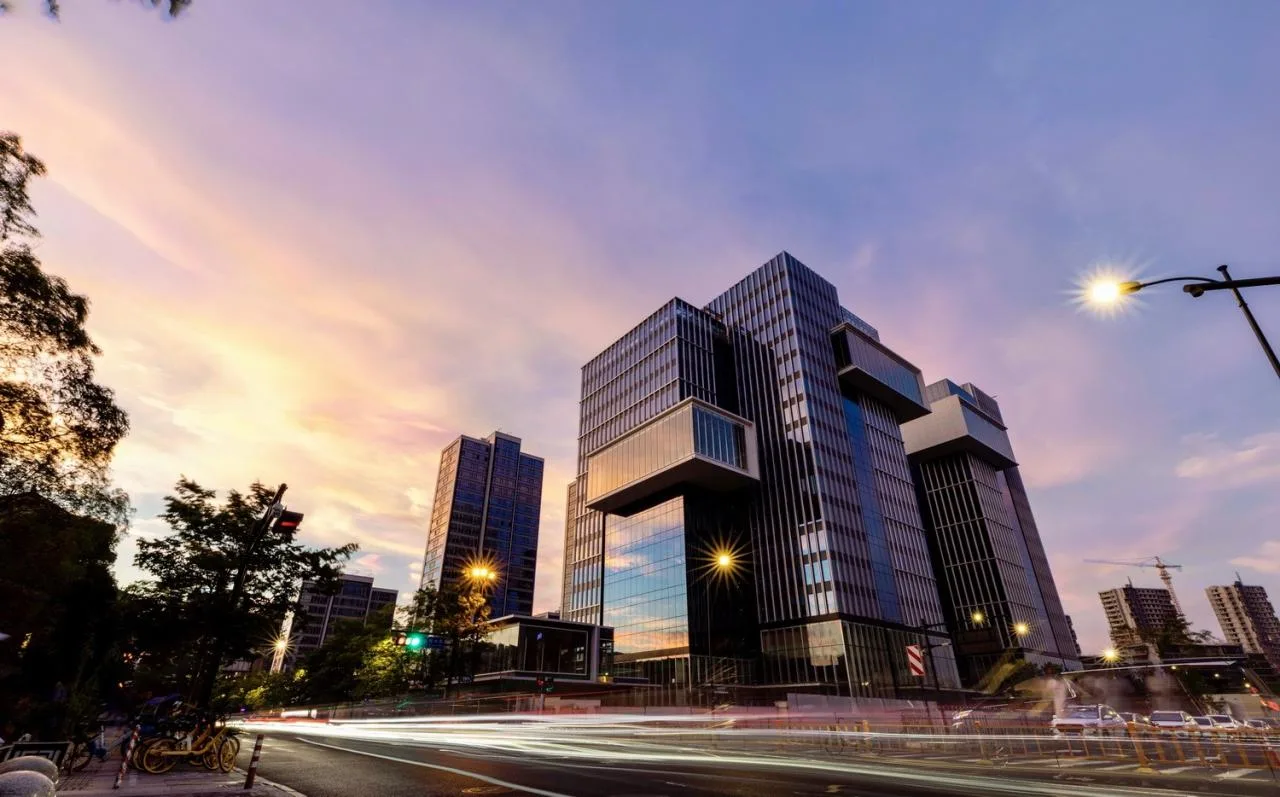
△ Office Tower © Yinglan Group
Office Towers
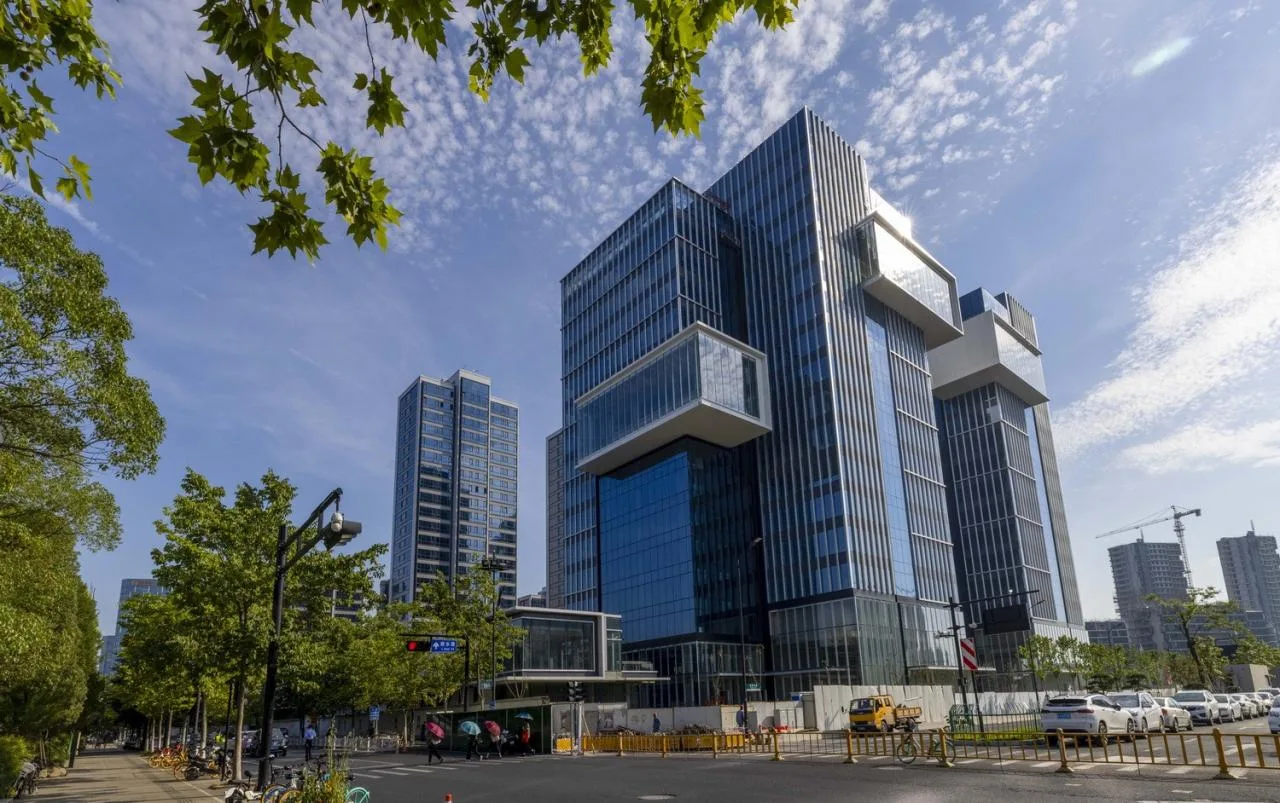
The project’s office spaces are concentrated in two towers located on the east and west sides. The architectural and spatial design aims to foster a new economy characterized by freedom, flexibility, and innovation.
Leveraging views of Xiangji Temple and the canal, the towers use horizontal and vertical design techniques to reduce the perceived mass and width, minimizing the impact on the surrounding environment, especially the temple. This ensures the new architecture complements both Xiangji Temple and the adjacent pedestrian street.
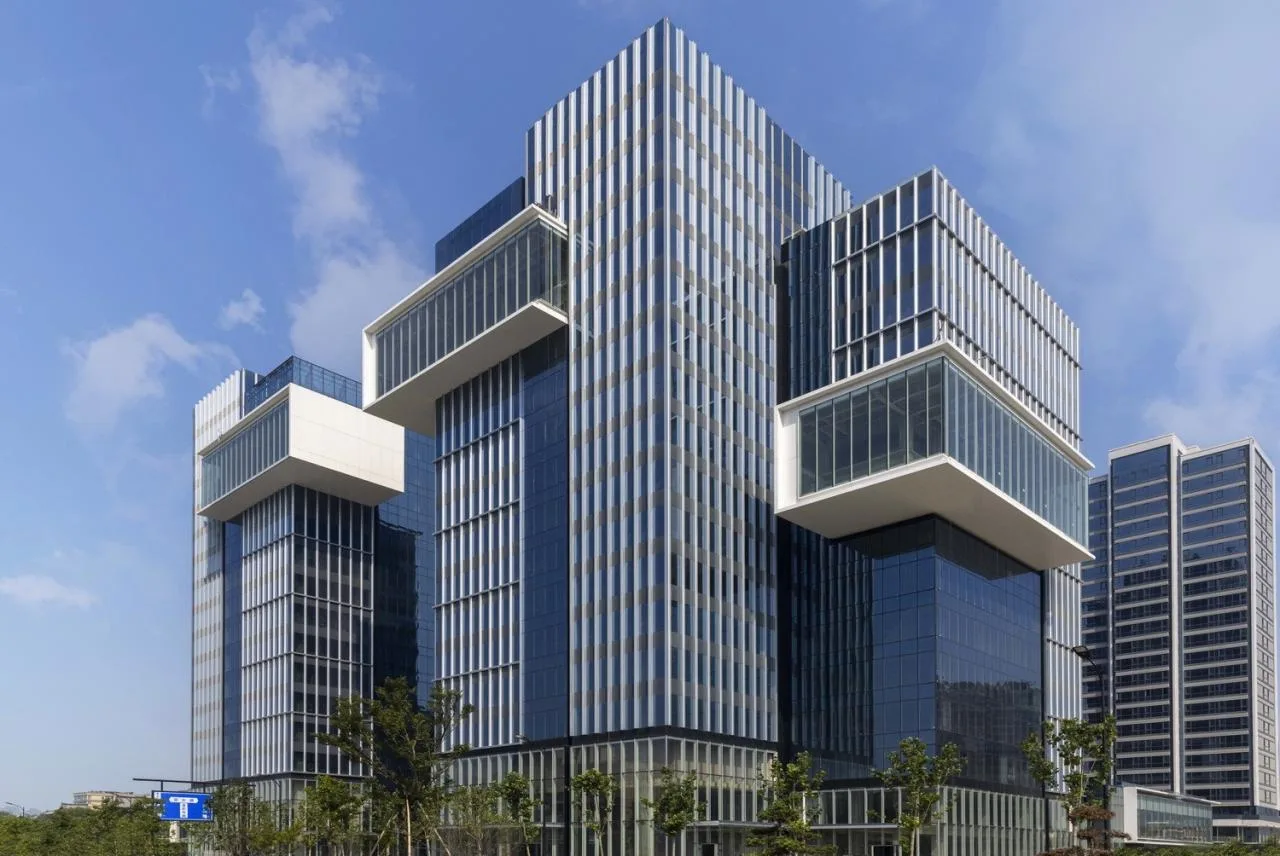
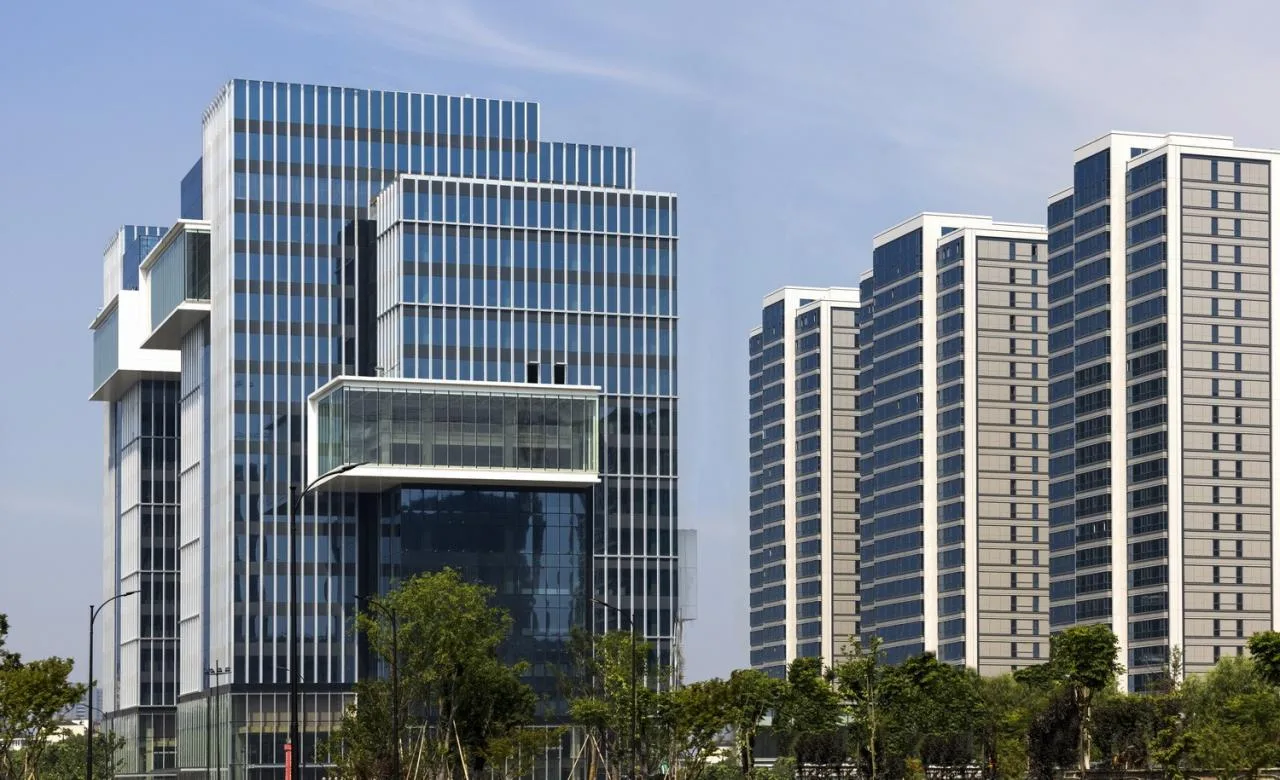
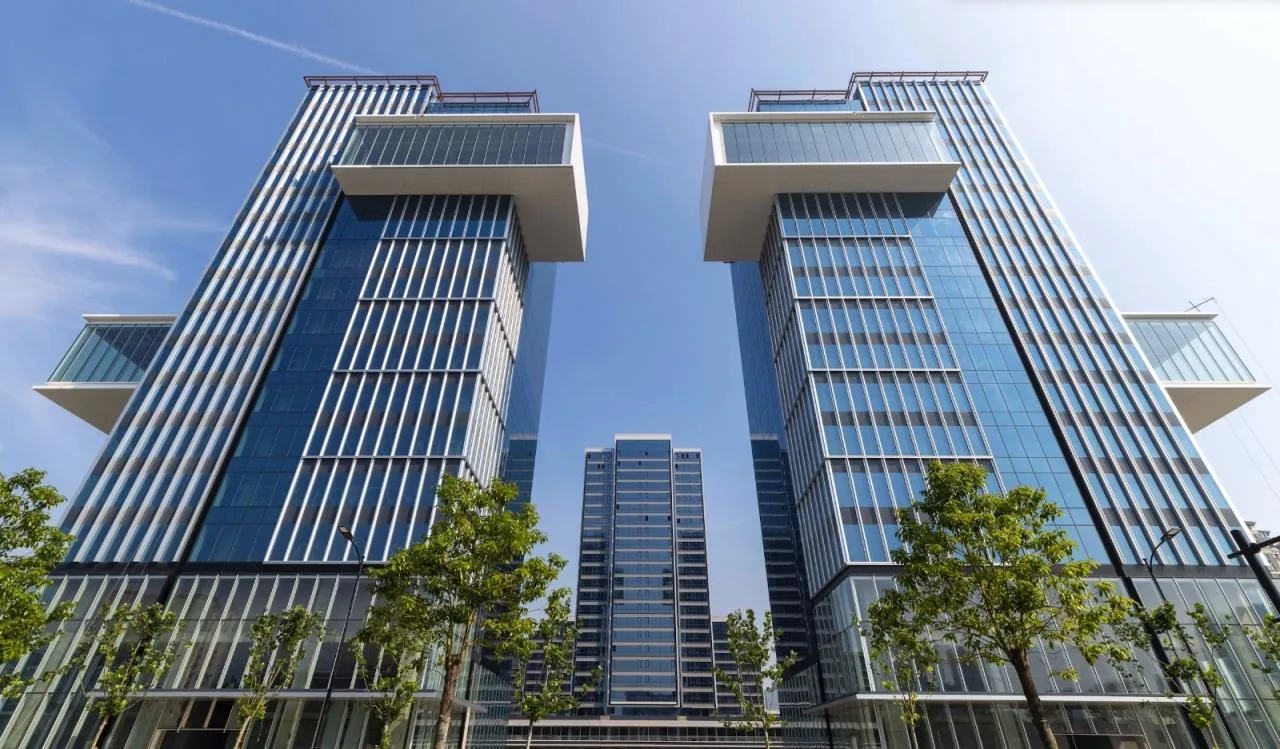
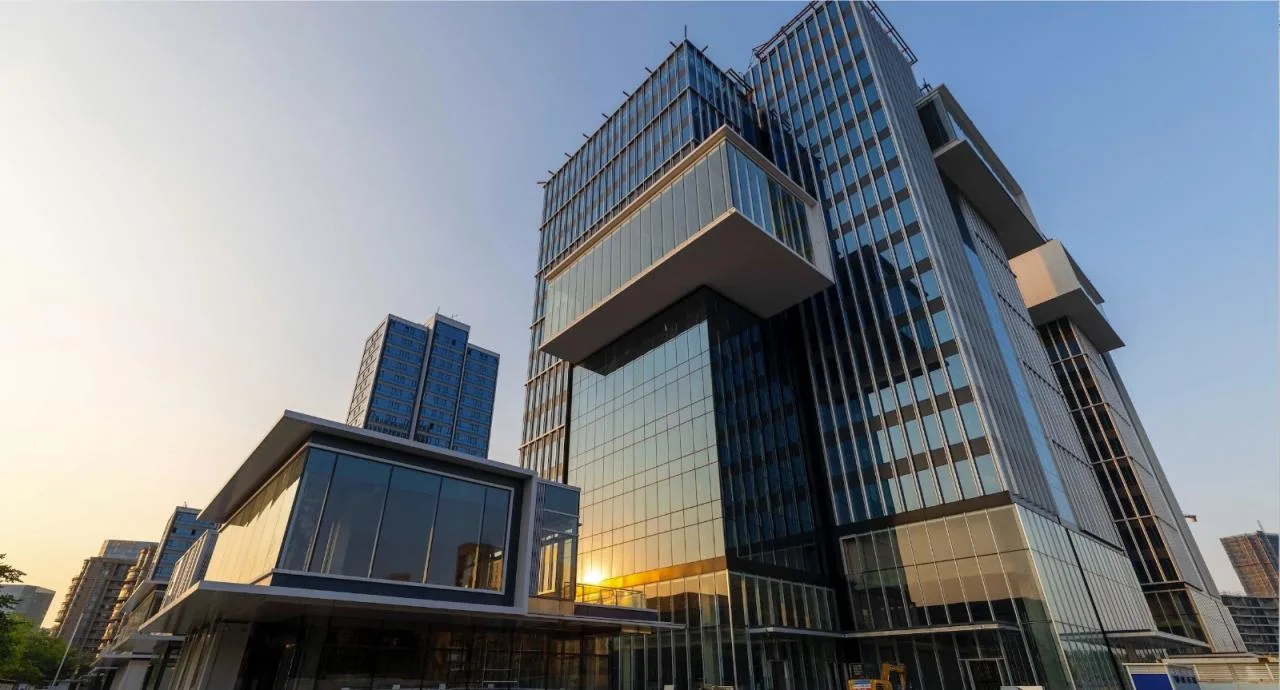
Each office tower is composed of seven volumes. Four tower volumes merge and overlap on the plan, combining with an efficient core to create flexible, staggered spaces vertically, resulting in a distinctive facade.
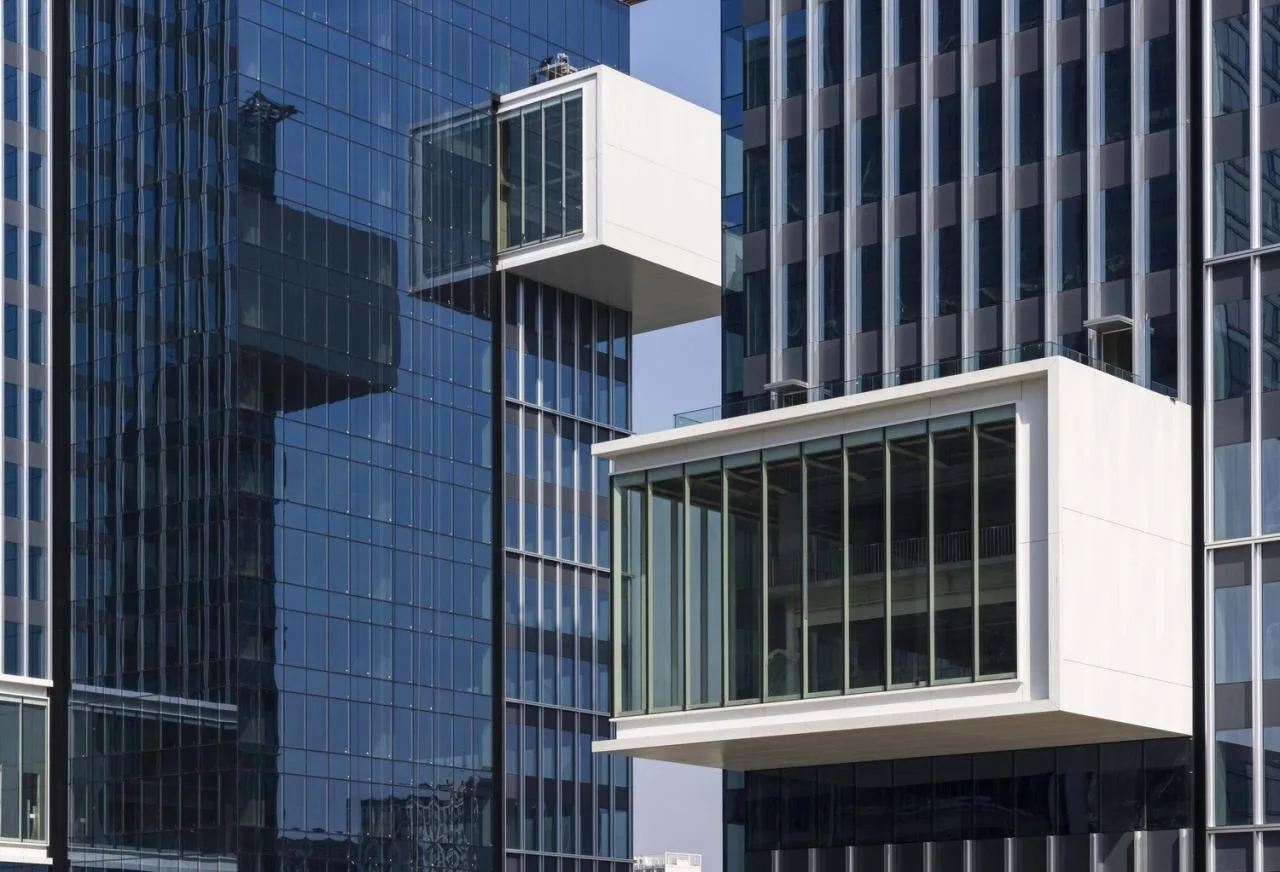
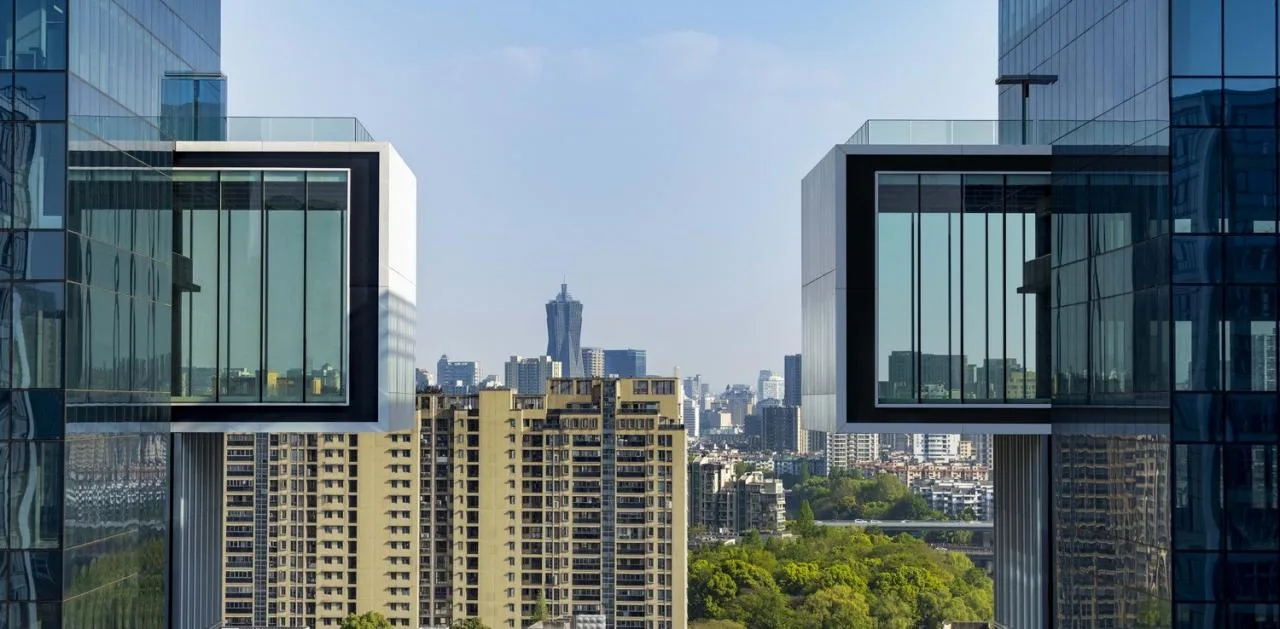
Three transparent glass boxes are suspended above the towers, breaking the main building boundaries and creating unique interior spaces. These elevated spaces offer occupants impressive views of the Grand Canal and the vibrant cityscape below.
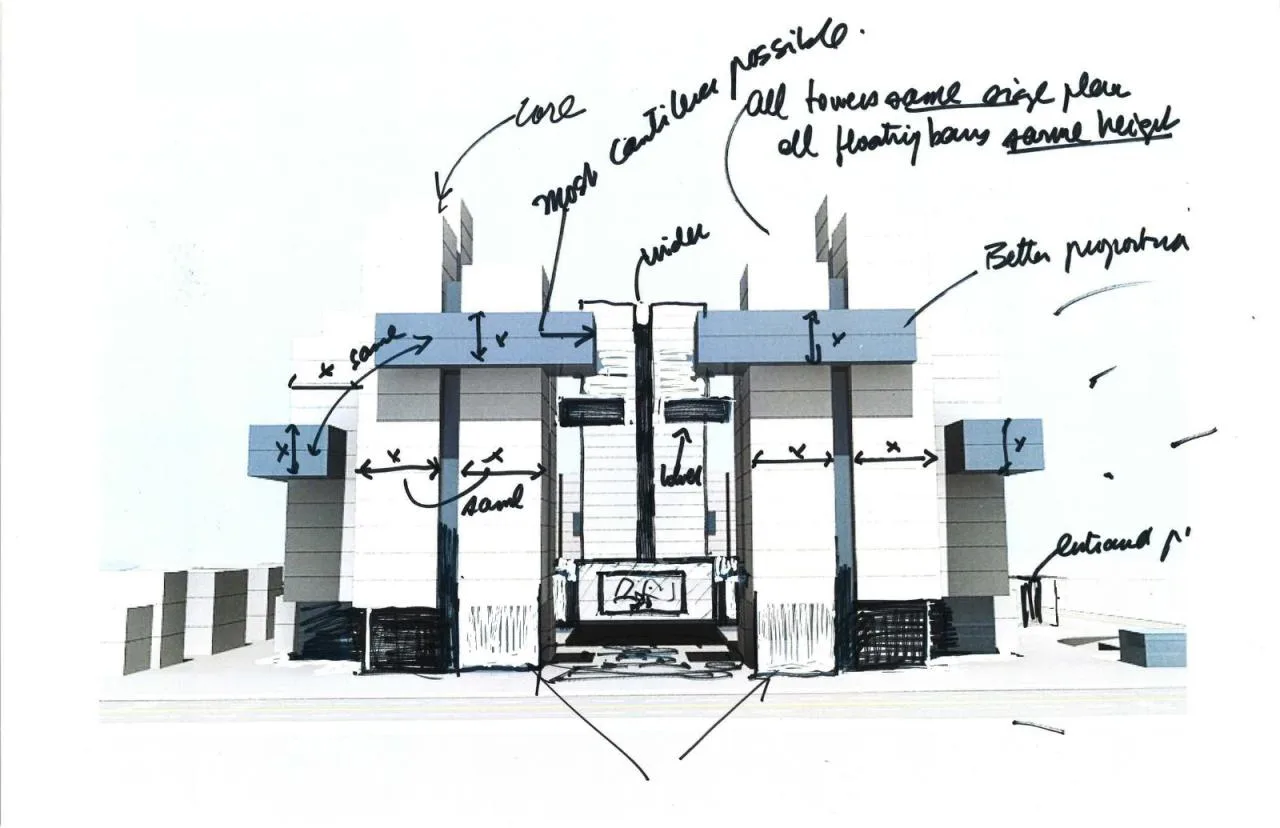
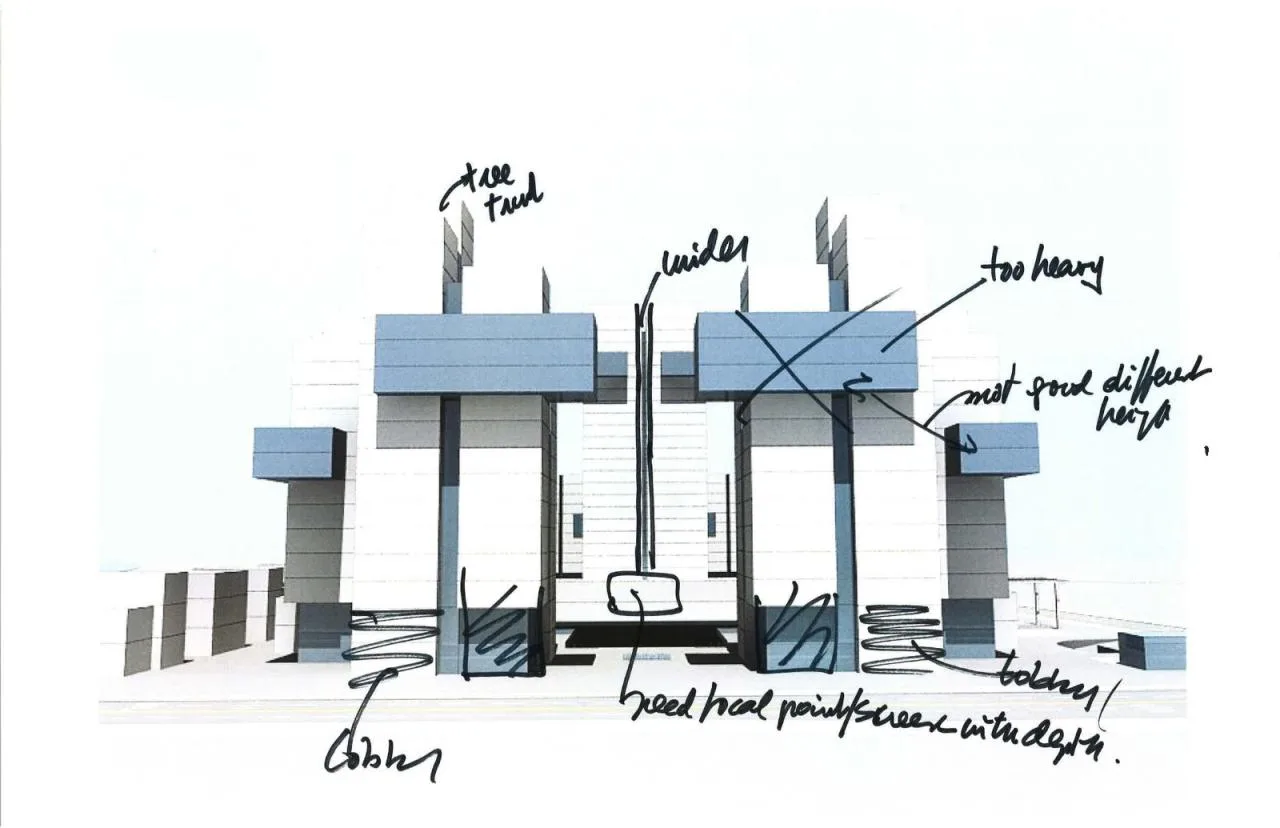
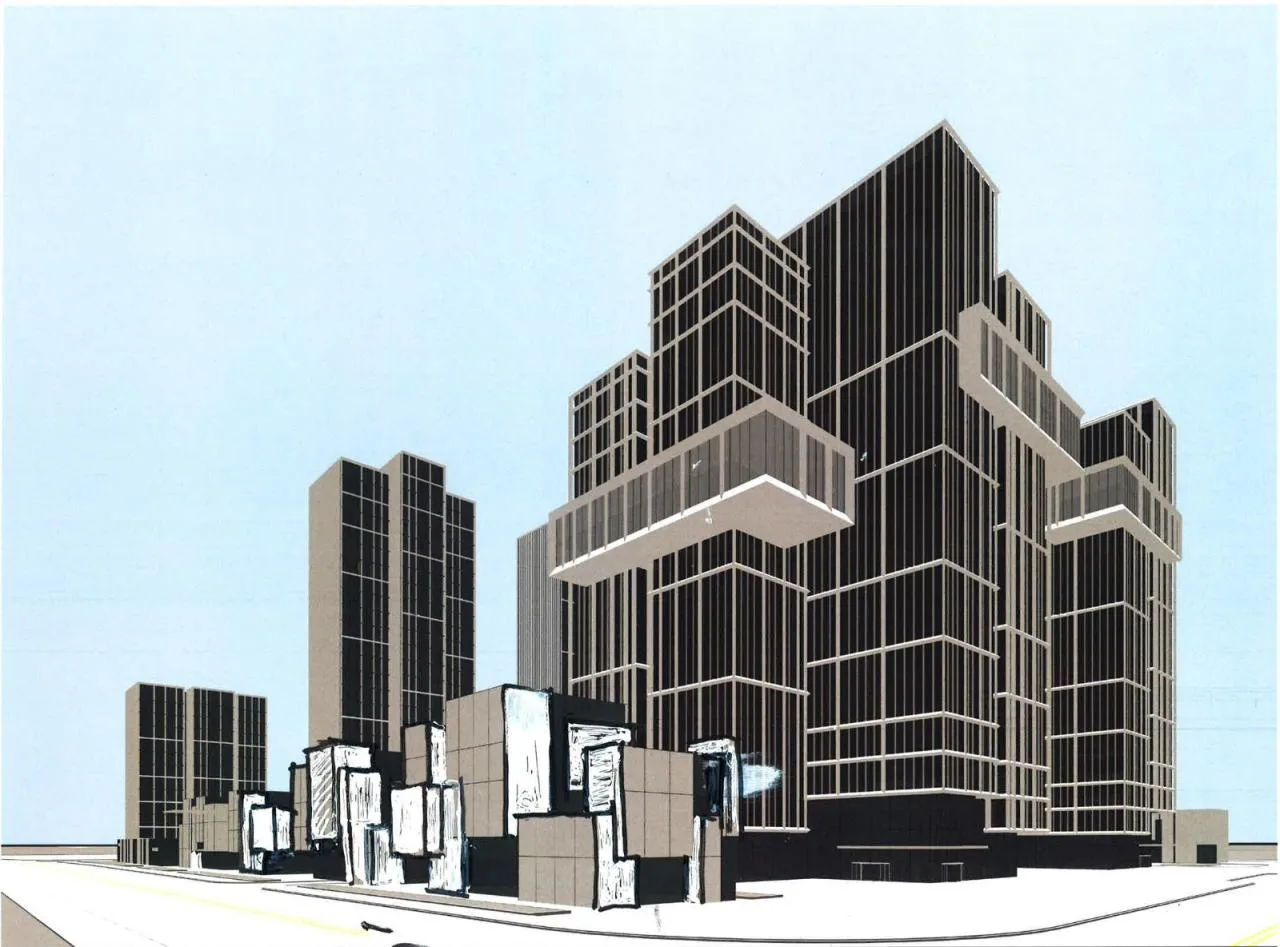
△ Architectural Form Design Sketch © ARQ Architecture Firm
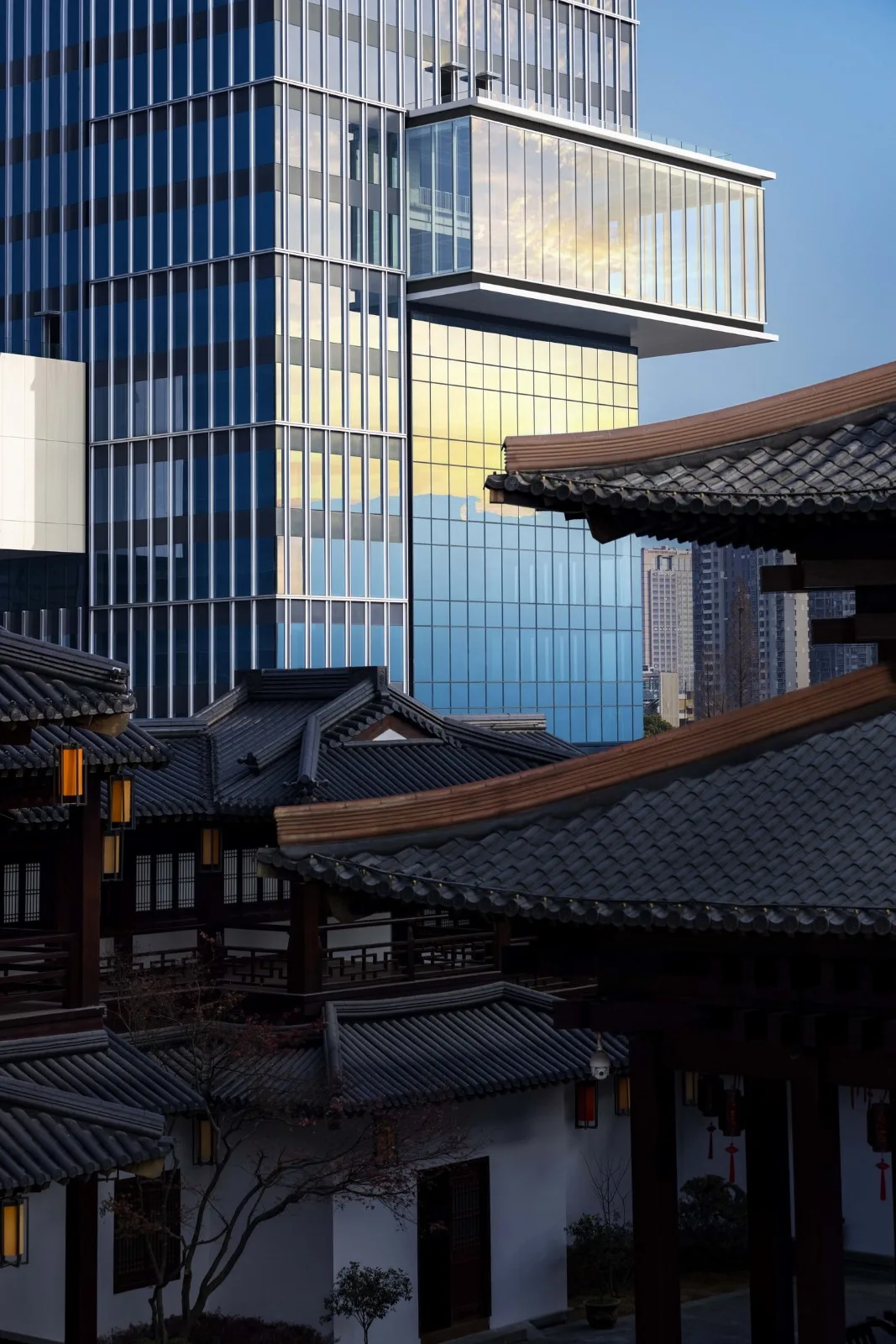
△ Suspended Glass Box © Yinglan Group
Commercial District
The commercial area features an open block design that maximizes public space and draws visitors from all directions into the central plaza.
This area hosts a diverse mix of retail formats, scaled and arranged to meet residents’ daily needs and entertainment desires, connecting seamlessly with the city and maximizing commercial potential.
Accounting for distinct pedestrian flows from residential, office, and customer groups, the design employs modern circulation principles, utilizing both aboveground and underground spaces to create an efficient commercial pedestrian network that enhances comfort and convenience.
Public art is integrated into the commercial spaces, enriching the environment. The sunken plaza is planned to showcase large-scale artworks, attracting visitors and encouraging cultural exchange.
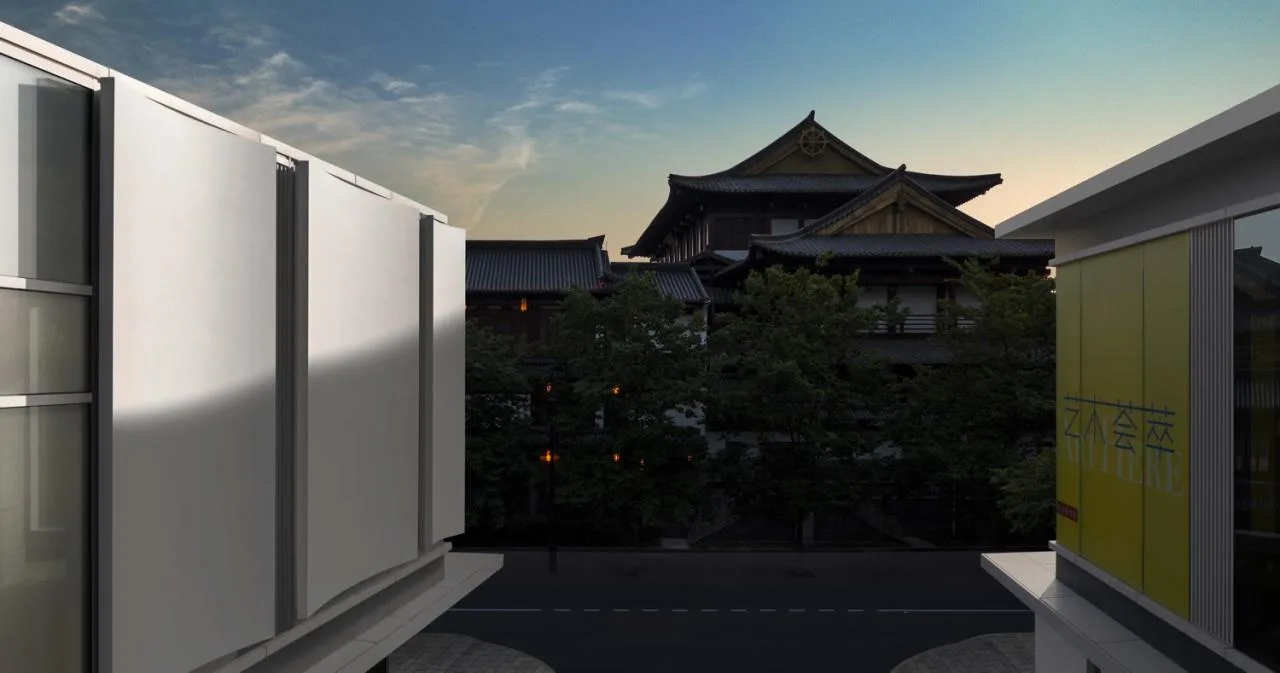
△ View of Xiangji Temple from Gallery Street © Yinglan Center
Gallery Street
Gallery Street, located on the west side, serves as the exhibition and commercial corridor, consisting of four sets of two-story buildings. The architecture continues the design language of the office towers, featuring pure white and glass boxes.
The overlapping and shifting forms create a rhythmic street facade balanced with the scale of Xiangji Temple. This design not only echoes the office towers but also establishes a harmonious dialogue with the temple.
The Yinglan Center’s modern and stylish architecture crafts a vibrant urban identity that resonates with and complements the historic Xiangji Temple across the street.
The fusion of thoughtful design, lively commerce, and cultural art positions the Yinglan Center as a world-class destination for visitors.
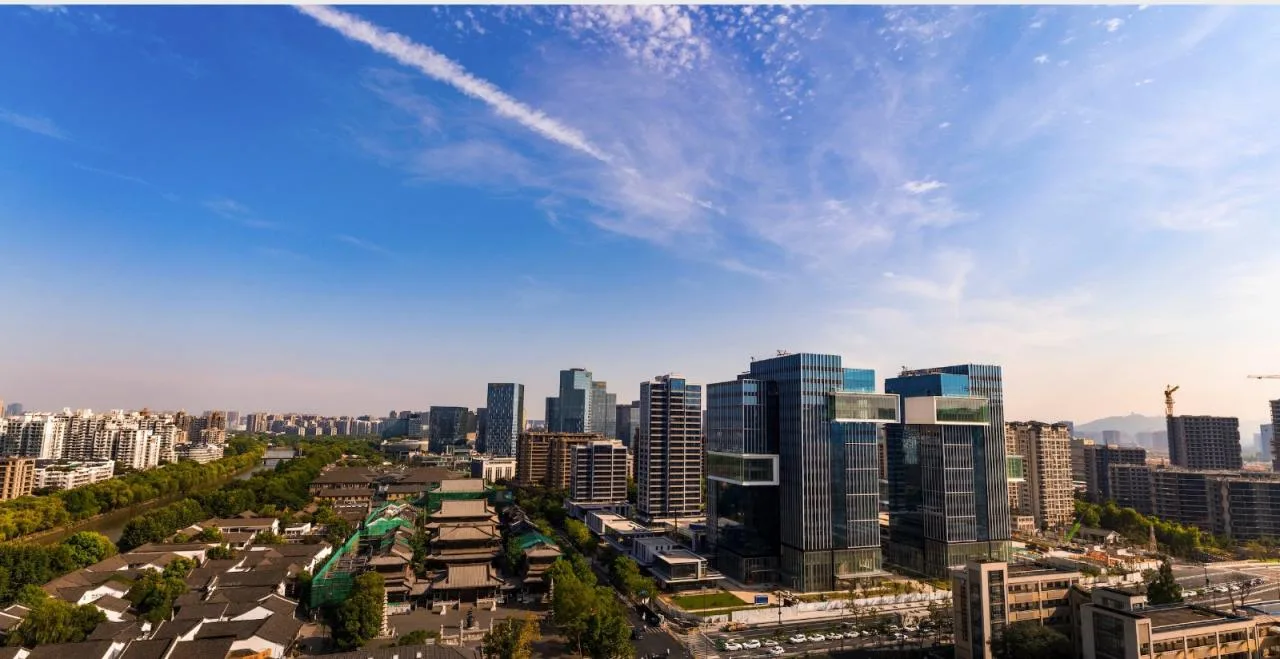
Project Information
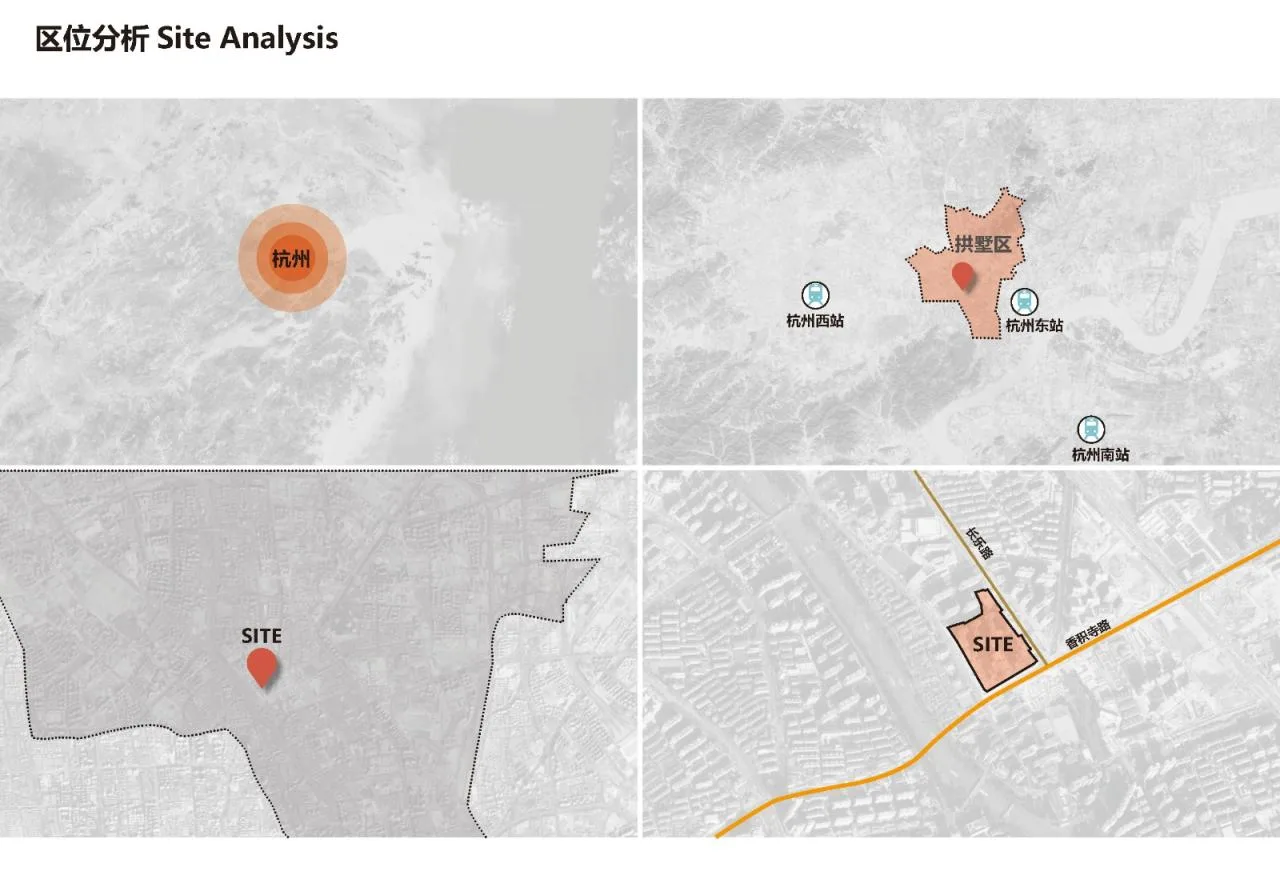
△ Location Analysis
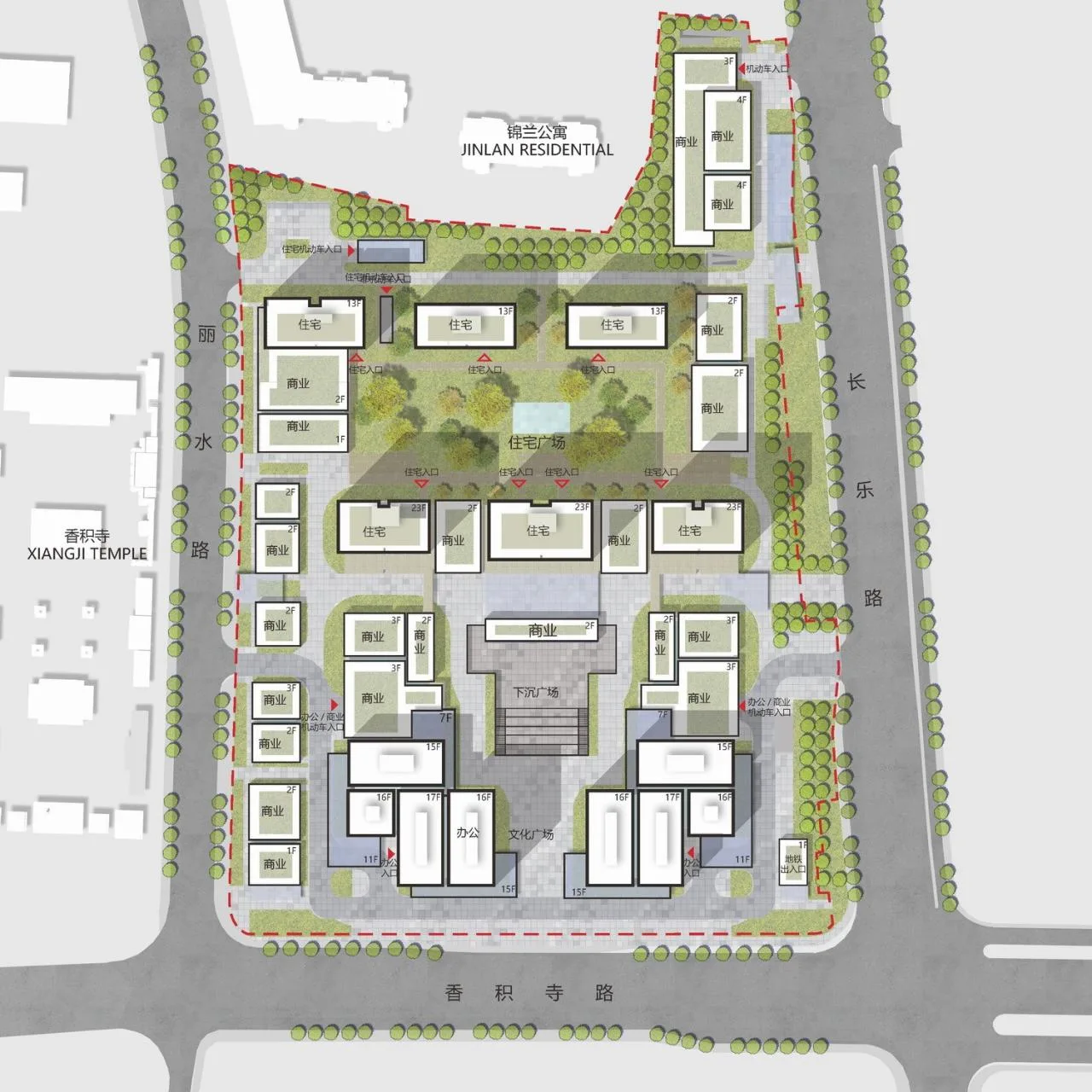
△ General Layout Plan
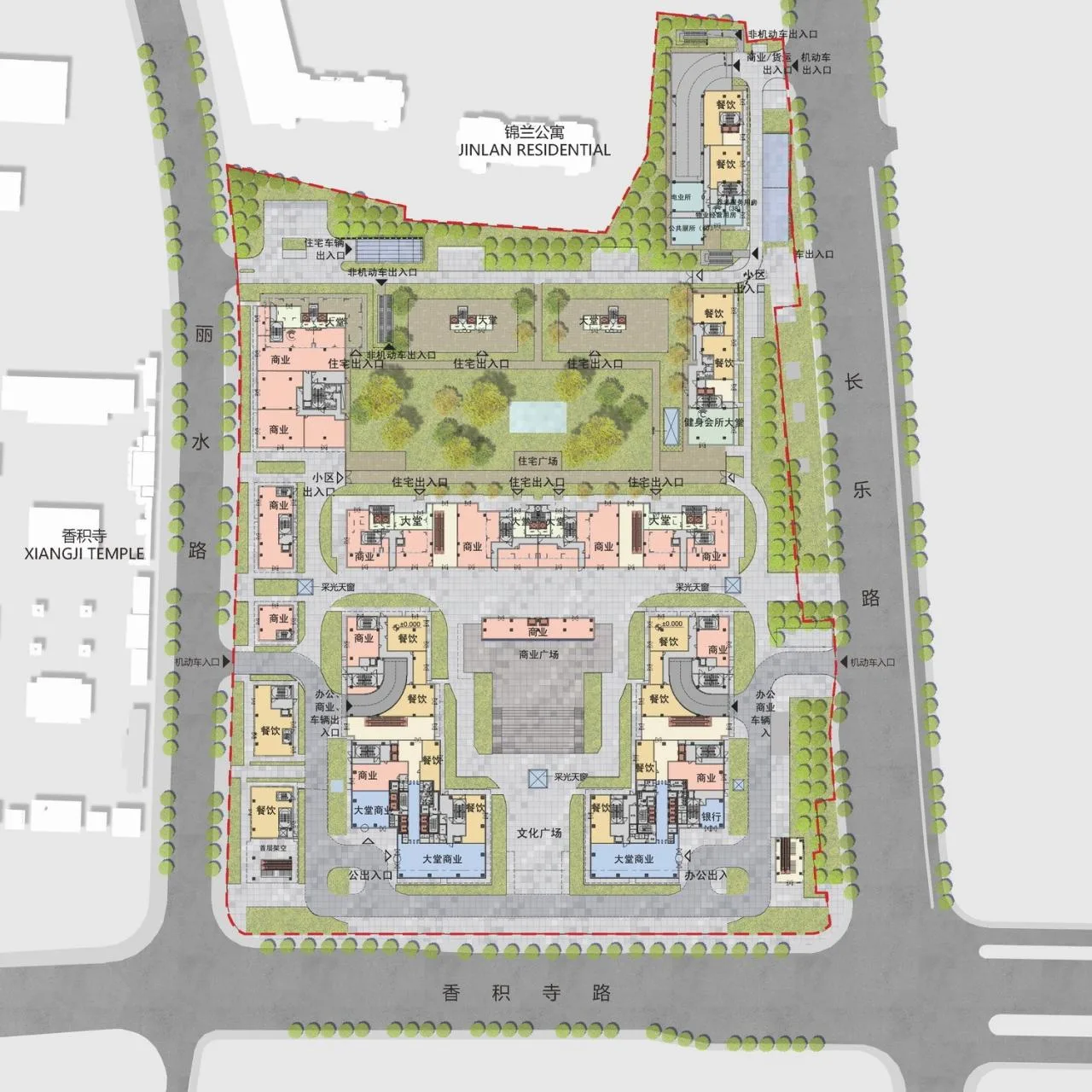
△ General Layout Plan
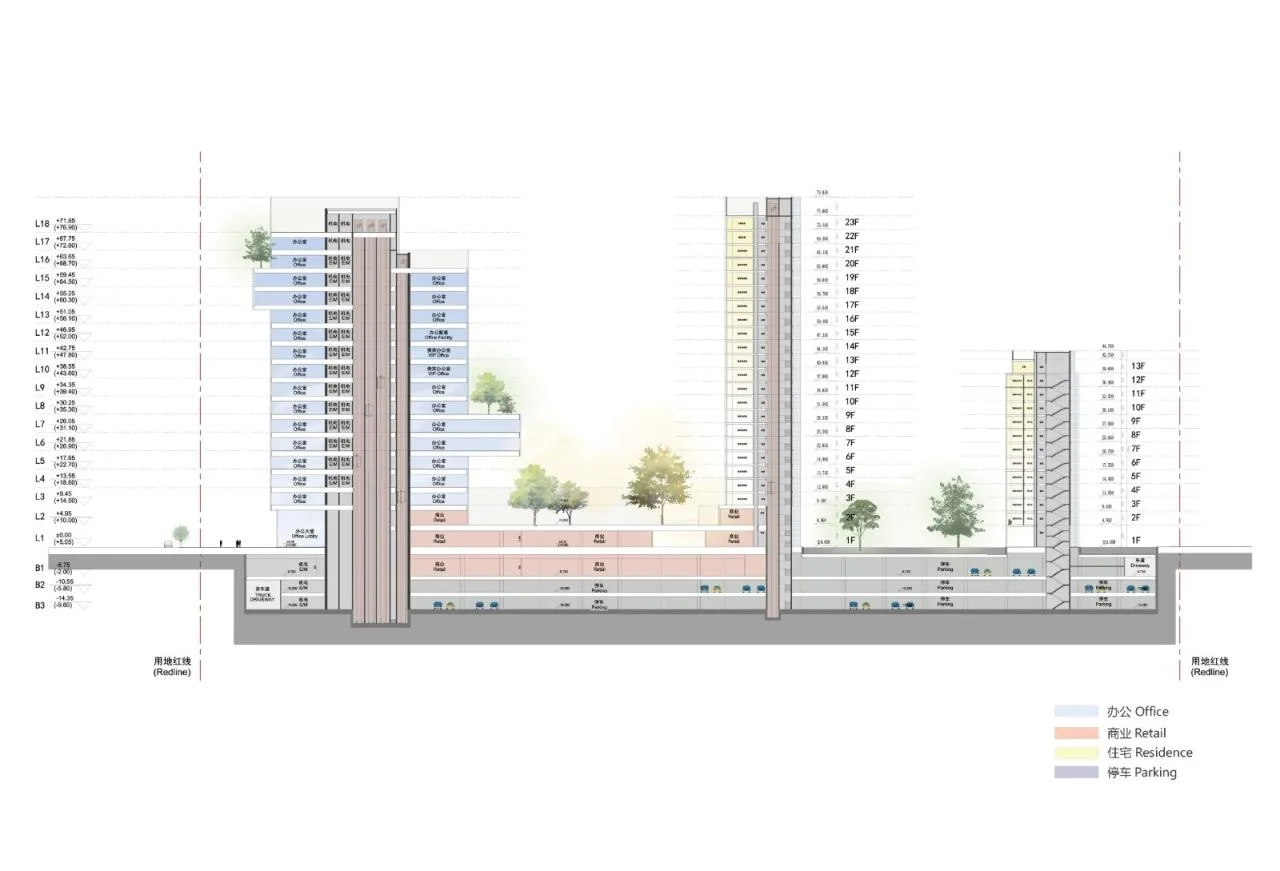
△ Section Diagram
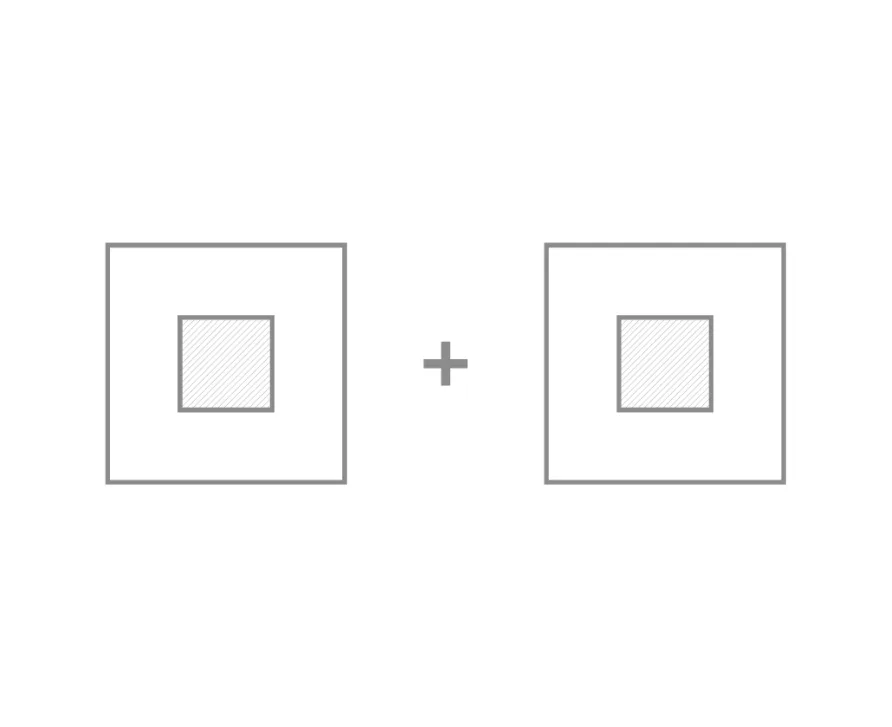
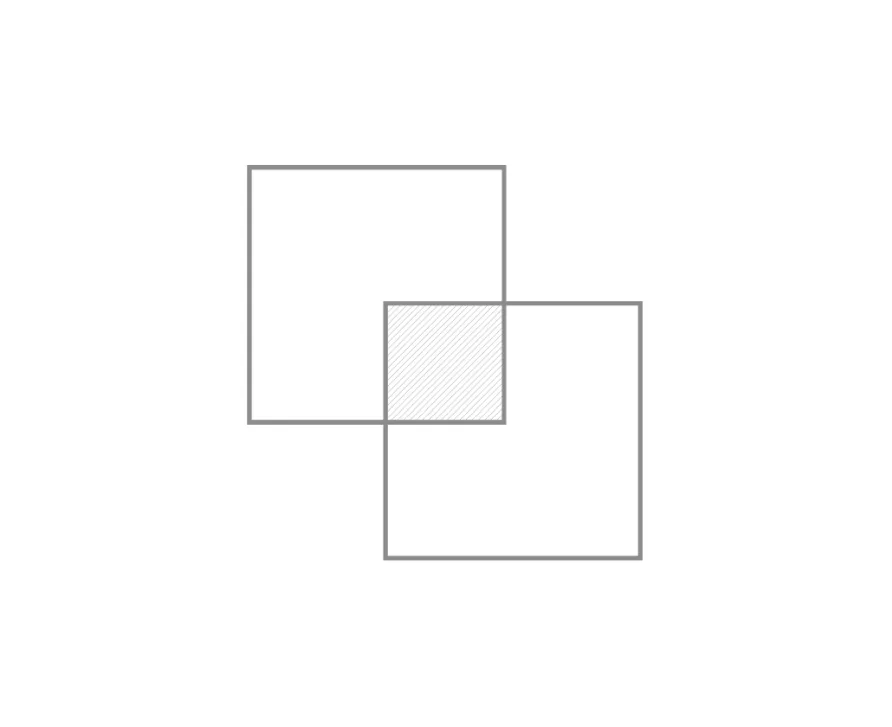
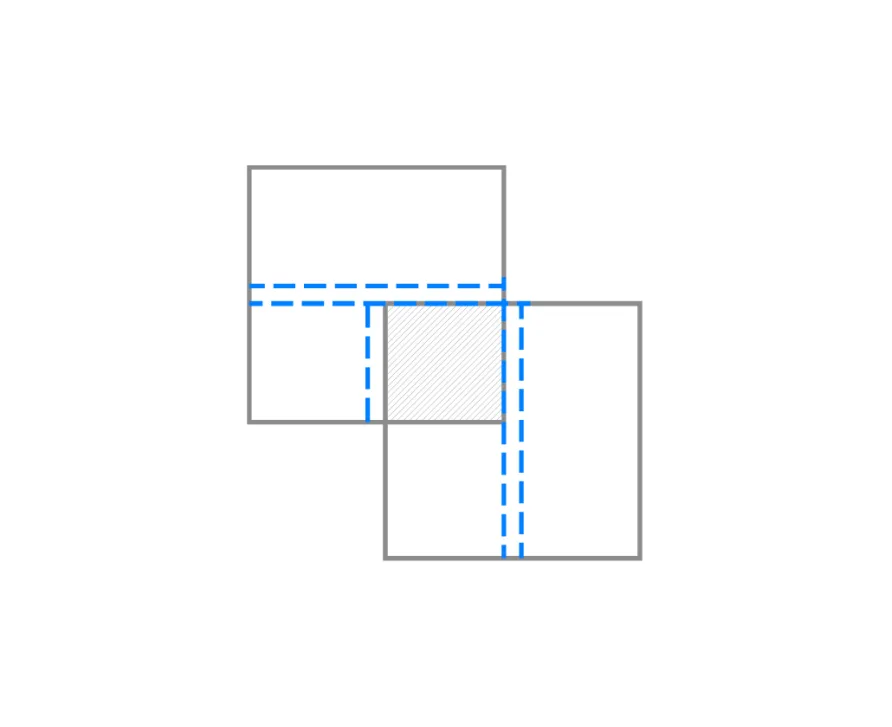
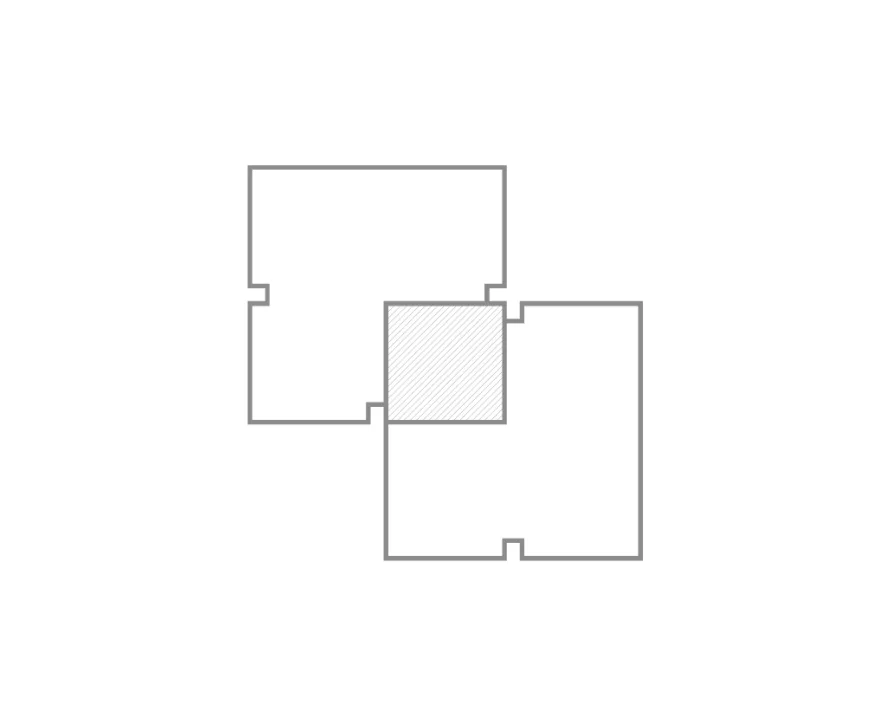
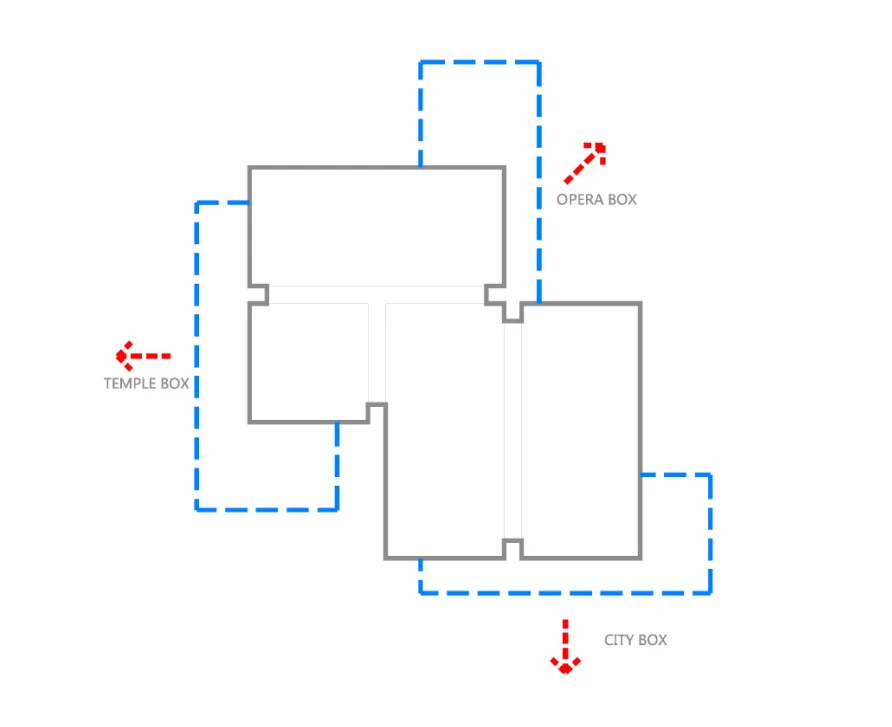
△ Generate Graph
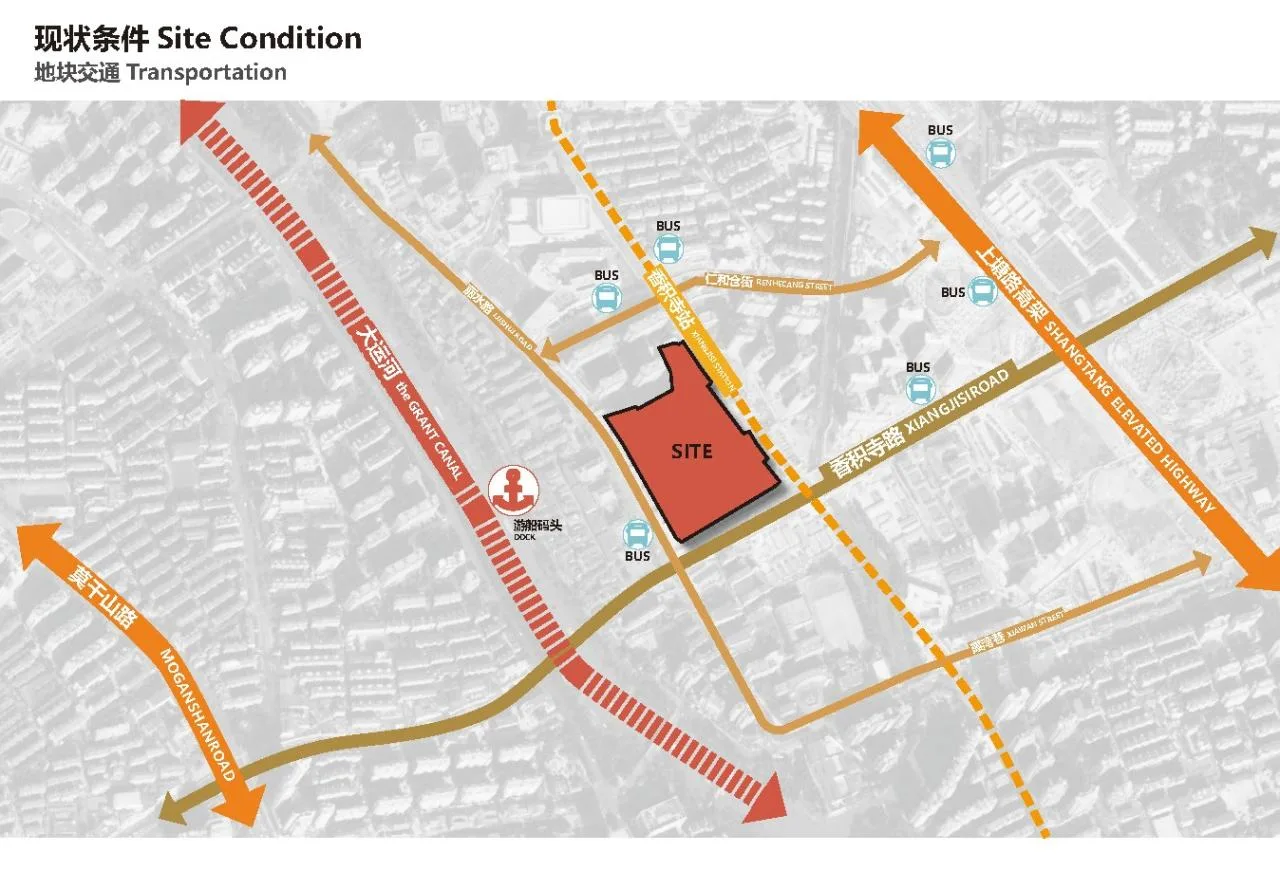
△ Analysis Chart
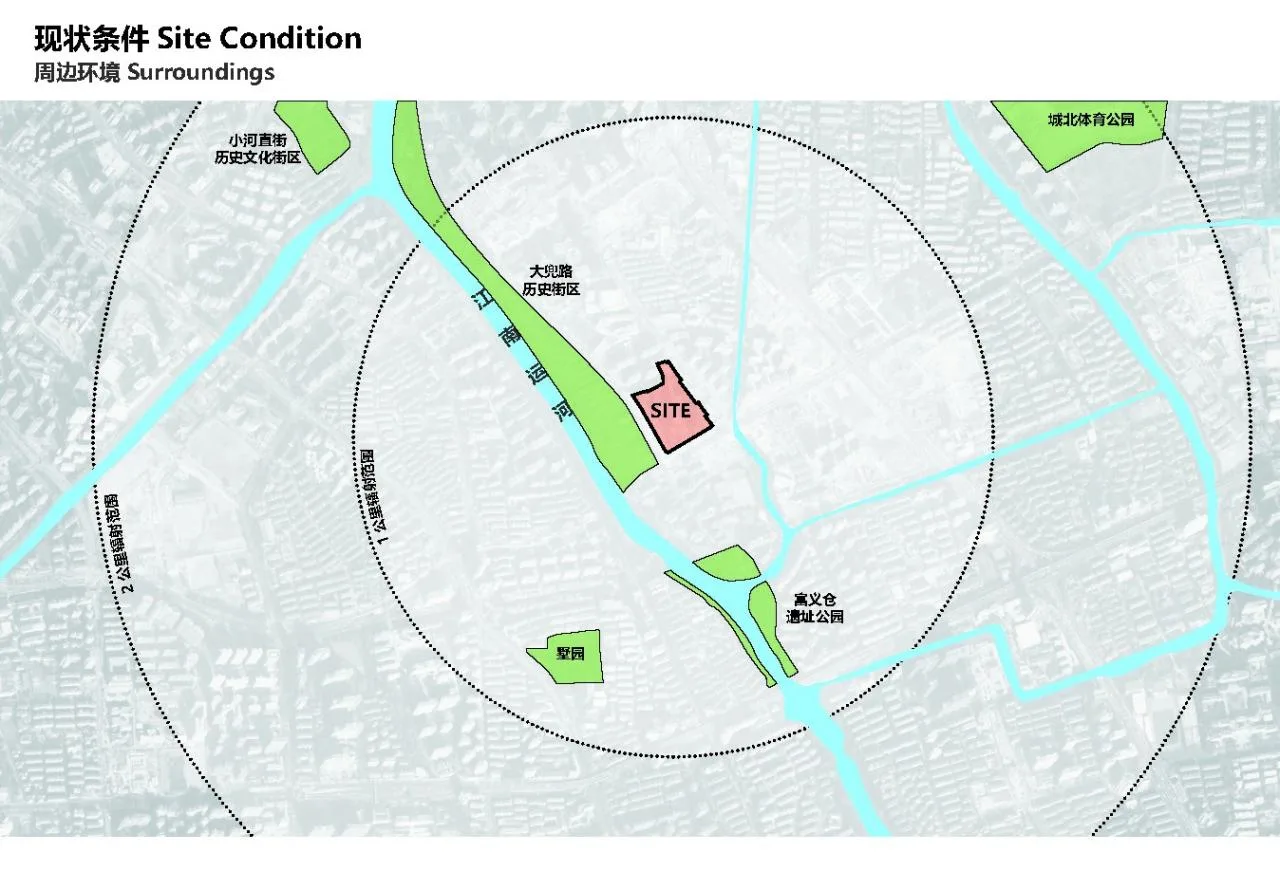
△ Analysis Chart
△ Analysis Chart
△ Analysis Chart
△ Analysis Chart
△ Analysis Chart
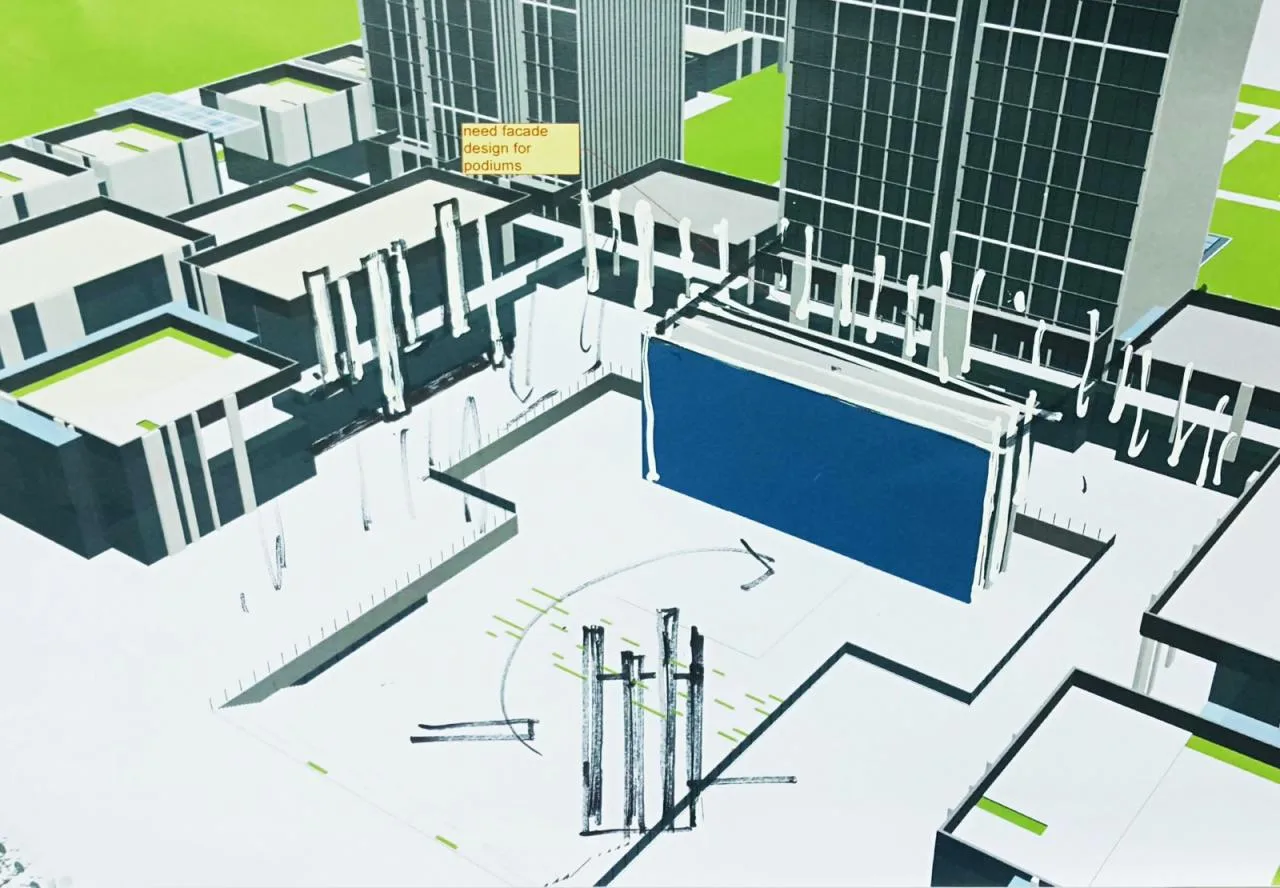
△ Analysis Chart
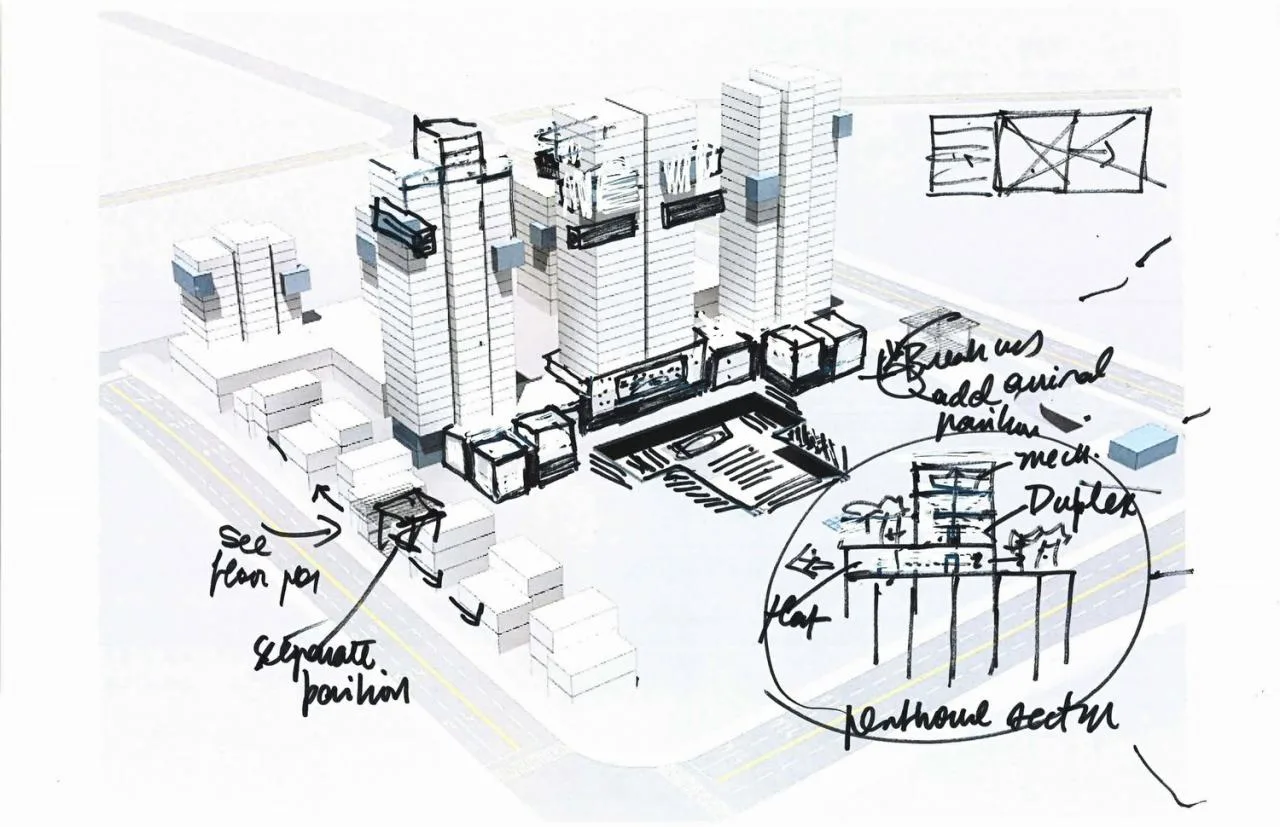
△ Analysis Chart
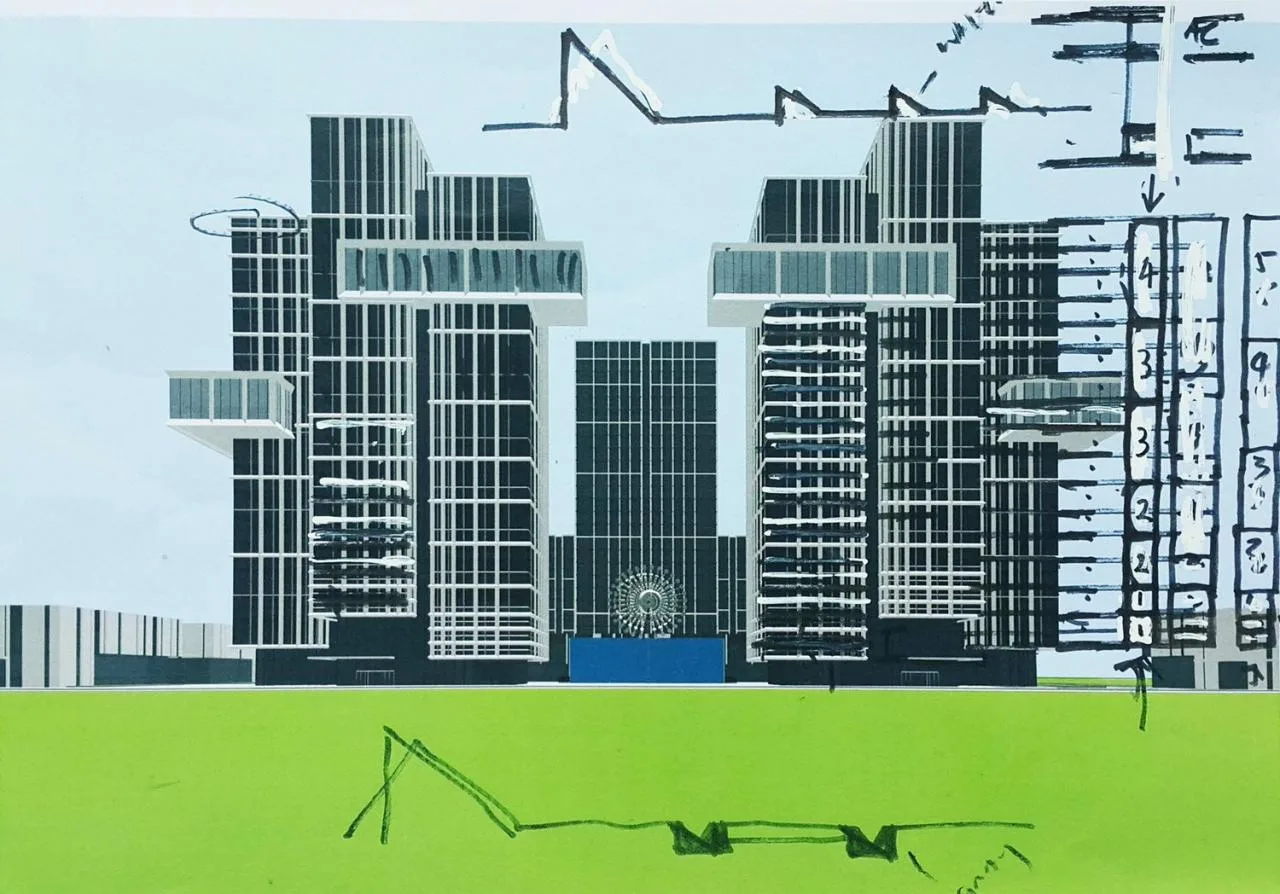
△ Analysis Chart
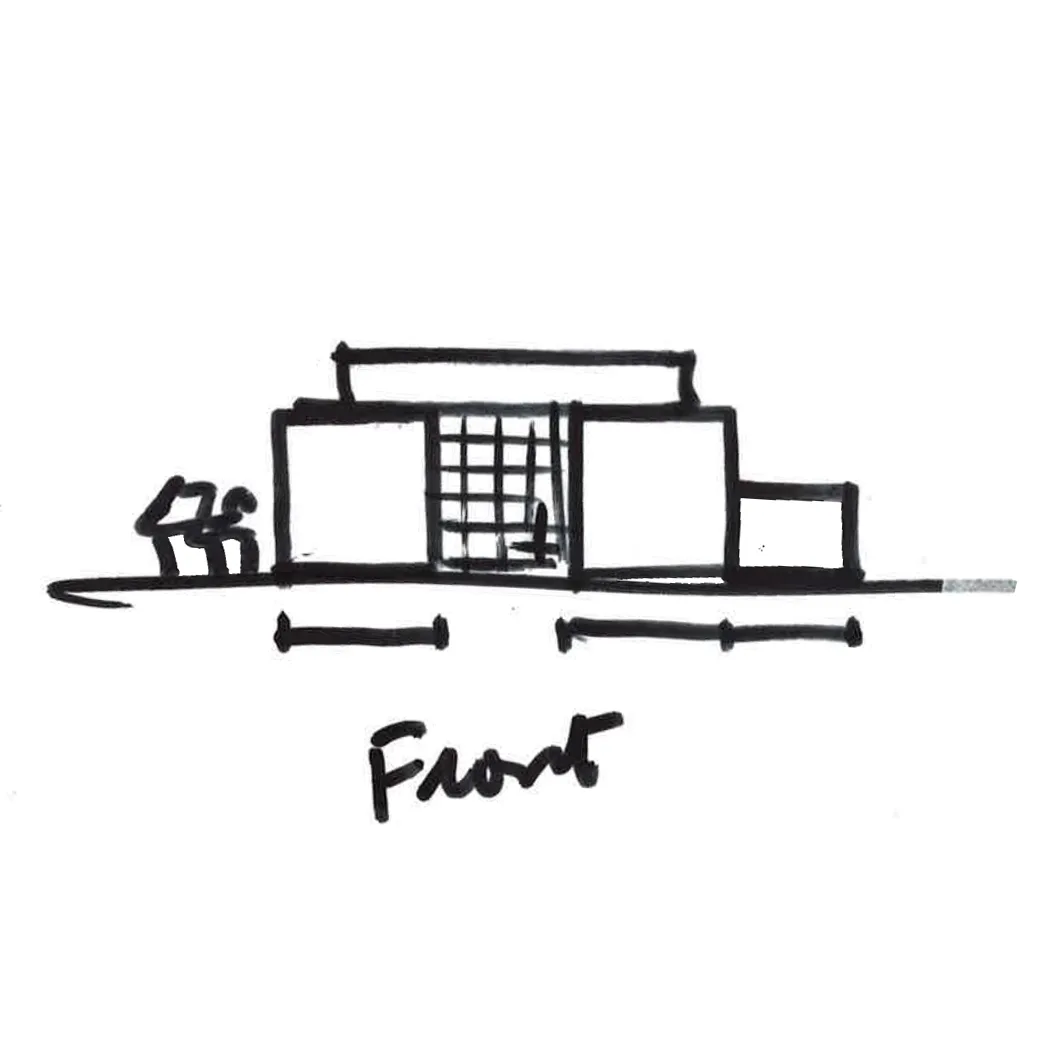
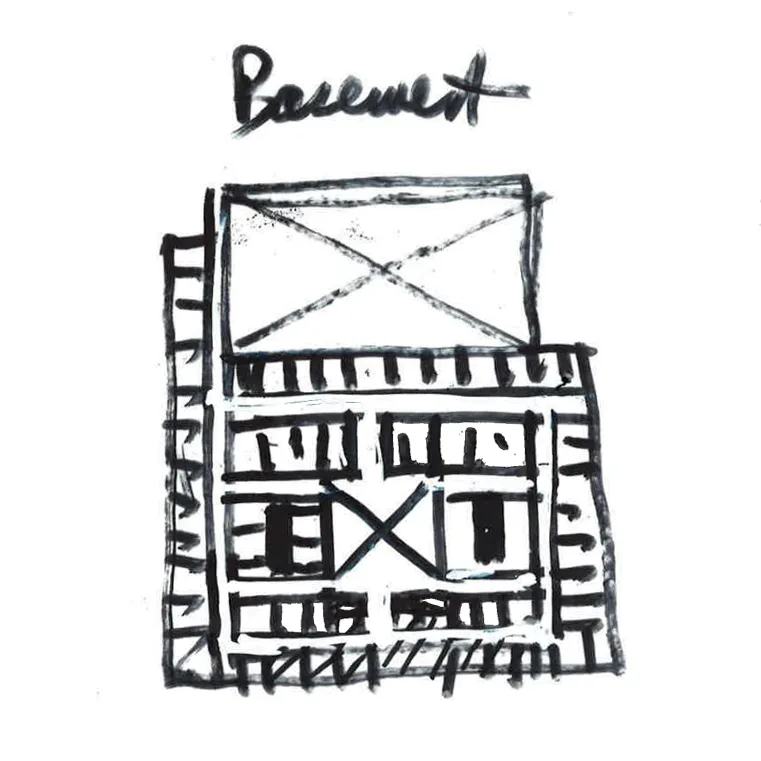
△ Hand-drawn Sketch
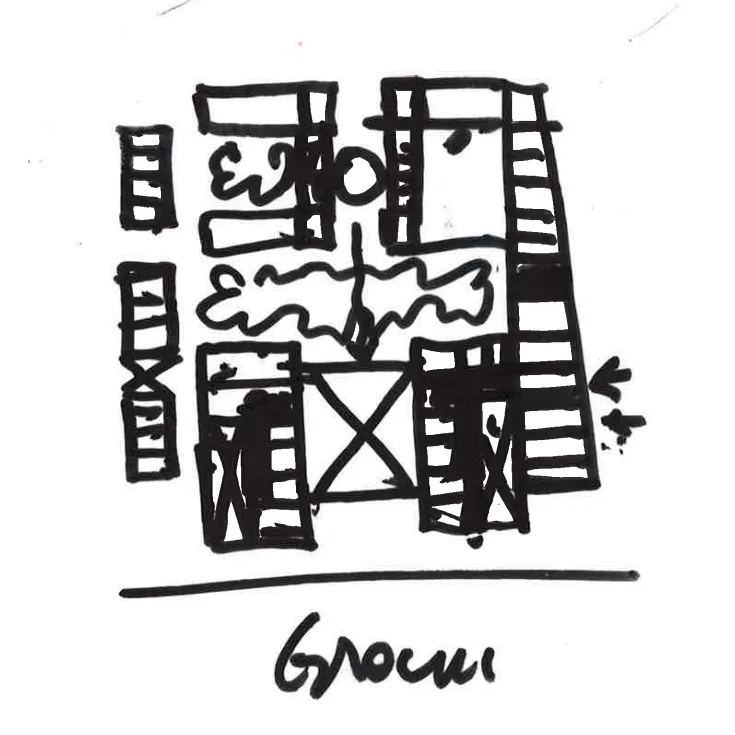
△ Hand-drawn Sketch
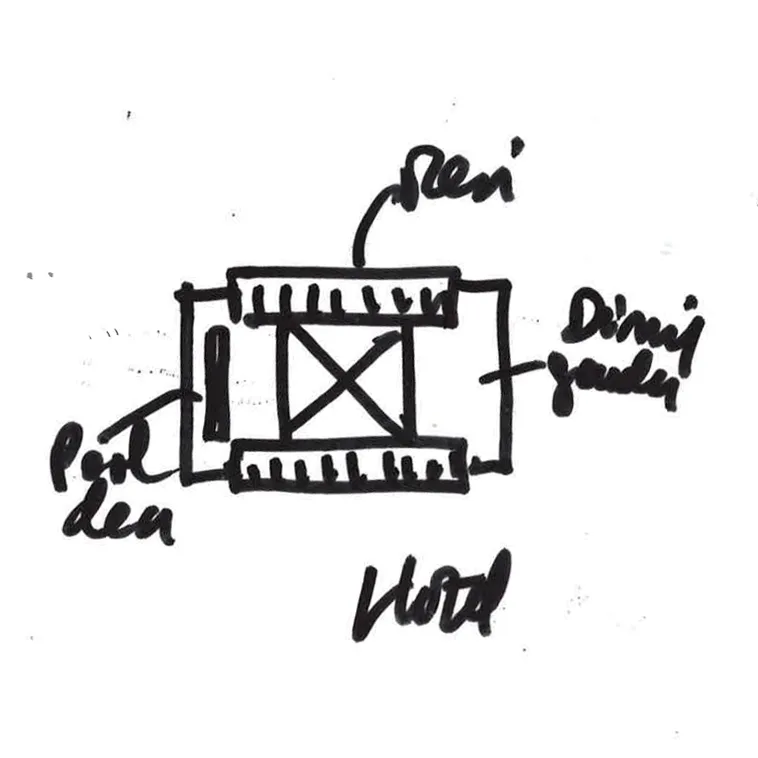
△ Hand-drawn Sketch
△ Hand-drawn Sketch
Project Details
Owner: Yinglan Group
International Architectural Firms: ARQ Architects (USA), Farrells Farrell (UK)
Architectural Design Unit: Zhejiang University Architectural Design and Research Institute Co., Ltd
Lead Architects: Bernardo Fort Brescia, Stefan Krummeck
Structural Engineering: Arup Engineering Consulting (Shanghai) Co., Ltd., Zhejiang University Architectural Design and Research Institute Co., Ltd
Landscape: Adrian L. Norman Limited (UK)
Interior Design: CL3 Architecture Design (Hong Kong), Kinetices Interior Decoration Ltd., Revery Architecture Inc. (Canada)
Lighting: Georges Bern & 8’18” (HUIT MINUTES DIX HUIT SECONDES), LEOX Lighting (Shanghai) Co., Ltd
Mechanical and Electrical Engineering: Bocheng Engineering Technology (Beijing) Co., Ltd. Shanghai Branch, Zhejiang University Architectural Design and Research Institute Co., Ltd
Curtain Wall Engineering: Shanghai Xiangyun Construction Engineering Consulting Co., Ltd
Construction: Nantong Third Construction, China Railway Construction, Shanghai Fuyi Curtain Wall
Architectural Design Collaborators: ARQ Architecture Firm (USA), Farrells Farrell (UK), aaaChina GmbH (Germany), architectenbureau ceezed b.v. (Netherlands), Moatti Riviere (France), Nieto Sobejano Arquitectos GmbH (Spain), Zhejiang University Architectural Design Institute Co., Ltd., Shanghai Yicheng Architectural Design Consulting Co., Ltd
Photography and Videography: Yinglan Group












Must log in before commenting!
Sign Up