
The project is situated in Tuanshi Village, Xiaonanhai Town, Longyou County, Quzhou City. It is bordered to the north by the G60 Shanghai-Kunming Expressway, intersected by the Xihu Line, and bordered to the south by the Qujiang River. The site is divided by the Qujiang River, offering expansive views of the river scenery. Previously, the location was an elementary school but has since been repurposed as a corporate factory with poor building quality and structure. The surrounding area is home to villagers living near the water, and the historic Ma Sijie Xiaofang building, dating back to 1790 during the 55th year of the Qianlong reign of the Qing Dynasty, is preserved at the front of the site.
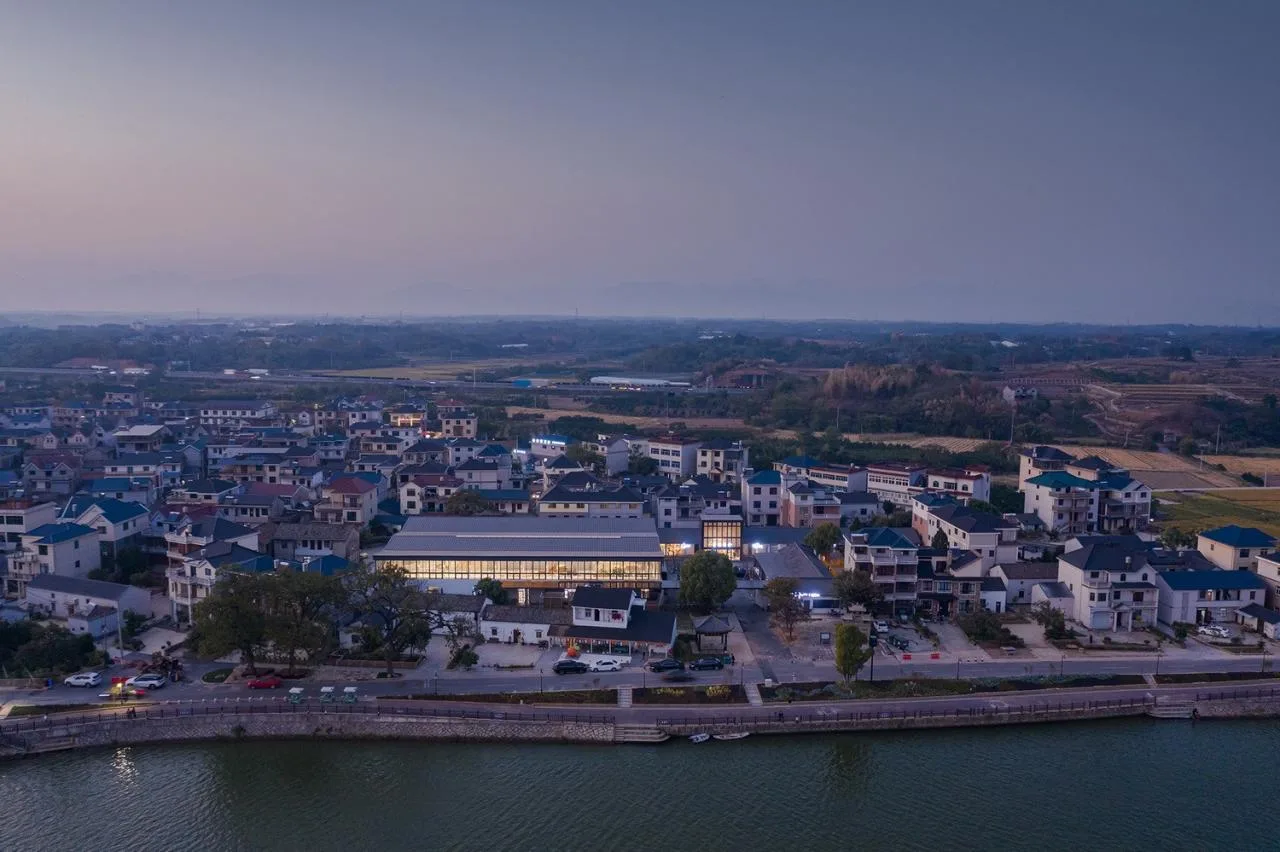
▲ Aerial view of the project © Architecture Photography
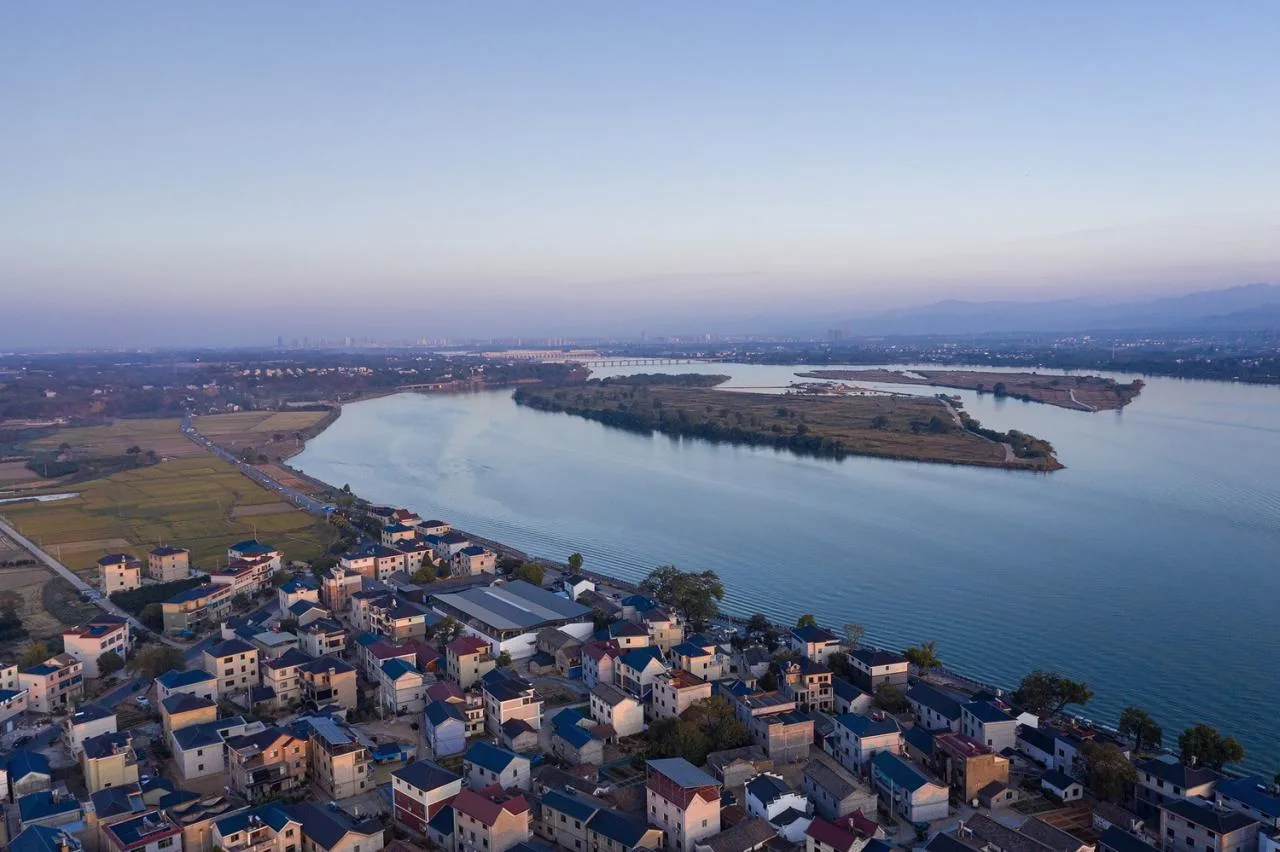
▲ Aerial view of the project © Architecture Photography
Upon joining the project, Fang discovered that due to special circumstances, the entire process from design to completion lasted only six weeks, compounded by high temperatures. This initially made the studio consider withdrawing. Designing and constructing nearly 5,000 square meters of space—including architecture, interiors, and landscaping—appeared nearly impossible. After thorough deliberation, the team chose to embrace the challenge, using this time-sensitive project as an opportunity to practice rapid response and adaptability under pressure.
01. Adapting the Work Process
At the project’s outset, the architects focused on adjusting their workflow to meet the design goals while adhering to the strict timeline.
Alvaro Siza once expressed regret over the modern construction industry in an interview: “In the past, I could speak directly with on-site workers, discussing various details. Architects collaborated closely with builders. Today, project managers often hold more authority than architects, and this dynamic is very common. But architecture is more than just drawing.” This sentiment resonates deeply. In projects with rigid design management, architects often lose communication with construction teams and are forced to make numerous design changes. On-site, issues are apparent, but making adjustments requires multiple approval layers, leading sometimes to abandonment of modifications.
This project’s design approach broke from tradition. Instead of finalizing plans before construction, design and on-site work progressed simultaneously. As drawings were created, demolition and construction began, allowing for direct communication and real-time problem solving with workers. Guidance was often provided through hand-drawn sketches. While this method sacrificed some drawing precision, it greatly improved flexibility, speed, and responsiveness. Errors could be corrected promptly. However, this approach demanded significantly more time and effort from the architects, who frequently traveled between the site and studio to keep pace with rapid construction.
02. Repositioning and Combining Functions
Designed as a public space for local villagers, the project integrates three core themes: industry, culture, and humanistic care. The original site featured an enclosed layout centered around a large courtyard. The architects chose to renovate existing buildings while adding selective new construction, reallocating and combining building functions accordingly.
The former #1 factory, with its large open space, was transformed into an industrial hub hosting village property management, agricultural product exhibitions and sales, tech-assisted agricultural live broadcasts, maker shared offices, village banquets, and multifunctional conferences. Building #2, originally a primary school classroom block, now houses the Nankong Bookstore alongside a children’s center and a health cabin catering to seniors. Building #3 offers river views and courtyard outlooks, serving as a coffee shop and restaurant. The more secluded Buildings #4 and #5 were repurposed as homestays and youth hostels. The architect opened the enclosed central courtyard to create a village activity square and market space, serving surrounding villagers.
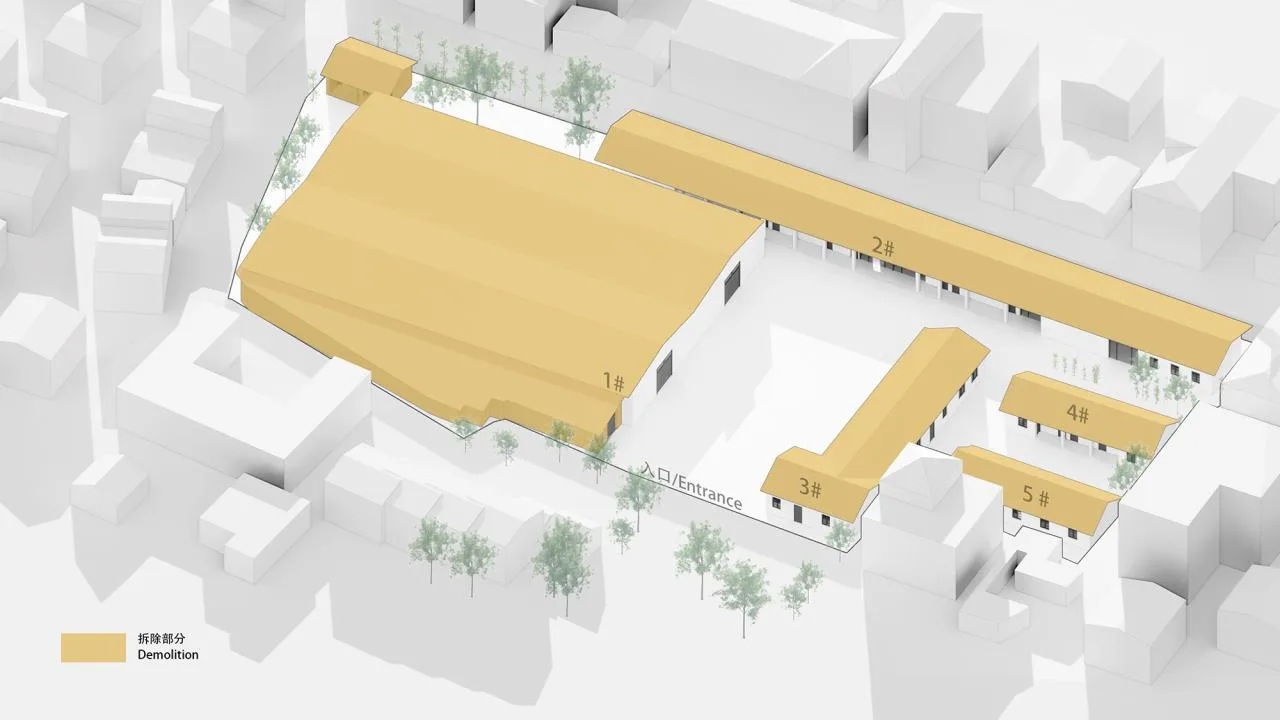
▲ Site and demolition analysis diagram © y.ad studio
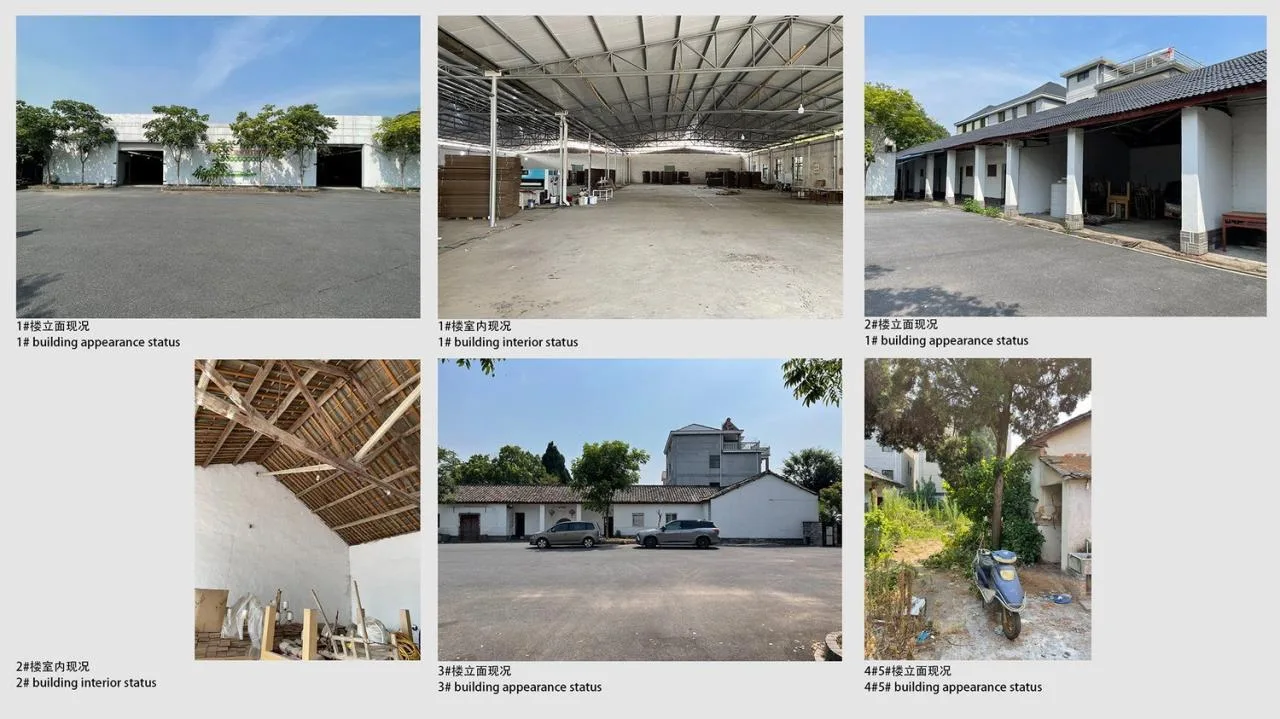
▲ Current site and building facade © y.ad studio
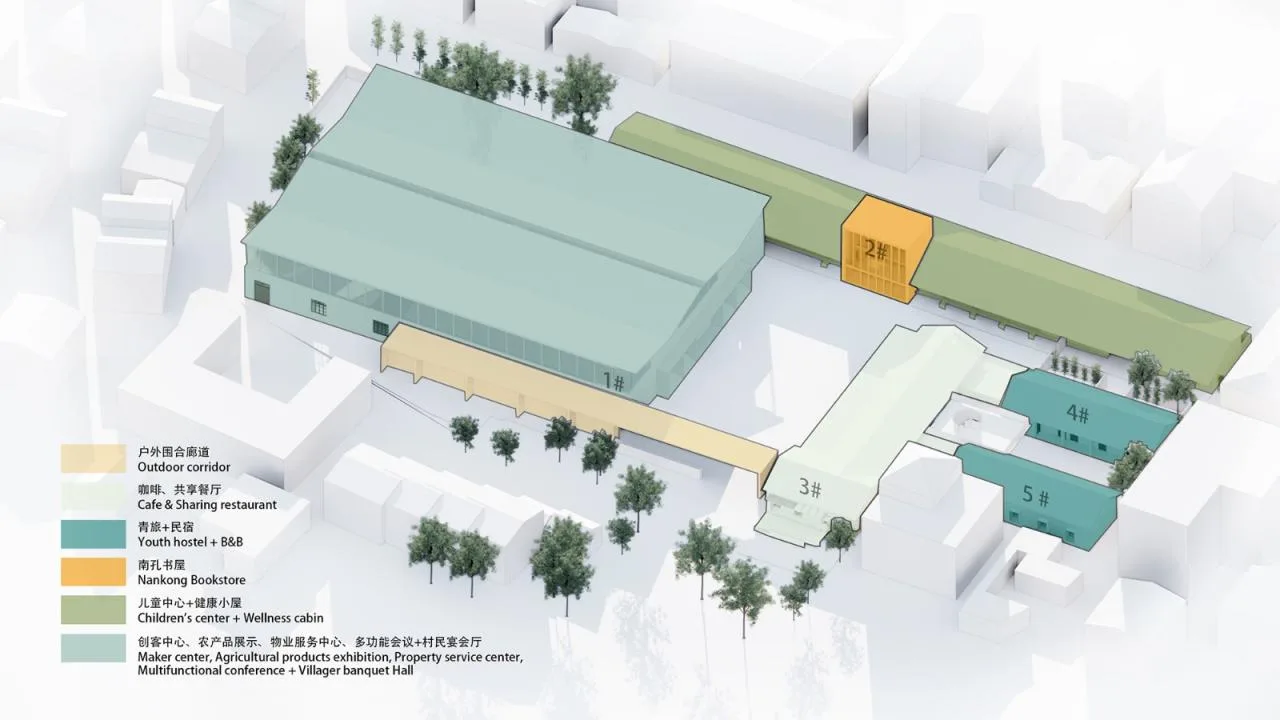
▲ Function distribution diagram © y.ad studio
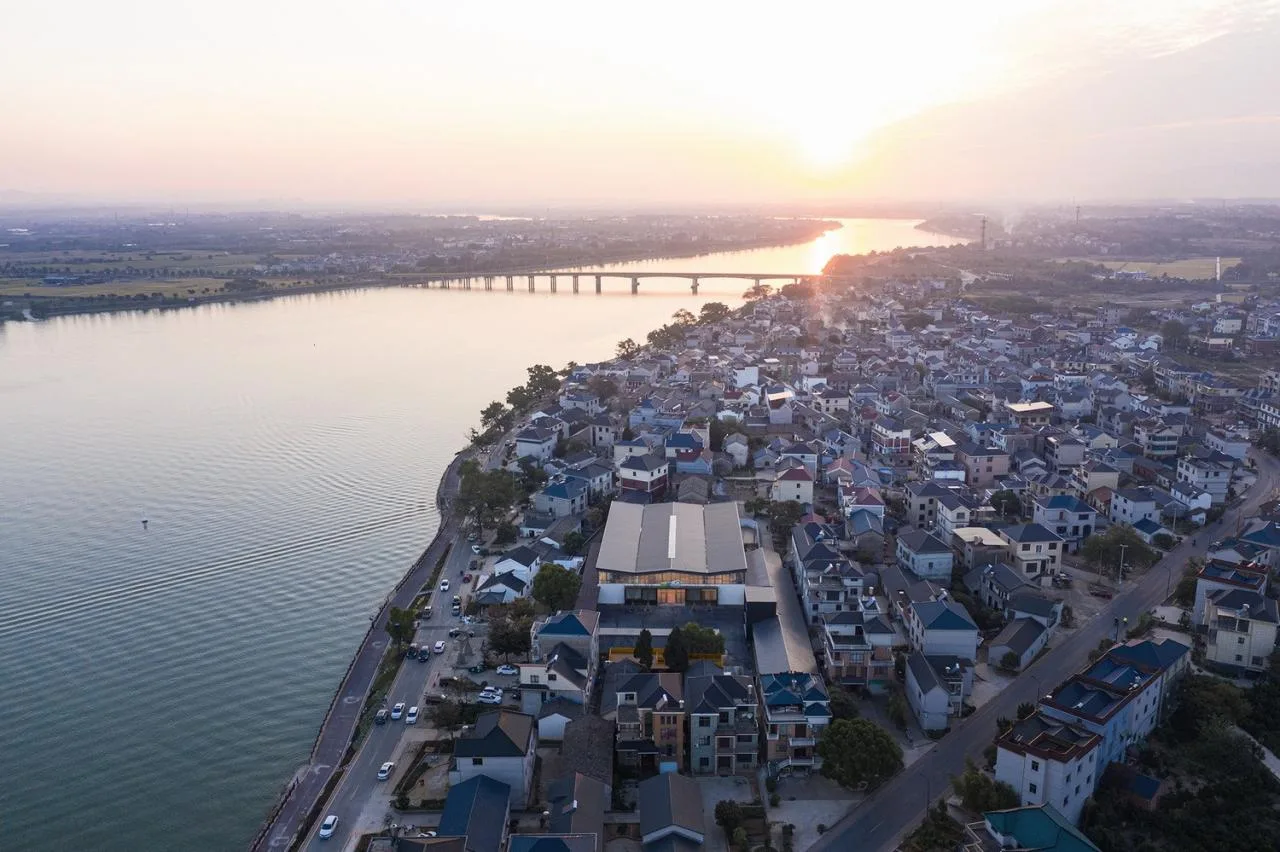
▲ Aerial view of the project © Architecture Photography
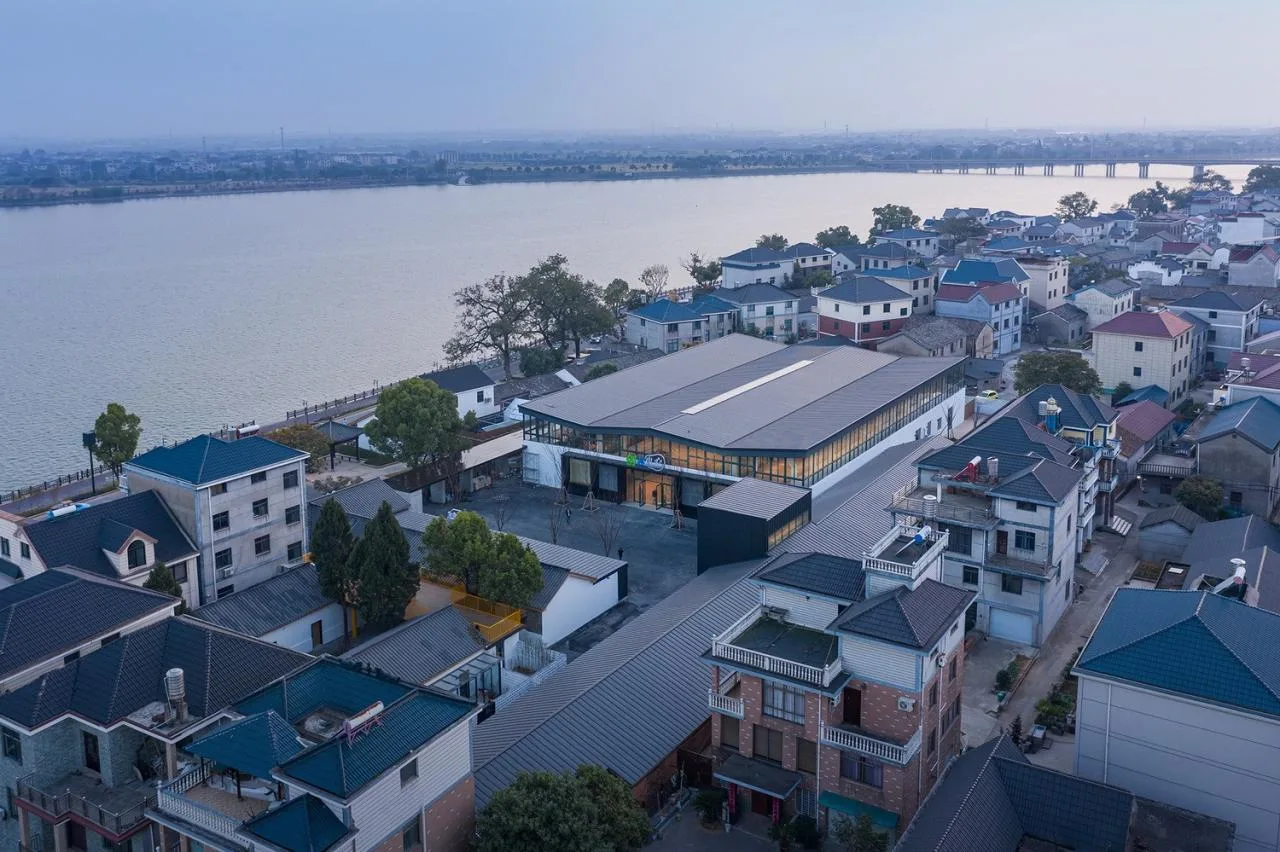
▲ Partial bird’s-eye view of the project © Architecture Photography
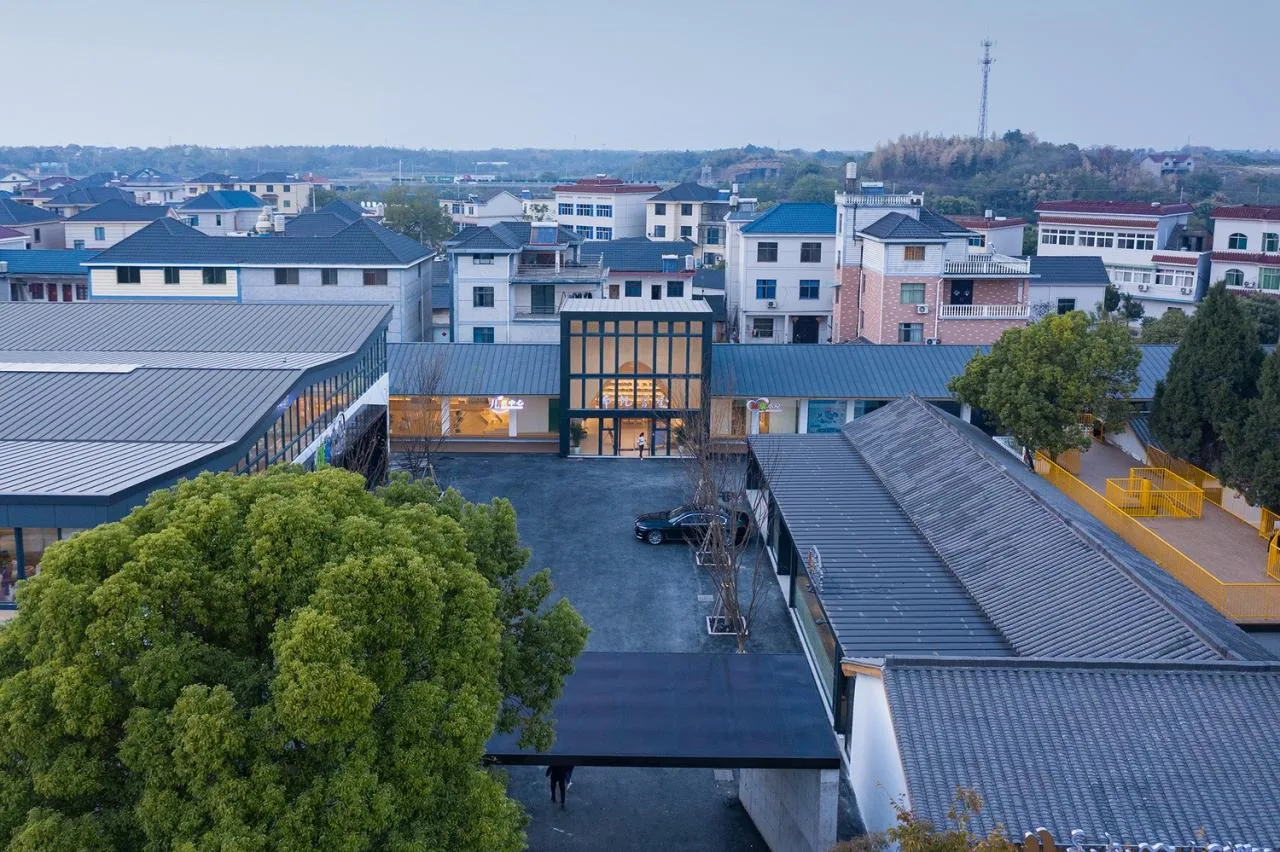
▲ Partial bird’s-eye view of the project © Architecture Photography
Repositioning Architectural Image and Spatial Arrangement
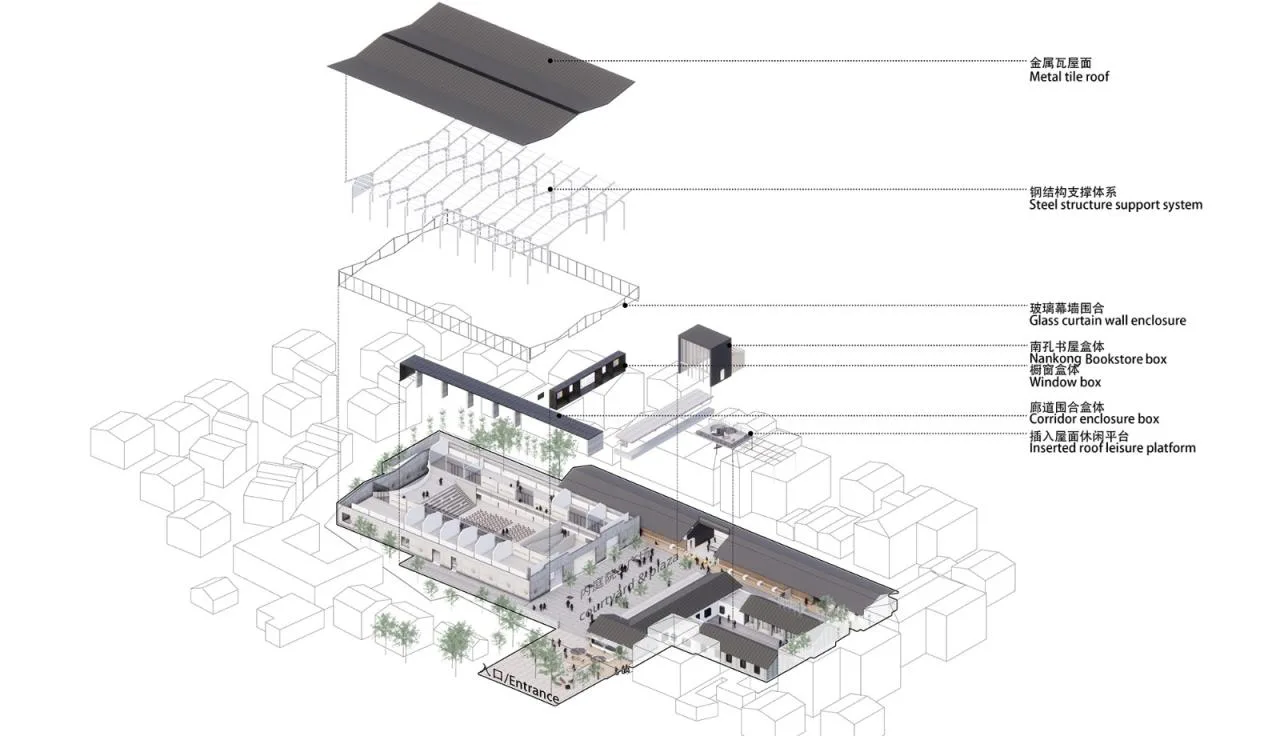
▲ Exploded analysis diagram © y.ad studio
Exterior Enclosure
After examining the gaps formed between the original buildings, the architect enhanced the sense of enclosure by integrating “corridor boxes,” rooftop platforms, and unevenly sized inner courtyards within the building clusters. This approach creates a more organic composition while introducing dynamic variation in size and form to unify the architectural complex.
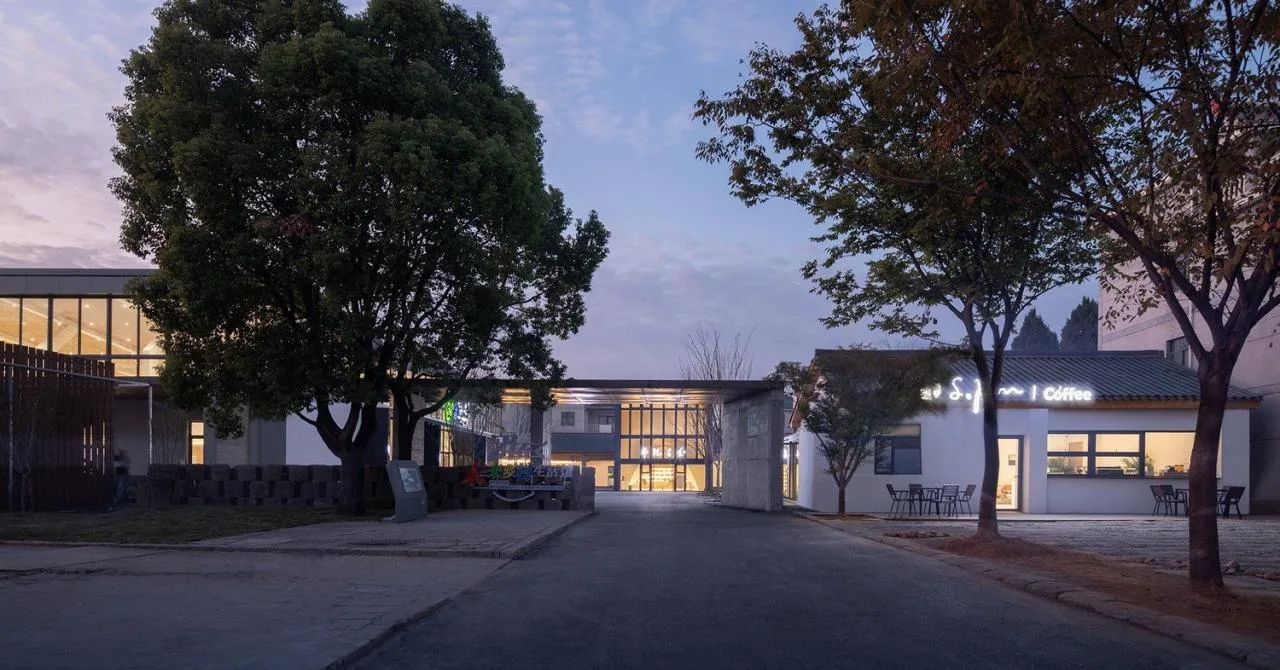
▲ Exterior facade after renovation © Architecture Photography
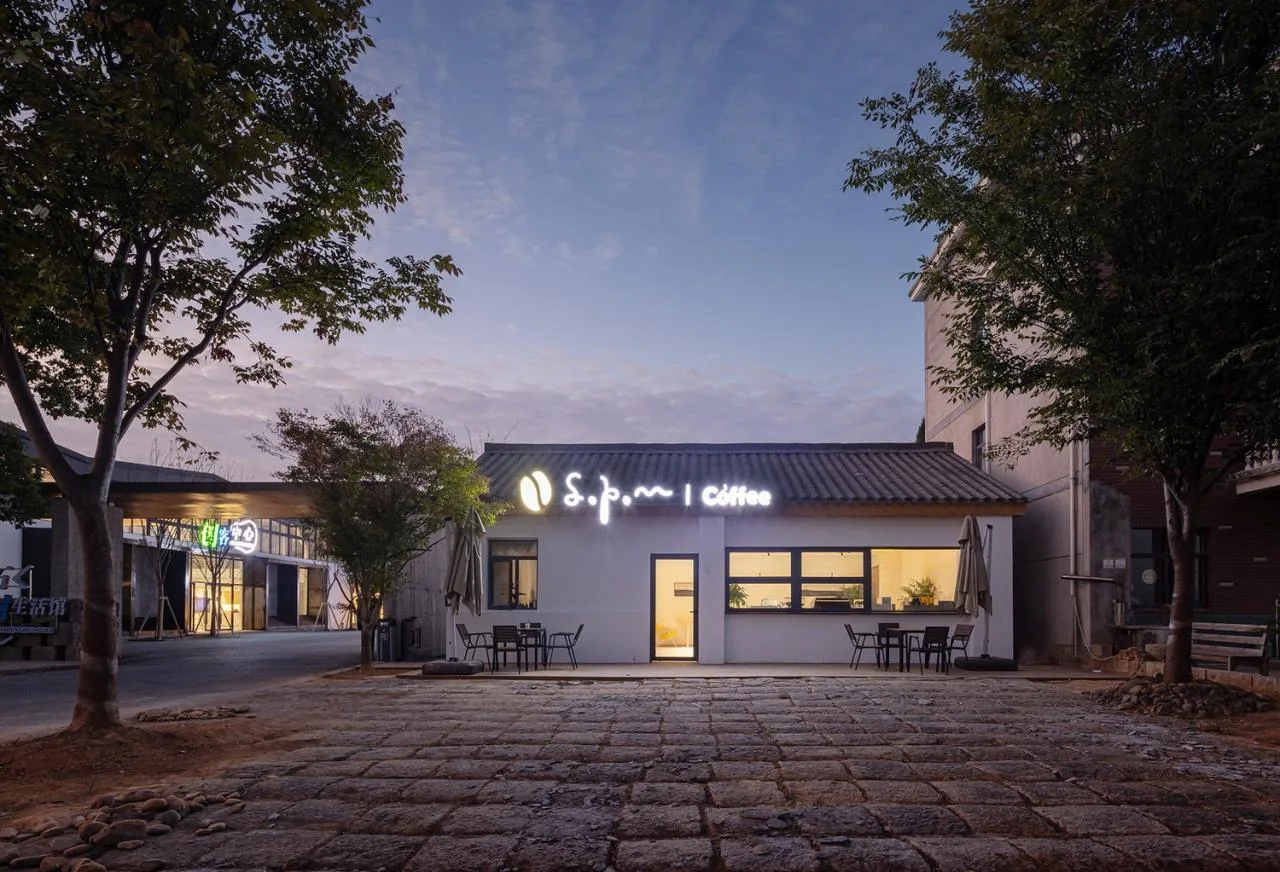
▲ Renovated coffee shop facade © Architecture Photography
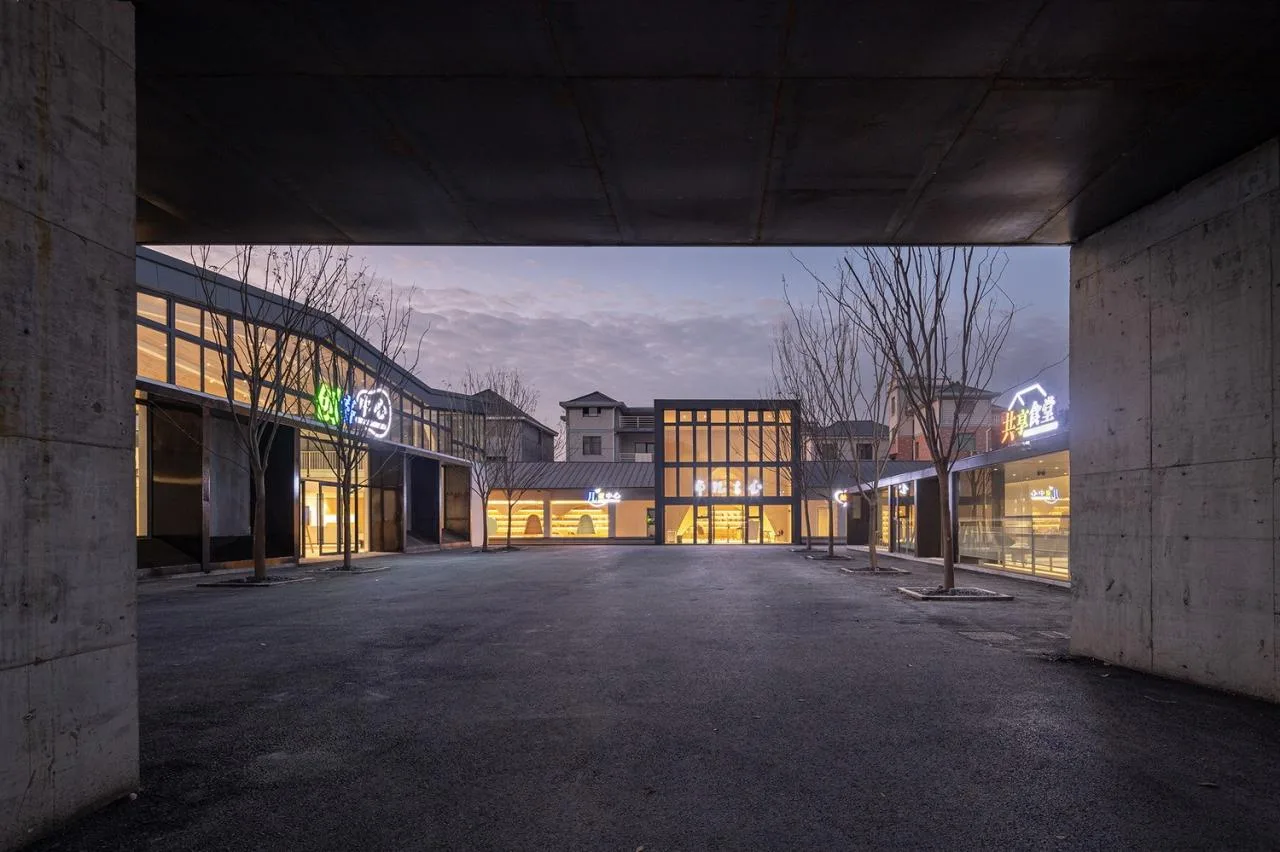
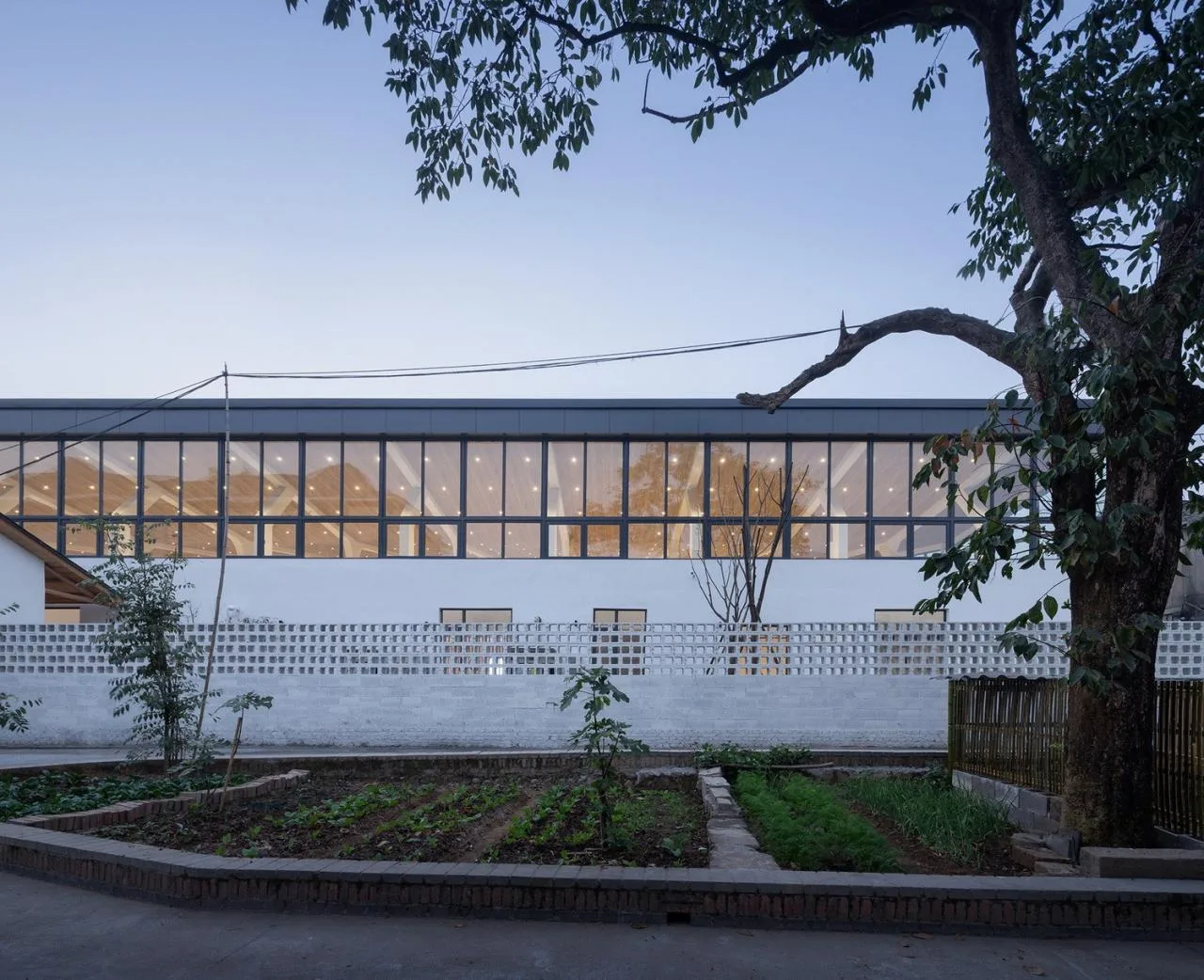
▲ Renovated backyard and exterior facade © Architecture Photography
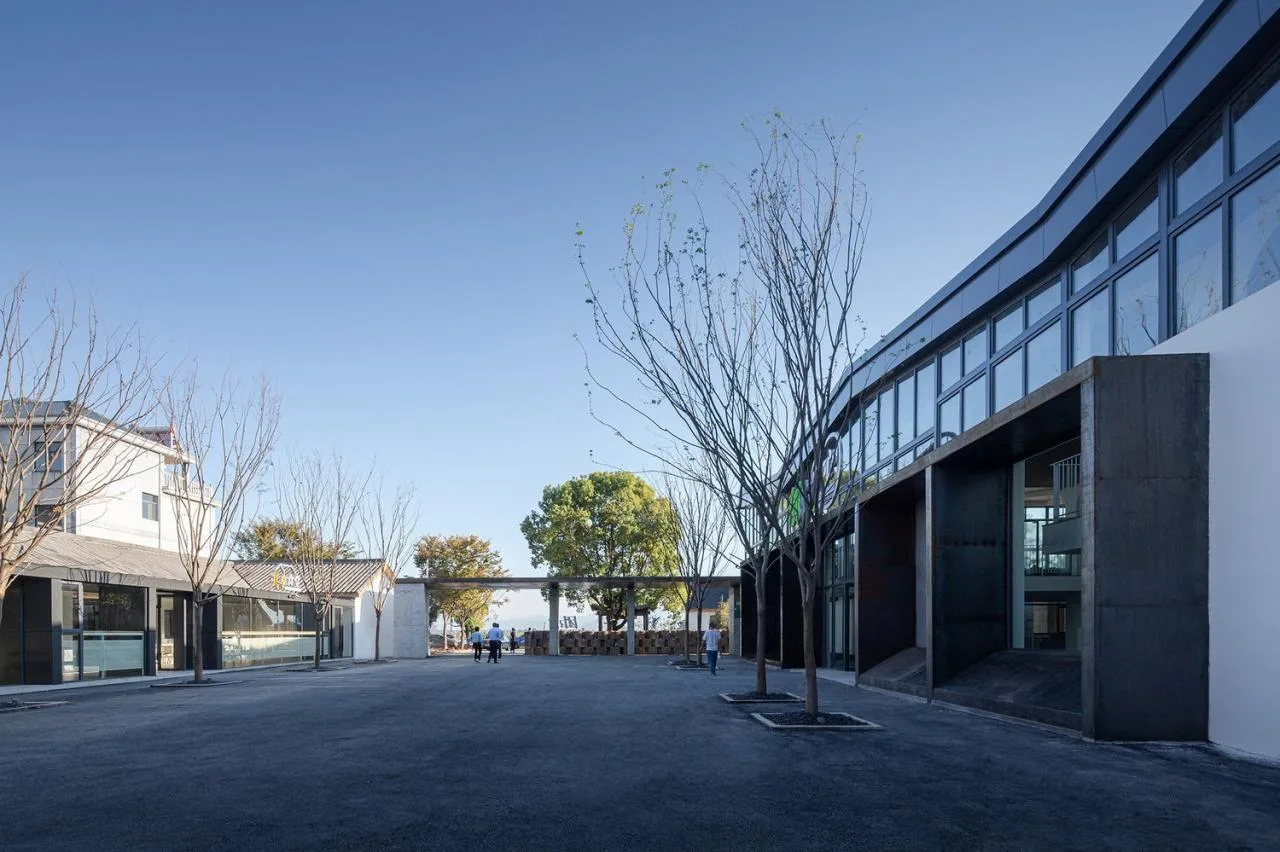
▲ Renovated backyard and exterior facade © Architecture Photography
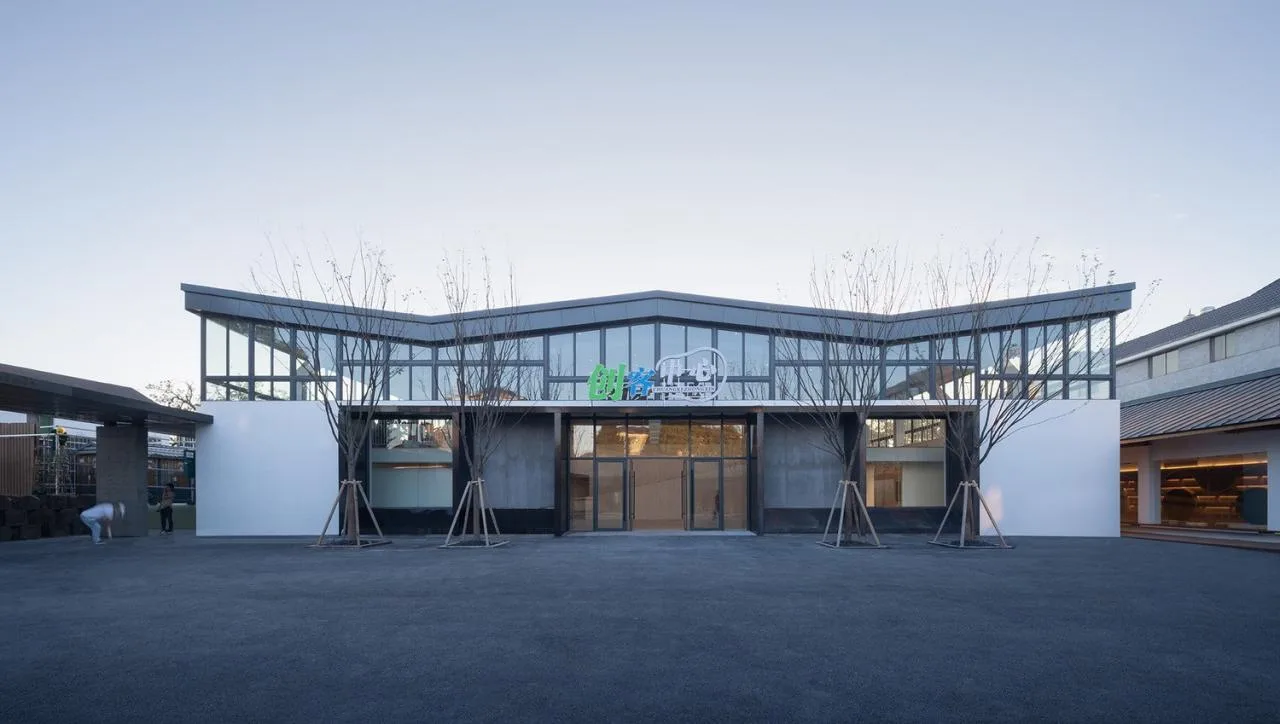
▲ Renovated facade of the maker center © Architecture Photography
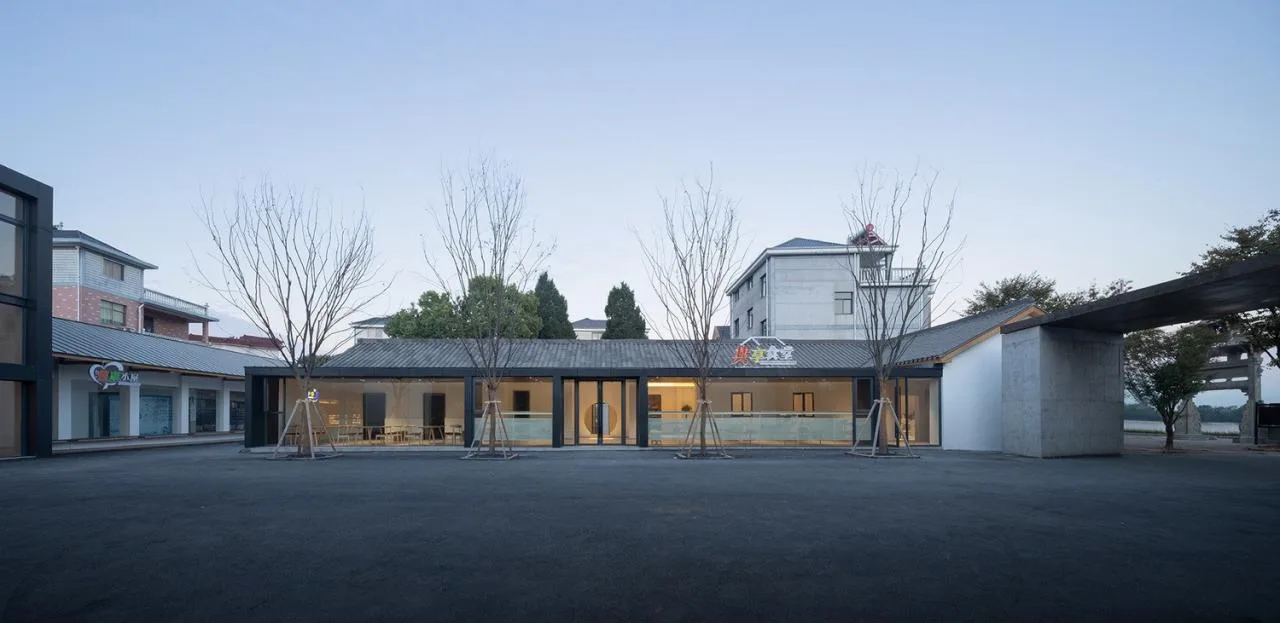
▲ Renovated backyard and shared cafeteria facade © Architecture Photography
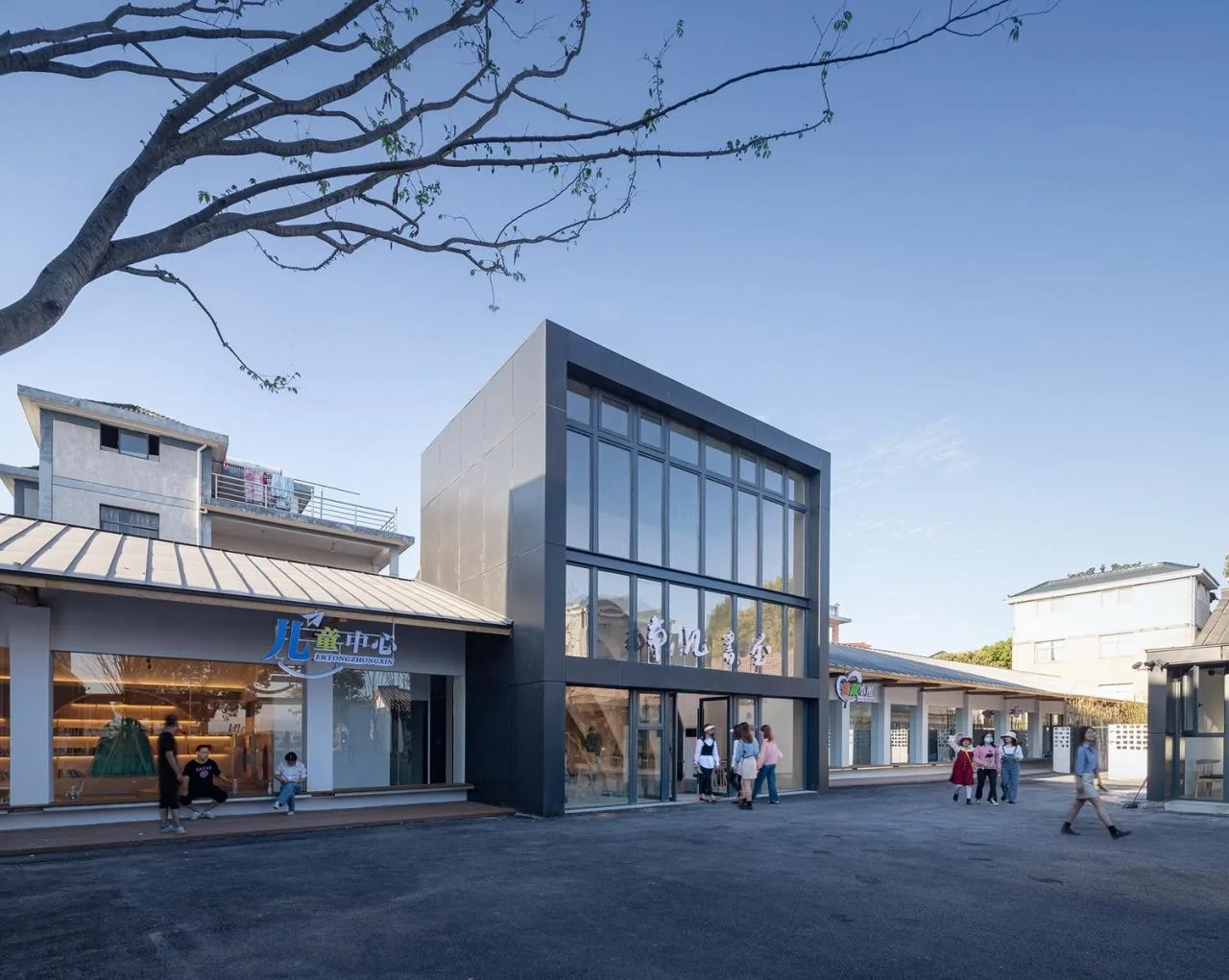
▲ Exterior of the renovated children’s center and Nankong Bookstore © Architecture Photography
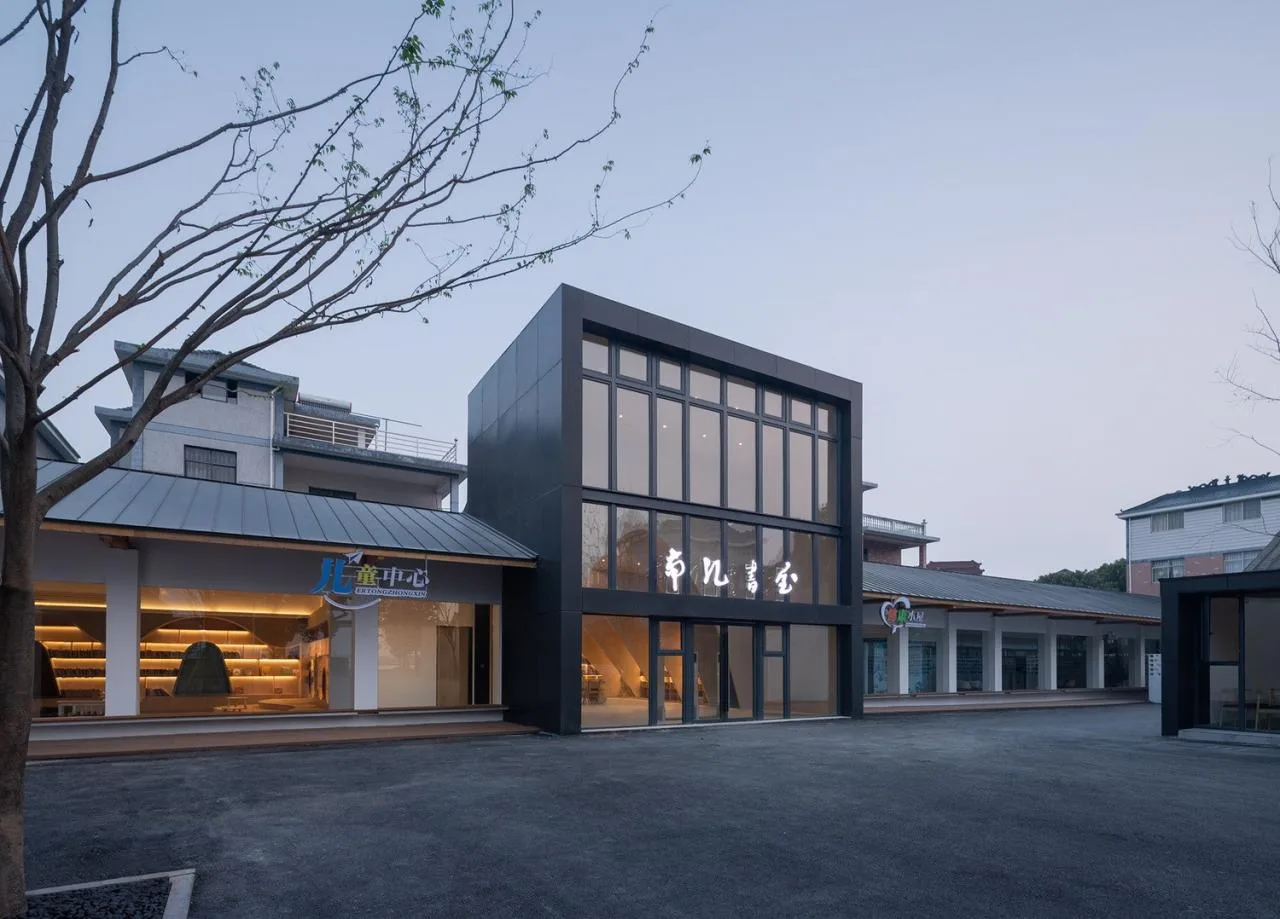
▲ Exterior of the renovated children’s center and Nankong Bookstore © Architecture Photography
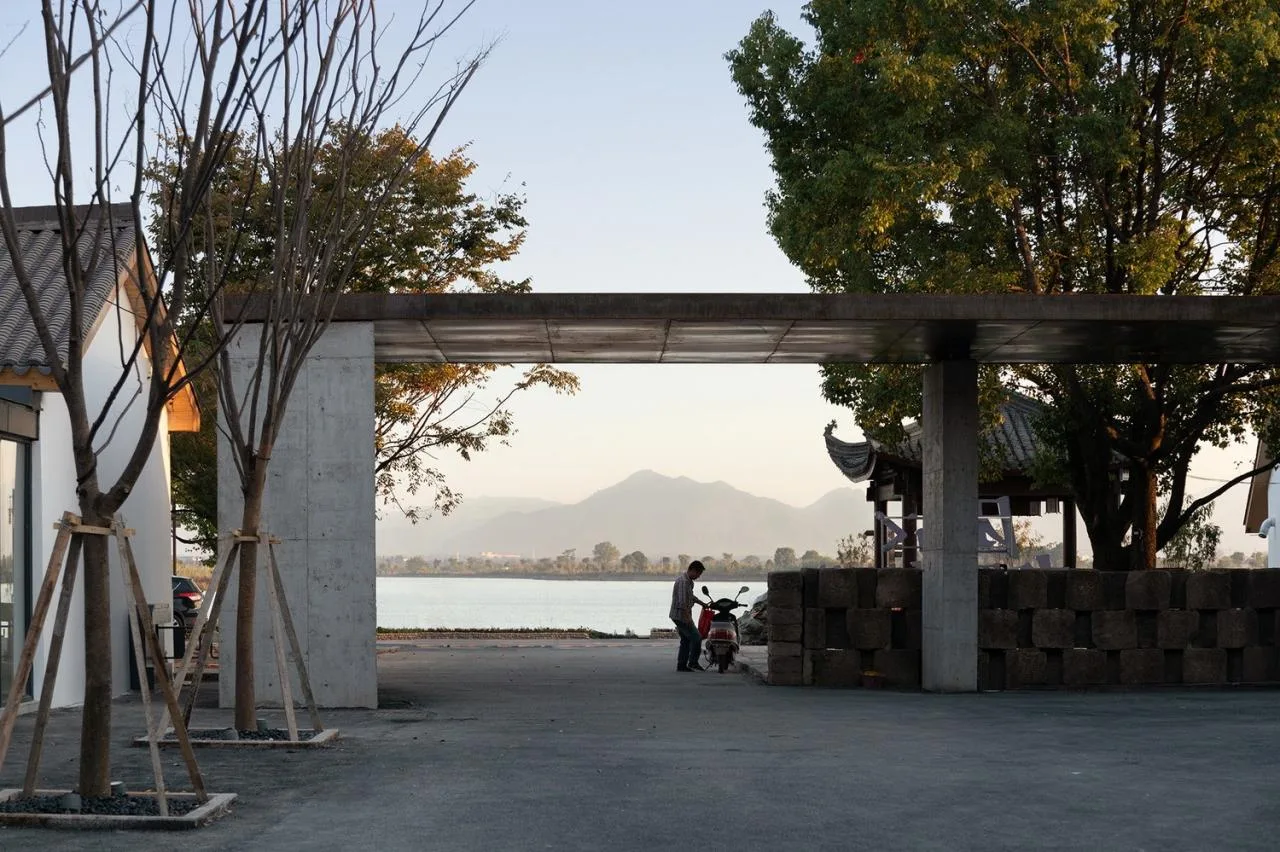
▲ New porch construction © Architecture Photography
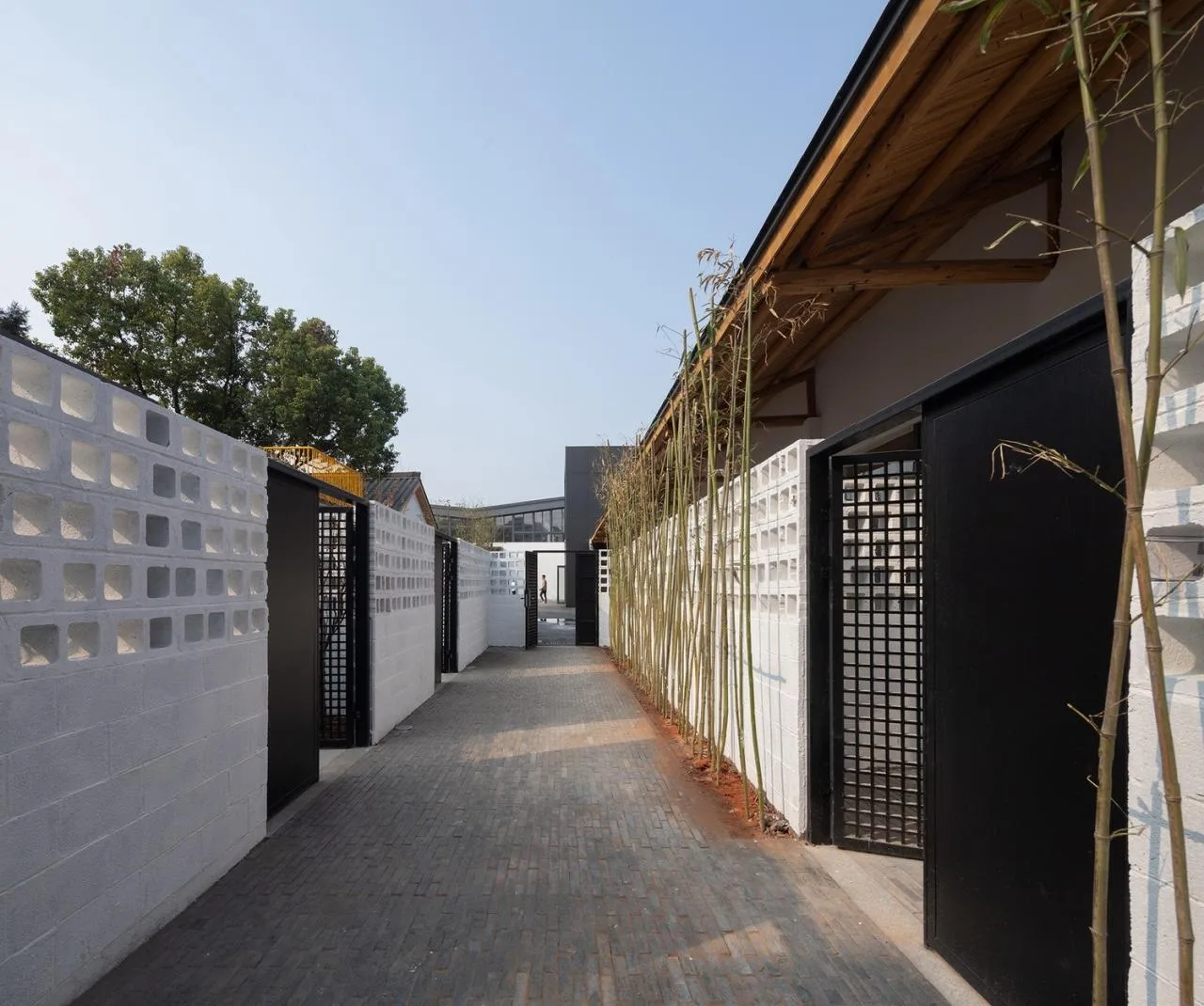
▲ Enclosed courtyard inside the homestay © Architecture Photography
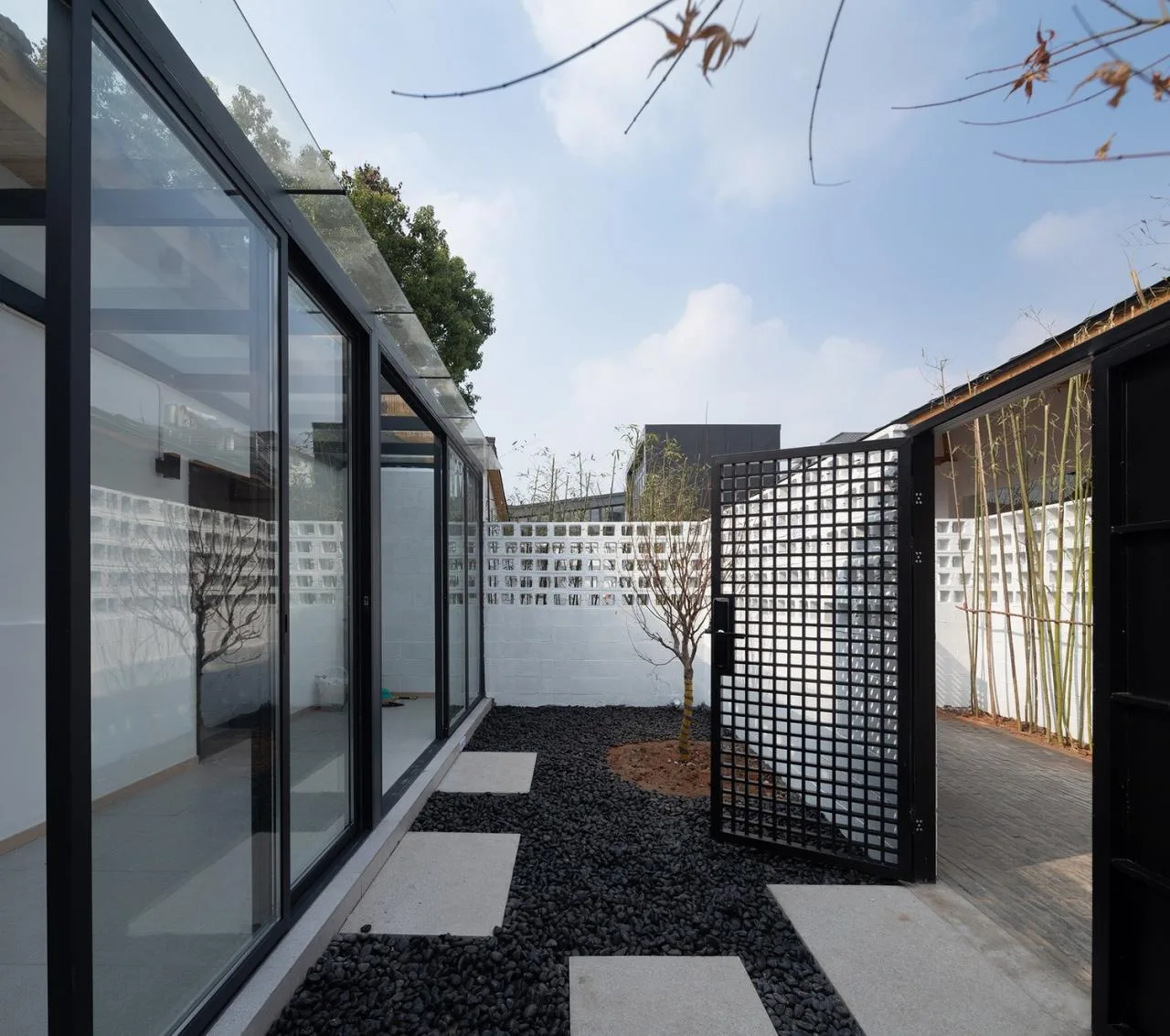
▲ Enclosed courtyard inside the homestay © Architecture Photography
Organic Contrast
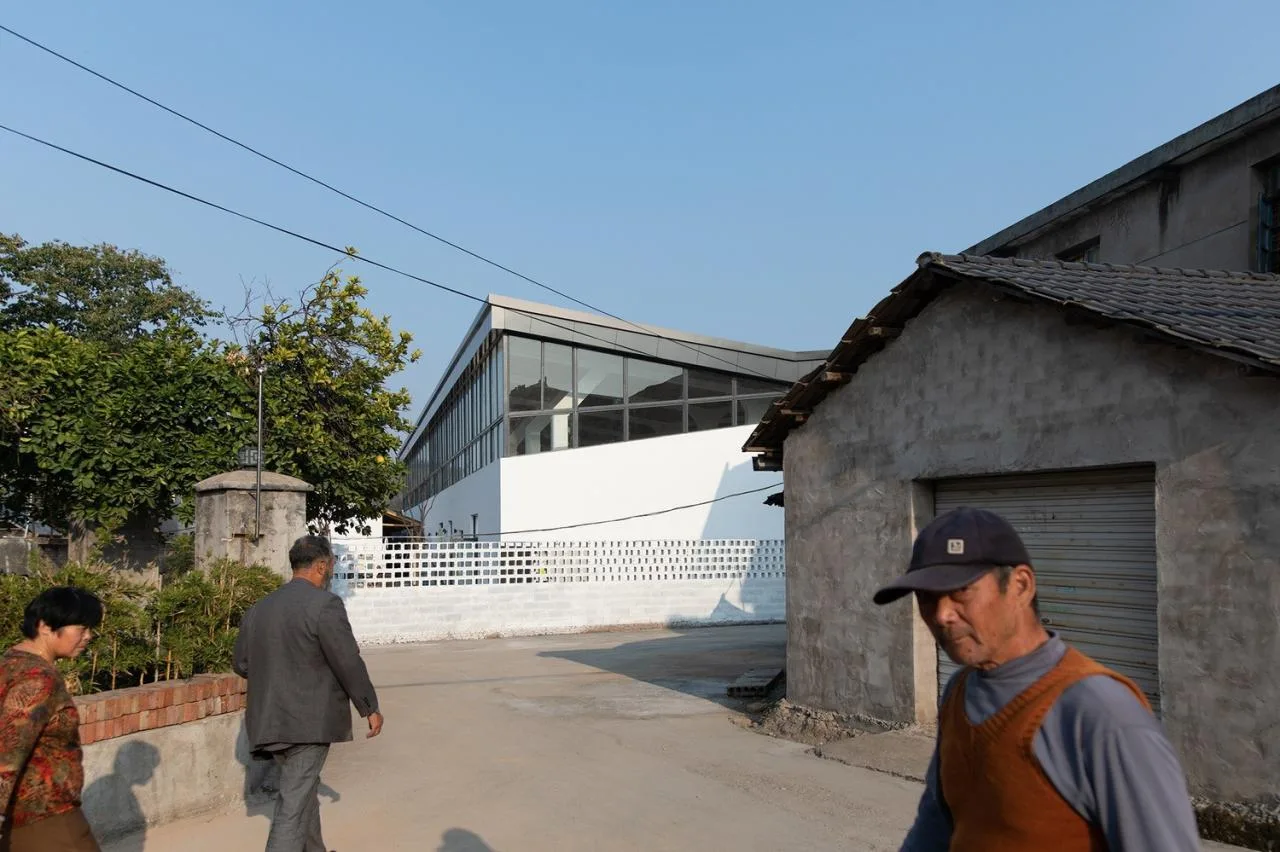
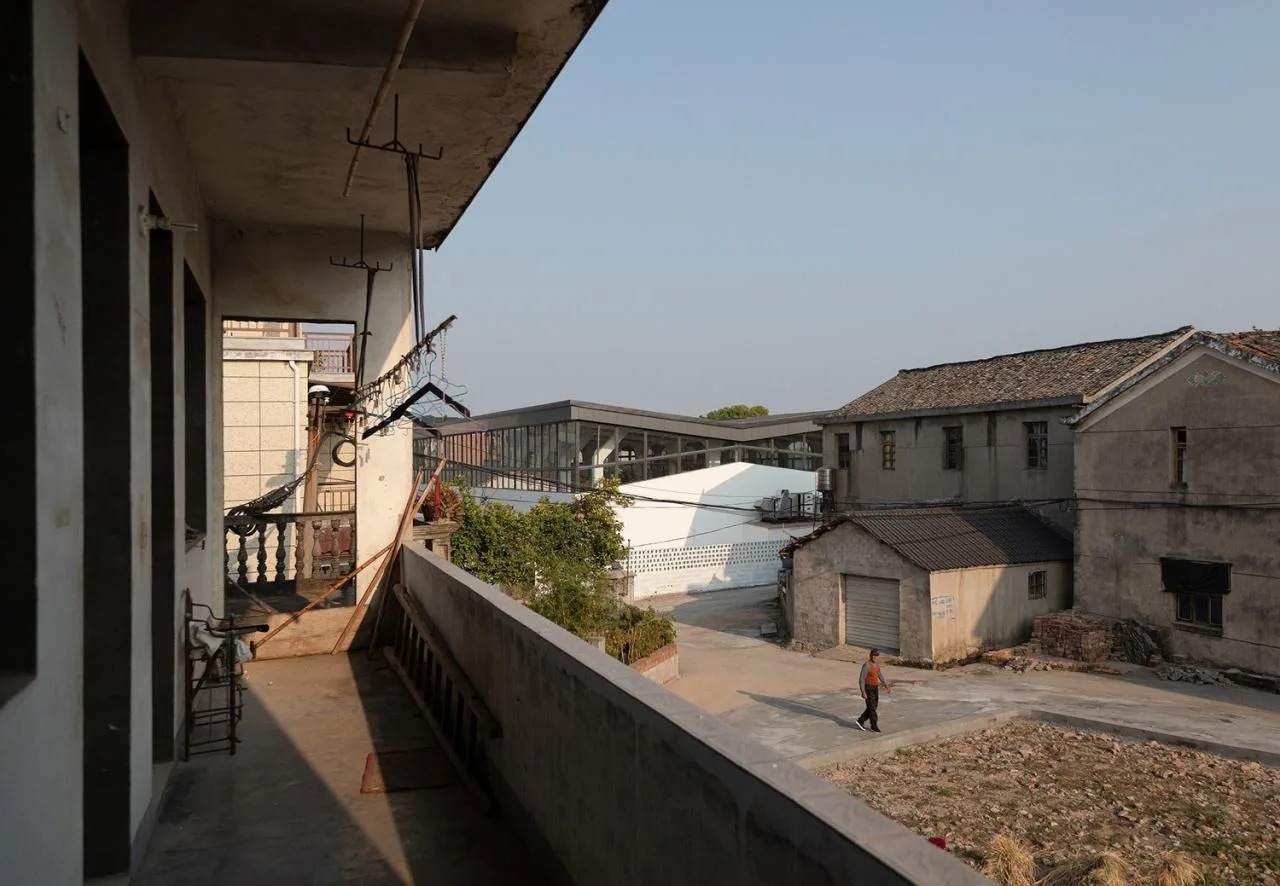
The surrounding buildings and environment are complex. The architect balanced and coordinated new elements with buildings from different eras, considering visual, material, and color relationships. Emphasis was placed on harmonizing tradition and modernity, integrating new structures with the natural, man-made, and cultural surroundings. This symbiosis was achieved through organic contrasts and thoughtful comparisons.
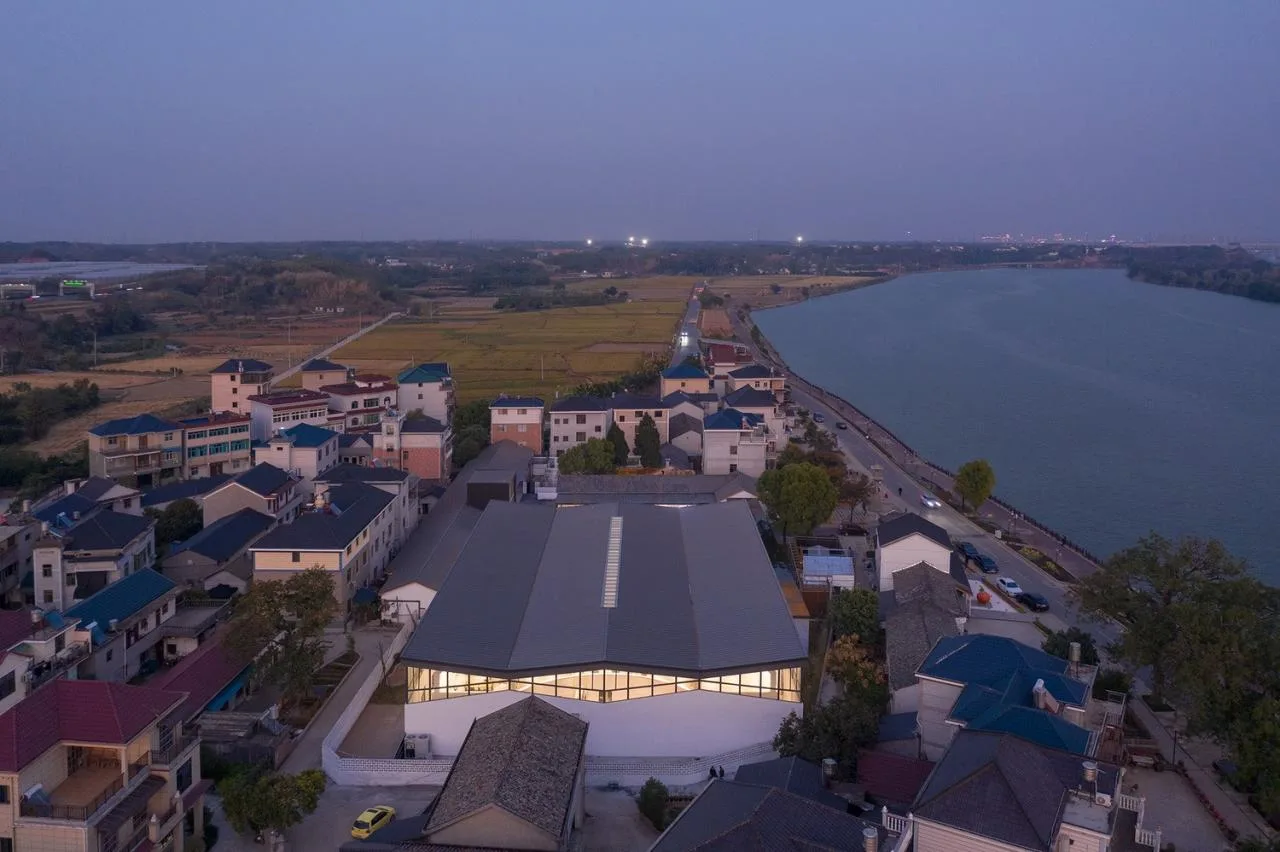
▲ Partial bird’s-eye view of the project © Architecture Photography
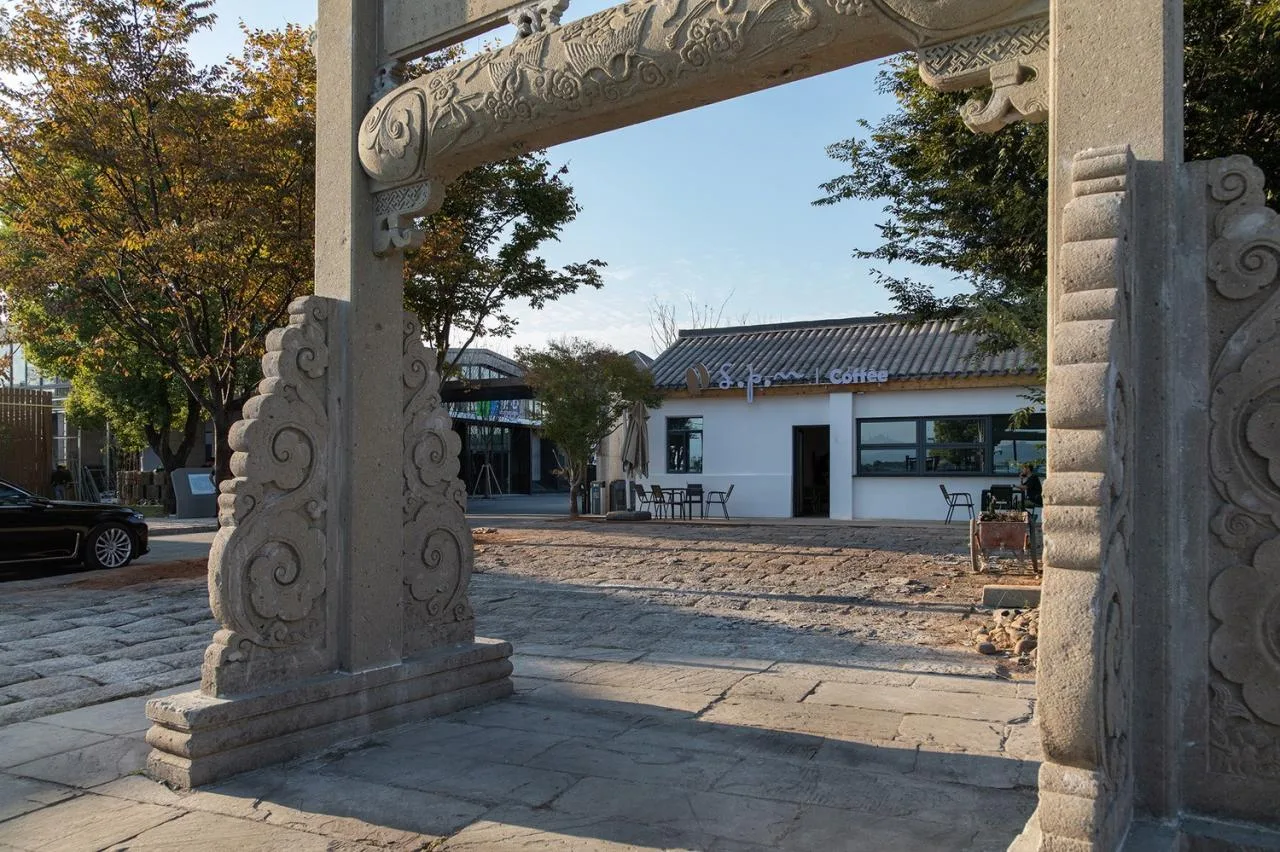
▲ Ma Jie Xiao Fang and the renovated coffee shop © Architecture Photography
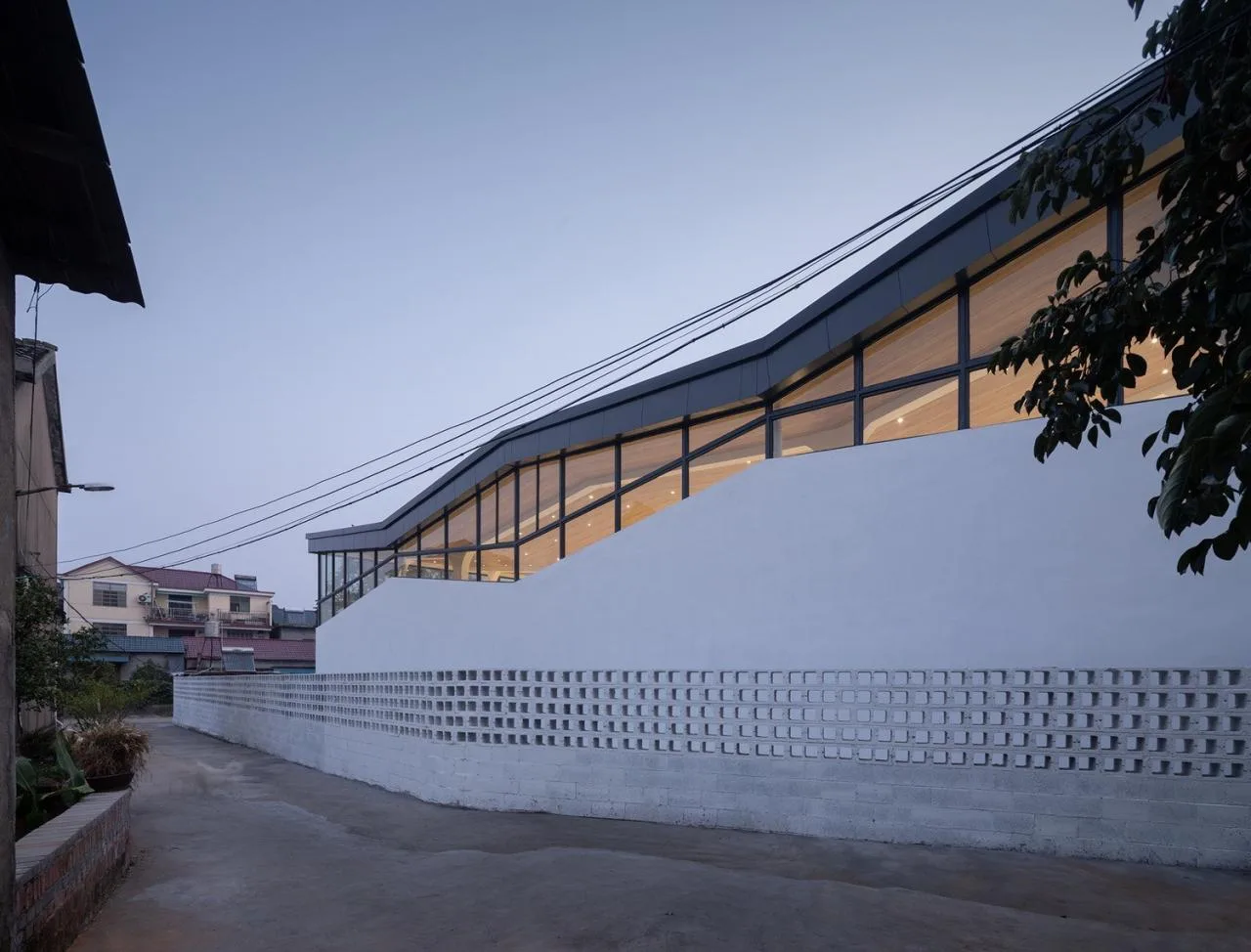
▲ Renovated facade of the maker center © Architecture Photography
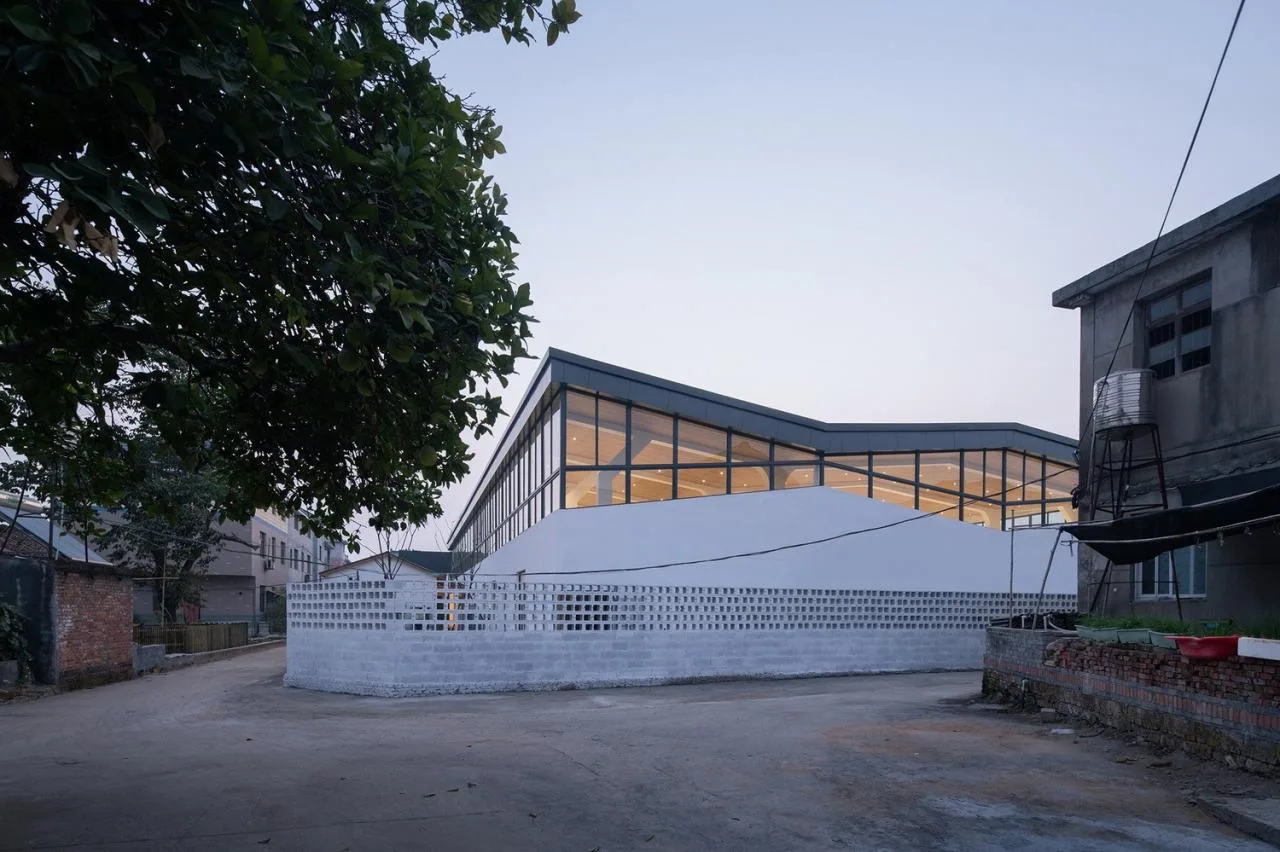
▲ Renovated facade of the maker center © Architecture Photography
▲ Renovated facade of the maker center © Architecture Photography
▲ Renovated facade of the maker center © Architecture Photography
▲ Renovated facade of the maker center © Architecture Photography
▲ Renovated facade of the maker center © Architecture Photography
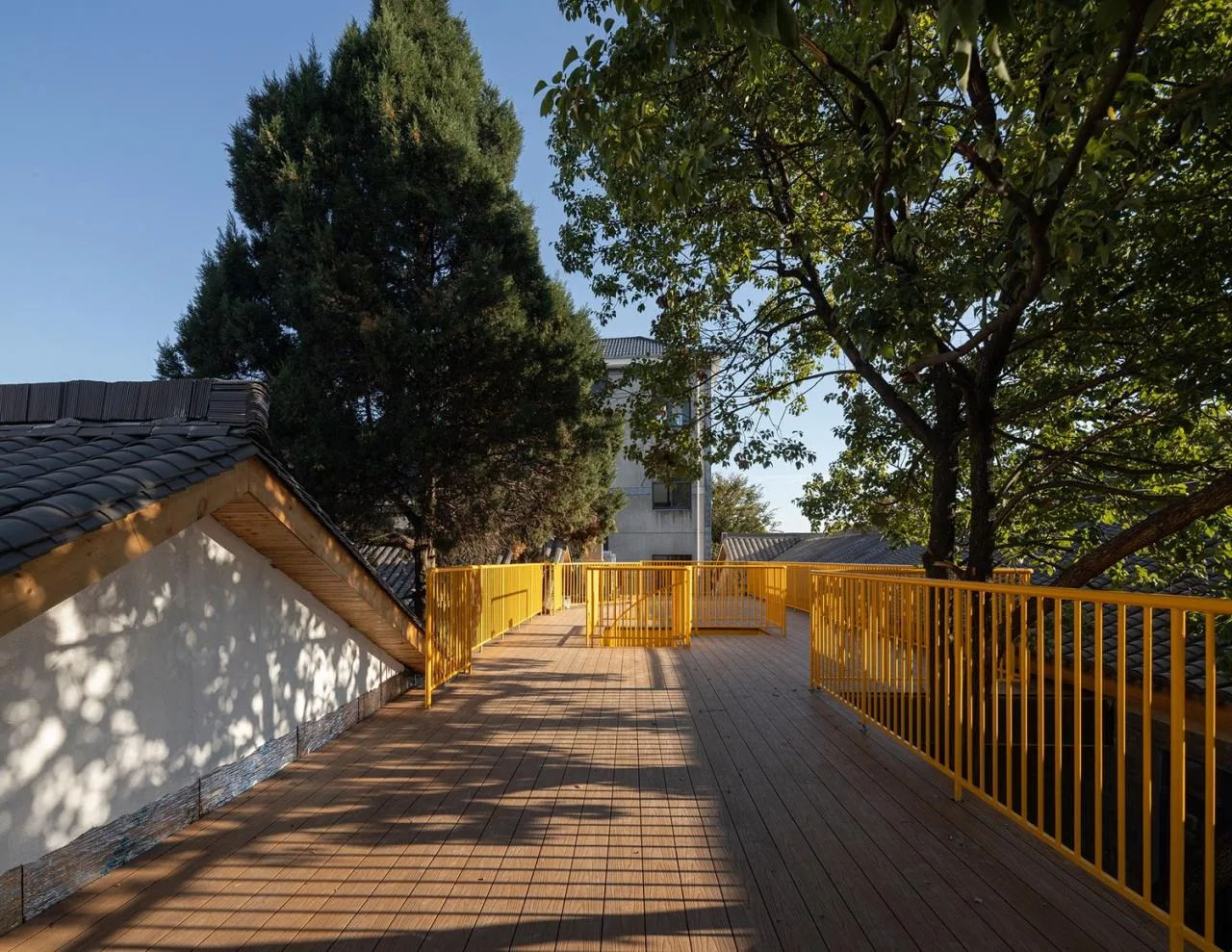
▲ Newly constructed rooftop leisure platform © Architecture Photography
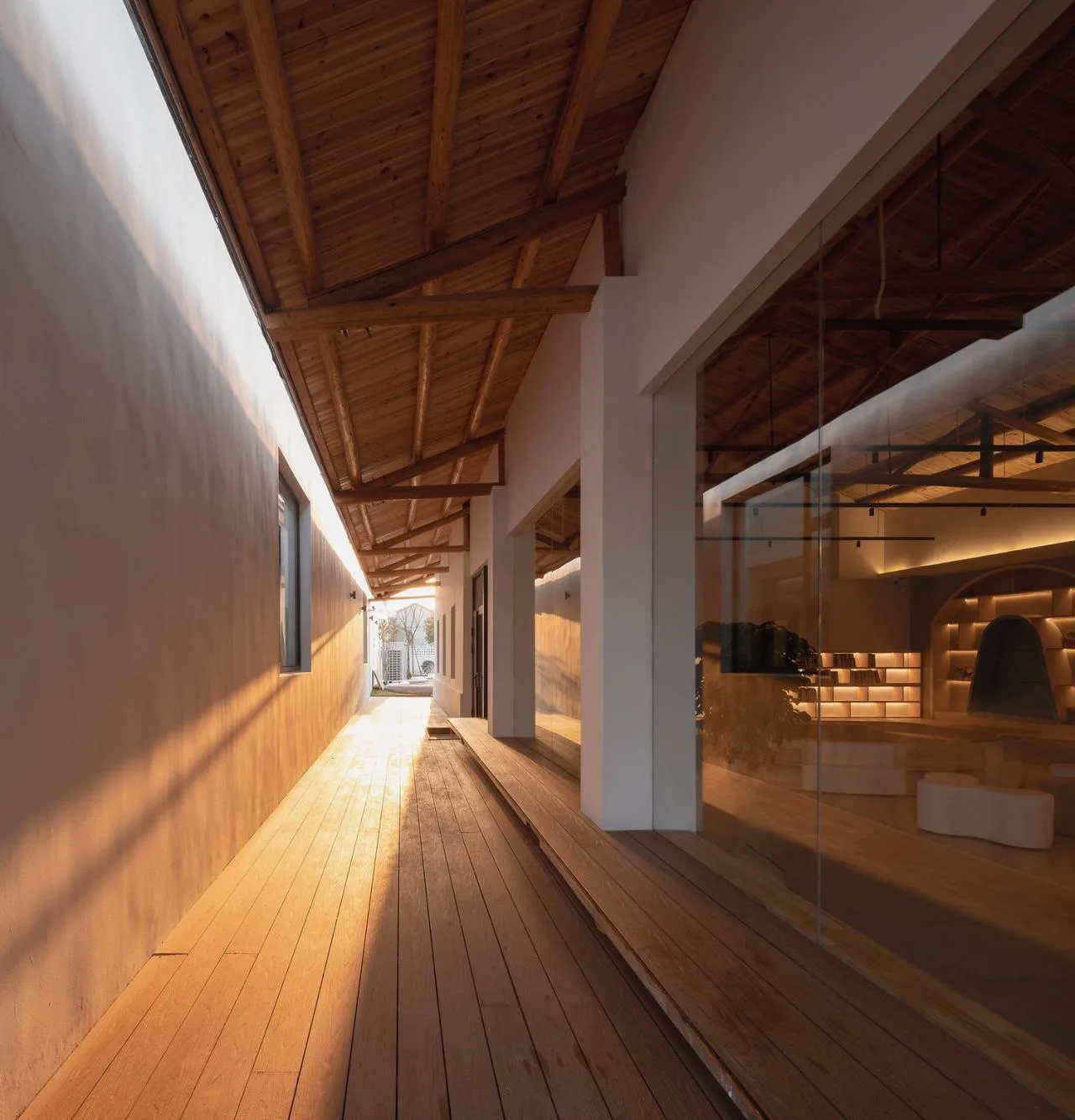
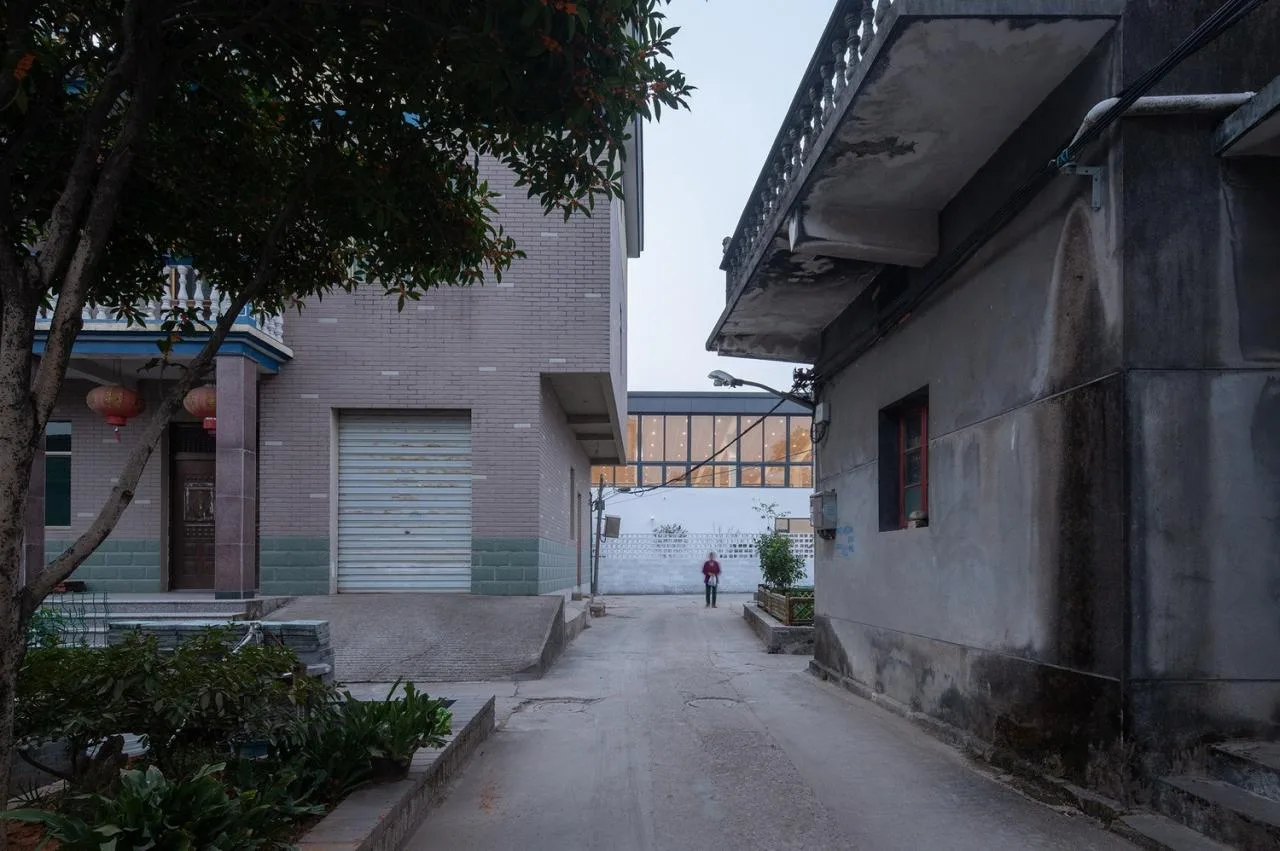
▲ Building gaps © Architecture Photography
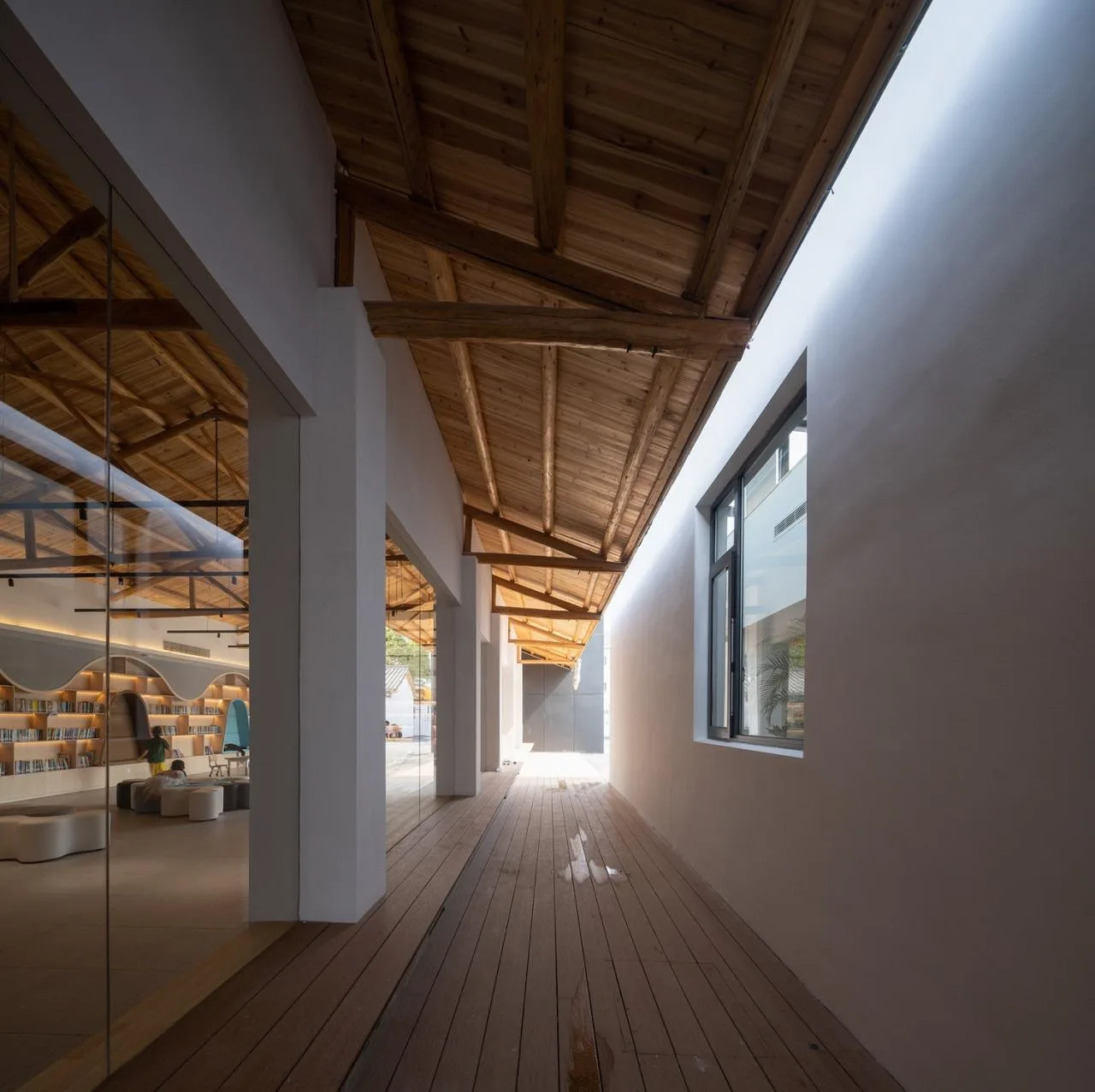
▲ Building gaps © Architecture Photography
Internal Order
From the start, the design prioritized quick assembly, feasibility, and aesthetics to achieve optimal results efficiently. During demolition, it was discovered that many original walls were fragile. The architect removed and reinforced most roofs and walls. While introducing a new structural system, efforts were made to avoid relying on old walls to prevent extended construction time due to foundation reinforcement.
The new structural system incorporates rhythmic repetition and compositional rules, closely integrating the surrounding environment, floor plan functions, and interior spaces. This approach creates individual buildings with rich forms and complex spaces, while maintaining cohesion and order. The architects aimed for a simple and direct style that purifies space and form, guiding visitors through a pure yet diverse environment.
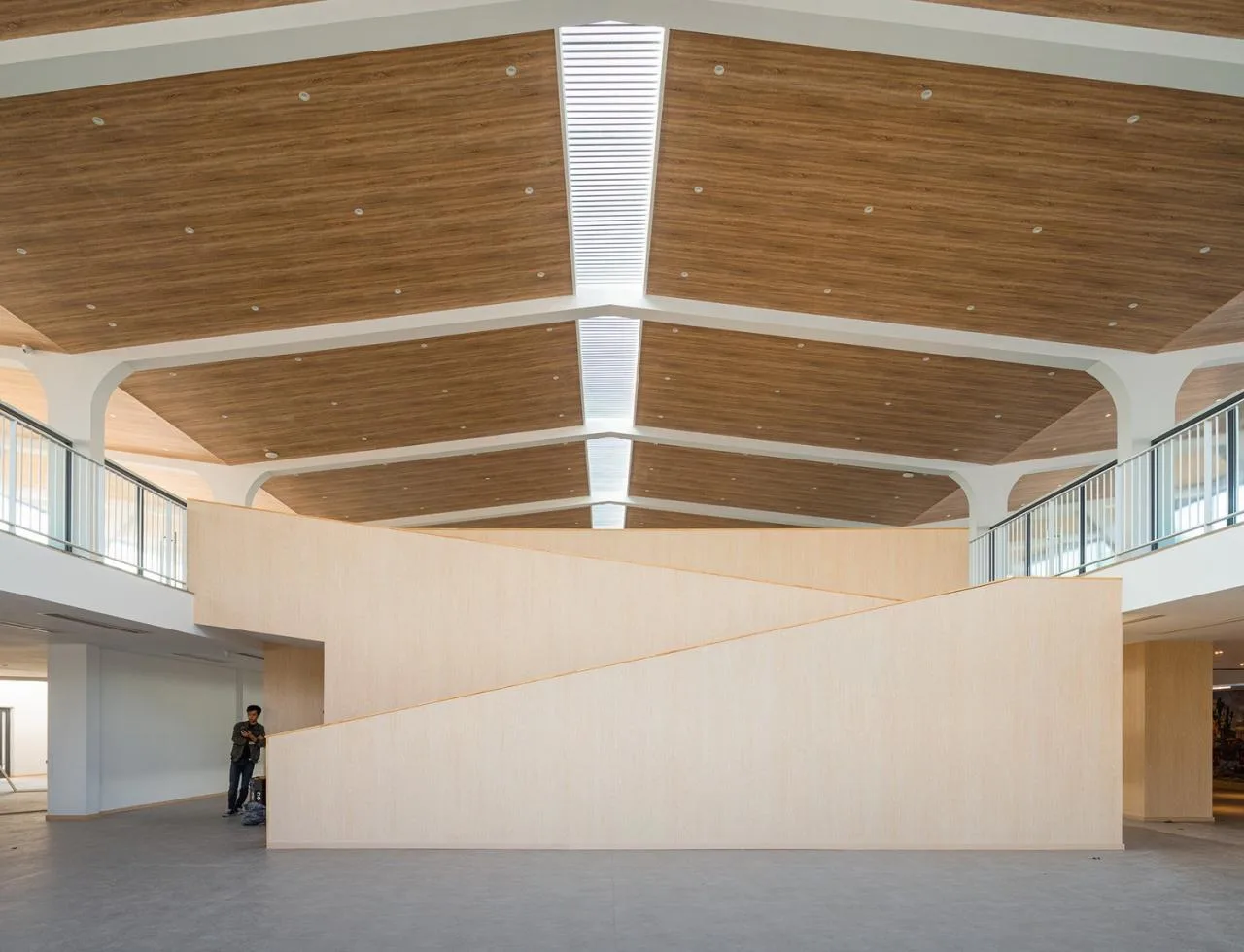
▲ Front office of the maker center © Architecture Photography
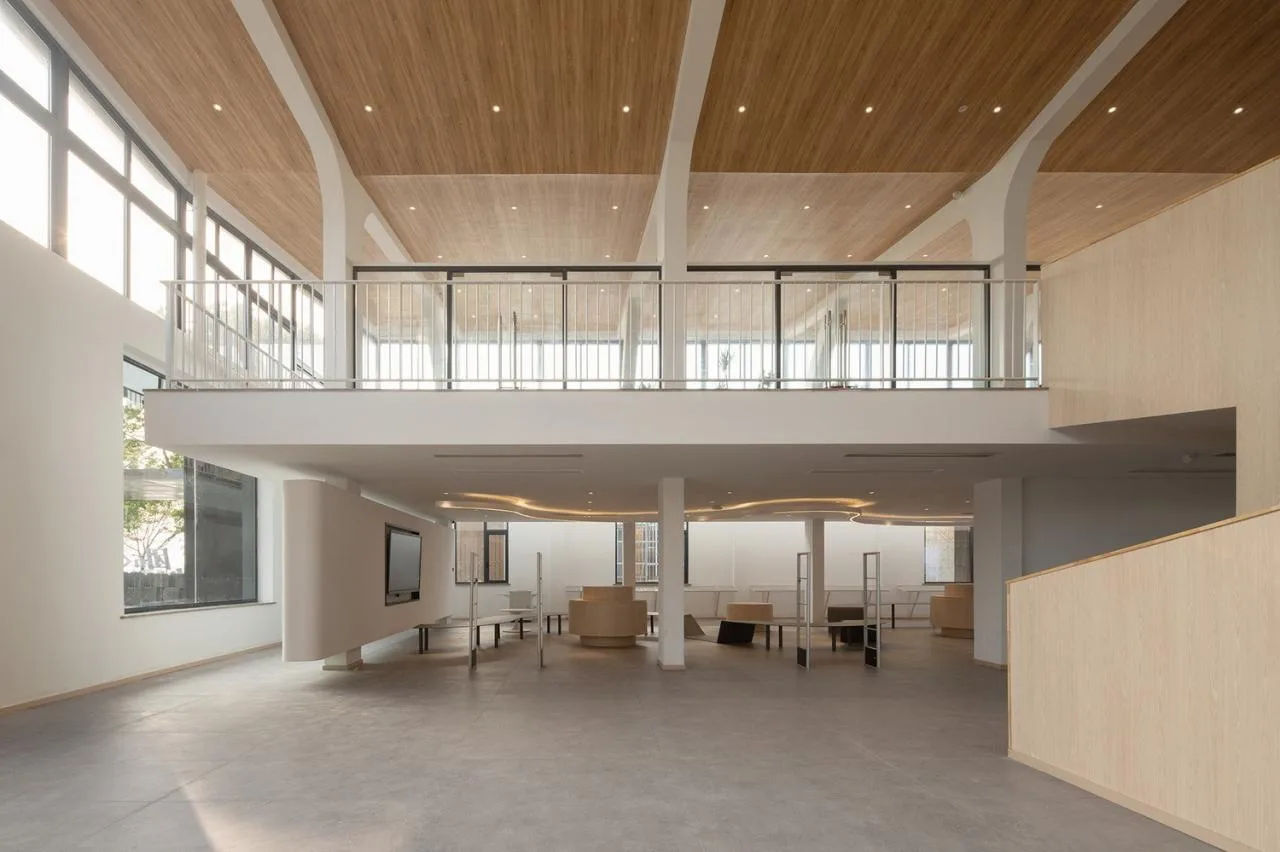
▲ Front office of the maker center © Architecture Photography
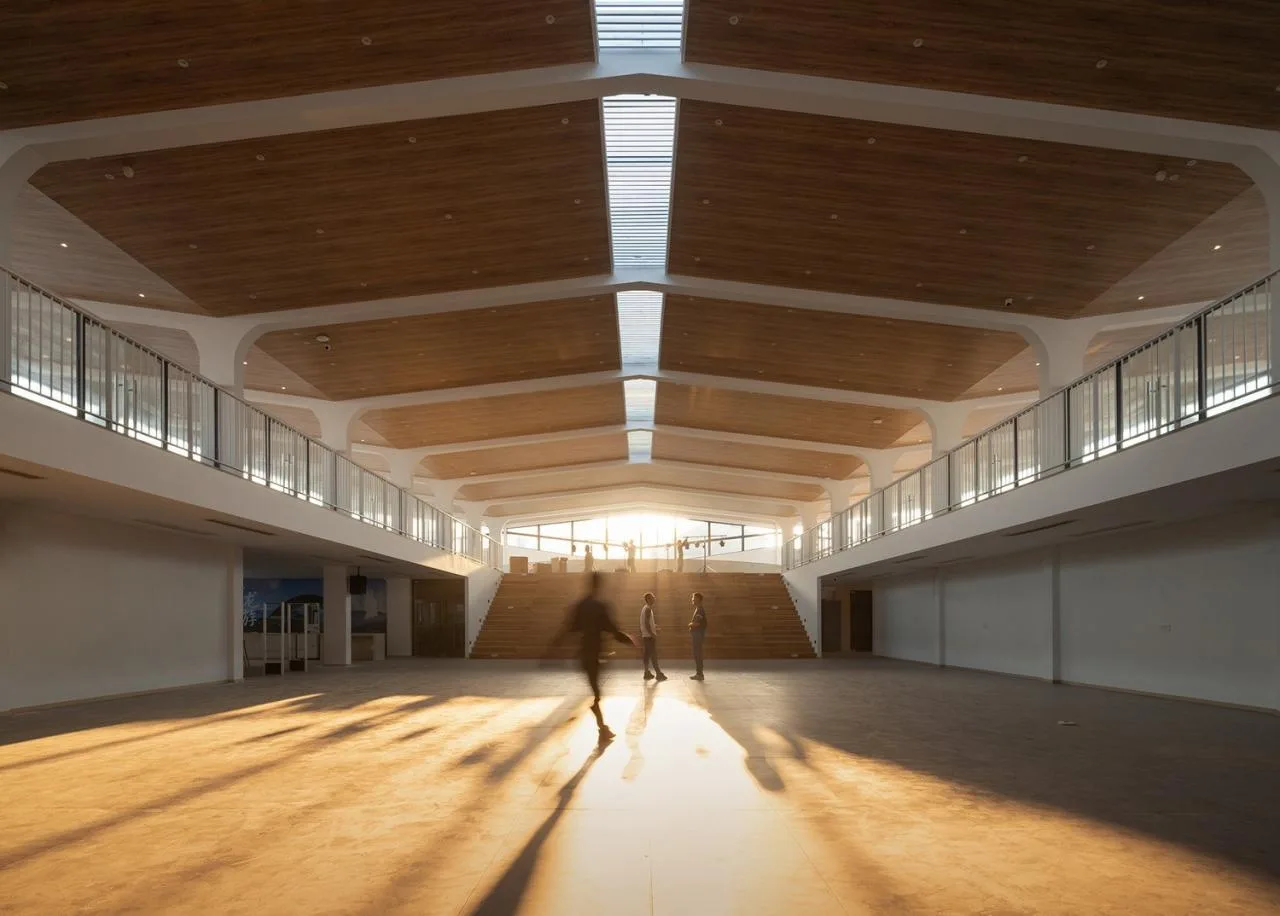
▲ Multi-functional hall of the maker center © Architecture Photography
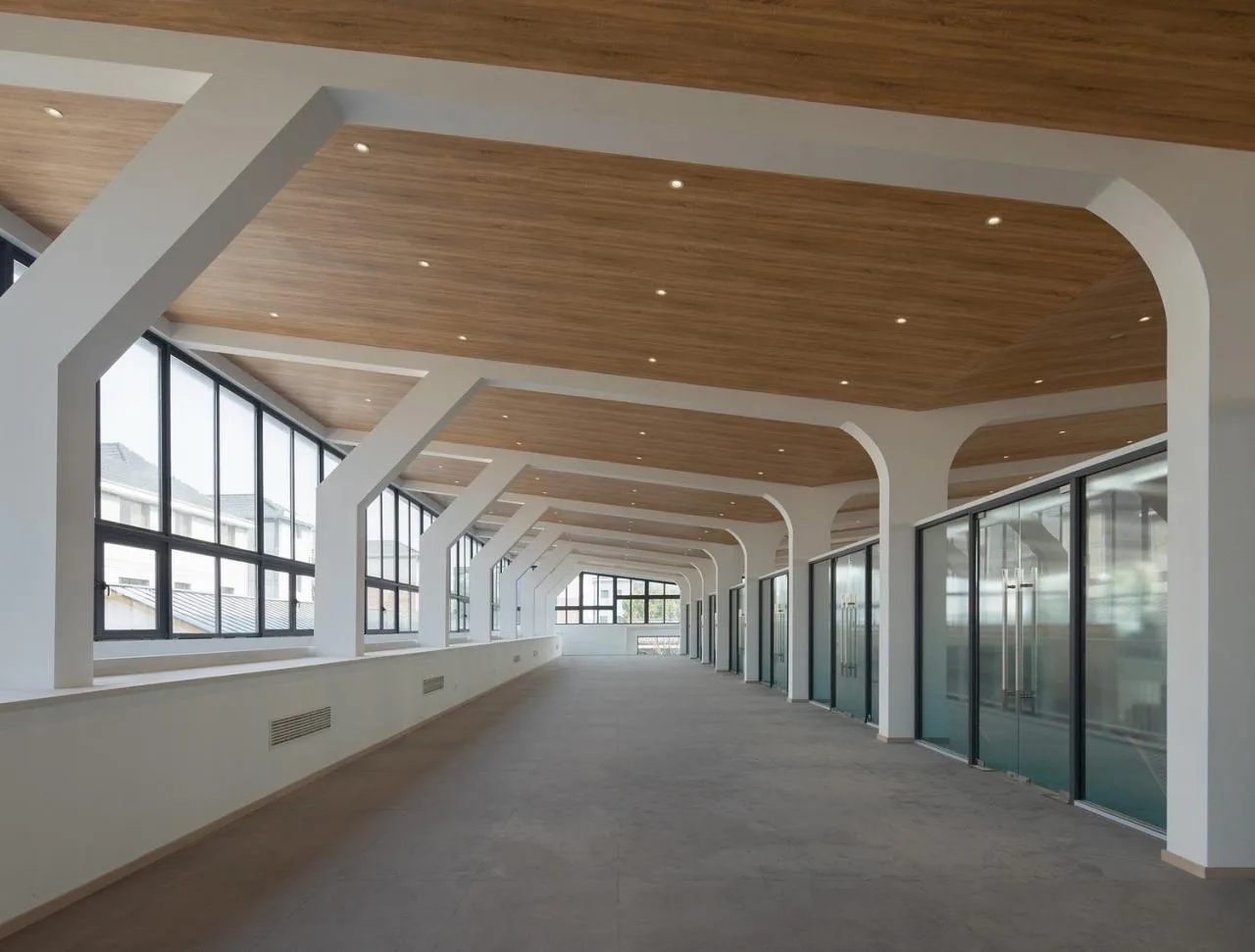
▲ Maker center second floor © Architecture Photography
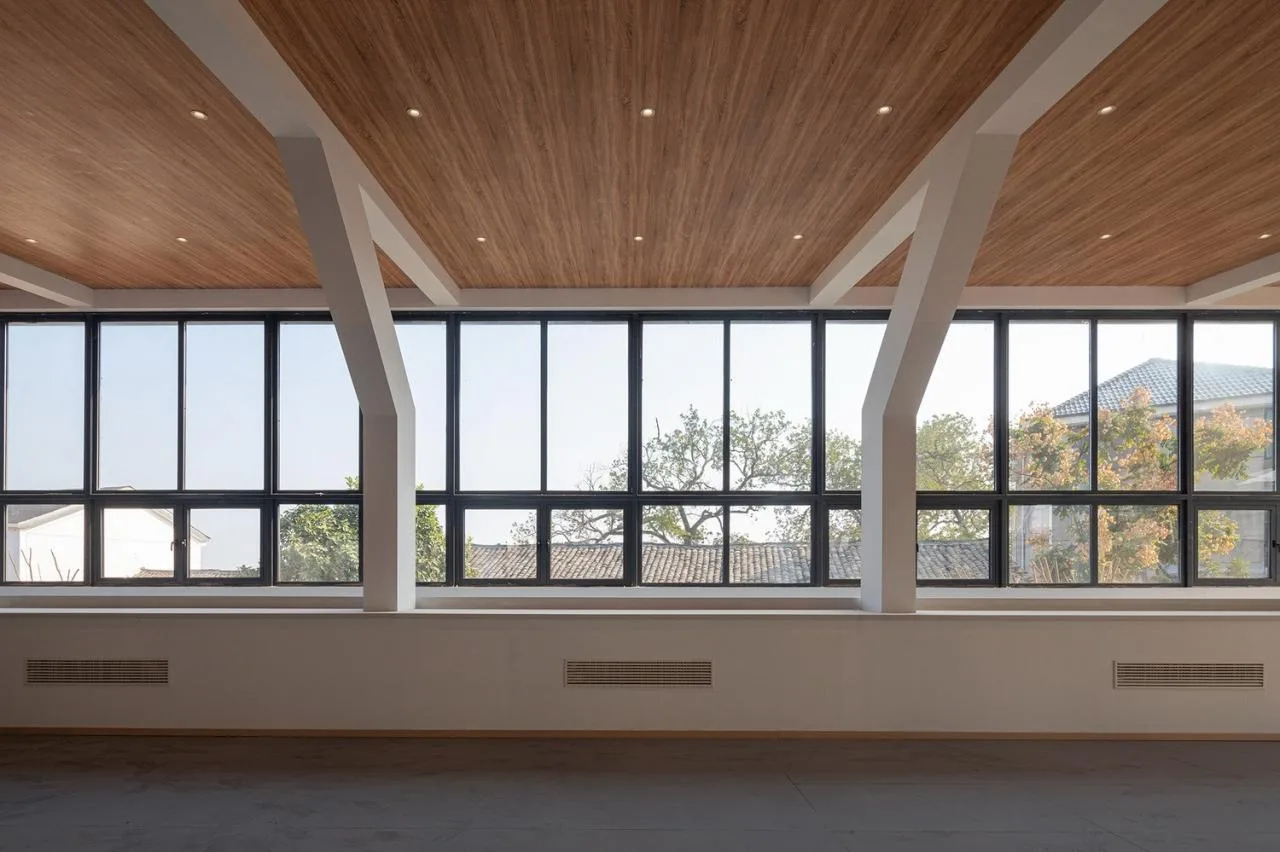
▲ Window view from maker center second floor © Architecture Photography
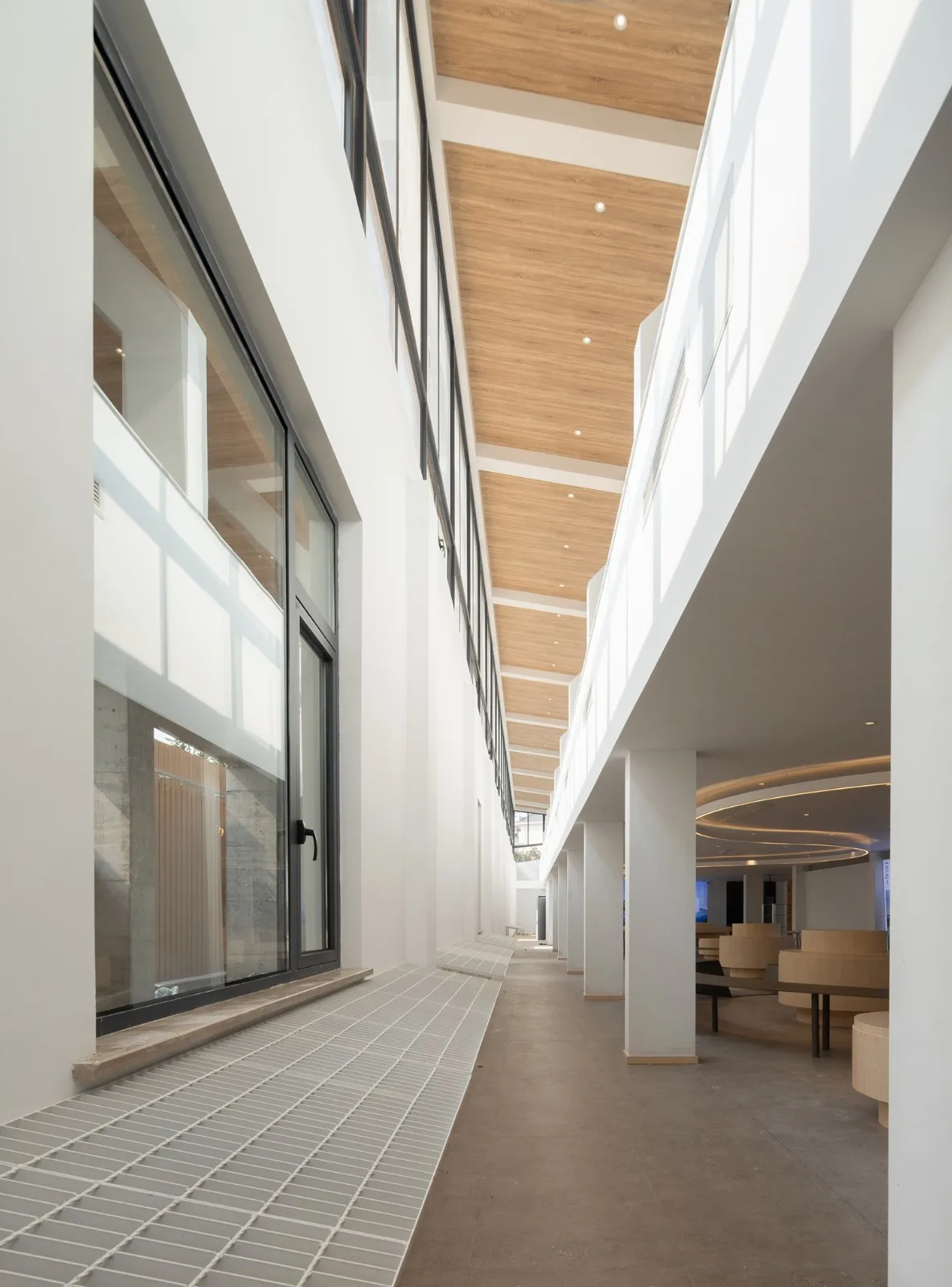
▲ Maker center first floor © Architecture Photography
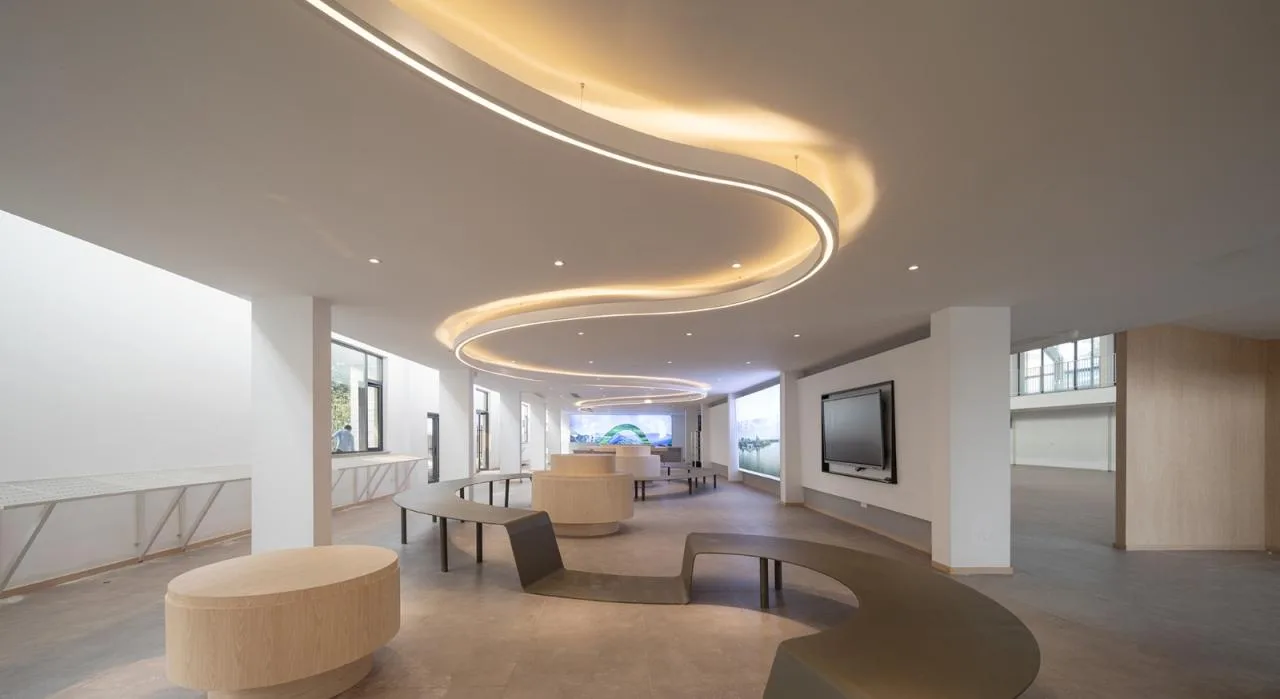
▲ Maker center first floor agricultural product exhibition and sales area © Architecture Photography
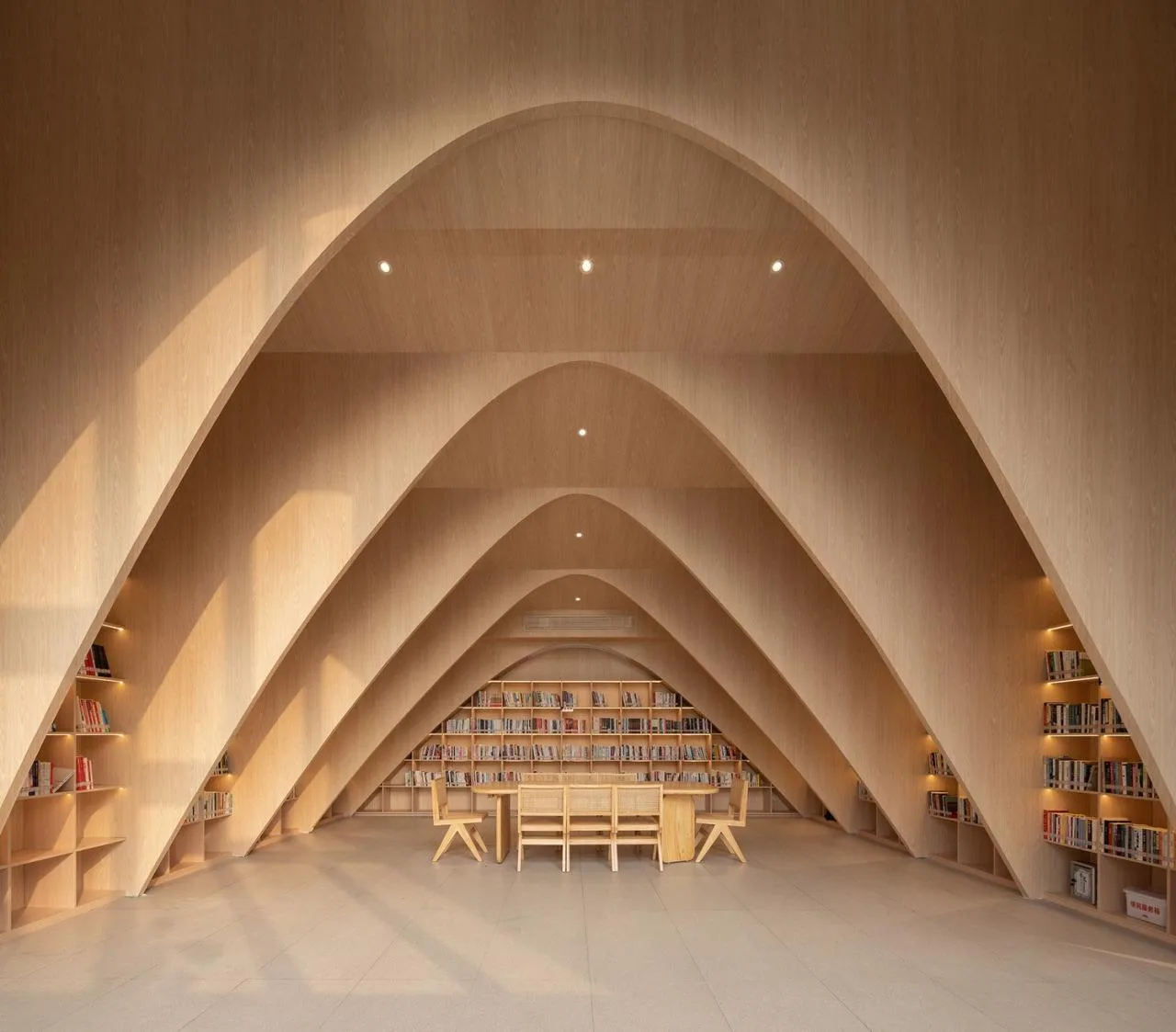
▲ Nankong Bookstore © Architecture Photography
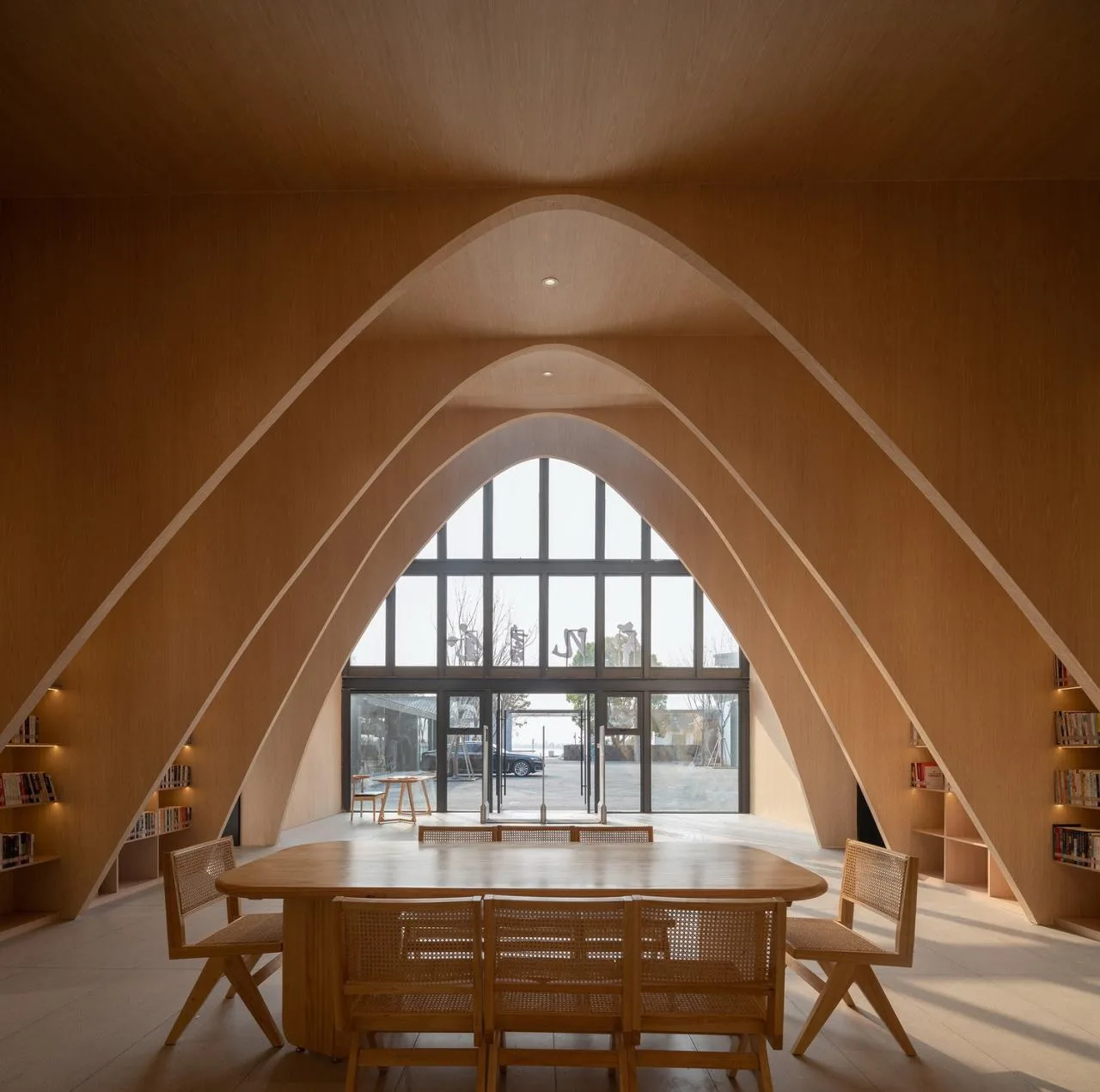
▲ Nankong Bookstore © Architecture Photography
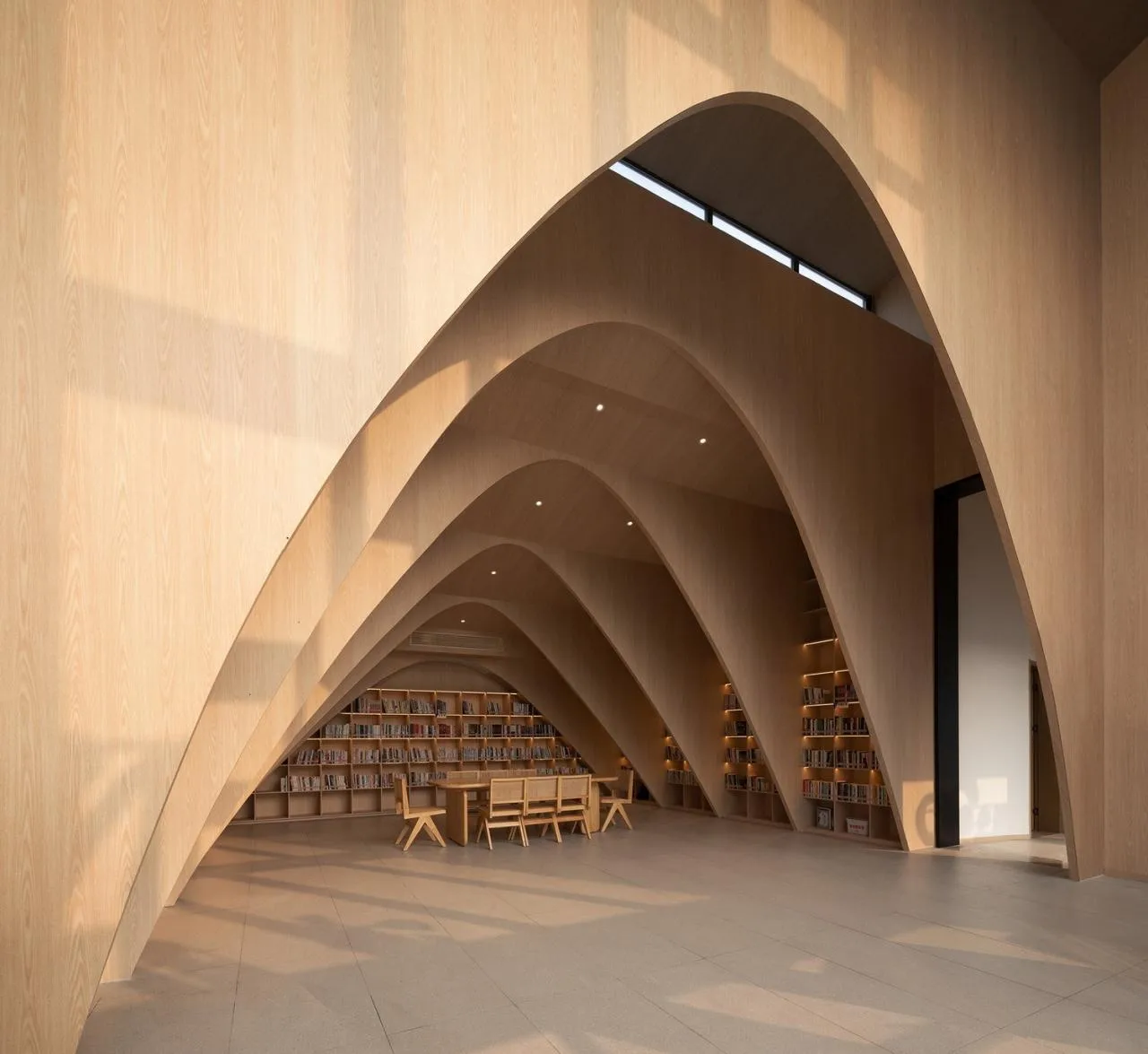
▲ Nankong Bookstore © Architecture Photography
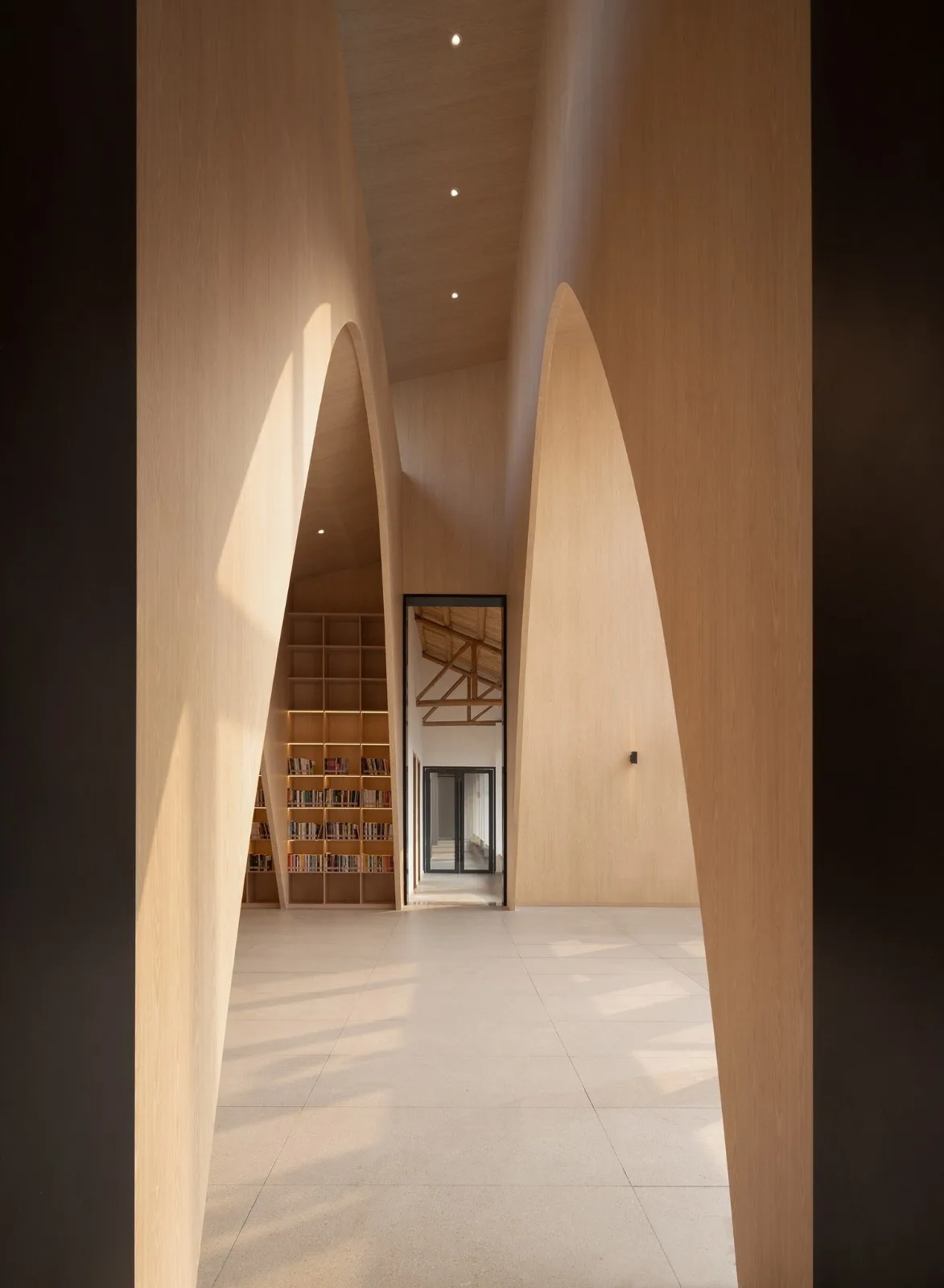
▲ Nankong Bookstore © Architecture Photography
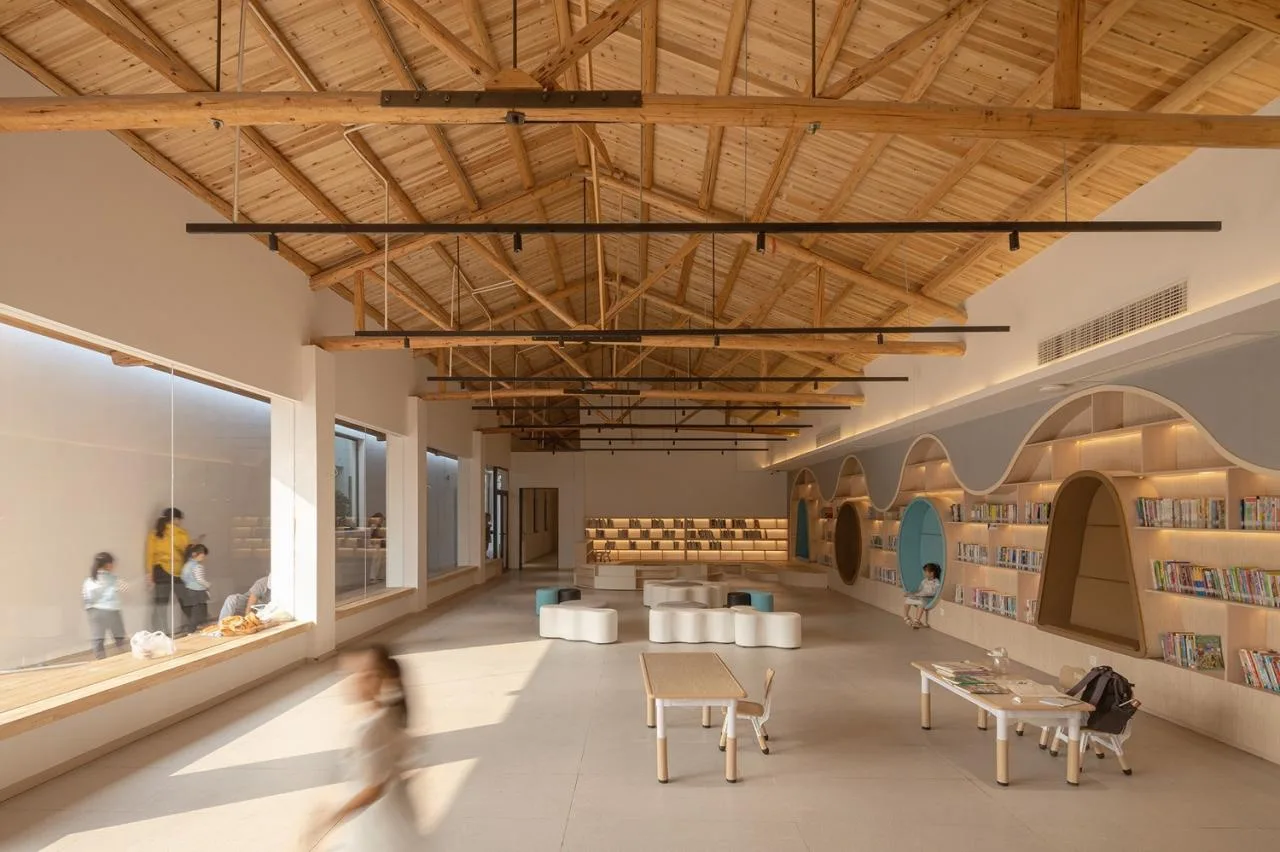
▲ Children’s center © Architecture Photography
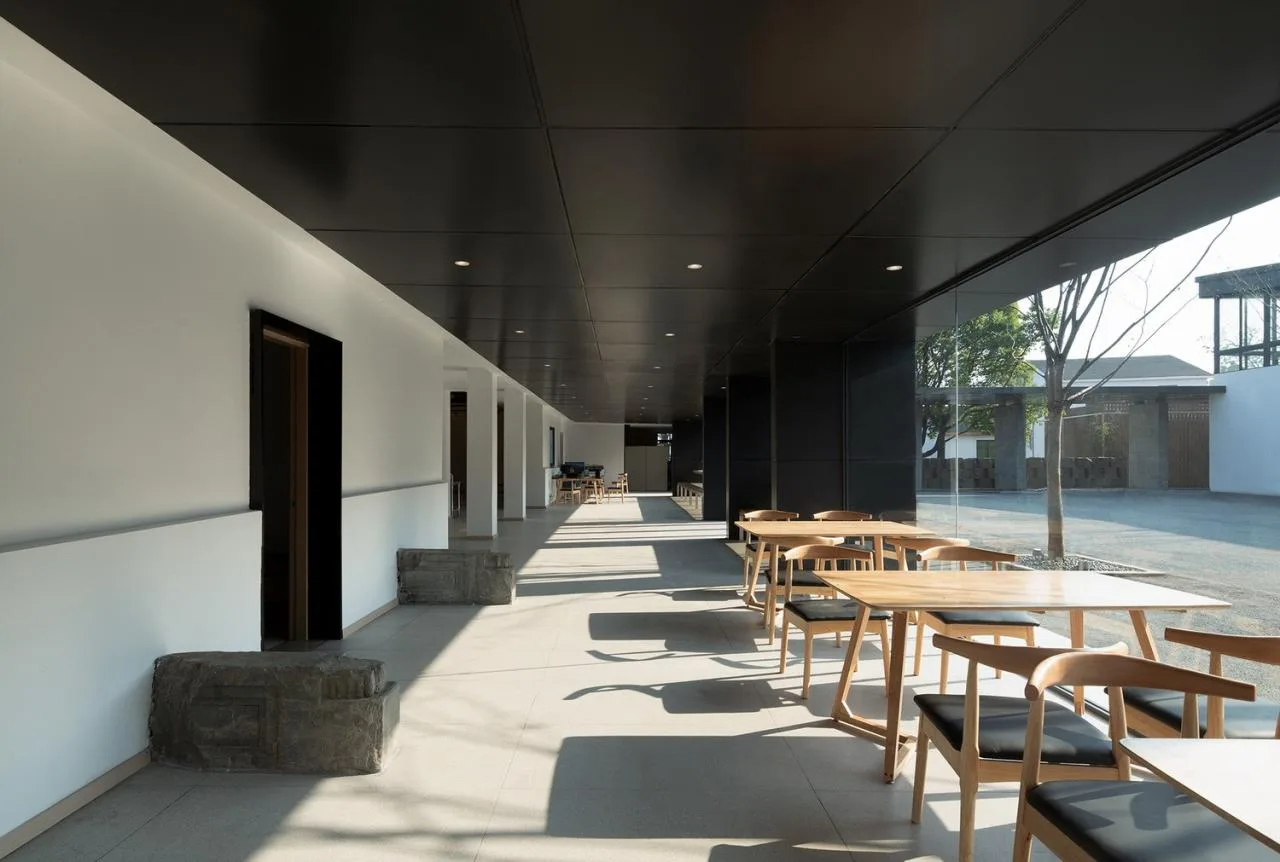
▲ Shared restaurant © Architecture Photography
Technical Drawings
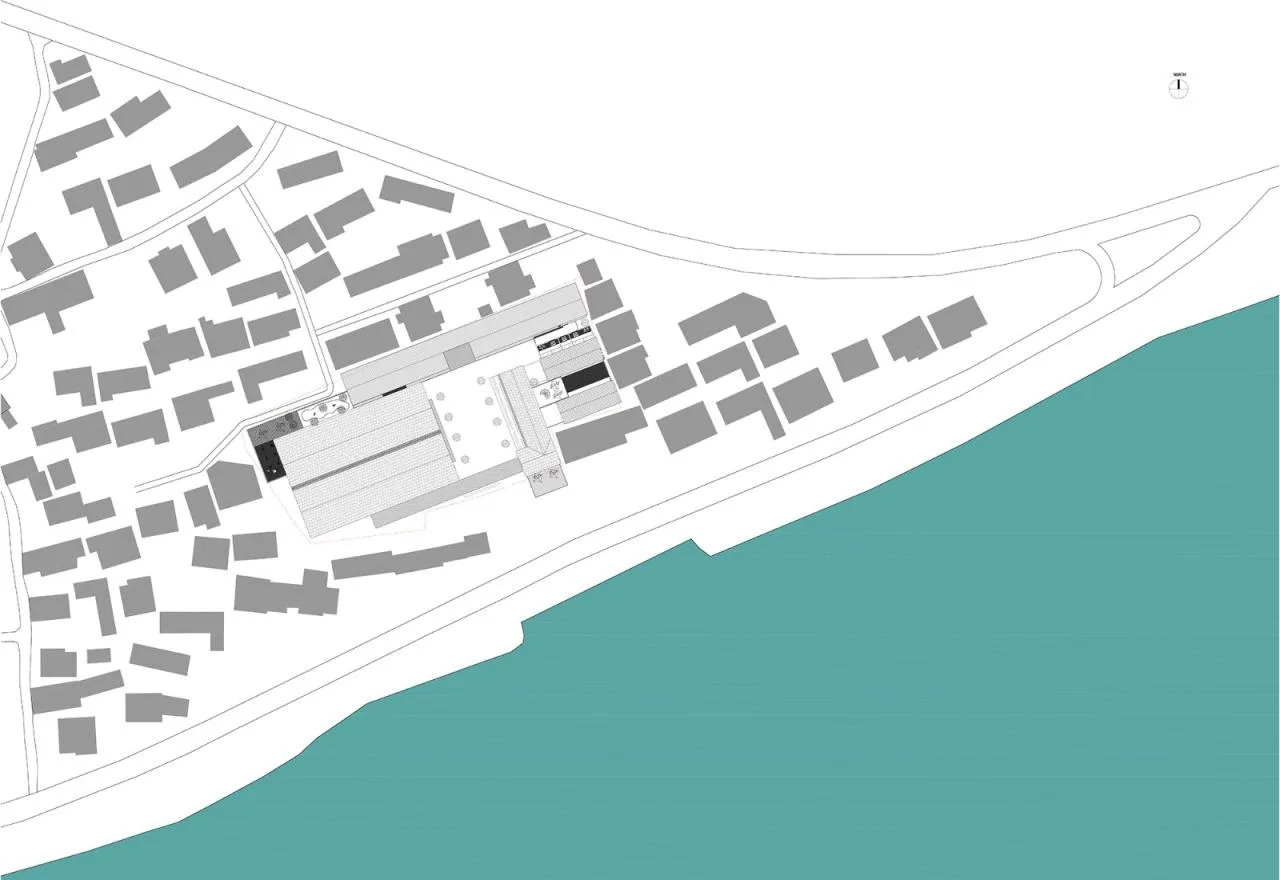
▲ General layout plan © y.ad studio
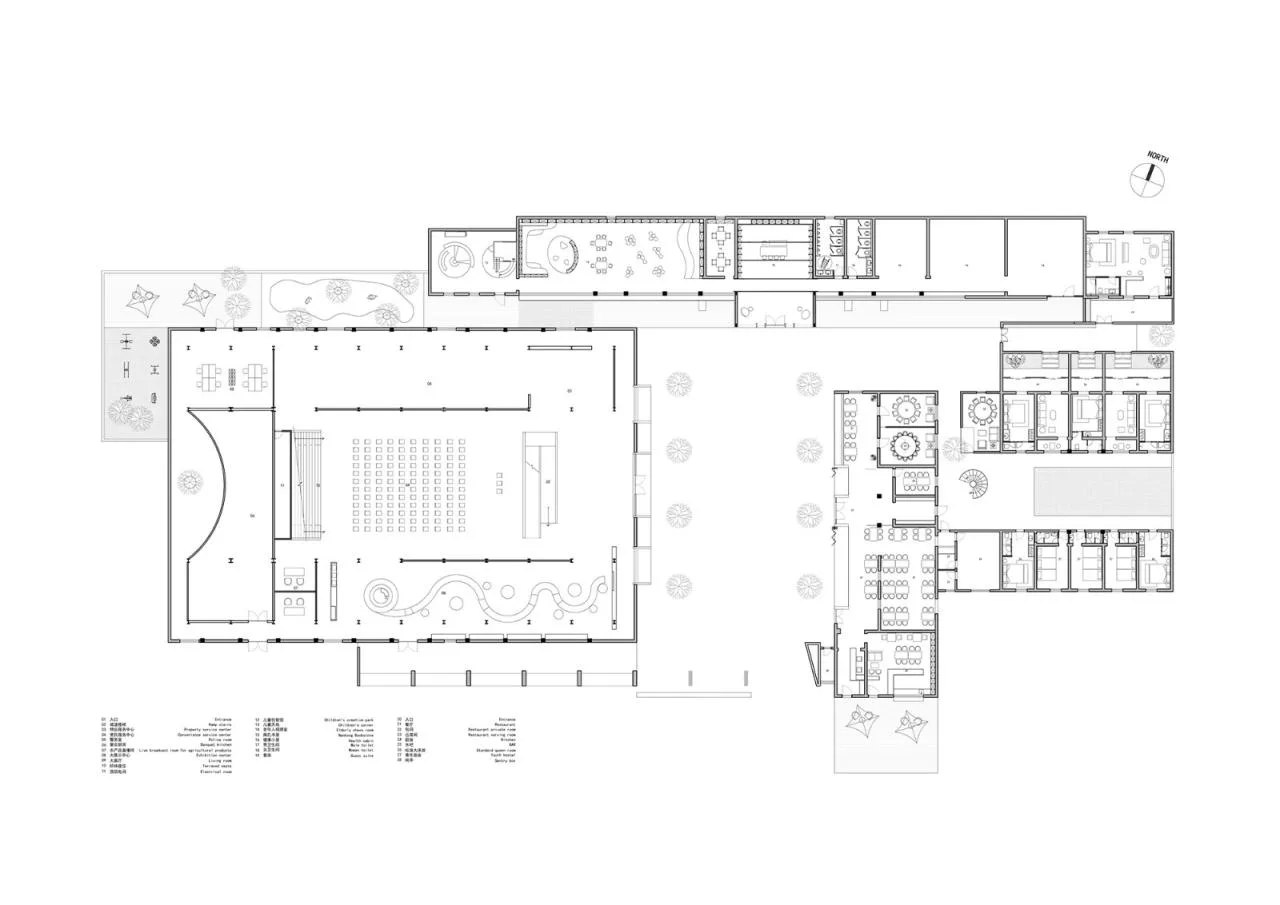
▲ First floor building plan © y.ad studio
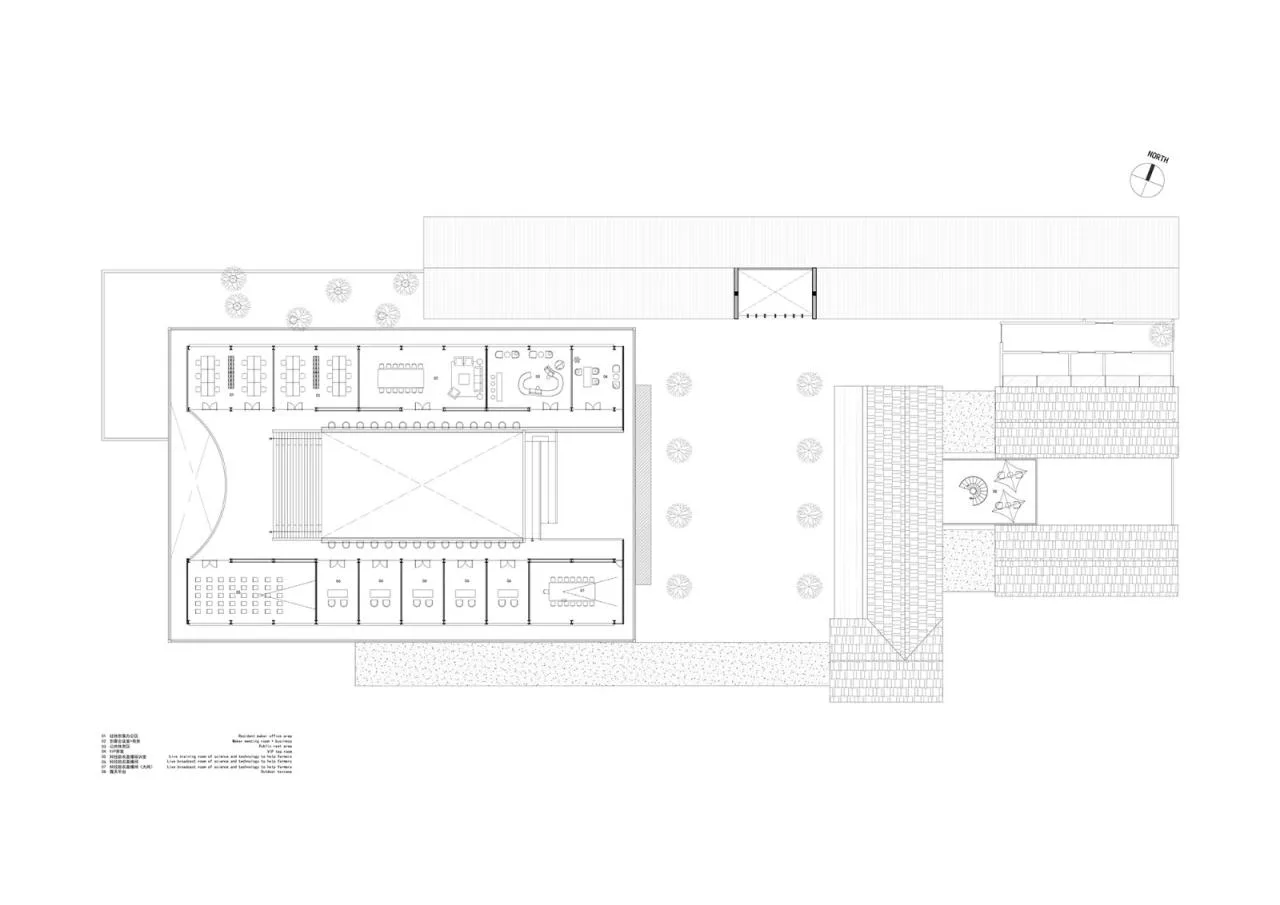
▲ Second floor building plan © y.ad studio

▲ Roof plan © y.ad studio
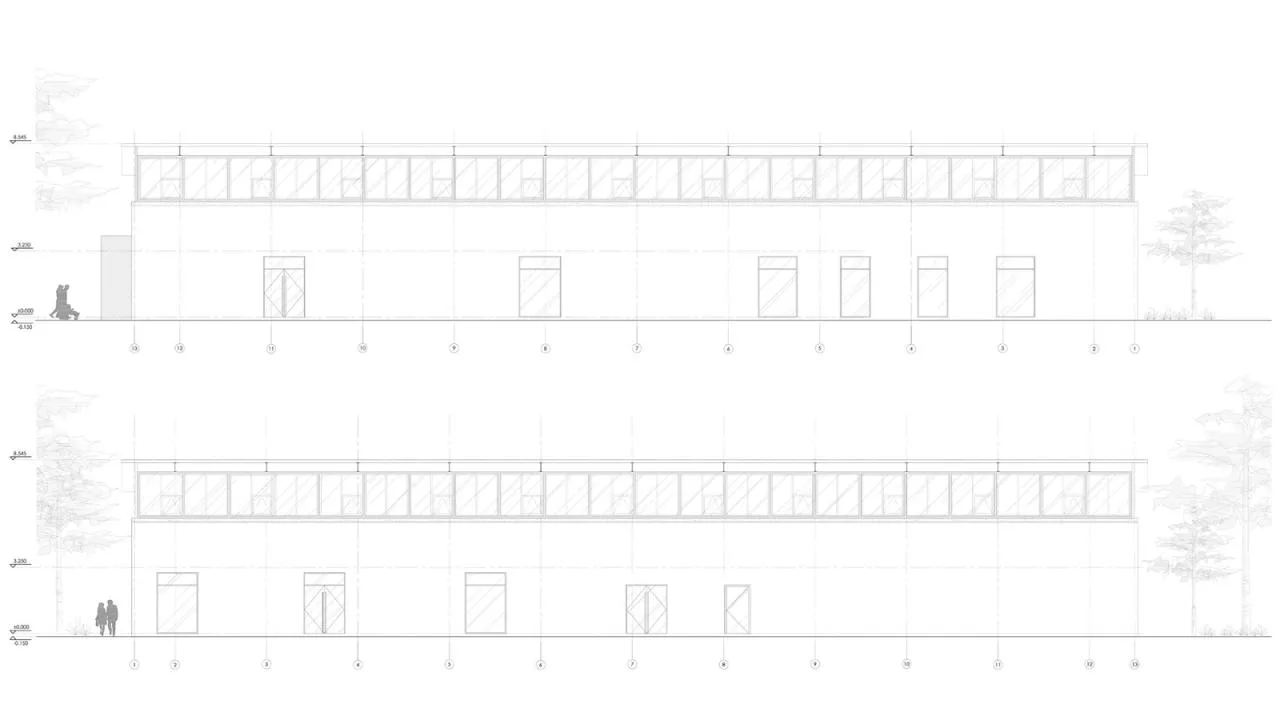
▲ Building elevation drawing © y.ad studio
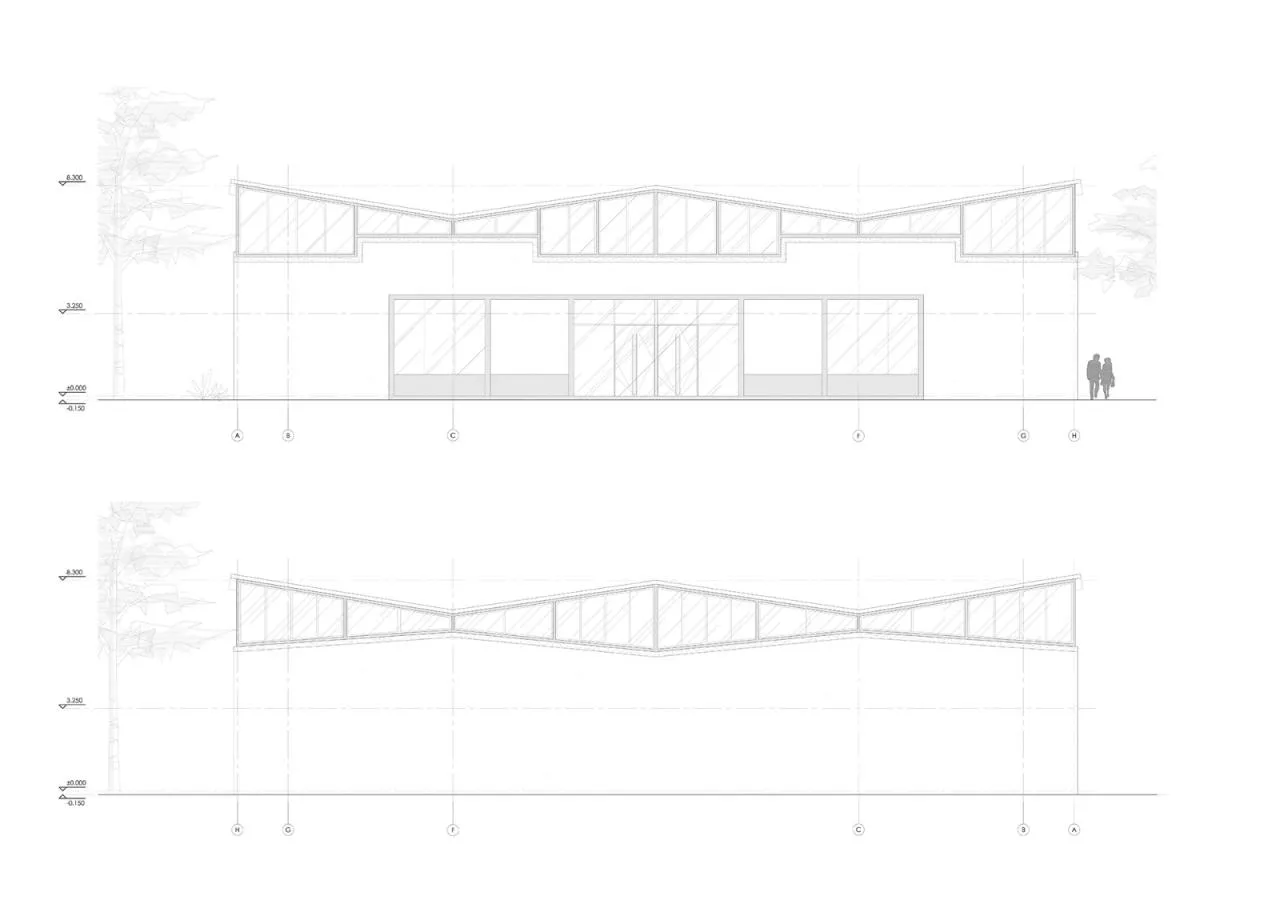
▲ Building elevation drawing © y.ad studio
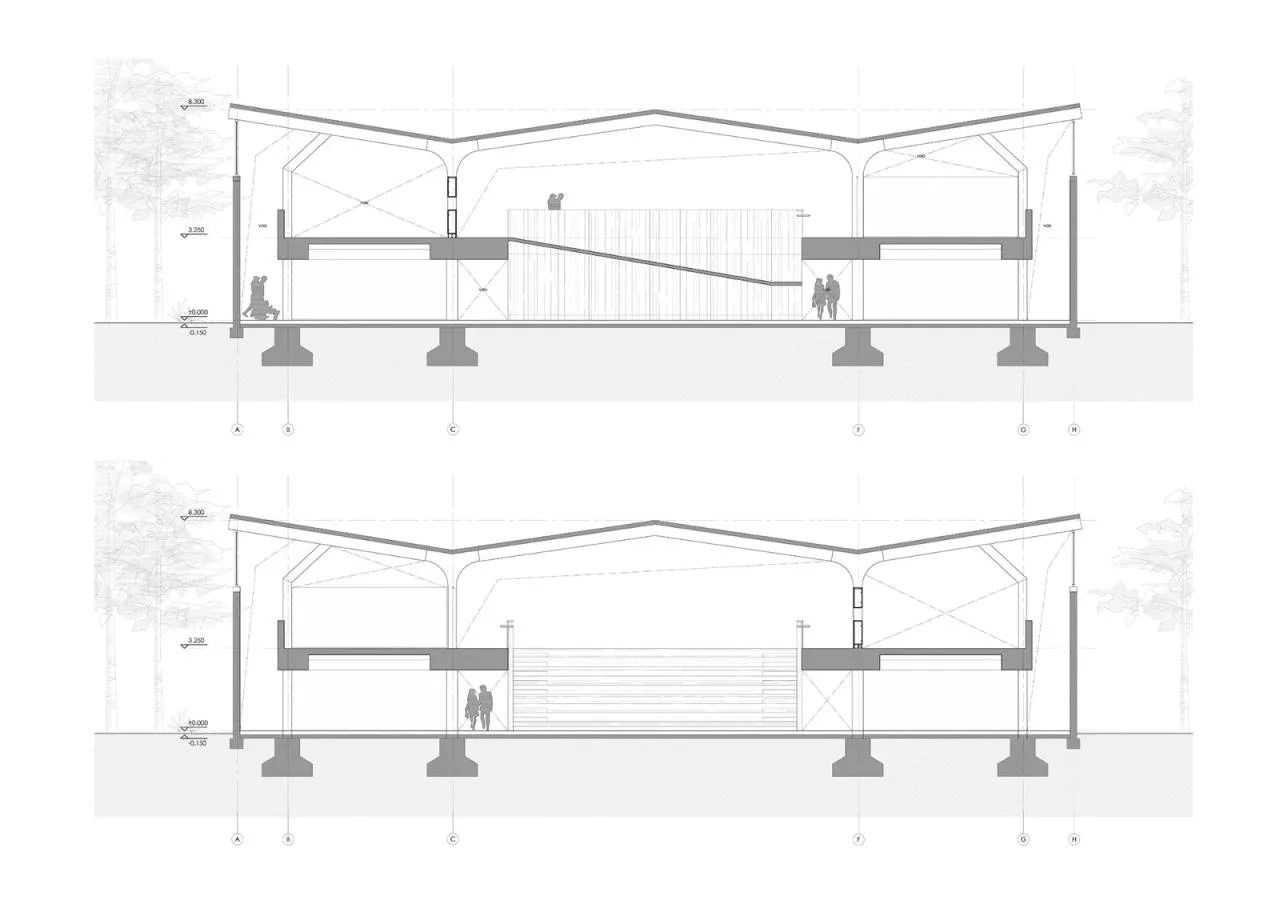
▲ Building elevation drawing © y.ad studio
Project Information
Project Name: Longyou Tuanshi Village Future Rural Life Museum
Client: People’s Government of Xiaonanhai Town, Longyou County
Design Team: y.ad studio | Shanghai Yan Yang Architectural Design Studio (www.sh-yad.com)
Lead Architect: Yan Yang
Design Team Members: Shen Chuan, Wu Kejia, Zhao Siyuan, Yan Yu
Building Area: 4,850 square meters
Construction Contractor: Shanghai Delo Construction Engineering Co., Ltd.
Main Materials: Weather-resistant steel, manganese-magnesium-aluminum metal tiles, aluminum panels, coatings, plain concrete
Design Period: July 2022
Construction Period: August 2022 to October 2022
Photography Courtesy: Ziran Architecture Photography















Must log in before commenting!
Sign Up