
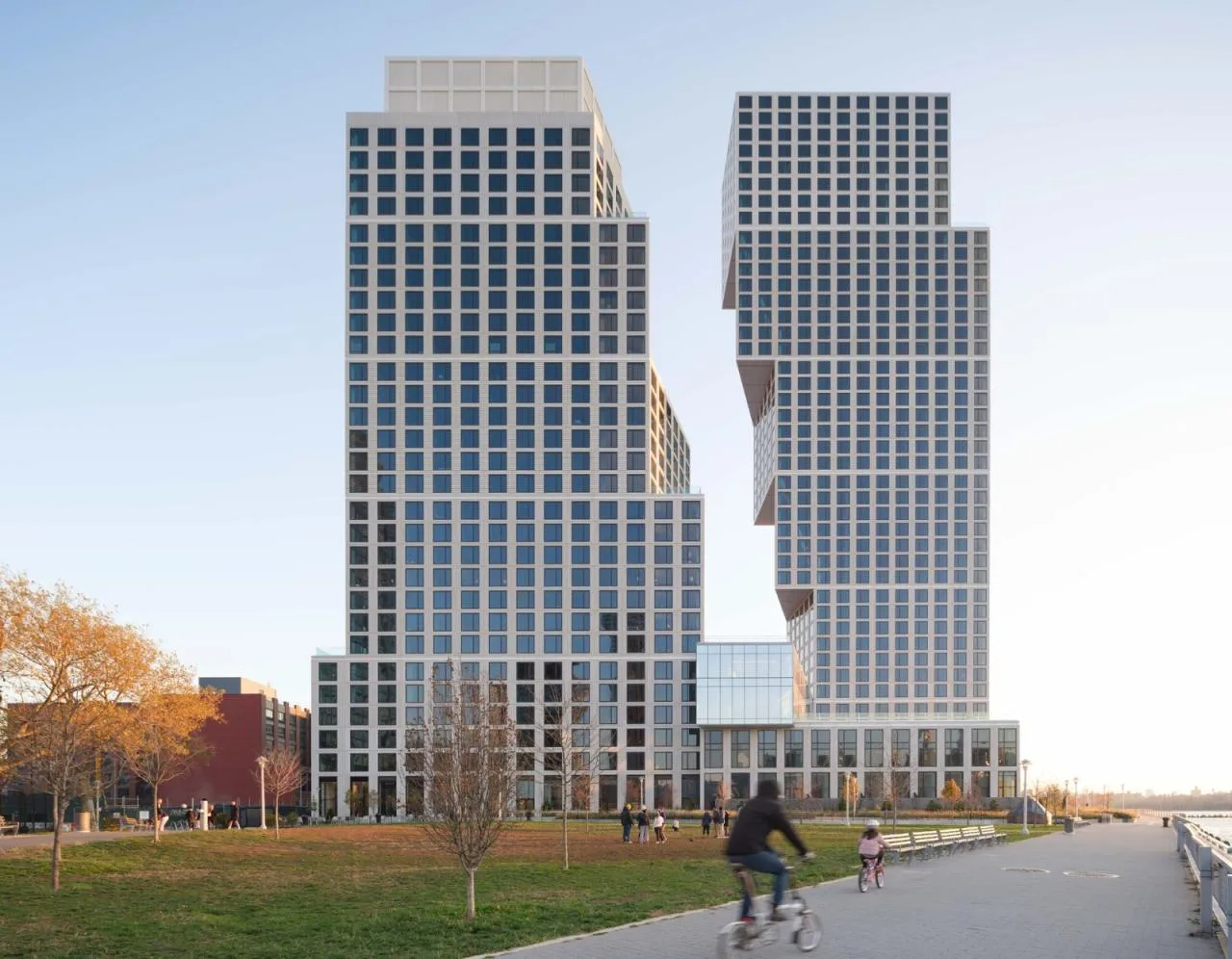
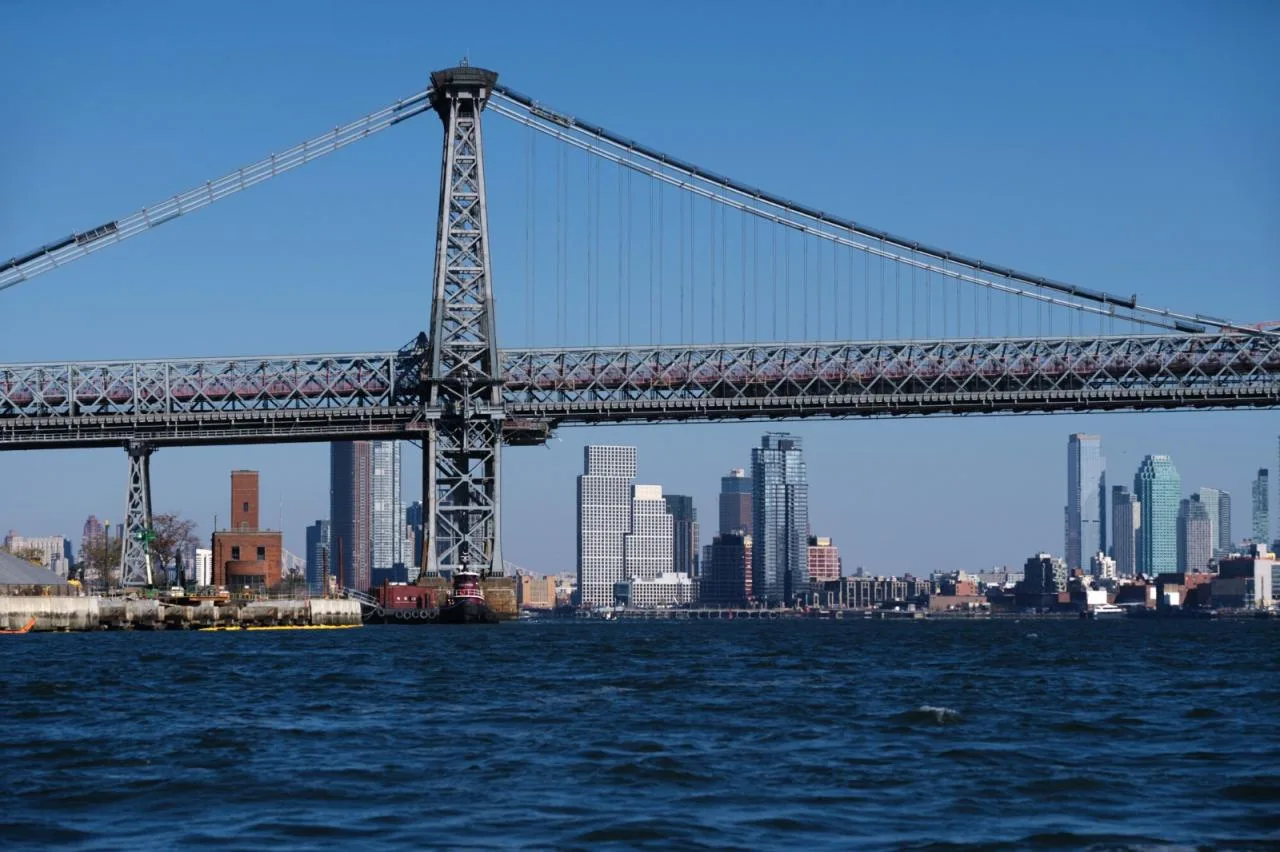
Greenpoint, known as the “Little Poland” of Brooklyn, is situated at the northern tip of the borough, where the Newton River meets the East River. Historically, this area consisted mainly of low-rise townhouses, with industrial factories lining the waterfront. Industries such as shipbuilding, rope manufacturing, and petroleum refining operated along the shoreline, releasing toxic substances that formed a barrier between the community and the East River.
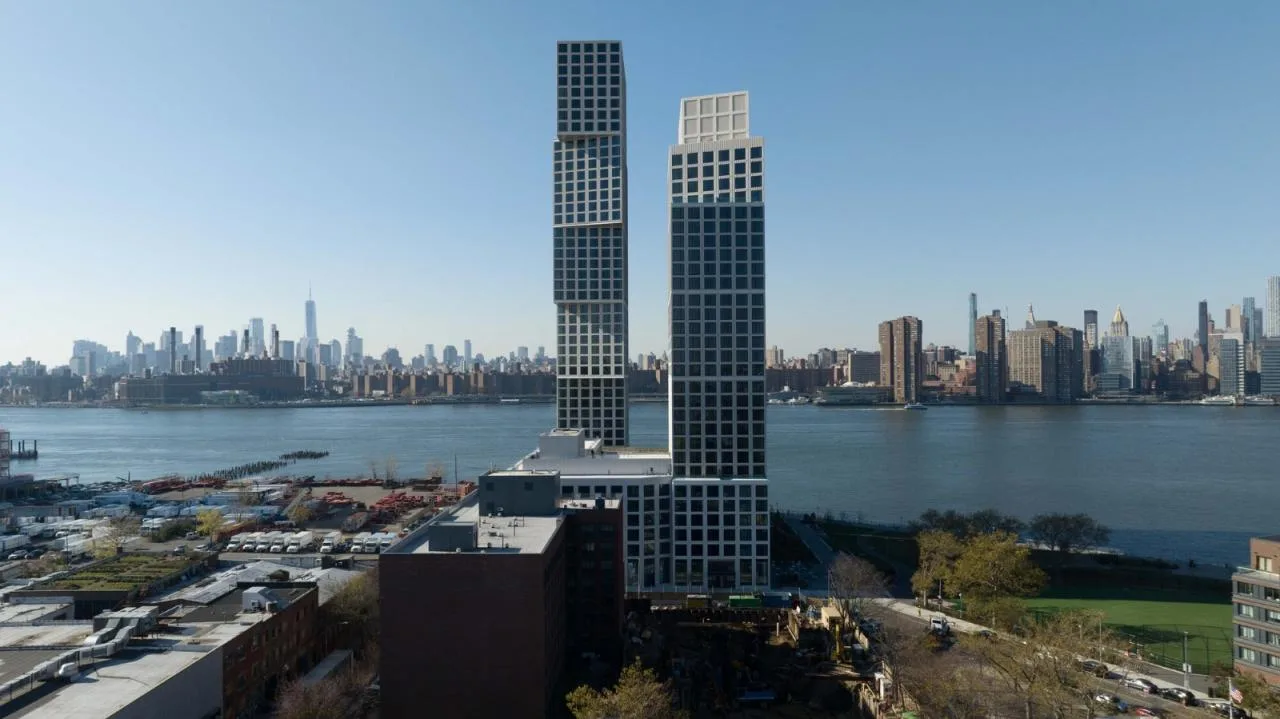
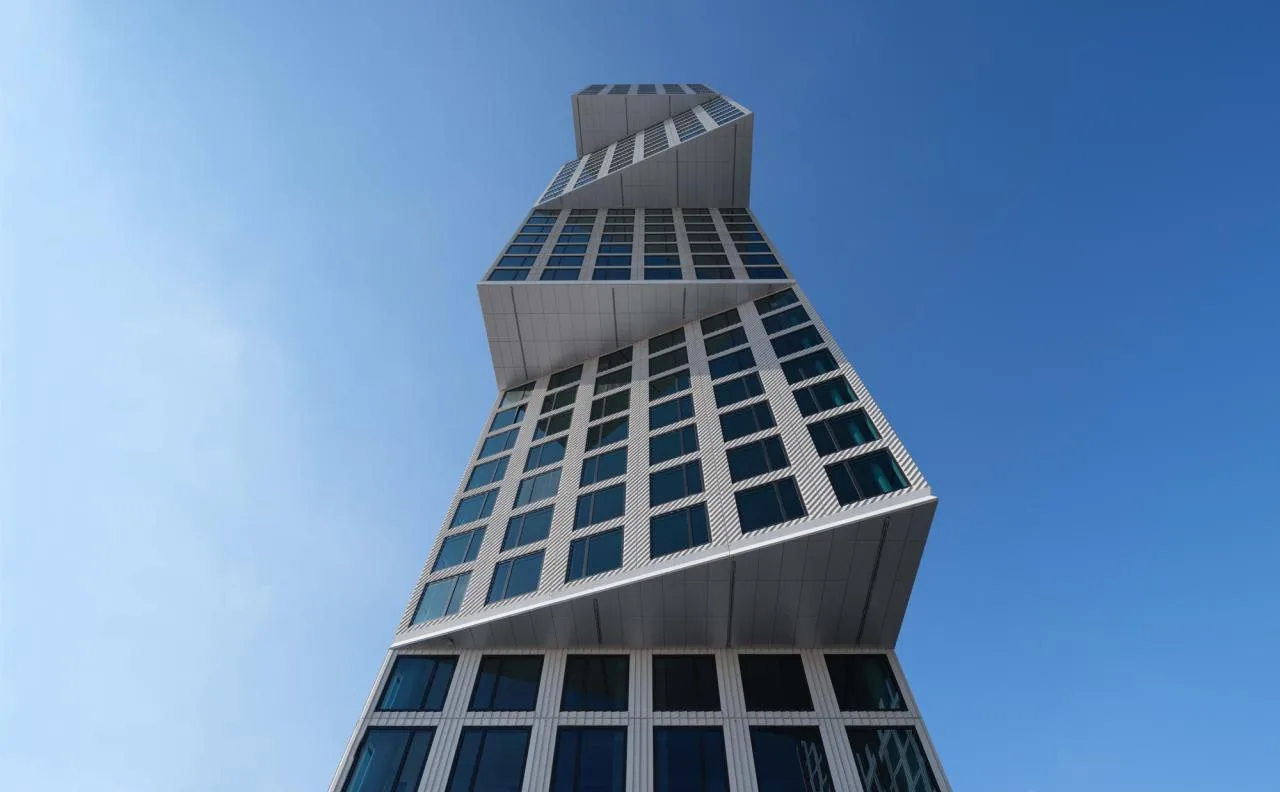
As part of the 2005 comprehensive redevelopment of Greenpoint and Williamsburg, this site and the adjacent north-south neighborhoods have been designated for high-density residential development. Plans include two towers of 30 and 40 stories, combining commercial space with affordable housing, of which 30% of units are designated as such. This development will open new connections to the East River and enhance waterfront access.
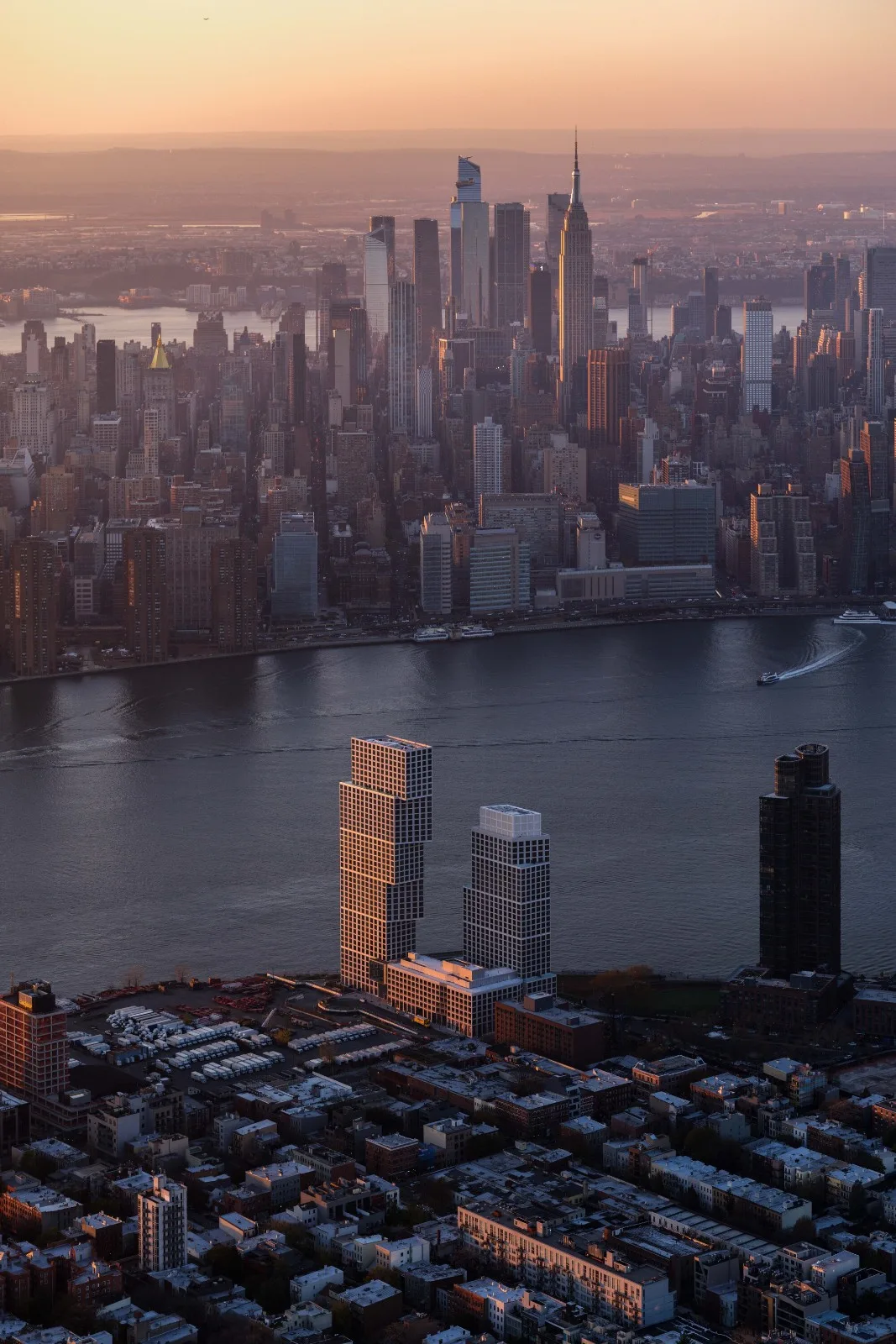
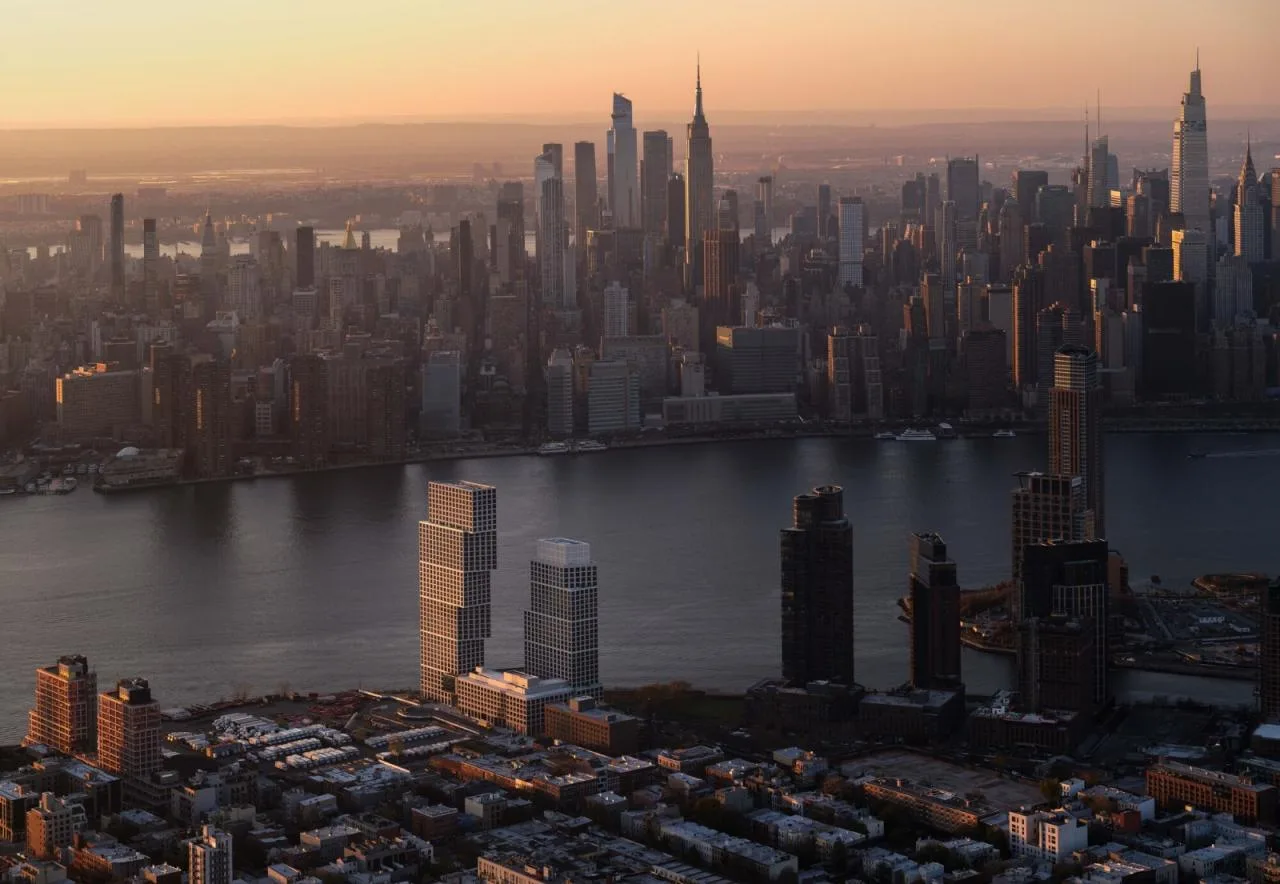
The site is located at the intersection of the main Greenpoint traffic grid and a secondary grid perpendicular to the Newton River. This strategic junction offers panoramic views of Manhattan but also restricts the western edge of the site to a trapezoidal shape, limiting the block’s size. The challenge lies in accommodating the required housing density within a relatively small and irregularly shaped plot.
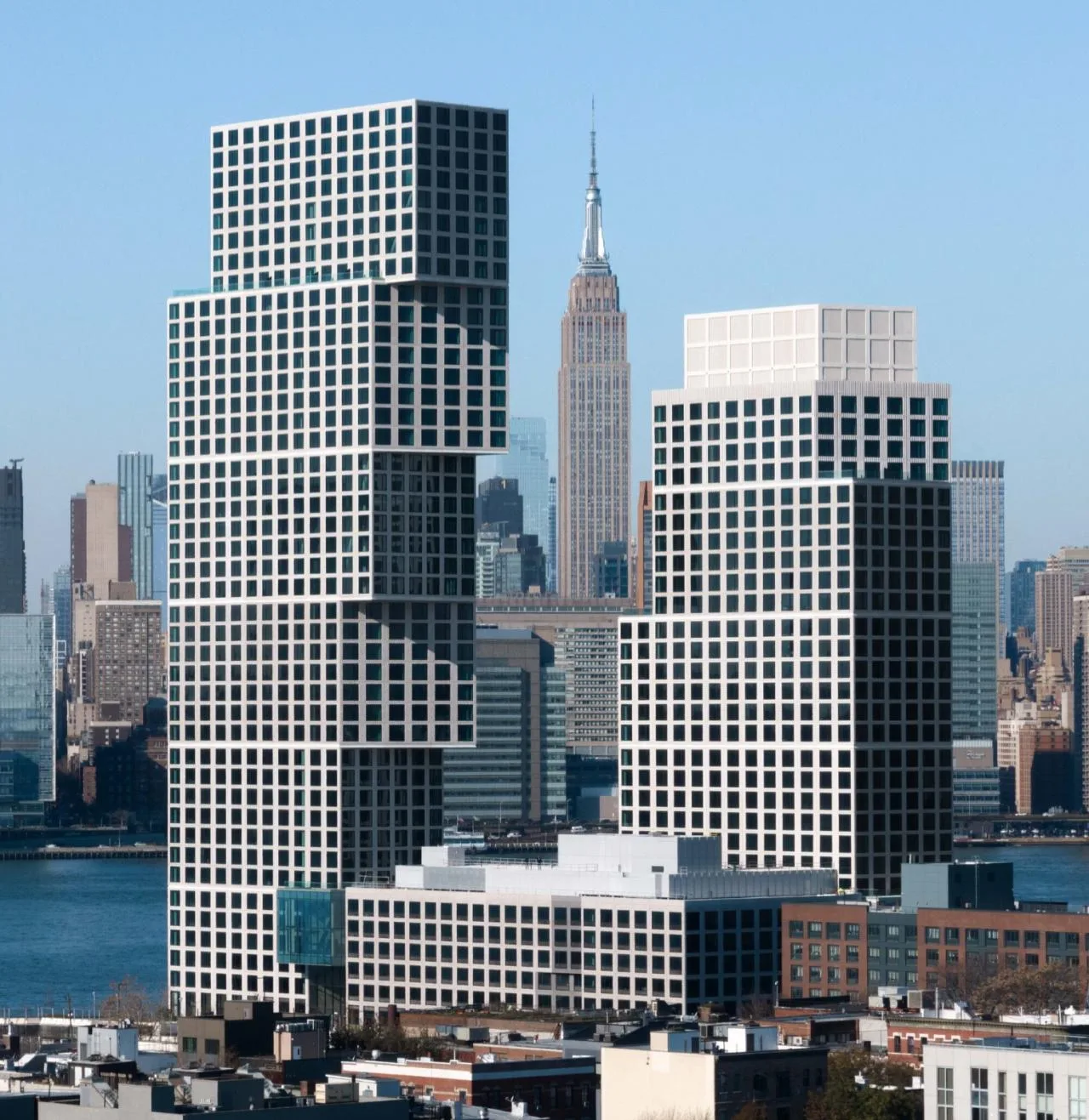
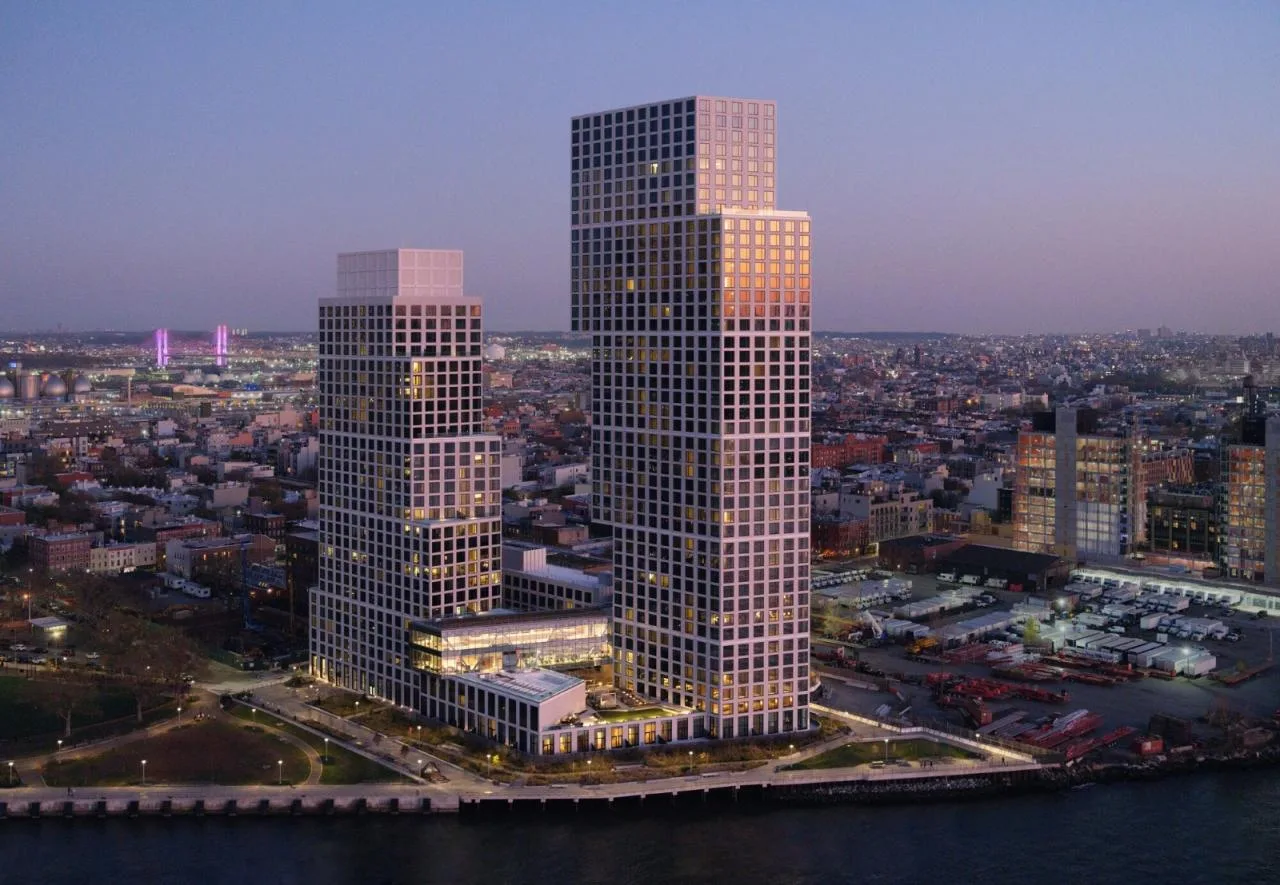
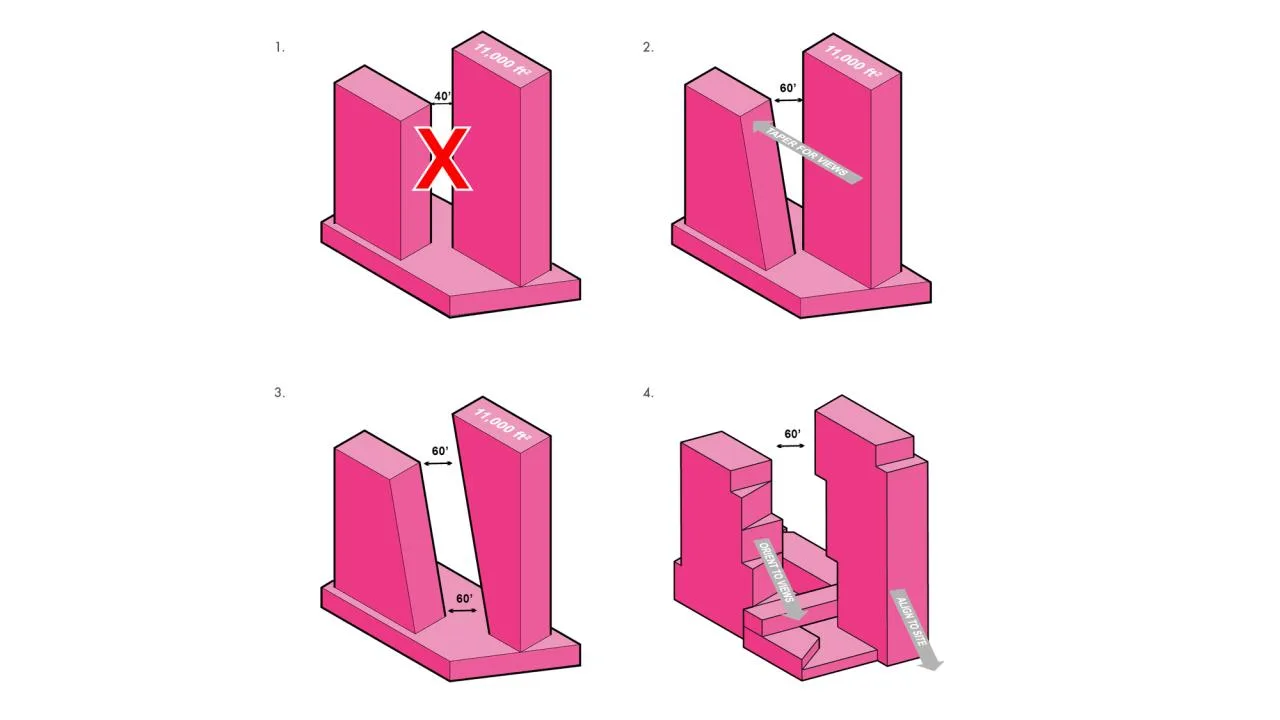
Zoning regulations allow a maximum floor area of 11,000 square feet. We realized that the required setbacks would result in only 40 feet of separation between the two towers, which would feel cramped and create an uncomfortable barrier between neighbors. To improve this, we reduced the towers’ footprints to increase the distance to 60 feet—similar to the width of a typical street.
This adjustment enabled us to strategically expand and contract the towers’ shapes, optimizing space efficiency within each building.
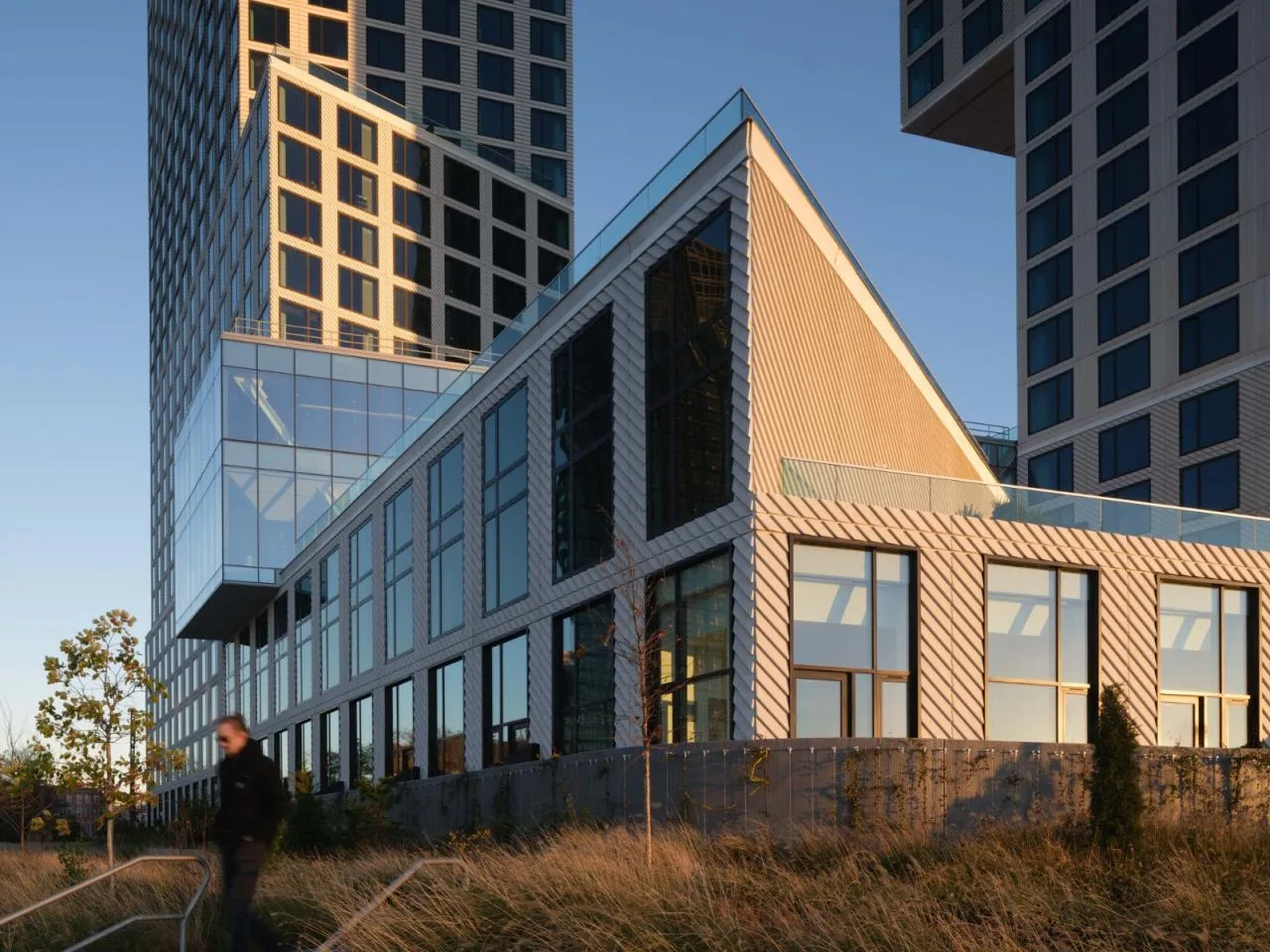
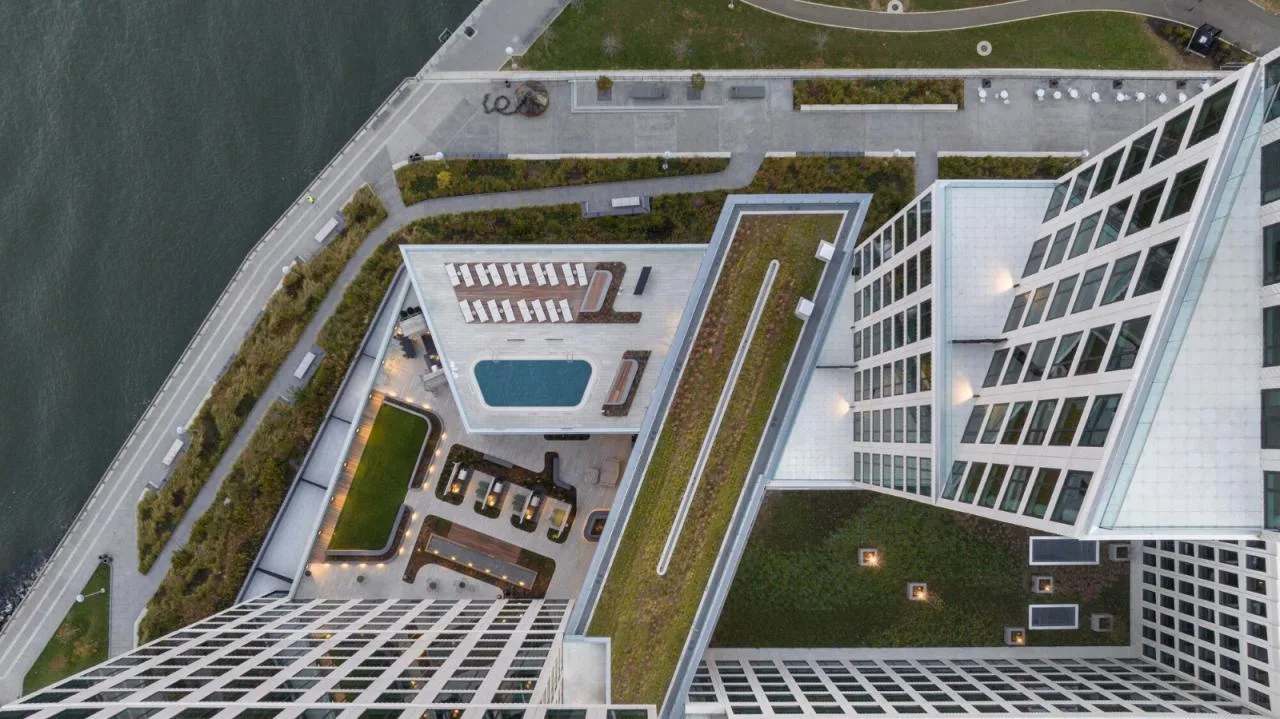
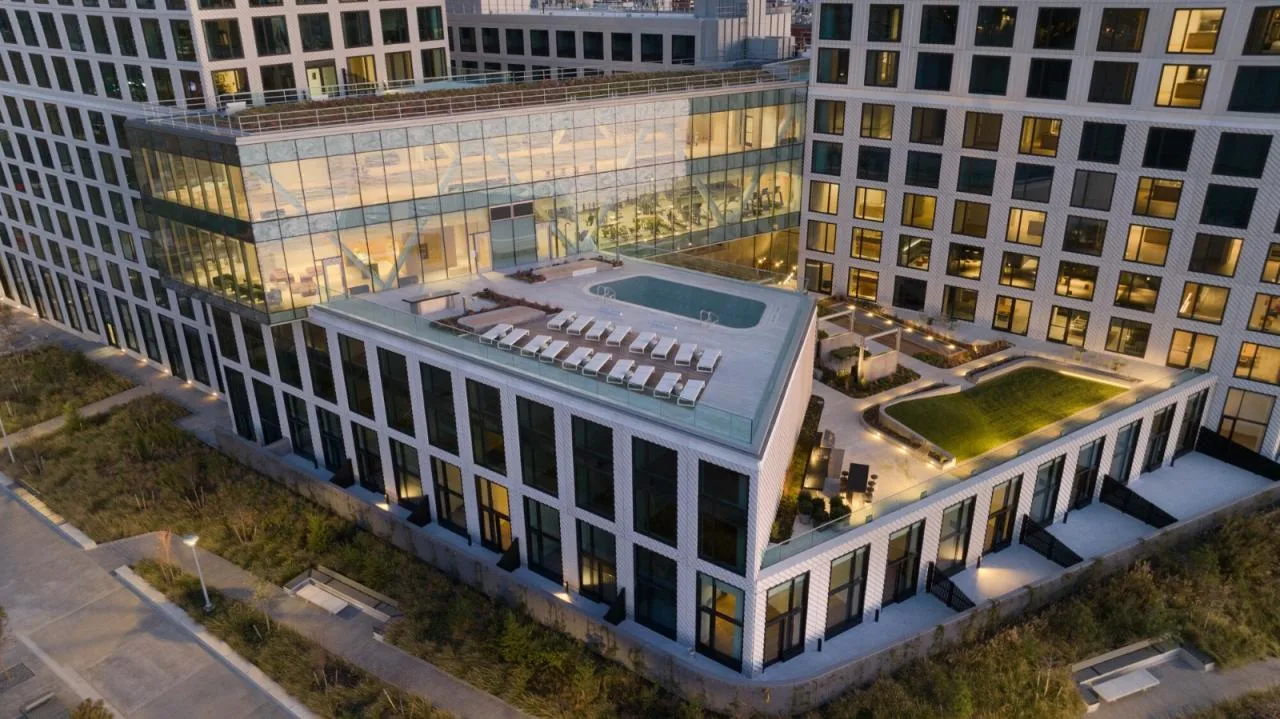
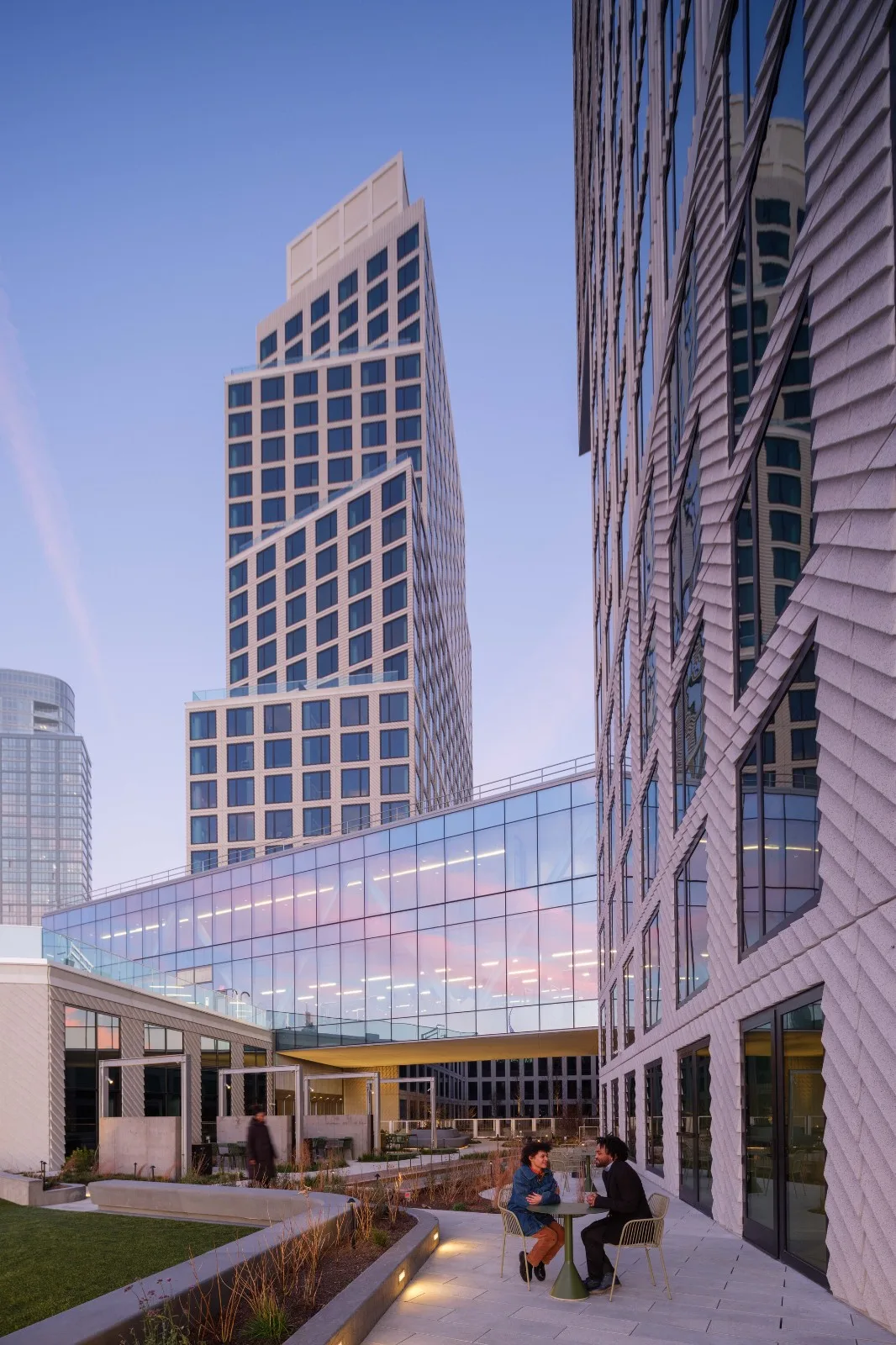
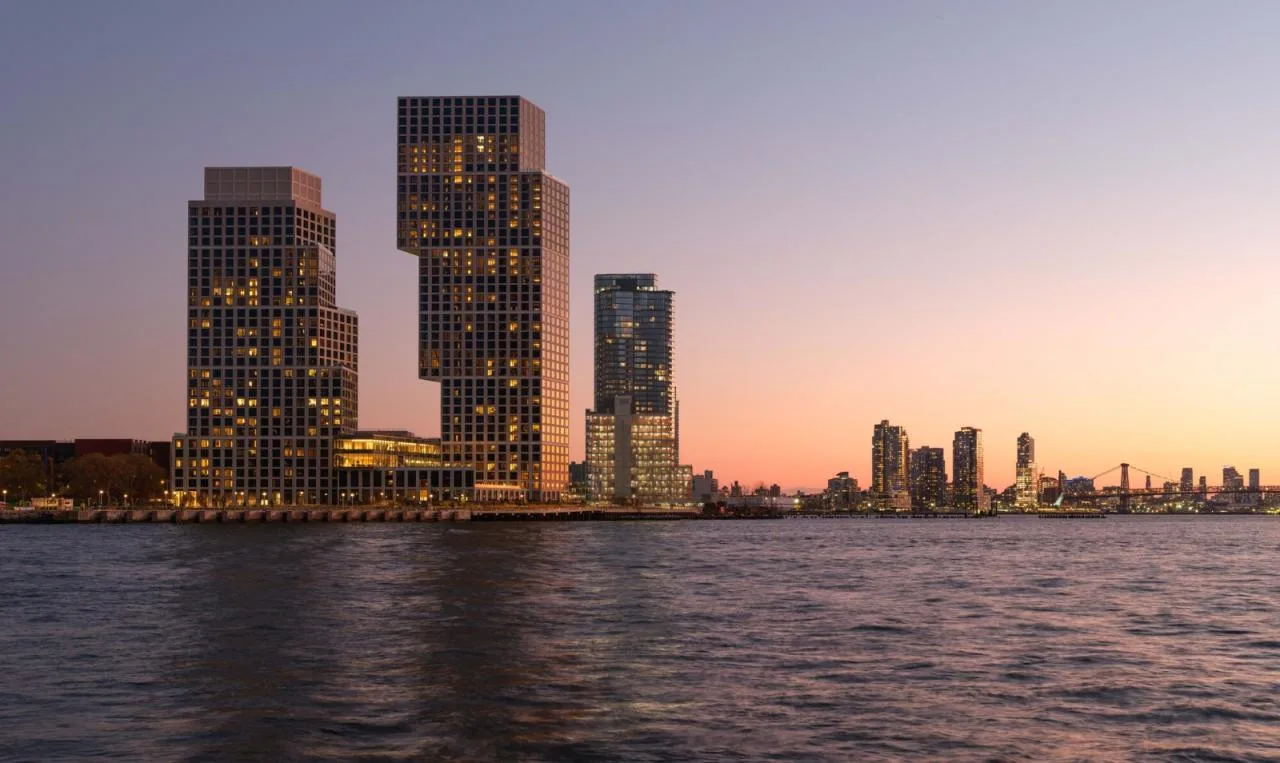
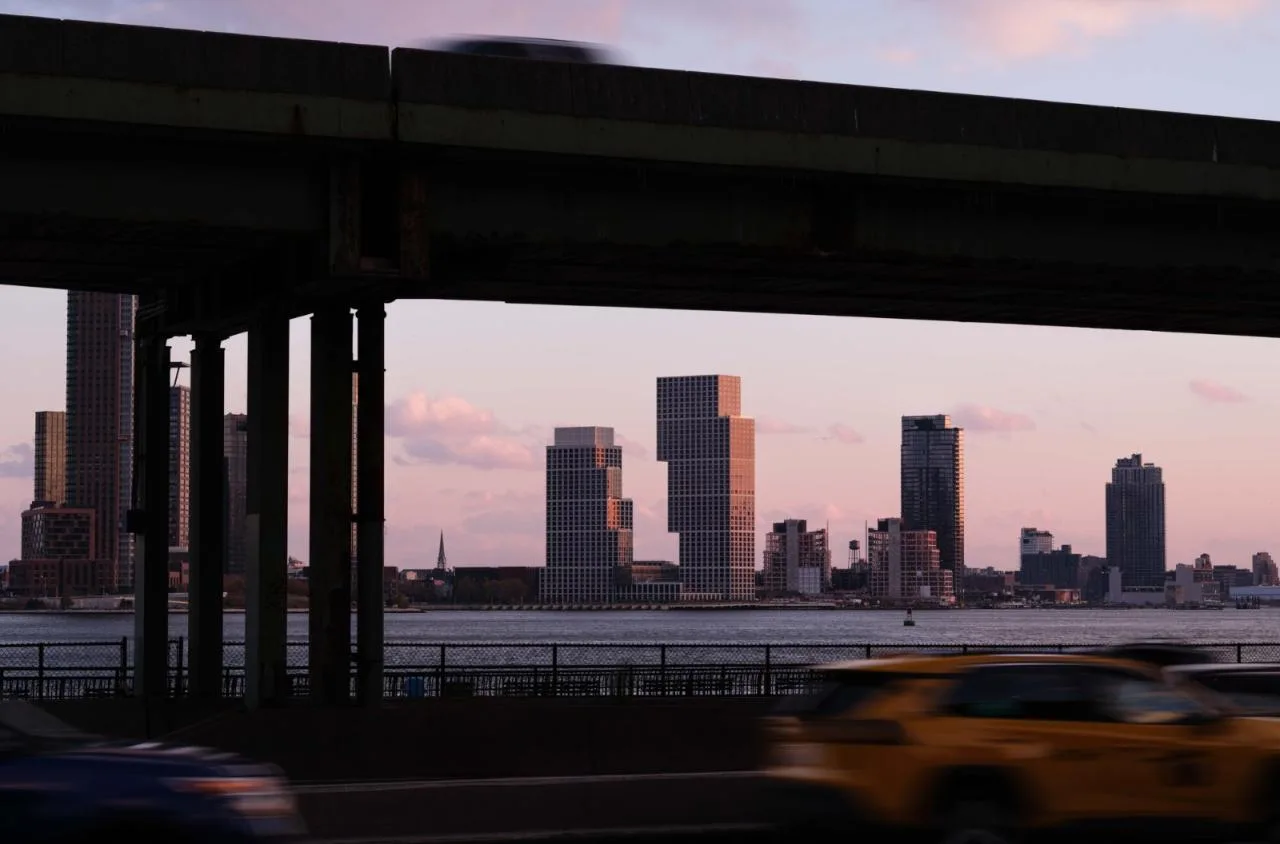
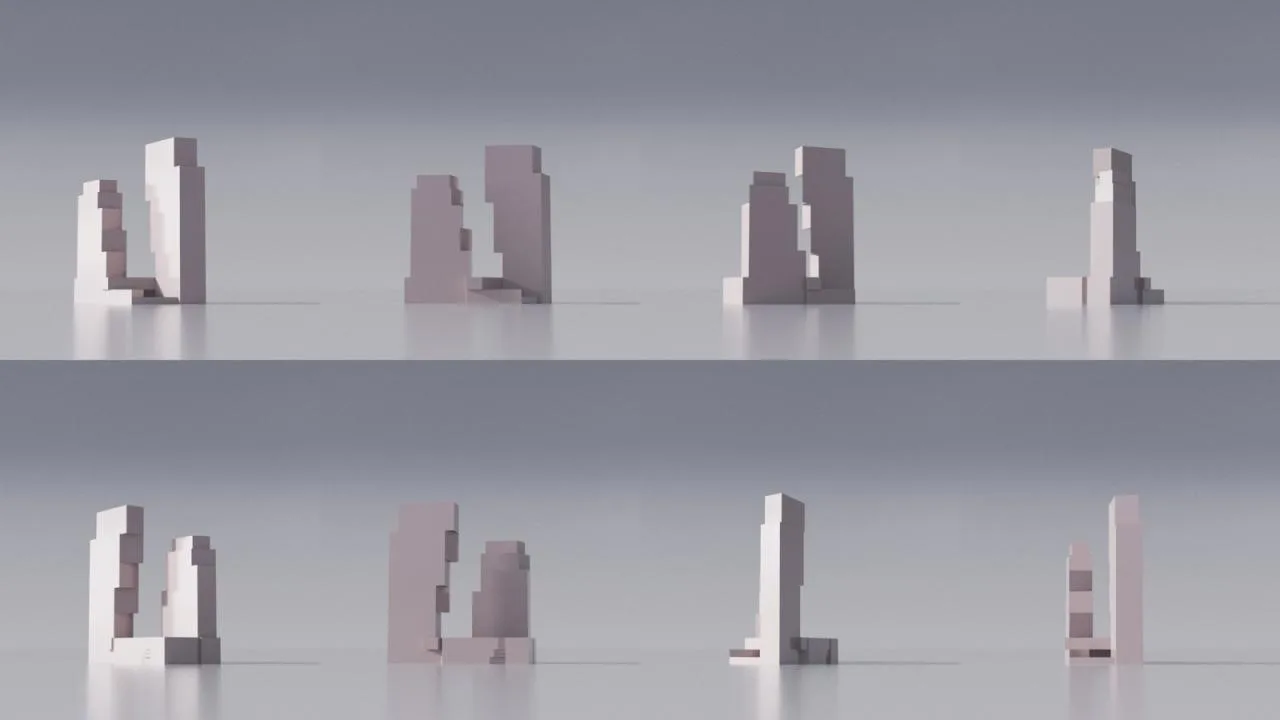
The two towers tilt towards each other while simultaneously moving apart. The taller tower expands eastward as it rises, maximizing views and creating a striking presence for the neighborhood. Its shorter counterpart mirrors this, expanding downward toward the new waterfront park to the north.
The towers’ shapes form a stepped profile and cantilevered sections, making them appear both distinct and interconnected. Resembling inverted pyramids, the floors vary in size with unique gaps between them, yet the buildings remain closely linked.
This stepped design, dividing each tower into seven to eight-floor segments, harmonizes their scale with the surrounding low-rise blocks. The façade treatment further enhances this integration.
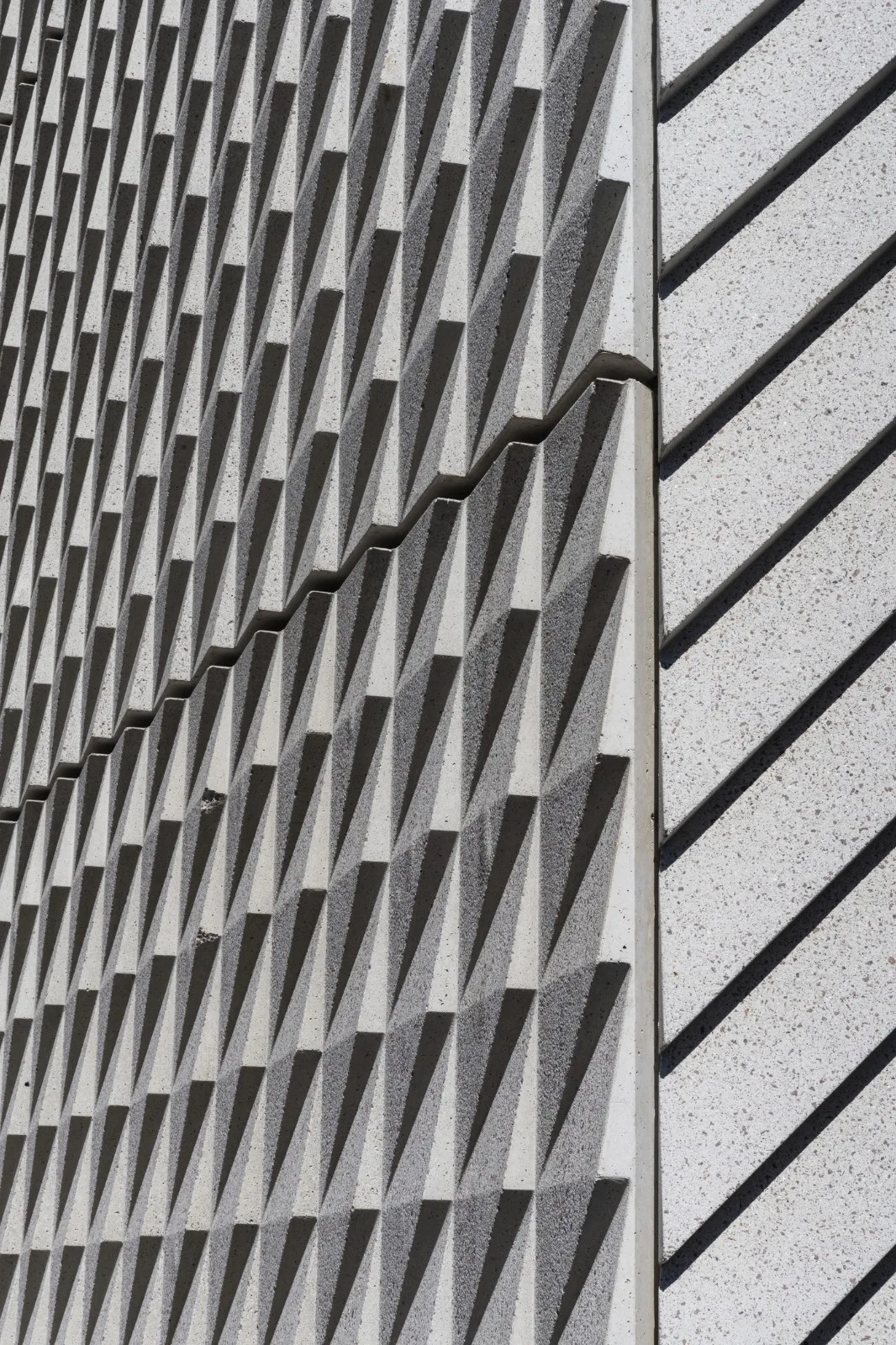
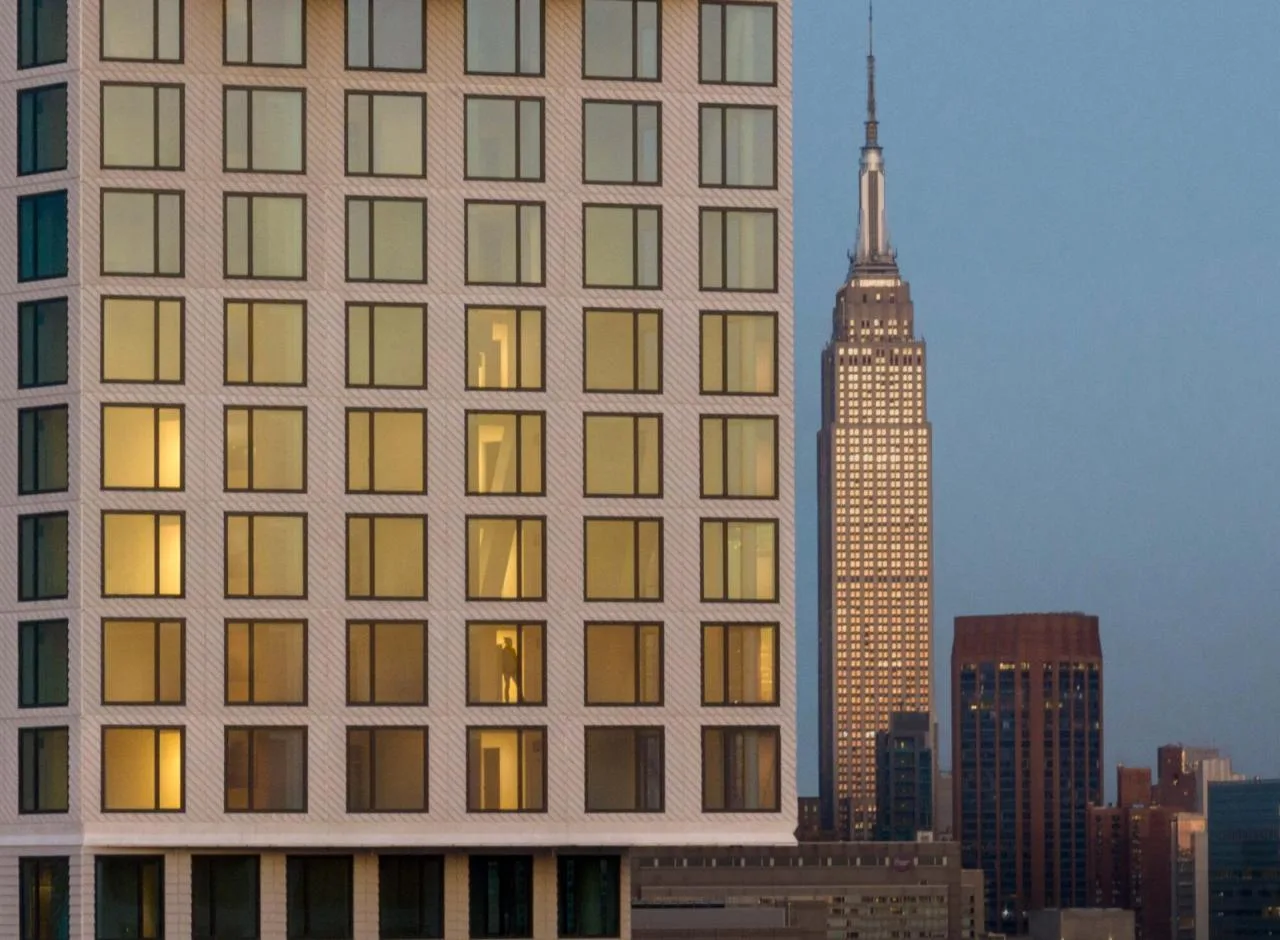
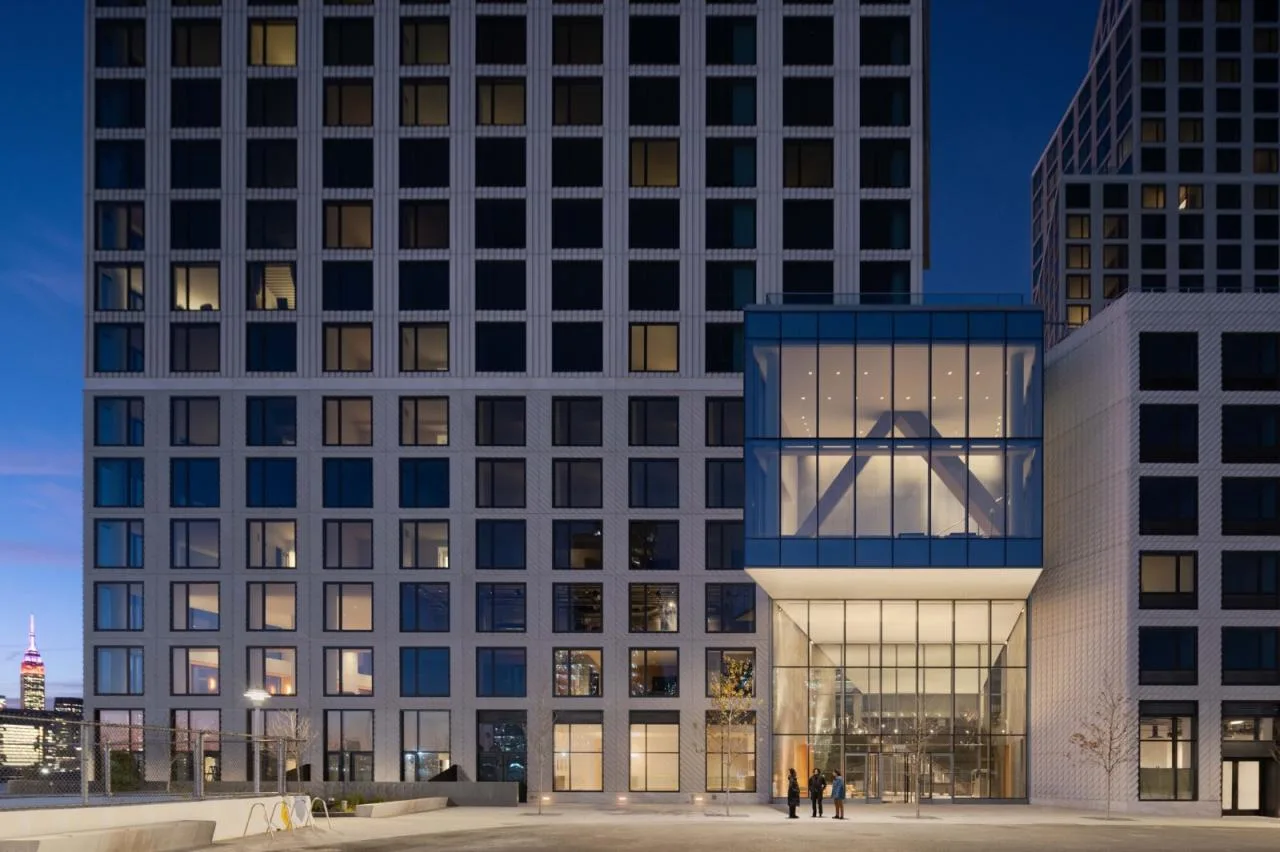
Unlike the glass curtain walls rising in San Francisco, here we embraced durability. The façade features large 8-by-8-foot windows set within a precast concrete grid. This approach preserves wide views while facilitating complex connections between interior and exterior walls.
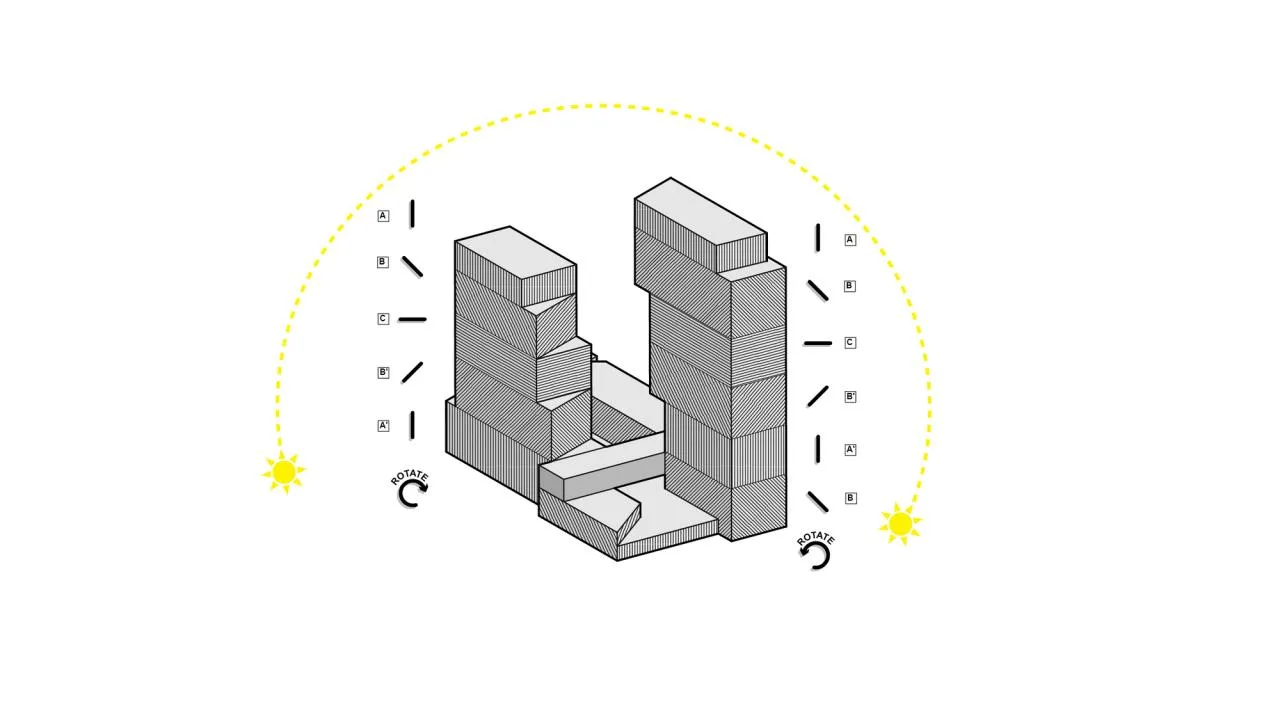
The robust exterior also creates a stronger relationship with neighboring buildings. Inspired by the tiled facades of Greenpoint townhouses, the prefabricated panels are sculpted with a series of inclined planes. Each panel alternates direction, creating a dynamic relief that interacts beautifully with sunlight throughout the day.
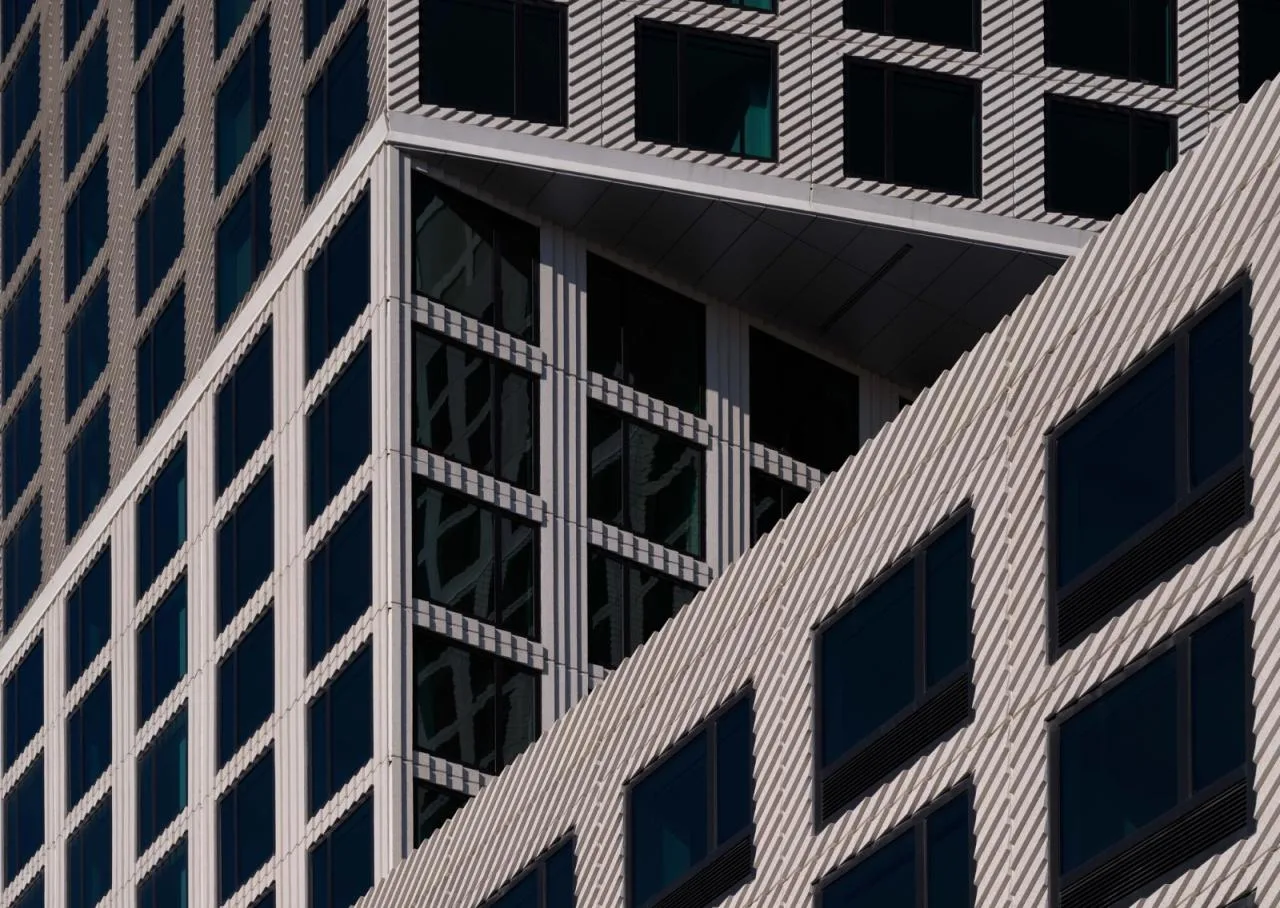
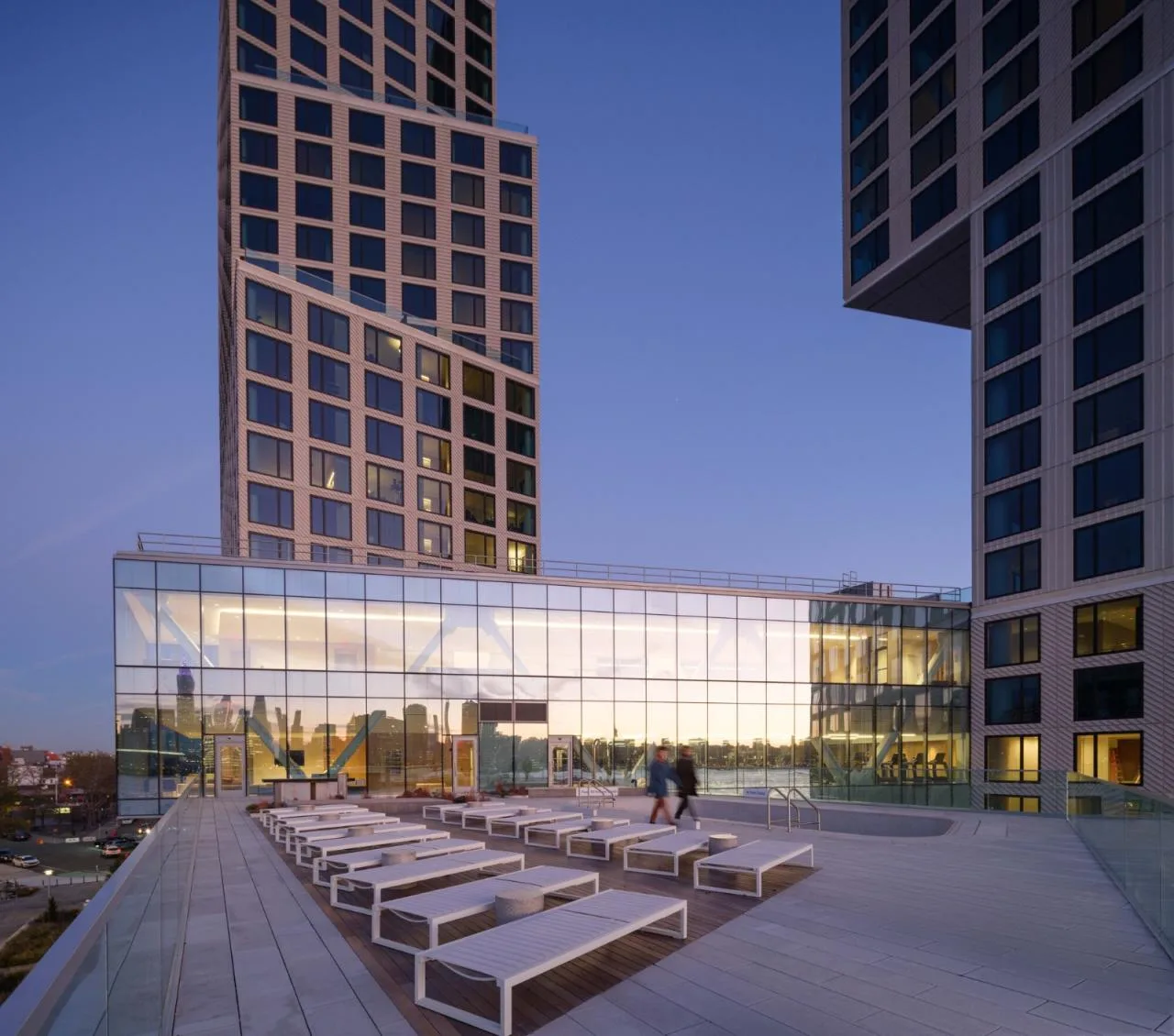
Waterfront towers often prioritize maximizing water views and creating iconic skylines. However, this can isolate them from their surroundings by exposing a “back” side facing the community. In this project, cantilevered structures extend 48 feet eastward toward Greenpoint, showcasing the most striking facades to nearby residents and fostering a stronger connection with the neighborhood.
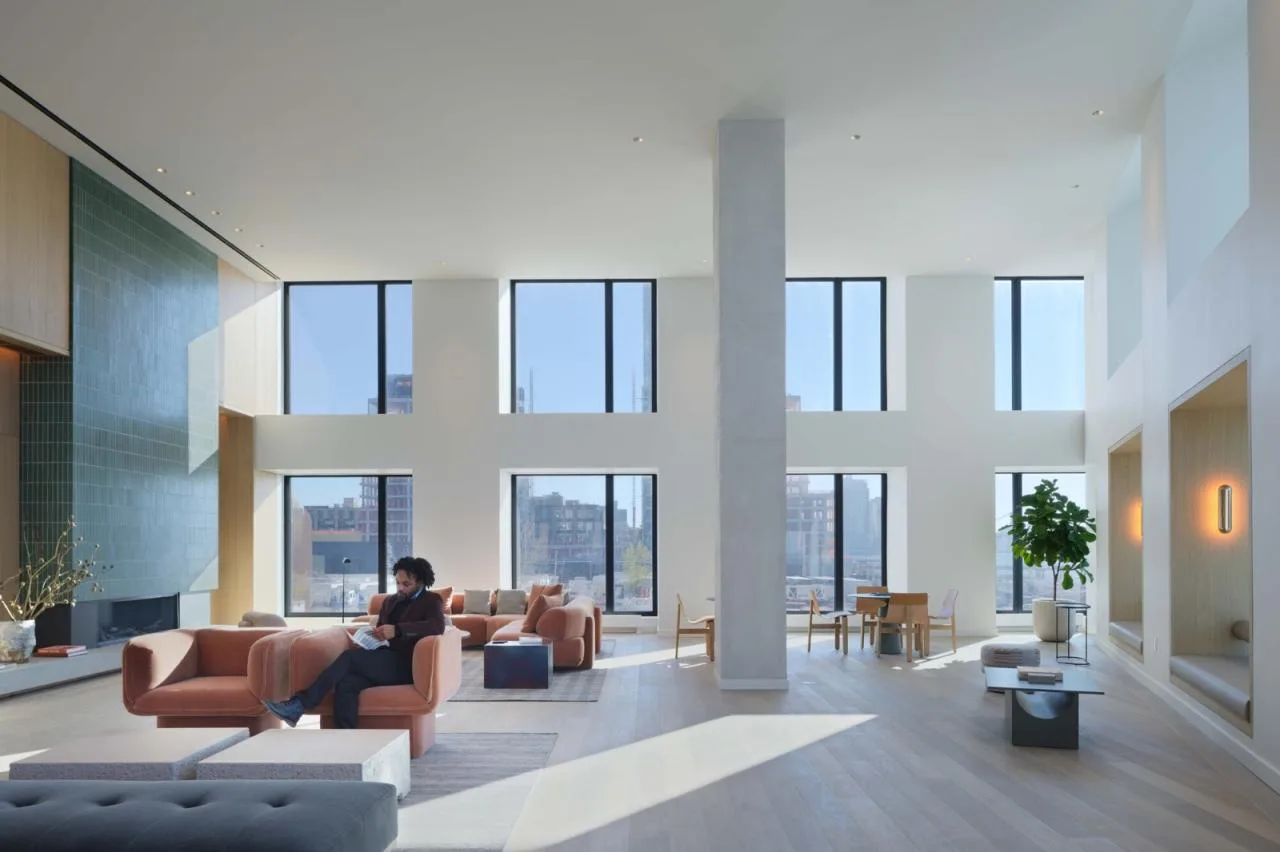
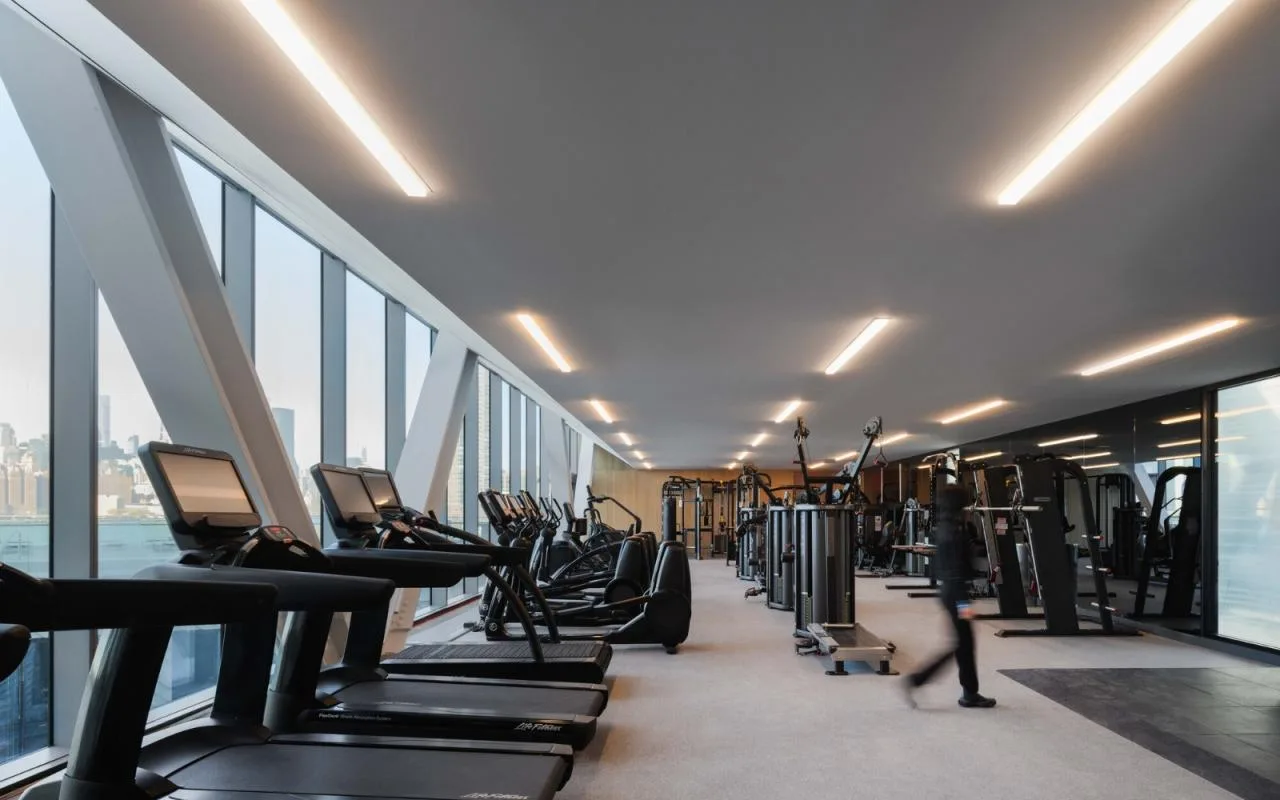
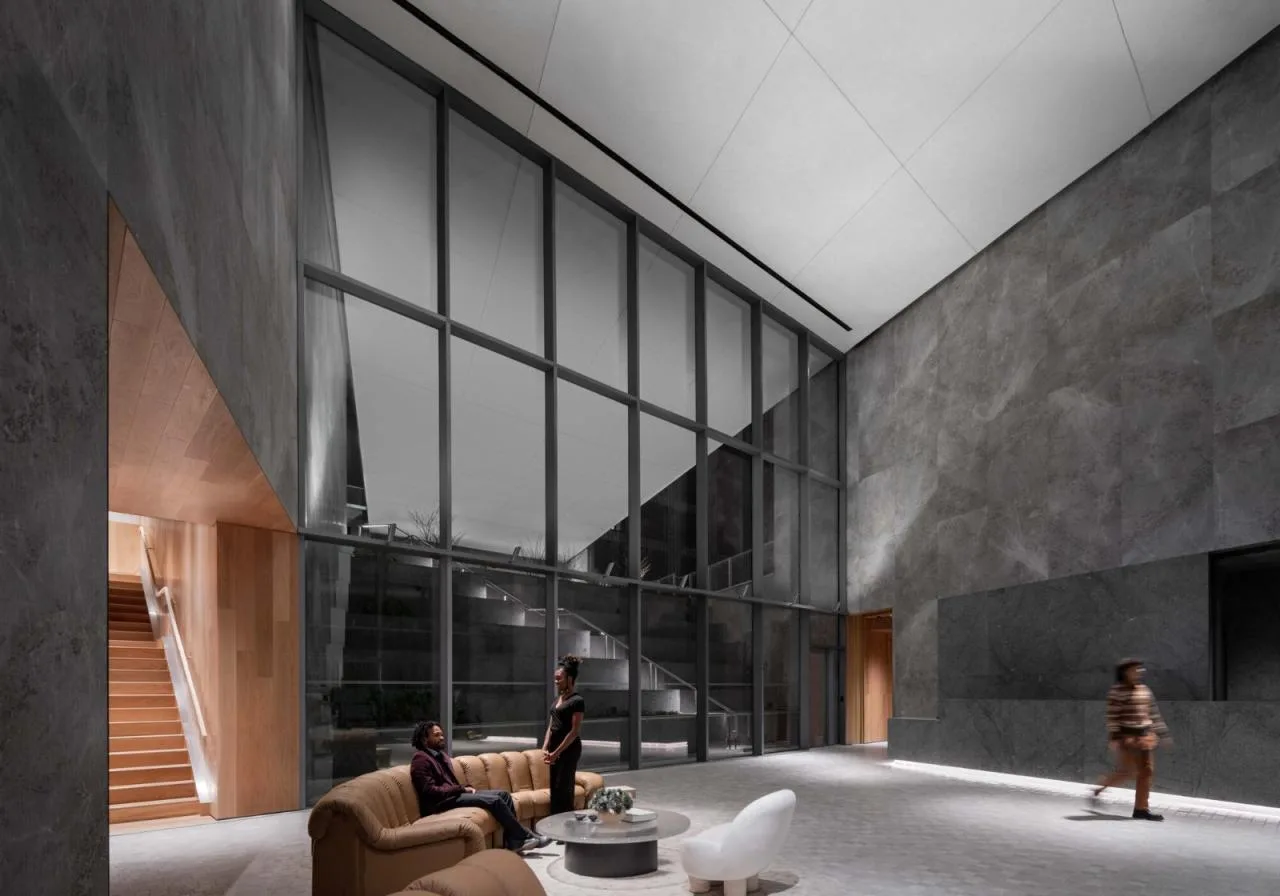
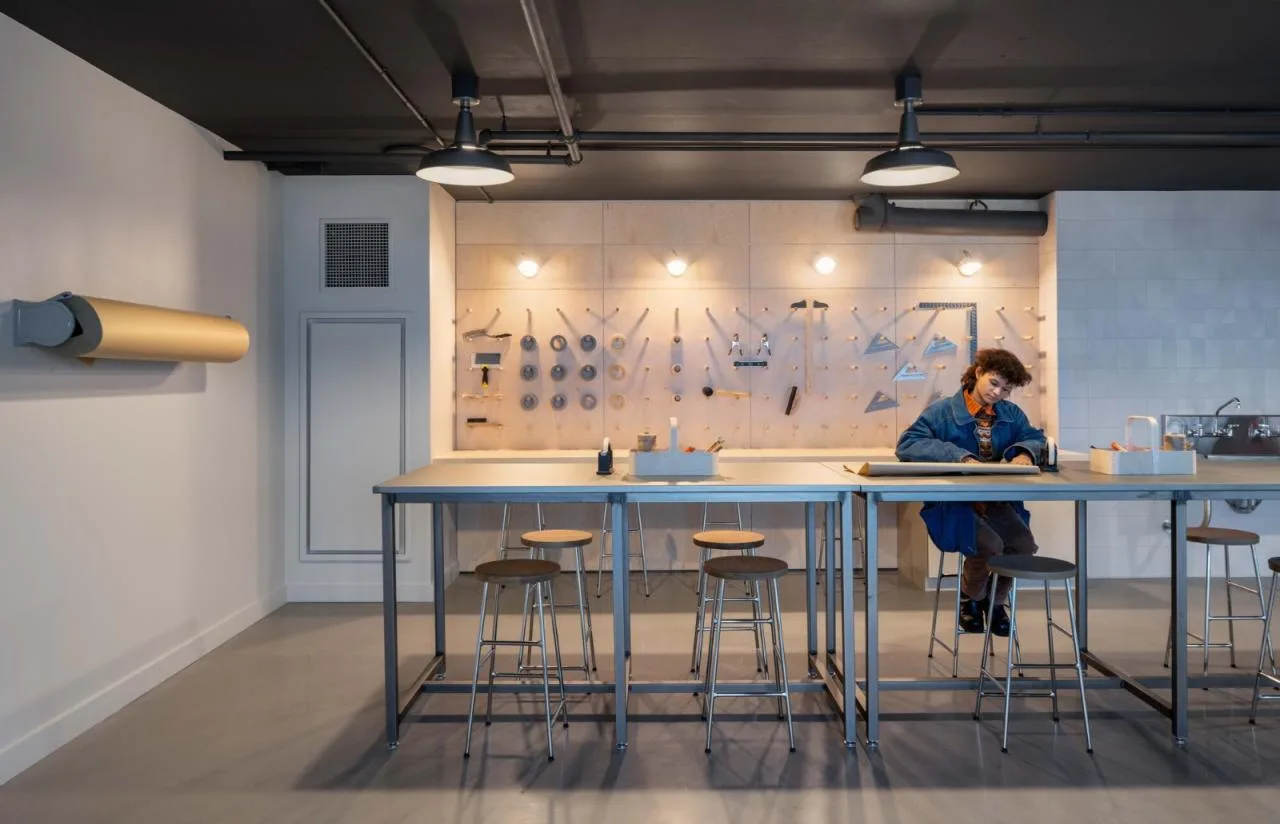
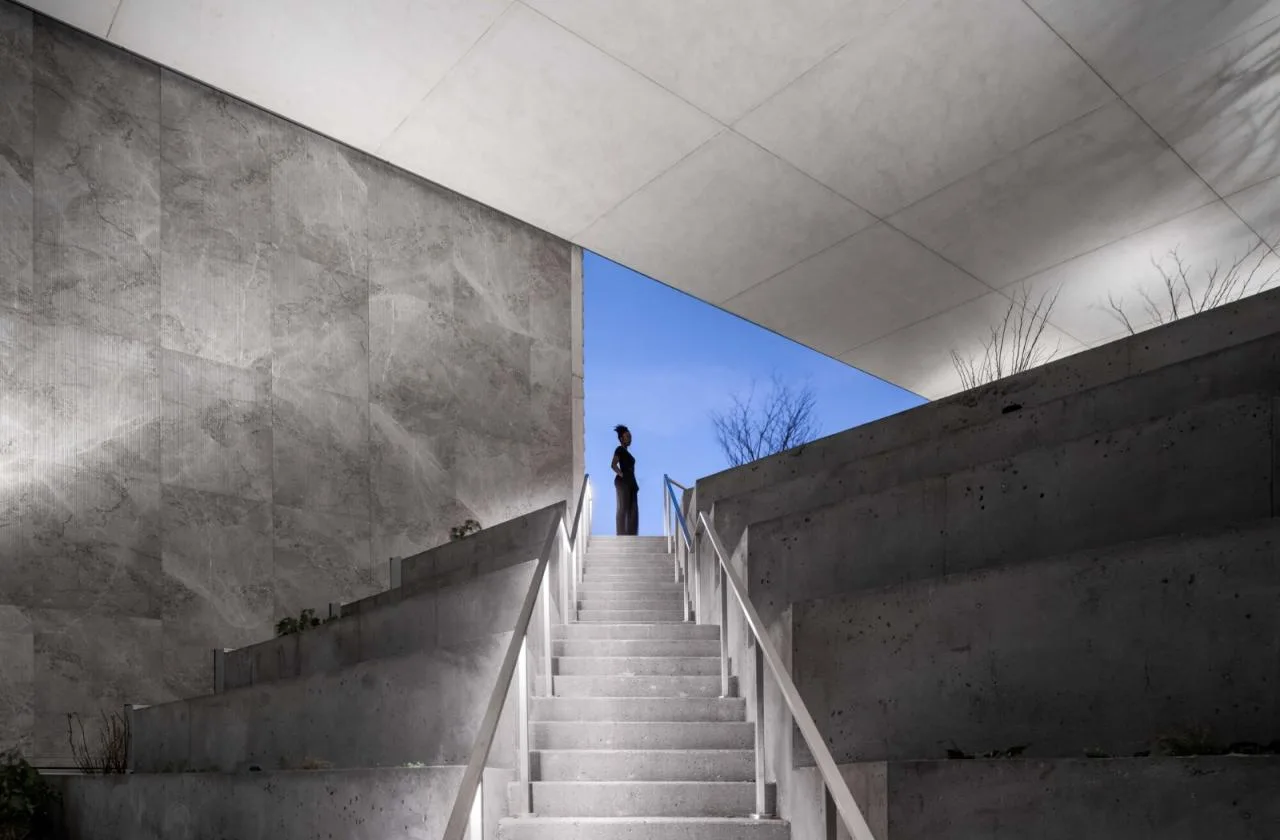
To honor Greenpoint’s pastoral roots as a family farming community, a two-story green space opens toward the waterfront. This terraced landscape is surrounded by a series of public areas, providing accessible outdoor spaces for residents.
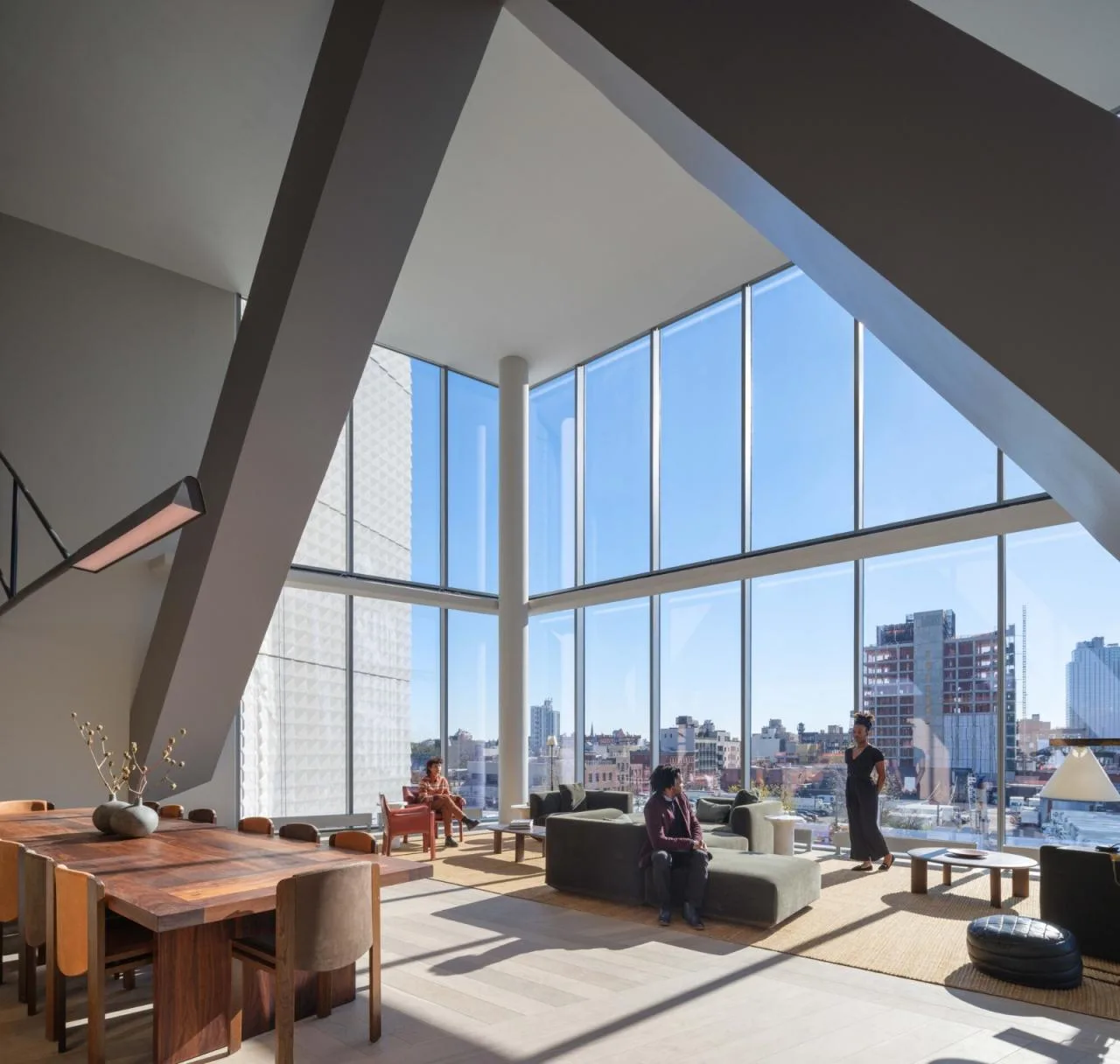
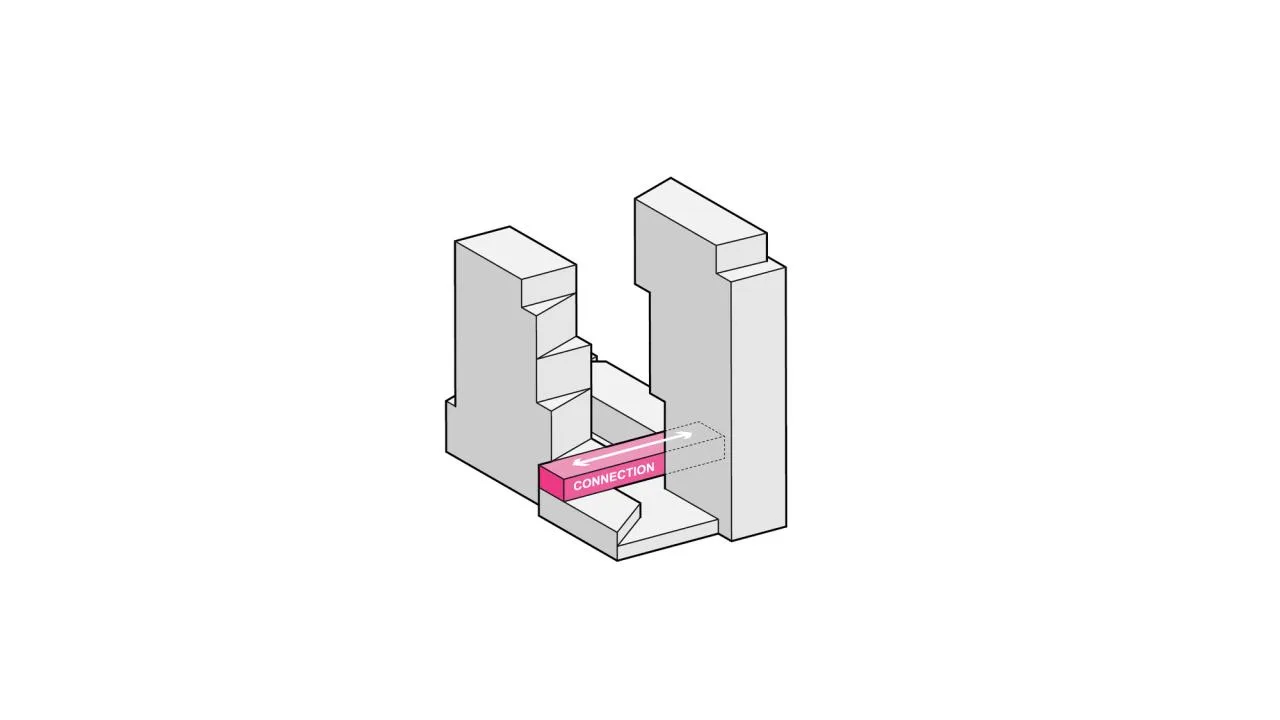
Above these terraces, the two towers are connected by a sky bridge, offering stunning views of the Manhattan skyline. Overall, Greenpoint Landing aims to be a vibrant living platform bridging past and future, seamlessly connecting indoor and outdoor spaces as well as the urban streetscape with the waterfront.
Project Drawings
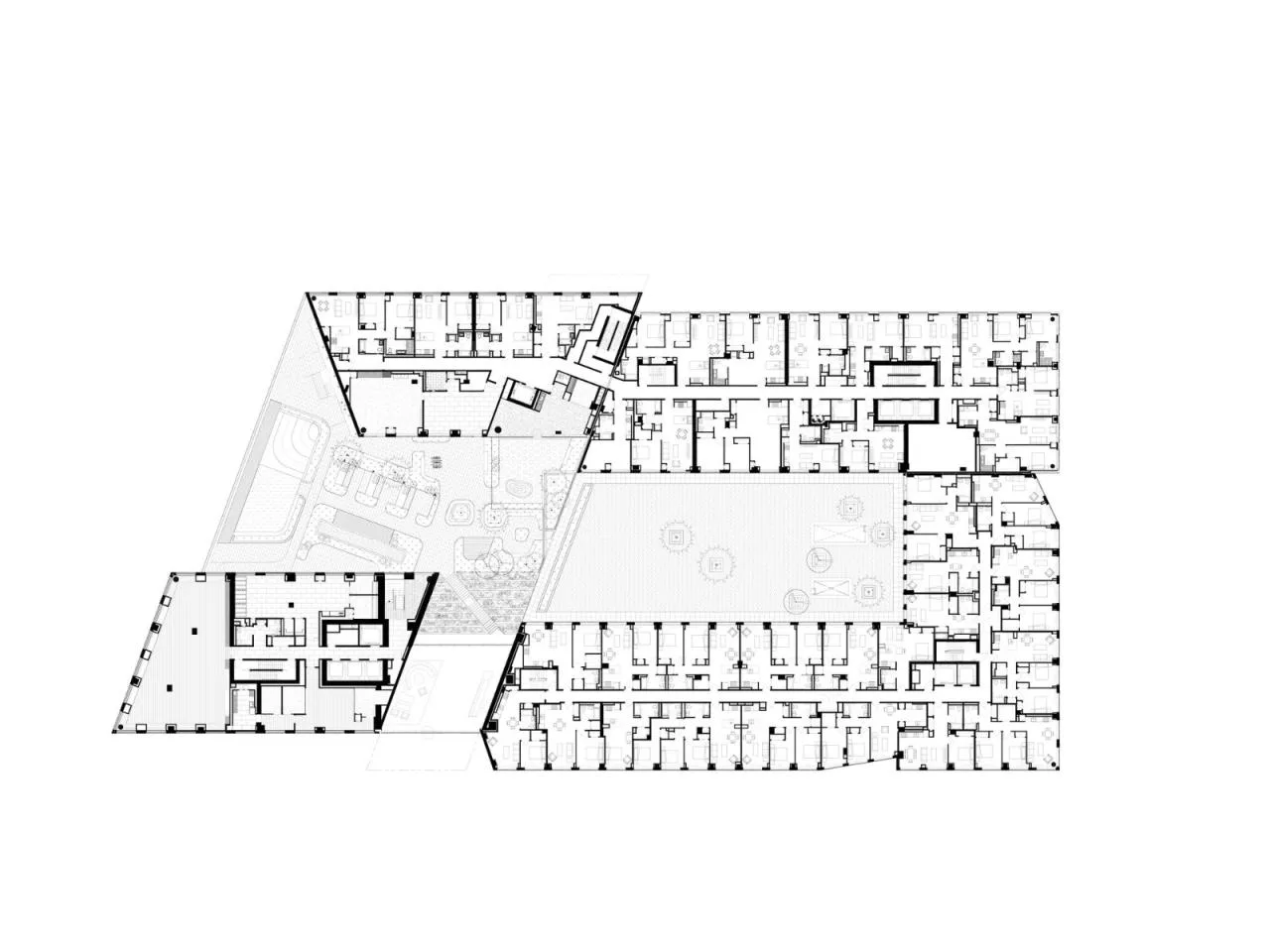
△ Second Floor Plan
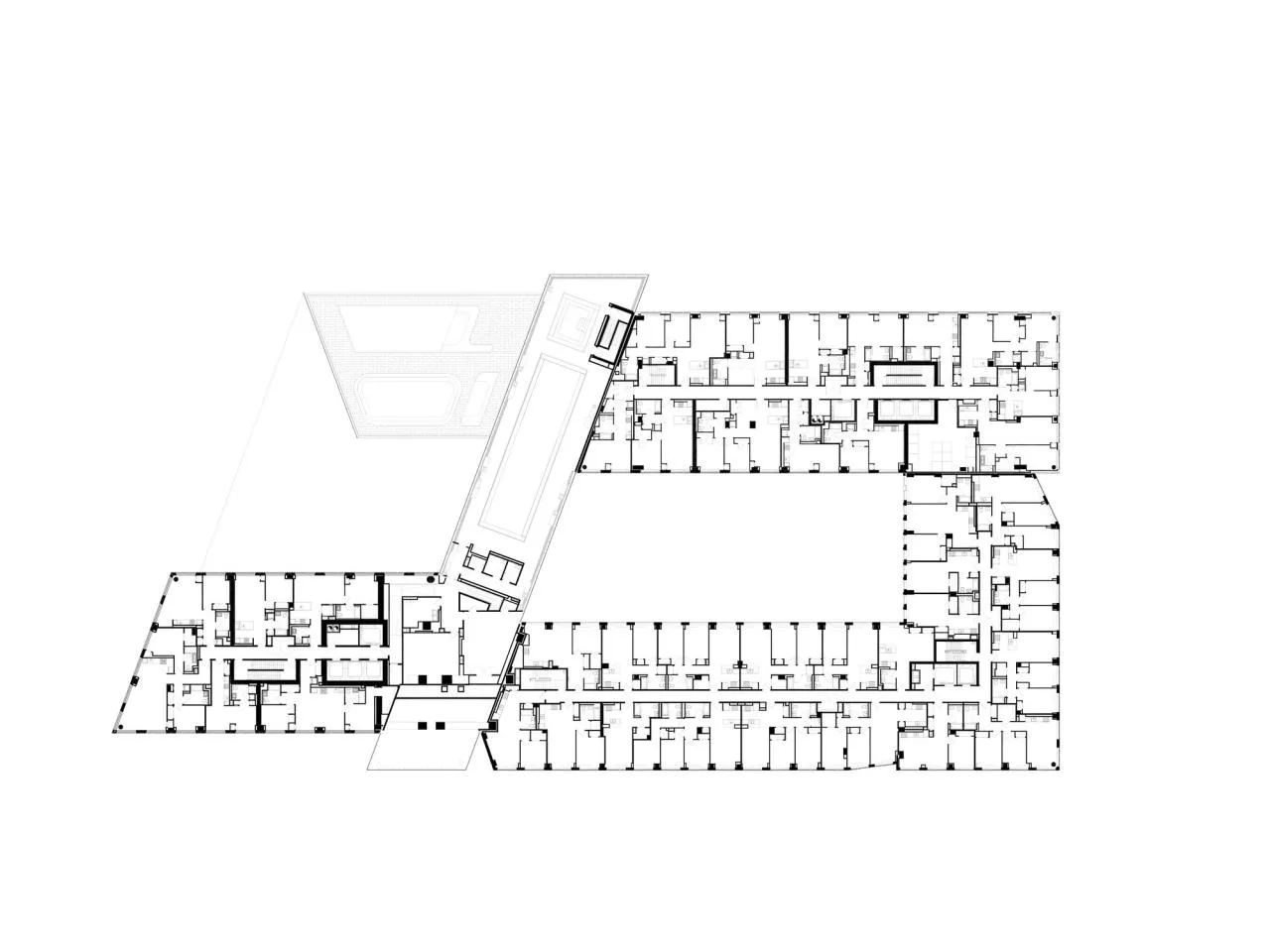
△ Sixth Floor Plan
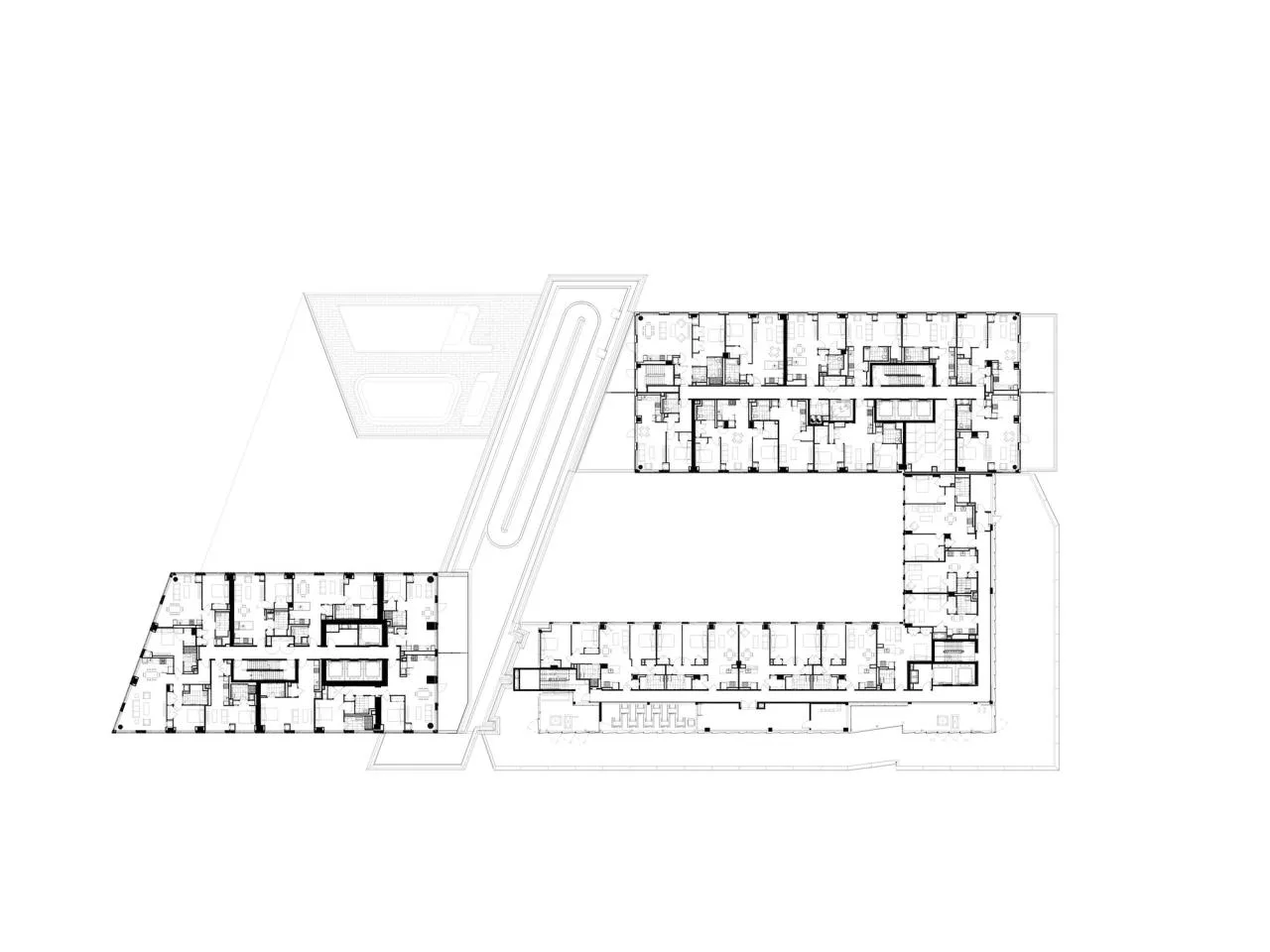
△ Seventh Floor Plan
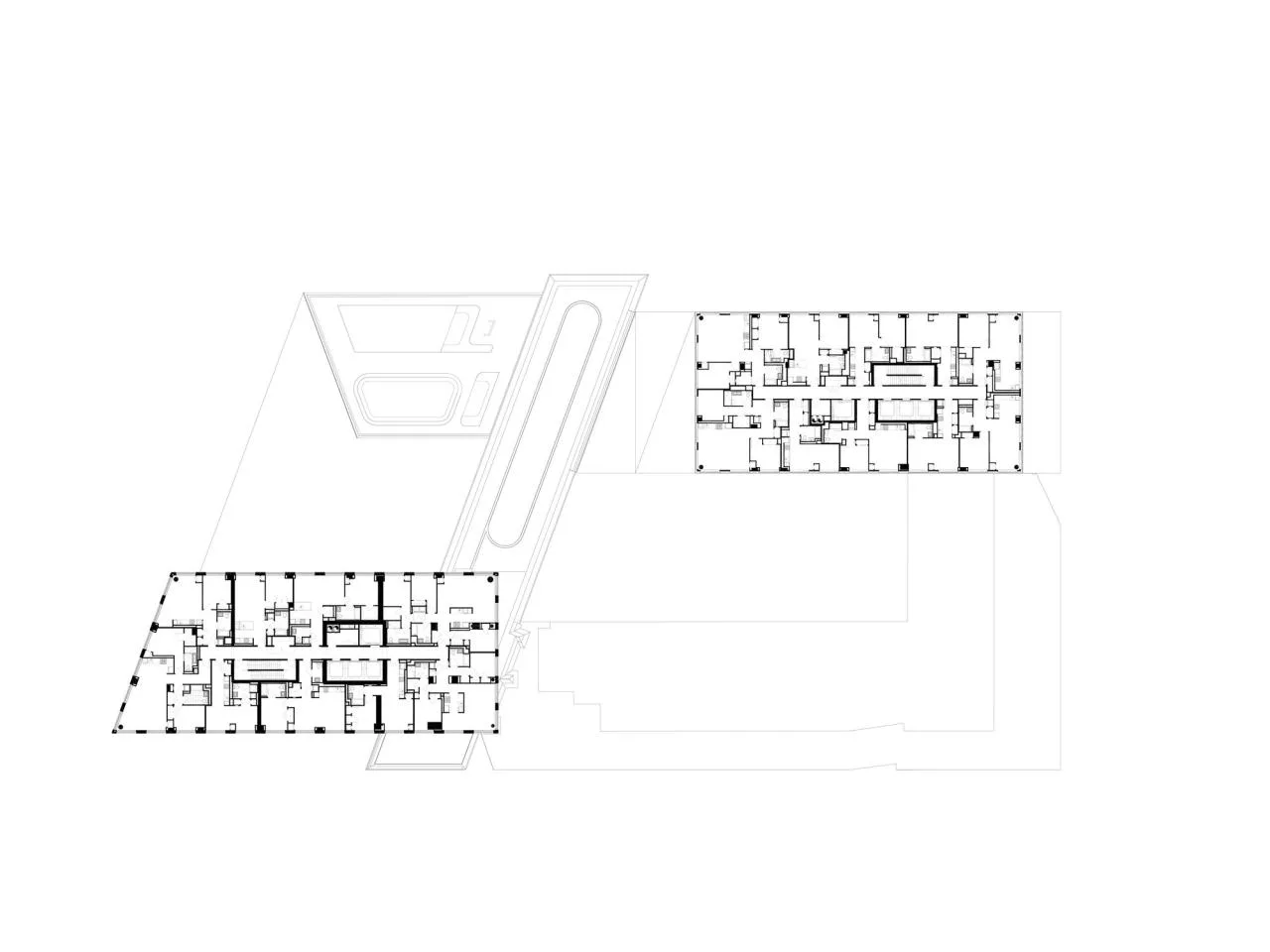
△ 21st Floor Plan
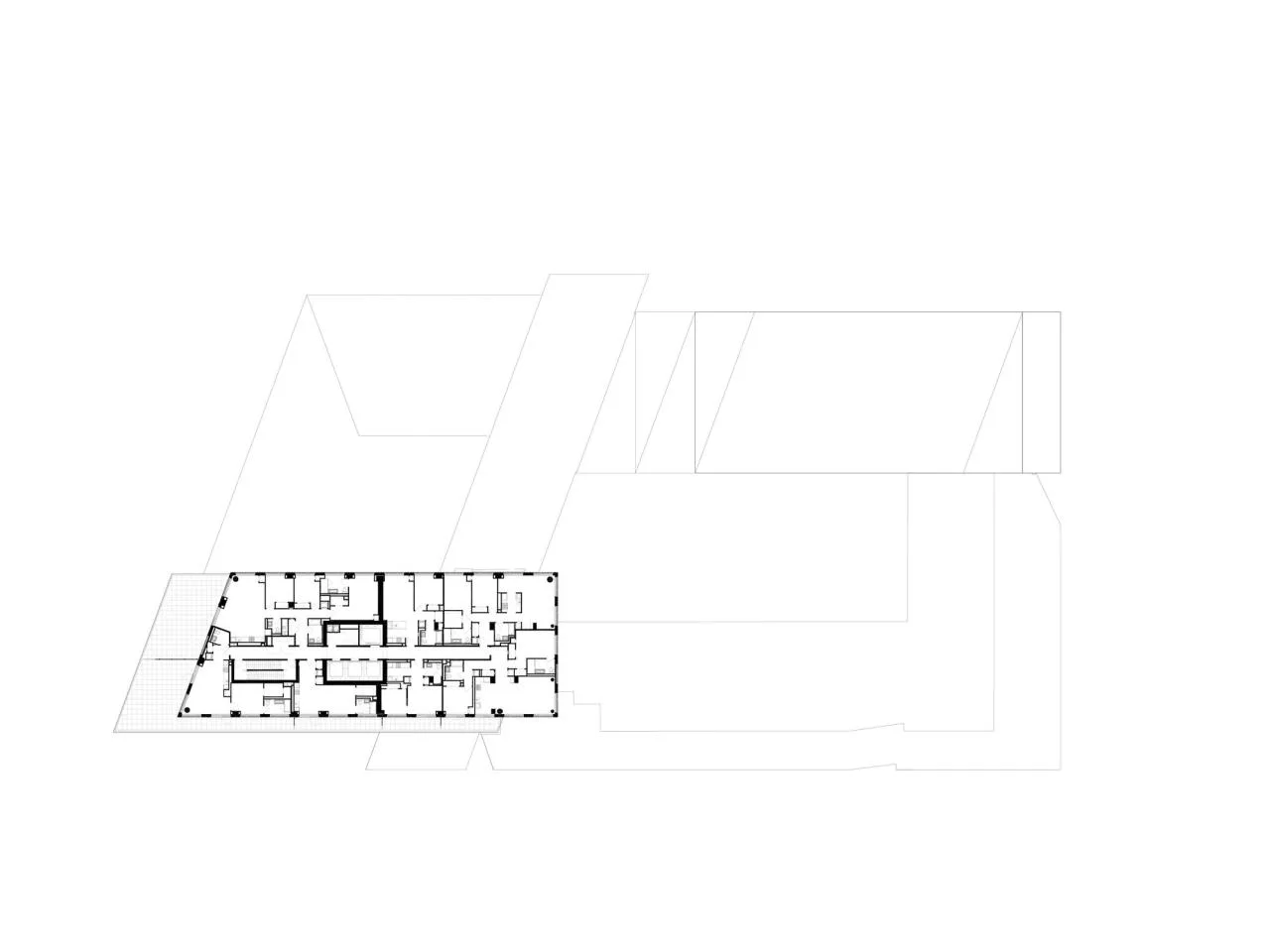
△ 36th Floor Plan
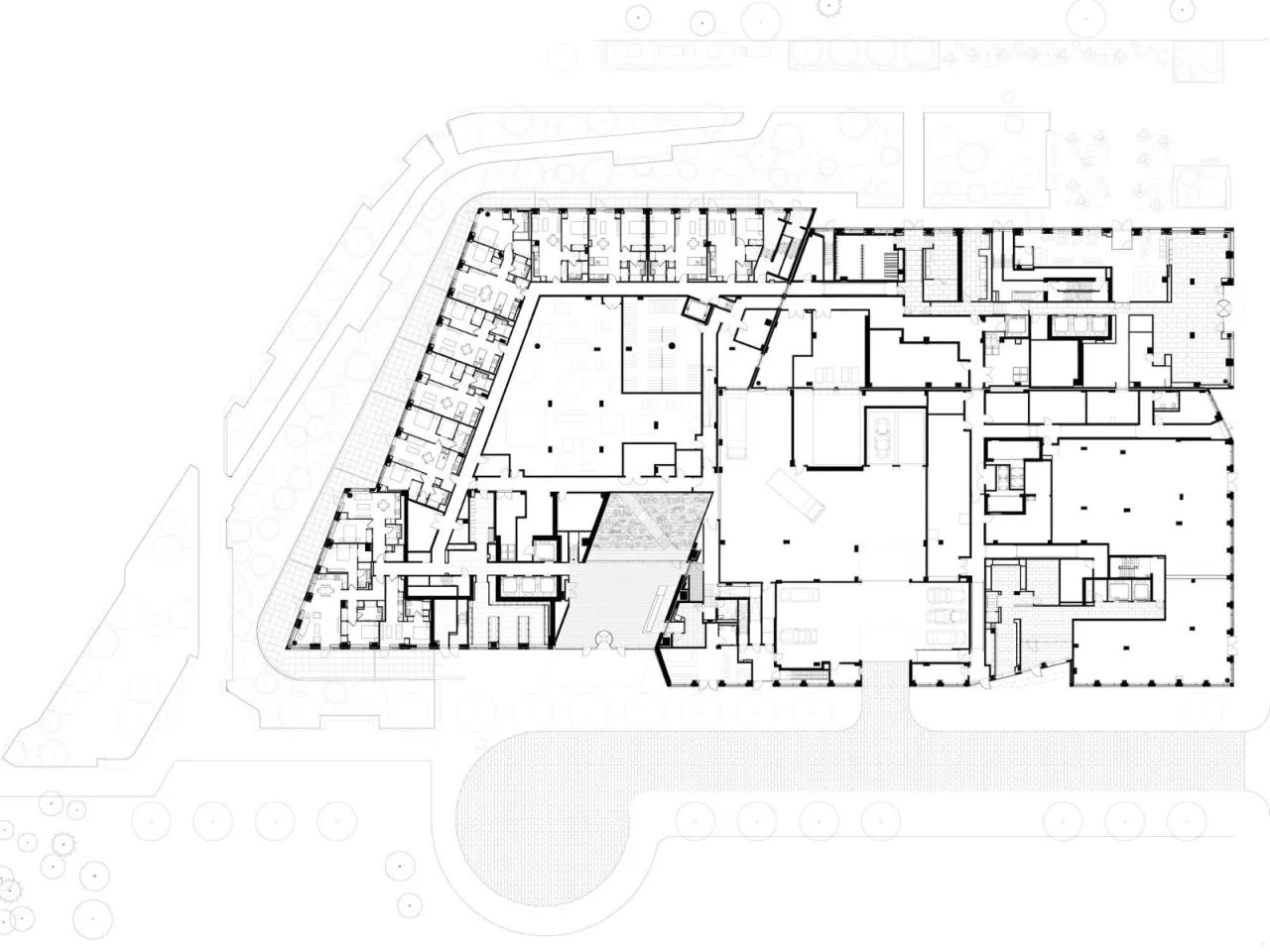
△ First Floor Plan
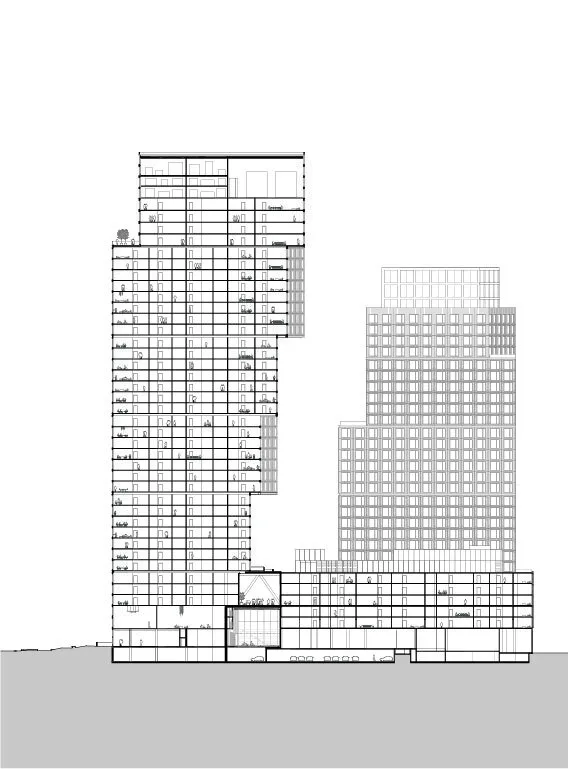
△ Elevation Drawing
△ Analysis Chart
△ Analysis Chart
△ Analysis Chart
△ Model Diagram
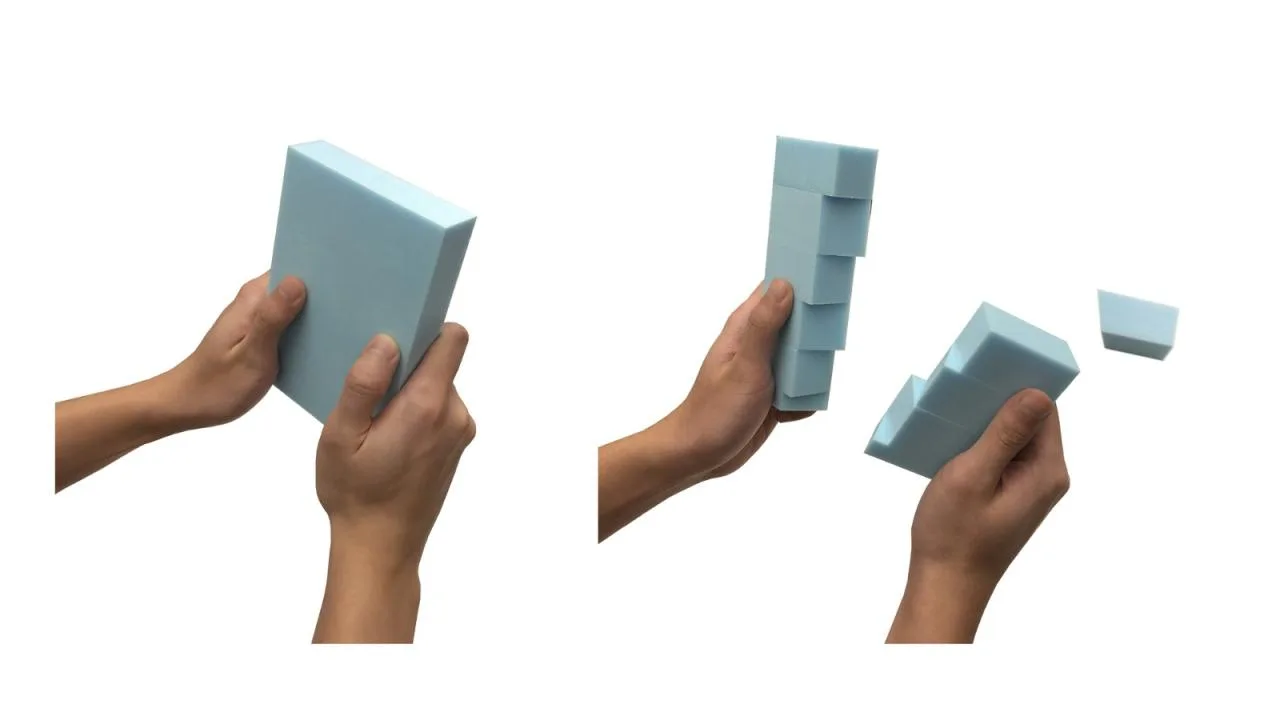
△ Model Diagram
Project Information
Architect: OMA
Area: 860,700 ft²
Project Year: 2022
Photographer: Jason O’Rear, Floto+Warner
Lead Architect: OMA New York
Collaborative Architect: Jason Long
Project Architects: Yusef Ali Dennis, Christine Yoon
Design Team: Remy Bertin, Jingyi Bi, Sam Biroscak, Titouan Chapouly, Ken Chongsuwat, Marie-Claude Fares, Yashar Ghasemkhani, Anders Grinde, Wesley LeForce, Chong Ying Pai, Nathan Petty, Andres Rabano, Laylee Salek, Alan Song, Wo Hong Wu, Soojung Yoo, Steven Young, Juan Pablo Zepeda
Facade Design: Song Tengtian, Ma Shadi
LEED Consulting: Cosentini Associates
Structural Design: DeSimone Consulting Engineers
Facilities: Marmol Radziner
Landscape Architect: James Corner Field Operations
Interior Designer: Beyer Blinder Belle Architects & Planners LLP
Lighting Design: Focus Lighting
Acoustic Design: Cerami Associates
Civil Engineering: Langan Engineering
Marine Engineering: McLaren Engineering Group
Location: Brooklyn, United States













Must log in before commenting!
Sign Up