
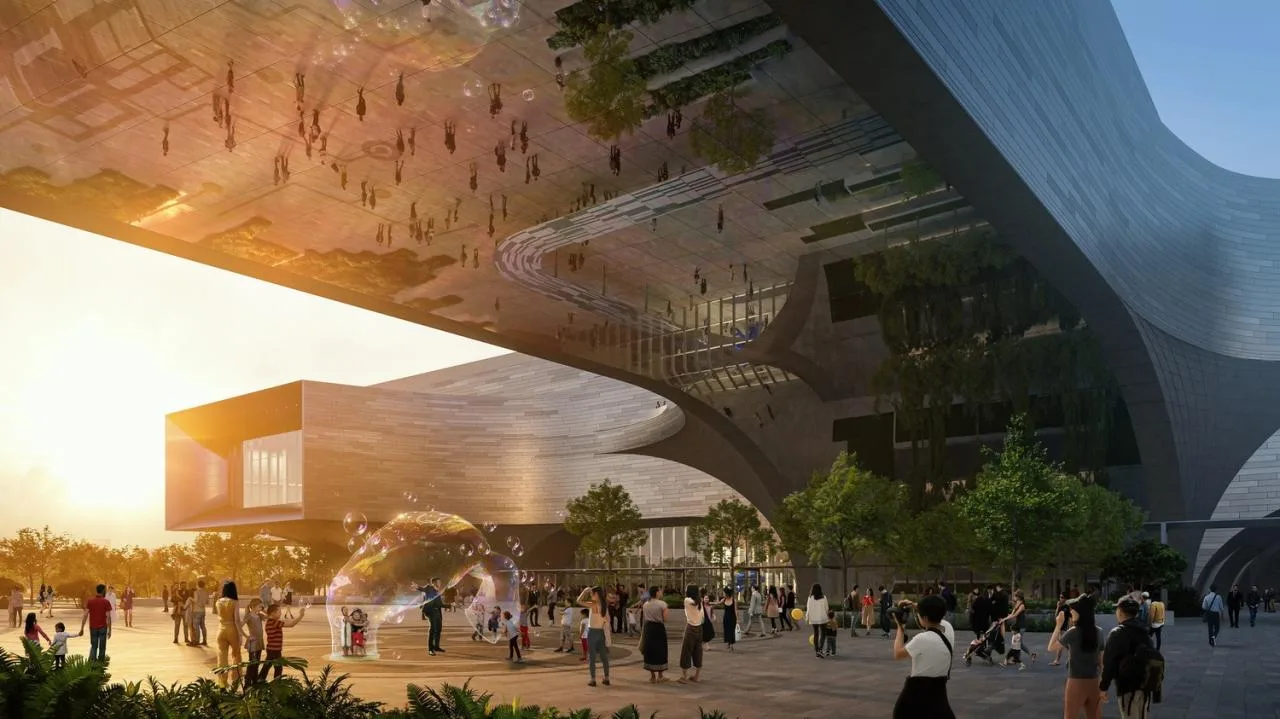
Zaha Hadid Architects, in collaboration with Architects 61, recently unveiled their design for a new science center located in Singapore’s Jurong Lake District. Covering an area of 52,460 square meters, this innovative complex is designed to enhance accessibility to science, technology, engineering, and mathematics (STEM) education. Featuring dedicated facilities, functional educational spaces, and interactive exhibits, the center is scheduled to open in 2027 and will contribute to Singapore’s 2030 Green Plan.
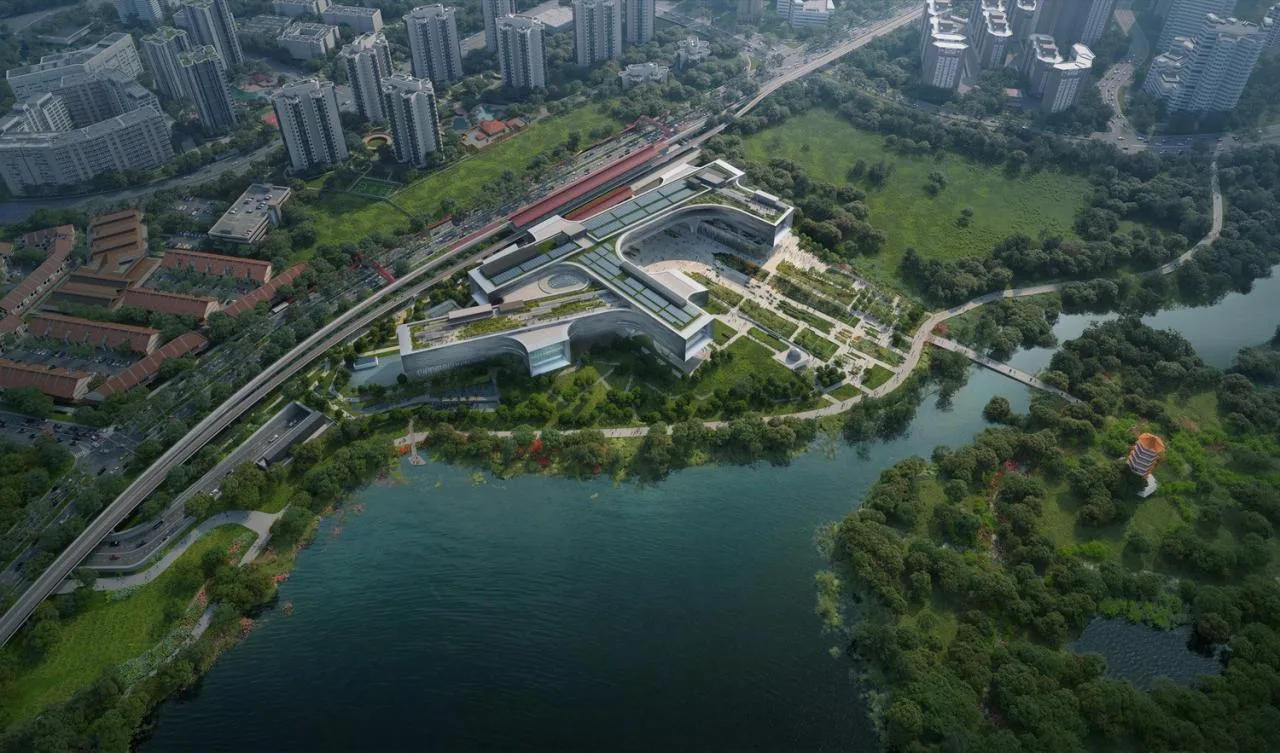
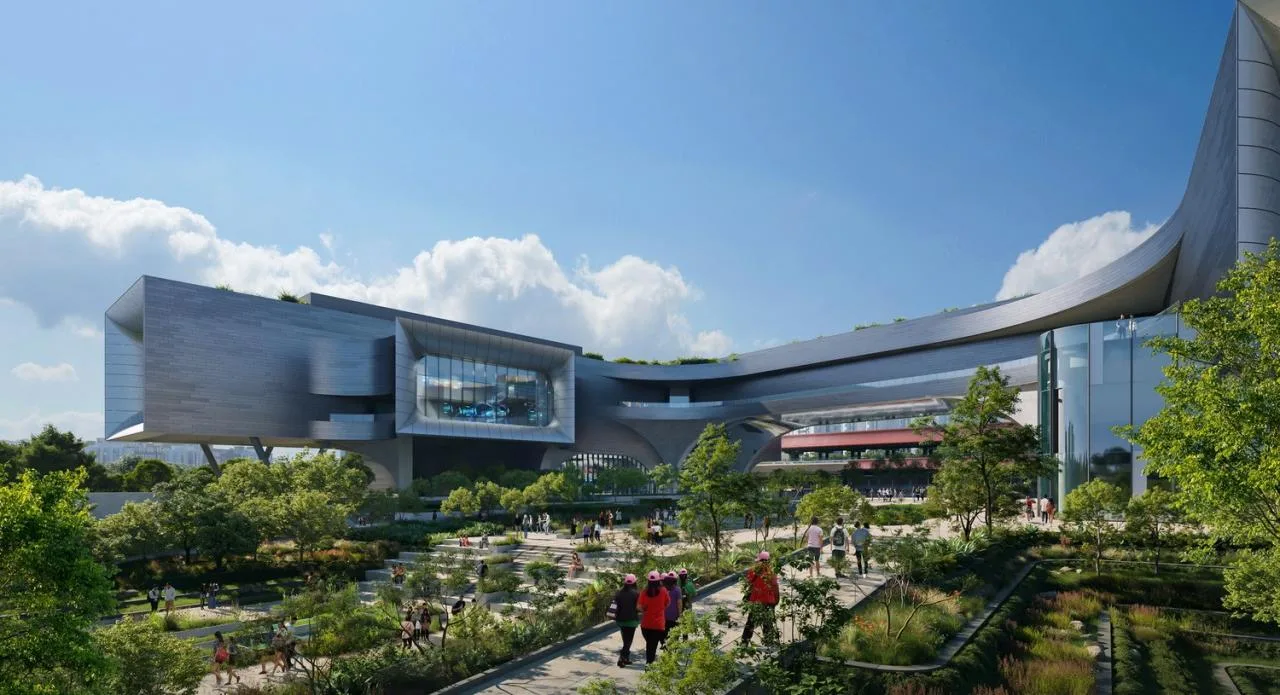
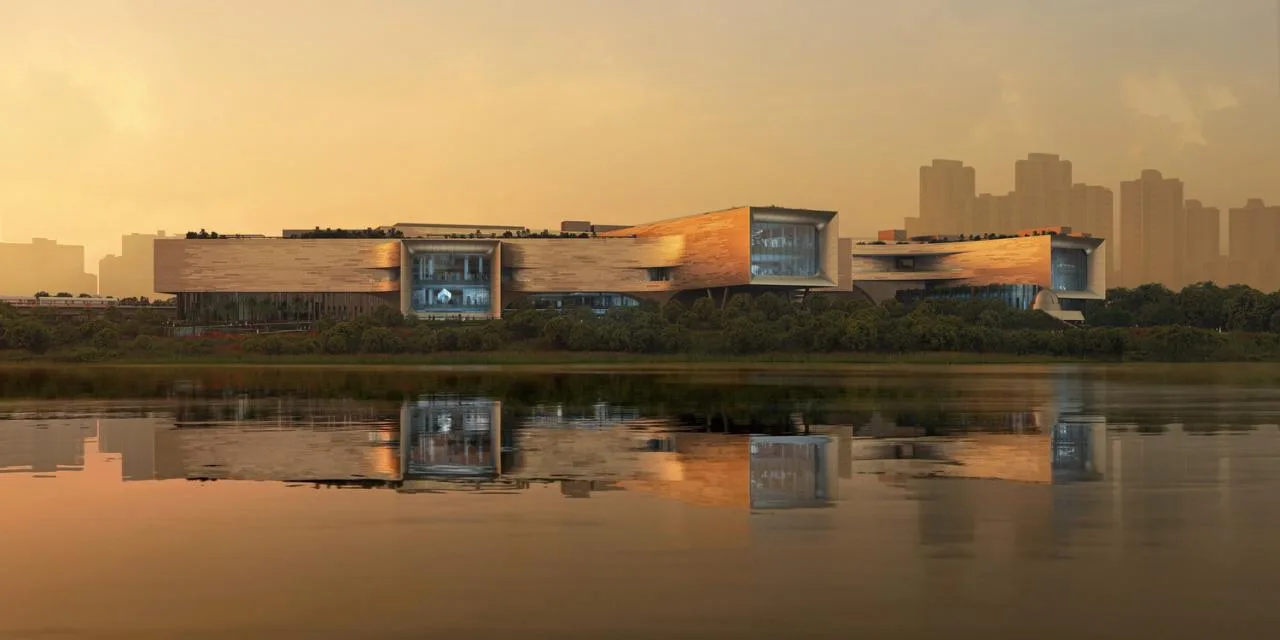
The building appears to float above the surrounding parkland, composed of five interlocking rectangular blocks that harmonize with the natural setting of Jurong Lake Gardens. The design incorporates a series of courtyards and gardens with lake views, guiding visitors from nearby subway stations toward the tower, which is inspired by traditional Chinese gardens. With a variety of indoor, outdoor, and rooftop learning environments, the science center will serve as an engaging destination that seamlessly connects science, nature, and community activities.
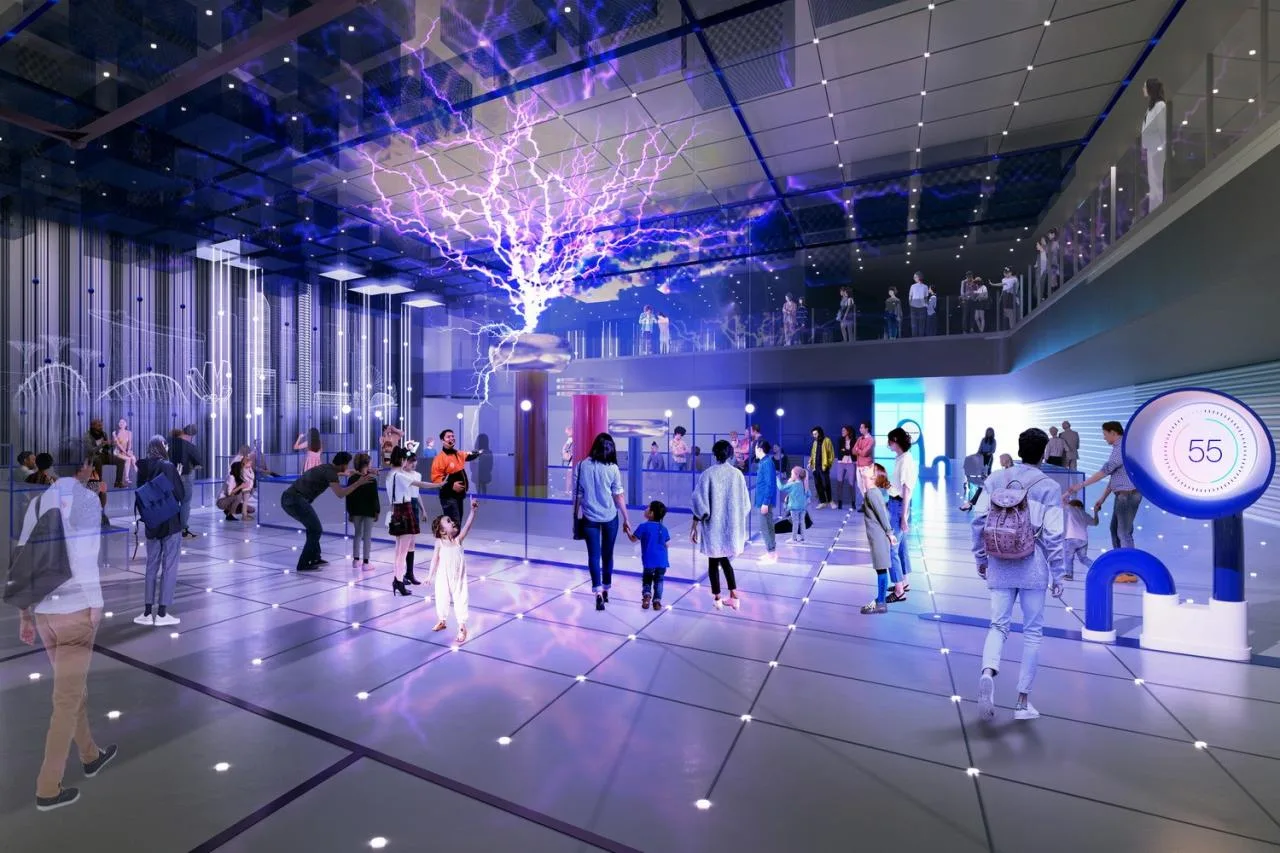
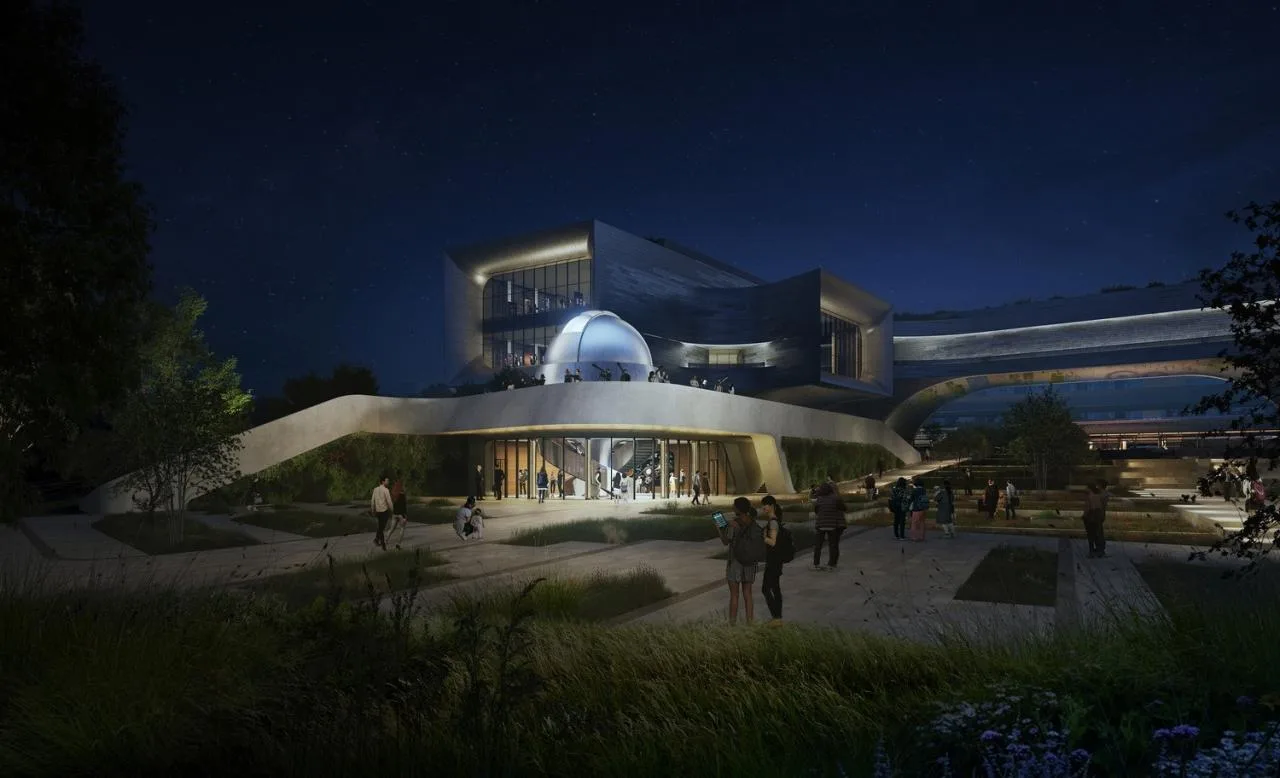
The new science center will include an observatory dedicated to budding astronomers, offering a space to explore the universe. It will also feature digital manufacturing labs and incubator spaces designed to foster entrepreneurship and innovation. A makerspace will provide young inventors with opportunities to experiment and develop their ideas. The building will house exhibition galleries, interactive laboratories, event spaces, visitor amenities, administrative offices, collections, and service facilities.
The Children’s Gallery is designed to inspire curiosity across all ages. It offers dual spaces, including a dedicated outdoor interactive water play area. Older students will have access to specialized labs and seminars, encouraging hands-on learning of scientific principles. These areas will be equipped with Internet of Things (IoT) devices, enabling students to extend their educational experience beyond the center, whether on campus or at home.
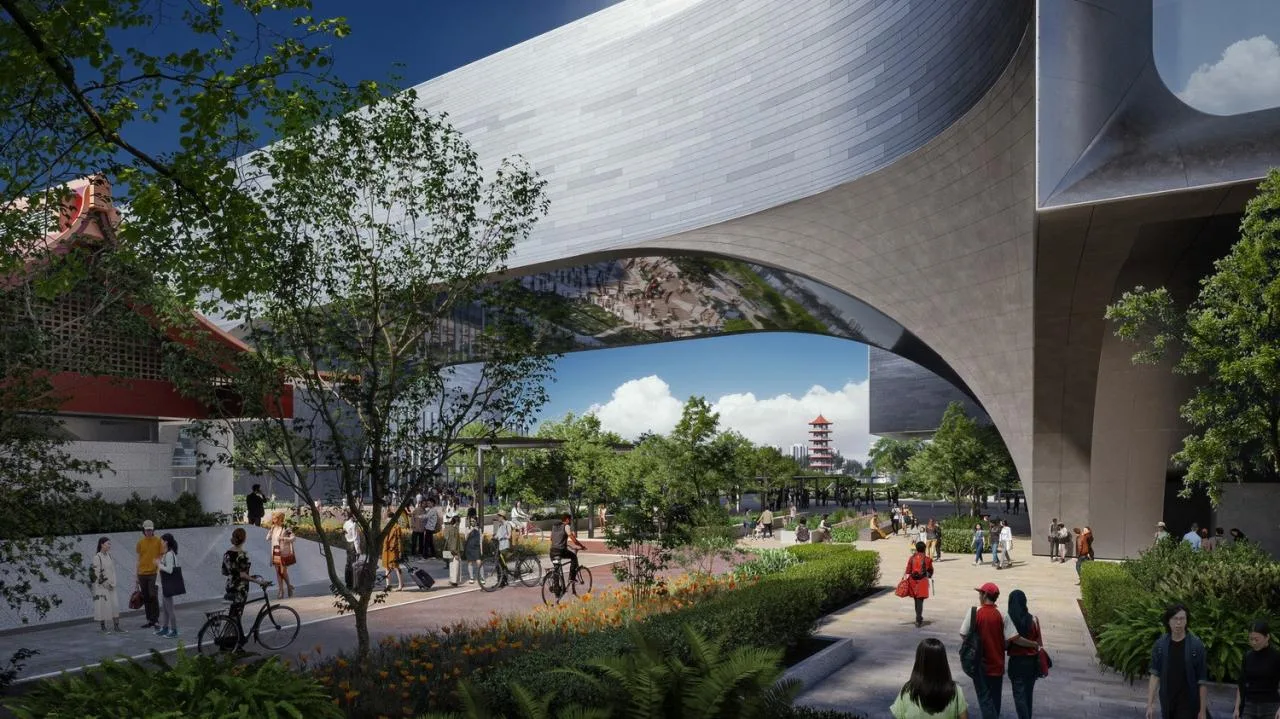
The project was realized through a collaboration between Atelier Ten, Zaha Hadid Architects, and Architects 61, aiming to achieve the BCA Green Mark Platinum Super Low Energy Certification. Various sustainable design principles and energy performance strategies have been integrated, including an intelligent building management system expected to reduce energy consumption by approximately 40%. The building will also feature photovoltaic panels and insulated rooftop gardens. Outdoor shading devices will help maintain natural ventilation and regulate sunlight exposure, while protecting occupants from intense heat. Comprehensive water resource management and landscaping plans are in place to preserve and restore local plant ecosystems.
In addition to this project, Zaha Hadid Architects recently revealed their master plan for the 2030 World Expo in Odessa, Ukraine. This plan includes recyclable exhibition halls and emphasizes cultural heritage and sustainable design, marking the first time the World Expo will take place in Eastern Europe. Furthermore, the firm has been announced as the winner of the design competition for the Hangzhou New International Sports Center. This new facility will be part of the Hangzhou Future Science and Culture Center and will connect directly to the city’s expanding subway network.













Must log in before commenting!
Sign Up