
BIM technology offers many features, but its most notable and widely adopted aspect is visualization. This capability enables the design of buildings, detection of pipeline clashes, and simulation of construction processes within a three-dimensional information environment.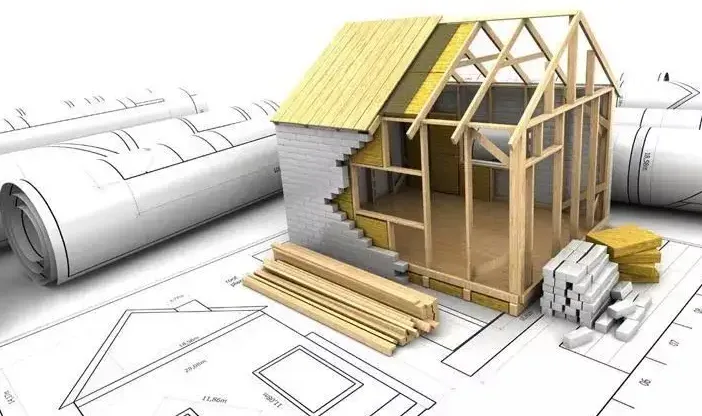
Traditionally, under CAD technology, design firms could only deliver 2D drawings. To help homeowners and users who find architectural plans difficult to understand, it was necessary to hire animation companies to create renderings or physical models. Although these visuals provided some clarity, they were limited to showcasing appearances and could not support energy consumption simulations, pipeline clash detection, or construction process simulations.
As buildings have grown larger, more architecturally complex, and spatially intricate, the demand for functional accuracy has increased dramatically. Without BIM visualization technology, relying solely on designers’ imagination and memory makes it challenging to address these complexities. Communication gaps often arise within project teams, making it harder to analyze issues thoroughly and find effective solutions.
The advent of BIM technology has revolutionized visual workflows. It not only allows abstract data such as thermal comfort, temperature, and ventilation to be visually represented, but also illustrates construction sequences and their interrelationships. This enhancement contributes significantly to boosting productivity, reducing costs, and improving overall project quality.
This summarizes the role of BIM visualization technology. Opinions may vary, but I hope this article provides valuable insight for everyone!
















Must log in before commenting!
Sign Up