
BIM technology enables the use of parametric 3D models to automatically generate traditional building documents such as section drawings, elevation plans, construction details, and other relevant information. Instead of manually modifying drawings, BIM-based software represents designs through interactive models. These models can automatically update according to project changes, effectively eliminating communication errors and enhancing overall work quality.
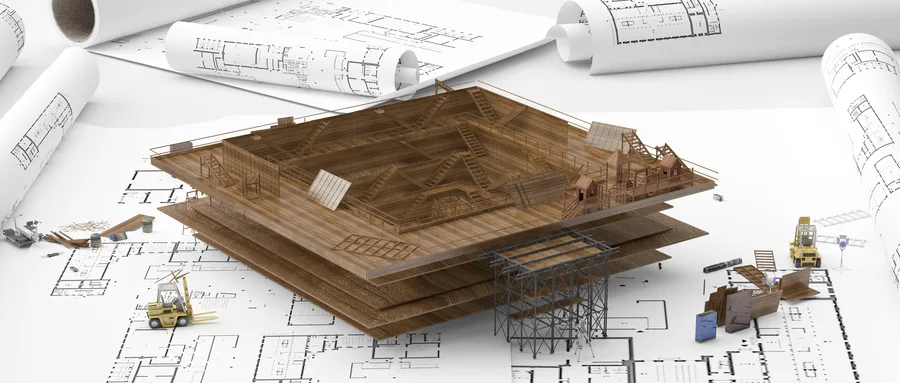
Thanks to these features, BIM can be applied at every stage of a building’s lifecycle—from design and construction to use, maintenance, operation, and eventual demolition. BIM allows for dynamic 3D simulation of the construction process as well as the final completed structure. Its visual capabilities offer an immersive experience, even for those outside the construction industry. Additionally, BIM facilitates the integration and efficient management of diverse material resources.
At its core, BIM relies on building information modeling, which digitizes all relevant data related to construction projects and inputs it into computer systems to build accurate and detailed 3D models. This application of digital technology in construction engineering effectively addresses challenges such as rendering realistic project visuals on computers and coordinating work across different disciplines. Both designers and construction teams can intuitively access the information they need through BIM, enabling faster decision-making based on the model. Moreover, BIM supports digital management that encompasses the entire project lifecycle, significantly improving management efficiency and aiding in informed risk assessment.
These points summarize the fundamental principles of BIM technology. Opinions may vary, but I hope this article provides useful insights for everyone!
















Must log in before commenting!
Sign Up