
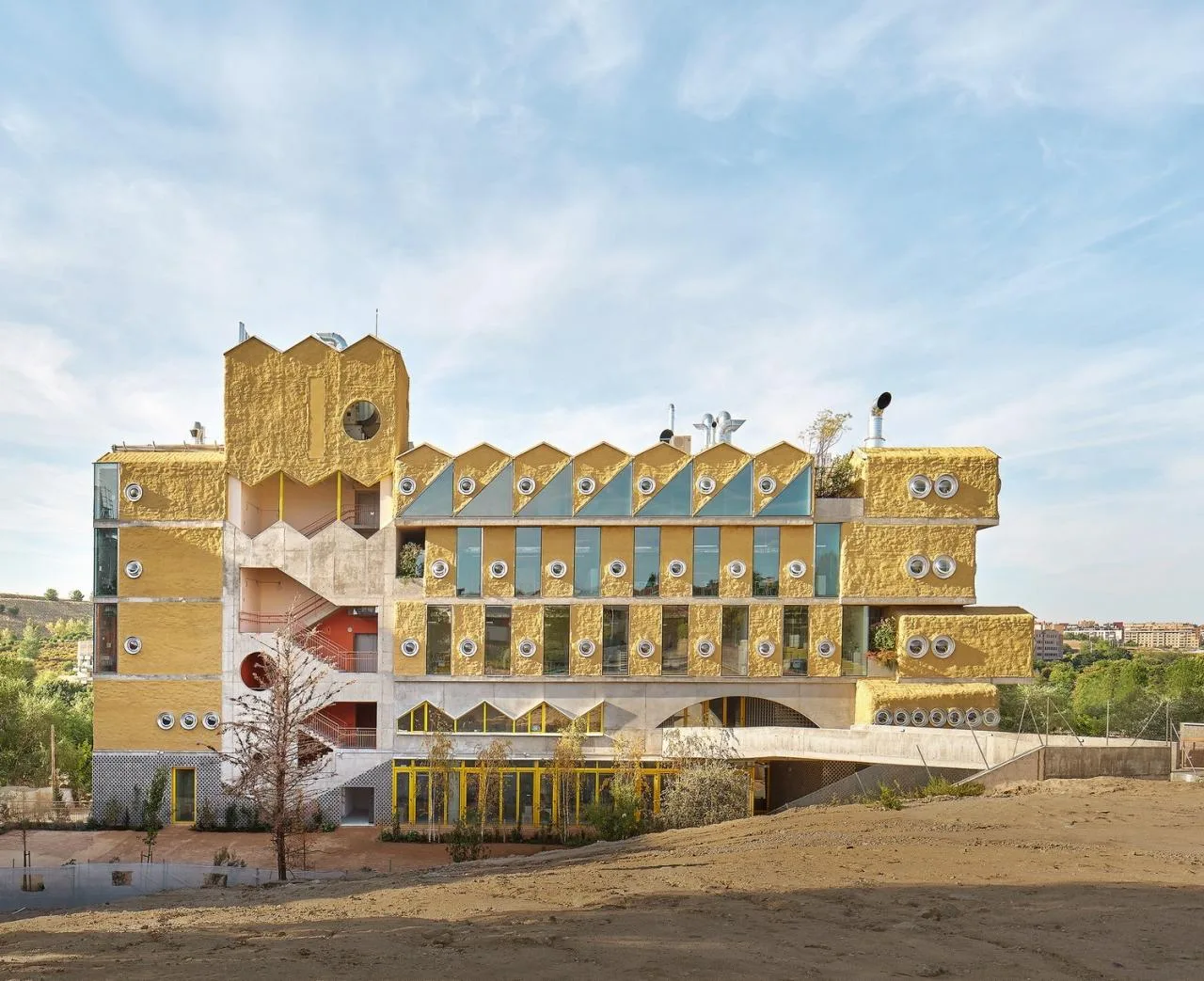
The design philosophy of the Reggio Emilia School aims to inspire children’s curiosity and love for exploration through its architecture. The building is envisioned as a complex ecosystem that empowers students to direct their own unique educational journeys via a self-driven process of collective experimentation. This approach aligns with the educational philosophy pioneered by Loris Malaguzzi and local parents in Reggio Emilia, Italy, focusing on enhancing children’s resilience and ability to navigate unpredictable challenges and risks.
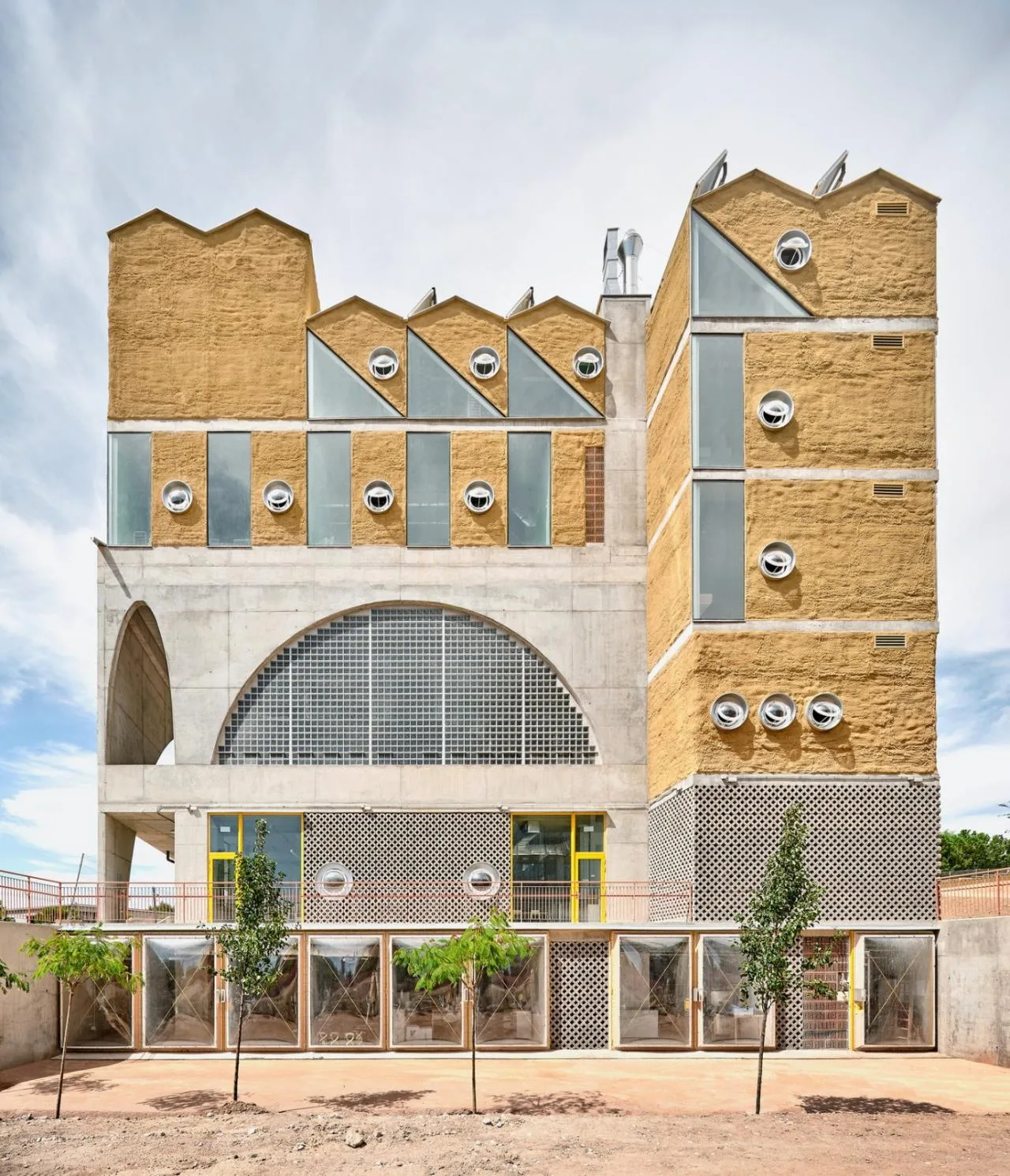
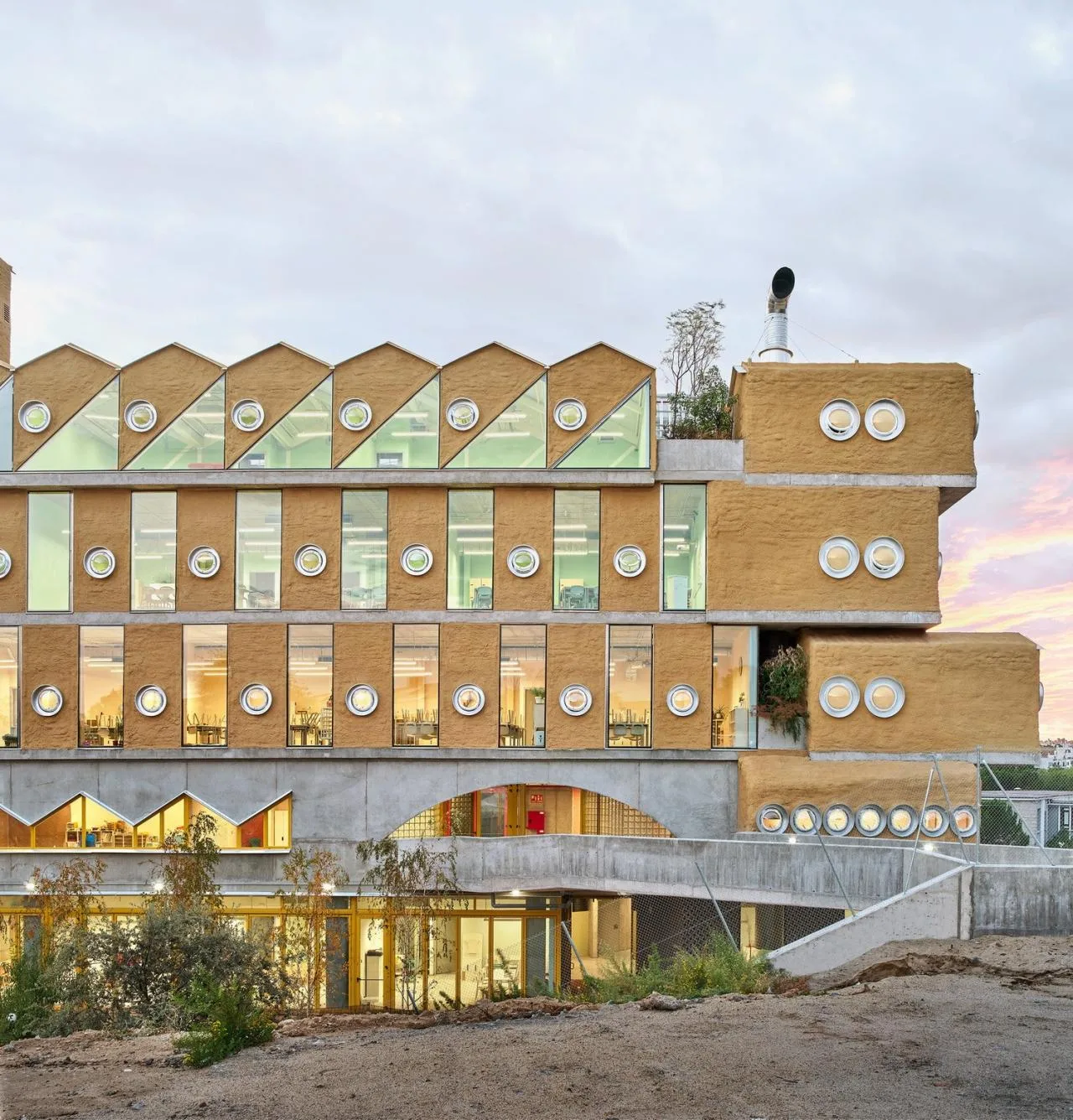
The project’s design, construction, and usage strategies seek to transcend traditional sustainability paradigms by employing ecology as a method. It integrates environmental impact considerations, expands beyond human-object relationships, and embraces material mobility, collective governance, and innovative teaching methods through architectural intersections.
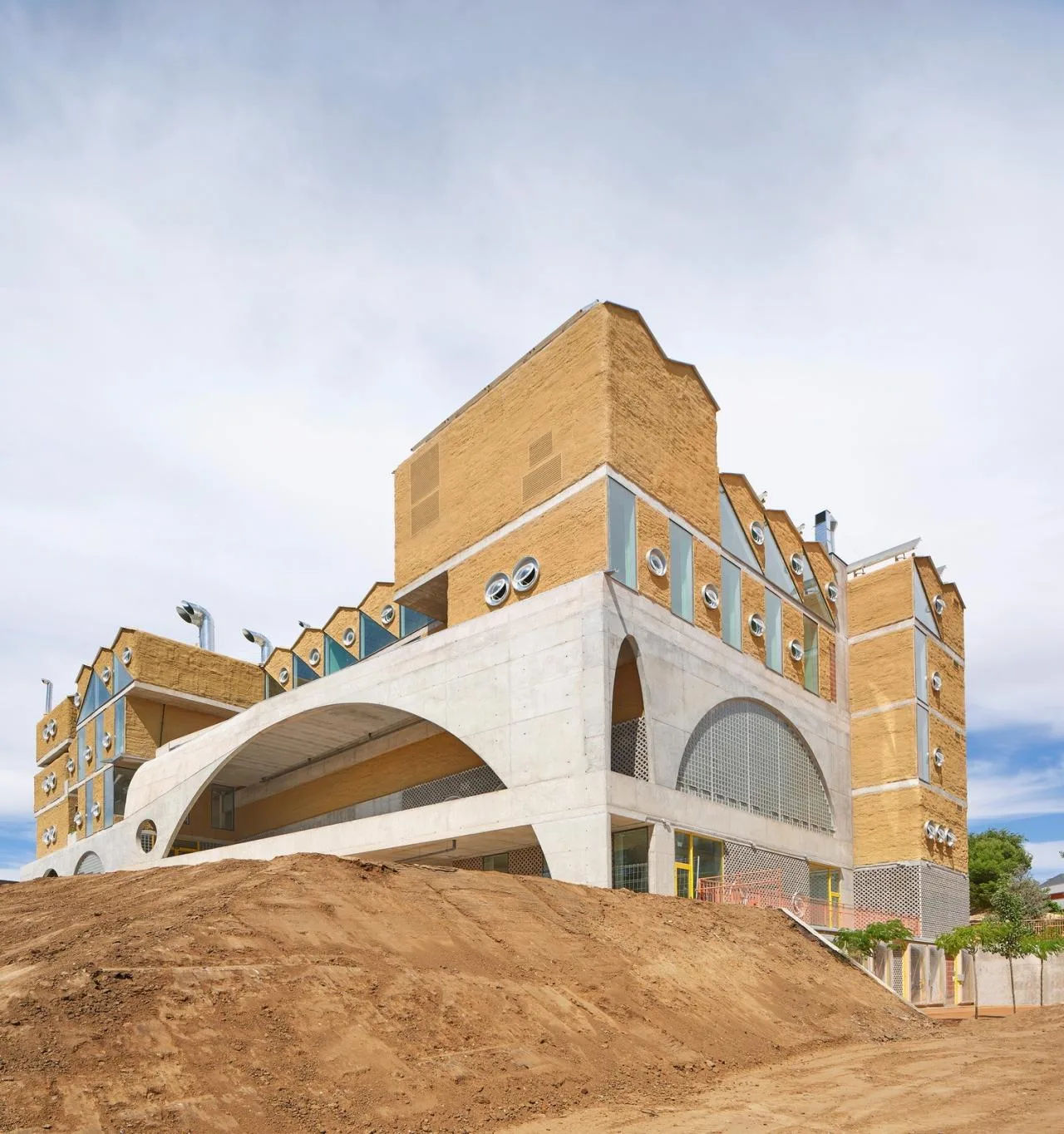
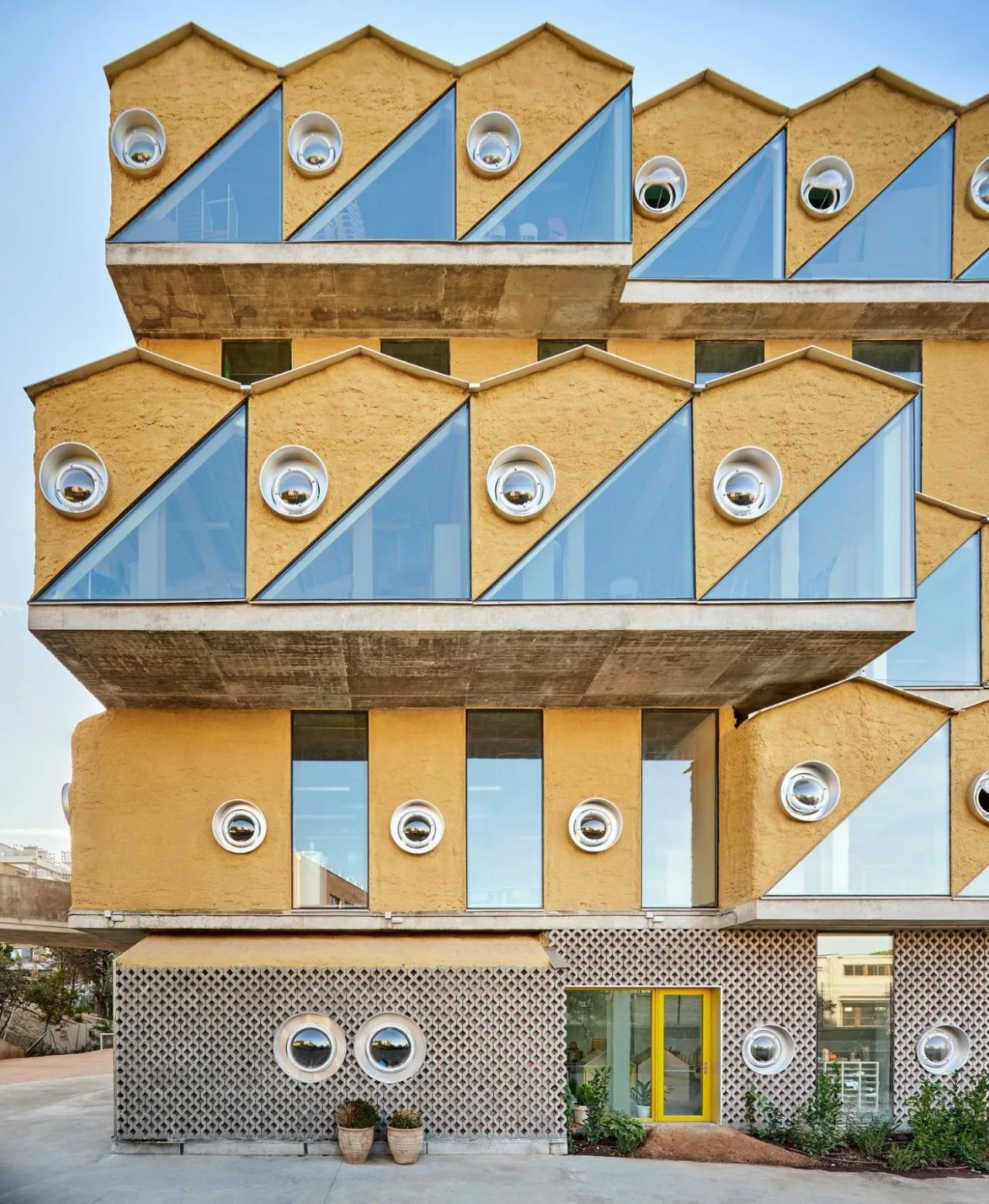
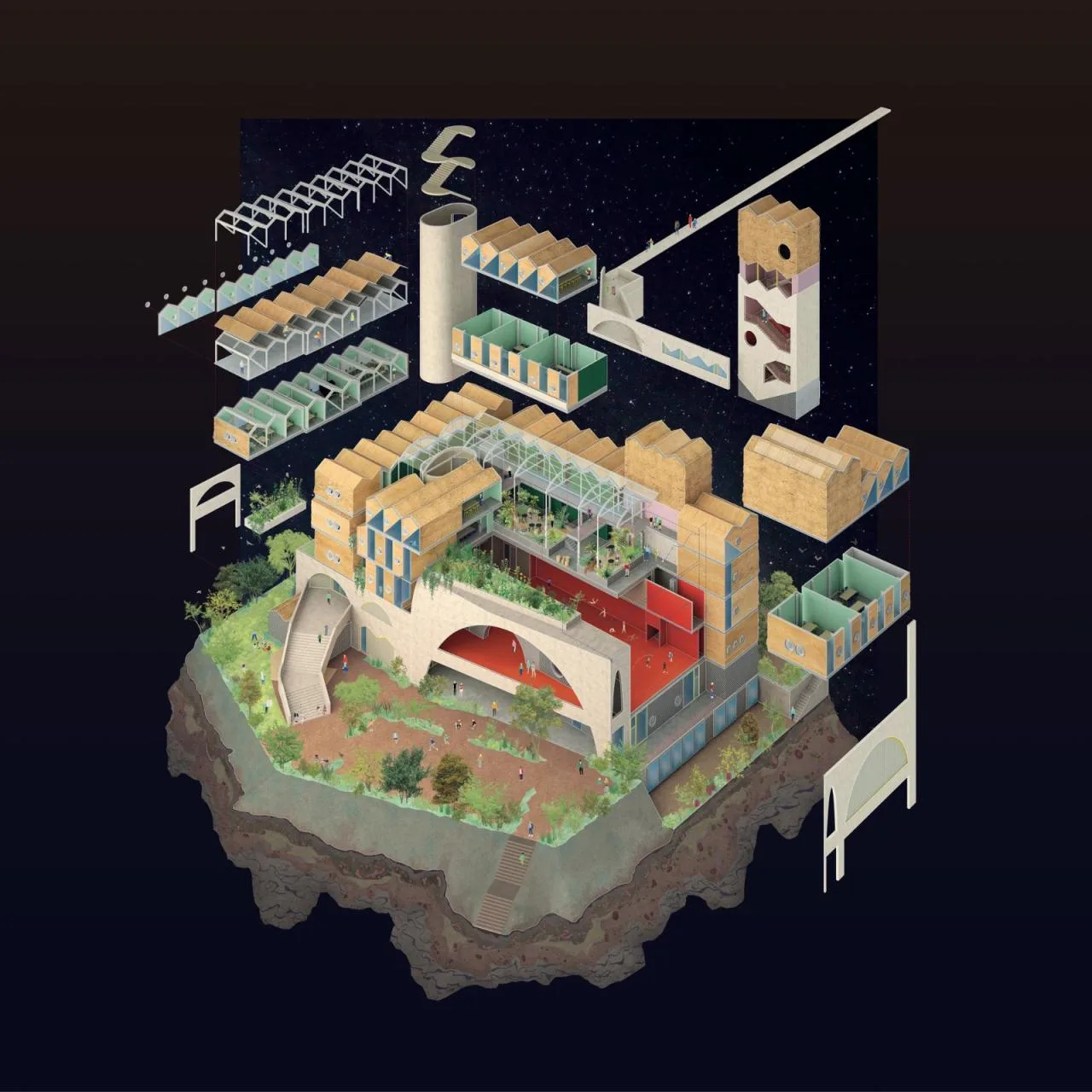
To prevent homogenization and standardization, the architects created a multiverse within the Reggio Emilia School, making its layered complexity accessible and experiential. The design reflects a blend of diverse climates, ecosystems, architectural traditions, and regulations.
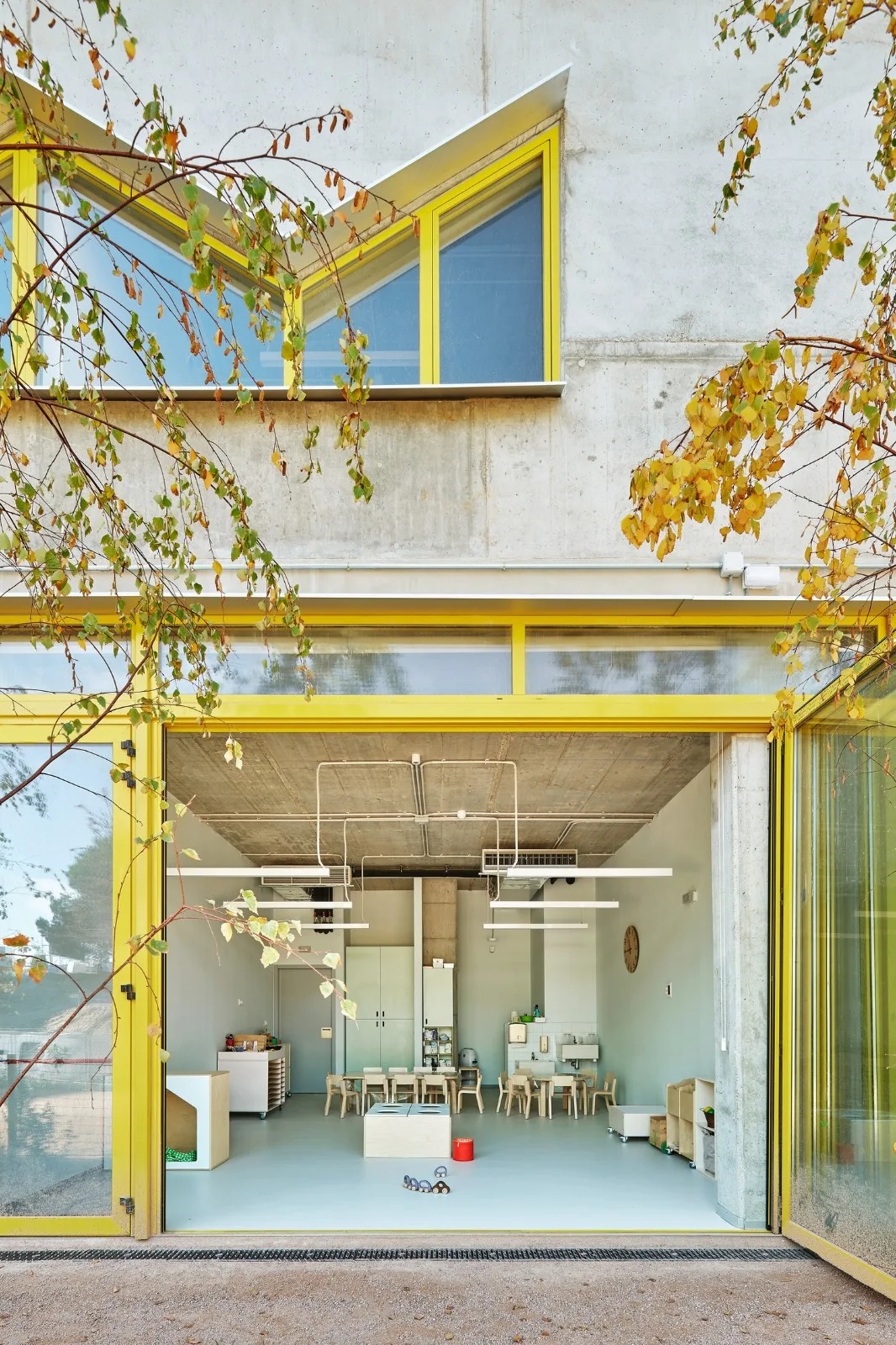
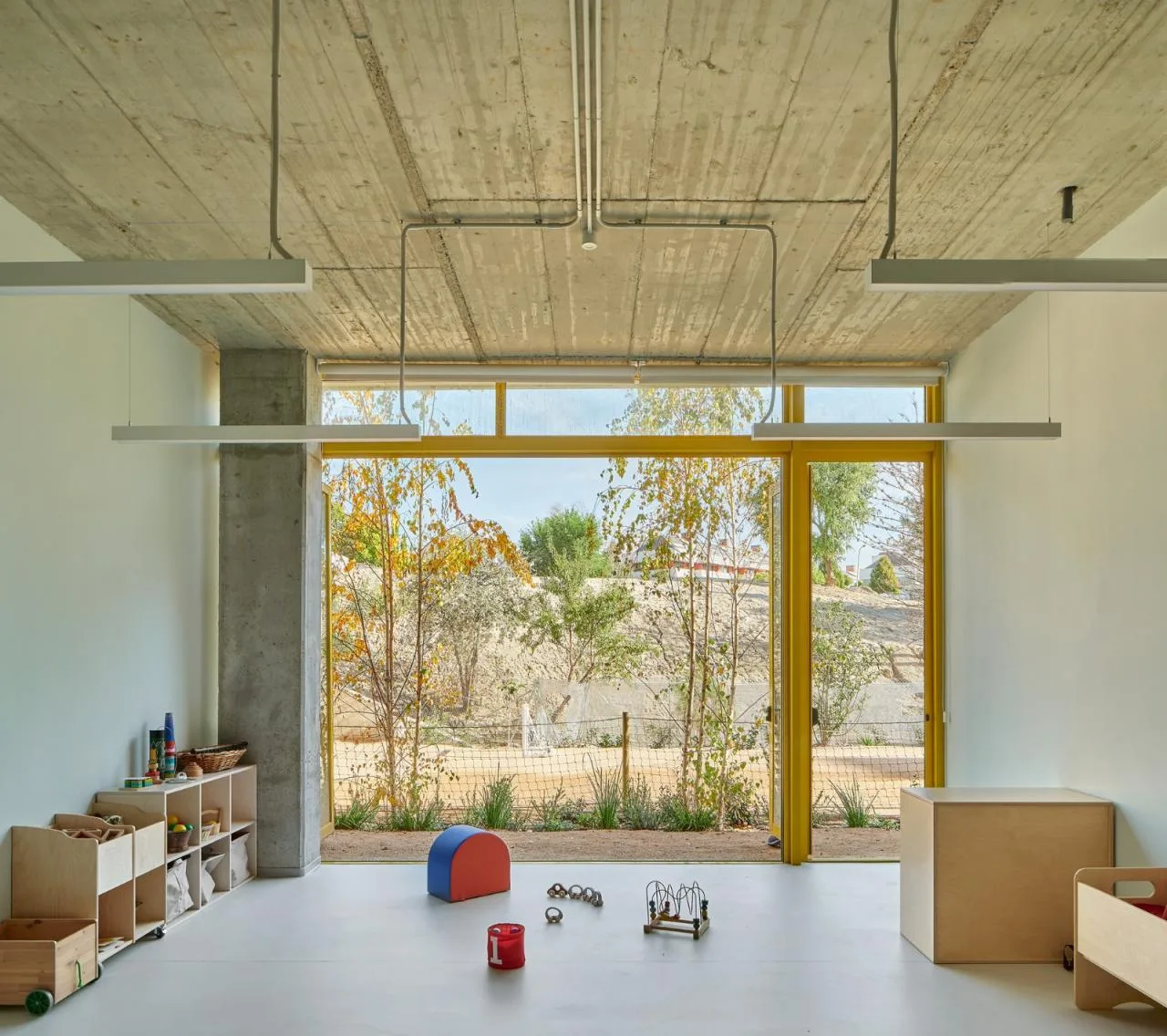
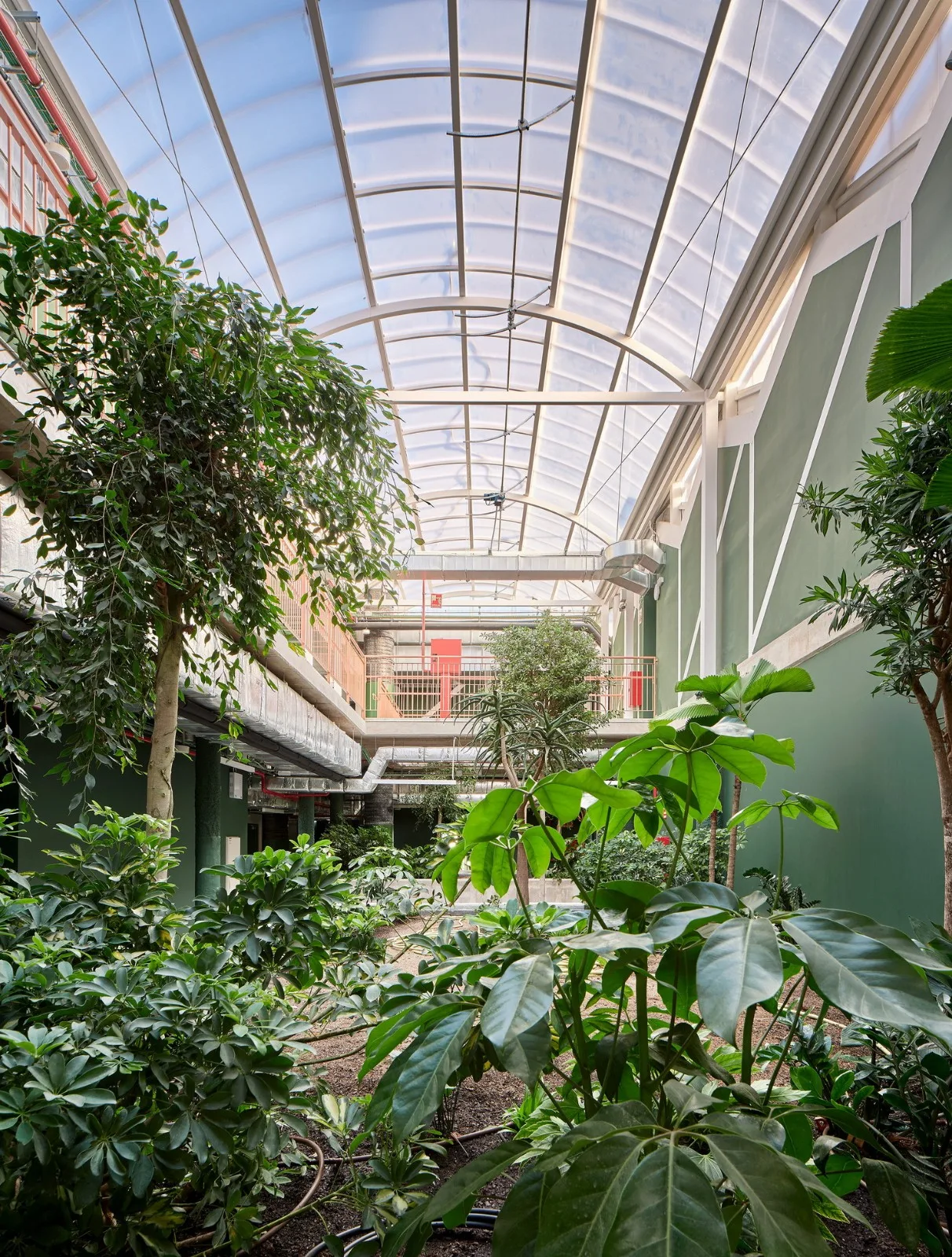
The vertical layout begins at ground level, where classrooms for younger students open directly onto the terrain. Above, intermediate classrooms are arranged alongside boxes containing recycled water and soil that nourish an indoor garden housed within a tall greenhouse structure. The upper-level classrooms surround this garden, resembling a small village. This vertical spatial arrangement symbolizes a plant’s continuous growth, paralleling students’ progressive ability to actively explore their school ecosystem alongside peers.
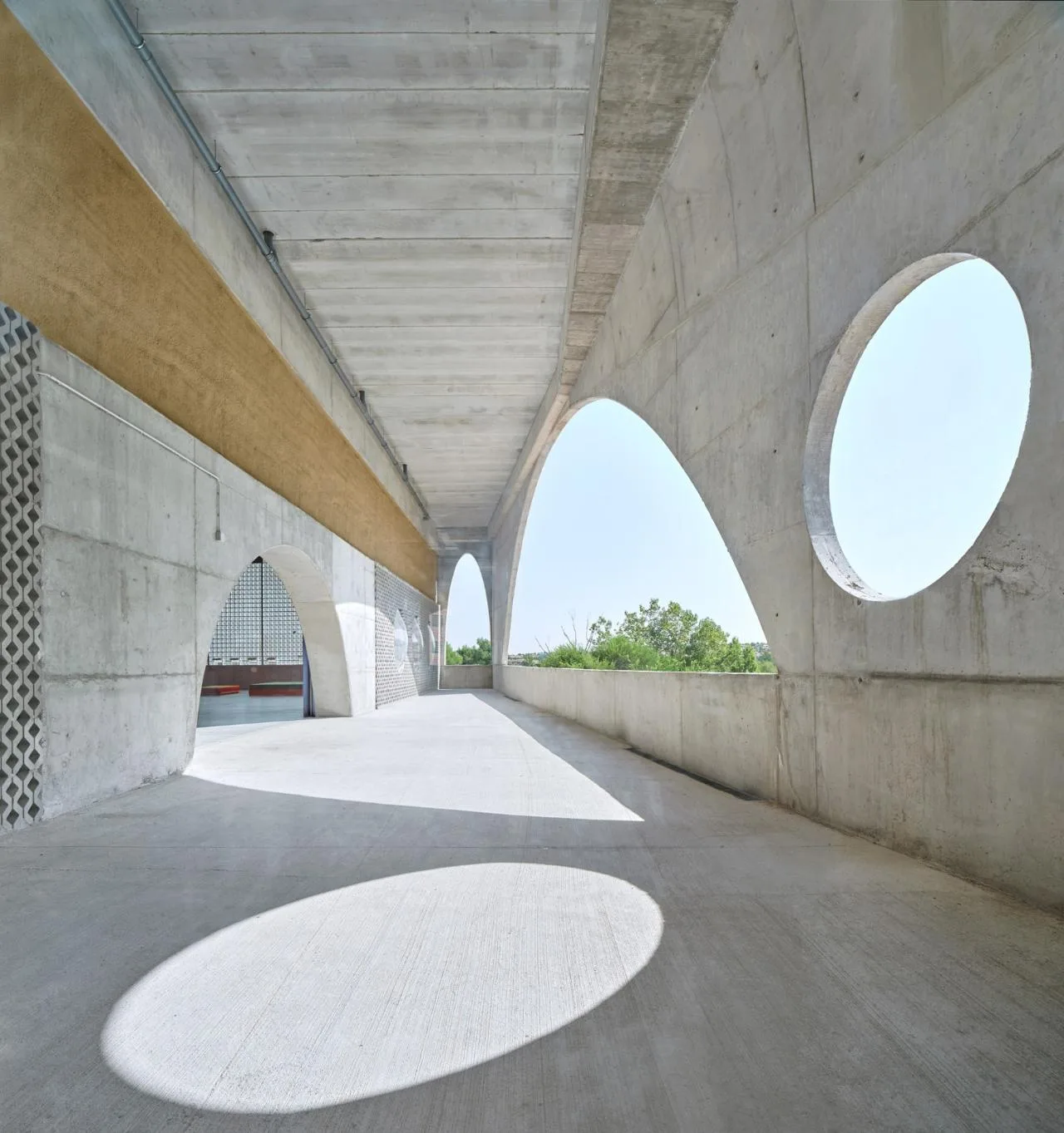
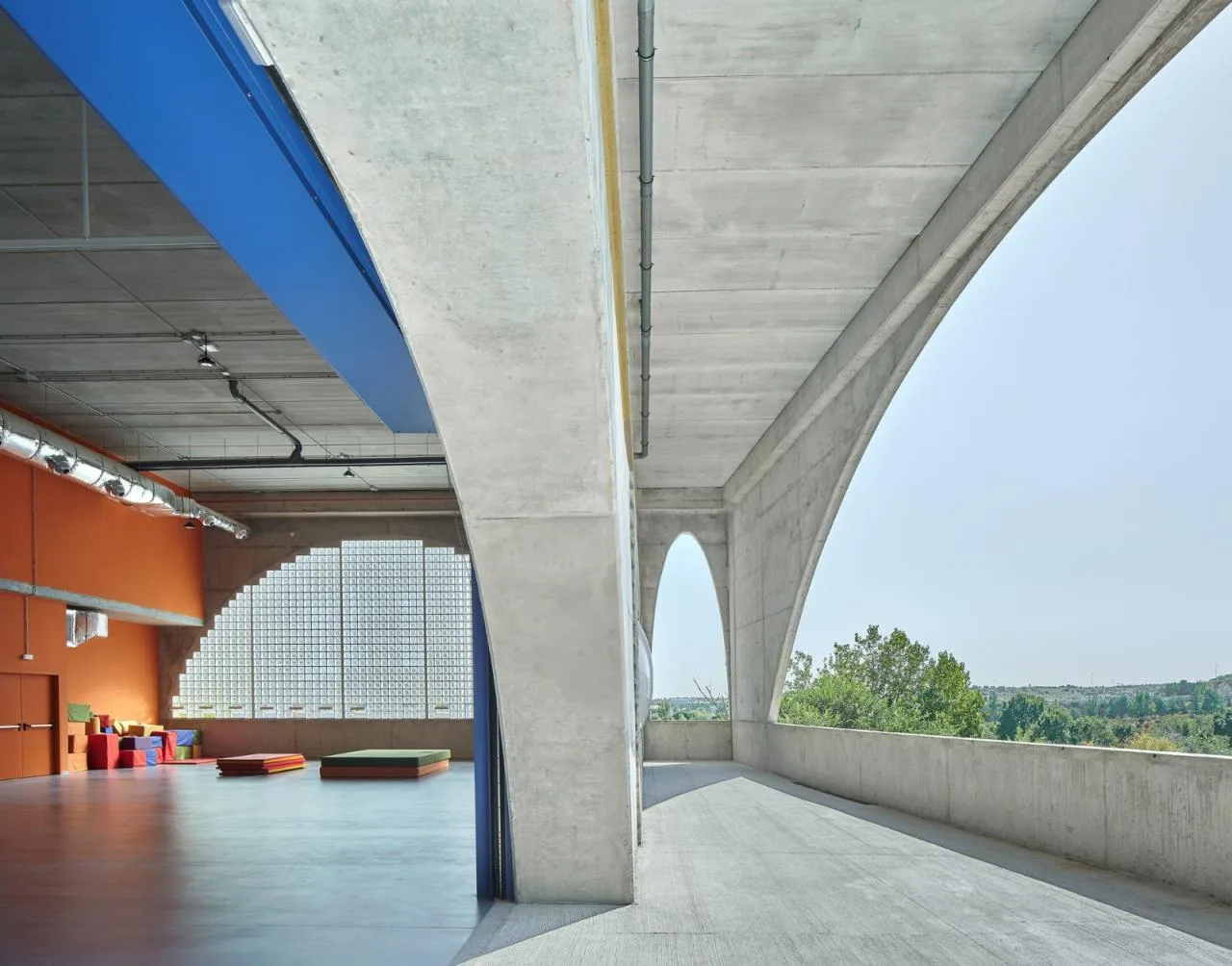
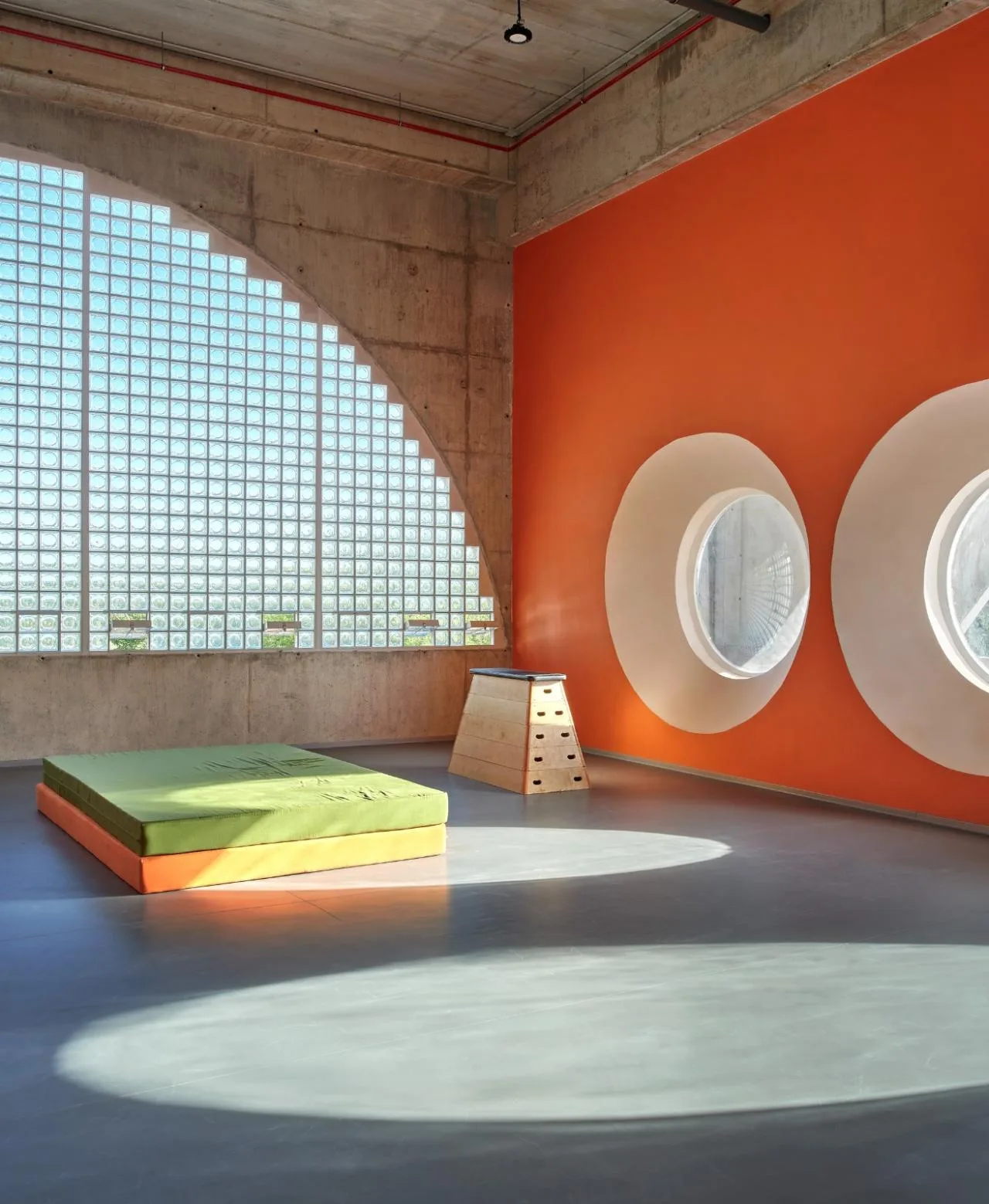
The core architect designed the second floor as a vast, open space that connects with the surrounding ecosystem through landscape-scale arches. This area serves as the school’s main social square, inviting teachers and students to engage in school management and interact with both the natural landscape and the land itself.
Spanning approximately 465 square meters with a ceiling height exceeding 7.9 meters, this central space is envisioned as an international marketplace and a semi-enclosed interlocking area infused with the scent of sacred oak trees from nearby villages. A team of ecologists and soil scientists contributed by designing small gardens tailored to support communities of insects, butterflies, birds, and bats.
Here, daily activities like exercise coexist with discussions about the school’s role as a community and how to connect with nearby streams and fields. Ultimately, this level functions as a rooftop space that transcends human boundaries, allowing students and teachers to experience and adapt to their ecosystem.
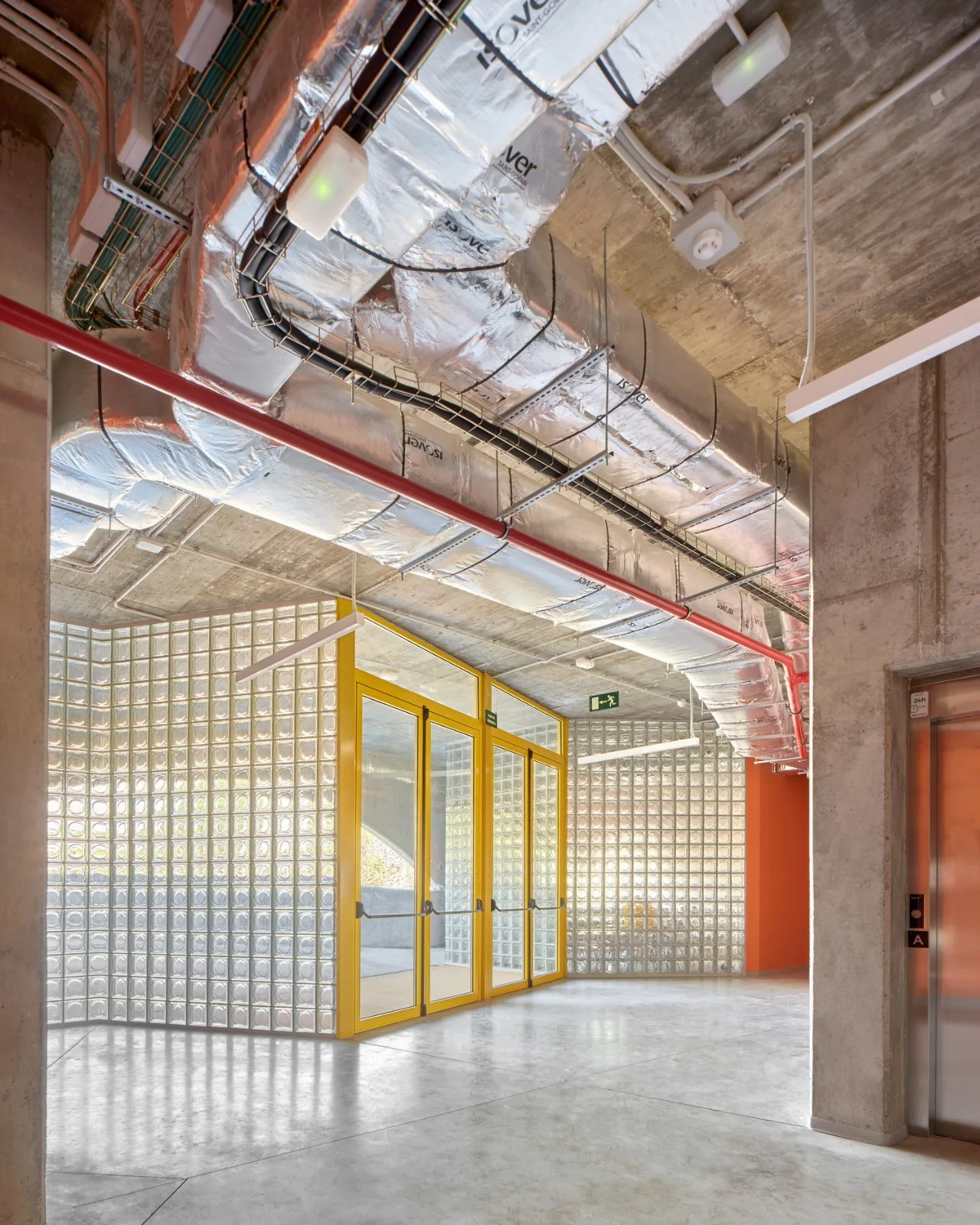
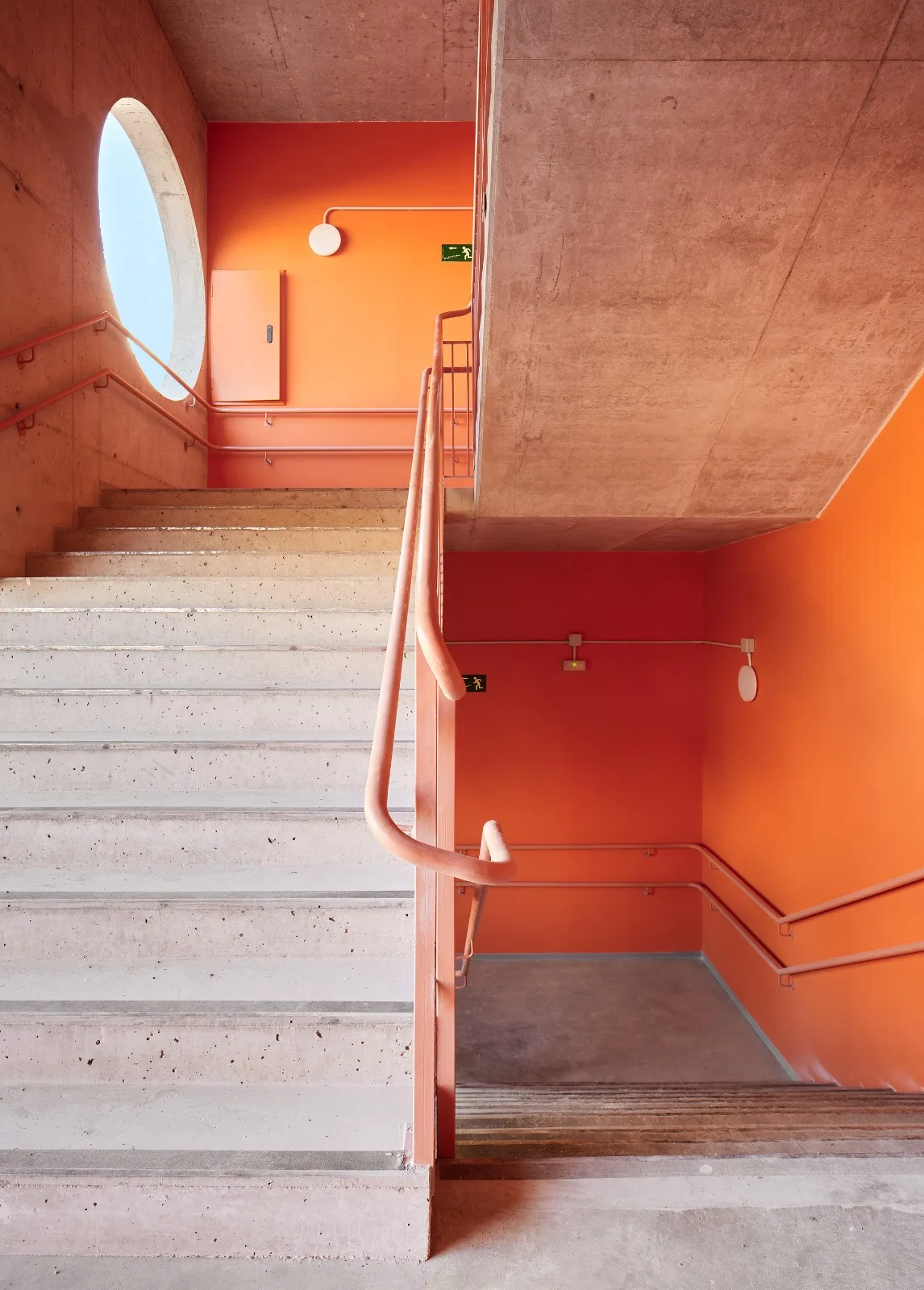
The building features a visible mechanical system, deliberately exposed as an alternative to hidden systems. This design choice allows the continuous movement of materials and energy within the building to serve as a learning opportunity for students to reflect on their physical and social interactions. It reveals how human bodies depend on the circulation of water, energy, and air.
As a result, pipes, conduits, wires, and grilles become integral parts of the building’s visual and material ecosystem, transforming operational elements into educational tools.
Environmental Strategy: The project employs strategies of thinning, reducing coverage, and “fluffinizing” to minimize environmental impact.
In Southern Europe, high-tech sustainable solutions are generally feasible only for high-budget projects funded by enterprises or governments. Hence, this project developed a low-budget approach focused on reducing the building’s environmental footprint through specific design principles.
- Reduce land occupation through verticality: Instead of horizontal expansion common to 90% of school designs, the project opts for a compact vertical structure. This minimizes the building’s footprint, optimizes site use, and significantly reduces the building’s facade-to-volume ratio.
- Eliminate unnecessary construction elements: The building omits cladding, suspended ceilings, raised floors, wall linings, and ventilated facades. Instead, simple insulation and mechanical systems replace most traditional facade, roof, and partition materials, cutting the material use by 48%. The result is a bare building aesthetic, where visible operational components define its architectural character.
- Thick, natural insulation layer: Approximately 80% of the building envelope is wrapped in dense cork insulation, 14.2 cm thick and weighing 9700 kg/m³. Developed specifically for this project by the Office for Political Innovation, the cork covers vertical and inclined exterior surfaces, providing R-23.52 insulation—double the Madrid regulation requirement. This passive measure reduces energy consumption for heating by 50% and creates an irregular surface that encourages organic matter accumulation, transforming the envelope into a habitat for microorganisms, fungi, and various flora and fauna.
- Material efficiency through structural optimization: Led by researcher and structural engineer Iago González Quelle, the team optimized the structural design to reduce load-bearing wall thickness by over 150 mm compared to traditional reinforced concrete, lowering embedded energy in structural materials by 33%.
Project Drawings
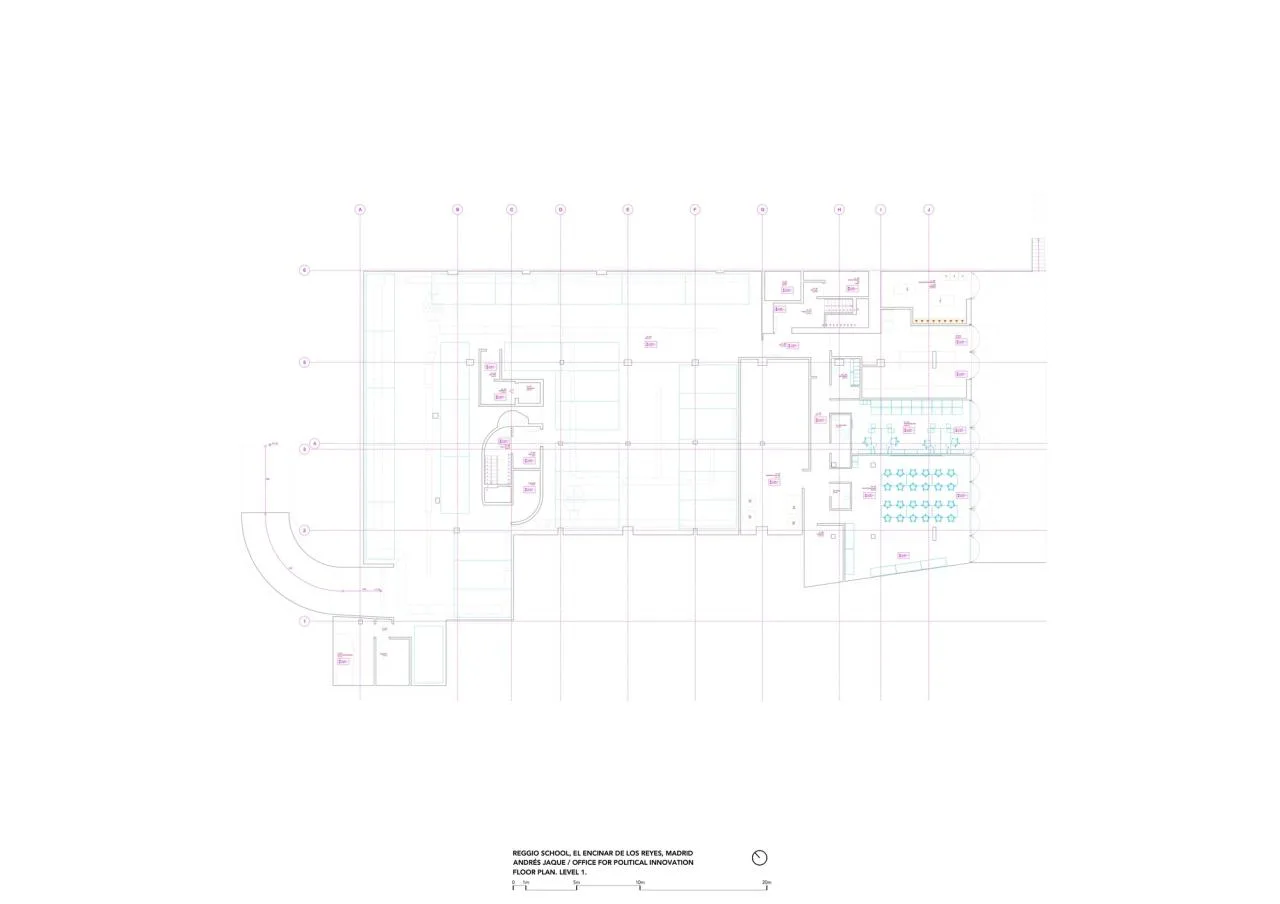
△ First Floor Plan
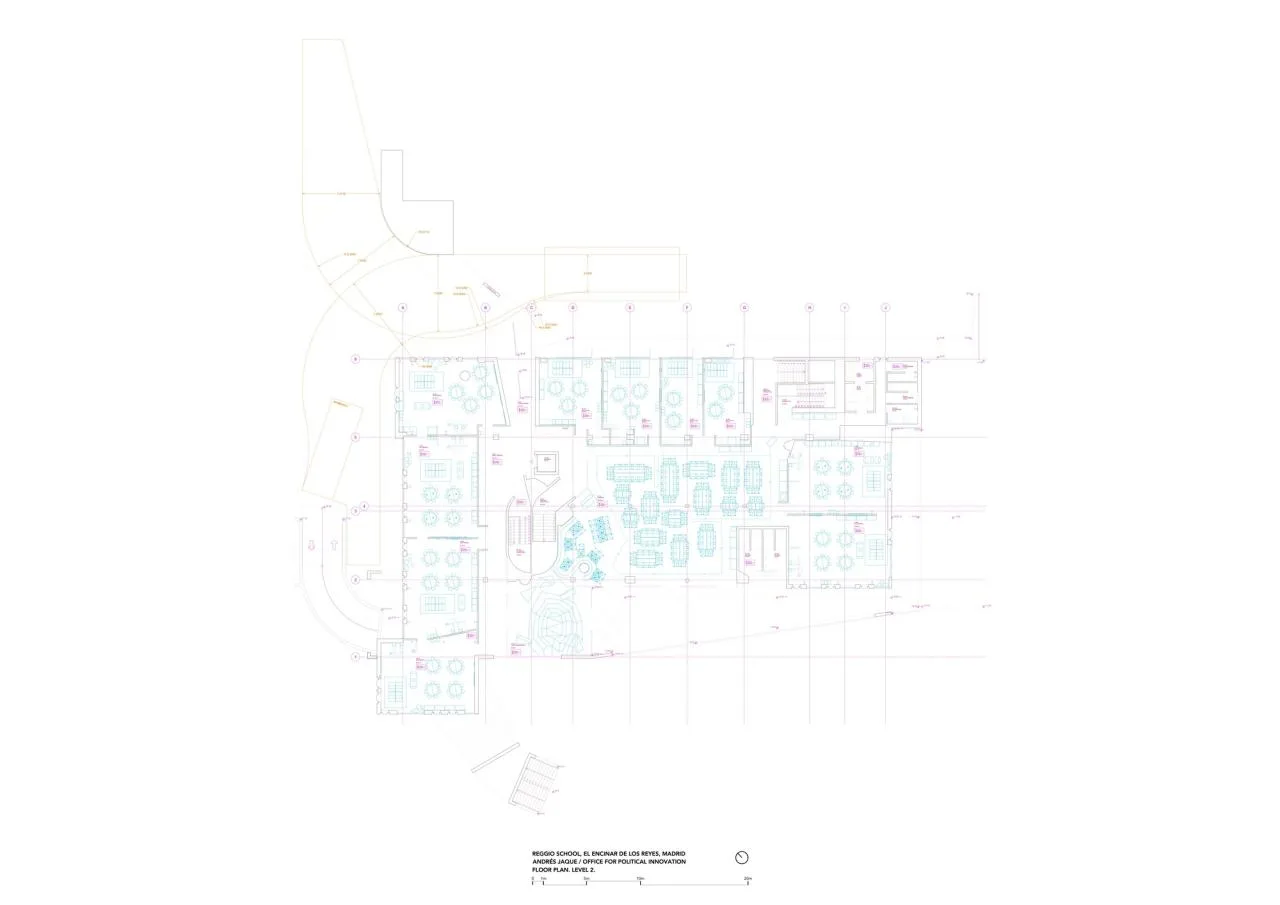
△ Second Floor Plan
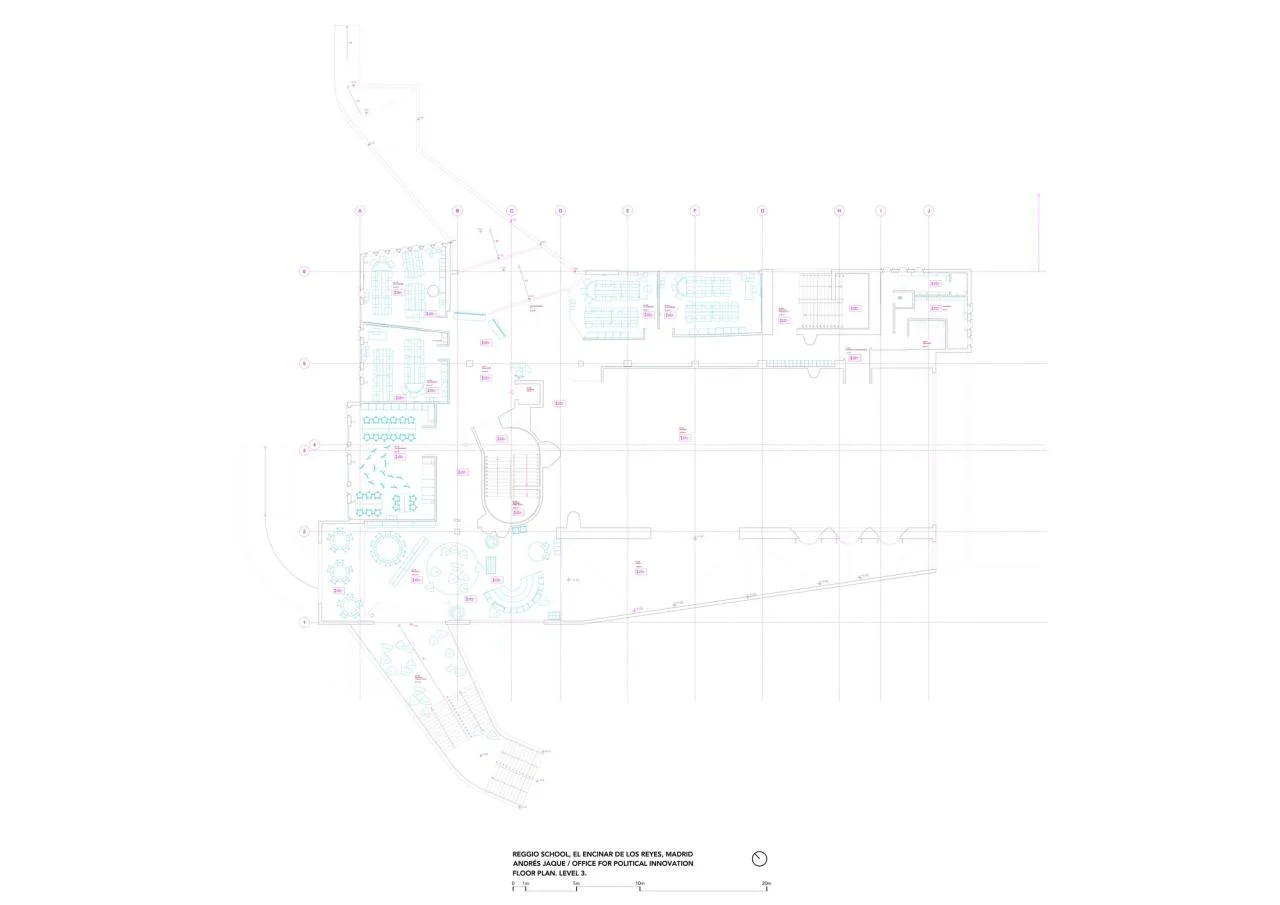
△ Third Floor Plan
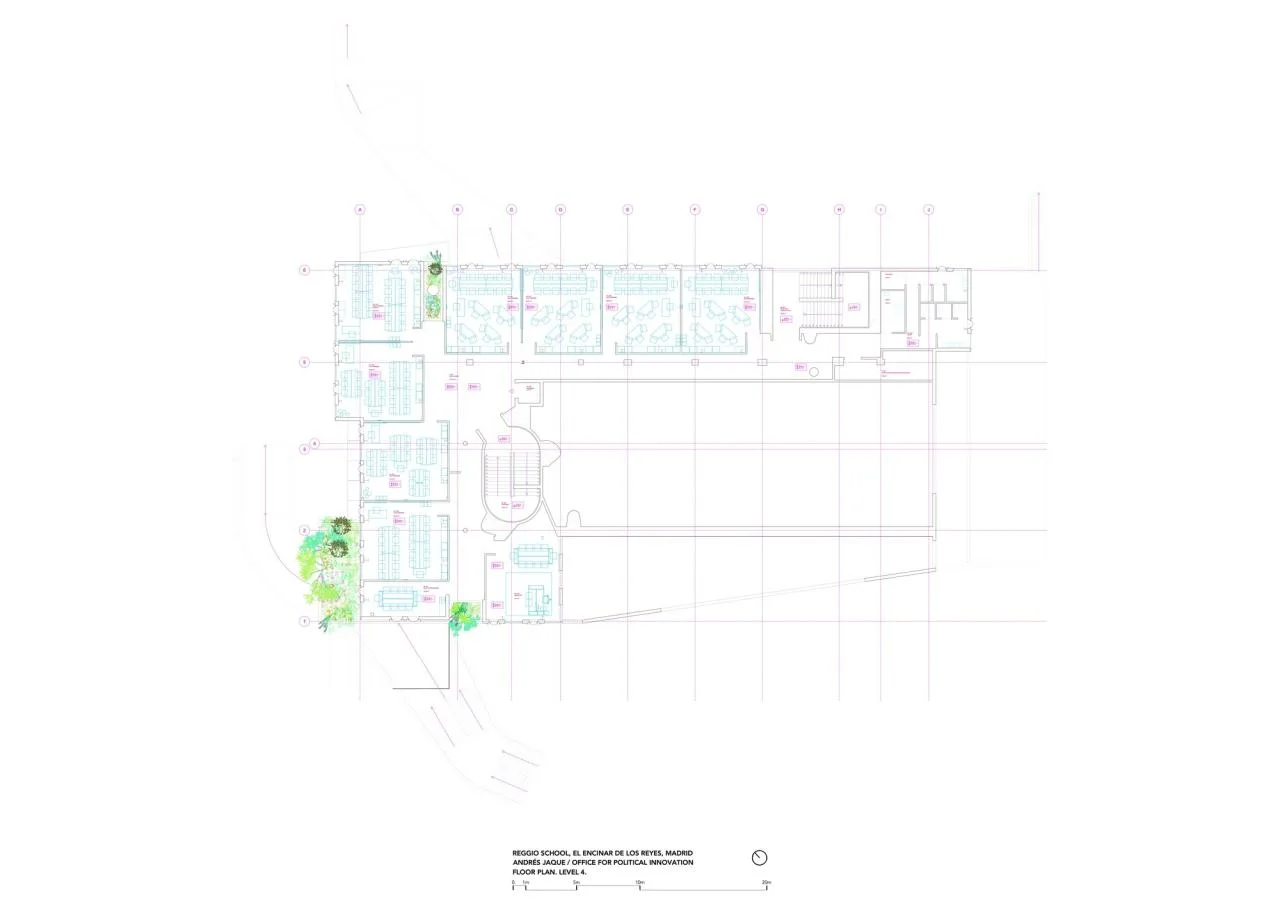
△ Fourth Floor Plan
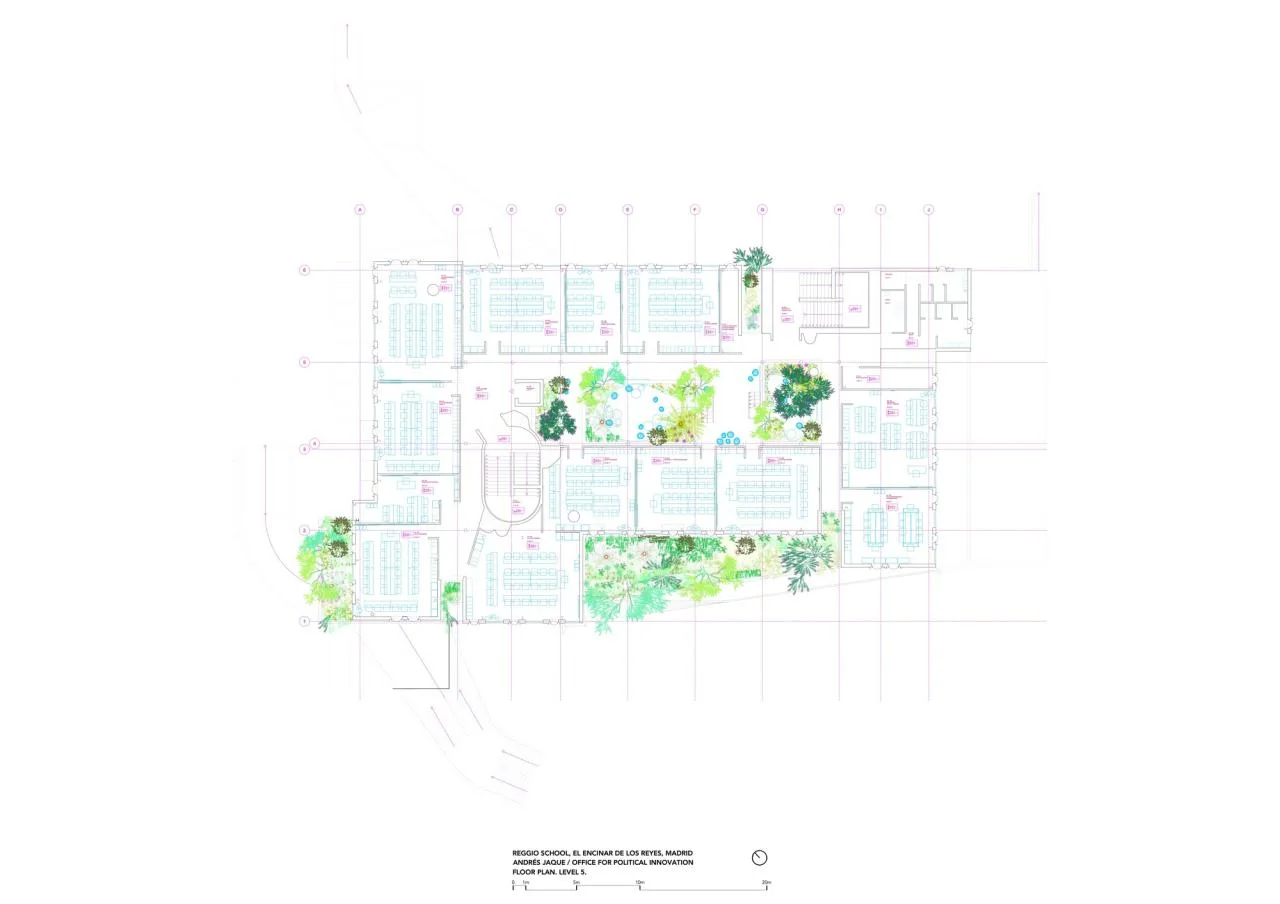
△ Fifth Floor Plan
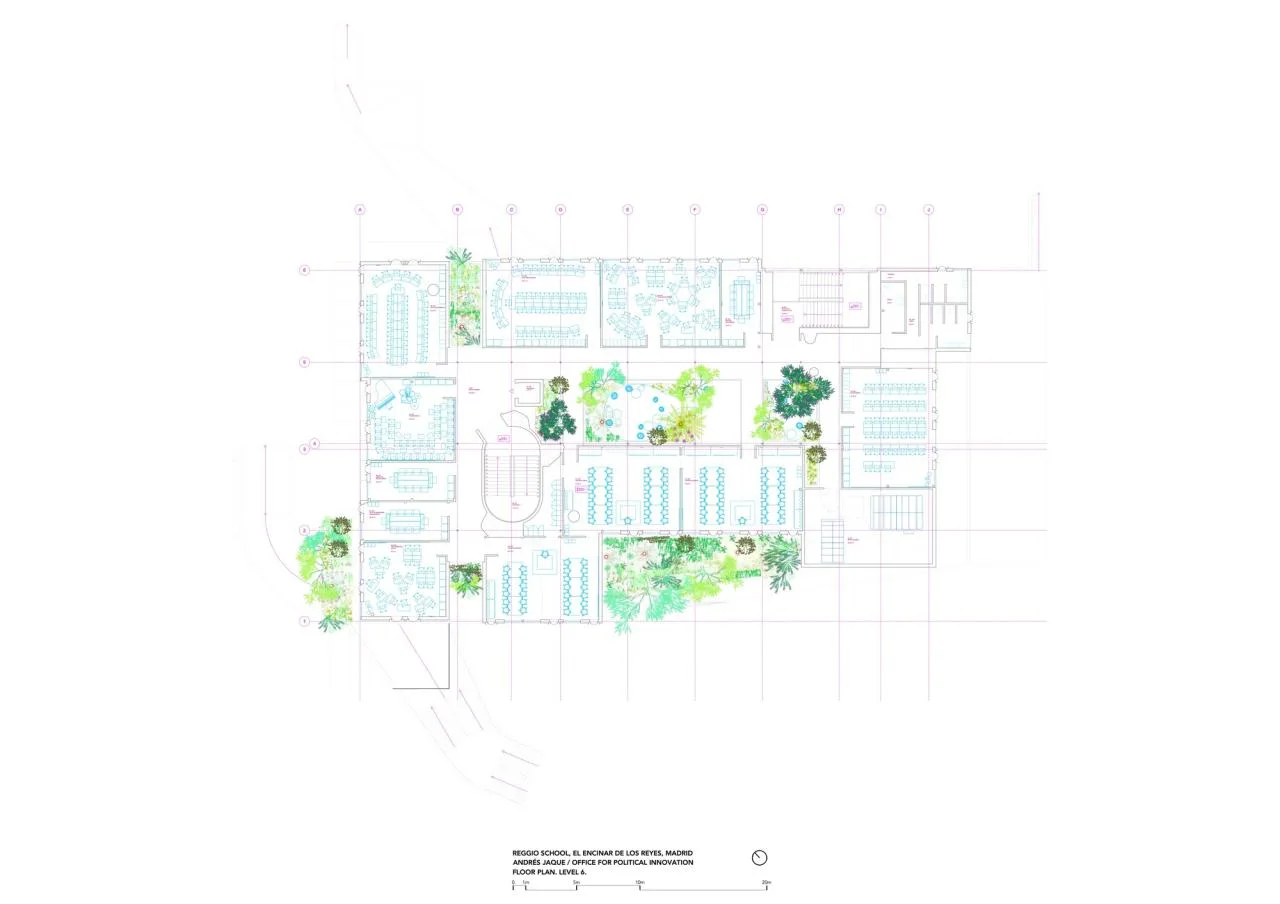
△ Sixth Floor Plan
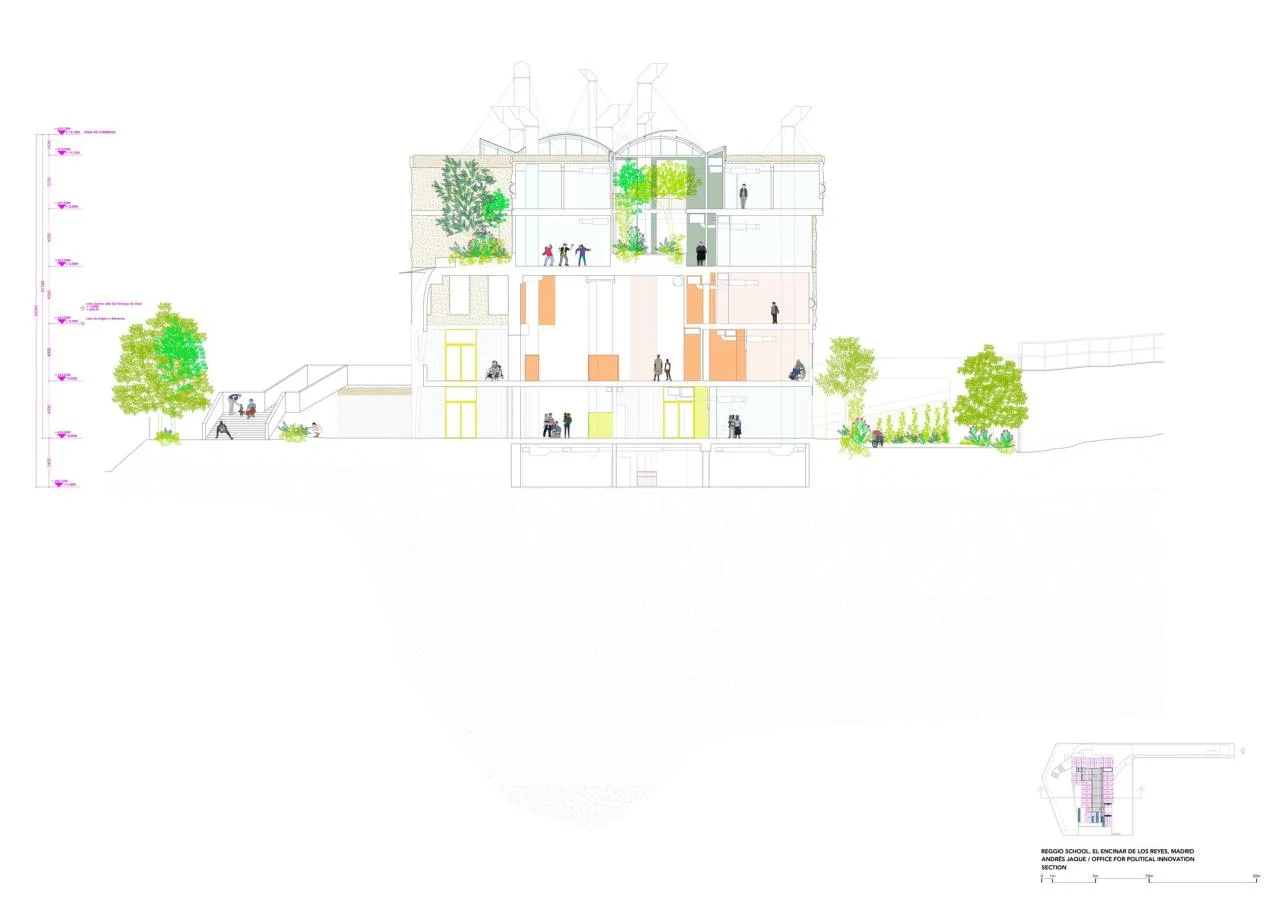
△ Section Diagram
△ Analysis Chart
Project Information
Architect: Andrés Jaque / Office for Political Innovation
Area: 5,501 square meters
Year: 2022
Photographer: José Hevia
Design Team: Roberto González García, Luis González Cabrera, Alberto Heras, Ismael Medina Manzano, Jesús Meseguer Cortés, Paola Pardo-Castillo, Rajvi Anandpara, Juan David Barreto, Inês Barros, Ludovica Battista, Shubhankar Bhajekar, Elise Durand, Drishti Gandhi, Maria Karagianni, Bansi Mehta, Alessandro Peja, Meeerati Rana, Mishti Shah, Saumil Shanghavi
Structural Engineers: Qube Structural Engineering, Iago González Quelle, Víctor García Rabadán (Qube Structural Engineering)
Service Engineers: JG Ingenieros, Juan Antonio Posadas (JG Ingenieros)
Quantity Surveyors: Dirtec Technical Architects, Javier González Nieto, Javier Mach Cestero (Dirtec Technical Architects)
Ecology and Soil Science: Jorge Basarrate, Álvaro Mingo (Mingobasarrate)
Project Management: Ángel David Moreno Casero, Carlos Peñalver Álvarez, Almudena Antón Vélez
Location: Madrid, Spain













Must log in before commenting!
Sign Up