
Origin
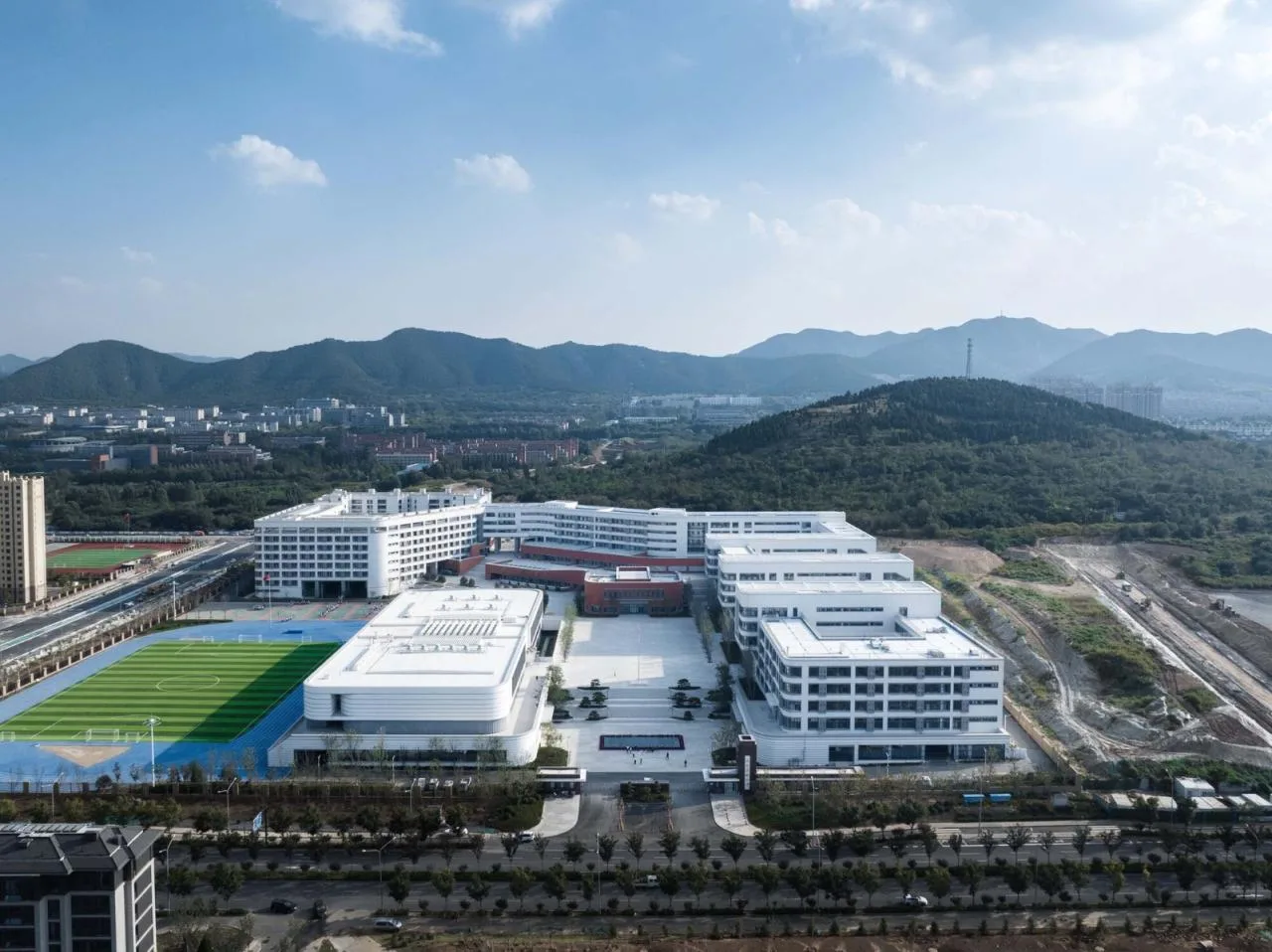
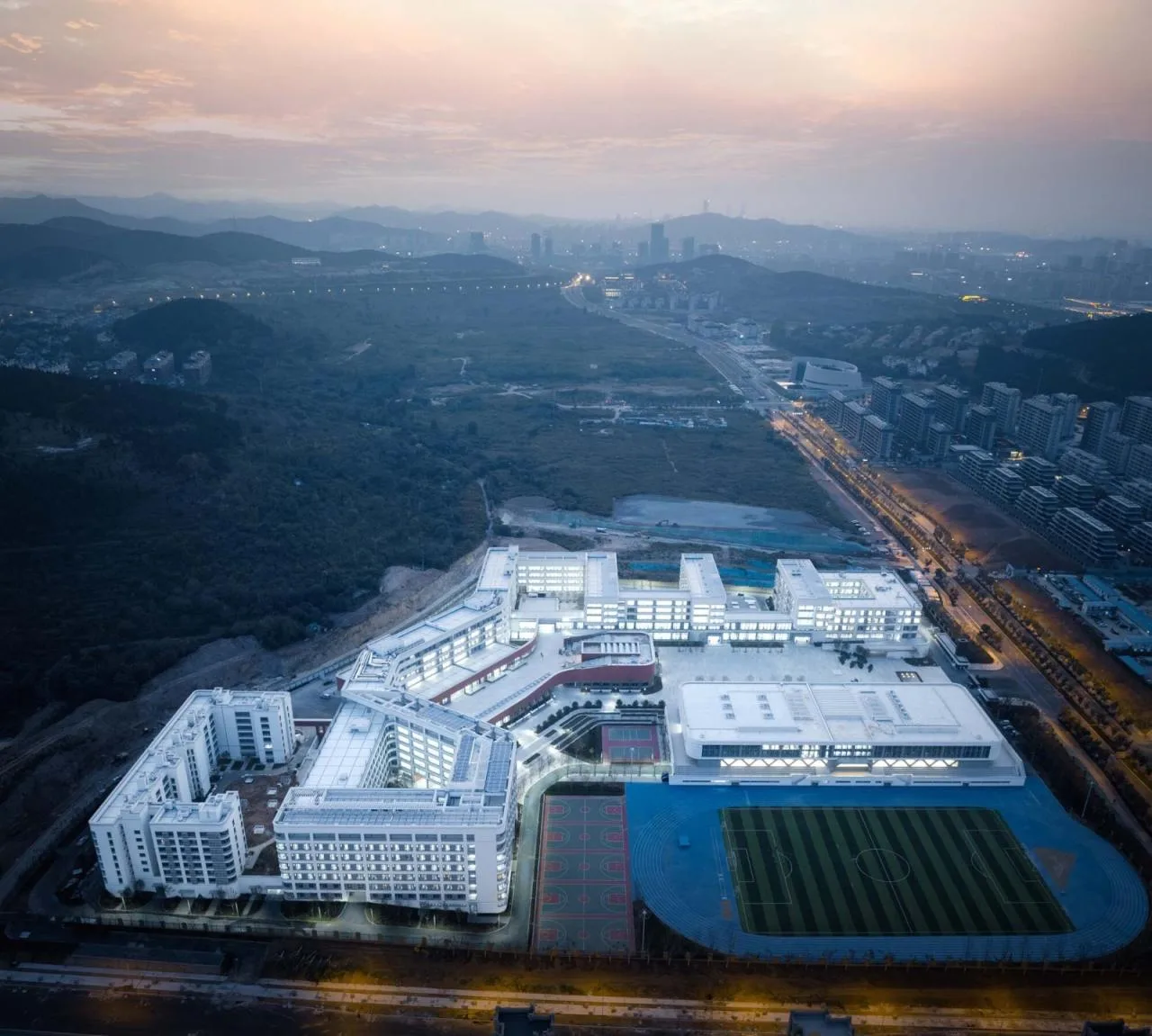
Founded in 1958, Jinan Licheng No.2 High School reflects the evolution of Chinese education and culture amid the country’s rapid economic and social growth. Transforming from a typical rural high school into a prestigious Qilu institution, the school embarked on planning and designing its Caishi campus in early 2020. Nestled at the foot of Caishi Hushan, the campus’ natural and cultural surroundings inspired a vision to create an environmentally friendly, low-carbon campus seamlessly integrating with nature.
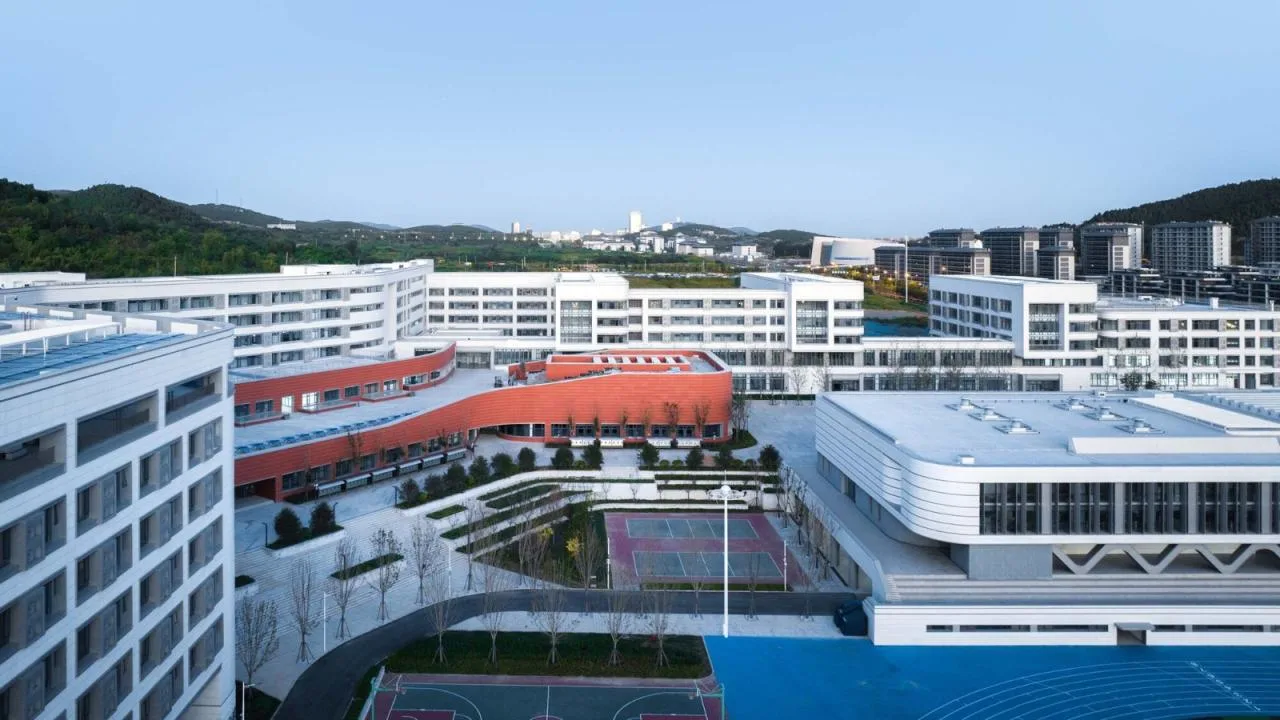
To meet the school’s scale requirements, the campus construction volume was set at 120,000 square meters, accommodating 60 classes, following a green and low-carbon design approach. Addressing this large-scale project involved a three-tiered strategy for sustainable development:
- First, optimizing spatial layout and land use to minimize waste from inefficient planning;
- Second, adopting an intensive and flexible building use principle suitable for cold regions to establish a spatial framework;
- Finally, applying green technologies to meet specific energy conservation needs.
This low-carbon strategy prioritizes energy conservation at the source, led by architectural planning before equipment and facilities come into play. Given the school’s usage pattern—mostly avoiding extreme winter and summer periods—the controlled operation of air conditioning and electrical equipment means that integrating low-carbon design in campus planning is particularly crucial.
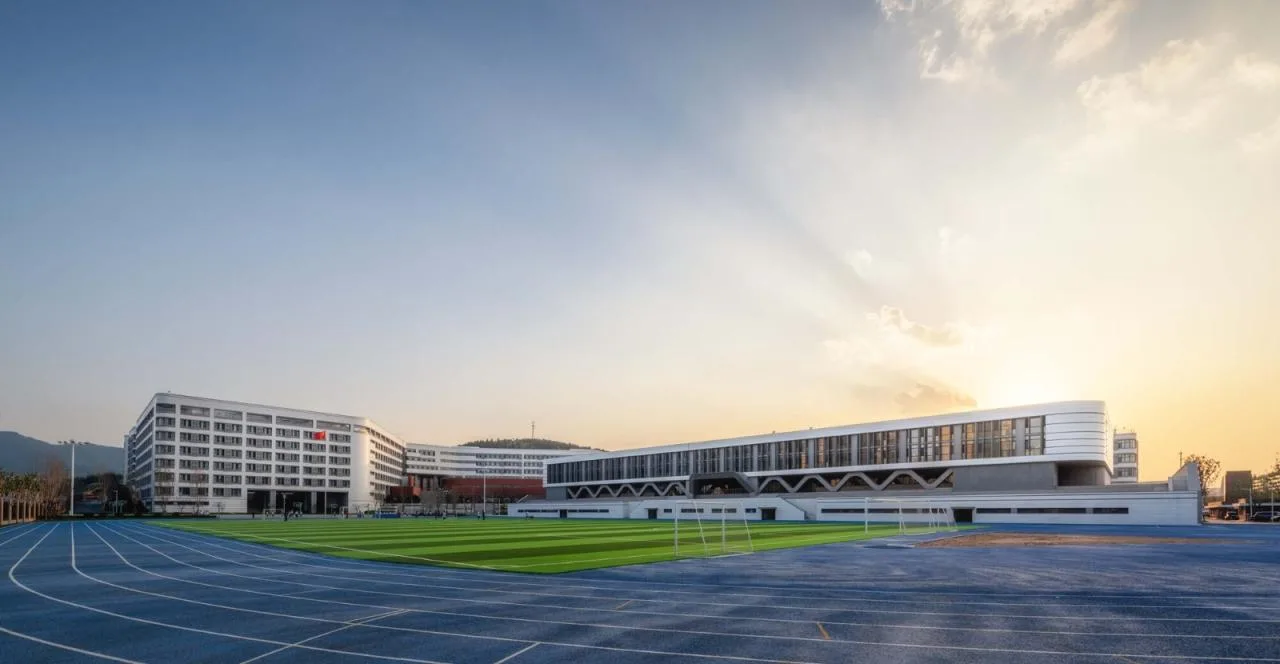
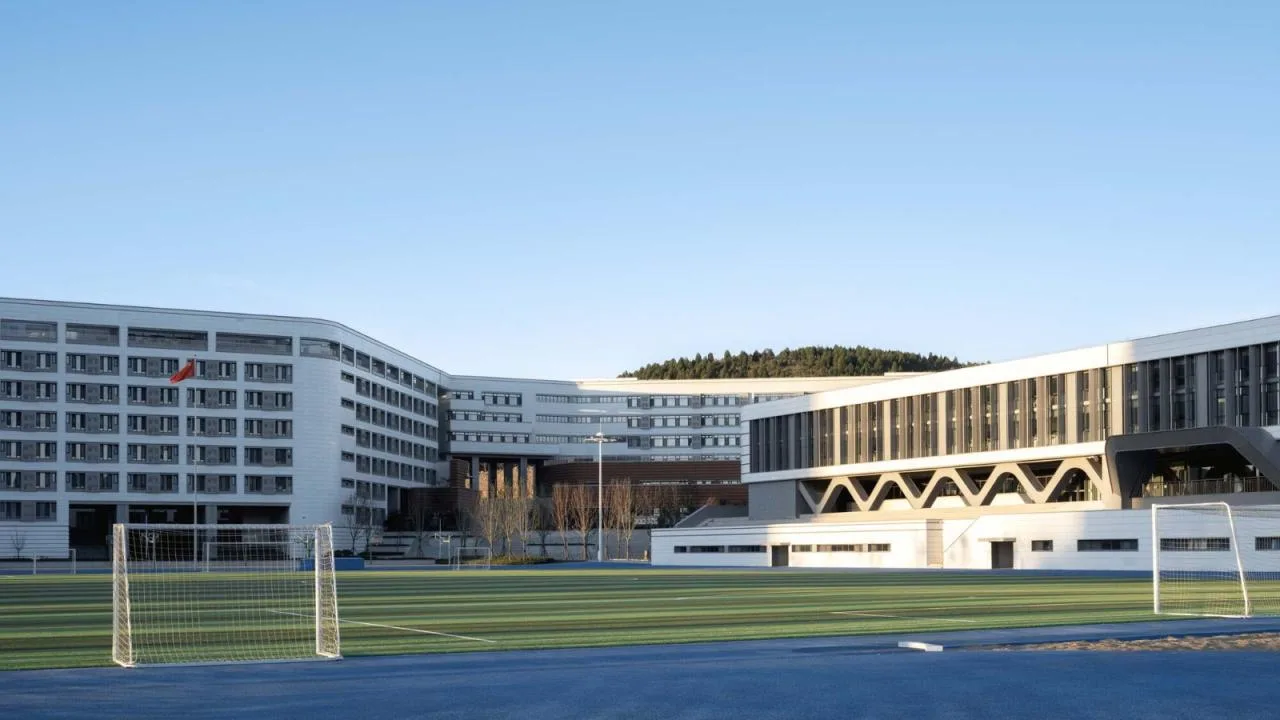
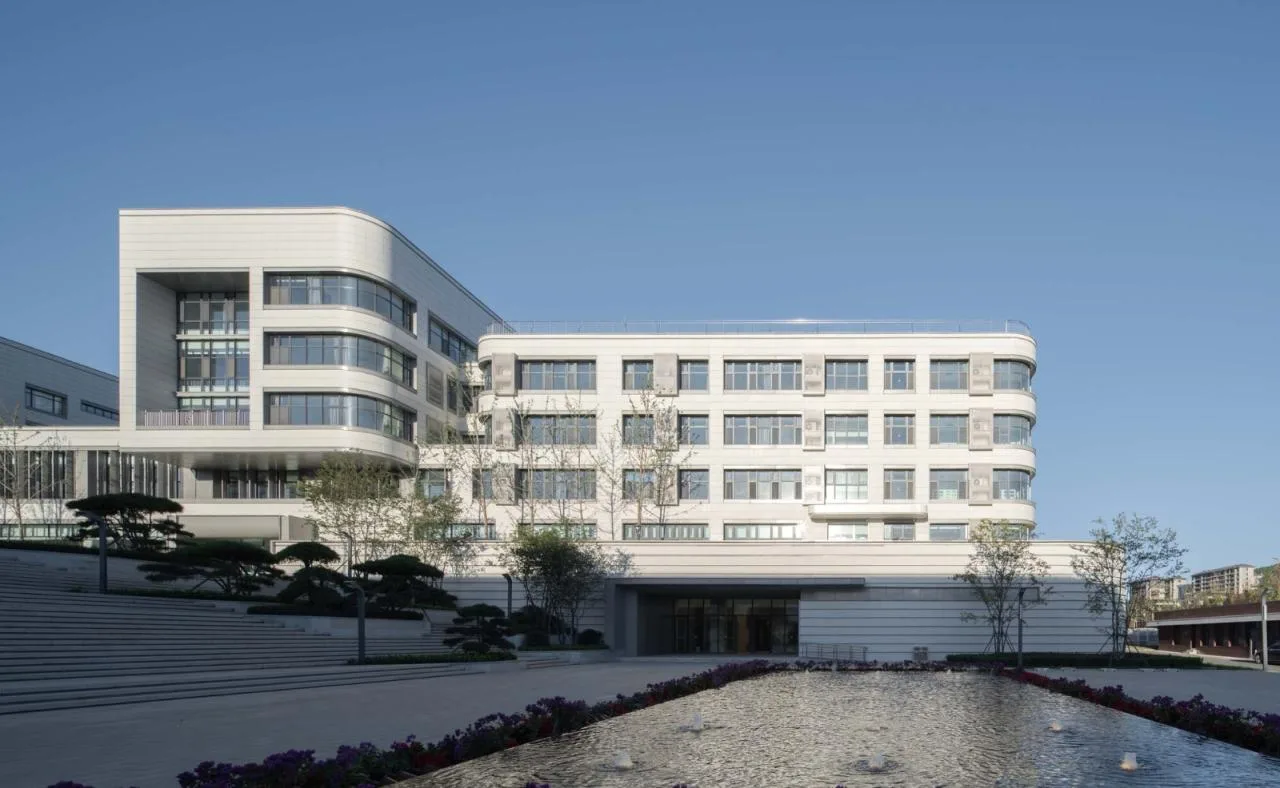
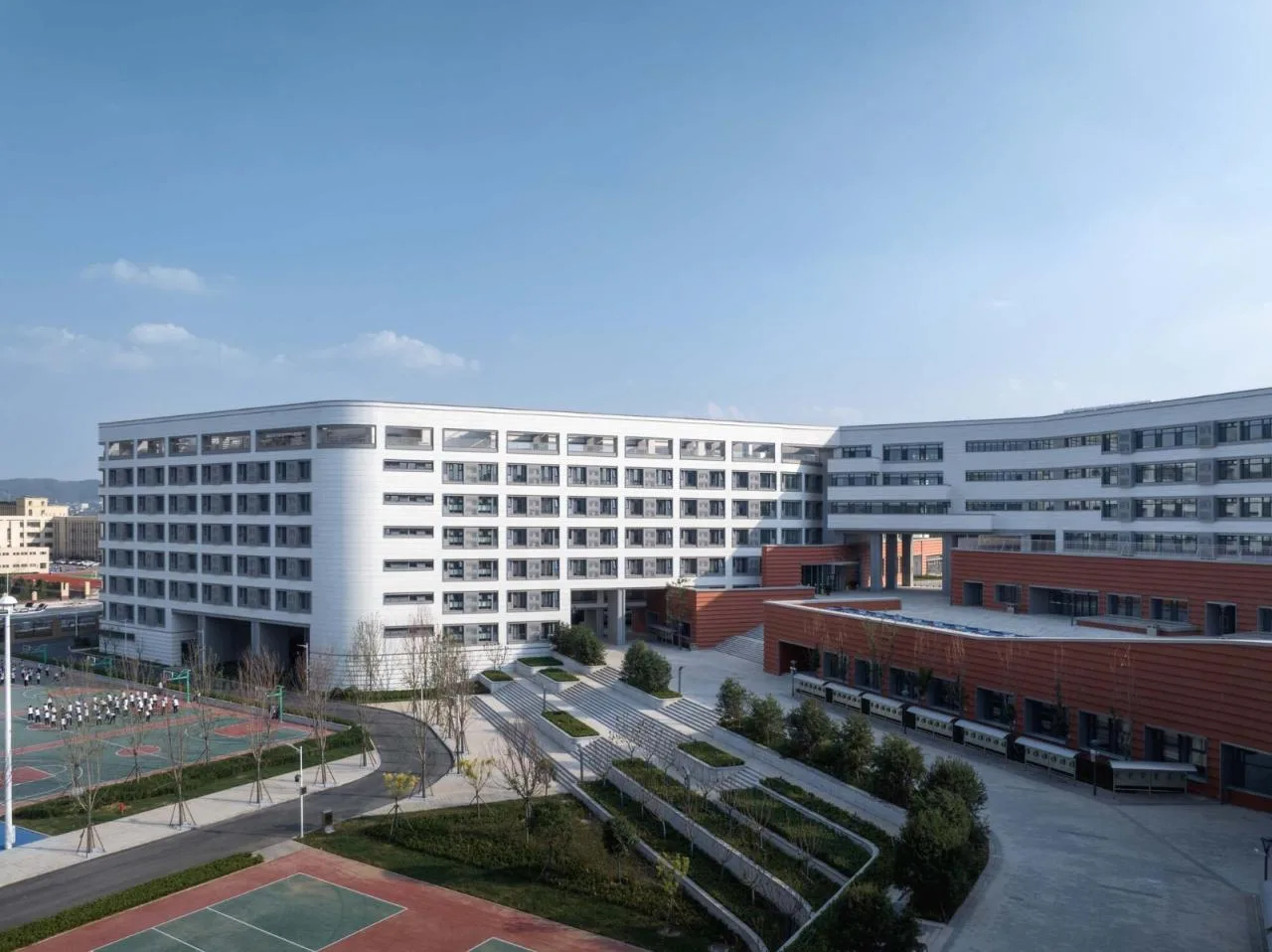
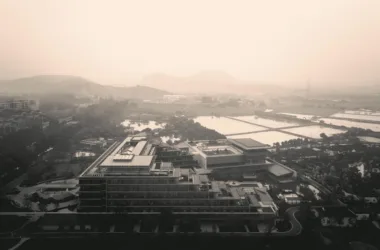
Pattern and Concealment: When architects first approach a mountainside site, their initial goal is to create harmony and humility between architecture and nature. Employing techniques of concealment, retreat, and yielding, the design embraces the natural form, resulting in a modest architectural presence. After multiple design iterations, the campus layout was finalized by terracing the land along contour lines, embedding part of the buildings into the ground with earth covers to reduce excavation and transportation.
The buildings extend horizontally along the mountain’s base, retreating from the urban road corner to create a mountain viewing corridor, significantly diminishing the visual dominance of the structures. This concealed architectural approach is a low-carbon strategy deeply rooted in the environment, responding to local wind and heat conditions. The north side’s thick volume shields the courtyard from cold winds, while the south-facing mountain opens into a ventilation corridor. Semi-outdoor spaces invite the mountain atmosphere into the campus, while elevated corridors provide vibrant outdoor activity areas for students and staff.
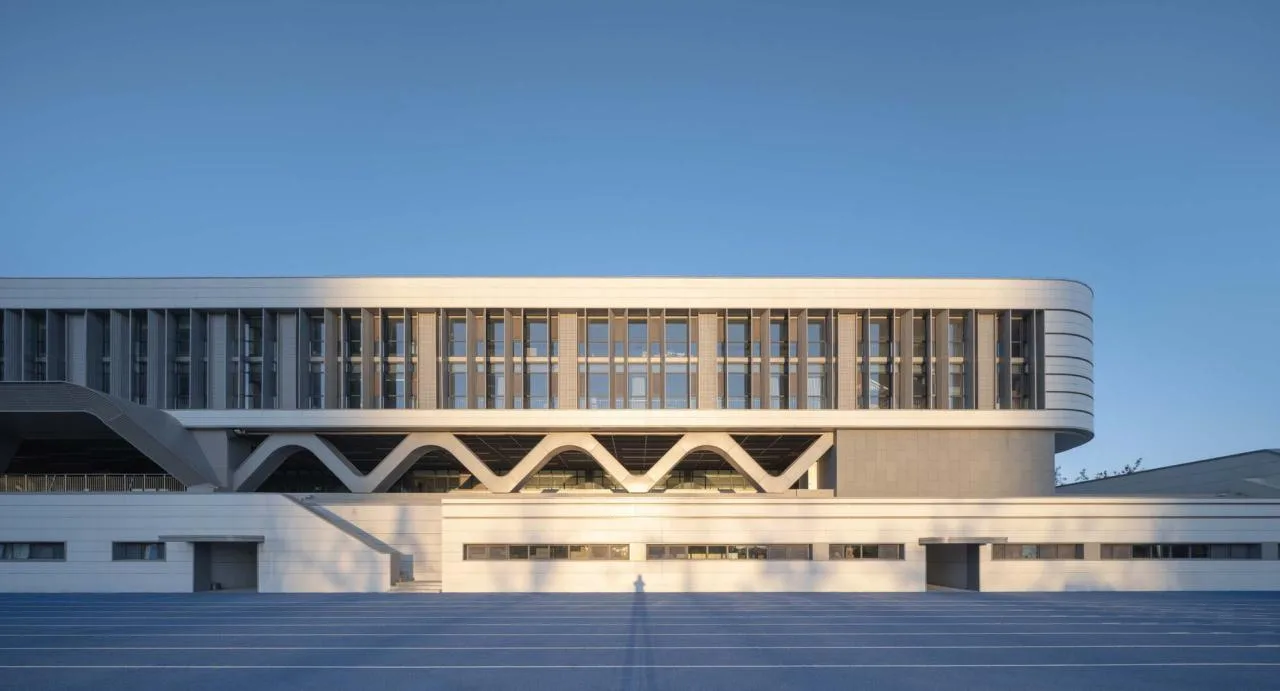
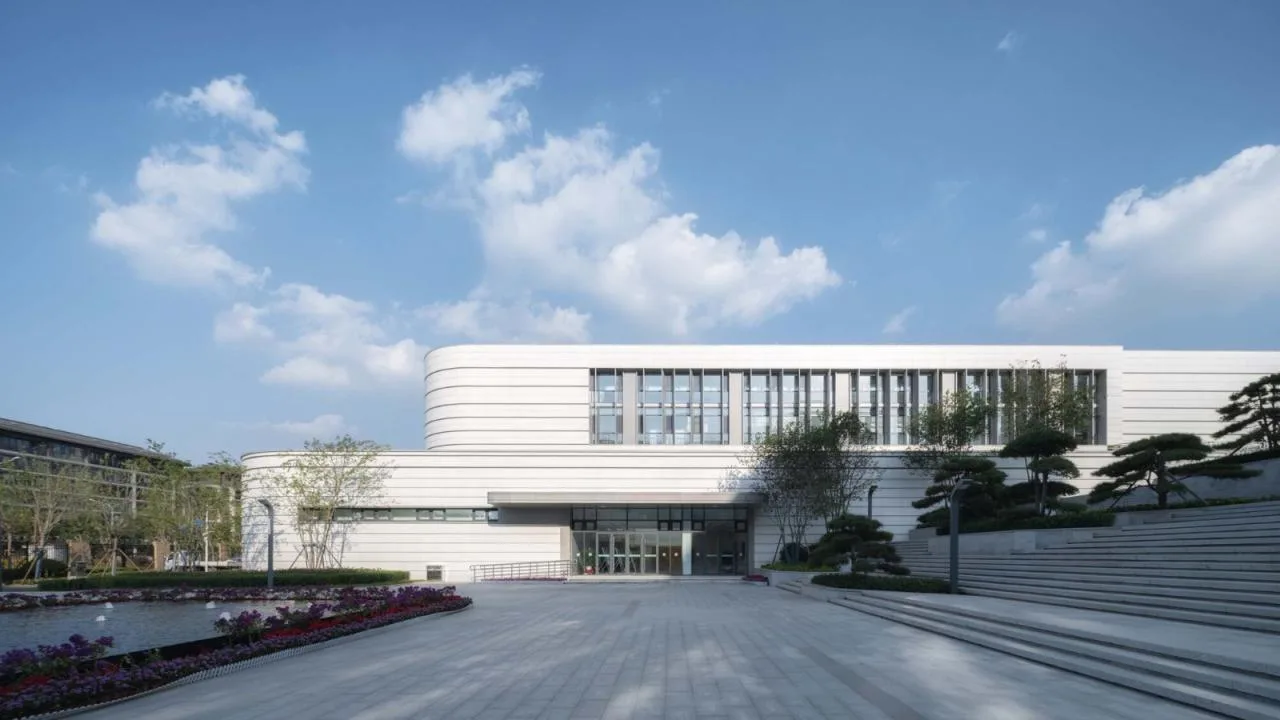
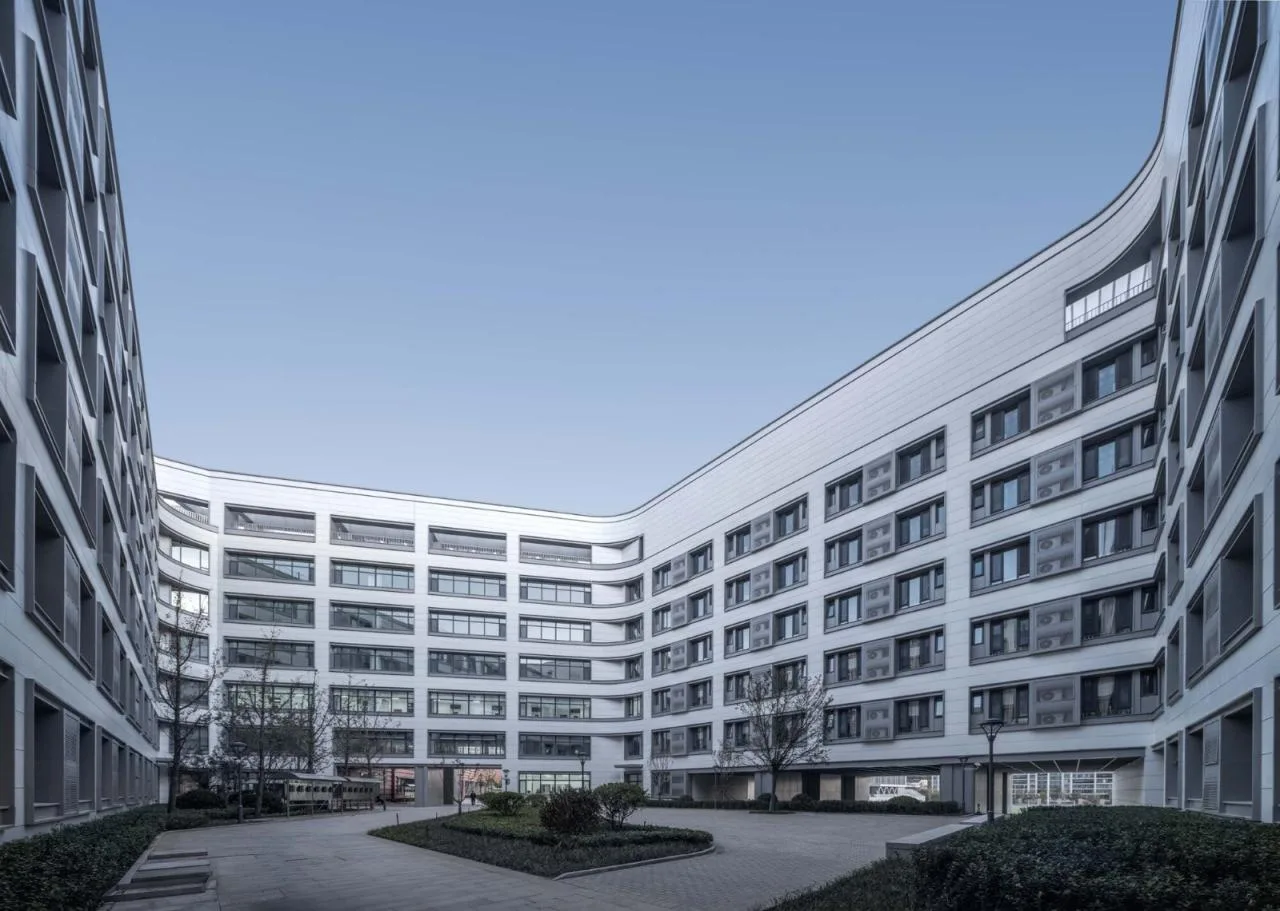
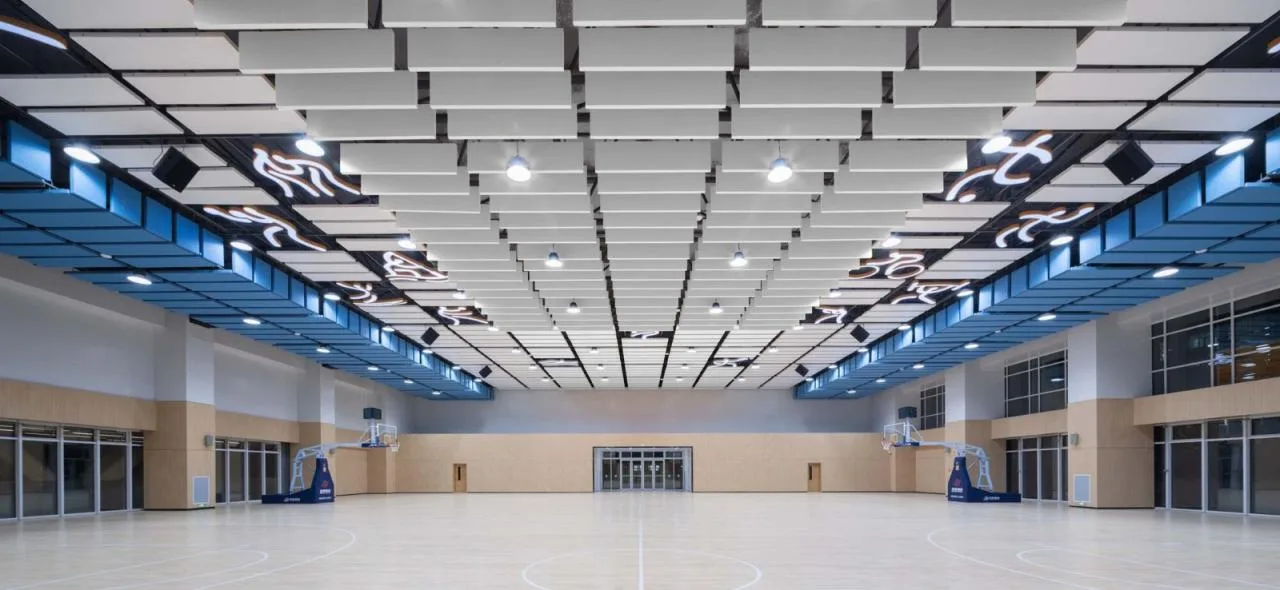
Adaptation and Framework: As education reforms deepen, school functions become increasingly versatile and flexible. Through extensive discussions with the principal, it became clear that he valued multifunctional and ambiguous campus spaces—an approach that demands high adaptability in design. The campus layout reflects this by placing fundamental and shared facilities—such as the library, music theater, sheltered playground, and cafeteria—along the central axis, establishing a core activity zone that maximizes utility and accessibility for students and staff.
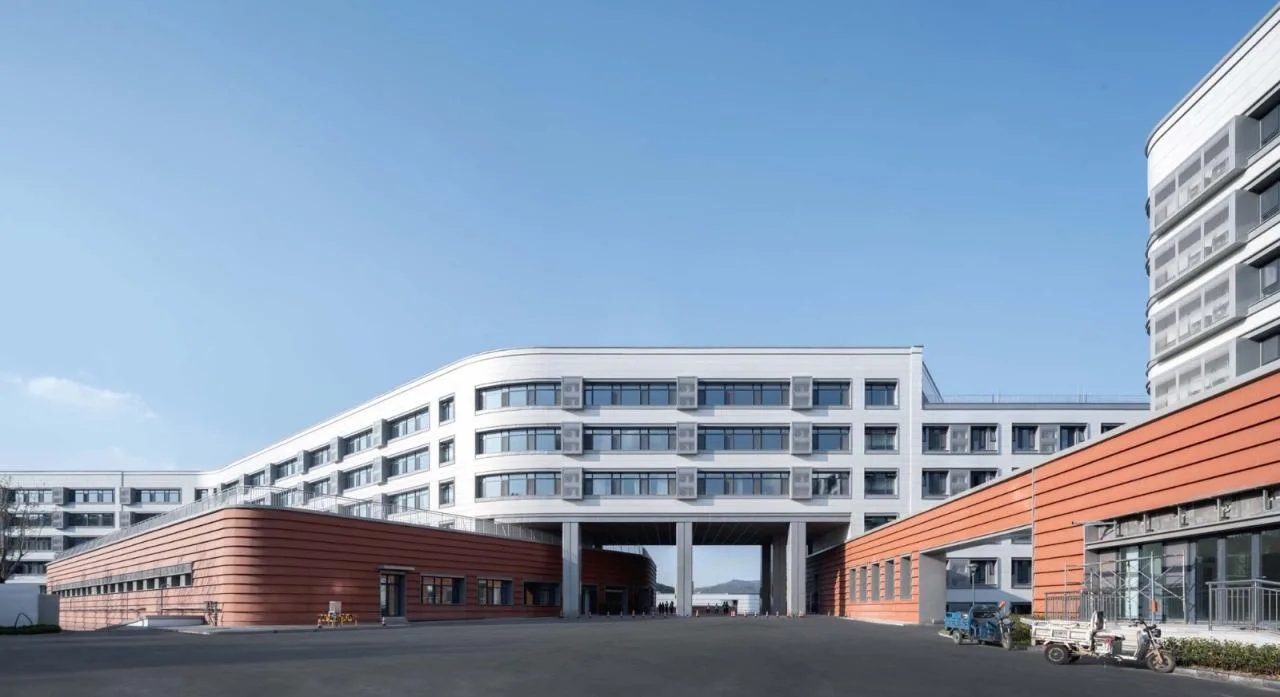
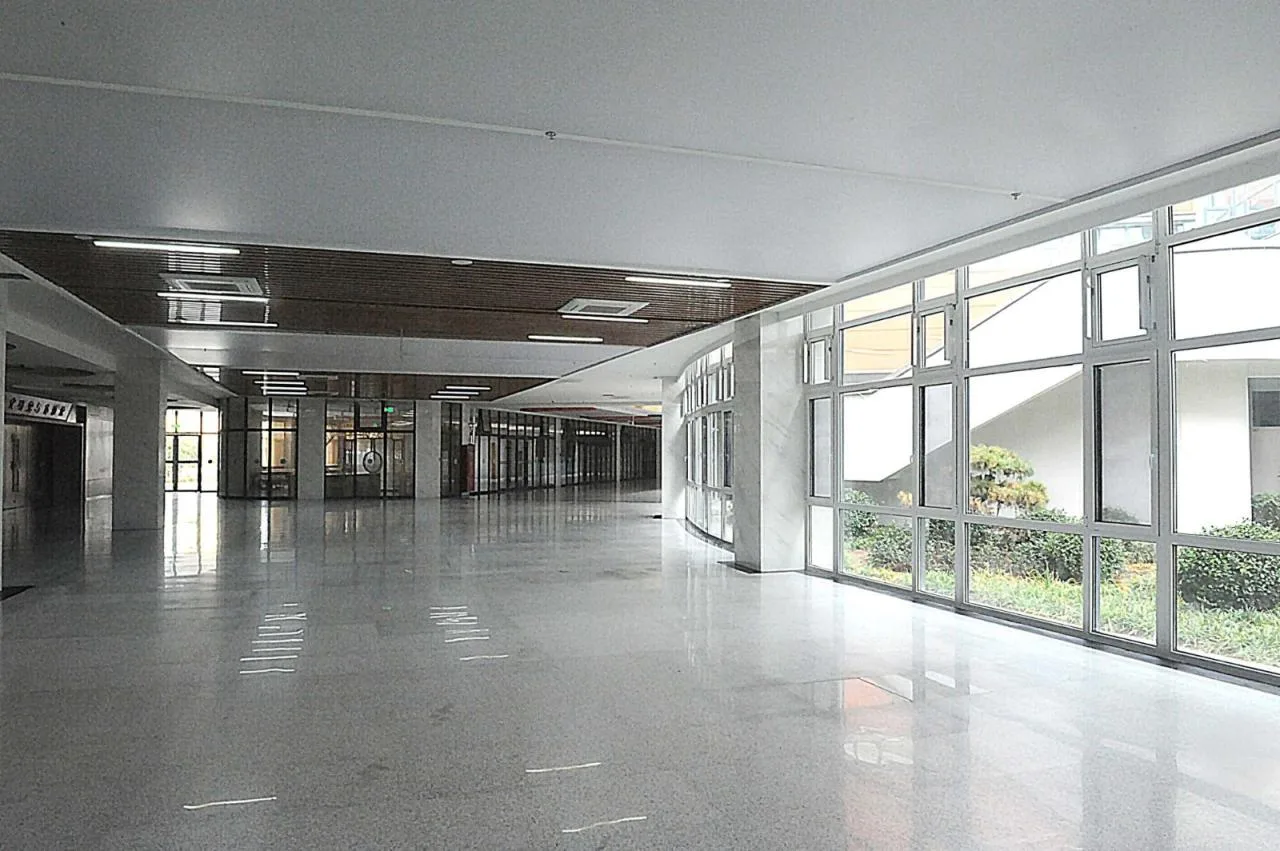
Classrooms and multipurpose rooms are designed for future adaptability, while larger spaces like the library and sheltered playground offer the potential to host diverse events. Each building cluster is organized around a three-dimensional “Student Street” framework encircling the campus edges. This corridor connects daily living, dining, learning, and social areas across various levels, serving both as a circulation route and a warm, sheltered passage during cold seasons. Submerged courtyards at transition points introduce natural light and ventilation through strategically placed skylights.
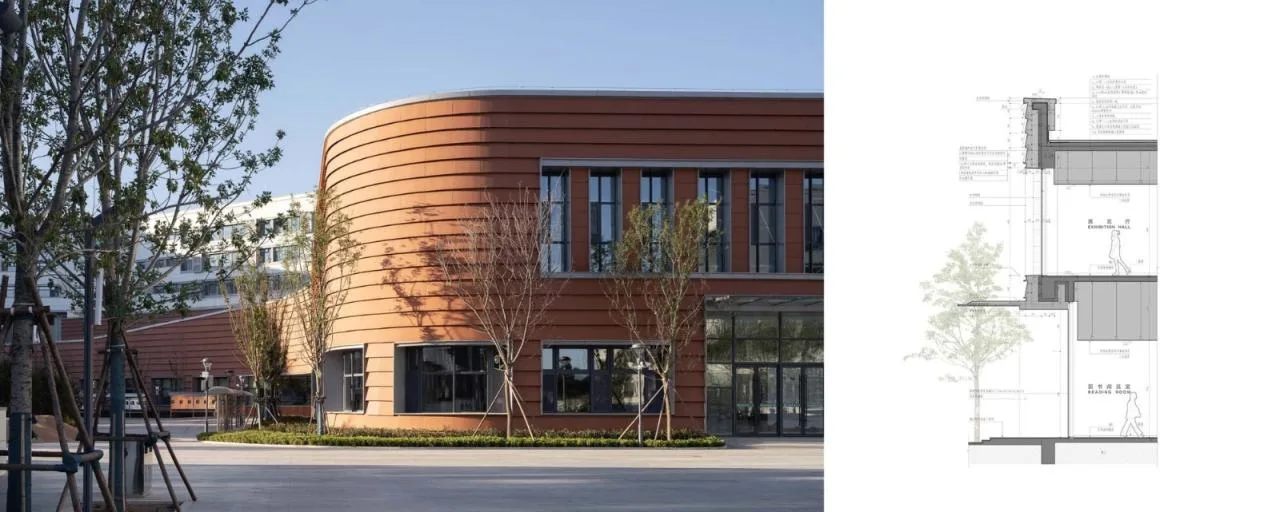
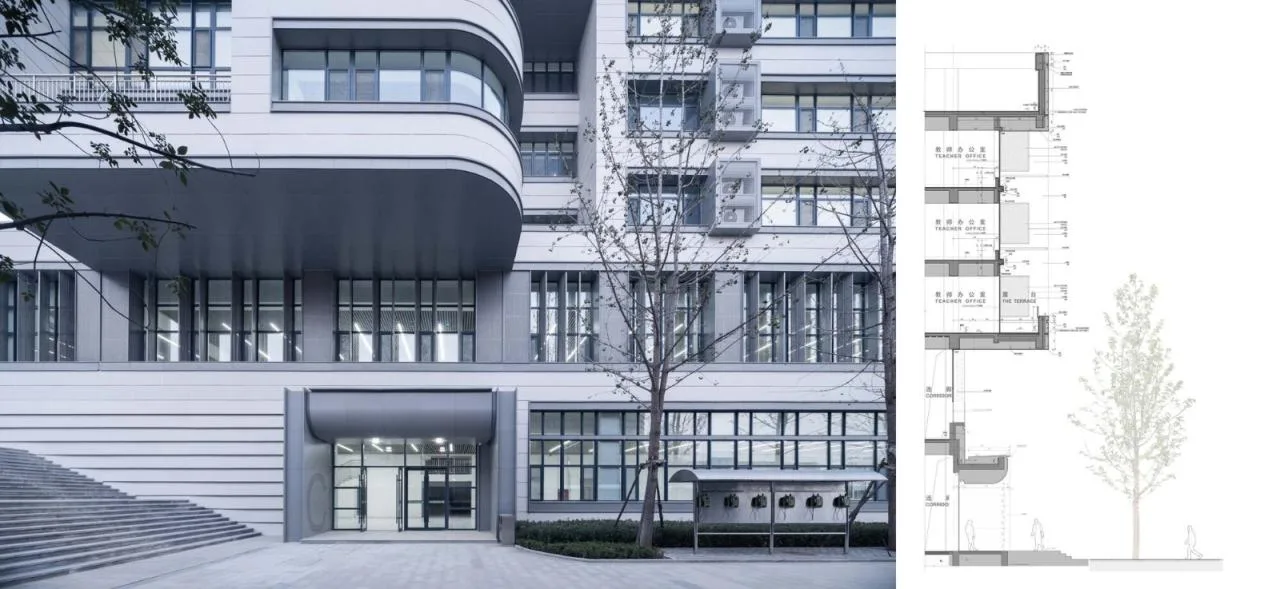
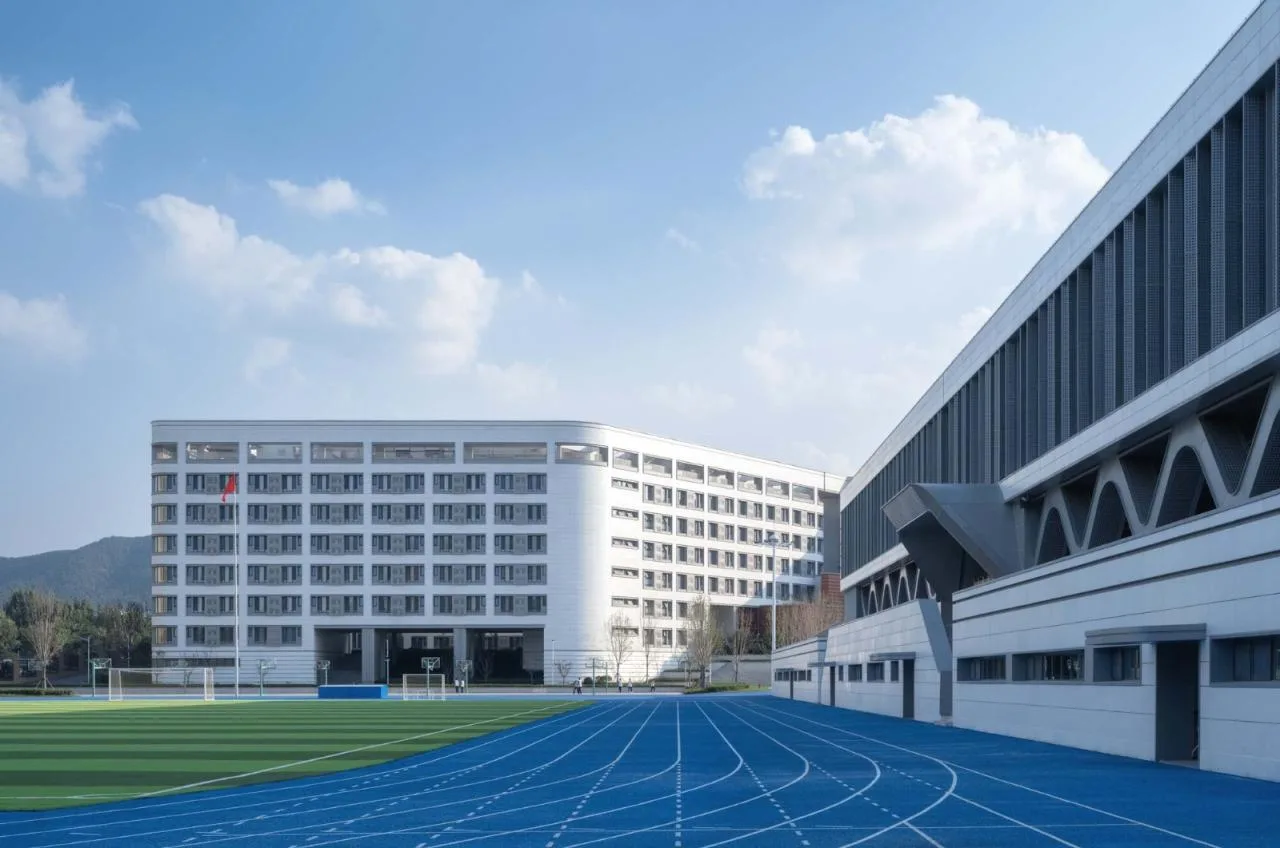
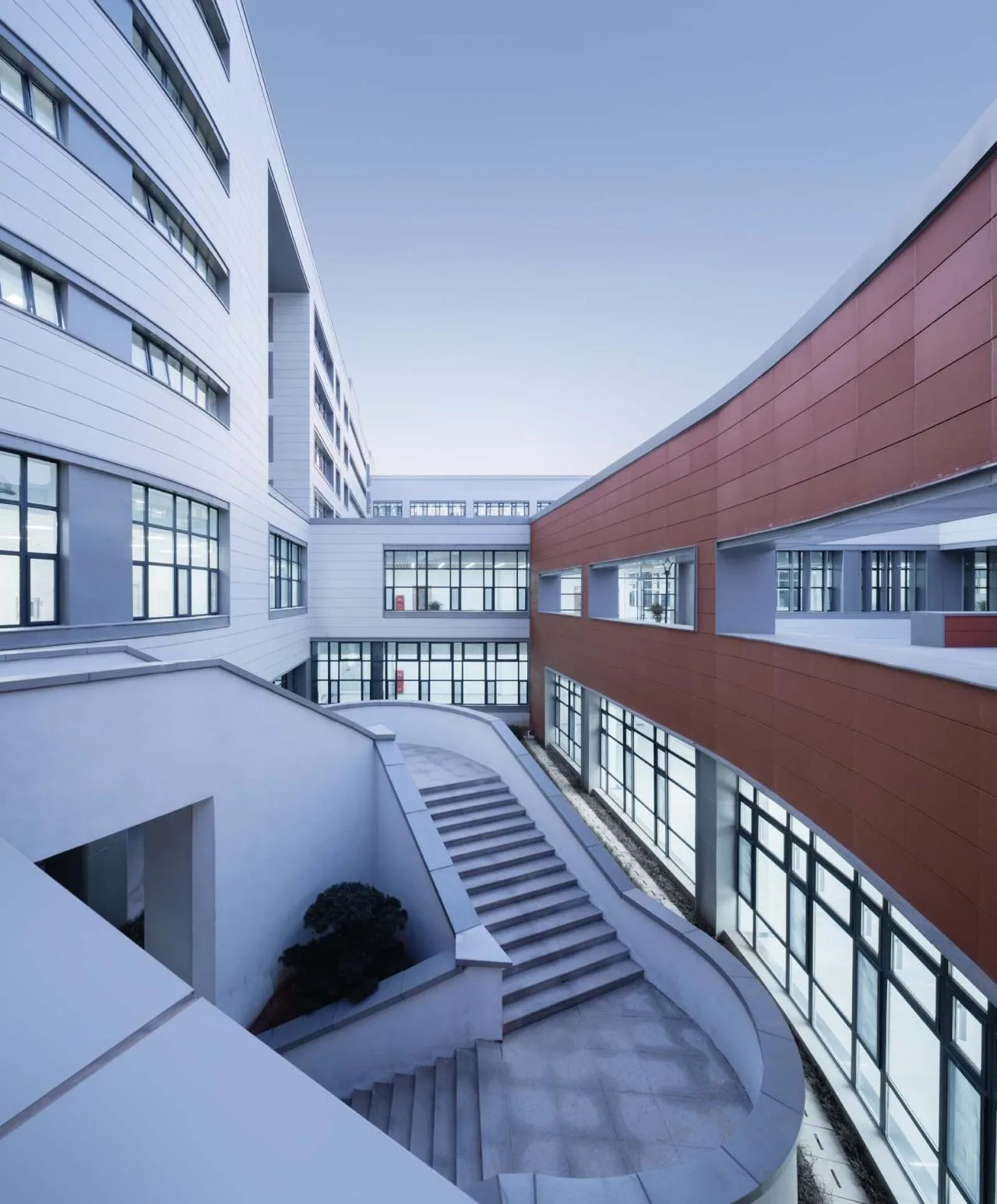
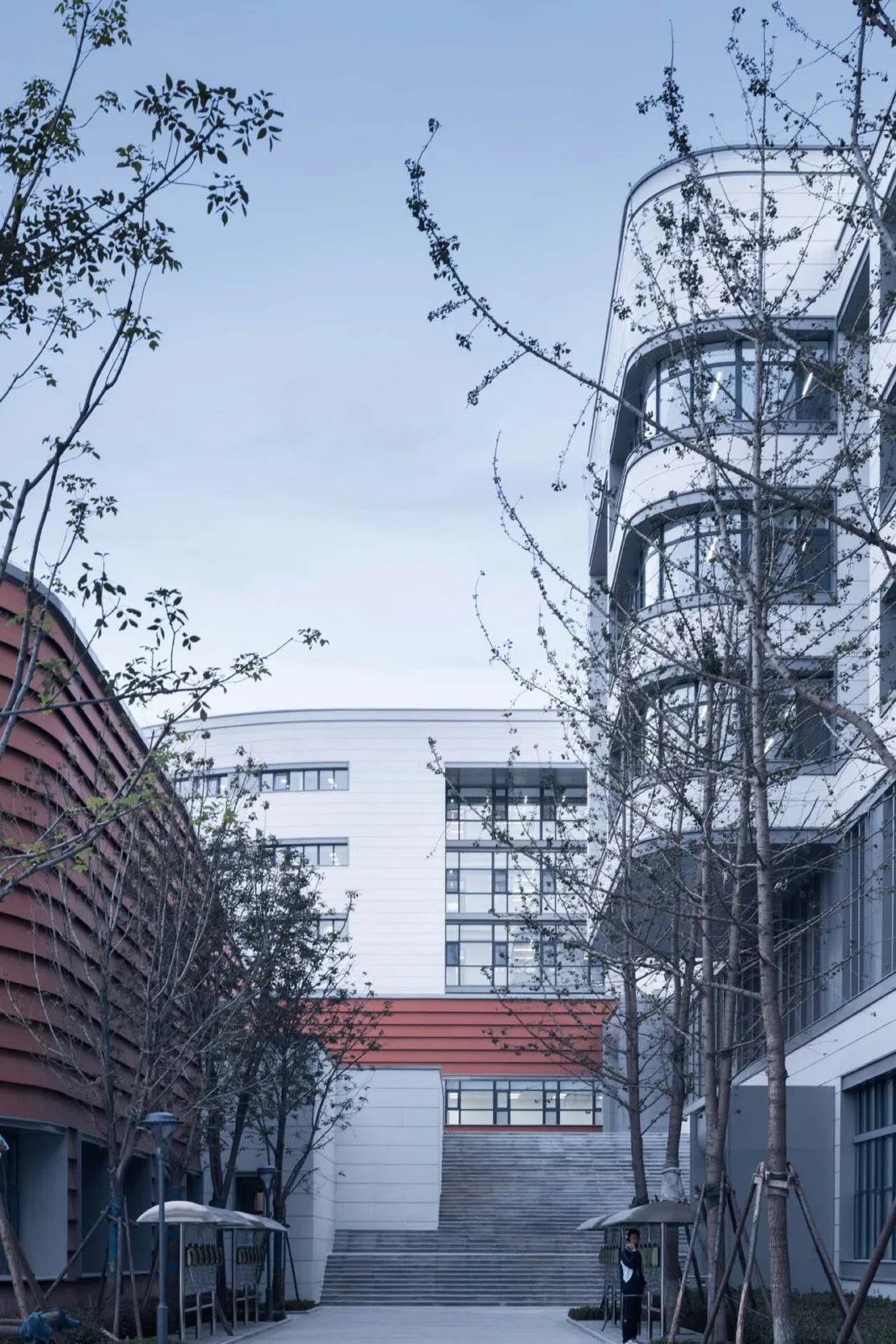
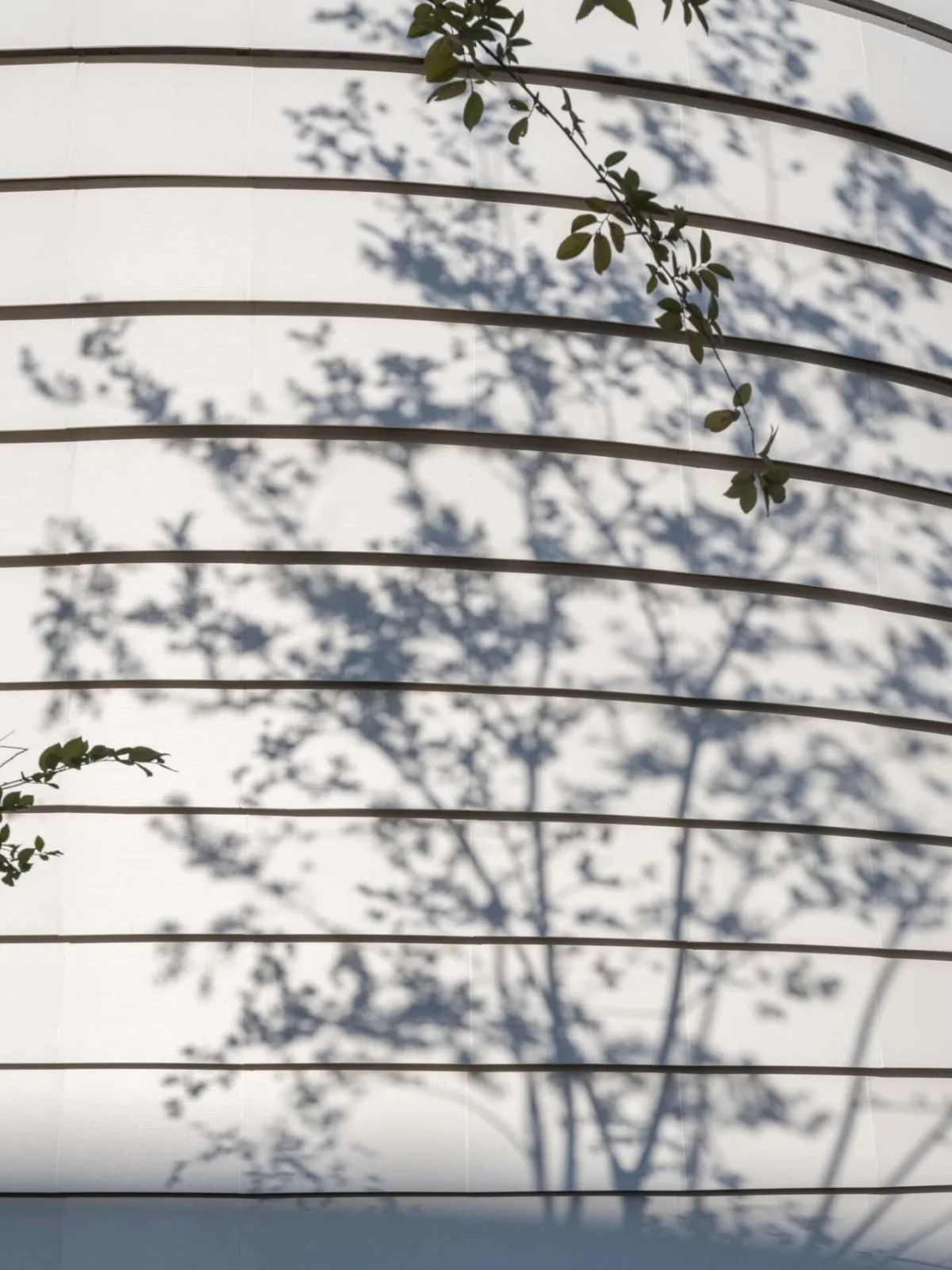
The building form and construction closely align with spatial energy conservation concepts. The campus features a compact, intensive layout: high-performance teaching spaces face south for optimal energy efficiency; auxiliary spaces are positioned to the north; and some activity areas are designed as semi-outdoor, non-energy-consuming zones. Multi-level soil-covered terraces provide rich outdoor activity platforms. The facade utilizes an open dry-hanging system with white and red clay panels, featuring staggered and inclined joints that create a continuous horizontal texture. The warm clay surfaces harmonize with metal perforated sunshades, all sourced from natural materials, reinforcing the campus’s green credentials.
Renewable energy is harnessed through solar hot water systems and photovoltaic panels installed on student apartment roofs, maximizing energy sustainability.
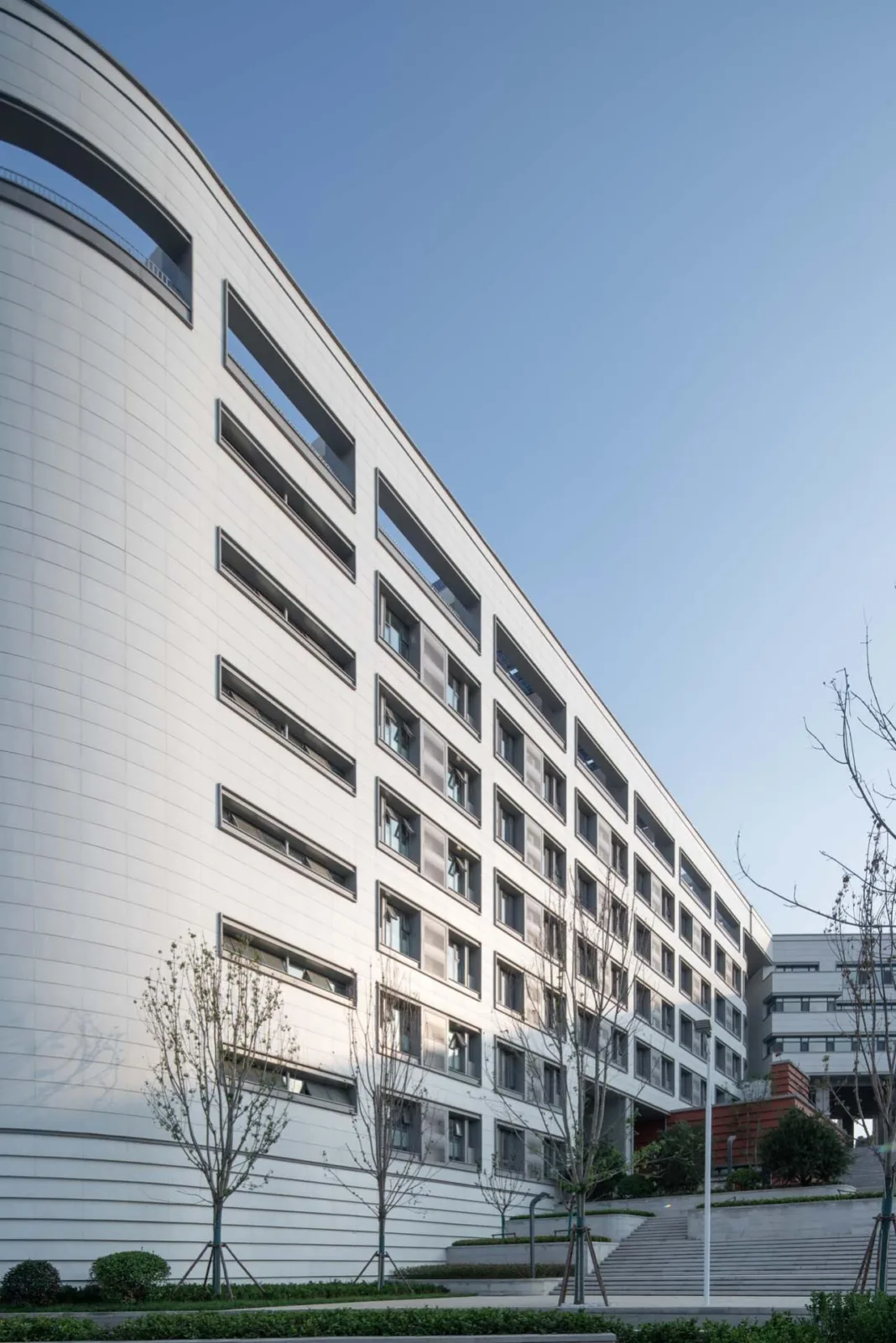
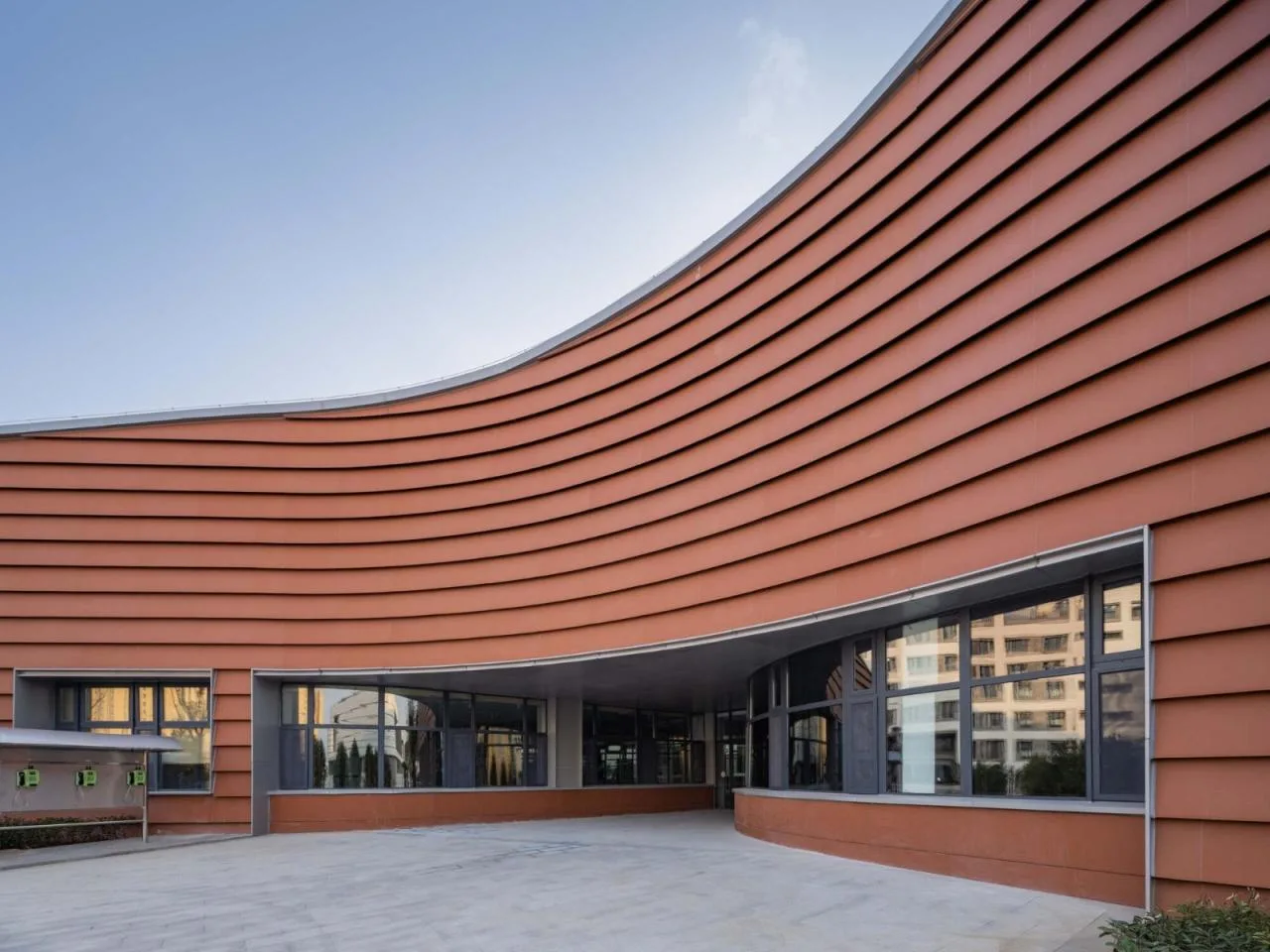
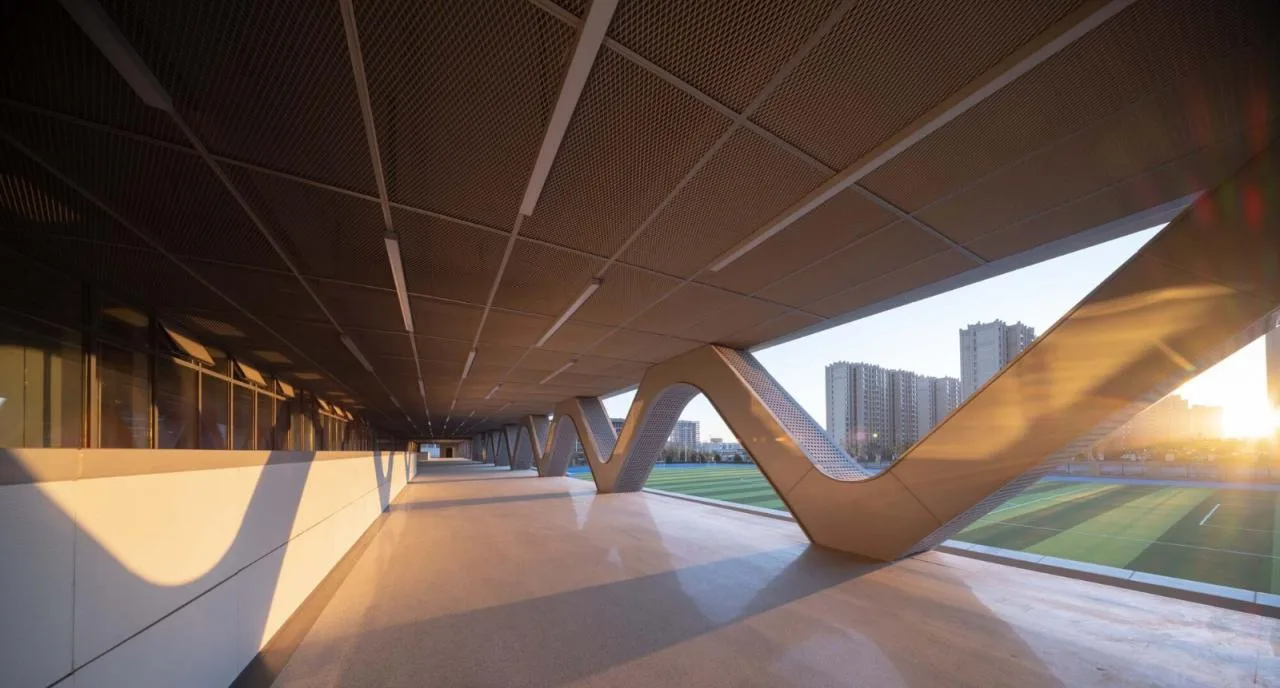
The low-tech green design of Caishi Campus mainly applies passive technologies in its planning and architecture, exploring sustainable strategies both conceptually and practically. After more than two years of development, the initial planning vision has been largely realized. However, due to various factors, the architect was not involved in every aspect of the overall design, leaving certain spaces less optimized. Continuous refinement of the green spatial concepts remains an area for reflection and future improvement.
The quality of campus buildings and environment subtly influences students, making it vital to embed sustainable development principles into the campus atmosphere. Creating a sustainable campus holds exemplary value for society at large, serving not only as a foundation for quality education but also as a progressive medium for environmental education in today’s context.
Project Drawings
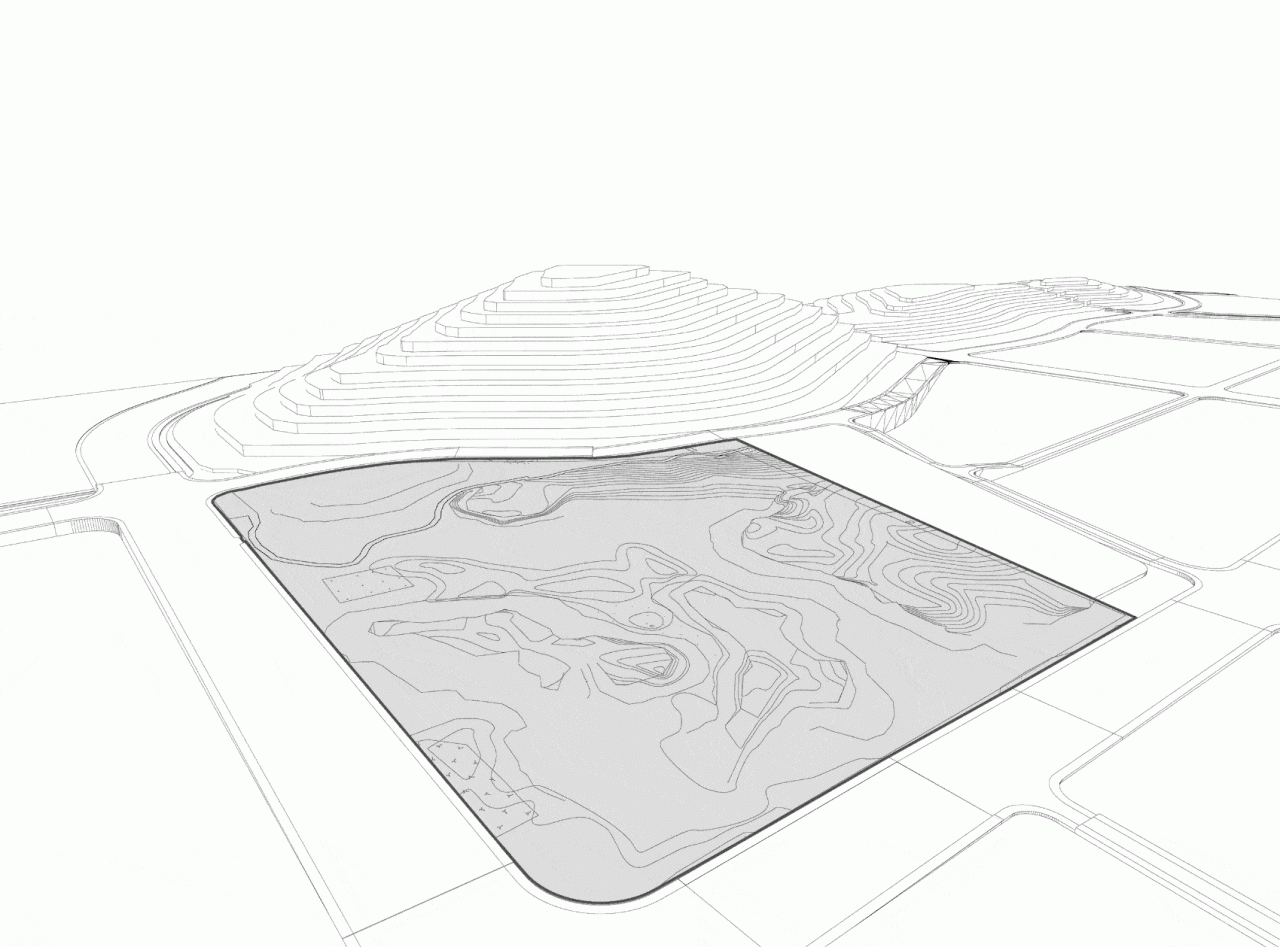
△ Project Generation Diagram
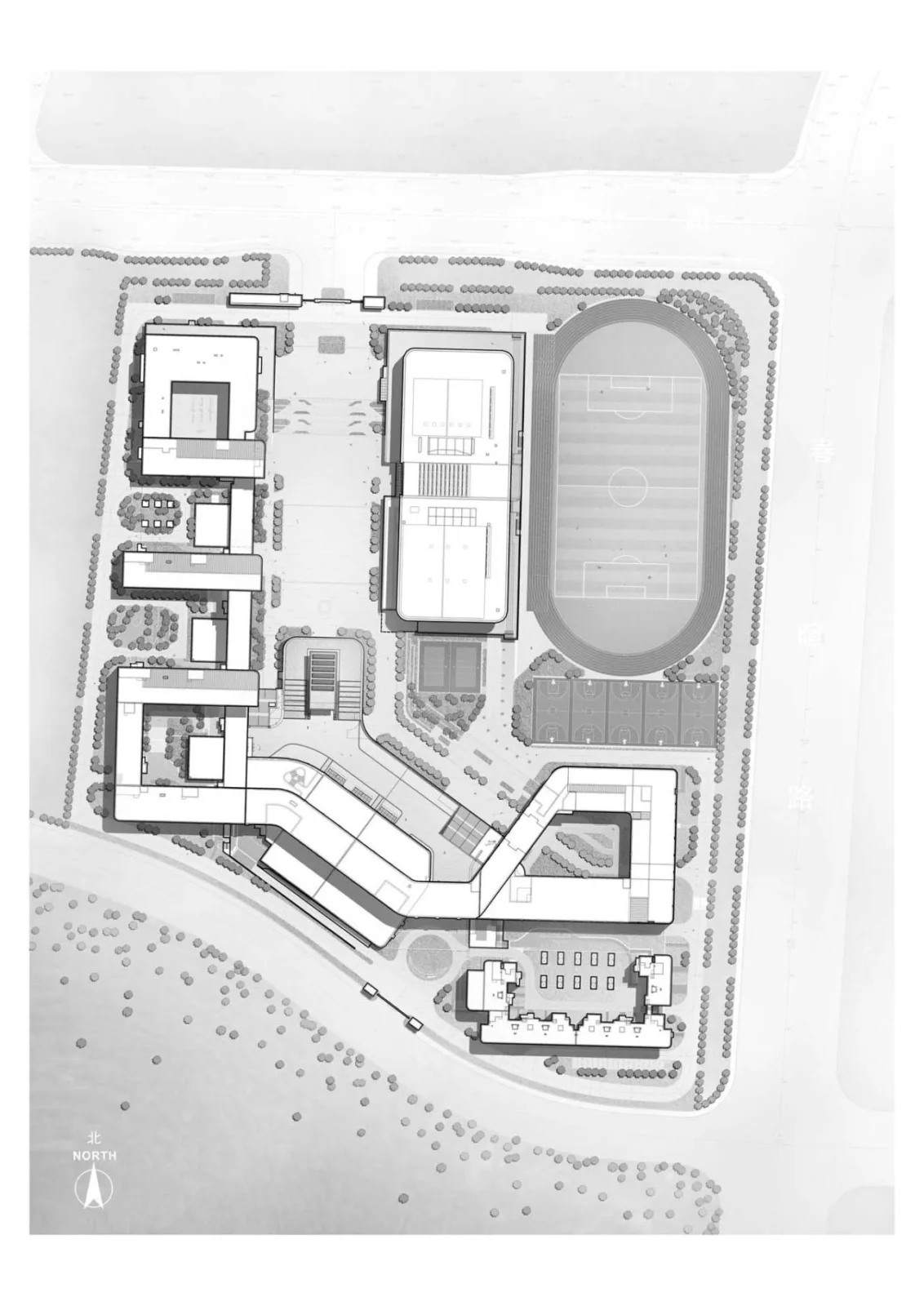
△ General Layout Plan
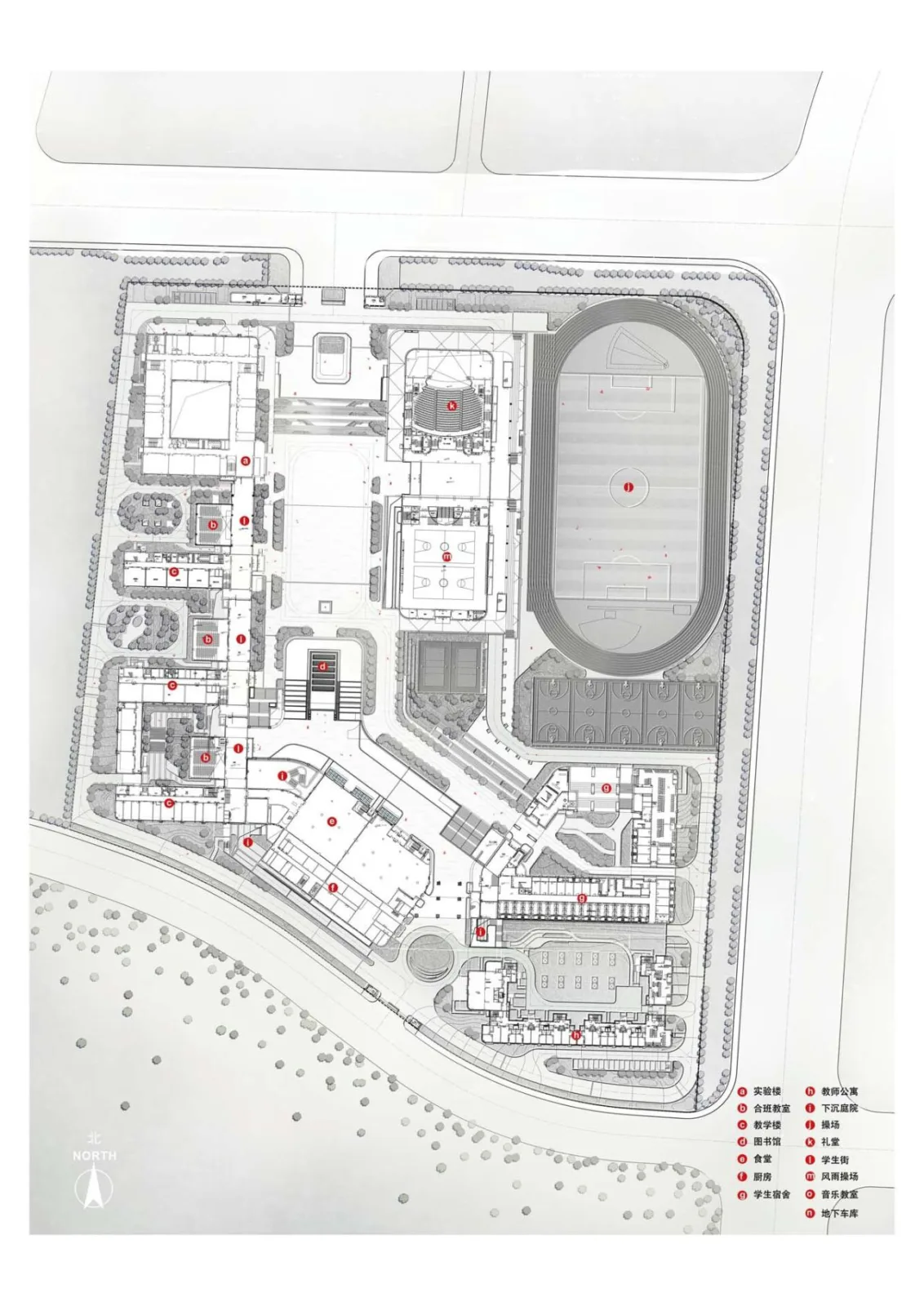
△ Functional Zoning Diagram
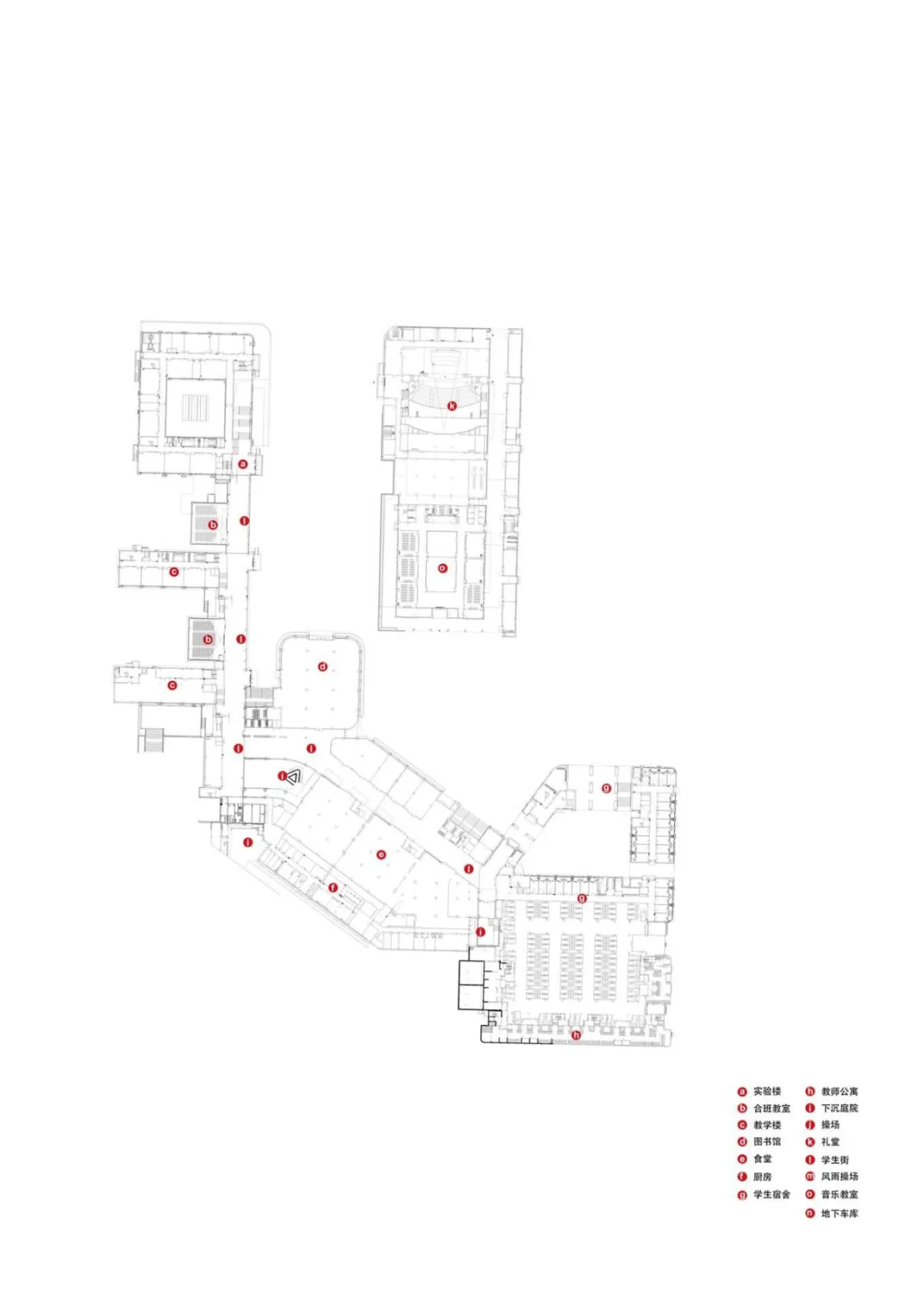
△ Plan View
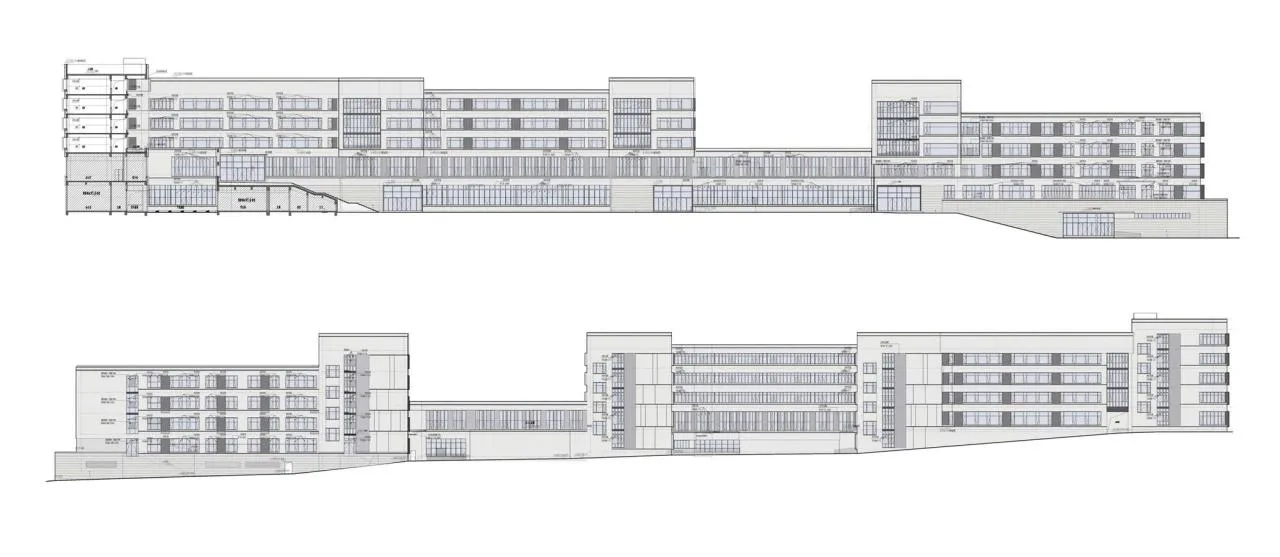
△ Elevation Drawing
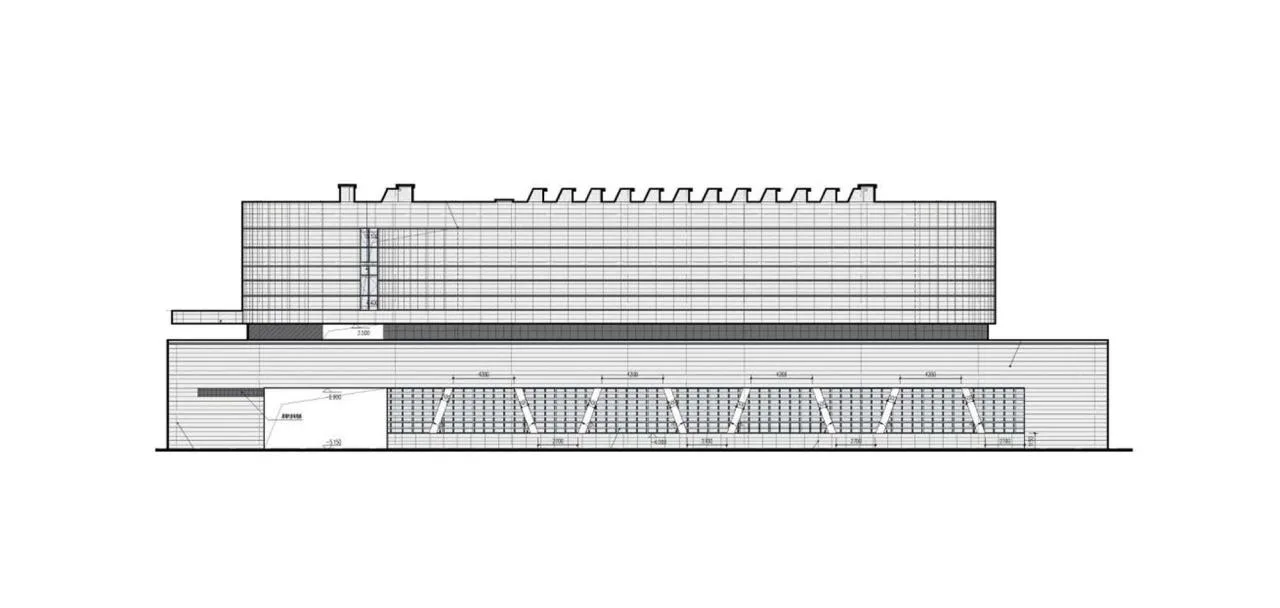
△ Elevation Drawing
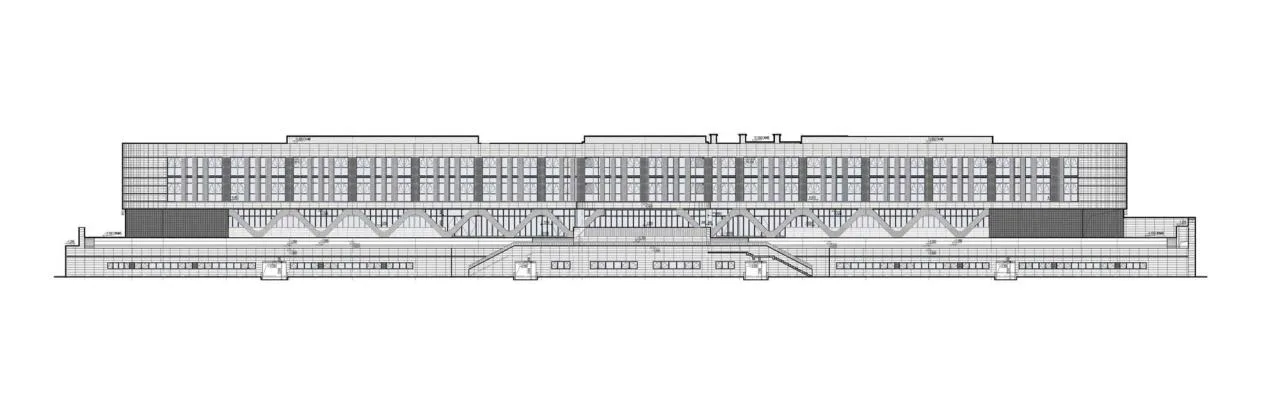
△ Elevation Drawing
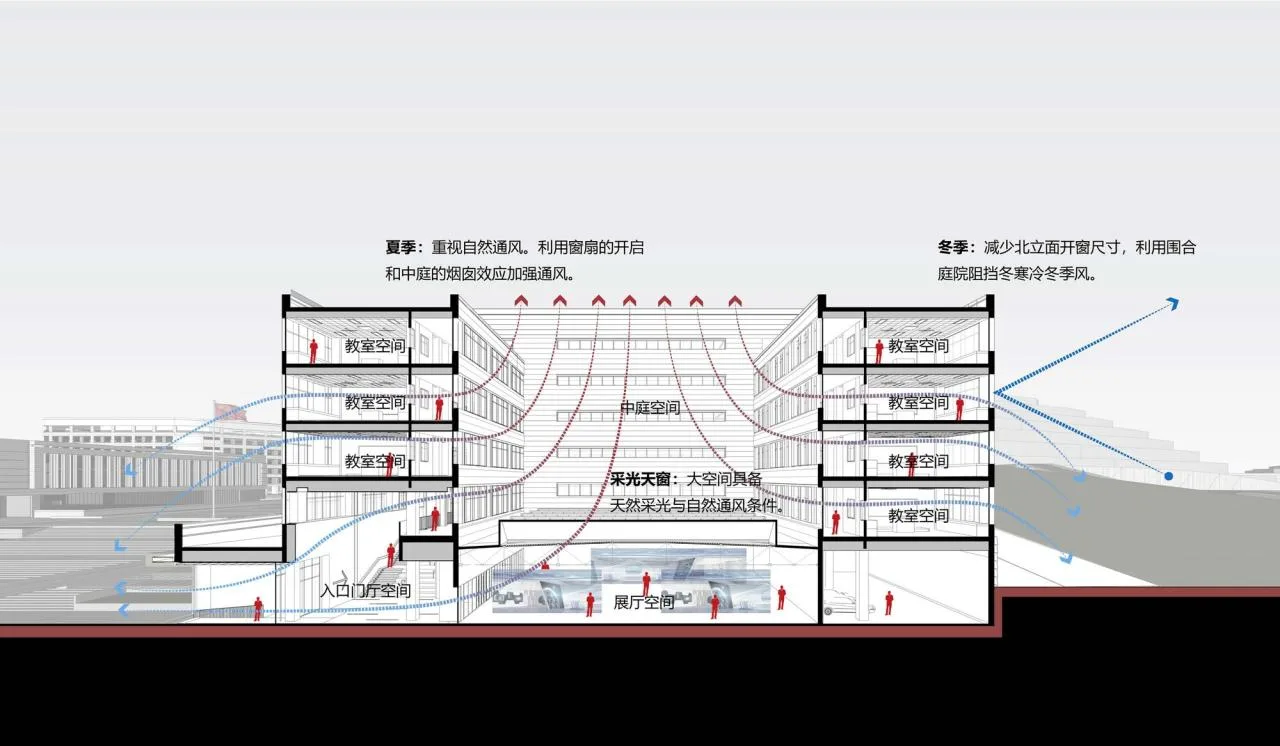
△ Analysis Chart
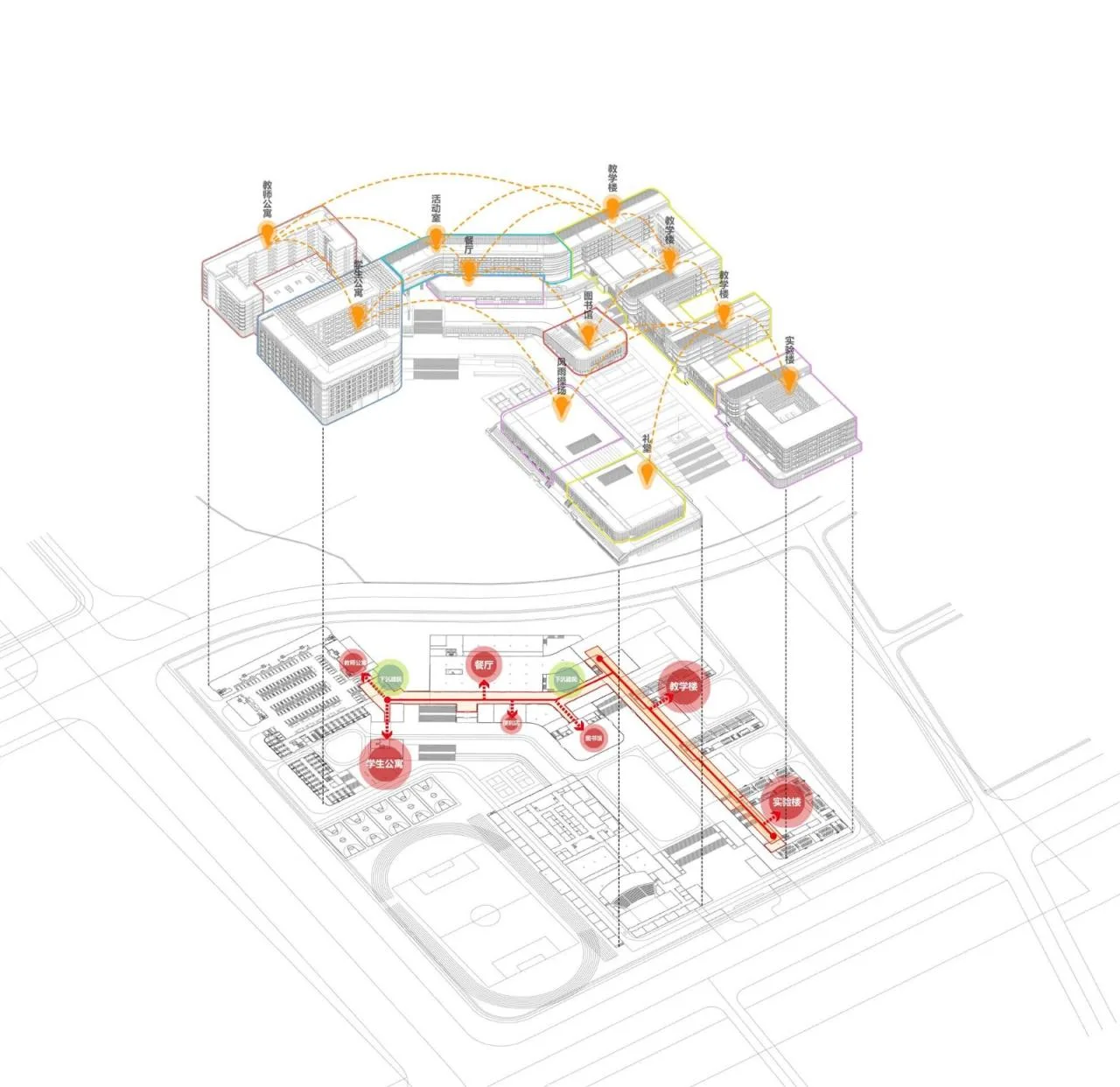
△ Analysis Chart
Project Information
Architect: Same Circle Design
Area: 121,740 m²
Project Year: 2022
Photographer: Time Difference Imaging
Manufacturers: Tianjin Fudi New Material Technology Co., Ltd., Shandong Heidebang Aluminum Industry Technology Co., Ltd.
Design Guidance: Liu Yuanqi
Principal Designer: Guo Liqiang
Project Leader: Wang Feng
Design Team: Shao Xu, Ji Chuanlong, Zhang Guomeng, Li Shuzhe, Li Weijie, Liu Xuanyu, Bian Wengan
Structural Design: Xu Xiaozhong, Li Xianzhang, Wang Jinxiang, Zou Jingbo, Yang Xiao, Yang Baoxian, Li Guanqun, Zhang Zhaoji
Construction Team: Hailiang Wang, Chuanlong Ji, Guomeng Zhang, Xue Lin, Zheng Wang, Yangui Chai, Xin Xie, Yaqi Wang, Guangning Cheng, Ankang Shi
Structural Team: Xiaozhong Zi, Xianzhang Li, Jinxiang Wang, Jingbo Zou, Xiao Yang, Baoxian Yang, Guanqun Li, Zhaoji Zhang
HVAC Design Team: Ye Gong, Yugang Zhang, Shuai Dai, Yingbo Ji, Shuai Gao
Heating and Drainage Team: Dongyue Shao, Lei Zhu, Shuang Song
MEP Design Team: Pengfei Liu, Shanzhi Zhao, Jinpeng Zhang, Wenjun Feng, Qingkuan Meng, Qiang Zhang
Intelligent Systems Team: Zhiyan Liu, Xiaolei Zhao, Ning Wang, Zhangxiang Song, Jinpeng Zhang, Zhaopeng Tian, Shusheng Zhao, Zilei Han
Location: Jinan












Must log in before commenting!
Sign Up