
BIM technology can be applied throughout various stages of construction projects. Its effective use during the design phase is crucial to ensuring both efficiency and quality in drawing design. So, what are the key operational steps of BIM technology in this phase? Let’s explore them.
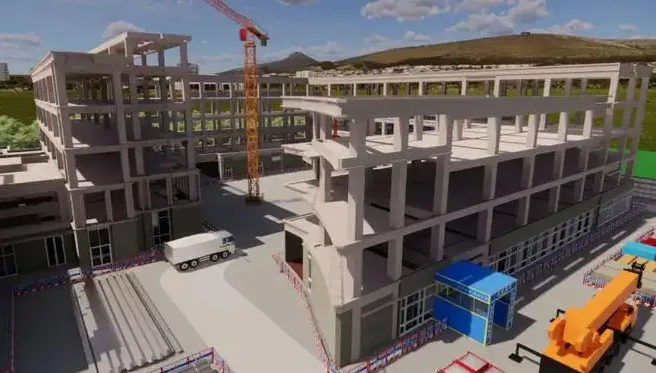
1. Environmental Impact Assessment
Import models of surrounding buildings and roads to evaluate their potential impact on the project environment. This includes assessing risks such as environmental damage or deep underground excavations that might threaten the safety of neighboring structures.
2. Design Interface Integration
The initial 3D building model is integrated with specialized designs—mechanical, electrical, structural, piping, lighting, and communication systems—to create comprehensive drawing interfaces. This process resolves frequent errors common in traditional 2D drawings and allows for 3D clash detection, preventing conflicts between structural elements and piping systems. As a result, design accuracy and review efficiency are significantly improved.
3. Energy Simulation
Building energy efficiency is increasingly prioritized. By simulating factors such as heating coefficients, sunlight exposure, daylighting analysis, and carbon dioxide emissions, designers can optimize indoor layouts and window placements. This enhances insulation, airflow, and air conditioning efficiency, ultimately reducing energy consumption and promoting sustainability.
4. Construction Scheduling Simulation
Beyond theoretical scheduling, construction teams can log actual daily progress within the BIM system. This real-time tracking enables independent management and helps prevent project delays.
5. Quantity and Cost Estimation
Exporting quantity and cost data in Excel format supports architects in their supervisory role. This helps them monitor funding requests from construction and supplier units, preventing fraud and inflated pricing.
6. Exterior Architecture and Interior Configuration Simulation
Many homeowners struggle to interpret architectural drawings. Using 3D models to visualize exterior designs and interior space planning helps clarify these aspects and alleviates concerns about the building’s layout and decoration.
7. Design Changes
BIM design revolves around 3D models that can be viewed from multiple perspectives. Designers can make changes directly in the model, which automatically updates all associated drawings. This drastically reduces the time spent on manual revisions and minimizes inconsistencies.
8. Plan Communication
3D-assisted design and drawing technologies facilitate rapid communication among all stakeholders. This improves efficiency and reduces misunderstandings that often arise from traditional 2D floor plans.
9. Engineering Progress Monitoring and Inspection
Using color-coded monitoring tools, architects, owners, and construction teams can track project progress in real time. This visibility highlights any incomplete or delayed tasks, allowing for timely intervention and resolution.
These are the essential operational steps for applying BIM technology during the design phase. I hope this overview proves helpful to everyone!
















Must log in before commenting!
Sign Up