
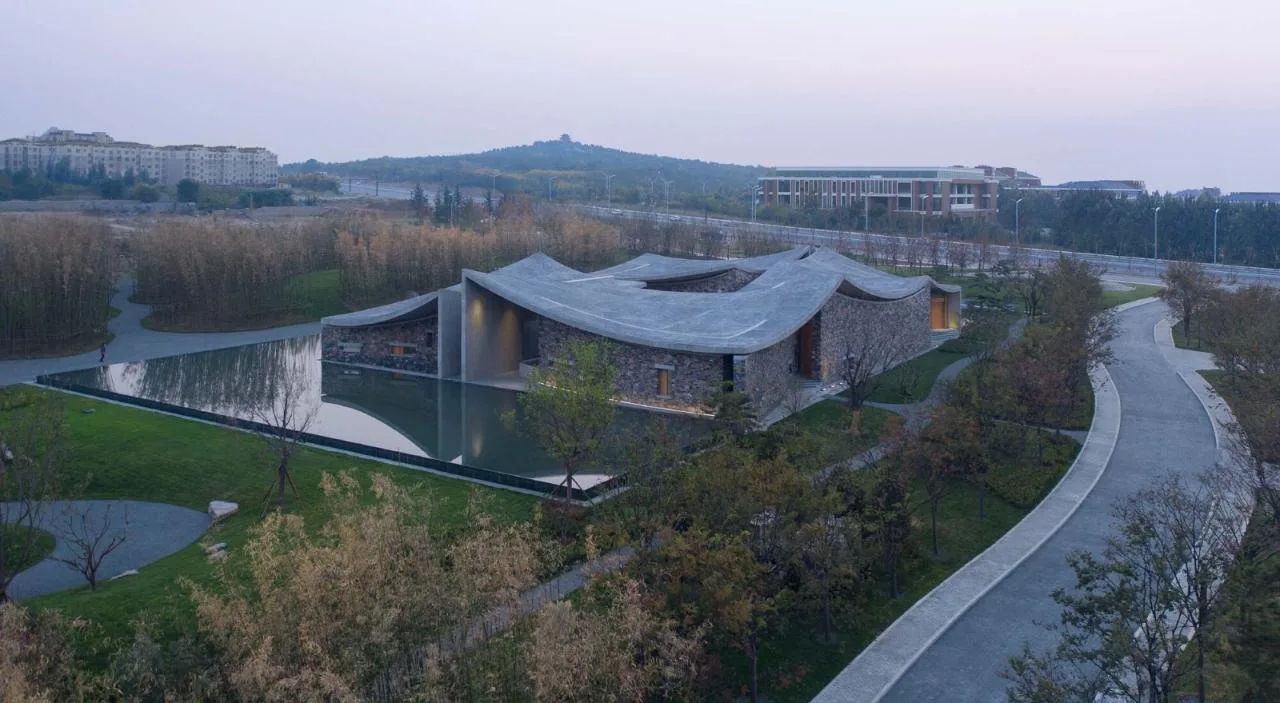
The Zibo Overseas Chinese Town Art Center (hereafter referred to as the OCT Art Center) is situated on the eastern edge of Zibo’s urban area in Shandong Province. The site was once a suburban wasteland, lying adjacent to the ancient Fenghuang South relic from the Shang and Zhou Dynasties. This historic site is almost entirely eroded, leaving behind only a raised platform overgrown with weeds.
In such a barren, shelterless environment, the presence of this ancient platform provokes reflection. Its stark emptiness seems to lack the qualities needed for inspiring remarkable architecture. Yet, it is precisely this emptiness that stirs the desire to recreate a poetic “artificial temple” — a place where humans, spirits, and the body coexist harmoniously in the wilderness. The design engages in a dialogue with lost civilizations while confronting the raw, chaotic natural environment through simple, affirmative forms. This approach achieves a delicate balance between past and present, and between the man-made and the natural.
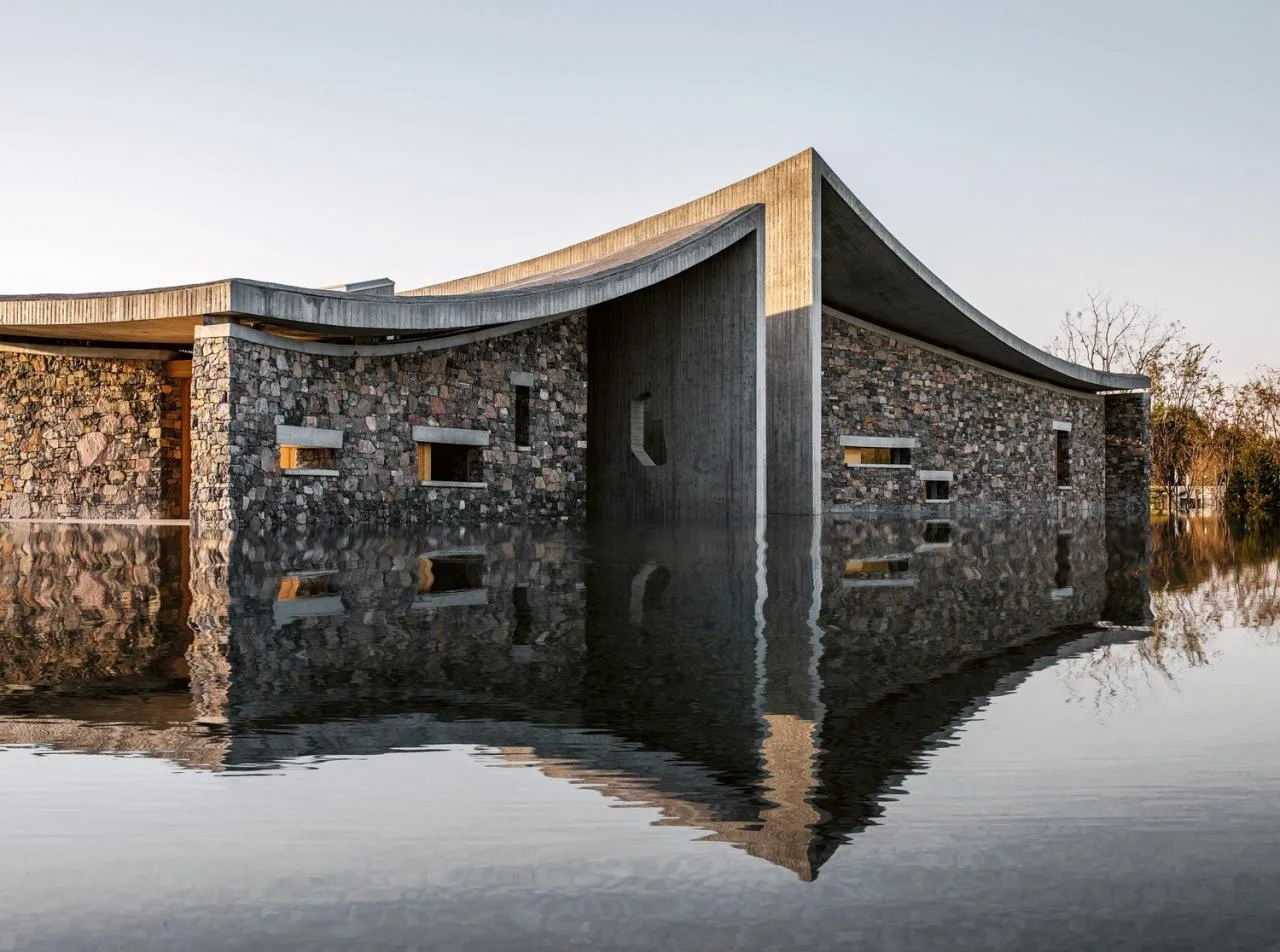
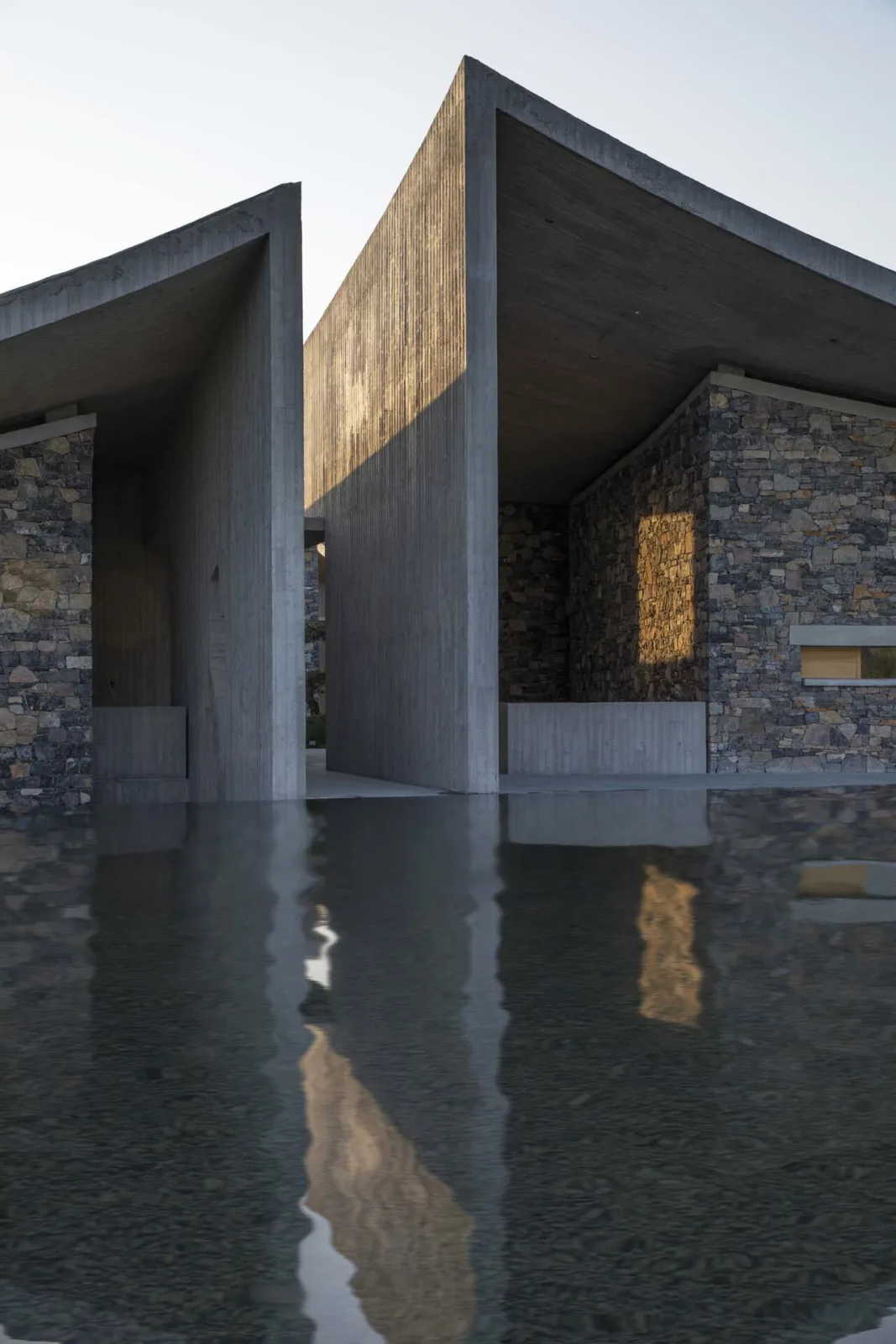
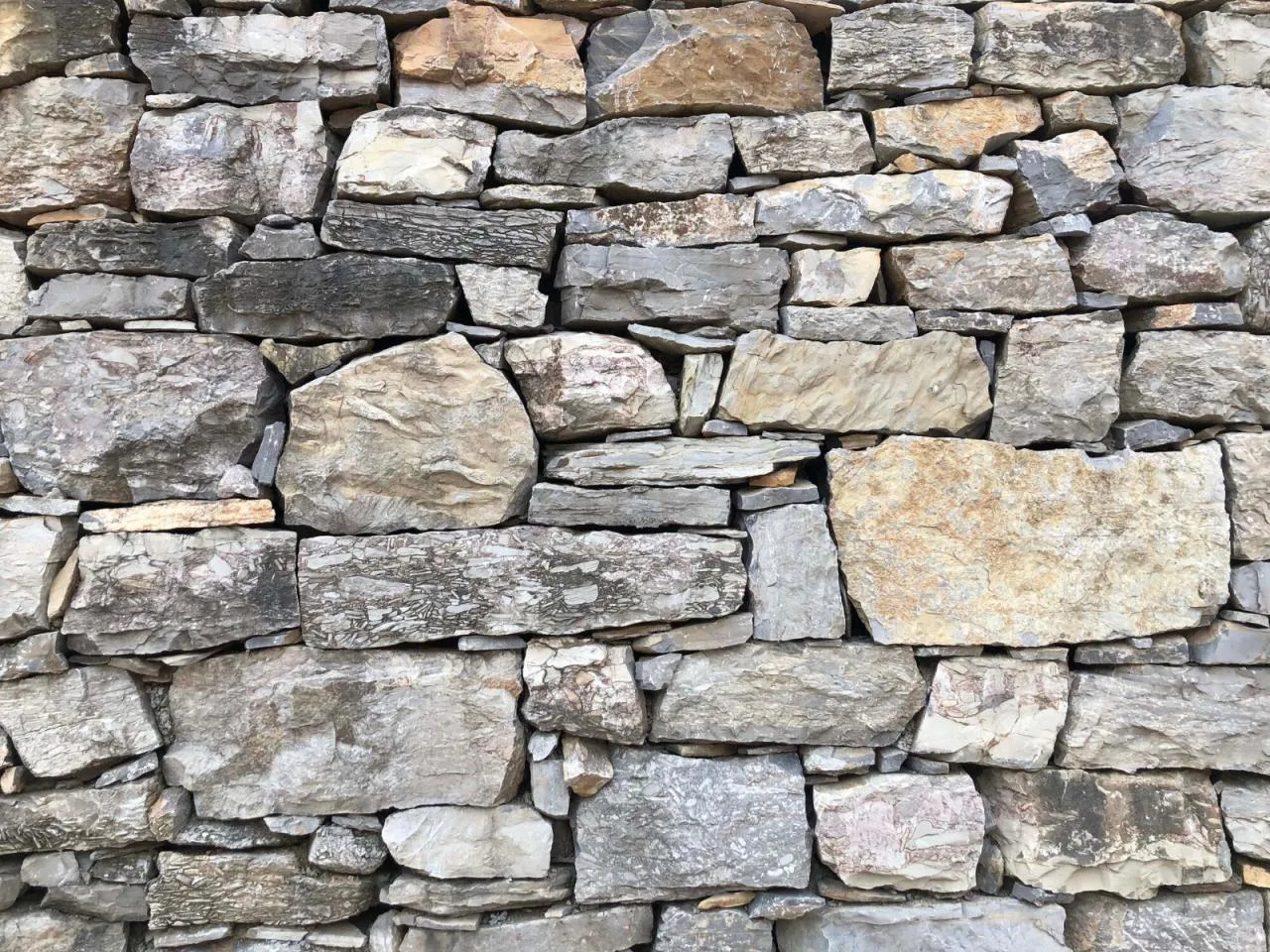
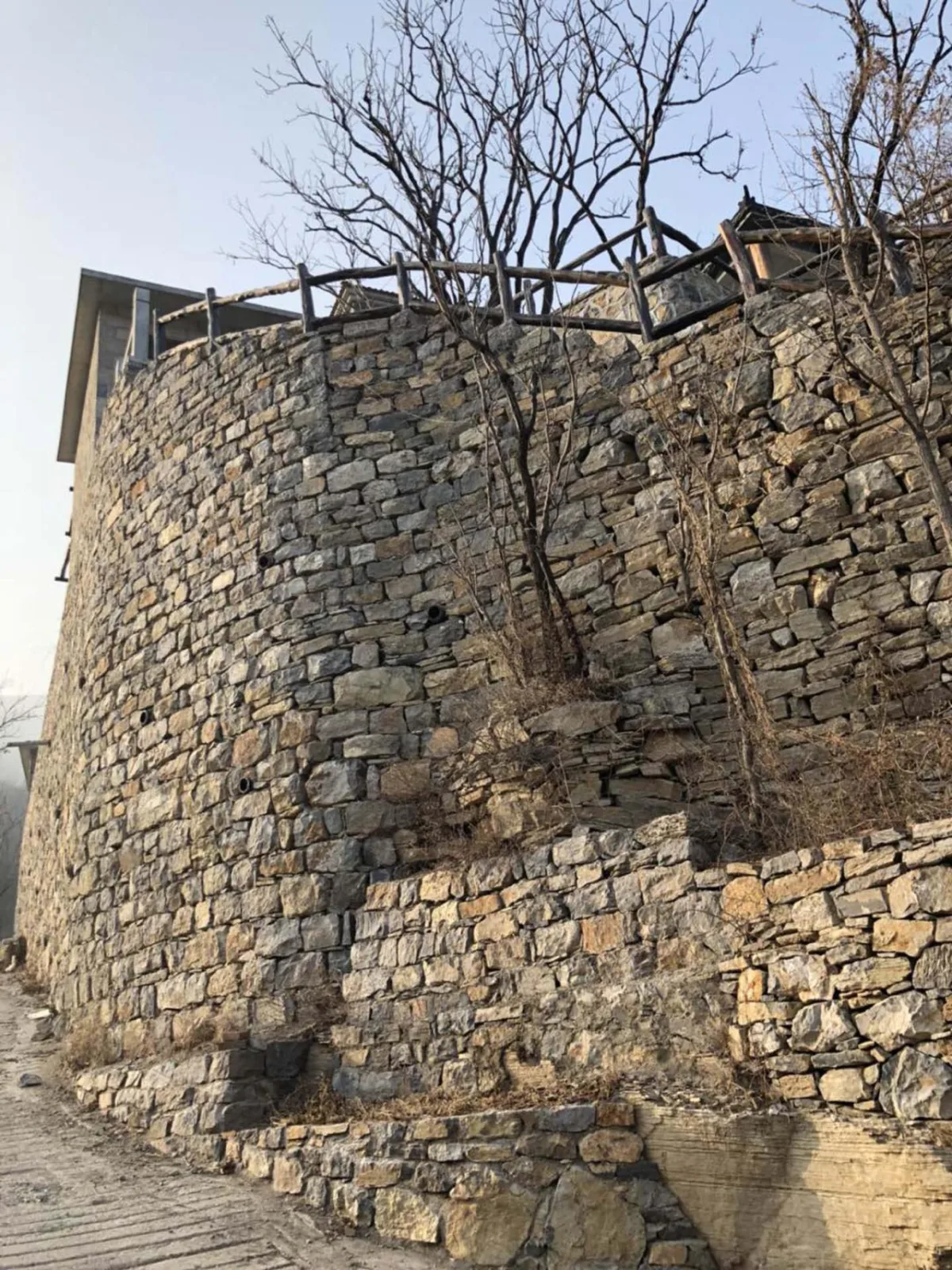
Zibo is a city with a rich history and is recognized as the birthplace of Qi culture. The region’s rolling hills and abundant natural resources have shaped the resilient and bold character of its people, which is reflected in their traditional architecture. Local homes are typically constructed with rough stone walls framed by wood to withstand the harsh northern winds. Thick stone walls support wooden roofs, and the common architectural layout features three solid walls enclosing a courtyard, with one side open inward—a design shared by many northern Chinese dwellings.
If courtyards and stone masonry have evolved locally over millennia, they represent a prototype of simple, authentic, and ecologically intelligent architecture. The OCT Art Center draws inspiration from this model, respecting regional culture, climate, and construction traditions. At the same time, it explores contemporary architectural concerns, focusing on the structural generation of form and the interplay between materials and structural systems. This results in an experimental poetic expression of structure and materials.
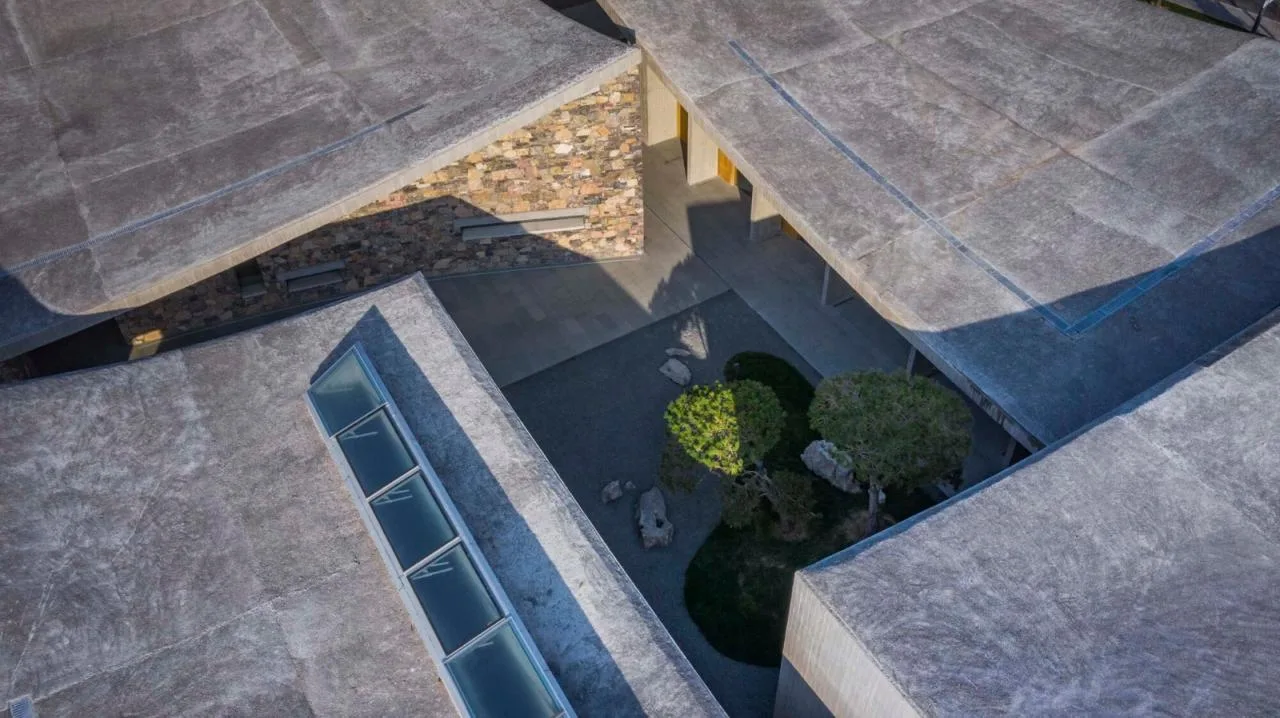
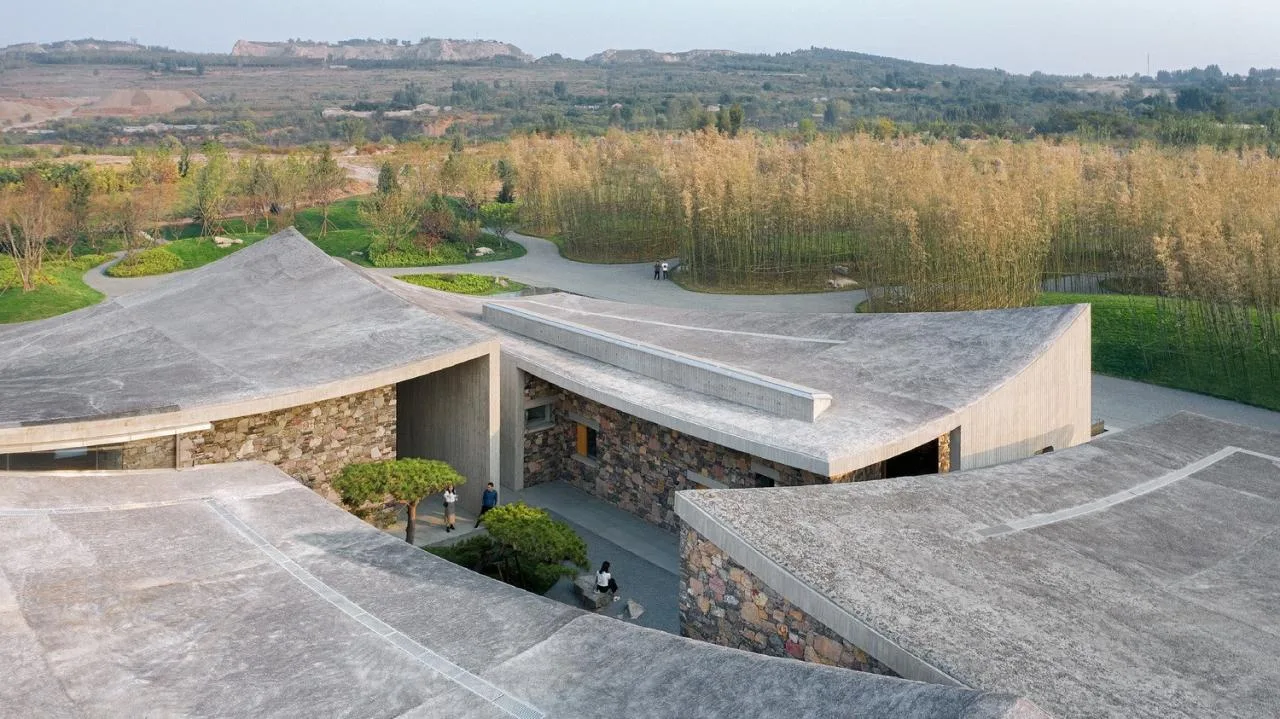
The spatial concept of the OCT Art Center follows a traditional courtyard building typology. This approach suits the barren suburban context by enabling inward-facing buildings. More importantly, the courtyard model, historically associated with traditional Chinese academies and their spirit of place, serves as an ideal framework to realize the poetic “artificial temple” at the heart of this project.
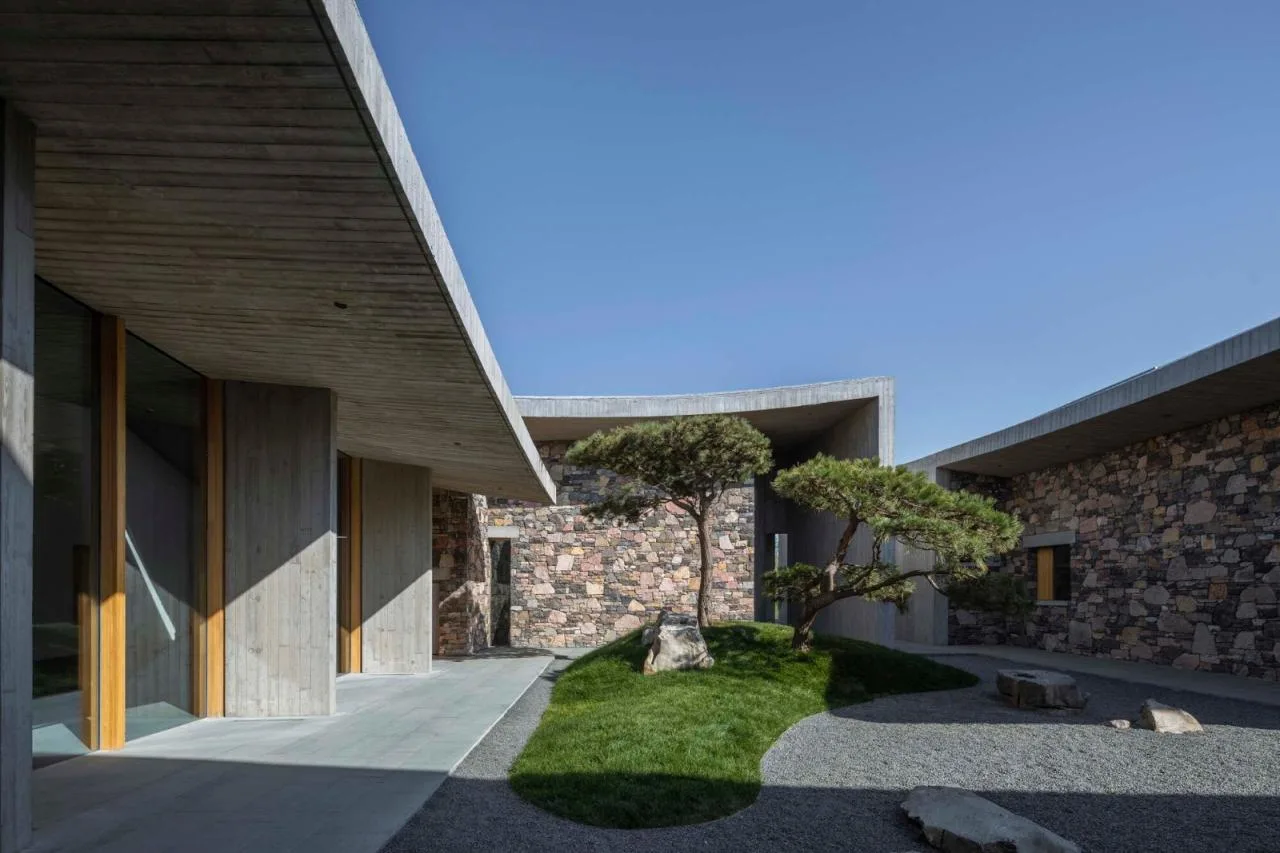
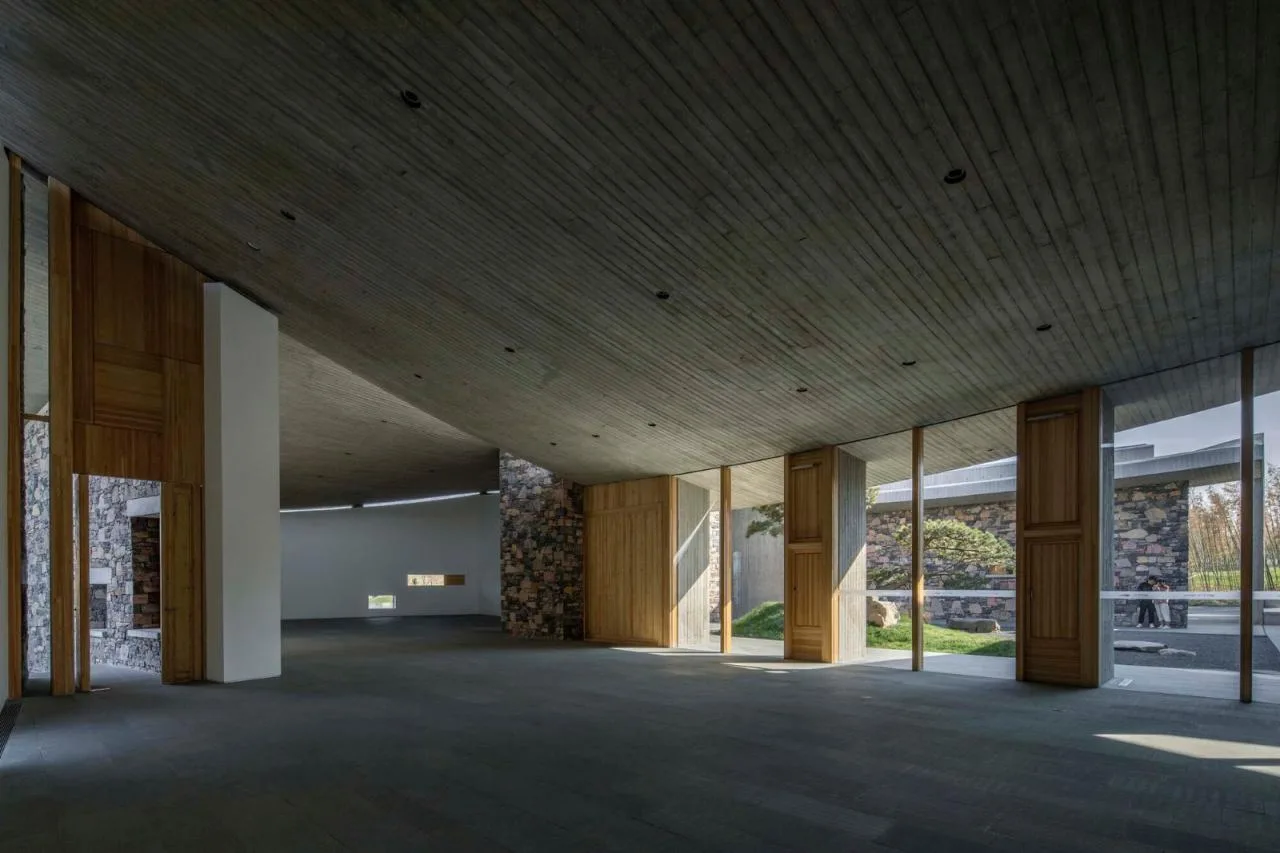
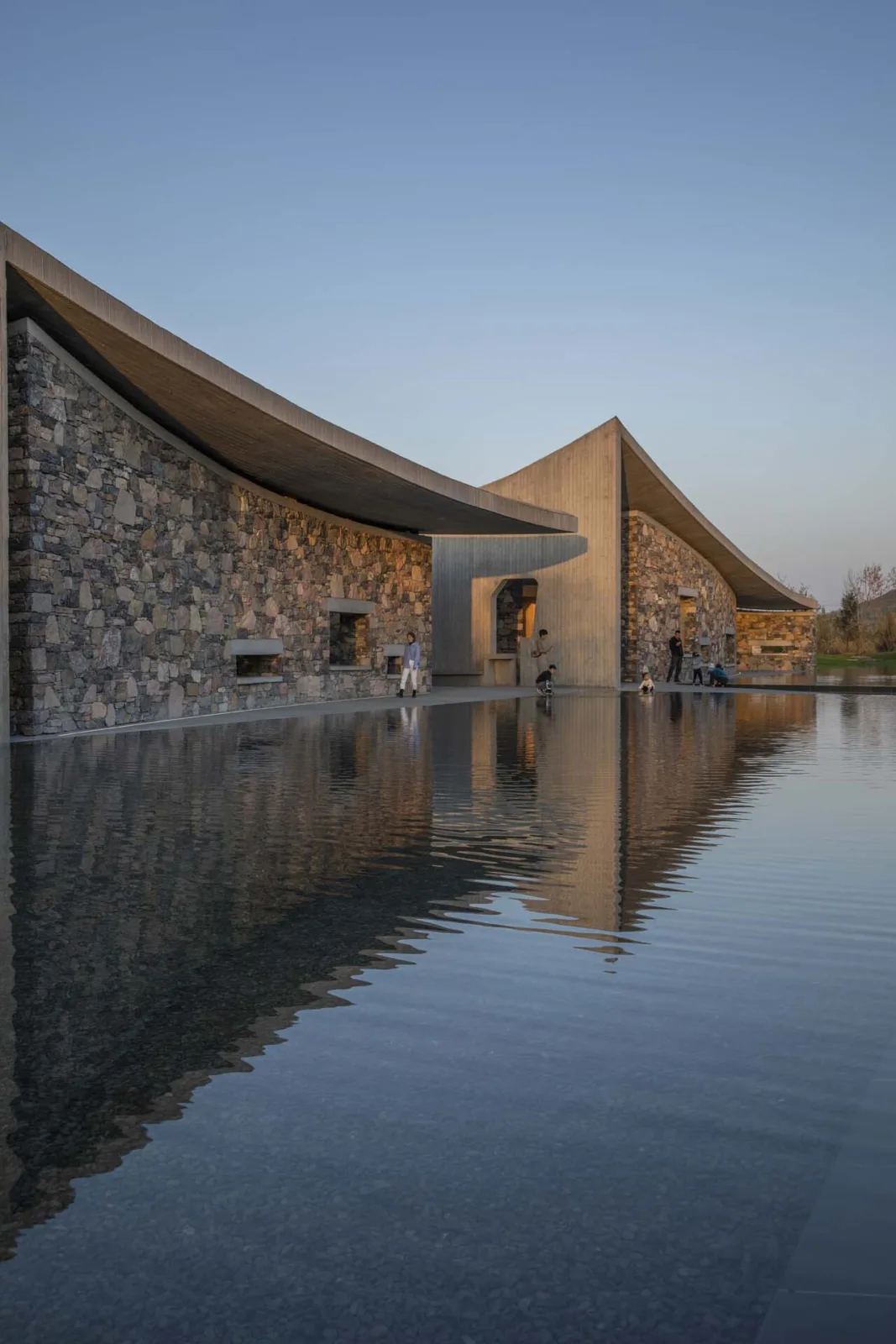
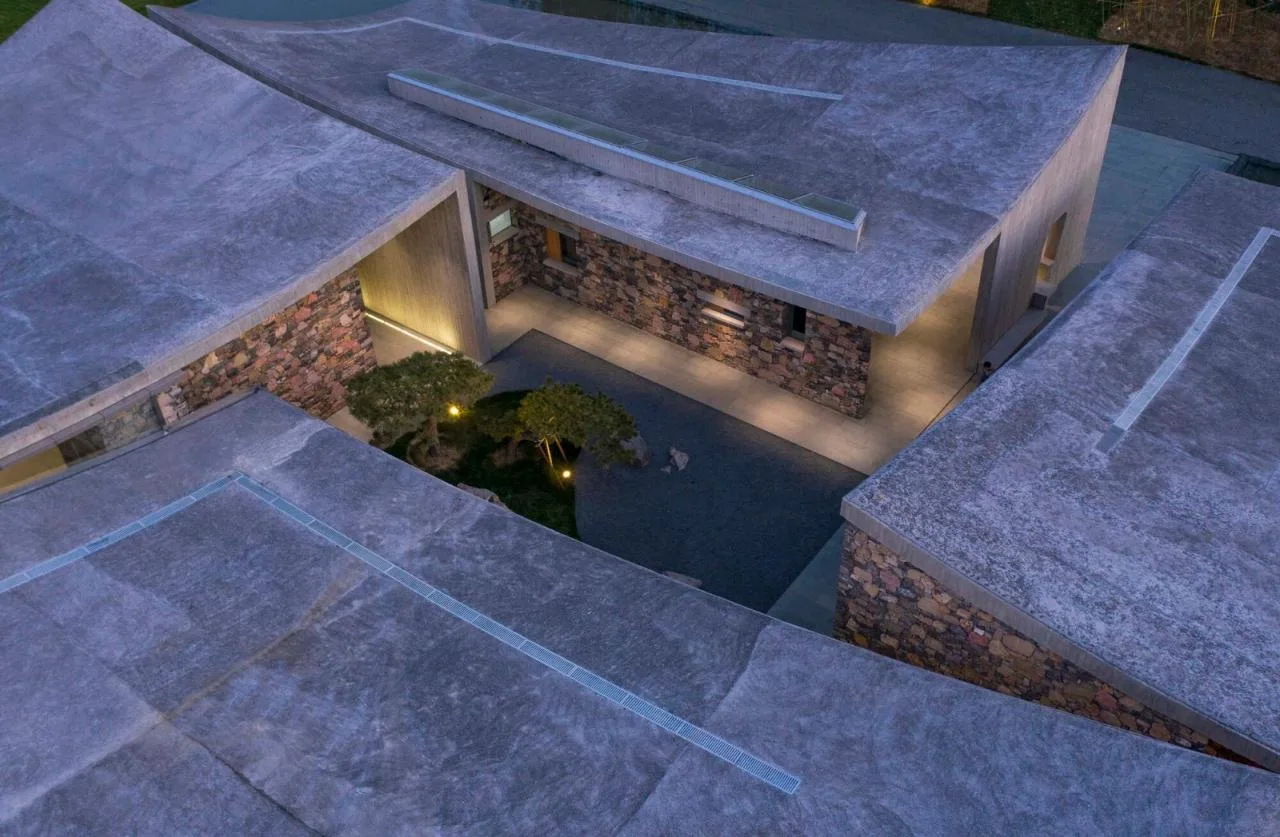
The OCT Art Center is composed of four relatively distinct spaces arranged around a courtyard, unified under a dynamic, undulating concrete double-curved roof. Viewed from above, the roof’s geometric edges clearly define the simple rectangular outer boundary and the central courtyard. Vertically, the folding walls beneath the curved roof create shaded spaces of varying depths under the eaves. This blurs the boundary between the building and courtyard, disrupting the traditional symmetry and order of courtyard architecture, and reinterprets it as a contemporary public space imbued with a sense of sacredness.
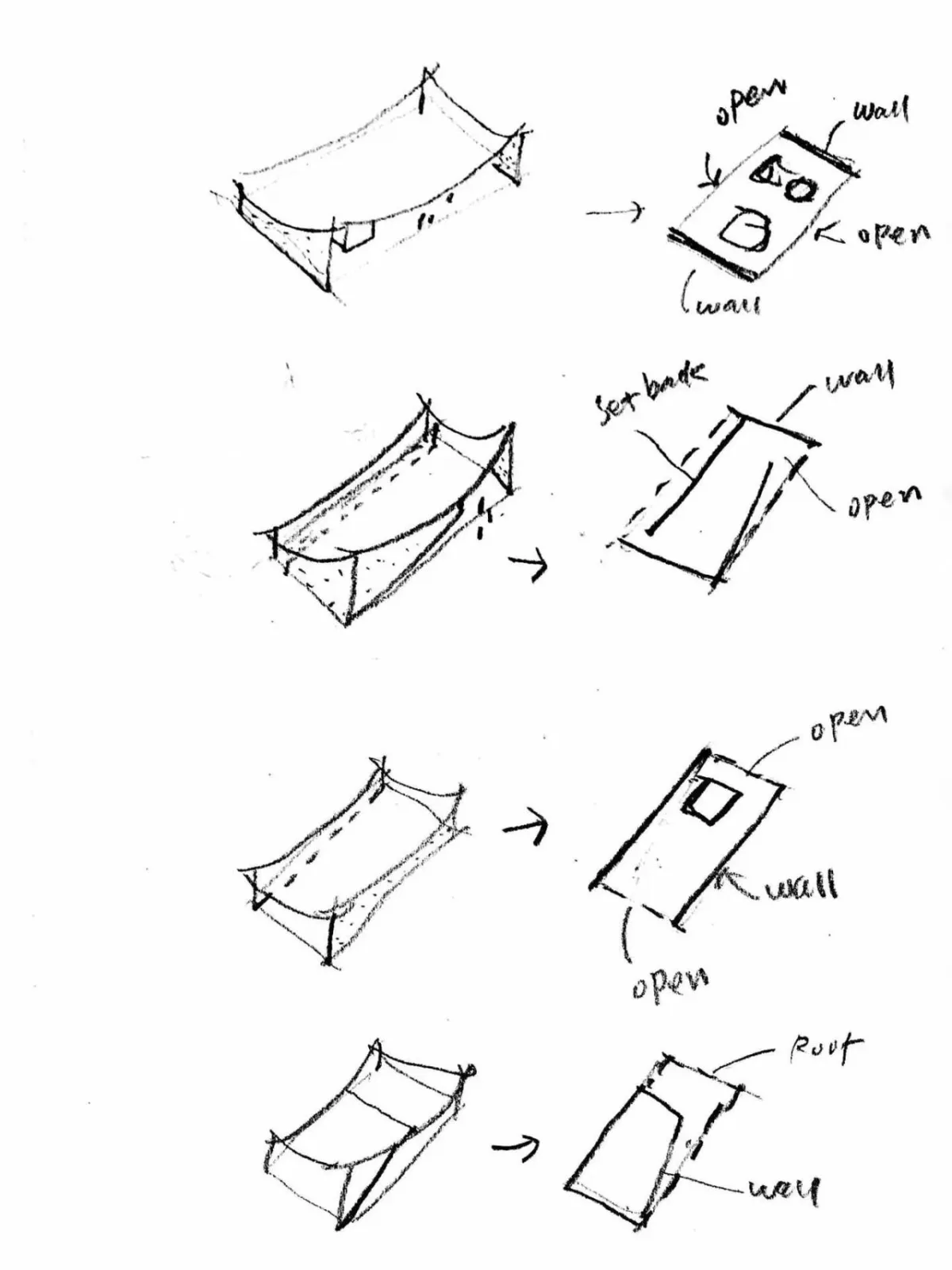
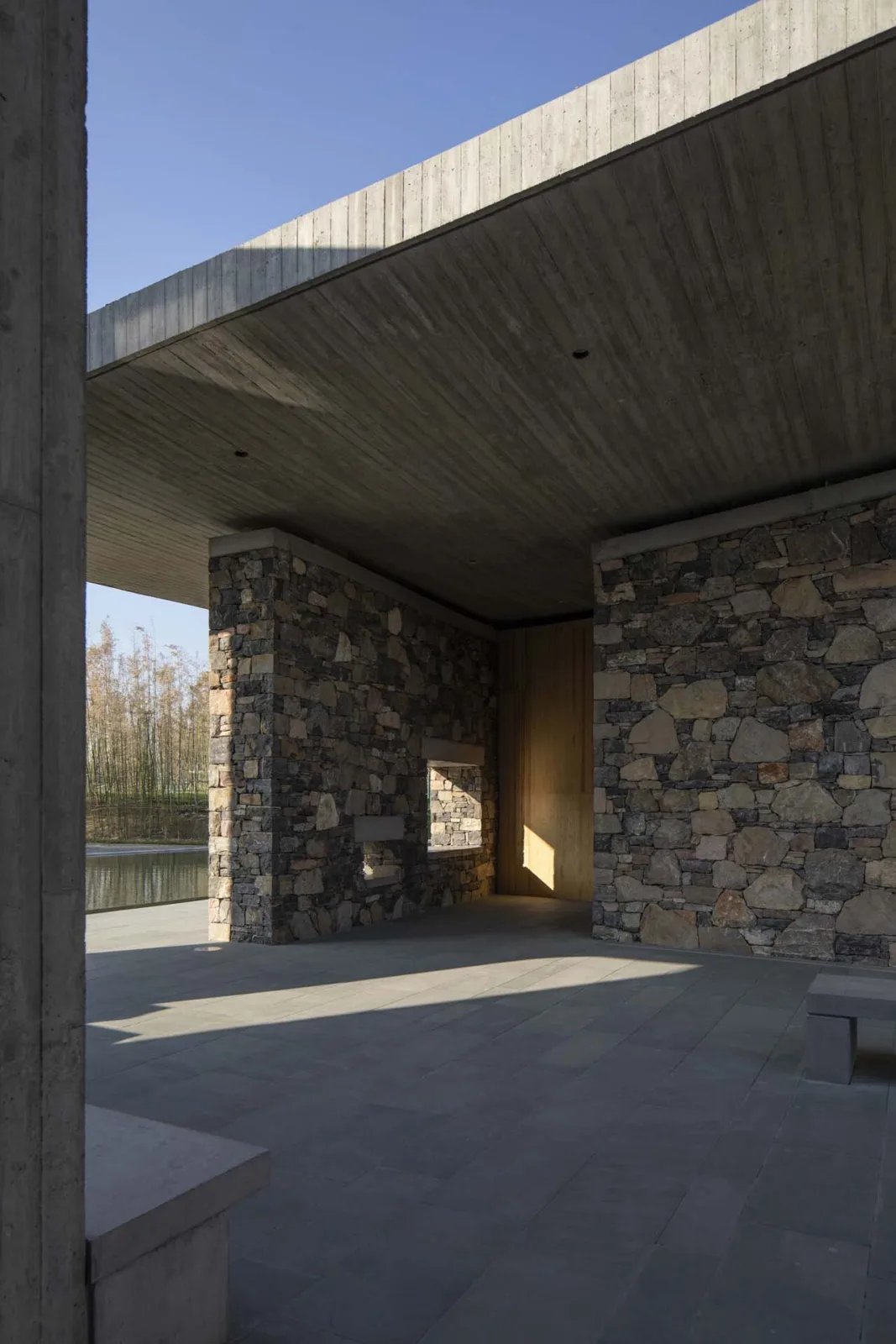
The structural system is a modern reinterpretation of local traditional residential architecture, combining a tension structure formed by the concrete hyperbolic roof, supported by reinforced concrete columns, with rough stone masonry walls. This reflects the historic combination of stone masonry and wooden framing. The form of the roof evokes both local construction methods and the image of a tent pulled taut by four poles. The large concrete hyperbolic roof, shaped by gravity into a natural sagging surface, creates a poetic tension between roof and ground.
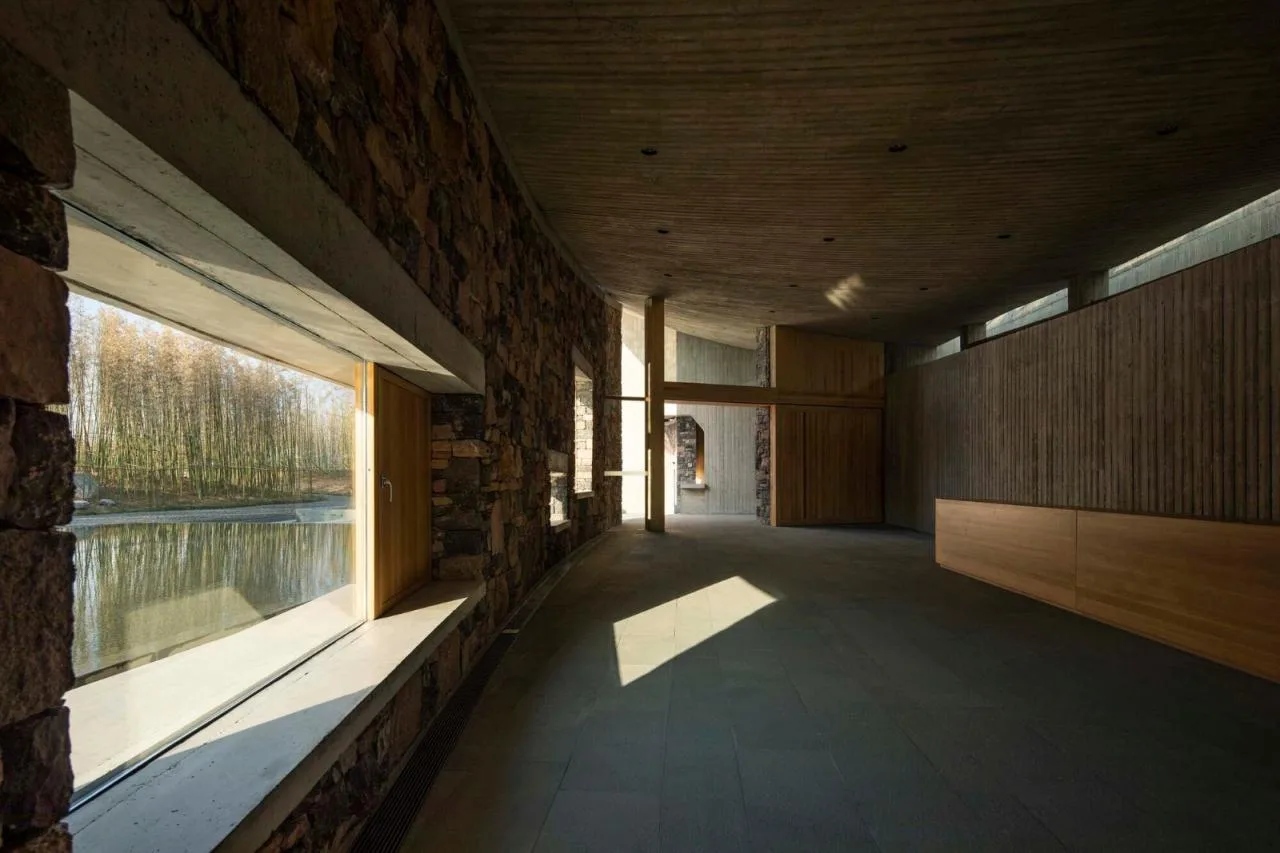
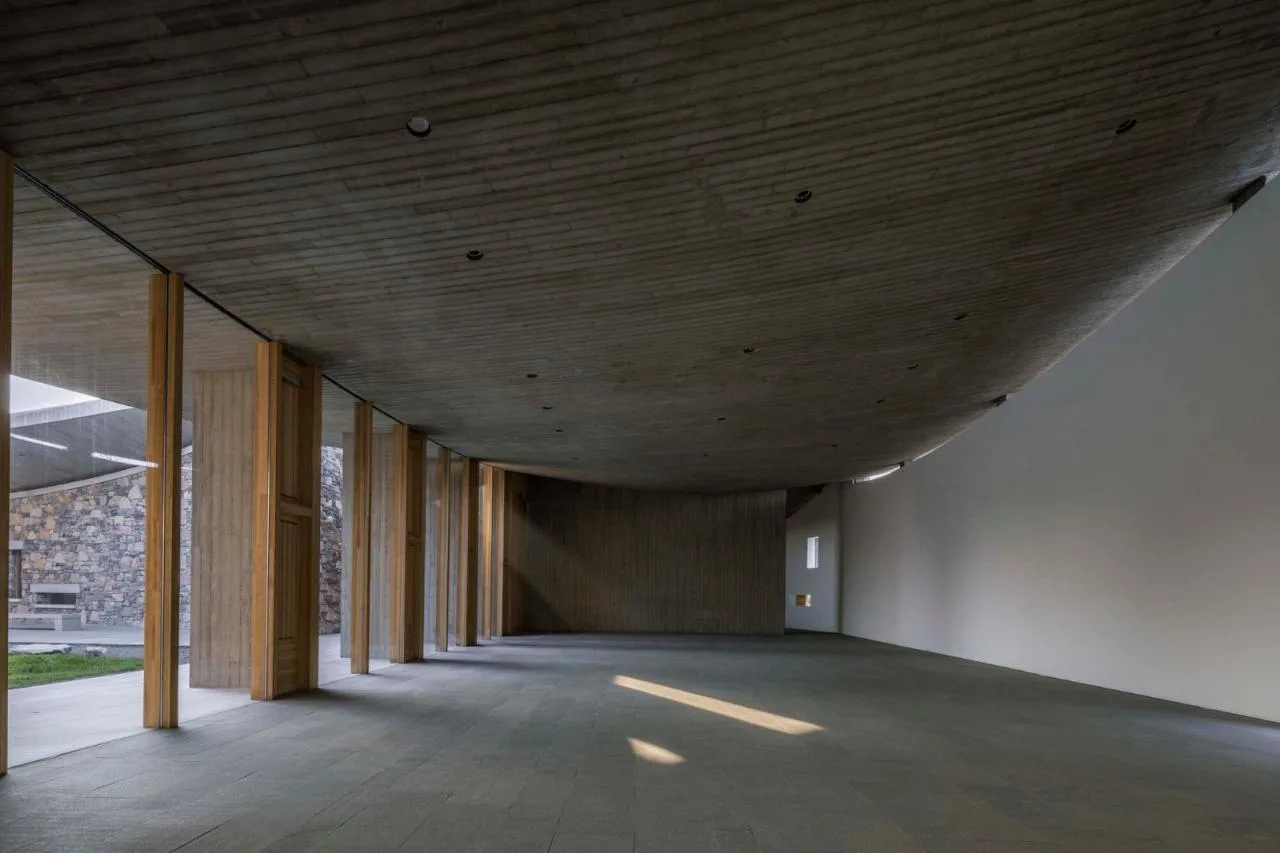
Concrete as a construction material dates back to ancient Roman times, when natural concrete derived from volcanic ash overcame limitations in building size by enabling castability and plasticity. Combined with bricks and stones, early arch and vault structures achieved large, column-free spaces — a revolutionary advance in construction history. After the Industrial Revolution, reinforced concrete transformed concrete from a purely compressive material into one capable of both compression and tension, becoming a cornerstone of modern architecture.
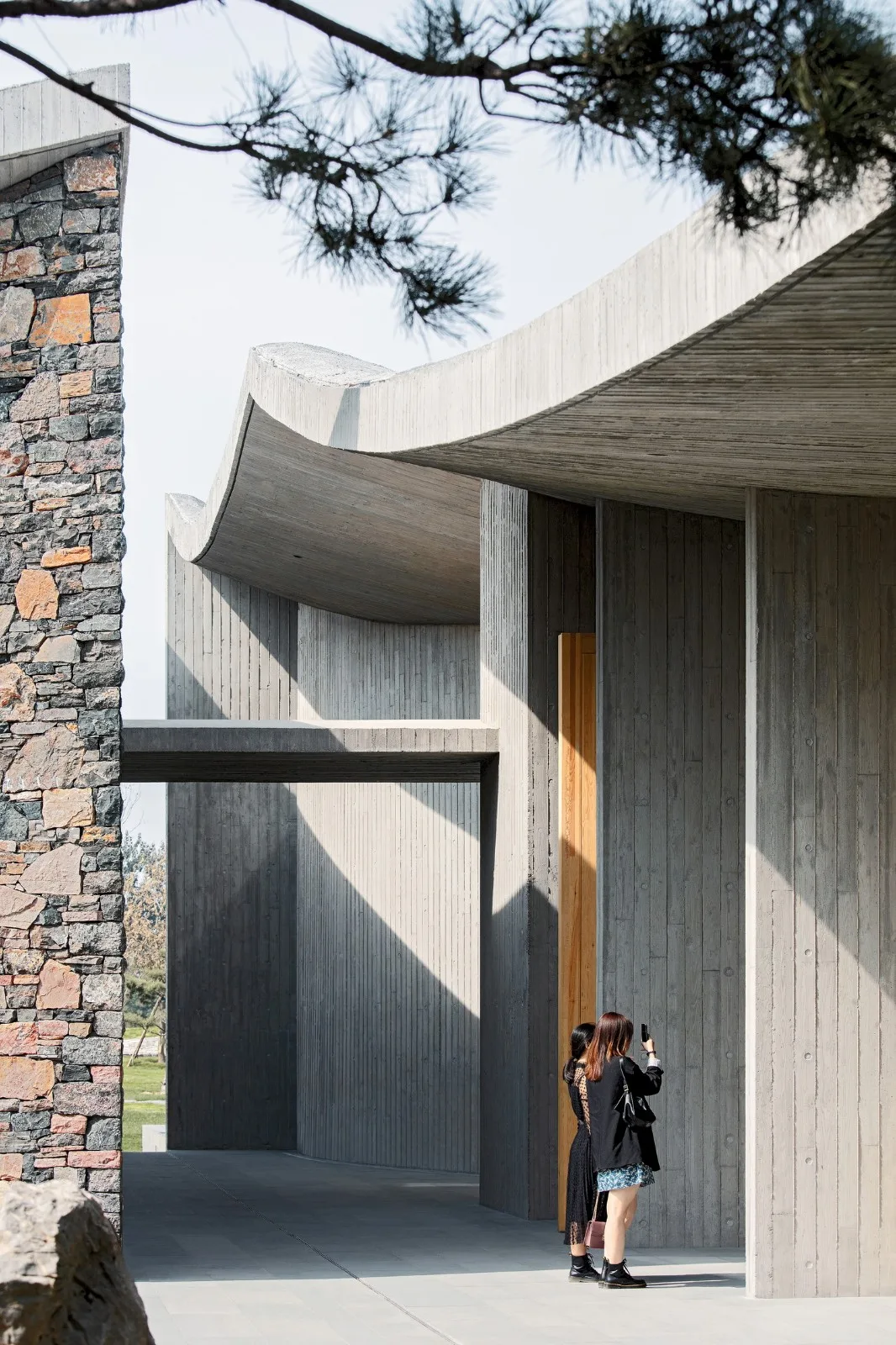
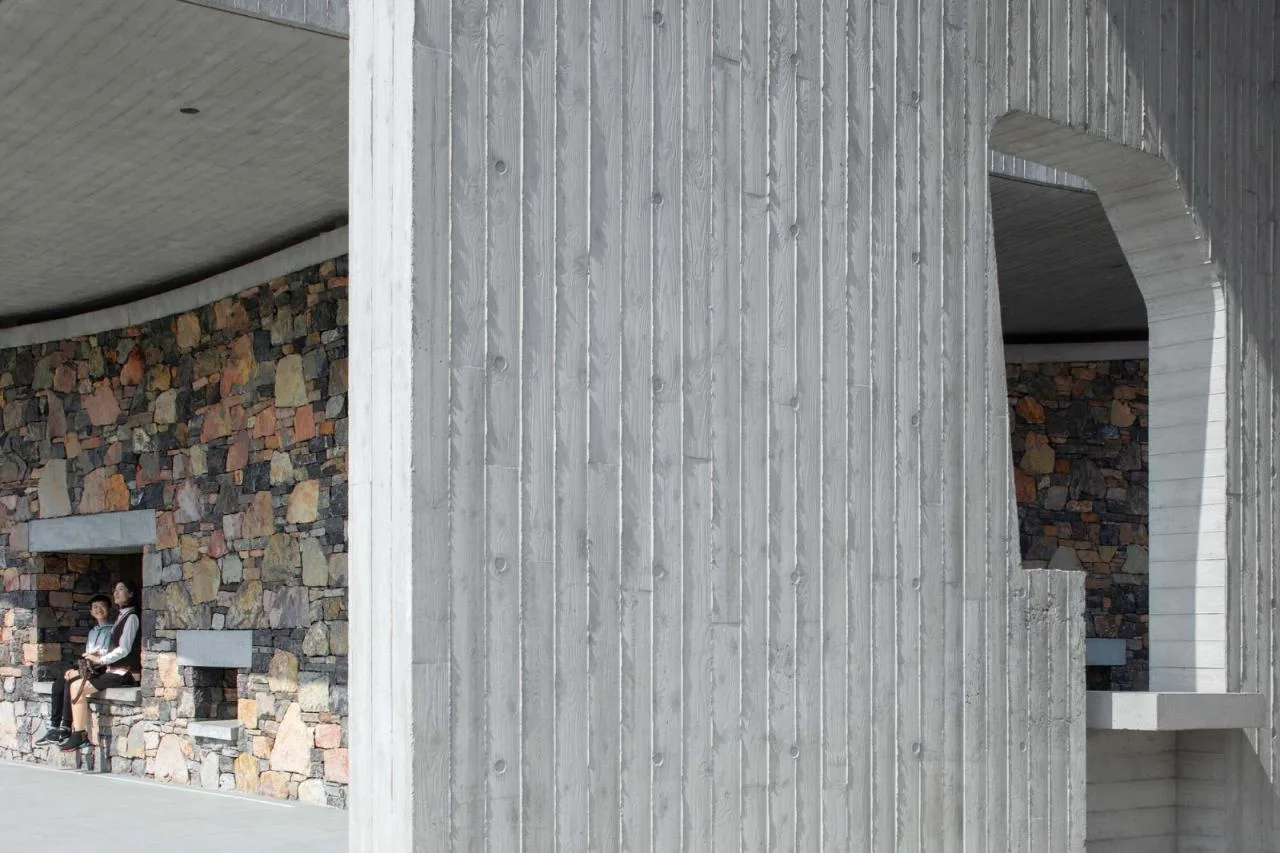
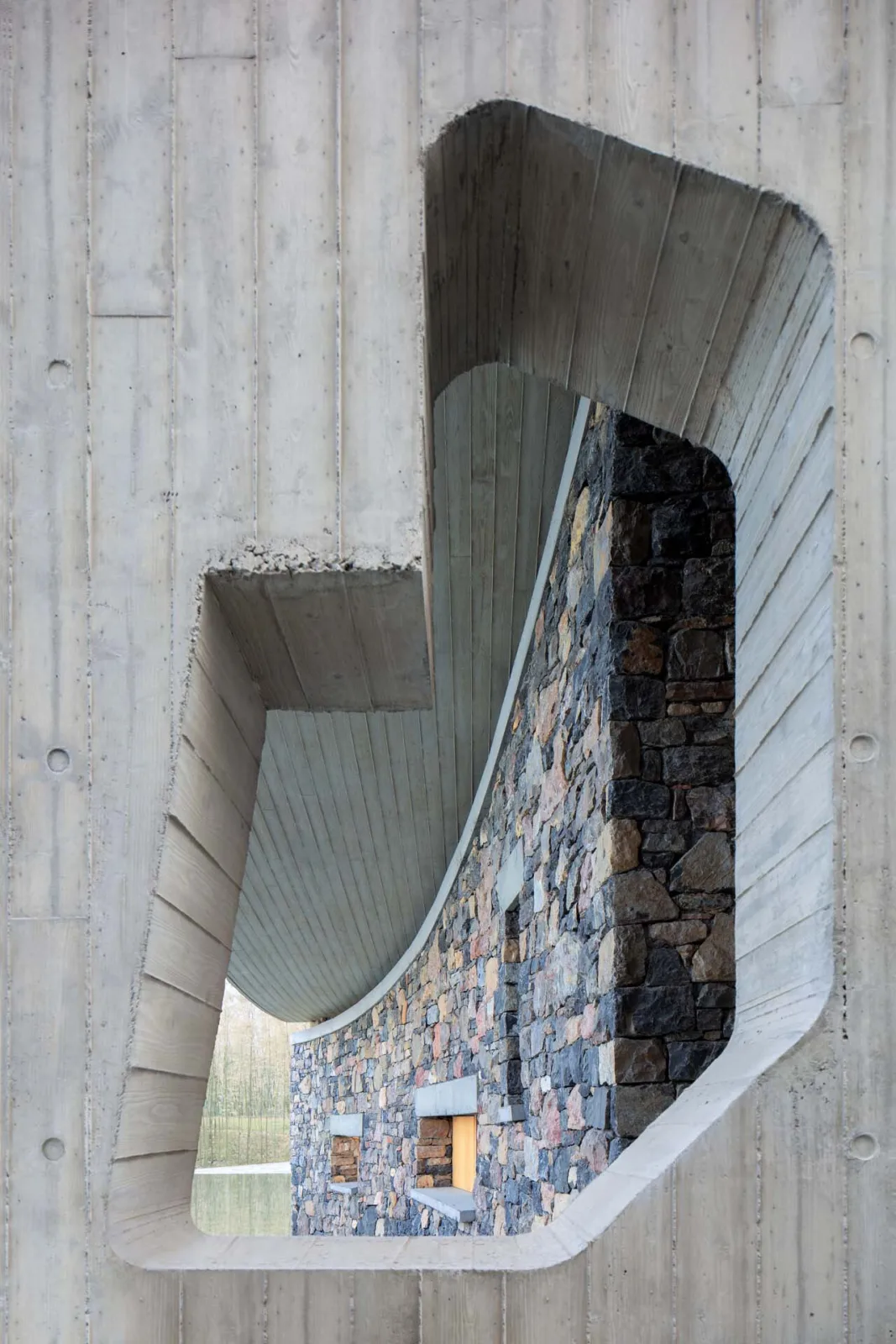
Western masonry systems rely on arches and domes made of concrete and brick to transfer compressive forces and resist gravity. In contrast, traditional Chinese wooden construction uses overlapping wooden components that bear both compression and tension. This explains why Chinese wooden roofs often have drooping double-curved surfaces.
The OCT Art Center adopts a hanging tent structural system, where the thin reinforced concrete double-curved roof is suspended by columns and walls of varying heights. Gravity pulls the hyperbolic roof downward toward the interior floor, creating a palpable tension for visitors moving through the space. The interaction between the hanging roof and supporting columns and walls pushes the material and structural properties of reinforced concrete tension systems to their limits. This poetic form and materiality represent an experimental fusion of engineering and artistic expression.
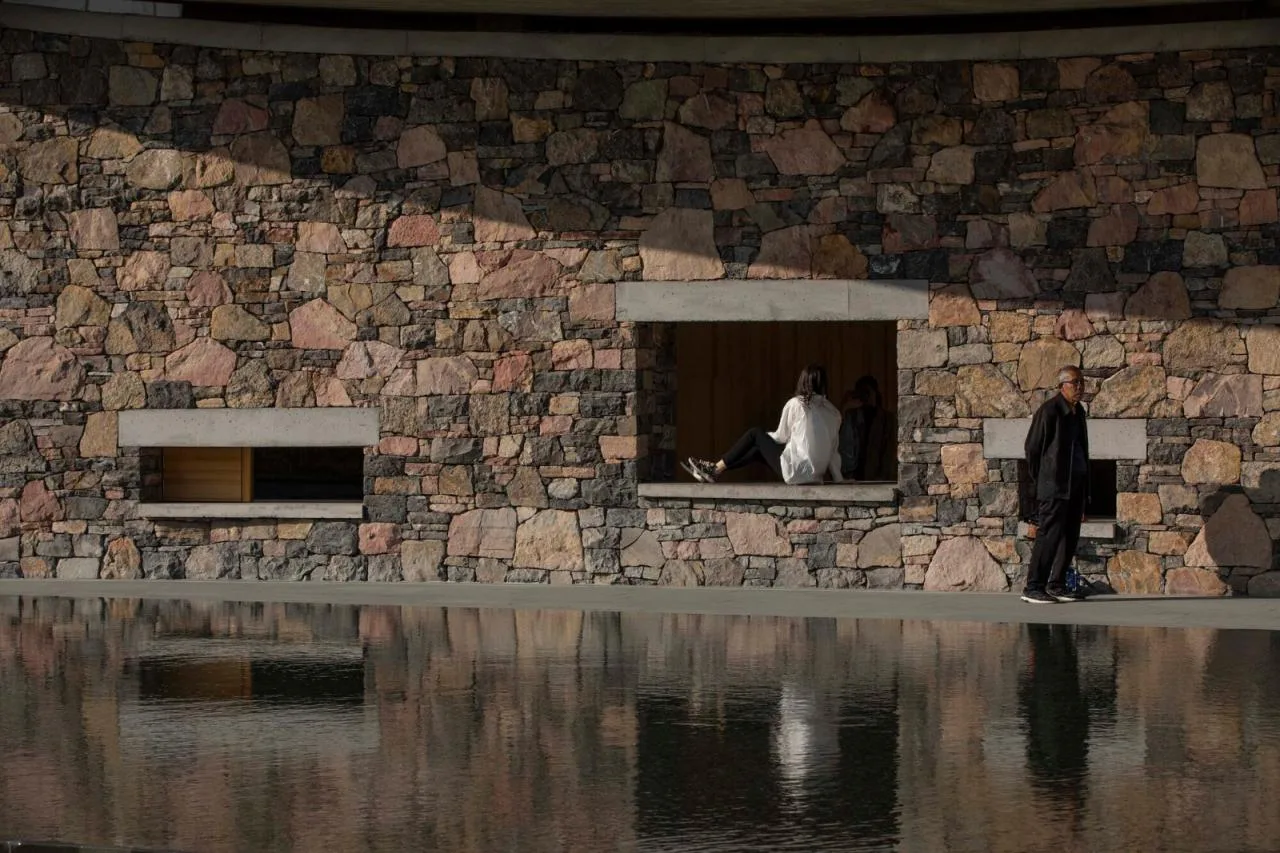
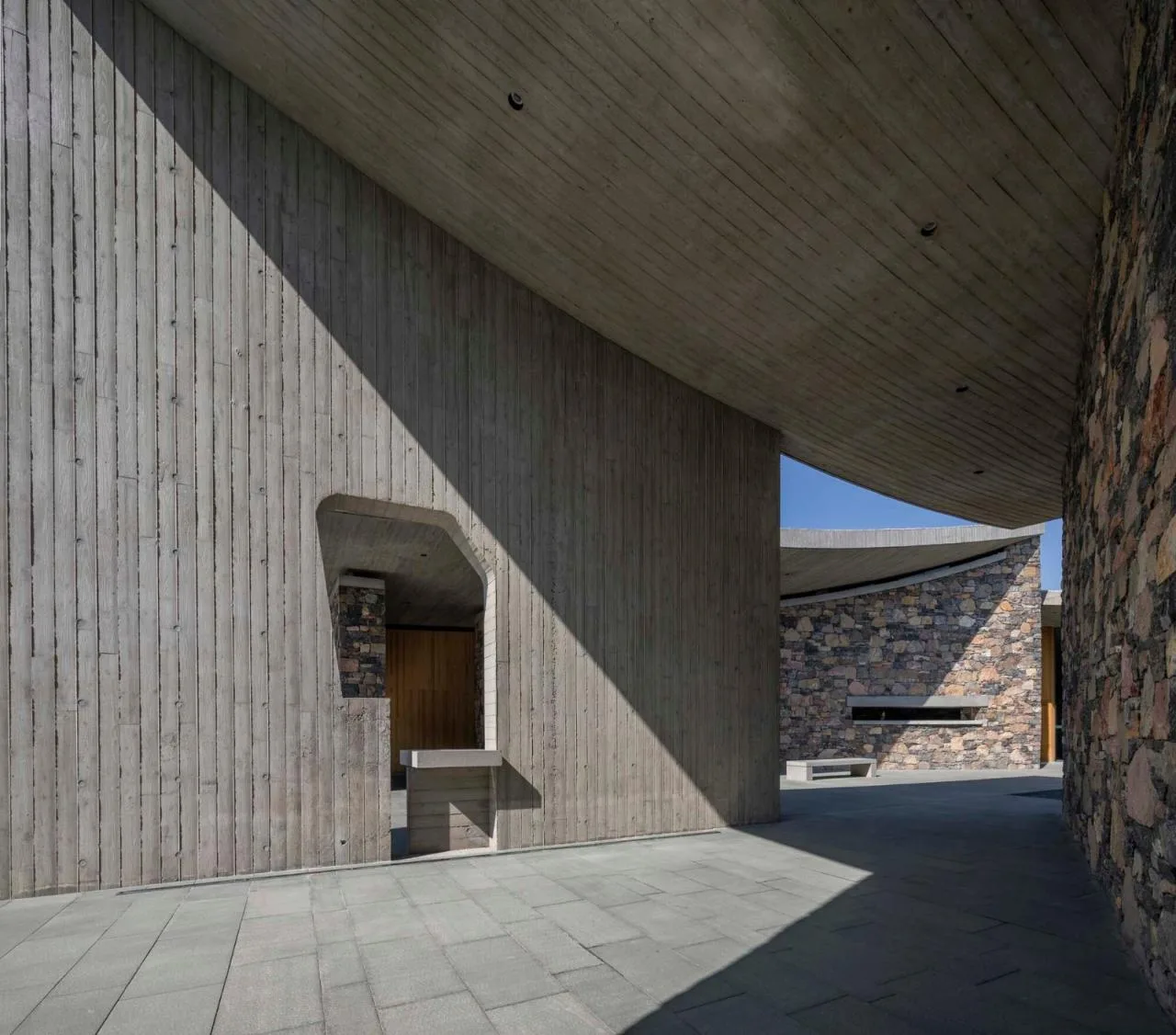
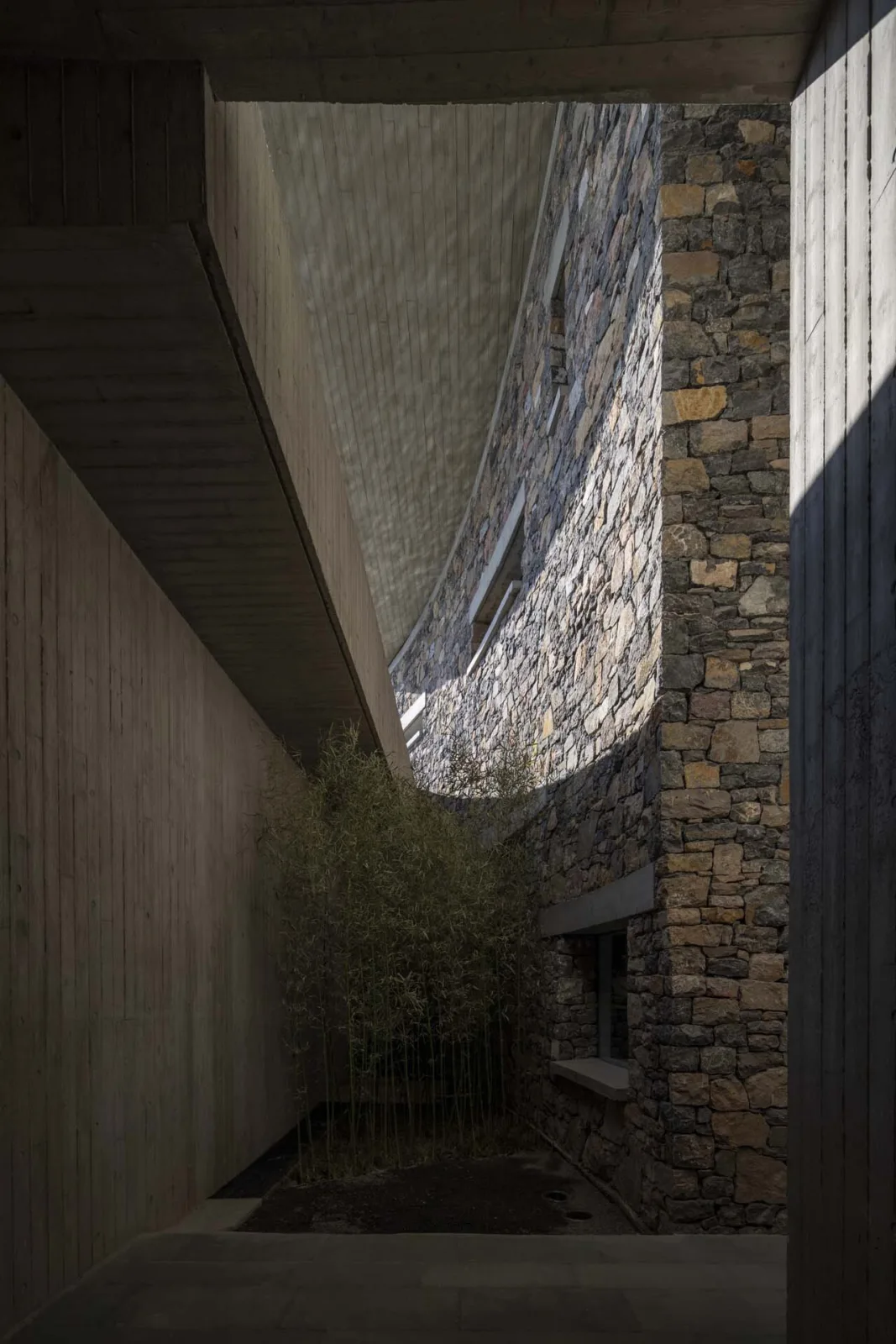
The choice of structural system and materials for the OCT Art Center is deliberate and clear, while the relationship between the building and its natural surroundings remains fluid and ambiguous. The courtyard prototype facilitates spatial continuity: horizontally, the overlapping undulating roofs blur the boundaries typical of traditional courtyard houses. The variation in space size, height, and light encourages visitors to explore the interior.
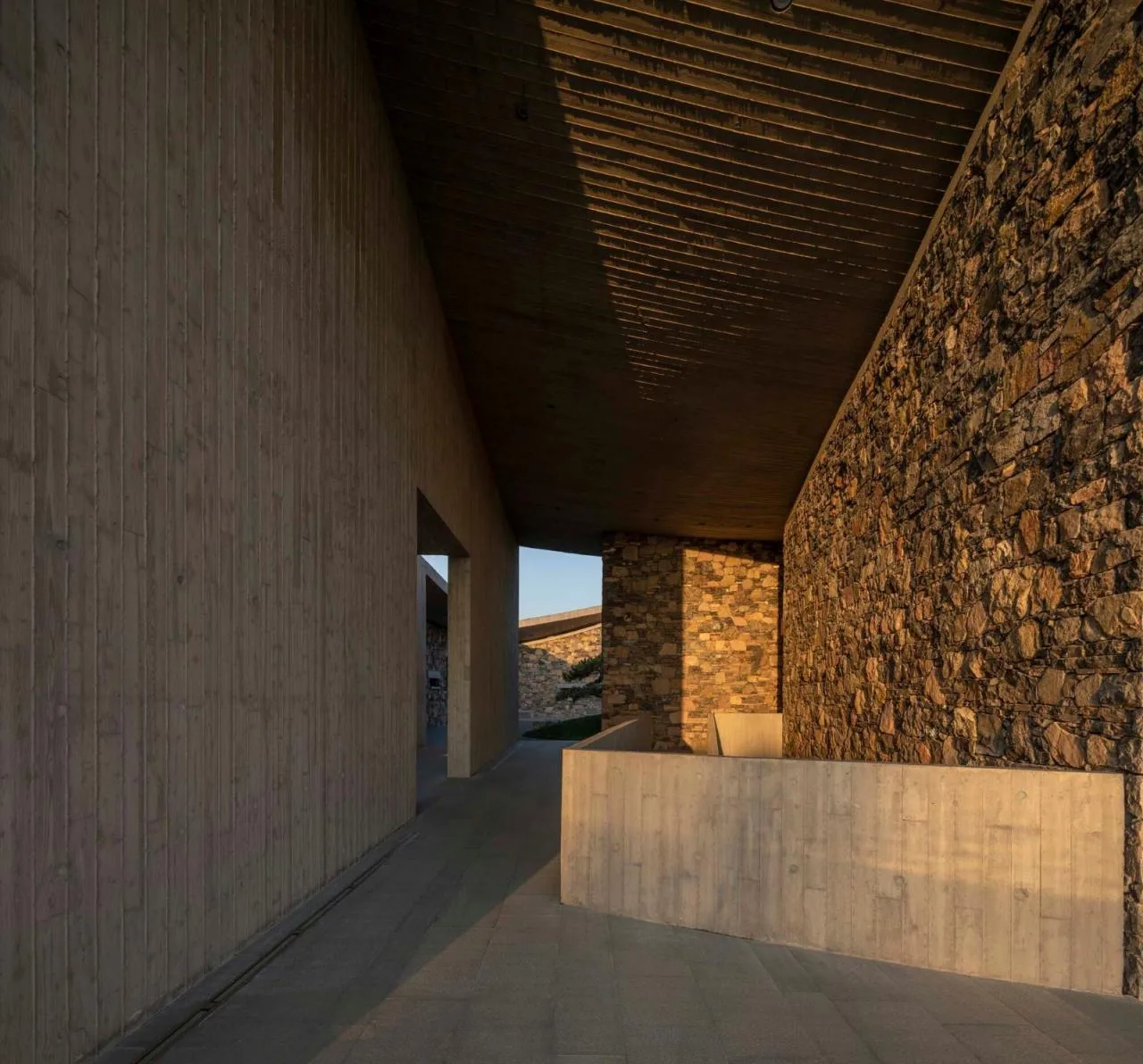
Vertically, the rough masonry walls under the eaves and the recessed angles of the eaves emphasize the separation between the concrete hyperbolic roof and the walls. This creates eaves spaces of various scales, softening the distinction between the building, central courtyard, and surrounding environment.
The OCT Art Center is carefully integrated into the natural terrain and the textured northern earth, establishing a defined sense of place at the interface between man-made structures and barren nature. The inclusion of ponds and bamboo groves extends the building’s boundaries and reduces its opposition to nature. Through the bamboo, one can glimpse the water surface stretching along the horizon, perpendicular to the building, accentuating the strength of the simple geometric volume amid complex terrain.
This leads to a reflection: throughout thousands of years of human civilization, regardless of technological advances, architecture continues to grapple with the fundamental themes of abstraction and geometry.
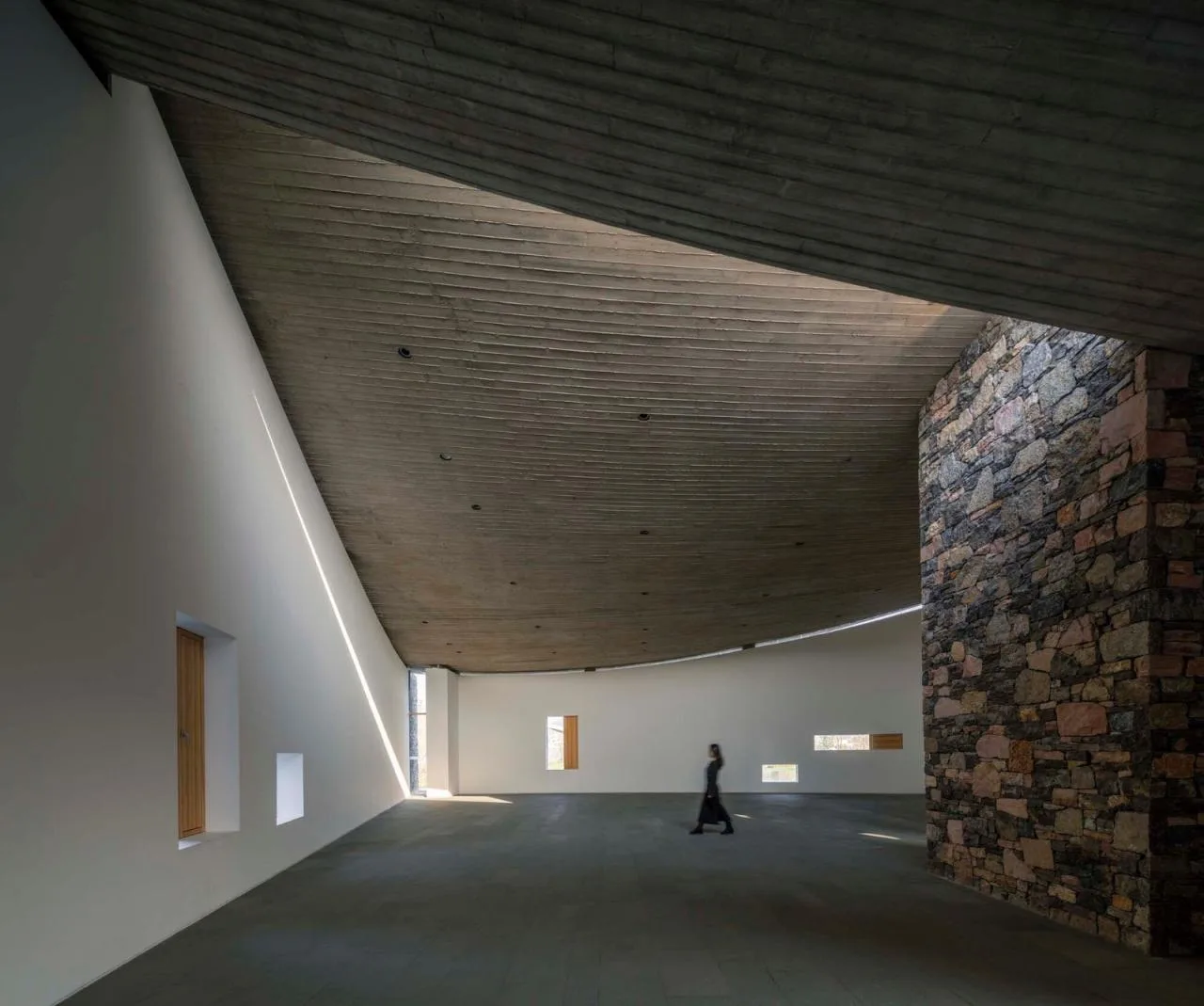
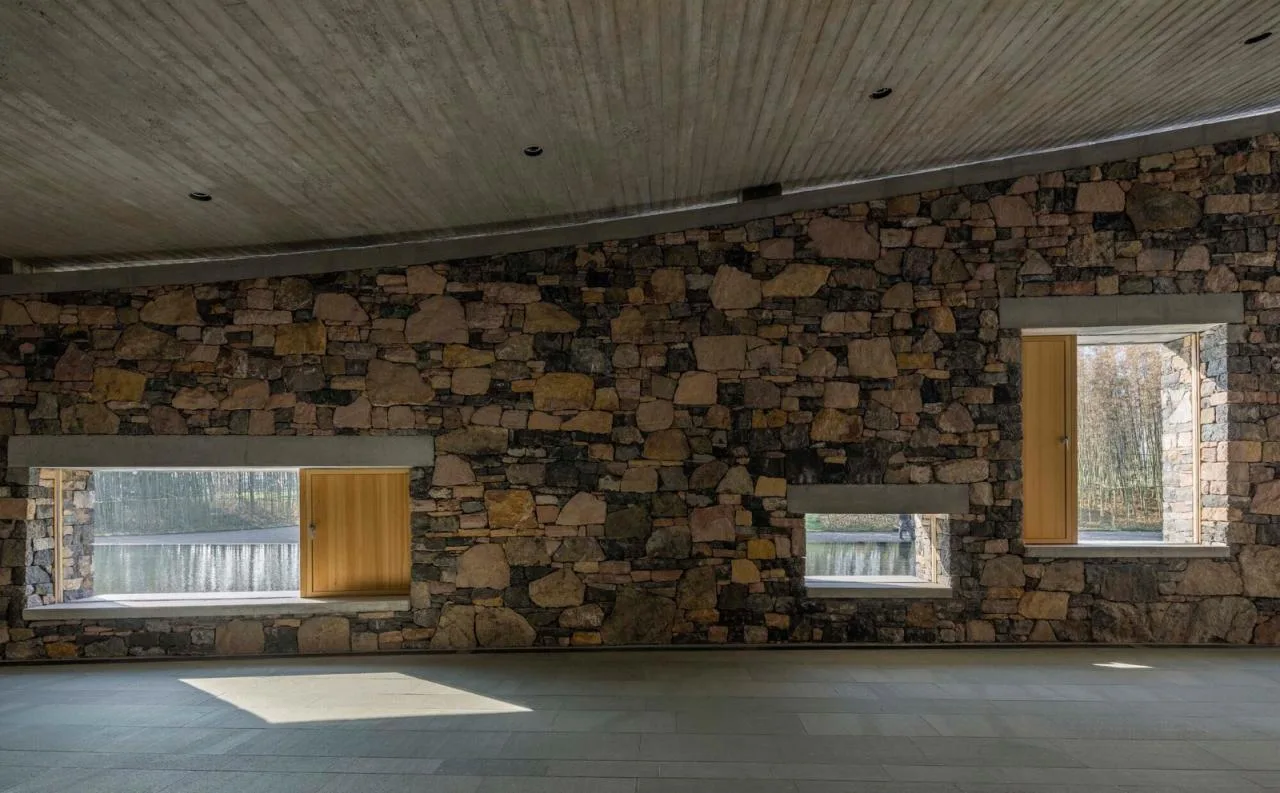
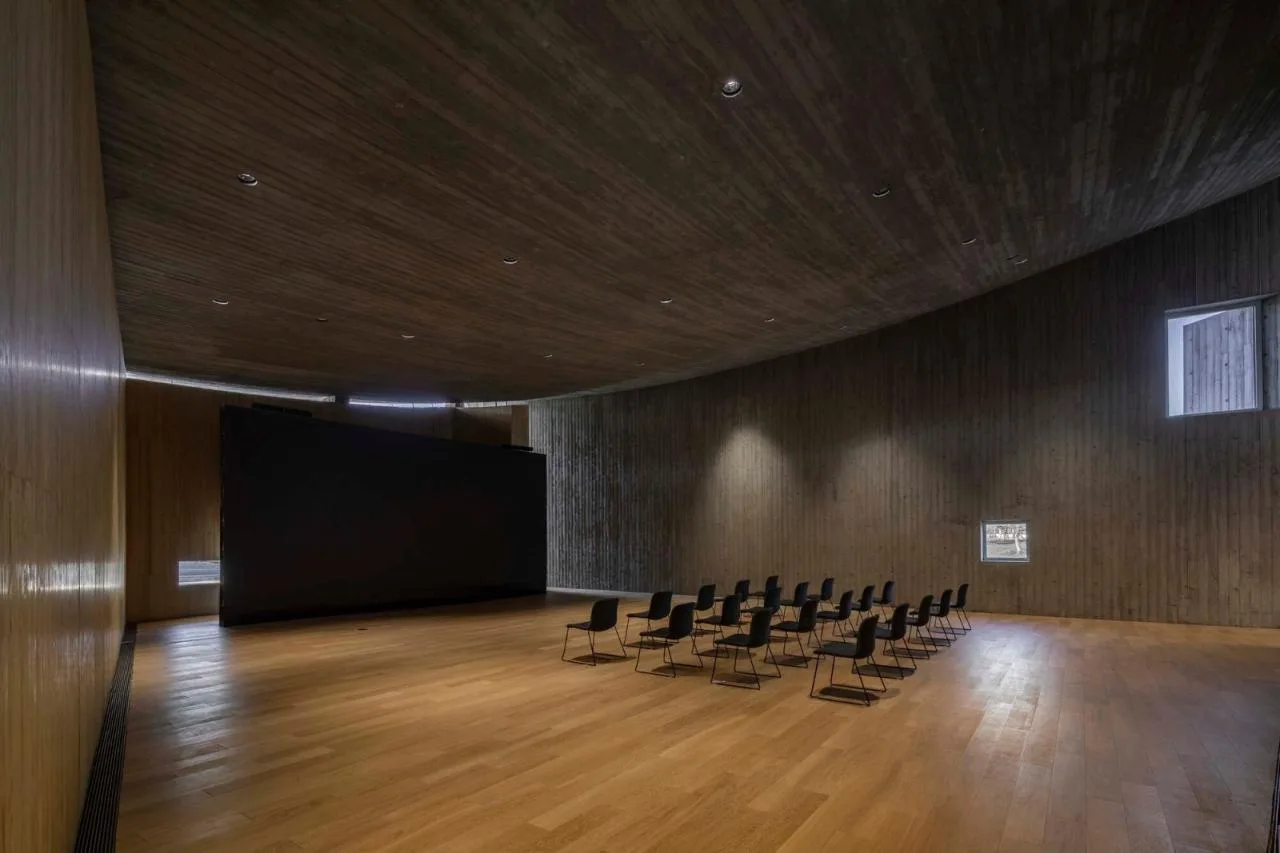
Throughout the creative process, the simple and authentic expression of structure and materials has endowed the OCT Art Center with unique tension and poetry. It also represents a profound experiment in the concept of “natural architecture.”
Project Drawings
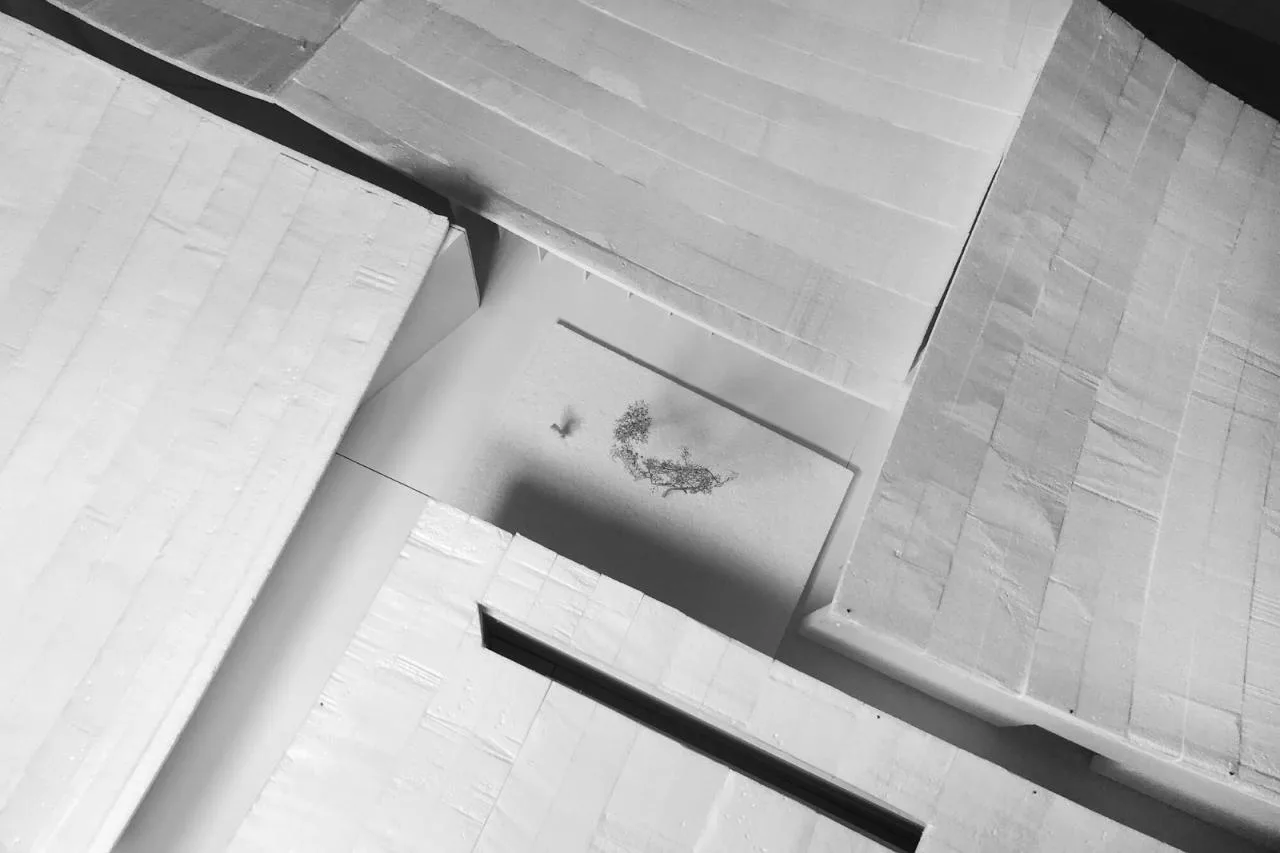
△ Model Diagram
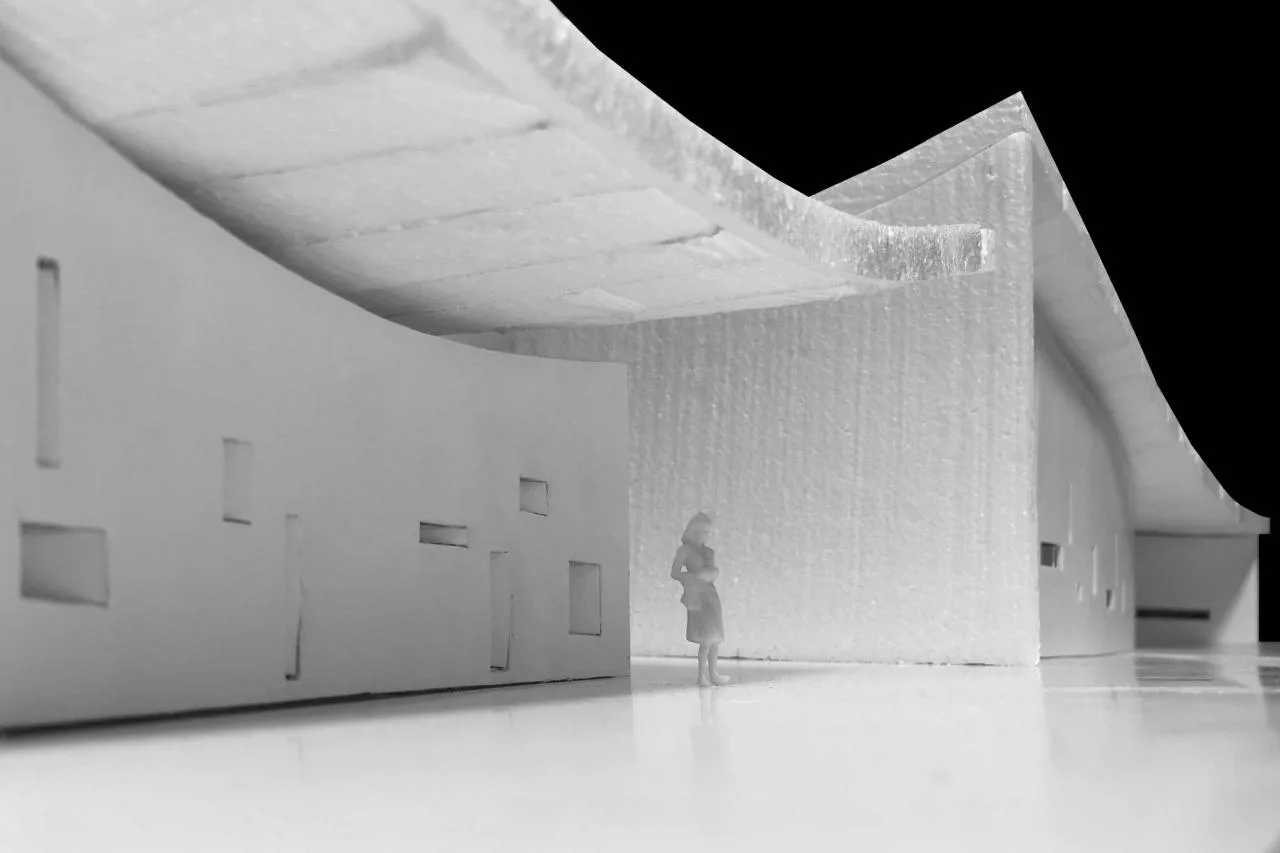
△ Model Diagram
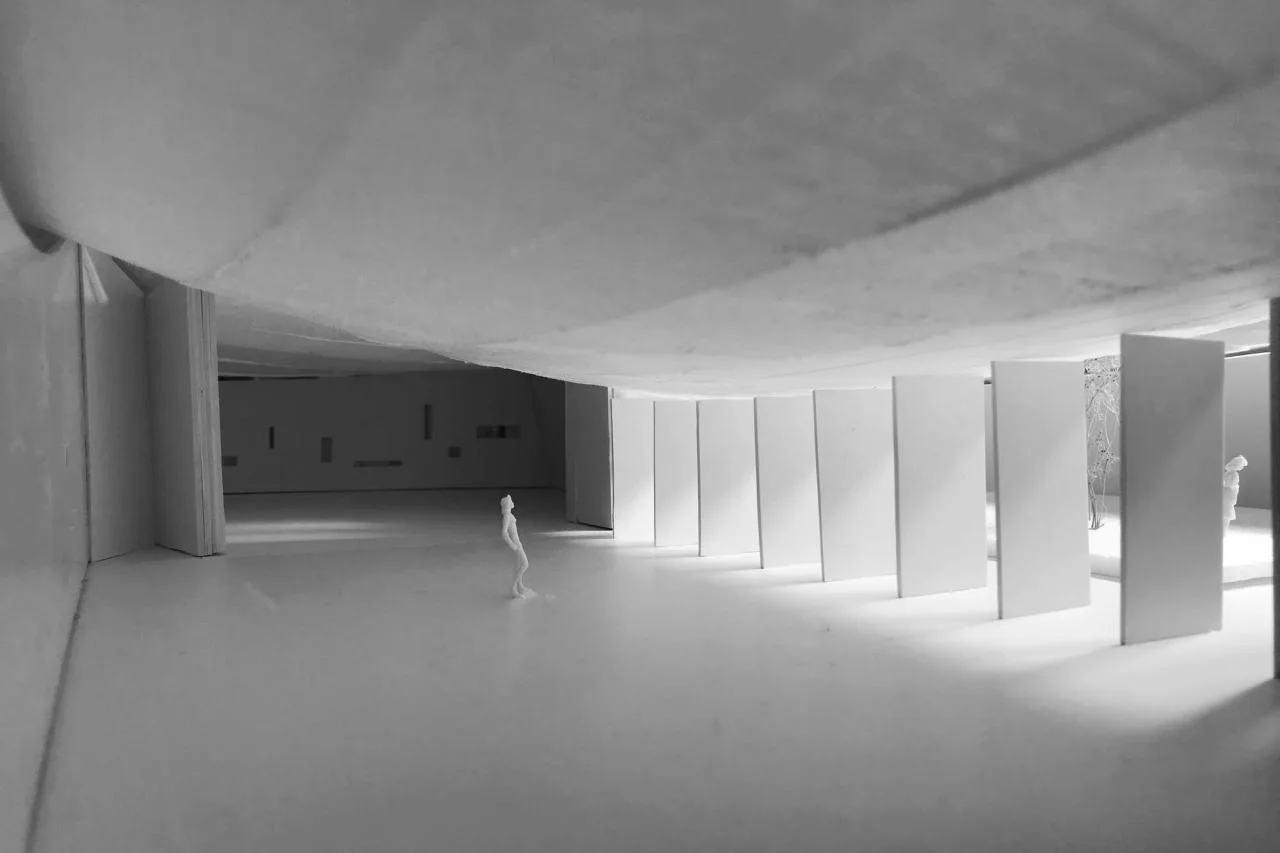
△ Model Diagram
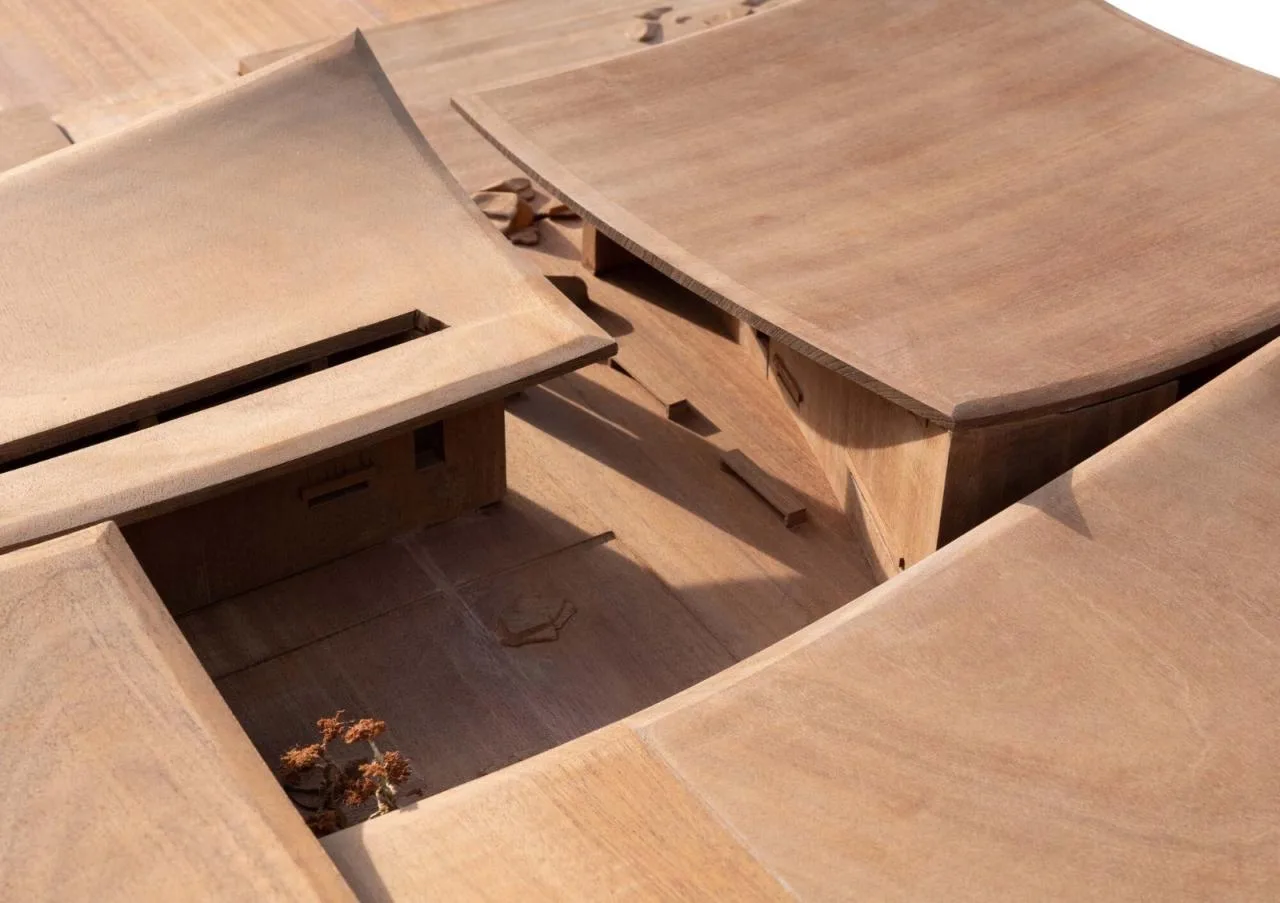
△ Model Diagram
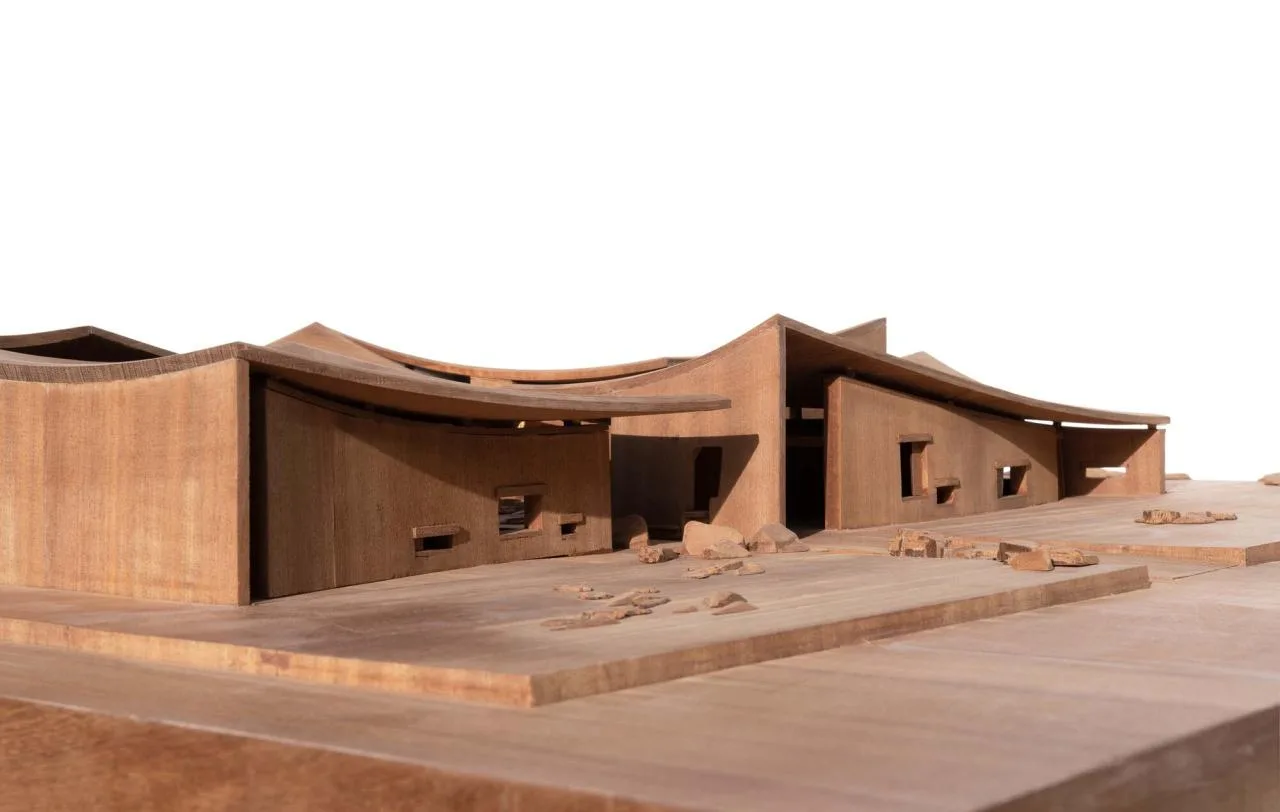
△ Model Diagram
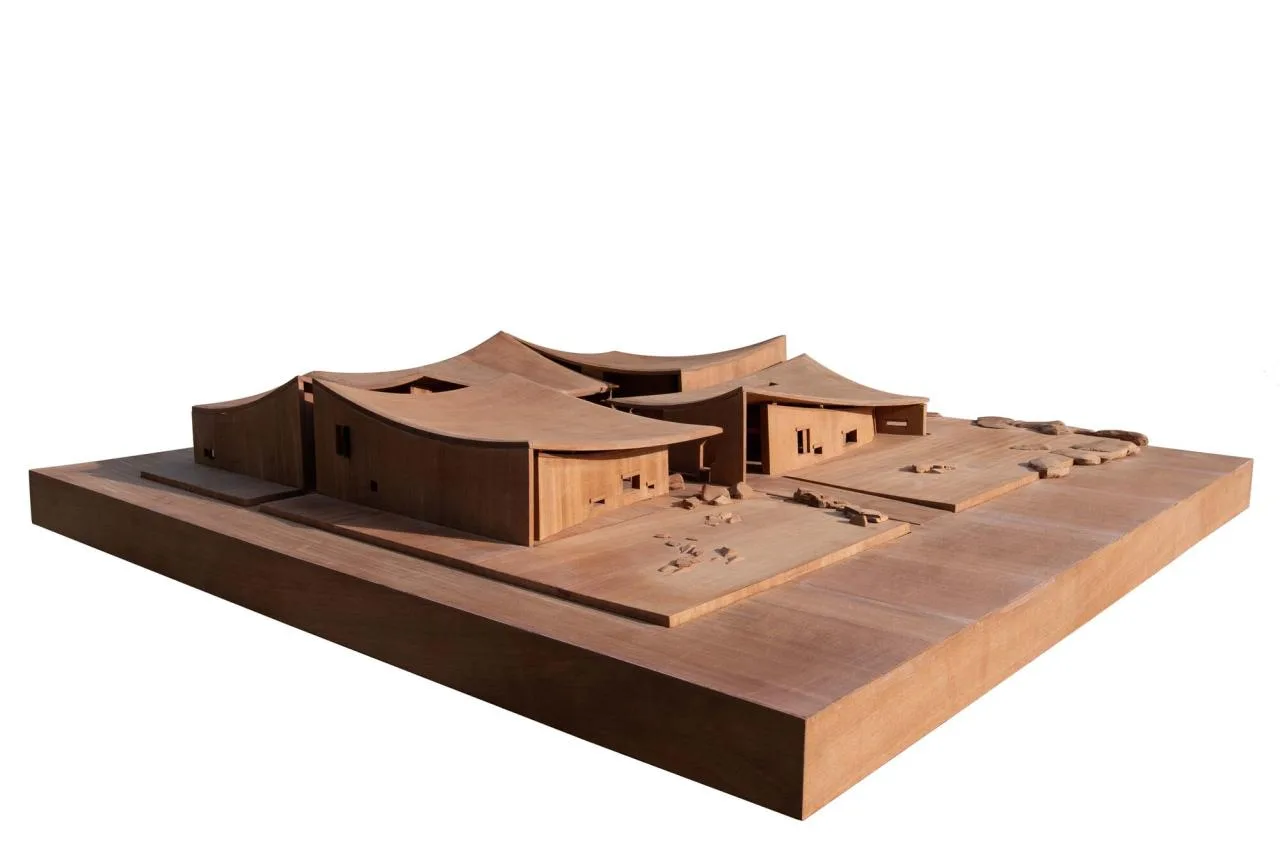
△ Model Diagram
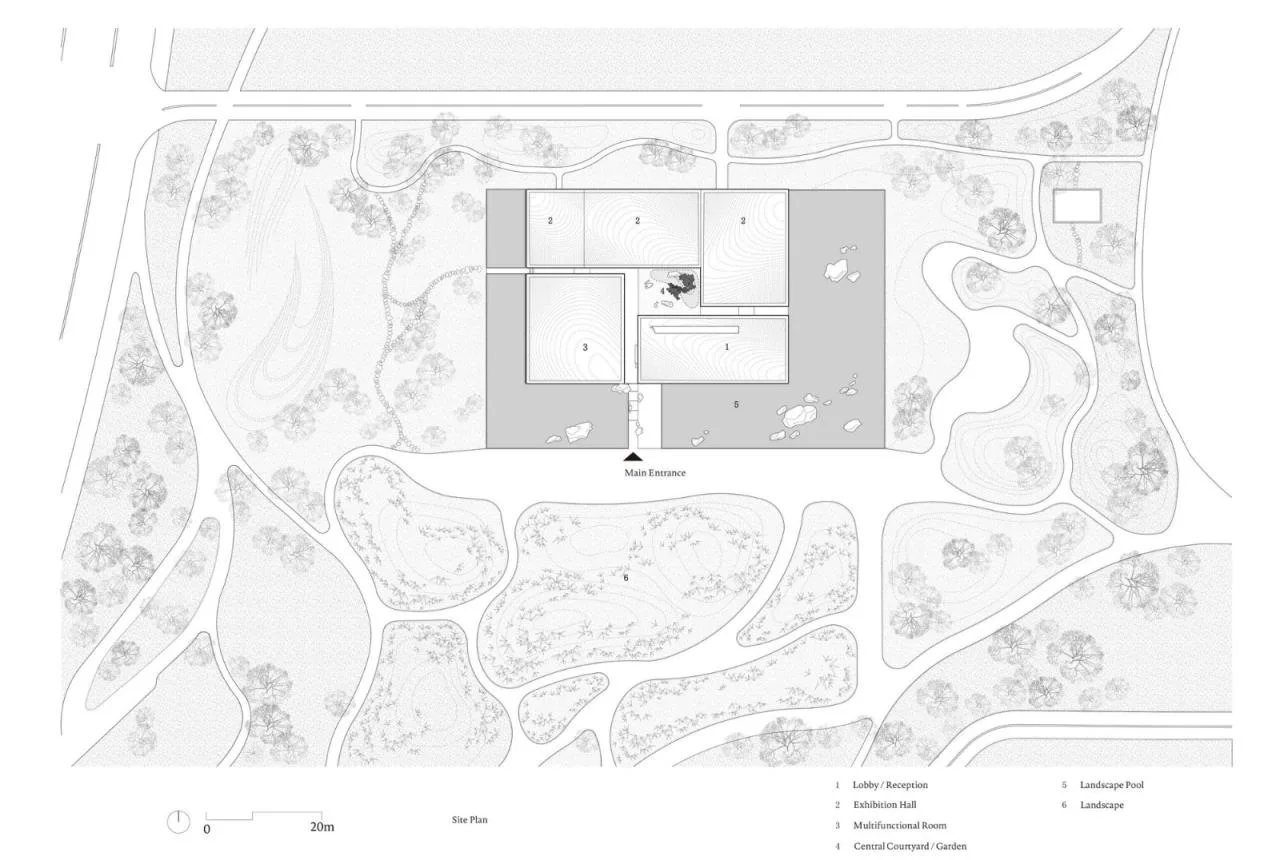
△ General Layout Plan
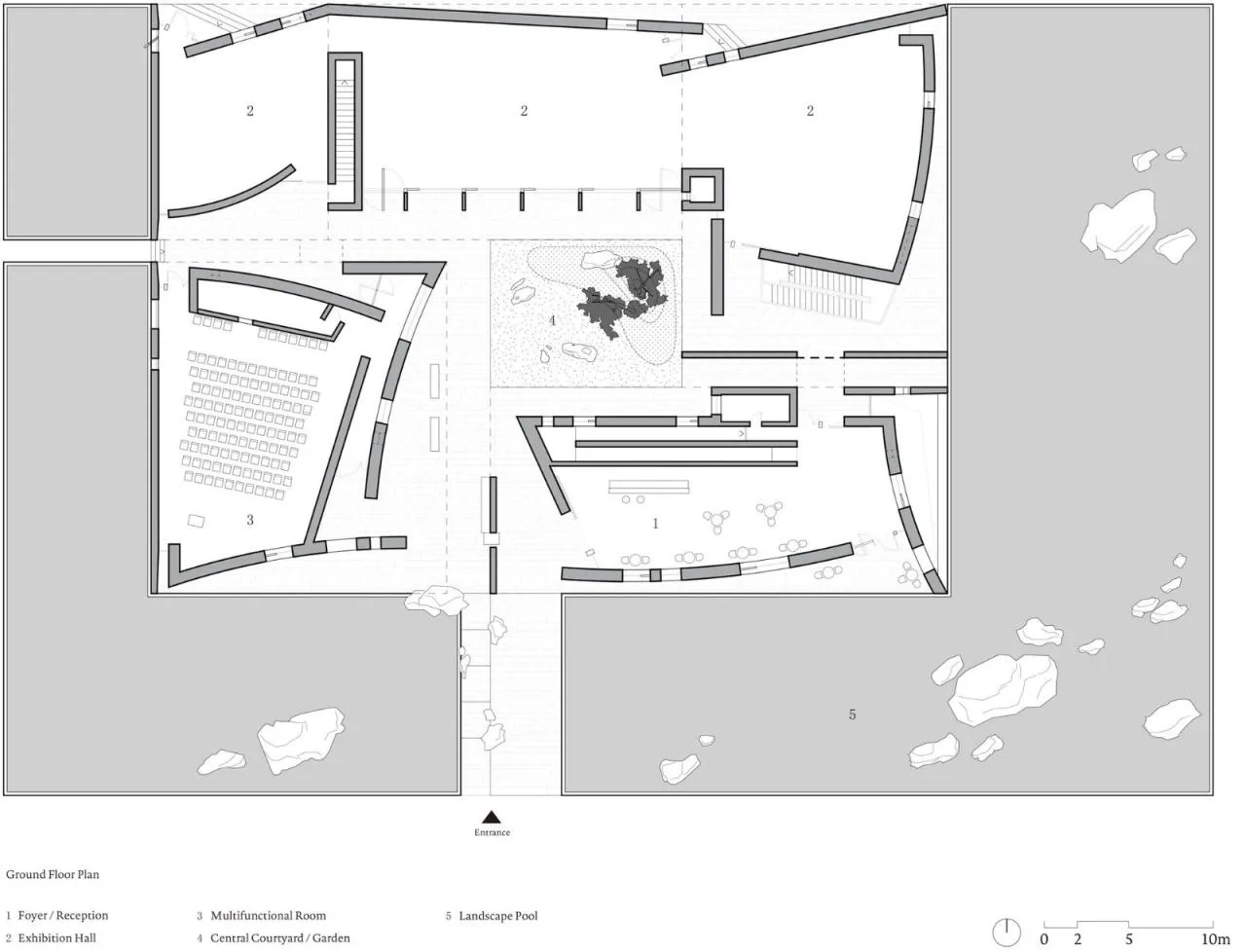
△ First Floor Plan
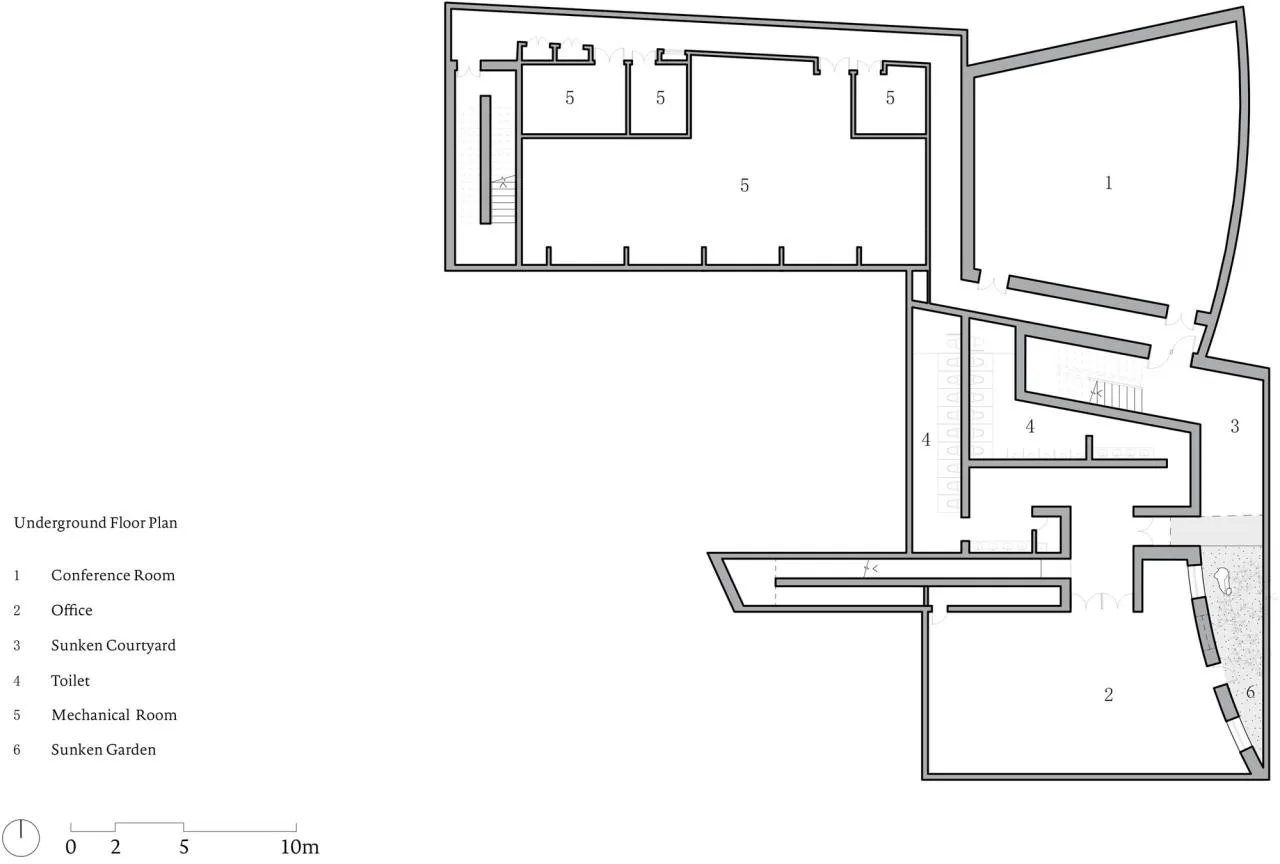
△ Basement Floor Plan
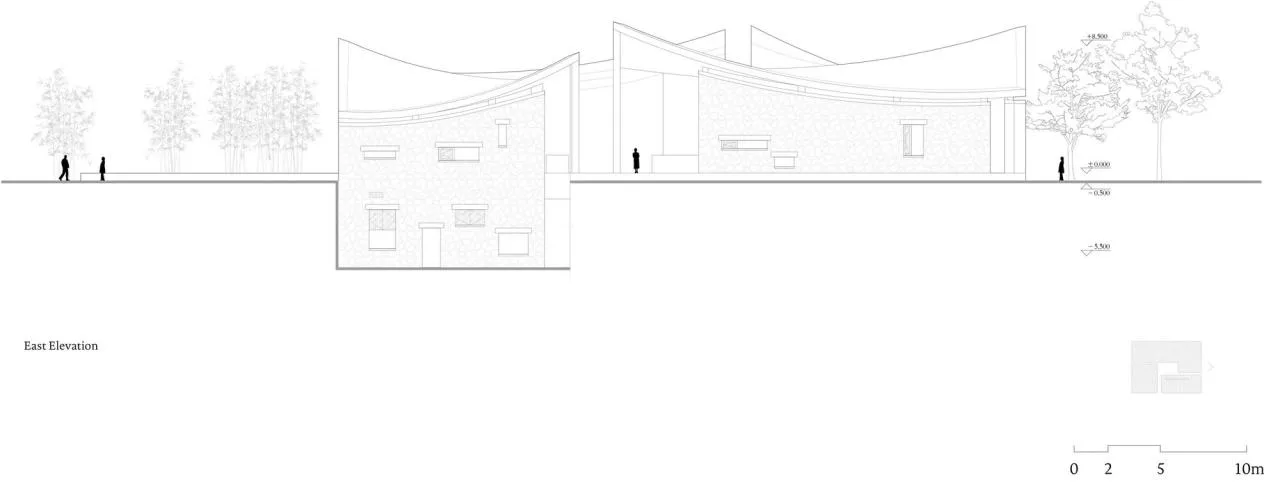
△ Elevation Drawing
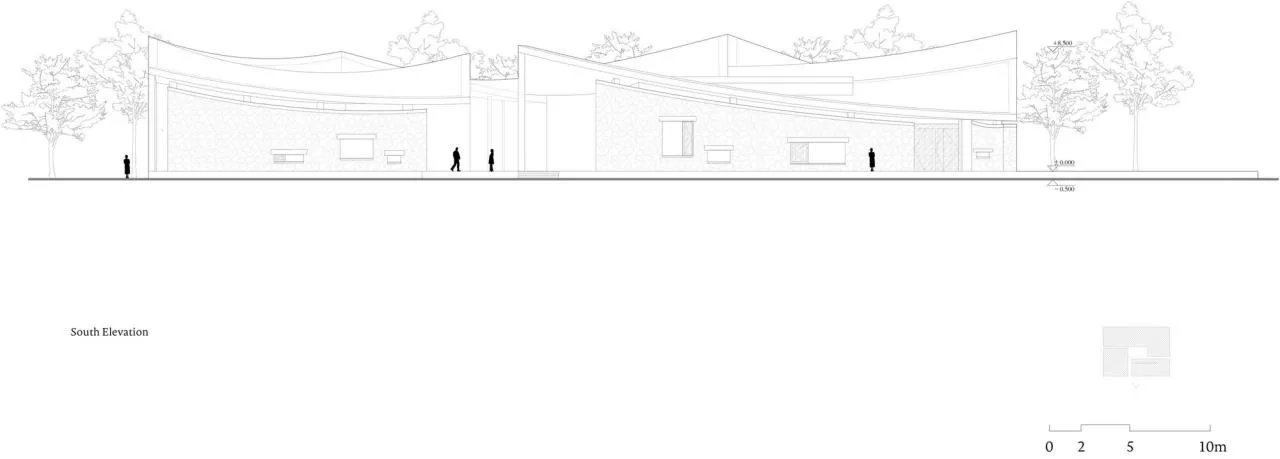
△ Elevation Drawing
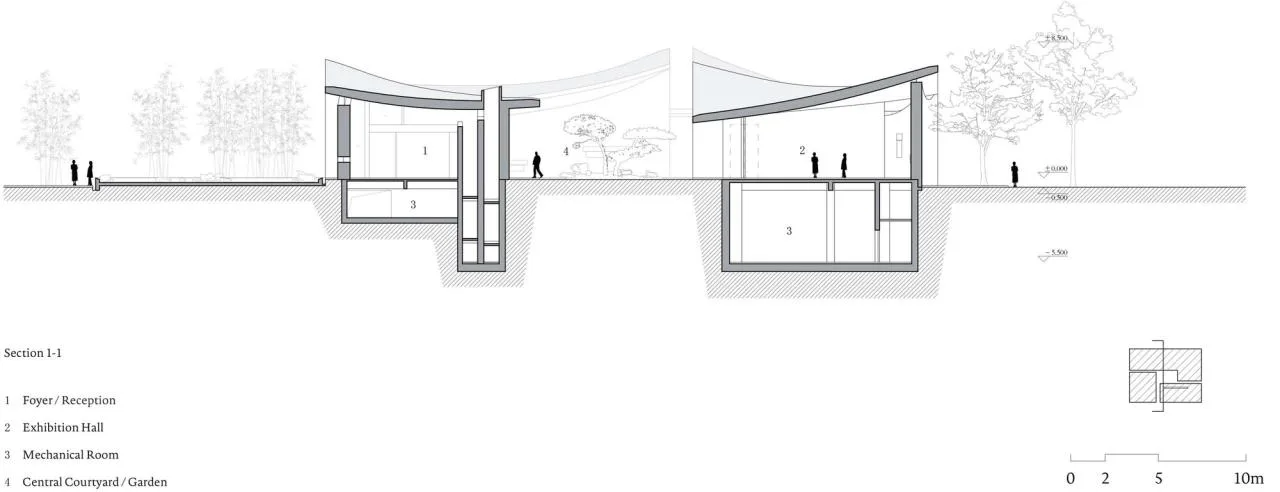
△ Section Diagram
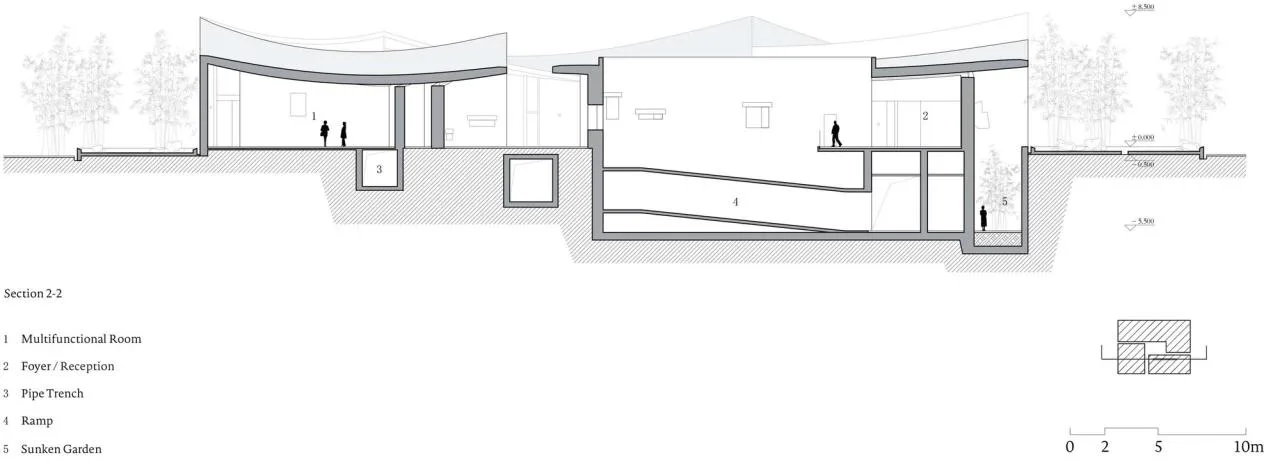
△ Section Diagram
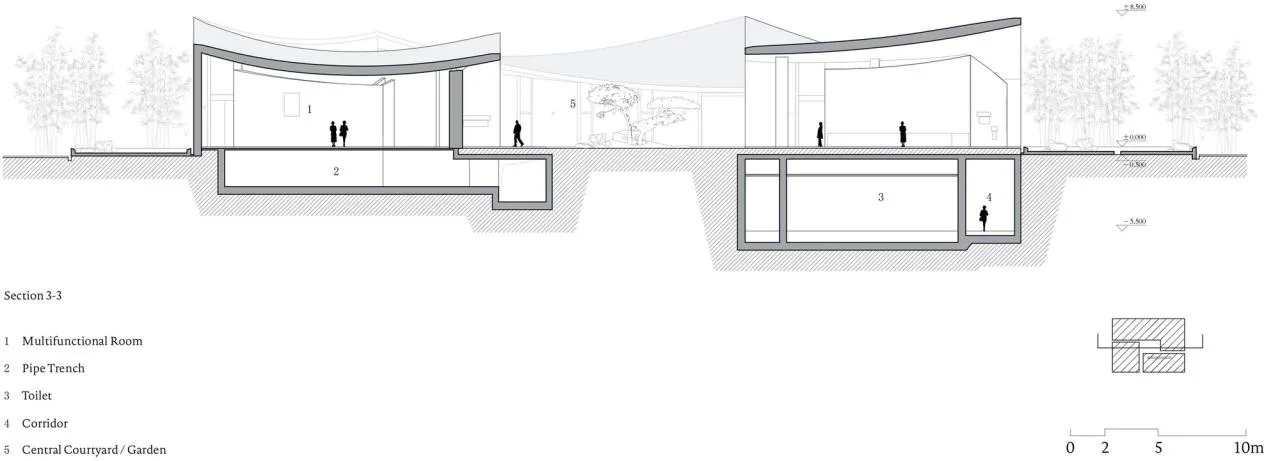
△ Section Diagram
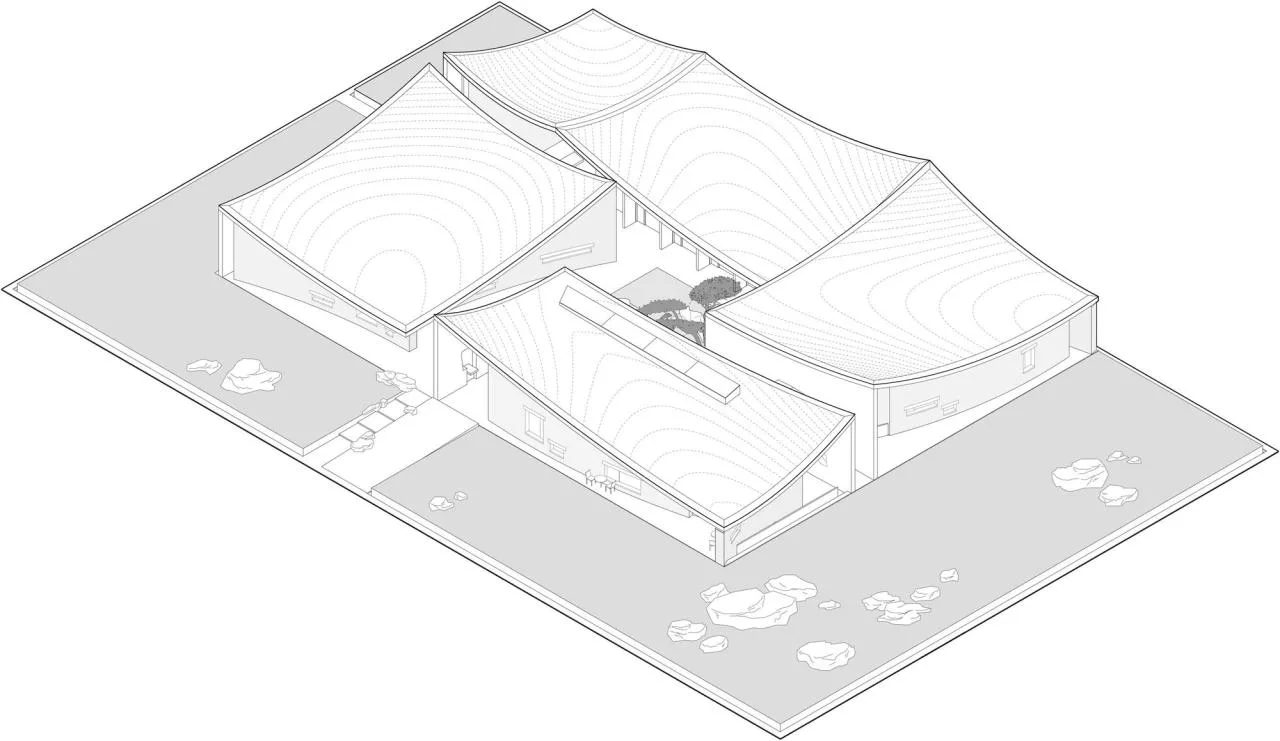
△ Axonometric Diagram
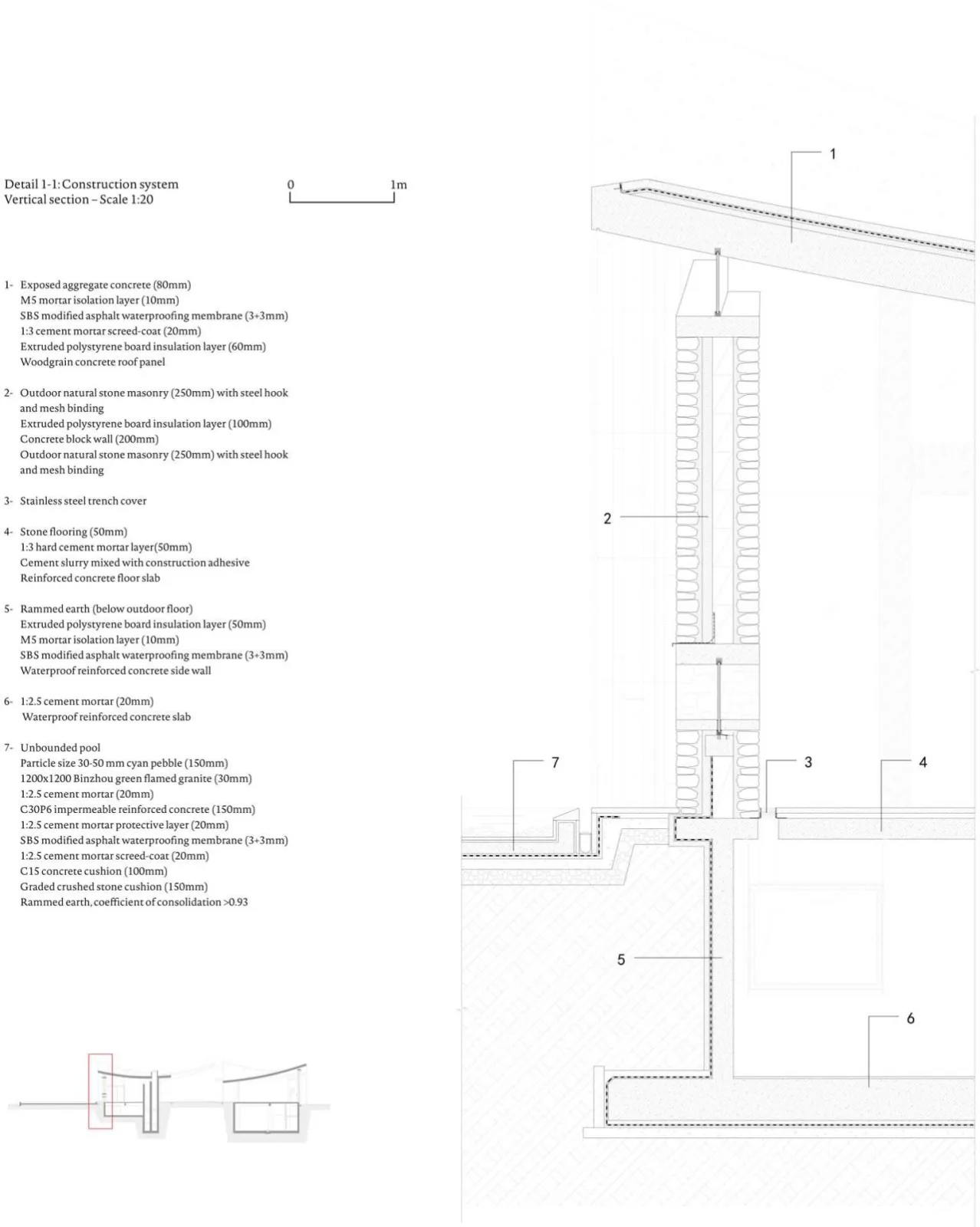
△ Structural Detail Drawing
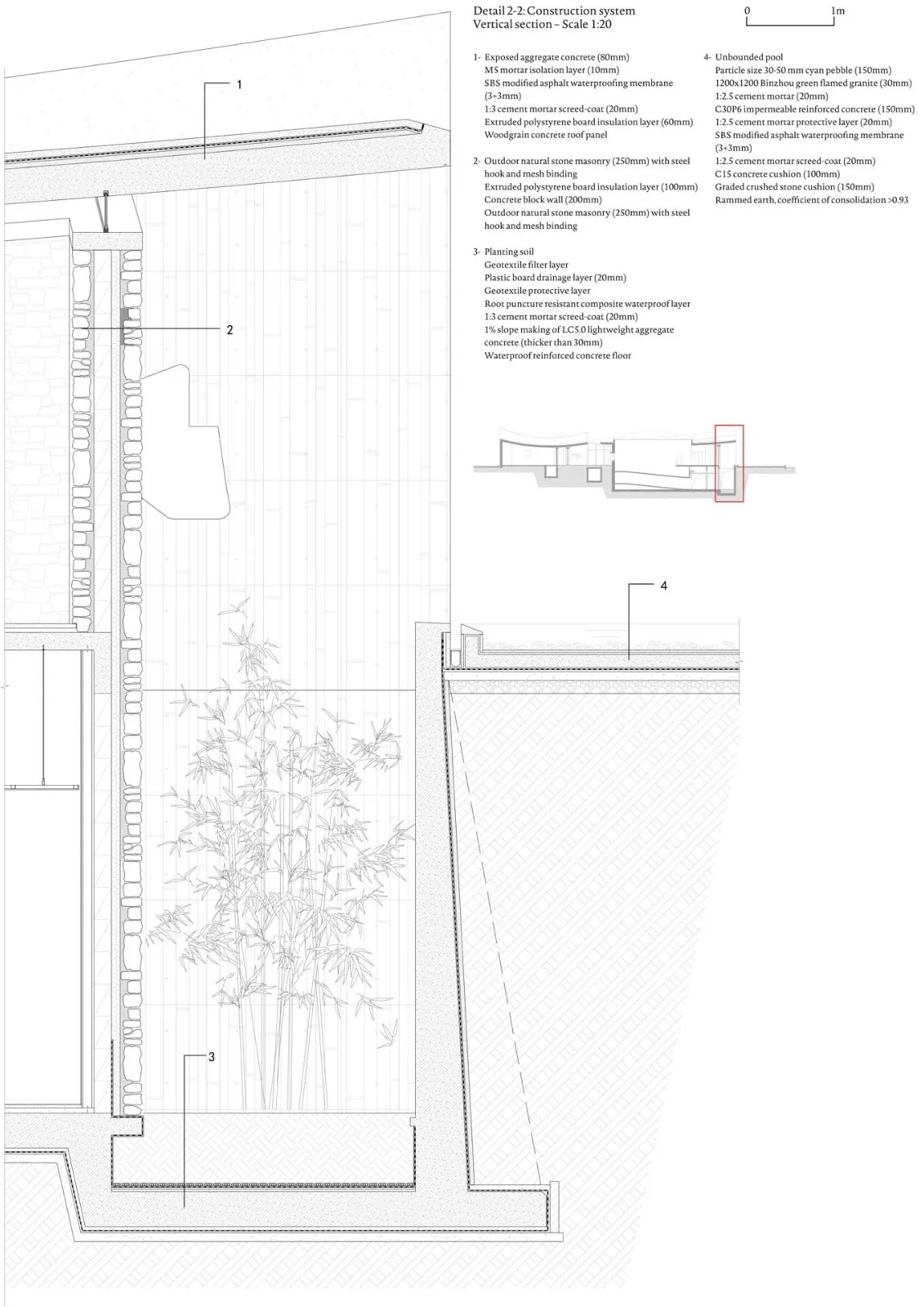
△ Structural Detail Drawing
Project Information
Architect: Zhu Pei Architectural Firm
Area: 2471 m²
Project Year: 2020
Photographers: Summer Solstice, Jin Weiqi
Lead Architect: Zhu Fen
Design Team: Wilson Nugroho Markhono, Yina Luo Moore, Yu Changchen, Zhang Shun, Liu Yi’an, Ji Ming, Chen Yanhong, Liu Ling
Owner: Zibo Overseas Chinese Town Industrial Co., Ltd
Location: Zibo, China















Must log in before commenting!
Sign Up