
BIM technology is advancing rapidly and holds great promise for the future development of the construction industry. Designers must conduct thorough research and discussions on this technology to foster its effective application in social architecture.
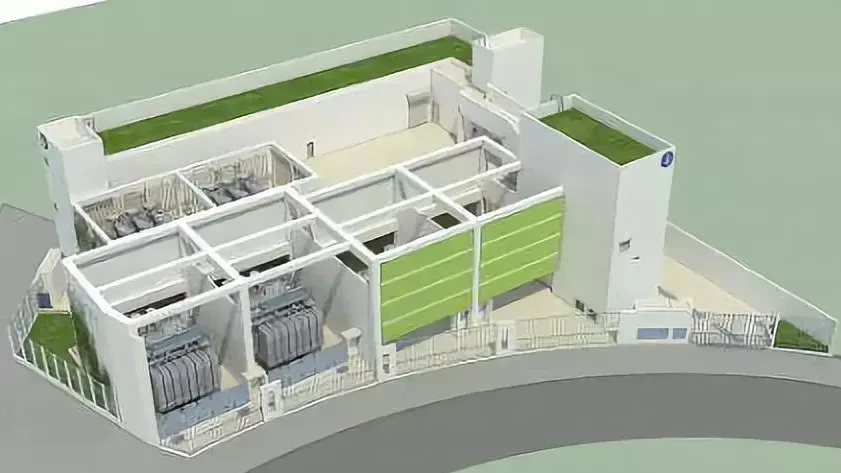
The correct and efficient use of BIM technology can optimize building project designs, improve design quality, reduce the likelihood of design changes, speed up project execution, and lower construction costs. These benefits are reflected in seven key areas:
1. Engineering Management
Green building design involves extensive quantitative analysis and calculations. Different projects can influence each other—for example, adjacent buildings affect sunlight, lighting, and shading calculations for a designed building. Therefore, software design must leverage existing data as much as possible. Managing engineering projects and integrating them into a regional database is essential for extracting relevant information.
2. Planning and Design
At this stage, a specific area is planned, and green building evaluation indicators—such as per capita residential land, building floors, heights, external dimensions, and building locations—are established as design outputs. These parameters should be recorded for all planned buildings. Some data is also required for detailed analysis during green building evaluation and design. This phase involves gathering overall data, acquiring macro control parameters, and integrating building group descriptions, providing crucial information for engineering management as well as boundary conditions for heat island and outdoor wind environment analyses.
3. Green Building Design Process
This phase implements green building design, involving multiple disciplines such as architecture, structure, water, heating, and electricity. BIM application here is more direct: the building information model represents the building and its related disciplines, supplying original design data for future construction drawings, operation, and maintenance. The design phase focuses on the functionality and performance of individual buildings. The building’s information model serves as the foundation for analysis by other design software and is core to BIM technology. Performance-based calculations—including sunlight analysis, energy-saving design, energy efficiency evaluation, natural ventilation design, water supply and drainage analysis, HVAC design, and green building evaluation—rely heavily on this model. Construction drawings are also generated from it, so innovations in green building information model design are essential.
4. Landscape Greening Design
Environmental greening is receiving growing attention and has become a vital component of green building design. Green building evaluation standards specify requirements for green space ratios and outdoor permeable surfaces. From an information modeling perspective, the landscape design model should not only support design statistics but also provide real-time information for green building evaluation.
5. Green Building Evaluation
During the design phase, individual green building indicators can be calculated and reviewed at any time. Comprehensive building evaluations are possible through specialized menus. Specific quantitative data can be established based on planning objectives, allowing the project to be scored and assessed. The information model represents the project under evaluation, and relevant data is drawn from various professional design calculation result databases associated with the project.
6. Construction Phase
Green building design requires careful consideration of material use during construction, including material types, quantities, and reuse. At this stage, the information model emphasizes budget calculation, detailed material usage, and material statistics. Although current green building evaluation standards do not focus on construction organization, material transportation, or energy consumption during construction, these factors should be considered long-term, requiring more complex information modeling methods.
7. Operation and Maintenance Phase
Current green building evaluation standards emphasize waste management and property management systems, focusing mainly on qualitative factors. From a long-term or owner’s perspective, energy consumption monitoring and equipment maintenance management are critical. The information model at this stage is simpler from a design viewpoint, mainly covering certain provisions. However, actual operation and maintenance require a more complex model that inherits the system descriptions from the design phase, incorporating monitoring and metering systems, equipment maintenance schedules, operational status, and associated costs.
These are the seven major applications of BIM technology in green buildings compiled for readers. We hope this information proves helpful!
















Must log in before commenting!
Sign Up