
BIM technology is an emerging innovation that spans the entire lifecycle of buildings. As a result, there are numerous BIM software tools and knowledge areas involved. With the growing adoption of BIM, many users have learned how to operate BIM software, yet challenges still arise during practical application. So, what are the specific uses of BIM technology during the construction phase? Let’s explore.
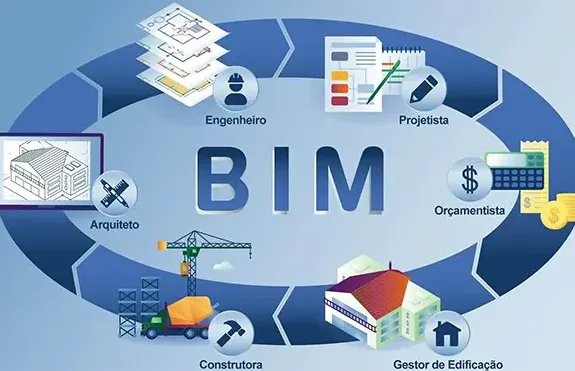
During the construction phase, BIM technology can be applied to simulate construction plans, manage schedules and costs, oversee safety, handle design changes, record construction data, and ultimately create a BIM completion model.
1. Construction Plan Simulation
Before executing key control points and specialized construction processes, 3D BIM models offer virtual guidance for construction simulations. They visually demonstrate workflows and operation methods, providing technical disclosure through 3D models to construction technicians, managers, and operators.
2. Construction Progress Control
Considering resource constraints and the overall project timeline, construction plans, flow section divisions, and processes are factored in. The project is broken down using WBS (Work Breakdown Structure) to prepare detailed schedules for both the entire project and individual tasks by layer, section, or combination. BIM models integrate with these plans to create 4D visualization models that reflect the construction schedule.
3. Construction Cost Control
Using BIM technology, 5D cost simulation enables real-time monitoring of progress, resources, expenses, and funding for any project segment. This multidimensional management approach supports schedule control, measurement and payment, change management, procurement and leasing, material supply, cost planning, and accounting by analyzing costs and resources from multiple perspectives.
4. Construction Safety Management
For critical safety areas such as scaffolding, elevated large-span formwork support systems, and deep foundation pit treatments, BIM models facilitate safety construction simulations and safety operation disclosures to ensure secure project execution.
5. Engineering Change Management
BIM models support the requirements for statistical analysis of design changes by enabling queries, statistics, and comparative analyses of engineering quantities.
6. Recording Construction Process Data and Forming a BIM Completion Model
Throughout the construction process, data is tracked and recorded continuously. BIM information is updated promptly to produce a finalized BIM completion model.
This overview highlights the key applications of BIM technology during the construction phase, aiming to assist everyone in understanding its benefits.
















Must log in before commenting!
Sign Up