
What does BIM design mean? Traditionally, there were always discrepancies between the design planning stage and the actual construction outcome. This was mainly due to the 3D simulation methods used during design, which relied on conventional 3D drawings and offered limited support for construction accuracy. At best, these simulations provided owners with a visual understanding of the style after completion. However, owners were often reminded that these were only simulations, meaning the final project might still differ from the original plan. Since simulations cannot be adjusted during construction and simulation drawings cannot be officially used for building, this created a significant limitation in traditional 3D design planning.
Ideally, the BIM process centers around a unified digital 3D model. Each participant contributes to building the data model while also allowing others to access and modify the data as permitted. At this stage, the BIM model includes detailed components such as doors, walls, and equipment, creating a comprehensive representation of the building.
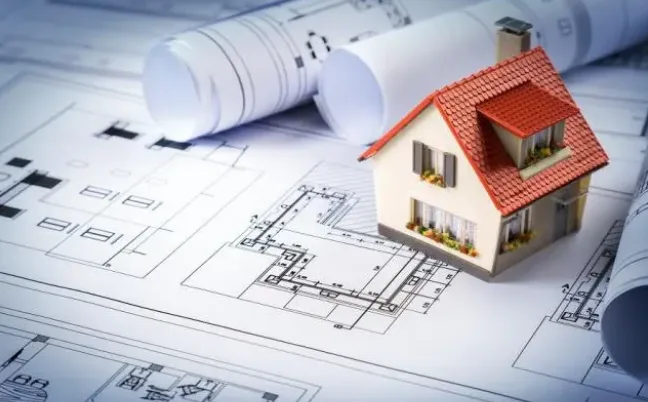
BIM visuals might look like simple 3D CAD drawings, but BIM components are far more complex and versatile. Each BIM element acts as a unique building block within the overall structure. Once integrated into the project model, users can observe relationships between components and other building elements. If a modeled object extends beyond or conflicts with its original constraints, the system will issue relevant warnings.
1. Design Phase
Incorporating BIM from the design outset allows owners to gain a clearer understanding of the proposed plan. Continuous updates and revisions can be made without compromising the overall drawing. Since BIM drawings involve one-time modifications, the ability to make comprehensive changes benefits both designers and owners. Designers can efficiently update plans for owners, who in turn better understand and communicate their ideas and requirements through BIM models.
2. Construction Phase
During construction, owners often need to approve material types and samples before work begins. BIM planning can be adjusted based on these selections, such as paint color matching, tile layout, and overall design confirmation. After finalizing the plan, construction drawings can be generated directly from the BIM model to guide on-site workers. This level of coordination is unmatched by traditional interior design and construction methods, where construction drawings and the actual build often fall out of sync. Such mismatches frequently result in completed work that does not meet the owner’s expectations, leading to costly and inconvenient modifications. Typically, these issues stem from rapid or frequent changes by the owner or design team, causing miscommunication during construction. However, BIM’s integration with cloud technology and real-time updates helps minimize these coordination gaps.
3. Post-Construction Maintenance
After a building is completed, ongoing maintenance is often overlooked. Yet building materials, as well as mechanical and electrical systems, have lifespans that require care. Many assume this information is contained within the completion blueprints, but few revisit these documents post-construction, and blueprints typically lack detailed data. In contrast, BIM models can embed comprehensive material information—including specifications, manufacturers, and delivery dates—creating a detailed maintenance record. Furthermore, if owners need to make future renovations, such as wall modifications or adding electrical circuits, they do not need to search through outdated blueprints. By referencing the completed BIM model, they can easily identify whether walls contain pipelines or other obstacles, facilitating safer and more efficient modifications.
I have outlined what BIM design means and the benefits of adopting BIM technology. I hope this article provides useful insight for everyone.
















Must log in before commenting!
Sign Up