
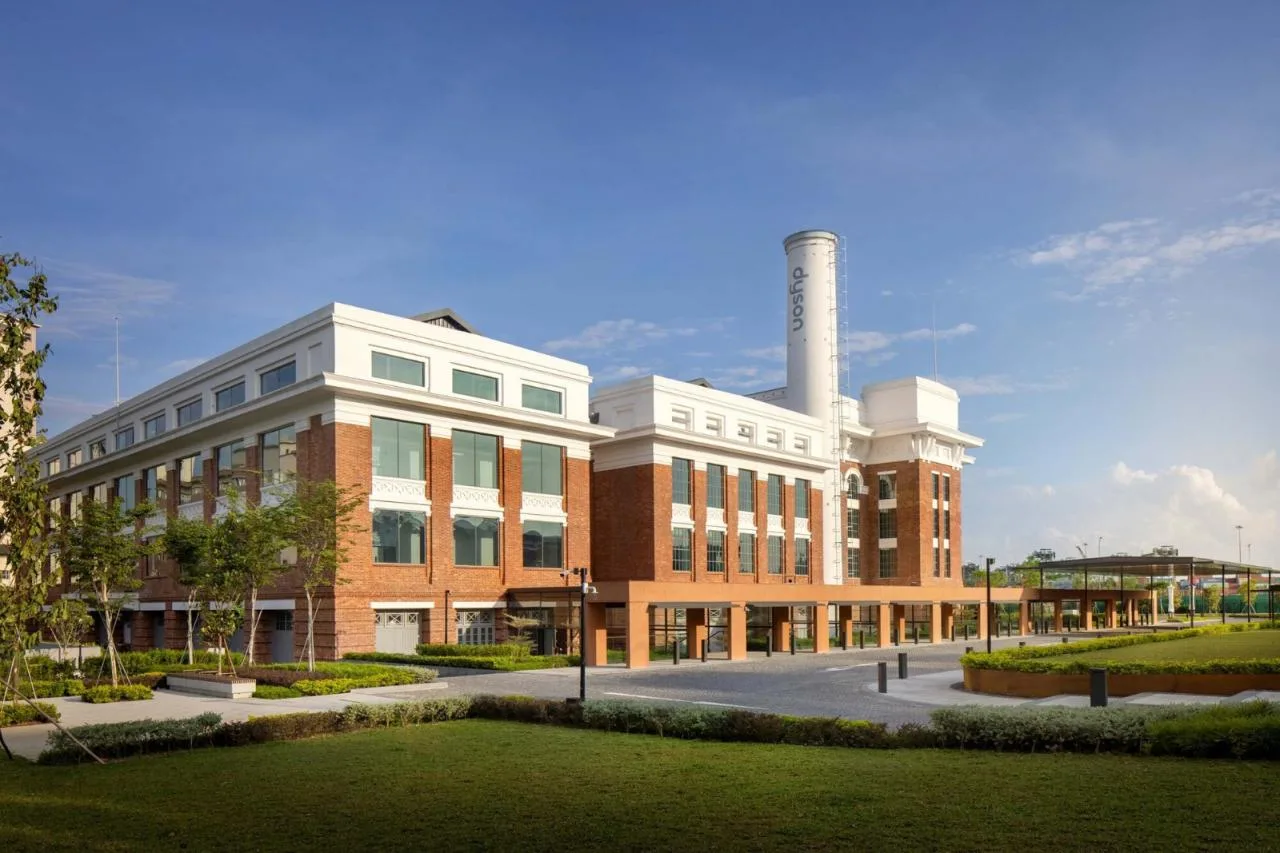
The St. James Power Plant in Singapore, established a century ago, holds many firsts in the field of electromechanical engineering. It was Singapore’s first municipal power station and the very first power industry building in Southeast Asia. Today, this historic landmark has been revitalized and transformed into Dyson’s new global headquarters. Embracing Dyson’s spirit of innovation, creativity, and talent, it stands as a driving force for the future development of this historically rich site.
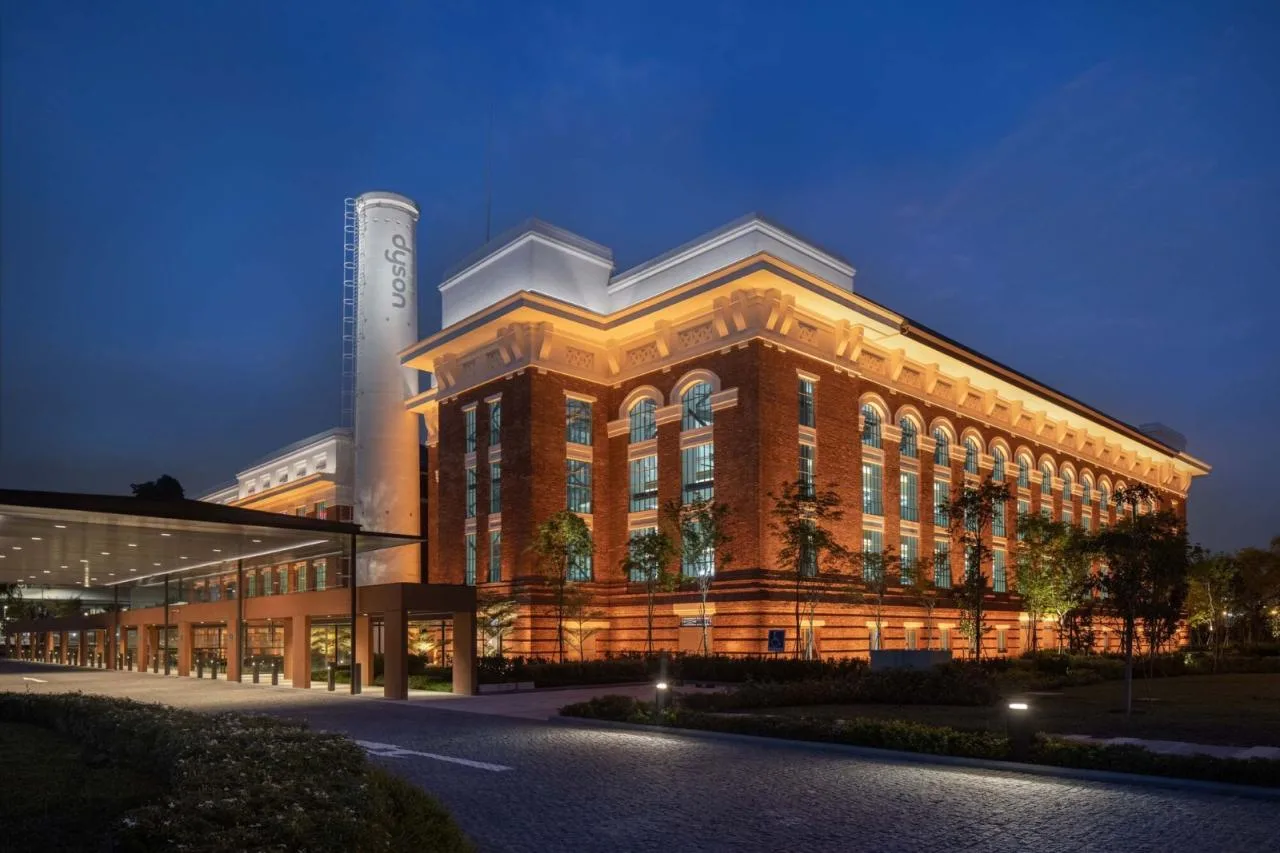
This project centers on employee needs while breathing new life into historic architecture. Guided by business objectives and functionality, it carefully plans spatial arrangements with a people-first approach. The goal is to create a sustainable urban development model that inspires innovation through design and unleashes the vitality of technology.
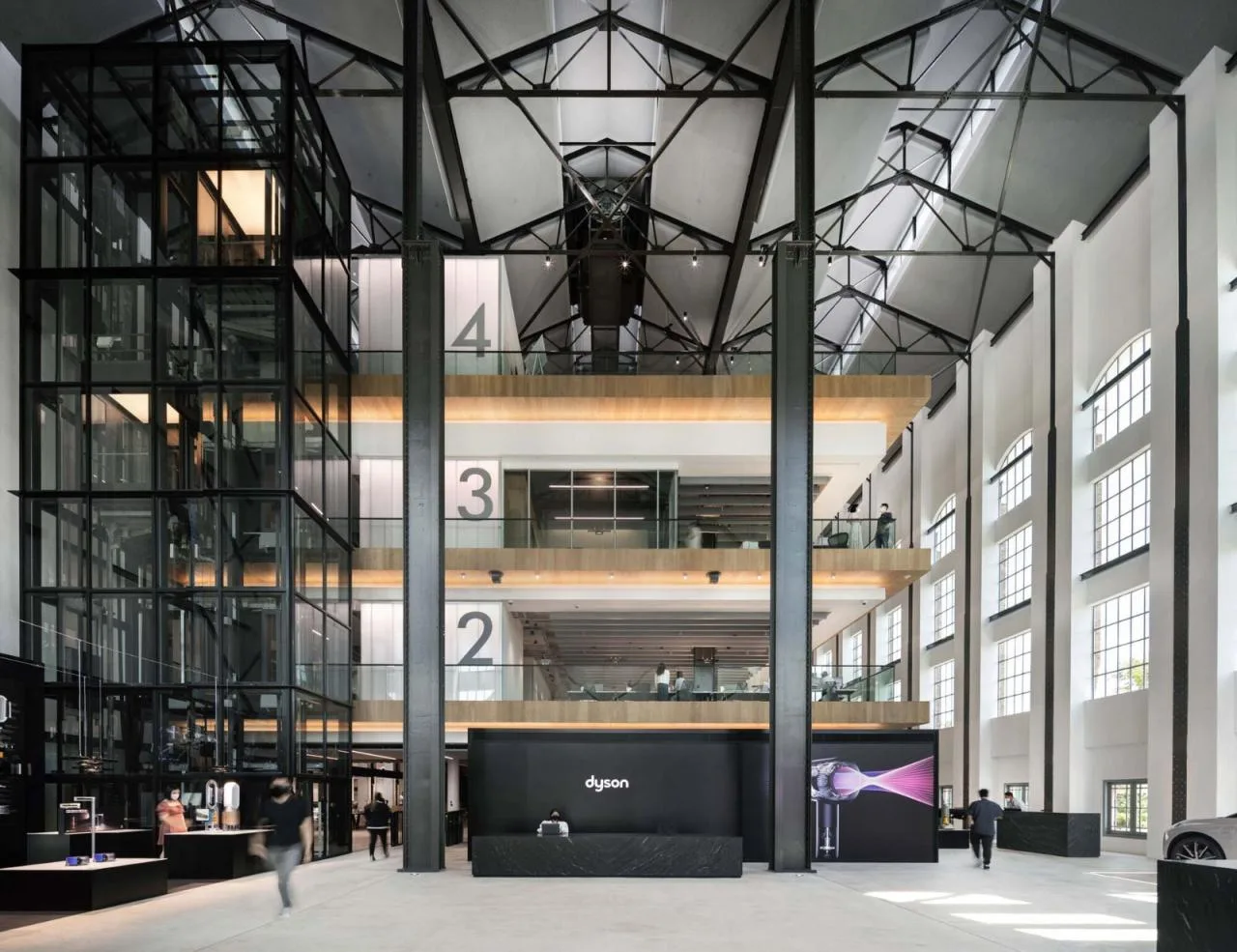
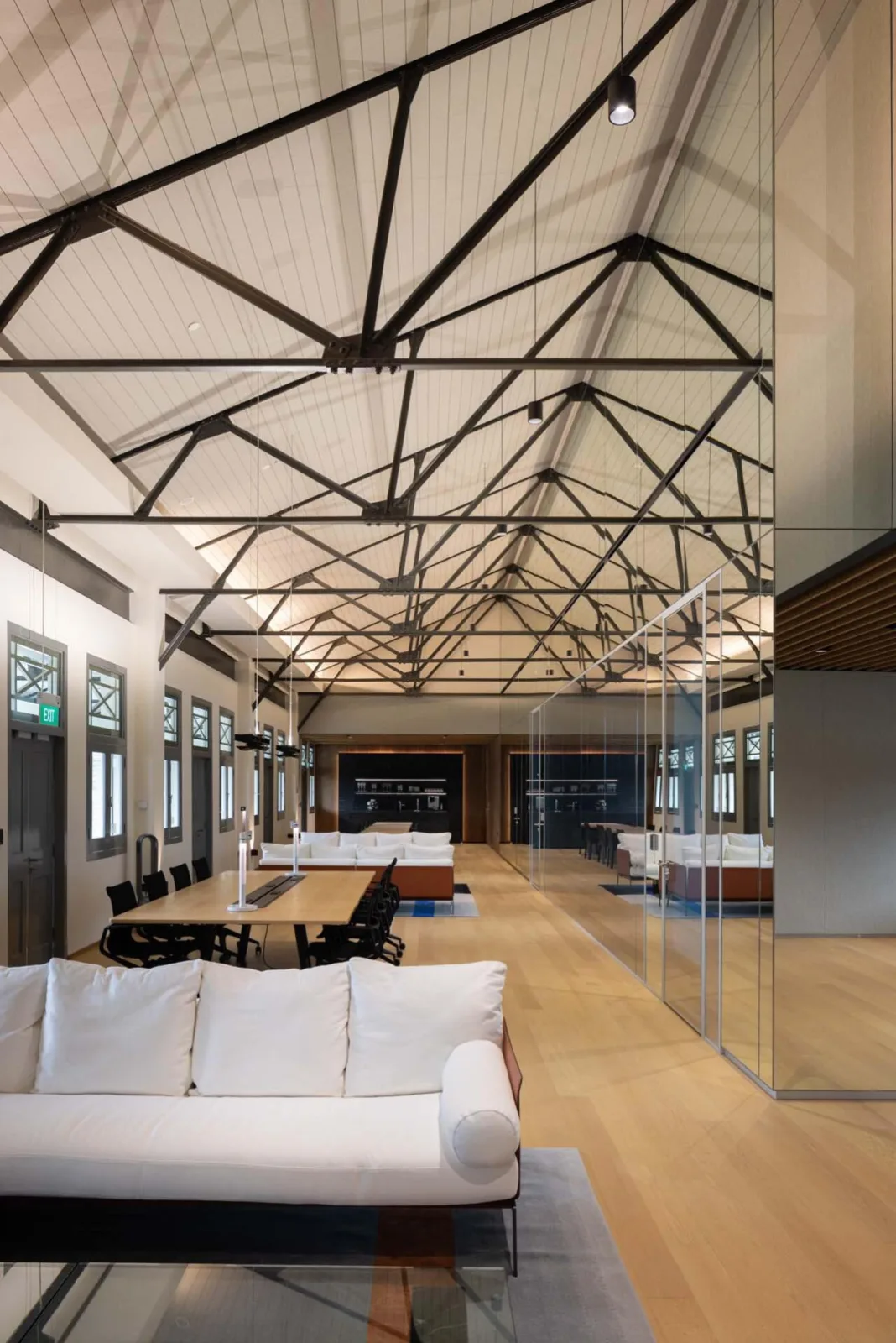
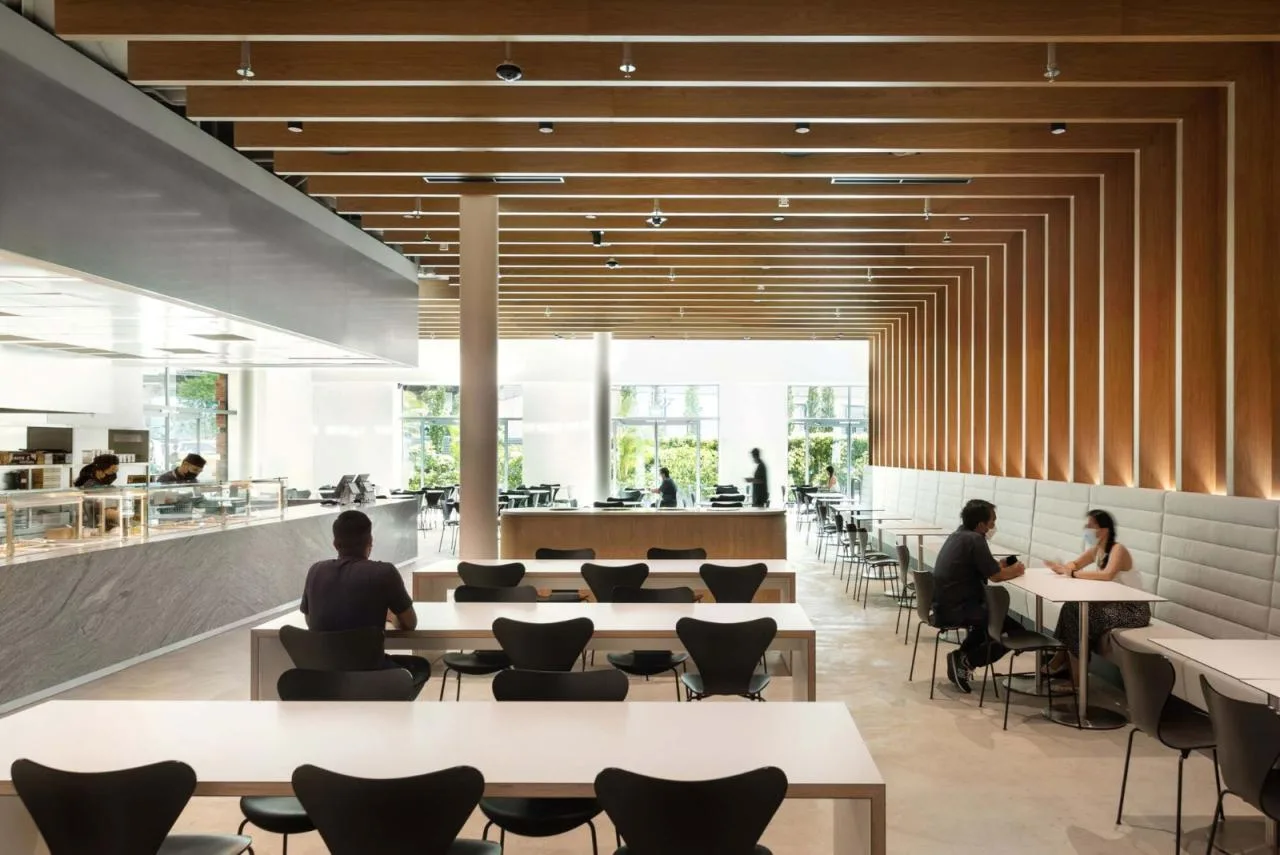
Our aim is to revitalize this historic building with a focus on employee needs. Originally, the St. James Power Plant was designed to prioritize machinery and equipment operation. Now, we support Dyson in transforming it into a people-centric global headquarters. The goal is to create functional spaces that inspire creativity and are suitable for daily activities such as research, development, and operations—ultimately enhancing productivity and fostering communication and collaboration.
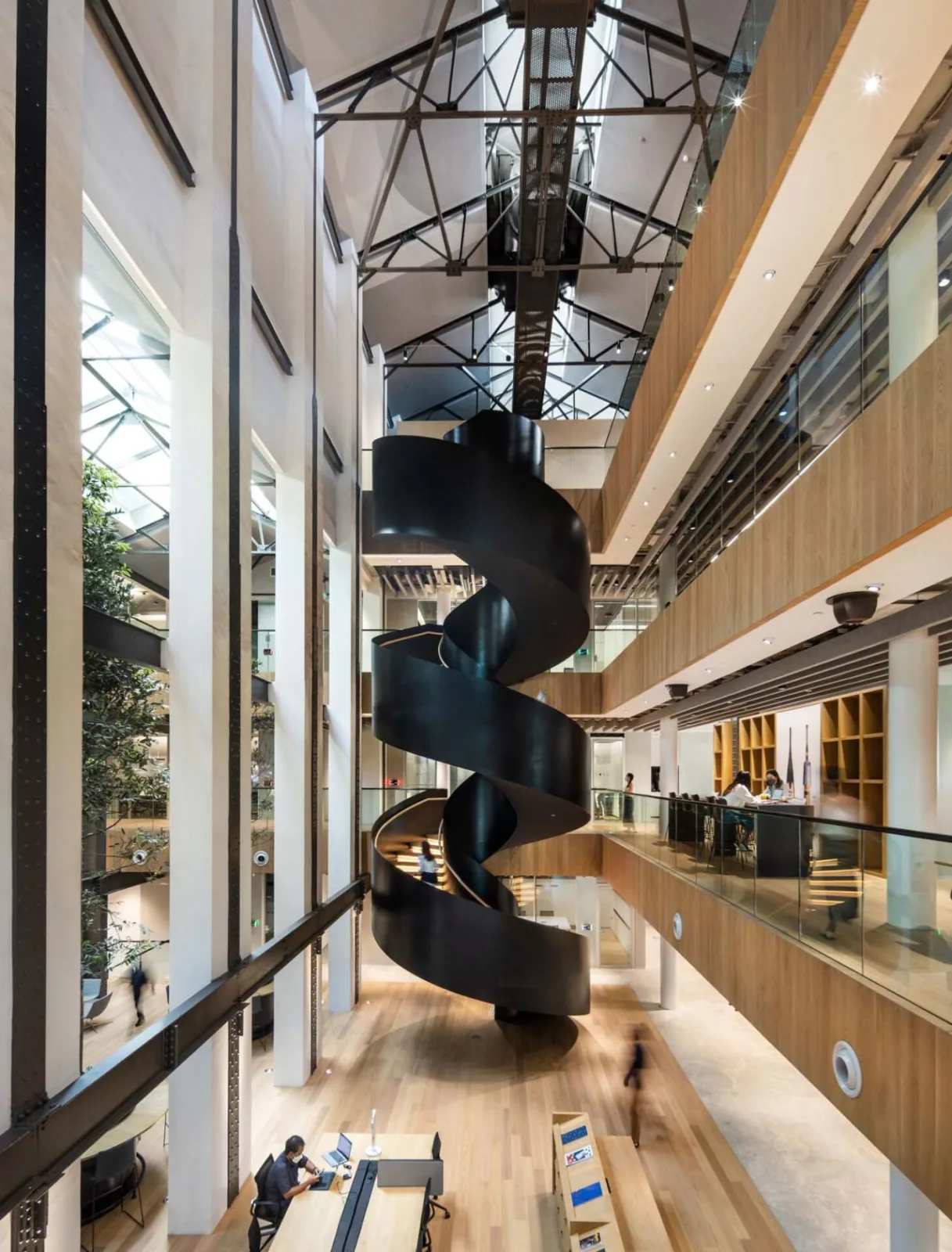
The heart of the new headquarters is the four-story industrial space known as the former Turbine Hall. Inspired by the courtyard layout of university campuses, this central area serves as a circulation hub connecting all parts of the building. It offers flexible office spaces that promote focused work while acting as a social and communication hub.
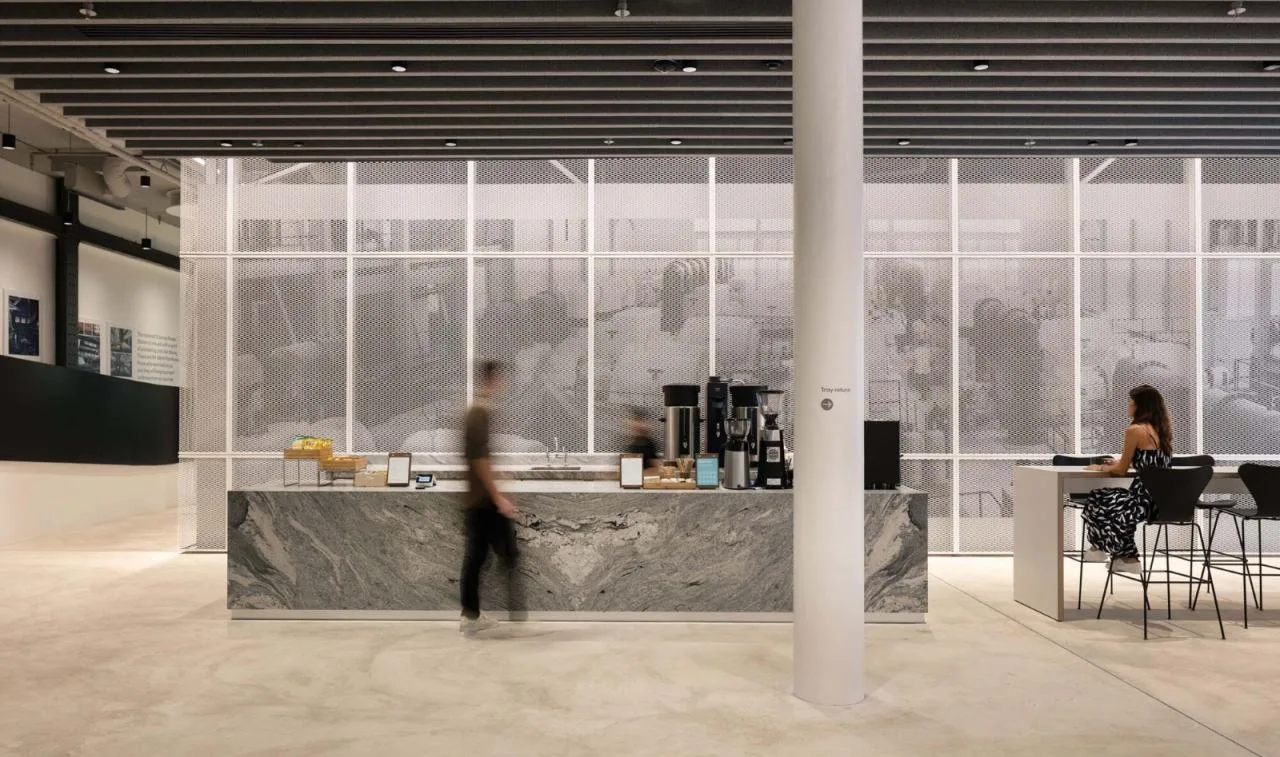
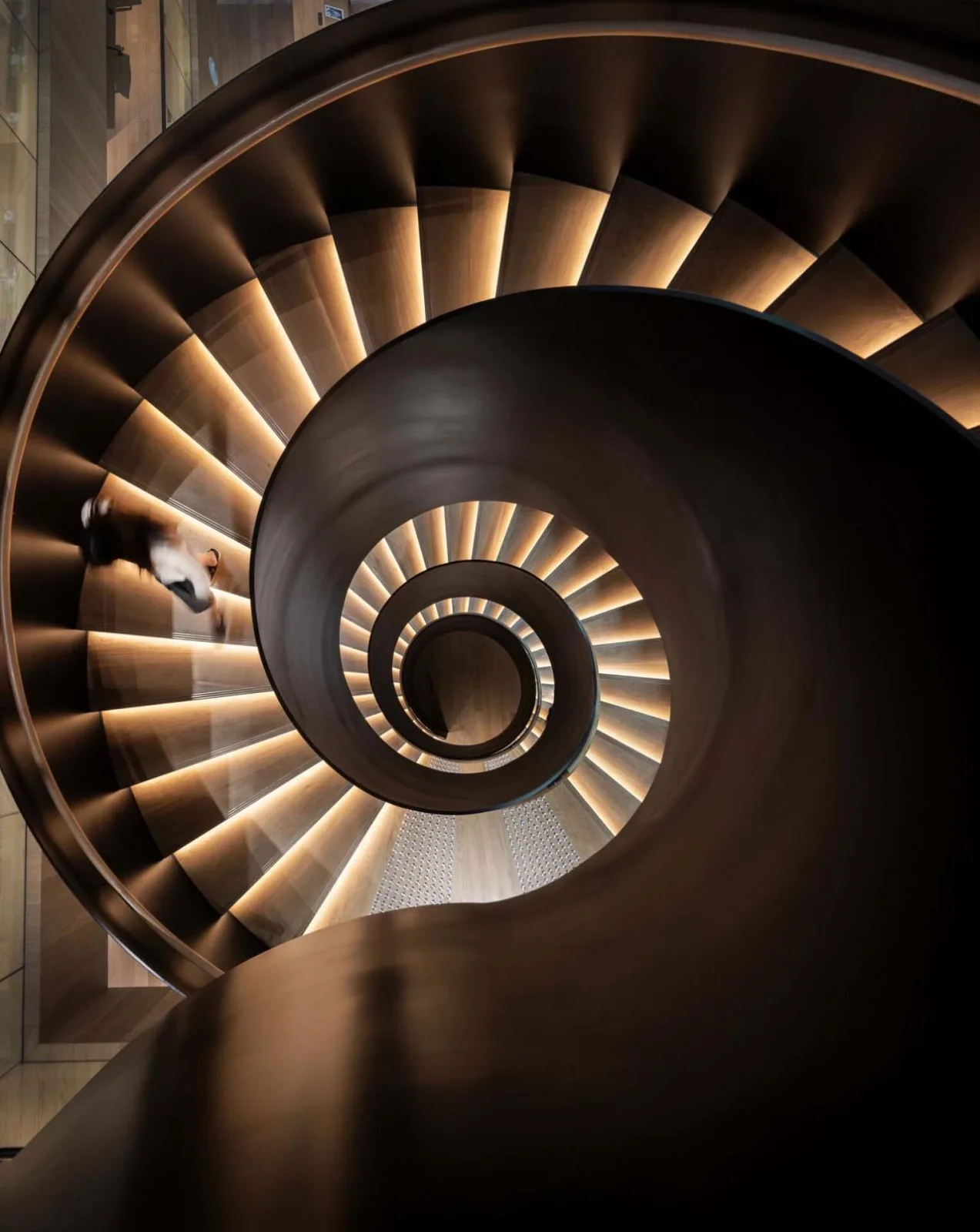
Upon entering the Turbine Hall, one is greeted by a striking, stylish staircase. This serves as the backbone of the office, linking various departments across four floors and enhancing connectivity throughout the space. Adjacent to the coffee shop lies a stepped seating area, designed to encourage knowledge sharing, collaboration, and informal experimentation among employees.
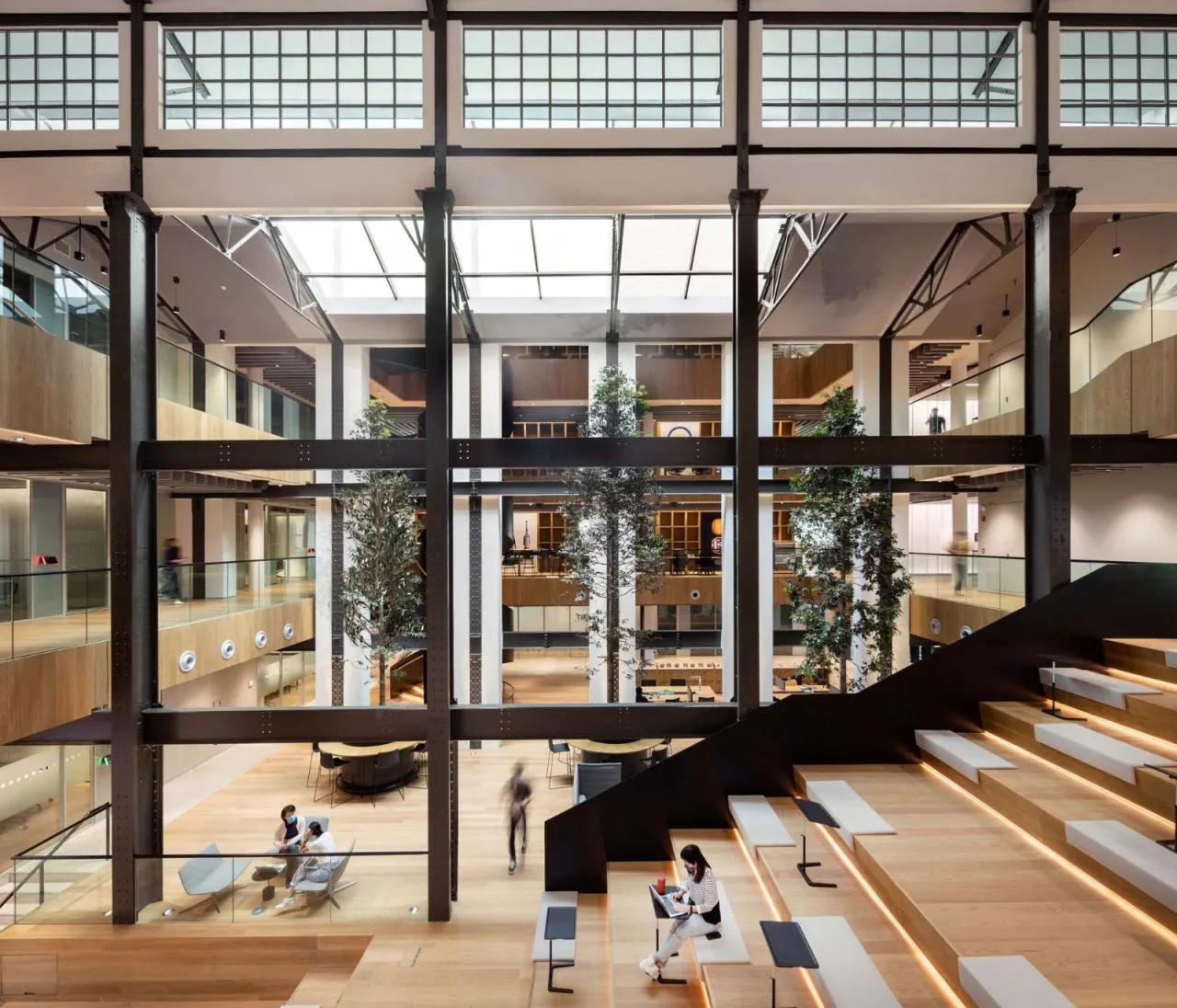
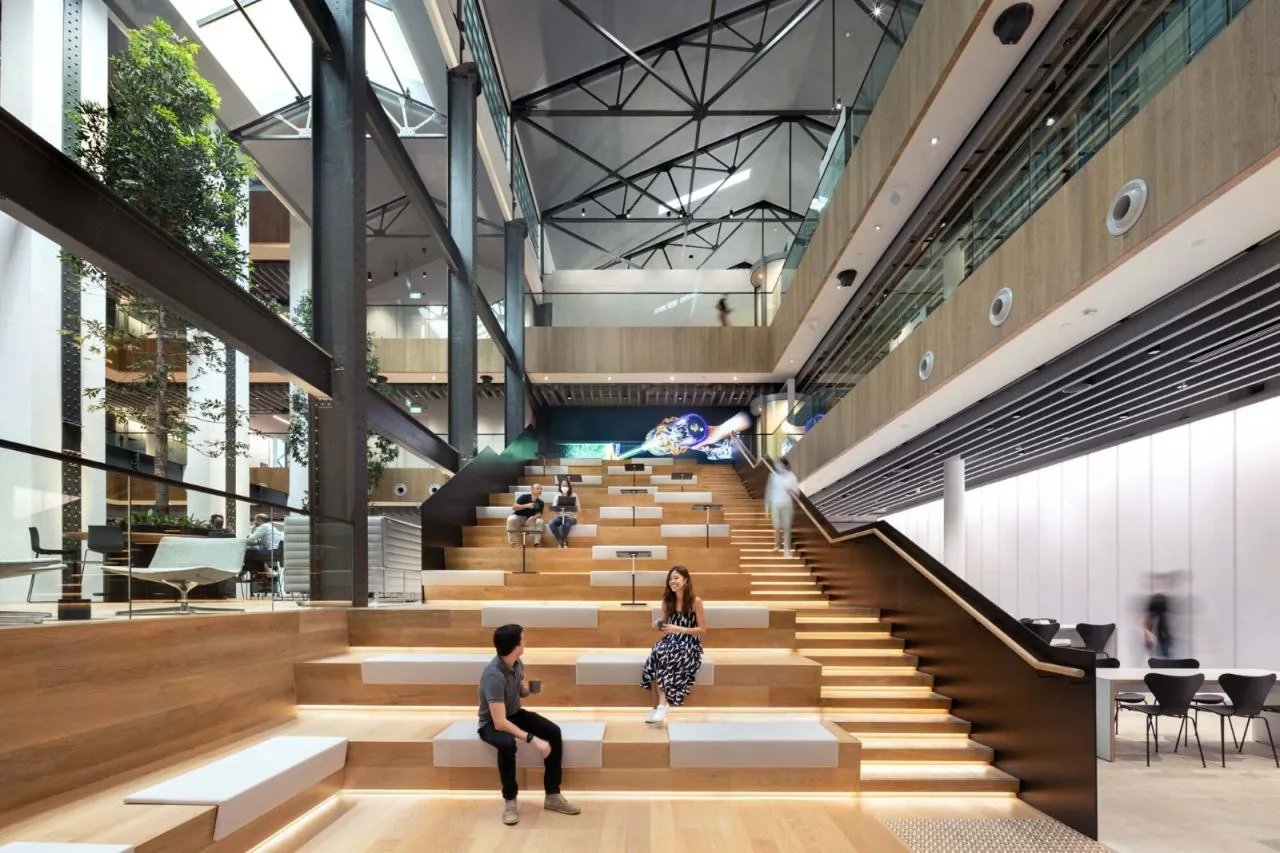
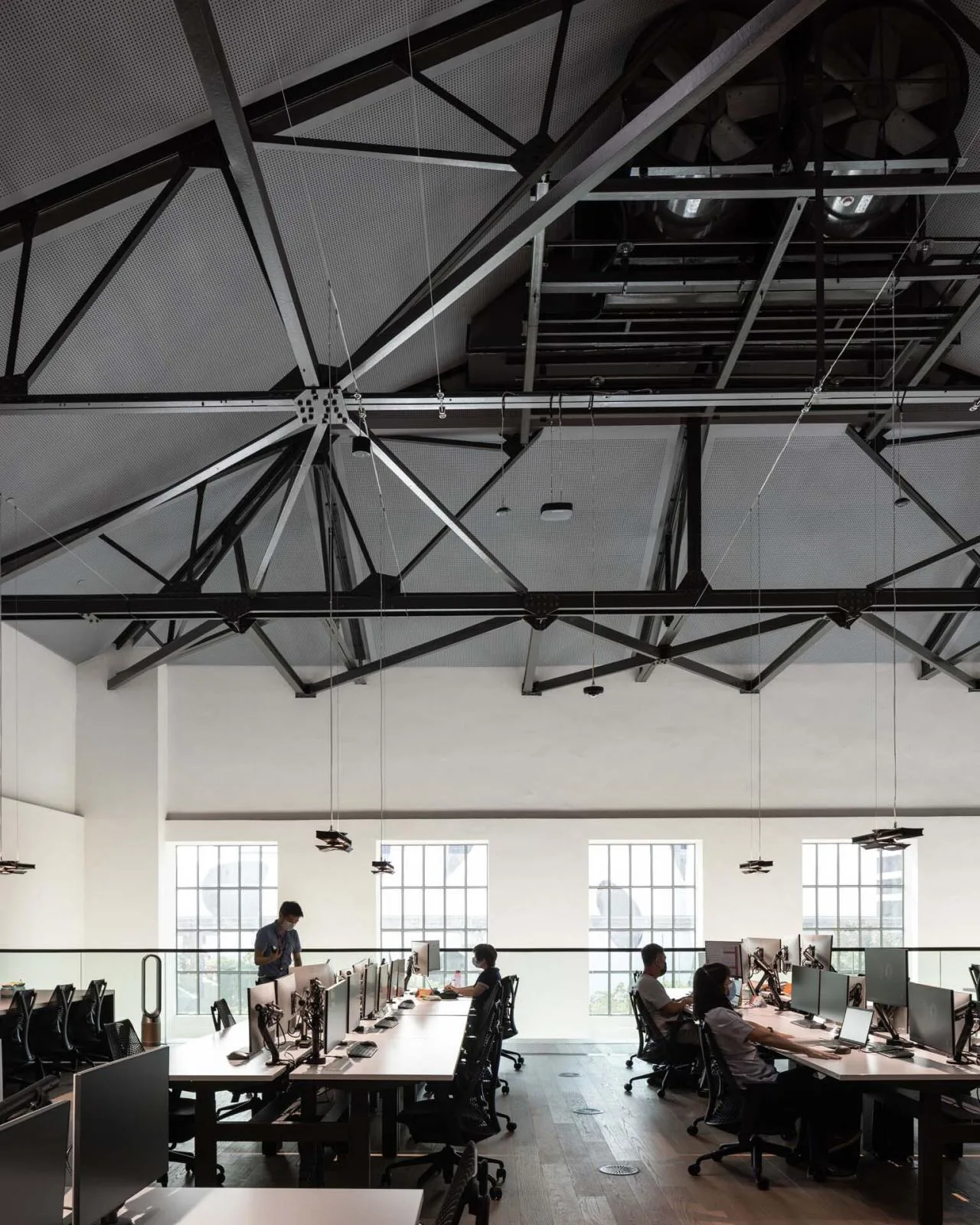
Dyson’s global headquarters is designed with a strong focus on business needs and functional spatial planning. The primary goal is to support business growth and foster continuous innovation in research and development. The facility provides high-quality office spaces tailored to scientists and engineers, supporting the advancement of future technologies.
This large-scale, park-like engineering project balances Dyson’s operational requirements with respect for the existing historic heritage. The layout has been carefully planned to accommodate the diverse needs of various departments within this global technology company.
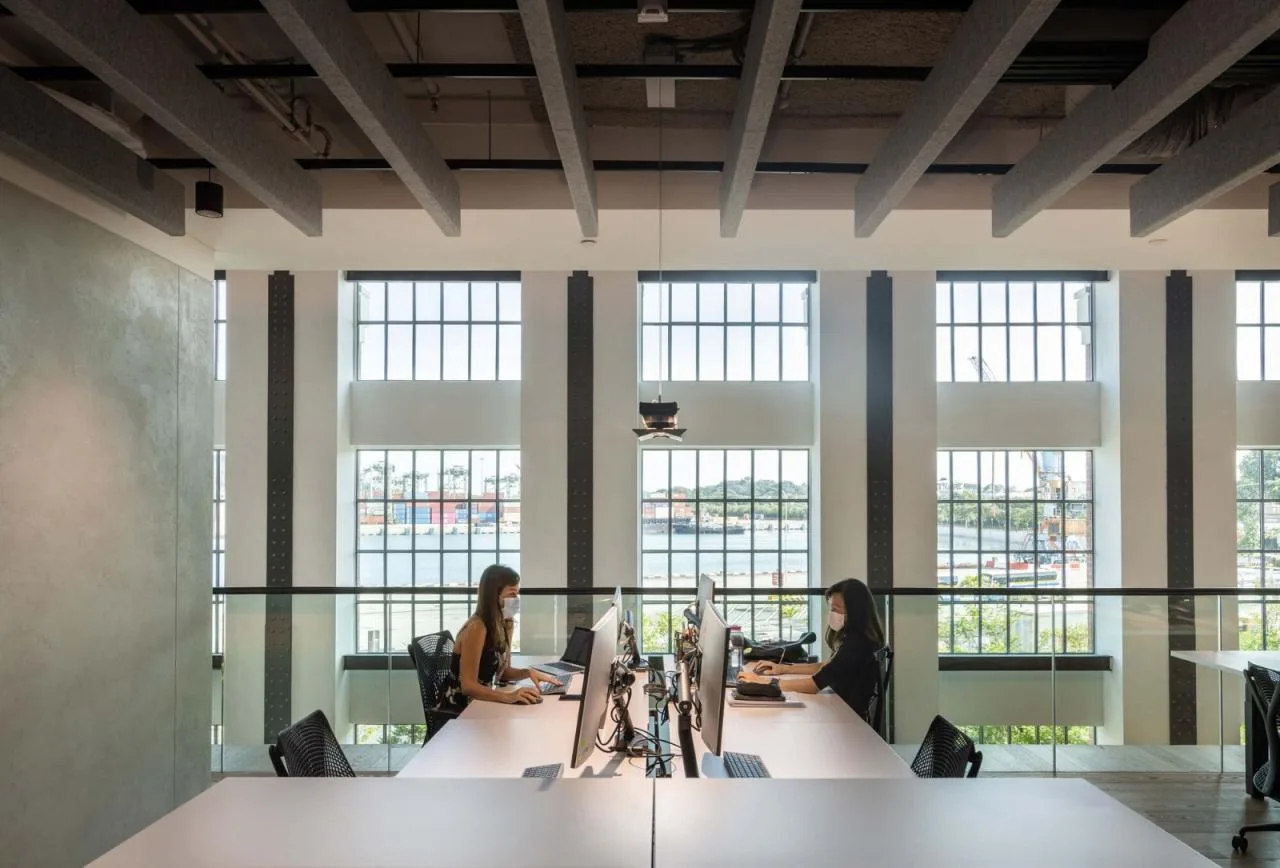
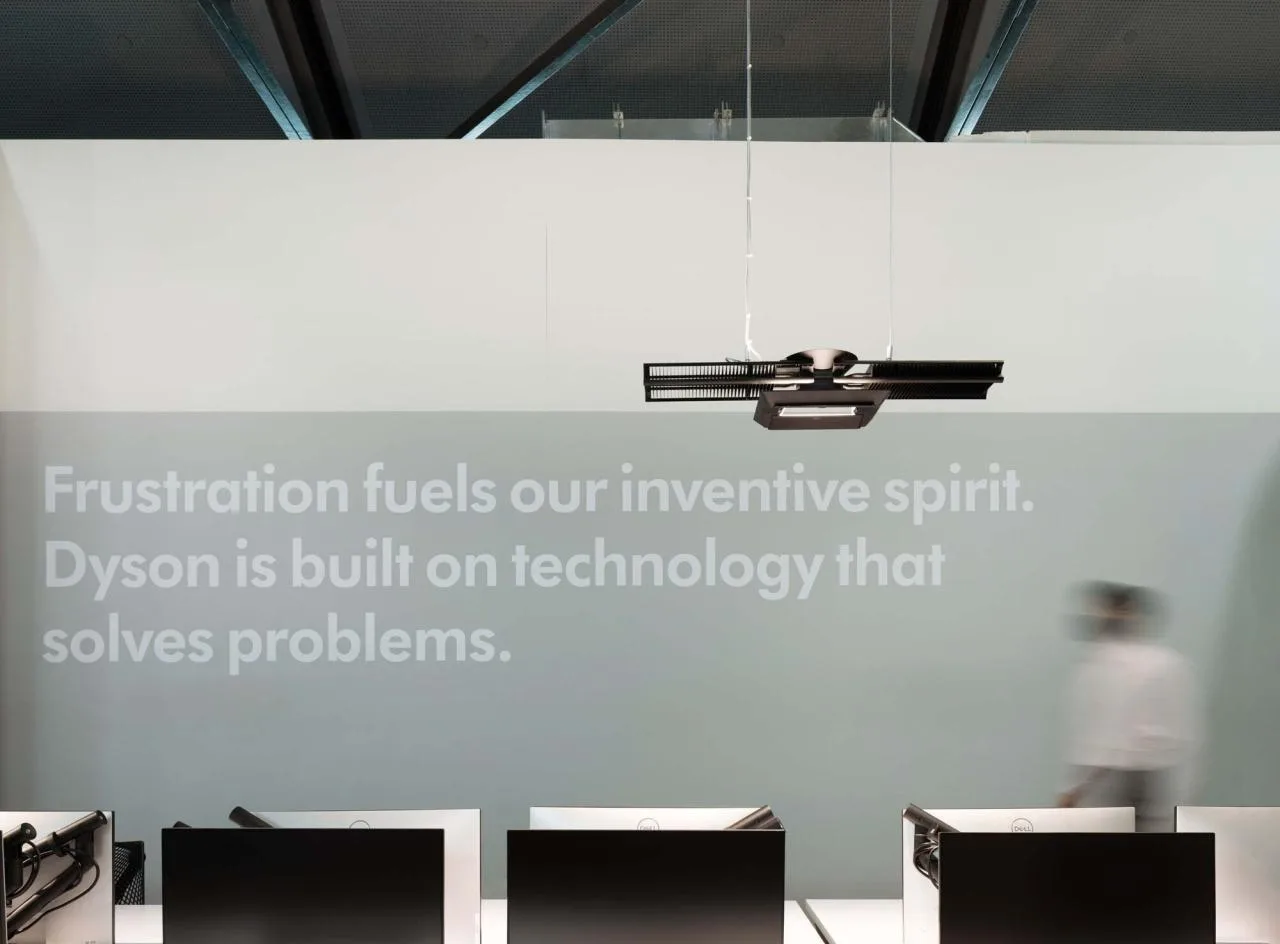
Transforming a historic industrial building into an innovation park that seamlessly integrates workspaces, laboratories, and social areas presents many design challenges. We have enhanced the building’s functionality by improving acoustic performance and incorporating applied technologies. Additionally, a variety of office environments have been created to cater to different teams, including collaborative rest areas and quiet zones for focused work.
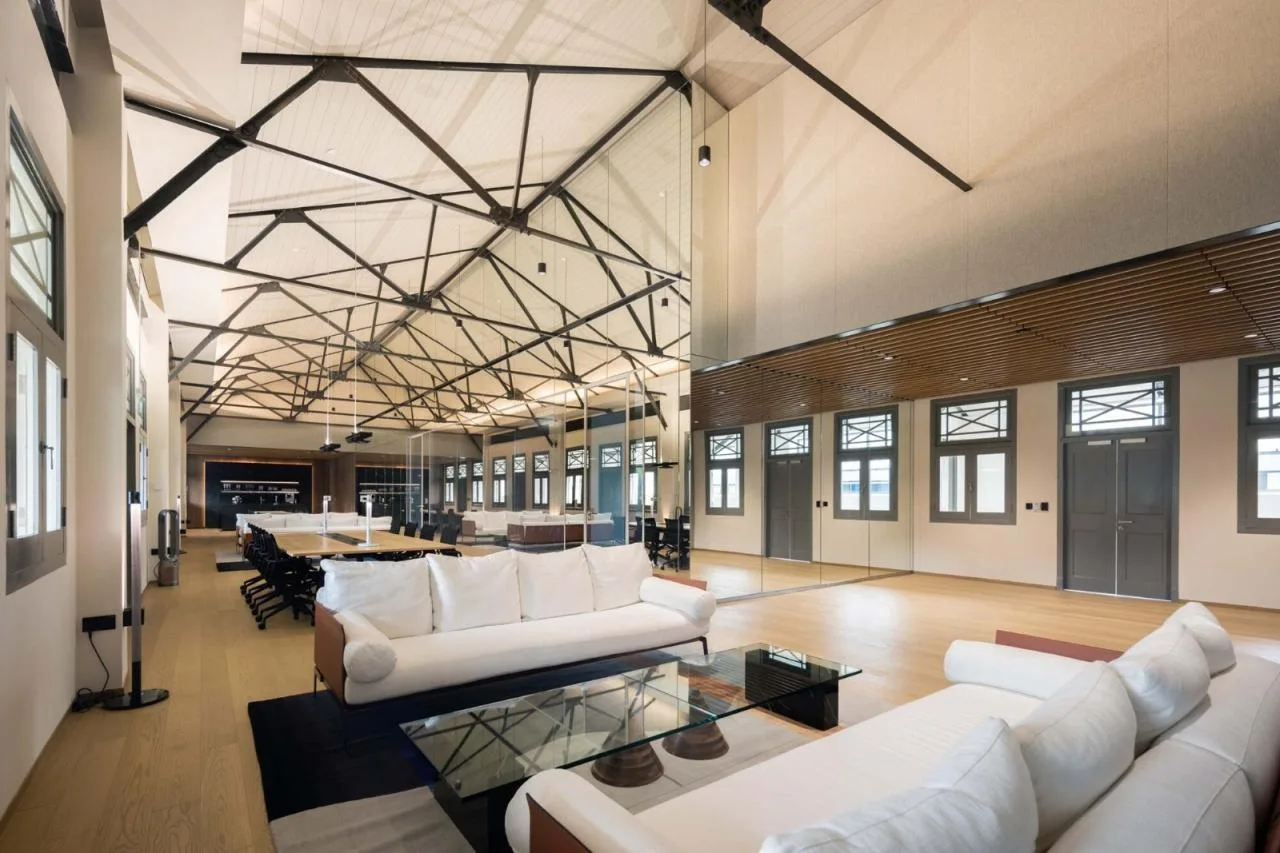
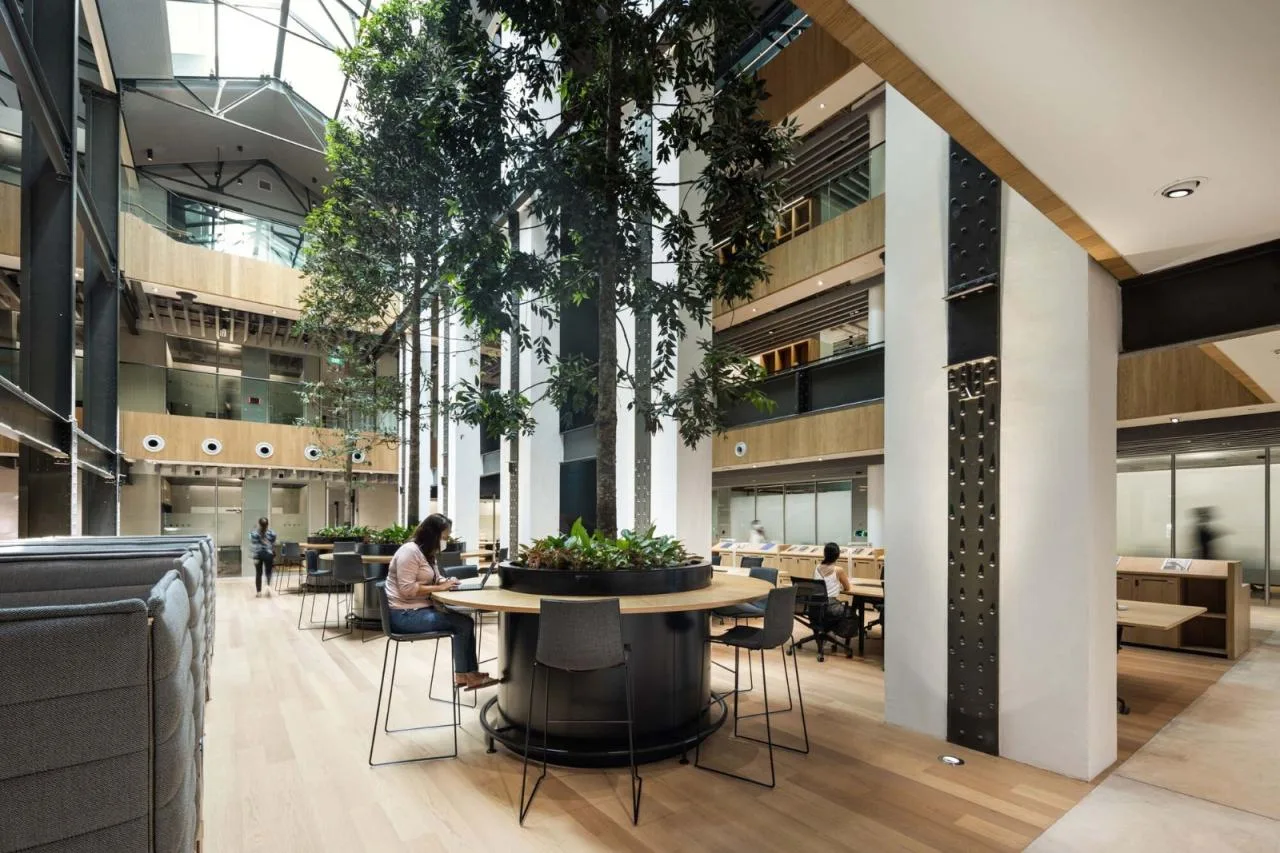
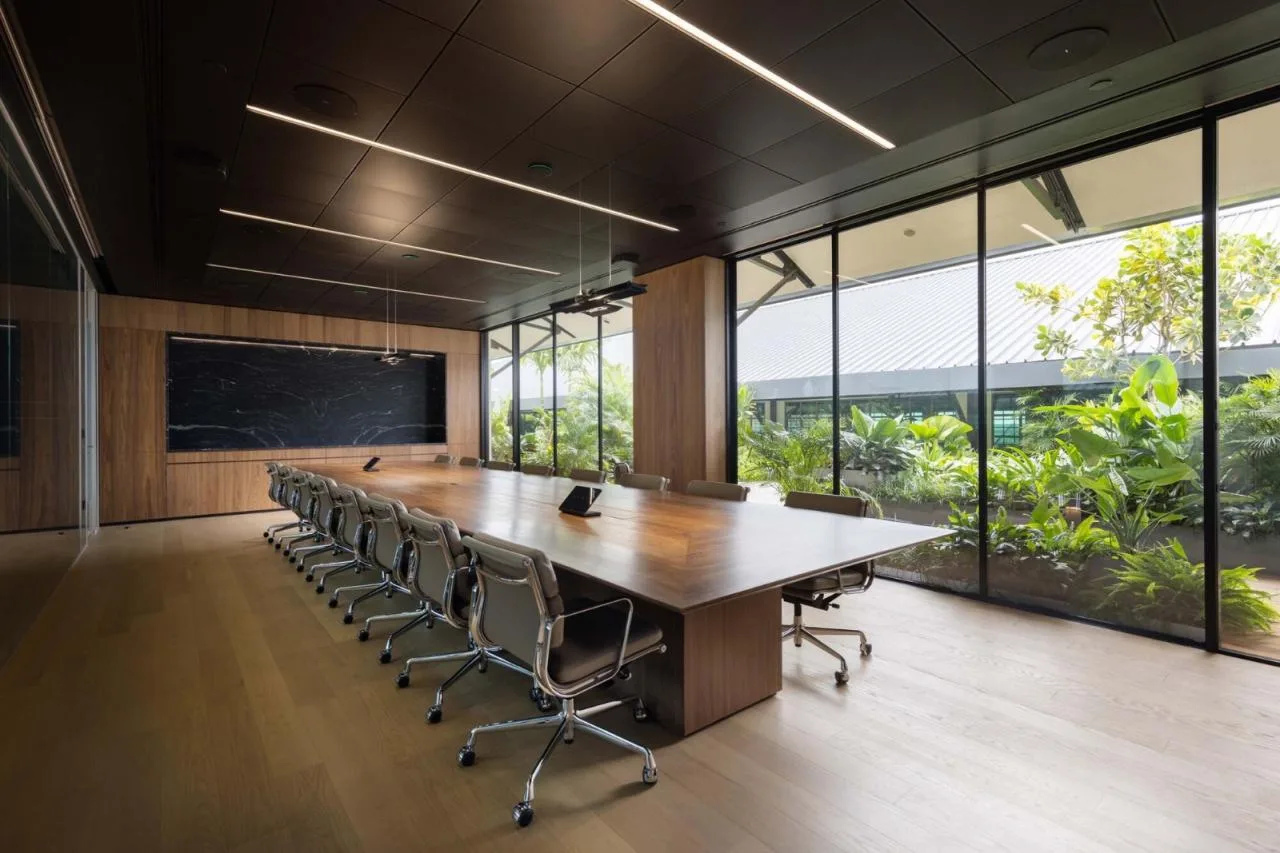
Putting people first, Dyson’s new global headquarters uses green building materials to prioritize employees’ physical and mental well-being. This approach not only enhances the office experience but also aligns with the company’s commitment to achieving net-zero emissions.
Certified with Green Mark Platinum credit, the building integrates smart technologies, energy-saving strategies, and resource management systems. Features like air quality monitoring and adjustable desks and chairs provide a comfortable environment that boosts productivity.
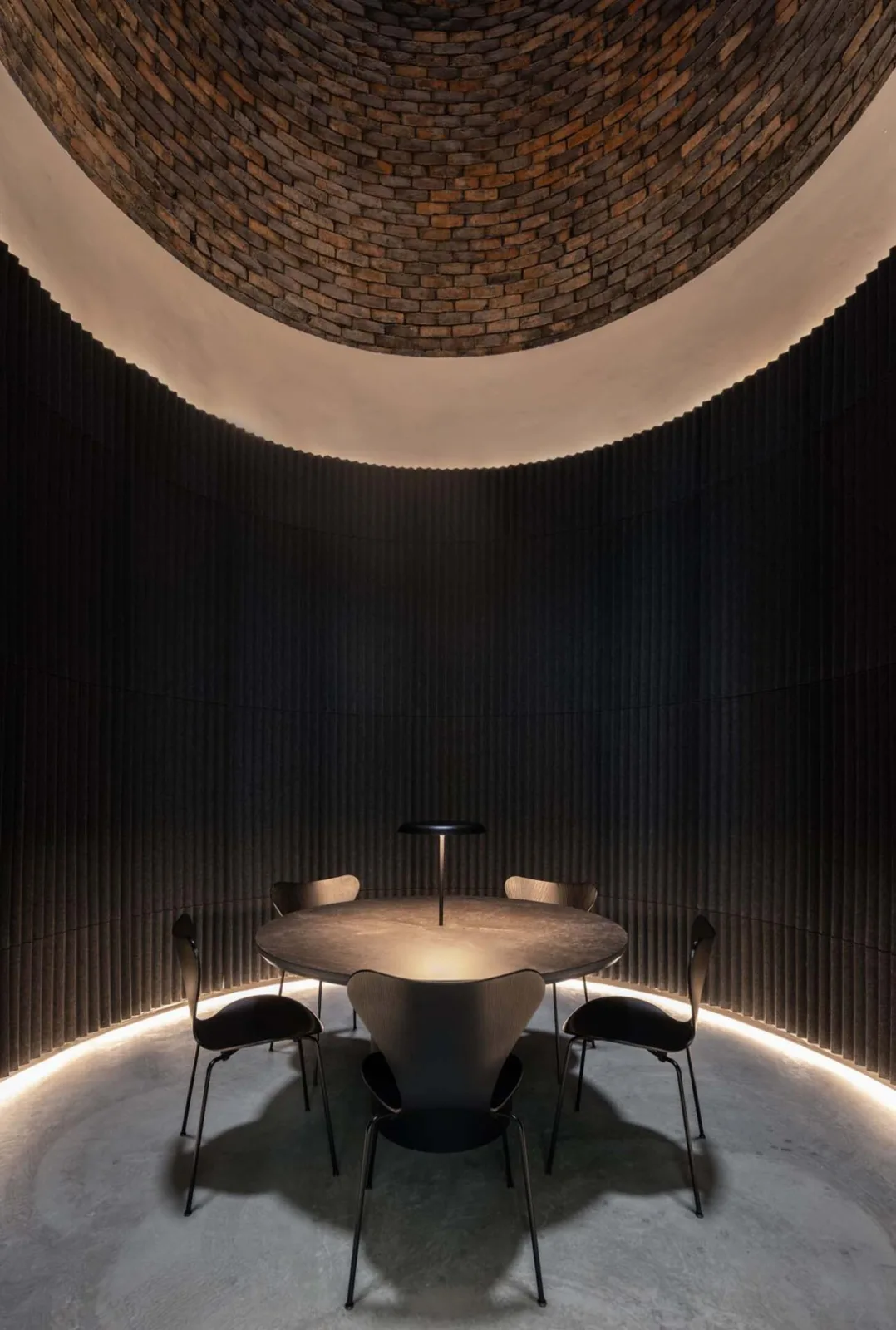
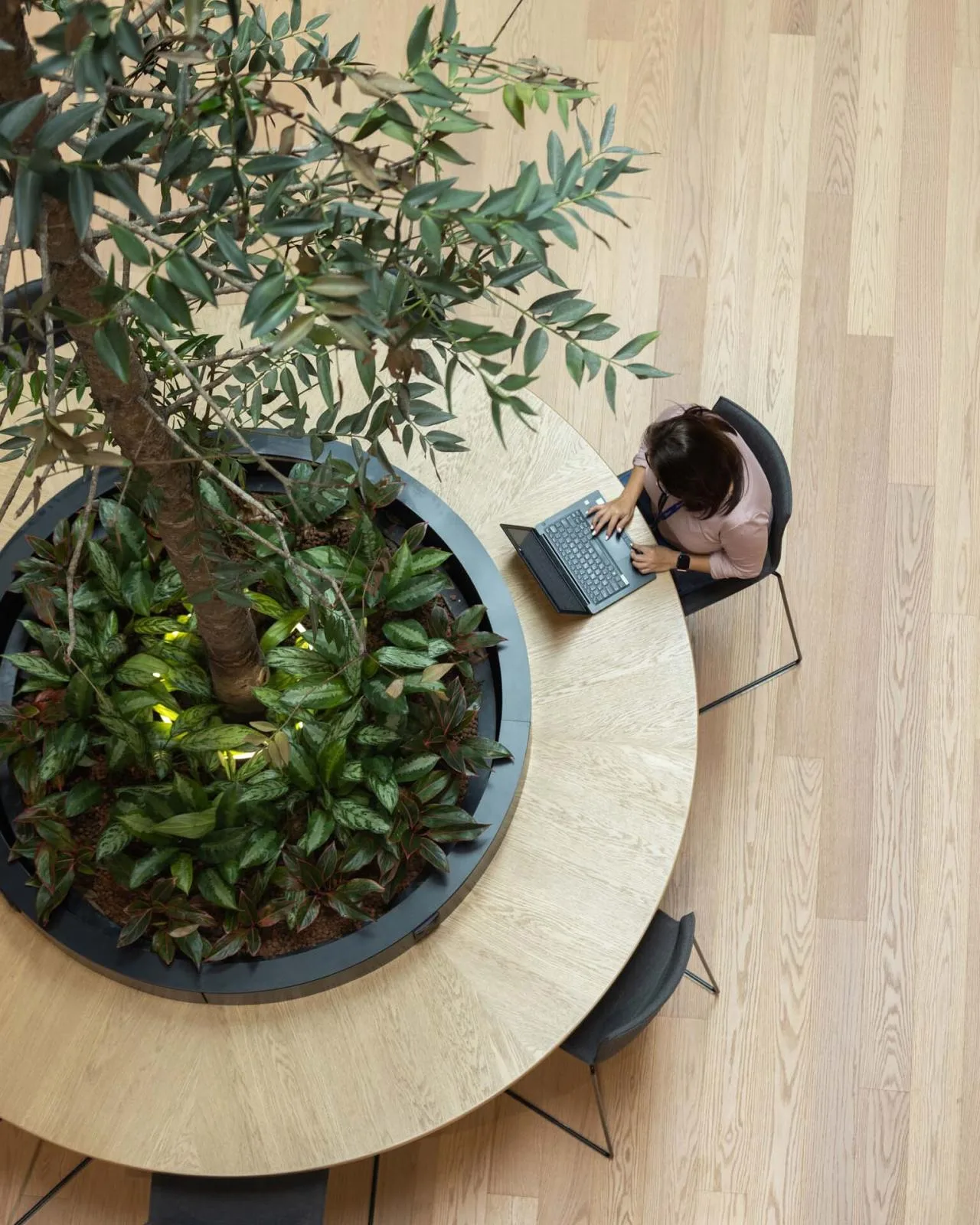
Inclusive and convenient facilities, such as quiet zones, medical rooms, mother-and-baby rooms, and prayer rooms, emphasize the importance placed on employee wellness. The central area’s trees improve air quality and temperature, making the original industrial site fresher and more inviting. Additionally, a landscaped terrace on the top floor offers a natural extension to nearby meeting and social spaces.
Once an abandoned building, the St. James Power Plant has been reborn, serving as a rare example of building reuse and sustainable urban development in the region.
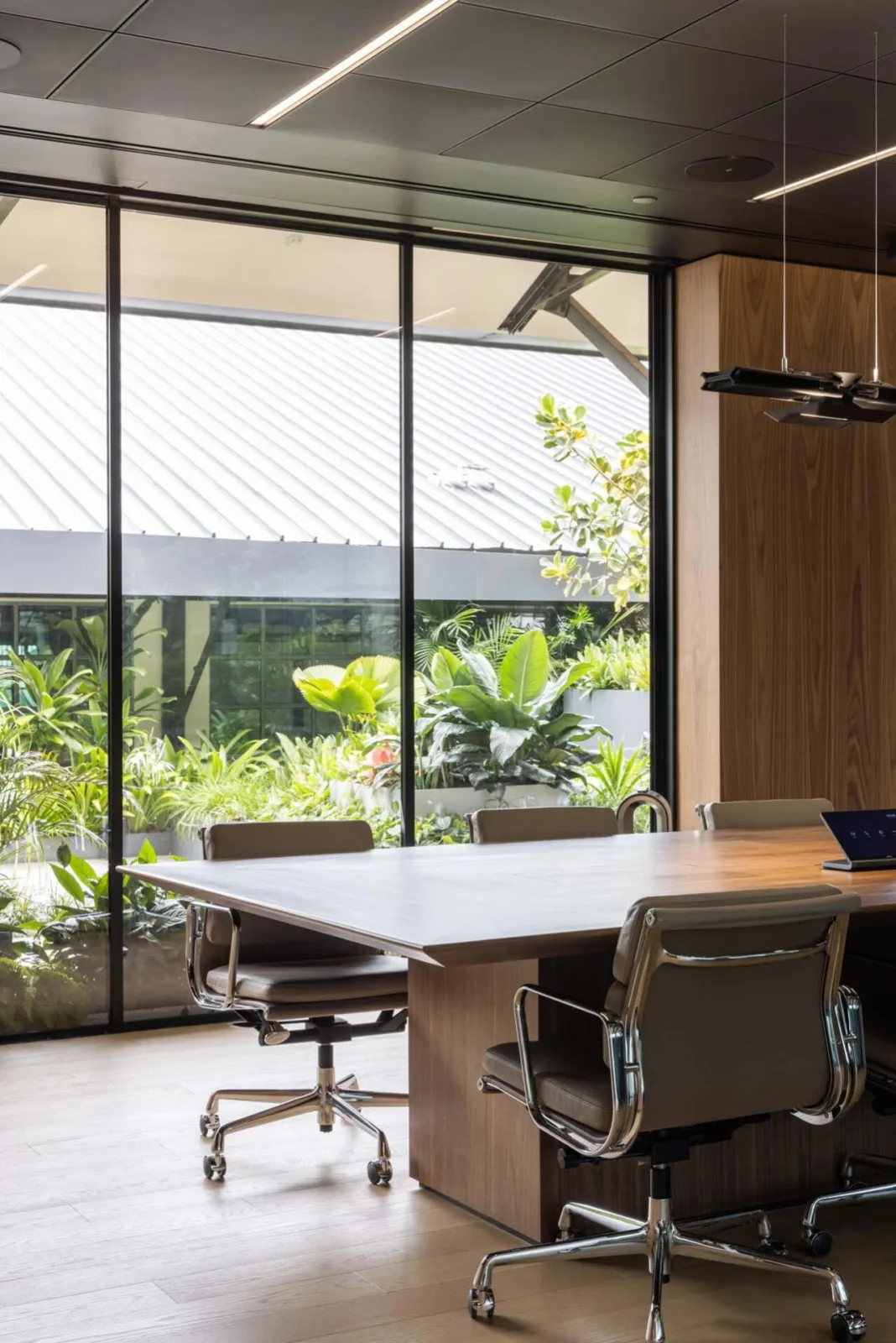
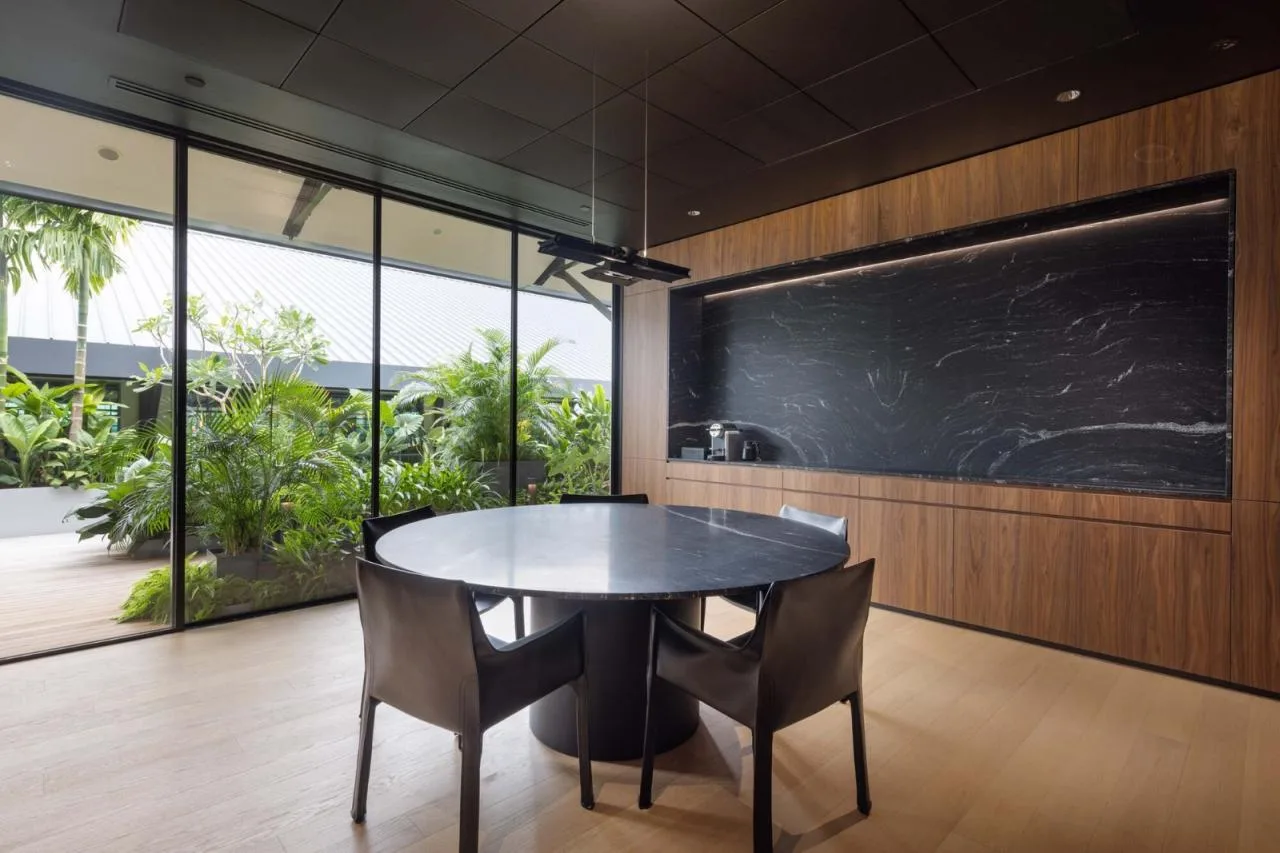
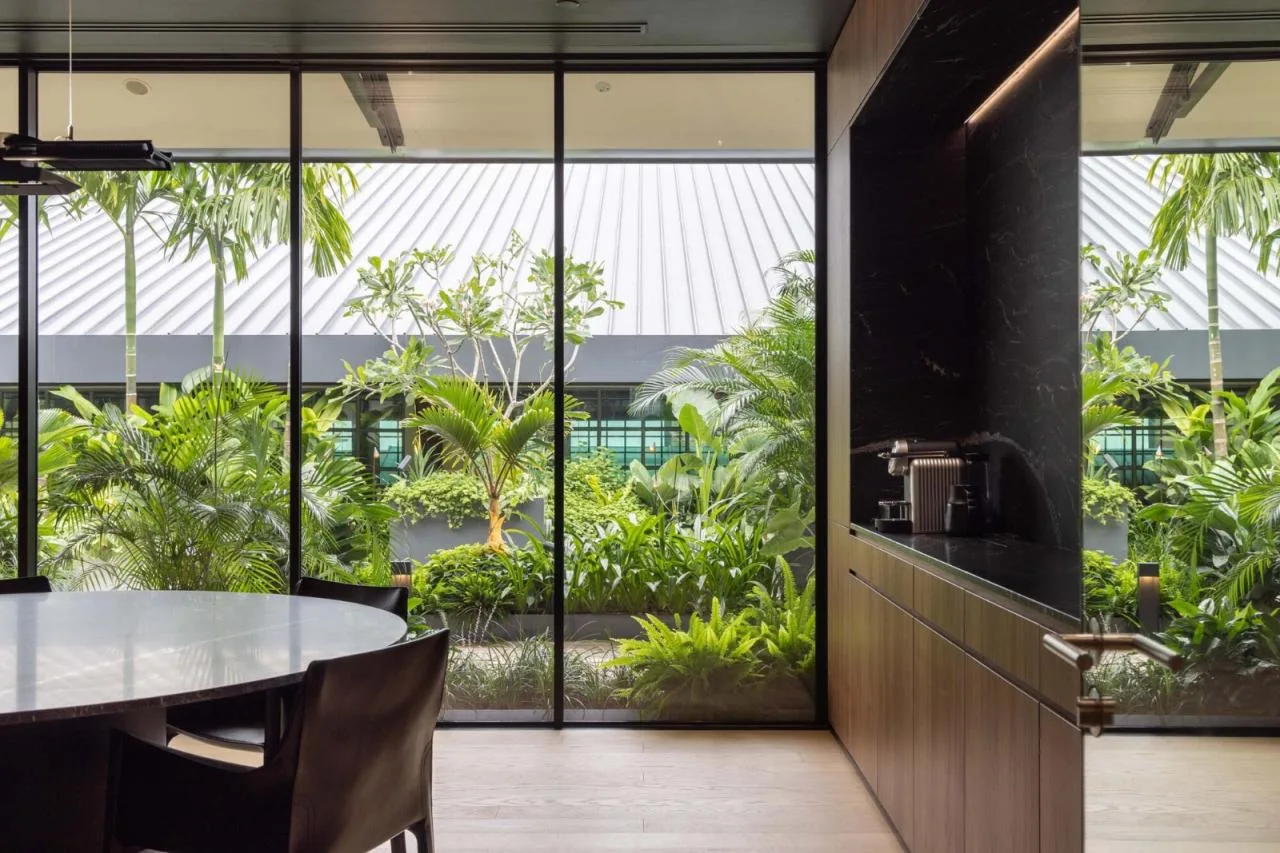
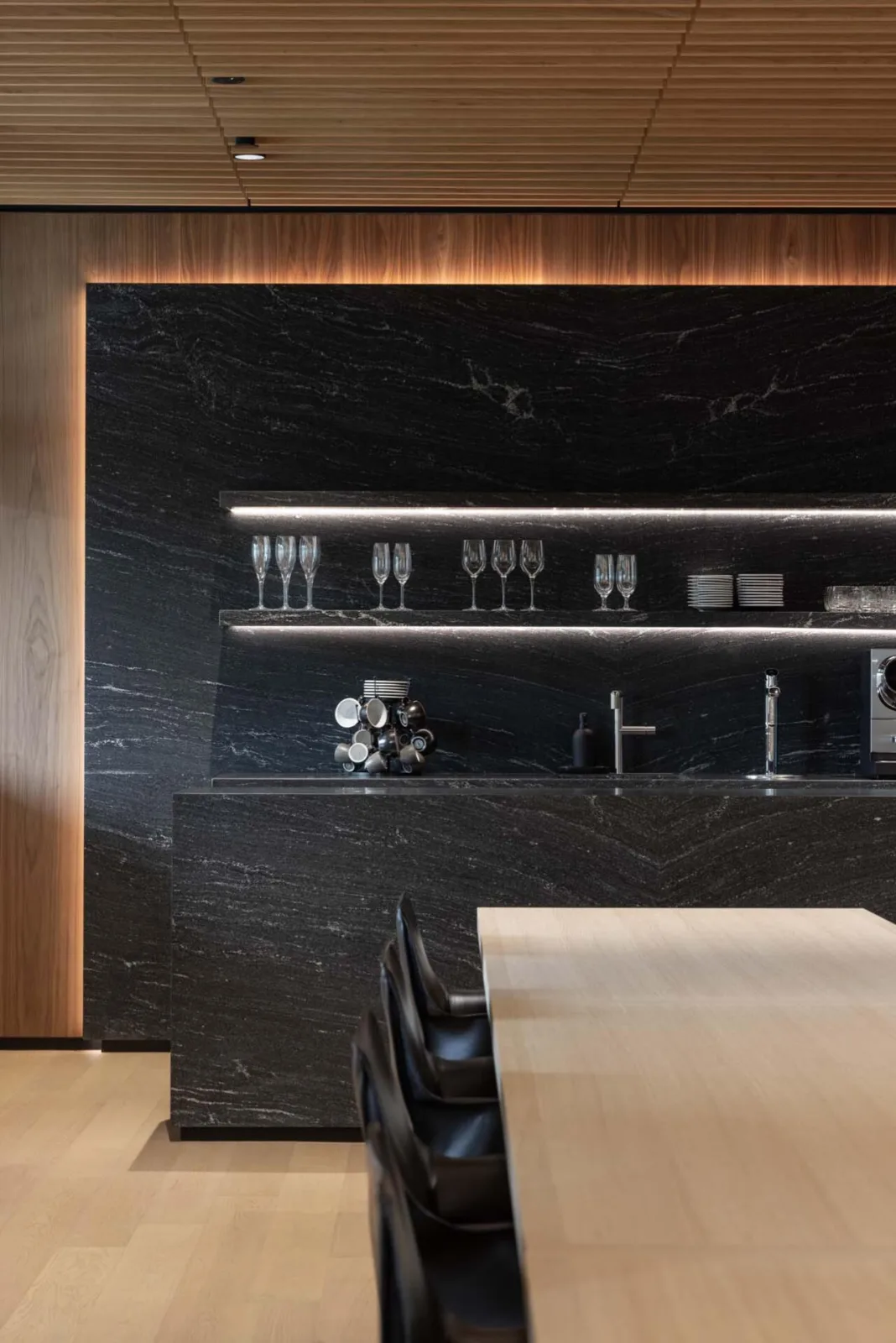
The building materials used in this innovative park convey both function and identity, creating an atmosphere that reflects the building’s history and future.
The concrete floors and black metal elements tell the story of the building’s industrial past, while polycarbonate, metal mesh, and mirrored cladding symbolize its new identity and bright future.
The striking metal staircase exemplifies expert craftsmanship and pays homage to the building’s industrial heritage. This carefully designed feature offers inspiring design moments for Dyson employees as they enter the Turbine Hall, marking the building’s transformation into a hub for design and technological innovation.
Project Drawings
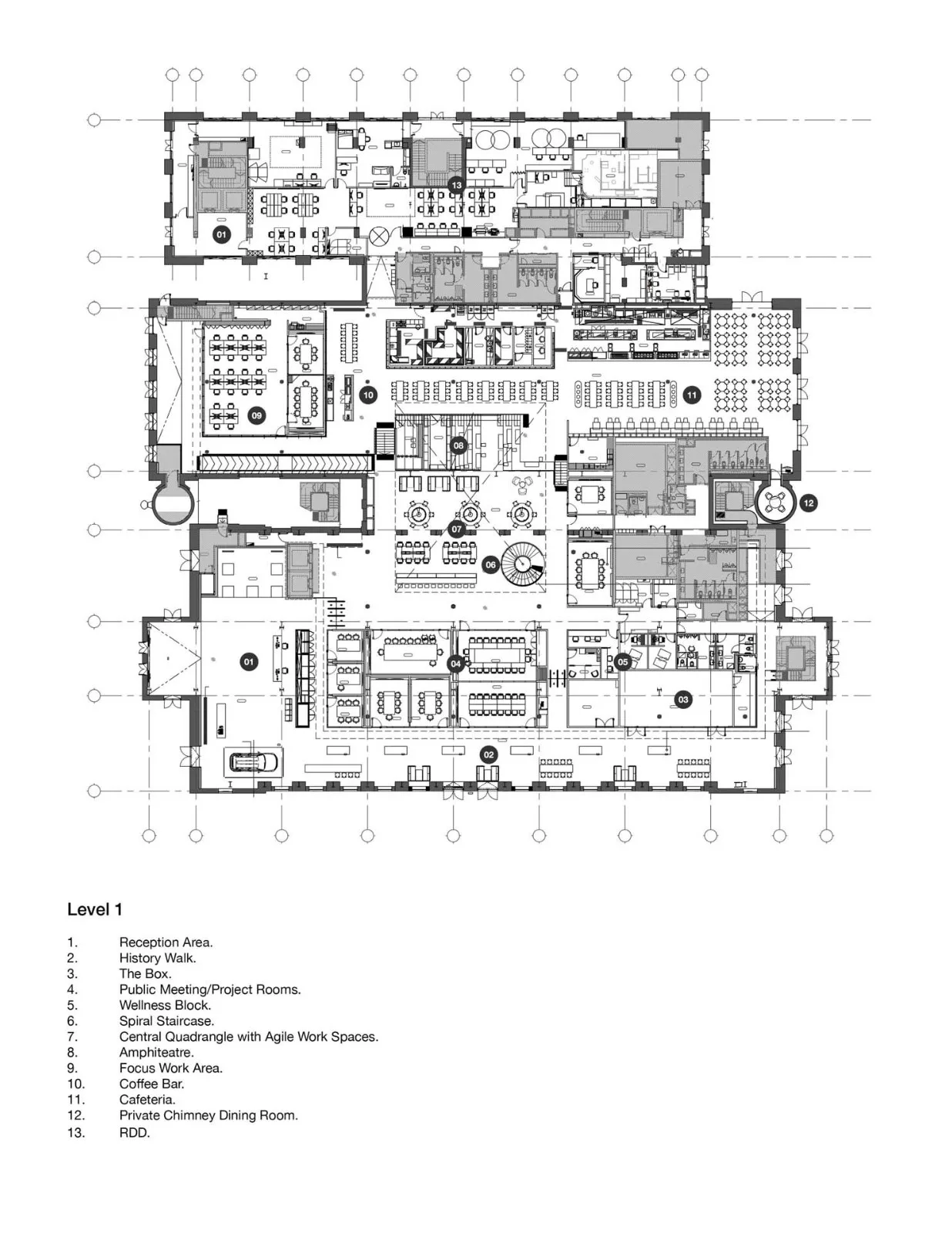
△ First Floor Plan
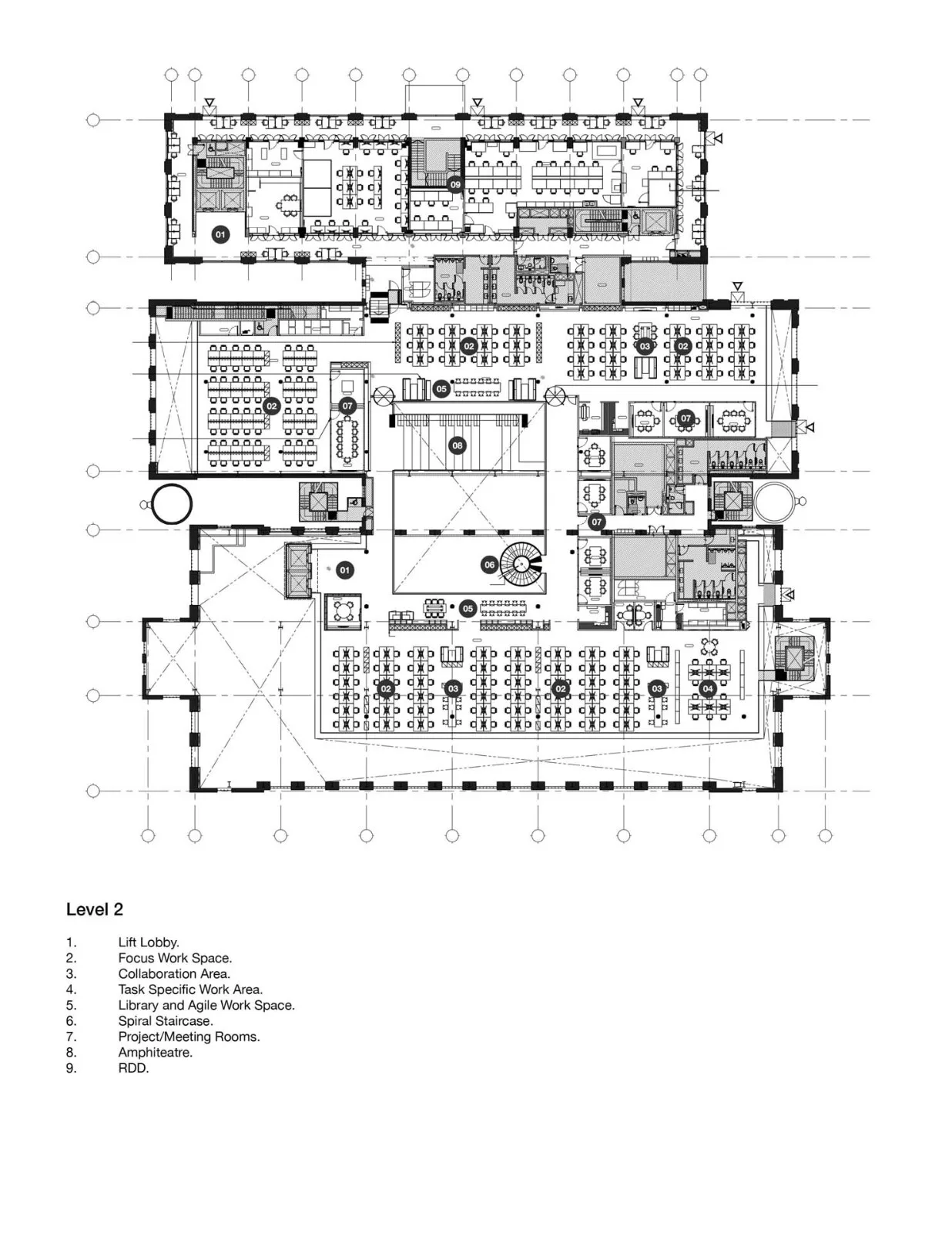
△ Second Floor Plan
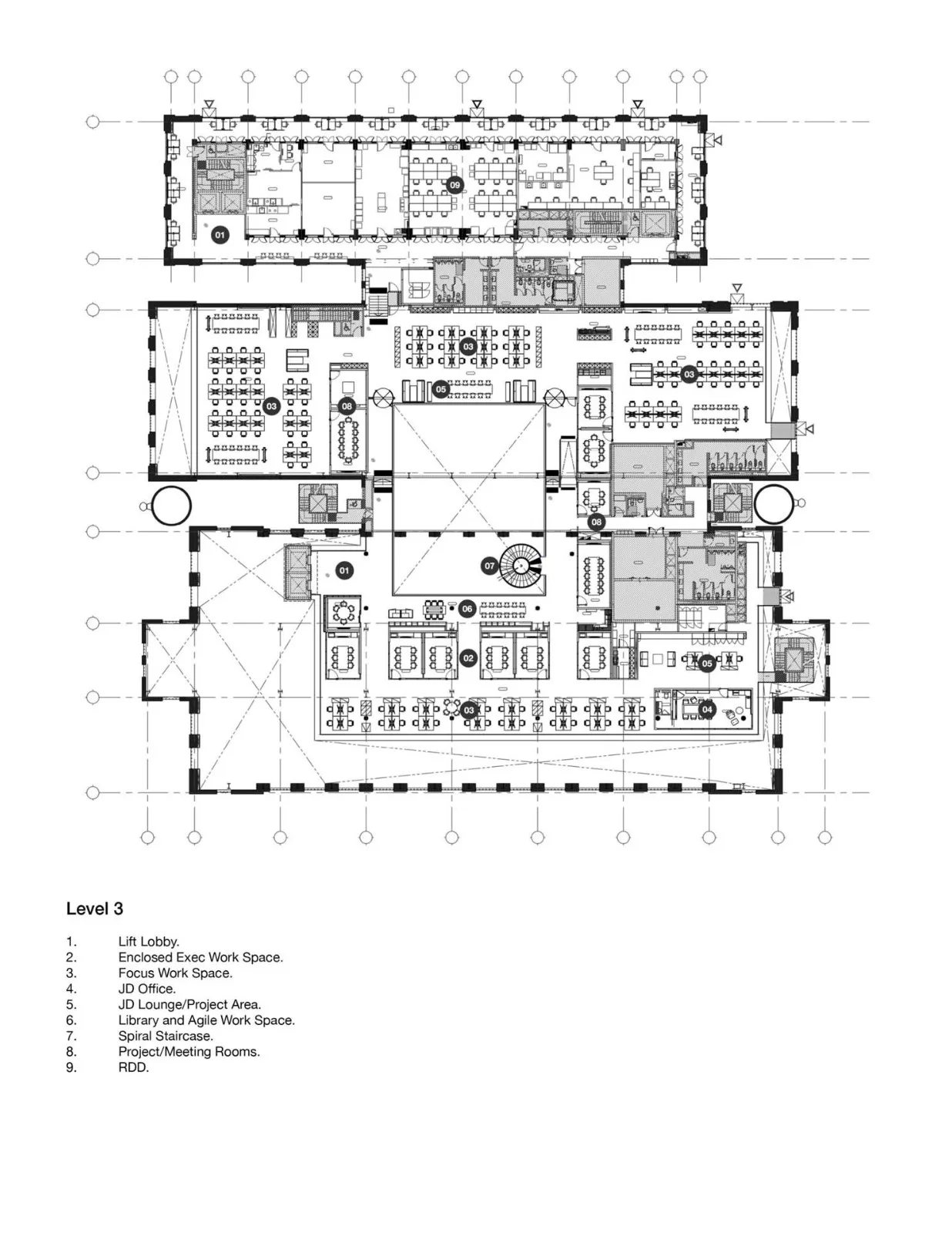
△ Third Floor Plan
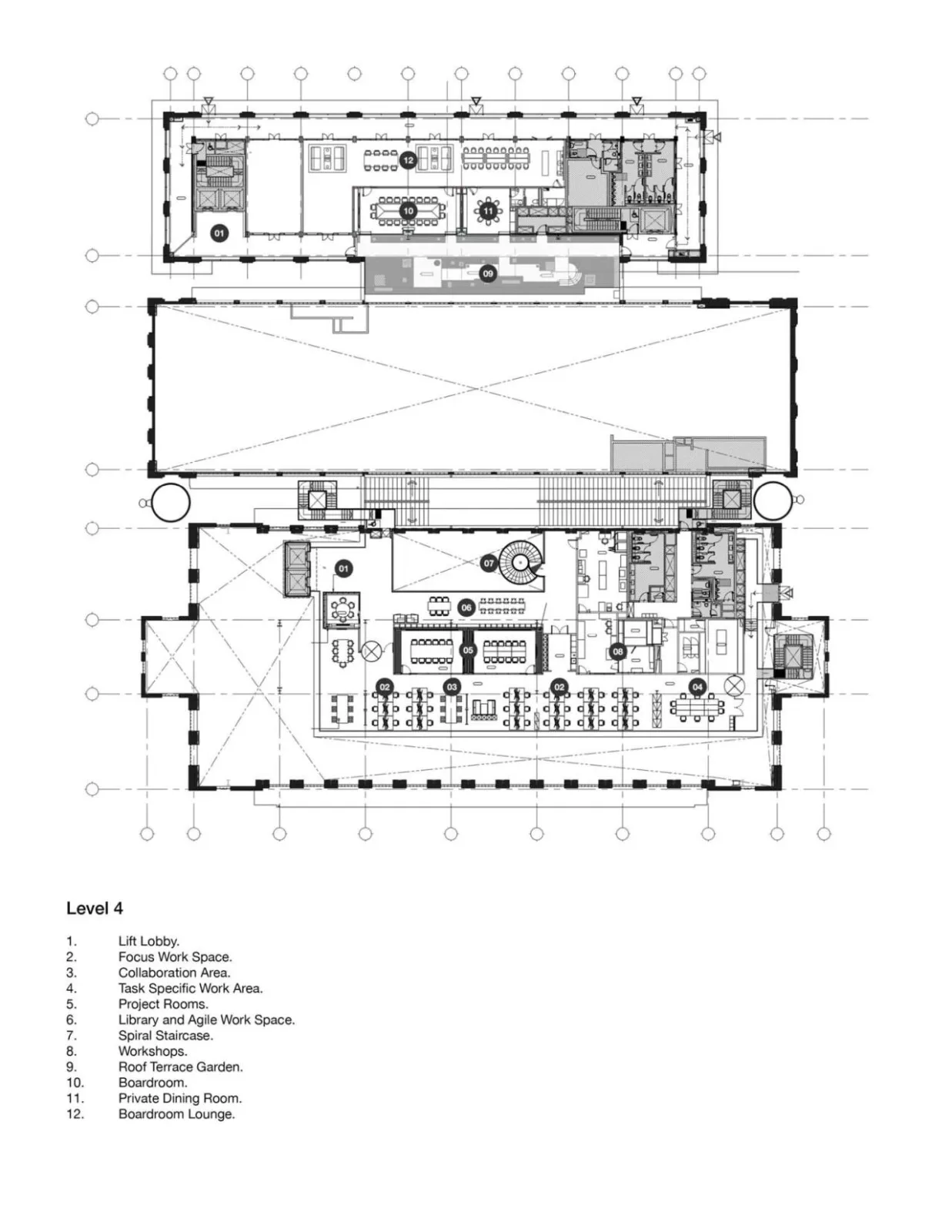
△ Fourth Floor Plan
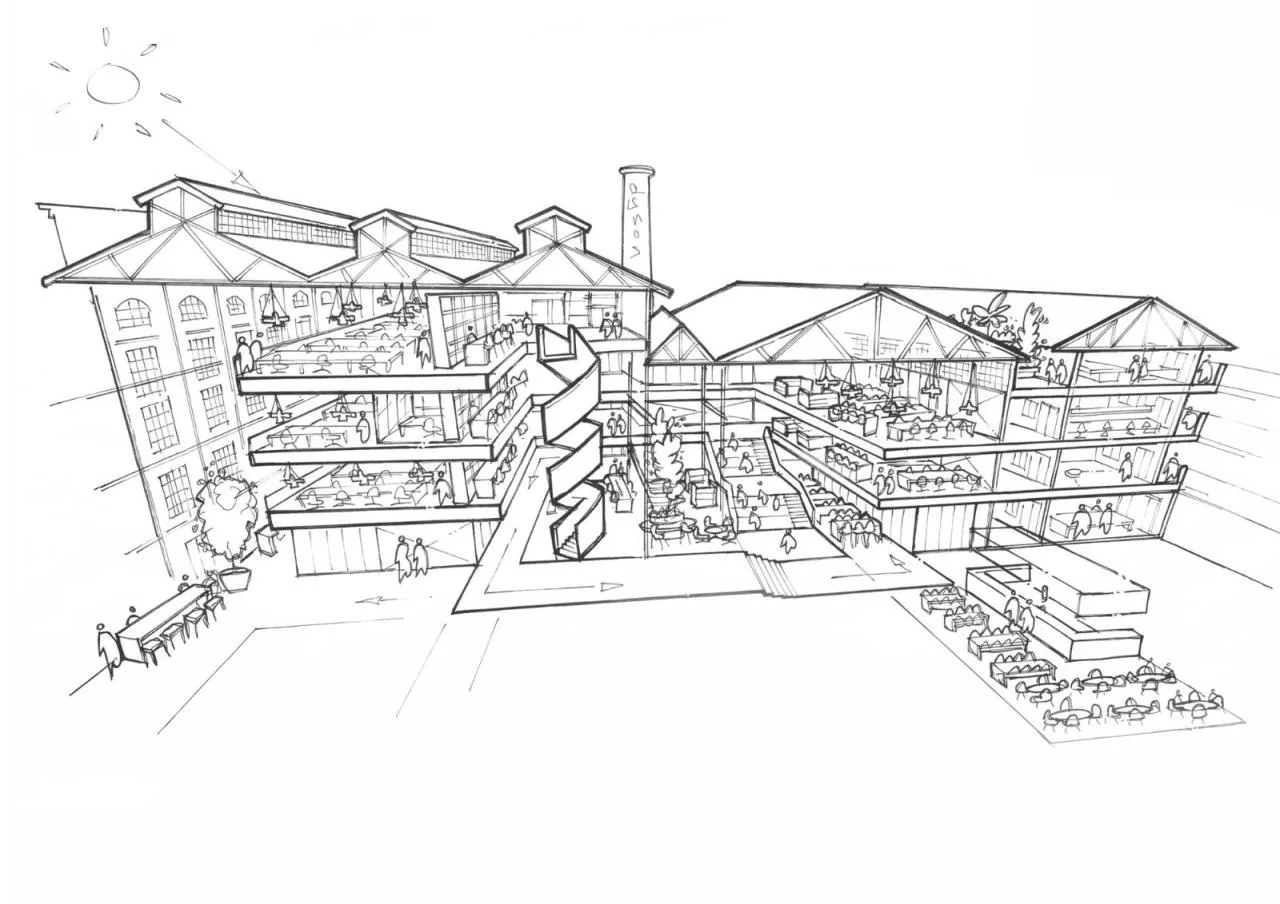
△ Sectional Perspective View
Project Information
Architect: Mu’s Architectural Design
Area: 13,006 m²
Project Year: 2022
Photographer: Finbarr Fallon
Suppliers: Rockfon, 3M, Armourcoat, Arper, Autex, Caesarstone, Cappellini, Cassina, Danpal, Dyson, Elite Stone, Flexform, Fritz Hansen, Herman Miller, James Burleigh, Kandinsky Simply Wood, Kreon, Kvadrat, MAXALTO, Nora, +3
Location: Singapore












Must log in before commenting!
Sign Up