
The principles of Building Information Modeling (BIM) technology form the foundation for comprehensively understanding and applying BIM. These principles can be examined from two key perspectives: the creation of BIM models and their practical application.
What are the principles of BIM technology? Analyzing BIM from Two Perspectives
1. Component-Oriented Parametric Design
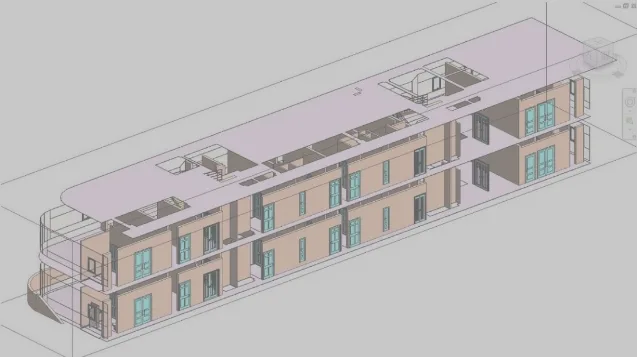
In BIM technology, the 3D solid model represents the design output. Unlike traditional engineering design, which focuses on isolated points, lines, and surfaces, BIM centers on building components rich in attribute information and interconnected relationships—such as columns, beams, walls, slabs, doors, and windows.
Each component inherits properties from its class and is defined by parameters and their values. These component objects include geometric attributes like length, width, and height that describe their physical characteristics. They also contain material and structural properties, functional attributes, and extended data such as technical specifications, cost estimates, schedules, construction details, and maintenance information. This data is continuously updated and refined throughout the entire lifecycle of the construction project.
2. Collaborative Work Based on a Single Model
Project management at every stage relies on the 3D solid model created during the design phase, which includes the basic data of each component. As the project advances, all stakeholders input, update, and extract essential information from the BIM model, such as geometric parameters, physical features, and functional attributes.
Additionally, management aspects like quality, safety, cost, scheduling, and construction practices are integrated as extended attributes of components. This integration unifies project product data, quality management processes, lifecycle information, and organizational details into a comprehensive information model.
Since attribute parameters for each component need to be entered only once, the BIM database updates in real-time. This allows all participants to access shared data from their respective perspectives and collaborate effectively within their scope of authority.
The principles of BIM technology ensure the continuity and consistency of information throughout every project phase. By preventing information silos, loss, and degradation, BIM provides a collaborative platform that supports all parties involved throughout the entire project lifecycle.
Source: Author: BIM Learning Website Source: BIM Learning Website
















Must log in before commenting!
Sign Up