
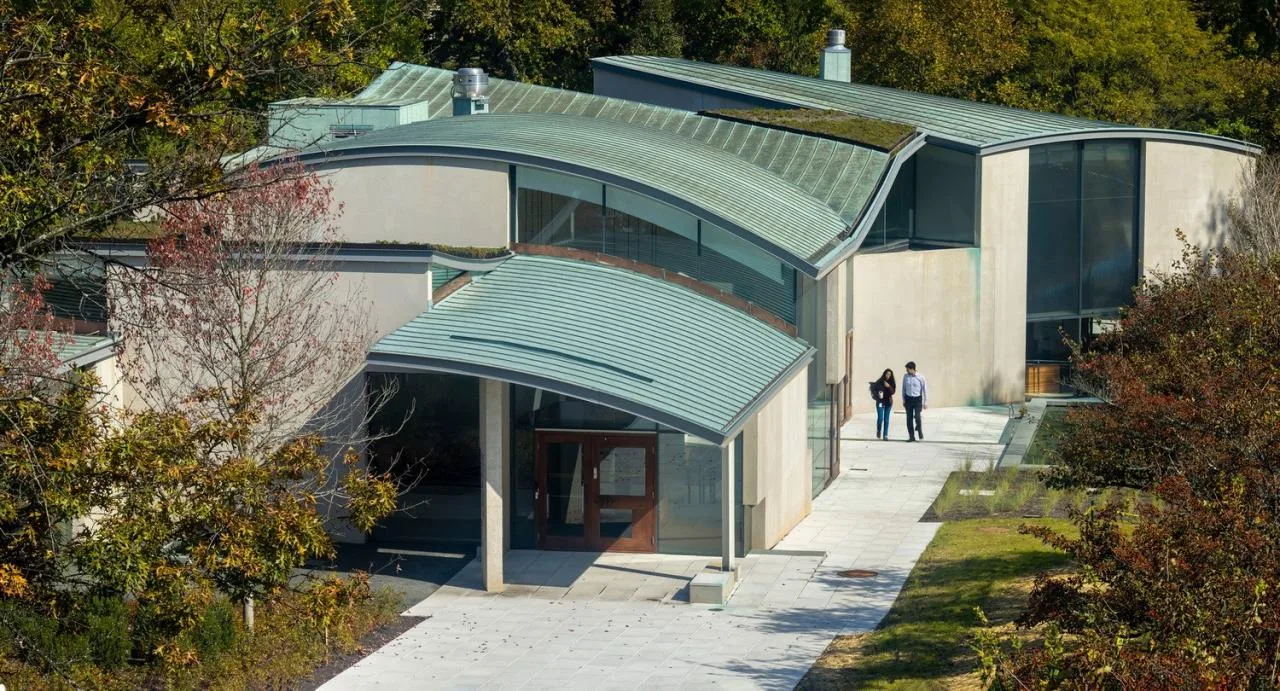
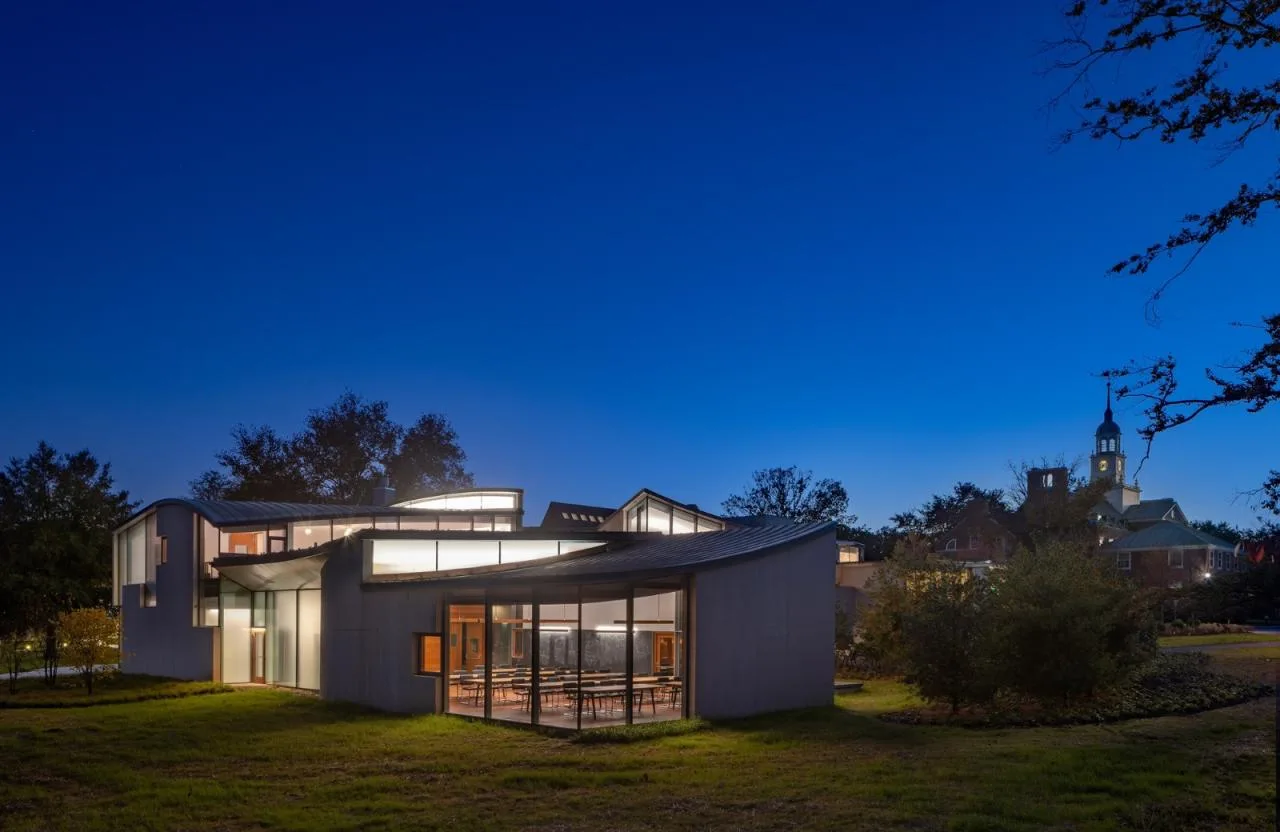
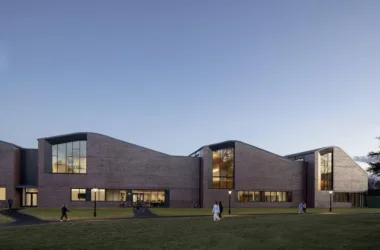
The Princeton Institute for Advanced Study (IAS), located in Princeton, New Jersey, USA, was originally established in 1930. The Rubinstein Public Activity Room, designed by Steven Holl Architects, is a new public building set to enrich this historic campus.
Fuld Hall, the most iconic building of the IAS, was constructed in 1939 and has been a workplace for renowned academics such as Albert Einstein, Robert Oppenheimer, and Yang Zhenning. The Rubinstein Public Activity Room is located adjacent to this landmark.
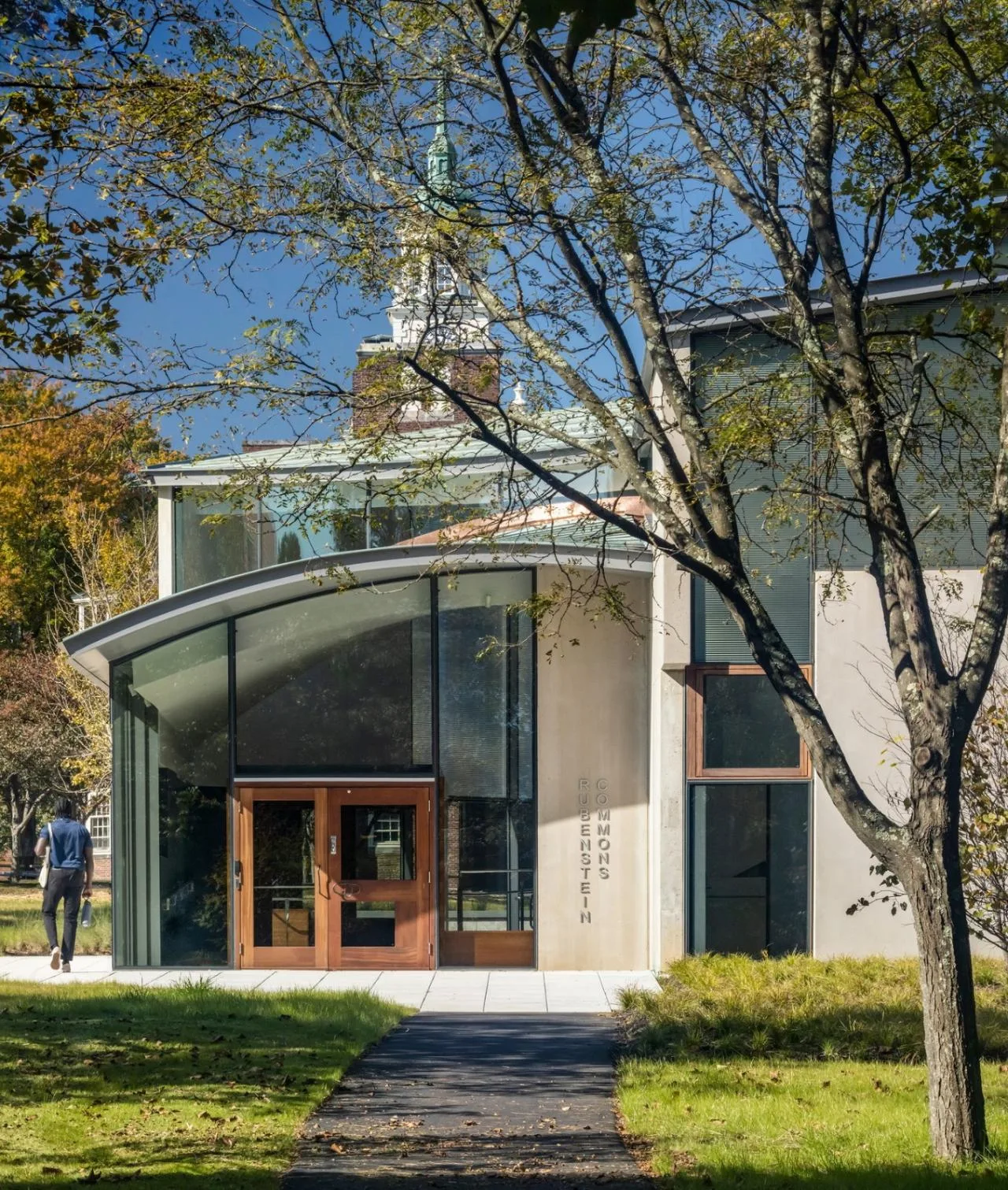
The Rubinstein Public Activity Room’s design is inspired by the concept of “interweaving,” integrating external flow patterns throughout the building. This new venue offers flexible meeting spaces and supports the diverse communities and academic activities within the IAS campus.
The building preserves the natural terrain by creating a single-story structure that gently follows the slope, providing users with expansive views of a spacious courtyard.
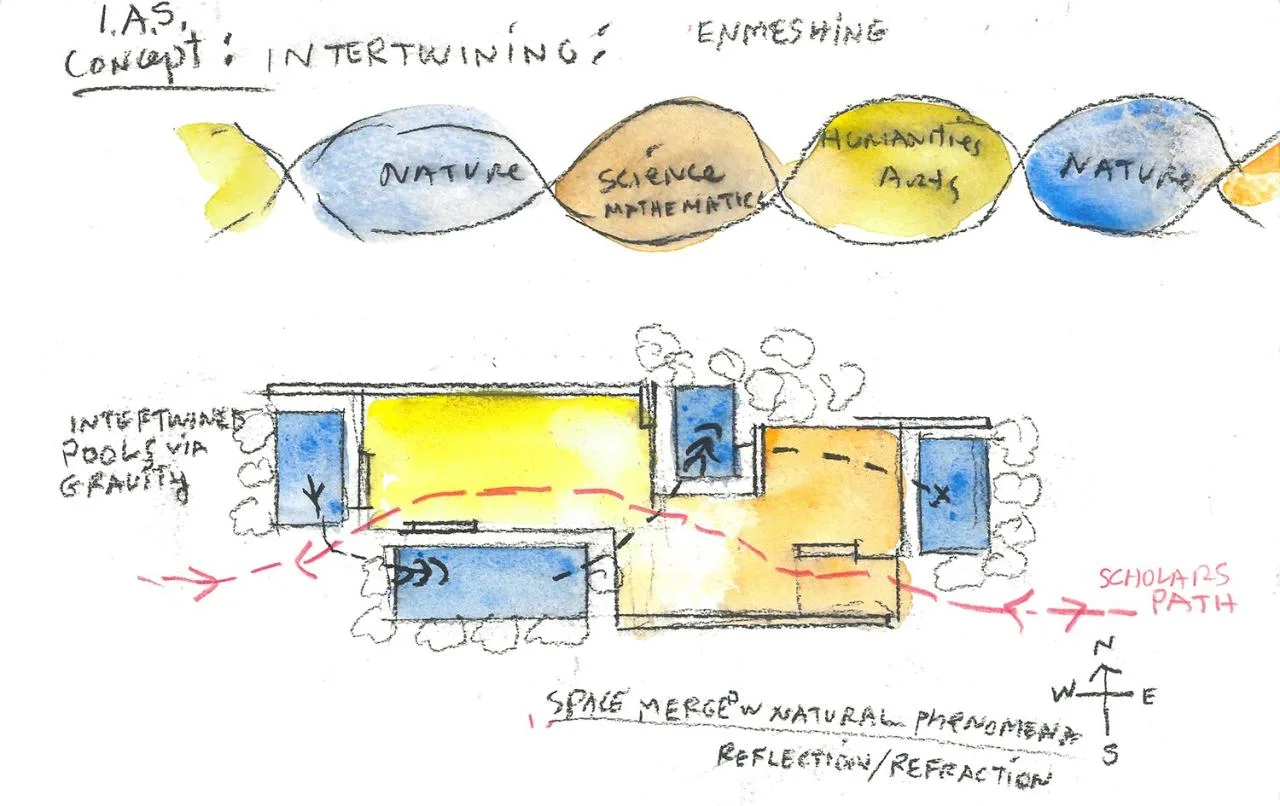
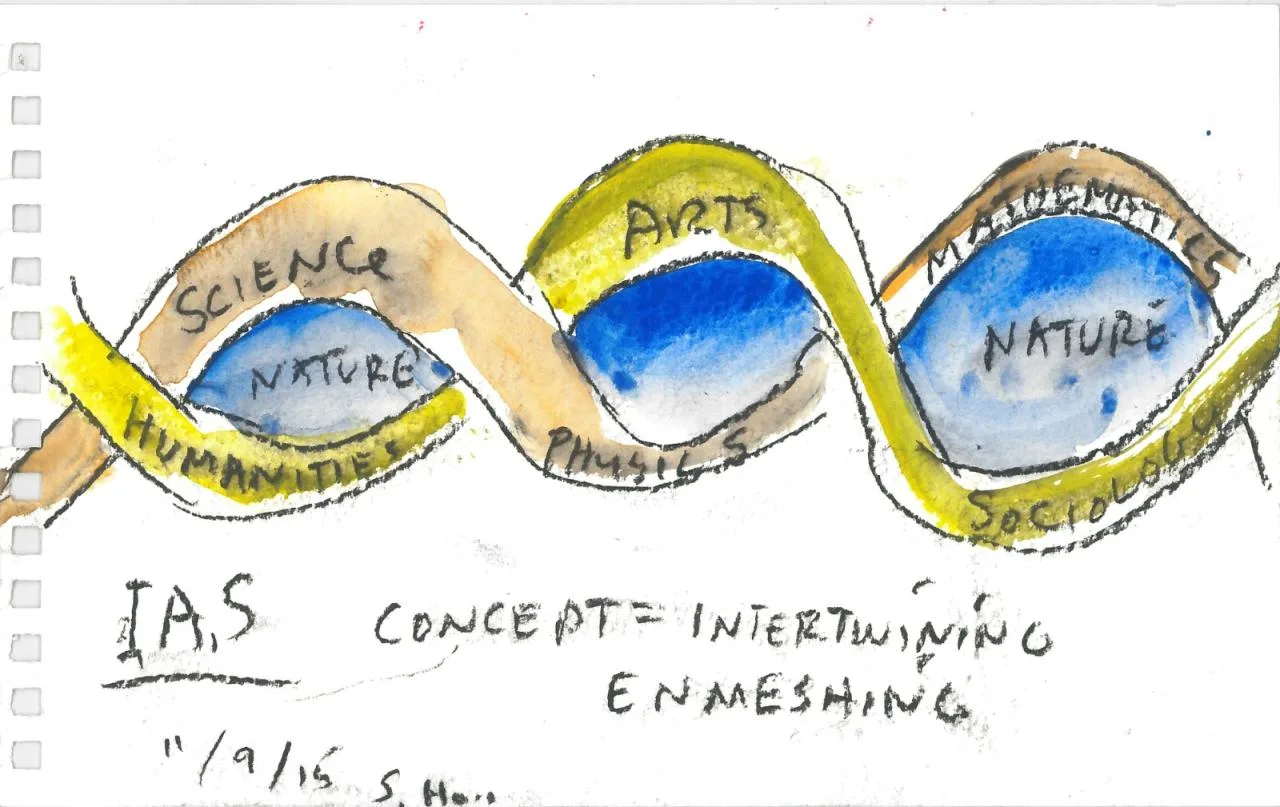
The building seamlessly weaves into the landscape and connects to water pools on its south, north, and west sides. These pools refract light into the interior, fostering a contemplative atmosphere that harmonizes natural elements with the academic disciplines of science, physics, humanities, and art.
The spatial geometry of the Rubinstein Public Activity Room is defined by the intersection of two non-planar curves, creating a unique “spatial curve.” This design echoes Robert Dijkgraaf, former president of IAS, who described the undulating ceiling as a space for students’ “thought bubbles.”
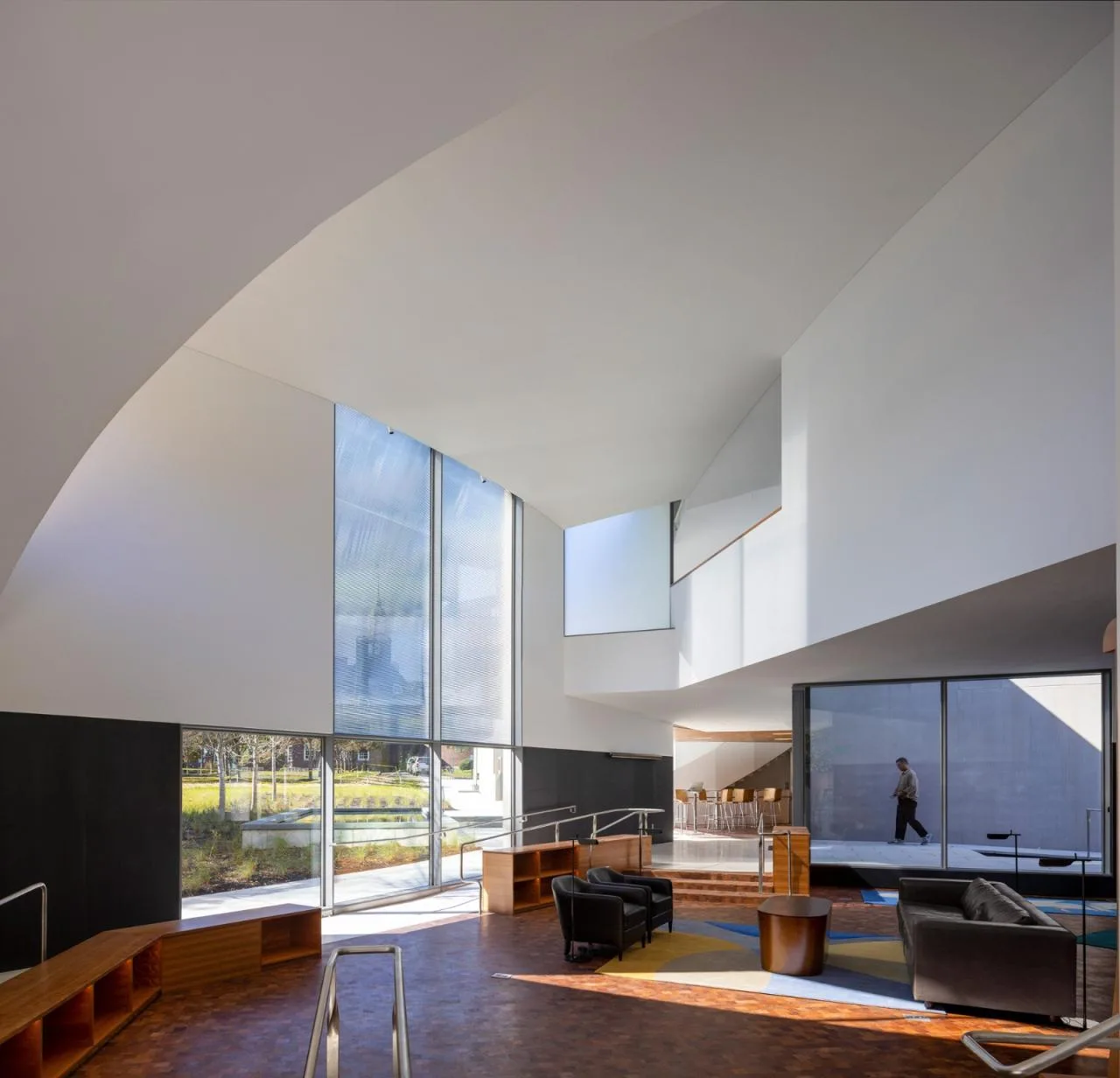
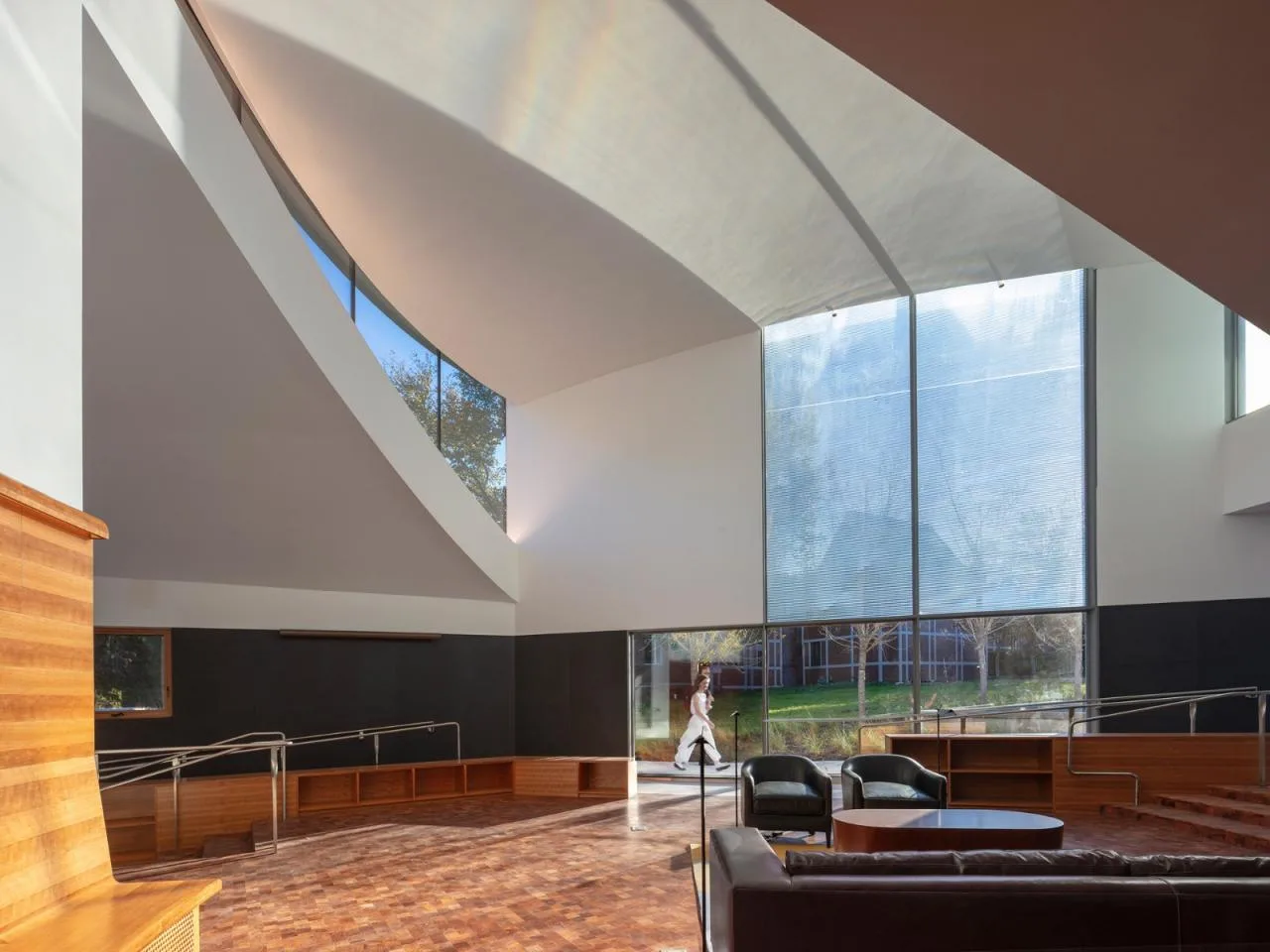
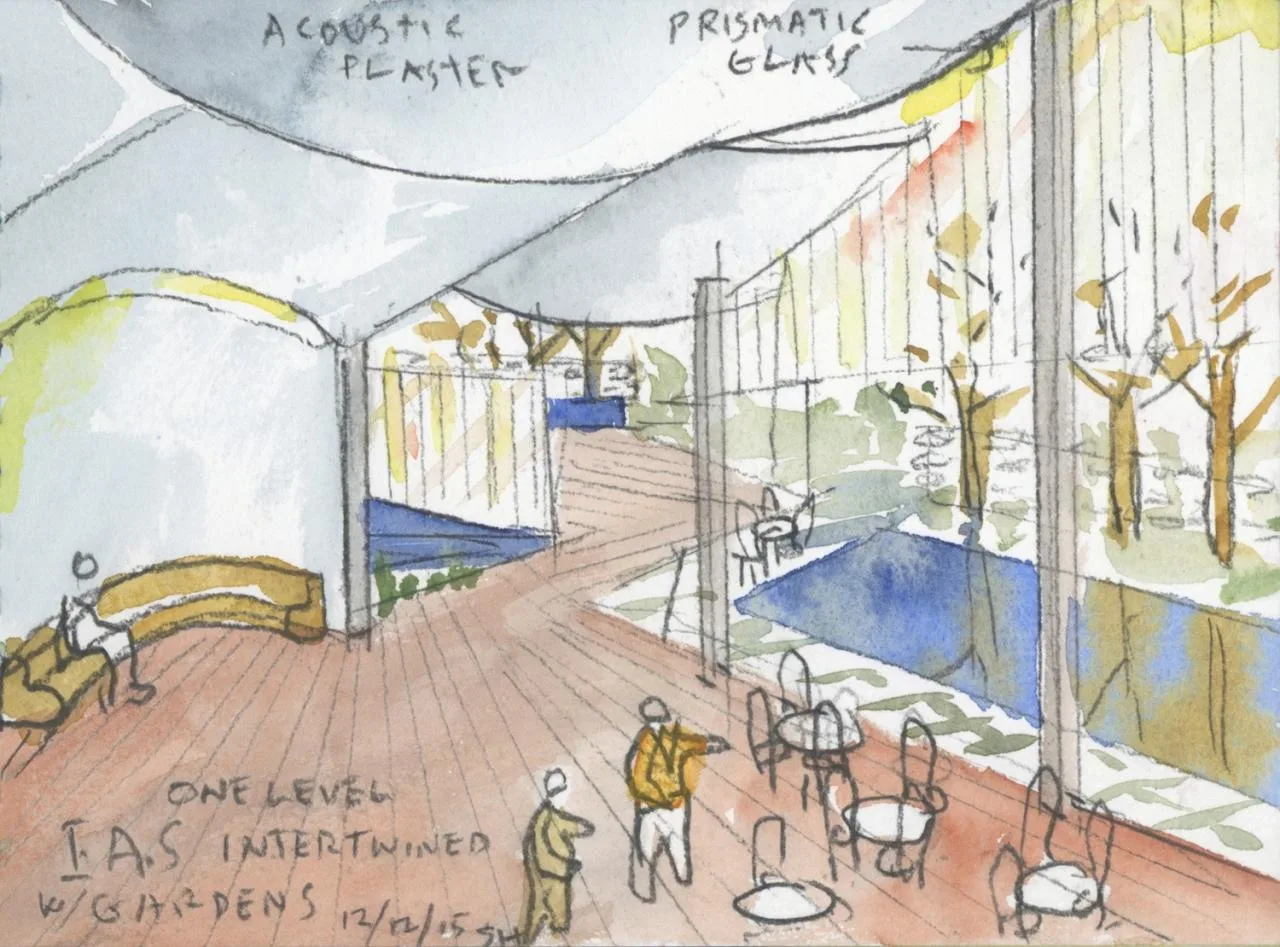
The interior features natural black slate, symbolizing IAS’s pursuit of knowledge and its rich history of intellectual exchange. Prism glass elements break white light into vibrant spectrums, adding dynamic color and vitality to the space.
Custom hand-blown light fixtures illuminate the ceiling’s flowing geometric forms, while door handles inspired by knot theory and sea dragon motifs adorn the east and west entrances, welcoming visitors with symbolic artistry.
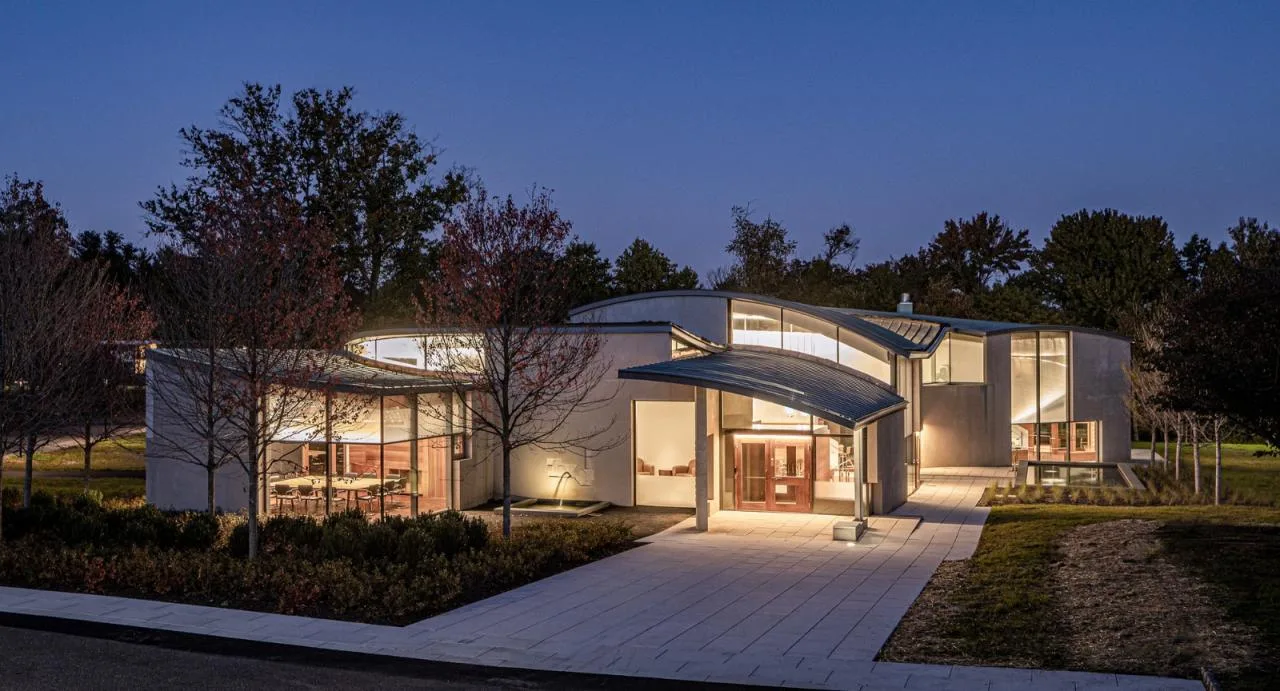
The landscape surrounding the water pools reflects the changing seasons throughout the year. In spring, pink Bauhinia blooms emerge from the eastern woods. Summer brings lush ginkgo leaves and purple Russian sage flowers to the southern scenery.
During autumn, vibrant red maple and golden ginkgo leaves contrast sharply with the reflective water pools to the south. In winter, white pine and American holly trees in the northern garden provide evergreen backdrop year-round.
The building incorporates sustainable features including 20 geothermal wells that harness the earth’s seasonal temperature fluctuations for heating and cooling, complemented by radiant cooling floors. Natural ventilation is facilitated through wooden frame windows, bringing fresh air and daylight into the interior.
Project Information
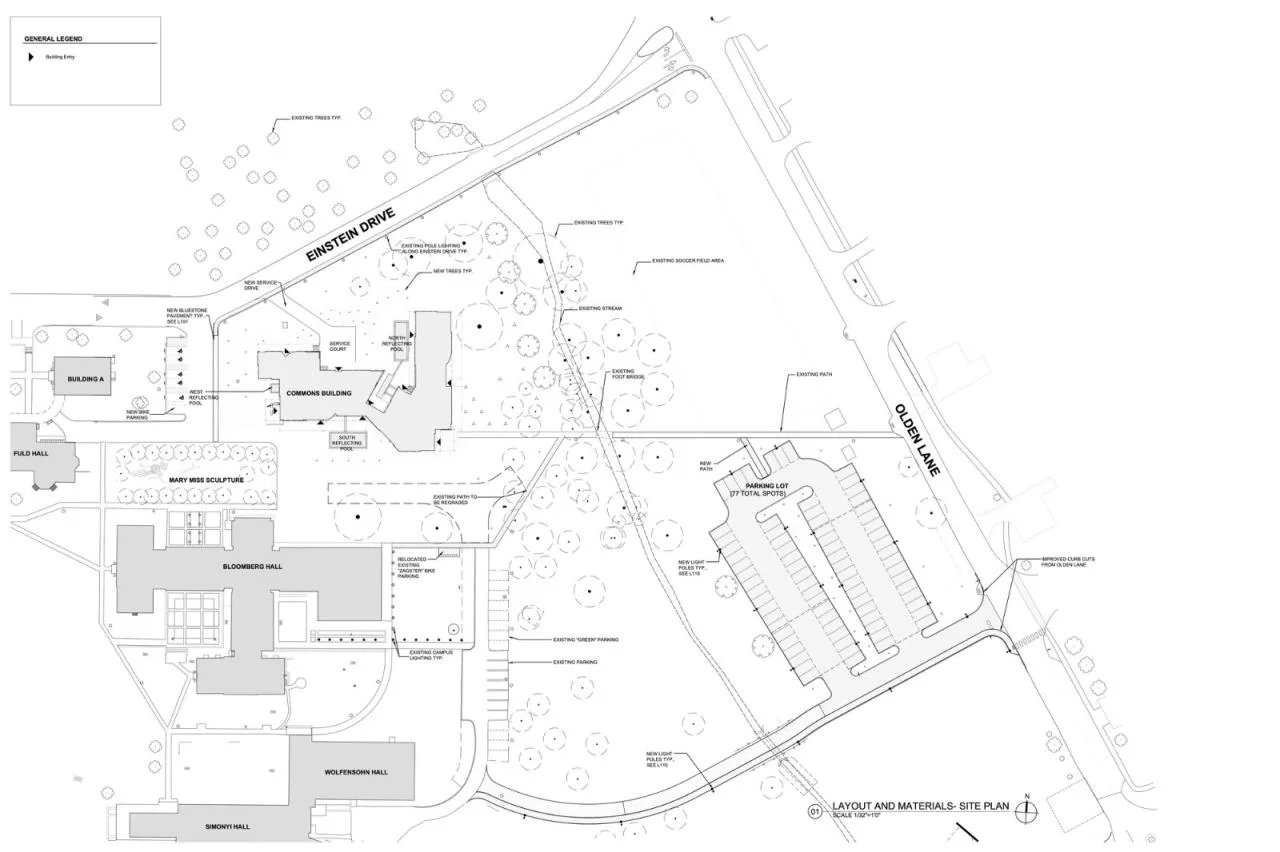
△ Base schematic diagram
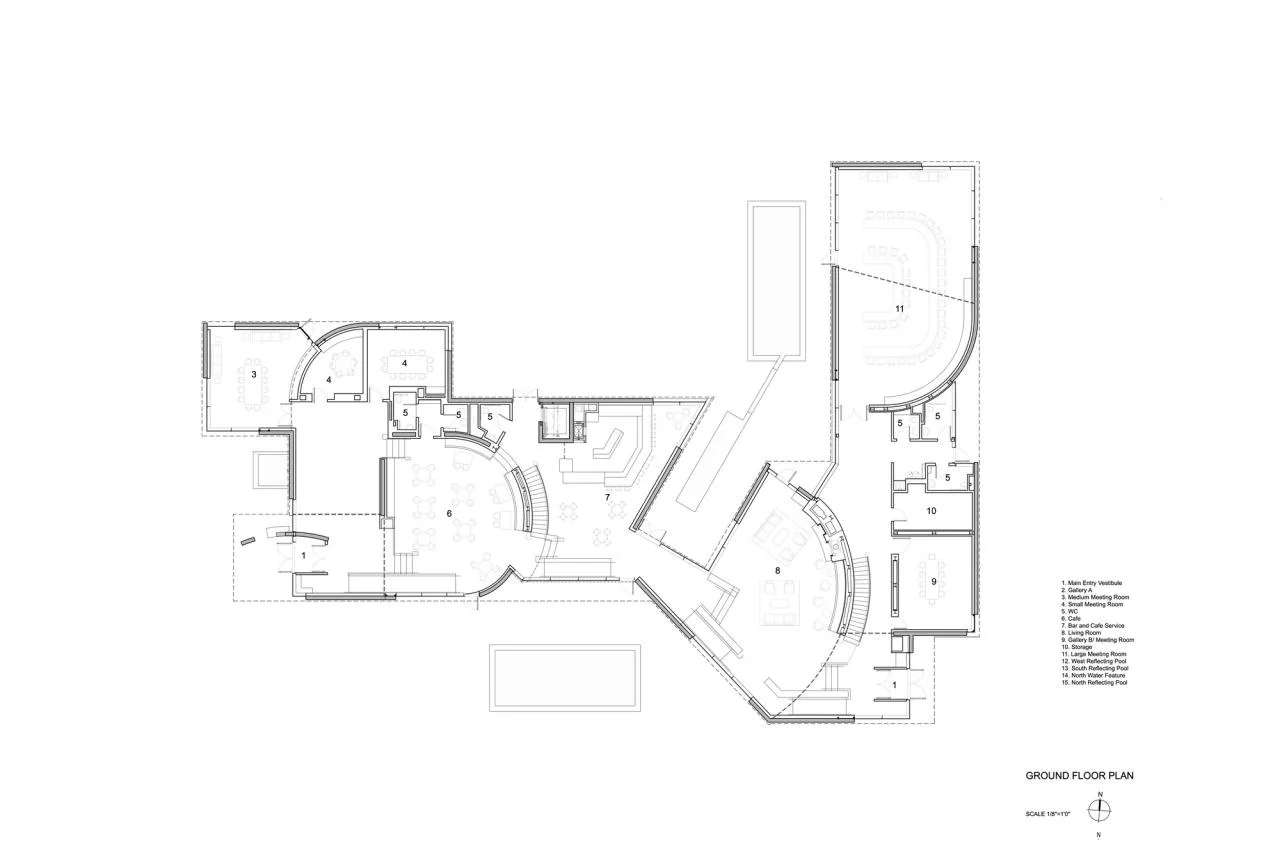
First floor plan
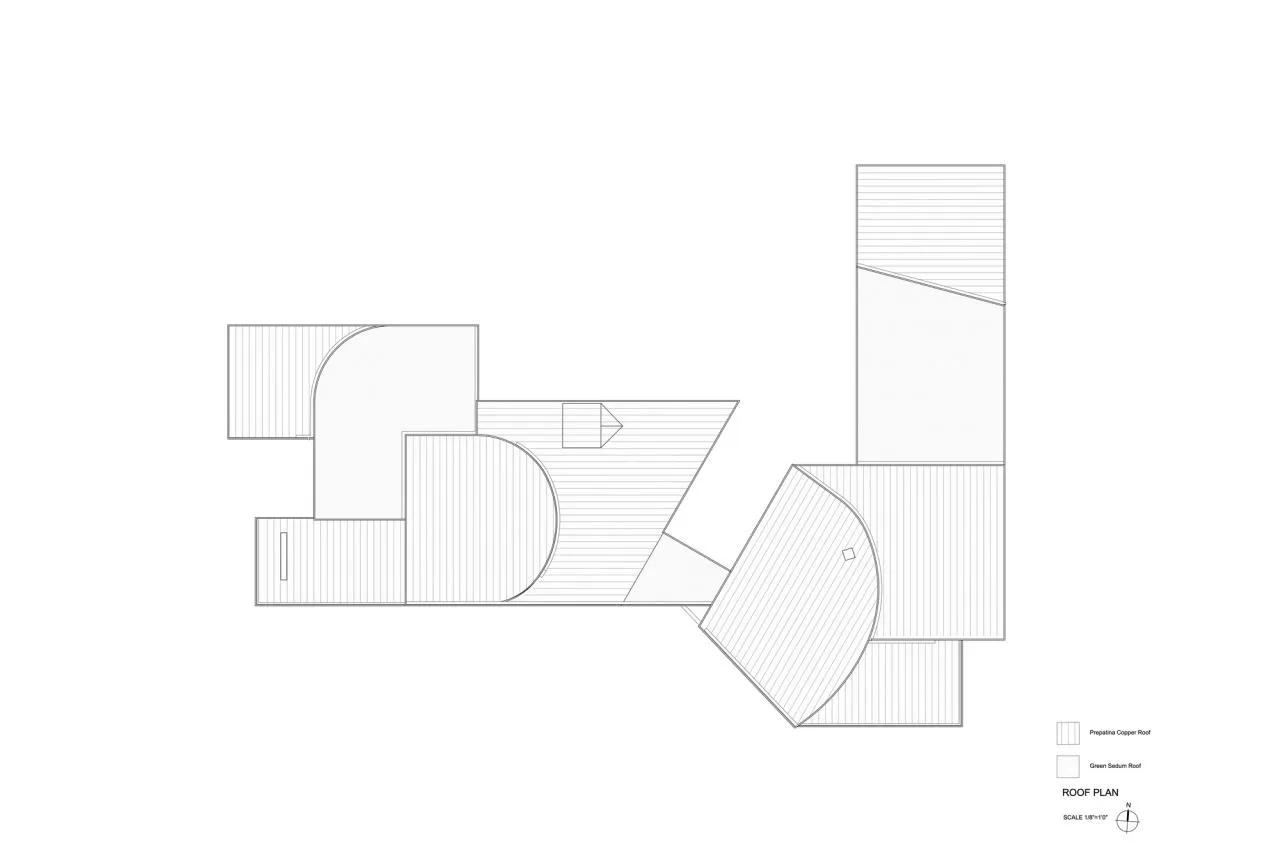
△ Roof plan
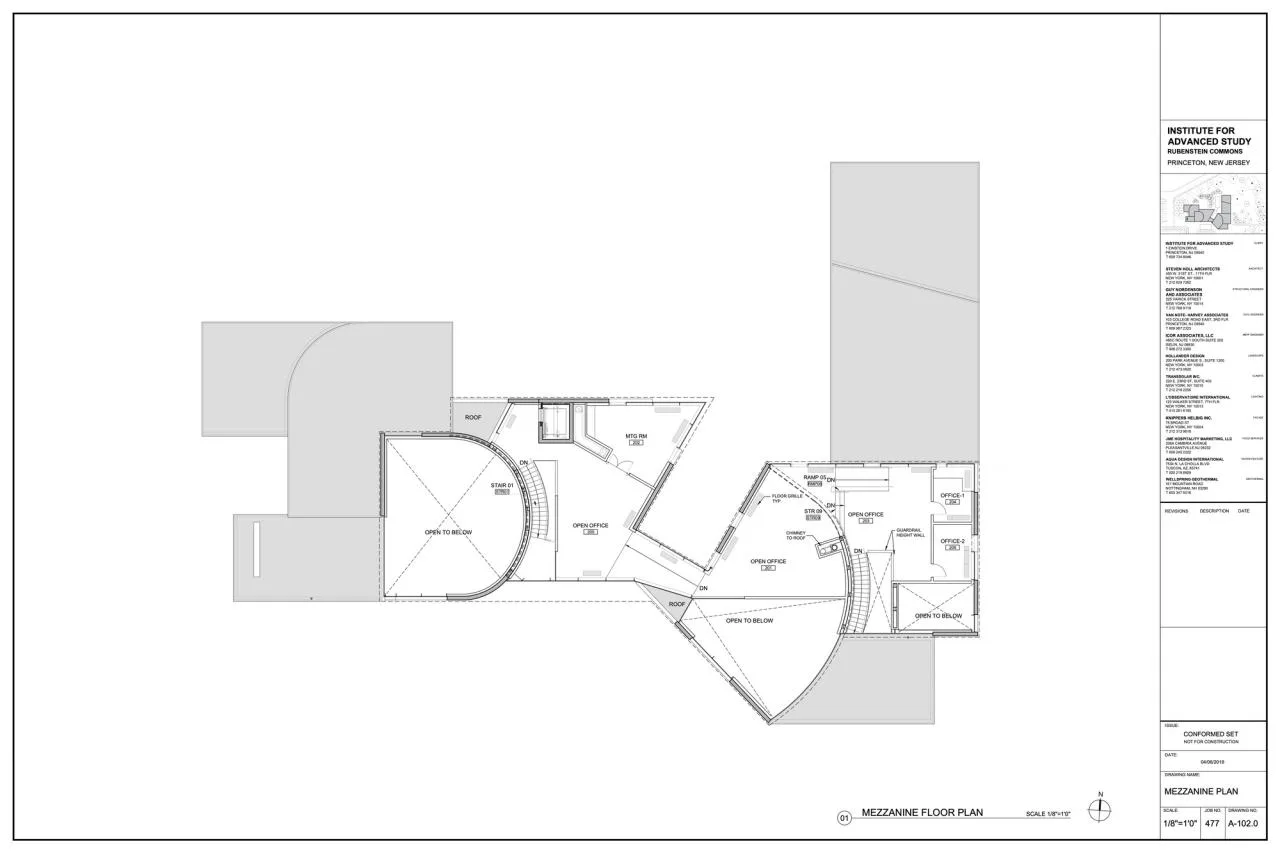
△ Mezzanine plan
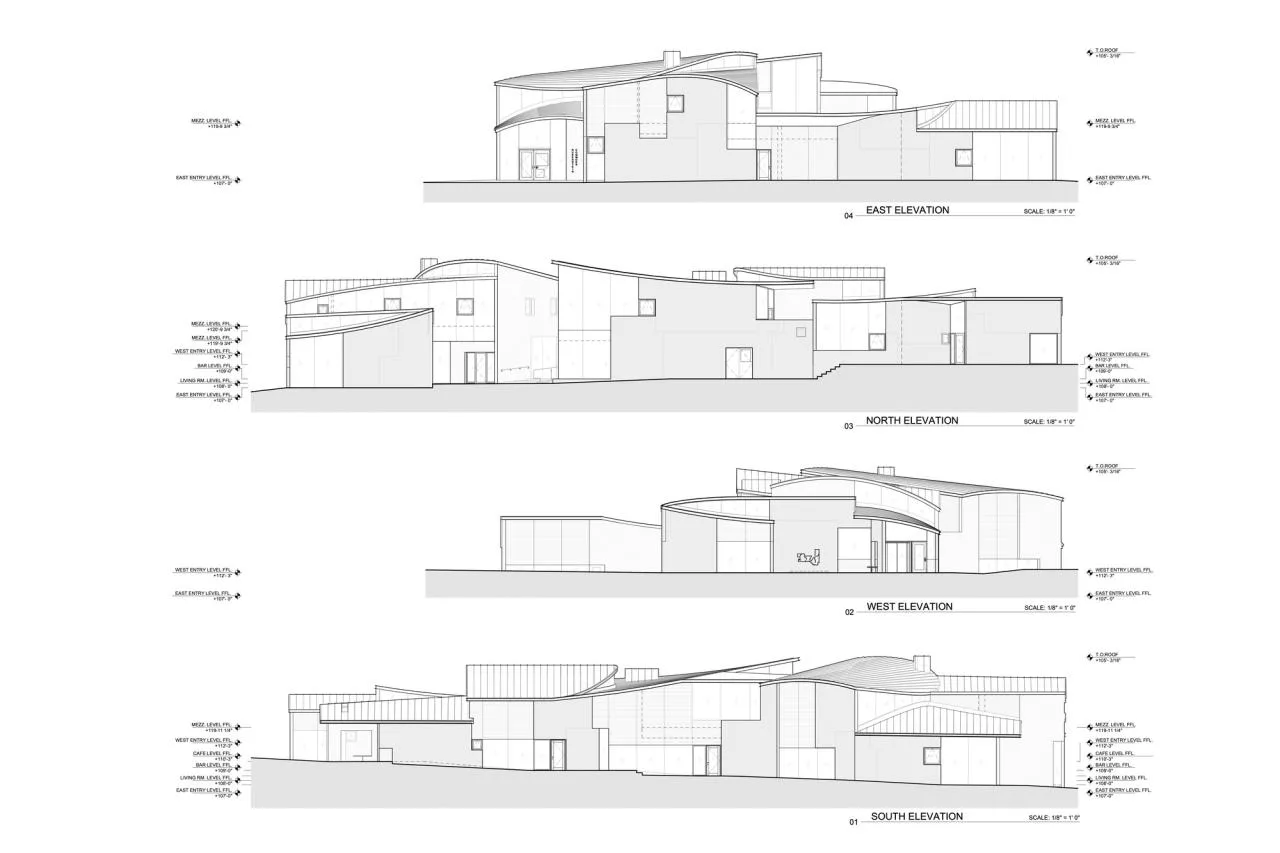
△ Elevation drawing
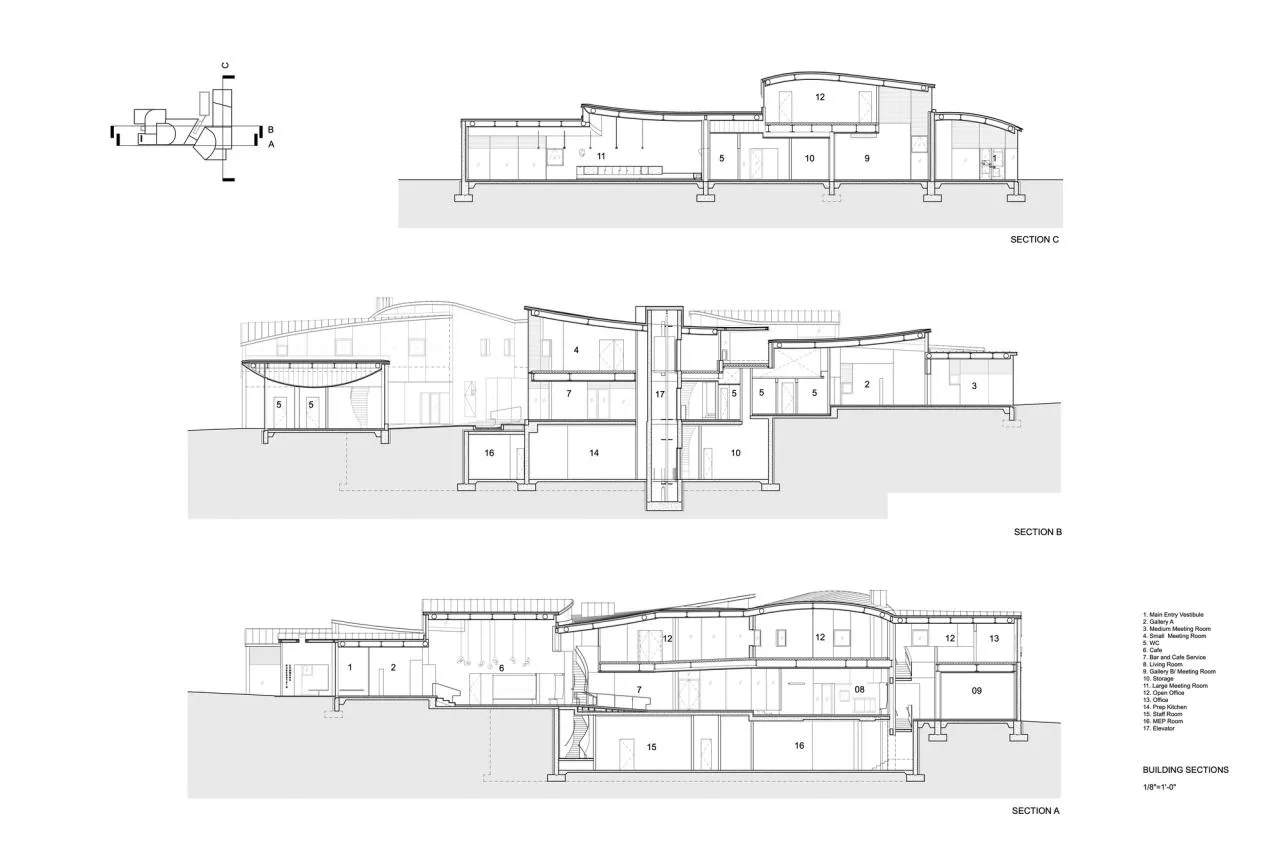
△ Section diagram
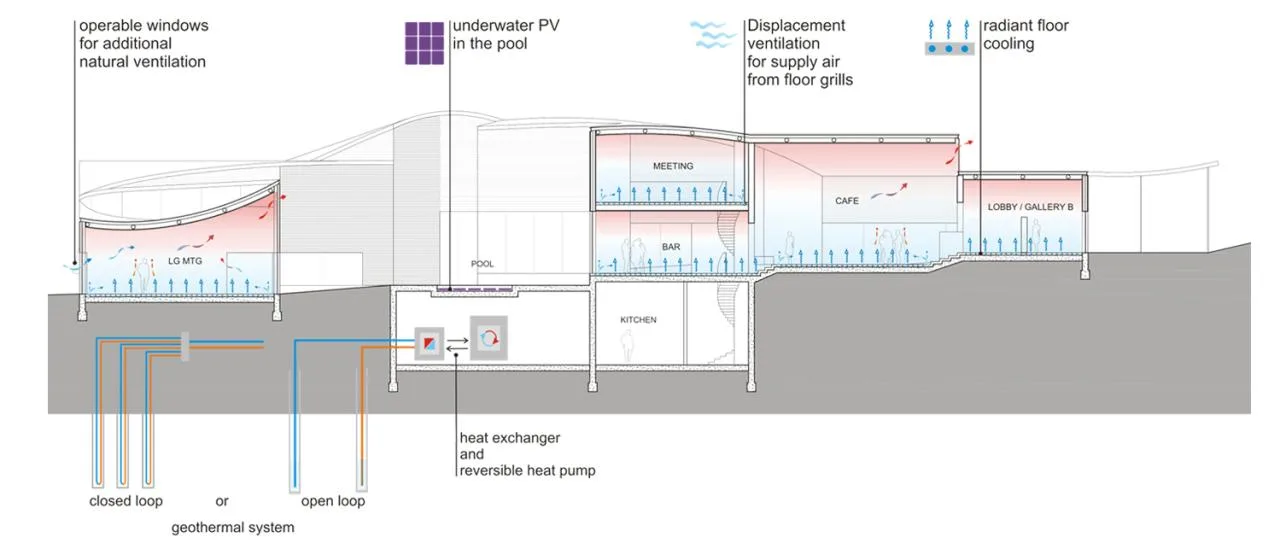
△ Analysis chart
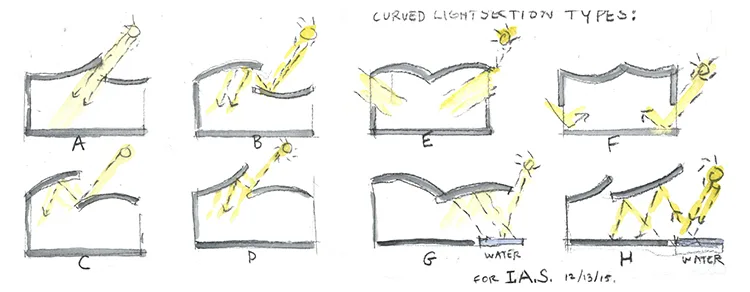
△ Analysis chart
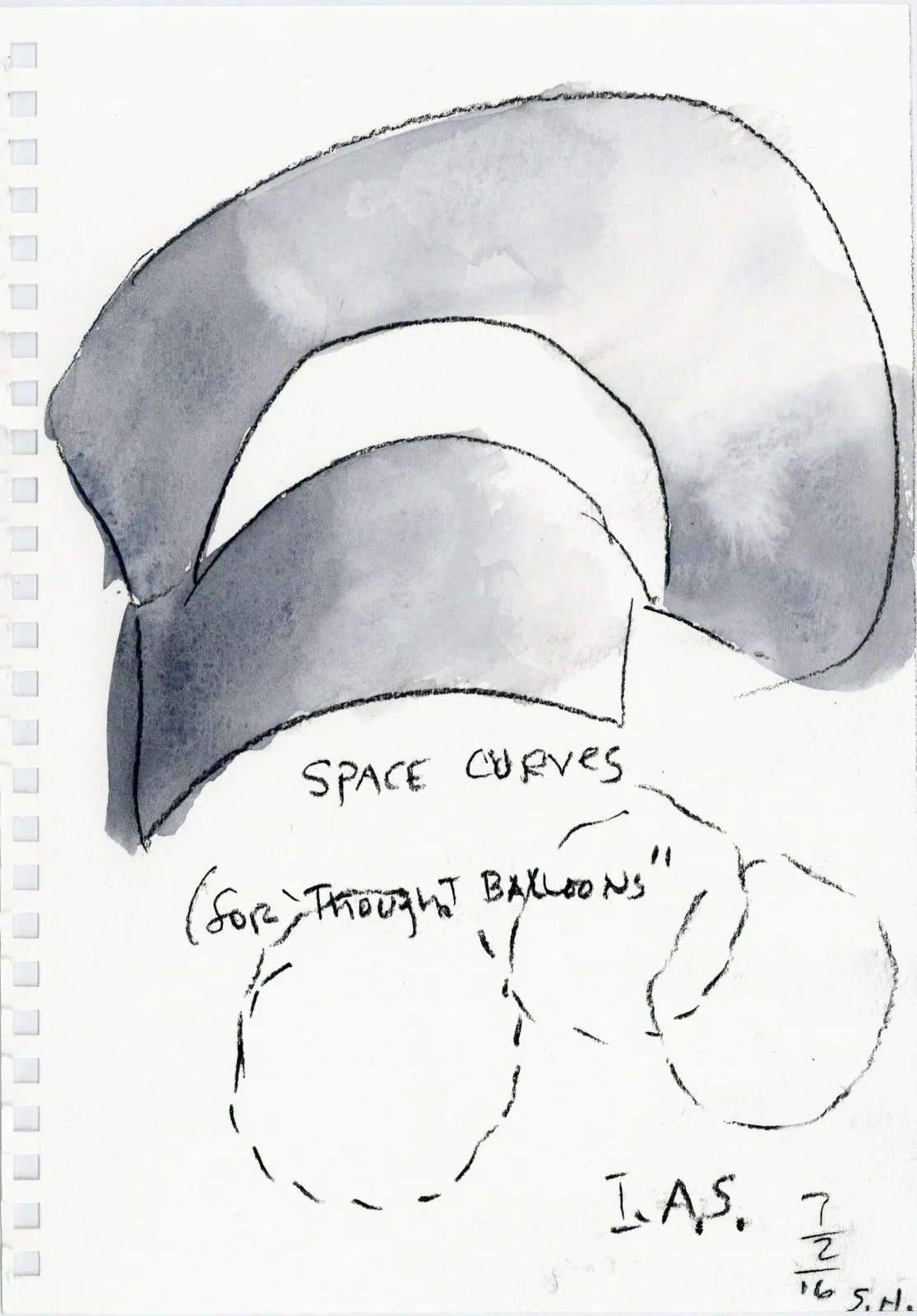
△ Analysis chart
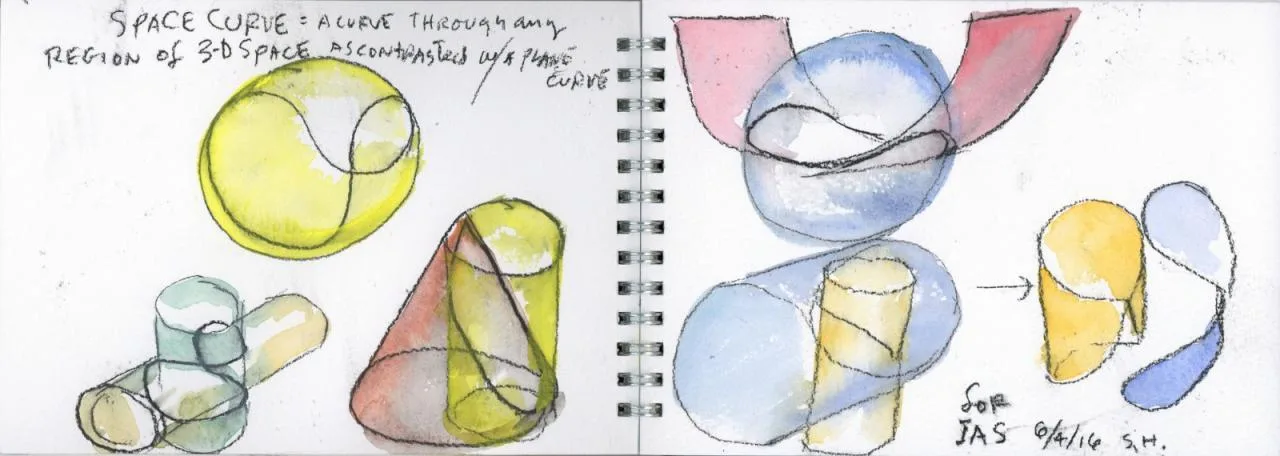
△ Analysis chart
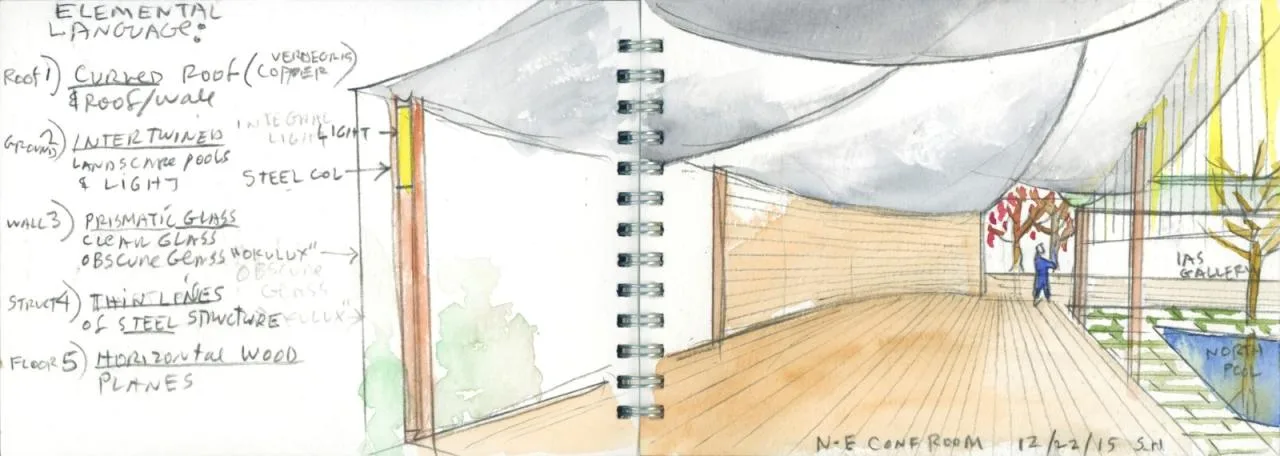
△ Analysis chart
Project Information
Architect: Steven Holl Architects
Year: 2022
Photographer: Paul Warchol
Owner: Princeton Institute for Advanced Study
Lead Designer: Steven Holl
Responsible Partner: Noah Yaffe
Senior Architect: Christina Yessios
Assistant Architect: Yun Shi
Custom Production Expert: Michael Haddy
Project Team: Xi Chen, Carolina Cohen Freue, Michael Haddy, Marcus Carter, Alessandra Catherine Calaguire, Elise Riley
Kitchen: JME Hospitality
Water Feature: AquaDesign
MEPF Engineer: ICOR
Structural Engineering: Guy Nordenson and Associates
Sustainable Design: Transsolar
Cost Engineer: Dharam Consulting
Civil Engineering: Van Note Harvey
Floodlight Design: L’Observatoire International
Landscape Design: Ed Hollander Landscape Architects
Curtain Wall Consultant: Knippers Helbig Advanced Engineering
Location: Princeton, USA













Must log in before commenting!
Sign Up