
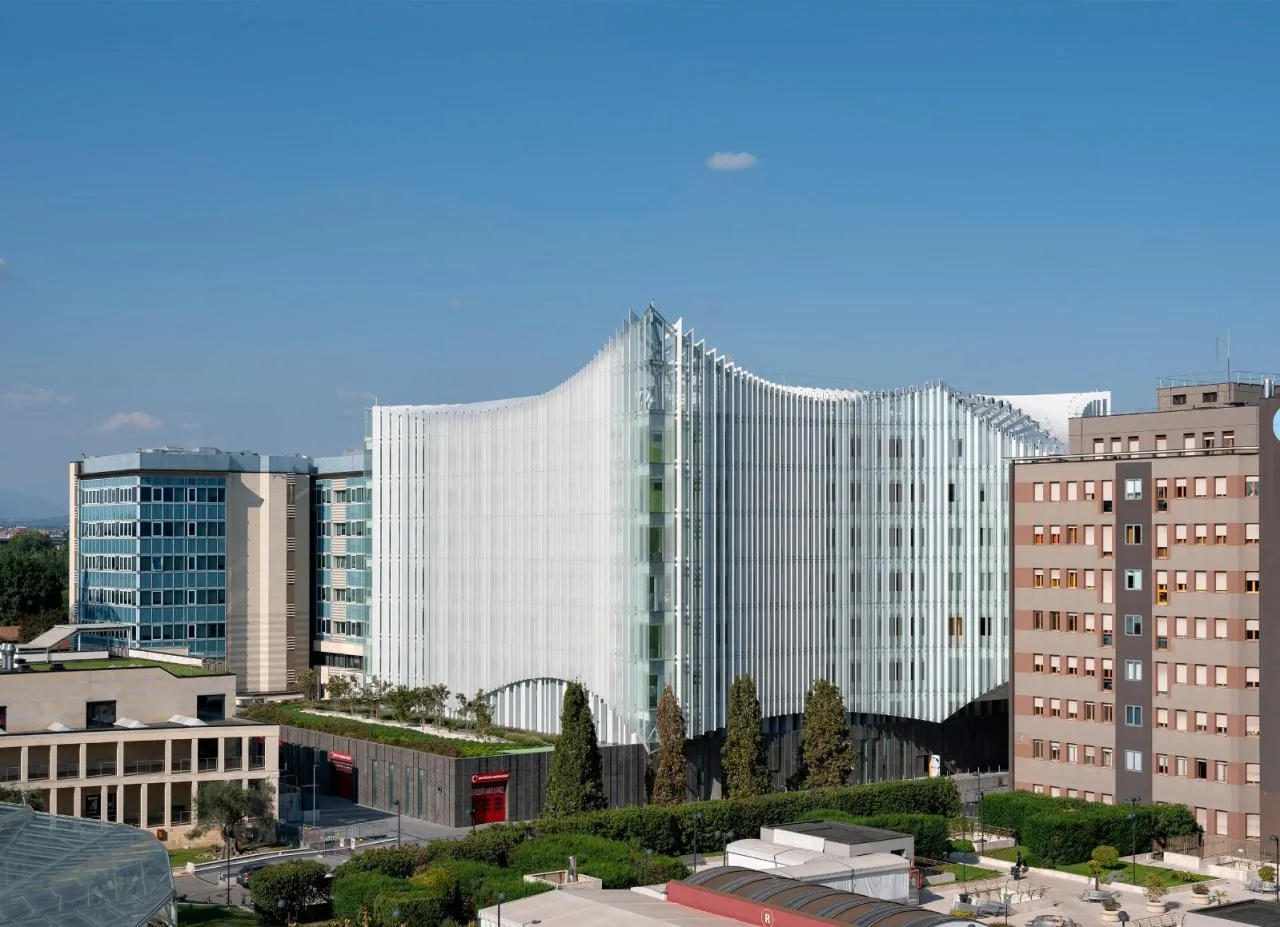
The newly completed Surgery and Emergency Center at Milan San Rafael Hospital has gained attention, being lauded by Chinese media as a hospital capable of absorbing haze.
Ranked 88th on the “2021 World’s Best Hospitals” list, Milan San Rafael Hospital is renowned as one of Italy’s and Europe’s most prestigious medical centers.
With a focus on patient-centered care, the hospital aims to provide a safe, comfortable environment while pioneering sustainable, green hospital design. It is set to become the first hospital in Italy to achieve LEED Gold certification.
Iceberg Hospital
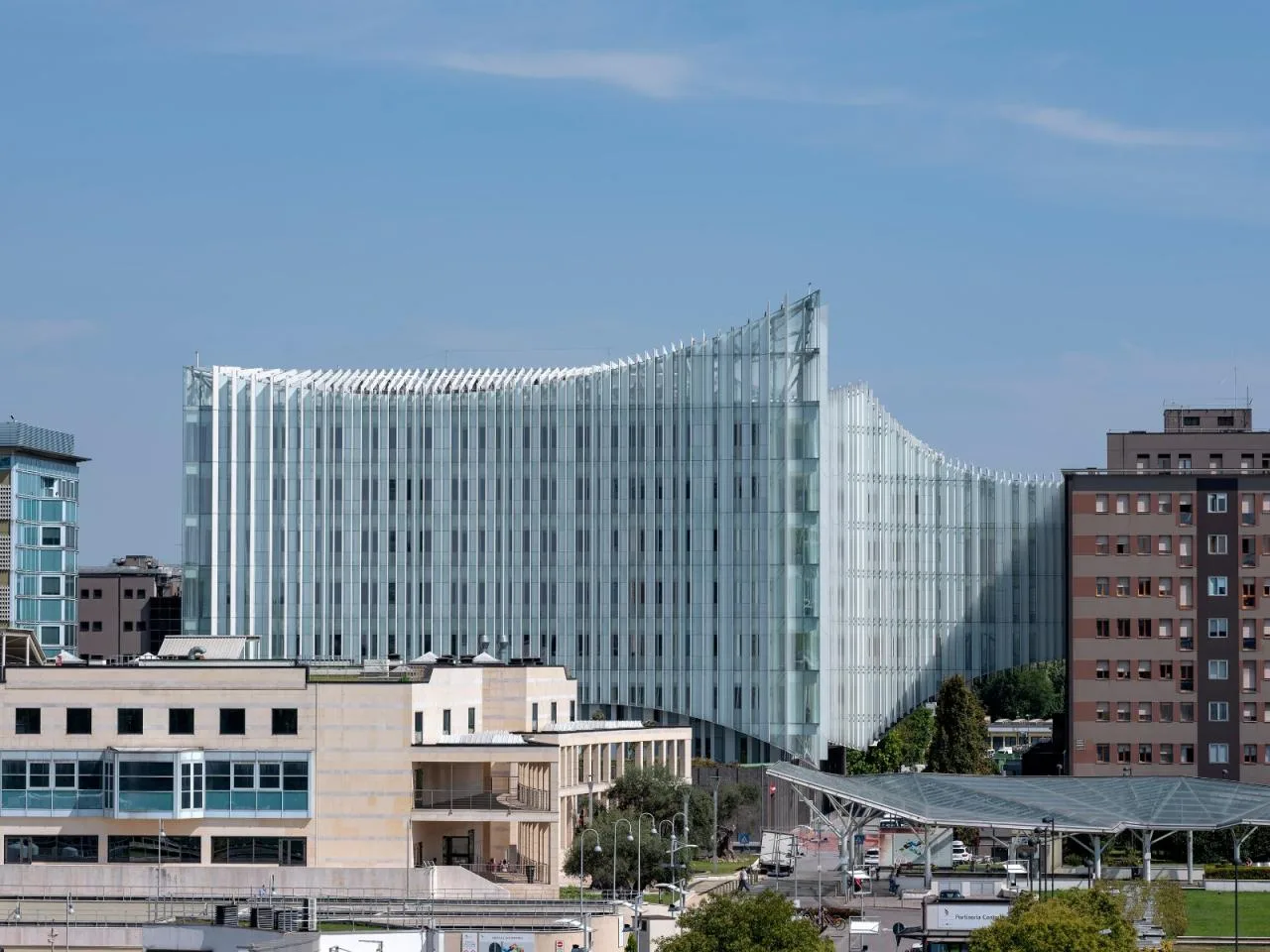
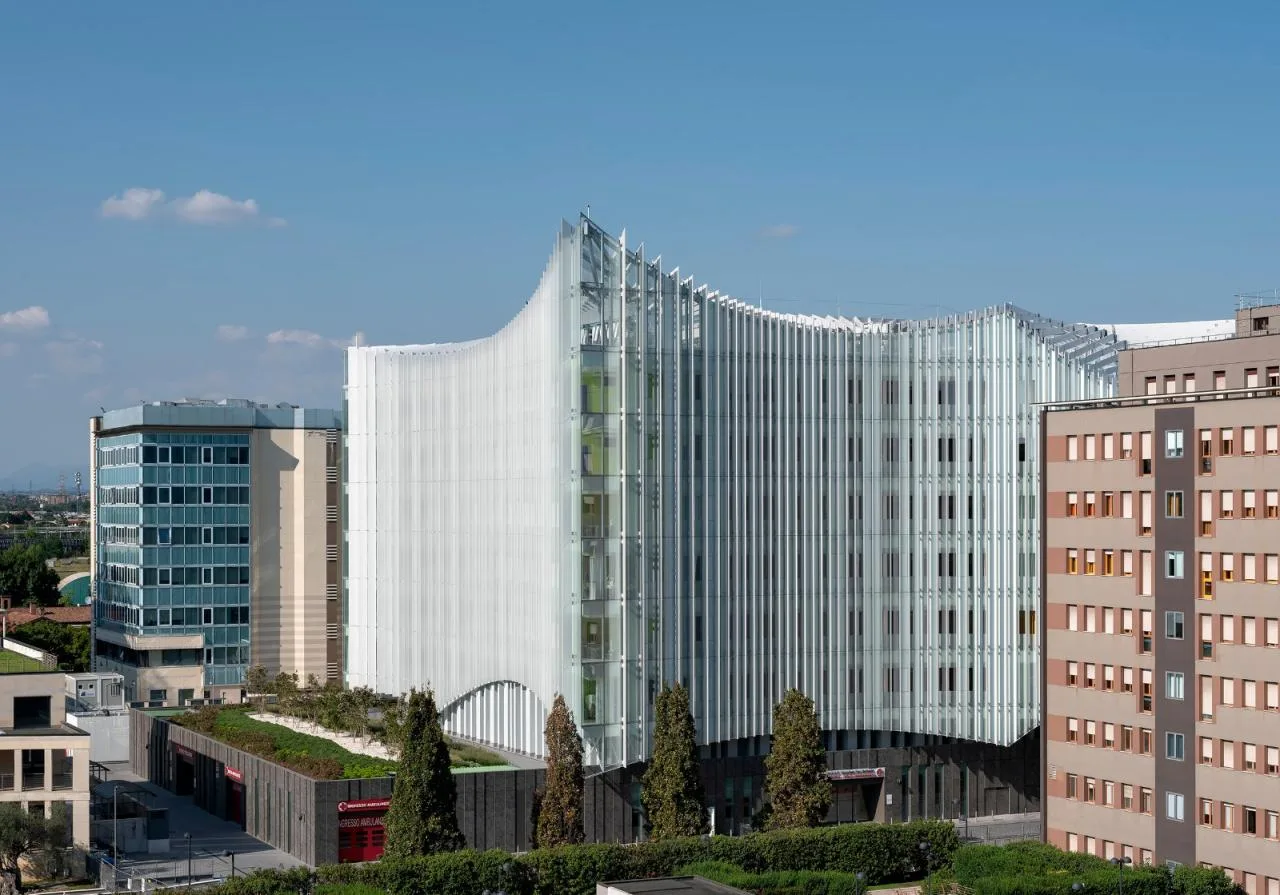
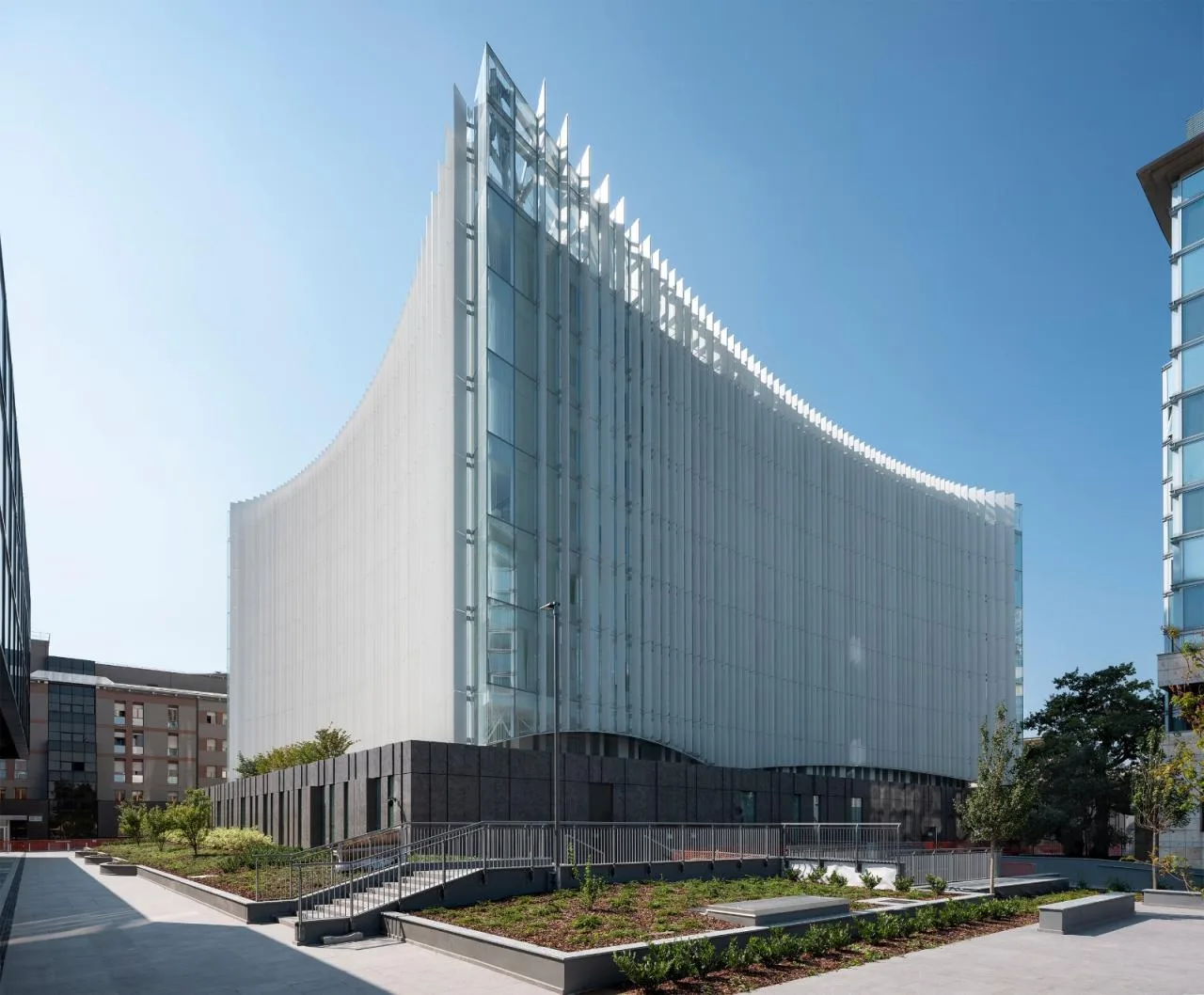
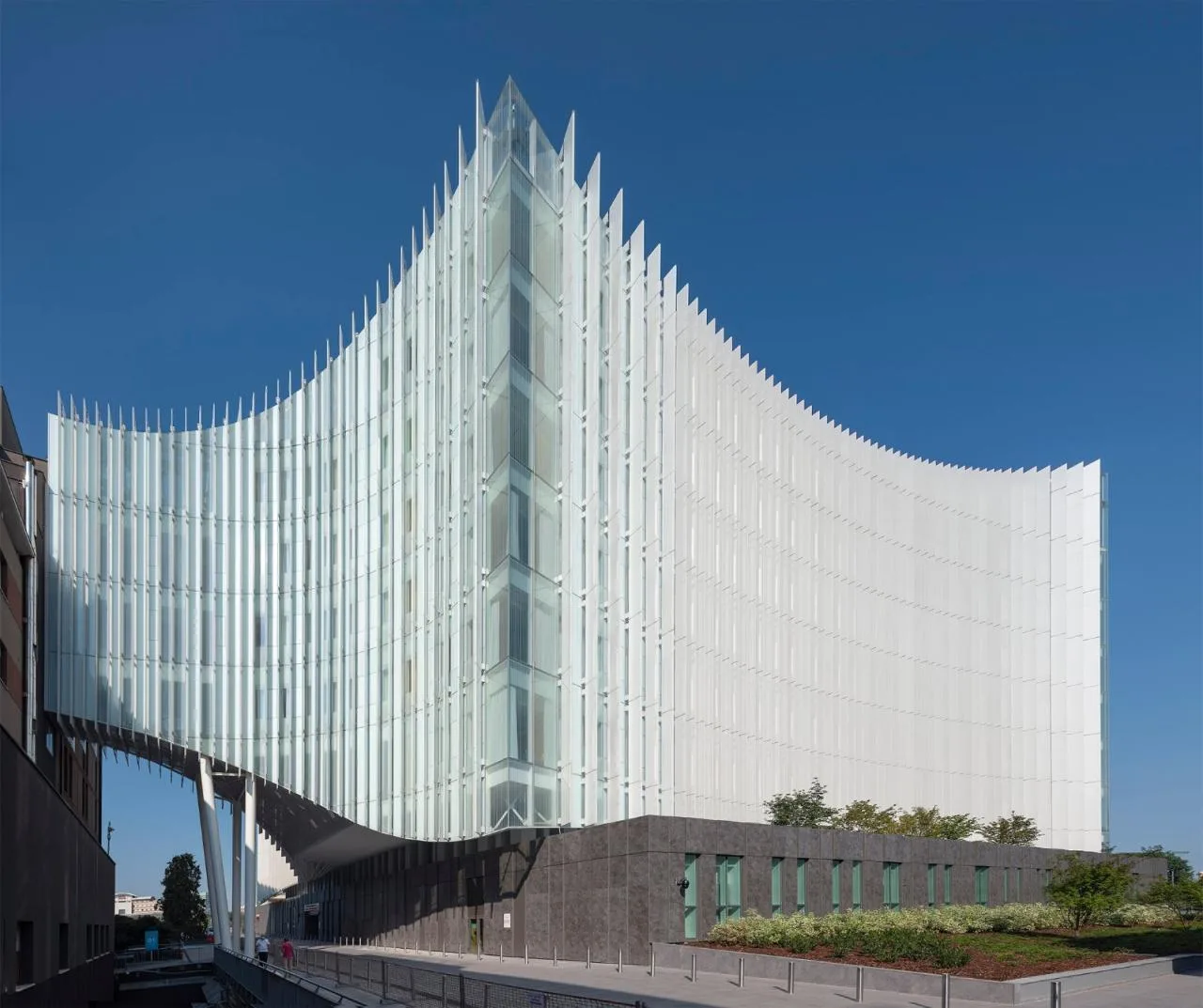
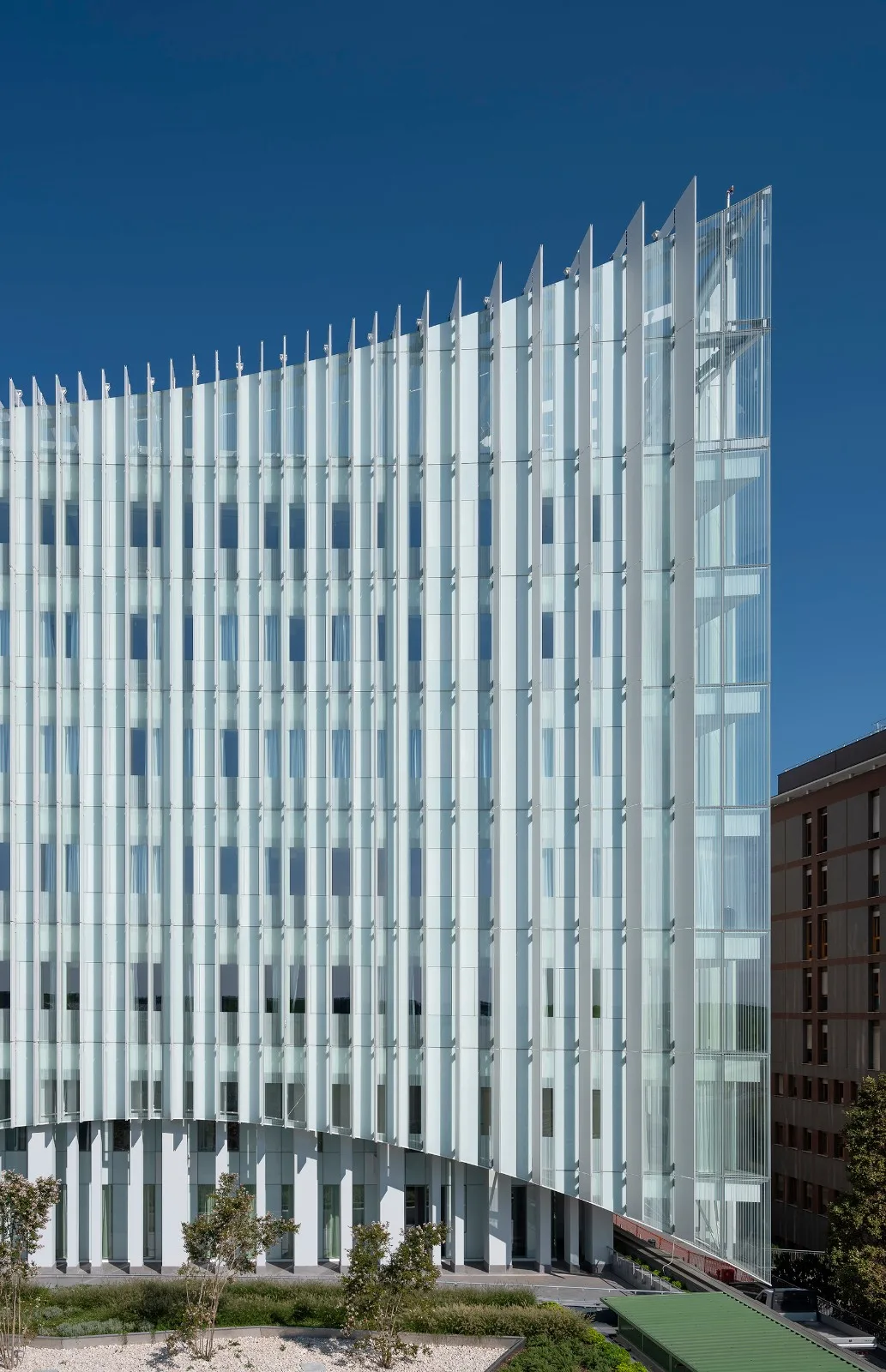
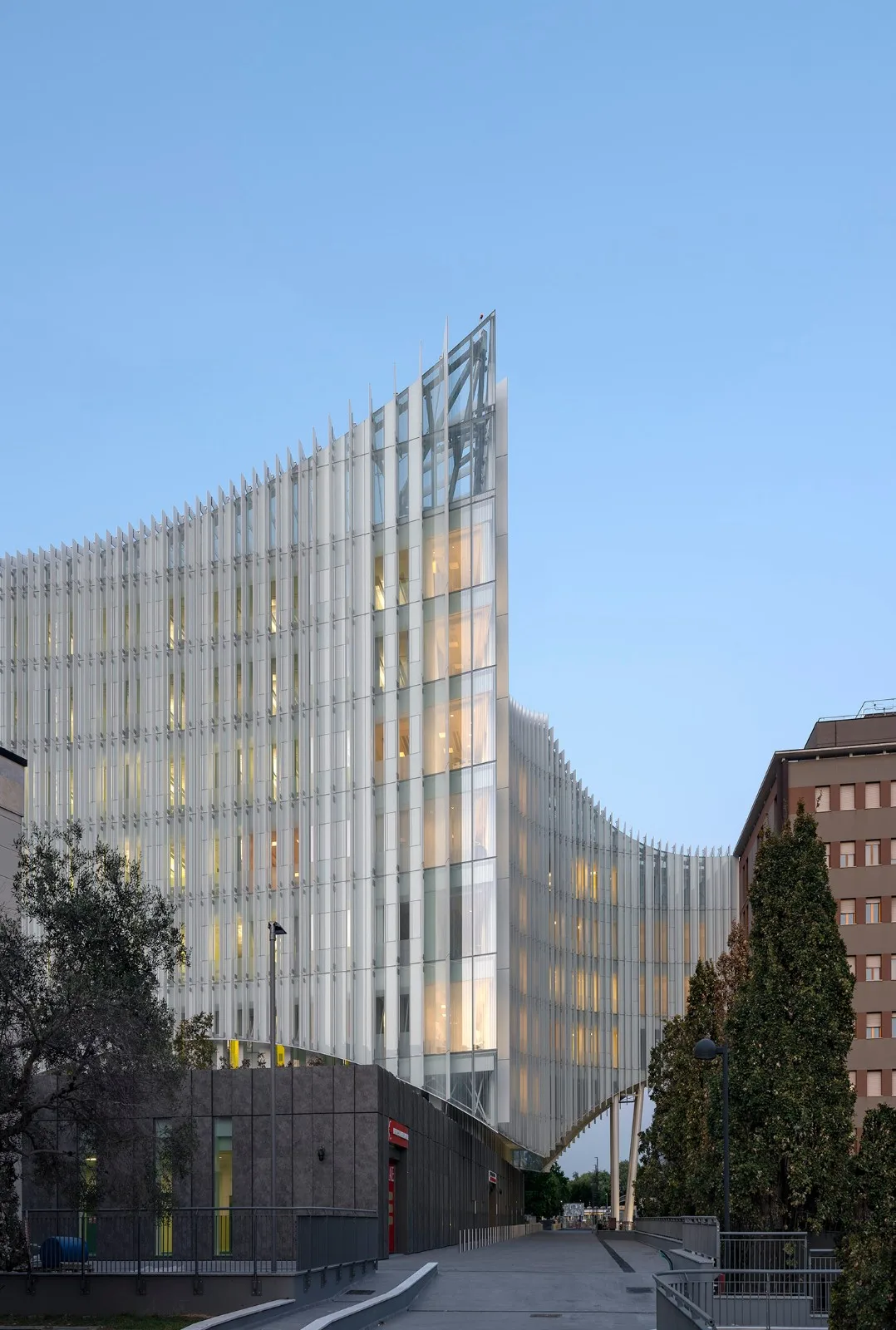
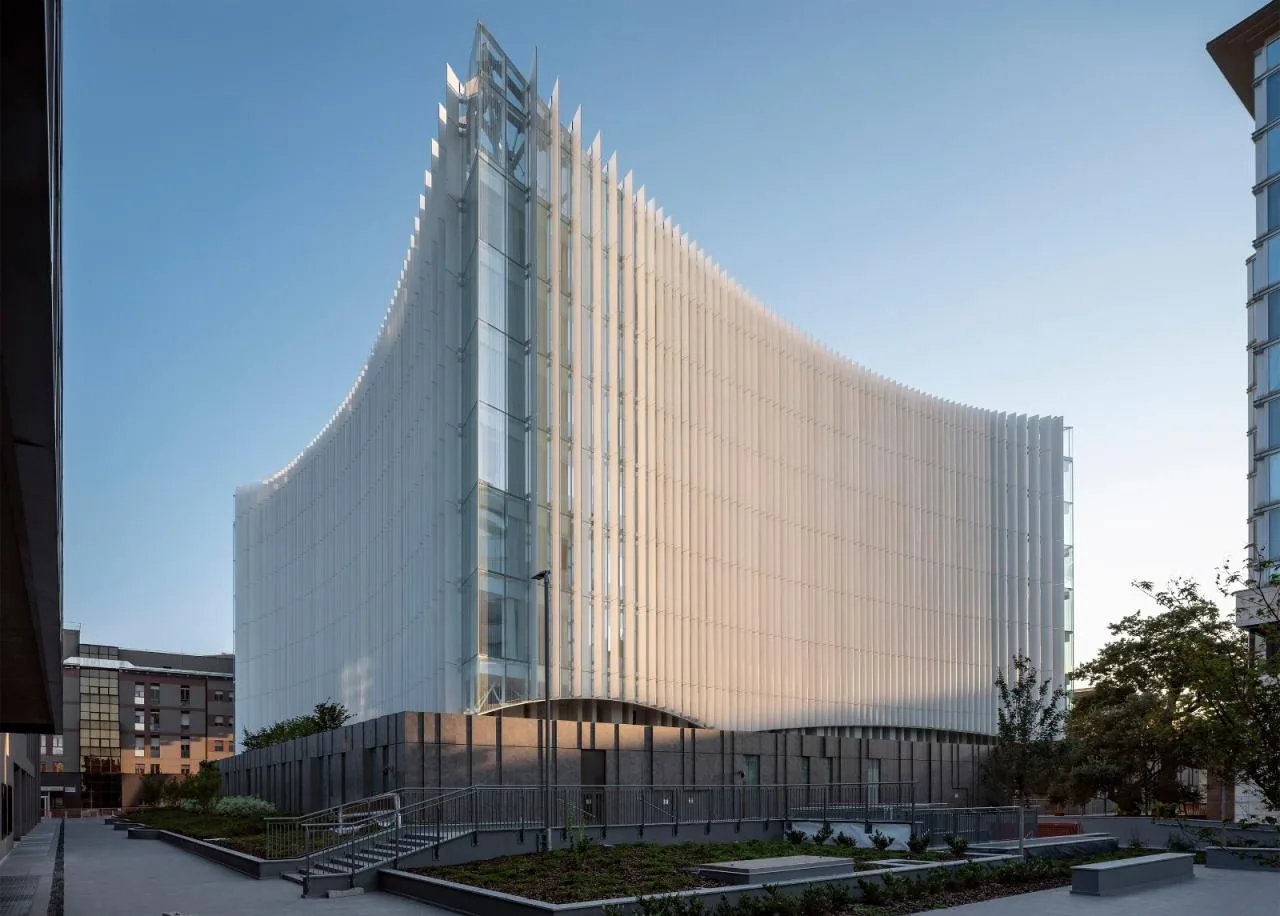
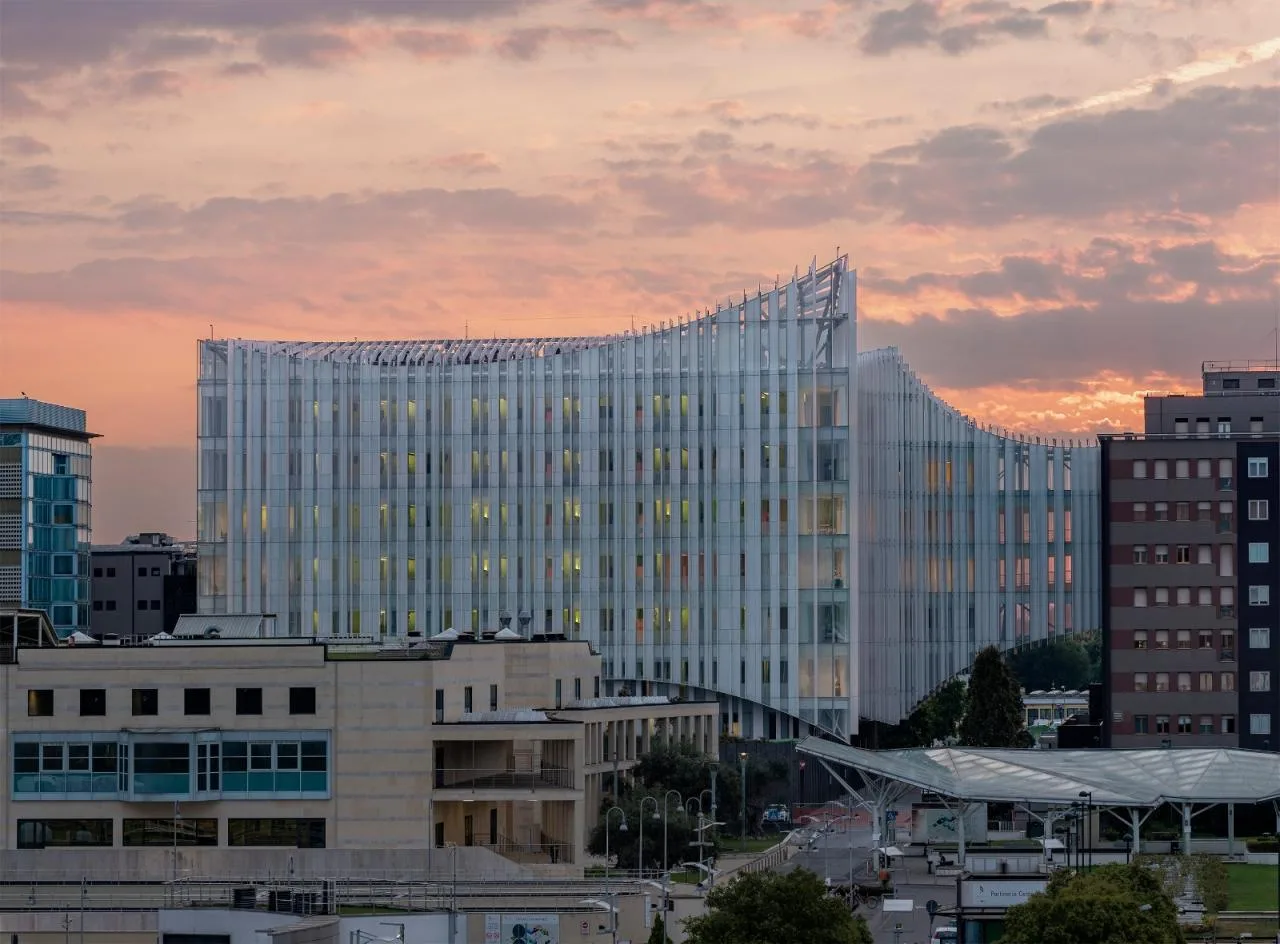
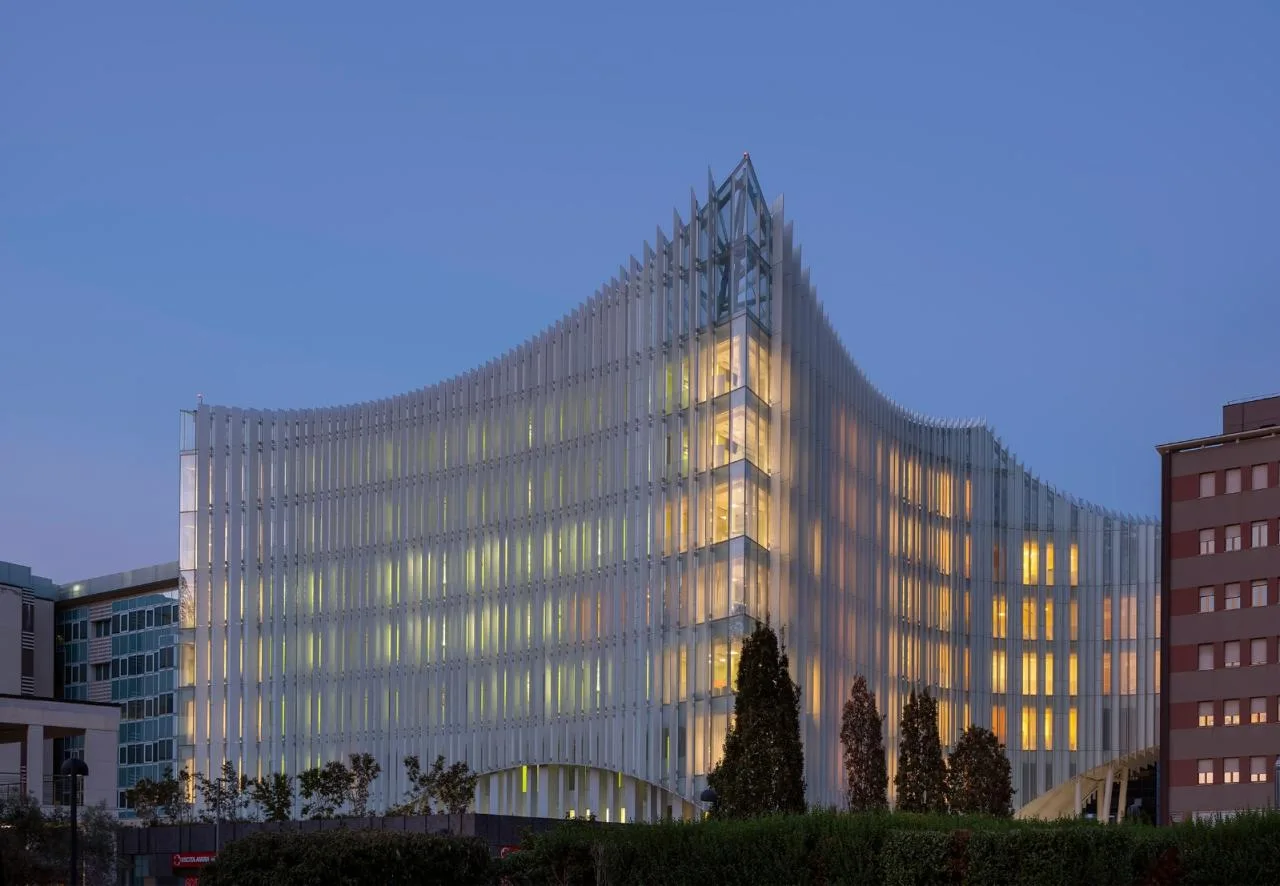
This 10-story building, nicknamed “Iceberg” due to its distinctive shape, serves as a crucial part of the San Rafael University of Life and Health and its affiliated San Rafael Hospital in Milan.
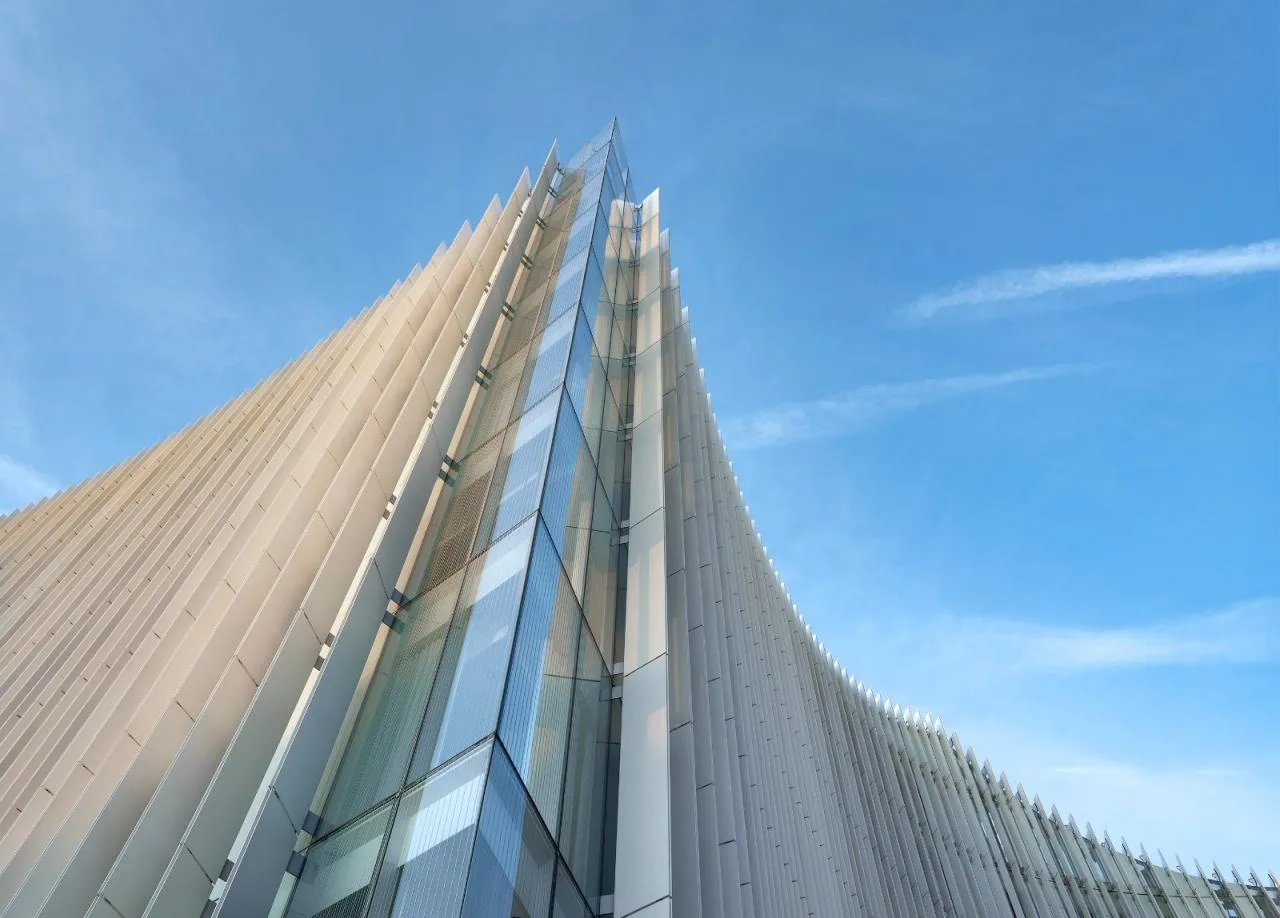
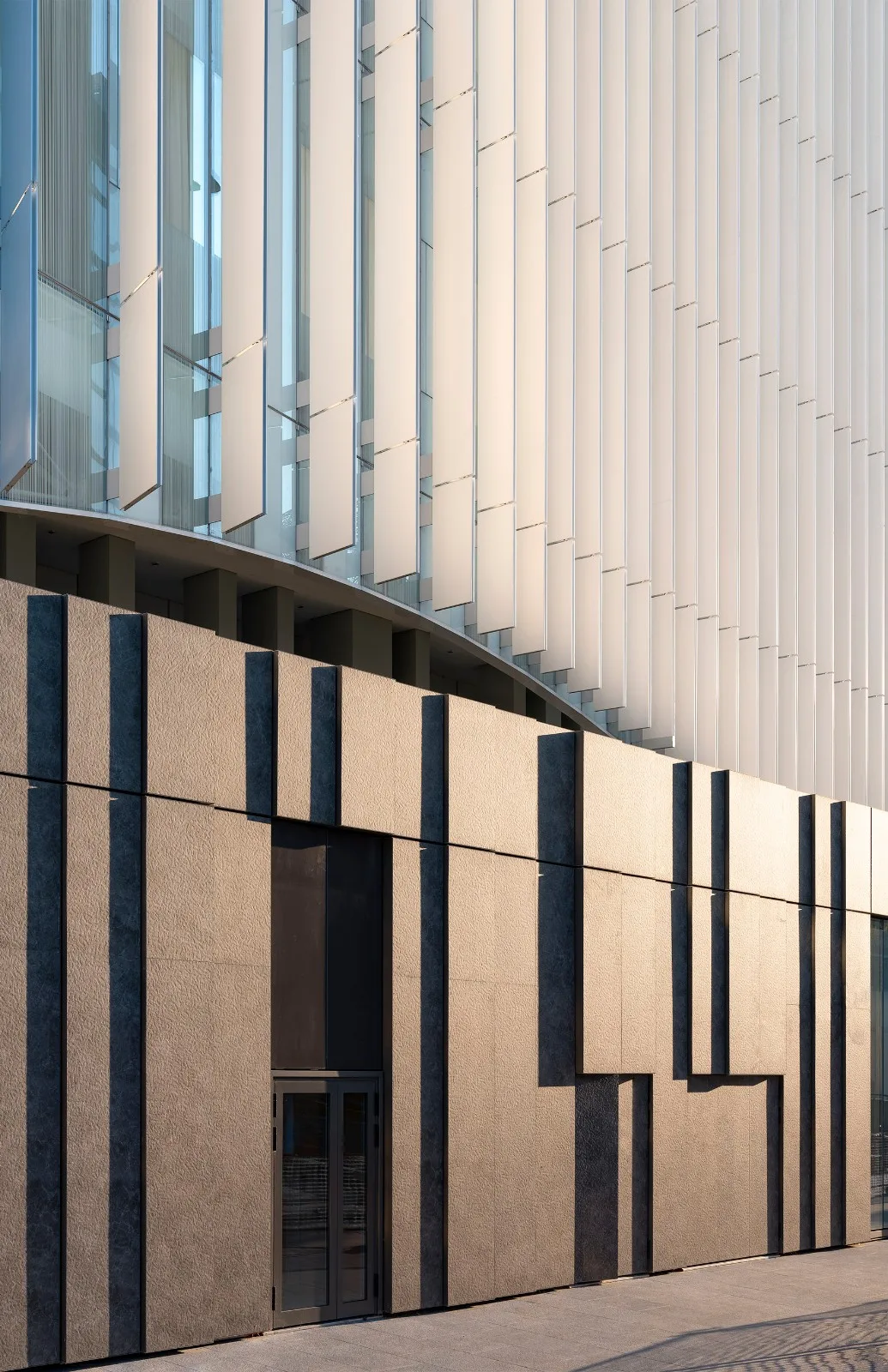
Located among dense building clusters dating back to the 1870s and 1880s, the hospital’s expansion was designed vertically rather than horizontally to preserve the city’s architectural diversity. The building’s curved façade respects the city boundaries, creating an open and transparent presence that allows it to seamlessly integrate with its surroundings.
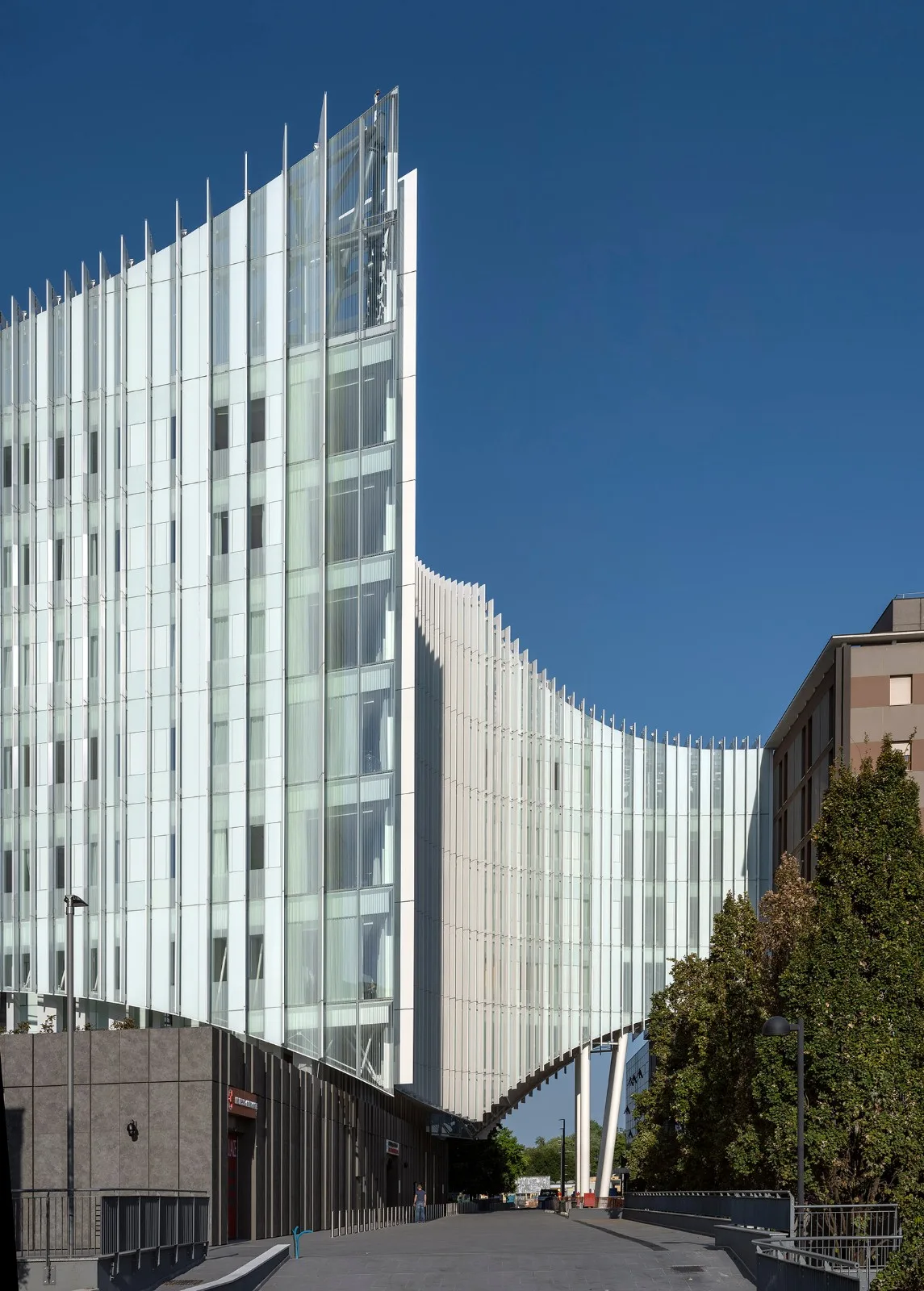
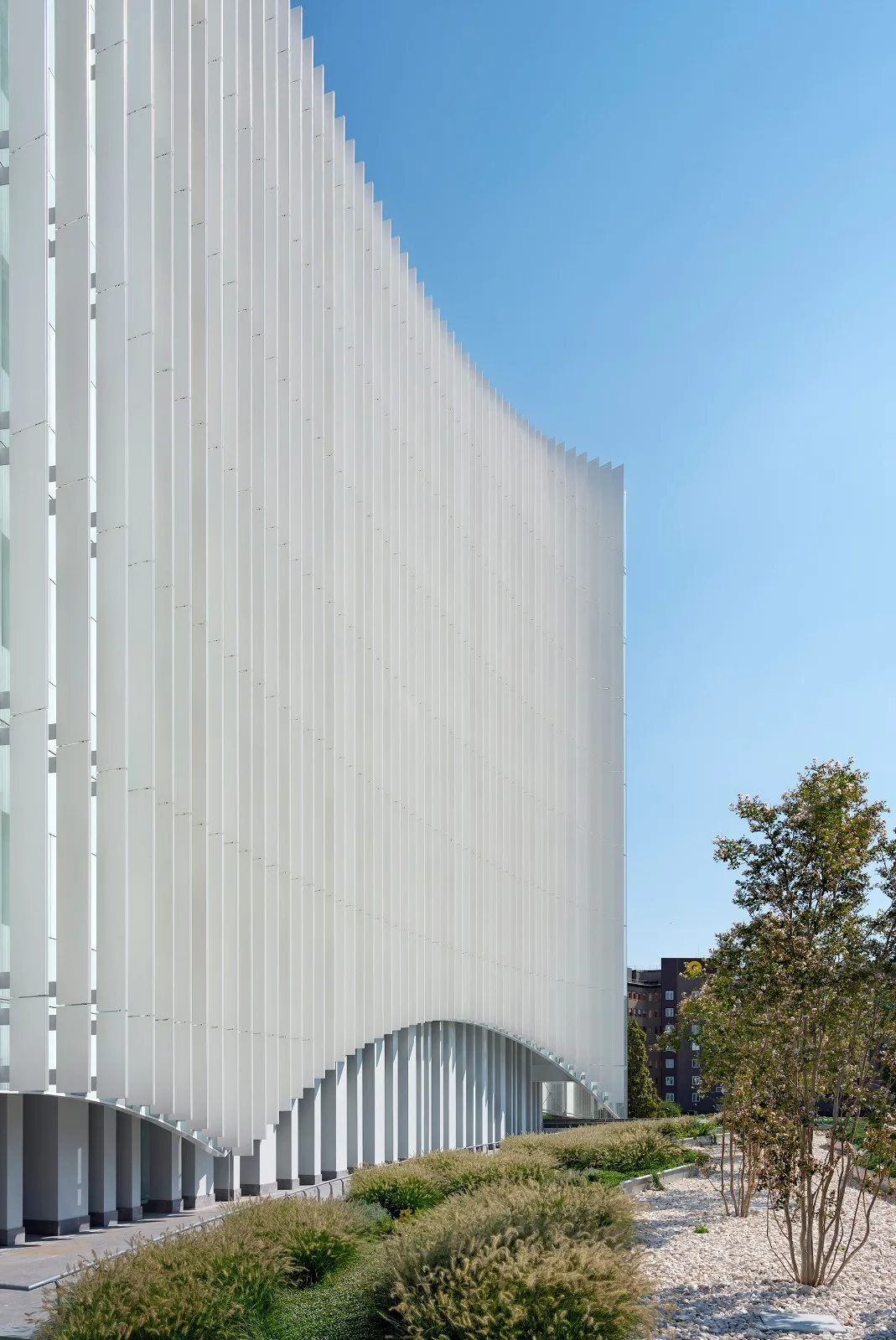
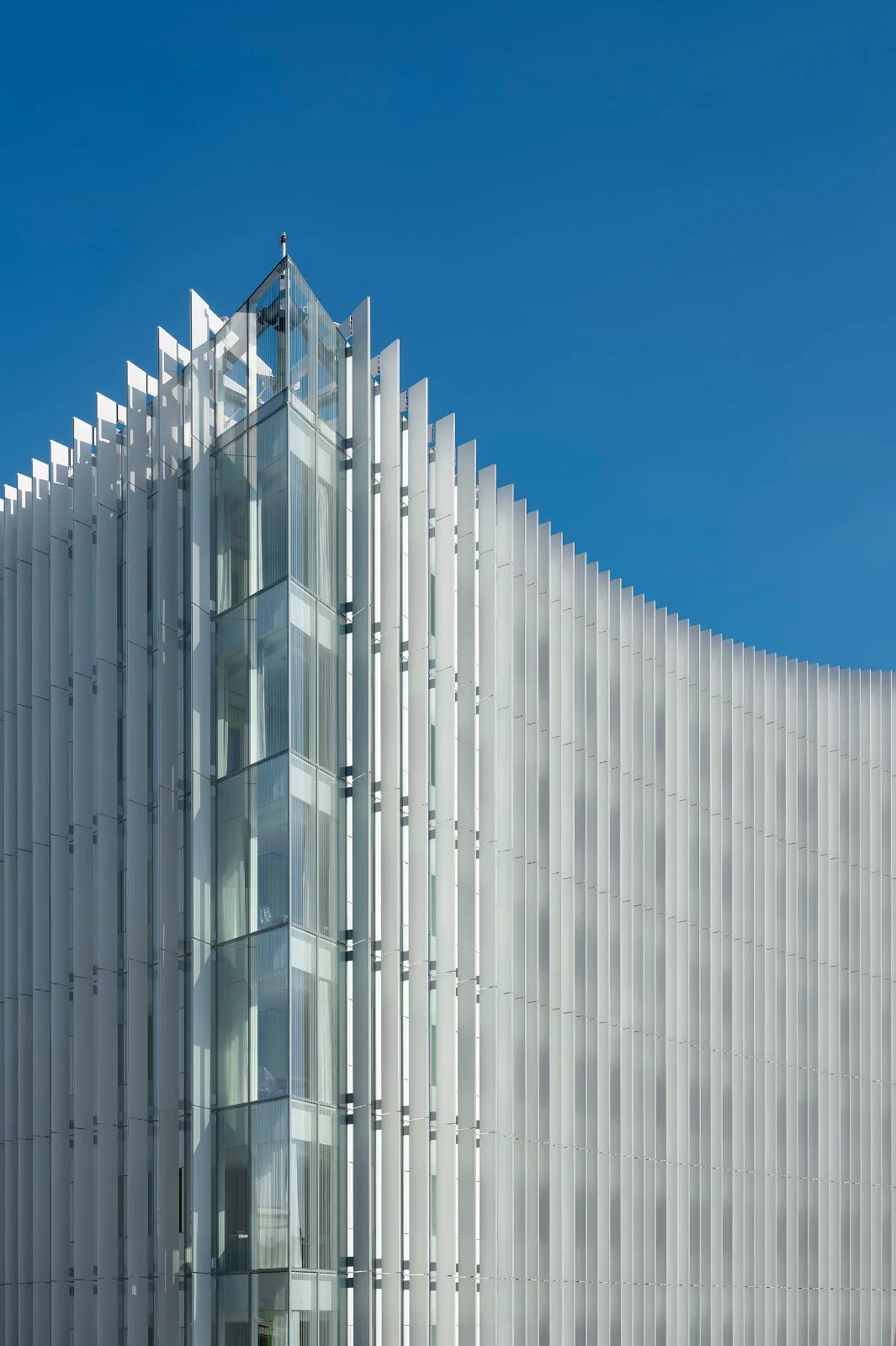
Slender louvers rising along the façade visually reduce the building’s mass, lending the structure a lightweight aesthetic within the dense urban fabric. This design imparts a “floating” sensation to the tower above the podium, making it a recognizable landmark and a new standard in medical architecture.
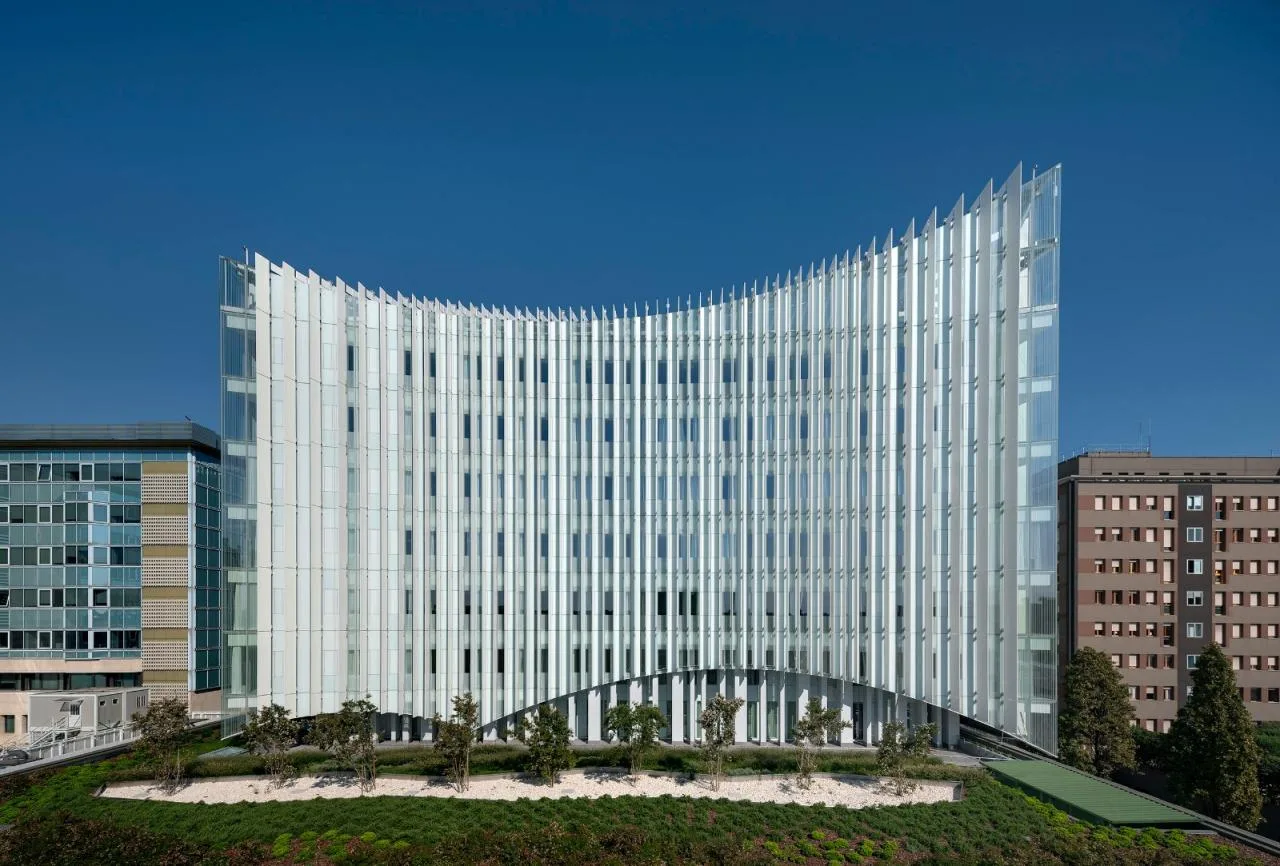
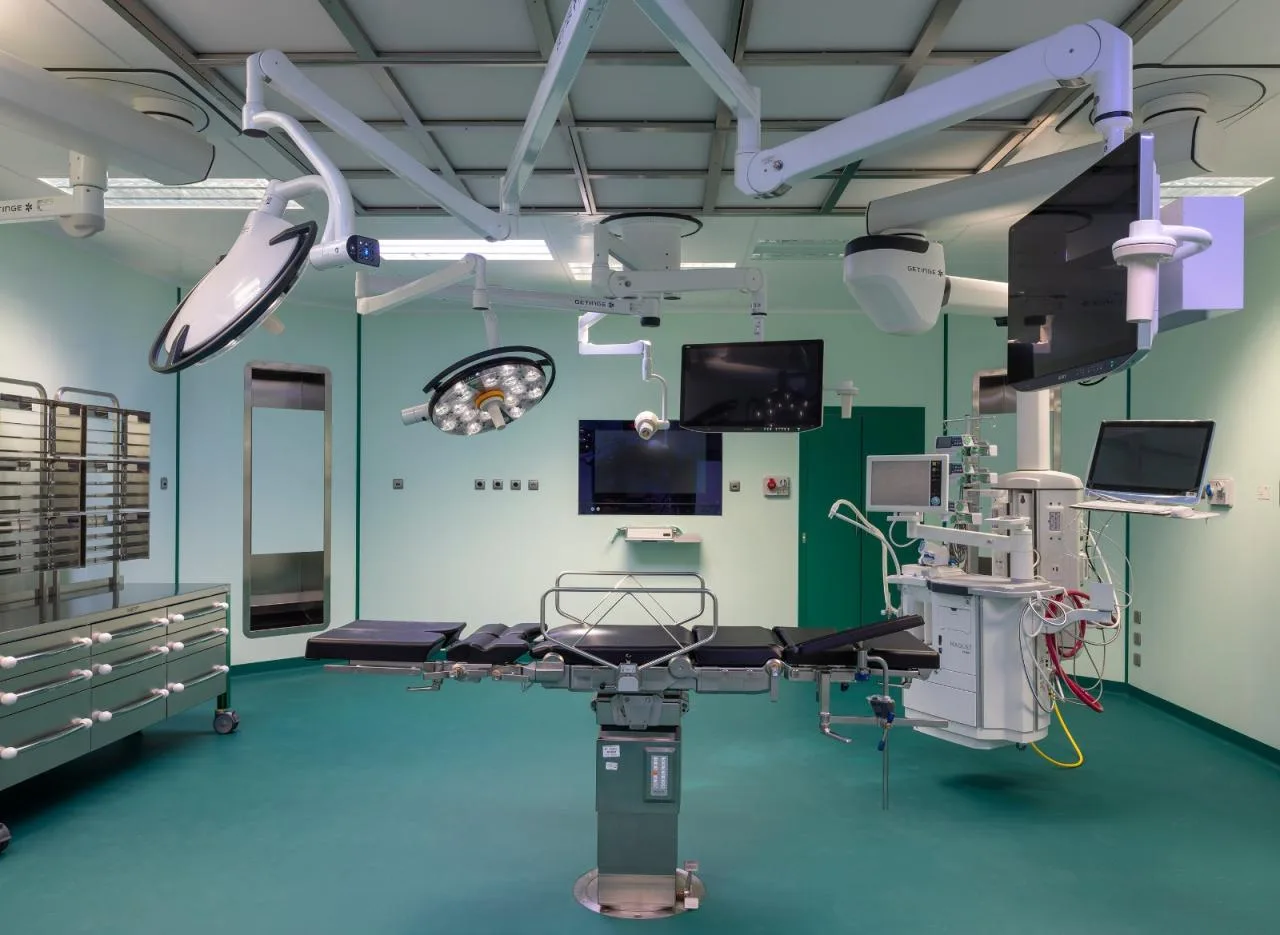
The project is divided into two complementary architectural and functional parts: a podium containing essential hospital facilities such as operating rooms, intensive care units, and emergency rooms, and a tower housing wards, doctors’ offices, and outpatient departments.
Designed to exceed international standards, it meets the increasing demand for advanced medical technology, comprehensive care, and a welcoming atmosphere.
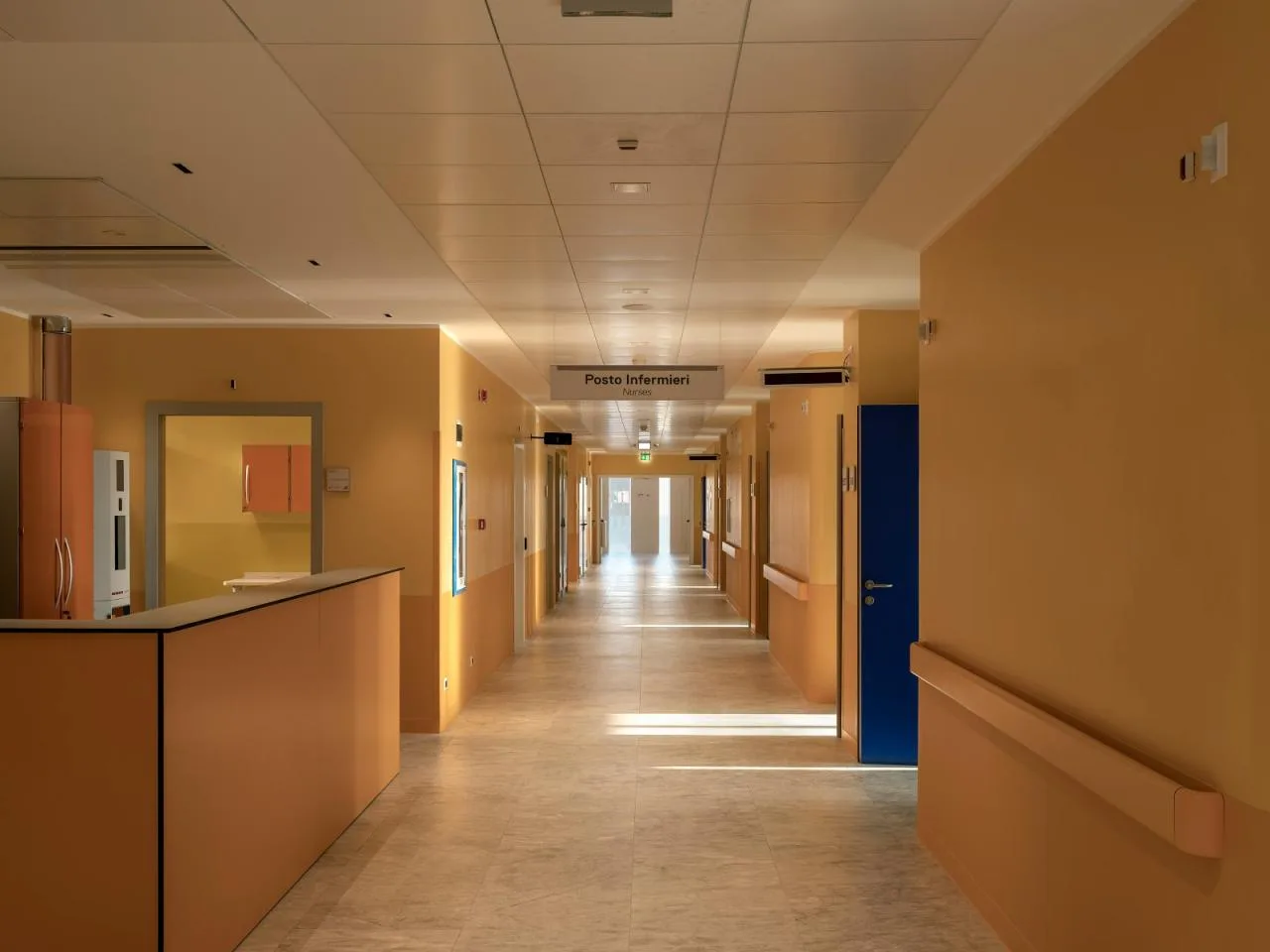
The architectural layout is straightforward and roughly rectangular, prioritizing functionality. Spaces are thoughtfully arranged, with careful consideration given to workflow and room functions.
For instance, rooms housing heavy medical equipment are located on the ground floor to minimize construction and operational costs, including labor and energy consumption. This efficient design promotes smooth hospital operations, reduces medical pressures, and lessens conflicts.
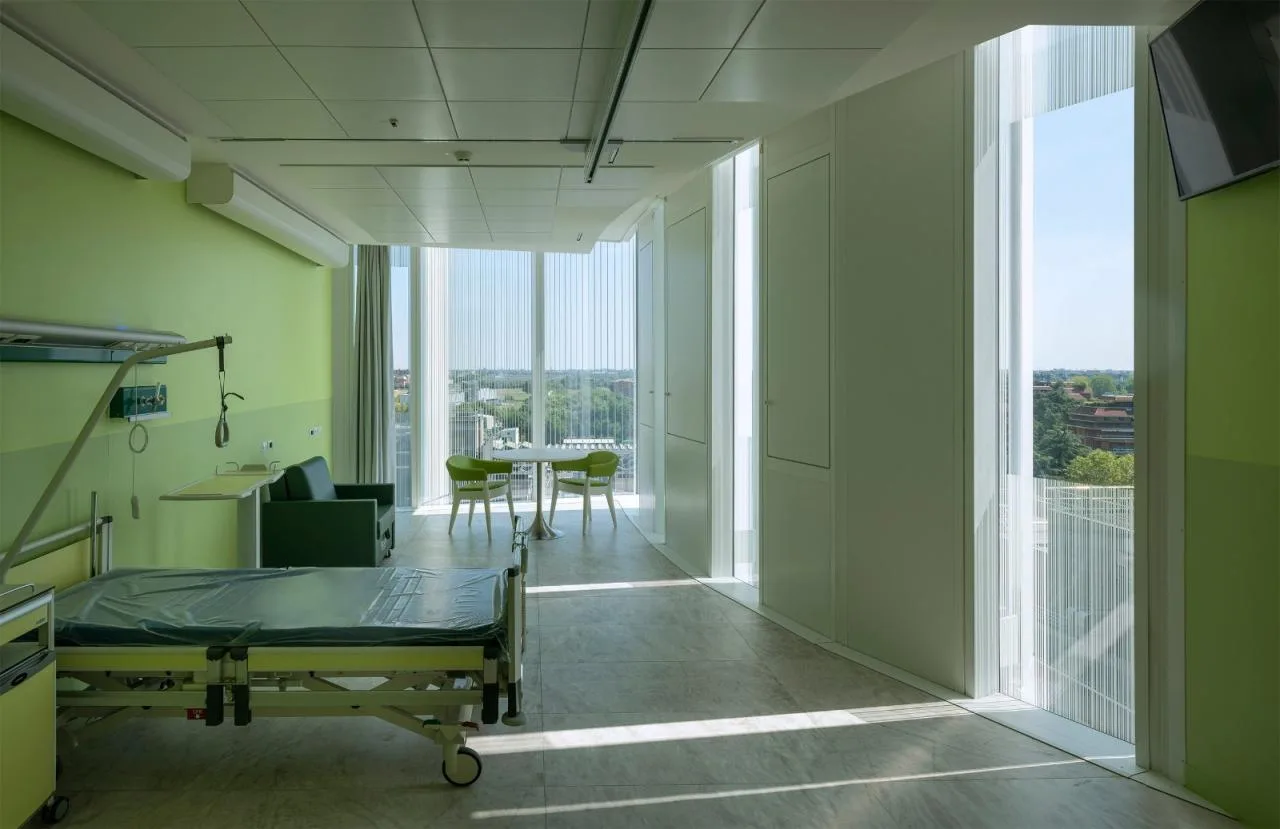
All rooms benefit from natural light and ventilation, significantly lowering ongoing operating expenses.
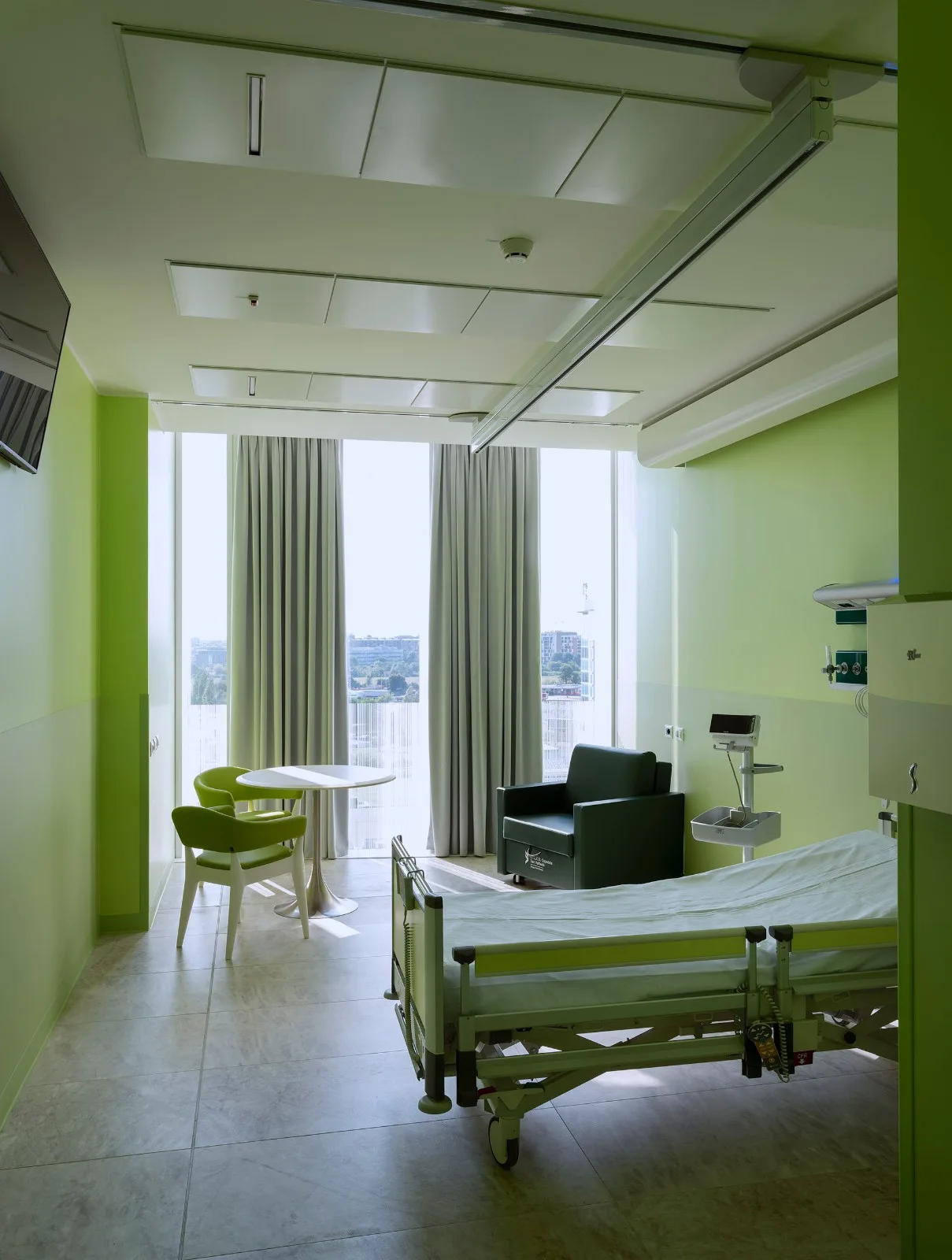
“The design, spatial quality, natural lighting, and color choices in the wards and public areas help patients not only meet their treatment needs but also foster a sense of identity and genuine respect. This reflects the foundation of our architectural humanistic care.” – Mario Cucinella
Human-Centered Healing Spaces
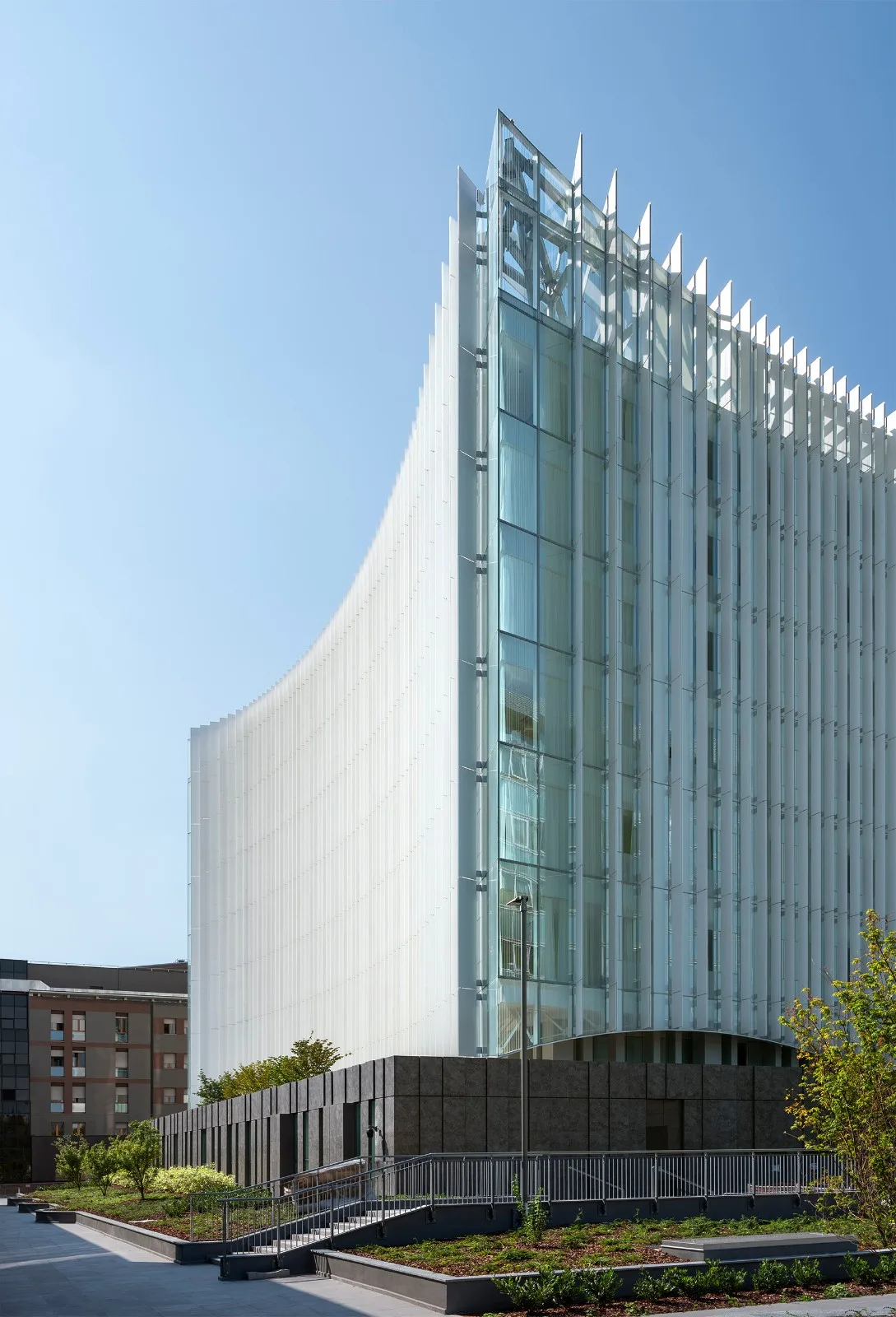
The façade’s gentle curvature distinguishes the ward area visually and enhances natural light penetration toward the central façade. The white glass curtain wall’s ethereal quality promotes tranquility, capturing sunlight by day and illuminating the night sky.
Serving as the heart of the campus, the building integrates functionality with aesthetics, earning the title “place of healing.”
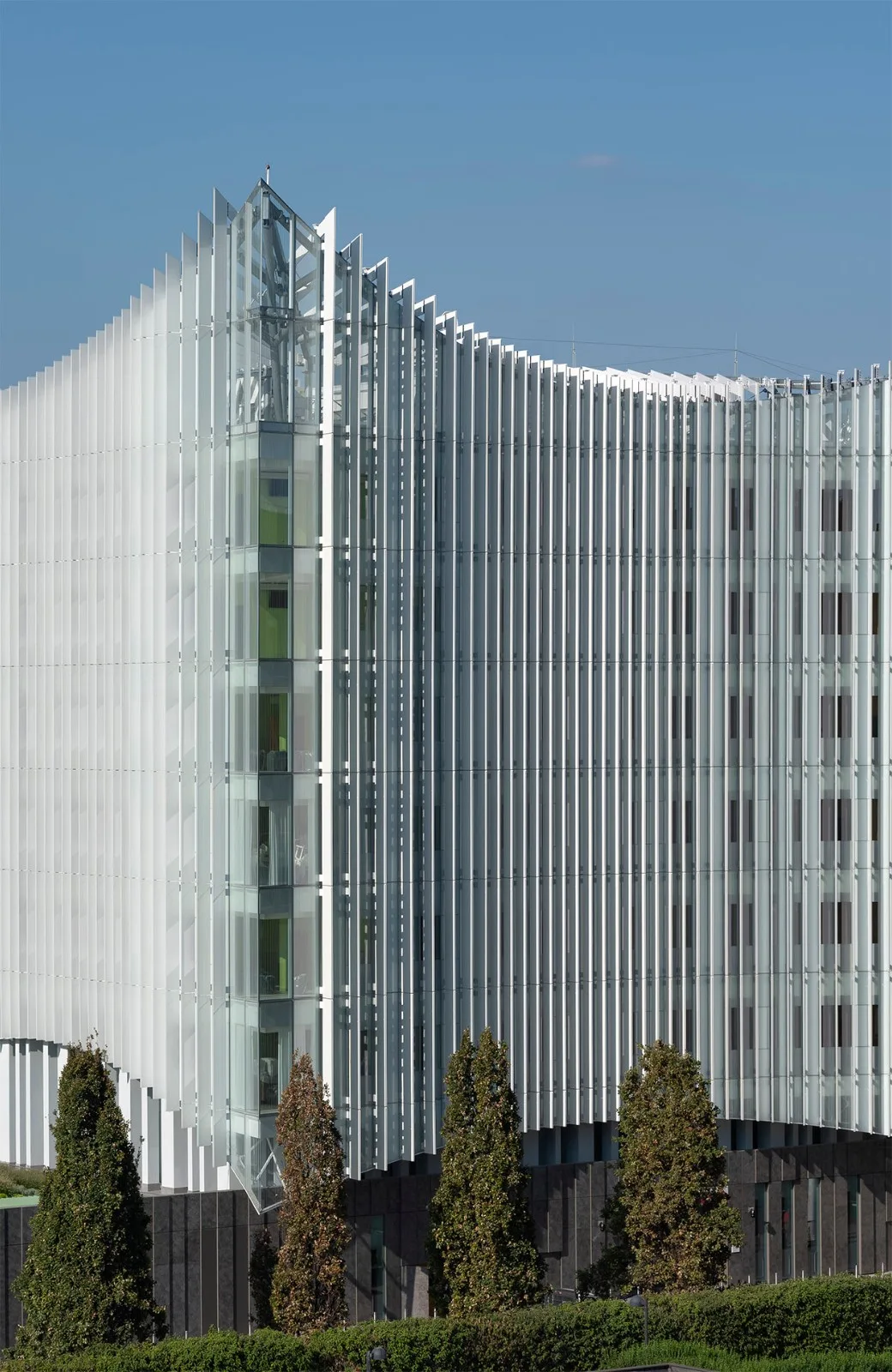
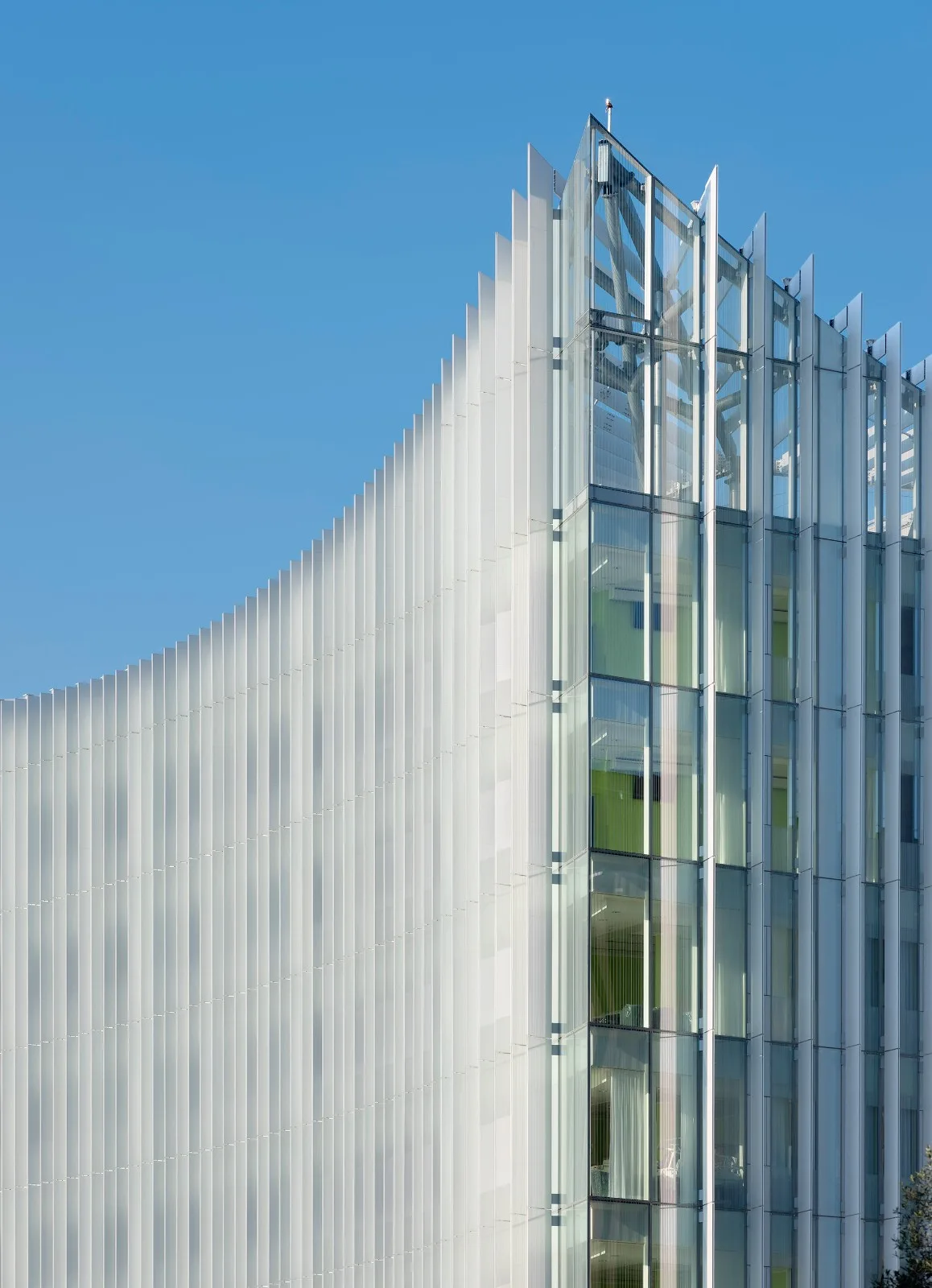
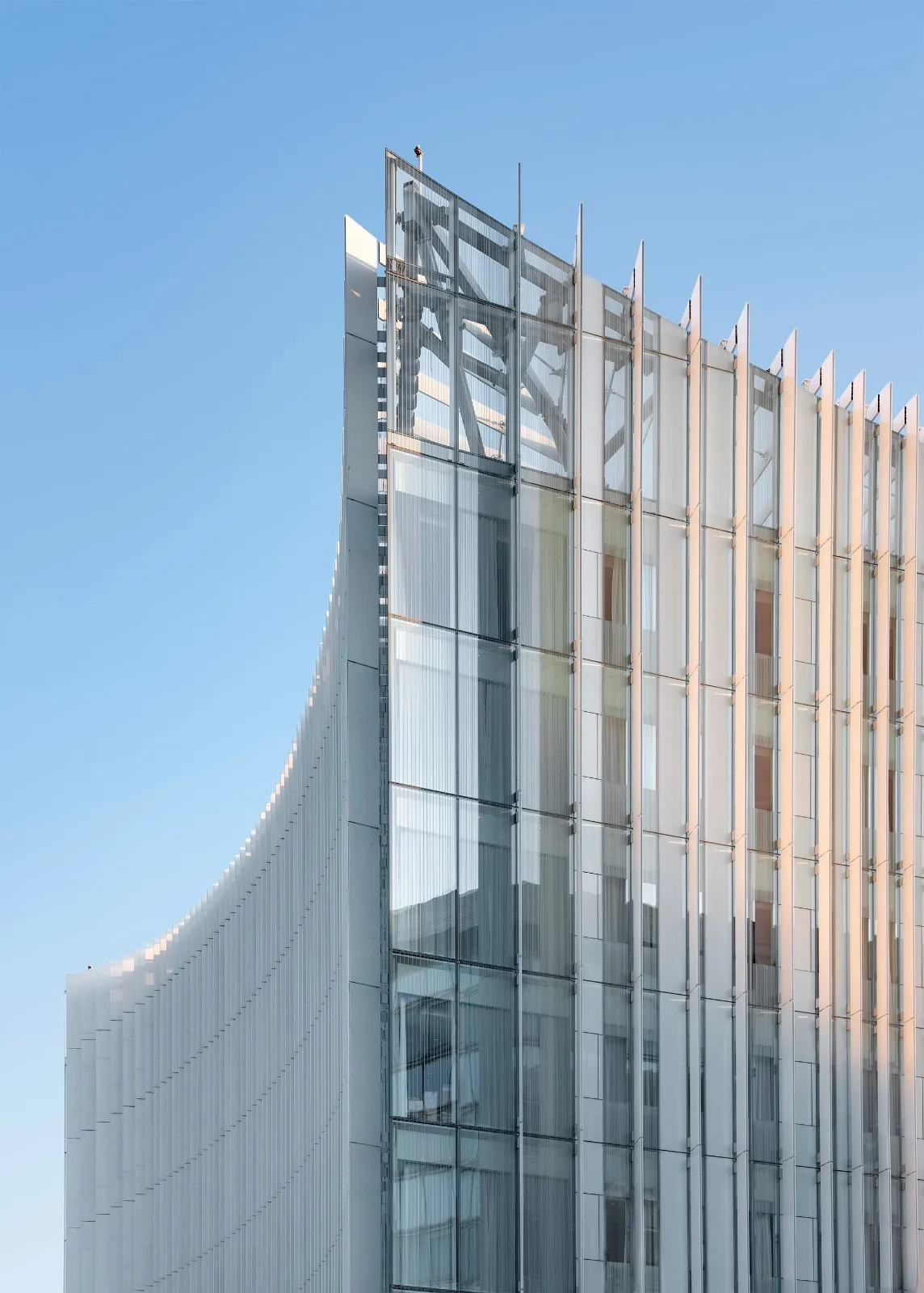
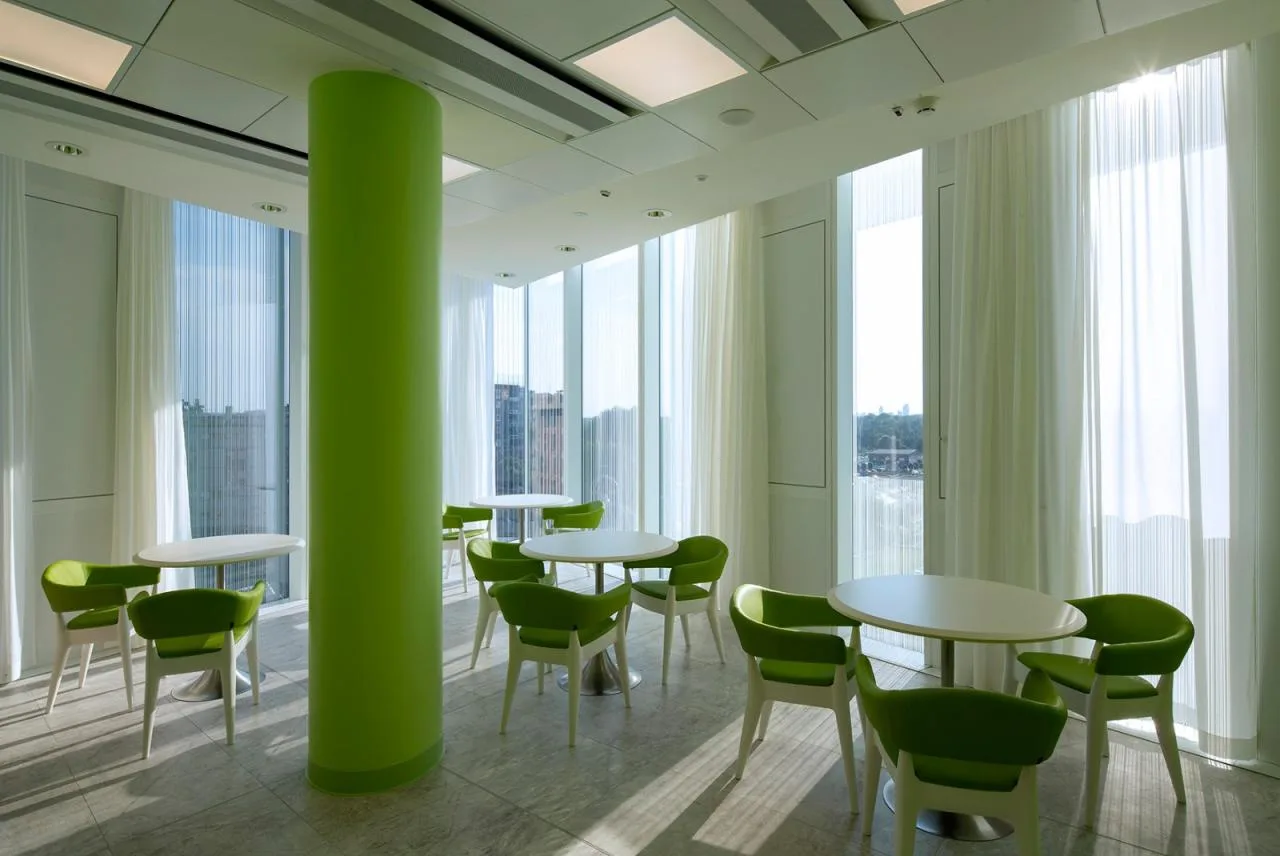
Glass public reception rooms located at the building’s four corners offer informal spaces where patients and families can gather, rest, pray, and support one another. These spaces act as solar greenhouses in winter, reducing heating demands, while in summer, air conditioning coupled with sunshade louvers maintain comfort and temperature control.
Incorporating natural elements such as light and greenery, these areas open onto wards and offices, enhancing the medical environment and promoting well-being.
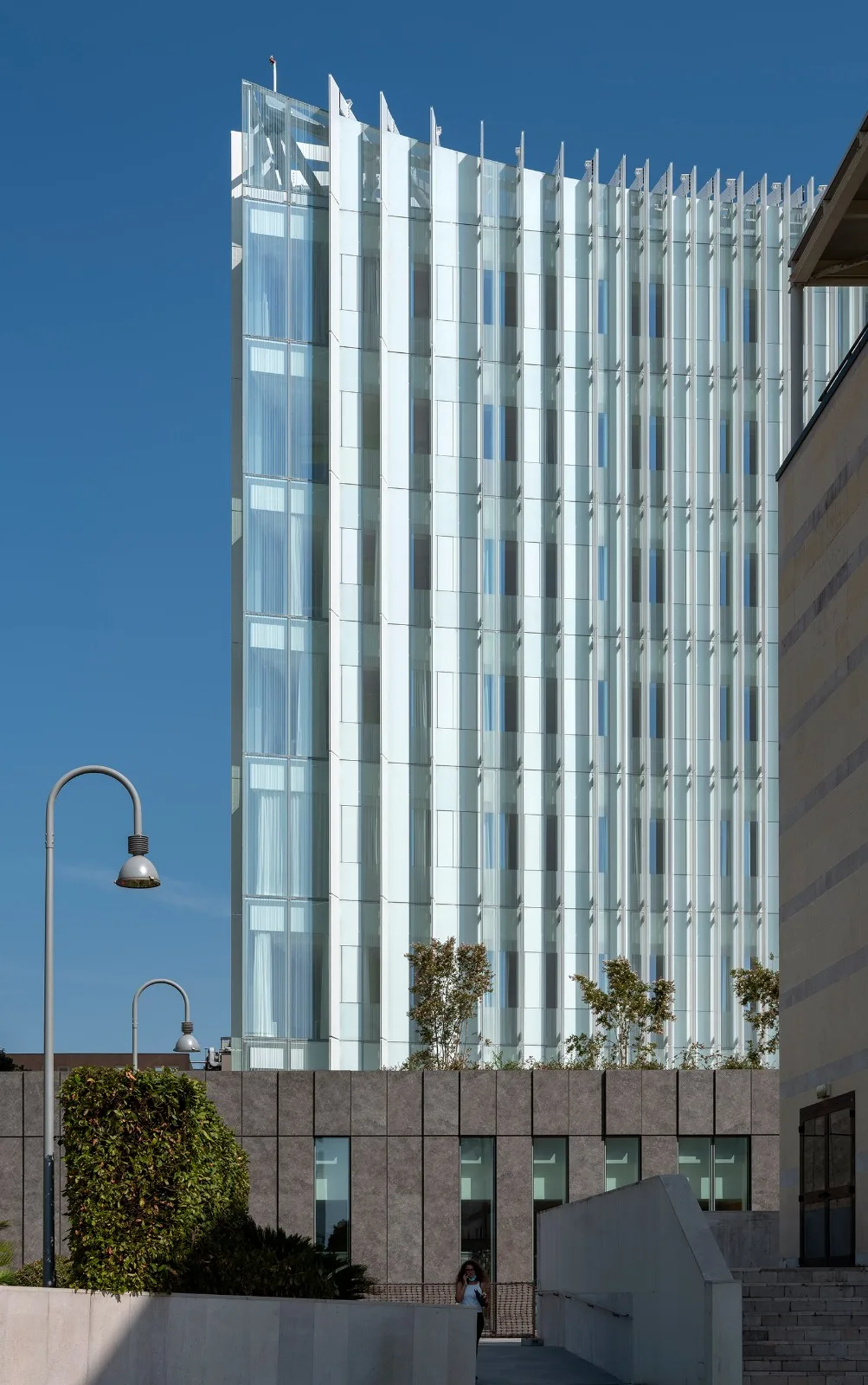
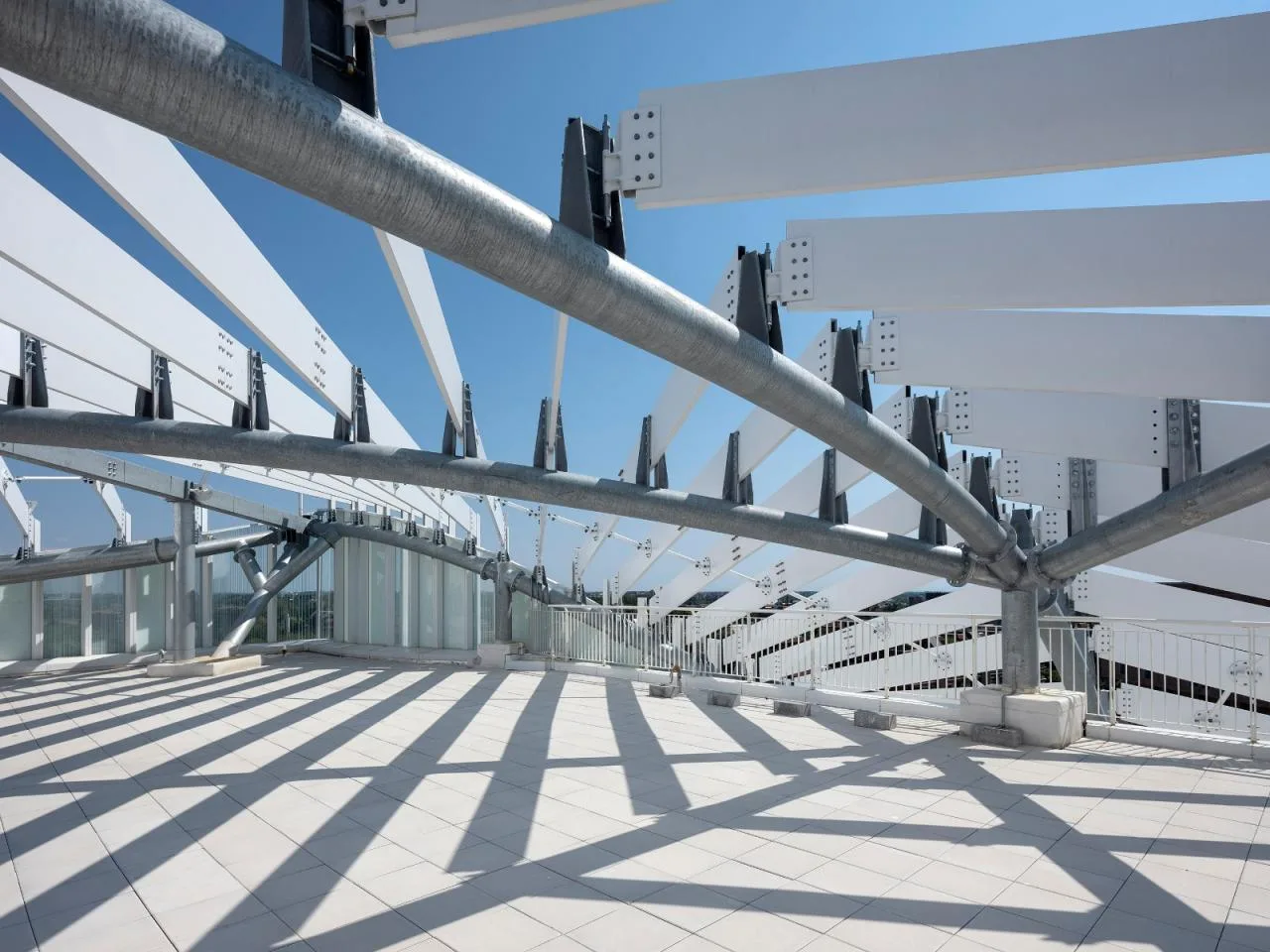
The rooftop garden atop the podium offers a tranquil outdoor space that fosters a connection with nature. This landscaped platform inspires positive emotions and supports mental and physical well-being through exposure to the changing natural environment.
Extensive greenery also helps reduce atmospheric dust, purify the air, and lower carbon emissions.
“The white ‘skin’ resembling an iceberg is not a mere aesthetic choice but an advanced ceramic louver system designed to reduce air pollution and reflect sunlight.” – Mario Cucinella
Sustainable Design Strategy
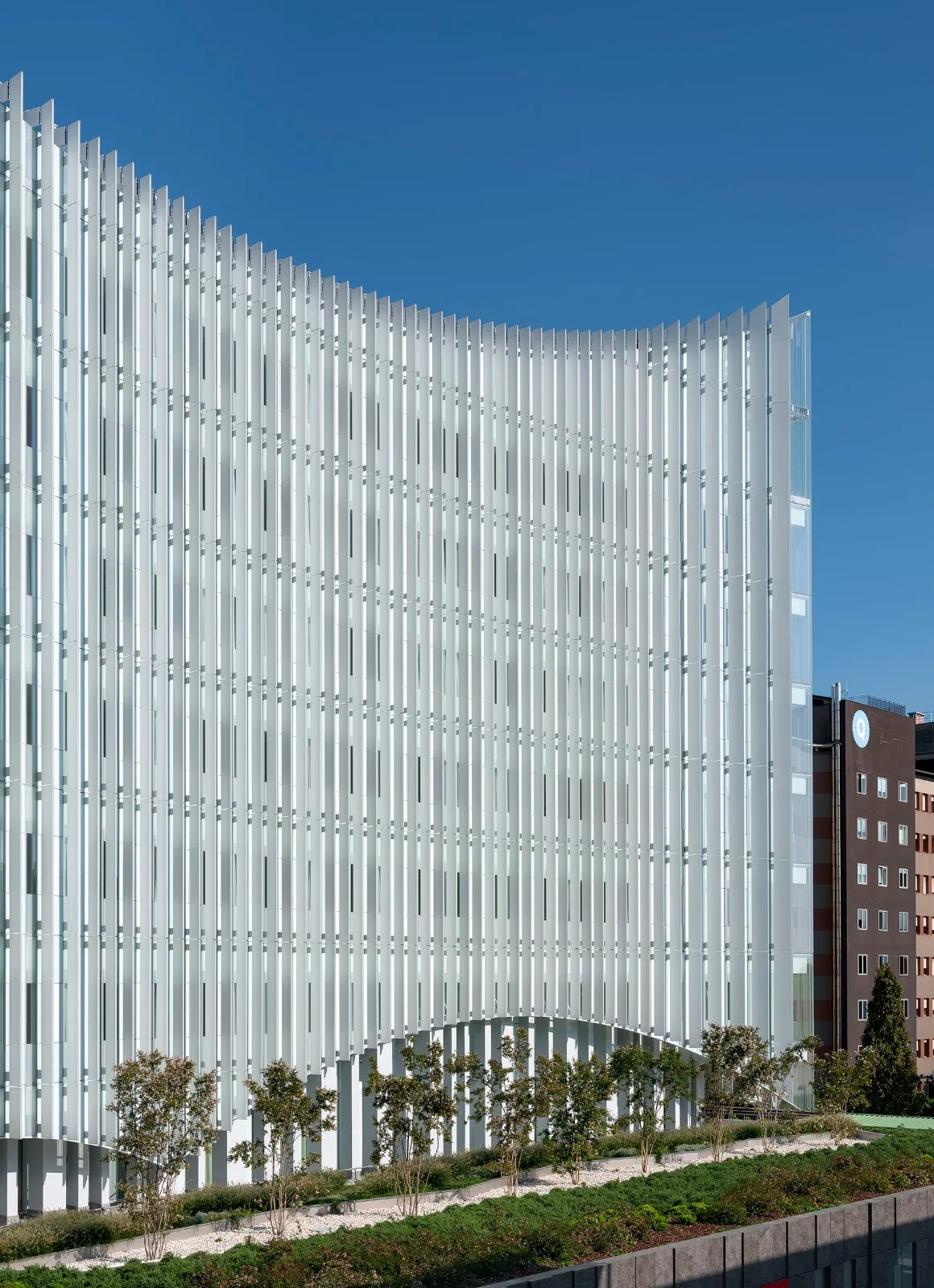
The center’s full glass curtain wall is enveloped by vertically oriented ceramic louvers serving dual bioclimatic purposes. Their width varies according to the sun’s path, providing effective shading indoors.
These blinds cast shadows that reduce solar heat gain, decreasing air conditioning energy demands. Meanwhile, their ceramic surfaces reflect sunlight, allowing abundant natural light to penetrate interior spaces.
Coated with a special titanium dioxide catalytic layer, the ceramic louvers capture airborne pollutants, which are then neutralized by sunlight and washed away by rain. This environmentally active façade contributes to converting ozone into oxygen, earning the building a reputation as one that “absorbs haze.”
In line with green building principles, all indoor materials were selected to meet the highest health and hygiene standards. Only products free of volatile organic compounds (VOCs) were used to promote a safer and healthier environment.
The interior finishes incorporate antibacterial coarse ceramic panels, known for their exceptional mechanical strength and durability, which inhibit harmful microorganism growth.
Furniture and bathroom fixtures were carefully chosen: furniture made from eco-friendly, formaldehyde-free materials and washbasins treated with antibacterial coatings in bathrooms, wards, and clinics.
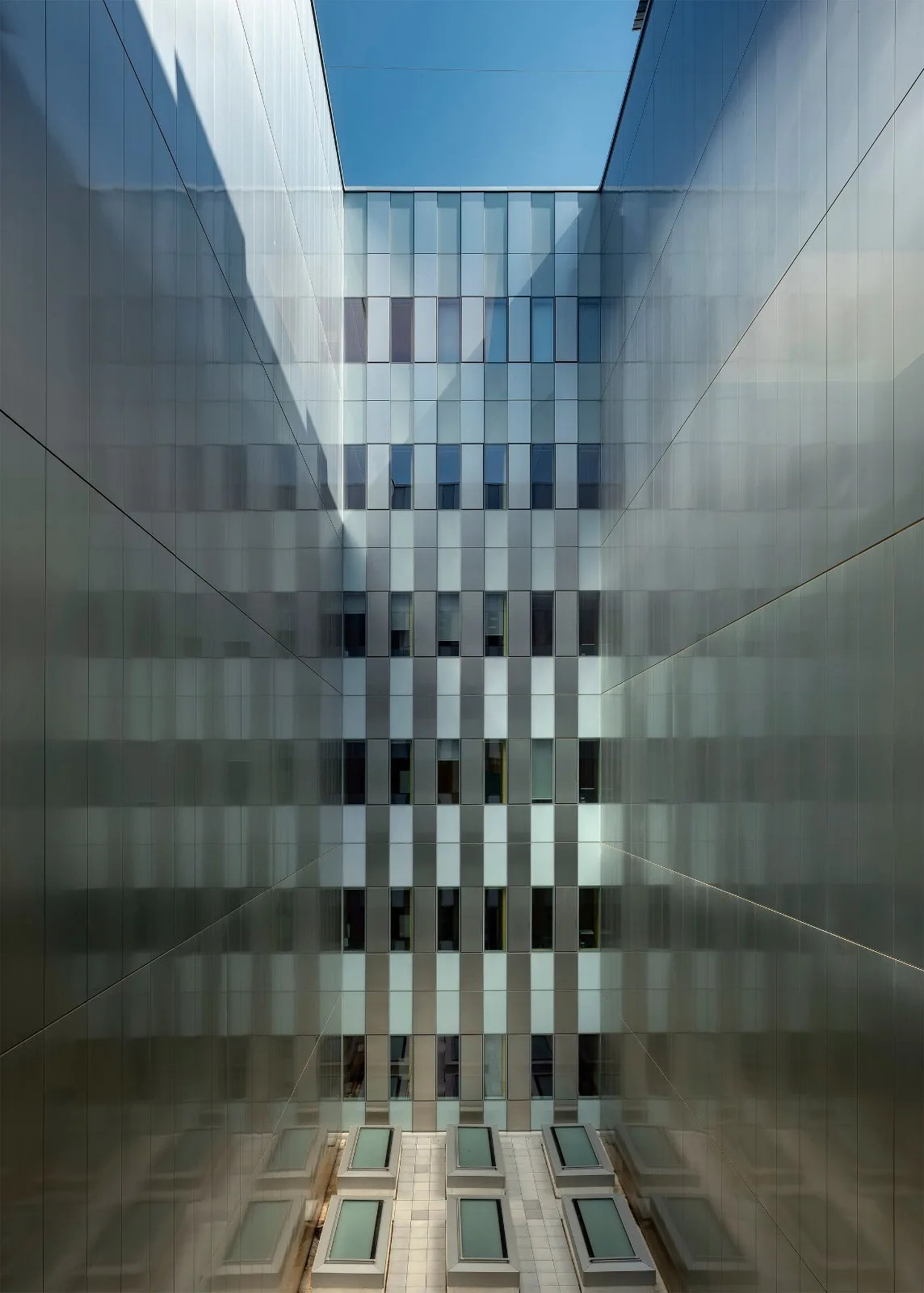
Both indoors and outdoors, renewable materials and abundant greenery improve air quality, creating a comfortable and healing environment for patients, families, visitors, and healthcare personnel alike.
The building’s design embraces sustainable development concepts closely tied to the quality of hospital spaces and their humanistic needs. MCA Architecture seamlessly blends aesthetic design, medical functionality, natural symbiosis, and green technology to foster a warm healing atmosphere that inspires confidence, belonging, and well-being—addressing both patients’ physical and psychological recovery.
Project Drawings
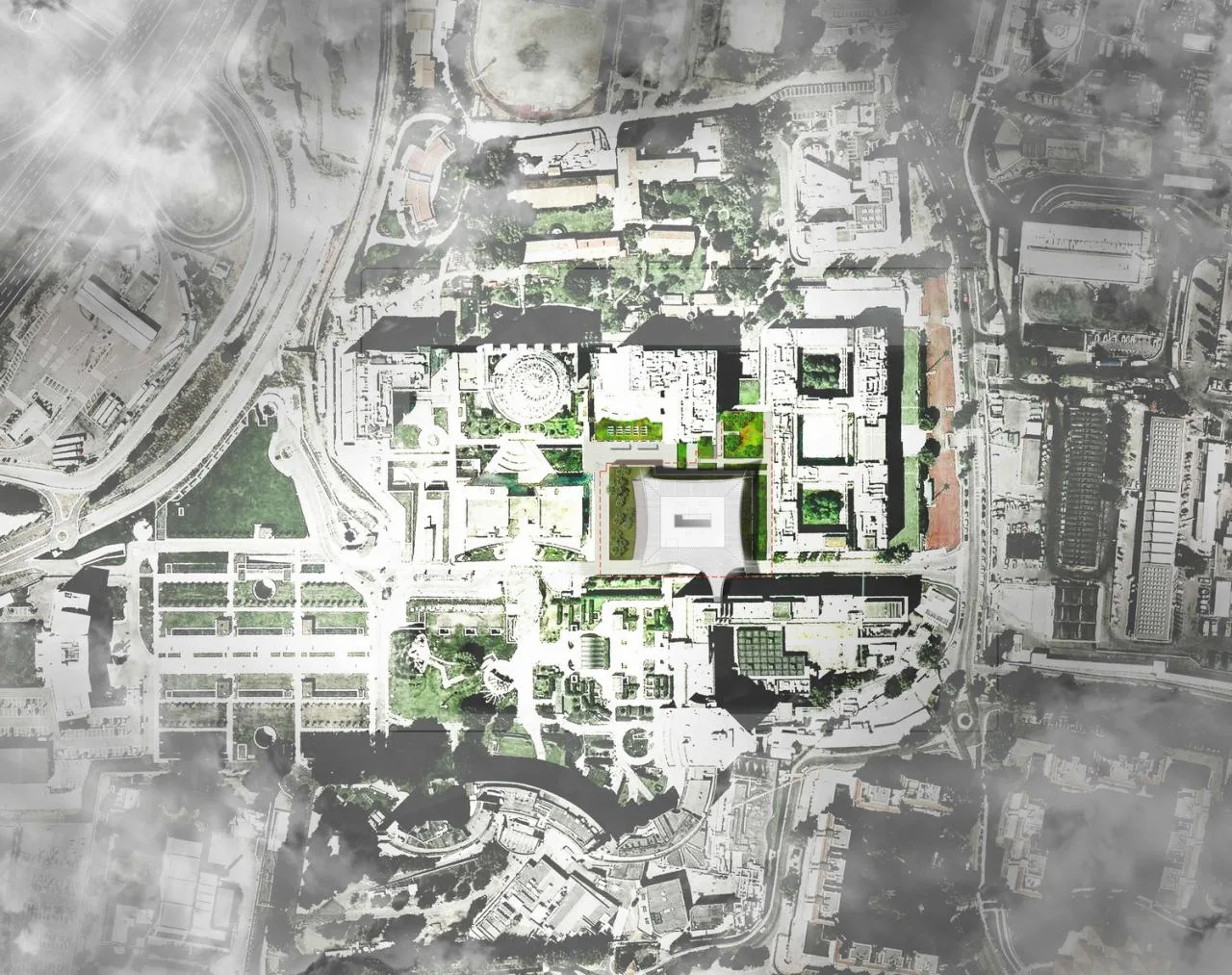
△ General Layout Plan
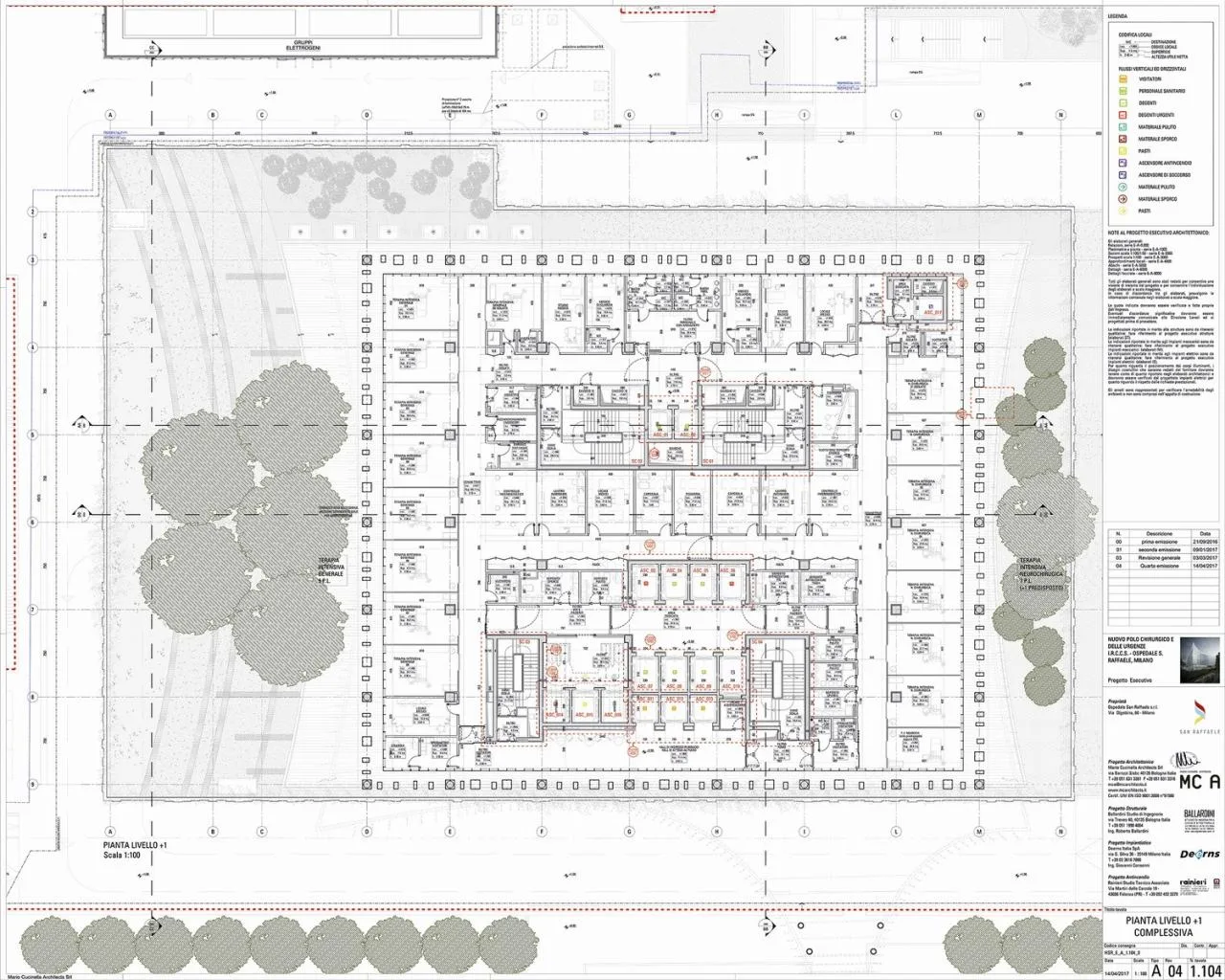
△ Second Floor Plan
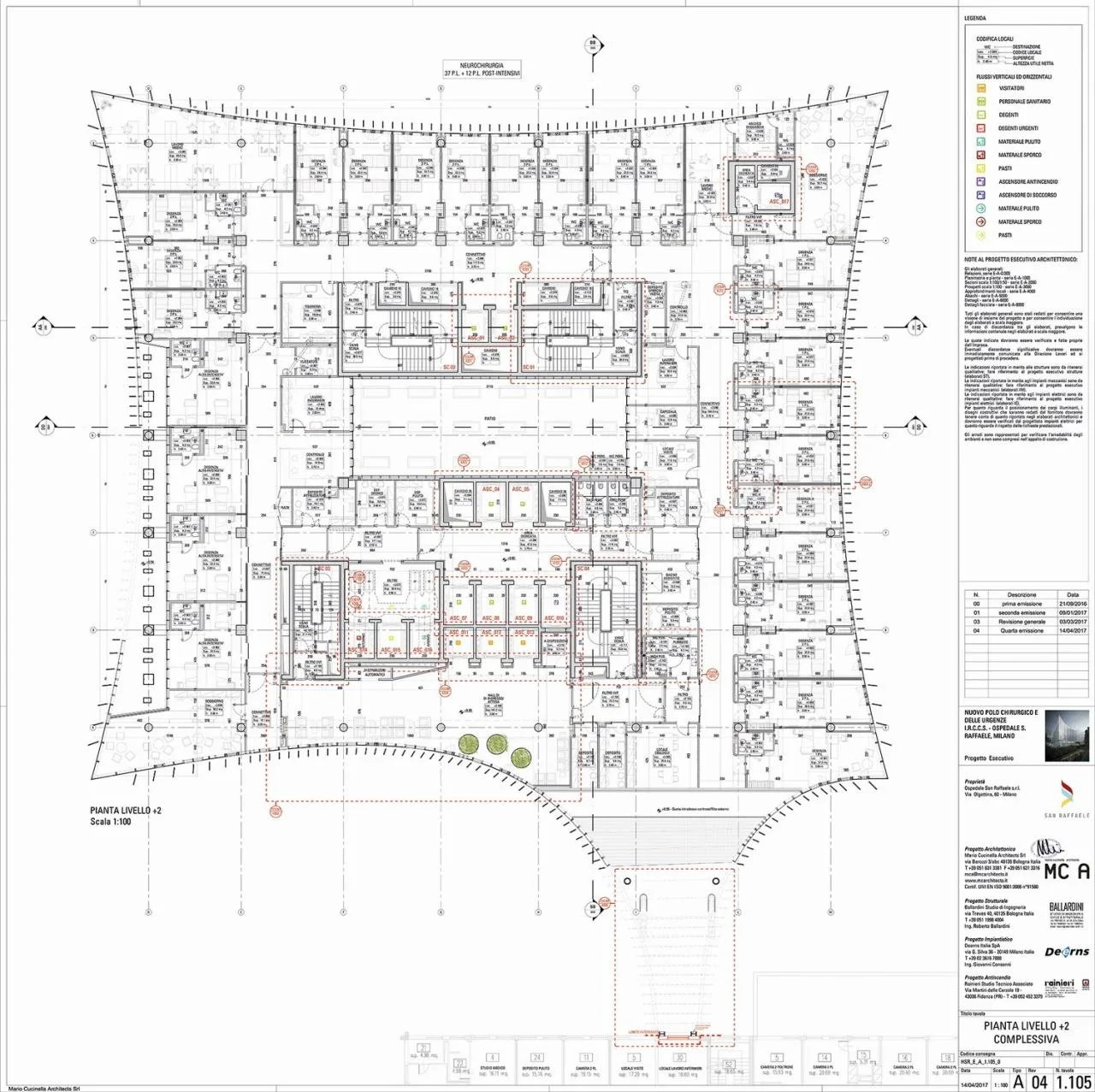
△ Third Floor Plan
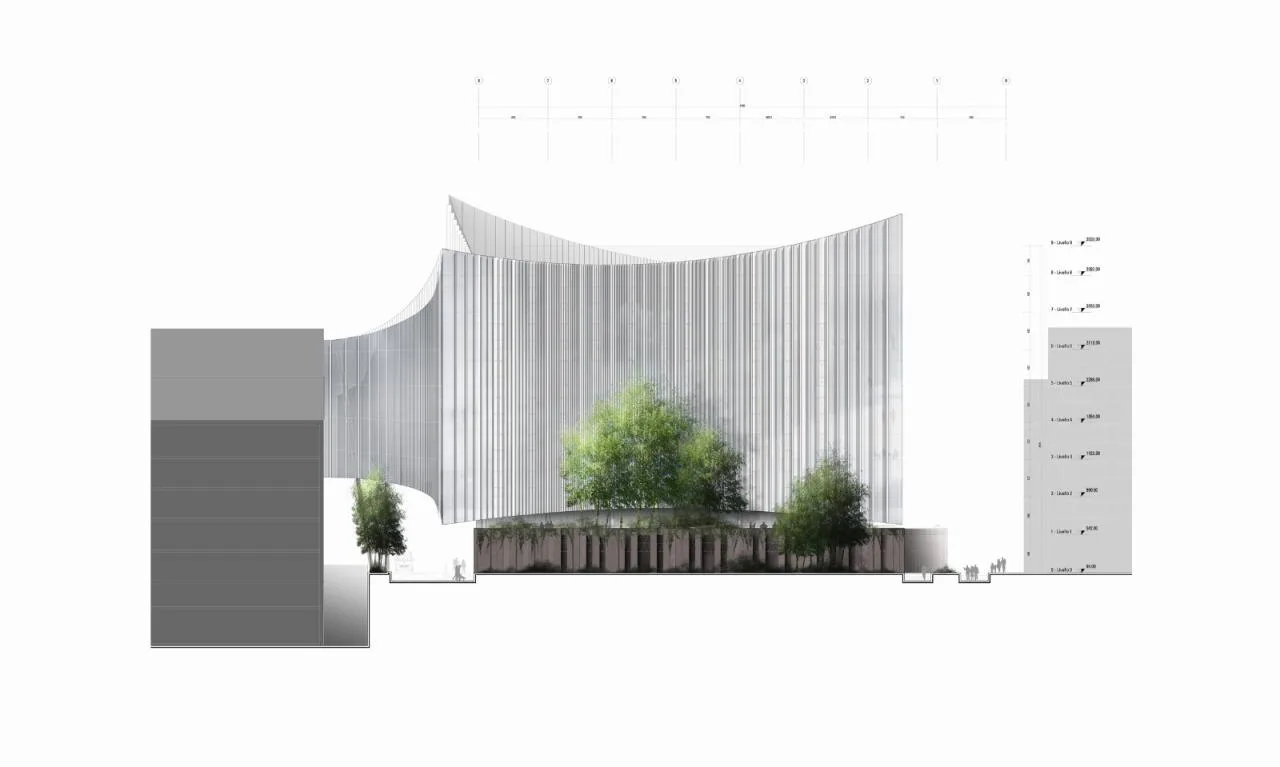
△ Elevation Drawing
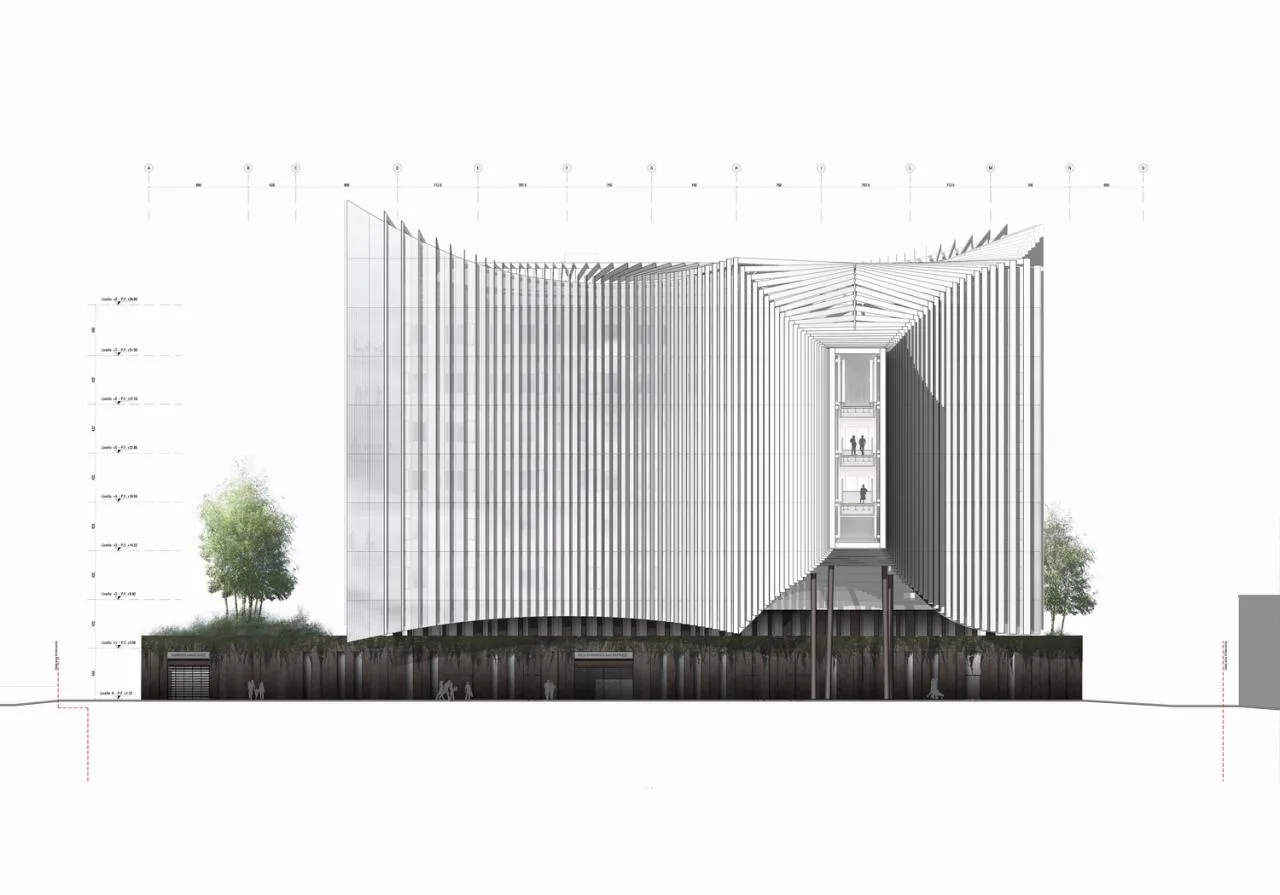
△ Elevation Drawing
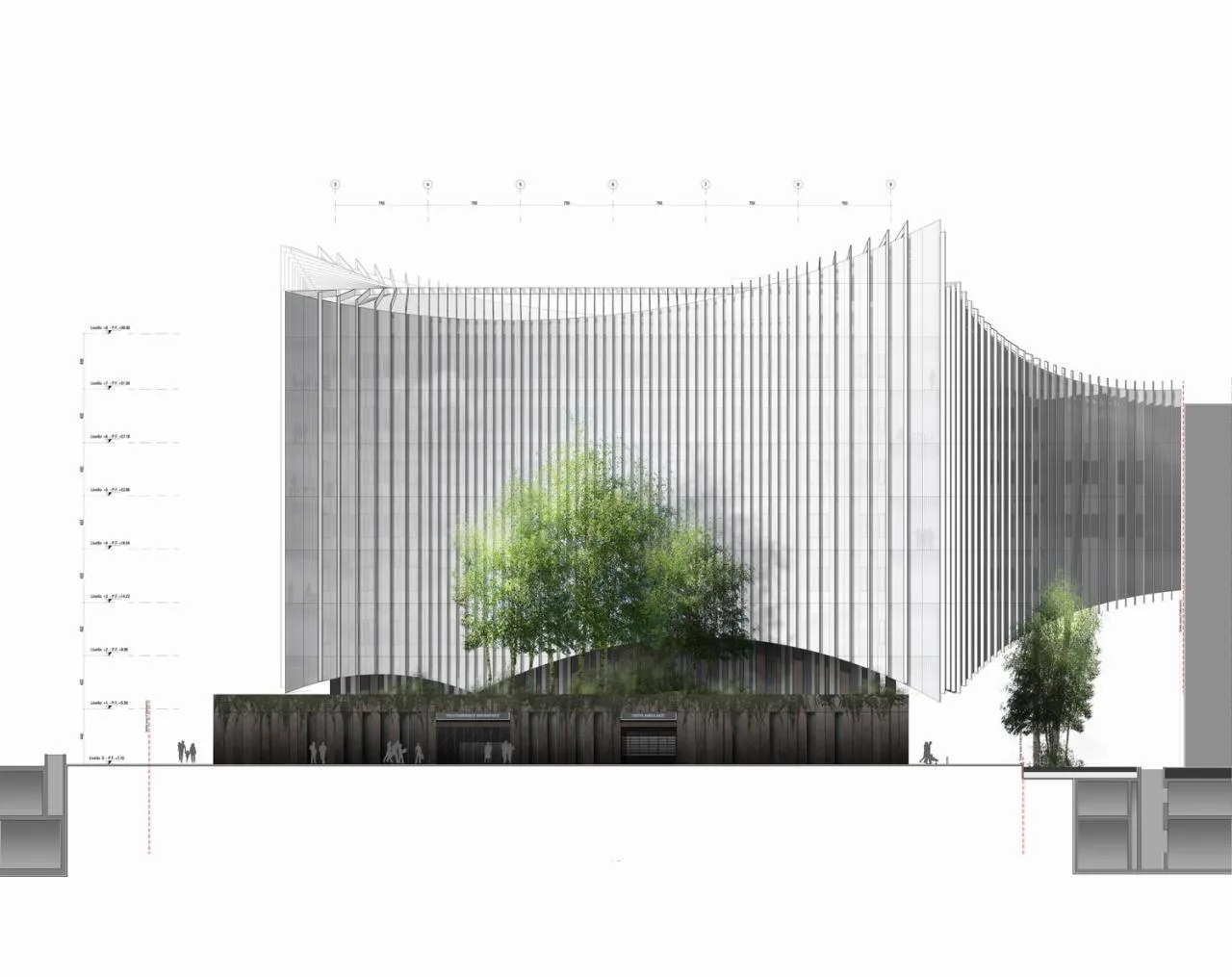
△ Elevation Drawing
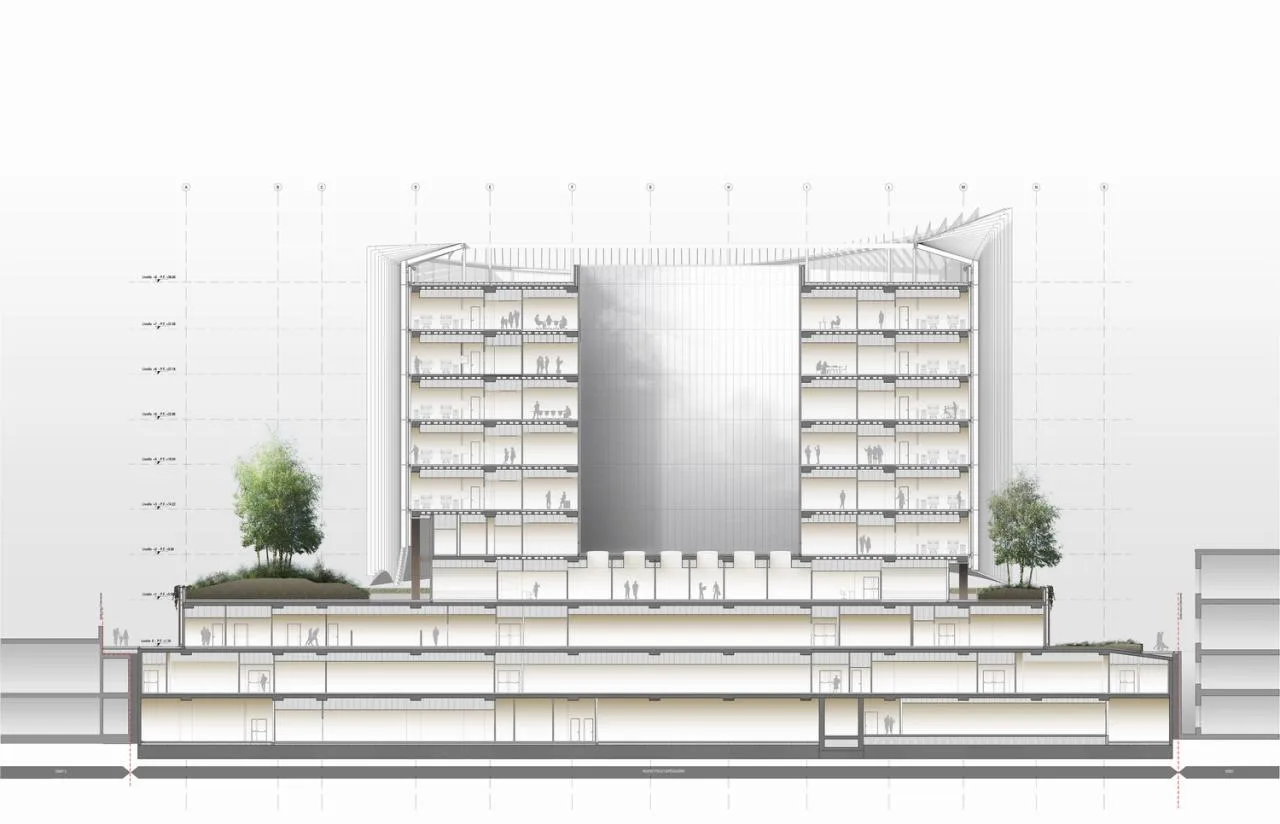
△ Section Diagram
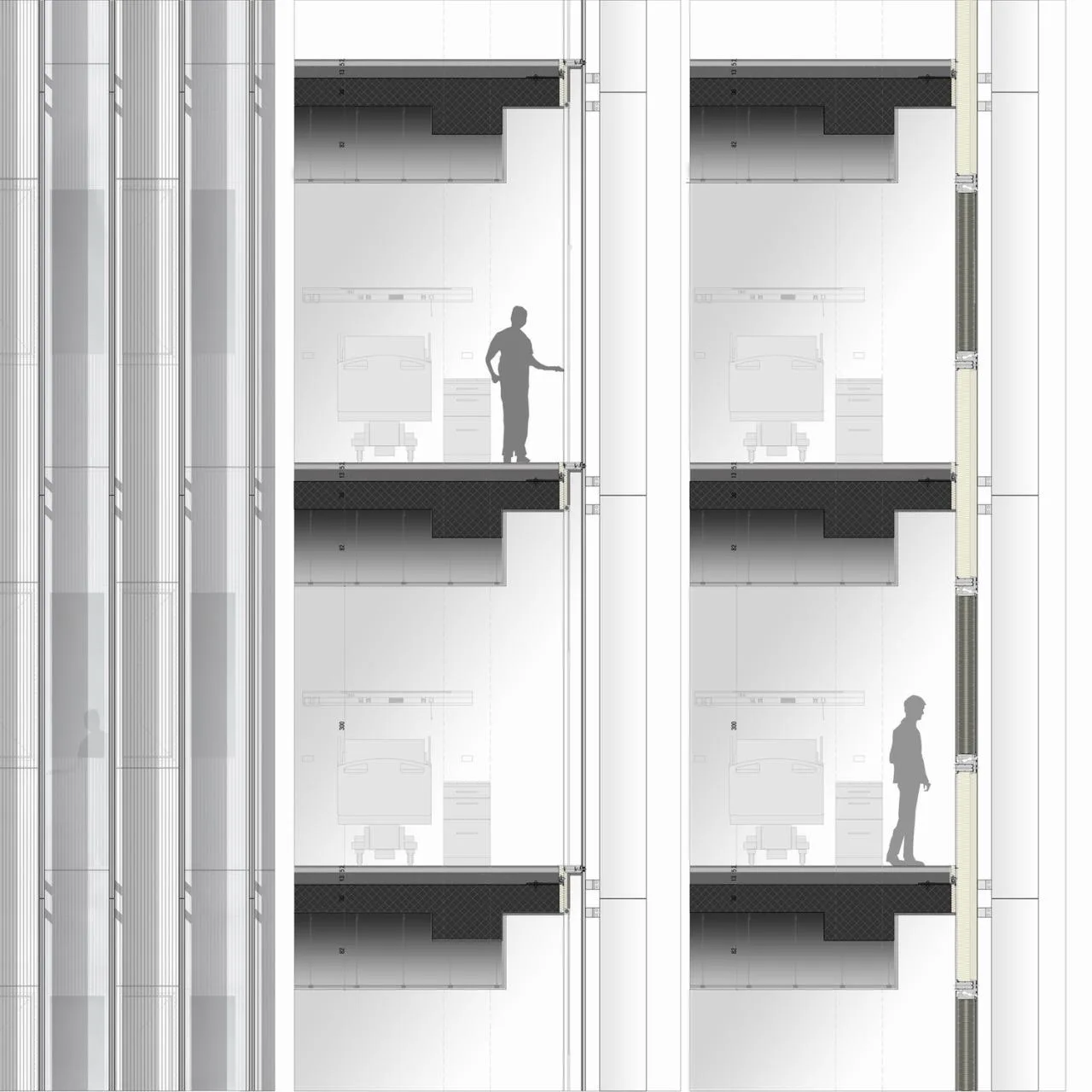
△ Detailed Drawing
Project Information
Location: Milan, Italy
Year: 2021
Client: IRCCS Ospedale San Raffaele
Team: Mario Cucinella, Marco Dell’Agli, Giulio Desiderio, Michele Olivieri, Emanuele Dionig, Martina Buccitti, Laura Mancini; Alberto Menozzi, Giuseppe Perrone, Matteo Donini, Lello Fulginiti, Daniele Basso. Bioclimatic Design: Andrea Rossi. Models: Yuri Costantini, Ambra Cicognani, Andrea Genovesi. Competition: Eurind Caka, Stefano Bastia
Visual Effects: Engram Studio; Paris Studio
Photography by Duccio Malagamba
Project Management: Alessandro Bartucci; Adriano Moras
Bathroom Layout: InAr Ingegneria Architettura
Structural Engineering: Ballardini Studio di Ingegnaria
Technical Equipment: Deerns Italia SpA
Construction Company: Itinera SpA
Security Coordination: Giuseppe Omodeo
Façade: Aza Aghito Zambonini Srl












Must log in before commenting!
Sign Up