
During the construction phase, BIM models are integrated with quantity and pricing software, enabling the intelligent retrieval of various quantity standards for accurate calculation and matching. This process results in precise engineering quantity and cost estimates. When design changes occur, the quantity model is updated by modifying the BIM model and linking it to the pricing software. Meanwhile, the construction team can simulate and optimize the construction schedule and sequencing based on relevant engineering quantities, quotas, and the specific construction environment.
For complex or critical sub-projects, relevant BIM model components are isolated to simulate and optimize the construction plan. This involves associating model components with timelines, resource allocation plans, and other factors. Upon project completion, a comprehensive completion model is created based on both the design and construction models. This model contains all project construction information and connects to operational, maintenance, and asset management data.
Given the growing size and complexity of domestic engineering projects, customized management software is often required throughout construction. These tools help manage resources, schedules, costs, technology, and quality. All of these multidimensional management activities rely on a shared building information platform — the BIM model.
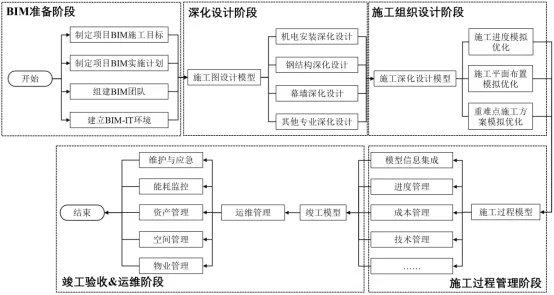
Figure 1: Construction & BIM collaboration path during the operation and maintenance phase
In the operation and maintenance phase, the completion model serves as the foundation for integrating BIM data with monitoring systems to analyze space resource utilization, as well as to manage and track space usage effectively. For building equipment maintenance, BIM models provide a clear, visual tool to coordinate progress and assign responsibilities for maintenance activities.
Moreover, when equipment malfunctions occur, the BIM platform facilitates rapid identification of the best solution, enabling efficient coordination between management records, personnel, and materials. This streamlined interaction significantly enhances operational efficiency.
Source: “Research on the Influencing Factors and Improvement Path of BIM Modeling Software Development in China” by Chen Jianqiang
















Must log in before commenting!
Sign Up