
The following outlines the steps for creating a Revit structural model:
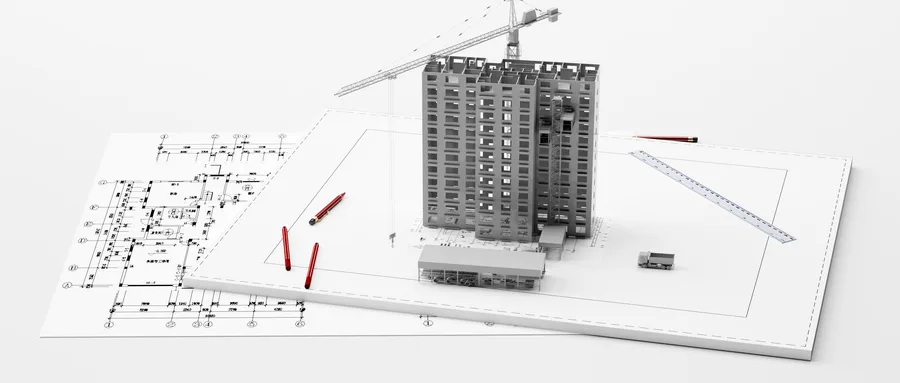
① Creating Column and Shear Wall Models
Start by importing CAD drawings of structural walls and columns based on the established elevation grid. Align the drawings with the grid and lock them in place to ensure accurate component positioning. When naming structural columns, use the format: S (for structural) – column name from the drawing – size – concrete grade – column. For shear walls, follow the naming convention: S-part – wall name from the drawing – wall thickness – concrete grade – shear wall. Define the properties of each component according to its name, concrete grade, and the relative height offset specified in the drawing. Then, place column components by snapping to axis intersection points, draw shear walls along the axes, and perform component deductions using civil engineering calculation software.
② Creating Beam Models
Similarly, import the CAD drawing of the beams into Revit and lock it. Name beams following this pattern: S-beam name size concrete grade beam, as shown in the drawing. Define beam properties consistent with the drawing’s specifications. To keep components on the correct floor, offset them to the corresponding floor elevation. When drawing, draw beams directly to the center of the columns, just as you do with shear walls.
③ Creating Slab Models
Import the CAD drawing of the slabs into Revit and lock it. Use the naming convention: S-slab thickness concrete grade cast-in-place slab. Draw the slabs according to the drawing, ensuring they are aligned along the axes to avoid any gaps between slabs.
④ Creating Raft Foundation Models
The process for drawing raft foundations is similar to that of slabs. Follow the naming rule: S-thickness concrete grade raft foundation. When drawing, use either the foundation base plate family or the floor plate family, but be sure the name includes raft foundation or “FB.” This naming is essential for proper recognition when importing the model into civil engineering calculation software.
Using Revit 2016, create a 3D model of the project by layering and partitioning according to the steps outlined above.













Must log in before commenting!
Sign Up