
To enable collaborative work, rapid modeling, and efficient extraction of business data across various disciplines, it is necessary to split the model during the modeling process due to current hardware limitations. Using a single model file for the entire project is not feasible. Although there are no strict rules or standards for model splitting, it is generally divided according to architecture, structure, and electrical pipelines for better collaboration. The following guidelines provide specific examples of how to approach model splitting:

Principles for Splitting Architectural Models
1. Split based on building zones;
2. Split according to building numbers;
3. Split along construction joints;
4. Split by floor levels;
5. Split based on building components.
Principles for Splitting Curtain Wall Models
1. Split according to building facades;
2. Split based on building zones.
Principles for Splitting Structural Models
1. Split according to structural partitions;
2. Split by building numbers;
3. Split along construction joints;
4. Split by floor levels;
5. Split based on structural components.
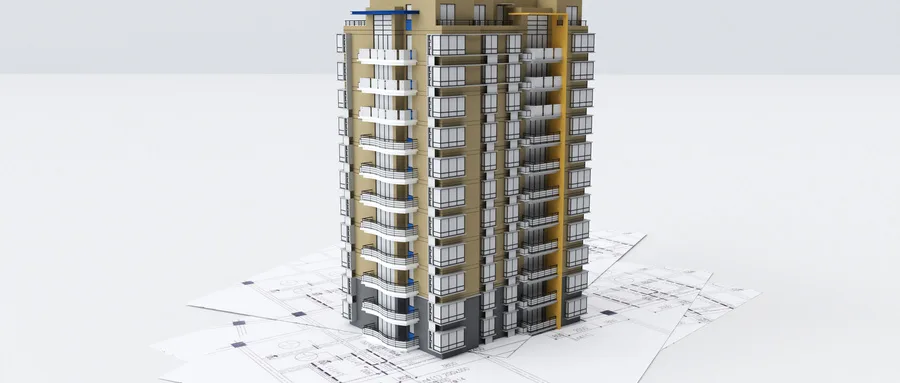
Principles for Splitting Steel Structure Models
1. Split according to building facades;
2. Split based on building zones.
Principles for Splitting Mechanical and Electrical Pipeline Models
1. Split based on building zones;
2. Split according to building numbers;
3. Split along construction joints;
4. Split by floor levels;
5. Split based on system or subsystem.
The above principles for BIM model splitting have been compiled by Leg Leg Editor for your reference. Feel free to save and review them as needed!
















Must log in before commenting!
Sign Up