
Following the second reform in the information technology industry, emerging technologies like Building Information Modeling (BIM) and Virtual Reality (VR) have significantly influenced traditional architectural design methods. These advancements have prompted reforms and innovations in architectural design and thinking. In recent years, the integration of BIM and VR technologies has gradually gained popularity and found increasing application in the field of architectural design.
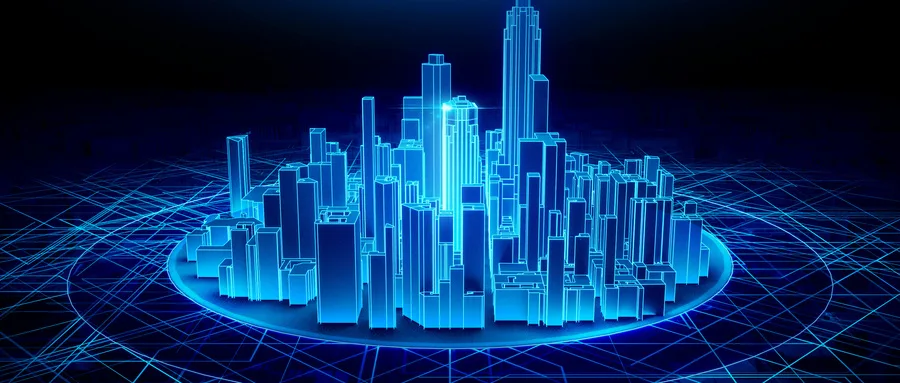
Compared to traditional architectural design approaches, the BIM+VR collaborative design method offers several key advantages:
(1) BIM+VR technology utilizes virtual reality (VR) environments as a platform to showcase building information models. It can integrate additional data beyond conventional BIM information, creating a comprehensive digital database for model information.
(2) The BIM+VR model is a three-dimensional data information model that encompasses all building information attributes. Once established, this 3D model can be used to generate floor plans, elevations, and sections required for construction, thereby reducing design time and improving efficiency.
(3) The integrated BIM+VR technology supports collaborative design by enabling rapid transmission of 3D models to the cloud. This allows relevant professionals to share and communicate designs in real time, minimizing errors that often occur in traditional workflows due to repeated revisions.
(4) BIM and VR technologies are interconnected within the integrated design process. After the BIM data model is built, it can be imported into a VR environment for immersive experience. This VR platform enables users to explore the building model at any project stage, fostering continuous interaction between BIM data and VR visualization throughout the project lifecycle.
















Must log in before commenting!
Sign Up